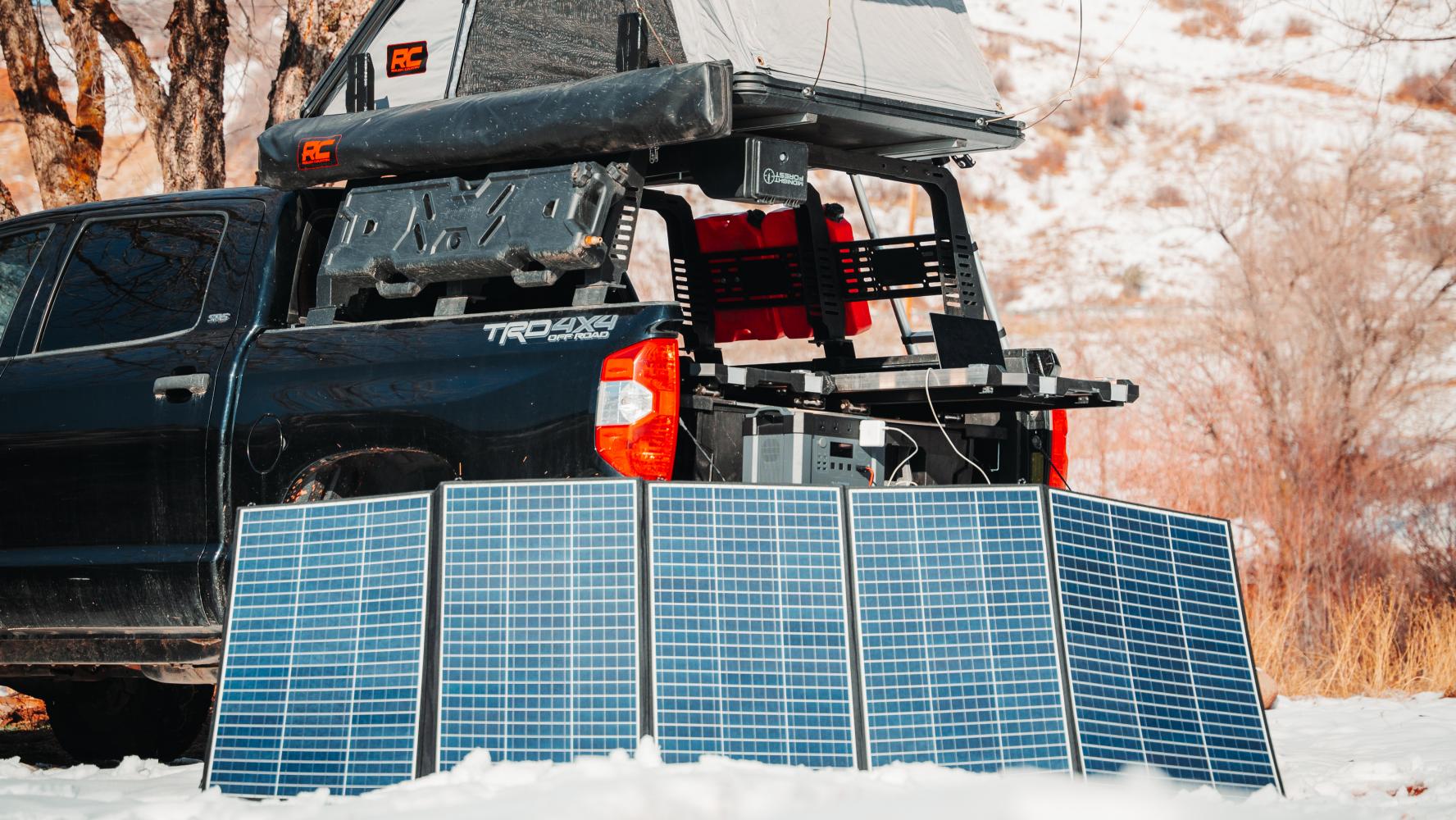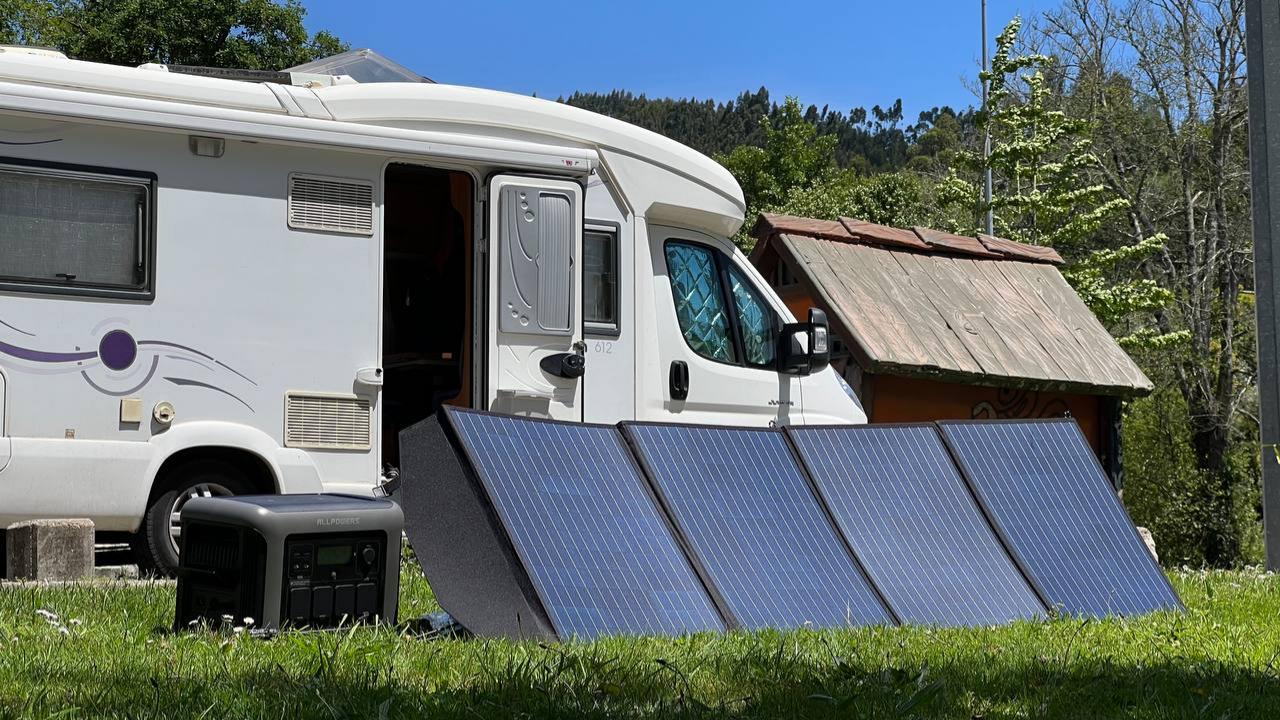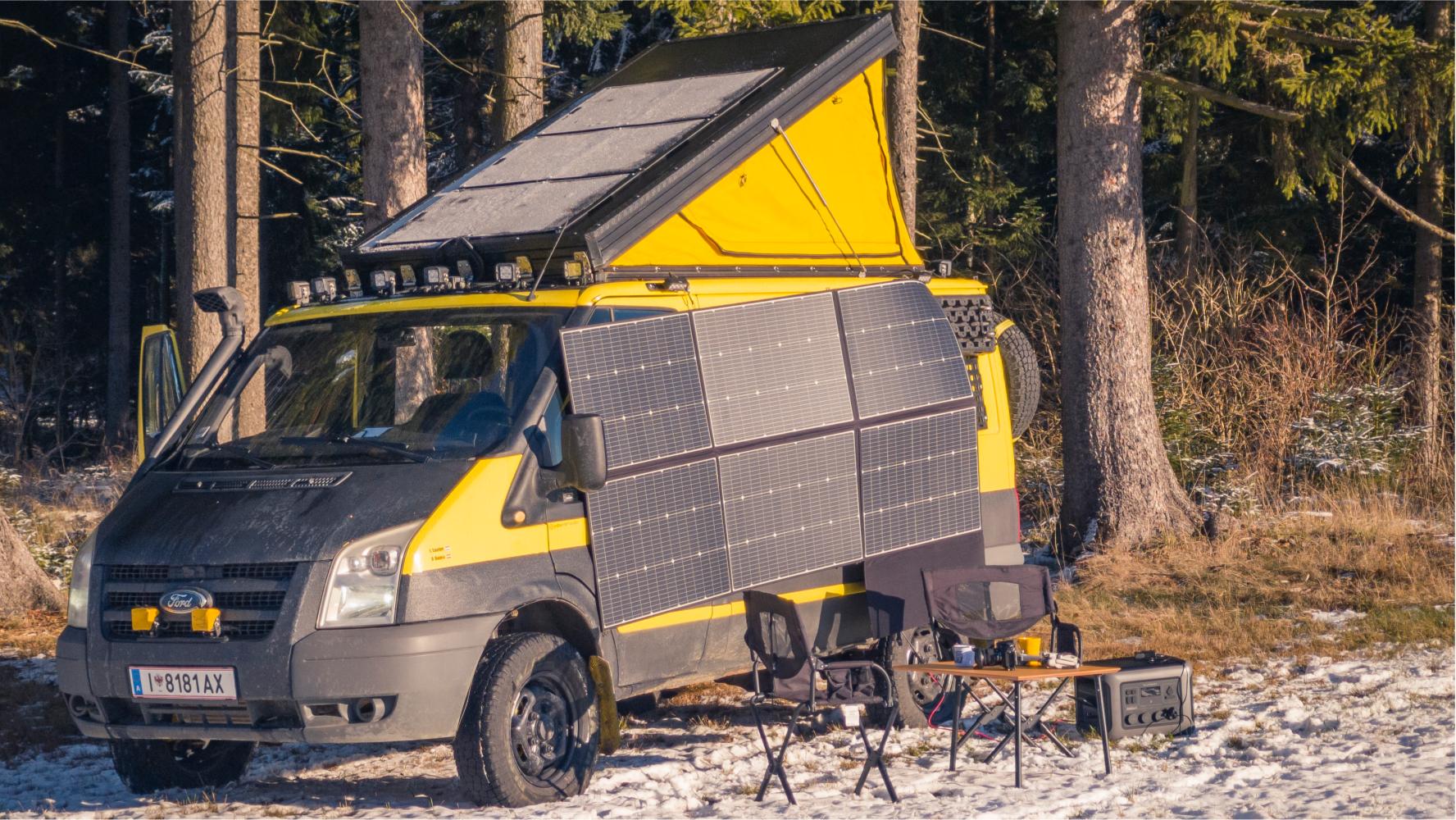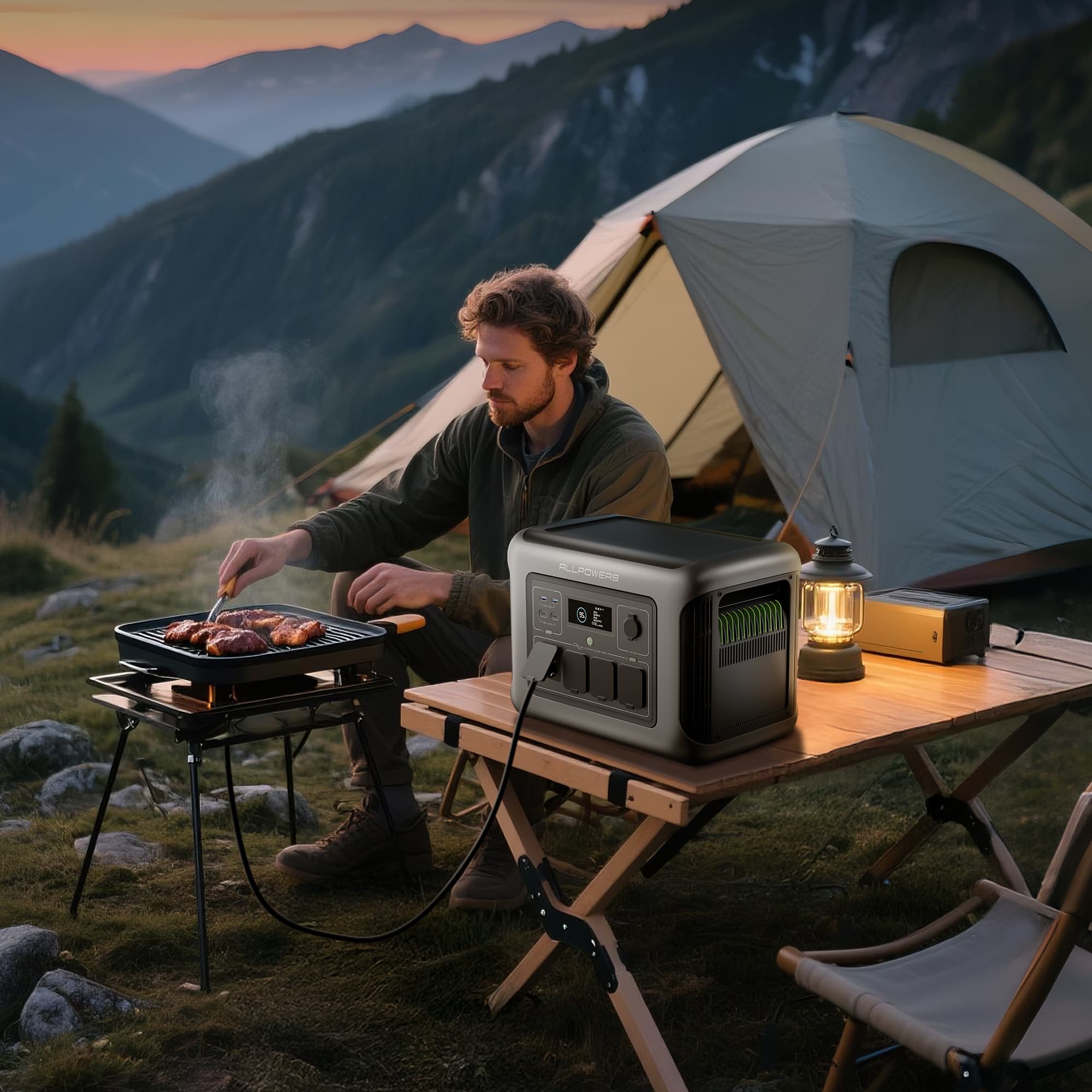








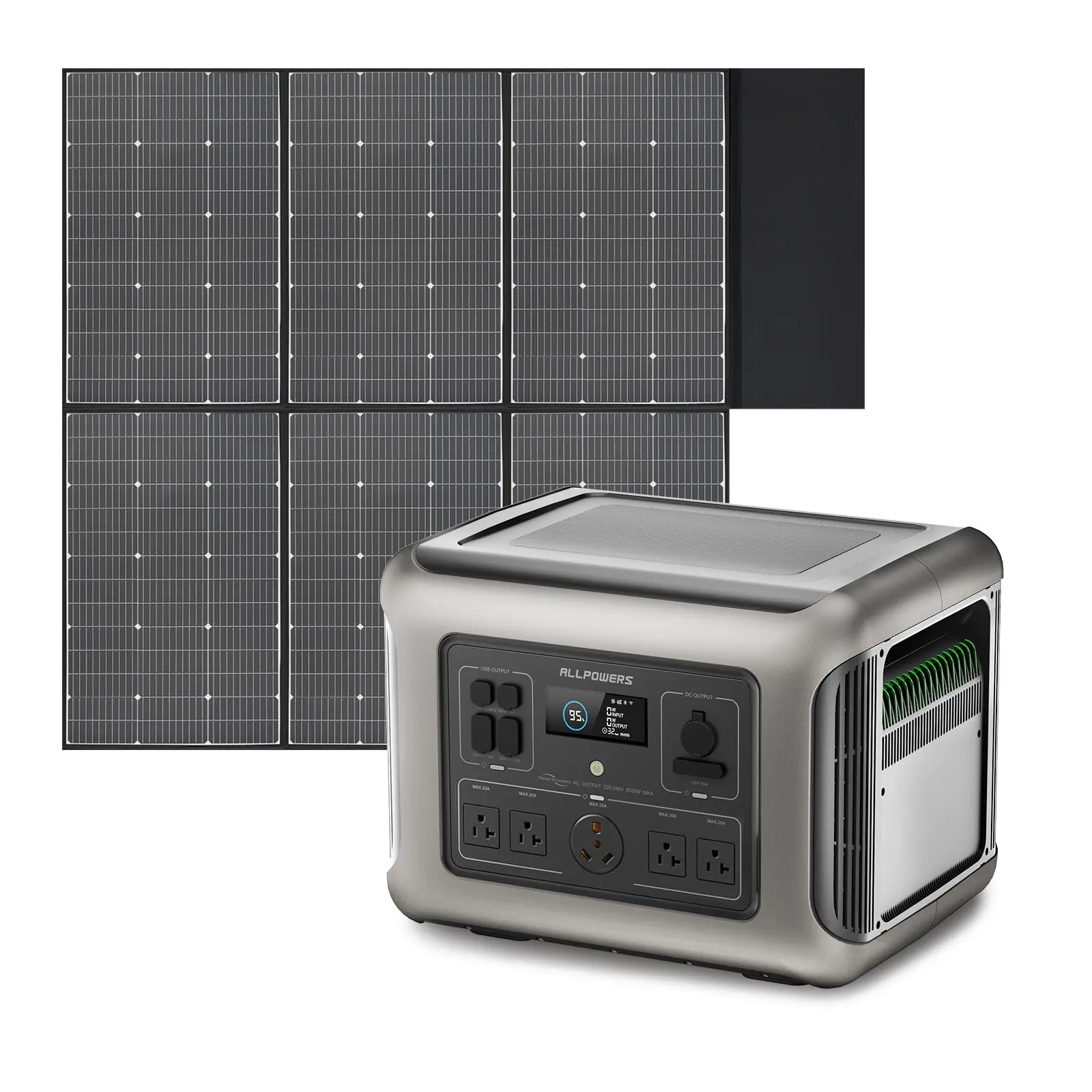
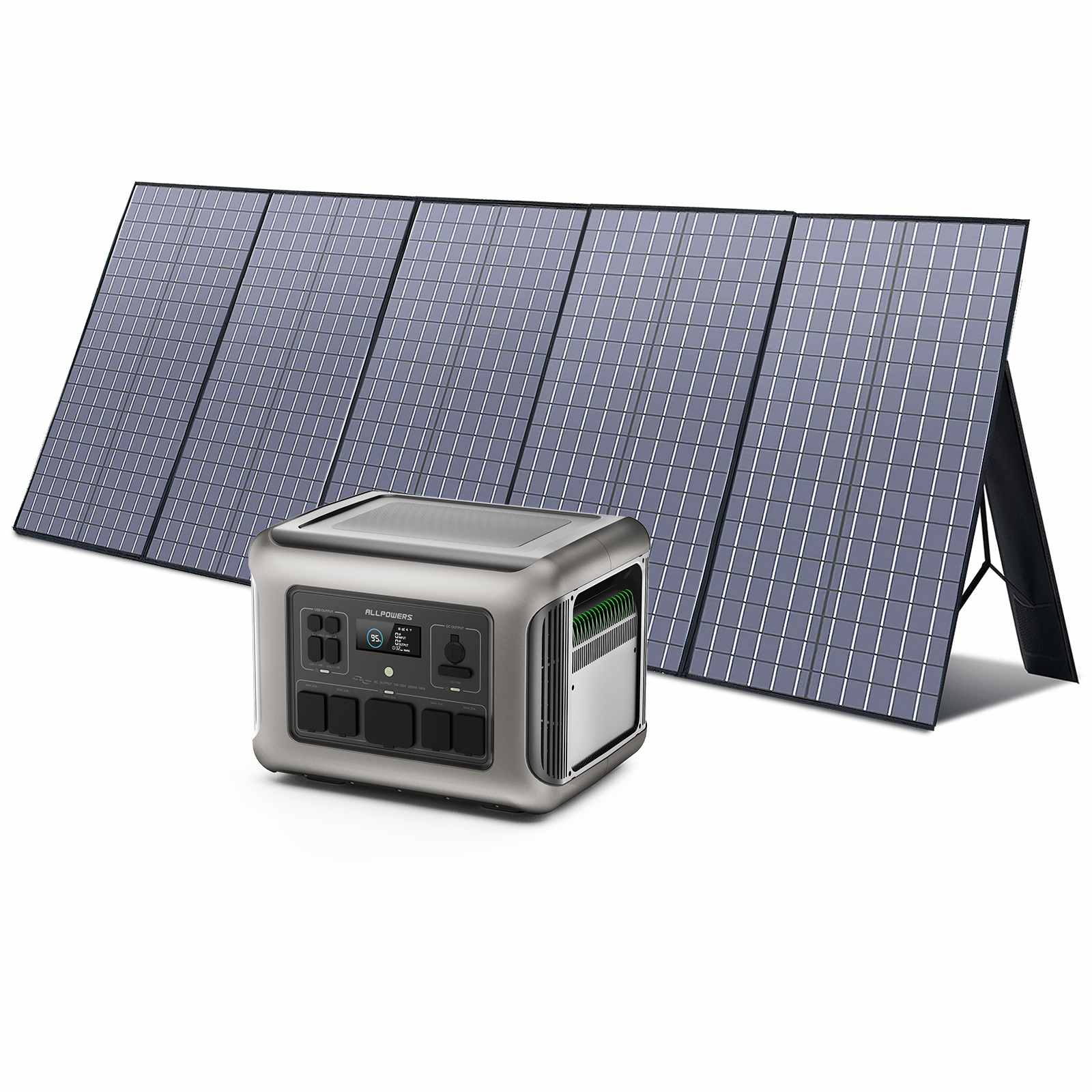
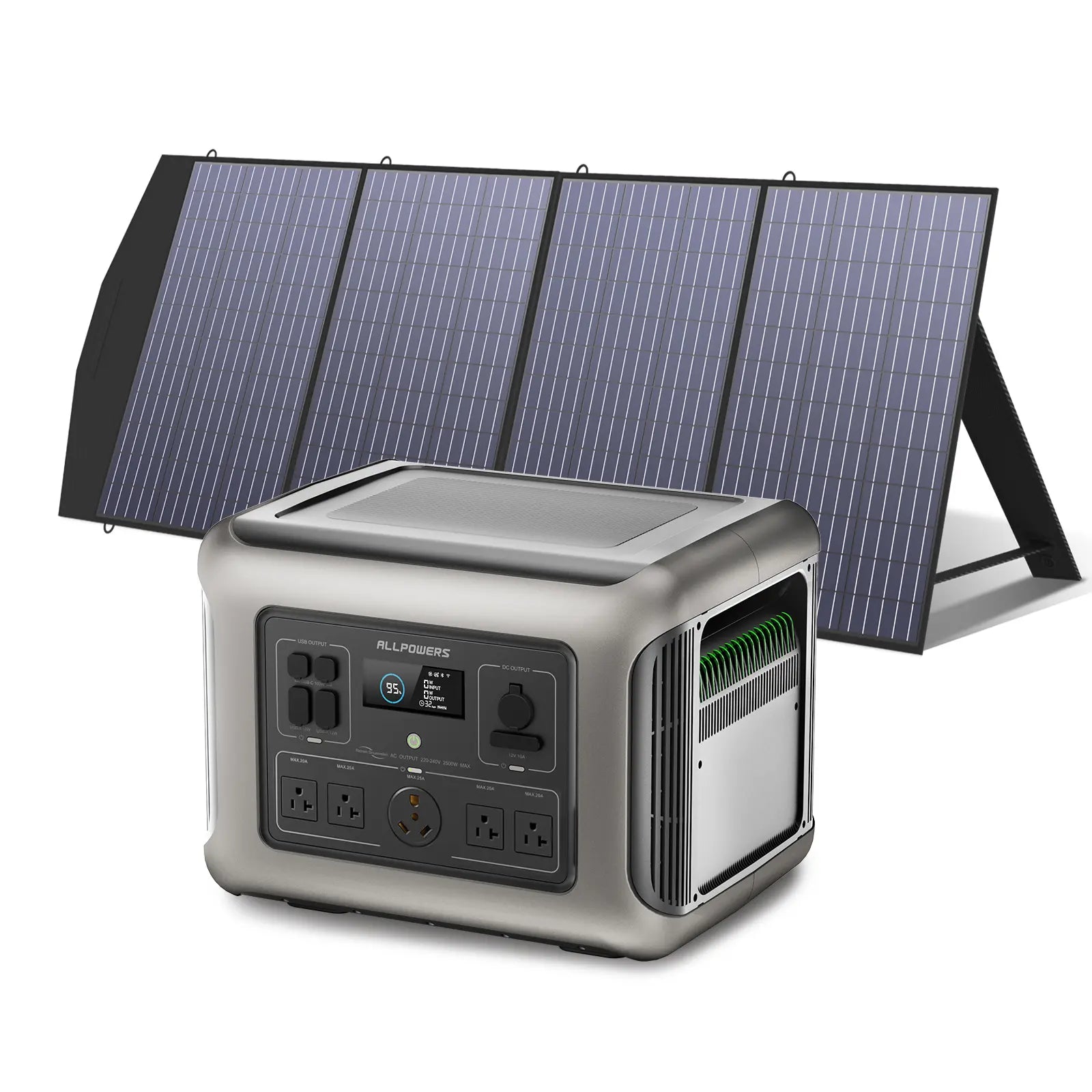
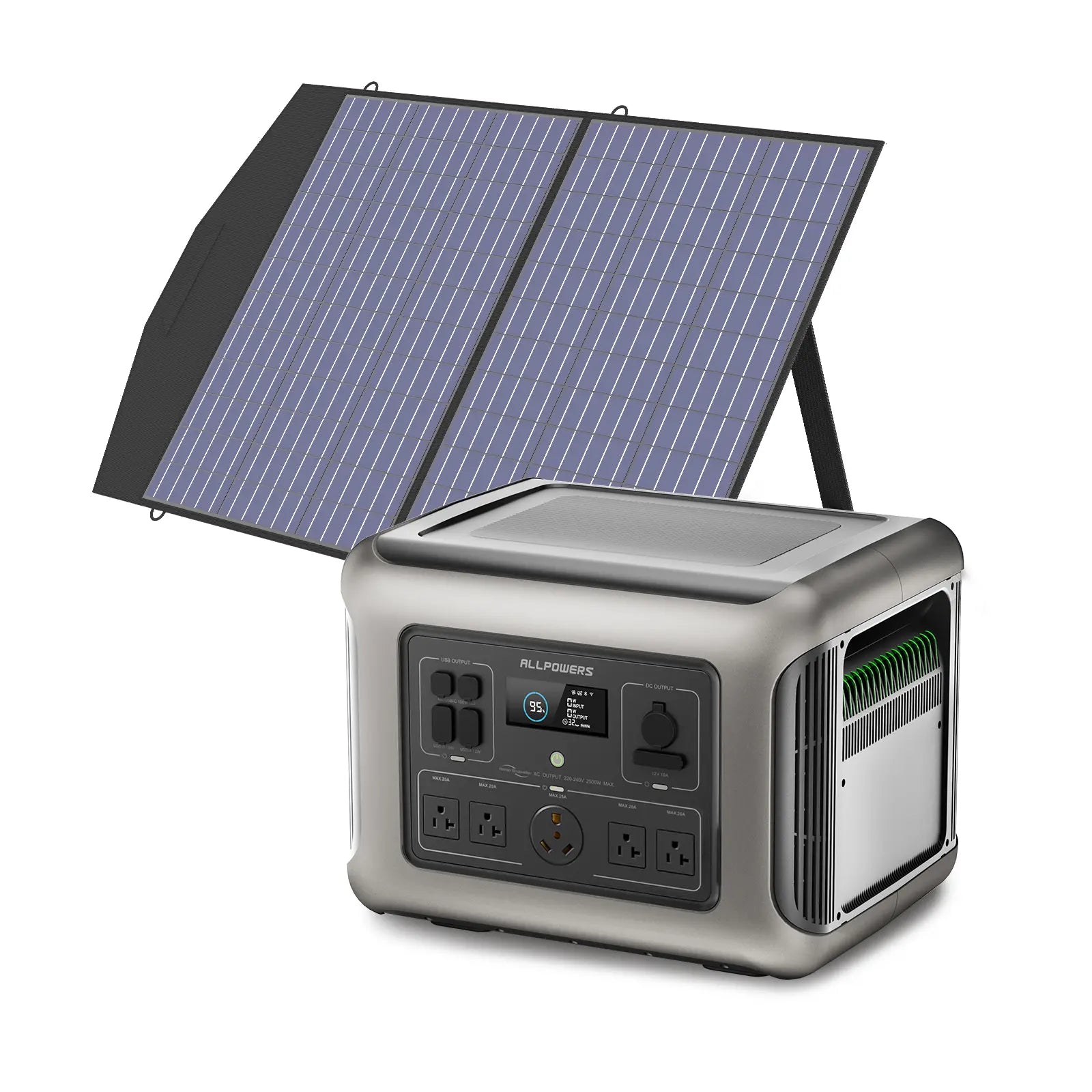
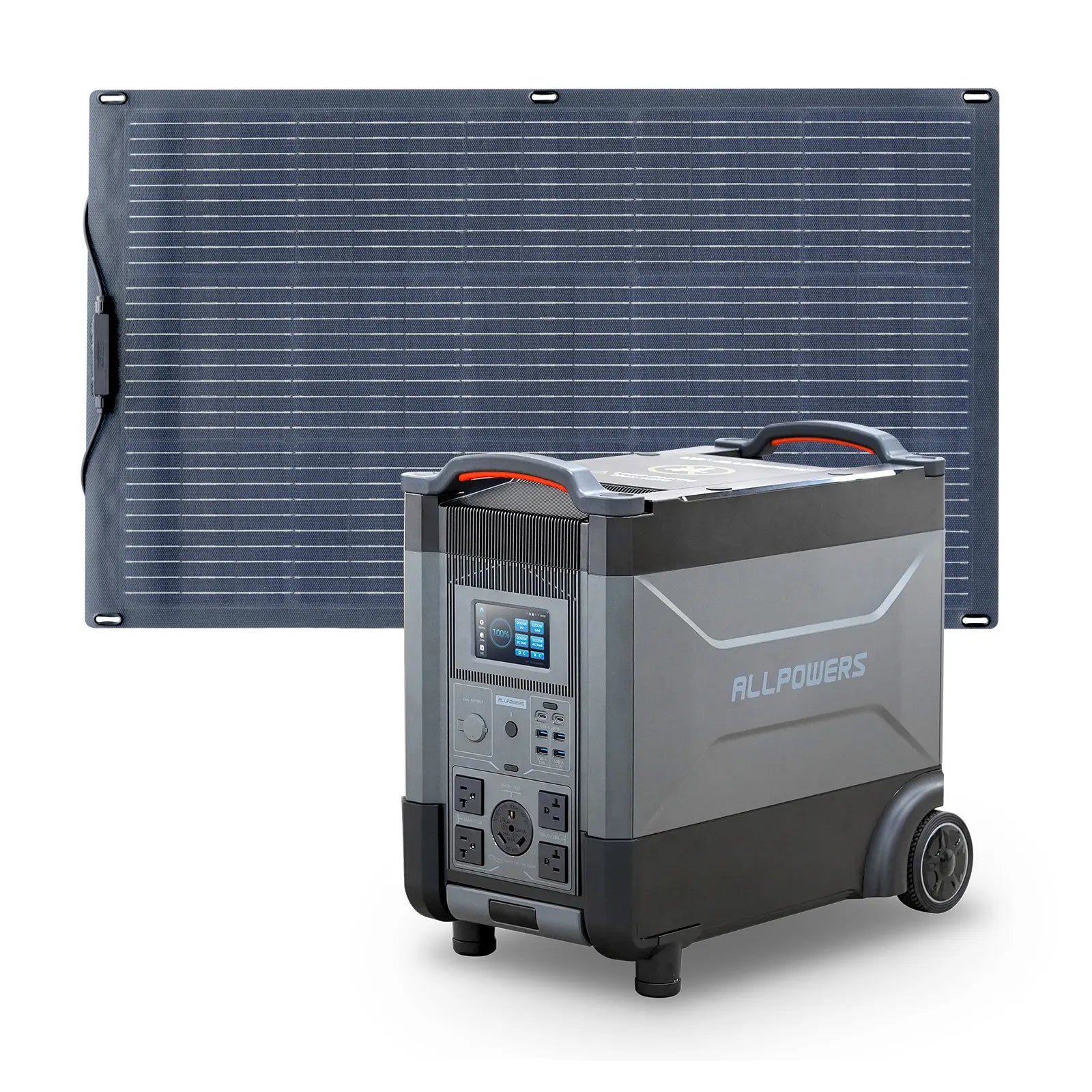
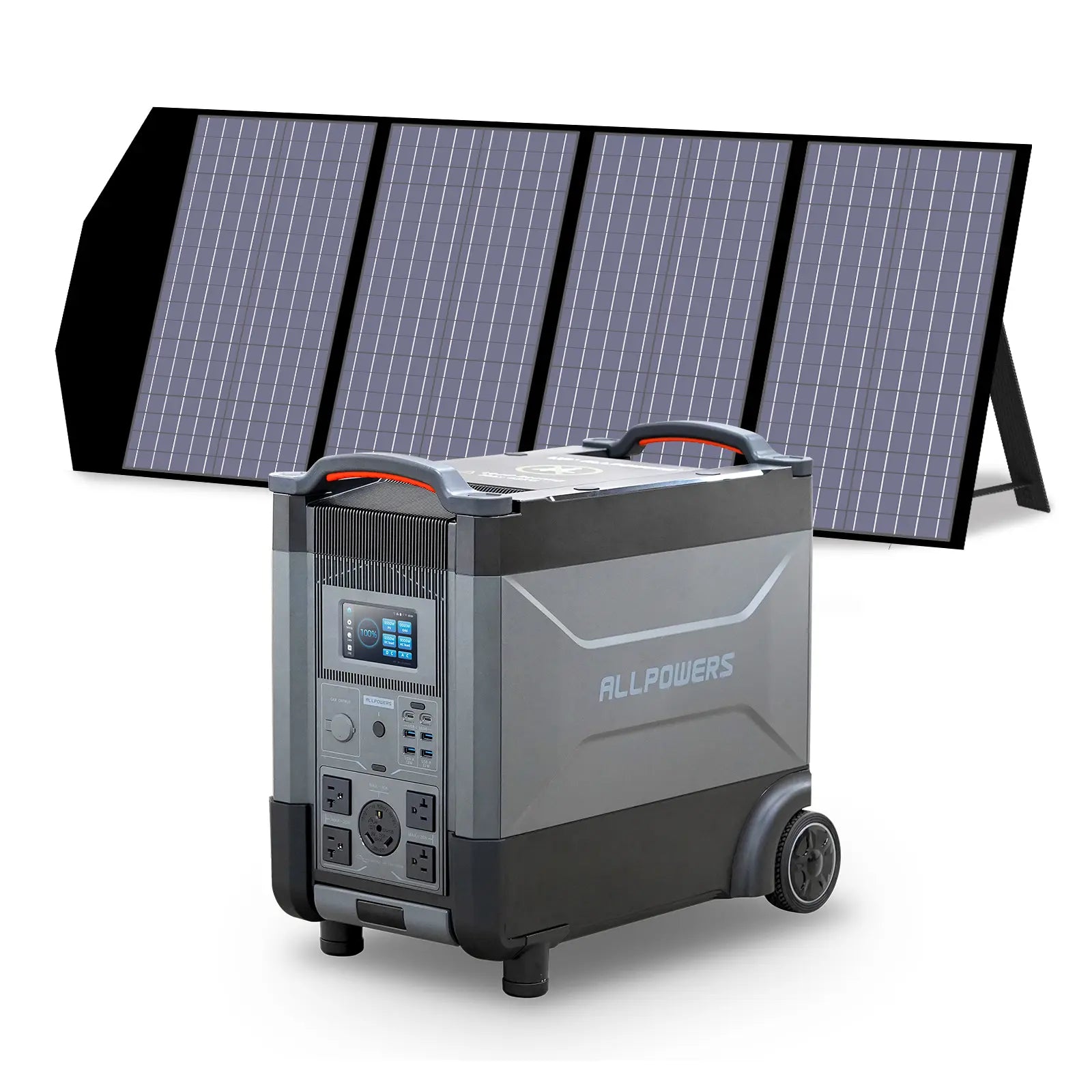
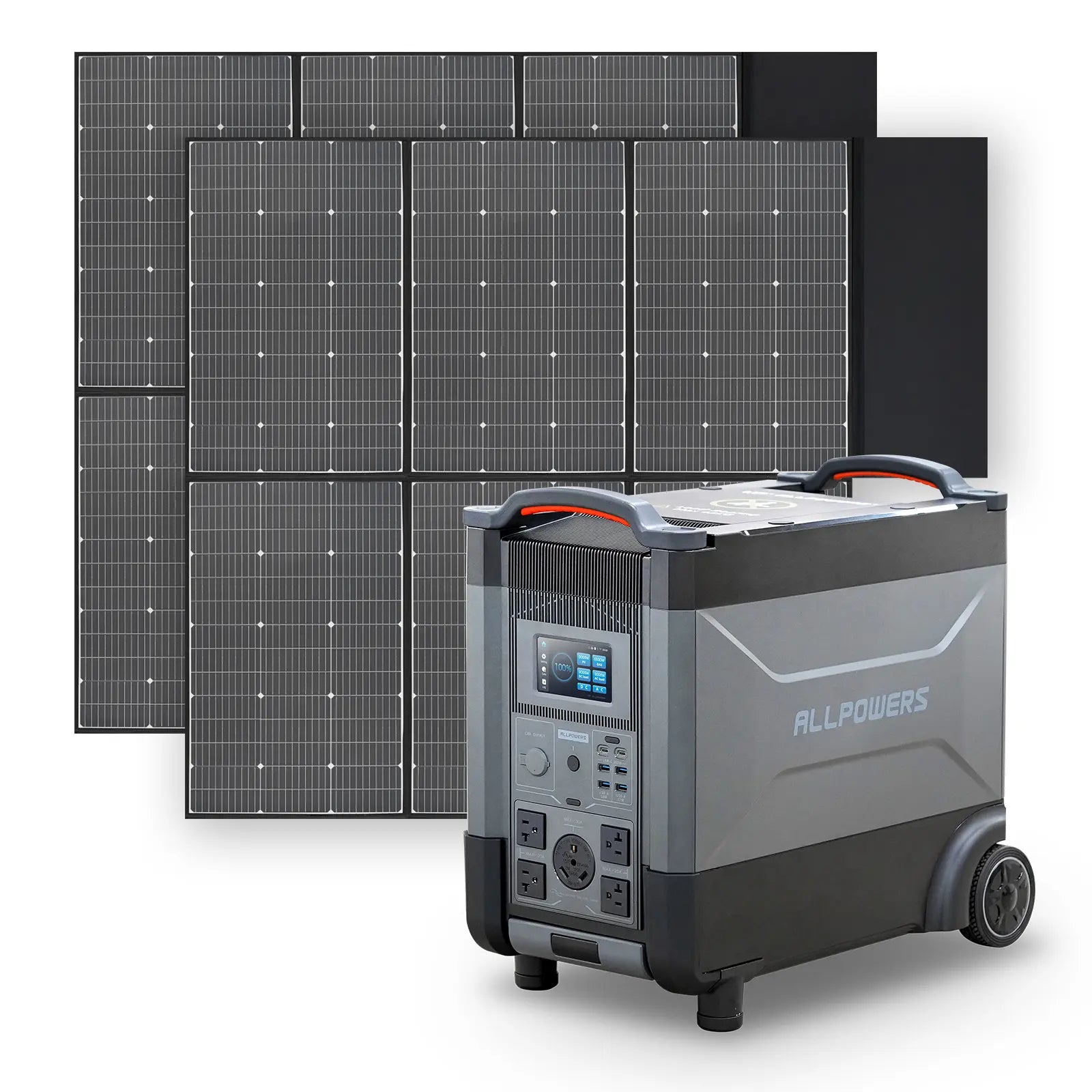
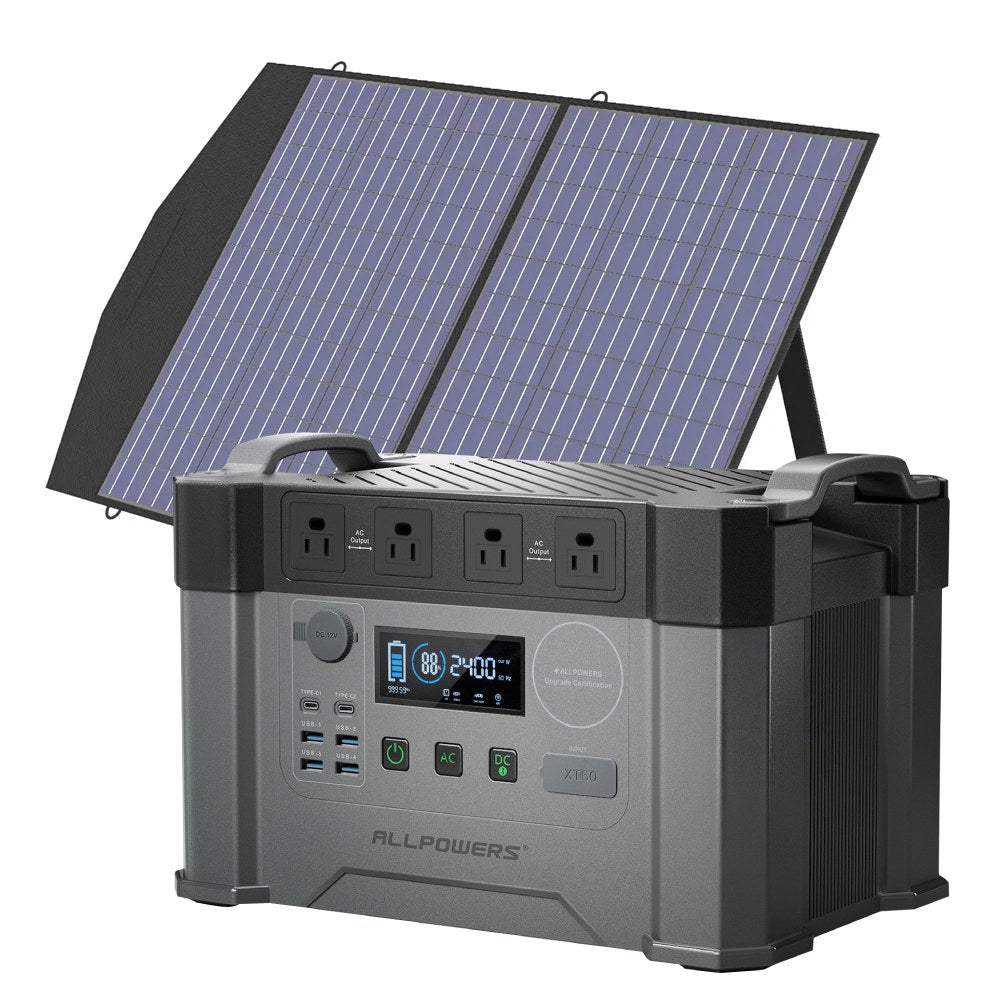
A 2500 watt generator occupies a bit of a "sweet spot" in the world of backup power.
While it might seem modest compared to those massive industrial units, it packs exactly the punch a typical household actually needs.
So, what does 2500 watts actually look like in a real-world scenario?
TL;DR:
A 2500 watt generator can handle most essential household appliances and many campsite tools, including refrigerators, microwaves, TVs, lights, laptops, and small power tools. It usually cannot run large central air conditioners, electric water heaters, or whole-house systems at once.
Why a 2500 watt Generator Sits in a Sweet Spot For Everyday Use
Bigger generators feel reassuring, but they’re louder, heavier, and often waste fuel when you’re only running a handful of devices.
Smaller units are quiet and portable, yet you end up playing musical chairs with your appliances.
A 2500 watt generator usually weighs under 50 pounds, sometimes much less. That means one person can lift it into a trunk without cursing their lower back.
For campers, tailgaters, and folks preparing for short power outages, that balance matters. You don’t want to wrestle your power source like a stubborn bear every time you move campsites.
And then there’s noise. Nobody loves the sound of an engine droning through the night. Units in this range tend to be quieter, especially inverter-style models. That matters more than spec sheets admit.
Household Essentials
During a power outage, most people don’t need luxury; they need normalcy.
A typical refrigerator uses around 600 to 800 running watts and may require 1200 to 1500 starting watts.
A 2500 watt generator can usually handle that comfortably.
Add a few LED lights (which sip power—often under 15 watts each), a Wi-Fi router, and a laptop, and you’re still well within range.
You can also run a television—modern LED TVs usually draw 100 to 200 watts.
Throw in a fan for airflow (50 to 100 watts), and the system remains stable.
Kitchen Appliances
The kitchen is where people overload generators most often.
It’s not that a 2500 watt unit can’t run kitchen gear—it can. It just can’t run all of it together.
A typical microwave pulls around 1200 watts. A toaster oven might draw 1500 watts.
An electric kettle can hit 1500 watts too. Use them one at a time and you’re fine. Stack them and you’re in trouble.
Full-size electric ranges often demand 3000 to 5000 watts or more. That’s well beyond this generator class.
Honestly, during outages or camping trips, simpler cooking methods make more sense.
Propane camp stoves, grills, or induction cooktops powered by battery-based systems can ease the strain.
It’s not about giving up convenience—it’s about matching the tool to the task.
Camping Setups
Beyond the house, a 2500-watt generator shines in outdoor settings.
An RV refrigerator (on electric mode), LED lighting, water pump, TV, phone chargers, and even a small air conditioner can operate within this range.
It’s enough to make a campsite feel like a tiny off-grid apartment.
Tailgating? Easy. A TV, speaker system, slow cooker, mini fridge. You’re still under capacity.
Altitude, by the way, reduces generator output. Up in the Rockies, you might lose 3 percent of power for every 1000 feet above sea level.
Power Tools
Now let’s shift to worksites or backyard builds.
Most handheld power tools fall between 600 and 1500 watts. A circular saw might surge to 1800 watts briefly.
A drill typically stays under 1000 watts. An air compressor—small pancake style—can run fine if you’re not pushing it nonstop.
A 2500 watt generator is popular on light construction sites because it strikes a balance: enough muscle to run saws and drills, but still portable enough to lift into a truck bed.
If you’re running one major tool at a time, you’re safe. Two heavy tools together? That’s where you check specs carefully.
Comparing 2500 Watts To Larger Portable Units
When people ask if 2500 watts is “enough,” they’re usually comparing it to 3500 or 5000 watt models.
A 3500 watt generator can handle heavier loads simultaneously—like a refrigerator plus a microwave plus a sump pump.
A 5000 watt model edges into whole-home backup territory for small houses.
But bigger isn’t always better.
Larger generators consume more fuel, weigh more, and make more noise.
A 2500 watt inverter generator is often under 50 pounds and easier to transport.
For tailgating, overlanding, or emergency backup for essentials, that portability is gold.
Fuel Generators Vs Modern Battery-Based Systems
Fuel generators still dominate in raw power per dollar. There’s no denying that.
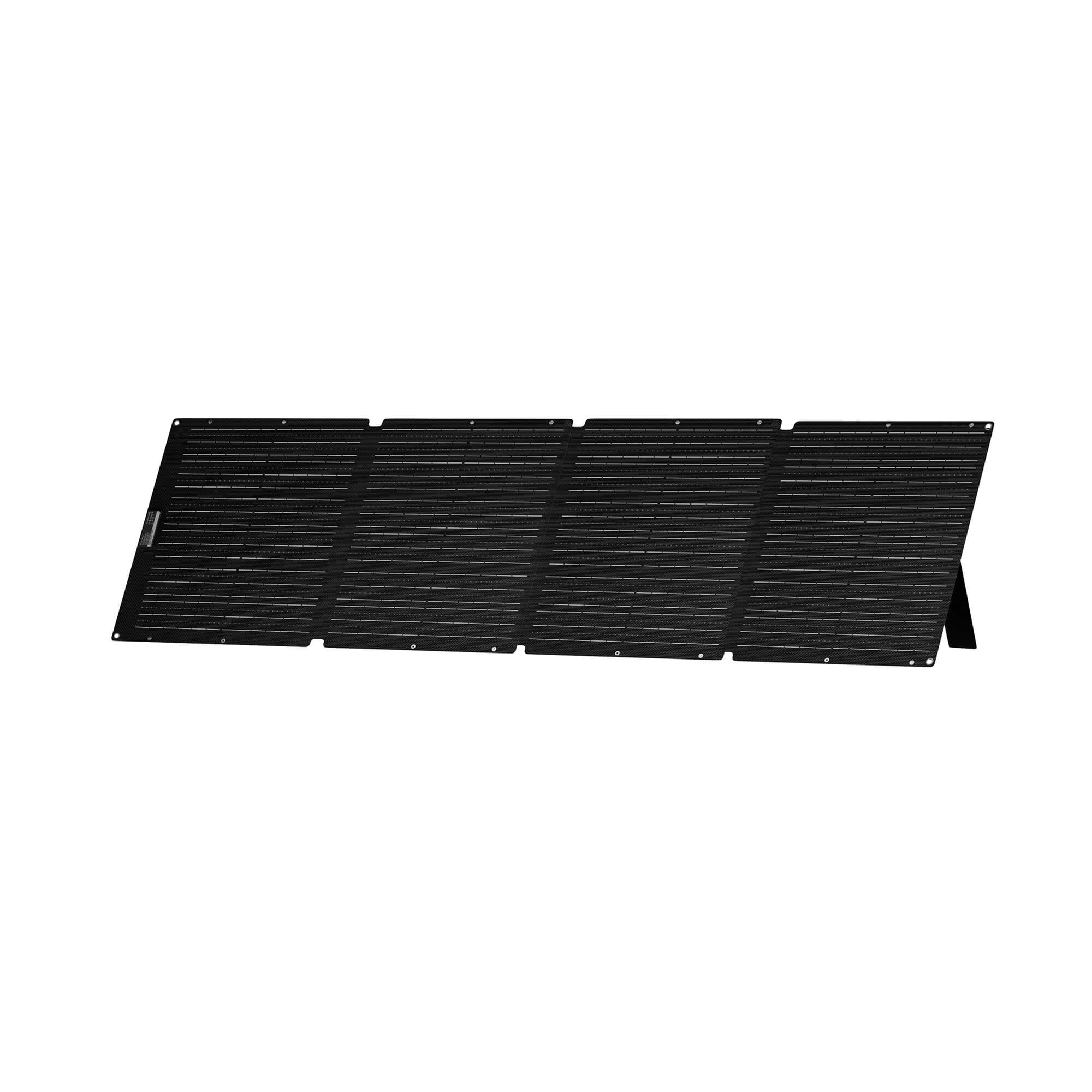
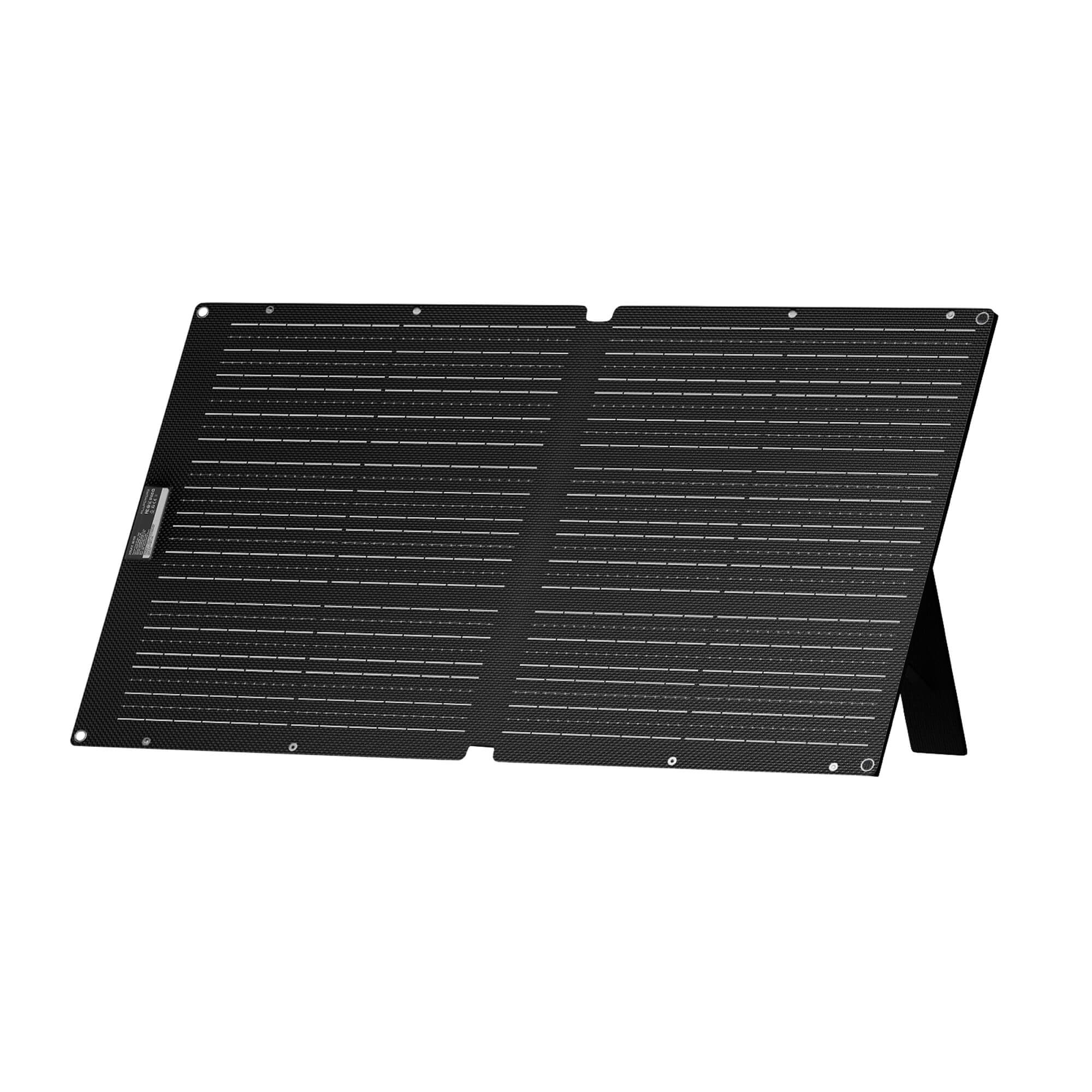
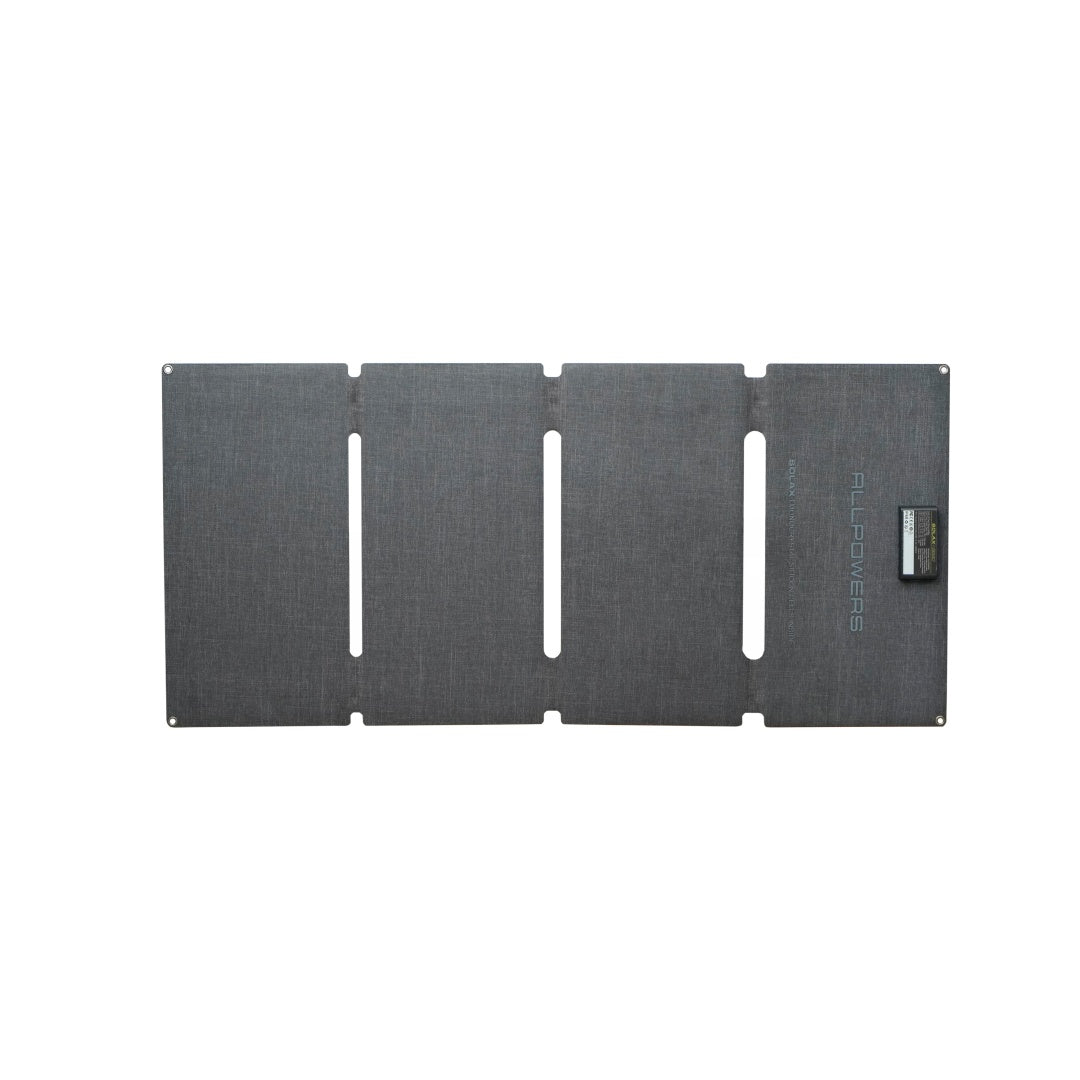
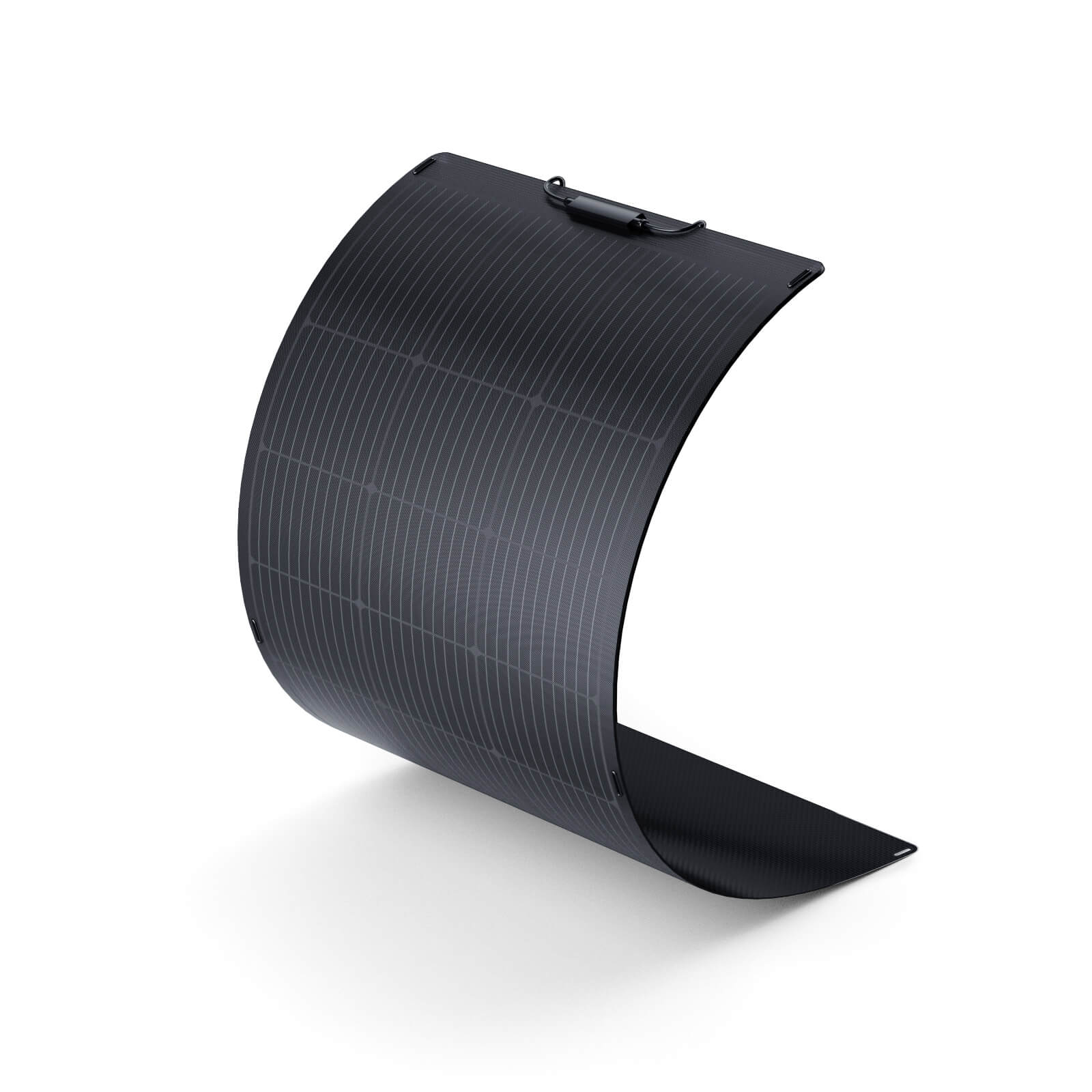
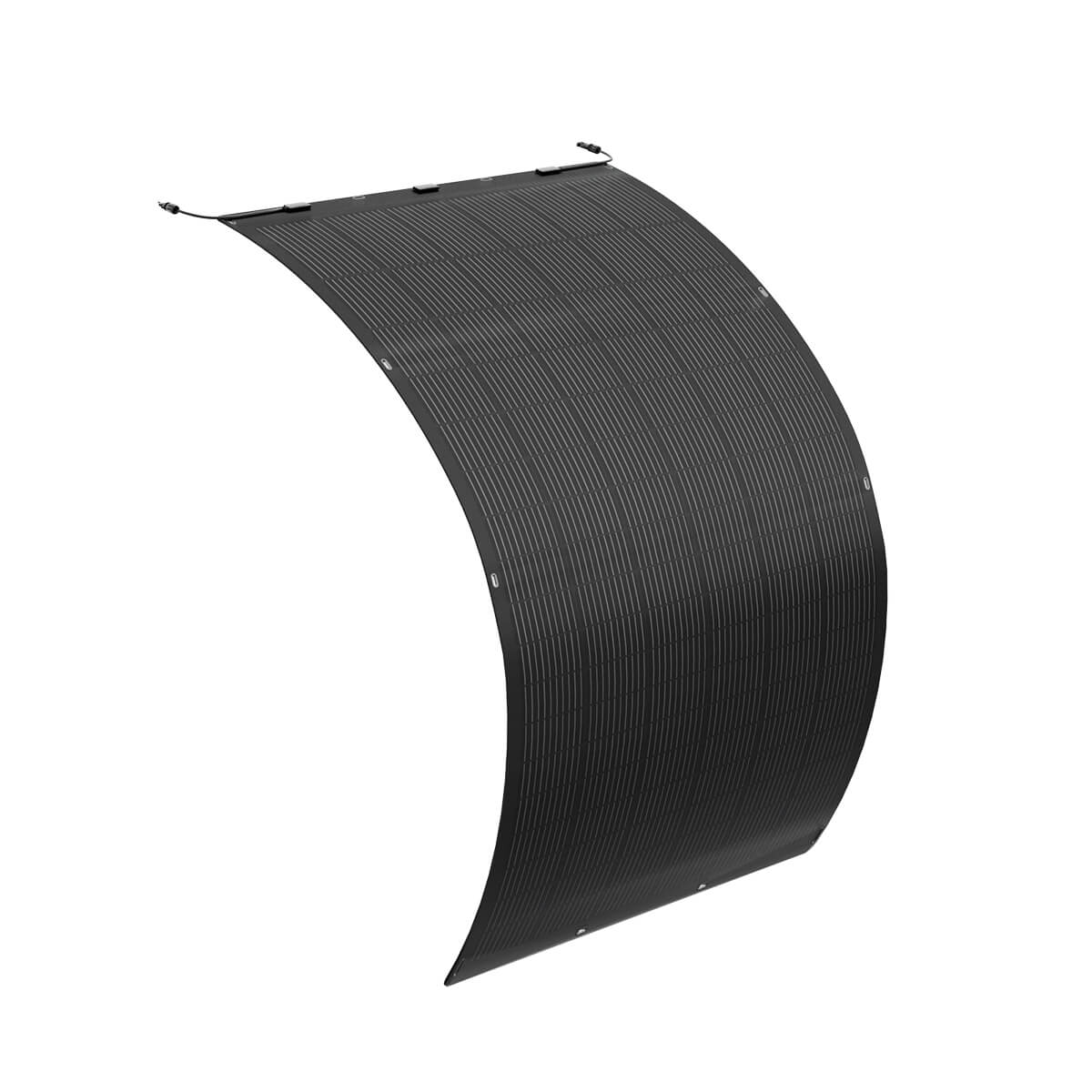
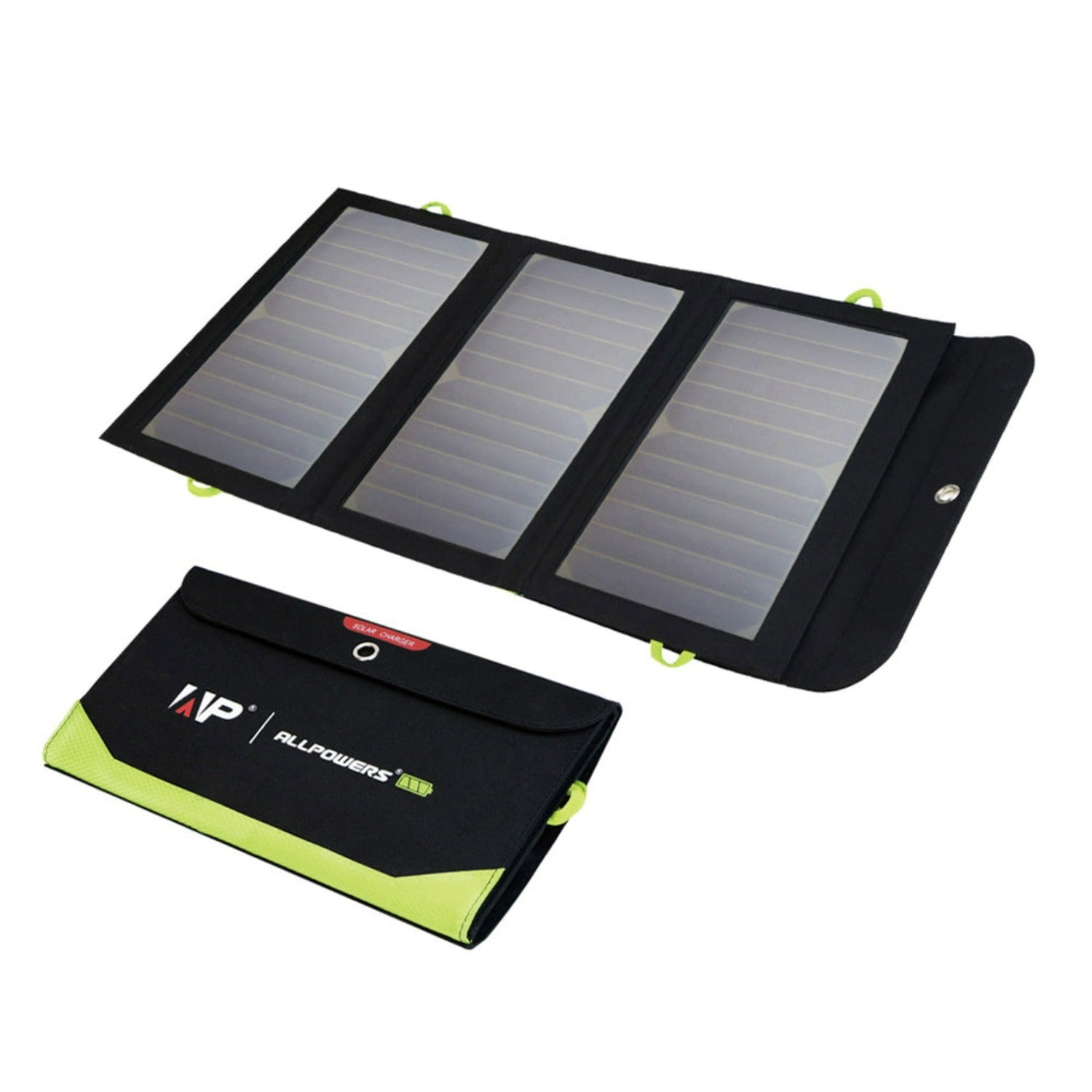
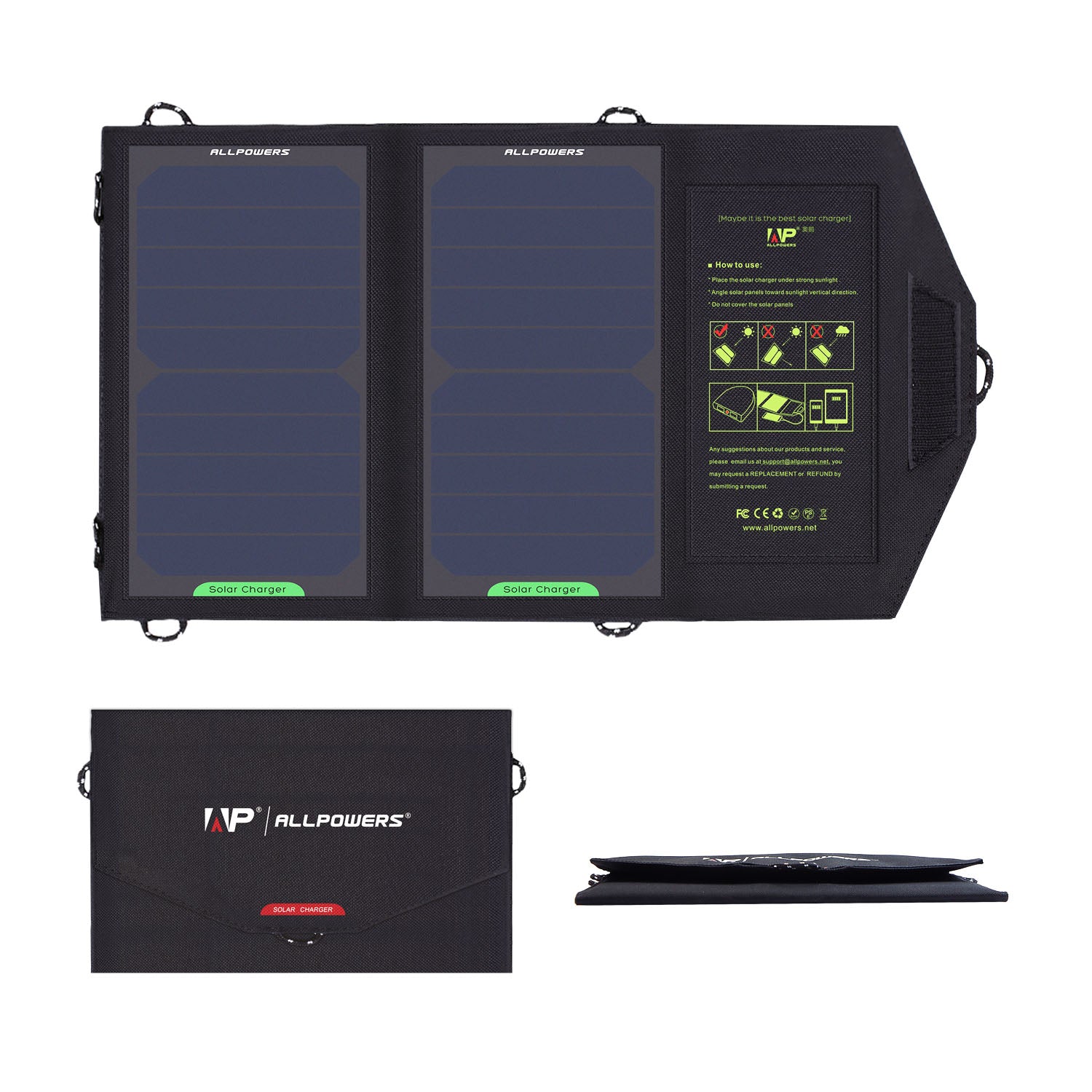
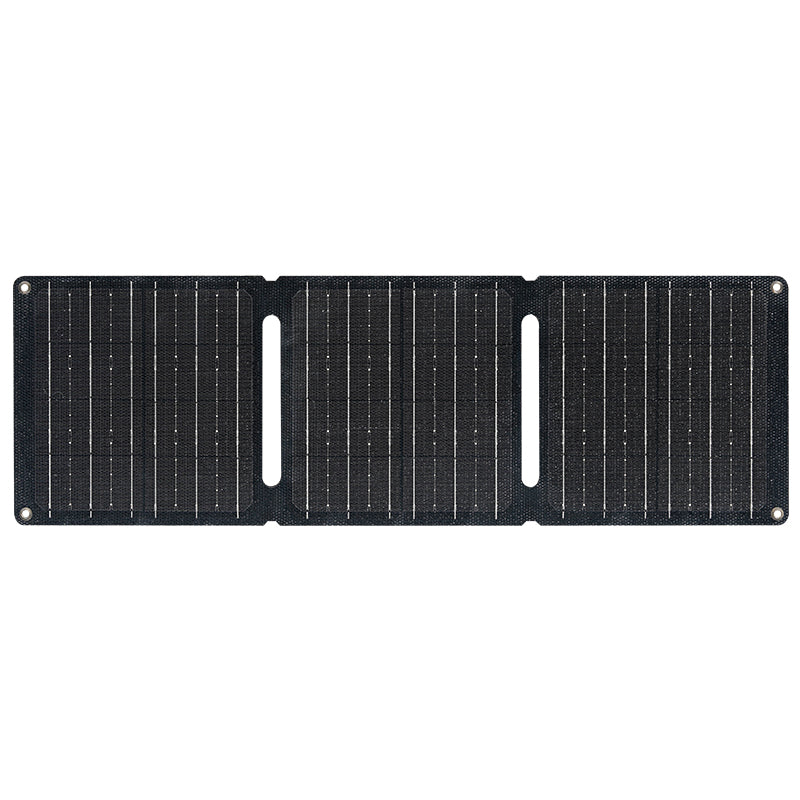
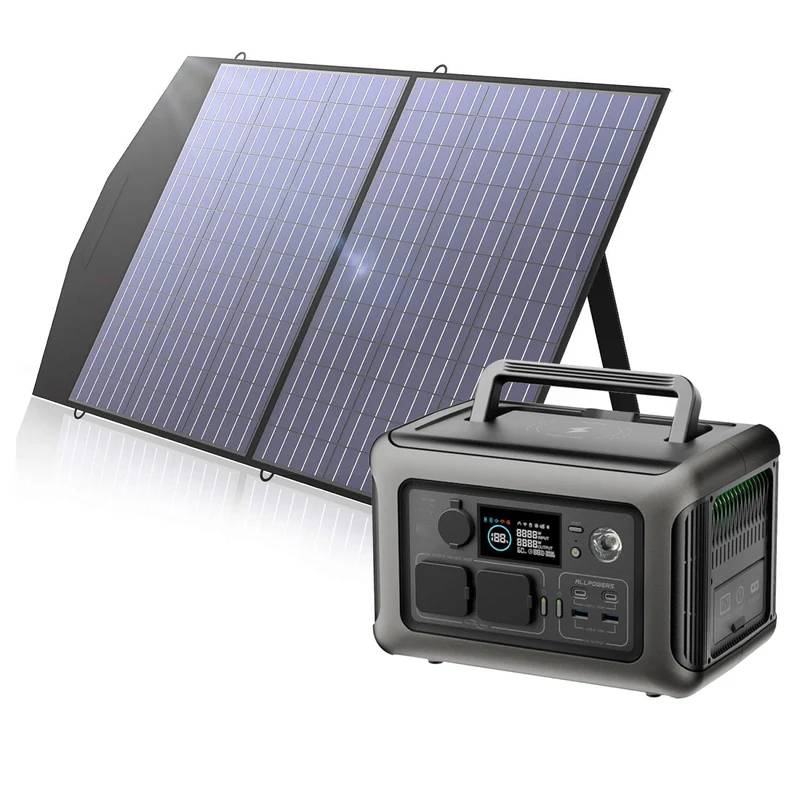
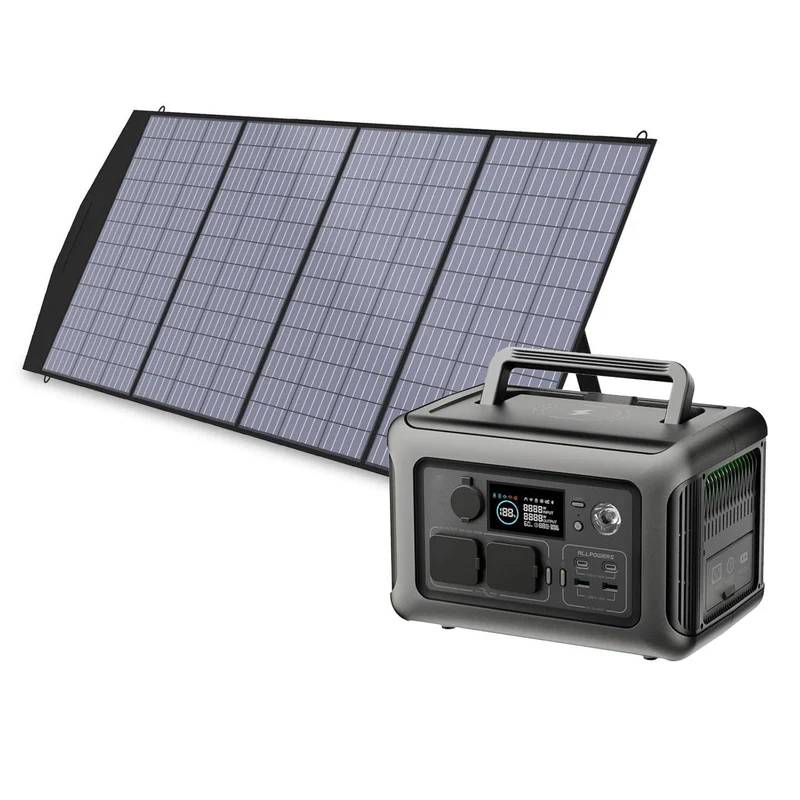
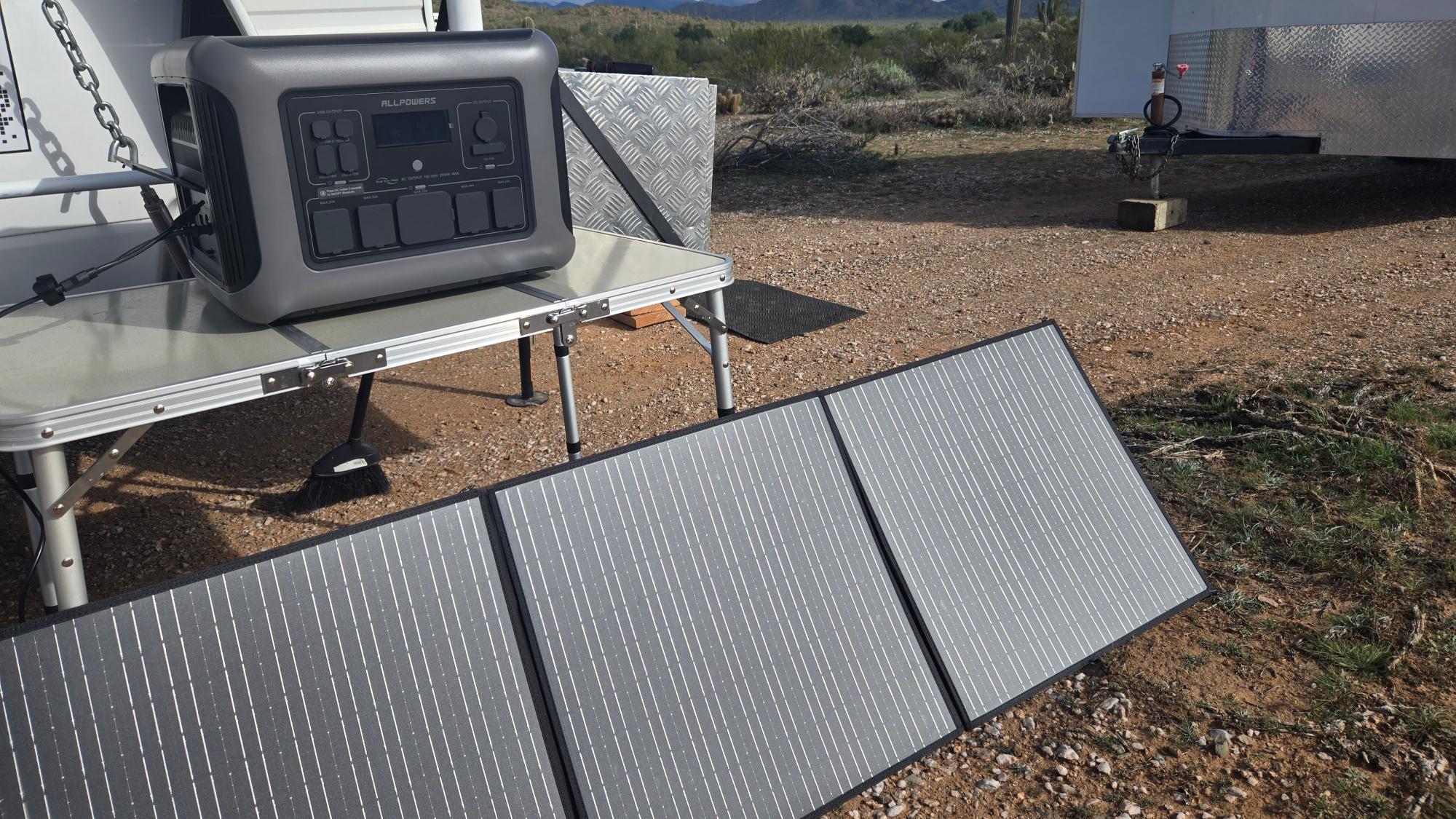
But battery-based solar generators—essentially portable power stations paired with solar panels—have gained traction for specific use cases.
They don’t produce fumes. They’re nearly silent. They can run indoors safely.
For apartment dwellers or noise-restricted areas, that difference matters.
So which is better? It depends on the scenario.
For extended outages in rural areas, fuel is practical if available.
For short disruptions, indoor convenience, or nighttime use, battery systems feel effortless.
Many households now combine both—fuel for heavy loads, battery storage for essentials and quiet hours.
That hybrid mindset is becoming more common, especially as solar panel efficiency improves and portable systems grow more robust.
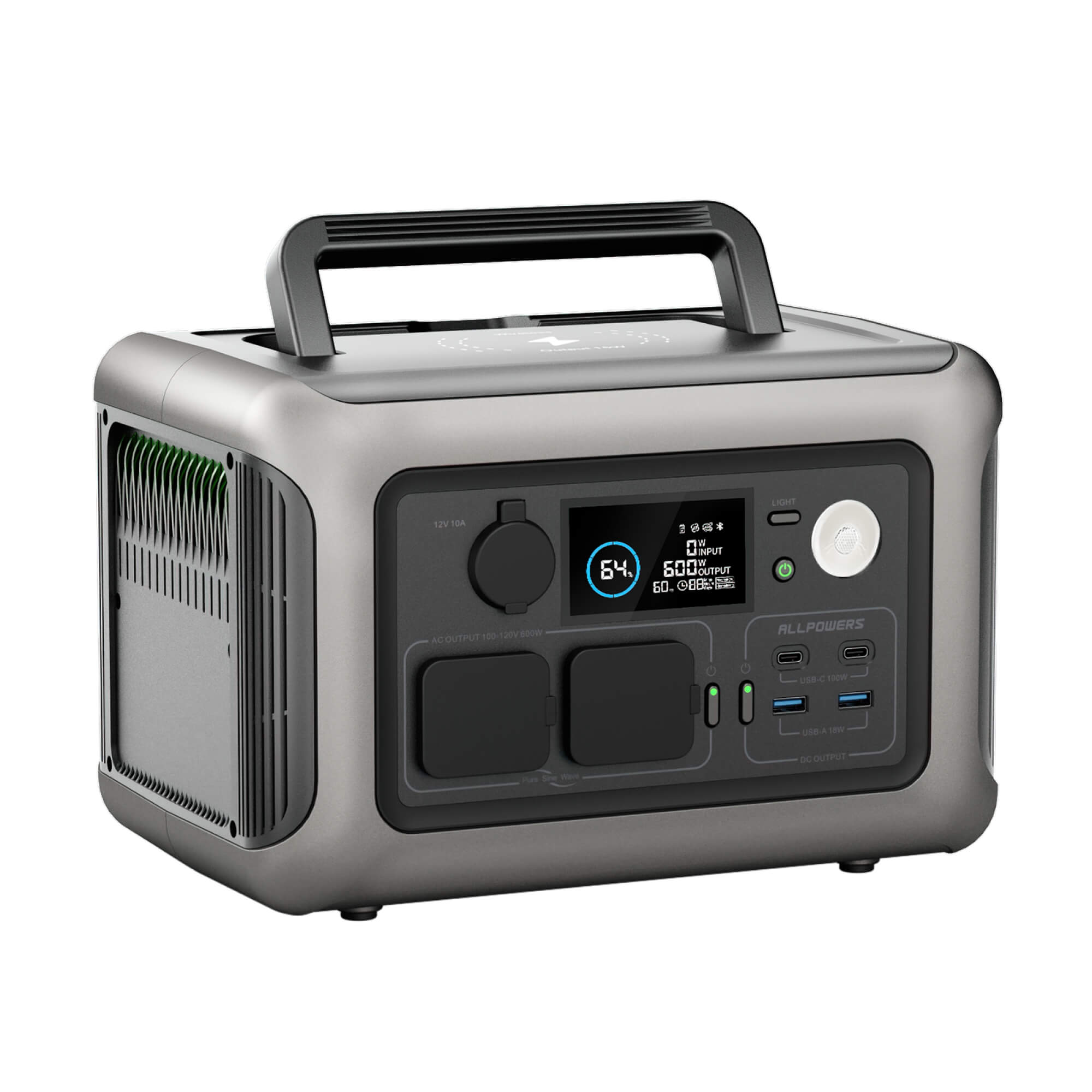
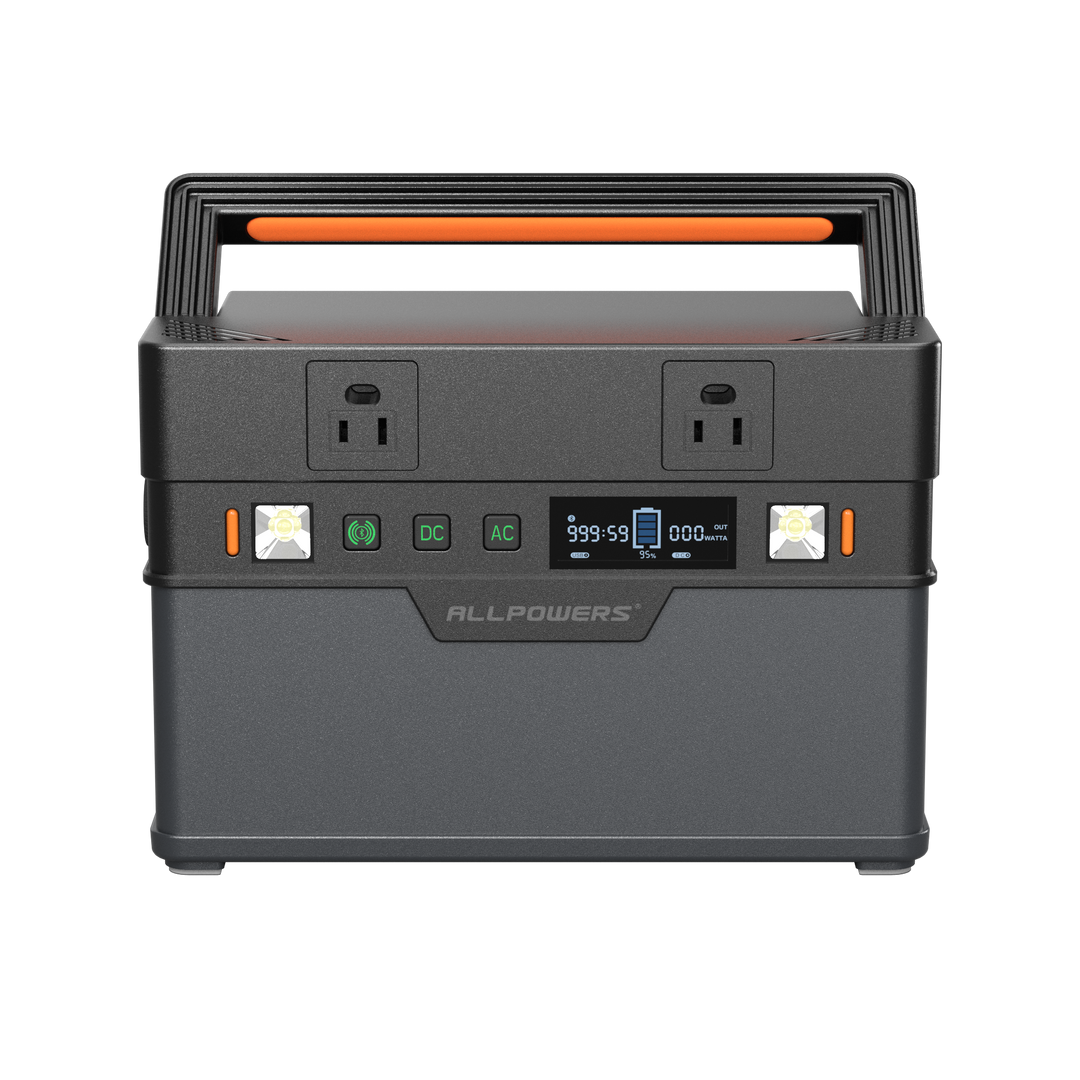
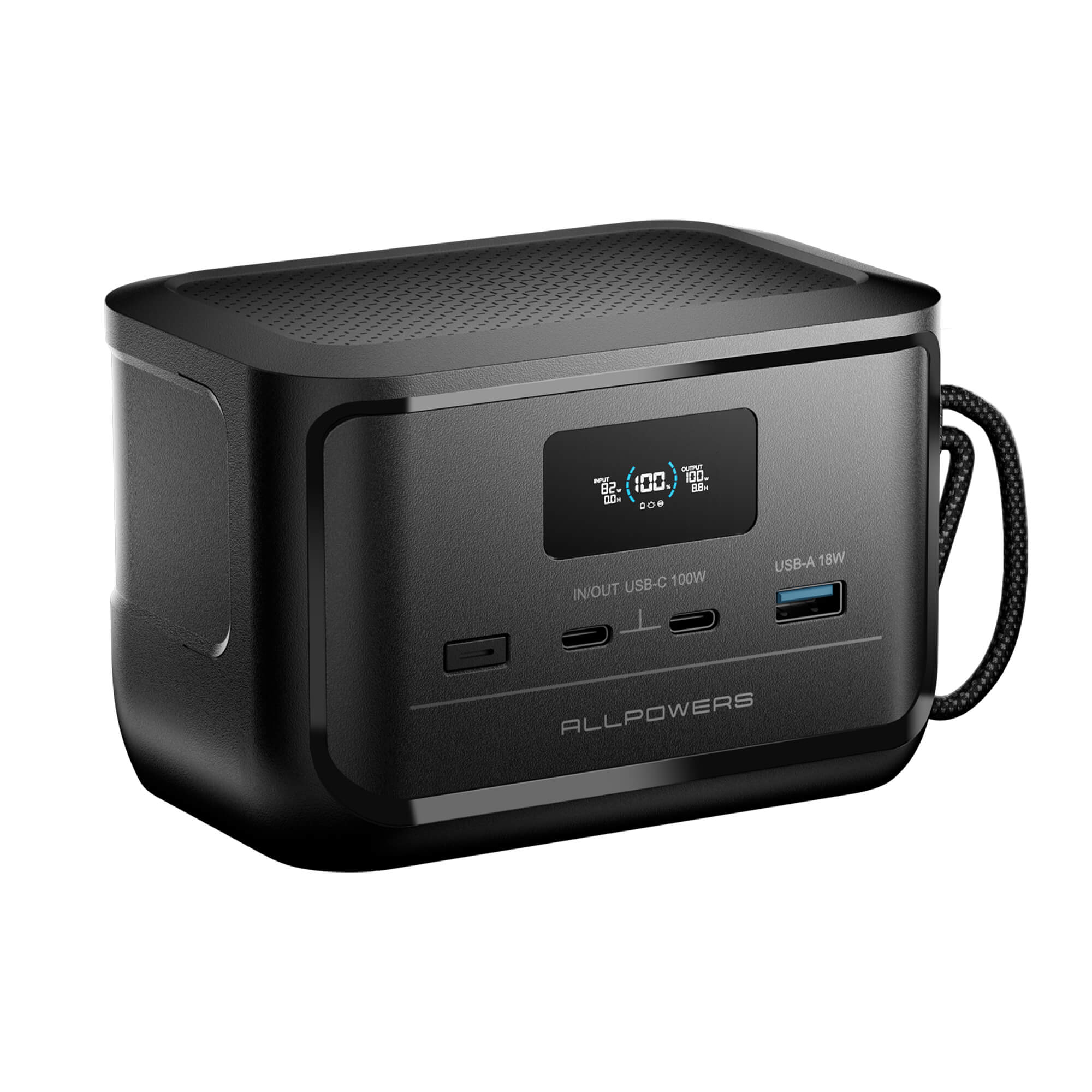
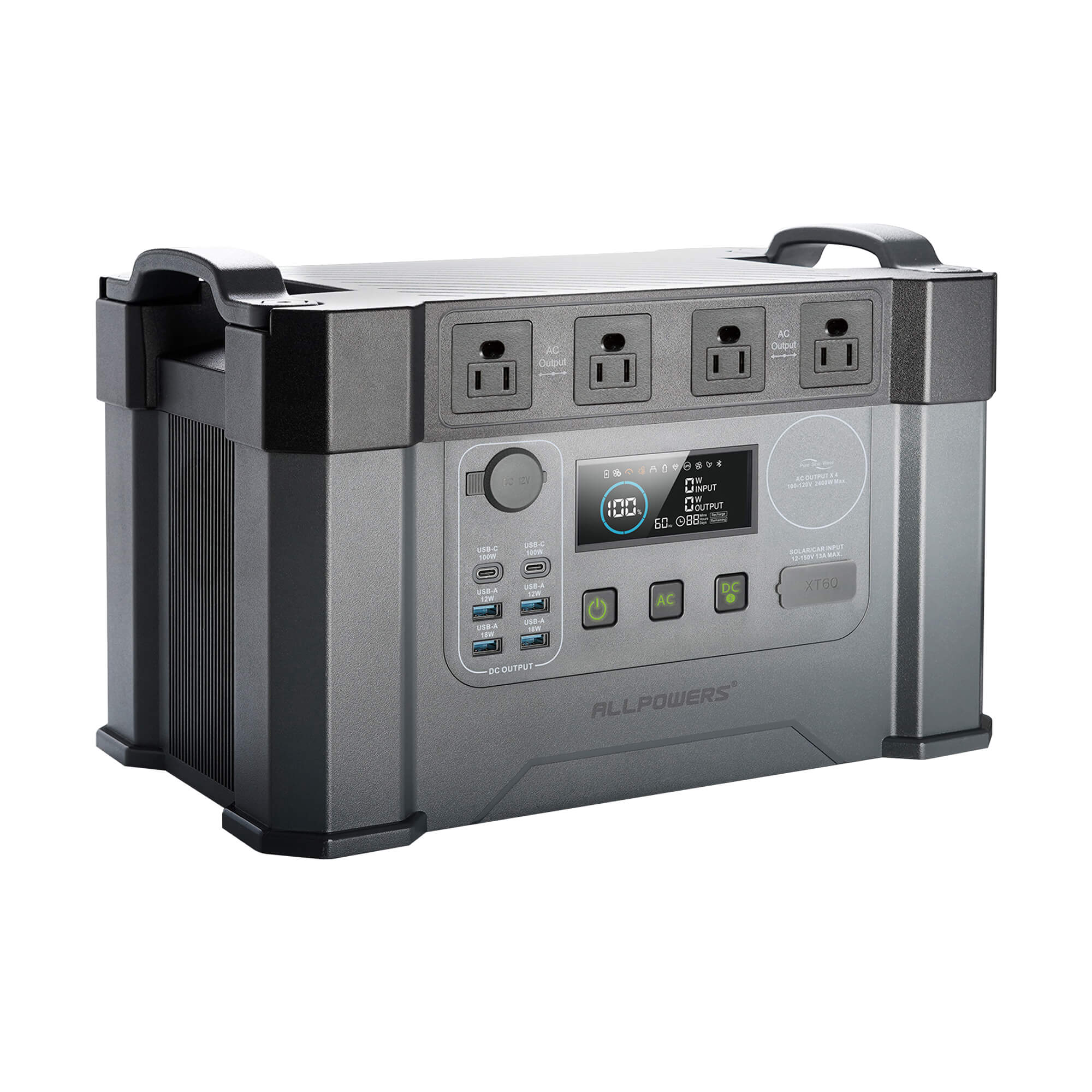
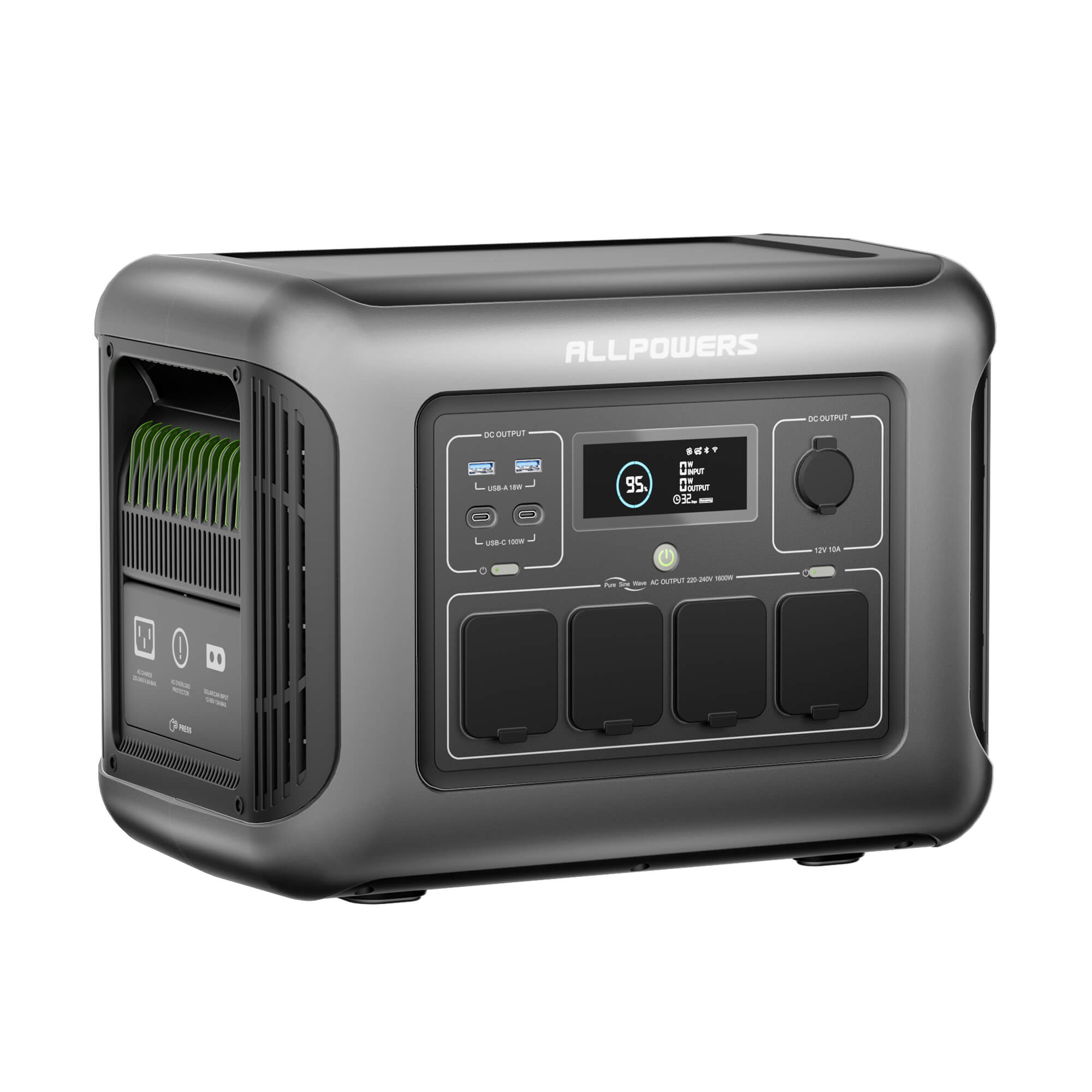
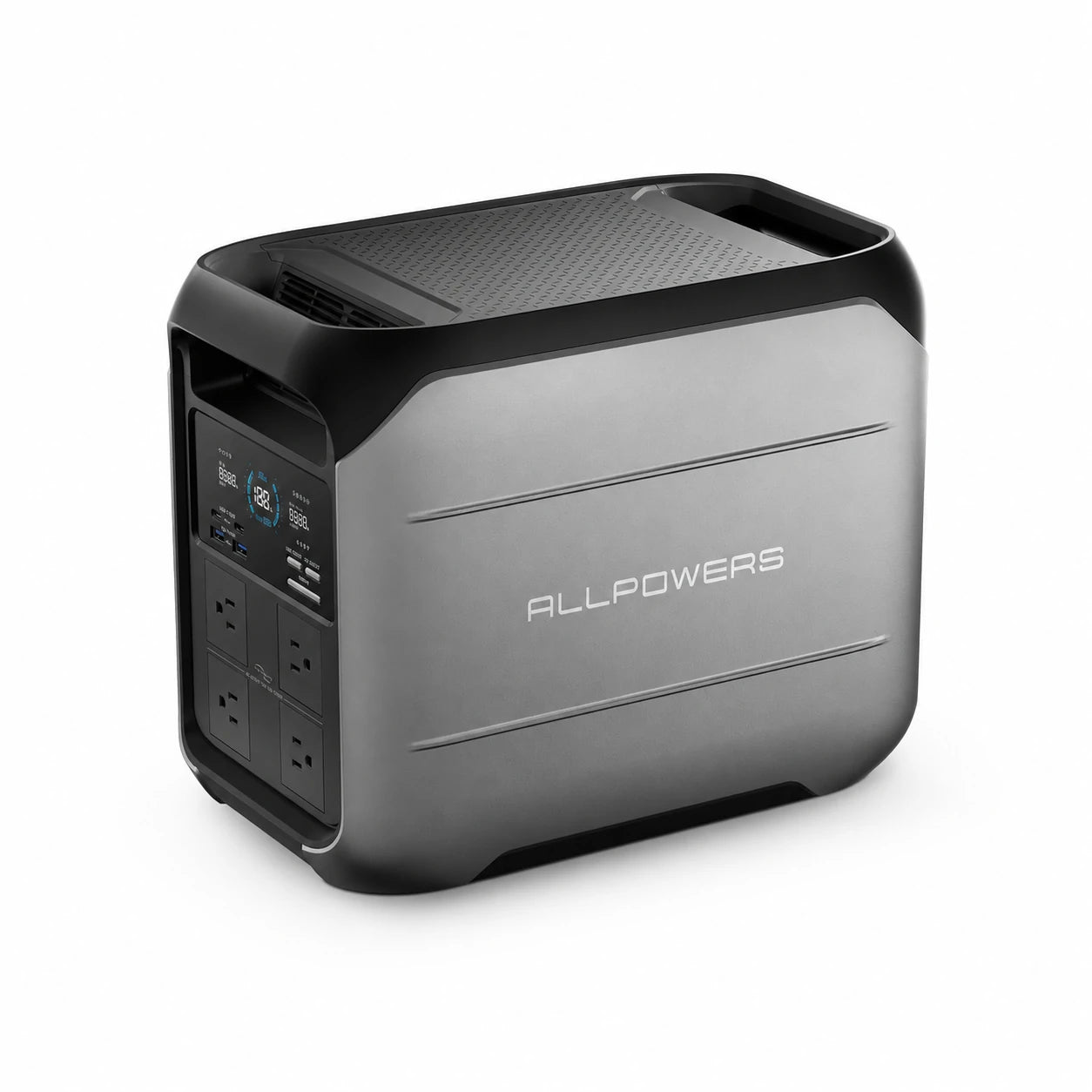
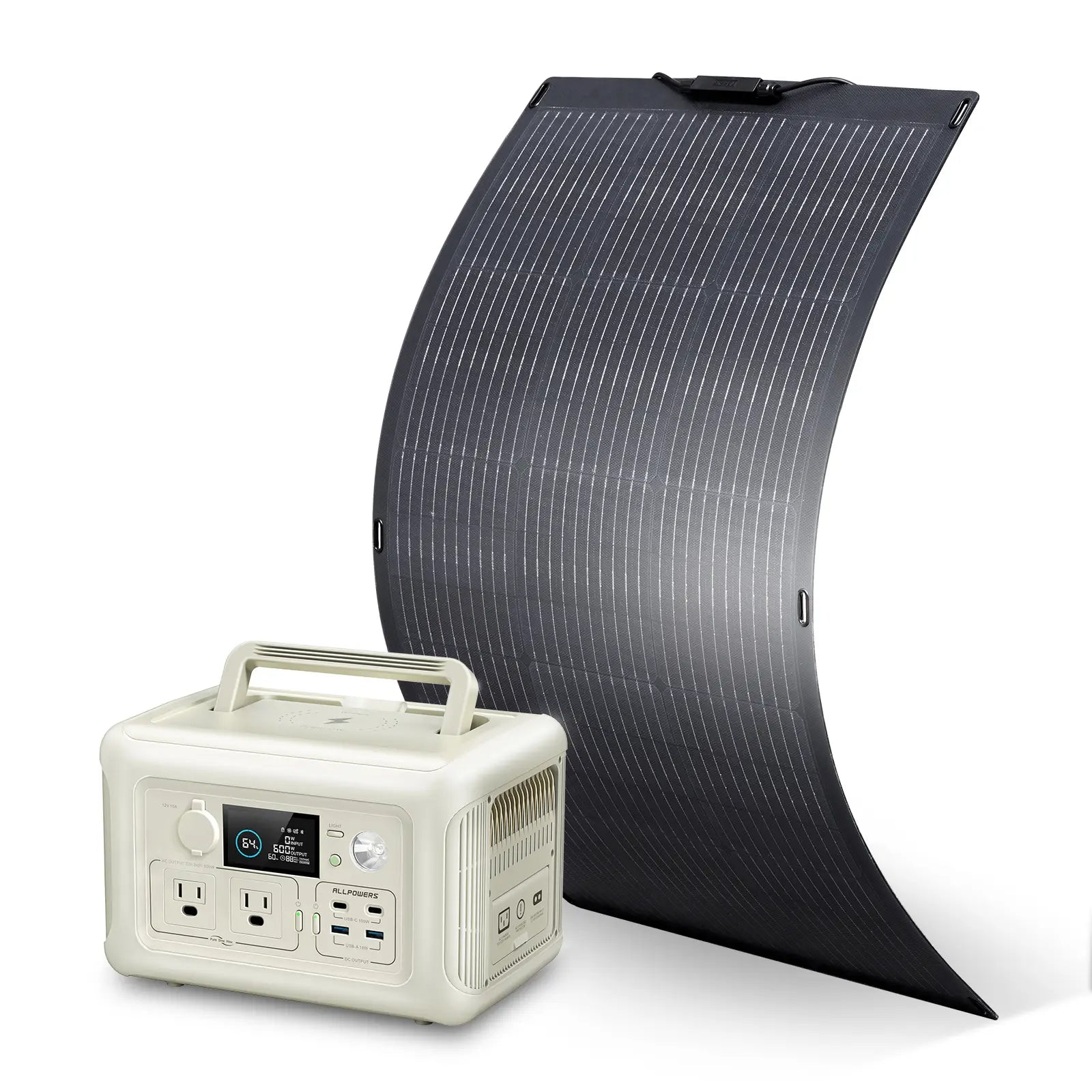
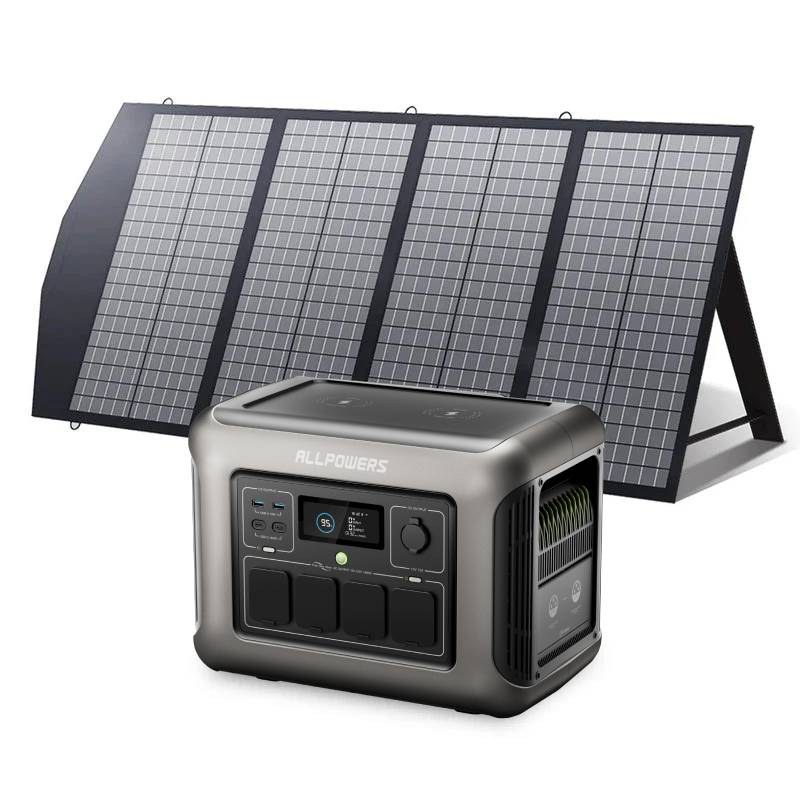
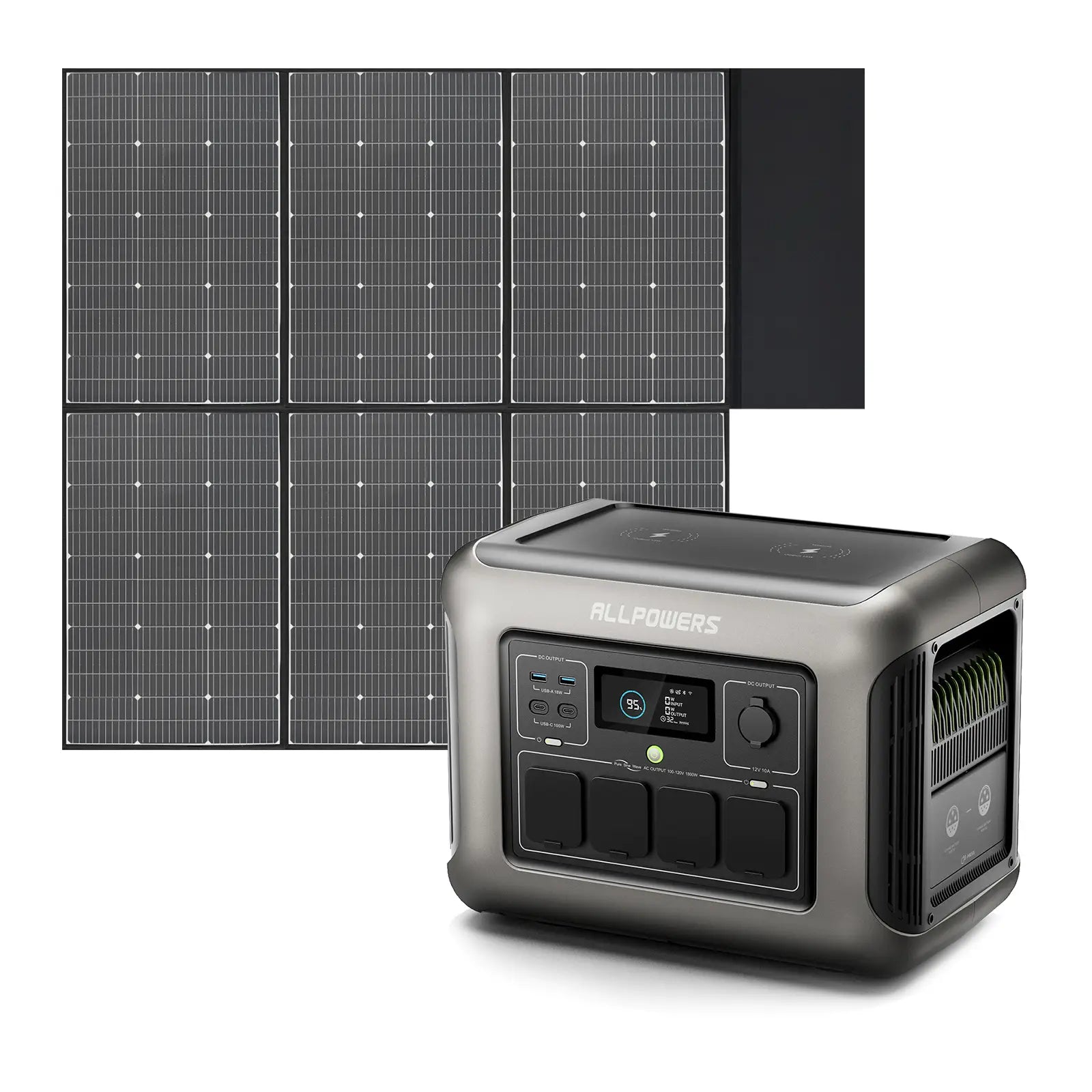
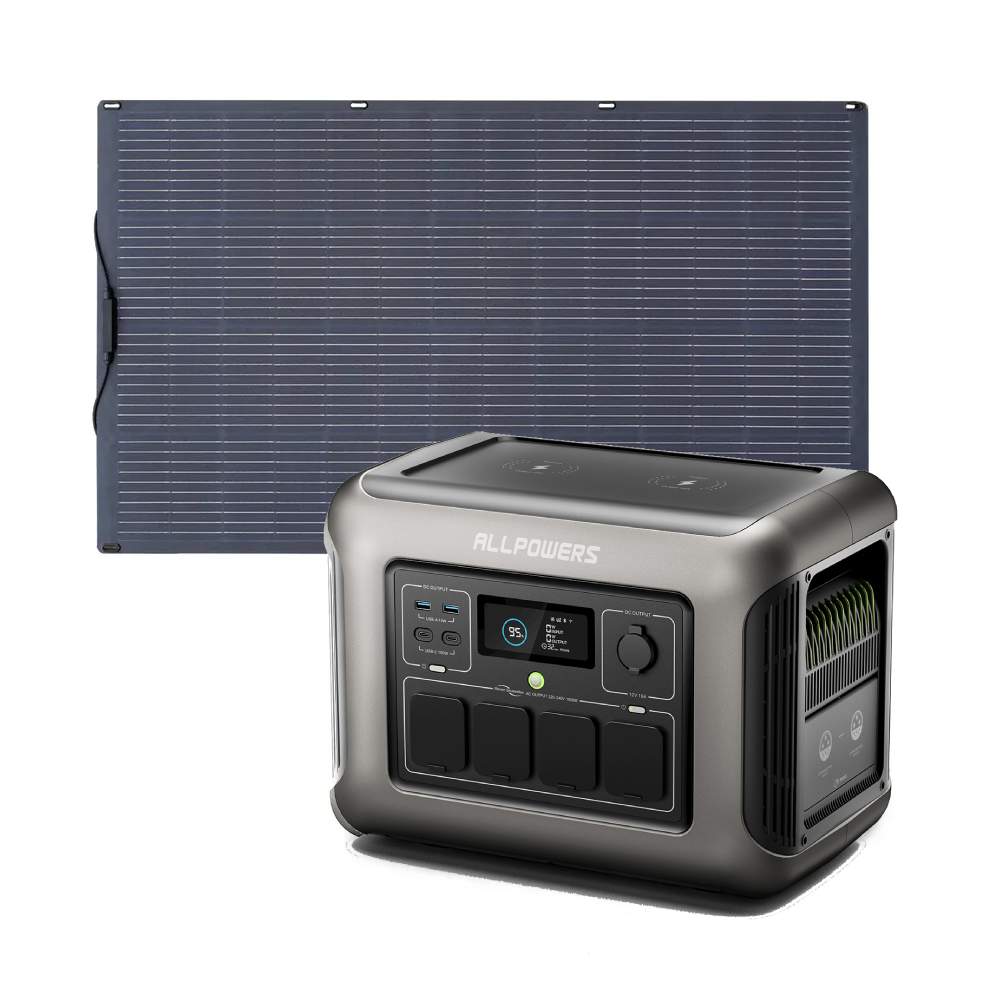
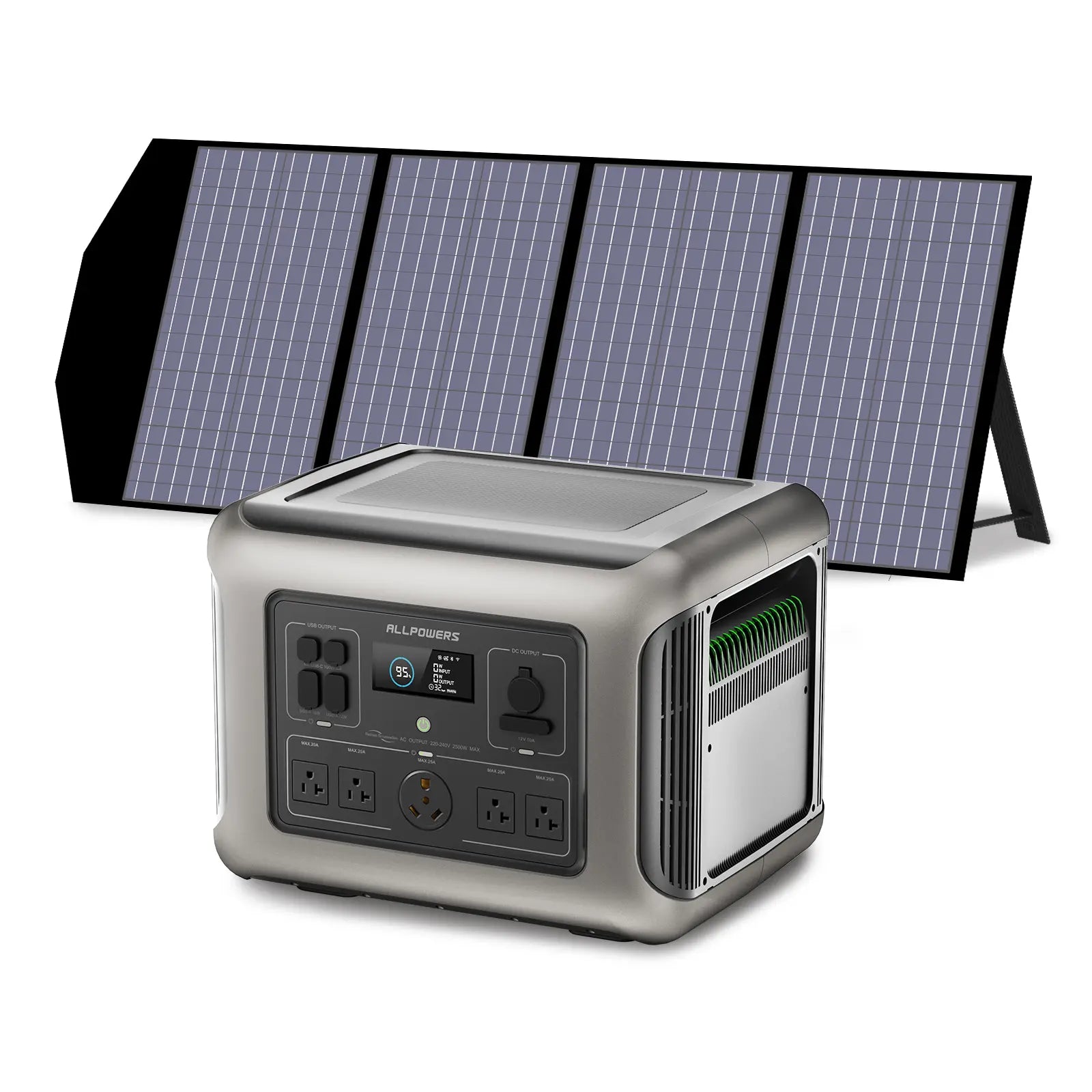
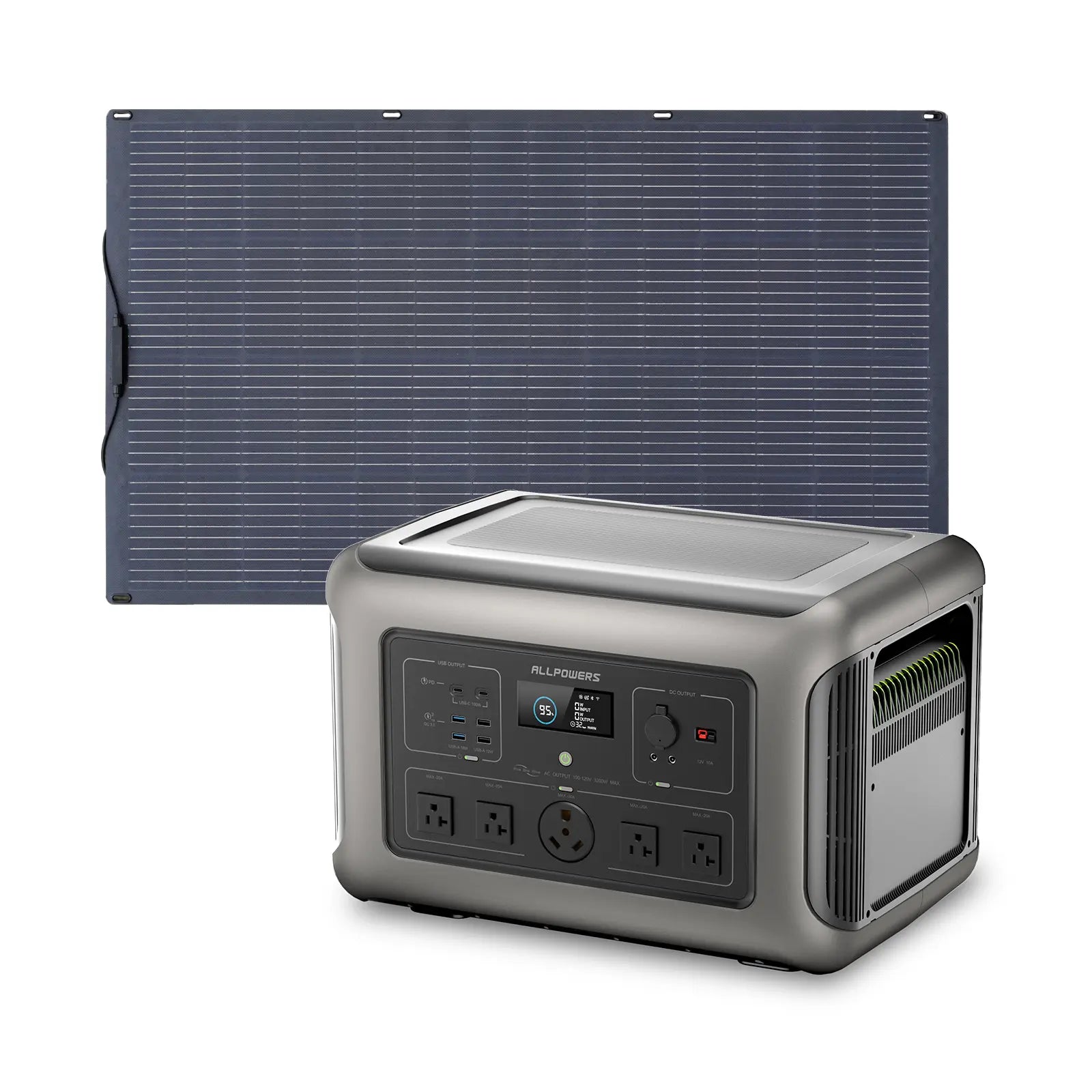
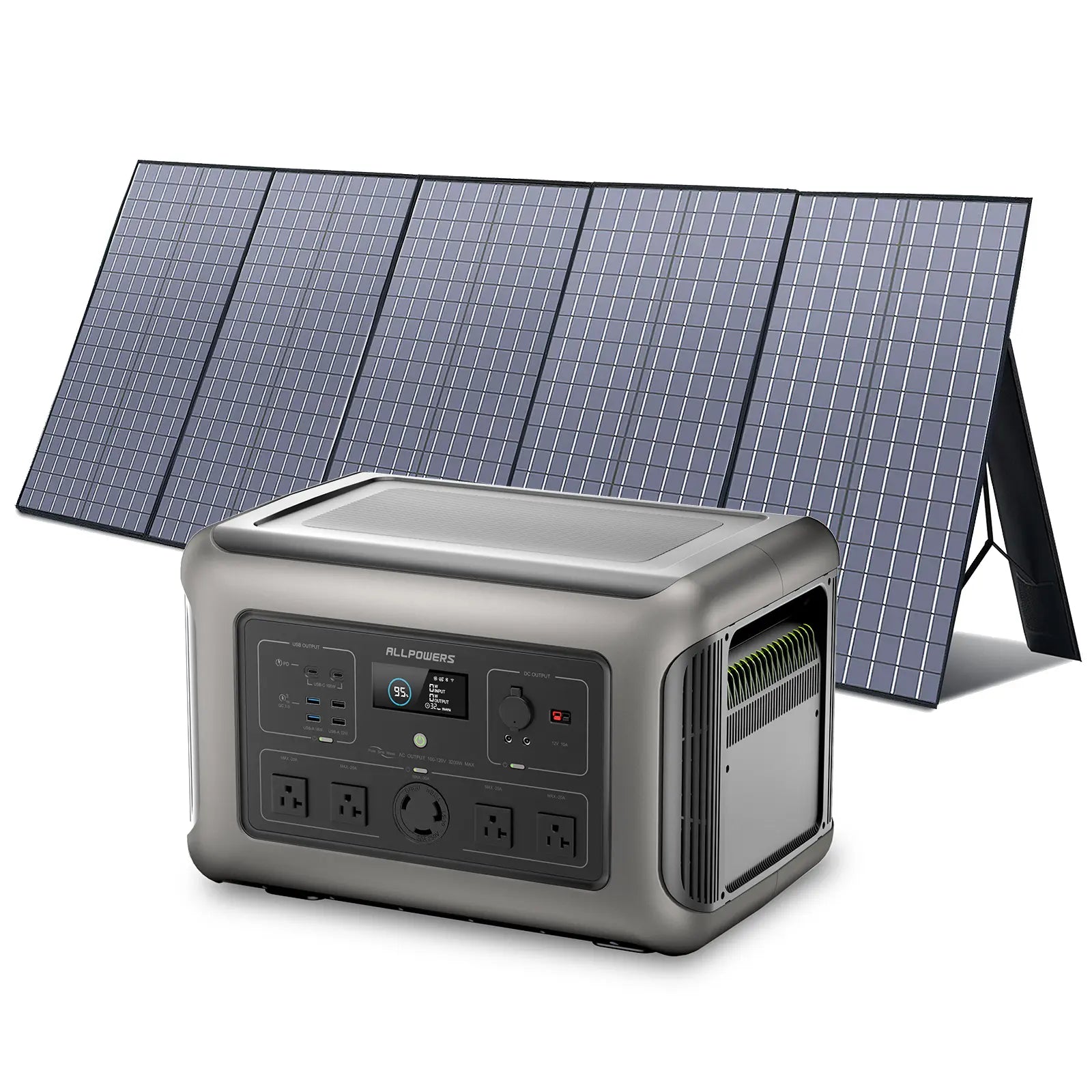
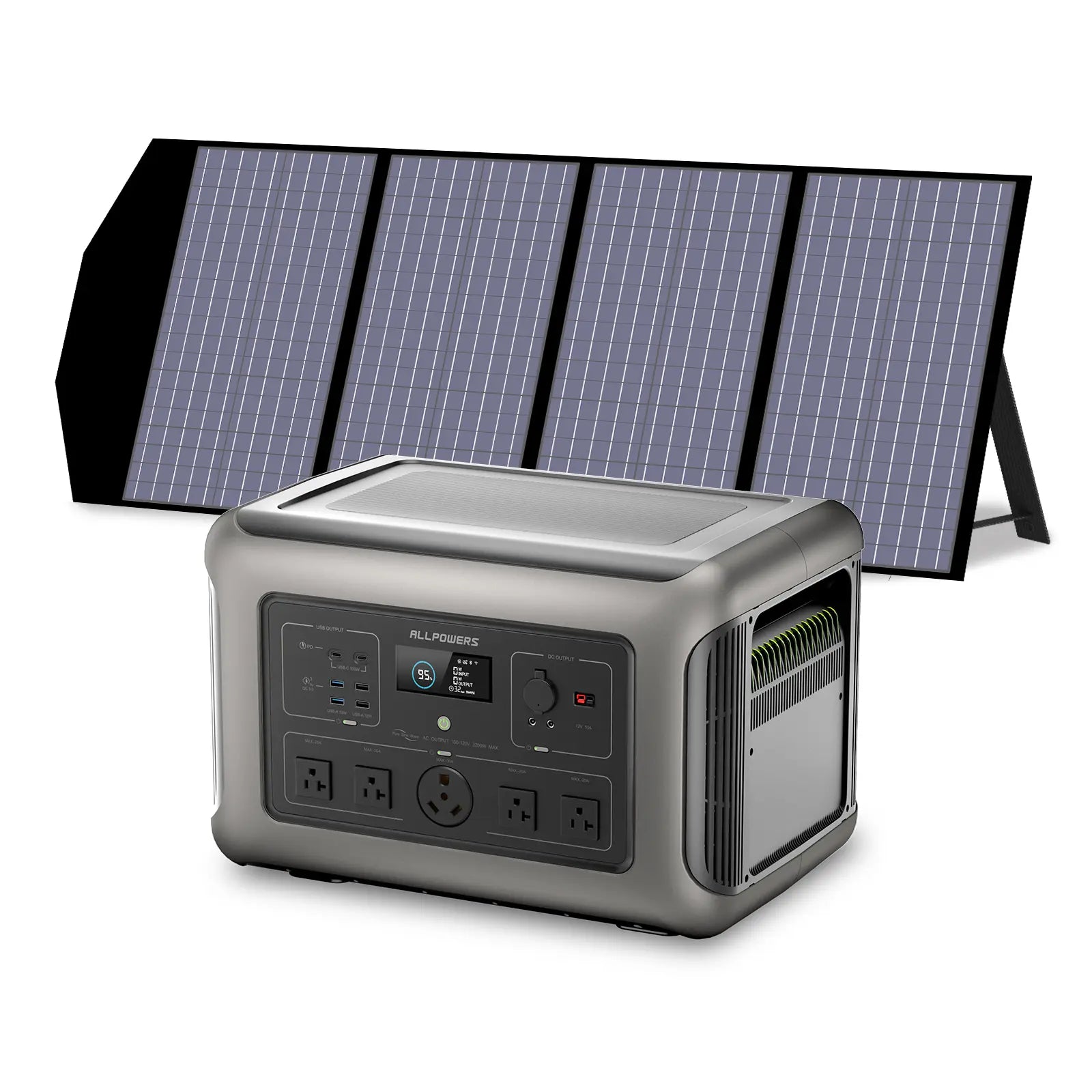
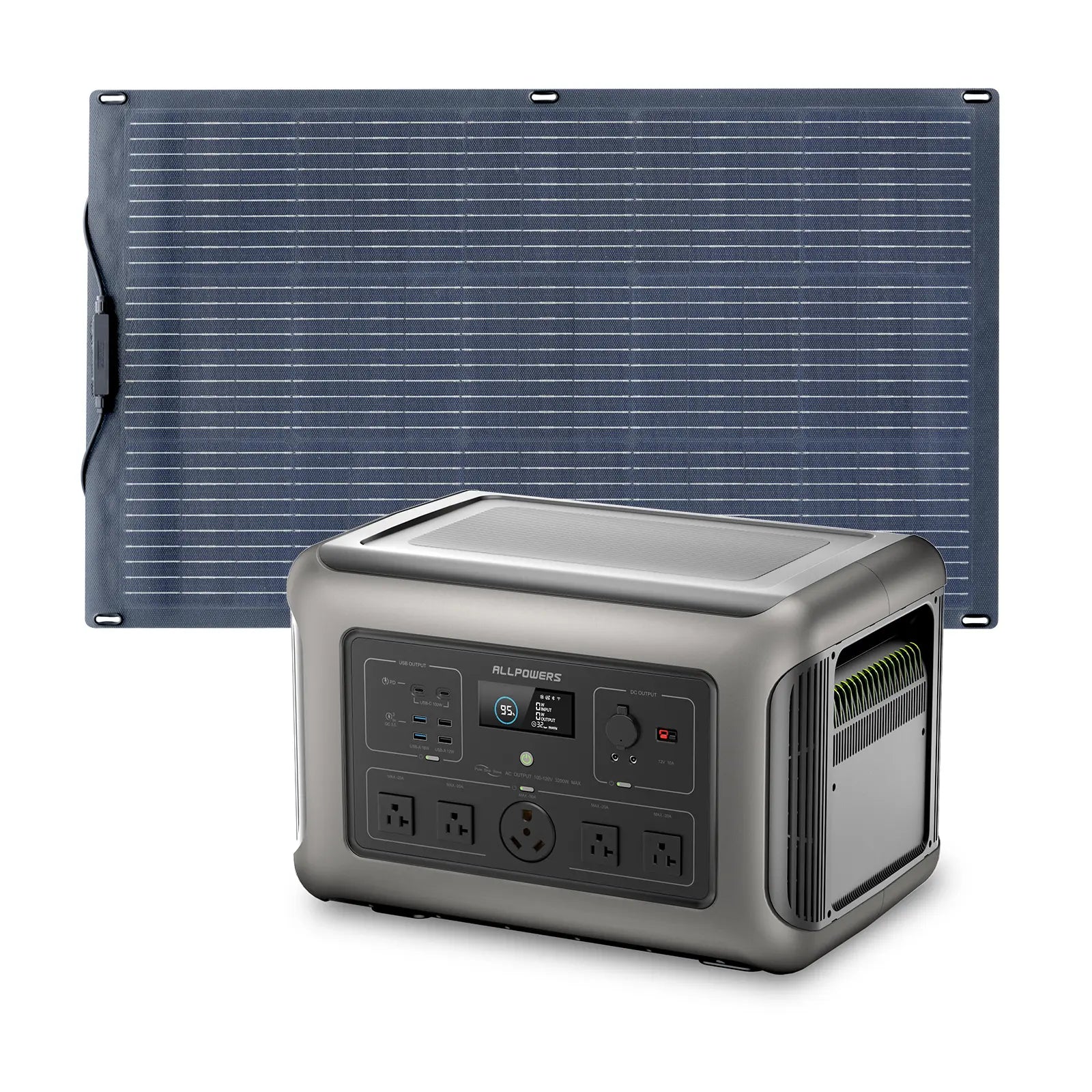
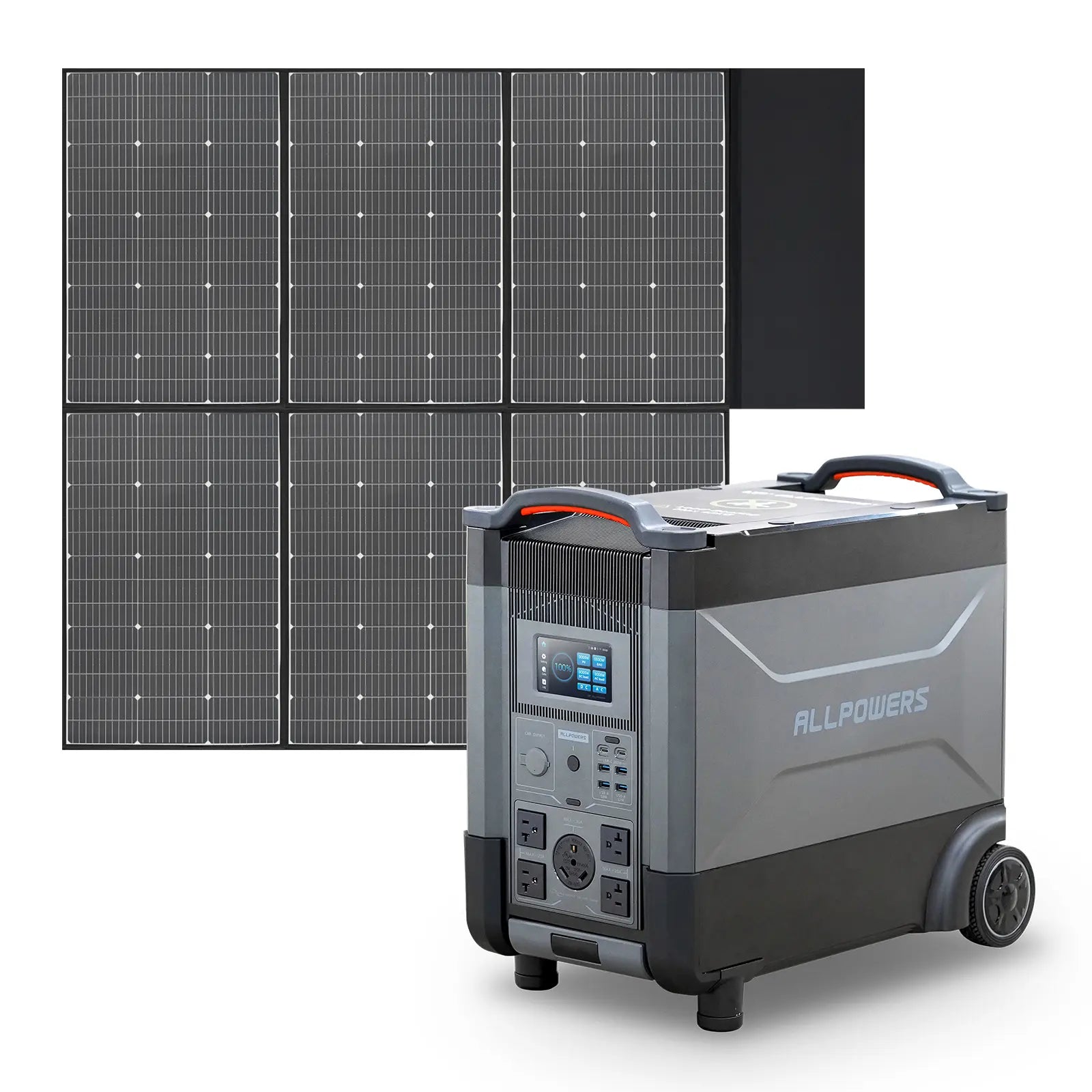
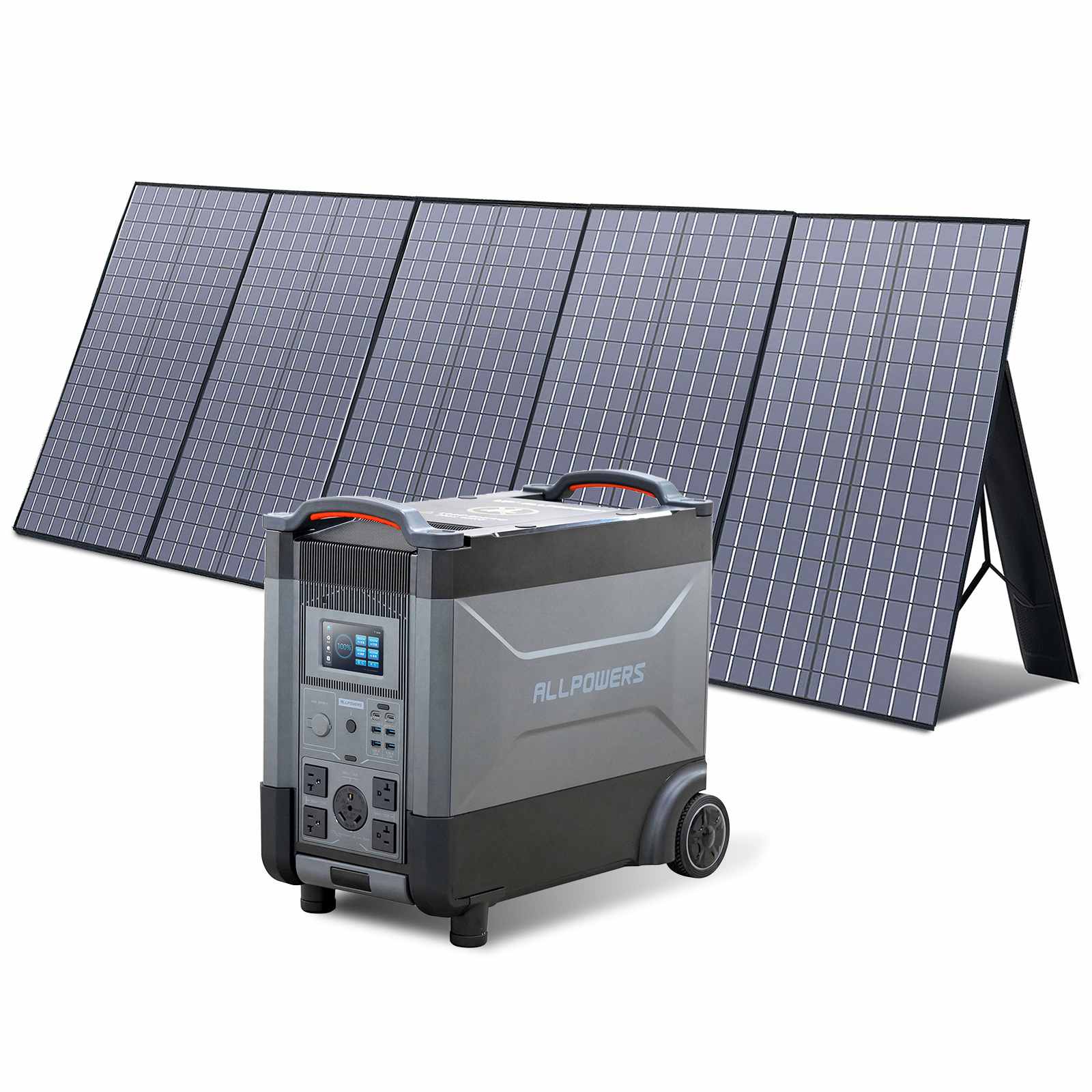
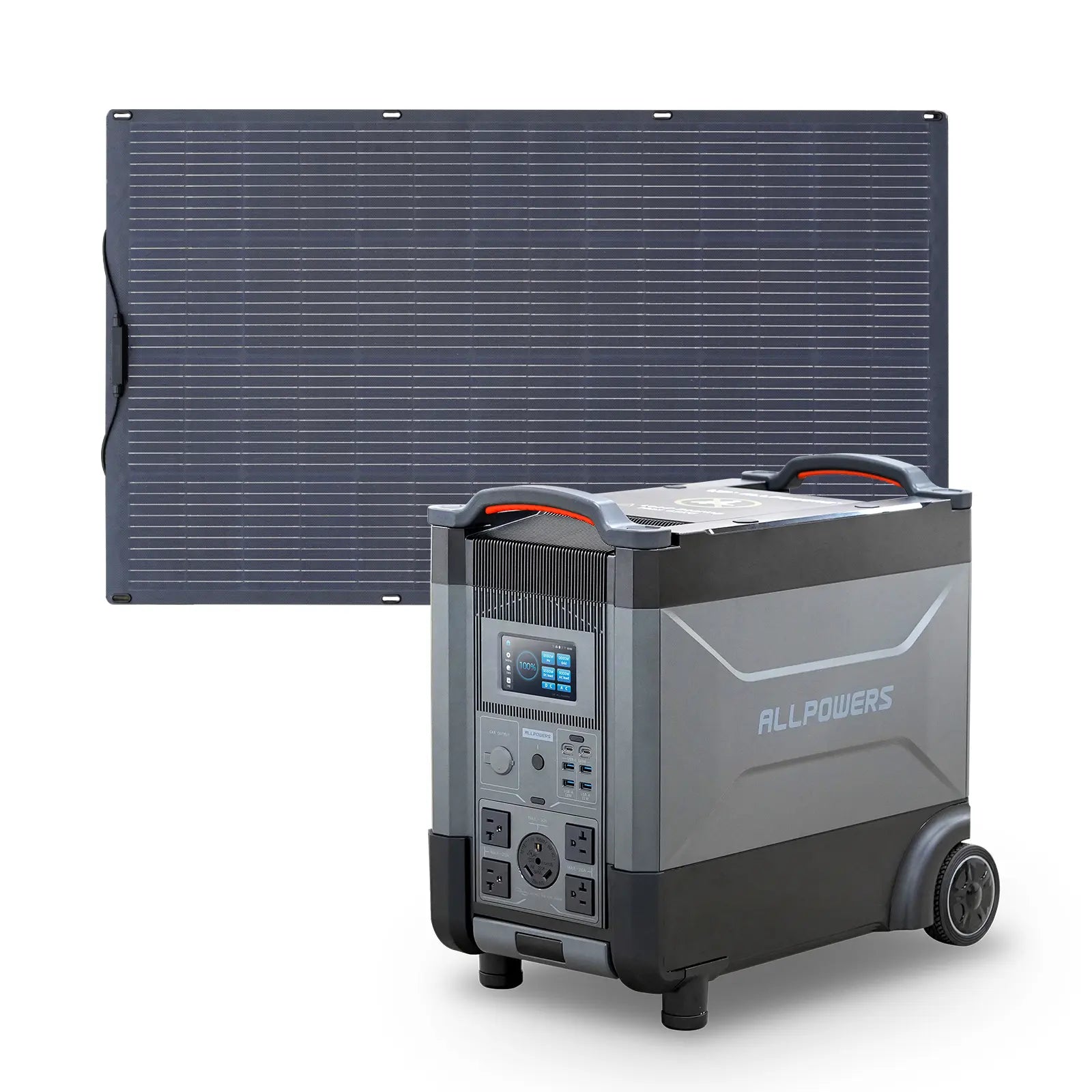
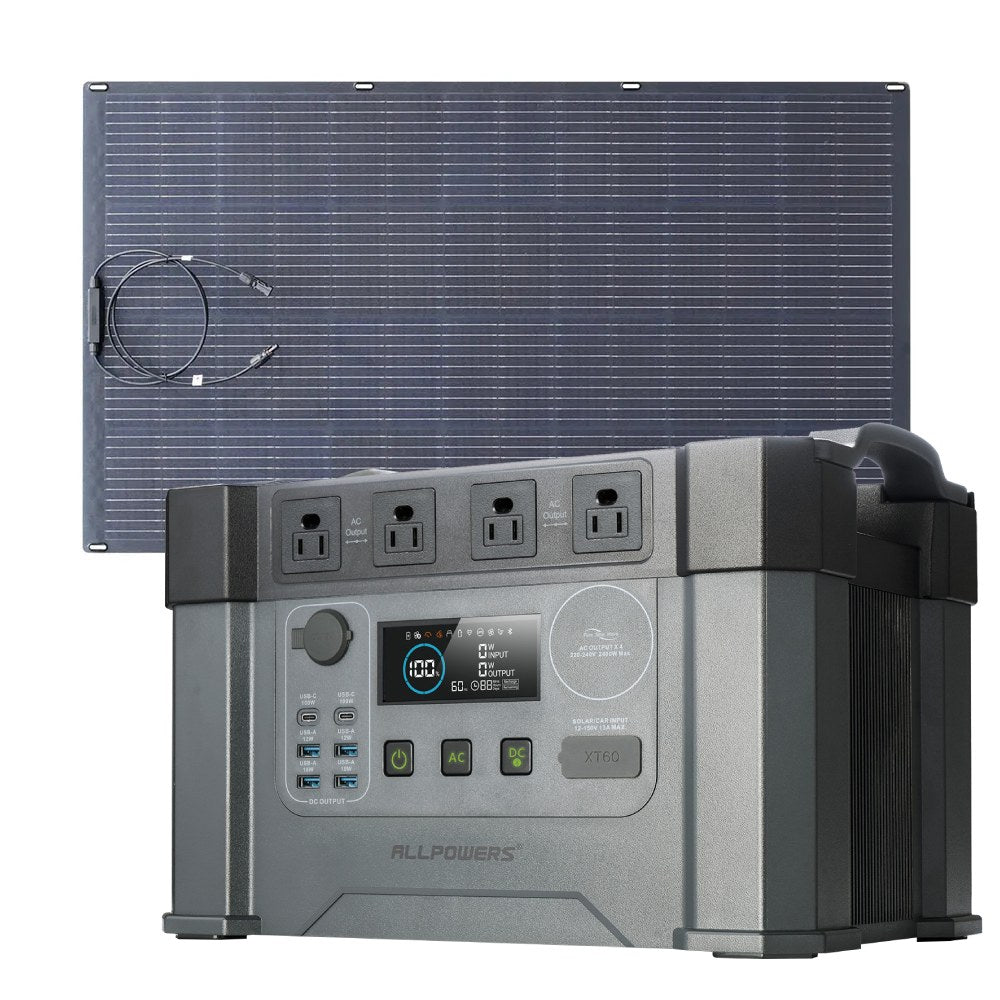
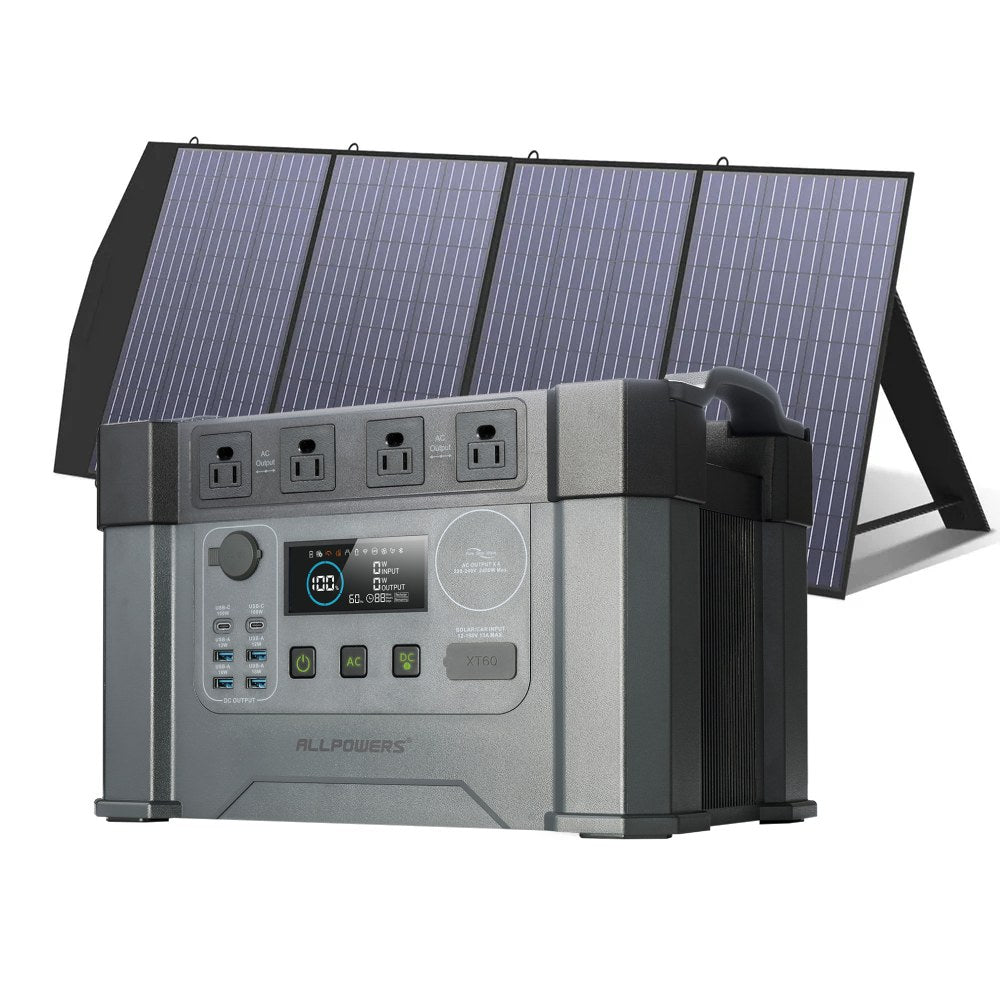
ALLPOWERS 2500W Solar Generator
$1,100.00 $1,799.00
- 2016Wh Capacity + 400W Soalr Input;;
- 2500W AC Output (4,000W Surge);
- Fast Charge 100% in 1 Hours;
- Start UPS in 15 ms;
- Expandable Up to 3x B1000 Expansion Battery;
Managing Loads With a Little Strategy
Here’s the part people skip. They assume wattage equals simplicity. It doesn’t. A 2,500-watt generator rewards planning.
First, add up running watts of everything you want on simultaneously. Keep that total under the continuous rating—usually around 2,000 watts for a 2,500-watt unit.
Second, factor in startup surges. Refrigerators and compressors don’t announce when they’ll kick on. Leave headroom.
Third, rotate high-demand appliances. Brew coffee, then unplug it. Heat food, then switch back to lower loads.
It’s like budgeting money. You can live comfortably on a modest income if you track spending. Blow it all at once, and you’re in trouble.
And here’s a small contradiction: sometimes a slightly smaller generator encourages smarter power use.
Oversized units can tempt you to run everything simultaneously, burning more fuel than necessary.
Conclusion
So, what can a 2500 watt generator run?
It can run the backbone of your home during an outage. It can power your campsite with comfort. It can keep tools humming on a remote job site.
It cannot run a whole house. It won’t support large HVAC systems or high-draw electric heating. And that’s okay.
In the end, a 2500 watt generator isn’t about running everything. It’s about running what matters most.