







Electricity bills have become a growing concern for homeowners as energy prices continue rising across many regions.
The good news is that reducing your electricity bill does not always require major sacrifices or expensive renovations.
So, what actually works when trying to lower your electricity bill?
TL;DR:
Homeowners can reduce electricity bills by improving energy efficiency, shifting electricity usage to off-peak hours, reducing standby power consumption, upgrading insulation, maintaining HVAC systems, and using smarter energy management strategies.
Why Electricity Bills Keep Rising
Electricity costs are influenced by far more than simple household usage.
Utility providers now manage increasingly complex electrical grids that must support growing energy demand, renewable energy integration, and extreme seasonal weather conditions.
In many areas, utilities also use Time-of-Use pricing, which means electricity costs change depending on the time of day.
Modern households also consume more electricity than ever before. Devices such as gaming systems, smart TVs, home office equipment, streaming devices, electric vehicle chargers, and connected smart-home systems continuously draw power throughout the day.
As electricity demand increases across the grid, utility providers often raise rates during high-demand periods to stabilize energy usage and reduce pressure on infrastructure.
What Uses the Most Electricity at Home?
One of the most effective ways to lower electricity costs is identifying which appliances consume the most power. Many homeowners underestimate how much electricity certain systems use daily.
Heating and Cooling Systems
In many homes, HVAC systems account for the largest share of monthly electricity usage.
During summer, air conditioners may run for hours continuously, especially in warmer climates.
Older HVAC systems often consume significantly more electricity because they operate less efficiently and require more energy to maintain indoor temperatures.
Water Heaters
Electric water heaters operate frequently throughout the day, especially in larger households where showers, laundry, and dishwashing occur regularly.
Kitchen Appliances
Refrigerators, ovens, microwaves, and dishwashers all contribute heavily to overall household energy consumption.
Older appliances are typically far less energy-efficient than modern ENERGY STAR-certified models.
Electronics and Entertainment Systems
Many electronics continue consuming electricity even when they appear turned off.
Smart TVs, gaming consoles, routers, printers, and desktop computers all contribute to ongoing standby power usage.
Average Household Appliance Electricity Usage
| Appliance | Average Wattage | Estimated Daily Usage | Energy Impact |
|---|---|---|---|
| Central Air Conditioner | 3000–5000W | 4–9 Hours | Very High |
| Electric Water Heater | 3000–4500W | 3–5 Hours | High |
| Electric Dryer | 2000–5000W | 30–60 Minutes | High |
| Refrigerator | 150–400W | 24 Hours | Medium |
| Dishwasher | 1200–2400W | 1–2 Hours | Medium |
| Gaming Console | 90–250W | 2–6 Hours | Low to Medium |
| LED Lighting | 5–20W | 4–8 Hours | Low |
How Time-of-Use Pricing Works
Many utility companies now use Time-of-Use pricing plans, often called TOU pricing.
Under these plans, electricity rates change depending on overall demand across the electrical grid.
Electricity is usually more expensive during peak demand periods, which commonly occur during late afternoon and evening hours when households use the most electricity simultaneously.
Off-Peak Electricity Hours
Electricity is often cheapest late at night and early in the morning when demand is lower.
Running dishwashers, laundry machines, and electric vehicle chargers during these periods can reduce monthly electricity costs.
Peak Demand Periods
Using energy-intensive appliances during peak pricing periods can increase utility bills significantly, especially during summer months.
Learn More: When Is Electricity Cheapest?
How to Reduce Air Conditioning Costs
For many homeowners, air conditioning systems become the largest source of electricity usage during summer.
Improve Insulation
Homes with poor insulation lose cooled air quickly, forcing HVAC systems to work harder and consume more electricity.
Seal Air Leaks
Small leaks around windows, doors, and vents can significantly reduce cooling efficiency over time.
Use Smart Thermostats
Programmable thermostats help optimize indoor temperatures automatically and reduce unnecessary cooling when homeowners are away.
Replace Dirty Air Filters
Clogged HVAC filters restrict airflow and force systems to consume more energy to maintain desired temperatures.
What Is Phantom Energy?
Phantom energy, also called standby power, refers to electricity consumed by devices even when they are not actively being used.
Televisions, gaming consoles, coffee makers, chargers, and printers often continue drawing power unless they are fully unplugged.
Although individual devices consume relatively little energy, the combined effect across an entire home can become surprisingly expensive over time.
Smart Home Energy Management
Modern homeowners are increasingly adopting smart home energy management systems to better monitor electricity usage and identify energy waste.
Connected smart-home systems can track appliance usage in real time, automate thermostat adjustments, and schedule high-energy devices during cheaper electricity periods.
These technologies allow households to make more informed decisions about how and when electricity is used throughout the day.
| Energy Strategy | Potential Savings | Difficulty Level |
|---|---|---|
| Adjust Thermostat Settings | Medium to High | Easy |
| Upgrade Insulation | High | Moderate |
| Shift Usage to Off-Peak Hours | Medium | Easy |
| Replace Old Appliances | Medium to High | Moderate |
| Reduce Standby Power | Low to Medium | Easy |
Backup Energy and Power Flexibility
As electricity prices fluctuate and power outages become more common in some regions, many homeowners are paying closer attention to energy flexibility and emergency preparedness.
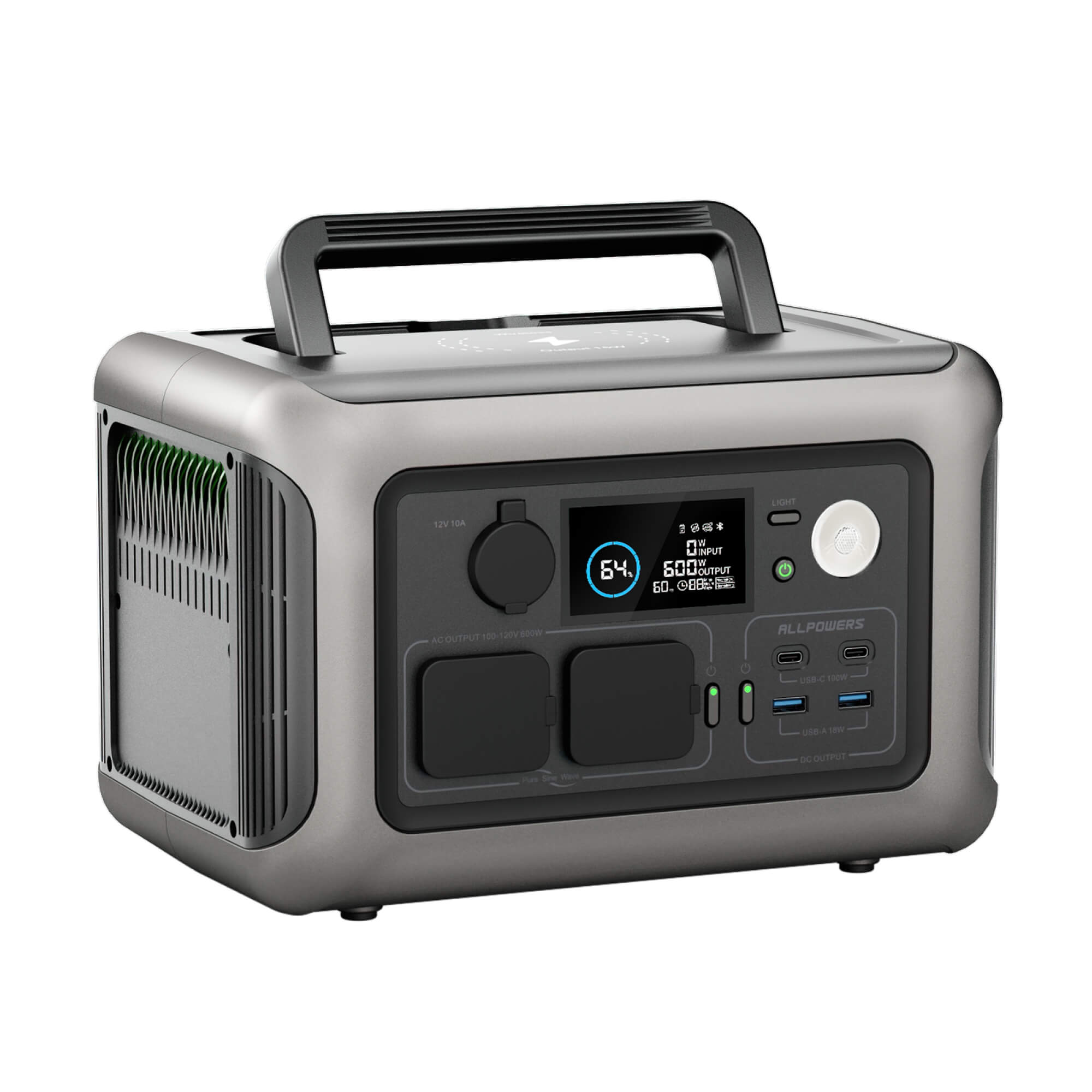
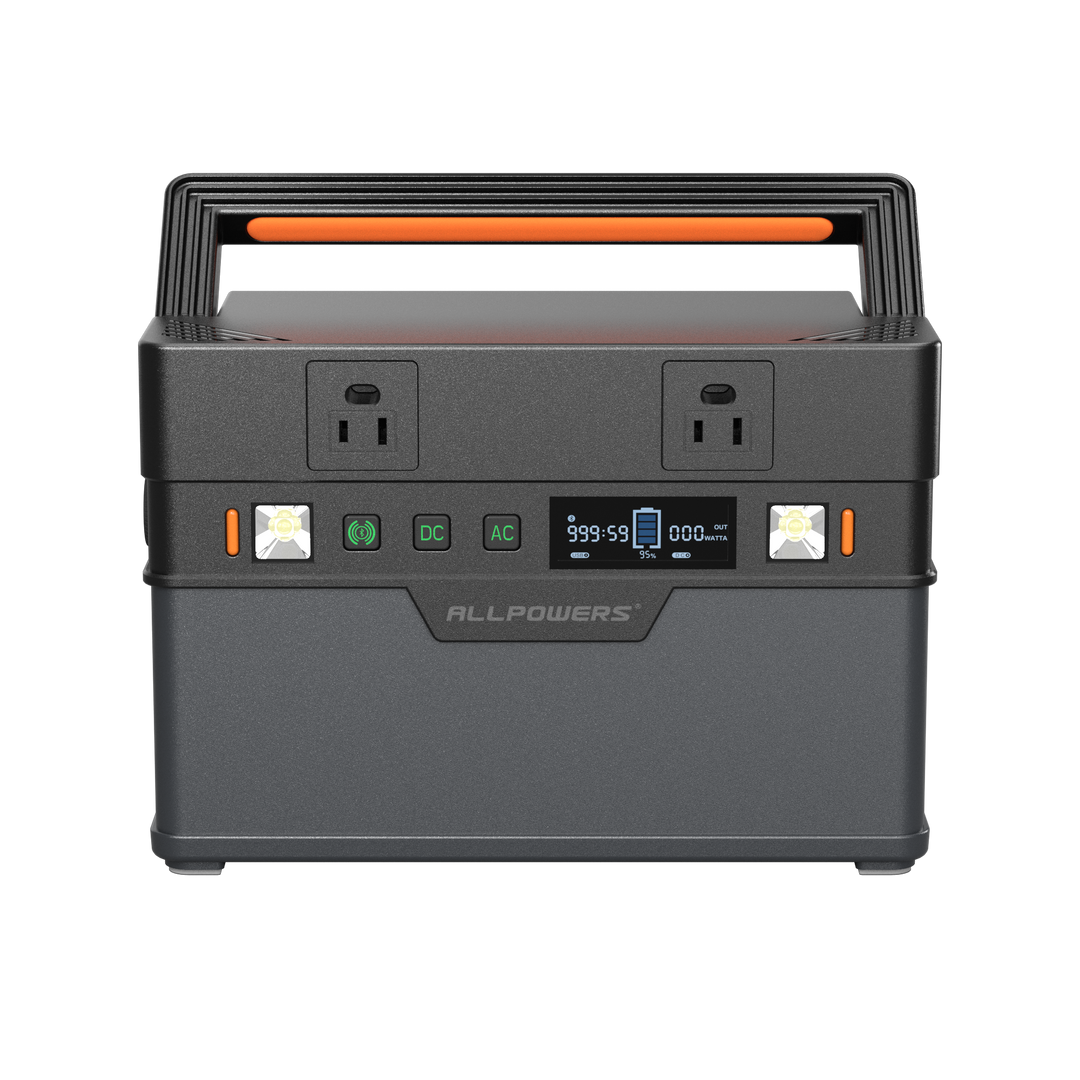
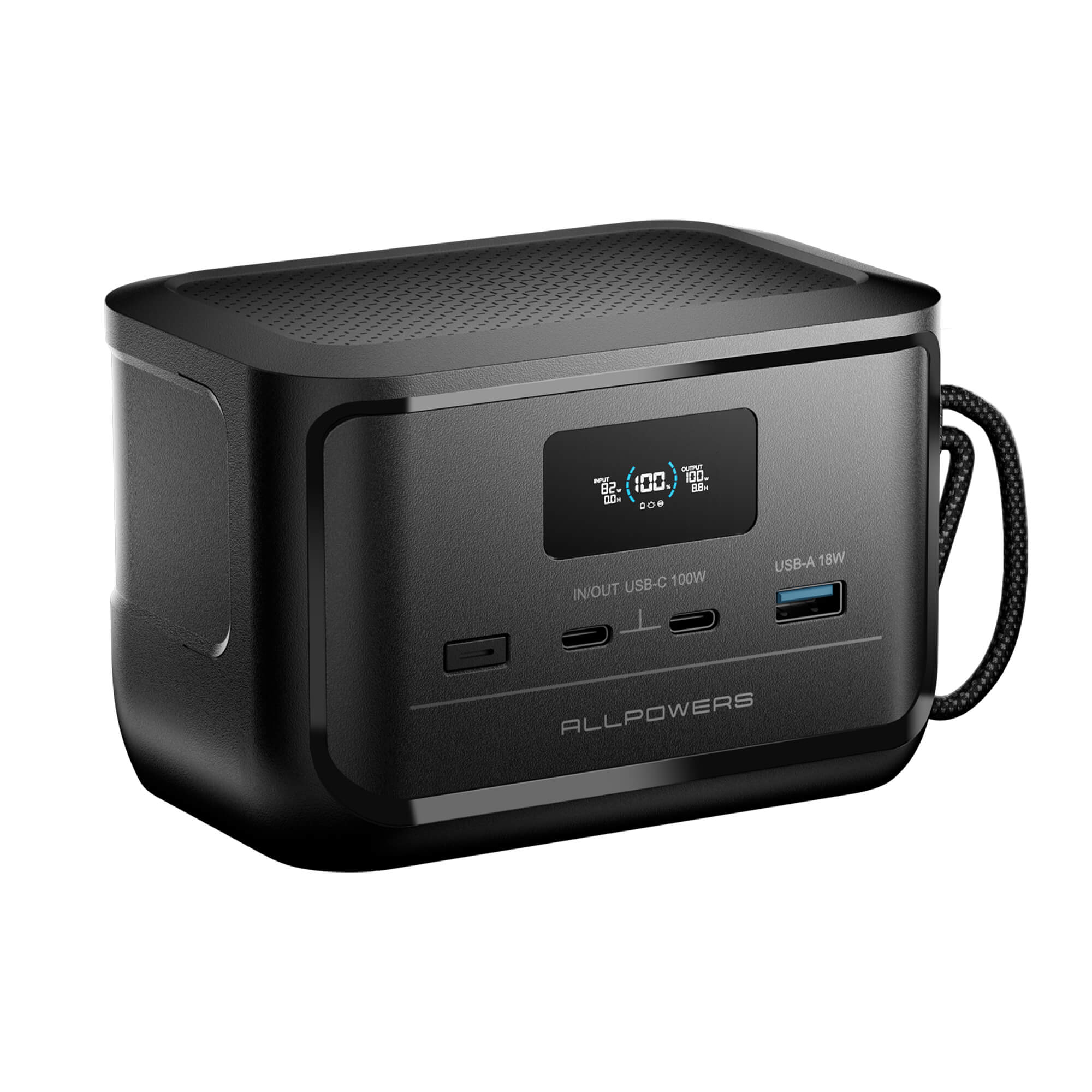
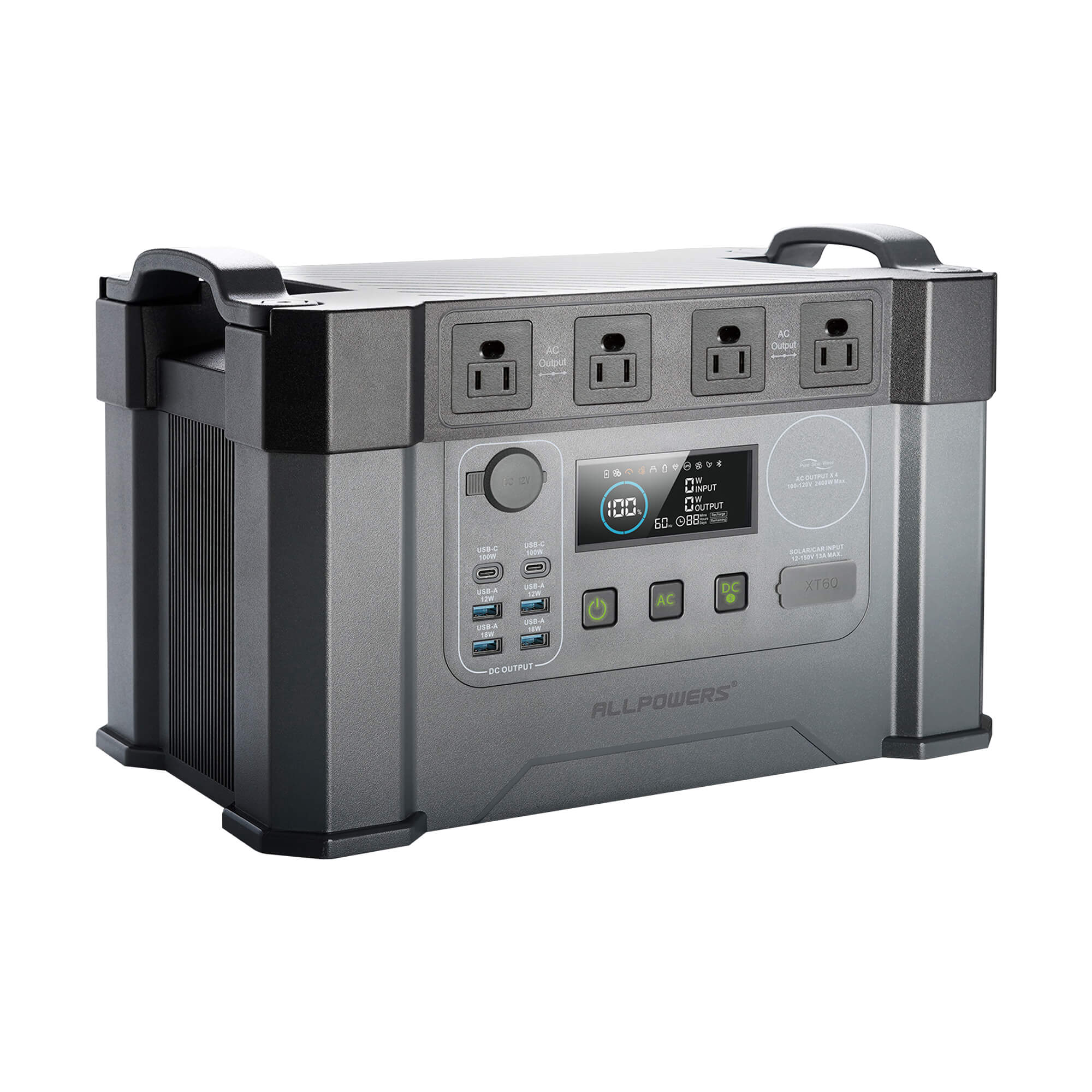
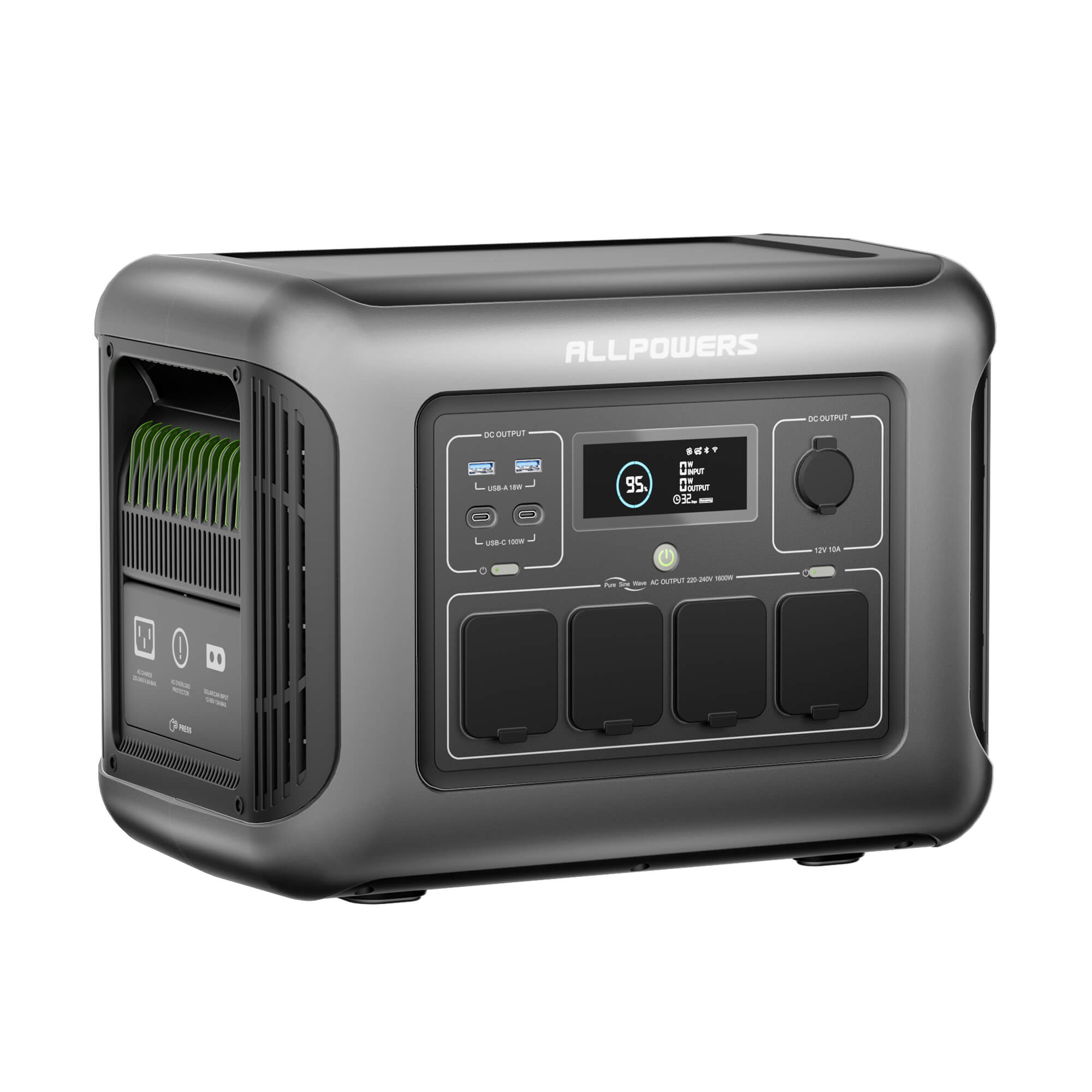
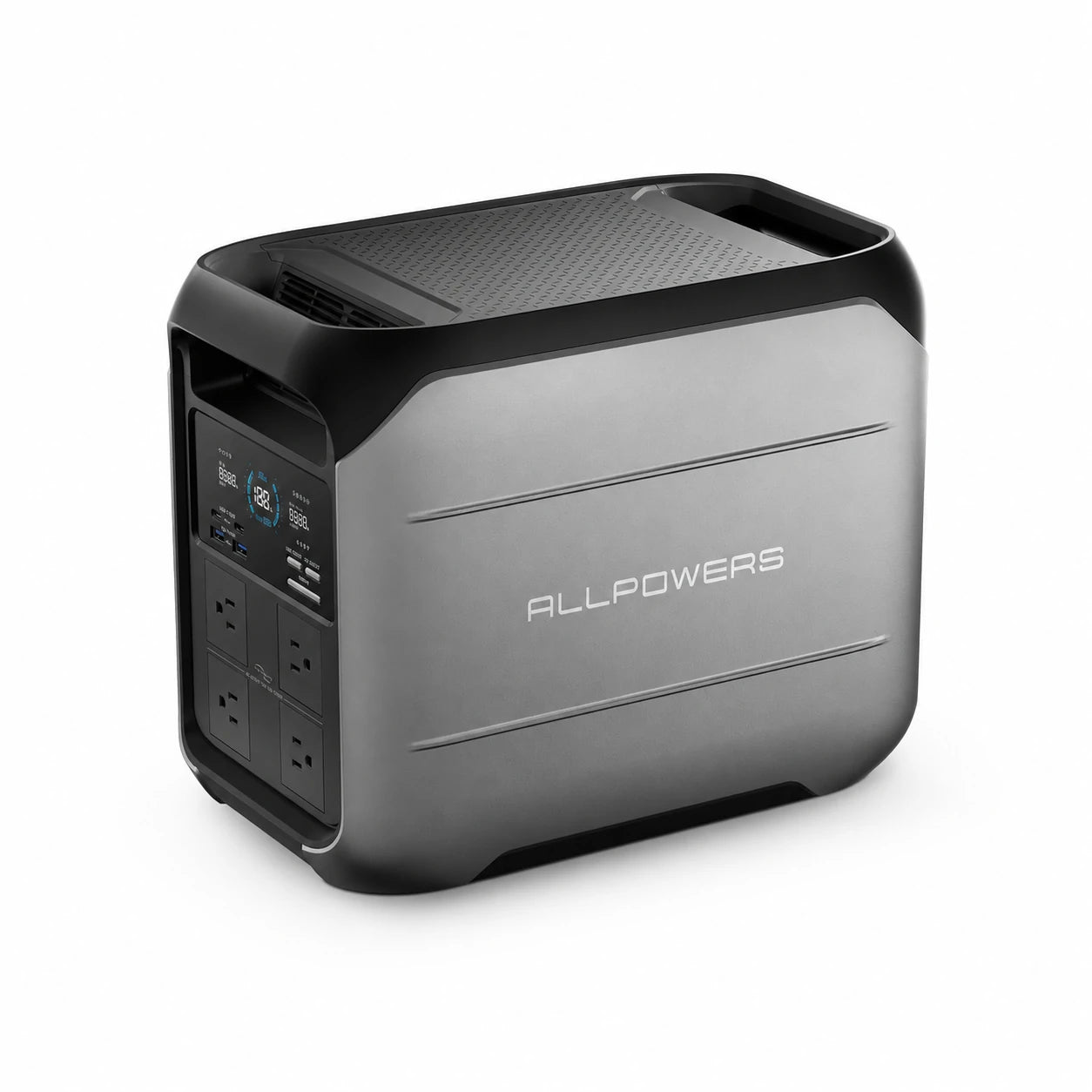
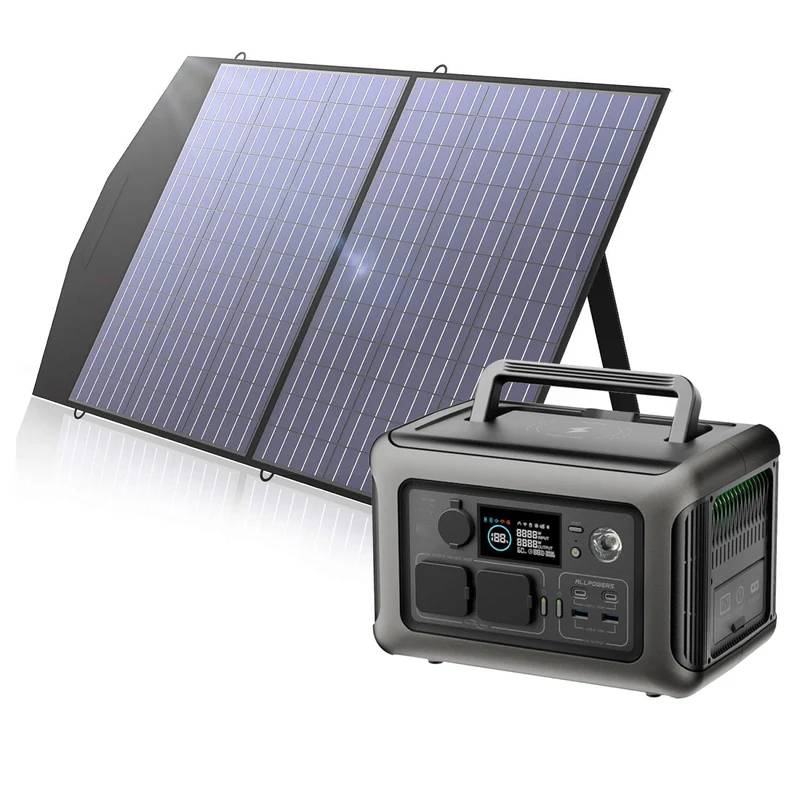
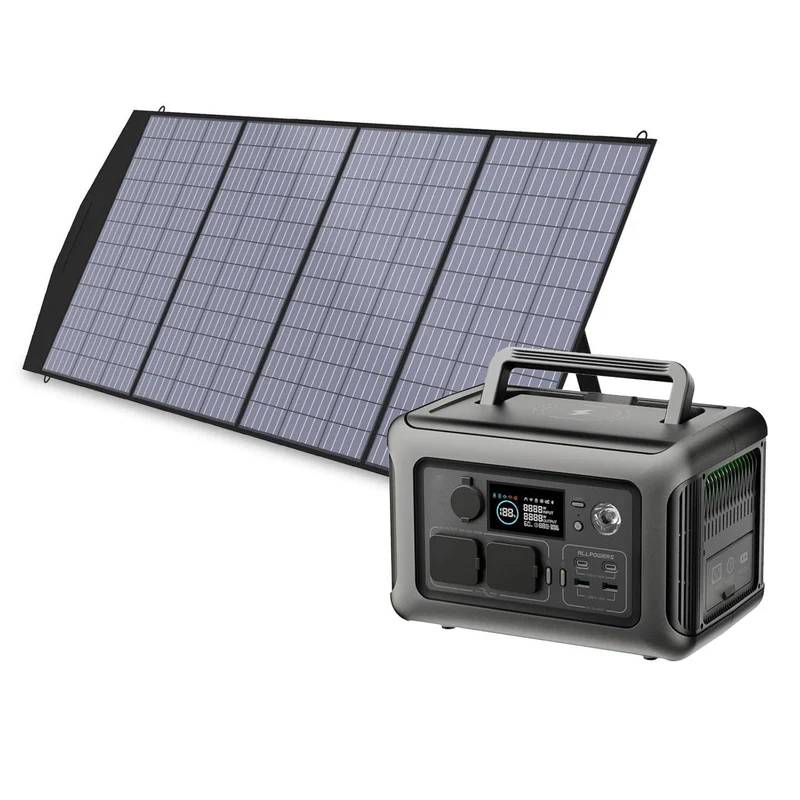
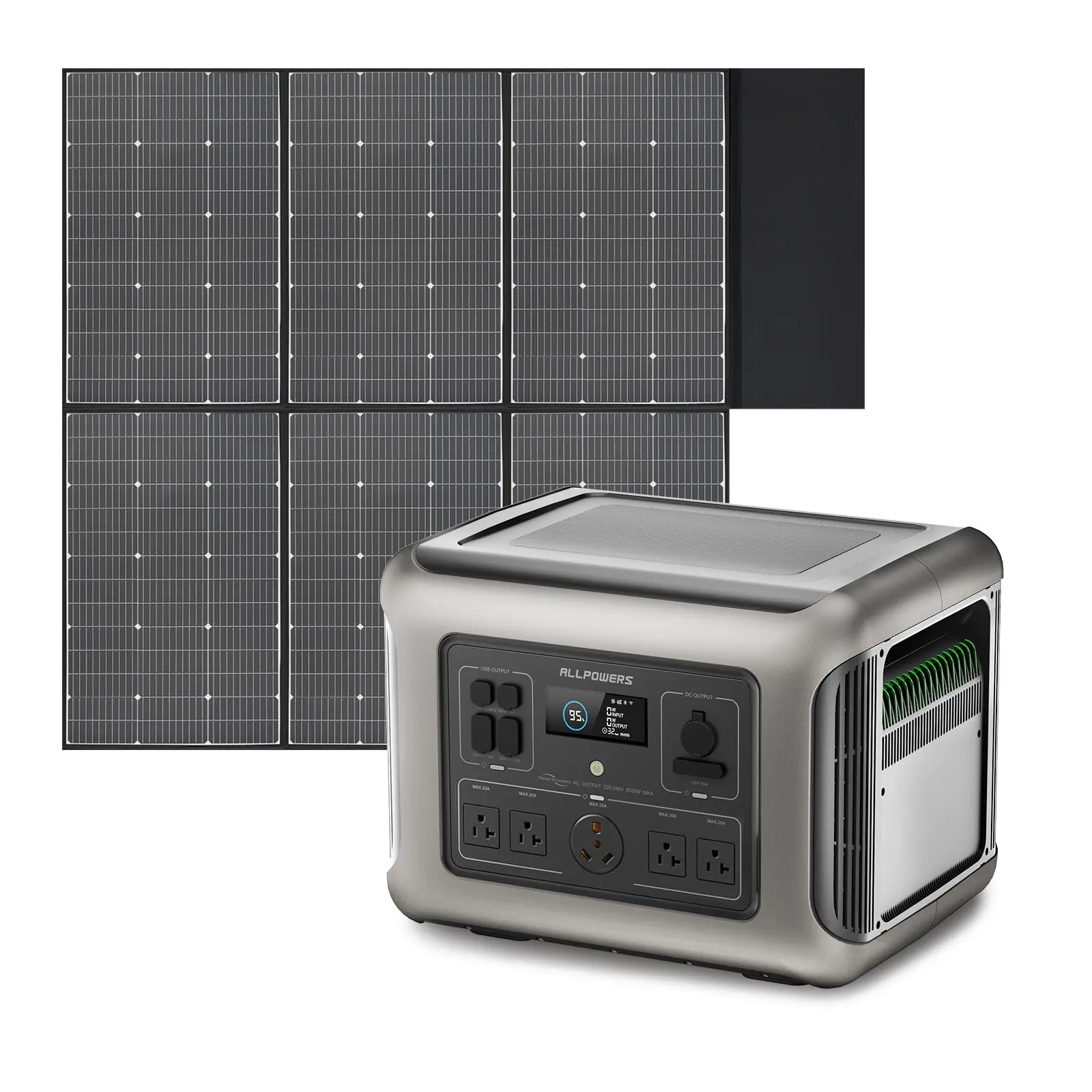
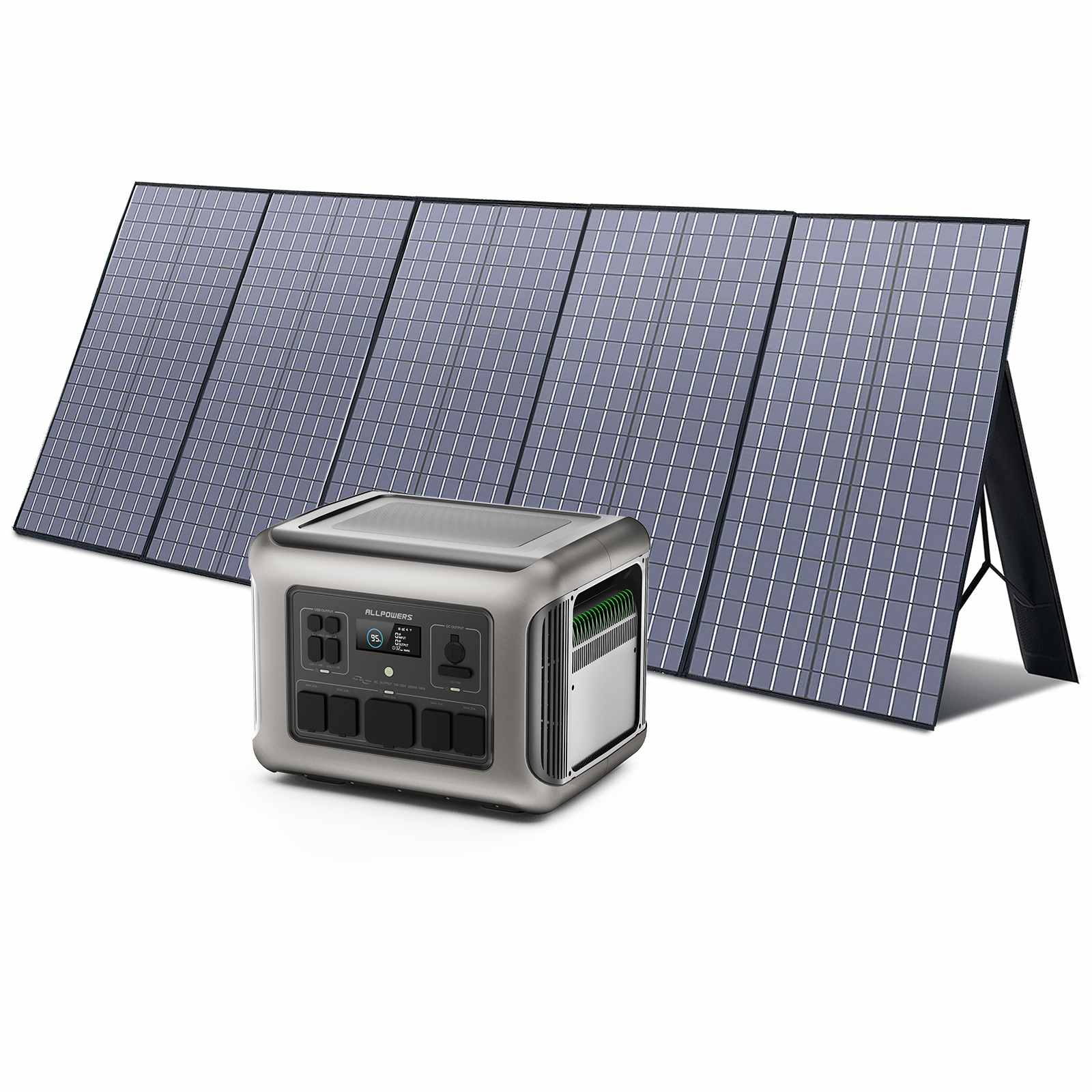
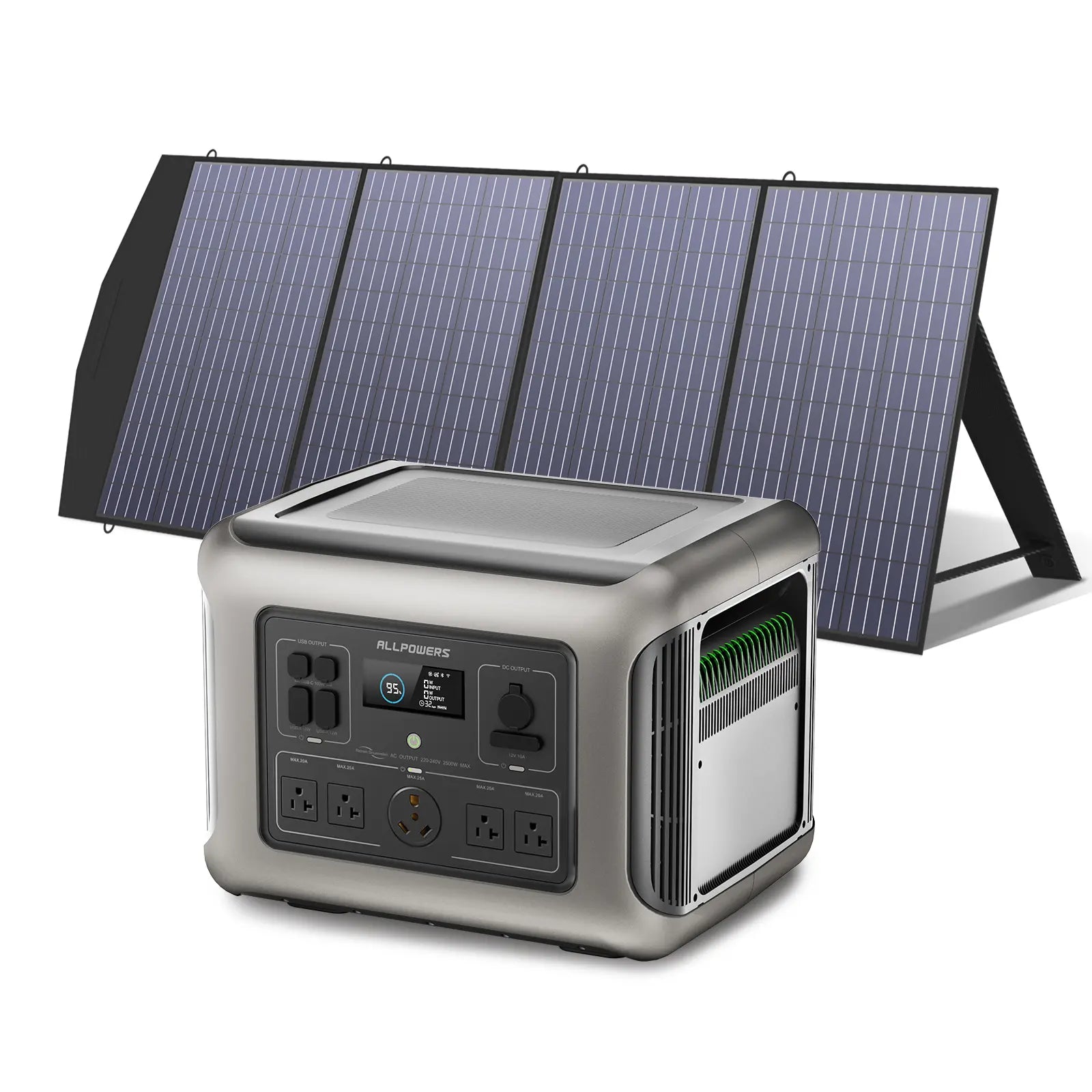
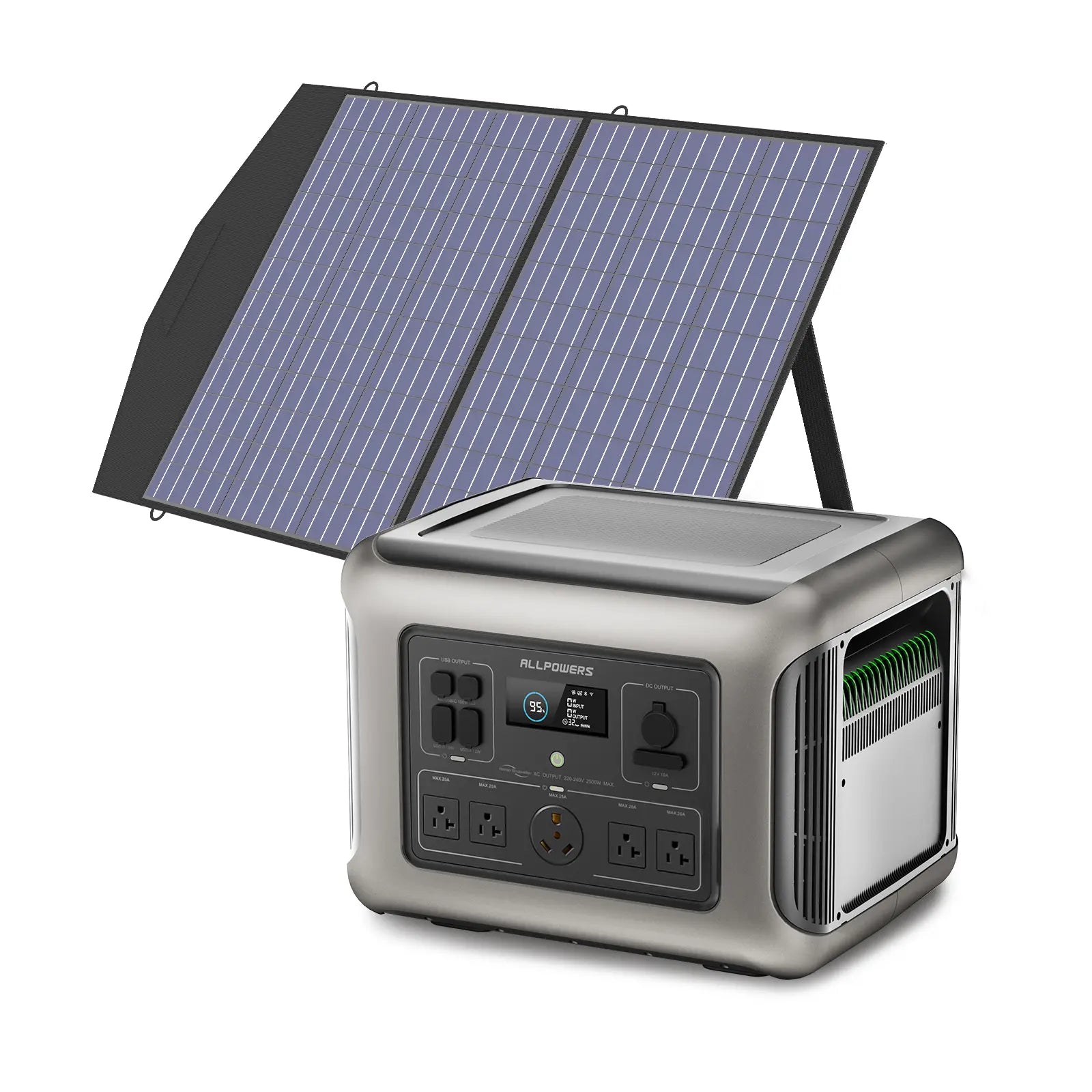
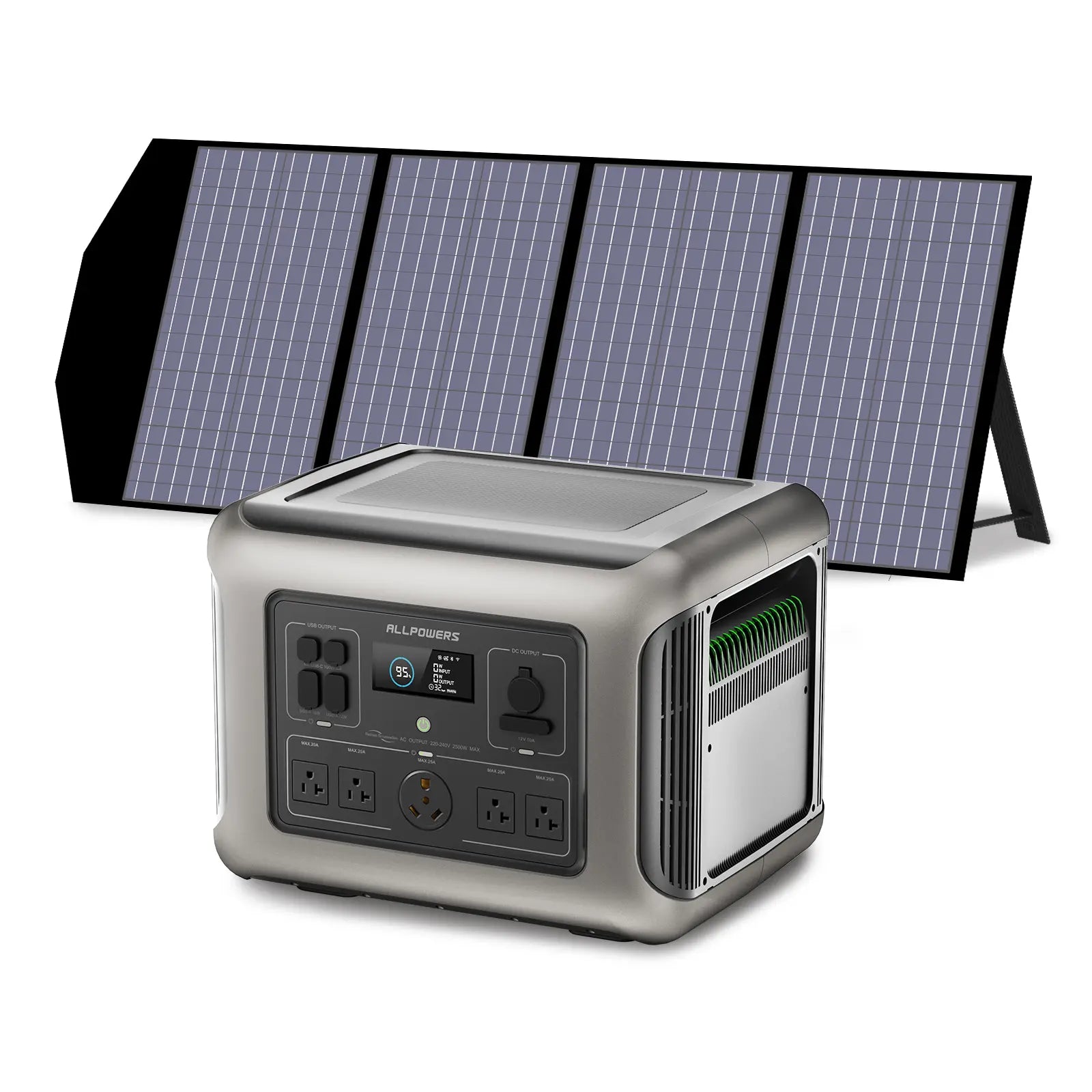
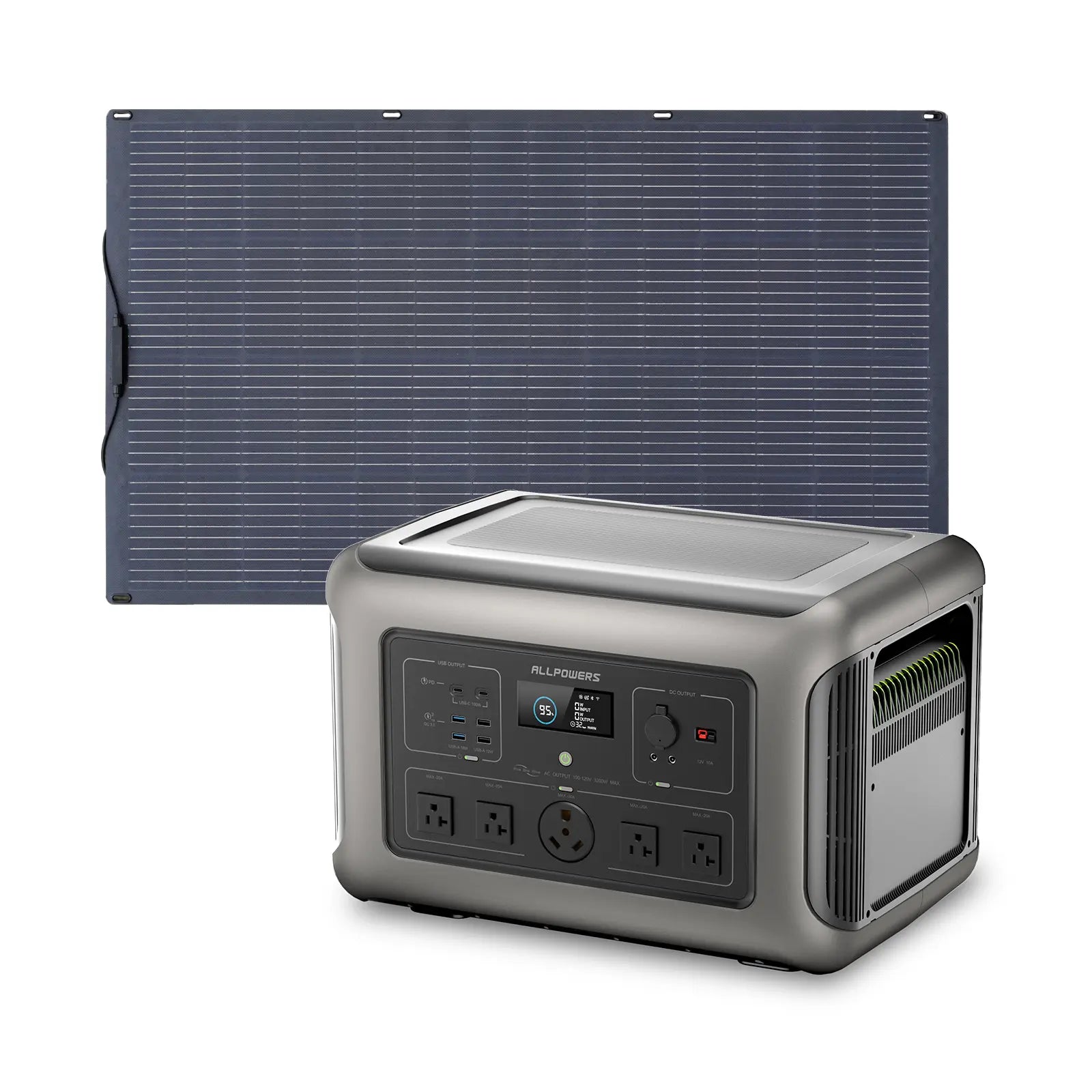
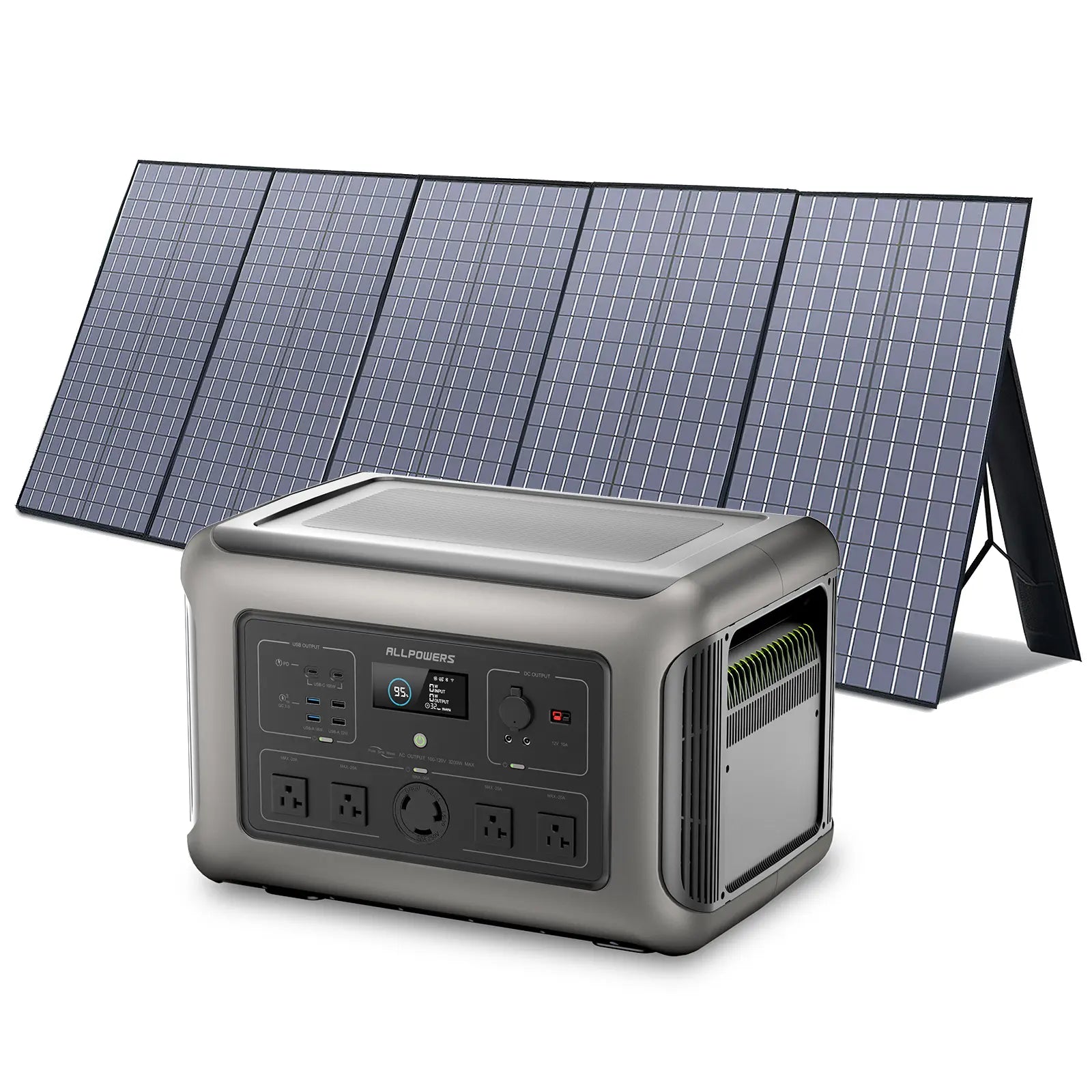
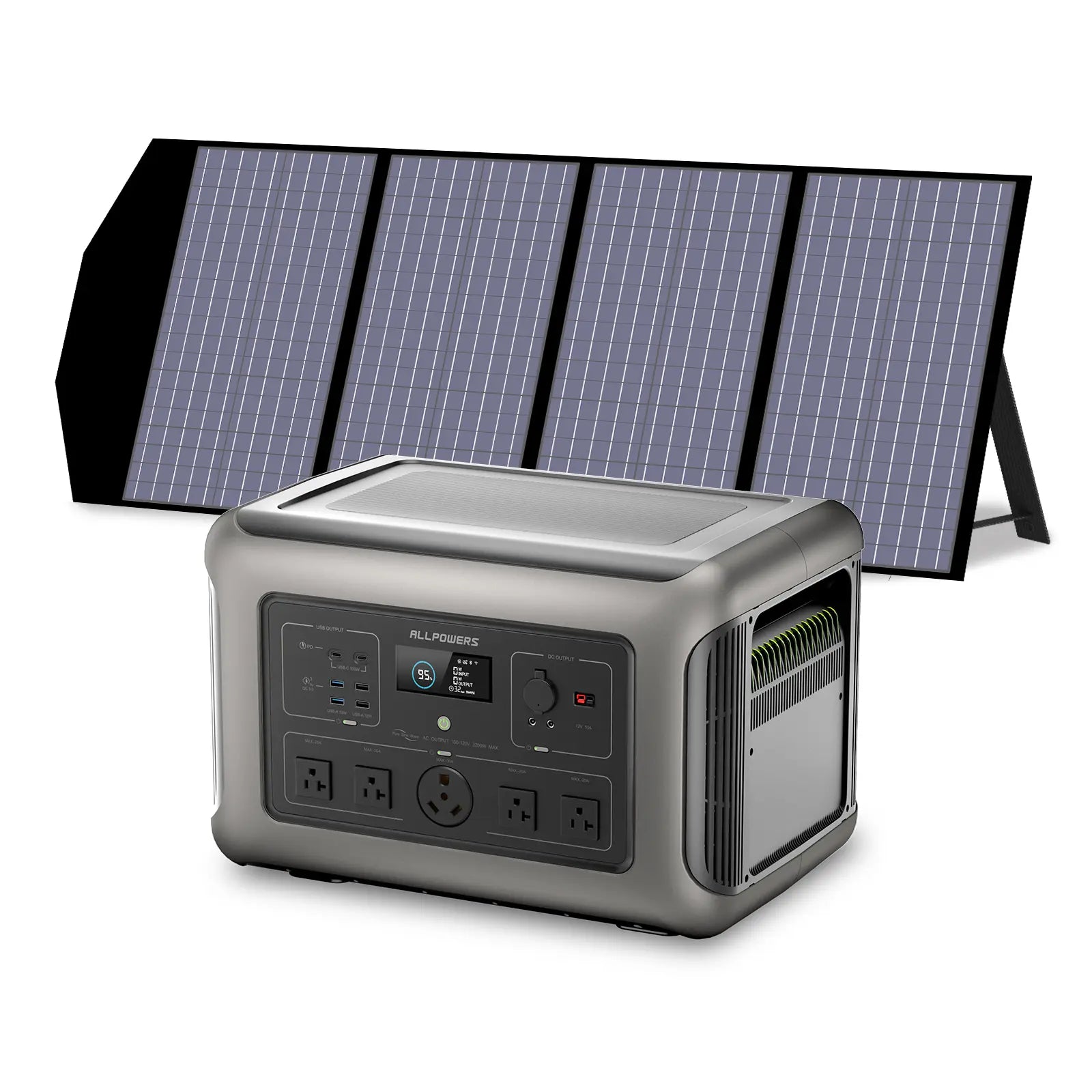
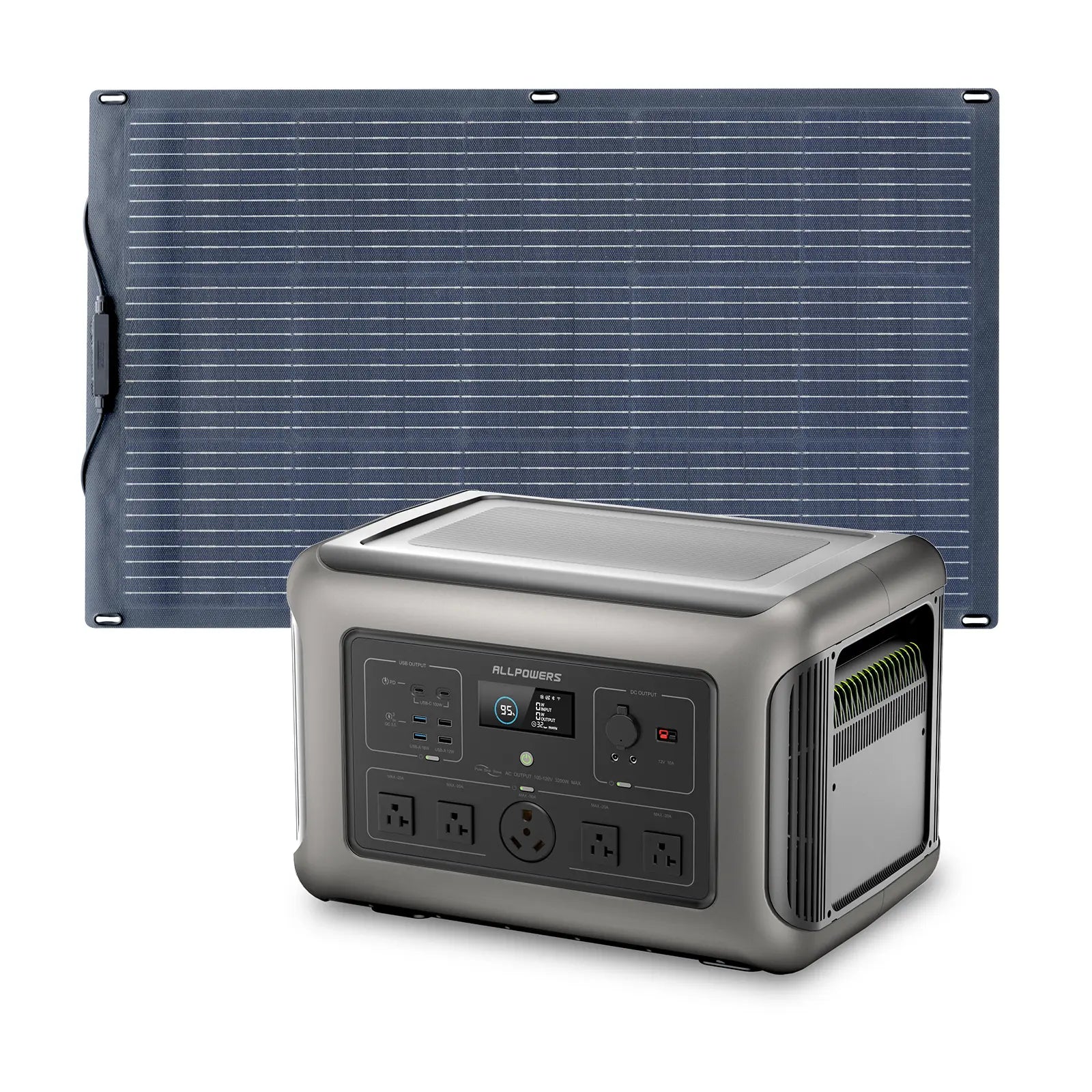
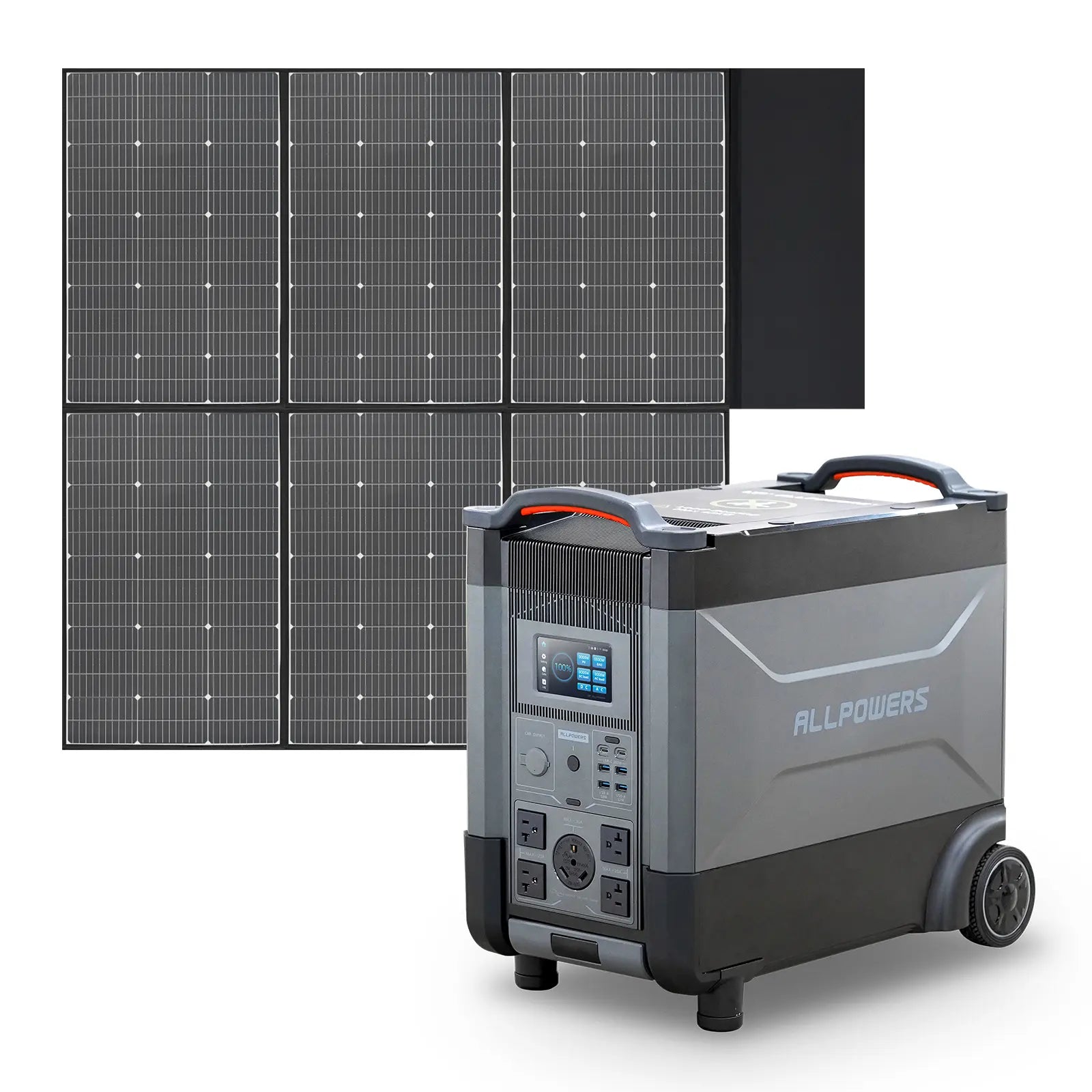
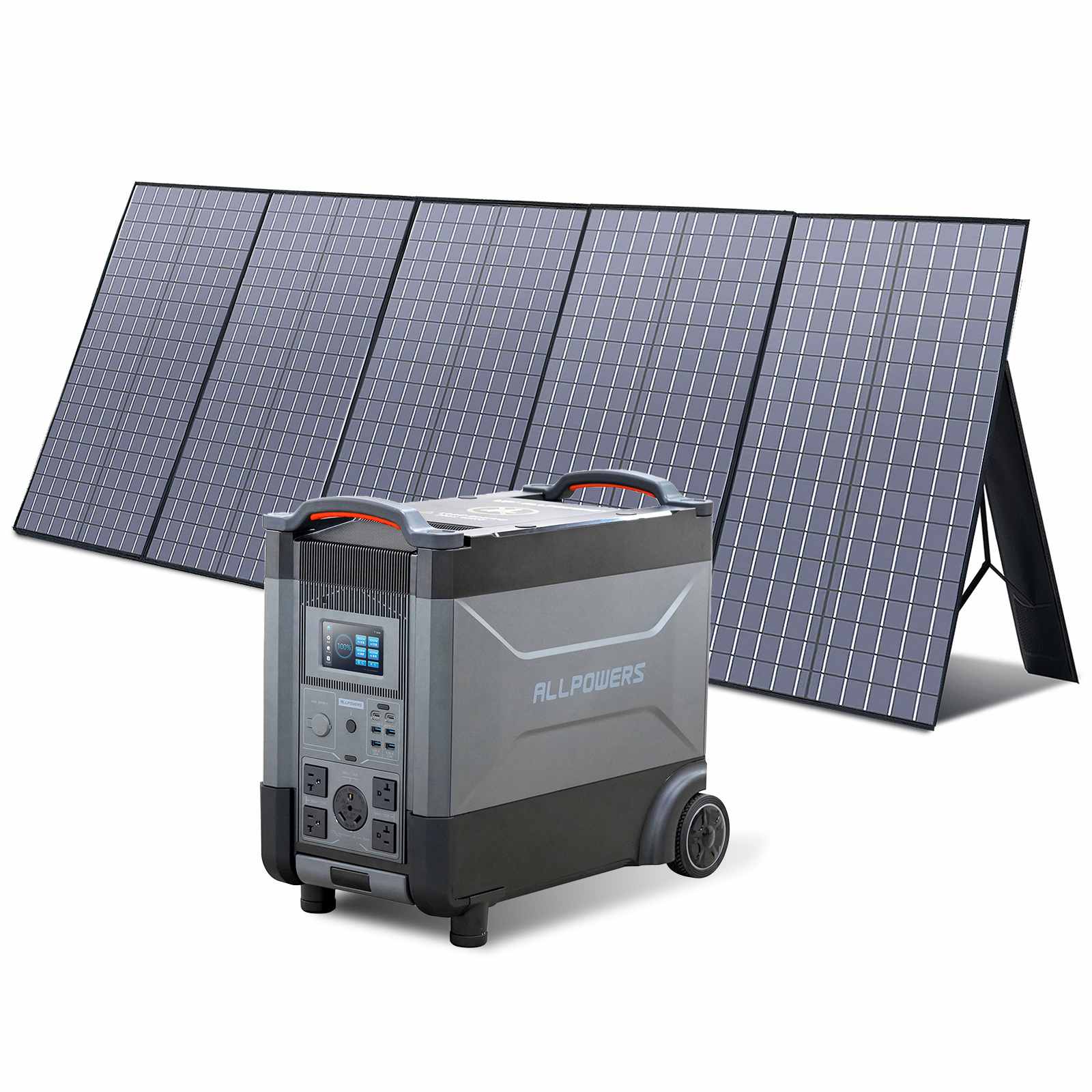
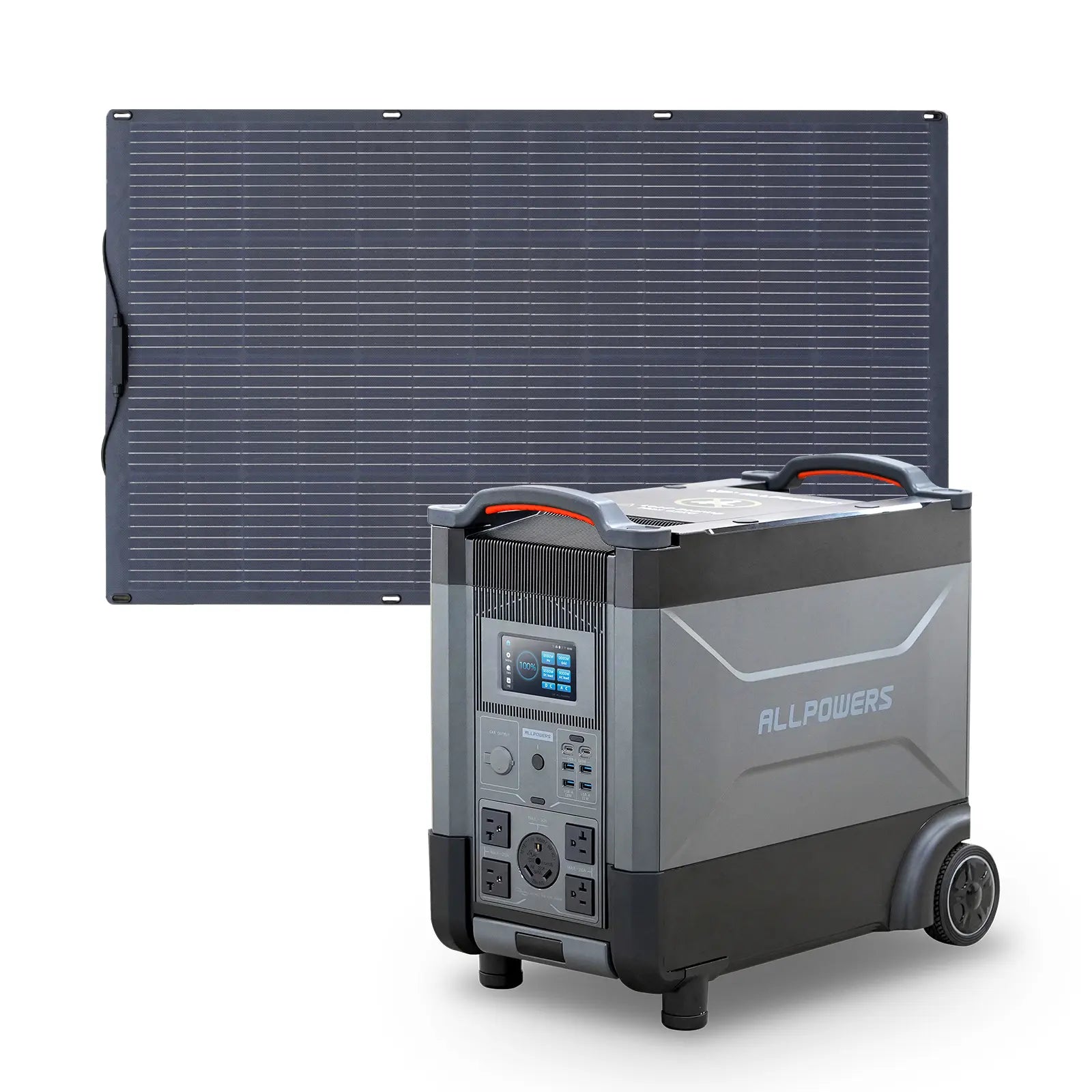
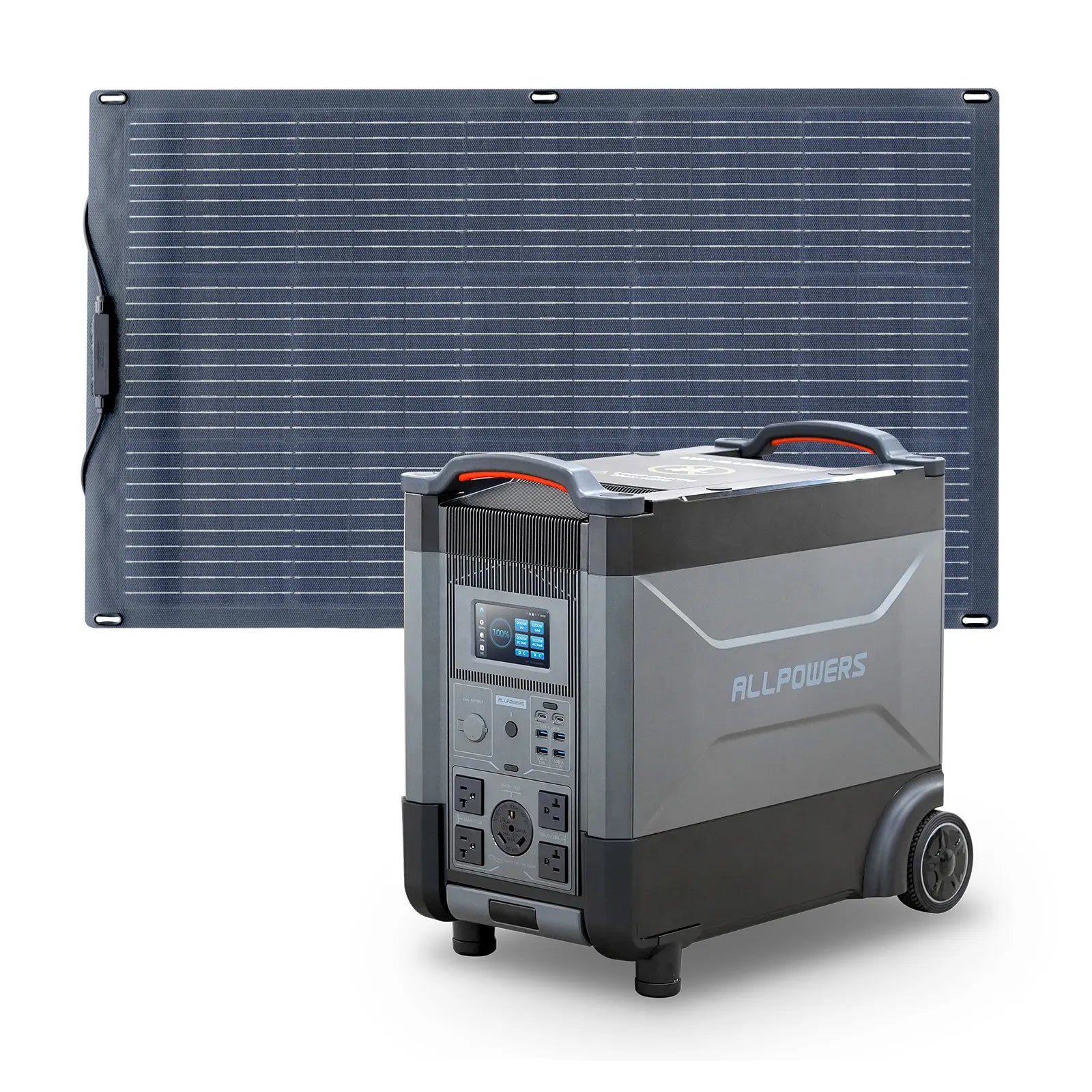
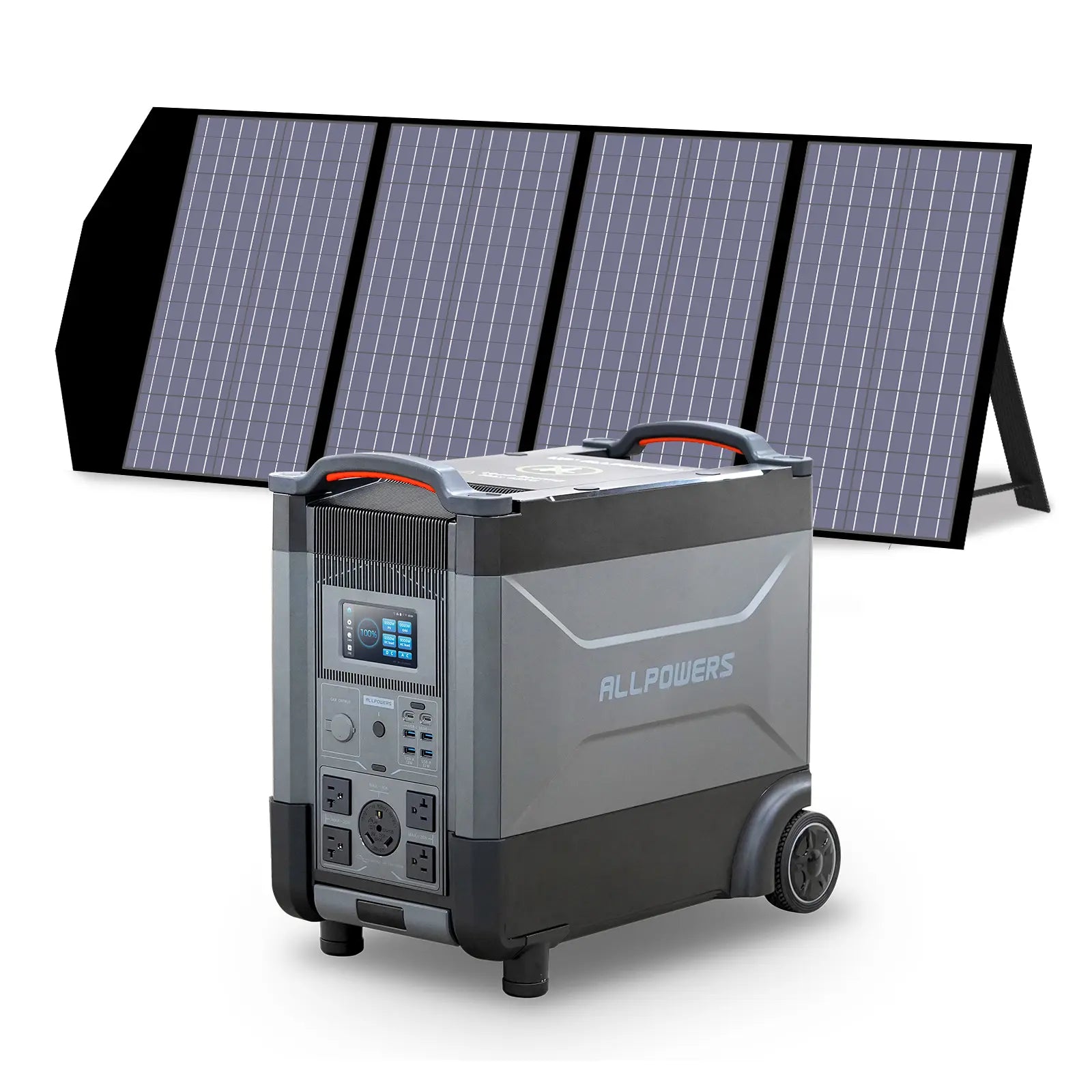
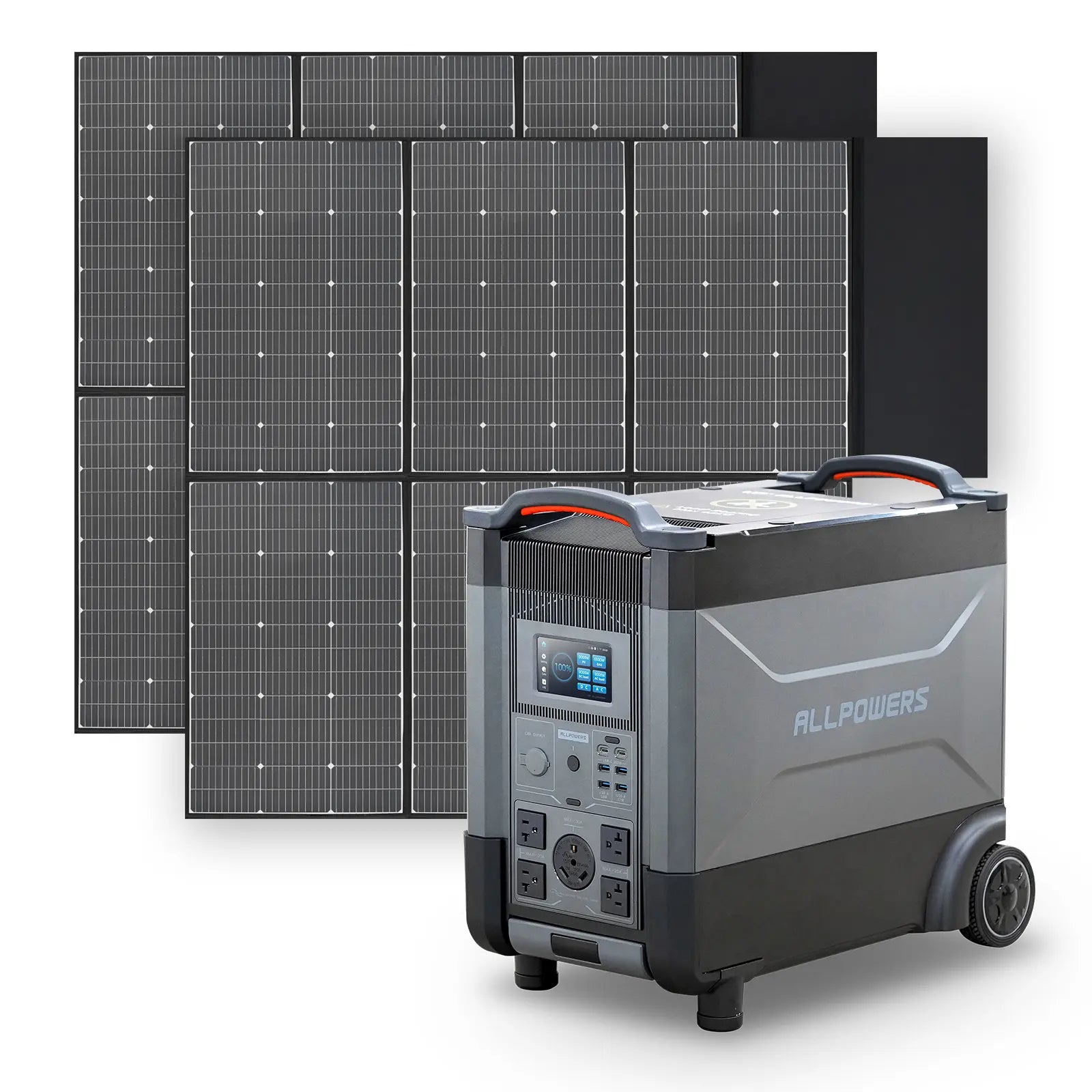
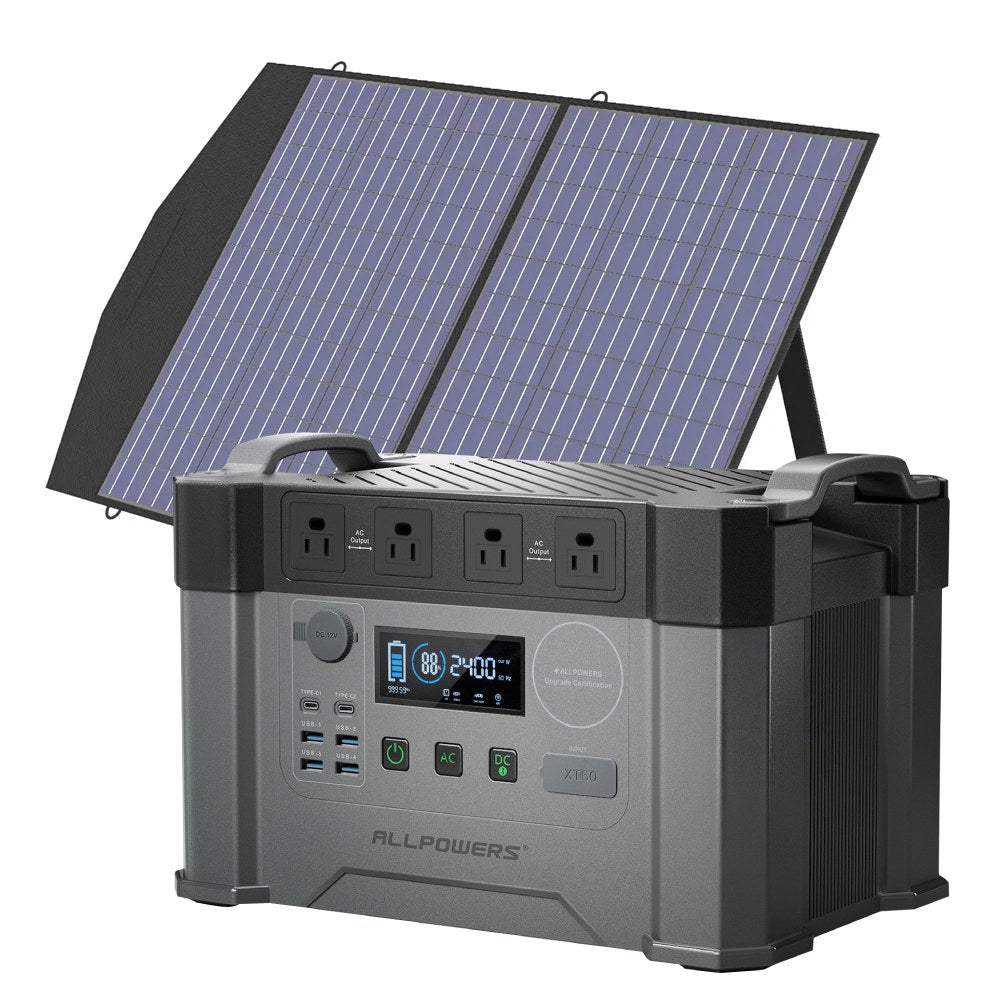
Some households now explore battery storage systems and portable power stations to support essential devices during outages or help manage electricity usage during expensive peak-rate periods.
While these systems are commonly associated with emergency backup power, they also reflect growing interest in smarter long-term household energy management.
Common Electricity Bill Mistakes Homeowners Make
Ignoring HVAC Maintenance
Failing to maintain HVAC systems properly can reduce efficiency and increase electricity consumption substantially.
Leaving Electronics Plugged In
Many homeowners underestimate how much standby power consumption contributes to monthly utility costs.
Using Appliances During Peak Hours
Running energy-intensive appliances during expensive TOU pricing periods can significantly increase monthly bills.
Using Outdated Lighting
Traditional incandescent bulbs consume much more electricity than modern LED lighting systems.
The Future of Household Energy Management
Electricity pricing is becoming increasingly dynamic as utilities modernize the grid and expand renewable energy infrastructure.
Technologies such as smart meters, connected appliances, electric vehicles, home batteries, and intelligent energy monitoring systems are changing how households interact with electricity.
In the future, homeowners will likely gain even greater control over when and how electricity is consumed.
Energy efficiency is no longer simply about lowering utility bills; it has become an important part of modern home management and long-term energy planning.
Frequently Asked Questions
What uses the most electricity in a house?
In many homes, HVAC systems consume the largest amount of electricity, especially during summer and winter.
What time is electricity cheapest?
Electricity is usually cheapest late at night and early in the morning during off-peak demand periods.
Does unplugging electronics save electricity?
Yes. Many devices continue consuming standby power even when turned off.
Do smart thermostats reduce electricity bills?
Smart thermostats can improve HVAC efficiency by automatically adjusting indoor temperatures throughout the day.
Can changing appliance usage times lower electricity costs?
Yes. Under Time-of-Use pricing plans, shifting appliance use to off-peak hours can help reduce monthly electricity expenses.