







Power outages can happen unexpectedly due to severe weather, grid failures, equipment maintenance, or local electrical issues.
When the lights go out, one of the first questions many people ask is whether their WiFi will continue working.
After all, staying connected has become essential for communication, remote work, entertainment, and accessing important information during emergencies.
So, does WiFi work when the power is out?
TL;DR: In most homes, WiFi stops working during a power outage because routers and modems require electricity. However, internet service may still be available from your provider if local network infrastructure remains operational. Using backup power solutions for networking equipment can help maintain internet access during certain types of outages.
Why WiFi Usually Stops During a Power Outage
Most home WiFi networks depend on several pieces of equipment that require continuous electricity.
This typically includes a router, modem, fiber terminal, or gateway device supplied by your internet provider.
When household power is lost, these devices immediately shut down unless they are connected to some form of backup power.
As a result, the WiFi signal inside your home usually disappears within seconds of the outage.
Even if your internet provider's network remains operational, your home WiFi cannot function if the equipment responsible for broadcasting the signal has no power.
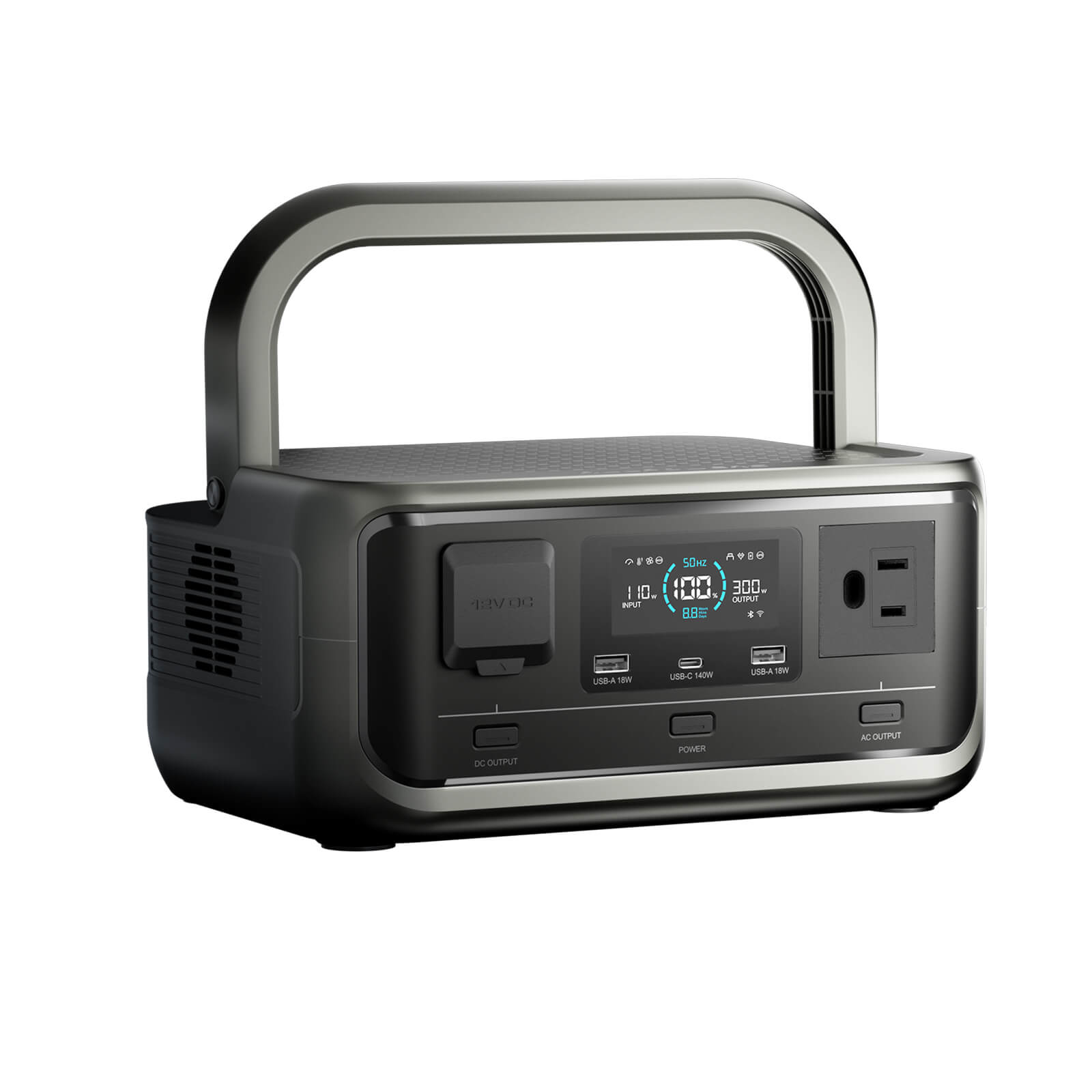
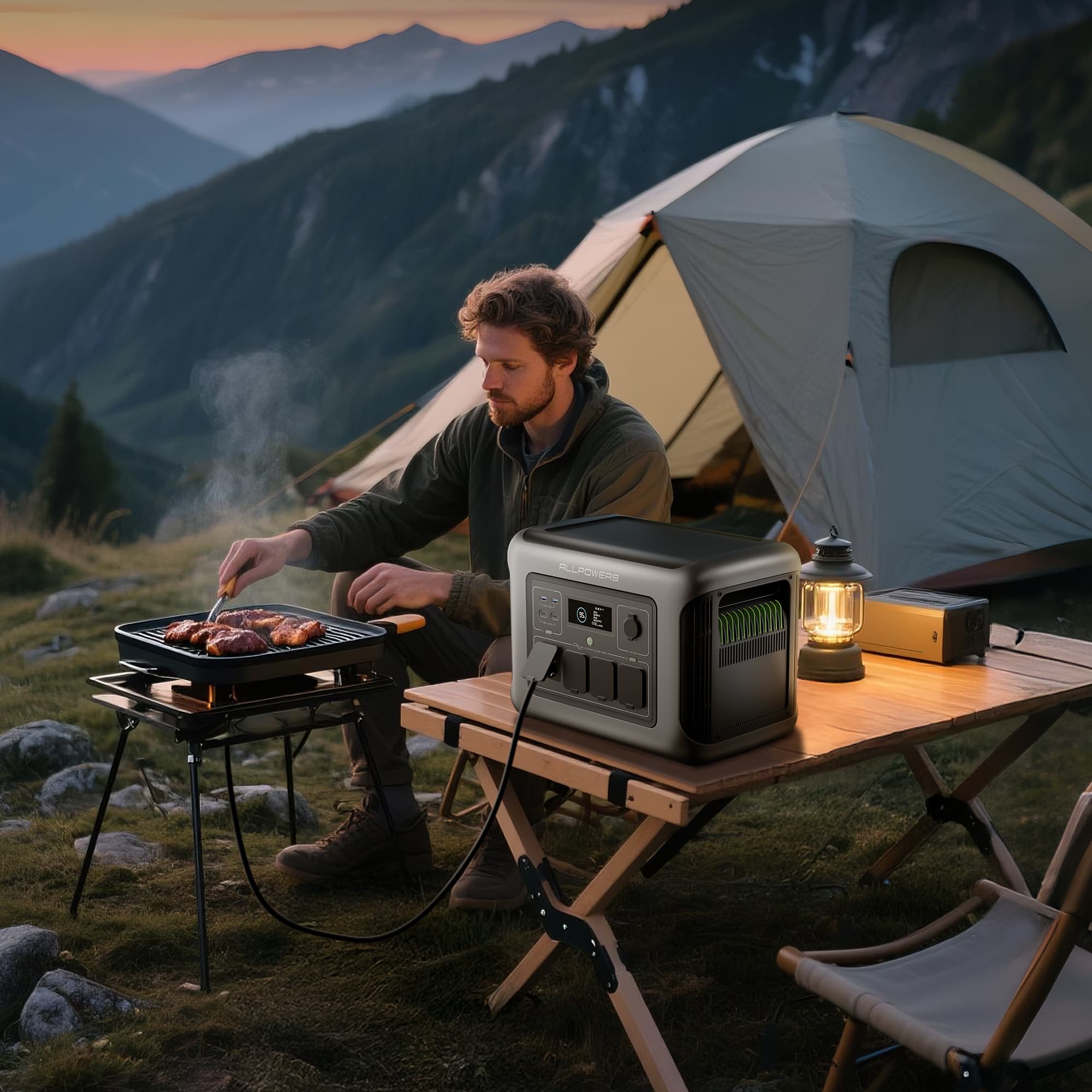
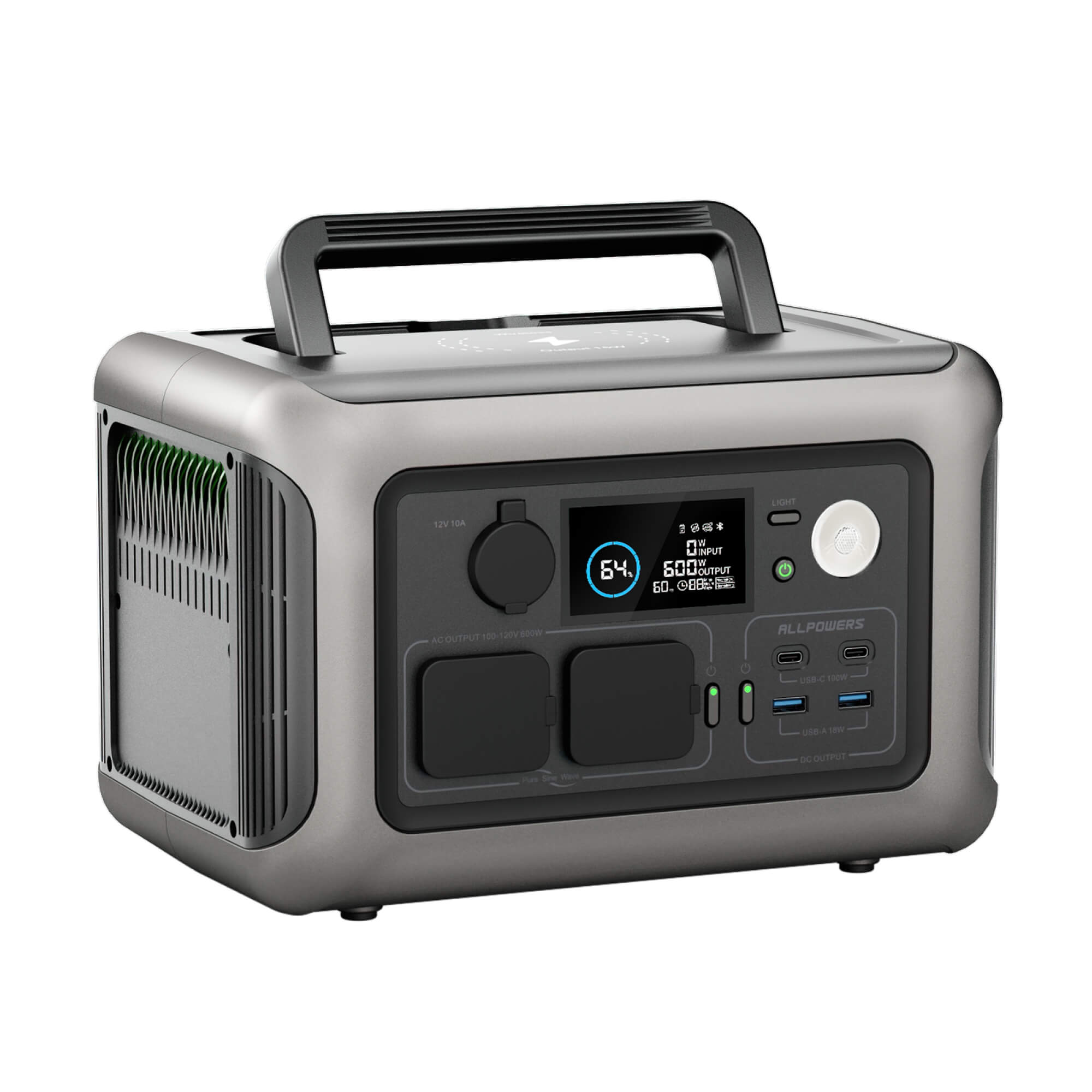
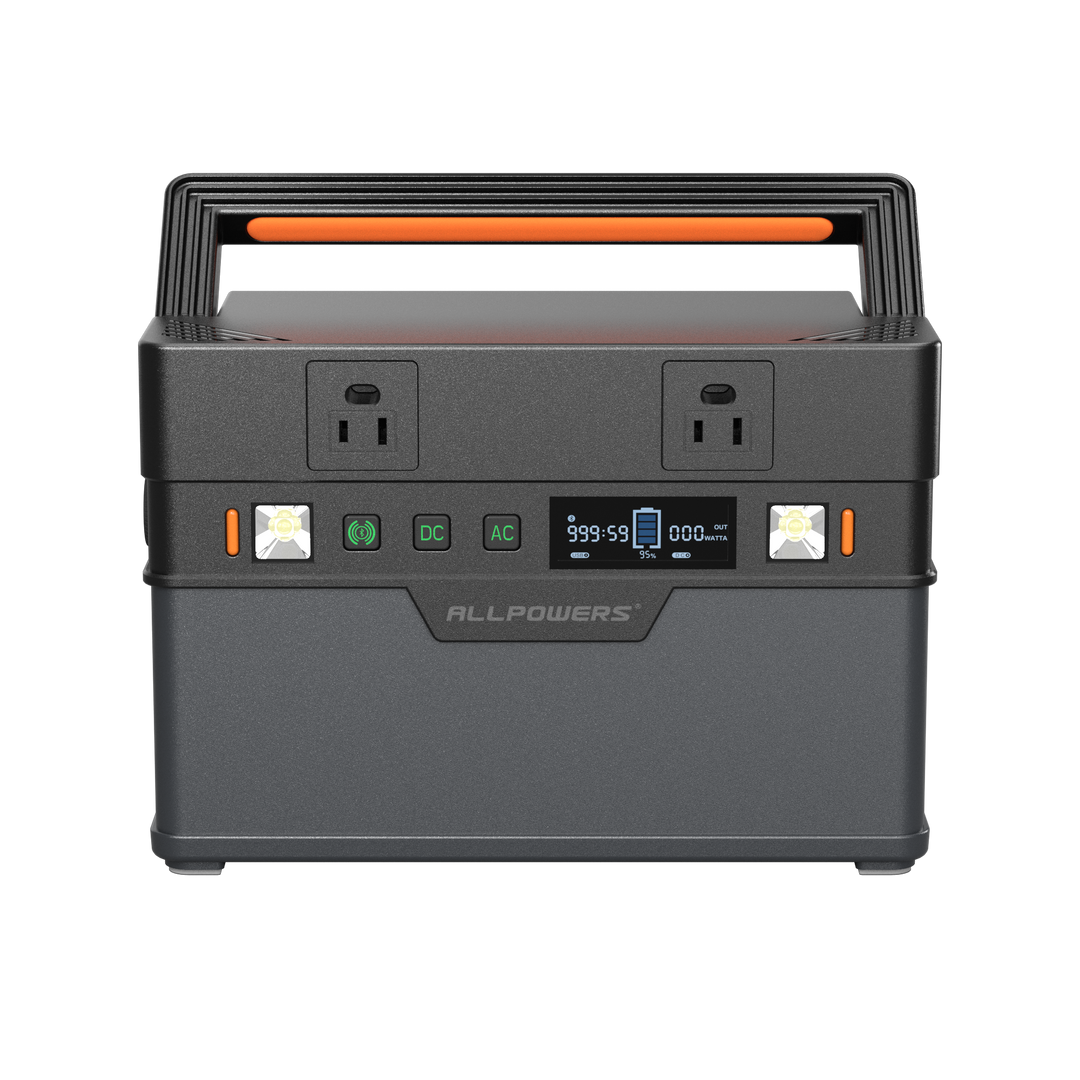
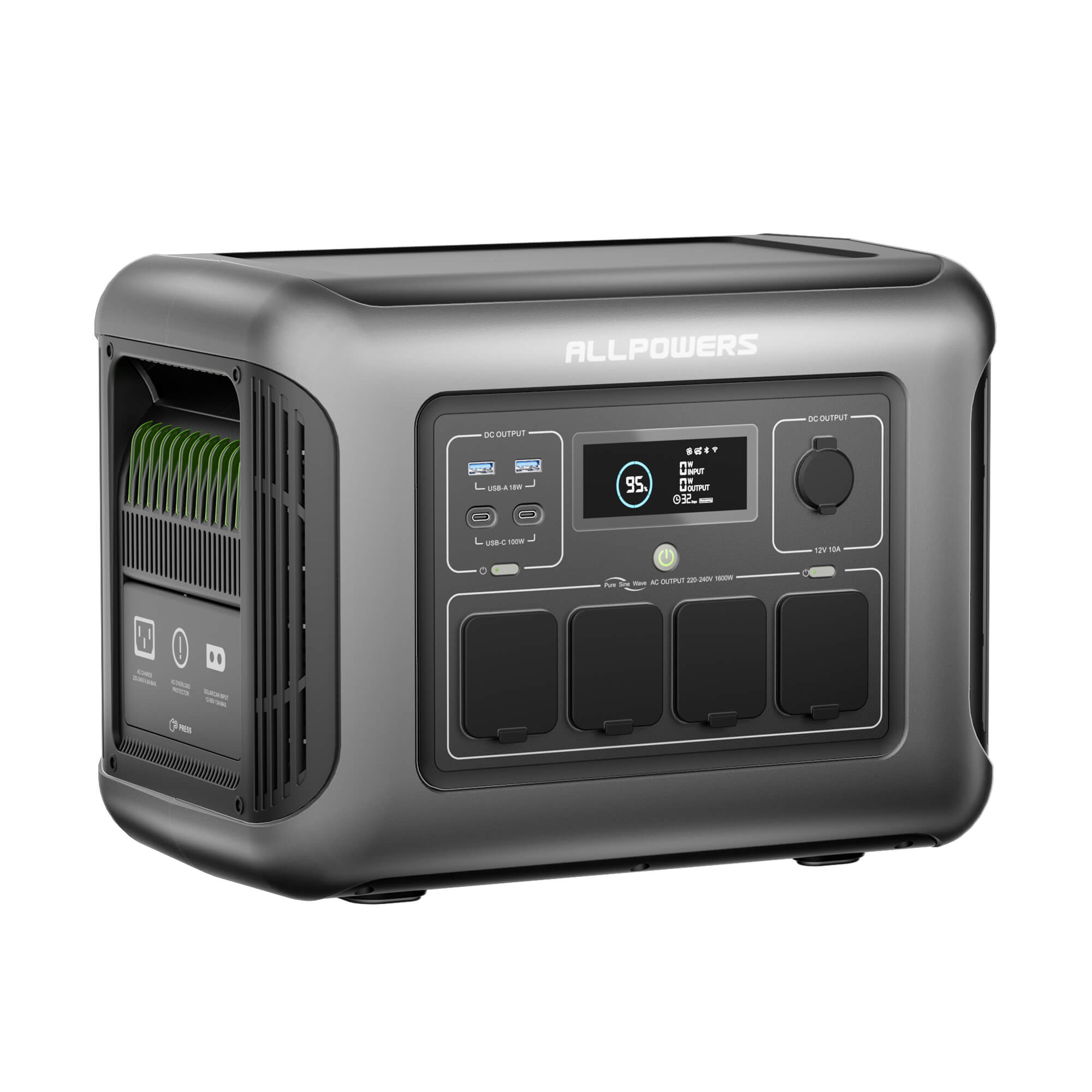
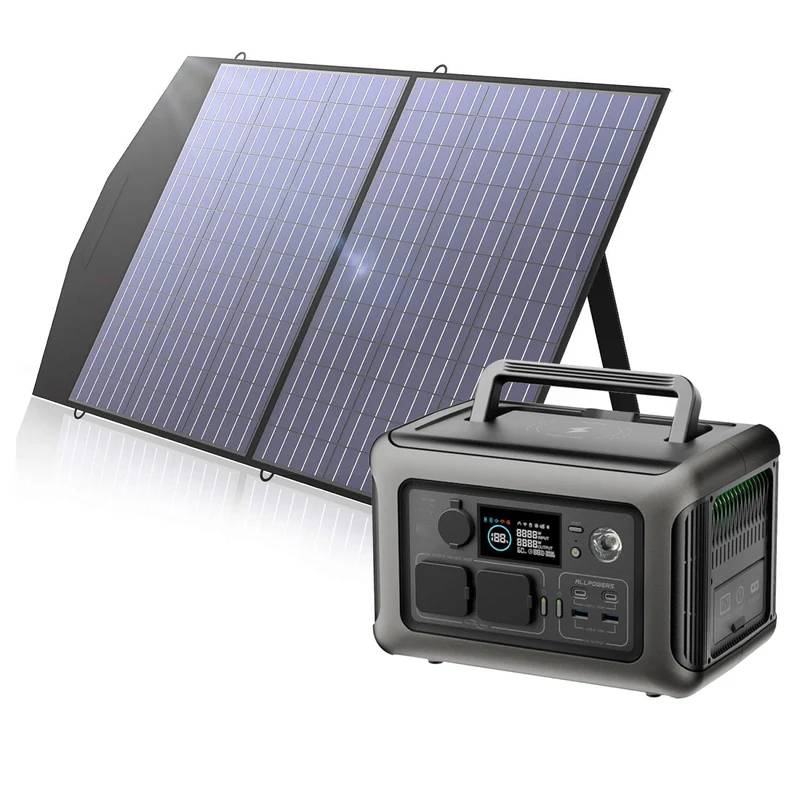
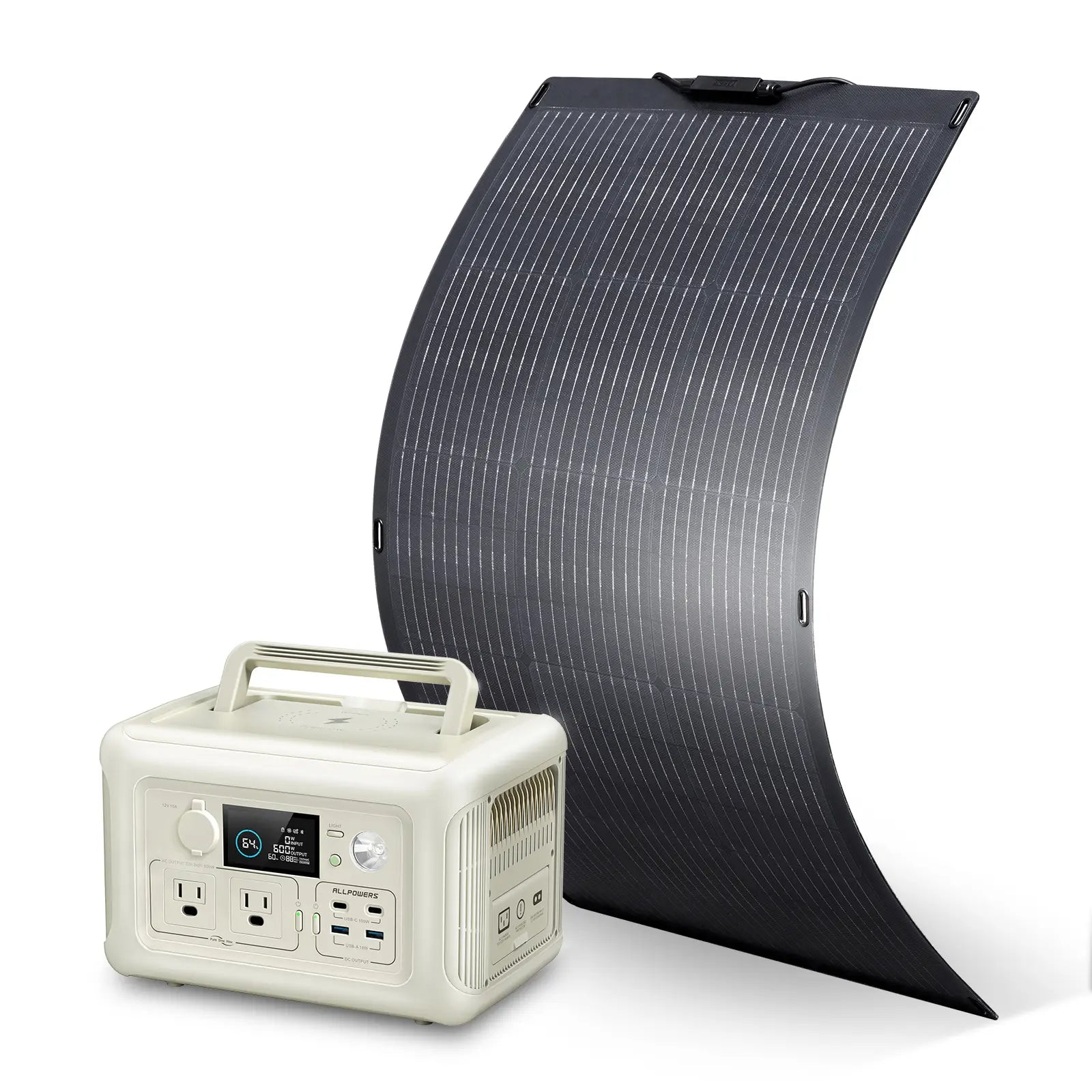
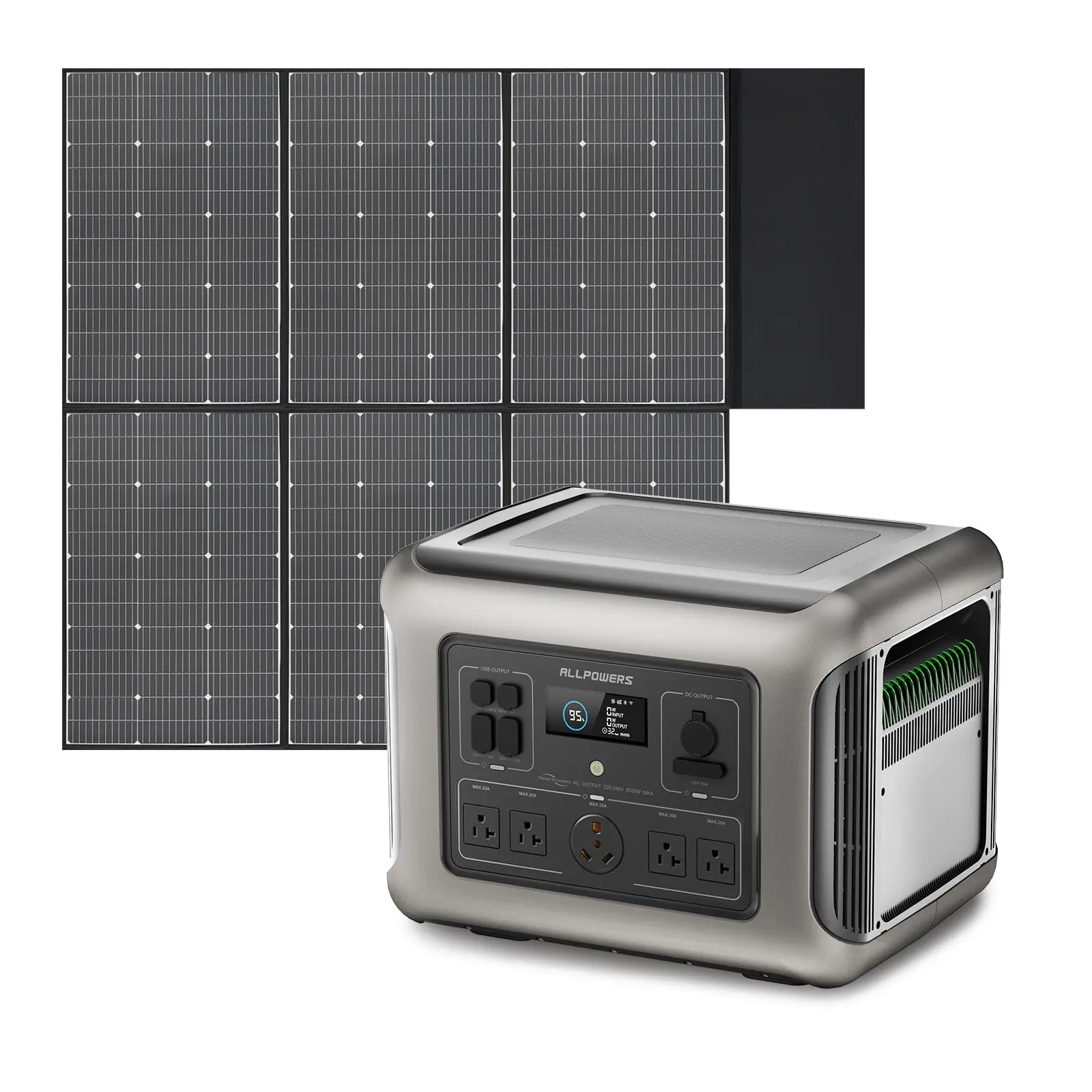
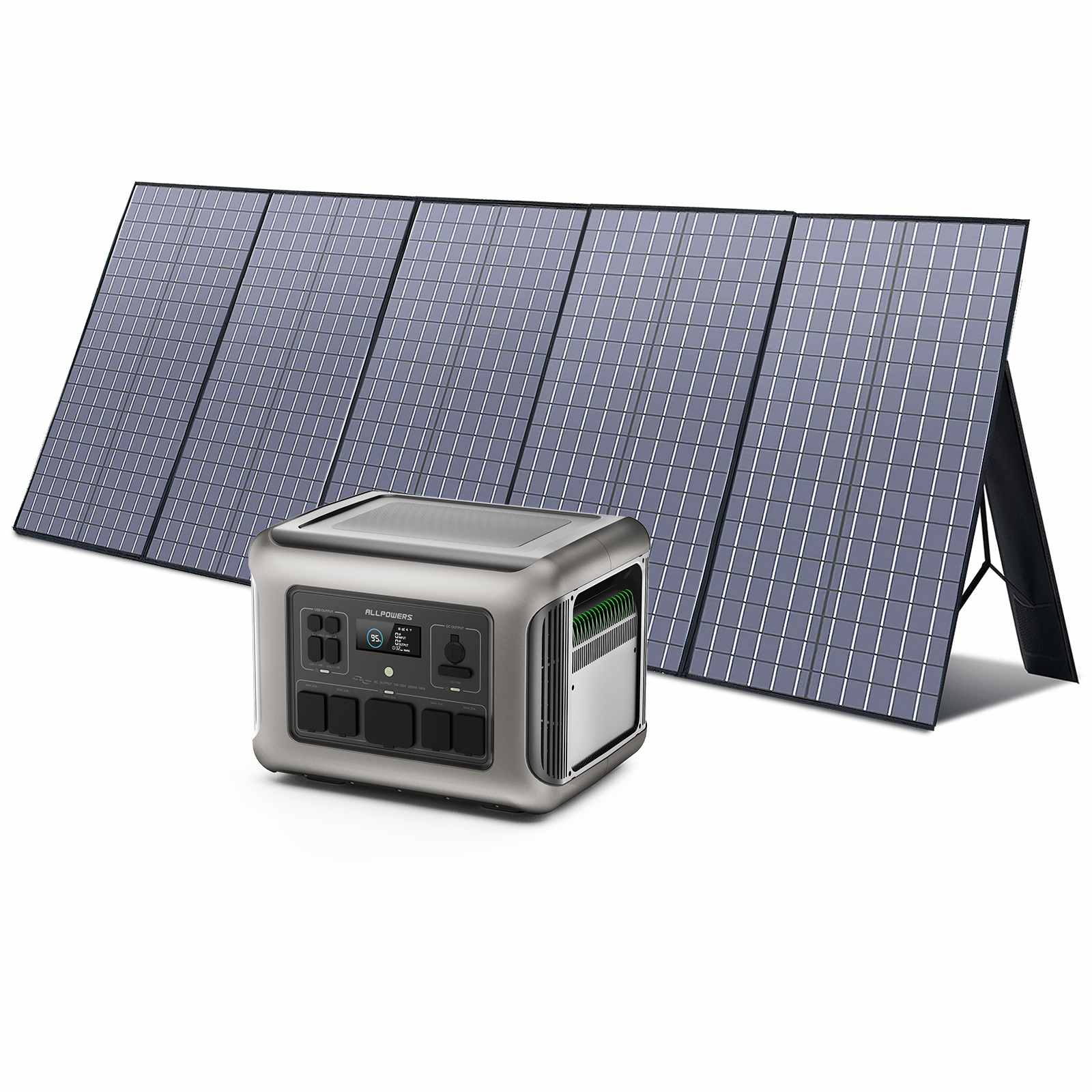
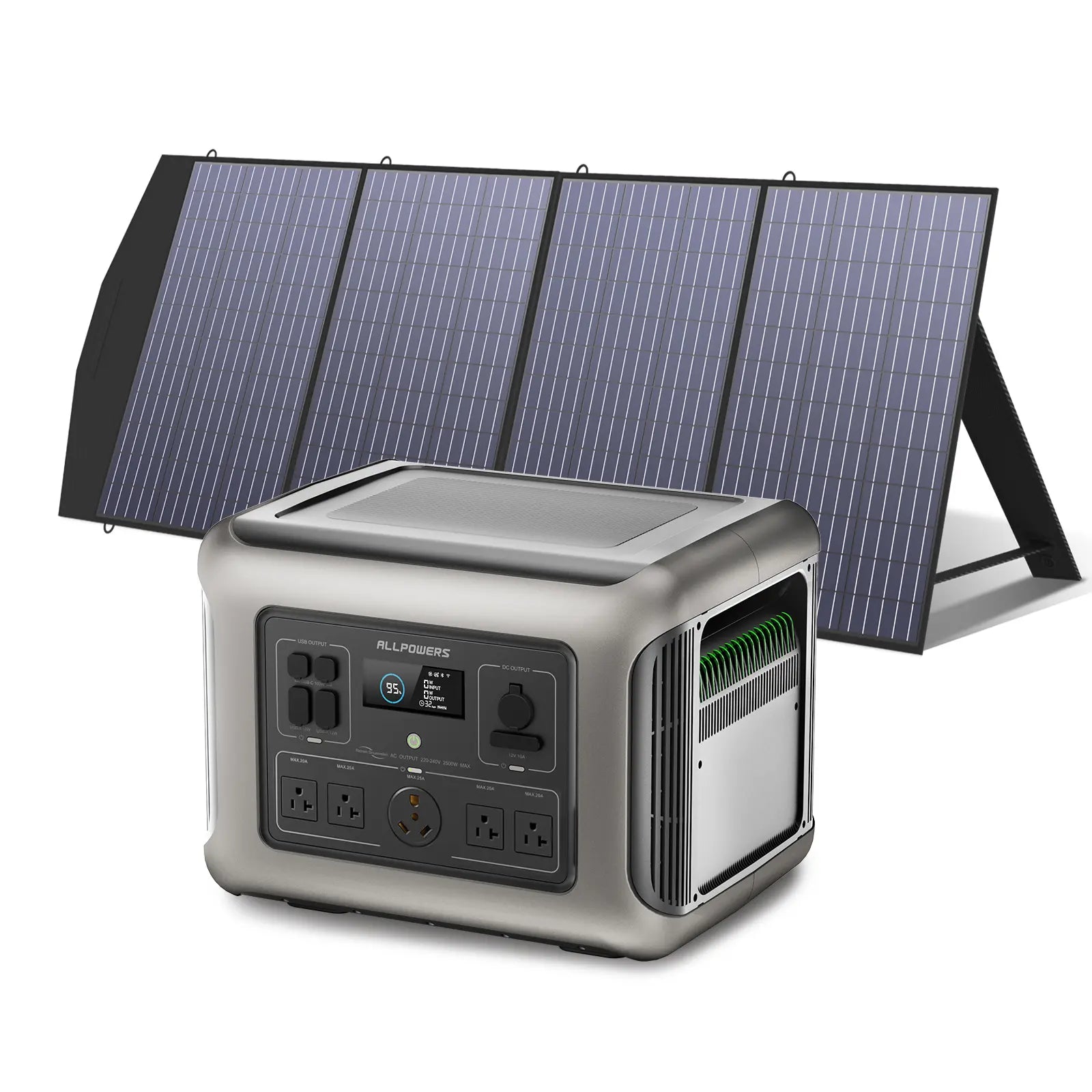
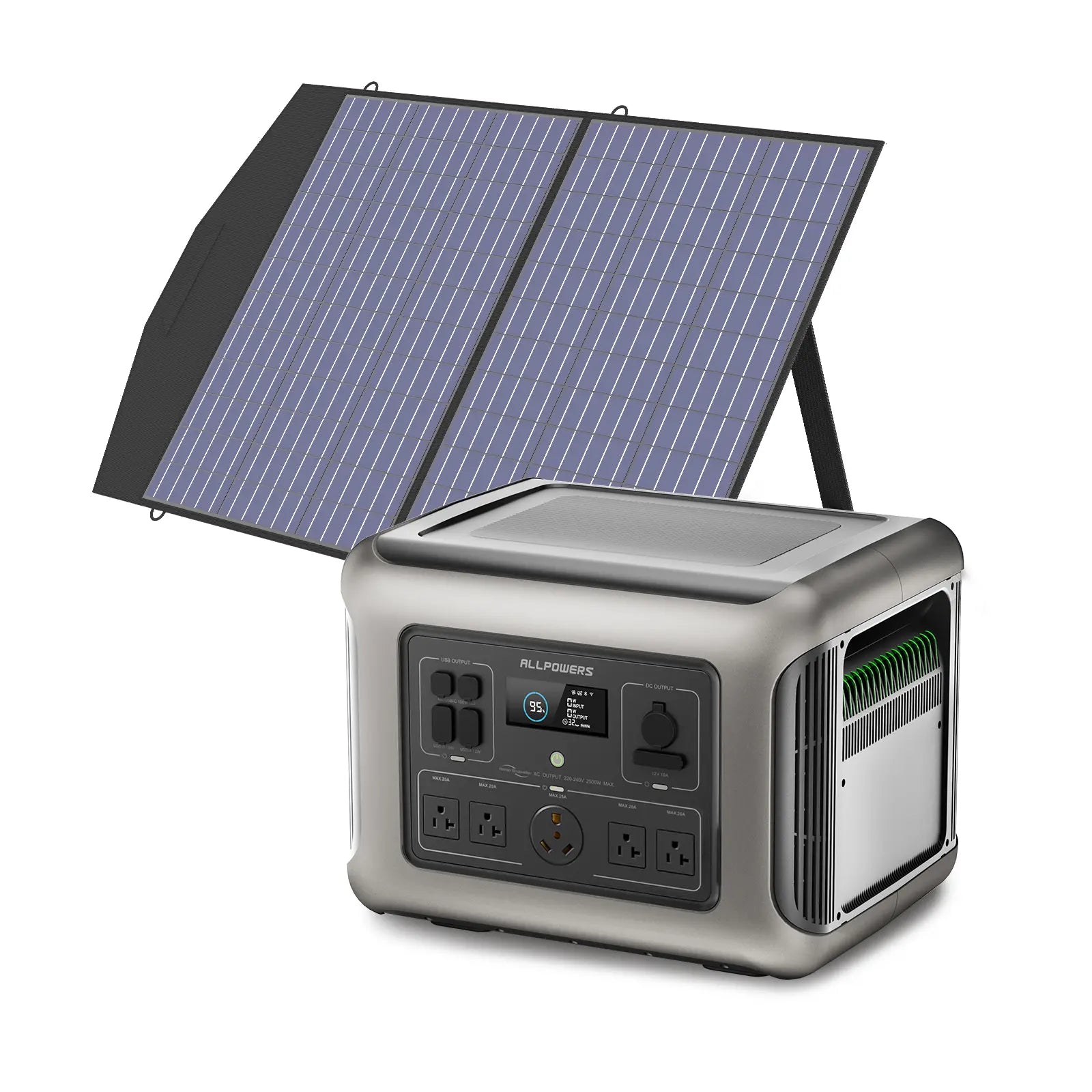
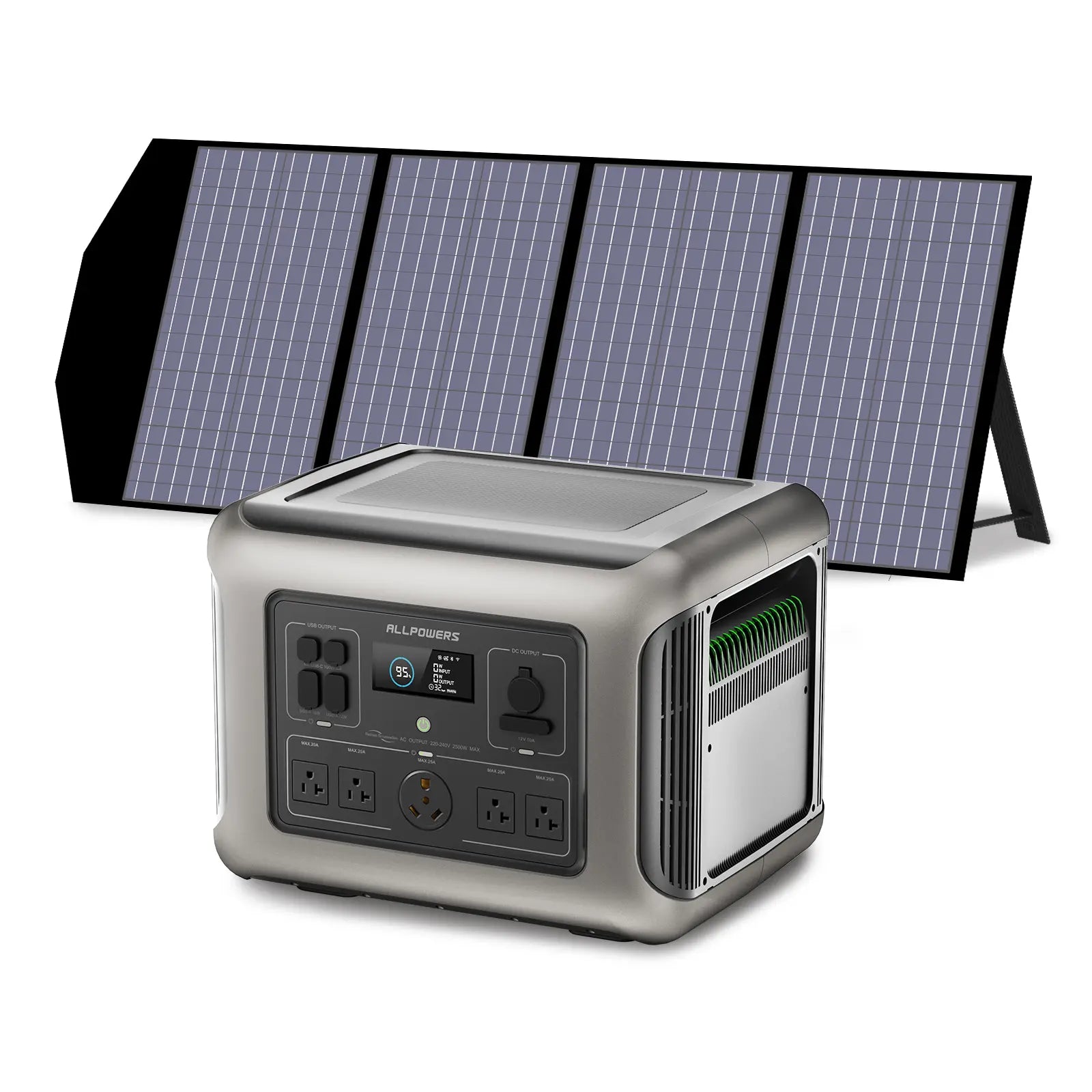
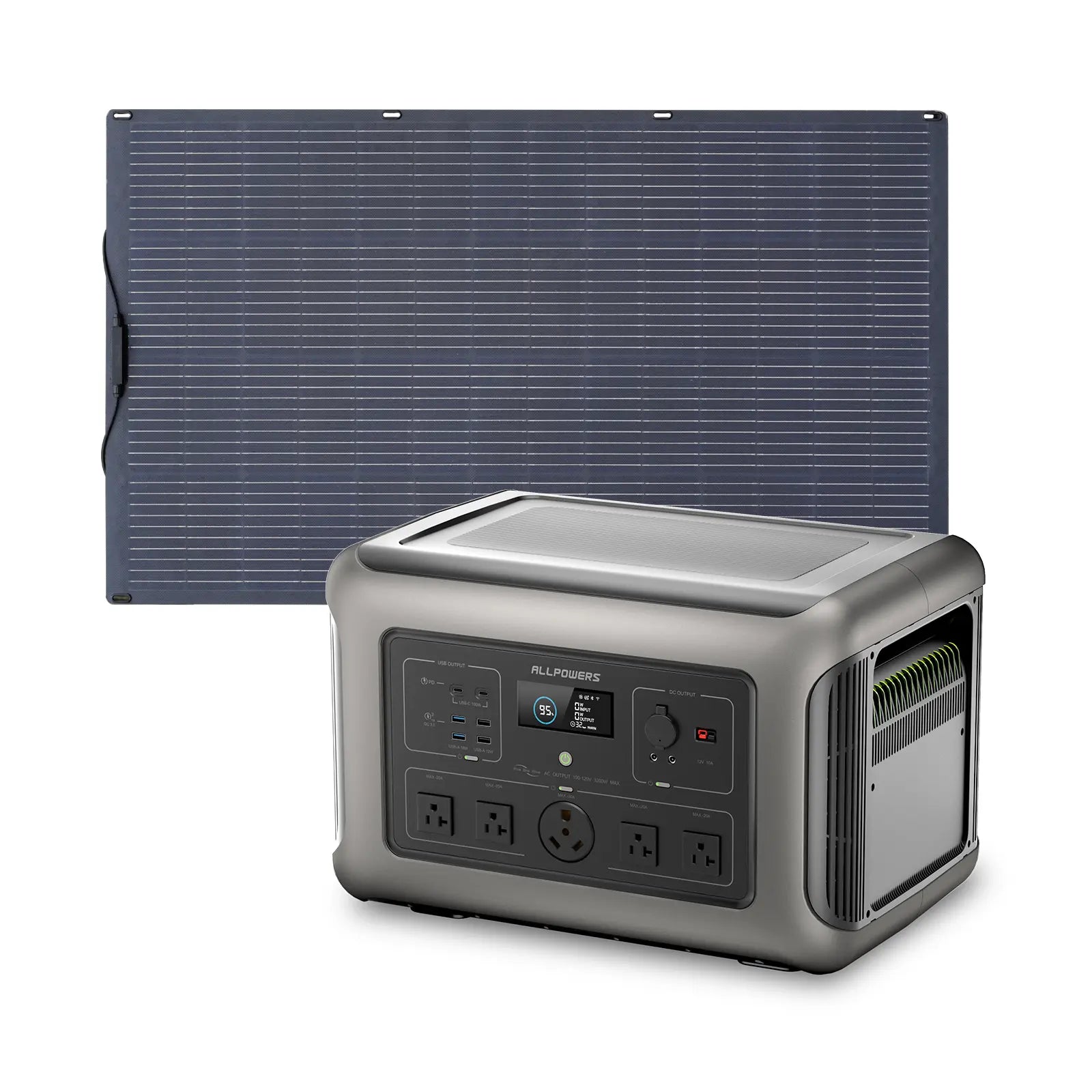
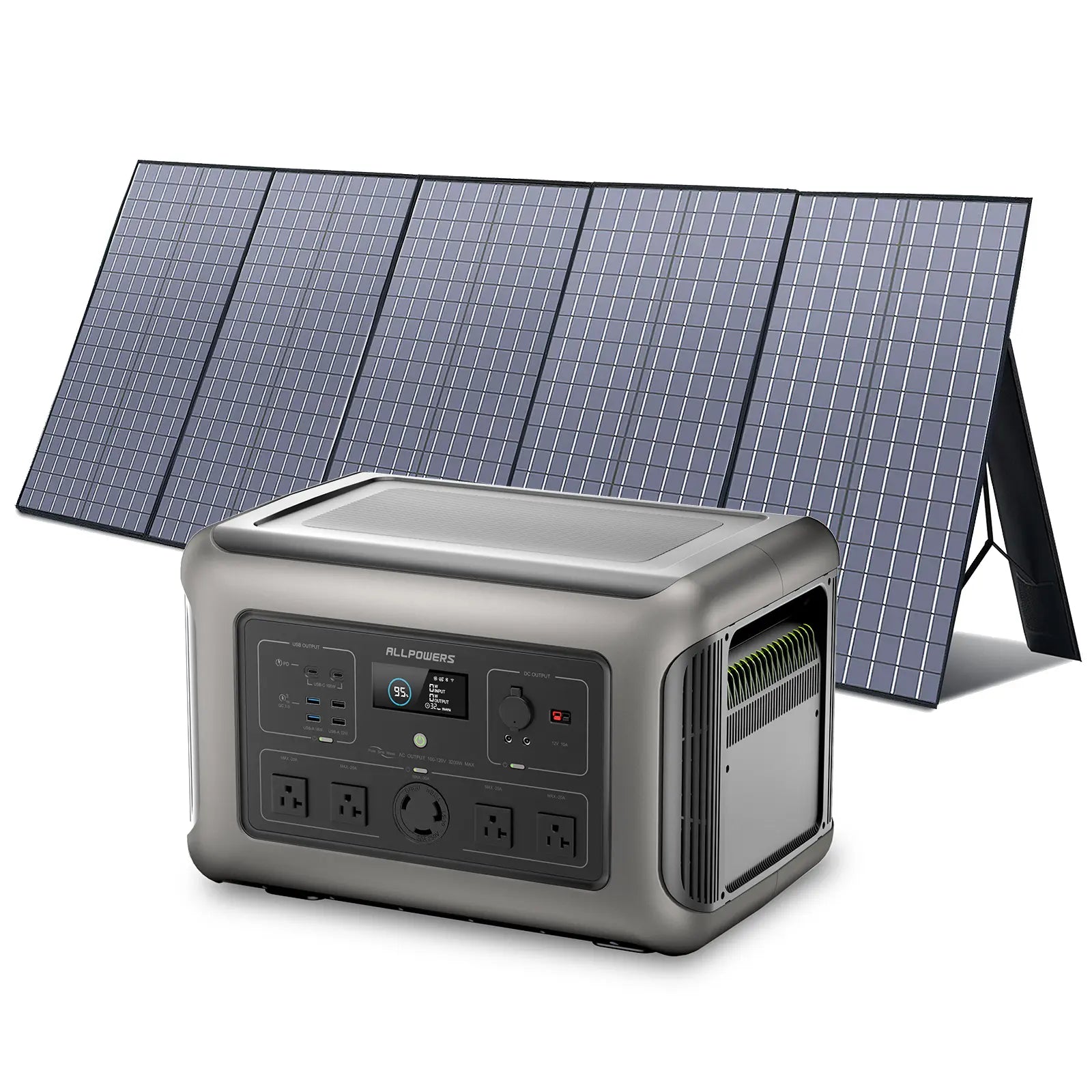
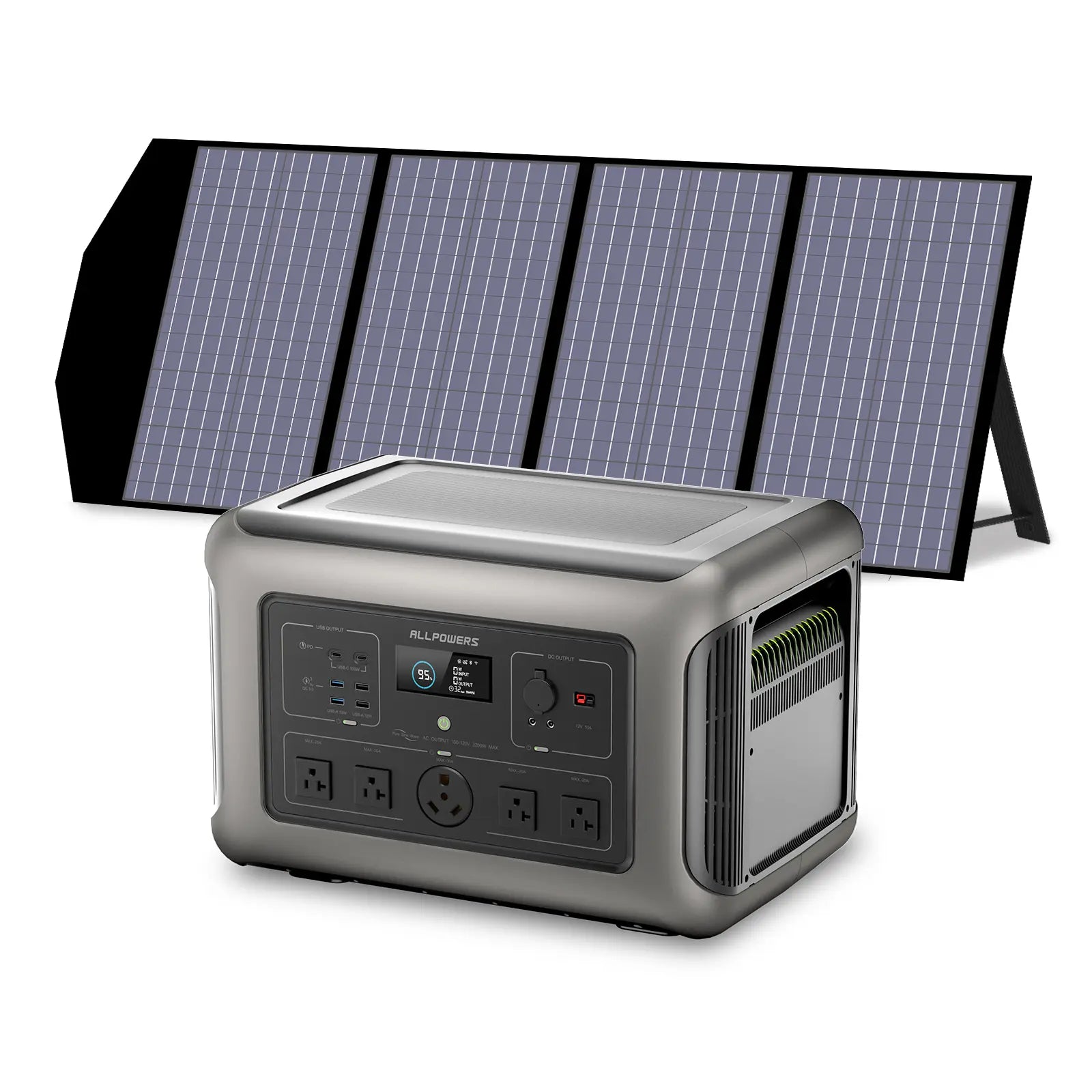
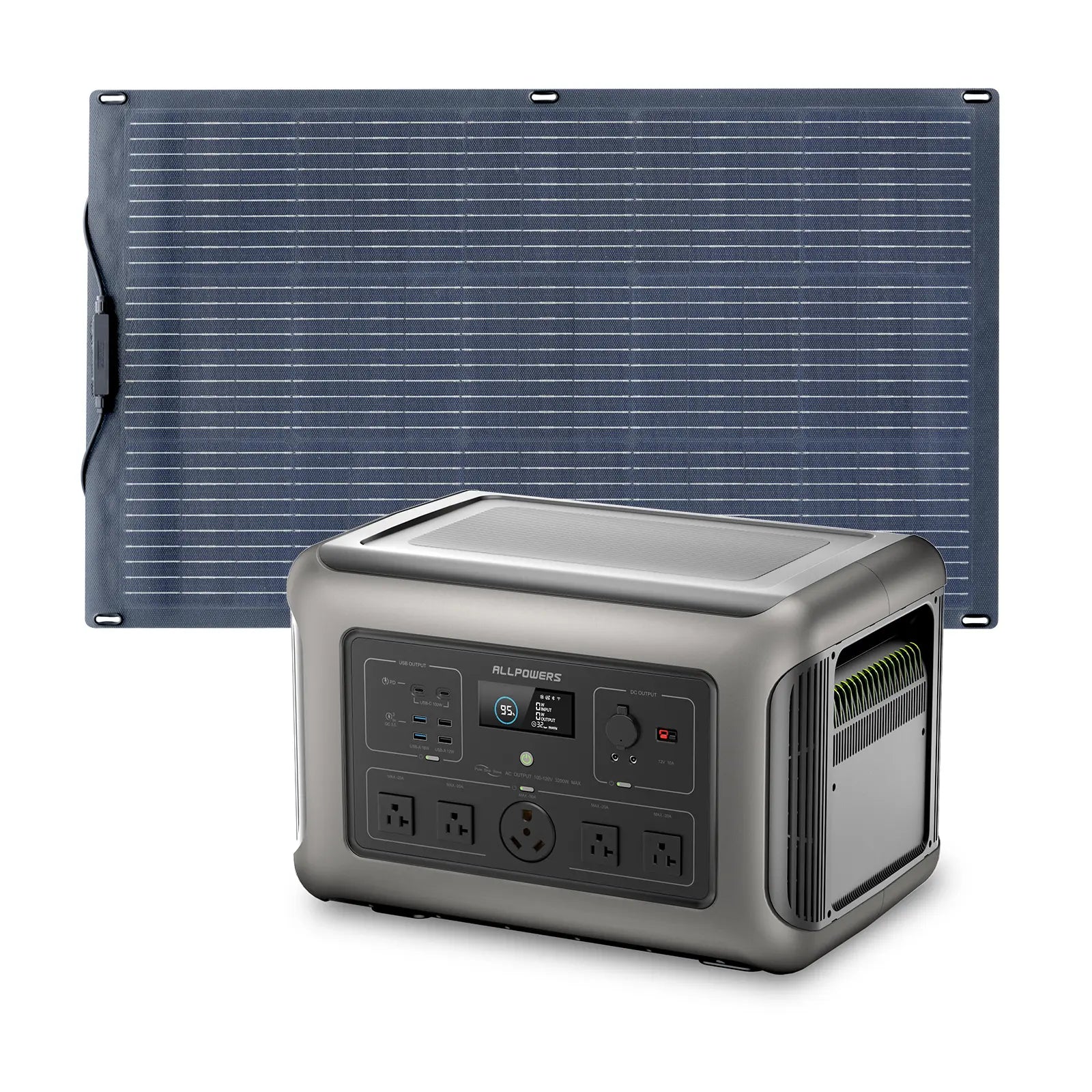
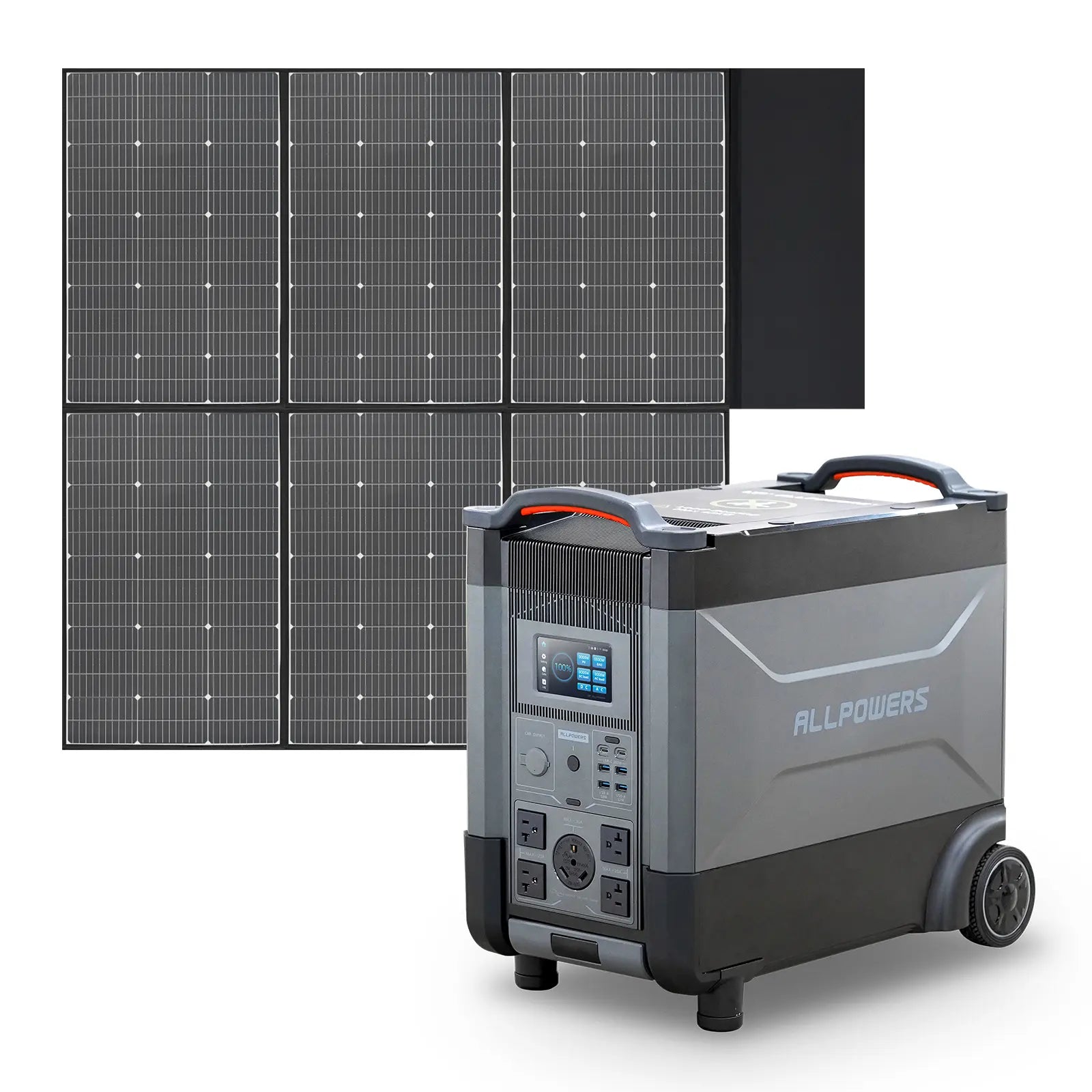
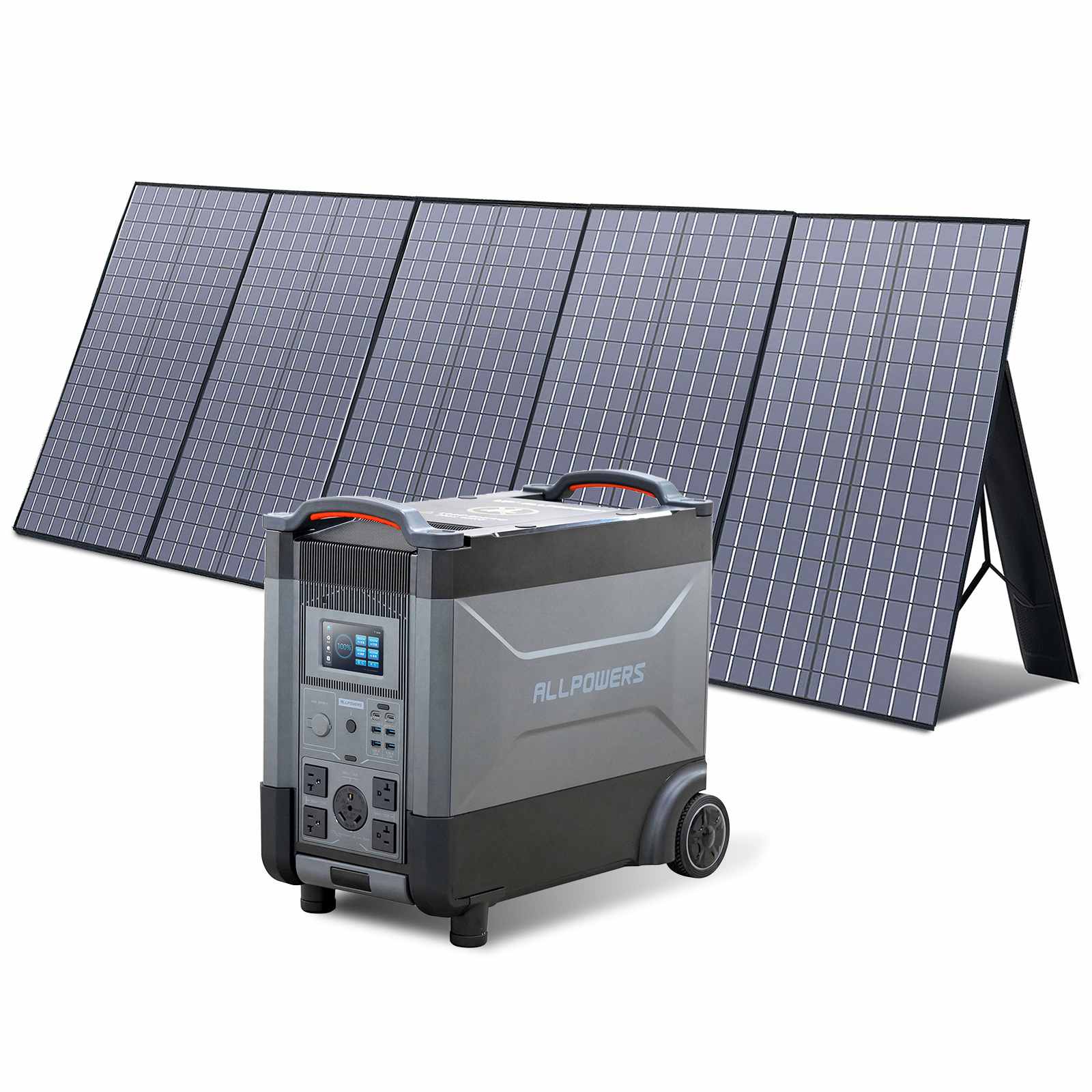
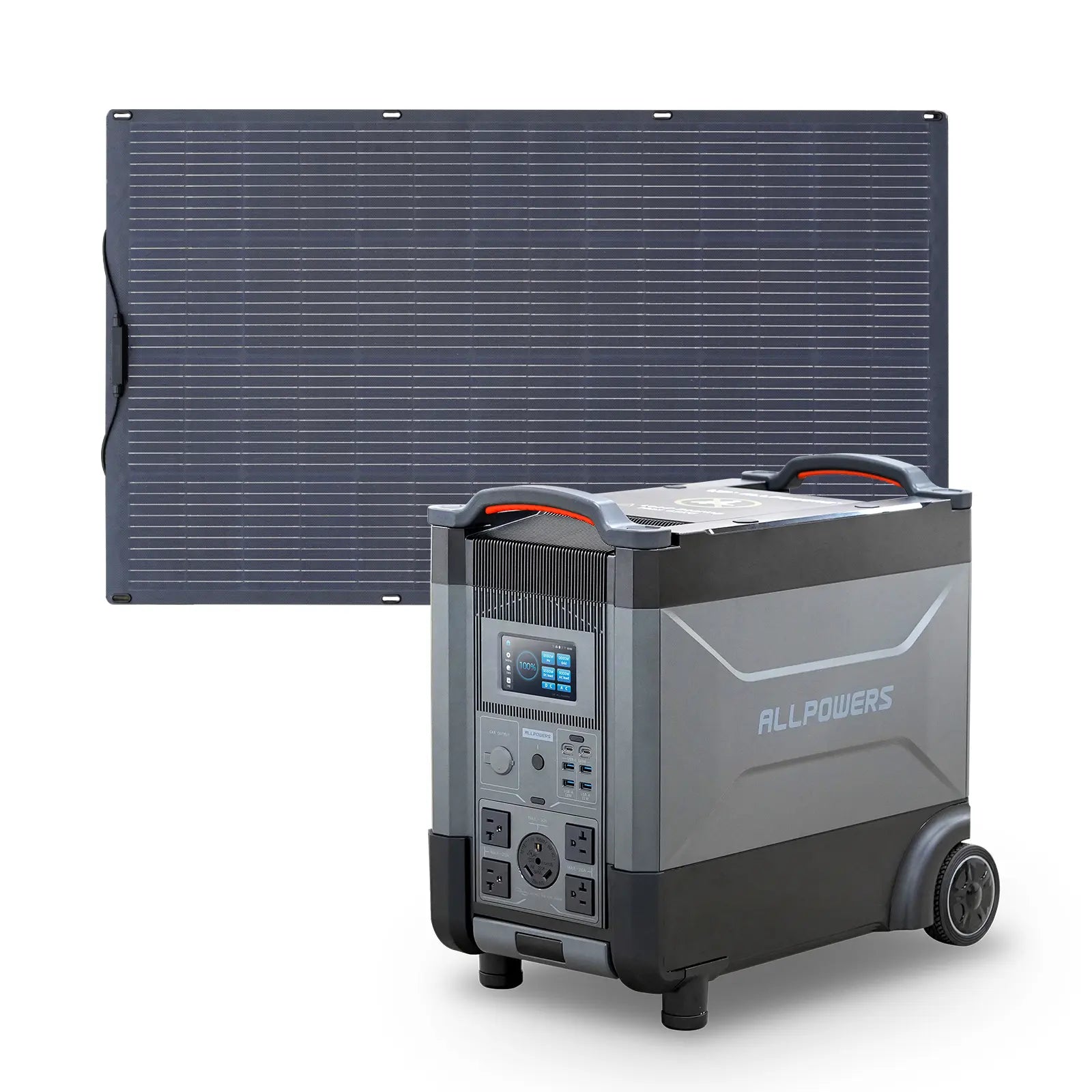
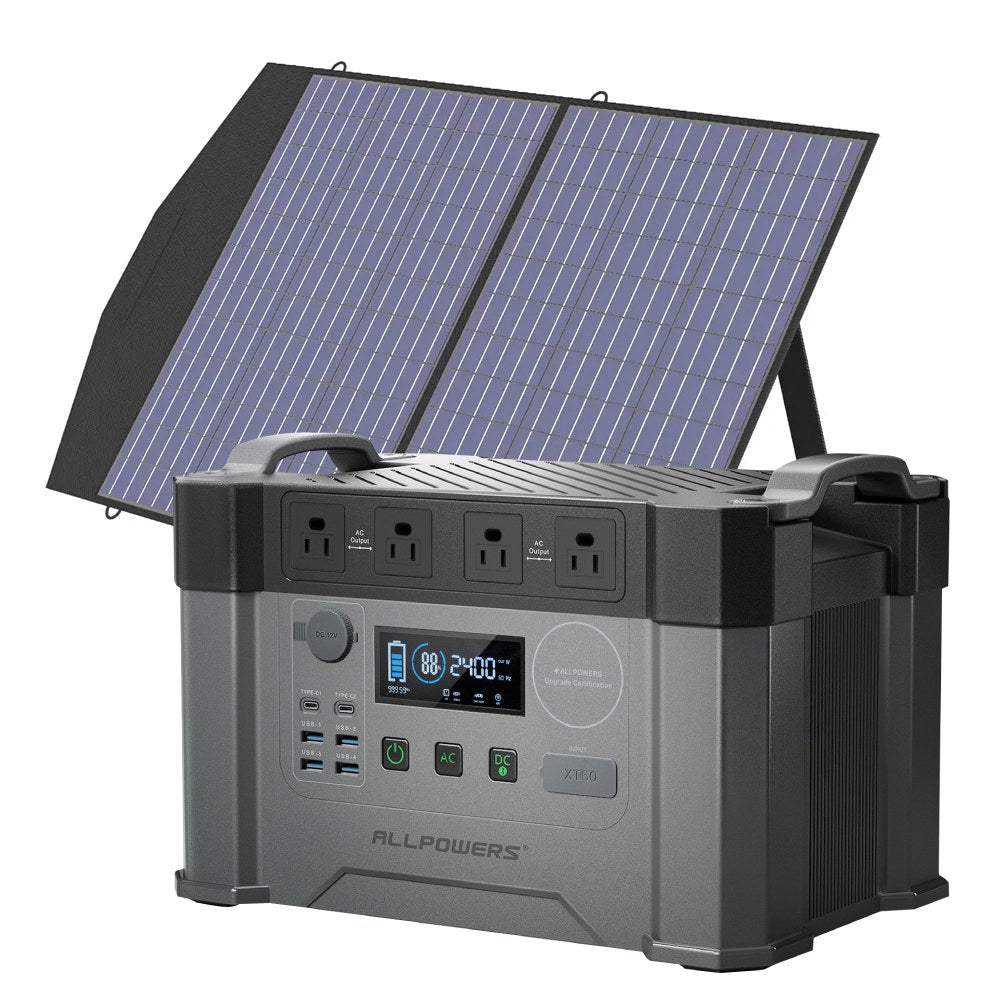
ALLPOWERS VOLIX P300 Portable Power Station
$149.00 $249.00
- 299Wh Capacity;
- 300W AC Output (600W Surge);
- Fast Charge 100% in 1 Hours;
- Ultra-quiet 30dB Under Load ;
- Long-Lasting And Safe Lifepo4 Battery;
Internet vs. WiFi: What's the Difference?
Many people use the terms internet and WiFi interchangeably, but they are not the same thing.
The internet refers to the external connection provided by your service provider, while WiFi is the wireless network created inside your home by your router.
Your Internet May Still Exist
During some outages, your provider's infrastructure may continue operating normally even though your home's networking equipment has lost power.
Your WiFi Depends on Local Equipment
If your router and modem are offline, devices such as laptops, tablets, smart TVs, and gaming consoles can no longer access your home network.
This distinction is important because restoring power to networking equipment may immediately restore internet access if the provider's network is still functioning.
Does Your Internet Provider Still Have Power?
Whether your internet continues working during an outage often depends on the type of service you use and how your provider's infrastructure is designed.
Fiber Internet Providers
Many fiber-optic networks include backup power systems at key facilities and network hubs. As a result, service may remain available during localized outages.
Cable Internet Providers
Cable internet providers often maintain backup batteries at neighborhood network nodes, although backup duration varies depending on the provider and location.
DSL Services
Some DSL systems may remain available if telephone network infrastructure remains powered.
However, large-scale outages that affect provider infrastructure can still interrupt internet service regardless of the equipment inside your home.
Ways to Keep Internet Running During an Outage
Several solutions can help maintain internet access during power disruptions, depending on the duration of the outage and the equipment involved.
Uninterruptible Power Supplies (UPS)
A UPS system can provide temporary power for routers and modems during short outages, often keeping networking equipment online long enough to avoid interruptions.
Battery-Based Energy Systems
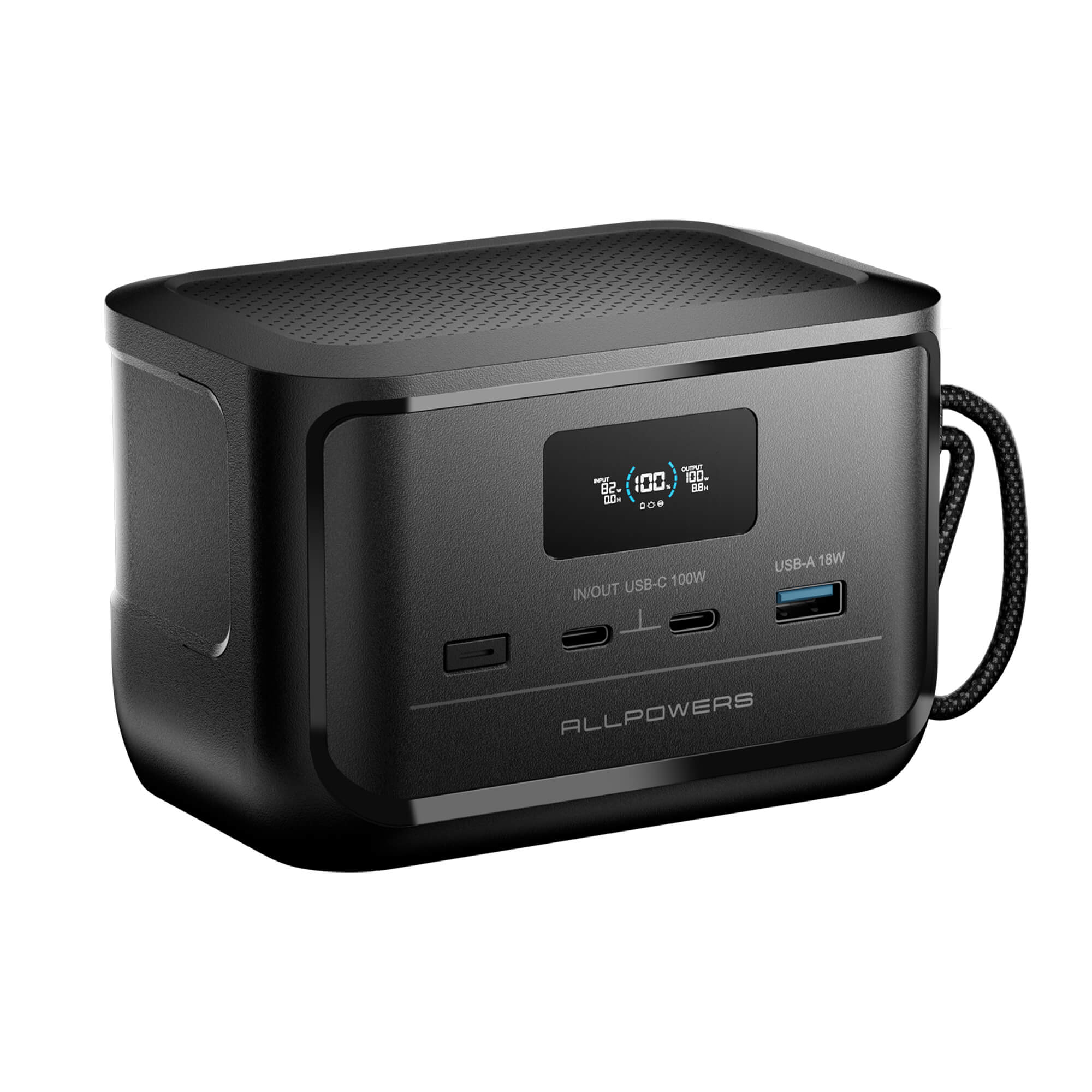
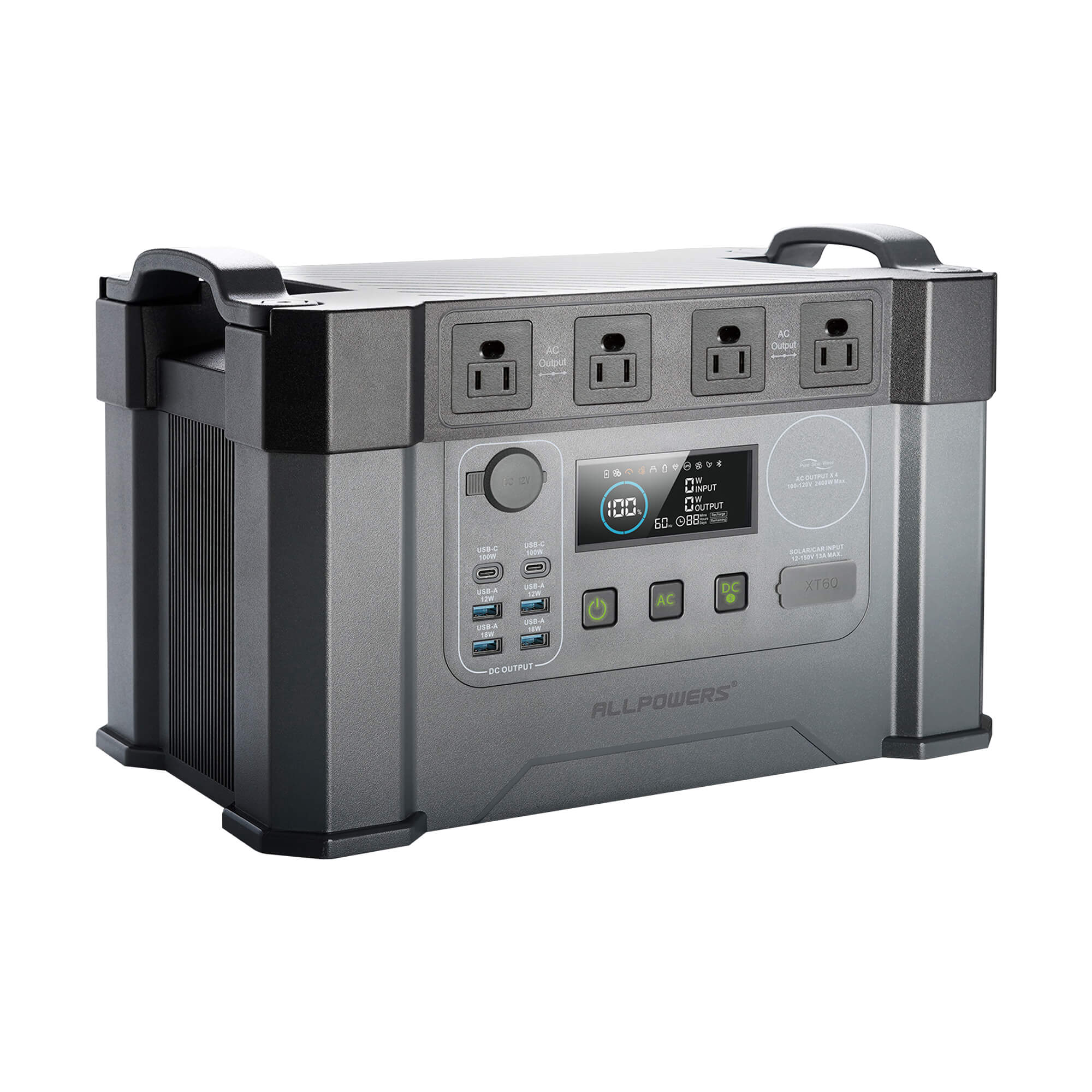
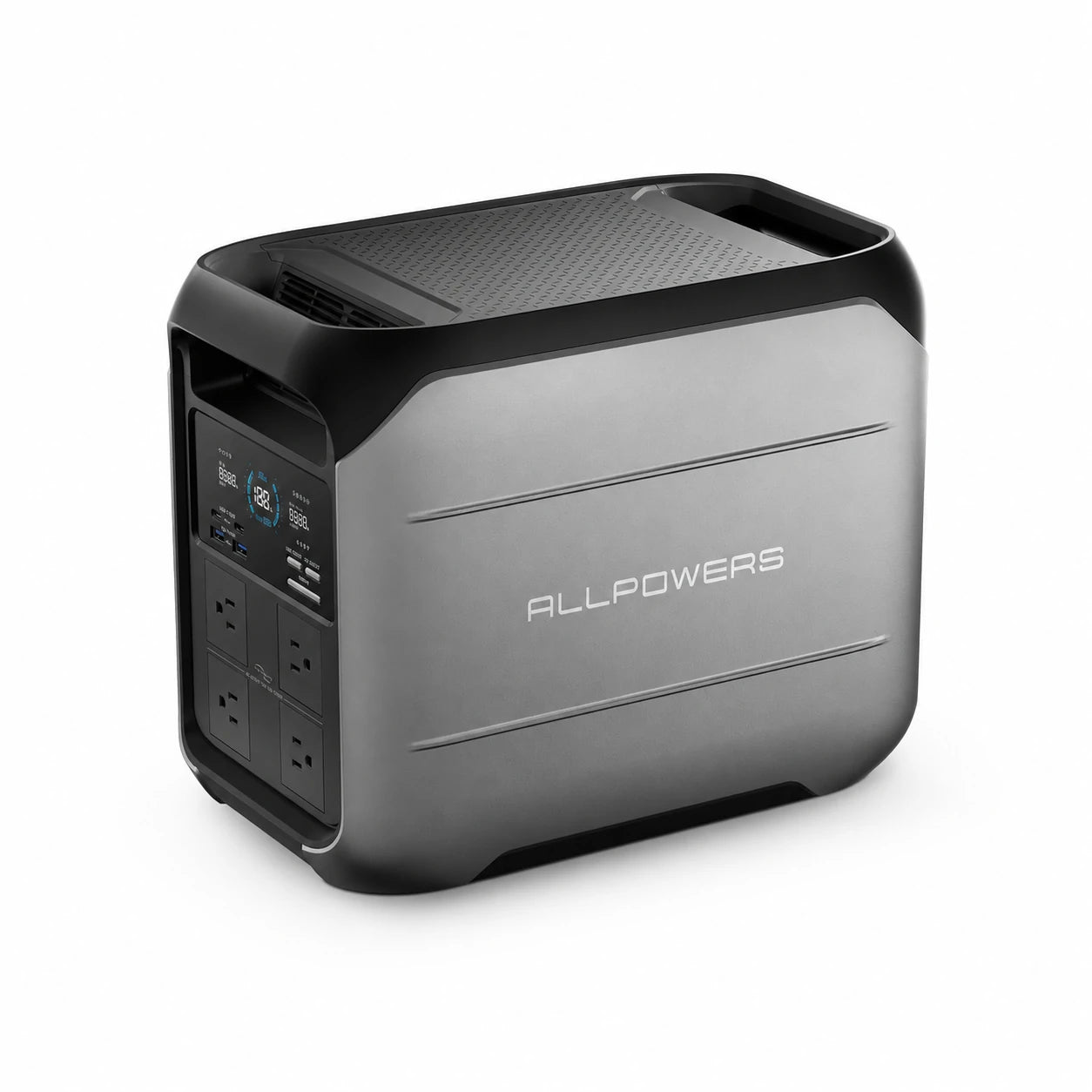
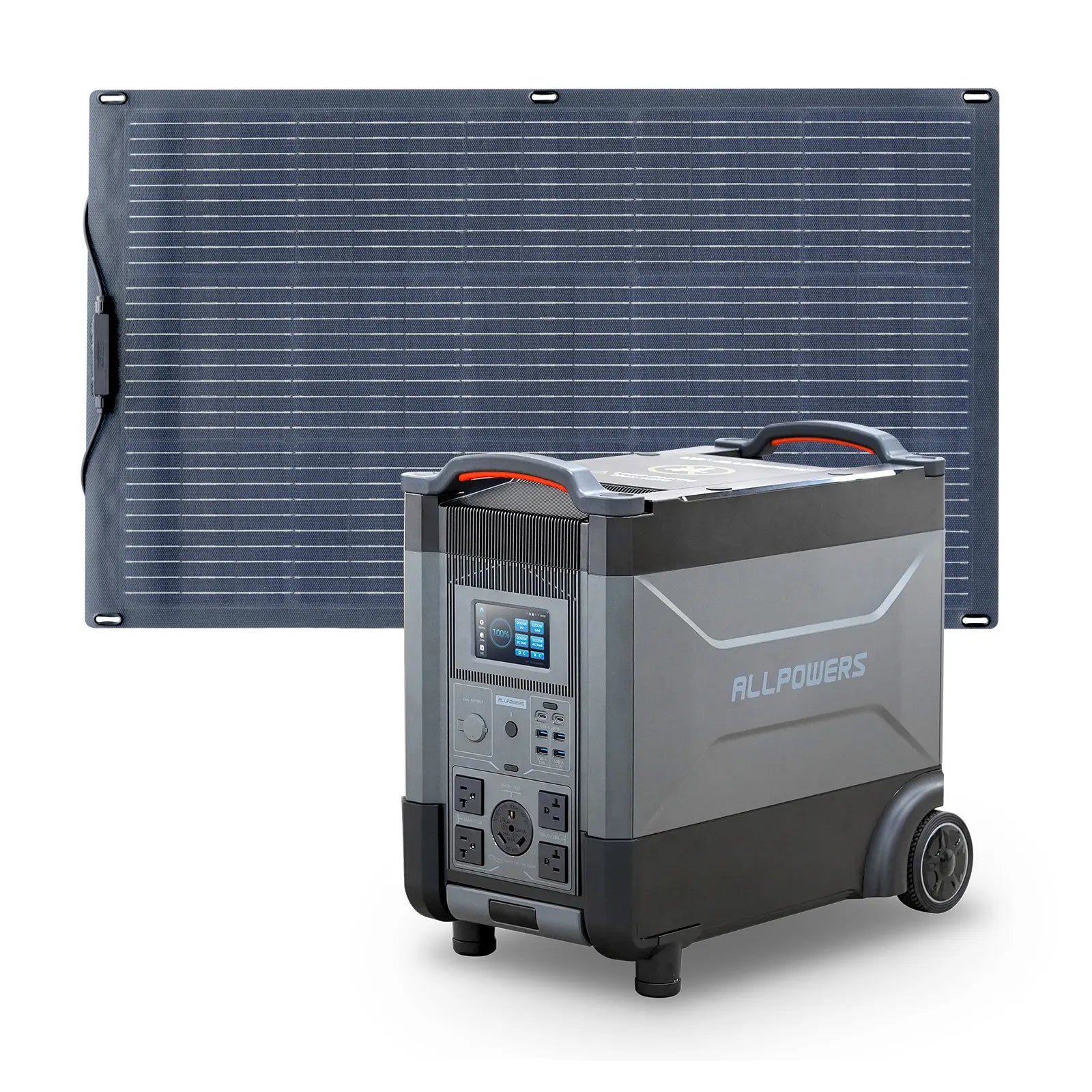
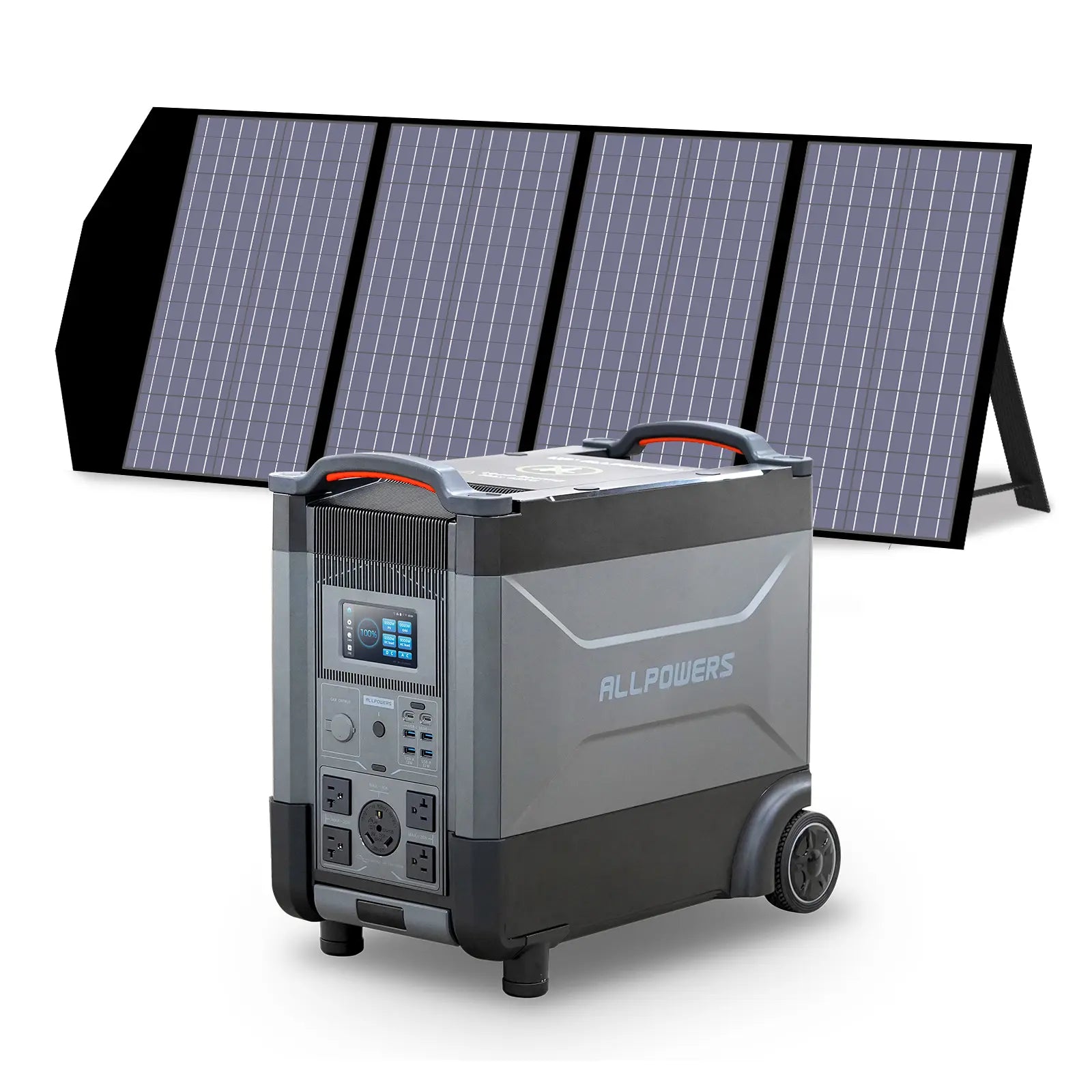
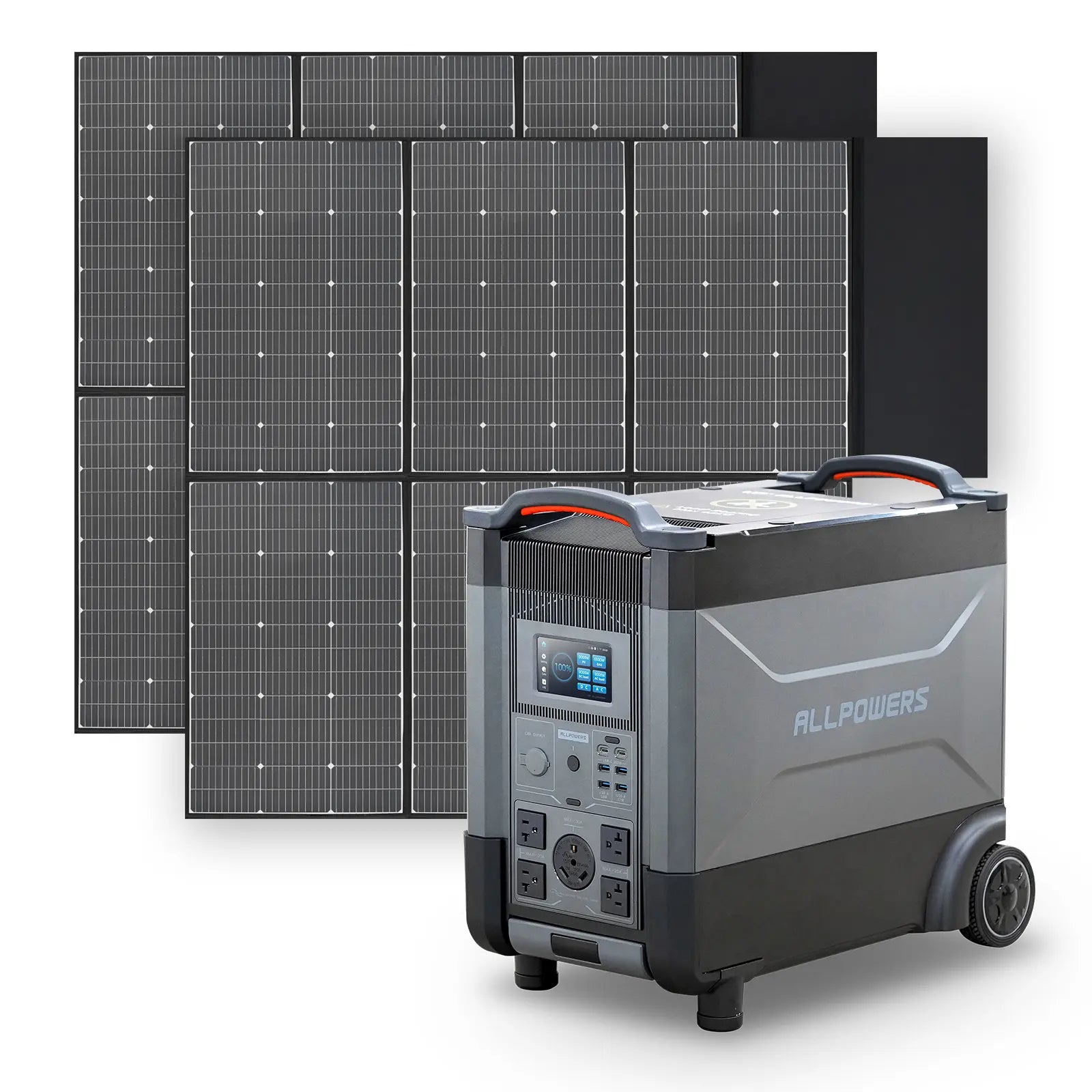
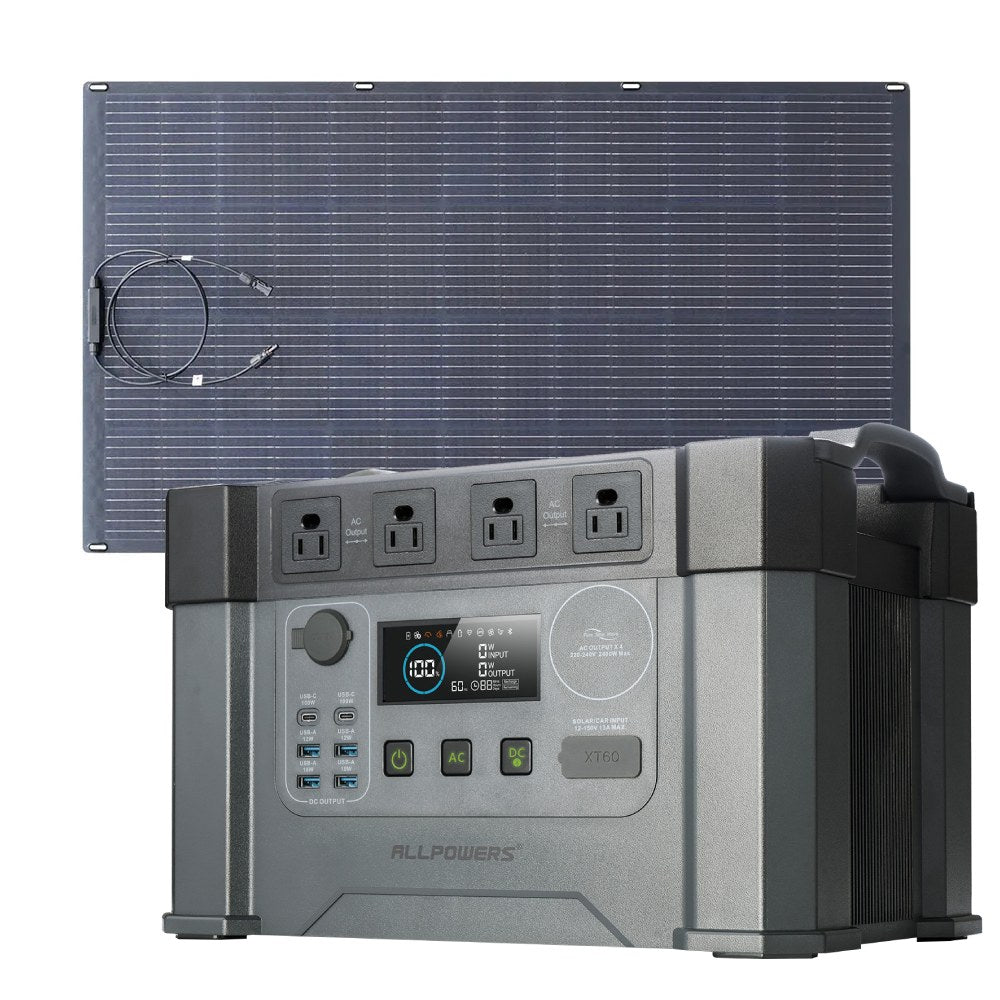
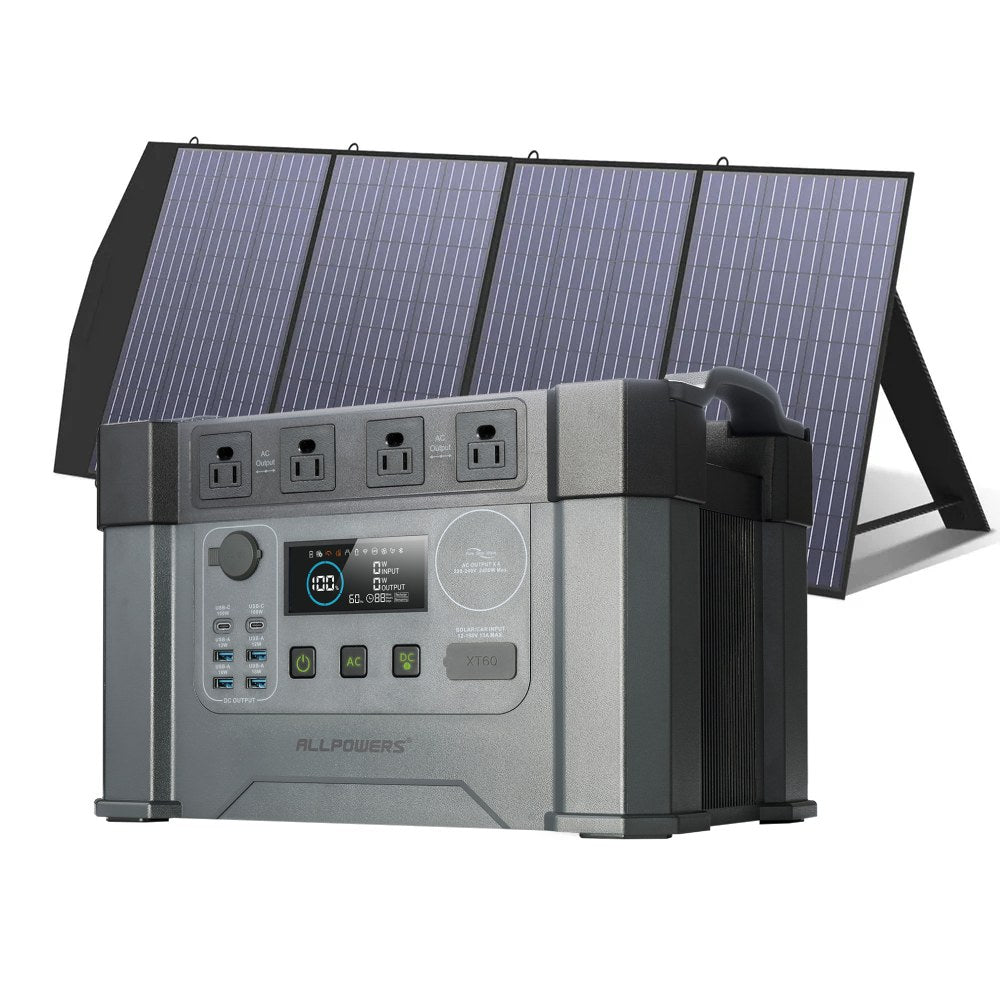
For longer outages, some households use larger backup power systems that support communication devices, networking equipment, phones, and other low-power electronics.
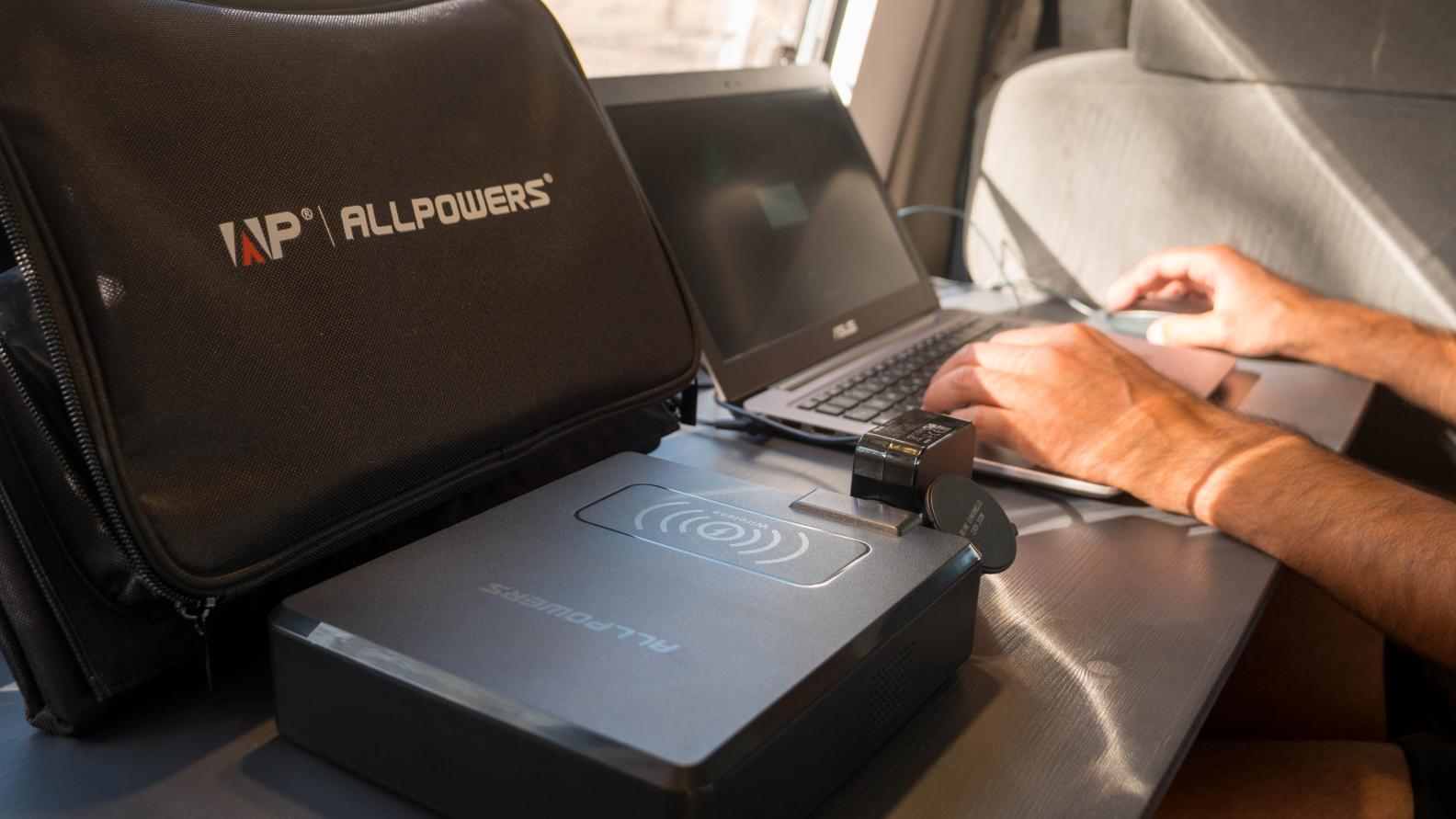
For example, households that work remotely often prioritize keeping routers, laptops, and communication devices powered so they can remain connected during unexpected outages.
Portable Networking Setups
Remote workers and frequent travelers sometimes create compact emergency communication kits that include networking equipment, charging solutions, and backup power options.
Internet Connectivity During Different Outage Scenarios
| Scenario | Router Power Available? | Provider Online? | Internet Access Likely? |
|---|---|---|---|
| Home Power Outage Only | No | Yes | No |
| Home Outage + Router Backup Power | Yes | Yes | Yes |
| Neighborhood-Wide Outage | Yes | Variable | Possibly |
| Provider Infrastructure Failure | Yes | No | No |
| WiFi Down, Cellular Available | No | N/A | Mobile Data Only |
Planning Ahead for Future Outages
In the past, power outages primarily meant losing lighting and household appliances.
Today, they can also affect communication, remote work, security systems, smart-home devices, and access to critical information.
As homes become increasingly connected, maintaining internet access during emergencies has become an important consideration for many households.
Understanding how your internet service, networking equipment, and backup power options interact can help you stay connected when outages occur.
While no solution guarantees uninterrupted connectivity in every situation, proper planning can significantly improve your ability to communicate, access information, and remain productive during unexpected power disruptions.
Frequently Asked Questions
Will WiFi work if the power goes out?
In most cases, WiFi stops working because routers and modems require electricity to operate.
Can I keep my router running during a power outage?
Yes. A UPS or battery backup system can keep networking equipment powered if your internet provider's network remains operational.
Will fiber internet work during a blackout?
It depends. Many fiber networks have backup power infrastructure, but your home equipment must also remain powered.
Can I use my phone as WiFi during a power outage?
Yes. Many smartphones can create mobile hotspots using cellular data networks.
How much power does a router use?
Most home routers consume relatively little electricity, often making them practical devices to support with backup power solutions.