





Boiling water is one of the most important parts of camping.
Whether you are preparing coffee in the morning, cooking dehydrated meals, washing dishes, or making drinking water safer.
However, many campers quickly realize that boiling water outside is very different from doing it at home.
Weather conditions, fuel choices, equipment size, and campsite limitations can all affect how efficiently water heats while camping.
So, what is the best way to boil water outdoors?
TL;DR: Campers typically boil water using portable camping stoves, campfires, propane burners, jet-style cooking systems, or electric kettles in powered campsites. The best method depends on camping style, weather conditions, cooking needs, fuel availability, and portability requirements. Efficient cookware, proper wind protection, and controlled heat sources can significantly improve boiling speed and fuel efficiency outdoors.
Why Boiling Water Matters While Camping
Hot water serves many purposes during camping trips beyond simply making drinks.
Campers often need boiling water for cooking meals, preparing freeze-dried food, sanitizing utensils, washing cookware, and improving drinking water safety.
In colder environments, hot drinks and warm meals can also help campers stay comfortable during early mornings or nighttime temperatures.
Because water heating plays such a central role in camping, choosing the right boiling method can improve both convenience and overall campsite efficiency.
Best Ways to Boil Water Outdoors
Several methods can successfully boil water while camping, but each option offers different advantages depending on the environment and camping style.
Portable Camping Stoves
Portable gas stoves are among the most common outdoor cooking solutions because they offer fast heating, controlled flames, and reliable performance in many conditions.
Campfires
Traditional campfires remain popular because they create warmth, atmosphere, and cooking capability simultaneously.
Jet-Style Cooking Systems
Compact integrated cooking systems are designed to boil water quickly while minimizing fuel consumption.
Electric Kettles at Campsites
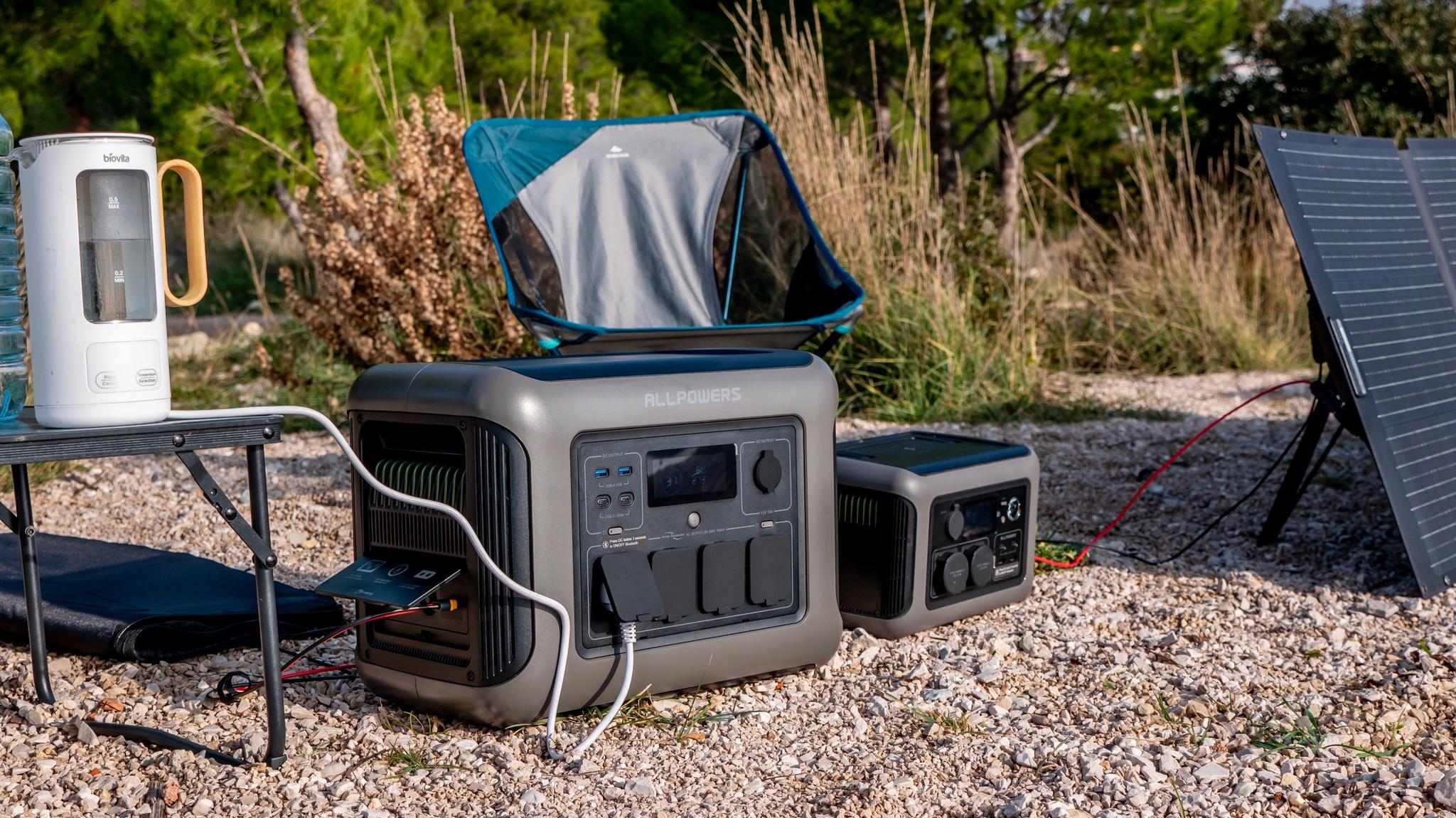
Some campers staying at powered campsites or RV parks prefer electric kettles because they provide consistent water temperatures and simple operation.
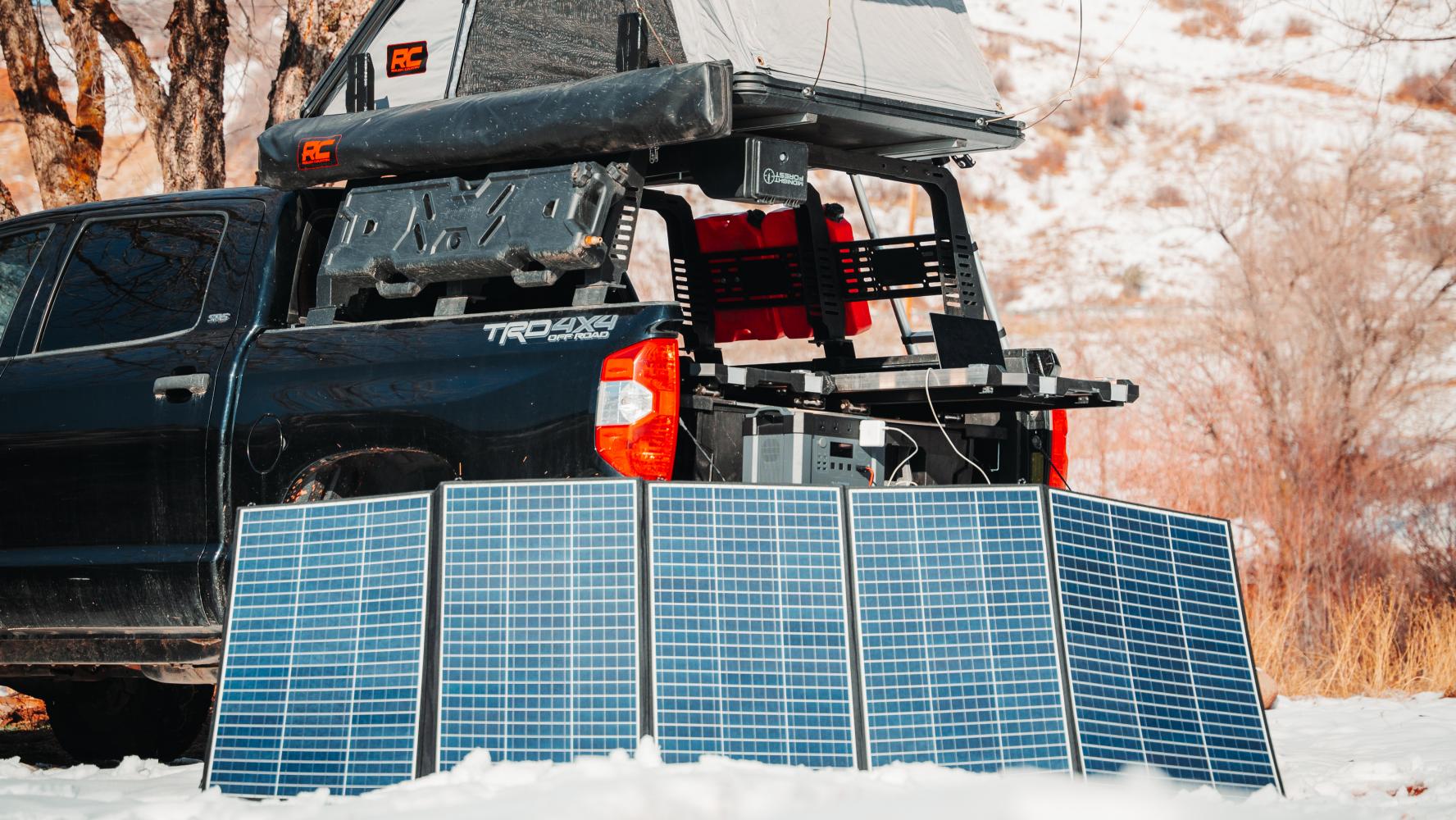
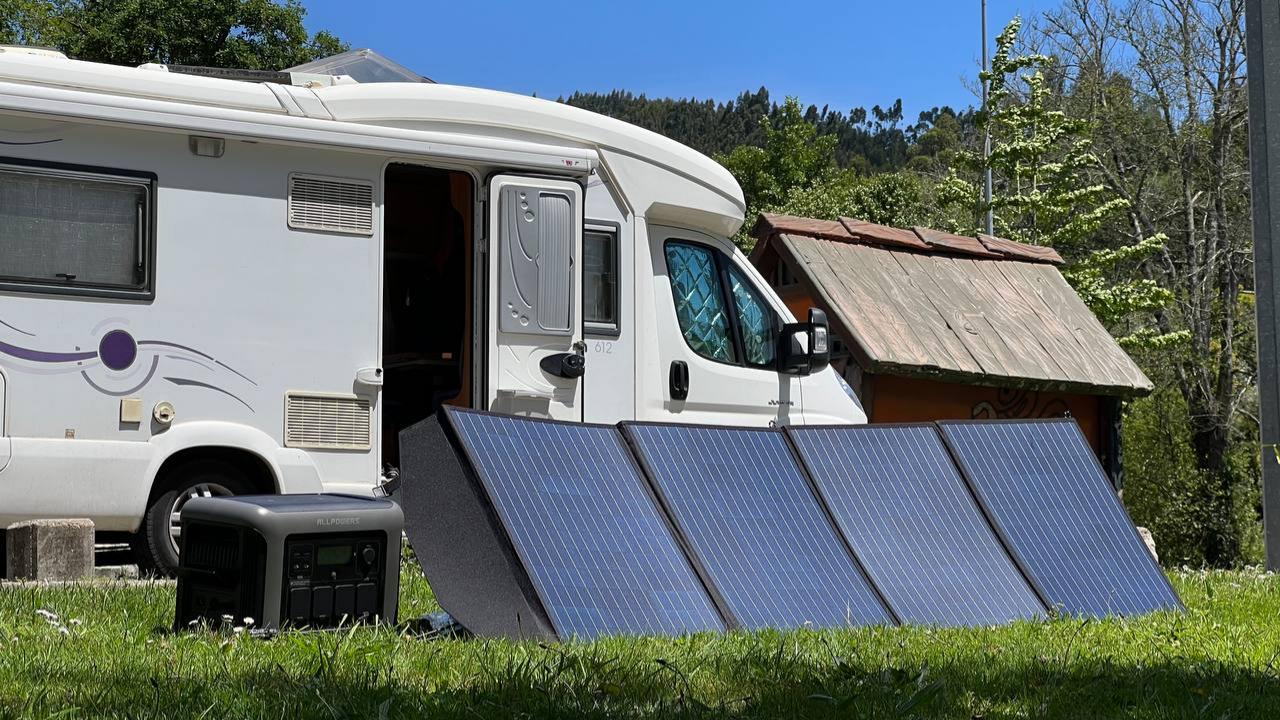
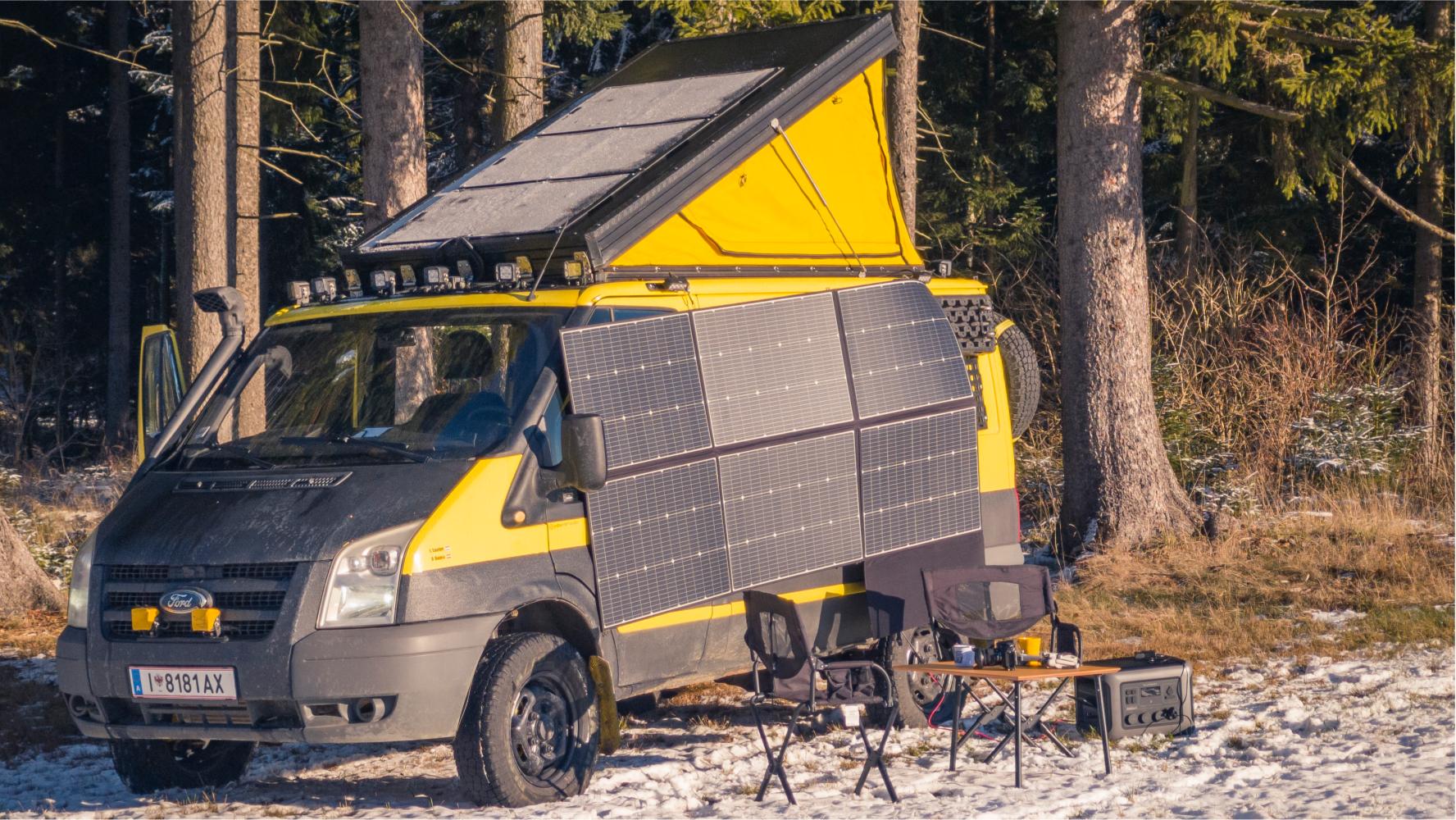
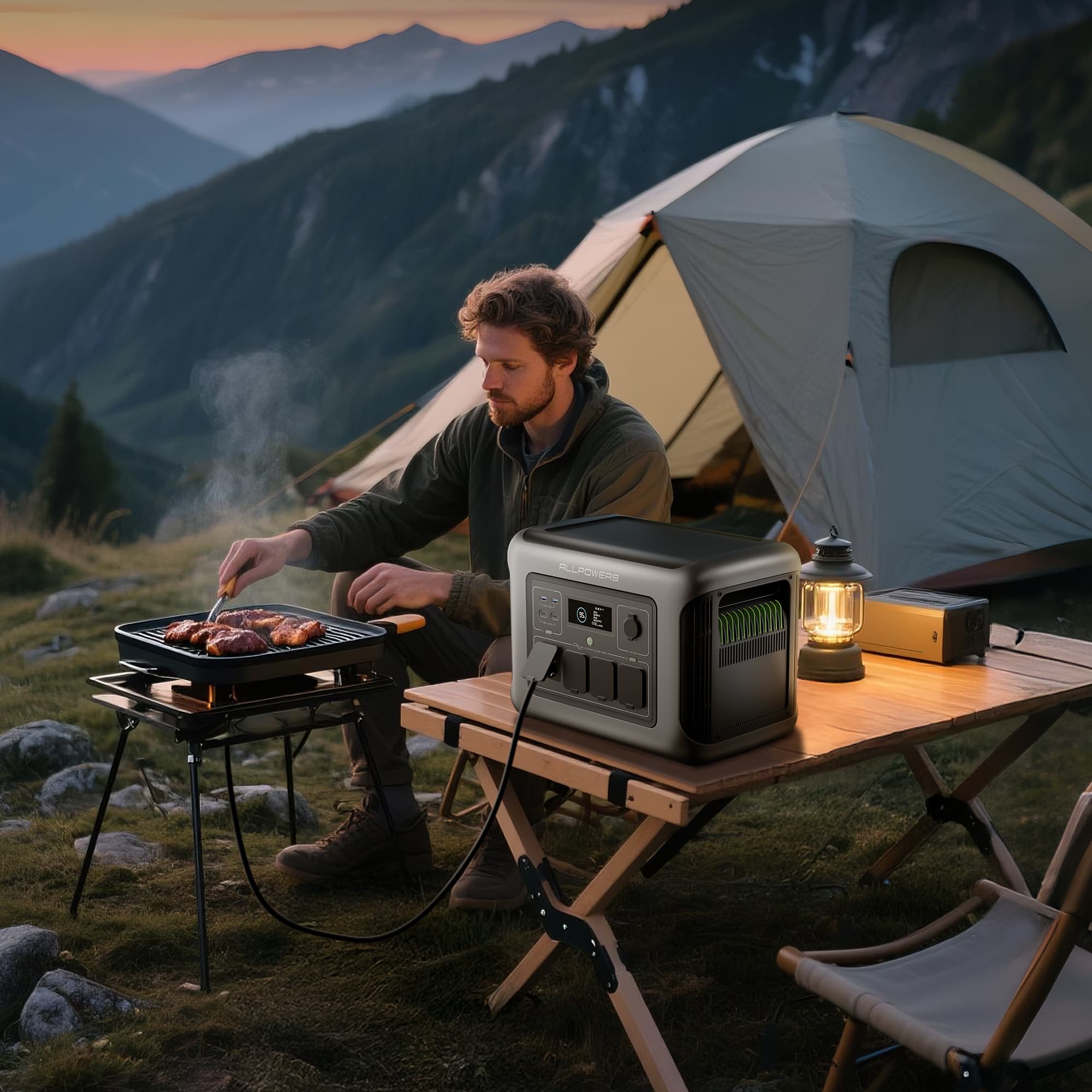
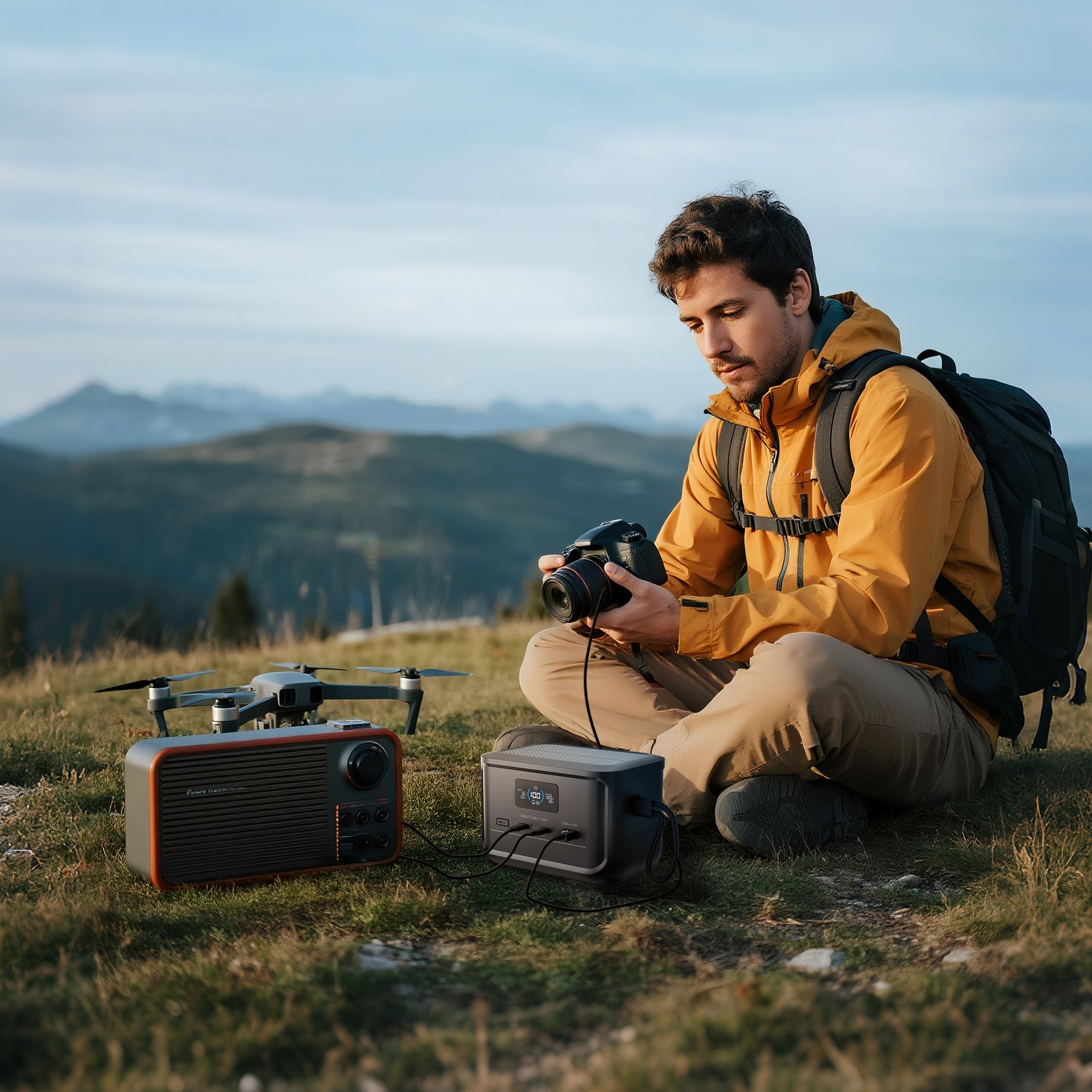
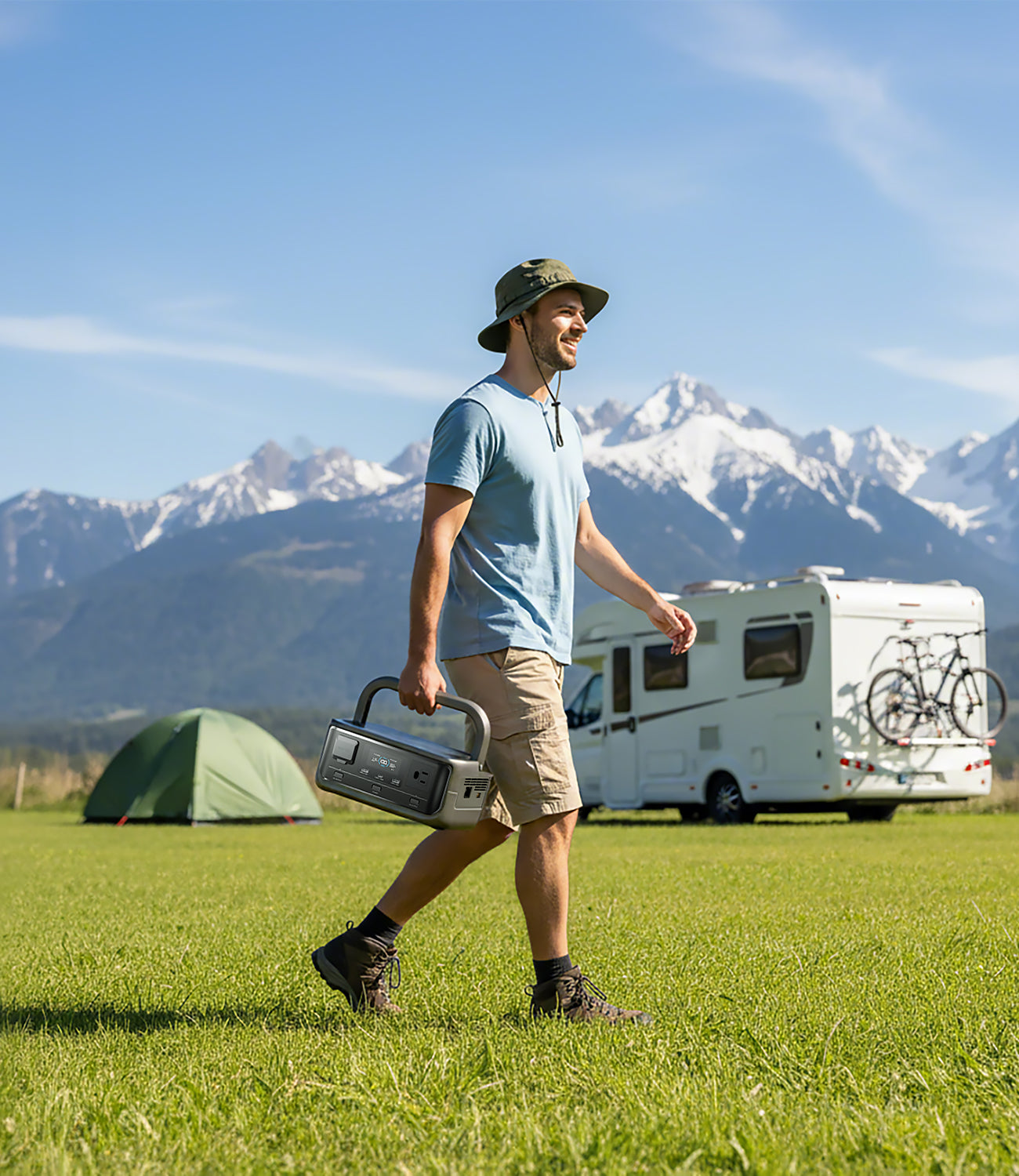
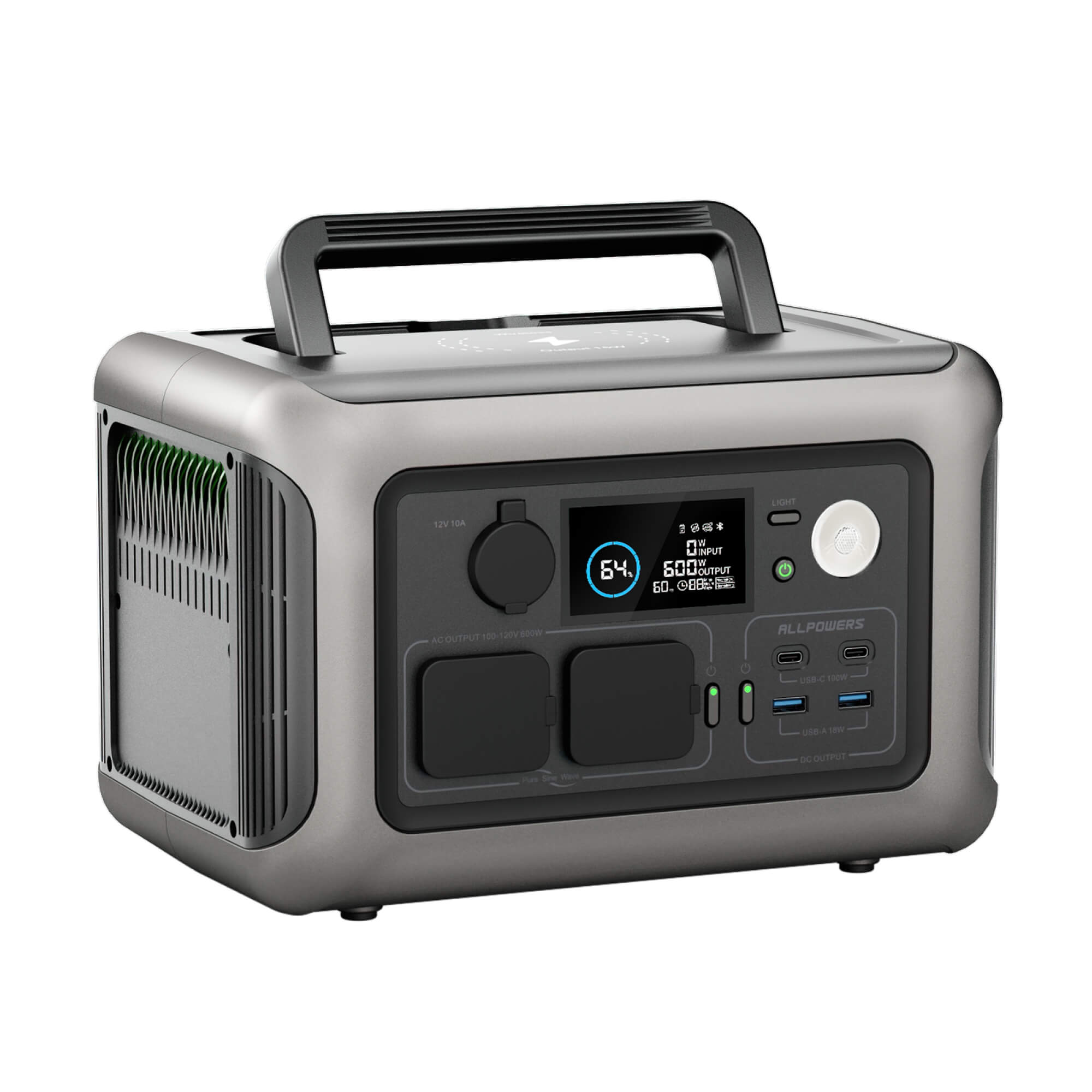
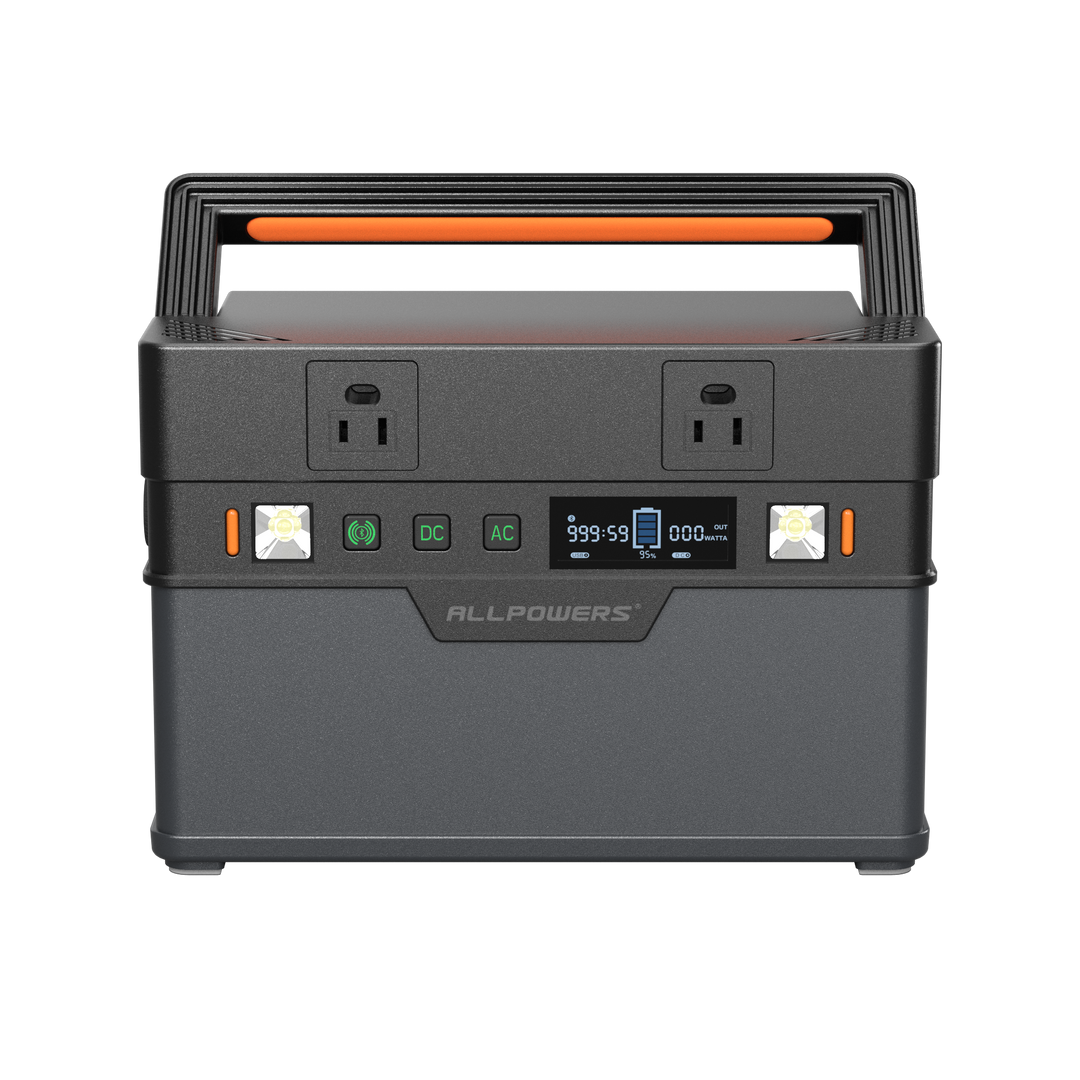
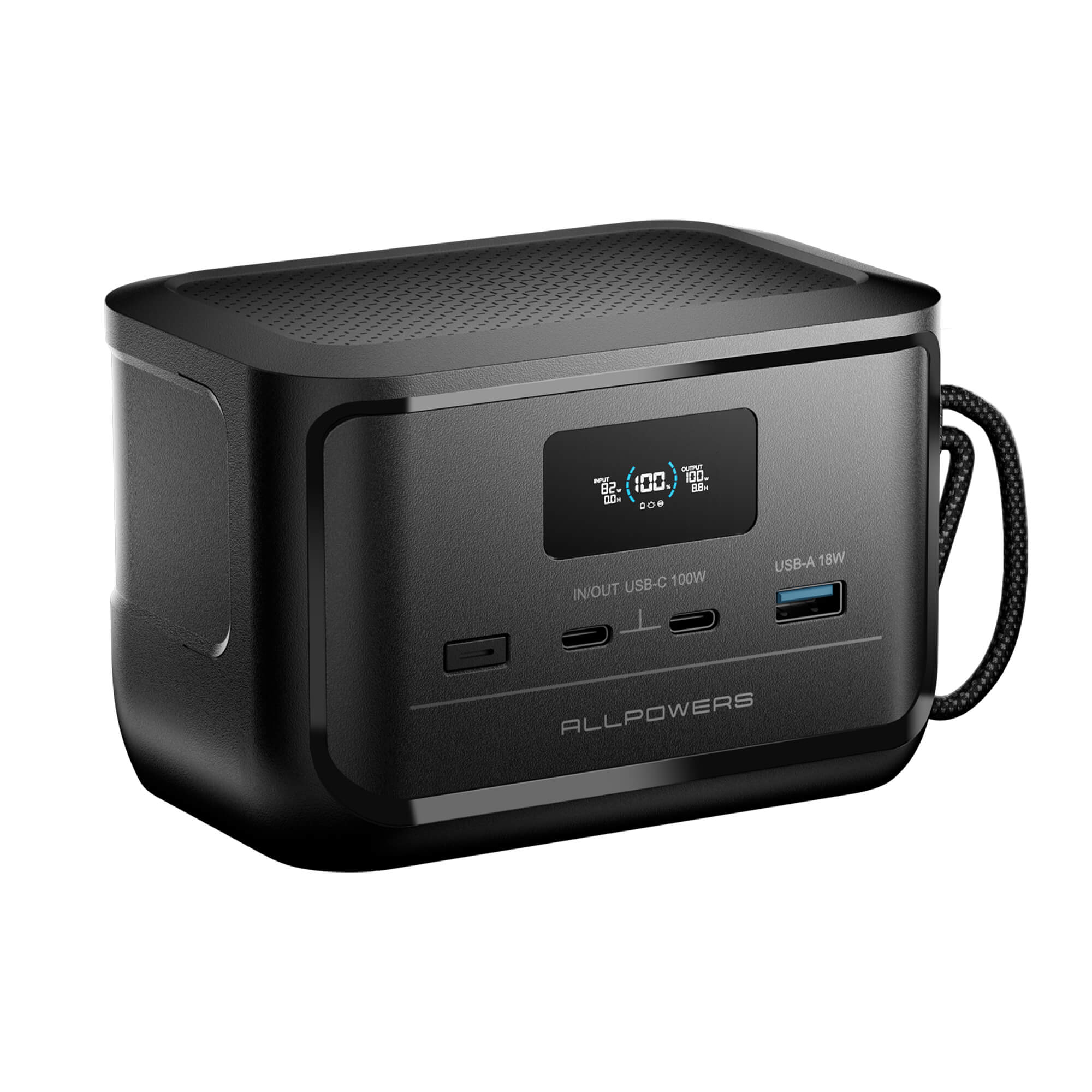
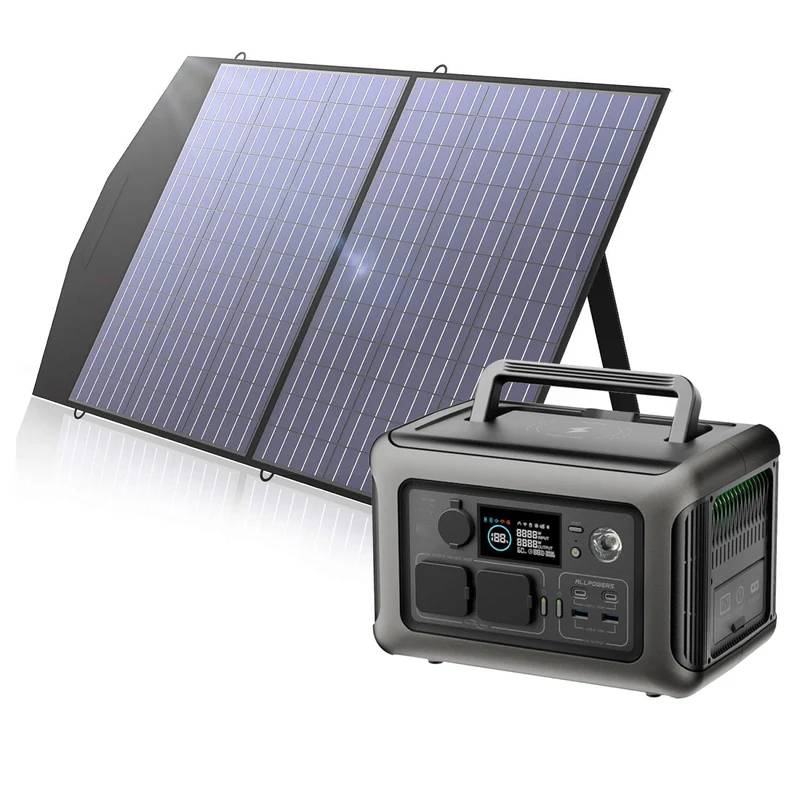
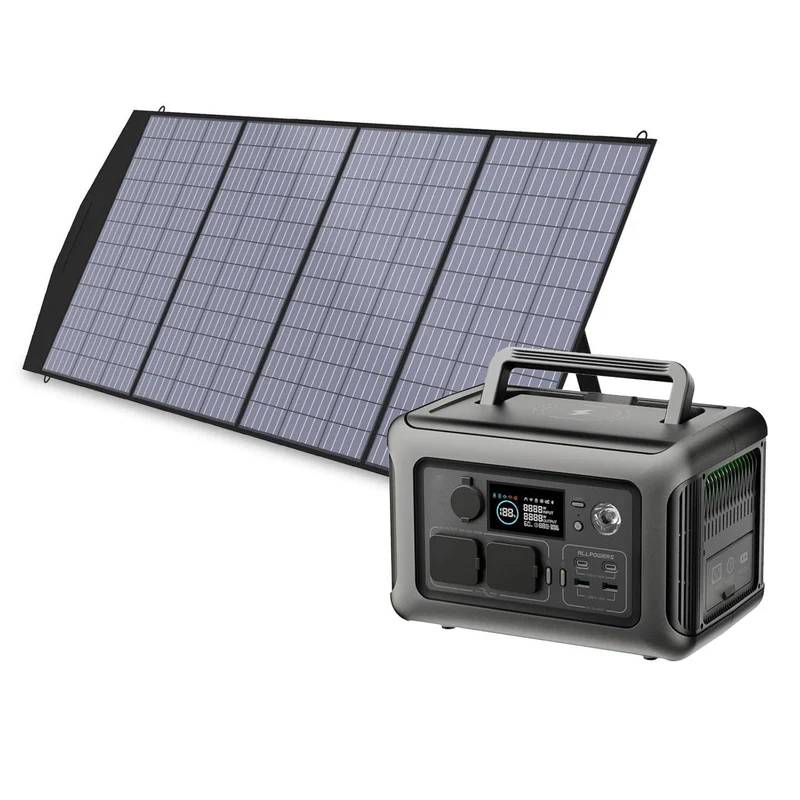
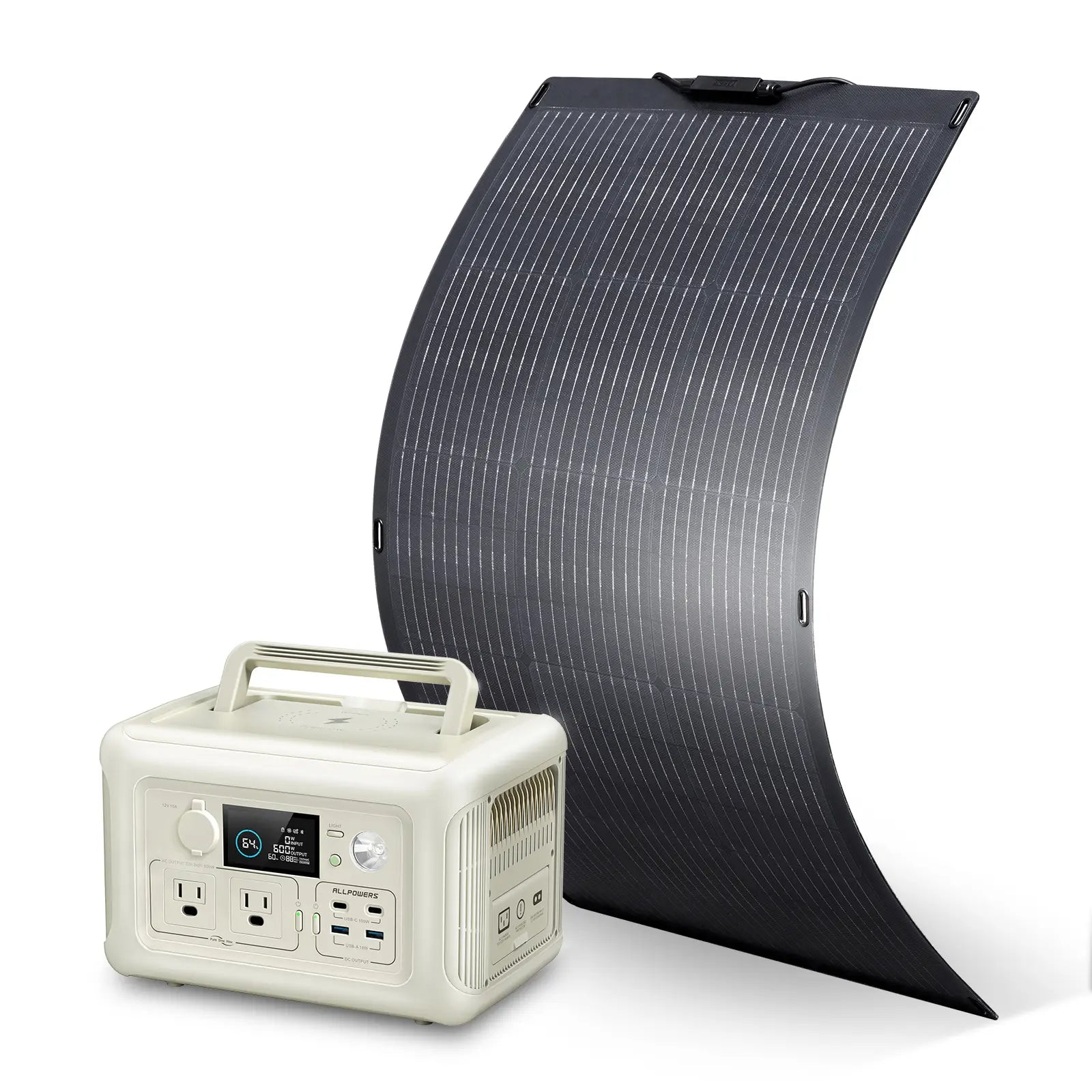
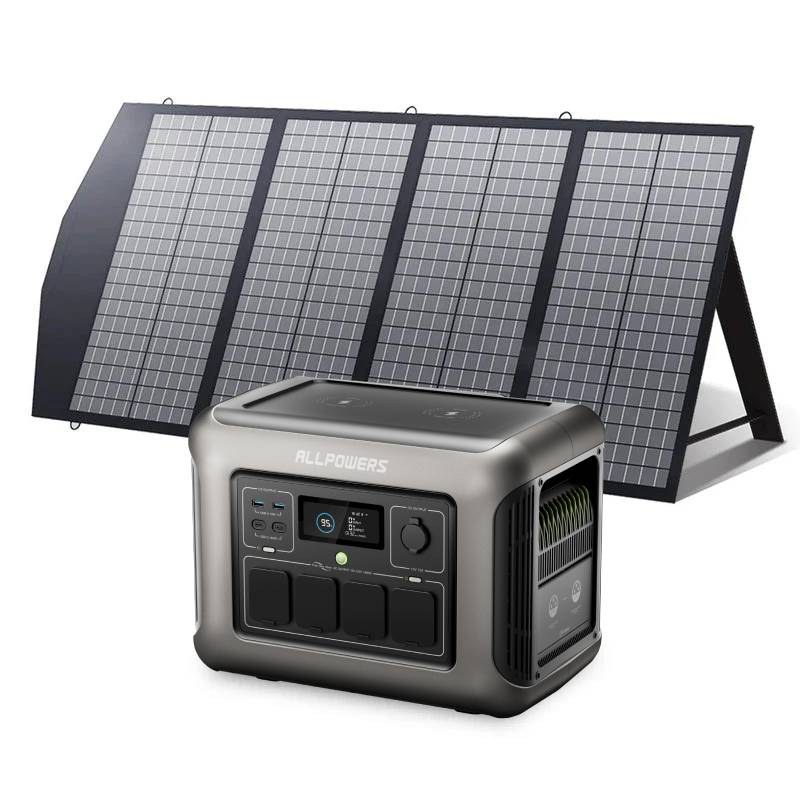
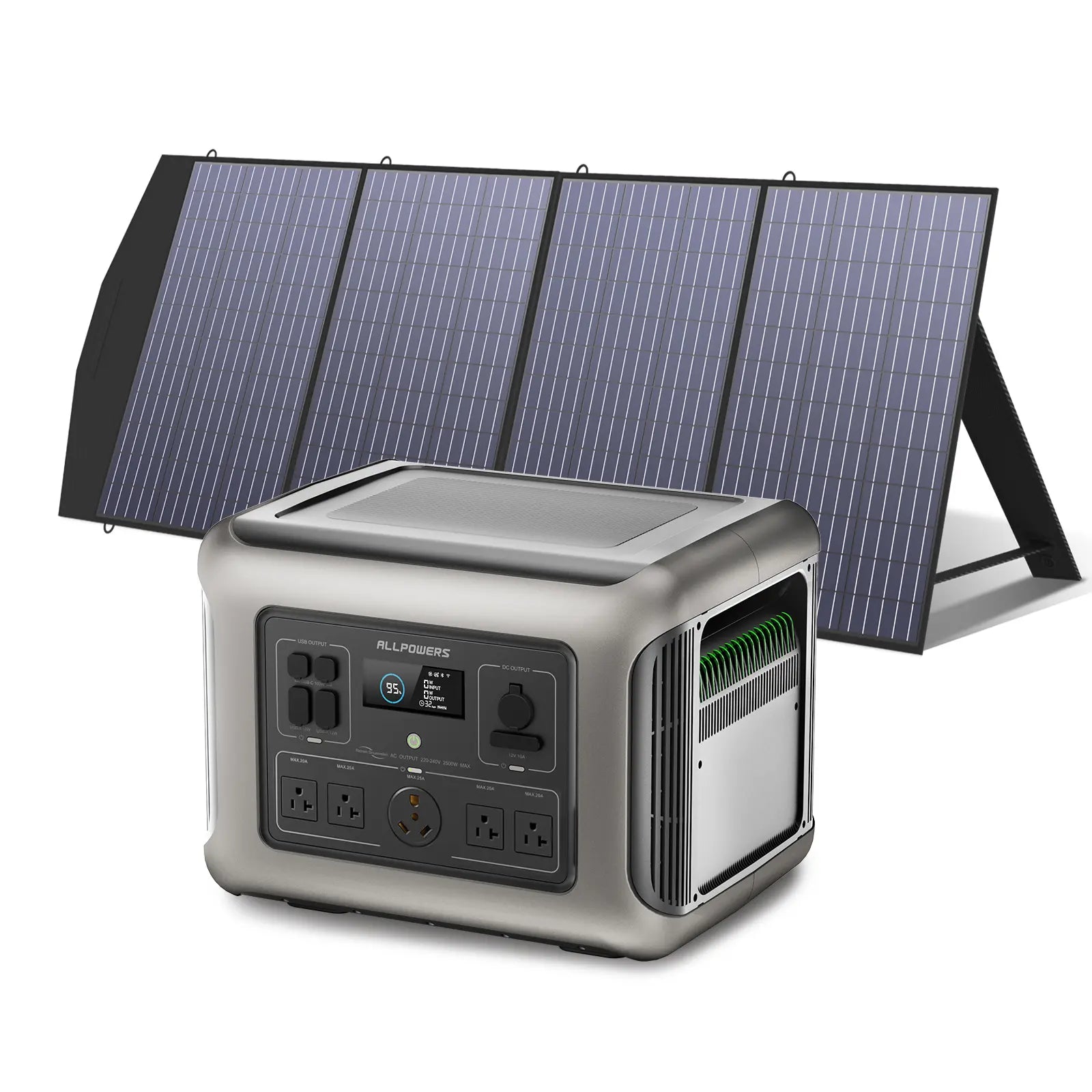
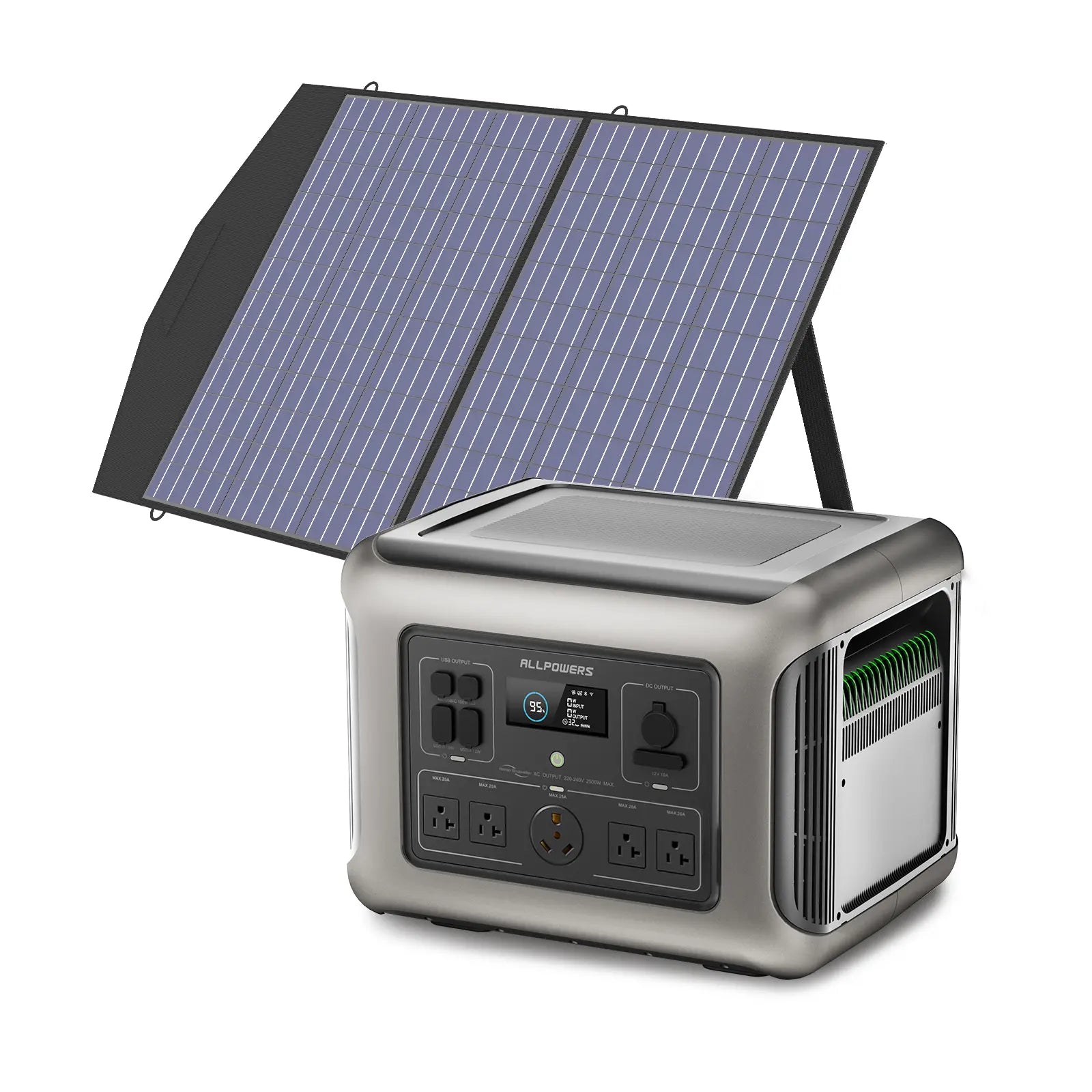
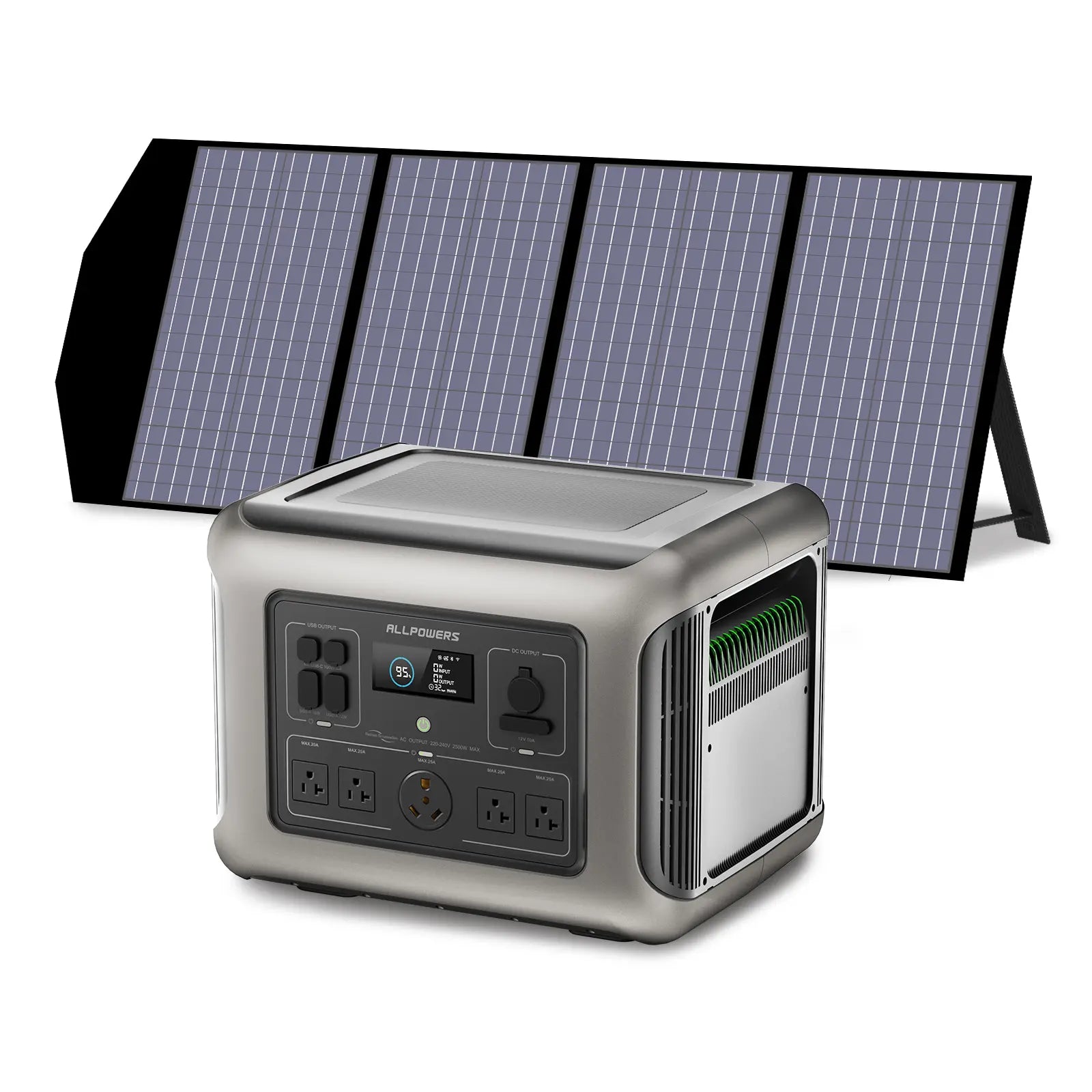
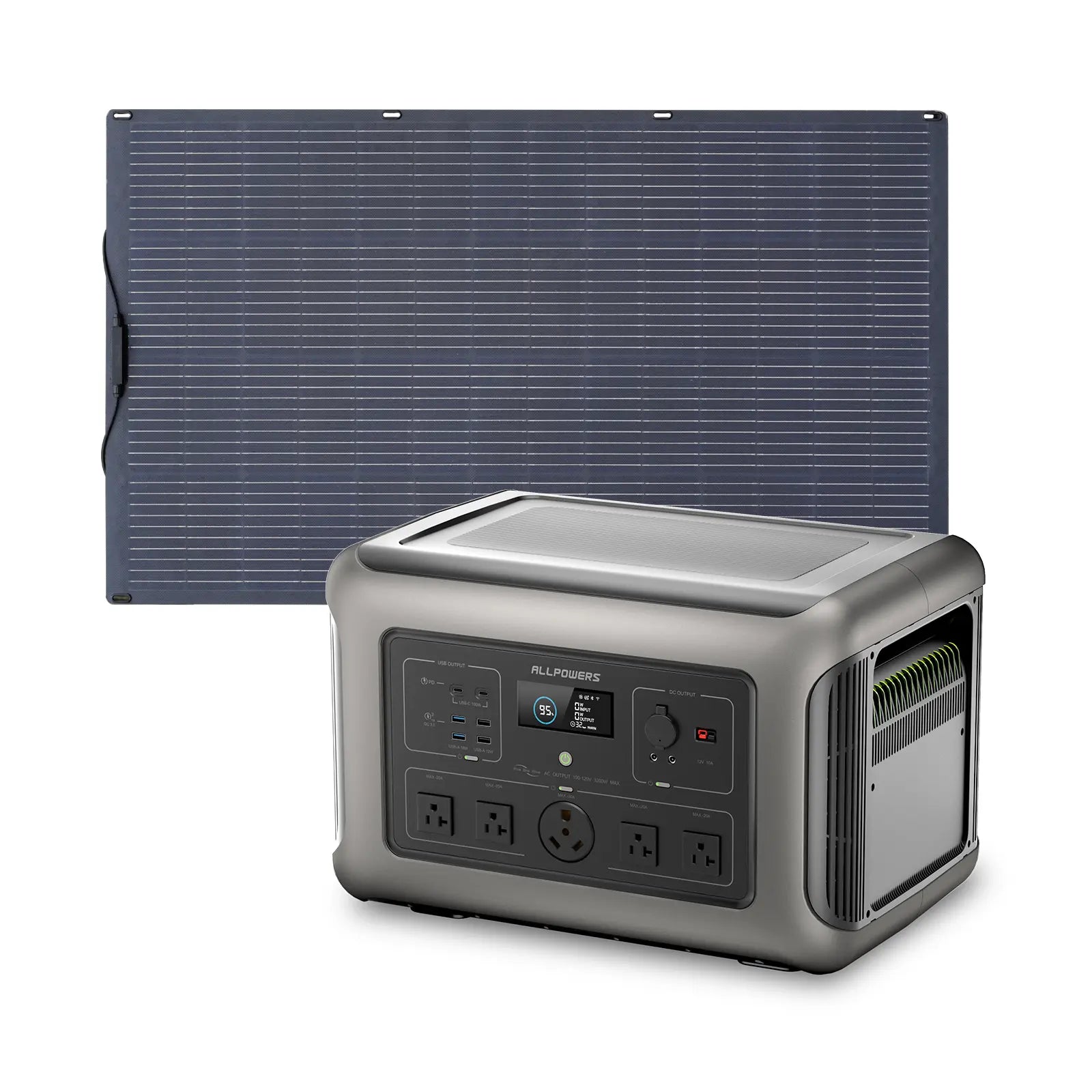
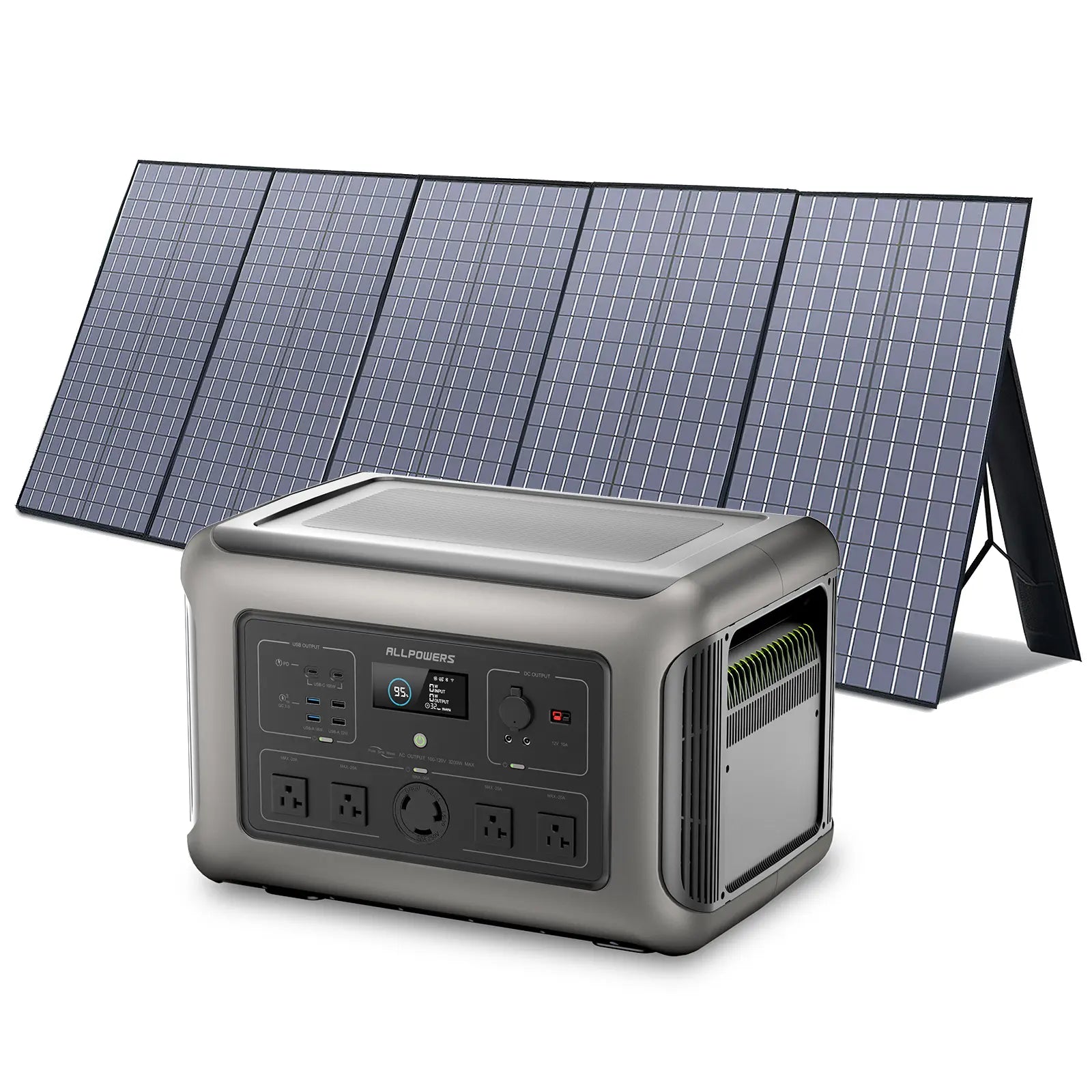
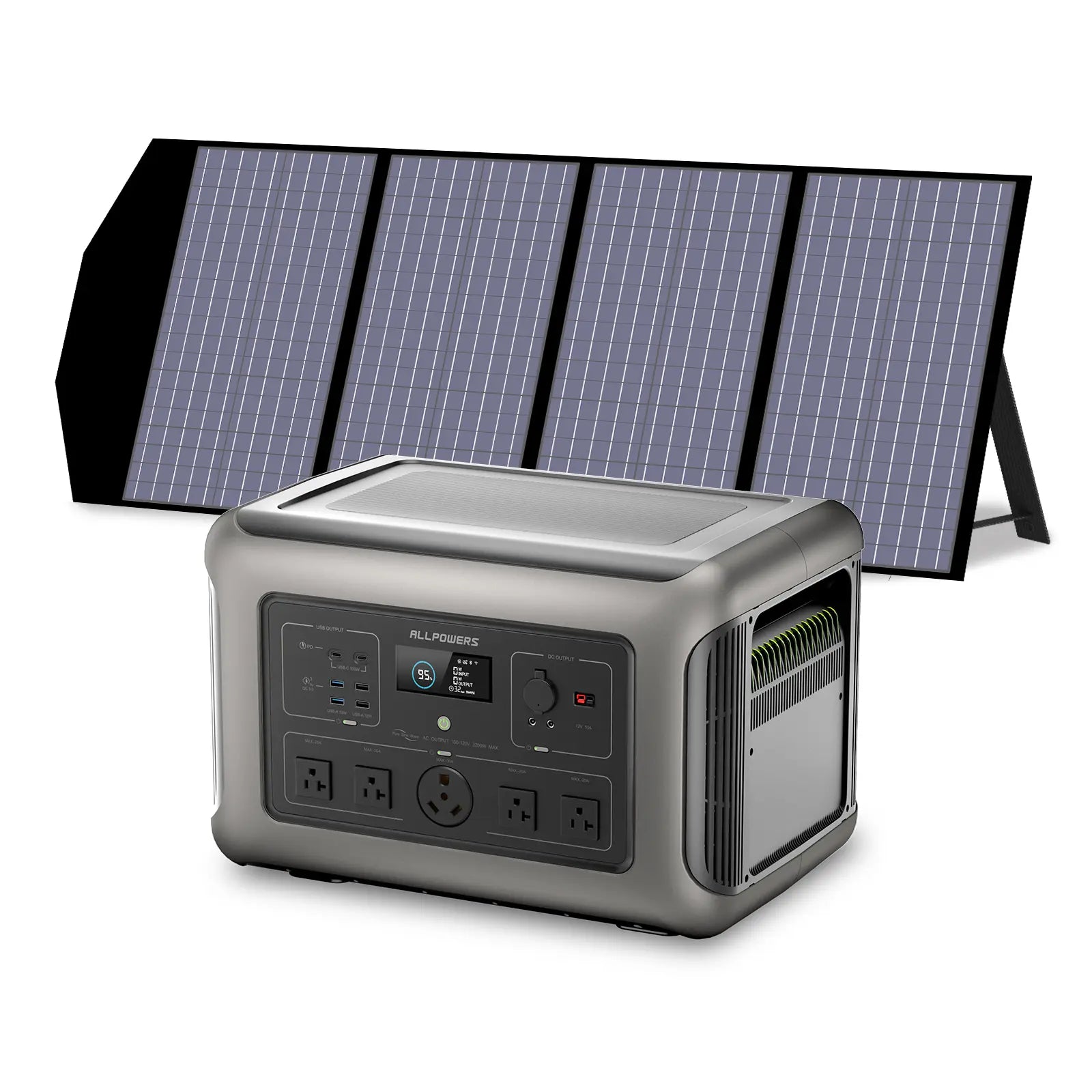
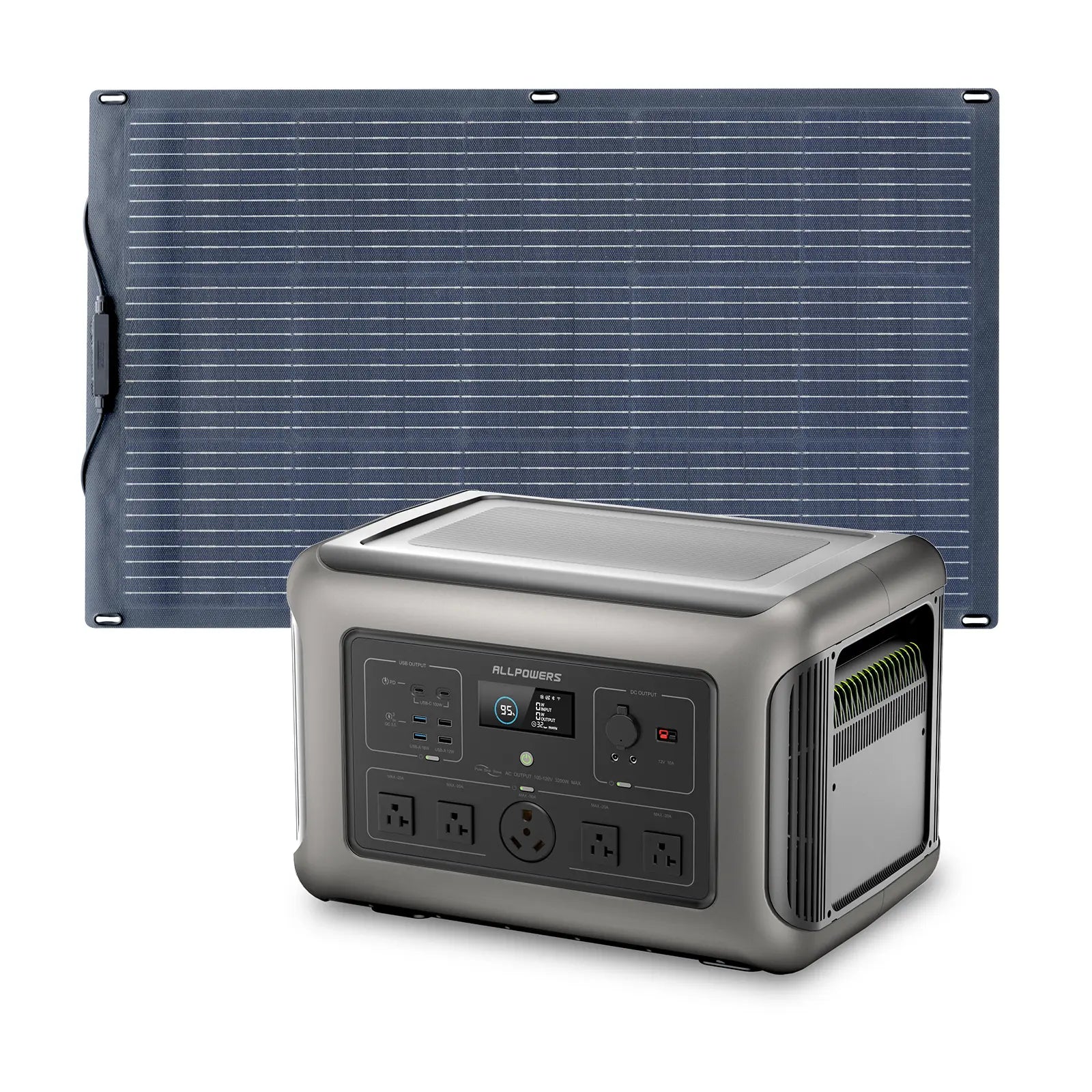
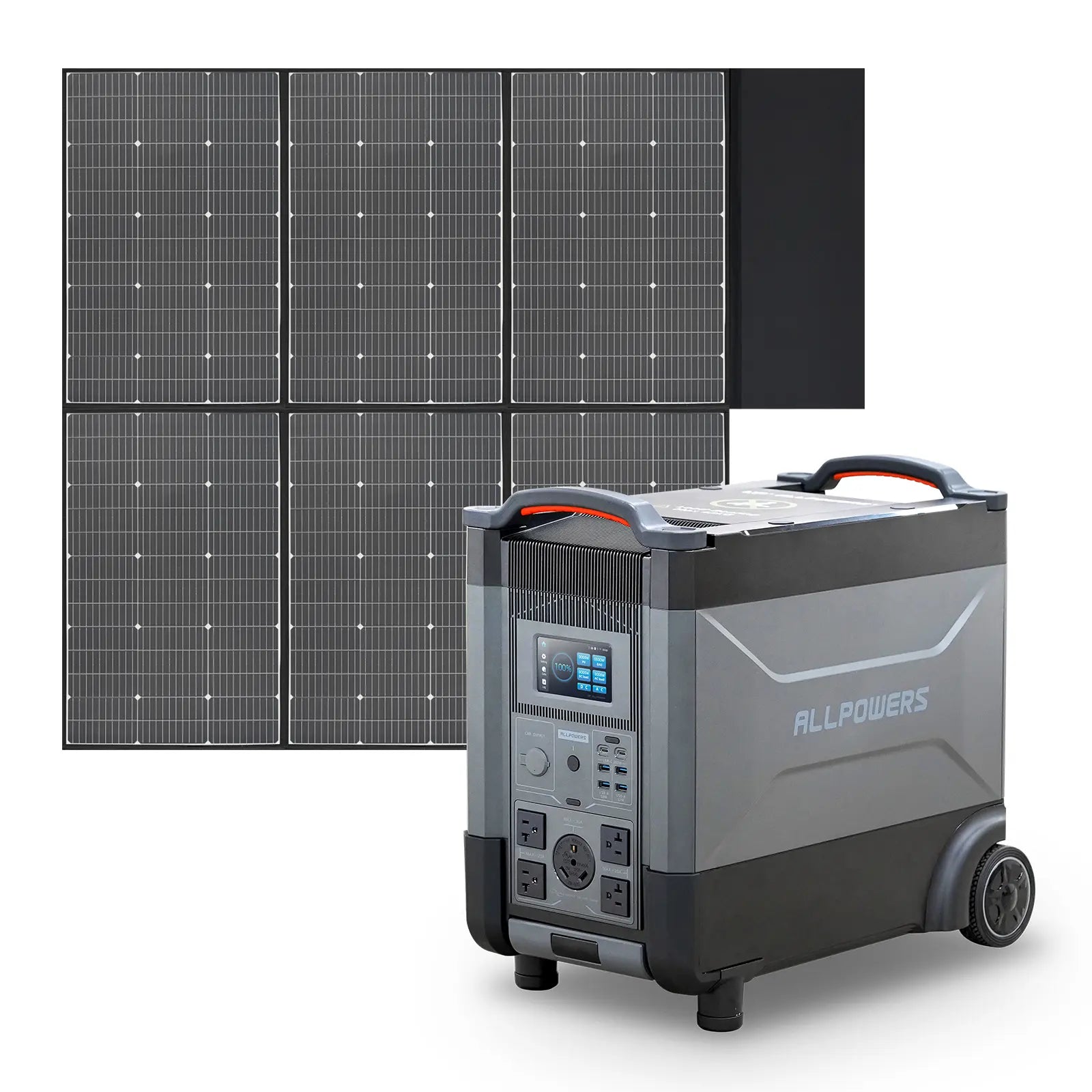
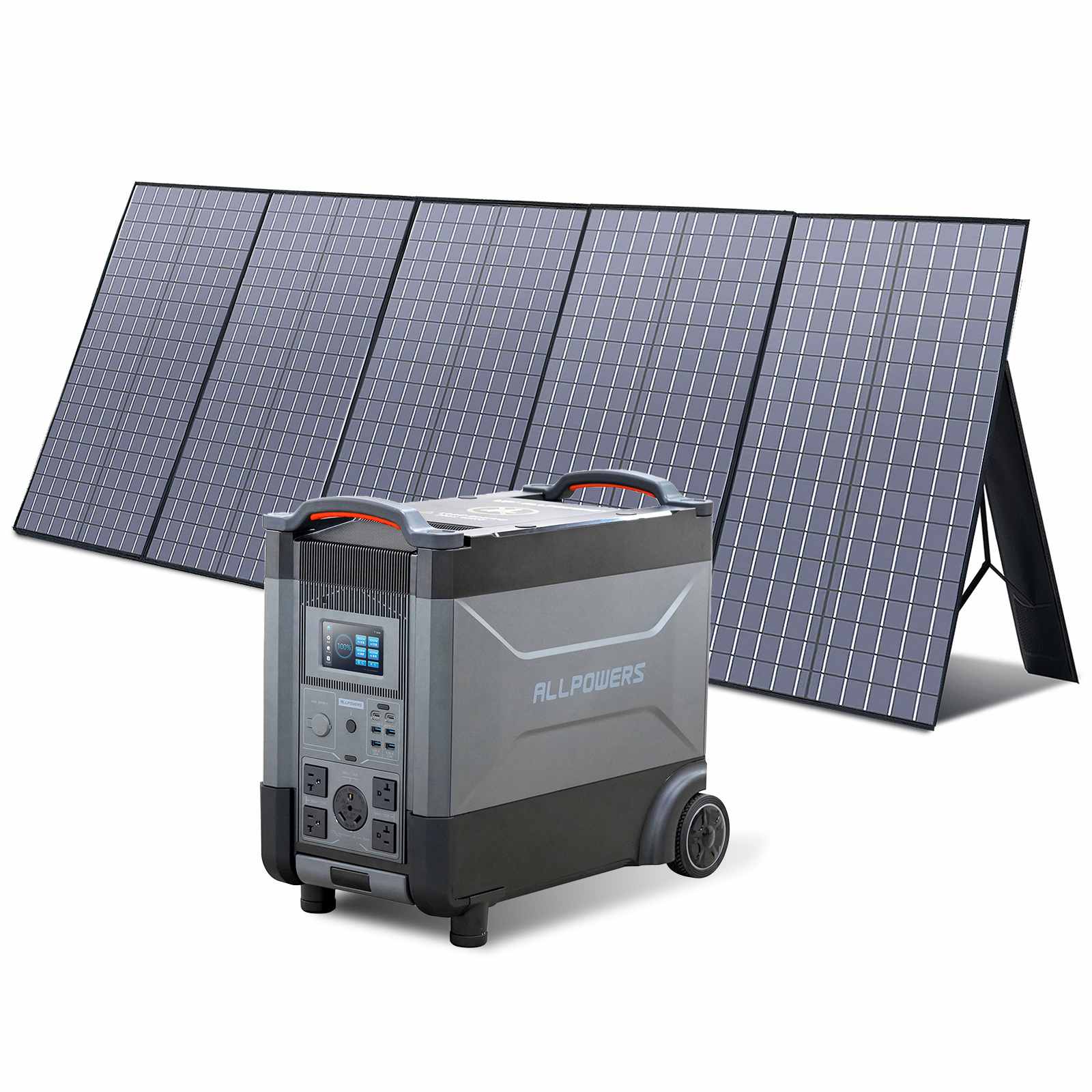
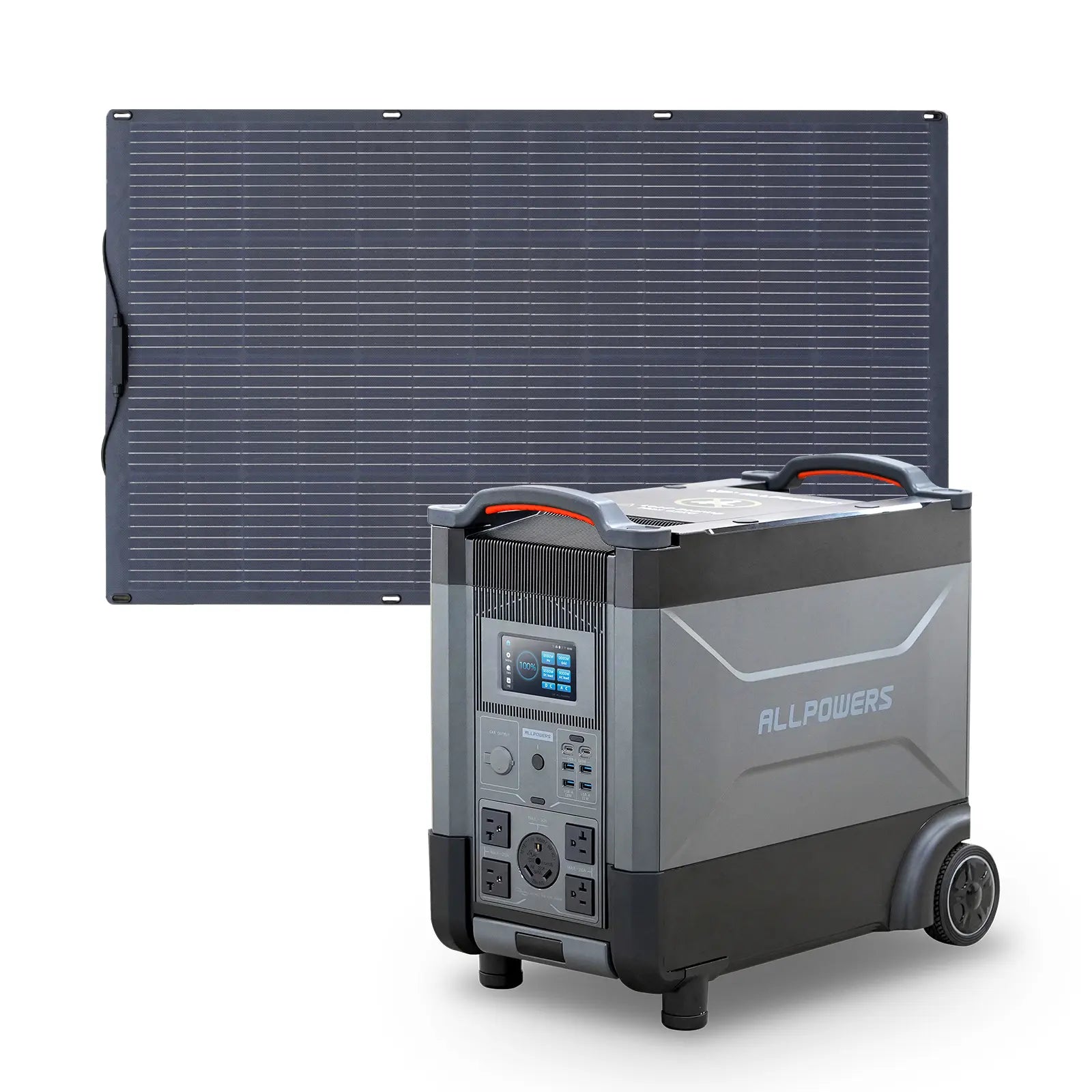
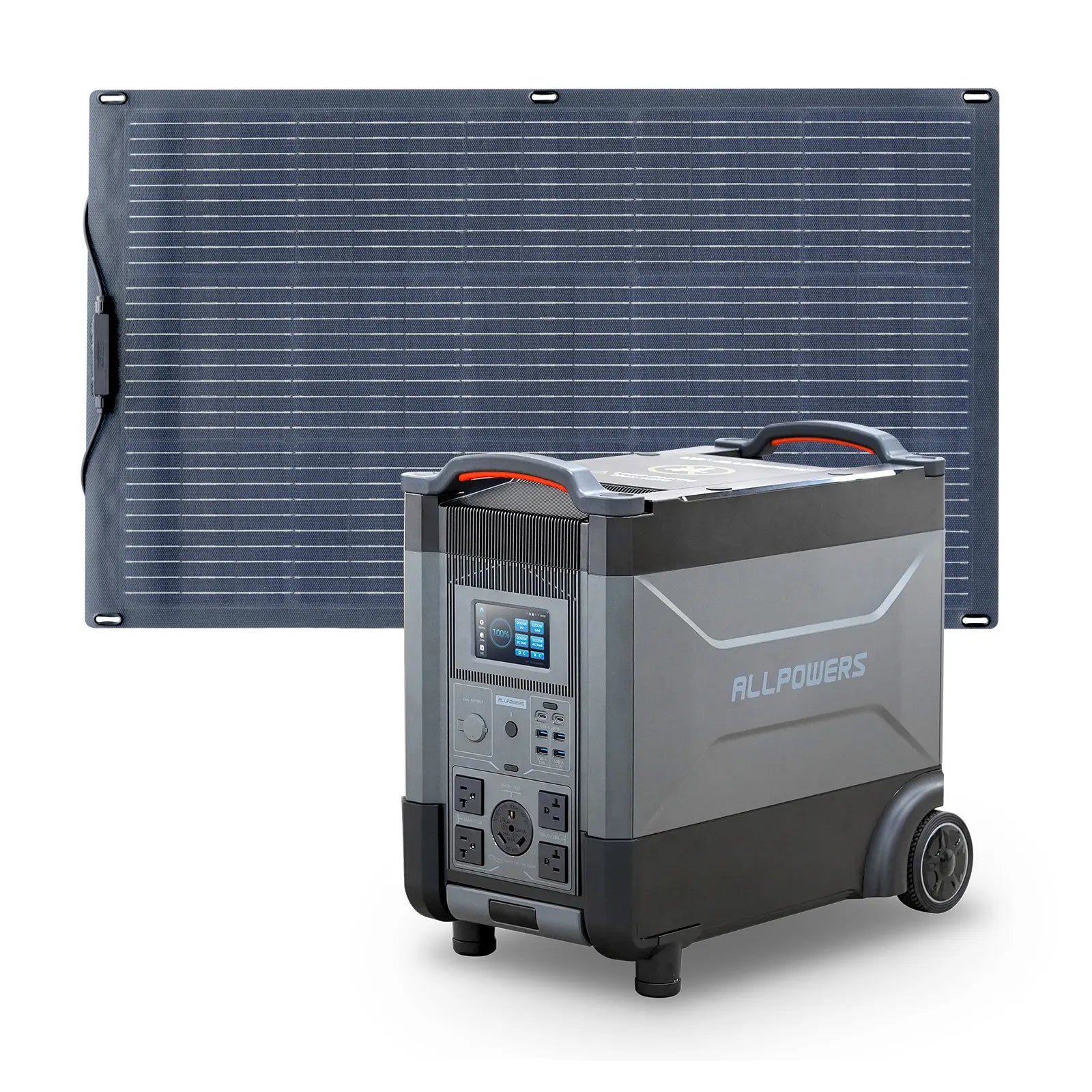
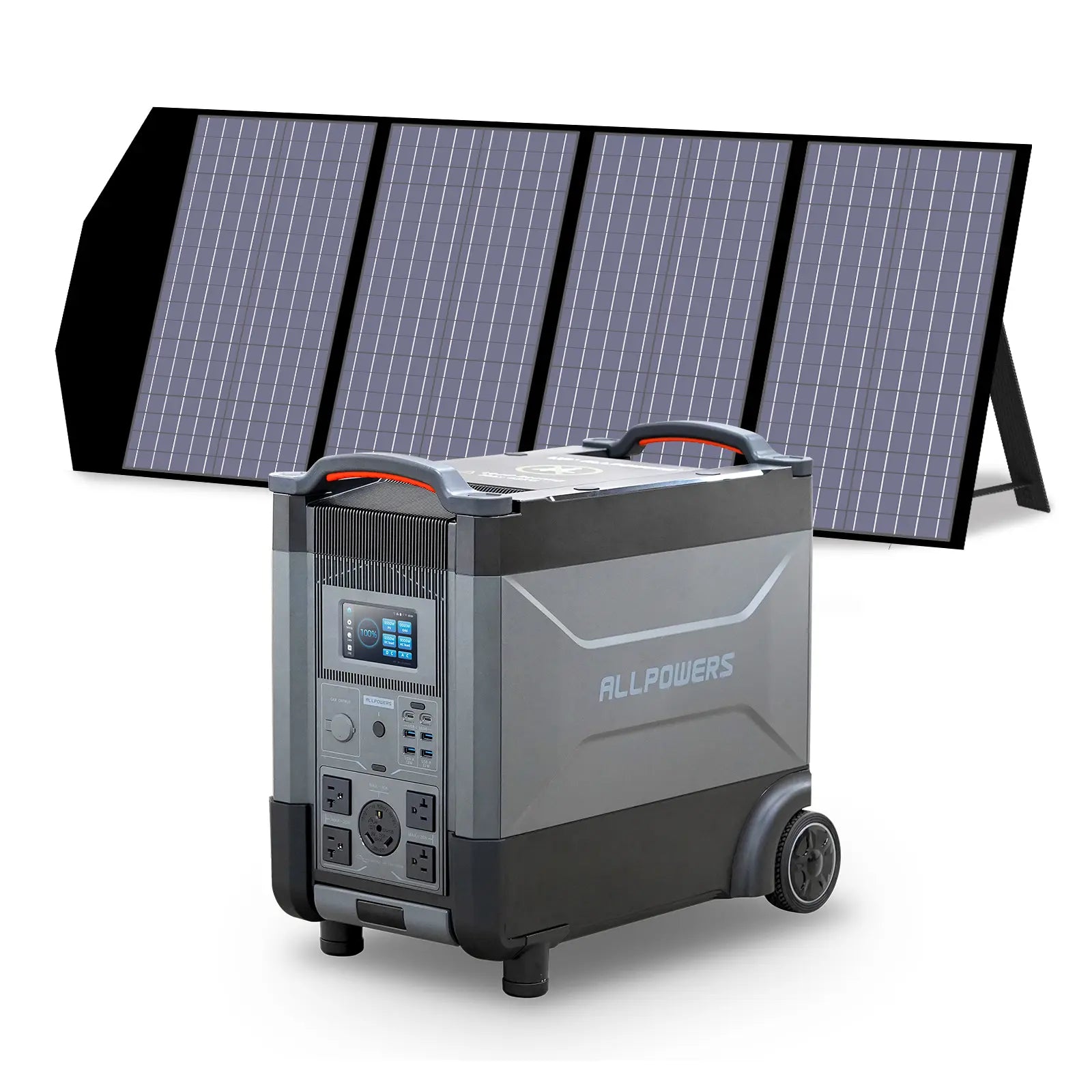
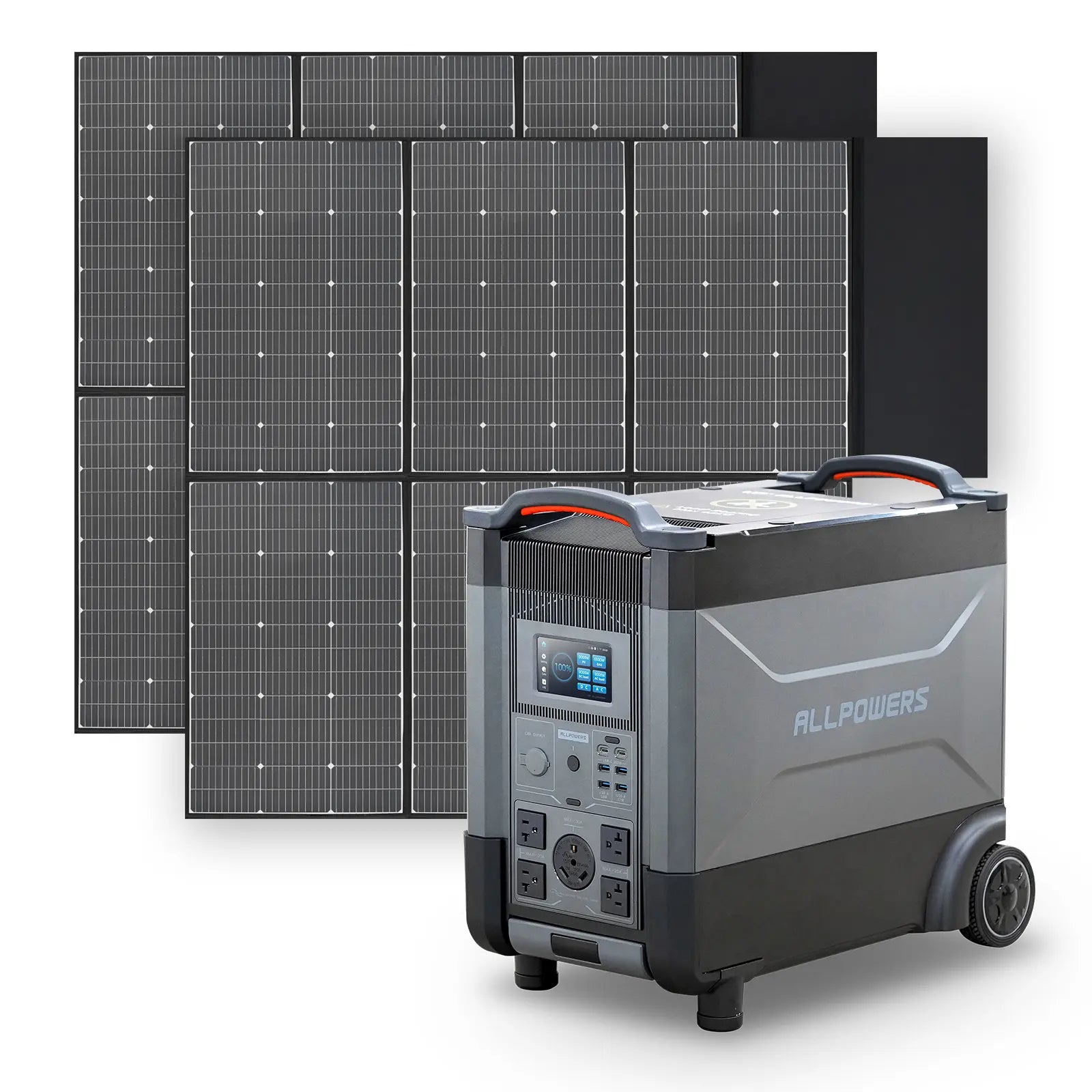
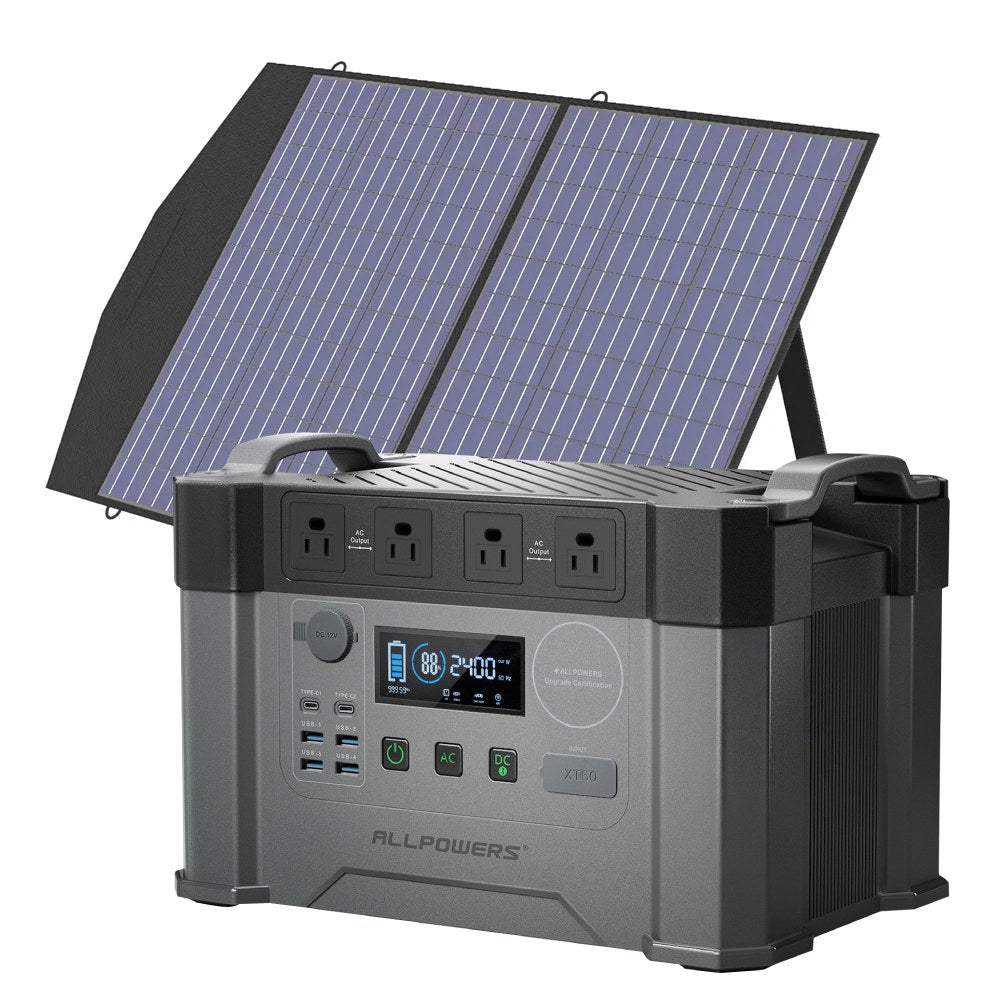
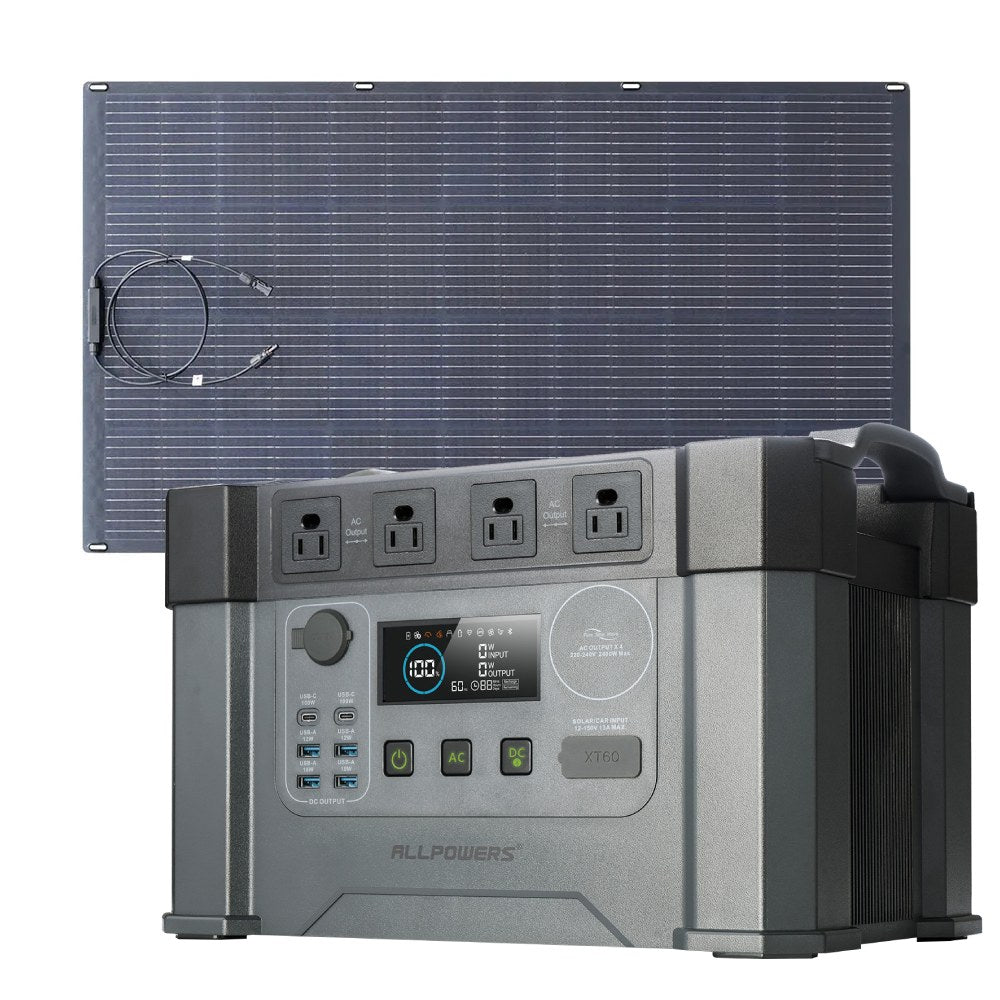
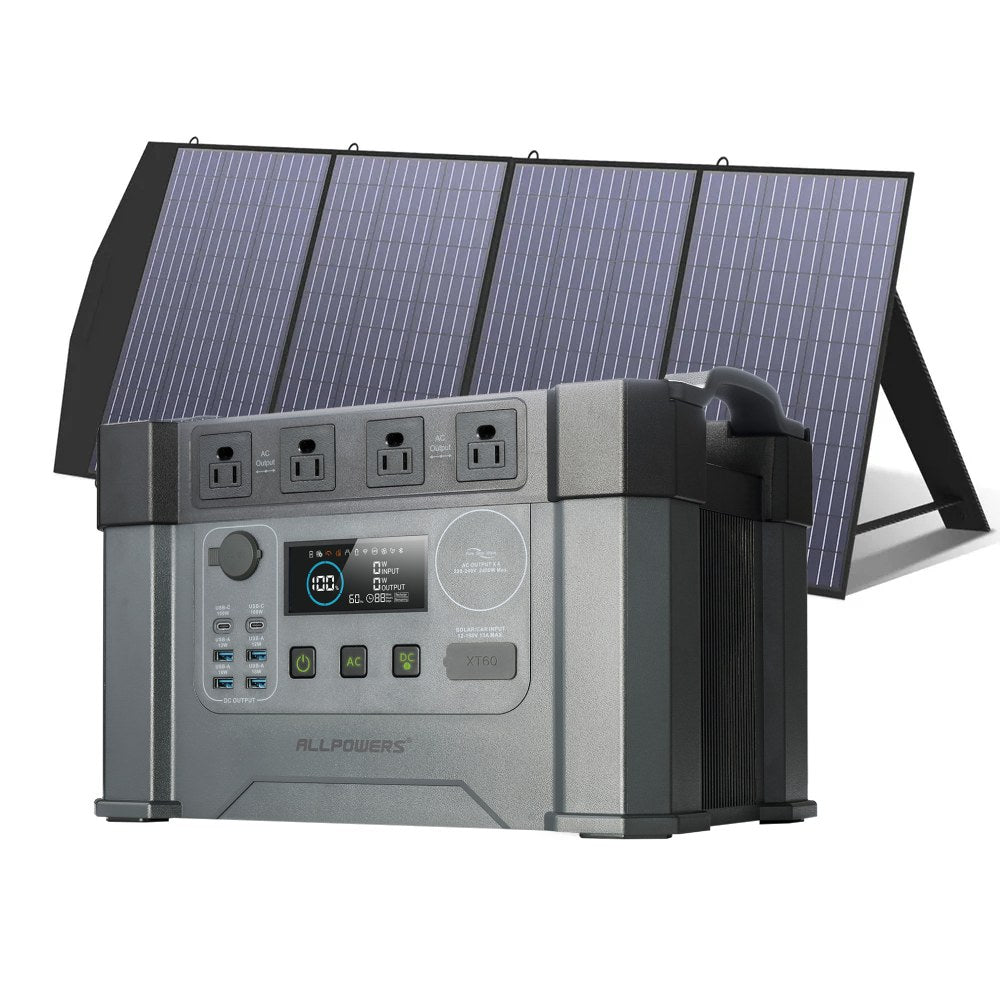
During longer camping trips, some campers also use compact power devices to power small cooking accessories more conveniently in off-grid environments.
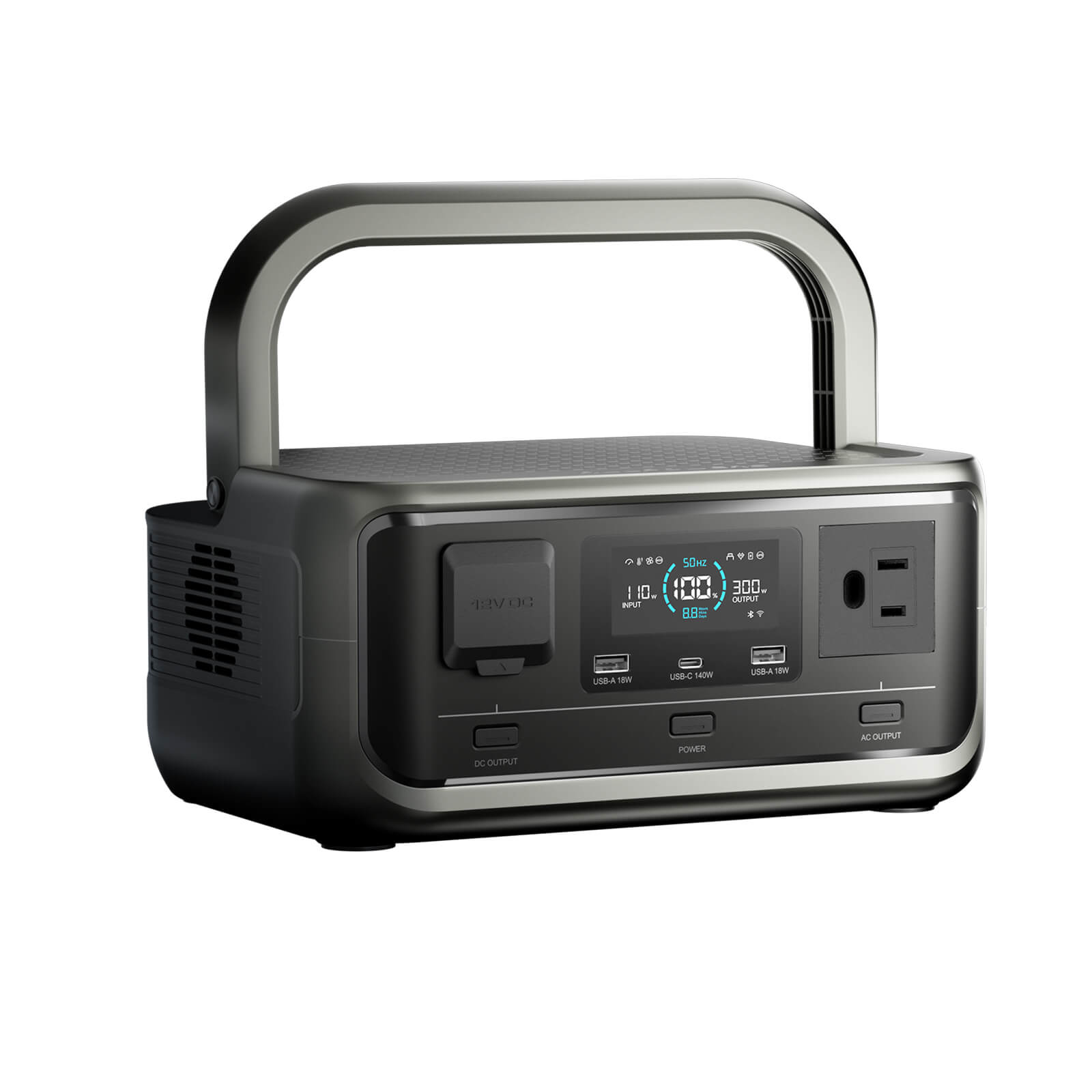
ALLPOWERS VOLIX P300 Portable Power Station
$149.00 $249.00
- 299Wh Capacity;
- 300W AC Output (600W Surge);
- Fast Charge 100% in 1 Hours;
- Ultra-quiet 30dB Under Load ;
- Long-Lasting And Safe Lifepo4 Battery;
Using Portable Camping Stoves
Many campers consider portable camping stoves the most reliable method for boiling water outdoors.
Gas-powered stoves typically heat water faster than campfires because they provide more focused and controlled heat.
Propane and Butane Stoves
Propane and butane stoves are widely used because fuel canisters are portable, easy to replace, and relatively simple to operate.
Integrated Cooking Systems
Jet-style cooking systems combine burners and cookware into compact units optimized for fuel efficiency and rapid boiling.
These systems are especially popular among backpackers who need lightweight gear and efficient cooking performance.
Boiling Water Over a Campfire
Campfire cooking remains one of the most traditional methods for heating water while camping.
Many campers enjoy the atmosphere and simplicity of placing kettles or metal pots directly above open flames.
Choosing the Right Cookware
Metal kettles and stainless steel pots generally work best over direct fire because they tolerate high temperatures and uneven heat.
Managing Fire Heat
Controlling campfire temperature can be more difficult than using gas stoves because flames fluctuate constantly based on wood conditions and airflow.
Strong flames may also produce soot buildup on cookware surfaces during extended use.
Does Boiling Water Make It Safe?
Boiling water is one of the most effective ways to reduce harmful microorganisms in untreated water sources.
Campers in remote areas often boil lake water, river water, or collected rainwater when safe drinking water is unavailable.
How Long Should Water Boil?
Many outdoor safety organizations recommend bringing water to a rolling boil to improve drinking safety.
Boiling Does Not Remove Everything
Although boiling kills many bacteria and parasites, it may not remove chemical contamination, heavy metals, or sediment.
Some campers combine filtration systems with boiling for improved water quality during longer wilderness trips.
How to Improve Fuel Efficiency While Camping
Fuel efficiency becomes especially important during backpacking trips or multi-day camping adventures where fuel supplies are limited.
Use Wind Protection
Wind screens can dramatically improve stove performance and reduce heat loss during outdoor cooking.
Use Lids While Heating Water
Covering pots and kettles helps retain heat and allows water to boil more quickly.
Choose Efficient Cookware
Some cookware materials transfer heat more efficiently and reduce overall fuel usage.
Avoid Excessive Water Heating
Heating only the amount of water actually needed helps conserve fuel during longer trips.
Camping Water Boiling Method Comparison
| Boiling Method | Boiling Speed | Portability | Fuel Efficiency | Best For |
|---|---|---|---|---|
| Portable Gas Stove | Fast | High | High | General Camping |
| Campfire | Moderate | High | Variable | Traditional Camping |
| Jet-Style Cooking System | Very Fast | Very High | Very High | Backpacking |
| Electric Kettle | Fast | Low to Moderate | High | Powered Campsites |
| Wood Stove | Moderate | Moderate | Moderate | Off-Grid Camping |
How Weather Affects Boiling Water Outdoors
Outdoor conditions can significantly affect how quickly water boils during camping trips.
Wind Slows Heating
Strong wind increases heat loss and forces stoves to consume more fuel while heating water.
Cold Temperatures Affect Fuel Performance
Very cold weather may reduce fuel pressure in certain gas canisters, making some stoves less efficient.
High Altitude Changes Boiling Points
At higher elevations, water boils at lower temperatures because of reduced atmospheric pressure.
This means water may boil faster visually while still cooking food less efficiently in mountain environments.
Making Outdoor Cooking More Comfortable
For many campers, boiling water is part of a larger outdoor cooking experience that includes preparing coffee, cooking meals, washing dishes, and staying warm during colder weather.
As camping equipment continues evolving, outdoor cooking setups are becoming lighter, faster, and more efficient without losing the simplicity that many campers enjoy.
Whether using a traditional campfire or a compact modern stove, reliable hot water remains one of the most useful and versatile resources at any campsite.
Frequently Asked Questions
What is the fastest way to boil water while camping?
Jet-style cooking systems are often considered some of the fastest options for boiling water outdoors.
Can you boil water safely over a campfire?
Yes. Many campers use campfires to heat water in metal kettles or cooking pots.
Does boiling water make it safe to drink?
Boiling can help eliminate many harmful microorganisms, although filtration may still be needed for sediment or chemical contamination.
Why does water boil differently at high altitude?
Lower atmospheric pressure at high elevations causes water to boil at lower temperatures.
How can campers improve stove efficiency?
Using lids, wind screens, and efficient cookware can help reduce fuel usage and improve boiling speed.