





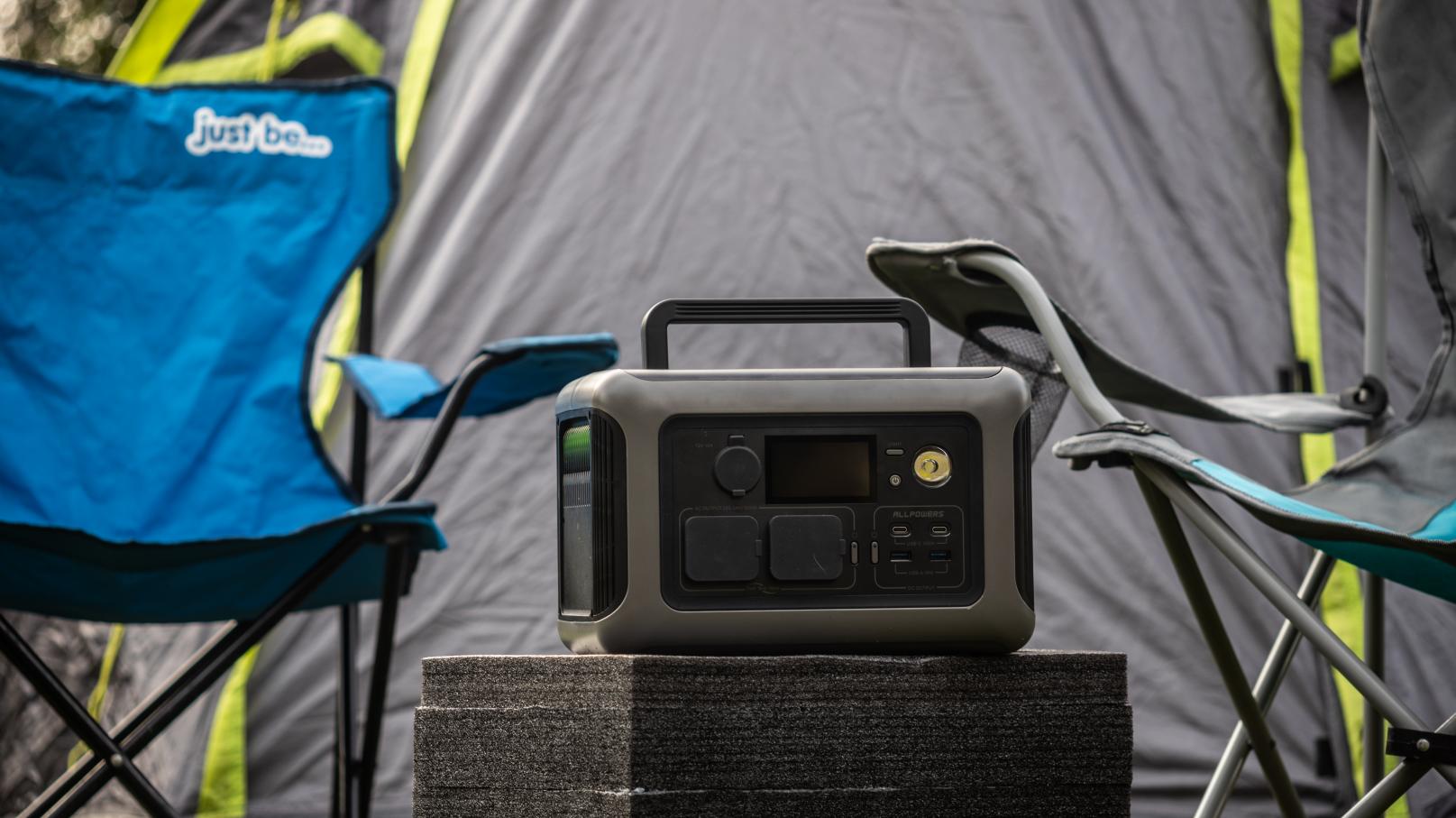
Camping is a great way to disconnect from daily routines, but for people who rely on CPAP therapy can create additional challenges.
Unlike traditional camping gear, CPAP machines require a reliable power source to operate safely through the night.
So, what is the best way to power a CPAP machine while camping?
TL;DR:
The best ways to power a CPAP machine while camping include battery packs, solar charging systems, DC adapters, vehicle charging, and portable power stations. Reducing humidifier usage, using DC power instead of AC, and calculating nightly watt-hour consumption can significantly extend battery runtime during off-grid camping trips.
Why Reliable CPAP Power Matters While Camping
For people with sleep apnea, consistent CPAP therapy is important for maintaining healthy breathing patterns during sleep.
Interruptions in therapy may lead to poor sleep quality, fatigue, headaches, and breathing disruptions throughout the night.
When camping in remote locations, access to electrical outlets may be unavailable or extremely limited.
As a result, many campers must rely on alternative off-grid power sources to keep CPAP machines running overnight.
Reliable backup power becomes especially important during multi-day camping trips, cold-weather camping, or extended off-grid travel.
How Much Power Does a CPAP Machine Use?
The amount of electricity a CPAP machine uses depends heavily on the model, pressure settings, humidifier usage, and whether heated tubing is enabled.
Most standard CPAP machines consume between 30W and 60W per hour during operation. However, enabling heated humidifiers and heated hoses can increase energy usage dramatically.
CPAP Machines Without Humidifiers
When humidifiers and heated tubing are disabled, many CPAP machines consume relatively modest amounts of electricity, making overnight battery operation much easier.
CPAP Machines With Heated Humidifiers
Heated humidifiers can significantly increase power consumption because they continuously warm water throughout the night.
For longer camping trips, reducing unnecessary power usage is often one of the most effective ways to extend battery life.
Best Ways to Power a CPAP While Camping
Several off-grid power solutions are now commonly used by campers who rely on CPAP therapy.
CPAP Battery Packs
Dedicated CPAP battery packs are specifically designed for sleep therapy equipment. These batteries are usually compact, lightweight, and optimized for overnight runtime.
Many CPAP batteries support airline travel and are popular among campers who prioritize portability.
Vehicle Power Systems
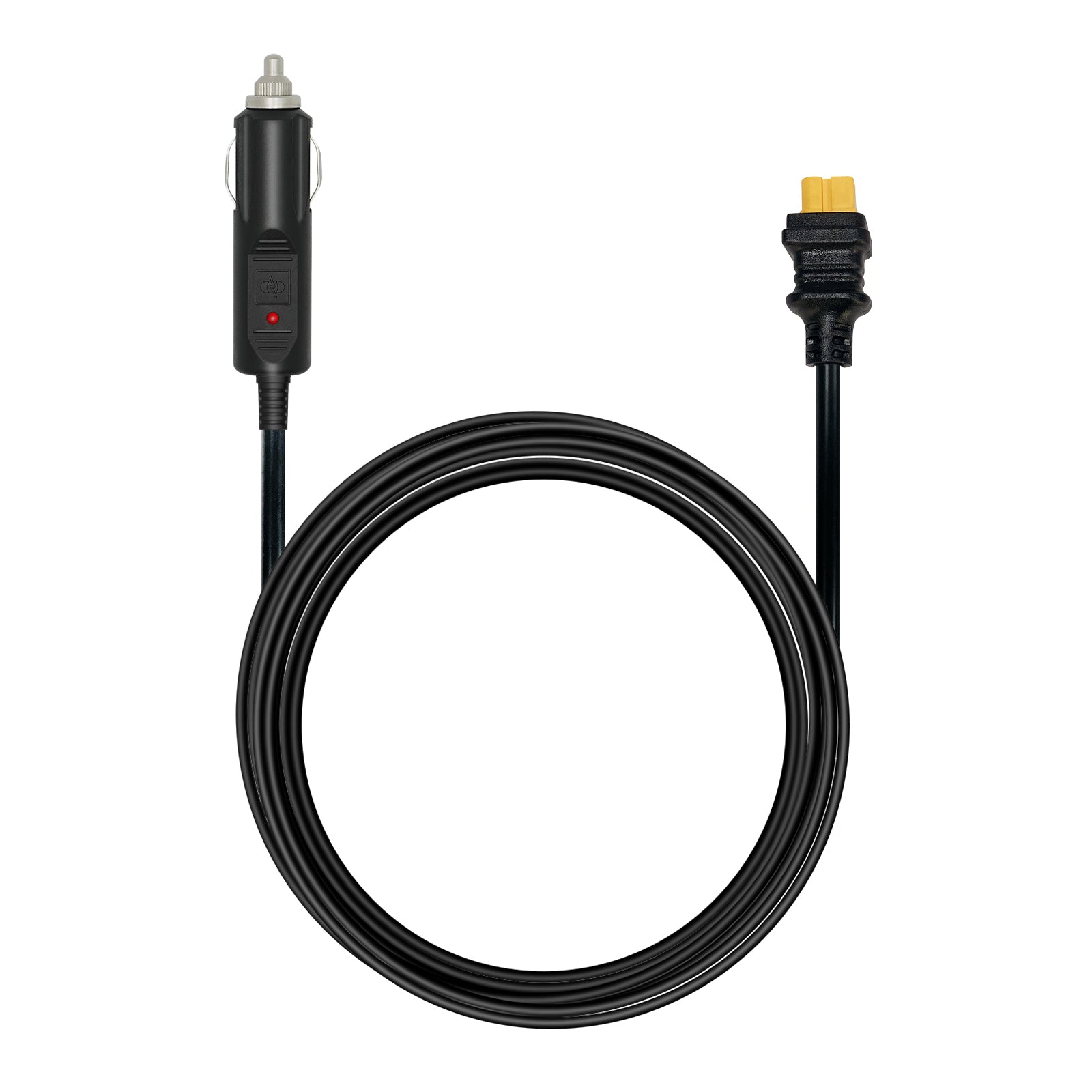
Some campers power CPAP machines directly from a vehicle using DC adapters or power inverters. This setup may work well for car camping, RV travel, or overlanding trips.
However, continuously draining a vehicle battery overnight may create starting problems the following morning if the engine is not recharged properly.
Solar Charging Systems
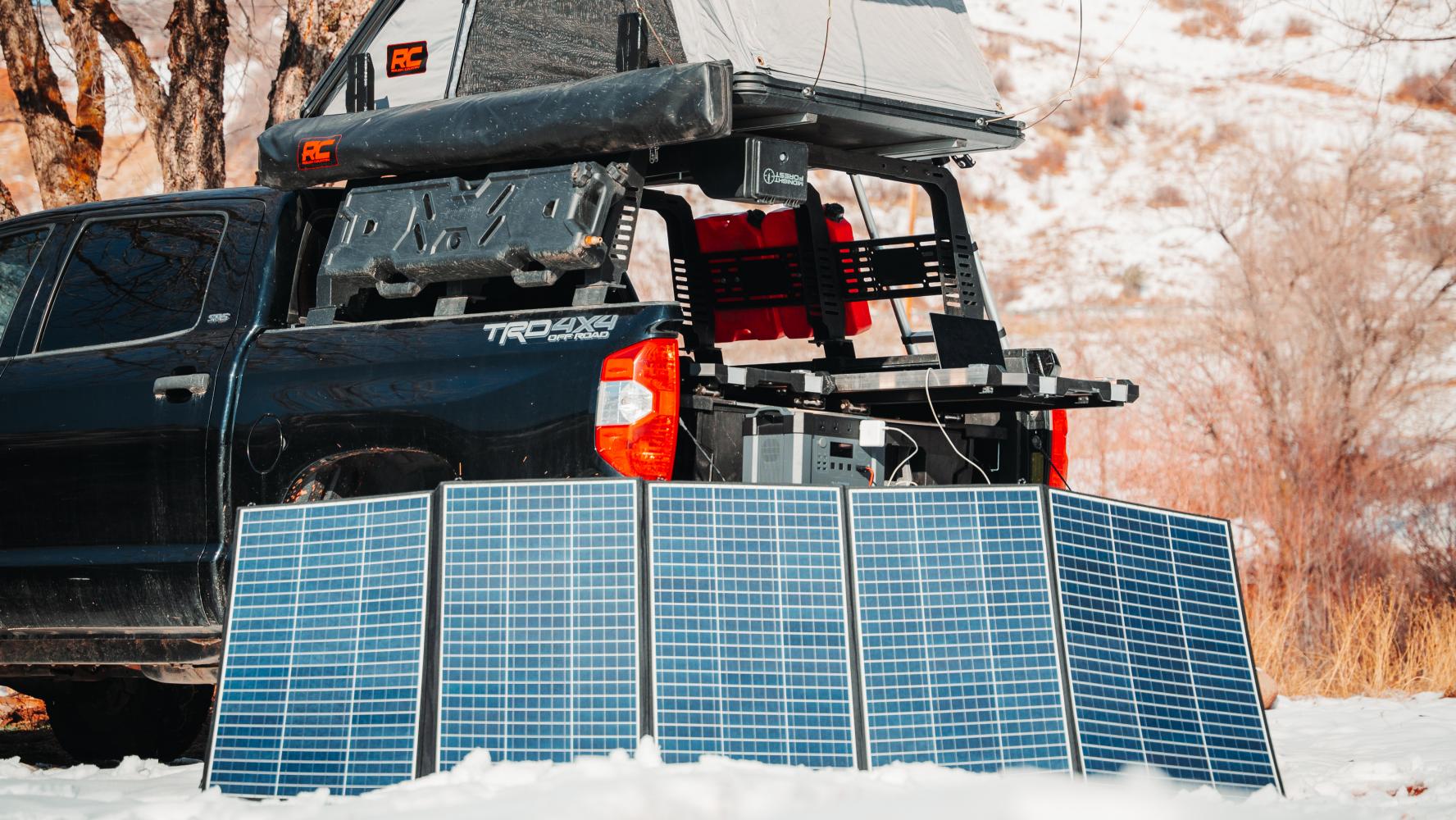
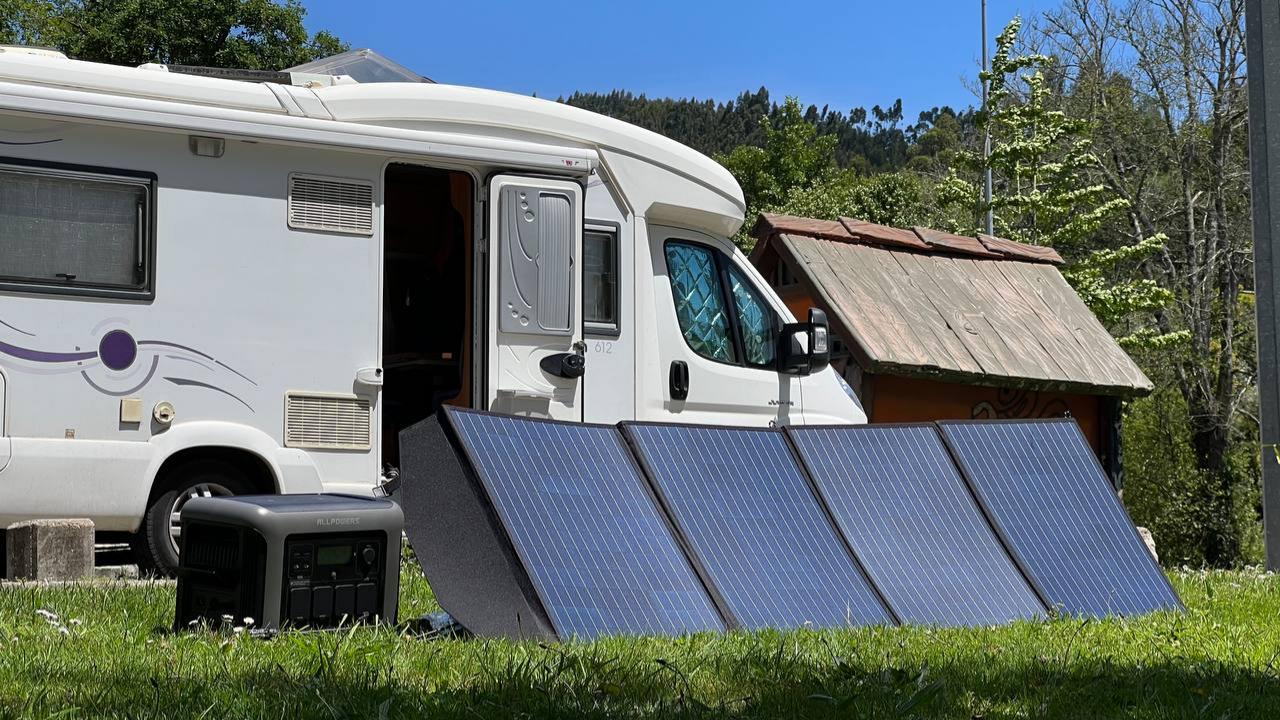
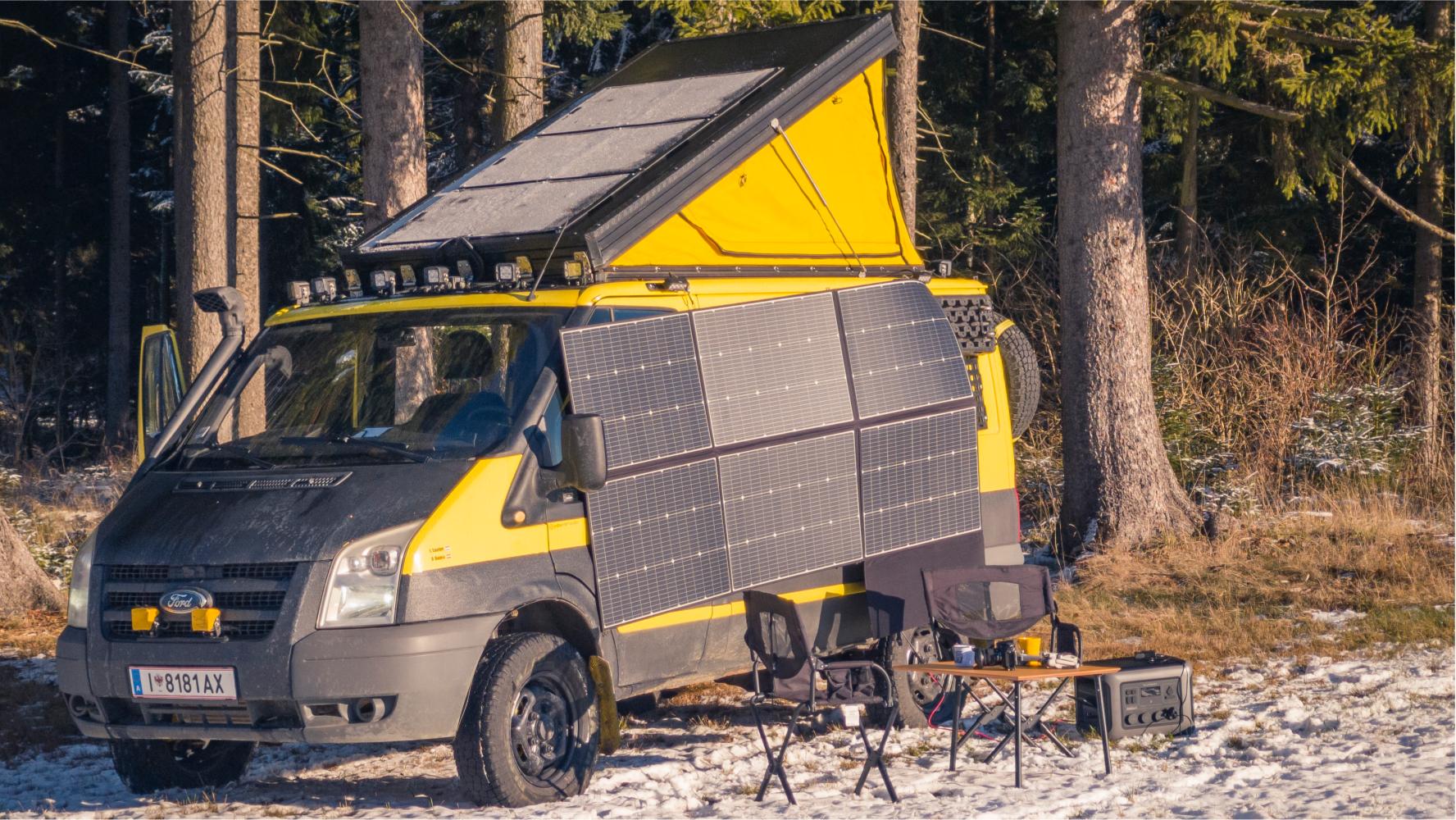
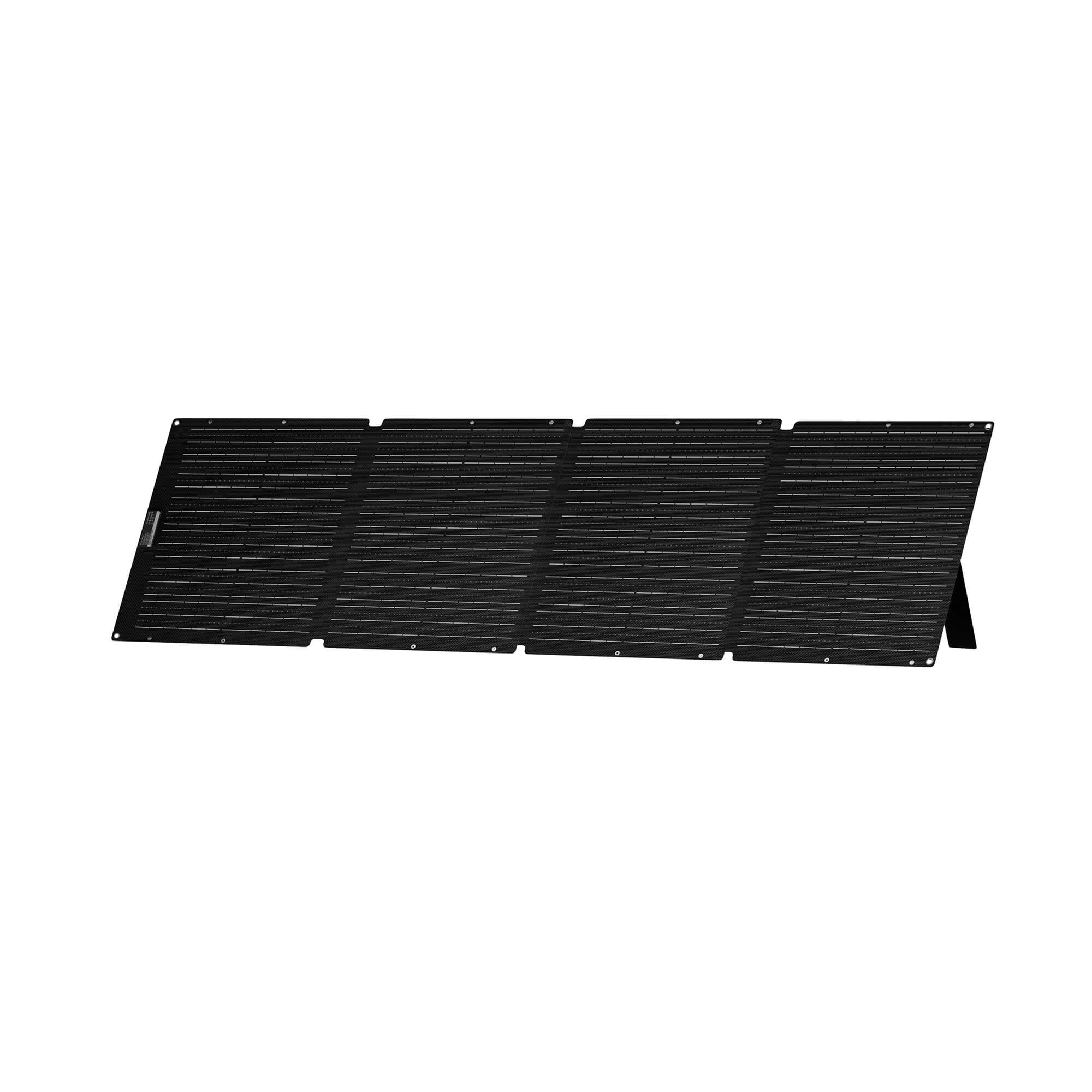
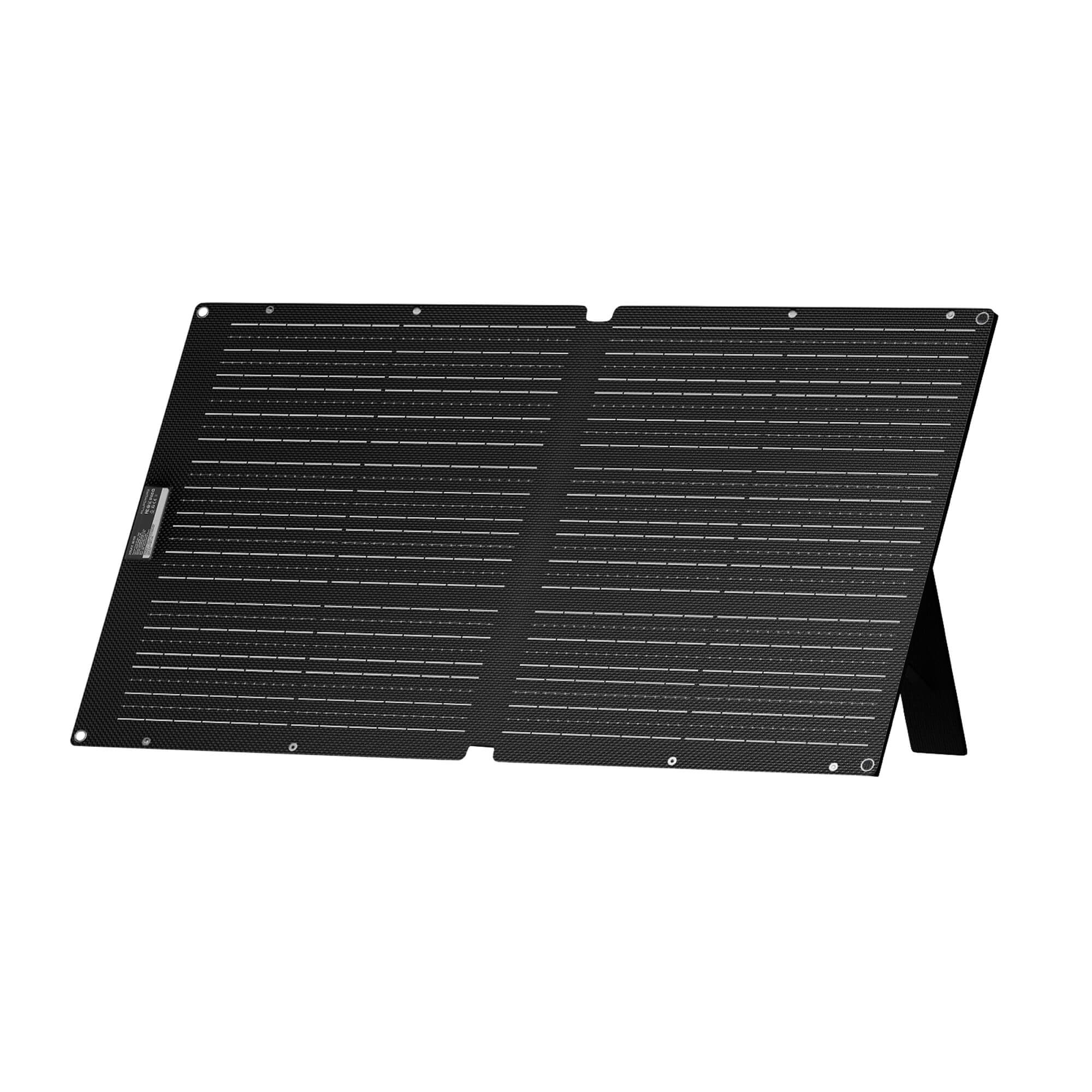
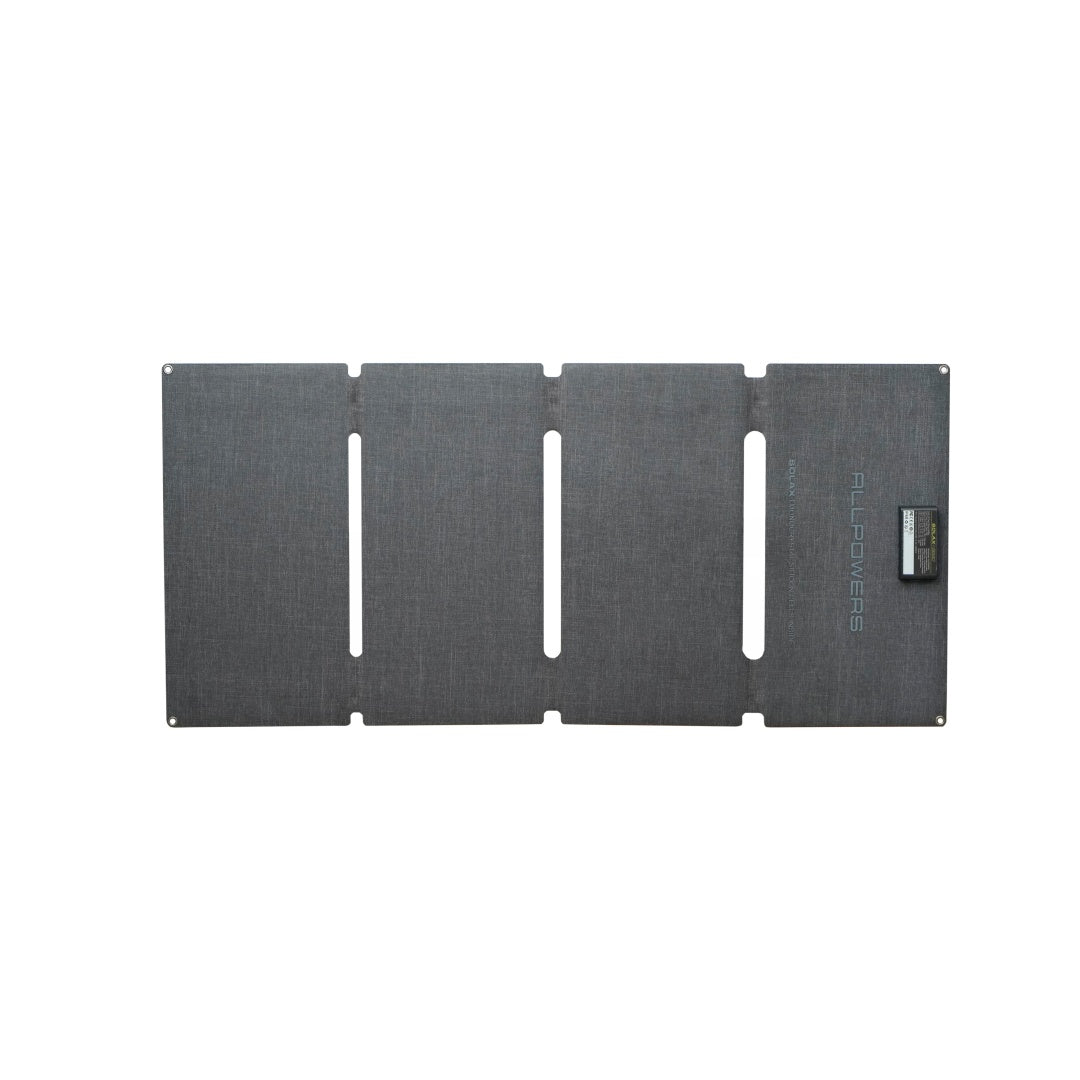
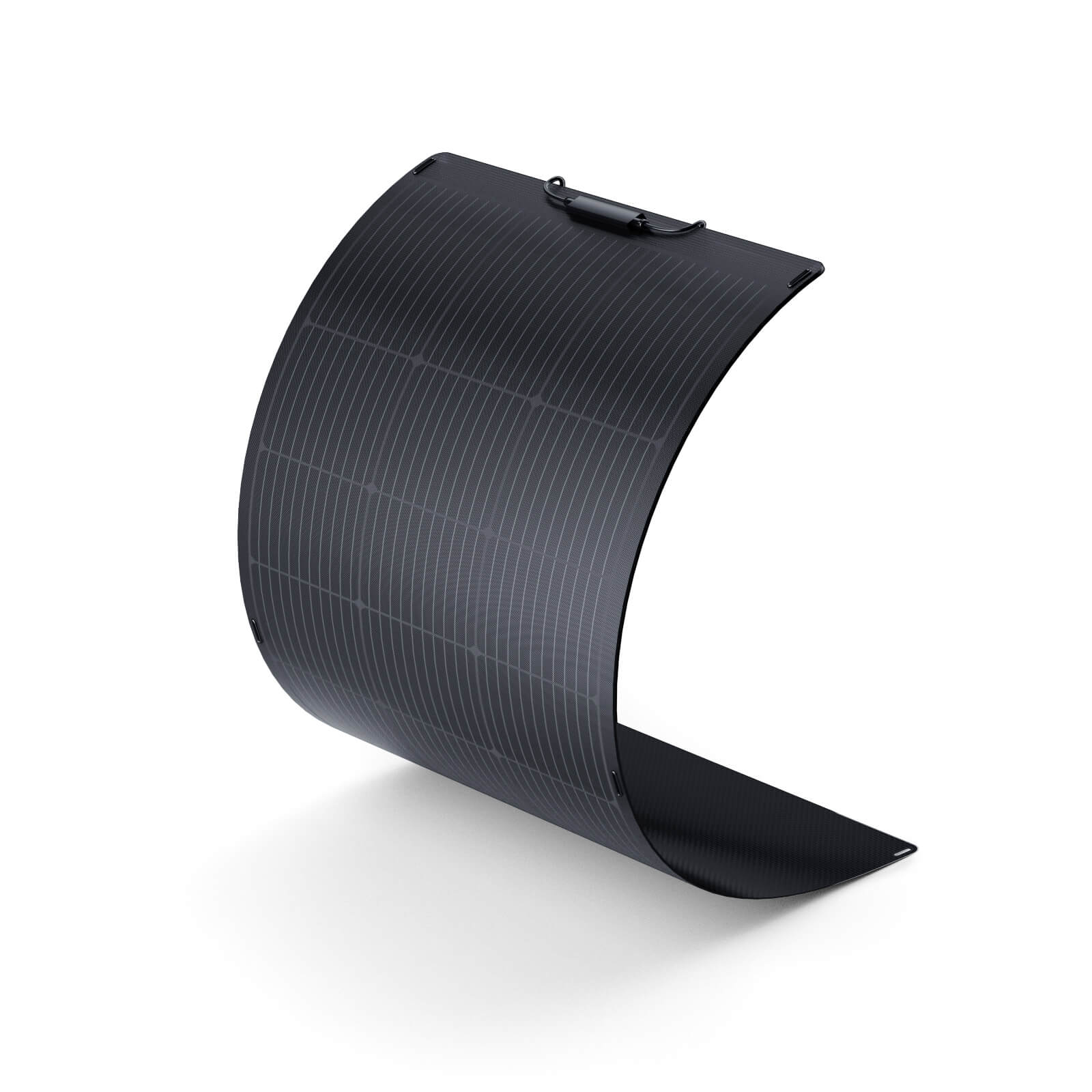
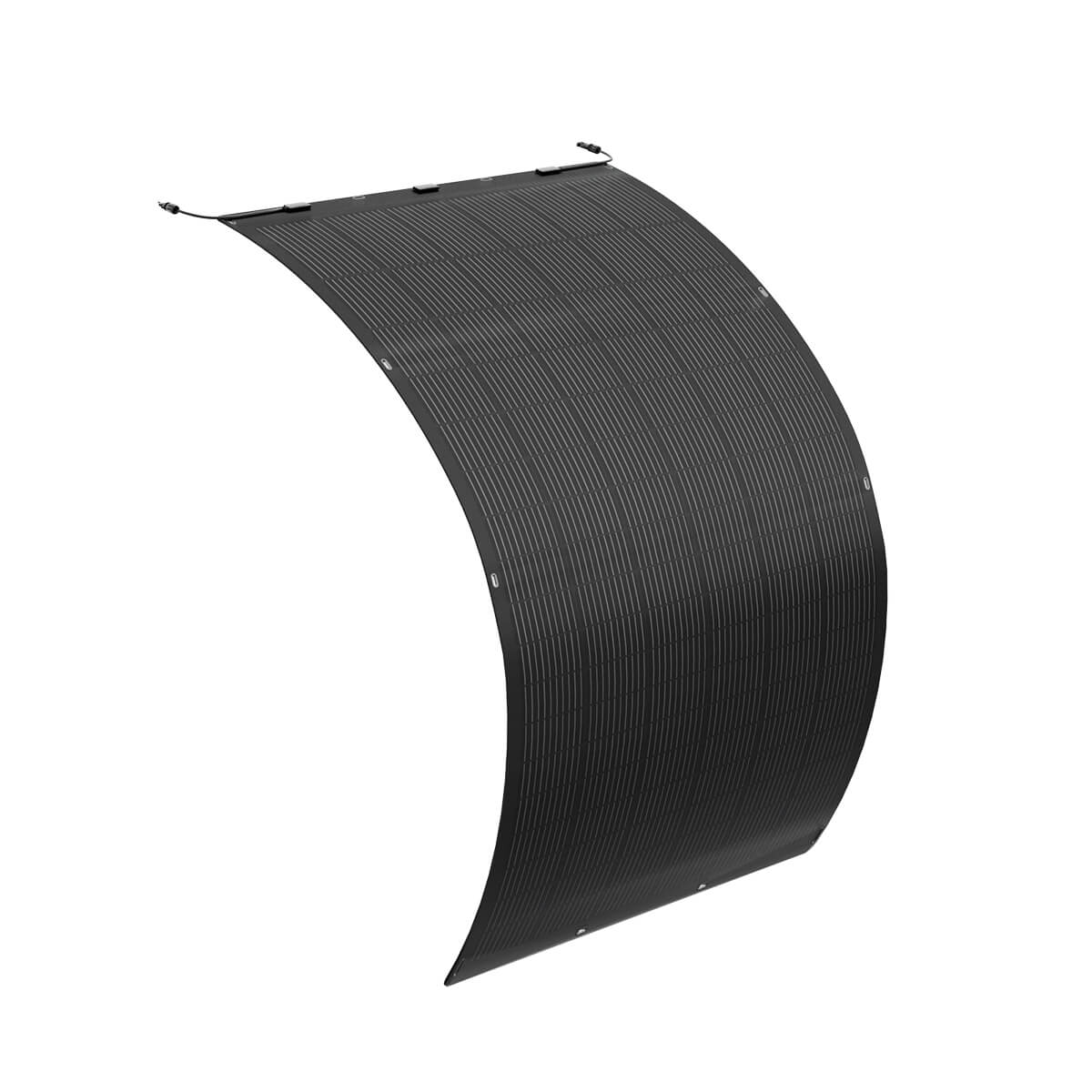
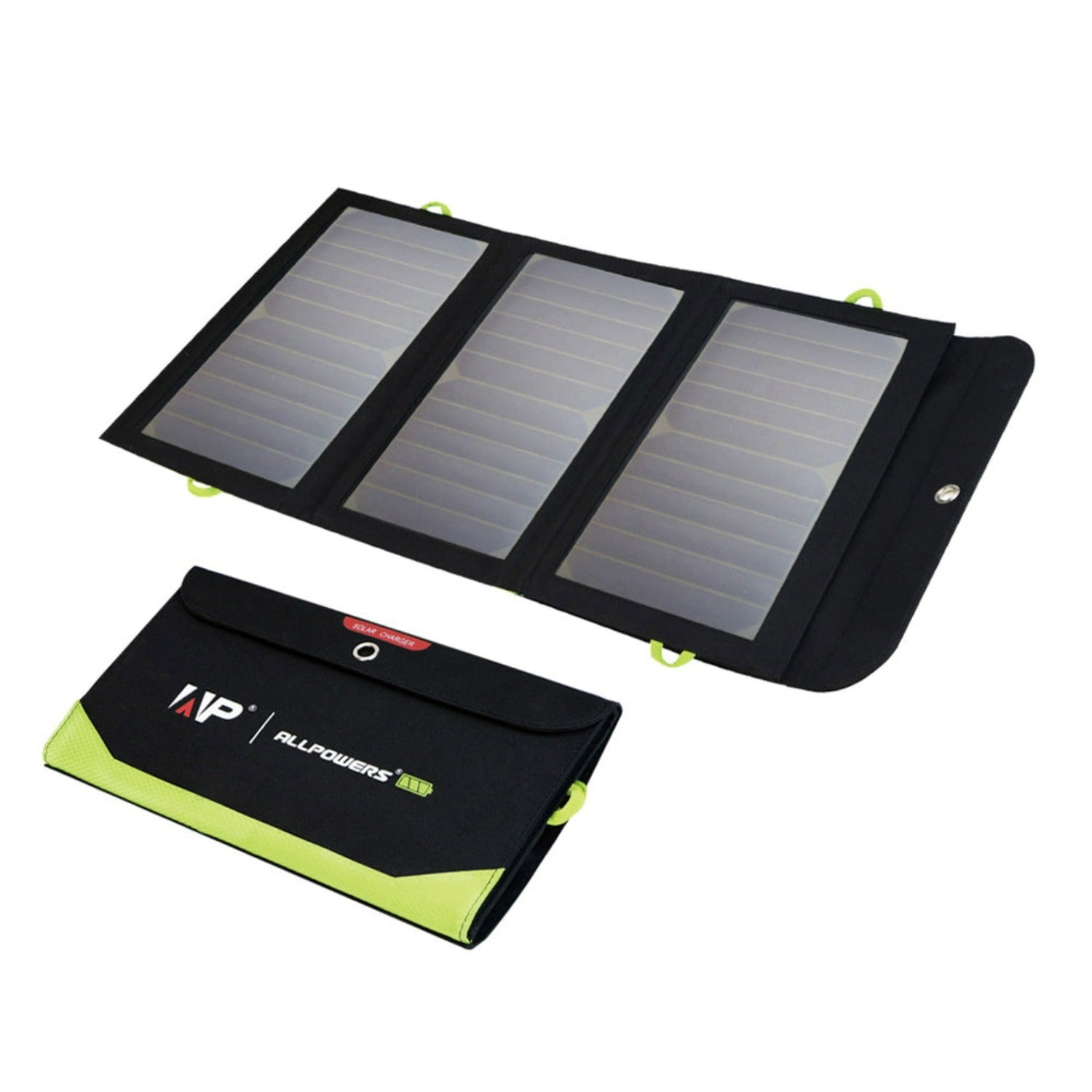
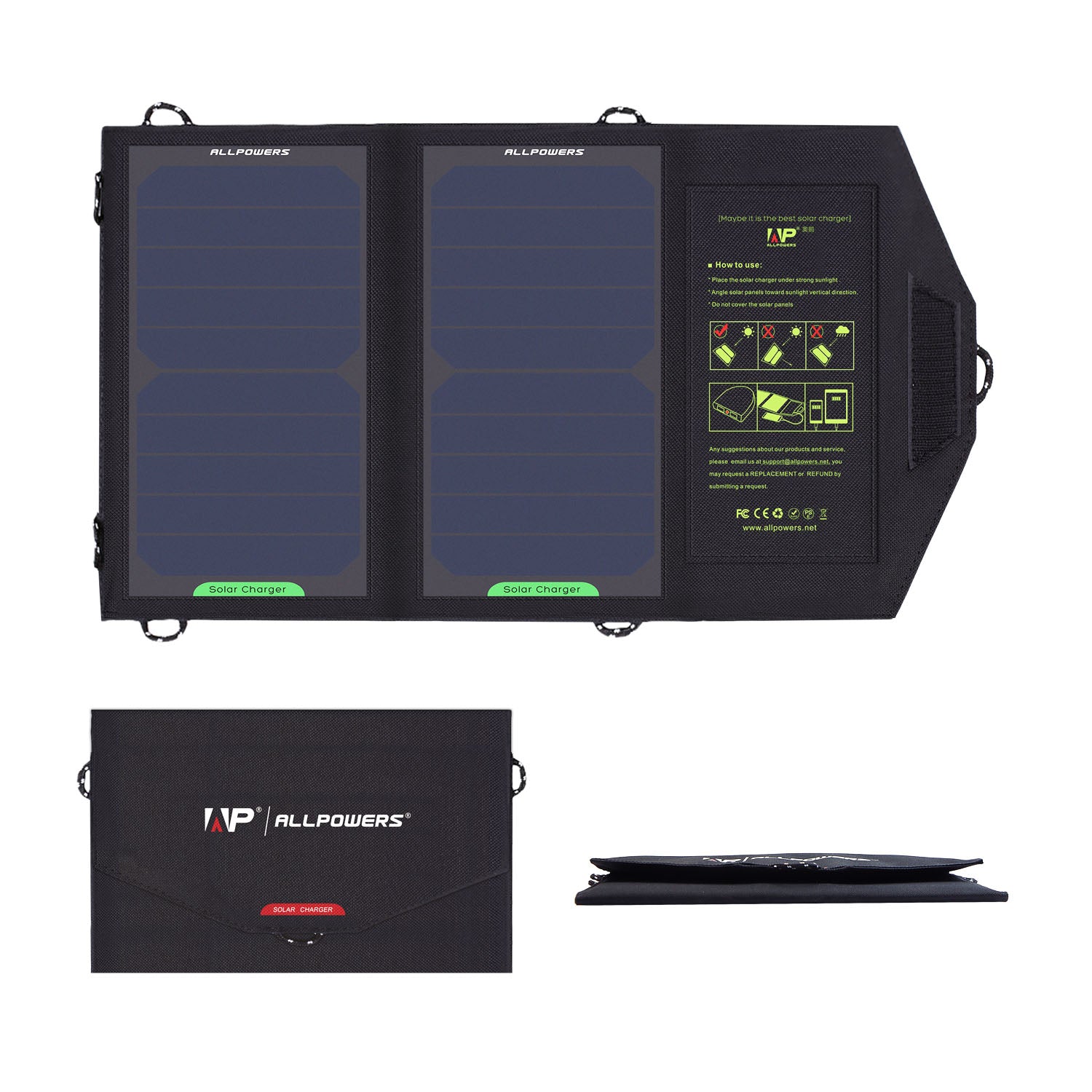
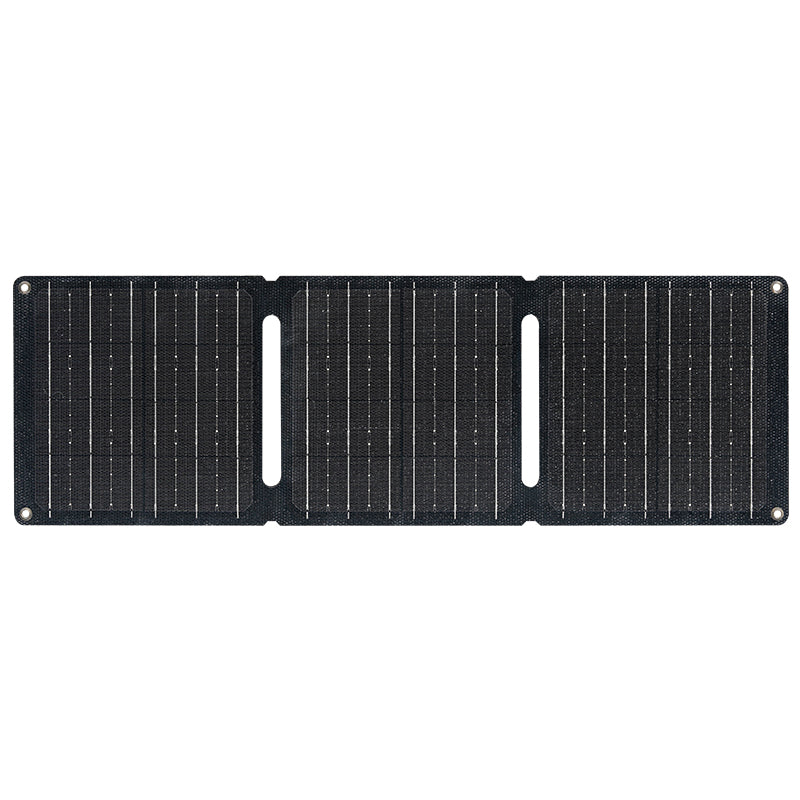
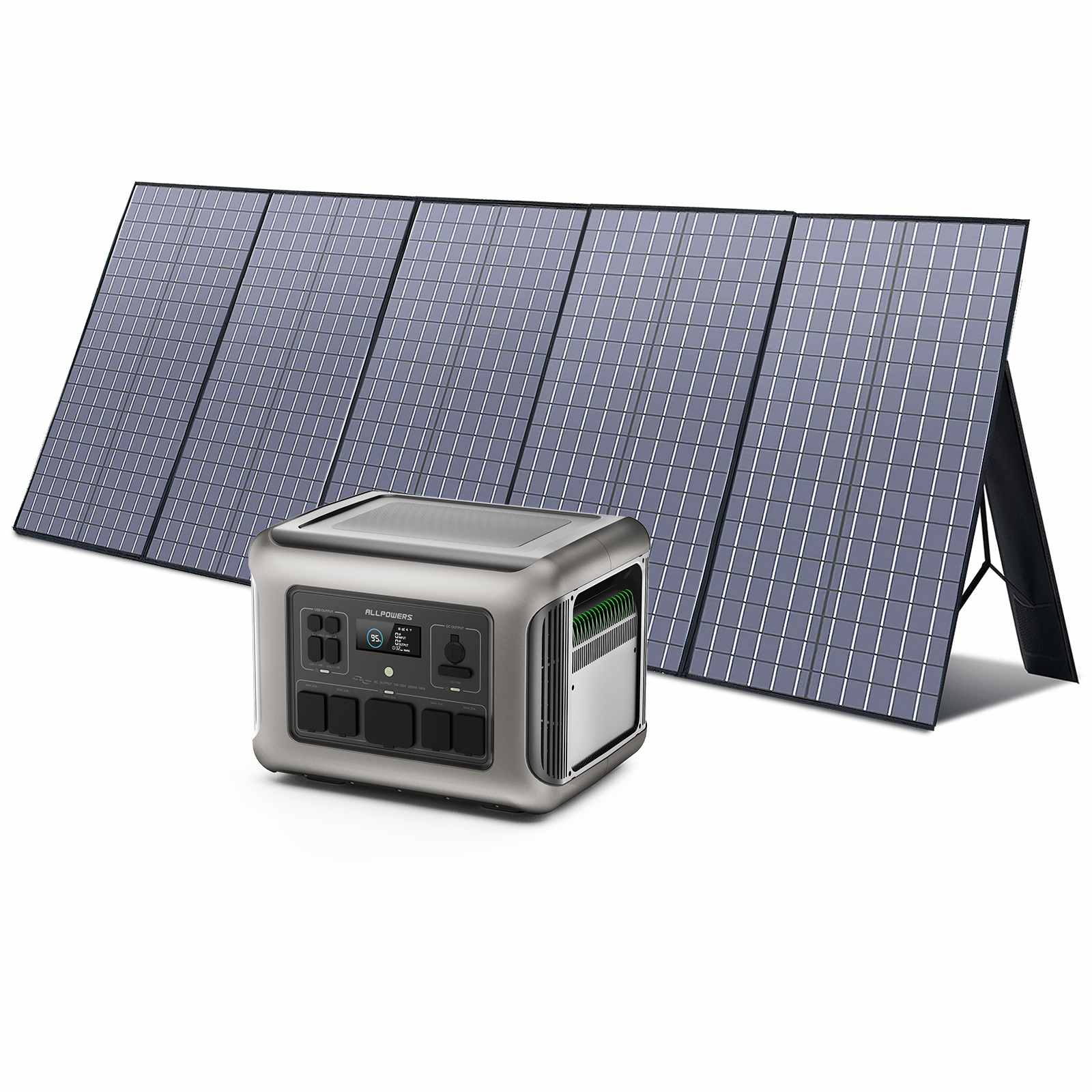
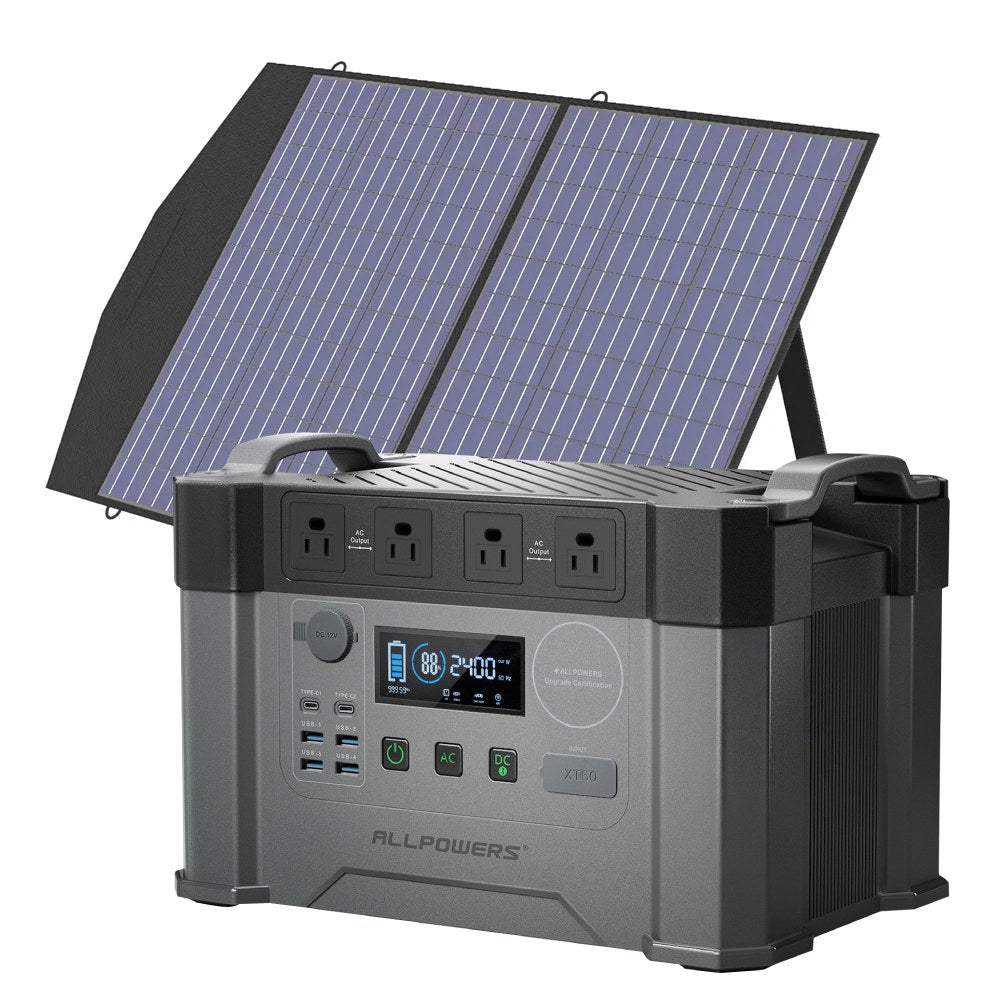
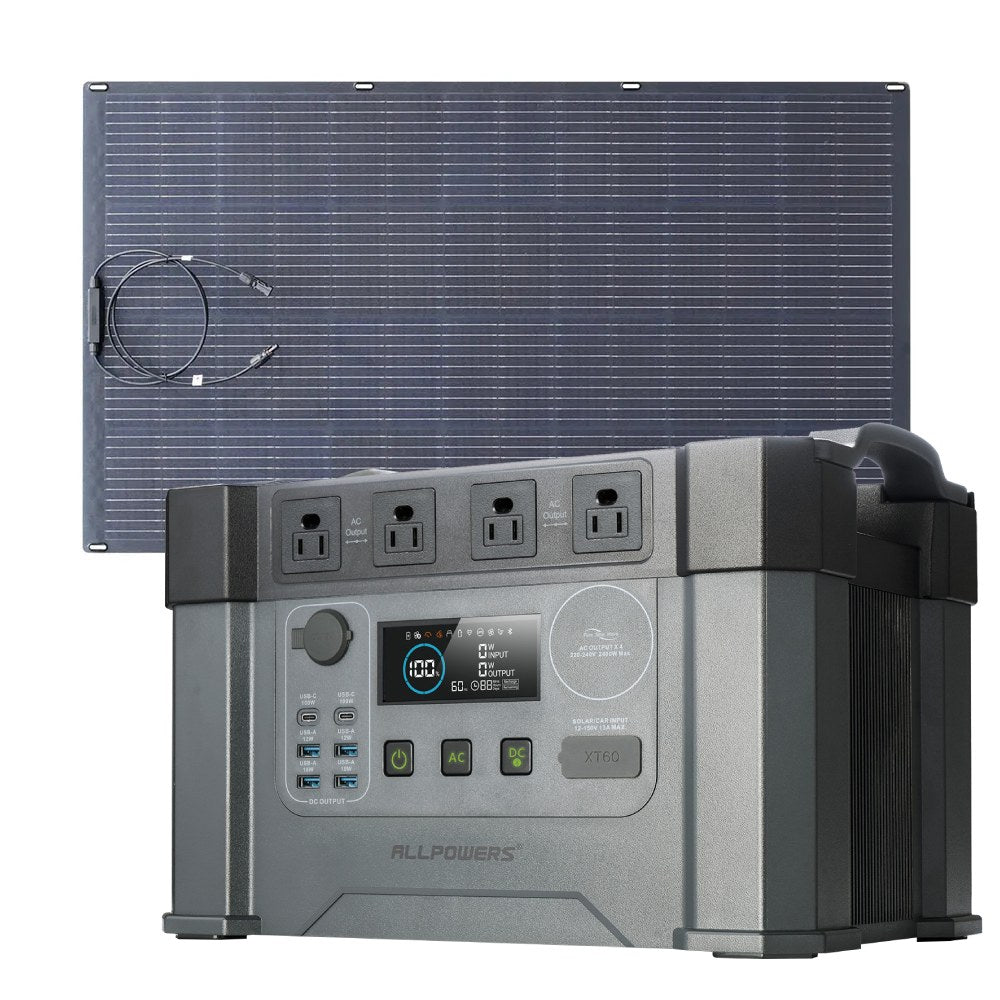
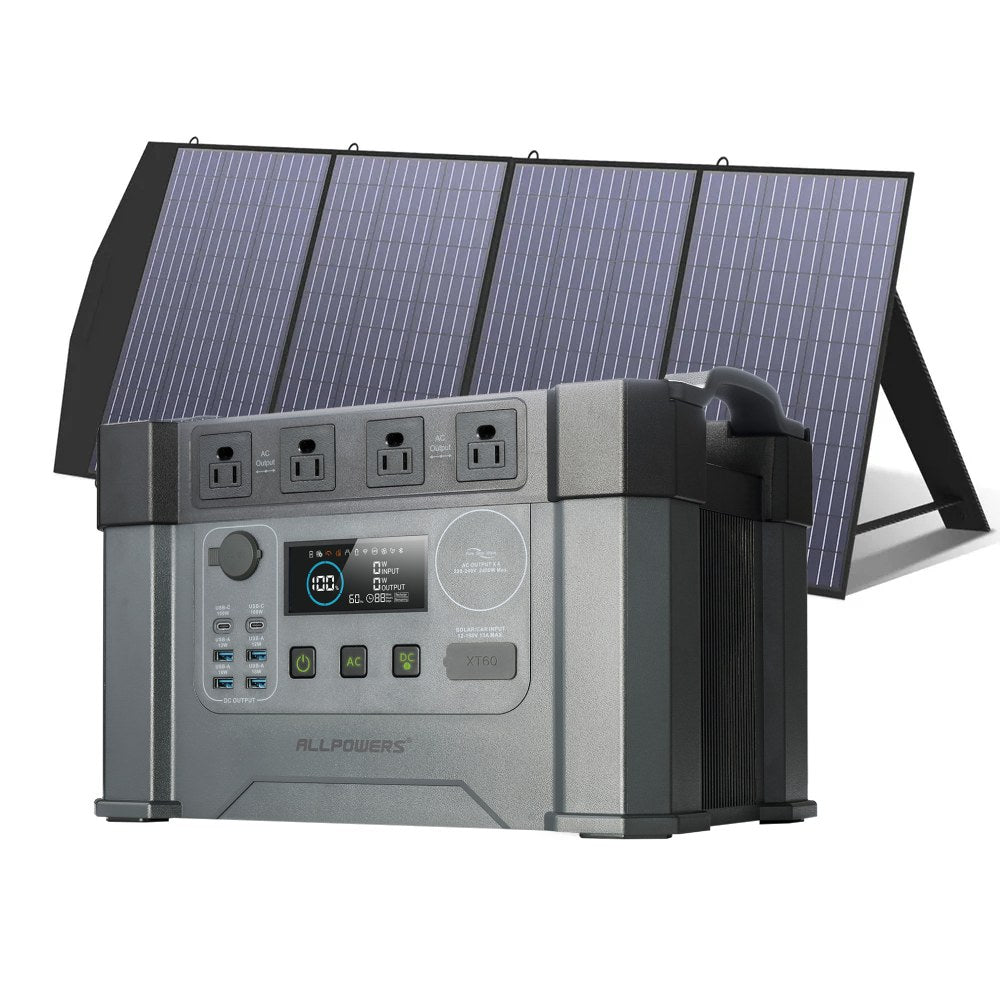
Portable solar panels are becoming increasingly popular among campers who need sustainable off-grid charging solutions.
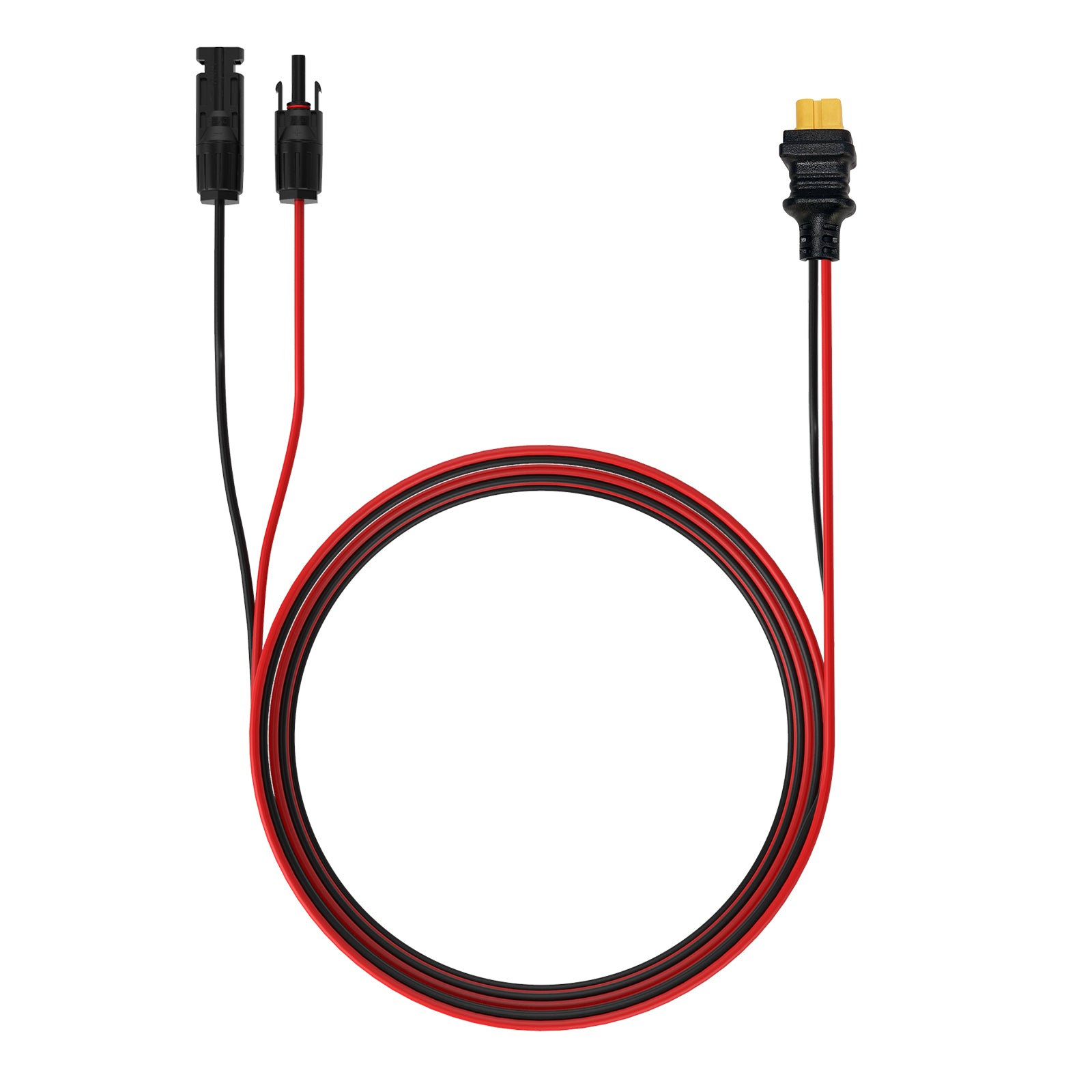
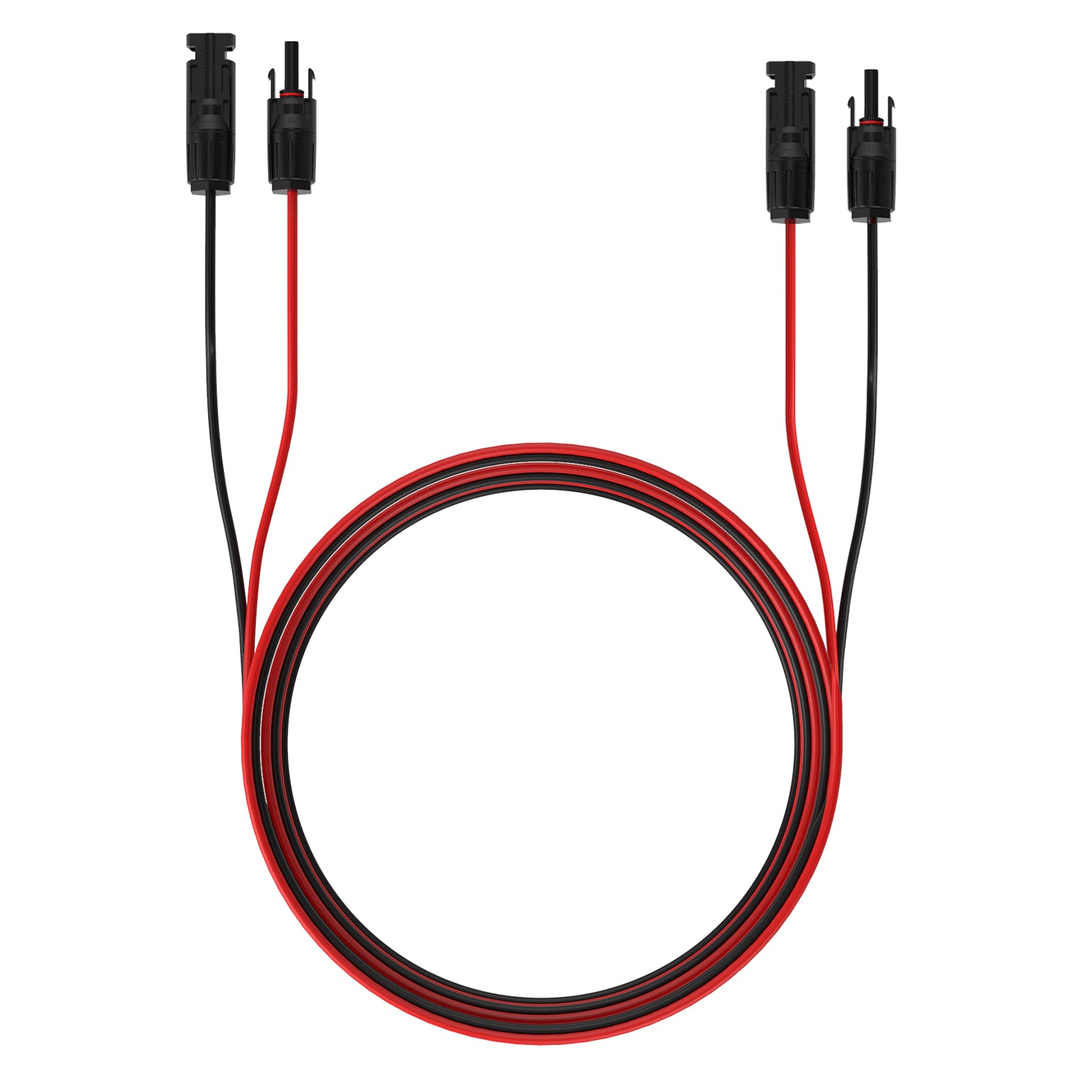
Solar charging allows batteries to recharge during daylight hours, helping extend power availability during multi-day trips.
Portable Power Systems
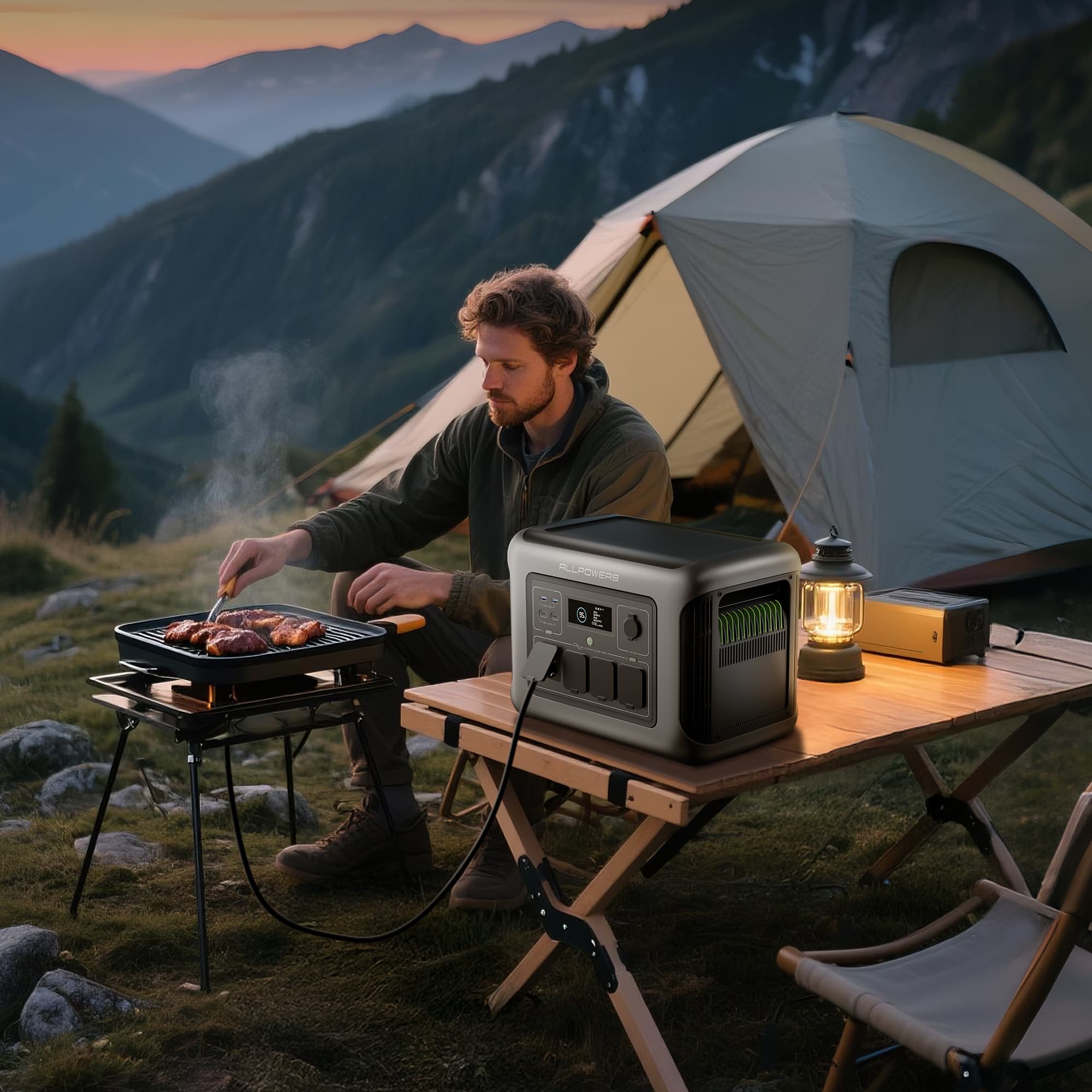
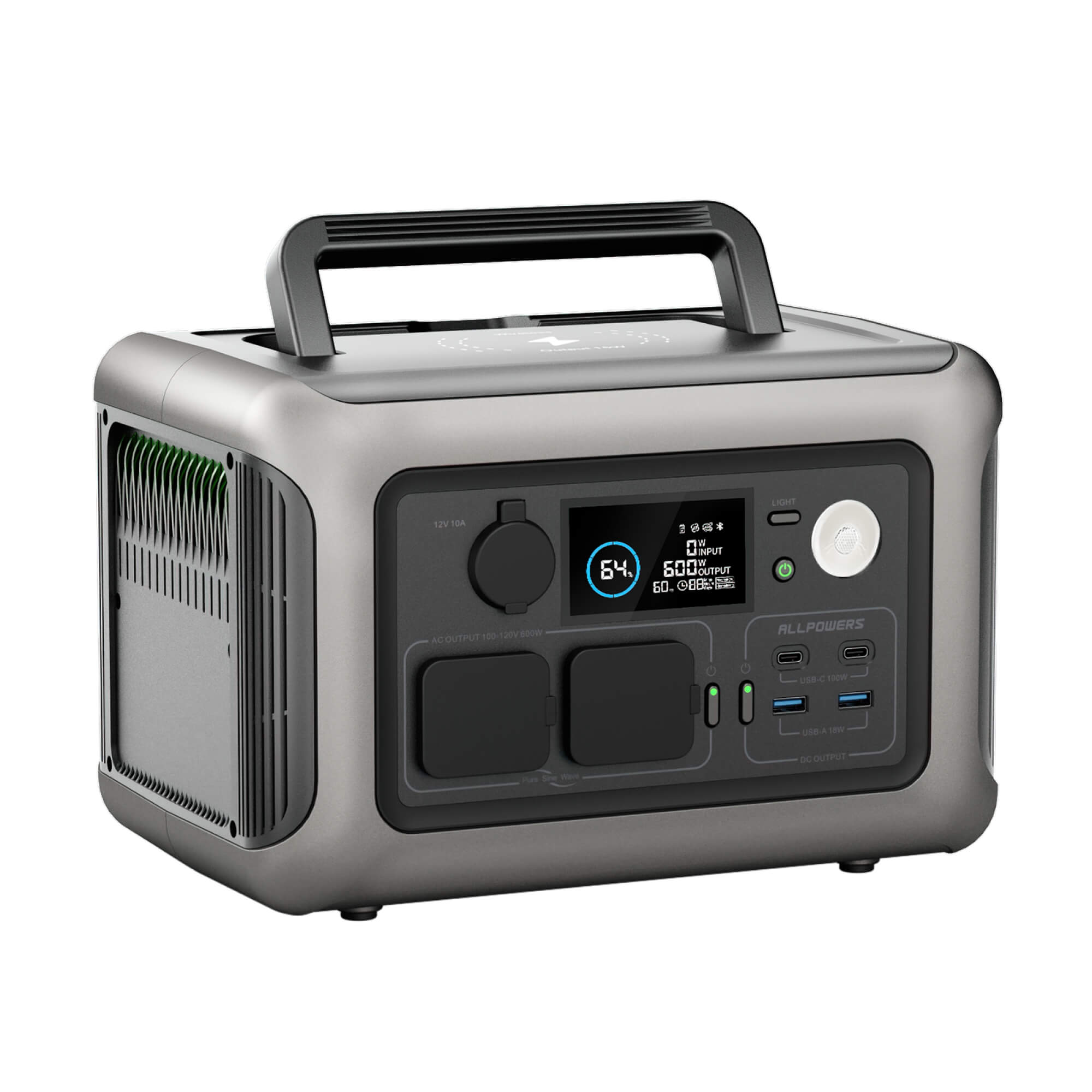
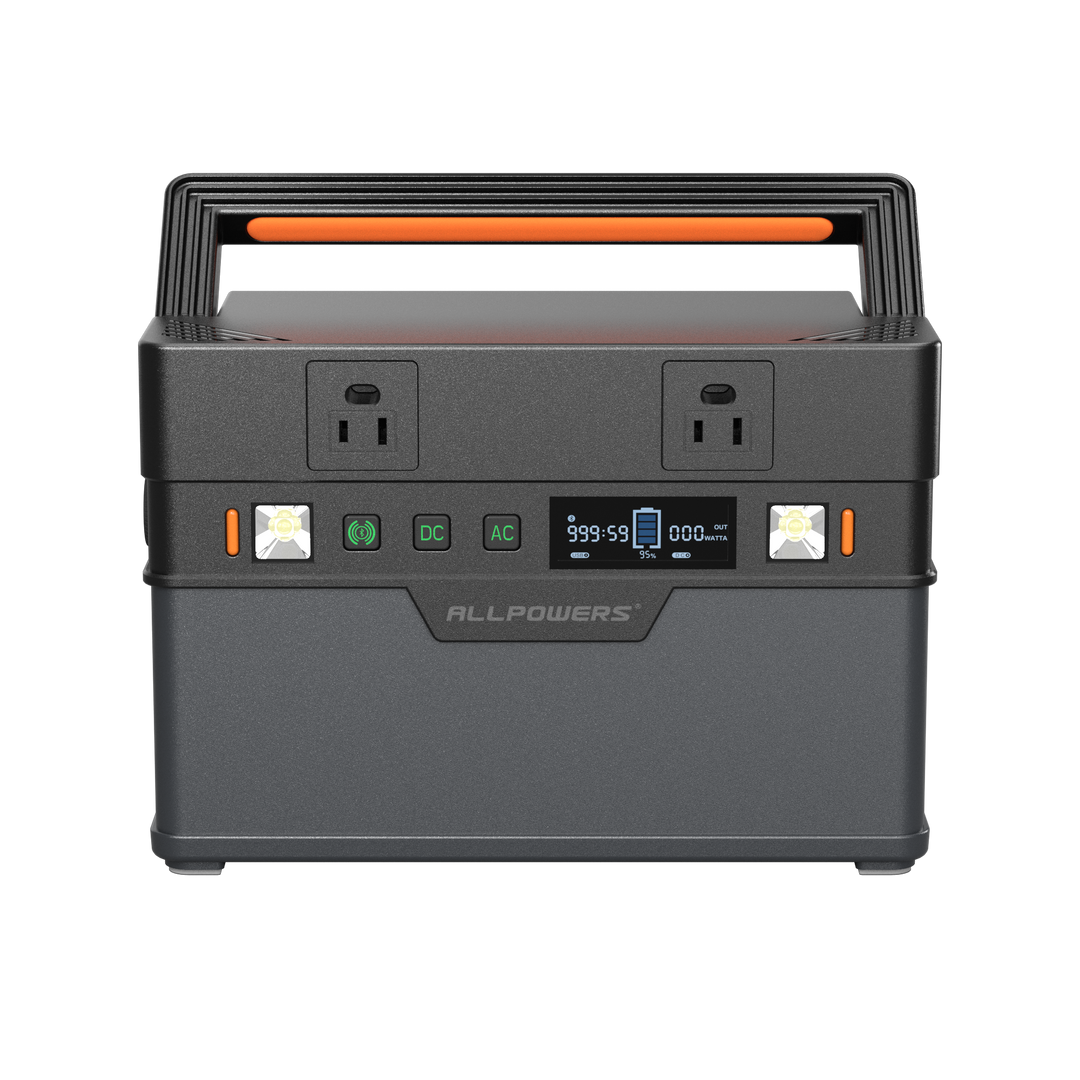
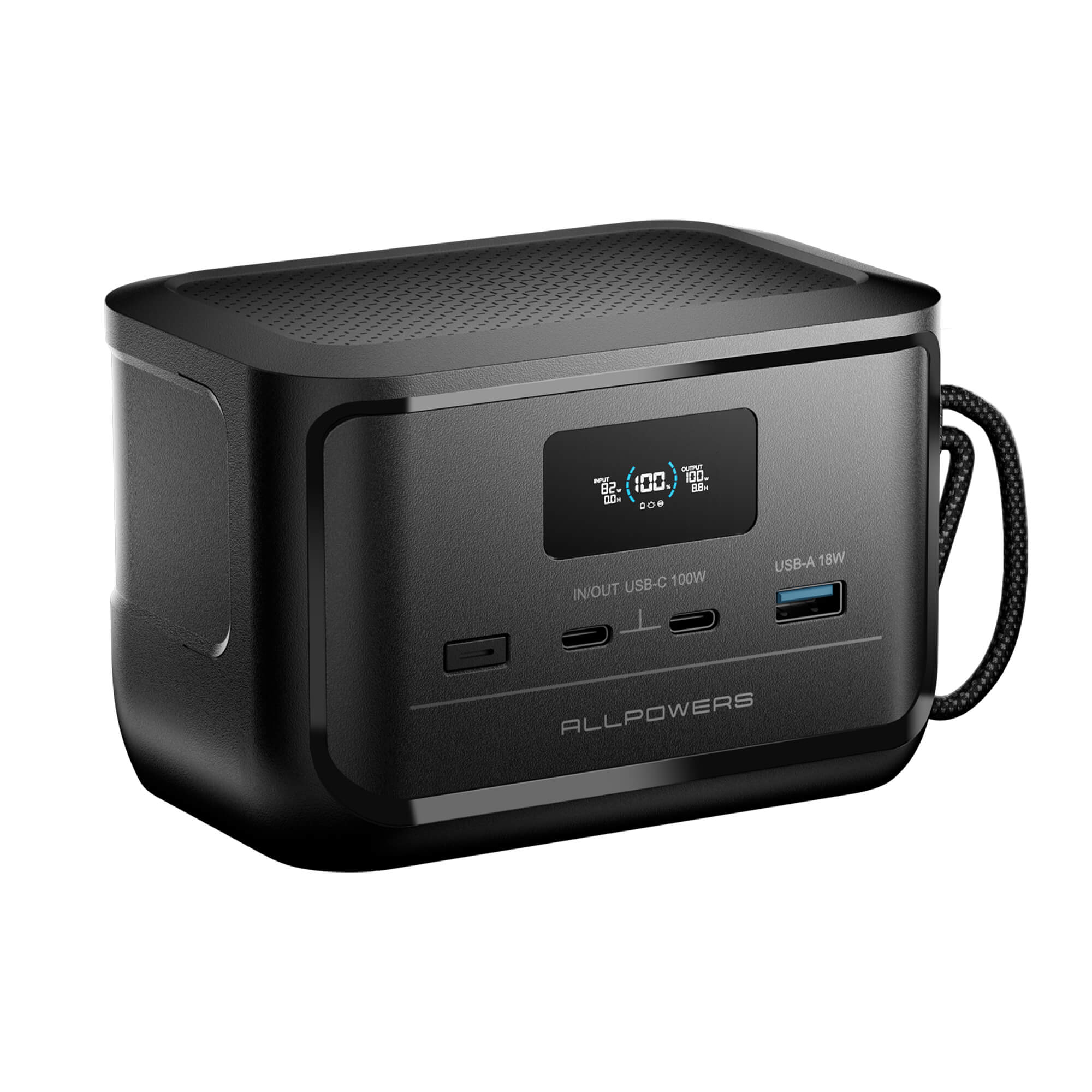
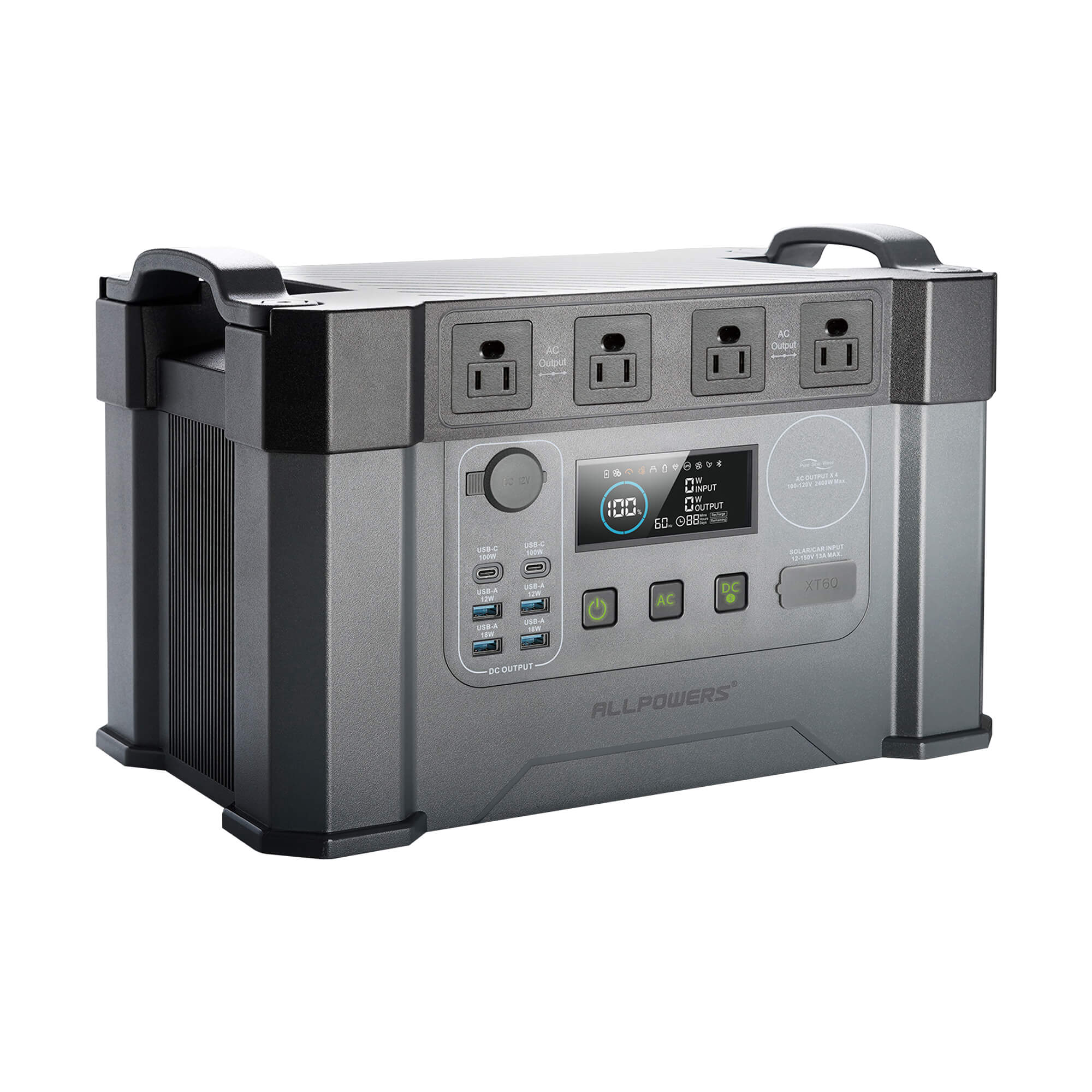
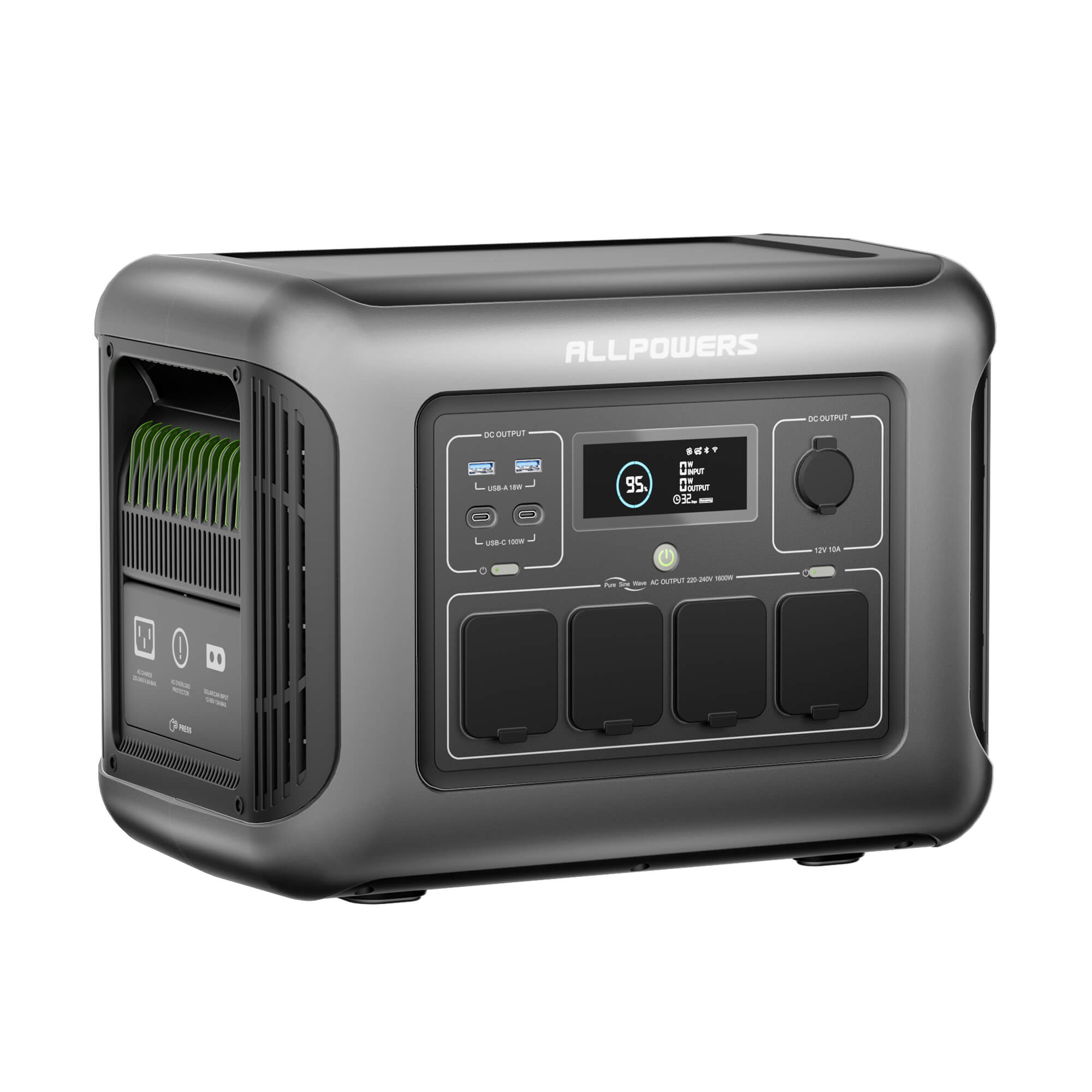
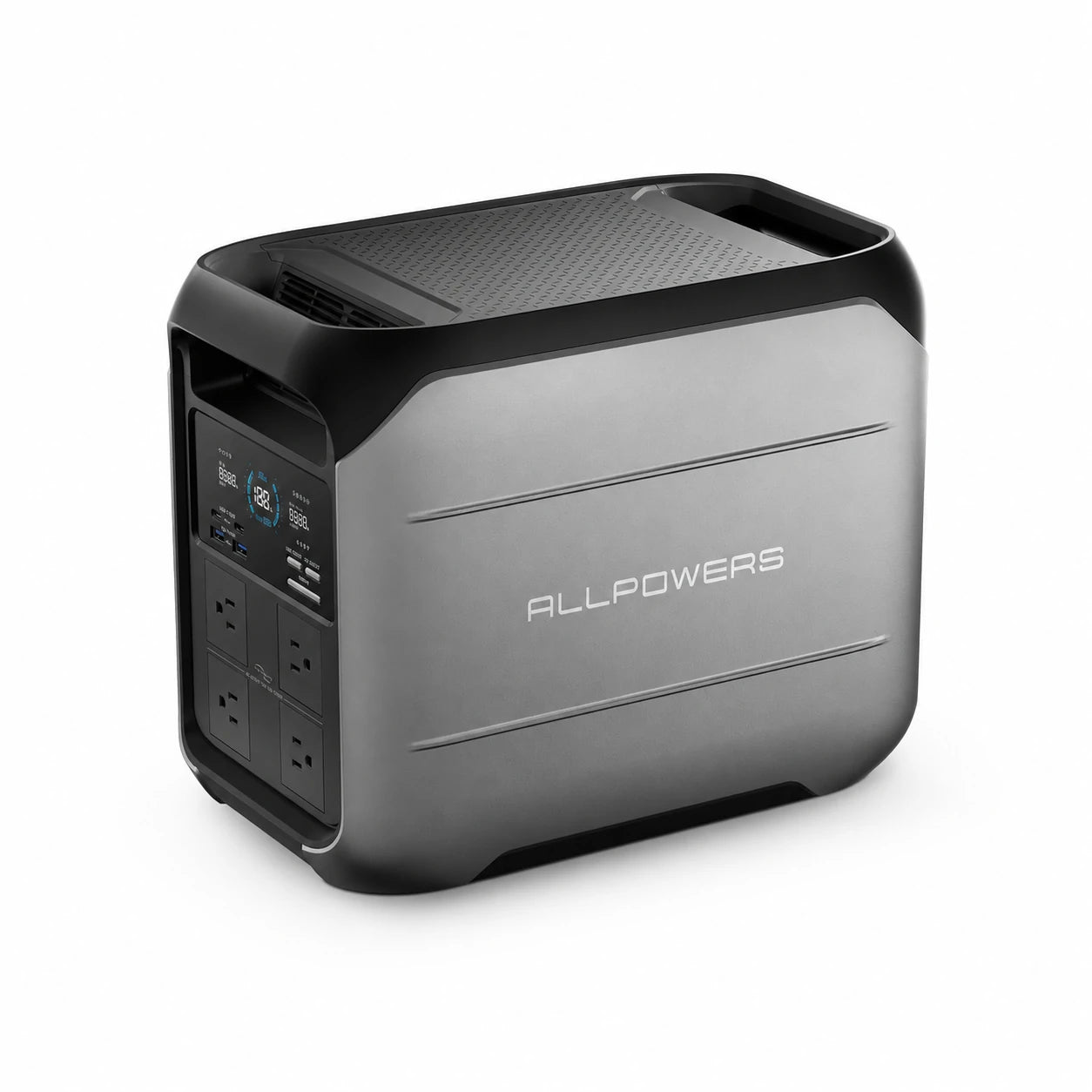
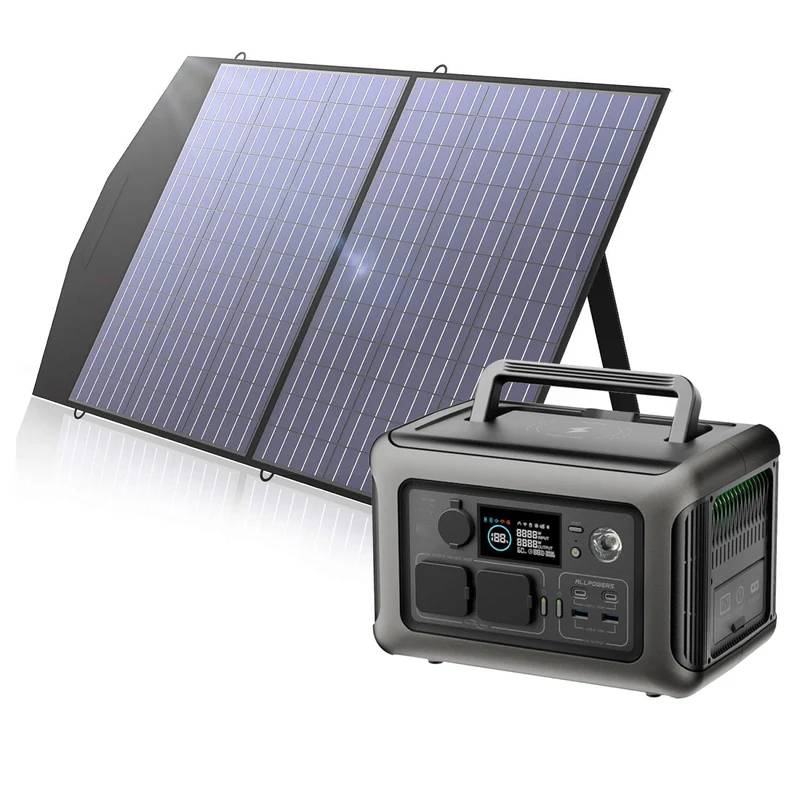
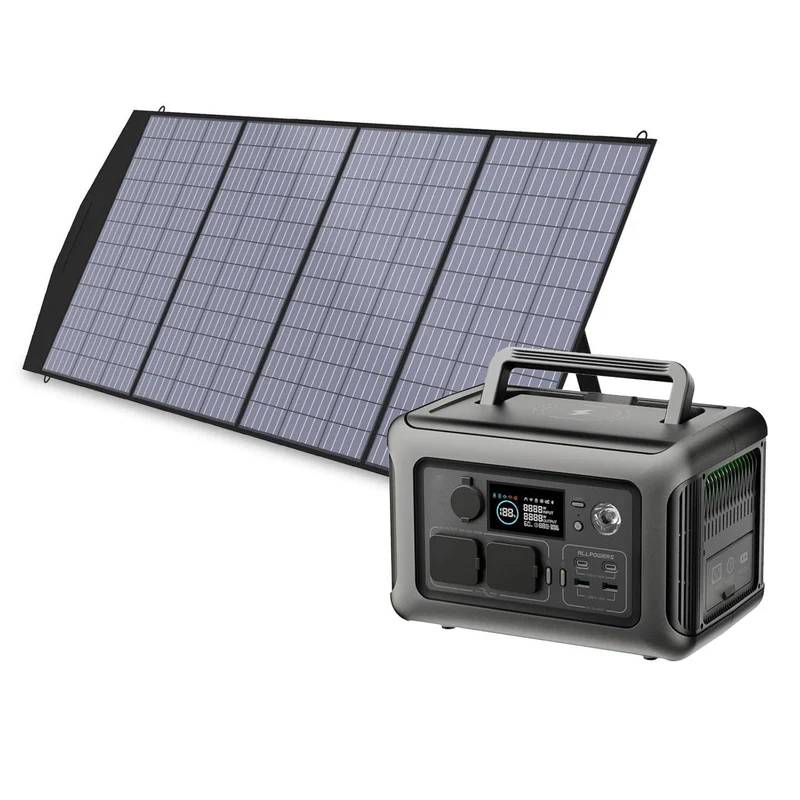
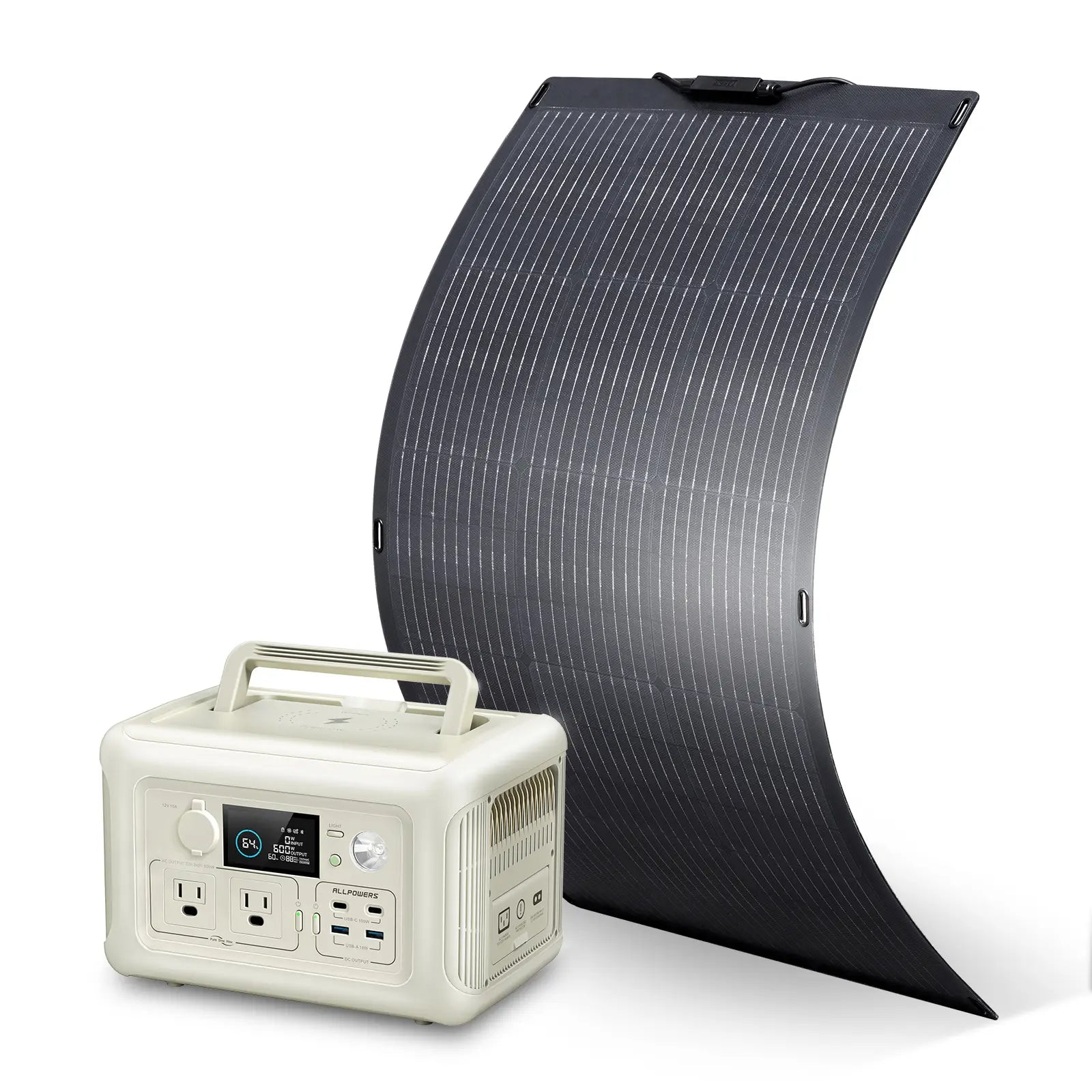
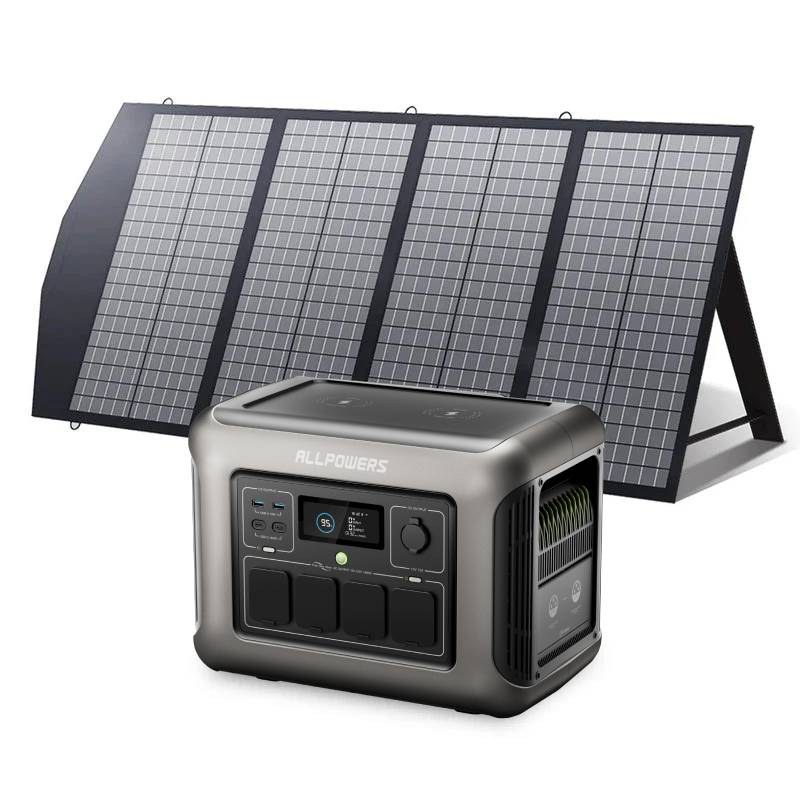
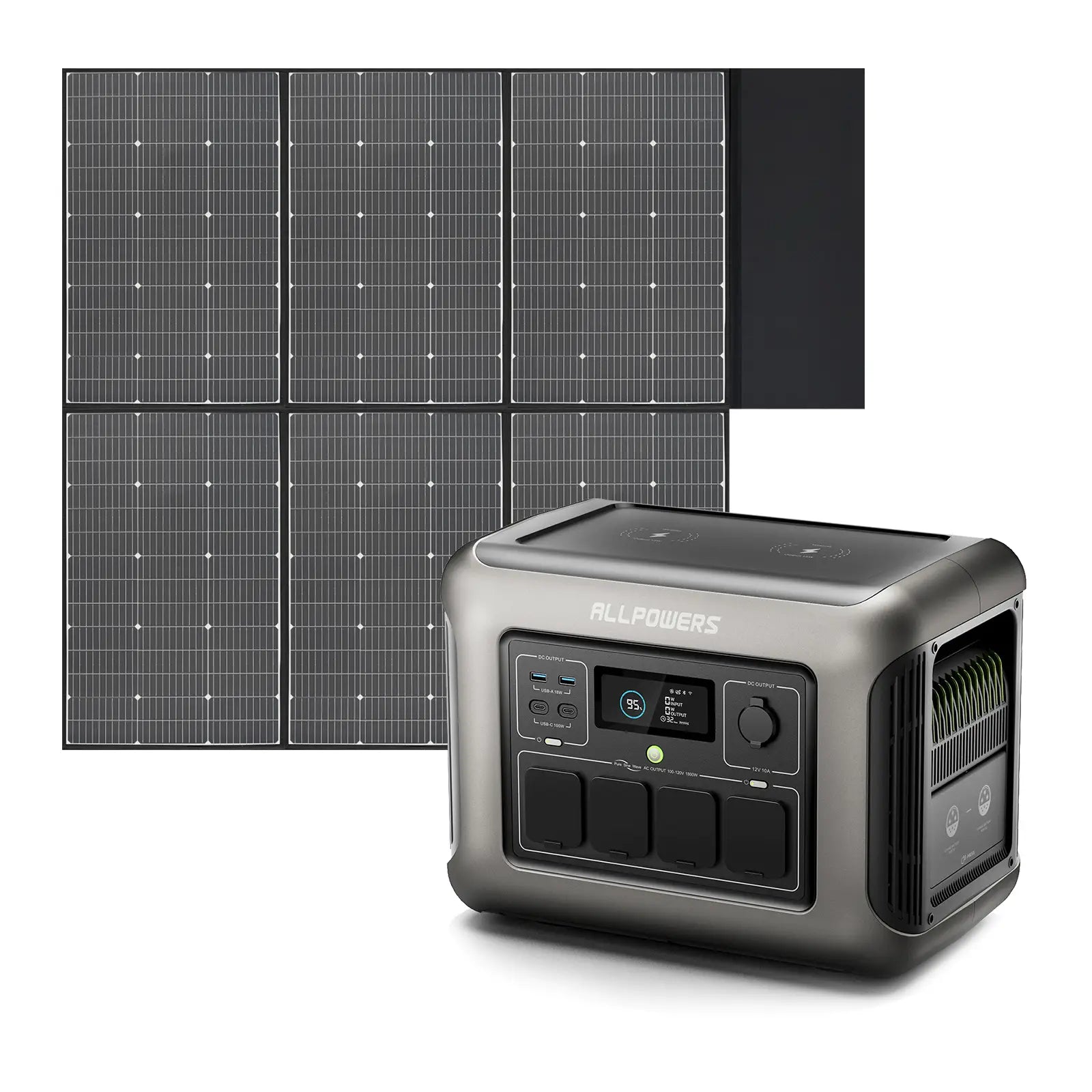
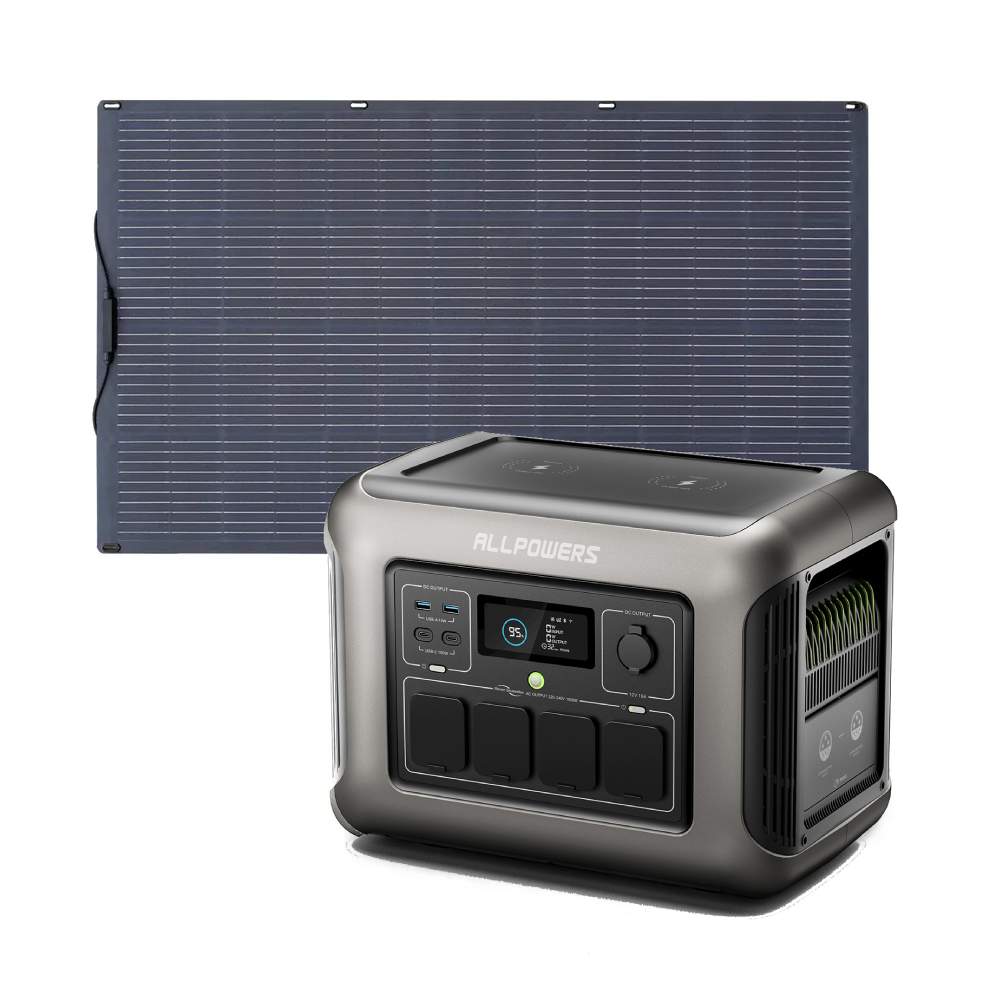
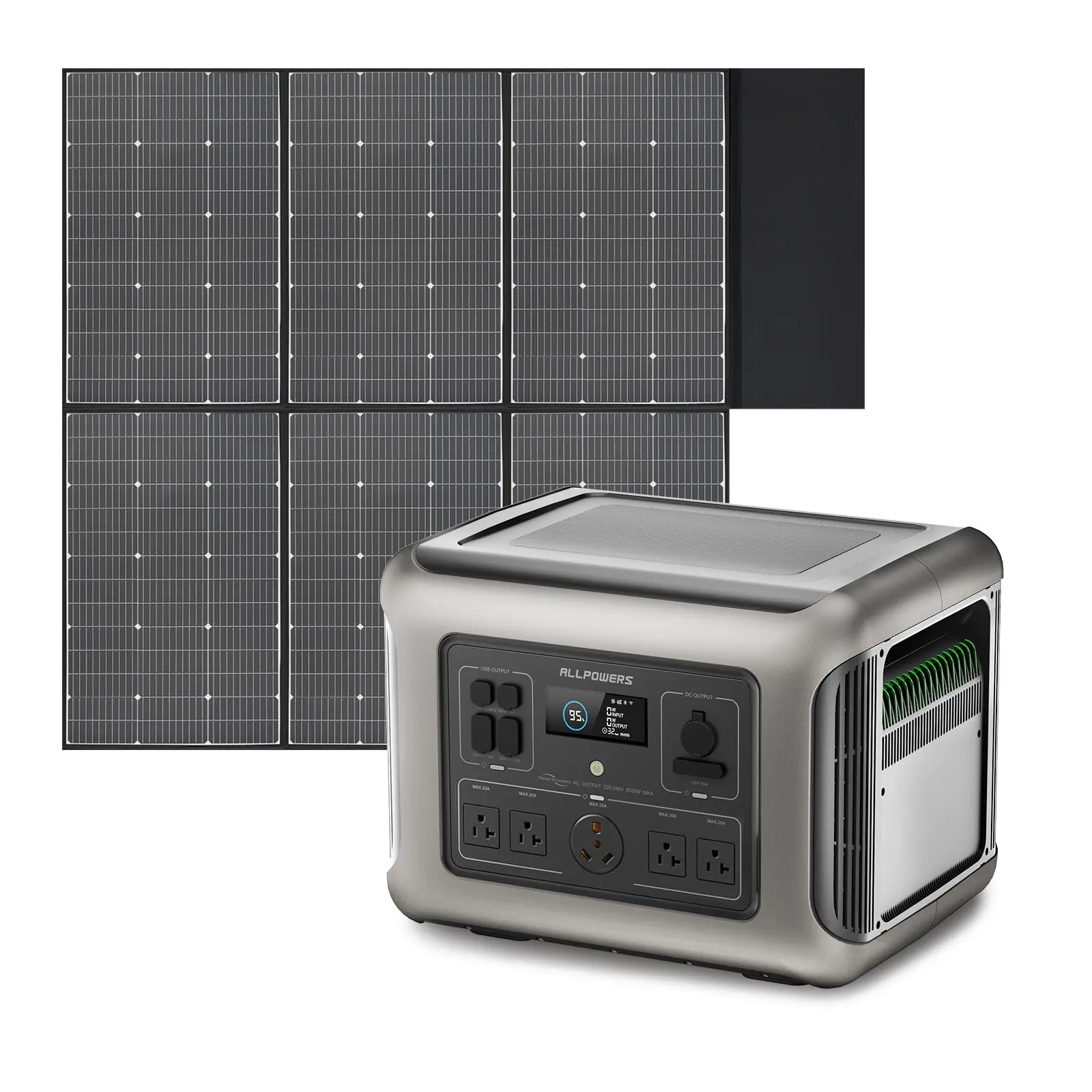
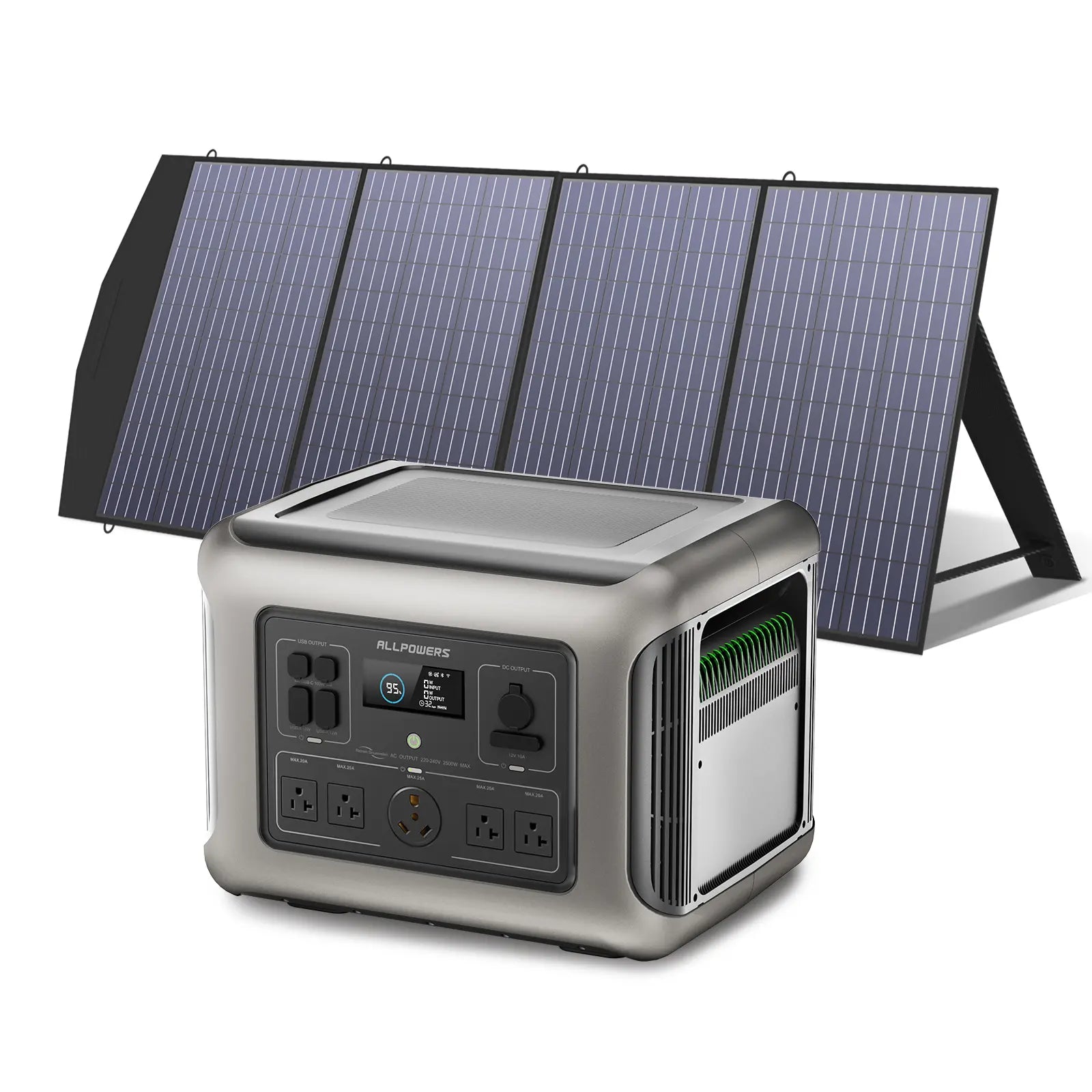
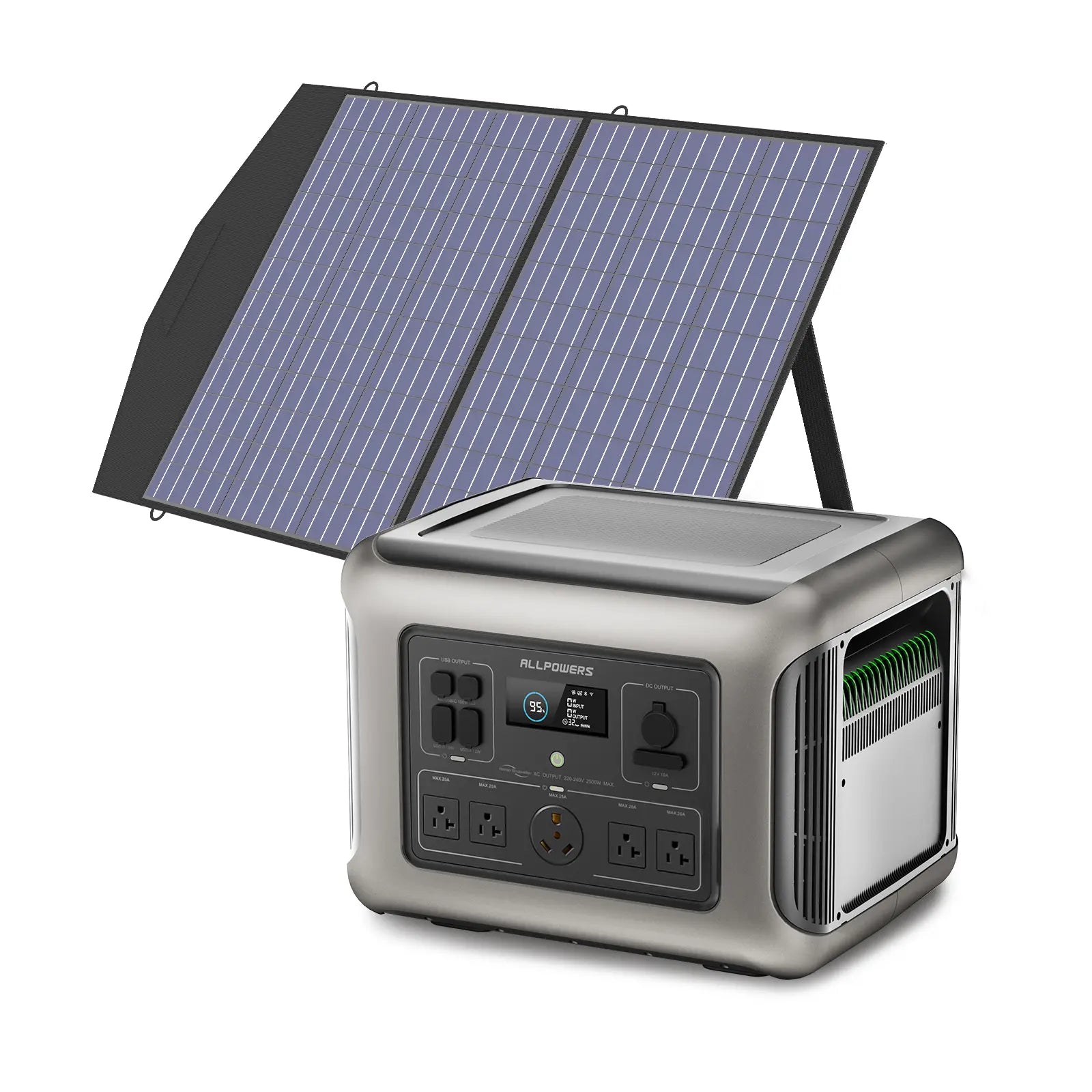
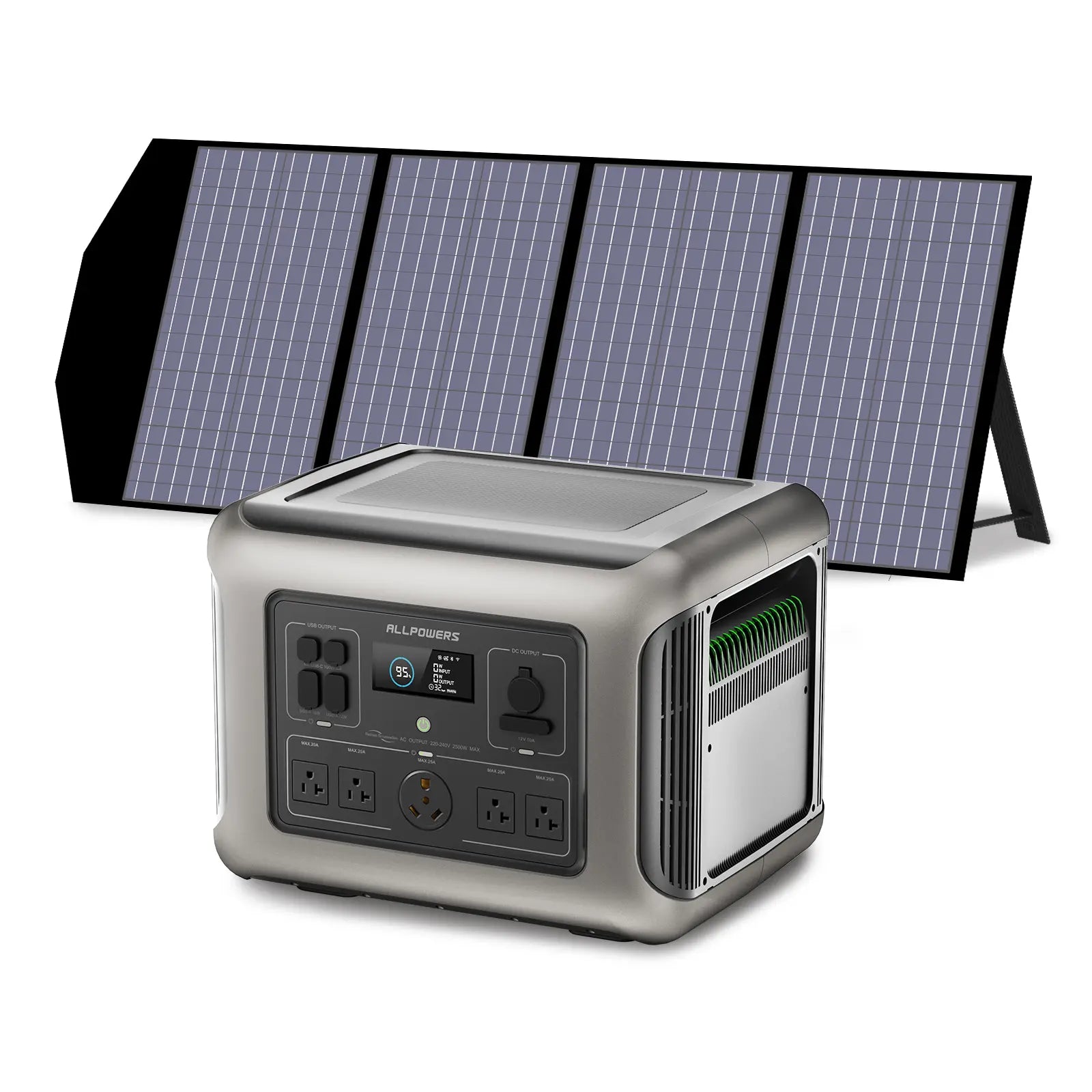
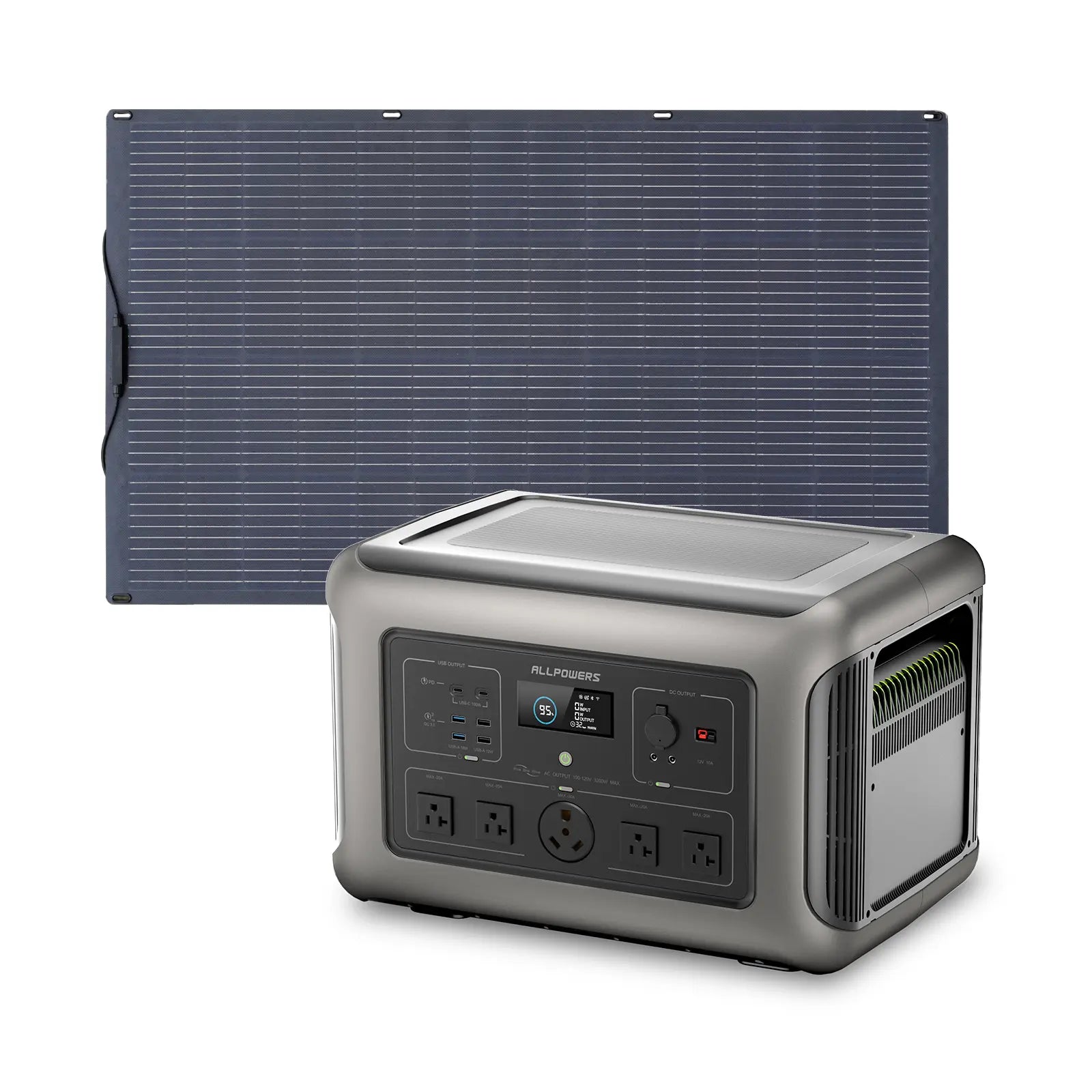
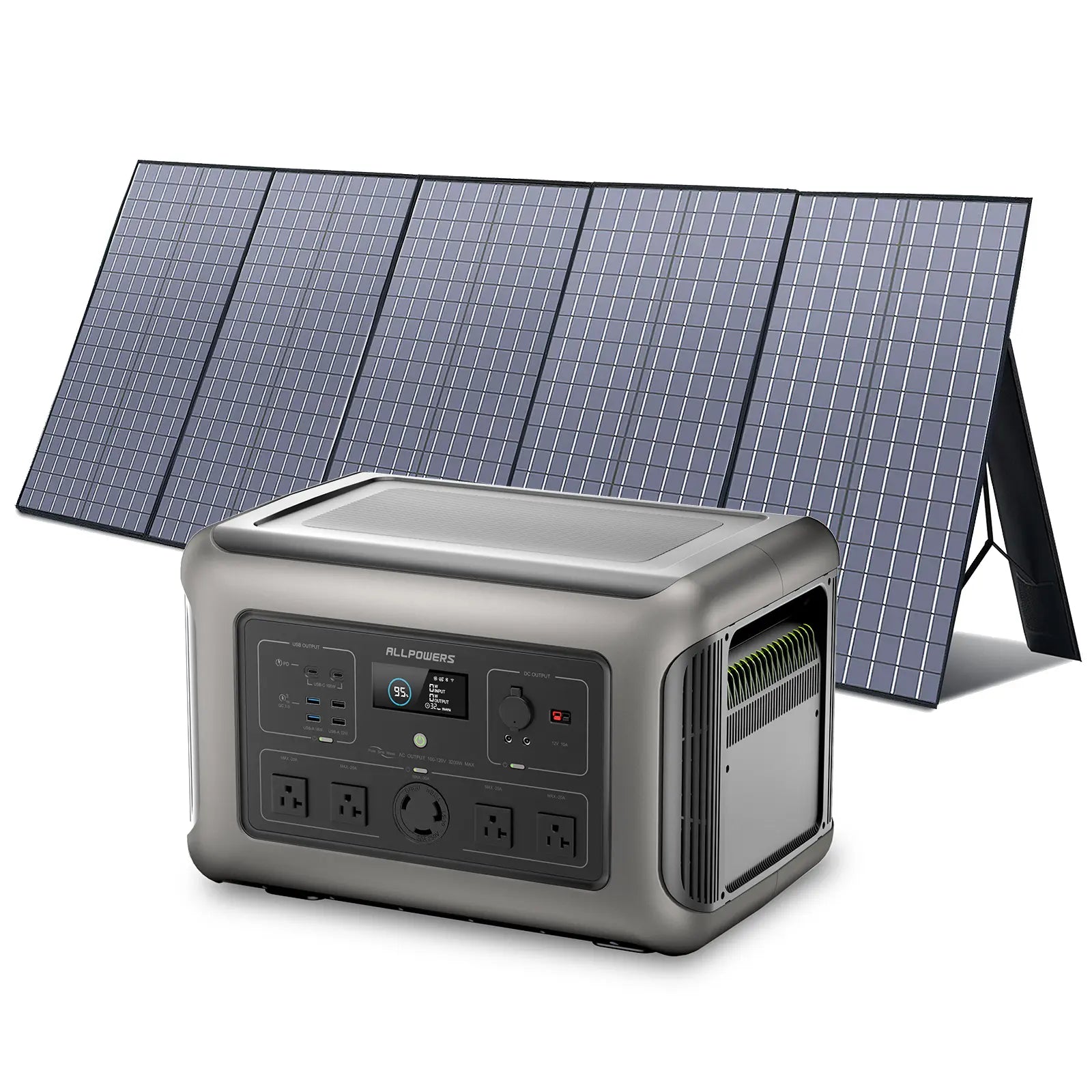
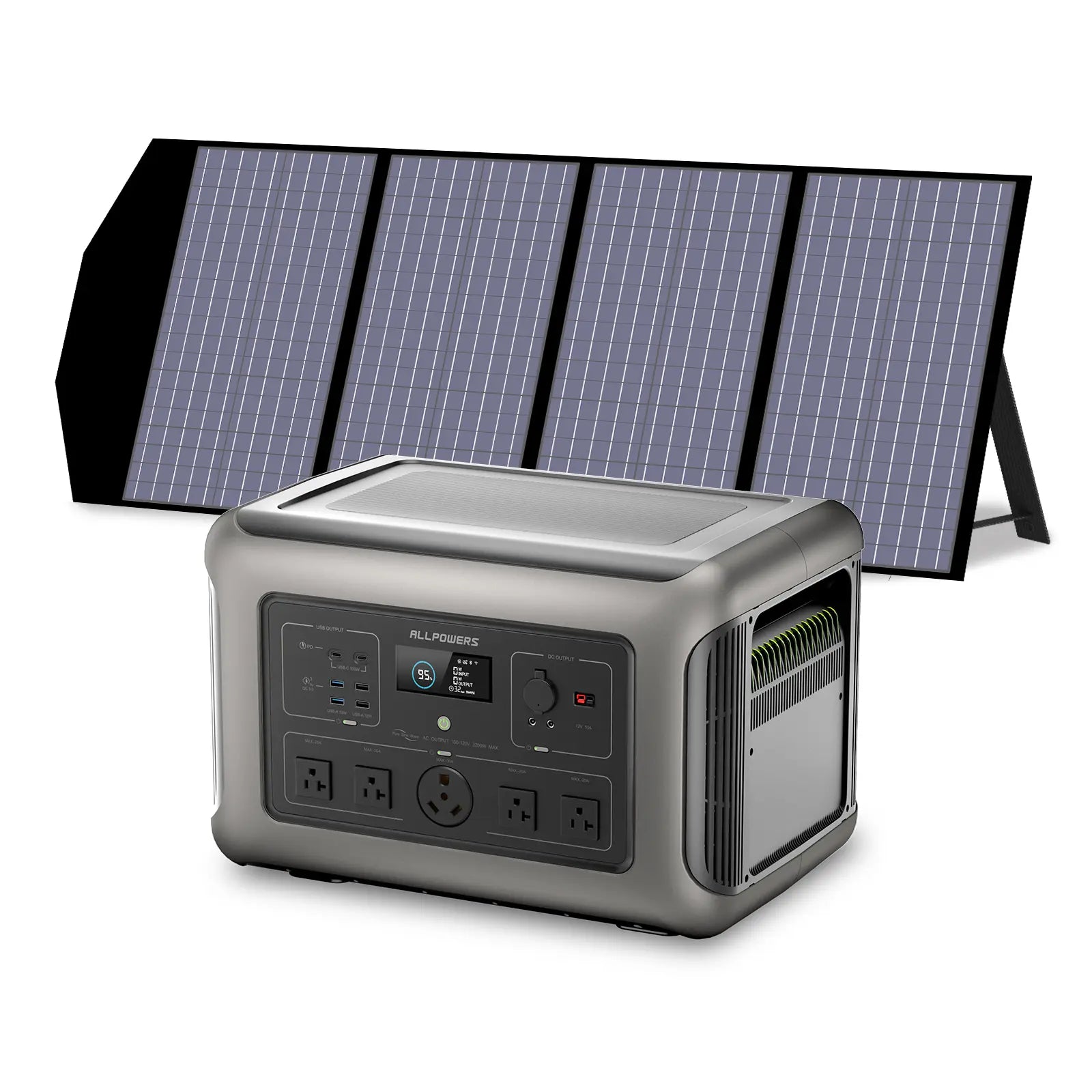
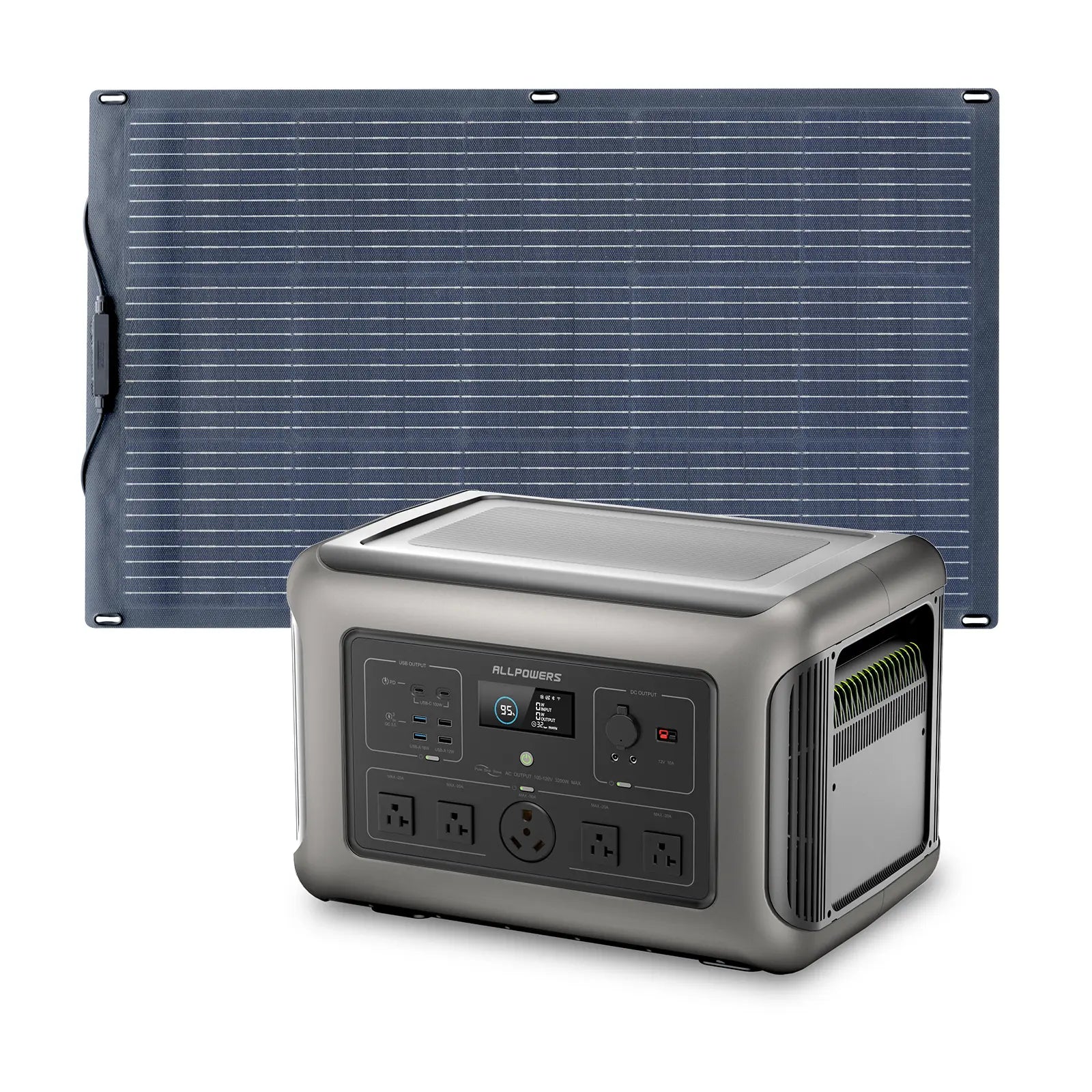
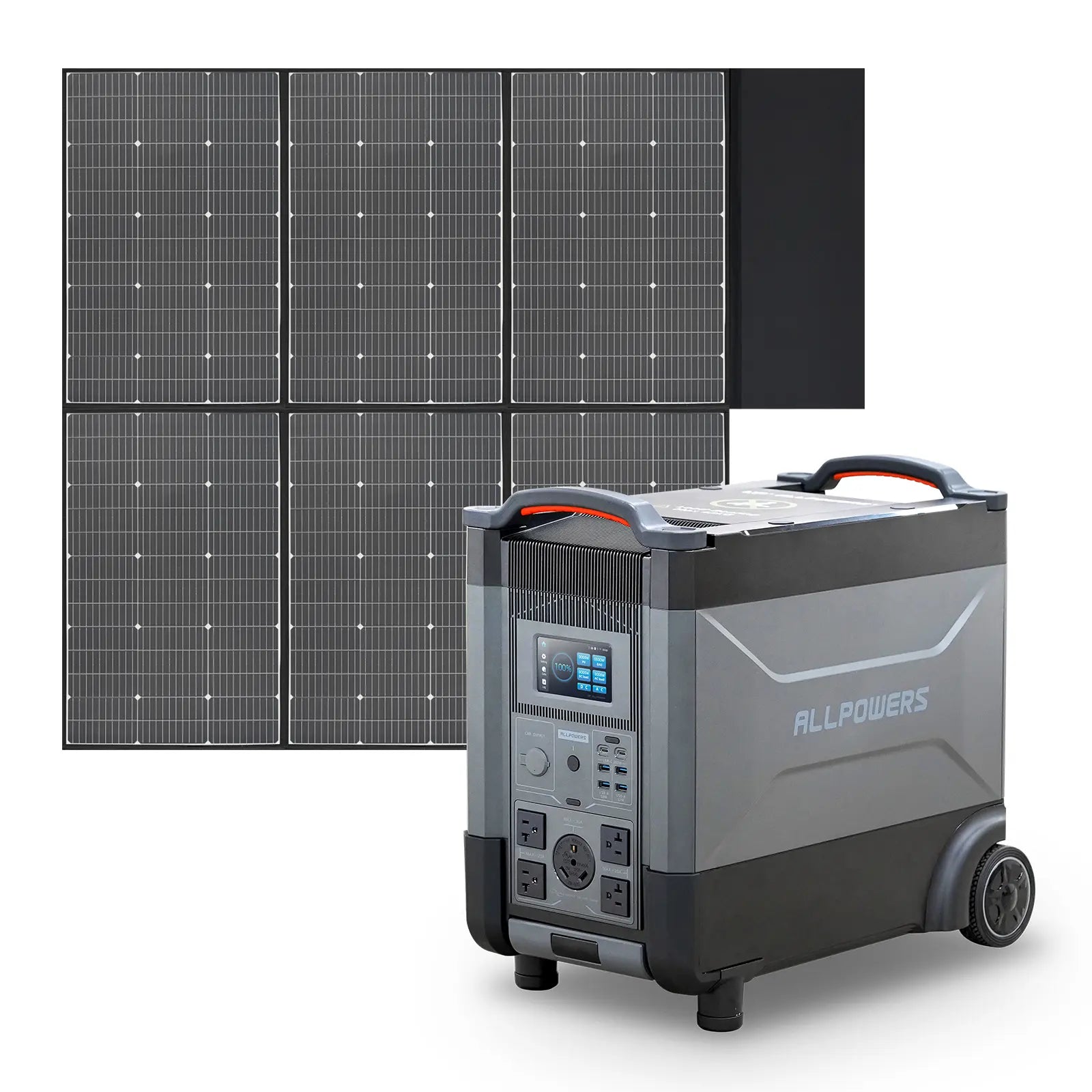
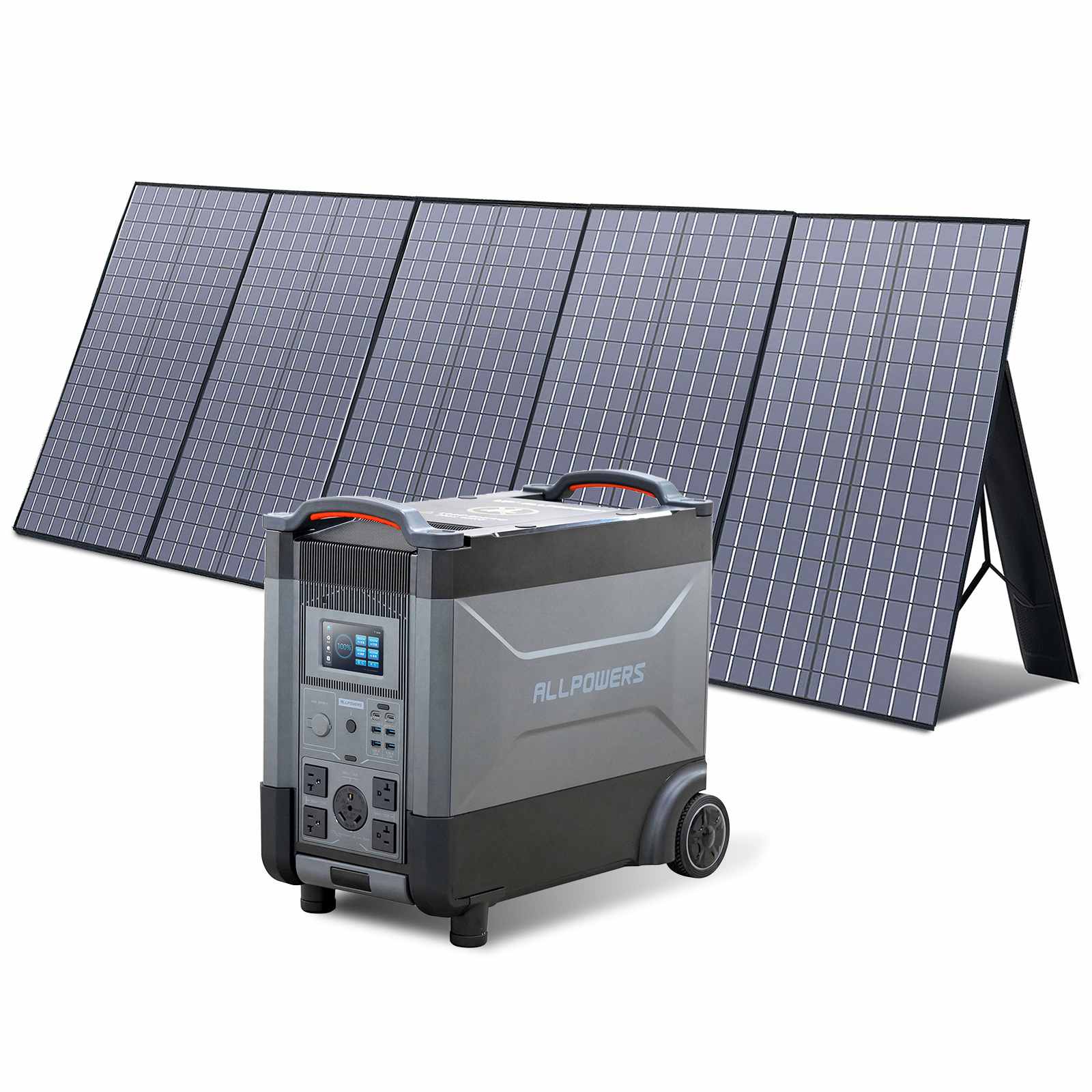
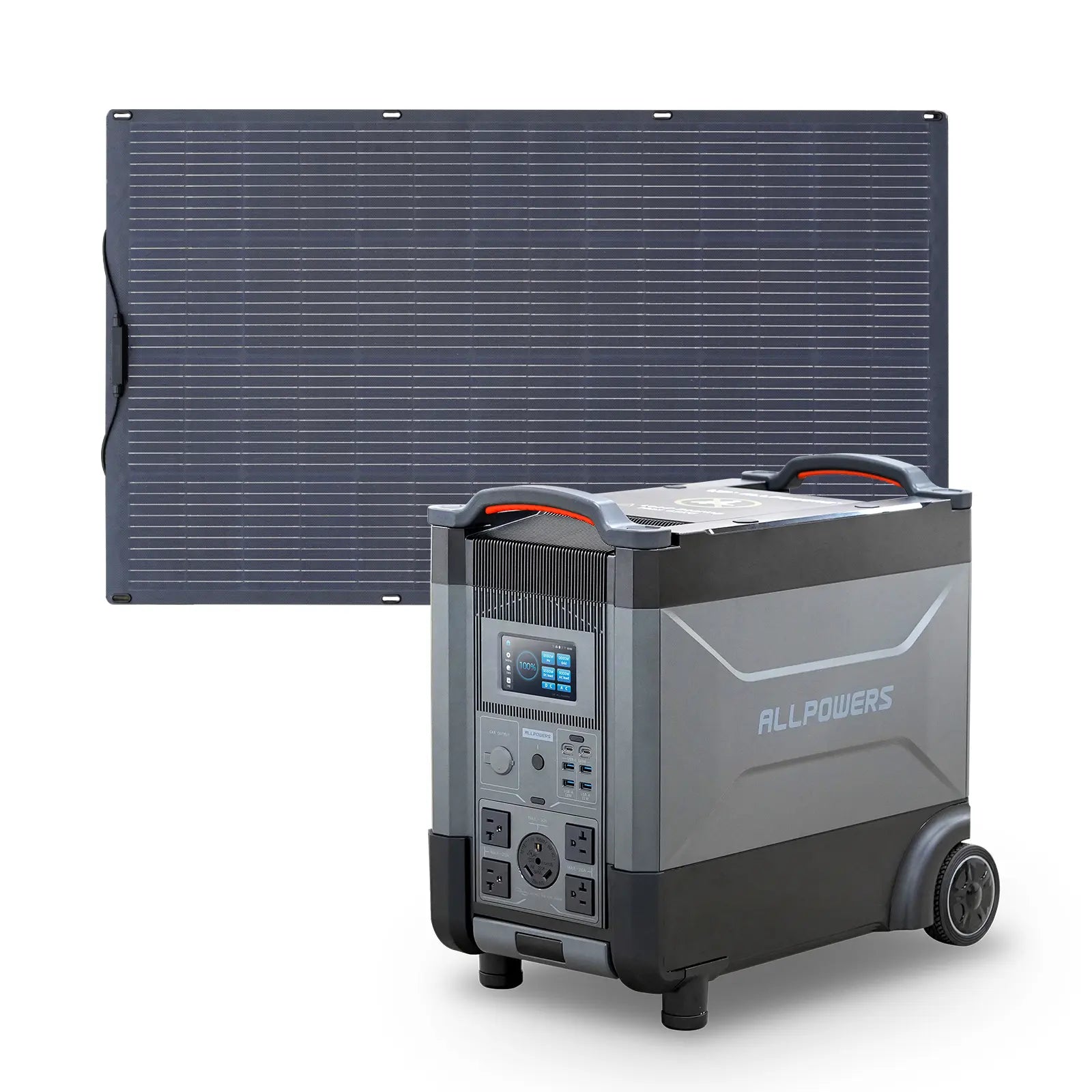
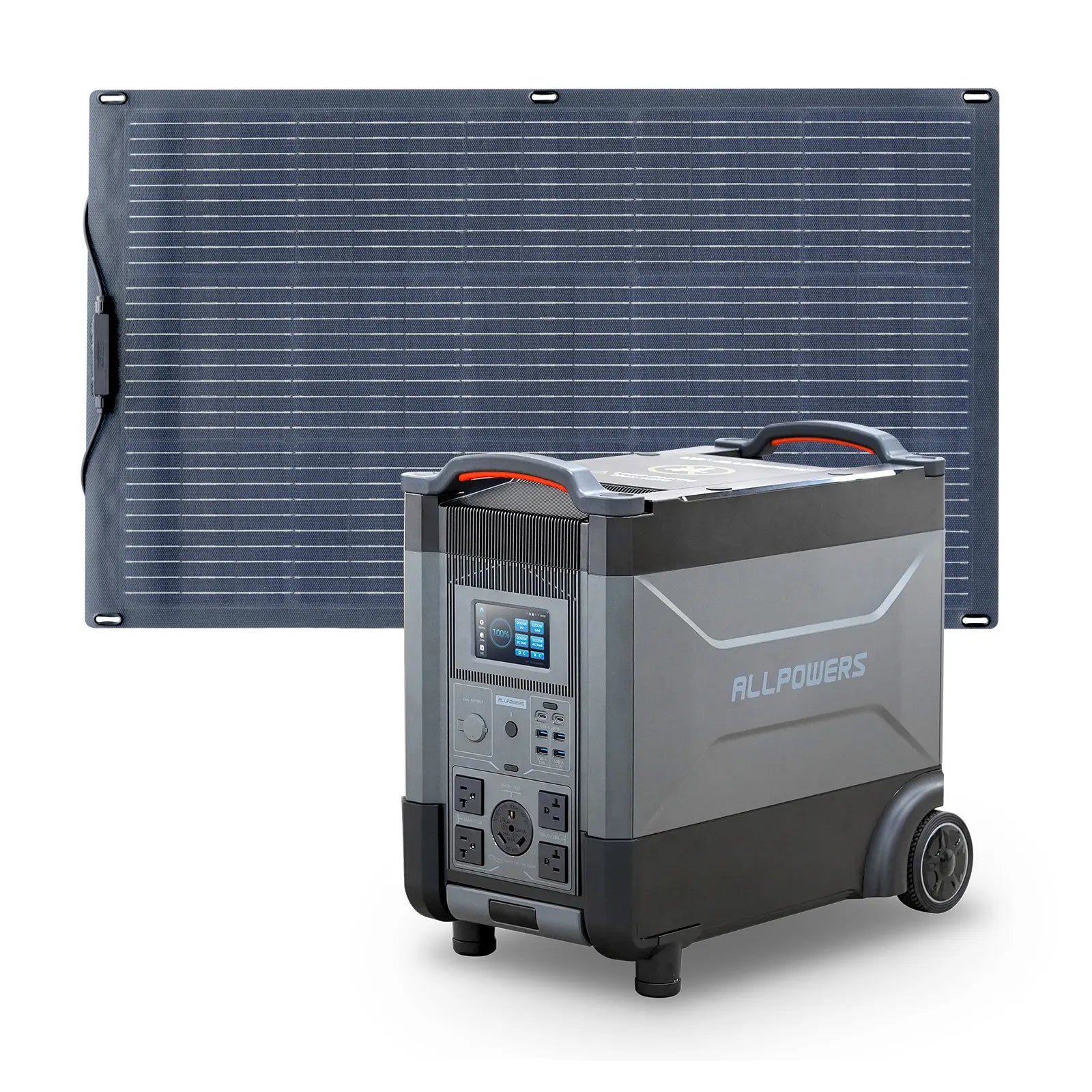
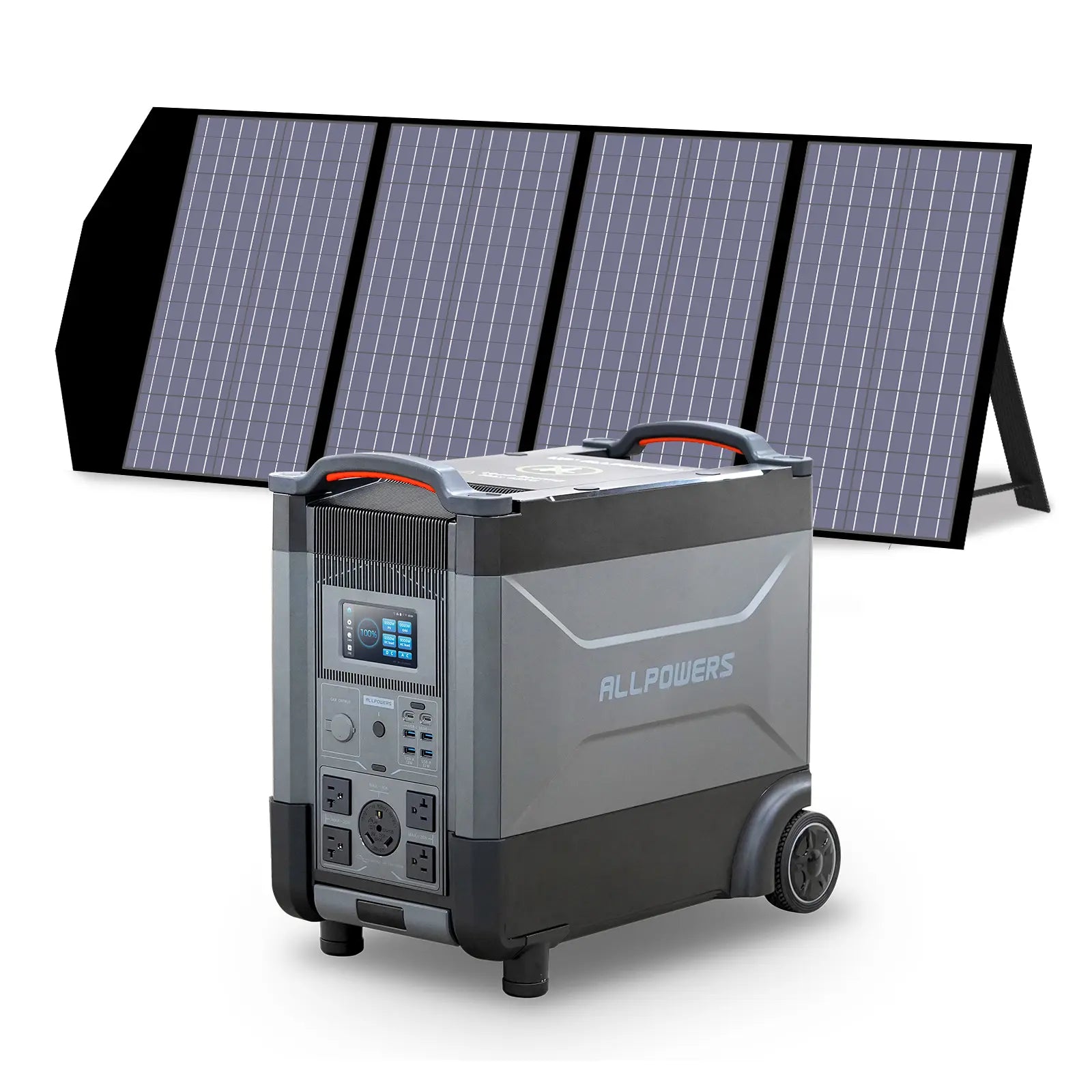
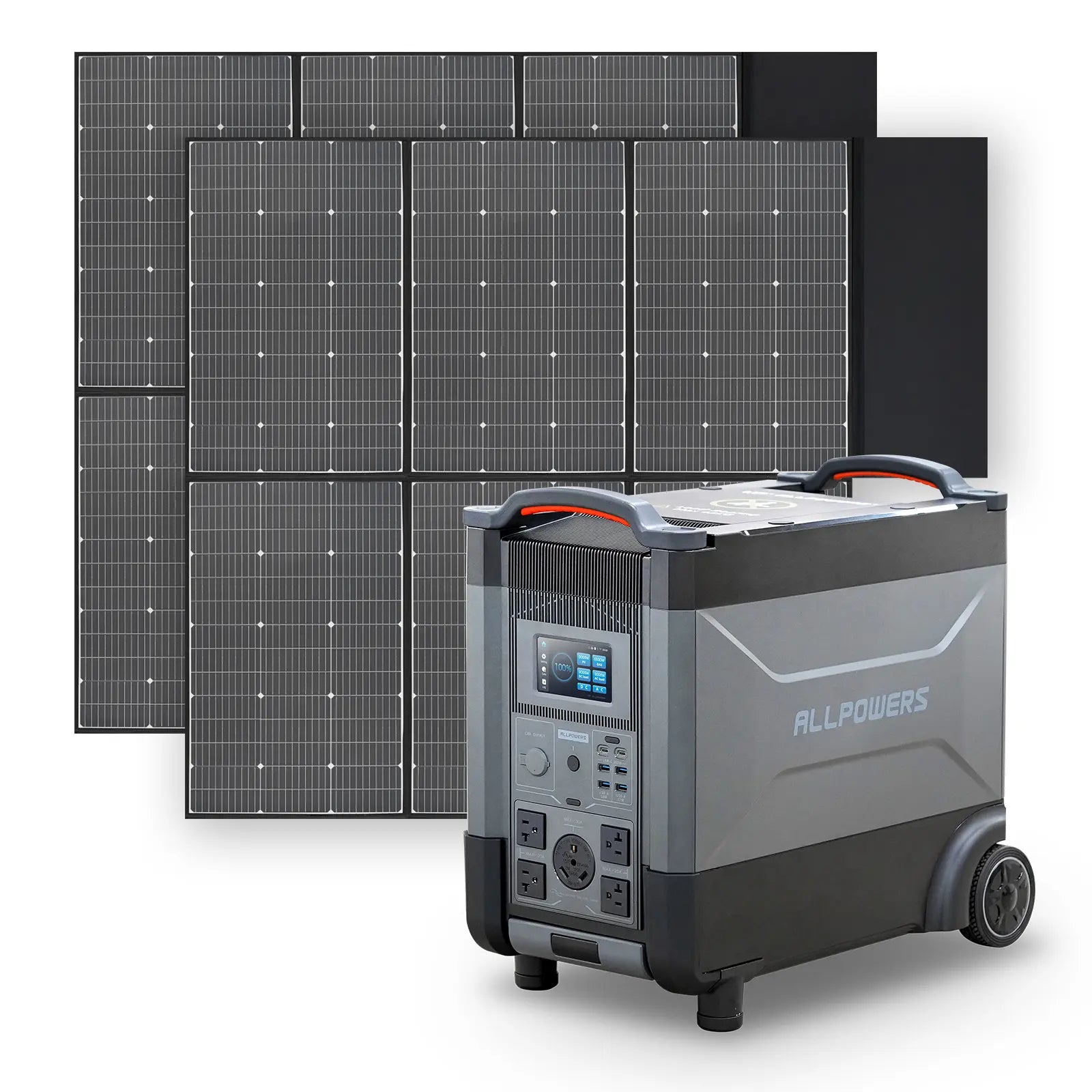
Some campers now use portable power stations because they can support multiple devices simultaneously, including CPAP machines, lighting, phones, fans, and small camping electronics.
These systems are especially common among campers seeking larger battery capacity and more flexible charging options.
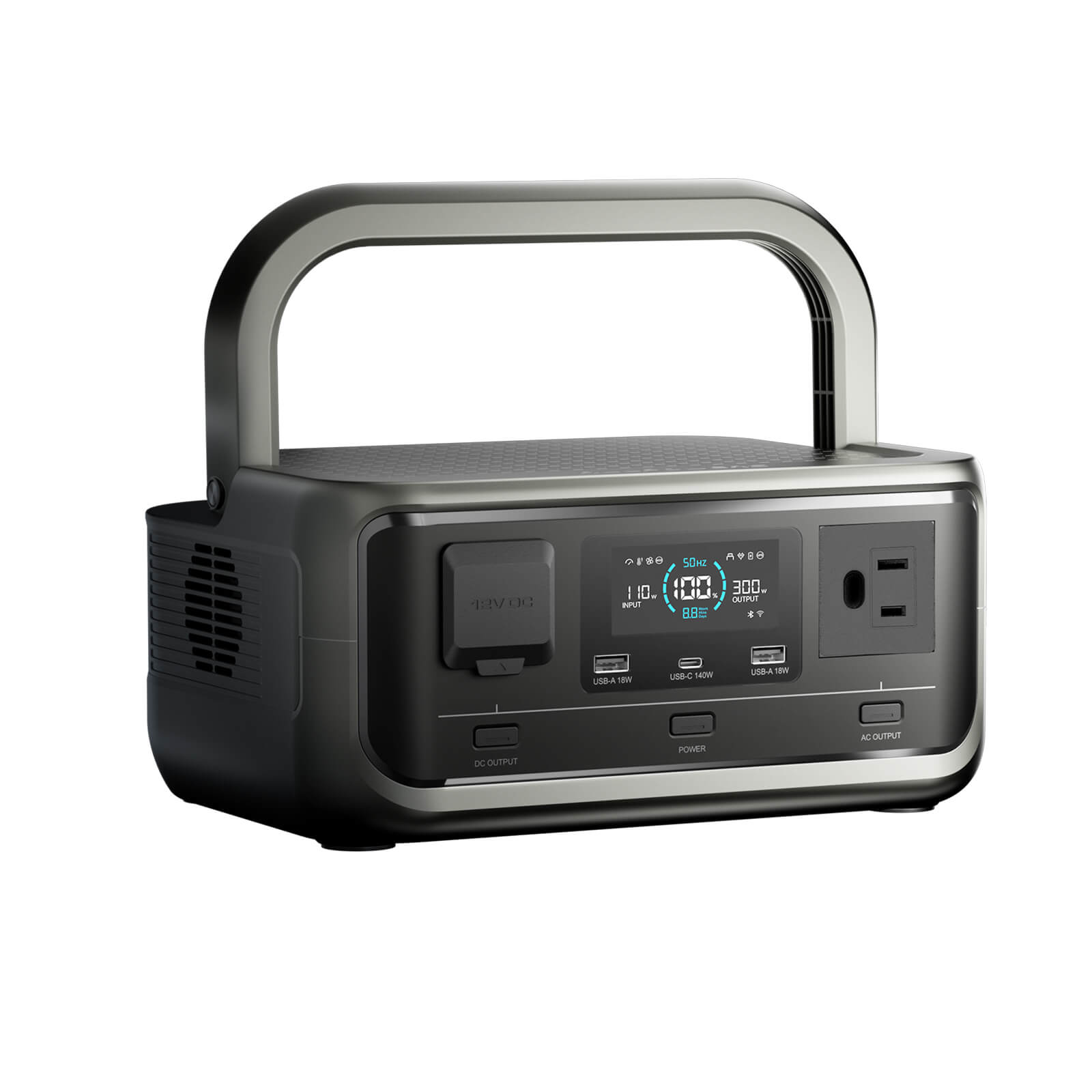
ALLPOWERS VOLIX P300 Portable Power Station
$149.00 $249.00
- 299Wh Capacity;
- 300W AC Output (600W Surge);
- Fast Charge 100% in 1 Hours;
- Ultra-quiet 30dB Under Load ;
- Long-Lasting And Safe Lifepo4 Battery;
How Long Can a Battery Run a CPAP?
Battery runtime depends on several important variables, including battery capacity, CPAP pressure settings, humidifier usage, and nightly operating hours.
A smaller battery may support one or two nights of CPAP operation, while larger battery systems may provide several nights of runtime before recharging becomes necessary.
Factors That Affect Runtime
- Humidifier usage
- Heated hose settings
- Battery watt-hour capacity
- Pressure settings
- Ambient outdoor temperature
- Daily recharge availability
Cold temperatures can also reduce battery efficiency, which is important for campers traveling in colder environments.
Can Solar Panels Power a CPAP?
Solar charging systems can help support CPAP operation during extended camping trips, especially when combined with battery storage systems.
Most campers do not run CPAP machines directly from solar panels at night. Instead, solar panels recharge batteries during daylight hours, allowing stored energy to power the CPAP overnight.
Solar Panel Size Matters
Smaller solar panels may struggle to fully recharge larger batteries, particularly during cloudy weather conditions.
Weather Conditions Affect Charging
Cloud cover, shade, tree coverage, and winter sunlight hours can all affect charging performance significantly.
Campers planning multi-day off-grid trips often combine larger battery systems with portable solar panels for improved energy reliability.
Why Humidifiers Drain CPAP Batteries Faster
Many CPAP users are surprised by how much energy humidifiers consume during overnight operation.
Heated humidifiers continuously warm water throughout the night, which requires substantial electrical power compared to the CPAP motor alone.
Heated tubing also increases overall energy consumption because the tubing must remain warm continuously to reduce condensation buildup.
Average CPAP Power Consumption
| CPAP Configuration | Estimated Power Usage | Battery Impact | Typical Runtime Efficiency |
|---|---|---|---|
| CPAP Without Humidifier | 30–40W | Low | High |
| CPAP With Humidifier | 50–90W | High | Lower |
| CPAP With Heated Hose | 60–100W | Very High | Lower |
| Travel CPAP Machine | 20–40W | Low | High |
Off-Grid CPAP Camping Tips
Careful energy planning can make CPAP camping significantly easier and more reliable.
Use DC Power When Possible
DC adapters are often more energy-efficient than using AC inverters because they reduce power conversion losses.
Charge Batteries During the Day
Recharging batteries through solar panels or vehicle charging systems during daylight hours helps maintain overnight power availability.
Bring Backup Charging Options
Many experienced campers carry multiple charging methods in case weather conditions limit solar performance.
Test Equipment Before the Trip
Testing battery runtime and CPAP compatibility before camping helps avoid unexpected power failures in remote areas.
Why More Campers Are Prioritizing Energy Independence
As outdoor travel continues growing in popularity, many campers are becoming more interested in off-grid energy solutions that support comfort, safety, and medical equipment operation.
Reliable electricity is no longer limited to RV parks and powered campsites. Modern battery systems, solar charging technology, and portable power stations now allow many campers to safely operate CPAP machines in remote outdoor environments.
For campers who rely on nightly sleep therapy, planning reliable power access has become an essential part of modern off-grid travel preparation.
Frequently Asked Questions
Can you run a CPAP while camping?
Yes. Many campers power CPAP machines using battery systems, solar charging setups, vehicle charging, or portable power solutions.
How long will a battery run a CPAP machine?
Battery runtime depends on battery size, humidifier usage, pressure settings, and nightly operating hours.
Do humidifiers drain CPAP batteries faster?
Yes. Heated humidifiers and heated hoses significantly increase overall power consumption.
Can solar panels power a CPAP?
Yes. Solar panels are commonly used to recharge batteries that power CPAP machines overnight.
Is DC power better for CPAP camping?
DC power adapters are often more energy-efficient because they avoid inverter conversion losses.