








For many RV owners, connecting to campground electricity is one of the most important parts of a comfortable travel experience.
However, electrical hookups can sometimes be confusing, especially when terms like 30 amp, 50 amp, 110 volts, and 220 volts are used interchangeably.
The RV electrical systems work differently from many household electrical setups, and choosing the wrong power source can damage equipment or create safety risks.
So, is a 30 amp RV plug actually 110 or 220 volts?
TL;DR: A standard 30 amp RV plug is 120 volts (often called 110 volts in everyday conversation), not 220 volts. It uses a single hot wire, one neutral wire, and one ground wire to deliver up to 3,600 watts of available power.
What Is a 30 Amp RV Plug?
A 30 amp RV plug is one of the most common electrical connections used by travel trailers, smaller motorhomes, and many camper vans.
It is designed to provide enough electricity for essential RV systems while remaining compatible with typical campground electrical infrastructure.
Unlike a standard household outlet, an RV 30 amp connection uses a dedicated circuit designed specifically for recreational vehicles. The plug has three connections: one hot wire, one neutral wire, and one ground wire.
The most common 30 amp RV connector is known as a NEMA TT-30 plug. The “TT” designation refers specifically to travel trailer applications and should not be confused with household 30 amp circuits used for other equipment.
Because the plug has three prongs, some people mistakenly assume it provides 240 volts. However, the number of prongs does not determine voltage. The internal wiring configuration determines how electricity is delivered.
How Much Power Can a 30 Amp RV Plug Provide?
Although a 30 amp RV connection uses 120 volts, it can still provide a significant amount of electricity.
The basic relationship between voltage, current, and power is:
Power (watts) = Voltage × Amps
For a typical 30 amp RV connection:
120 volts × 30 amps = approximately 3,600 watts
This does not mean an RV should continuously operate at the maximum rating. Electrical systems generally work better when there is some capacity remaining rather than constantly running at full load.
What Can You Run on a 30 Amp RV Connection?
A 30 amp RV electrical system is designed to support the basic comforts of modern camping. However, not every appliance can operate simultaneously without exceeding available capacity.
Air Conditioning
A single RV air conditioner is usually compatible with a 30 amp system. However, startup power requirements can be much higher than normal operating consumption.
Kitchen Appliances
Microwaves, coffee makers, and electric cooking devices can consume significant power. Running several heating appliances at the same time may overload the system.
Entertainment Devices
Televisions, speakers, laptops, and charging devices generally require much less electricity compared with heating and cooling equipment.
Refrigerators and Lighting
Modern RV refrigerators and LED lighting systems are relatively efficient, allowing them to operate comfortably within a 30 amp power limit.
Common RV Appliance Power Requirements
| RV Appliance | Typical Watt Usage | Impact on 30 Amp System |
|---|---|---|
| LED Lights | 5–30W | Very Low |
| Phone Chargers | 5–20W | Very Low |
| Television | 50–150W | Low |
| RV Refrigerator | 100–400W | Moderate |
| Microwave | 900–1,500W | High |
| Coffee Maker | 600–1,200W | High |
| RV Air Conditioner | 1,200–1,800W+ | Very High |
What Is the Difference Between a 30 Amp and 50 Amp RV Plug?
The biggest difference between 30 amp and 50 amp RV connections is not only the amount of current but also the electrical design.
A 30 amp RV connection provides a single 120V circuit. A 50 amp RV connection provides two separate 120V circuits that can work together to supply up to 240V service.
Modern luxury RVs may include multiple air conditioners, residential refrigerators, electric fireplaces, induction cooktops, washers, dryers, and entertainment systems. These features require significantly more electrical capacity.
Smaller travel trailers and many fifth wheels can often operate comfortably with 30 amps because their electrical demands are lower.
| Feature | 30 Amp RV Service | 50 Amp RV Service |
|---|---|---|
| Voltage | 120V | 120V/240V split-phase |
| Maximum Power | 3,600 watts | Up to 12,000 watts |
| Hot Wires | 1 | 2 |
| Typical RV Type | Small to Medium RVs | Large Motorhomes |
| High-Power Appliance Support | Limited | Higher Capacity |
Can You Power a 30 Amp RV Without a Campground Connection?
While campground electrical hookups are convenient, many RV travelers also enjoy locations without traditional electricity access.
In these situations, some campers use a fuel-based generator with AC outlets that can provide power similar to campground connections.
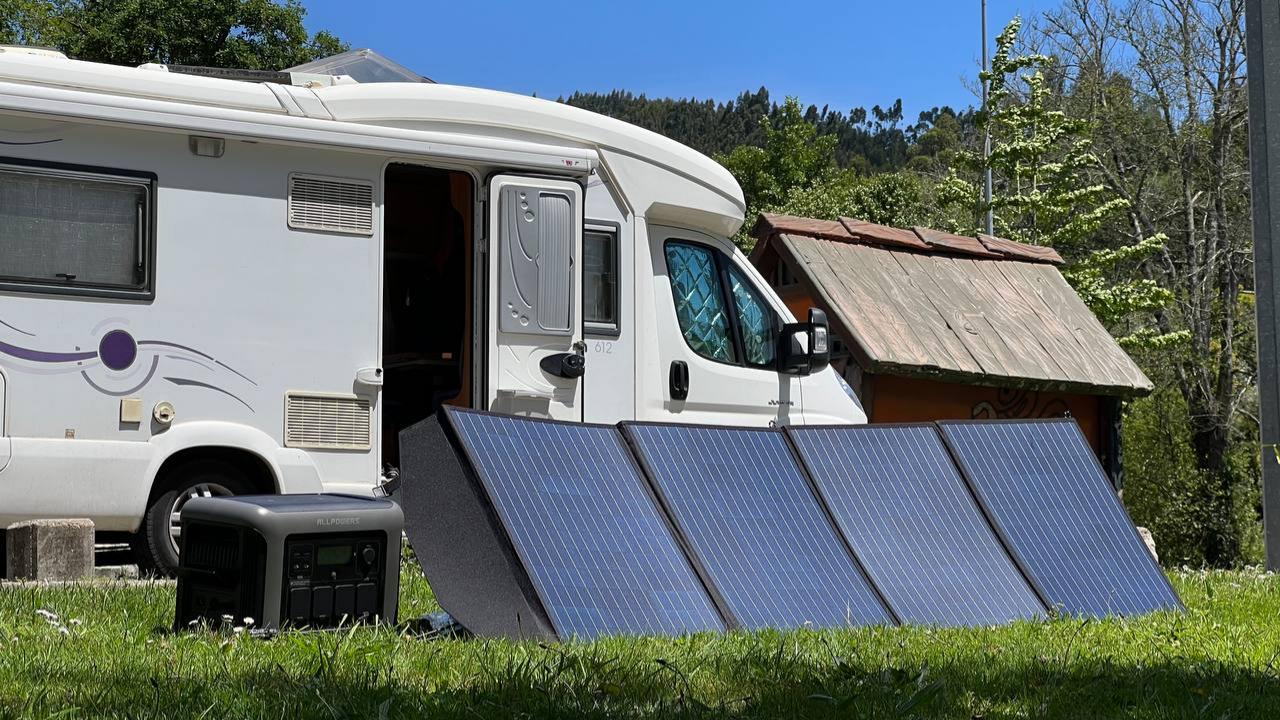
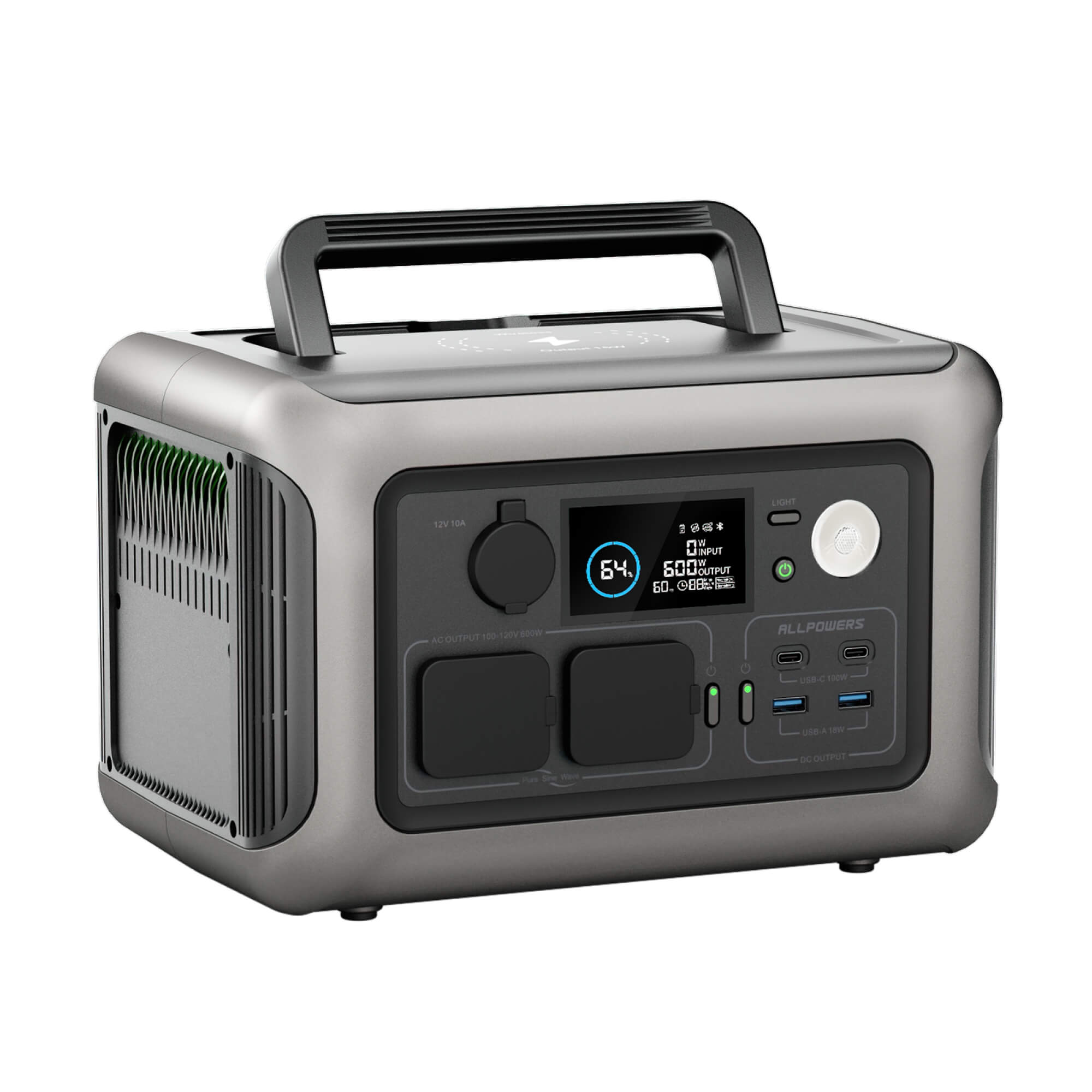
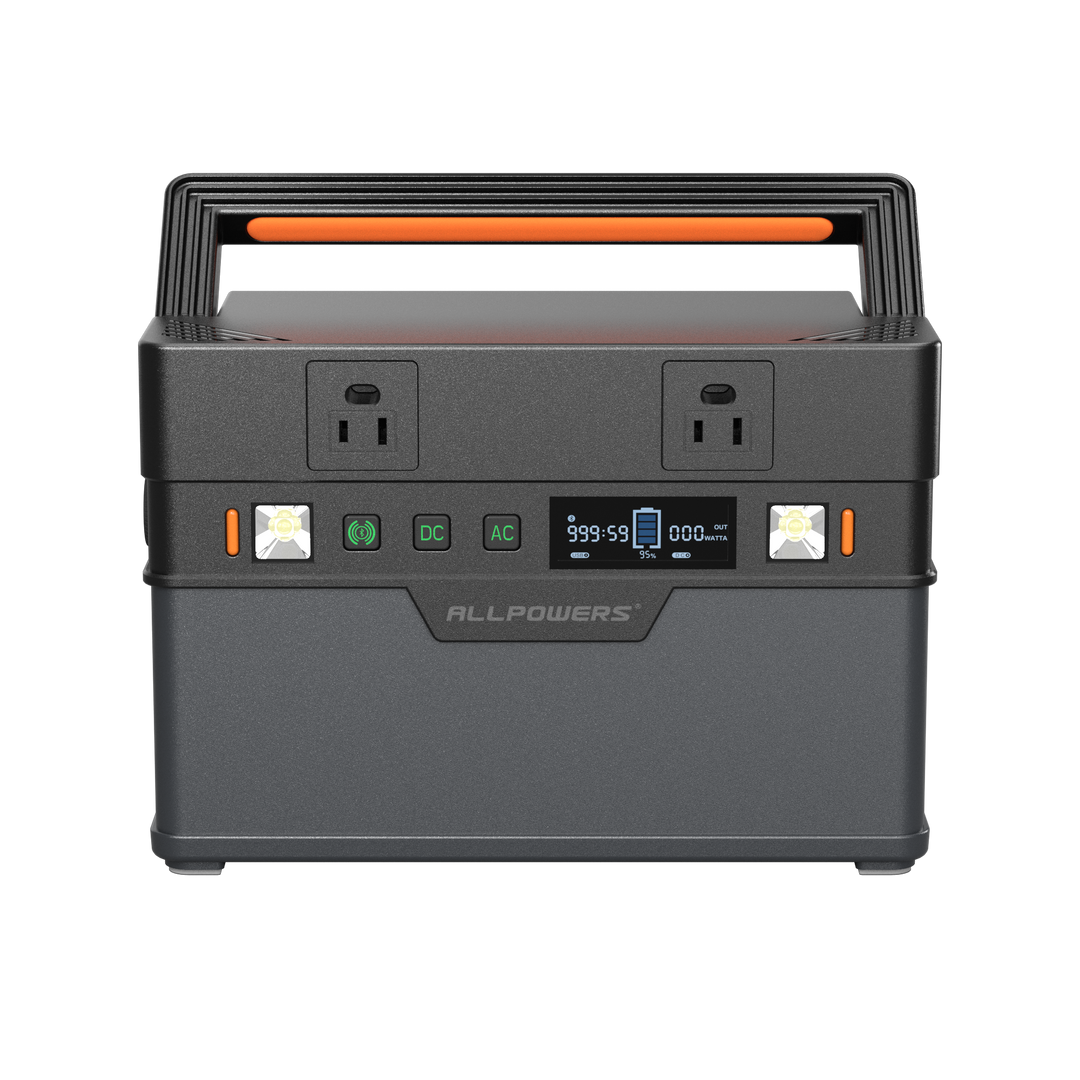
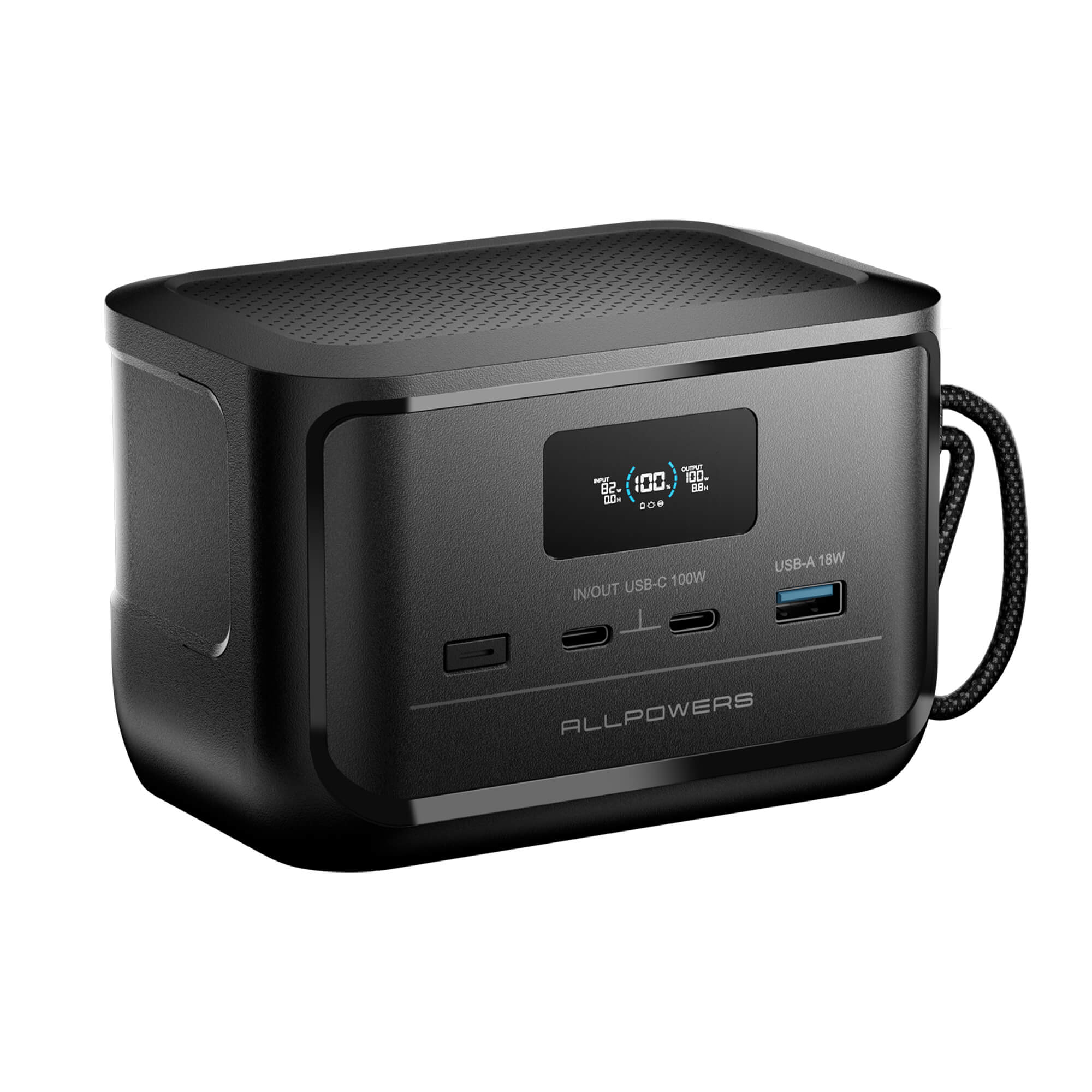
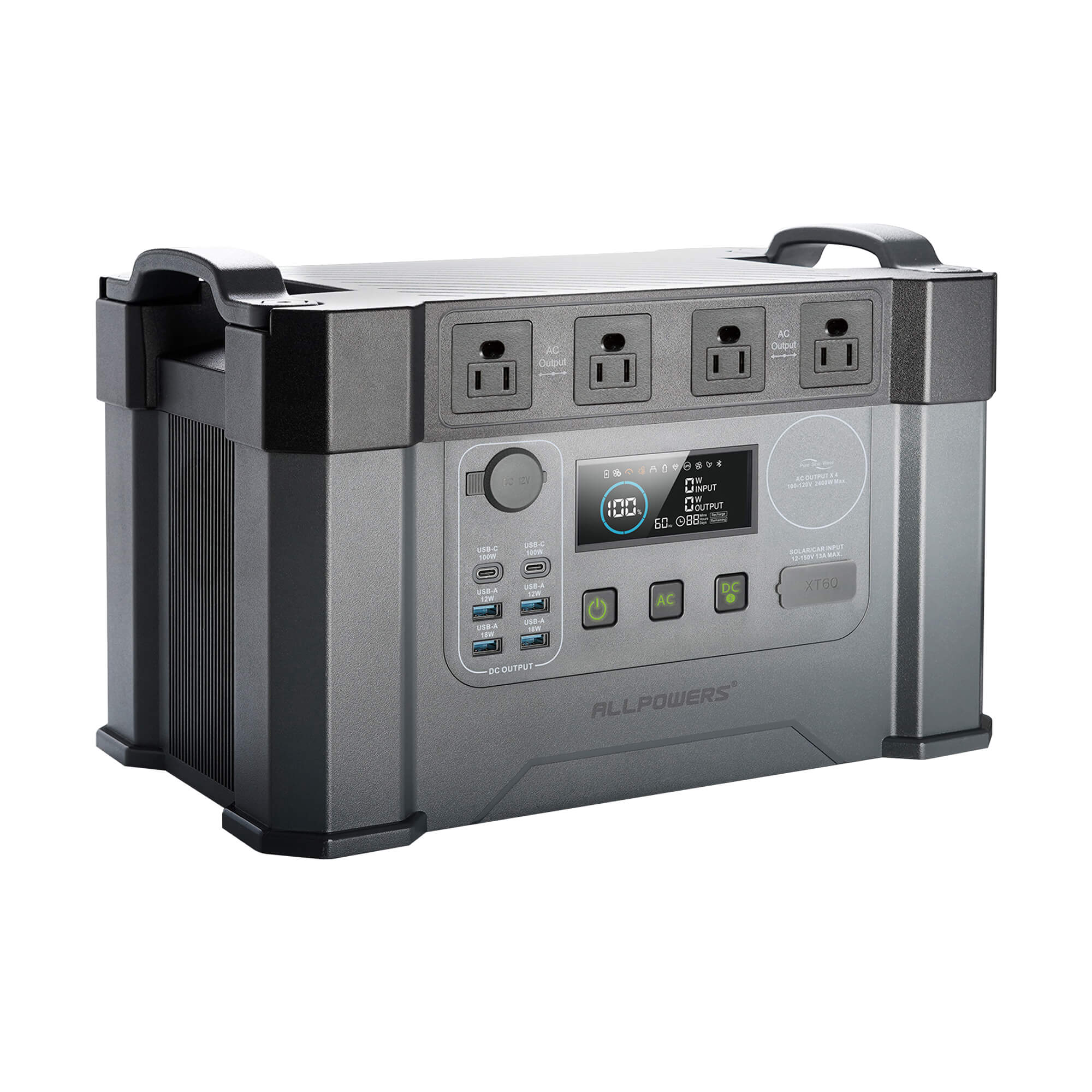
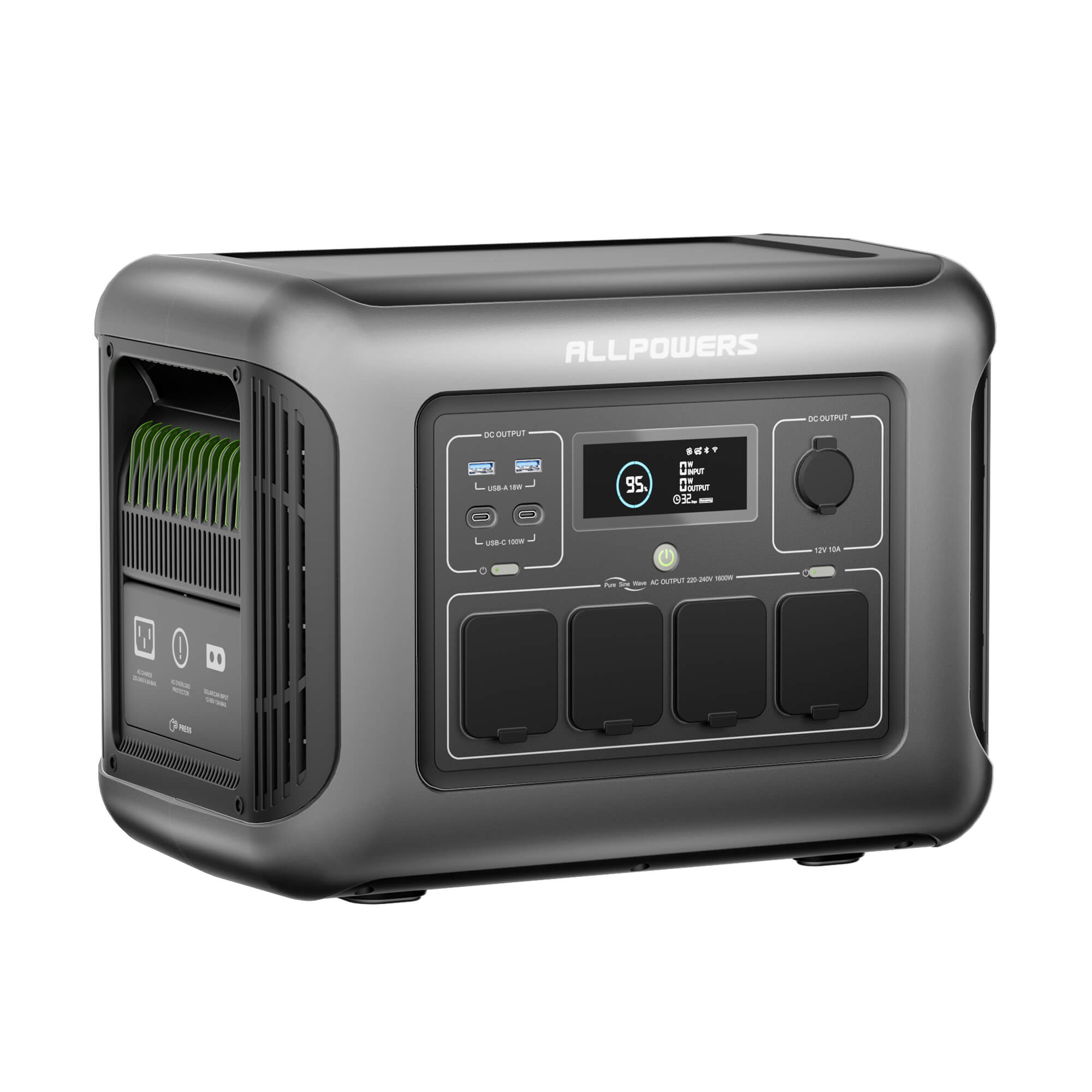
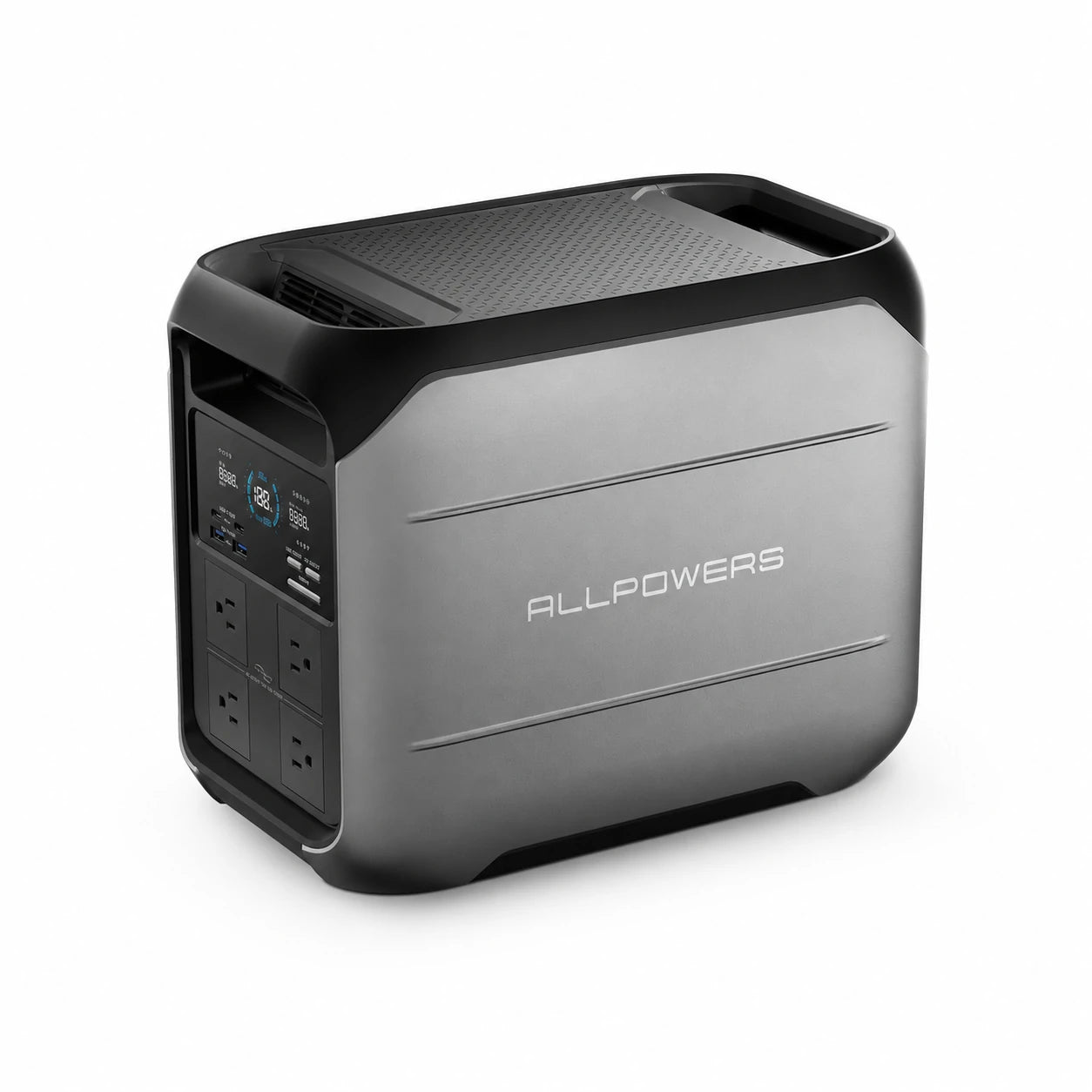
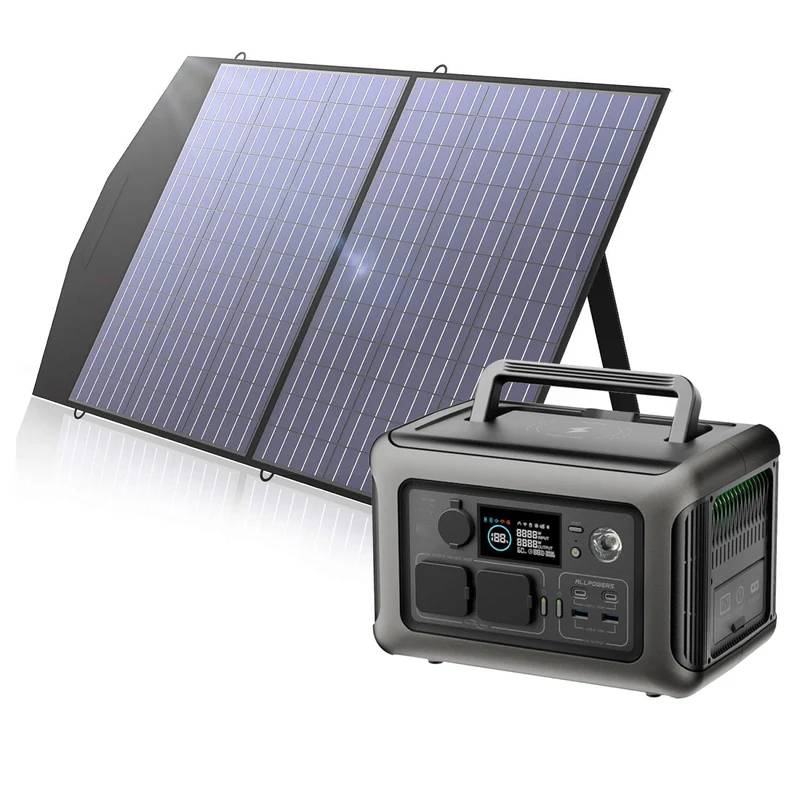
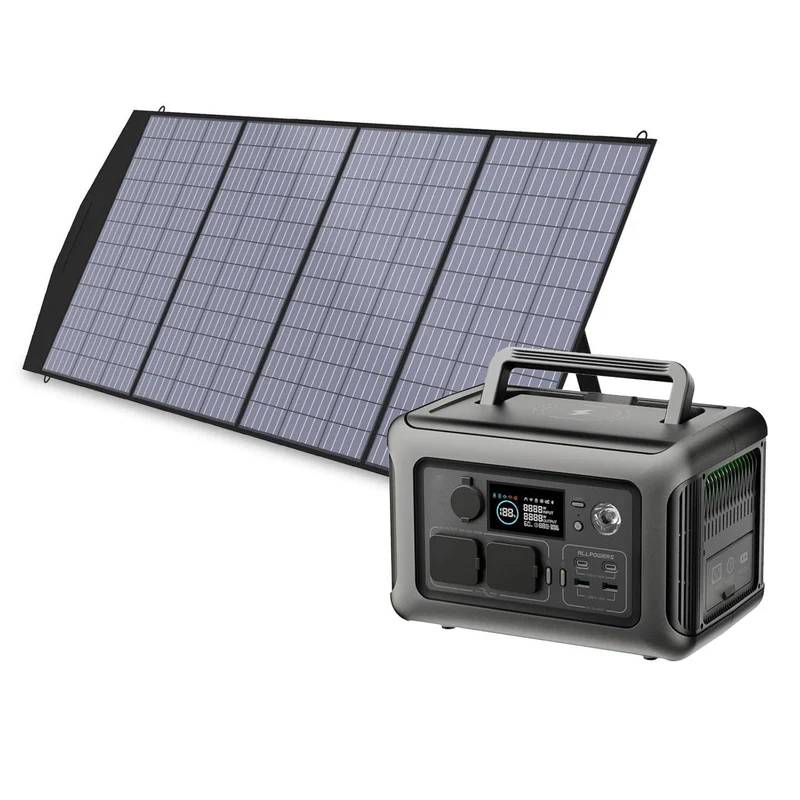
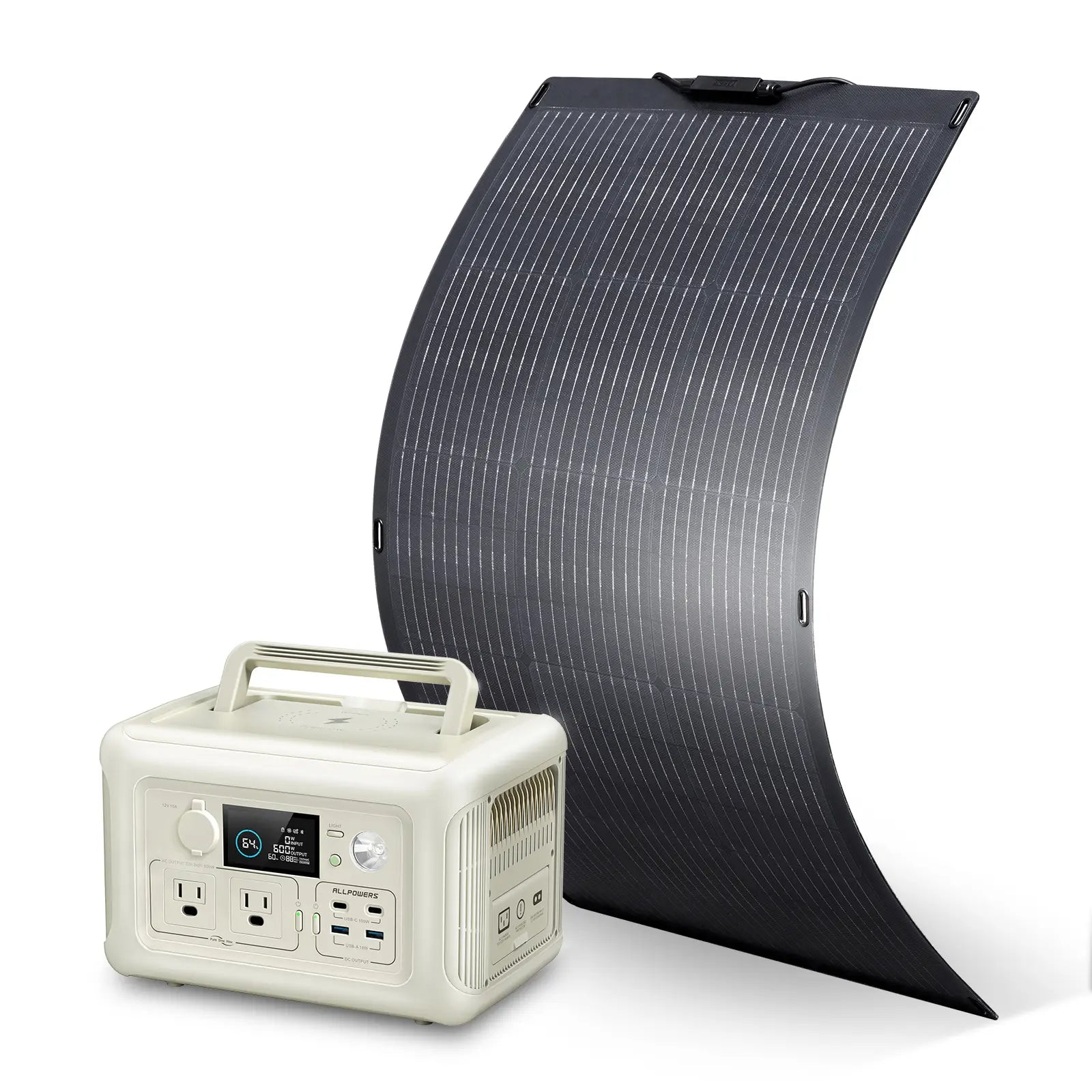
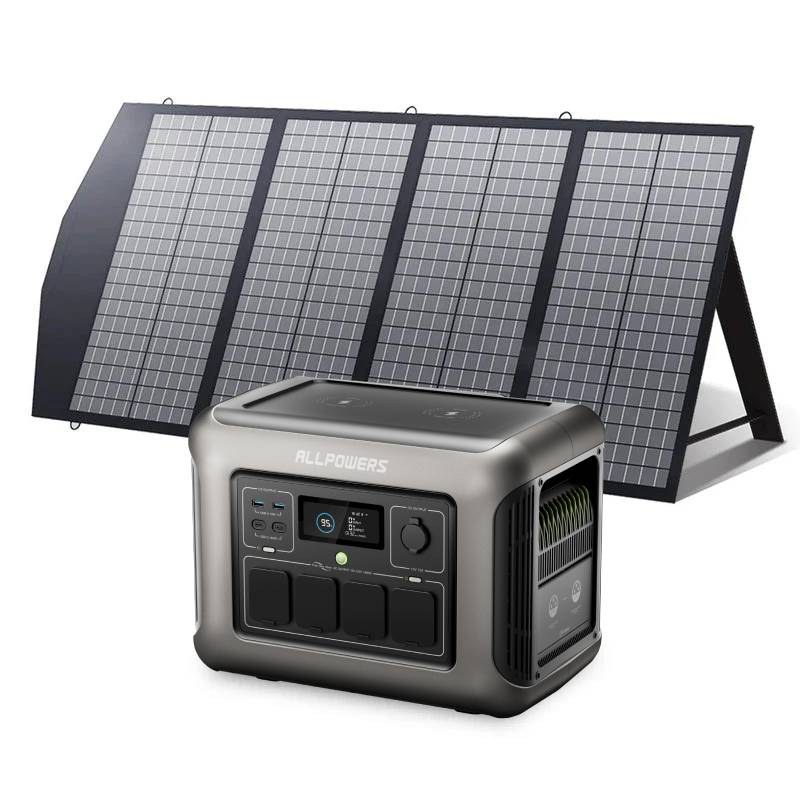
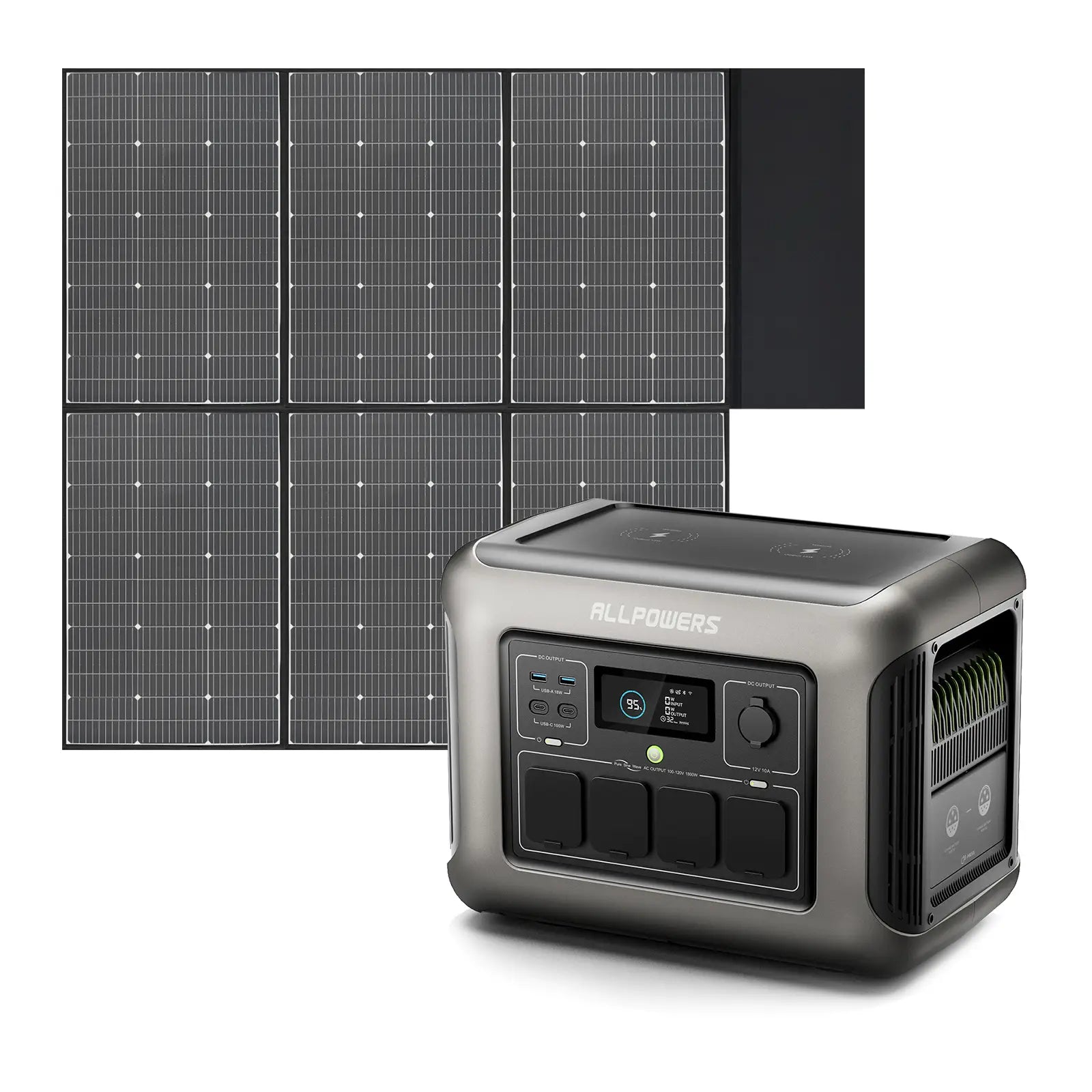
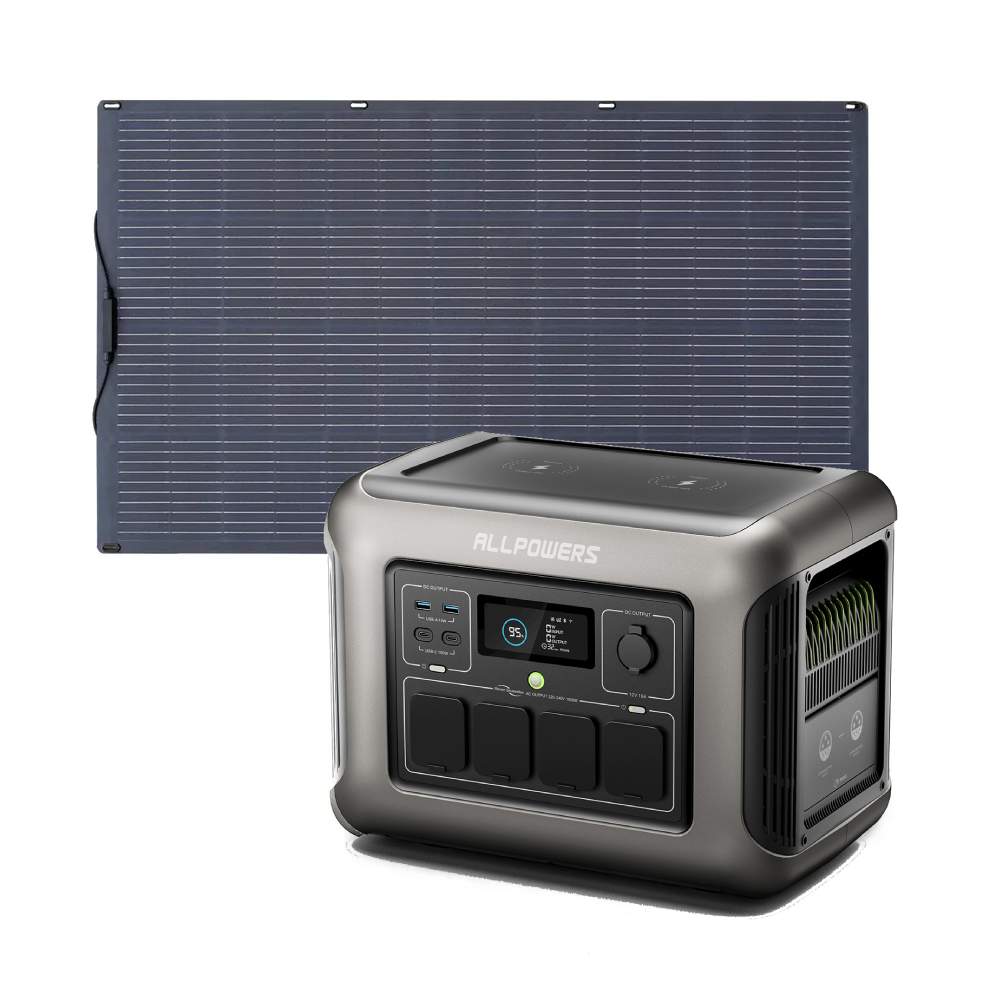
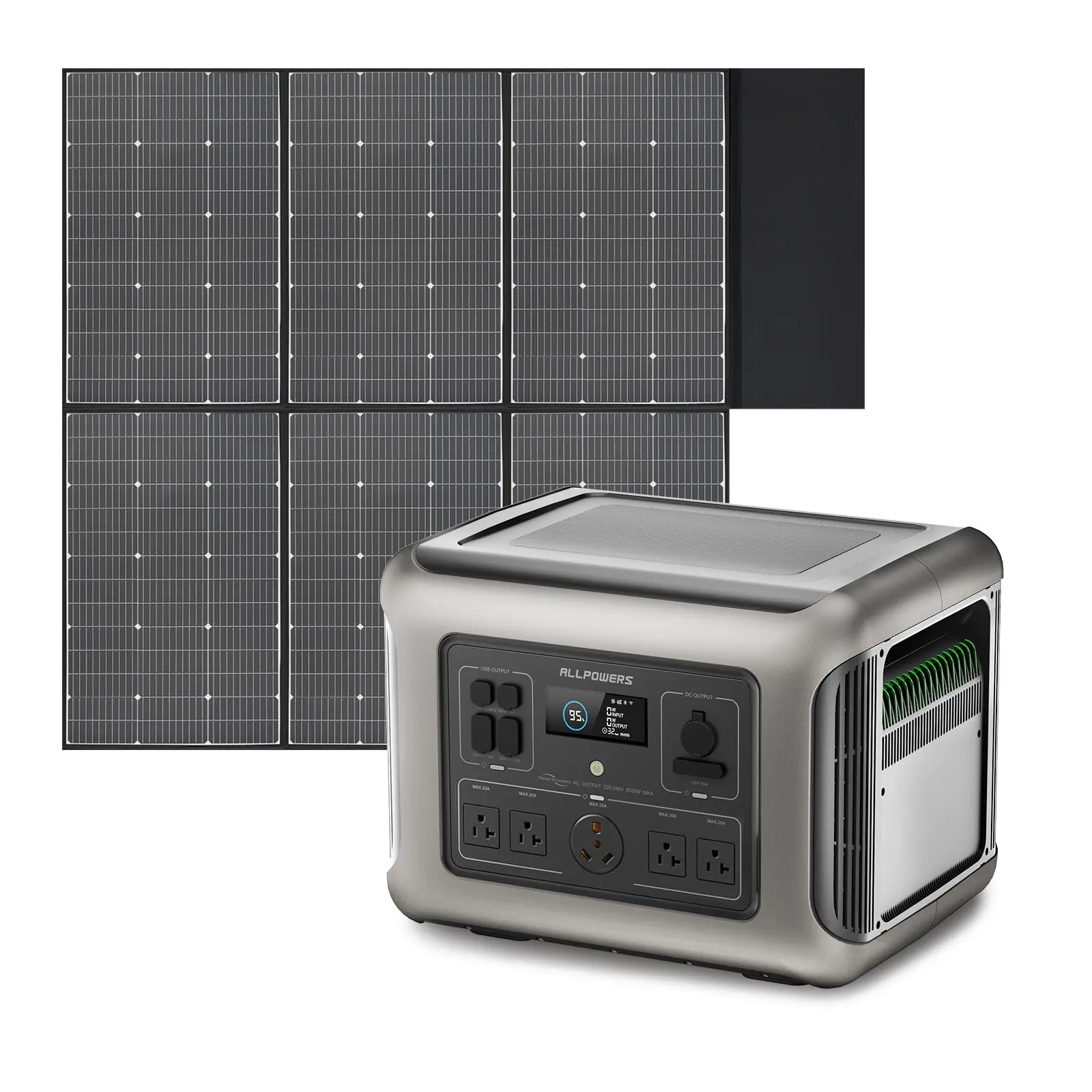
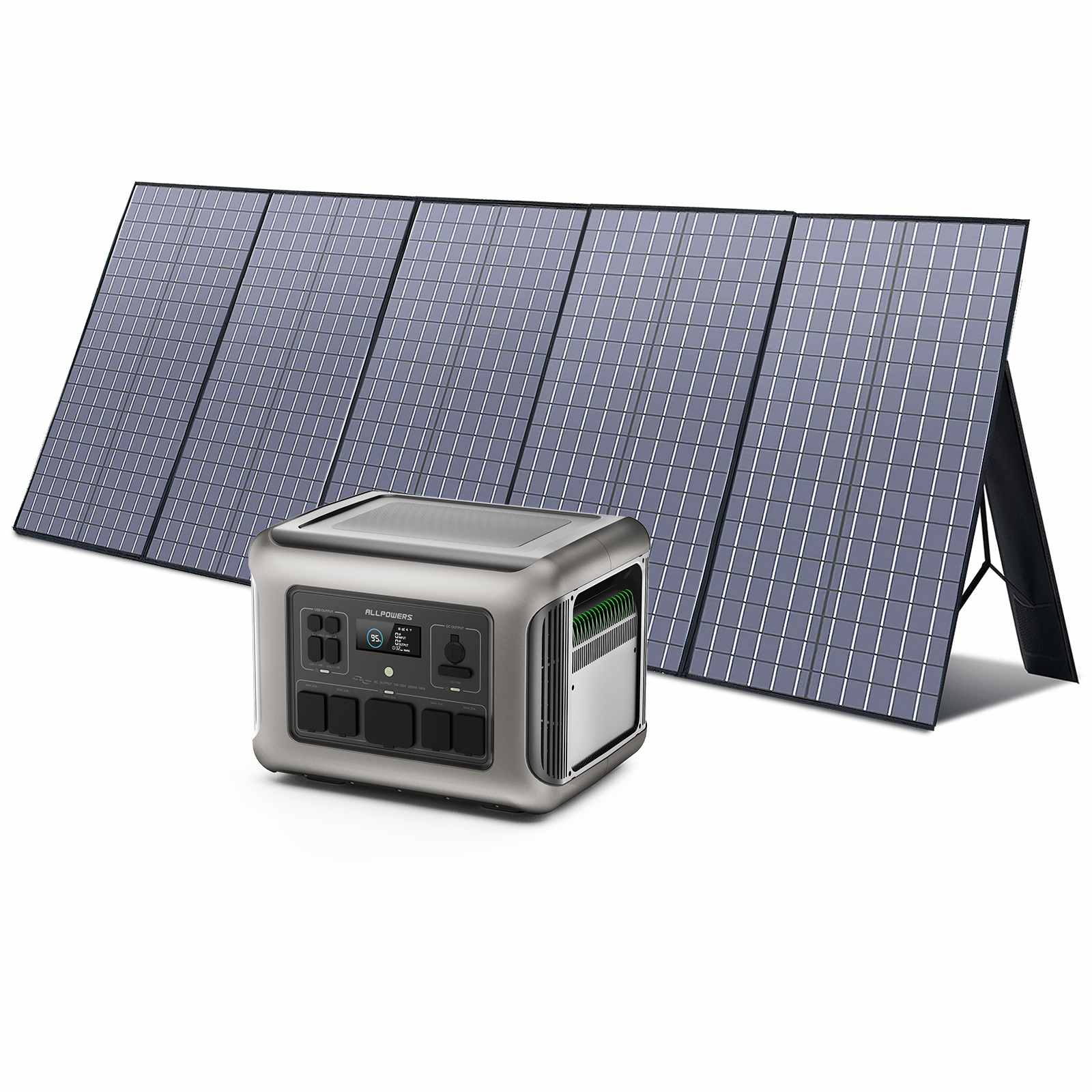
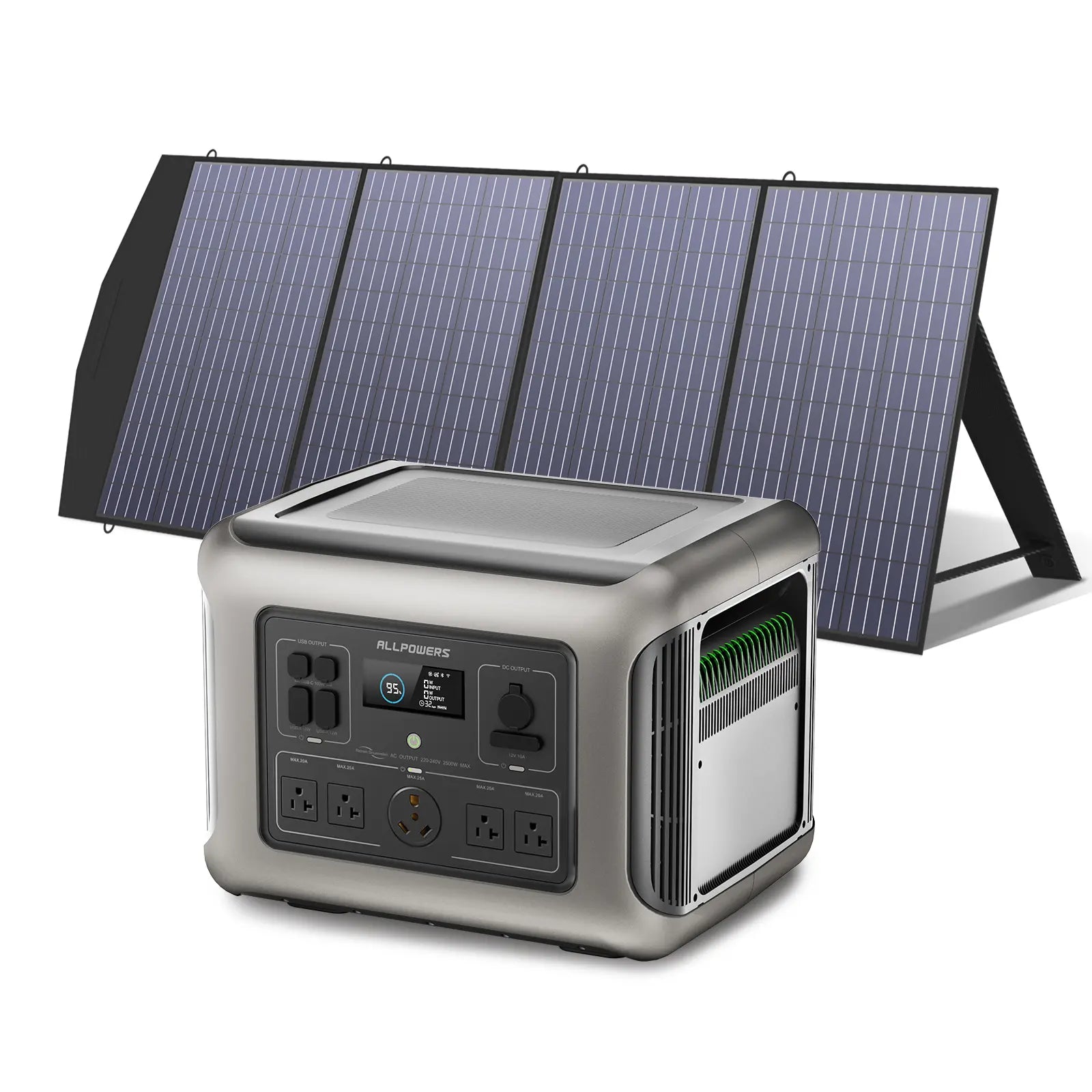
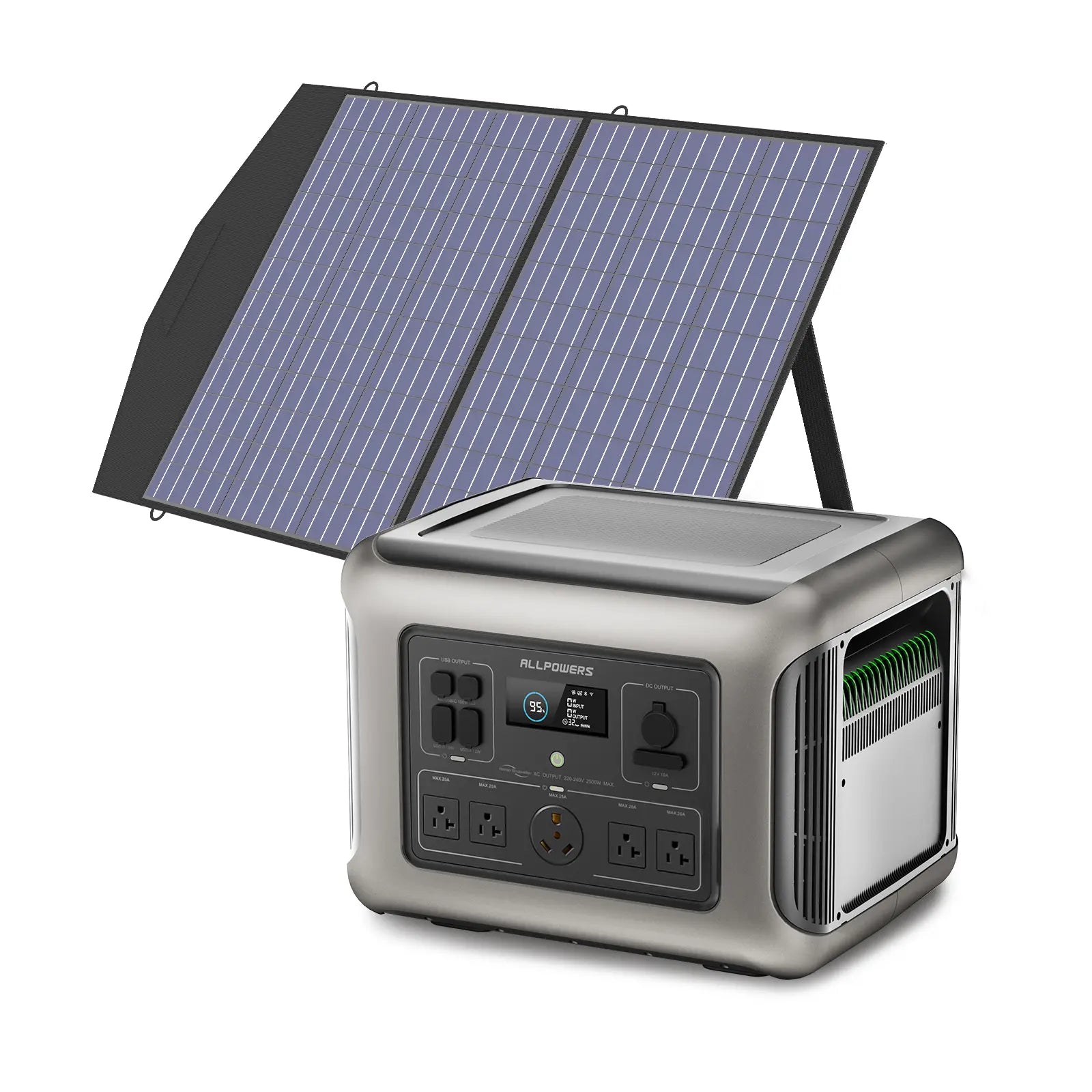
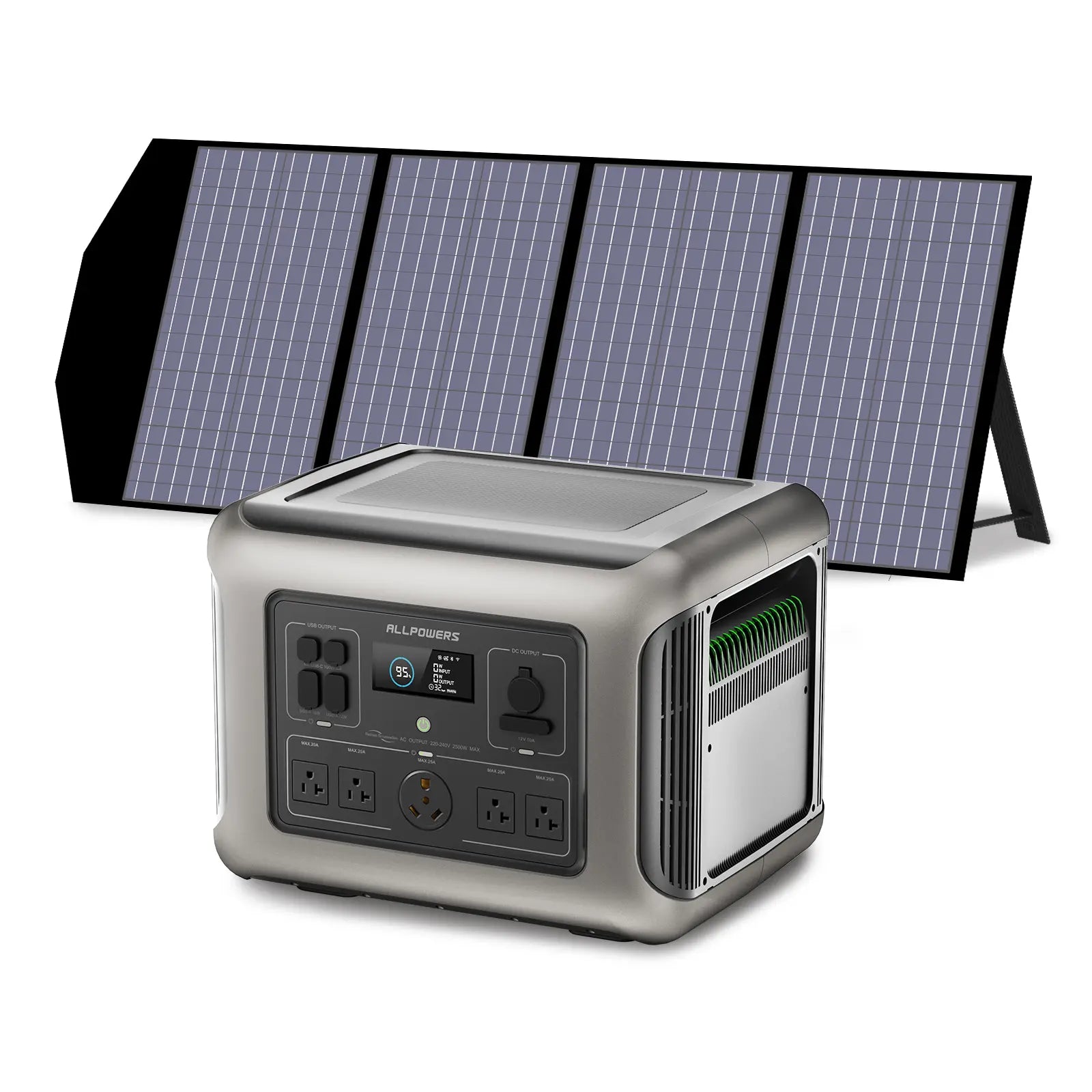
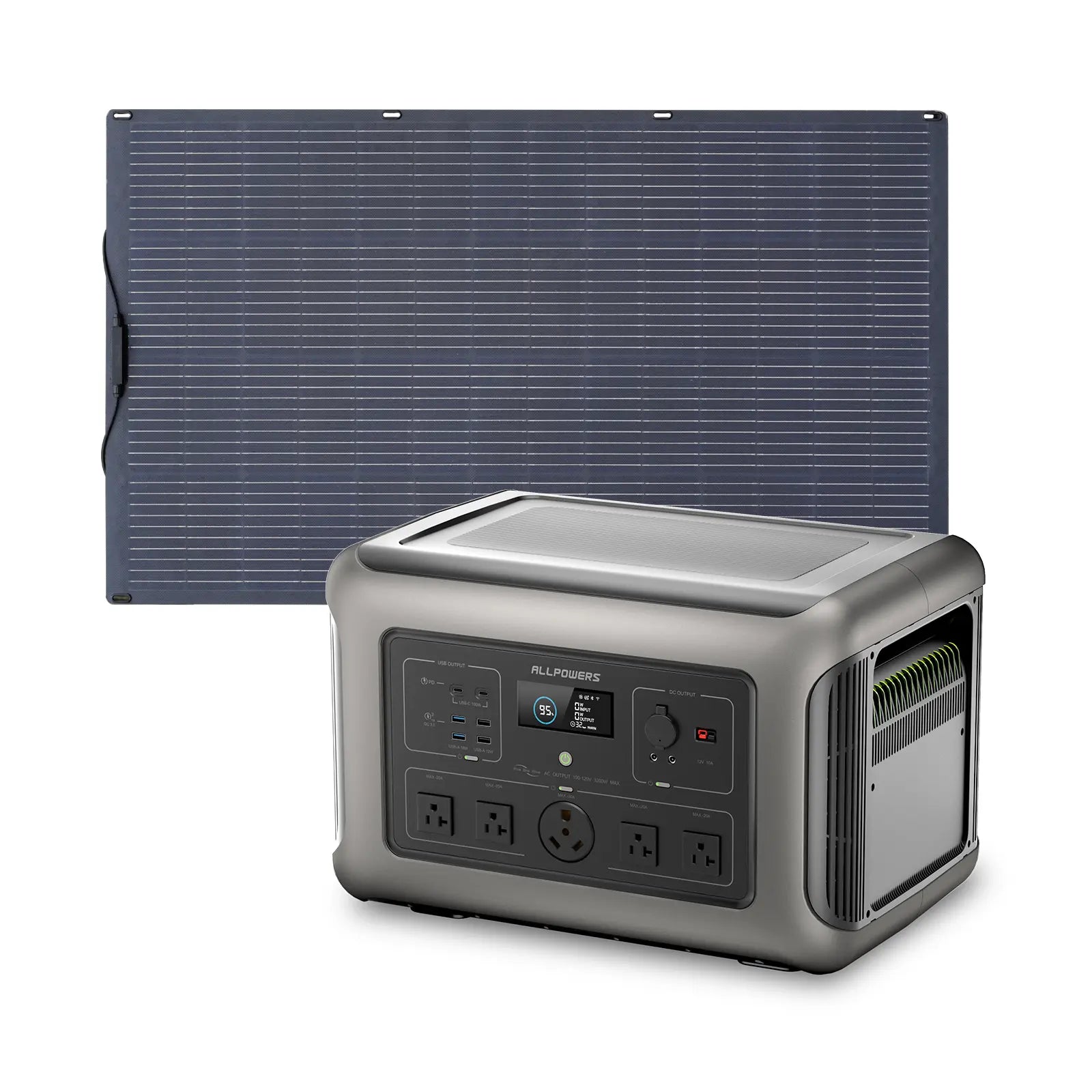
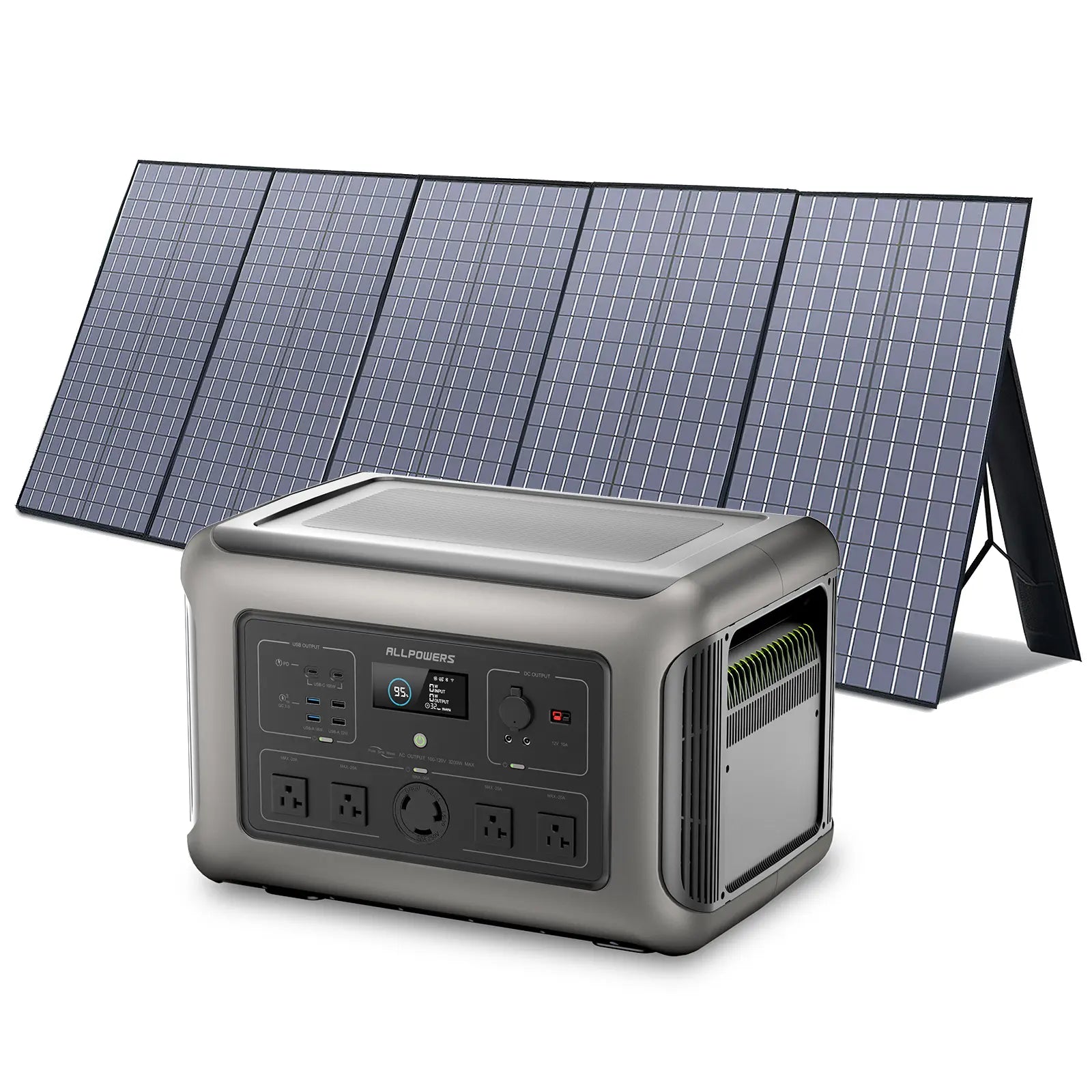
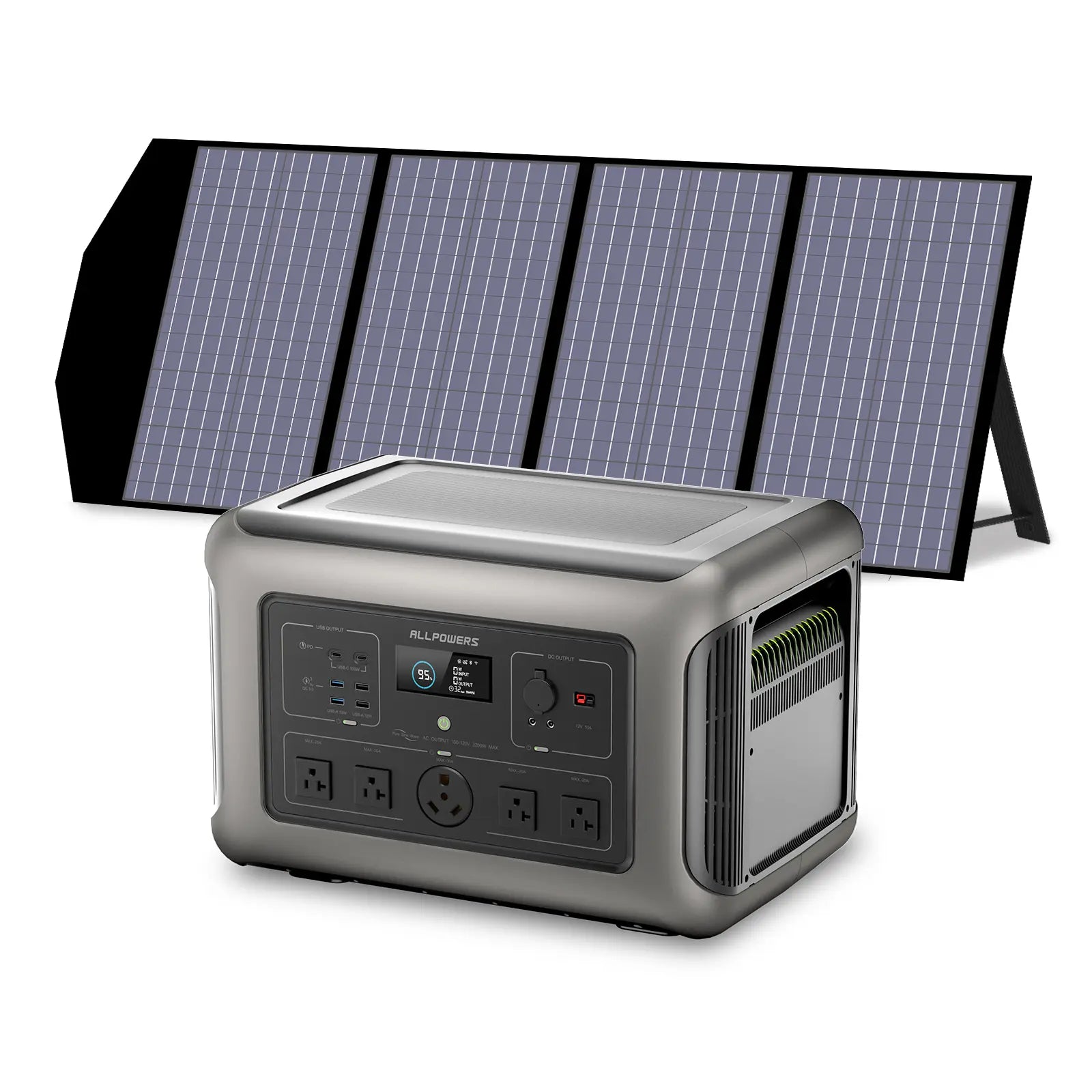
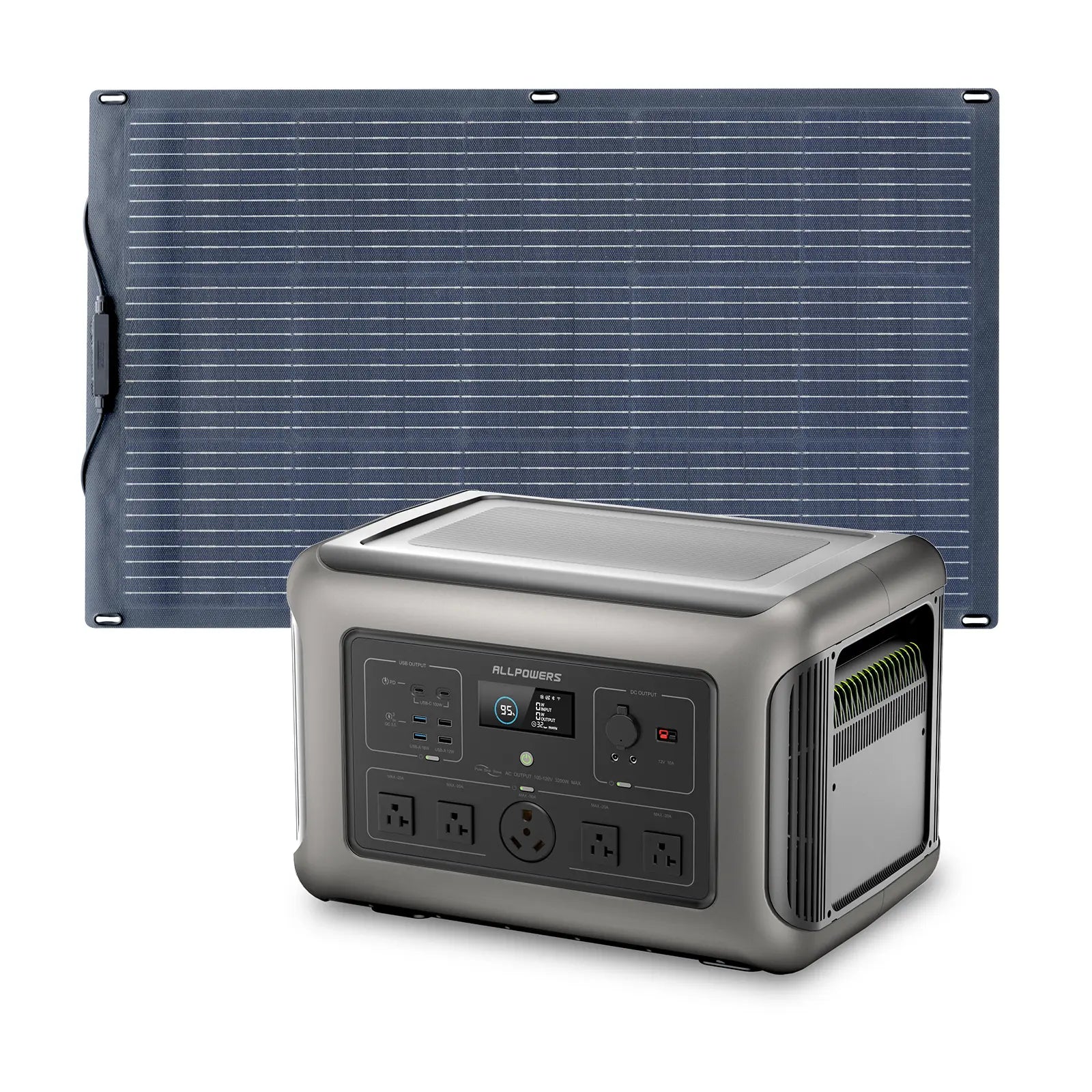
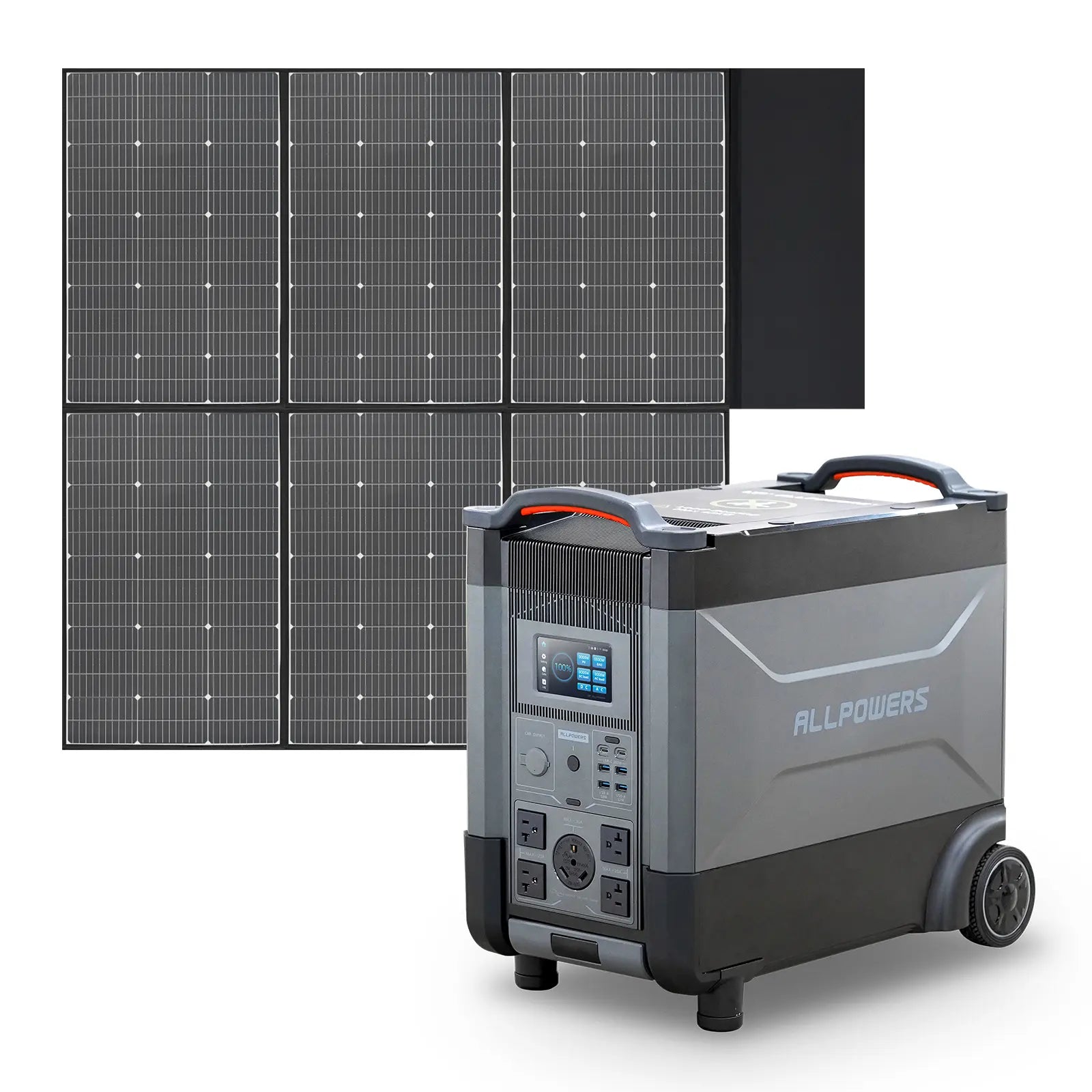
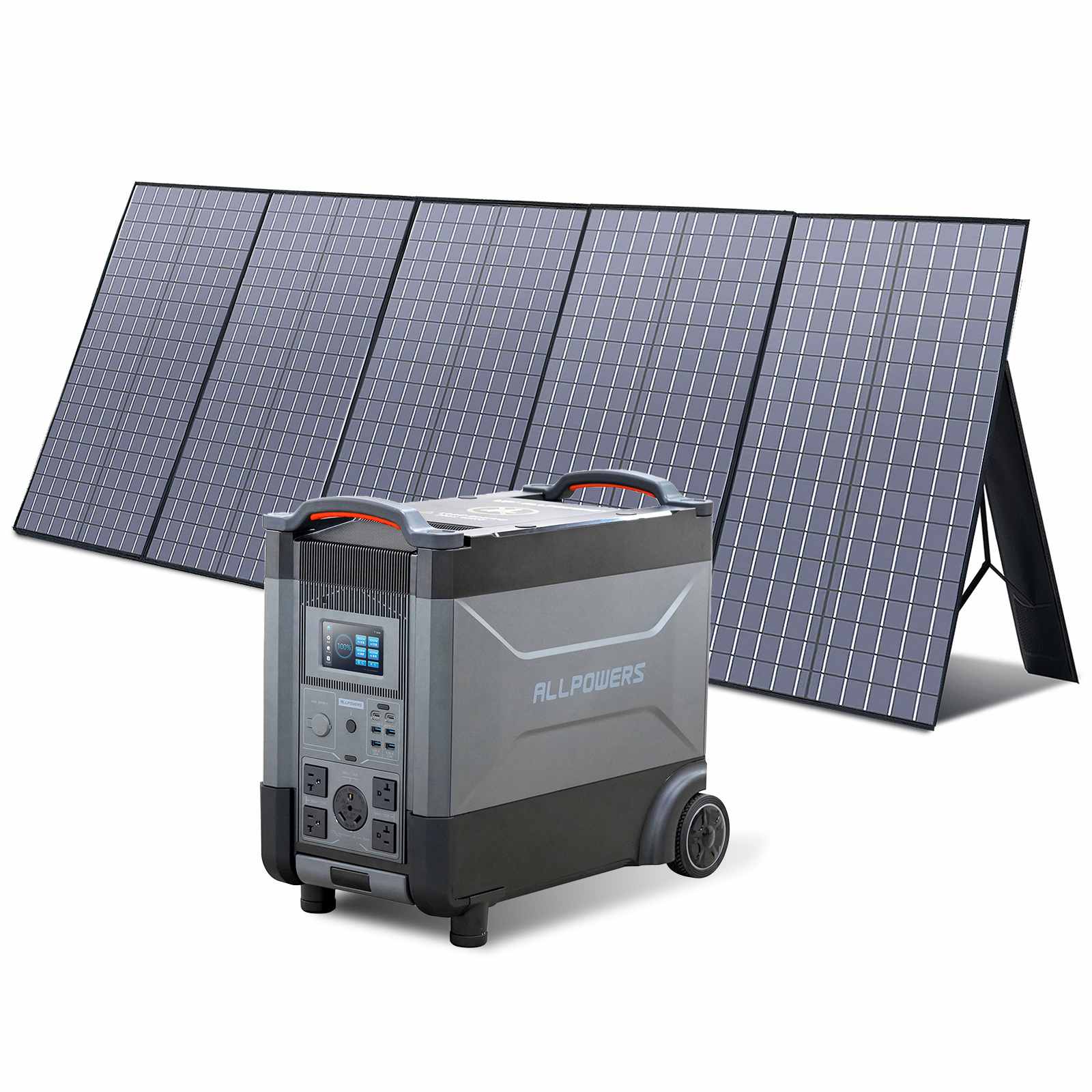
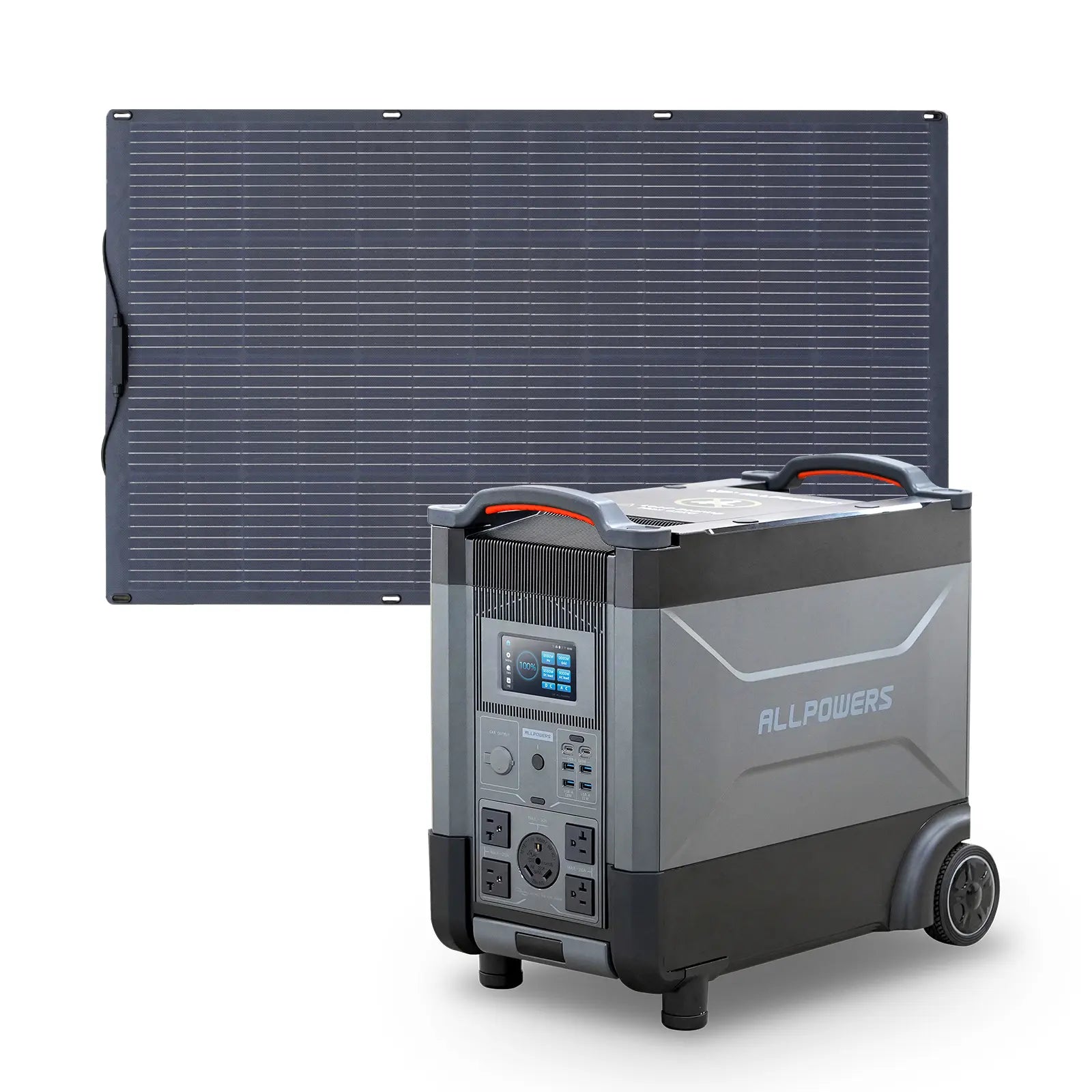
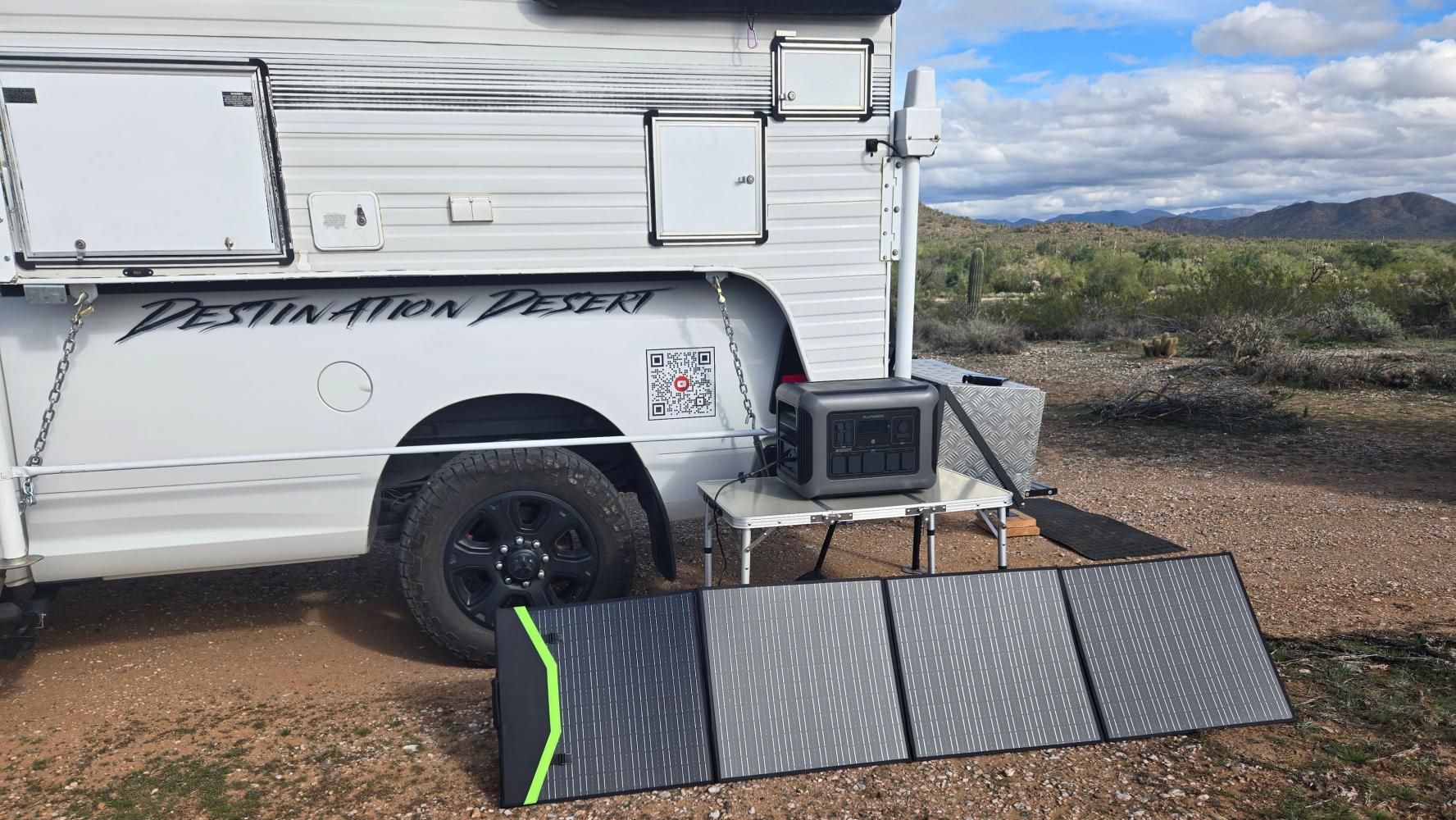
Some campers use portable power stations alongside their RV setup to support devices without running a fuel-based generator continuously.
For shorter periods away from hookups, these systems can provide quieter operation and reduce the need to run fuel-powered equipment continuously.
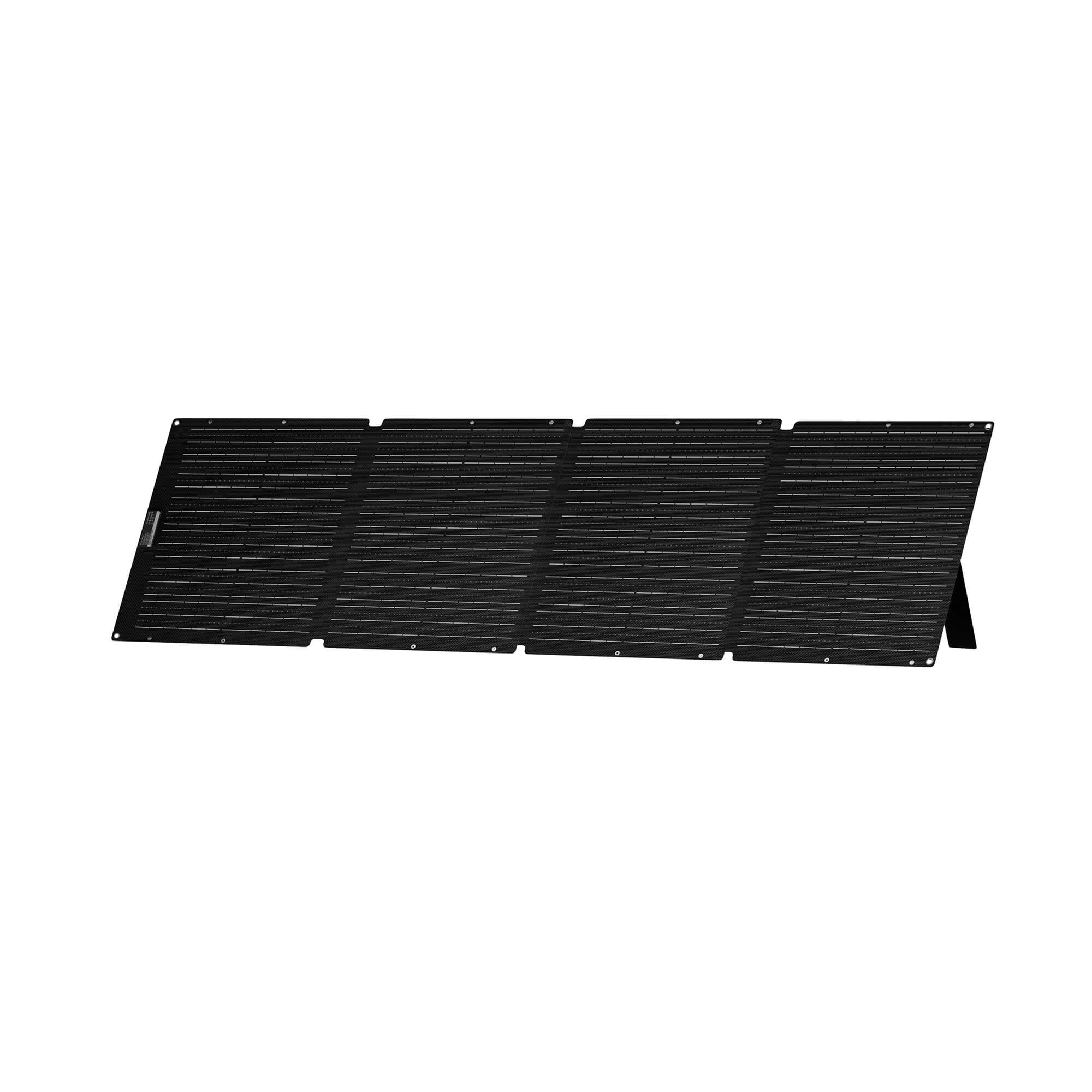
They are often combined with solar panels to extend available energy during longer trips.
RV Electrical Safety Tips
Using RV electricity safely requires more than understanding voltage. Proper connections, protection devices, and awareness of electrical limits all play important roles.
Use the Correct Adapter
A 30 amp RV plug should connect only to compatible 120-volt RV outlets. Adapters can change plug shapes, but they do not change electrical capacity.
Avoid Overloading Circuits
Running too many high-powered appliances simultaneously can trip breakers or damage electrical equipment.
Check Power Sources Before Connecting
Campground outlets can vary in condition. Checking voltage before plugging in helps prevent problems caused by unstable electrical supplies.
Frequently Asked Questions
Is a 30 amp RV plug 110 or 220 volts?
A standard 30 amp RV plug is 120 volts, commonly referred to as 110 volts in everyday language. It is not a 220-volt connection.
How many watts can a 30 amp RV handle?
A 30 amp RV connection can provide approximately 3,600 watts of power at 120 volts.
Can a 30 amp RV run air conditioning?
Yes. Many RV air conditioners are designed to operate on a 30 amp connection, although other high-power appliances may need to be managed carefully.
Can I plug my 30 amp RV into a household outlet?
Yes, but an appropriate adapter is required, and the available power will usually be much lower than a dedicated RV connection.
Why do larger RVs use 50 amp connections?
Larger RVs often require more electricity because they may include multiple air conditioners, larger kitchen appliances, and additional residential-style equipment.