









Electricity is one of those things we rely on every single day without really thinking about it.
Flip a switch, and the lights come on. Plug in your phone, and it charges quietly while you scroll or sleep.
Have you ever wondered why the power coming from your wall socket can run everything?
Is it really alternating current or direct current that keeps your home running smoothly?
TL;DR: Most household electricity is AC (alternating current) because it travels efficiently over long distances and can be easily transformed into different voltages, while most electronics inside devices actually run on DC (direct current) after conversion.
What Is Alternating Current (AC)?
Alternating current (AC) is a type of electricity where the flow of electric charge periodically reverses direction. In most countries, this happens 50 or 60 times per second (measured in Hertz).
This constant switching makes AC highly efficient for transmitting electricity over long distances, which is why power plants and national grids rely on it.
What Is Direct Current (DC)?
Direct current (DC), on the other hand, flows in one steady direction. It is commonly produced by batteries and used in electronic devices like phones, laptops, and LED systems.
Unlike AC, DC does not alternate—it provides a stable and consistent flow of electricity.
Why Homes Use Alternating Current
The electricity delivered to homes is almost universally alternating current. This is not by accident but by design, rooted in efficiency and practicality.
AC power can be easily transformed to higher or lower voltages using transformers, which makes it ideal for transmitting electricity over long distances from power plants to residential areas.
High voltage reduces energy loss during transmission, and then the voltage is stepped down before entering homes to make it safe for everyday use.
In most regions, the frequency of AC power is standardized at either 50 or 60 hertz. This means the current reverses direction 50 or 60 times per second.
This rapid switching is invisible to users but essential for the reliable operation of appliances and electrical systems.
If Homes Use AC, Why Do Devices Use DC?
Even though your home runs on AC, many of the devices you use every day actually operate on DC internally.
Modern electronics such as smartphones, laptops, and televisions require DC power to function.
As a result, they include built-in power supplies that convert AC from the wall into DC.
That’s why chargers and adapters often feel warm—they are actively converting electrical current.
Why Not Use DC in Homes Instead?
Given that many devices already use DC, it’s natural to wonder why homes don’t switch entirely to DC power.
Conversion Challenges
Converting AC to DC for an entire house would require significant infrastructure changes and could introduce energy losses during conversion.
Voltage Flexibility
AC systems allow for easy voltage transformation, which is essential for safe and efficient power distribution. DC systems historically lacked this flexibility, making them less practical for large-scale use.
Cost and Compatibility
Most existing appliances and electrical systems are designed for AC. Transitioning to DC would mean replacing or redesigning a vast number of devices and systems.
How Electricity Travels from Power Plant to Home
Electricity generation typically begins at power plants, where mechanical energy is converted into electrical energy.
This electricity is generated as AC and then transmitted through high-voltage power lines. Along the way, transformers adjust the voltage to optimize efficiency and safety.
When the electricity reaches your neighborhood, it is stepped down to a usable level and delivered through distribution lines into your home.
Once inside, it powers outlets, lighting circuits, and appliances. Even though it enters as AC, many devices immediately convert it into DC for internal use.
How Electrical Devices Convert AC to DC
Inside many devices, including chargers, TVs, and computers, there are components called rectifiers and voltage regulators.
These systems convert AC into DC and adjust the voltage to the precise level required by internal circuits.
This conversion process is essential because electronic components are sensitive to fluctuations.
DC provides a stable and predictable current, which is ideal for microchips, processors, and digital systems.
Even devices that seem purely mechanical often rely on this conversion. Motors, heating elements, and lighting systems may tolerate AC directly, but modern designs increasingly standardize internal DC systems for efficiency and compatibility.
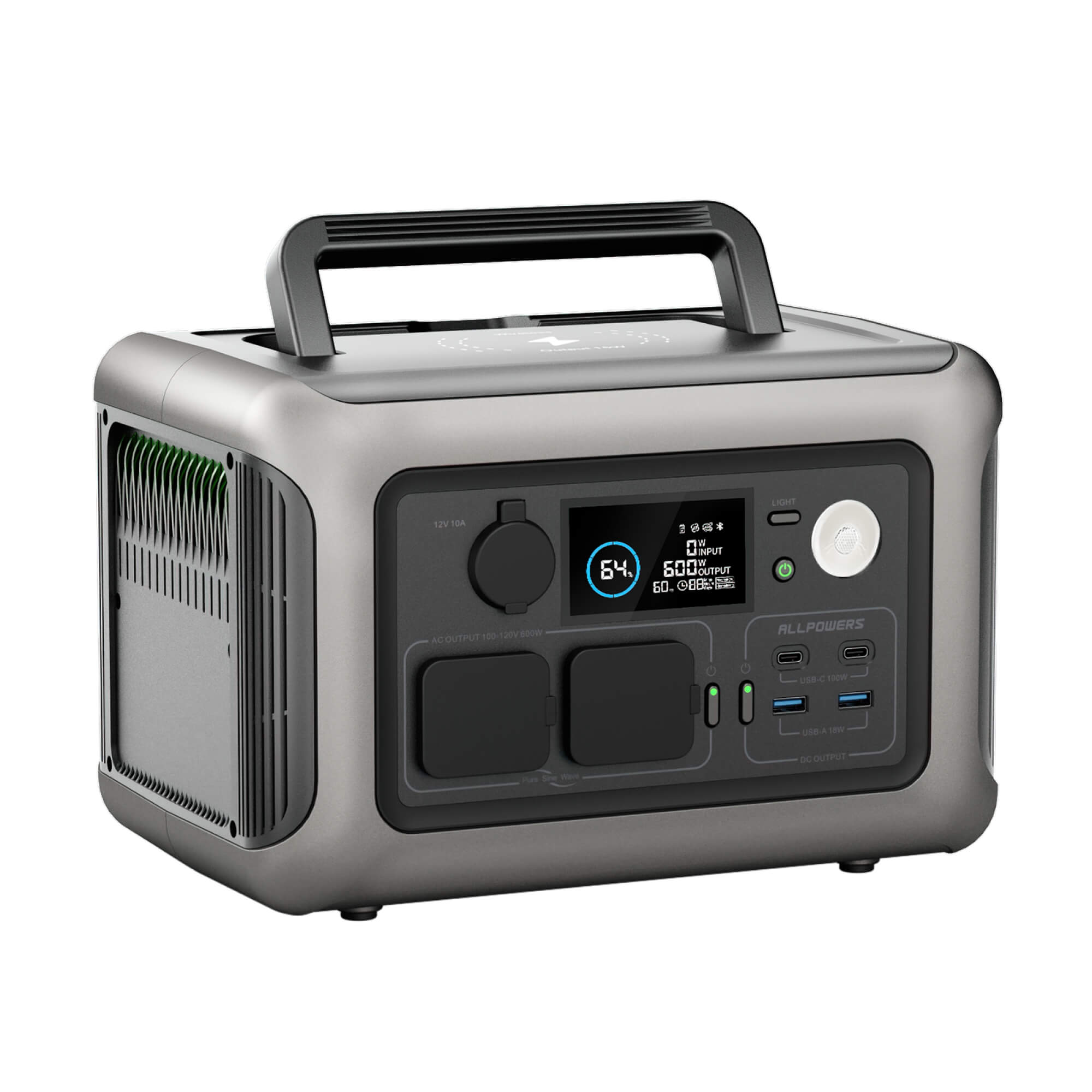
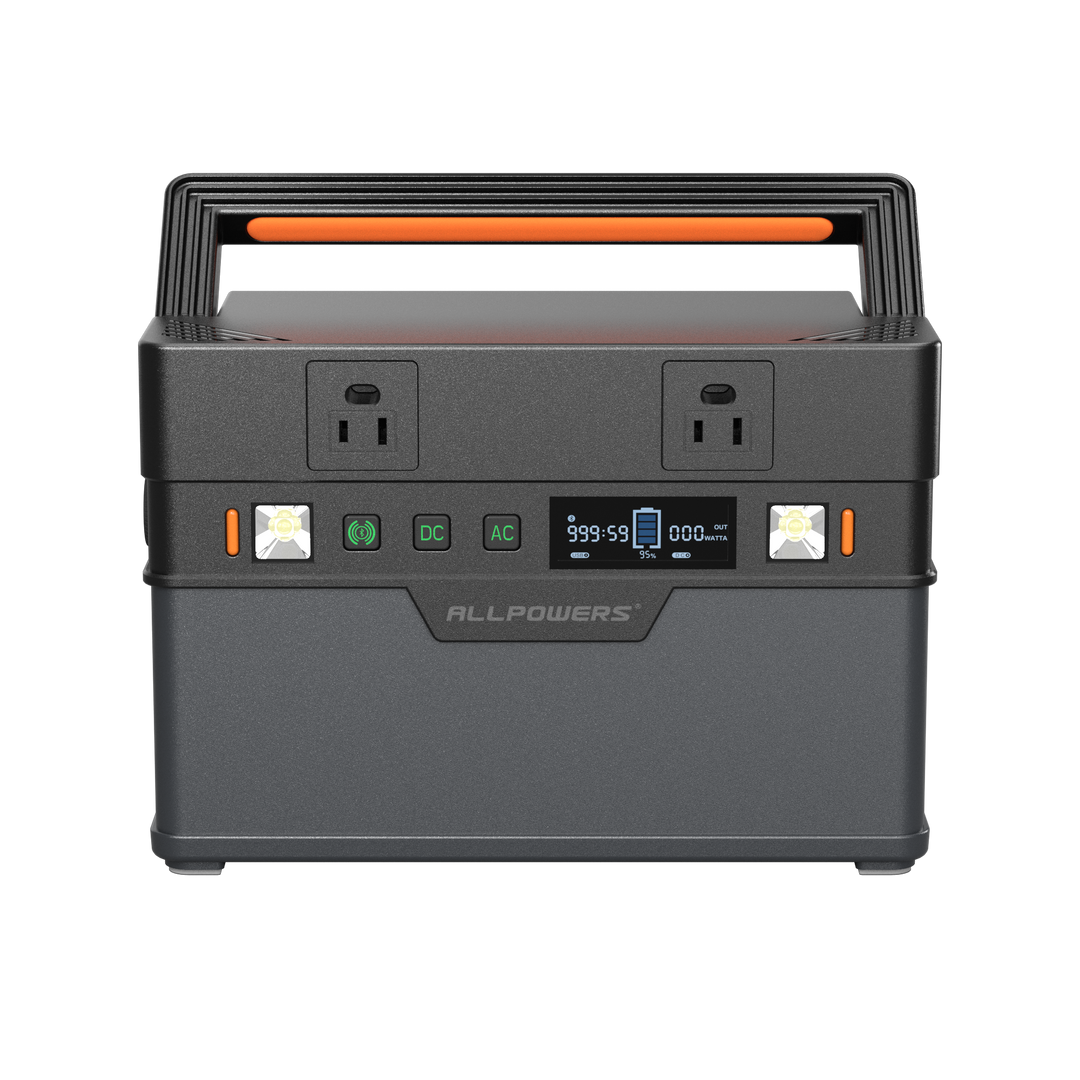
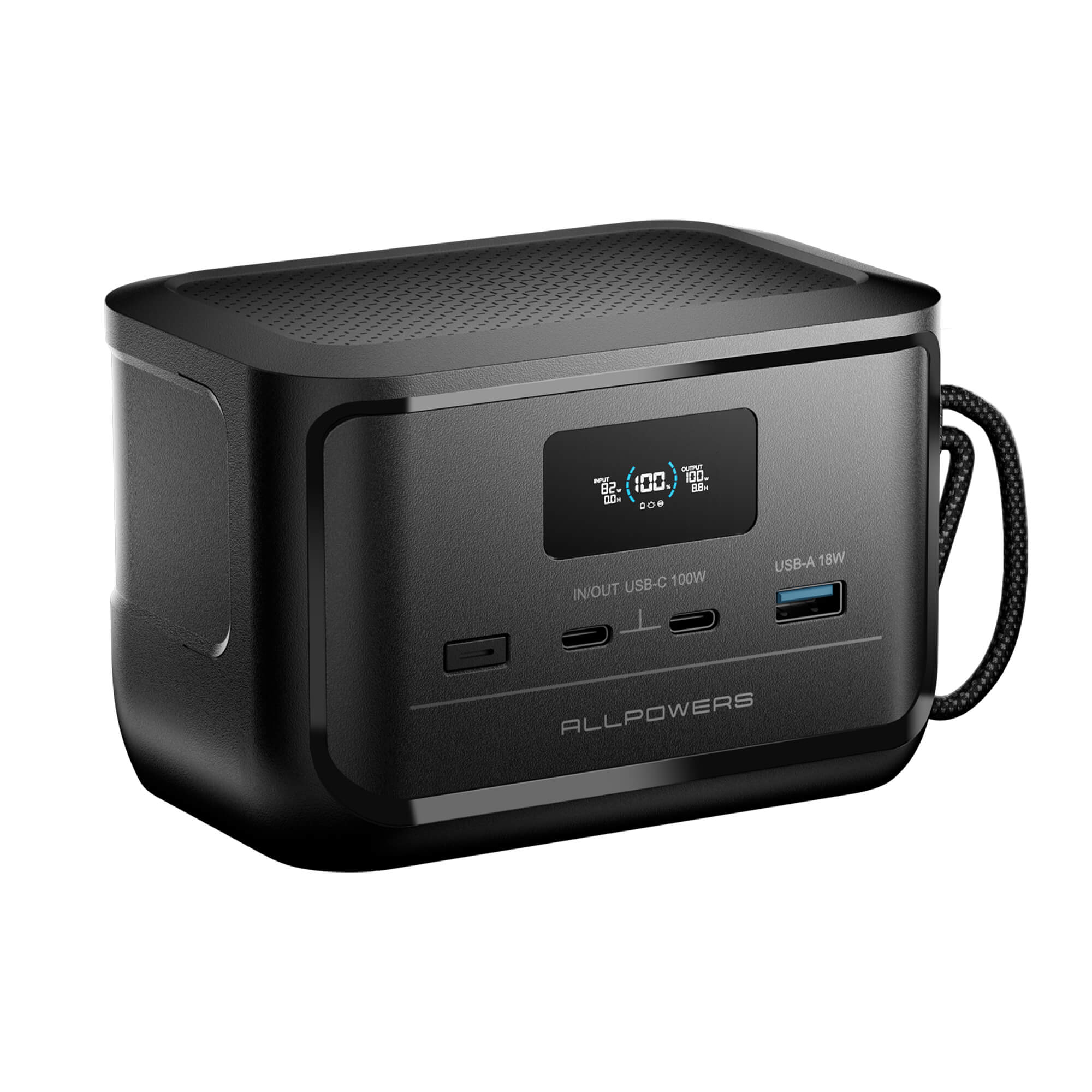
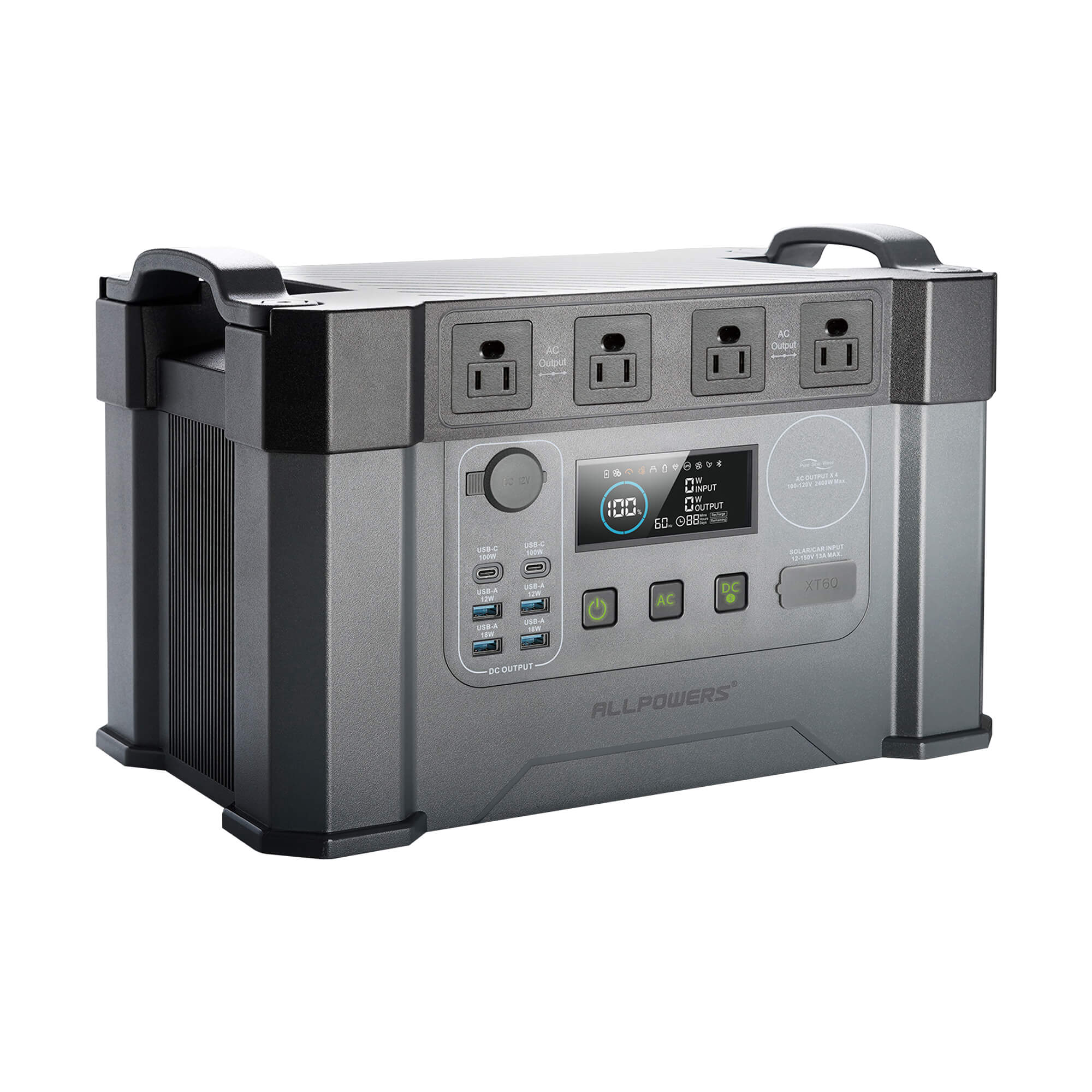
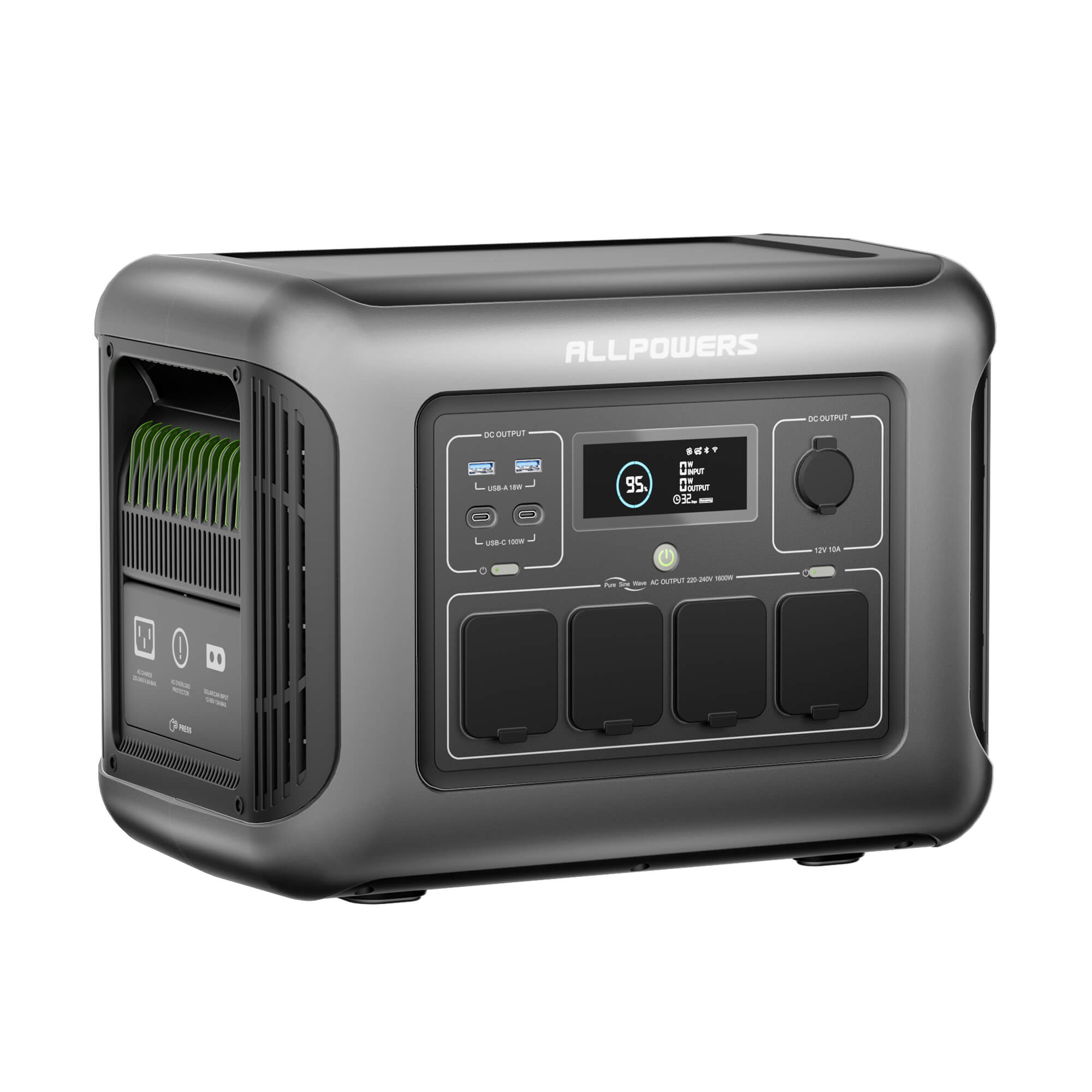
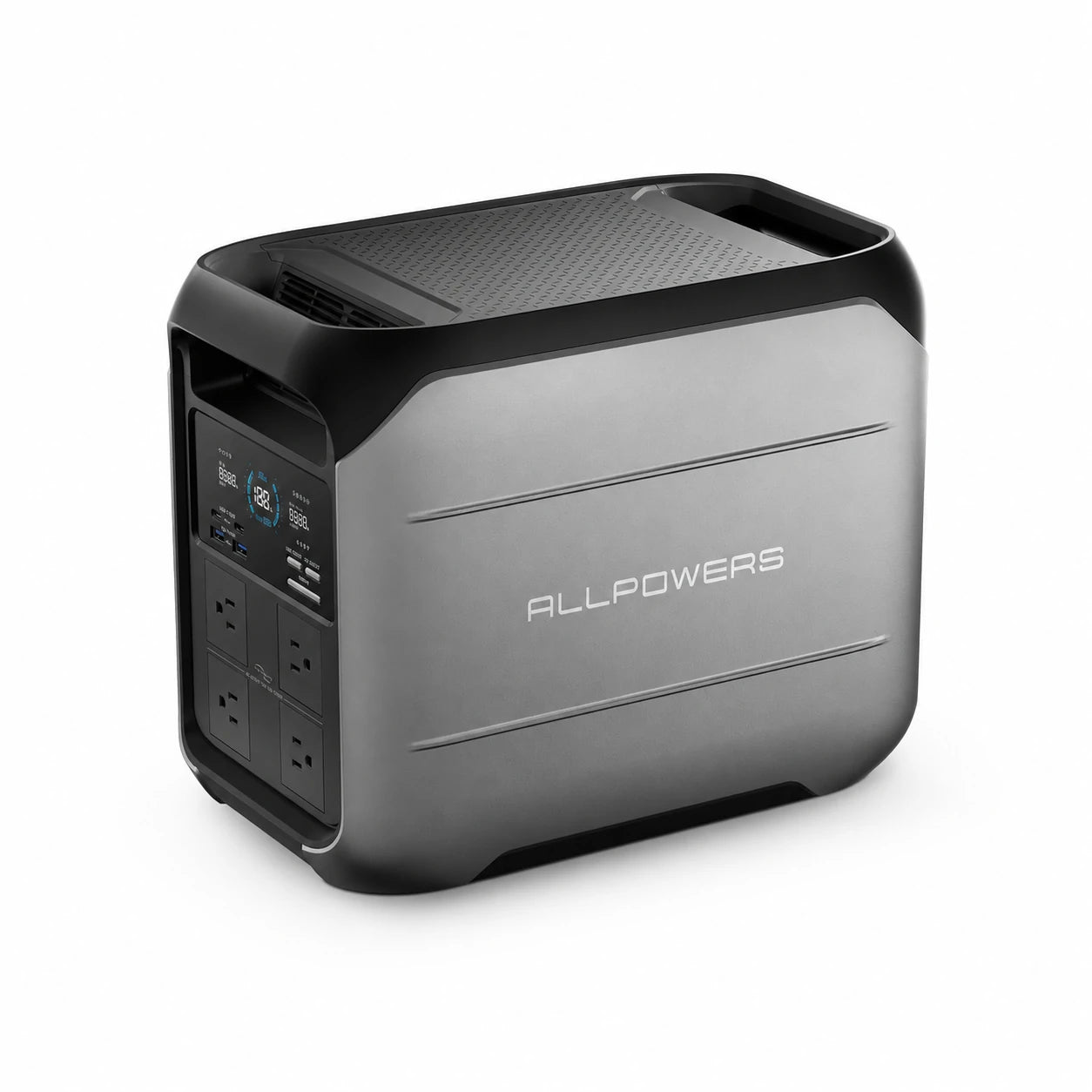
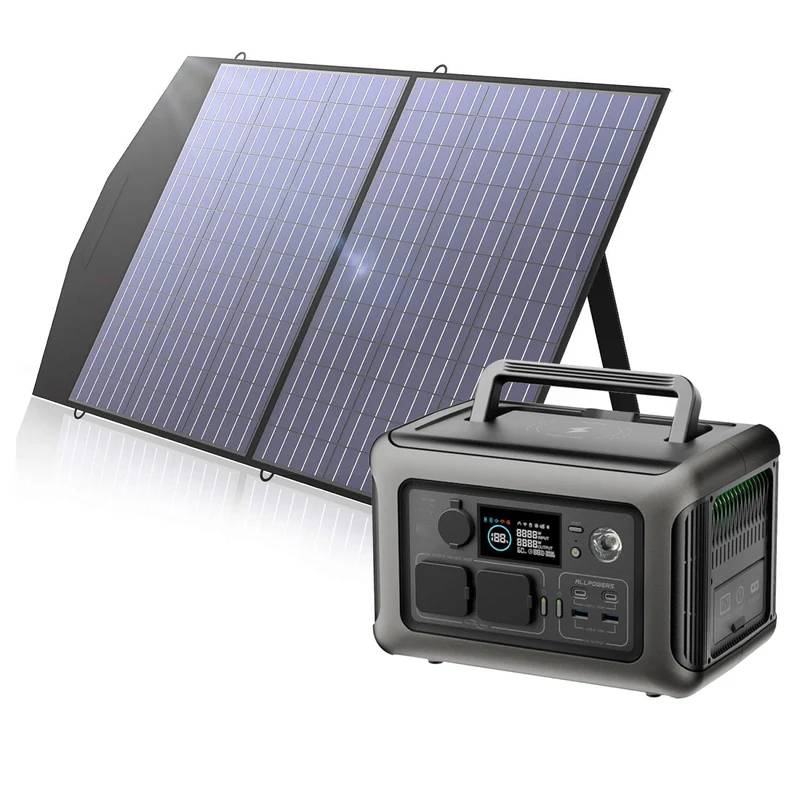
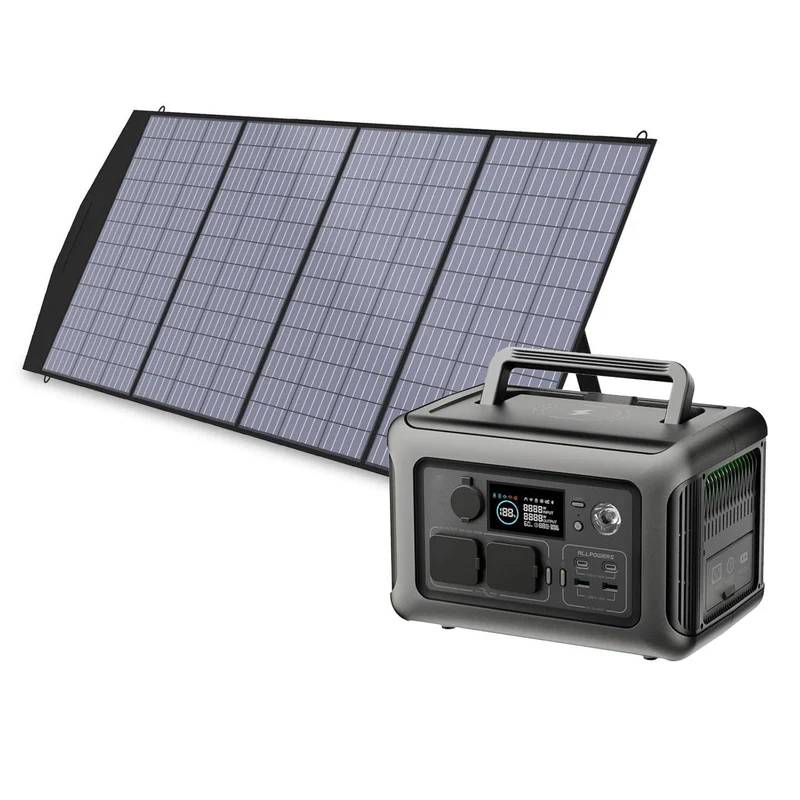
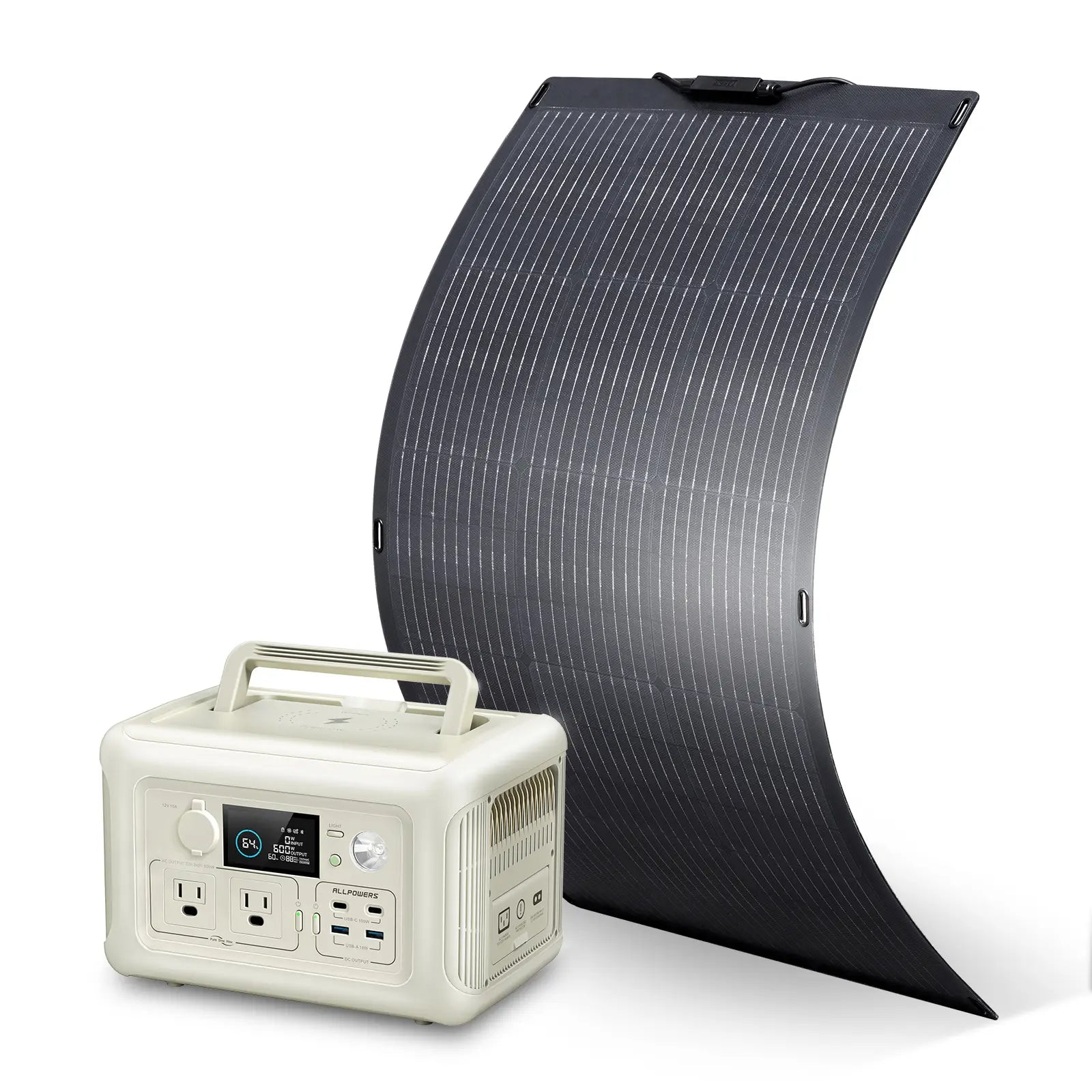
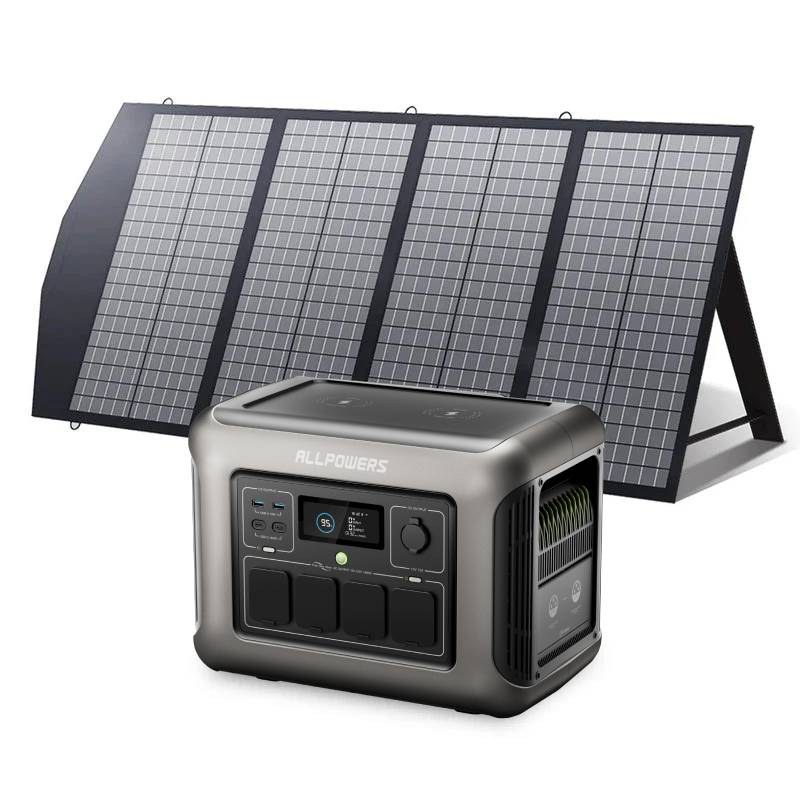
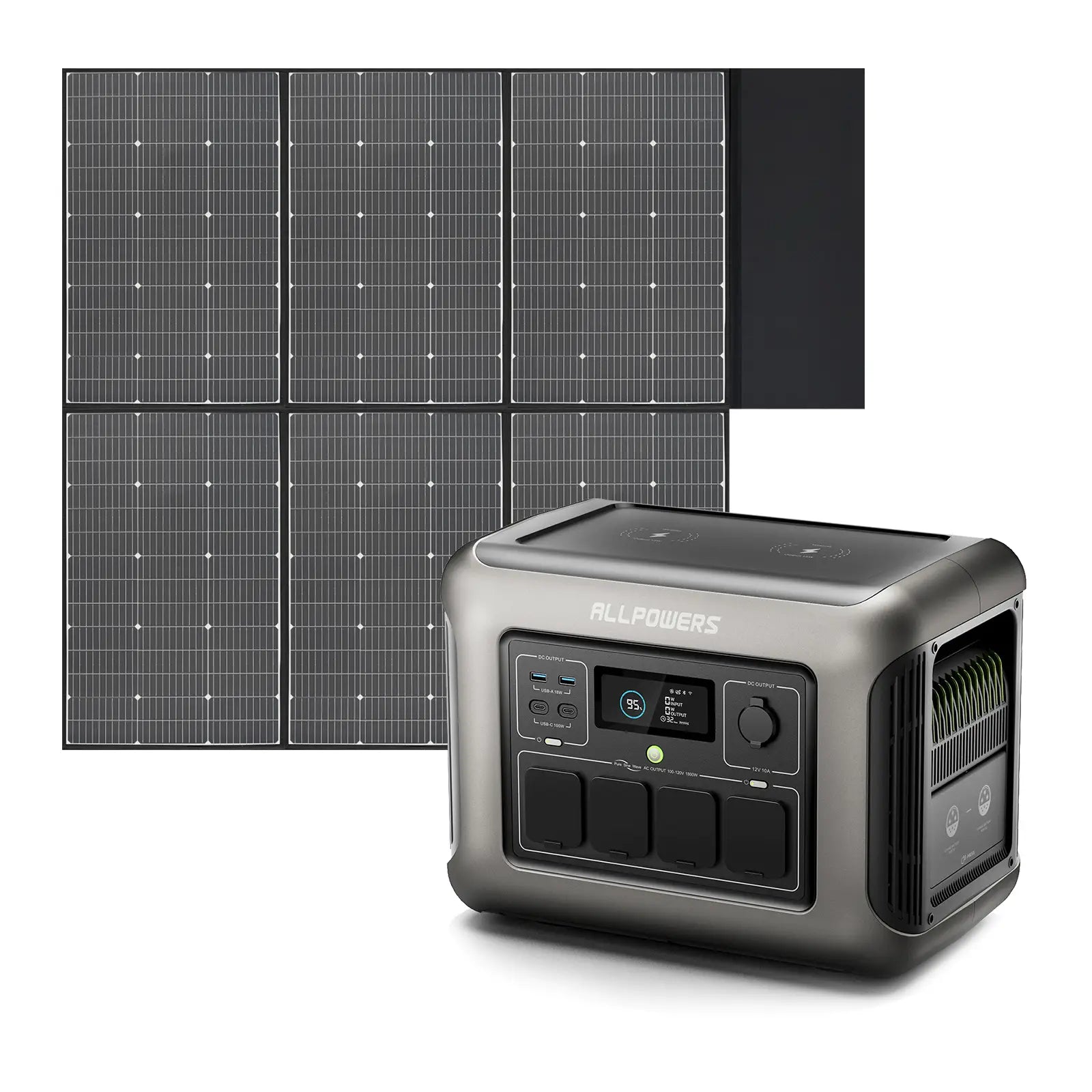
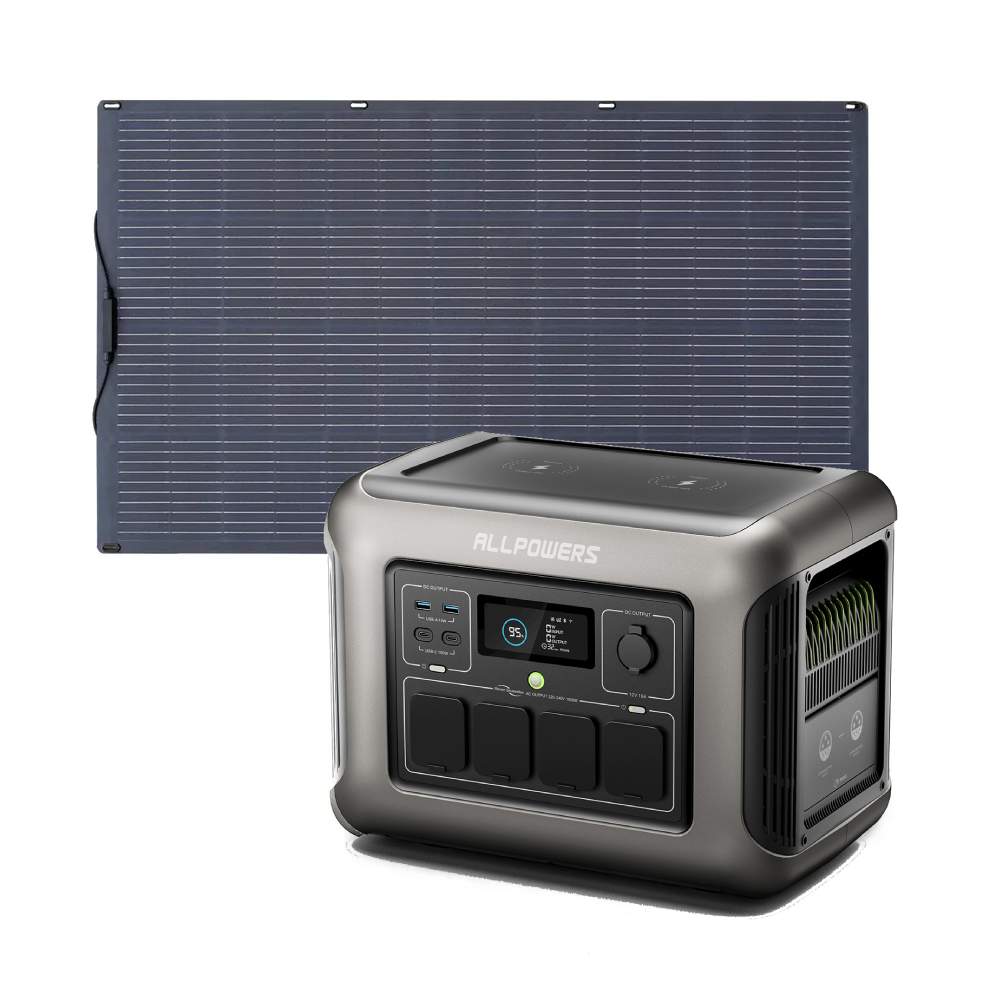
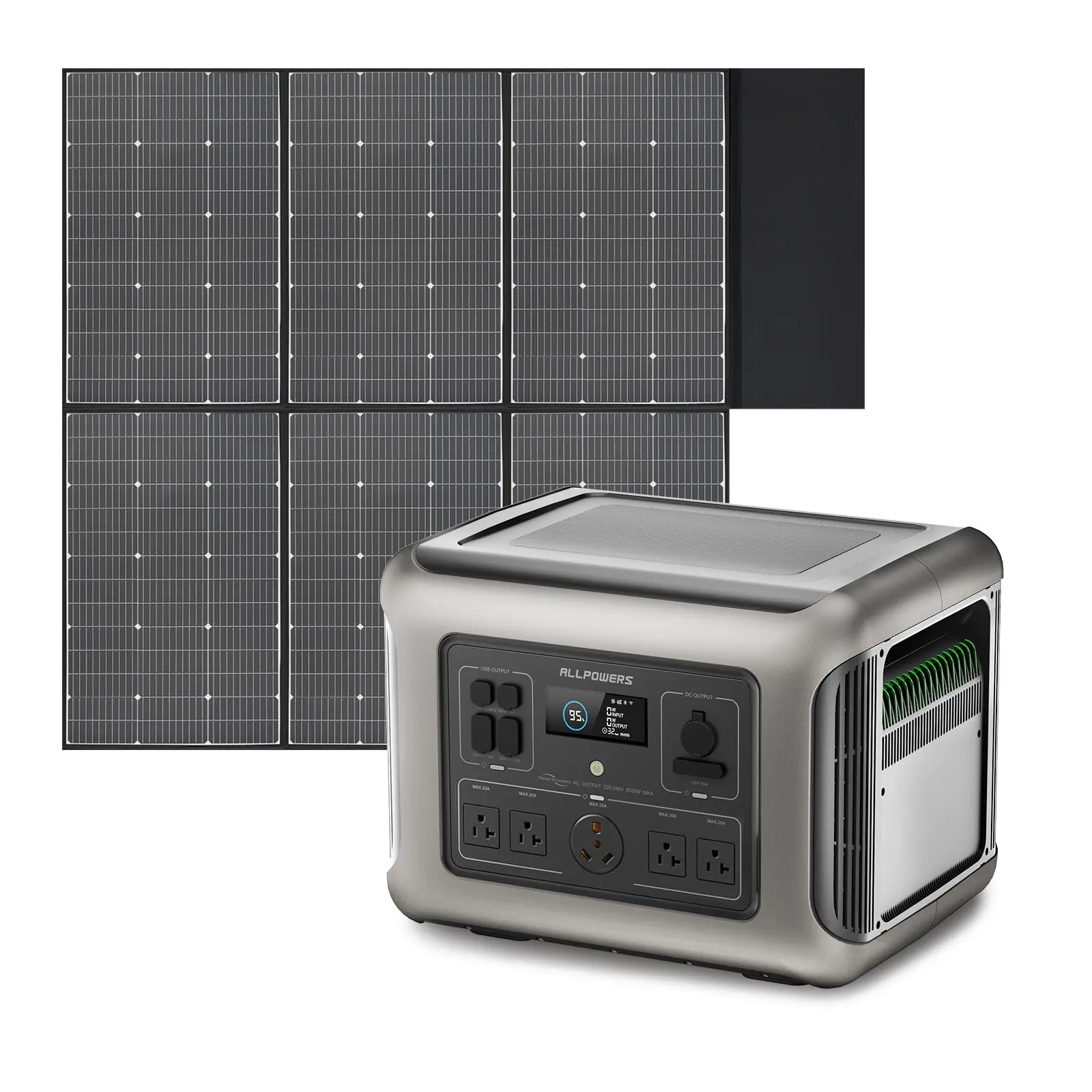
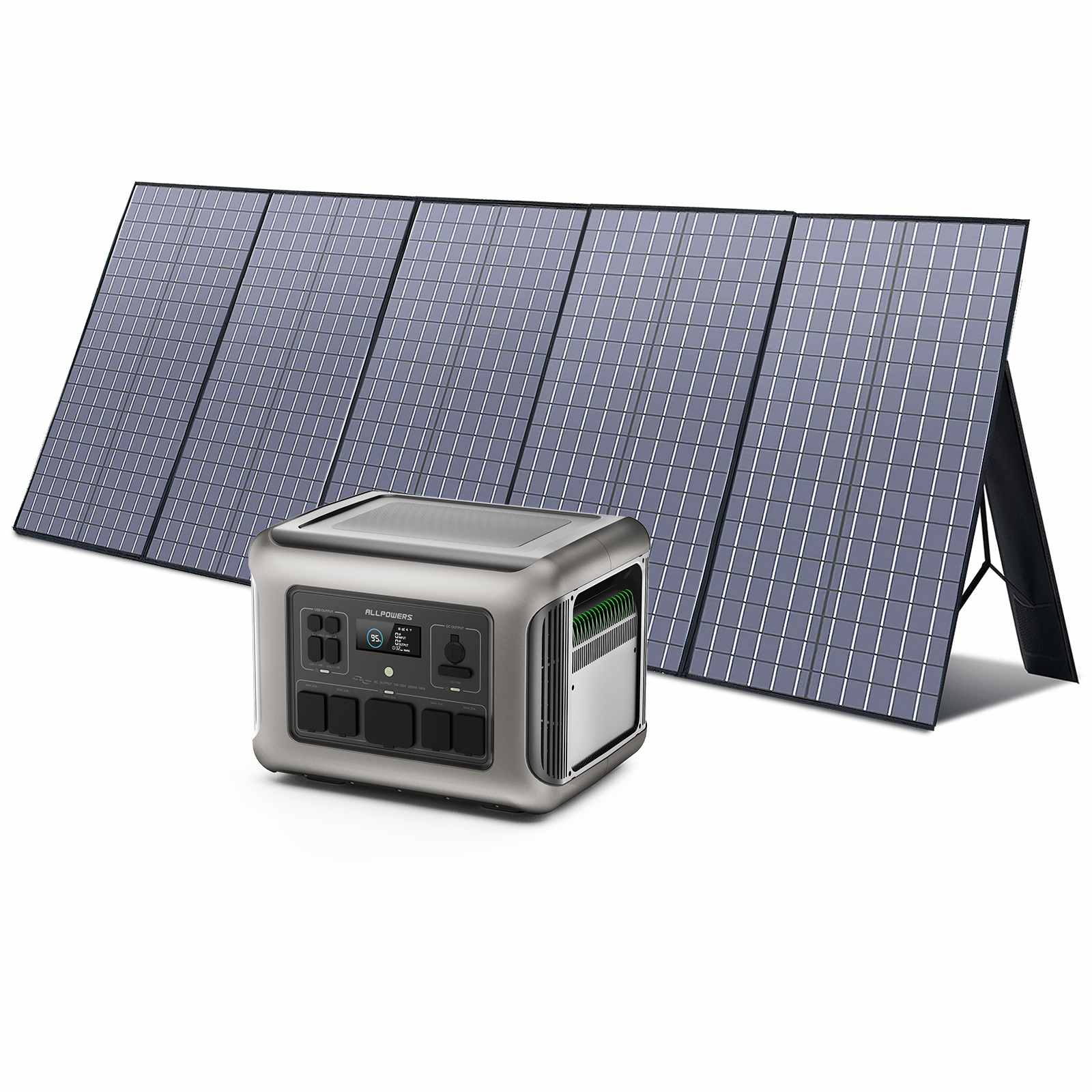
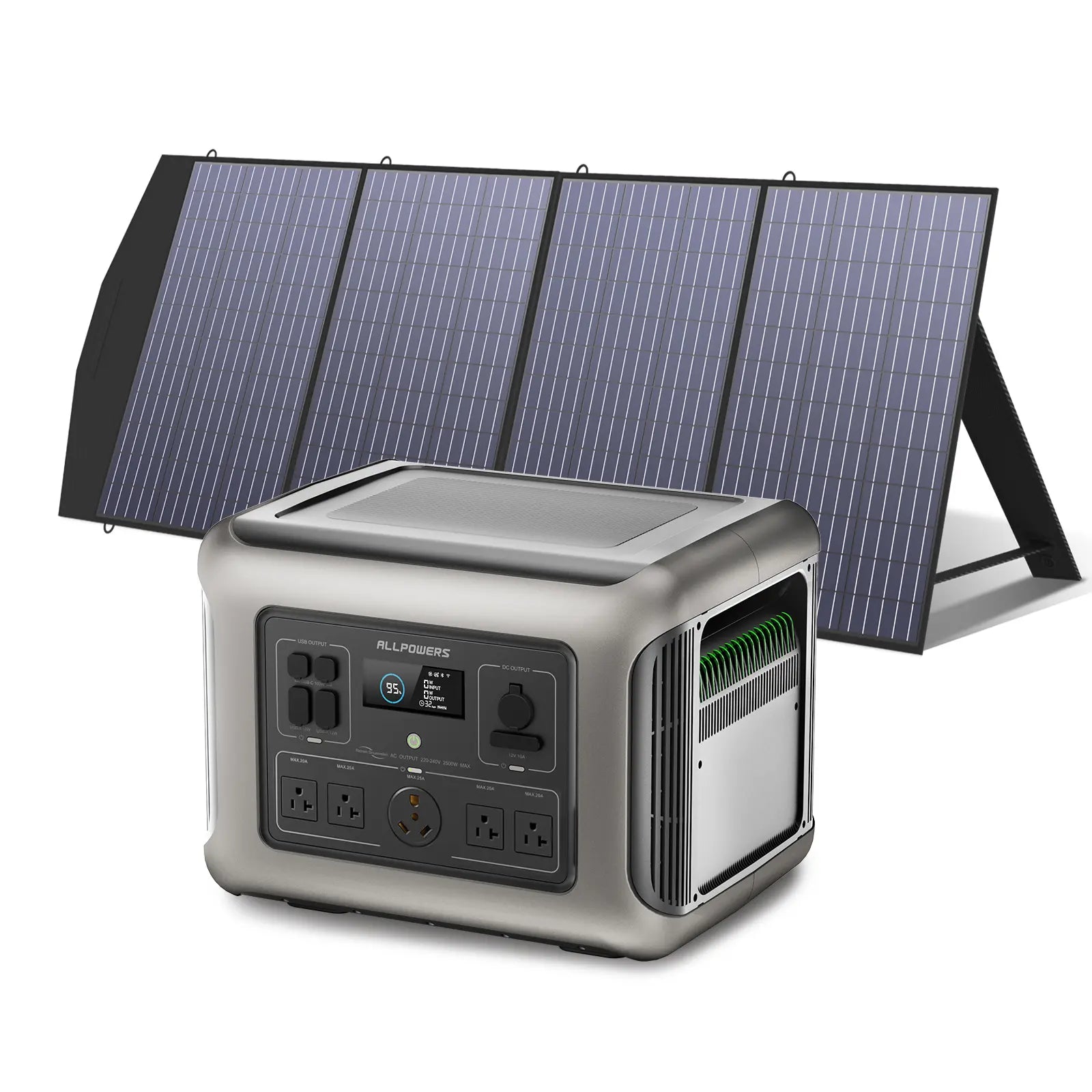
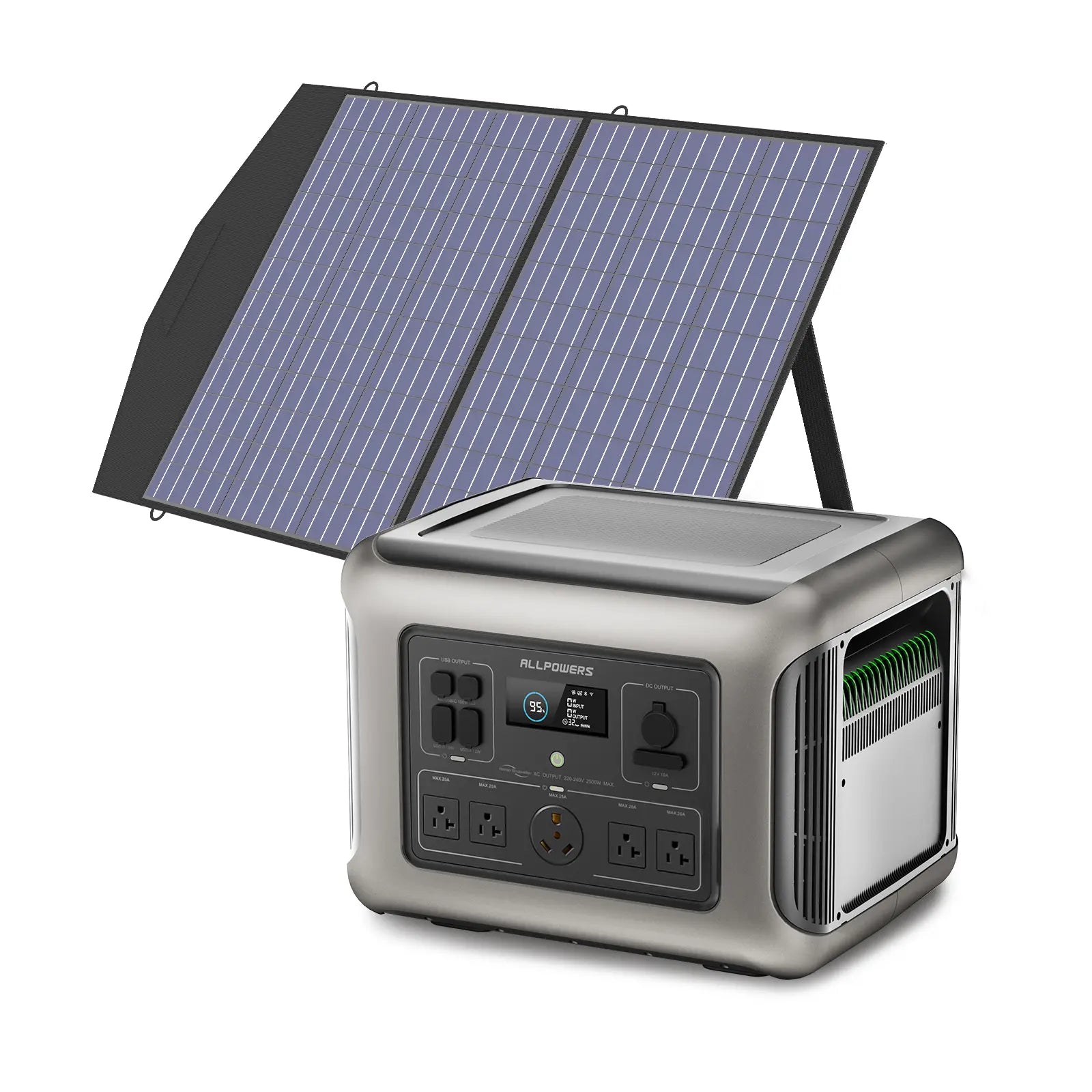
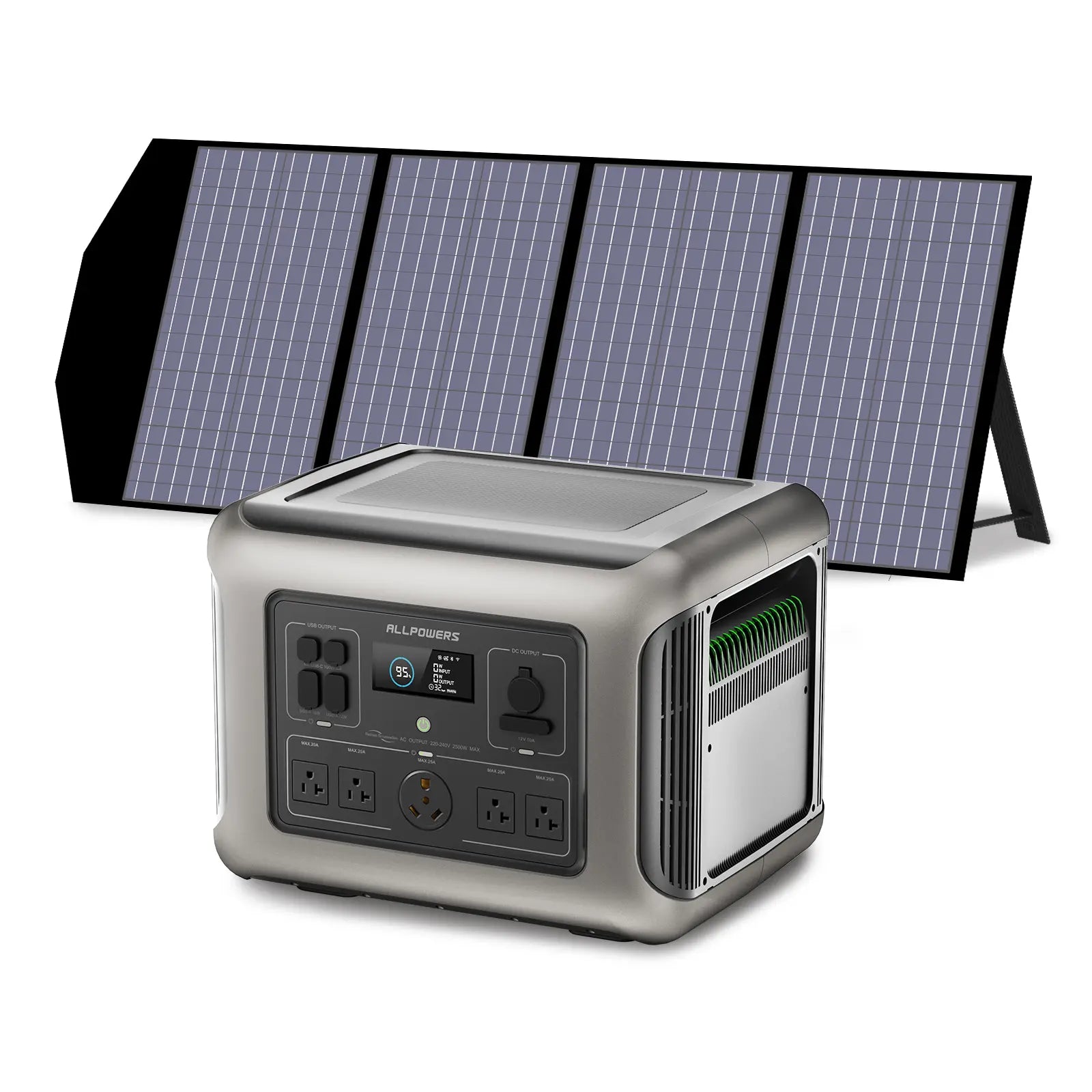
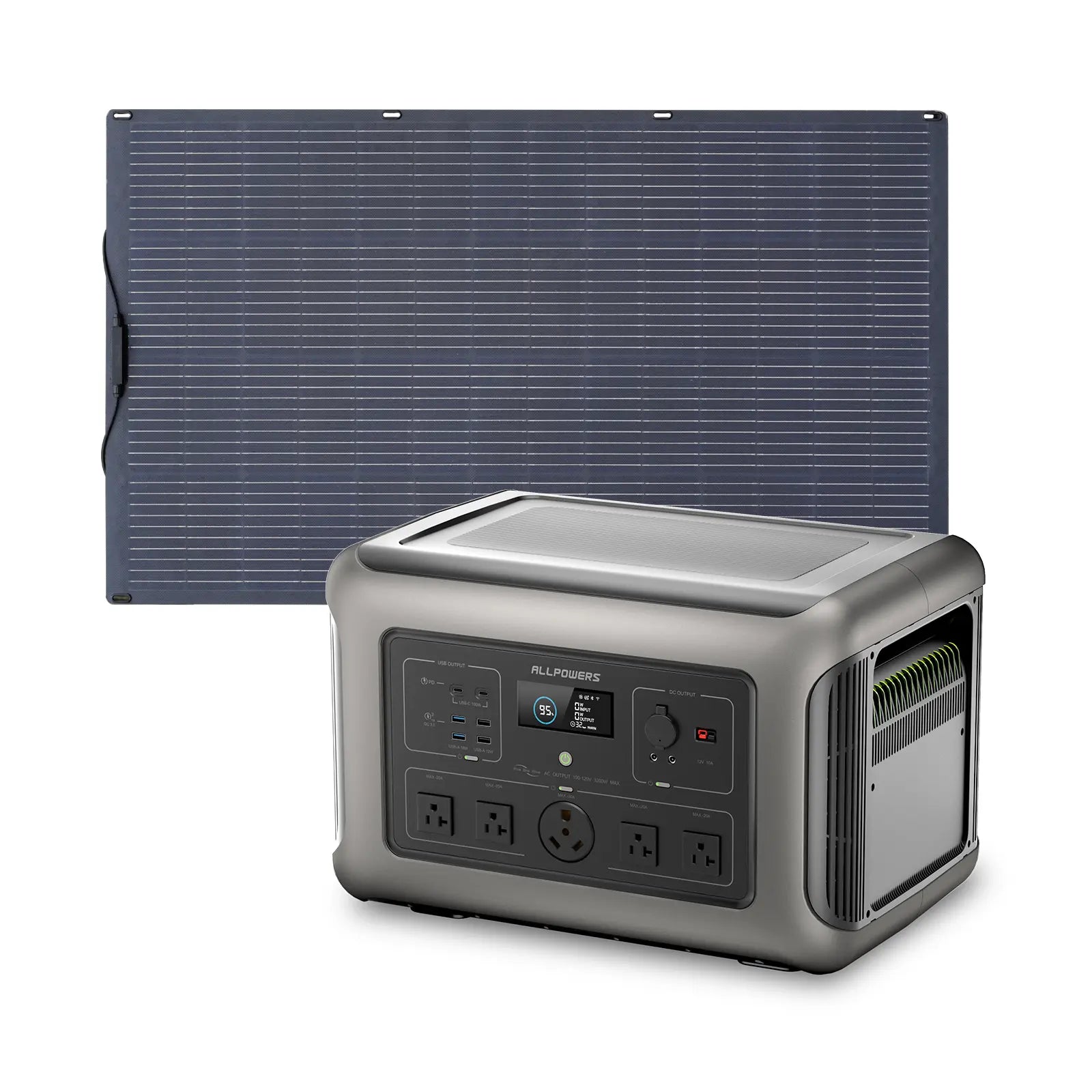
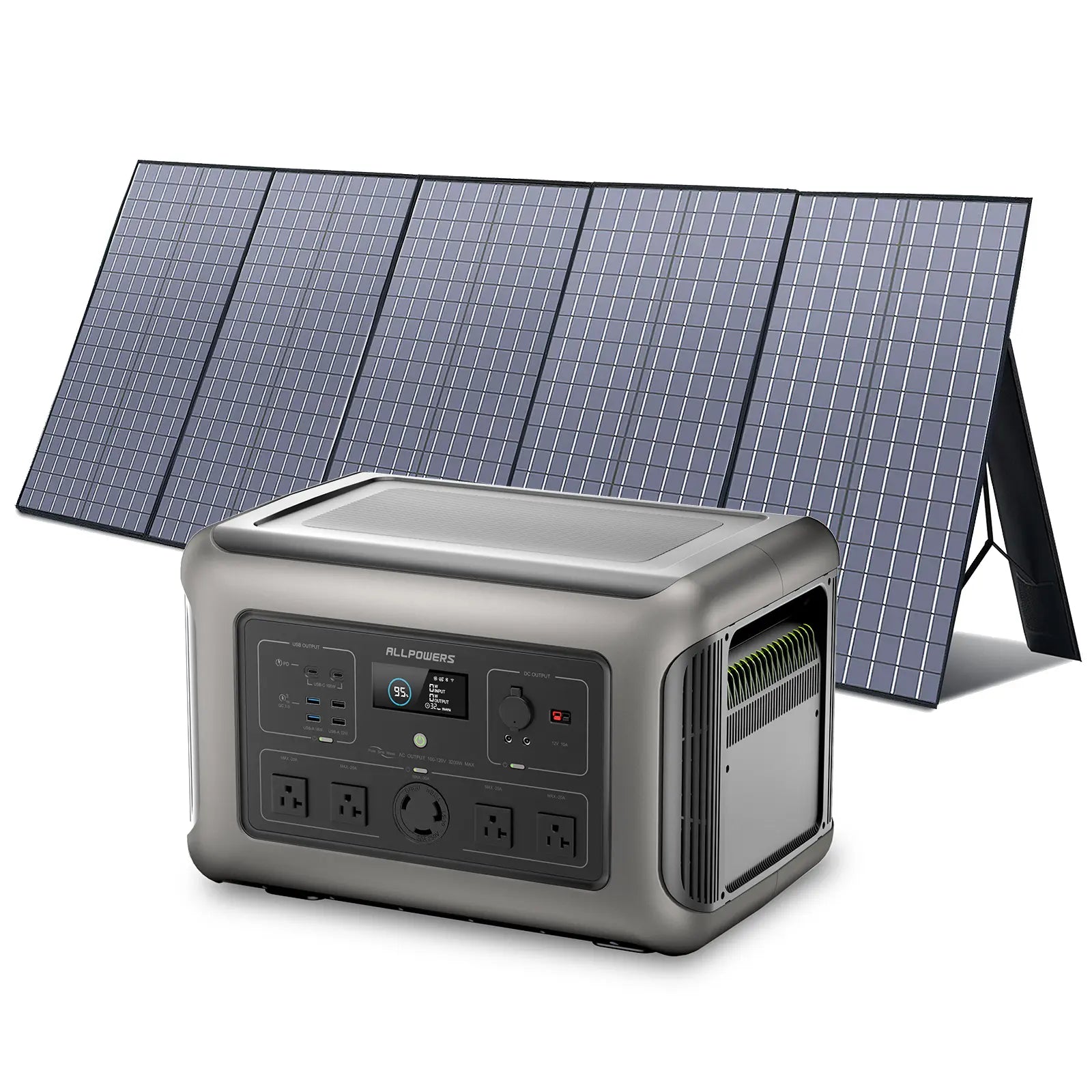
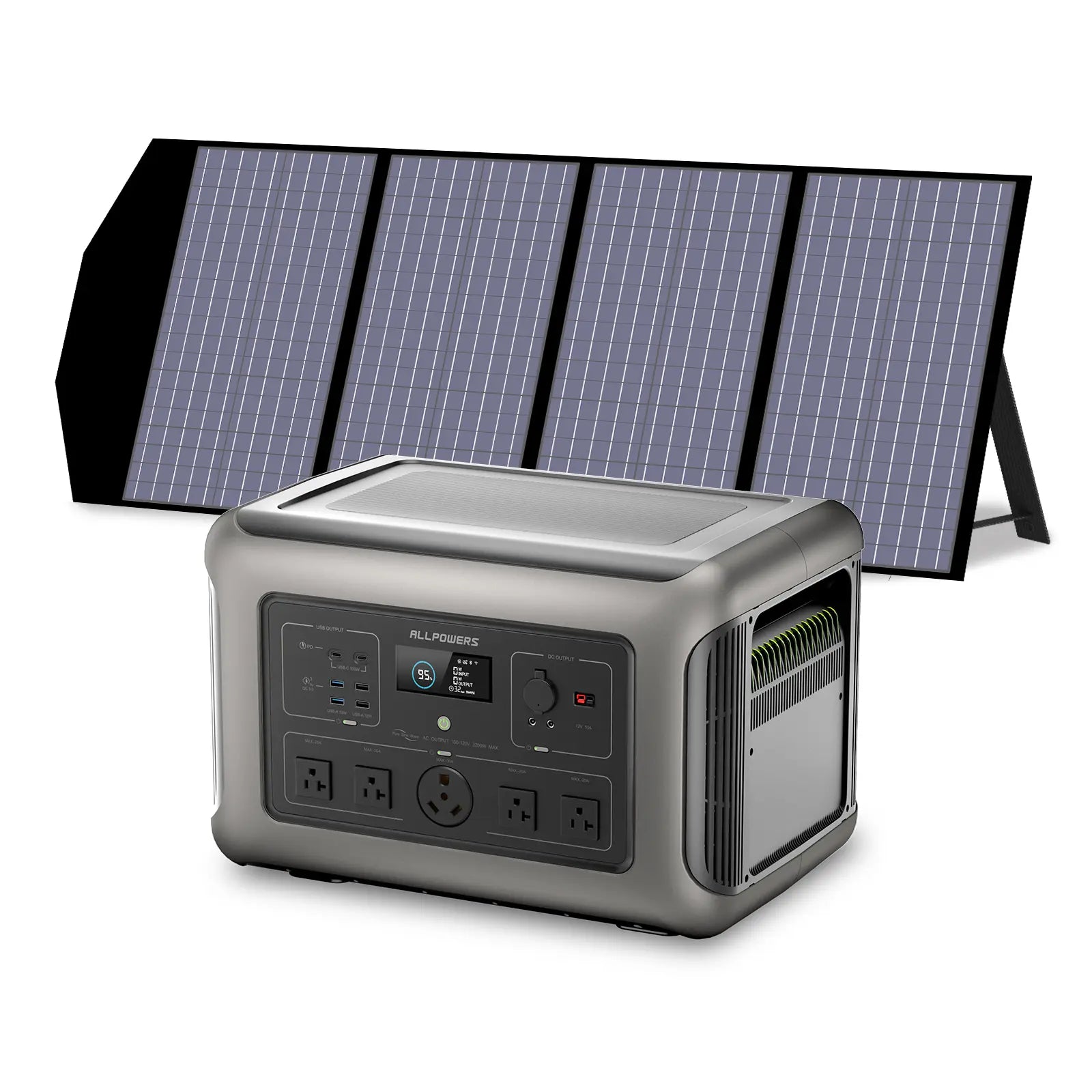
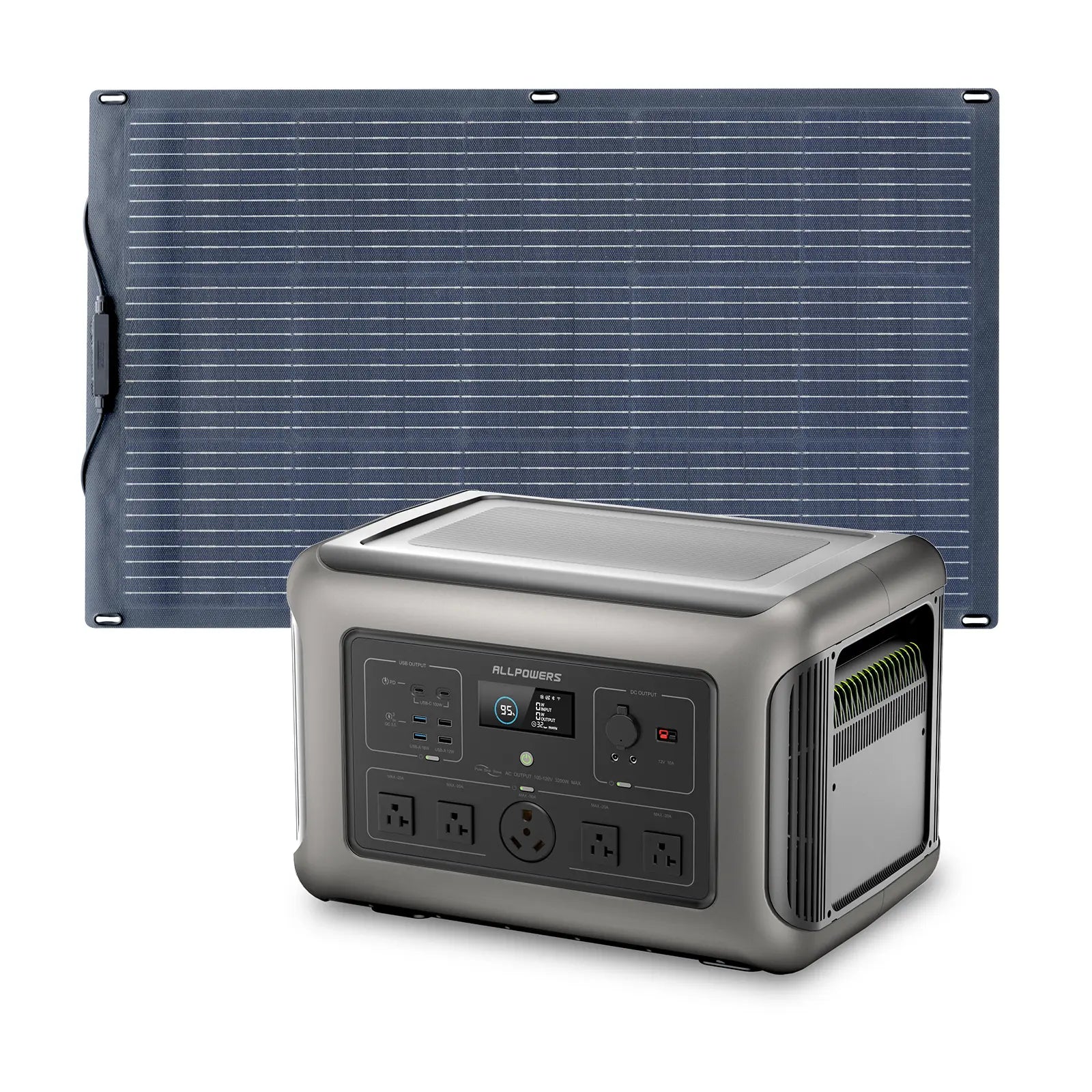
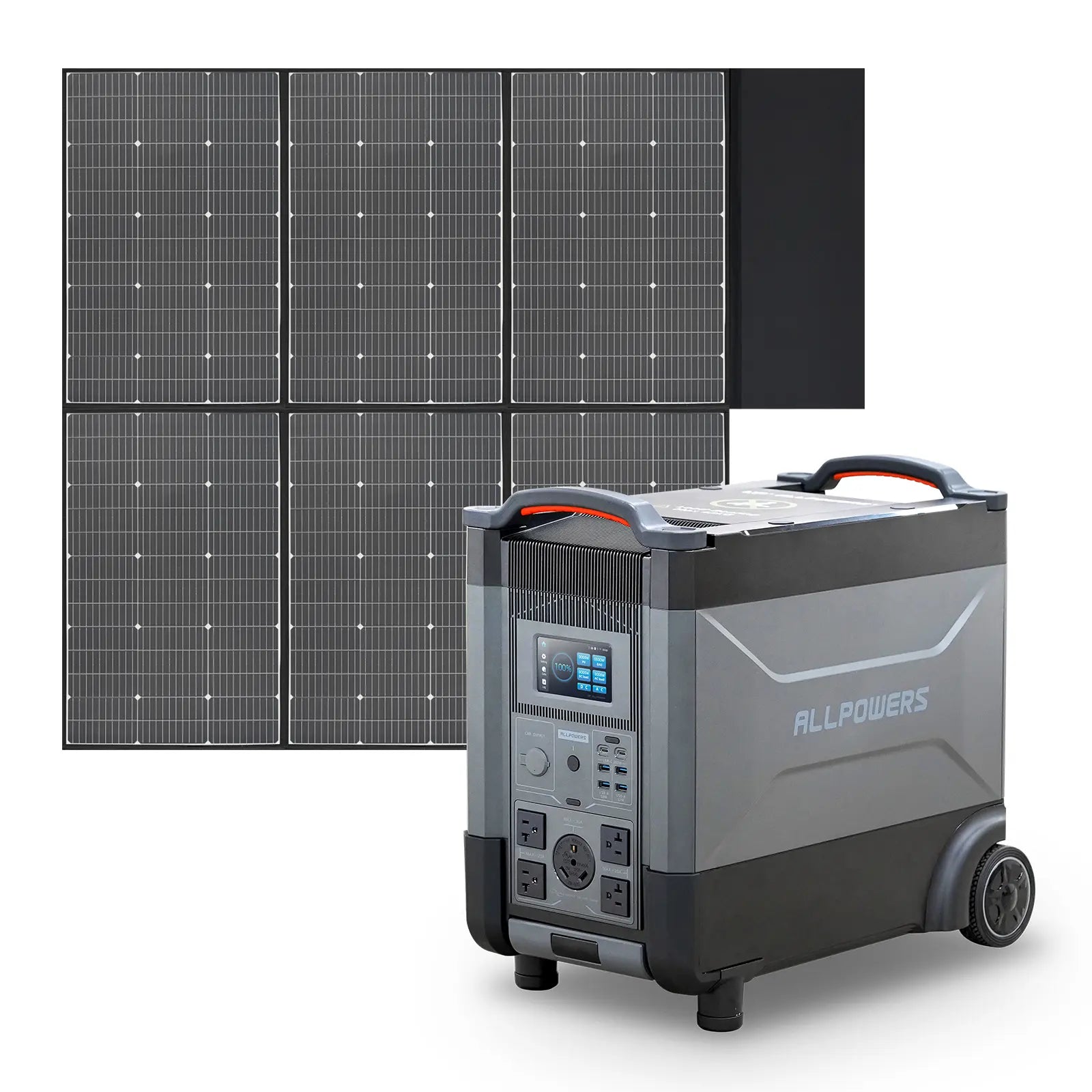
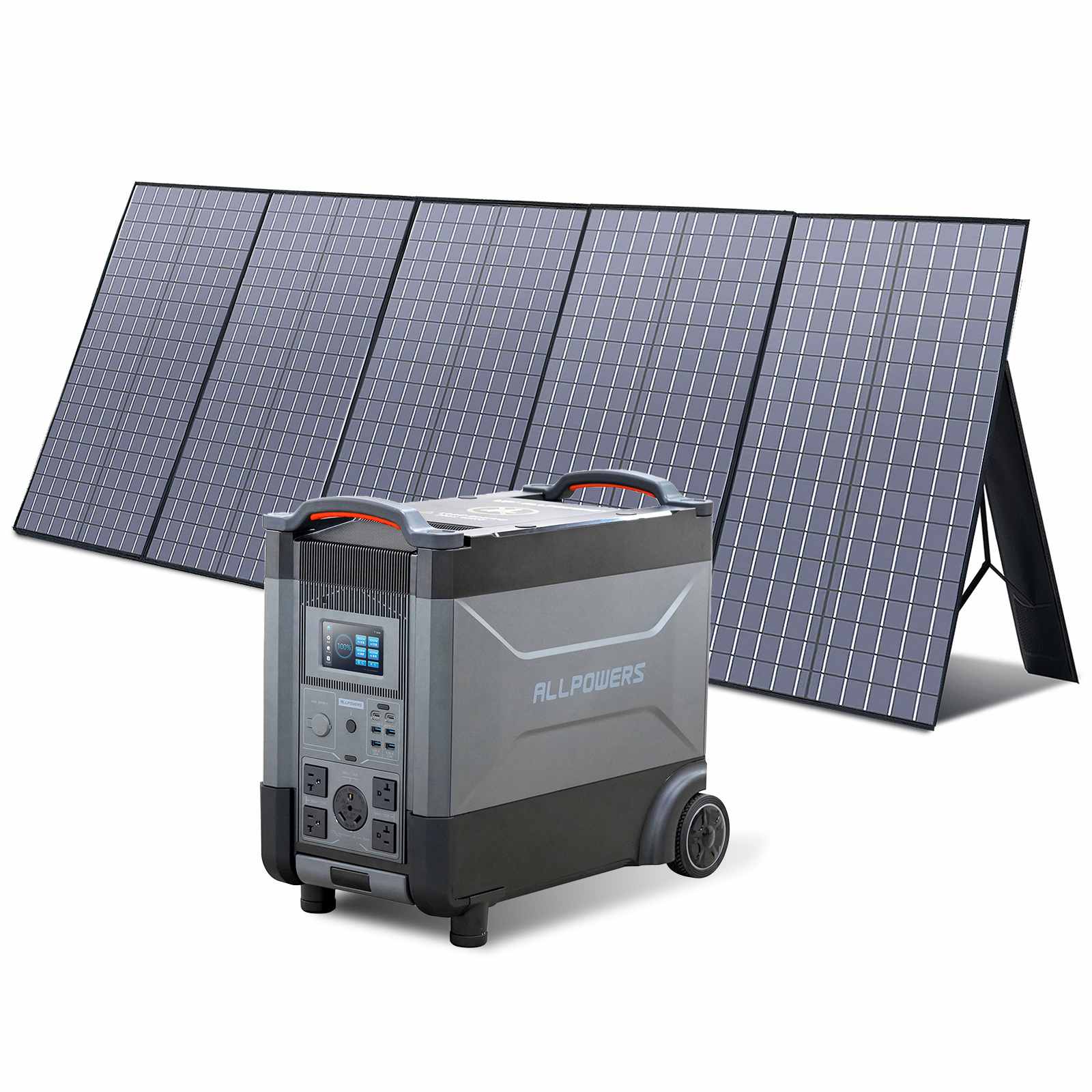
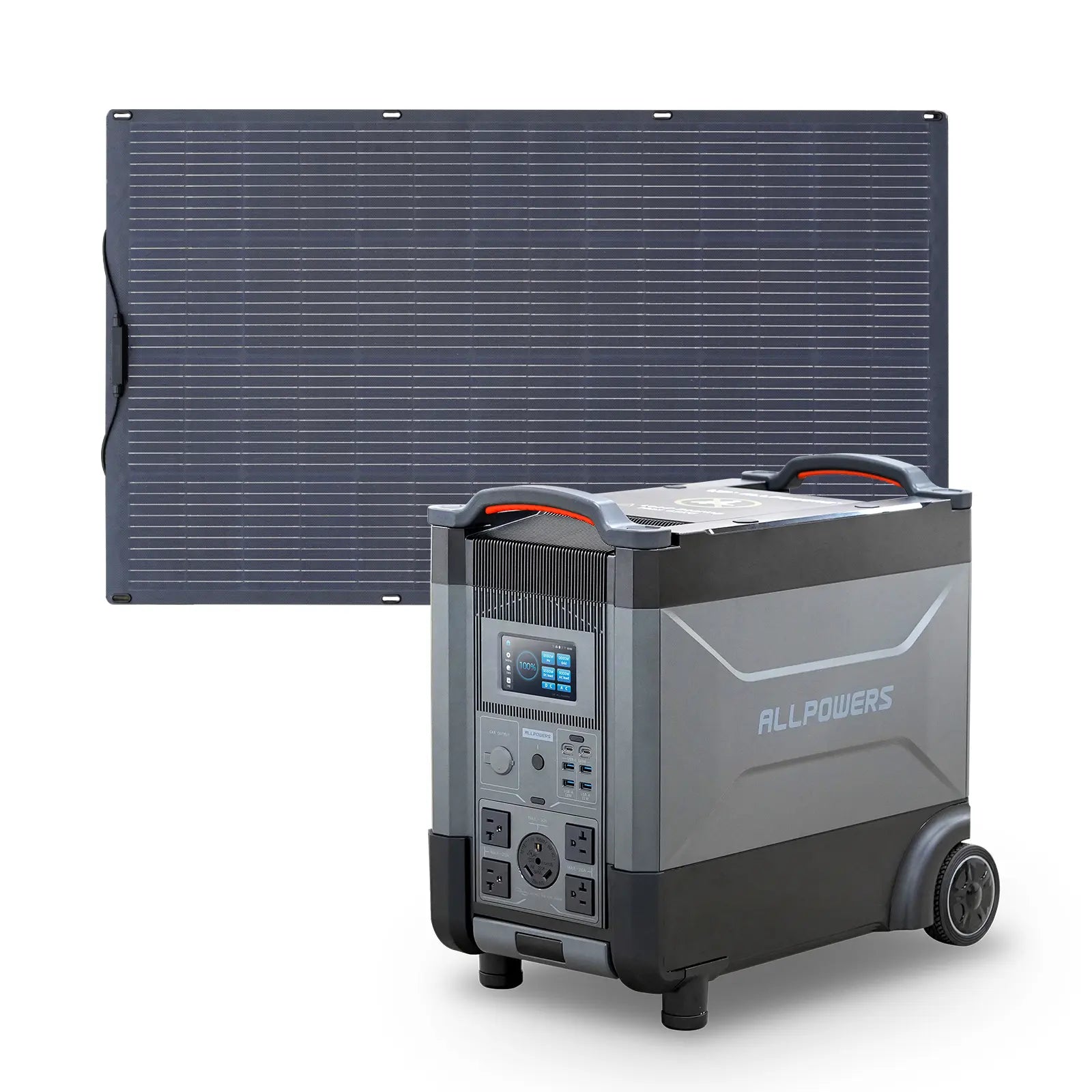
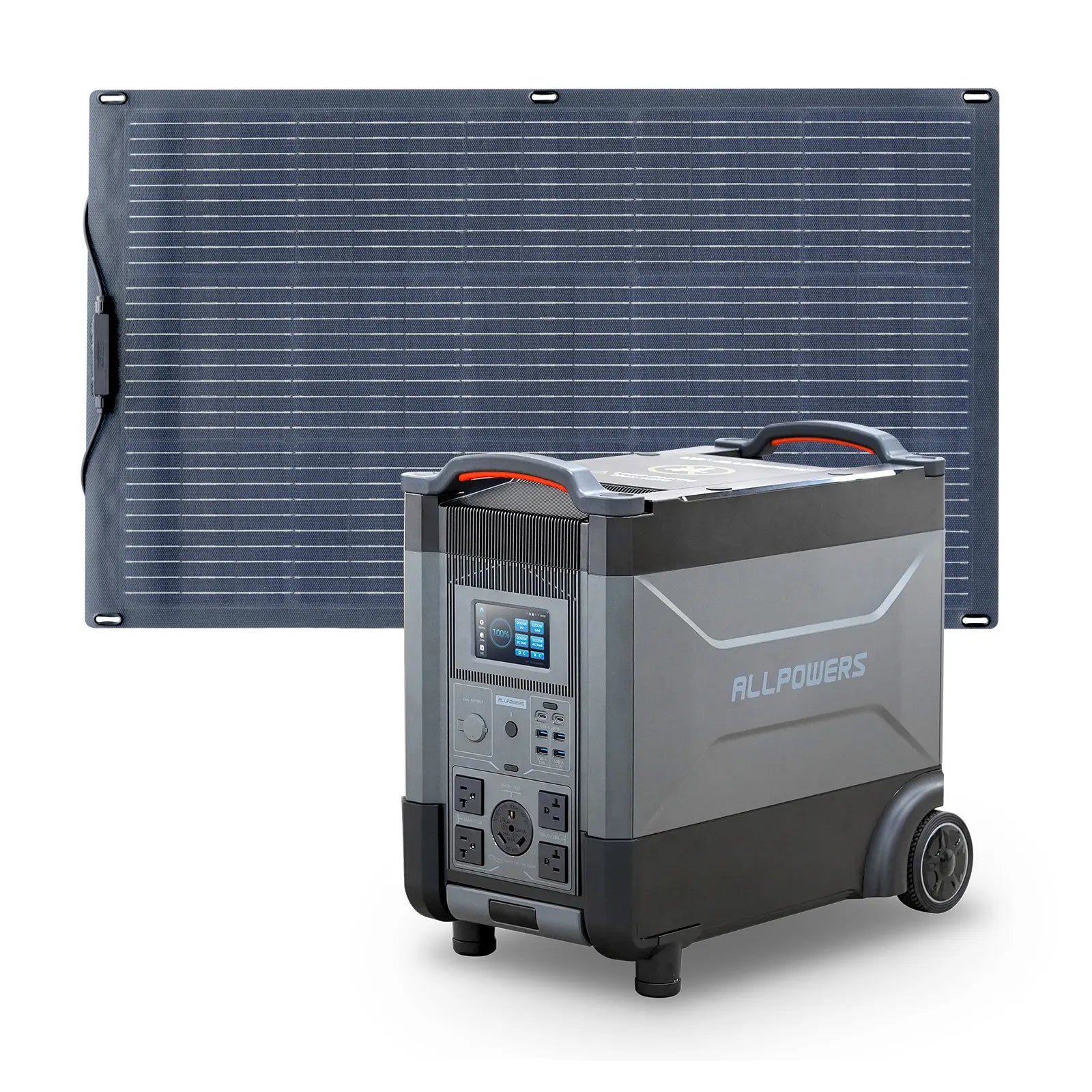
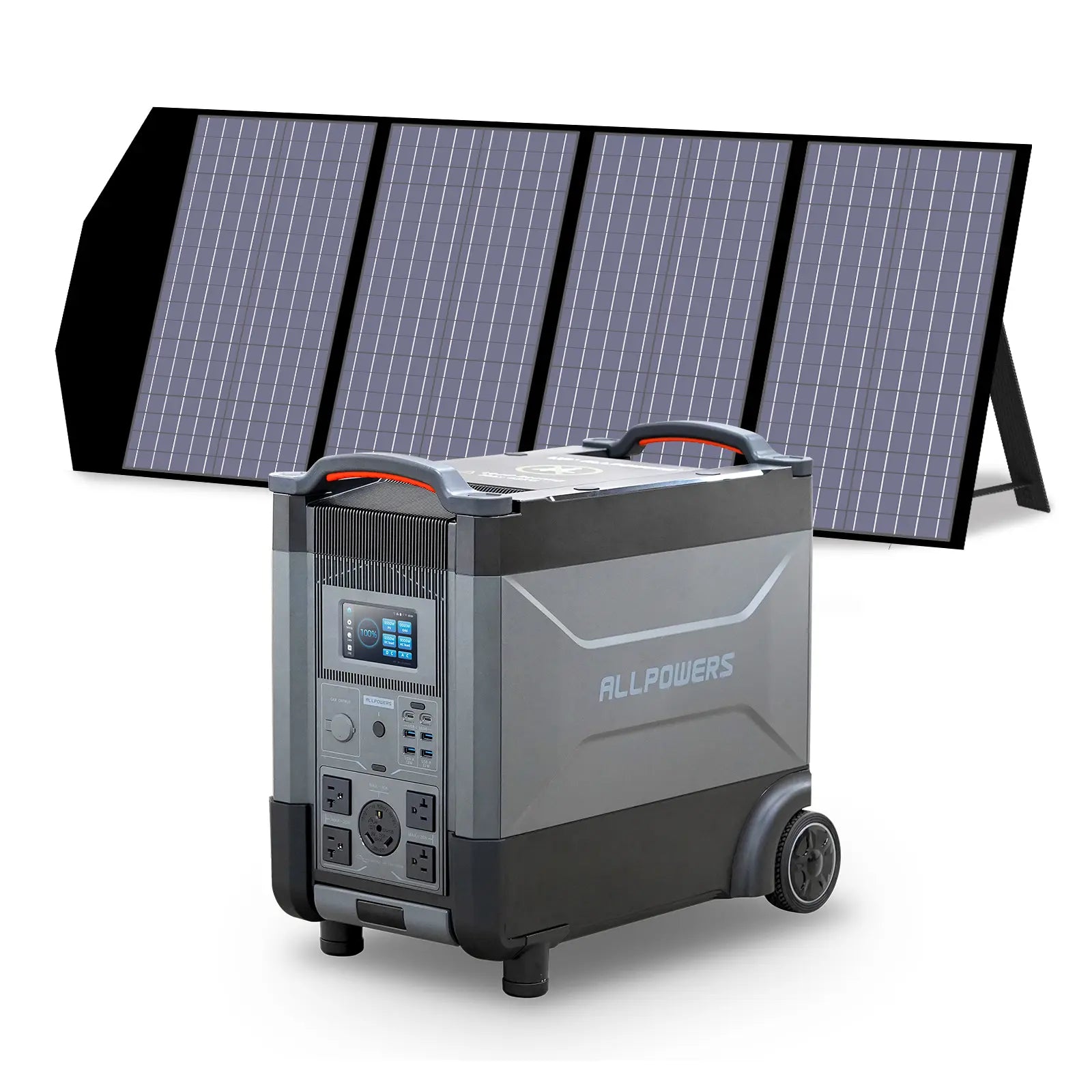
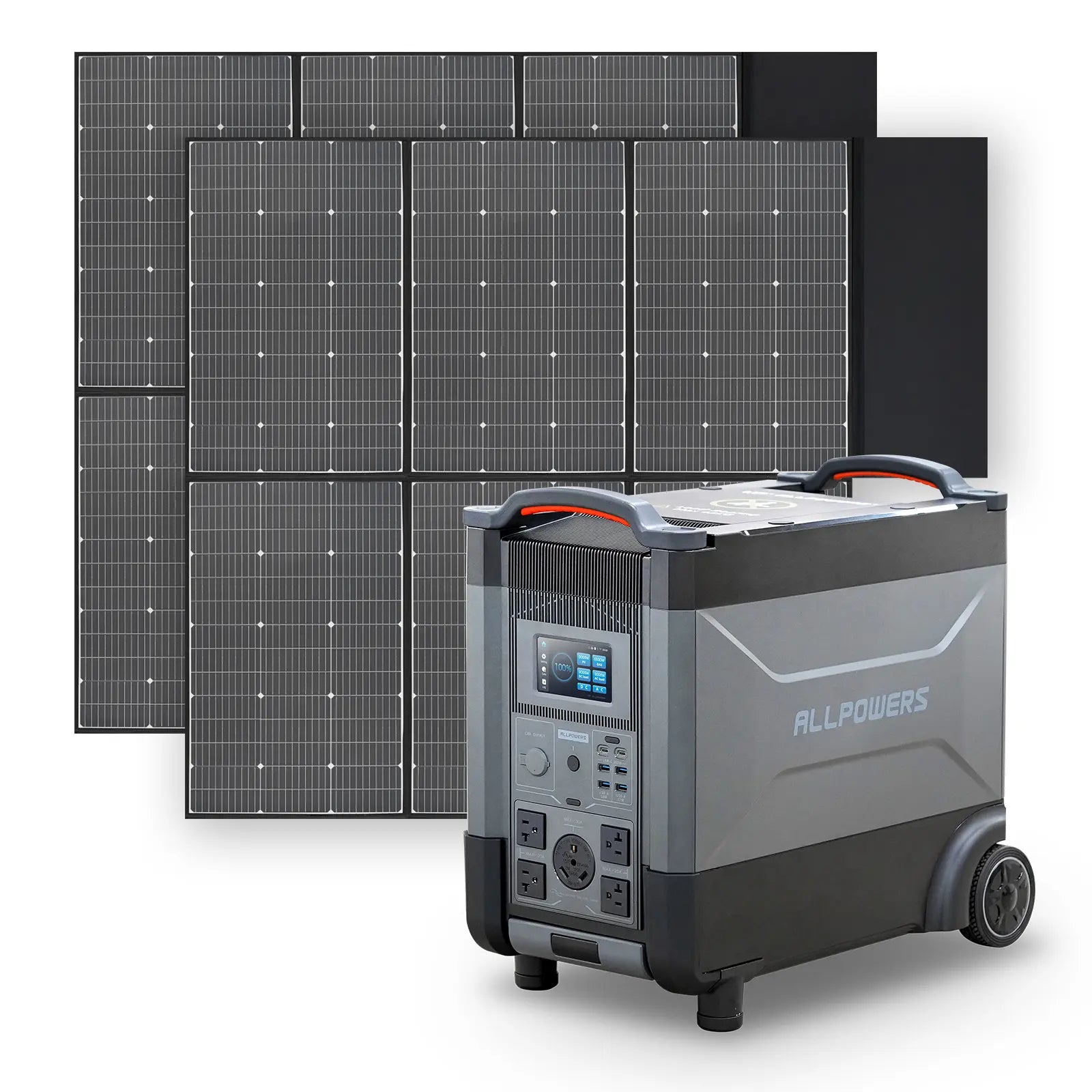
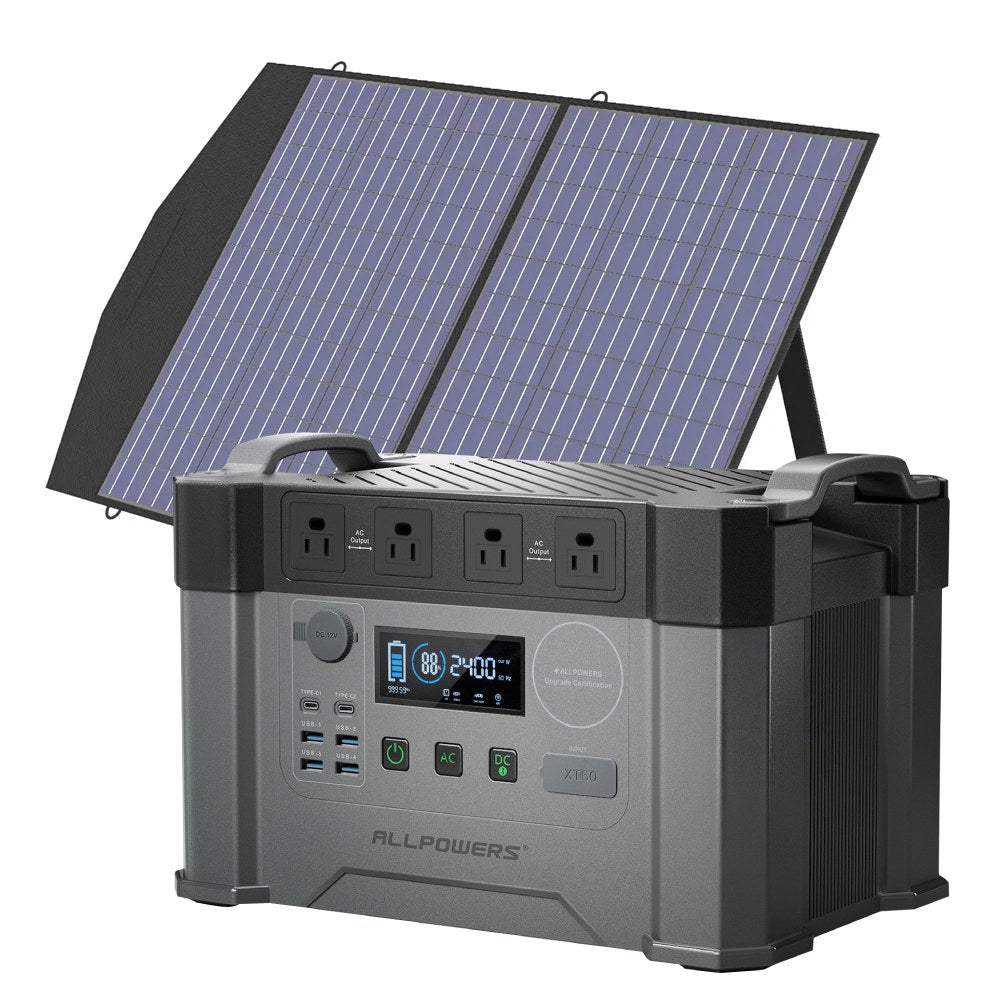
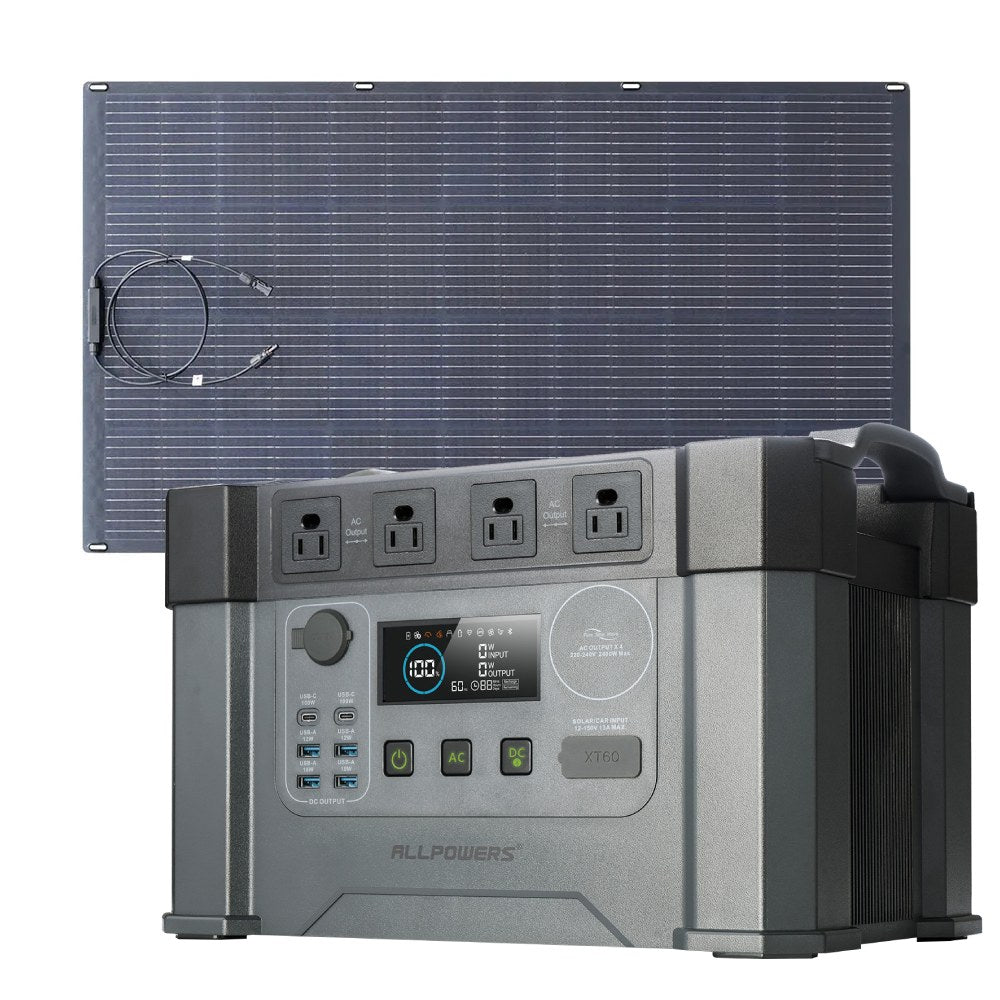
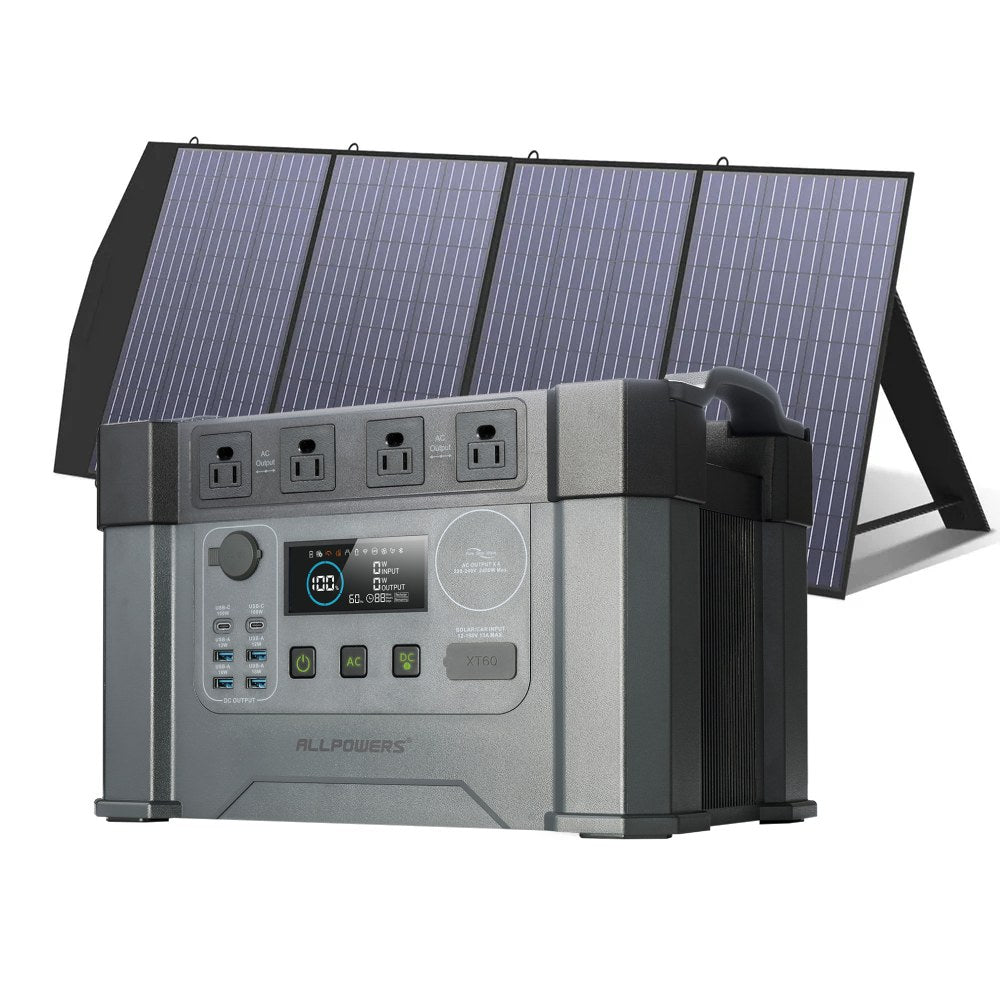
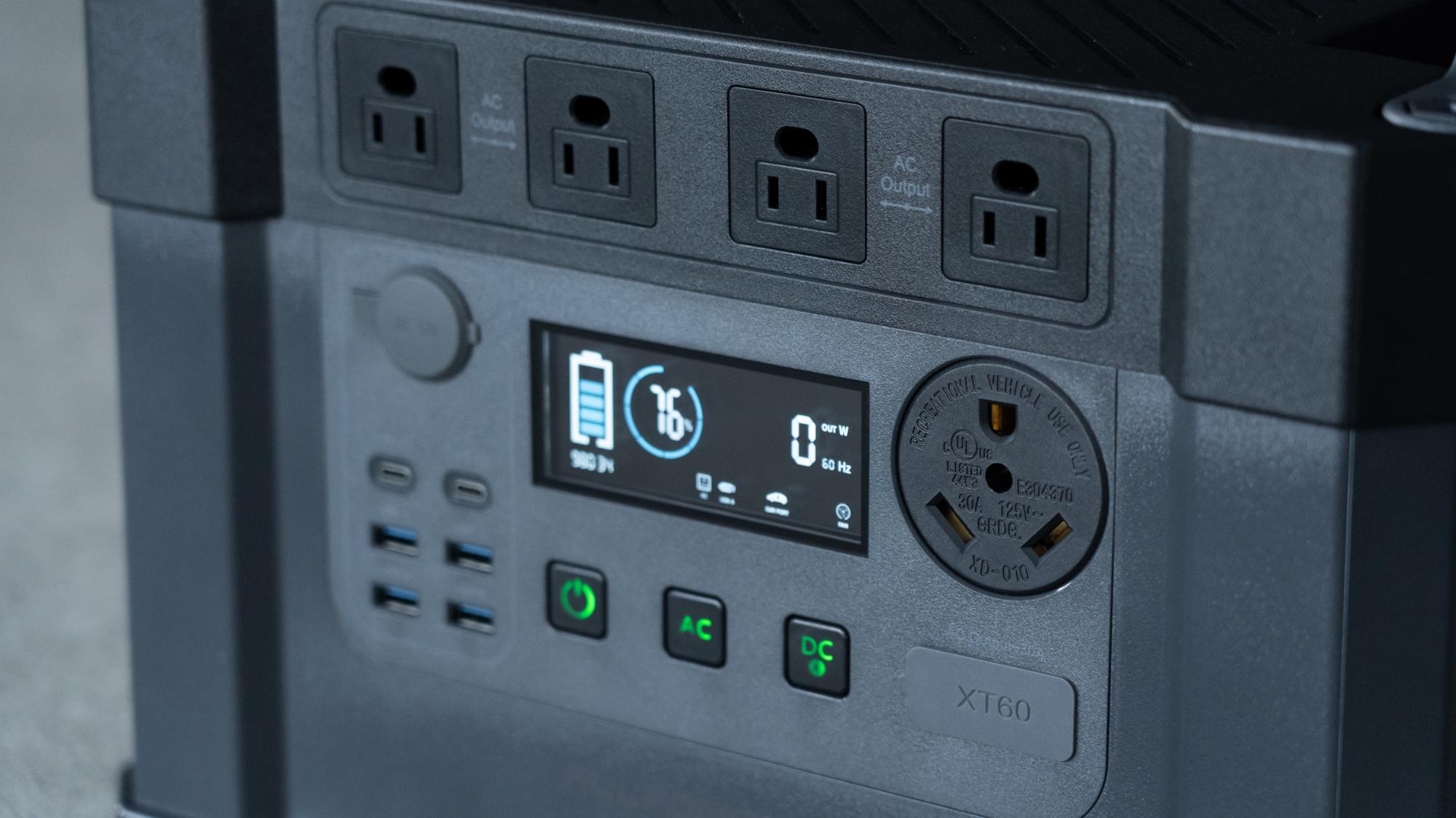
This same conversion system is also used in products such as portable power stations, which rely on internal inverters and rectifiers to switch between AC and DC depending on usage needs.
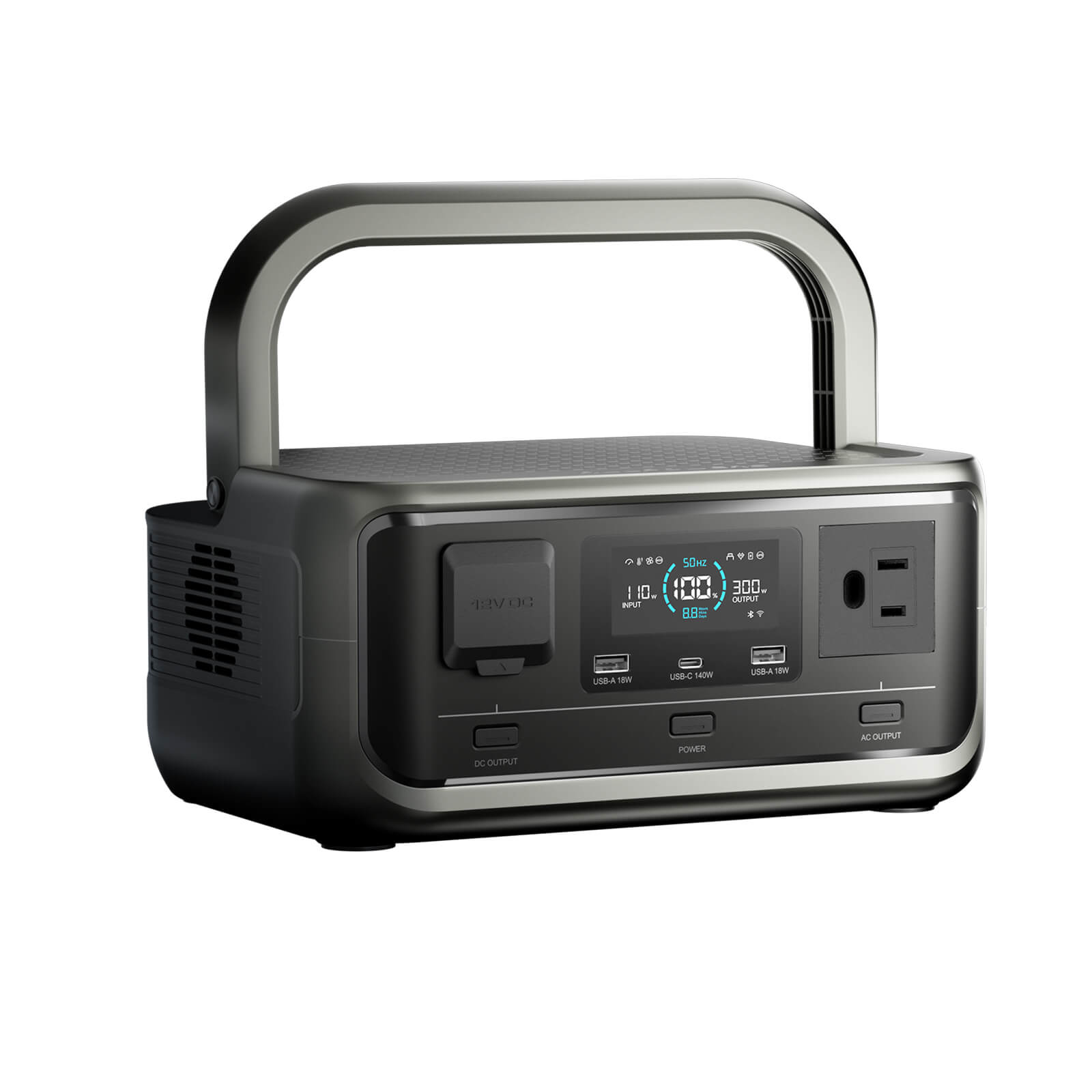
ALLPOWERS VOLIX P300 Portable Power Station
$149.00 $249.00
- 299Wh Capacity;
- 300W AC Output (600W Surge);
- Fast Charge 100% in 1 Hours;
- Ultra-quiet 30dB Under Load ;
- Long-Lasting And Safe Lifepo4 Battery;
What Is the Main Difference Between AC And DC?
While both carry electrical energy, the way they deliver that energy—and how they interact with technology—is fundamentally different.
The Direction of Electron Flow
The most basic difference between AC and DC lies in how electricity moves through a conductor.
In DC power, electrons flow in a single, constant direction. This steady movement is similar to water flowing through a straight pipe.
Because the direction never changes, DC provides a stable and predictable electrical output.
In contrast, AC power continuously reverses direction. The flow of electrons oscillates back and forth in a wave pattern.
This alternating motion may sound less stable, but it is actually highly efficient for transmitting energy over long distances.
Voltage Behavior
Another key difference lies in how voltage behaves during transmission.
AC electricity can easily change voltage levels using transformers. High voltage is used during transmission to reduce energy loss, and then it is stepped down to safer levels before entering residential buildings.
DC electricity, however, maintains a constant voltage level unless it is actively converted using electronic devices.
Historically, this made DC less practical for large-scale distribution because changing voltage was difficult and inefficient.
Conclusion
So yes, house electricity is AC. That’s the simple answer, and it’s not wrong.
Your home delivers AC because it’s efficient for distribution. Your devices often run on DC because it suits their design.
And the systems that bridge the two—quietly converting, storing, and adapting—are where modern energy really comes to life.