










The evolution of battery technology is accelerating as demand grows for safer, longer-lasting, and more efficient energy solutions.
For decades, lithium-ion batteries have powered everything from smartphones to electric vehicles, but a new contender—solid-state batteries—is gaining attention for its transformative potential.
But what truly sets them apart, and which one is likely to dominate the next generation of energy storage?
TL;DR:
Solid-state batteries replace the liquid electrolyte found in lithium-ion batteries with a solid material, potentially delivering higher energy density, improved safety, and longer lifespan. However, lithium-ion remains dominant due to lower cost, mature manufacturing, and proven reliability. The future will likely involve both technologies coexisting as solid-state gradually matures.
What Is a Lithium-Ion Battery?
Lithium-ion batteries have been the backbone of portable electronics and energy storage systems since the 1990s.
They operate by moving lithium ions between a graphite anode and a metal oxide cathode through a liquid electrolyte.
This electrolyte acts as a medium that enables ions to flow during charging and discharging cycles.
The widespread adoption of lithium-ion batteries is not accidental. They offer a strong balance between energy density, cost, and scalability.
In practical terms, they typically achieve energy densities in the range of 160–250 Wh/kg, making them efficient enough for most consumer and industrial applications.
However, lithium-ion batteries are not without drawbacks. The liquid electrolyte is flammable, which introduces safety risks under extreme conditions such as overheating or physical damage. Although these risks are relatively rare, they have shaped ongoing research into safer alternatives.
What Is a Solid-State Battery?
Solid-state batteries take a fundamentally different approach by replacing the liquid electrolyte with a solid material such as ceramic, polymer, or sulfide.
This seemingly simple change has profound implications for how the battery performs and behaves.
Because the electrolyte is solid, the battery becomes inherently more stable and less prone to leakage or combustion.
Additionally, this design enables the use of lithium metal anodes, which can significantly increase energy storage capacity.
In theory, solid-state batteries could reach energy densities between 250 and 800 Wh/kg, far exceeding current lithium-ion capabilities.
Despite these advantages, solid-state technology is still in its early stages. Most implementations remain in pilot production, with high manufacturing costs and scalability challenges slowing widespread adoption.
Key Differences Between Solid-State and Lithium-Ion Batteries
Energy Density
One of the most talked-about differences is energy density, which determines how much energy a battery can store in a given space.
Solid-state batteries have a clear theoretical advantage. They can store two to three times more energy than lithium-ion batteries in the same volume.
This translates into longer-lasting devices or extended driving ranges for electric vehicles.
Lithium-ion batteries, while lower in energy density, have been refined to a point where they offer reliable and predictable performance across a wide range of applications.
Safety
Safety is where solid-state batteries could redefine industry standards.
Lithium-ion batteries, despite improvements, still carry a small but real risk of thermal runaway, a chain reaction that can lead to overheating or fire. This risk is largely tied to the flammable liquid electrolyte.
Solid-state batteries eliminate this issue by replacing the liquid with a non-flammable solid. As a result, they are inherently more stable and less prone to catastrophic failure.
However, it’s worth noting that lithium-ion batteries are already considered safe when properly designed and managed, which is why they remain widely used.
Charging Speed and Efficiency
Charging speed is another area where solid-state batteries show promise—but with nuance.
Some experimental solid-state designs suggest significantly faster charging times, potentially reaching full charge in minutes rather than hours.
Yet in practice, current lithium-ion batteries often charge more efficiently due to better-established manufacturing and optimized interfaces.
This means that while solid-state batteries may lead in theory, lithium-ion still leads in real-world consistency.
Lifespan and Durability
Battery lifespan is measured in charge cycles and long-term stability.
Solid-state batteries have the potential to last longer due to reduced degradation and more stable materials, with some estimates exceeding 5,000 cycles.
Lithium-ion batteries typically offer between 500 and 1,500 cycles depending on design and usage.
However, solid-state batteries currently face durability challenges, such as cracking in solid electrolytes, which can reduce their lifespan in real-world conditions.
Cost
If solid-state batteries are so promising, why aren’t they everywhere?
The answer lies in manufacturing complexity. Producing solid electrolytes at scale is difficult and expensive.
Maintaining consistent performance across large battery packs remains a significant engineering hurdle.
Lithium-ion batteries, by contrast, benefit from decades of industrial scaling. Their lower cost and mature supply chain make them the practical choice for mass adoption today.
Are Solid-State Batteries Safer?
Yes—at least in theory and increasingly in practice.
Lithium-ion batteries rely on flammable liquid electrolytes. If damaged, overheated, or improperly charged, they can enter thermal runaway, which may lead to fire.
Solid-state batteries remove much of this risk by using non-flammable solid electrolytes. This does not mean they are risk-free, but it greatly improves stability and reduces the chance of catastrophic failure.
That said, many Reddit users correctly point out that lithium-ion batteries do not “blow up easily.”
Most failures are caused by poor manufacturing, cheap cells, physical damage, or incorrect charging rather than the chemistry itself.
Will Solid-State Batteries Replace Lithium-Ion?
Probably—but not immediately.
Most experts expect solid-state batteries to appear first in premium electric vehicles and high-end electronics before reaching mainstream consumer products. Cost parity may still be years away.
Some semi-solid-state products are already entering the market. In 2026, several advanced power banks began using semi-solid-state battery designs to improve safety and lifespan while keeping pricing relatively close to traditional options.
This suggests the transition may happen gradually rather than through a sudden replacement.
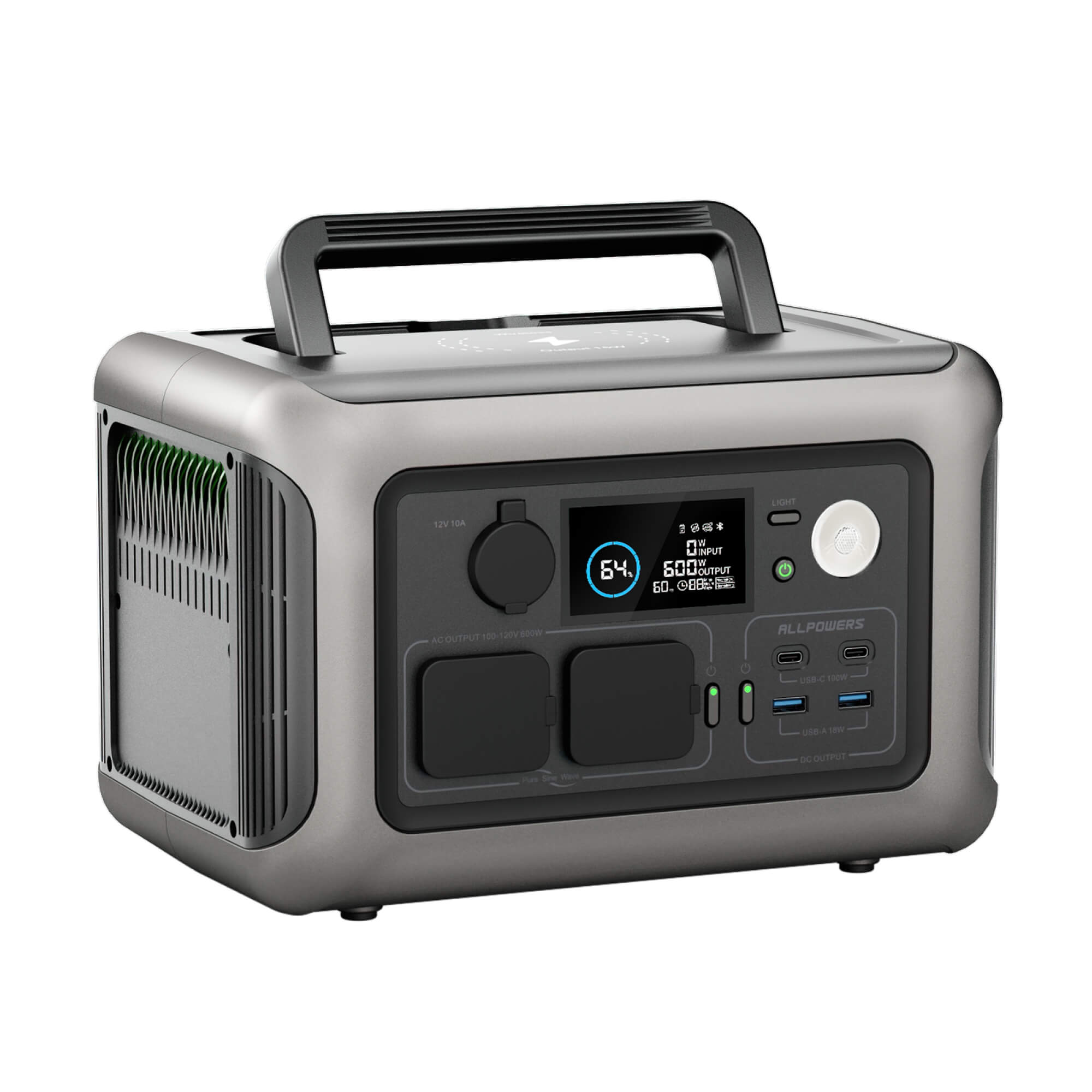
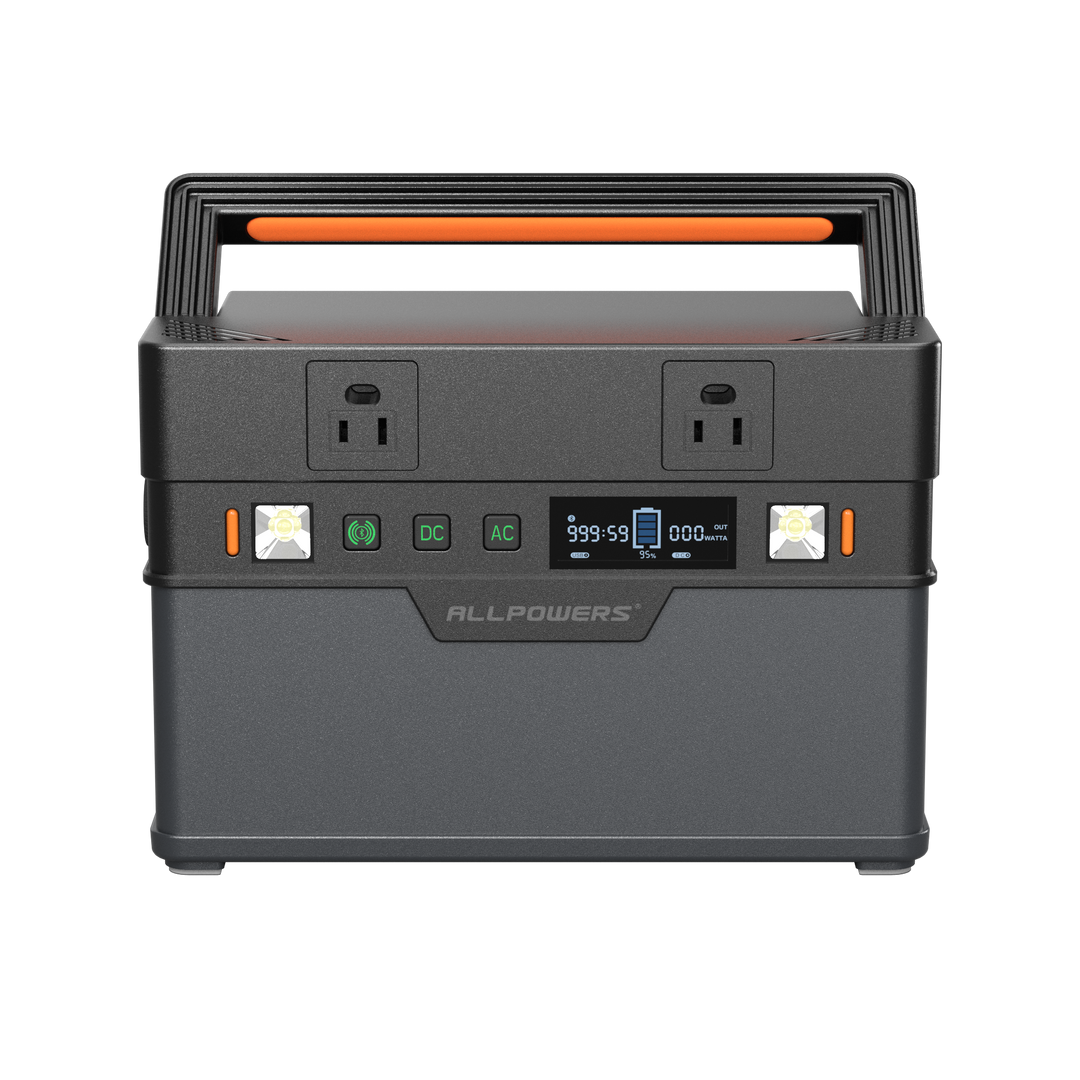
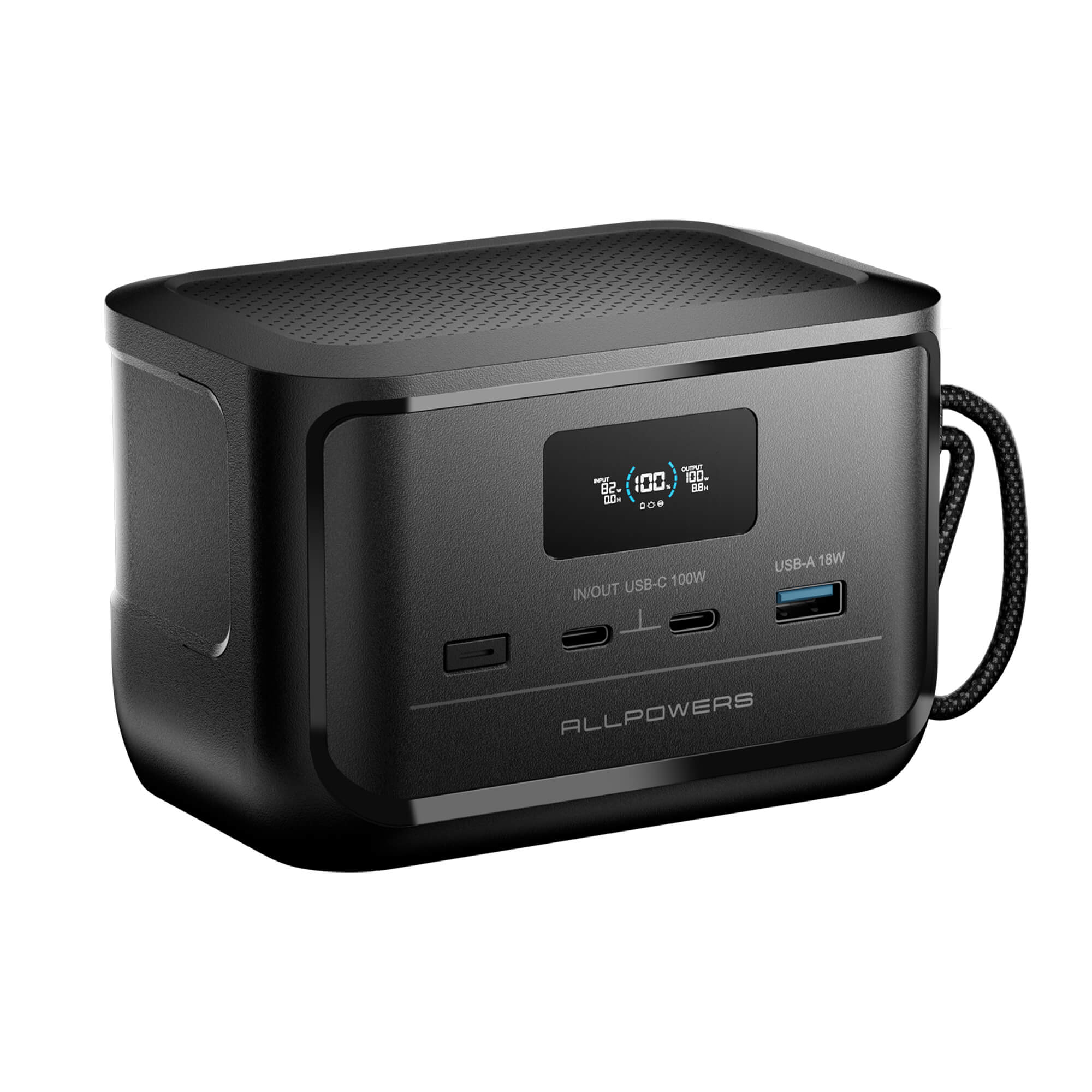
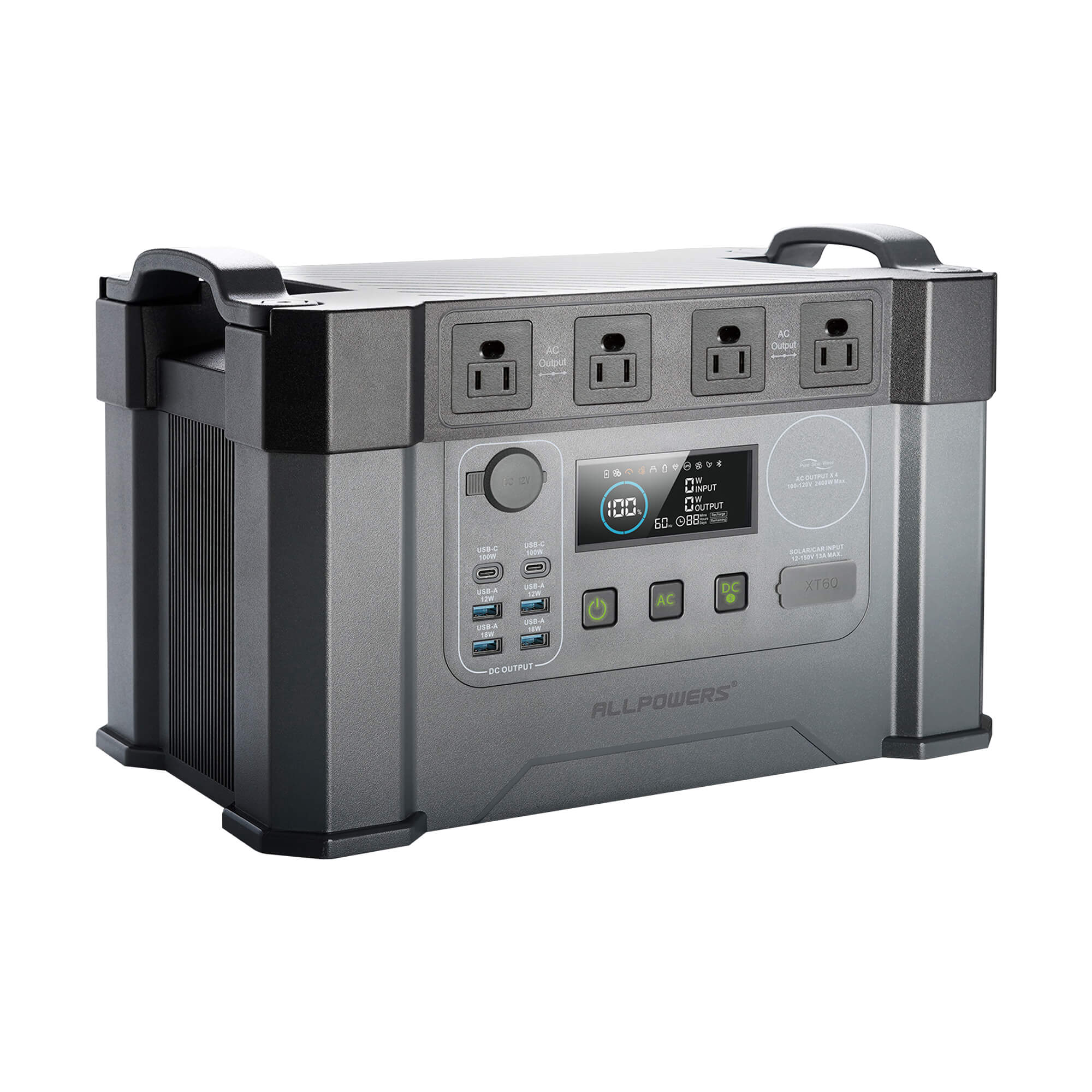
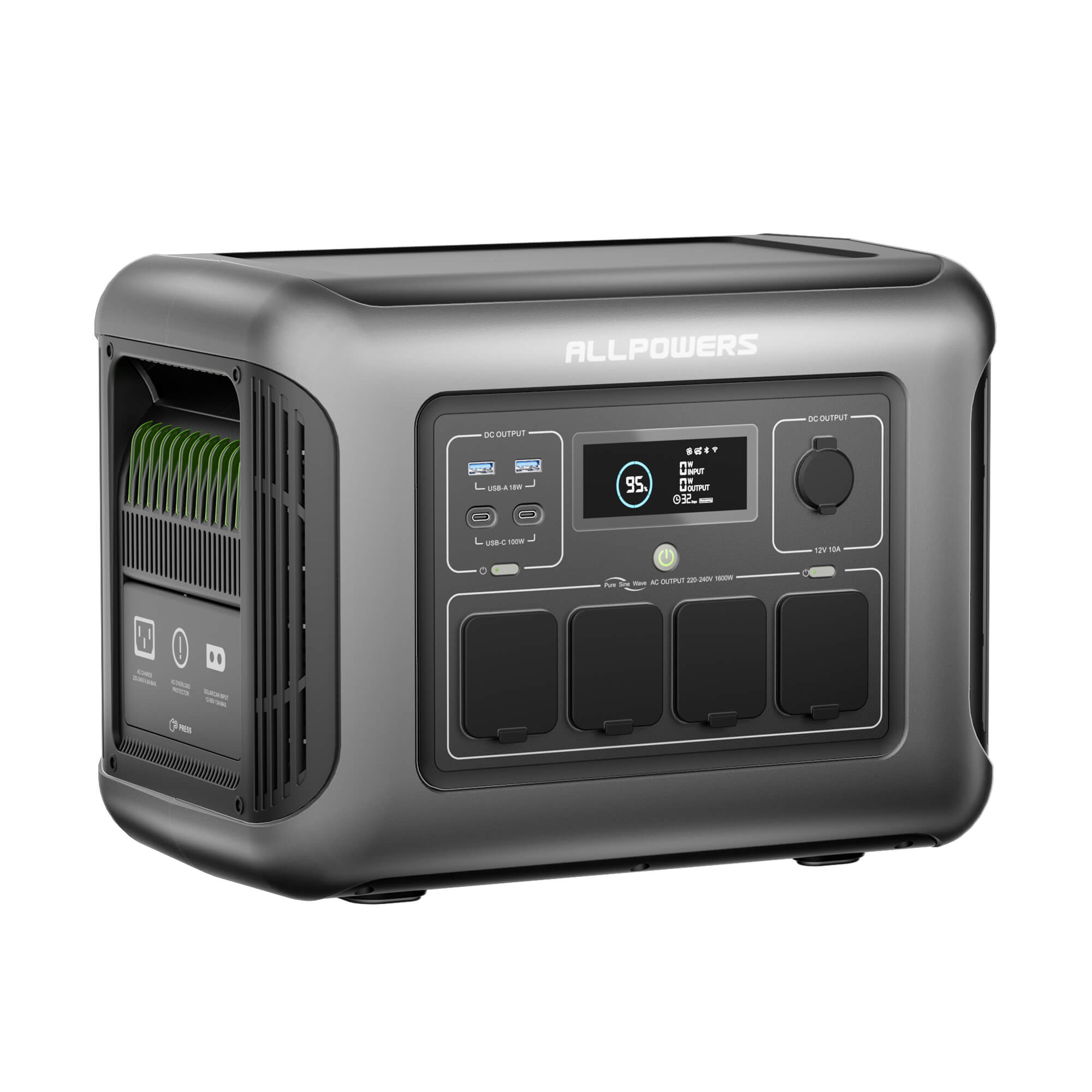
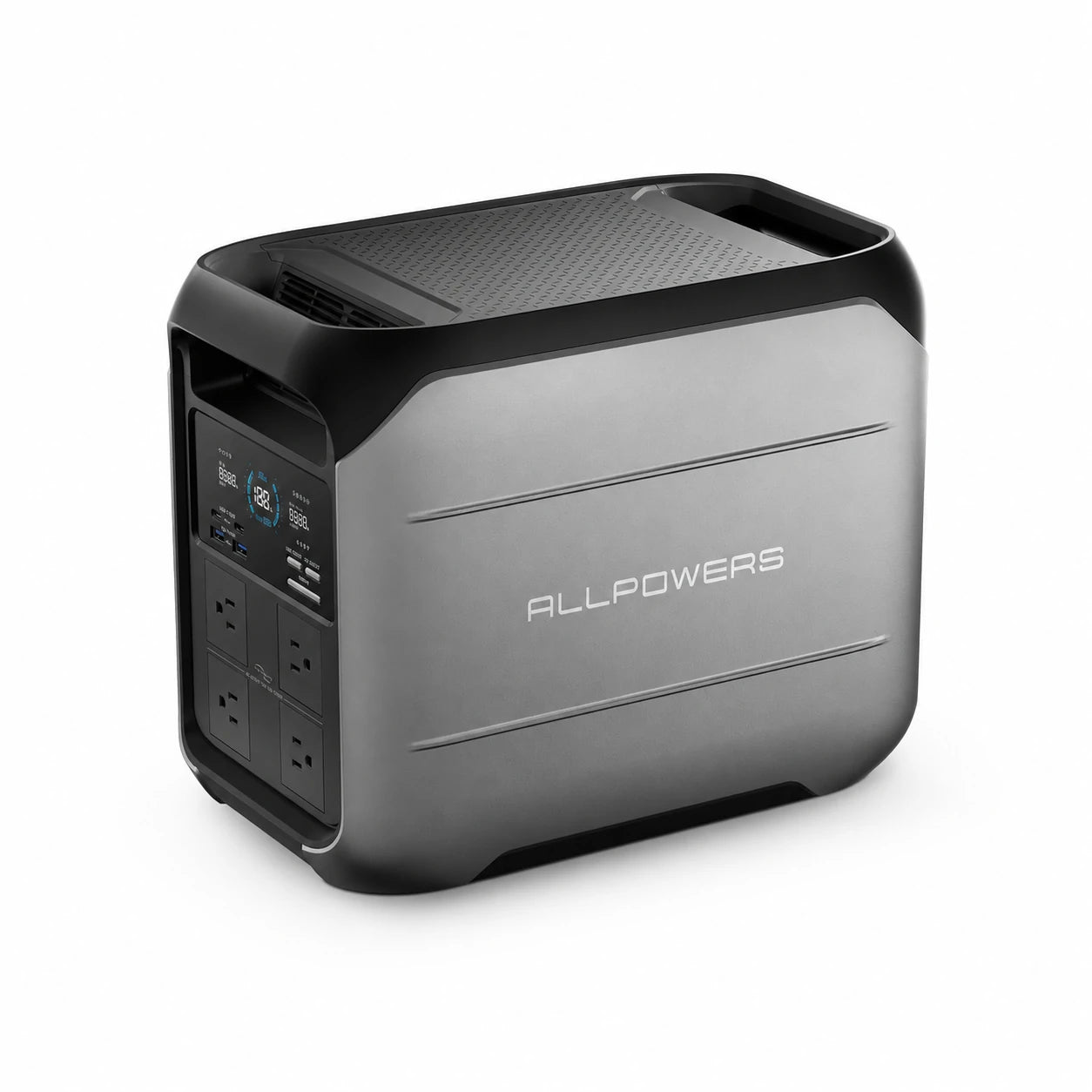
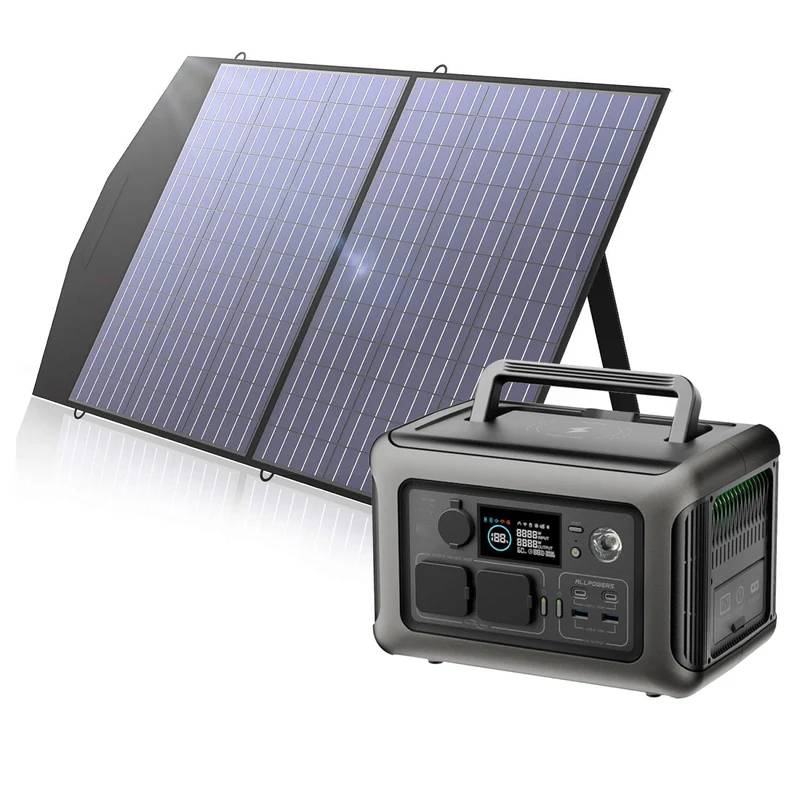
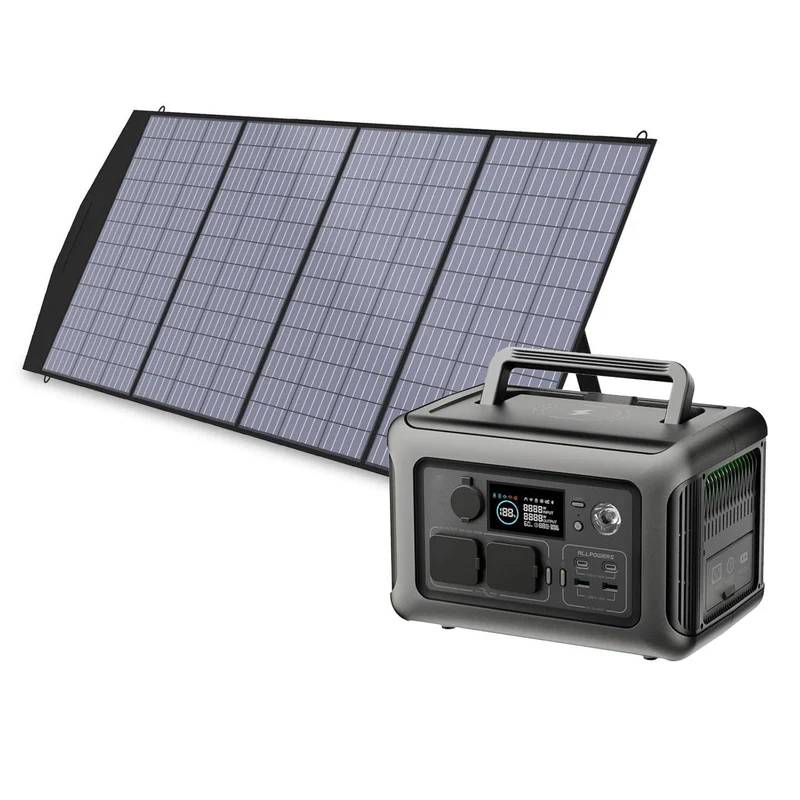
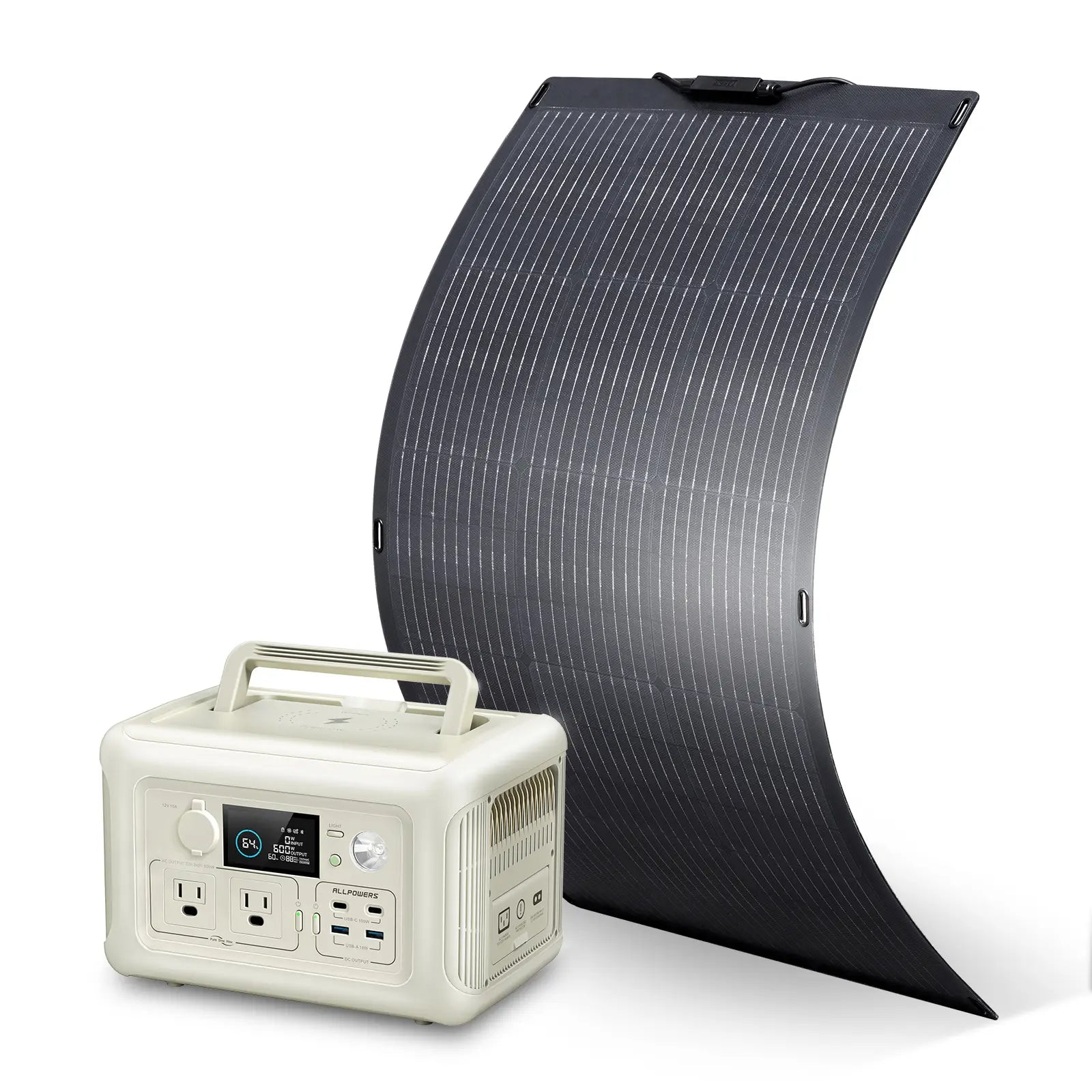
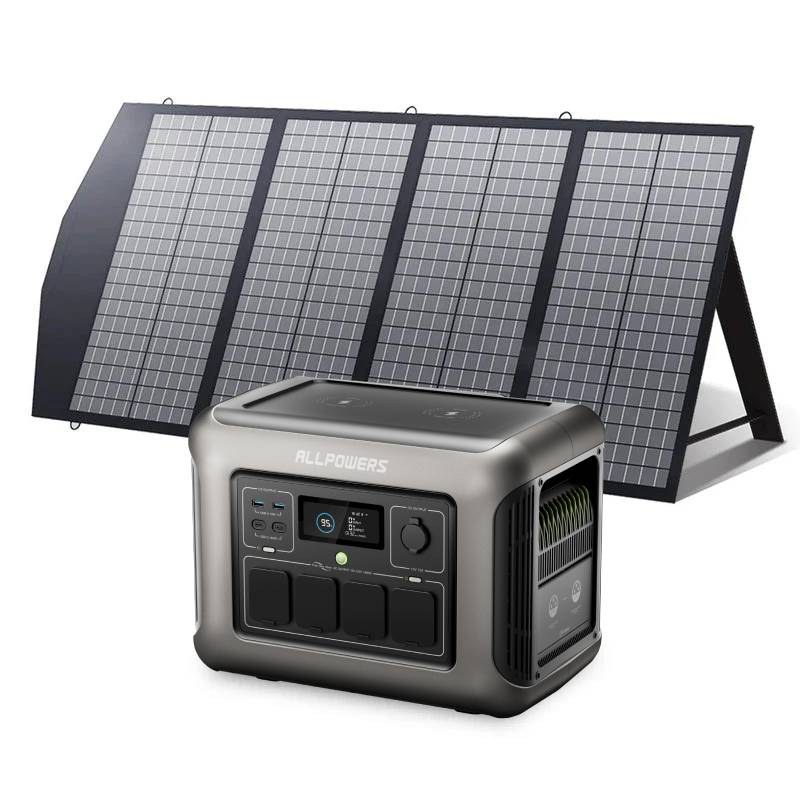
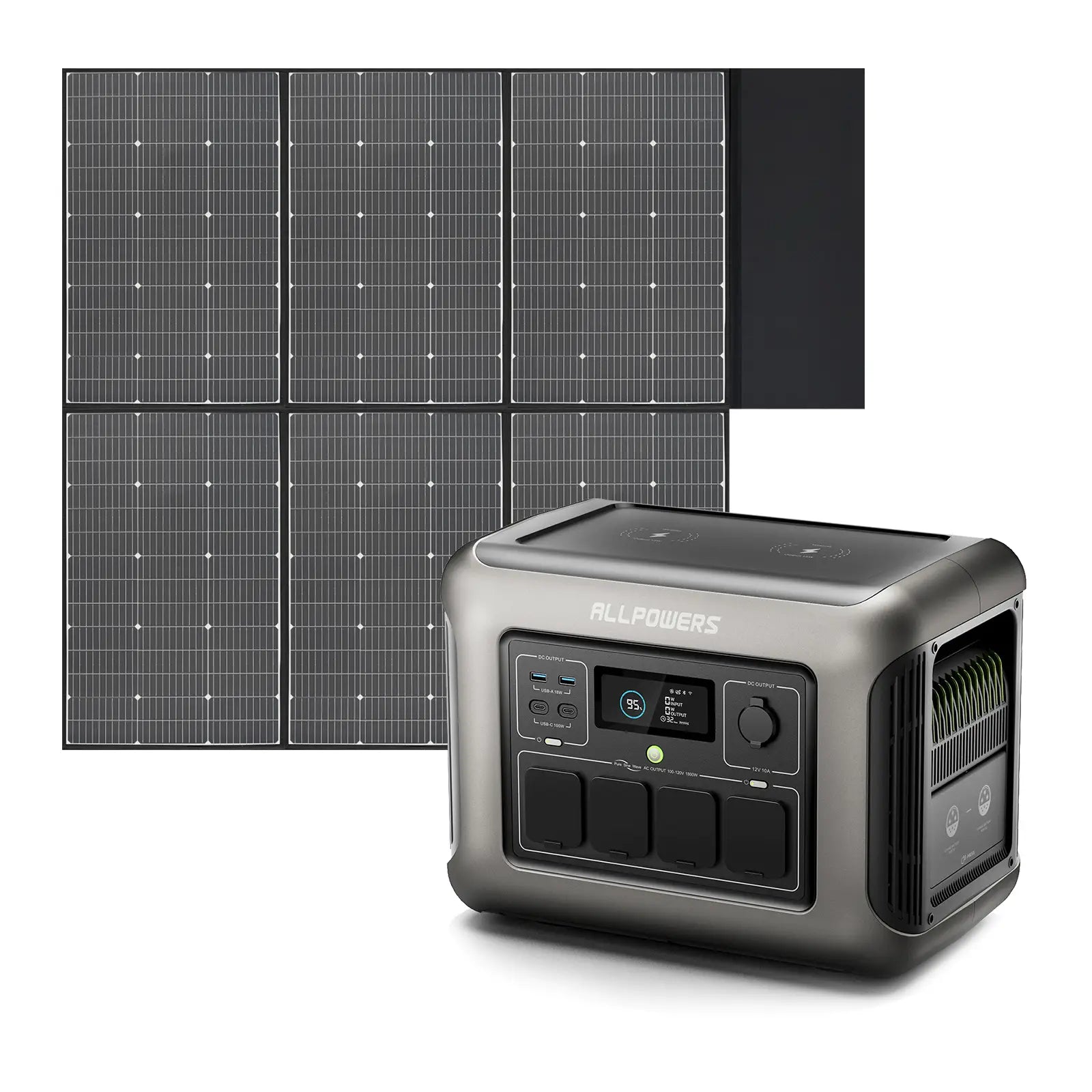
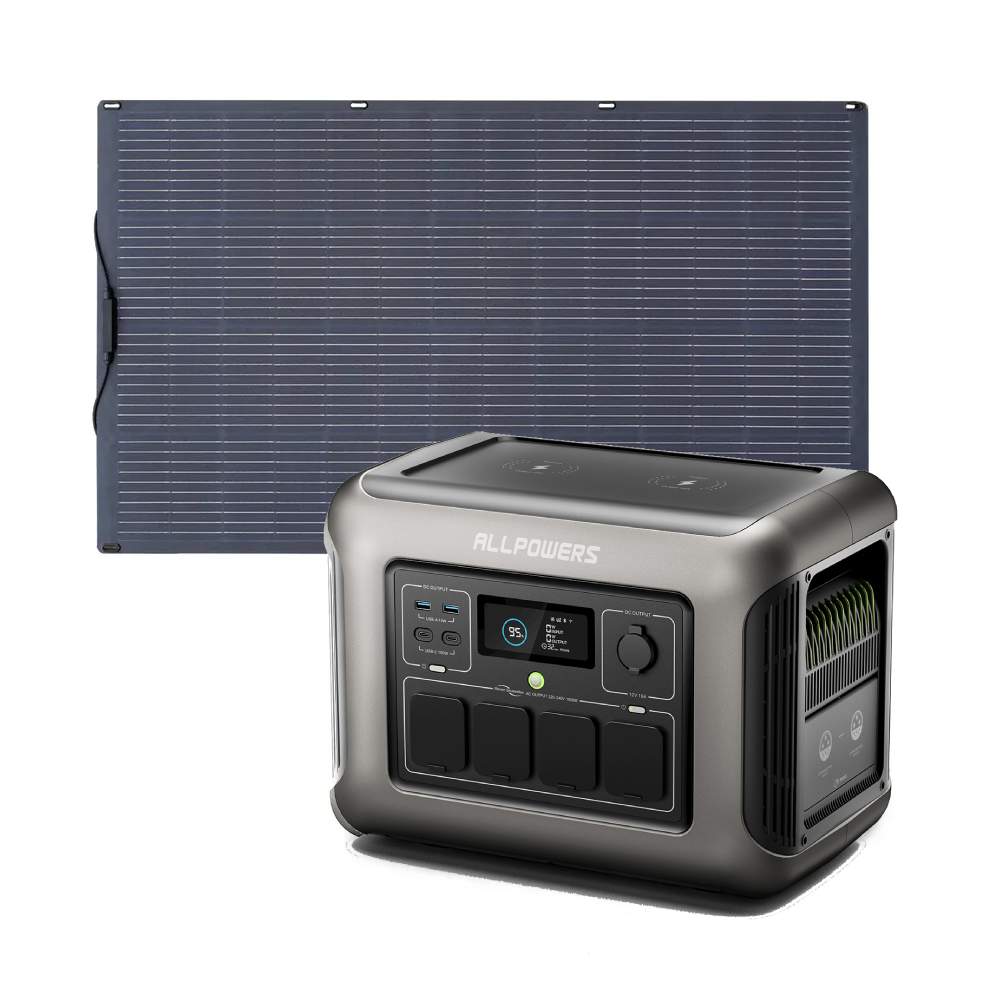
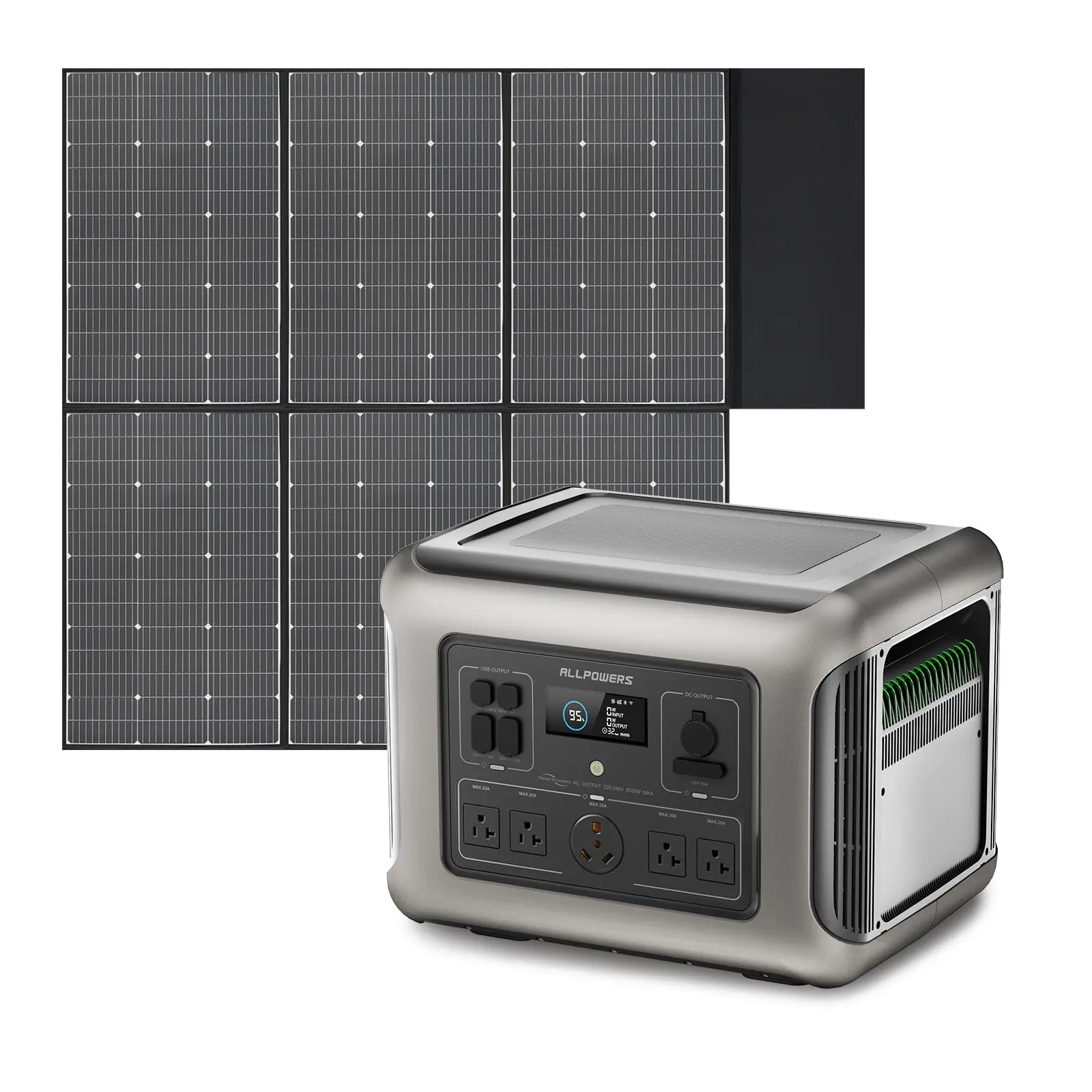
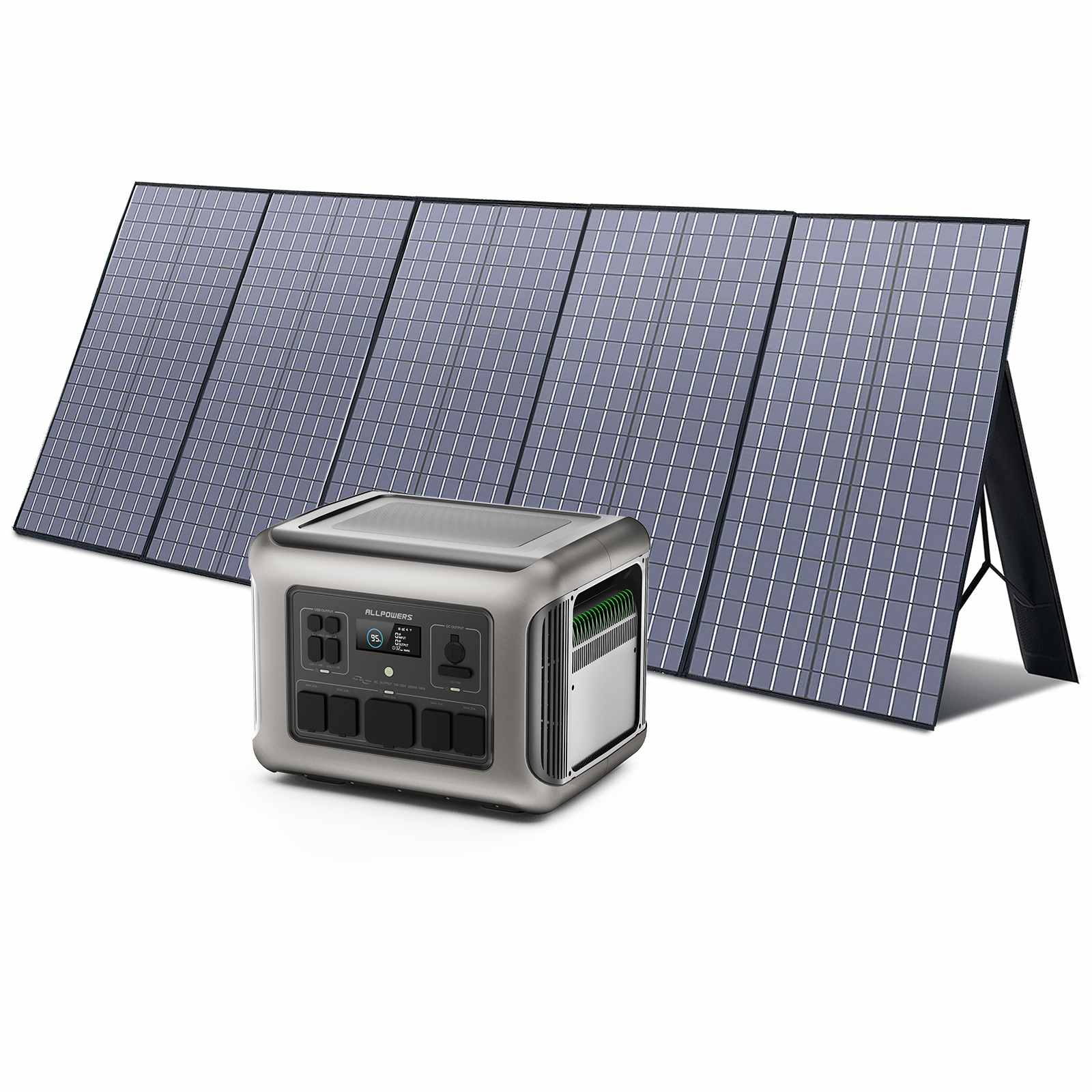
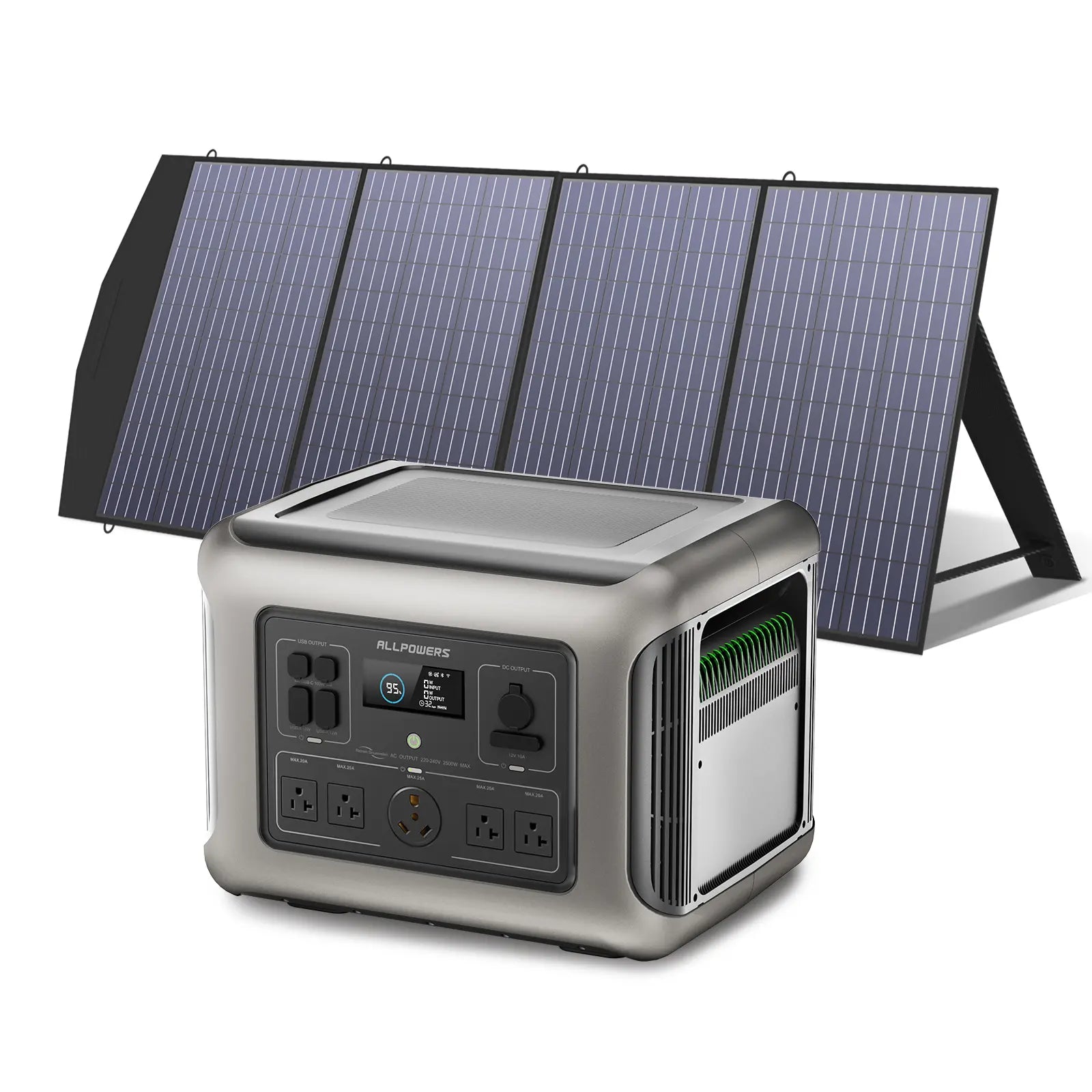
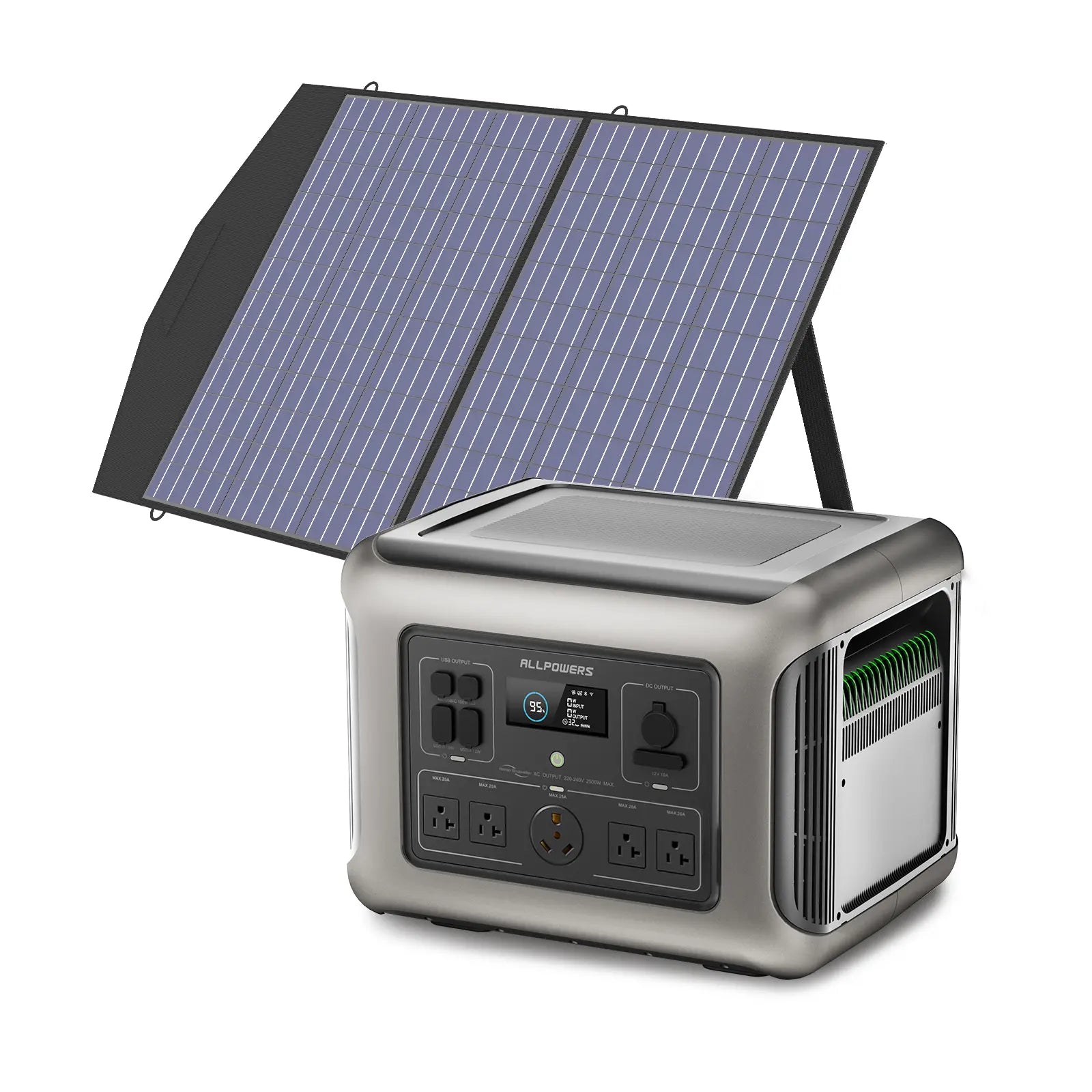
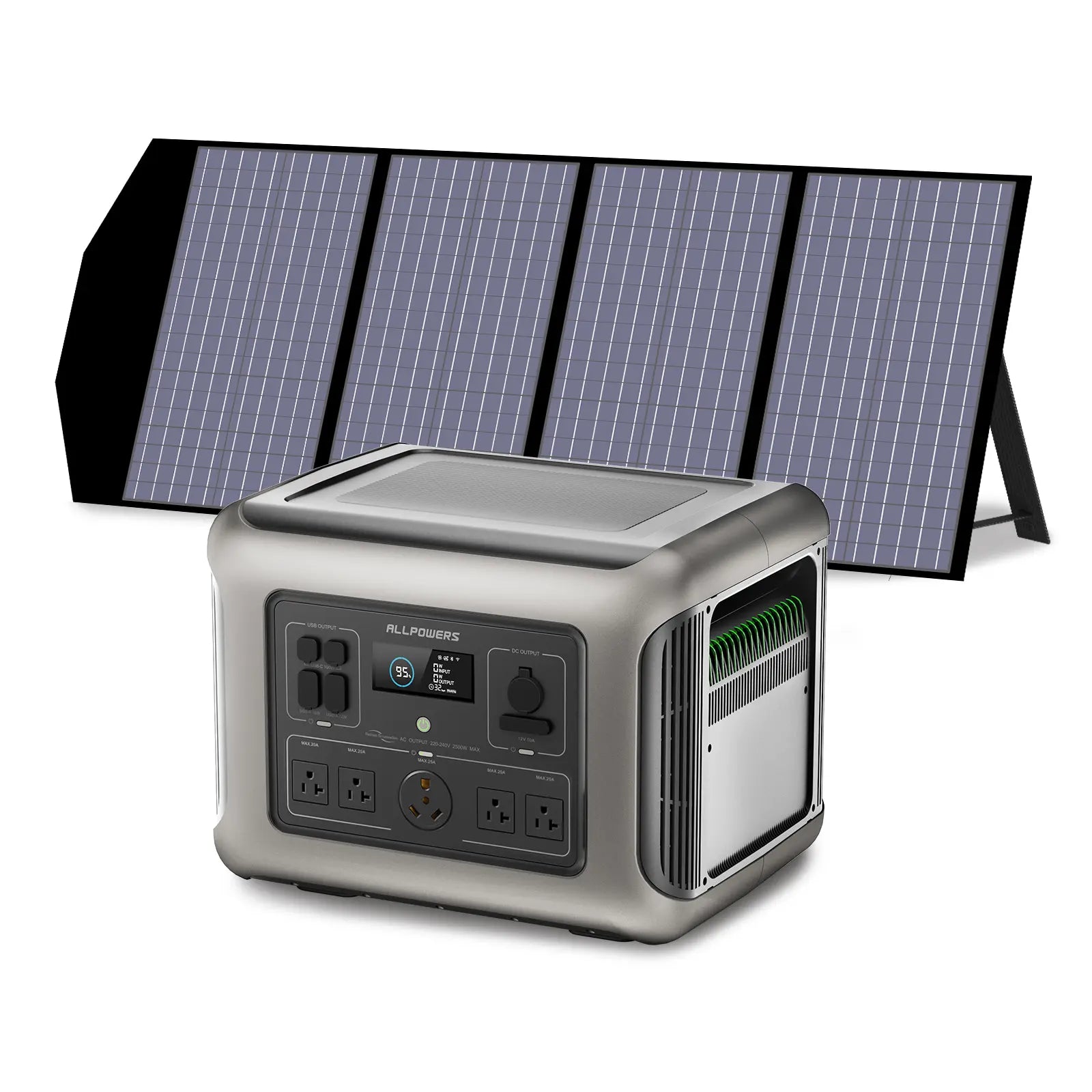
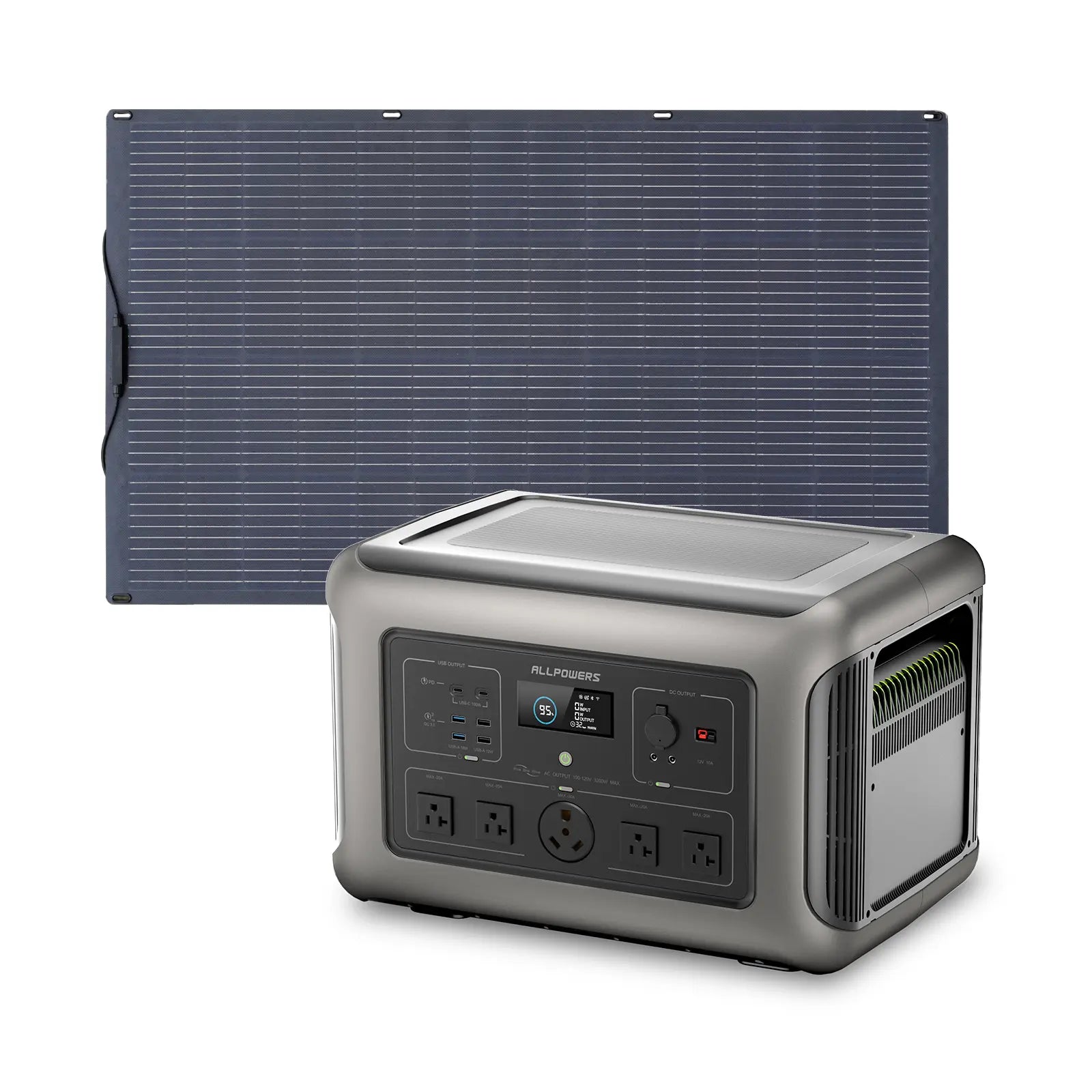
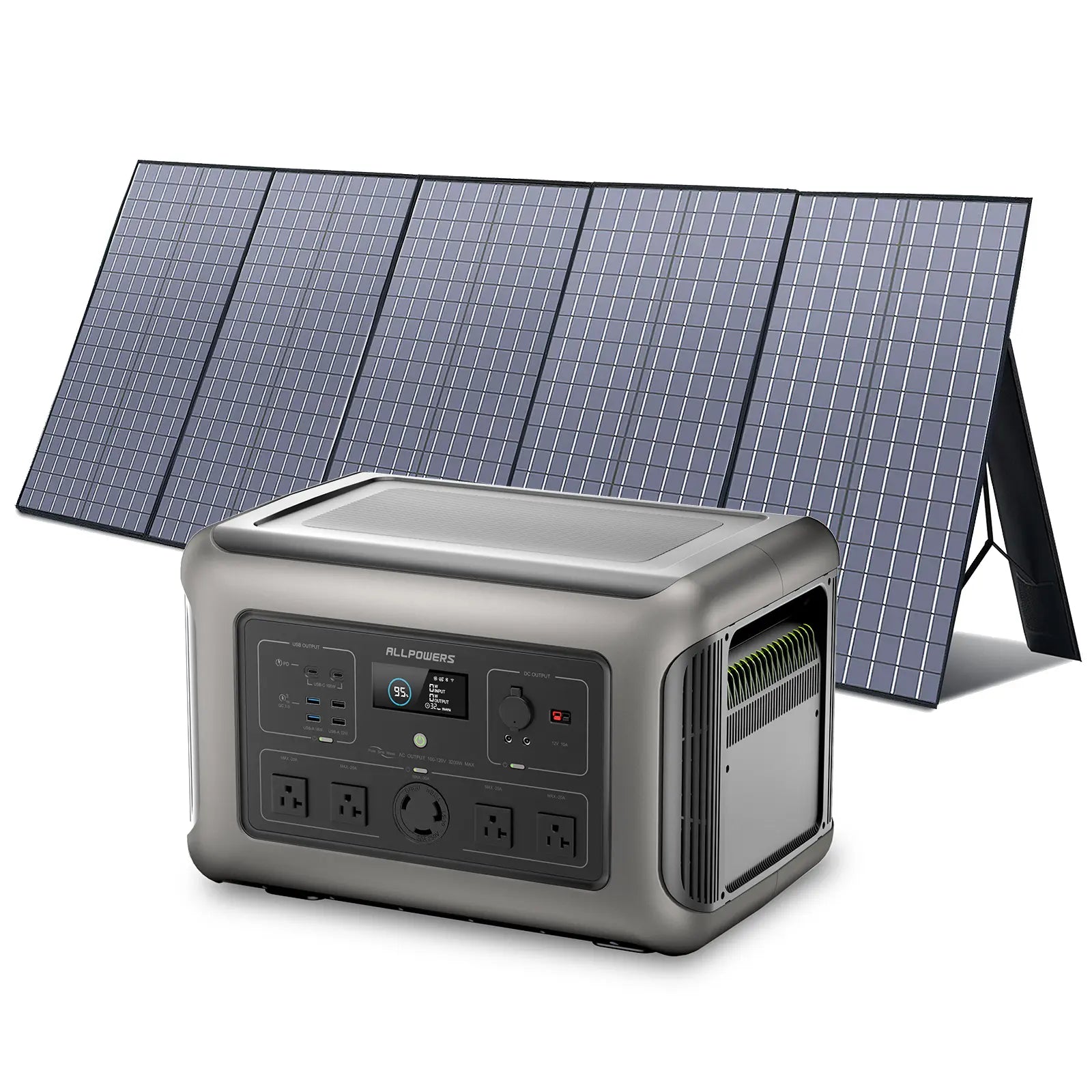
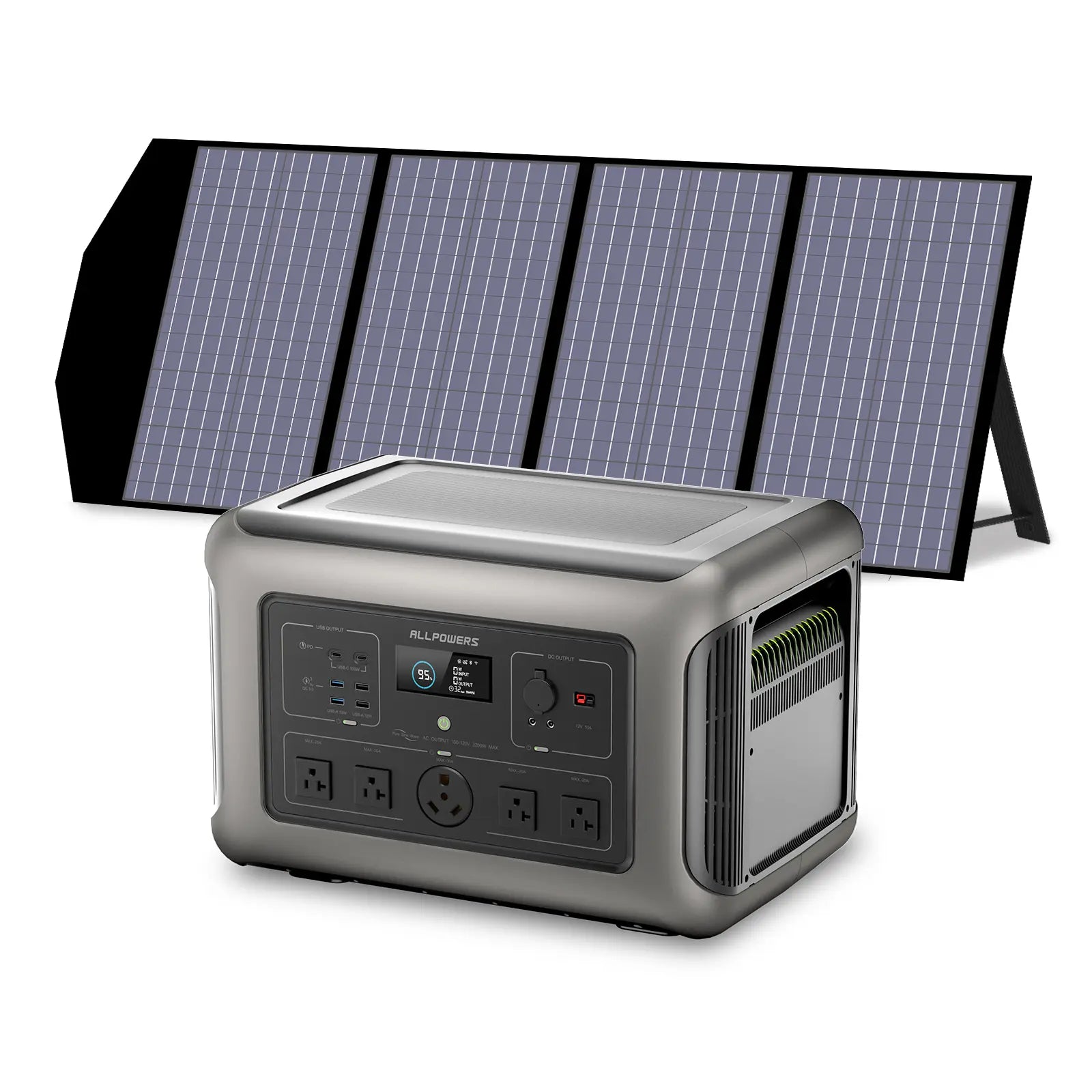
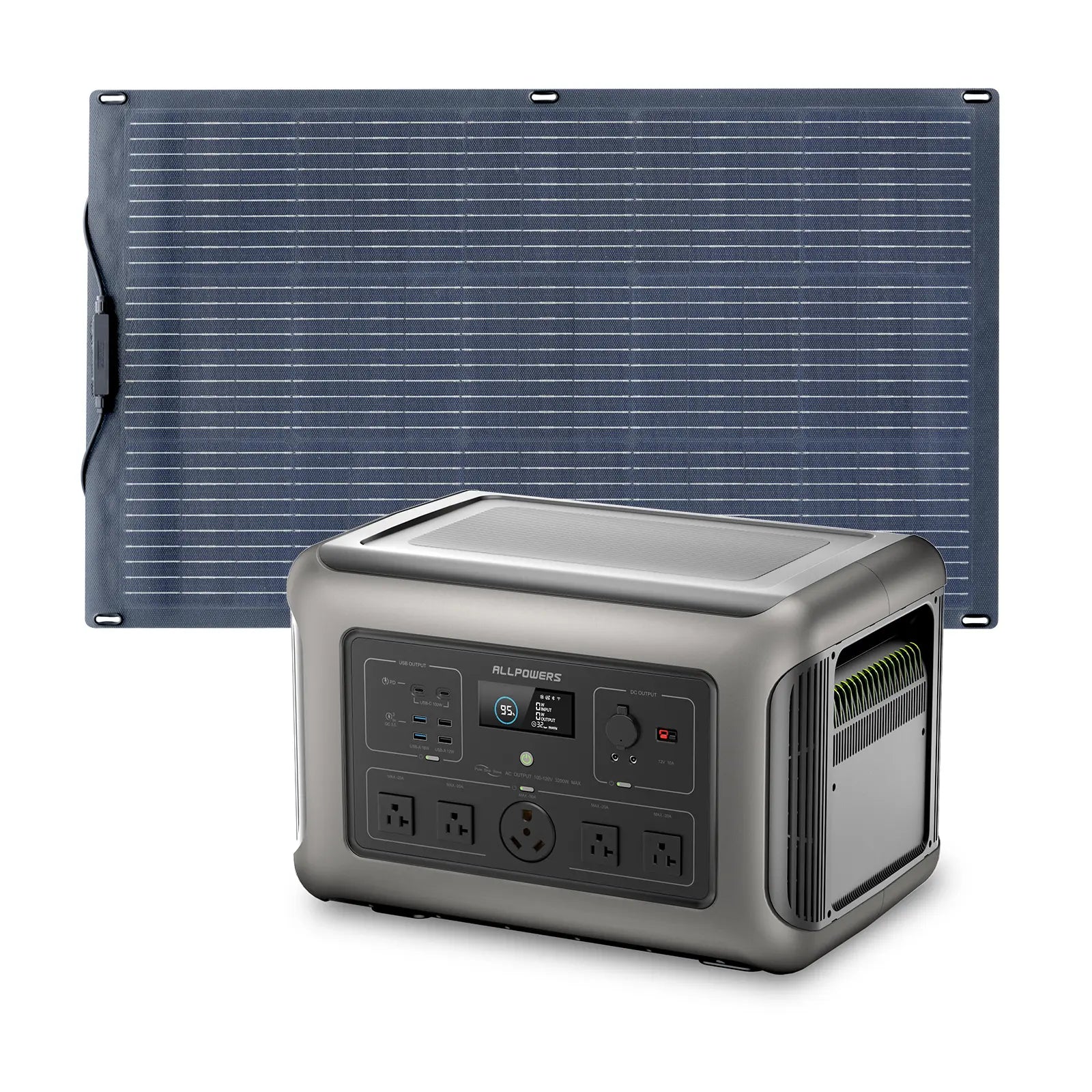
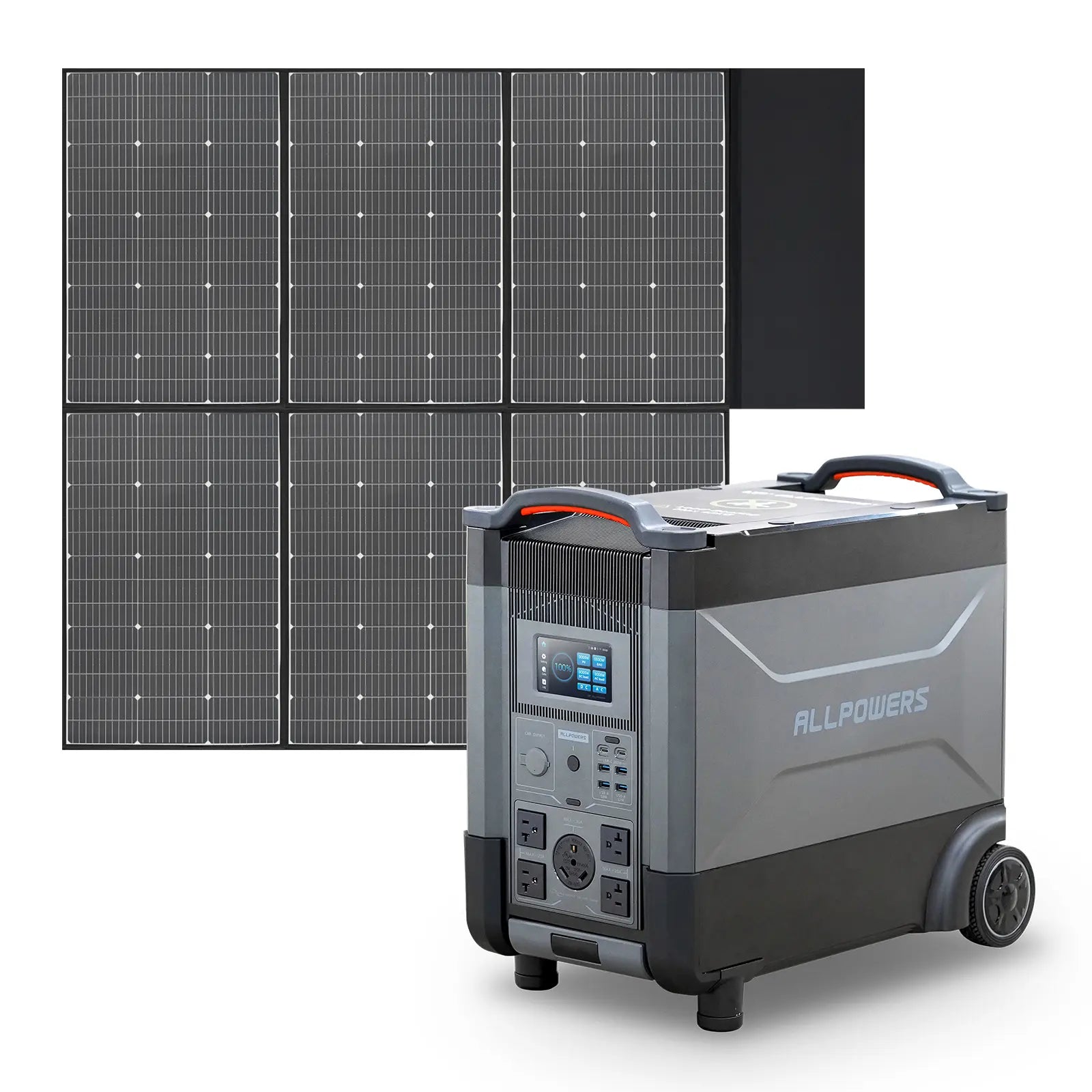
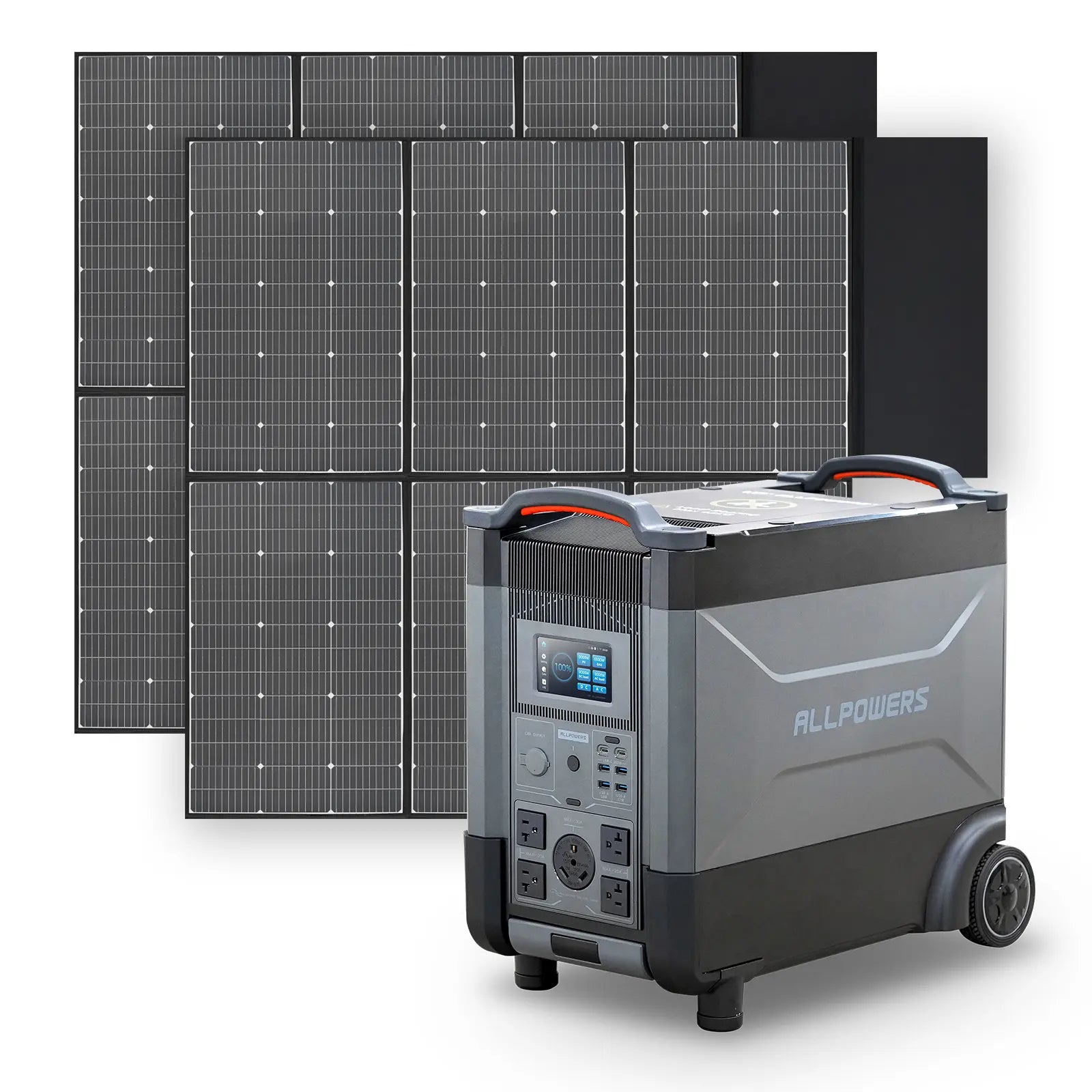
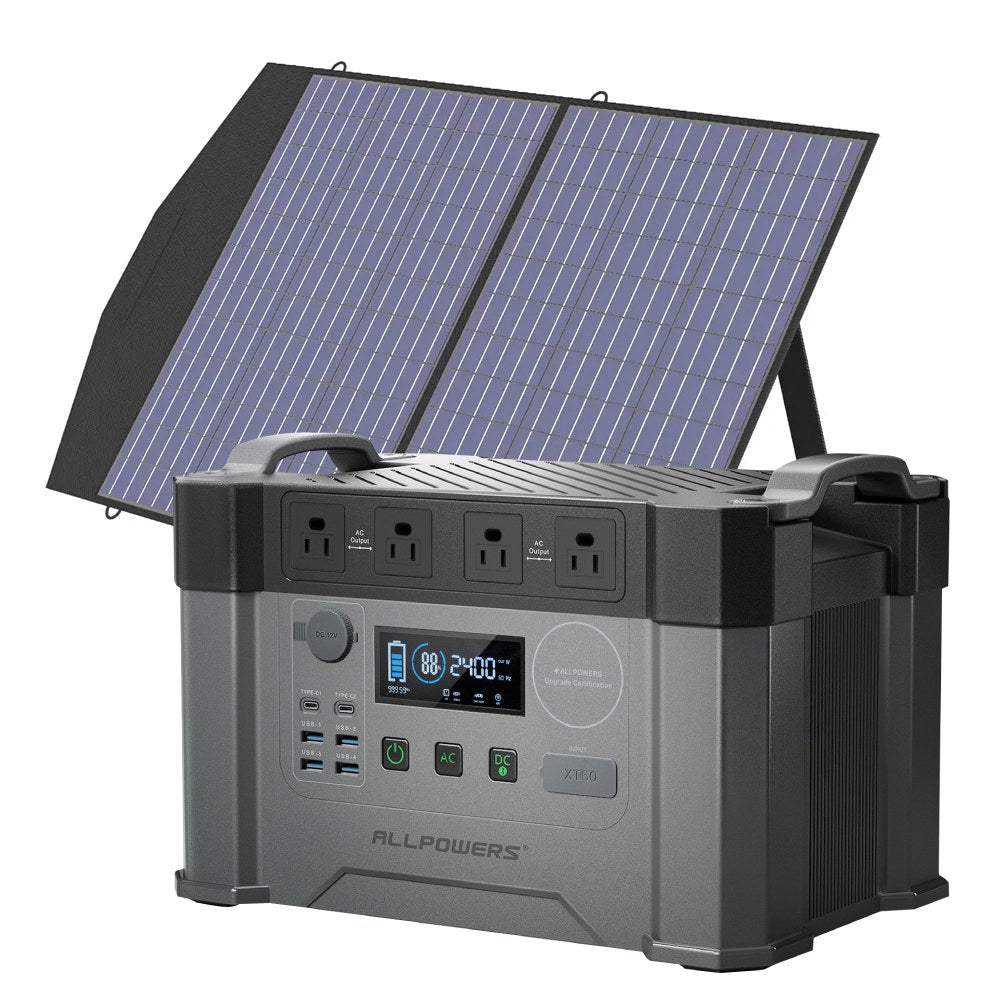
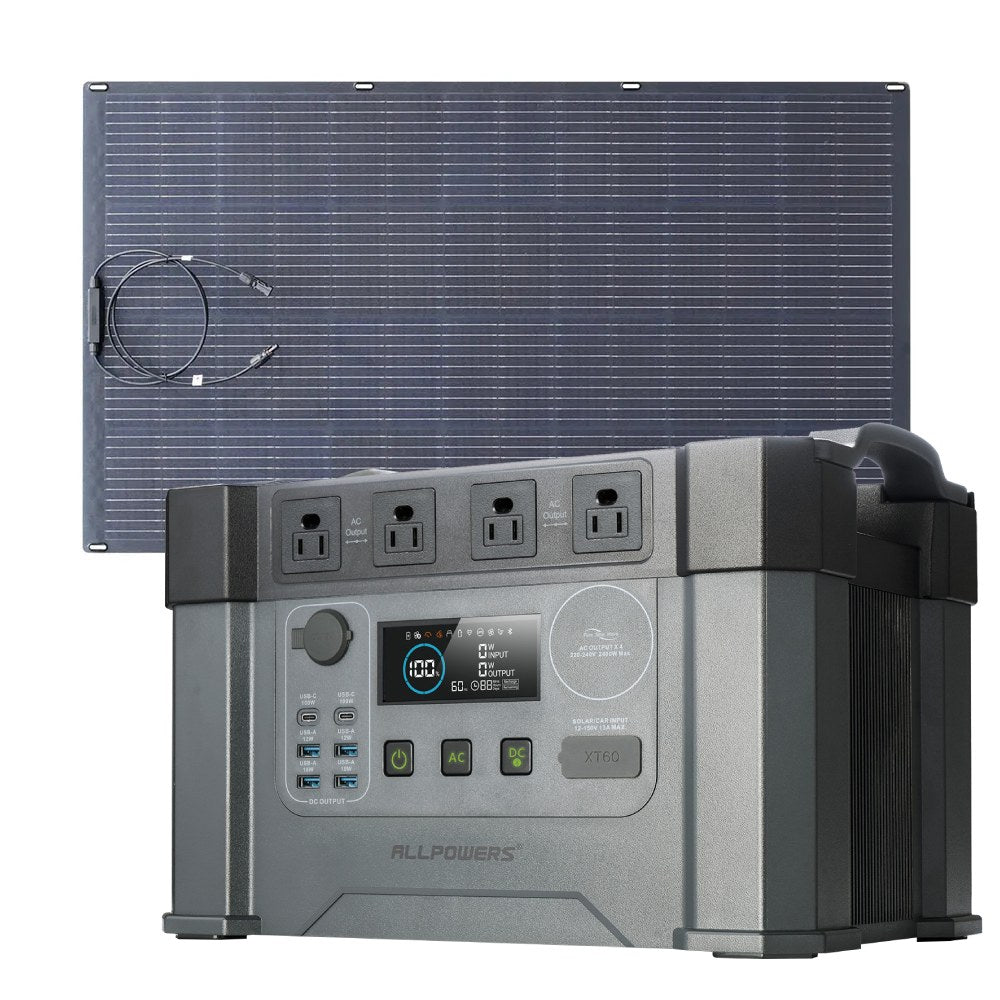
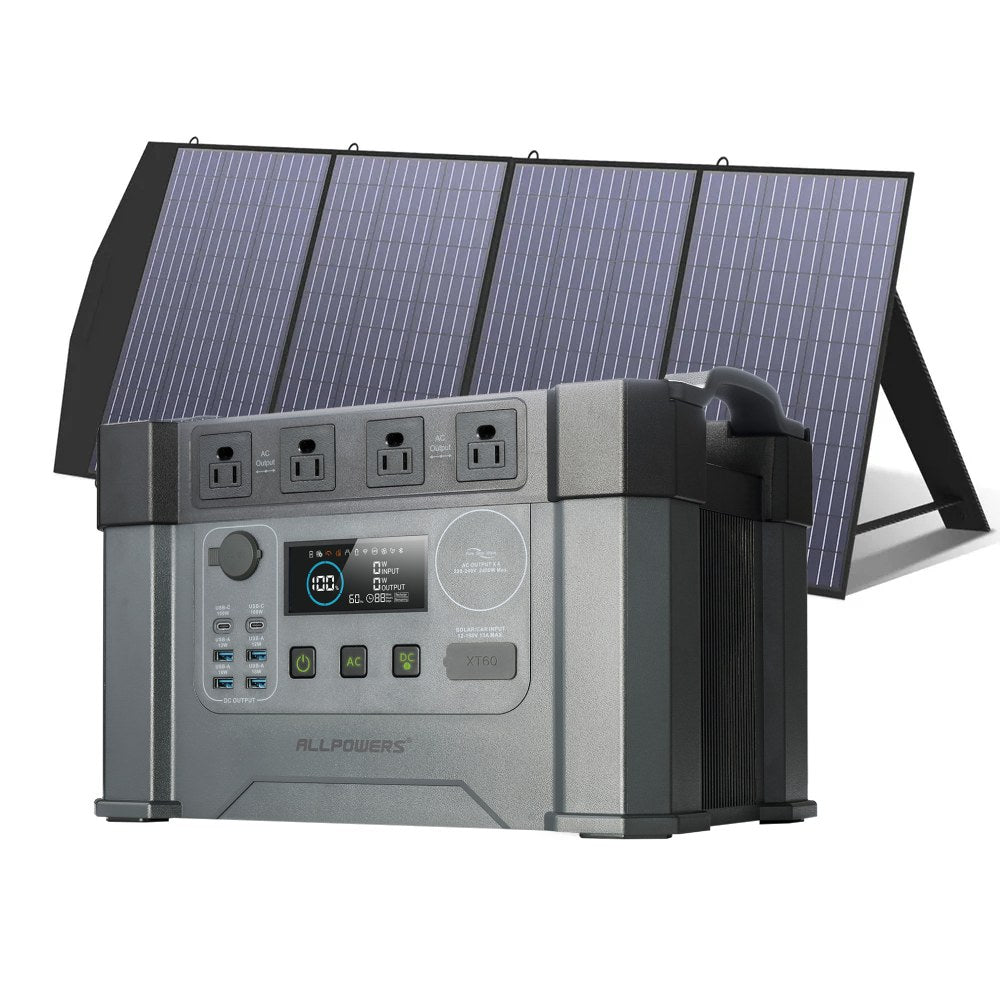
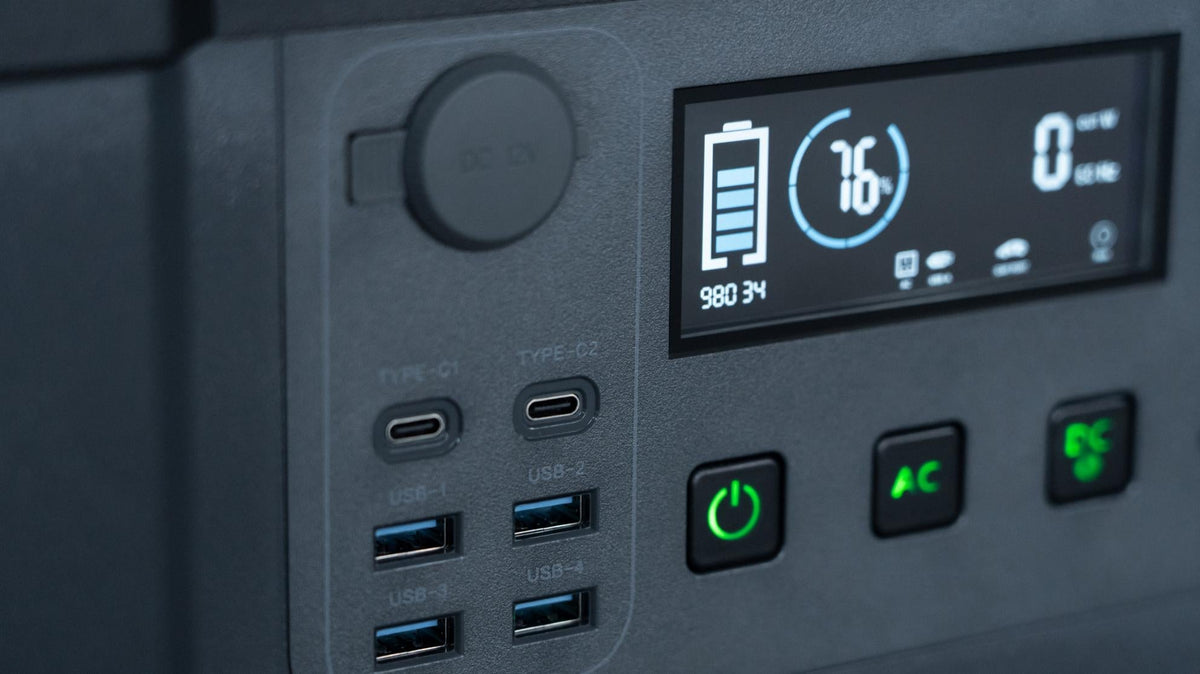
For larger systems such as backup energy storage and even portable power stations, lithium-based systems will likely remain dominant for quite some time because affordability and proven reliability still matter more than cutting-edge chemistry.
Conclusion
Right now, lithium-ion is the practical winner because it is affordable, scalable, and trusted. It powers nearly everything because it works.
While solid-state batteries promise breakthroughs in safety, energy density, and longevity, they are not yet ready to replace lithium-ion on a global scale.
As research continues and manufacturing challenges are addressed, the gap between these two technologies will likely narrow.
Instead of a sudden replacement, the shift will be gradual, shaped by economics, engineering breakthroughs, and real-world demand.
Frequently Asked Questions About Battery Technologies
Are Solid-State Batteries Safer?
Yes, in theory, solid-state batteries are safer because they eliminate flammable liquid electrolytes. This reduces the likelihood of leaks, fires, and explosions, especially under extreme conditions.
Why Are Lithium-Ion Batteries Still Widely Used?
Lithium-ion batteries remain dominant because they are cost-effective, reliable, and supported by a massive global supply chain. Even with newer technologies emerging, their practicality keeps them in widespread use.
When Will Solid-State Batteries Become Mainstream?
Although promising, solid-state batteries are still in development and pilot production. Experts suggest that widespread commercialization could take several more years as manufacturing challenges and costs are addressed.
Do Solid-State Batteries Last Longer?
They have the potential to last longer due to improved stability and reduced degradation, but real-world performance data is still limited compared to lithium-ion systems.