









When the grid drops out, or you head off-grid by choice, a generator steps in like a quiet understudy.
But a generator isn’t just a box that makes electricity out of thin air. It needs something to run on.
So what does a generator actually run on, and why does that choice matter more than you’d expect?
TL;DR
Generators typically run on gasoline, propane, diesel, or solar energy. Gas is common but messy, propane is cleaner but less energy-dense, diesel is durable but loud, and solar is quiet but weather-dependent. The “best” choice depends on how, where, and how often you plan to use it.
How does a generator run?
The fundamental principle behind generator operation is surprisingly simple
At its core, a generator doesn’t “create” electricity out of thin air. It converts energy from one form into another.
That might sound like something from a high school physics class—and it is—but it’s also exactly what’s happening every time your generator kicks on.
Inside most traditional generators, fuel powers an engine. That engine spins a component called an alternator.
As the alternator rotates, it creates an electric current through electromagnetic induction.
It’s the same principle that powers massive utility plants, just scaled down to something you can haul in the back of a truck.
Gasoline
Gasoline is probably the most recognizable fuel for generators, and for good reason.
It’s widely available, easy to store (within limits), and most portable generators are built around it.
There’s something reassuring about that. You stop at a gas station, fill a can, and you’re set. No complicated setup, no special infrastructure.
But here’s the thing—gasoline generators are a bit like old pickup trucks. Reliable, yes, but not always efficient or quiet.
They tend to be noisy. Not unbearable, but enough to break the stillness of a campsite.
And fuel consumption? It adds up faster than you’d expect, especially if you’re running heavier loads like air conditioners or power tools.
Then there’s the maintenance. Oil changes, carburetor issues, the occasional stubborn start on a cold morning—it’s all part of the deal.
Still, for short trips or emergency backup, gasoline holds its ground.
Diesel
Diesel steps in with endurance and grit
If gasoline units are like pickup trucks, diesel ones feel more like freight haulers—built for long stretches and heavy loads.
They’re more fuel-efficient, especially under continuous use. That’s why you’ll often see diesel generators at construction sites or powering larger RV setups.
There’s a certain ruggedness to them. They last longer, handle stress better, and don’t mind running for hours on end.
But—and there’s always a but—they’re heavier, louder, and usually more expensive upfront.
And while diesel fuel is stable, it’s not exactly the cleanest option out there.
Still, for heavy-duty needs, diesel holds its ground. It’s less about convenience and more about endurance.
Propane
Propane offers a cleaner, quieter alternative
It burns cleaner than gasoline or diesel, which means fewer emissions and less engine buildup over time. That alone makes maintenance a bit easier.
And storage? That’s one of propane’s quiet advantages. Unlike gasoline, it doesn’t degrade over time. You can keep a propane tank for months—years, even—and it’s still good to go.
There’s also a noticeable difference in noise. Propane generators tend to run a little quieter, a little smoother.
But the trade-off comes in energy density. Propane doesn’t pack quite the same punch as gasoline, so you might burn through it faster depending on your usage.
Still, for campers who care about air quality—or just don’t want to smell fuel while making breakfast—it’s an appealing option.
Natural gas
Natural gas generators are a different story entirely.
They’re typically tied into a home’s gas line, which means you don’t have to worry about refueling.
As long as the gas supply is active, the generator can keep running. That’s a big advantage during long outages.
But—and this is important—you need that infrastructure in place. Not every home has a natural gas connection, and installing one can be costly.
But portability? Not really. Natural gas generators are typically stationary, designed for backup power rather than adventure.
Still, for home backup systems, they offer a kind of “set it and forget it” reliability that’s hard to ignore.
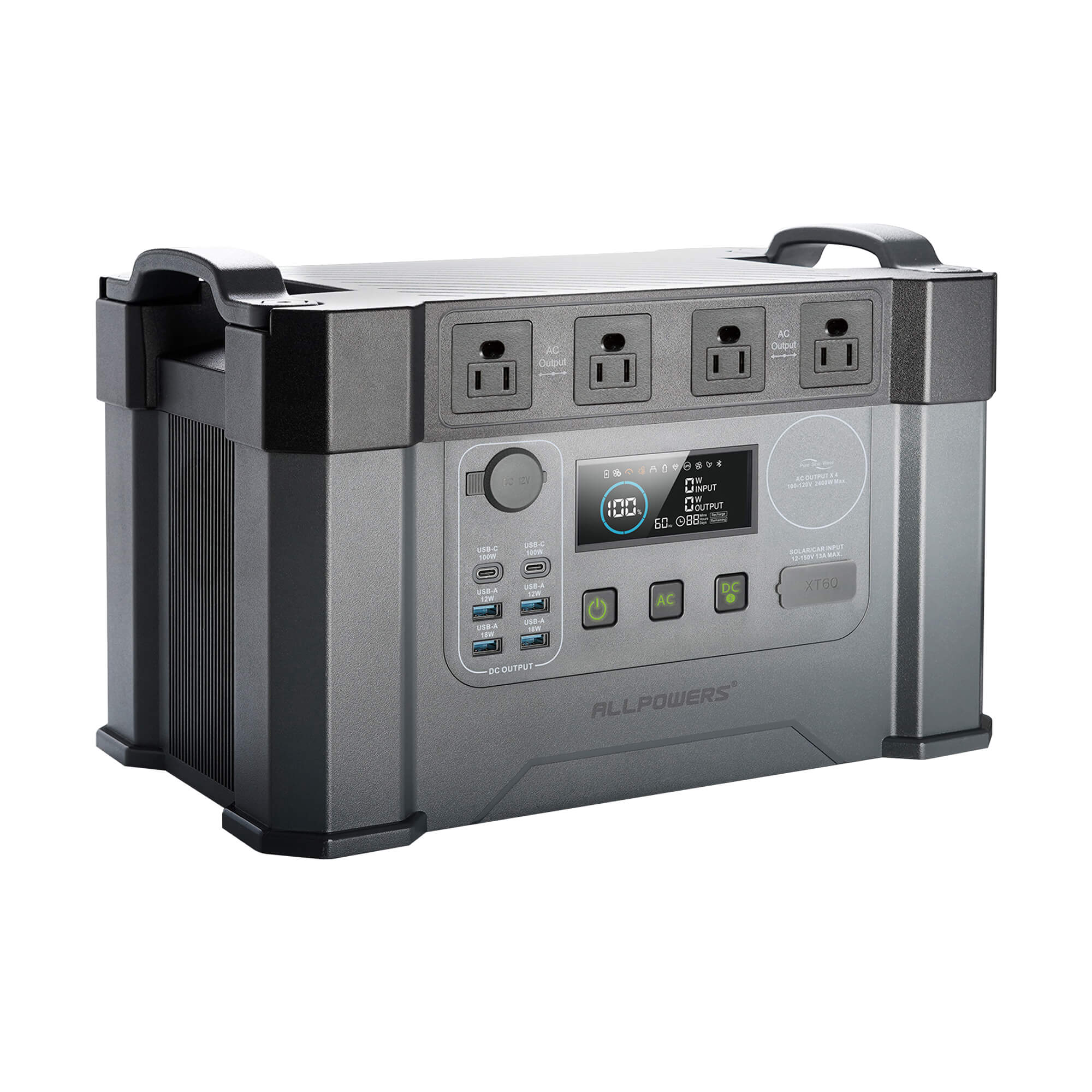
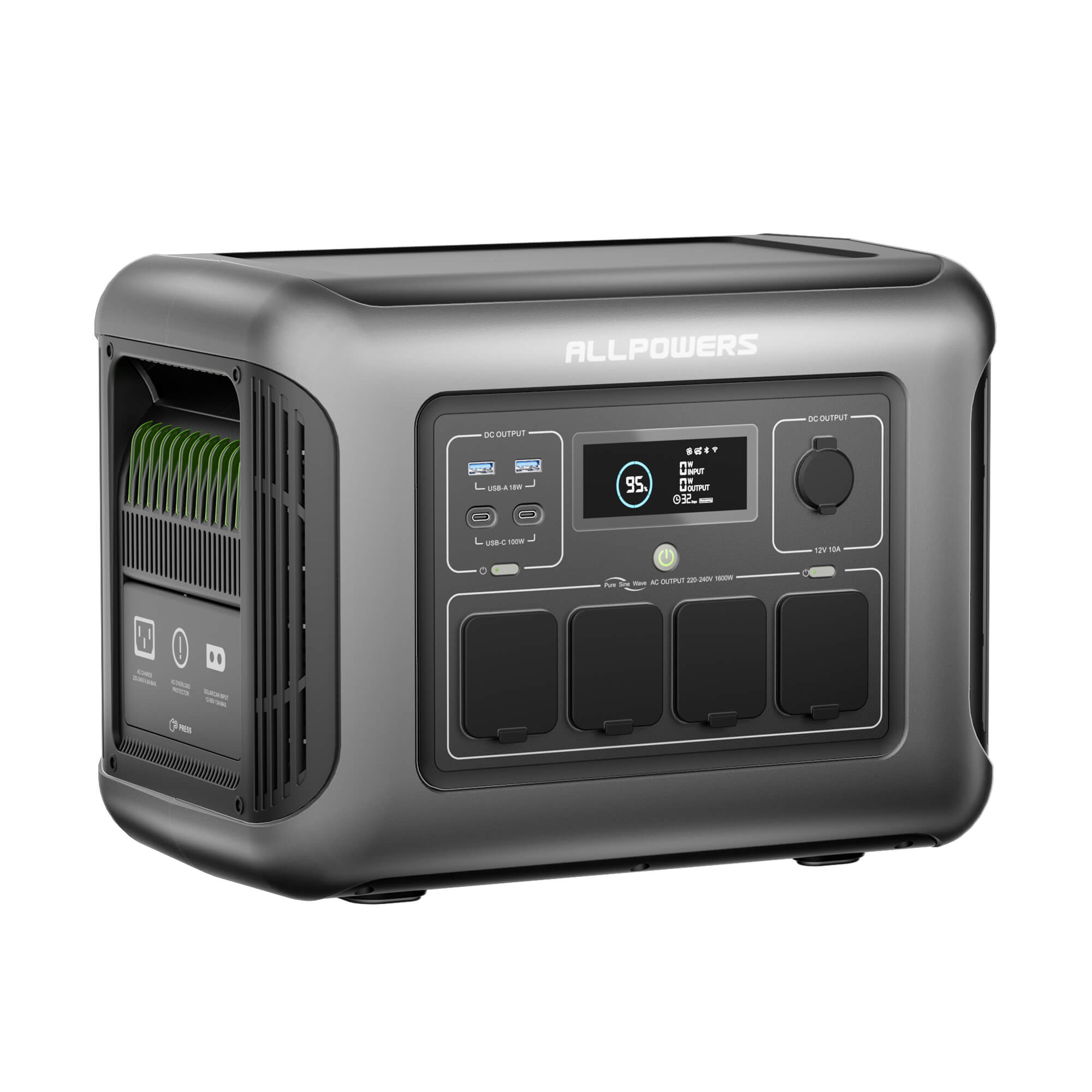
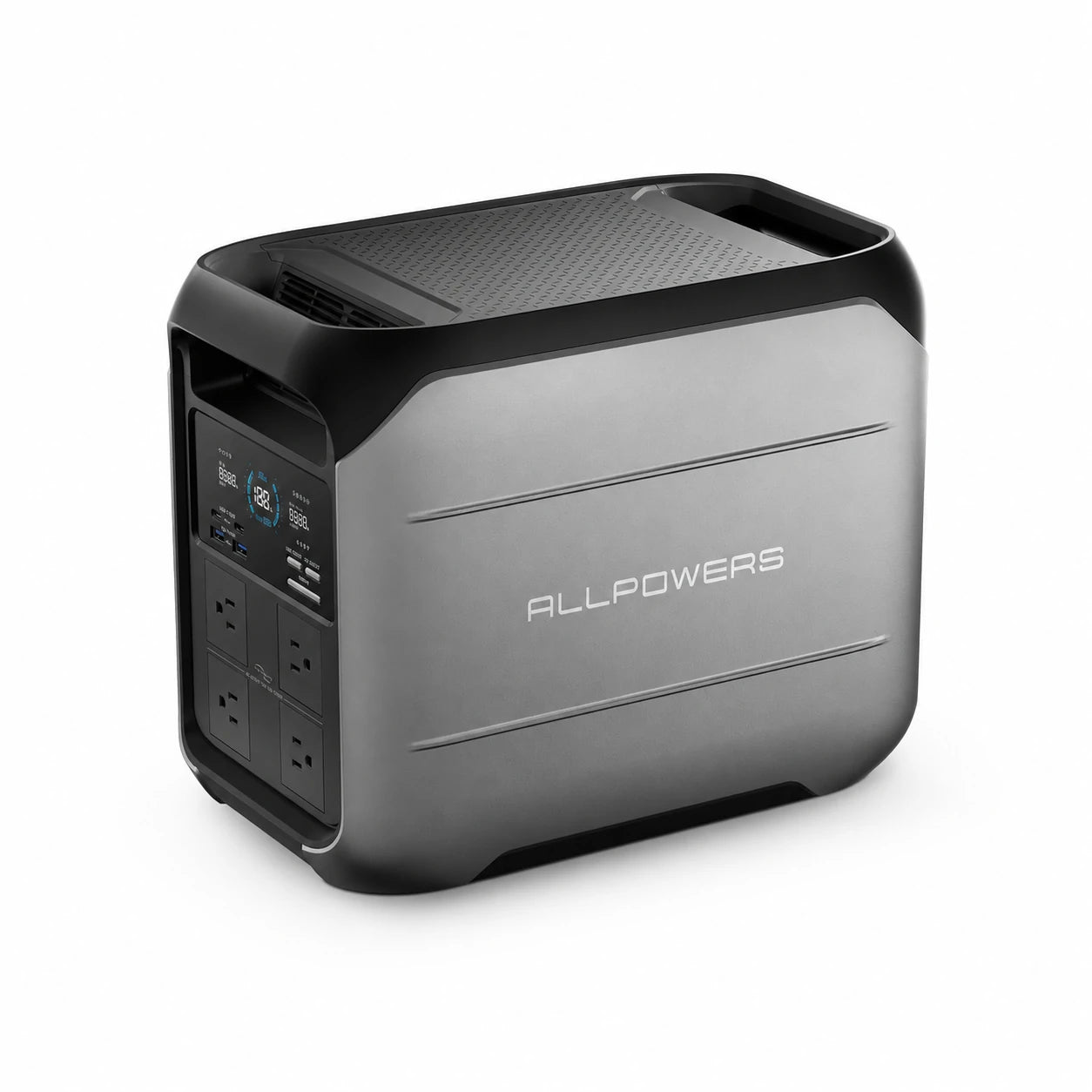
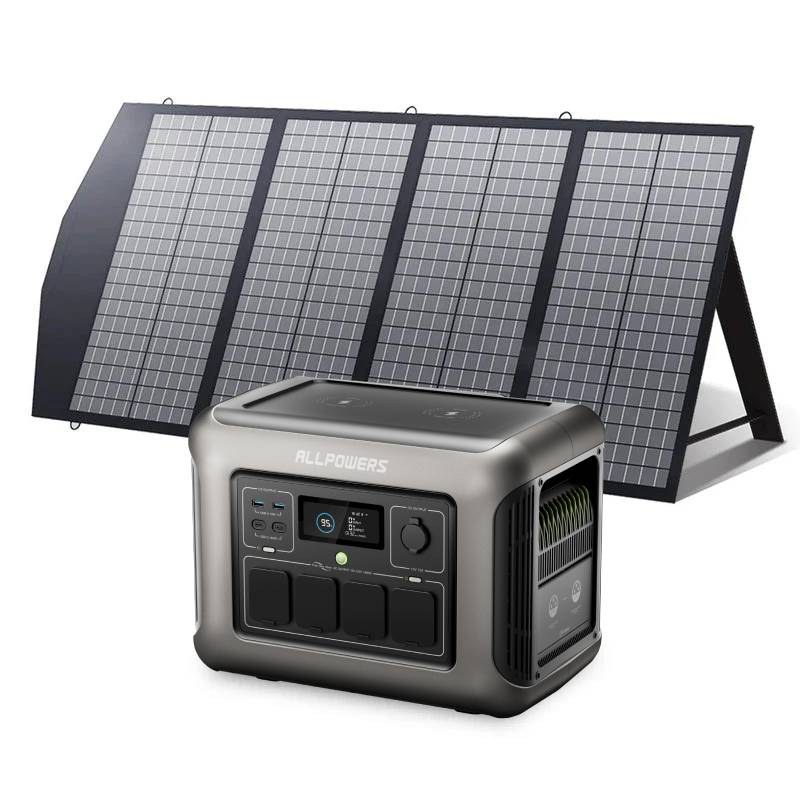
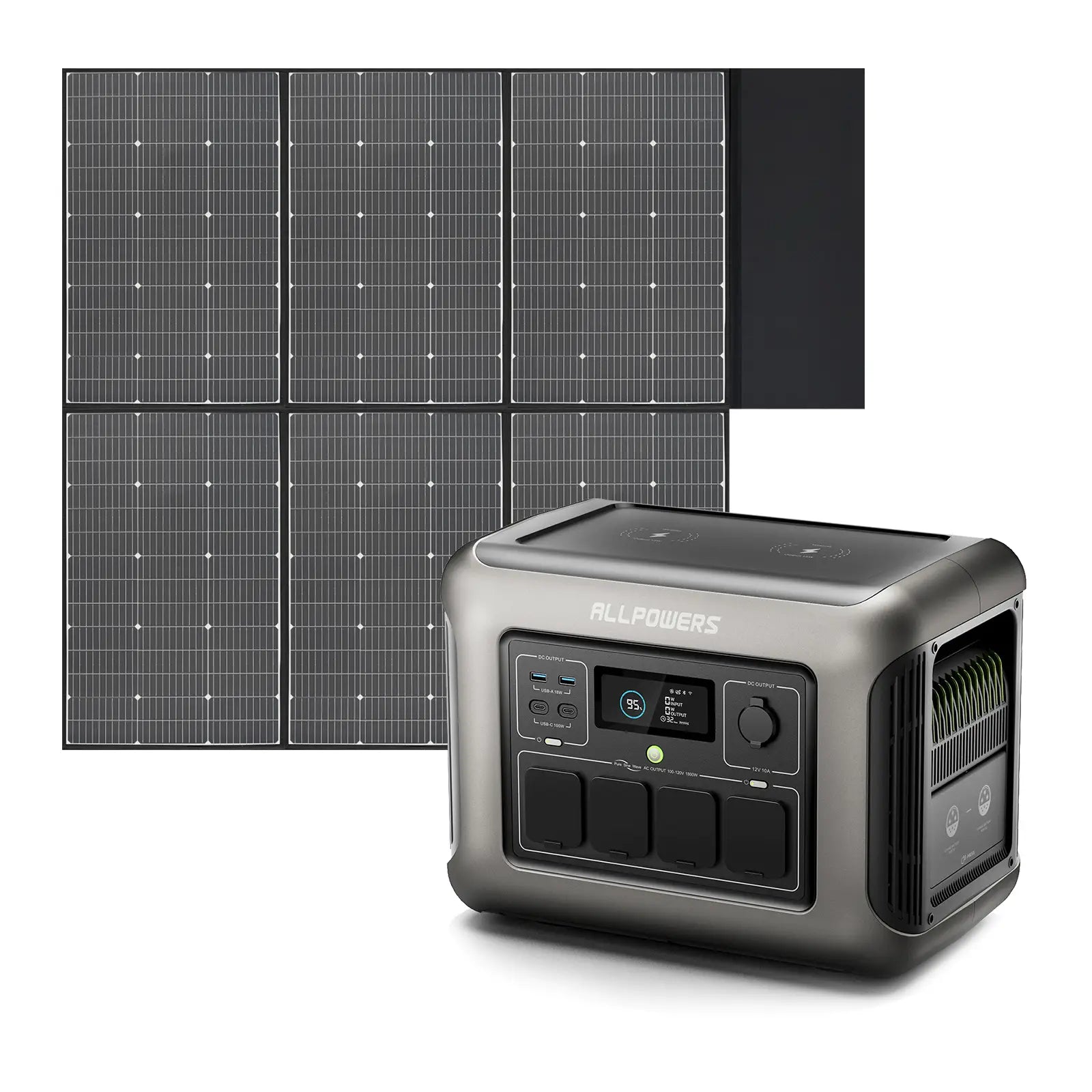
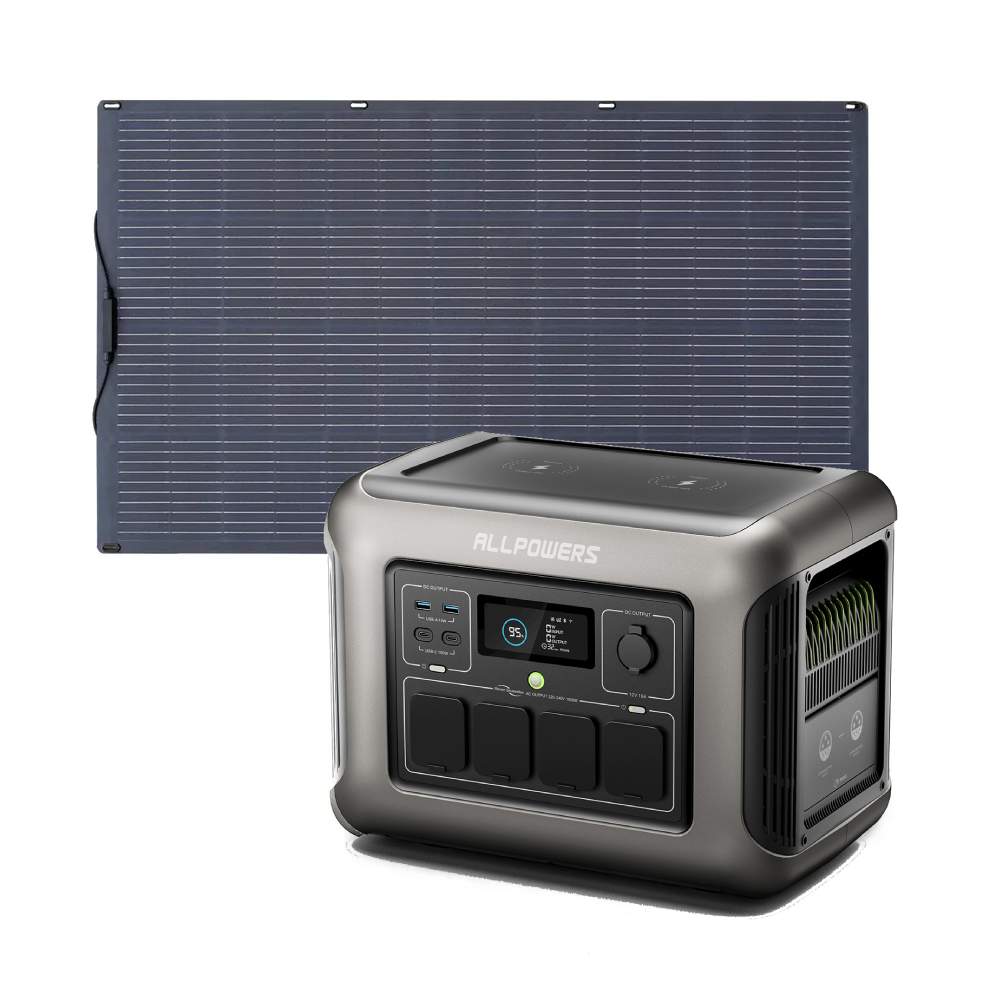
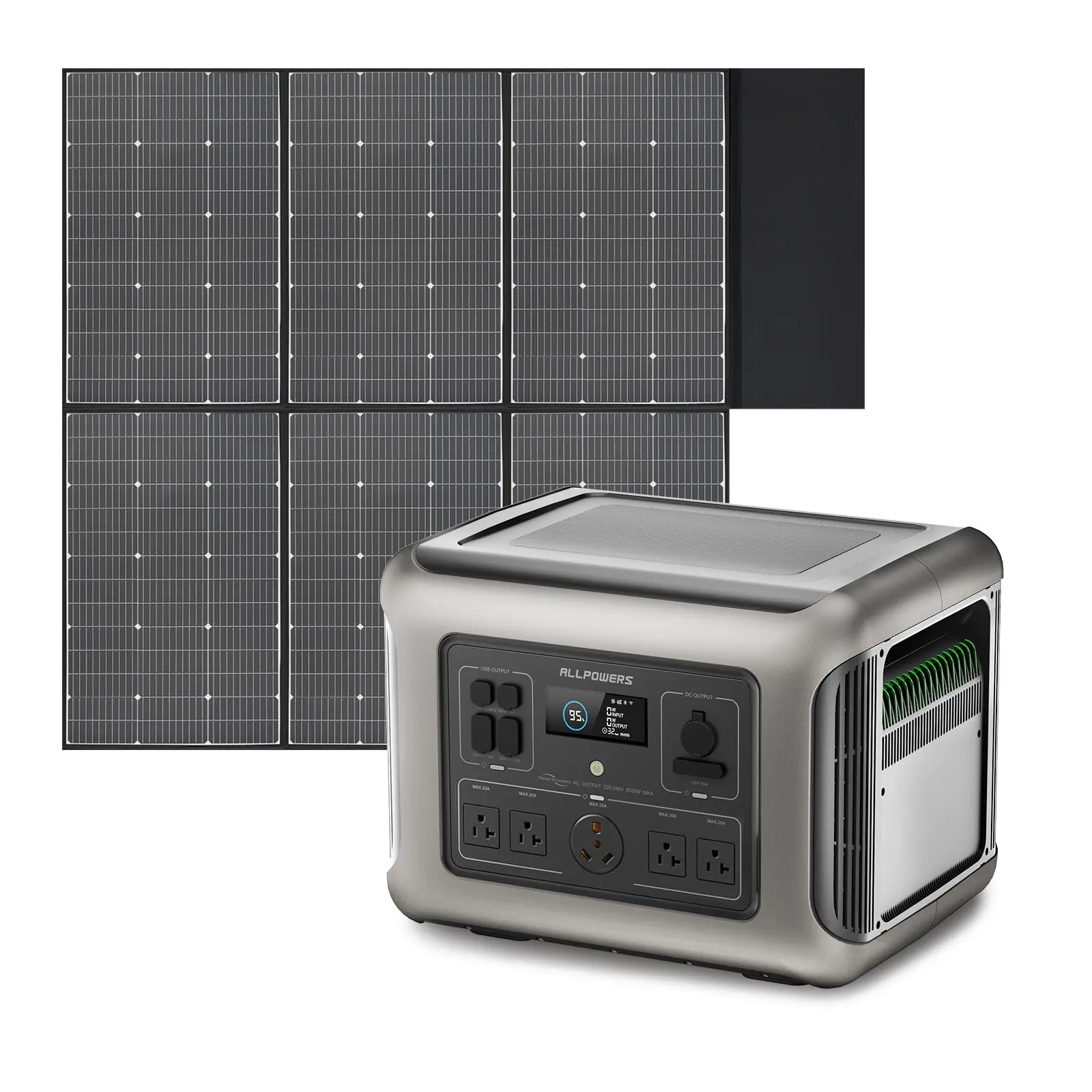
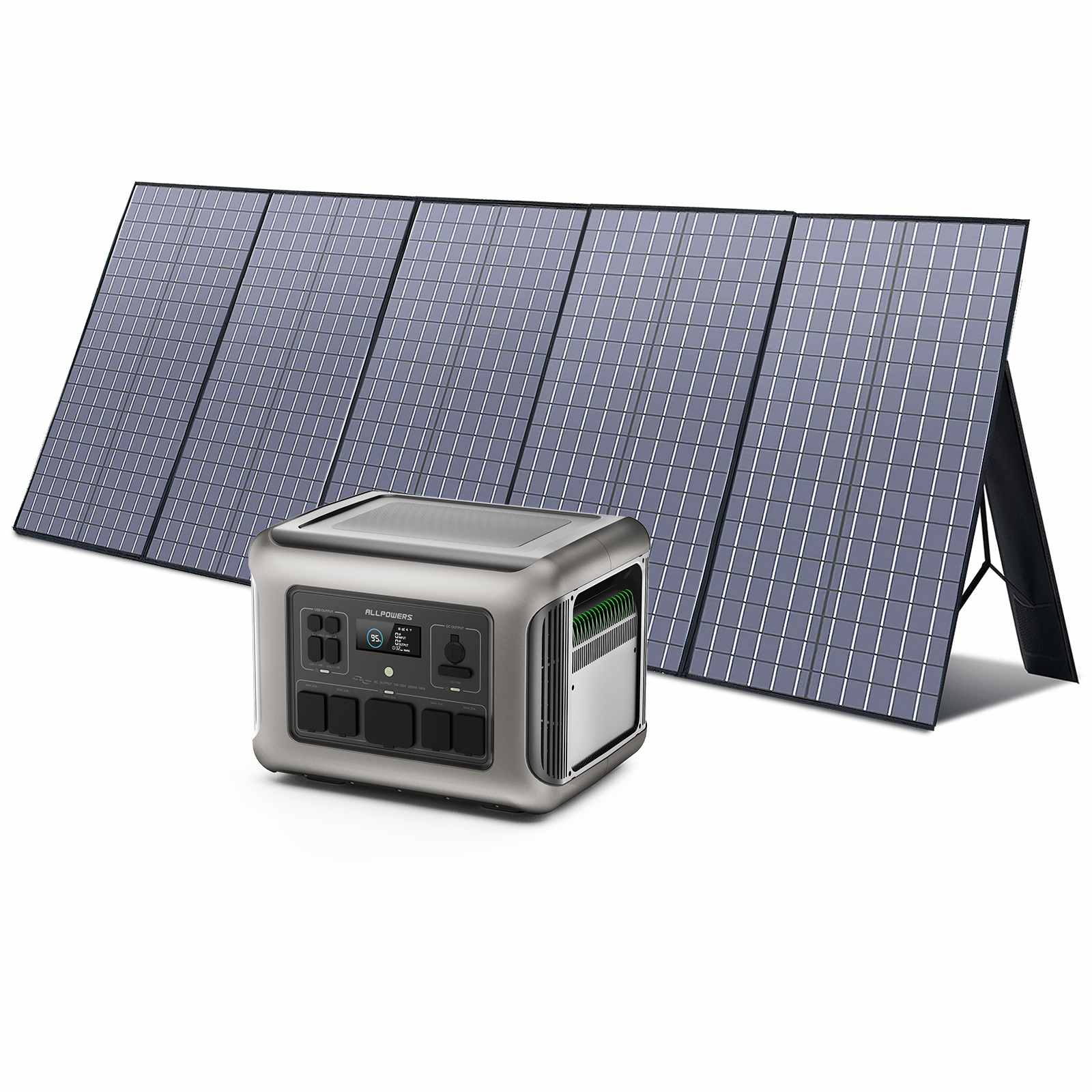
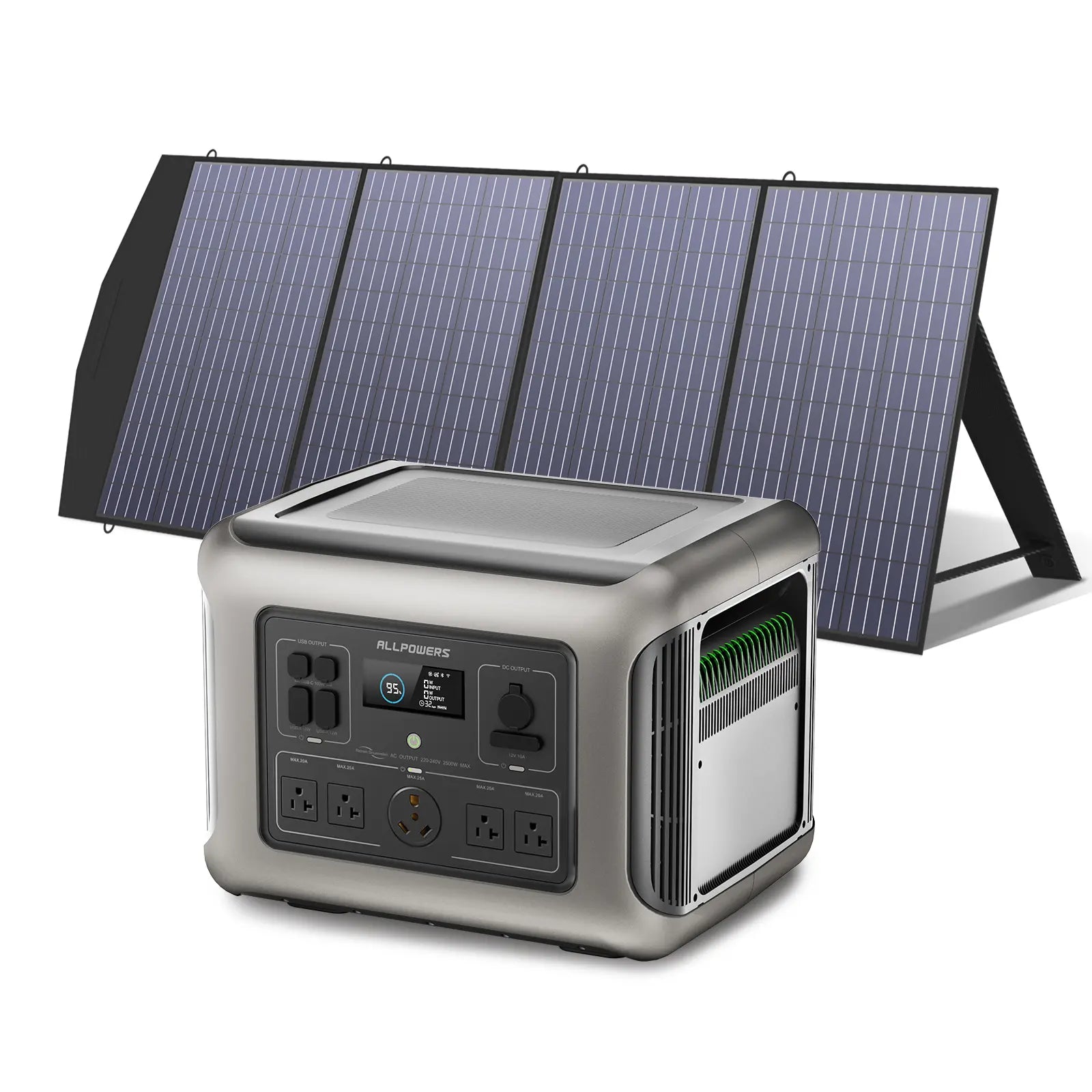
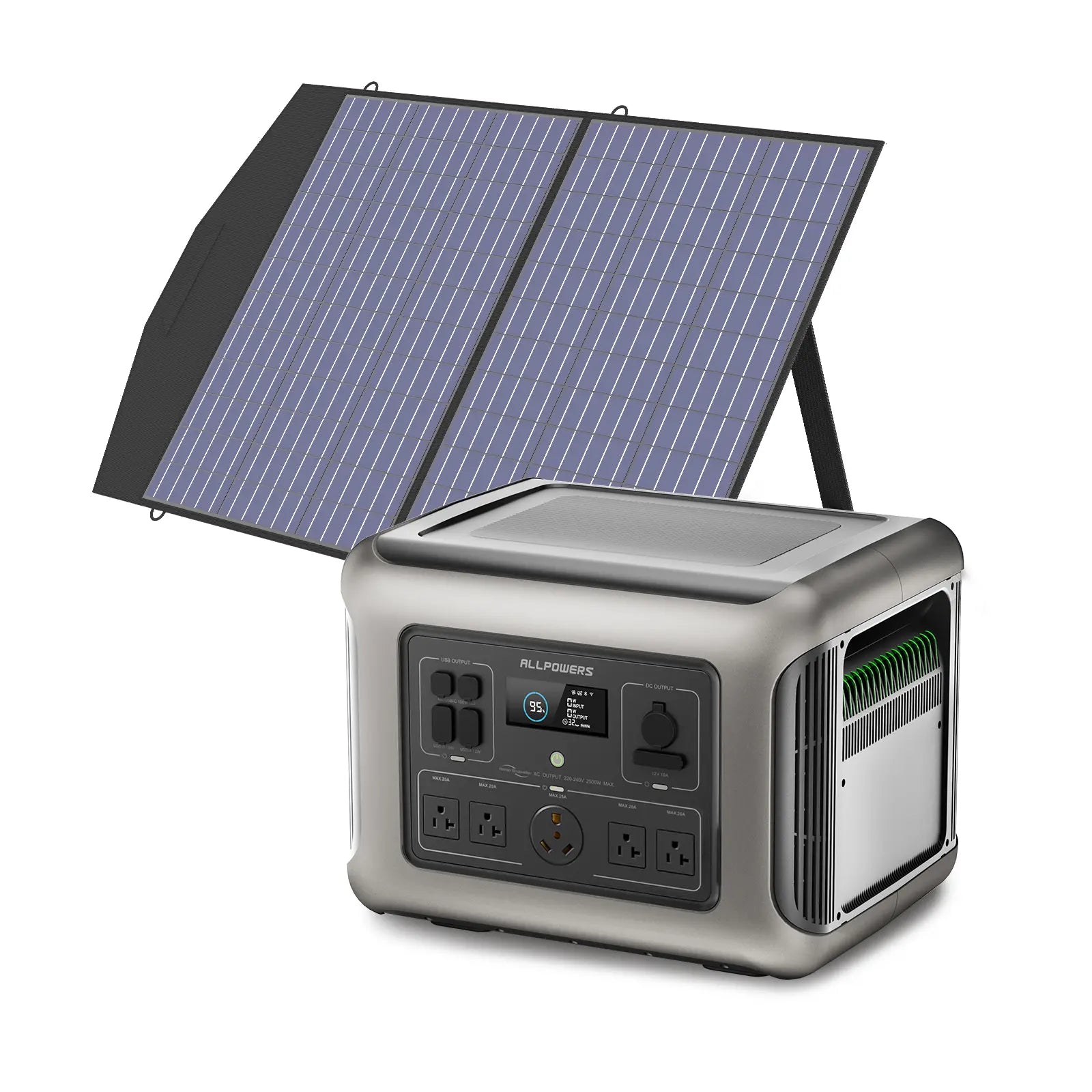
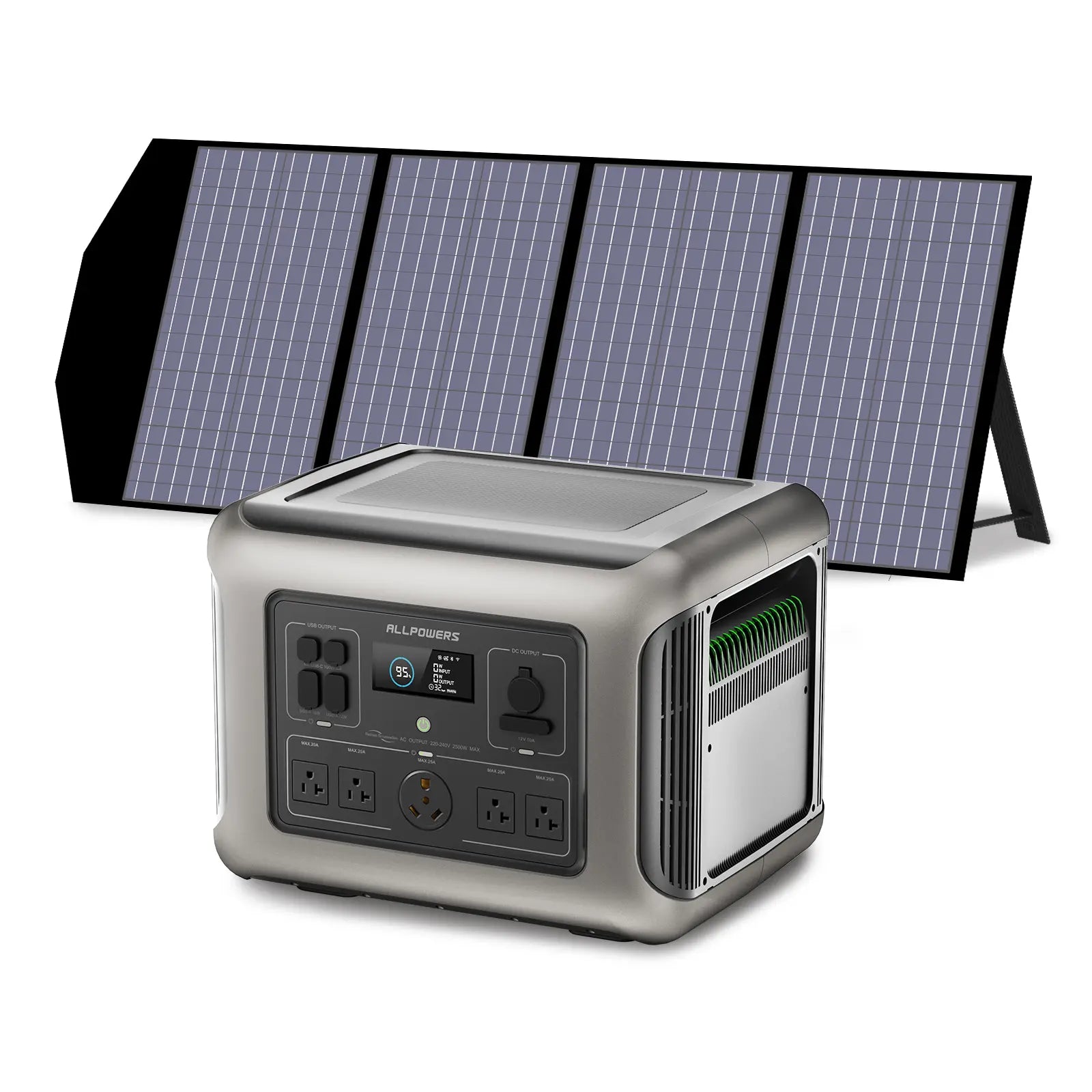
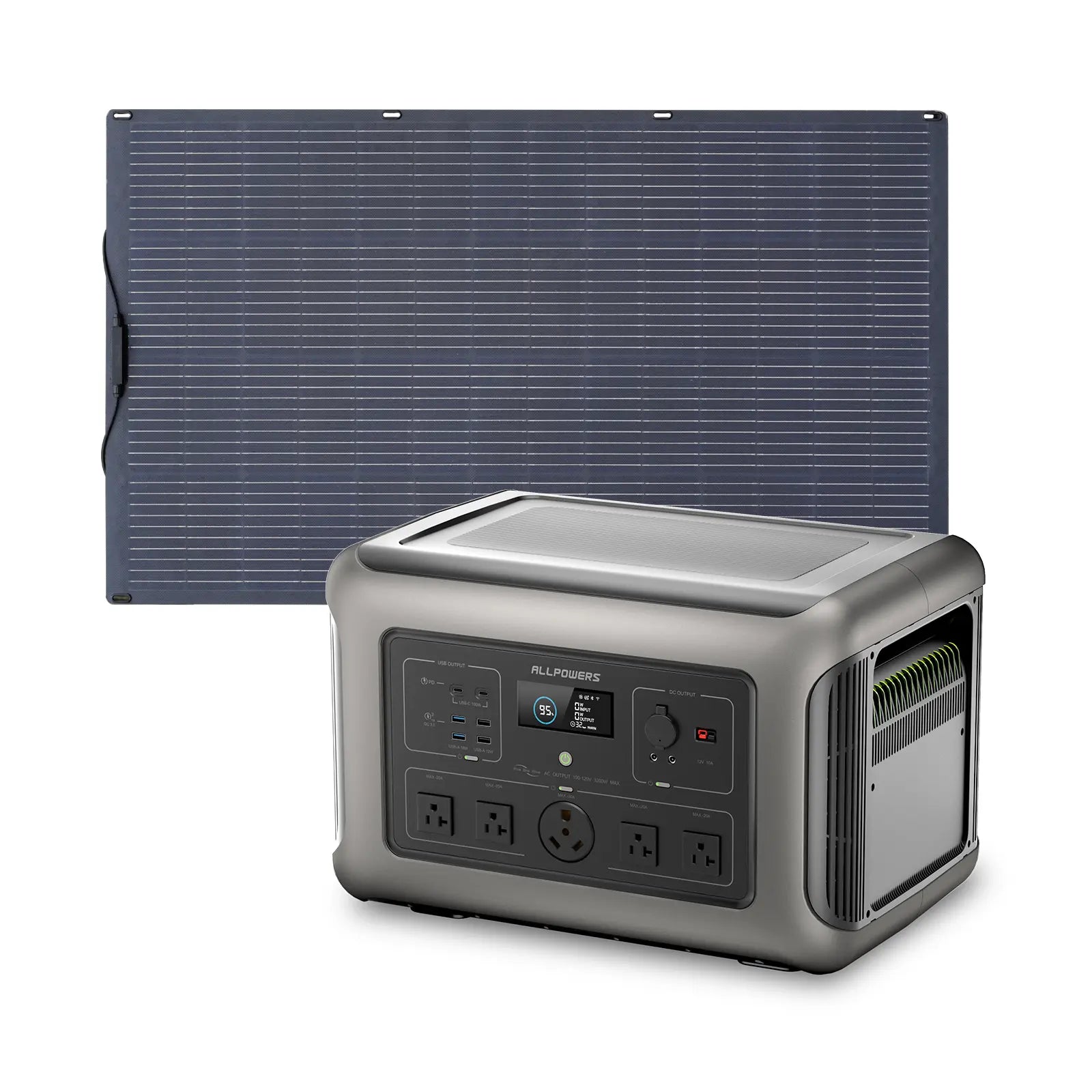
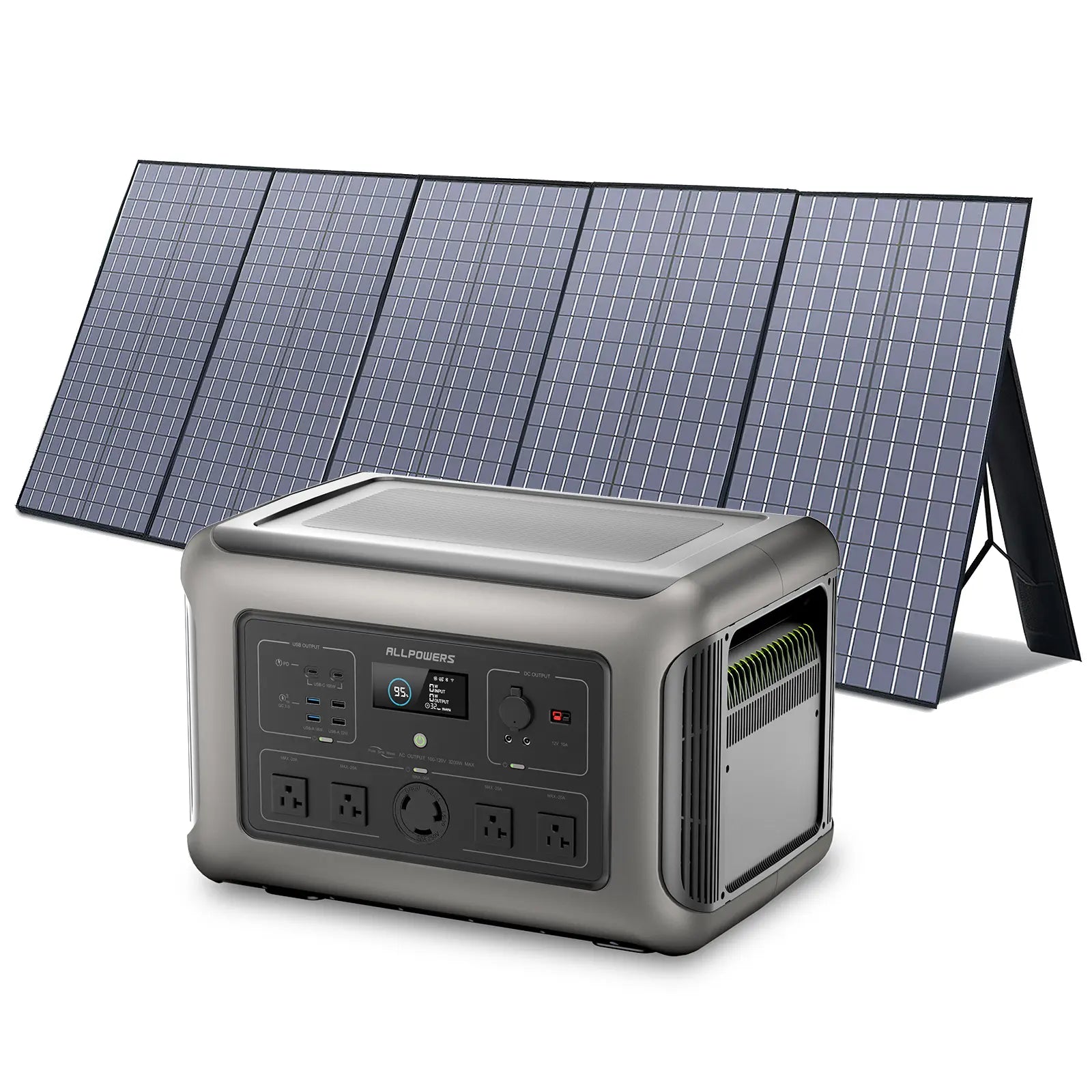
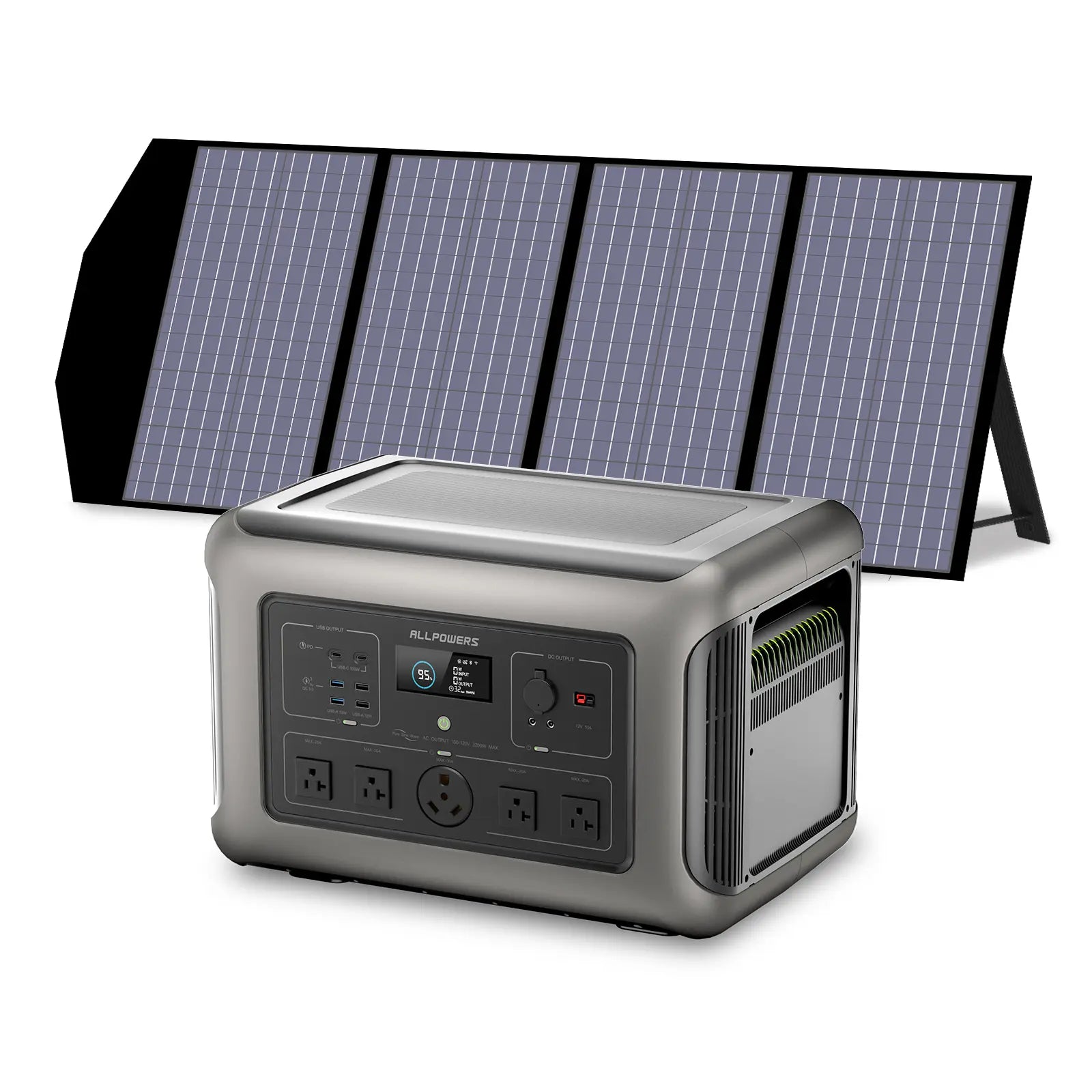
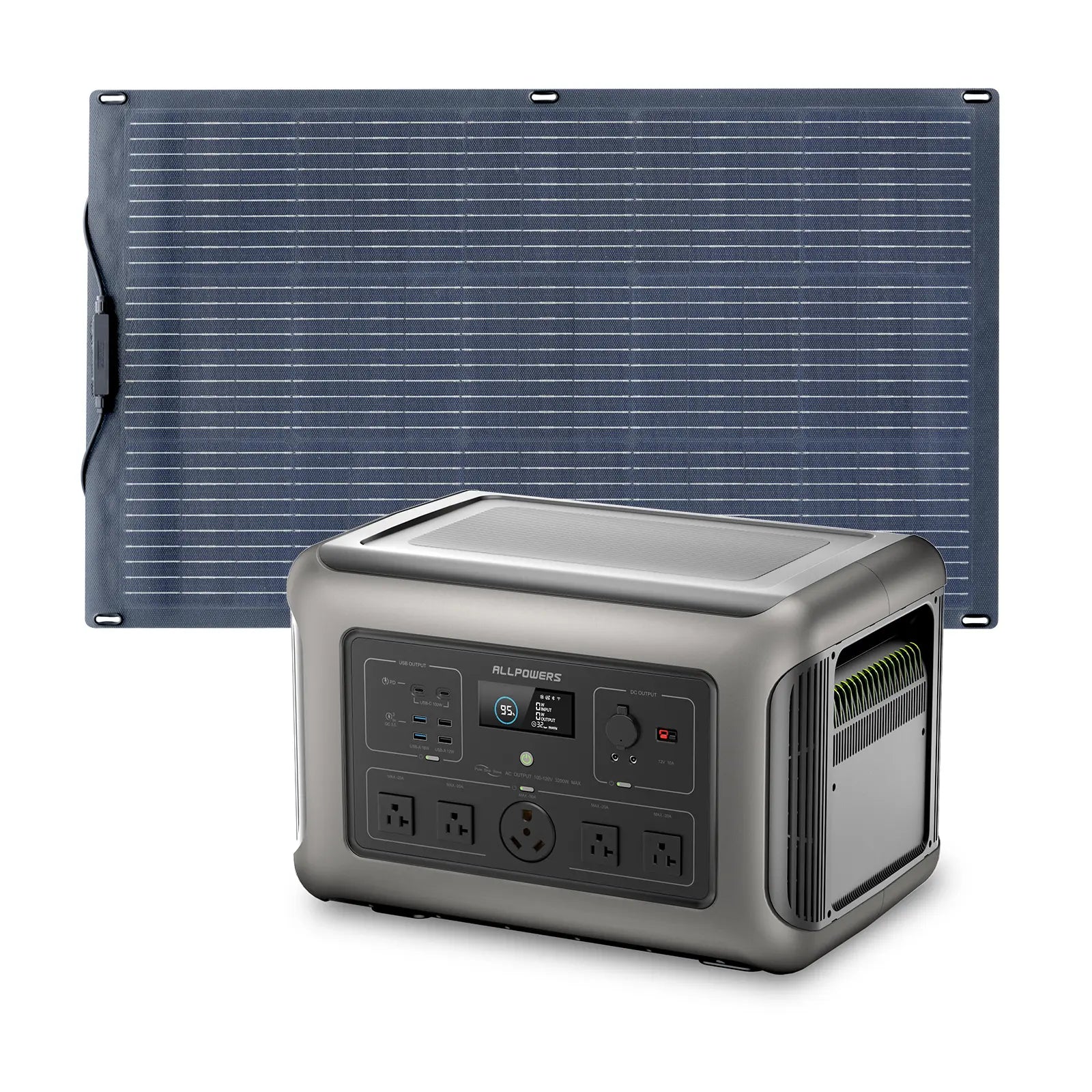
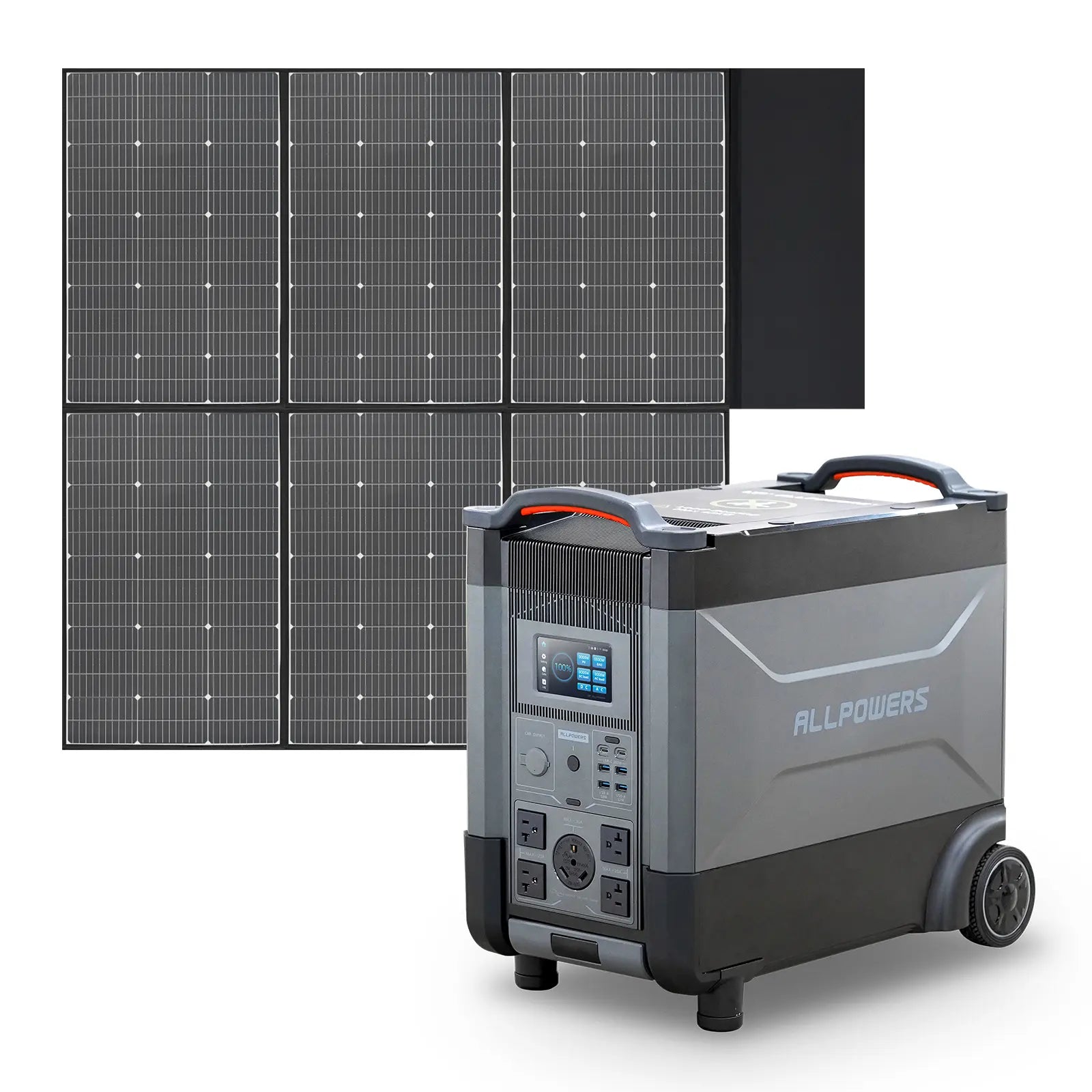
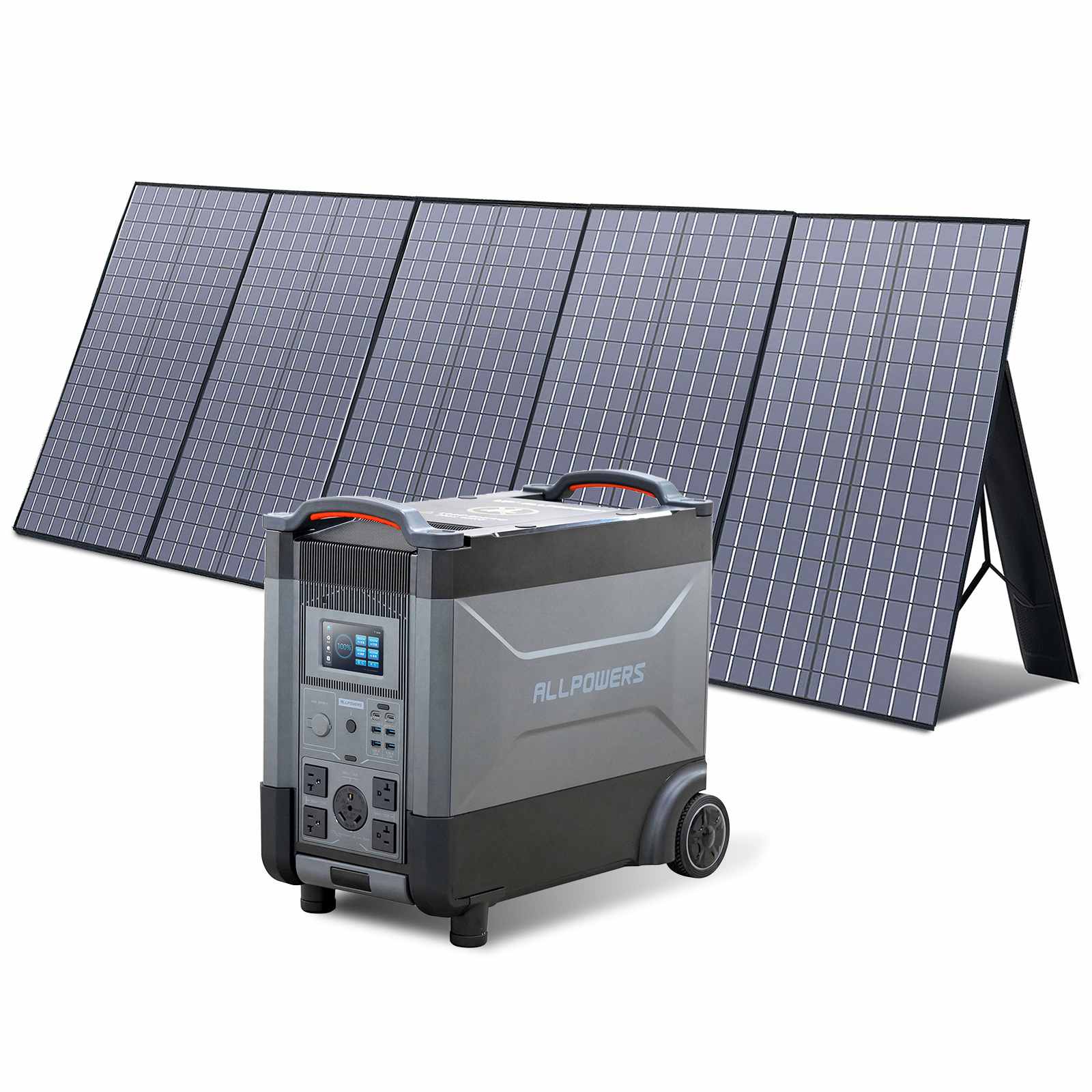
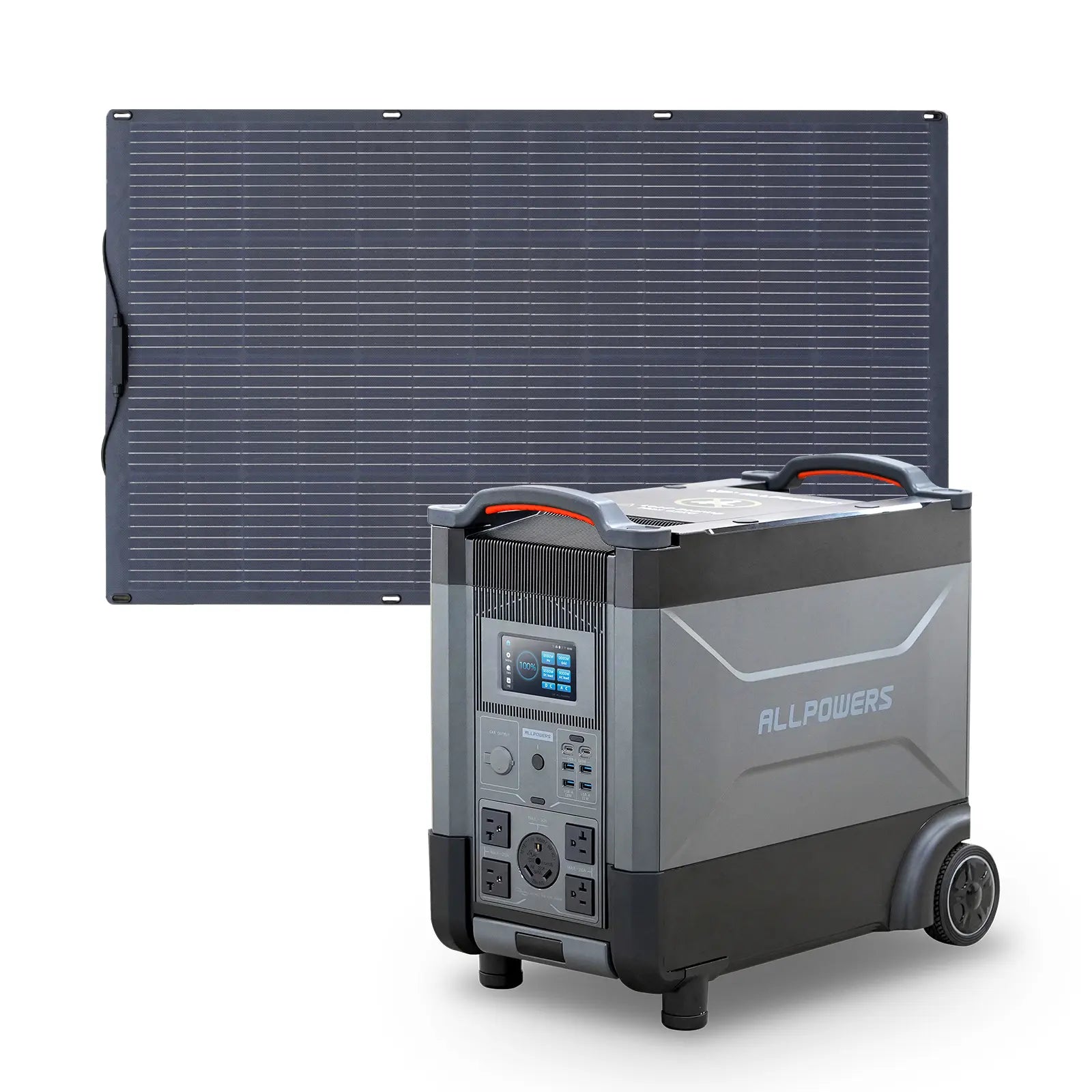
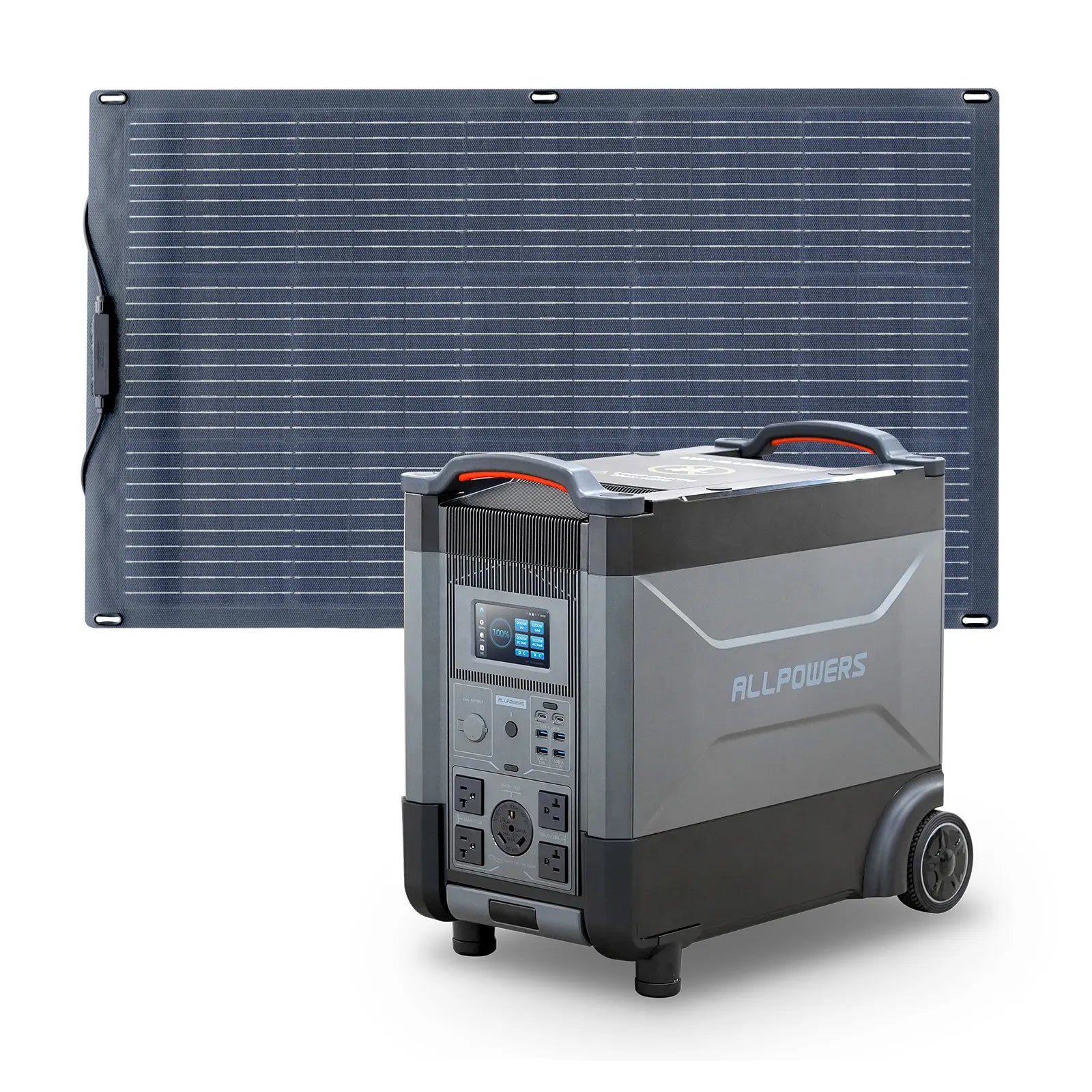
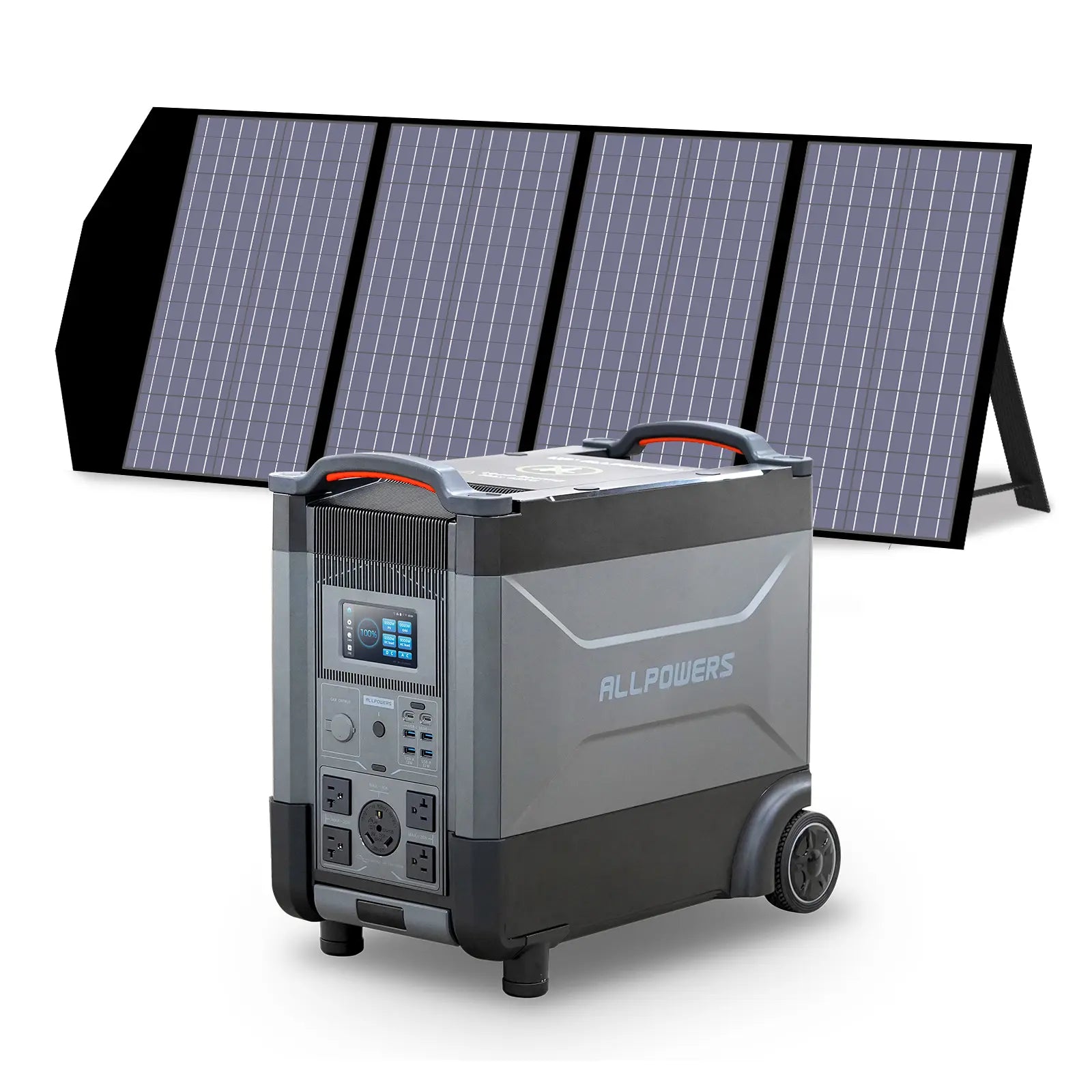
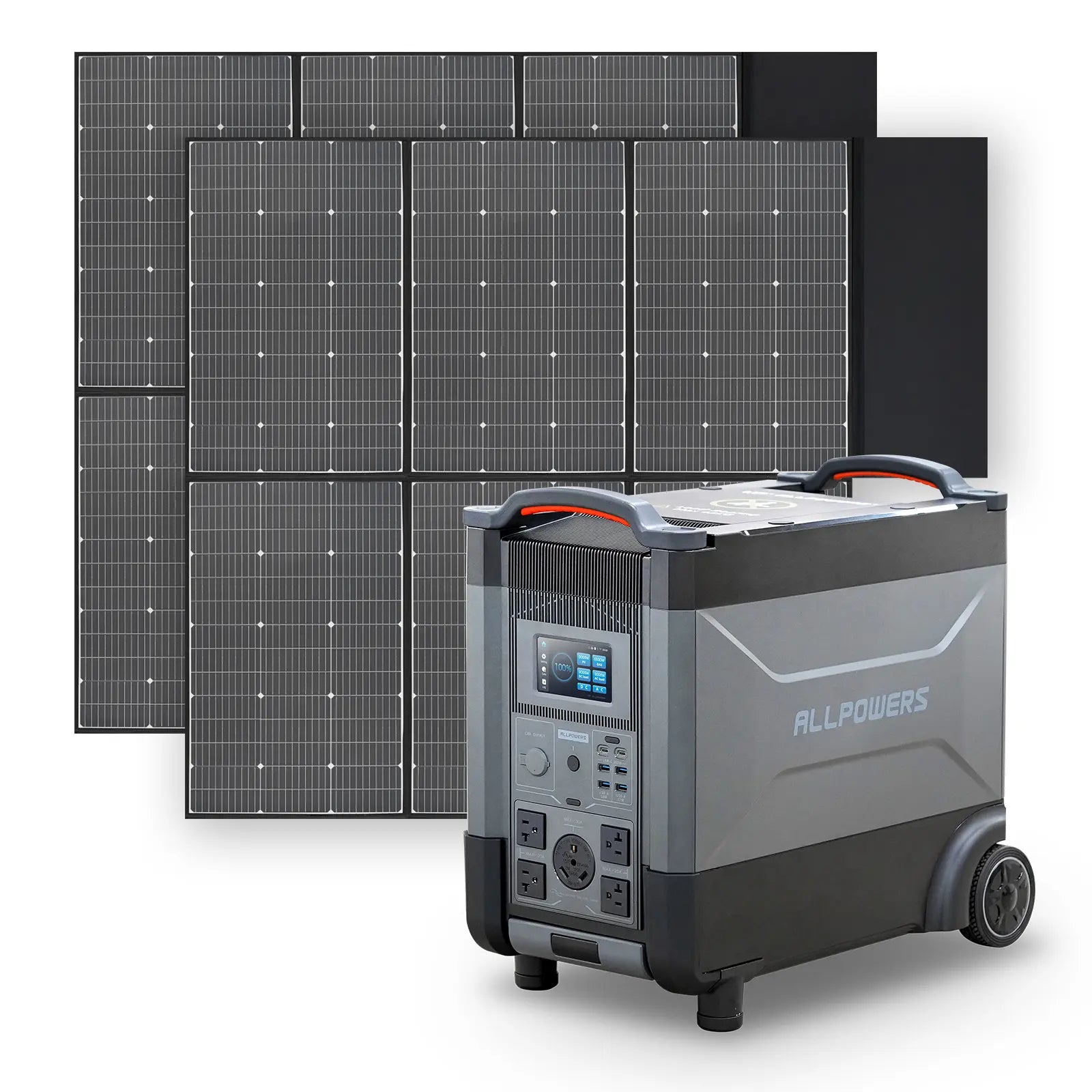
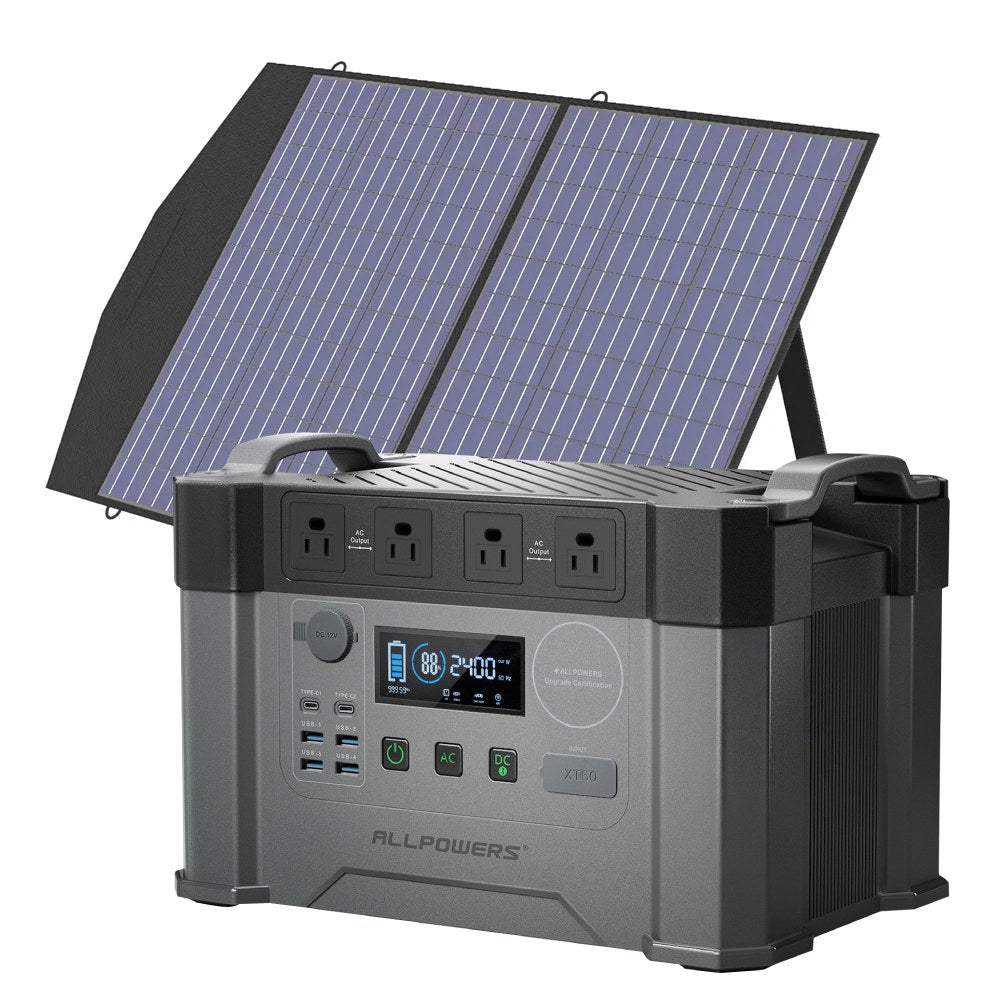
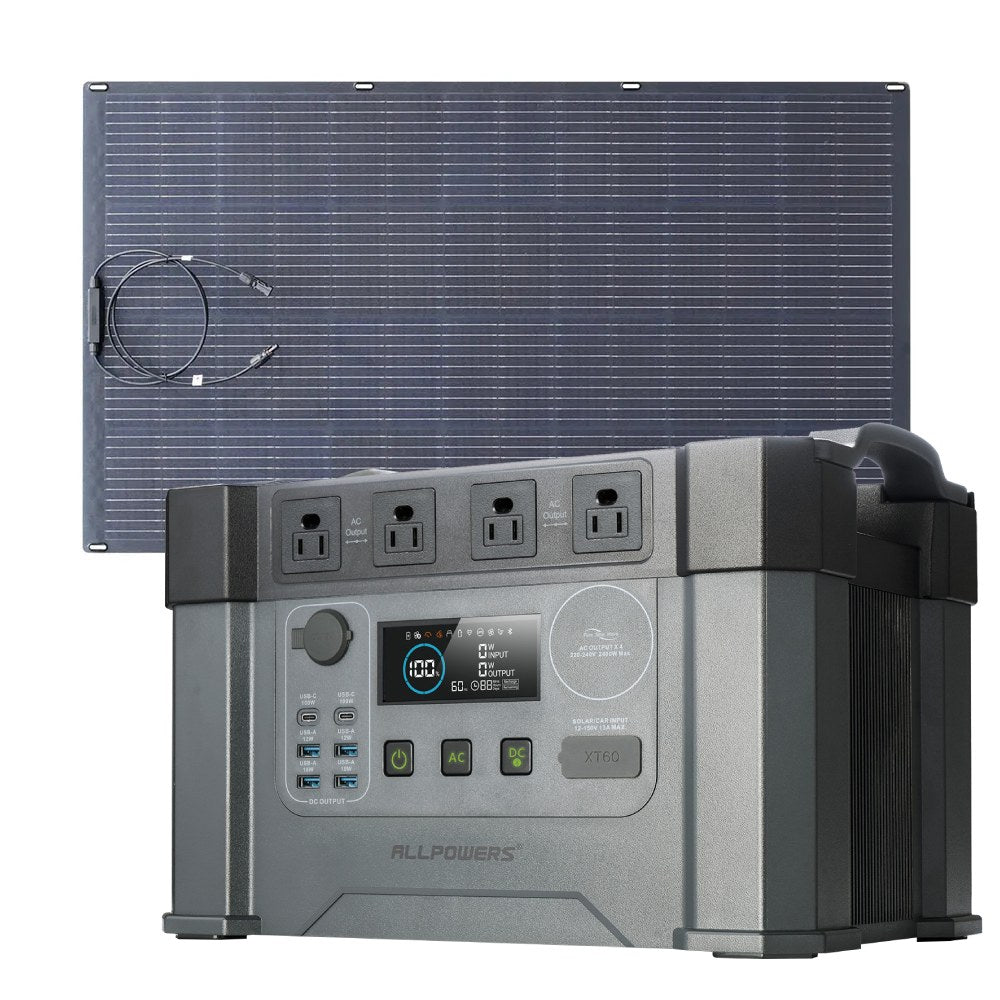
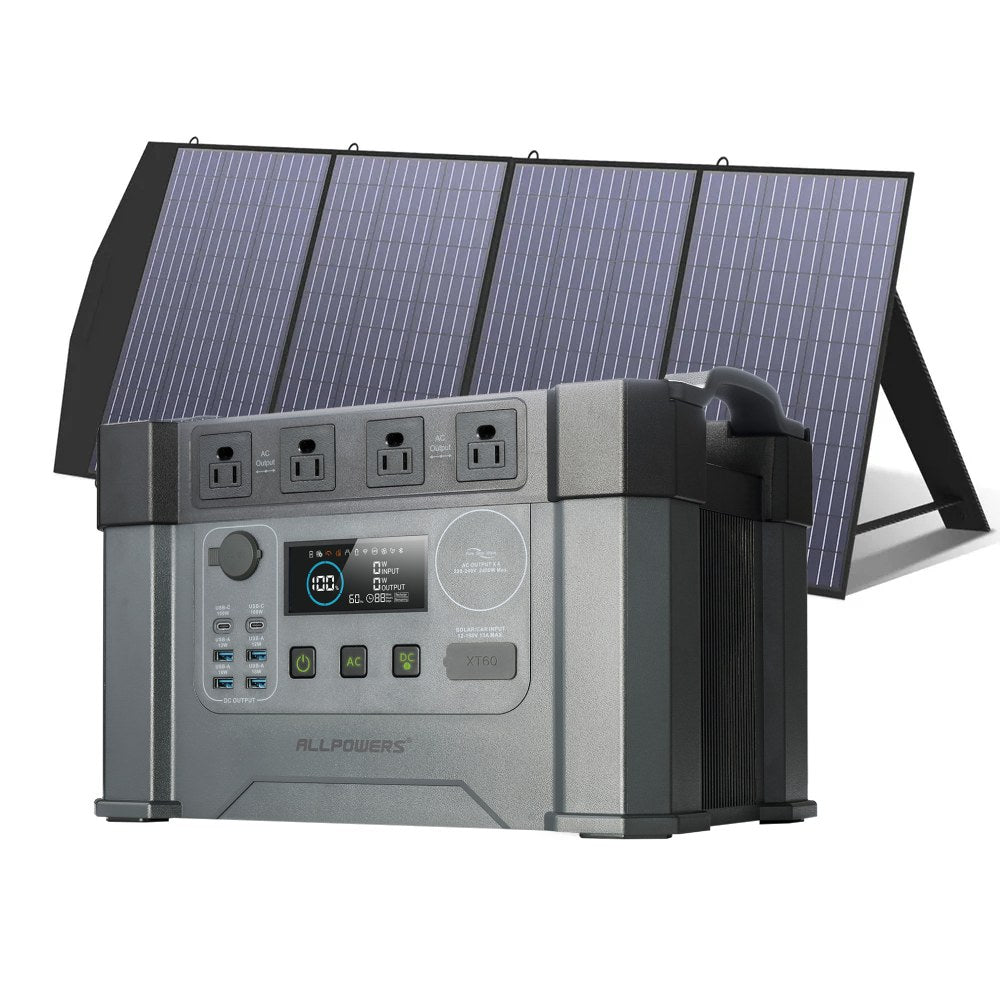
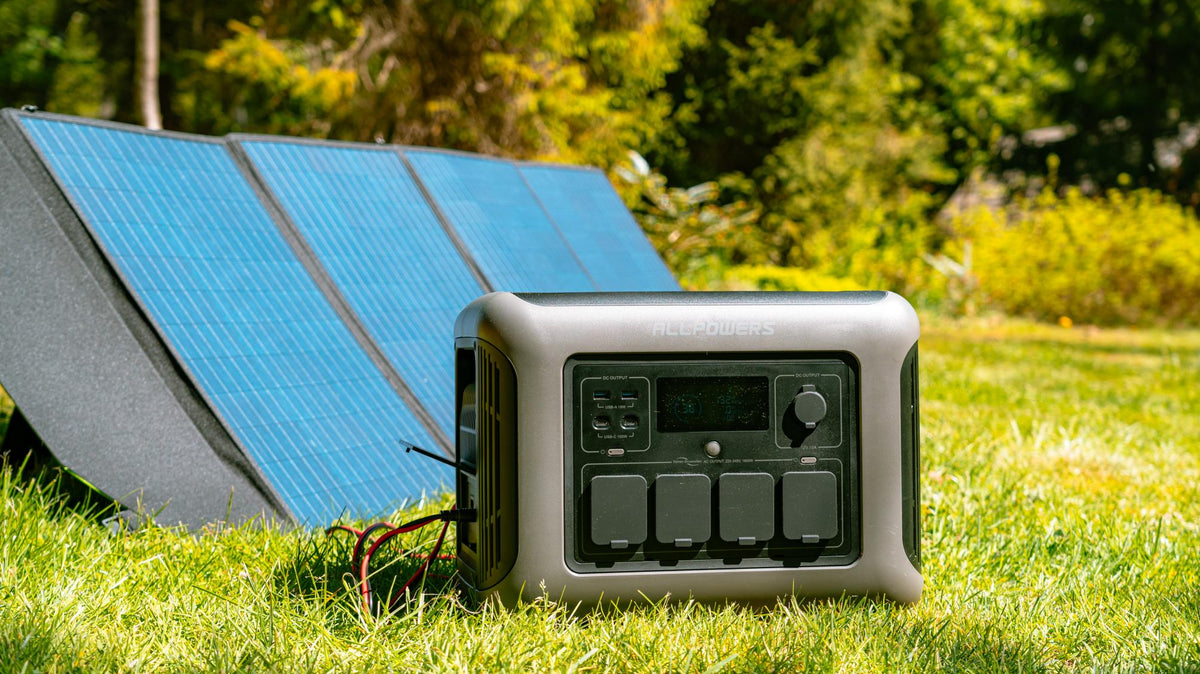
ALLPOWERS 2500W Solar Generator
$1,100.00 $1,799.00
- 2016Wh Capacity + 400W Soalr Input;;
- 2500W AC Output (4,000W Surge);
- Fast Charge 100% in 1 Hours;
- Start UPS in 15 ms;
- Expandable Up to 3x B1000 Expansion Battery;
Solar
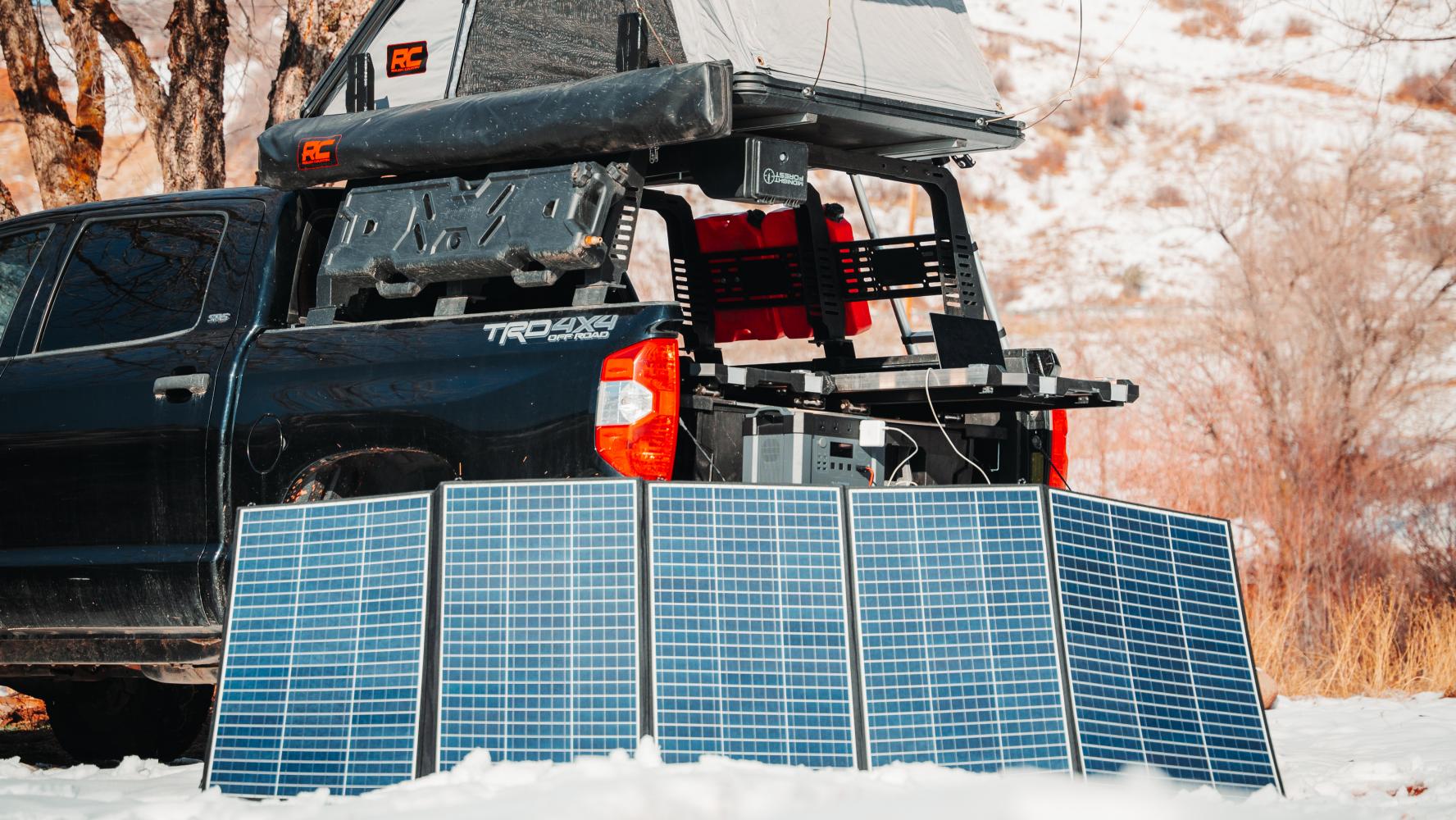
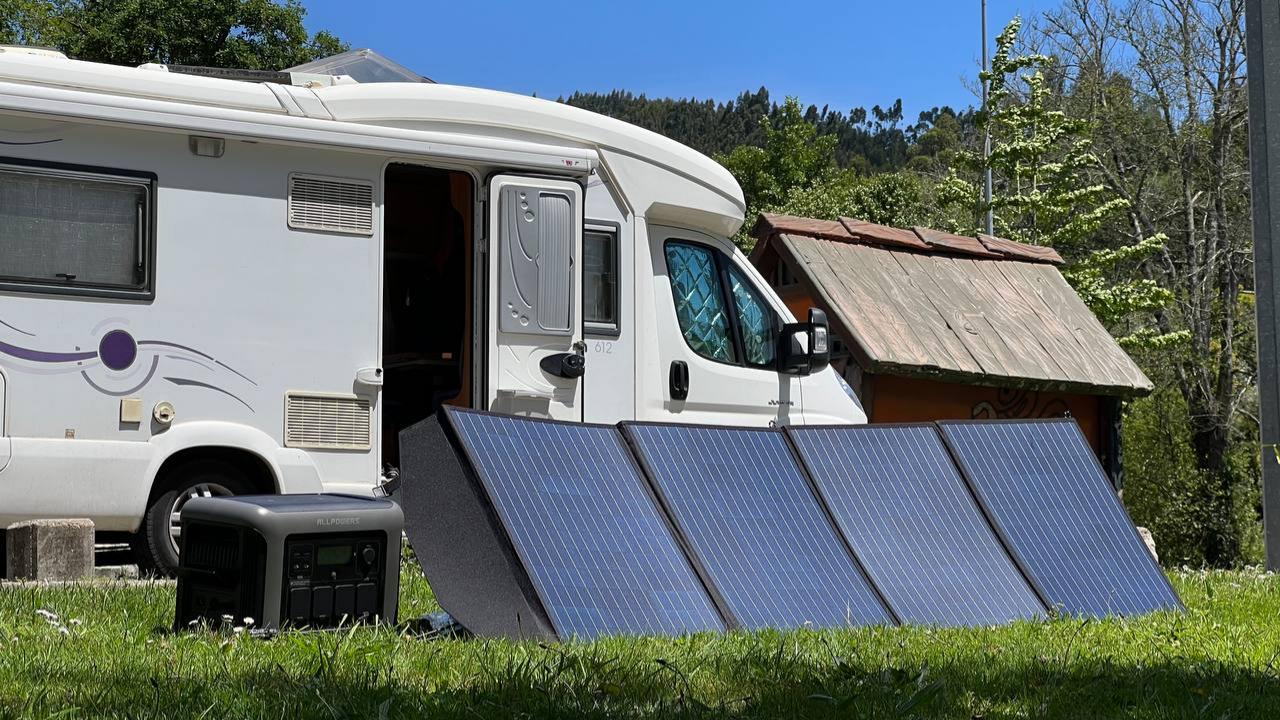
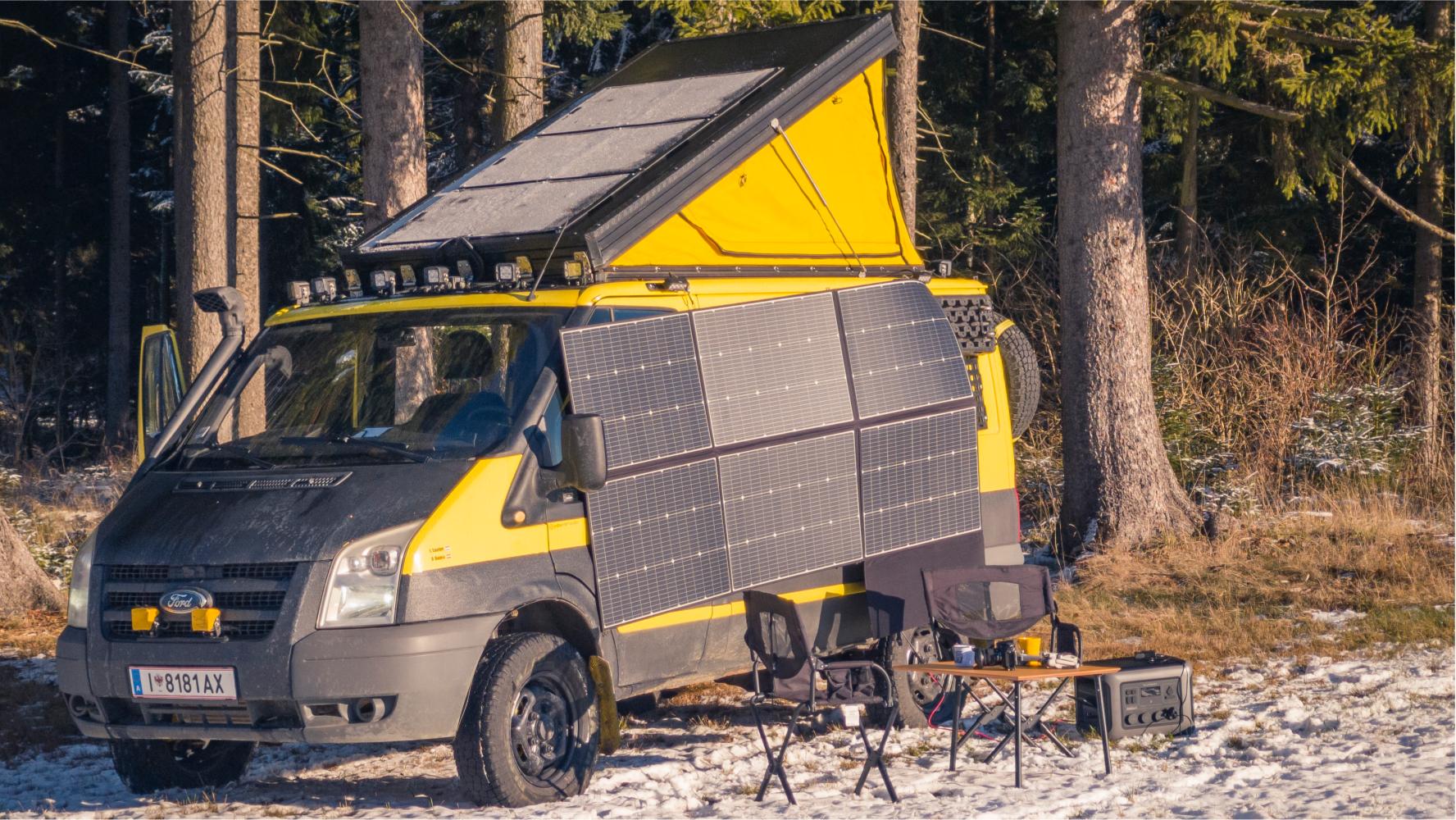
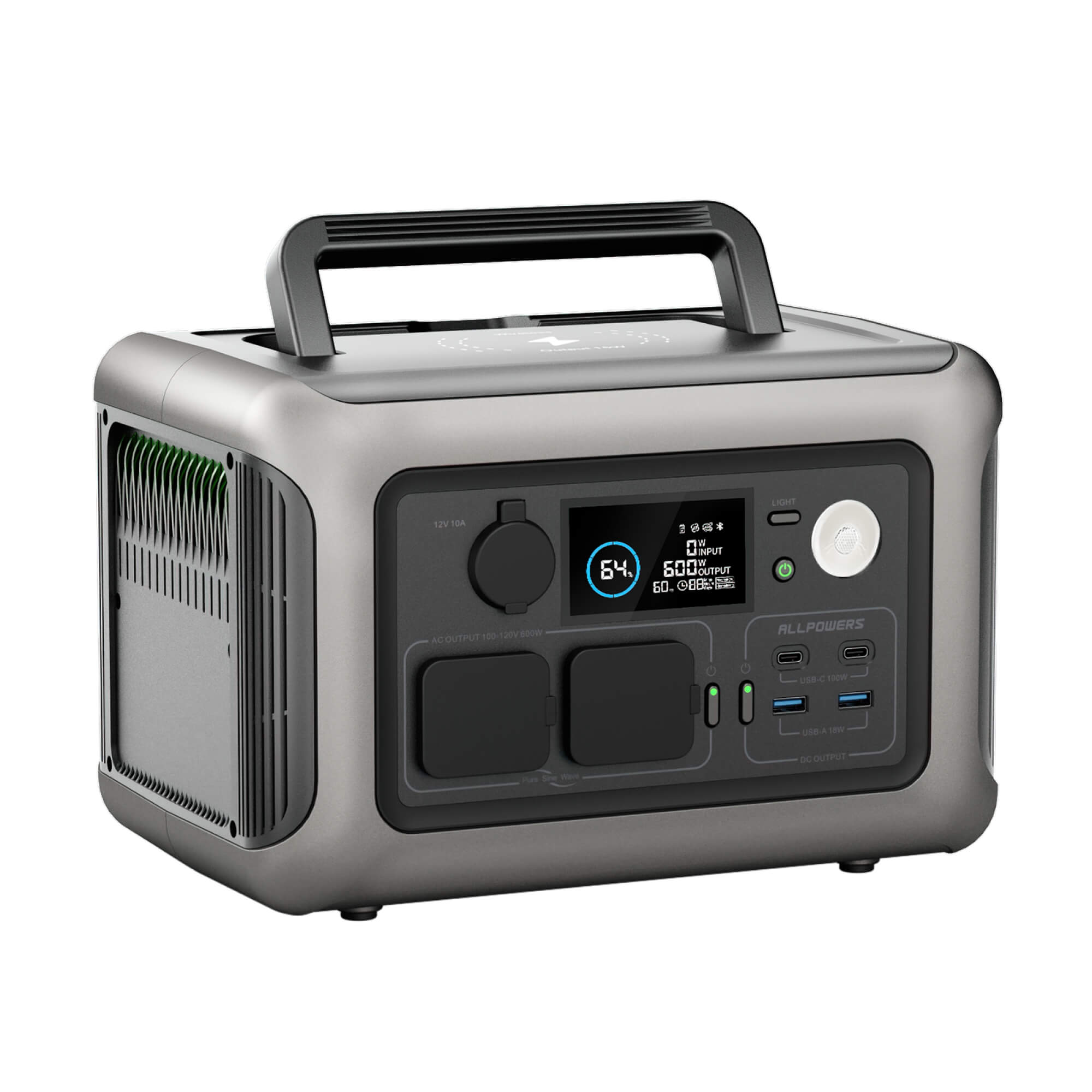
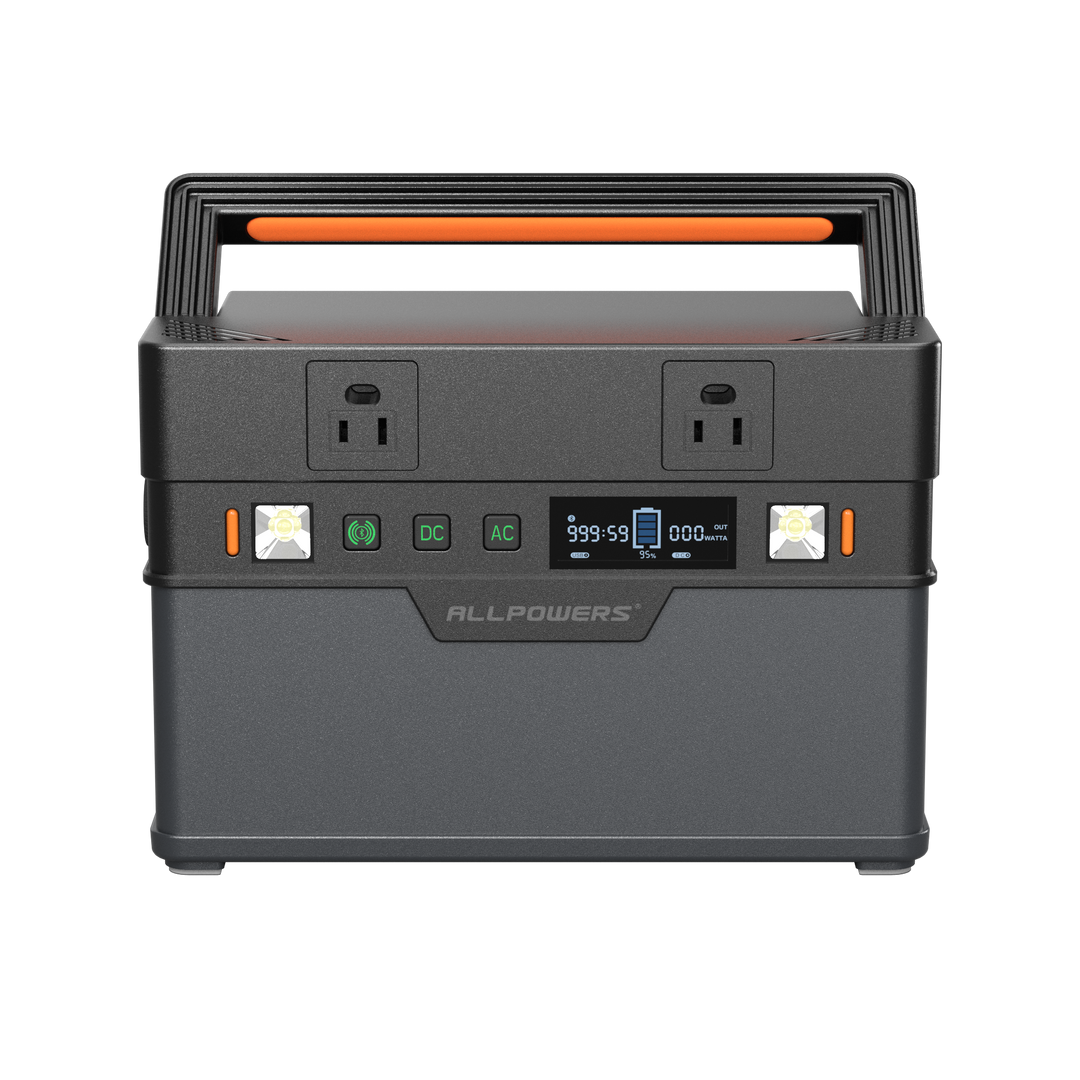
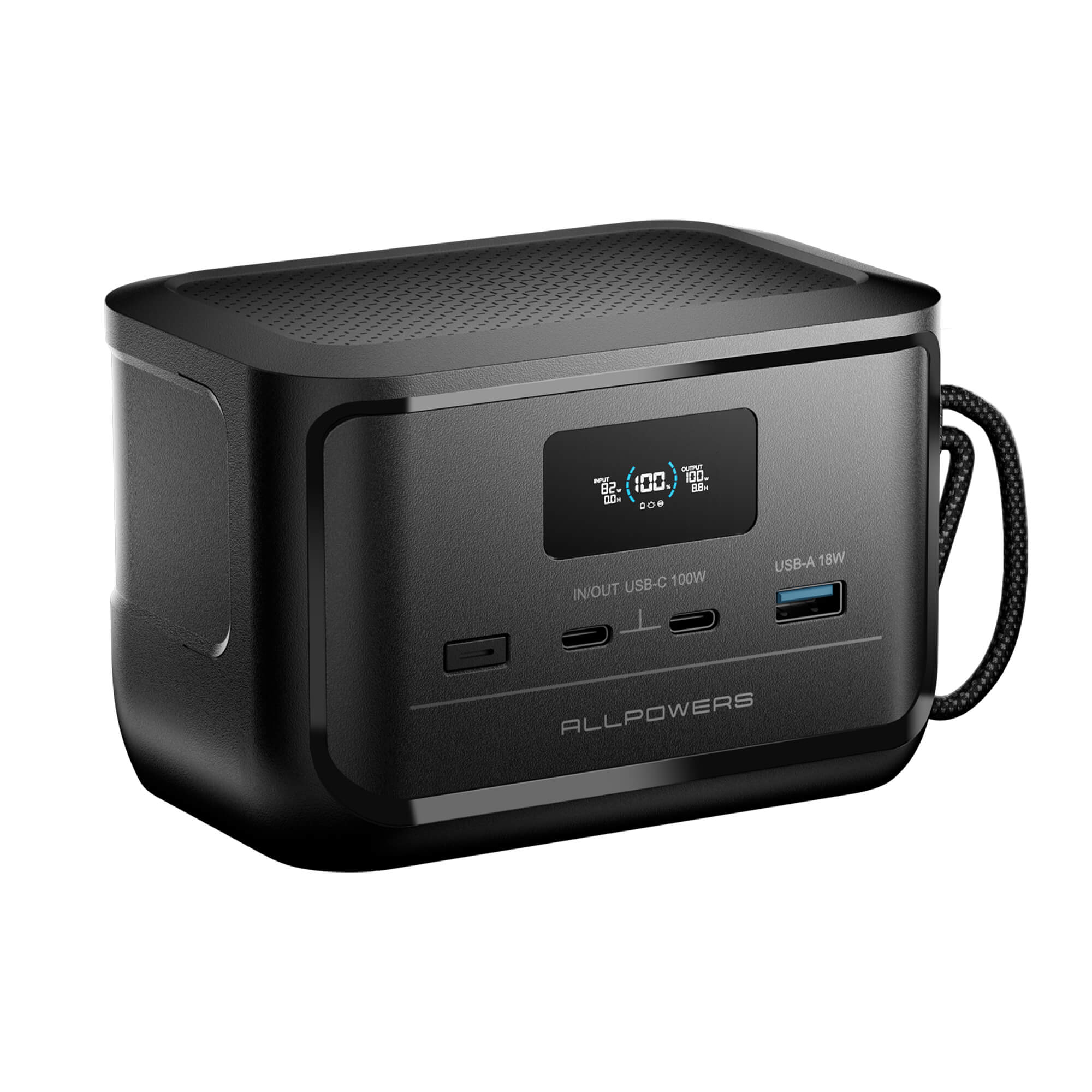
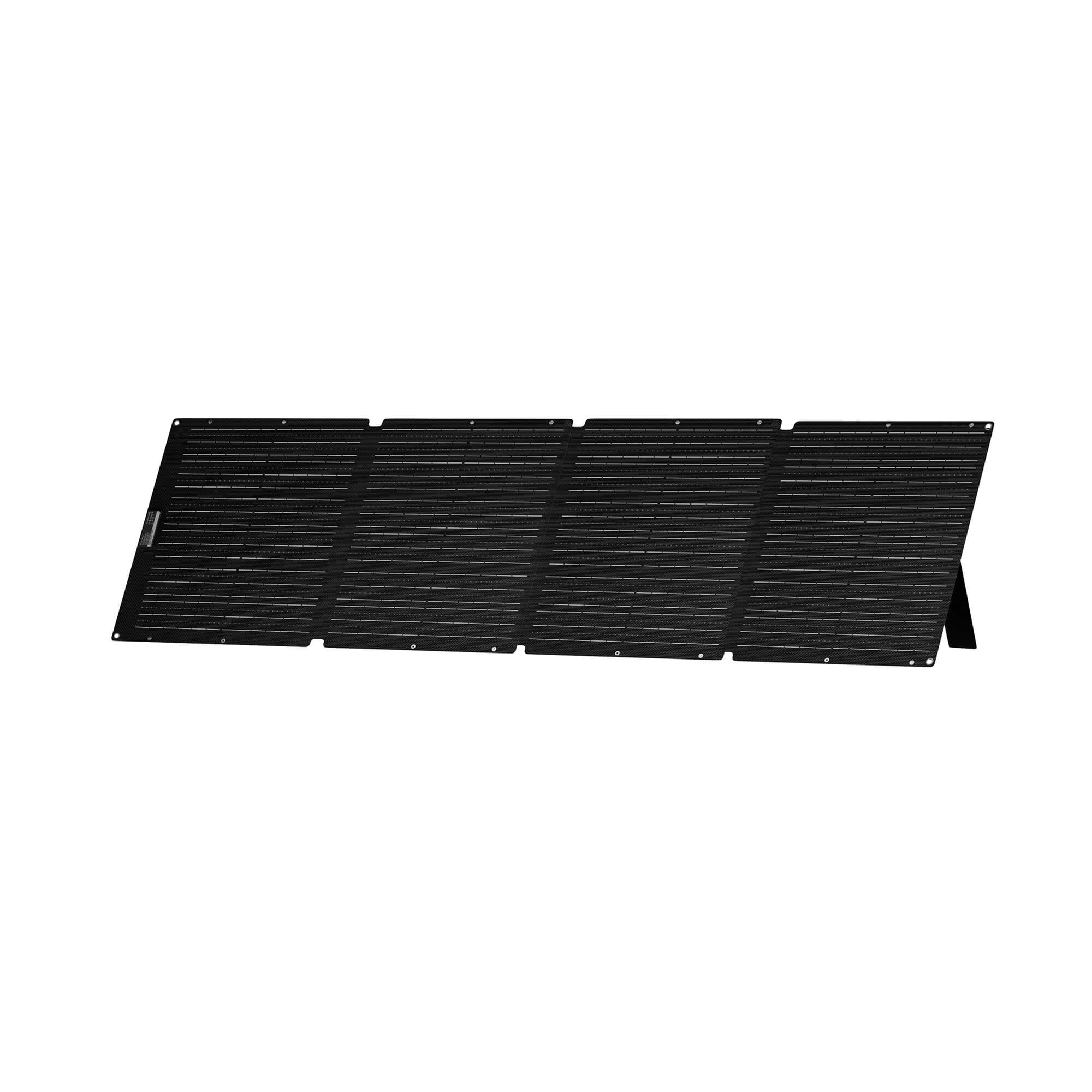
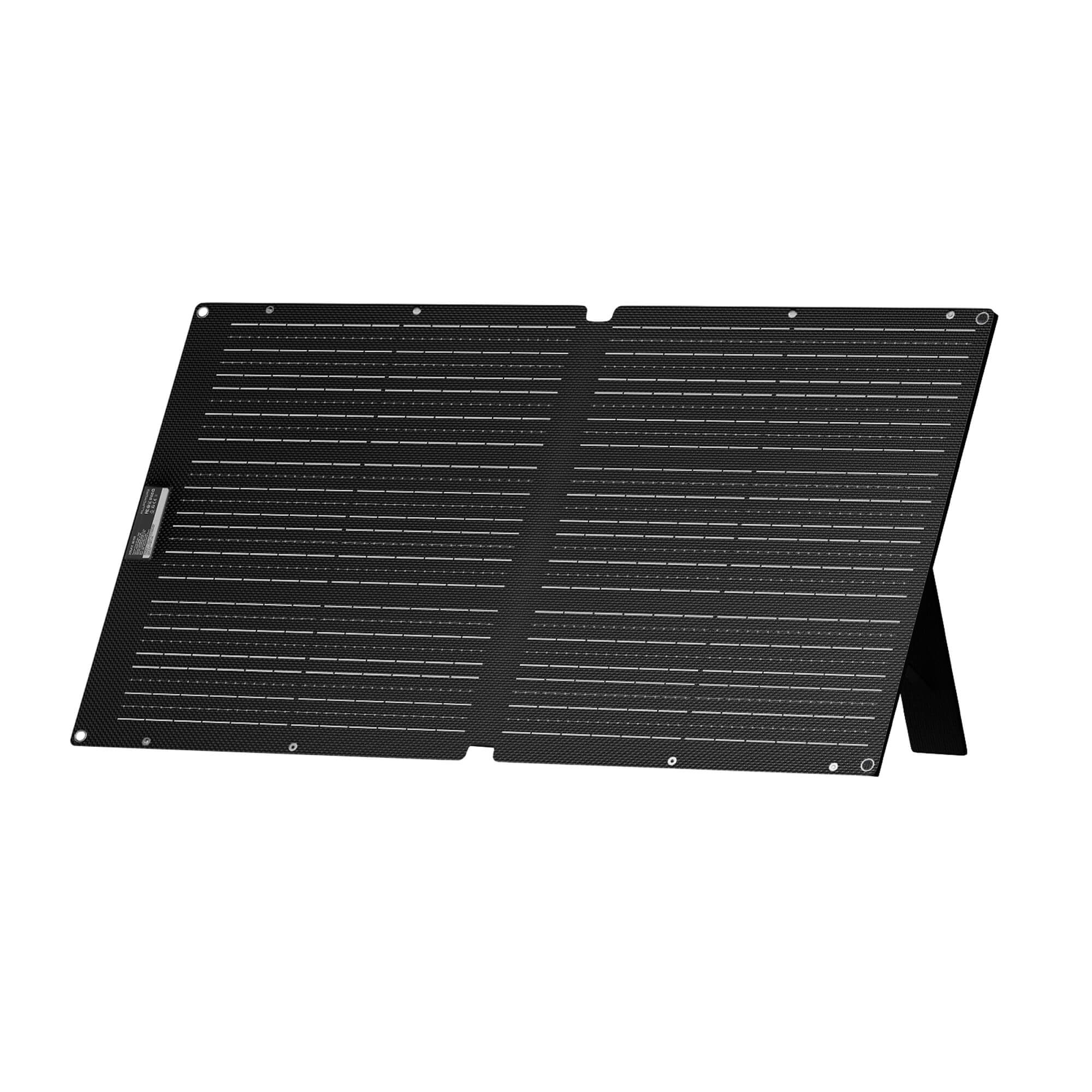
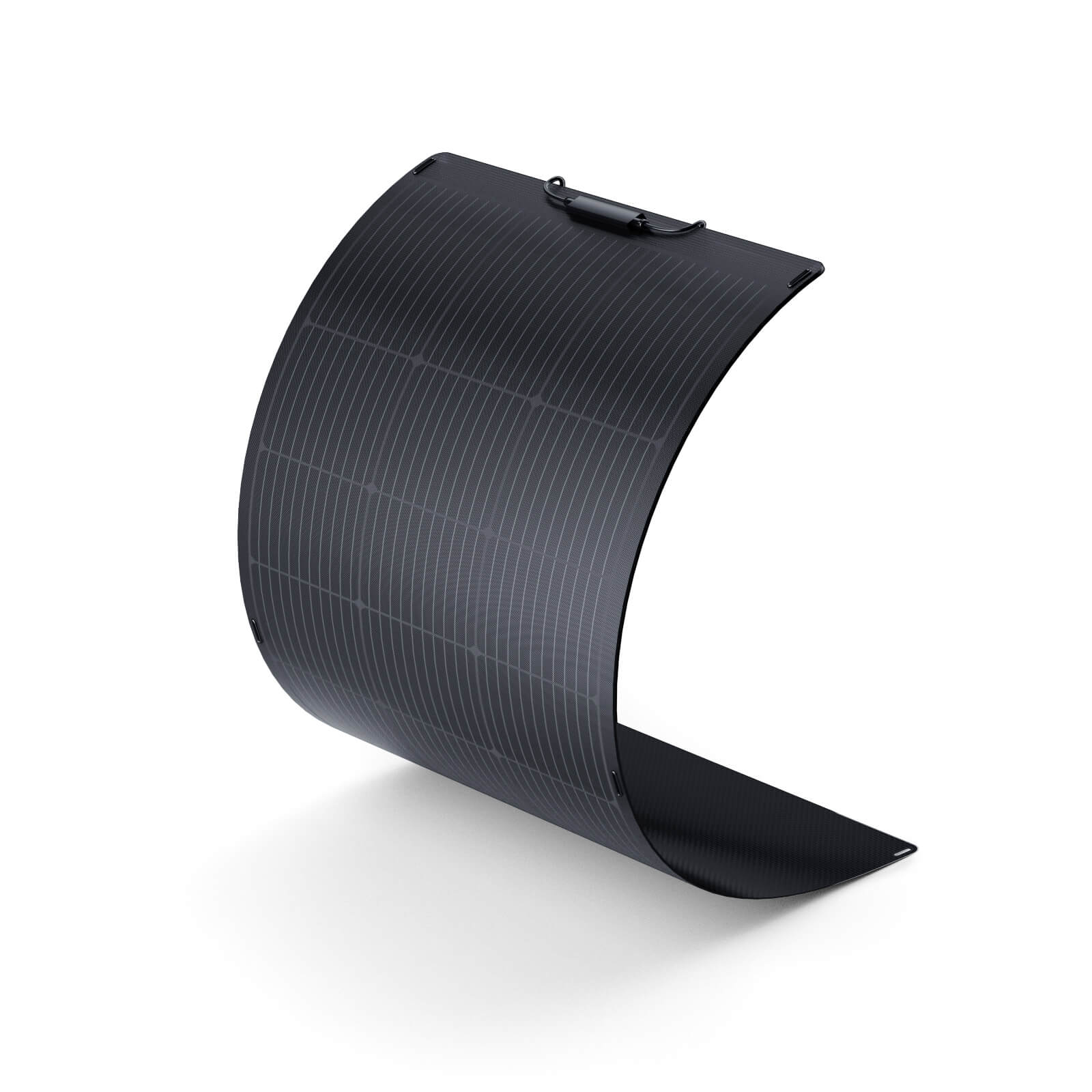
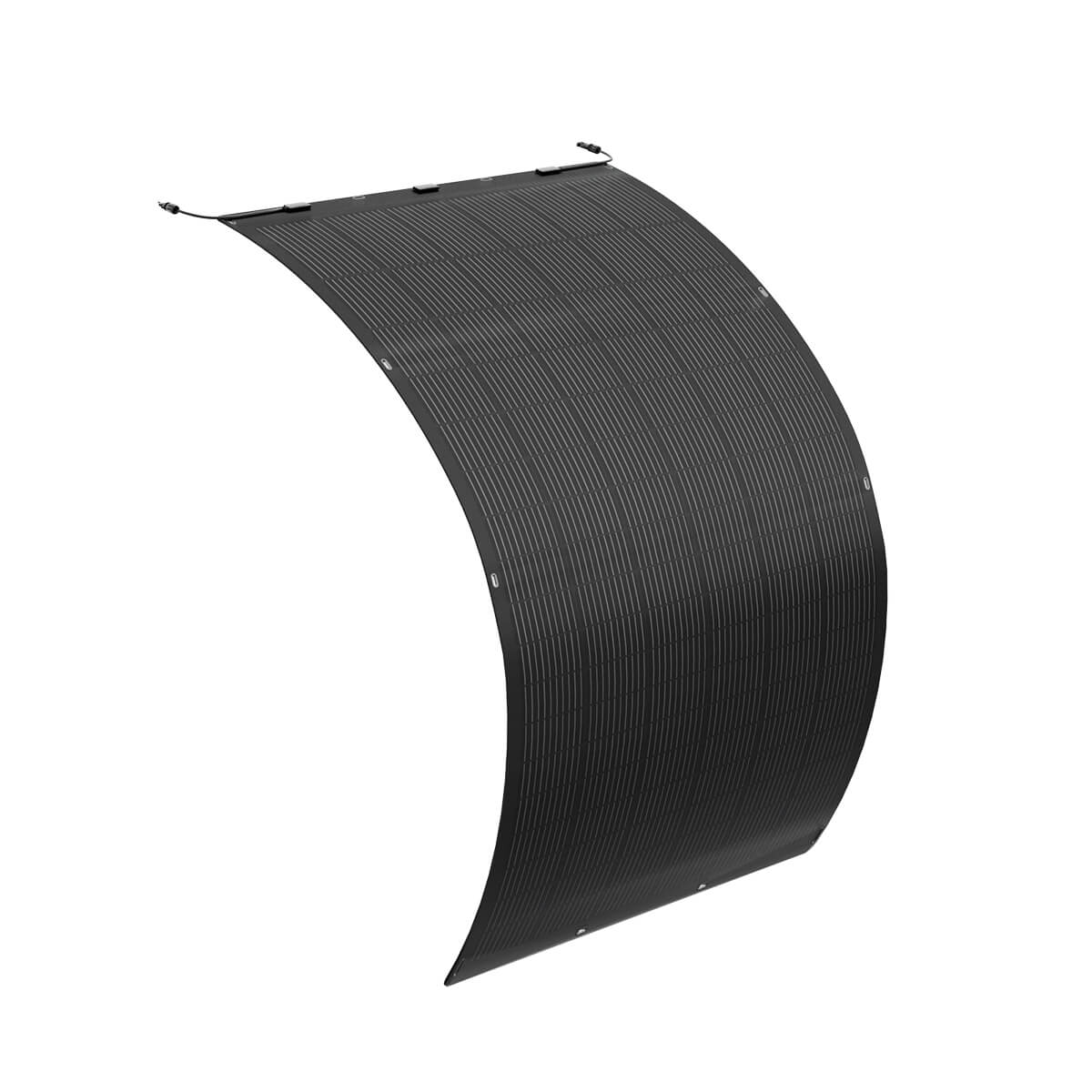
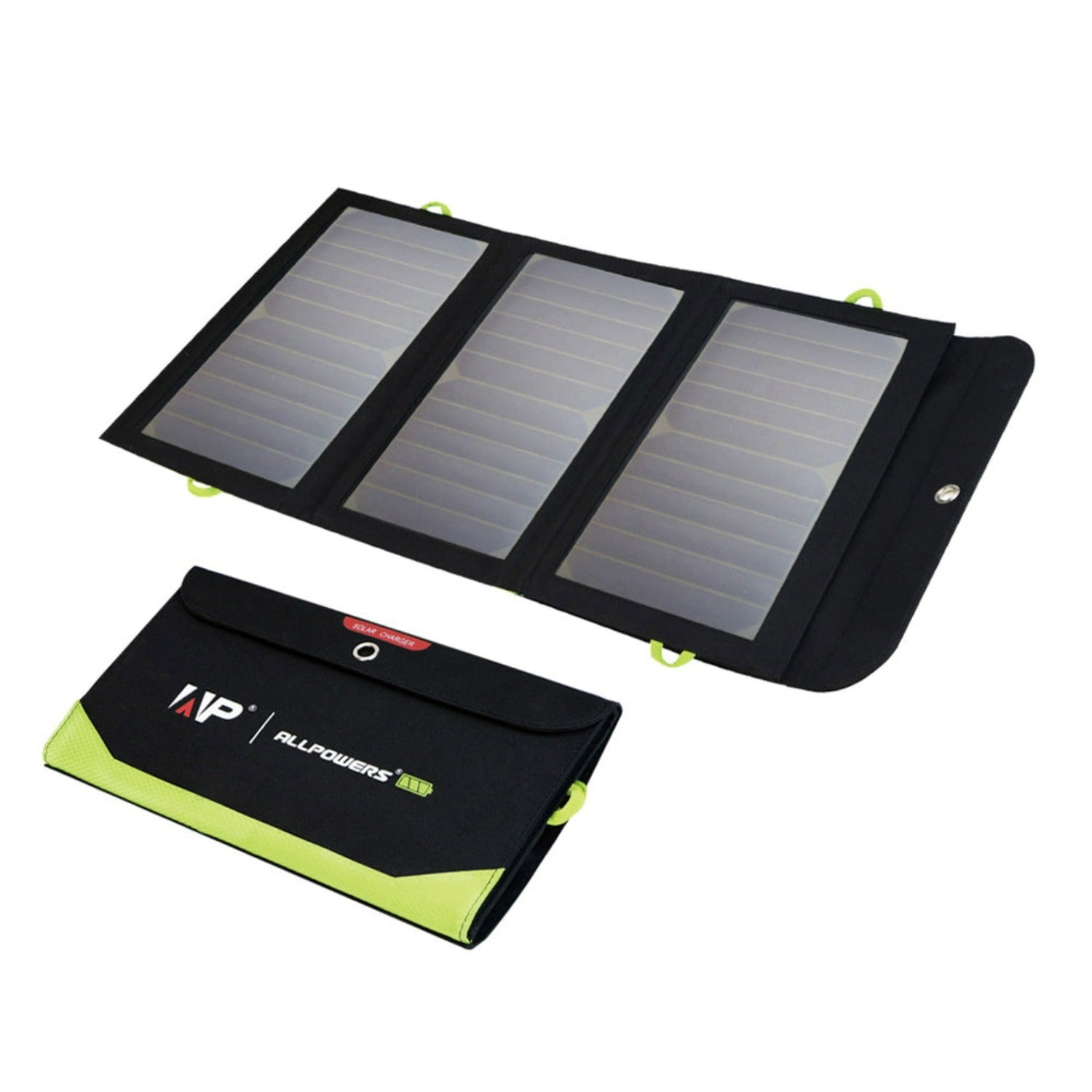
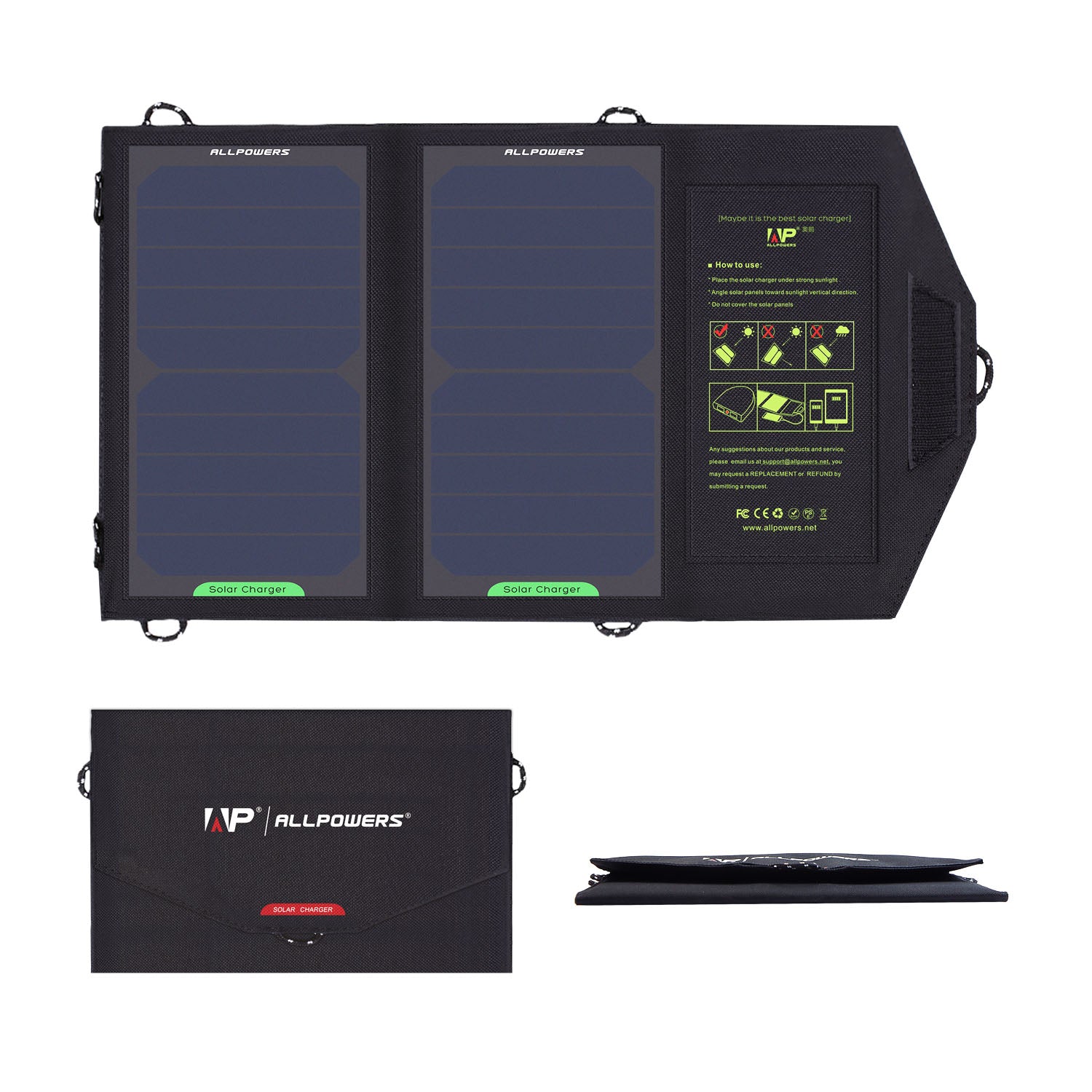
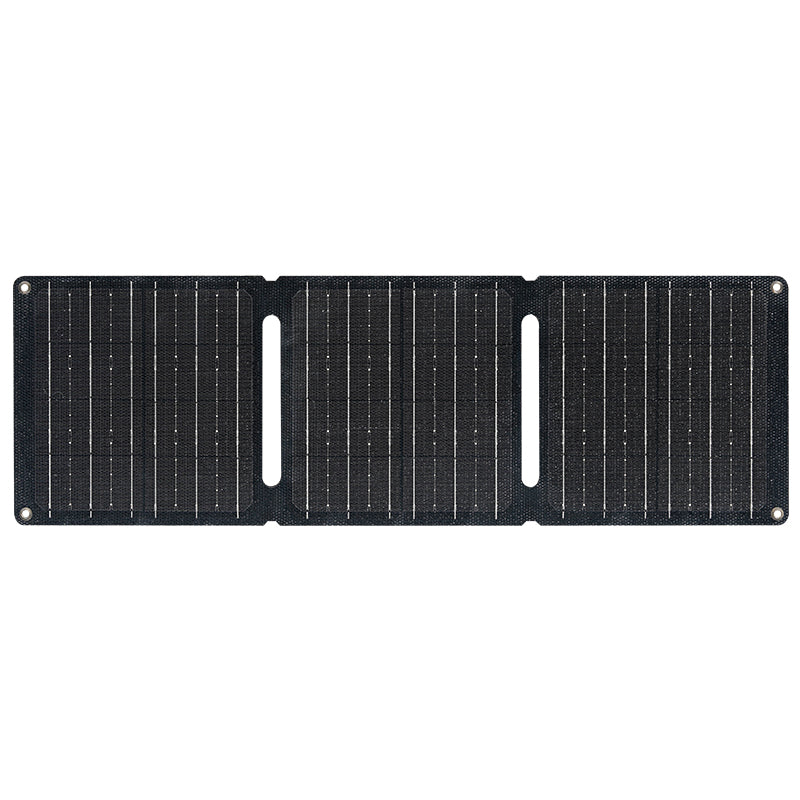
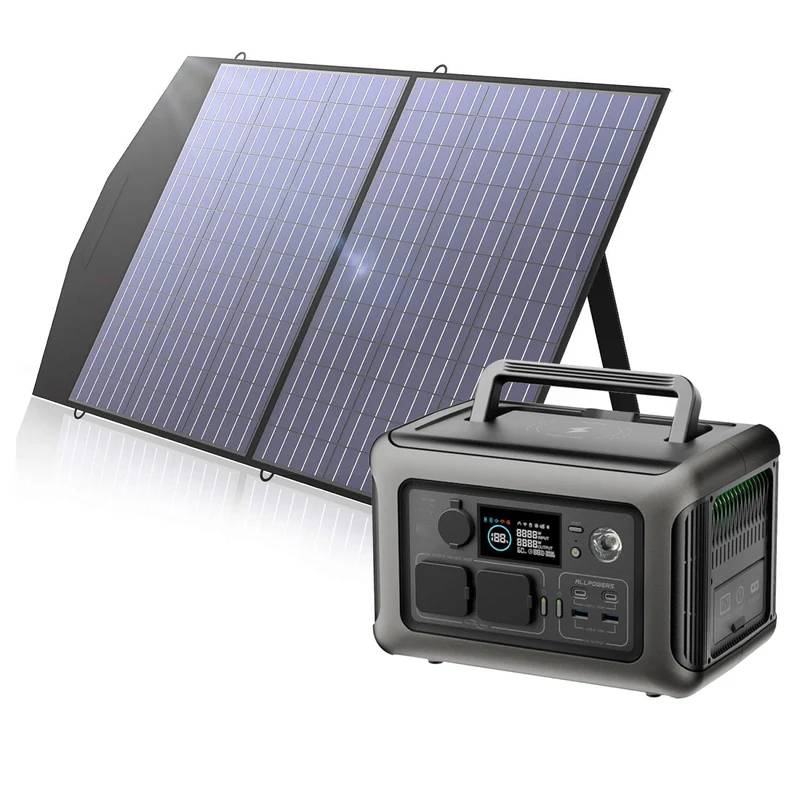
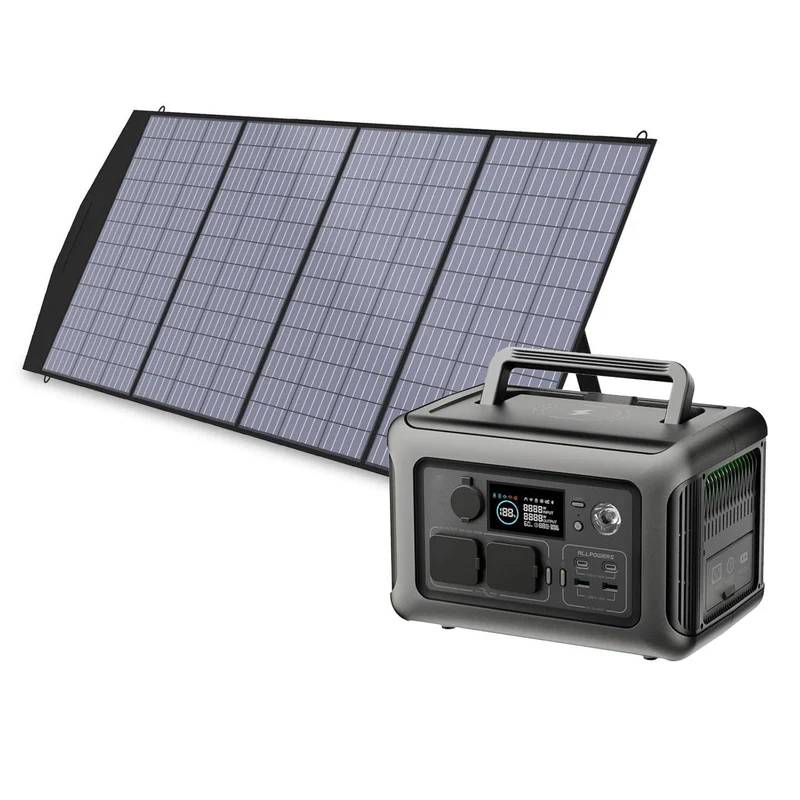
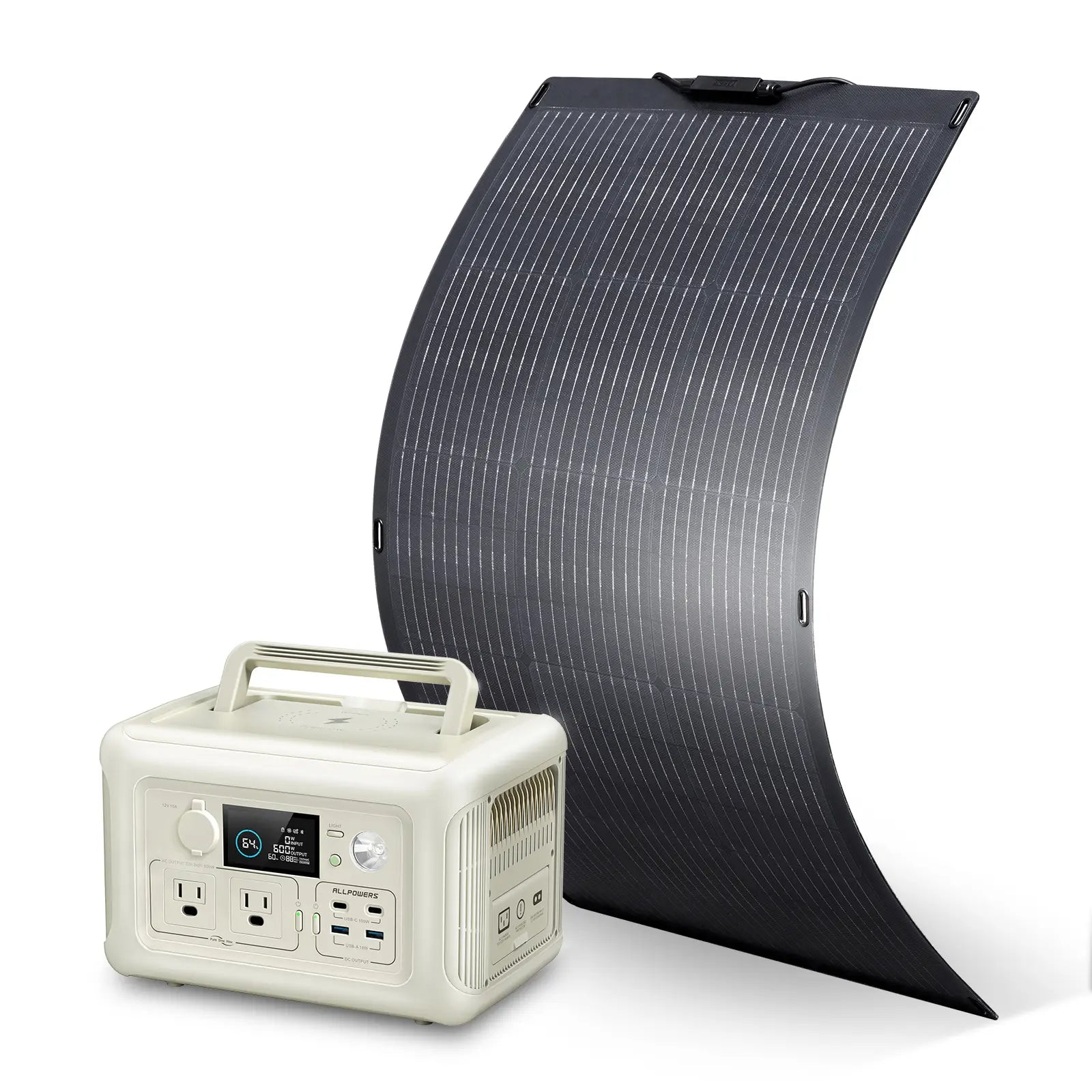
And then there’s solar. Or more precisely, solar-powered generators—though technically, they’re battery systems paired with solar panels.
You set up your panels, angle them toward the sun, and let the system do its thing.
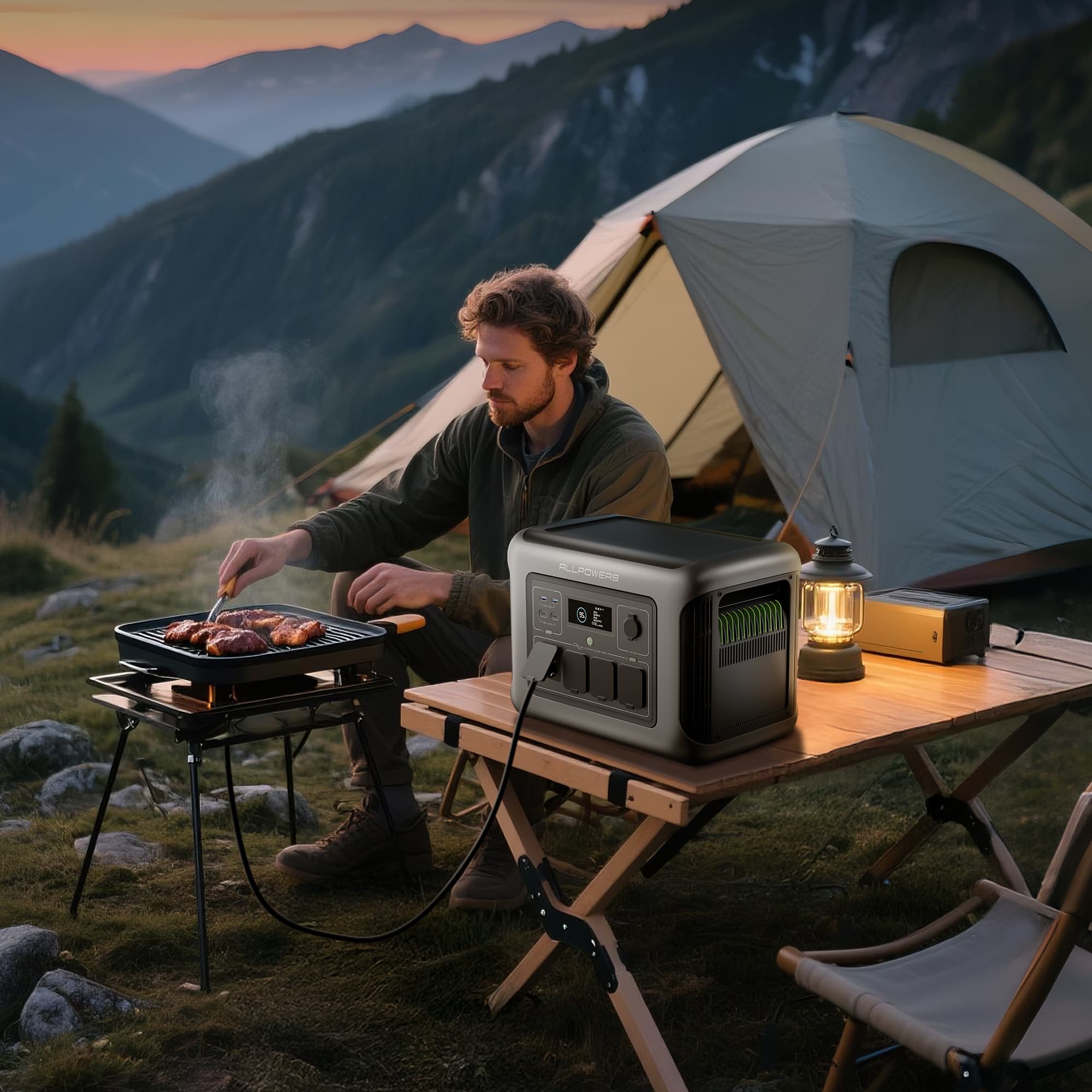
No fumes. No engine noise. No fuel storage concerns. You can use them indoors, in tents, or even inside an RV without worrying about ventilation.
Of course, solar has its limits. Sunlight isn’t always consistent, and battery capacity matters.
You can’t just “refill” it instantly like gasoline. It’s slower, more patient.
But for many use cases—camping, short outages, mobile work—it’s surprisingly practical.
Hybrid systems
Some generators are designed to run on multiple fuel types—usually gasoline and propane, sometimes adding natural gas into the mix.
On paper, this sounds like the perfect solution. Flexibility, redundancy, choice.
But let’s be honest—versatility can come with complexity.
These systems often require more maintenance, and switching between fuels isn’t always as seamless as you’d hope.
There’s a learning curve, and not everyone wants to deal with that, especially under pressure.
Still, for users who like having options—or who live in areas where fuel availability can change—dual-fuel setups can feel like a safety net.
Choosing the right fuel for your lifestyle
So how do you pick? Honestly, it depends.
Are you an occasional camper who needs quick, portable power? Gasoline might suit you.
Do you live off-grid and need a generator that can run for days without a hiccup? Diesel or propane could be your allies.
Are you someone who values quiet, clean energy and doesn’t mind planning around sunlight? Solar generators might just be the sweet spot.
Conclusion
So what does a generator run on, really? Technically, it runs on fuel—gasoline, propane, diesel, or stored solar energy.
Every option comes with its own mix of benefits and limitations. Gasoline is easy but messy. Diesel is powerful but heavy.
Propane is clean but less common. Natural gas is steady but fixed. Solar is quiet but dependent on conditions.
There’s no perfect answer—just the one that fits your situation best.