















Batteries are so deeply embedded in modern life that we rarely stop to question how they actually work.
From smartphones and laptops to electric vehicles and household devices, these compact systems quietly power our daily routines.
Yet beneath their simple appearance lies a fascinating scientific principle involving energy storage and transformation.
So what type of energy is really stored inside a battery?
TL;DR
Batteries store chemical energy, which is converted into electrical energy through electrochemical reactions. Inside a battery, chemical compounds react in a controlled way to move electrons, creating a flow of electricity. This process is reversible in rechargeable batteries, allowing them to store energy again after being depleted.
What Type of Energy Is Stored in a Battery?
At its most fundamental level, a battery stores chemical energy. This energy is embedded in the bonds between atoms and molecules within the battery’s materials.
Inside every battery, there are two electrodes known as the anode and cathode, separated by an electrolyte.
The chemical composition of these components determines how much energy the battery can store and how efficiently it can deliver it.
When the battery is not in use, this chemical energy remains in a stable state. However, once a circuit is connected, a chemical reaction begins.
How Chemical Energy Becomes Electrical Energy
Inside every battery, there are two key components called electrodes: the anode and the cathode.
These are separated by an electrolyte, which allows ions to move between them. When a battery is in use, a chemical reaction occurs at the anode that releases electrons.
These electrons travel through an external circuit, powering devices, before reaching the cathode, where another reaction occurs.
This process is known as an electrochemical reaction. It is carefully designed to be controlled and sustained, allowing energy to be released steadily rather than all at once.
The efficiency and stability of this reaction determine how long a battery lasts and how much power it can deliver.
What Happens During Charging and Discharging
Discharging
When a battery powers a device, it is in the process of discharging. During this phase, the chemical reactions inside the battery release energy, converting chemical energy into electrical energy.
Over time, the reactants are used up, and the battery loses its ability to produce electricity.
This is why batteries eventually “run out” and need to be recharged or replaced. The energy has not disappeared; it has simply been transformed and used by the device.
Charging
Rechargeable batteries introduce an important capability: reversibility. When you plug in a battery to charge, an external power source forces electrons to move in the opposite direction.
This reverses the chemical reactions, restoring the original compounds and allowing the battery to store energy again.
This cycle of charging and discharging is what makes batteries essential for applications that require repeated use, from smartphones to portable energy systems used in outdoor or emergency scenarios.
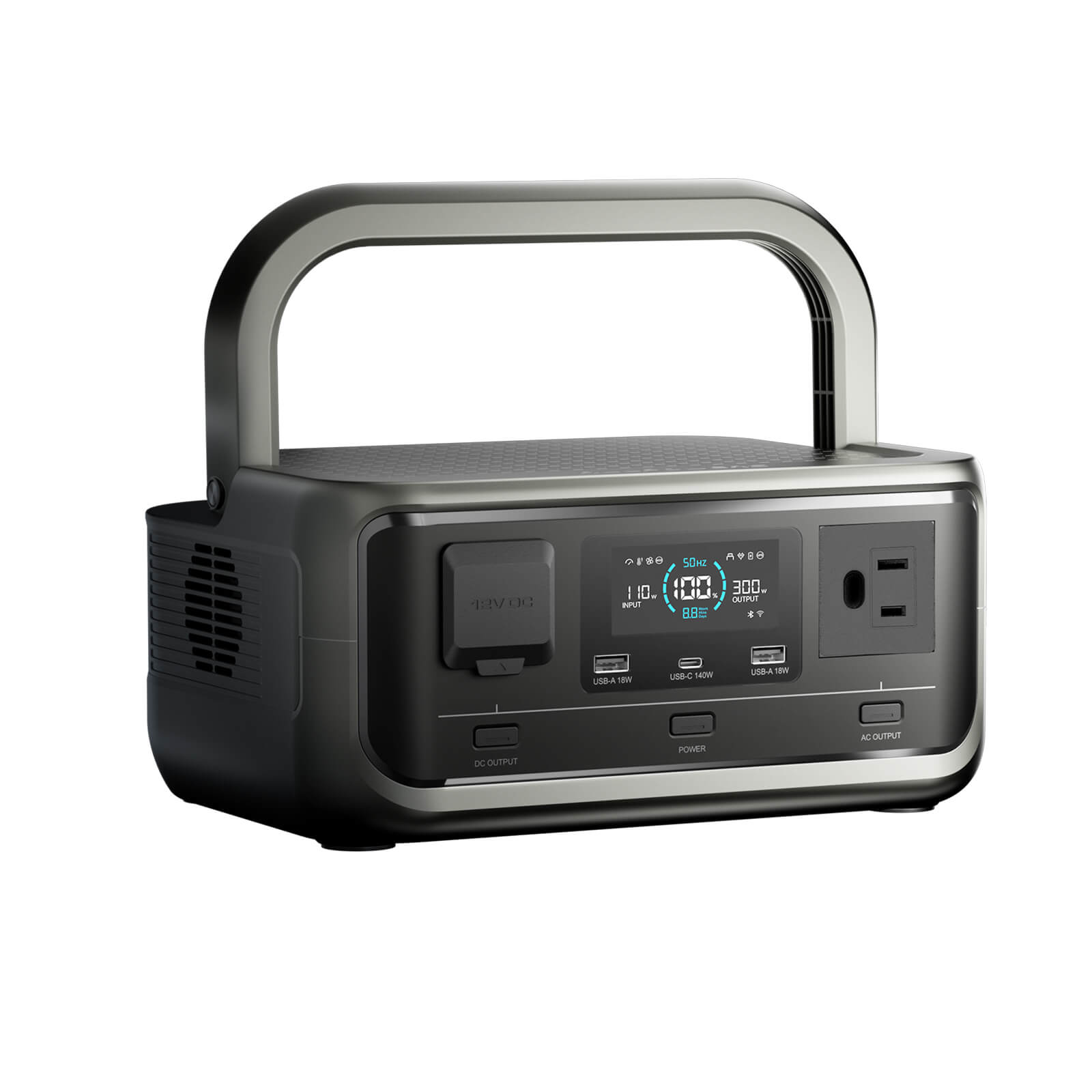
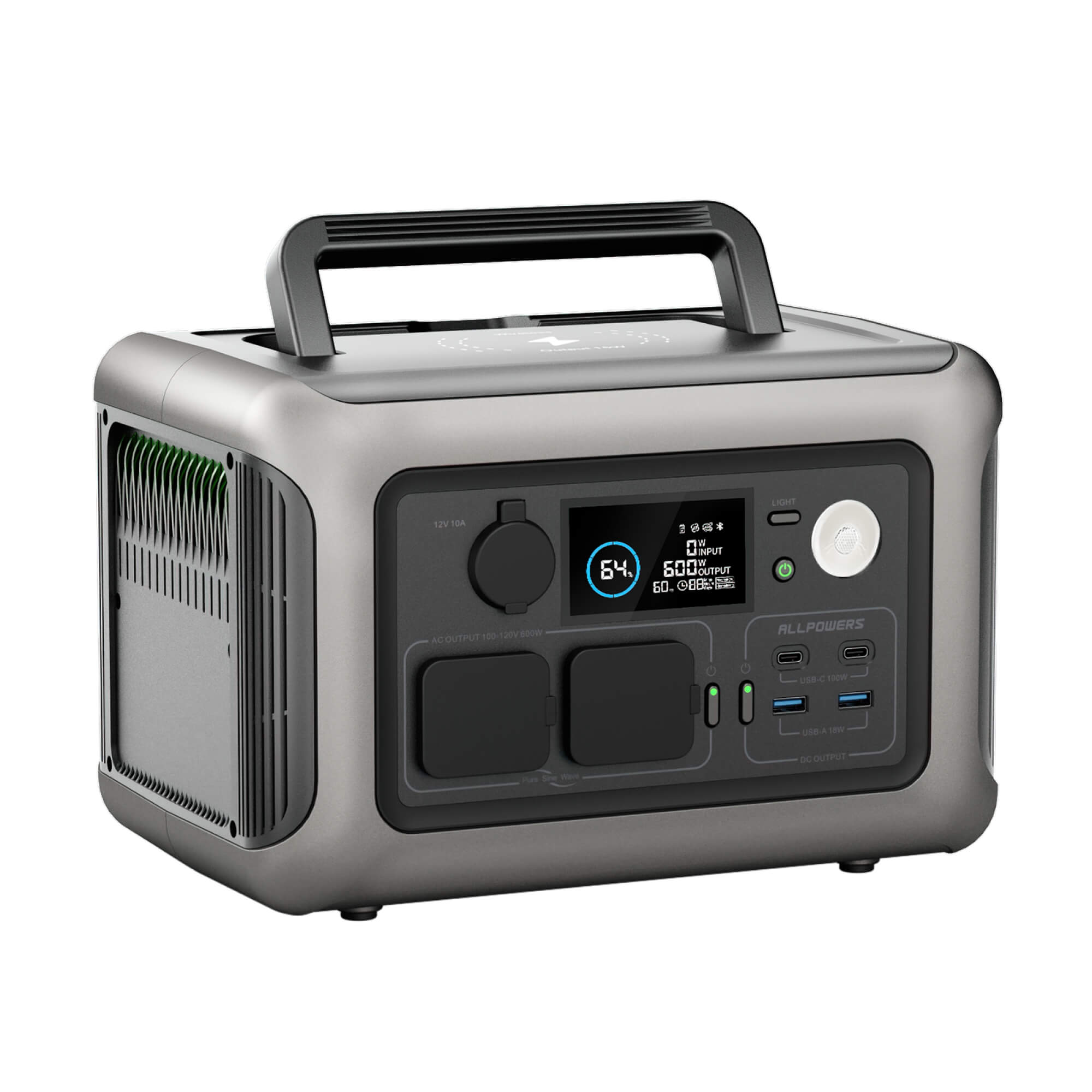
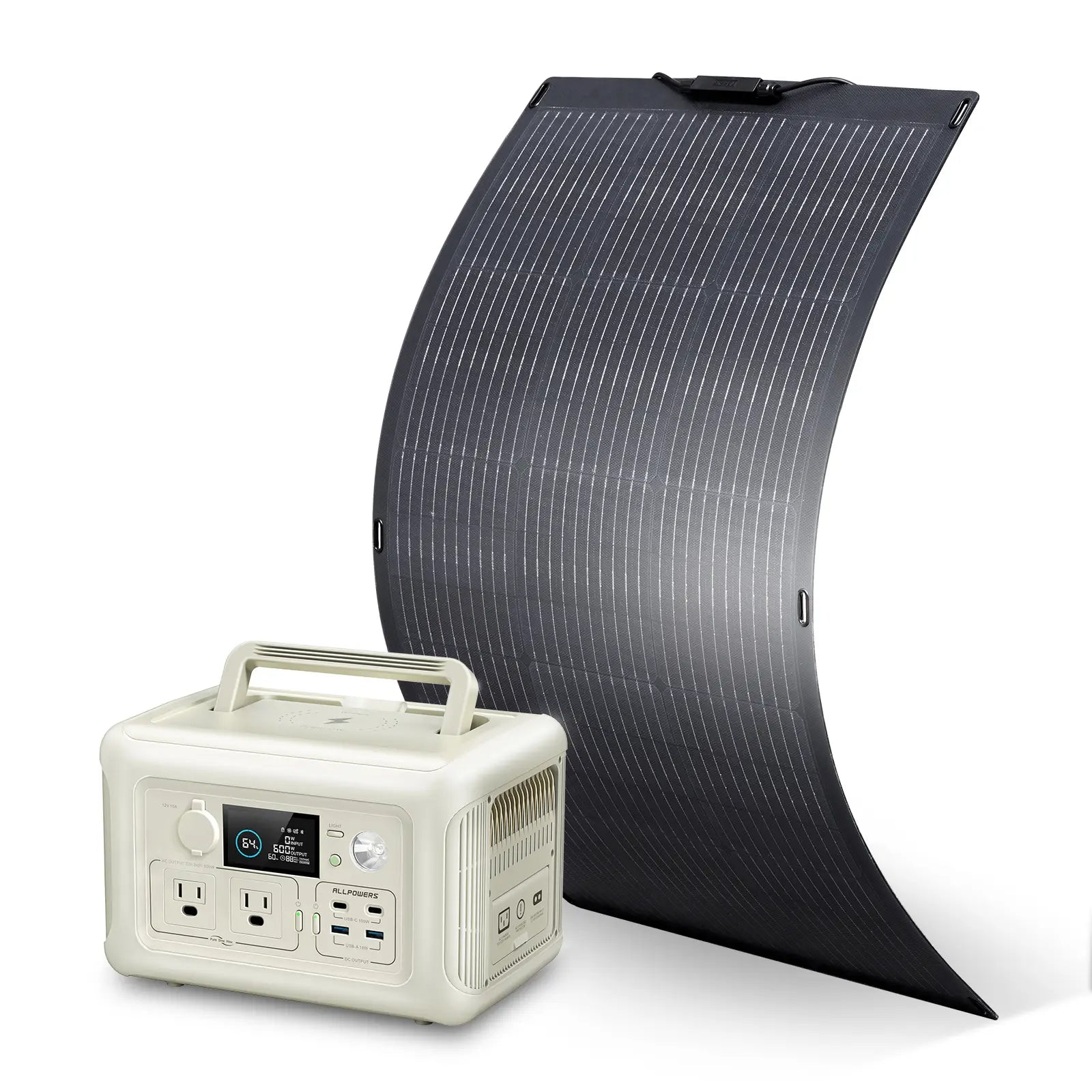
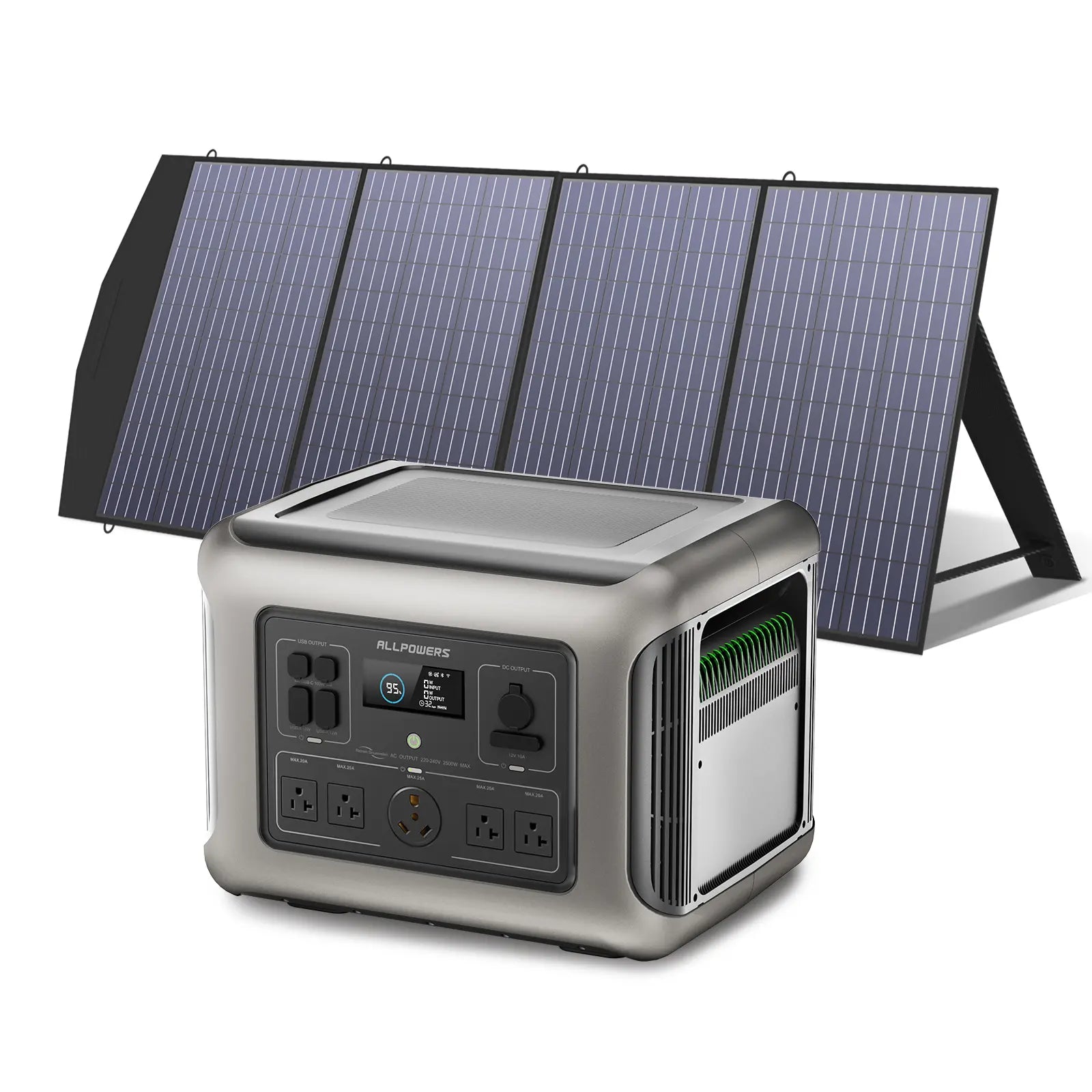
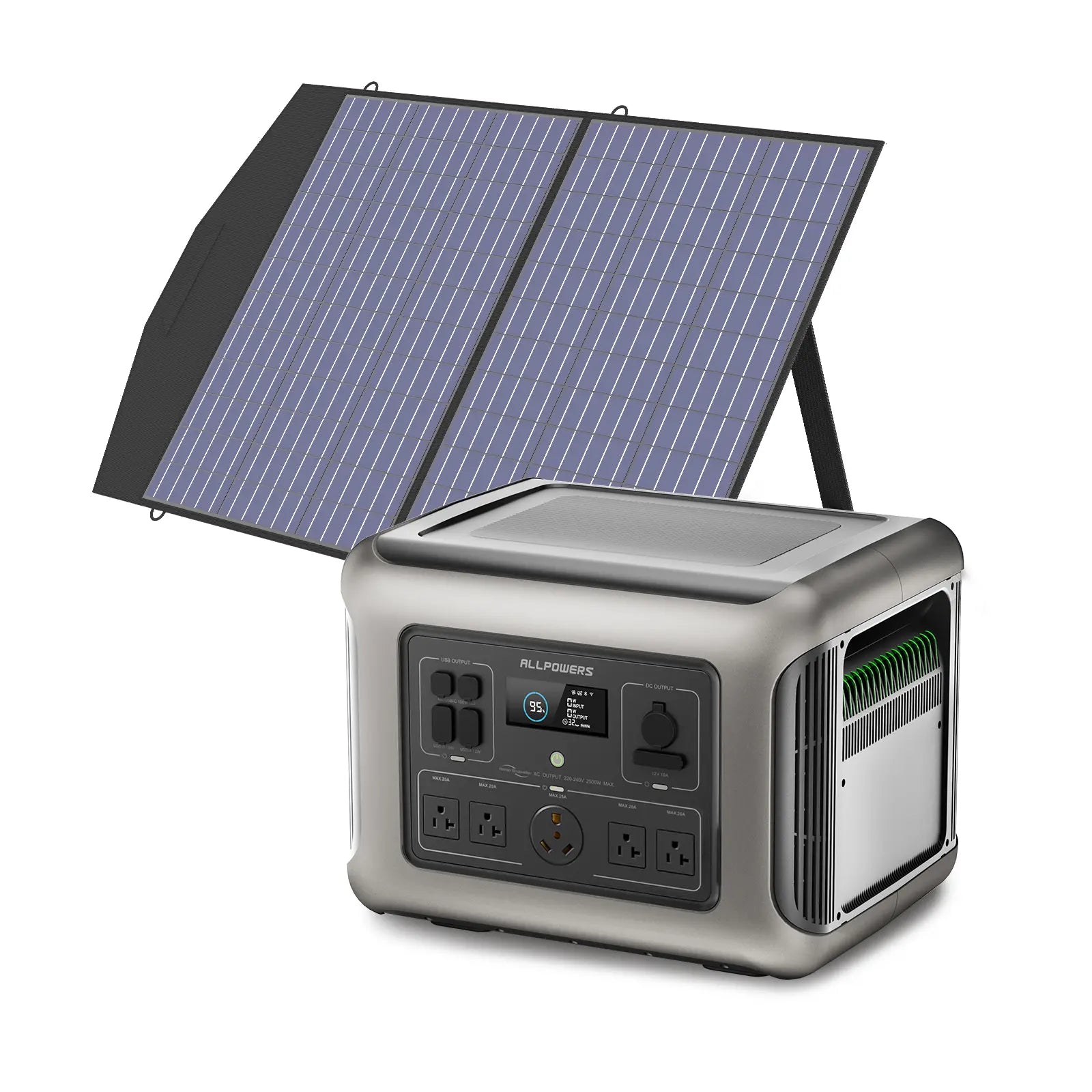
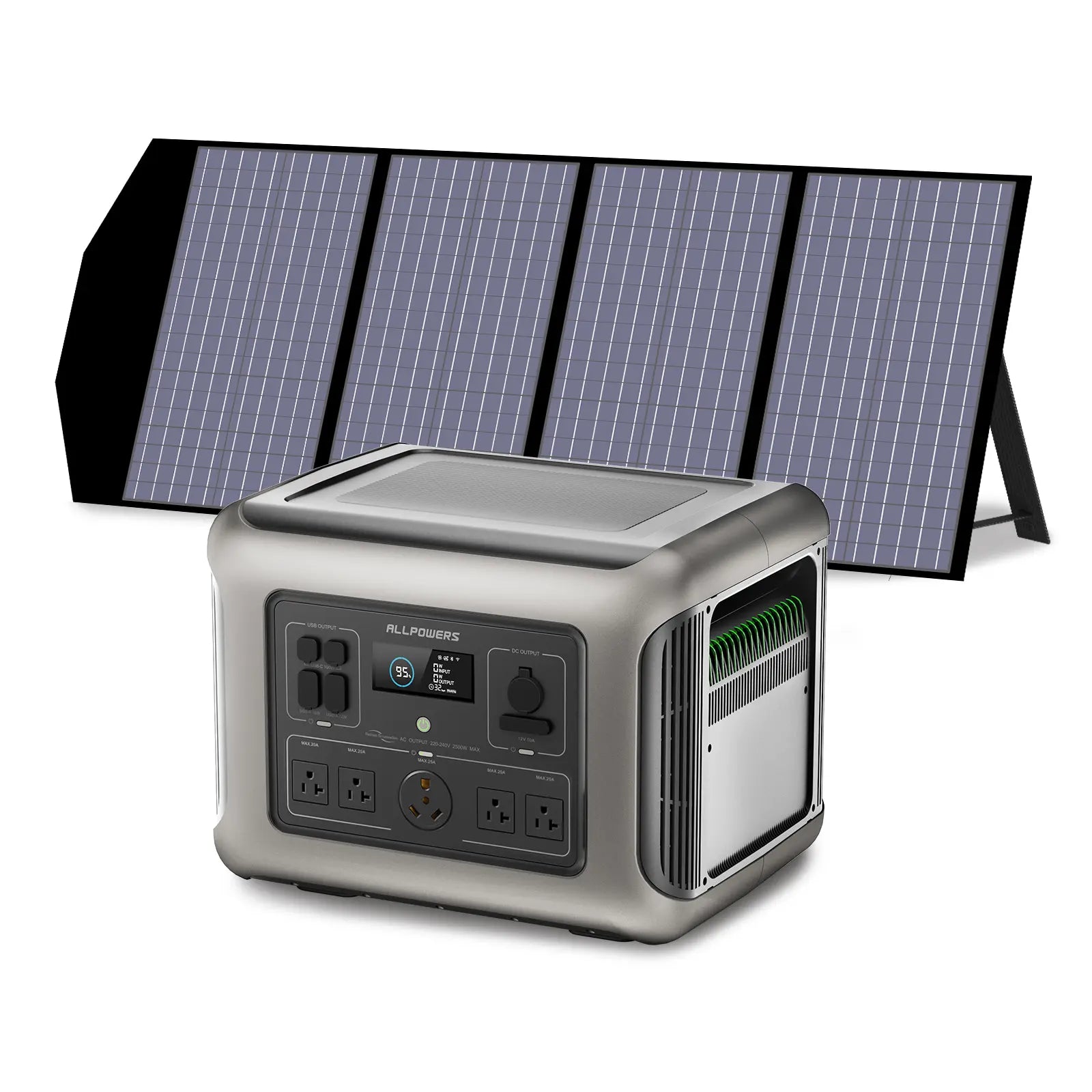
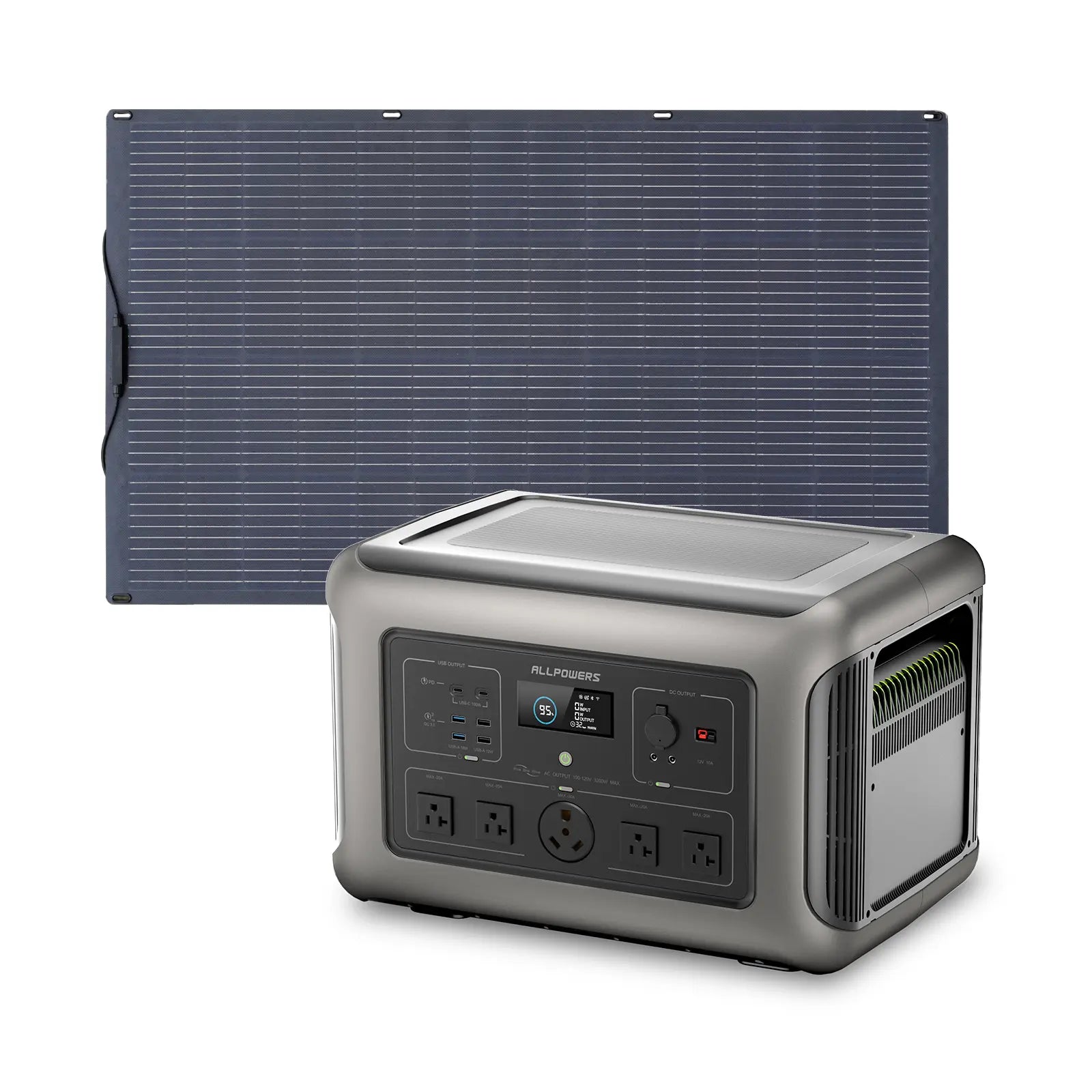
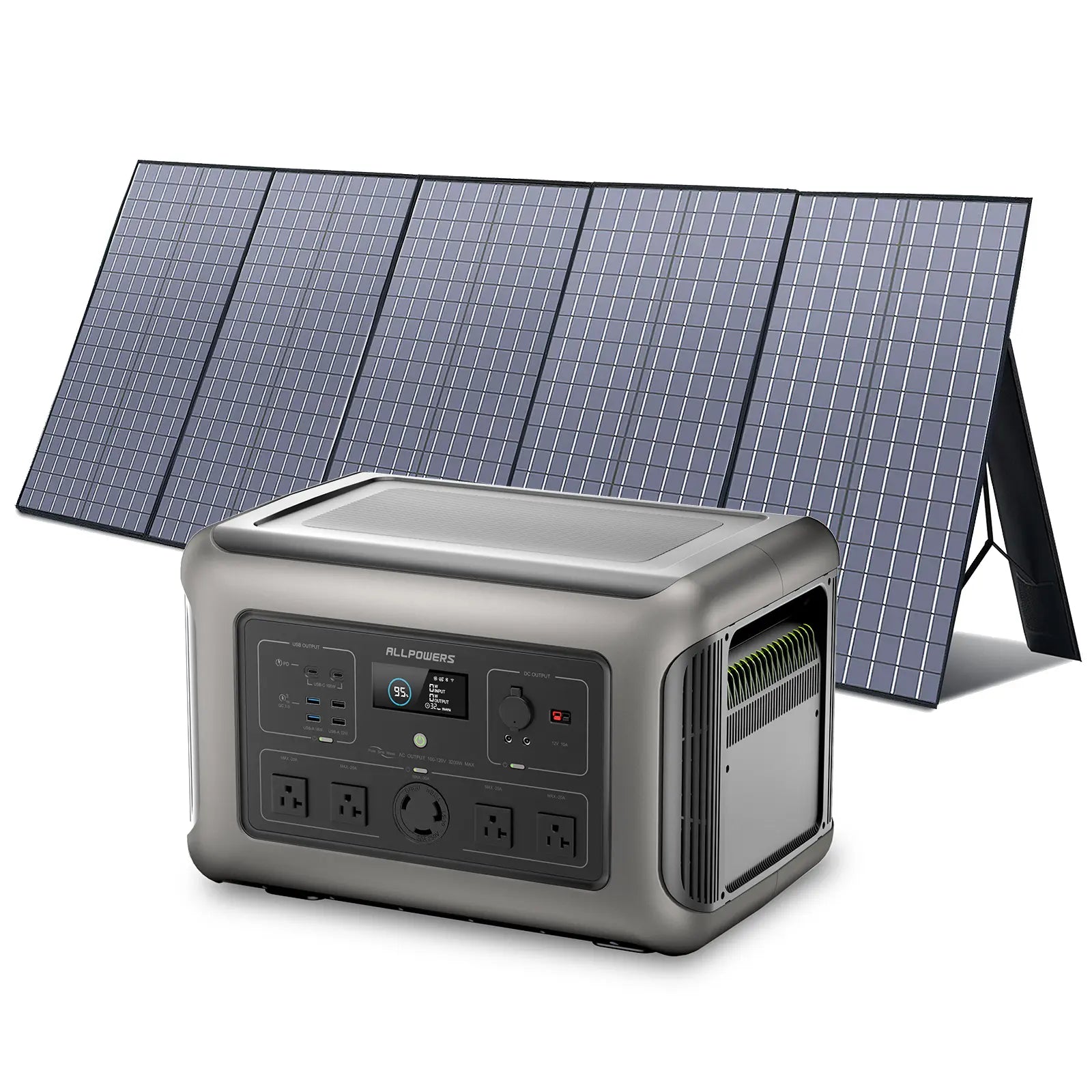
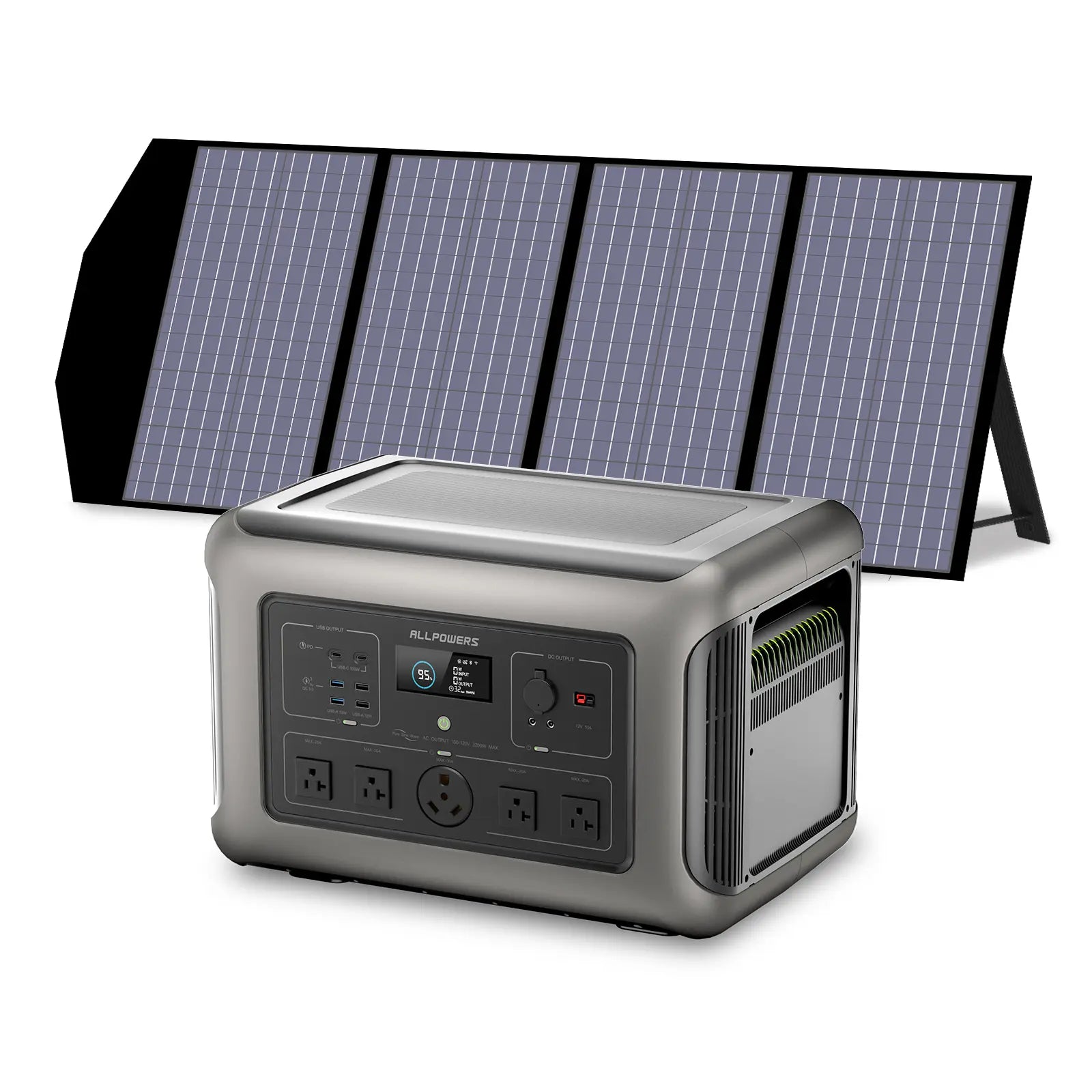
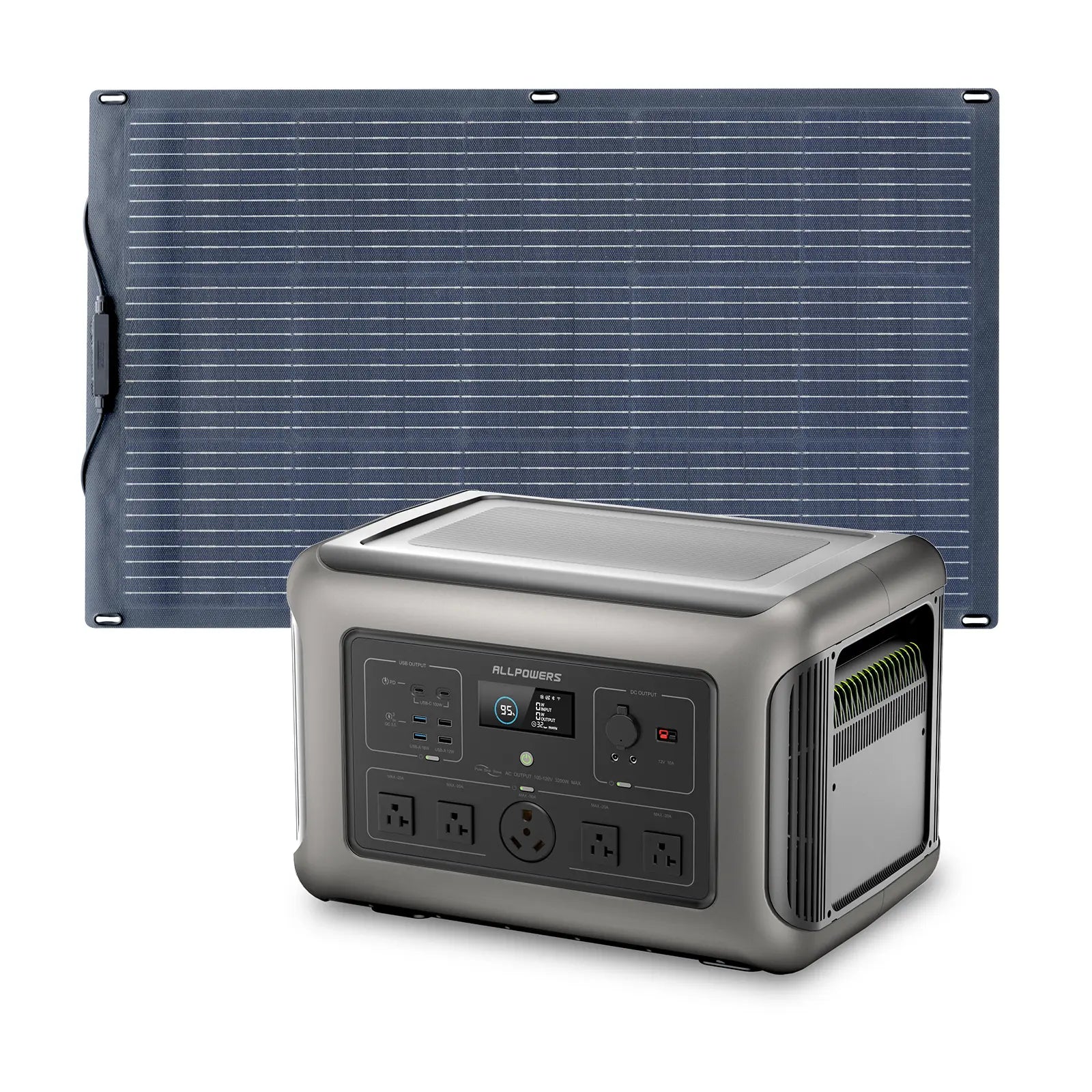
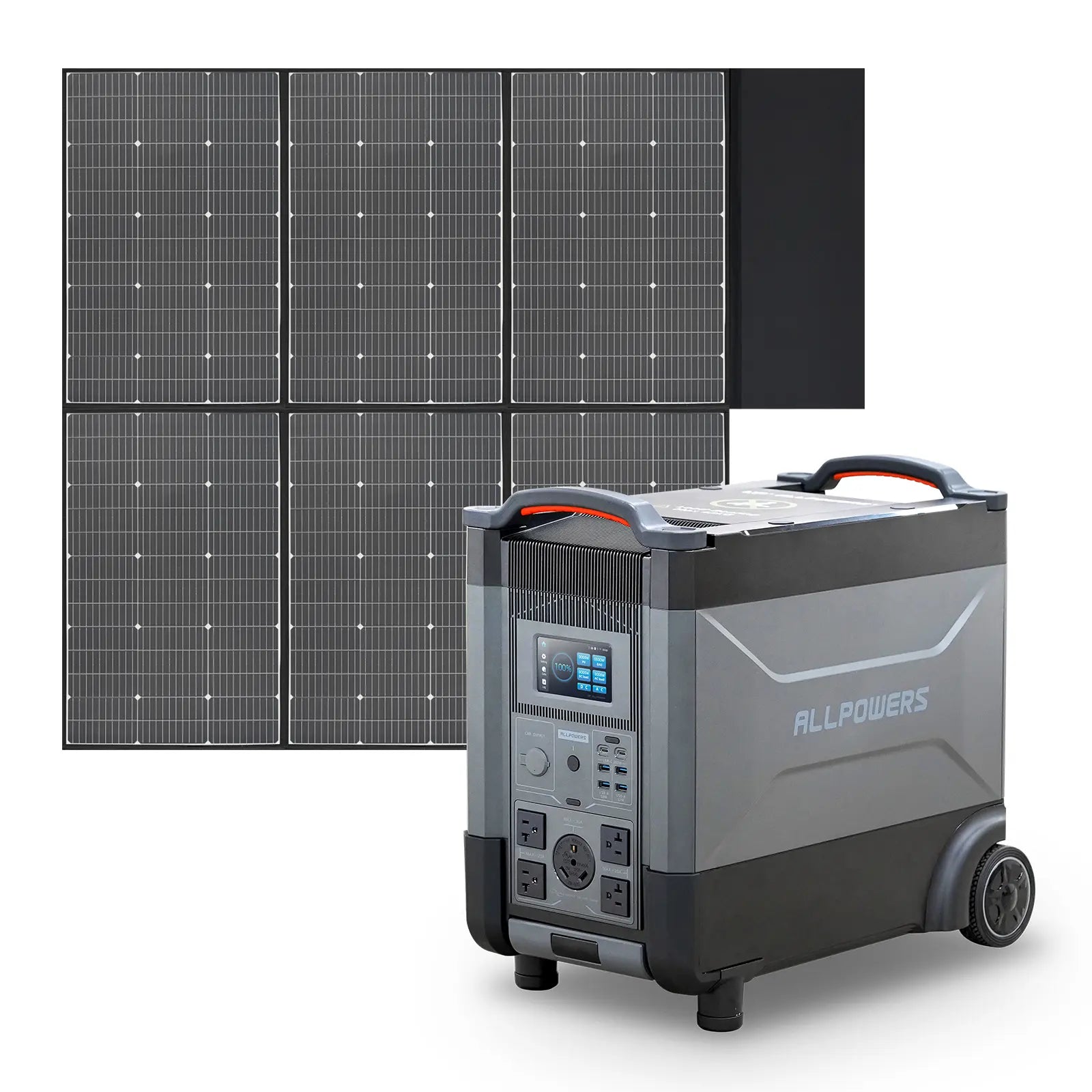
ALLPOWERS VOLIX P300 Portable Power Station
$149.00 $249.00
- 299Wh Capacity;
- 300W AC Output (600W Surge);
- Fast Charge 100% in 1 Hours;
- Ultra-quiet 30dB Under Load ;
- Long-Lasting And Safe Lifepo4 Battery;
What Happens When a Battery Dies?
A battery is considered “dead” when the chemical reactions that produce electricity can no longer occur effectively.
This usually happens when the reactants are depleted or when internal resistance becomes too high.
In rechargeable batteries, this process is not permanent. Applying external energy can reverse the reactions, restoring functionality.
However, over time, repeated cycles lead to gradual degradation.
Types of Batteries and Their Energy Storage Mechanisms
Lithium-Ion Batteries
Lithium-ion batteries are among the most common today. They store energy through the movement of lithium ions between electrodes.
Their high energy density and rechargeability make them ideal for portable electronics and larger energy systems.
Lead-Acid Batteries
These batteries rely on reactions between lead and sulfuric acid. While heavier and less efficient than lithium-ion batteries, they are still widely used due to their reliability and cost-effectiveness.
Nickel-Based Batteries
Nickel-cadmium and nickel-metal hydride batteries use different chemical compositions but follow the same fundamental principle of storing chemical energy and converting it into electricity.
Learn More: LiFePO4 vs Lithium-Ion: Which One Is Right for You?
How Long Does Energy Stay Stored in a Battery?
One common question people ask is how long a battery can hold its energy. The answer depends on the type of battery and environmental conditions.
Even when not in use, batteries gradually lose charge through a process called self-discharge.
For example, lithium-ion batteries have relatively low self-discharge rates, making them ideal for devices that require long-term energy storage.
In contrast, older battery technologies may lose energy more quickly, limiting their effectiveness over time.
Factors That Affect Battery Energy Storage
Capacity and Energy Density
Battery capacity refers to how much energy it can store, usually measured in watt-hours.
Energy density describes how much energy is stored relative to the battery’s size or weight. Higher energy density means more power in a smaller package.
This is why modern batteries can power increasingly demanding devices without becoming bulky or inconvenient.
Temperature and Environmental Conditions
Temperature plays a significant role in battery performance. Extreme heat or cold can affect the chemical reactions inside the battery, reducing efficiency and lifespan. Proper storage and usage conditions help maintain optimal performance.
Charge Cycles and Degradation
Every time a battery is charged and discharged, it undergoes a cycle. Over time, these cycles cause gradual degradation of the chemical components, reducing the battery’s ability to store energy.
The Evolution of Battery Technology
Battery technology has evolved significantly over the years.
Early batteries were bulky and inefficient, but modern designs are compact, powerful, and capable of storing large amounts of energy.
Advances in materials science have led to improvements in energy density, charging speed, and lifespan.
This evolution has enabled new possibilities, from electric transportation to portable energy systems that can support off-grid living or provide backup power during outages.
As technology continues to improve, batteries are becoming more integral to how energy is stored and used worldwide.
Conclusion
A battery is far more than a simple power source.
It is a carefully engineered system that stores energy in chemical form and converts it into electricity on demand.
This transformation allows energy to be portable, reliable, and adaptable to countless applications.
Frequently Asked Questions About Battery Energy
What form of energy is stored in a battery?
A battery stores chemical energy, which is converted into electrical energy during use.
How is energy released from a battery?
Energy is released through electrochemical reactions that create a flow of electrons in a circuit.
Can a battery store electrical energy directly?
Not exactly. Batteries store energy chemically, not as electricity itself. Electricity is generated during the discharge process.
Why do batteries lose charge over time?
Batteries lose charge due to self-discharge and internal chemical reactions that occur even when not in use.
What affects how long a battery lasts?
Factors include usage patterns, temperature, charging habits, and the type of battery chemistry.
Are rechargeable batteries better than disposable ones?
Rechargeable batteries are generally more efficient and environmentally friendly, especially for frequent use.