






When the lights suddenly go out, one of the first practical concerns people face is how to prepare food.
Many assume that because a gas stove runs on natural gas or propane, it should work independently of electricity.
But modern appliances are more complex than they appear at first glance—so does a gas stove really work during a power outage?
TL;DR
Most gas stoves can still work during a power outage because they rely on natural gas or propane, not electricity, to produce heat. However, modern stoves often use electric ignition systems, so you may need a manual flame (like a lighter) to get them going.
How does a gas stove work step by step?
A gas stove, at its core, is refreshingly low-tech.
It runs on natural gas or propane, both of which flow through a valve and ignite at the burner.
Older stoves used a standing pilot light—a small, always-on flame that ignites the gas when you turn the knob.
These models don’t care if the grid goes down. They’ll keep working like it’s just another Tuesday.
But most modern stoves ditched that constant flame years ago. Instead, they rely on an electric spark ignition system.
You turn the knob, hear that familiar clicking sound, and the gas ignites.
No electricity? No spark. No spark? No flame—at least not automatically.
But the gas is still flowing. Which means, with a bit of caution, you can light it yourself.
Can you manually light a gas stove safely?
Manual ignition is often possible, but it comes with important safety considerations.
Turning on the gas and introducing a flame can ignite the burner, but timing and ventilation are critical.
If gas accumulates before ignition, it can create a hazardous situation.
That’s why experts recommend ensuring proper airflow and lighting the flame immediately after turning on the gas.
Additionally, not all stoves allow manual lighting.
Some newer models include safety interlocks that prevent gas flow when electricity is unavailable, making manual ignition impossible.
What other cooking options exist during a power outage?
People also frequently ask what alternatives are available if their gas stove does not work.
The most immediate fallback many people think of is a camping stove.
Small propane burners, steady flame, simple ignition systems—no dependence on household electricity at all.
They sit on a porch table or even a cleared countertop near a window, turning a temporary outage into something closer to a casual outdoor cookout than a disruption.
Then there’s the charcoal grill, which shows up in conversations more often than people expect. It’s not just for summer barbecues.
During longer outages, especially after storms, it becomes a surprisingly reliable heat source. The learning curve is real though.
Wood-burning stoves sit in a different category altogether.
Less common in urban apartments, but still present in many older homes and rural setups, they offer both heat and cooking capability.
There’s something almost grounding about cooking over wood, but it demands attention.
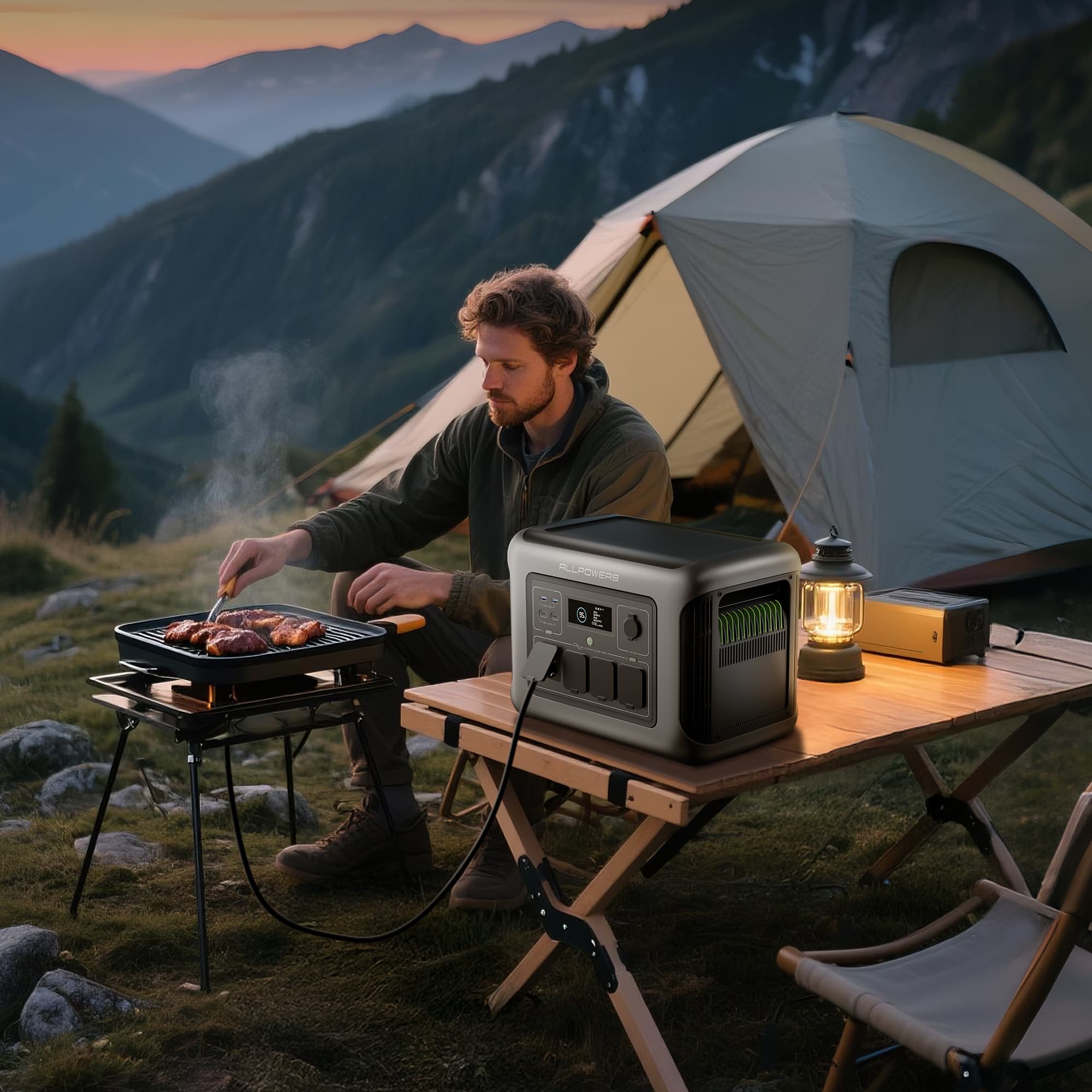
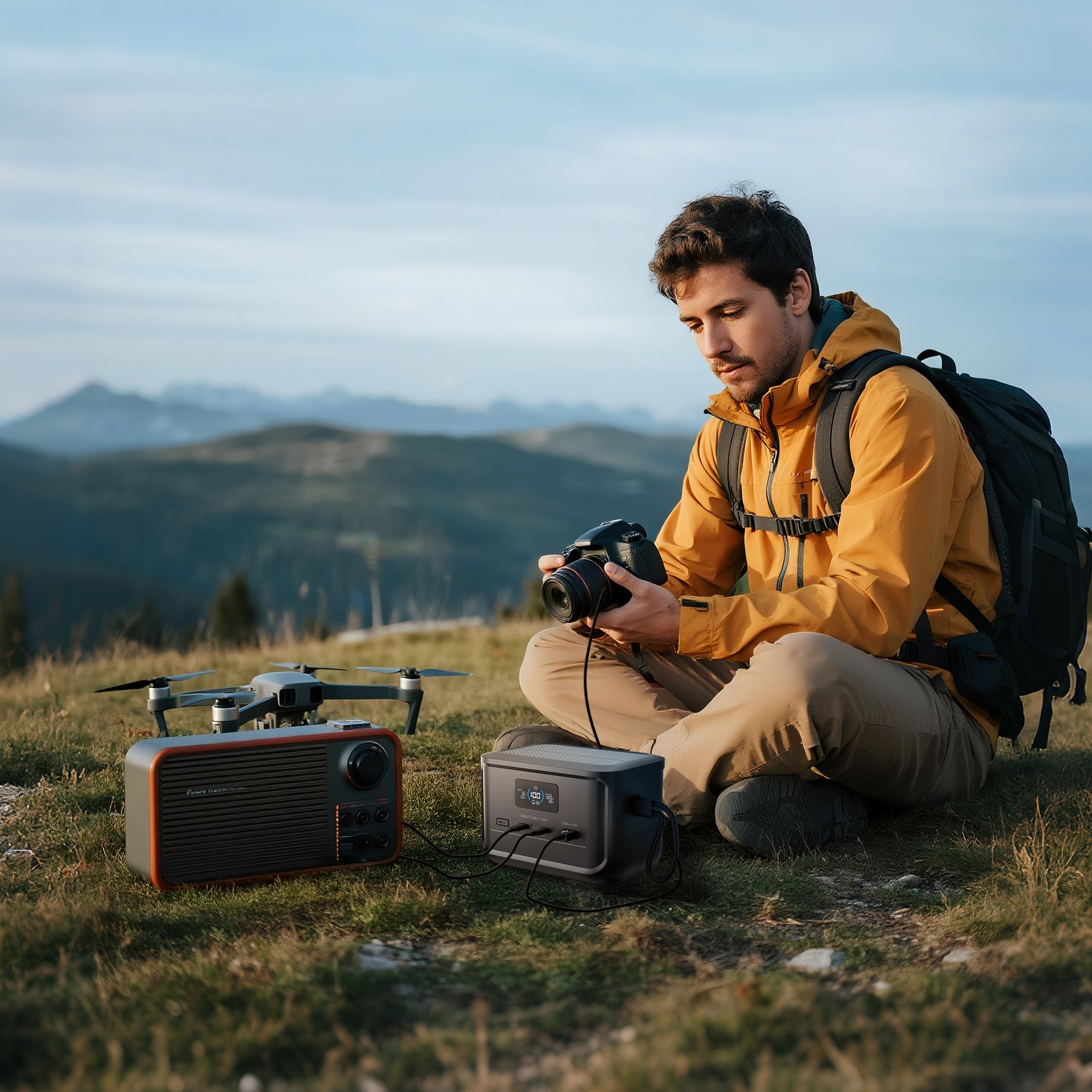
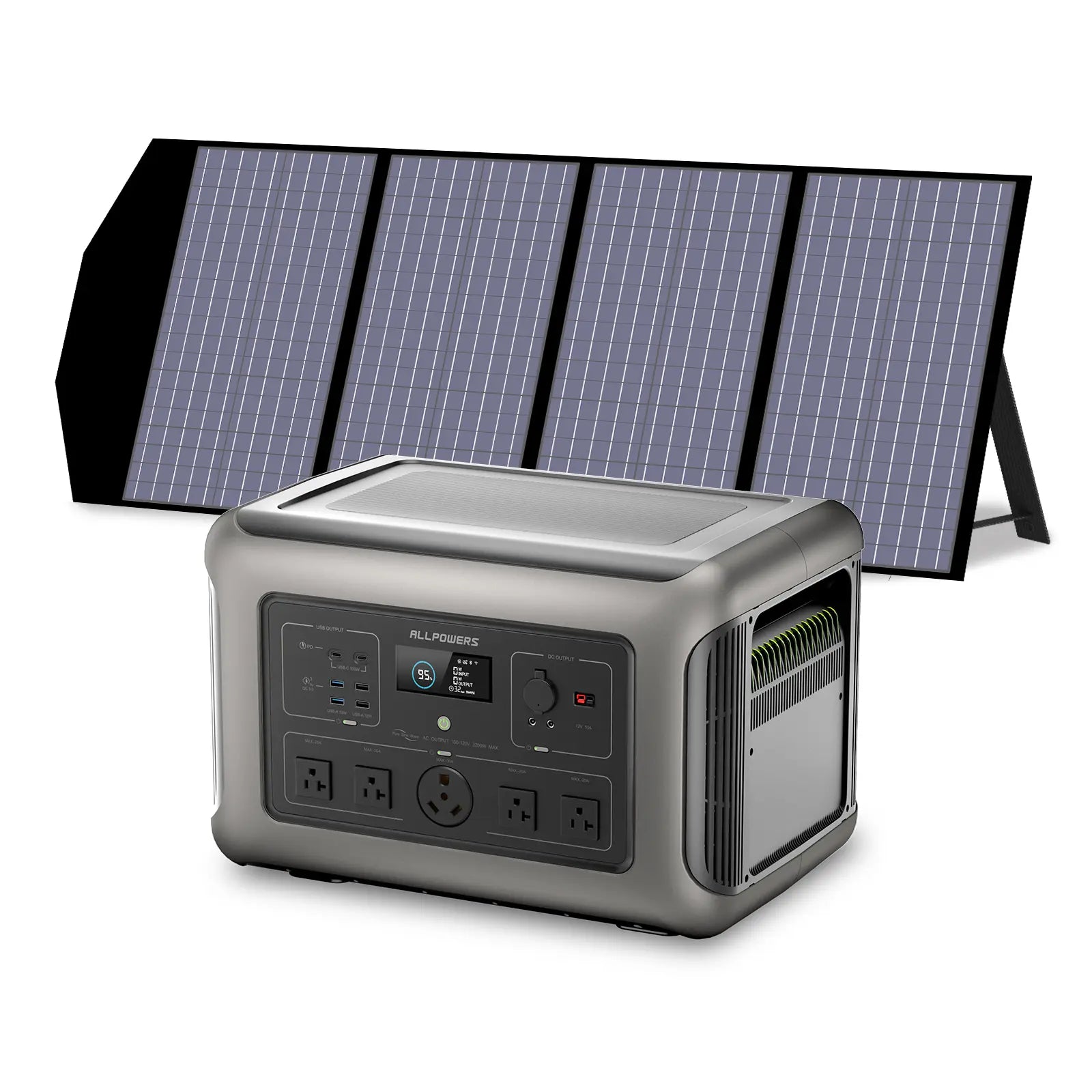
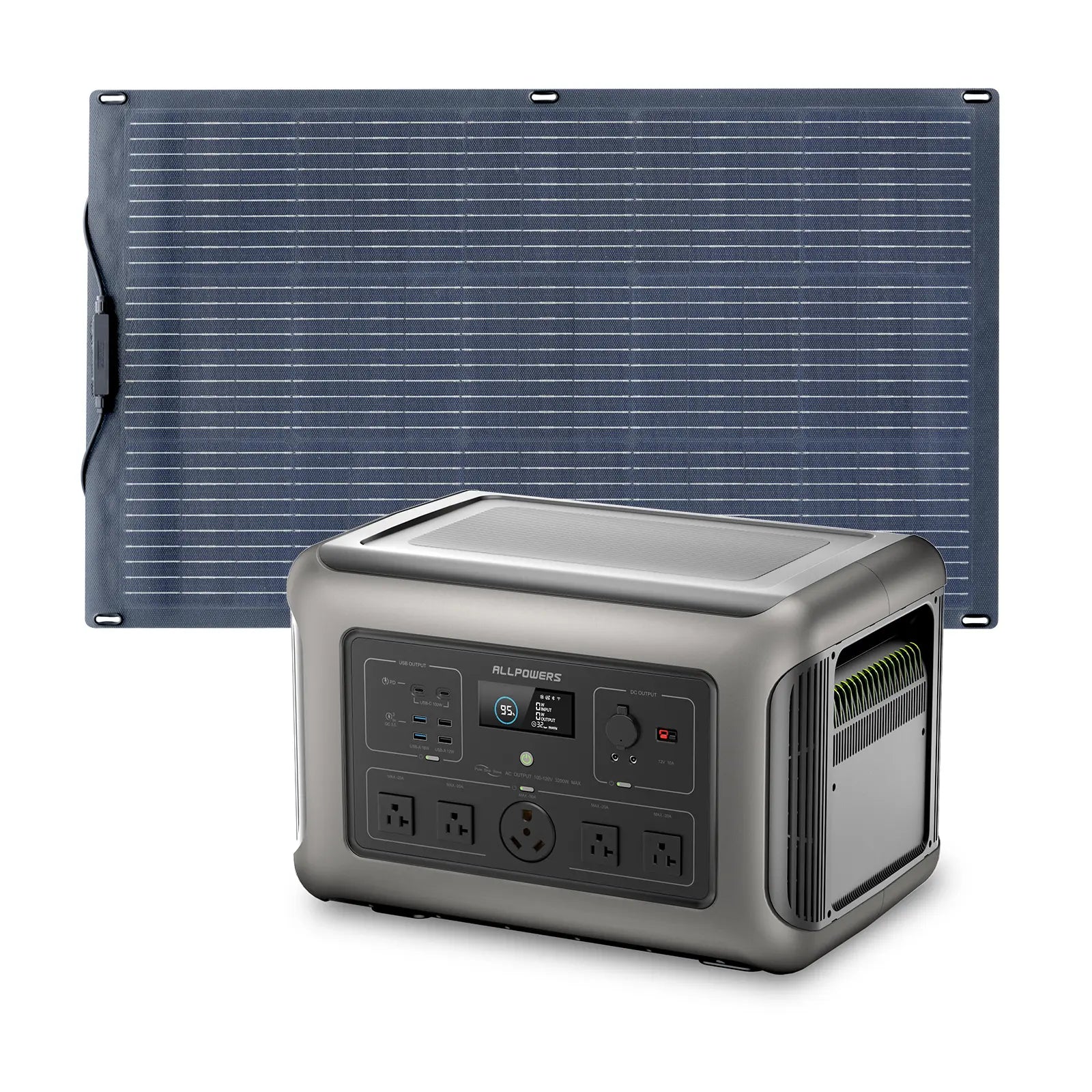
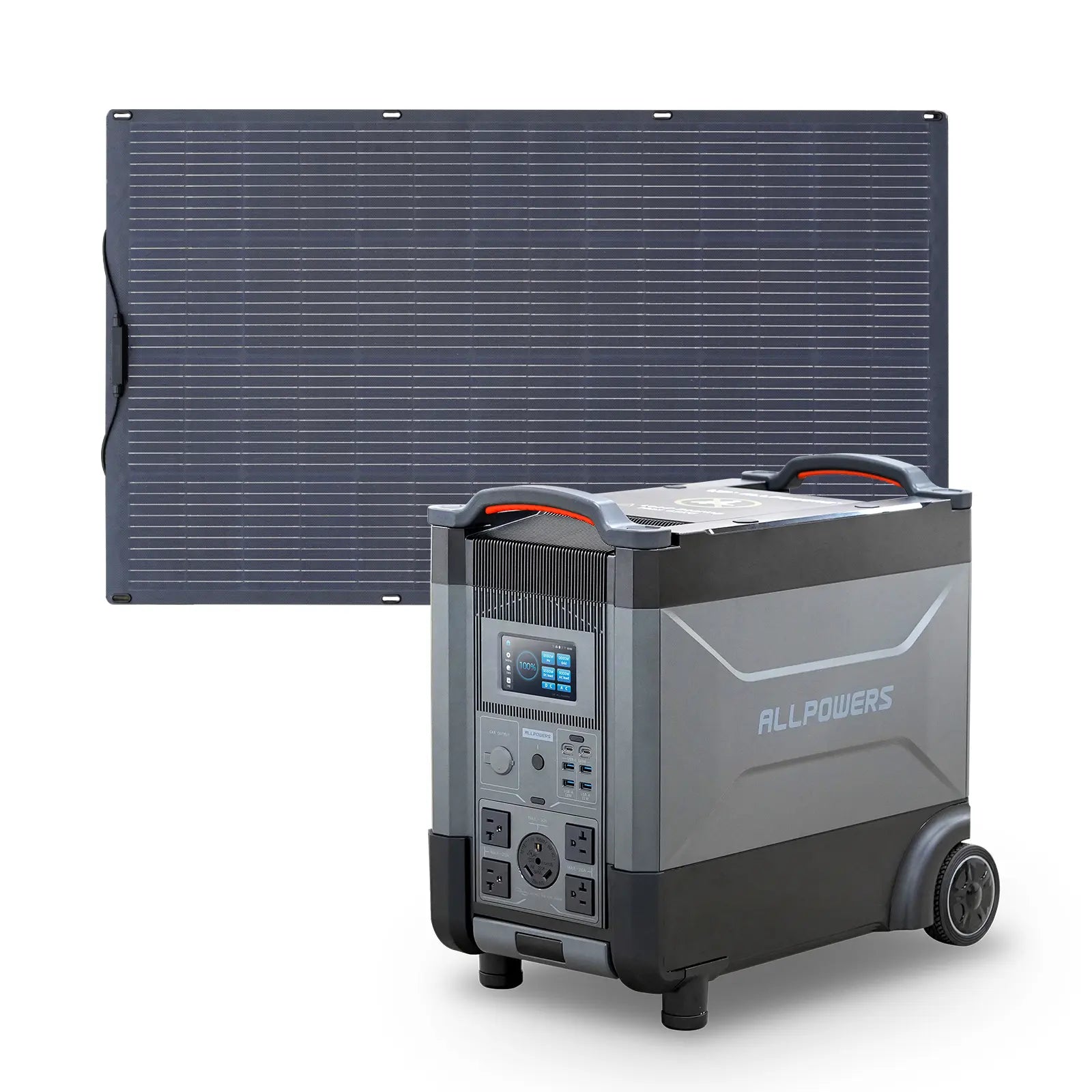
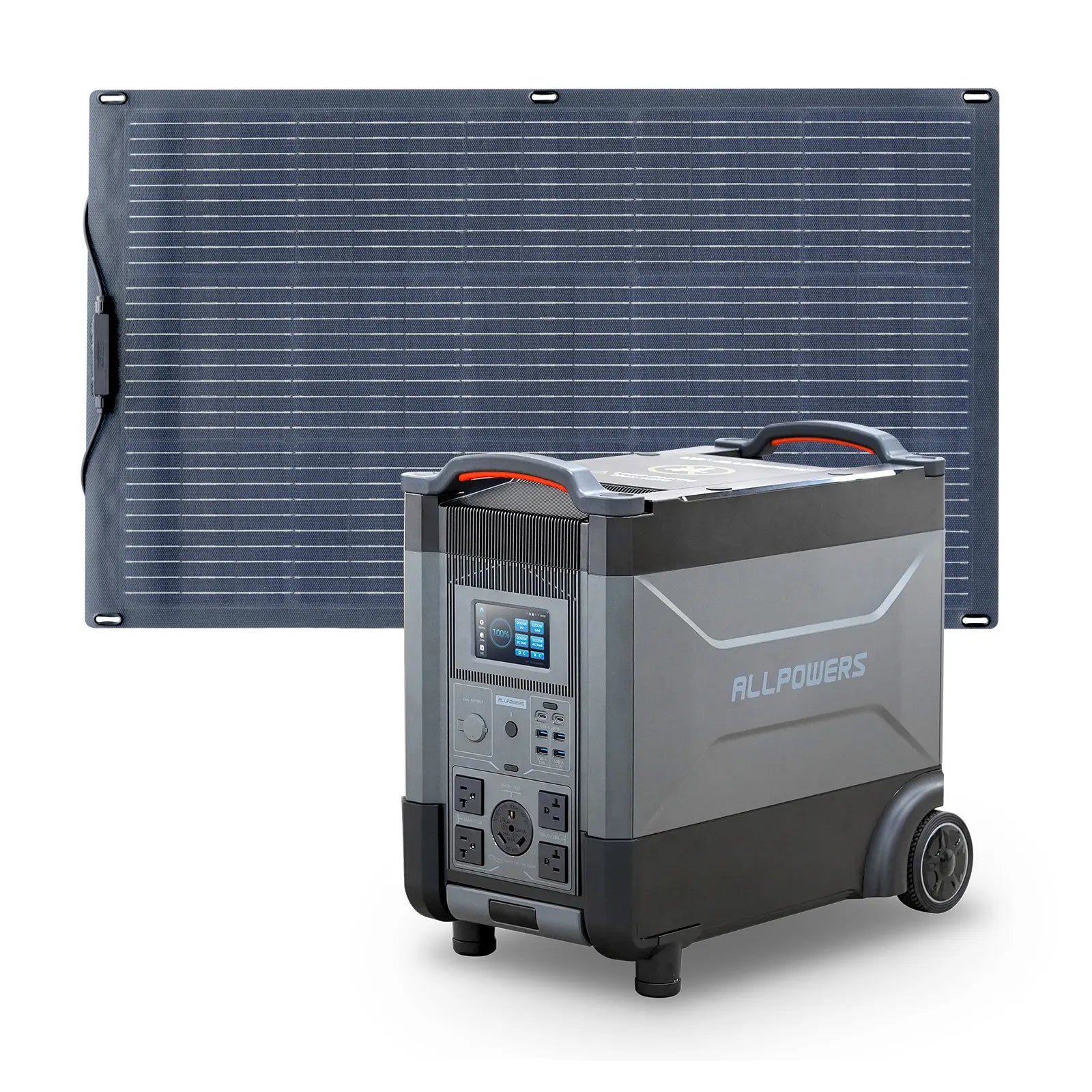
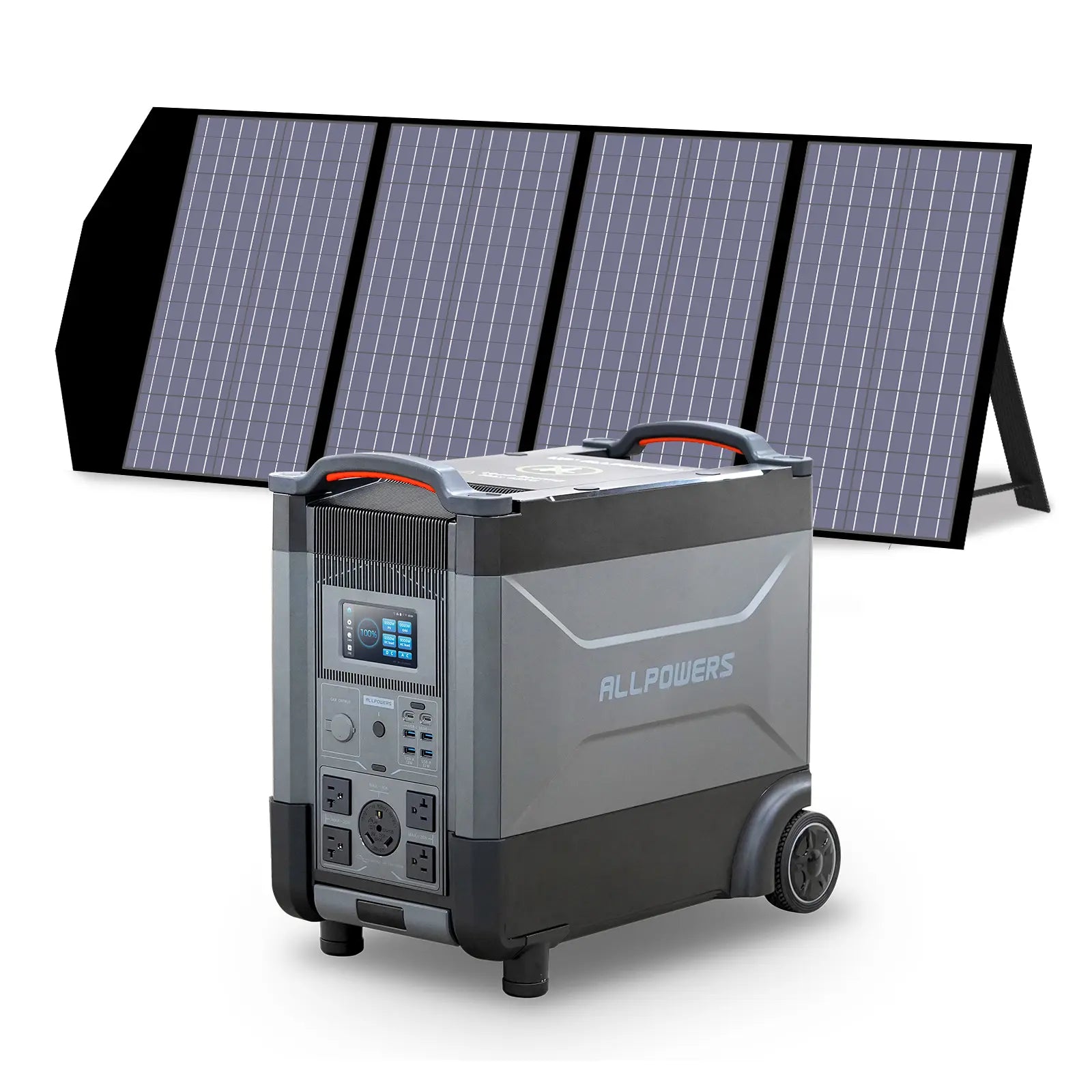
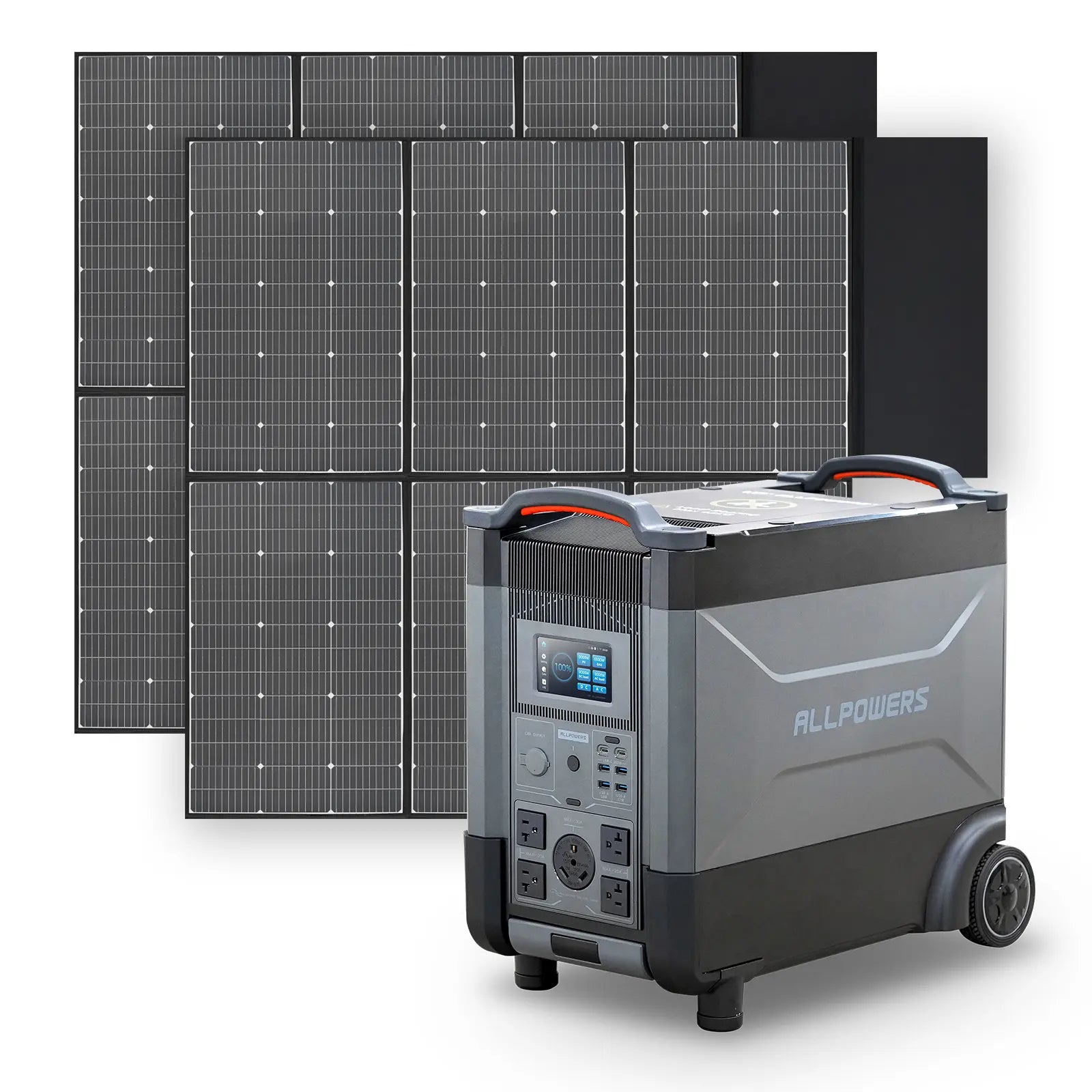
In recent years, some households have turned to portable induction cooktops, but there’s a catch—they rely entirely on electricity.
On their own, they won’t help during an outage.
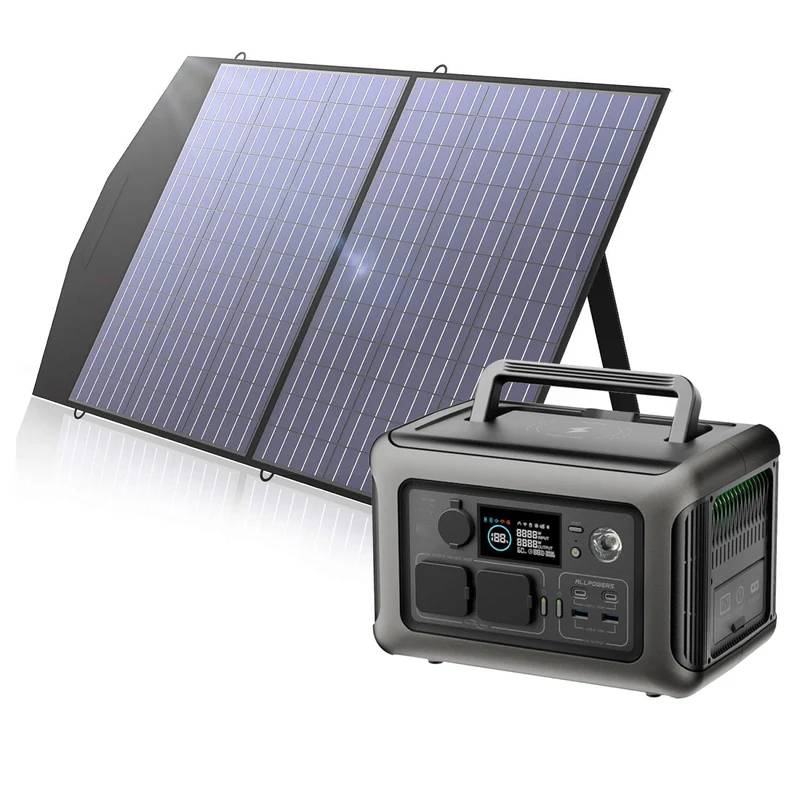
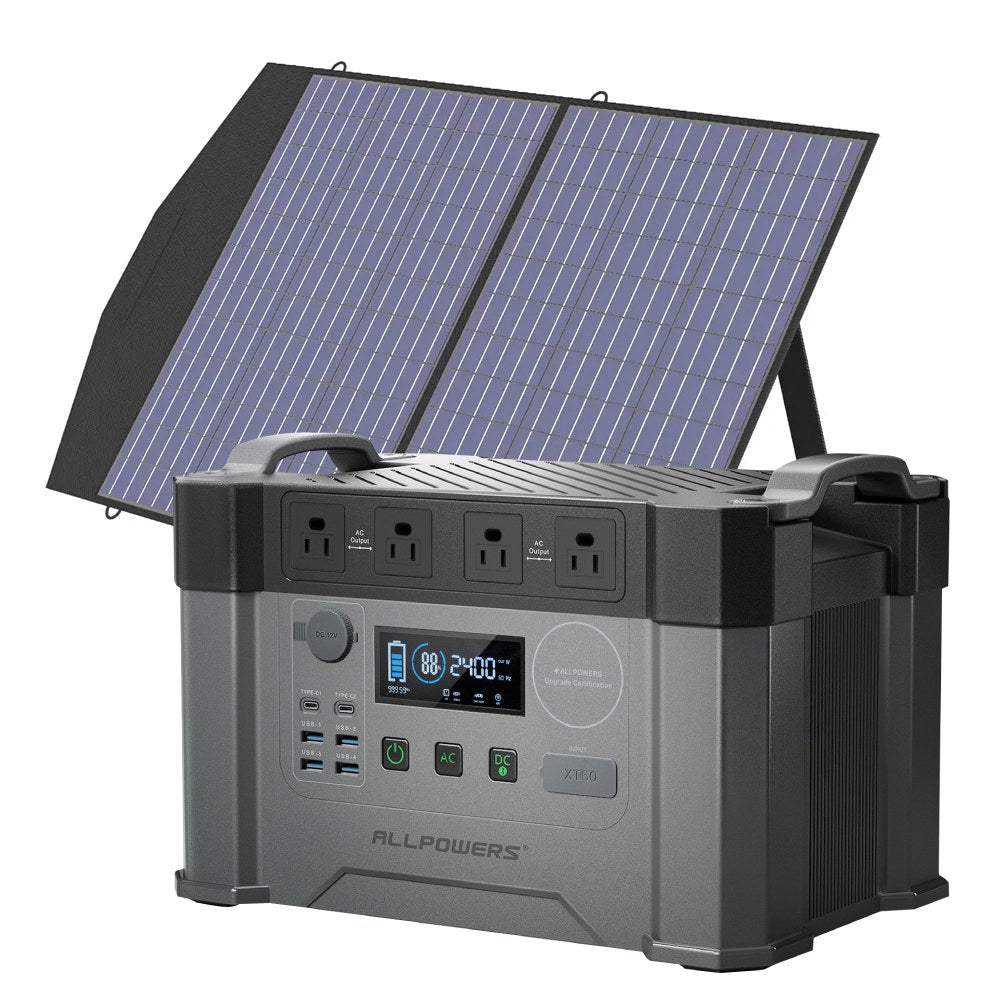
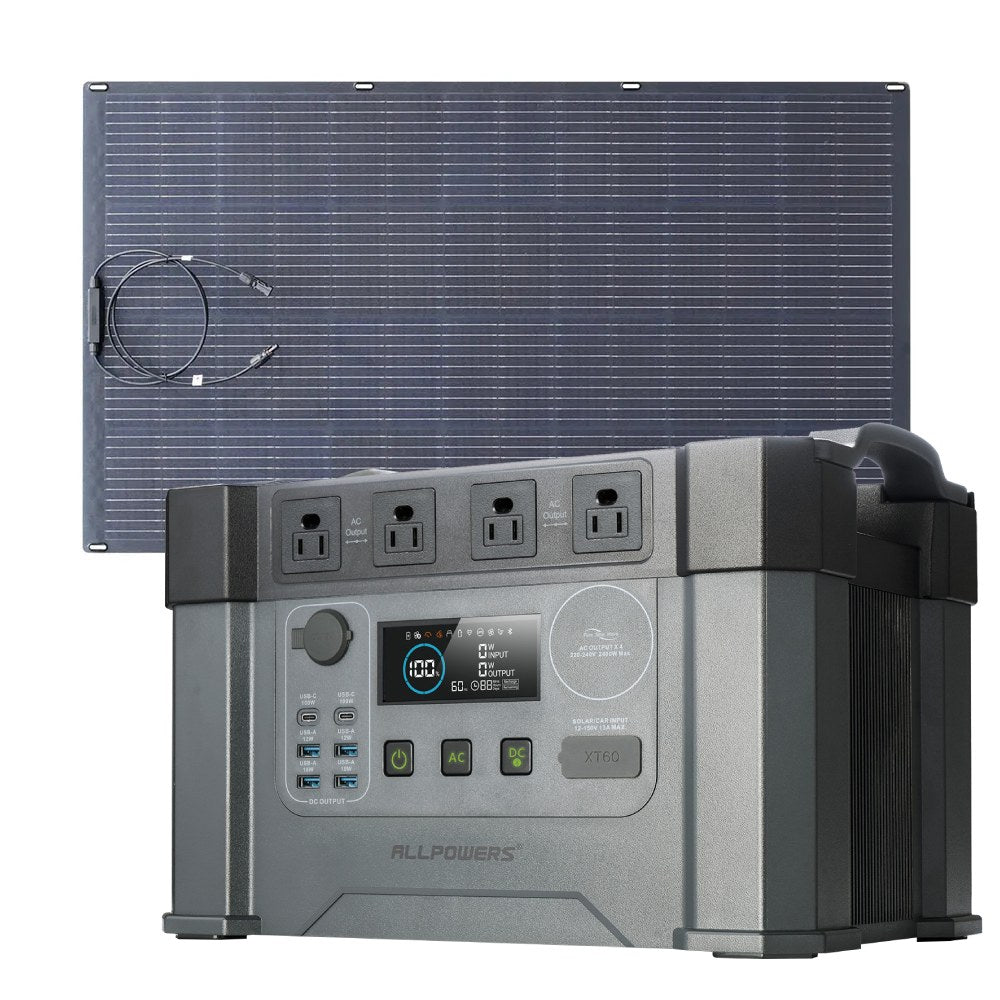
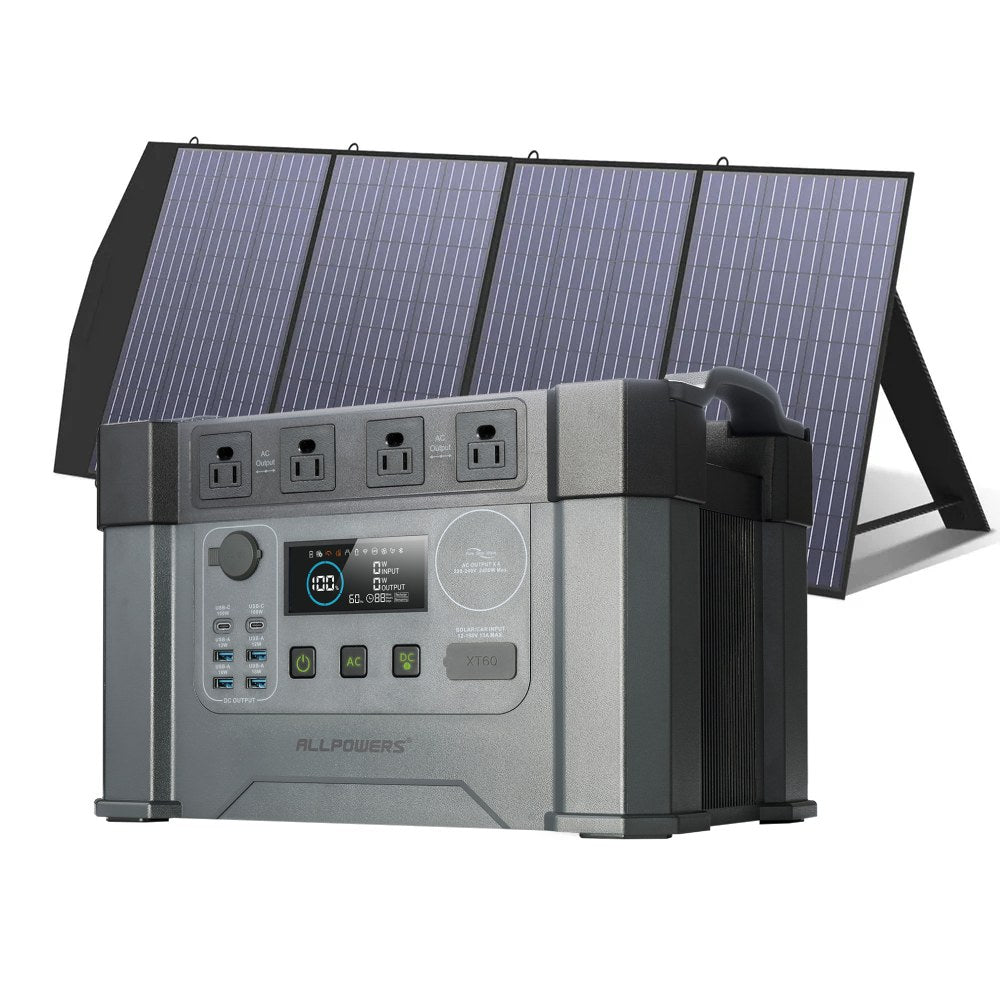
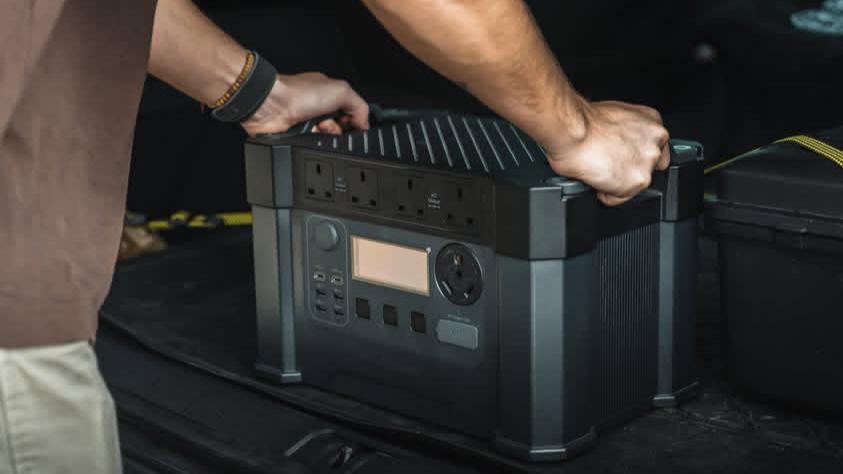
Yet when paired with stored energy sources, they become surprisingly practical.
You get precise temperature control, fast heating, and a cooking experience that feels almost identical to normal kitchen use.
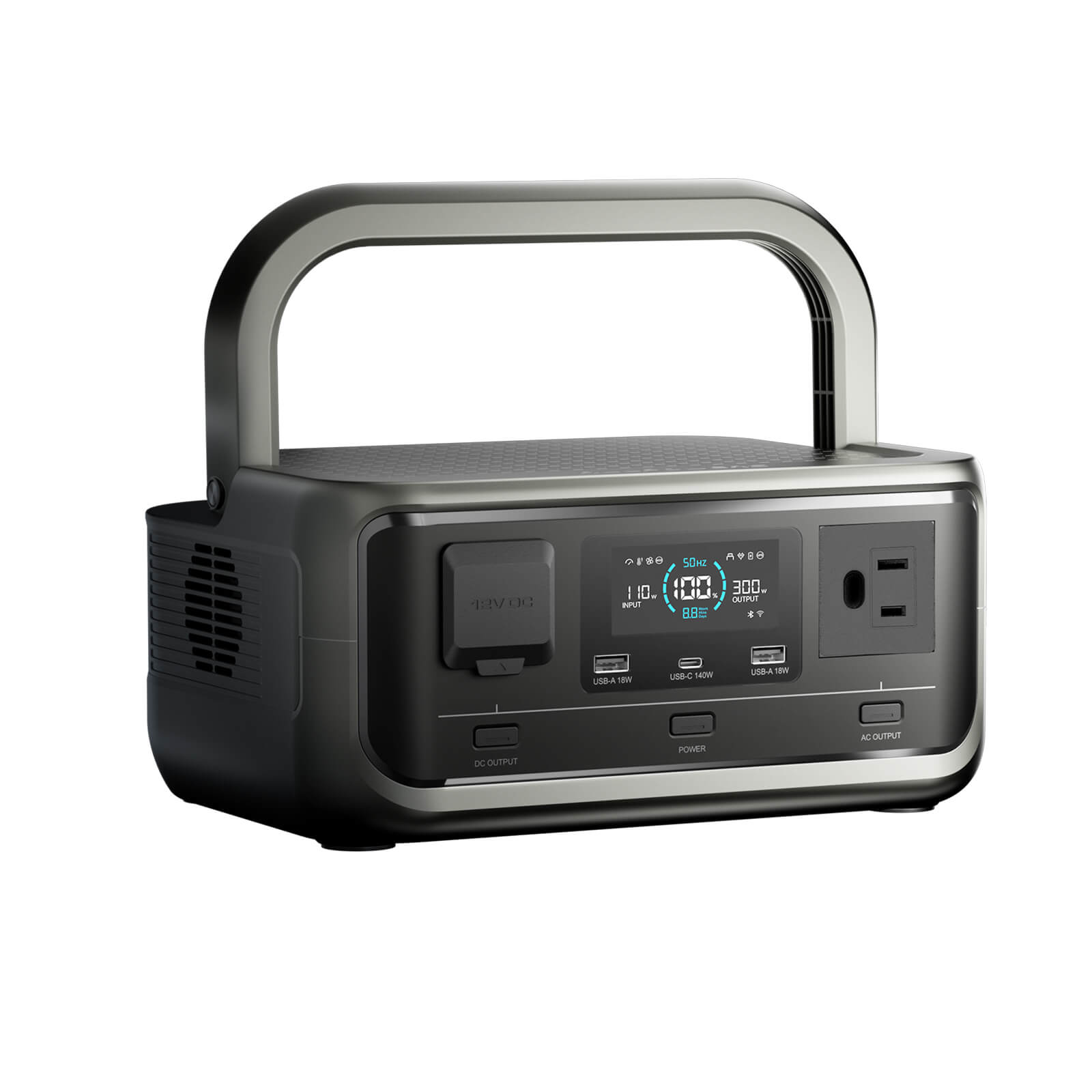
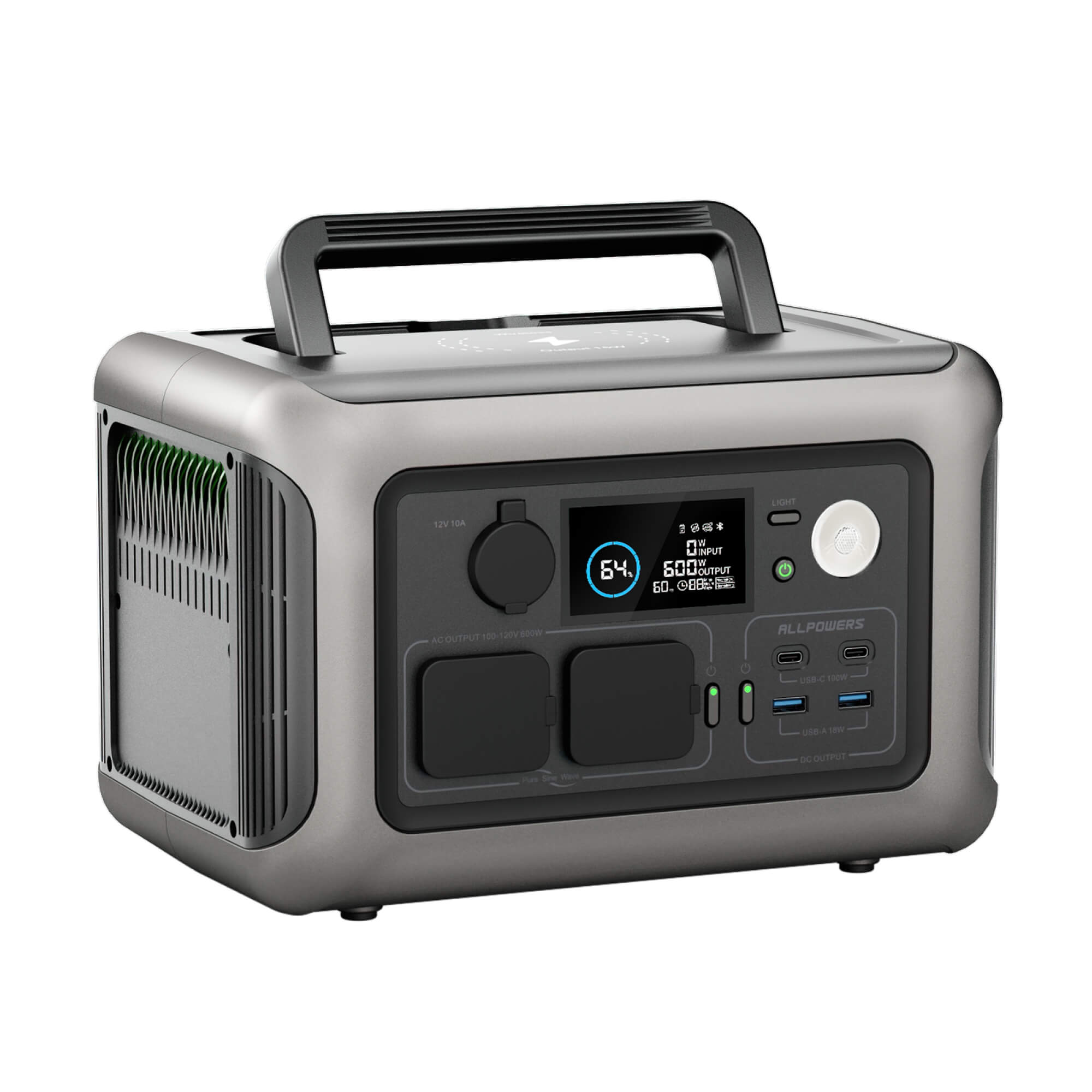
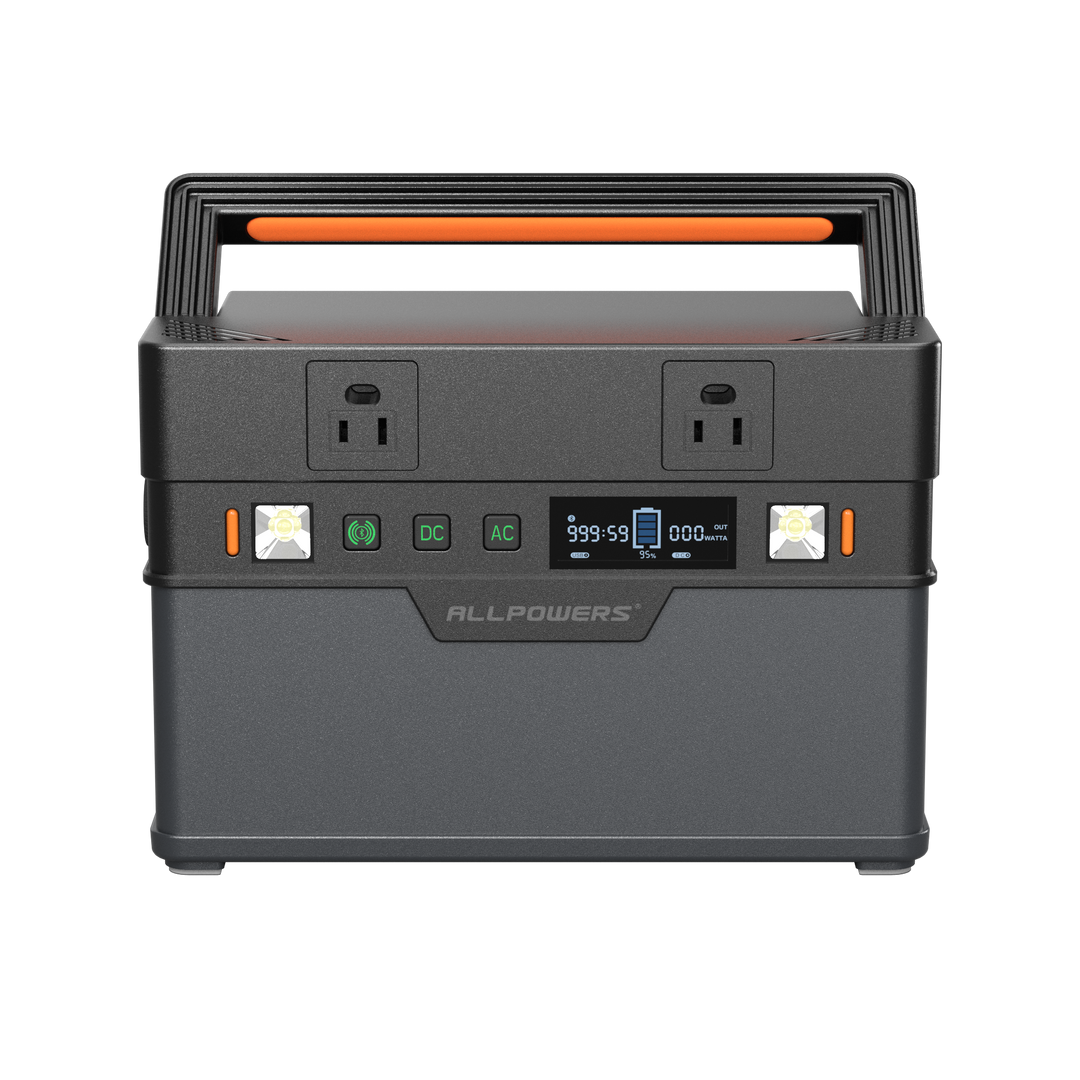
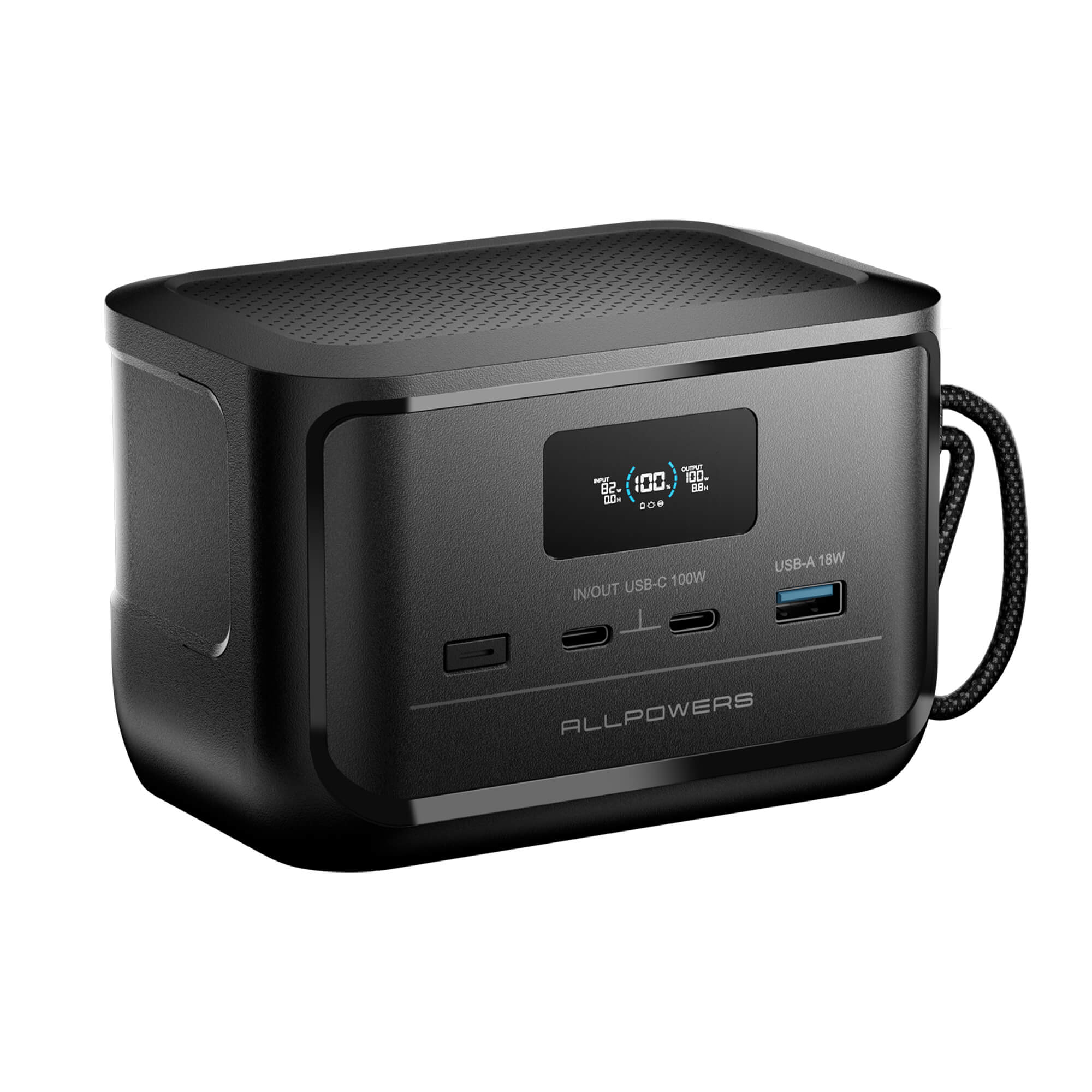
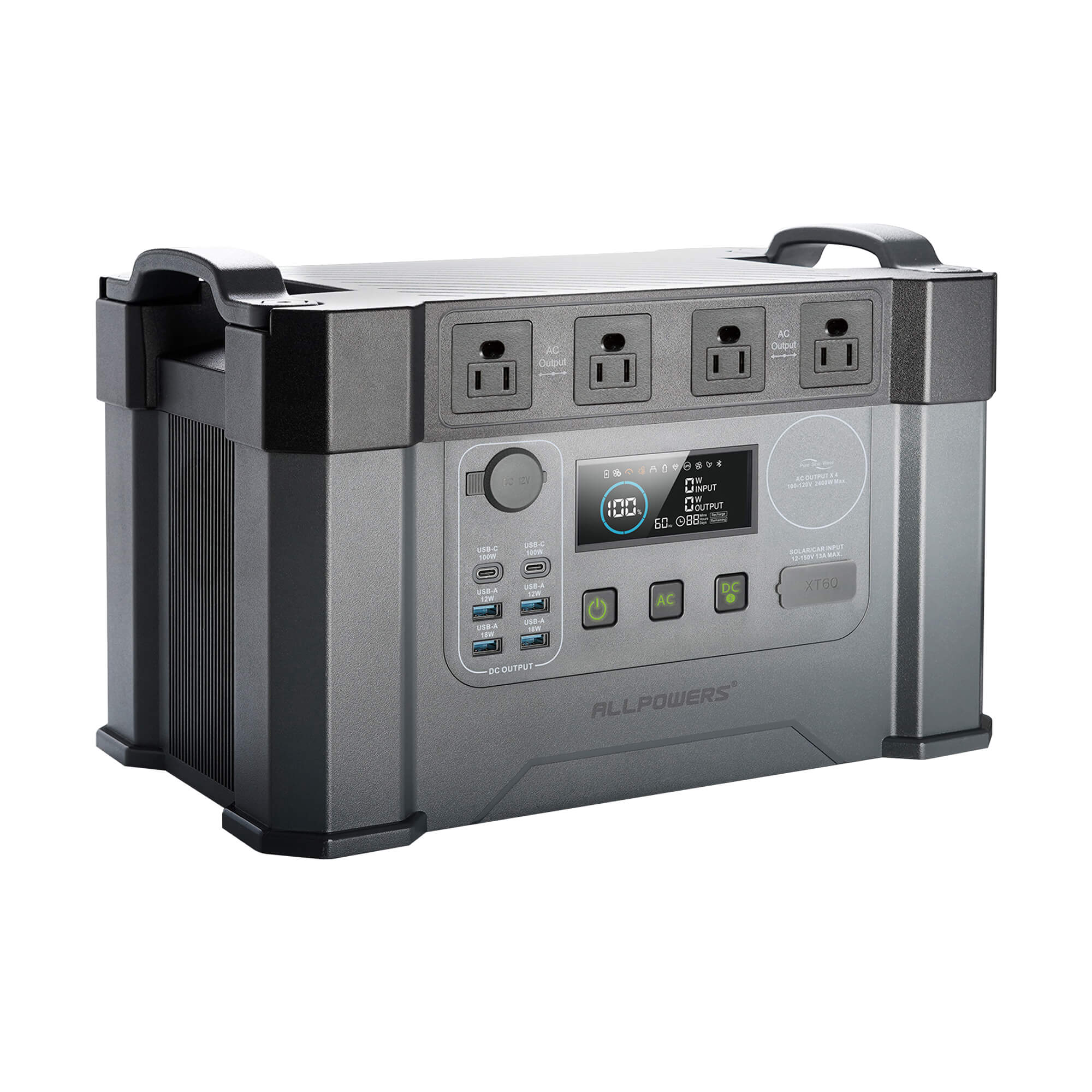
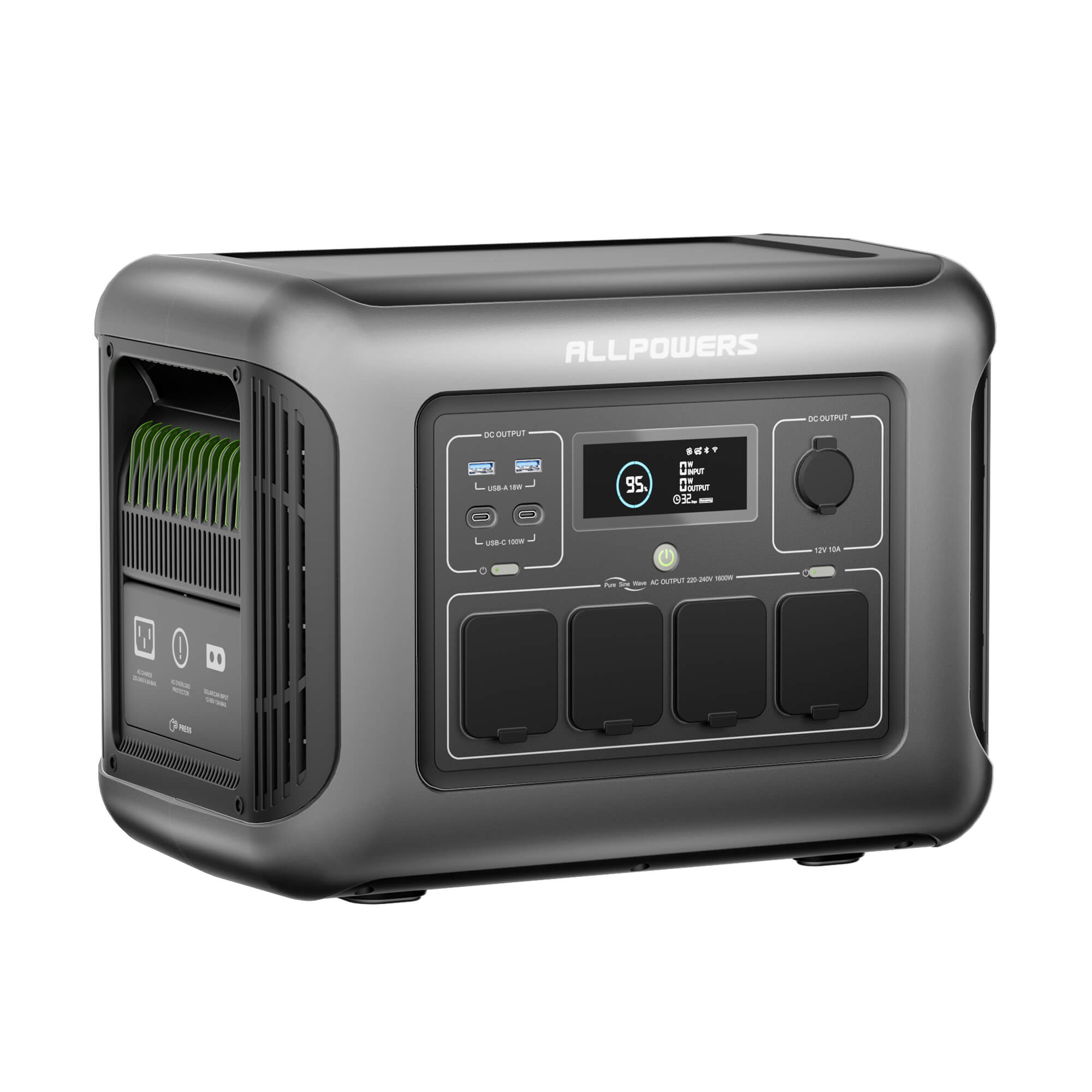
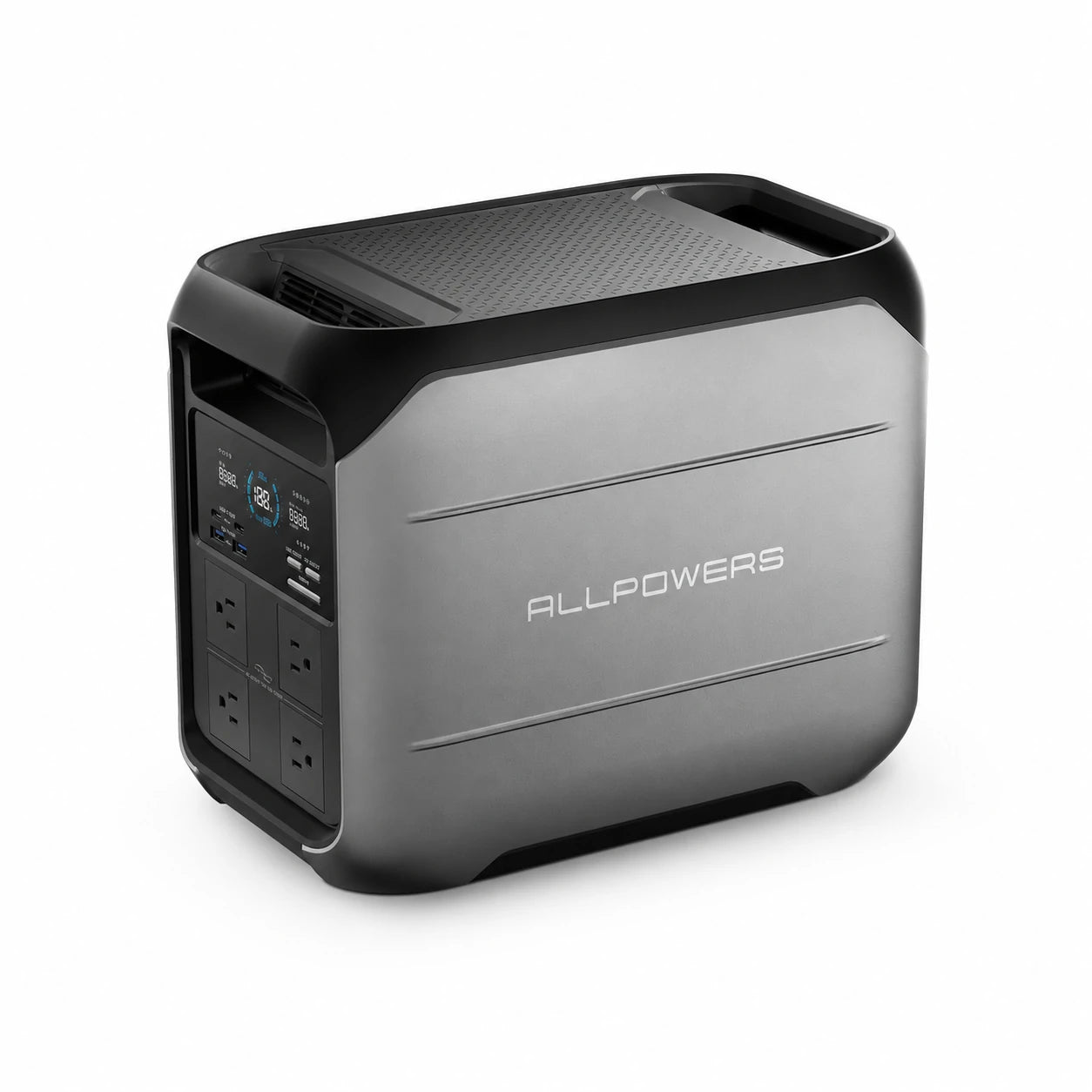
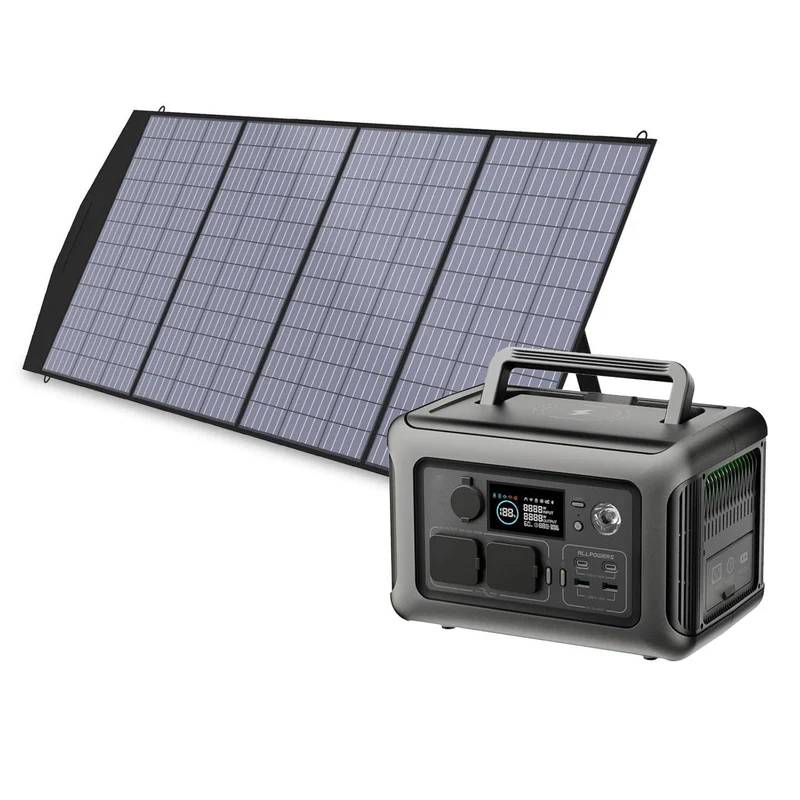
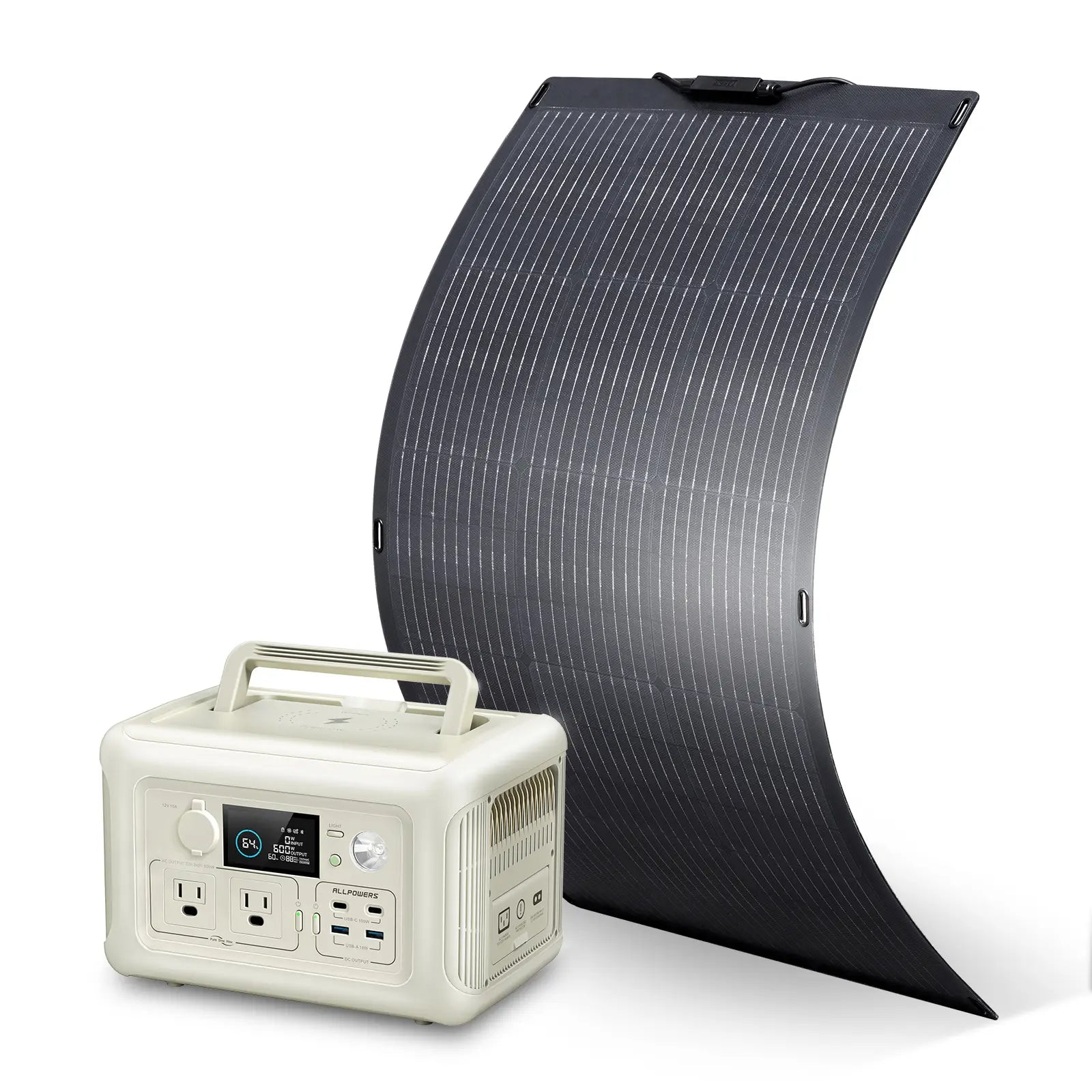
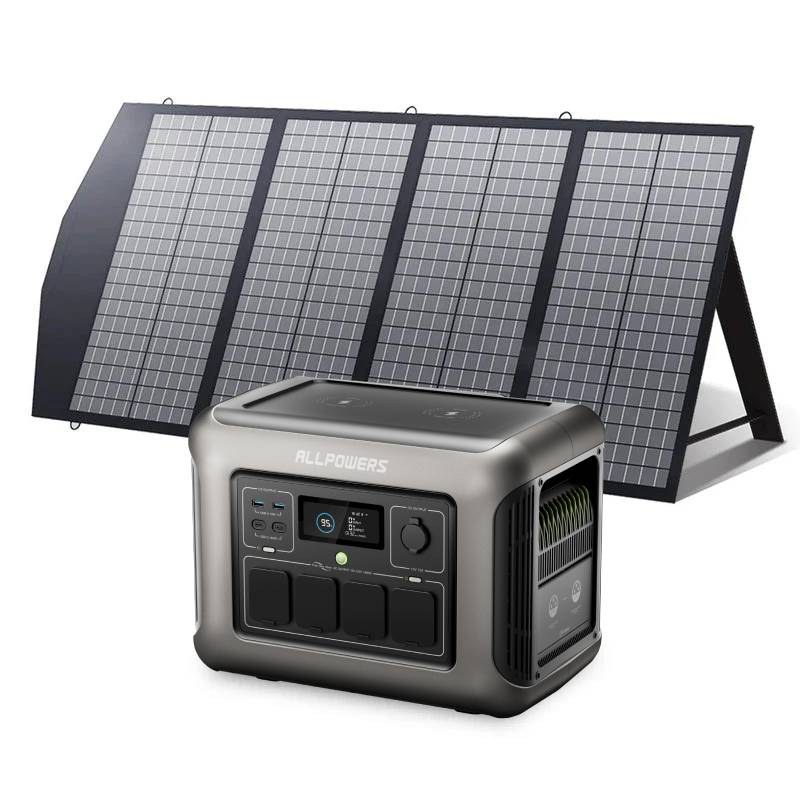
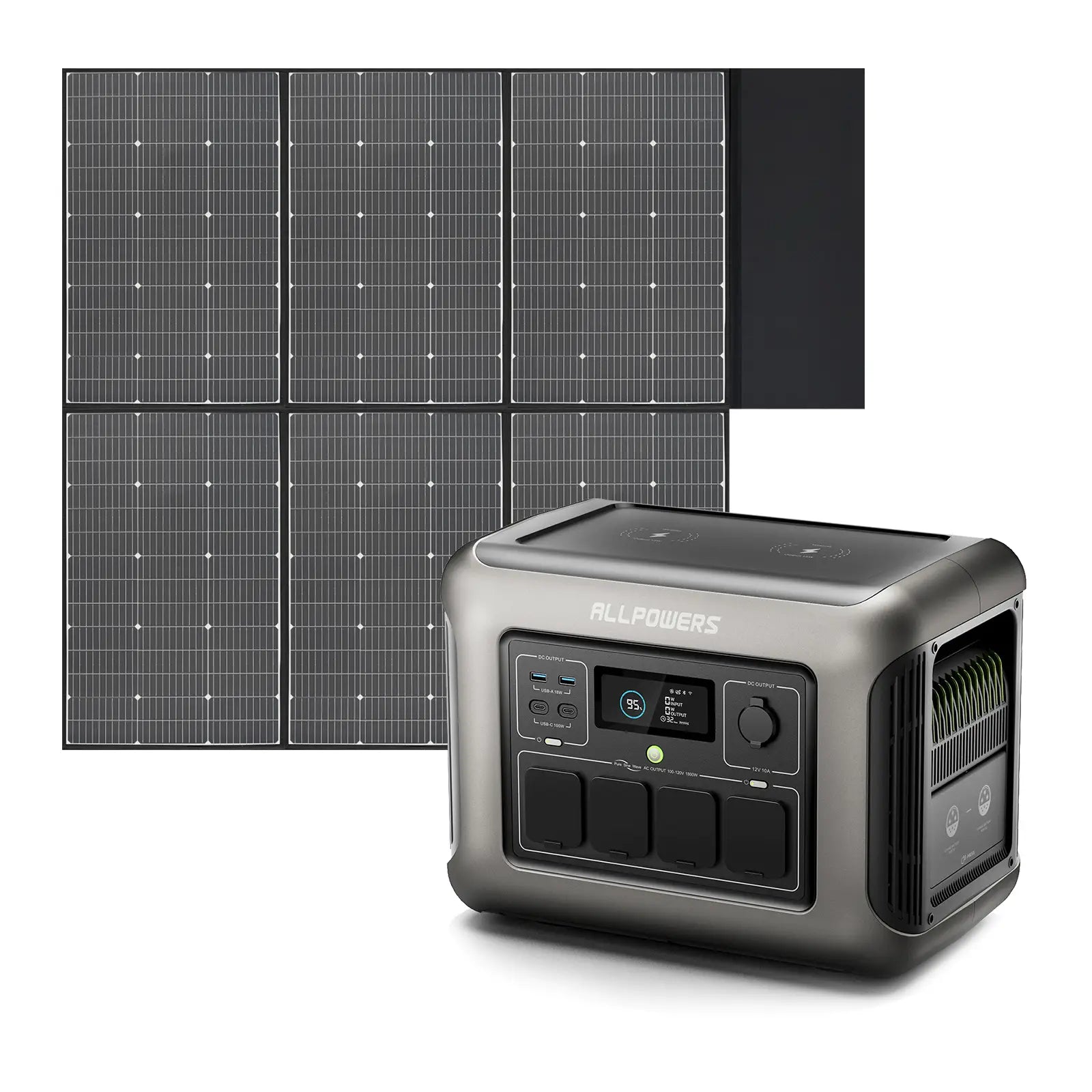
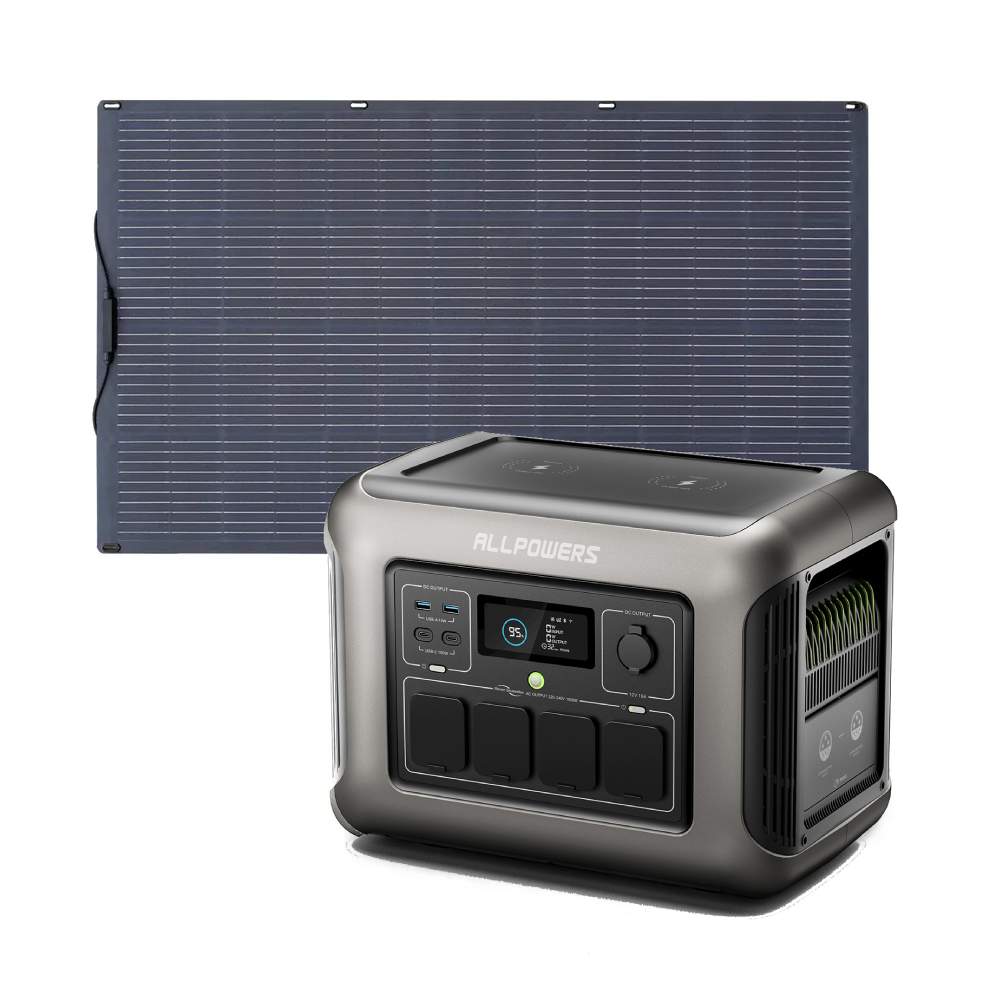
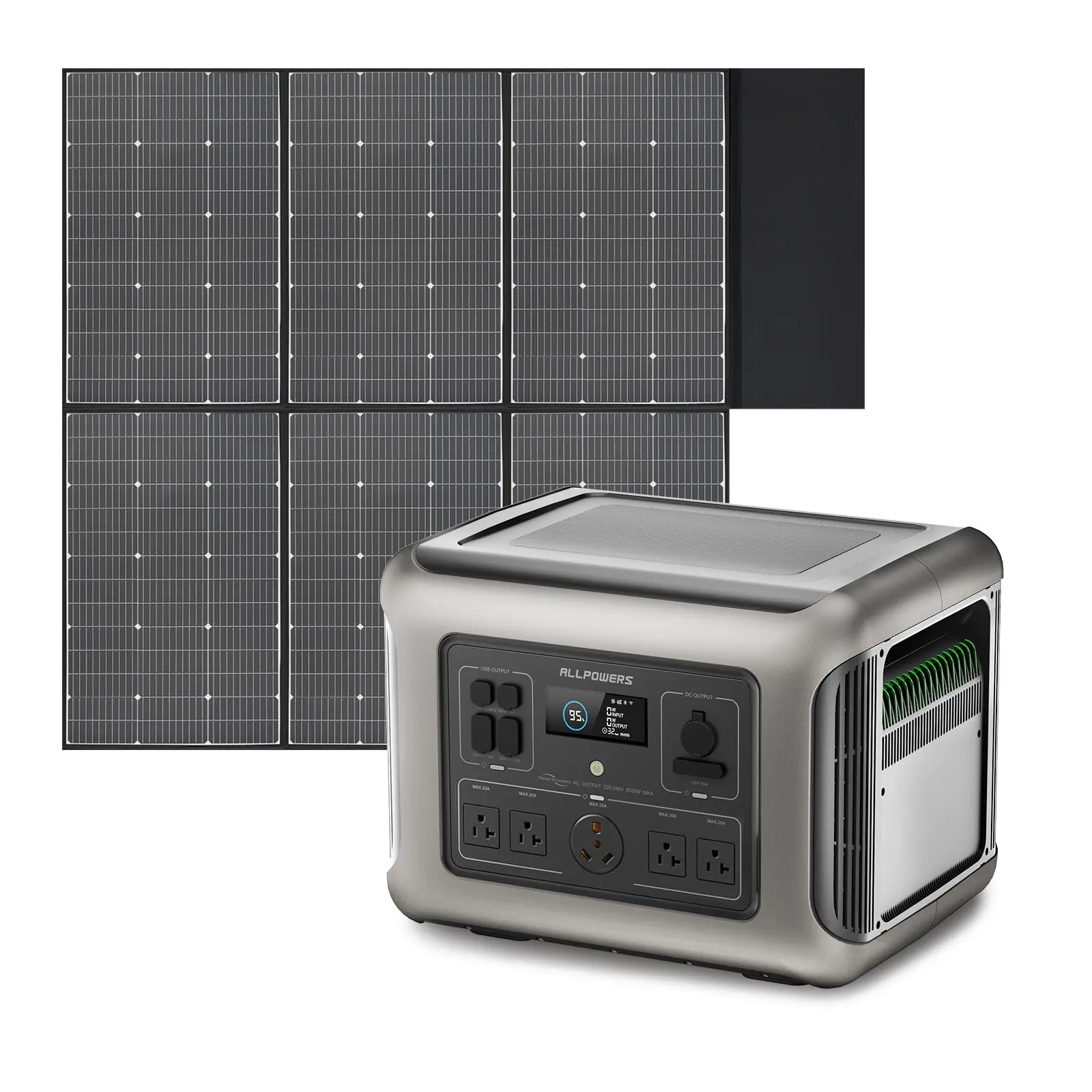
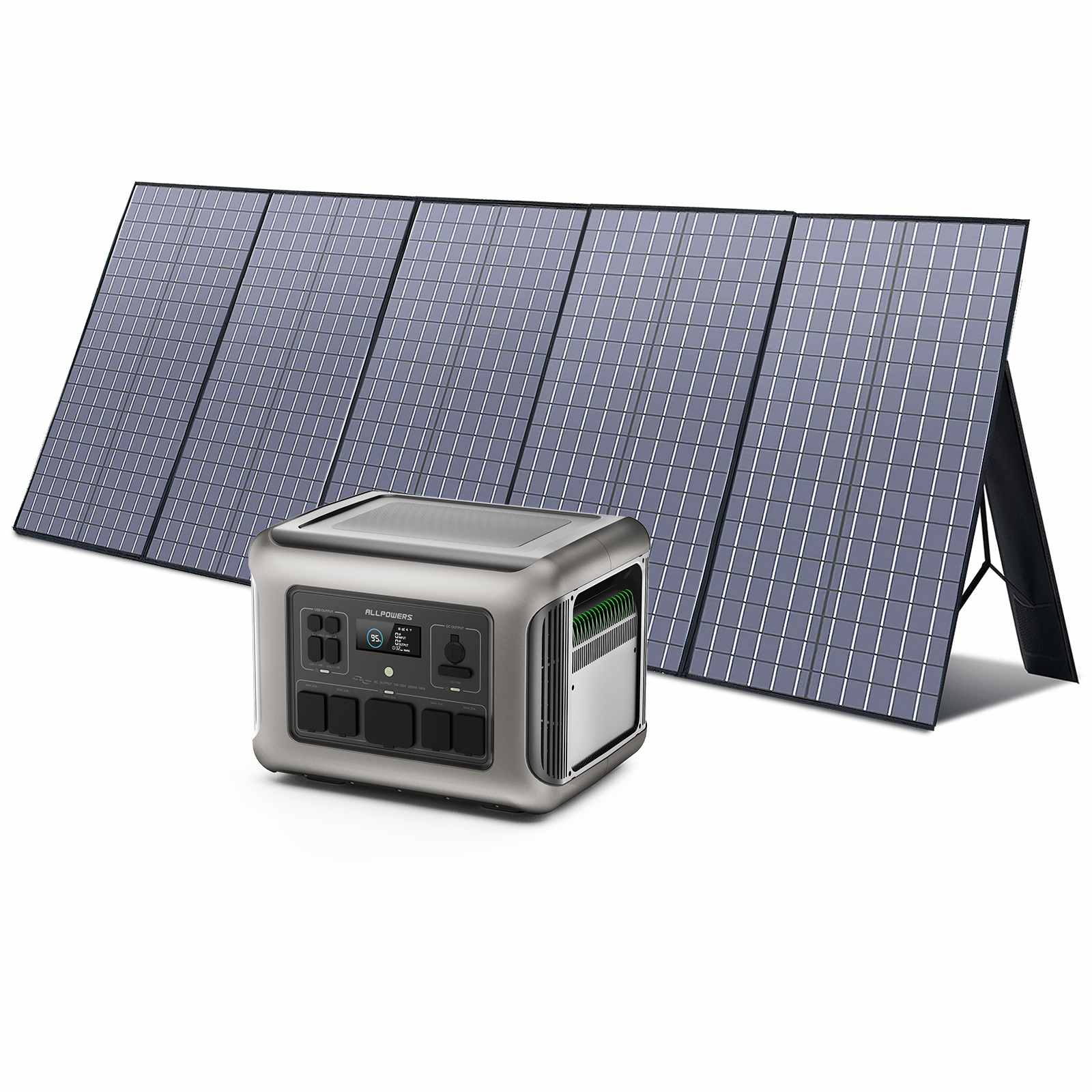
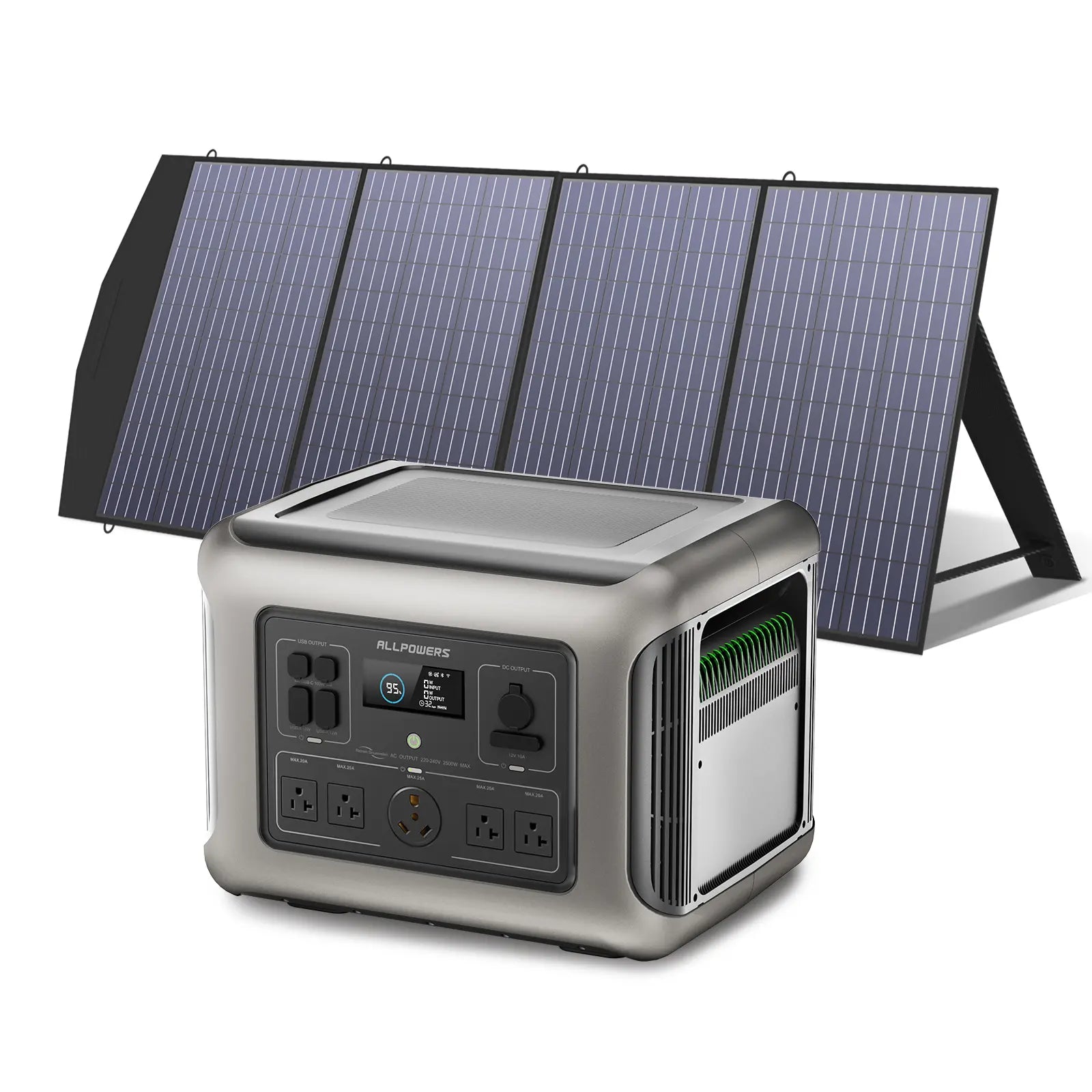
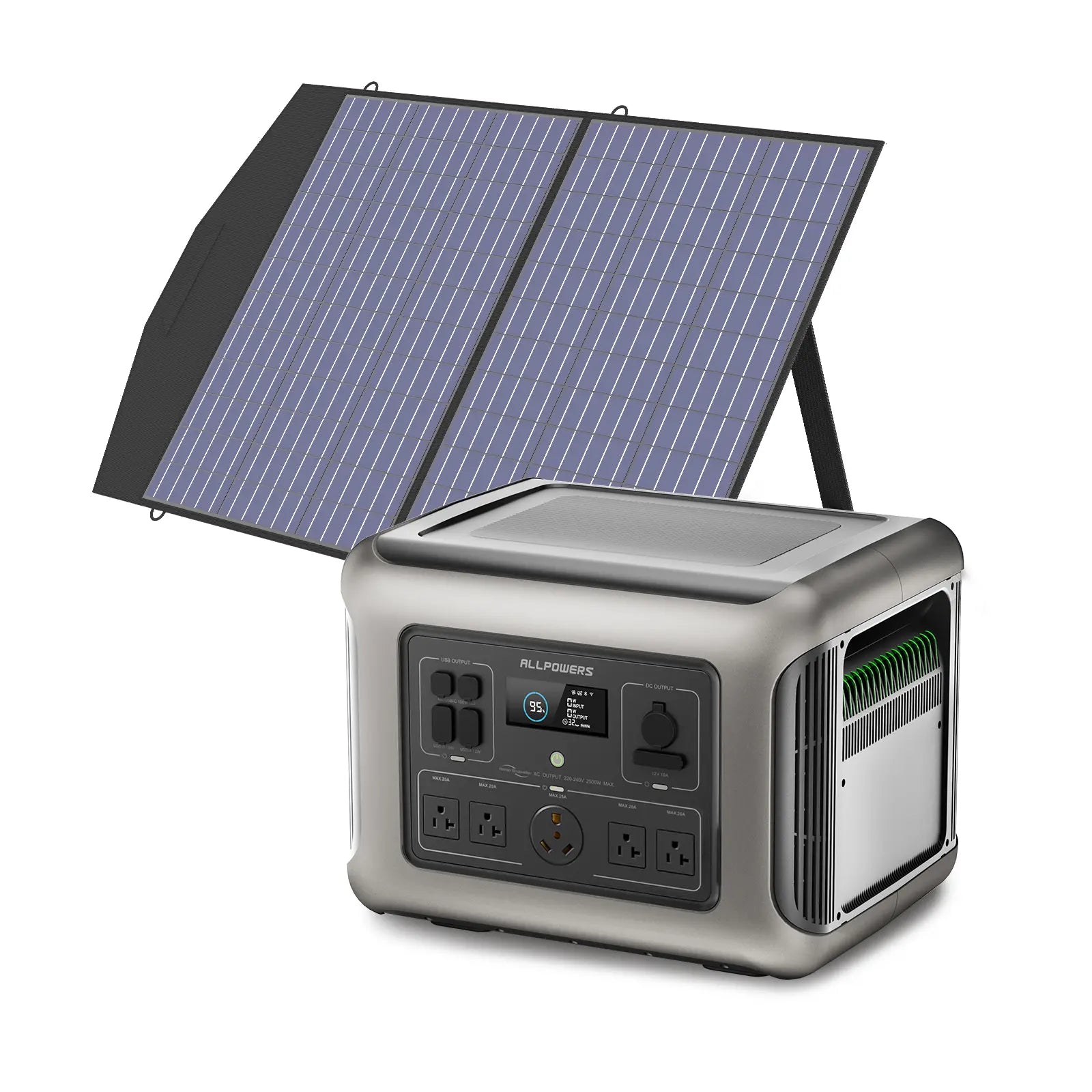
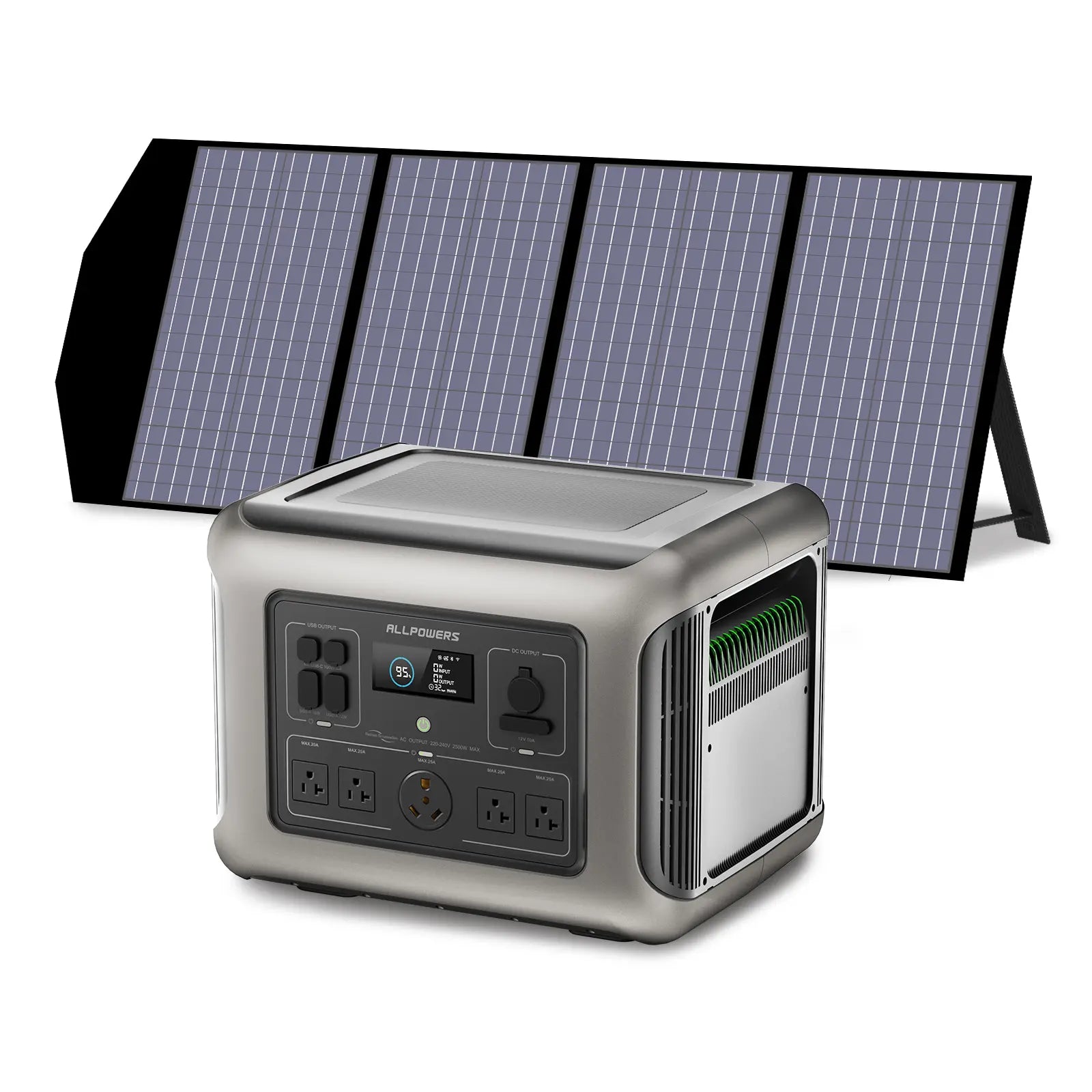
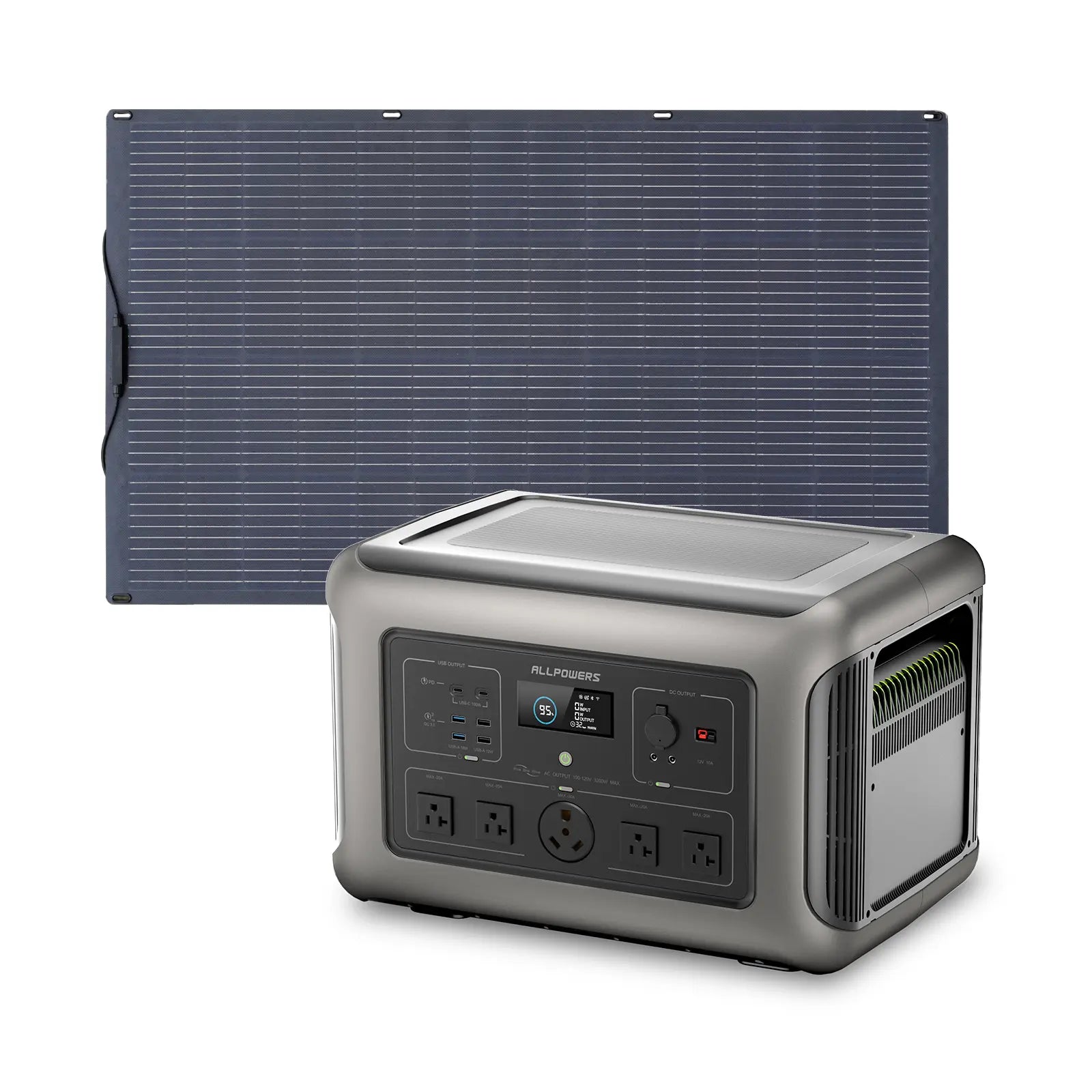
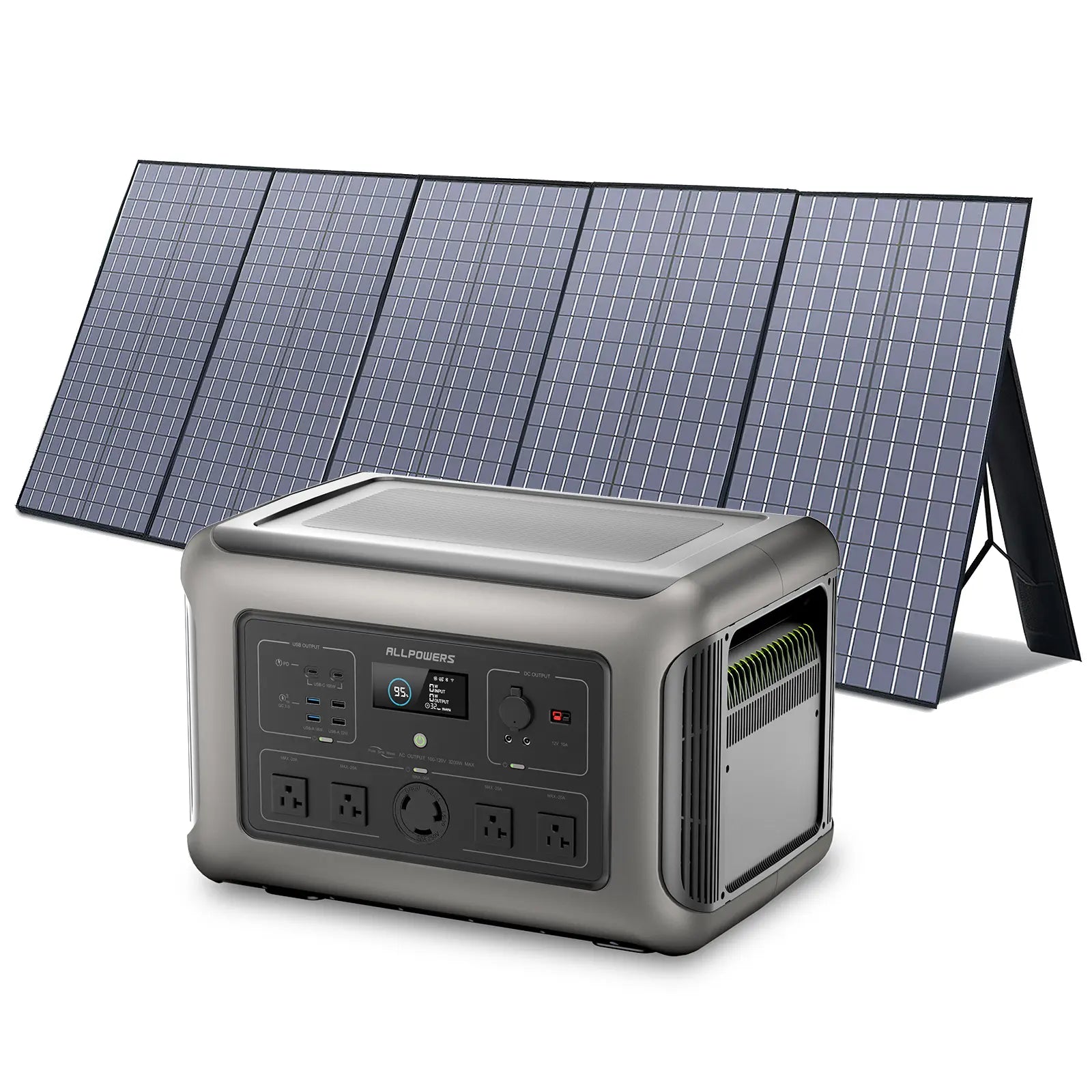
ALLPOWERS VOLIX P300 Portable Power Station
$149.00 $249.00
- 299Wh Capacity;
- 300W AC Output (600W Surge);
- Fast Charge 100% in 1 Hours;
- Ultra-quiet 30dB Under Load ;
- Long-Lasting And Safe Lifepo4 Battery;
Why does the gas stove not work when the power is out?
Even though ovens use gas for heat, they are far more dependent on electricity than stovetop burners.
Most gas ovens rely on electric ignition systems, temperature sensors, and safety shutoff valves that require power to operate.
Without electricity, these components cannot function, which means the oven typically won’t turn on at all.
Many include mechanisms that prevent gas from flowing unless the ignition system is active.
This reduces the risk of gas leaks but also makes it nearly impossible to use the oven during a blackout.
As a result, even if your stovetop works perfectly, your oven is likely to remain unusable until power is restored.
Conclusion
So, does a gas stove work when the power is out? Most of the time, yes.
The cooktop burners may still work if you can manually ignite them, while the oven will almost certainly remain unusable.
More importantly, using a gas stove during an outage requires caution, awareness, and preparation.
It can be a helpful tool in an emergency, but it shouldn’t be your only plan.
Common Questions People Also Ask
Can you light a gas stove with a lighter during a blackout?
Yes, in many cases you can. As long as the stove allows gas flow without electricity, a lighter or match can replace the electric ignition.
Why does my gas stove not work after the power goes out?
If your stove doesn’t respond at all, it may have an electric ignition system or safety interlock that prevents operation without power.
Do all gas appliances stop working during a power outage?
Not all, but many have reduced functionality. Appliances like furnaces or water heaters may also depend on electricity for ignition or circulation systems.
Is it safe to cook on a gas stove when the power is out?
It can be safe if done carefully, but it requires proper ventilation and attention to avoid gas buildup or incomplete combustion.
Are older gas stoves better for outages?
In some ways, yes. Older models with pilot lights are more likely to function without electricity, while newer models often include electronic dependencies.