






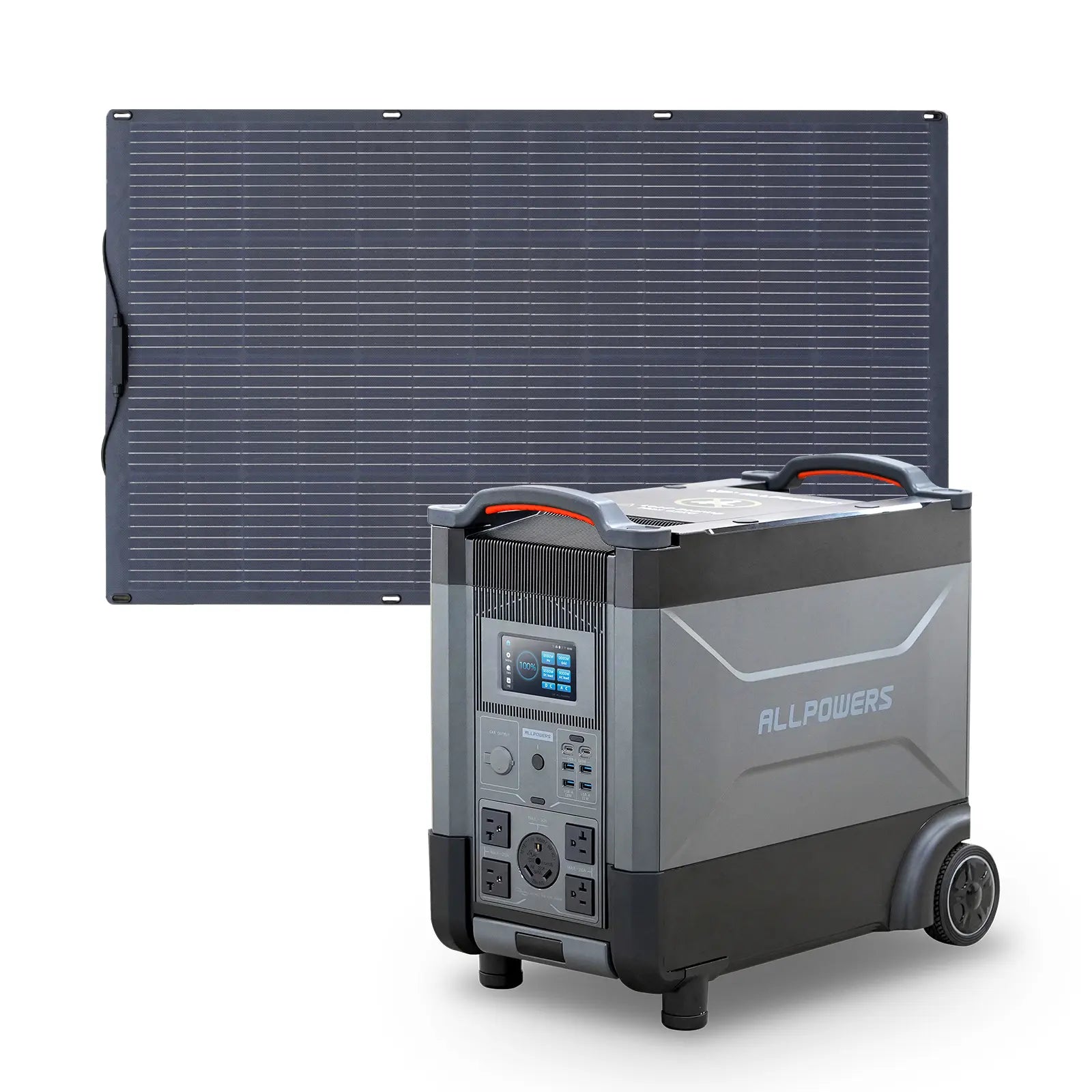
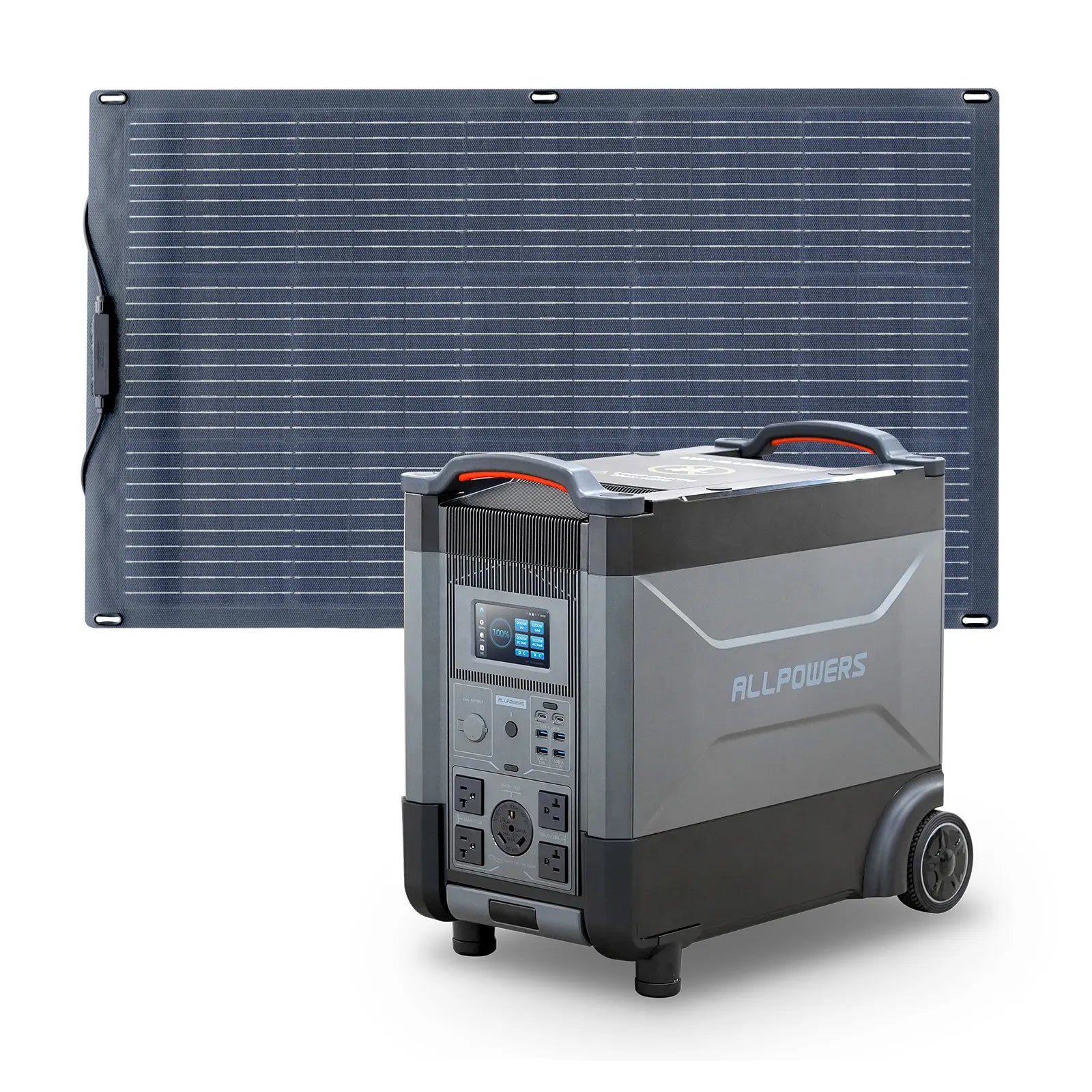
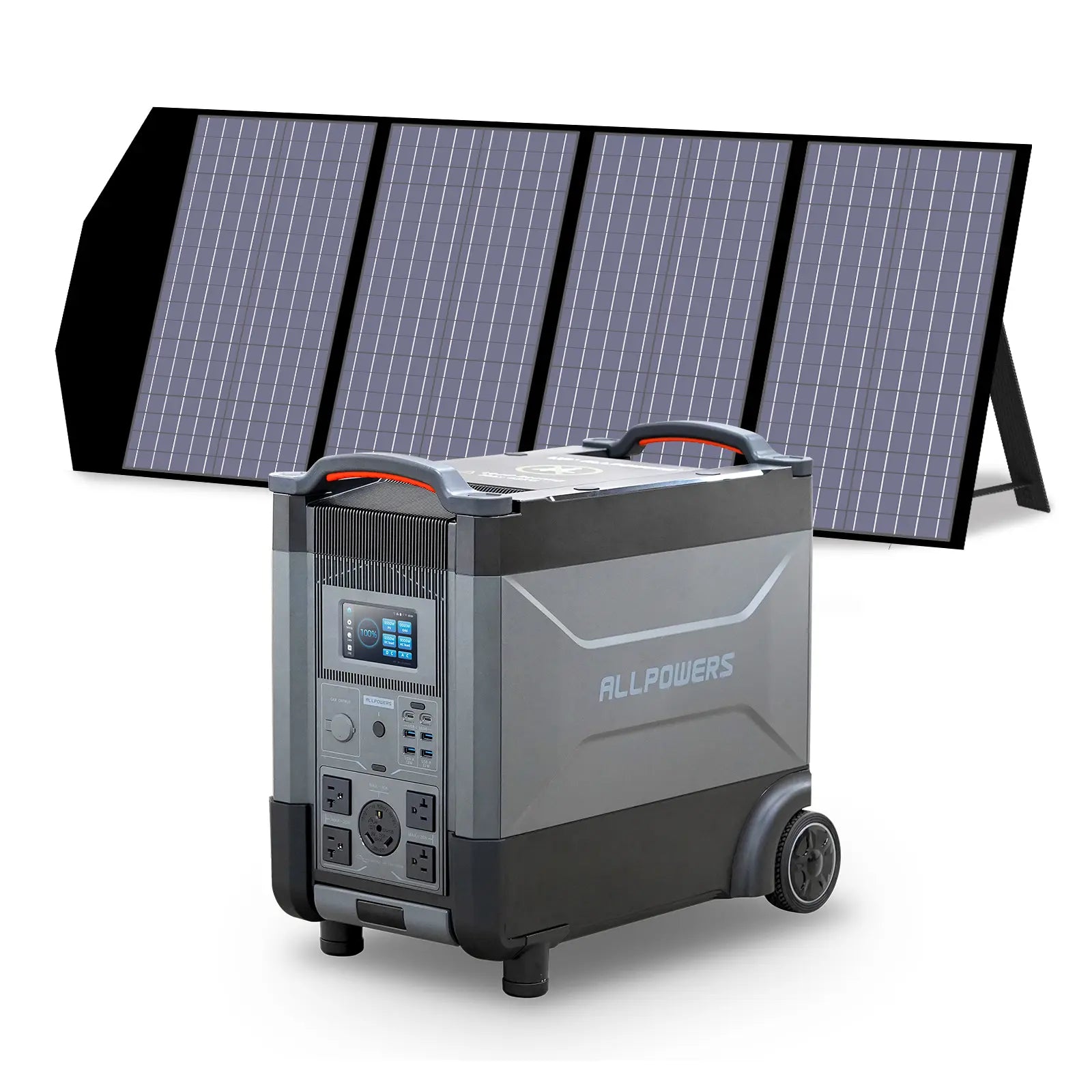
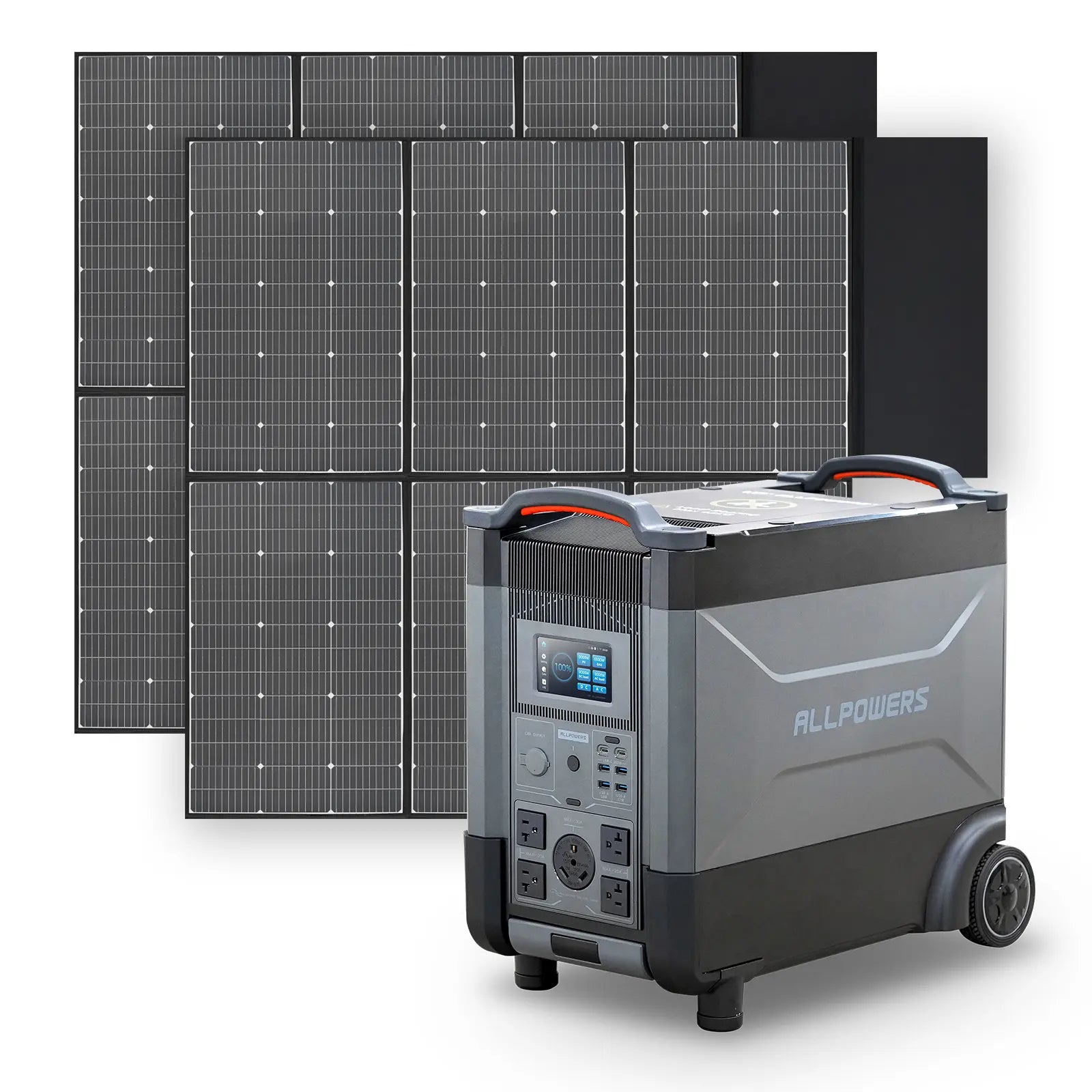
Hot plates may be small, but they pack a serious punch when it comes to cooking.
But here’s the catch: they also demand quite a bit of electrical juice.
When you’re indoors with a standard outlet, it’s no big deal. But outdoors?
If you’re relying on portable energy instead of a wall outlet, can it truly keep up with the heavy draw of a hot plate?
TL;DR
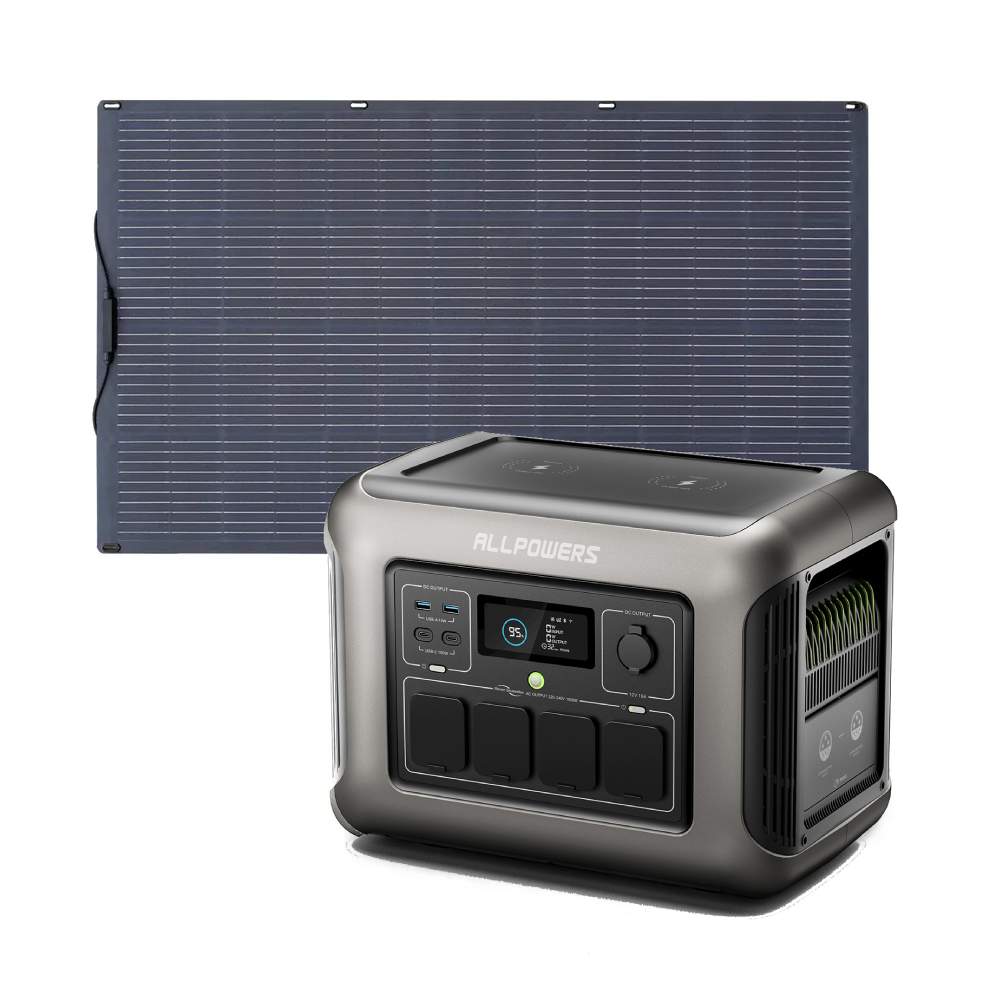
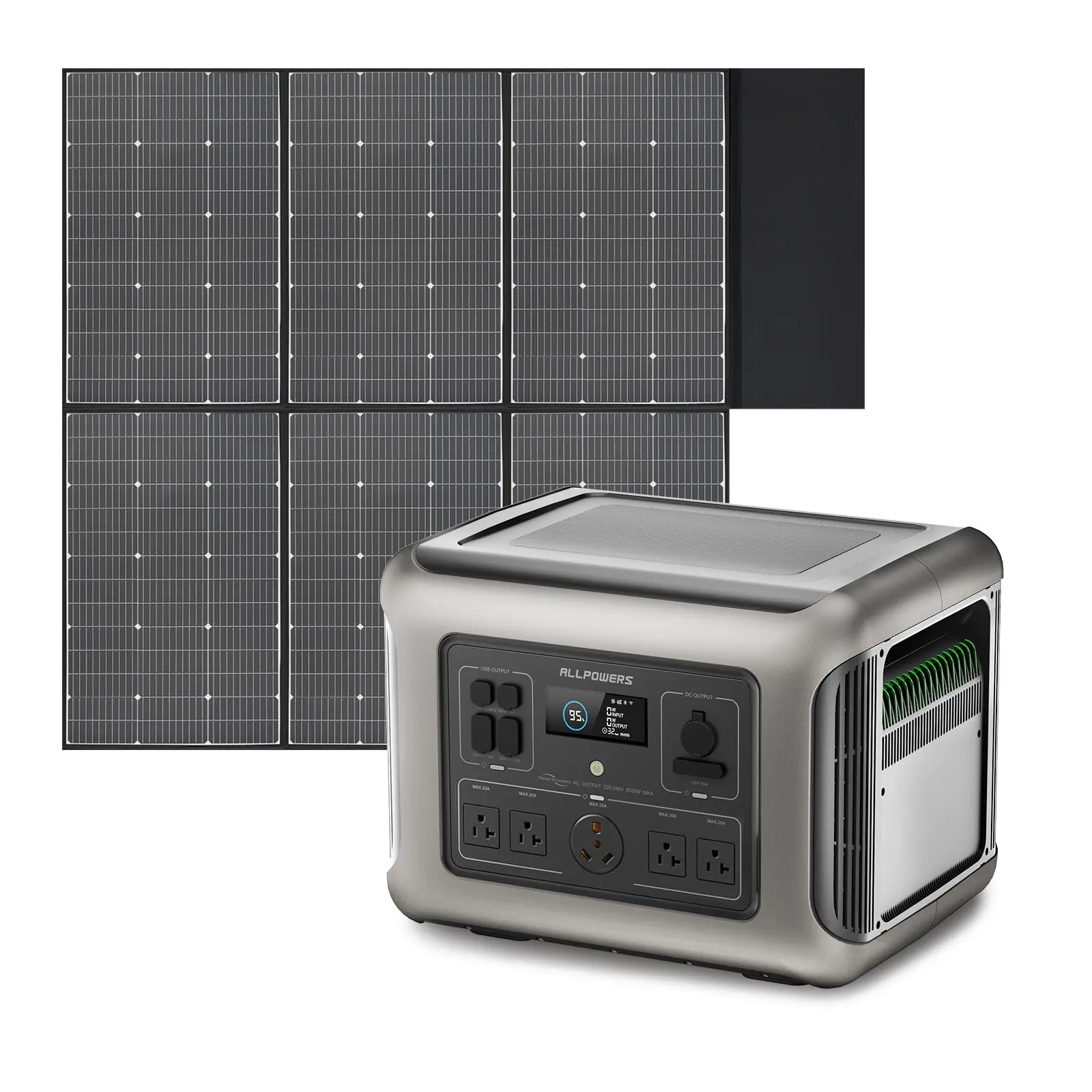
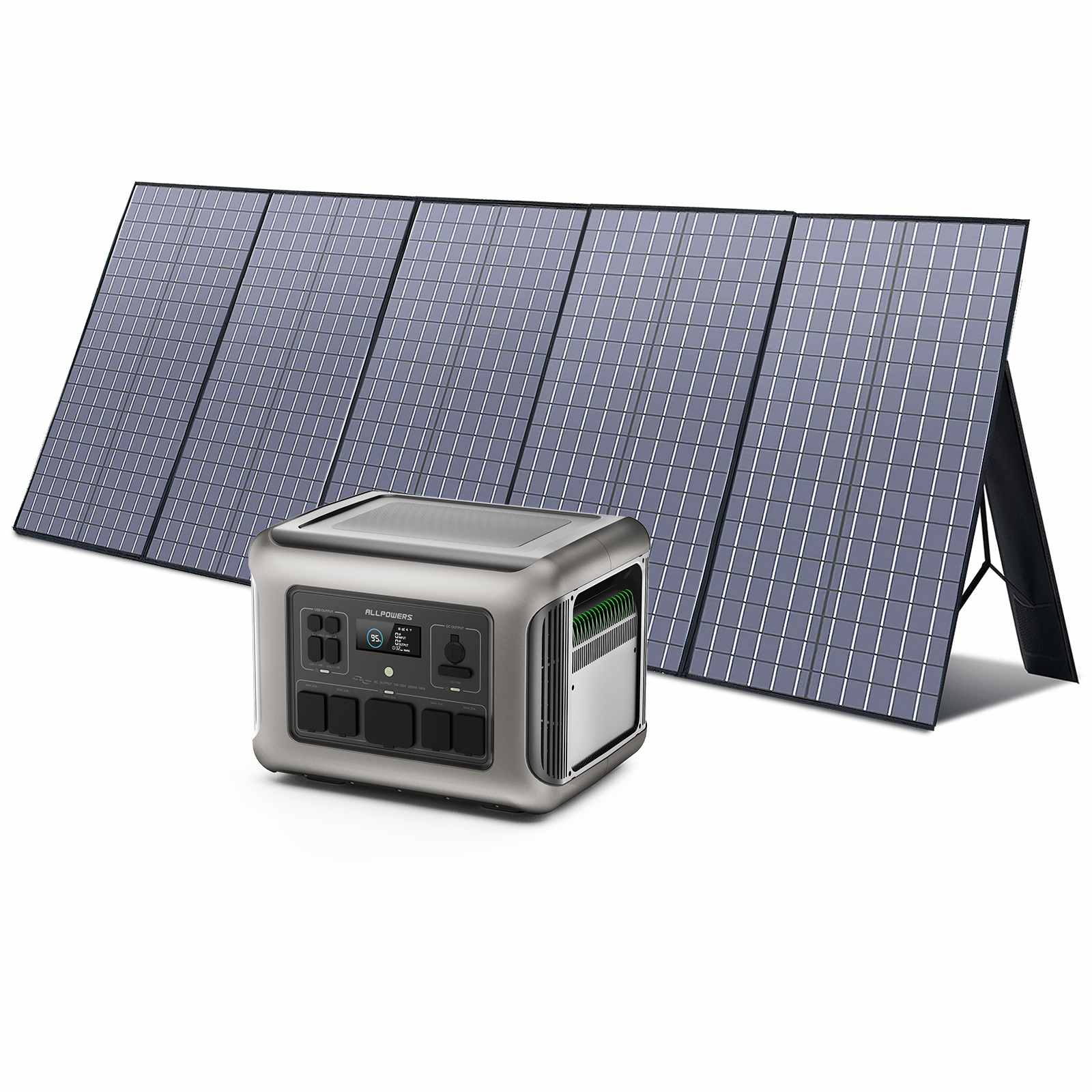
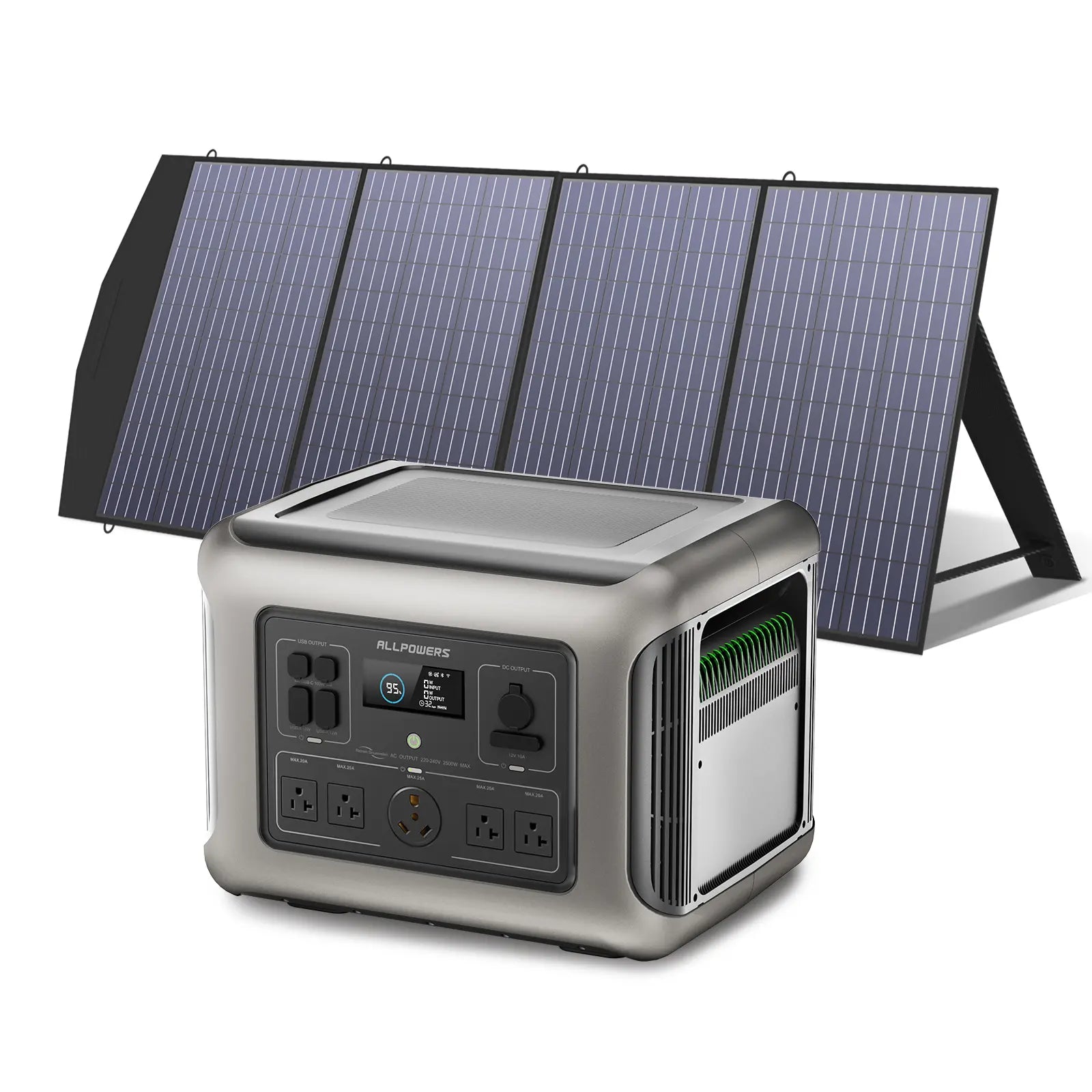
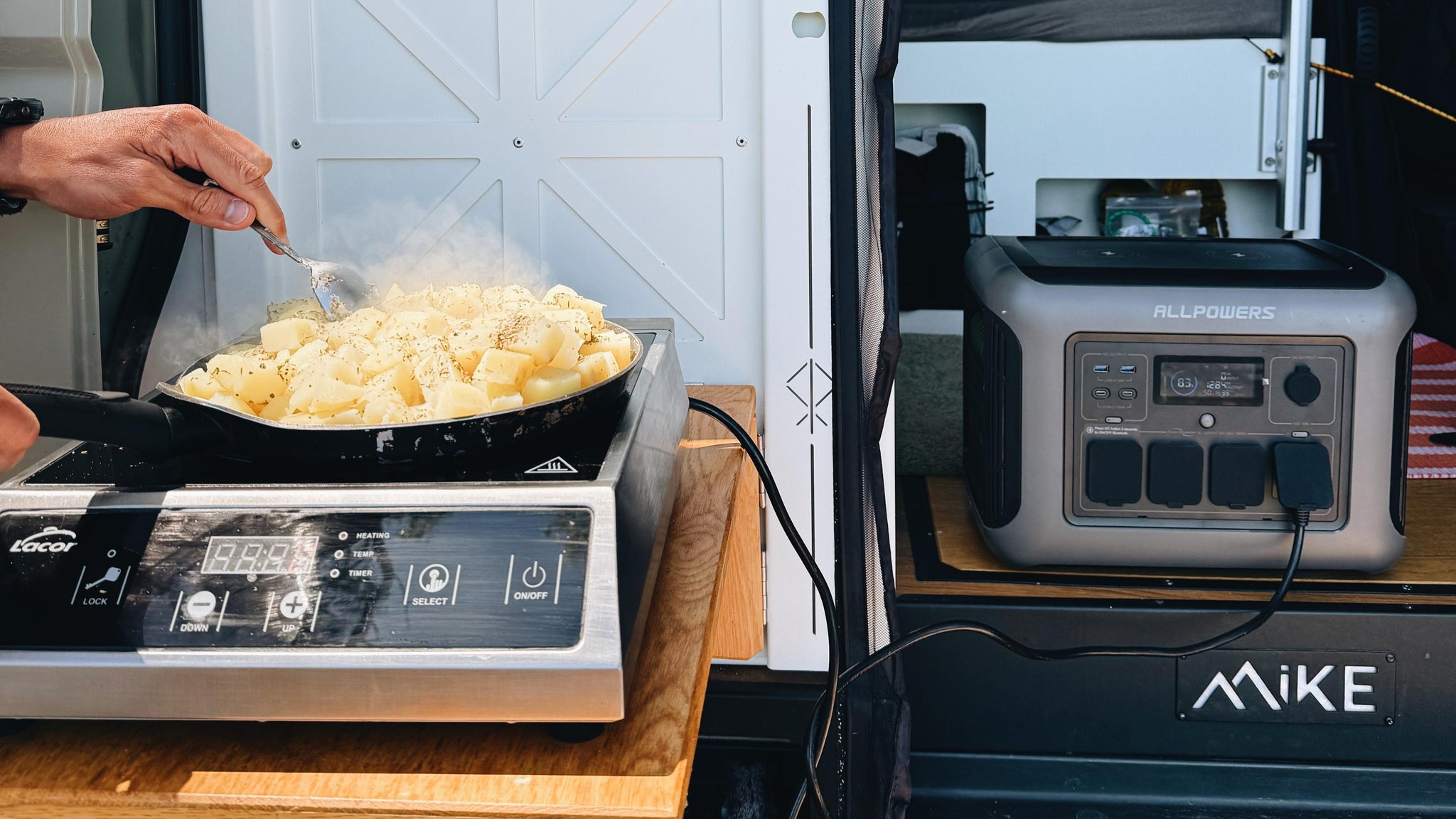
Yes, a portable power station can run a hot plate—but only if its inverter wattage exceeds the hot plate’s running wattage and its battery capacity is large enough to fuel the heating element for the time you need.
How Much Power Does a Hot Plate Use?
A hot plate is a simple device—just a heating element and a thermostat—but it’s surprisingly hungry for power.
Even the compact ones you might toss into your camping box tend to pull a heavy load the moment the element fires up.
The wattage typically sits between 900 and 1500 watts for standard single-burners, though you’ll find smaller travel-focused units around 500–700 watts.
And as you move into the realm of dual-burners or rapid-boil induction styles, the number can jump even higher.
What throws people off is that wattage isn’t static. A burner cycles power depending on the thermostat.
On high heat, it pulls its full rated wattage. On low heat, it pulses on and off, sometimes drawing only a fraction of its rated load.
So yes, your hot plate might say 1500W, but it doesn’t pull that continuously unless you’re cooking something that needs full heat for extended periods.
How Long a Portable Power Station Can Run a Hot Plate
Now that’s the real question—because even if the station can handle the wattage, battery life dictates how useful it actually is.
A simple way to estimate runtime is:
Runtime ≈ Battery capacity (Wh) ÷ Hot plate wattage
So if you have a 1500W hot plate and a 1500Wh power station, you could—at least on paper—run the burner on high for about an hour.
In reality, efficiency loss and inverter heat bring that number down a bit, but it’s still a helpful ballpark.
Lower heat settings stretch your cooking window. Something simmering might only draw 300–600W intermittently.
So a station that gives you 45 minutes on high could keep a stew warm for triple that time.
Most cooking—especially when you’re pacing yourself in a quiet cabin—leans on medium heat anyway. They seldom blast a burner on max unless they’re boiling water.
This balance of power and duration is exactly why outdoor cooks and van-lifers use portable power stations strategically.
The Difference Between Hot Plate Types and Their Power Demands
Let me explain: not all hot plates play by the same rules.
Coil-based hot plates. These classic designs heat up a visible coil. They’re simple, rugged, and affordable, but they draw high wattage and run less efficiently.
They also start slow, and their heating cycles can be abrupt. Portable power stations can run them, but they’ll need a healthy wattage rating—usually above 1000W continuous.
Ceramic or infrared hot plates. These heat more smoothly, faster, and with more consistent cycles.
Their wattage range often mirrors coil models, but their efficiency feels noticeably better during longer cooking sessions.
Induction hot plates. Induction units heat the cookware, not the burner, so they're far more energy-efficient and sometimes quieter.
But they also spike power during rapid heating and often require pots with magnetic bottoms.
Their wattage can swing from 800W to 1800W depending on the setting.
How to Choose the Right Portable Power Station for Hot Plate Cooking
People often assume they need the largest, heaviest power station on the market to run cooking gear. That’s not always true.
What you really need is an understanding of wattage and your own cooking habits.
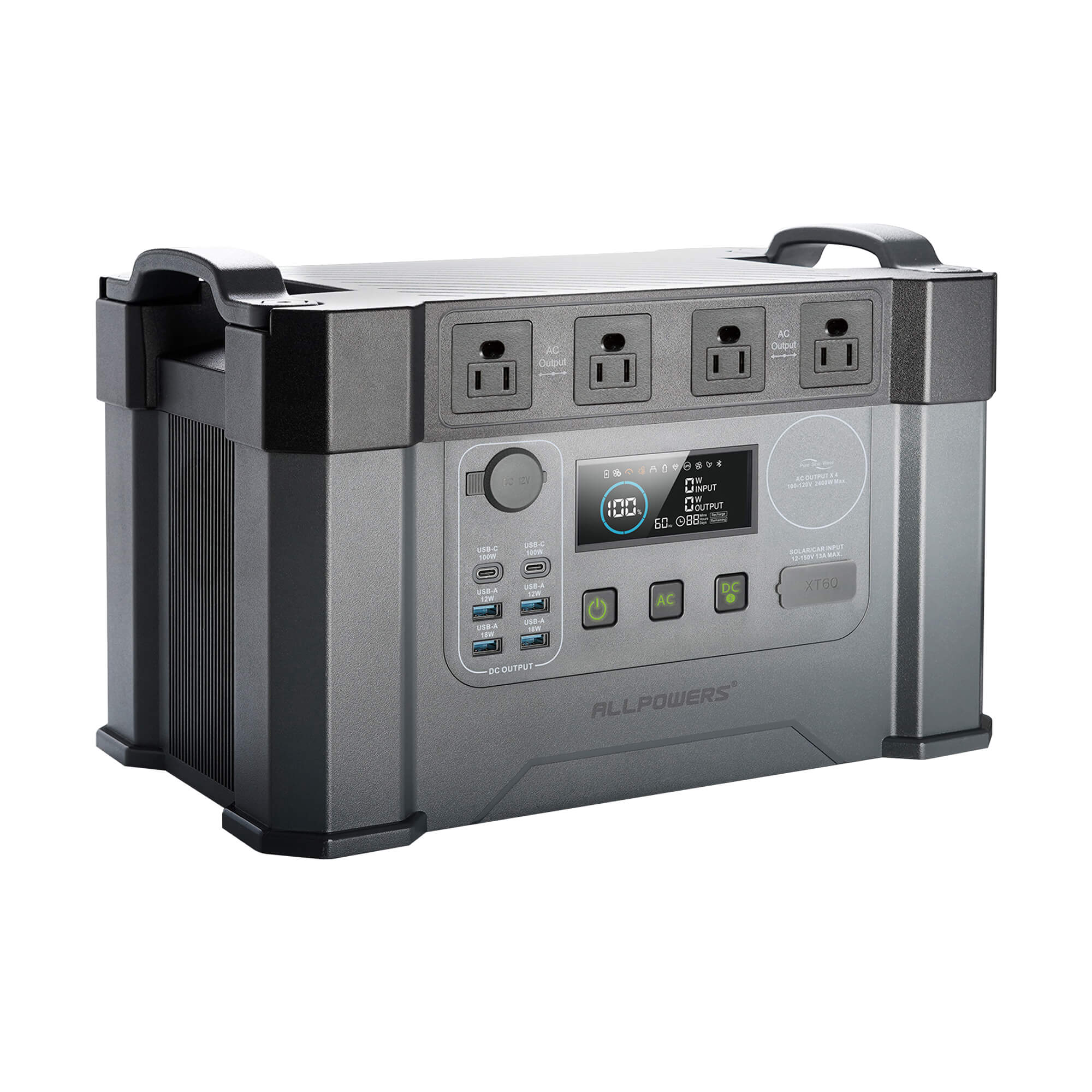
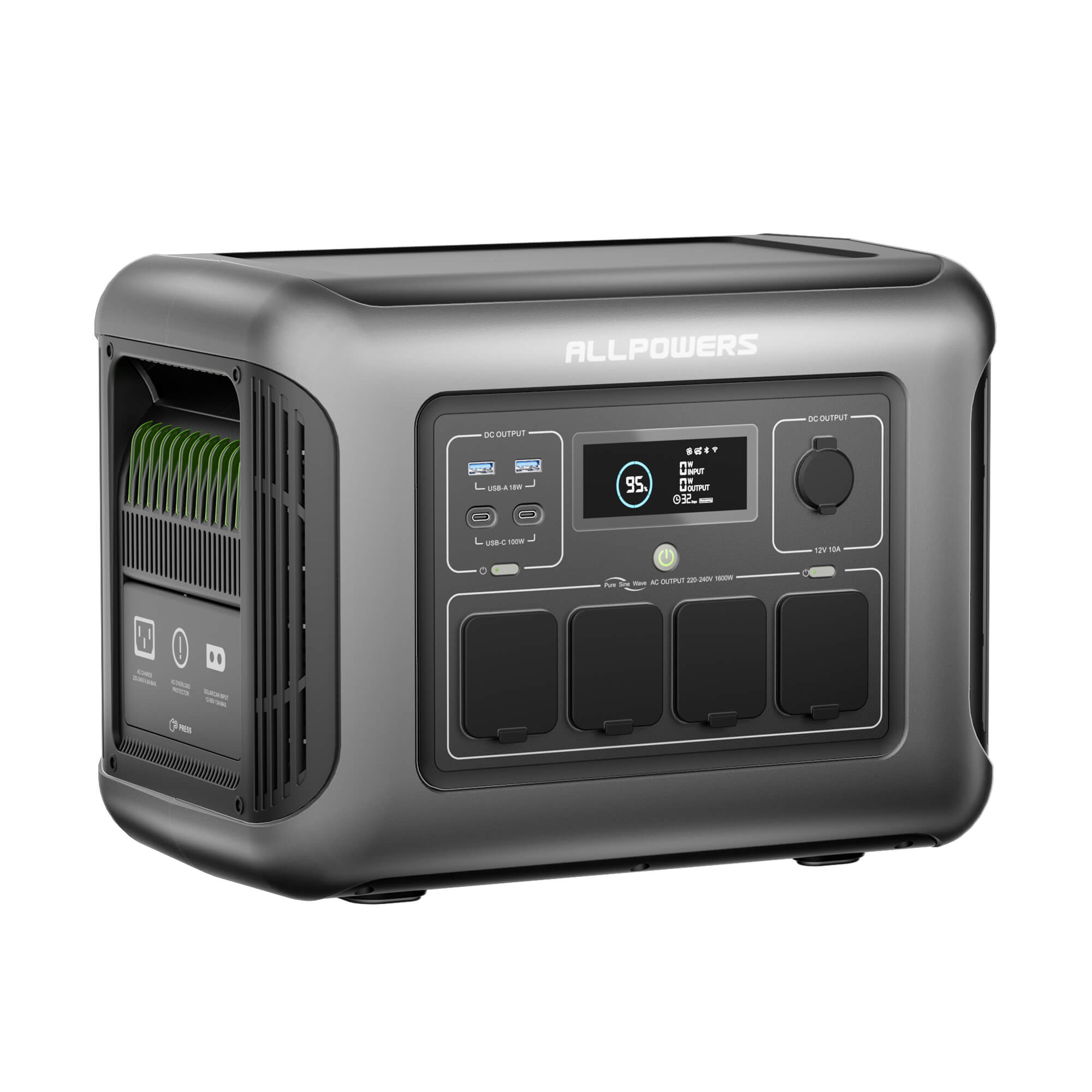
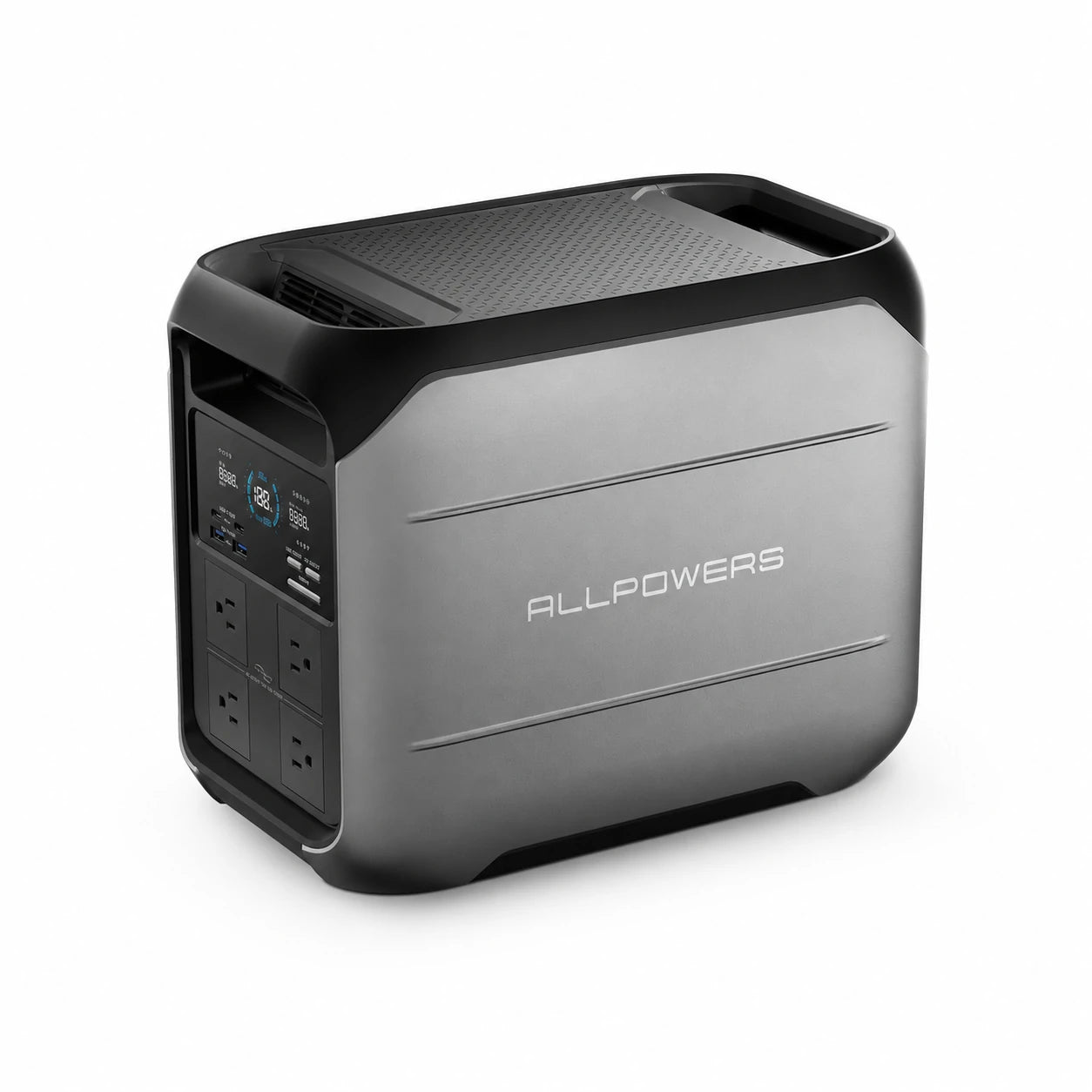
People who cook full meals outdoors often migrate toward units in the 1000W–2000W range with generous capacity.
Those who only boil water occasionally might do fine with something smaller.
That said, high-wattage power stations give you more breathing room.
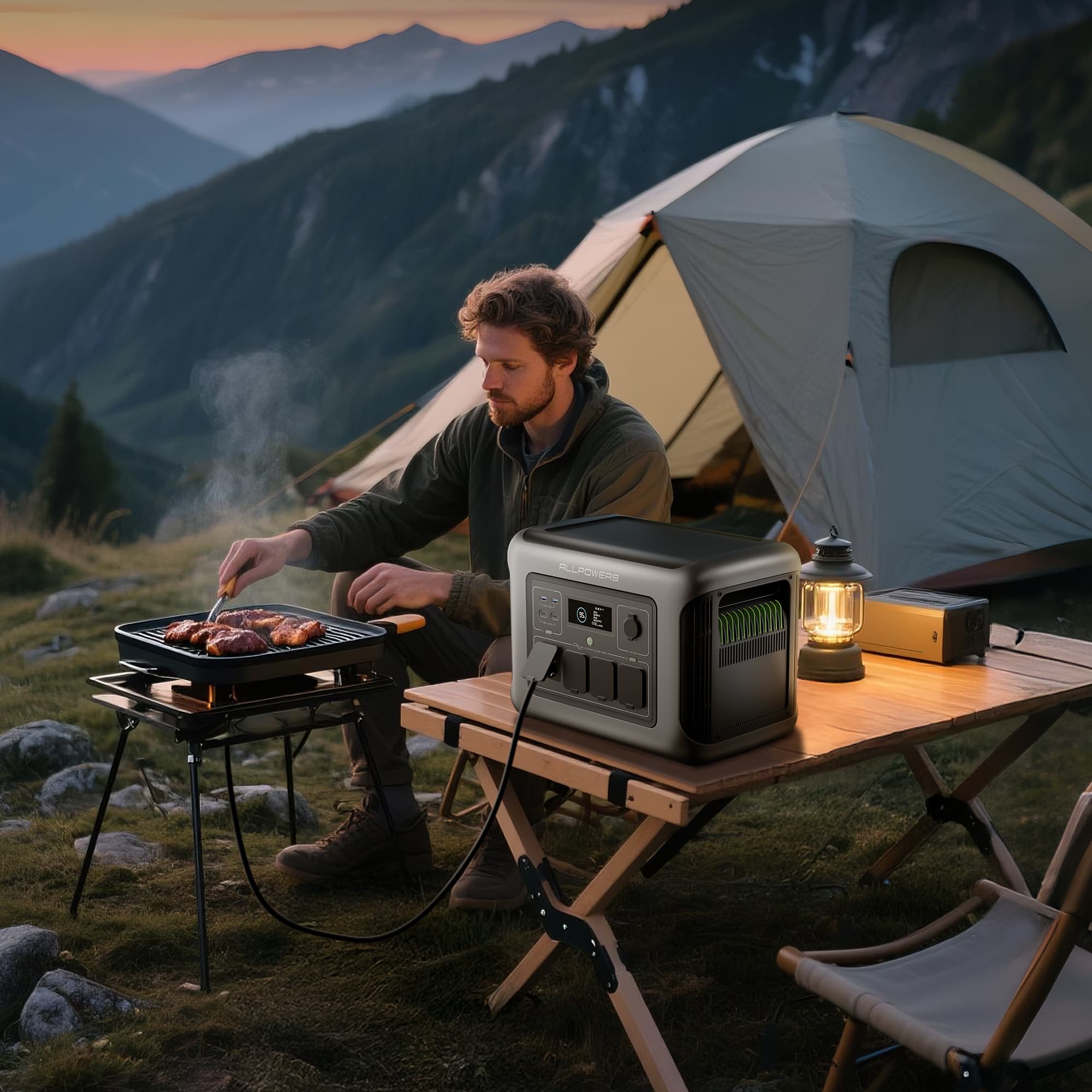
They’re not just for hot plates either; they also support kettles, portable induction cookers, or even small grills.
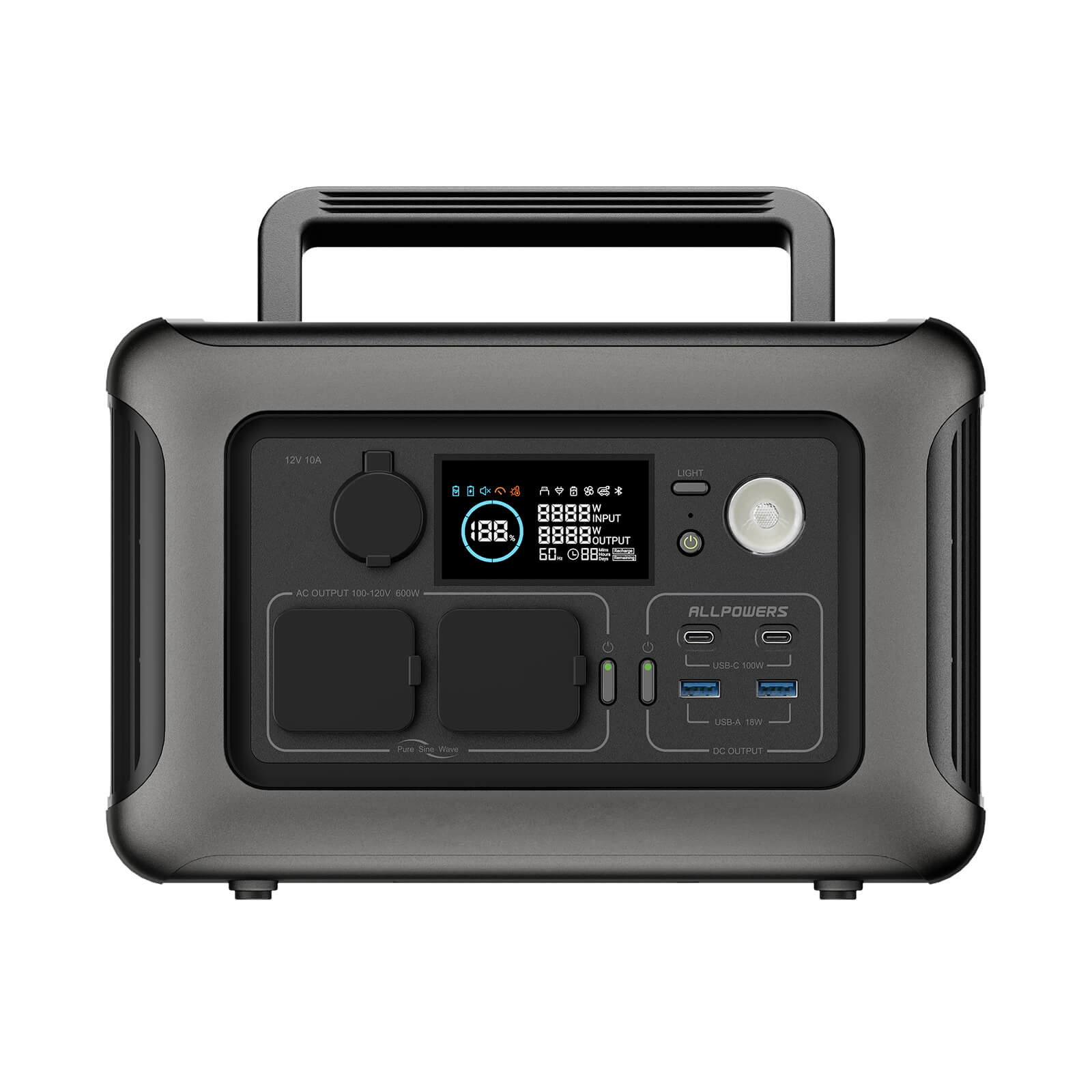
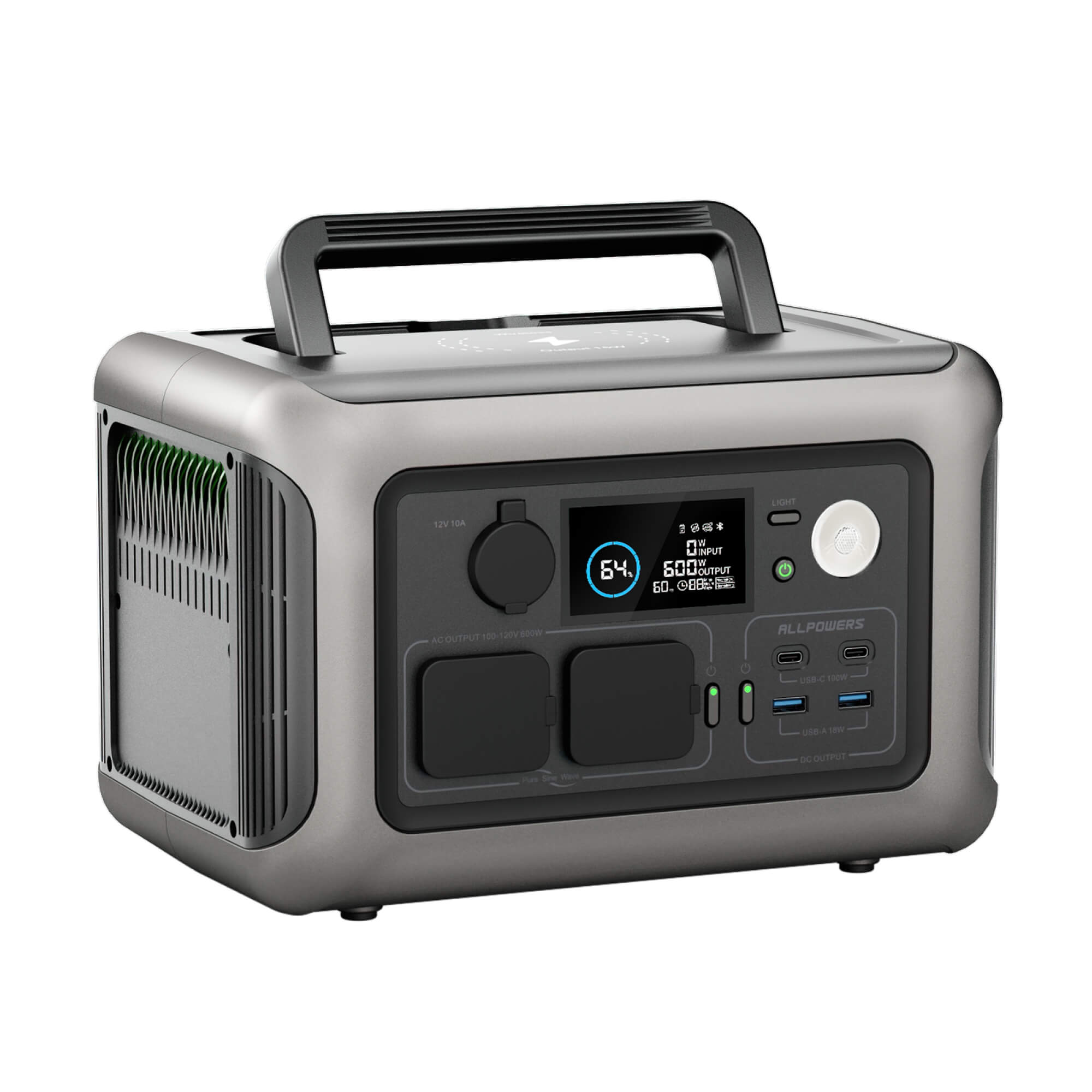
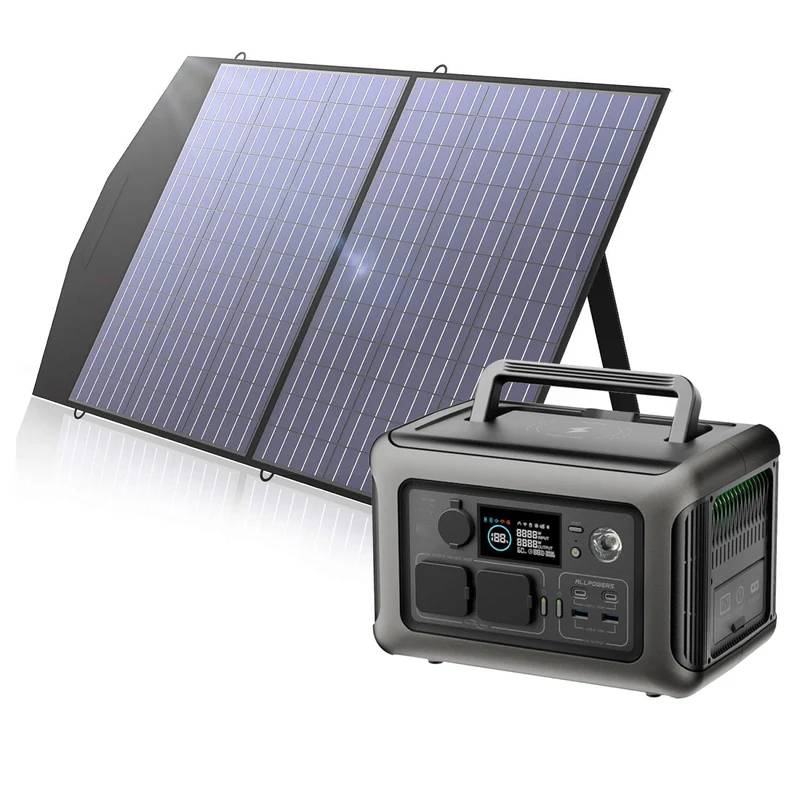
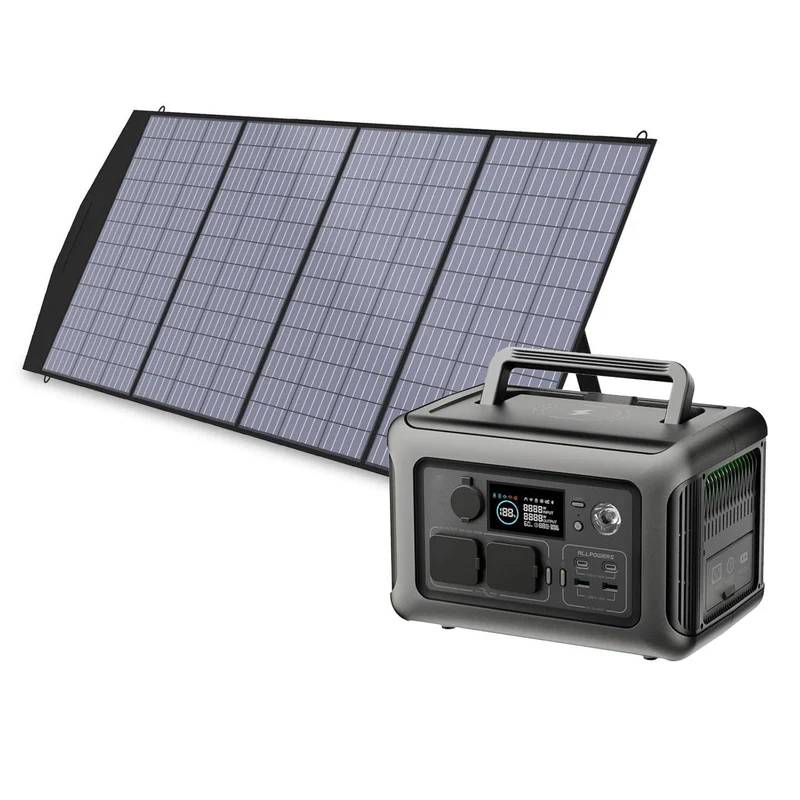
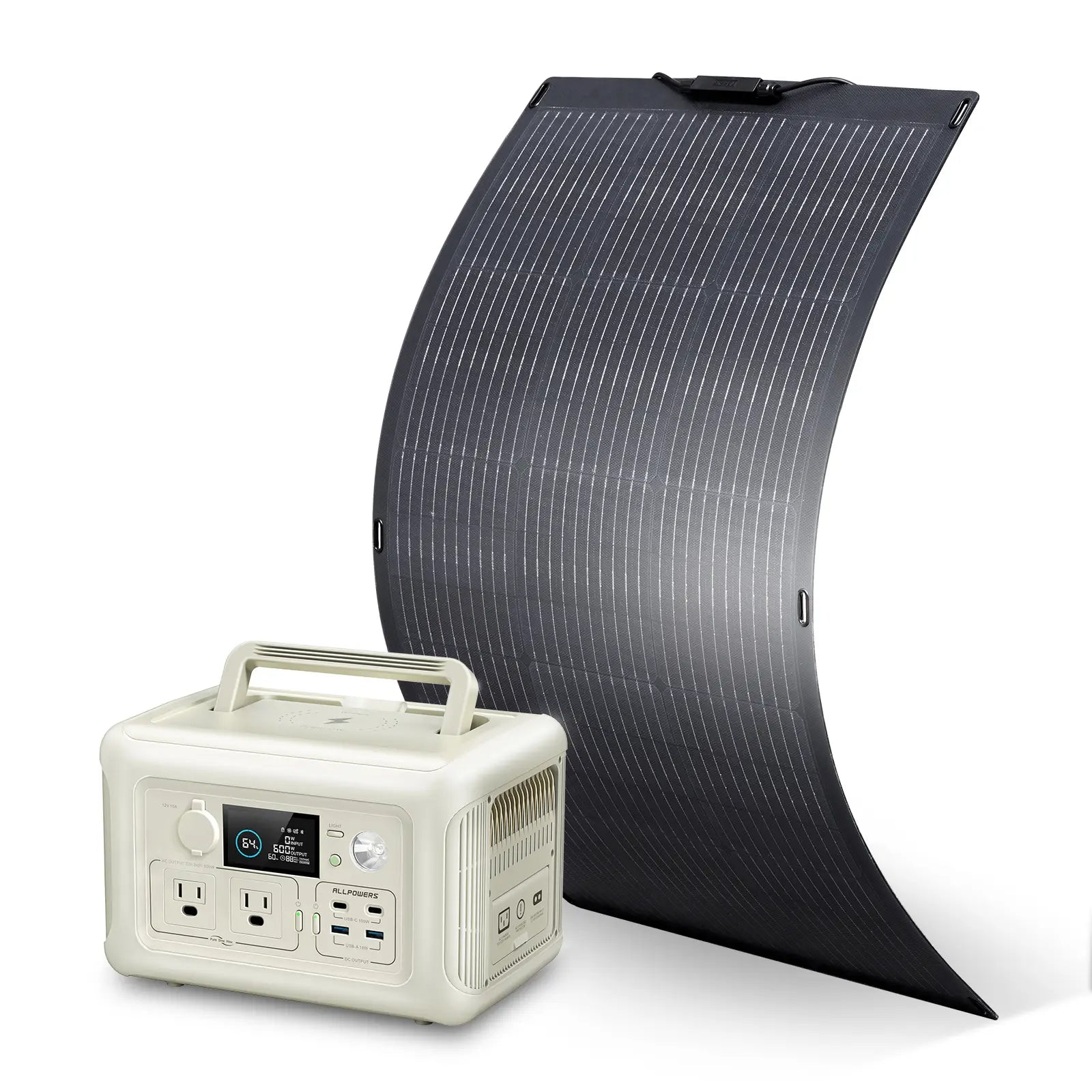
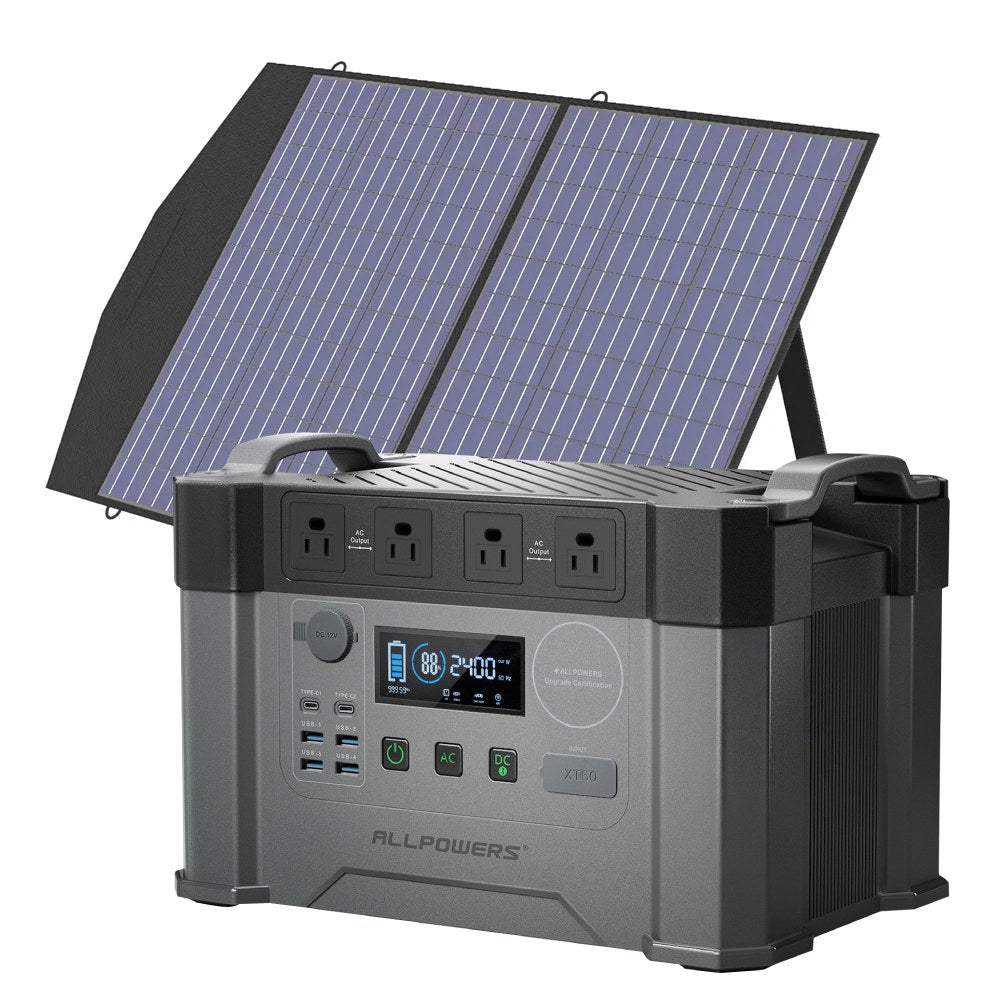
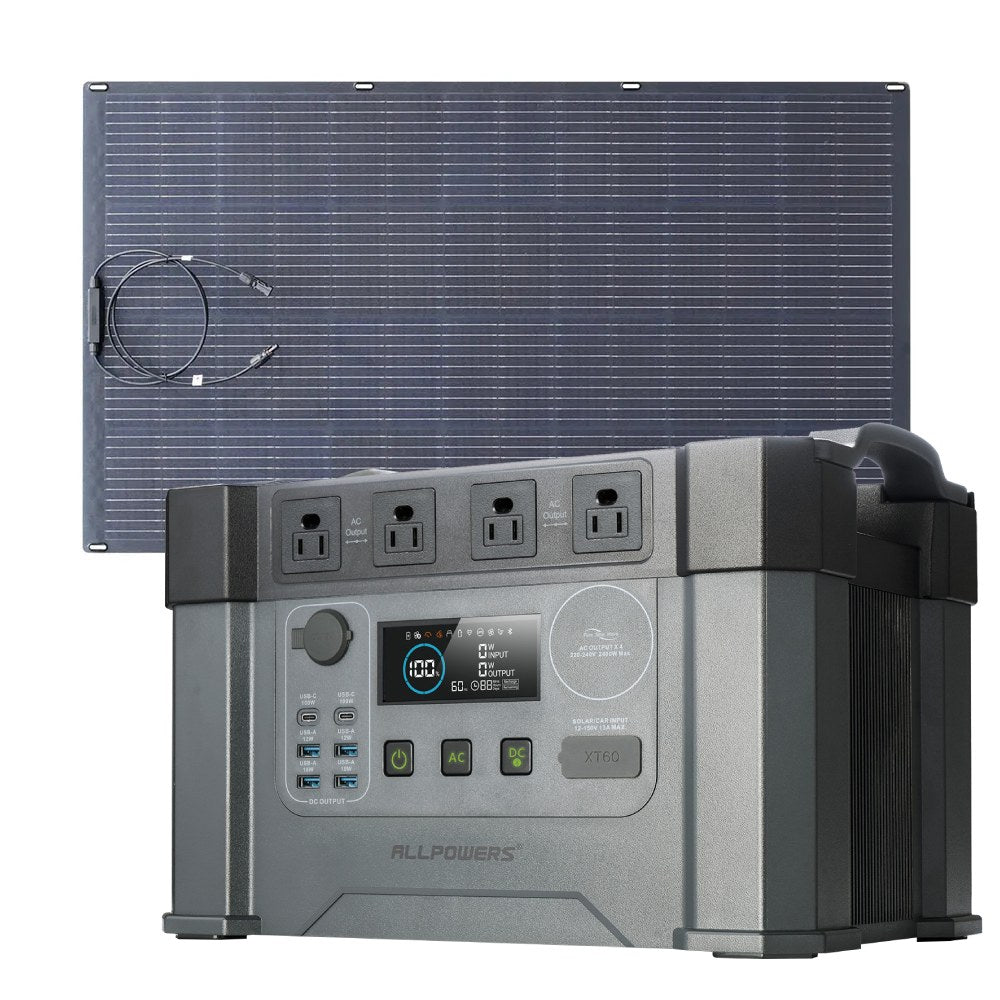
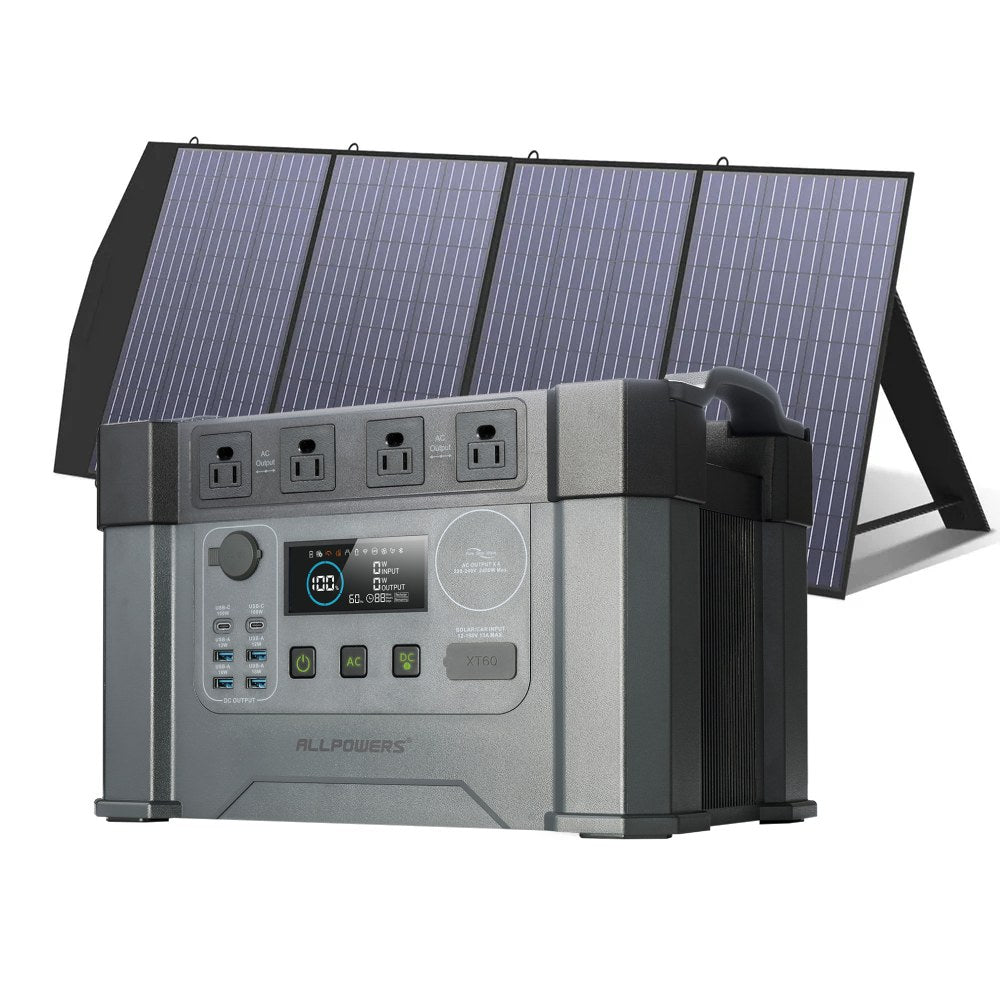
ALLPOWERS R600 Portable Power Station
$199.00 $269.00
- 299Wh Capacity;
- 600W AC Output (1,200W Surge);
- Fast Charge 100% in 1 Hours;
- Start UPS in 10 ms;
- Long-Lasting And Safe Lifepo4 Battery;
Tips for Running a Hot Plate on Portable Power
Ventilation matters. Even from a simple hot plate, cooking indoors releases steam, smoke, and smells.
Your cookware affects efficiency. Thin pans lose heat quickly, while cast iron keeps it steady. A heavier pan uses more energy upfront but conserves it better over time.
Wind affects everything. A gusty afternoon steals heat right off your pan. That’s energy your power station must replace.
Also, using a lid on your pot reduces cooking time and energy draw.
Pre-chopping ingredients or partially cooking meals at home before finishing them outdoors can also save precious watt-hours.
These aren’t dealbreakers—but knowing them helps.
Conclusion
So yes, a portable power station can run a hot plate, as long as the inverter wattage and the battery size align with the hot plate’s demands.
And once you get that match right, you might be surprised by how natural it feels to cook electrically in wild or off-grid spaces.