

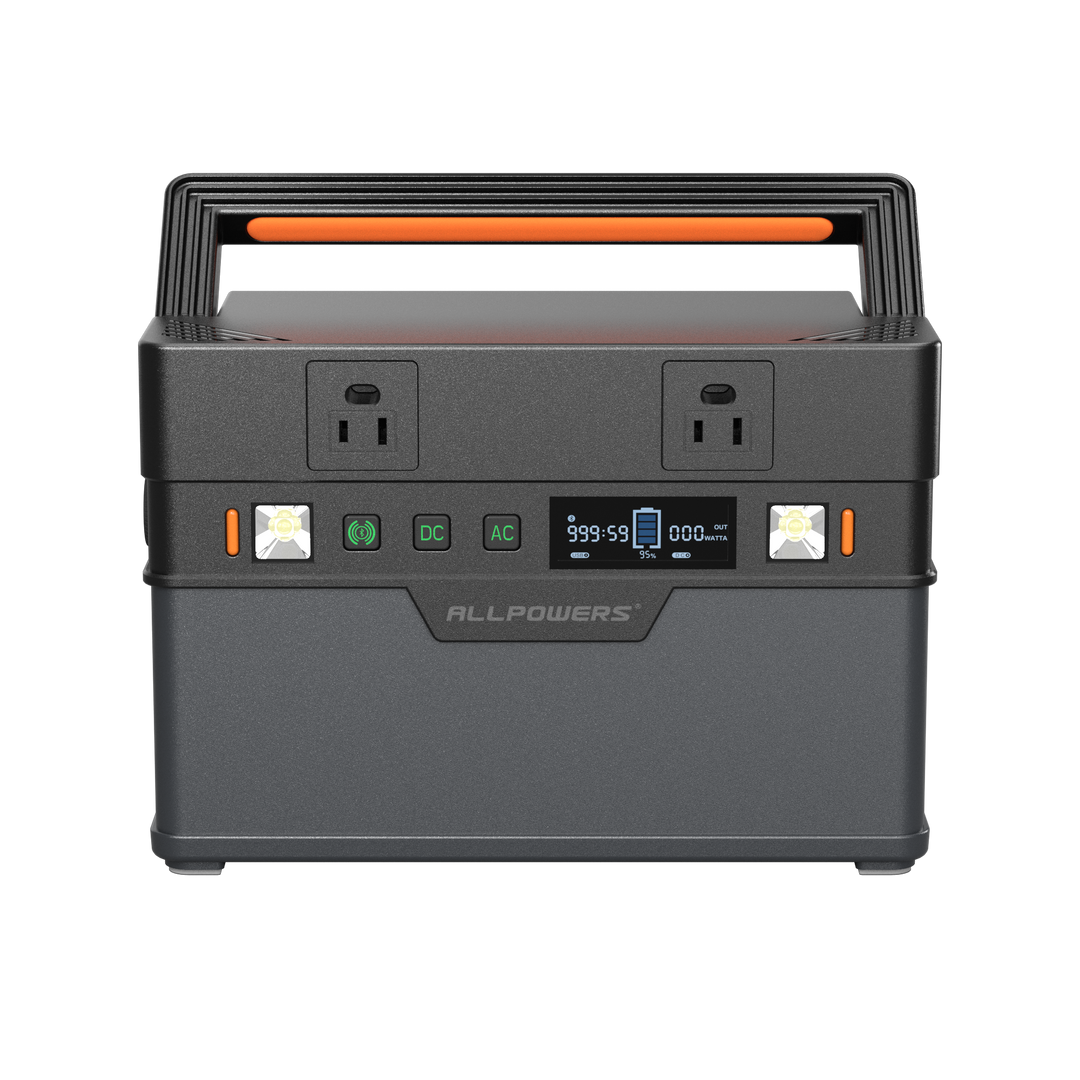

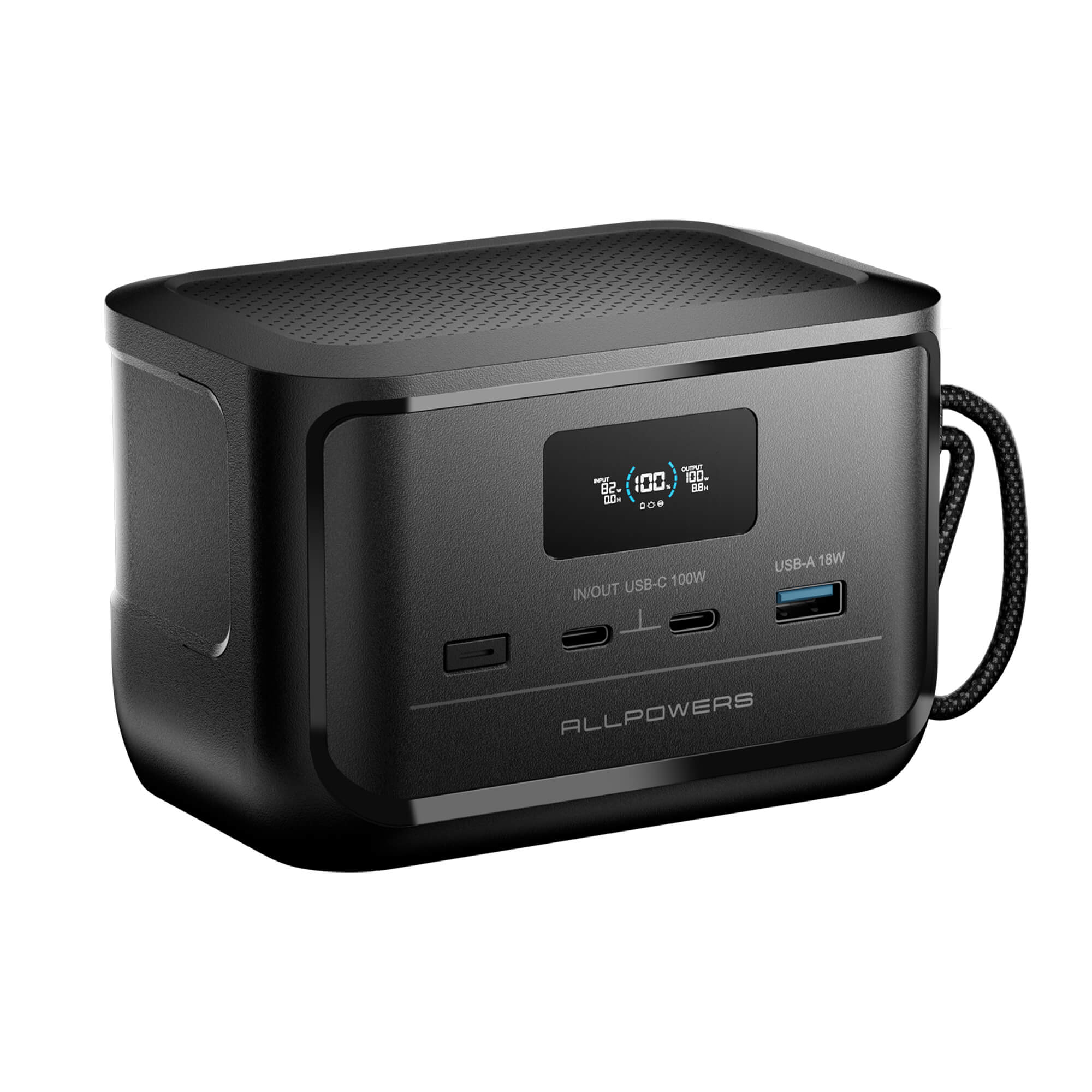

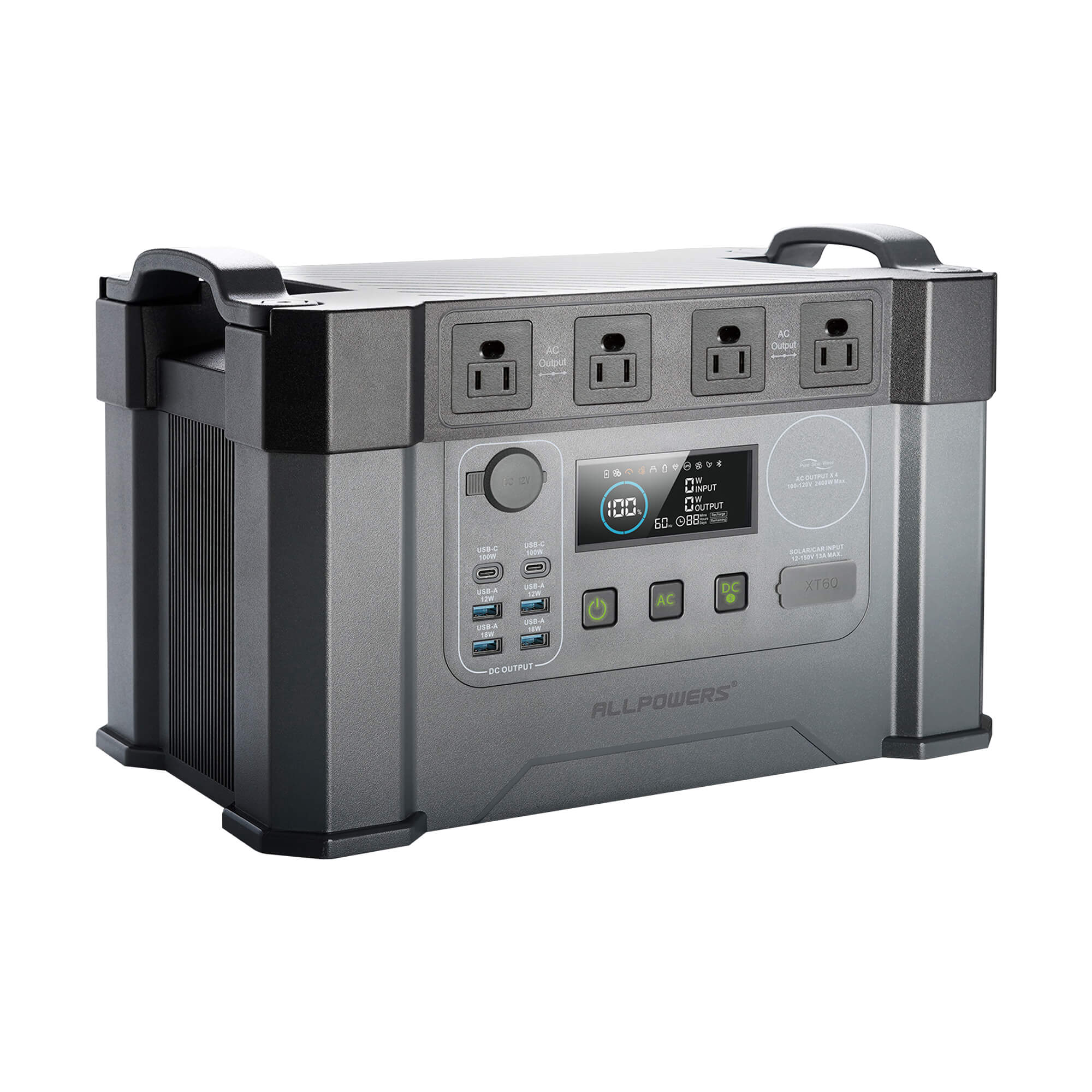
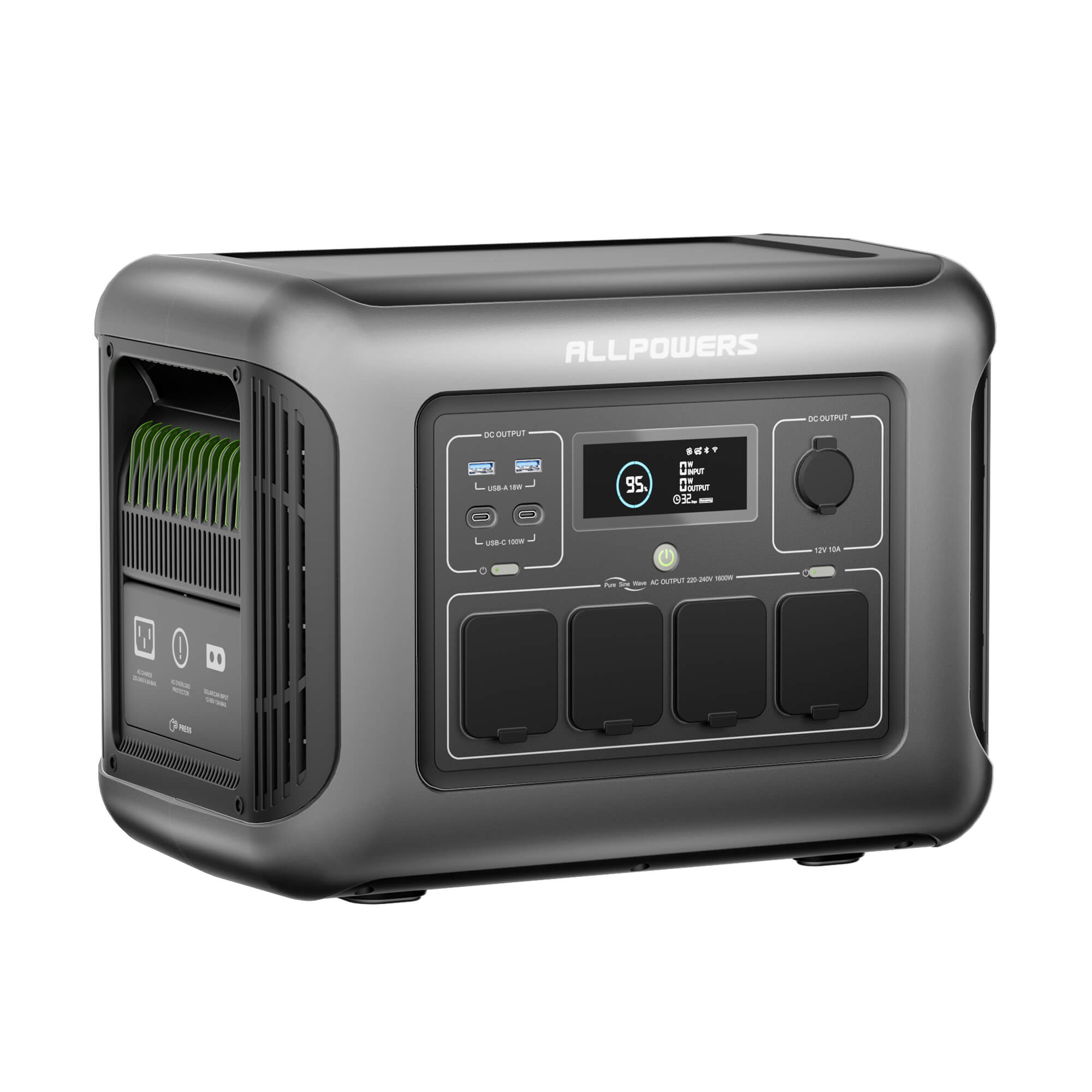






A decade ago, nobody was asking this question. Air fryers didn’t exist in most homes, let alone in RVs or off-grid cabins.
Now they’re everywhere. The reason is simple. An air fryer promises hot, crispy food without the mess or patience of a full oven.
Push a button, wait ten minutes, eat something comforting. But that convenience comes with a cost—electricity.
In a normal kitchen, plugged into the wall, nobody thinks twice. The grid absorbs the demand without complaint.
Things feel different once you’re off-grid, though. Is it feasible to rely solely on a portable power station to run an air fryer?
TL;DR: Yes, a portable power station can run an air fryer, but only if the station has enough output power and battery capacity to handle the air fryer’s high energy demand, even if only for a short cooking session.
How Much Power an Air Fryer Actually Needs
Air fryers look harmless. Countertop-sized. Lightweight.
But inside that compact shell is essentially a small convection oven paired with a powerful heating element and a fast-spinning fan.
When you press start, it doesn’t gently ramp up. It pulls power fast and hard, much like a hair dryer or electric kettle.
Most air fryers fall somewhere between 1200 and 1800 watts while running. Some compact models stay closer to 1000 watts, while larger family-size units creep past 1700.
Here’s the subtle part many people miss: air fryers don’t draw power evenly. When you first turn one on, it often spikes.
The heating element fires hard to get up to temperature, then cycles on and off to maintain heat.
If the inverter inside the power station can’t handle that moment, everything shuts off.
How Do You Make Sure the Portable Power Station is Up to the Job?
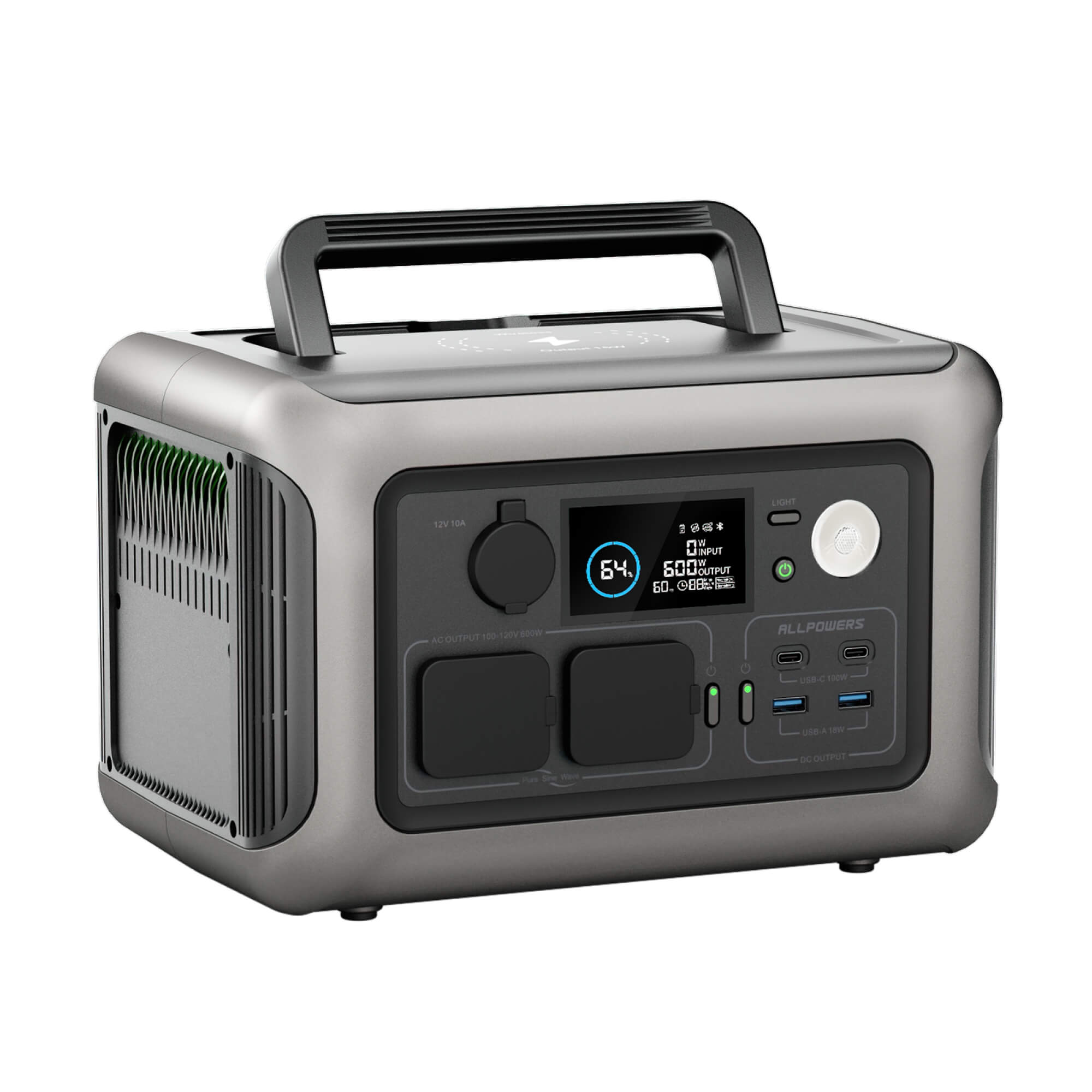
Output power is the first checkpoint. If your air fryer needs 1,500 watts, the power station must supply at least that much continuous AC output.
And honestly, a little headroom helps. A 1,800-watt inverter paired with a 1,500-watt air fryer is more comfortable than running things right at the edge.
Surge wattage matters too. Air fryers can draw extra power when the heating element first kicks in. That surge might last only a second or two, but it’s enough to trip weaker systems.
You know what? That inverter matters. Air fryers are sensitive to power quality because of their digital controls and thermostats. They prefer a clean, stable sine wave.
Modified wave inverters can technically power heating elements, but electronics don’t always play nice with them.
A pure sine wave inverter keeps the air fryer calm. No buzzing. No random shutdowns. No mysterious error codes.
How Long Can a Portable Power Station Run an Air Fryer?
Let’s say your power station can handle the wattage. Great. Now comes the runtime reality check.
A 1,000Wh station theoretically runs a 1,000W appliance for one hour. In reality, inefficiencies eat into that—about 10 to 15 percent is lost through inversion and heat.
So if your air fryer averages 1,400W during cooking, a 1,000Wh station gives you roughly 35 to 40 minutes of total runtime. That doesn't sound very encouraging, but context helps.
Air fryers don’t draw full power the entire time. Once they hit temperature, they cycle. Heat on, heat off. So sometimes you’ll squeeze out more runtime than expected.
Still, Air fryers are usually short-session appliances. Most air fryer sessions last 10 to 20 minutes. Even a mid-sized power station can handle that, sometimes more than once.
How to Match a Power Station to Your Air Fryer
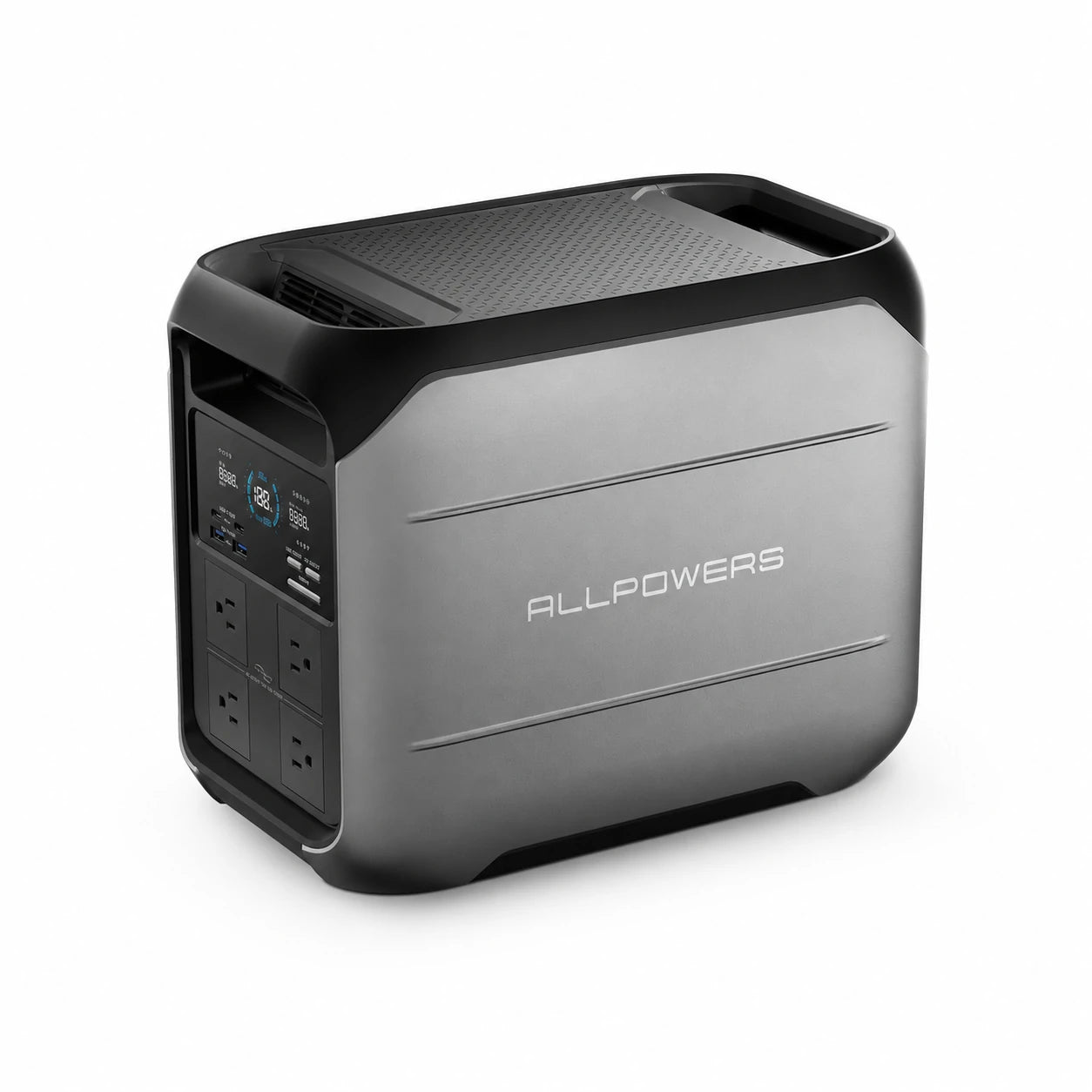
Here’s the thing: not all portable power stations are created equal. Some are small, suitcase-sized units perfect for charging phones and laptops, but laughably underpowered for kitchen gadgets.
Others, more like mini generators, can handle hefty appliances but weigh a ton. So, you need to check the specifications carefully.
Continuous output matters more than peak because your air fryer doesn’t just start and stop—it demands steady energy throughout the cooking cycle.
A handy trick is to look at the fryer's power rating and multiply by 1.2 to 1.5 for safety. This buffer accommodates the initial surge and prevents the station from tripping.
How to Extend Air Fryer Sessions on a Portable Power Station.
A few practical tricks can extend your air fryer sessions on a portable station.
Preheating is key—get the fryer hot before inserting food, so you’re not wasting energy during ramp-up.
Batch wisely; multiple small batches often use less total energy than one giant session, thanks to heat retention.
And remember, not every meal requires full power. Lightly sautéed veggies or reheated leftovers draw far less juice than a full roast.
Also, consider integrating other low-wattage tools alongside your fryer.
A small blender for smoothies, a hot water kettle, or even a laptop for entertainment can all run if you plan your energy budget carefully.
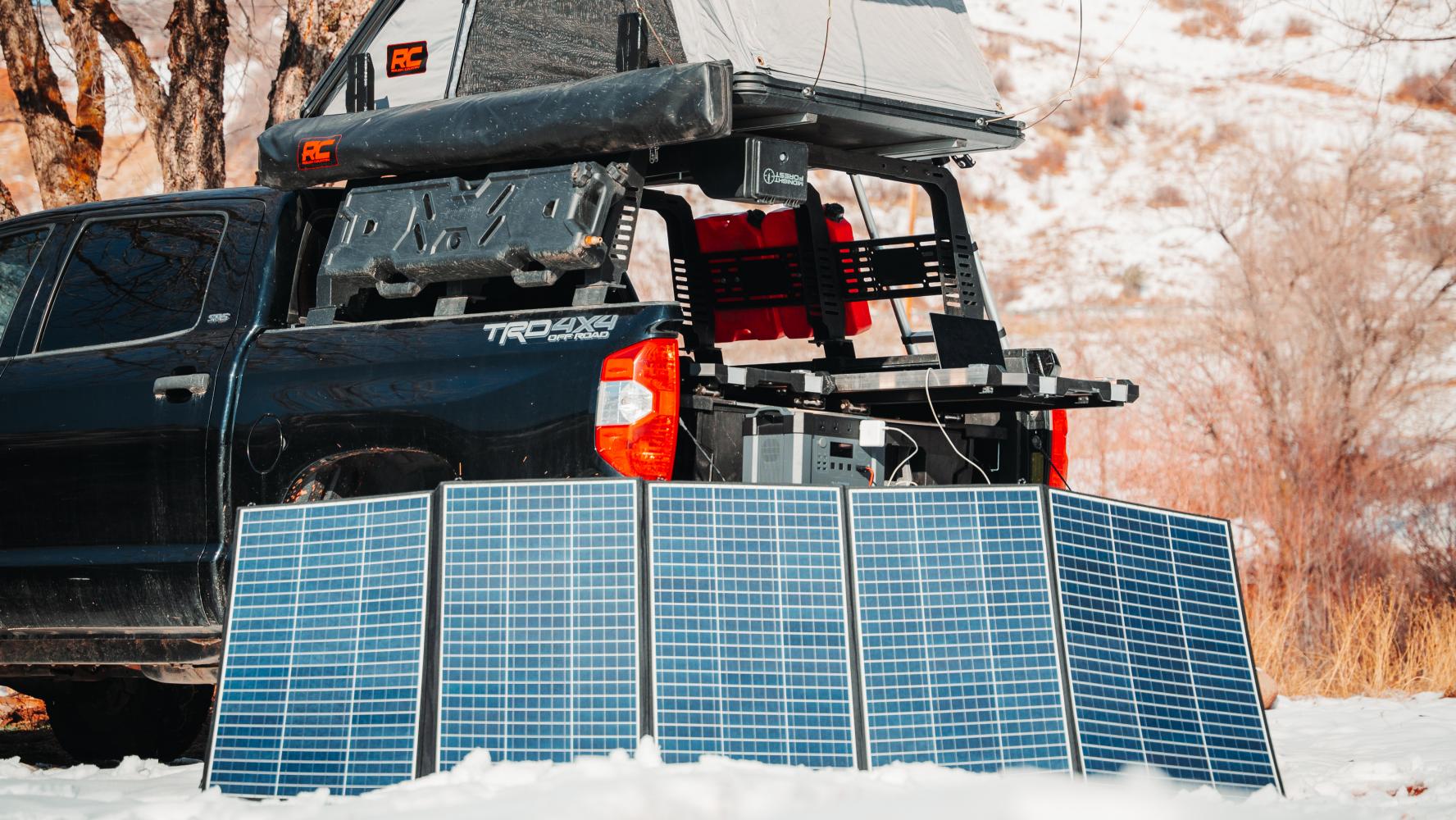
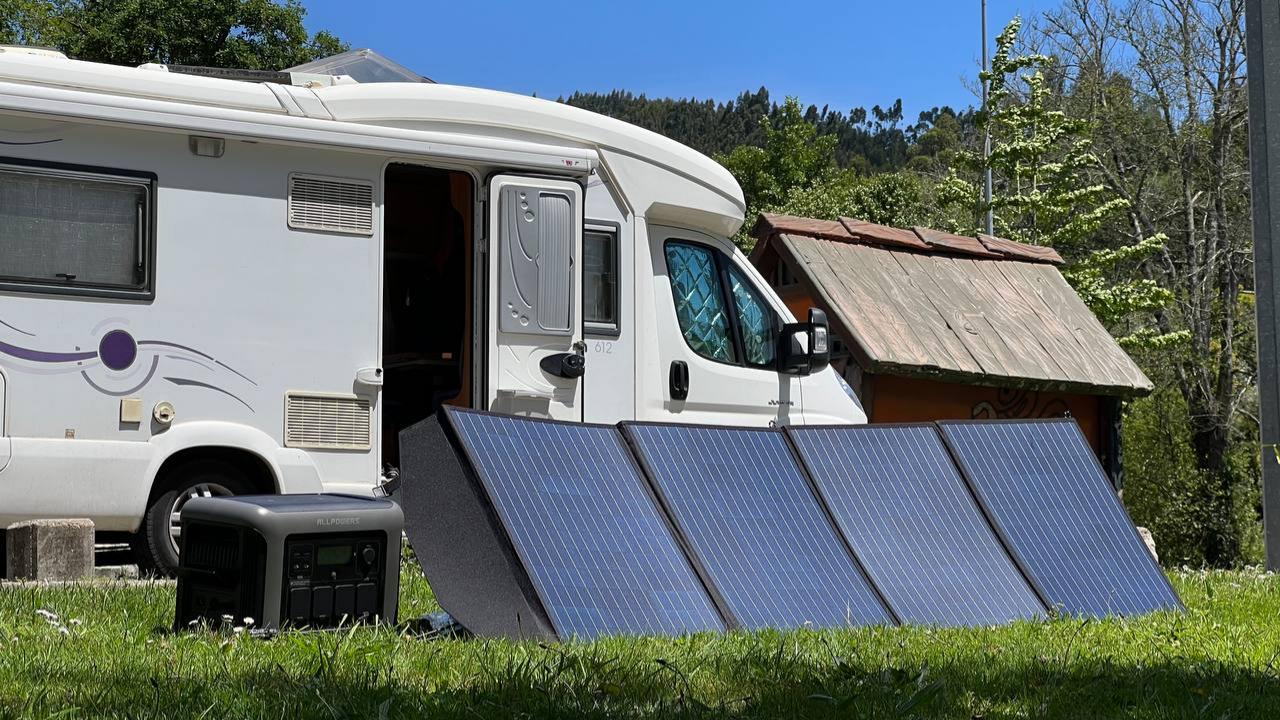
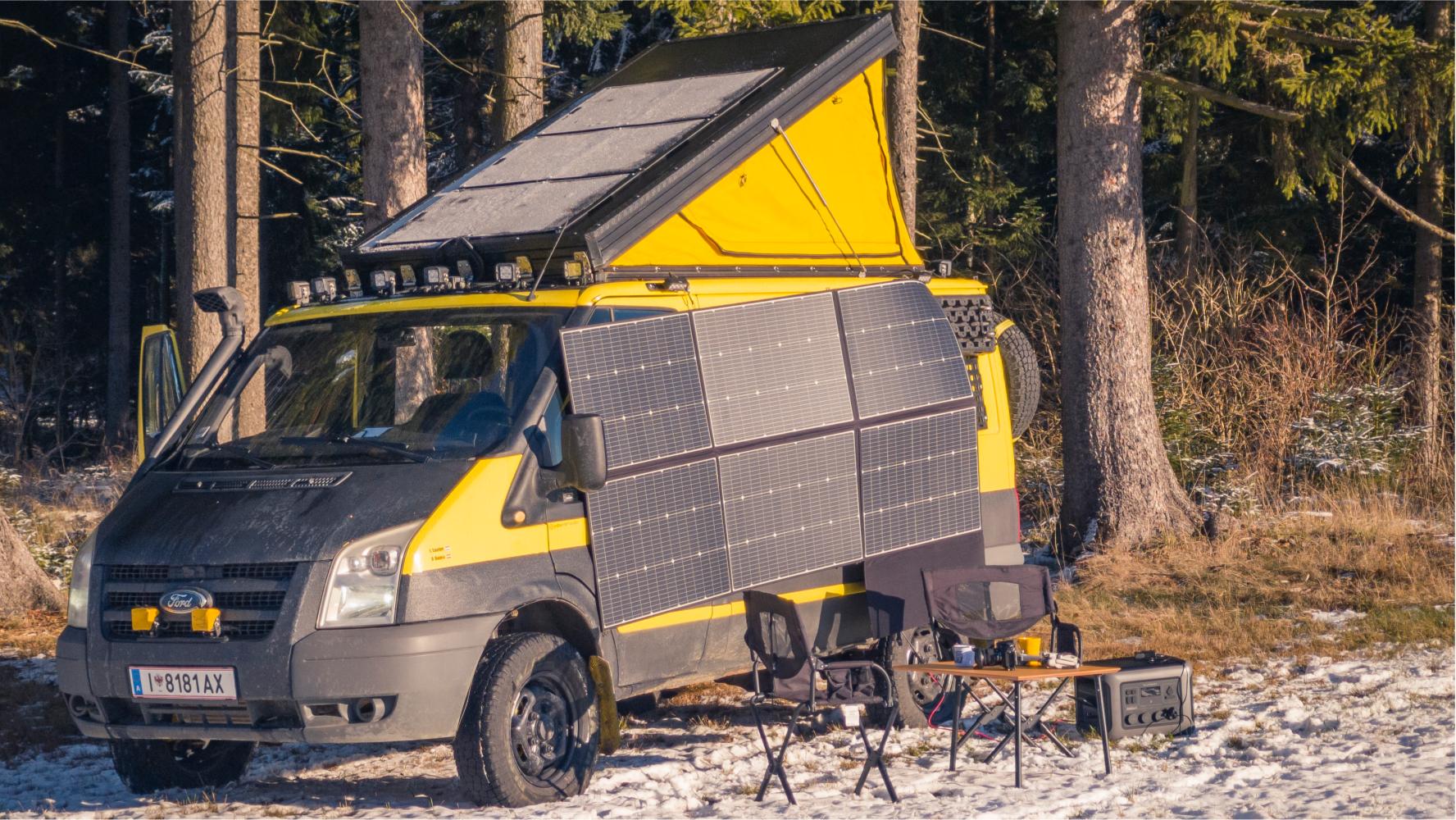
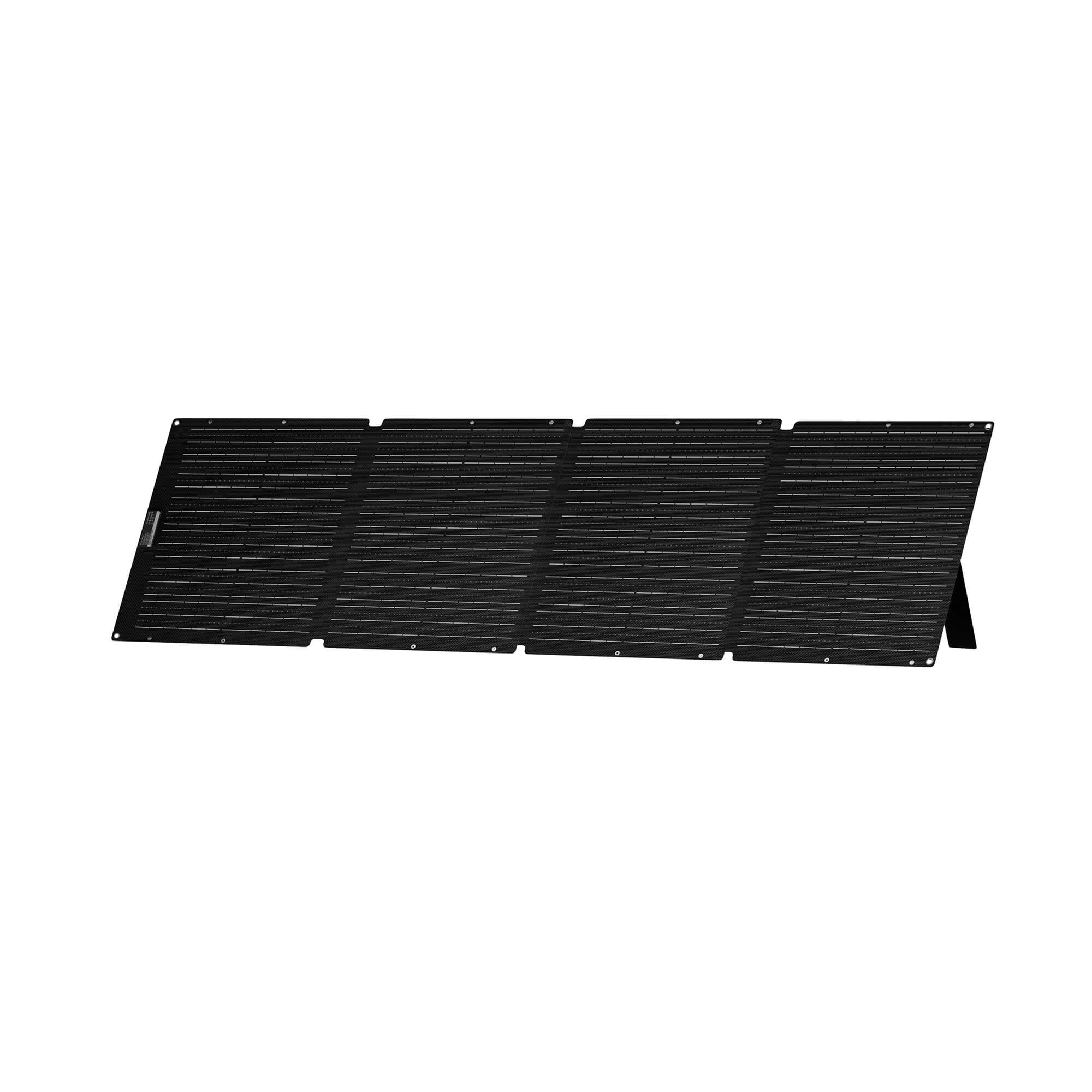
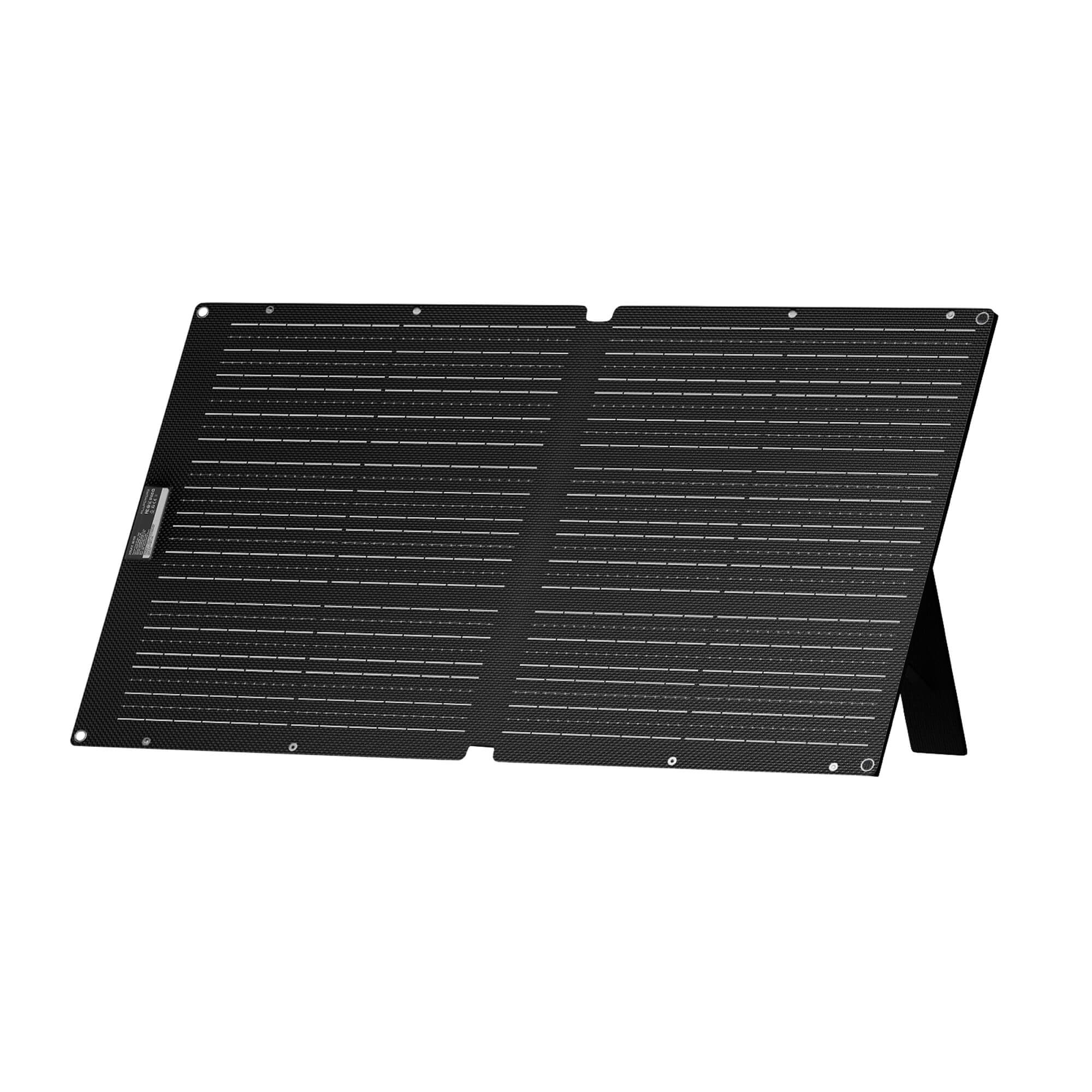
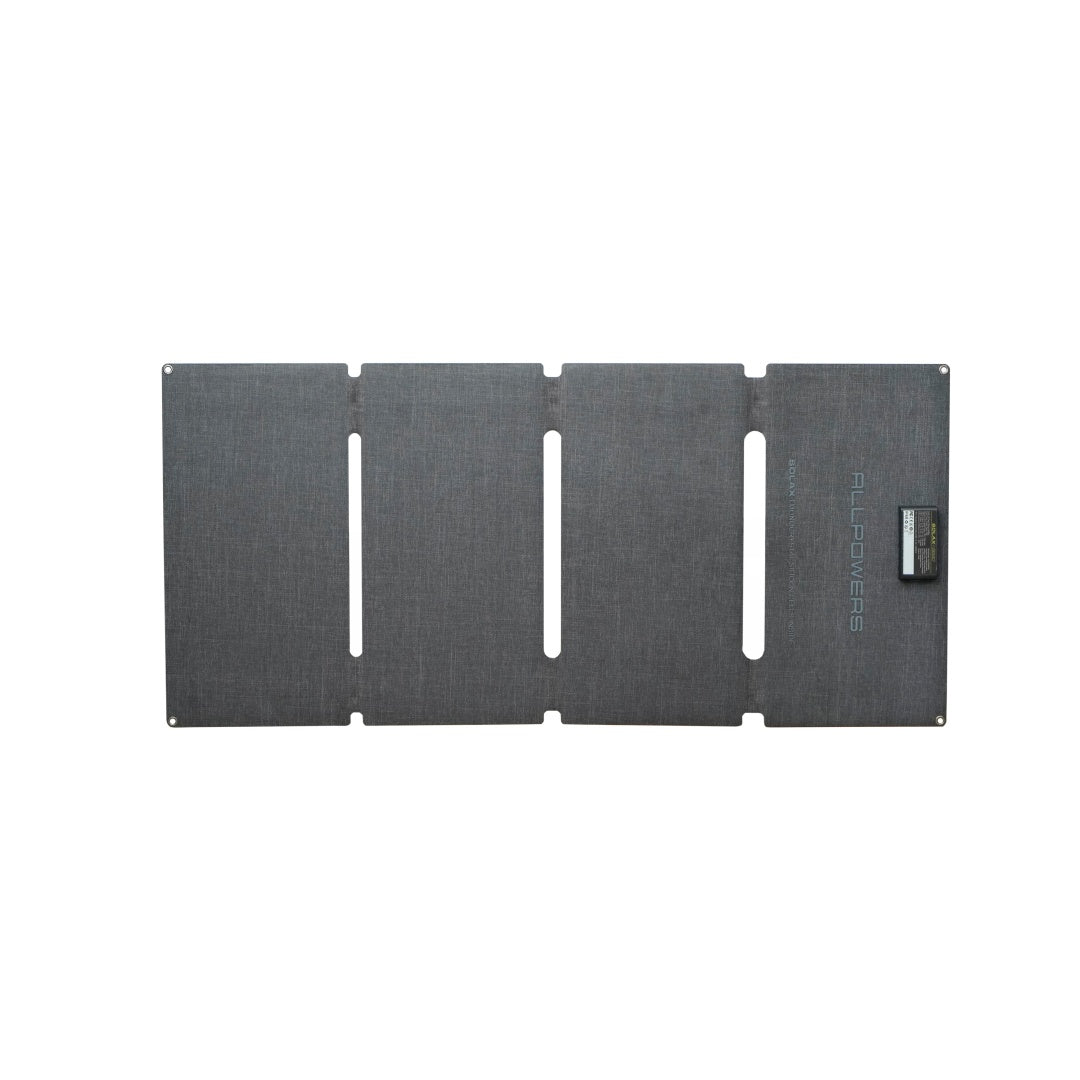
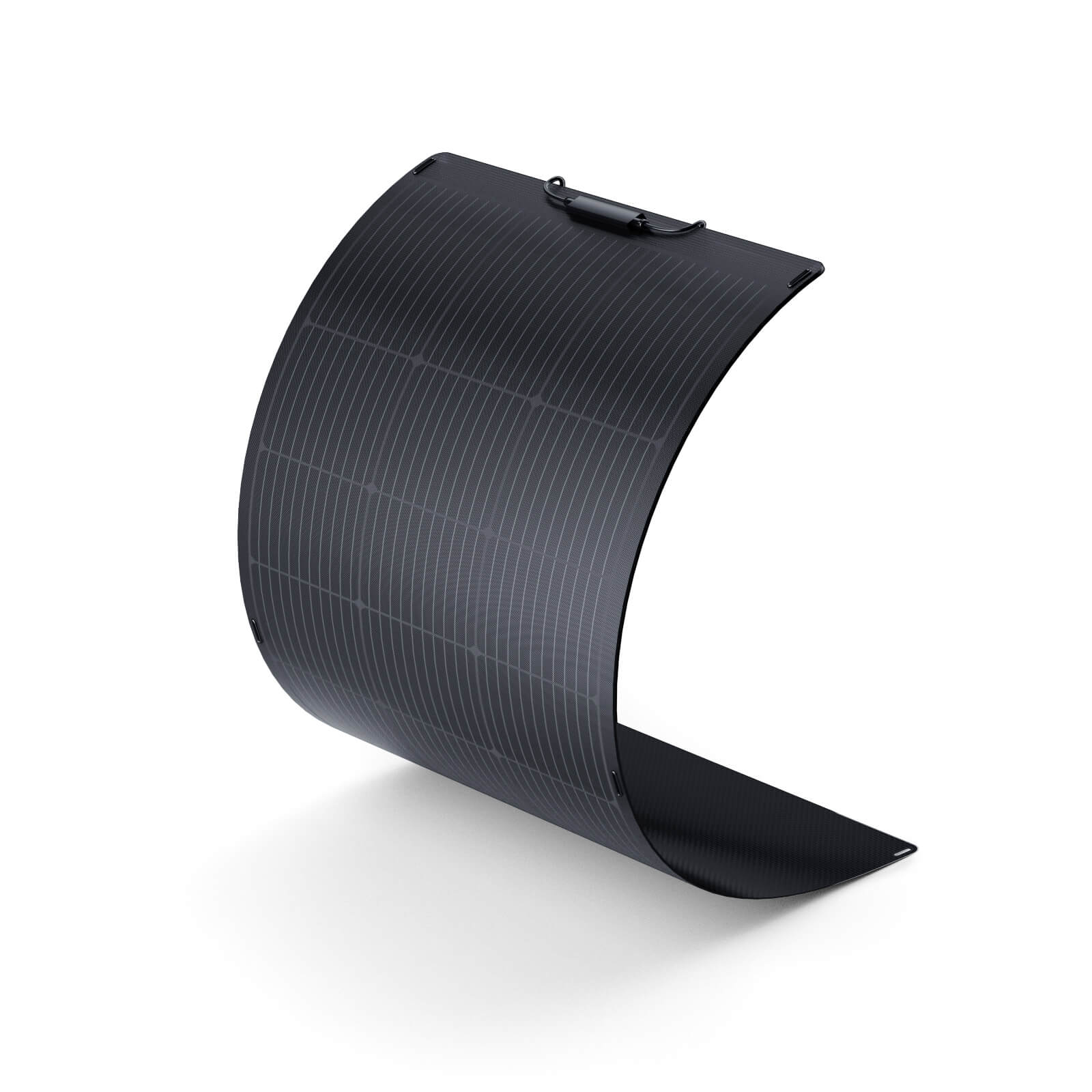
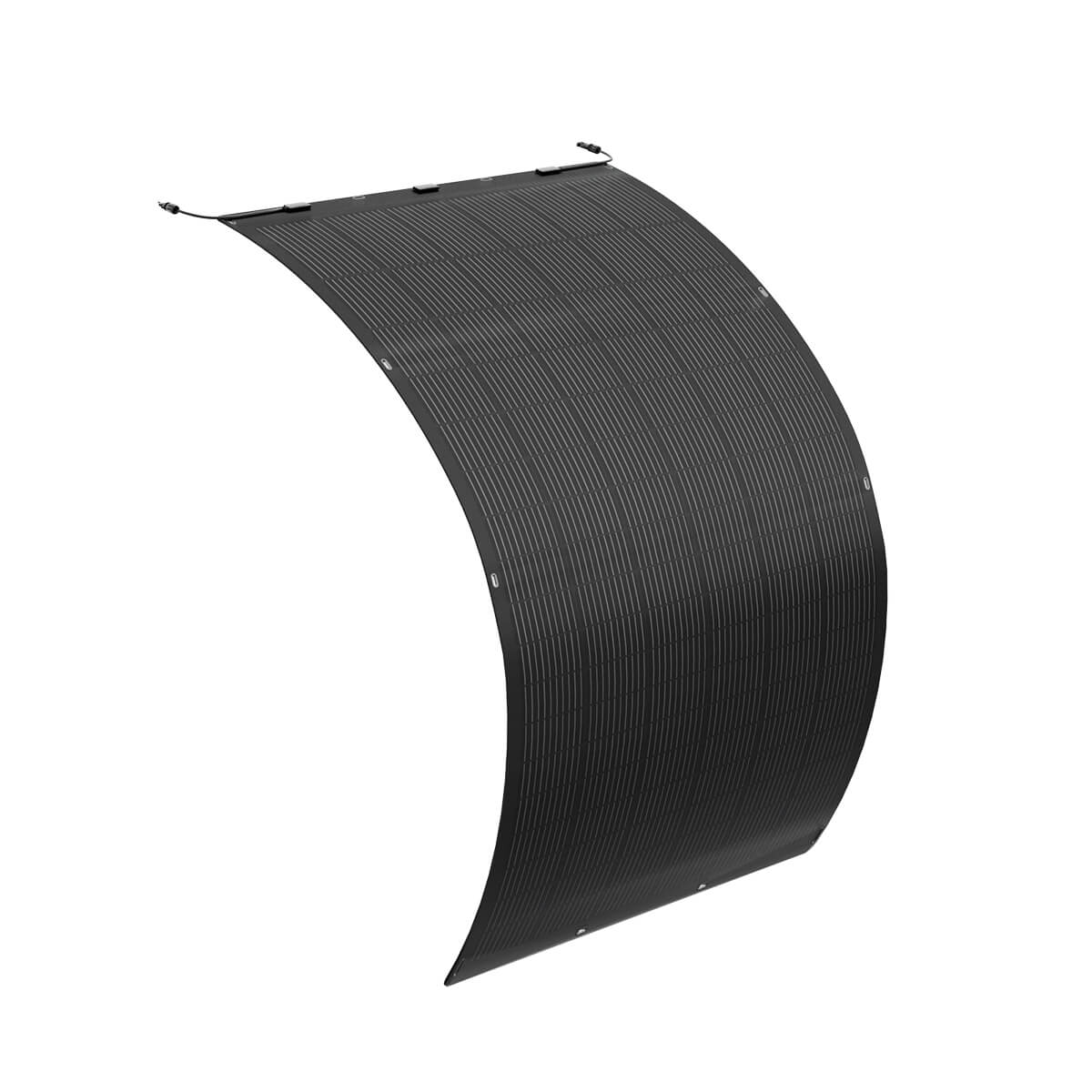
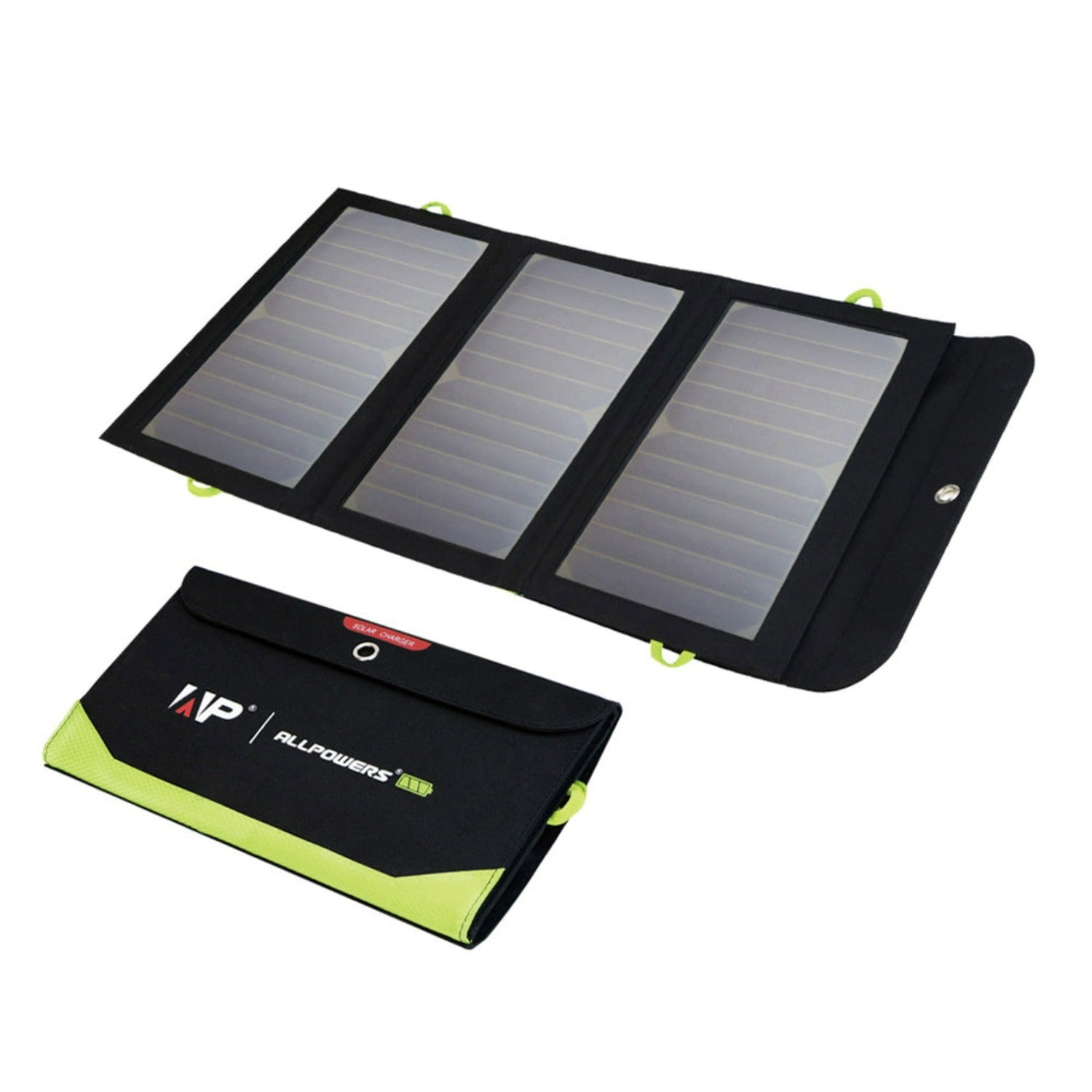
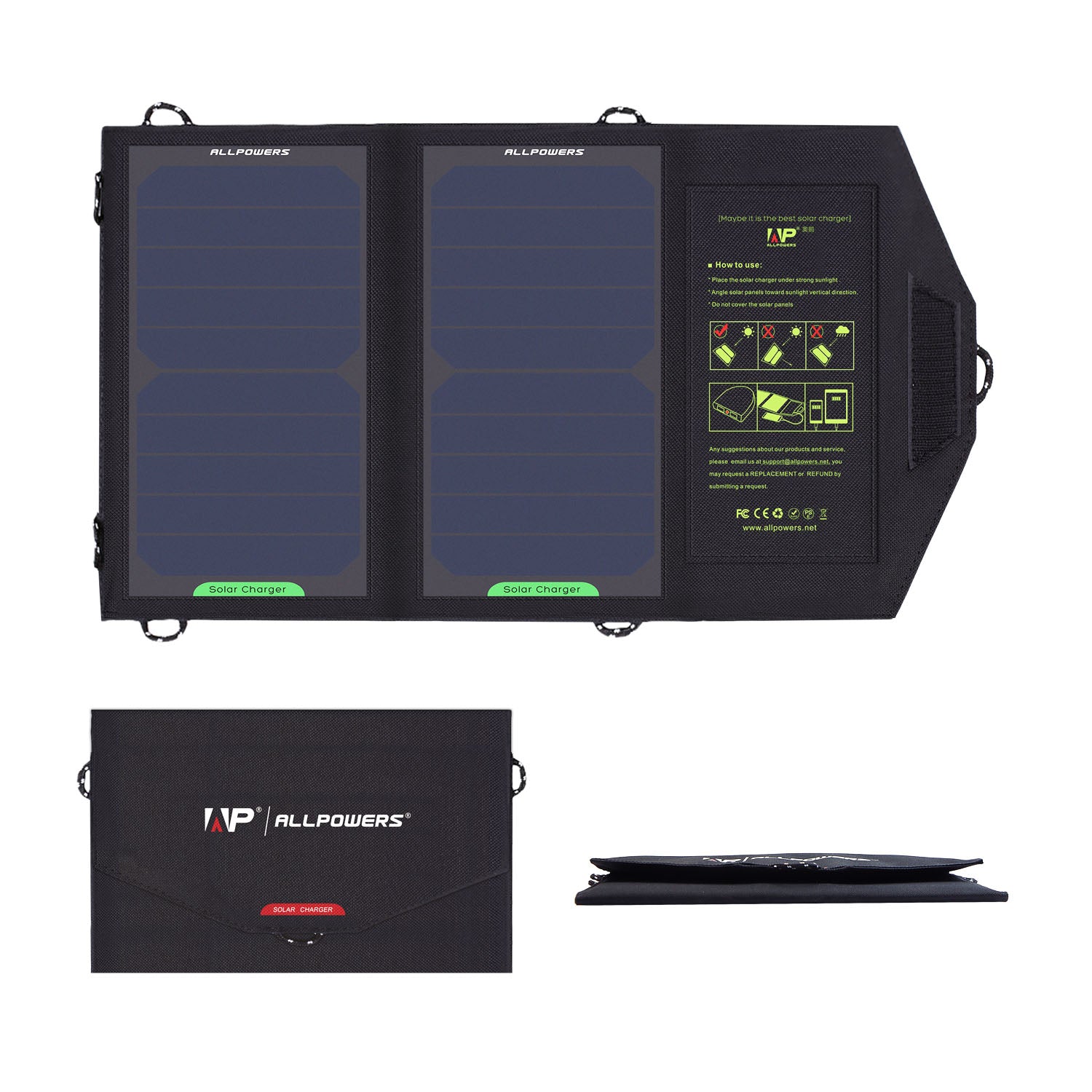
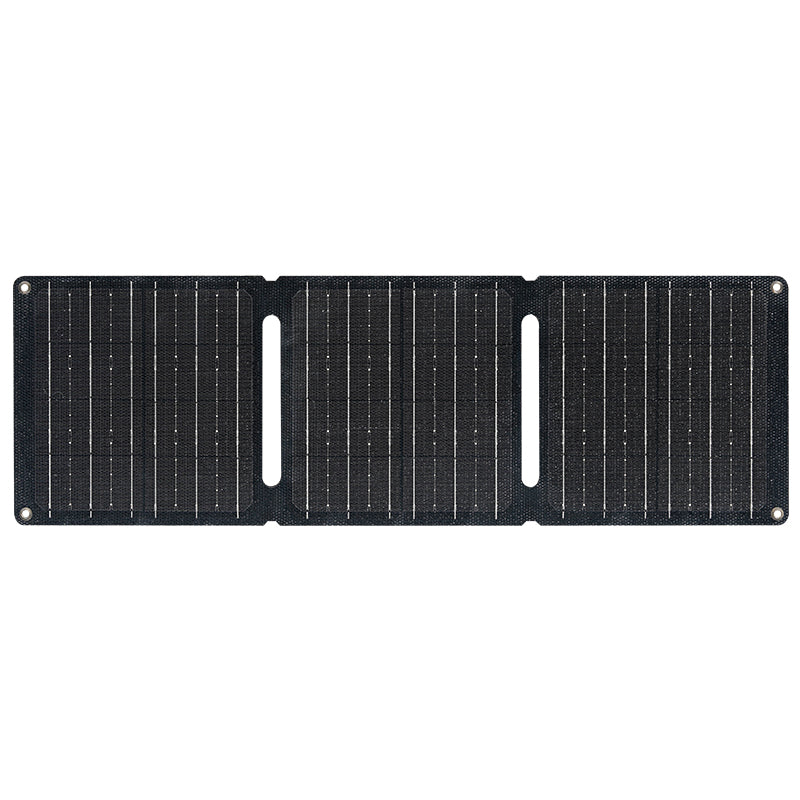
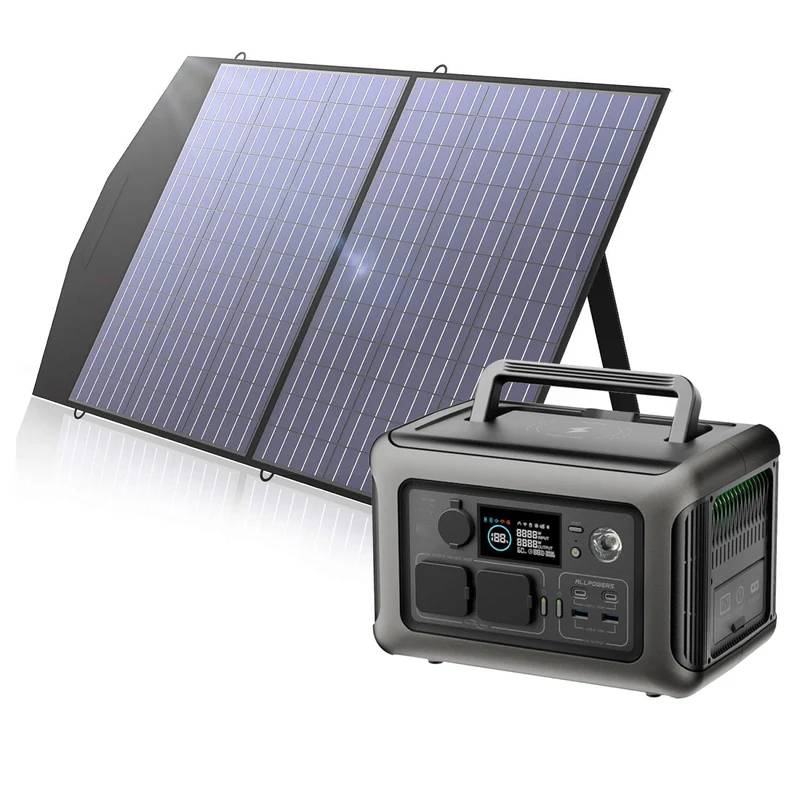
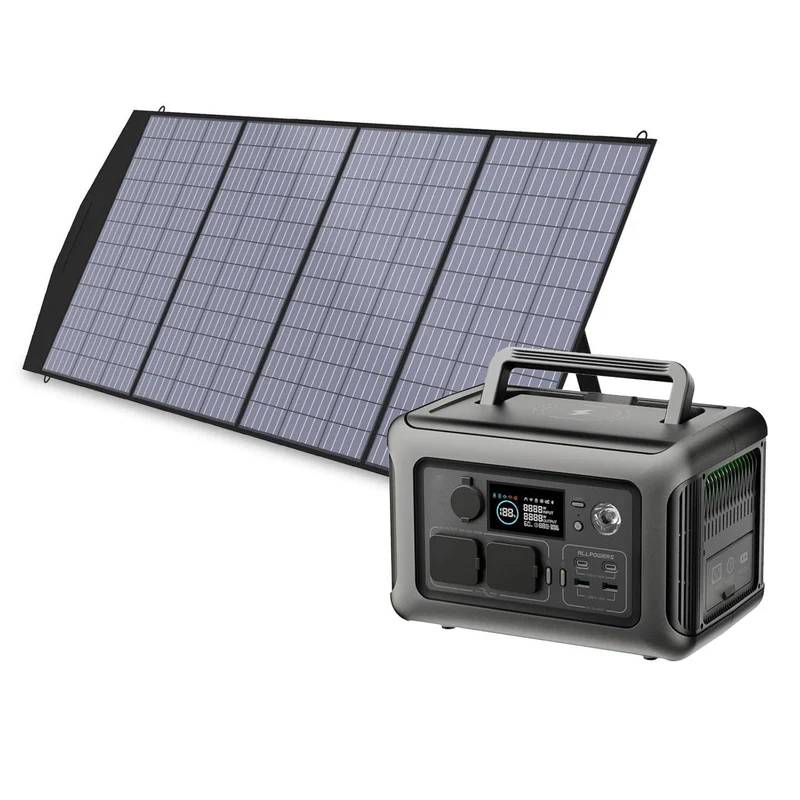
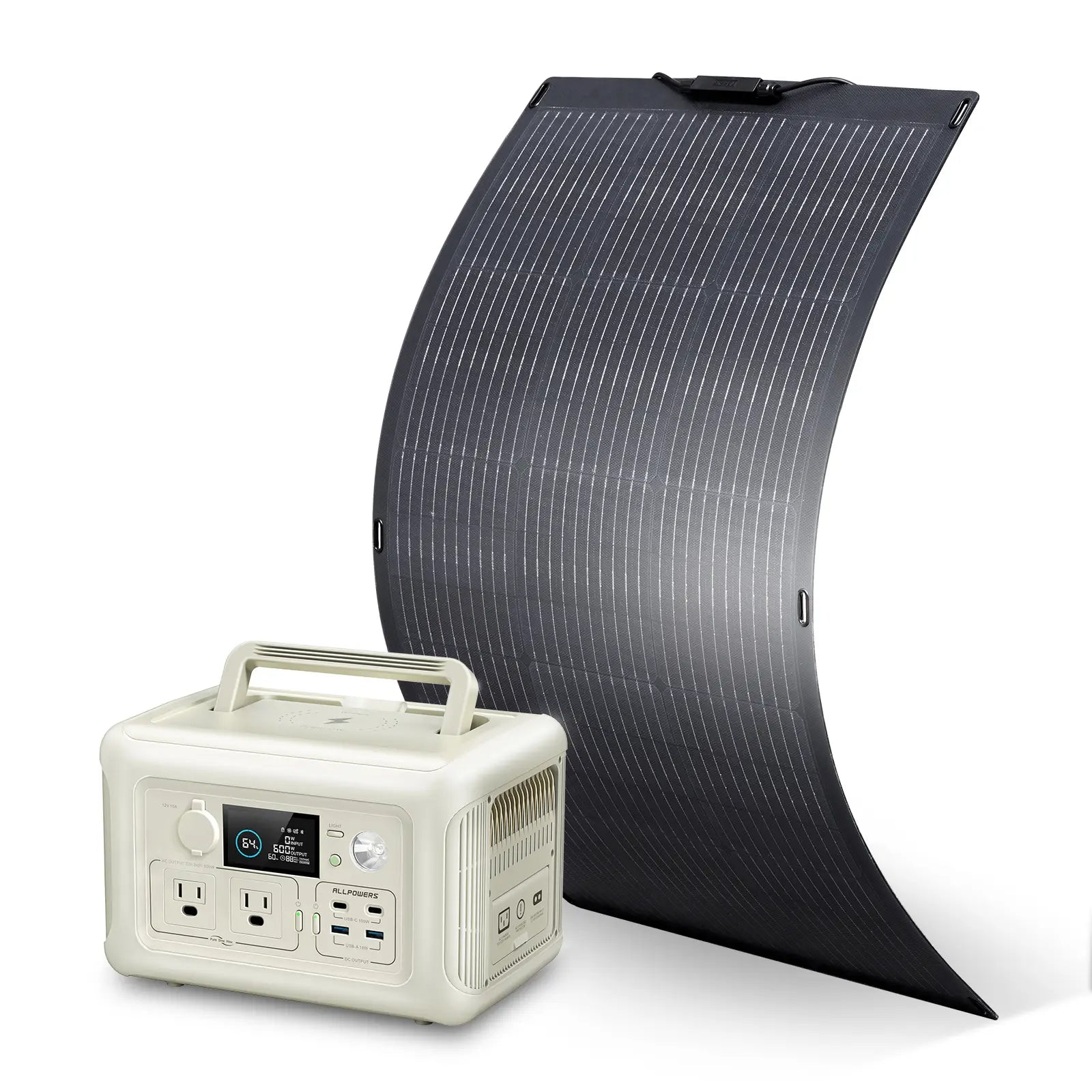
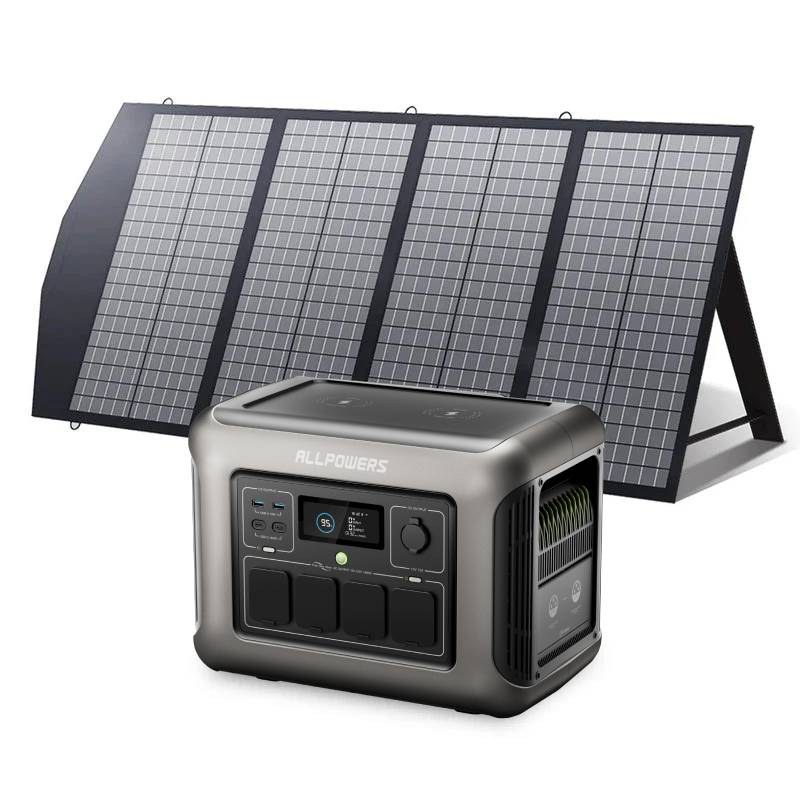
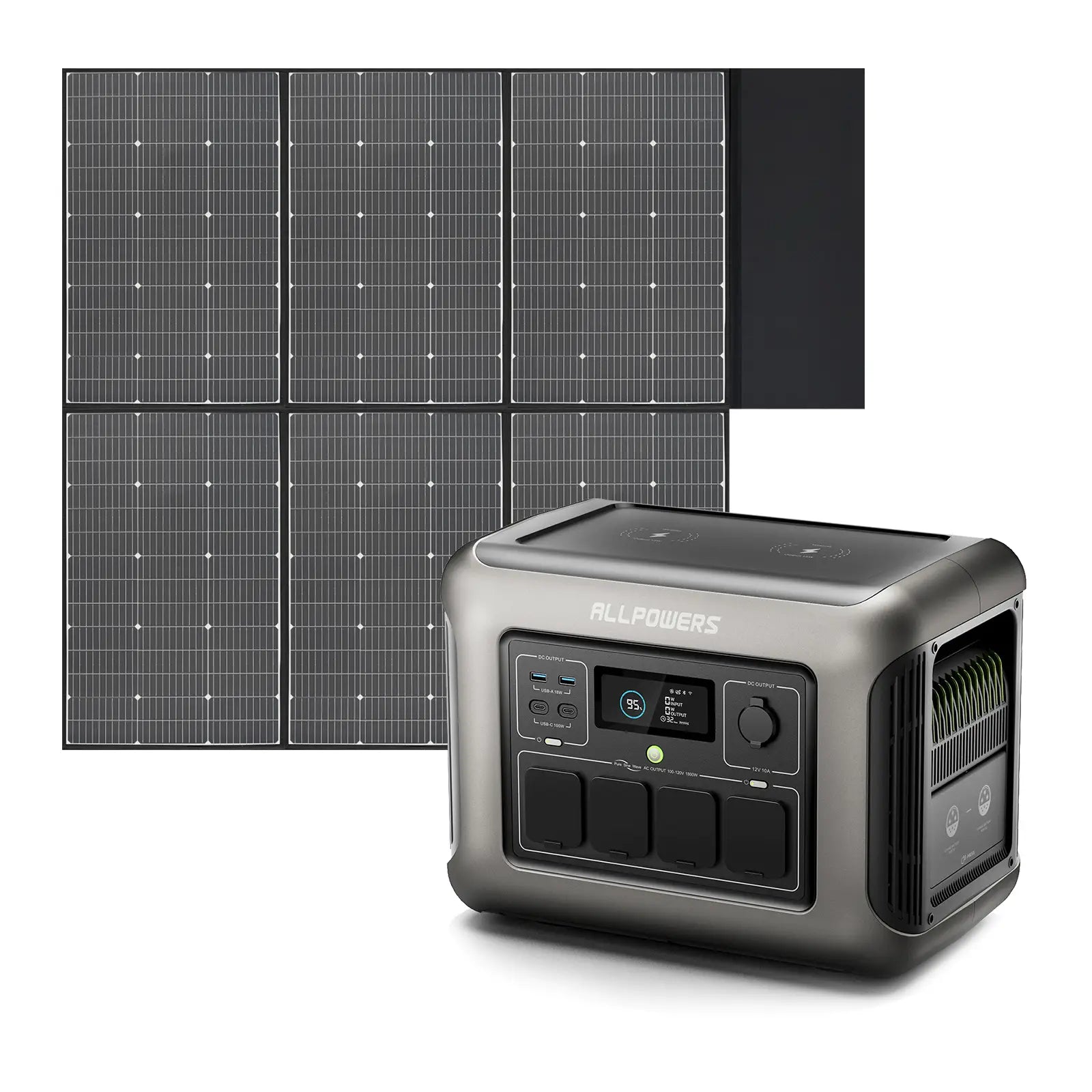
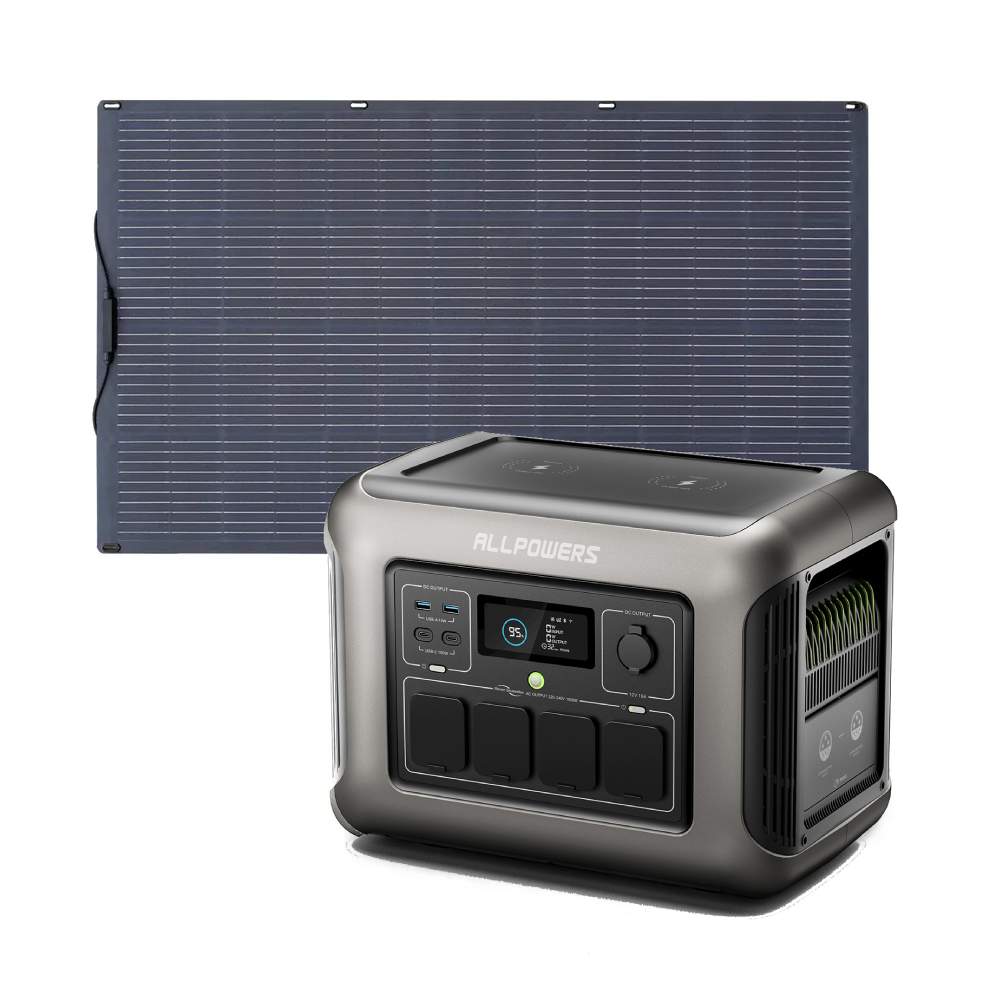
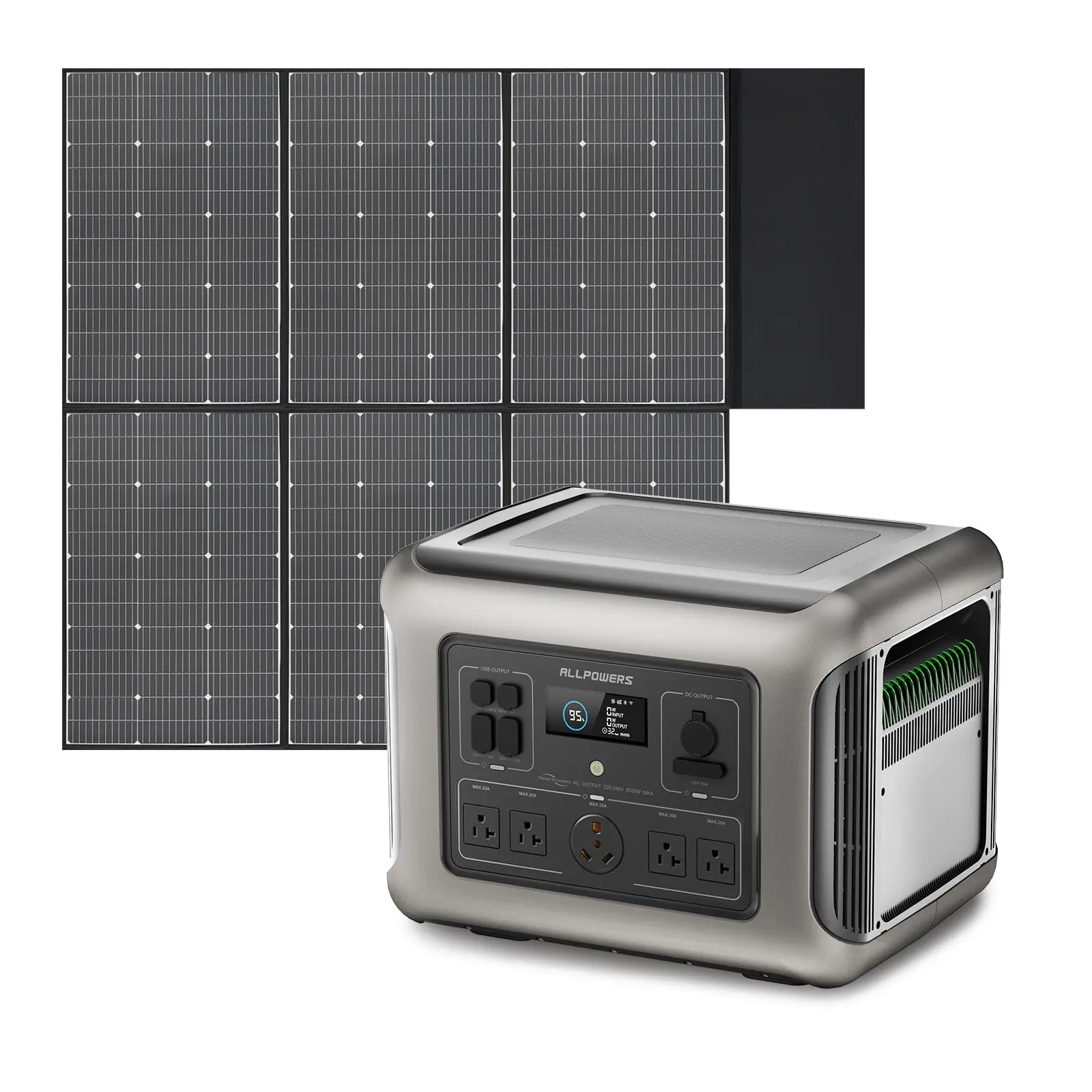
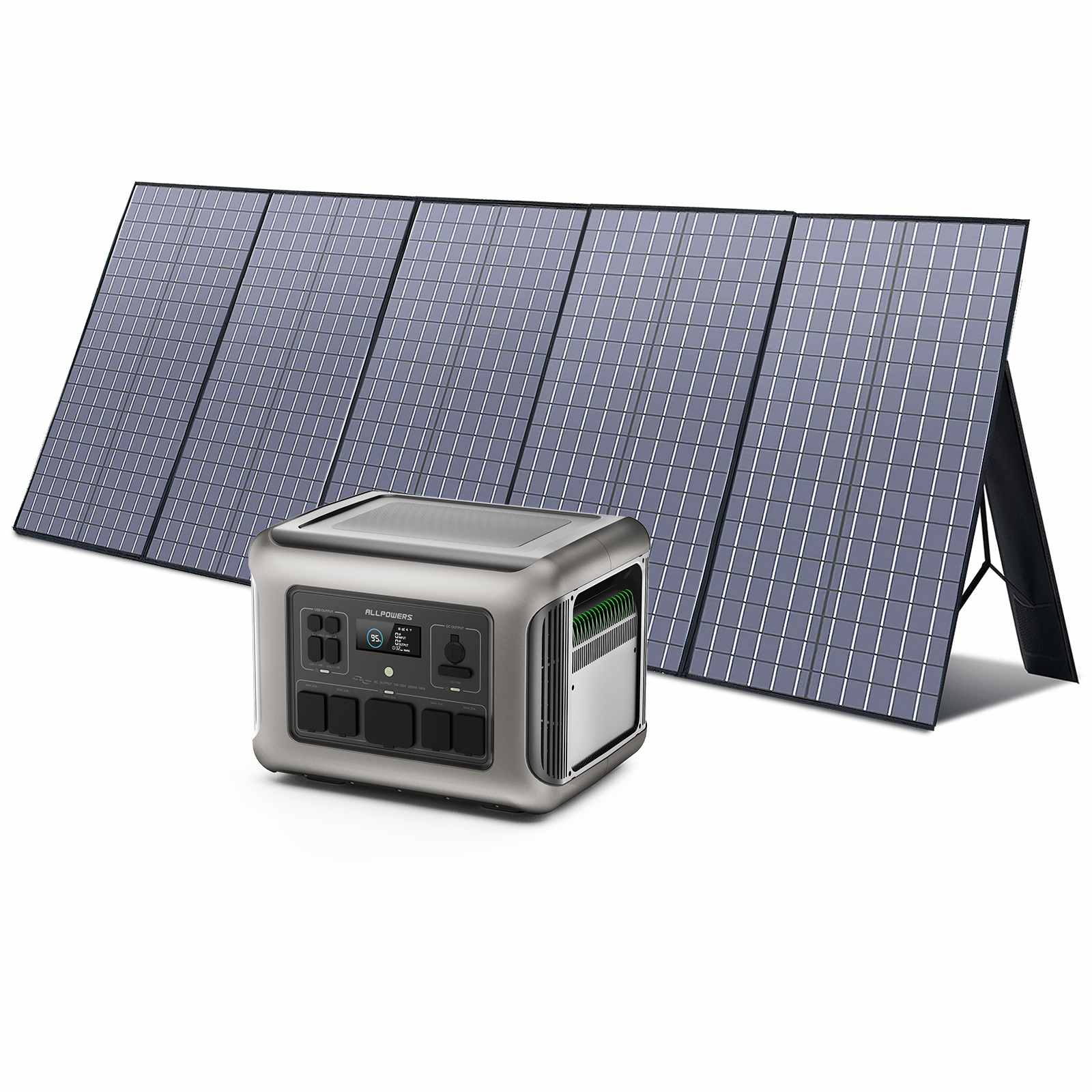
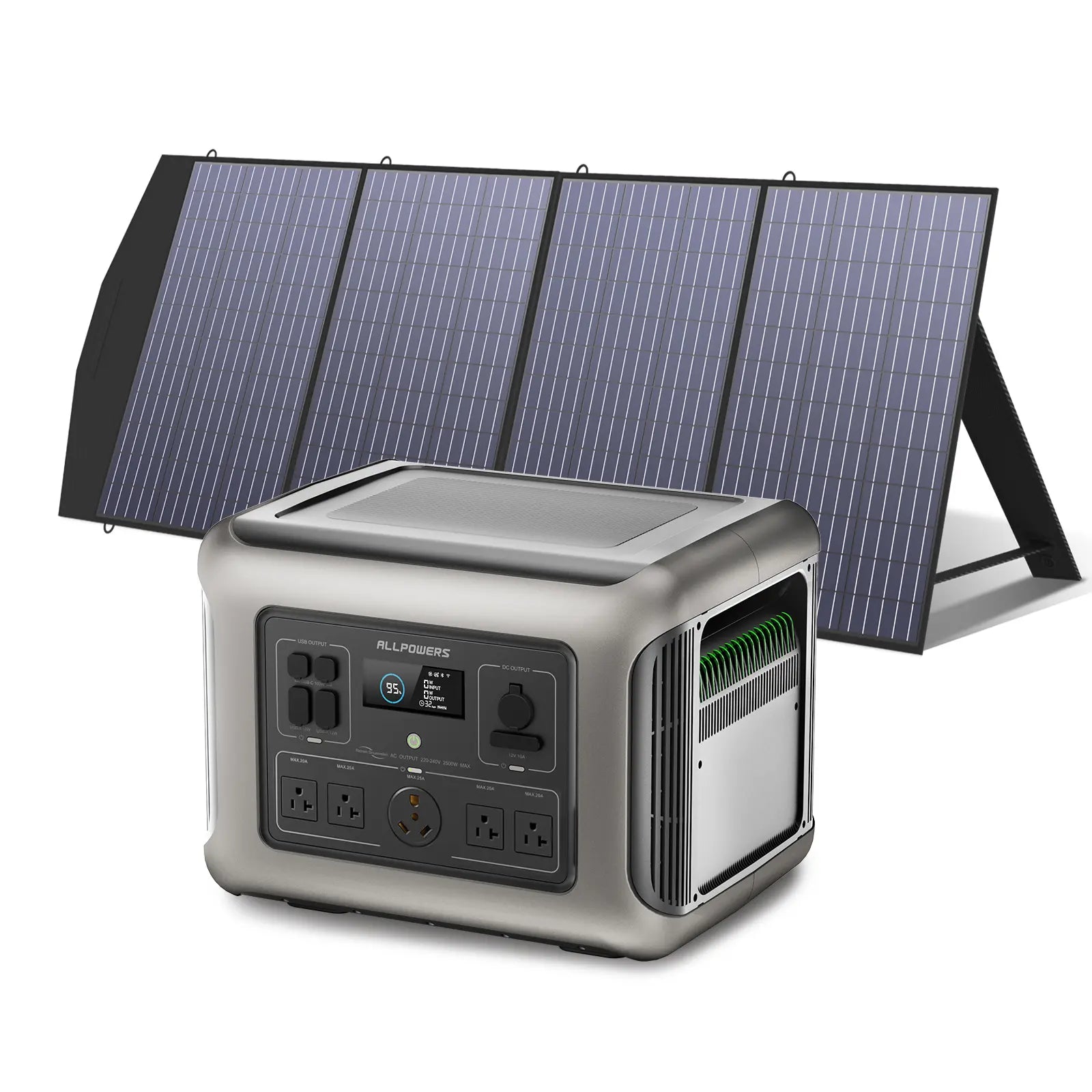
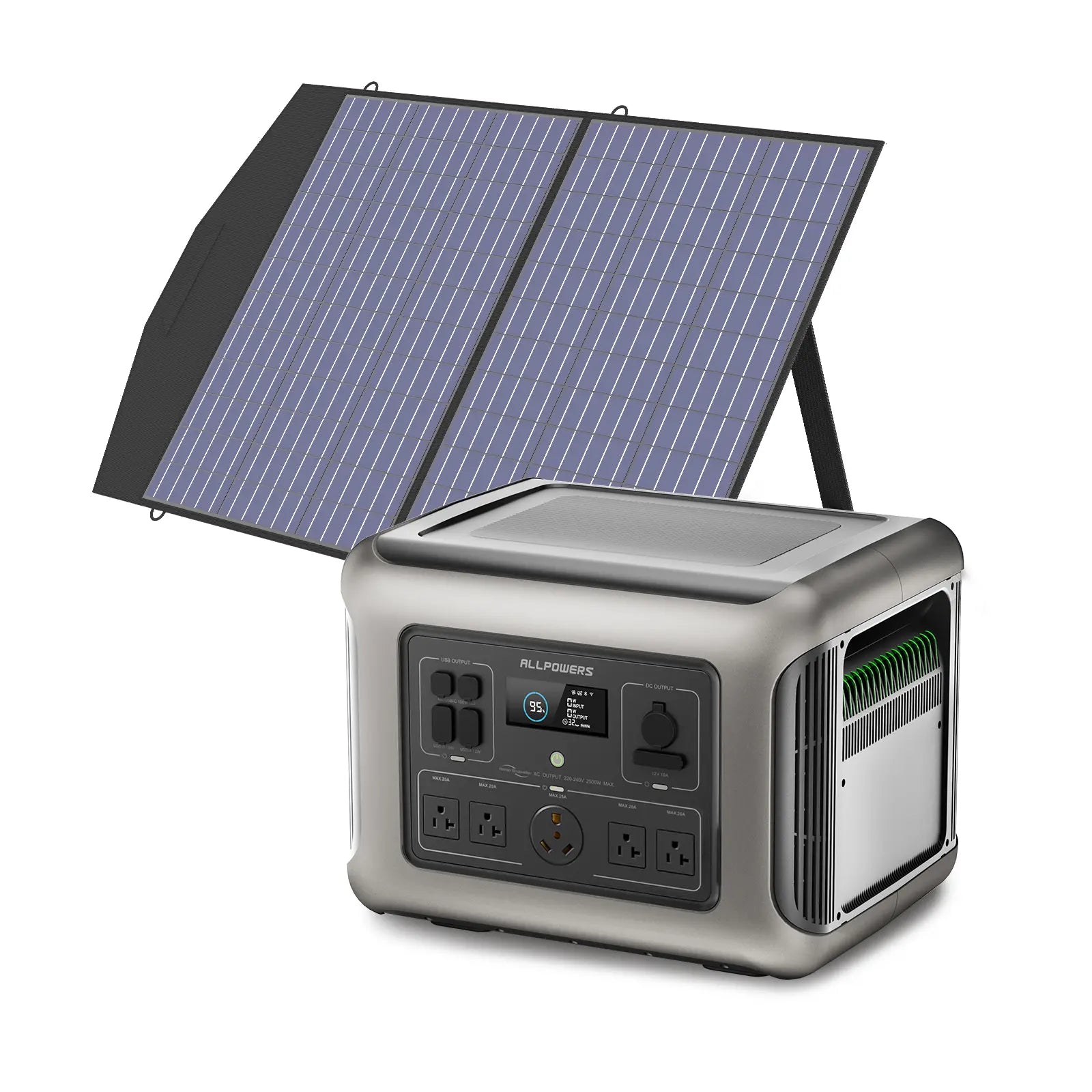
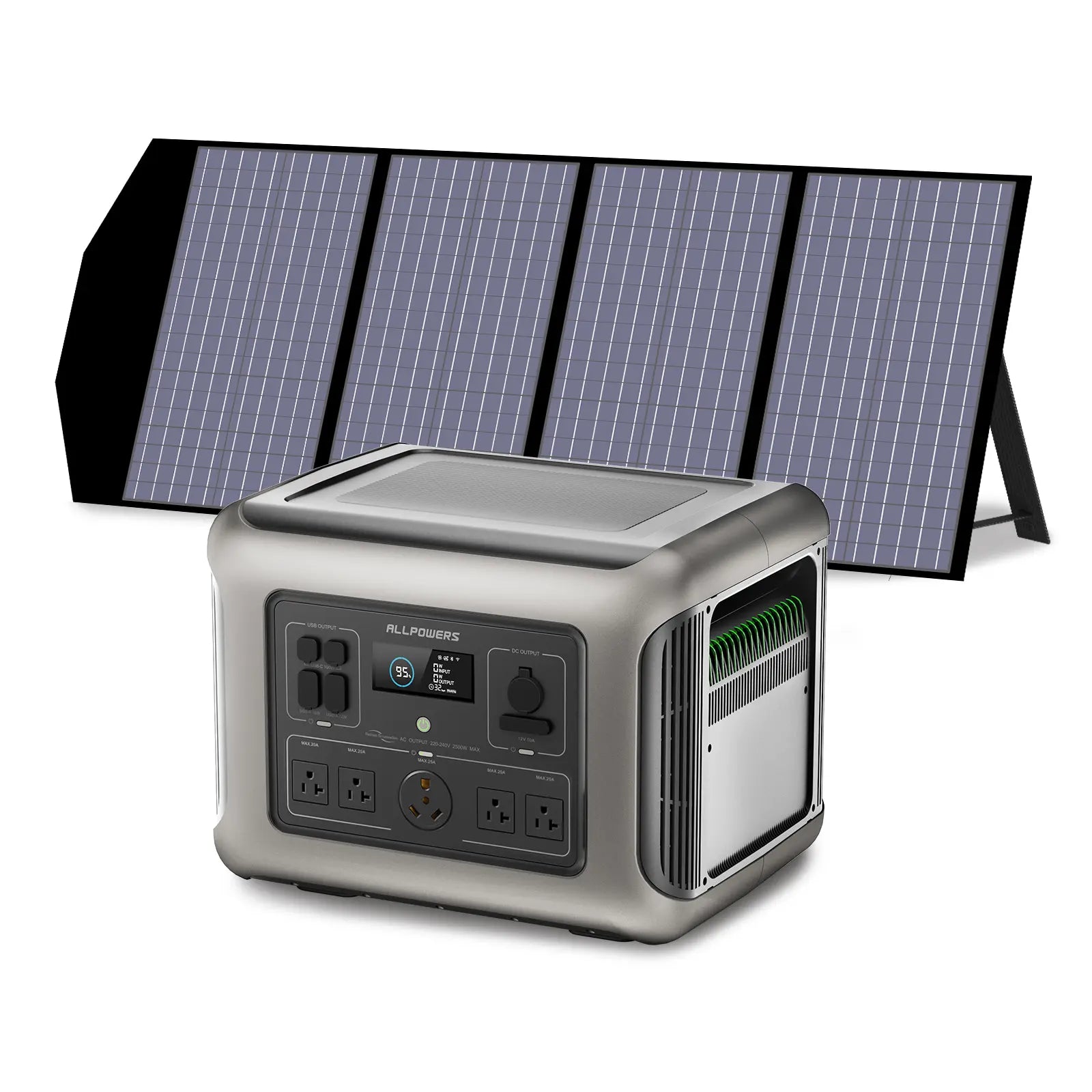
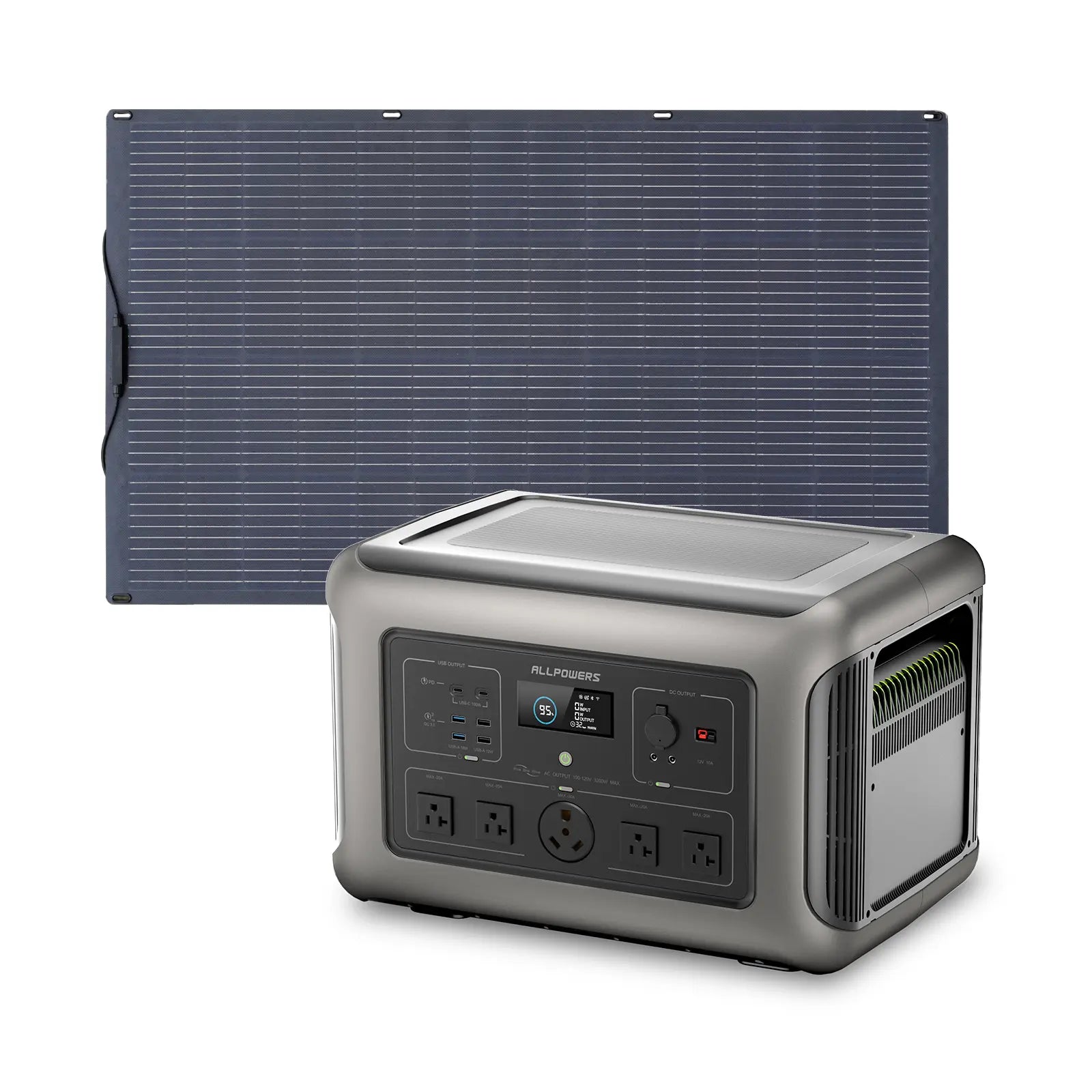
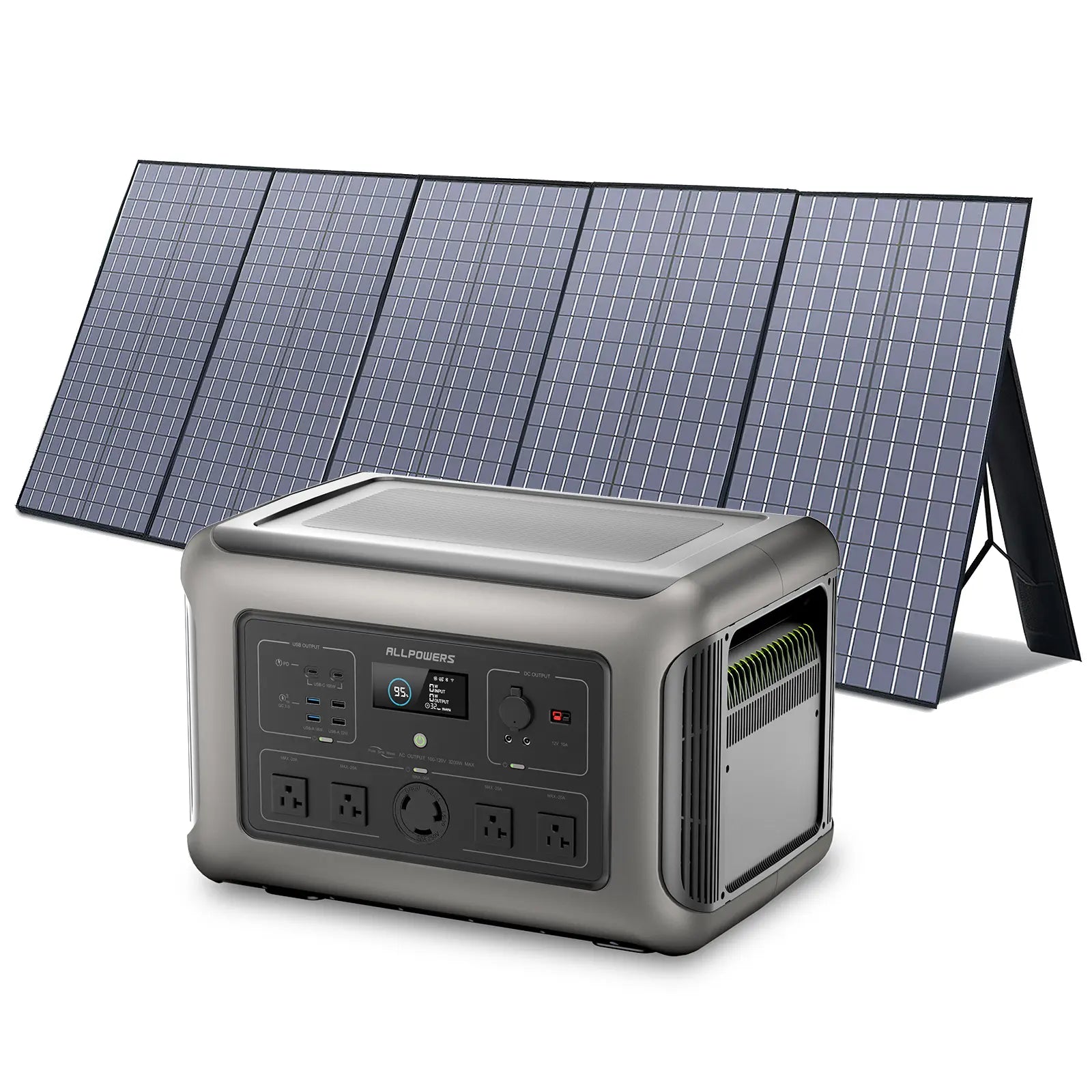
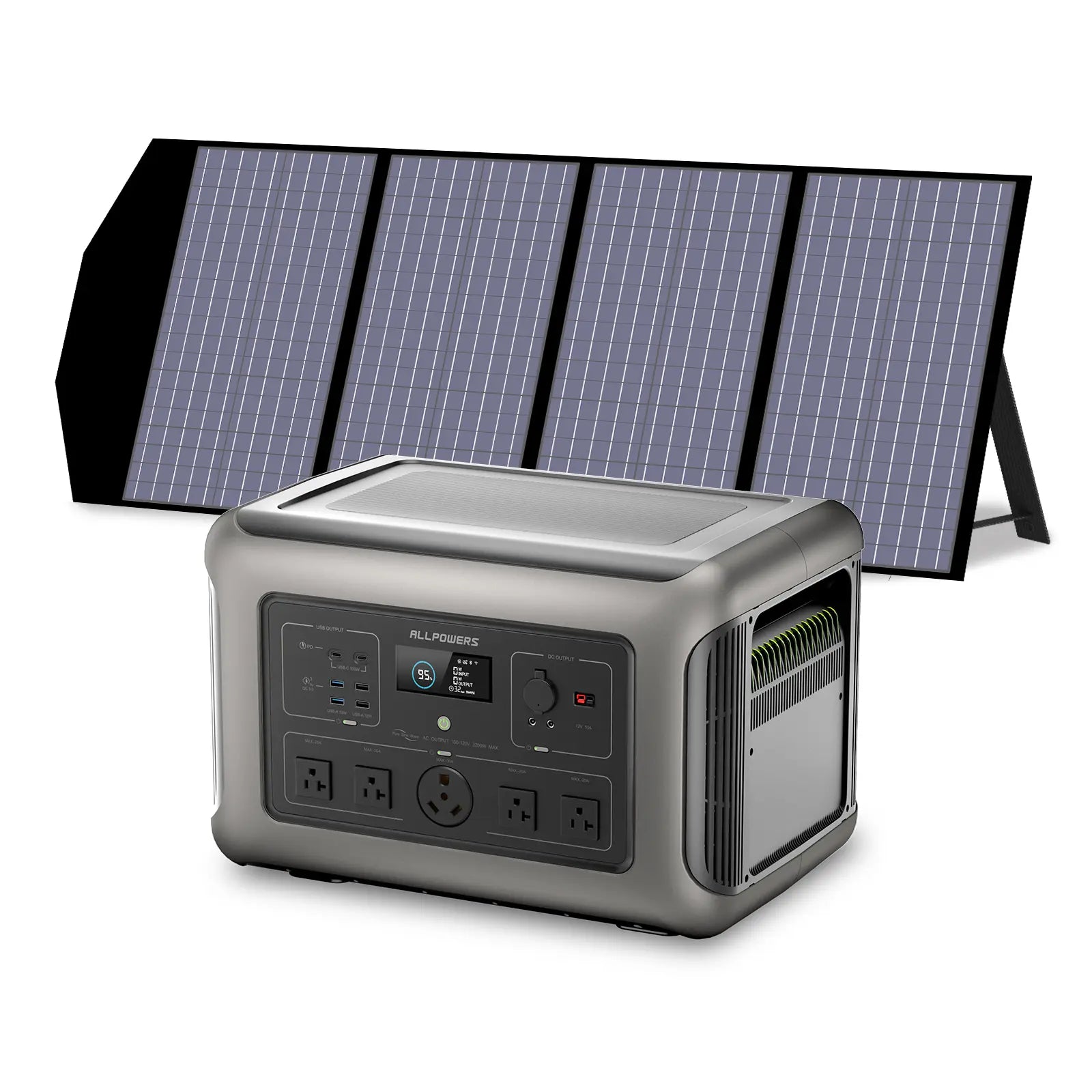
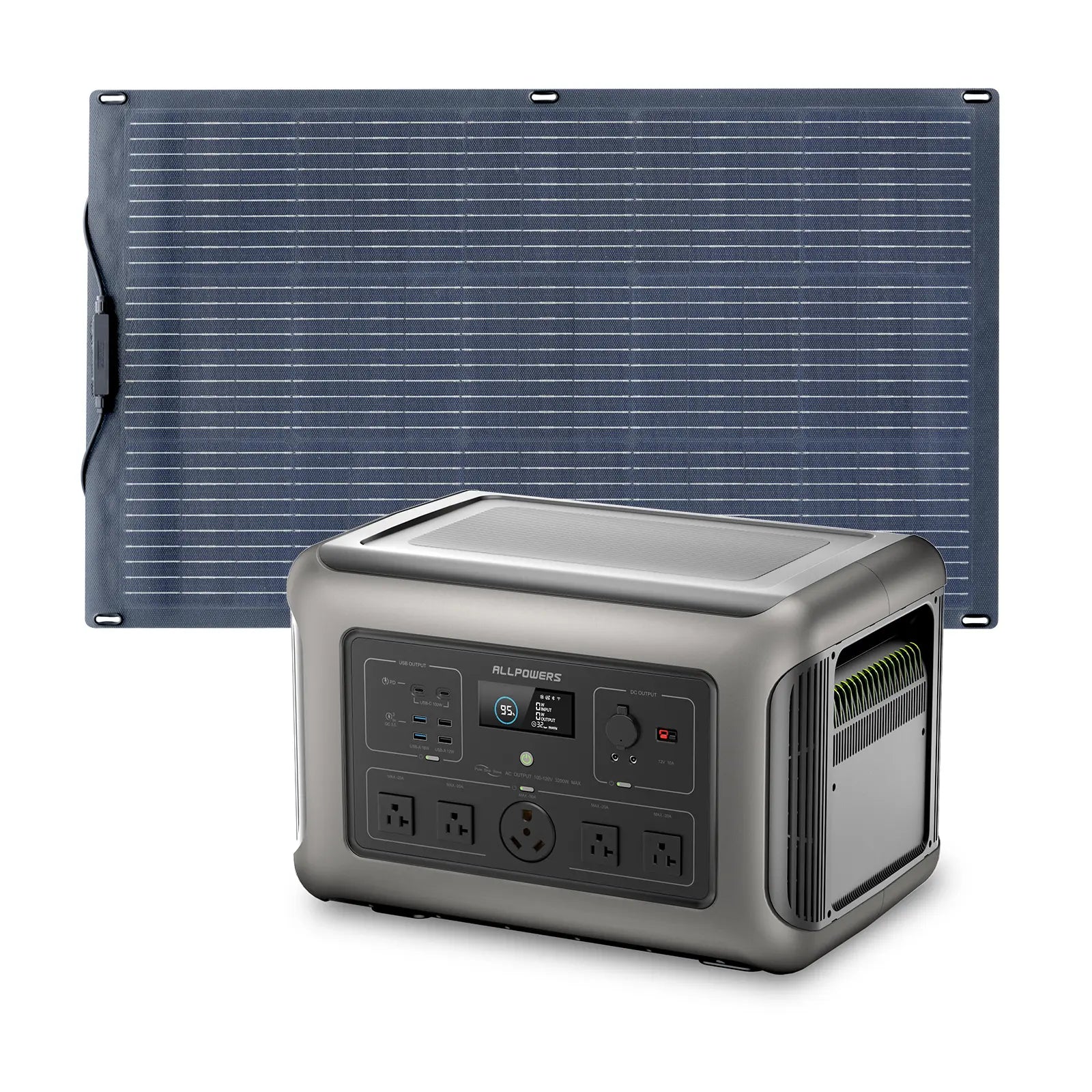
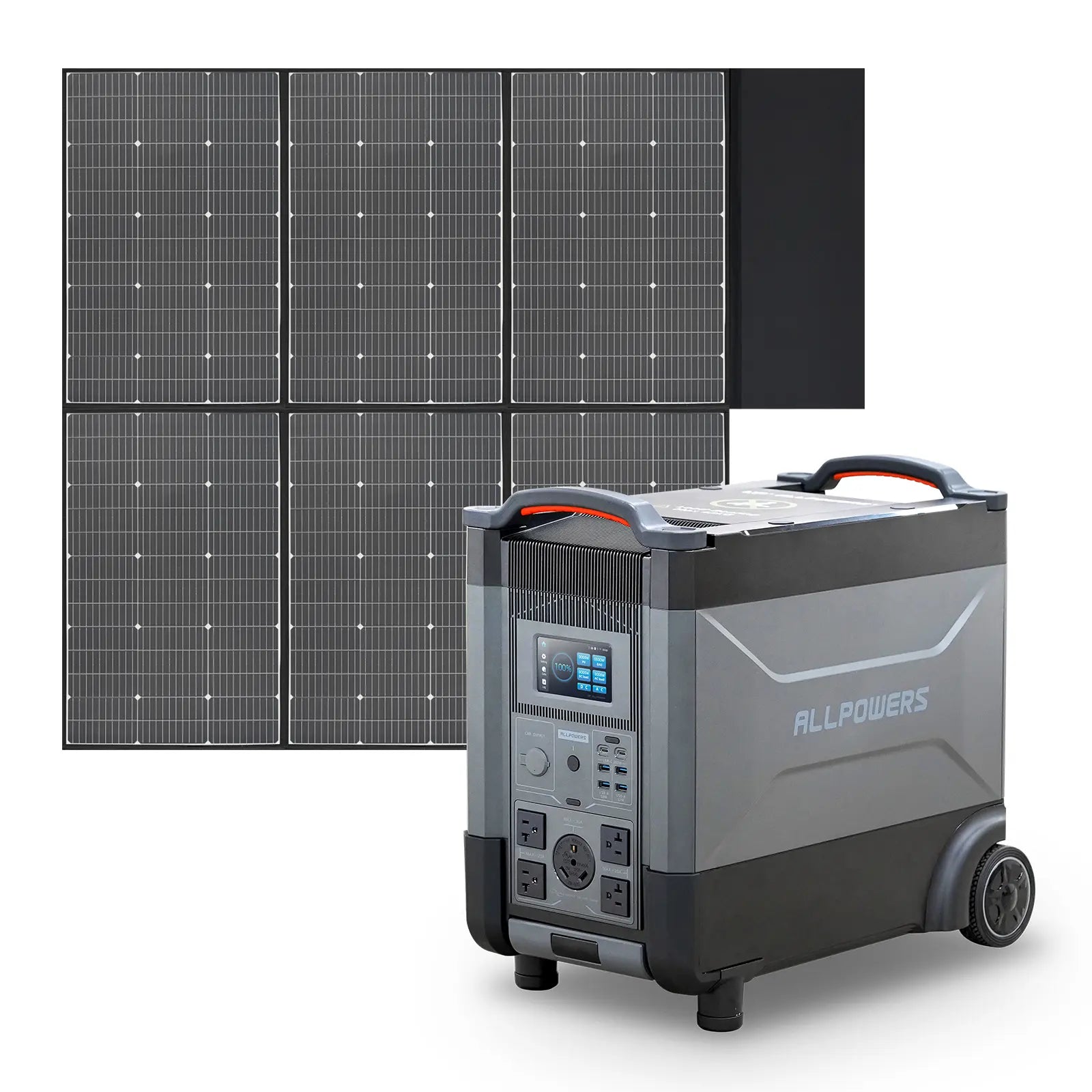
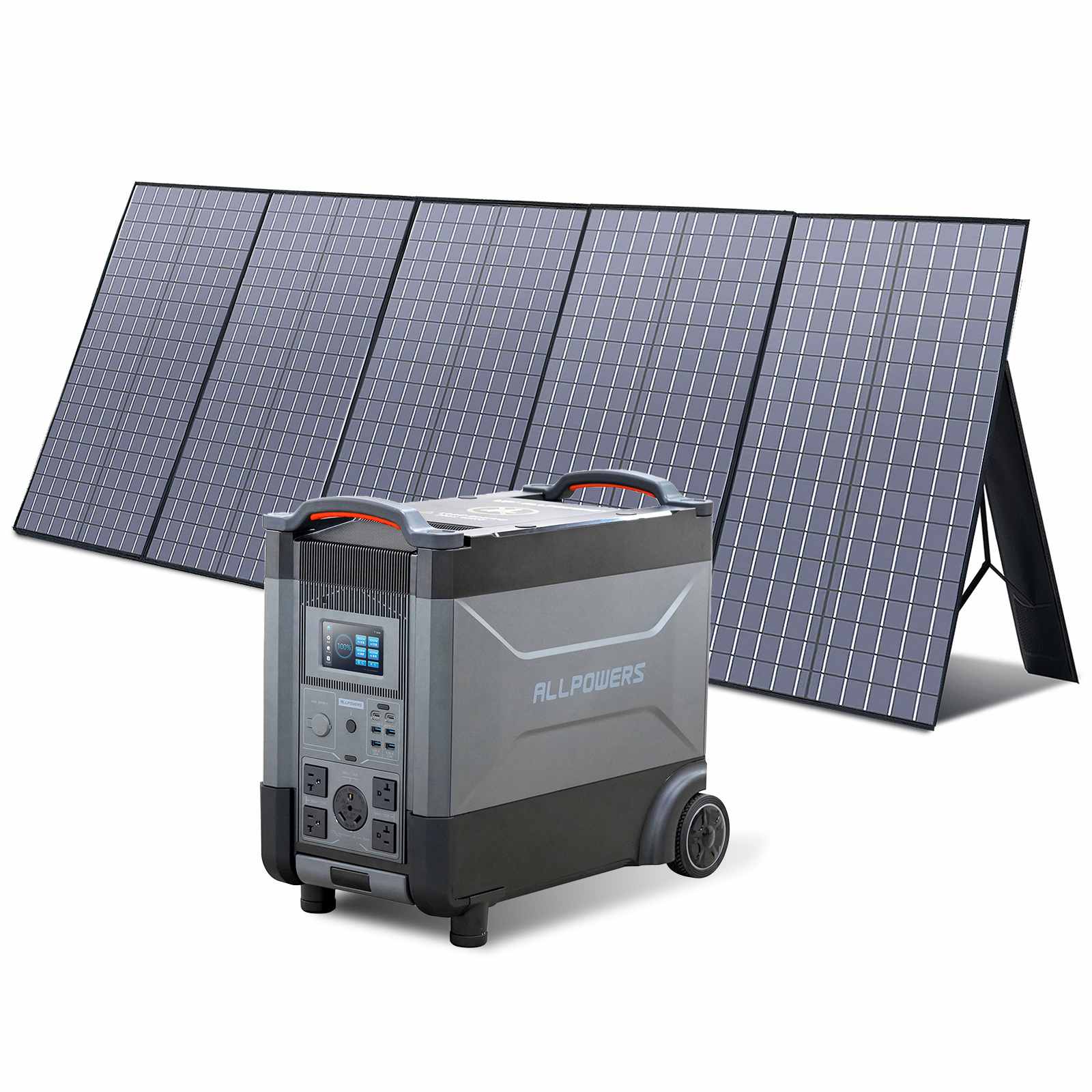
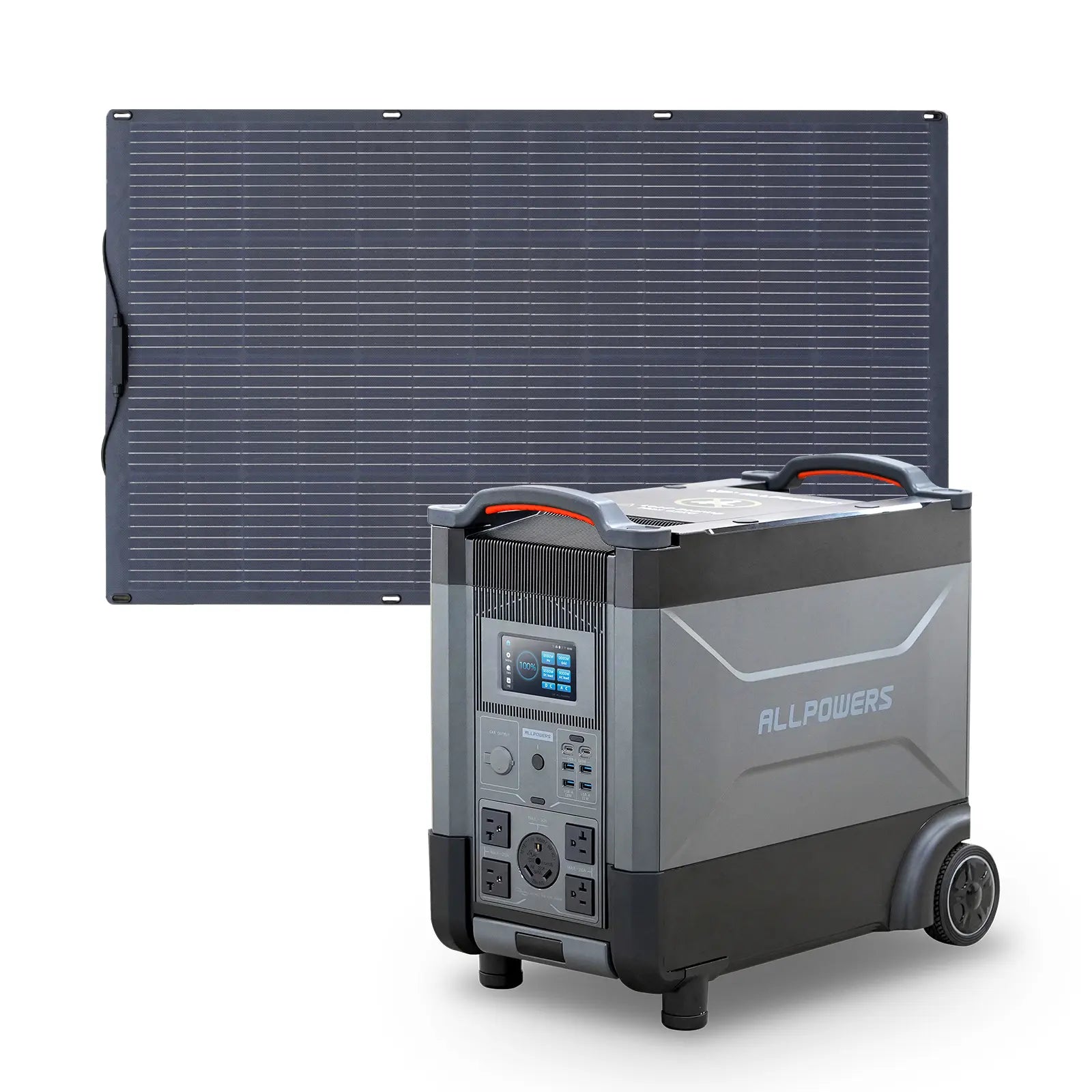
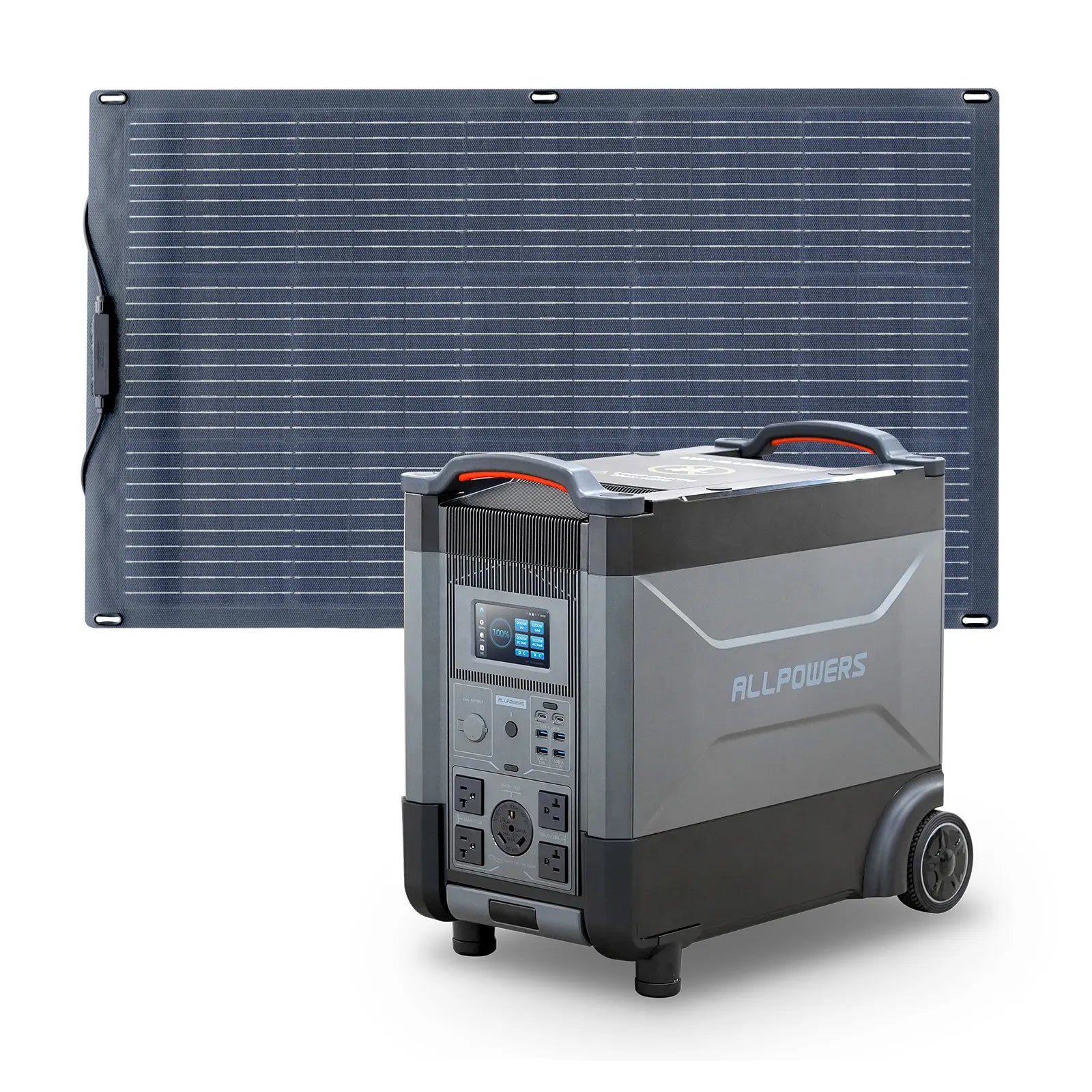
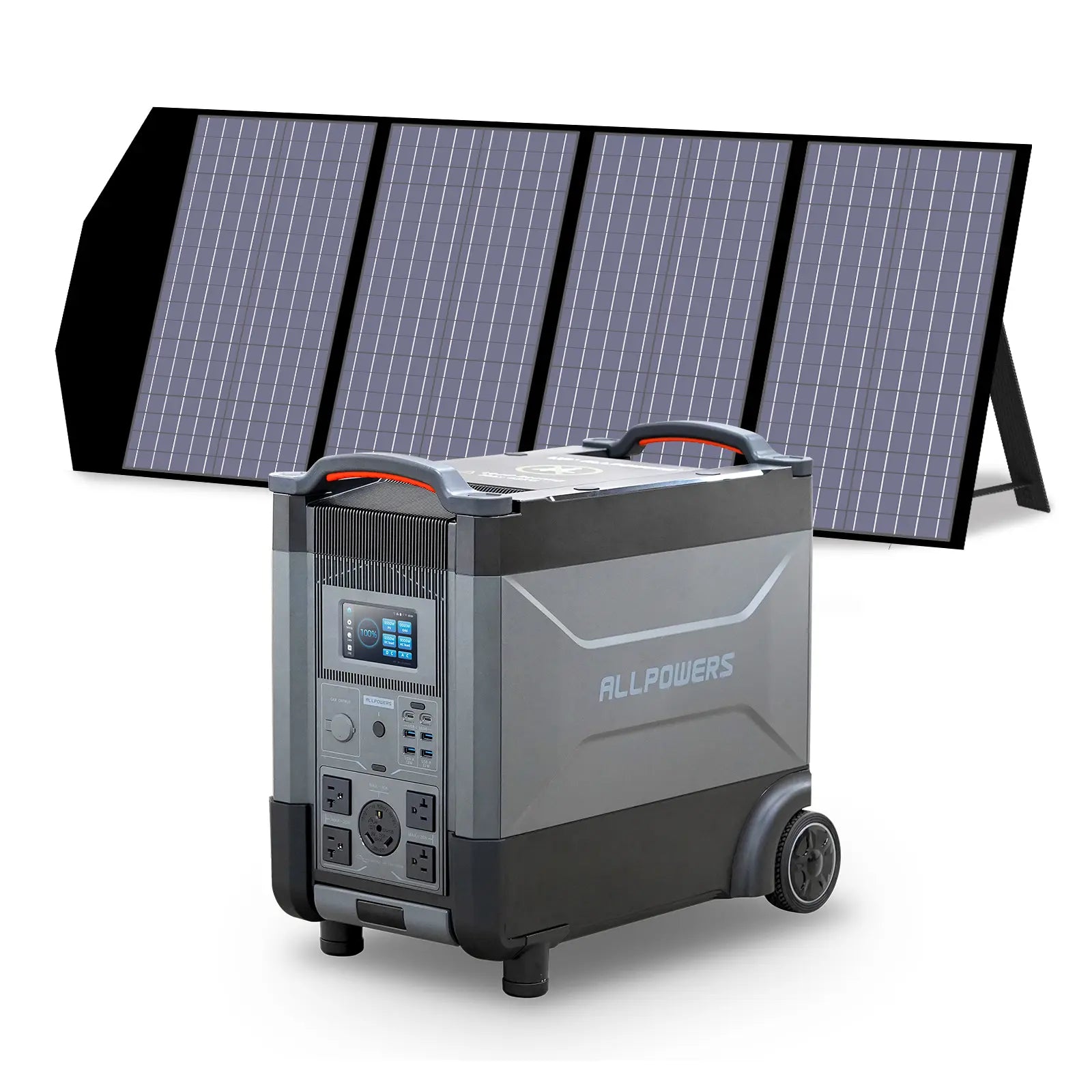
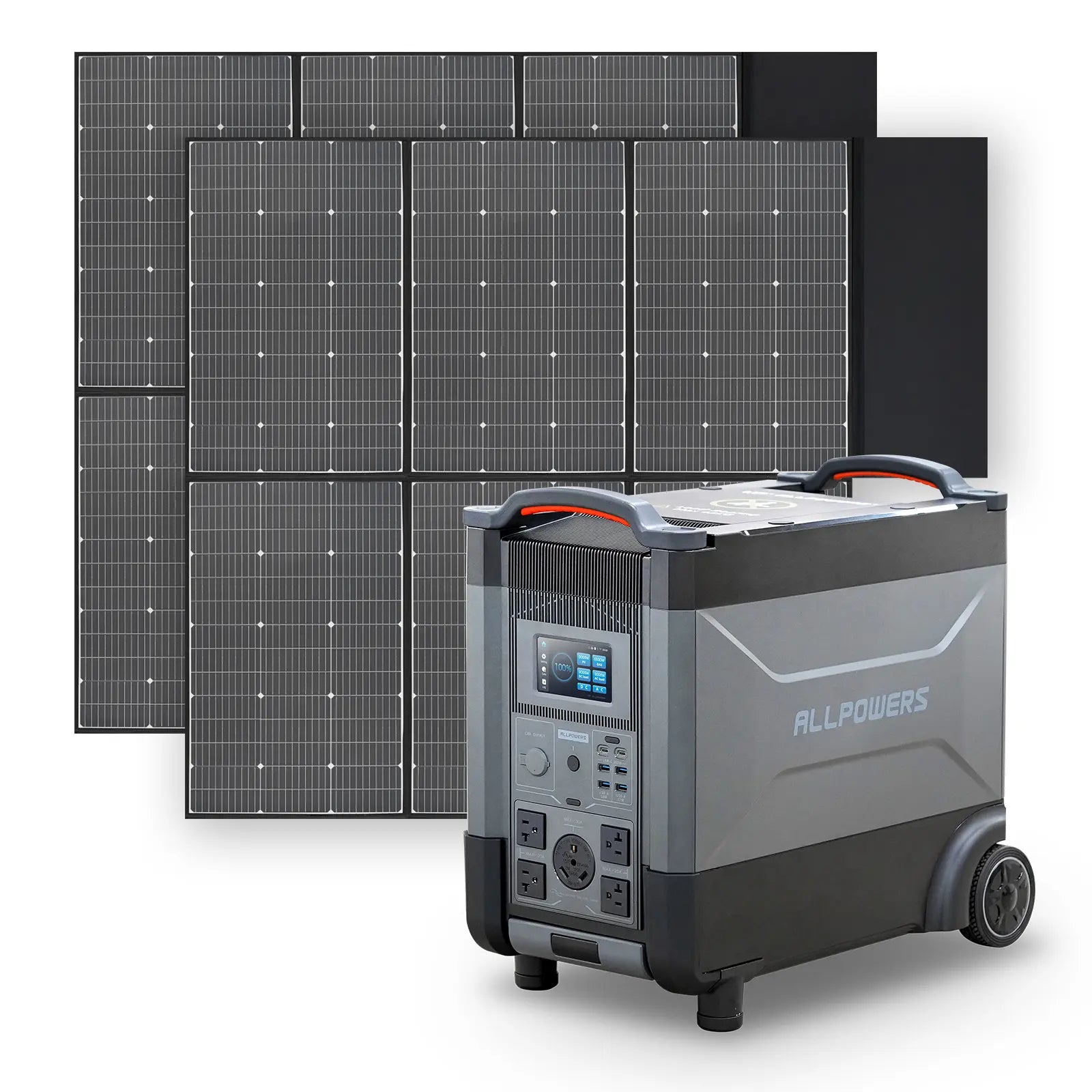
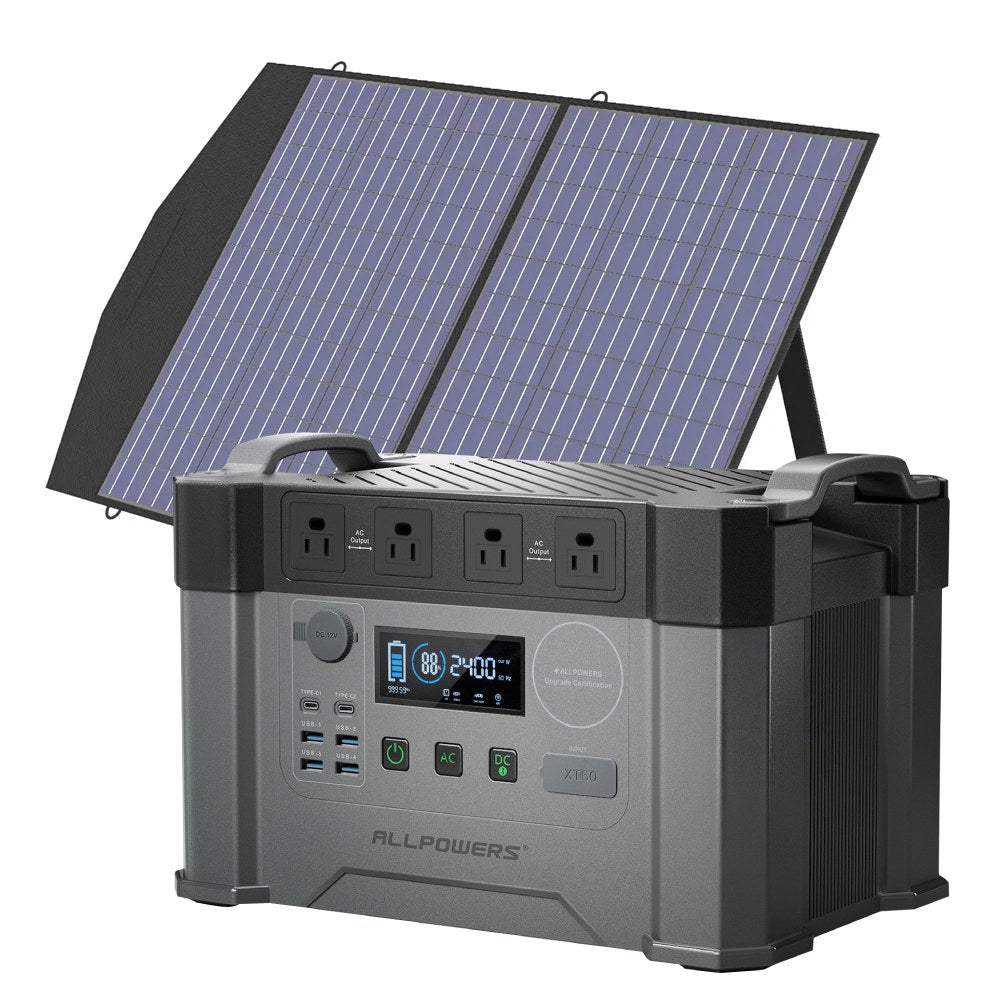
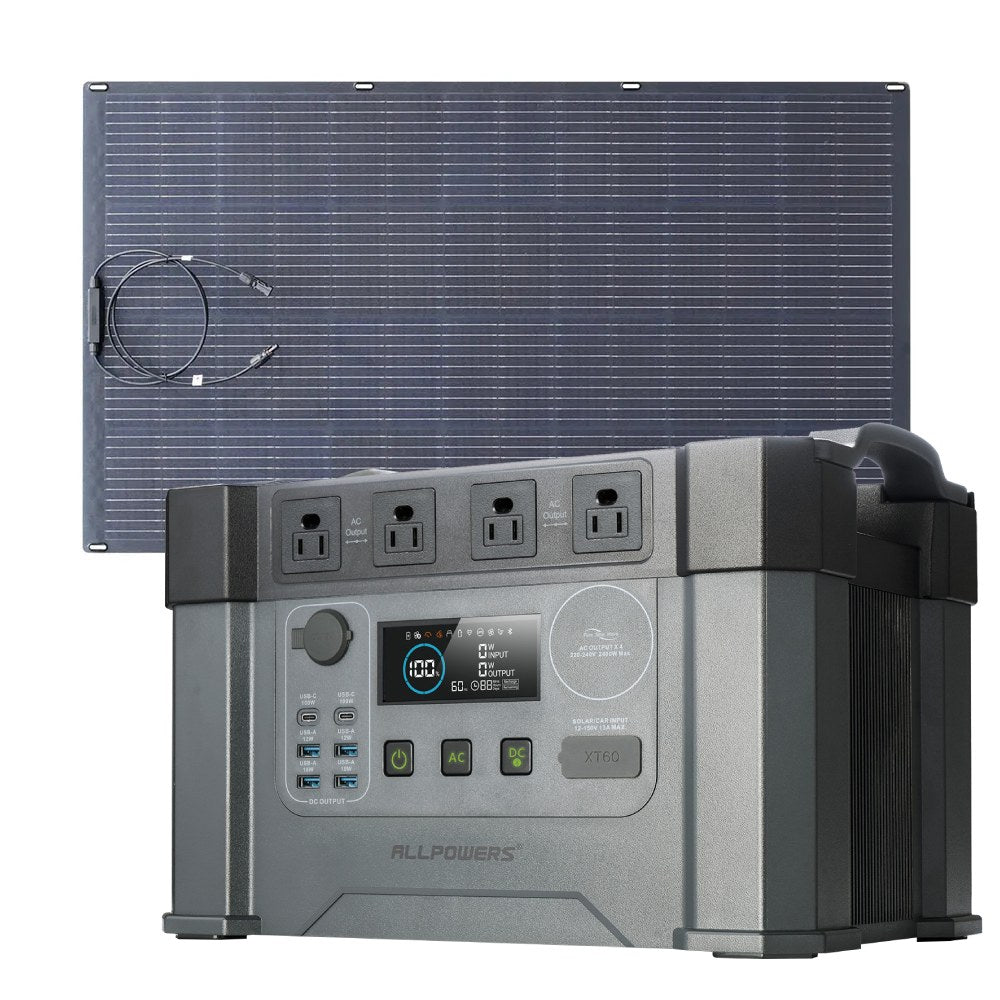
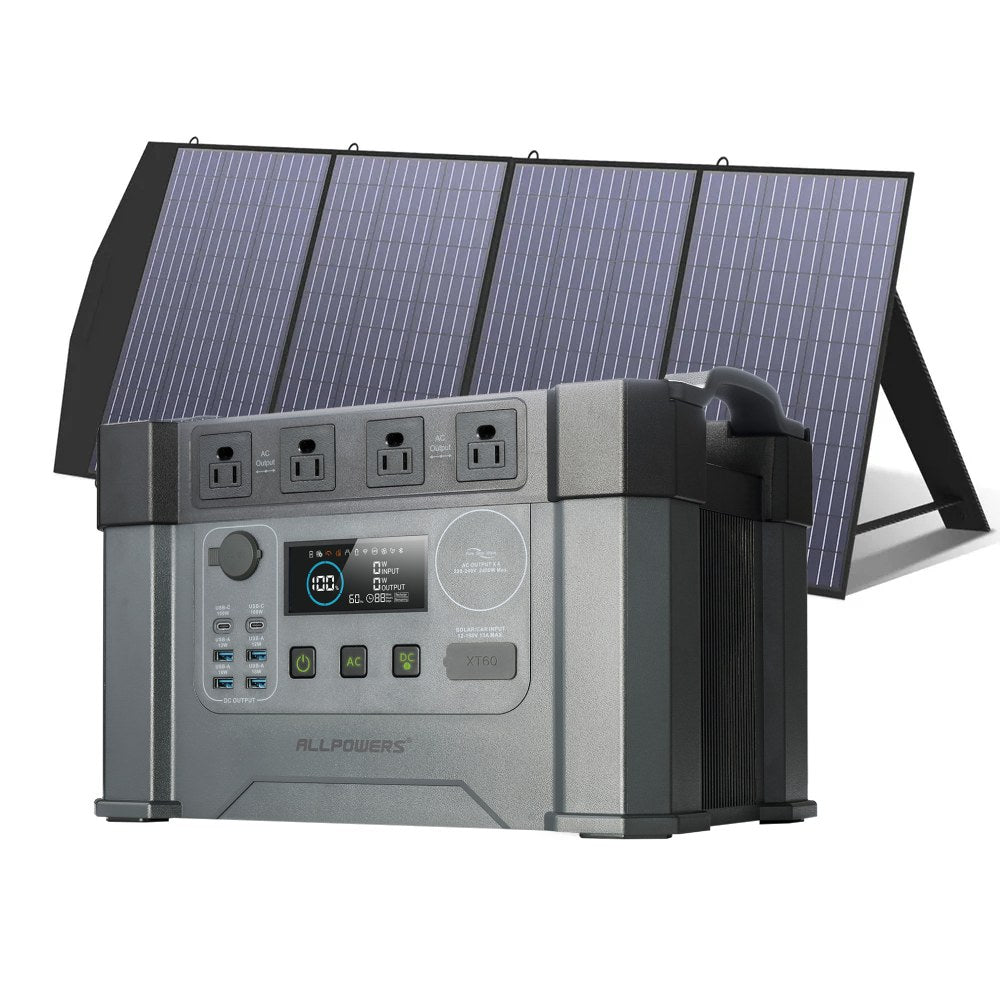
Solar charging sometimes enters the conversation here. Yes, solar panels can refill a power station, but slowly.
Most portable panels produce 100 to 400 watts under ideal conditions. Charging while running an air fryer? Not happening. Charging beforehand, then cooking later? Absolutely.
Conclusion
So, can a portable power station run an air fryer? Yes. Absolutely.
With enough output headroom and sufficient battery capacity, an air fryer works just fine.
Not indefinitely. Not carelessly. But effectively.