







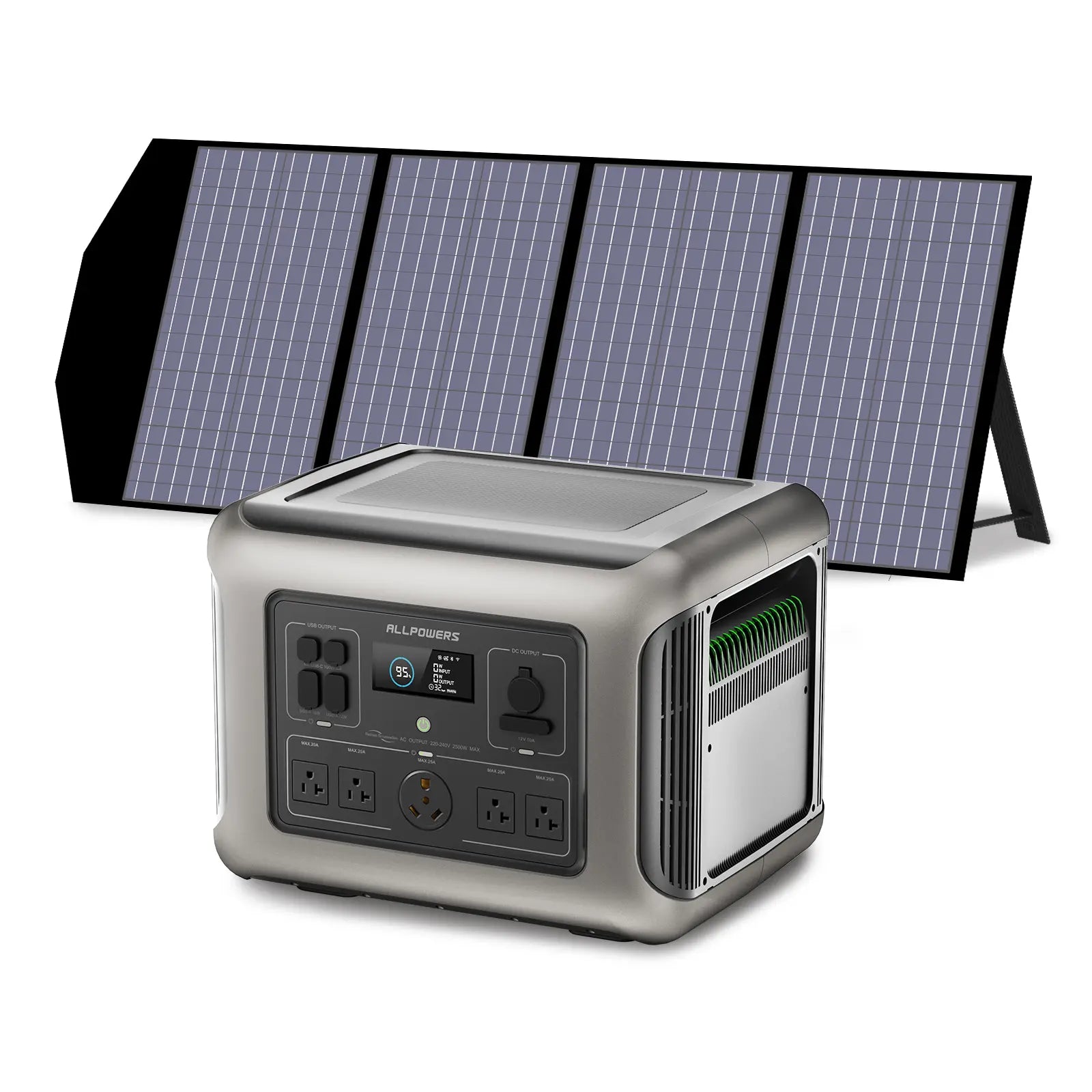
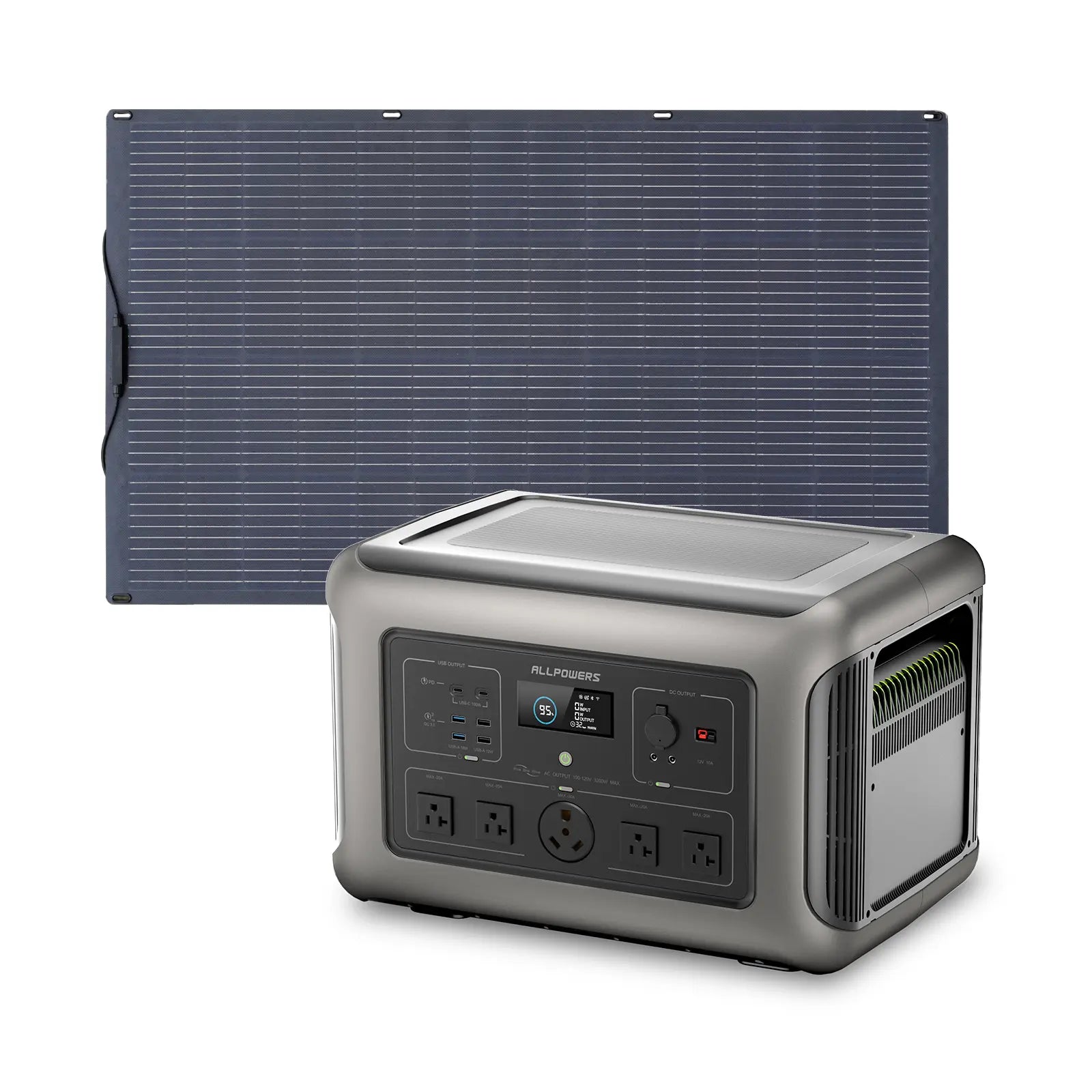
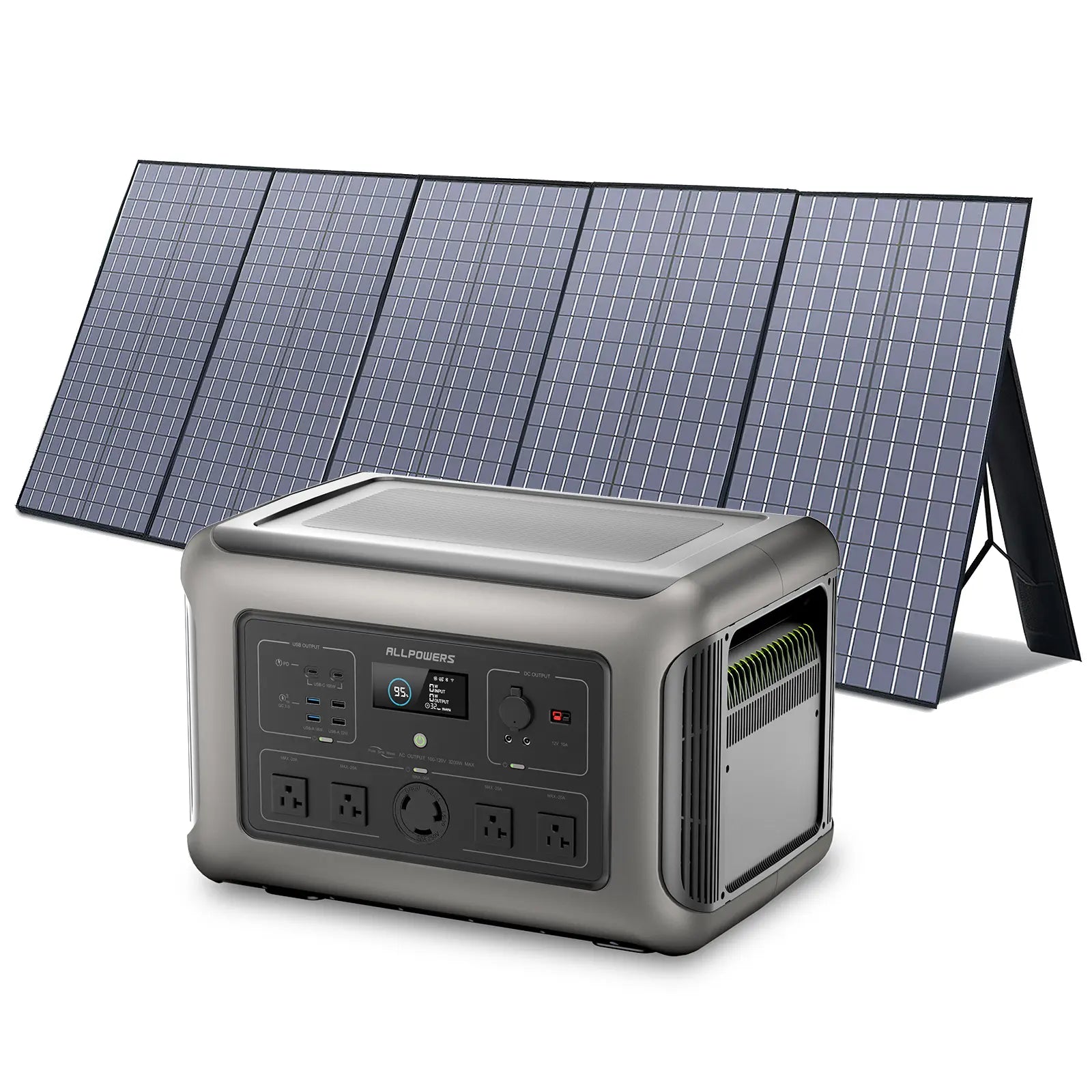
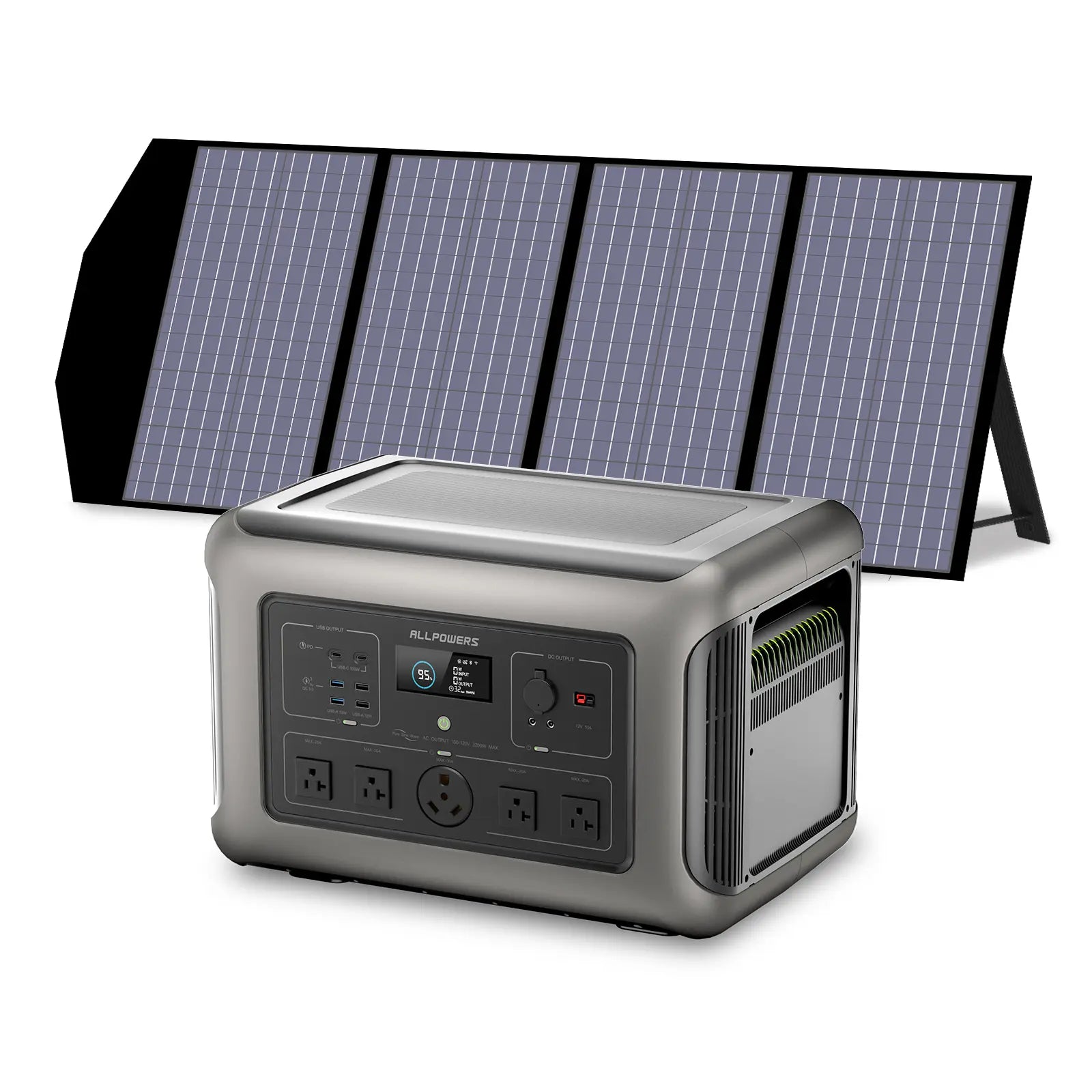
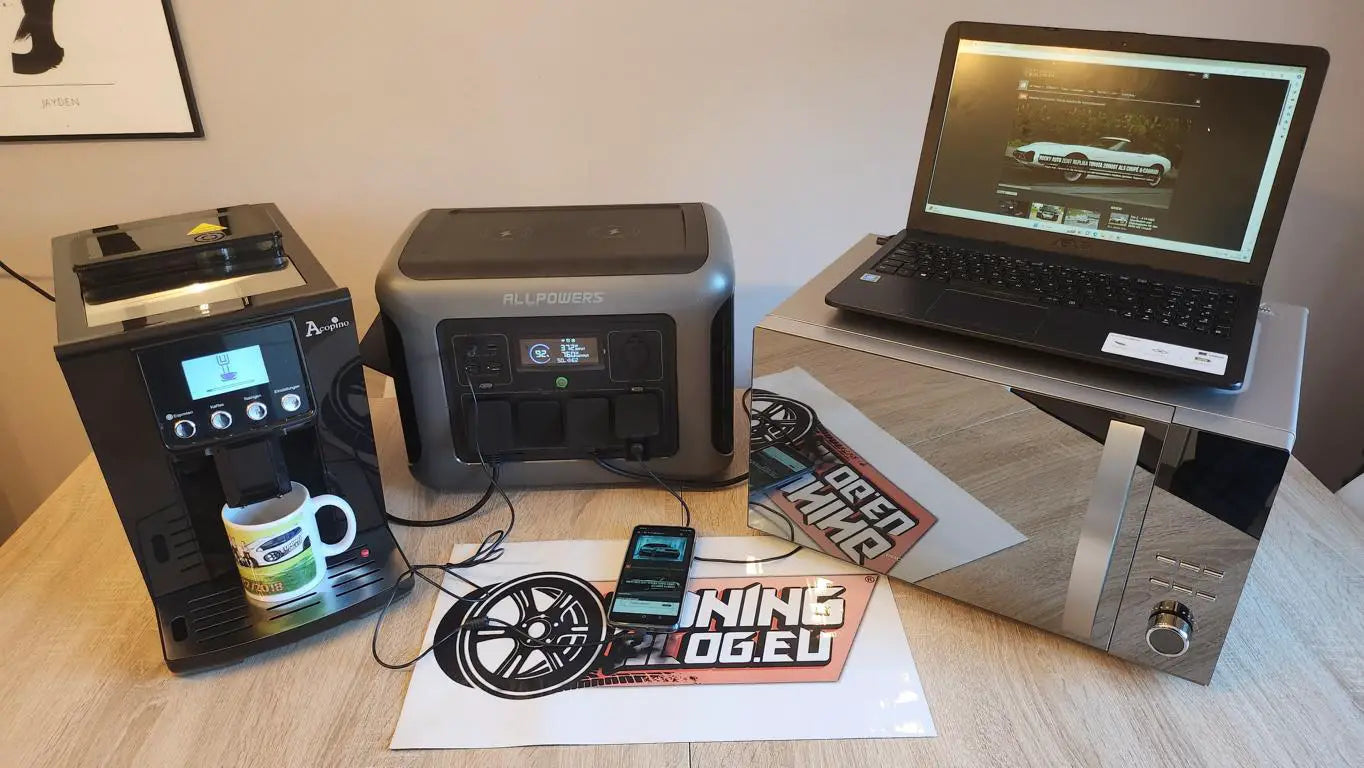
At home, running a microwave is straightforward—plug it in and you're good to go.
But when you swap a traditional wall socket for a portable power station, the whole equation shifts.
Microwaves, after all, have a reputation for being power-hungry appliances.
So, is it even practical to pair them with a portable energy source?
TL;DR: Yes, microwaves can be powered by portable energy stations, but it’s not as straightforward as plugging in your phone charger. Microwaves draw high wattage, especially at startup, so you need a power station that can handle both the running and surge wattage.
Power Demands of Microwaves
Microwaves are deceptively simple from the outside.
You push a button, and minutes later, dinner is heated. But inside, there’s a tiny furnace of electricity at work.
Most household microwaves range from 600 to 1,200 watts during normal operation.
Sounds manageable, right? Well, not quite. When you flip the switch, they don’t just run at that level instantly—they spike.
That spike, often called “starting watts” or “surge watts,” can be 2–3 times higher than the running wattage.
That sudden surge is what trips breakers or fries circuits if your power source isn’t prepared.
Learn More: What Does Starting Watts vs Running Watts Mean?
| Microwave Type | Cooking Power (Sticker) | Real-World Power Draw | Recommended Station Output | Total Cook Time per 1000Wh |
| Ultra-Compact / Travel | 600 Watts | 950 - 1100 Watts | 1500 Watts (Continuous) | 45 - 50 Minutes |
| Standard Dorm Size | 700 - 800 Watts | 1200 - 1350 Watts | 2000 Watts (Continuous) | 35 - 40 Minutes |
| Mid-Size Household | 900 - 1000 Watts | 1500 - 1650 Watts | 2000 Watts+ (Continuous) | 25 - 30 Minutes |
| Full-Size Kitchen | 1100 Watts+ | 1800 - 2200 Watts | 3000 Watts (Continuous) | 15 - 20 Minutes |
Choosing the Right Portable Power Station for a Microwave
You might be wondering, “So, how do I know if my power station is up for the task?” Honestly, it’s about matching numbers—volts, watts, and amps.
A typical 1,000-watt microwave will require a power station that can handle at least 1,500 watts of surge, just to be safe.
This ensures that the brief spike doesn’t trigger a shutdown.
But there’s another layer here. Not all portable power stations are created equal.
Some use modified sine wave output, and some deliver pure sine wave electricity.
Microwaves, along with some sensitive electronics, prefer a pure sine wave—it’s cleaner and mimics what you’d get from a household outlet.
Using a modified sine wave might work for short bursts, but it can also cause the microwave to hum oddly or even overheat over time.
So, if you’re planning to nuke leftovers or heat soup off-grid, a pure sine wave is the way to go.
Learn More: Pure Sine Wave Inverter Vs Modified Sine Wave Inverter
How Long a Portable Power Station Can Actually Run a Microwave
Even if your power station can handle the surge, how long will it actually run your microwave?
Portable power stations store energy in watt-hours (Wh), and this is where the math gets interesting.
Suppose you have a 1,000 Wh station and a 1,000-watt microwave.
At first glance, you might think, “Perfect, one hour of cooking!” But life isn’t that tidy.
Conversion efficiency, internal resistance, and the surge factor mean you’ll likely get closer to 40–50 minutes of cumulative run time.
And let’s be honest, who runs a microwave continuously for an hour—they’re meant for quick heat bursts.
So even a smaller power station could be enough for a handful of reheats.
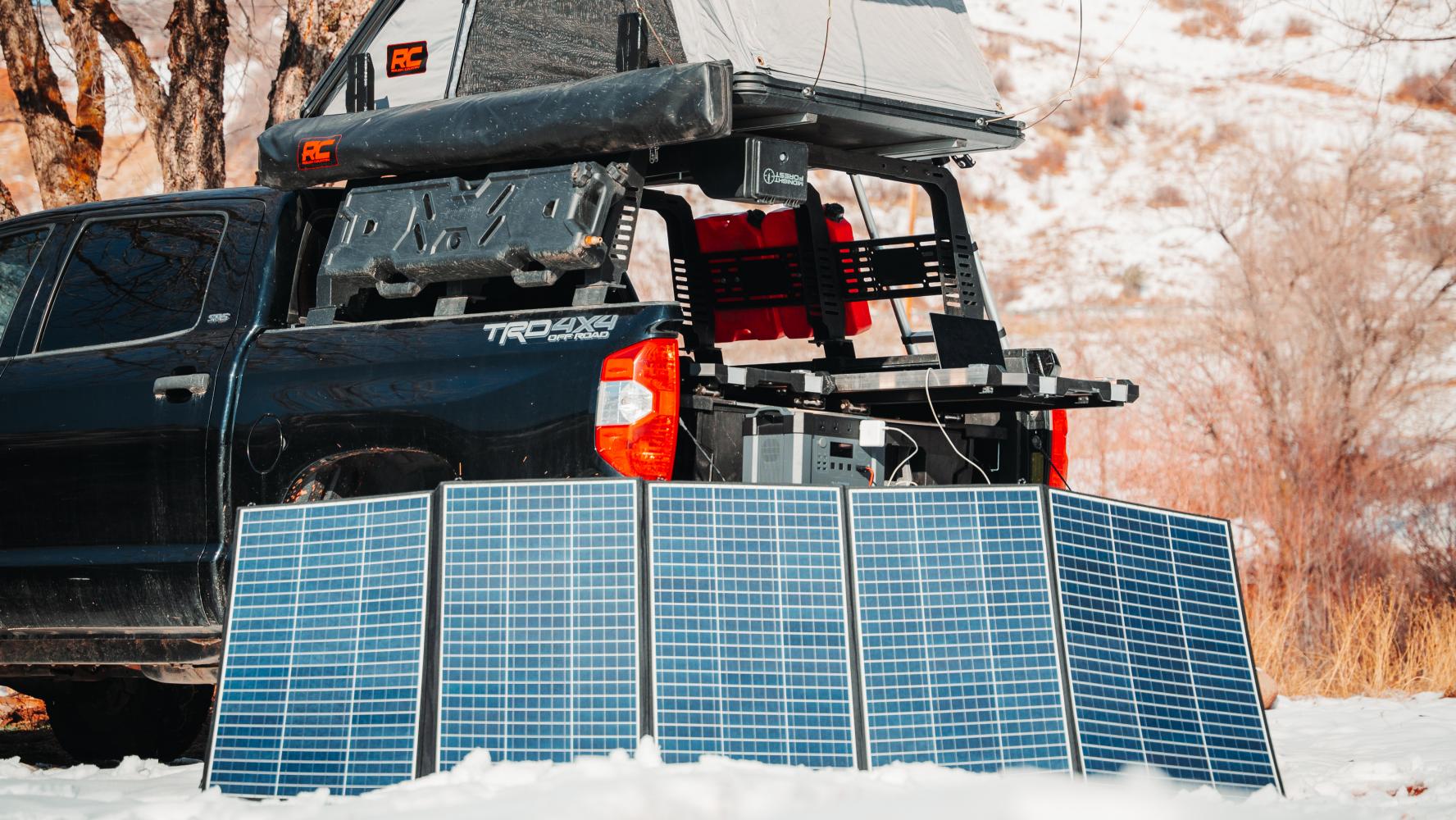
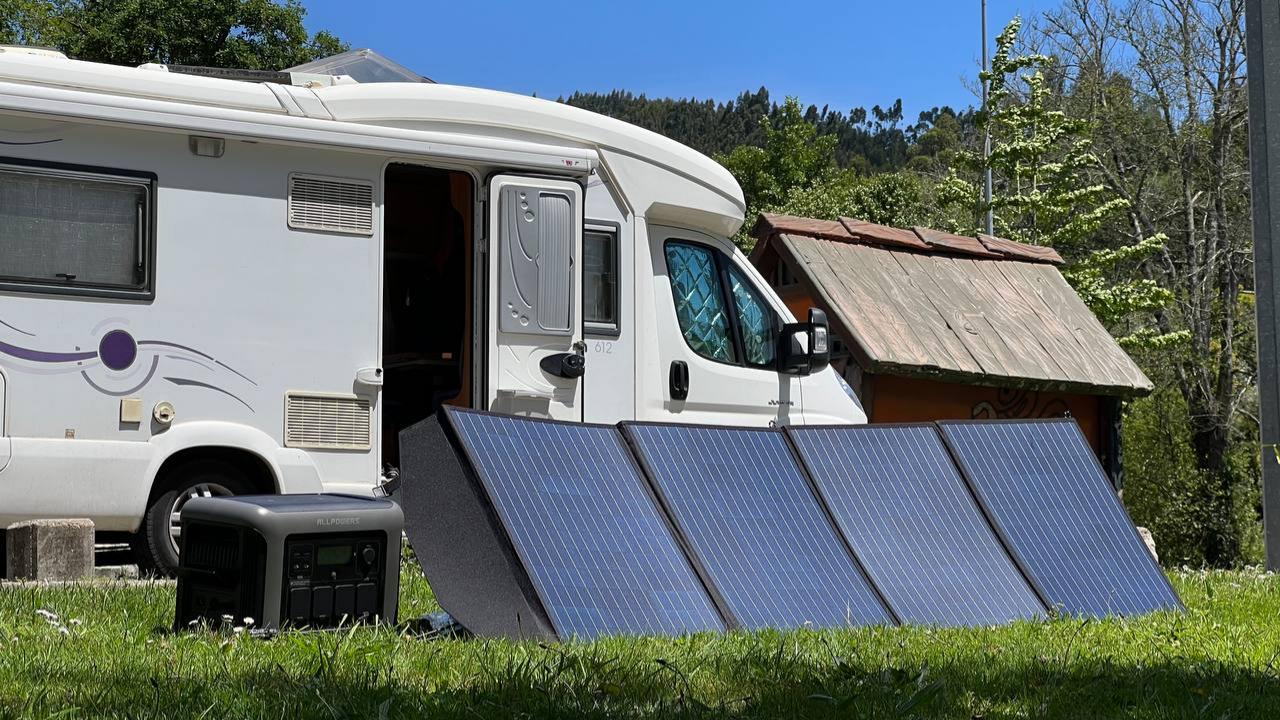
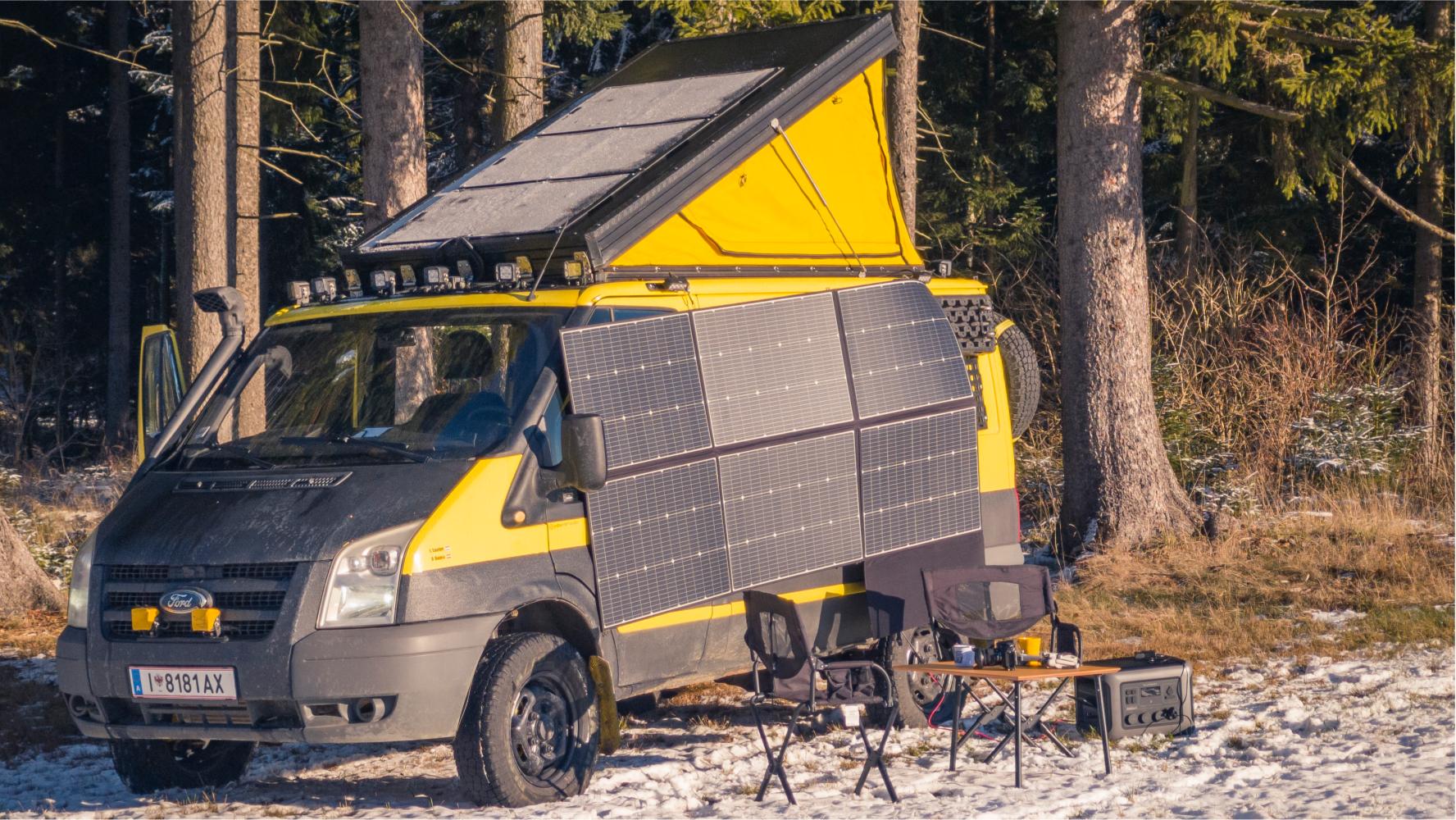
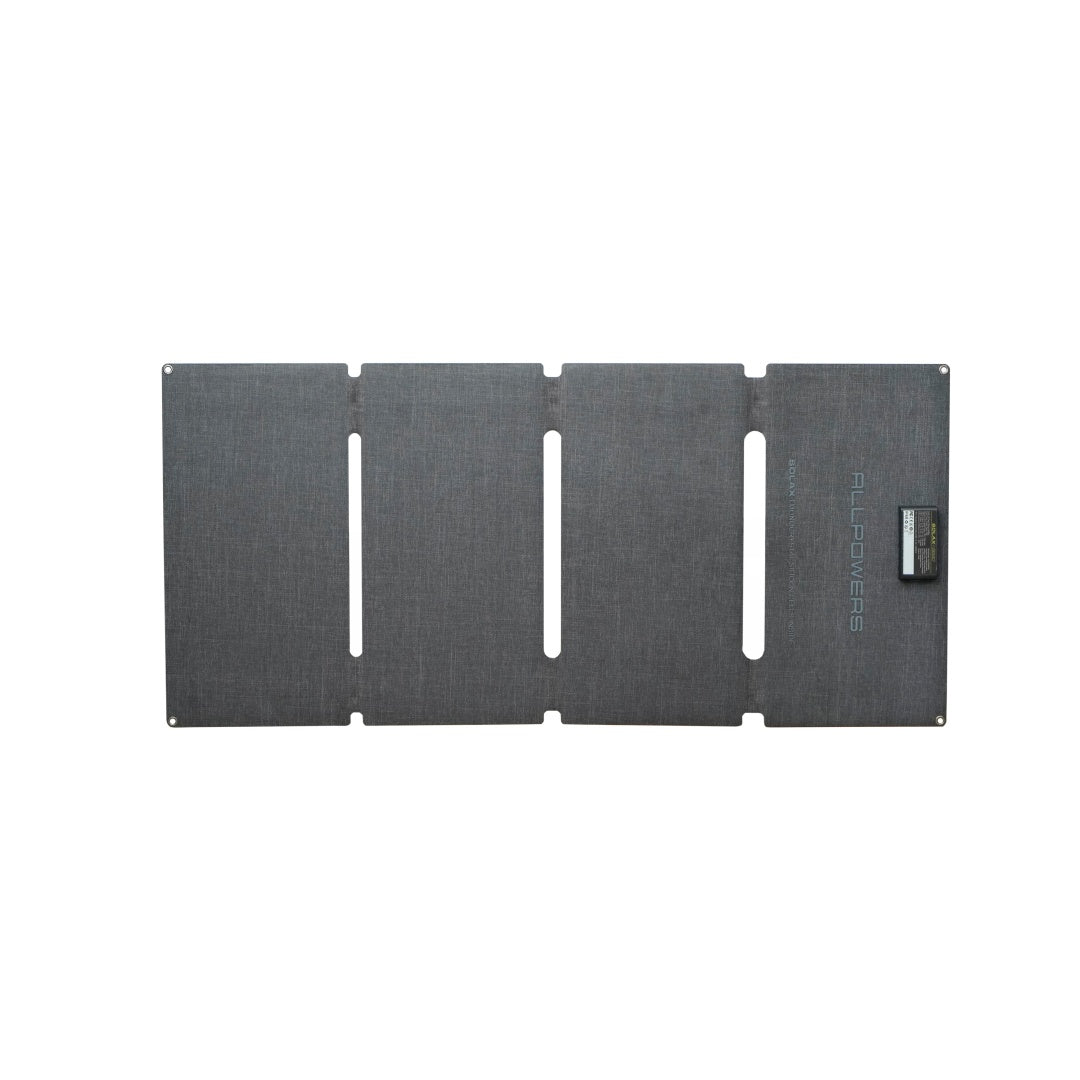
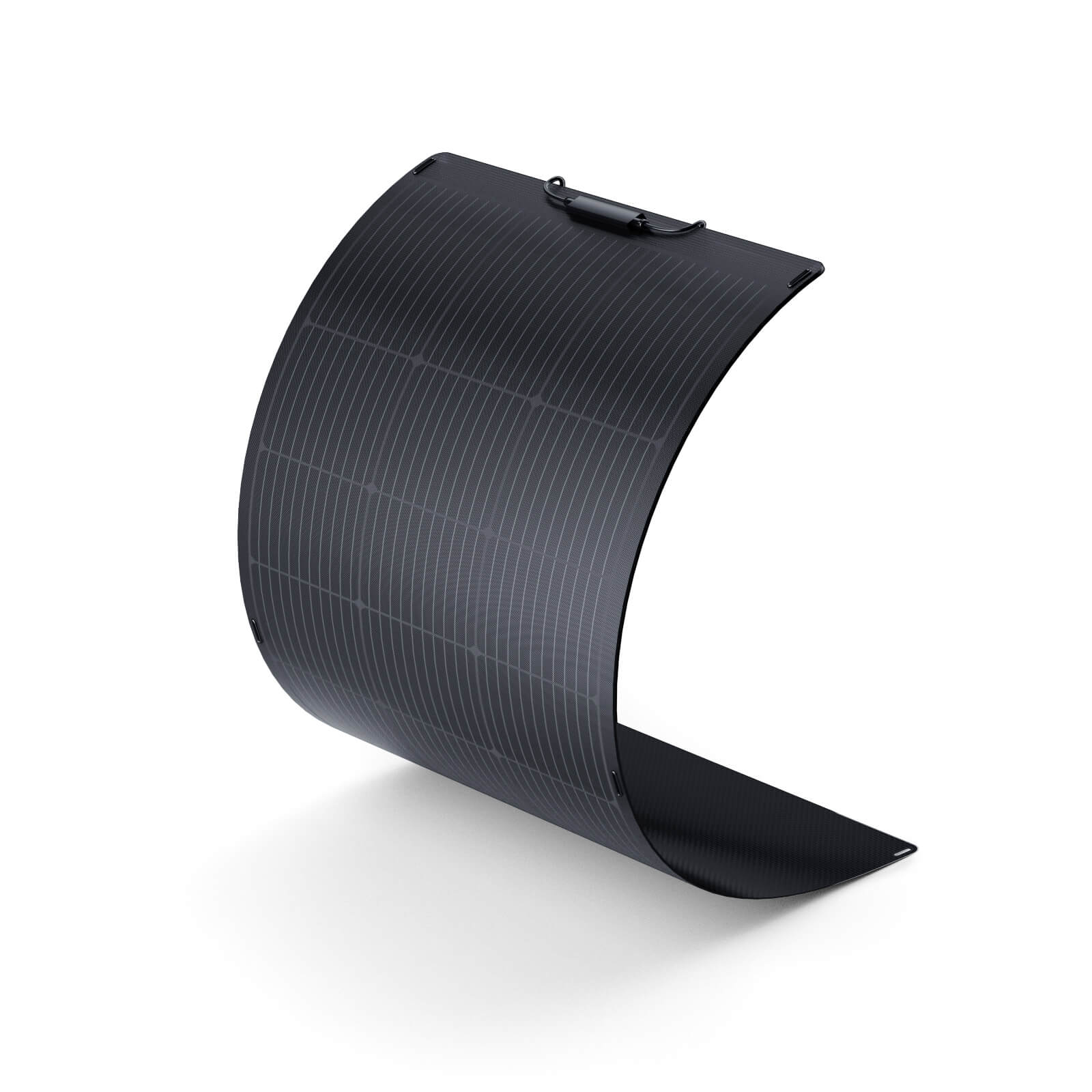
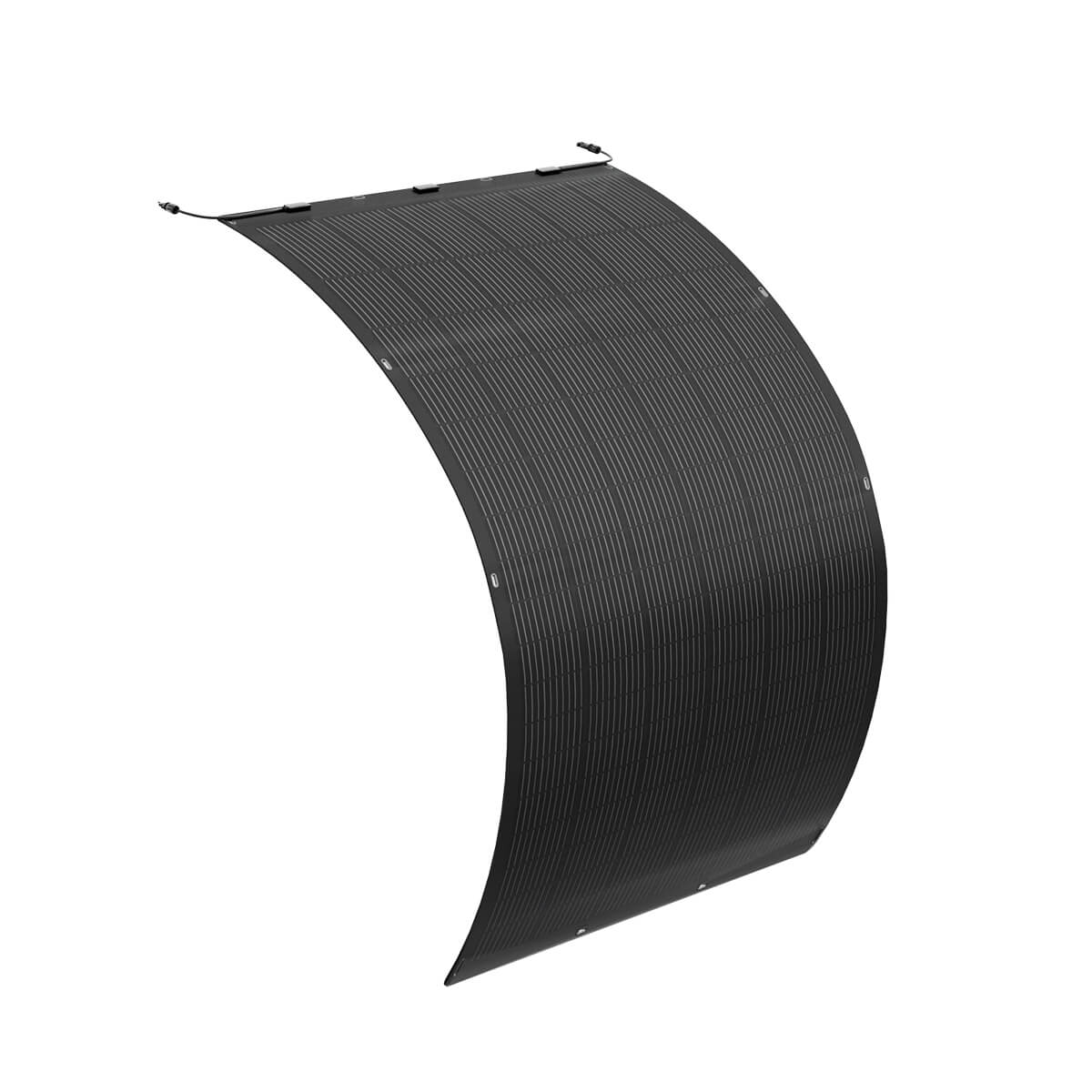
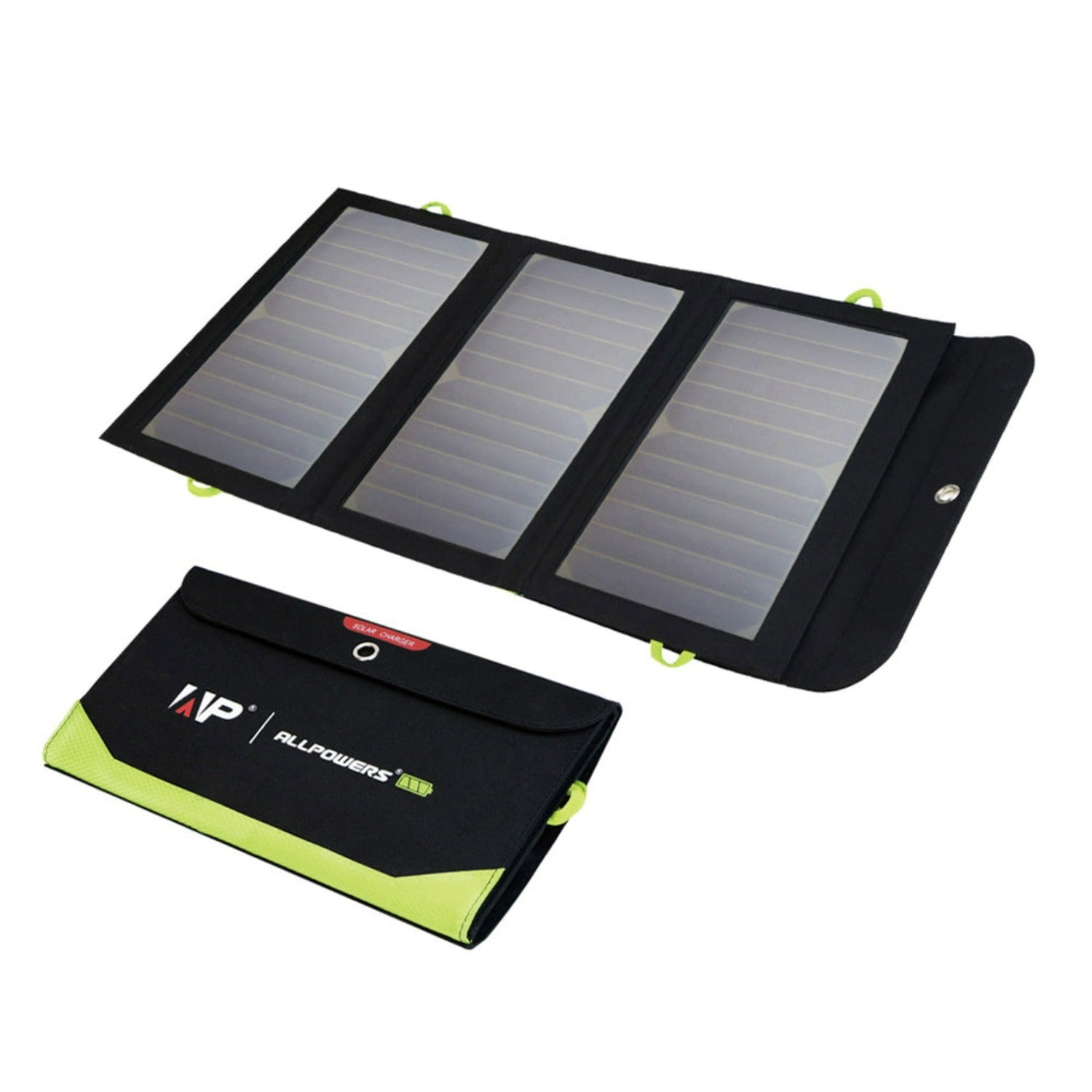
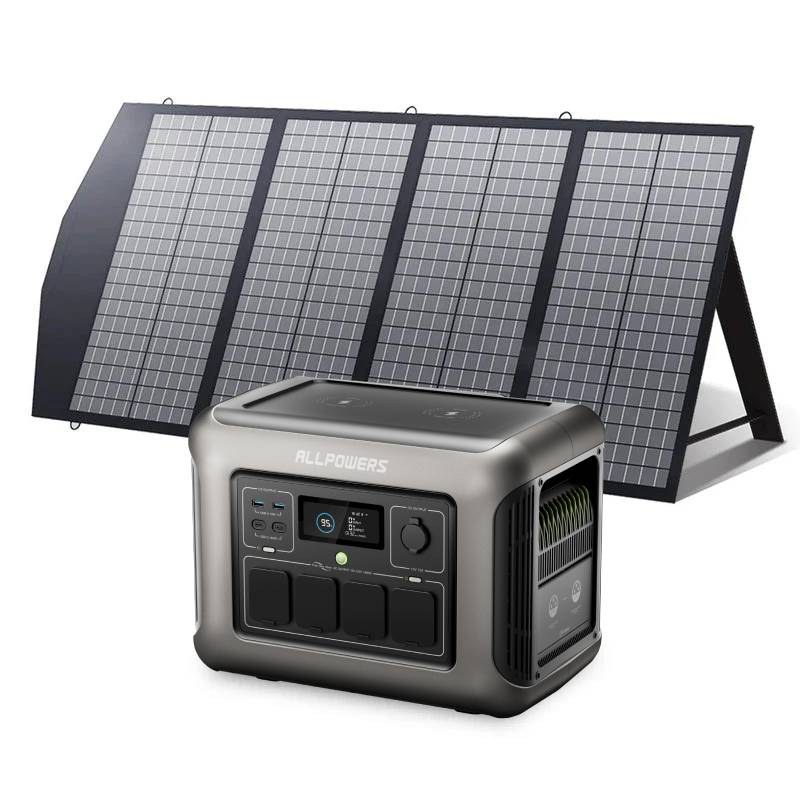
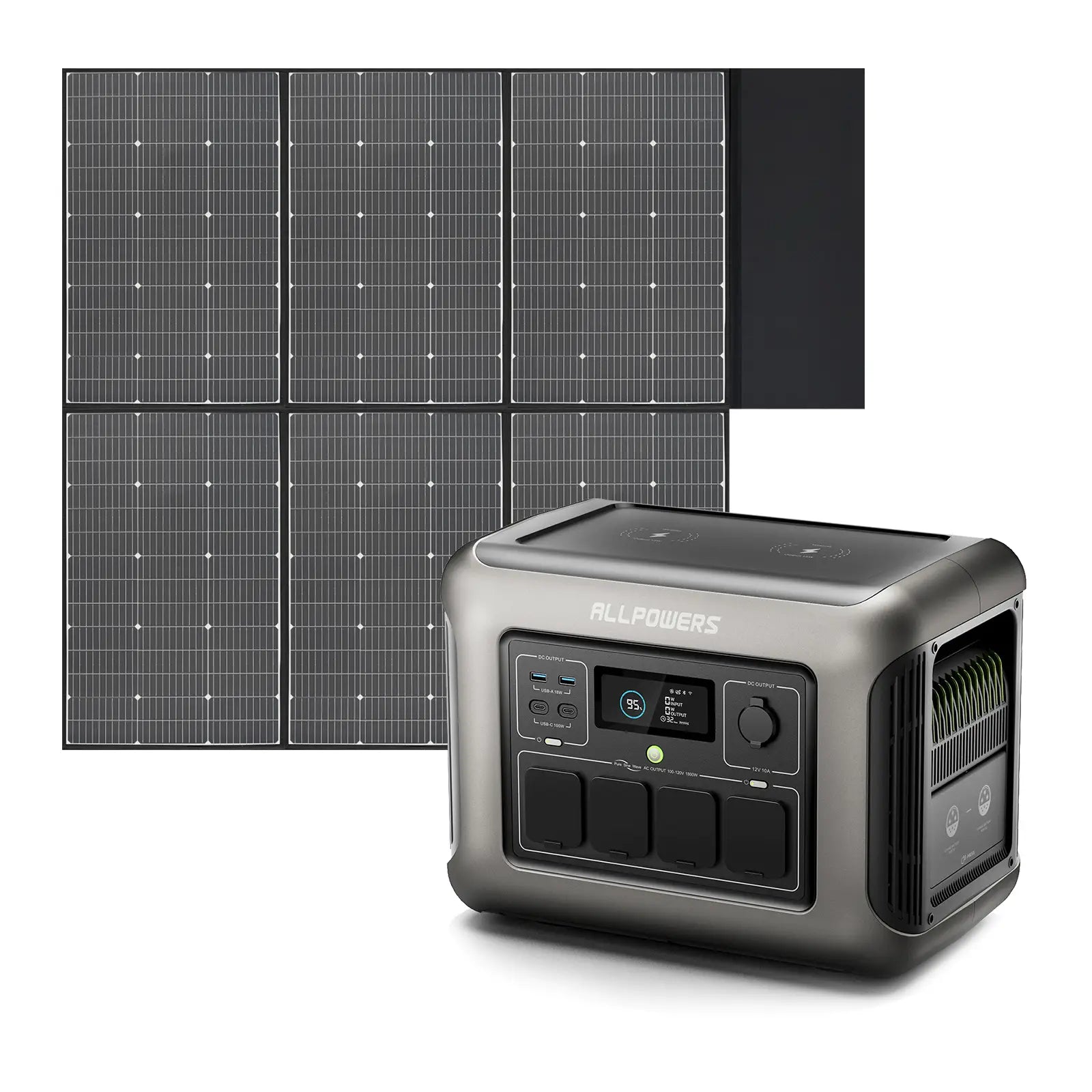
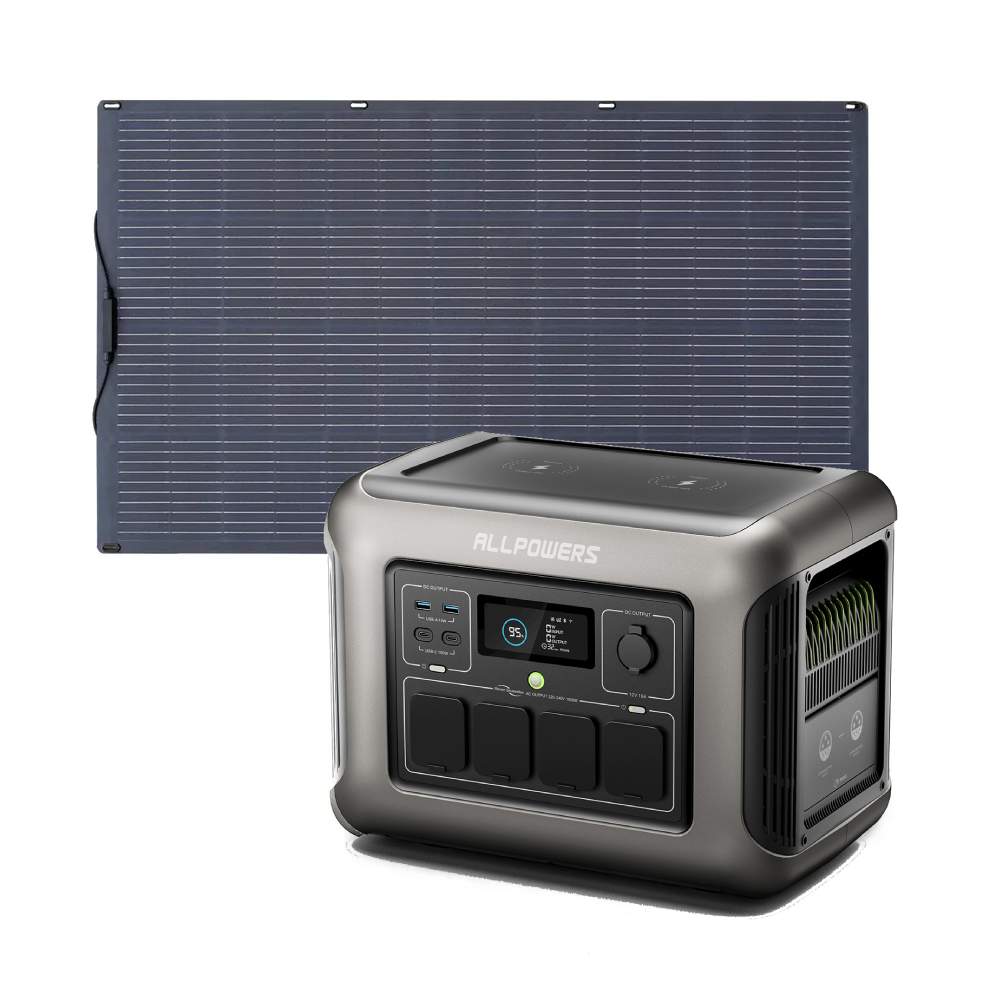
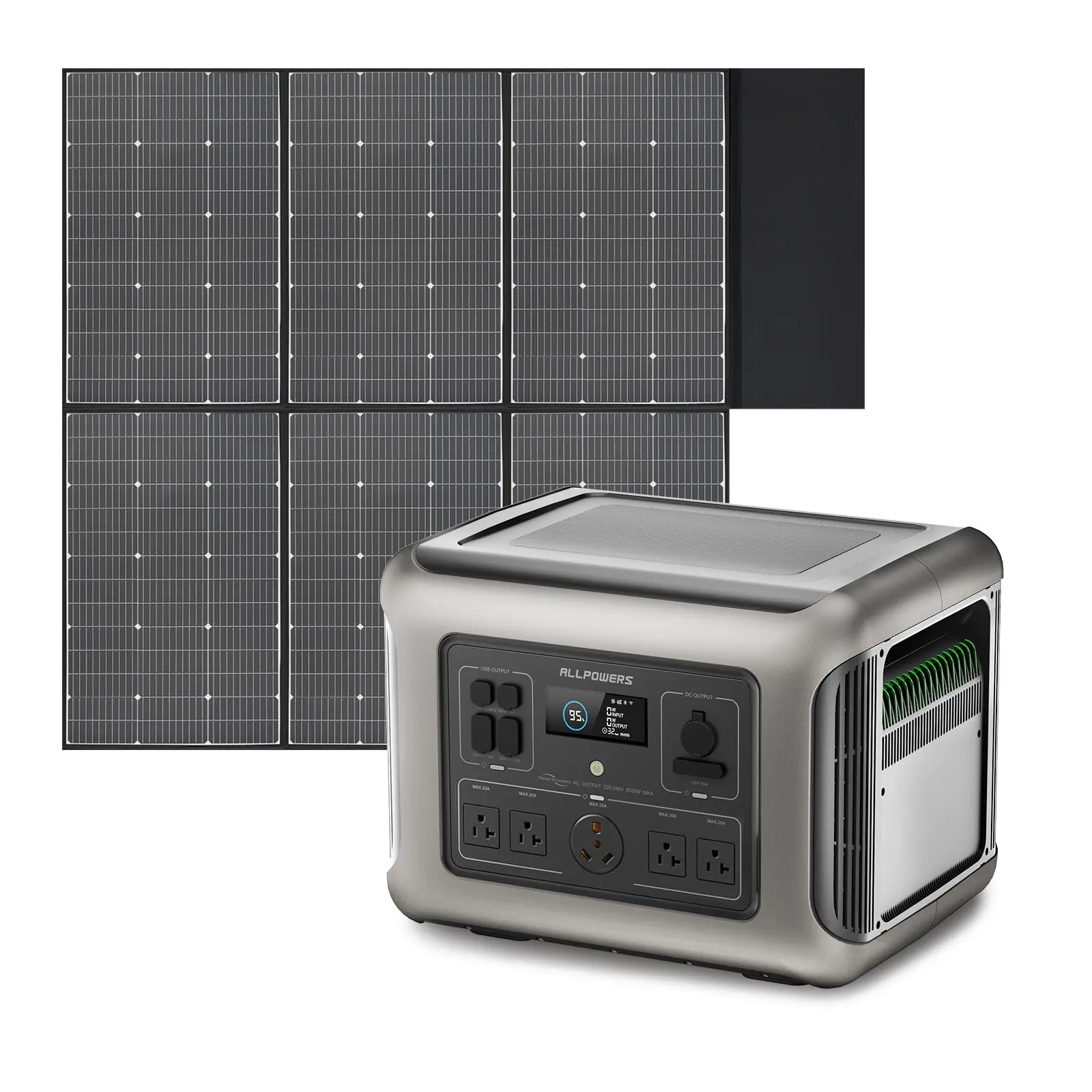
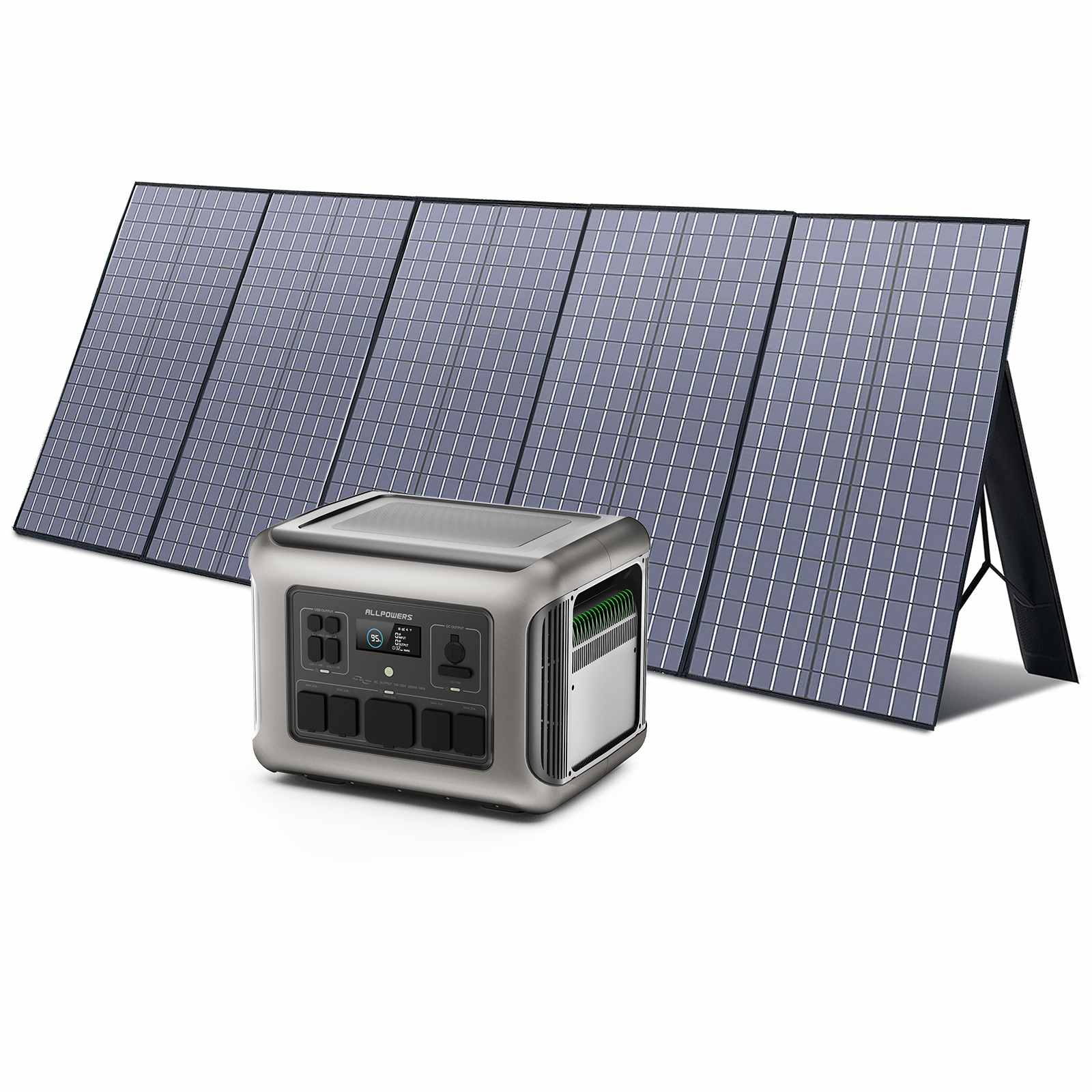
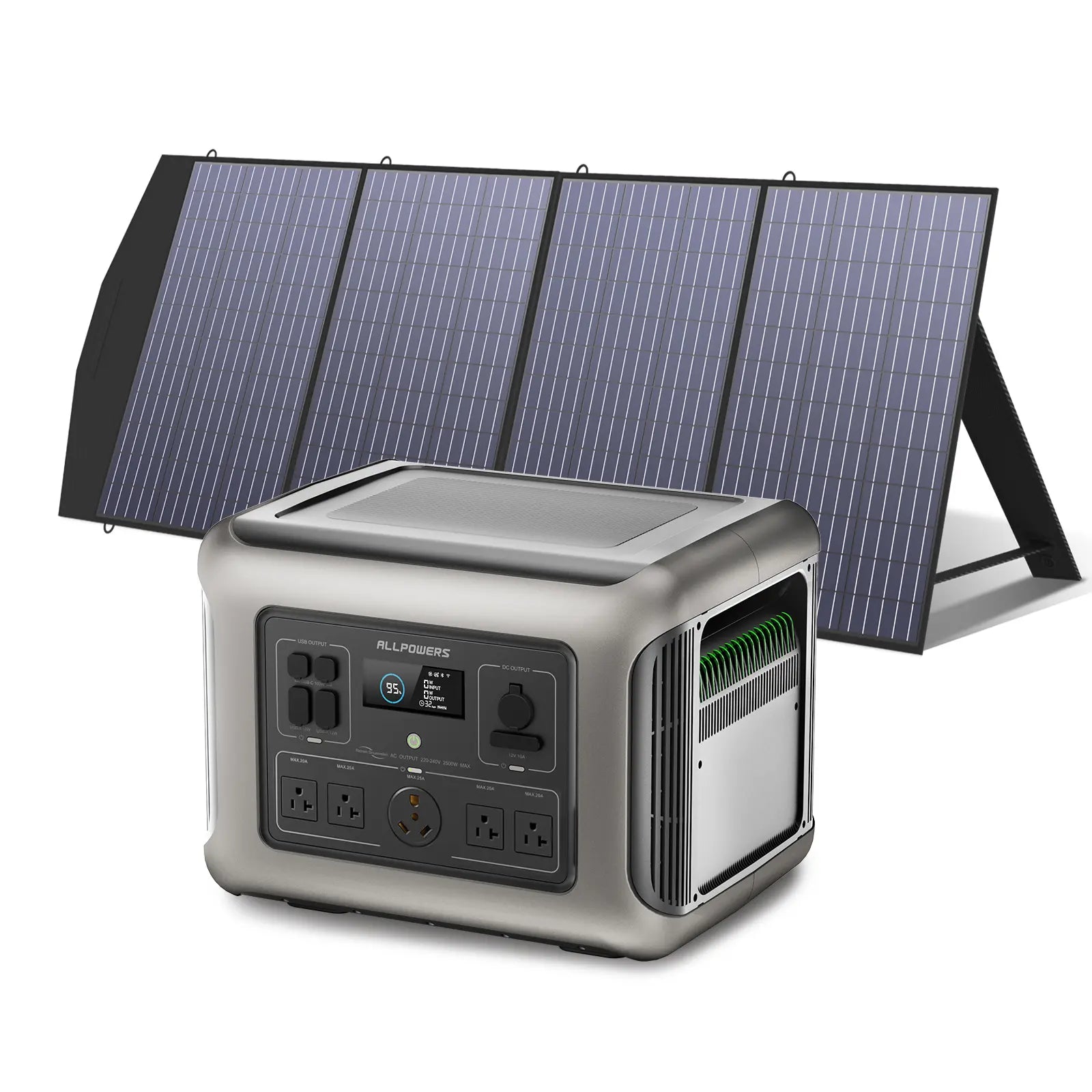
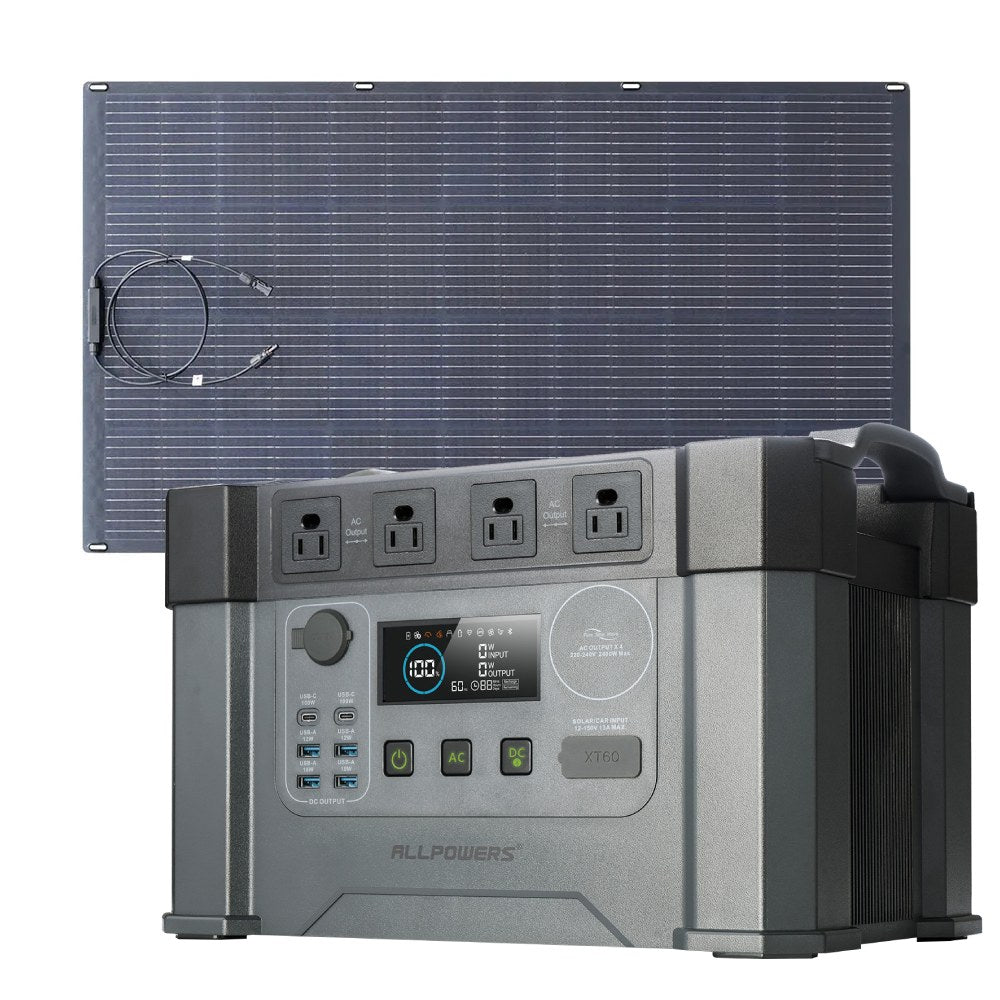
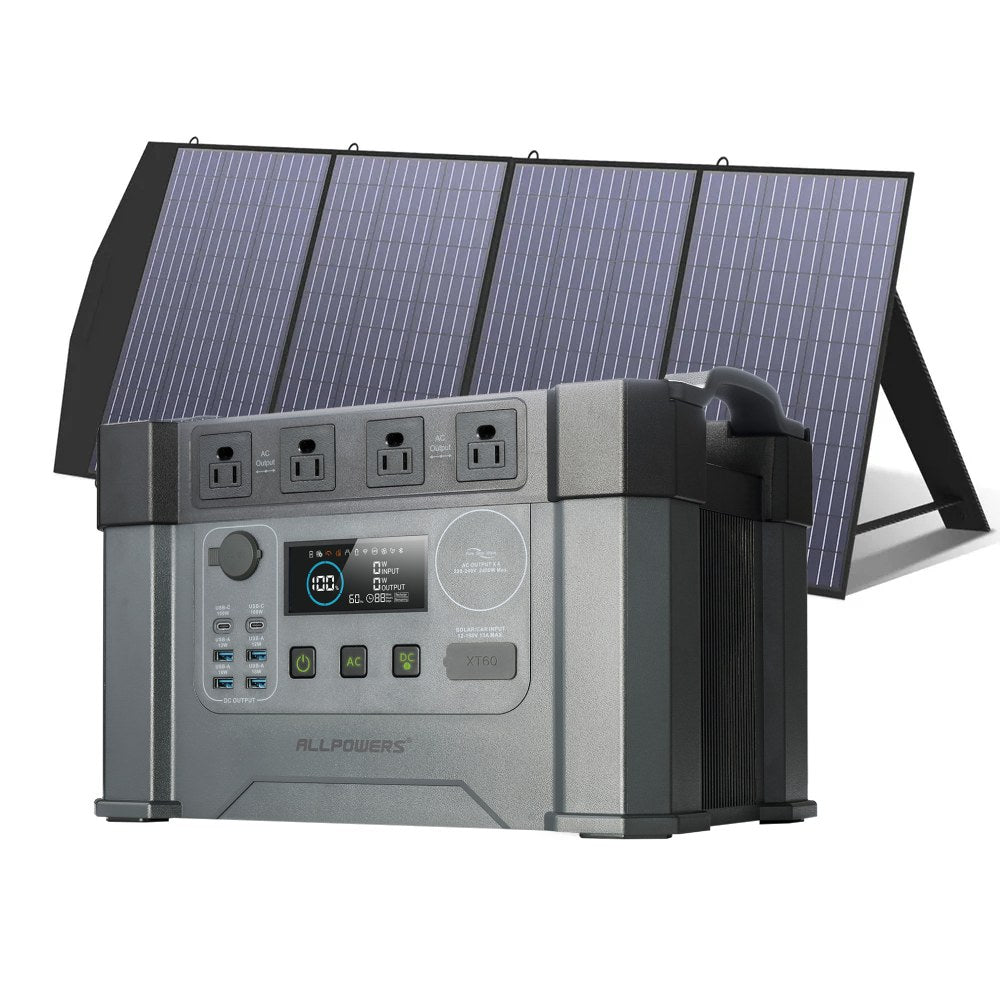
Some assume that adding solar panels means the microwave can run freely as long as the sun is out.
Microwaves still demand a lot at once, so you’re not running them directly from solar panels.
But here’s the quiet win. Solar charging helps replenish the battery. The net loss shrinks.
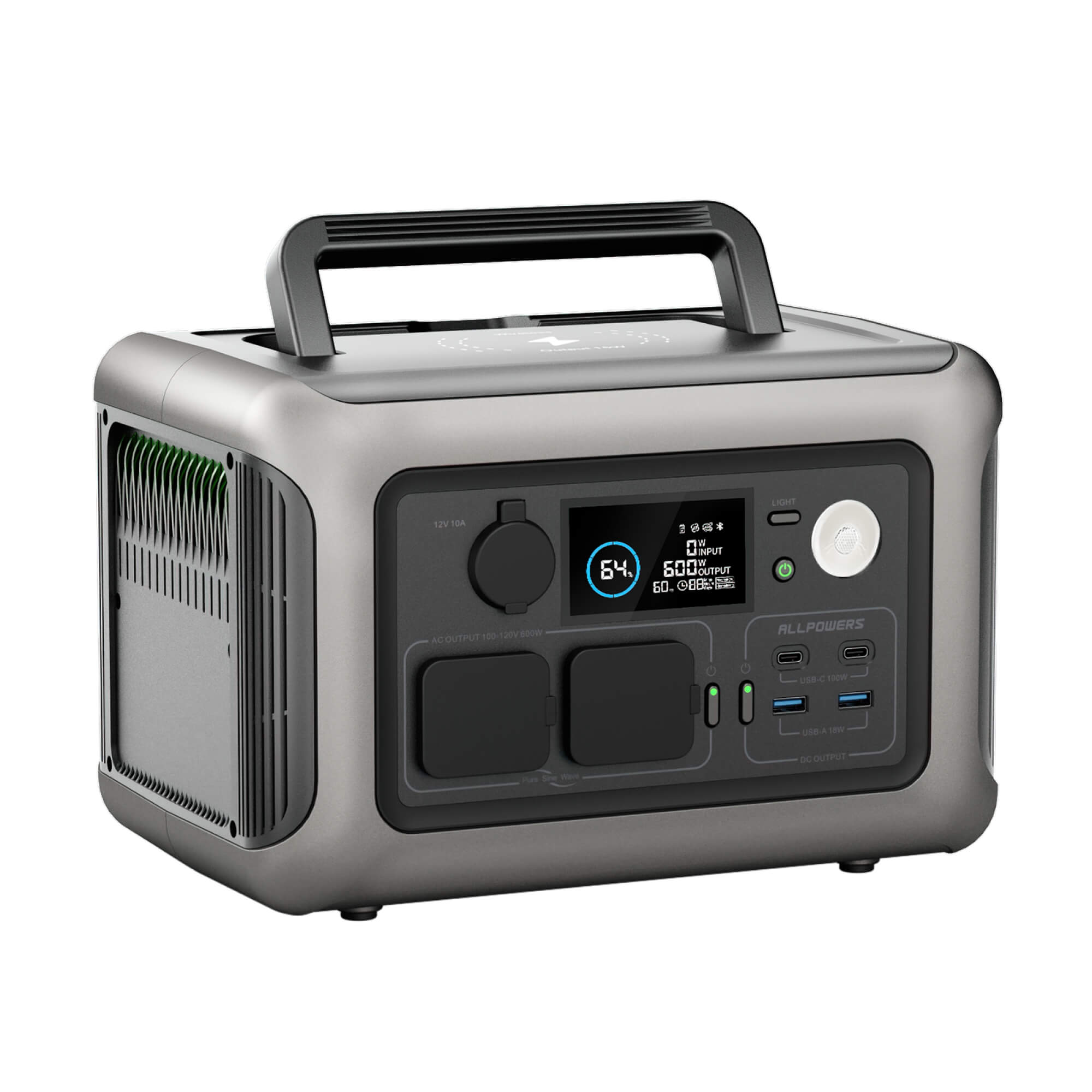
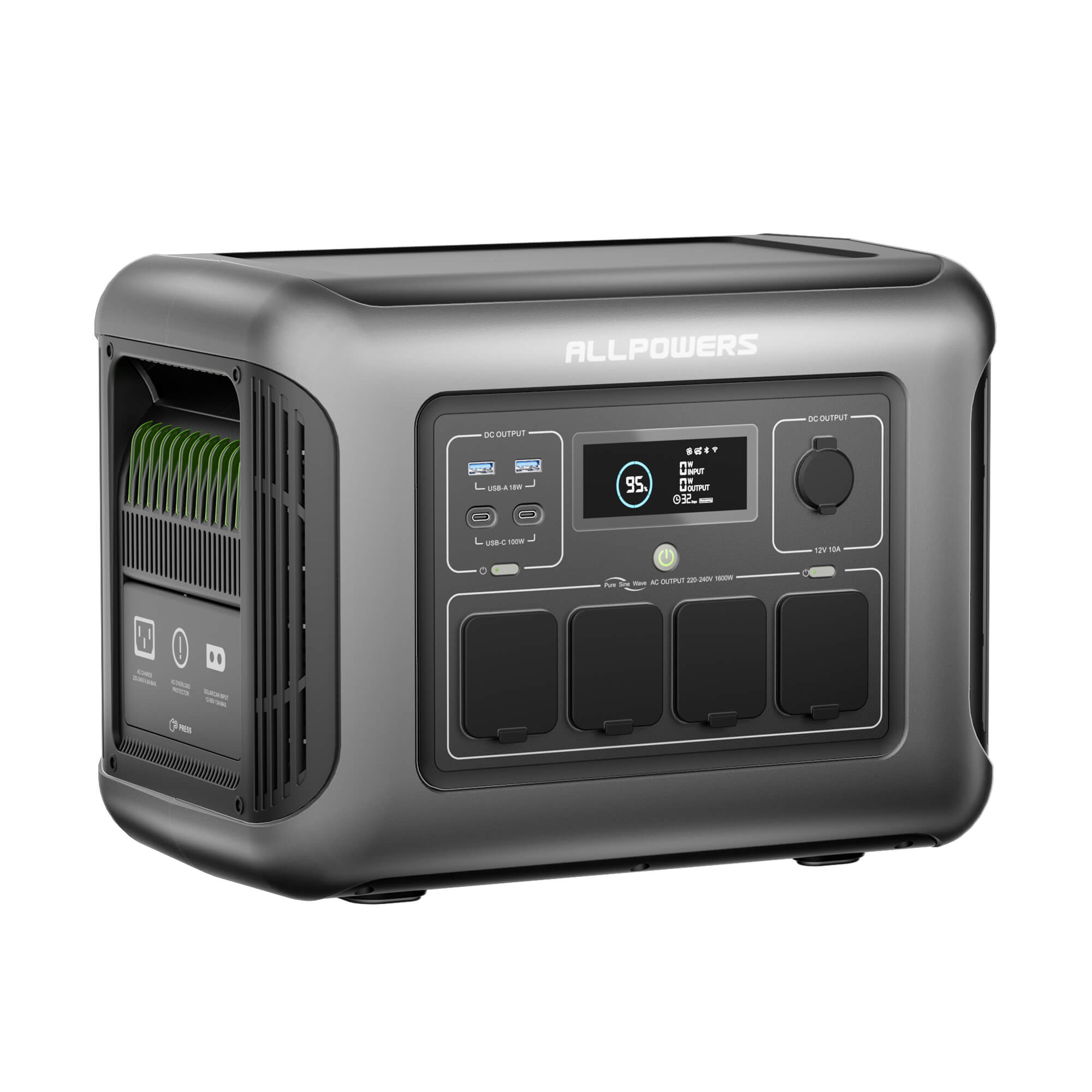
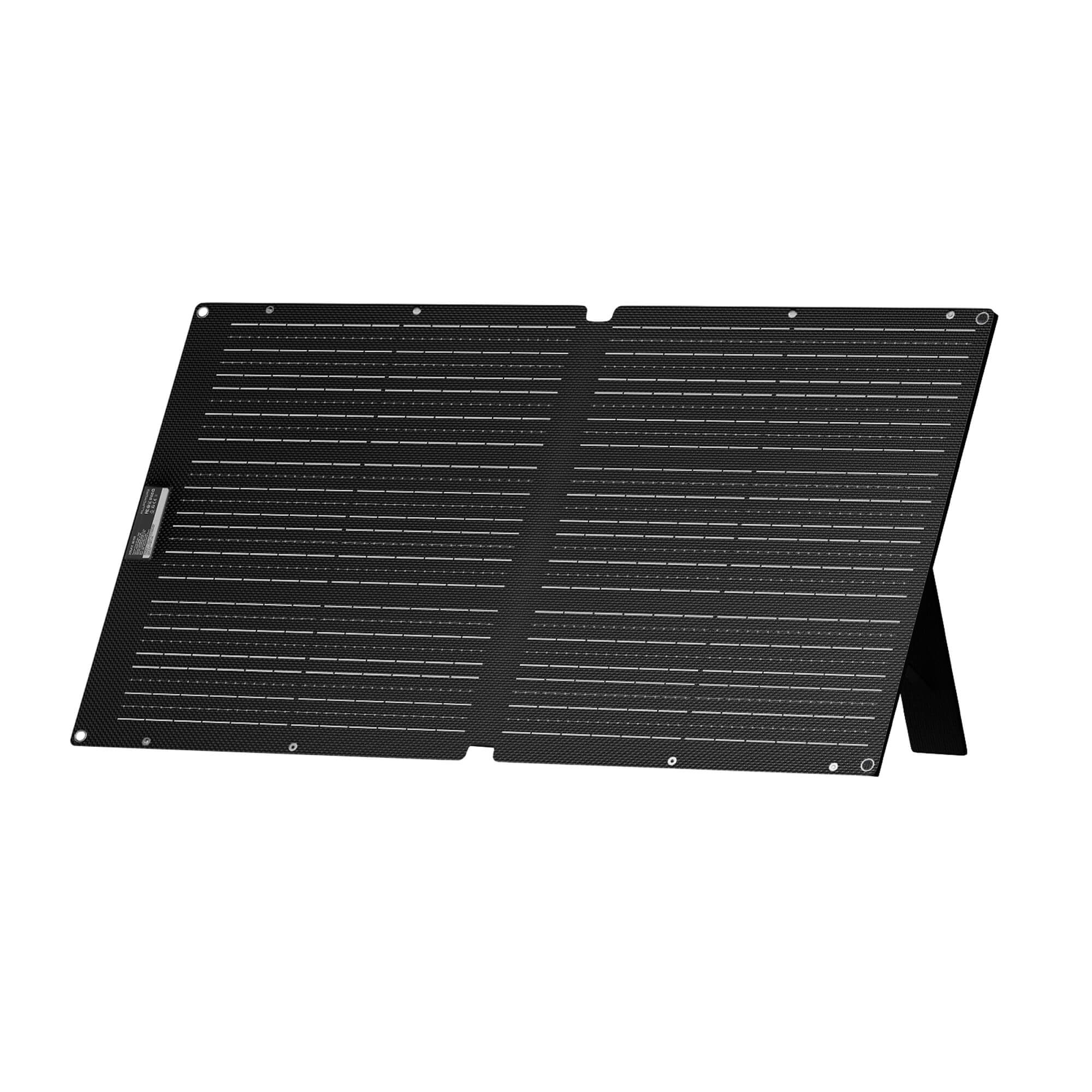
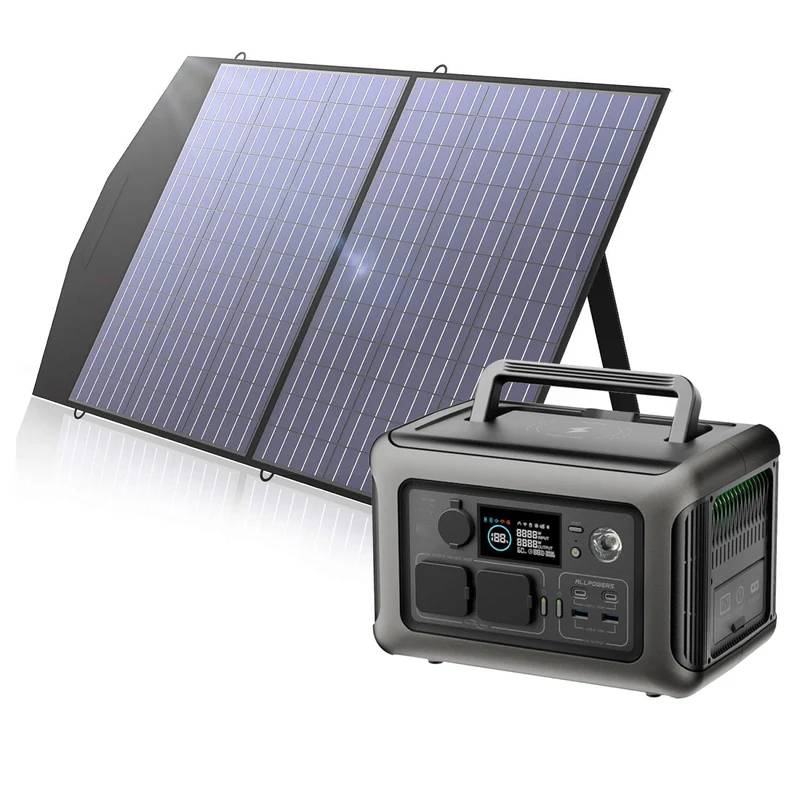
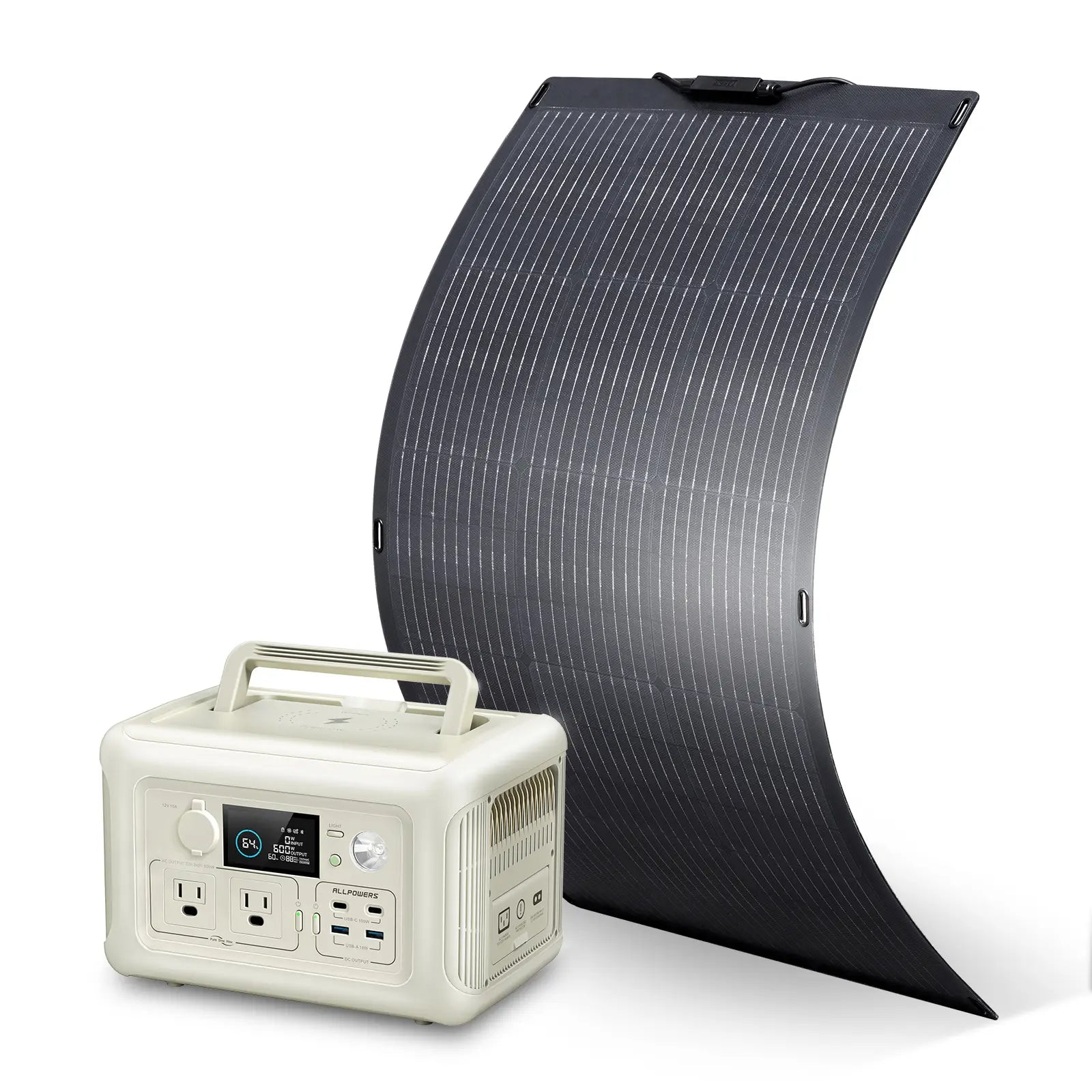
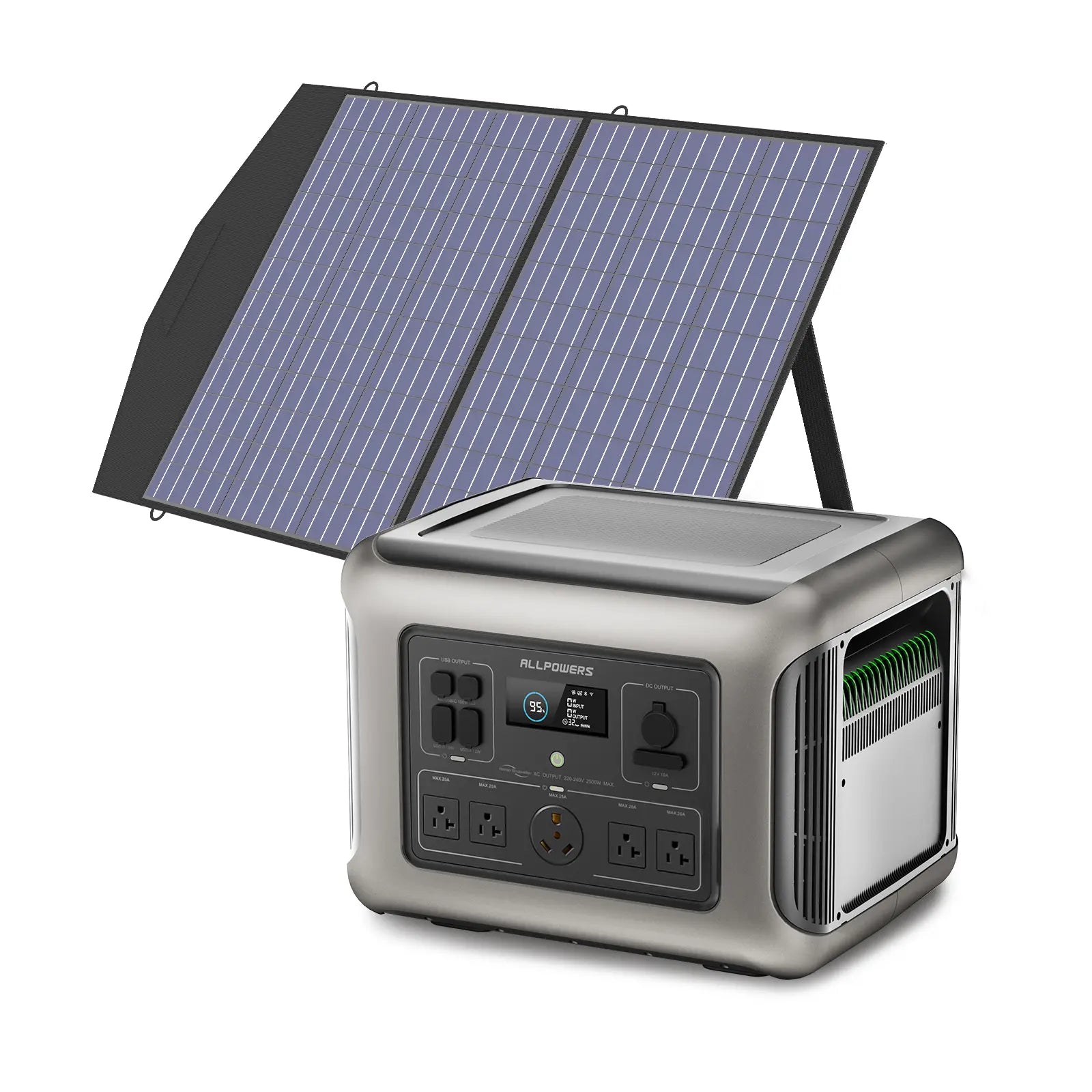
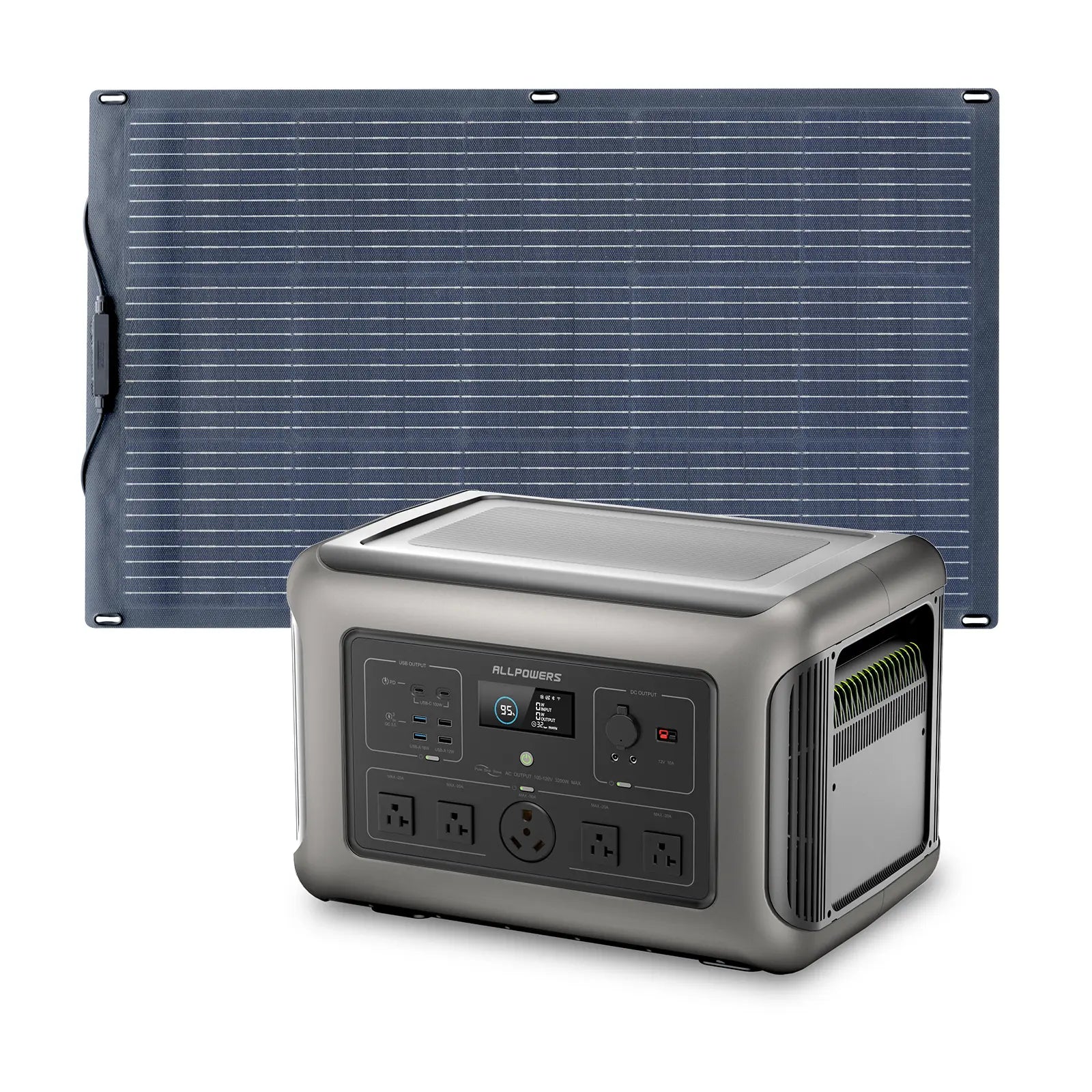
ALLPOWERS R600 + SP027
$246.00 $439.00
- 299Wh Capacity + 100W Soalr Input;
- 600W AC Output (1,200W Surge);
- Fast Charge 100% in 1 Hours;
- Start UPS in 10 ms;
- Long-Lasting And Safe Lifepo4 Battery;
When It Makes Sense to Use a Microwave Off a Portable Power Station
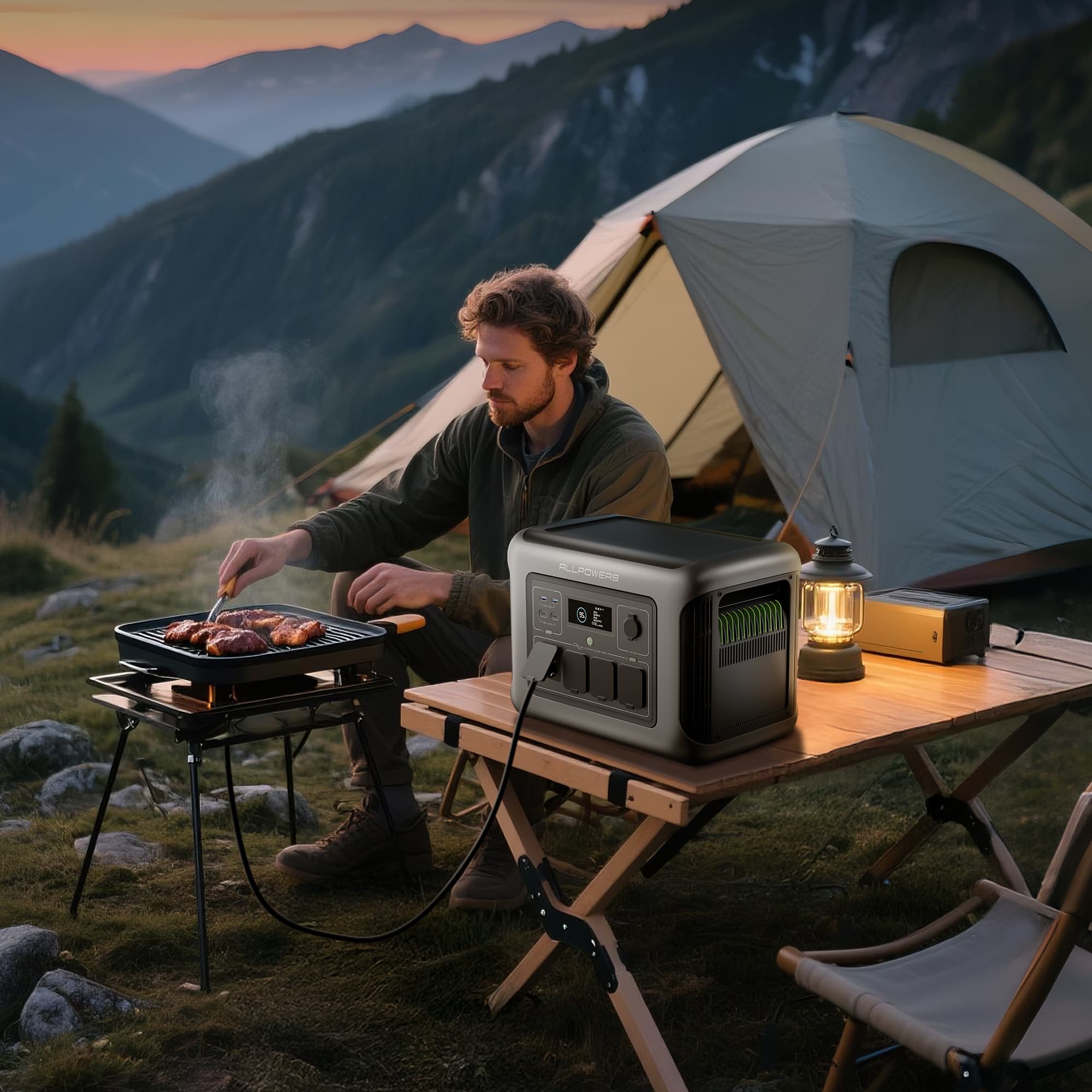
For short, occasional uses—like heating a cup of coffee, reheating leftovers, or popping a few frozen meals—yes, it makes perfect sense.
But for regular, heavy-duty cooking, a portable power station might not be the most efficient choice.
You know what? Sometimes, the better solution isn’t brute-forcing a high-wattage microwave.
Portable induction cookers, small toaster ovens, or even propane-powered stoves can sometimes do the job with less strain on your battery.
They might take a few extra minutes, but the trade-off is more usable energy for other devices and less anxiety about running out mid-meal.
Tips for Using a Microwave with a Portable Power Station
Honestly, if you plan to use a microwave off-grid, a few practical habits make life easier.
First, pre-plan your cooking. Instead of trying to heat multiple items consecutively, let the station recover between uses.
Second, consider using lower power settings—if your microwave allows it—because that reduces the instantaneous load.
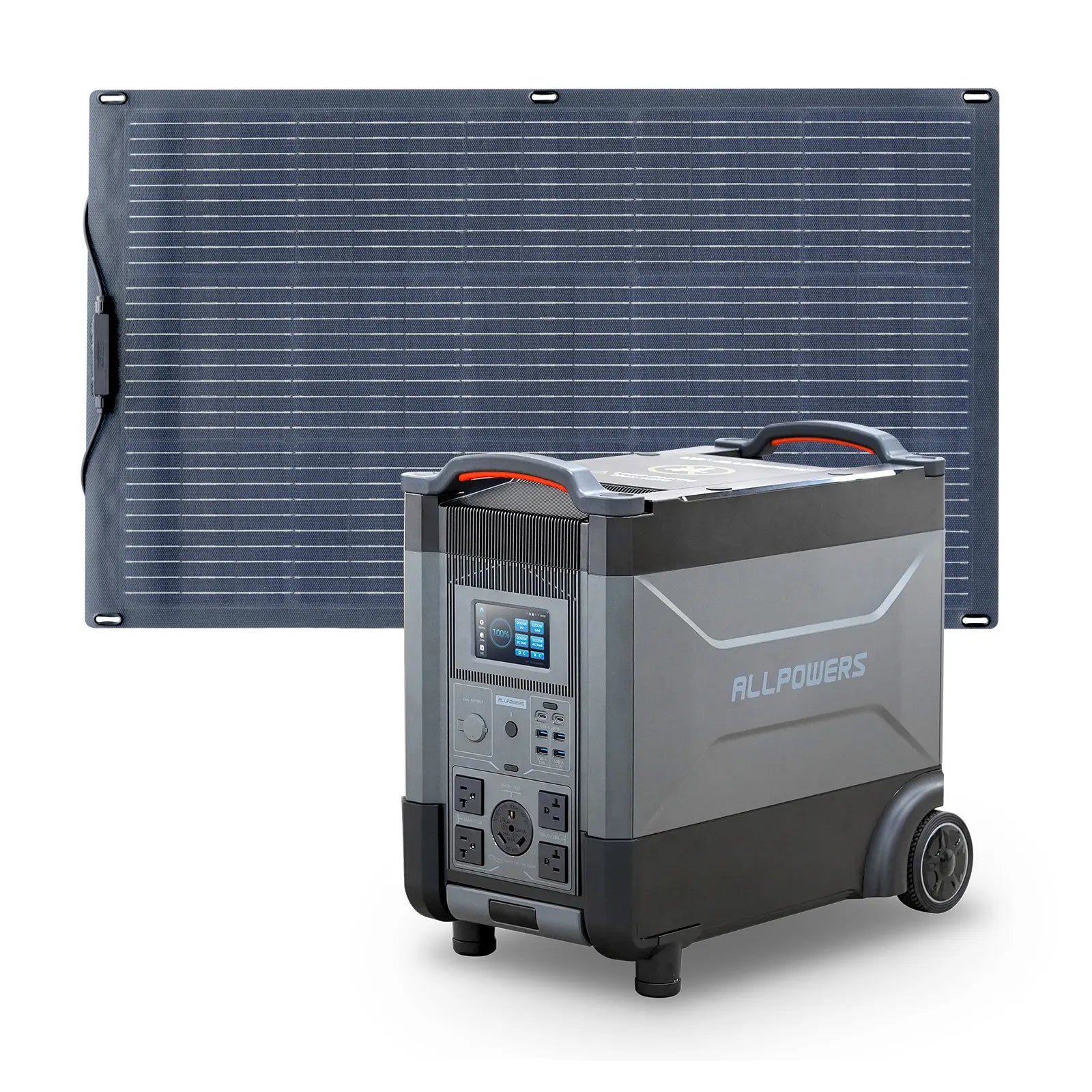
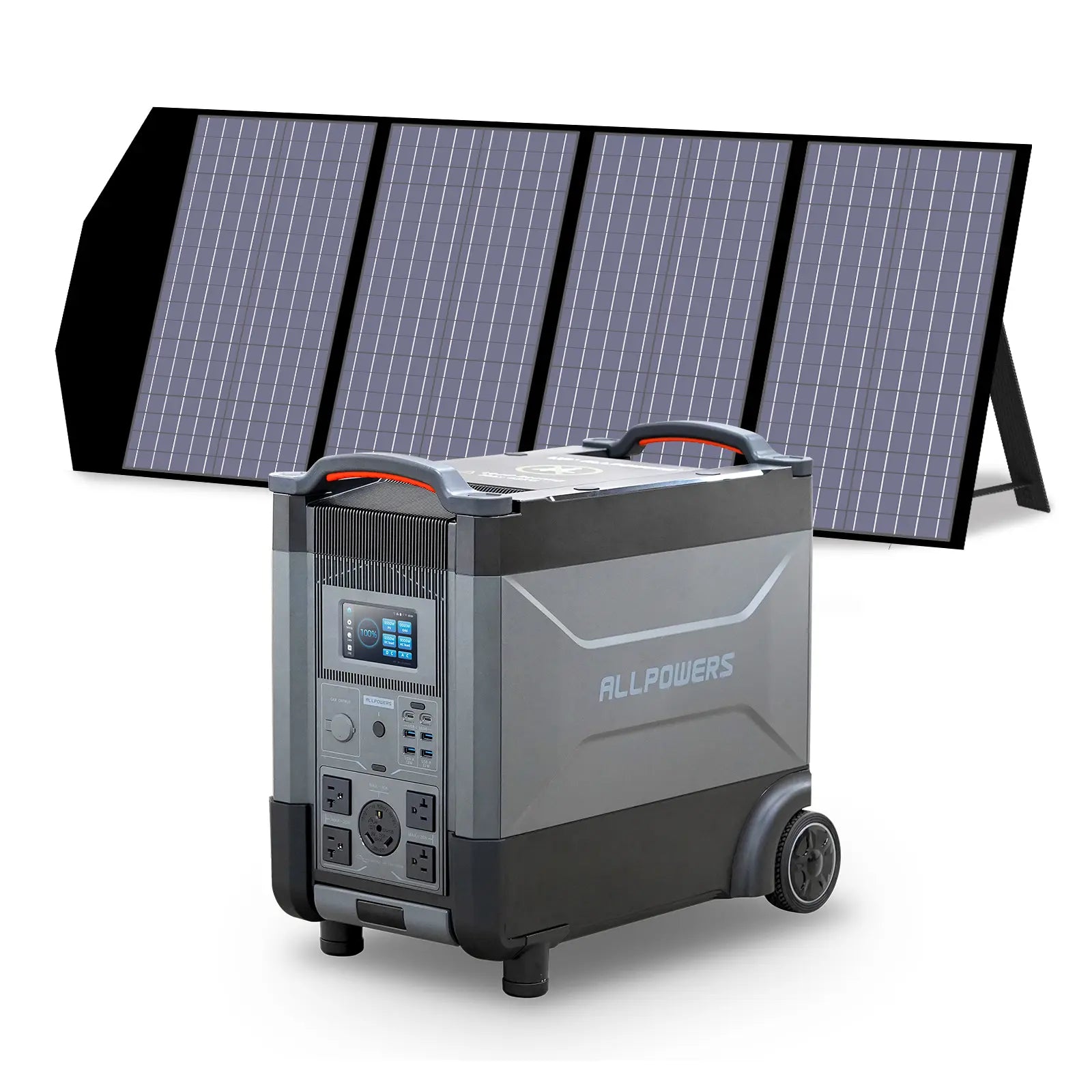
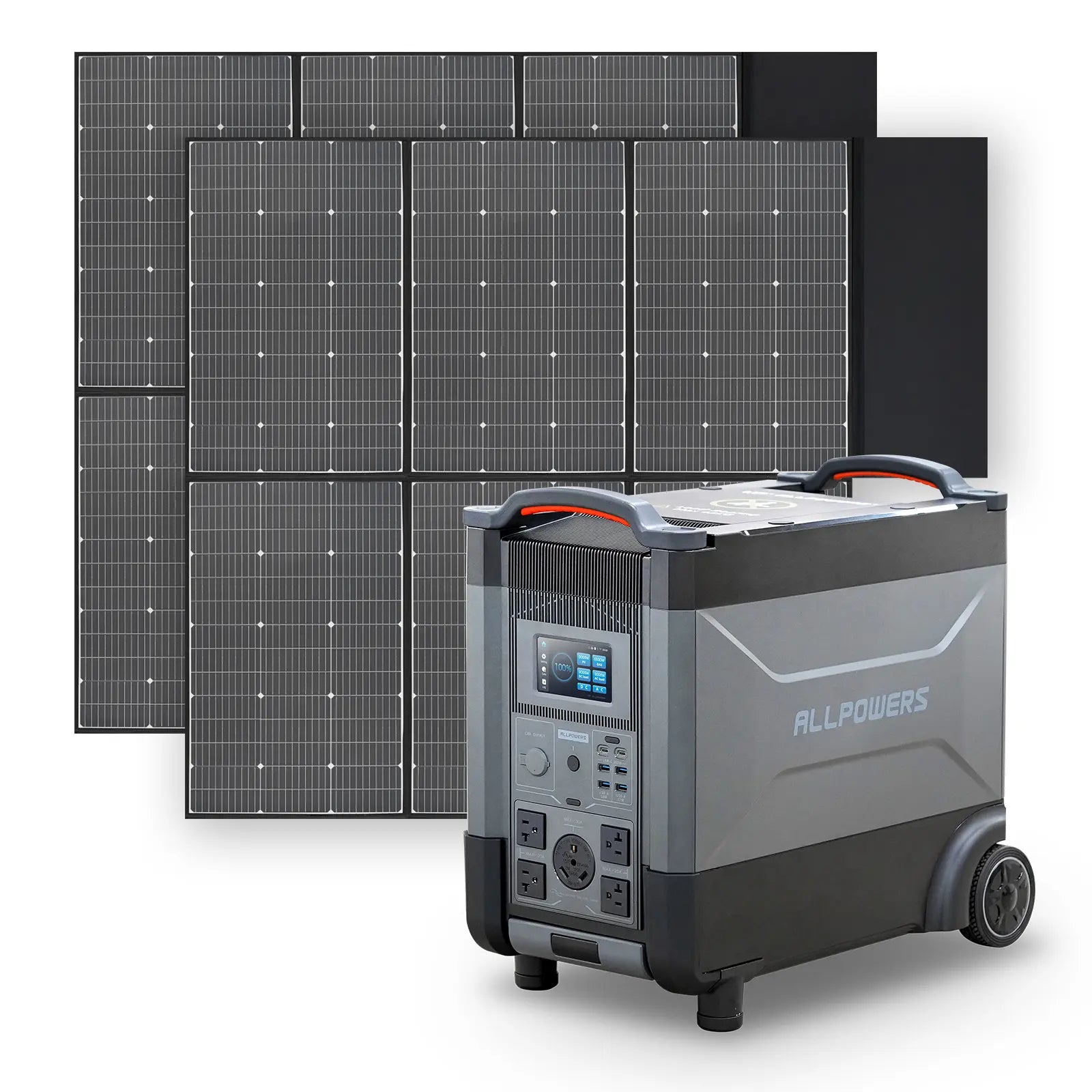
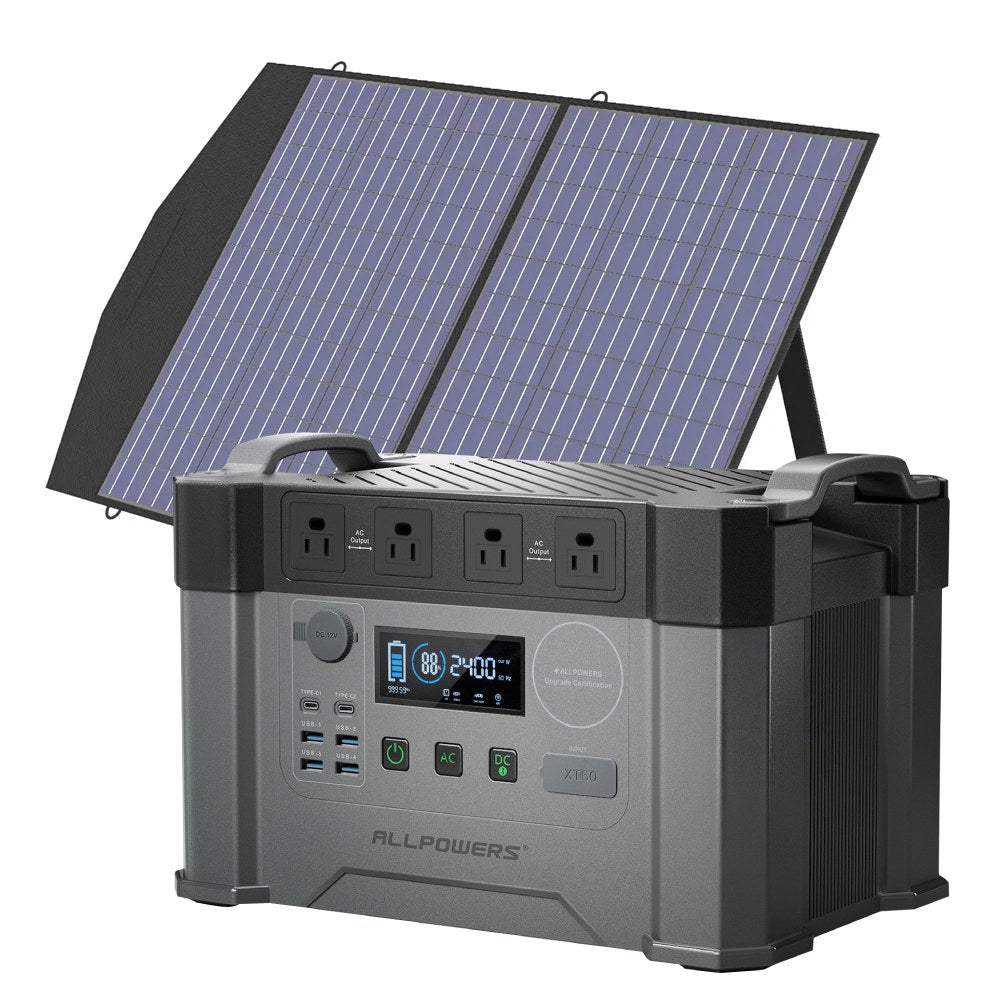
Third, pairing your power station with a solar panel or a secondary battery can extend the fun without draining the station completely.
Another consideration is ventilation. Portable power stations generate heat during heavy use, and a microwave generates heat, too.
Running them in a confined, poorly ventilated space is asking for trouble.
Conclusion
So, can you run a microwave off a portable power station? Absolutely—but it’s not just a plug-and-play scenario.
You have to account for startup surge, sustained draw, and the quiet inefficiencies that come along for the ride.
But with the right setup, you can enjoy hot meals during camping trips or RV adventures, all without depending solely on mains power.