







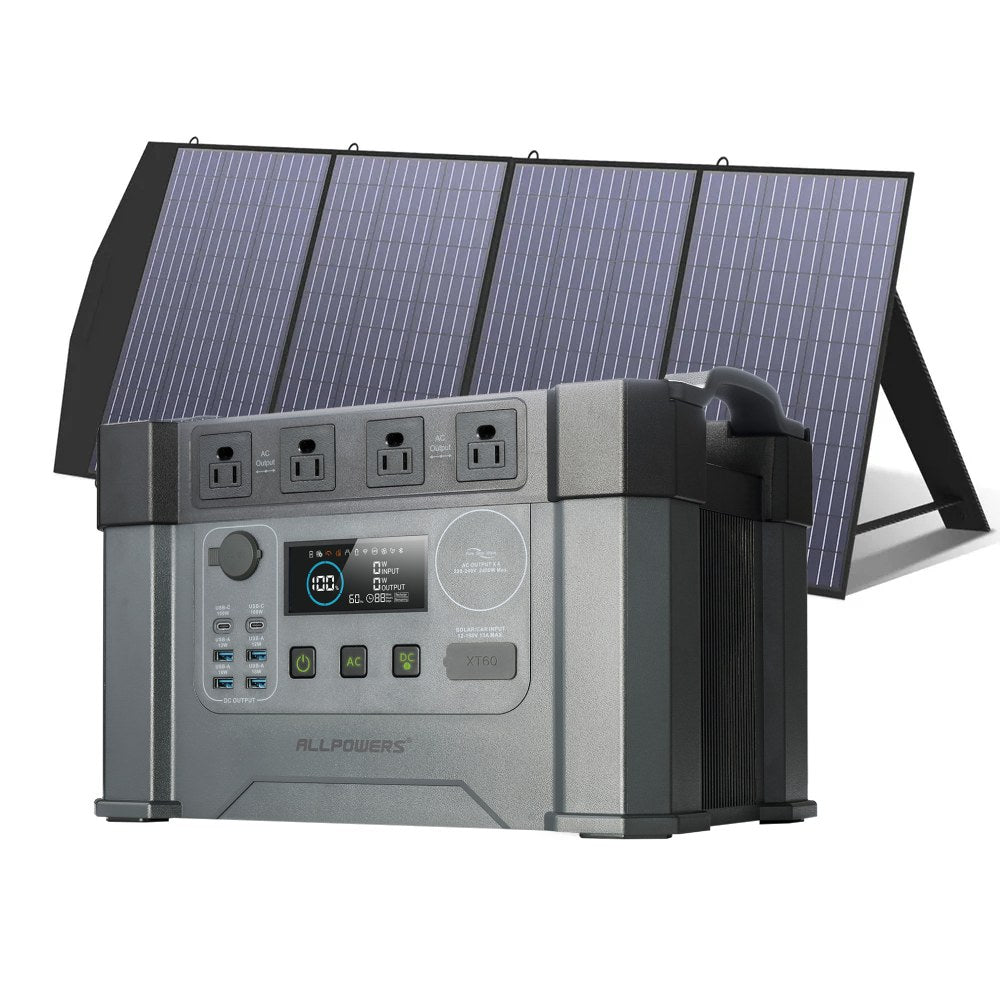
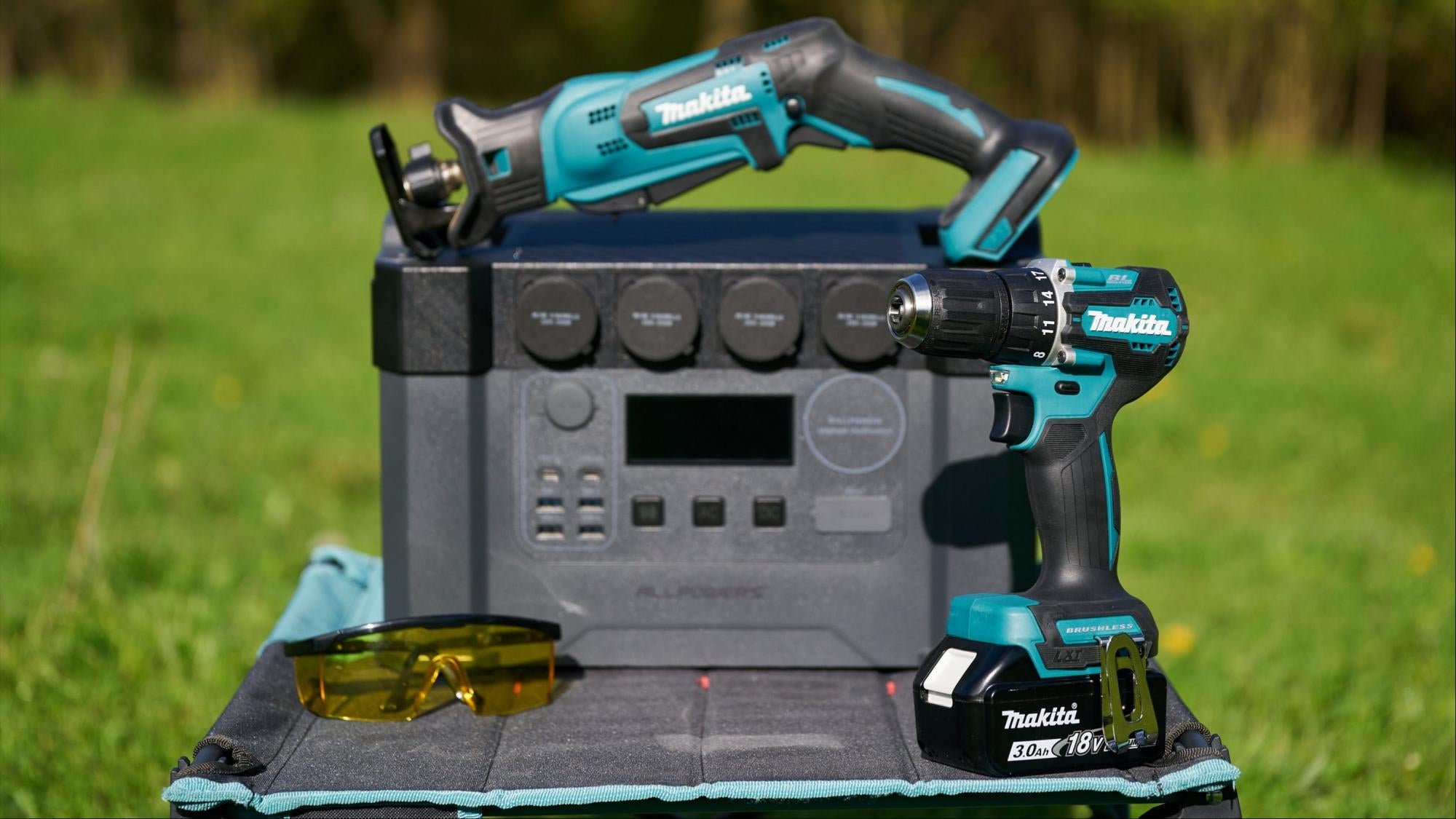
For years, power tools meant one of two things: wall outlets or loud, gas-powered generators that smelled like regret and half-burned fuel.
Then batteries got better. Not perfect—just better. And portable power stations quietly slipped into garages, vans, campsites, and job trailers.
But do these compact hubs really have the guts to keep up with heavy-duty power tools?
TL;DR:
Yes, portable power stations can run some power tools, but not all. The key lies in matching the tool’s wattage requirements with the station’s continuous and surge power ratings.
What Power Tools Actually Ask for From Electricity
Power tools are a funny category. They have two power needs. There’s the running load, which is what the tool consumes once it’s spinning smoothly.
Then there’s the startup surge—the brief but intense demand when the motor kicks on. This surge can be two or three times higher than the running number. Sometimes more.
Learn More: What Does Starting Watts vs Running Watts Mean?
The label on your angle grinder might say 900 watts, but when it starts spinning, it may briefly demand closer to 1,800 watts. If the station can’t handle that momentary spike, it won’t even get off the ground.
However, not all power tools are created equal, and that’s not marketing fluff—it’s physics.
Drills, impact drivers, oscillating tools, and jigsaws are generally friendly, too. Their intermittent use patterns line up well with battery-based systems. You pull the trigger, stop, adjust, repeat. The power station gets micro-breaks, and that helps.
Angle grinders, circular saws, and reciprocating saws are more demanding but still manageable. The key is respecting their appetite at startup and not forcing the cut. Let the blade work. Electricity rewards patience.
Compressors, table saws, and welders are where things get tricky. Some stations can handle them. Many can’t. The surge is brutal, and the sustained draw drains capacity fast.
| Power Tool Type | Average Running Watts | Estimated Surge (Starting) Watts |
| Circular Saw (7-1/4") | 1,200 – 1,500W | 2,500 – 4,500W |
| Table Saw (10") | 1,500 – 1,800W | 3,000 – 4,500W |
| Miter Saw (12") | 1,200 – 1,600W | 2,500 – 3,500W |
| Reciprocating Saw (Sawzall) | 600 – 1,200W | 1,200 – 2,000W |
| Angle Grinder (4-1/2") | 600 – 1,100W | 1,200 – 2,200W |
| Corded Hammer Drill | 700 – 1,000W | 1,200 – 1,800W |
| Pancake Air Compressor | 1,000 – 1,400W | 2,500 – 4,000W |
| Belt Sander | 600 – 1,000W | 1,200 – 1,500W |
| Orbital Sander | 200 – 400W | 400 – 600W |
| Jigsaw | 300 – 600W | 500 – 900W |
| Router (1-1/2 HP) | 800 – 1,200W | 1,500 – 2,500W |
| Cordless Tool Battery Charger | 50 – 200W | 100 – 300W |
How Long Will It Run Power Tools
So yes, you can run power tools—but for how long?
If you have a 1,000Wh battery and you’re running a 1,000-watt tool continuously, you’re looking at roughly an hour on paper.
In practice, it’s less. Inverter losses, heat, and inefficiencies shave time off the top.
But power tools are rarely used nonstop. You cut, measure, adjust, cut again. A drill spins for five seconds, rests for twenty.
Even a saw rarely runs nonstop unless you’re ripping sheet goods all afternoon.
This works in your favor. Power stations recover slightly between bursts, and the average load stays lower than the peak.
That’s why a station that “should” only run a saw for 30 minutes on paper might last through an entire small project in practice.
How to Choose the Right Power Station
So, how do you make sure a portable power station is up to the job?
Start with your tools. Check running and surge wattage, note the most demanding ones, and add a 20–30% buffer.
Next, evaluate battery capacity. Larger capacity means longer runtime but adds weight. Balance portability against endurance.
Also, consider the type and number of outlets. Some tools demand 120V AC. Others run on USB-C, DC, or even specialized connectors.
Don’t forget the inverter type. Pure sine wave inverters are forgiving with sensitive electronics. Modified sine waves? Fine for simple motors, but variable-speed tools may hesitate.
Learn More: Pure Sine Wave Inverter Vs Modified Sine Wave Inverter
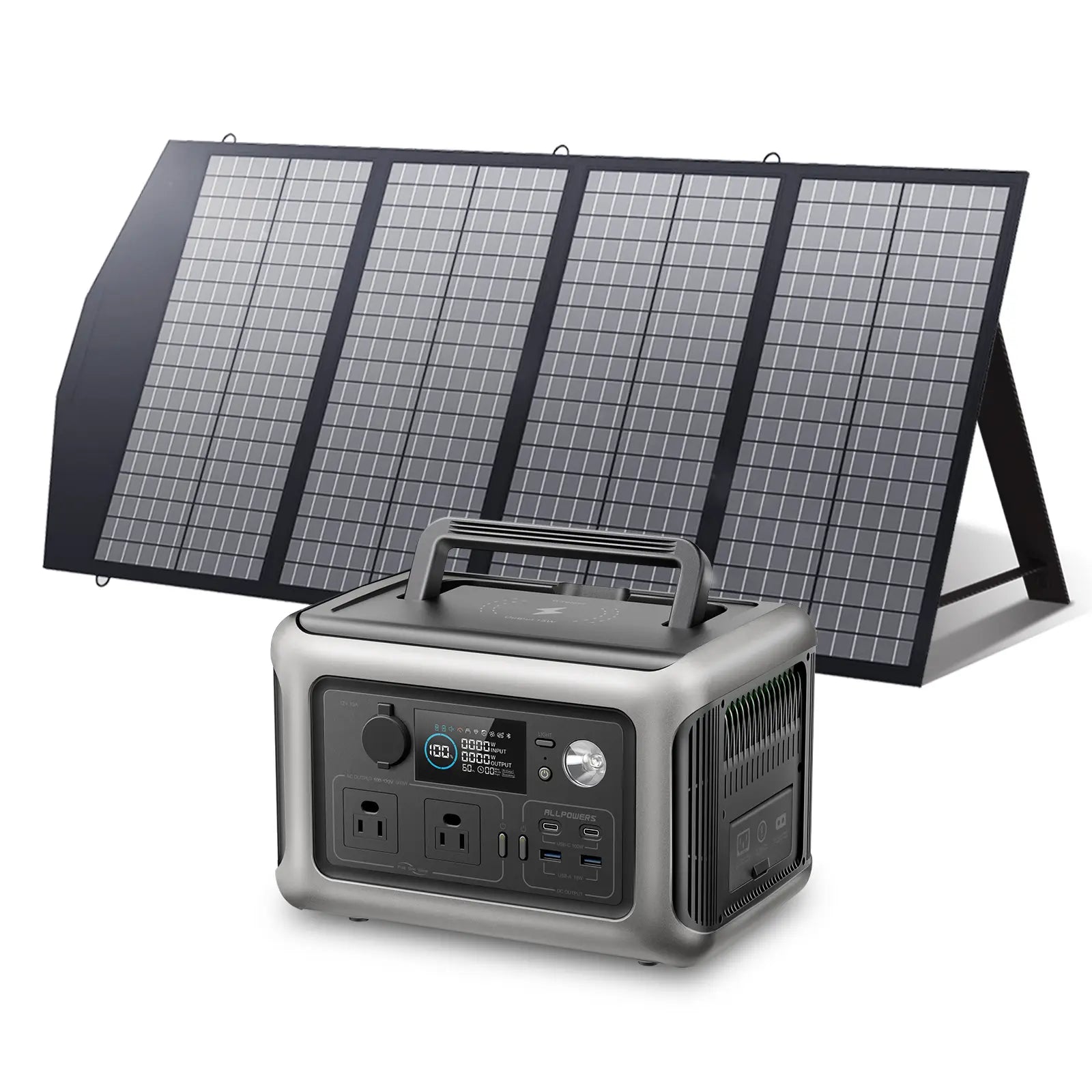
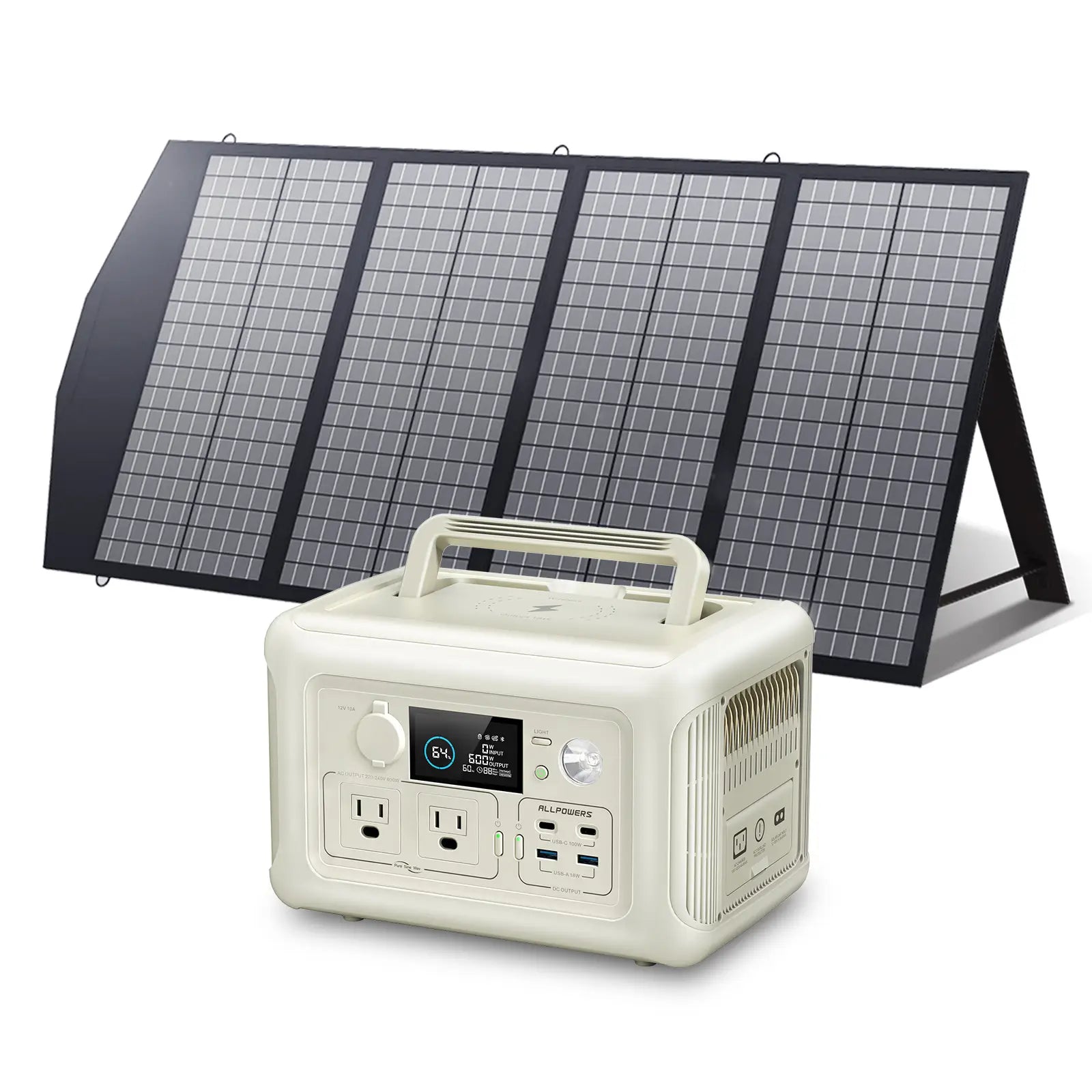
Finally, think long-term. Stations with expandable batteries or solar charging options give flexibility that keeps pace with evolving tool collections.
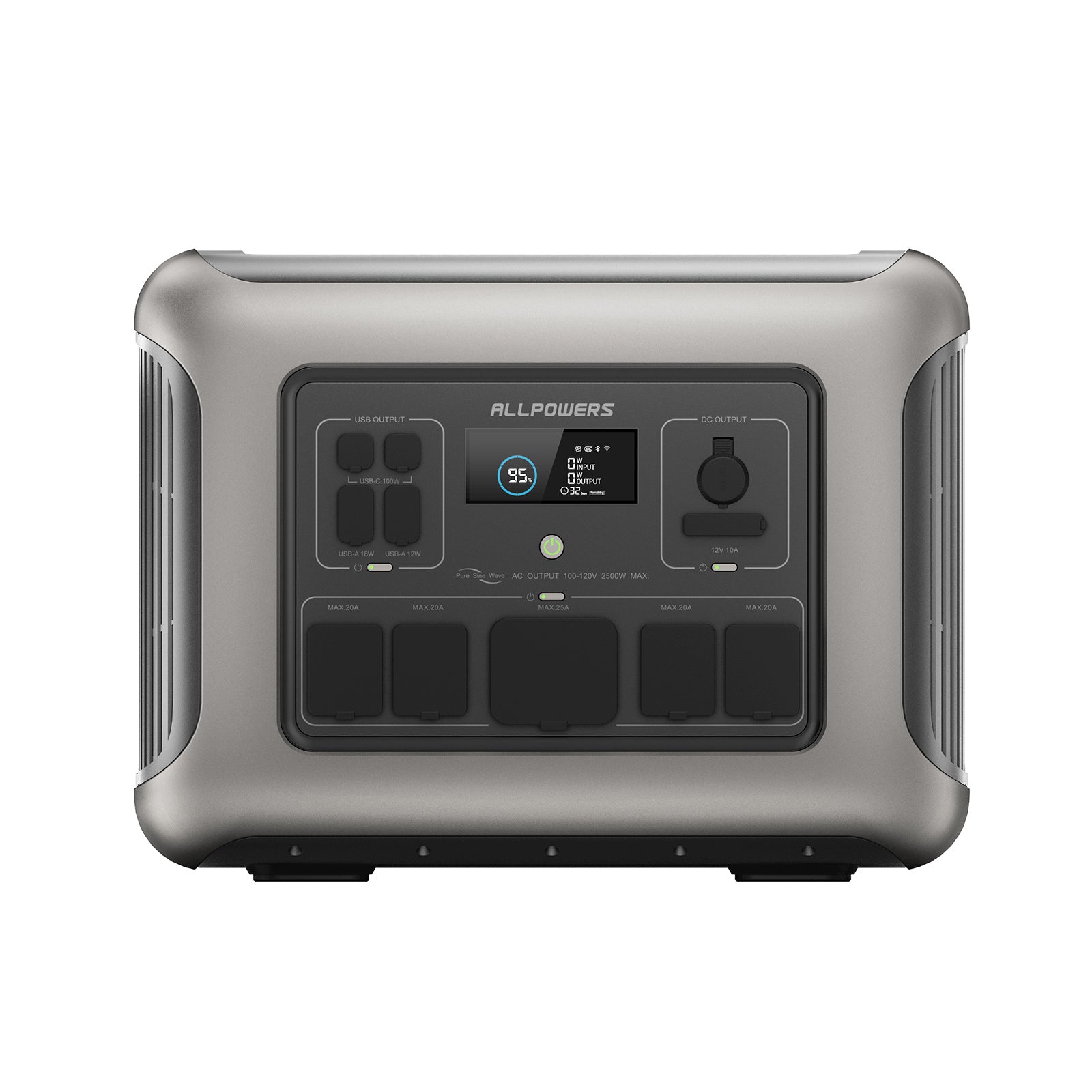
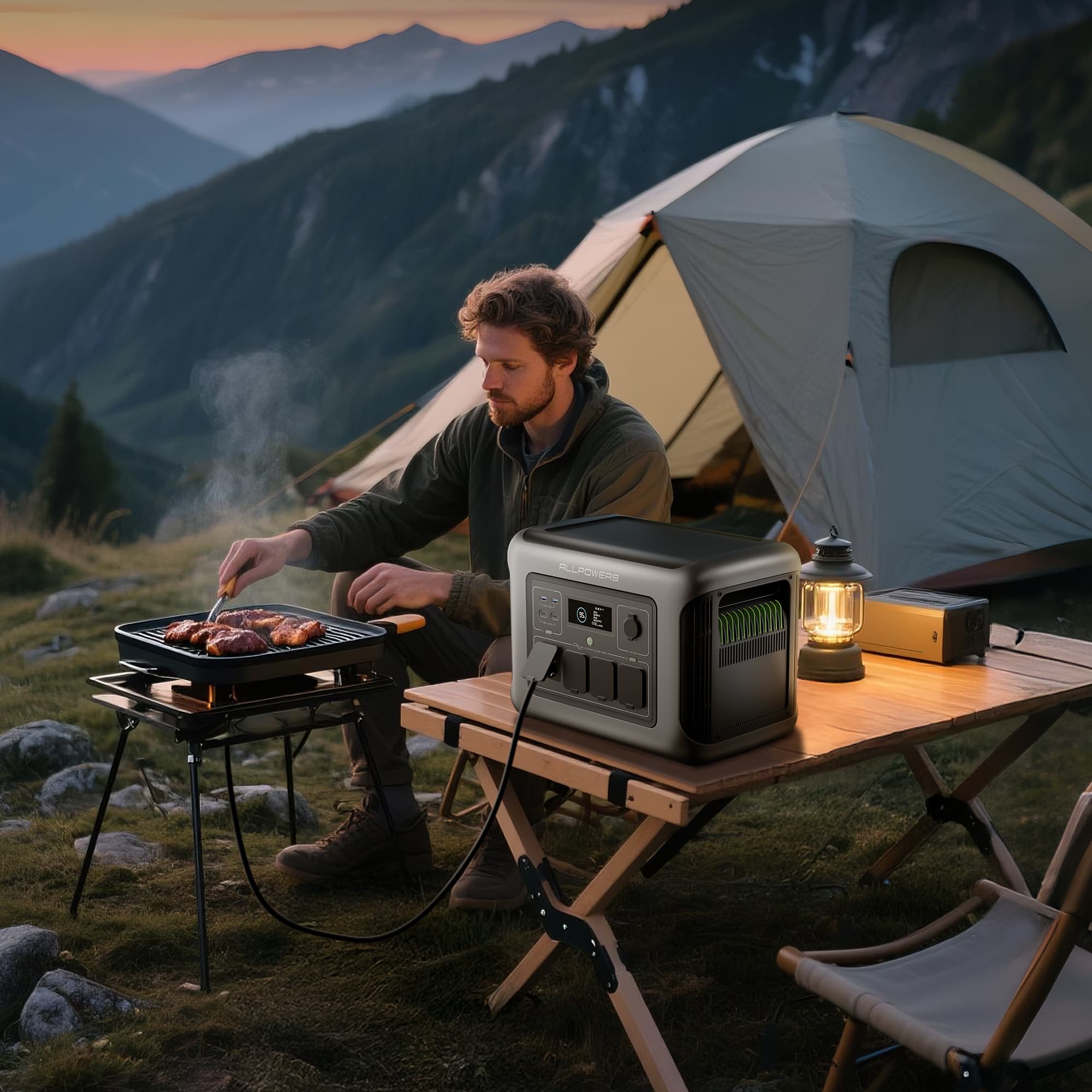
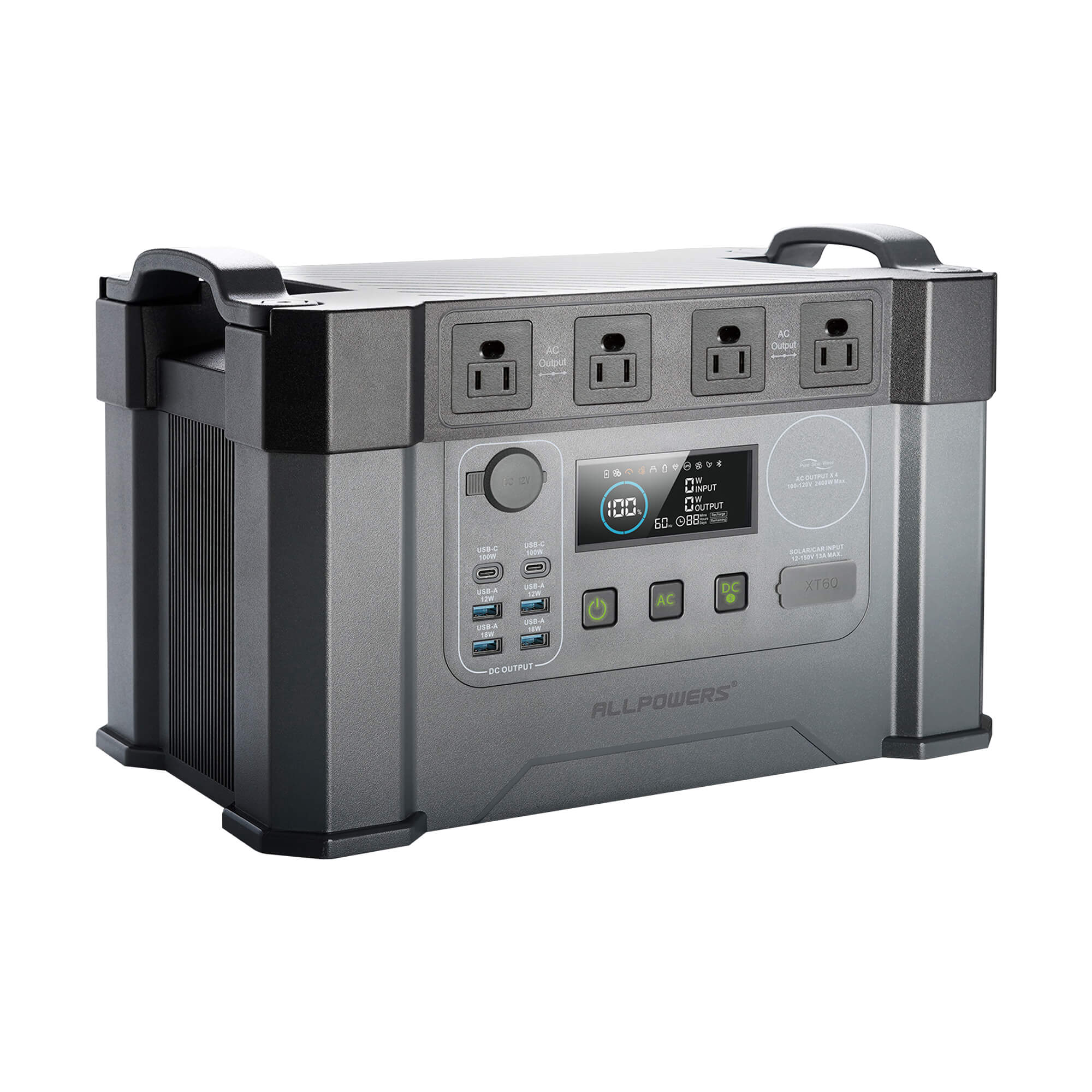
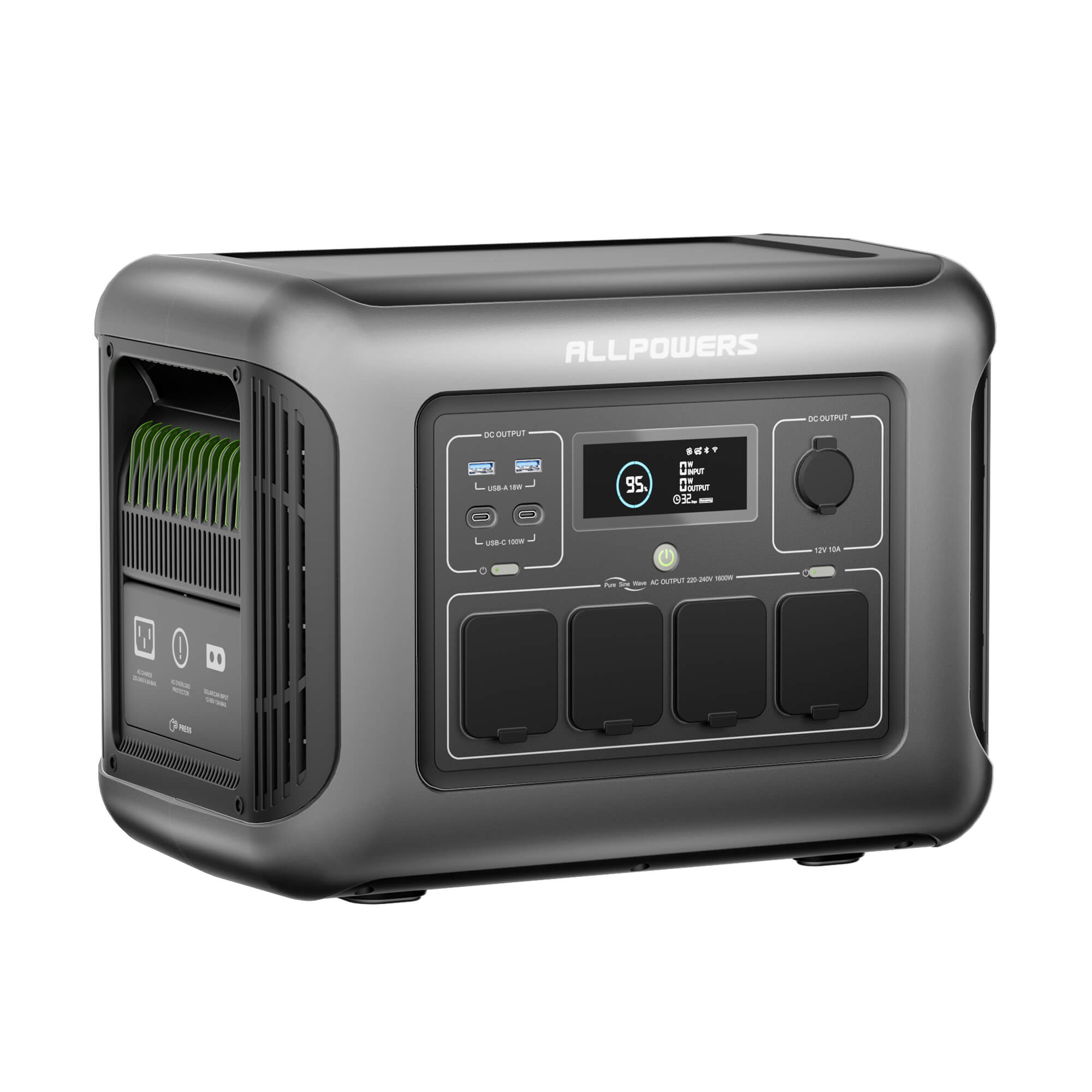
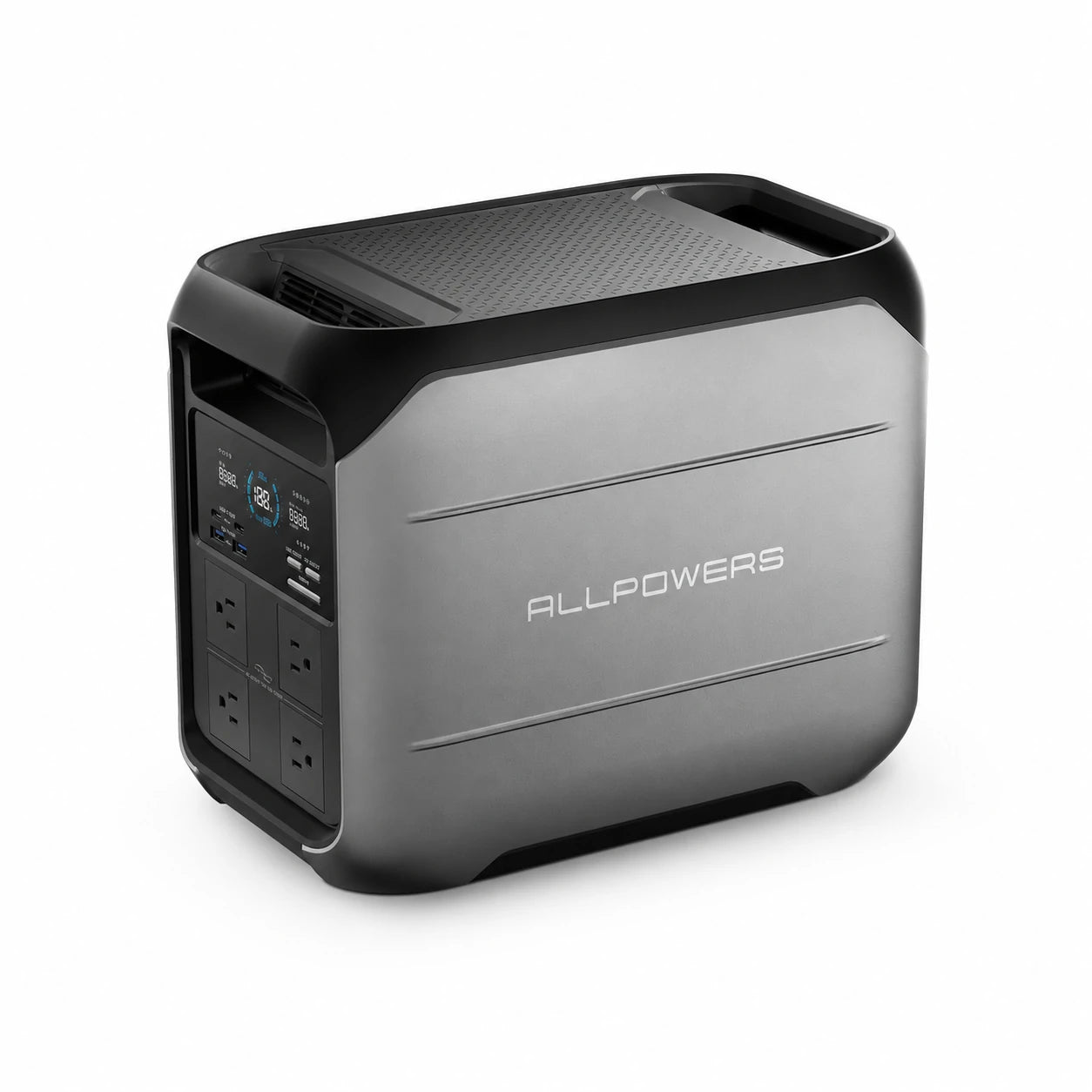
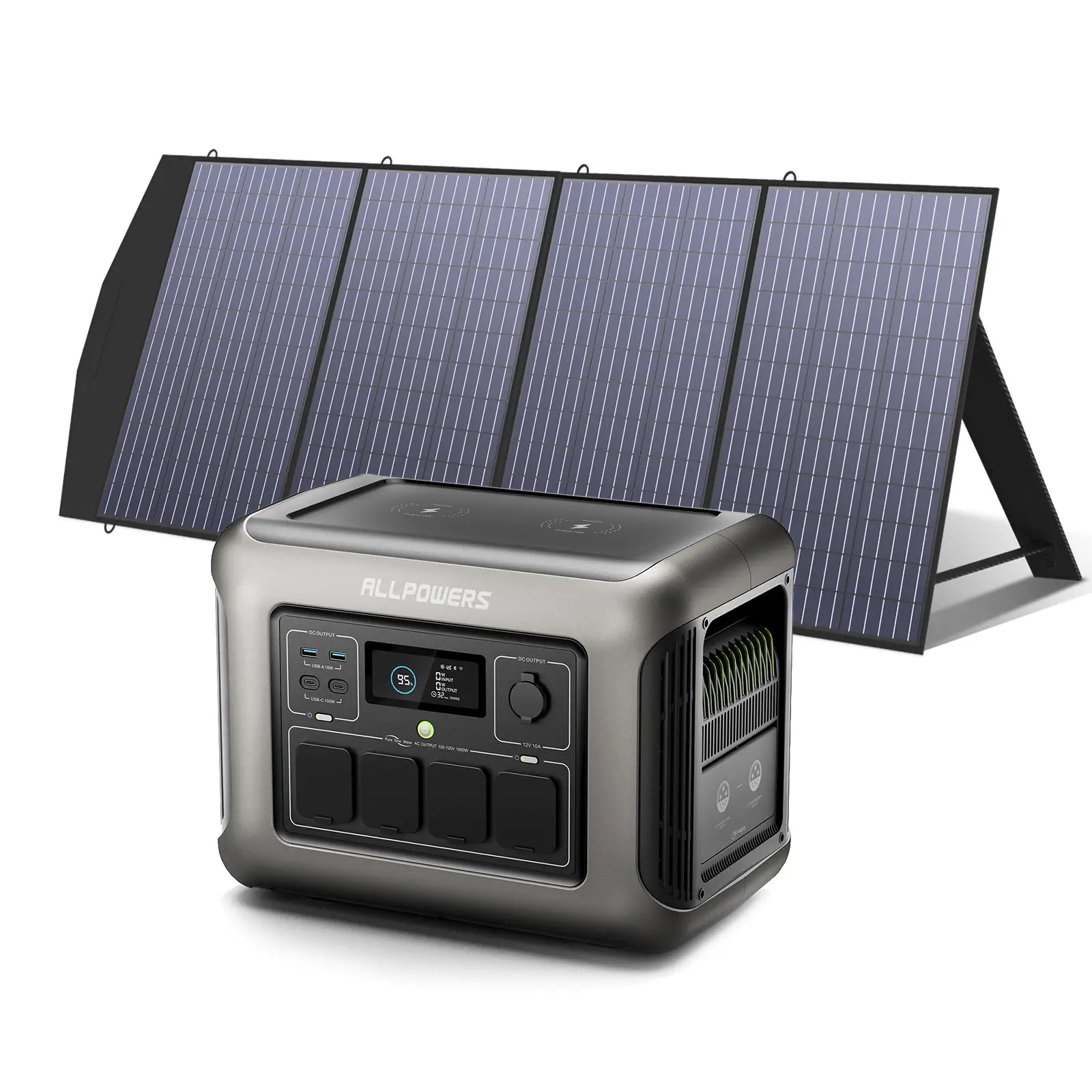
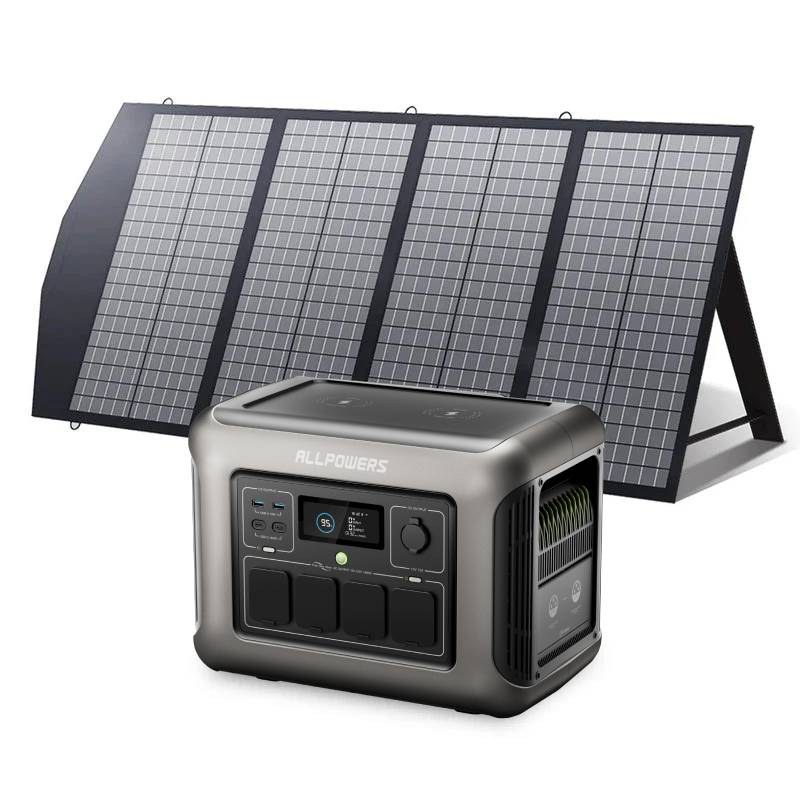
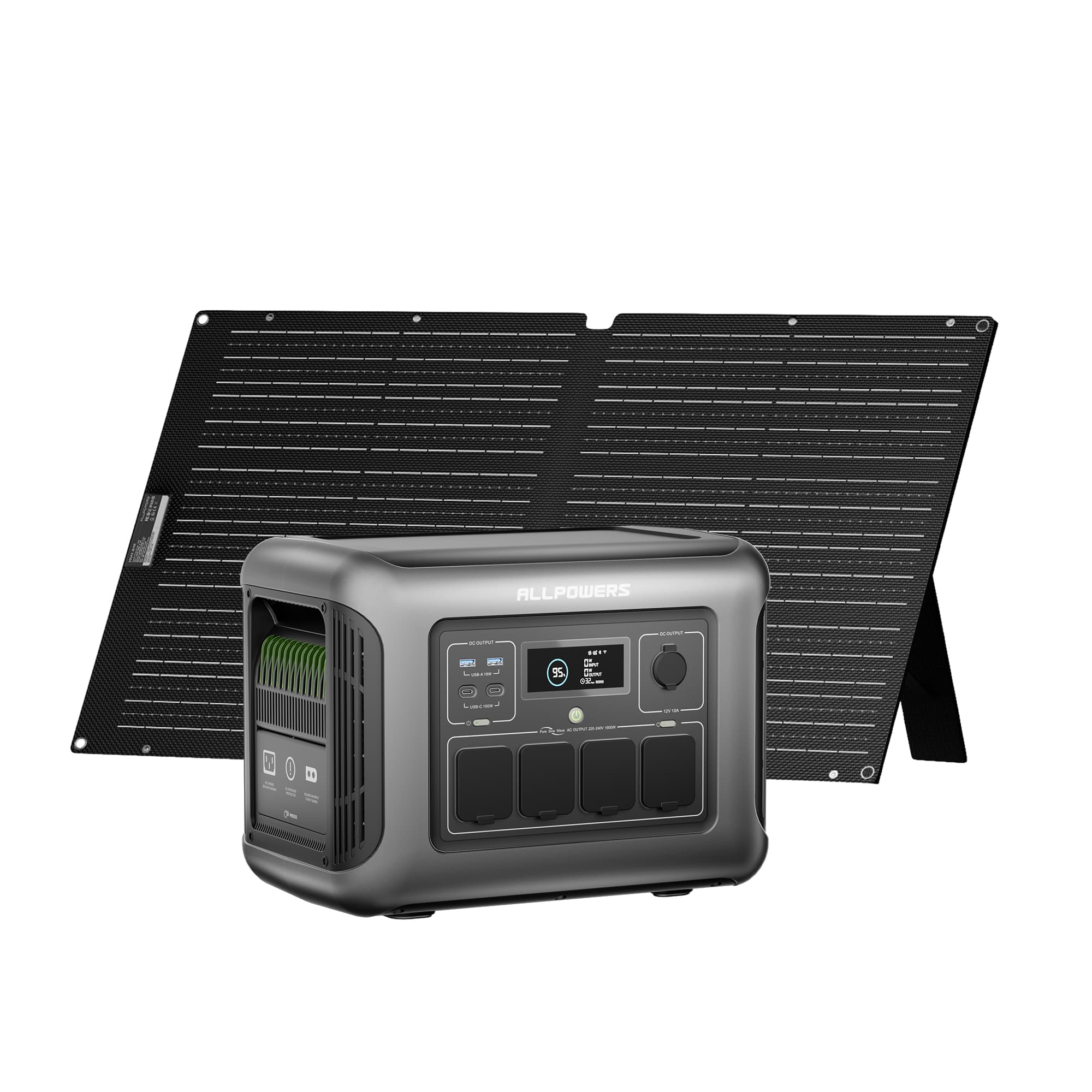
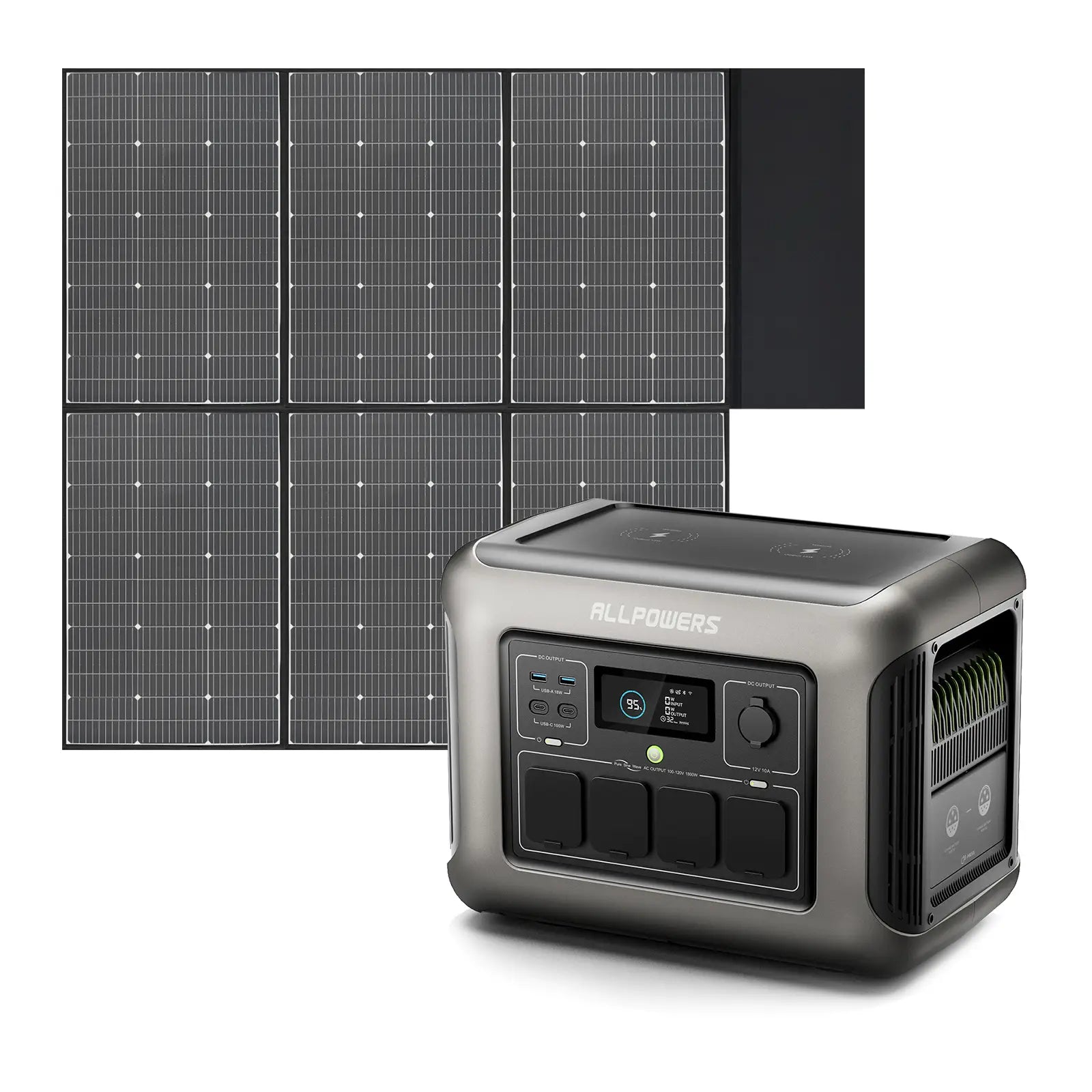
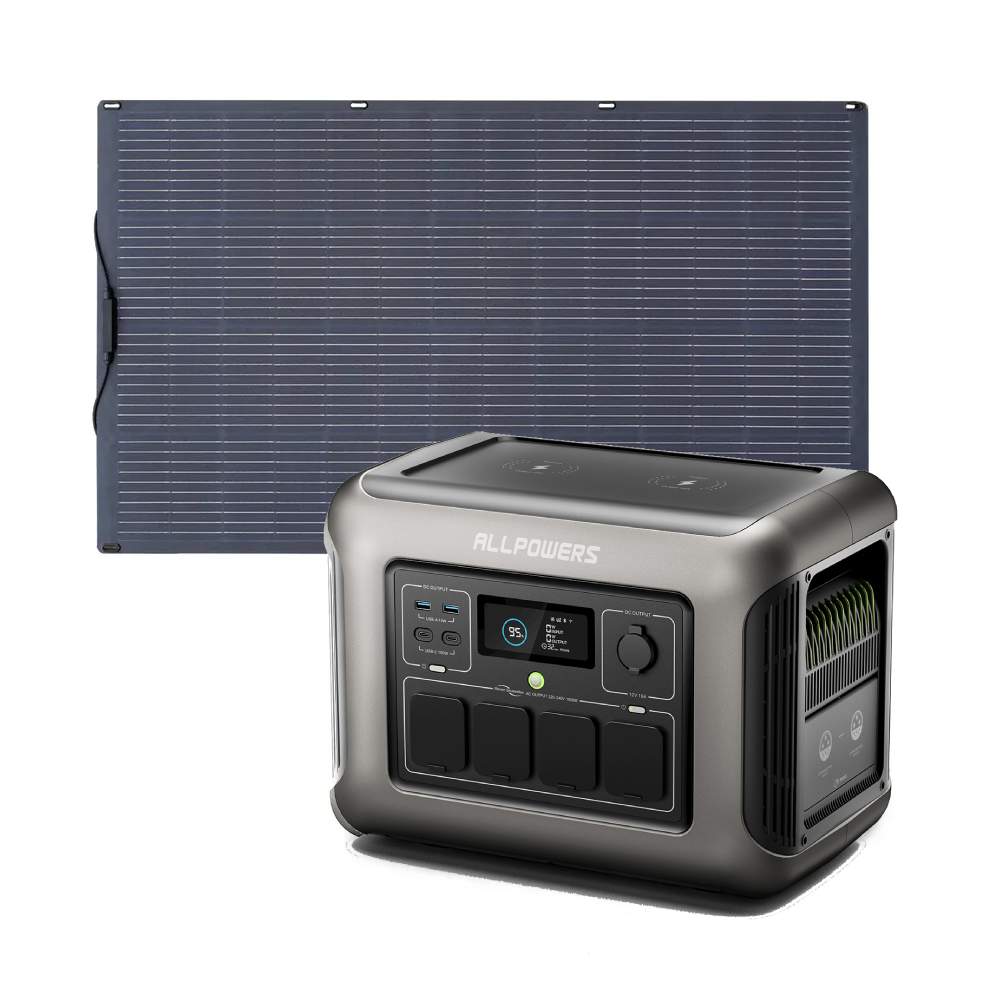
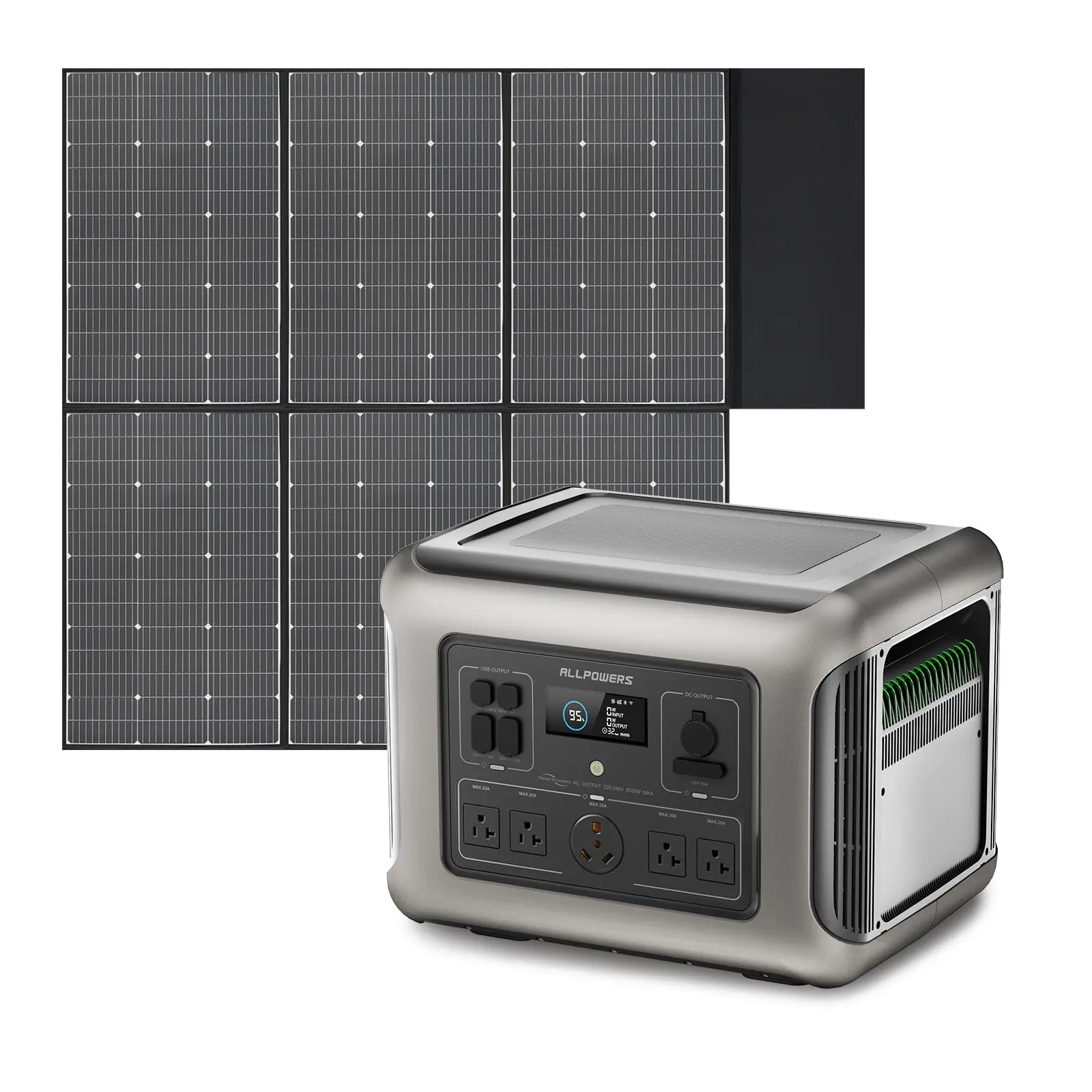
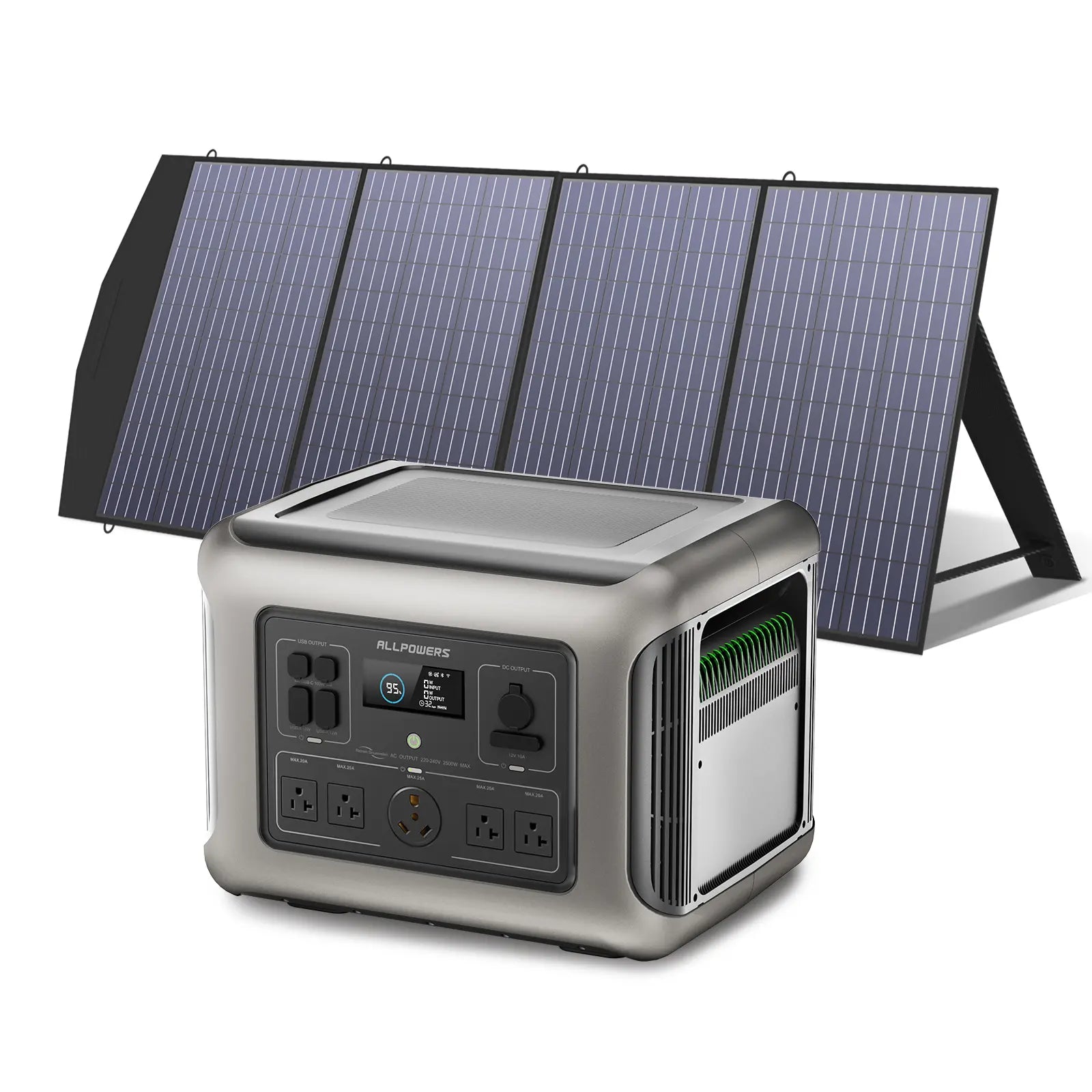
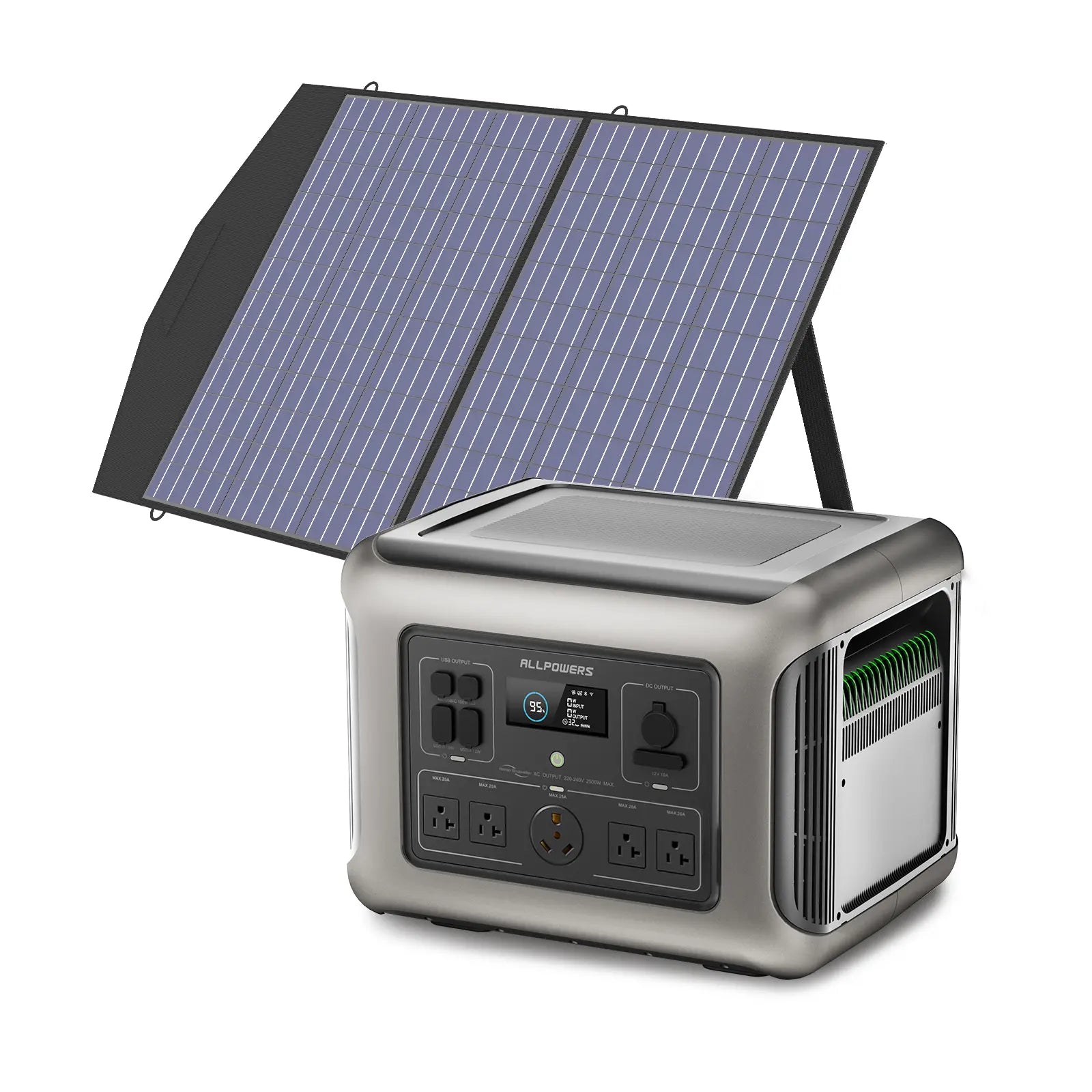
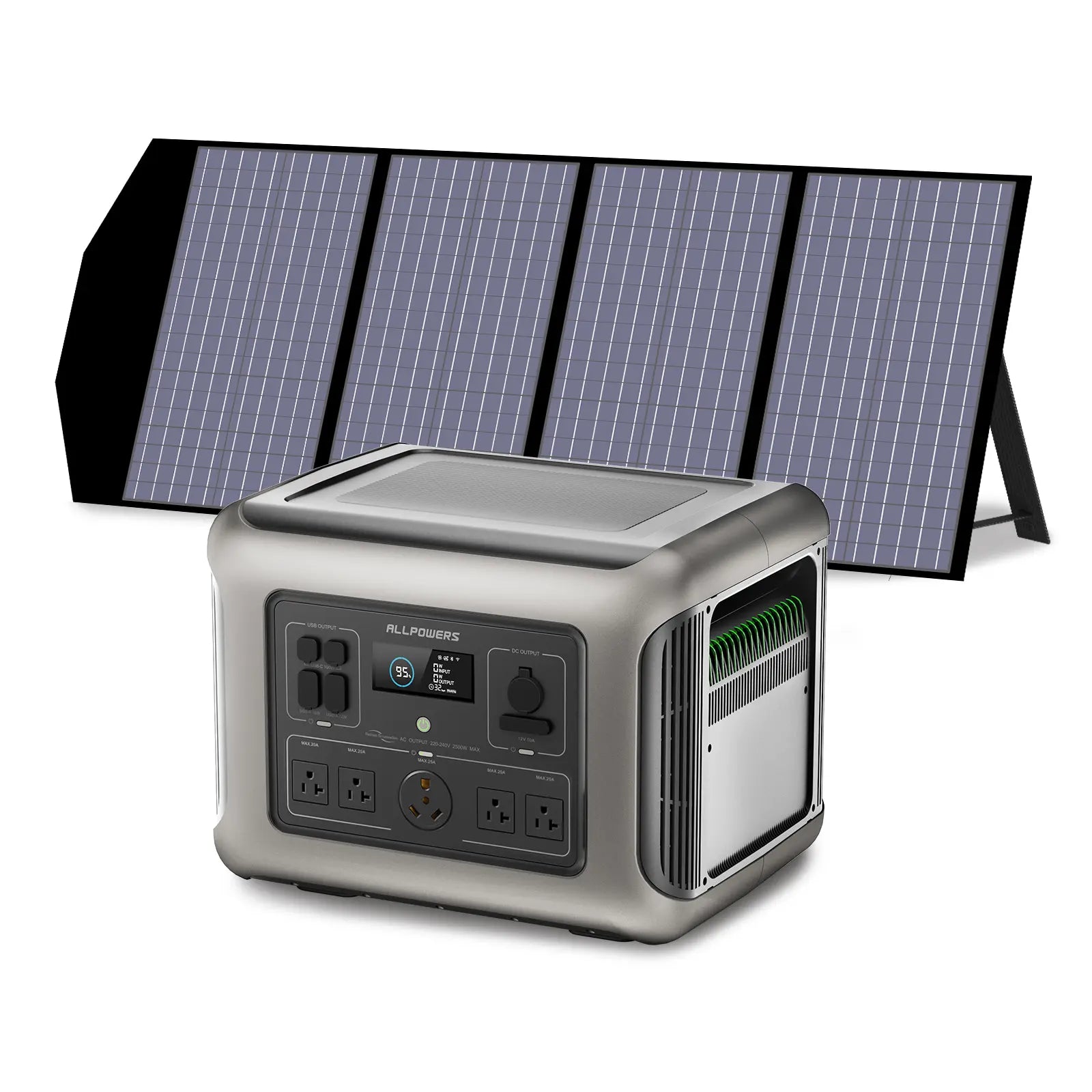
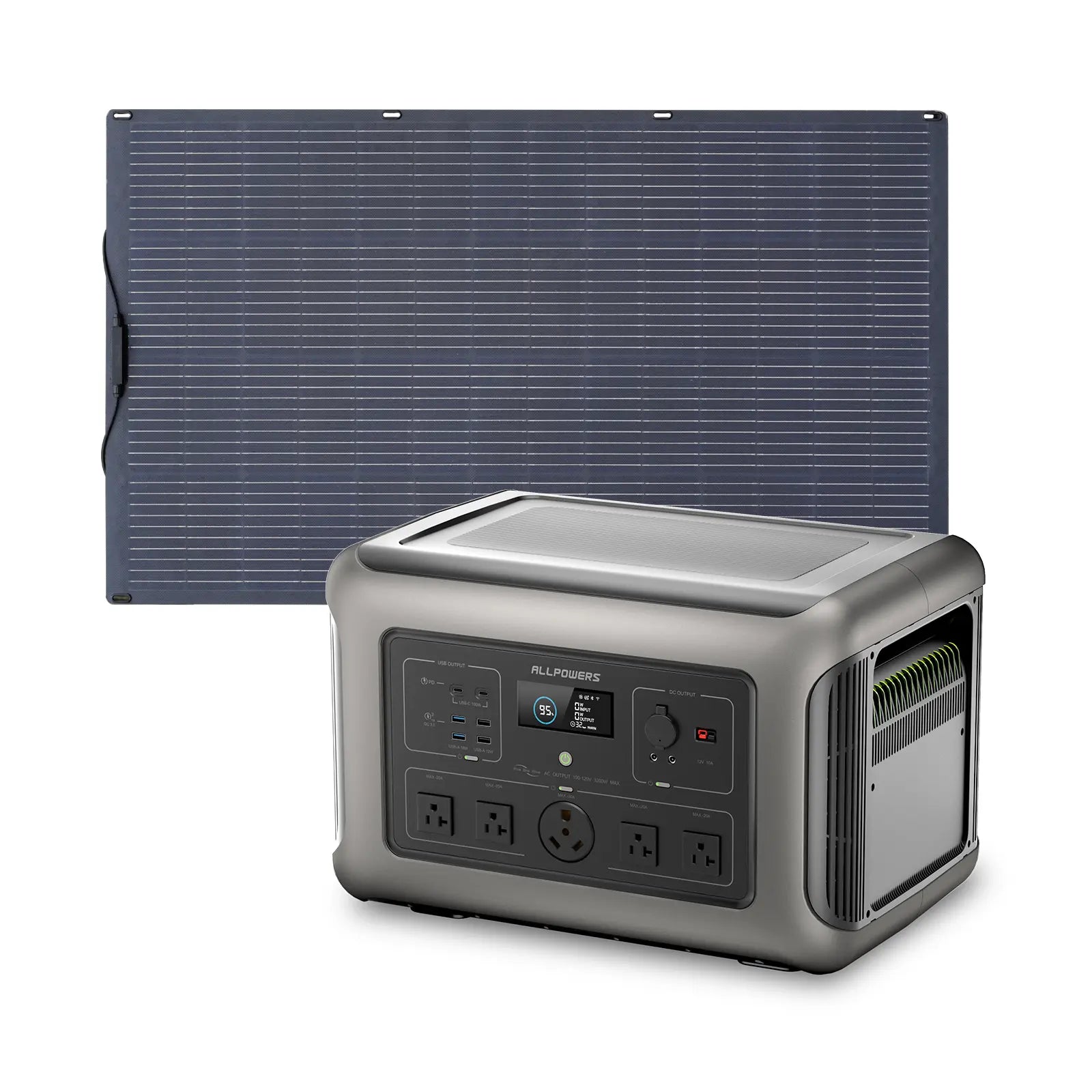
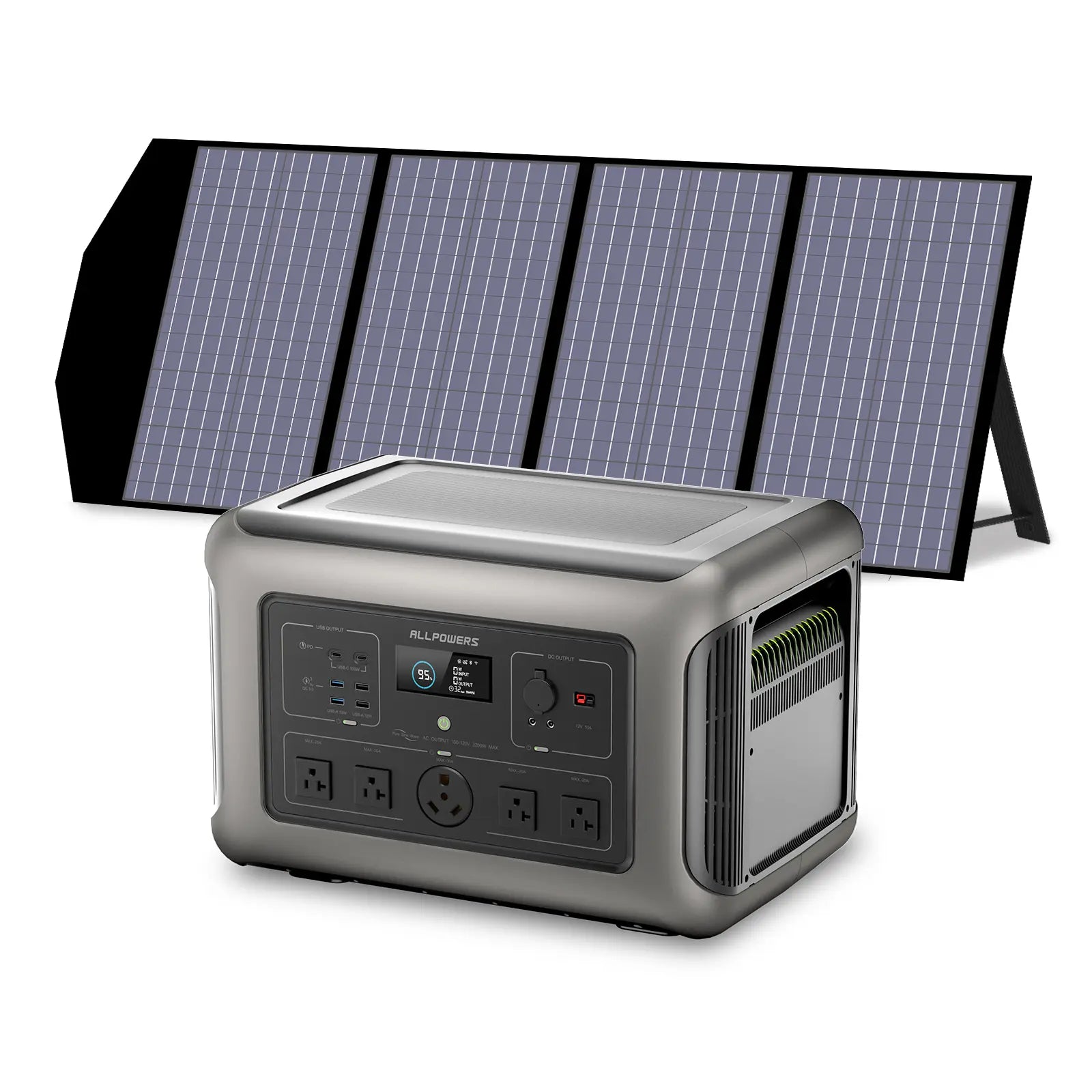
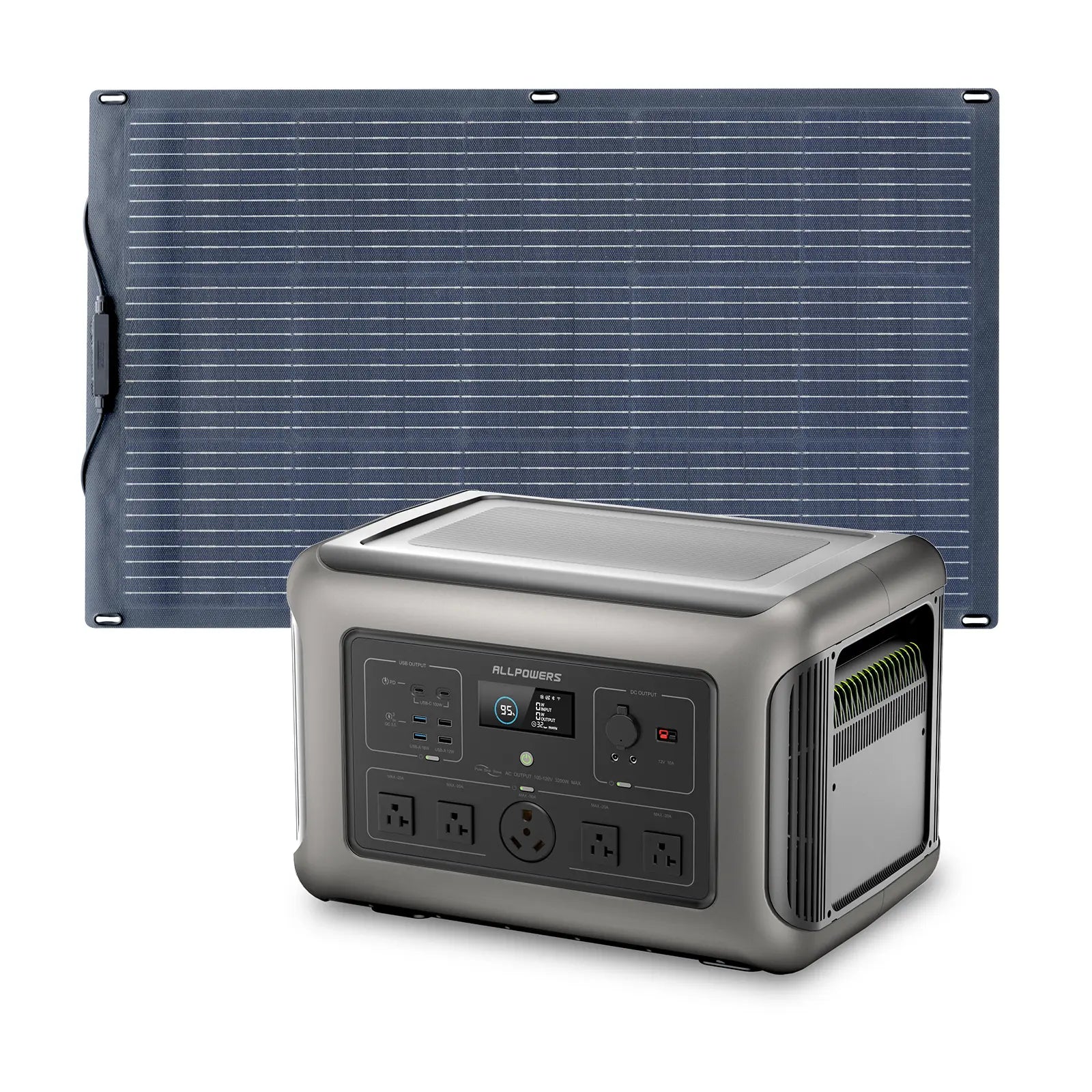
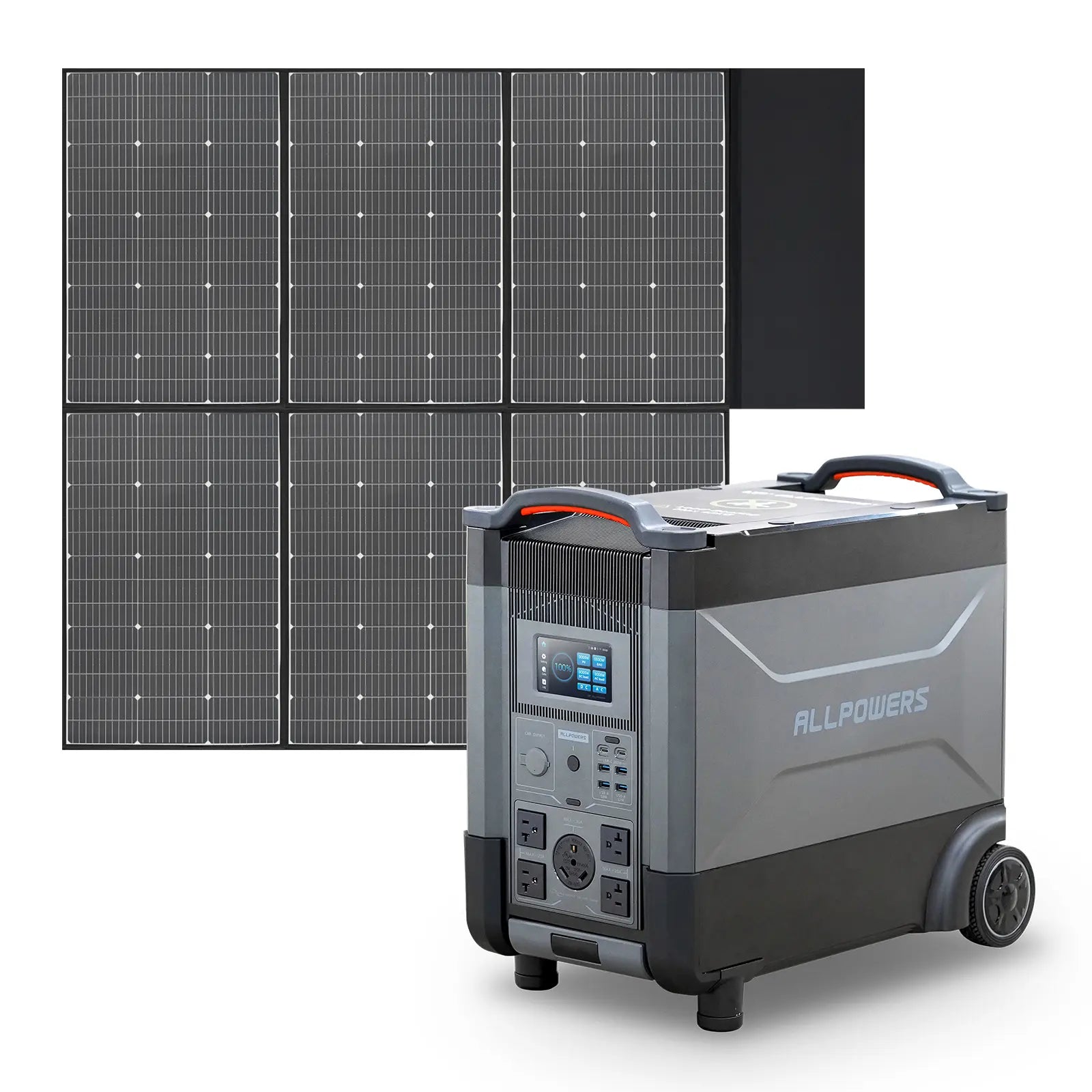
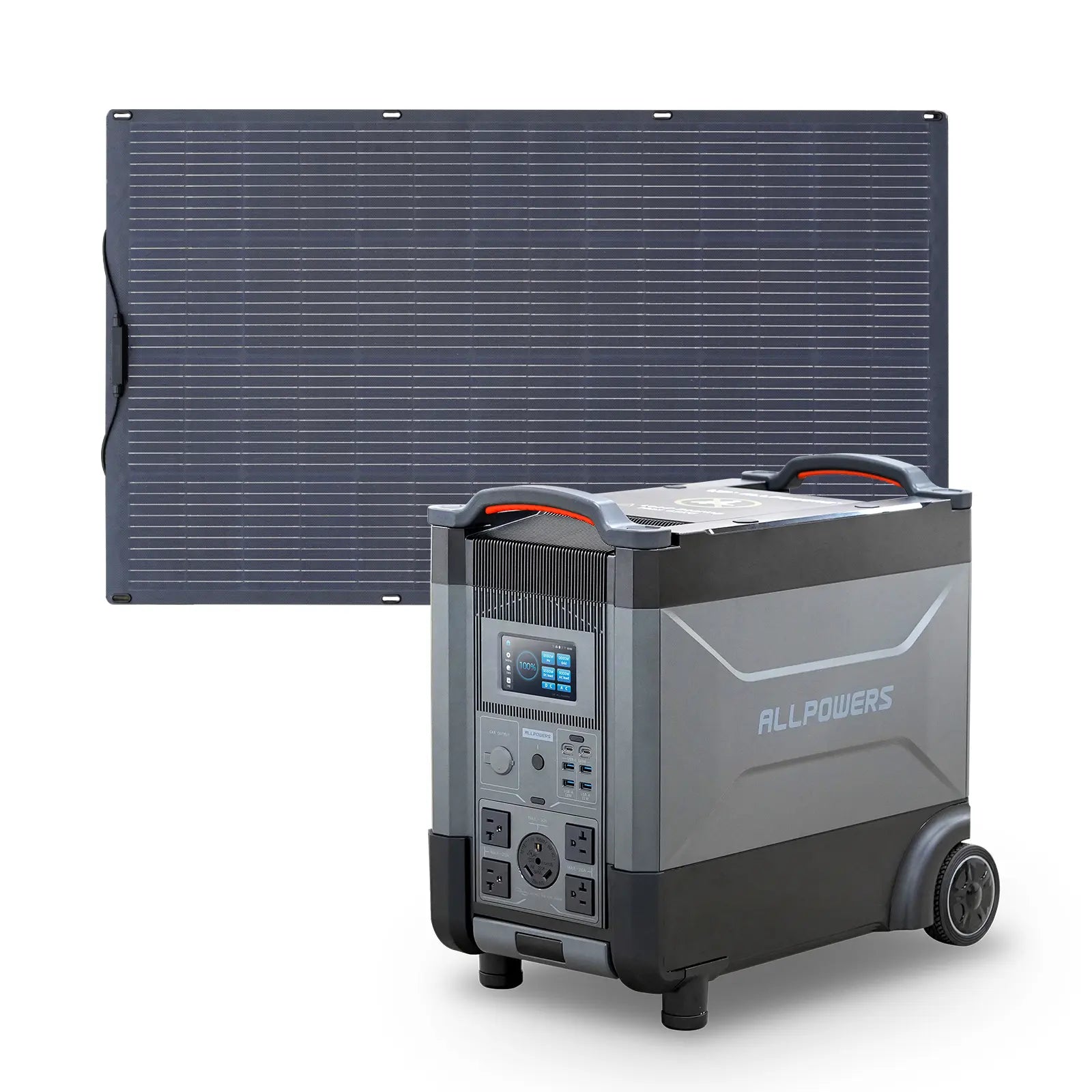
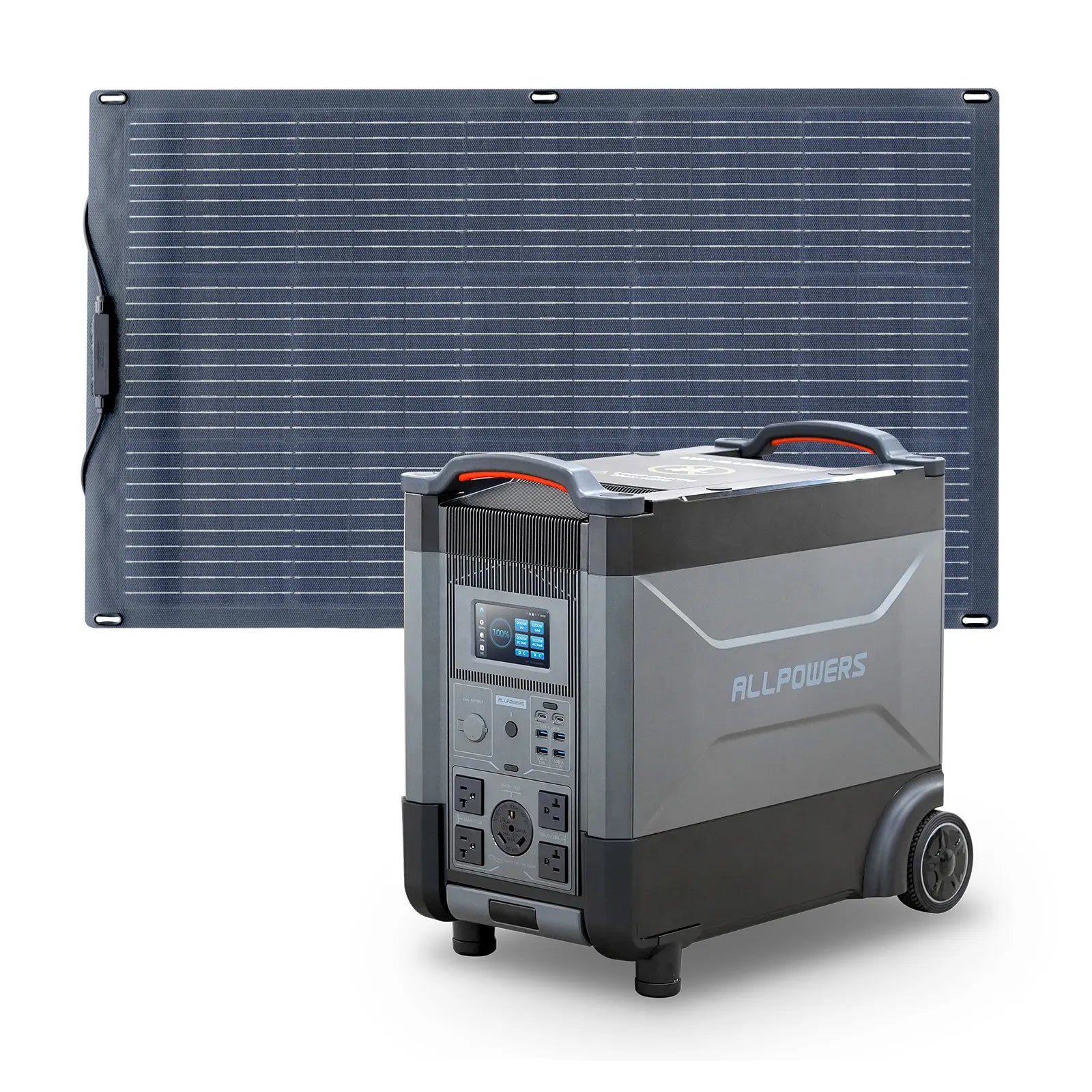
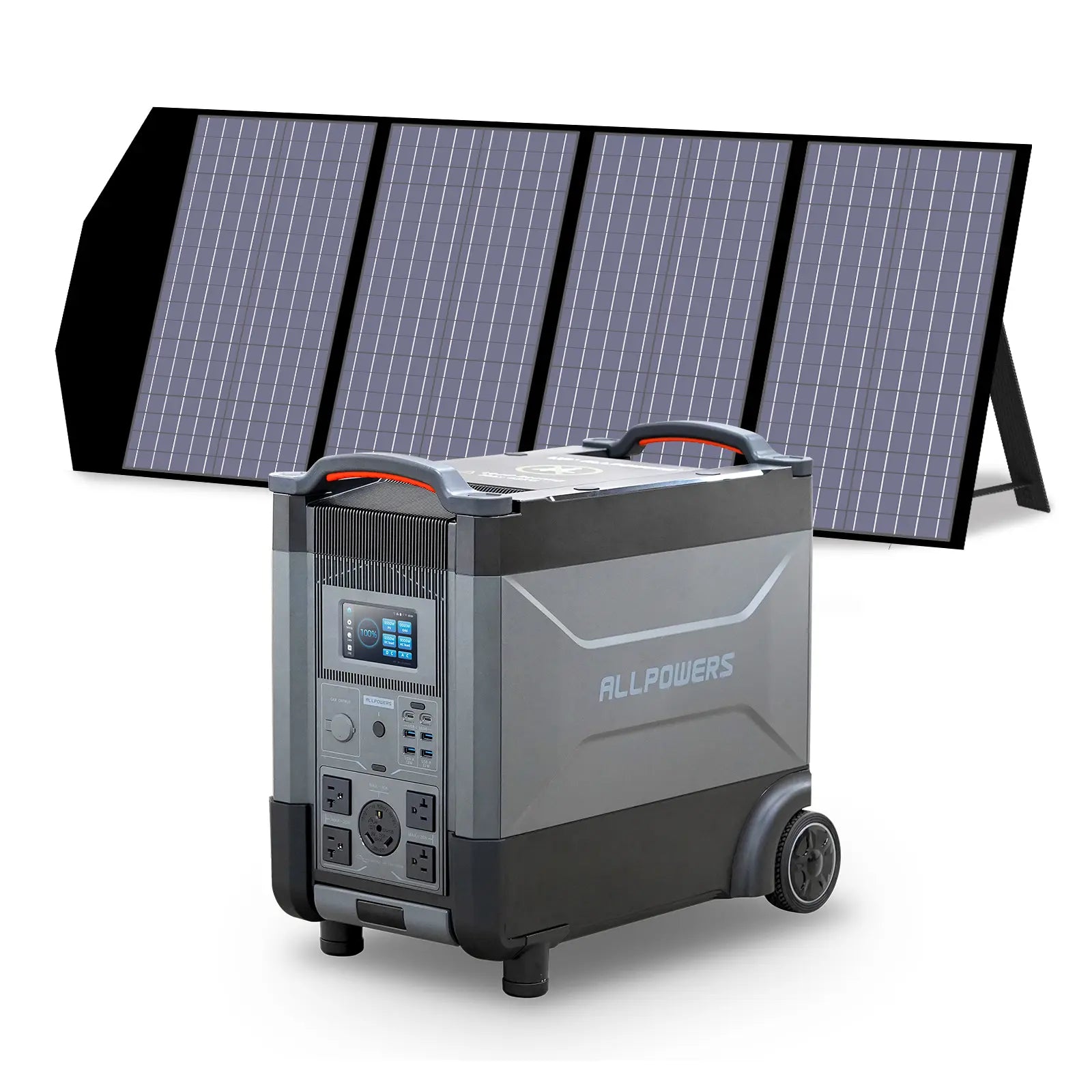
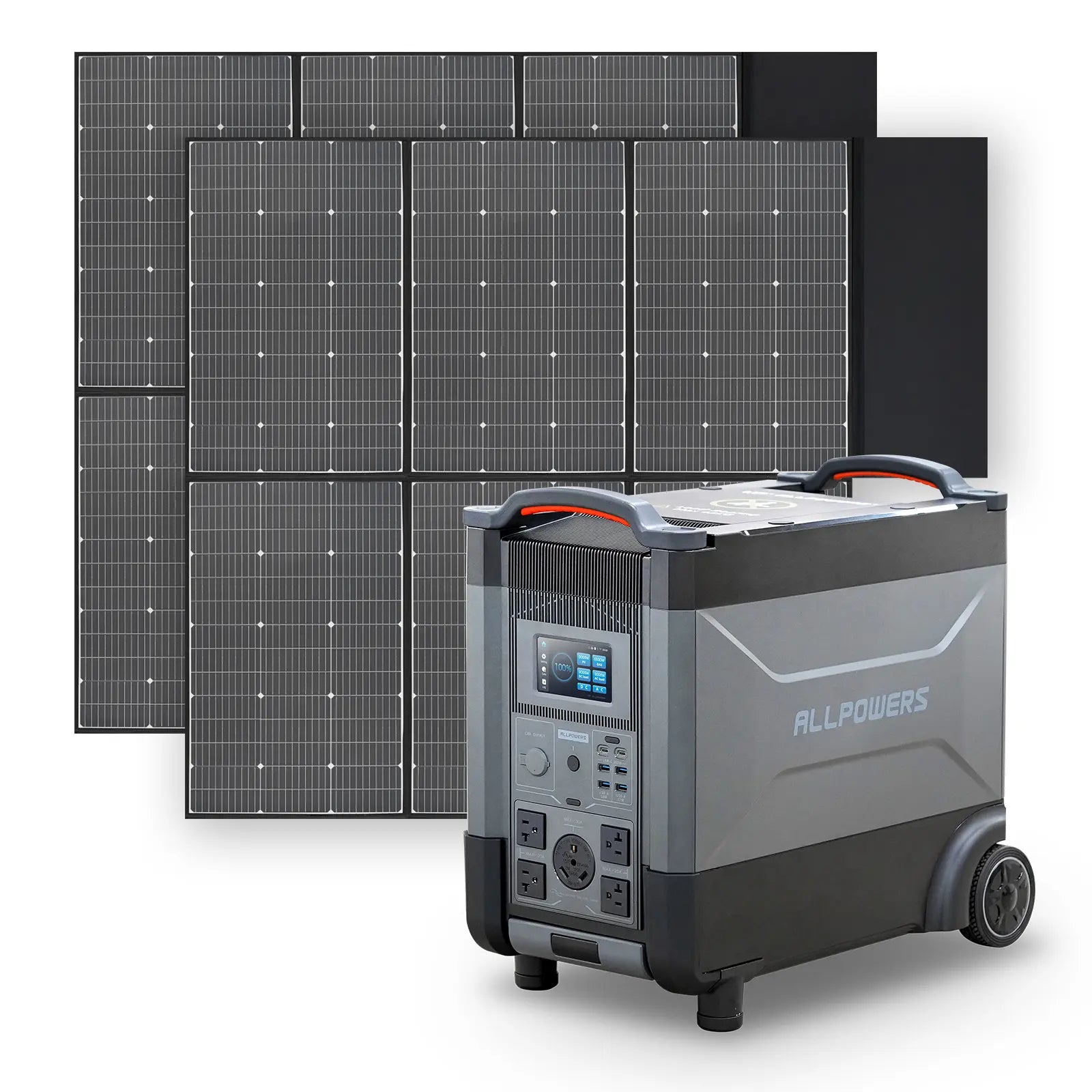
ALLPOWERS R2500 Portable Power Station
$719.00 $1,599.00
- 2016Wh Capacity;
- 2500W AC Output (4,000W Surge);
- Fast Charge 100% in 1 Hours;
- Start UPS in 15 ms;
- Expandable Up to 3x B1000 Expansion Battery;
When Portable Power Stations Are not the Right Answer
Despite their versatility, there are clear situations where a portable power station is not ideal.
Continuous heavy-duty applications like running multiple large tools at once, welding for hours, quickly drain batteries, and may trigger automatic shutdowns.
In industrial settings where downtime isn’t an option, relying on a battery-based station can become more of a liability than a convenience.
Similarly, in extreme cold or heat, performance can dip sharply, affecting both runtime and tool efficiency.
Even the best-designed stations have limits—you simply can’t replace a full-sized generator or grid connection when brute, uninterrupted power is required.
For jobsites that demand all-day endurance or multiple simultaneous heavy tools, traditional gas or diesel generators remain the practical choice.
Tips for Maximizing Runtime and Efficiency
Want to squeeze the most out of your portable power station when working with tools?
First, use tools at moderate speeds when possible—higher speeds consume more power.
Second, limit simultaneous tool use; even if the station can technically handle multiple devices, power draw spikes can stress the system.
Third, recharge during breaks or downtime; many stations support solar or AC recharging, making intermittent projects surprisingly manageable.
Long, thin extension cords cause voltage drop, which increases current draw, which stresses both the tool and the station. Keeping cords short and properly rated helps more than people realize.
Conclusion
So, can a portable power station run power tools? The short answer: absolutely, but with nuance.
It’s all about matching the right station to the right tool, respecting peak surges, and keeping an eye on capacity.
You gain mobility, silence, and a sense of independence you can’t get from a traditional cord or gas-powered generator.
And isn’t that freedom—working anywhere, anytime—exactly what a weekend warrior, DIYer, or outdoor enthusiast dreams about?