



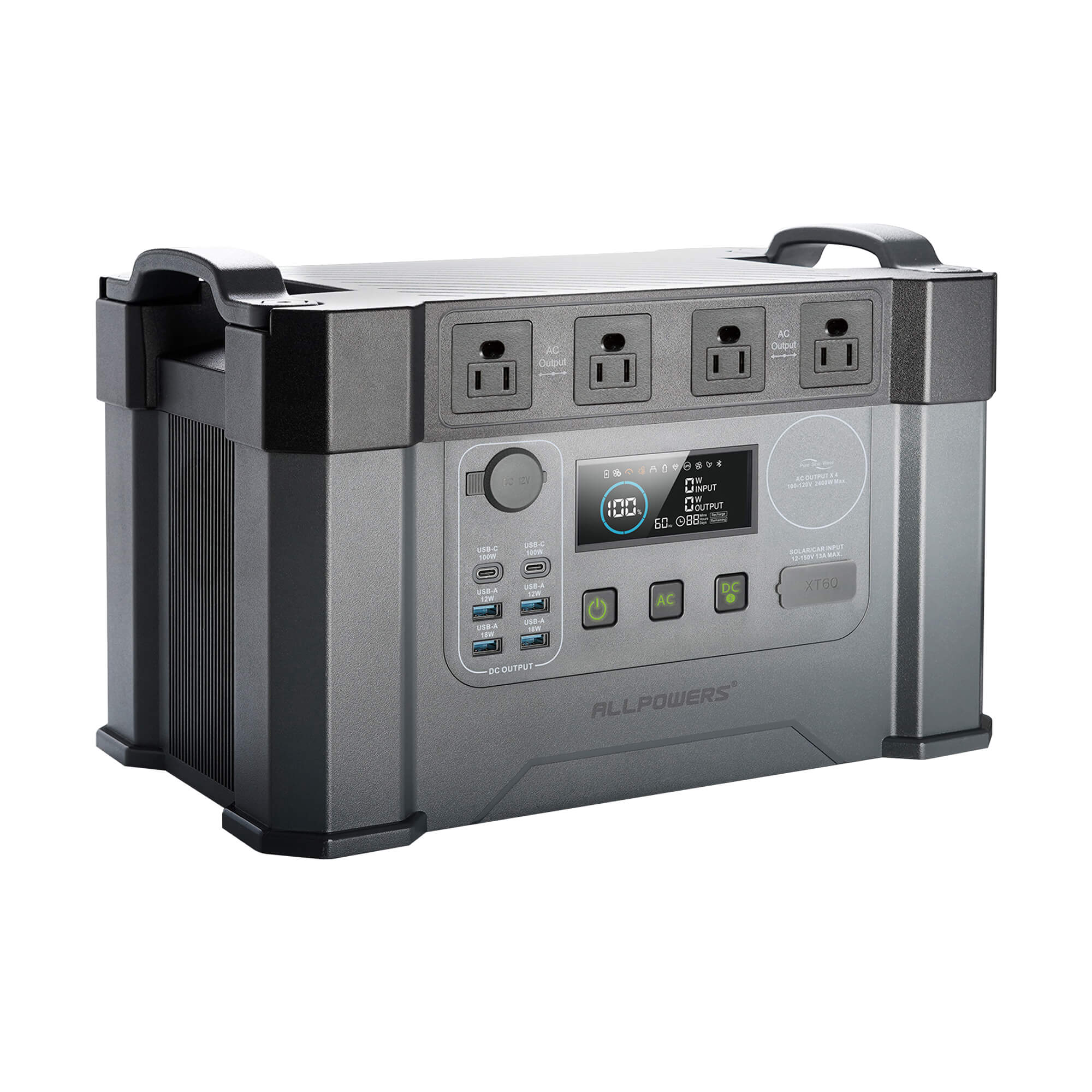
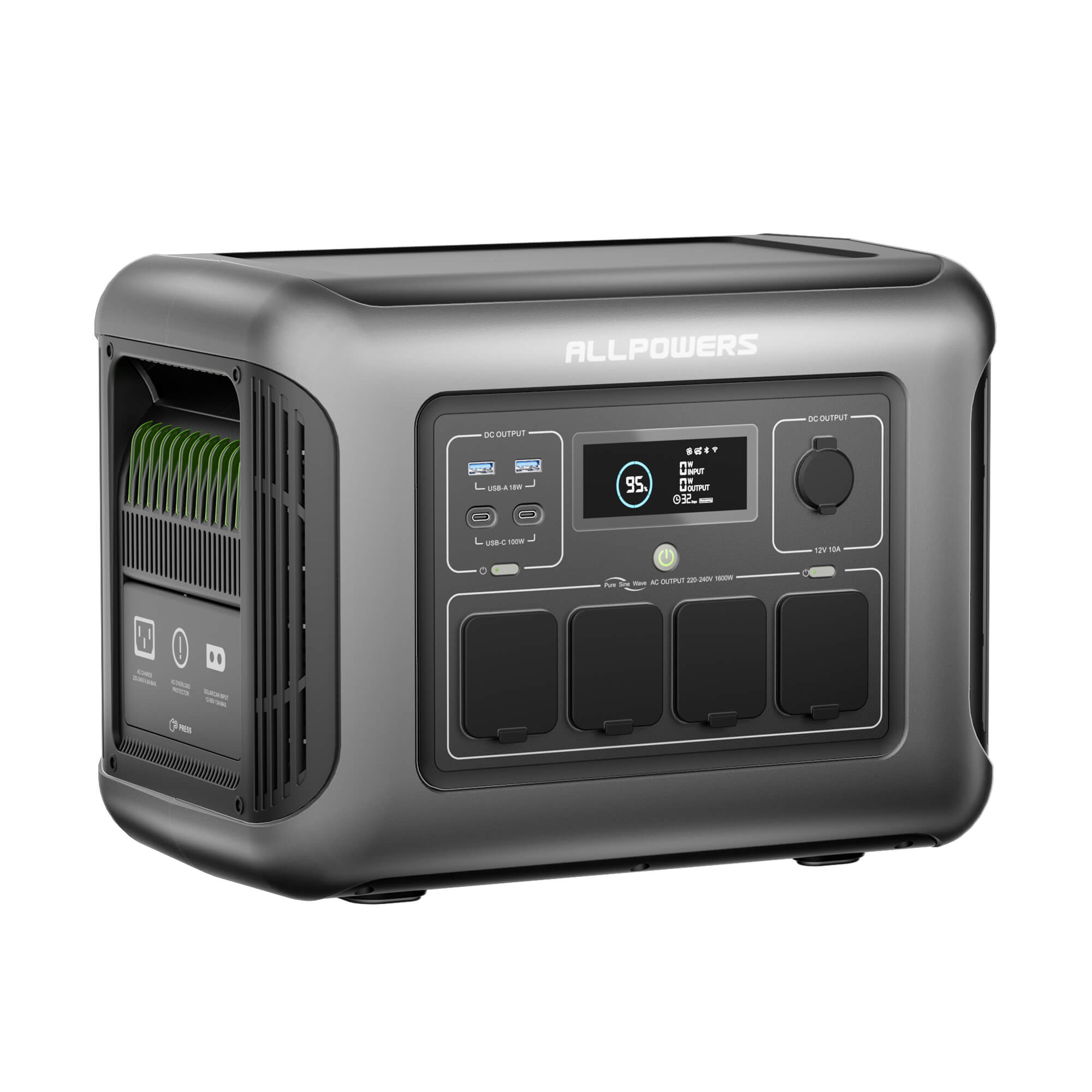
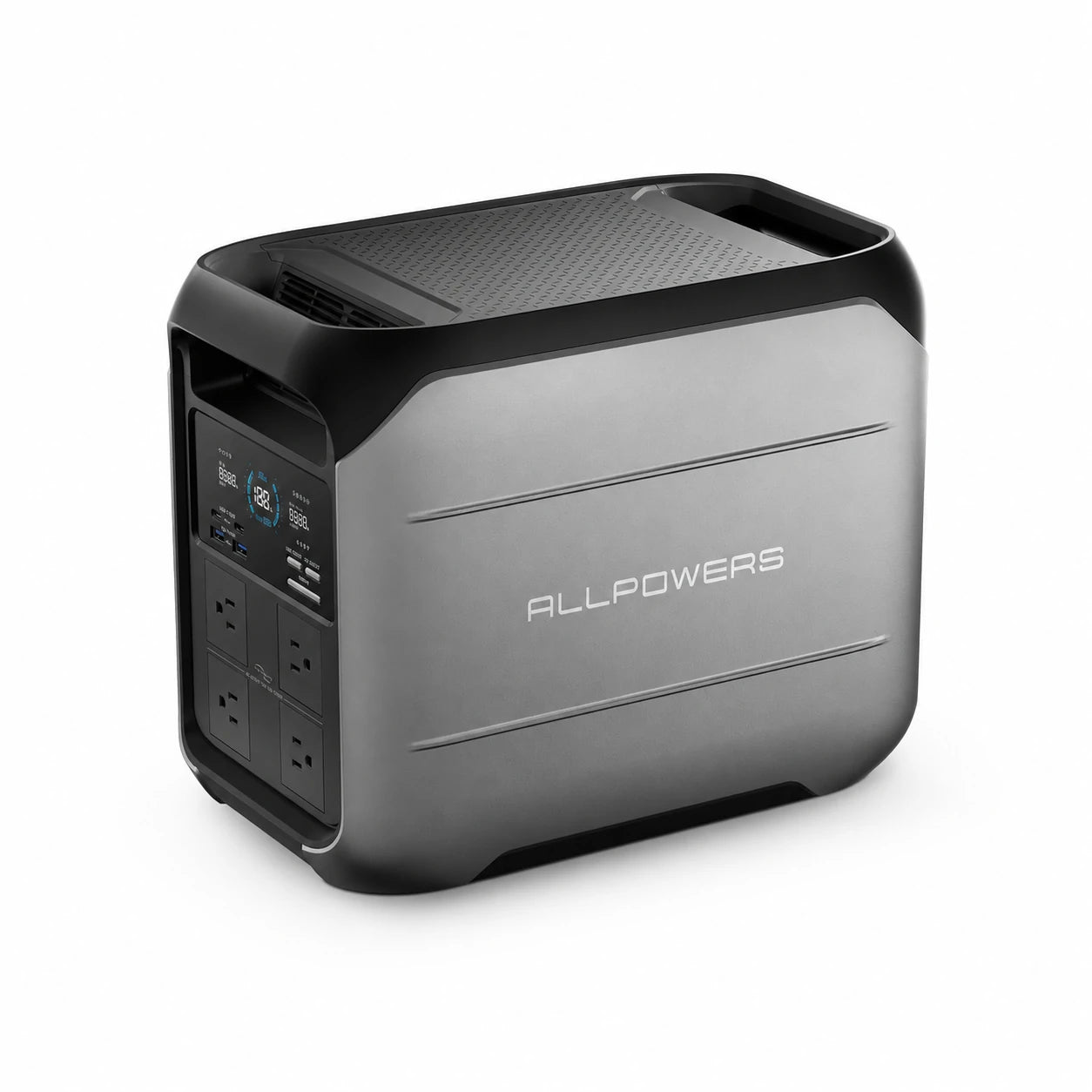






When it comes to powering our lives, we often hear the terms “starting watts” and “running watts.”
They sound technical, like something electricians toss, but they actually describe something you deal with every day.
So, what exactly do starting watts and running watts mean?
TL;DR:
Starting watts (also called surge watts or peak power) is the brief, higher burst of power an appliance needs momentarily to overcome initial inertia and start up. Running watts (also called continuous power or rated power) is the steady, lower wattage the appliance needs to function continuously once it’s running.
Running Watts
Once an appliance is rolling, it settles into a steady rhythm. That’s your running watts.
It’s the continuous energy draw to keep it operating efficiently.
It’s fairly straightforward: this is the number you’ll look at if you’re trying to estimate how long a power source can keep your gear going.
For example, if your device needs 100 watts to run and your power source provides 500 watt-hours, you could theoretically run that device for about five hours—assuming nothing else is drawing power at the same time.
Starting Watts
Starting watts, sometimes called surge watts, describe the brief but intense power spike that happens the moment certain devices turn on.
This spike can be two, three, or even five times higher than the running wattage. And it lasts for seconds. Sometimes less.
Without it, your appliance may fail to start or could even damage the power source.
But here’s a nuance people often overlook: not all surges are created equal.
Inductive loads—things like motors and compressors—behave differently than resistive loads, such as heaters or toasters.
Inductive devices draw more current to start, hence higher surge watts, while resistive devices draw pretty much the same amount all the time.
Why Do Some Gadgets Need a Momentary Kick in the Pants to Get Going?
It’s all about physics, and specifically, something called inertia. Think about pedaling a bicycle.
It takes a huge, quick surge of effort to get the bike moving from a complete stop, right? But once you’re cruising, it takes significantly less effort to maintain that speed.
Electric motors—the things that power compressors, fans, pumps, and even some fancy tools—work the same way.
When you flip the switch on a device with a motor, that motor is basically a coiled magnet.
To overcome its static state and the internal resistance (inertia), it requires a brief, massive influx of electrical current.
We call this the Locked Rotor Ampere (LRA) or the initial surge. This massive current draw, when converted into a power measurement, becomes the starting watts.
It usually lasts for only a fraction of a second, maybe a second or two at most, but during that fleeting moment, the power demand can be two, three, or even four times the power it needs to keep running.
Why the Distinction Truly Matters
Honestly, many people overlook this distinction until it bites them.
You might be browsing for a power solution and see a unit rated for 1,500 watts. Sounds plenty, right?
But if your fridge needs 1,200 running watts and 2,500 starting watts, that “plenty” suddenly becomes insufficient.
This is where understanding these numbers can prevent a lot of headaches.
This also applies to emergency preparedness at home.
A sudden blackout is stressful enough without having to guess whether your generator or battery pack can handle the initial surge of your sump pump or freezer.
Knowing starting watts vs running watts helps you match the right power source to your needs, giving you peace of mind and a little extra sleep during a storm.
Learn More: What Size Portable Power Station Do I Need?
How to Estimate Power Needs Effectively
So, how do you make sure your power source can handle both the starting and running demands?
Start by listing the running watts of all devices you intend to power simultaneously.
Then, identify which of these have significant starting surges.
Add a safety margin—because in real life, things are never perfect—to accommodate unexpected spikes.
Grid power is forgiving. Utilities build systems that absorb surges without blinking.
Portable setups don’t have that luxury. They have limits. Clear ones.
When a power source can’t meet starting watts, one of three things happens.
The device fails to start. The power source shuts down to protect itself. Or both, repeatedly, until you give up.
And yes, battery-based systems tend to be more sensitive here than gas generators, though modern electronics have narrowed that gap.
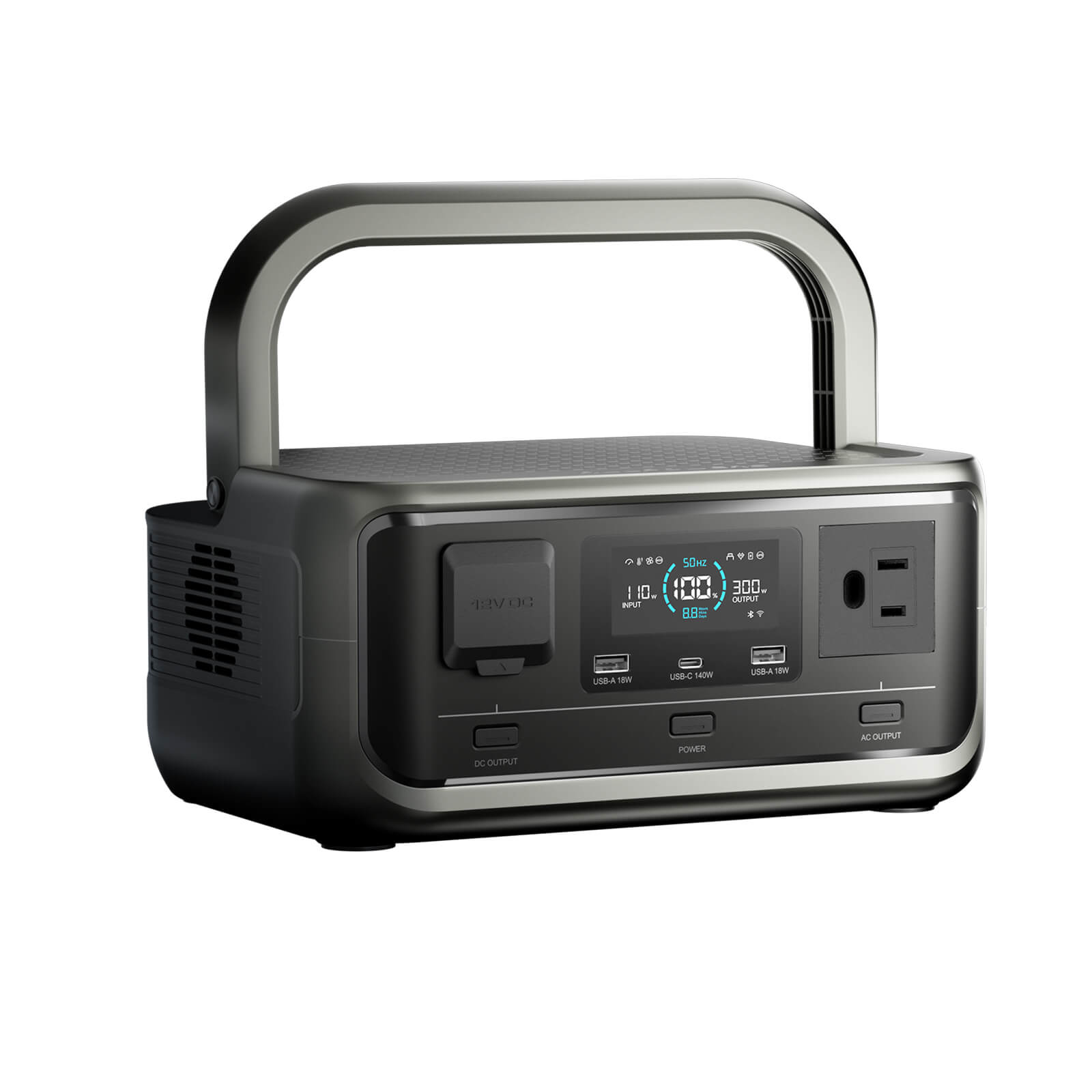
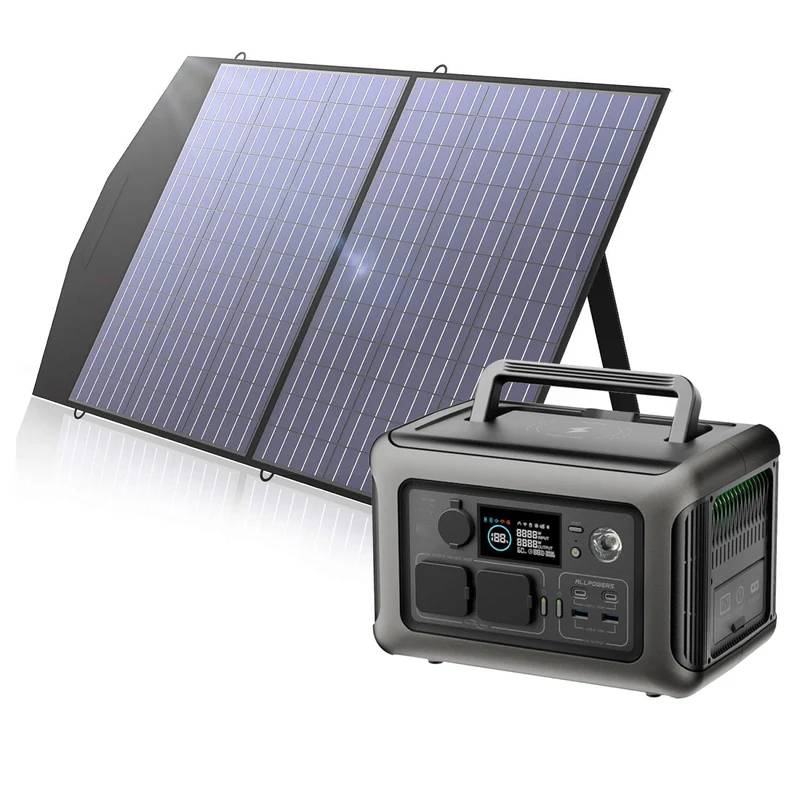
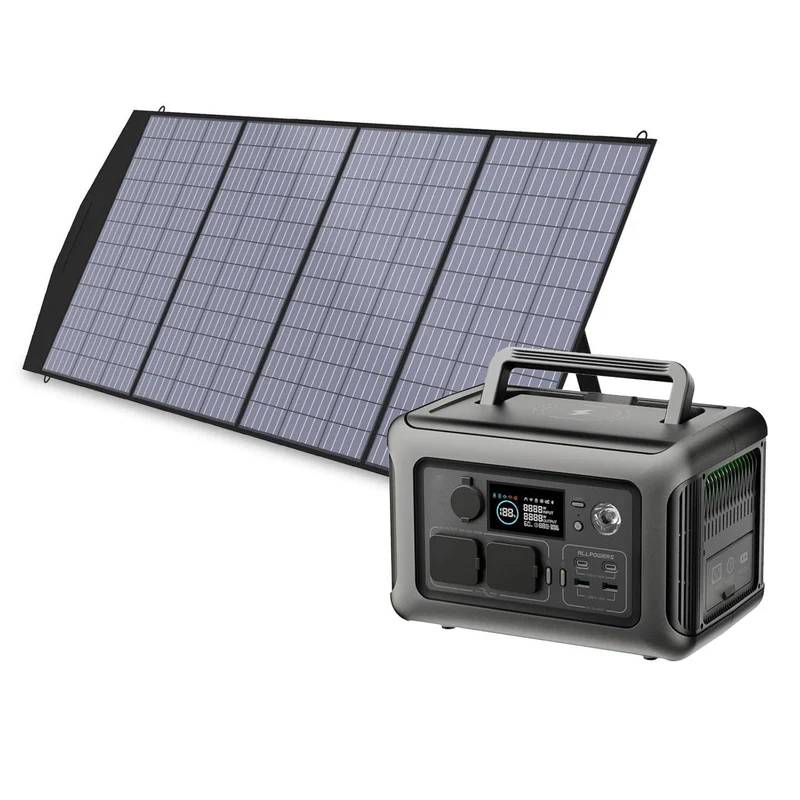
ALLPOWERS VOLIX P300 Portable Power Station
$149.00 $249.00
- 299Wh Capacity;
- 300W AC Output (600W Surge);
- Fast Charge 100% in 1 Hours;
- Ultra-quiet 30dB Under Load ;
- Long-Lasting And Safe Lifepo4 Battery;
Conclusion
Starting watts and running watts aren’t just technical specs—they’re a language describing the very behaviour of your appliances.
Running watts keep things moving steadily, while starting watts give that vital kick when the device first wakes up.
Together, they paint a full picture of energy demand, helping you plan, prepare, and avoid unpleasant surprises.