






Most people think of electric kettles as simple kitchen tools—plug, boil, pour, enjoy.
But once you’re outdoors, away from the grid, that tiny appliance suddenly becomes a serious power question.
They rely on resistance heating, which converts electrical energy directly into thermal energy. It’s simple, but very demanding.
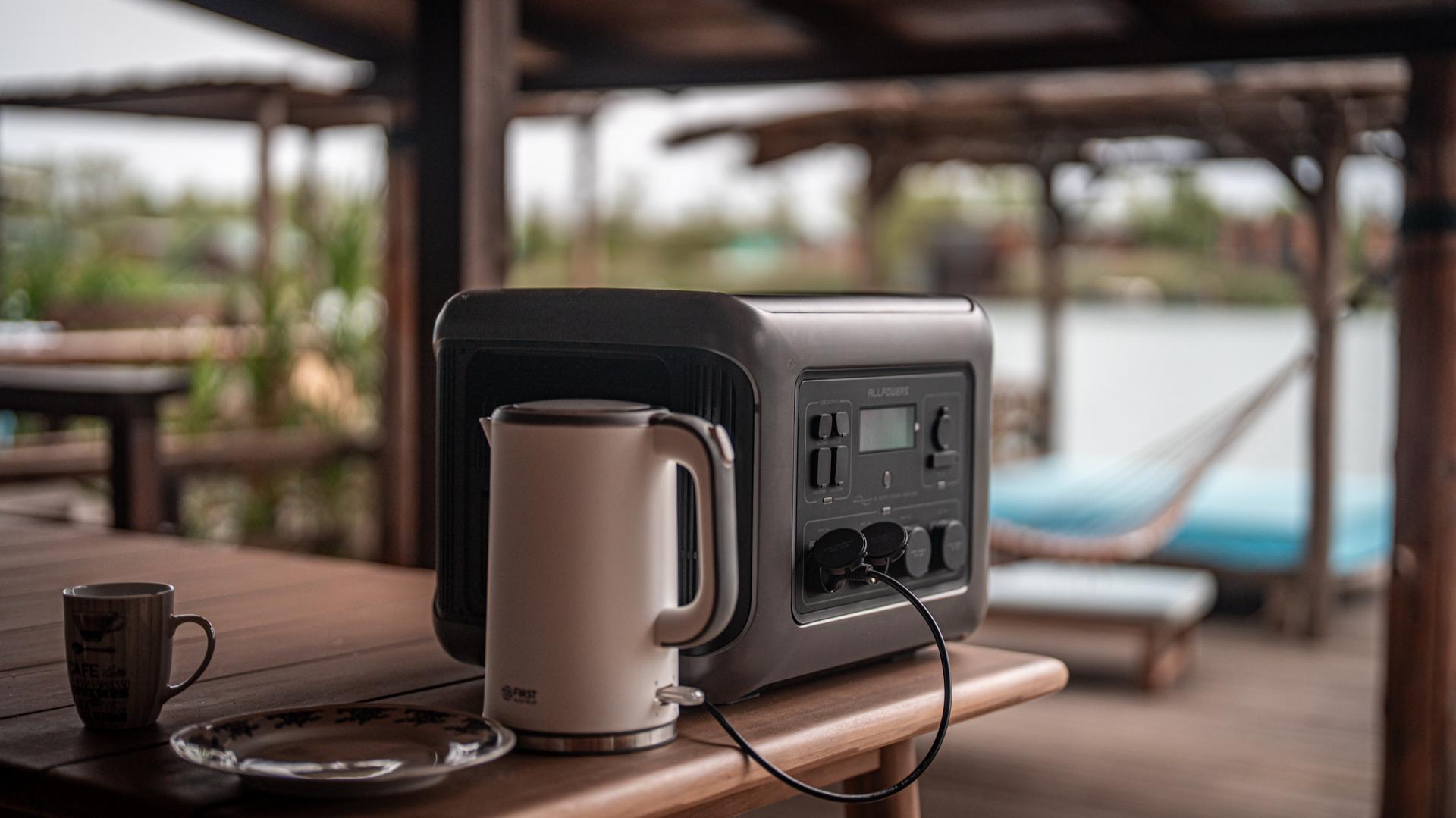
So can a portable power station really handle a kettle’s demand?
TL;DR:
Yes, a portable power station can run most electric kettles—as long as its inverter output is higher than the kettle’s wattage, and you have enough battery capacity to avoid draining the station too quickly.
How Much Power Does It Take to Run an Electric Kettle?
At first glance, an electric kettle feels like a harmless appliance. It has one job. No screens, no apps, no blinking lights.
Honestly, it feels less demanding than a laptop or a microwave. But here’s the thing—it’s one of the most demanding household appliances you’ll ever plug in.
Many household kettles run at around 1500W. Some travel kettles drop closer to 800–1000W.
But the principle stays the same: the heating element resists electrical flow, turning most of the incoming energy directly into heat.
Because of that, there’s nearly no “soft start”; kettles draw their full load almost instantly.
If you boil a litre of water using a 1,500W kettle, it typically runs for about 3 to 5 minutes. Multiply that by the wattage, and you get roughly 75–125 watt-hours of energy.
Add inverter inefficiency and ambient losses, and it’s more like 100–150 watt-hours in real life. That burst of energy is what brings water from cold to boiling in just a few minutes.
How Long Can a Portable Power Station Run an Electric Kettle?
Even if your power station can handle the wattage, the next question is: for how long?
Let’s imagine a 1500W kettle paired with a power station that has about 1000Wh of capacity—fairly common in mid-size models.
A rough real-world calculation goes like this:
1500W kettle × 0.1 hours (6 minutes) ≈ 150Wh
Add inverter losses (around 10–15%), and now you’re at ~170Wh.
So boiling a single kettle of water might consume 15–20% of a 1000Wh station.
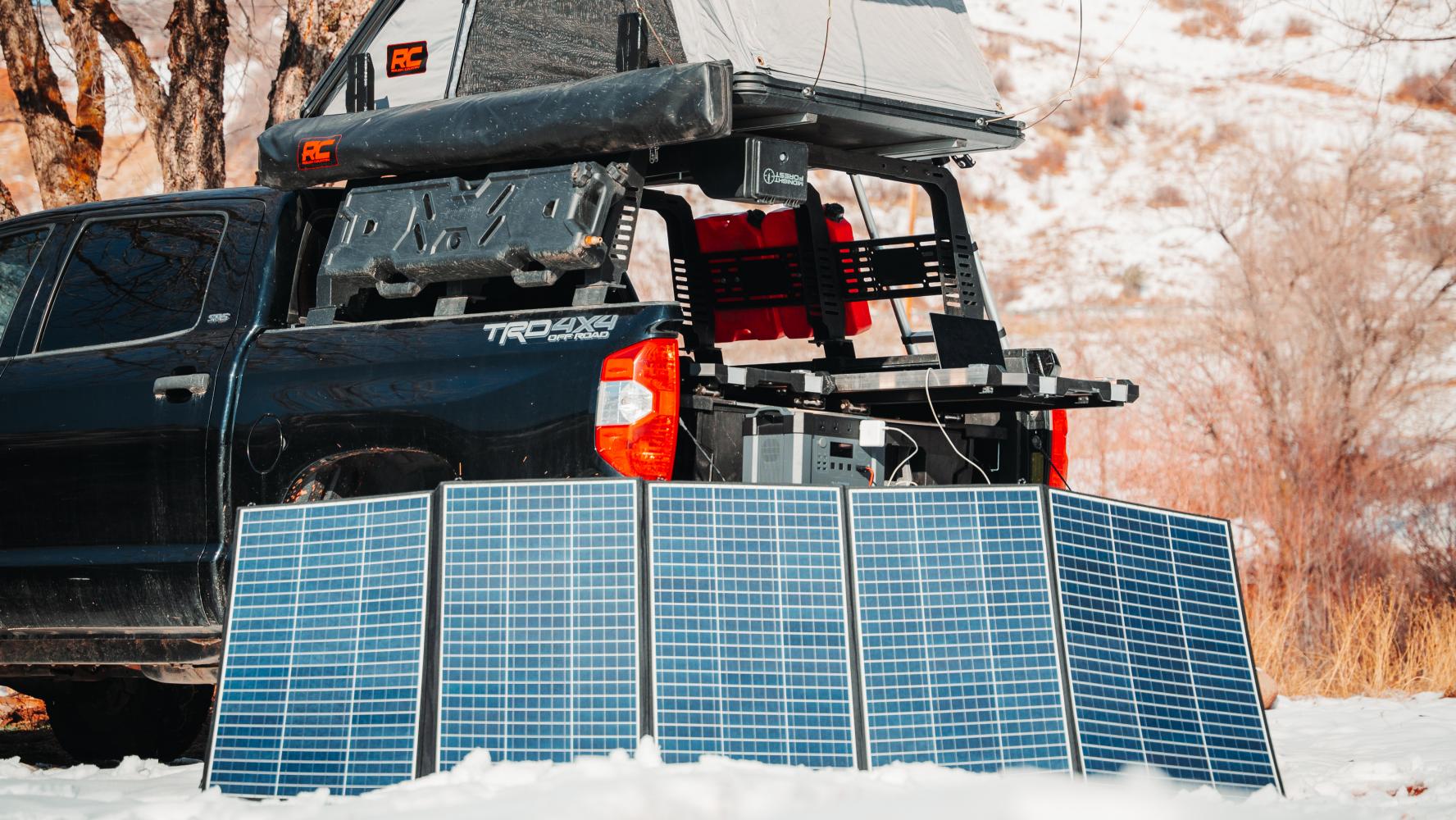
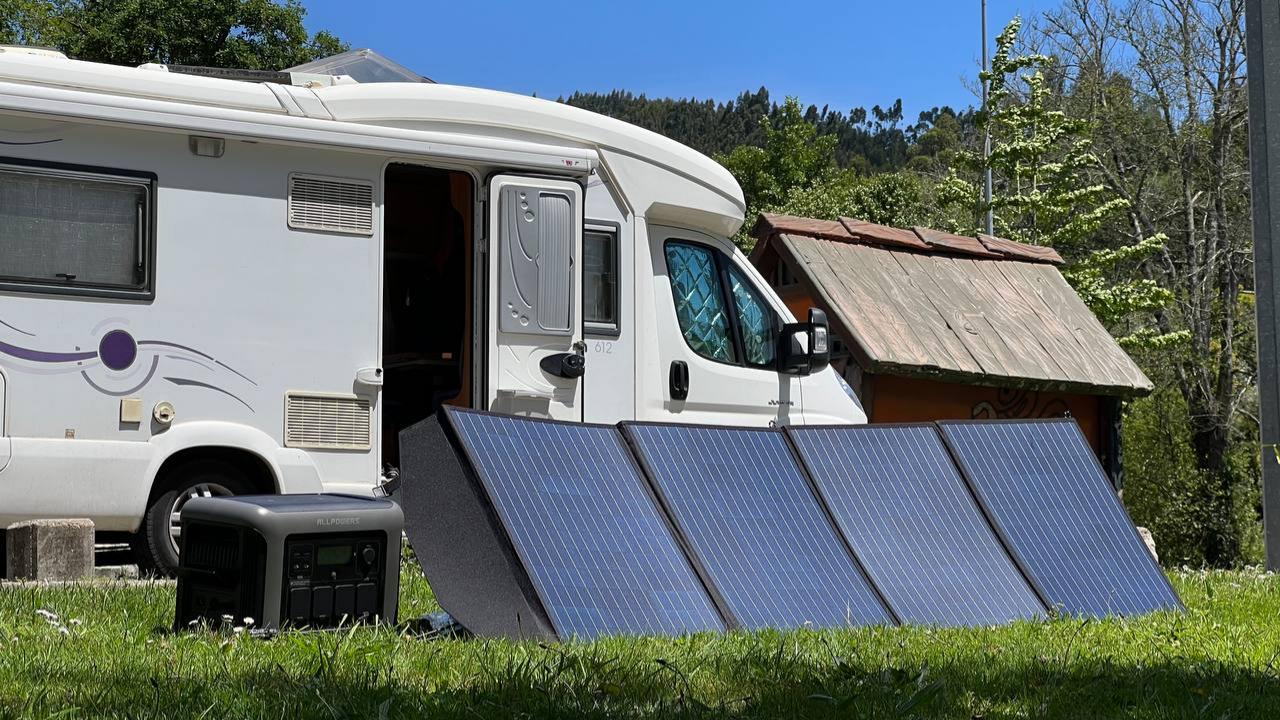
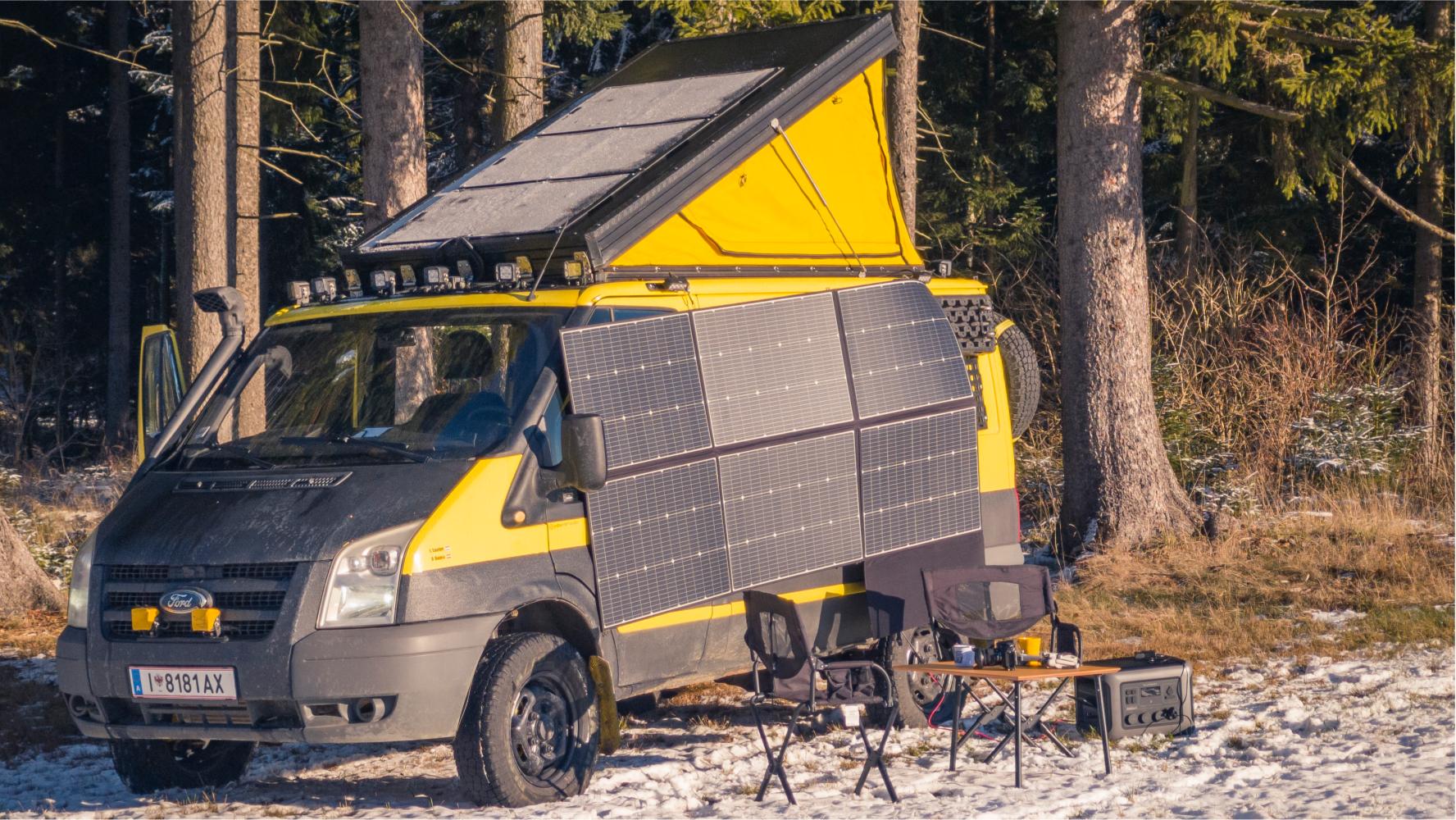
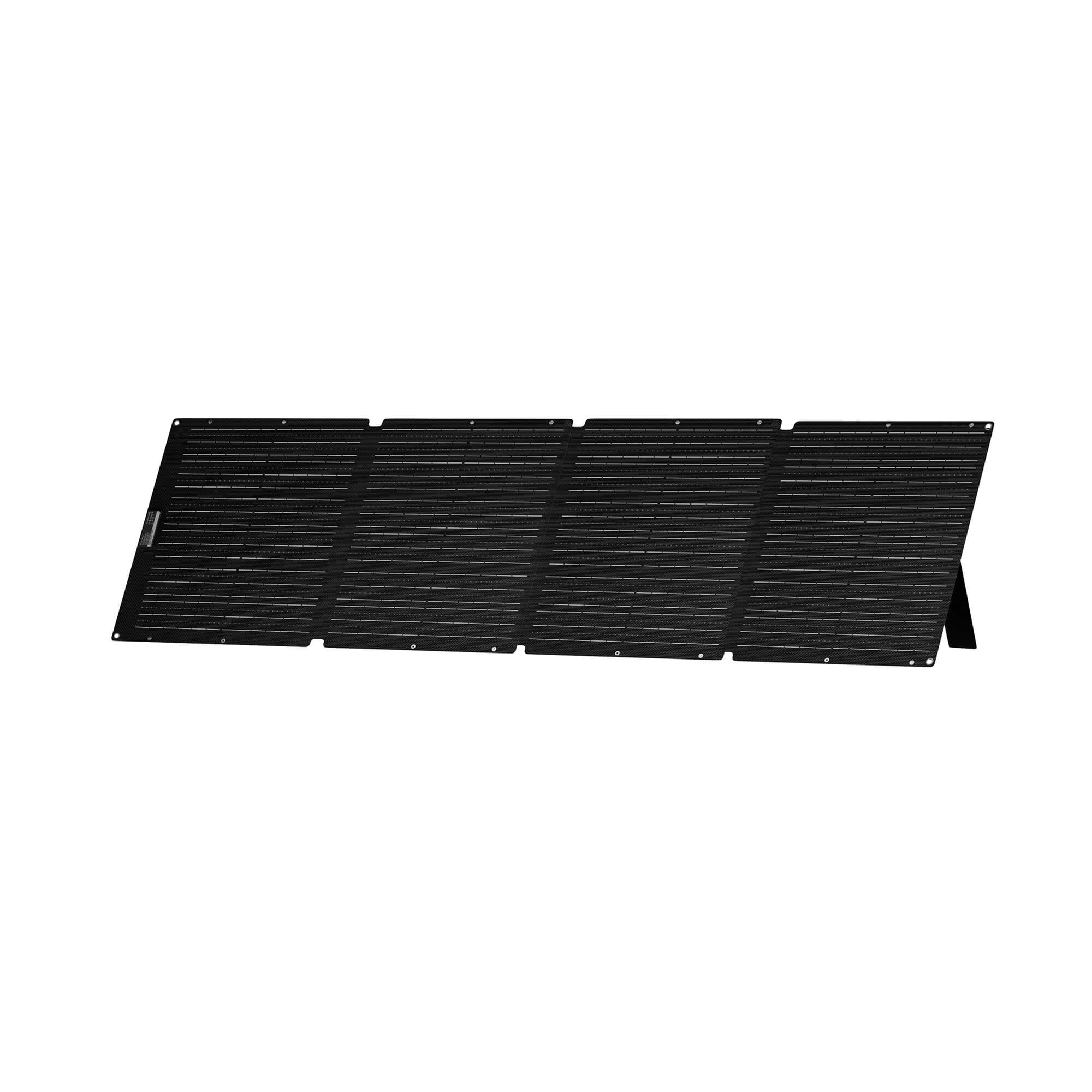
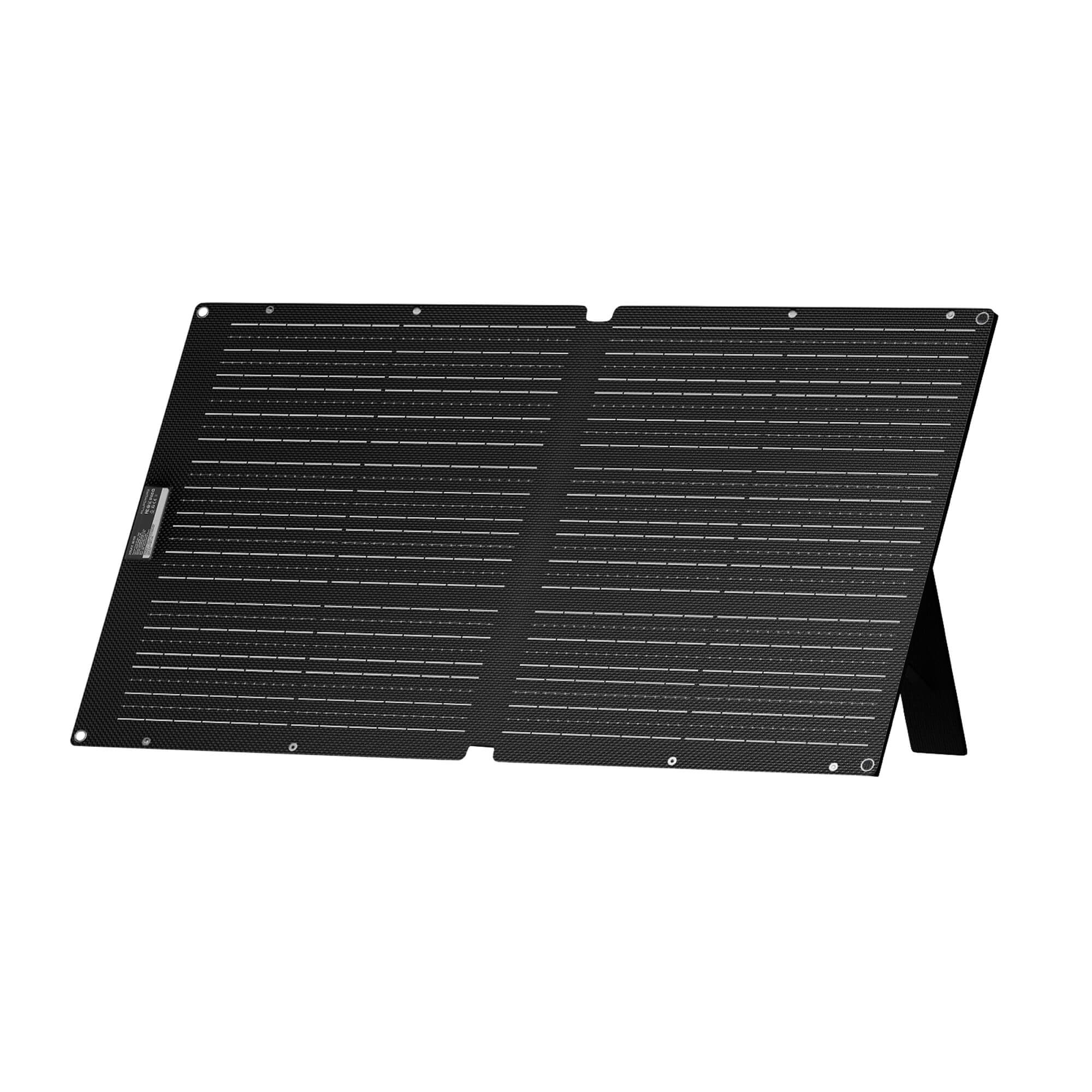
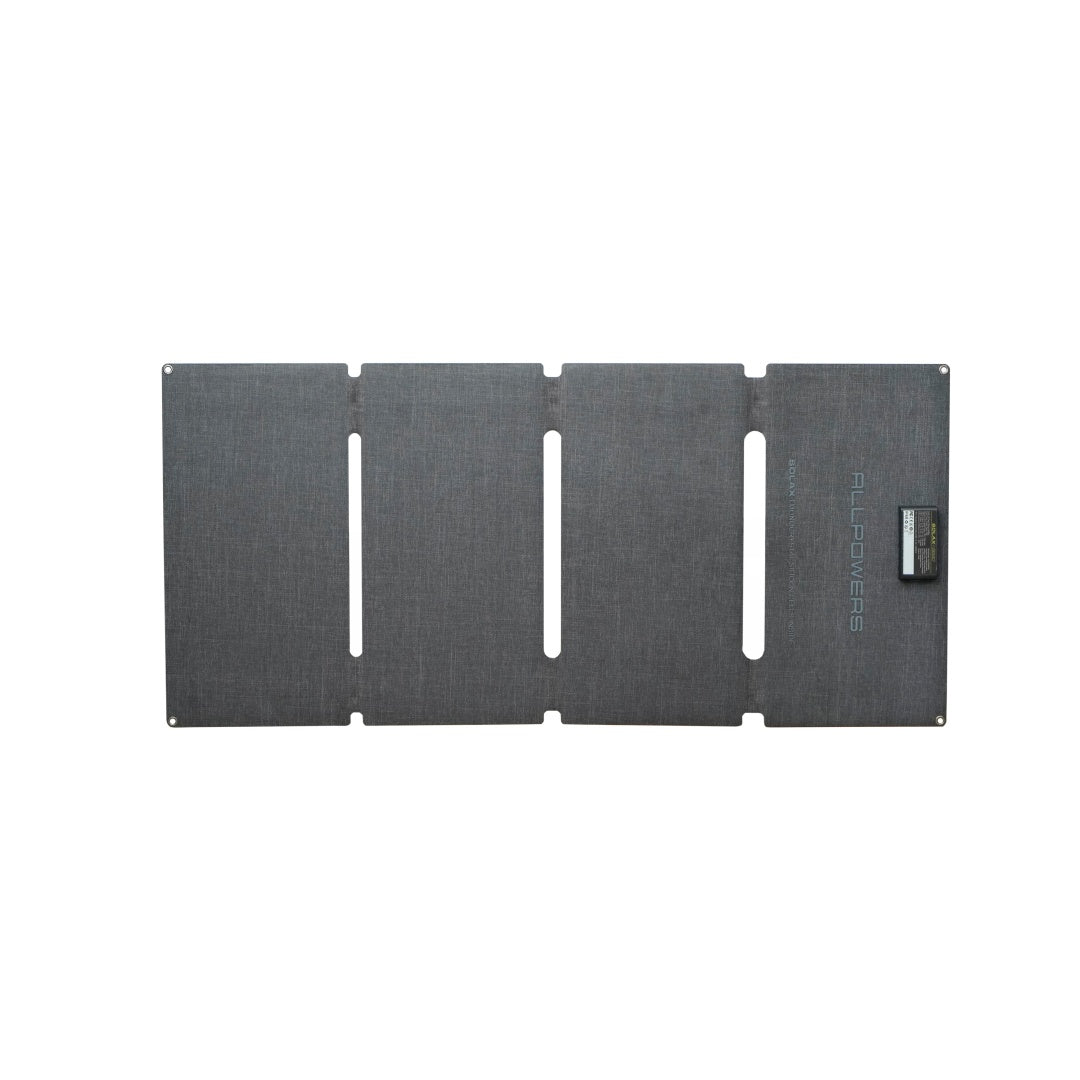
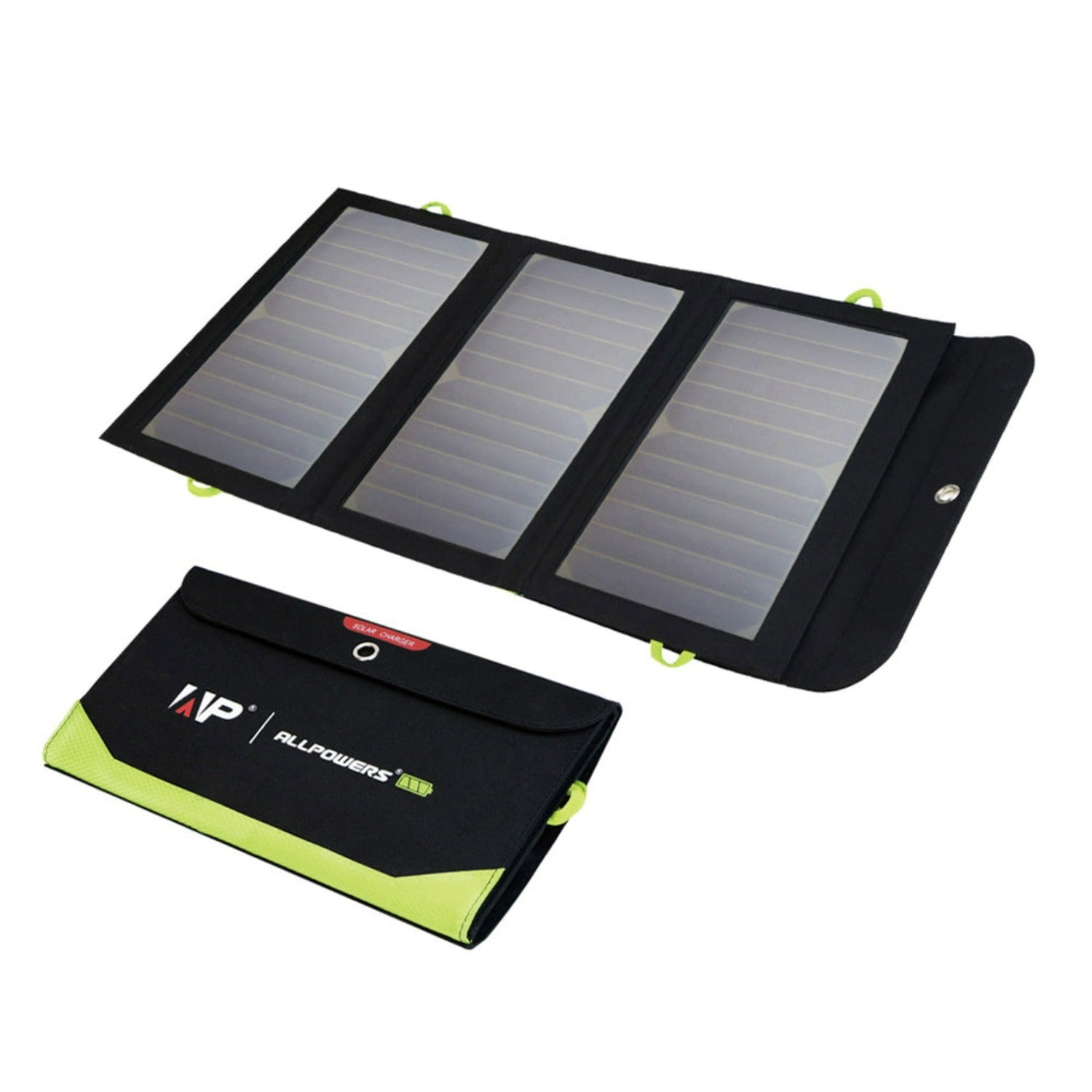
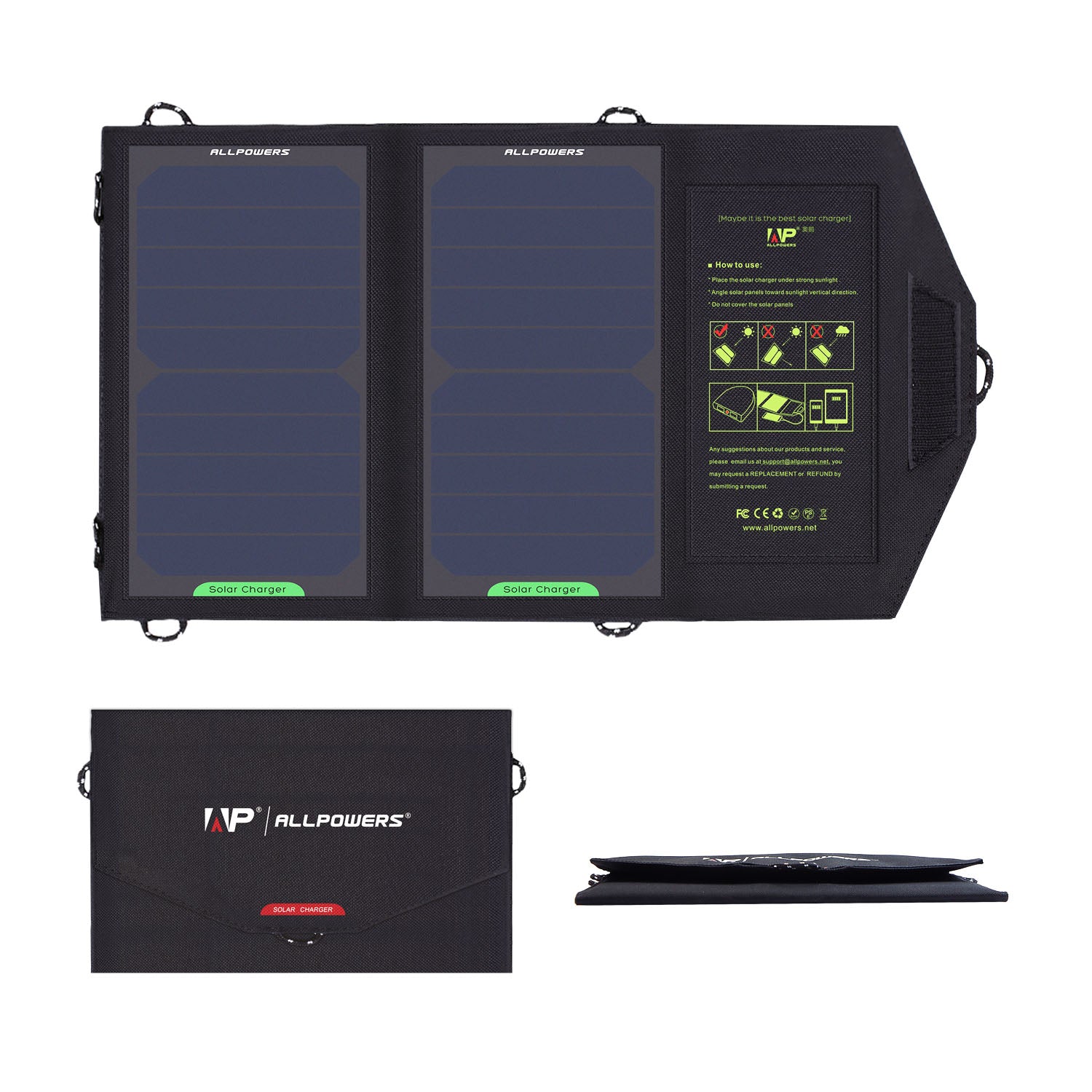
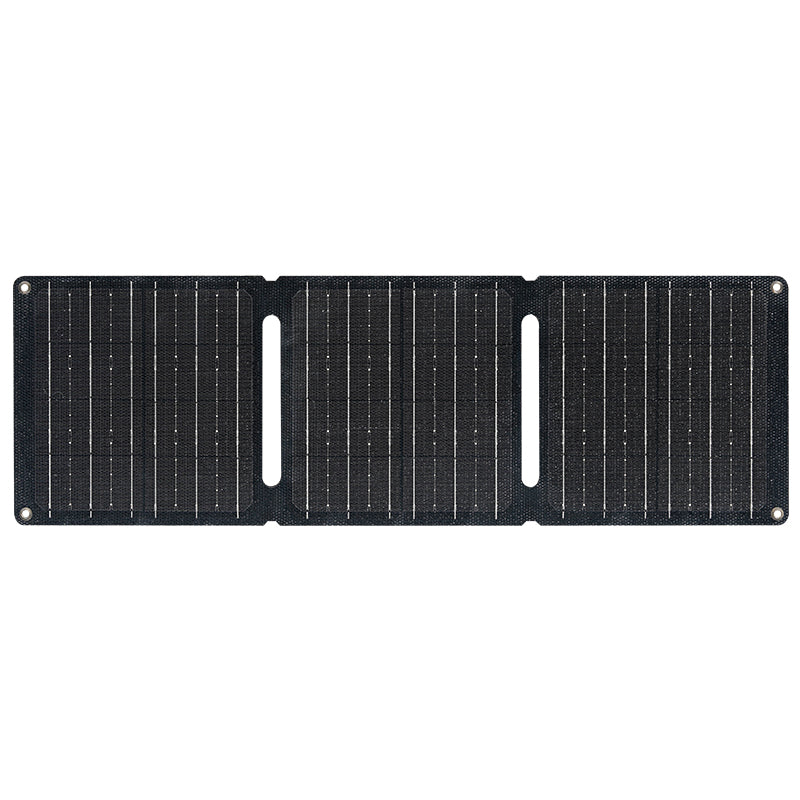
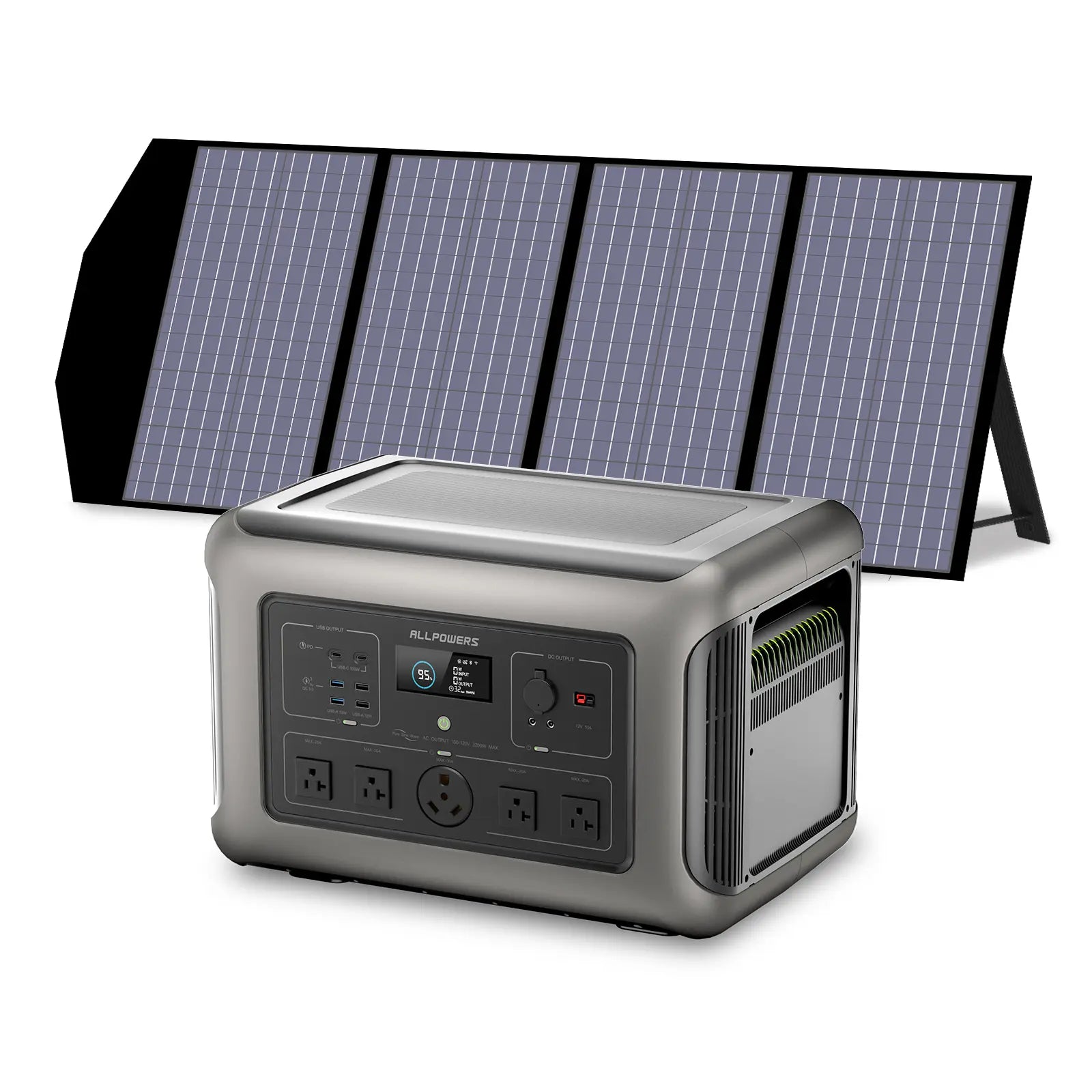
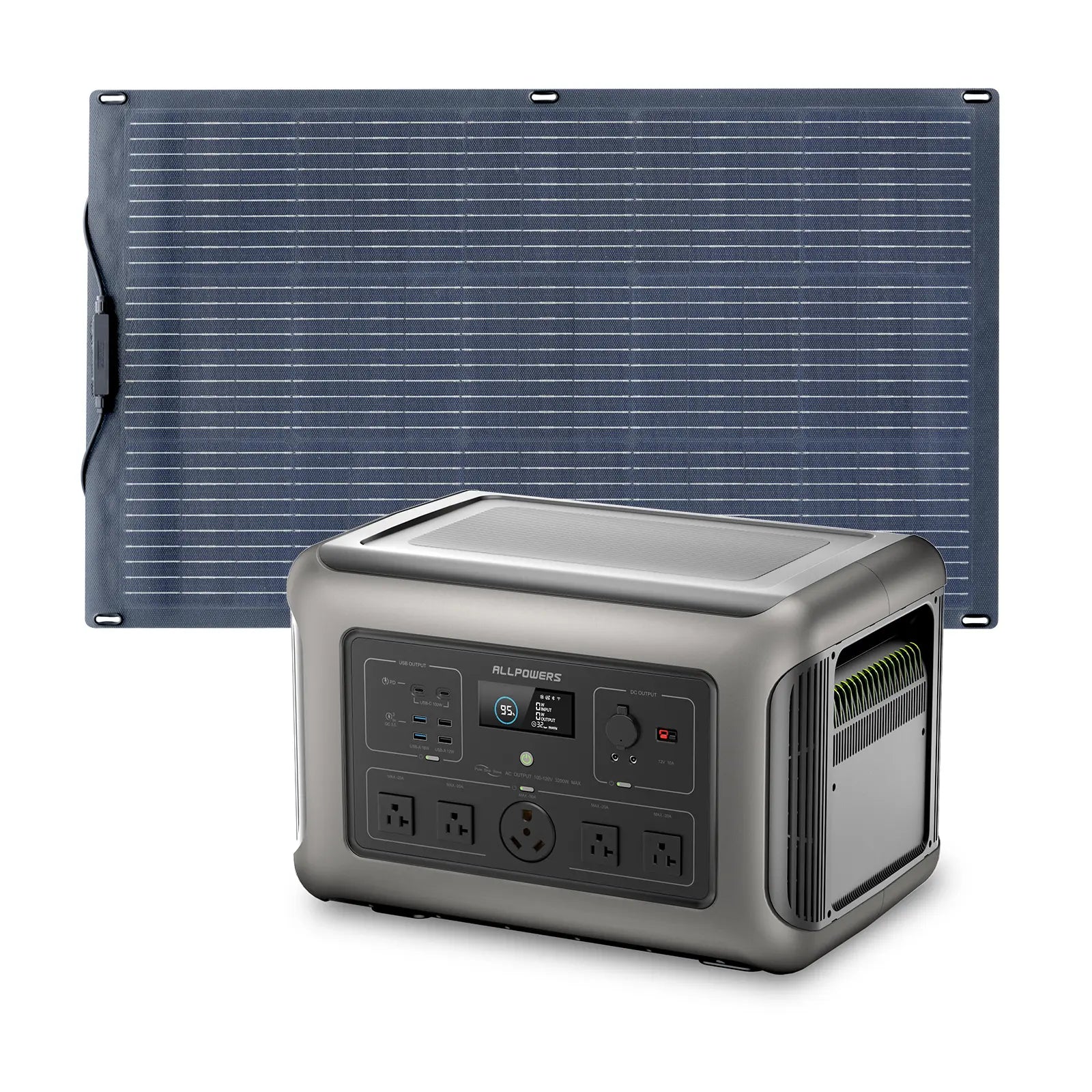
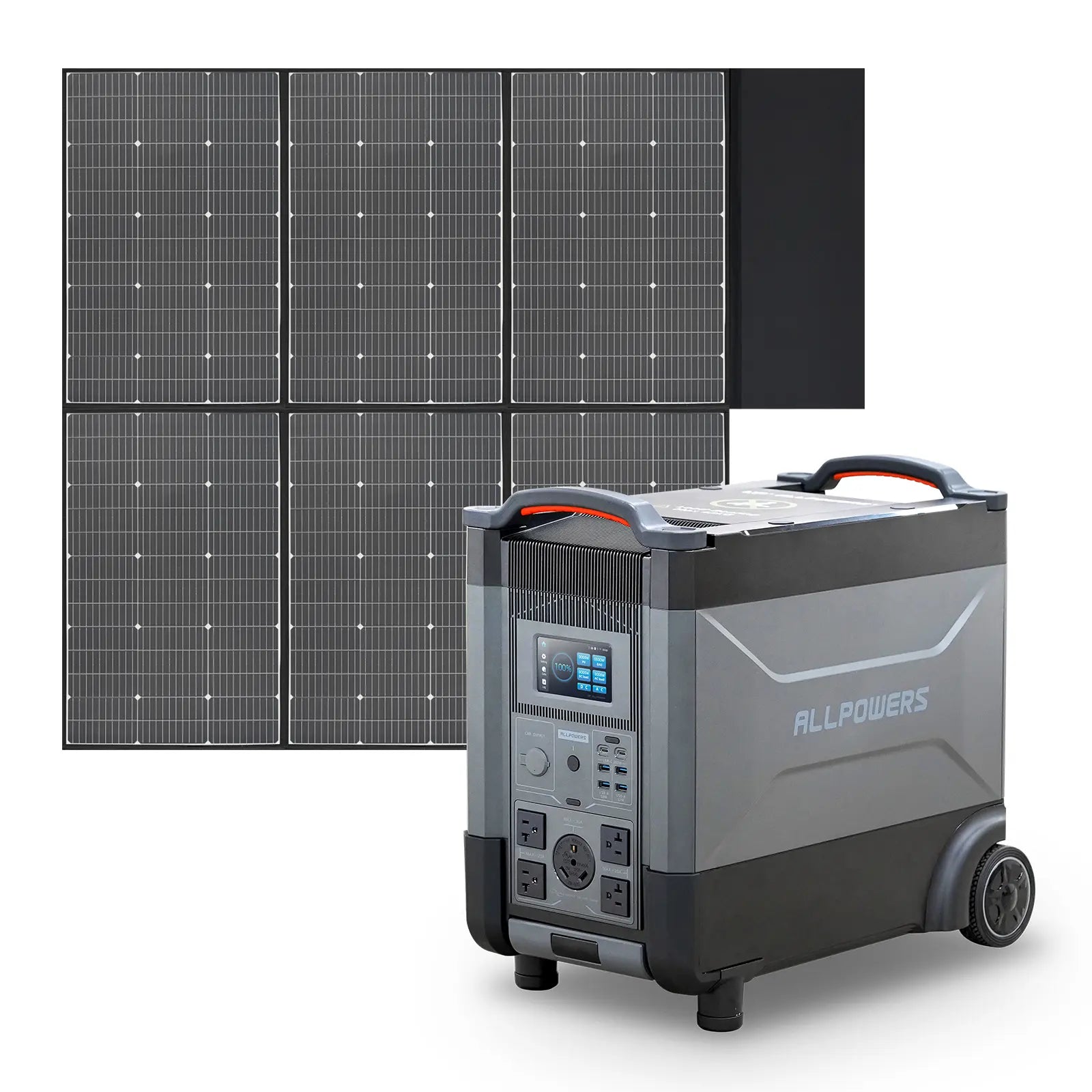
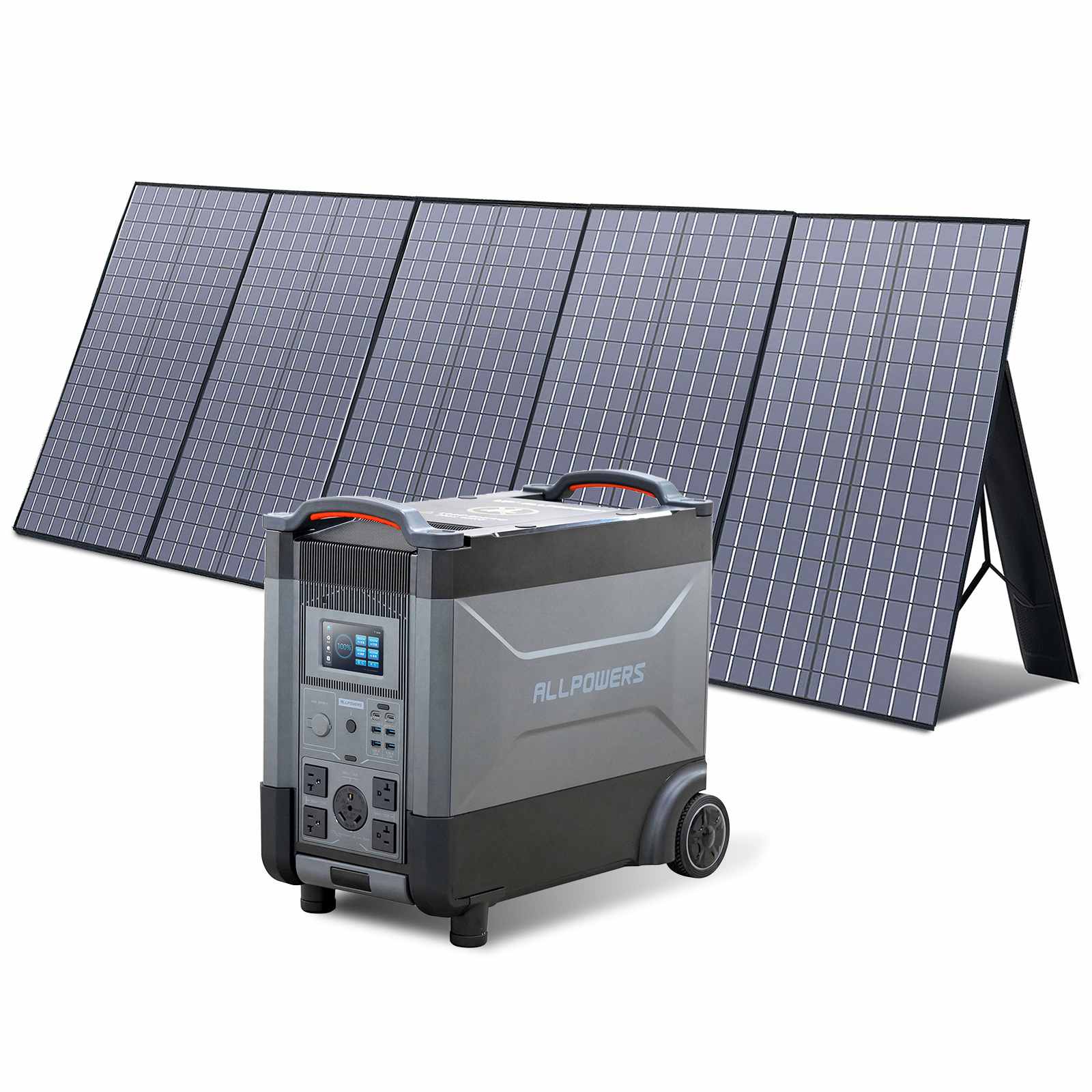
On the bright side, if your portable power station supports solar recharging or if you pair it with a foldable solar panel during multi-day trips.
And a simple trick? Preheating water from the sun during the day, when possible, can shave off valuable heating time.
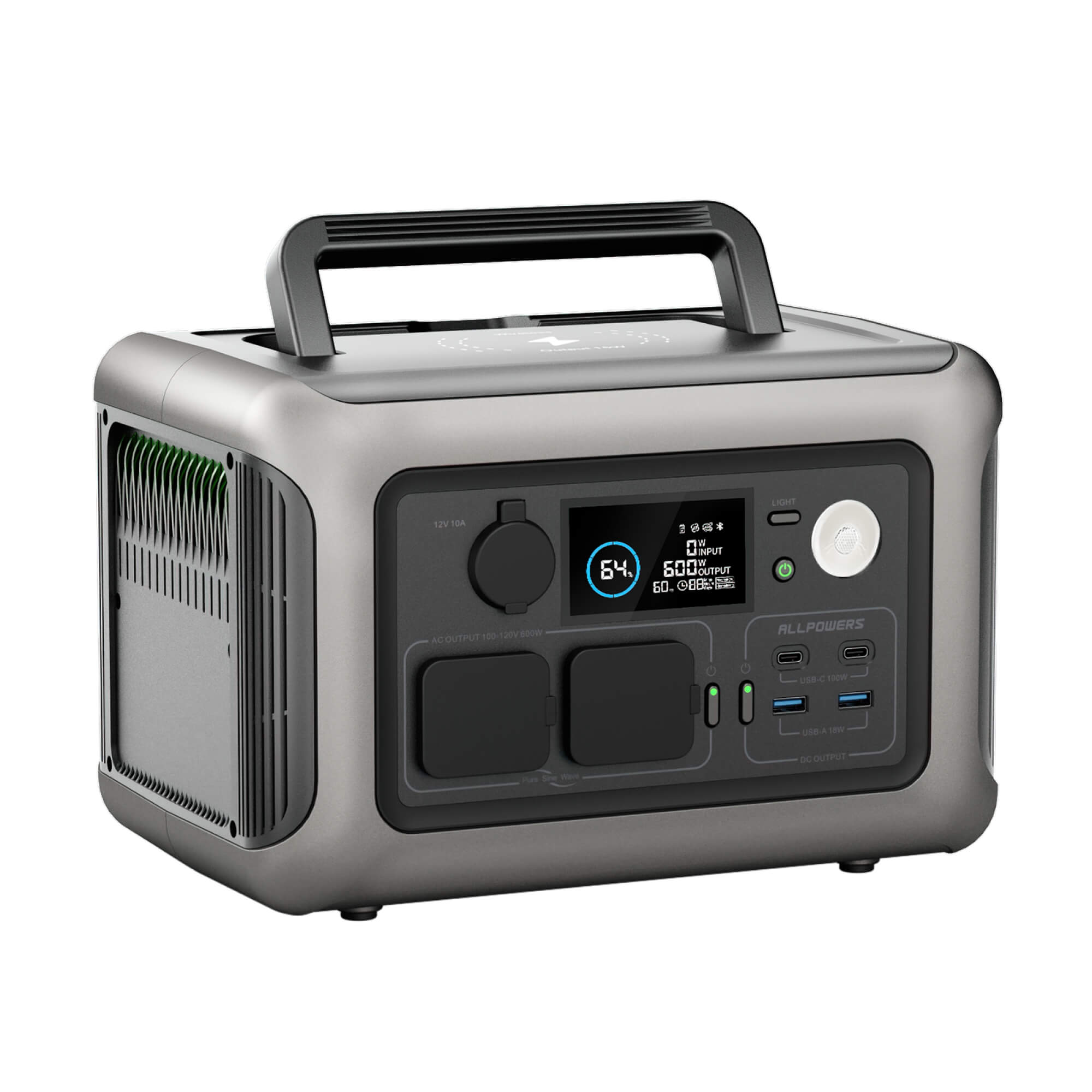
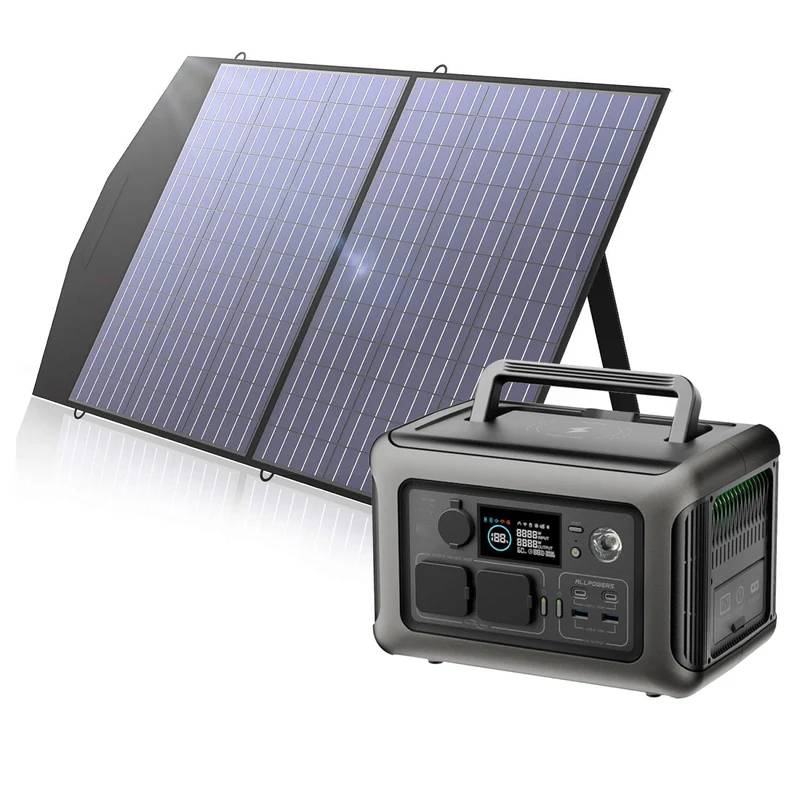
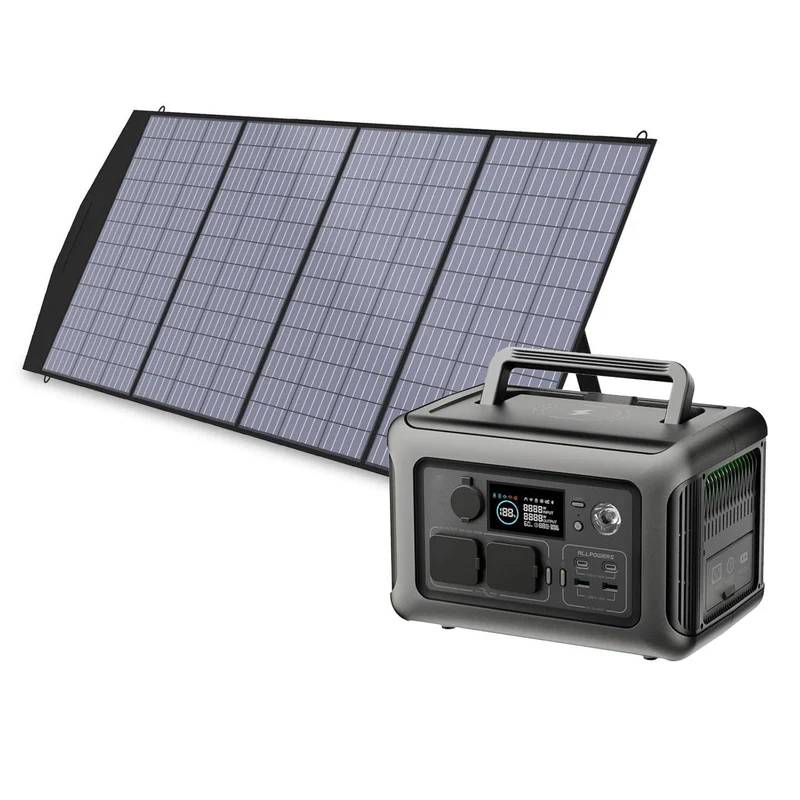
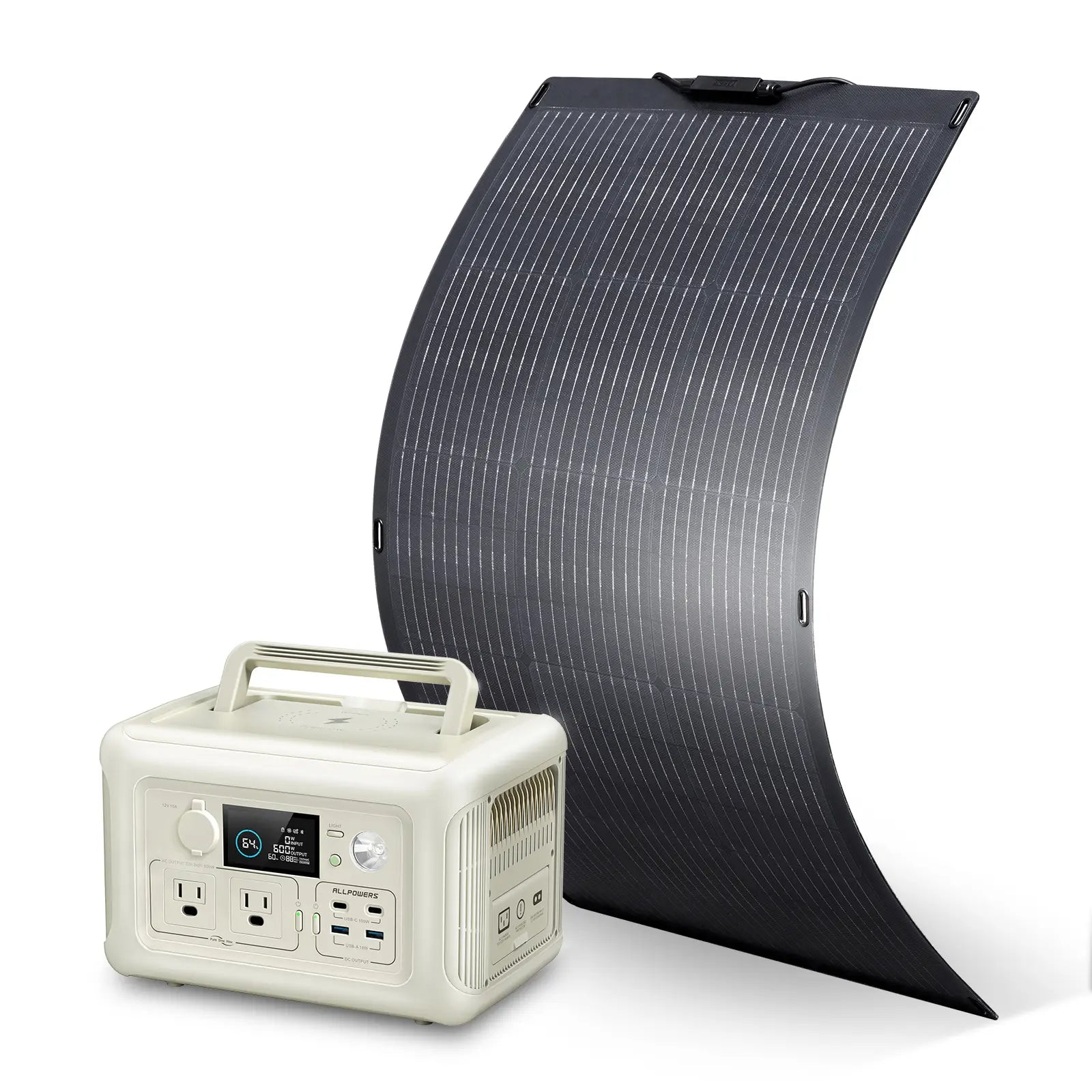
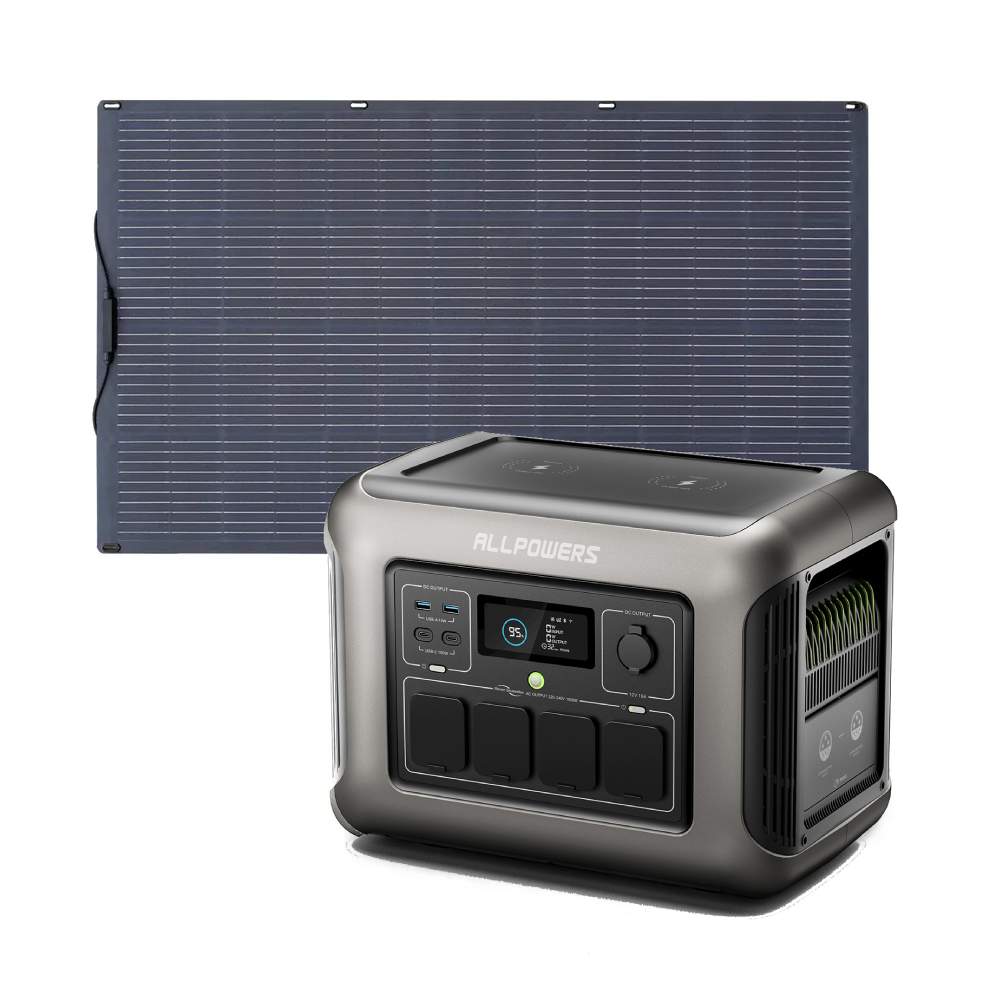
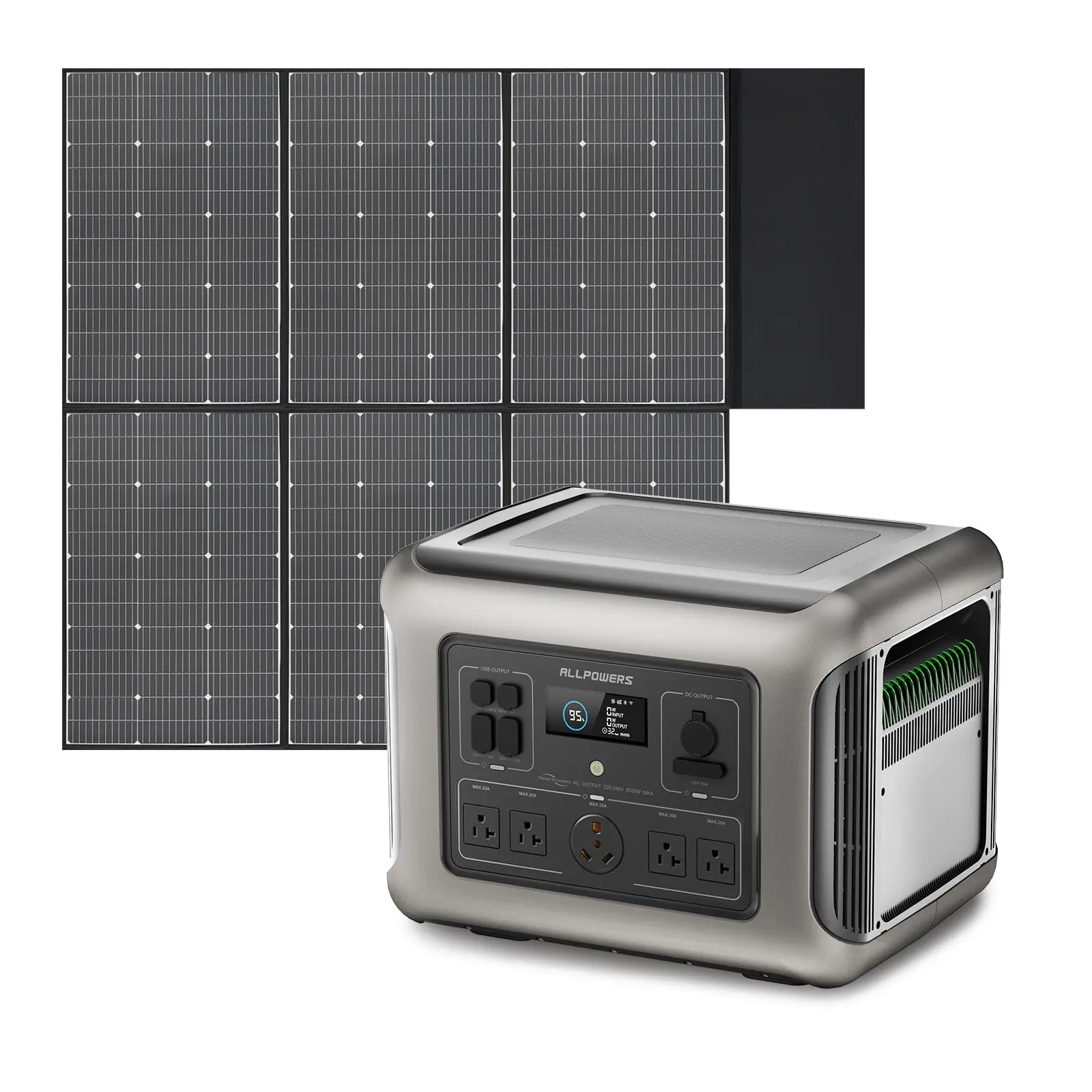
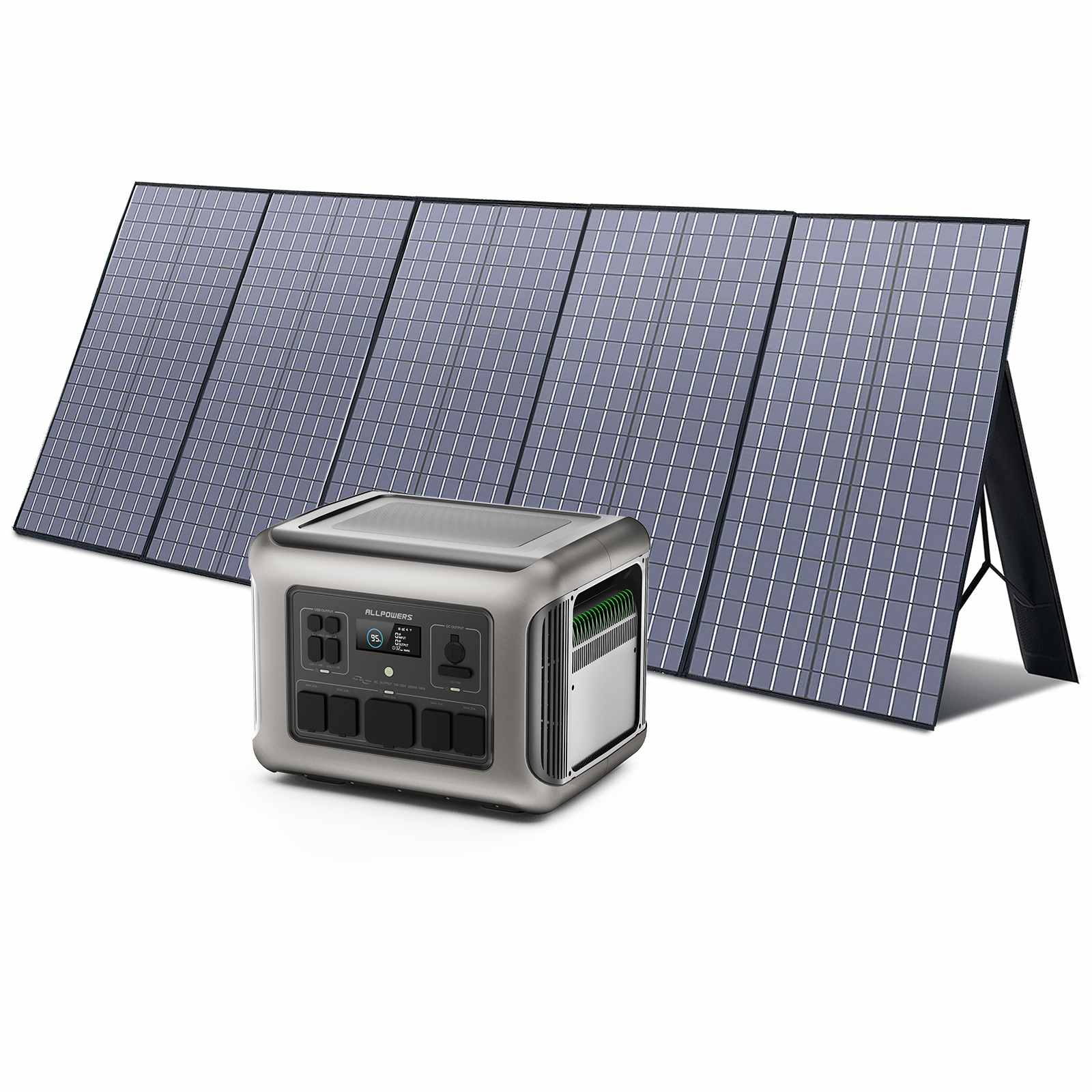
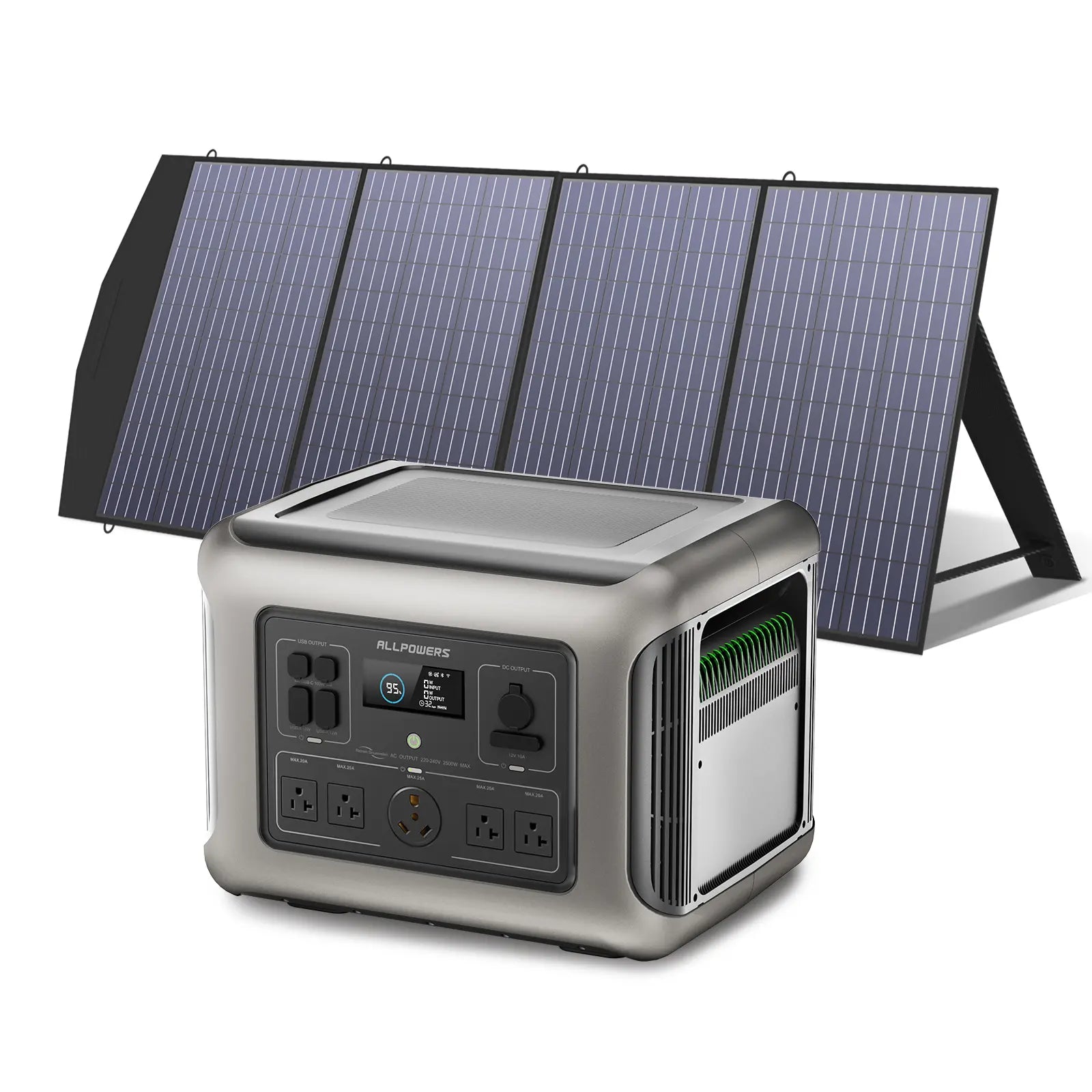
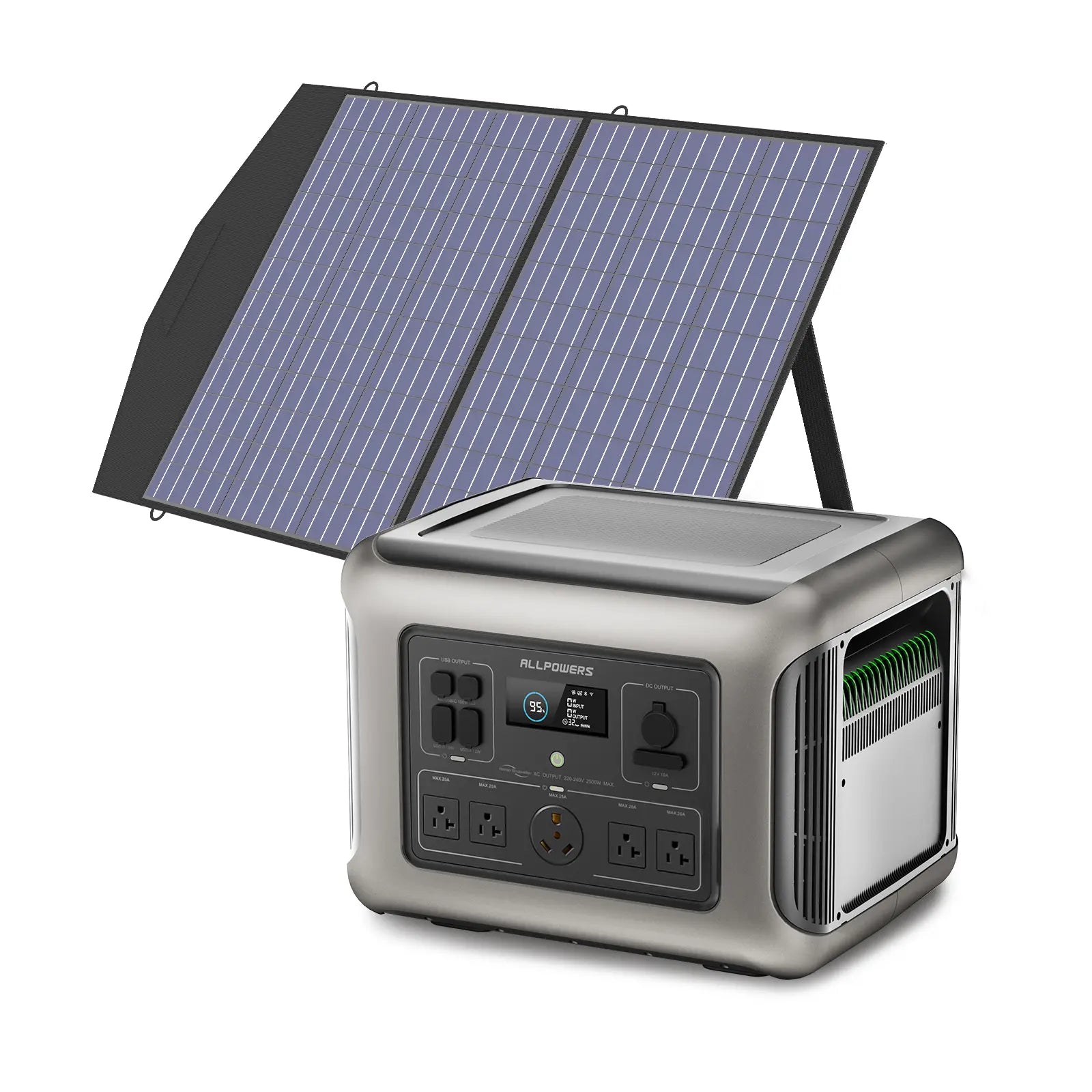
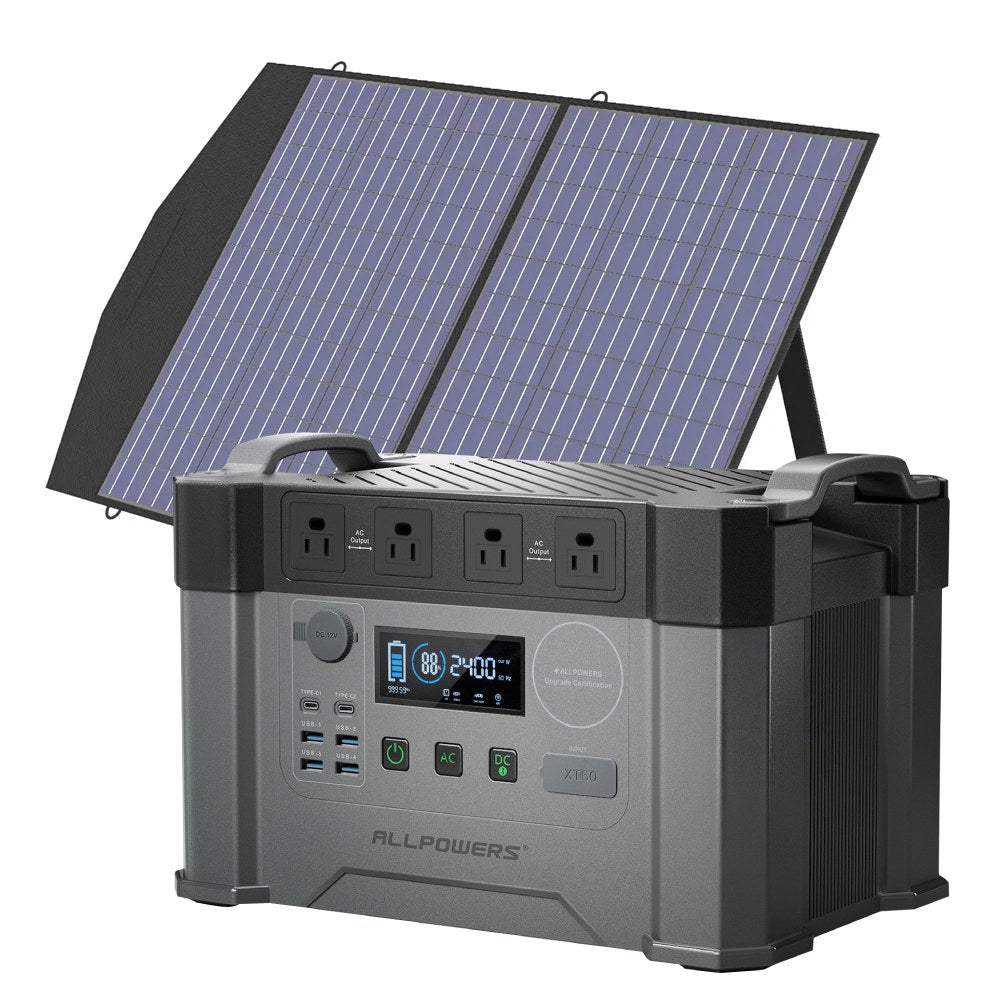
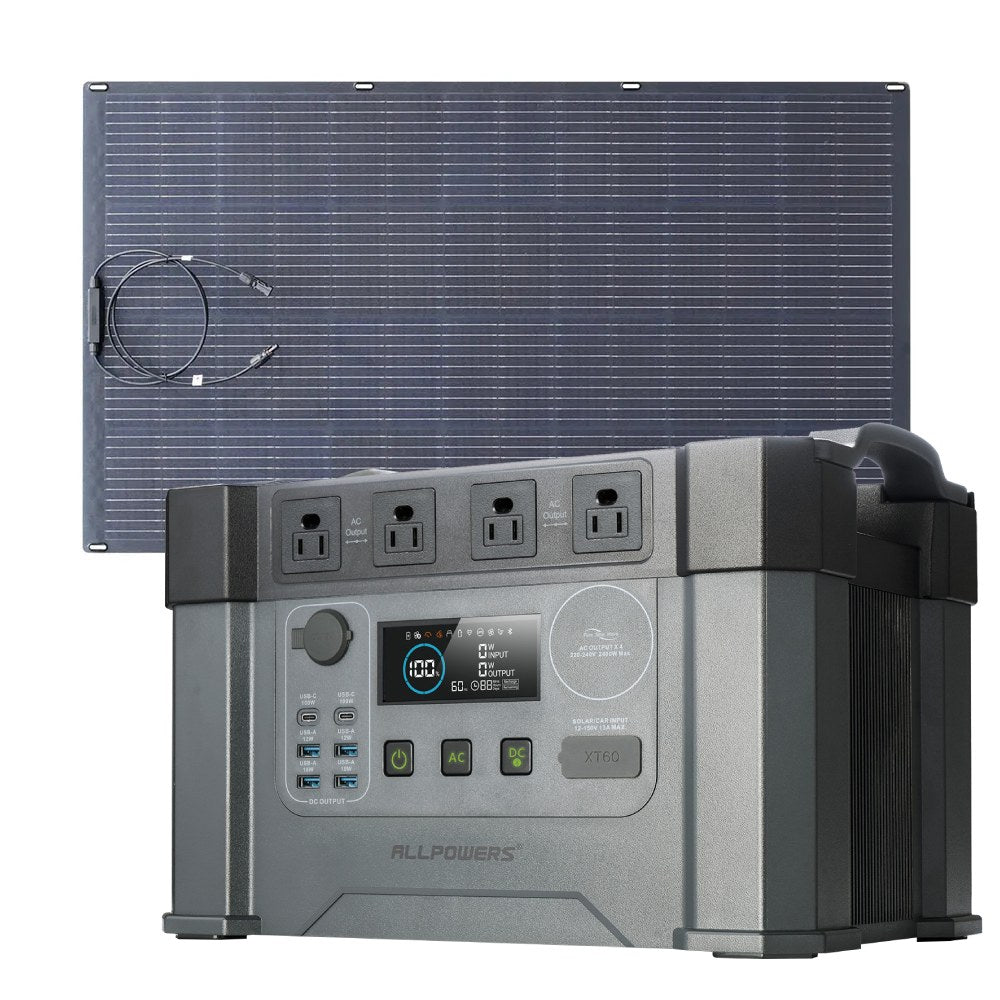
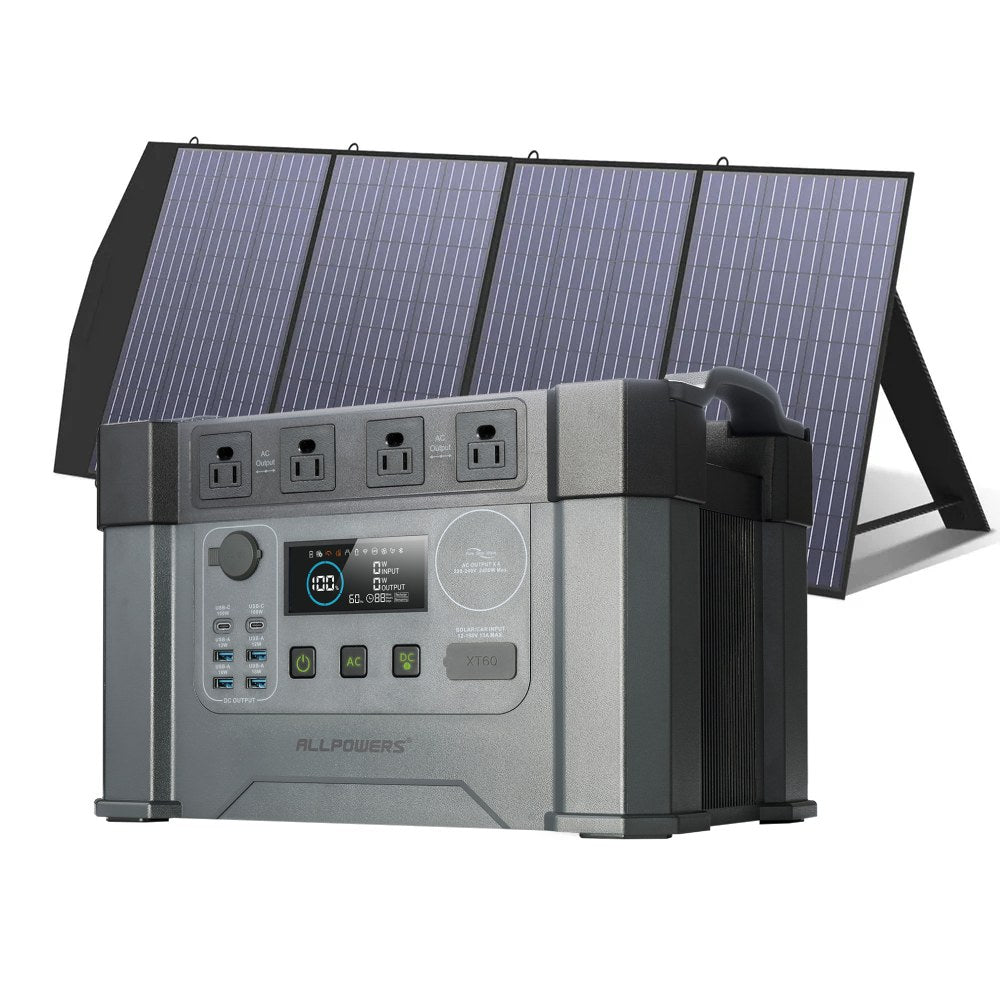
ALLPOWERS R600 + SP027
$246.00 $439.00
- 299Wh Capacity + 100W Soalr Input;
- 600W AC Output (1,200W Surge);
- Fast Charge 100% in 1 Hours;
- Start UPS in 10 ms;
- Long-Lasting And Safe Lifepo4 Battery;
Reasons Your Kettle Might Not Work on a Portable Power Station
There are times when someone plugs in a kettle and it refuses to start. But there are logical reasons it happens.
Sometimes the inverter’s pure sine wave output doesn’t agree with older kettles; sometimes the wattage is simply too high.
And sometimes it’s because the power station is already supporting another appliance—like a fridge or electric heater—that eats into the available output.
There’s also the matter of cord length, extension cables, and voltage differences.
A kettle designed for 220V regions might behave differently if the power station supplies 110V, or vice versa.
While many modern stations handle global voltage compatibility, the kettle itself might not.
Why Not Just Use a Low-Wattage Kettle?
“What if I just grab a travel kettle that uses less power?” Sounds smart, right?
Yes and no.
A low-wattage kettle (say, 300W to 500W) is easier for smaller power stations to handle. But because it draws less power, it heats water more slowly.
Instead of boiling water in 4 minutes, you might wait 12–18 minutes. That longer runtime can use almost the same total energy—or even more.
Still, if you're only heating a cup at a time or don’t mind waiting, travel kettles can work beautifully with compact power stations.
Choosing a Kettle That Works With Your Portable Power Station
Here’s something many people don’t consider: not all kettles are created equal.
A 1500W household kettle will boil fast, yes. But it may be too demanding for smaller or mid-size power stations.
Meanwhile, a compact 600W travel kettle takes longer—sometimes twice as long—but works reliably with a wider range of portable units.
Stainless steel models hold heat longer than plastic ones. Double-walled kettles retain warmth even better, which helps reduce reheating cycles.
And if you’re a frequent traveler or a van-lifer, it’s worth choosing a kettle with an automatic shut-off so you don’t accidentally forget it while you’re distracted prepping breakfast.
Do Portable Power Stations Replace Gas Stoves for Boiling Water?
Even with the challenges, portable power stations actually solve a lot of annoyance around boiling water outdoors.
Fossil-fuel stoves are fast but messy in windy weather. Propane canisters run out at the worst moment.
Open fires aren’t always allowed, especially during dry seasons.
Plus, portable power stations deliver stable, predictable electricity that doesn’t sputter or flare up.
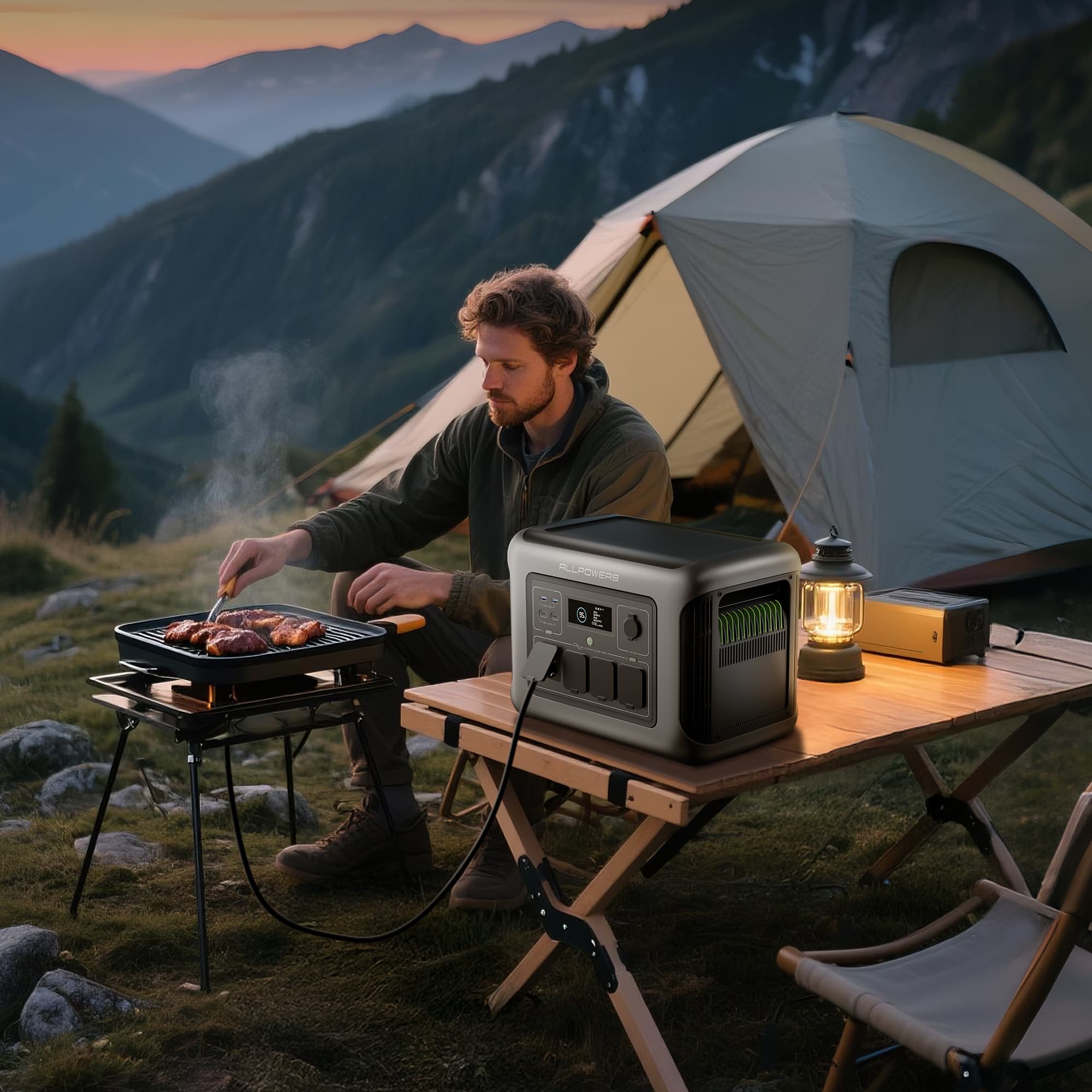
They handle pressure cookers, induction plates, and yes, kettles—so long as the wattage demands match the inverter’s capability.
Alternative Heating Methods Worth Considering
Electric kettles and portable power stations feel modern and clean, yet many experienced campers still pack a gas stove.
Not because electricity doesn’t work. But because redundancy matters.
Gas boils water fast, regardless of battery state. Electricity is quiet, precise, and multipurpose. Together, they form a flexible system.
The smartest setups rarely rely on a single solution. They layer options.
That mindset applies whether you’re camping, living in a van, or preparing for power outages at home.
Conclusion
So, can a portable power station run an electric kettle? Yes — as long as the numbers align.
A portable power station with enough continuous output and a solid pure sine wave inverter can run many electric kettles comfortably.
Smaller units pair well with low-wattage travel kettles, while higher-output stations can even handle full-size household models with ease.