

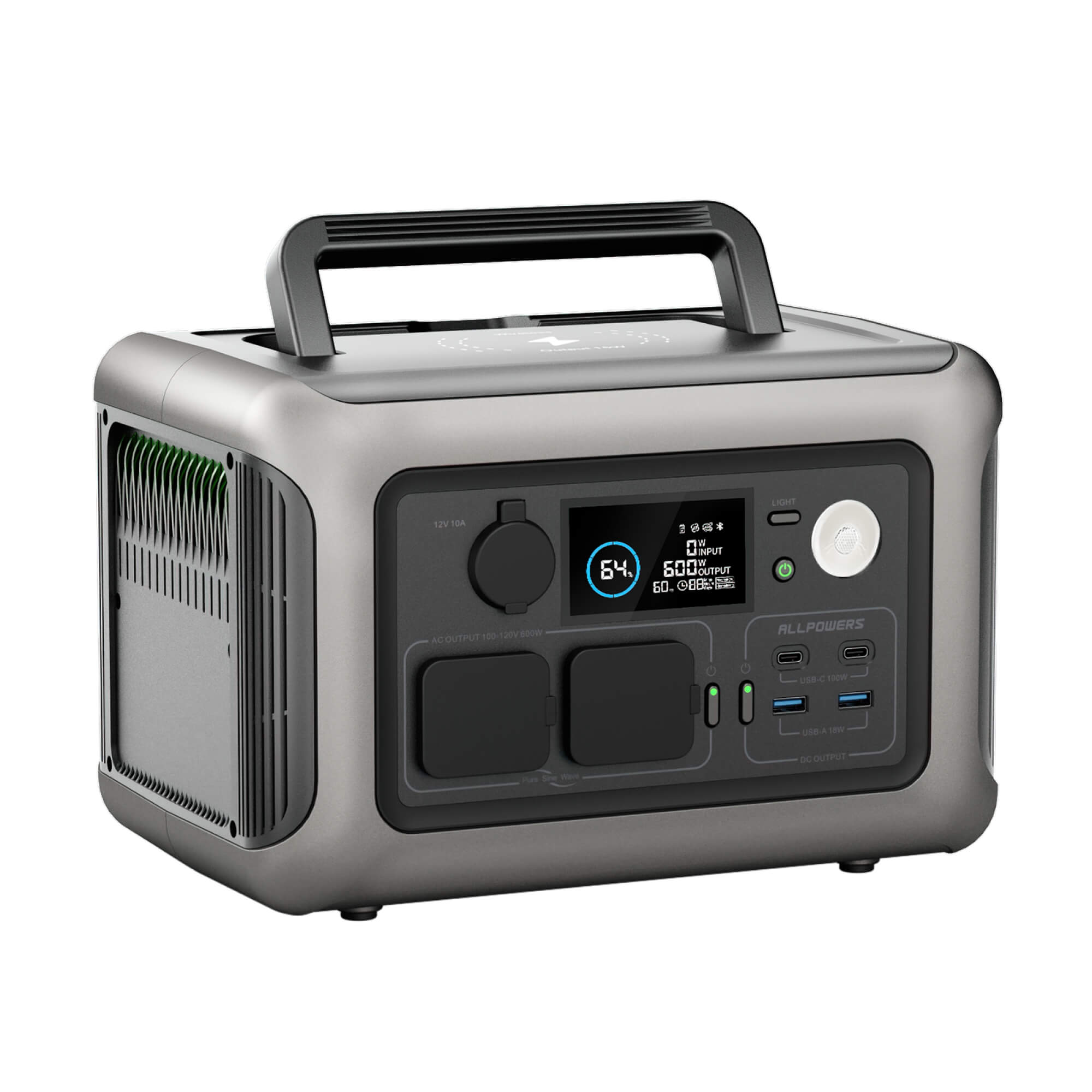
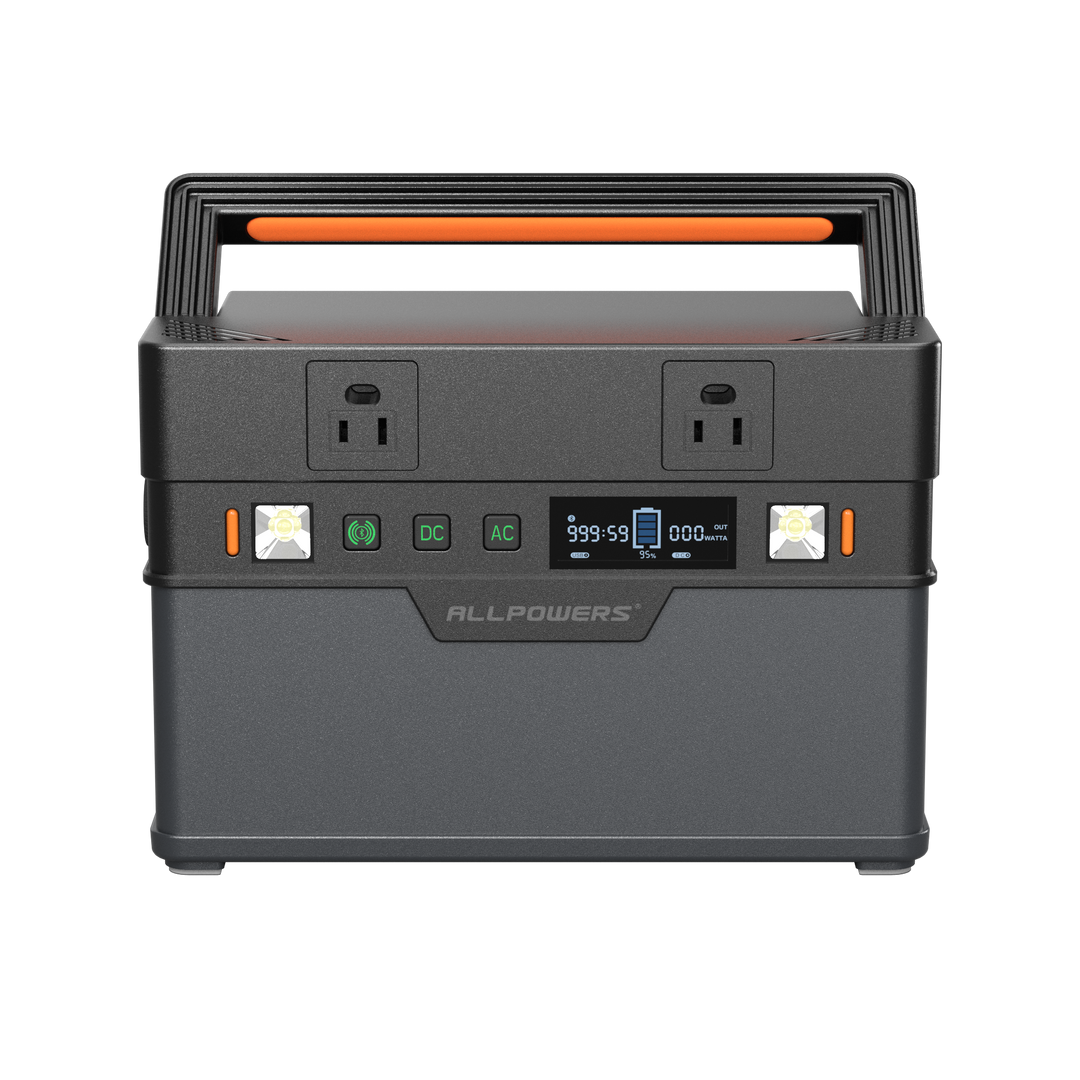

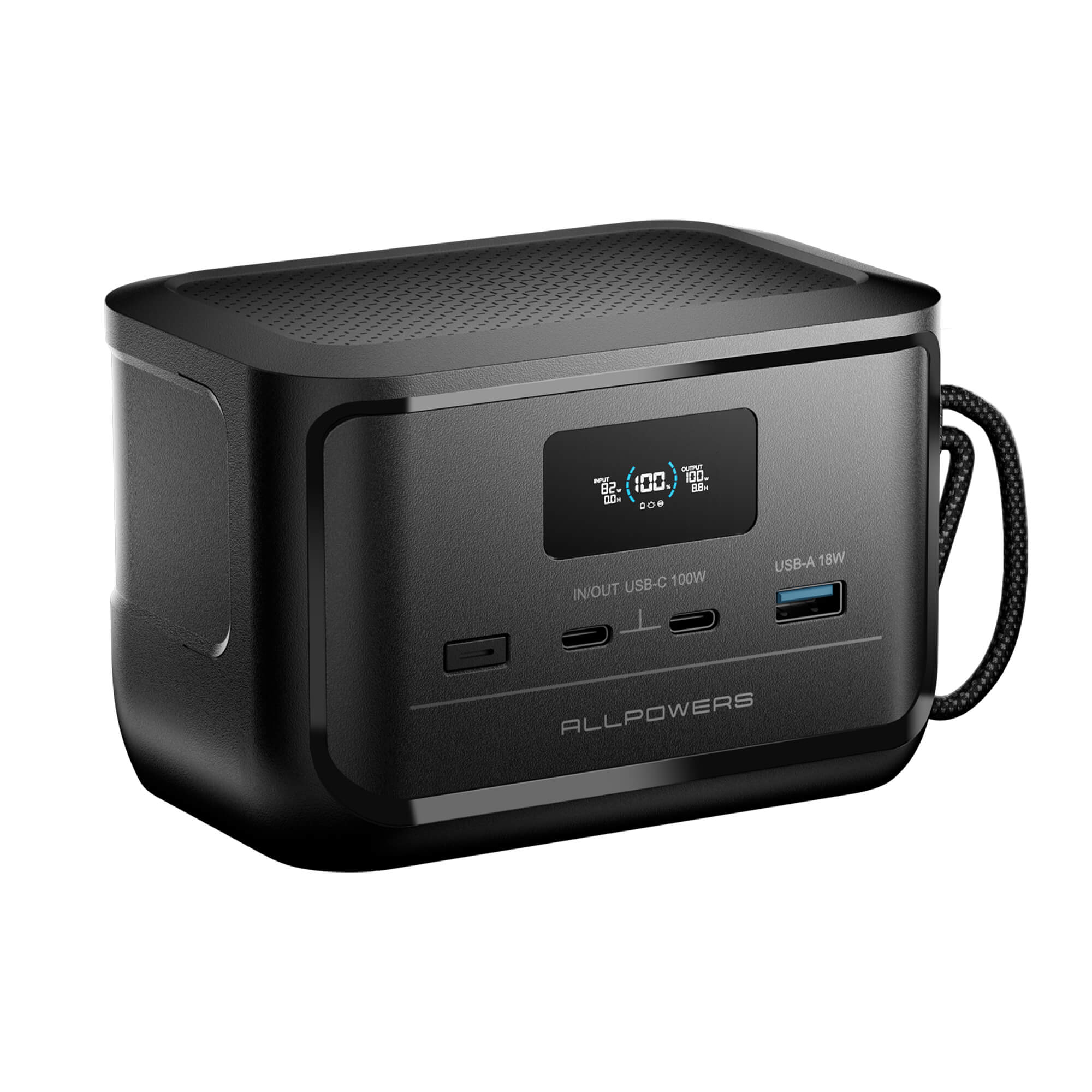

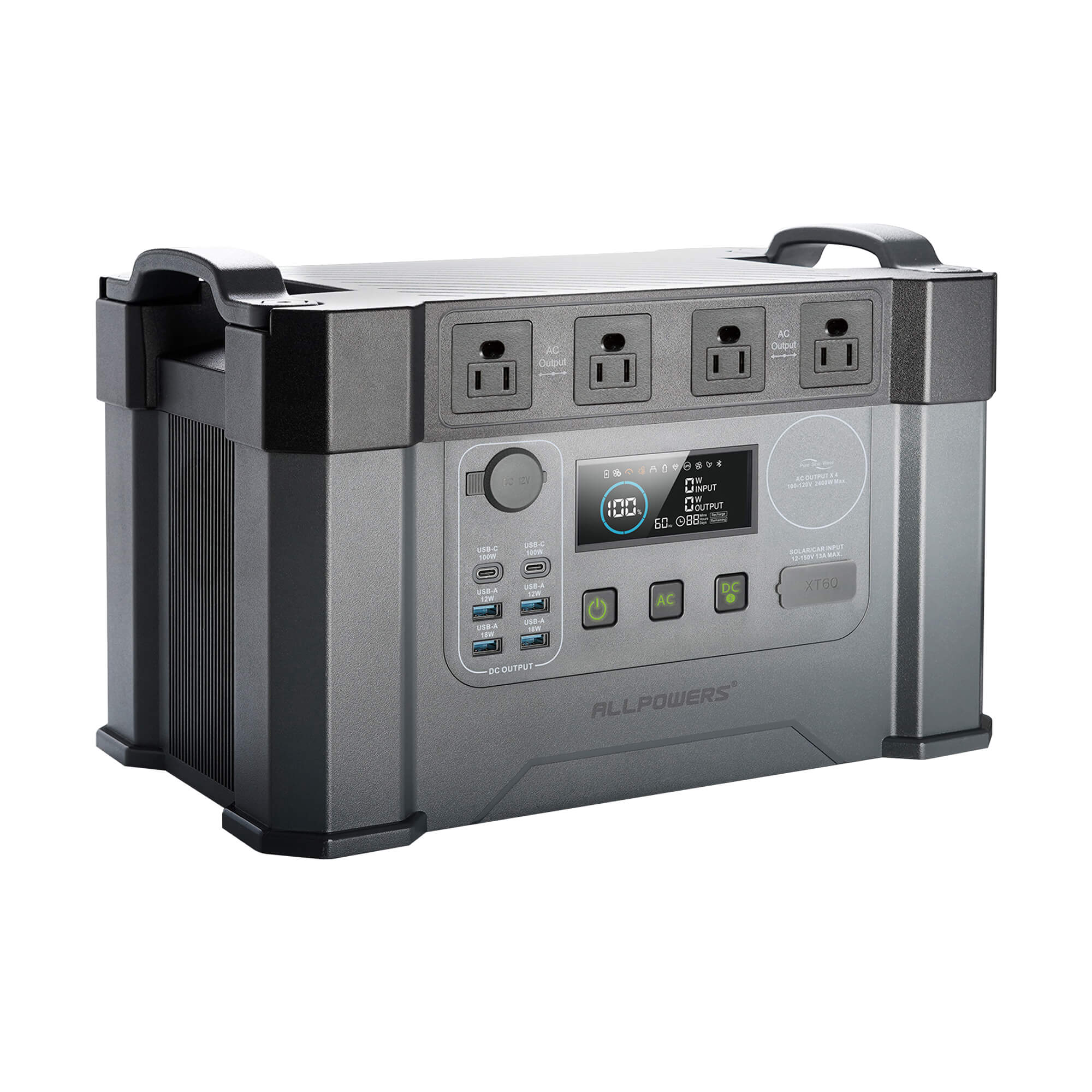





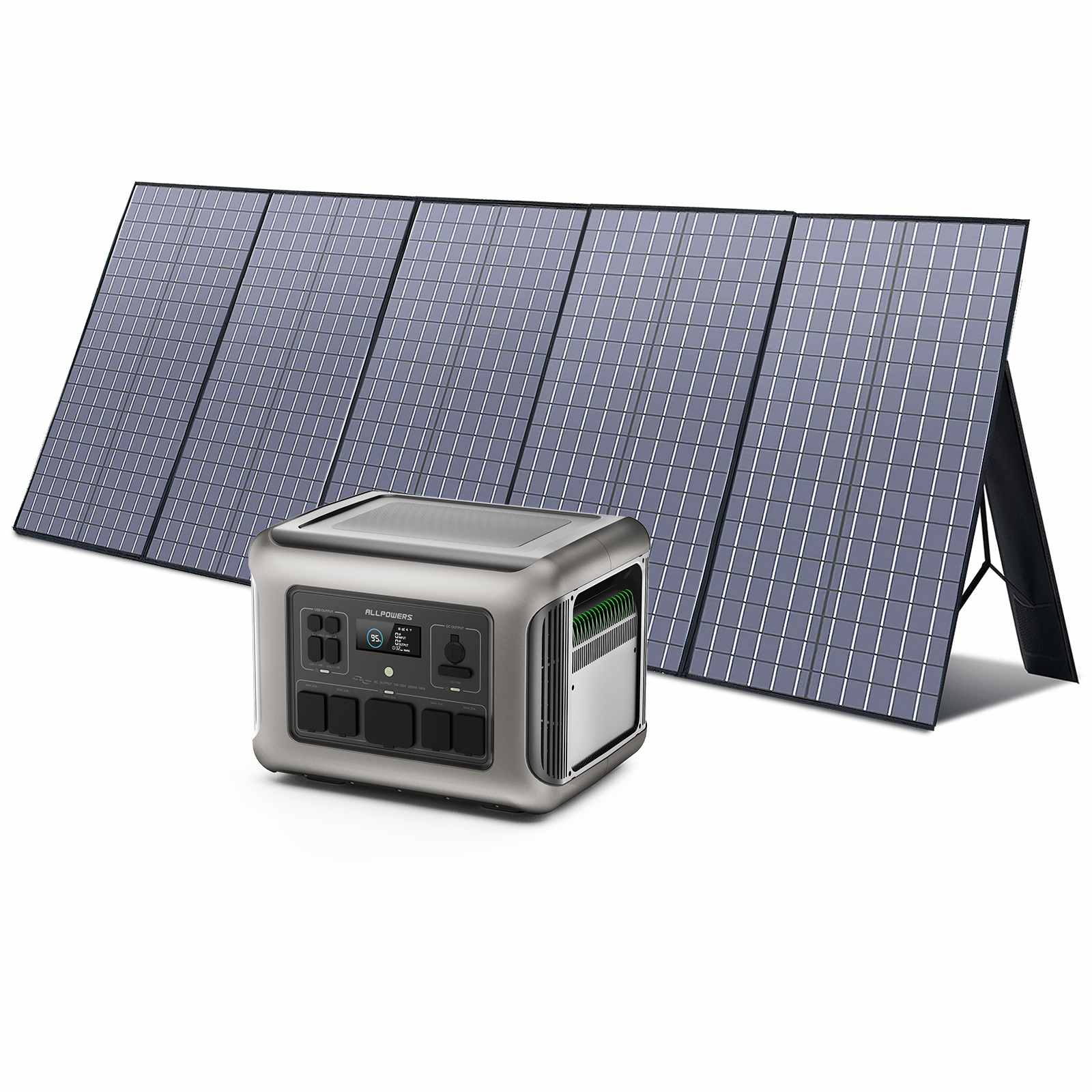
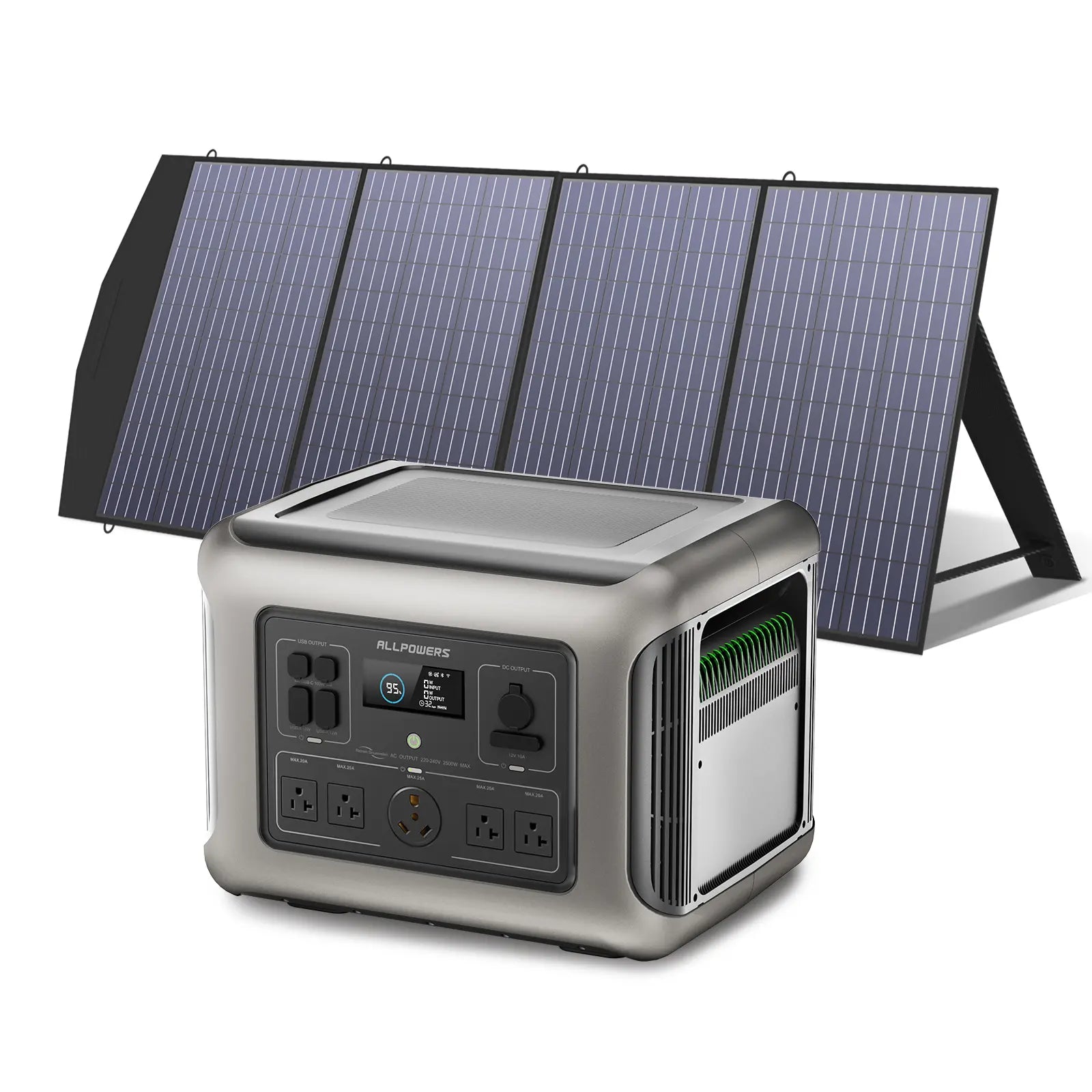
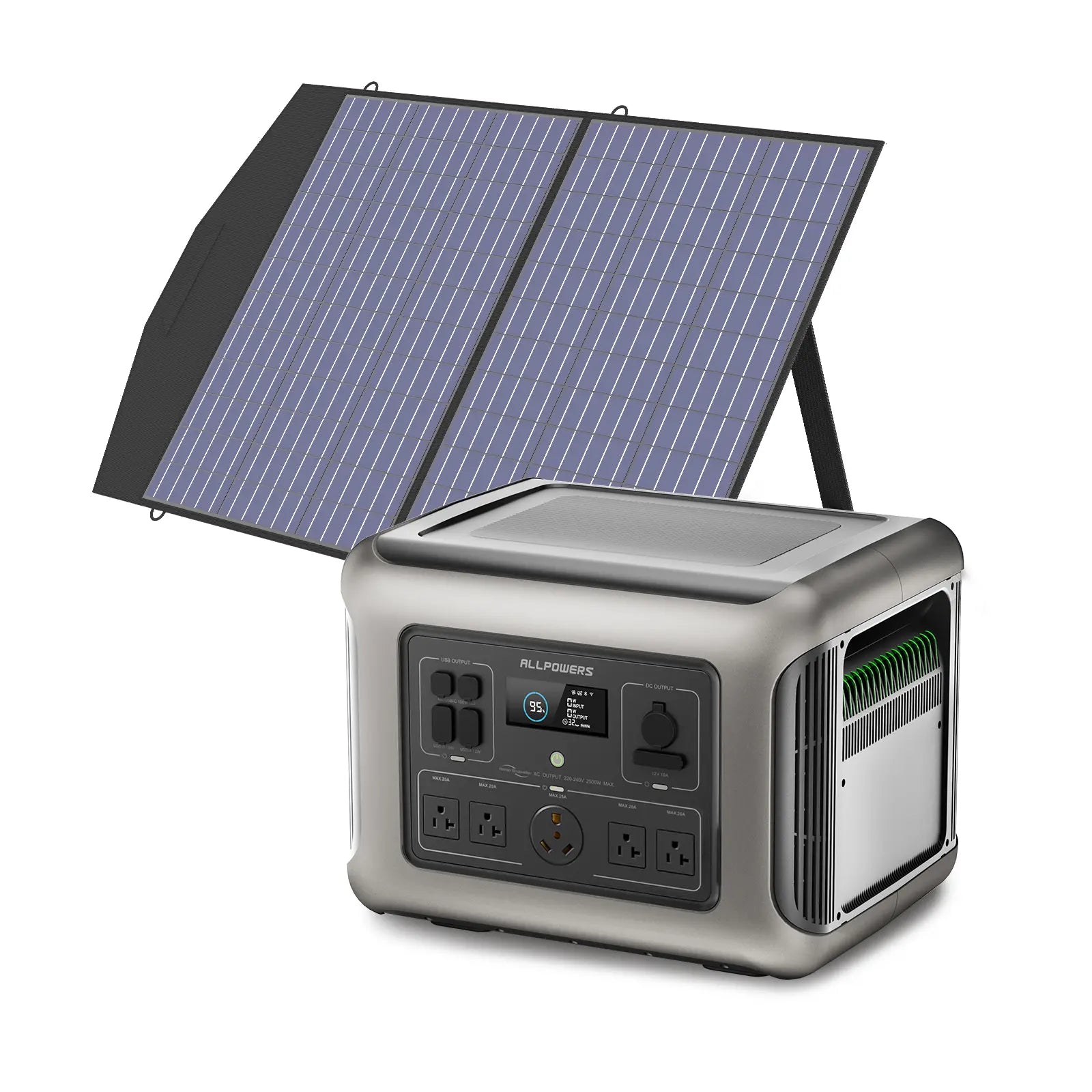
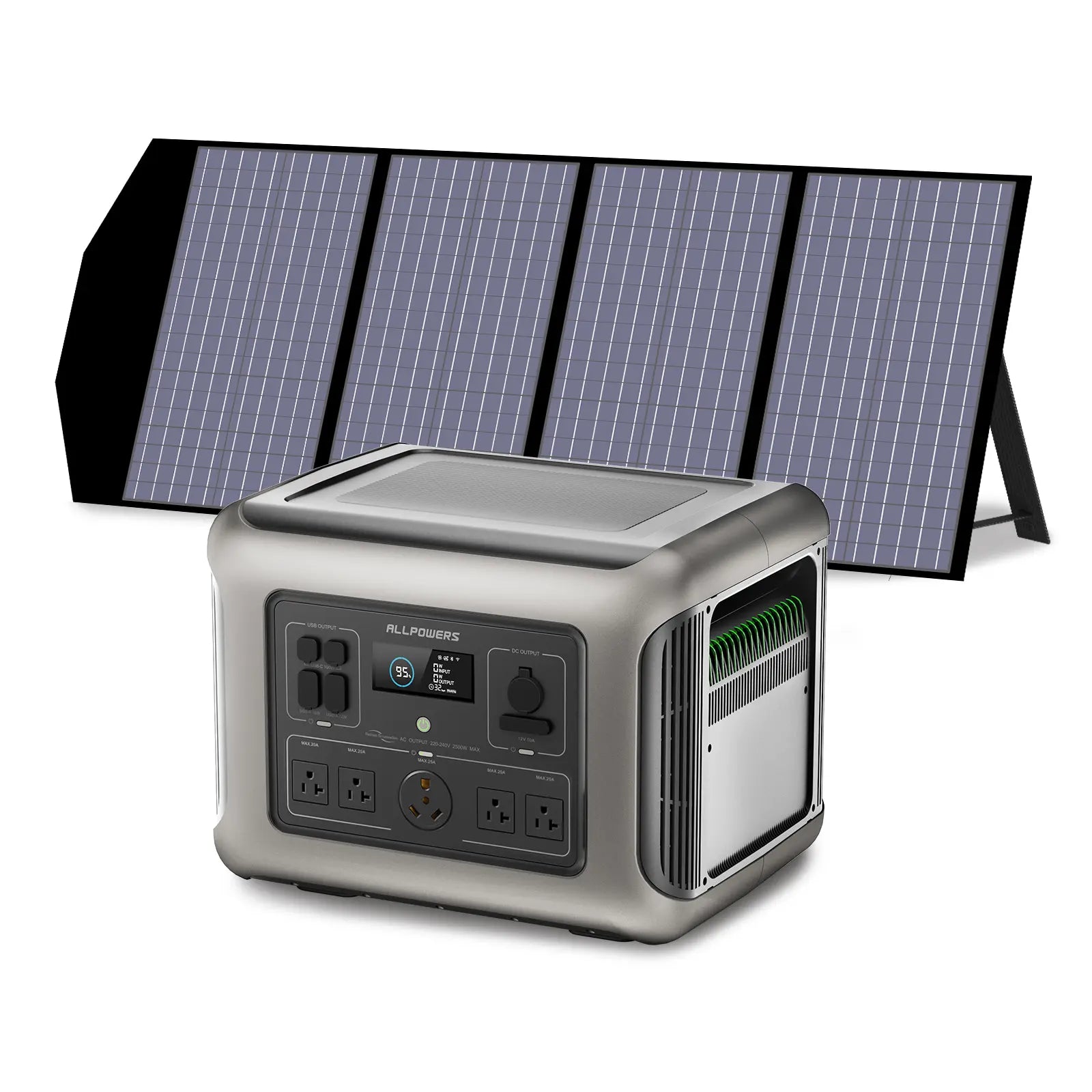
When it comes to energy storage, LiFePO4 batteries have been stealing the spotlight—and for good reason.
They promise longevity, reliability, and a certain peace of mind that other chemistries often fail to deliver.
But here’s the million-dollar question: how long do these batteries actually last?
TL;DR:
LiFePO₄ batteries usually last 3,000 to 5,000 cycles before hitting around 80% of their original capacity, which often translates to 10–15 years—or even longer—with proper care.
Cycle Life of LiFePO₄ Batteries
Cycle life is a technical term, but it’s easier to understand than it sounds. A cycle is essentially one full discharge and recharge.
Think of a cycle as using 100% of the battery’s capacity—whether that’s in one go or split into chunks. So two 50% uses equal one cycle.
But batteries don’t live in perfect 100-to-0 swings. Use 30% today, another 40% tomorrow, maybe 50% next week; eventually, those chunks add up to a full cycle.
Most LiFePO₄ batteries deliver 3,000 to 6,000 cycles before dipping to around 80% of their original capacity.
Some high-quality setups push past 7,000 cycles, especially in portable power stations designed with robust battery management systems.
And remember, that 80% isn’t “dead.” Far from it. It’s more like your phone’s battery after a couple of years—still functional, still usable, just a bit slower to fill and quicker to drop.
You know what? Many LiFePO4 systems today exceed their rated cycle life because of improved battery management systems (BMS) and better thermal engineering.
Calendar Life of LiFePO₄ Batteries
Cycle life is one thing, but calendar life is another.
Even without cycling, every battery ages over time due to chemical processes inside the cells.
Fortunately, LiFePO4 ages slowly—more slowly than almost any other mainstream battery chemistry in consumer applications.
A LiFePO4 battery stored at moderate temperatures can last well over a decade with minimal degradation.
Some lab tests (and real-world solar setups) show that after 10 years, capacity remains surprisingly high.
Most people find that the plastic casing or the USB ports on their devices break long before the actual battery cells inside give up.
Why LiFePO₄ Outlasts Other Battery Chemistries
Lithium-ion batteries, the standard cobalt-based ones, are strong performers, but their cycle life usually sits around 500 to 1,000 cycles.
Lead-acid batteries? You’ll get maybe 300 to 500 cycles under ideal conditions—fewer if you treat them roughly.
So why does LiFePO₄ sit in a league of its own?
Part of the answer lies in its low internal resistance. That means less heat, steadier voltage, and significantly less stress with high-power draws.
Chemical structure plays a big role, too. Iron phosphate is rugged. It doesn’t corrode easily. The ions stay trapped in a strong crystal lattice.
And because the chemistry is less reactive, the battery doesn’t degrade rapidly during everyday use.
Learn More: LiFePO4 vs Lithium Ion Batteries
What Actually Shortens LiFePO₄ Battery Life?
Even though gear has its limits. And LiFePO₄ isn’t invincible.
Temperature Conditions
Let me be honest: temperature plays rough.
The worst-case scenario is leaving your battery baking in a hot car, shed, or tent under direct sunlight.
Heat accelerates chemical aging and pushes the battery toward early retirement.
On the flip side, extremely cold temperatures shrink available capacity.
You might see a LiFePO4 battery drop to half its usual performance on a freezing night.
The catch? This is temporary. Capacity bounces back once warmth returns.
Depth of Discharge
A battery’s depth of discharge—often shortened to DoD—affects how long it lives.
Depth of discharge (DoD) is just a fancy way of saying how much of the battery’s charge you consume before recharging.
For example, using 80% of your battery means your DoD is 80%.
Lower DoD leads to more total cycles. Higher DoD delivers more energy per cycle but reduces total long-term cycle count.
Charging Habits
Charging habits influence longevity more than most people expect.
Fast charging is convenient—no denying that. But pushing a battery with high current repeatedly introduces stress.
LiFePO4 cells handle faster charging more gracefully than many chemistries, yet there’s still a long-term cost.
Slower, gentler charges whenever possible stretch the lifespan. Even alternating between fast and slow charging helps moderate wear.
If your routine includes harvesting sunlight, LiFePO4’s lifespan climbs even higher.
Solar typically charges slowly and steadily throughout the day—almost the exact opposite of fast charging.
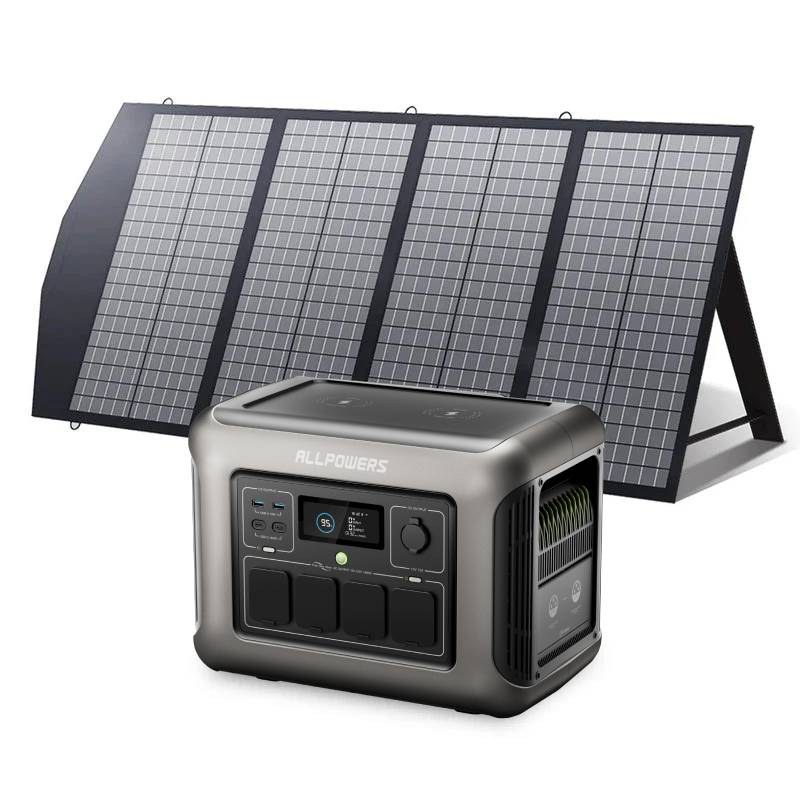
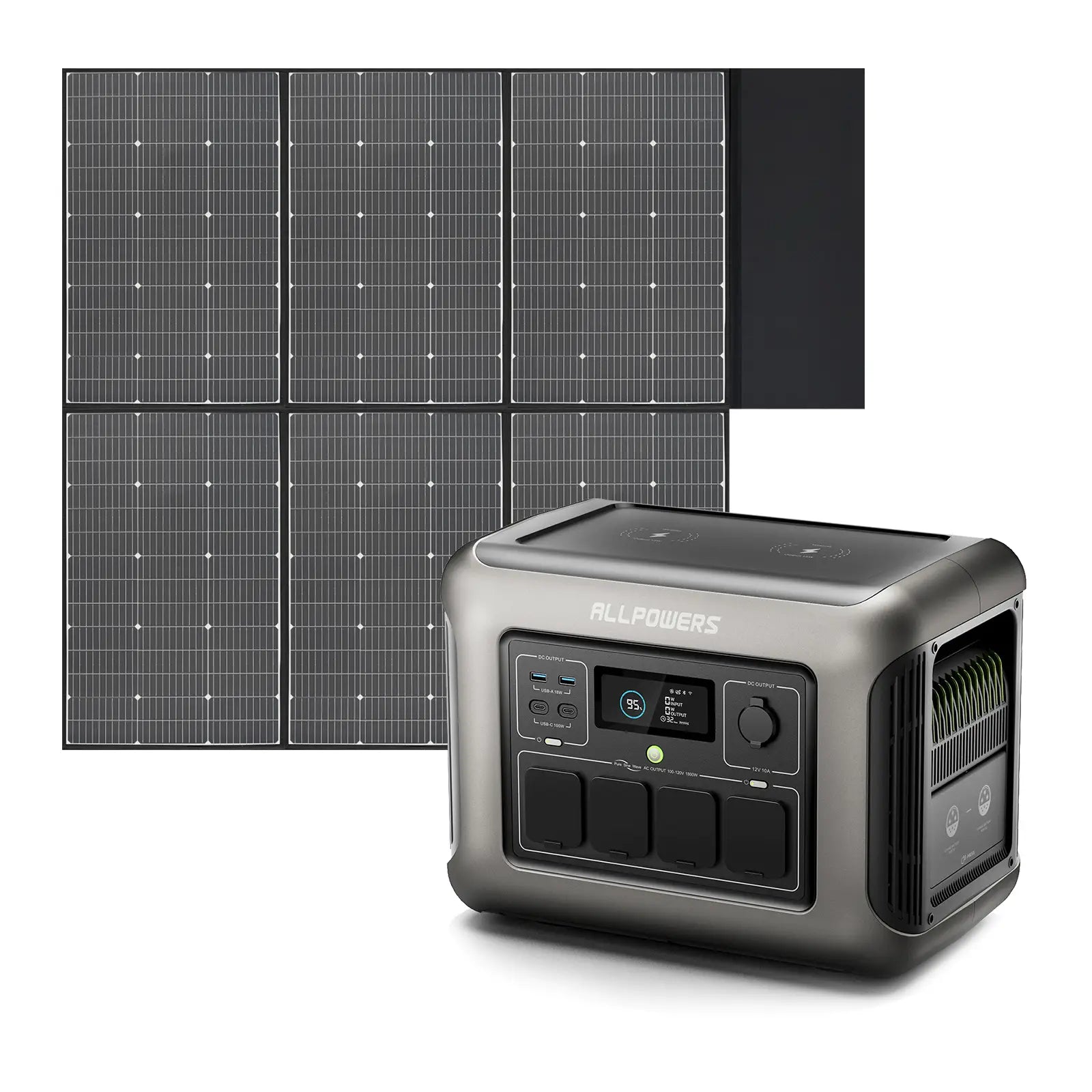
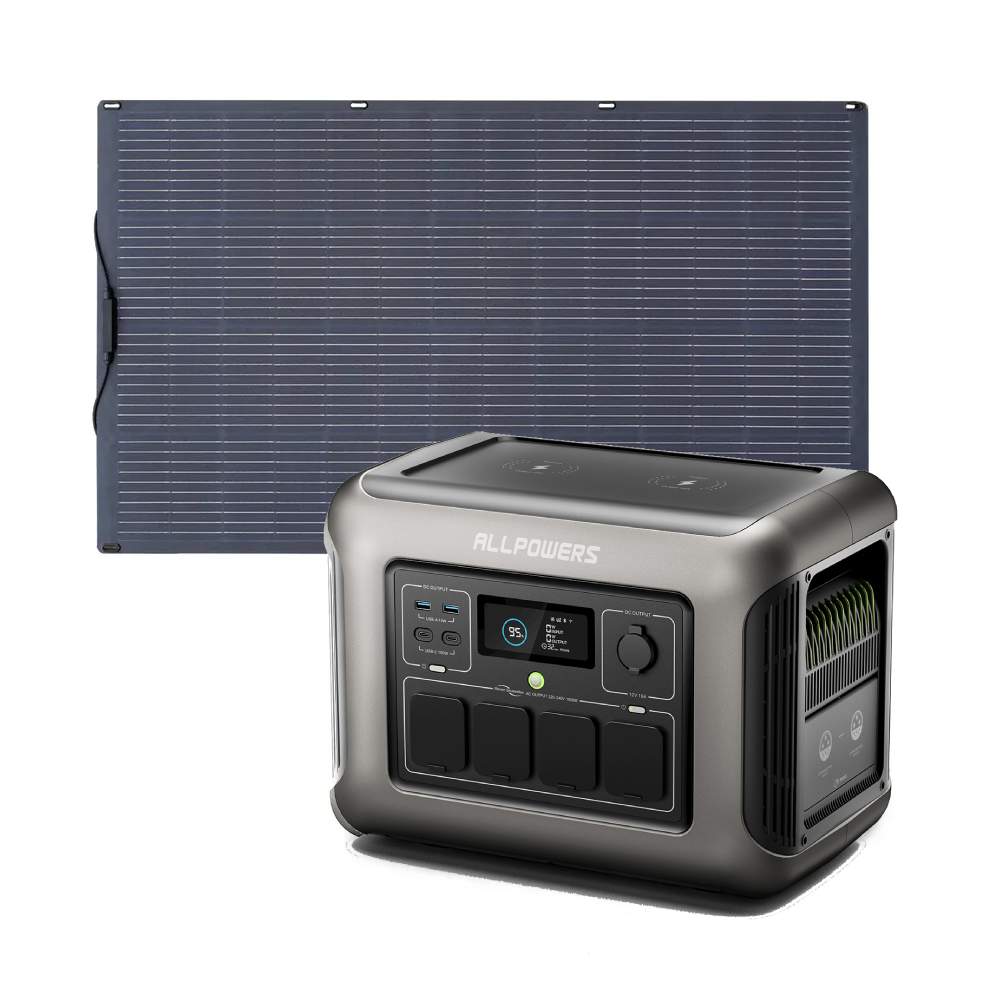
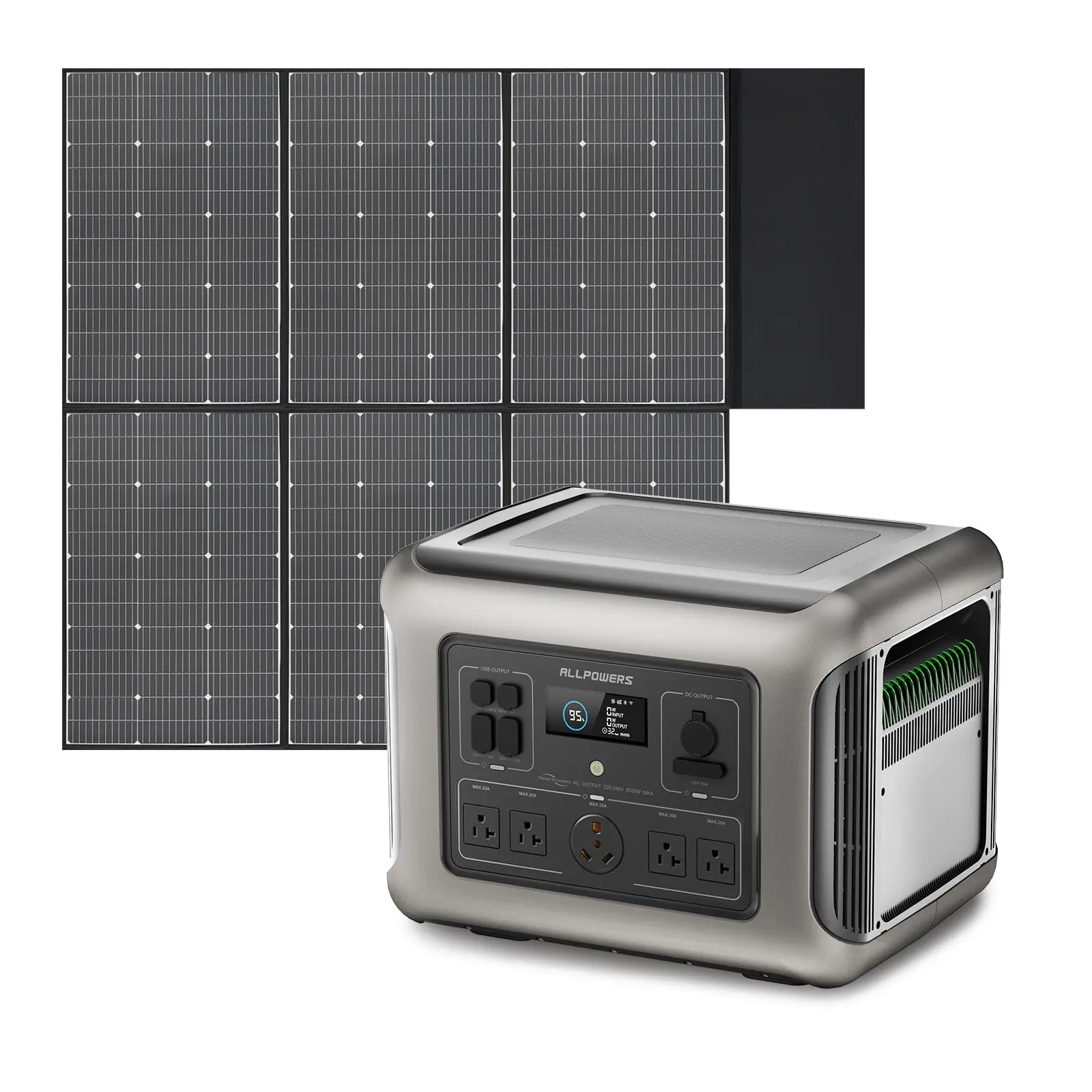
Many portable power stations use MPPT controllers, which optimize solar input and protect the cells, reducing strain further.
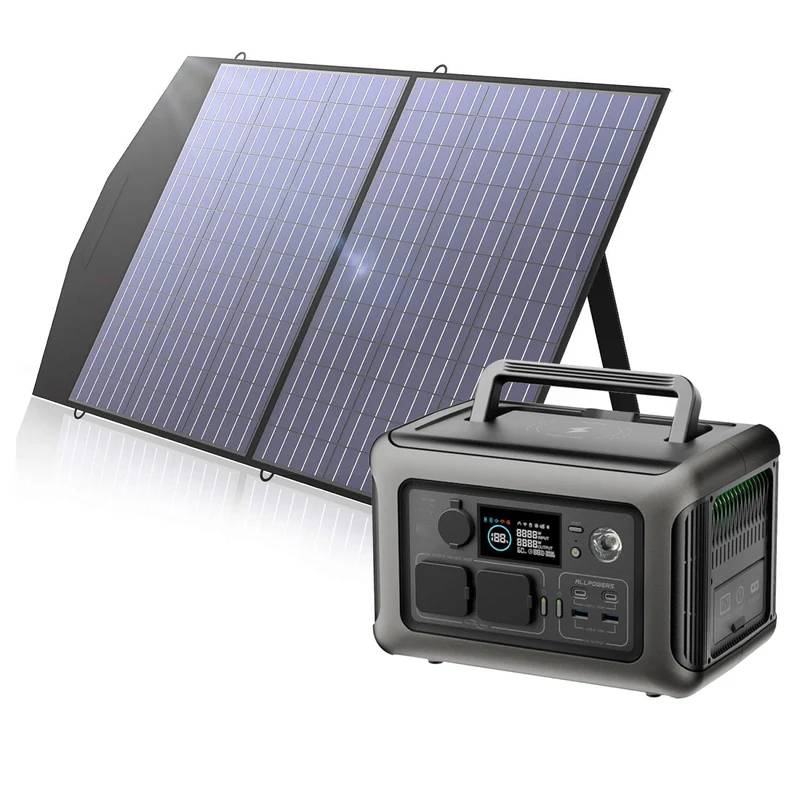
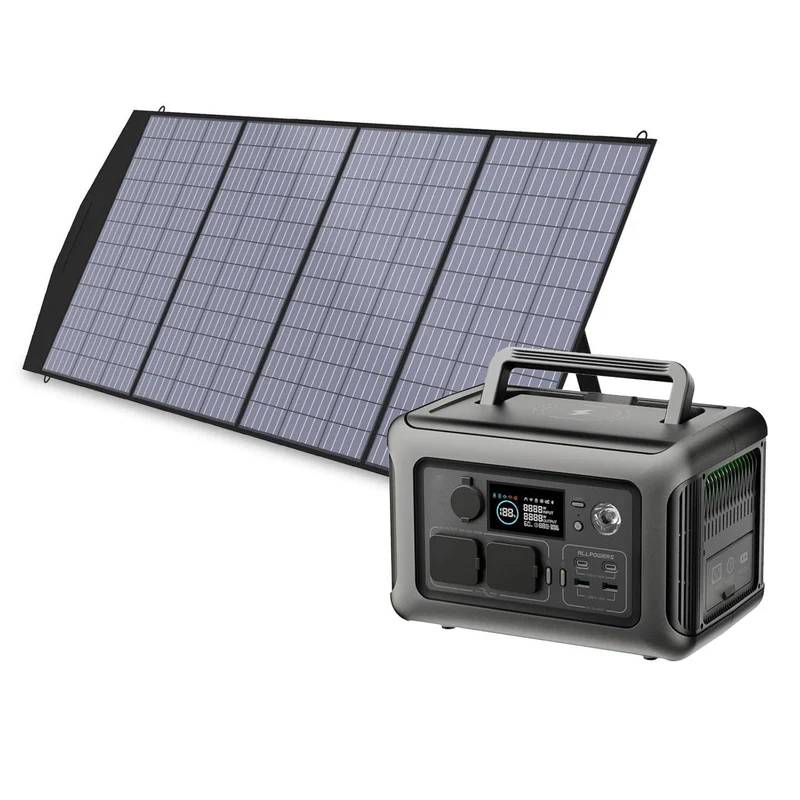
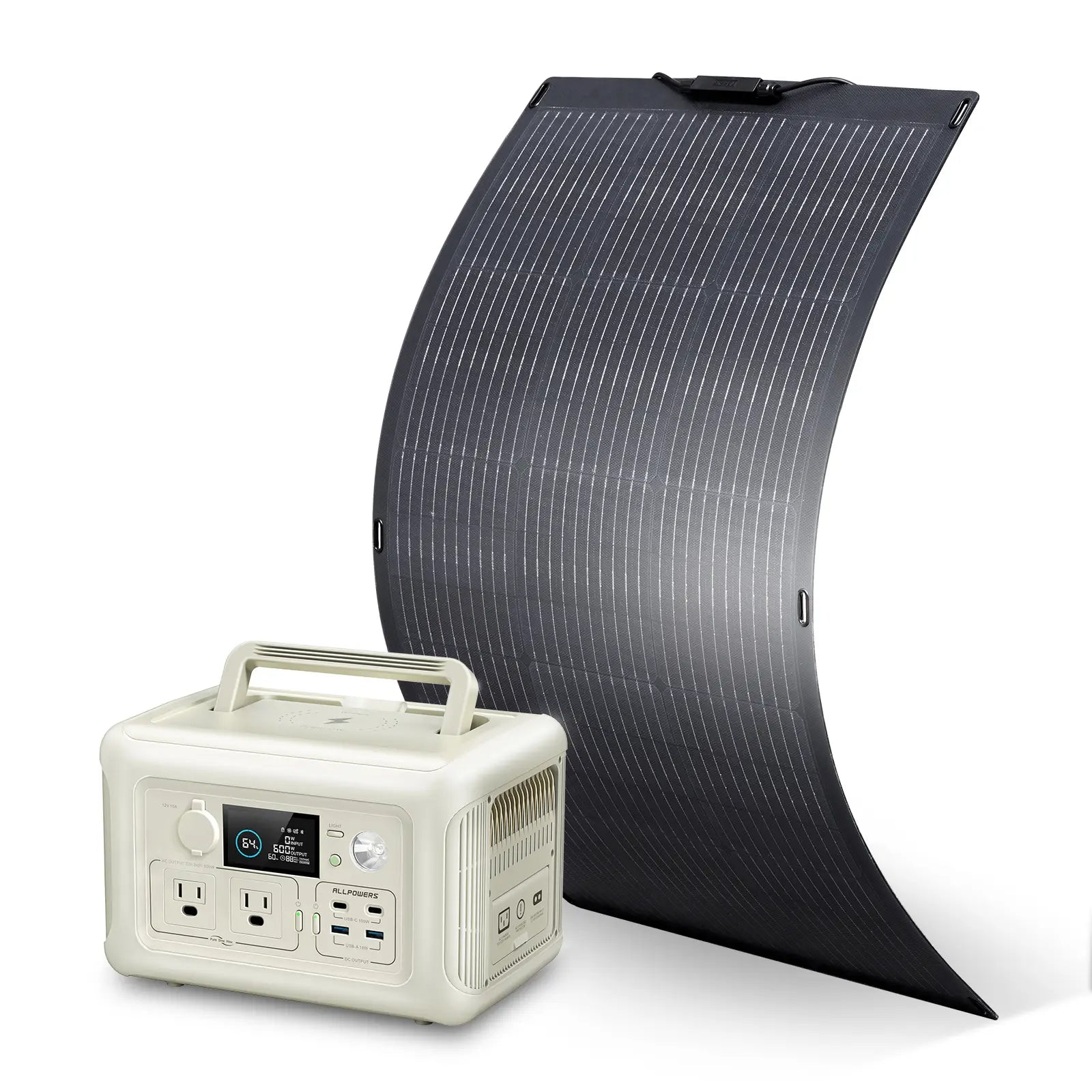
Why LiFePO₄ Batteries Pair So Well With Portable Power Stations
This type of battery uses lithium iron phosphate rather than lithium cobalt oxide or other more common formulas.
Iron phosphate is much more thermally stable, which means it’s not as easily stressed by heat, heavy loads, or fast charging.
And when stress goes down, lifespan naturally goes up.
While conventional lithium-ion batteries might offer around 500–800 cycles before they noticeably degrade, LiFePO4 cells often push 3,000 cycles with ease.
Many reach 6,000 cycles under good conditions. Spread across years of daily usage, that becomes a decade or more of consistent performance.
Portable power stations are often charged frequently, cycled heavily, used outdoors, stored indoors, and expected to “just work” without fuss.
So pairing them with LiFePO₄ is a natural match.
Conclusion
So, How Long Do LiFePO₄ Batteries Last?
If we’re talking about real-world use, you’re looking at 10 to 15 years for most users.
Could it stretch longer? Absolutely.
Will it sometimes be shorter? Yes, especially if the battery faces heat, constant heavy loads, or extreme cycling.