








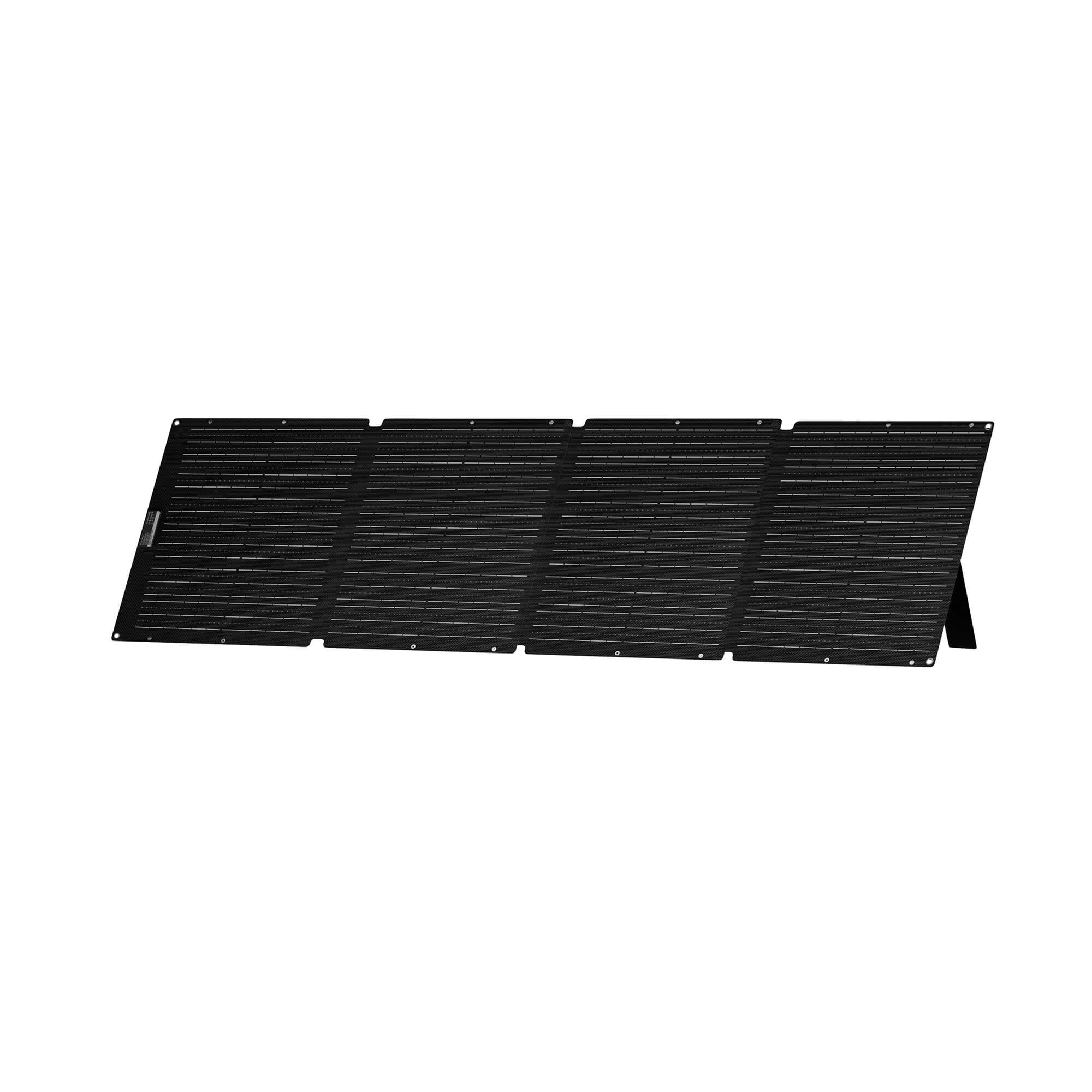
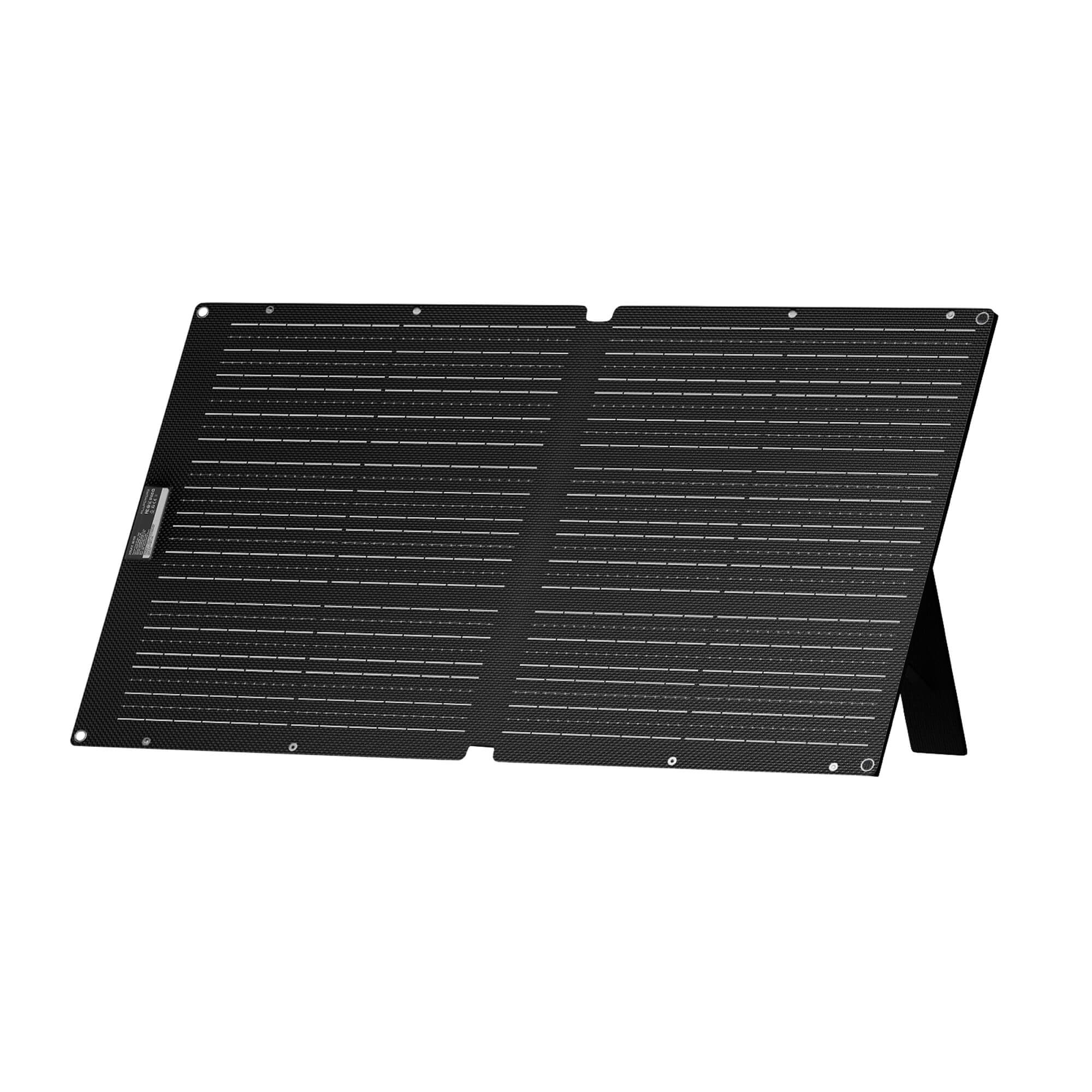
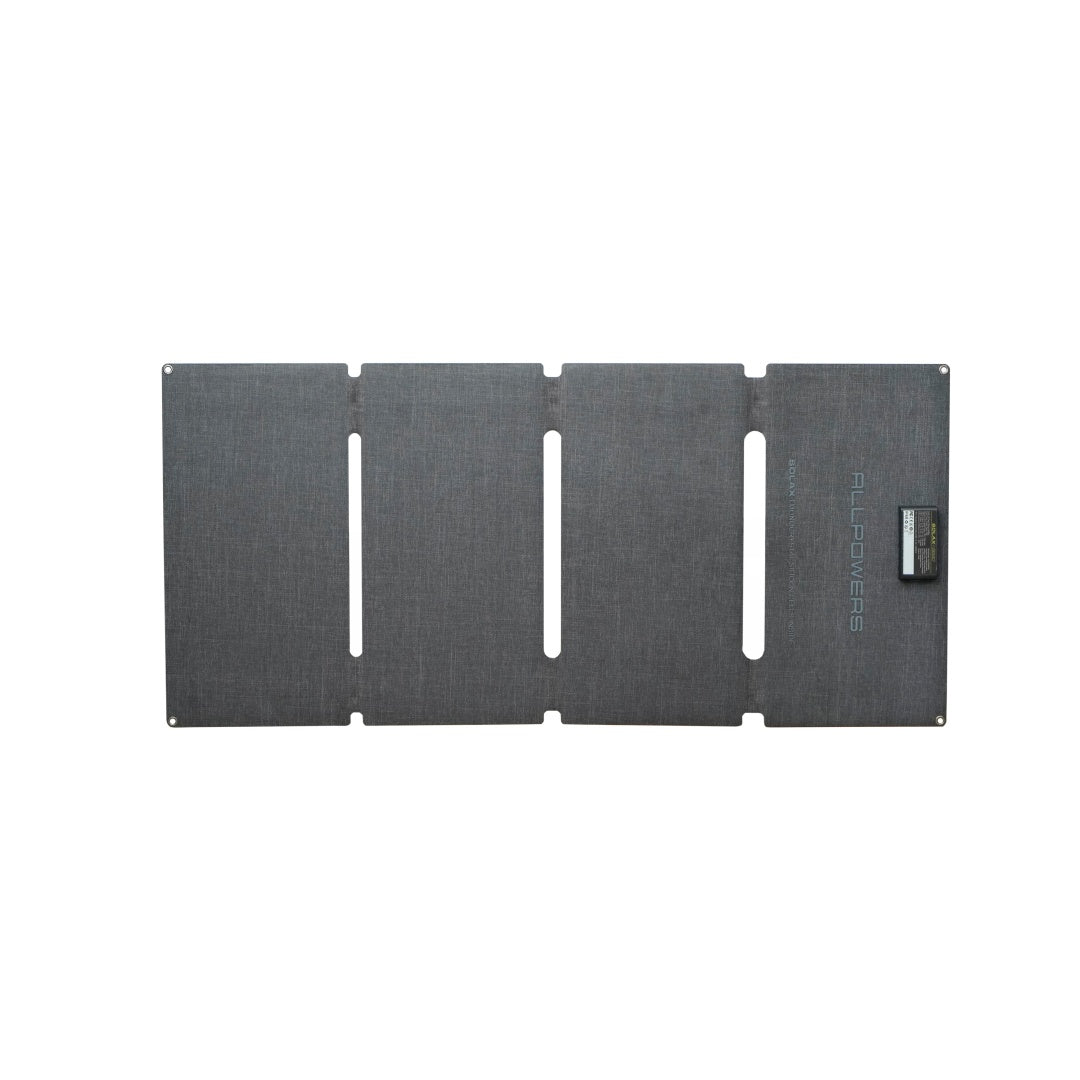


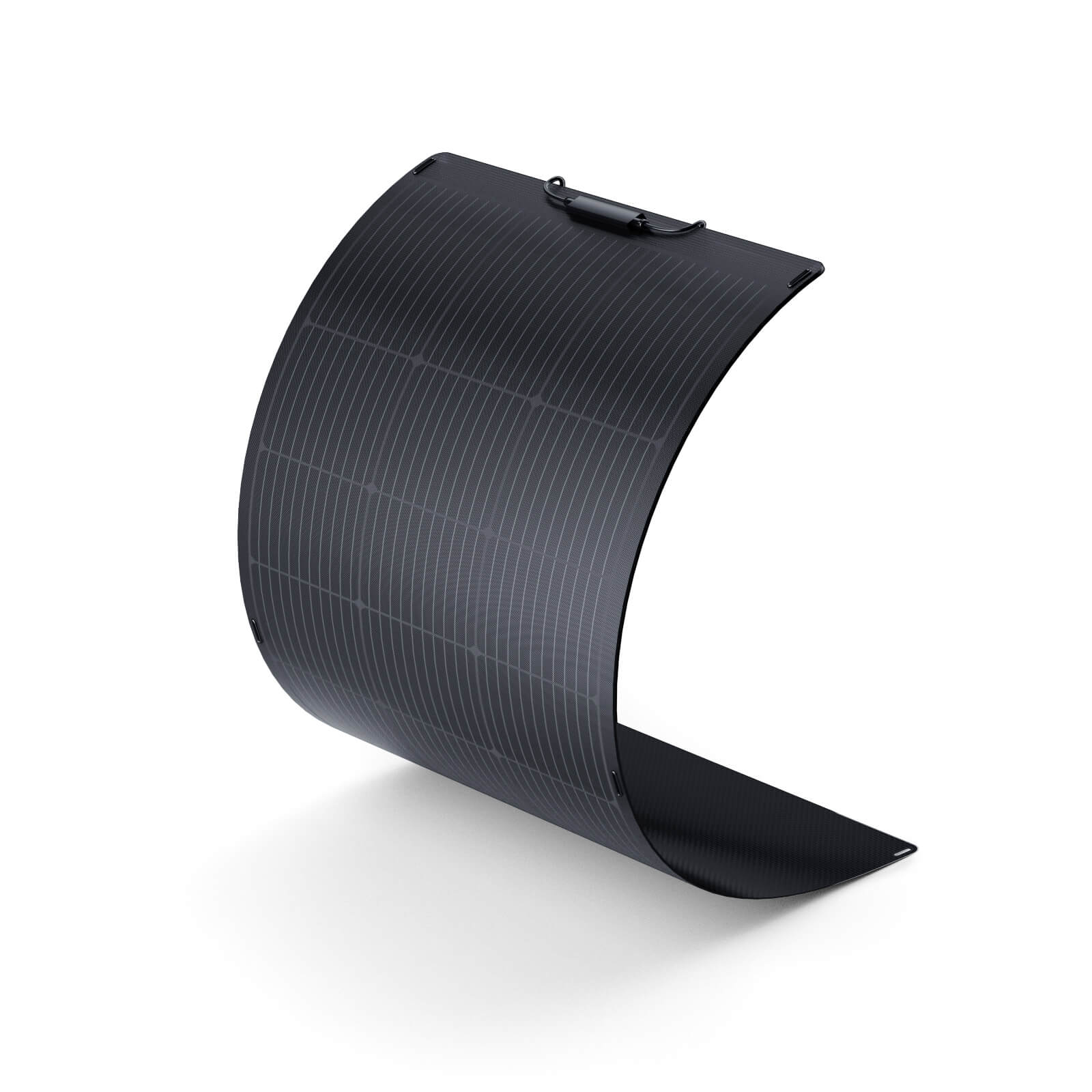

If you're looking into solar panels, you’ll almost certainly run into the same comparison: monocrystalline vs polycrystalline.
They might seem like small variations of the same technology, yet the differences between them influence performance, cost, and long-term value.
And that’s where most people pause. Which one actually makes sense for real-world use?
TL;DR:
Monocrystalline solar panels are more efficient and sleek-looking, often costing more but performing better in varied light conditions. Polycrystalline panels are more affordable, slightly less efficient, and have a more speckled blue appearance.
The Core of Solar Cells
Let’s start with something simple. Solar panels aren’t just slabs of glass and wiring.
Their strength comes from the cells inside—tiny wafers of silicon that capture sunlight and convert it into electricity.
Silicon is the star of the show here.
What is a Monocrystalline Solar Panel?
Monocrystalline solar panels are made from a single continuous crystal structure.
Picture a beautiful, perfectly formed crystal—these panels are created by slicing thin wafers from a large crystal of silicon.
This process allows for higher efficiency in converting sunlight into electricity.
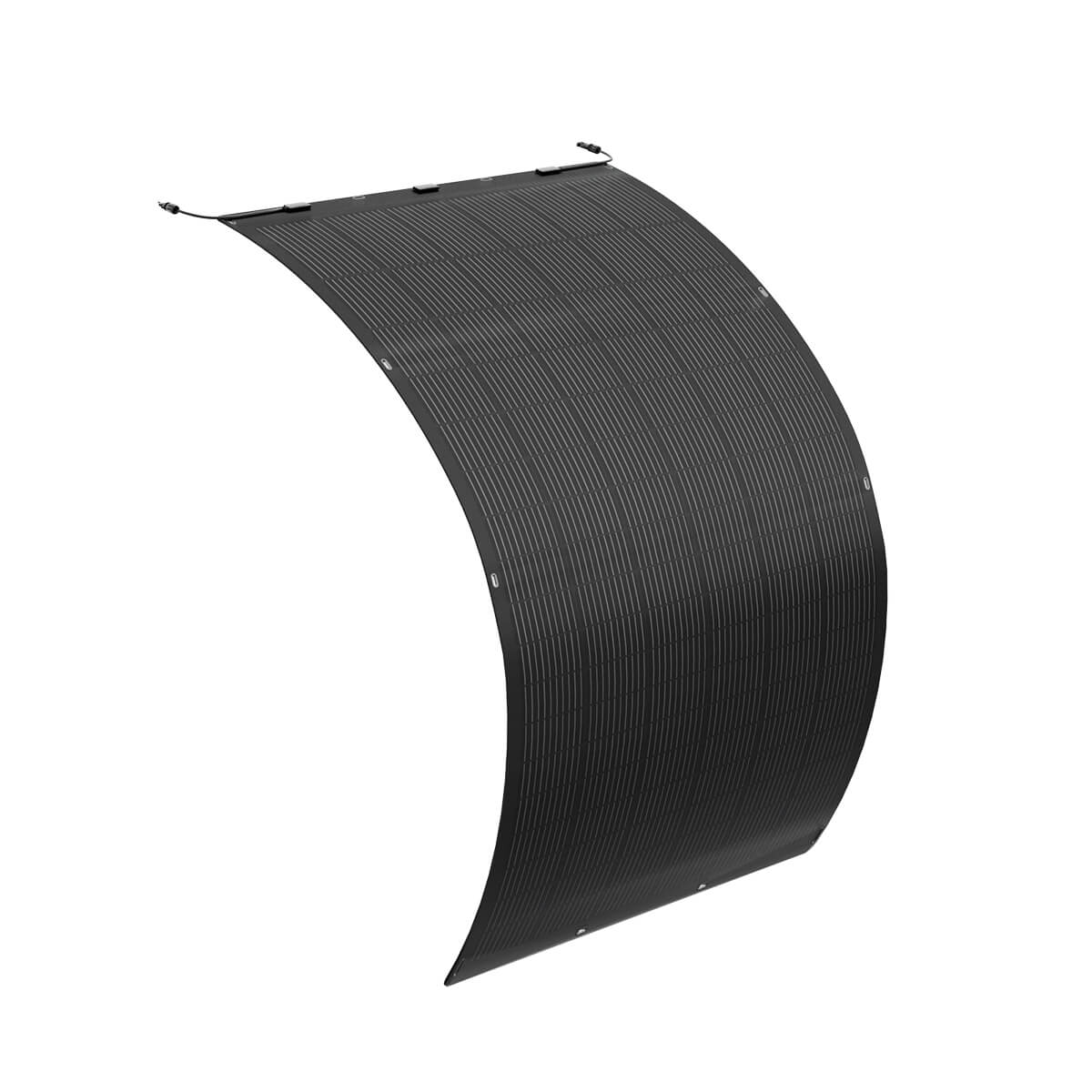
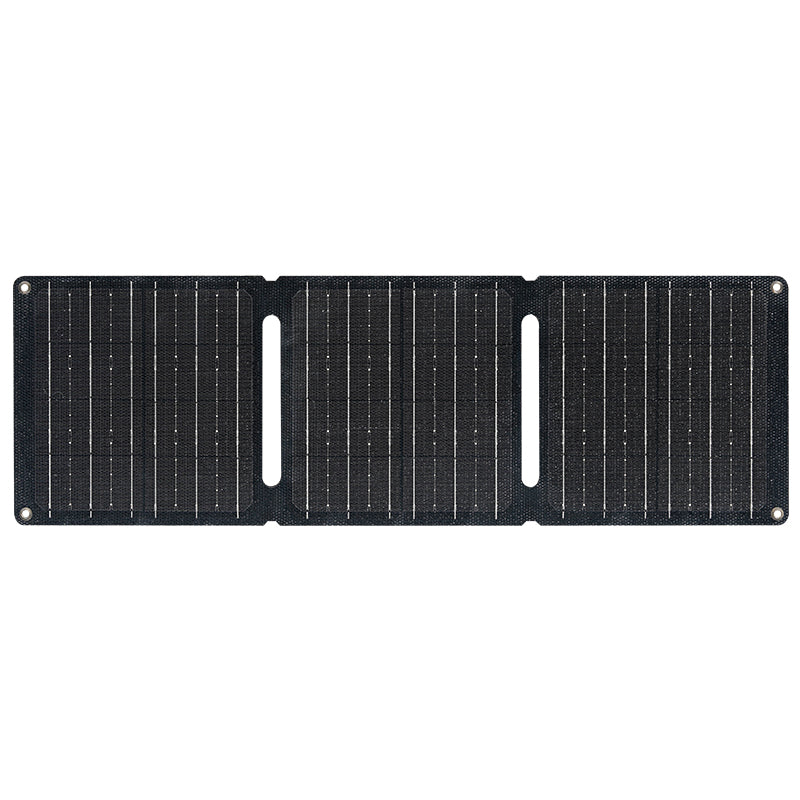
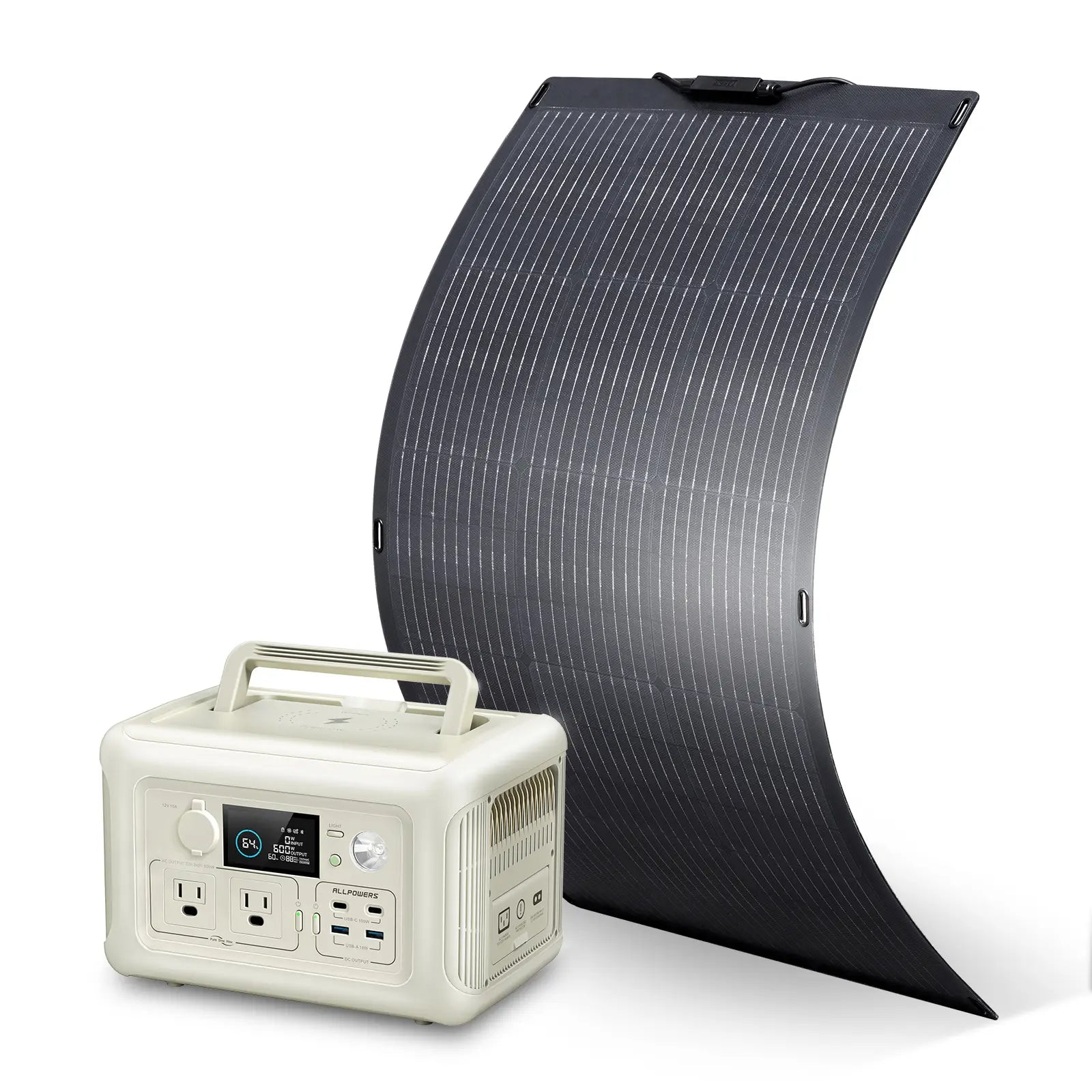
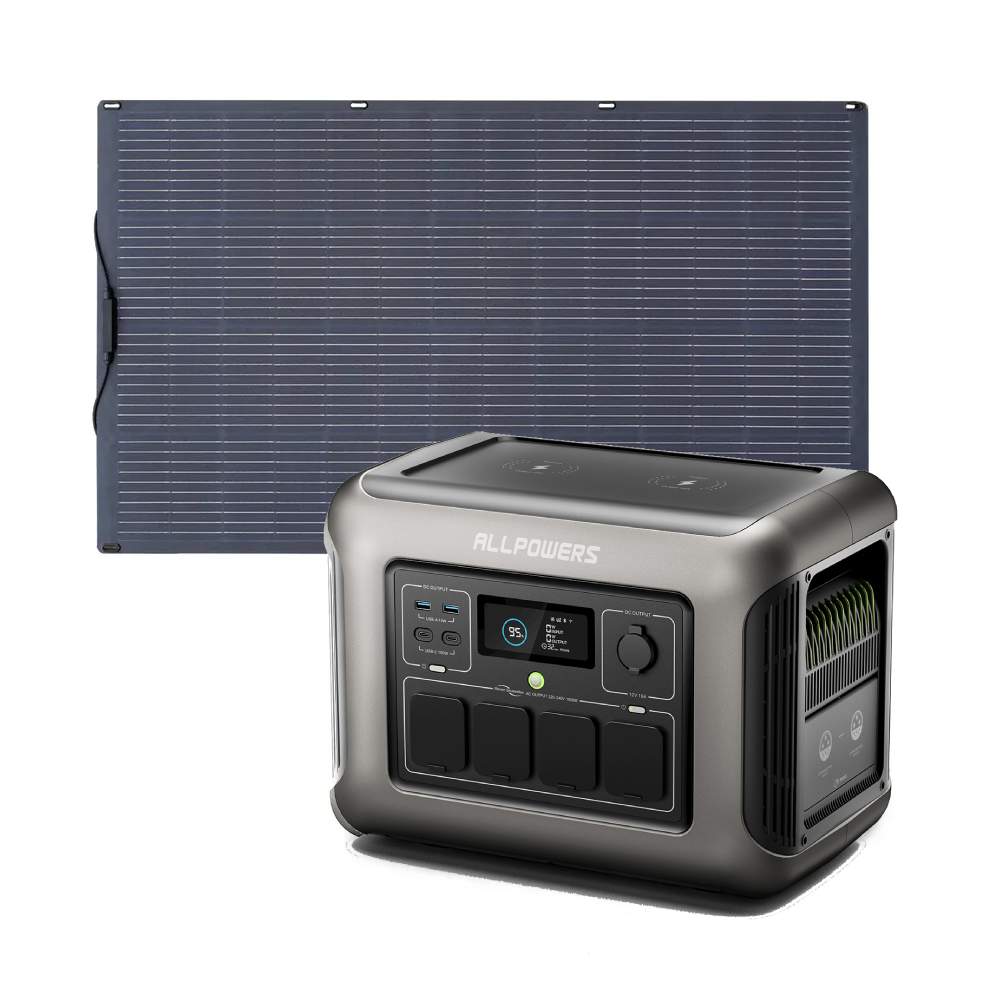
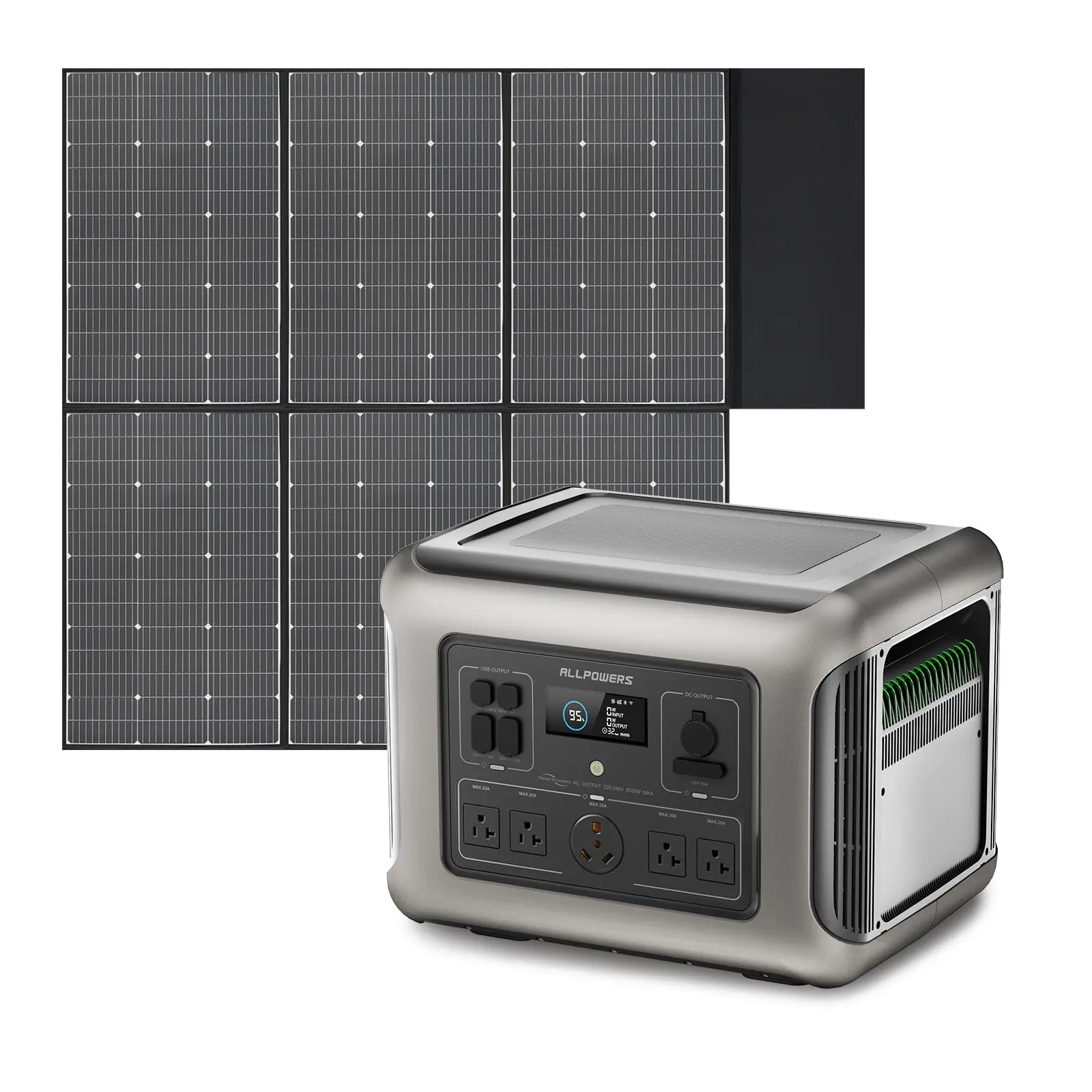
What sets monocrystalline panels apart is their sleek black color, which is a result of the high purity of silicon used.
The higher the purity, the more efficiently the panel can absorb light and convert it into power.
These panels are often considered the "premium" option, mainly because they offer higher efficiency (up to 22%) and a longer lifespan.
But with that added efficiency comes a higher price tag. So, the question is, does that extra efficiency justify the cost?
What is a Polycrystalline Solar Panel?
Polycrystalline solar panels are made from silicon crystals that are melted together to form a block.
This process is a bit simpler and less expensive than the one used for monocrystalline panels.
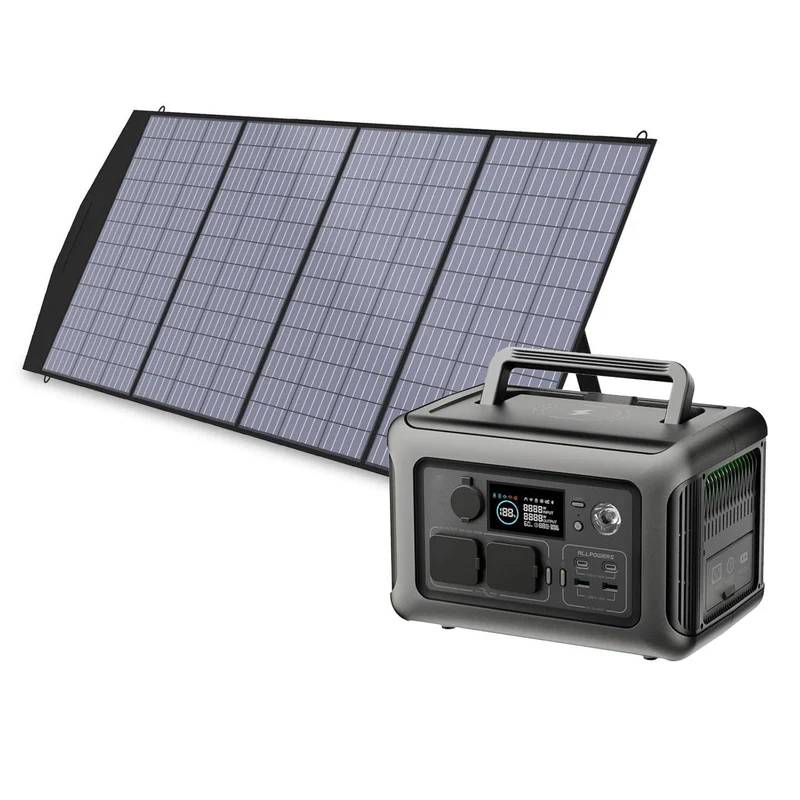
The result is a panel made of multiple crystals, which leads to slightly less efficiency in capturing sunlight (typically between 15-20%).
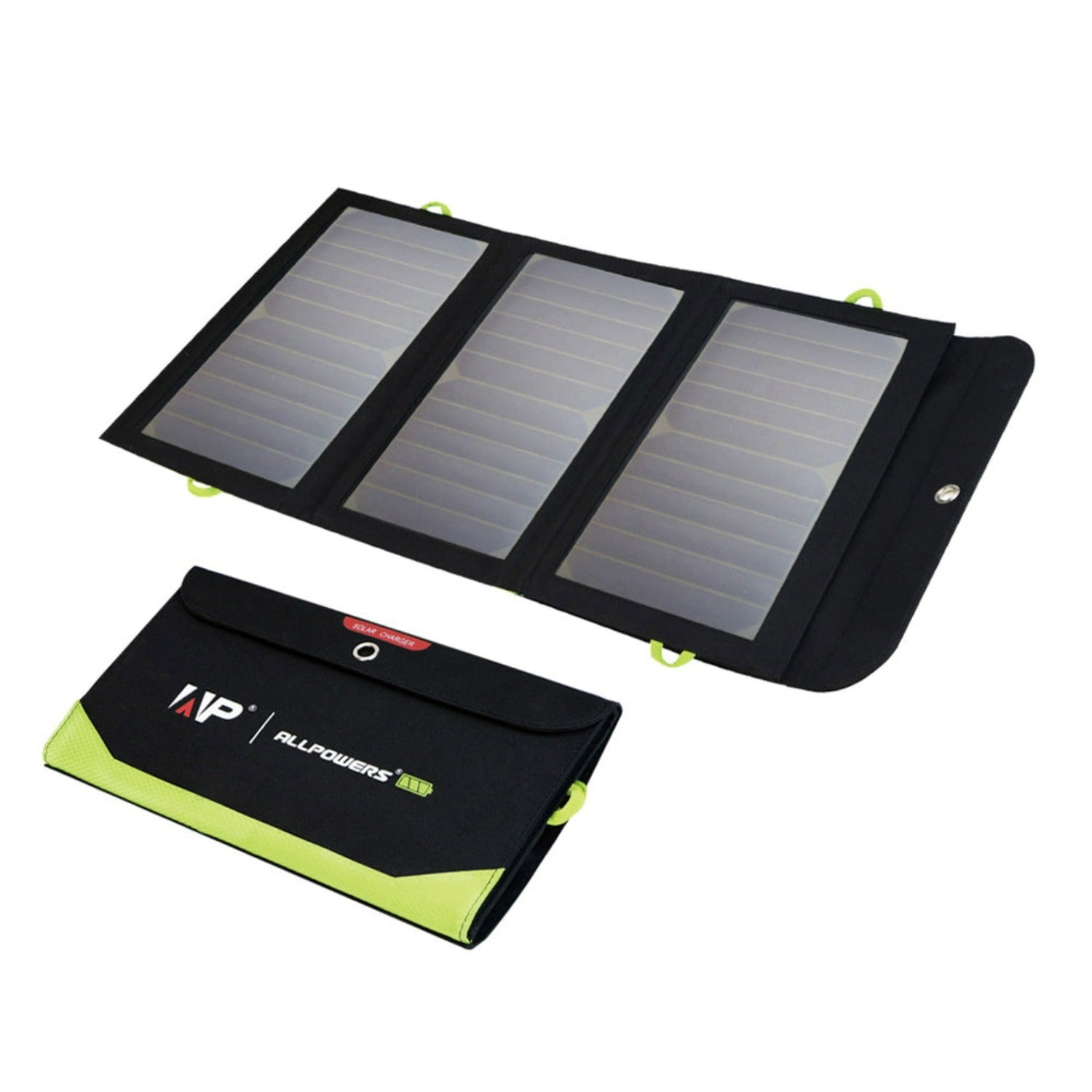
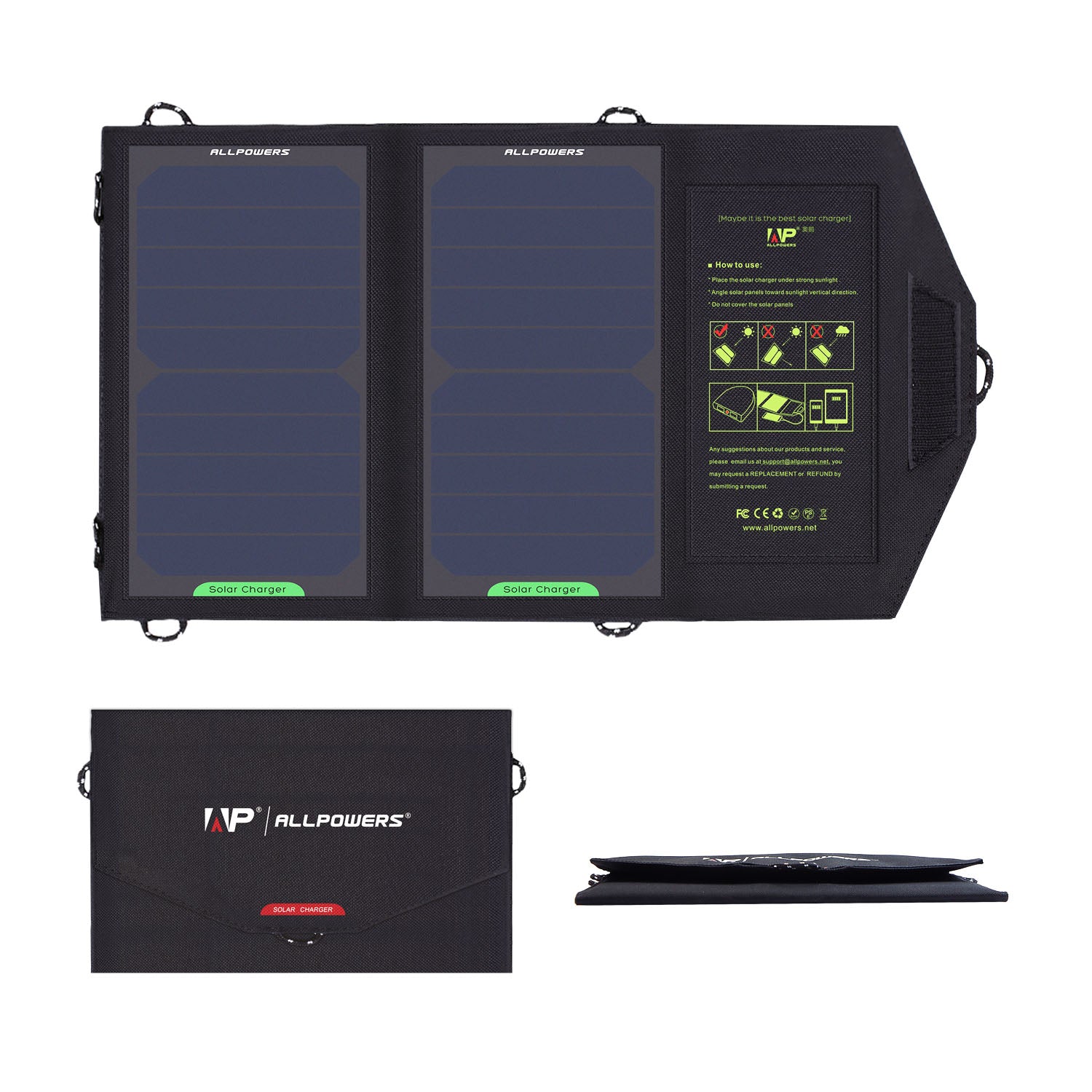
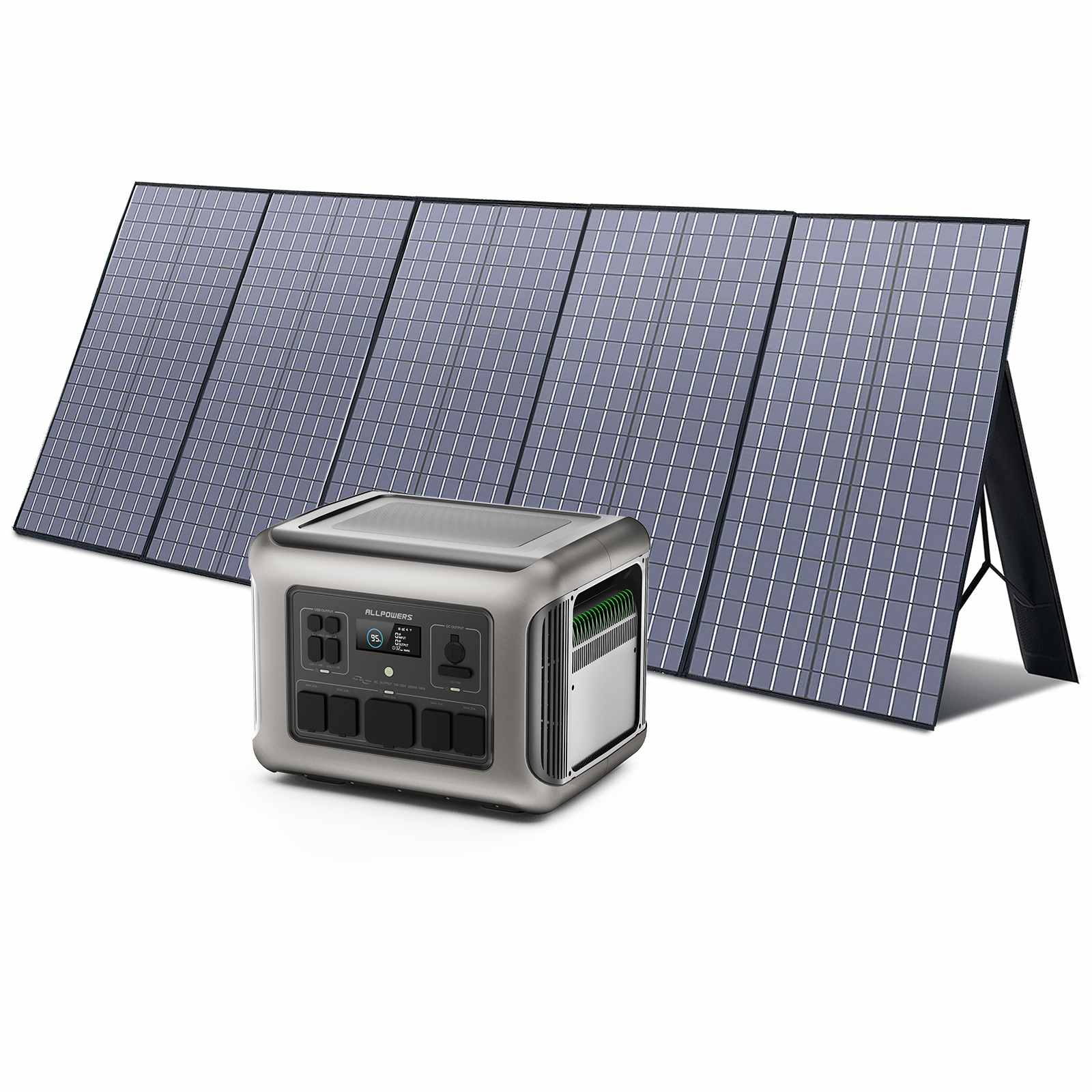
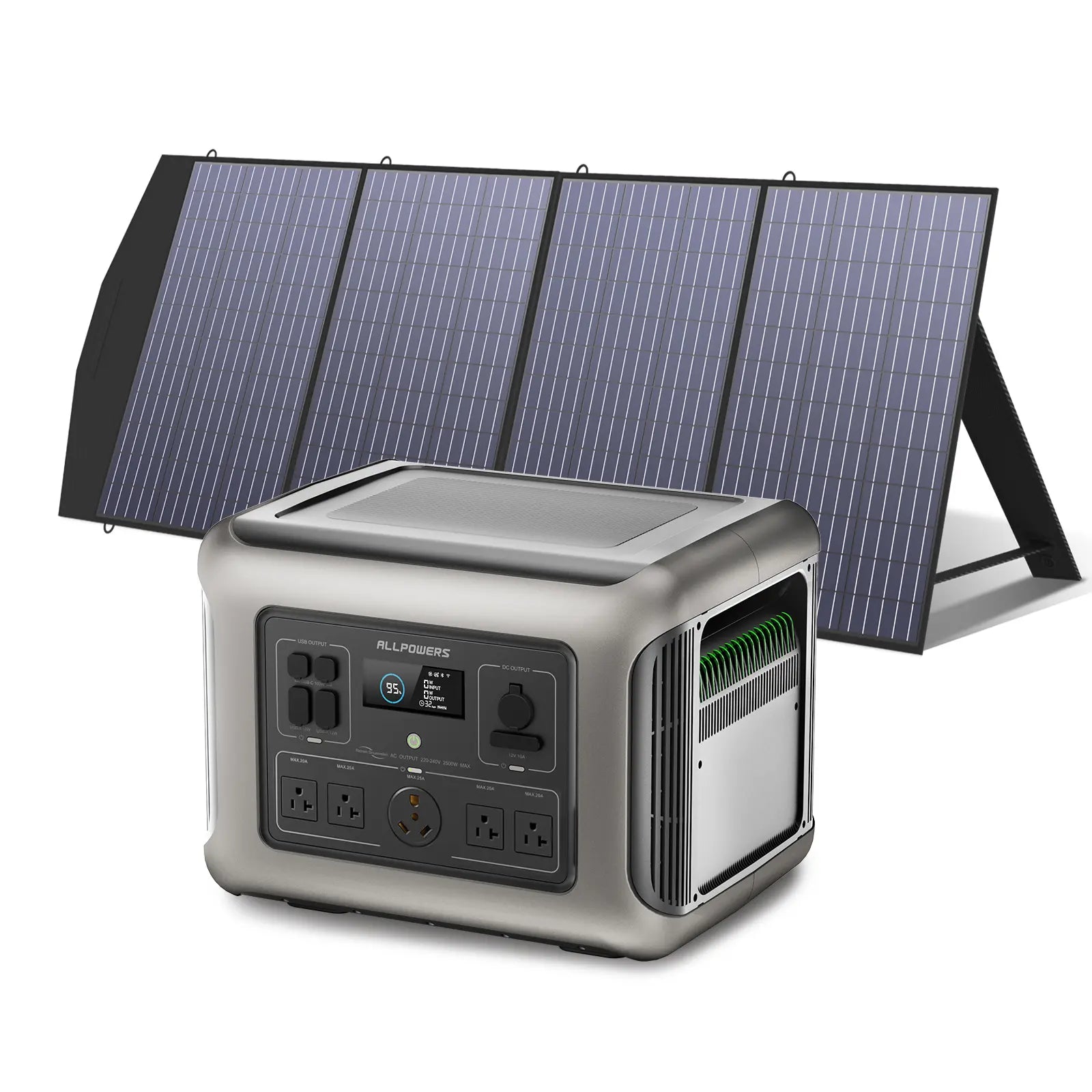
You’ll notice that polycrystalline panels are usually blue in color, as the silicon crystals are less pure compared to their monocrystalline counterparts.
Though they’re a bit less efficient, they’re still quite effective and tend to be more affordable.
But with a lower price tag comes a question that every buyer faces: Is the decrease in efficiency worth the savings?
Key Differences
| Monocrystalline (Mono) Solar Panels | Polycrystalline (Poly) Solar Panels | |
| Cell Composition | Made from a single, pure silicon crystal (grown via the Czochralski method). | Made from multiple silicon fragments melted and cast together. |
| Efficiency | Higher (typically 17%–24%+). The single crystal allows electrons a simpler path to flow. | Lower (typically 13%–17%). Grain boundaries between crystals impede electron flow slightly. |
| Cost | More expensive due to the complex and energy-intensive manufacturing process. | Less expensive due to a simpler, less wasteful manufacturing process. |
| Aesthetics | Cells are a uniform black color with rounded corners, often considered more visually appealing. | Cells are a speckled dark blue color with squared corners. |
| Space | More space-efficient; fewer panels are needed to achieve the same power output, making them ideal for limited roof space. | Less space-efficient; more panels are needed to match the output of mono panels. |
| Performance | Generally better in high-heat and low-light conditions. | Performance can be more affected by high temperatures due to a higher temperature coefficient. |
| Lifespan | Longer projected lifespan (often 30–40 years with proper care). | Slightly shorter lifespan (typically 25–35 years). Both usually come with a 25-year performance warranty. |
Efficiency
Efficiency is one of the most significant differences between monocrystalline and polycrystalline panels. Let me break it down for you.
Monocrystalline panels, due to their higher silicon purity, are generally more efficient.
This means they can produce more electricity from the same amount of sunlight compared to polycrystalline panels.
If you're limited on space or need to power a more energy-hungry setup, monocrystalline panels might be the better choice.
Polycrystalline panels, while less efficient, still offer solid performance.
They work well in areas with ample sunlight or for those who have larger installation space where efficiency isn’t critical.
If you're just starting out or have a smaller energy demand, they could be a great option to keep your costs down without sacrificing too much performance.
Longevity
When it comes to longevity, both monocrystalline and polycrystalline panels are fairly durable, typically lasting 25-30 years with proper care.
However, monocrystalline panels tend to have a slight edge in terms of their ability to withstand harsh weather conditions and maintain performance over time.
This is partly due to their manufacturing process, which tends to create a more robust, consistent structure.
Polycrystalline panels, while not as durable as their monocrystalline cousins, still have a decent lifespan.
They can still handle most weather conditions, but they might not perform as well under extreme heat or low-light conditions, which could affect their long-term efficiency.
So, if you’re living in an area with harsh conditions, you might lean toward monocrystalline for a bit more peace of mind.
Cost
Here’s where things get interesting. As mentioned earlier, monocrystalline panels are the more expensive option.
However, this higher upfront cost might actually be a smart investment in the long run.
The increased efficiency means you might need fewer panels to meet your energy needs, which could ultimately save you space and installation costs.
Polycrystalline panels are cheaper to produce, and that’s reflected in their price.
They’re often the go-to choice for those on a budget or for homeowners who have more roof space to play with.
In the short term, they can provide great value without breaking the bank.
But, and here’s the kicker: the cost difference between the two types is often worth considering based on your energy consumption.
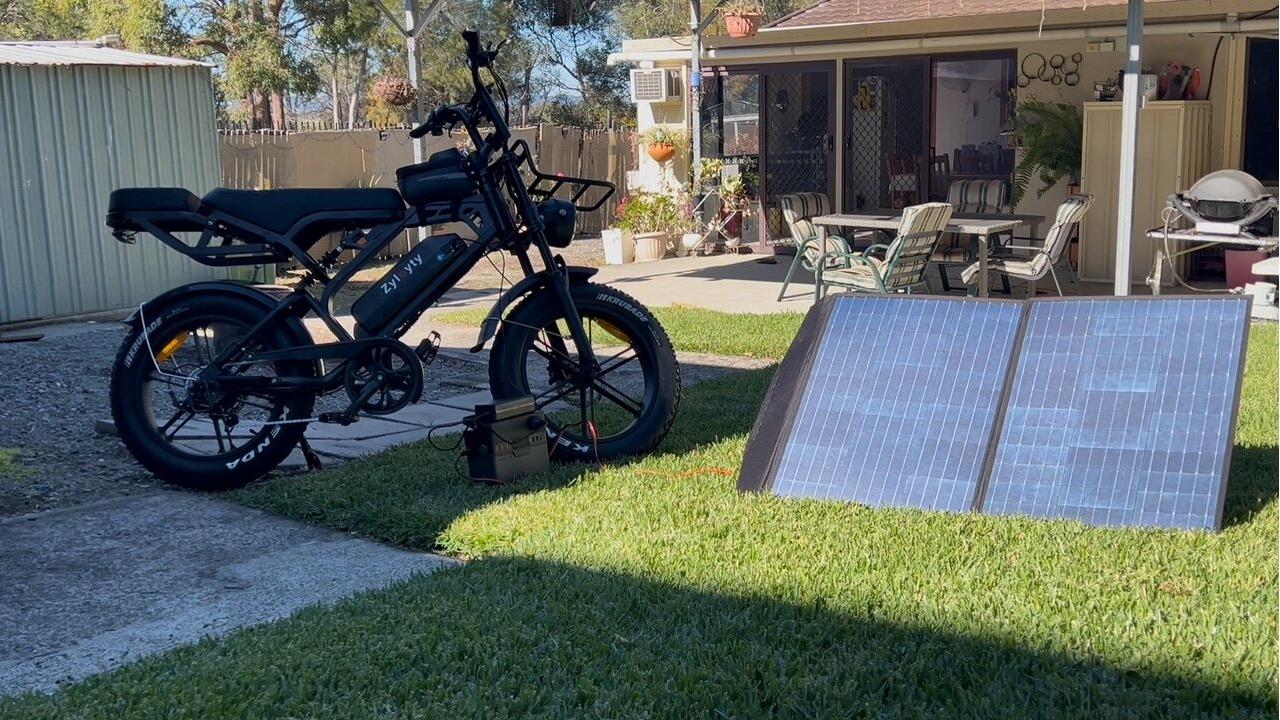
If you’re powering a small home, camper, or just want to supplement your energy usage, polycrystalline panels could offer better value.
For those looking to power a larger system or reduce space requirements, investing in the more efficient monocrystalline panels could make more sense.
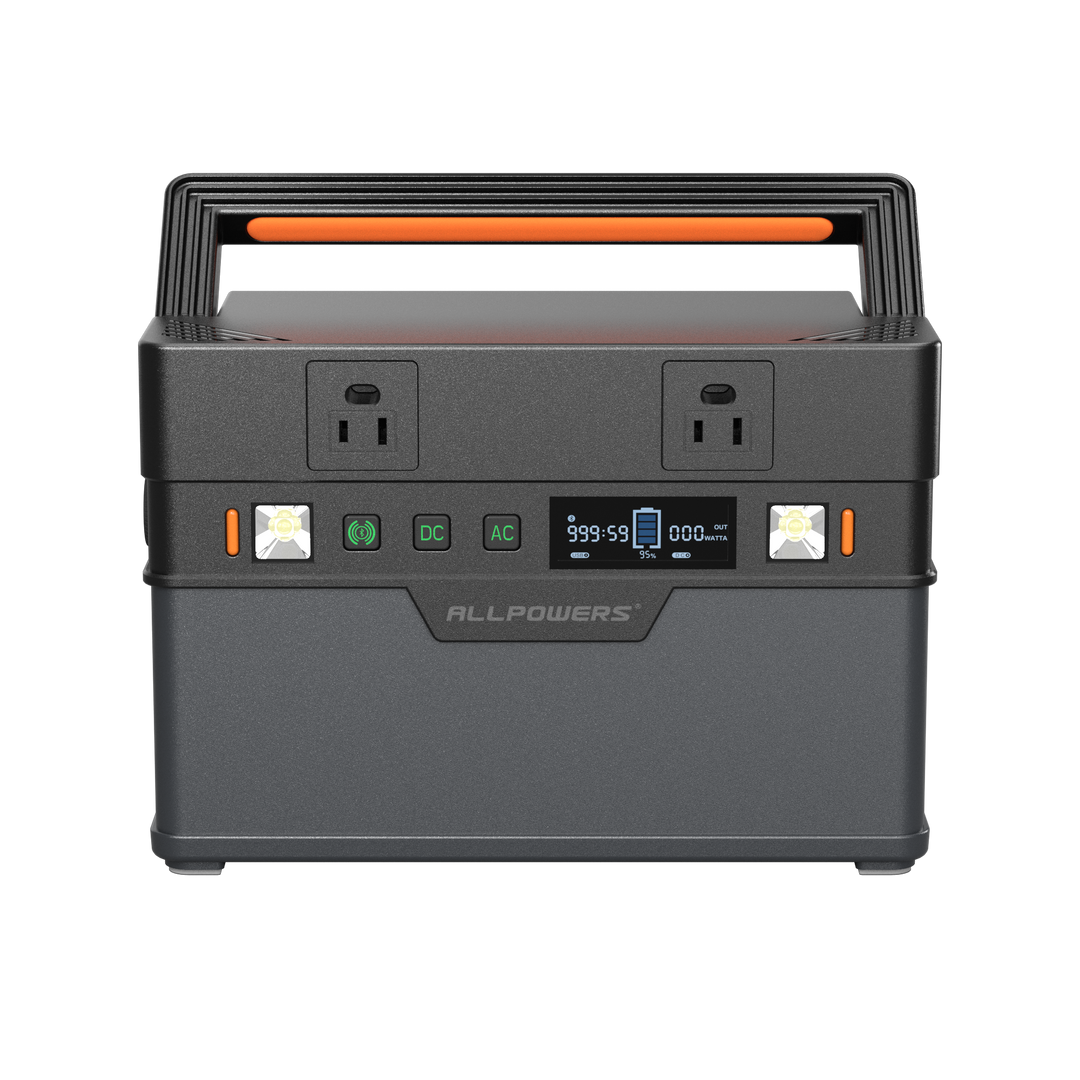
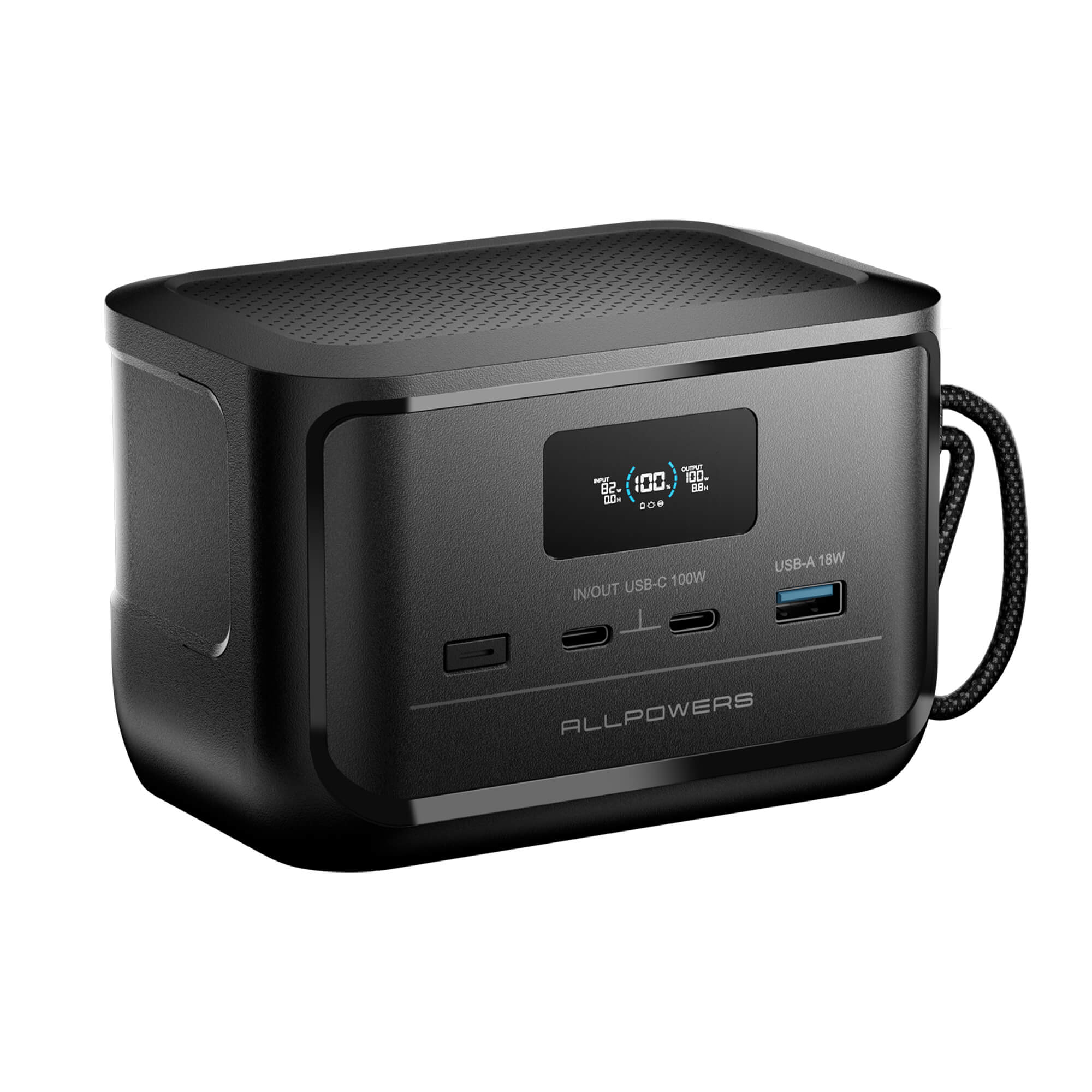
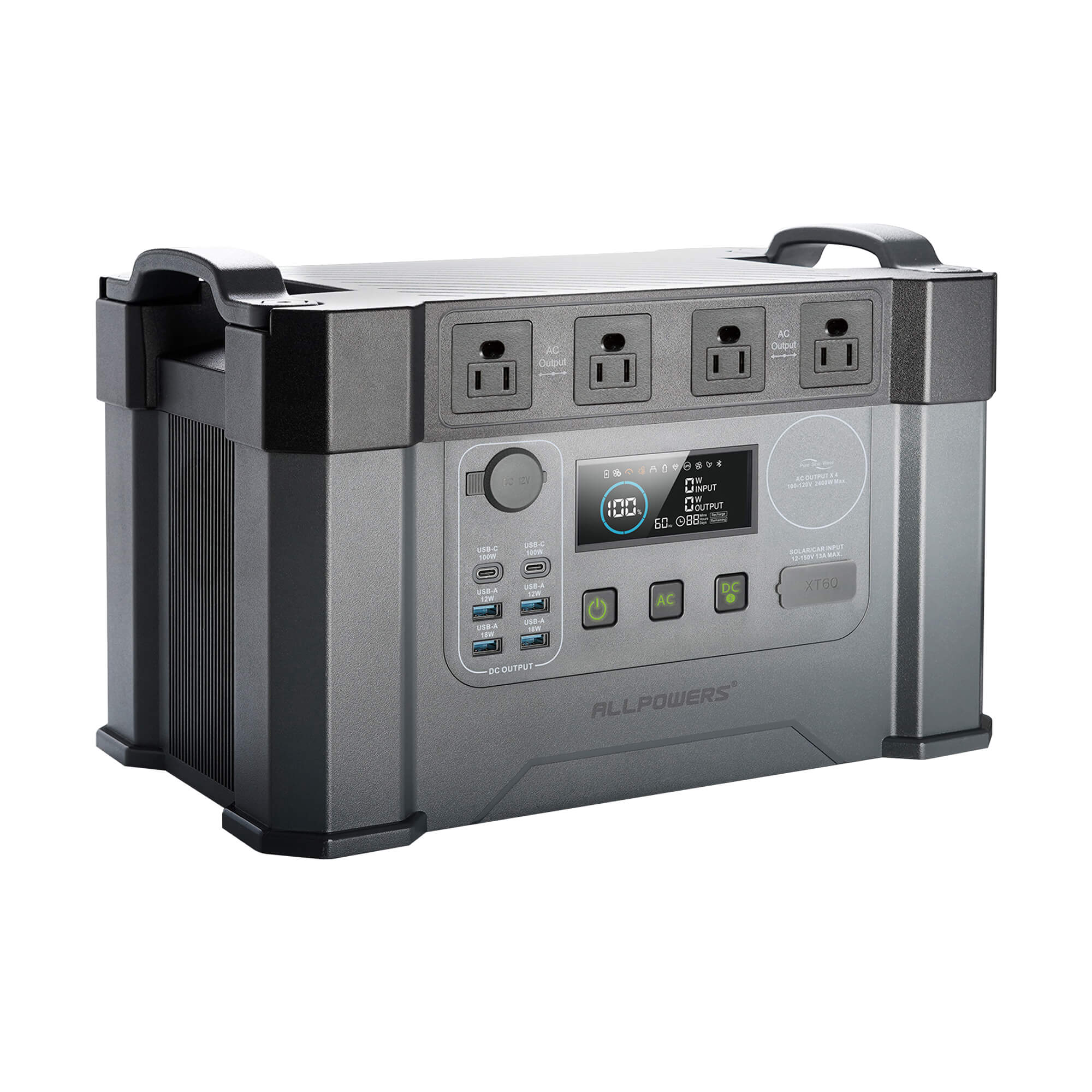
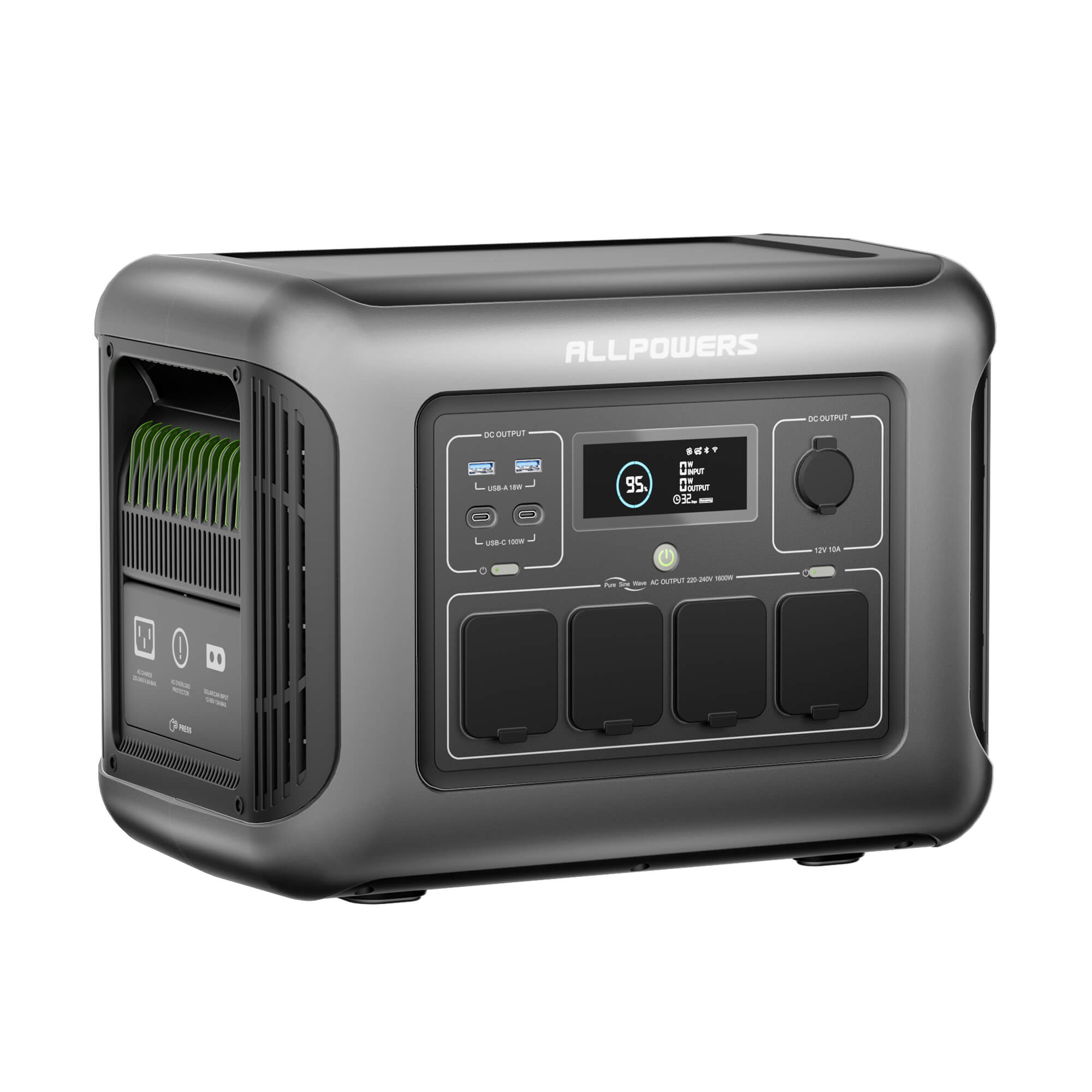
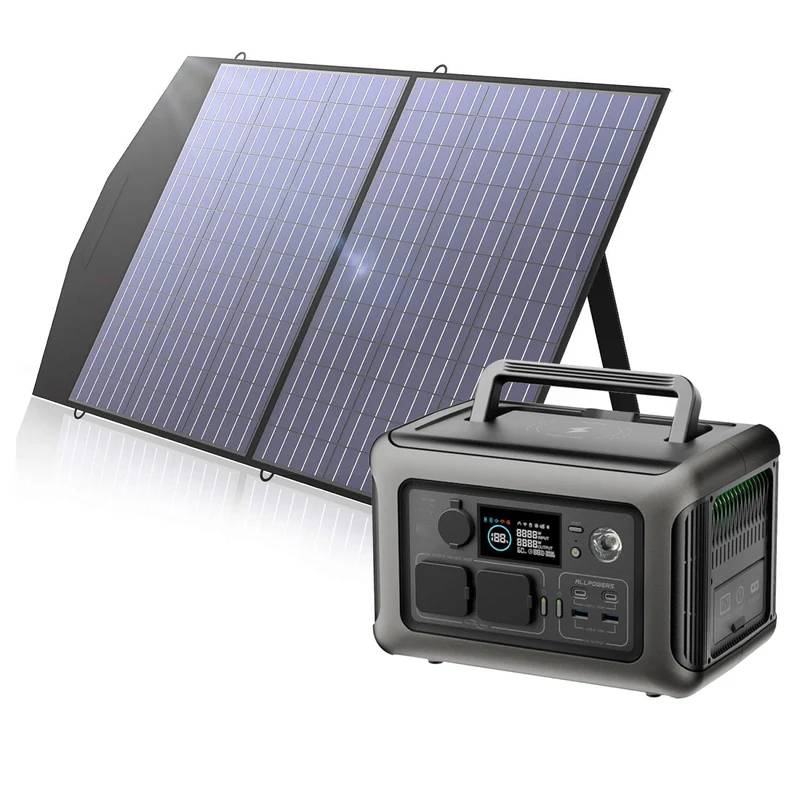
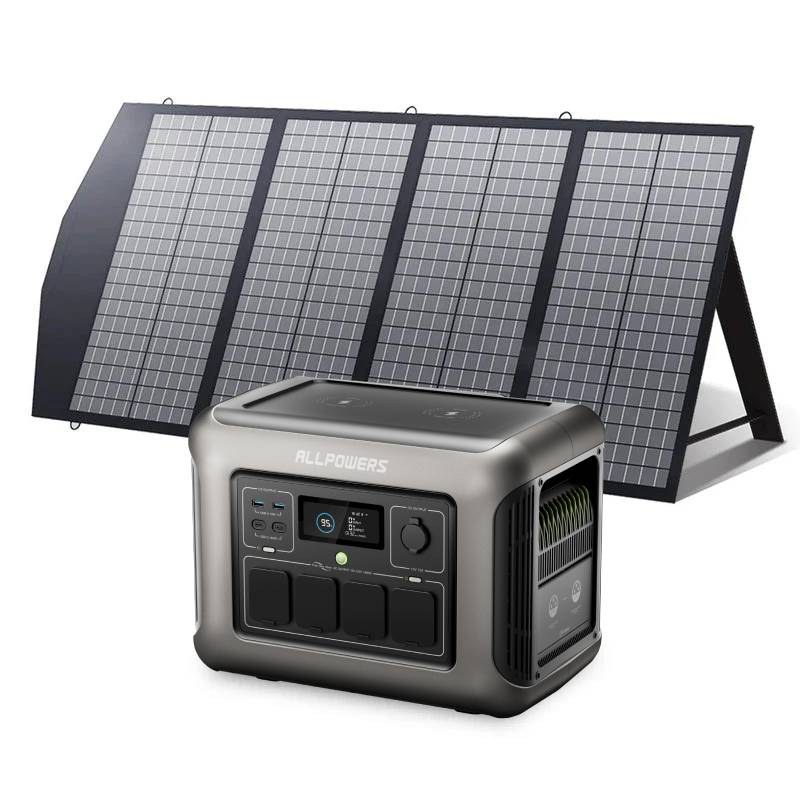
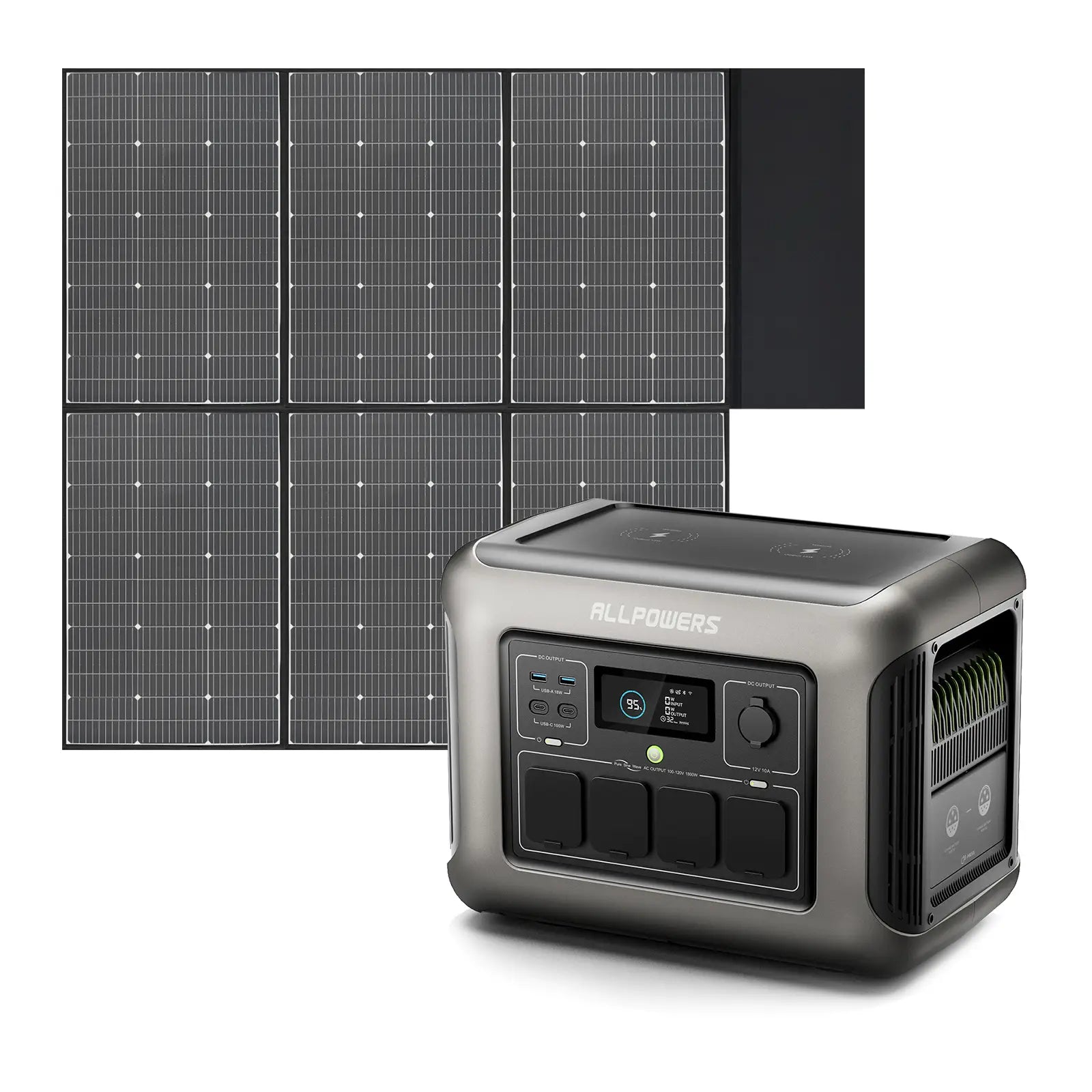
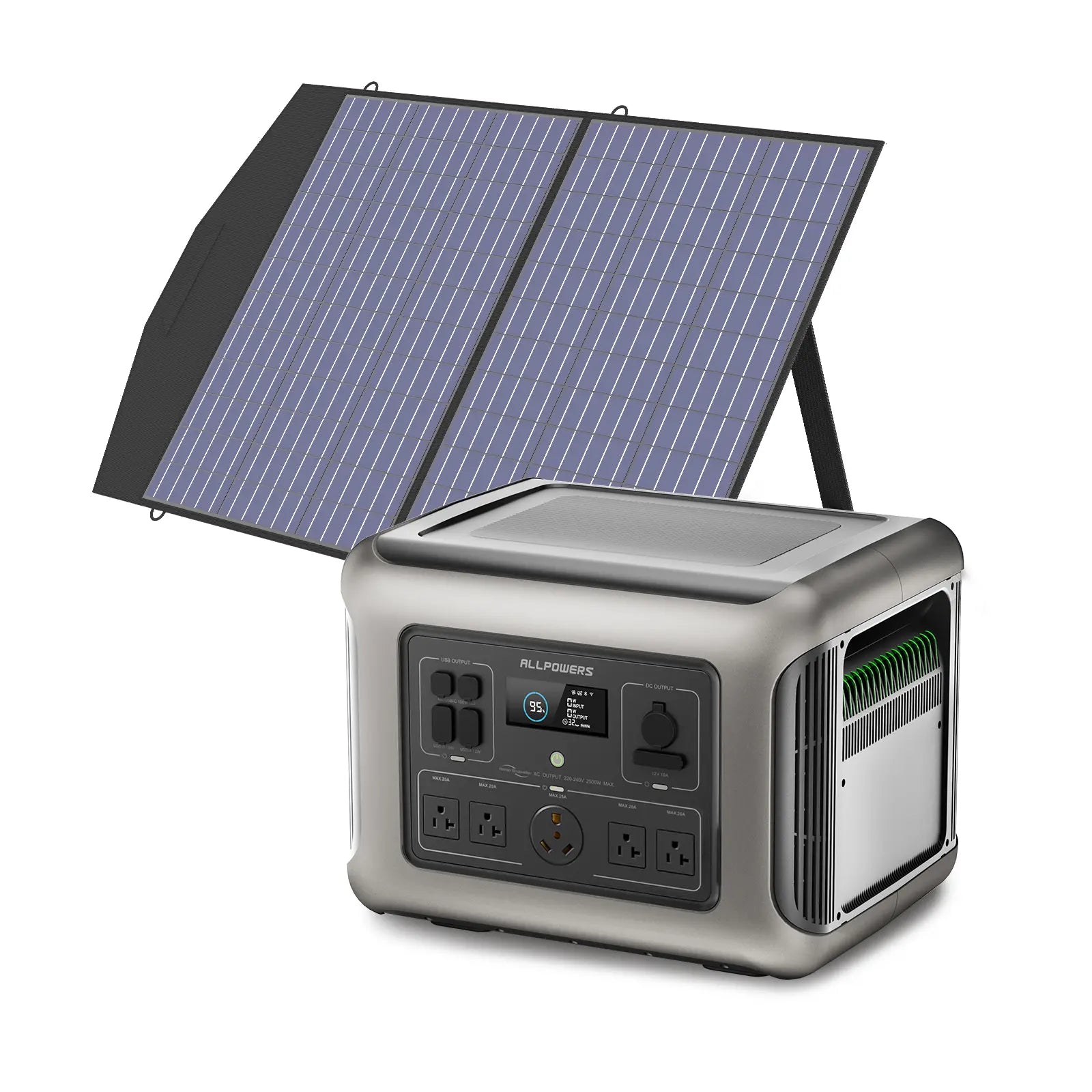
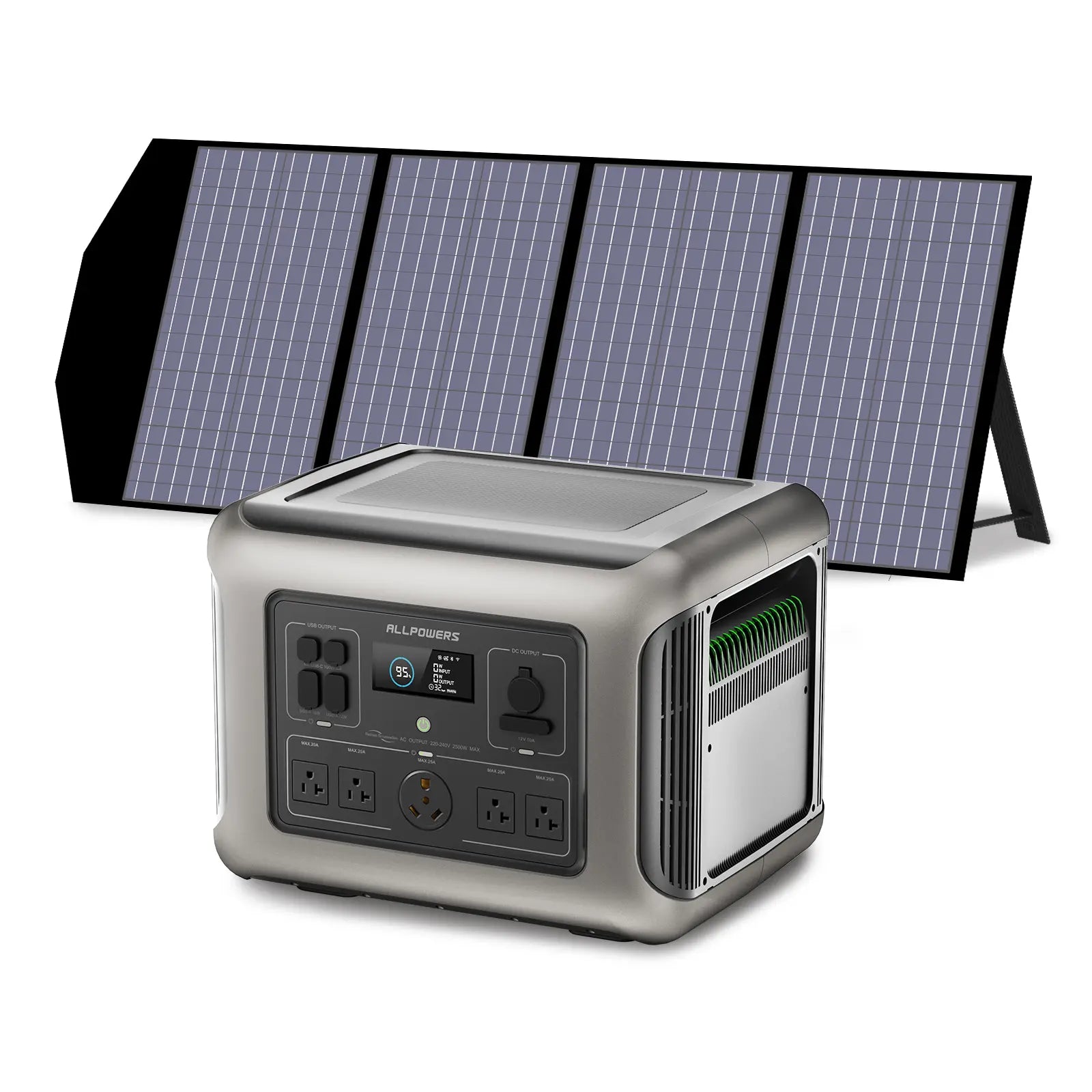
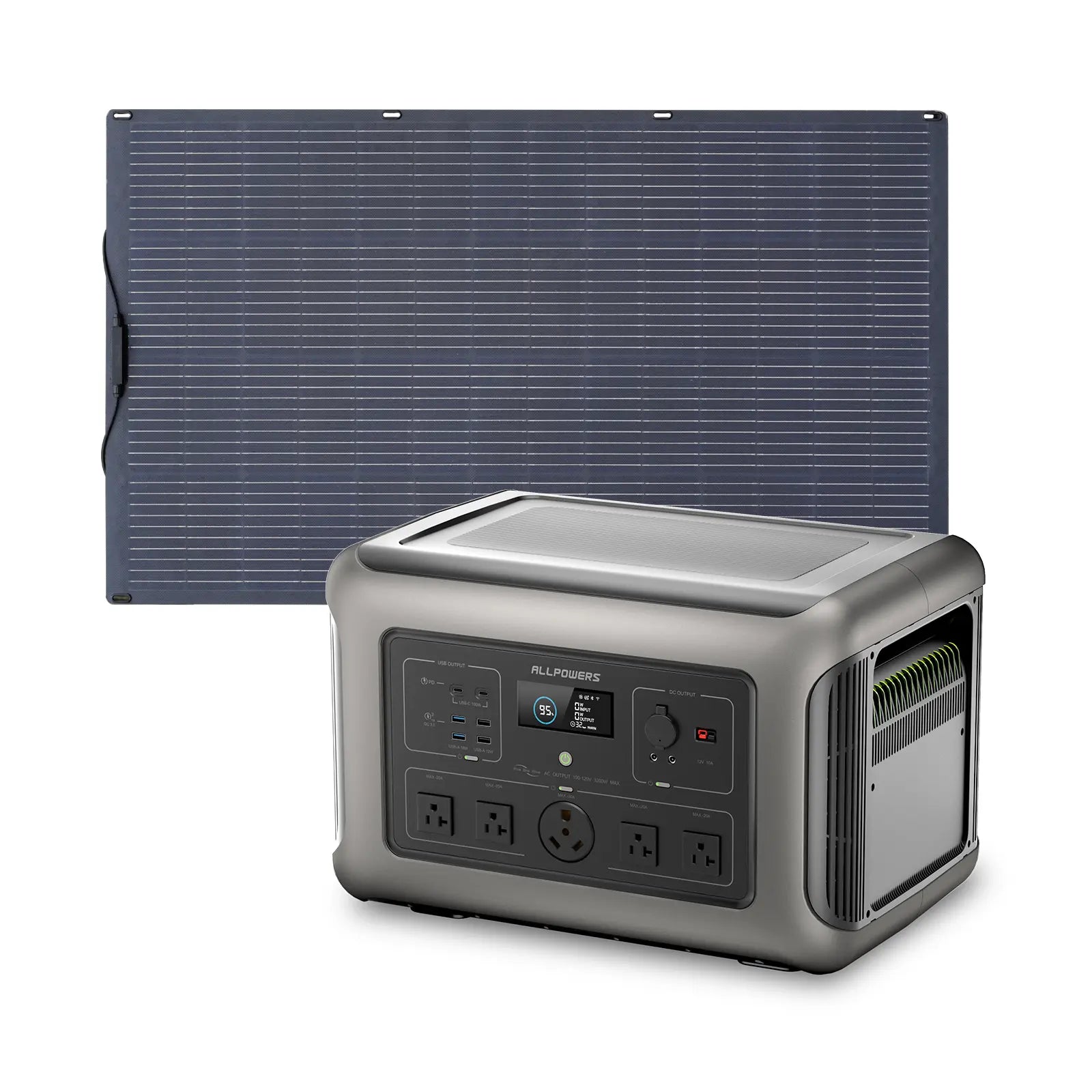
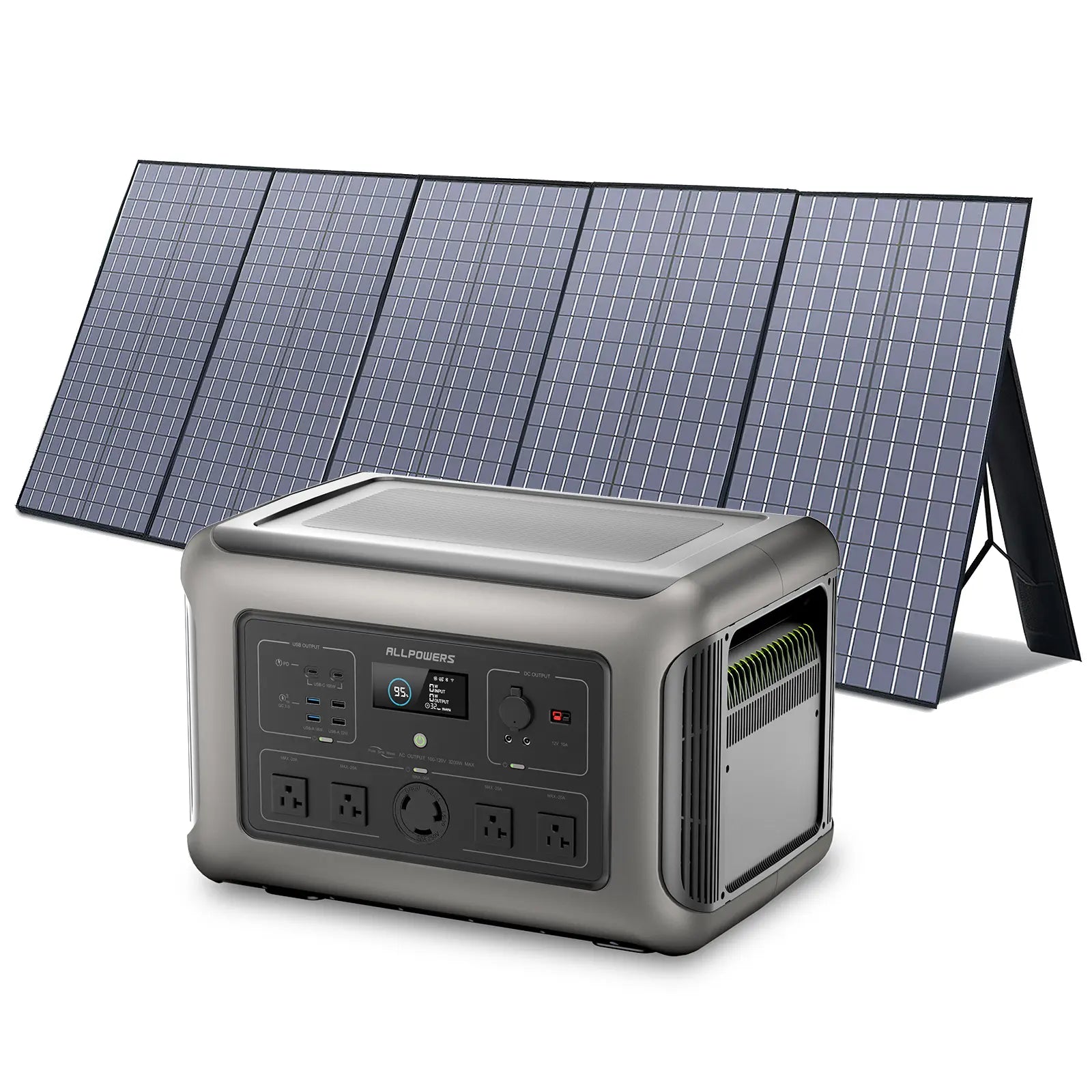
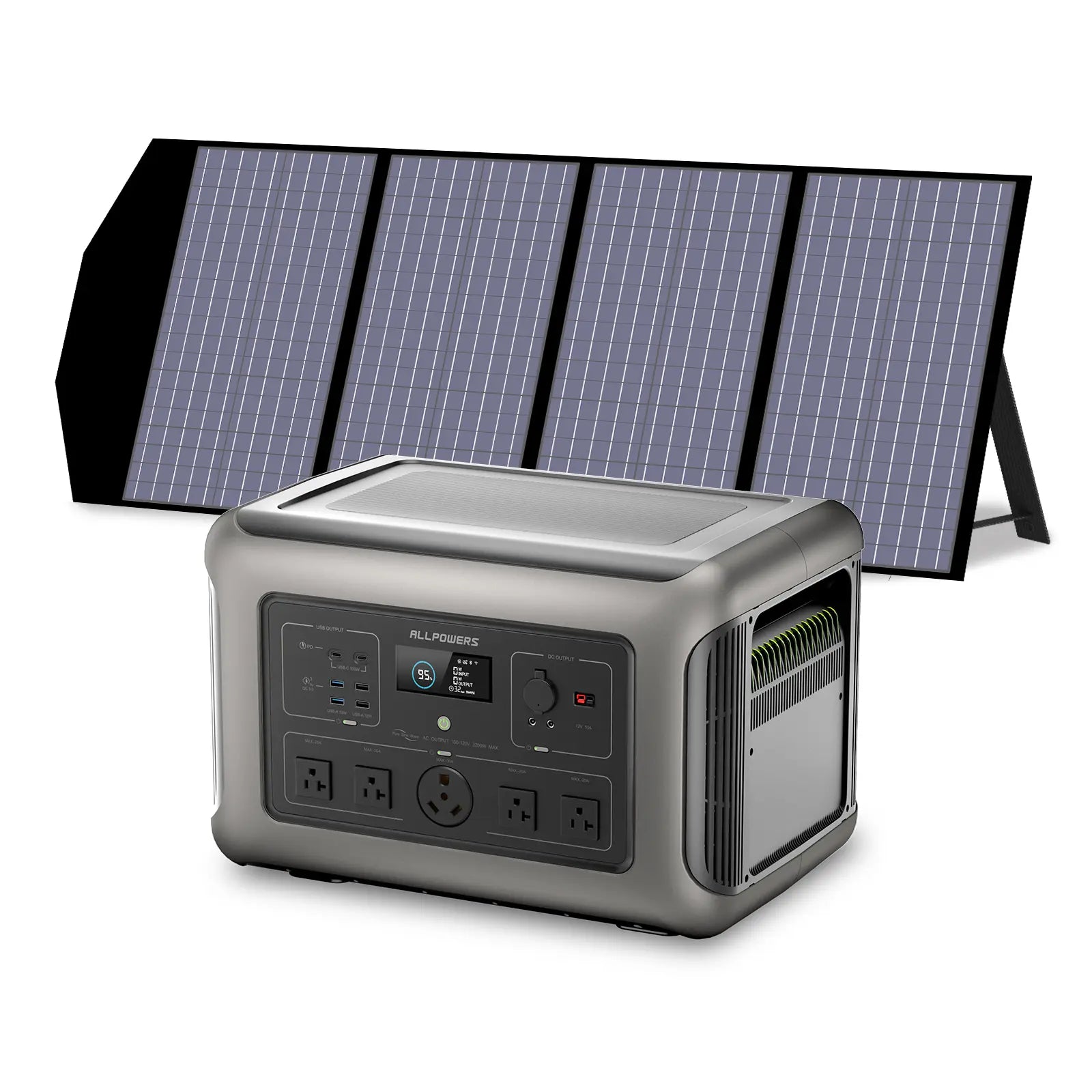
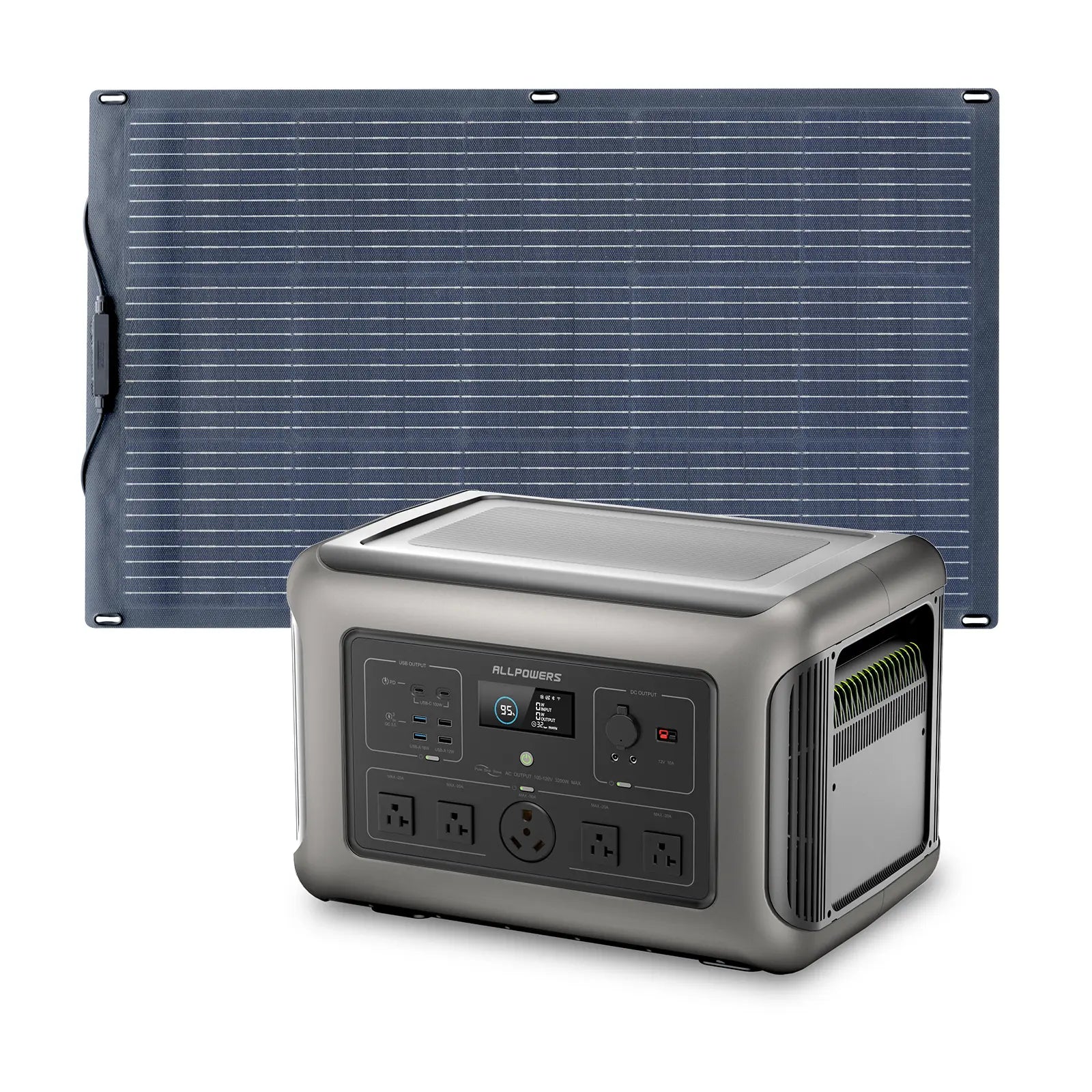
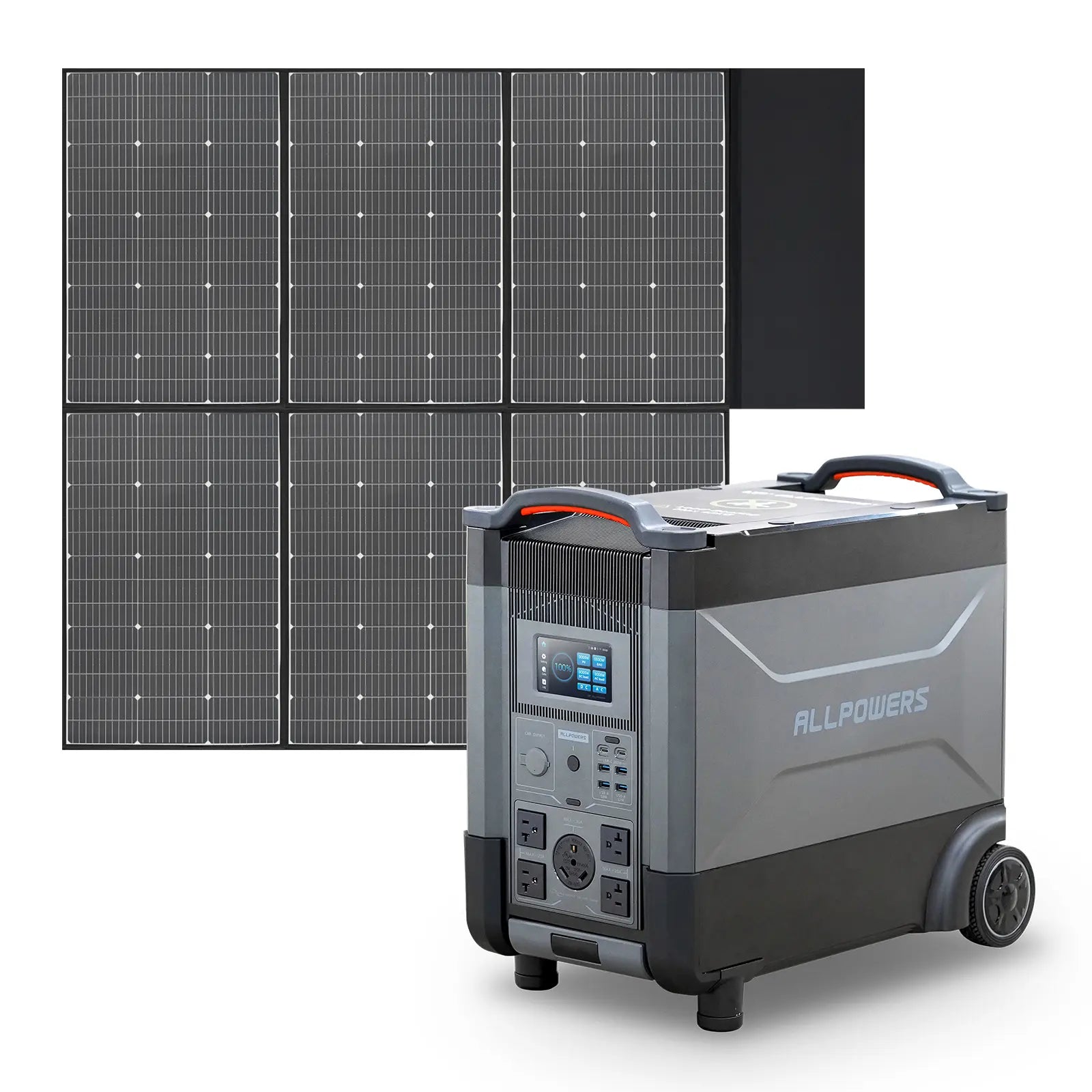
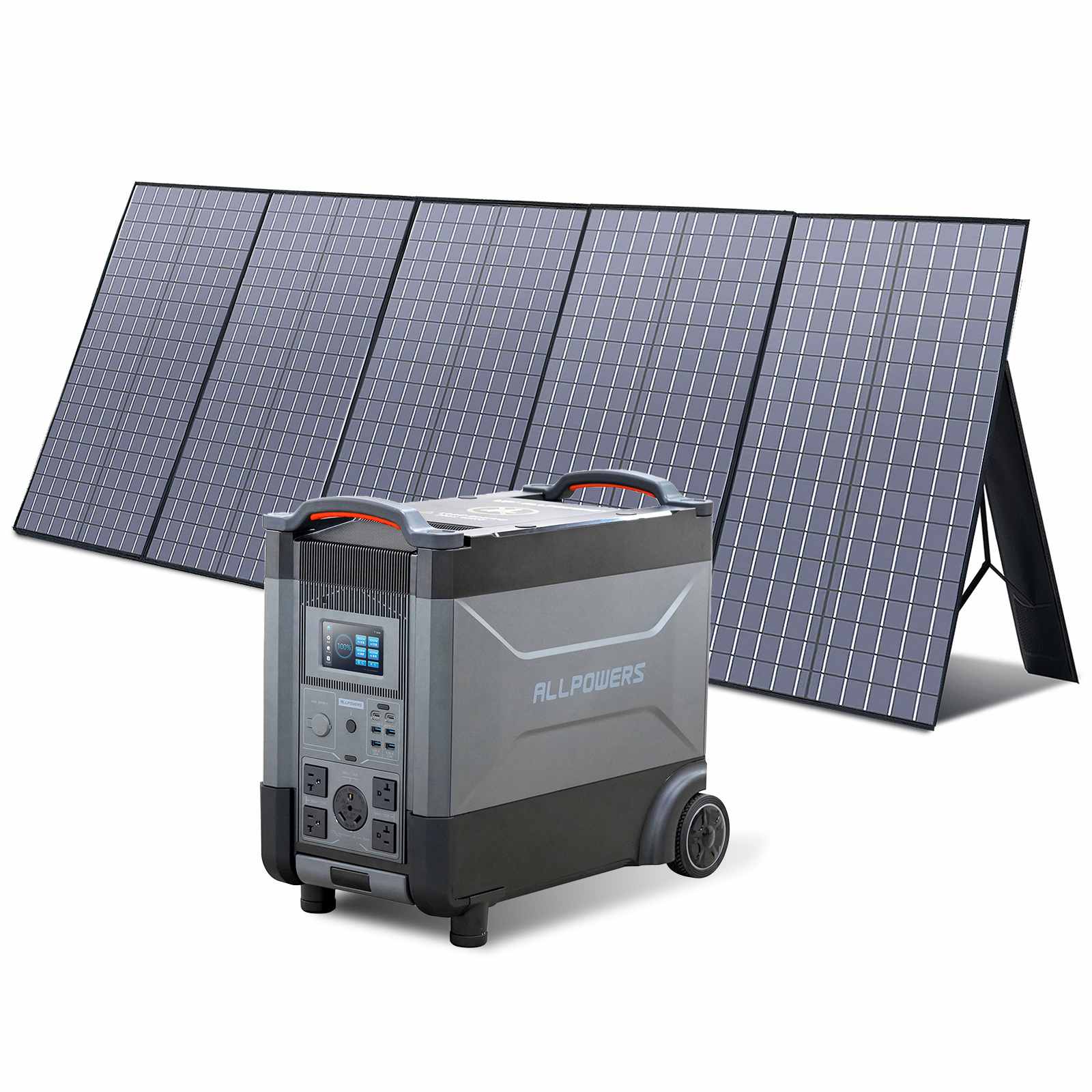
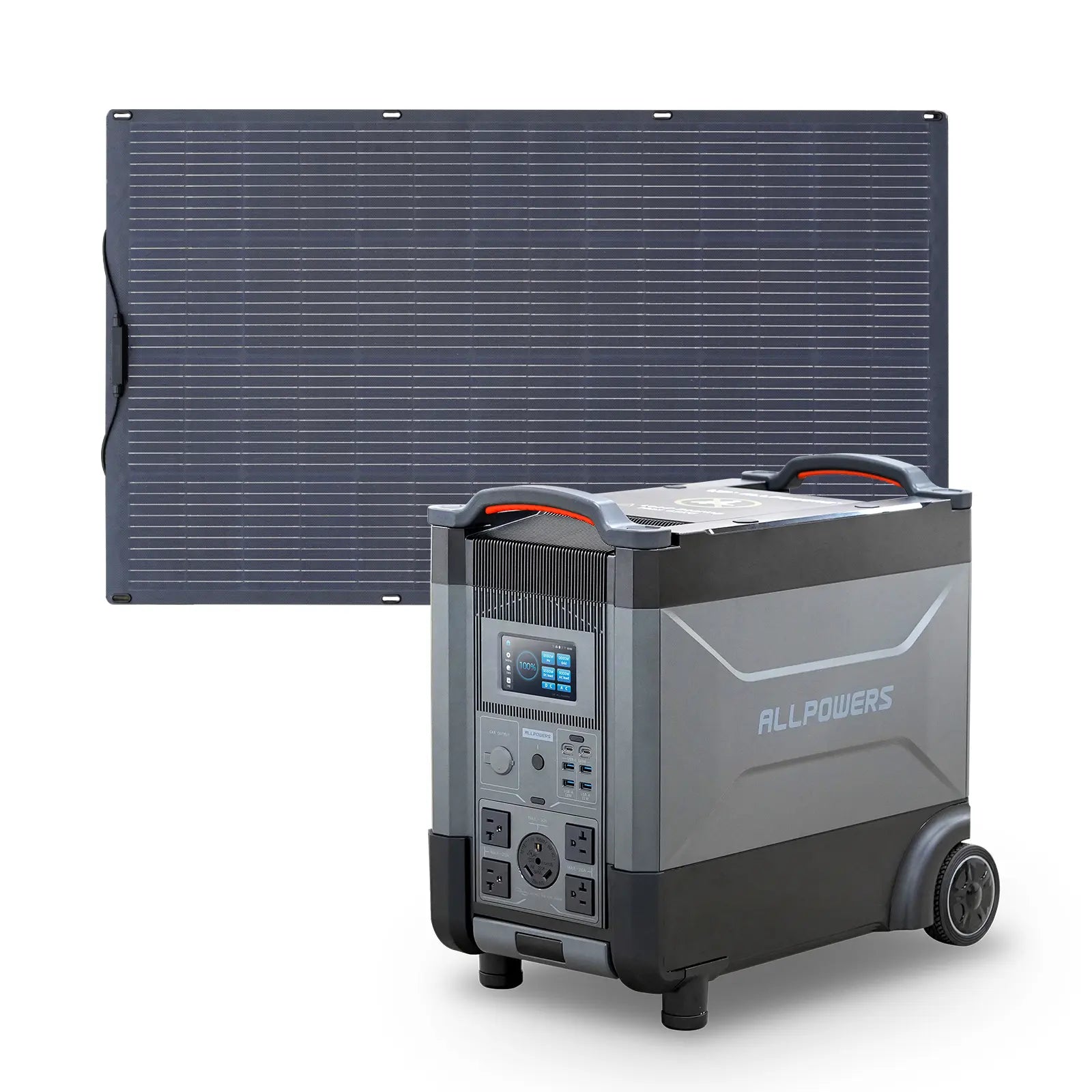
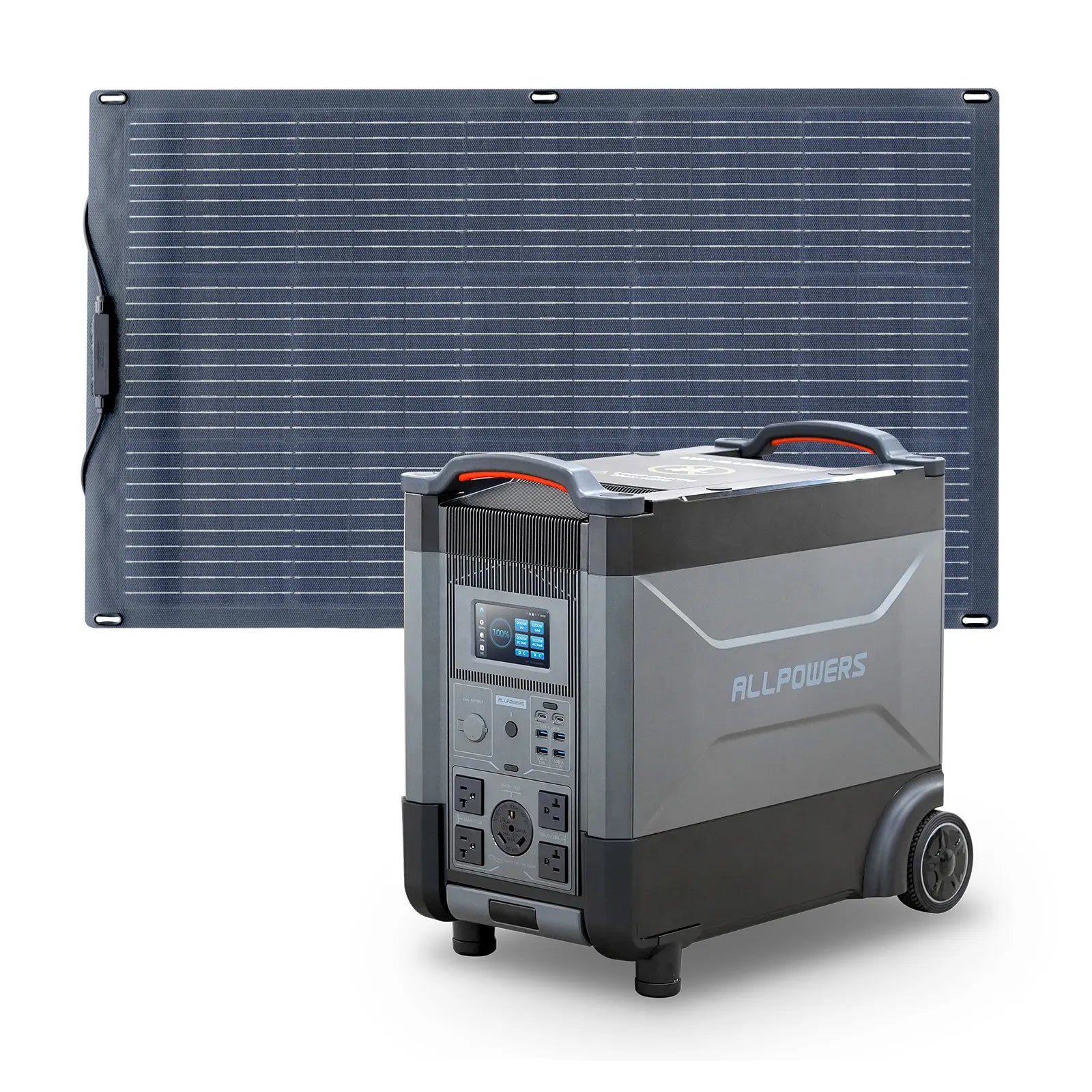
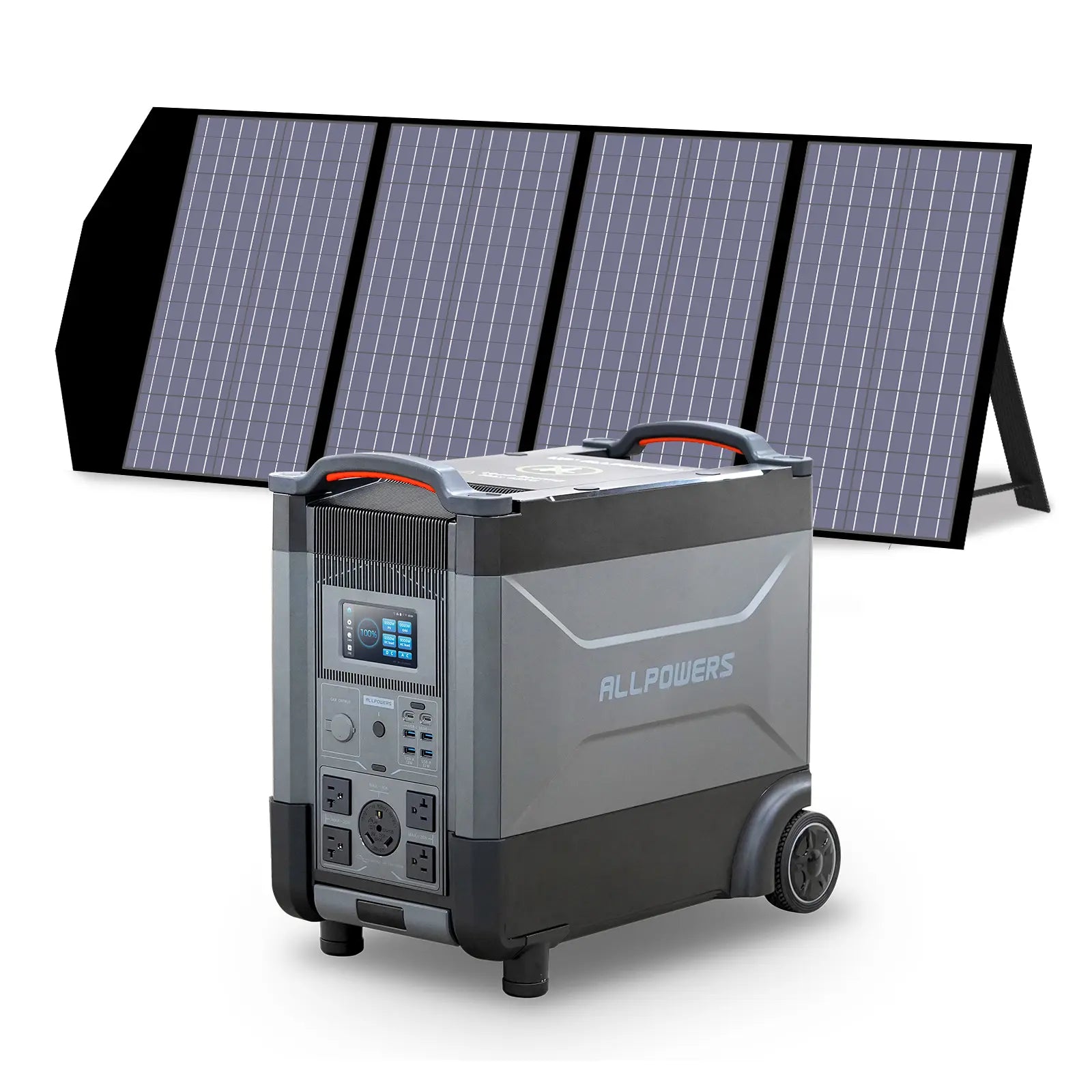
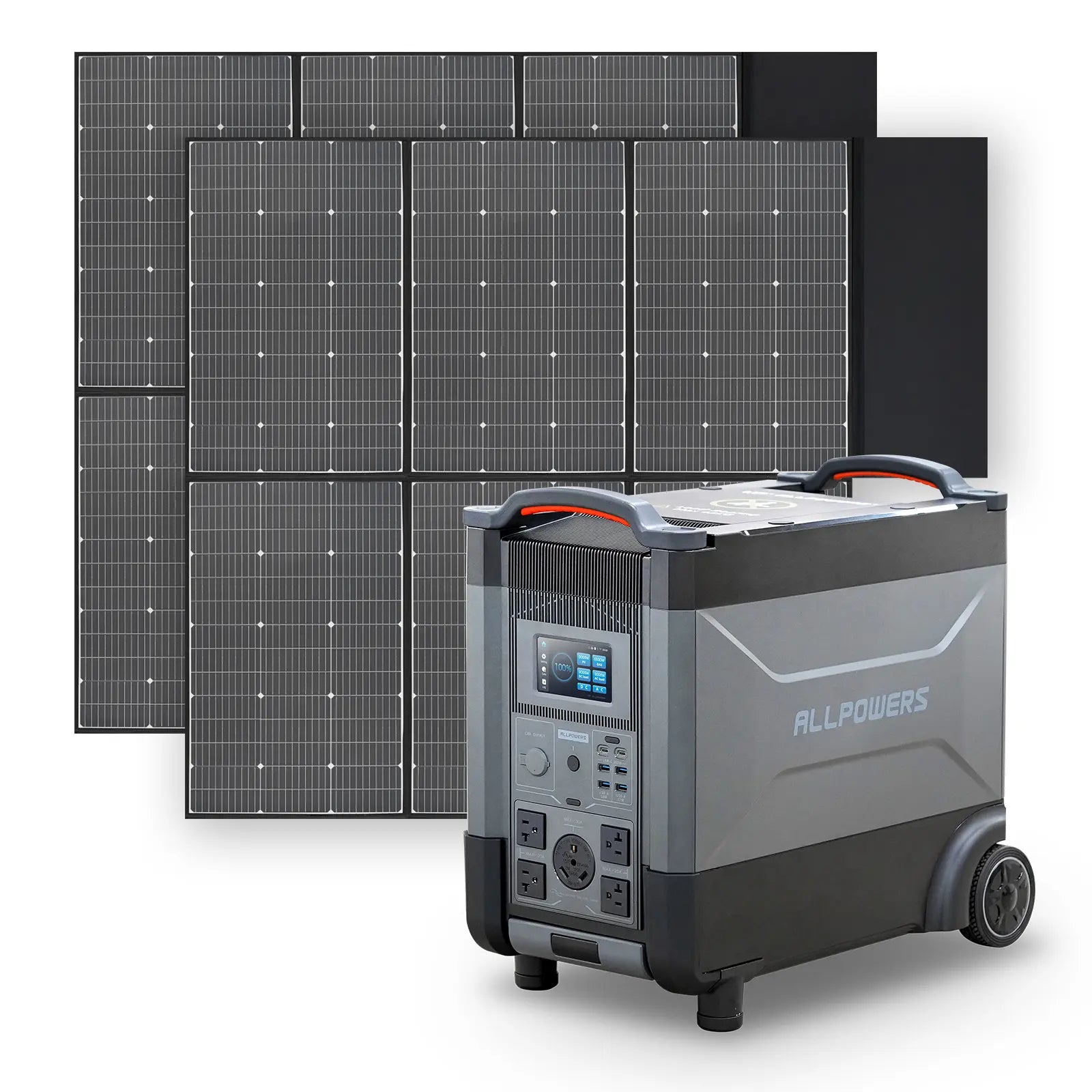
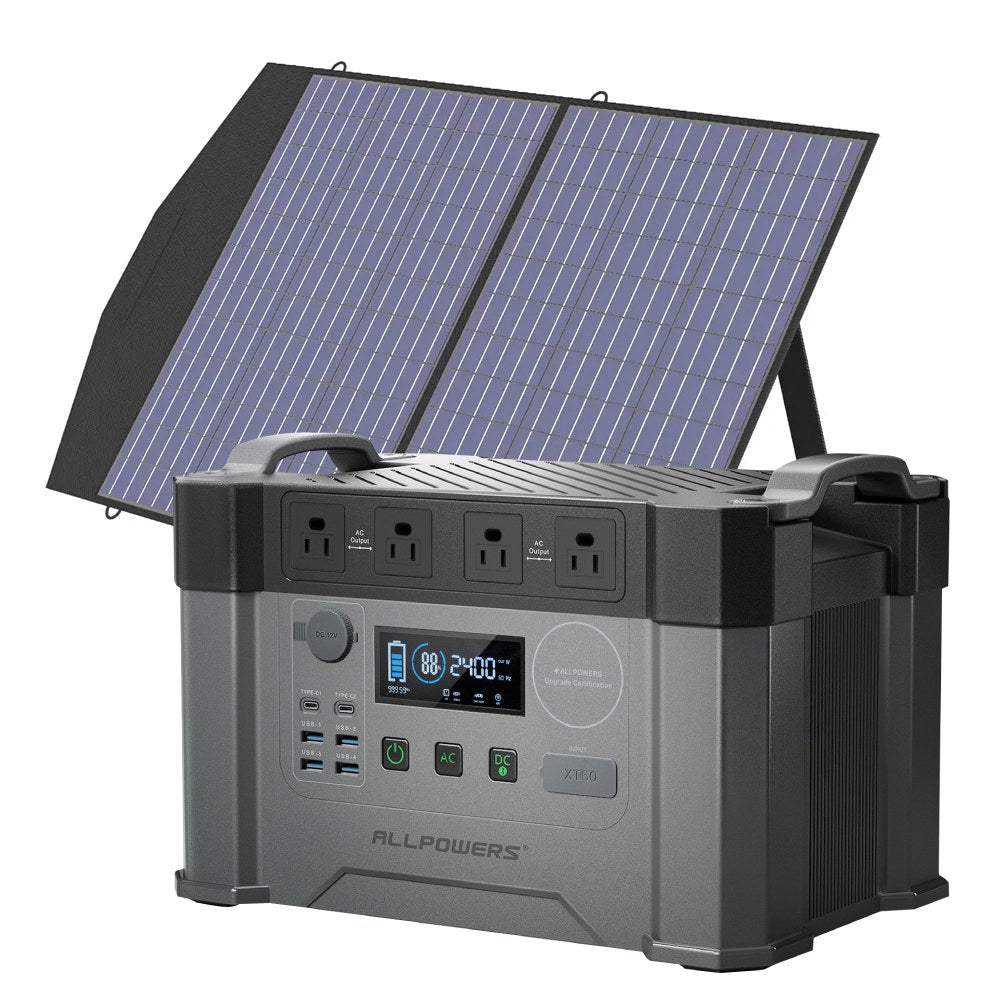
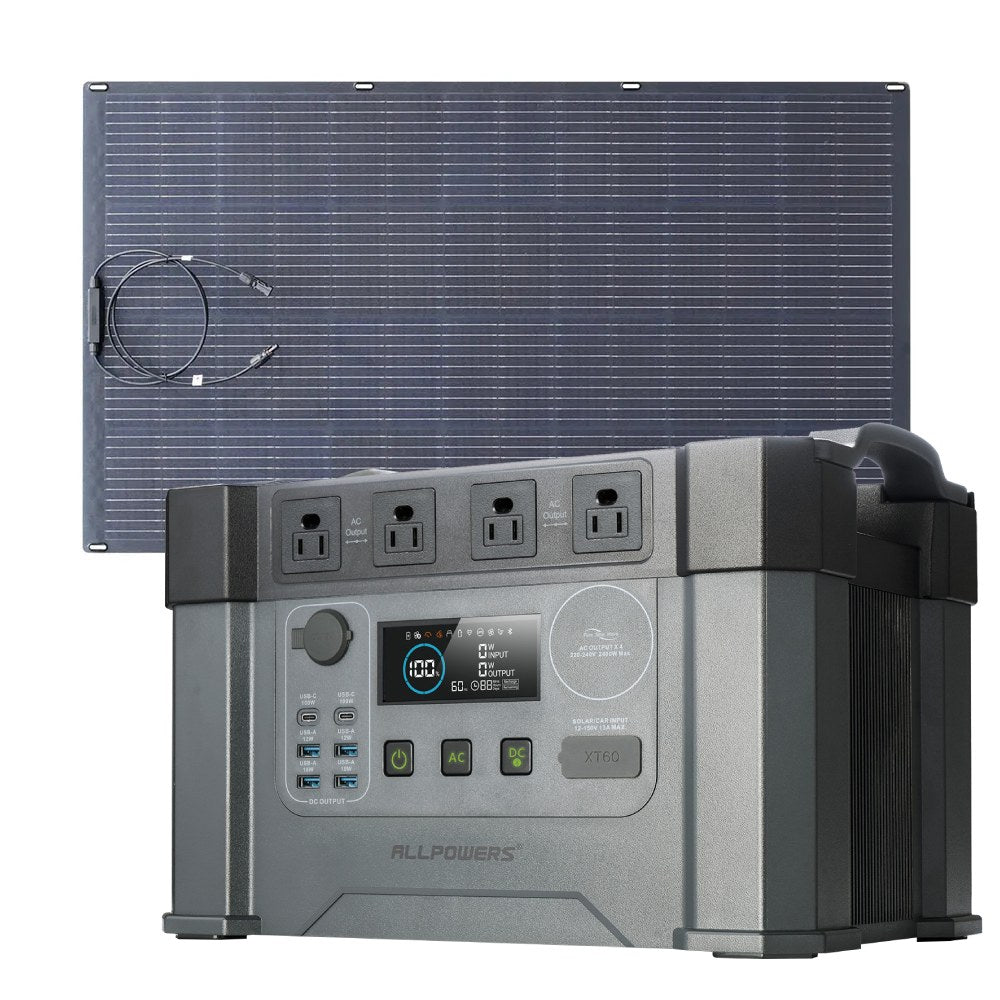
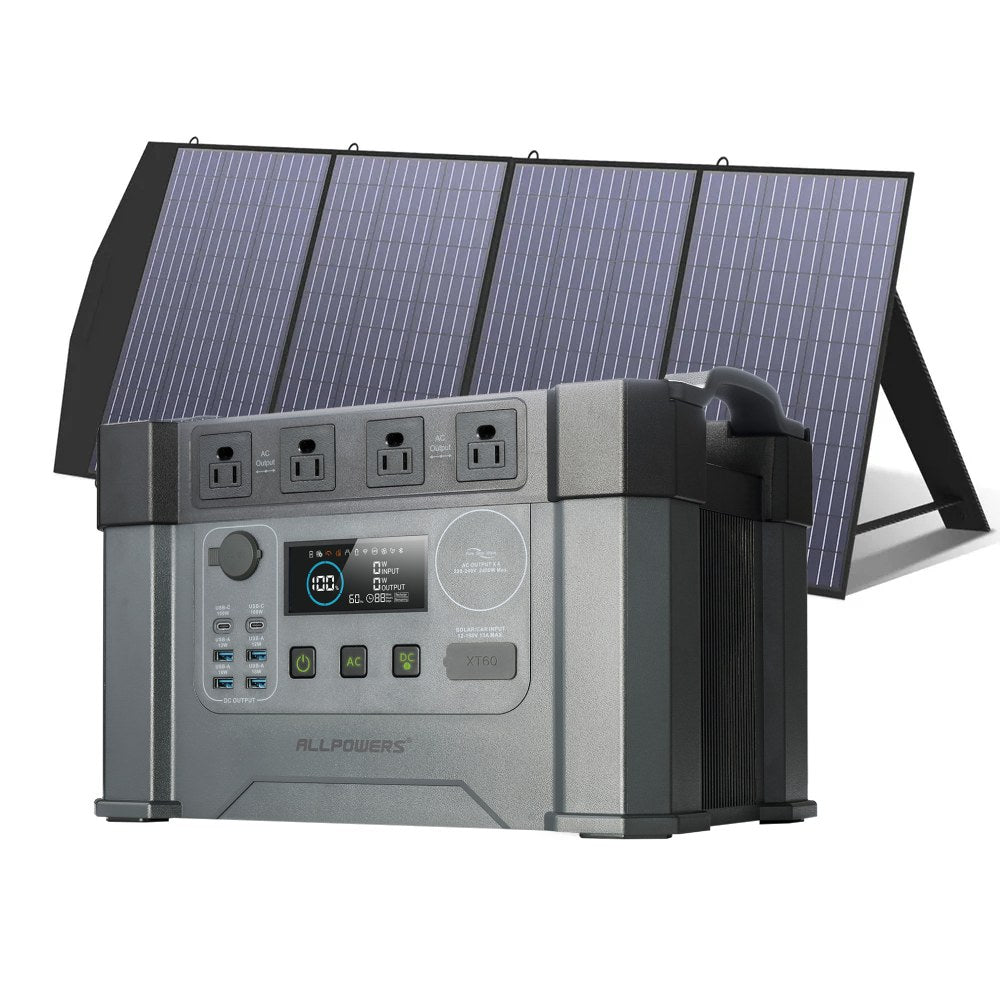
To make that investment more accessible, we offer complete solar generator kits—bundling panels and power stations into cost-effective packages that make starting your solar journey simpler and more affordable.
ALLPOWERS R600 + SP027
$319.00 $399.00
- 299Wh Capacity + 100W Soalr Input;
- 600W AC Output (1,200W Surge);
- Fast Charge 100% in 1 Hours;
- Start UPS in 10 ms;
- Long-Lasting And Safe Lifepo4 Battery;
Aesthetics
One thing that people often overlook is the visual impact of solar panels.
After all, these things are going to be sitting on your roof for the next couple of decades.
Monocrystalline panels are often seen as more aesthetically pleasing because of their sleek, black color.
They blend more seamlessly with the overall design of a house, and some people find them more visually appealing.
Polycrystalline panels, on the other hand, are generally blue and can appear slightly bulkier due to their structure.
While they still look great, their appearance might not suit everyone’s tastes, especially if you have a modern or minimalist aesthetic.
When choosing between the two, think about how the panels will fit with your home or space.
While aesthetics might seem trivial, they can have a surprisingly big impact if you're going to see them every day.
Which One Should You Choose?
Now we’ve reached the burning question: which one should you choose? Honestly, it all depends on your needs.
If you're looking for the most efficient and durable option, with a higher upfront cost but a better long-term investment, monocrystalline solar panels are your best bet.
They’re perfect for those who need a smaller system or who live in areas where space and high performance are critical. The higher efficiency means you’re getting more energy for less real estate.
But if you’re looking for something more budget-friendly, and you have the space to accommodate a larger array, polycrystalline panels can still provide excellent value.
They’re a solid option for those who are looking to go solar without breaking the bank, especially if you’re not overly concerned with maximizing efficiency and have plenty of space to install a bigger system.
Conclusion
Just remember—solar is an investment.
Whichever you choose, you're still making a positive impact on the planet while investing in your future.
And that, in itself, is worth celebrating.