







Many homeowners assume that once a device is turned off, it completely stops using electricity.
However, that is not always true. Modern electronics often continue drawing small amounts of power even when they appear inactive.
This hidden electricity usage is commonly called phantom power, standby power, or vampire energy.
While the amount used by a single device may seem small, the combined impact across an entire household can contribute noticeably to monthly electricity bills.
So, does leaving things plugged in really use electricity?
TL;DR:
Yes, many electronics and appliances continue using standby electricity even when turned off. Devices such as TVs, gaming consoles, chargers, coffee makers, printers, and smart-home systems often consume phantom power while plugged in. Although individual devices use relatively small amounts of energy, the combined effect across a home can increase long-term electricity costs.
What Is Phantom Power?
Phantom power, also known as standby power or vampire energy, refers to electricity consumed by devices even when they are not actively being used.
Many electronics remain partially powered while plugged in so they can maintain clocks, memory settings, remote-control functions, internet connections, or instant startup capabilities.
Although phantom power is usually small on a device-by-device basis, the total electricity usage across dozens of connected electronics can become surprisingly significant over time.
Why Devices Use Electricity When Turned Off
Many modern electronics are never truly “off” unless they are unplugged completely. Instead, they enter a low-power standby mode that still requires electricity.
For example, televisions often remain partially active so they can respond instantly to remote controls. Gaming consoles may continue downloading updates in the background, while internet routers constantly operate to maintain wireless connections.
Devices with LED displays, clocks, wireless communication features, or smart-home integrations typically continue drawing electricity while plugged in.
Common Devices That Use Standby Electricity
Some household electronics consume far more phantom power than homeowners realize.
Televisions
Smart TVs often remain partially powered to support instant startup features, software updates, and internet connectivity.
Gaming Consoles
Modern gaming systems frequently download updates, maintain network connections, and support background features even while not actively in use.
Phone and Laptop Chargers
Many chargers continue drawing small amounts of electricity whenever they remain plugged into outlets, even when devices are disconnected.
Coffee Makers and Microwaves
Kitchen appliances with digital clocks or illuminated displays often consume standby electricity continuously.
Printers and Wi-Fi Routers
Network-connected devices frequently remain powered at all times to maintain communication and connectivity.
How Much Electricity Does Phantom Power Use?
Individually, most devices consume relatively small amounts of standby electricity. However, modern homes may contain dozens of connected devices operating simultaneously.
The combined effect of televisions, gaming systems, routers, chargers, kitchen appliances, smart speakers, printers, and streaming devices can contribute noticeably to monthly electricity bills.
Homes with large numbers of smart-home devices and entertainment systems often experience higher phantom energy consumption.
Average Standby Power Consumption by Device
| Device | Typical Standby Power | Always Connected? | Energy Impact |
|---|---|---|---|
| Smart TV | 0.5–5W | Yes | Medium |
| Gaming Console | 10–25W | Often | High |
| Wi-Fi Router | 5–20W | Yes | Medium |
| Phone Charger | 0.1–0.5W | Often | Low |
| Microwave Clock Display | 2–7W | Yes | Low to Medium |
| Coffee Maker | 1–3W | Often | Low |
| Desktop Computer | 2–10W | Often | Medium |
How to Reduce Phantom Energy Usage
Reducing standby electricity consumption does not always require major lifestyle changes. Small adjustments in household habits can help lower unnecessary energy usage.
Unplug Unused Chargers
Removing unused chargers from outlets can help eliminate small but continuous standby electricity usage.
Use Smart Power Strips
Smart power strips can automatically disconnect devices when they are not actively being used.
Enable Energy-Saving Modes
Many modern electronics include built-in power-saving settings that reduce standby electricity consumption.
Turn Off Gaming Consoles Completely
Gaming systems often consume significant standby power if left in sleep or instant-on modes.
Learn More: How to Reduce Electricity Bill?
Do Smart Home Devices Increase Electricity Usage?
Smart-home technology can both increase and reduce electricity consumption depending on how devices are used.
Connected speakers, smart displays, cameras, sensors, and voice assistants all consume some level of standby electricity because they remain continuously connected to wireless networks.
However, smart-home systems can also improve overall energy efficiency by automating lighting schedules, optimizing HVAC performance, and reducing unnecessary appliance usage.
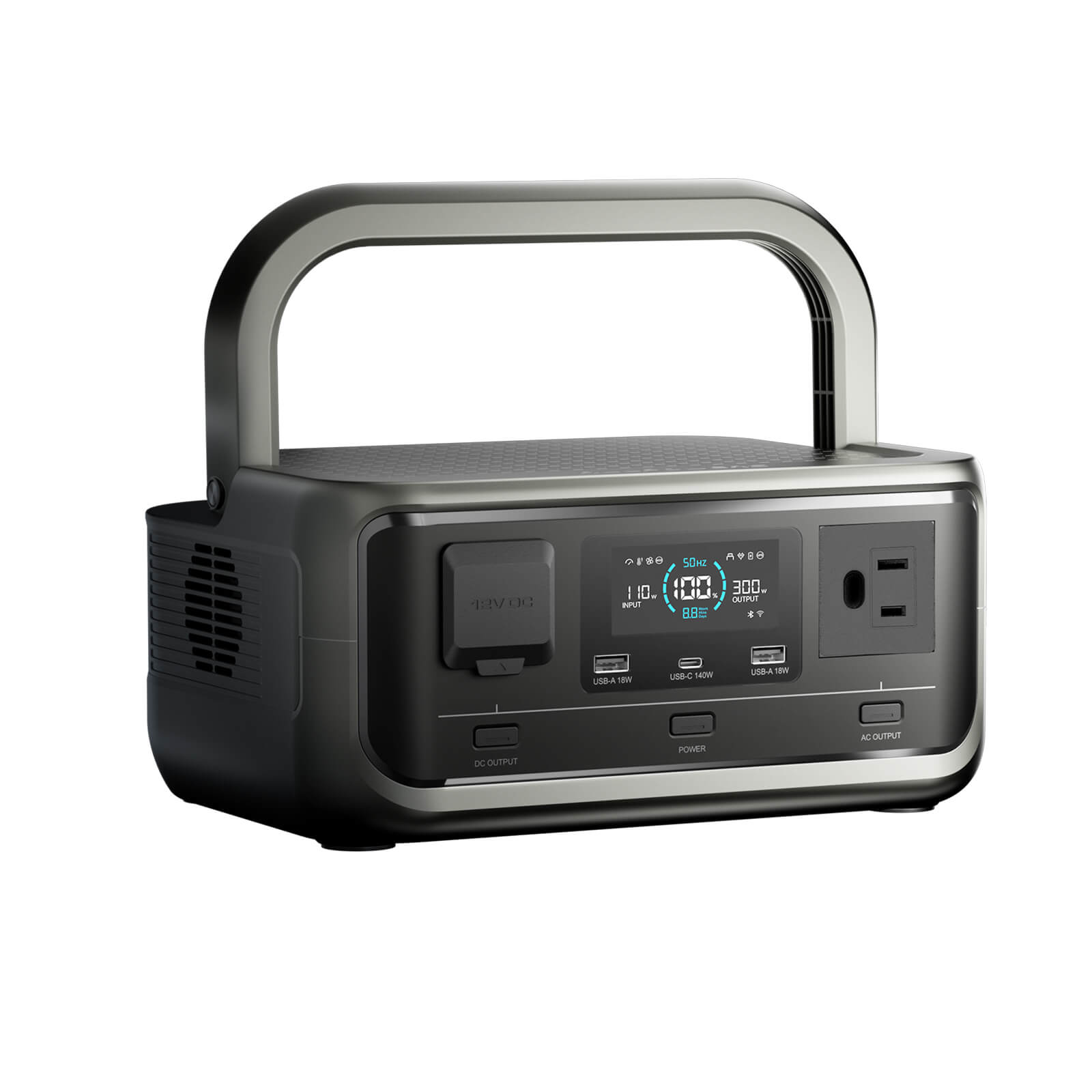
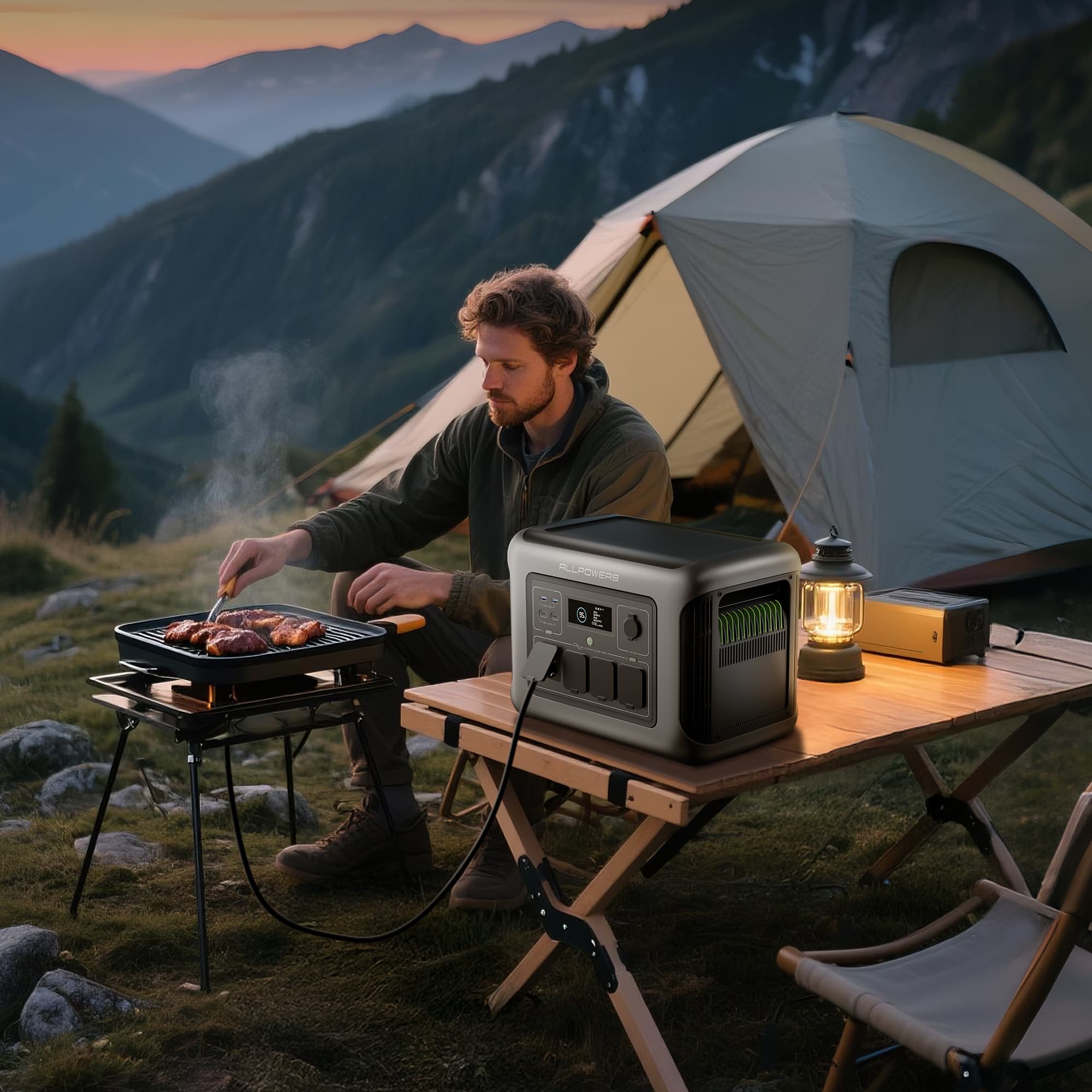
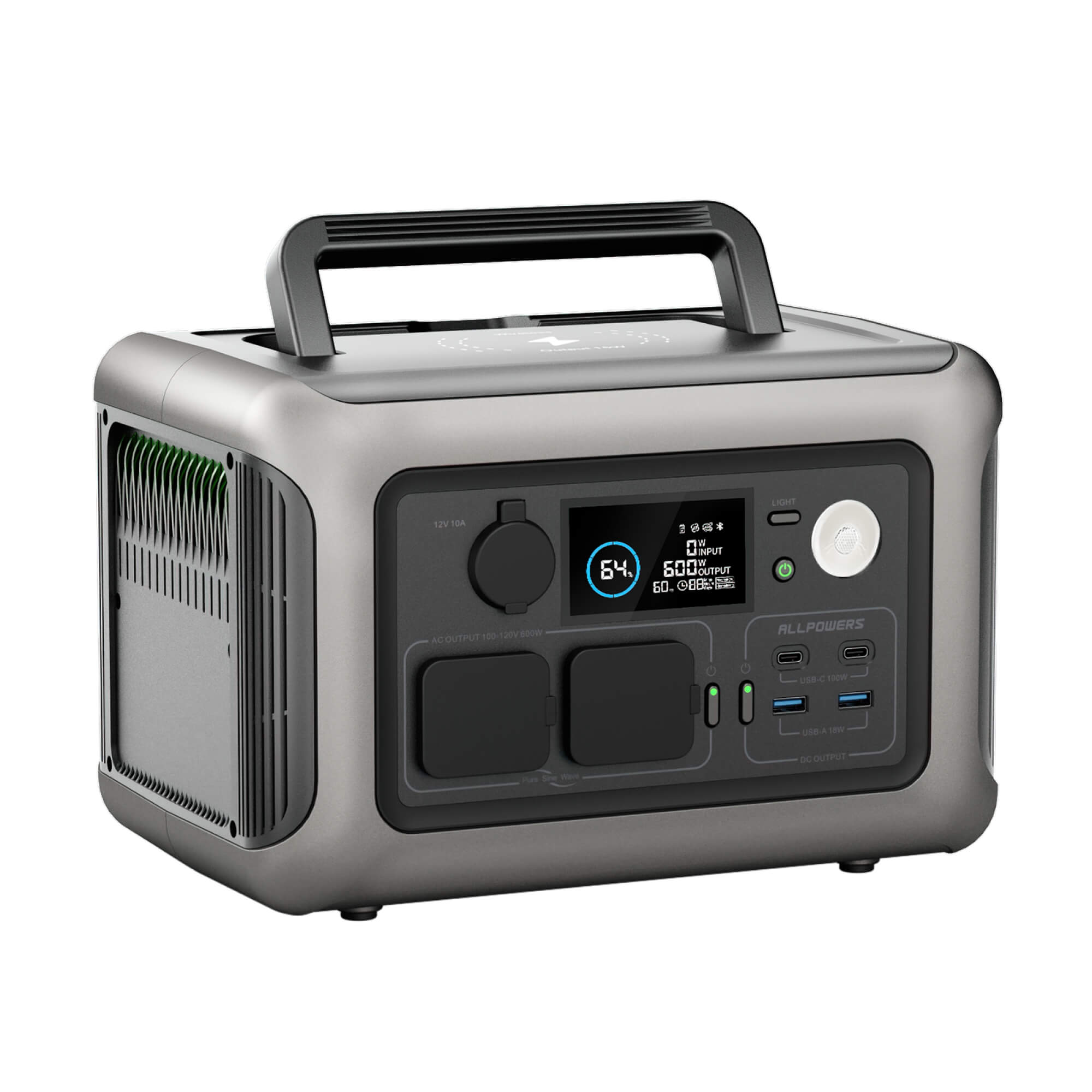
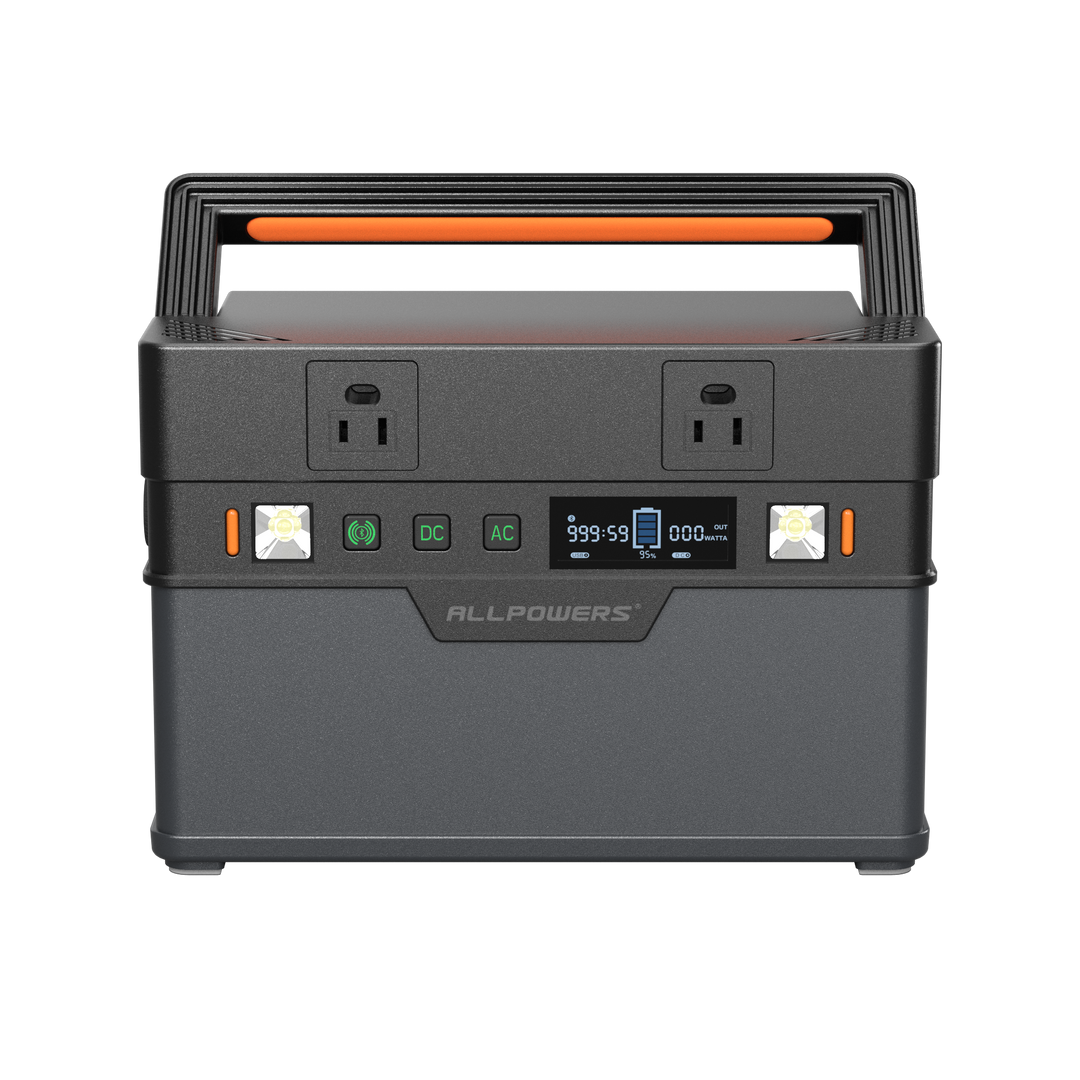
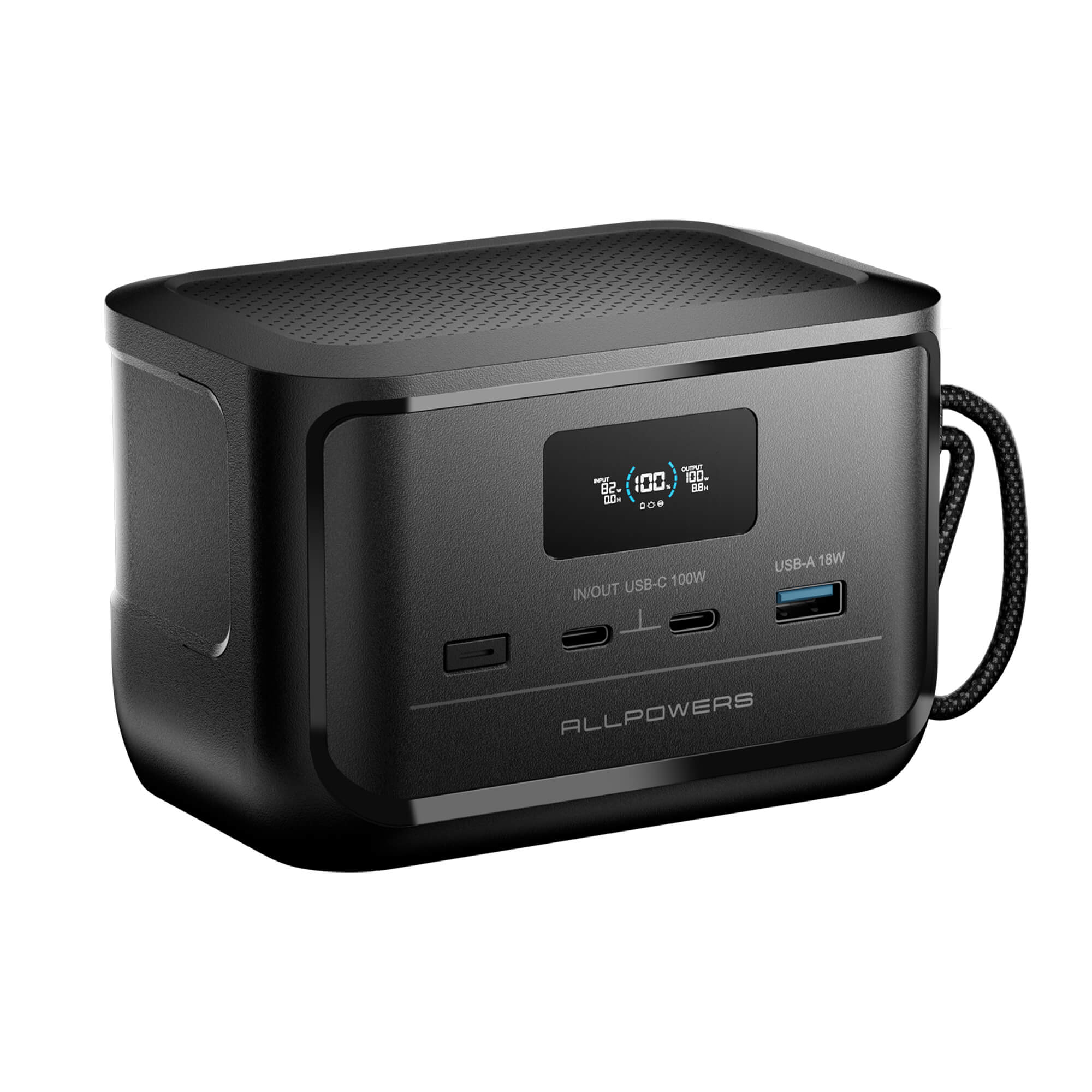
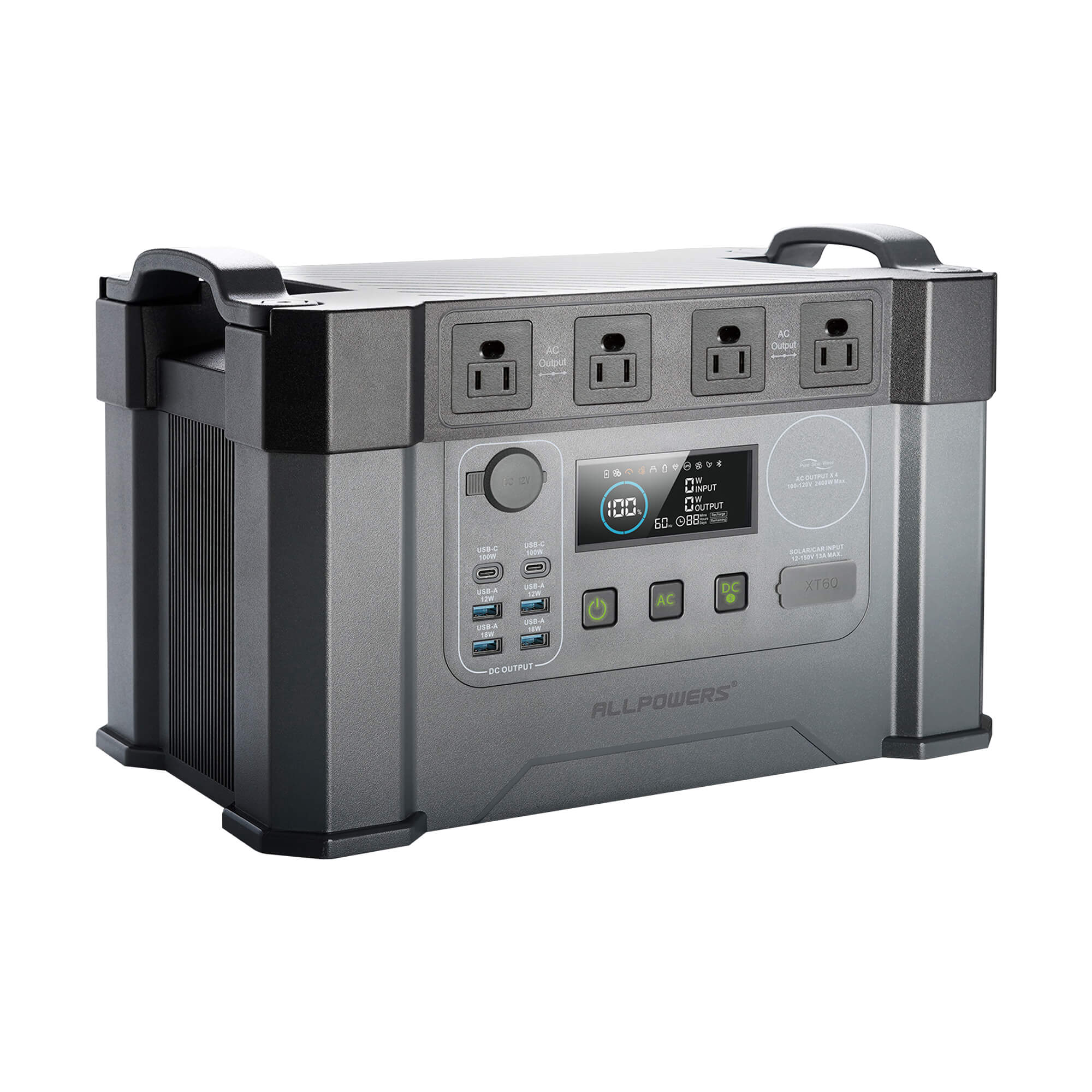
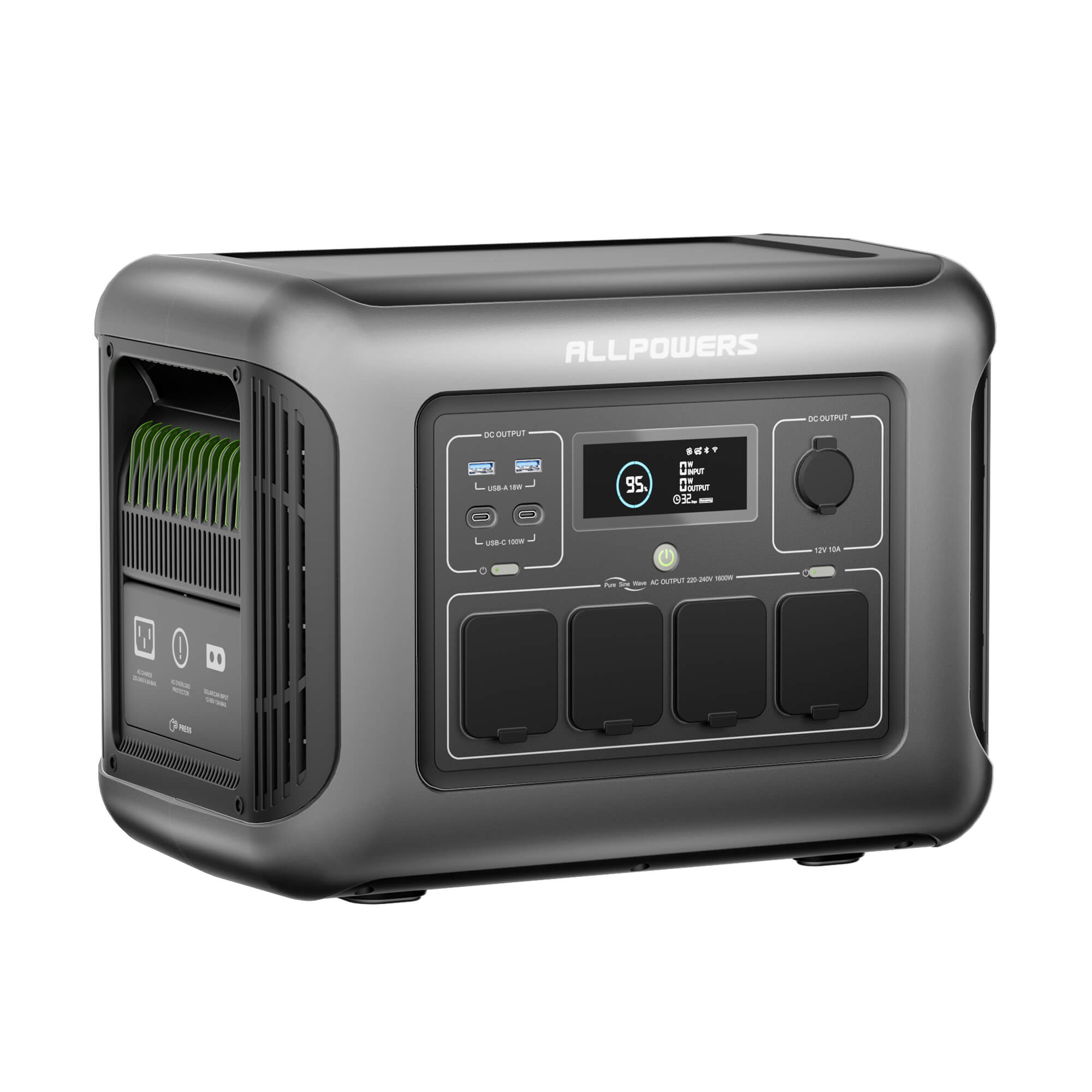
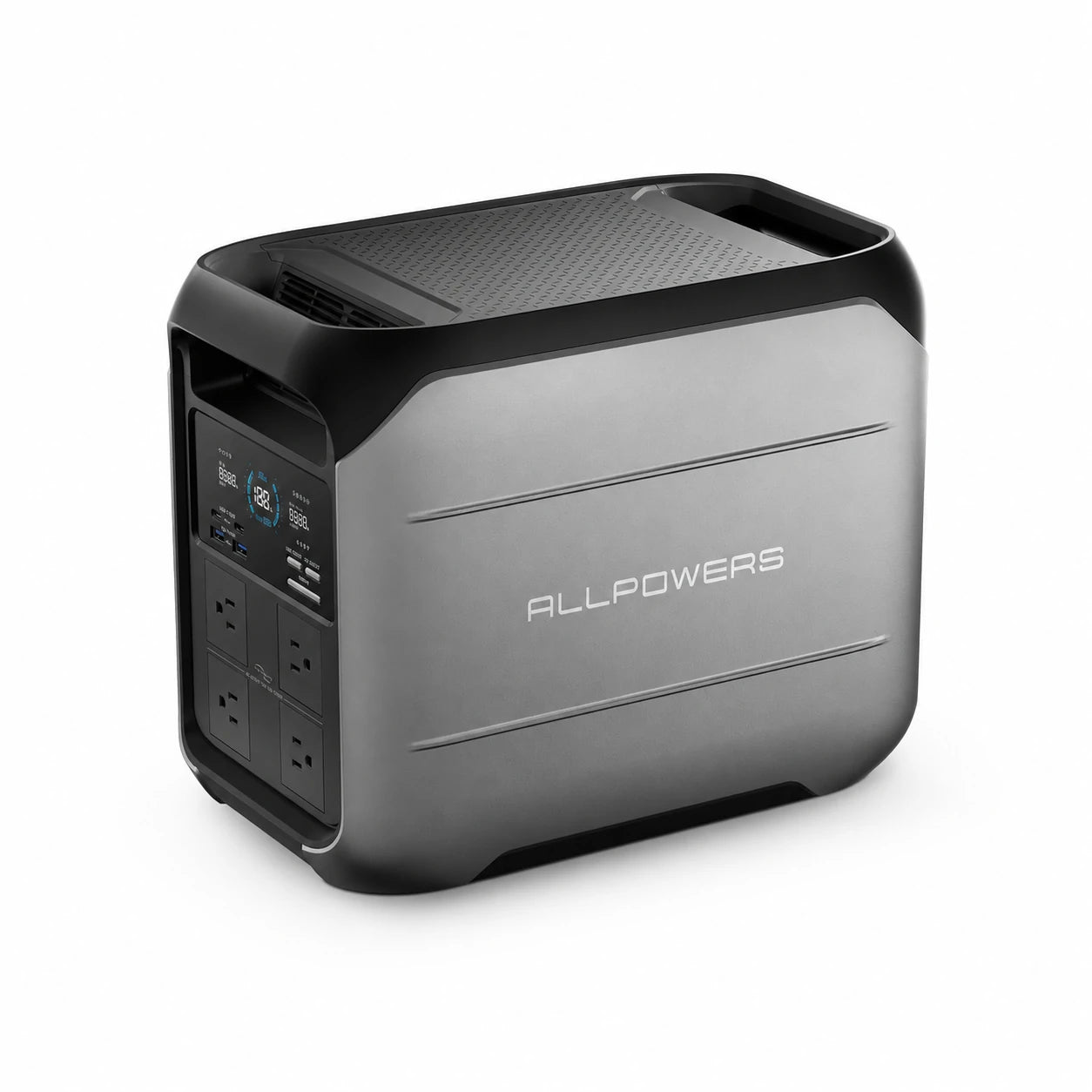
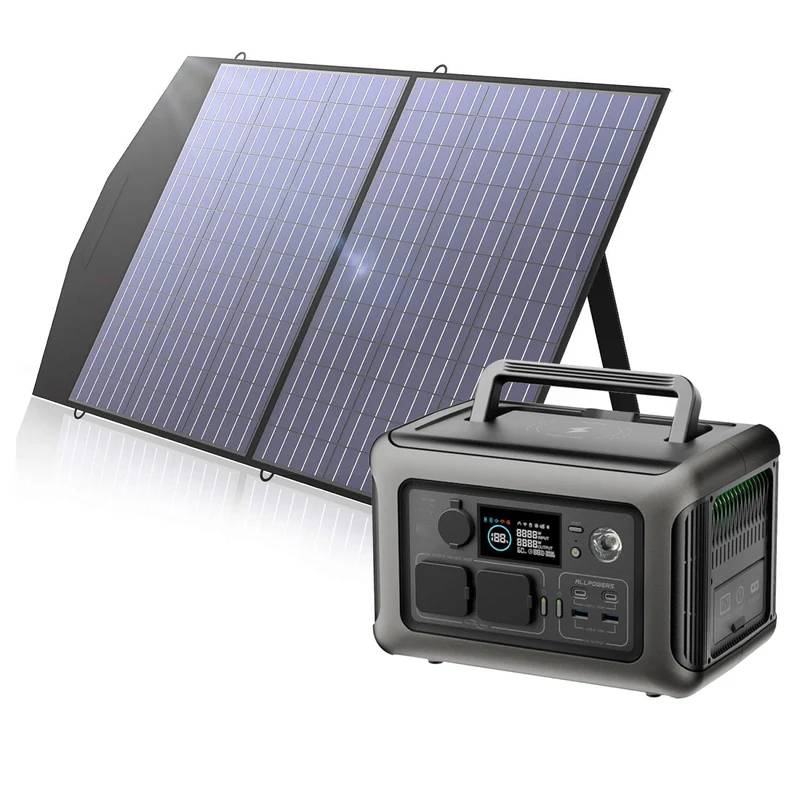
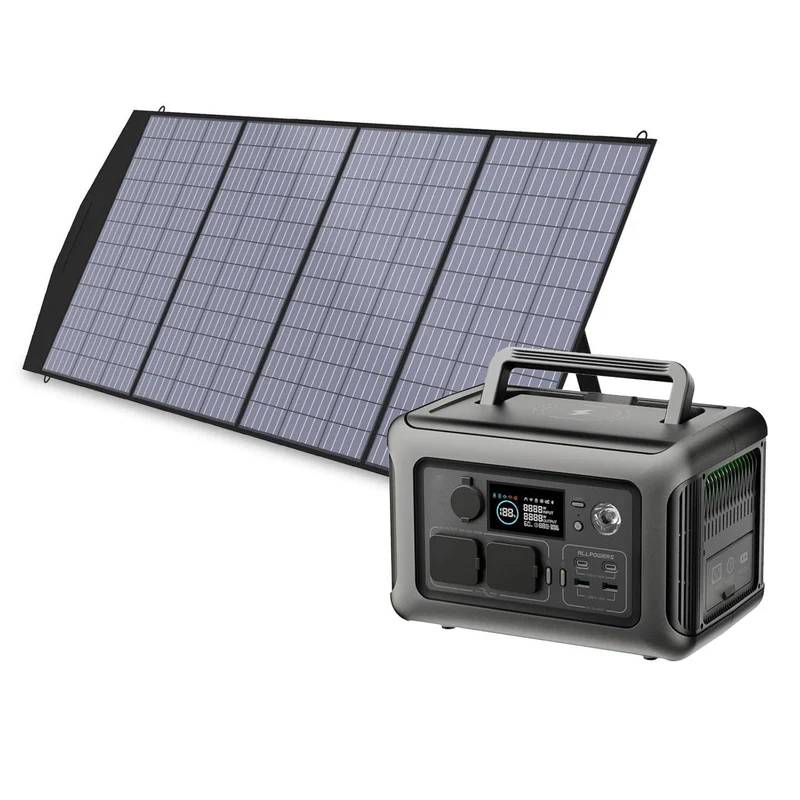
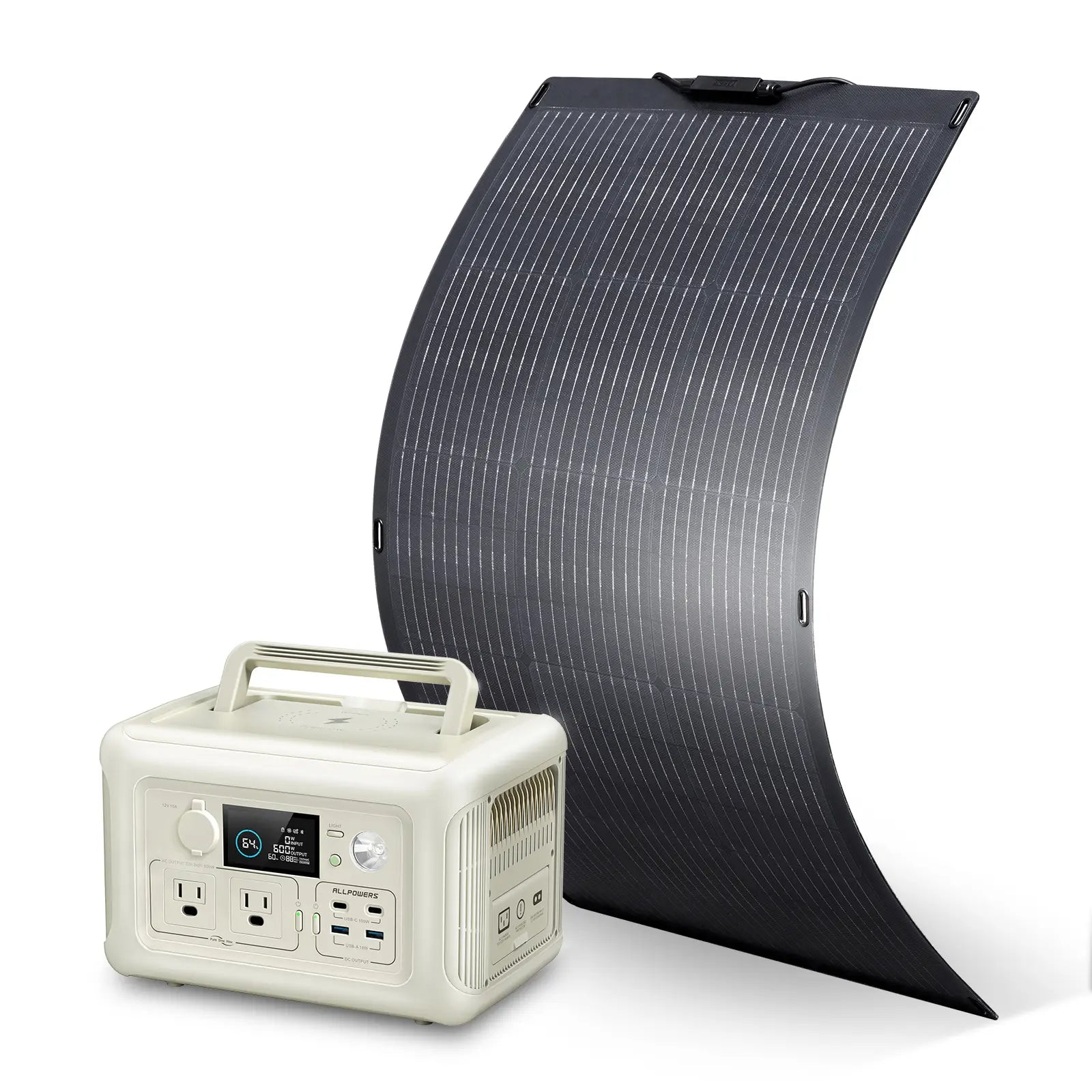
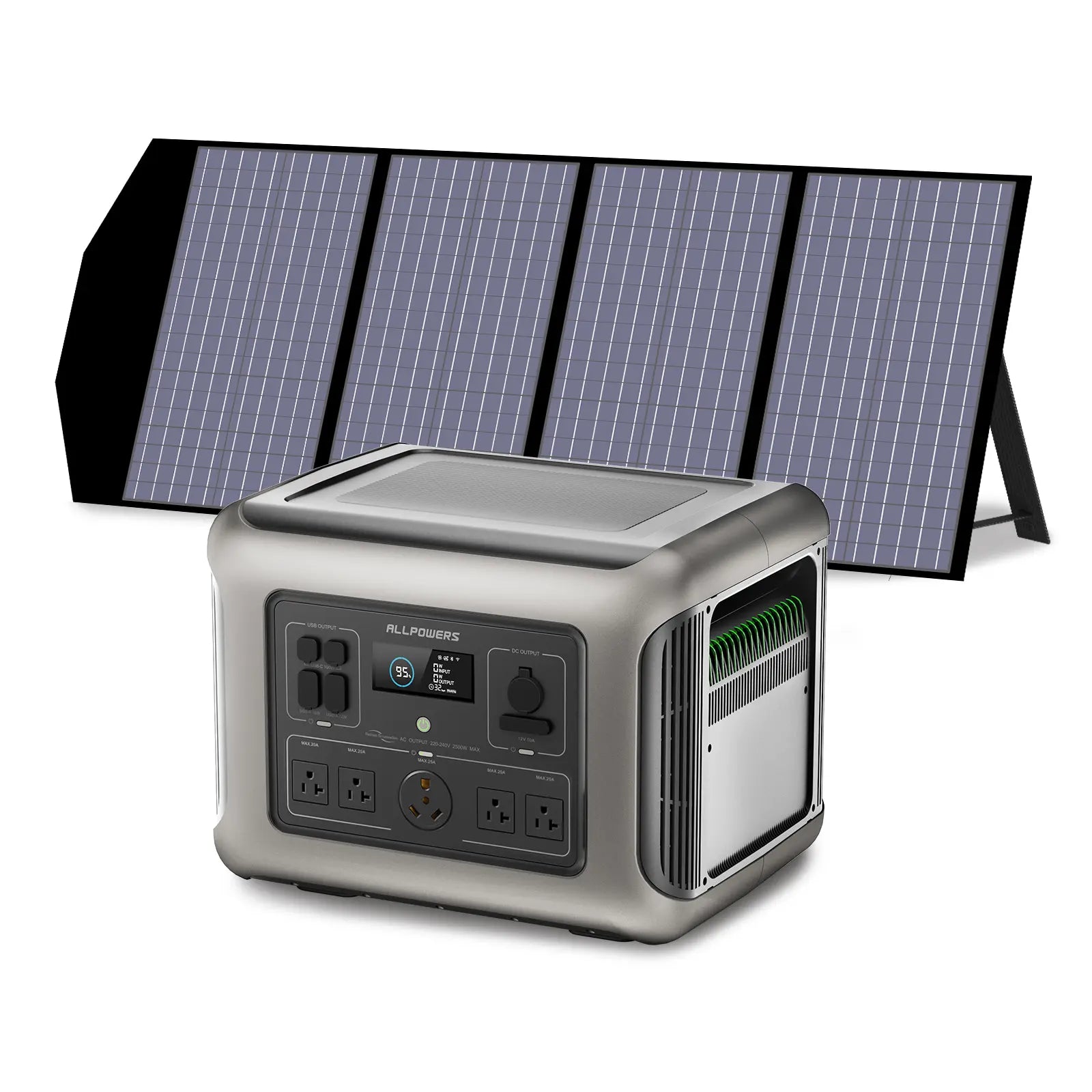
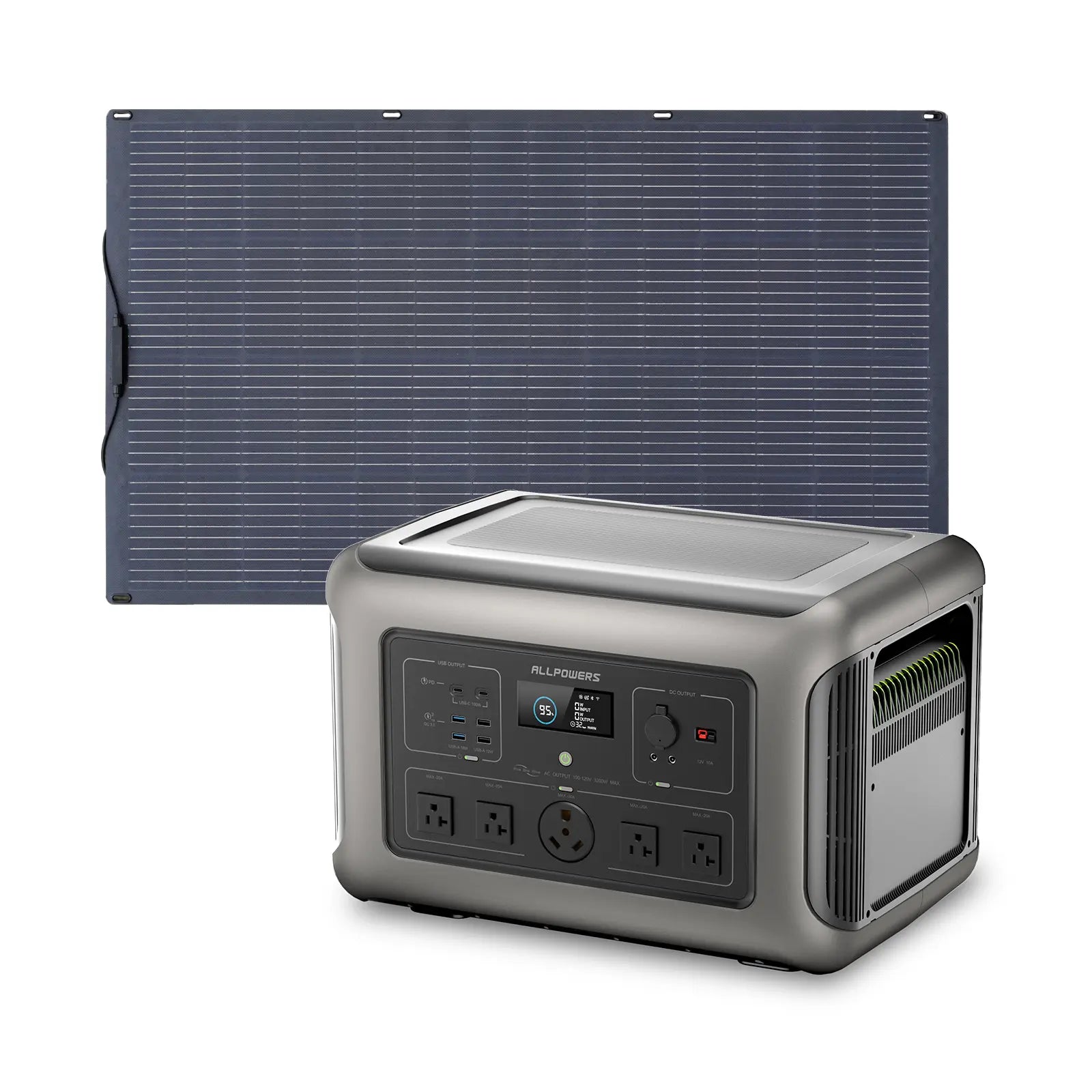
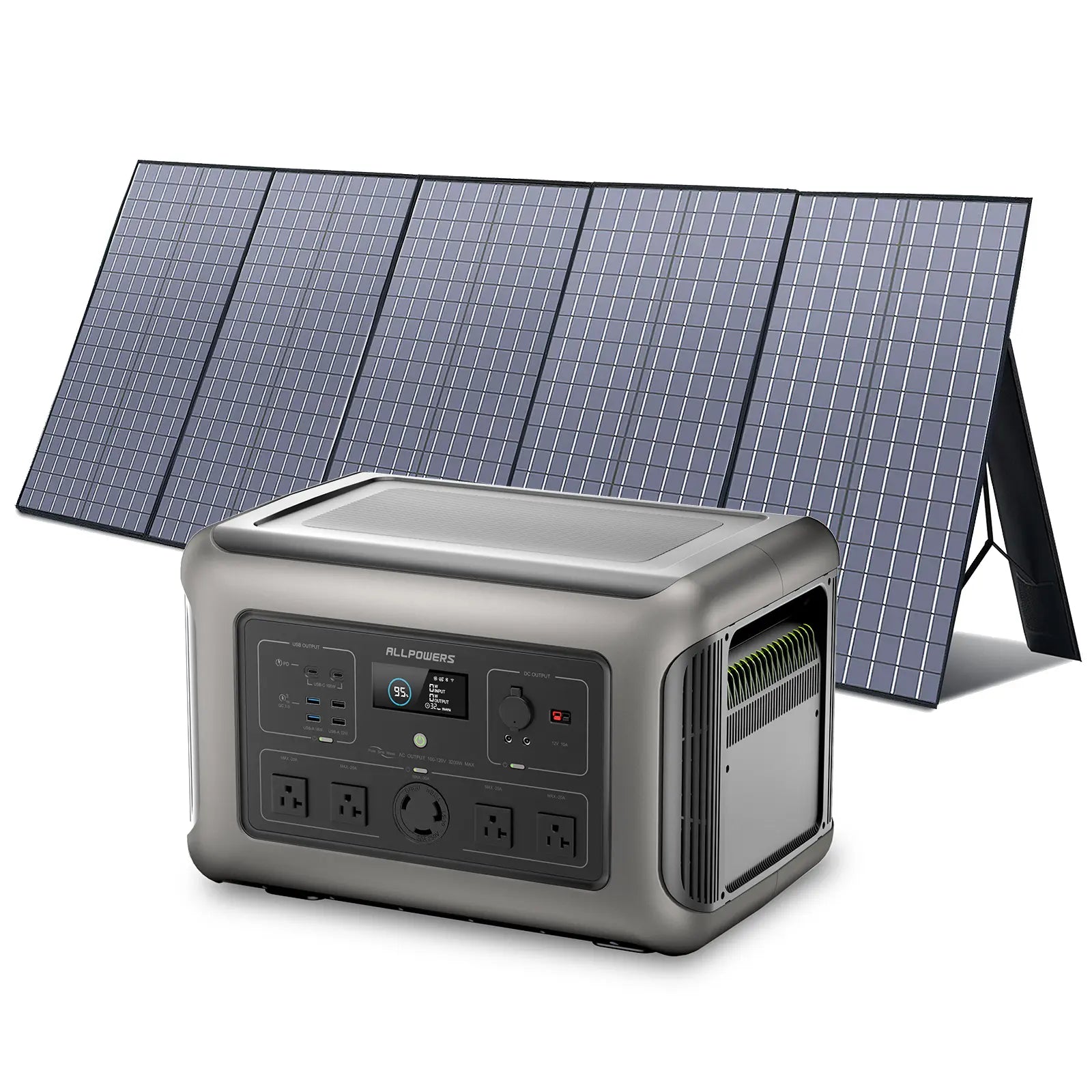
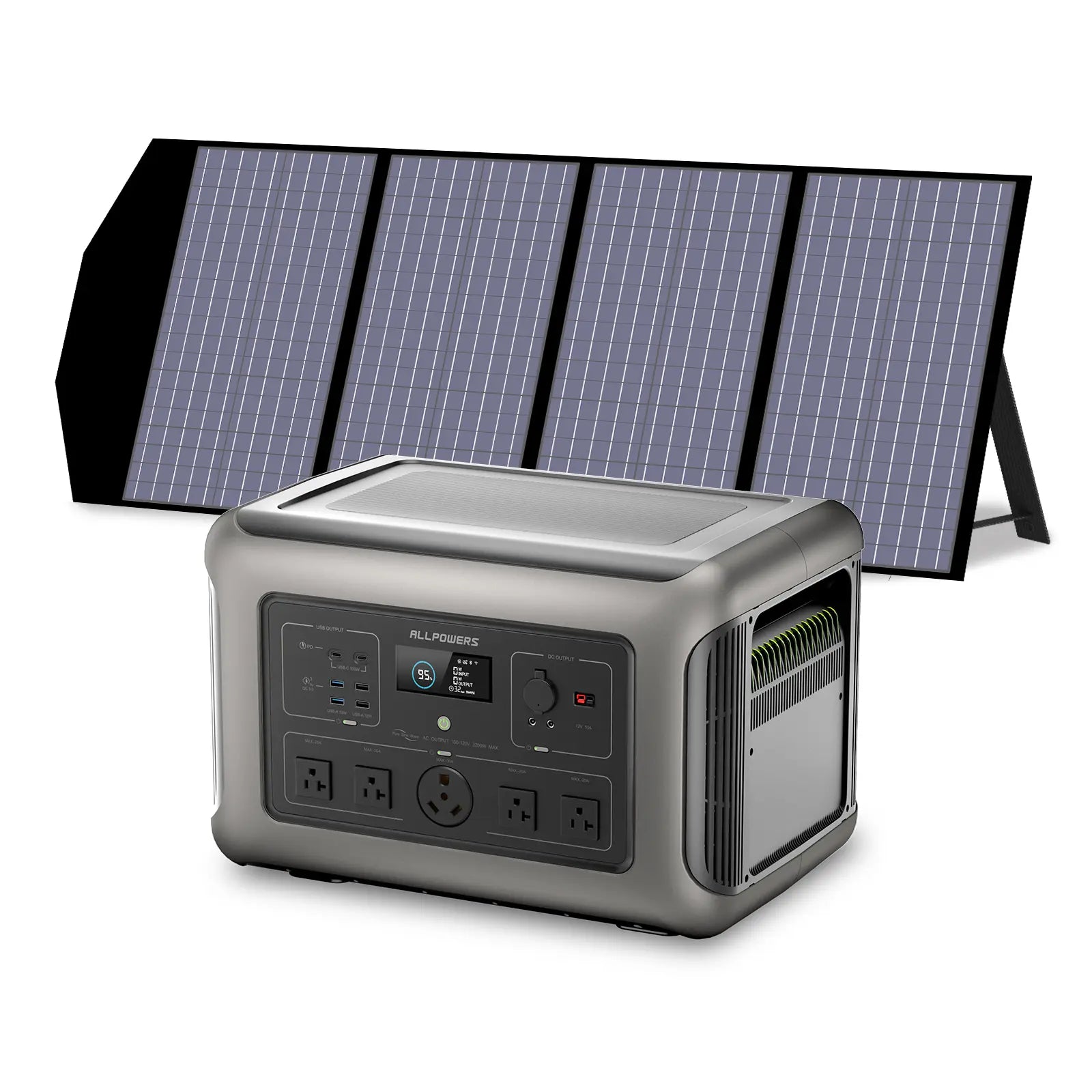
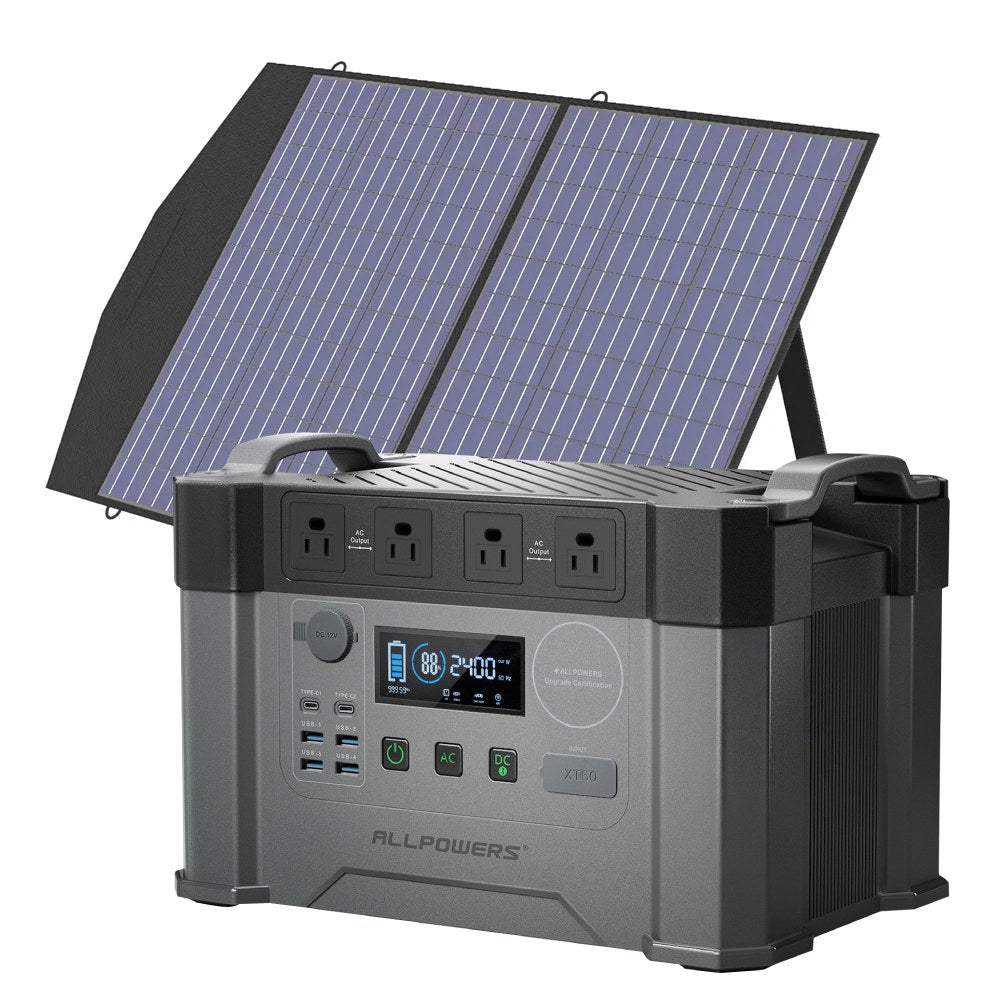
ALLPOWERS VOLIX P300 Portable Power Station
$149.00 $249.00
- 299Wh Capacity;
- 300W AC Output (600W Surge);
- Fast Charge 100% in 1 Hours;
- Ultra-quiet 30dB Under Load ;
- Long-Lasting And Safe Lifepo4 Battery;
Energy Flexibility and Backup Power
As homes become more connected and electricity usage continues increasing, many homeowners are becoming more interested in energy flexibility and backup power planning.
Some households now explore portable power stations and battery systems to support essential electronics during outages or improve energy management during peak-rate periods.
While these systems are often associated with emergency preparedness, they also reflect growing interest in smarter long-term electricity management and household energy resilience.
The Future of Standby Energy Consumption
Modern homes are becoming increasingly dependent on connected electronics, smart appliances, and always-on internet systems. As a result, phantom power consumption will likely remain an important part of residential electricity usage.
At the same time, manufacturers are developing more energy-efficient electronics designed to reduce standby electricity consumption automatically.
For homeowners, understanding how standby power works can help improve energy efficiency, reduce unnecessary electricity waste, and better manage long-term utility costs.
Frequently Asked Questions
Does leaving chargers plugged in use electricity?
Yes. Many chargers continue drawing small amounts of electricity even when devices are not connected.
What devices use the most standby power?
Gaming consoles, smart TVs, desktop computers, and network-connected devices often consume the most standby electricity.
Does unplugging appliances save money?
Reducing standby power usage can help improve overall household energy efficiency over time.
What is vampire energy?
Vampire energy is another term for phantom power or standby electricity consumption.
Do smart-home devices increase electricity bills?
Smart-home devices consume some standby electricity, but they can also improve overall energy efficiency when used properly.