





Sleep apnea affects millions of people worldwide, and for many, a CPAP machine is an essential part of a healthy night's sleep.
While CPAP machines are generally considered energy-efficient medical devices, actual power usage can vary significantly.
So, how much power does a CPAP machine really use?
TL;DR:
Most CPAP machines use between 30 and 60 watts during normal operation, while models equipped with heated humidifiers and heated tubing can consume considerably more power. A standard CPAP without a humidifier is relatively energy-efficient, but additional comfort features can significantly increase overall electricity usage.
Why CPAP Power Consumption Matters
For most households, the electricity used by a CPAP machine represents only a small portion of the monthly utility bill.
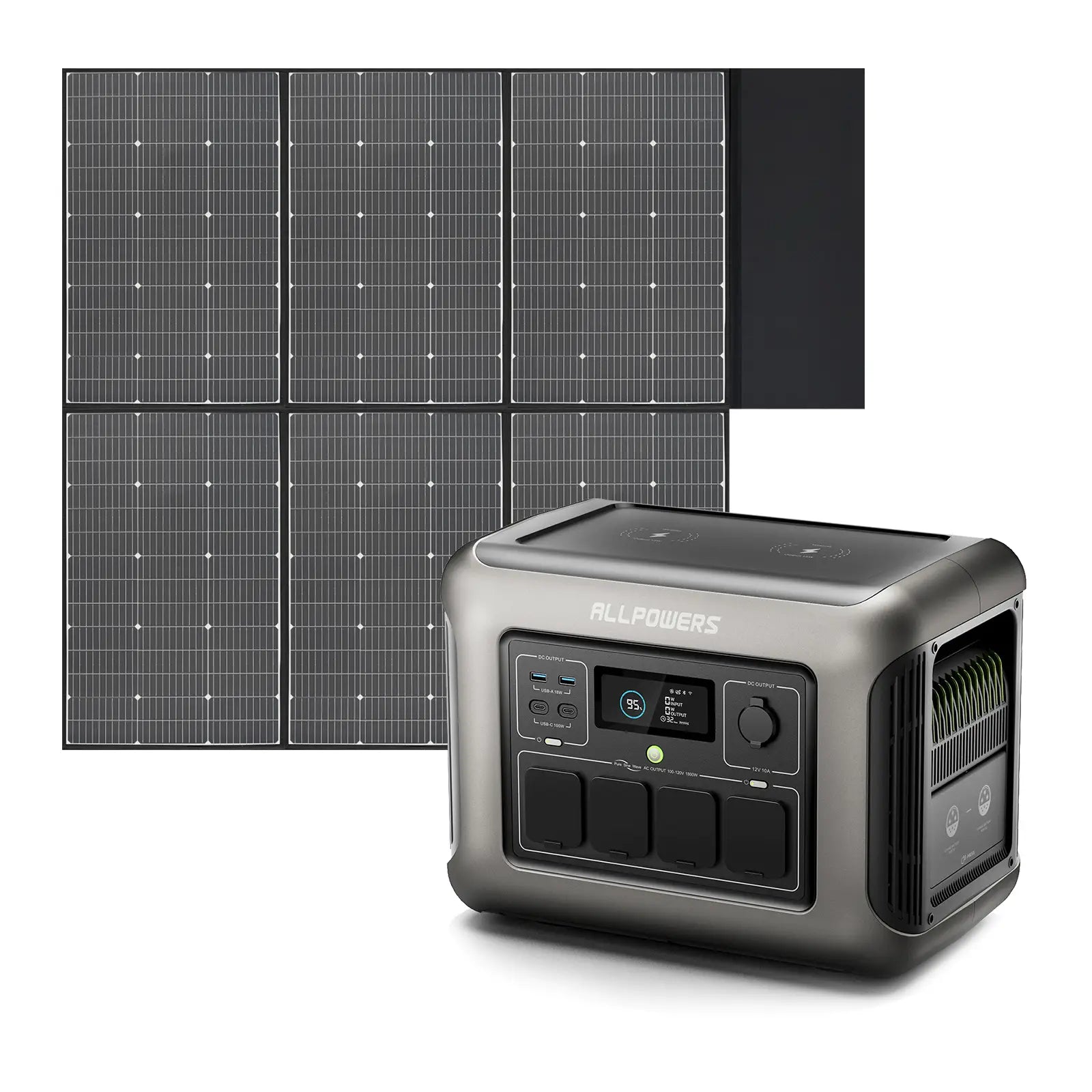
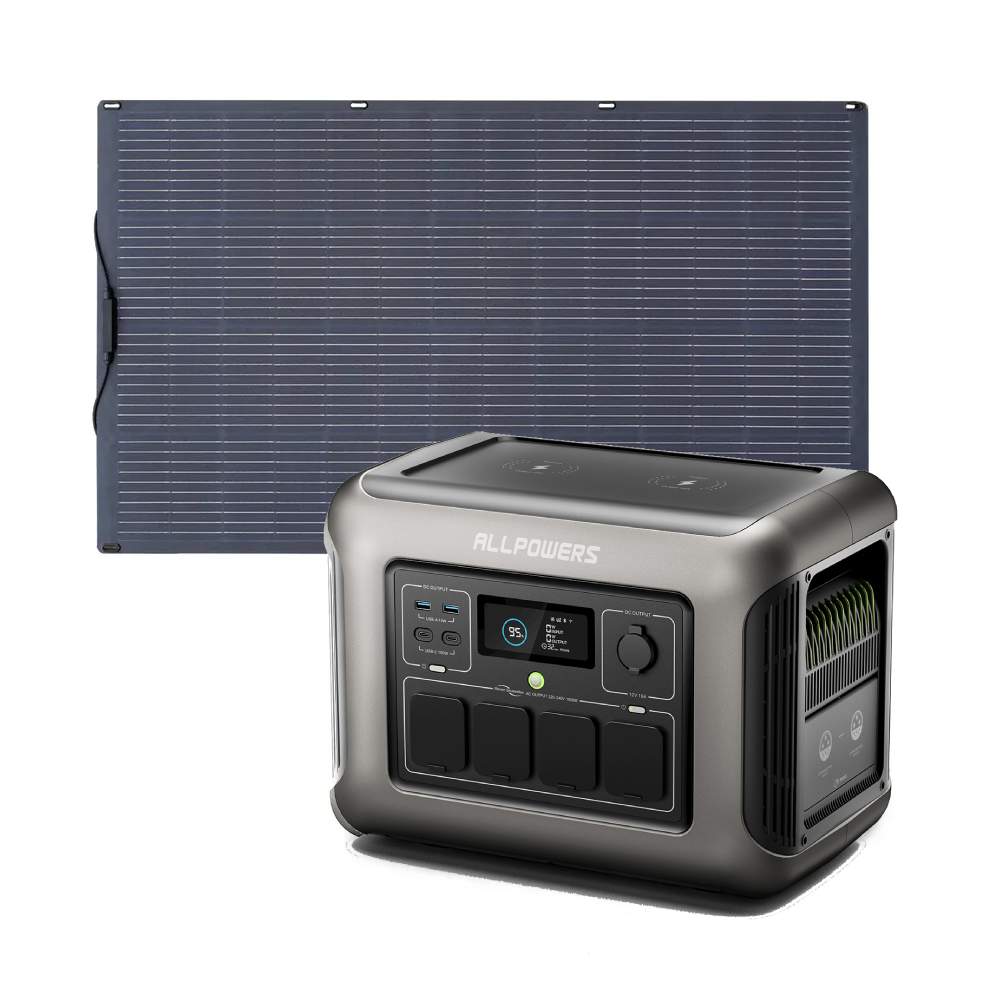
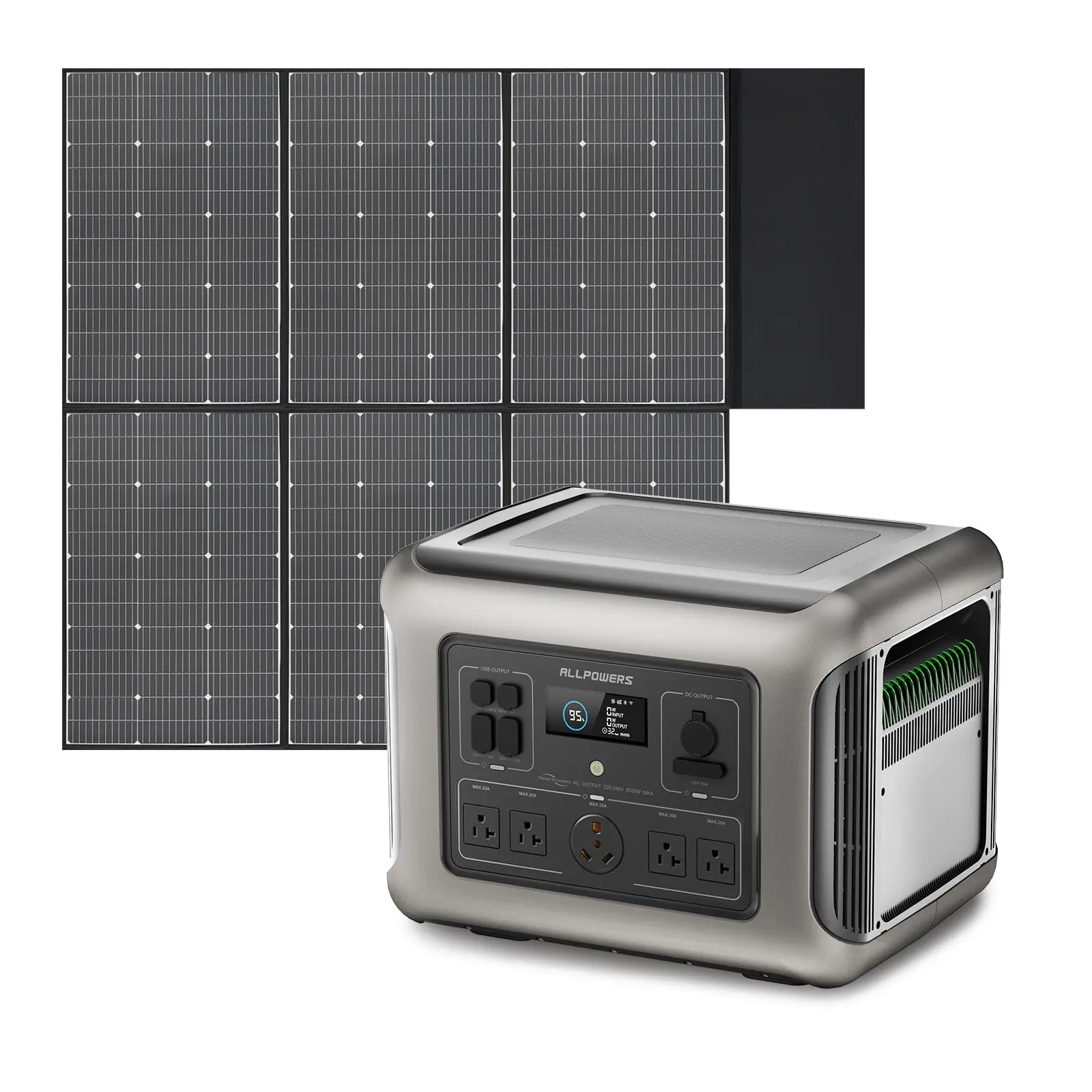
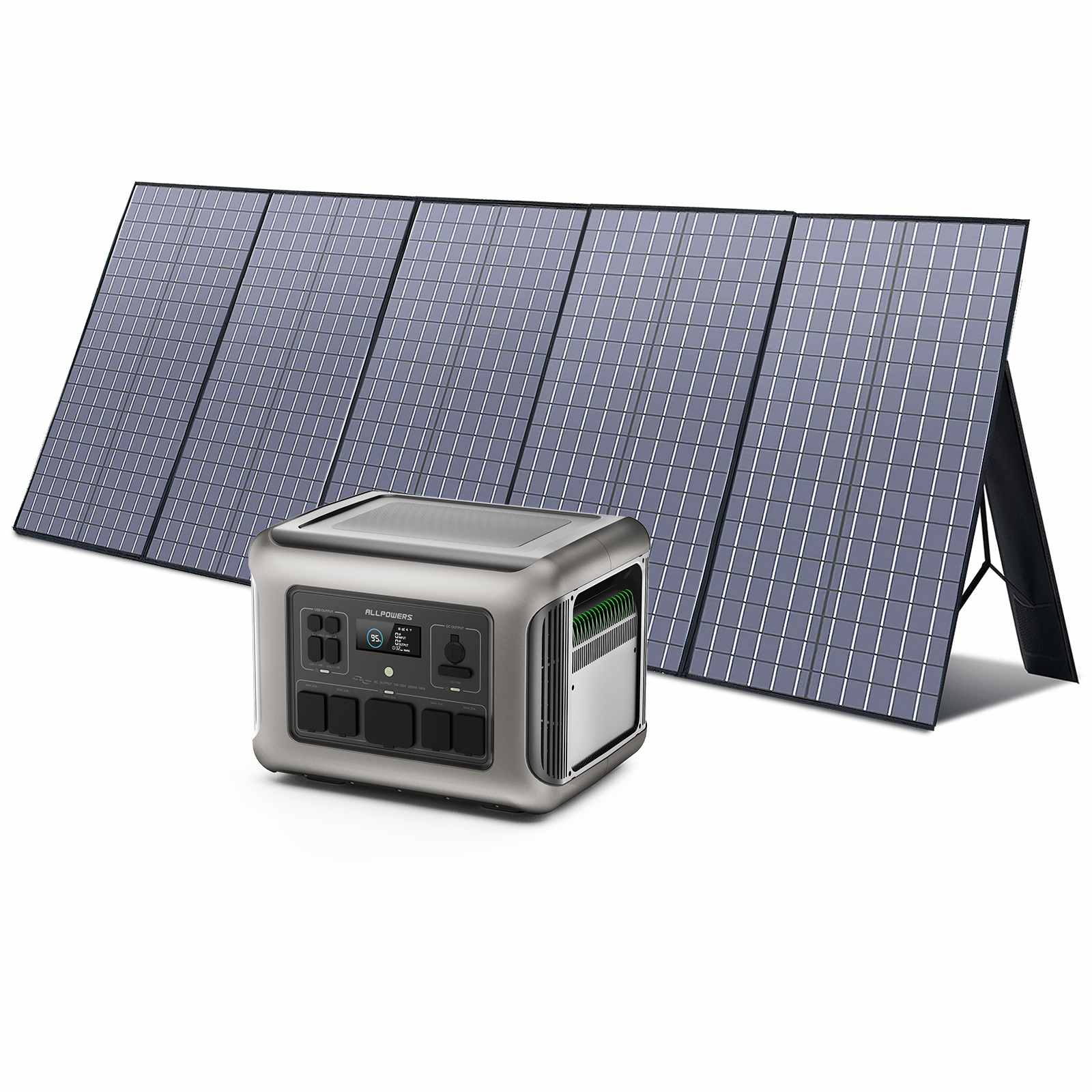
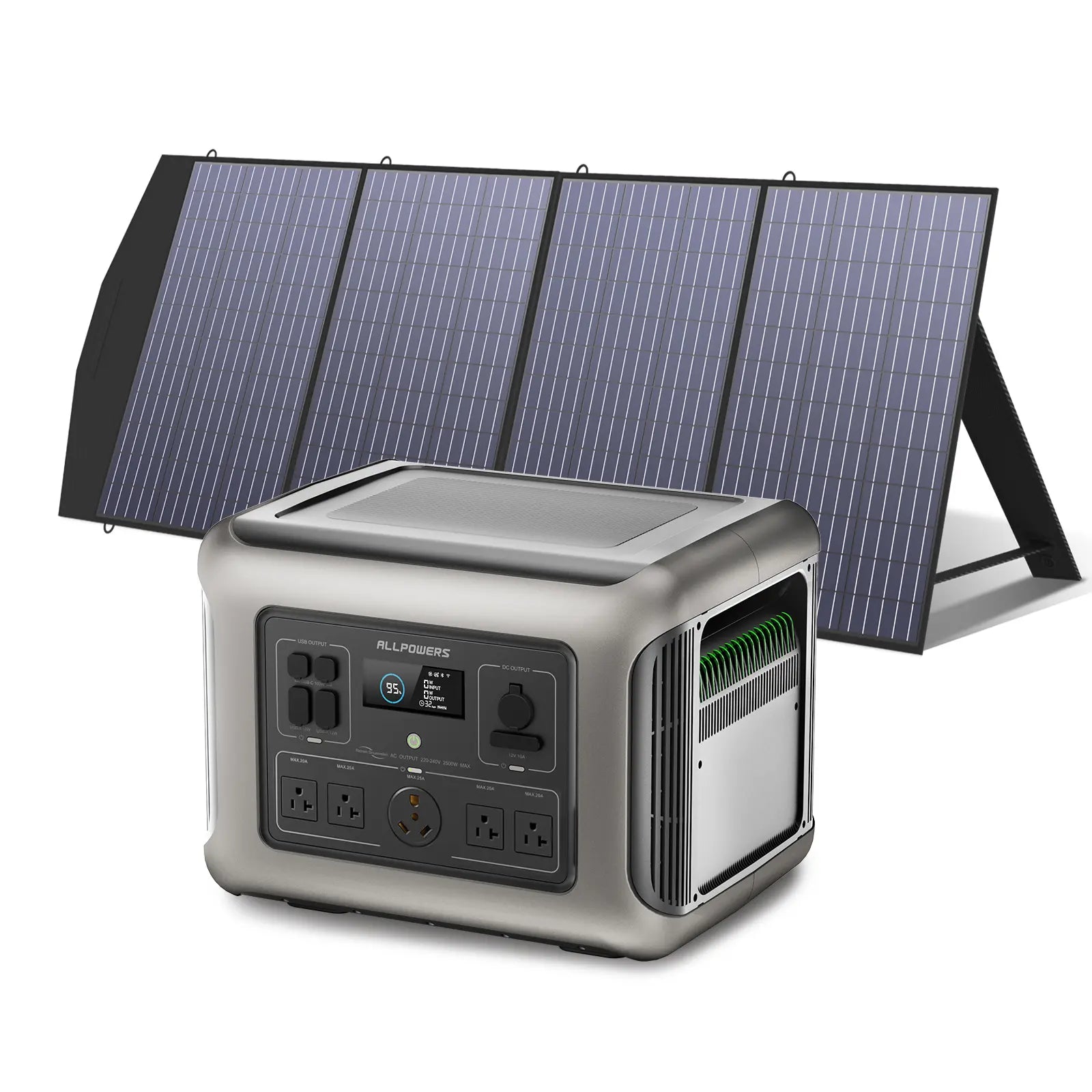
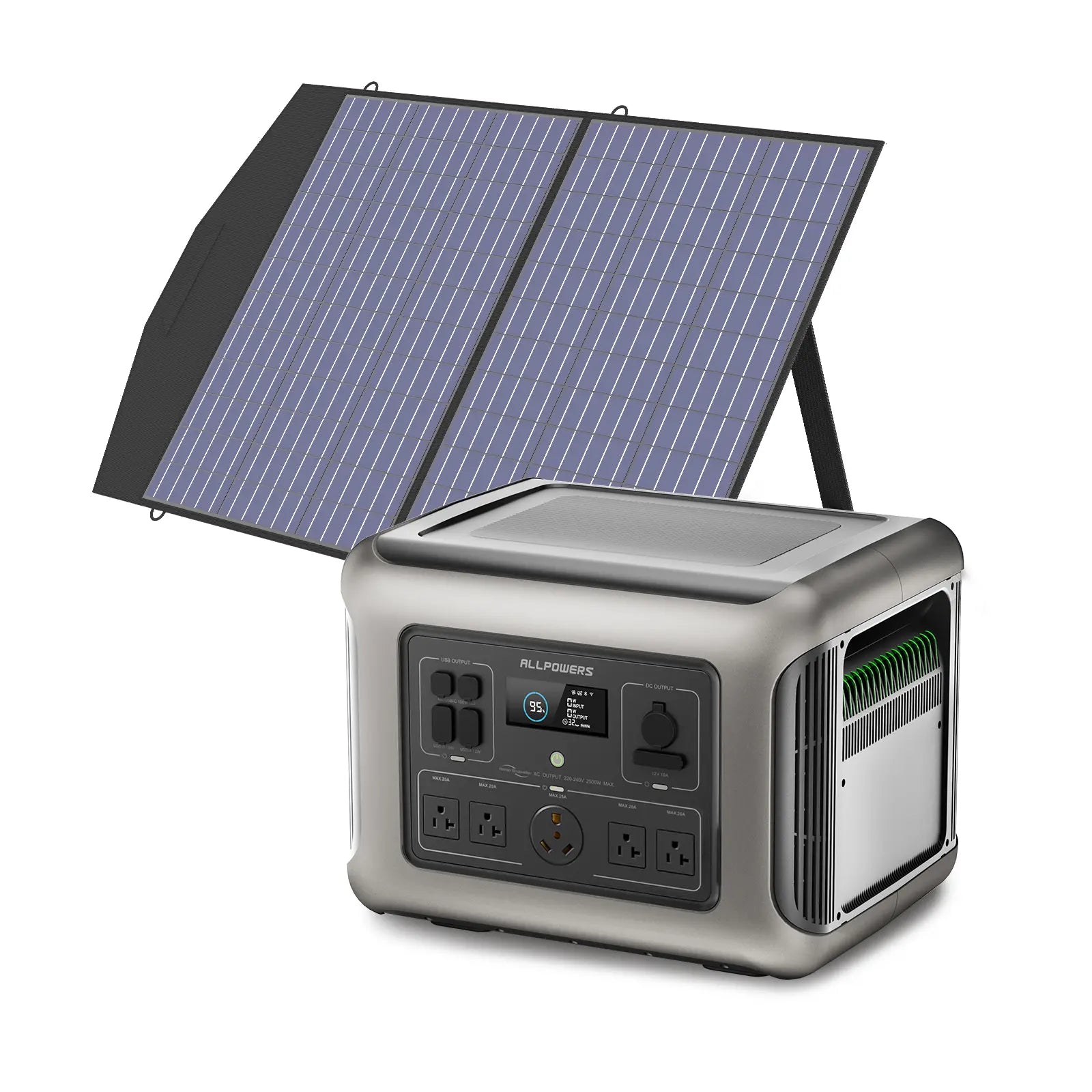
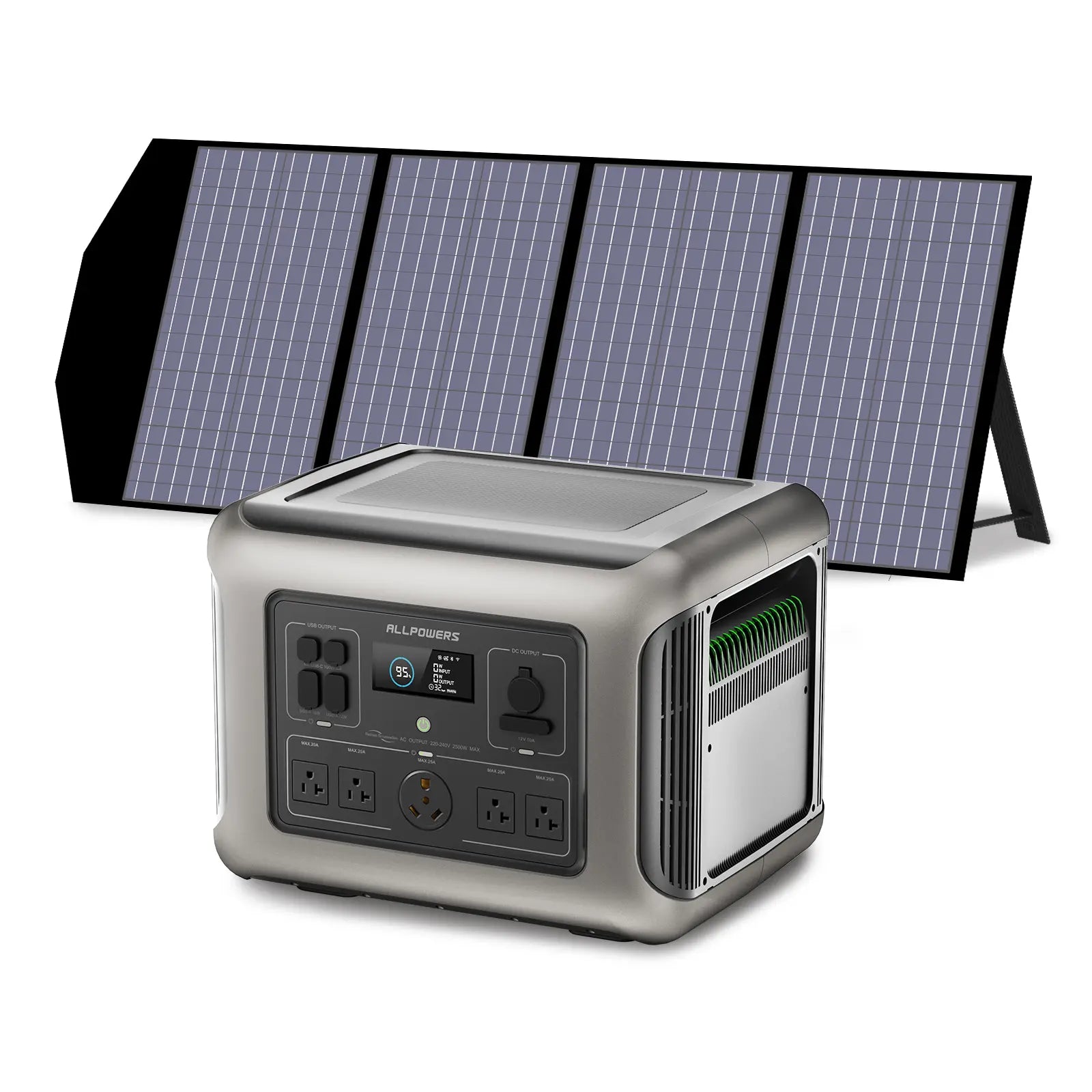
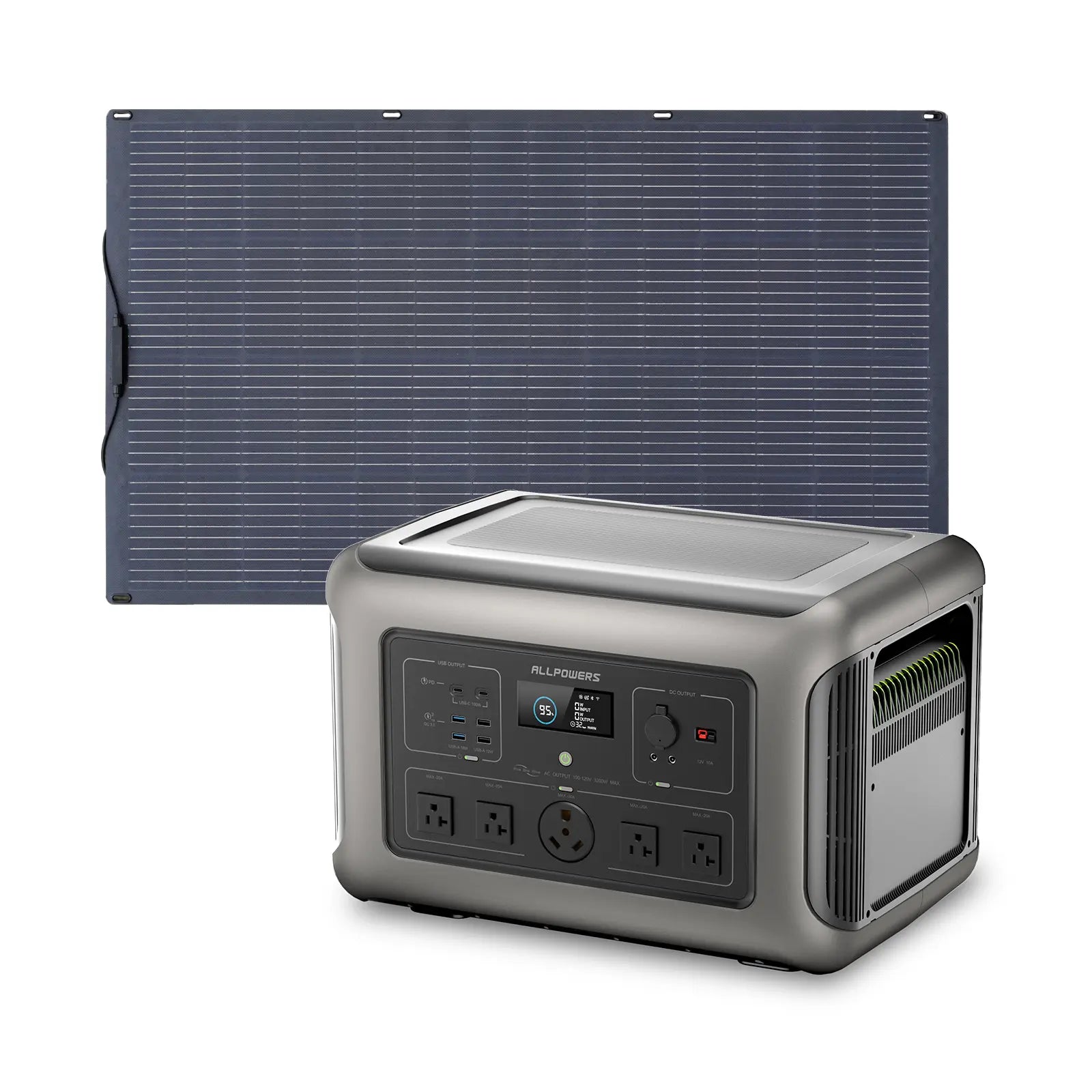
However, understanding CPAP power requirements becomes much more important when planning for travel, camping, emergency preparedness, or battery backup systems.
Many CPAP users assume their machines consume large amounts of electricity because they run for seven to nine hours every night.
In reality, modern CPAP devices are generally designed to be relatively energy-efficient, especially when operating without additional heating features.
This efficiency is one reason CPAP machines can often be supported by portable battery systems during short-term outages or outdoor travel.
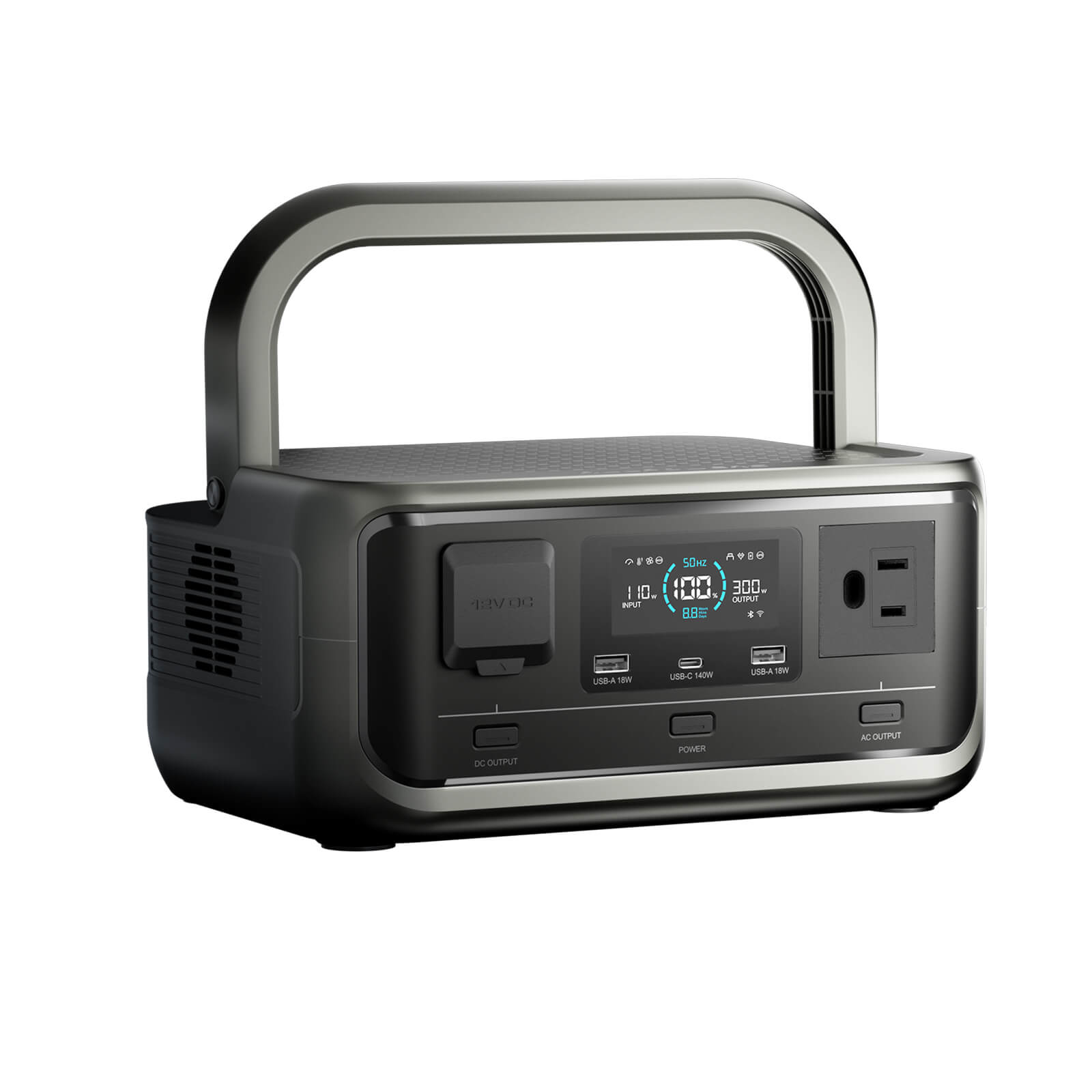
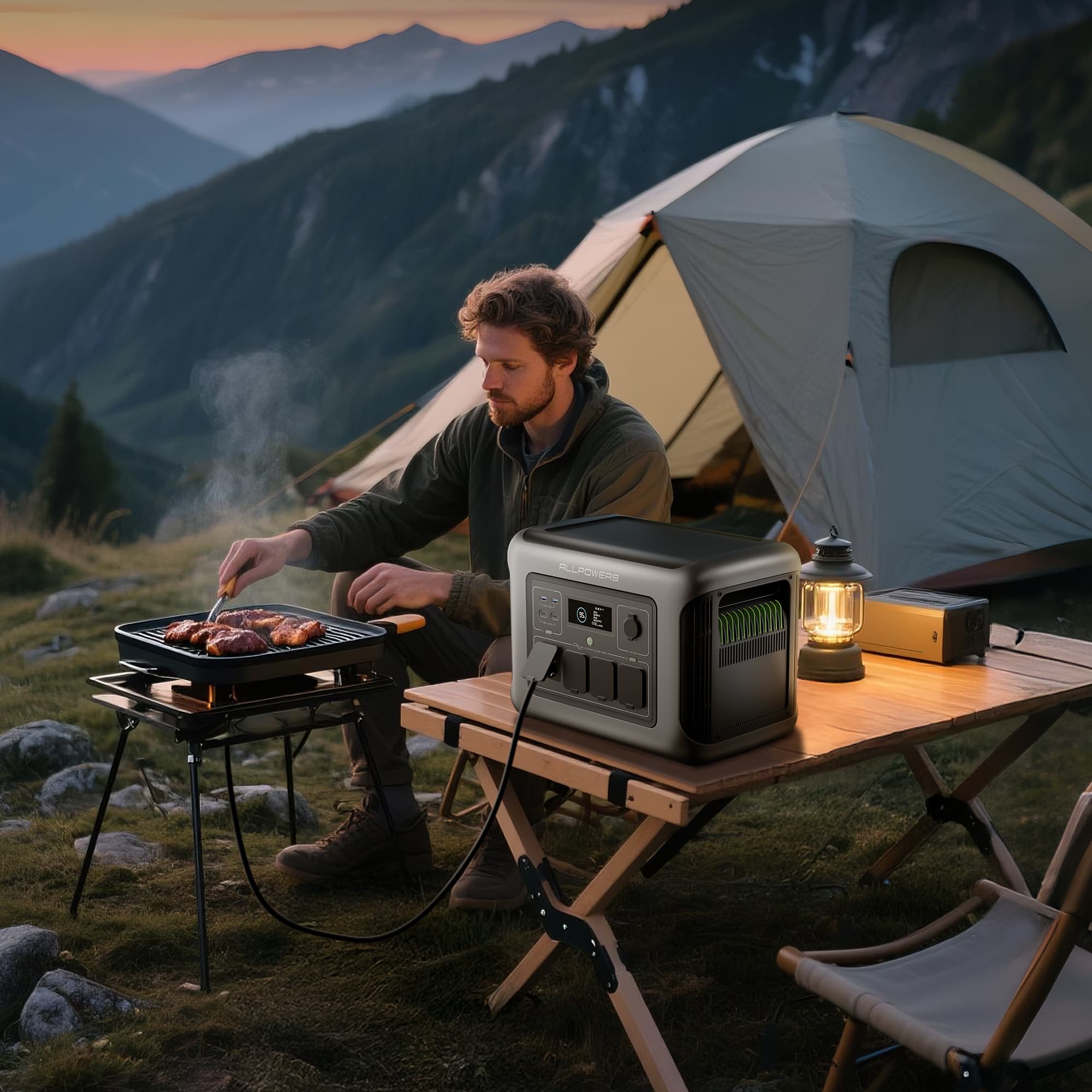
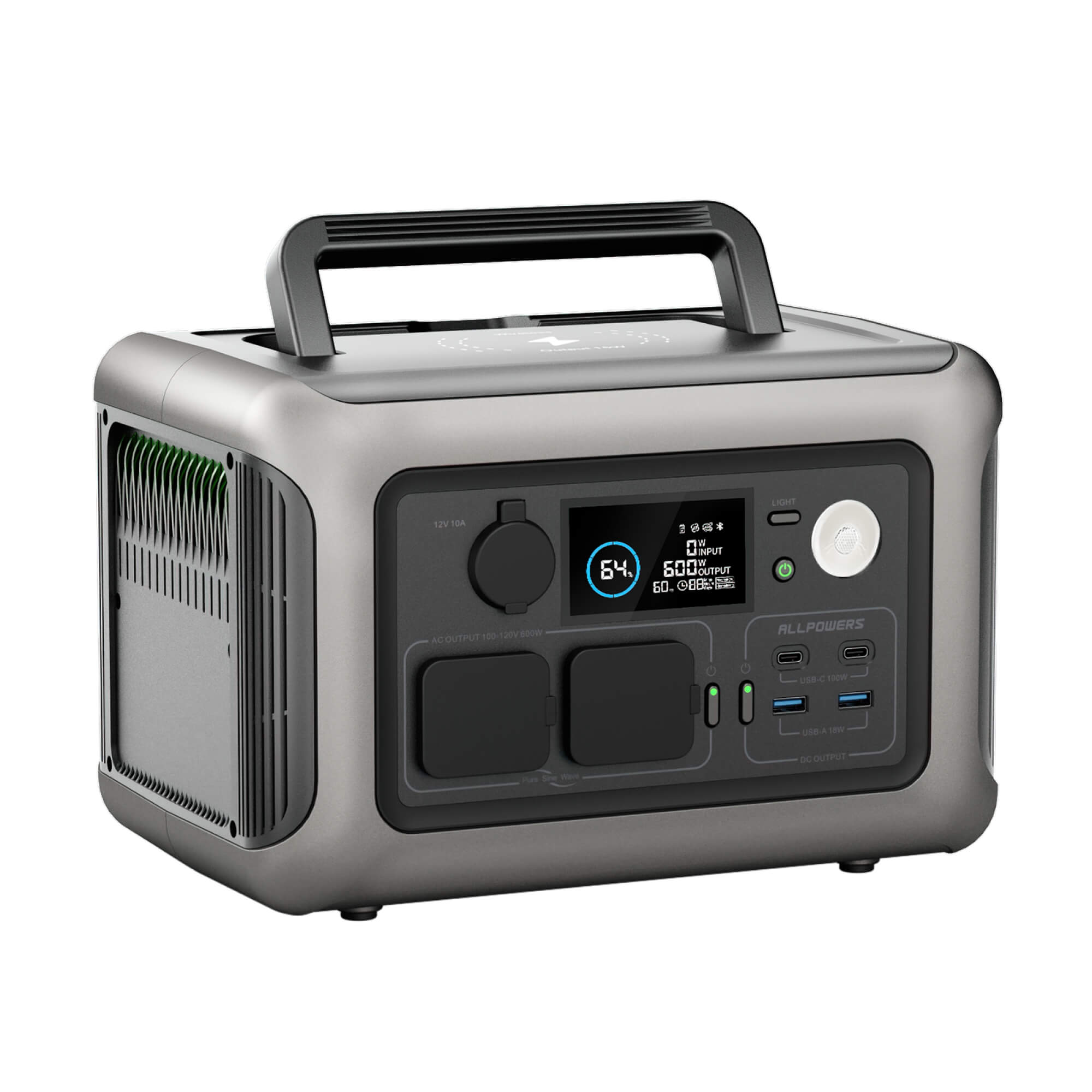
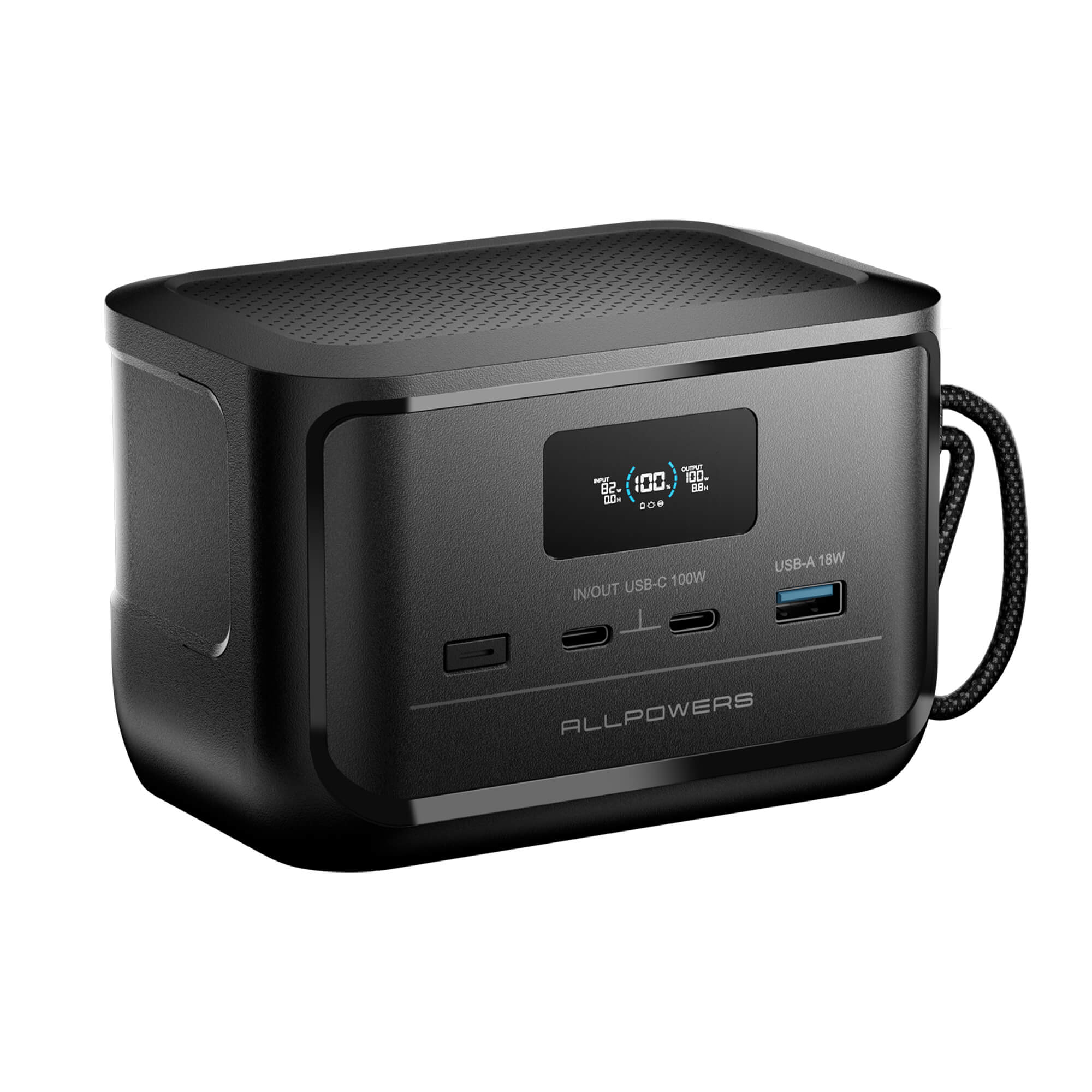
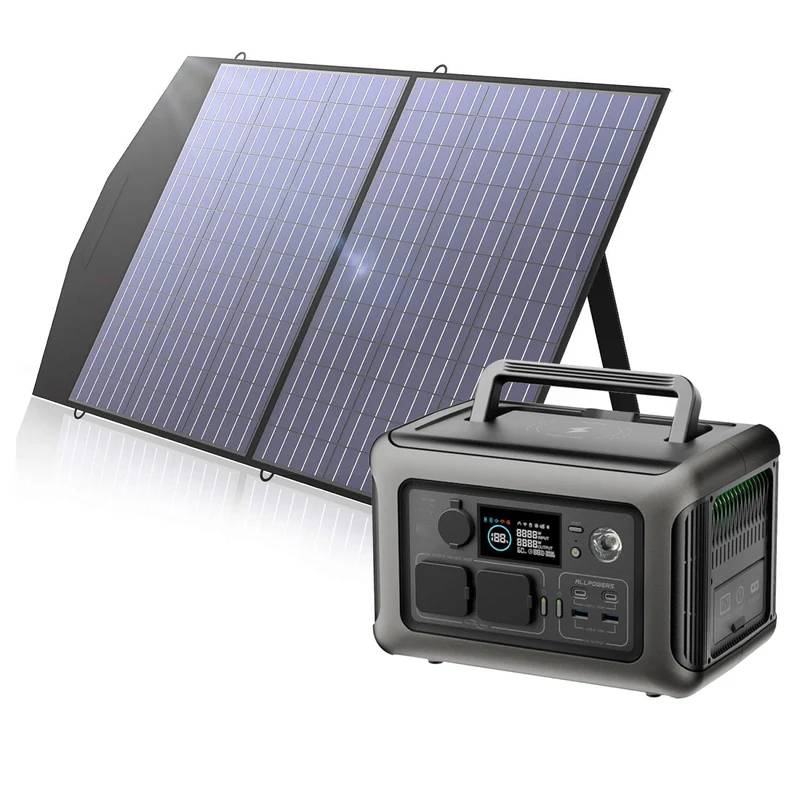
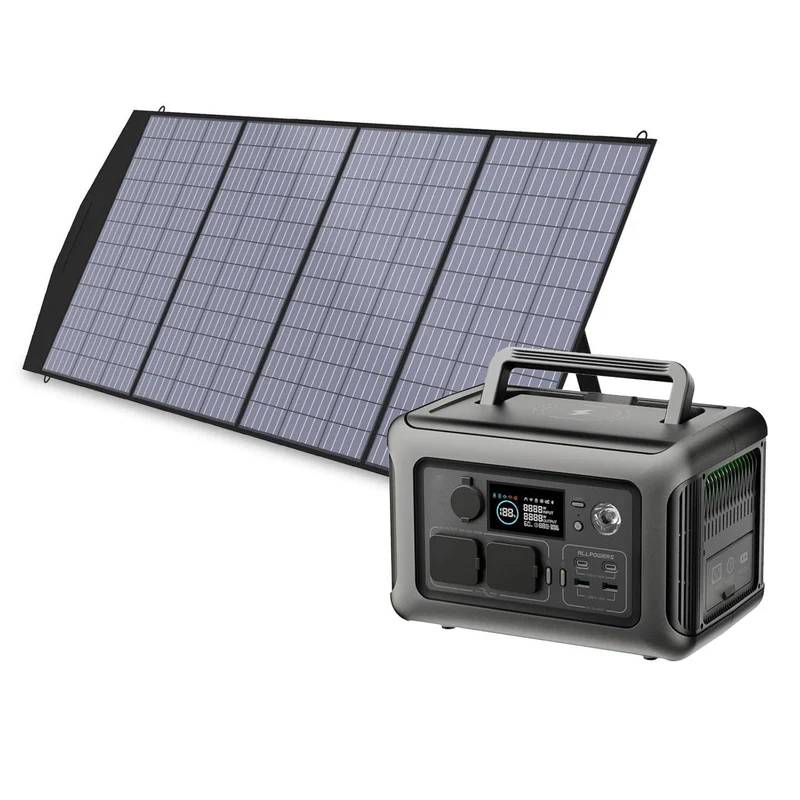
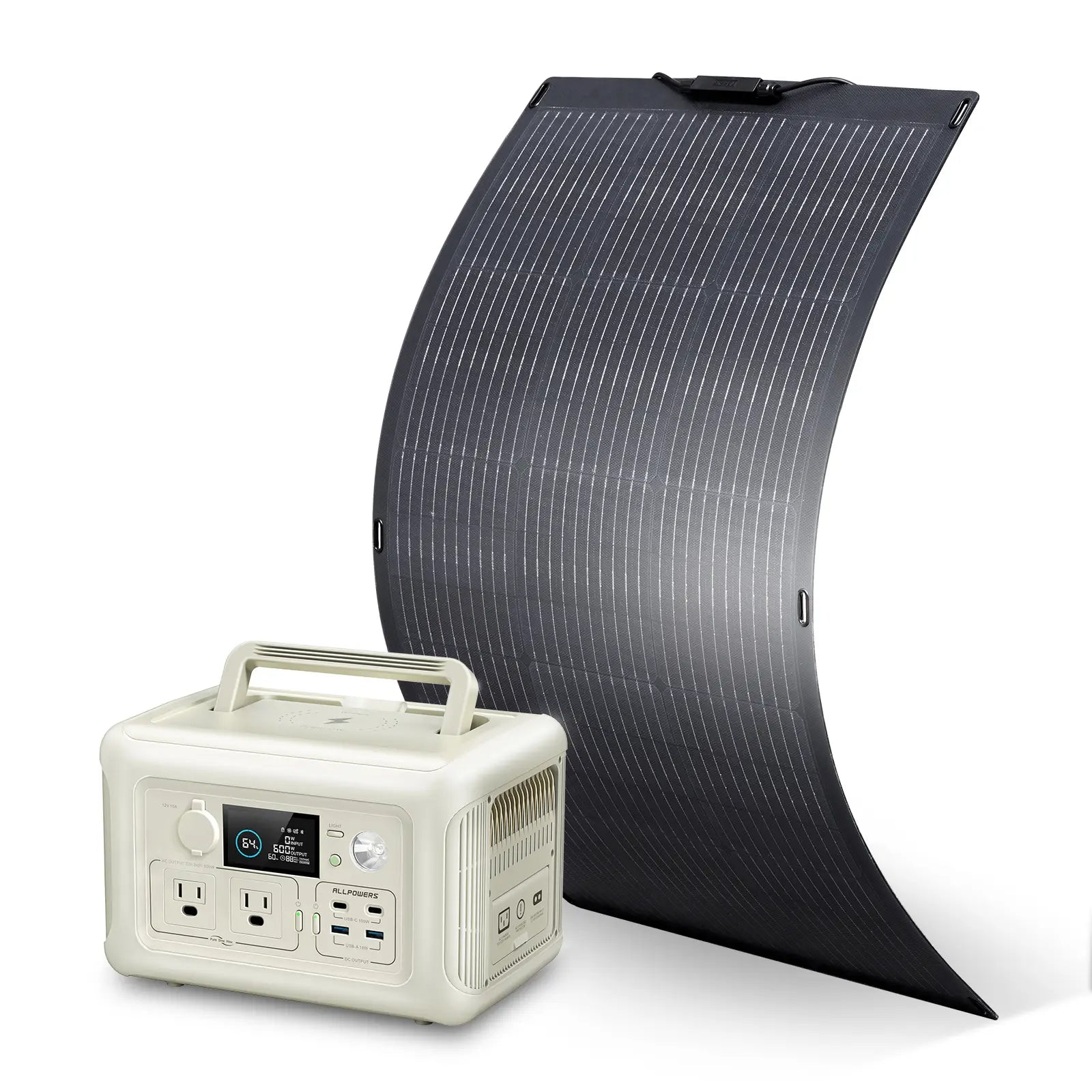
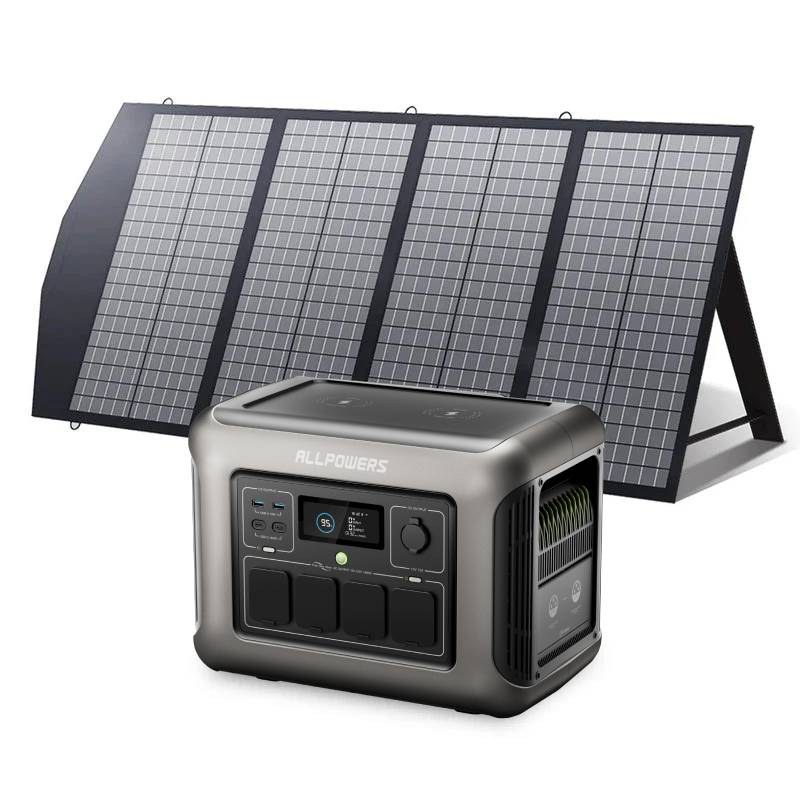
ALLPOWERS VOLIX P300 Portable Power Station
$99.00 $249.00
- 299Wh Capacity;
- 300W AC Output (600W Surge);
- Fast Charge 100% in 1 Hours;
- Ultra-quiet 30dB Under Load ;
- Long-Lasting And Safe Lifepo4 Battery;
How Much Electricity Does a CPAP Use?
The exact amount of electricity a CPAP machine uses depends on the specific model and operating conditions. However, most standard machines fall within a relatively predictable range.
CPAP Without a Humidifier
A typical CPAP machine without heated humidification often consumes between 30 and 60 watts during operation. This level of power usage is comparable to many small household electronics.
Because the machine's primary function is generating airflow, energy demands remain fairly modest when heating components are not being used.
CPAP With a Humidifier
When heated humidification is enabled, power consumption can increase significantly. The heating element used to warm water often requires more electricity than the airflow system itself.
CPAP With Heated Tubing
Heated tubing systems provide additional comfort by maintaining warm air temperatures, but they also contribute additional power demand throughout the night.
How Much Power Does a CPAP Use?
The average CPAP machine typically consumes between 30 and 60 watts during normal operation. However, actual energy consumption varies depending on machine type and user settings.
Basic CPAP units without heated humidification generally operate at the lower end of the range, while machines using heated humidifiers and heated tubing may consume substantially more electricity.
Standard CPAP Machines
A standard CPAP machine that provides airflow without additional heating features usually requires relatively modest power throughout the night.
Advanced CPAP Systems
More advanced systems often include integrated humidifiers, climate control functions, heated tubing, and automatic pressure adjustments that increase overall electricity usage.
Why Humidifiers Increase Energy Usage
For many users, the heated humidifier is the single largest factor affecting CPAP power consumption.
Humidifiers work by heating water throughout the night to add moisture to the airflow. This heating process requires considerably more electricity than the blower motor itself.
Heated Water Chambers
The energy required to maintain warm water temperatures can dramatically increase overall power consumption during overnight use.
Heated Tubing
Some CPAP systems also include heated tubing designed to prevent condensation buildup and improve comfort. While beneficial, these systems add additional electrical demand.
As a result, users who rely heavily on humidification may require larger battery systems when using CPAP machines away from traditional electrical outlets.
Learn More: How to Power a CPAP While Camping?
How Much Electricity Does a CPAP Use Per Night?
Most CPAP users operate their machines between six and eight hours per night. Daily energy consumption therefore depends on both power draw and runtime.
A machine operating at 40 watts for eight hours would consume approximately 320 watt-hours (Wh) of energy during a typical night.
If humidifiers and heated tubing are enabled, overnight consumption may increase substantially.
How Much Does It Cost to Run a CPAP?
Although CPAP machines run every night, they are generally inexpensive to operate compared to many household appliances.
Actual electricity costs depend on local utility rates and individual machine settings, but most users spend only a small amount each month powering their CPAP equipment.
Energy-Efficient Operation
Compared to space heaters, air conditioners, water heaters, and kitchen appliances, CPAP machines consume relatively little electricity.
Utility Rate Differences
Monthly operating costs may vary depending on regional electricity prices and Time-of-Use utility plans.
Estimated CPAP Power Consumption
| CPAP Configuration | Typical Wattage | 8-Hour Energy Use | Power Impact |
|---|---|---|---|
| CPAP Without Humidifier | 30–40W | 240–320Wh | Low |
| CPAP With Humidifier | 50–80W | 400–640Wh | Medium |
| CPAP With Heated Tubing | 60–90W | 480–720Wh | High |
| Travel CPAP | 20–40W | 160–320Wh | Very Low |
| BiPAP Machine | 40–90W | 320–720Wh | Variable |
Planning for Battery Backup
Understanding power consumption becomes especially important when planning for backup energy during travel or emergencies.
Many CPAP users calculate energy needs based on watt-hours rather than watts alone, since battery capacity is usually measured in watt-hours.
For example, a machine consuming 320Wh overnight requires significantly less stored energy than a system using heated humidification that may exceed 600Wh during the same period.
Campers and travelers who use electric kettles, lighting, mobile devices, or other equipment alongside CPAP therapy often consider total energy requirements rather than focusing exclusively on the CPAP machine itself.
How to Reduce CPAP Power Consumption
While CPAP machines are already relatively efficient, several adjustments can help reduce overall energy usage when necessary.
Lower Humidifier Settings
Reducing humidifier intensity often provides the largest reduction in electricity consumption.
Disable Heated Tubing
Heated tubing systems add comfort but also increase electrical demand throughout the night.
Use Manufacturer-Approved DC Adapters
Direct DC operation can improve efficiency by reducing power conversion losses associated with some AC inverter systems.
Keep Equipment Maintained
Regular cleaning and proper maintenance help ensure the machine operates efficiently and reliably.
Choosing the Right Power Solution for Your Needs
The amount of electricity a CPAP machine uses ultimately depends on how the device is configured and where it will be used.
Someone sleeping at home with access to grid power may never notice the difference between a basic setup and one with every comfort feature enabled.
However, for campers, RV owners, travelers, and households preparing for emergencies, understanding actual CPAP energy consumption can make it much easier to select an appropriate backup power strategy.
By knowing your machine's typical power requirements and the impact of humidifiers and heated tubing, you can better plan for uninterrupted therapy wherever you sleep.
Frequently Asked Questions
How many watts does a CPAP machine use?
Most CPAP machines use between 30 and 60 watts during normal operation, although settings and accessories can affect actual consumption.
Does a CPAP humidifier use a lot of electricity?
Yes. Heated humidifiers are often the largest contributor to CPAP power consumption.
How many watt-hours does a CPAP use per night?
A typical CPAP may consume between 240Wh and 640Wh during an eight-hour sleep period depending on configuration.
Can a battery run a CPAP machine overnight?
Yes. Many battery systems can power a CPAP overnight, provided the battery capacity matches the machine's energy requirements.
Do travel CPAP machines use less power?
In many cases, travel CPAP models are designed to be more energy-efficient and may consume less power than full-size machines.