



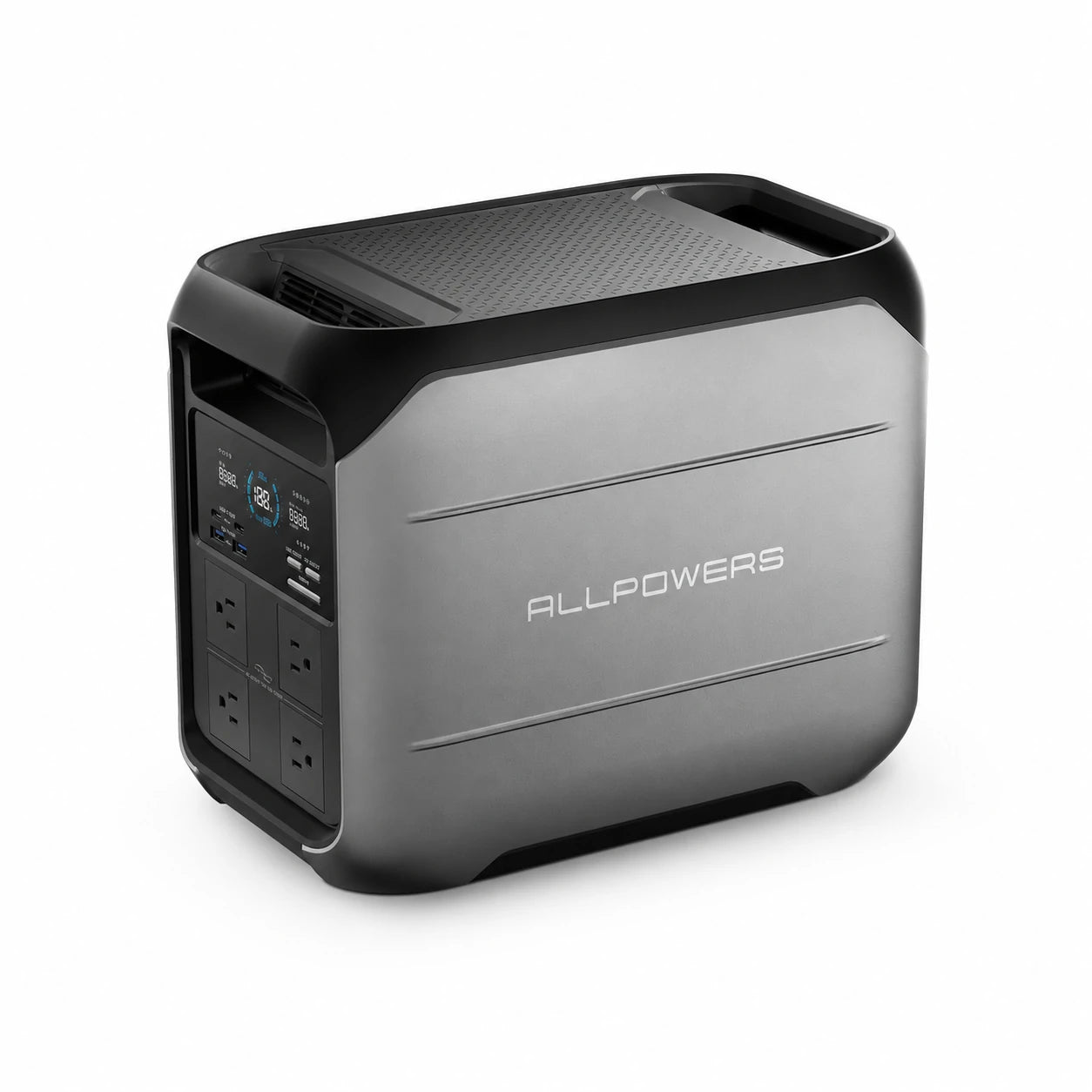





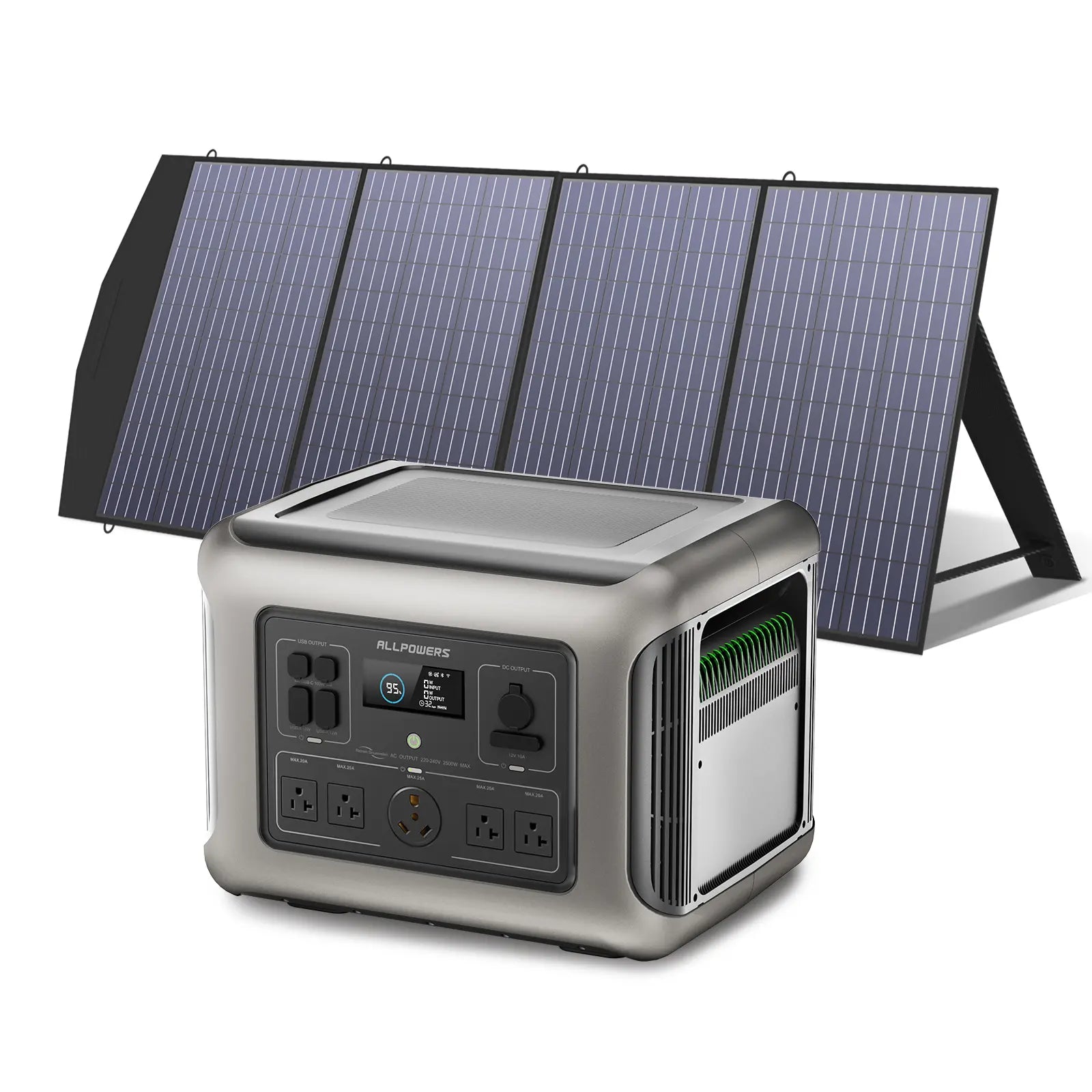
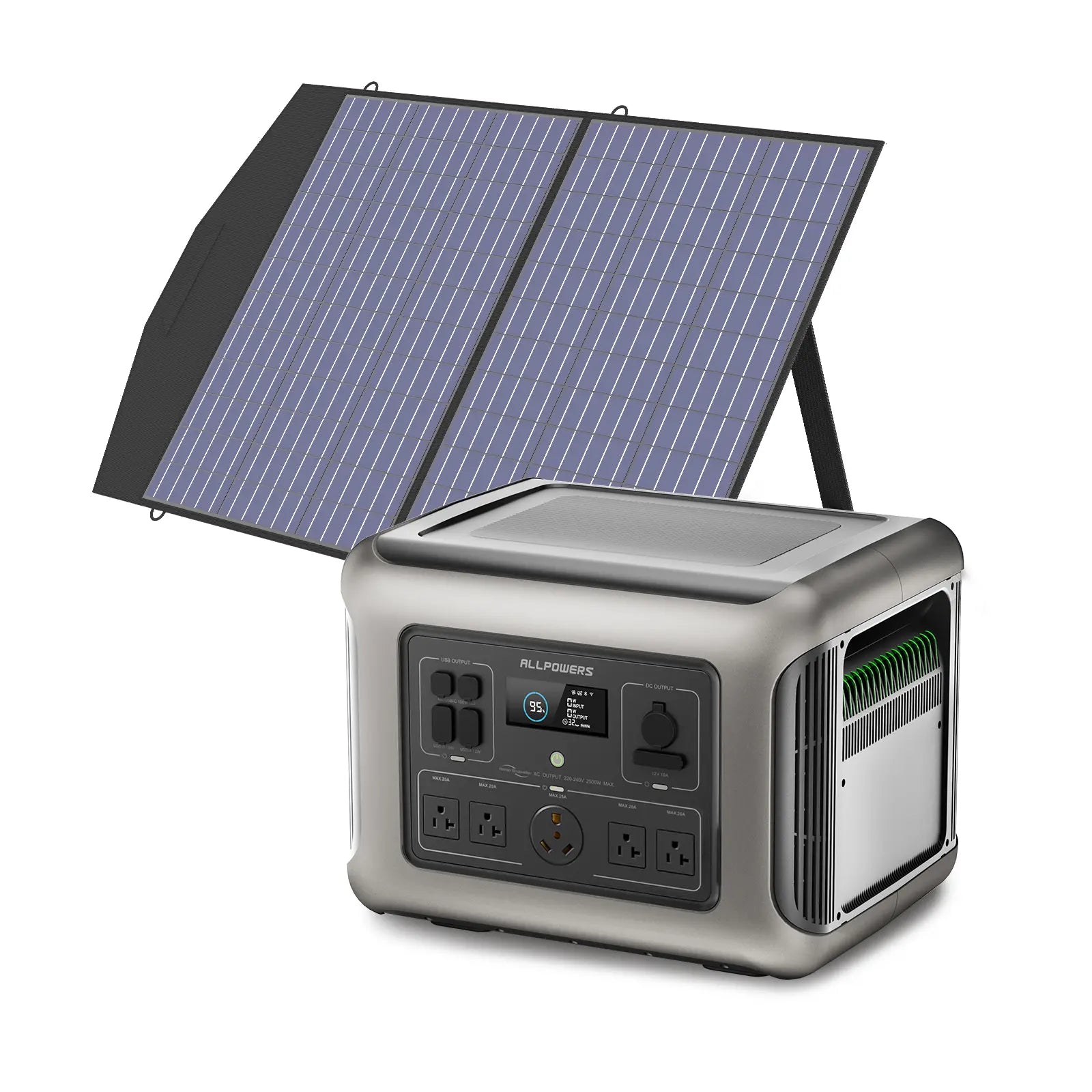
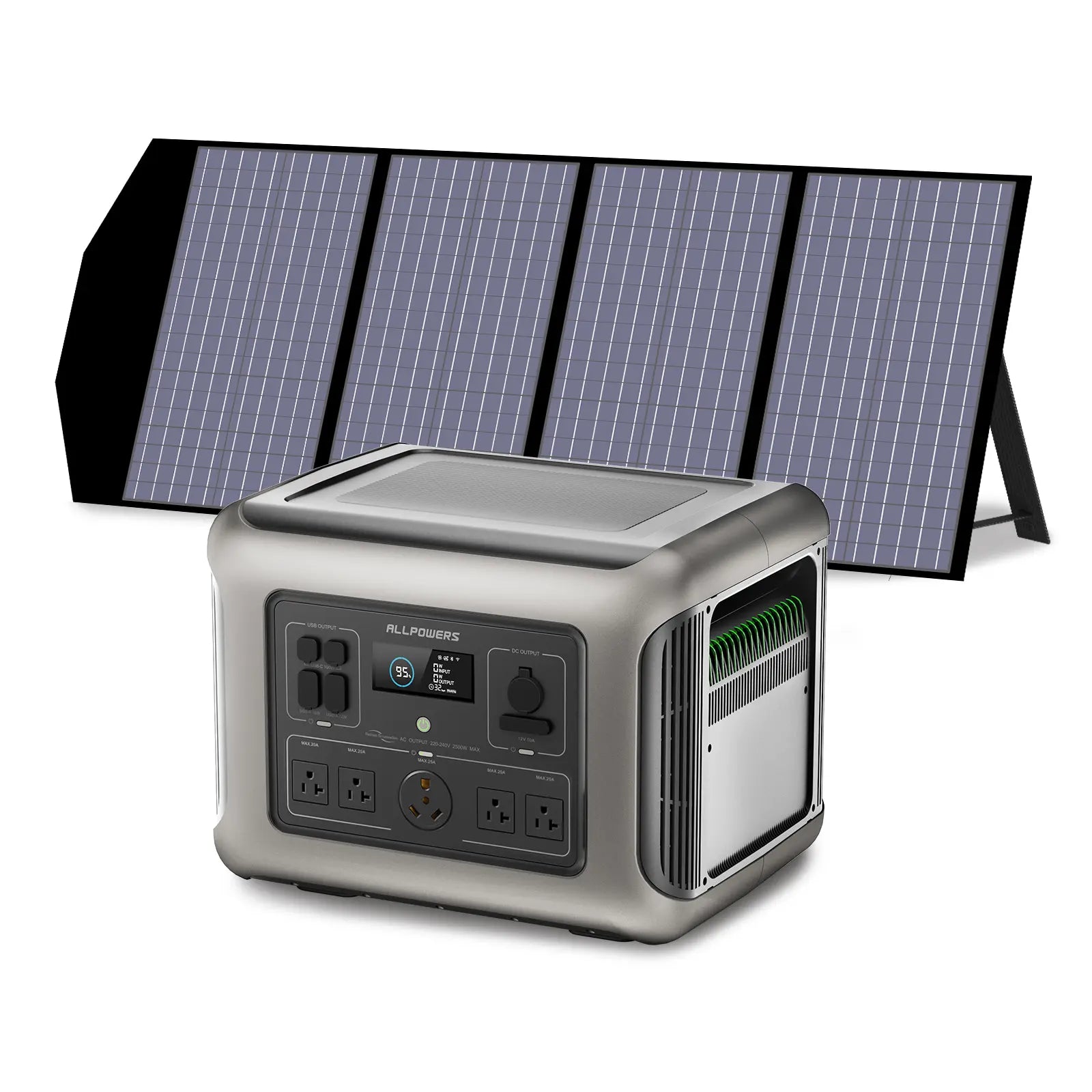
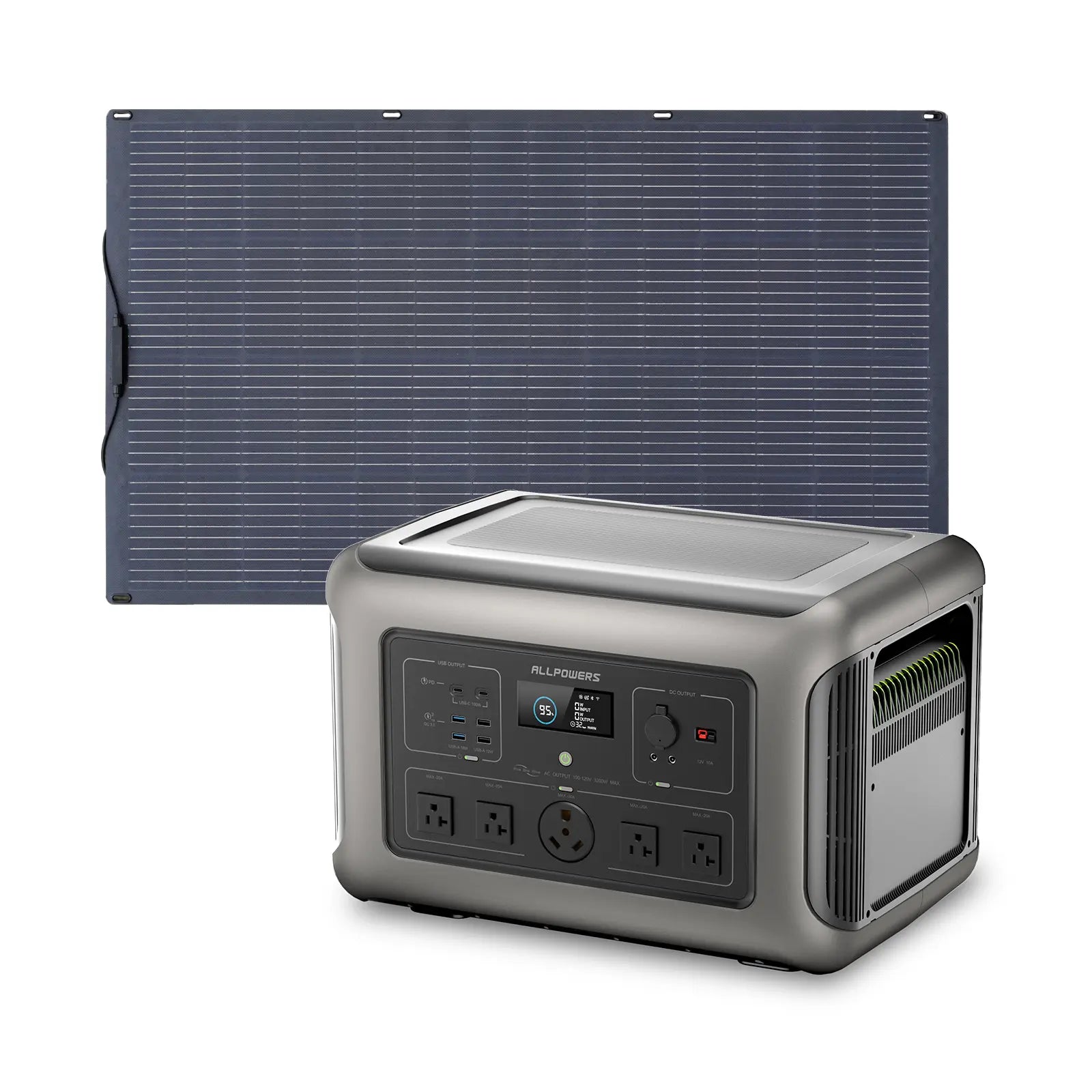
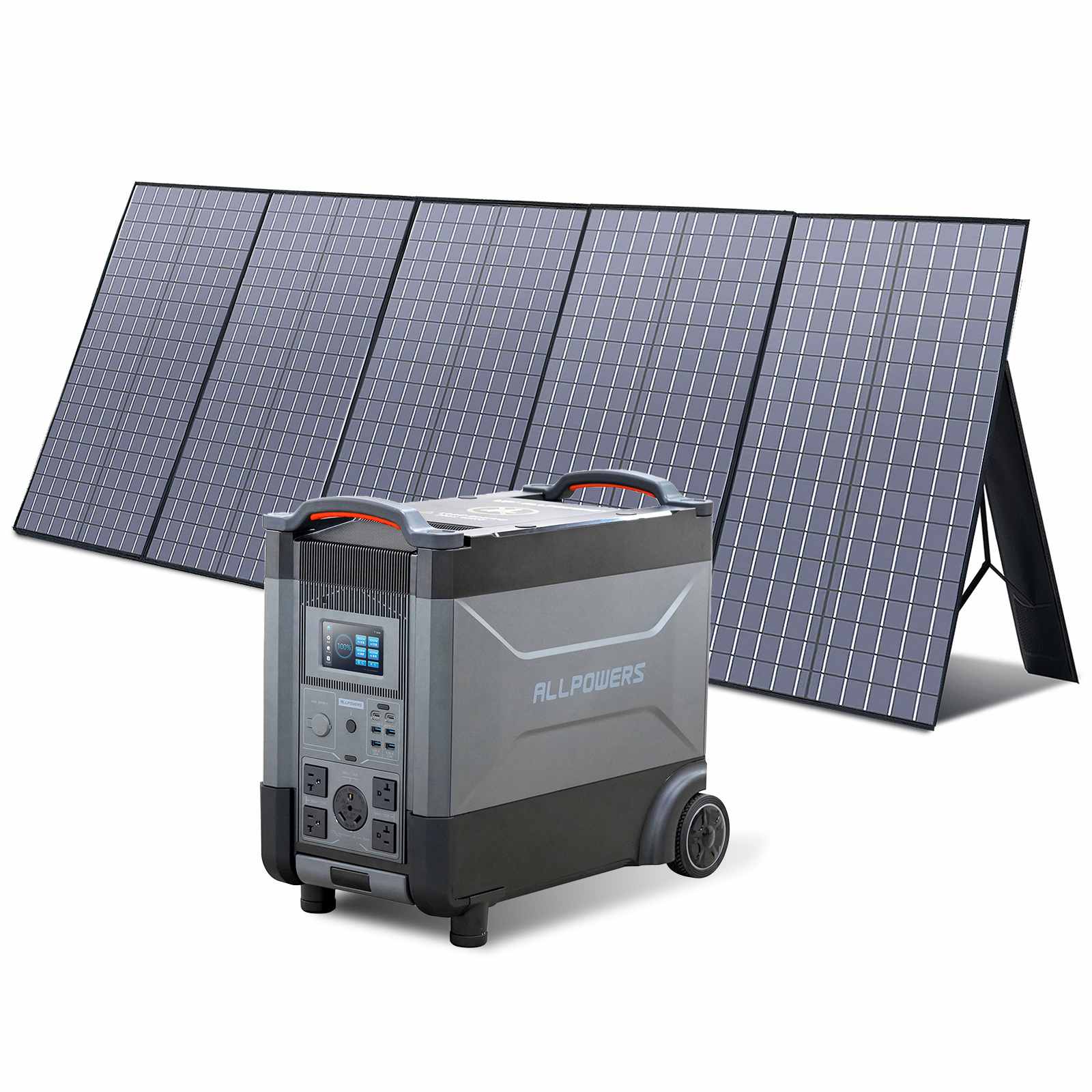
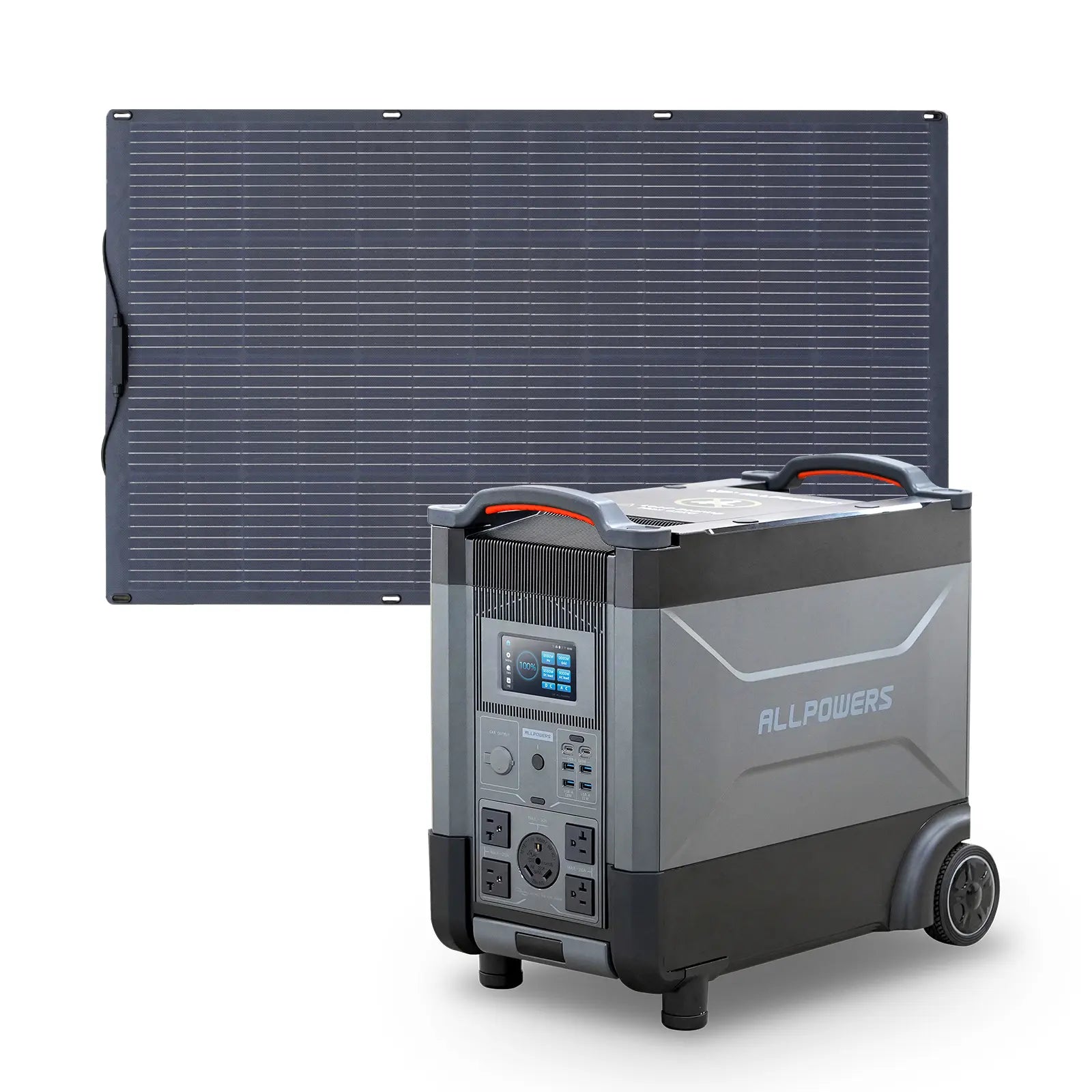
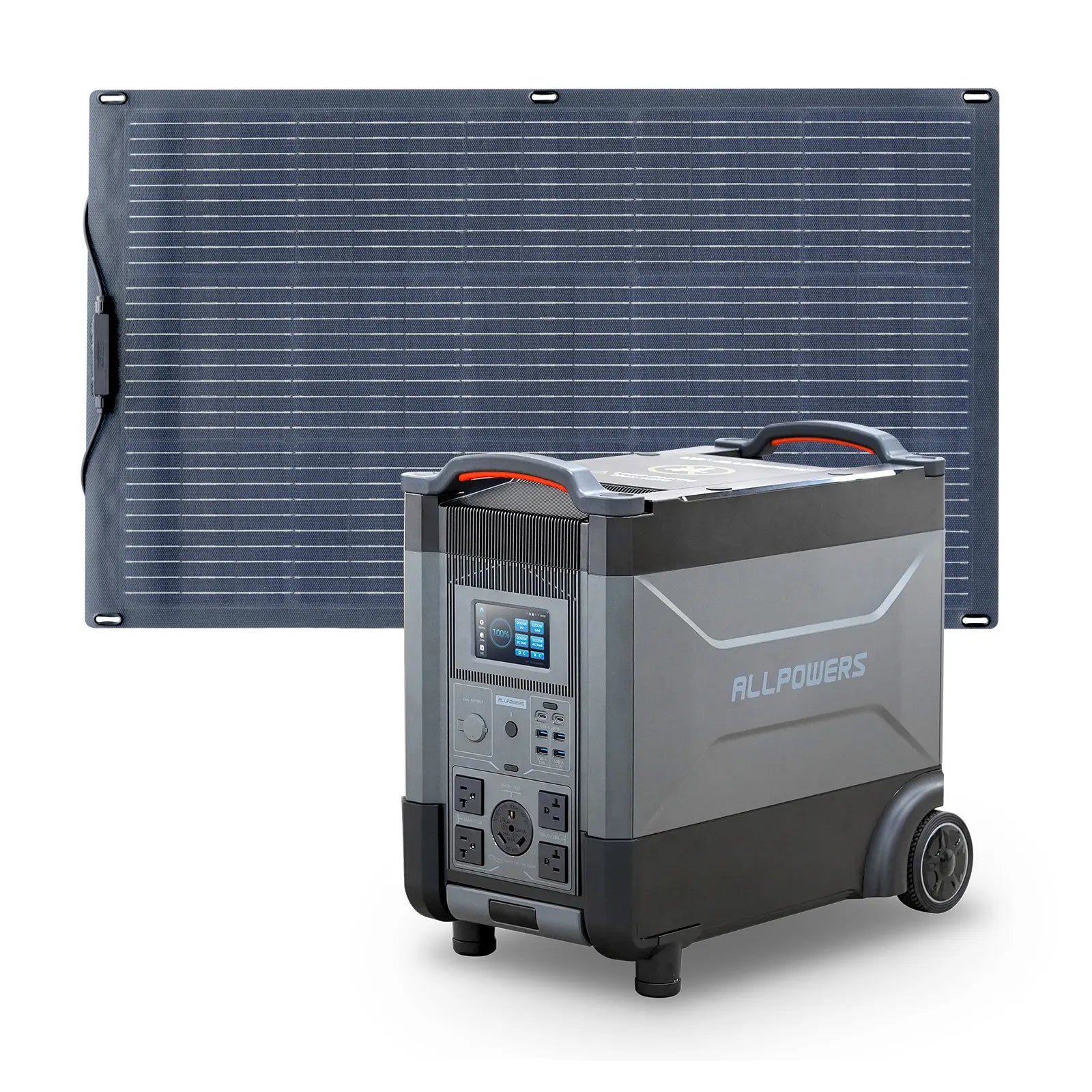
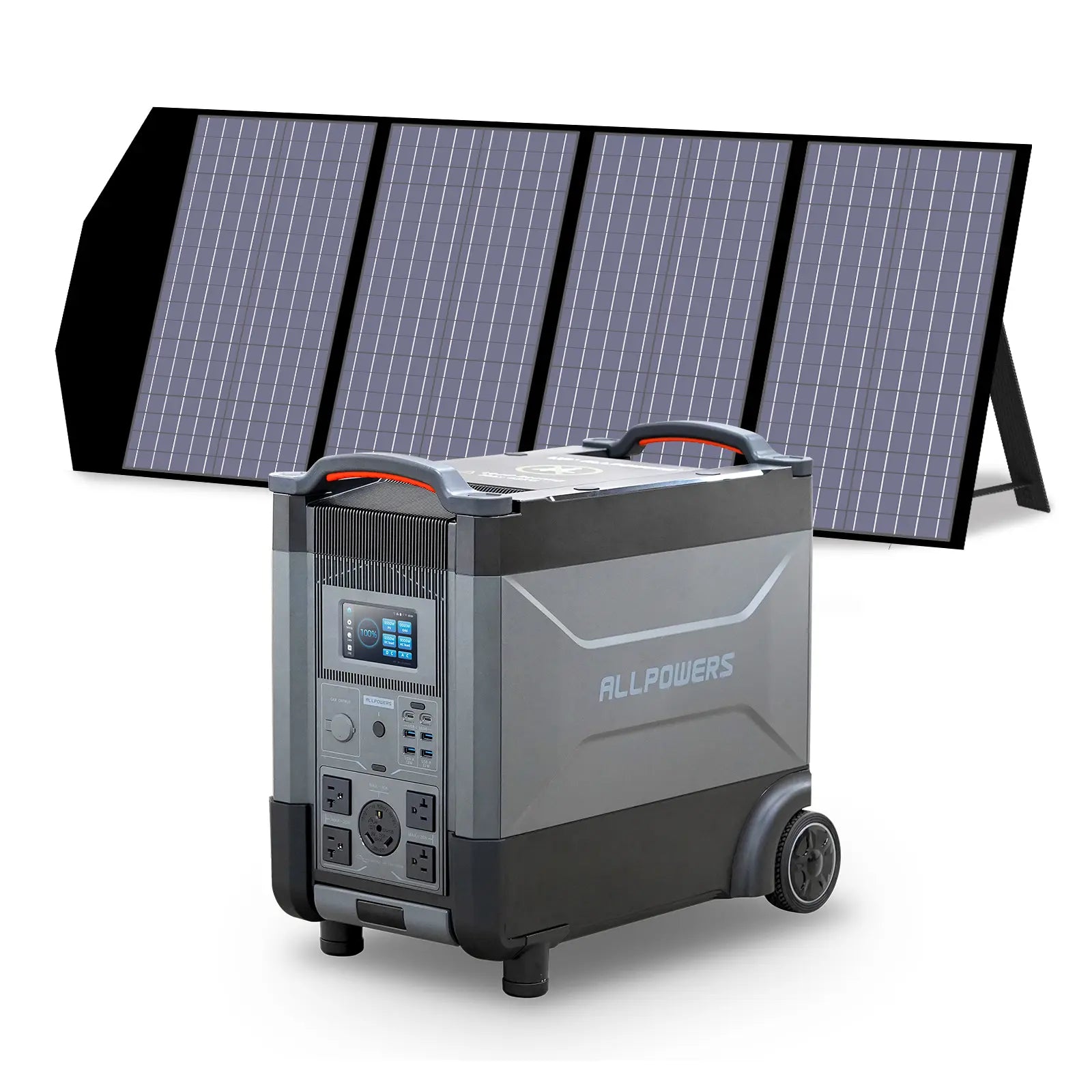
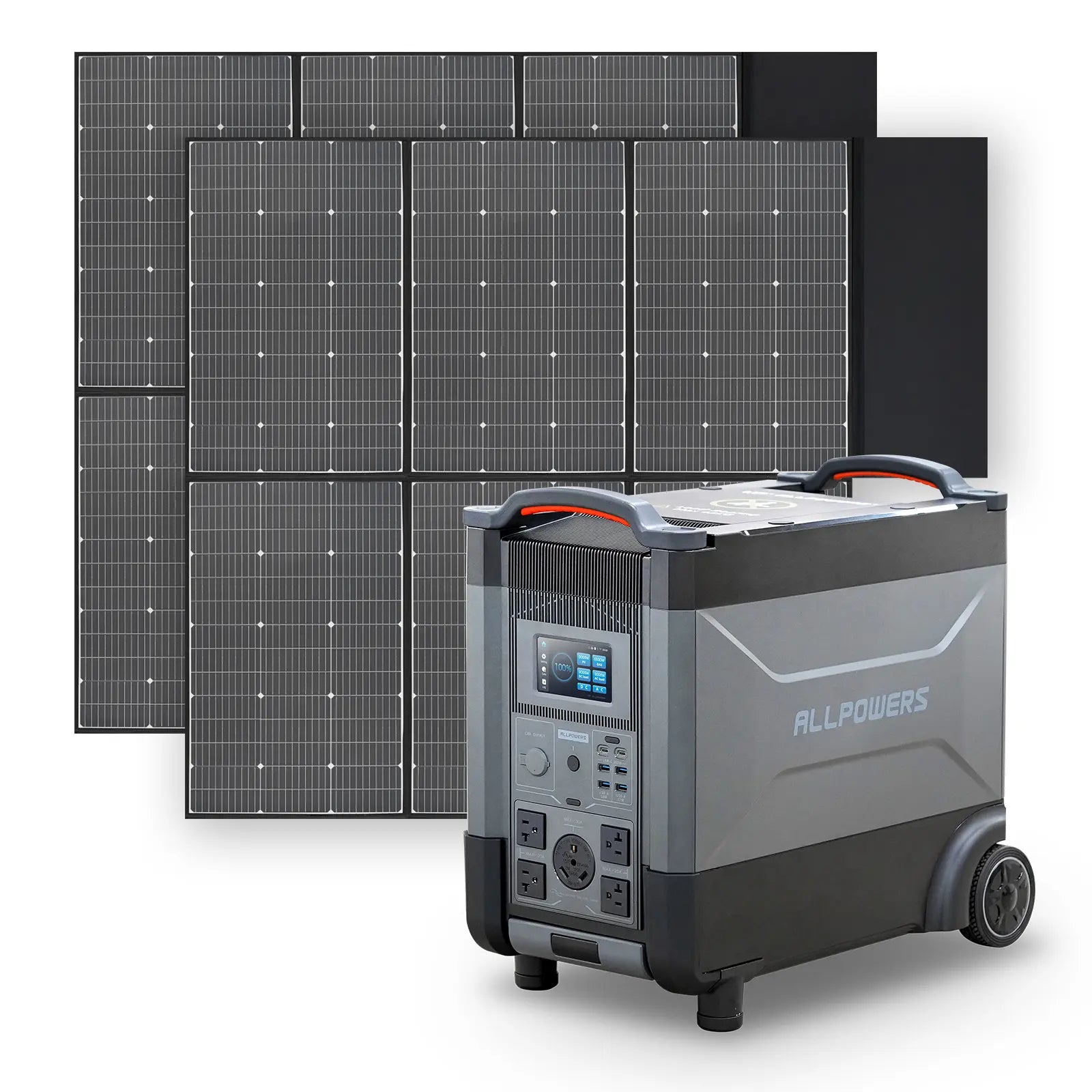
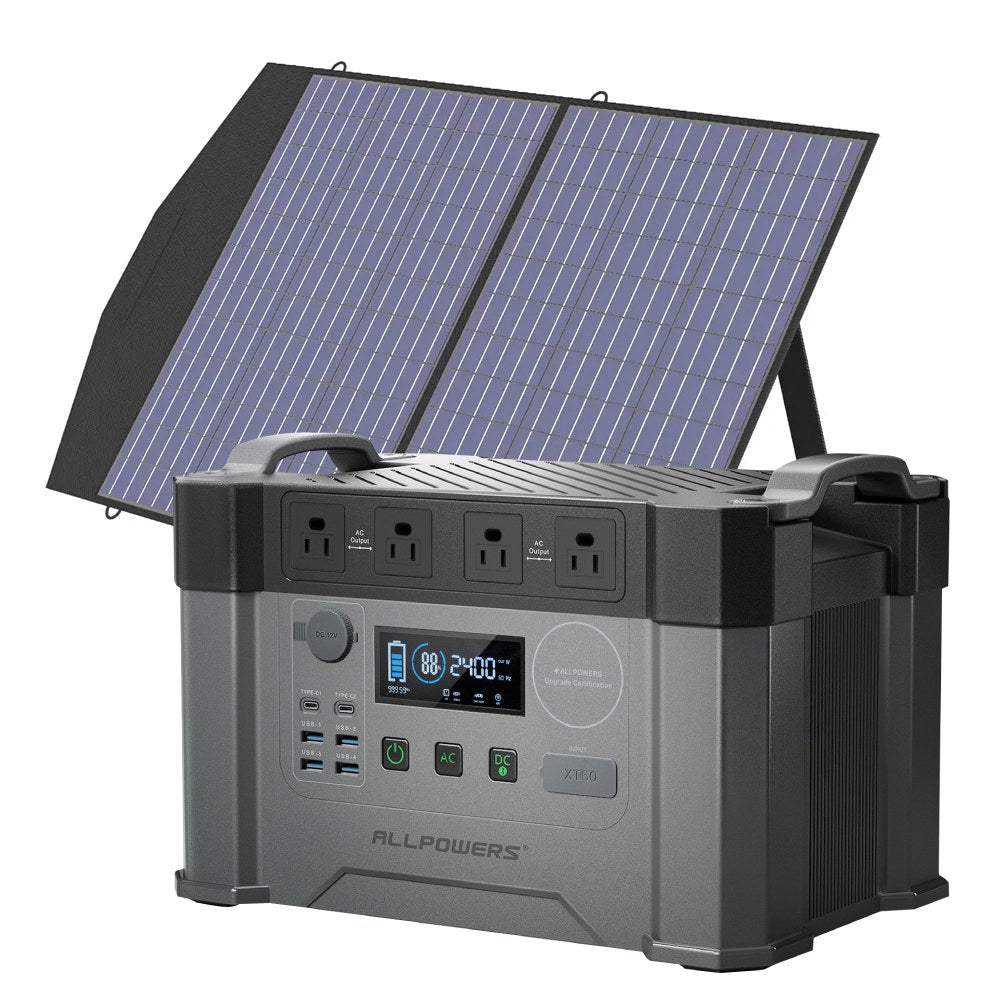
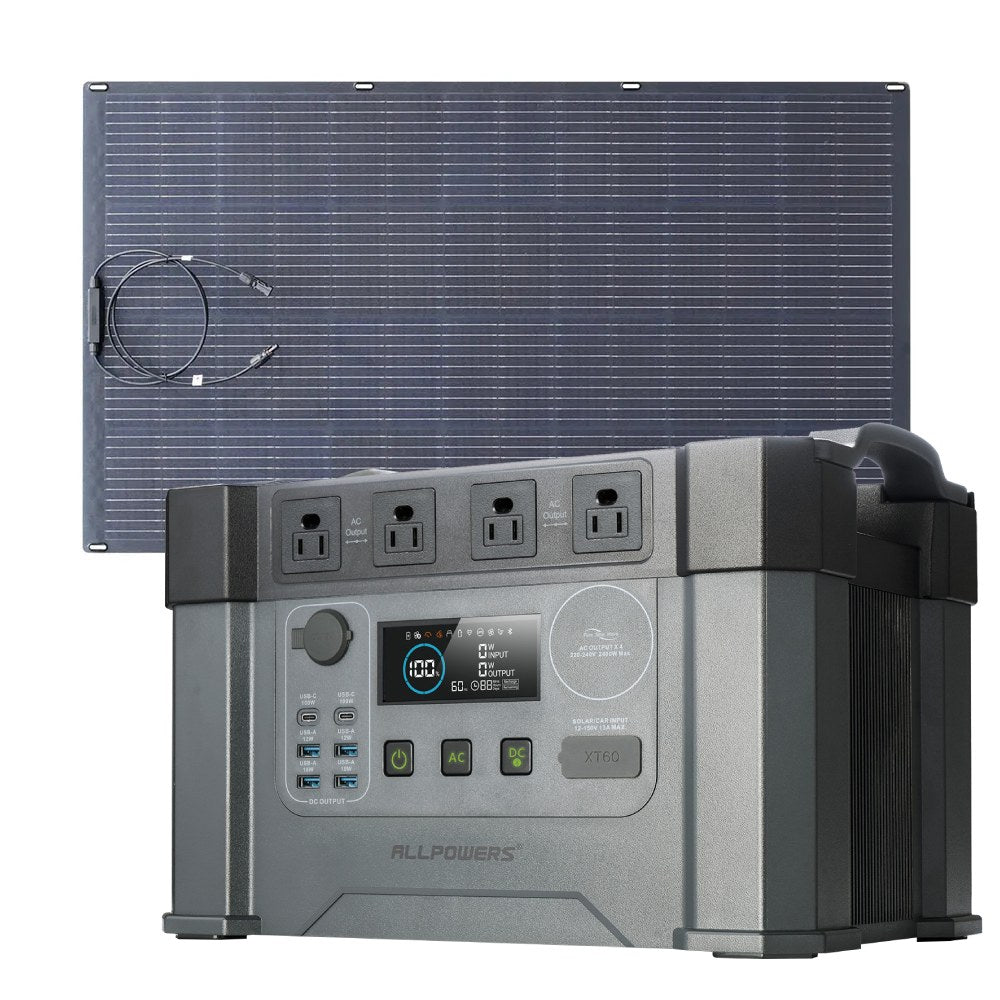
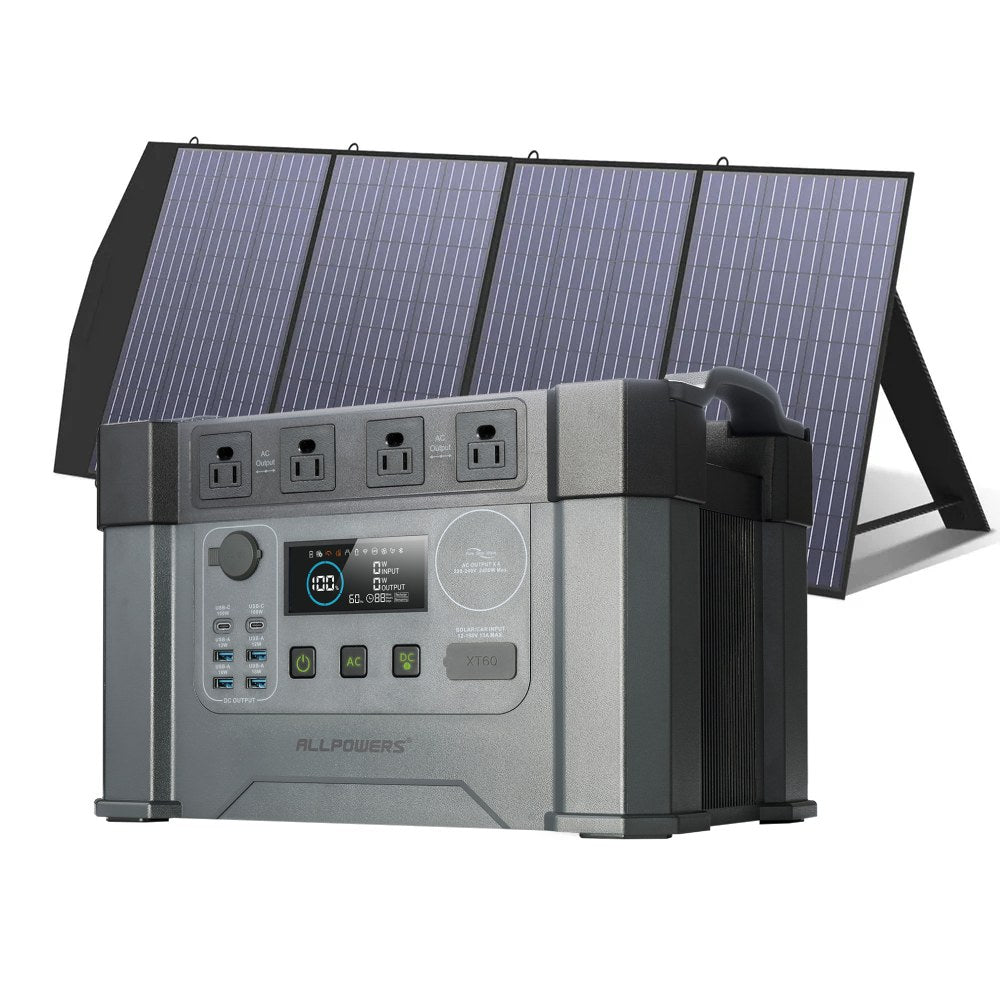
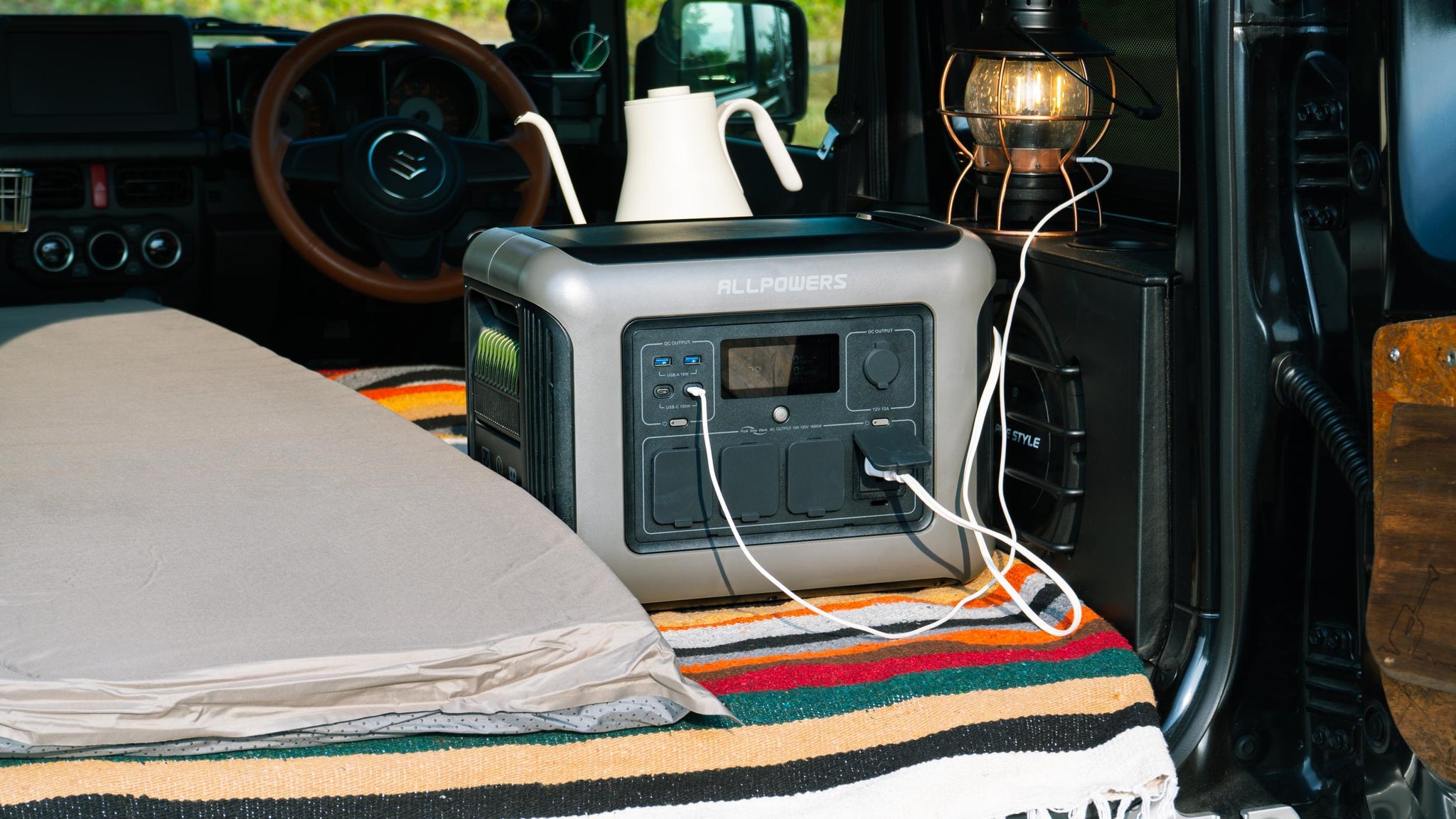
Portable power stations are essential gear for modern life—silent, emission-free workhorses.
However, despite their utility, they eventually need to recharge, and that process can take time.
What happens when your power station is running low, but you still need its juice to keep vital devices powered?
Can you safely and effectively use a portable power station while it's actively charging?
TL;DR:
Yes, in most cases, you can use a portable power station while it’s charging. Modern units are designed for “pass-through charging,” which means electricity flows in and out simultaneously.
How a Portable Power Station Manages Power Flow
Inside these power stations, you’ve got a battery (usually lithium iron phosphate or lithium-ion), a battery management system, an inverter, and various regulators tucked into the shell like neatly arranged gear in a well-packed hiking bag.
When you plug in the power station to charge it and then plug your devices into its AC or DC ports, the system has to handle two jobs at once: taking power in and sending power out.
Professional engineers call this “pass-through operation,” but most people just call it “using it while charging.” Pass-through isn’t new, but the technology got more stable with newer BMS designs.
Learn More: What Is Pass Through Charging?
Why You Might Want to Use a Power Station While Charging
Outdoor enthusiasts, in particular, benefit from this feature.
Coffee maker, blender, or a small induction stove, all needing juice. Waiting until your station is fully charged isn’t practical.
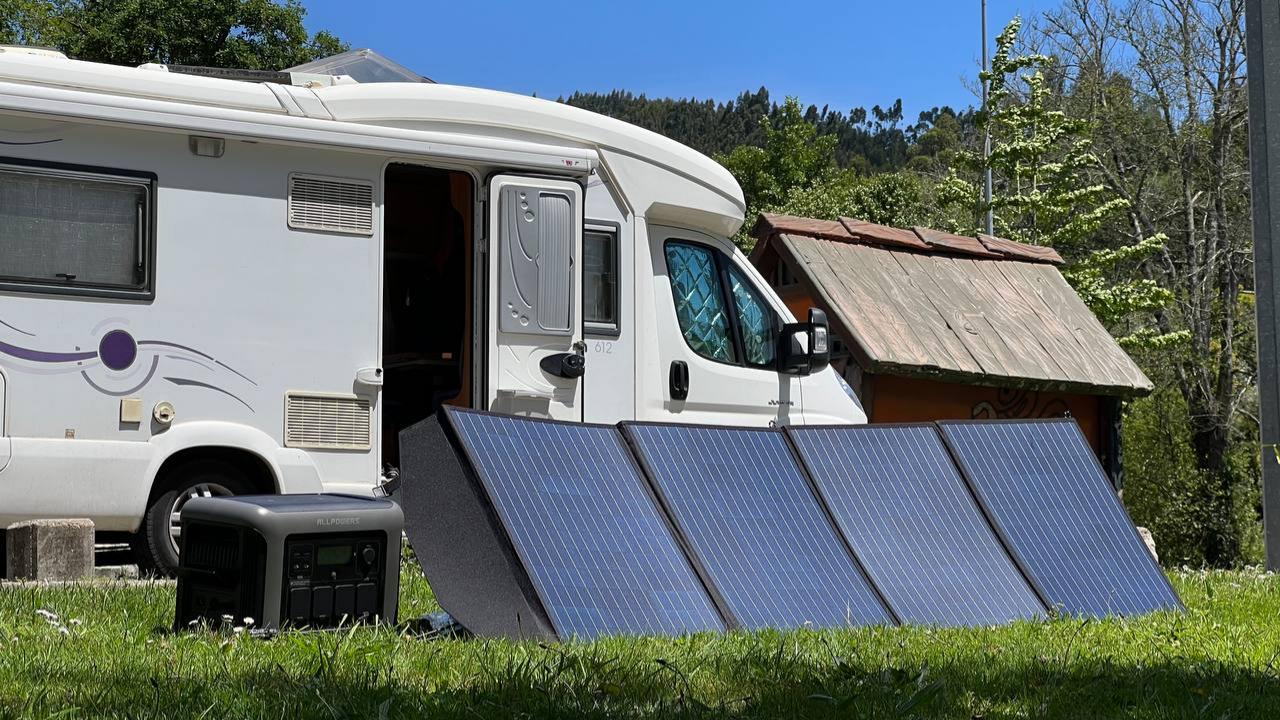
The same goes for road trips or RV adventures—you don’t want to park for hours just to refill a battery while devices sit idle.
Another scenario: emergency home backup. Power outage hits; you plug in critical devices while recharging from a wall outlet.
Pass-through charging here can be lifesaving, but you’ll still want to monitor loads, avoid unnecessary high-draw devices, and ensure proper ventilation.
Does Efficiency Drop While Charging and Using?
A common complaint is that using a power station while it charges can feel inefficient.
You plug in your laptop and your phone, watch the charge meter, and wonder why it seems to crawl upward. It’s not your imagination.
During pass-through, energy is split between charging the internal battery and running external devices.
The actual charge speed can be noticeably slower than when the station is idle.
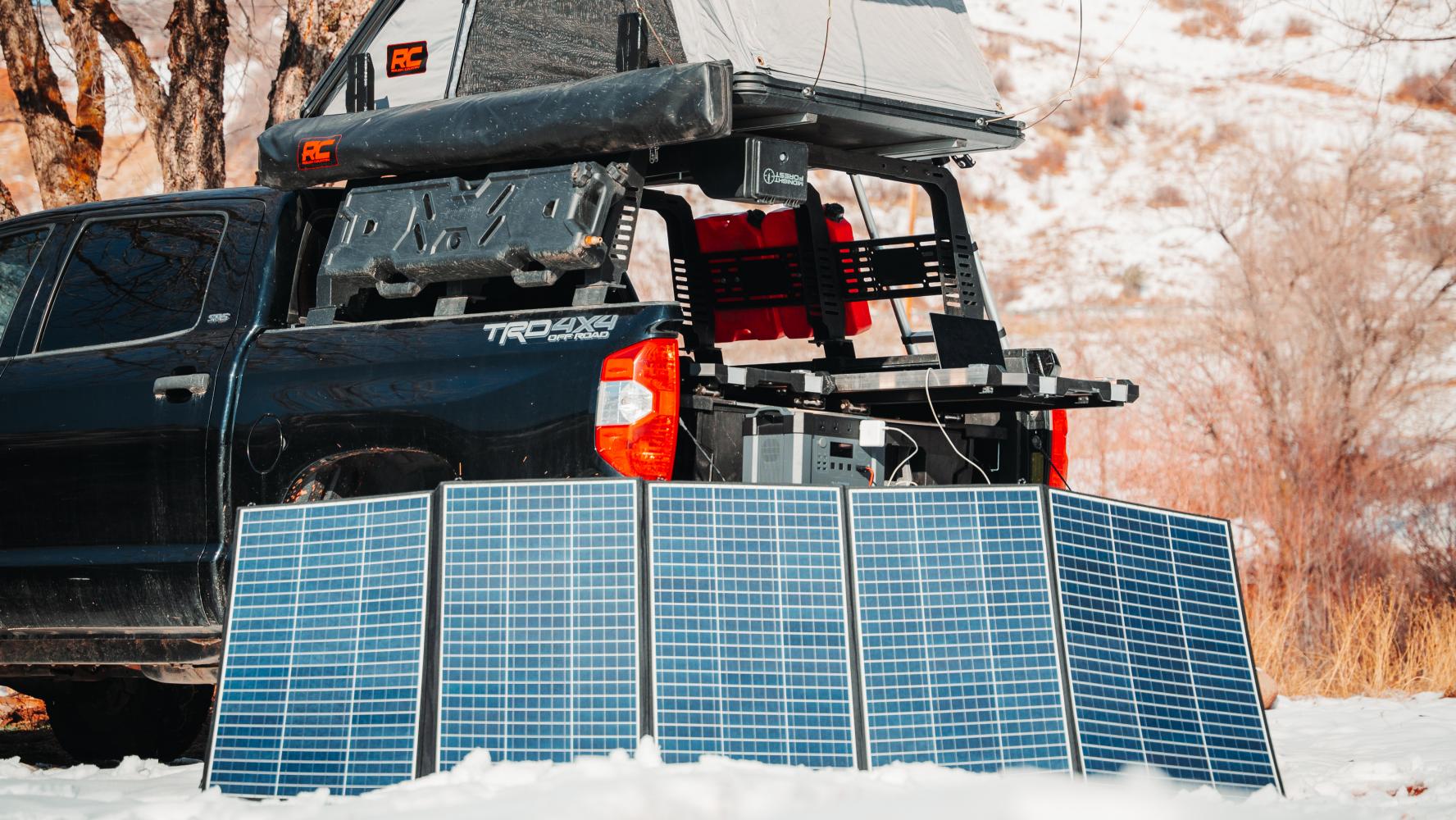
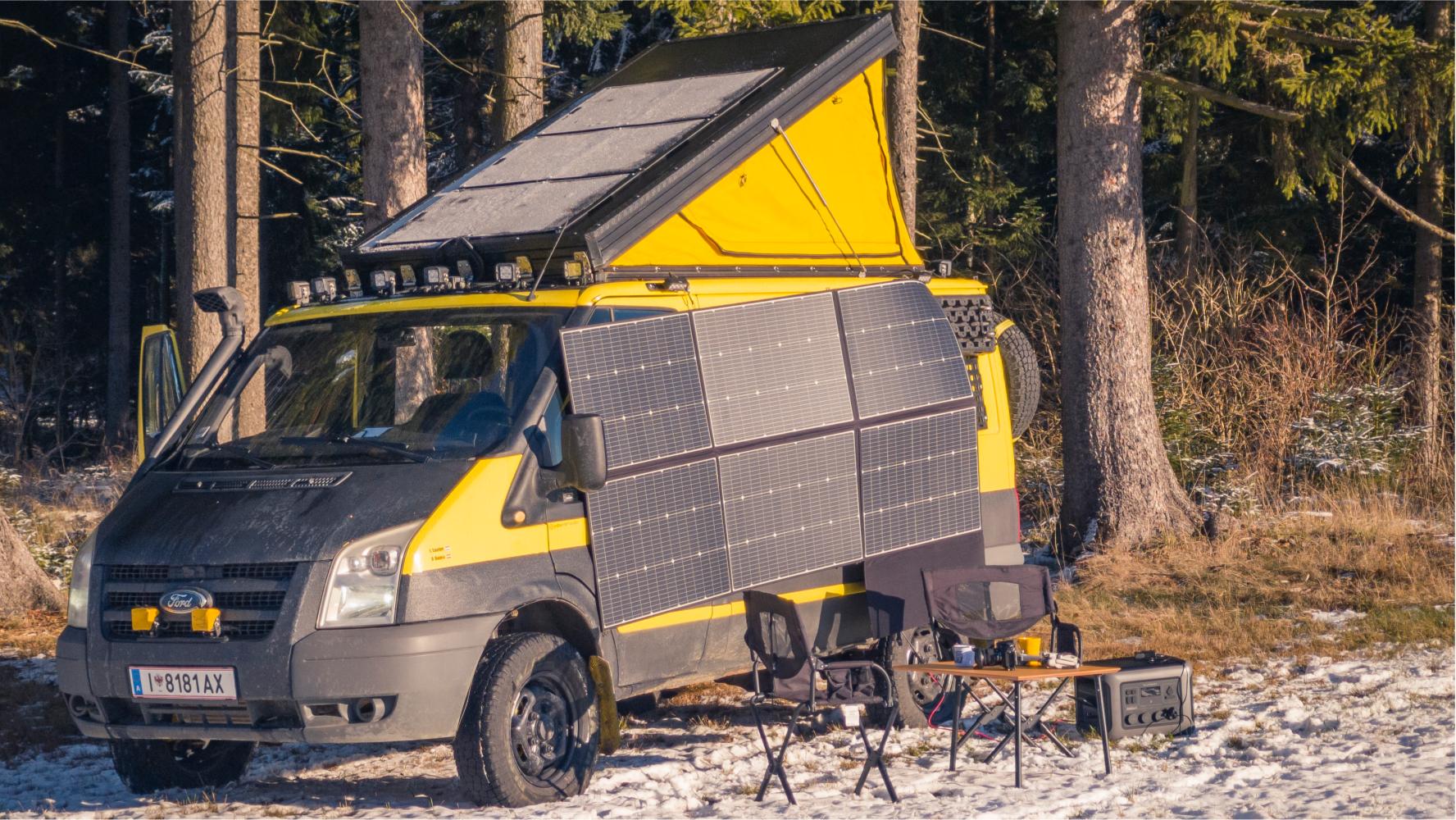
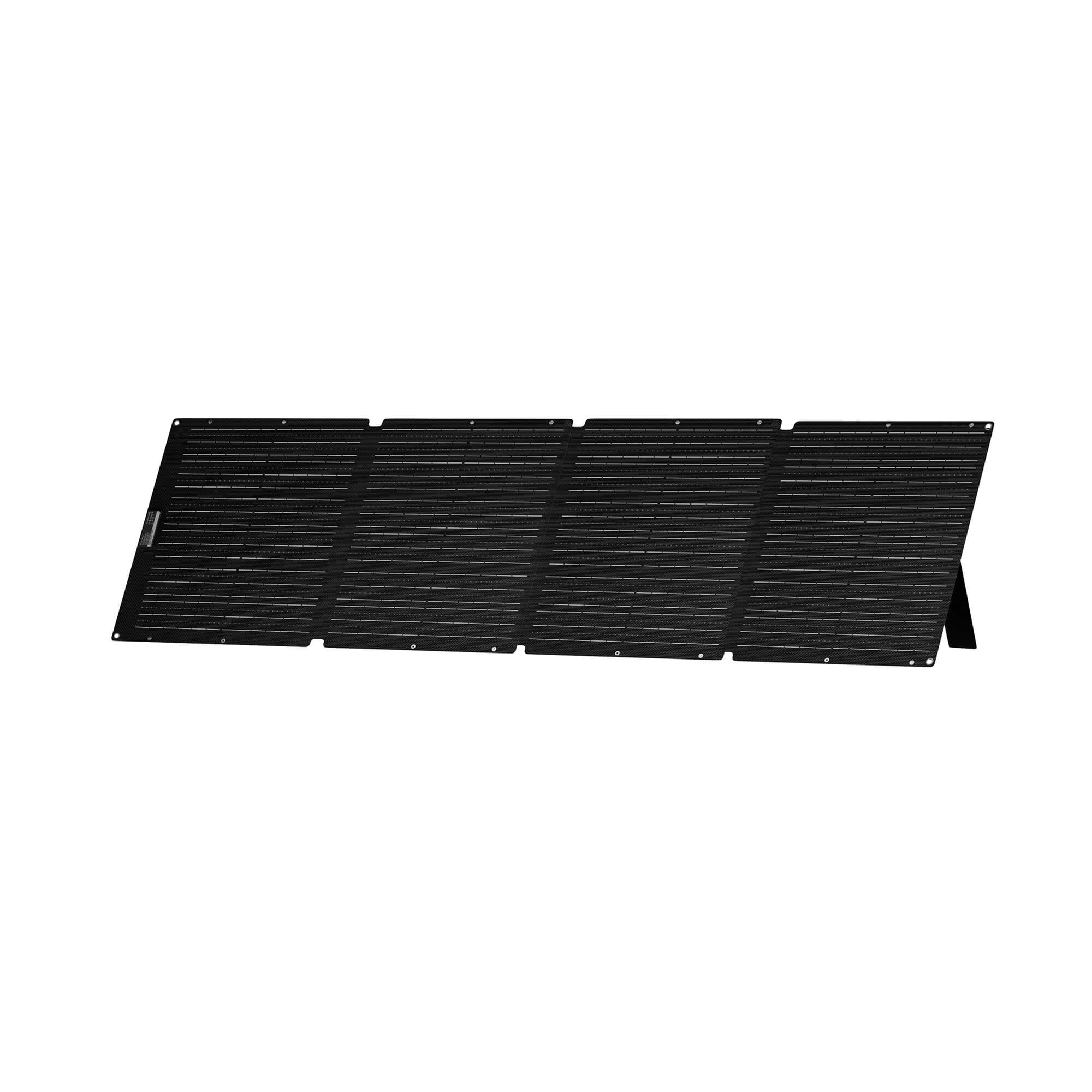
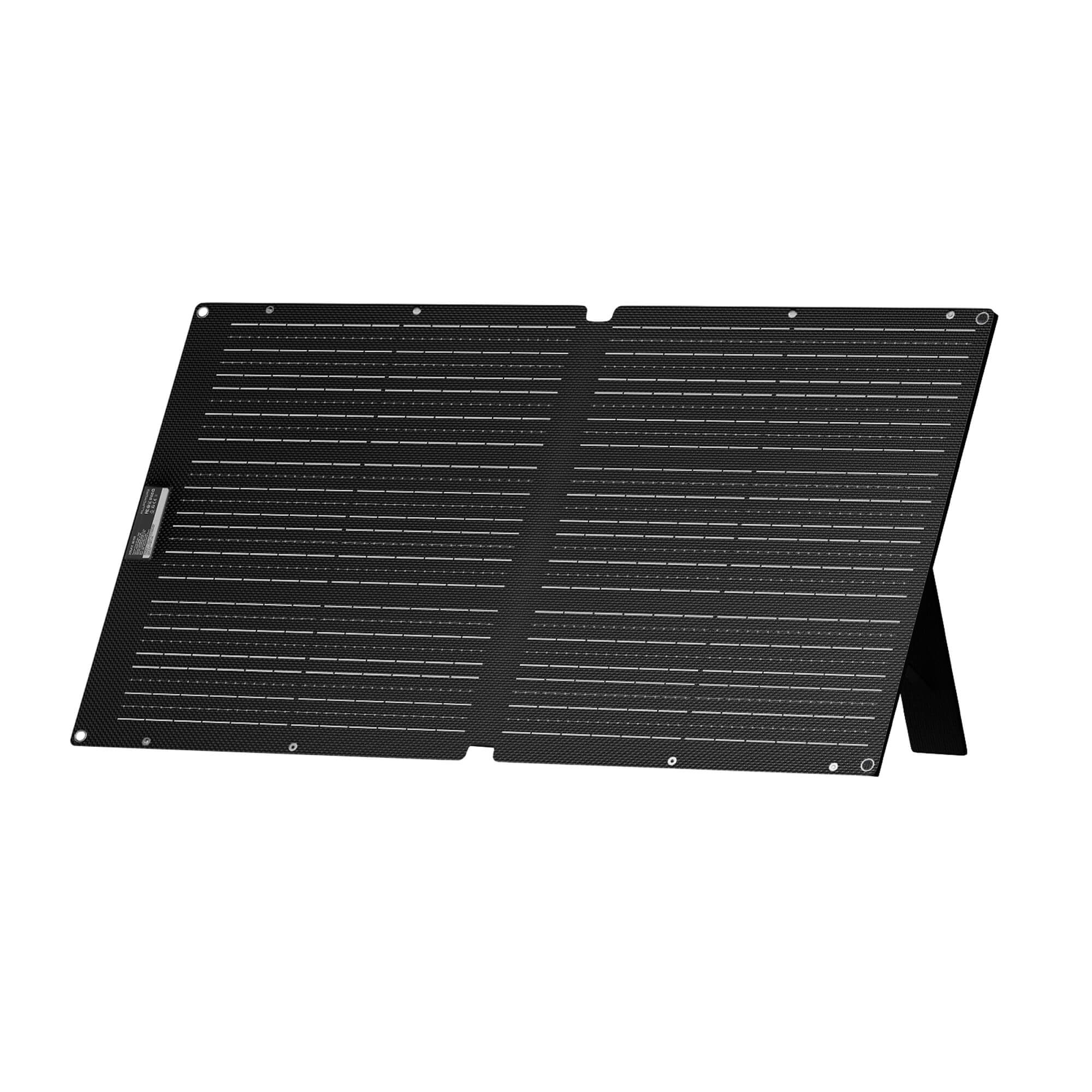
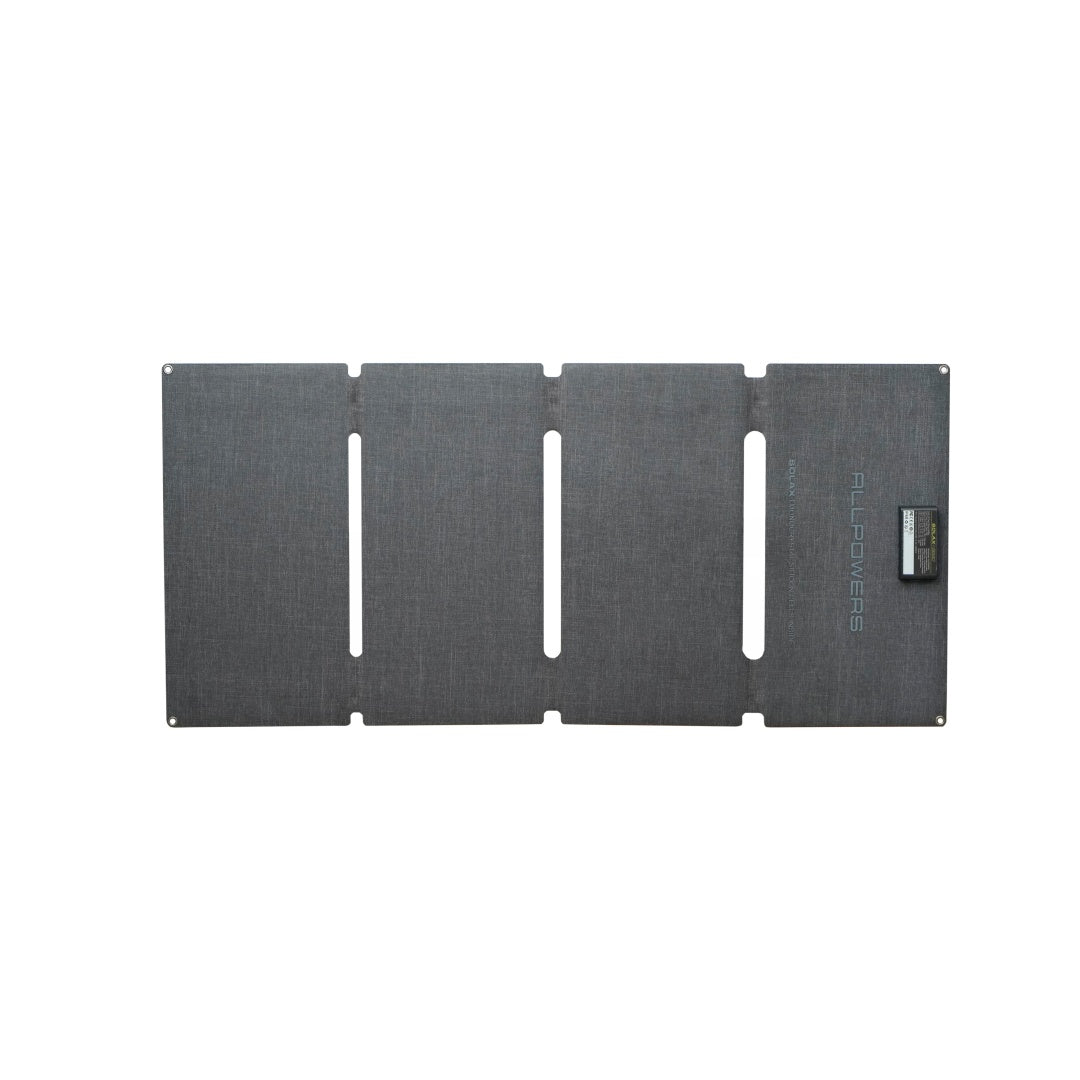
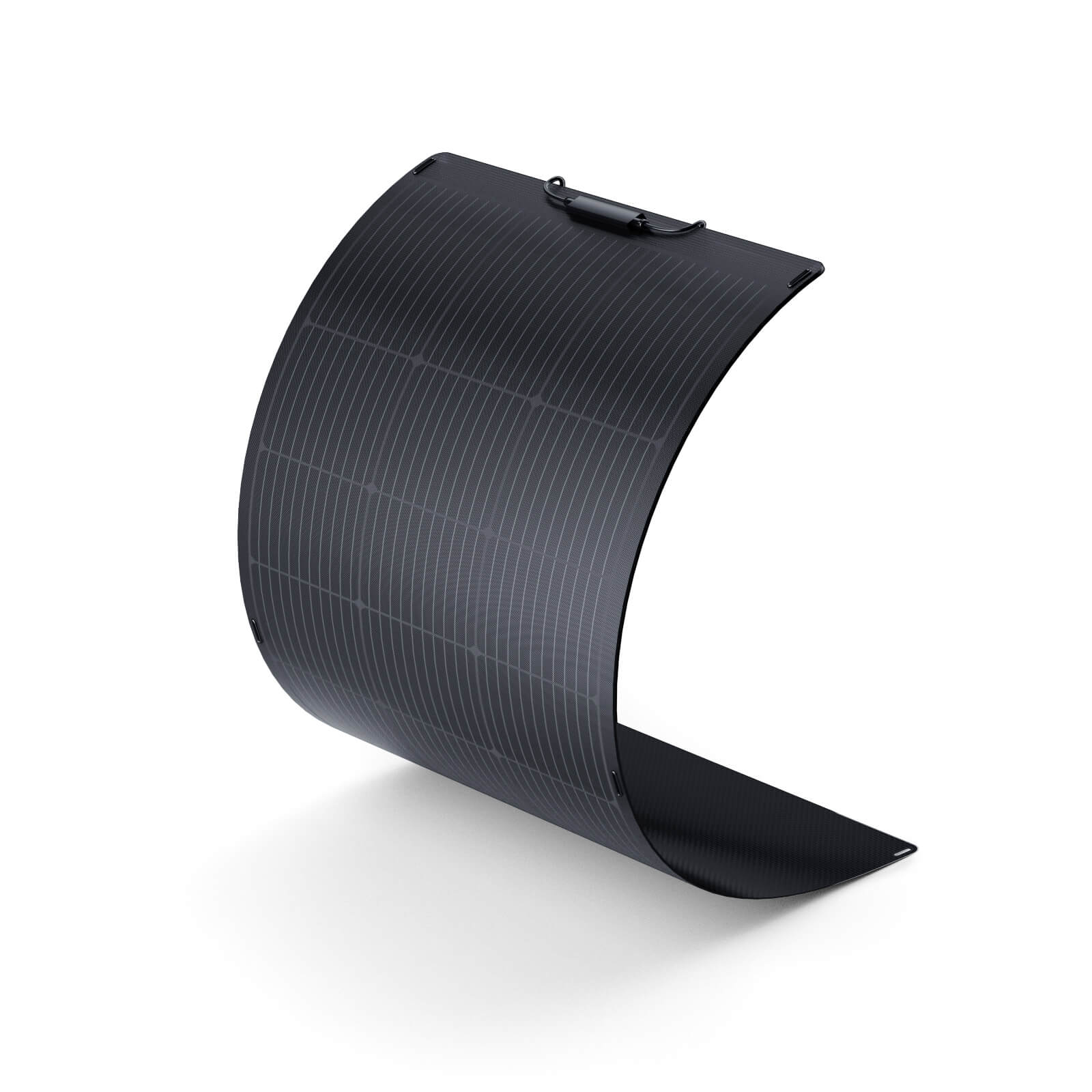
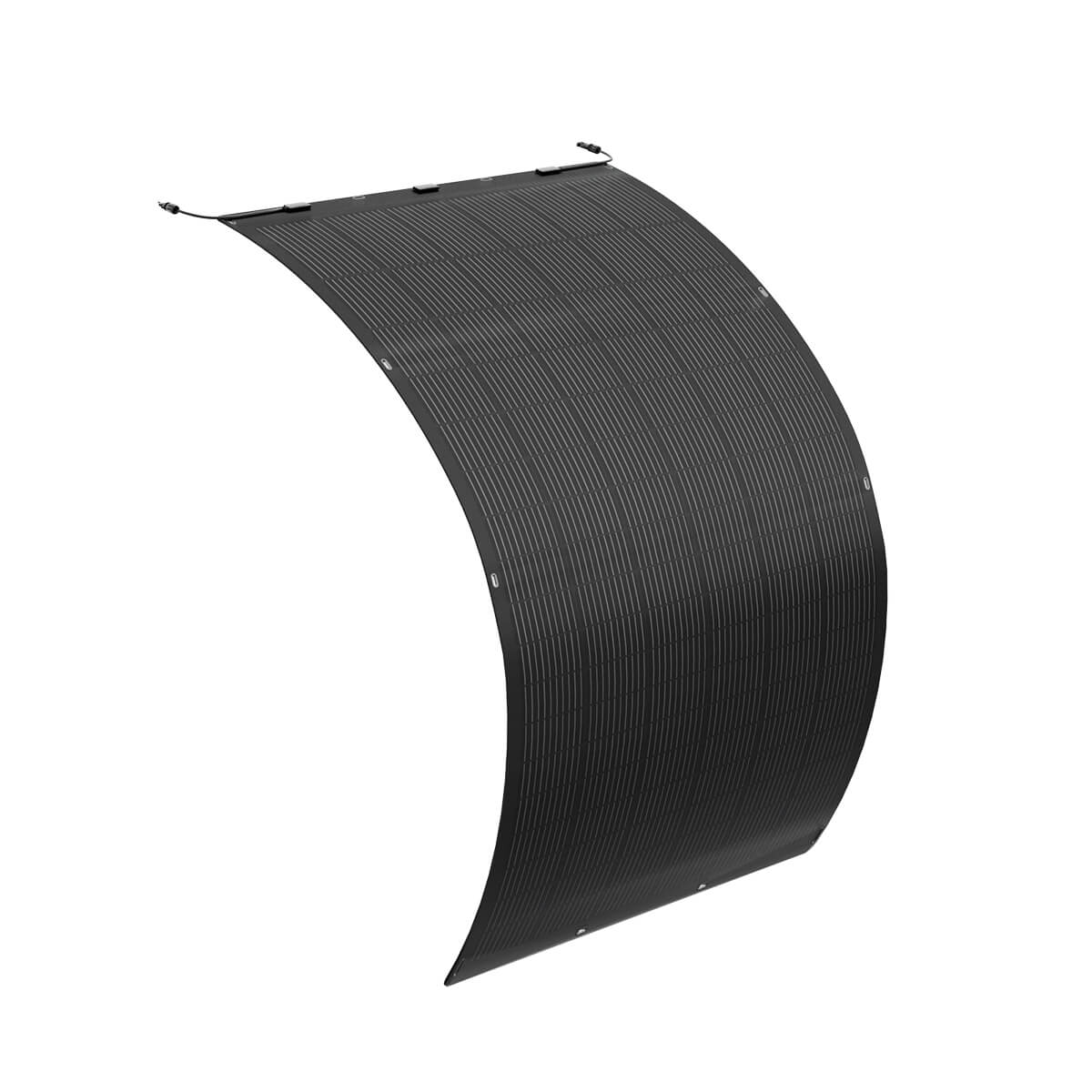
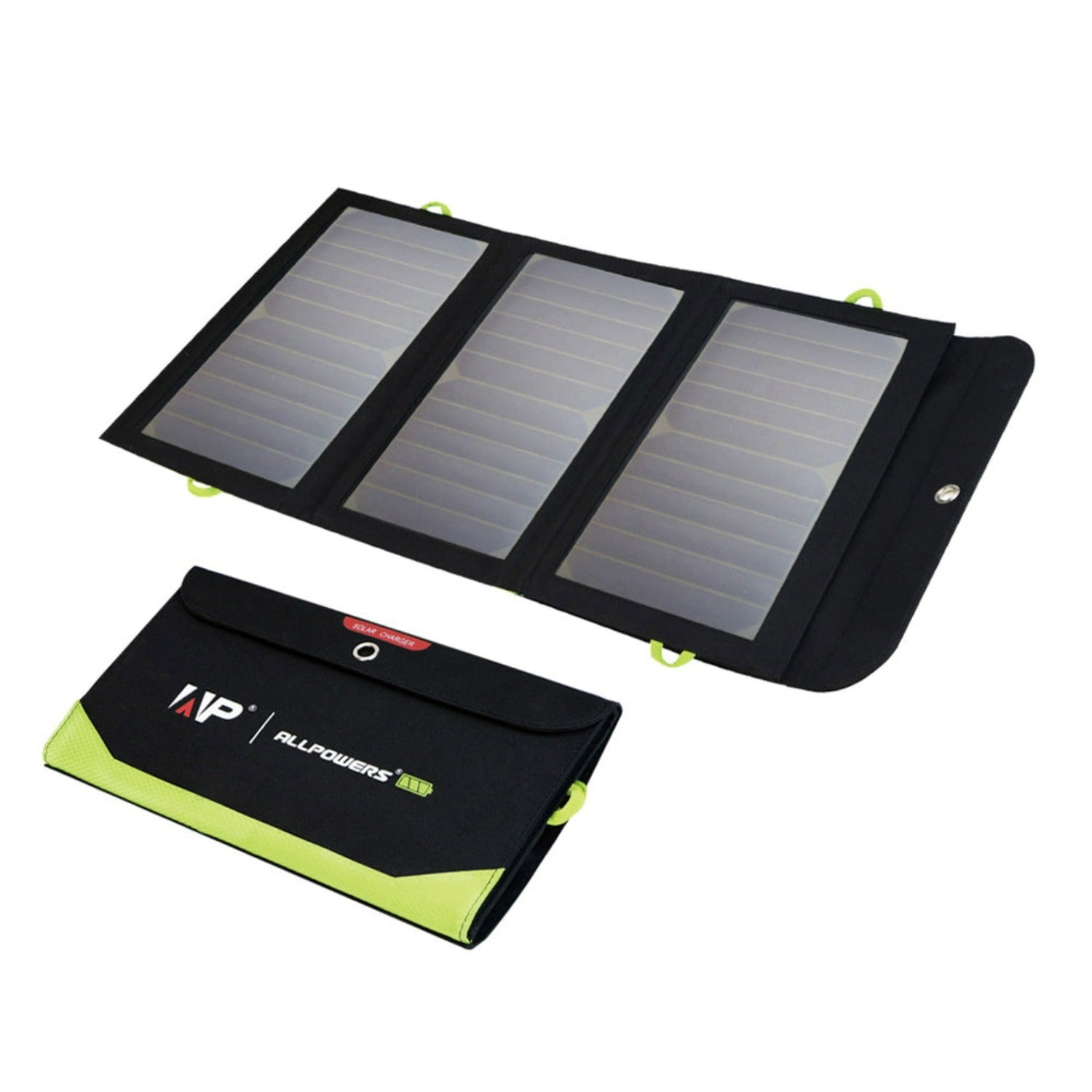
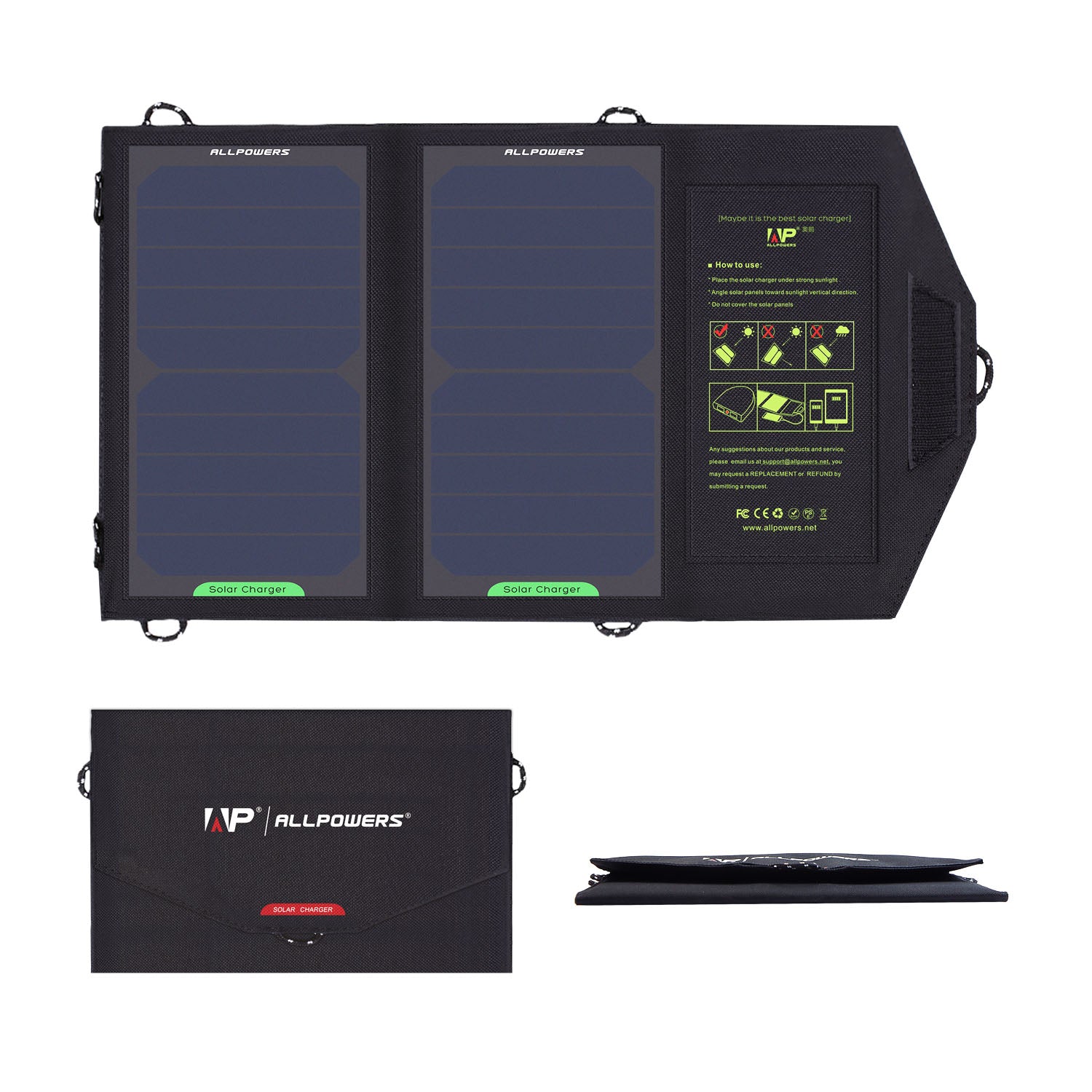
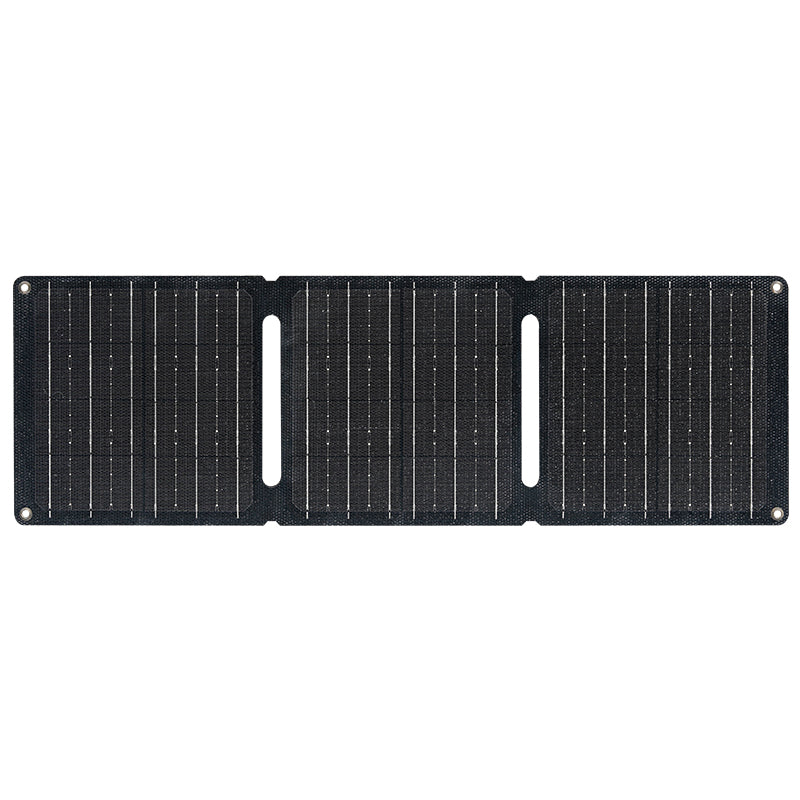
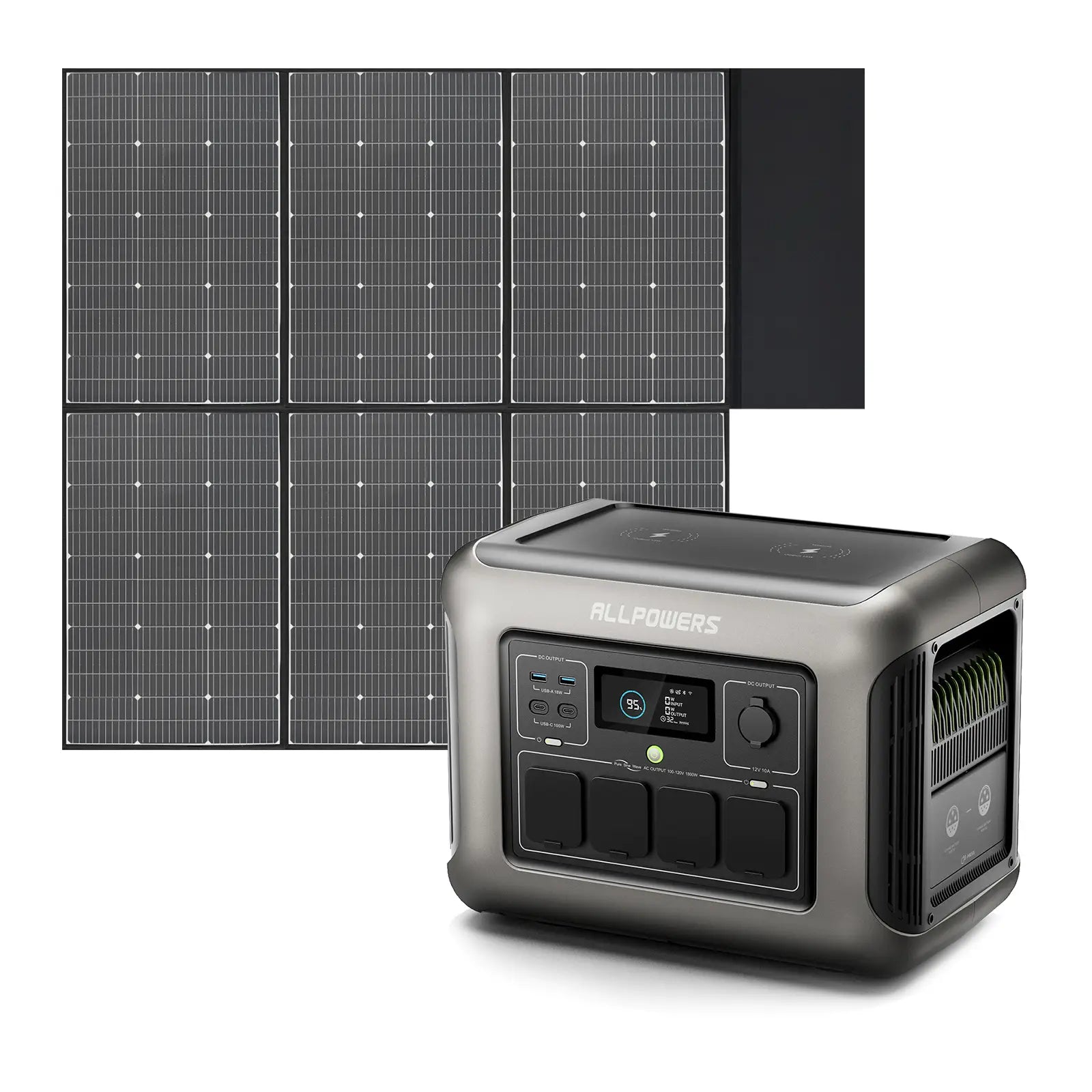
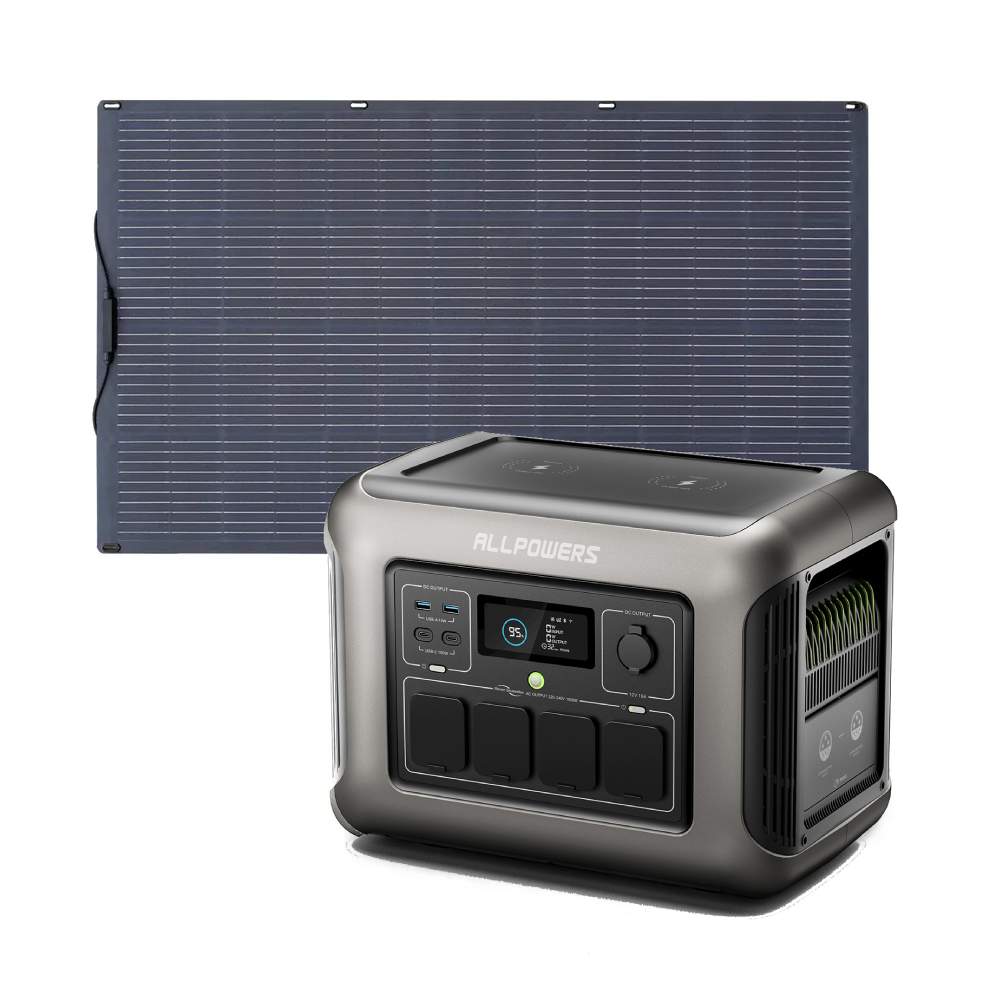
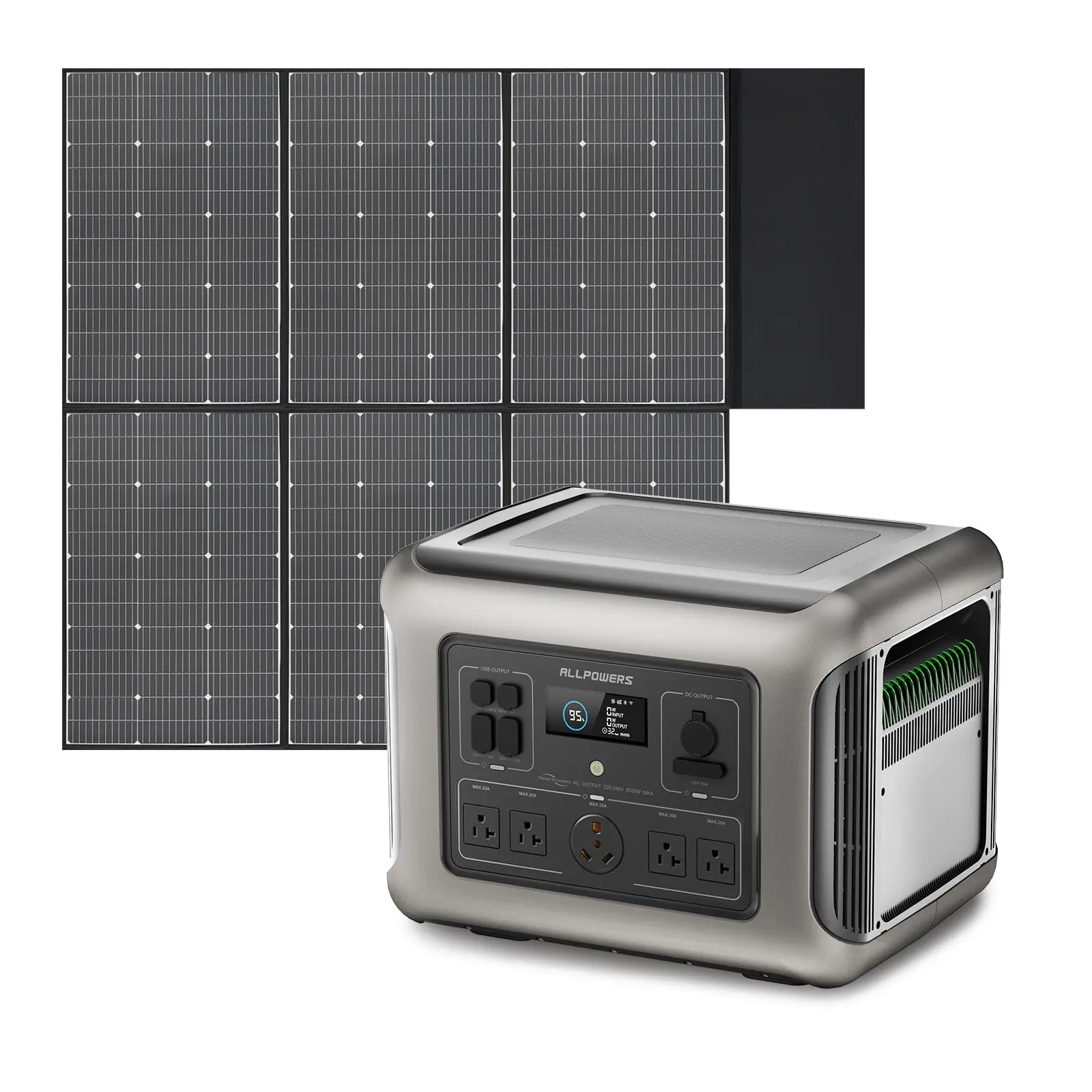
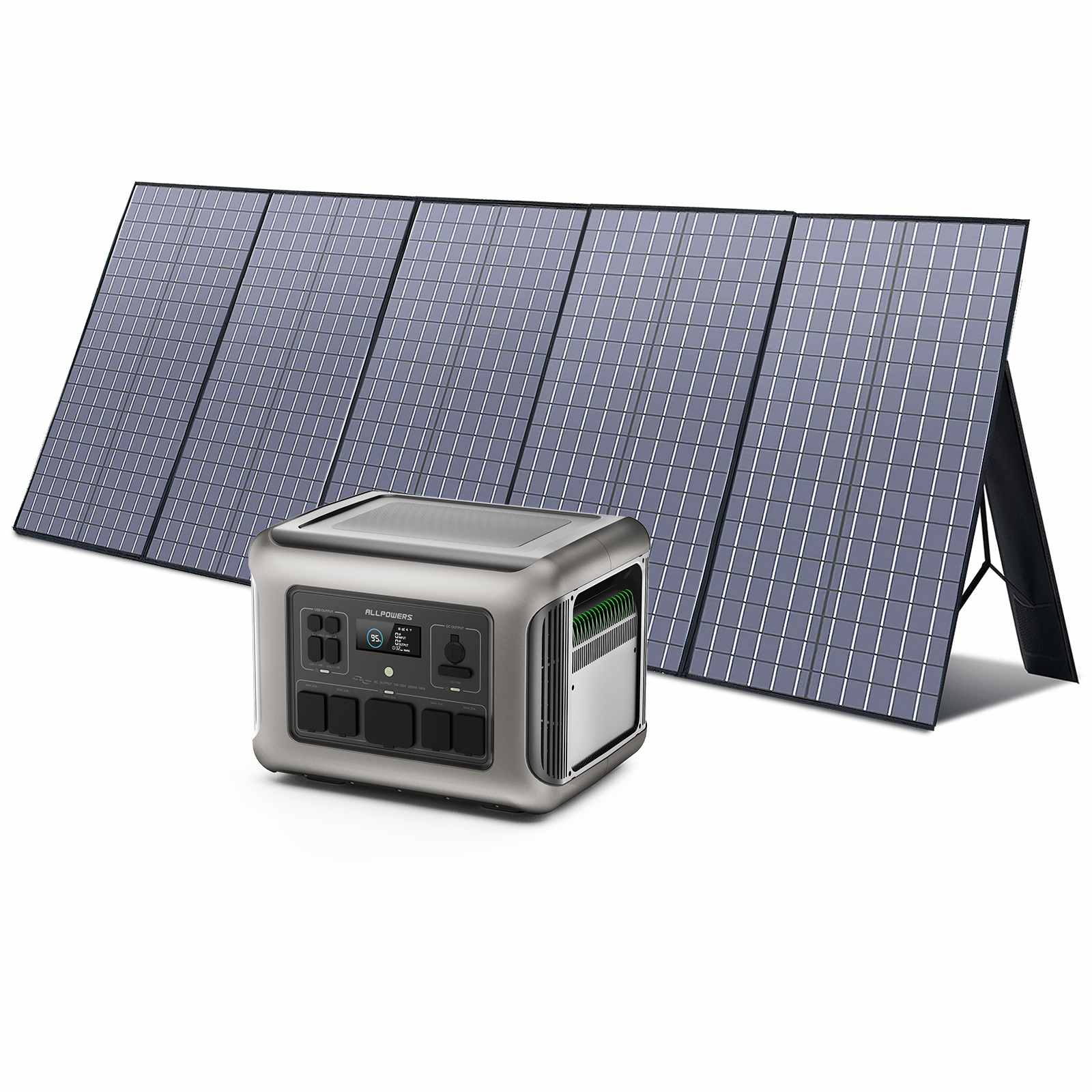
This is particularly true for solar setups. Solar input fluctuates with sunlight intensity, angle, and even cloud cover.
If you’re simultaneously drawing 200W for a mini-fridge while your solar panels are only producing 150W, the deficit is made up by draining the battery.
Does Using a Power Station While Charging Affect Battery Life?
Some skeptics worry that frequent pass-through charging could degrade battery life.
Technically, it can—but with modern BMS-equipped stations, the effect is minimal.
Think of it like driving a car. Accelerating hard every time you go, versus driving steadily, does influence engine wear.
Similarly, using the station moderately while charging, especially within rated limits, is generally safe for thousands of cycles.
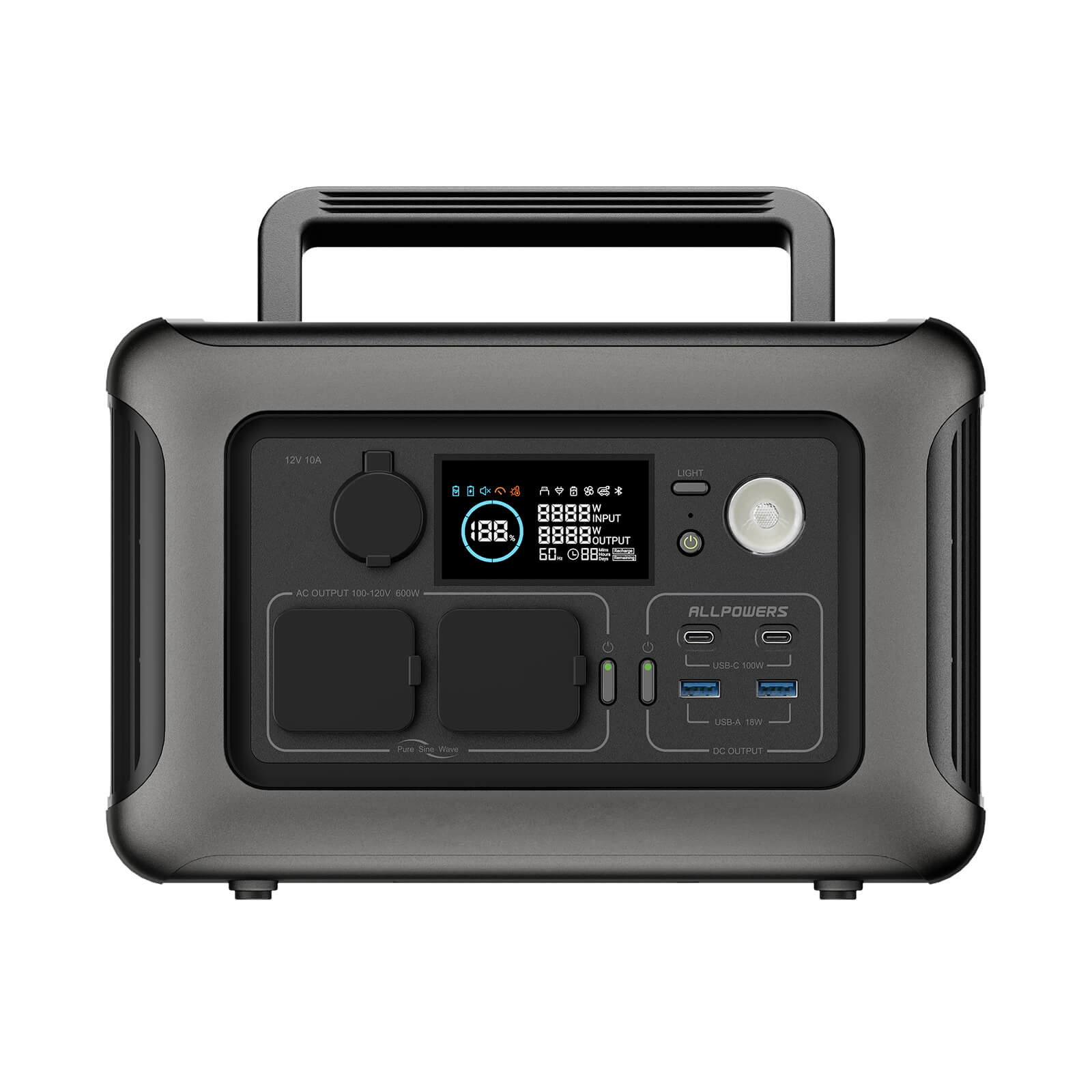
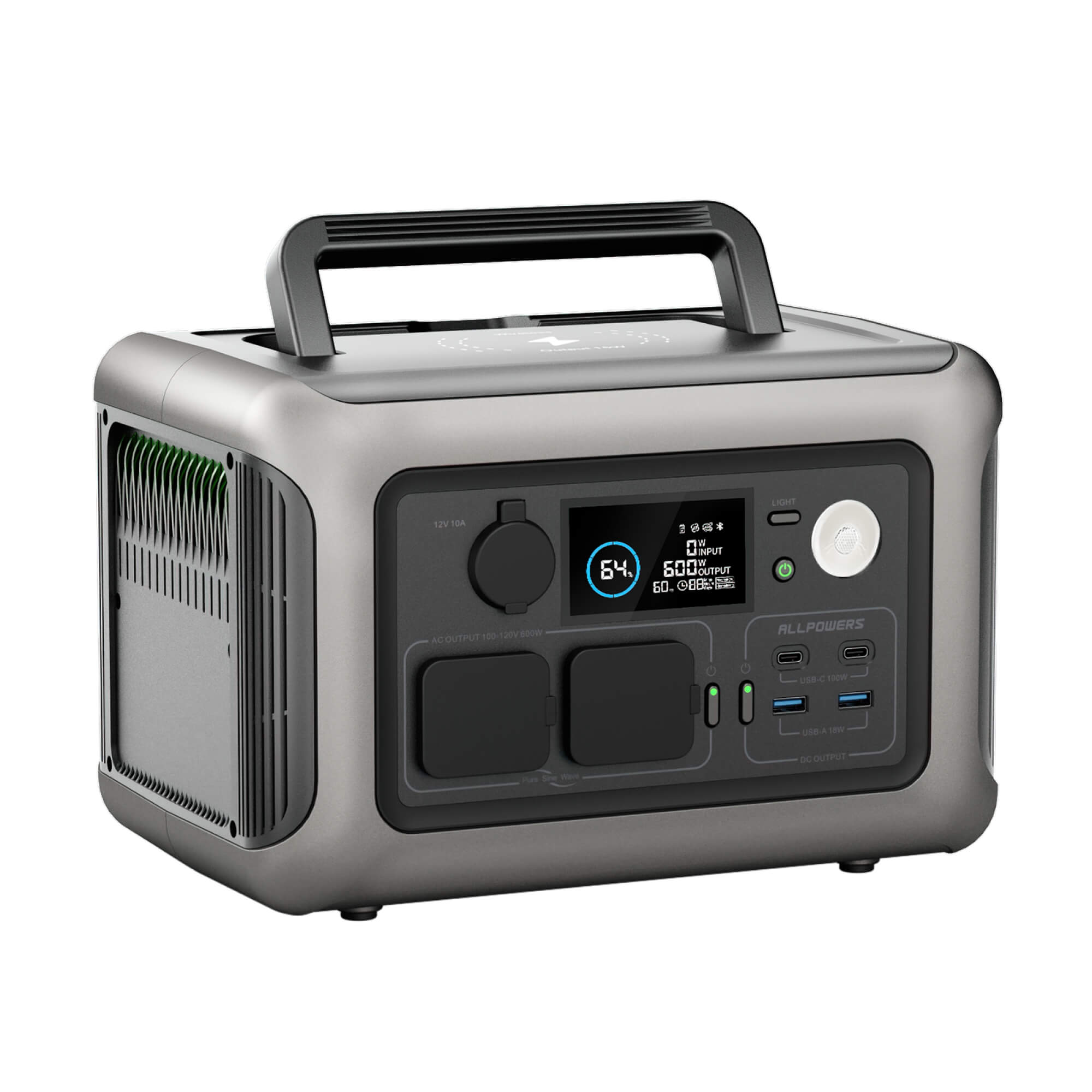
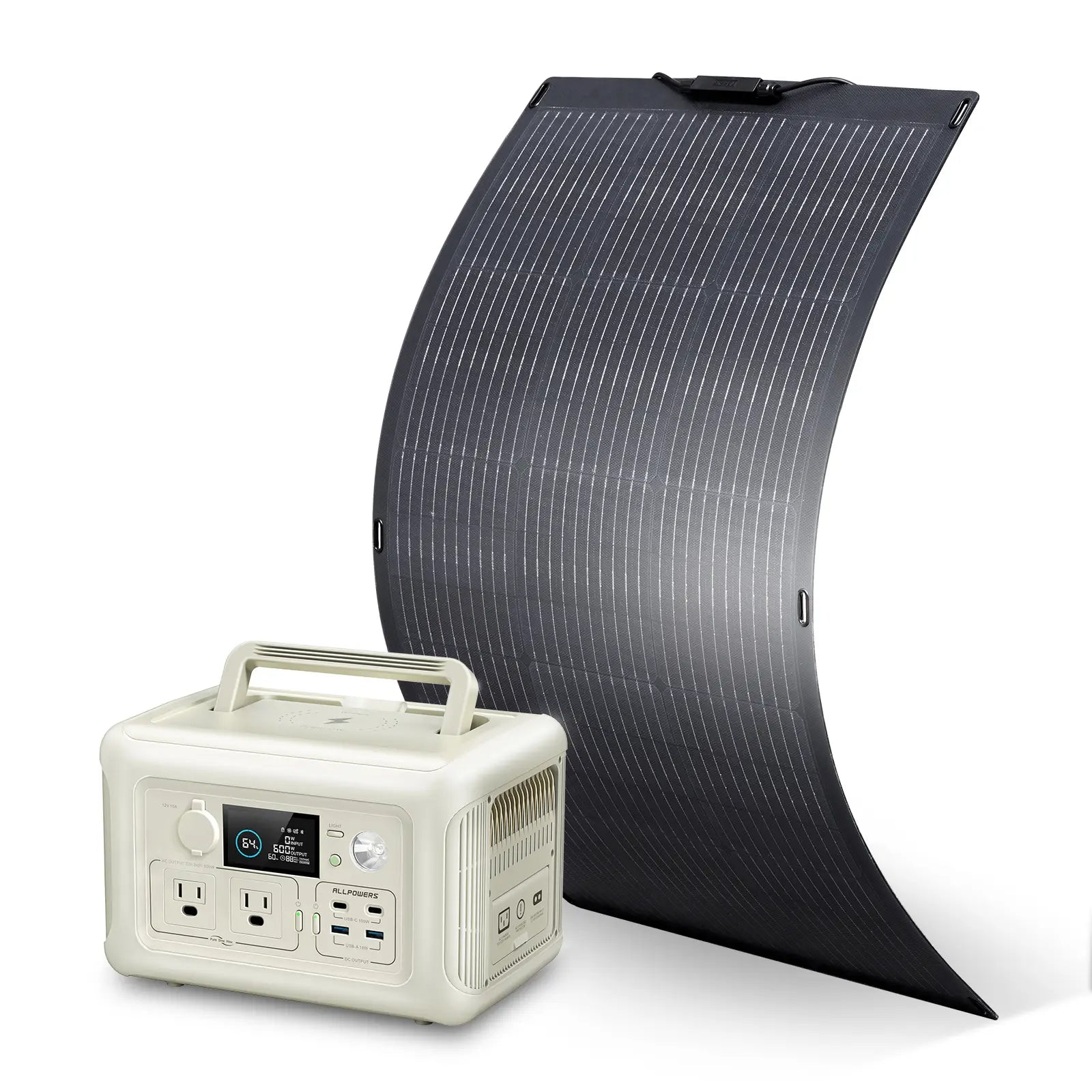
ALLPOWERS R600 Portable Power Station
$199.00 $269.00
- 299Wh Capacity;
- 600W AC Output (1,200W Surge);
- Fast Charge 100% in 1 Hours;
- Start UPS in 10 ms;
- Long-Lasting And Safe Lifepo4 Battery;
How to Use the Power Station While Charging Without Shortening Its Lifespan
You don’t need to baby your equipment, but a little awareness goes a long way.
First, check your device’s manual for pass-through support. Not all stations allow it, and forcing it could trigger protective shutdowns.
Second, avoid using high-wattage appliances simultaneously with charging from low-output sources.
For example, if you’re charging from a standard wall outlet at 120W, running a 500W blender could stall the charging entirely.
Third, keep temperature in mind. Ambient heat plus battery use equals faster degradation. If you’re camping in midsummer, aim to shade your station or leave it in a cooler spot.
On the flip side, in cold conditions, lithium batteries become less efficient, so performance might dip regardless.
Finally, monitor usage visually or through the app if your station supports it. Seeing real-time wattage in and out can prevent surprises and help you gauge if your setup is sustainable for the devices you’re powering.
When You Shouldn’t Use Your Power Station While Charging
Even though it’s usually fine, there are moments when you should rethink it.
If you’re in extreme heat—say, 95°F in direct sunlight—the combination of solar charging and device output can cause unnecessary strain.
Also, some high-draw appliances like induction cookers or hair dryers are better run when the station isn’t charging. High output plus charging equals high internal temps. Not ideal.
And occasionally, manufacturers disable AC output during charging for safety. If that’s the case, well… your power station has already decided for you.
Conclusion
Can you use your portable power station while it’s charging? Absolutely. That’s the short answer.
But even though pass-through charging is safe and commonly supported, it’s worth practicing a little battery kindness.
Use it when you need it.