


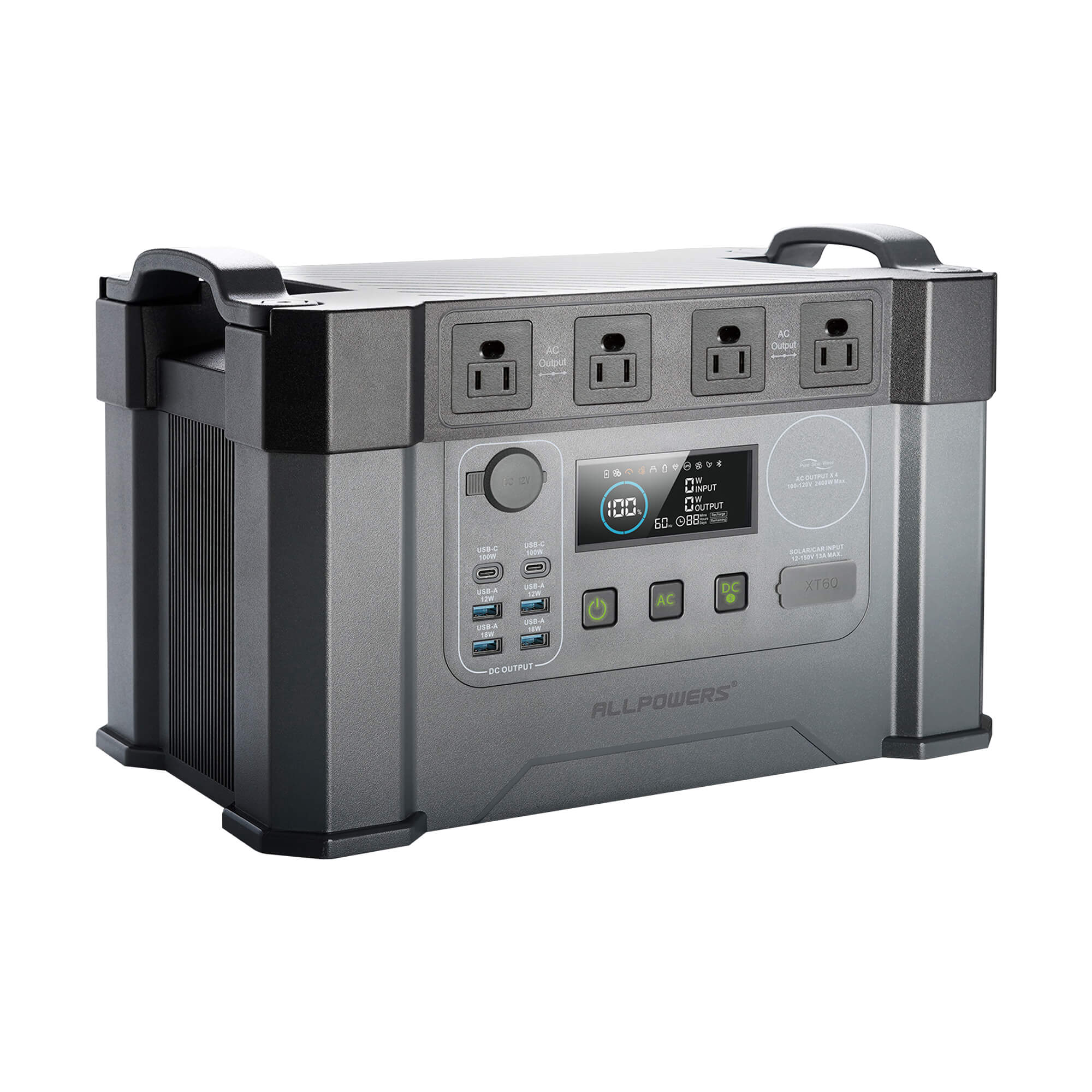
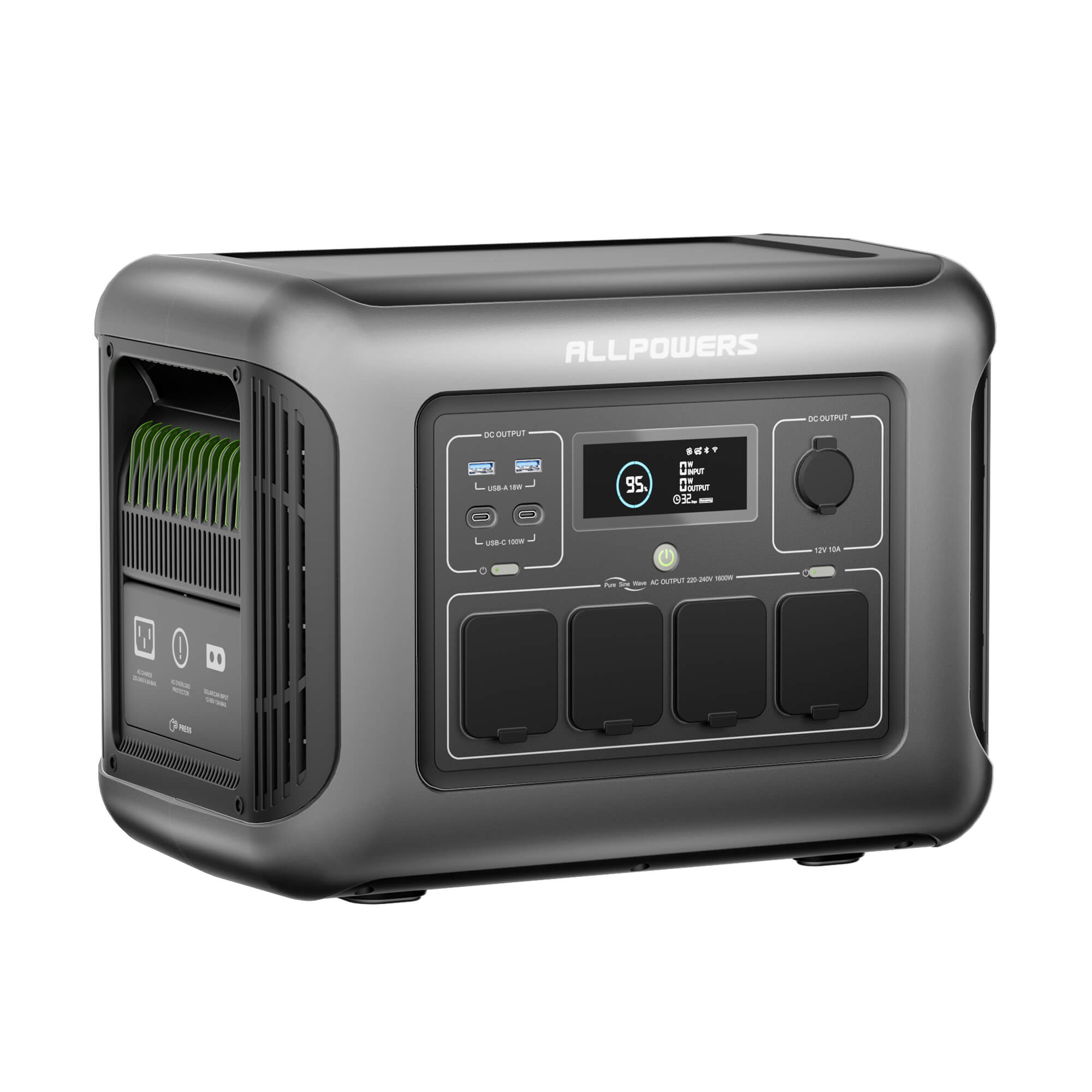




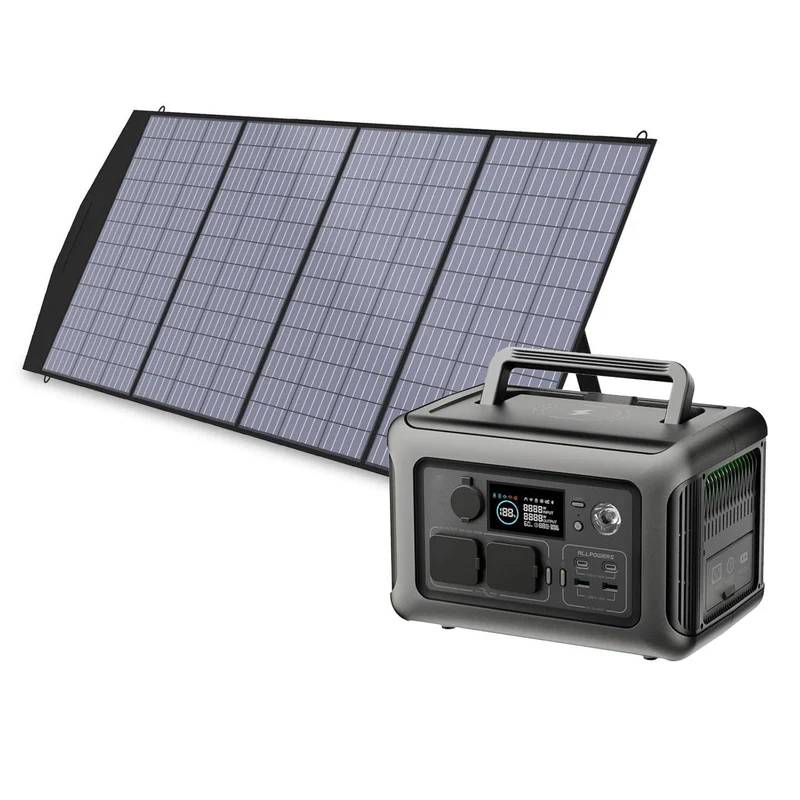
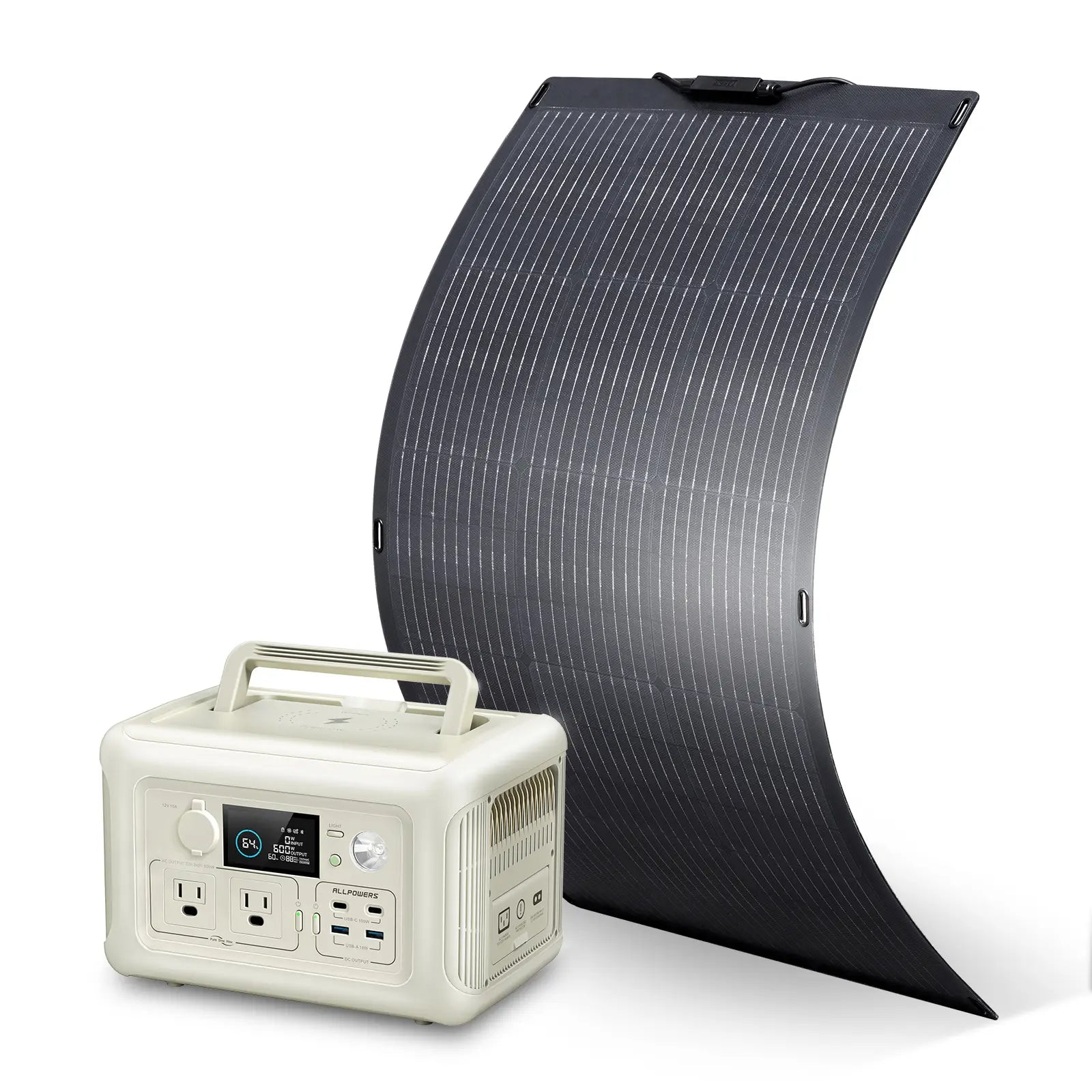
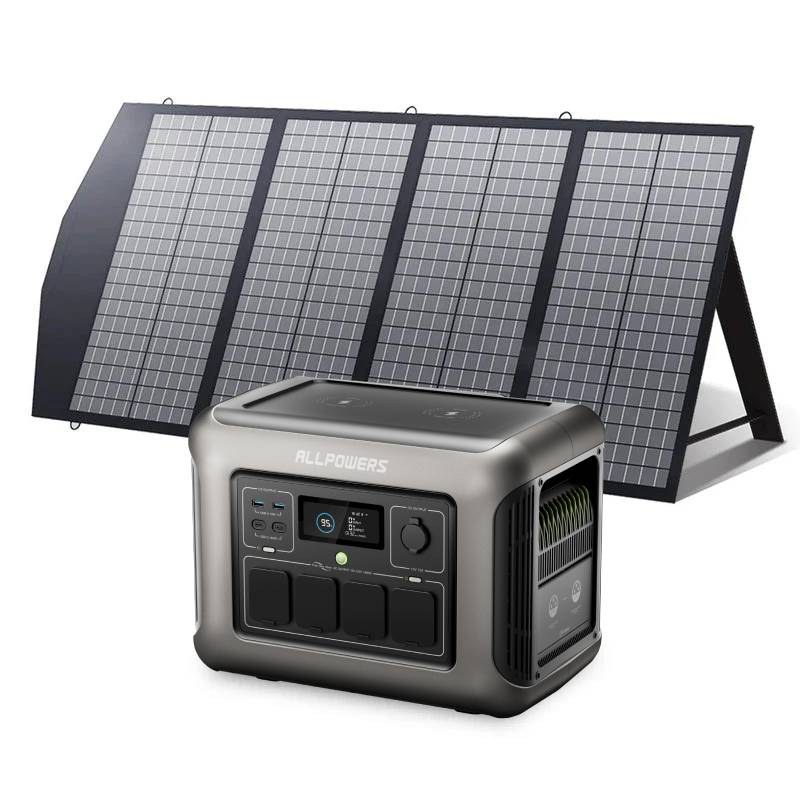
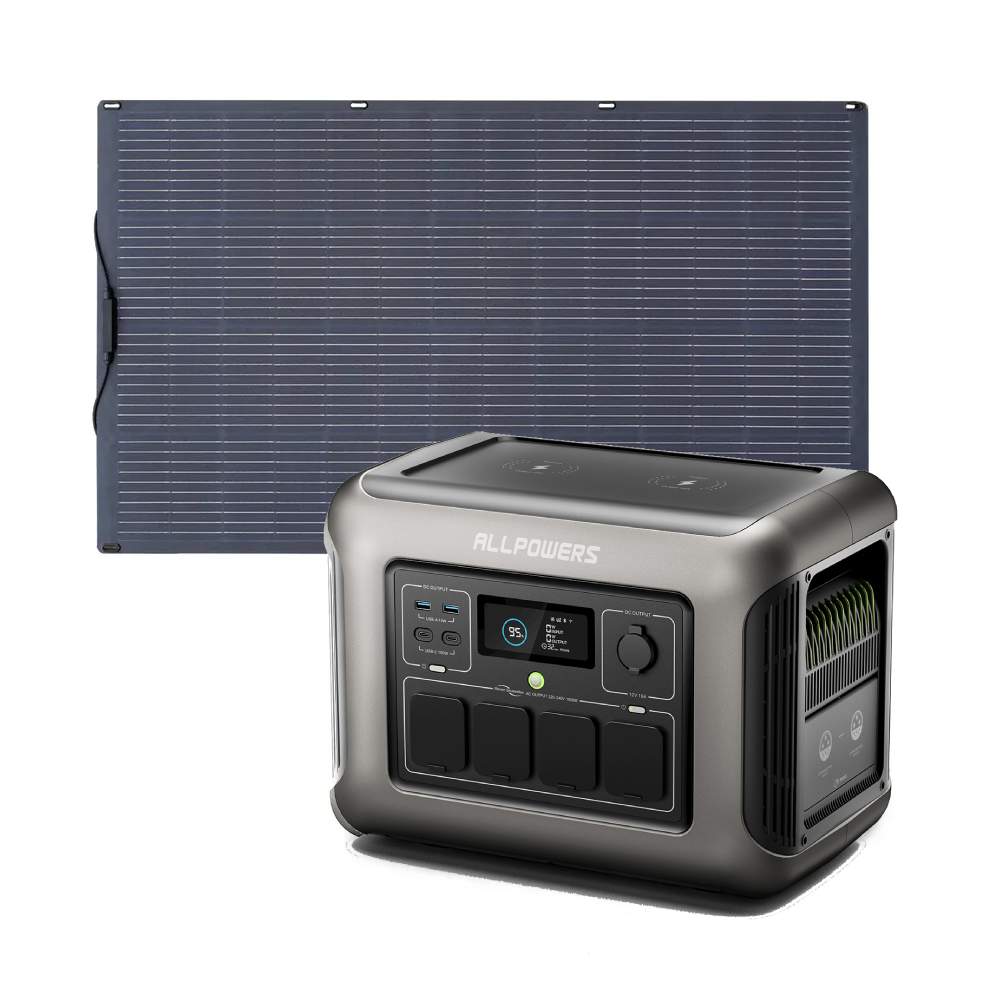
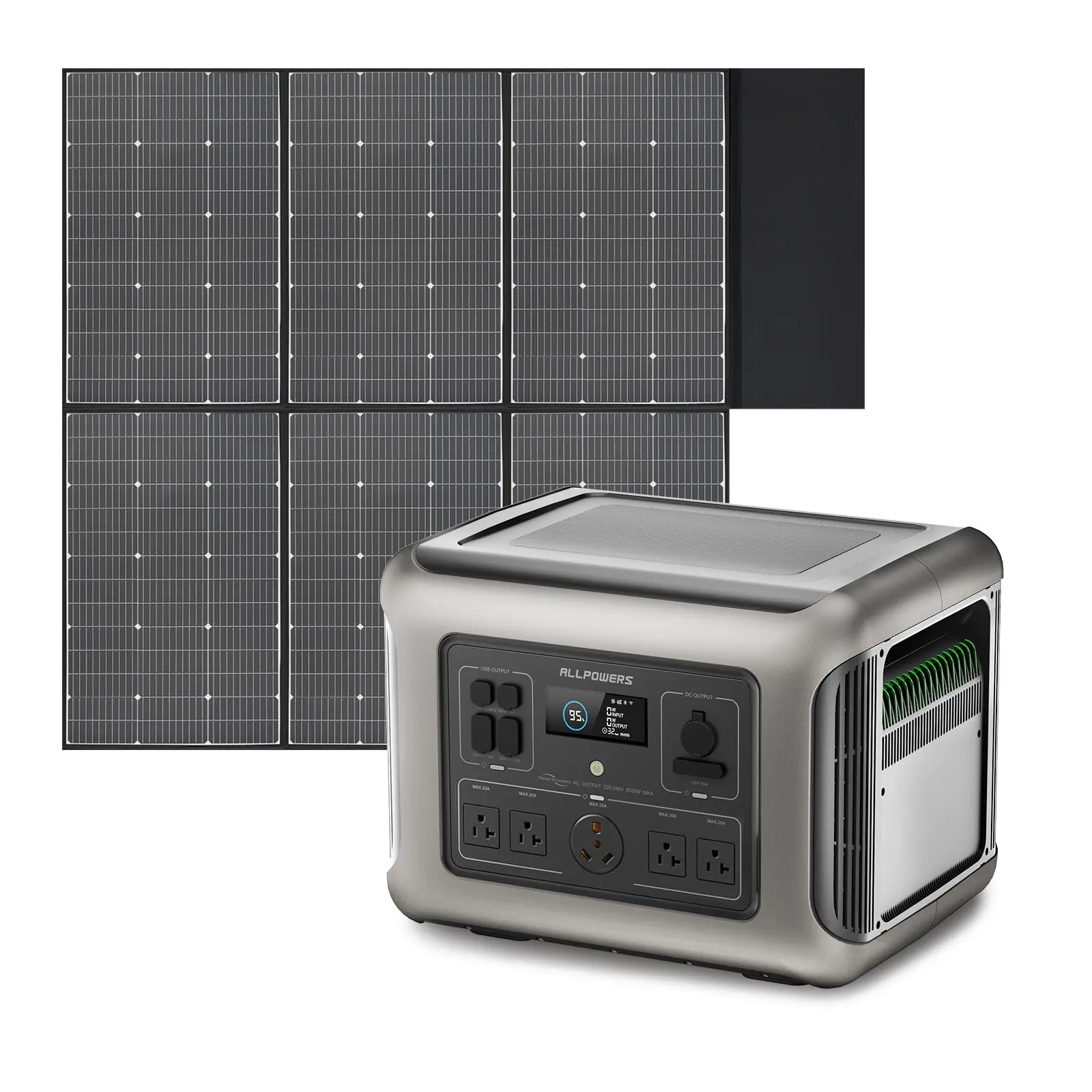
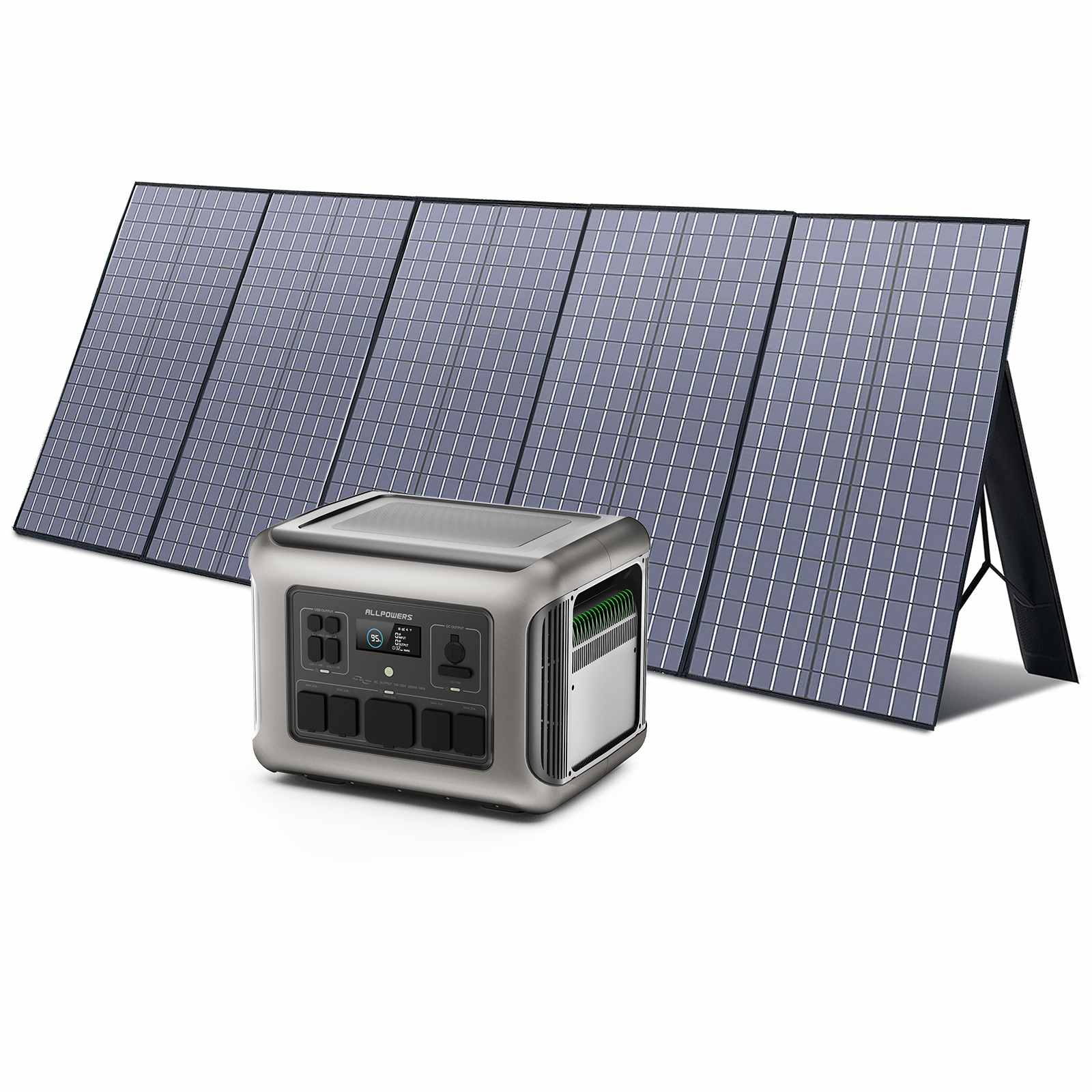
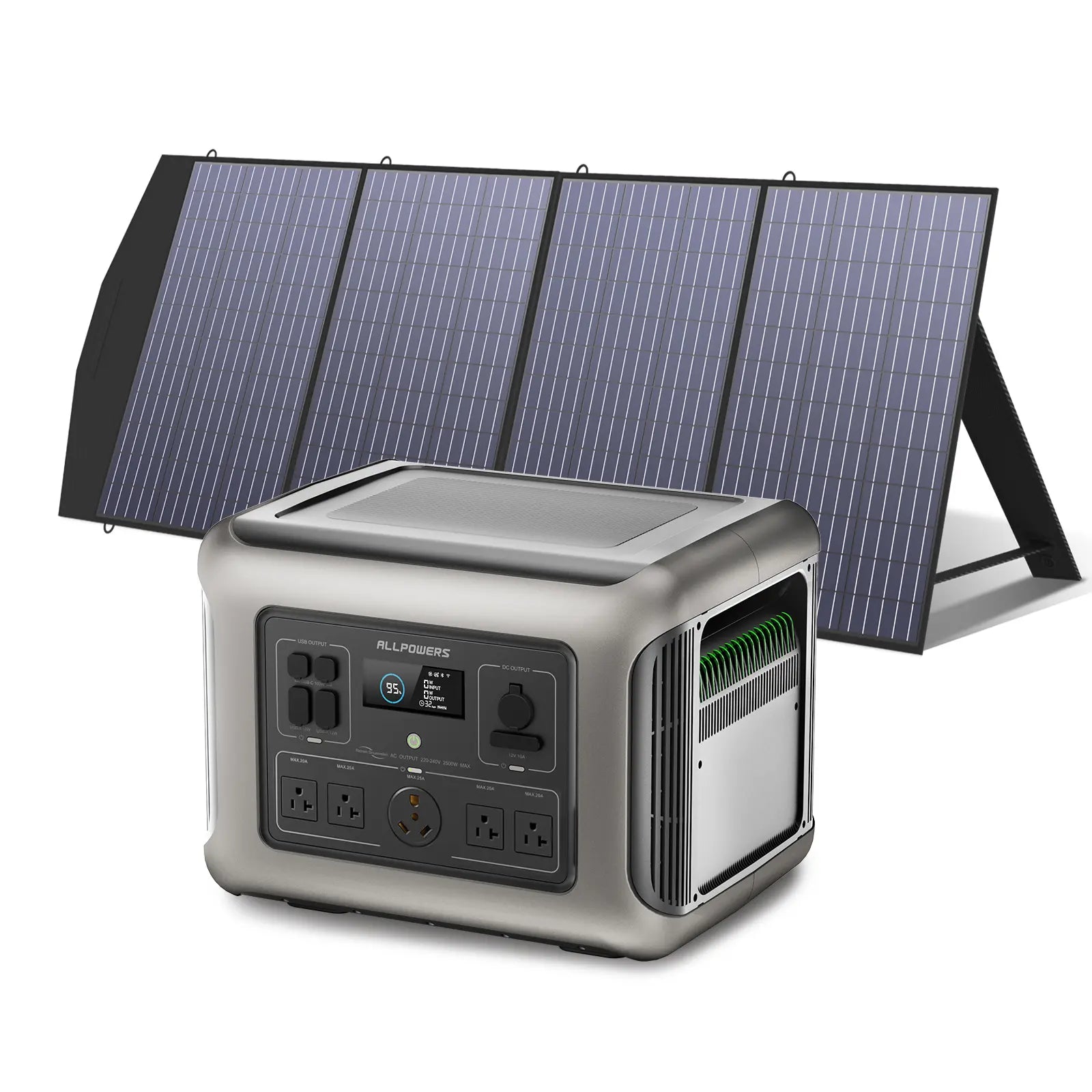
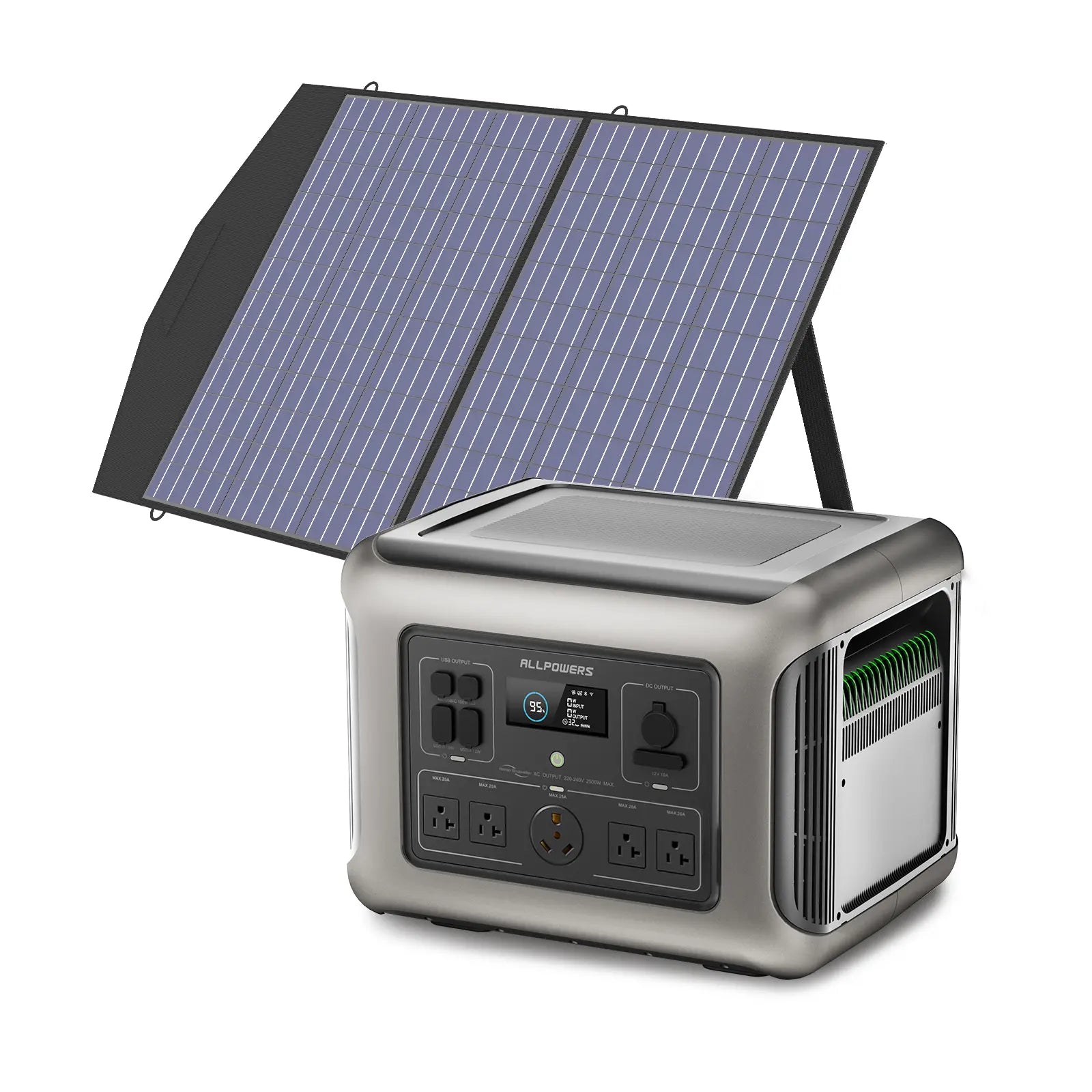
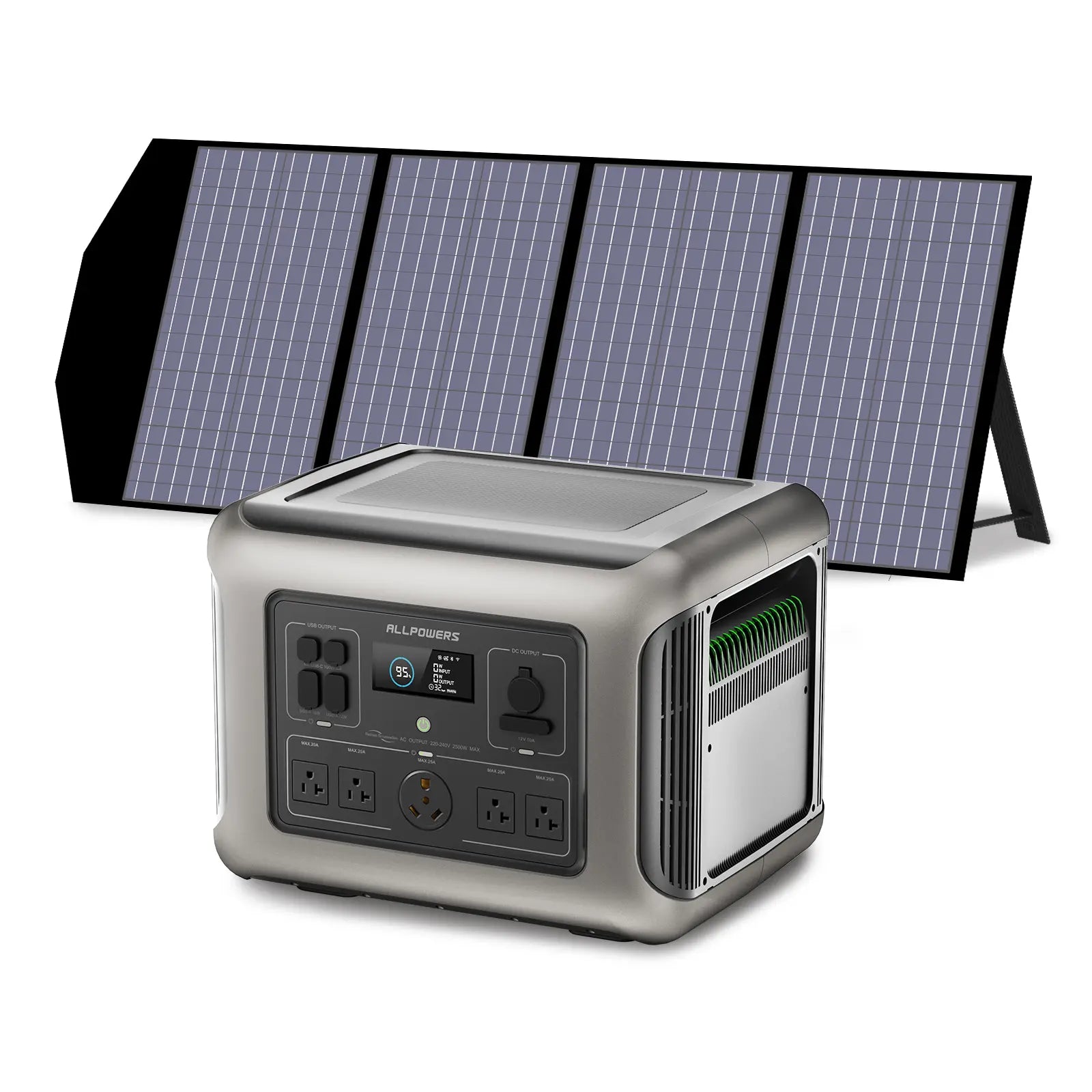
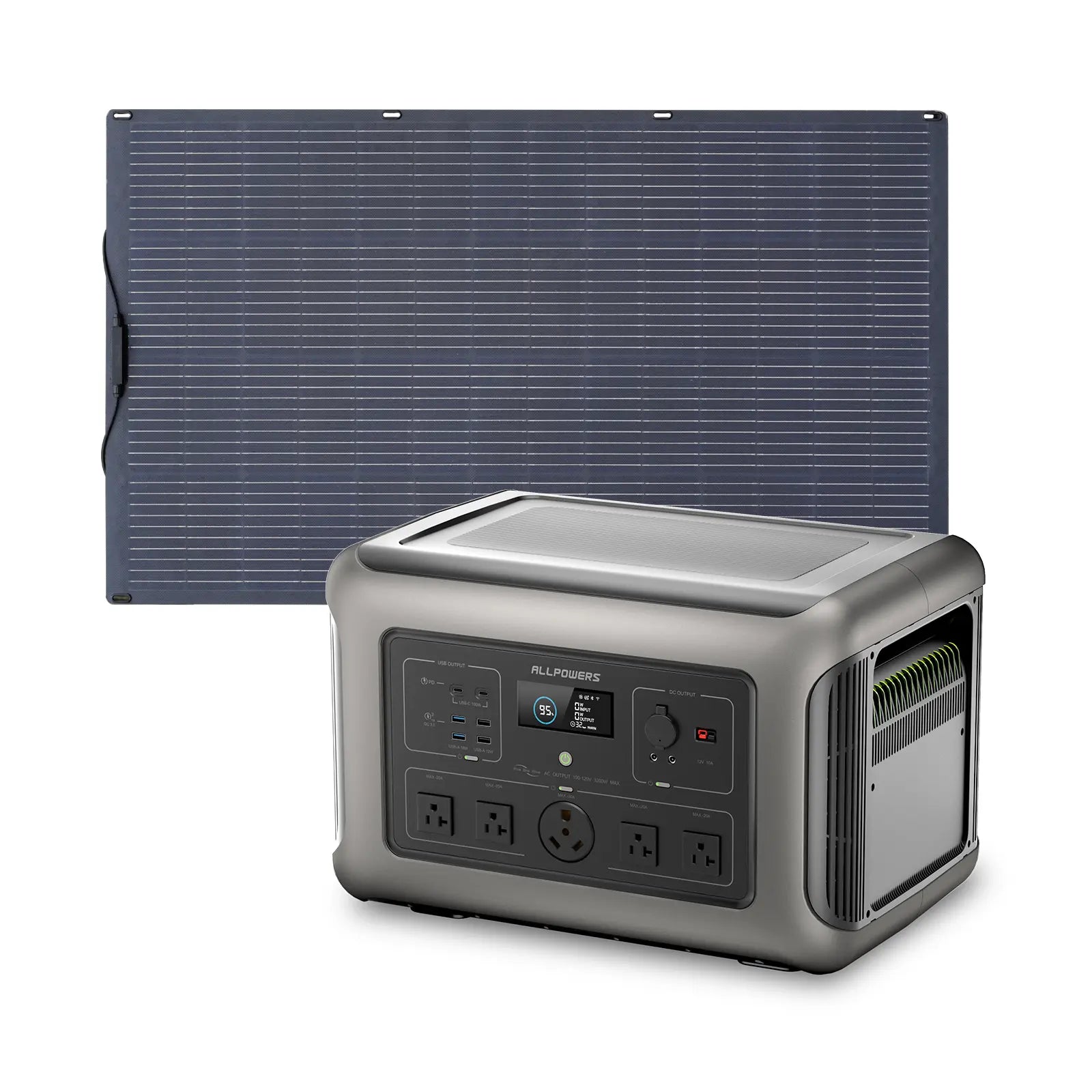
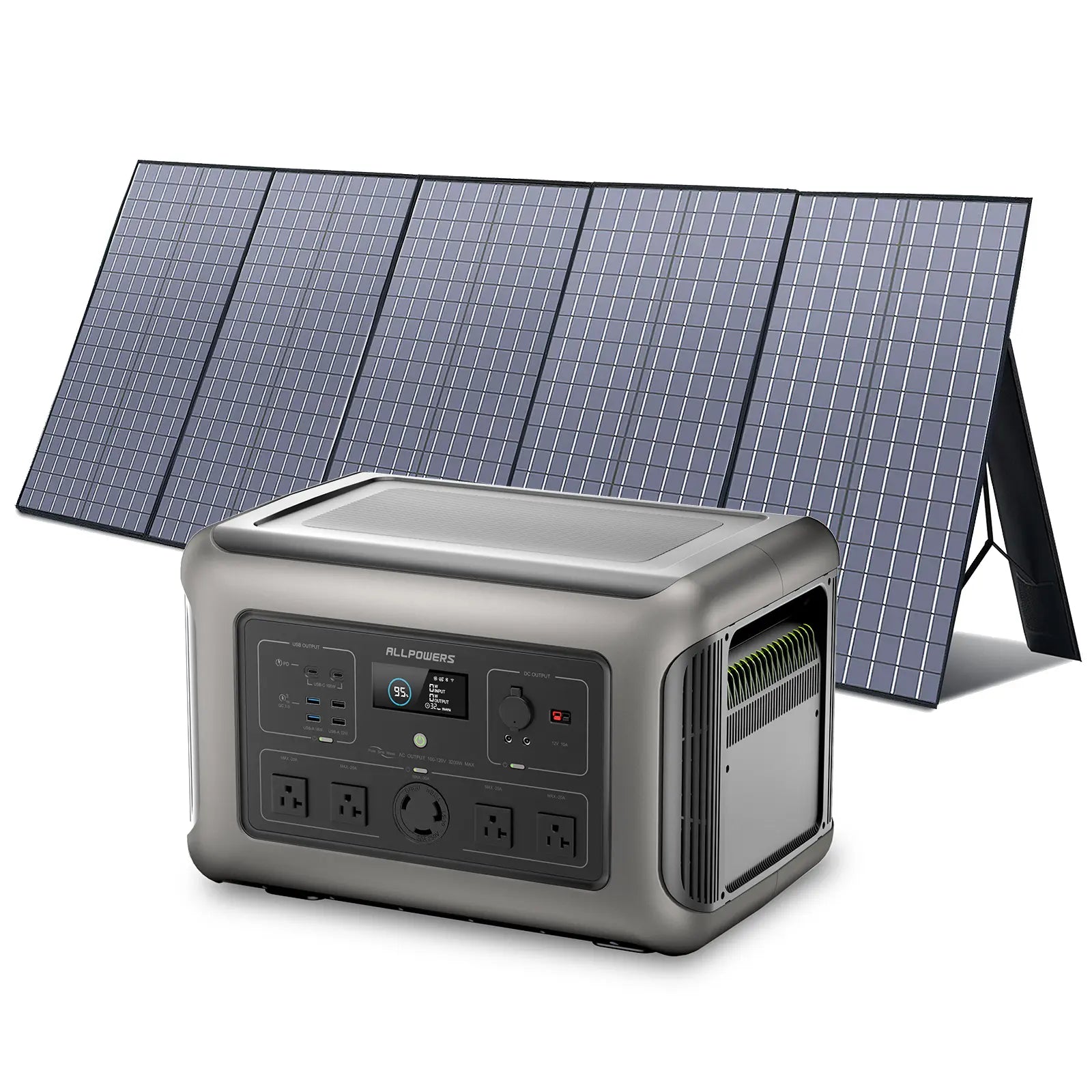
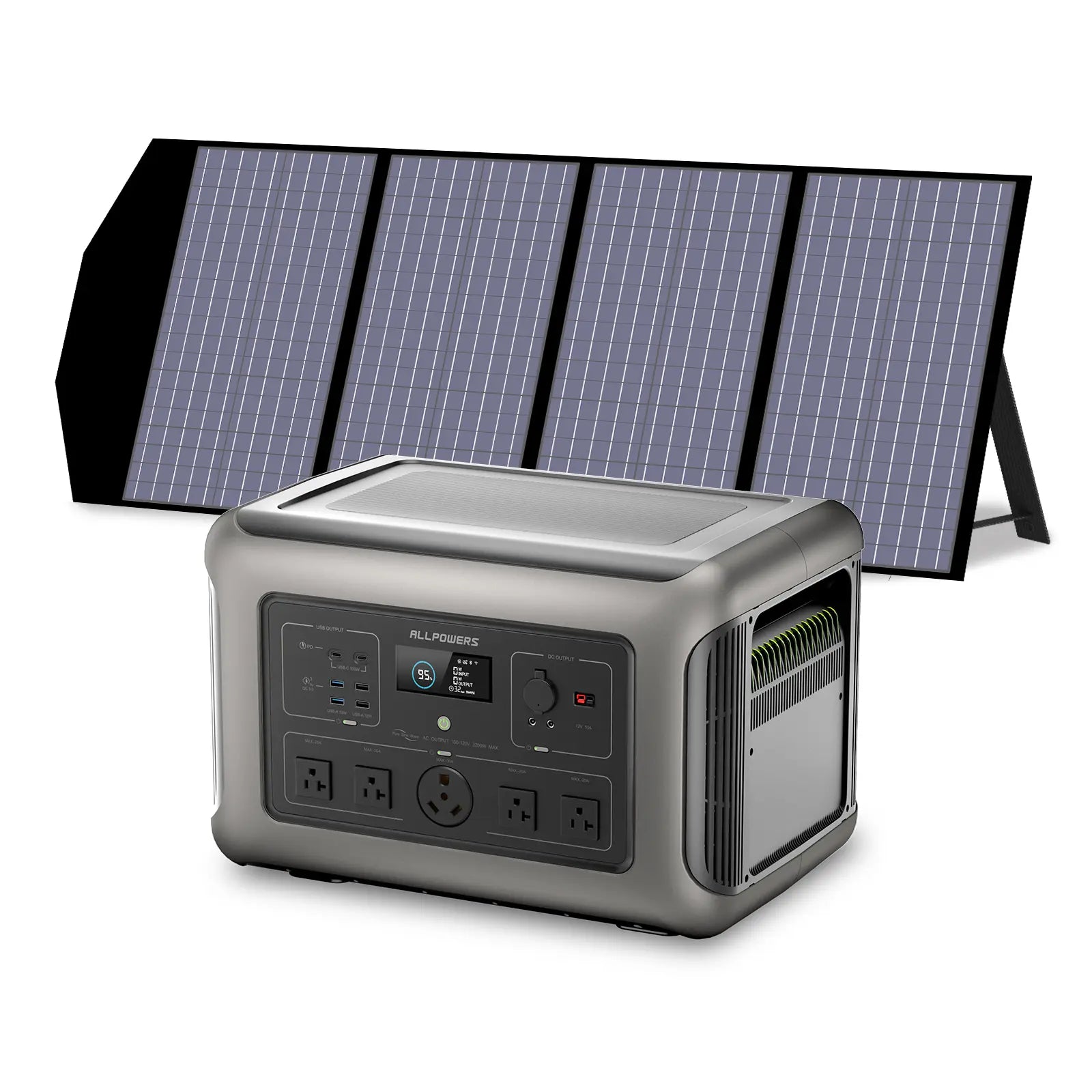
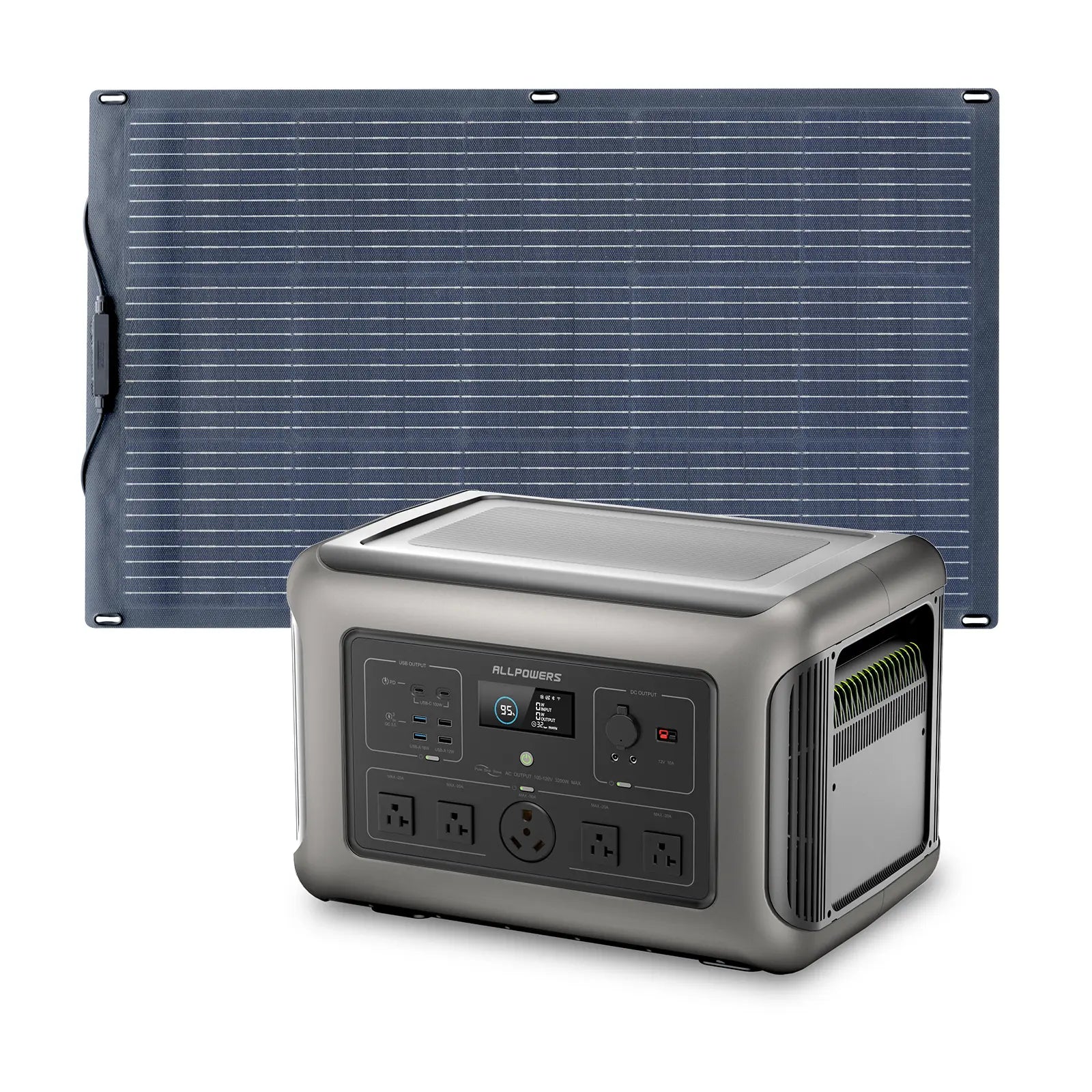
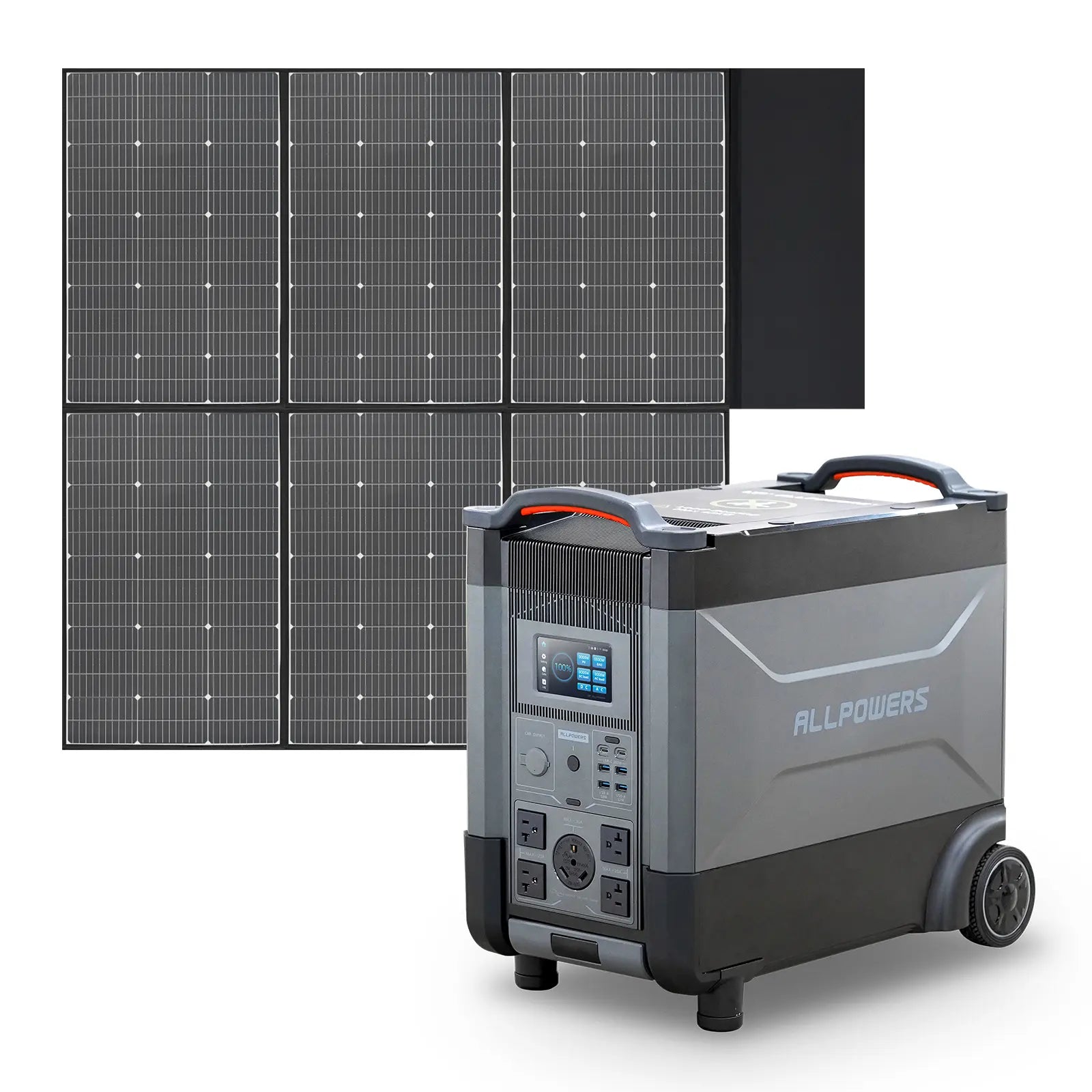
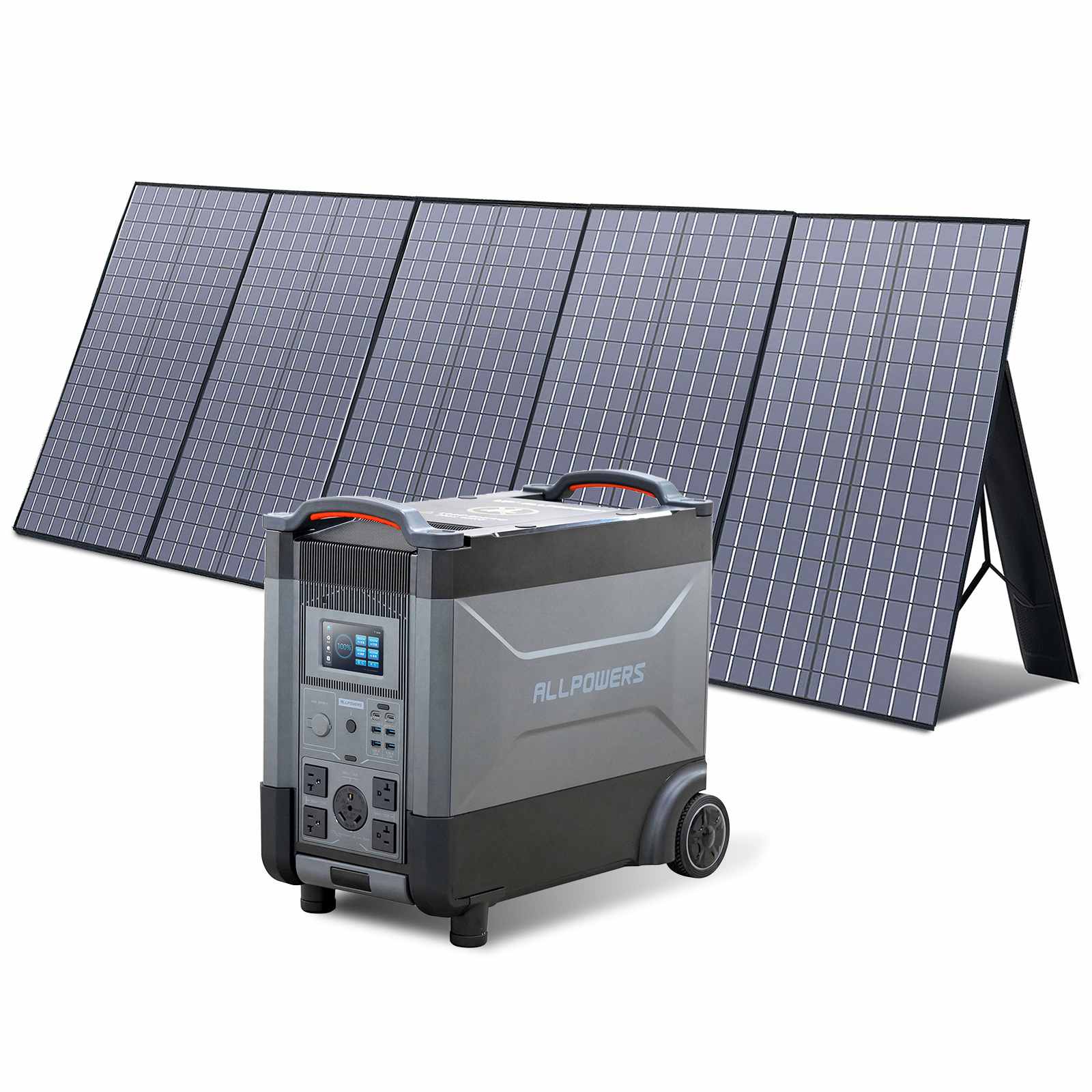
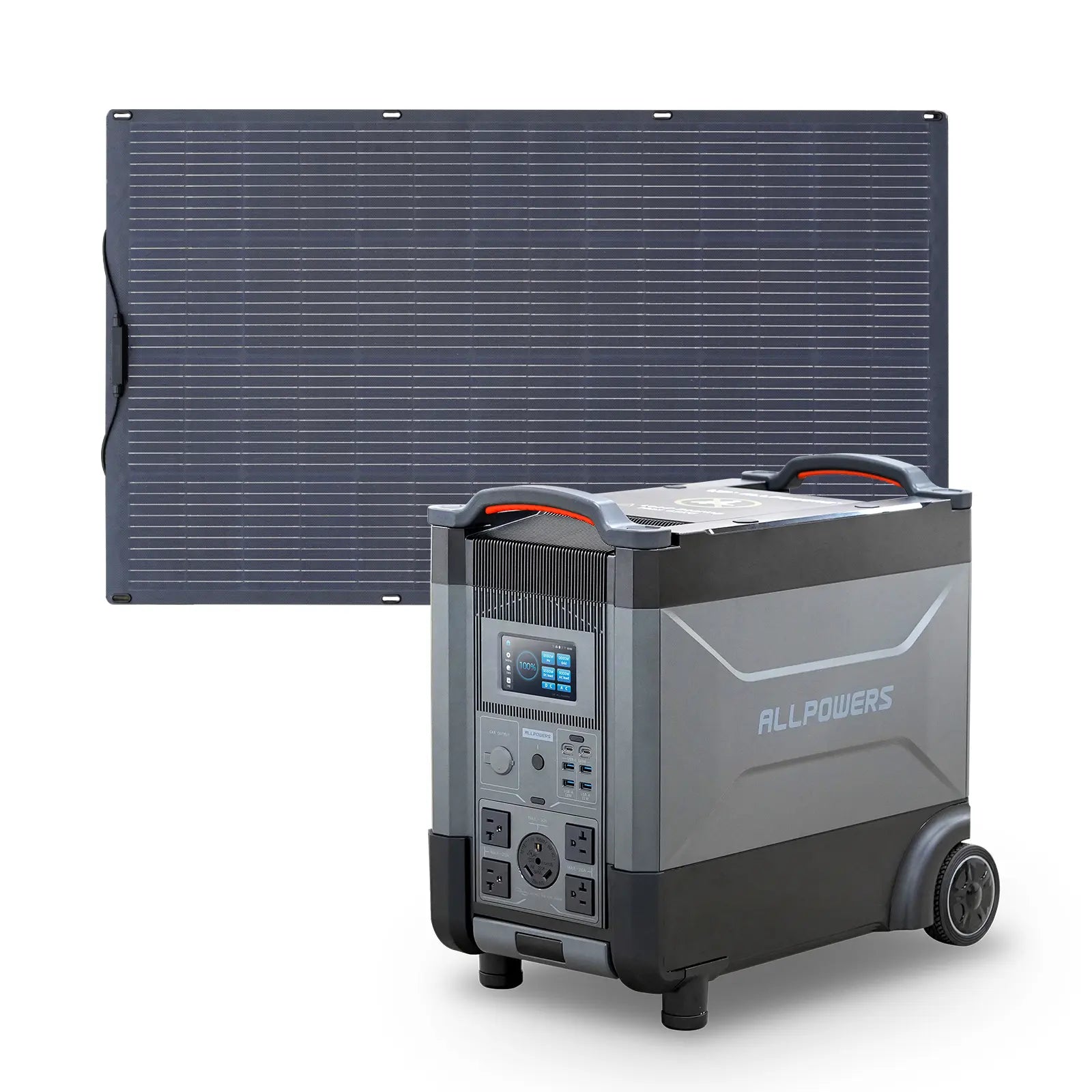
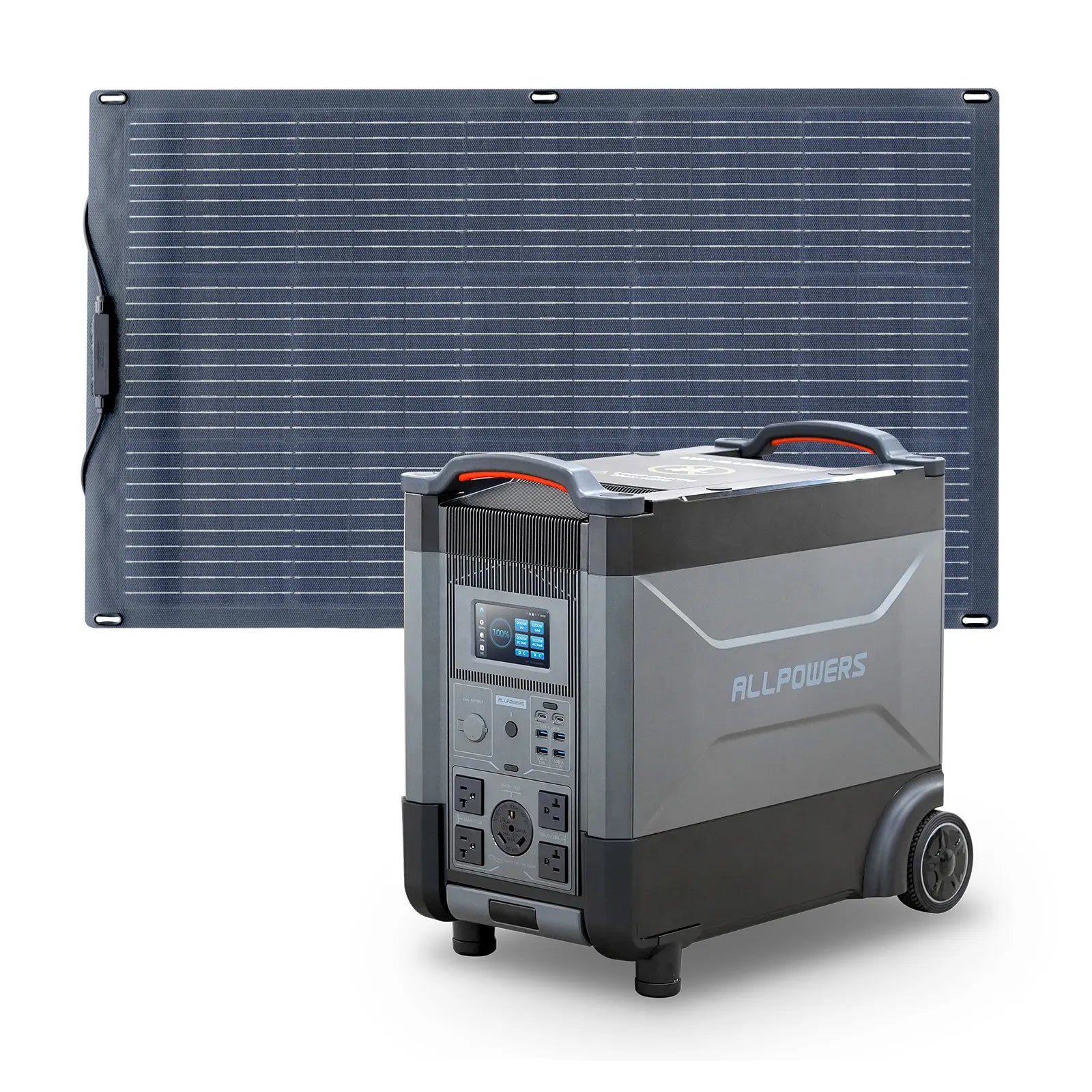
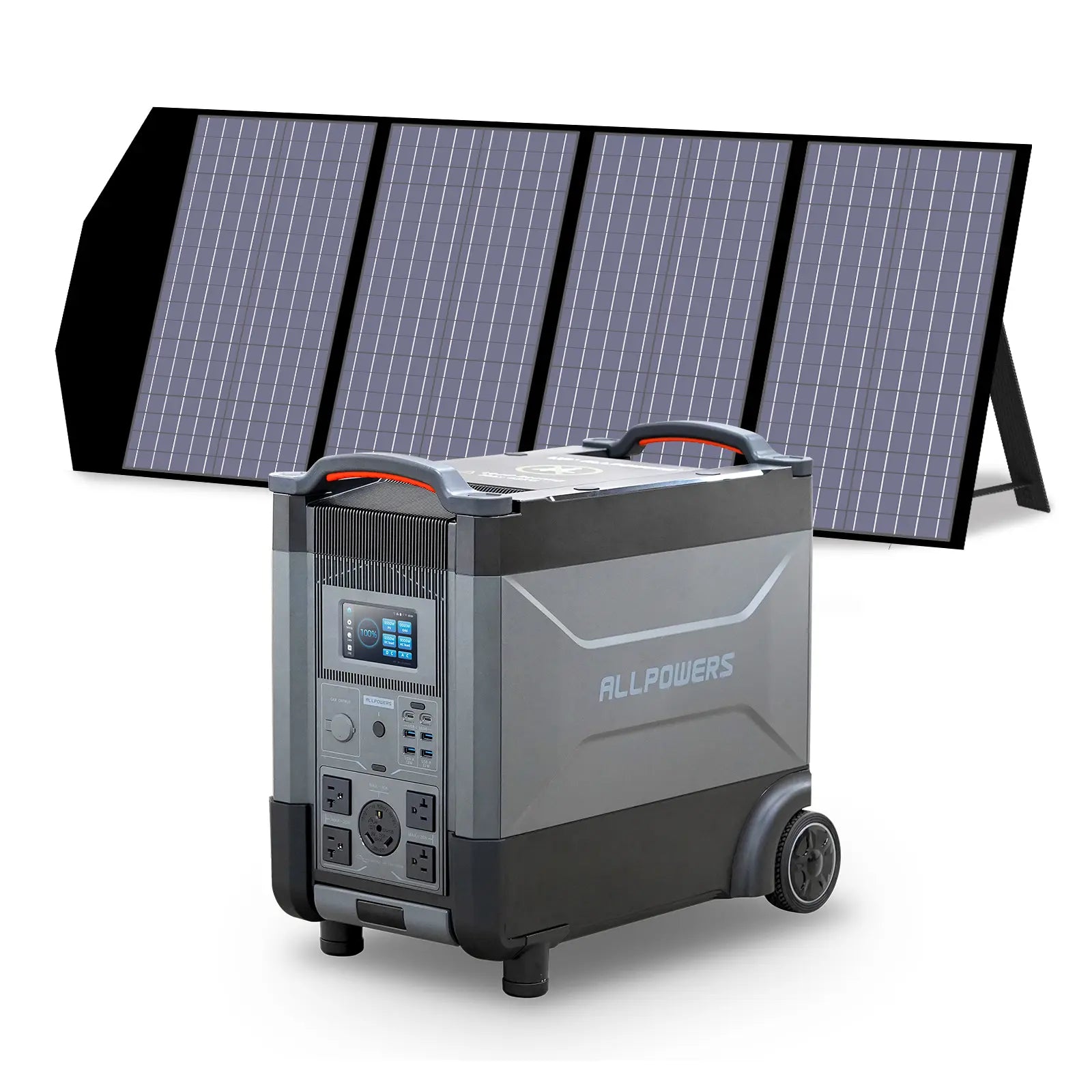
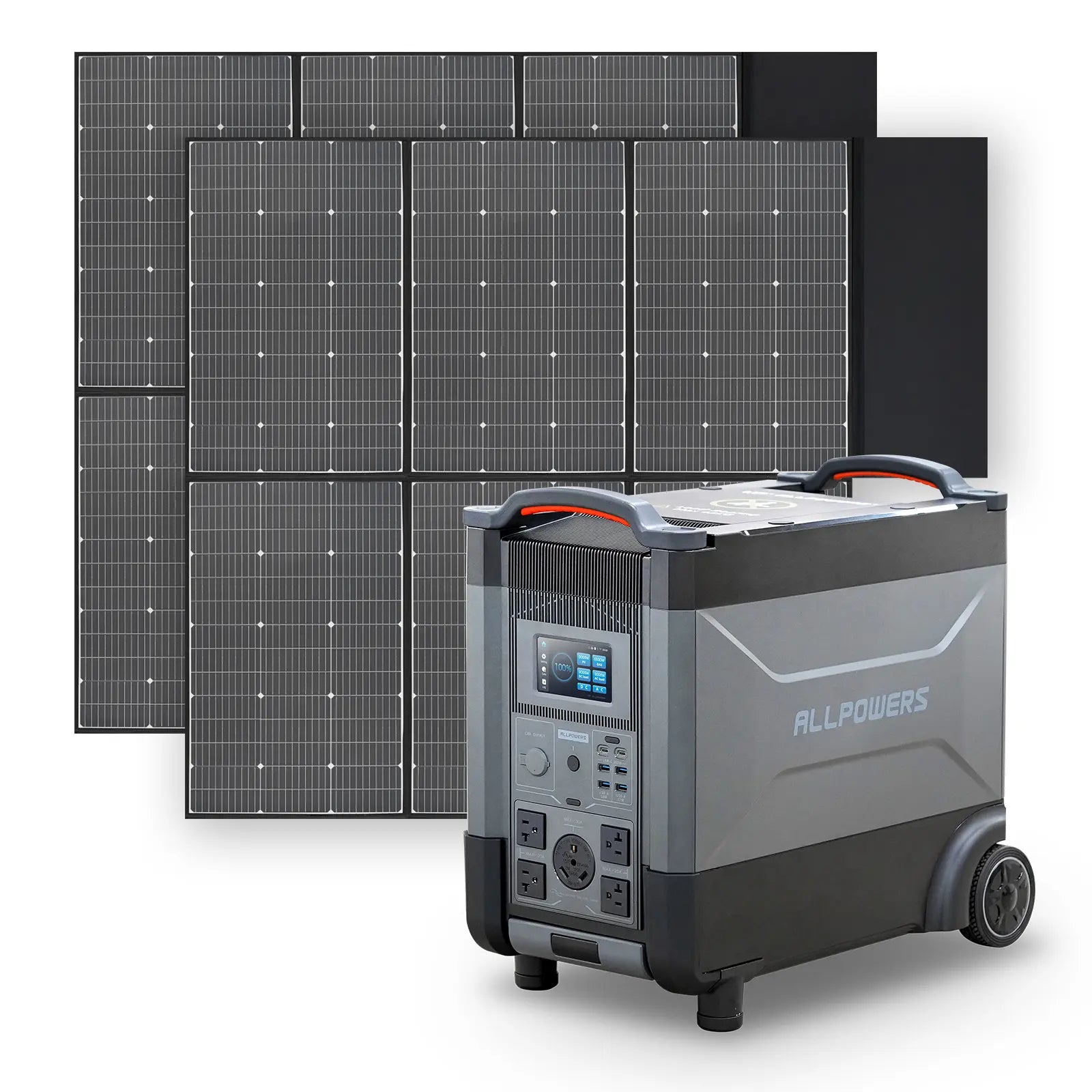
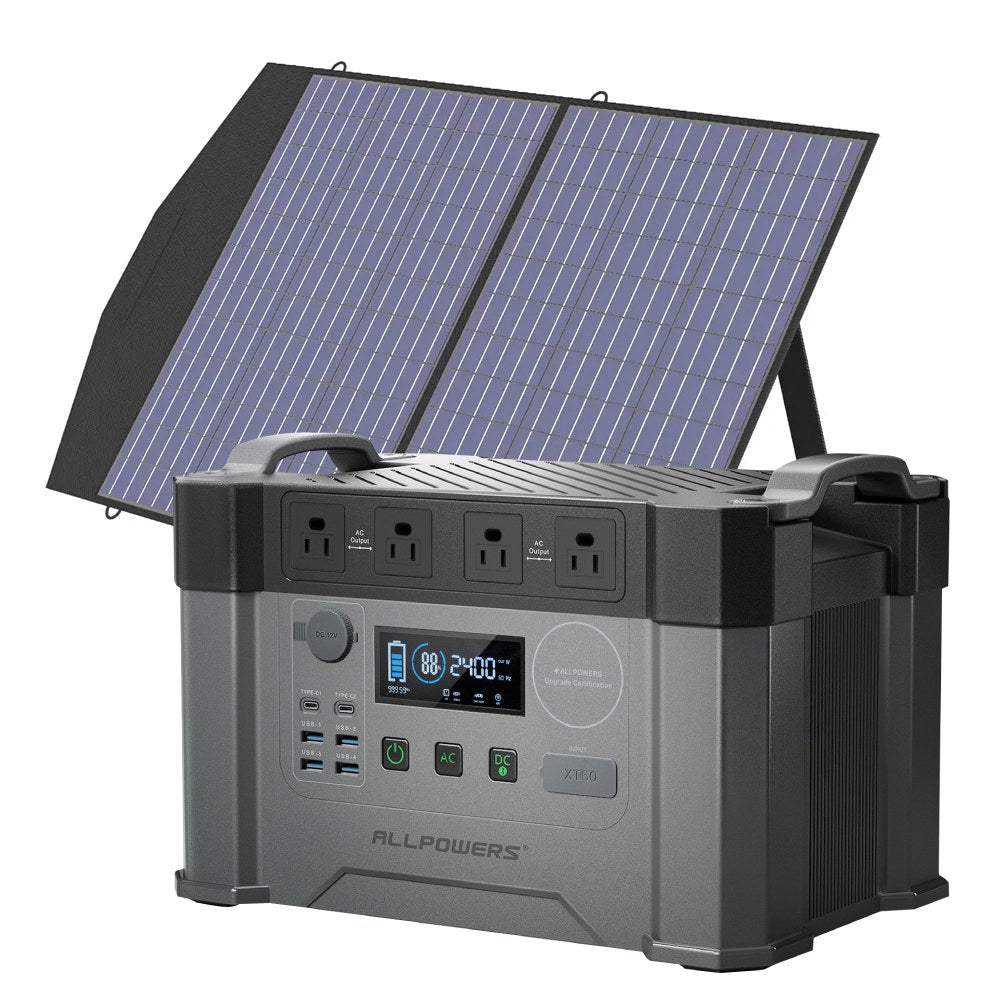
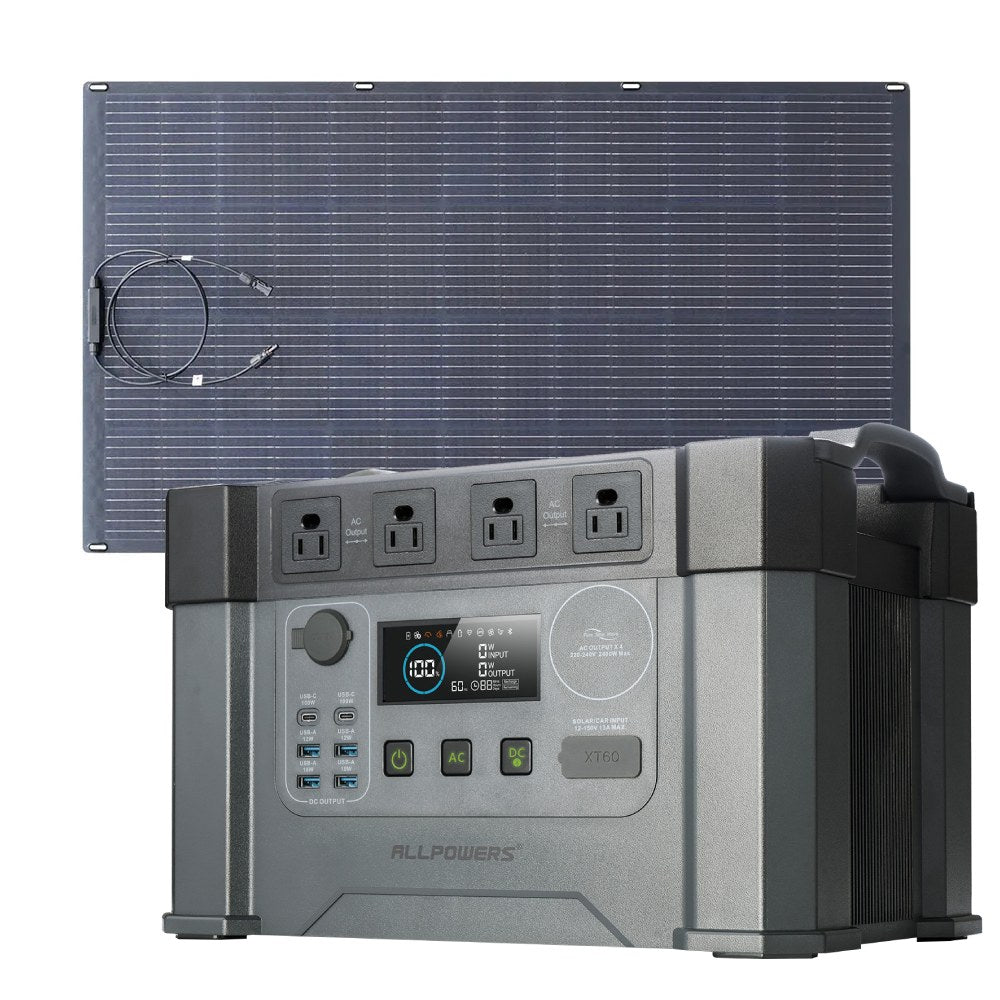
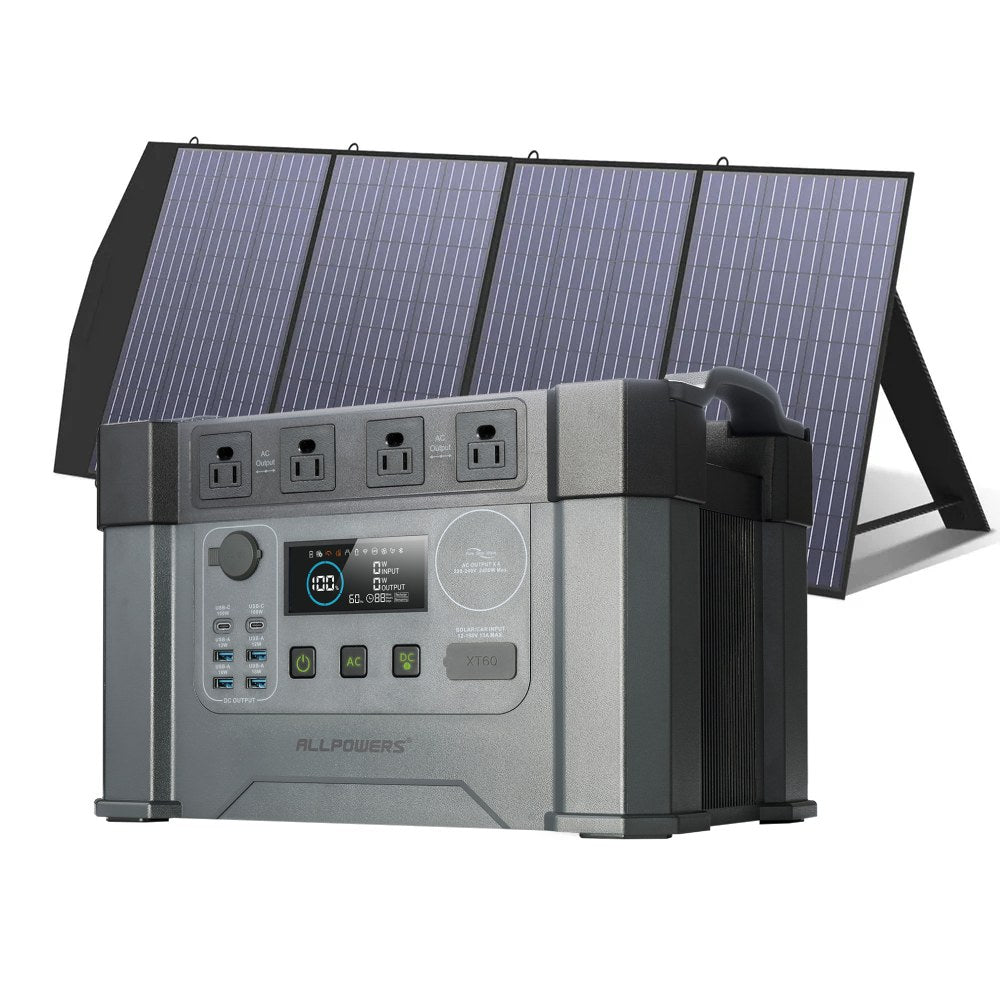
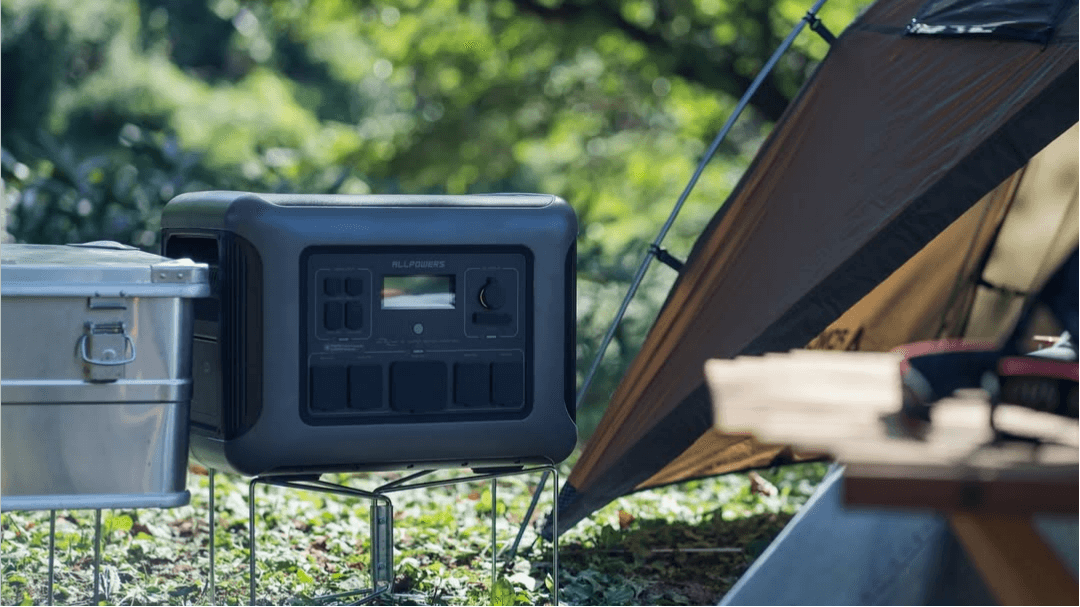
When it comes to portable power, a 2500 watt portable power station sounds pretty formidable.
But you might be wondering—what can it actually run without tripping circuits or leaving you in the dark?
Can it handle your fridge, your power tools, or even a small heater when the storm knocks out electricity?
TL;DR:
A 2500 watt portable power station can handle most medium-to-heavy appliances and gadgets. Think refrigerators, microwaves, power tools, laptops, some TVs, and even small air conditioning units—though not necessarily all at once.
Why a 2500 Watt Portable Power Station Hits a Sweet Spot
There’s a reason 2500W feels like the magic number for many households.
It straddles the space between “too small for serious appliances” and “too big and bulky to be practical.”
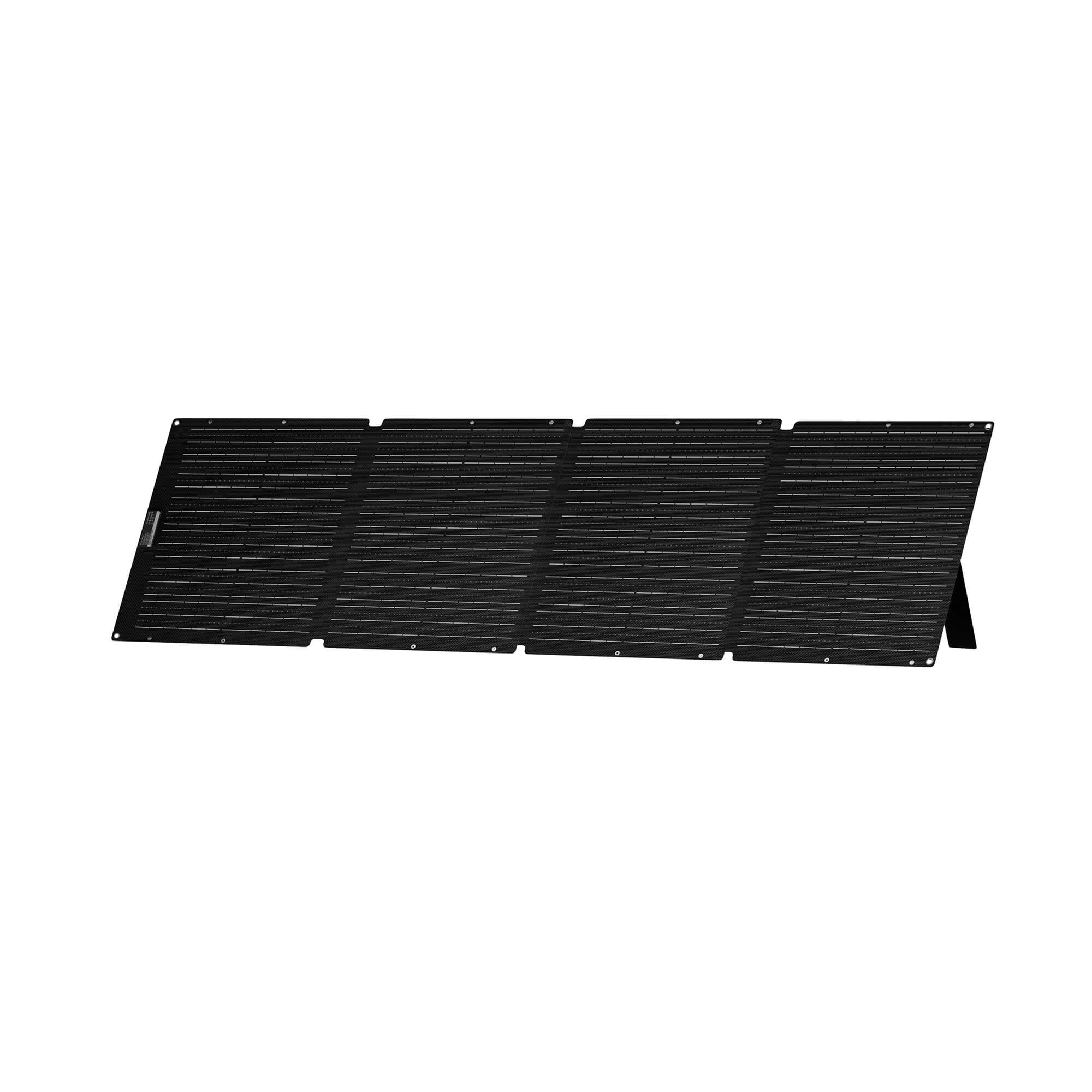
You can charge it from solar panels, wall plugs, or your car. You can store it without venting fumes.
And when the grid fails, or when you’re far from an outlet, that combination of high output feels almost like a safety net.
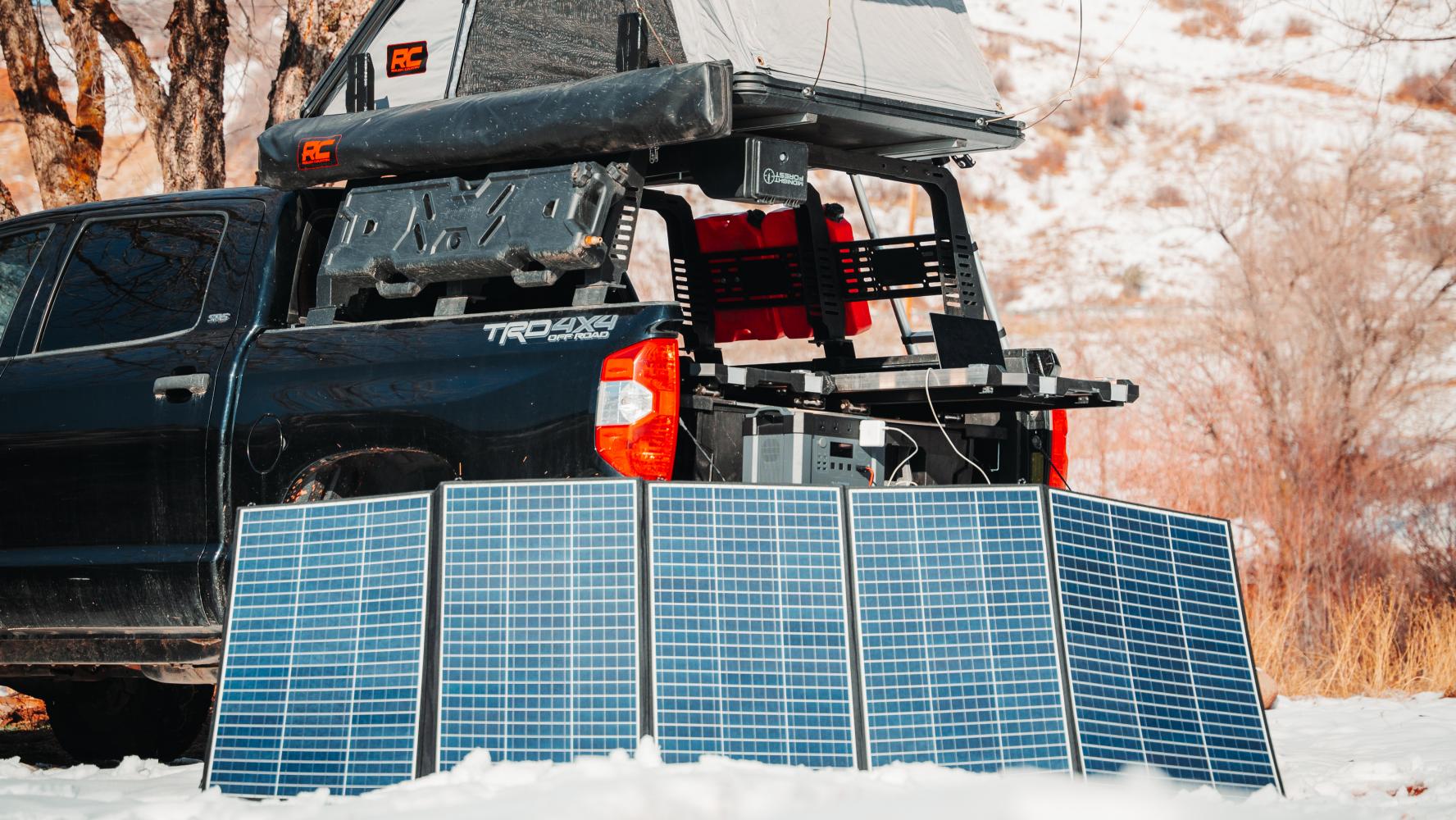
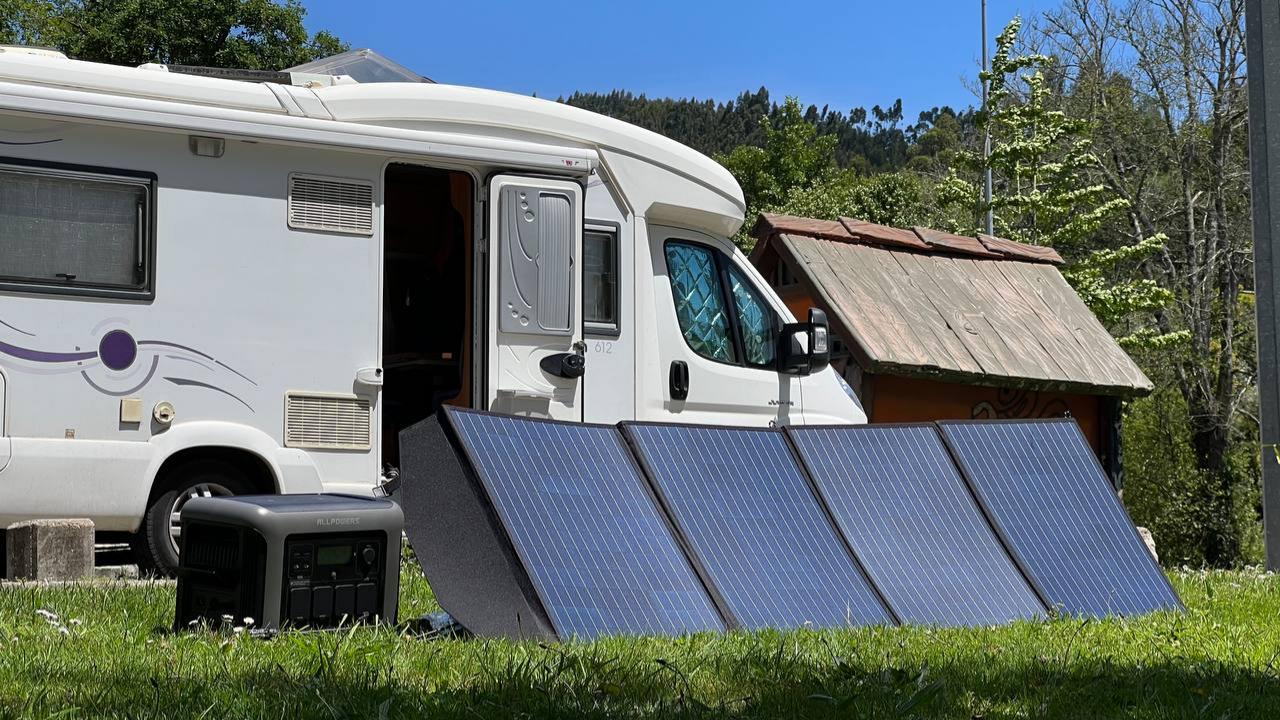
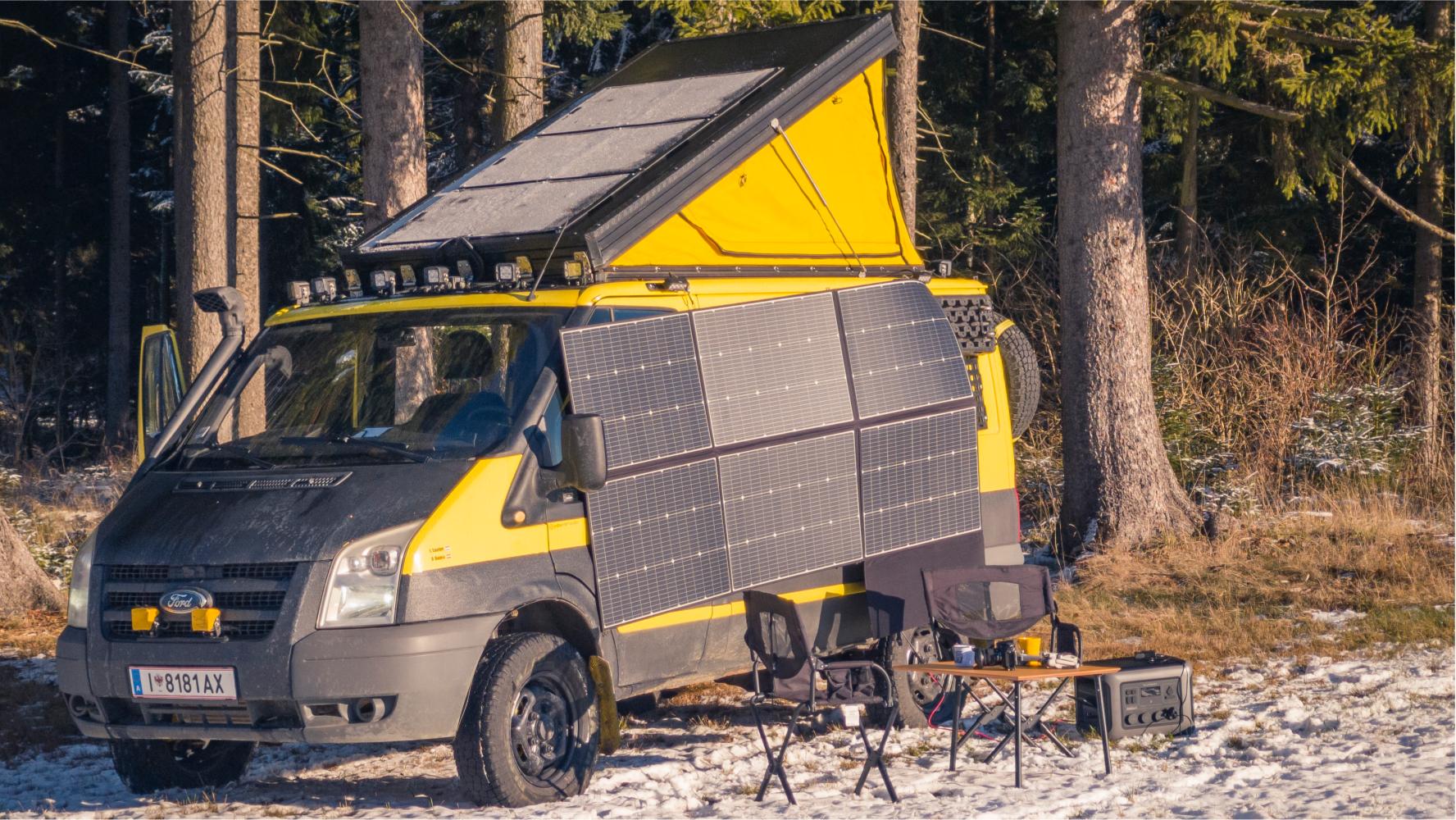
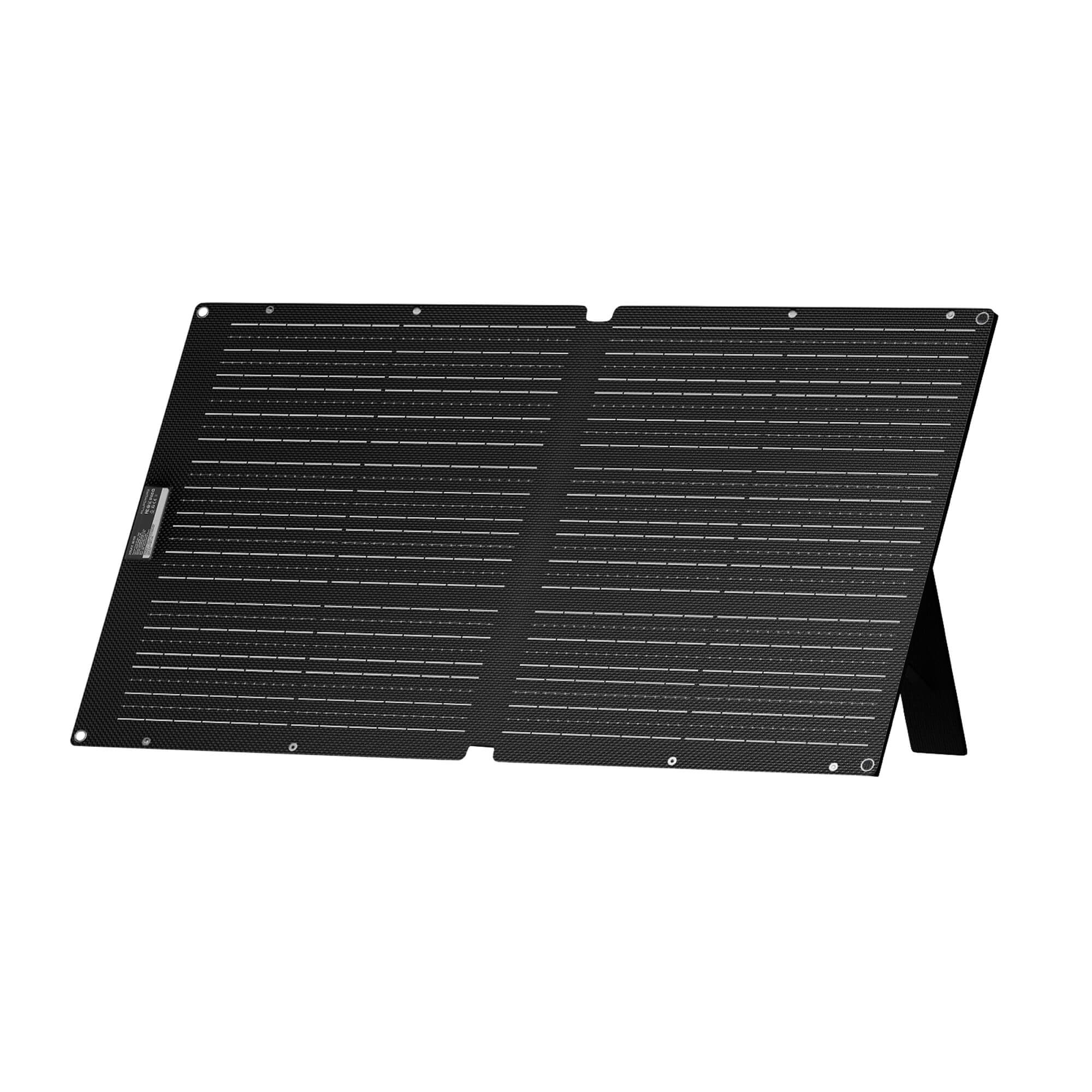
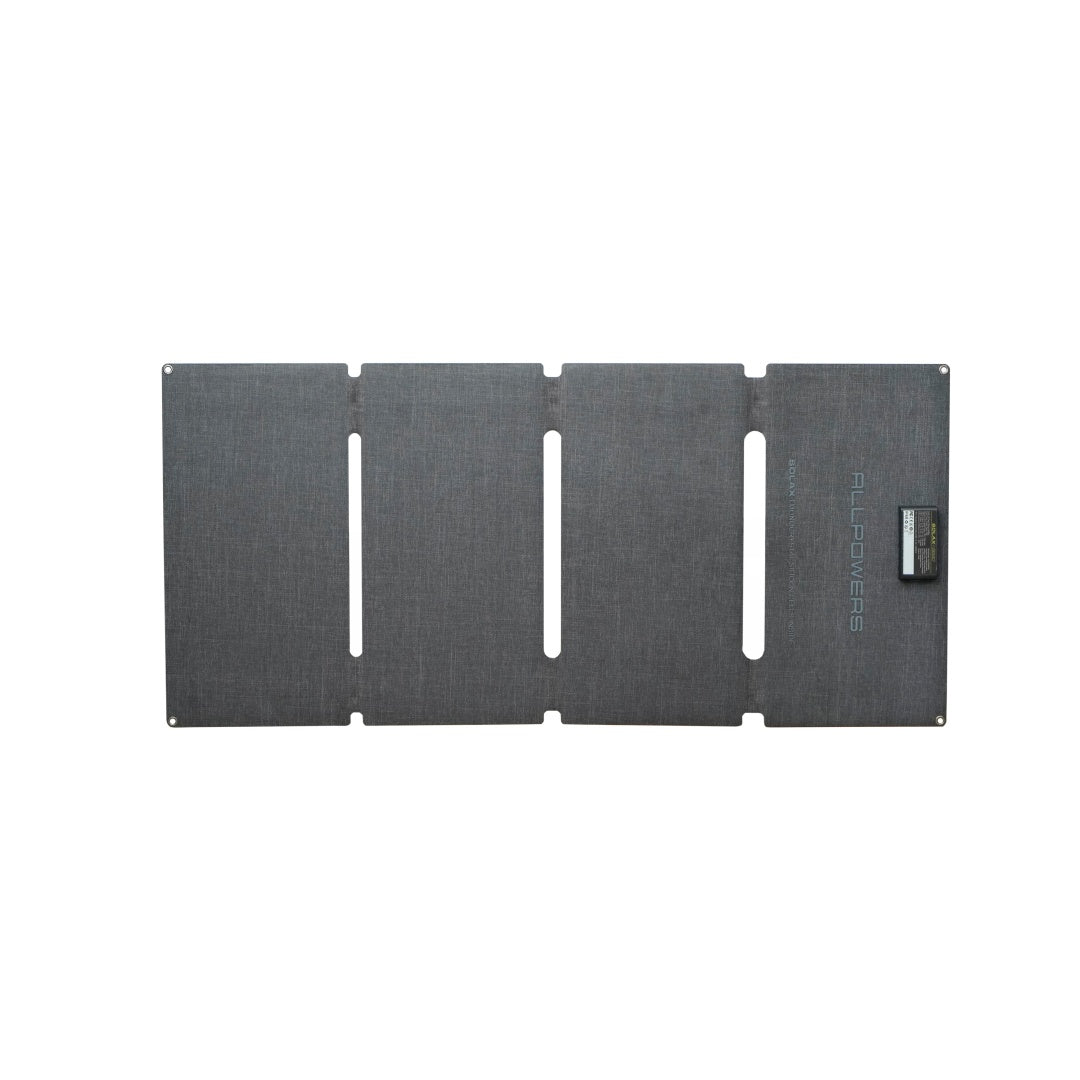
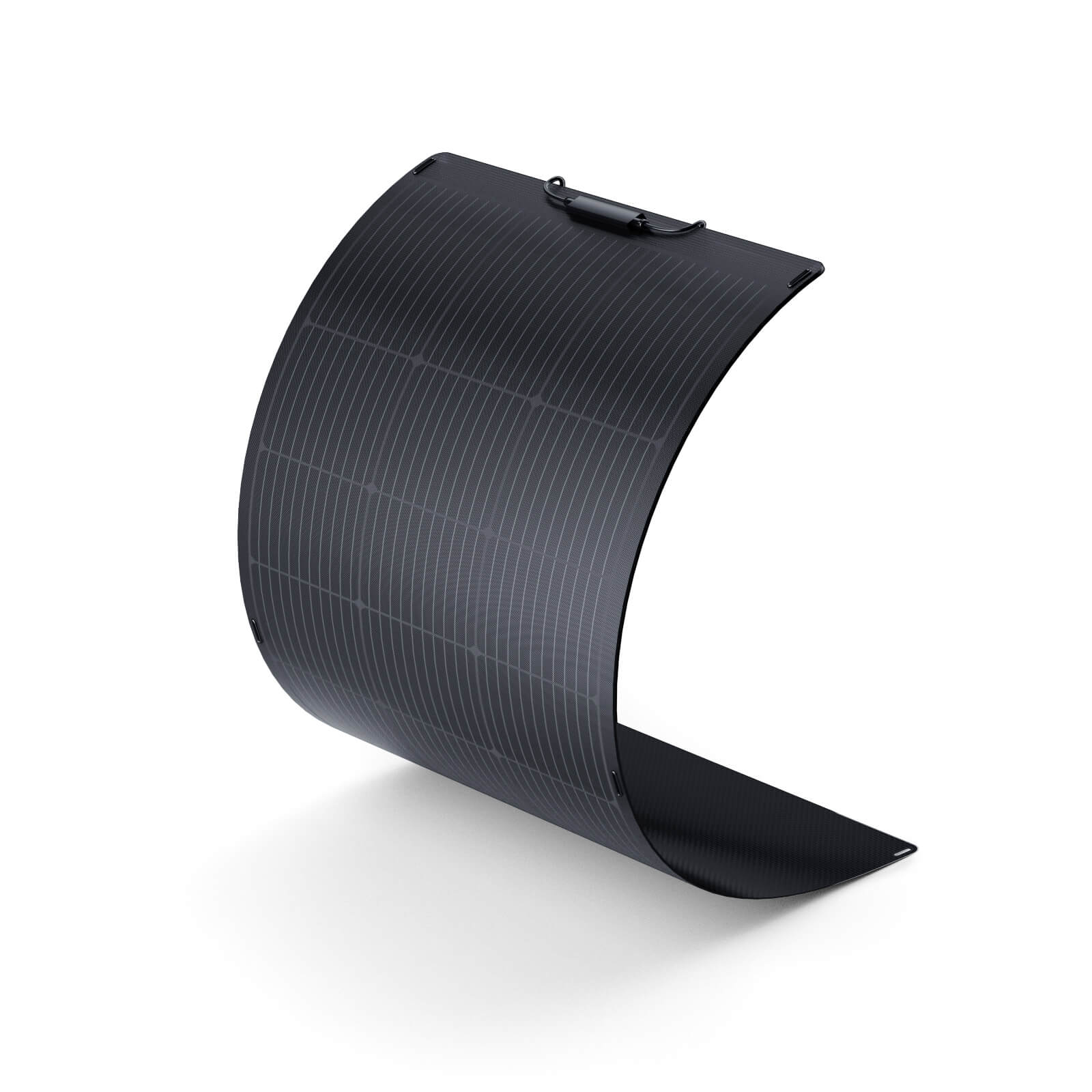
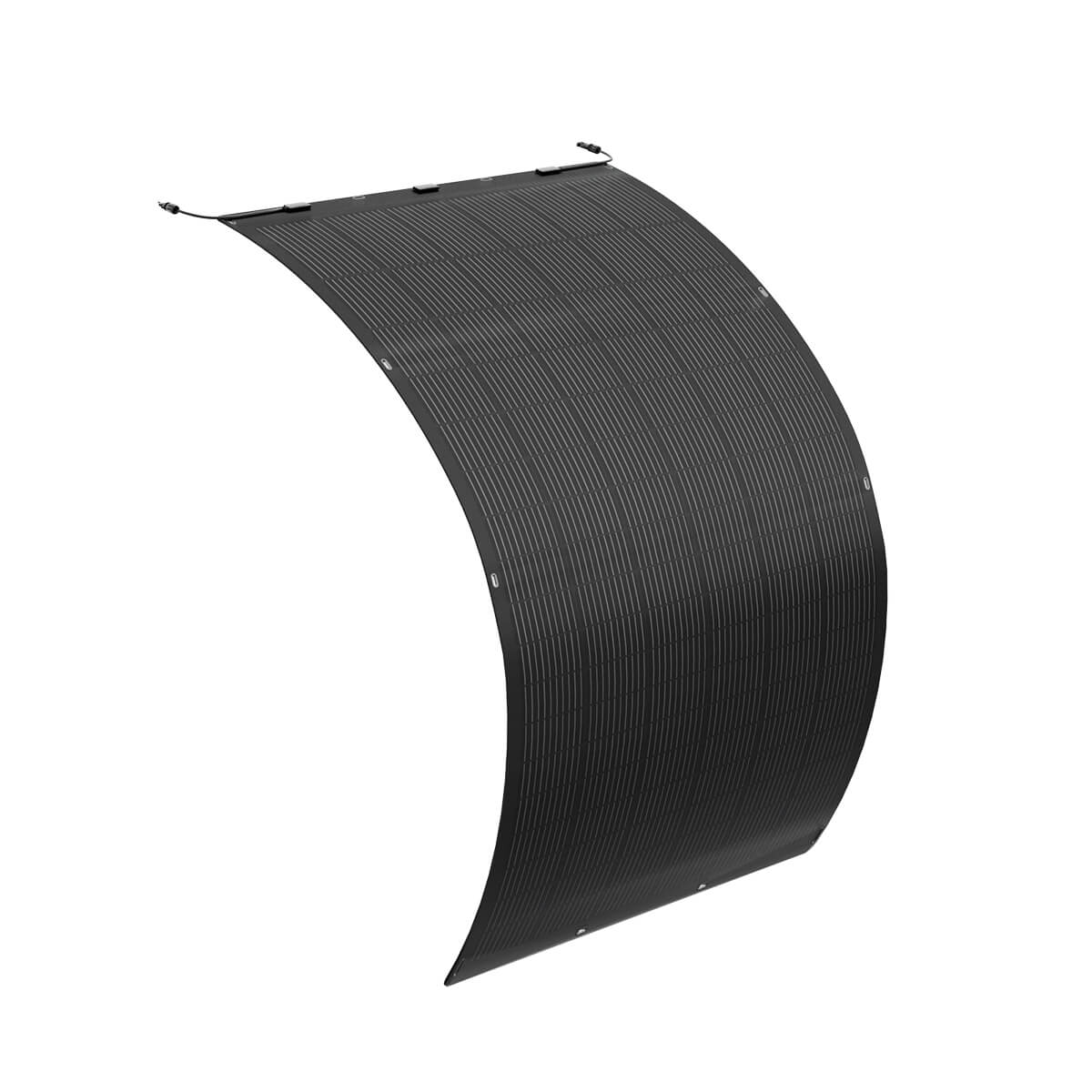
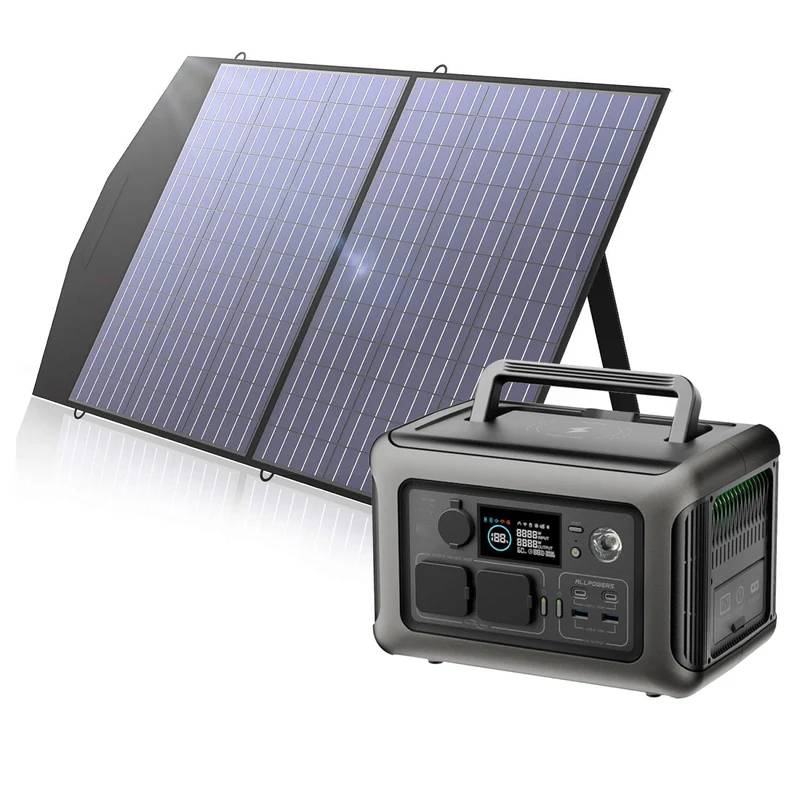
Some folks even pair a 2500W station with solar panels and use it as their main backup system instead of relying on loud gas generators.
Not for the entire house, of course, but for the things that actually matter. The stuff that keeps daily life comfortable.
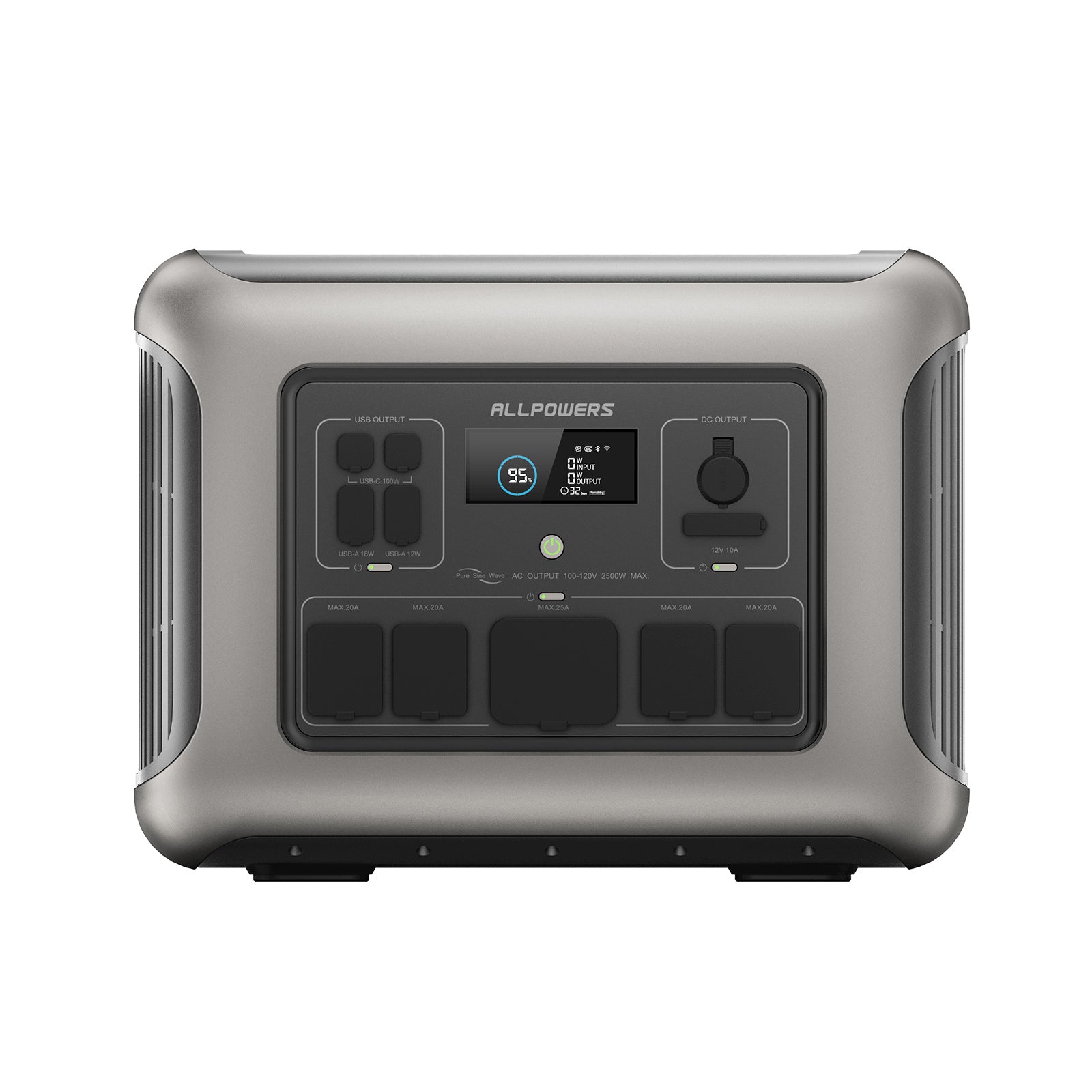
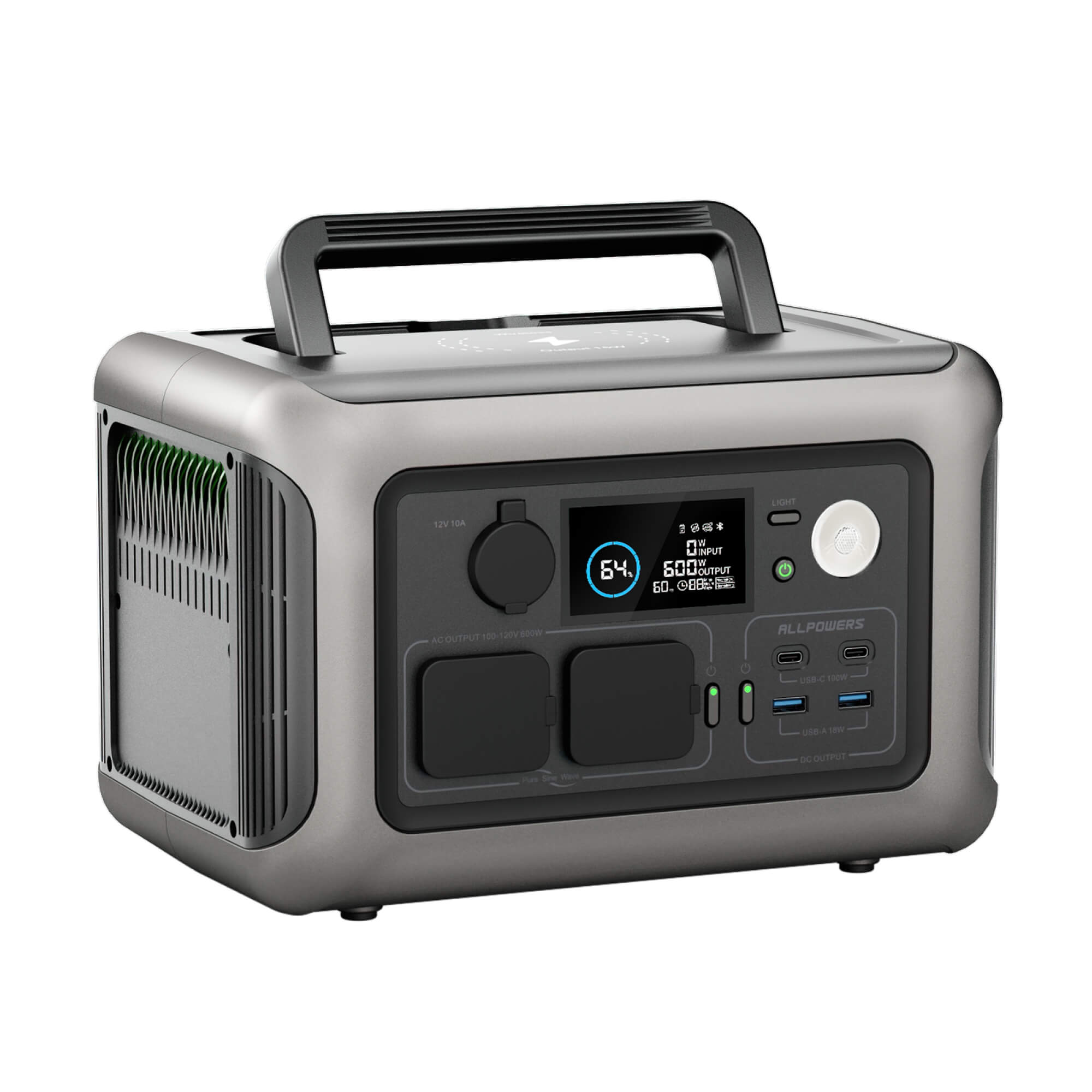
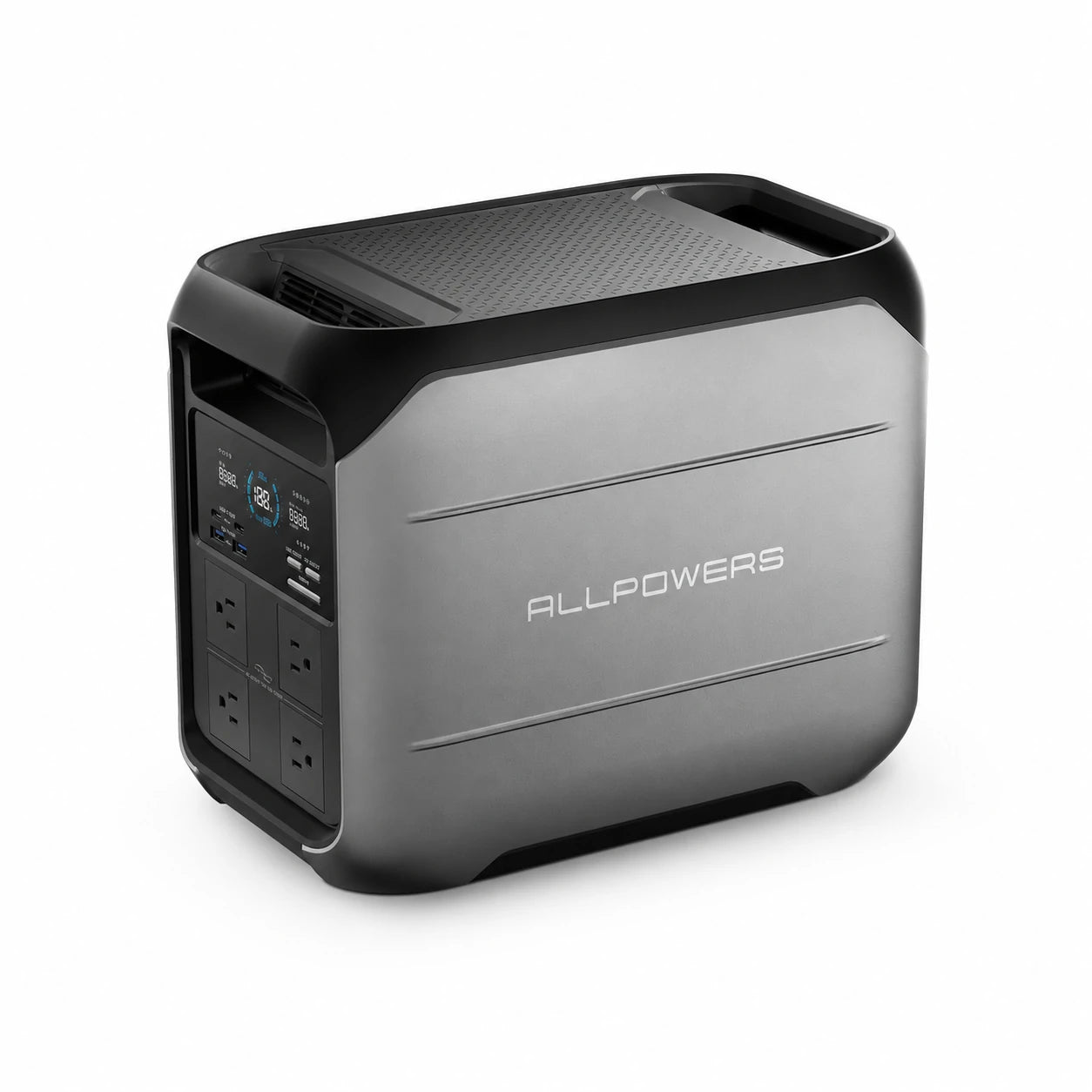
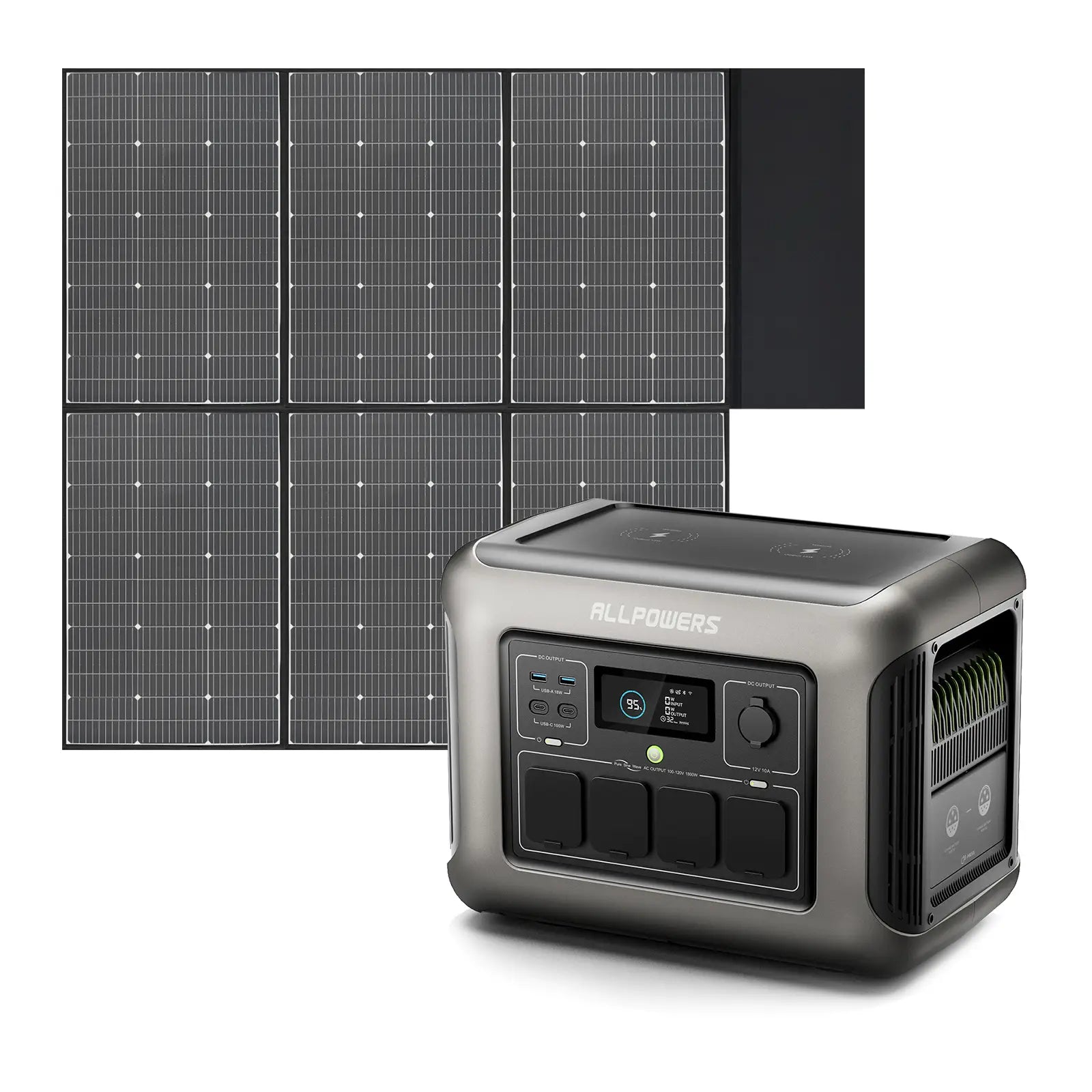
ALLPOWERS R2500 Portable Power Station
$719.00 $1,599.00
- 2016Wh Capacity;
- 2500W AC Output (4,000W Surge);
- Fast Charge 100% in 1 Hours;
- Start UPS in 15 ms;
- Expandable Up to 3x B1000 Expansion Battery;
Household Appliances
Most people immediately think of refrigerators, and yes—a 2500-watt station can run a full-size refrigerator without breaking a sweat. That’s because most refrigerators hover around 150 to 350 watts during operation, though they may spike up to 1200 during compressor cycles.
Microwaves are another big one. A mid-size microwave pulling 1000 to 1500 watts fits perfectly within the unit’s capabilities. The catch? You won’t run it for long periods, but who microwaves continuously for more than a few minutes?
One interesting note: air fryers. They’ve become wildly popular, especially during winter months when people crave crispy comfort food. Many air fryers use 1400 to 1700 watts. They work great with a 2500-watt power station, though the runtime depends on battery size and cooking time.
Coffee makers? Absolutely. A drip coffee maker typically uses around 600 to 900 watts. Espresso machines can spike higher—sometimes around 1300 to 1500 watts. They’re within range but will shorten runtime.
Even hair dryers—those notorious watt hogs—can be powered, typically pulling between 1200 and 1800 watts. You’ll want to check real numbers, but a 2500-watt station handles most household grooming basics smoothly.
Portable heaters are tricky because they often push 1500 watts or more. A 2500-watt station can run one, but the battery drains quickly. Still, during short outages or chilly mornings in a camper, it’s surprisingly helpful.
What about a well pump? Many are compatible with a 2500-watt output, especially the more efficient ½-horsepower models. If you’re living rural or maintaining a small homestead, that’s a nice safety net.
Induction cooktops, though? That’s a bit trickier. They often run between 1500 and 1800 watts. A 2500-watt station can handle them, but again, you don’t want to pair them with another major appliance at the same time. It’s a “one-show-at-a-time” sort of relationship.
Air conditioners tell another story. Small window units or portable ACs around 6000 BTU—often 500 to 1200 watts while running—can work on a 2500-watt inverter, but surge wattage matters. If the power station has a strong surge rating, it works beautifully.
Learn More: Can A Portable Power Station Run An Air Conditioner?
Outdoor Gear
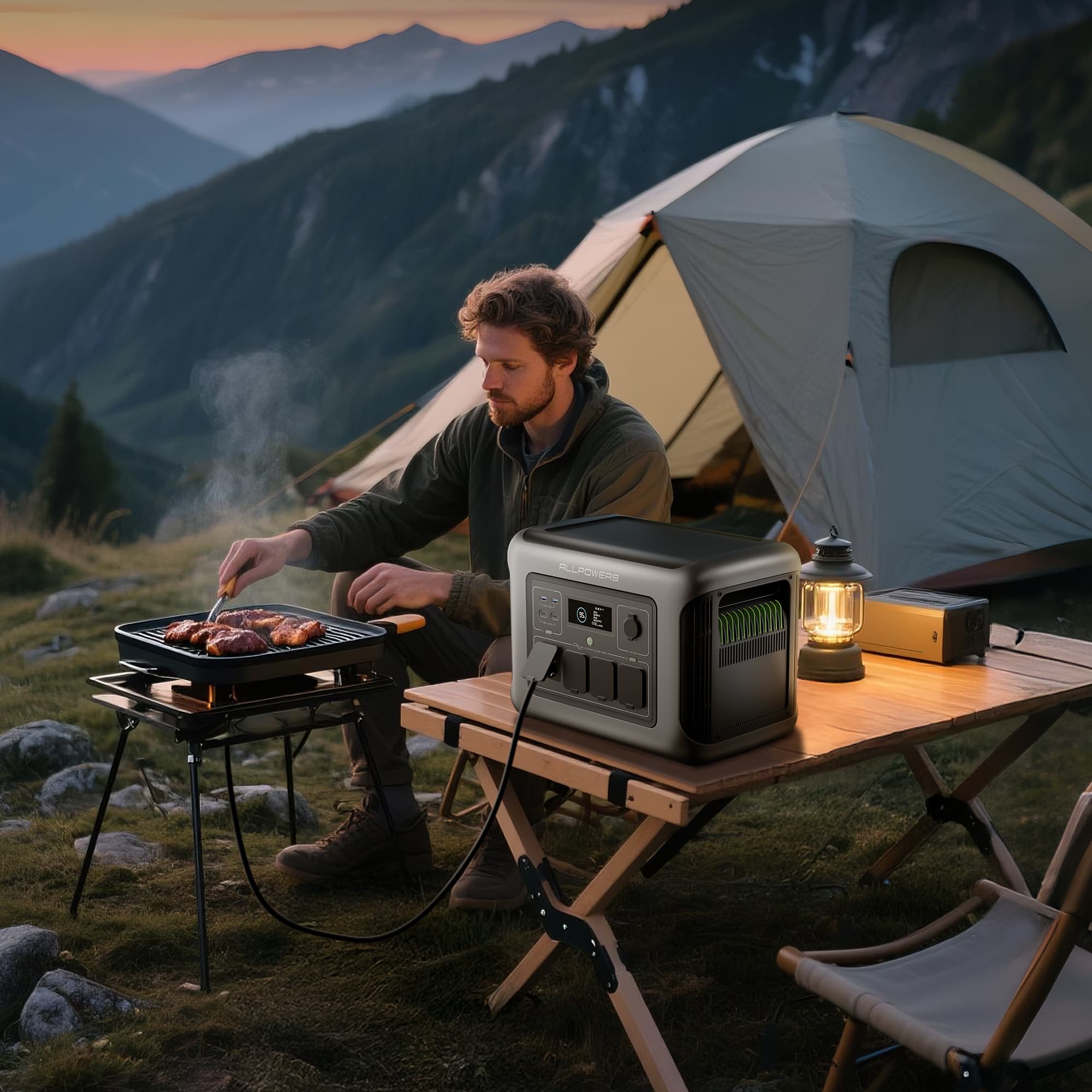
You can run electric grills, induction cooktops, or portable coffee makers. An electric griddle typically lands around 1200 to 1500 watts, which fits well.
A single-burner induction cooktop might hit 1800 at full blast; still within range, but it reduces how many other devices you can run simultaneously.
Portable air conditioners for vans and RVs often fall between 500 to 1200 watts running, with surges under 1800 watts. A 2500W station can handle many of them, especially modern inverter models.
For some campers, CPAP machines are non-negotiable. The good news? CPAPs usually use 30 to 60 watts without a humidifier. Even with one attached, you’re still comfortably within range.
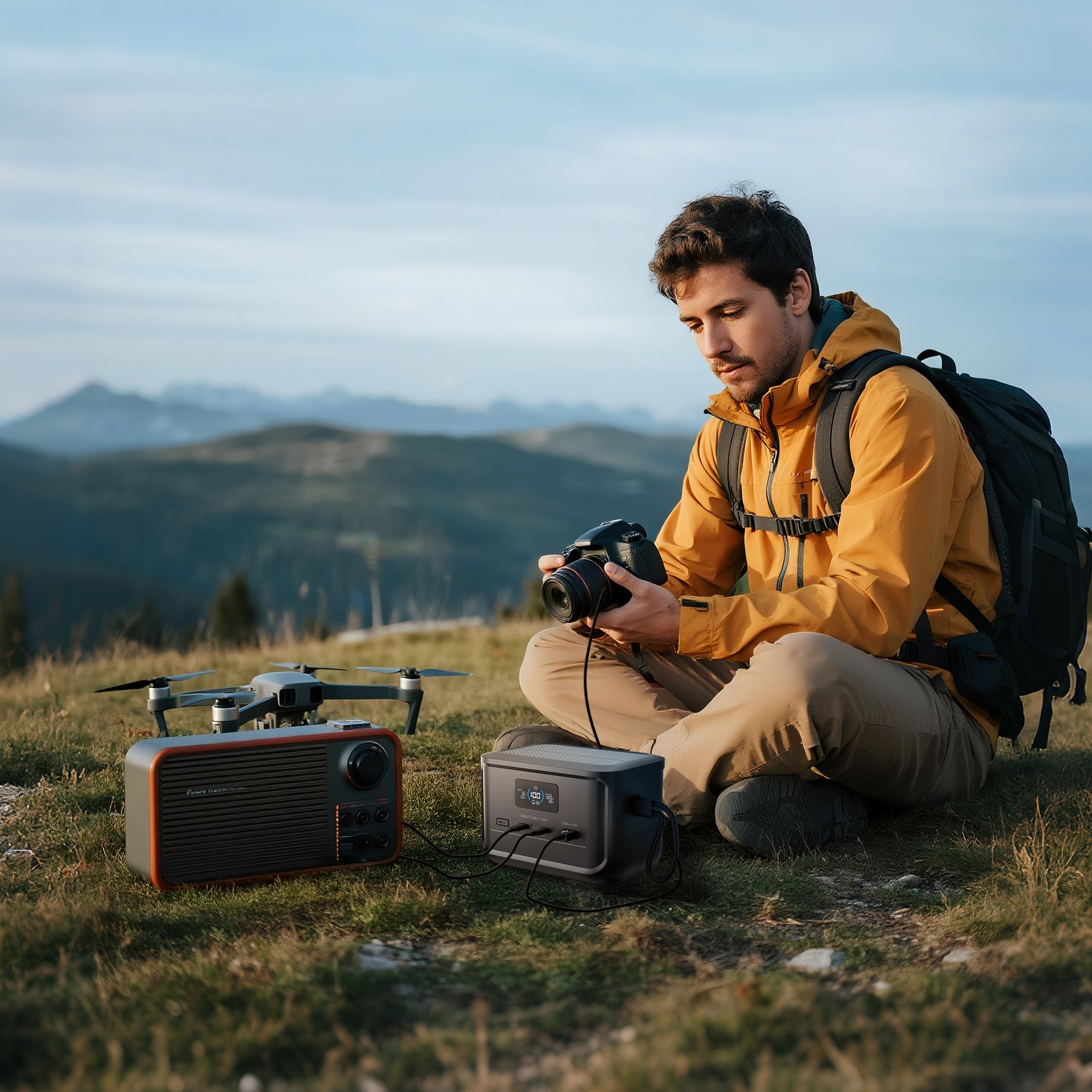
And then there’s photography gear—charging drones, cameras, power banks, laptops, and lighting equipment. These barely scratch the 2500-watt ceiling.
Even e-bikes—yes, in many cases you can charge an e-bike battery with a 2500-watt station. It’s pretty satisfying to top off your bike in the middle of nowhere, like a small rebellion against range anxiety.
Learn More: Can a Portable Power Station Charge an Electric Bike?
Power Tools
Let’s talk tools—because nothing tests a power station like hardware built to chew through wood or steel.
Circular saws, depending on the model, often run between 1200 and 1800 watts. No problem.
A miter saw? Usually 1500–2000 watts. Still fine.
Angle grinders, sanders, shop vacs—all doable.
Air compressors can be hit or miss because some have high surge demands, but as long as the startup load stays under 2500 watts, you’re in good shape.
Entertainment Devices
Entertainment gear tends to be gentle on power, making it easy to stack multiple devices at once.
A projector draws around 100 to 300 watts. That means backyard movies, campsite screenings, or power-outage family nights are well within reach.
Laptops hover around 60 watts. Gaming consoles? Somewhere between 100 and 200 watts. Even with all of them running, you’re nowhere near the limit.
Appliances That a 2500 Watt Station Cannot Run
Yes, there are limitations. You can’t power a central AC system—those often need far more than 2500 watts, especially during startup.
Electric water heaters sometimes require 4000+ watts. Large well pumps can exceed this range too.
Anything industrial with a massive motor, like an air compressor over 2 HP, is probably off the table.
But these are niche scenarios. For most homes, campers, and travelers, a 2500-watt station covers every essential that feels, well… essential.
How Long Will a 2500 Watt Power Station Last?
Once you know what a 2500-watt station can run, the question shifts: how long will it run those devices?
Runtime depends on battery capacity, which typically ranges anywhere from 2000Wh to 5000Wh for a station in this wattage class.
With an average 2500Wh battery, you can estimate runtime with a simple formula:
Runtime ≈ Battery Capacity (Wh) ÷ Device Wattage (W)
It’s not perfect—efficiency losses happen—but it’s a solid ballpark.
A 200-watt projector might run for about 10 to 12 hours. A 150-watt mini fridge might run 12 to 15 hours.
A 1000-watt air fryer will give you about 2 hours of cumulative cooking time. A 60-watt CPAP machine? More than a full night—often two.
Conclusion
A 2500-watt portable power station can run far more than most people expect.
Its range is wide, from emergencies to outdoor adventures to job-site needs.
If you're planning for outages, road trips, or off-grid work, this wattage class becomes the kind of tool you reach for again and again.