

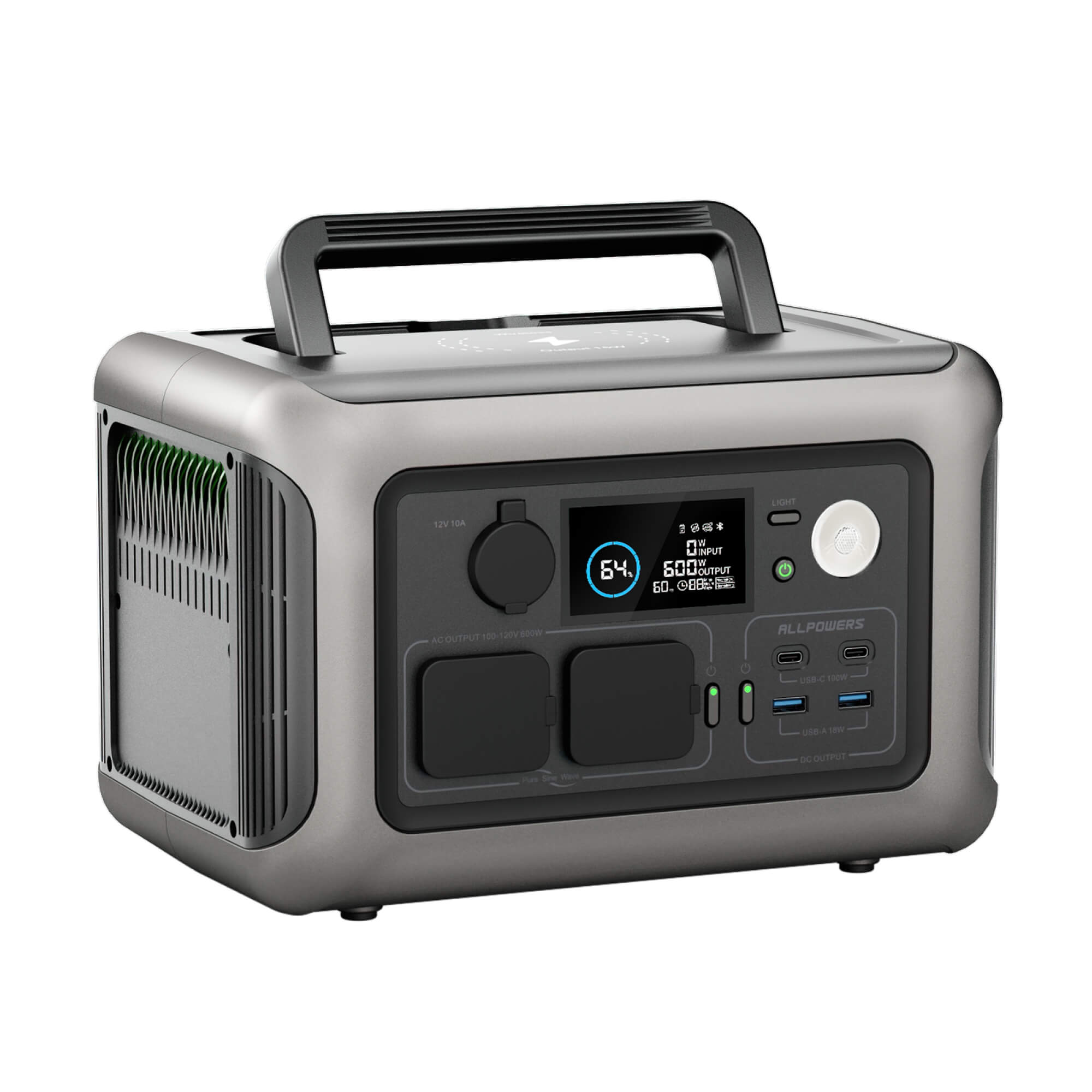
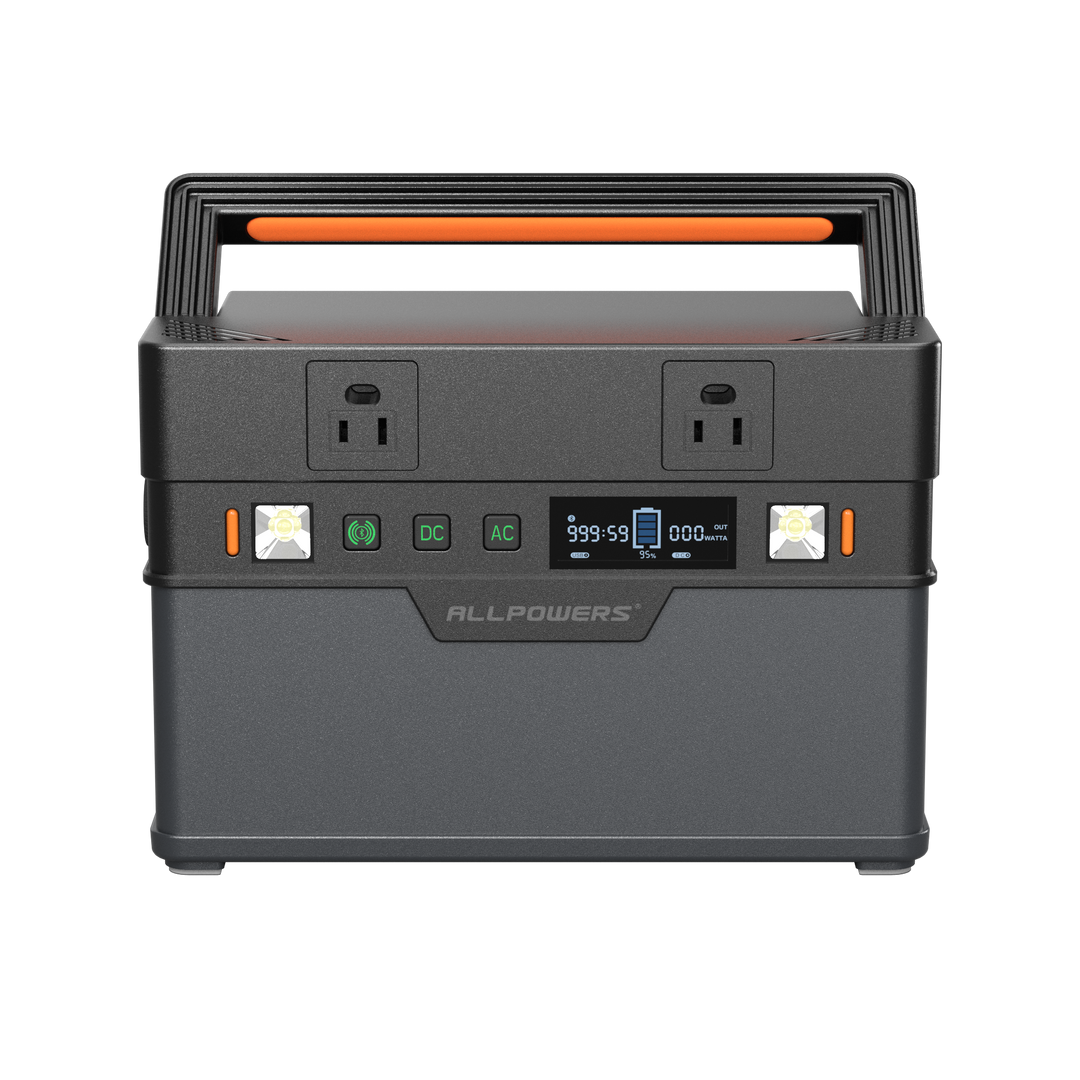

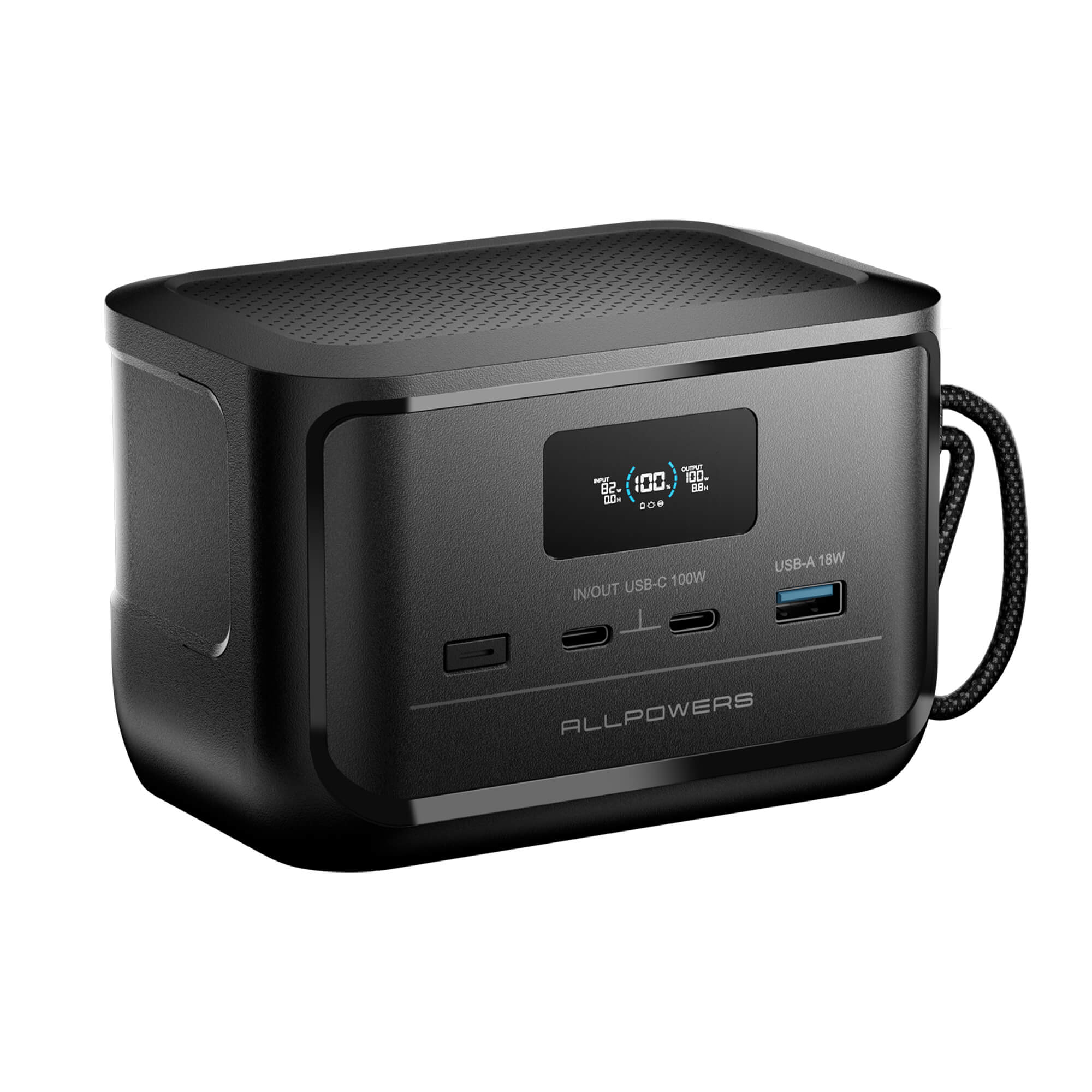






A 1000 watt generator sounds modest on paper, almost underwhelming compared to those beefy 3000+ watt machines.
But it can keep essentials alive, maintain a sense of normalcy, and even power a few comforts—if you respect its limits.
So what can a 1000 watt generator actually run?
TL;DR
A 1000 watt generator can comfortably power small essentials—think lights, phones, laptops, Wi-Fi routers, small TVs, and a few low-watt kitchen devices. It struggles with high-demand appliances like air conditioners, microwaves, or electric heaters.
How big is 1000 watts?
Watts can feel abstract until you picture them as a budget. You’ve got 1000 “energy dollars,” and every device you plug in takes a slice.
A laptop might take 60, a phone charger maybe 10, and a coffee maker? That could gulp down 600 or more in one go.
And then there’s the twist—some devices demand extra power when they start.
That surge can briefly double or triple their normal usage.
Many people forget this and wonder why their generator cuts out just as the fridge kicks on.
Essential electronics
Let’s start with the easy wins.
Charging phones, running laptops, powering tablets—this is where a 1000 watt generator feels almost effortless.
You could charge multiple devices at once and barely dent your capacity.
And then there’s lighting. LED lights are incredibly efficient now.
A whole campsite or emergency setup can glow softly for under 100 watts total.
It’s almost funny how little they demand compared to older bulbs.
Even a TV fits into this category, depending on size.
Modern LED TVs are surprisingly efficient, often pulling under 150 watts.
Add a gaming console, and you’re still within a manageable range.
Kitchen appliances
Now, let’s talk about food.
A 1000-watt generator can run certain kitchen appliances, but not all—and definitely not together.
A standard drip coffee maker might use around 600 to 800 watts. That’s fine, as long as it’s the only major device running.
A blender? Usually manageable. A toaster? Maybe—but you’re pushing close to the edge.
And a microwave? That’s where things get tricky. Even a small microwave often pulls more than 1000 watts when running, not to mention the startup surge.
Refrigeration is possible, but it requires awareness.
A mini fridge is usually within reach. Many of them run between 50 and 100 watts, though that startup surge still matters.
Full-size refrigerators? That’s where things get complicated.
Some energy-efficient models might run on a 1000-watt generator, but you’re operating close to the limit.
And if anything else kicks on at the same time, you might overload the system.
So here’s the rhythm most seasoned campers fall into: brew coffee first, then unplug it before using anything else.
Power tools
If you’re thinking about using a 1000 watt generator for work—say, on a job site or a DIY project—it can handle some tools, but not all.
A drill? Usually fine. A small circular saw? Maybe, depending on the model.
But larger tools, especially those with motors that demand high startup power, can overwhelm the system.
This is where expectations matter. A 1000 watt generator isn’t meant to replace a full workshop setup.
It’s more like a backup assistant—helpful, reliable, but not built for heavy lifting.
Still, for quick fixes or light tasks, it does the job.
Heating and cooling devices
Space heaters? Forget it. Most pull 1500 watts or more.
Hair dryers? Same story.
Air conditioners—even small window units—usually exceed what a 1000 watt generator can handle, especially during startup.
Fans, though, are a different story. A simple fan might use 50 to 100 watts, giving you airflow without draining your entire capacity.
And honestly, sometimes airflow is enough. Especially outdoors, where you’re not trying to fight nature—just stay comfortable within it.
Comparing traditional generators and modern alternatives
Traditional fuel generators have long been the go-to for this power range.
They’re reliable, widely available, and familiar. You pour fuel, pull a cord, and you’re set.
But they come with noise, fumes, and maintenance. It’s part of the package.
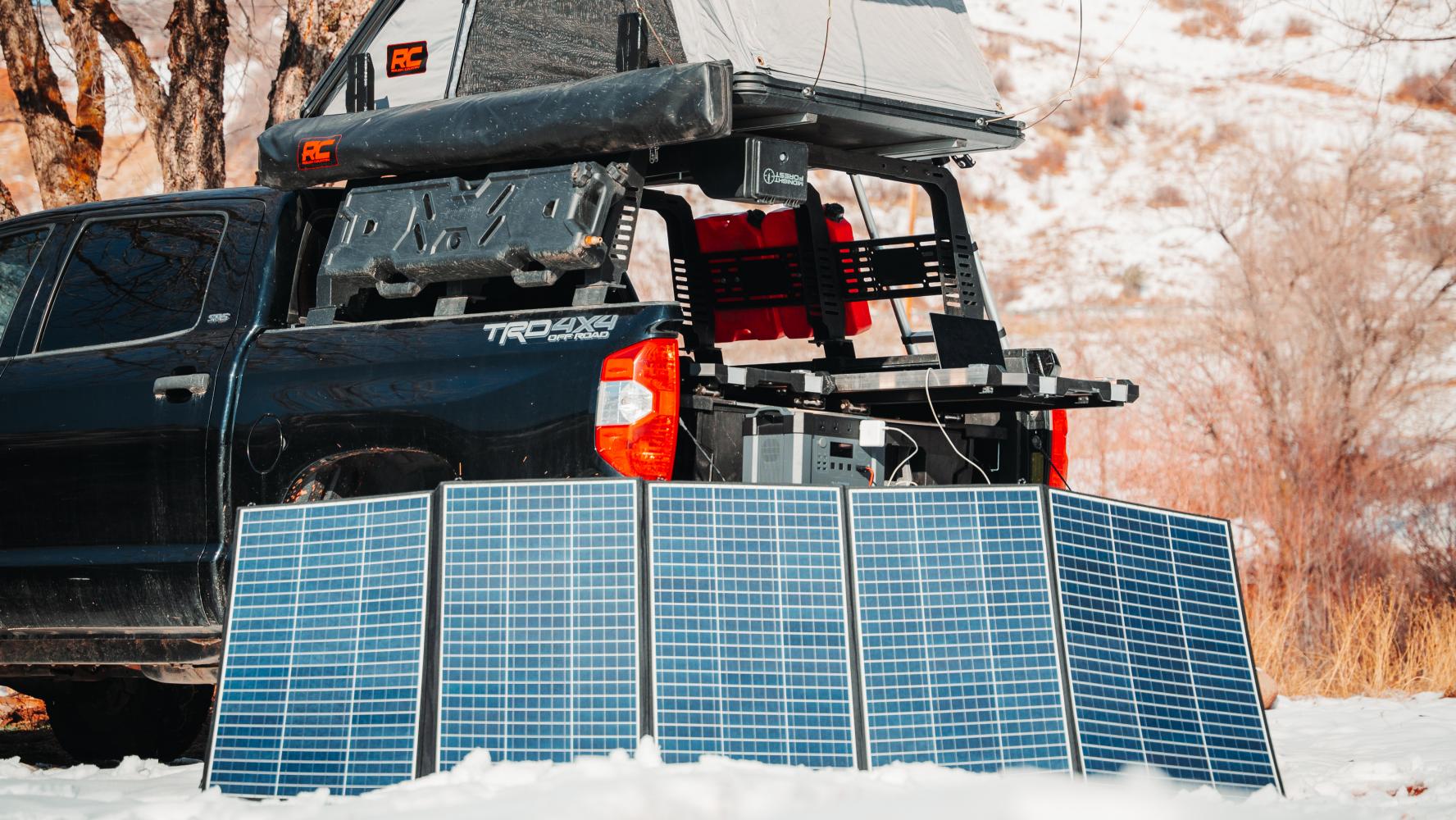
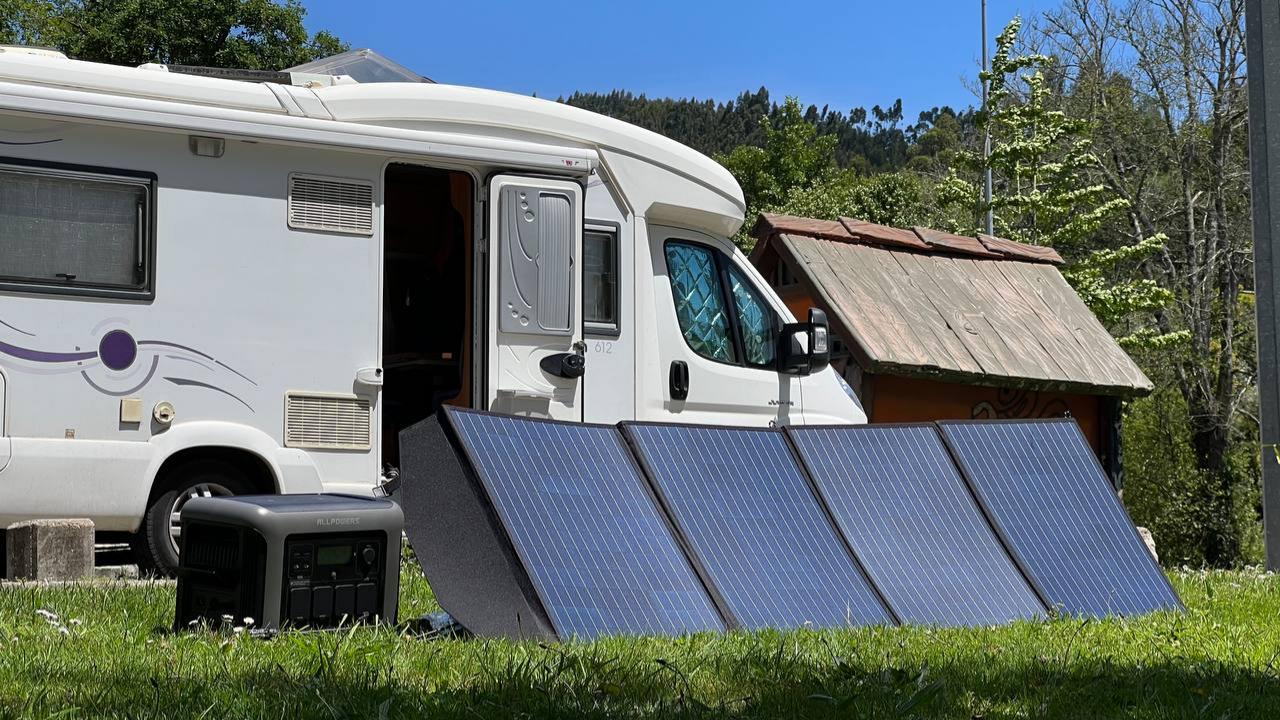
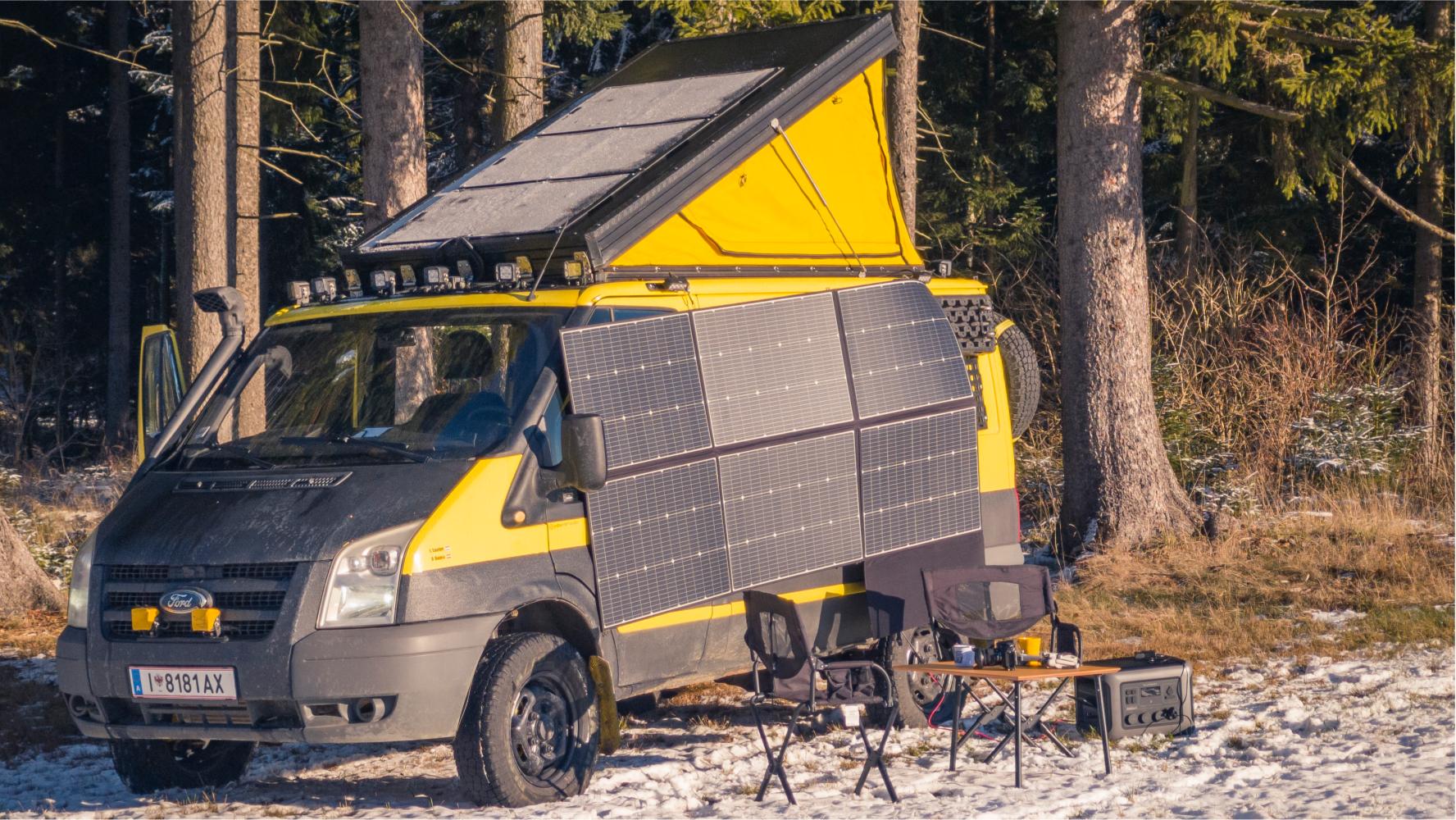
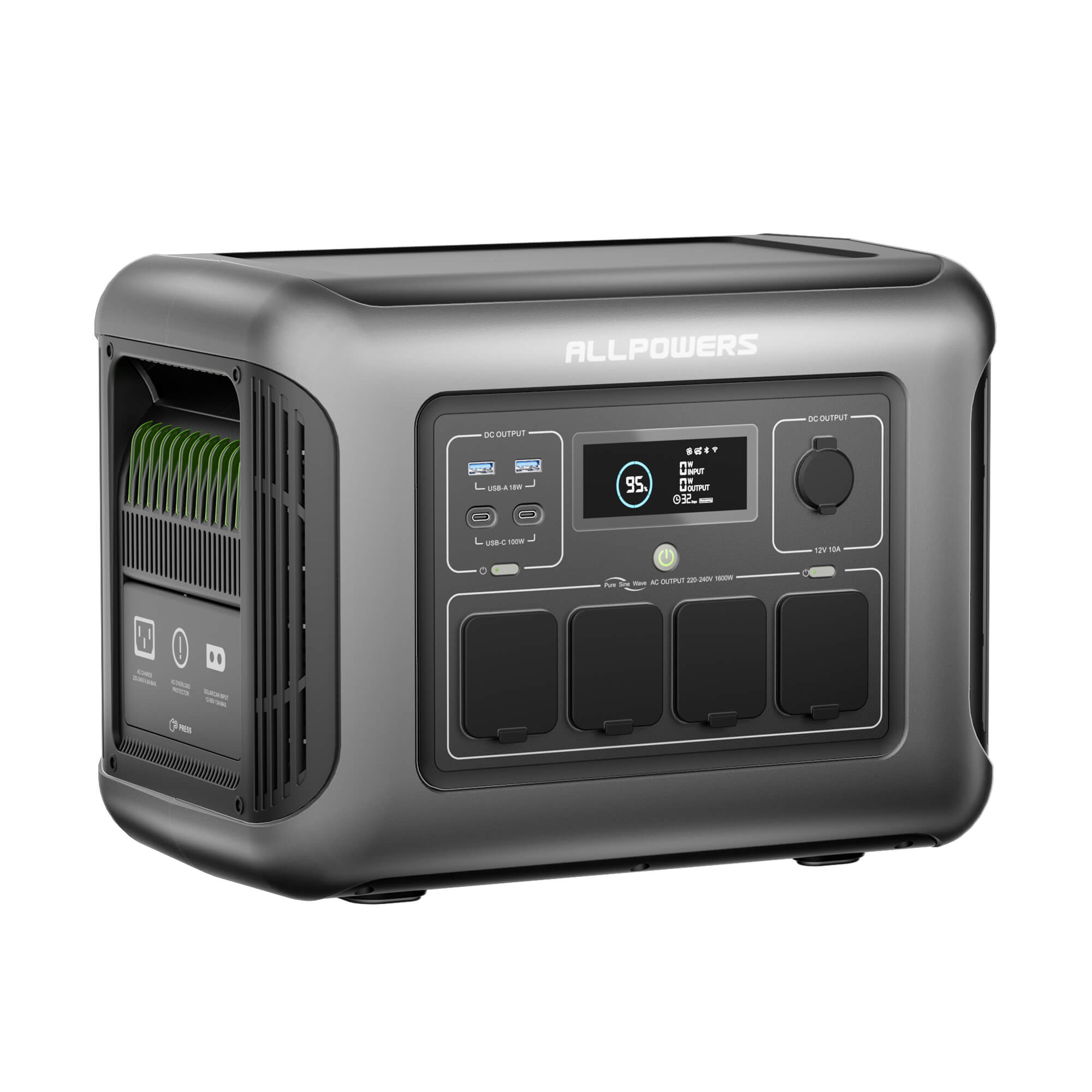
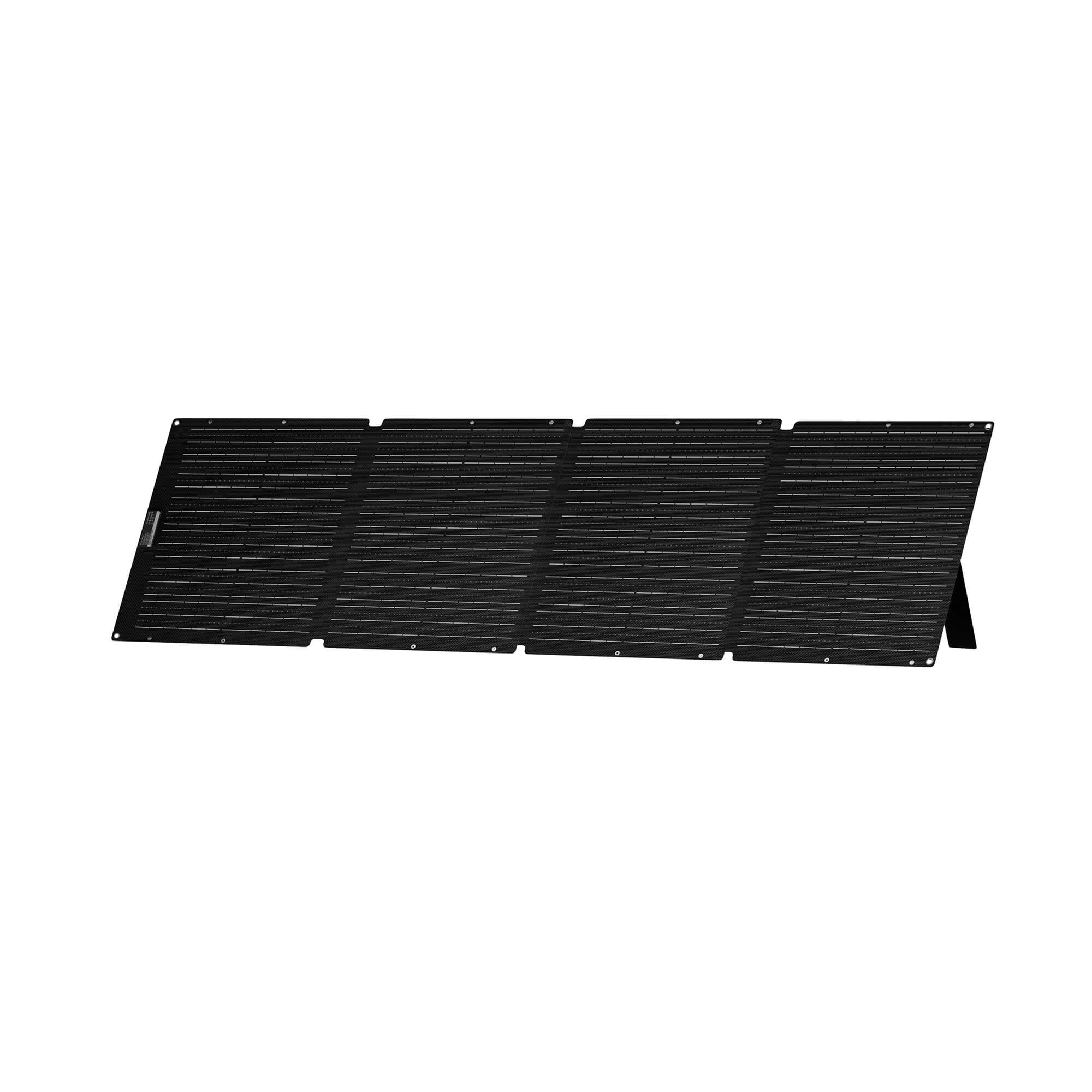
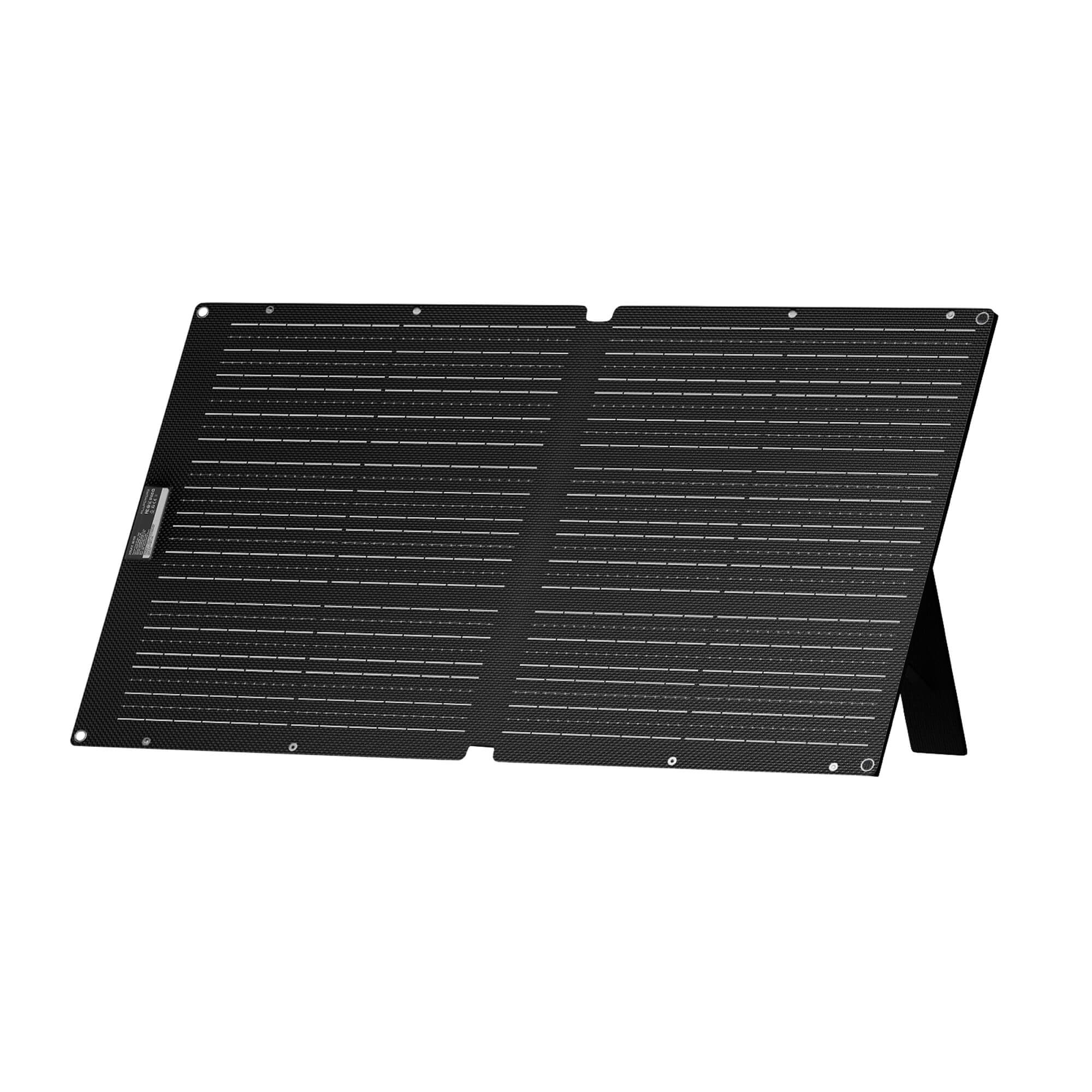
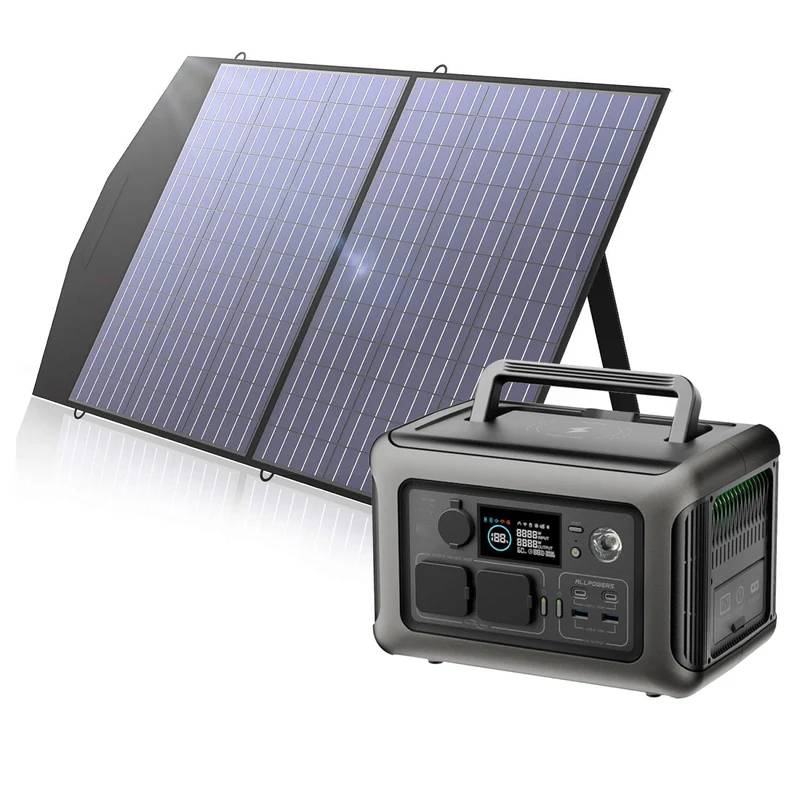
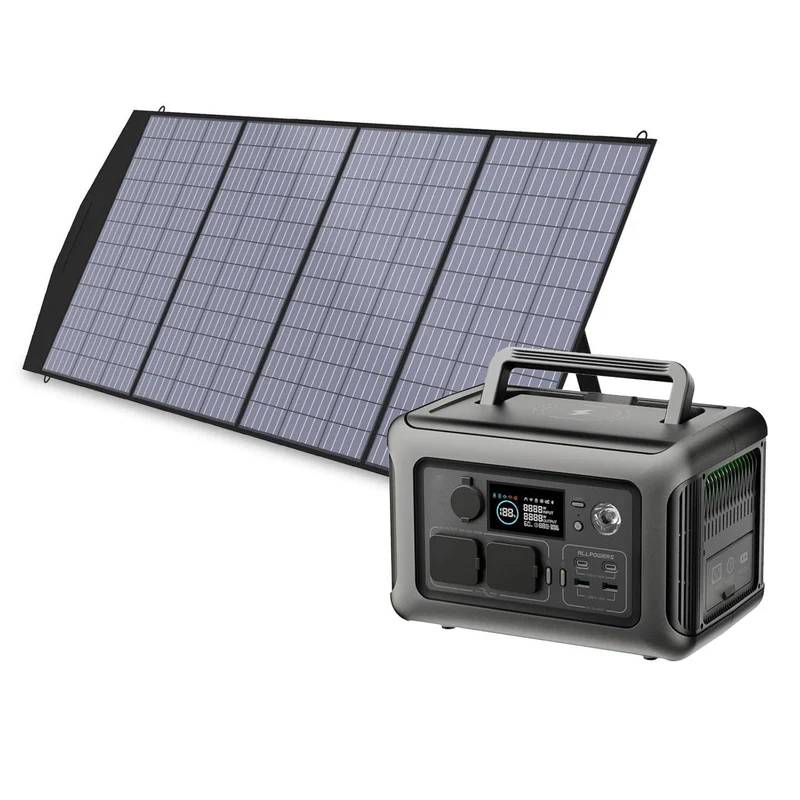
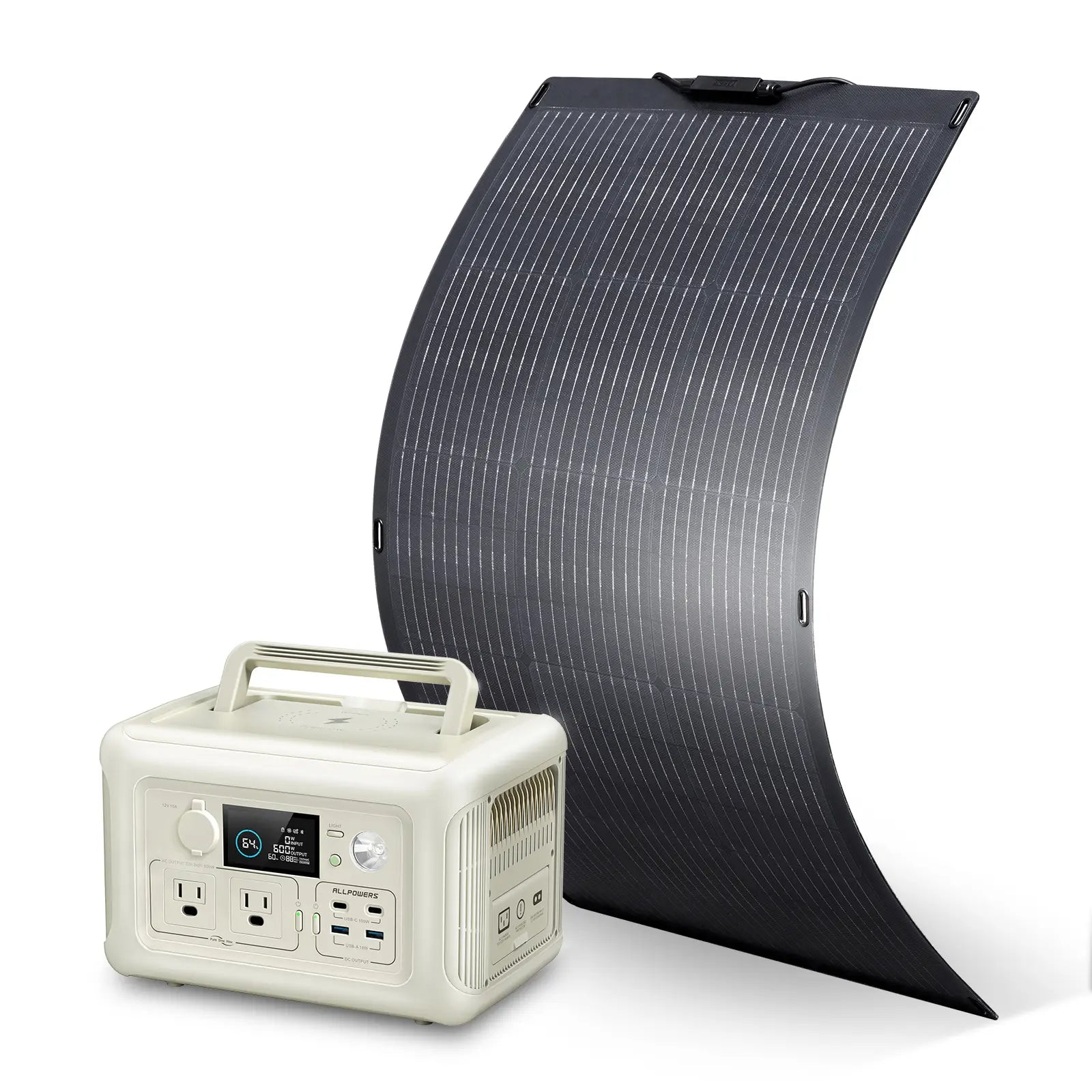
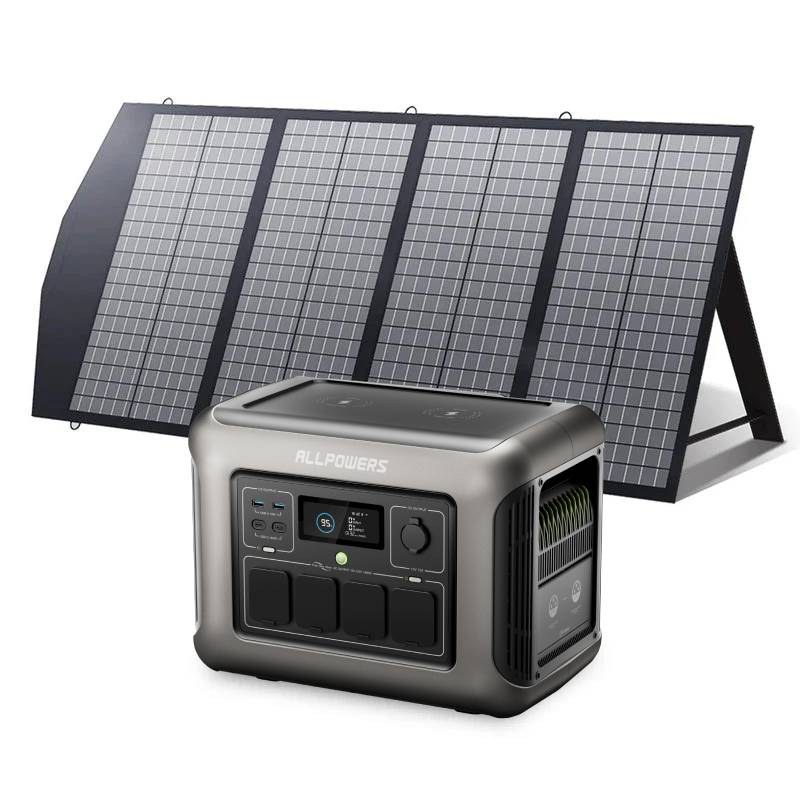
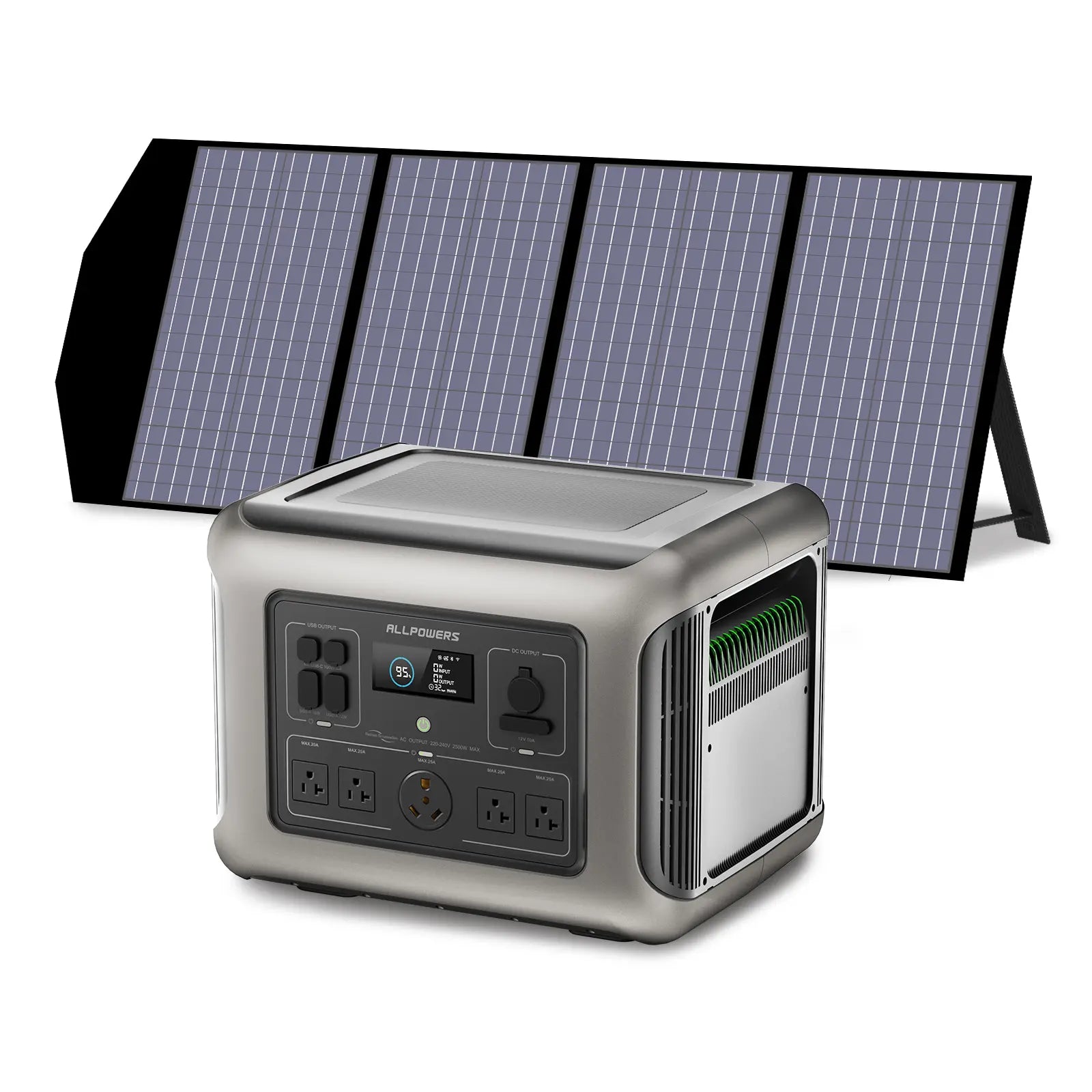
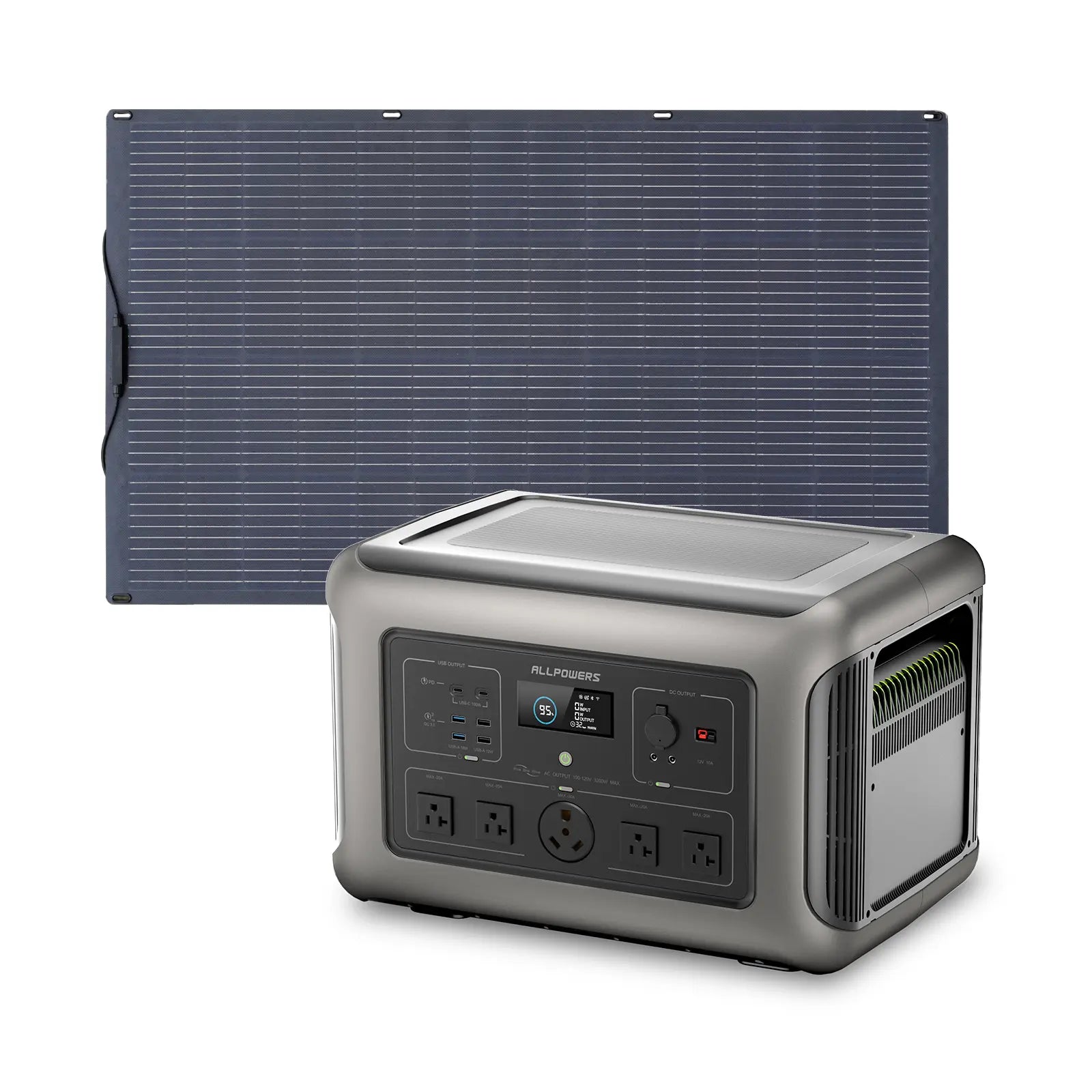
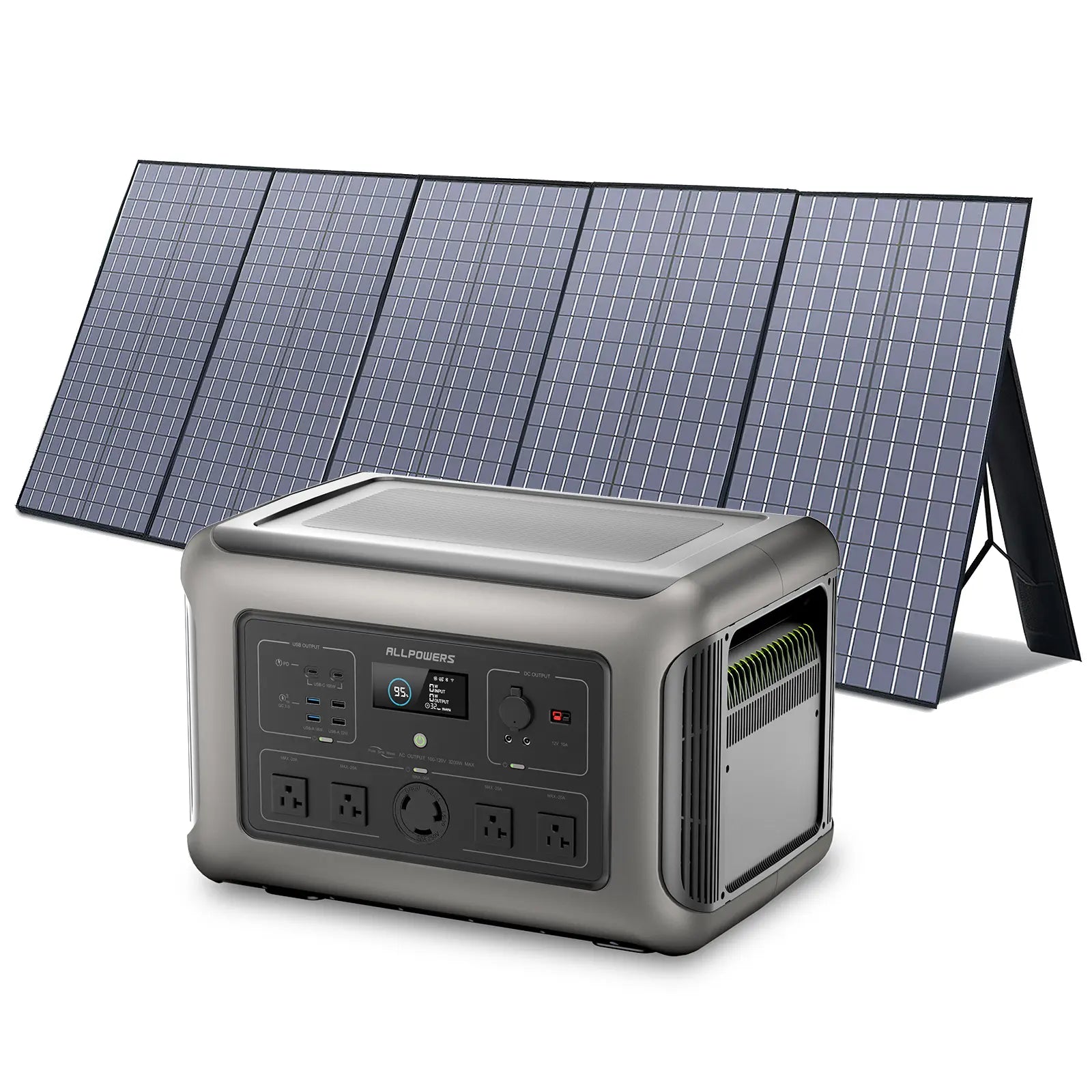
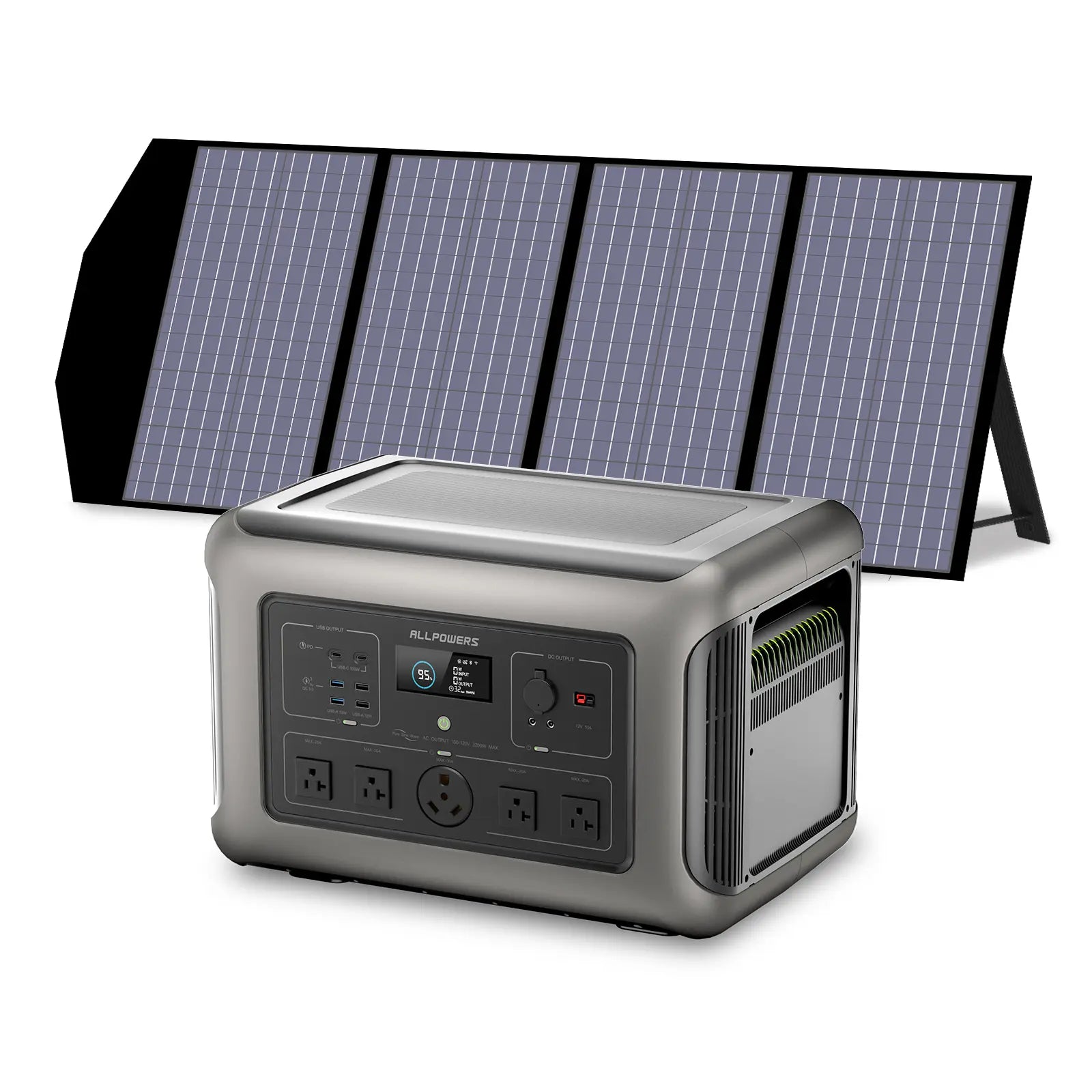
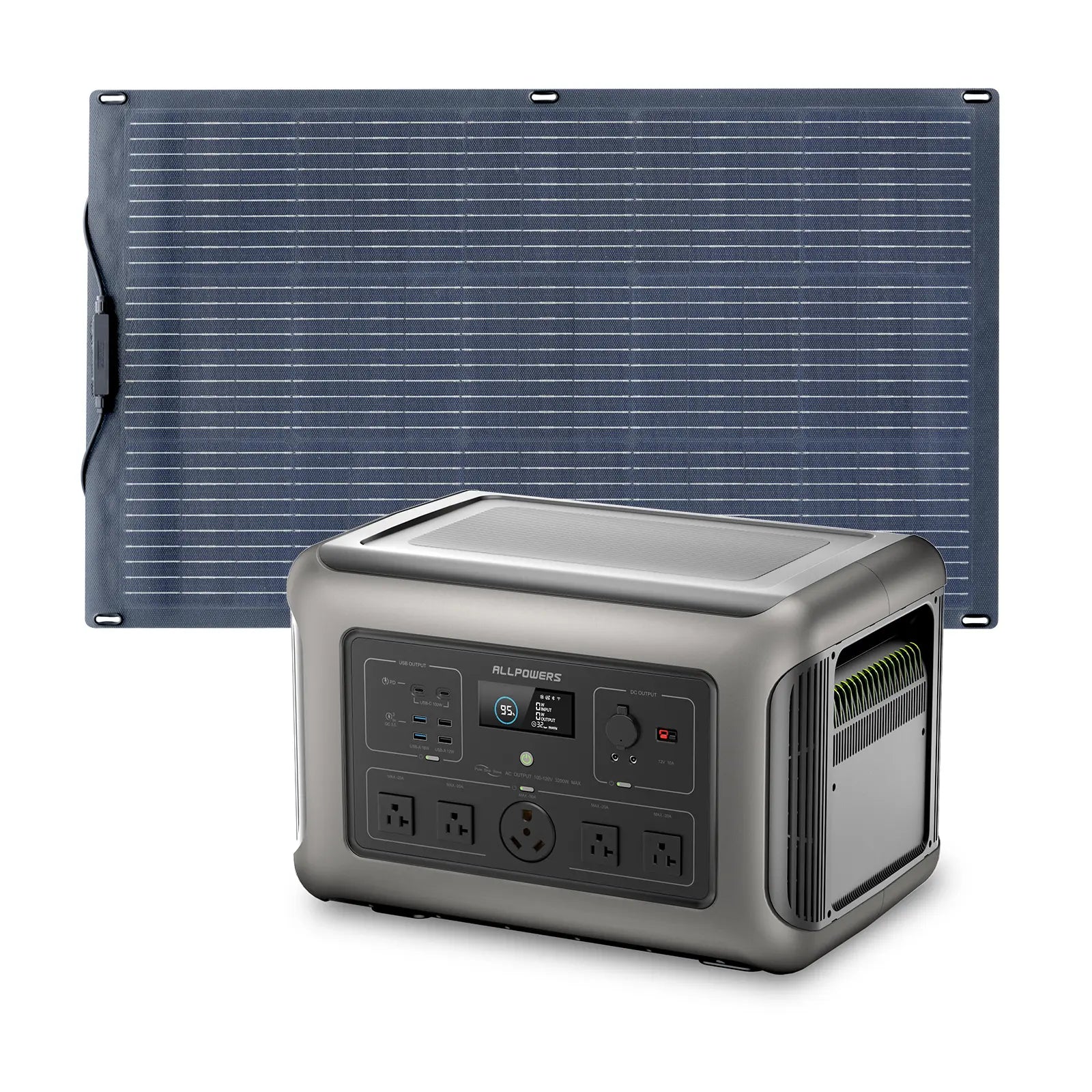
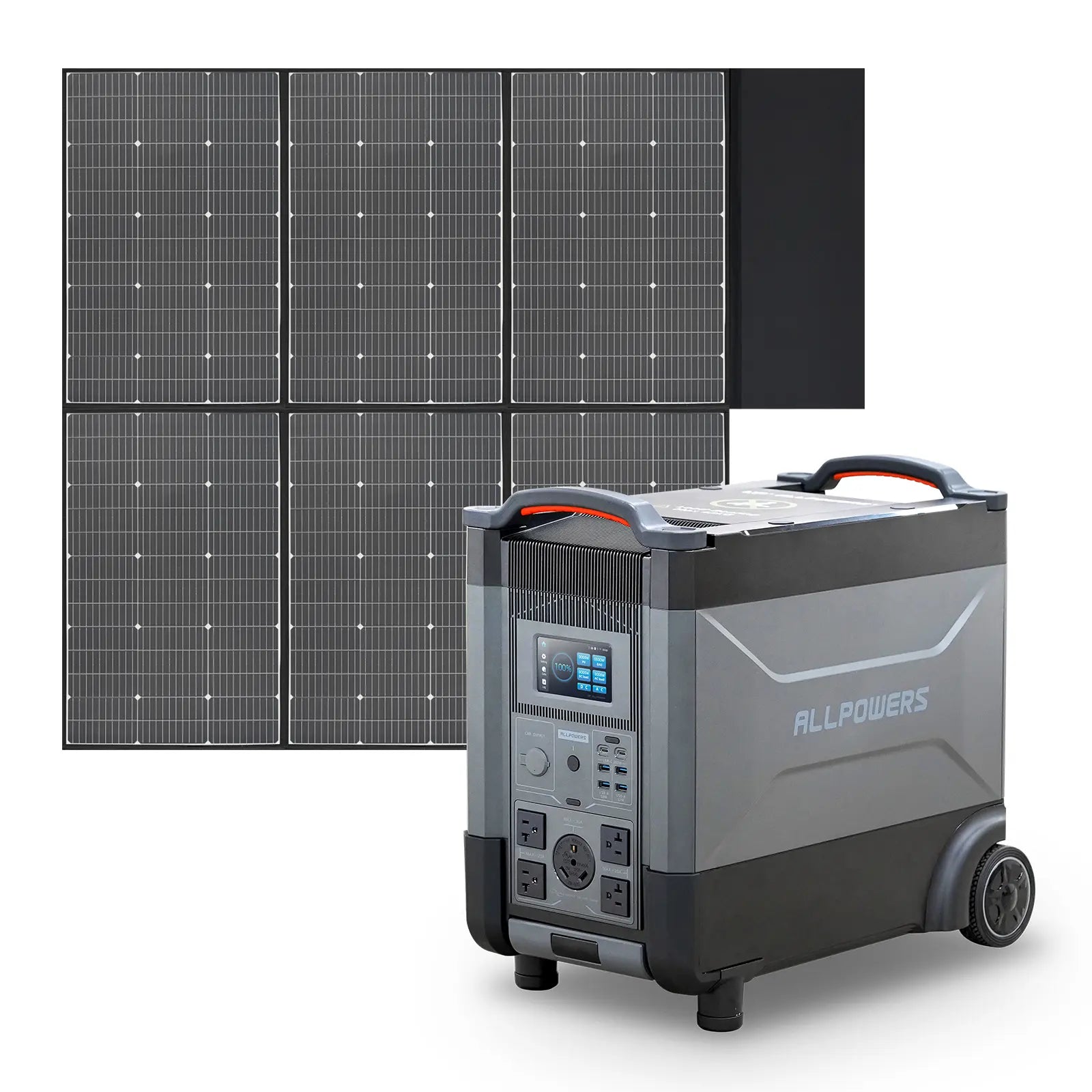
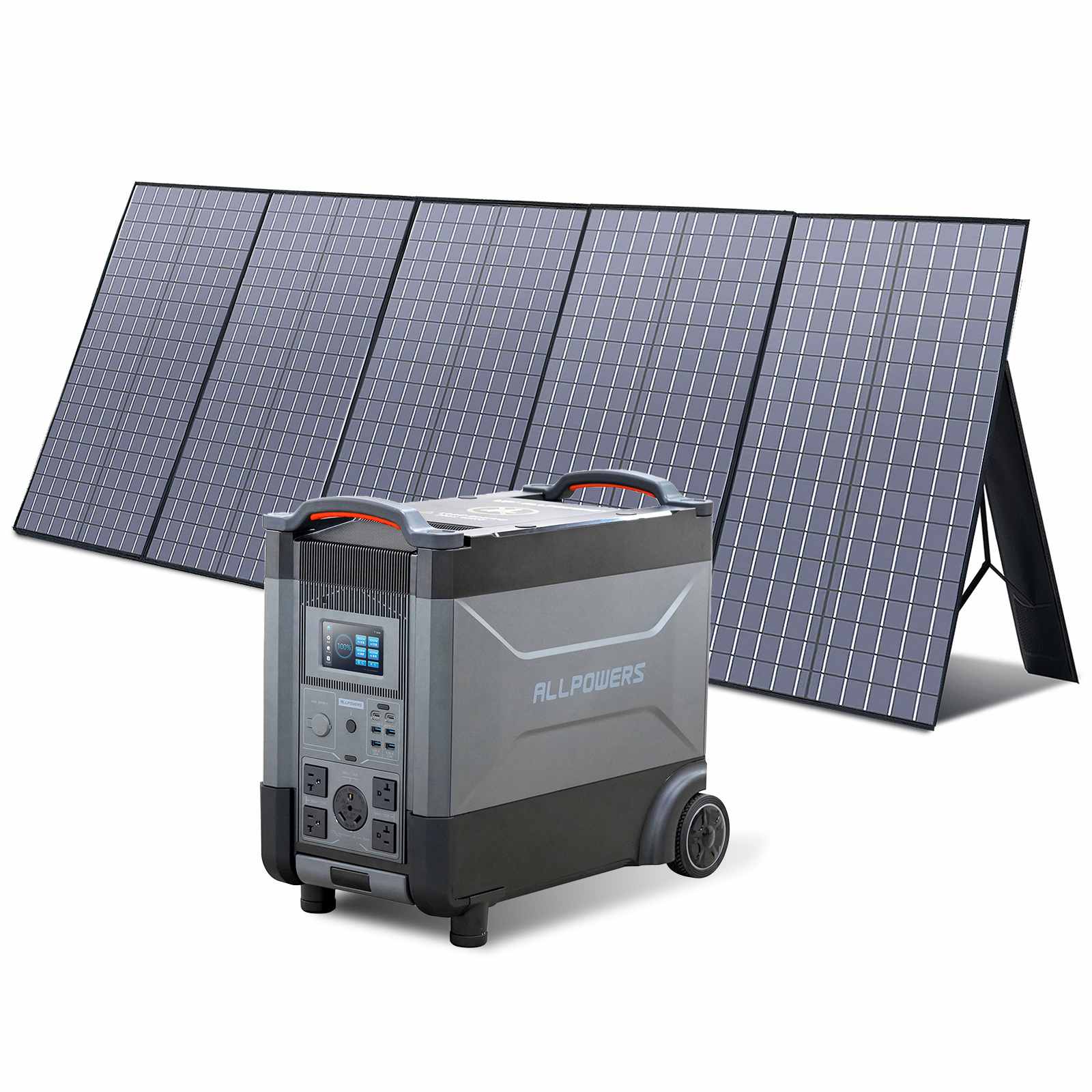
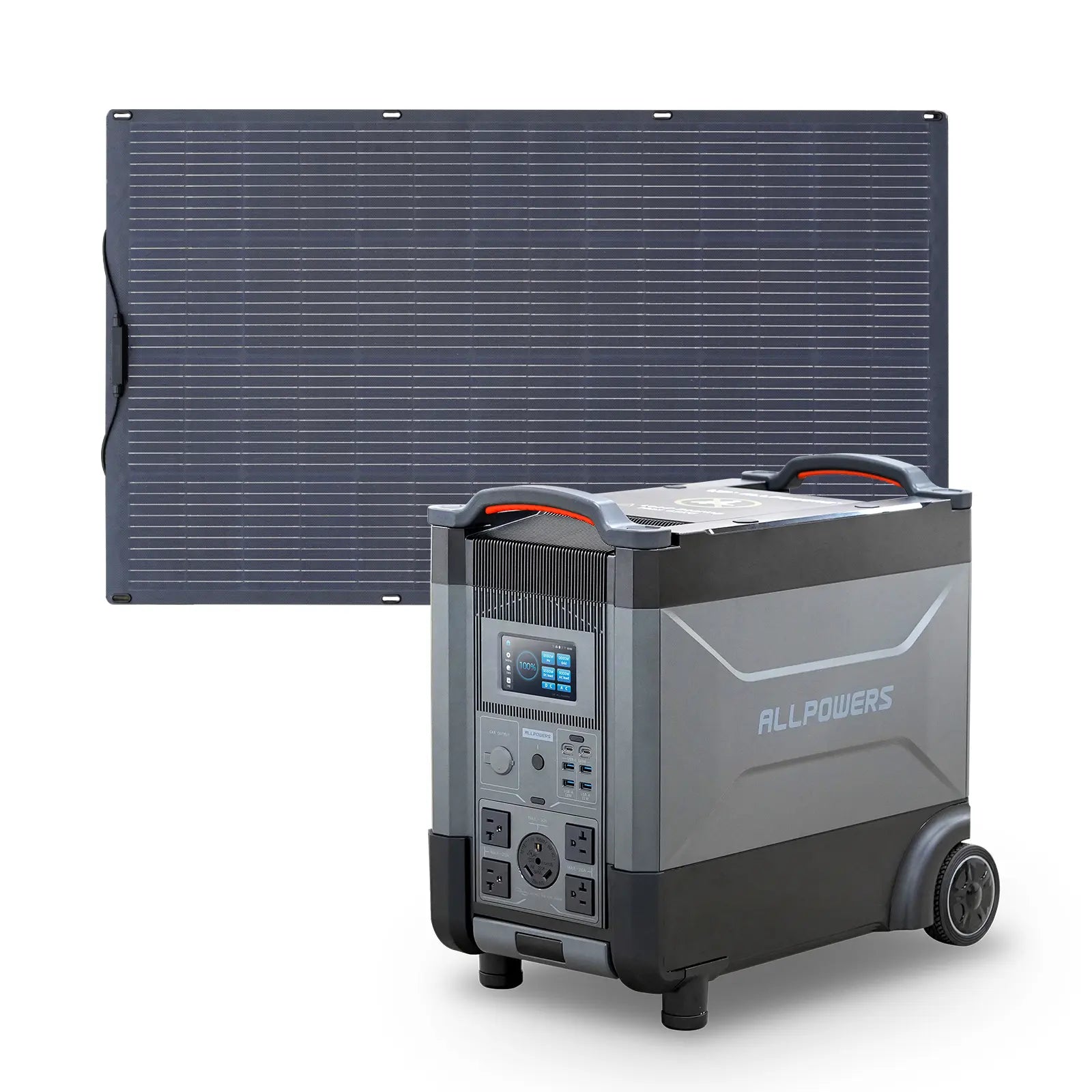
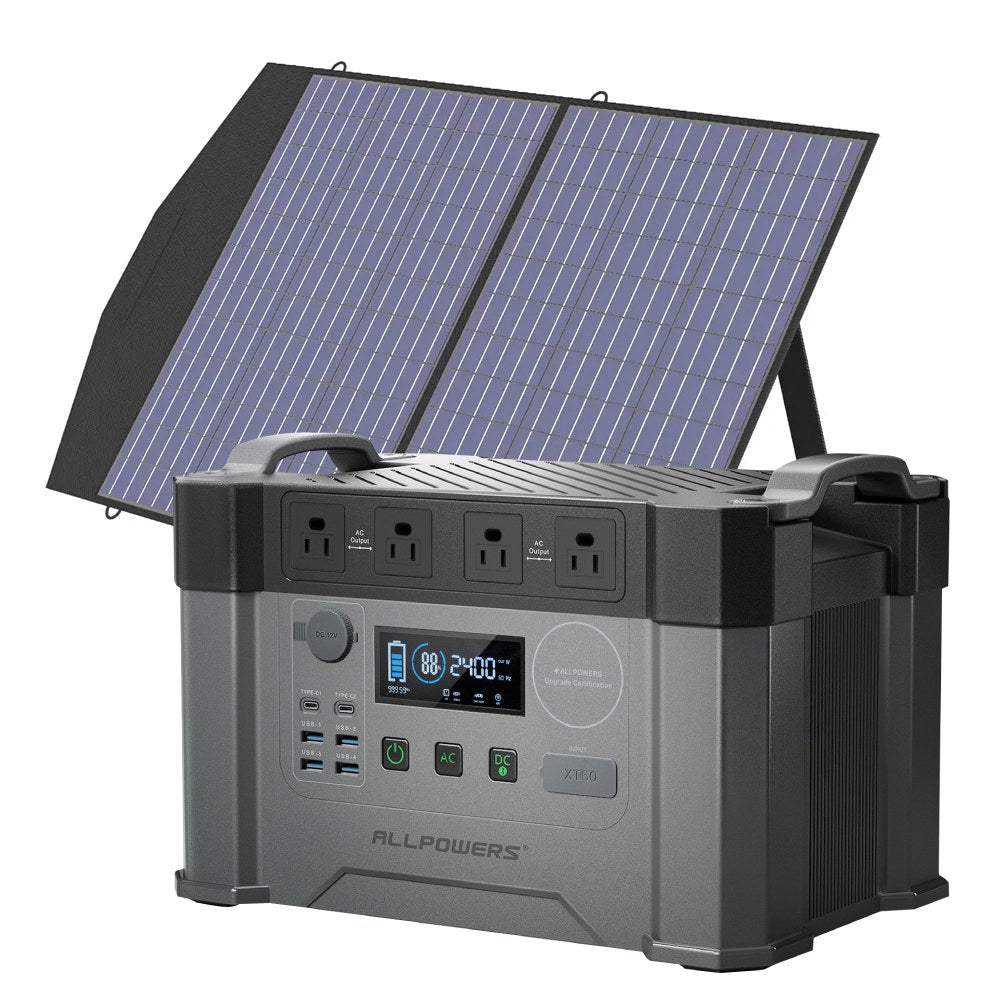
On the other hand, solar generators—or more accurately, portable power stations paired with solar panels—offer a quieter, cleaner experience.
No engine noise. No exhaust. Just stored energy, ready to go.
They don’t always match the raw output of fuel generators, especially for extended heavy loads.
But for light, steady use—the kind a 1000-watt setup often handles—they feel almost… effortless.
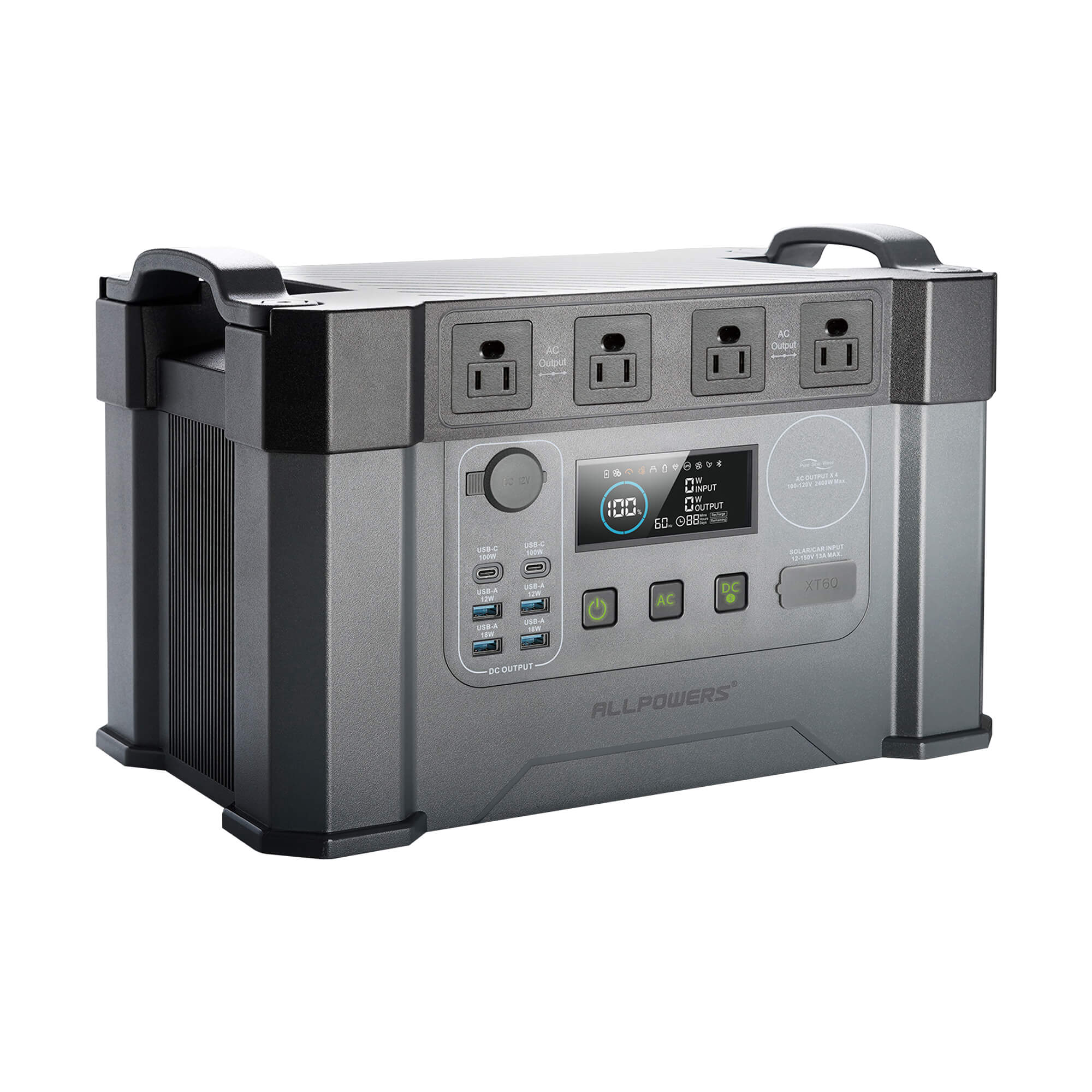
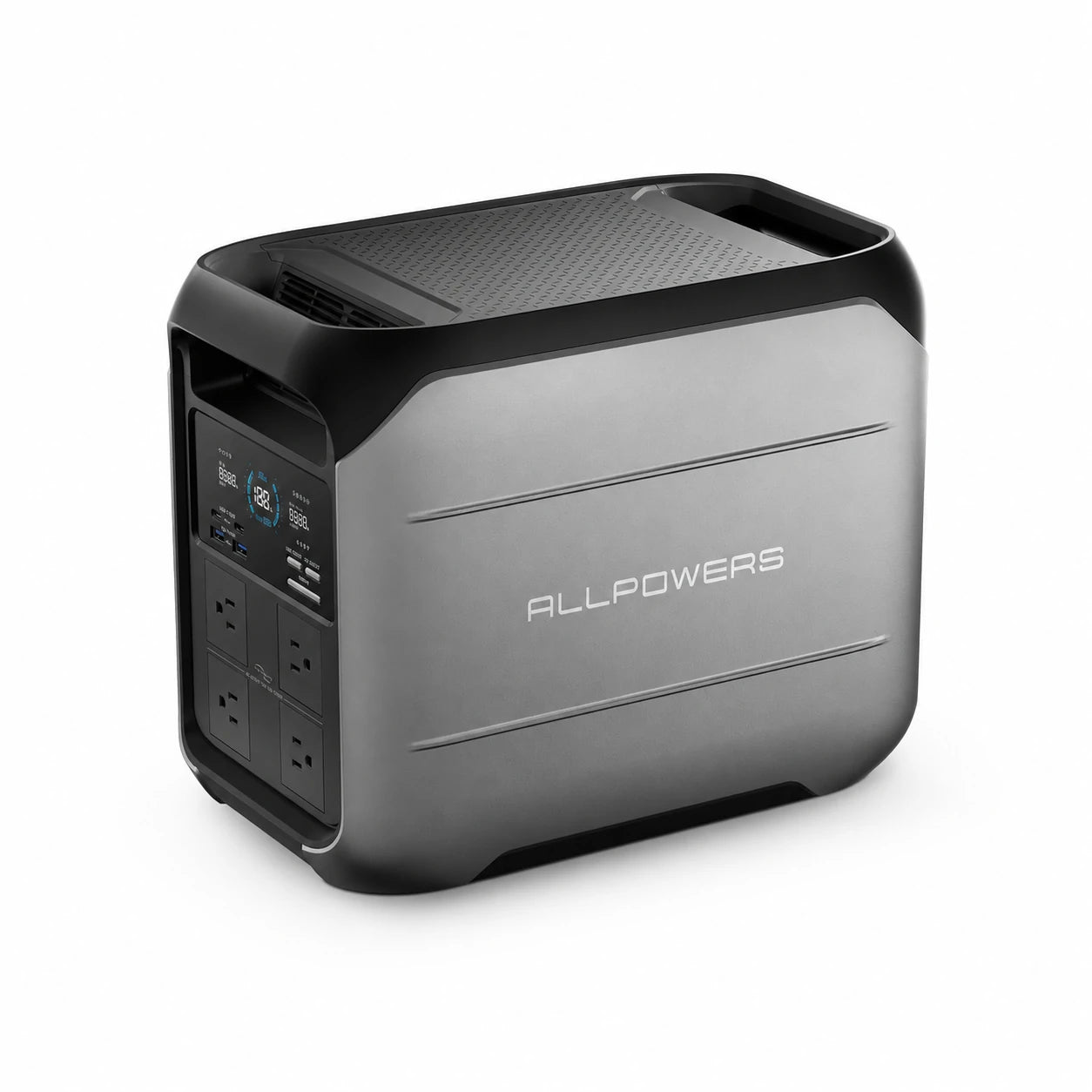
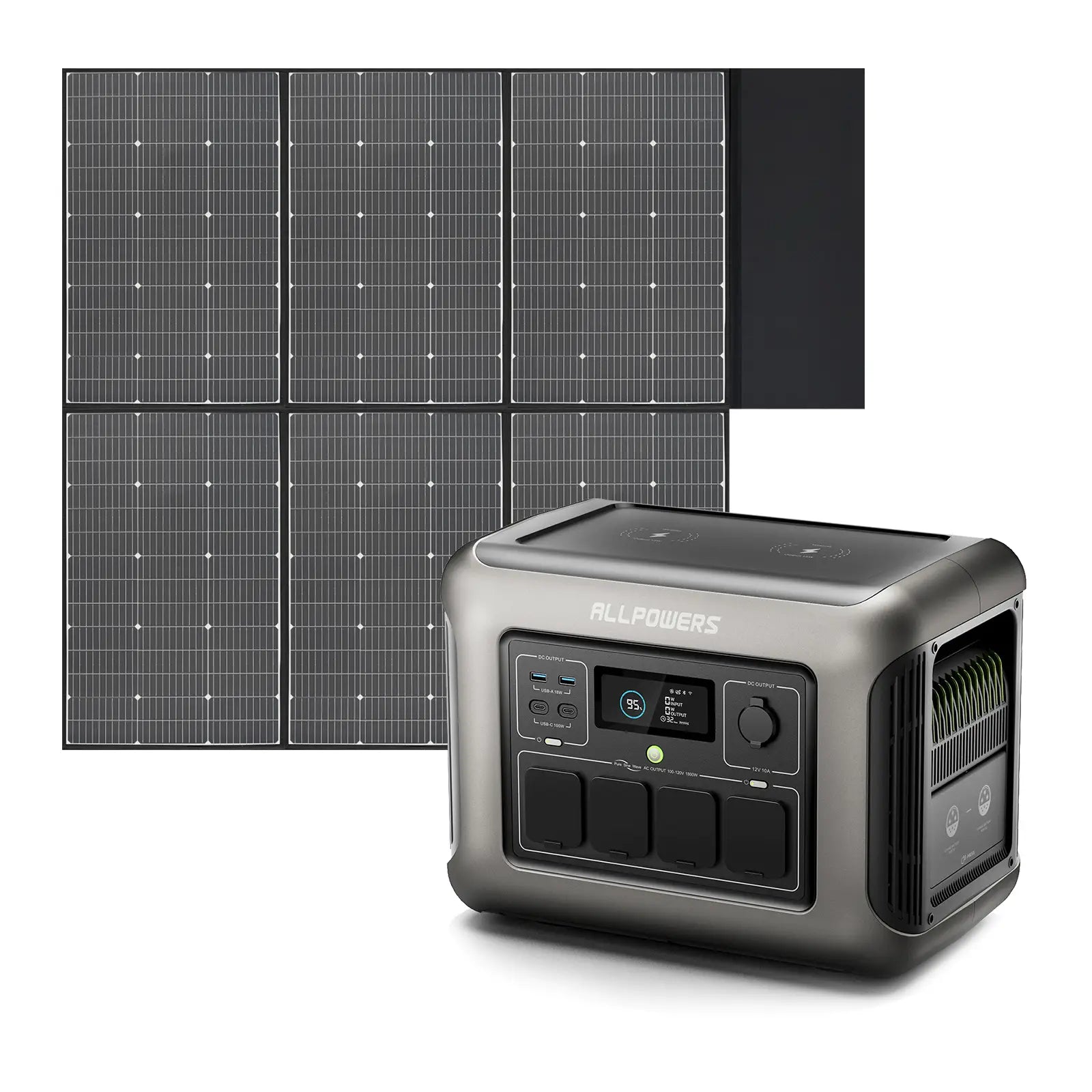
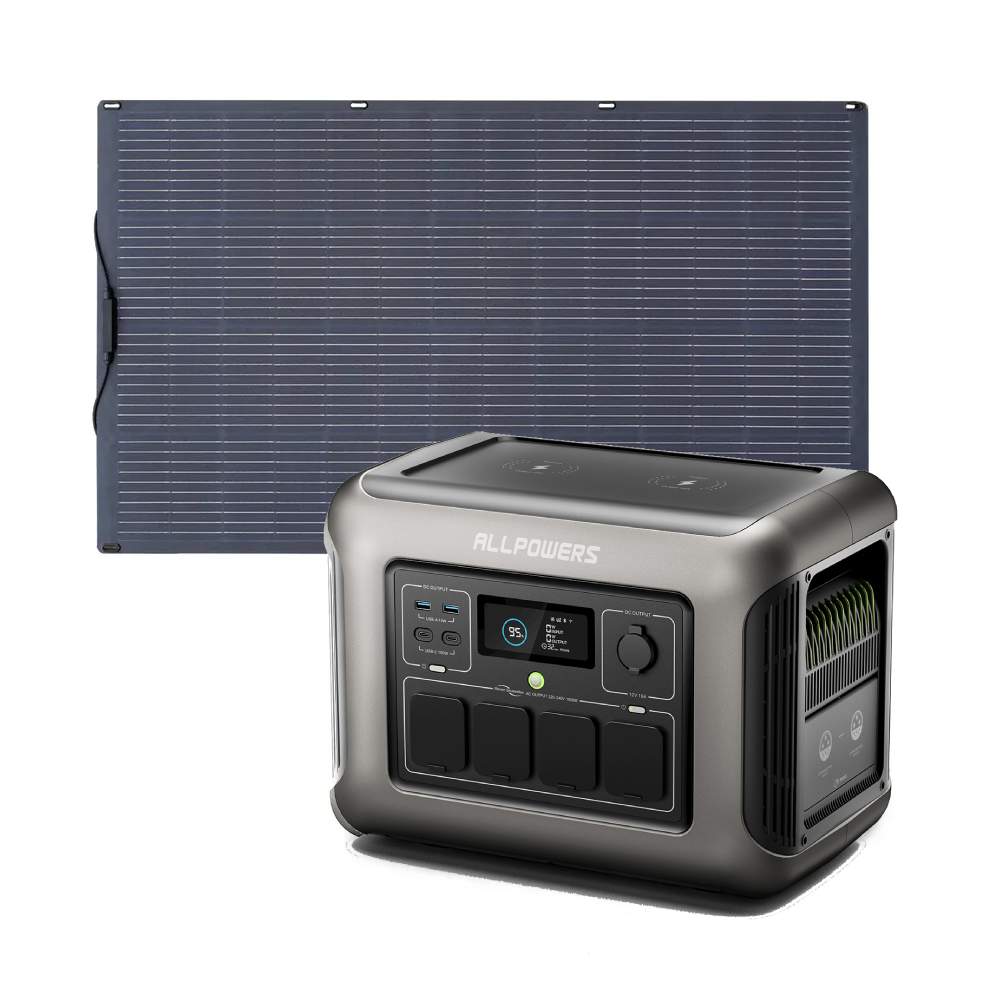
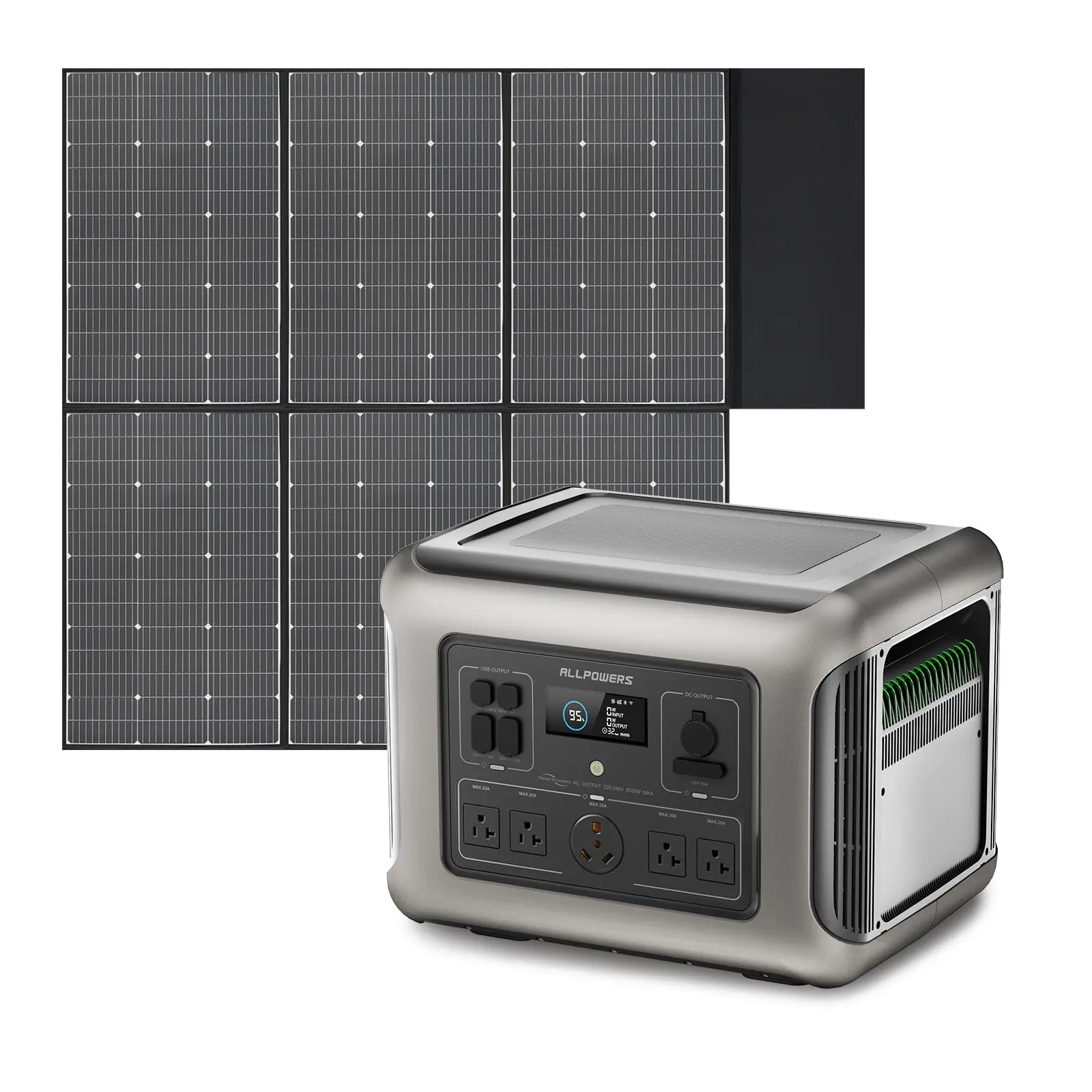
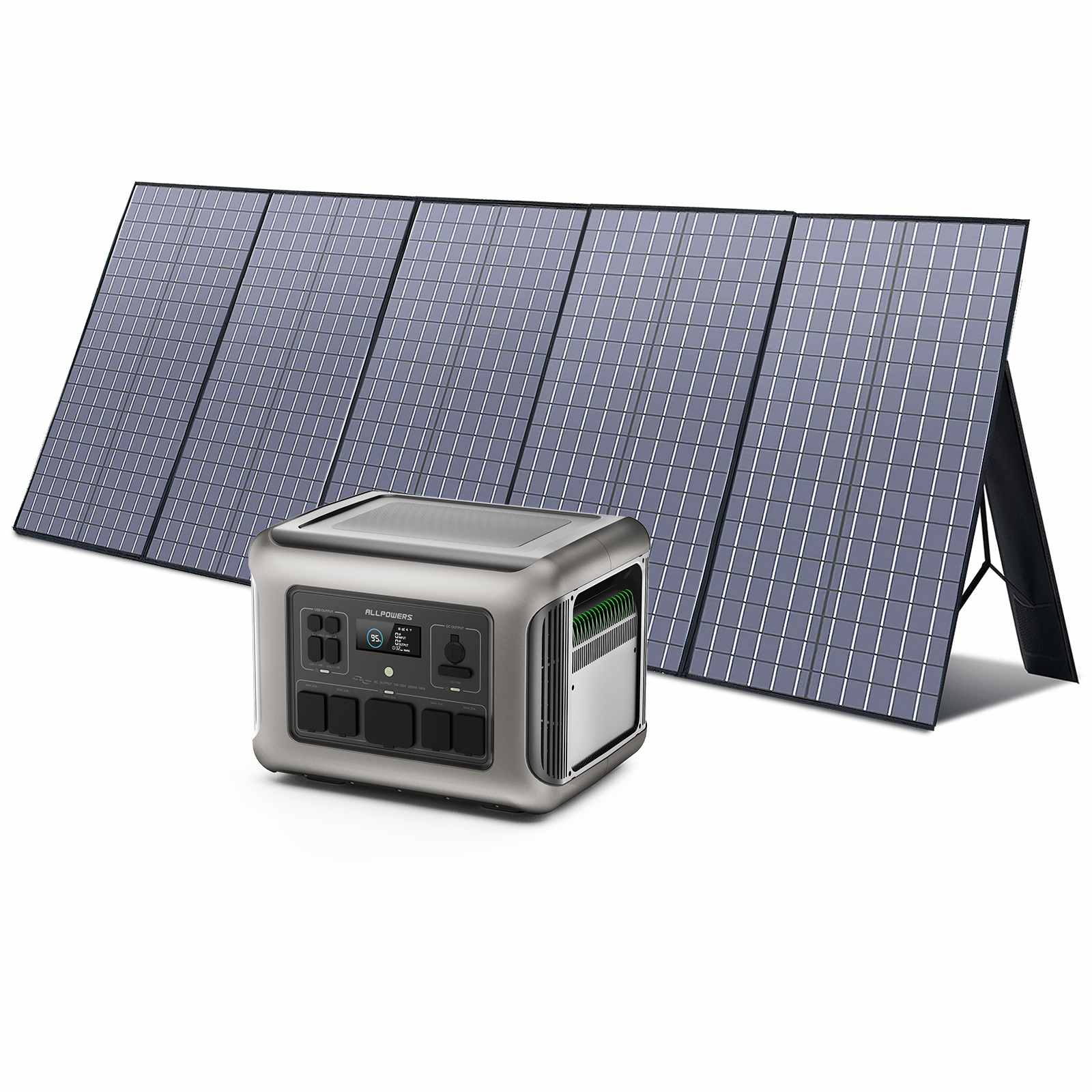
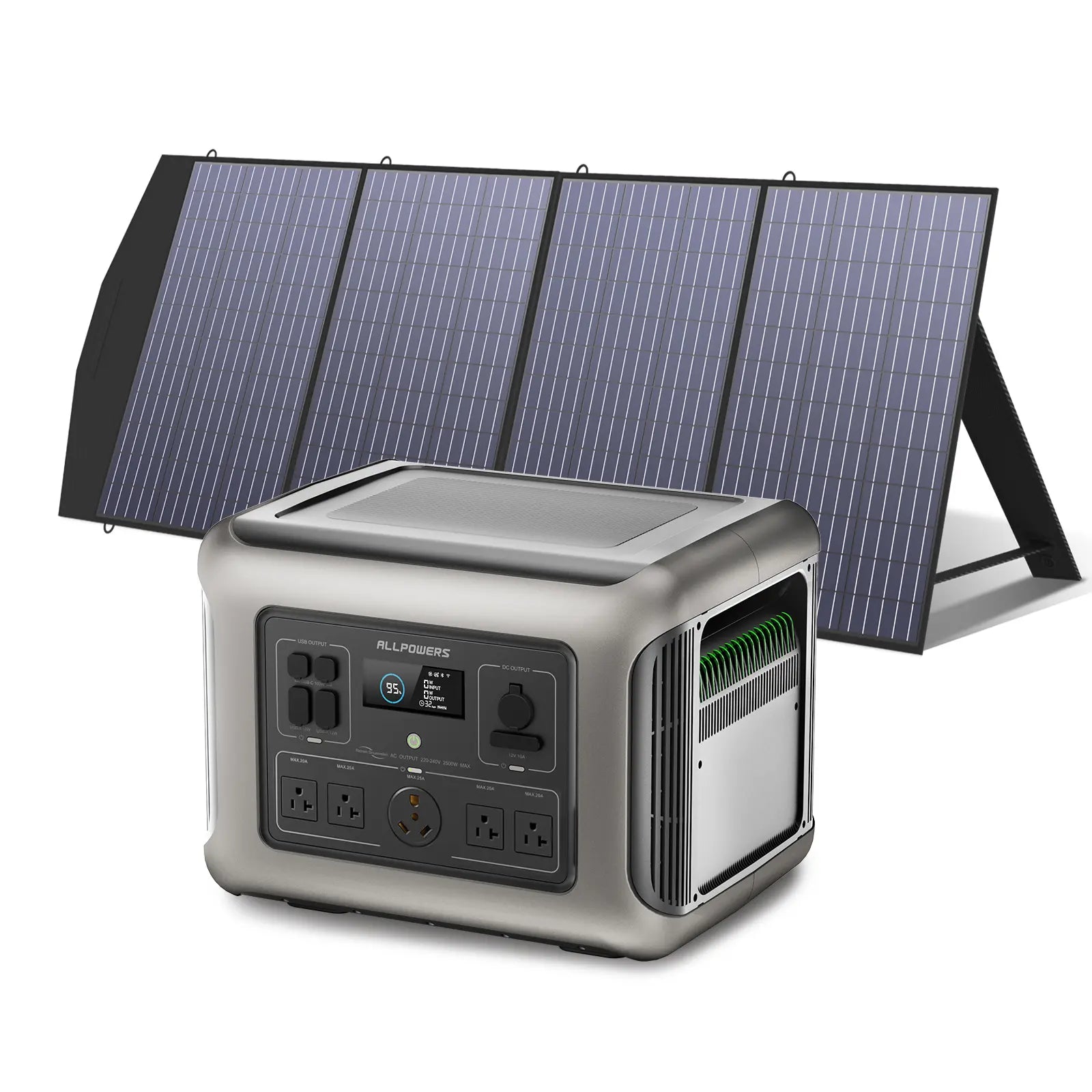
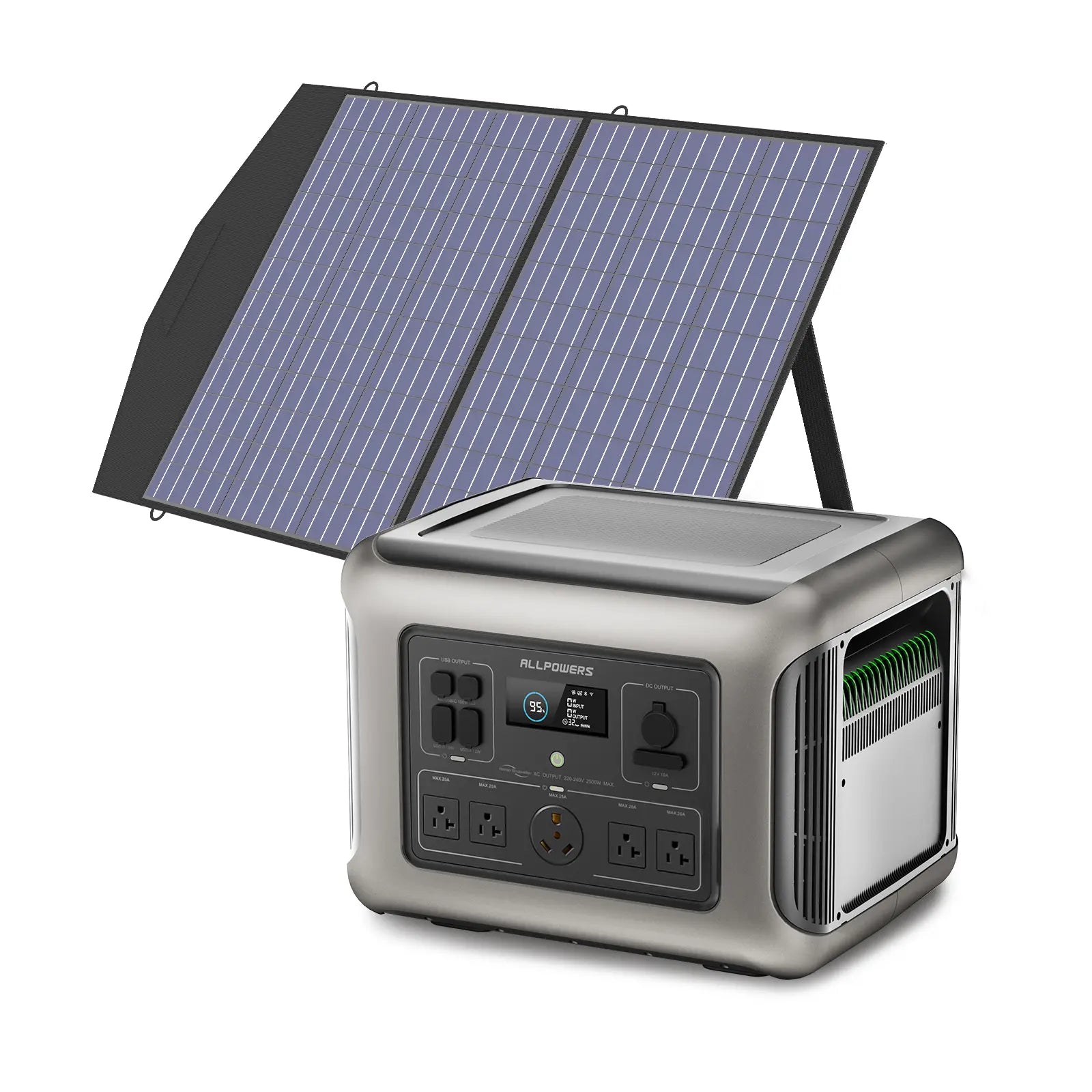
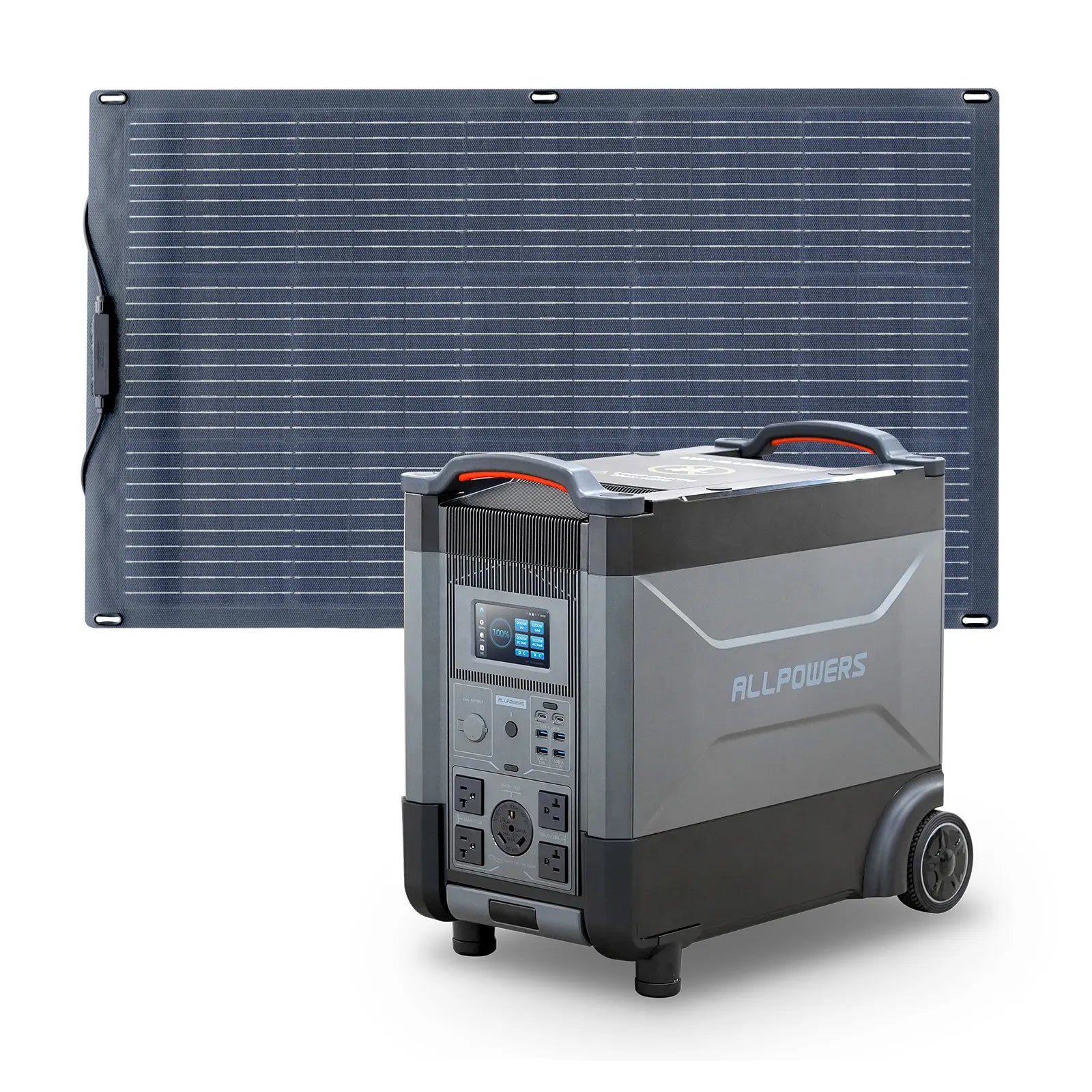
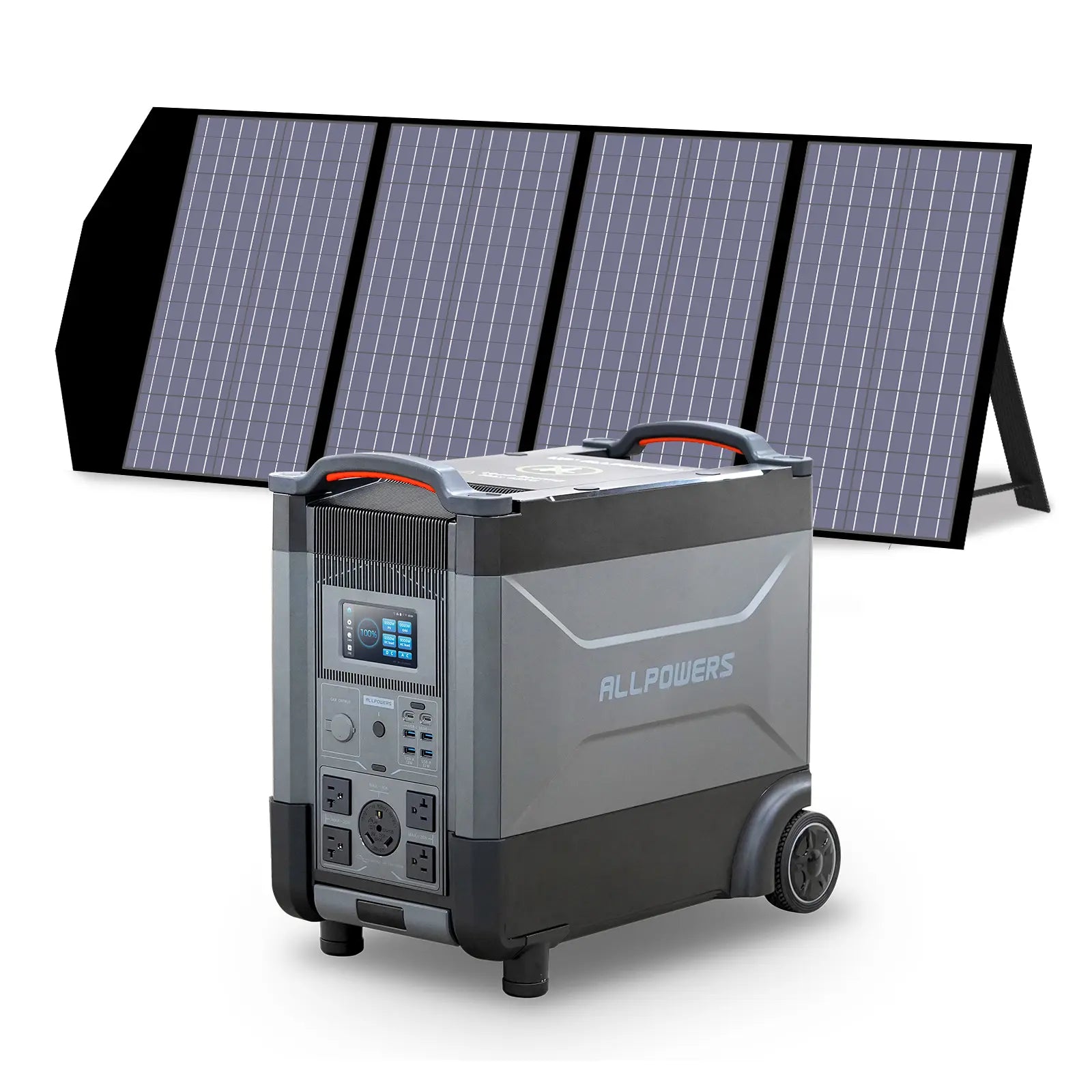
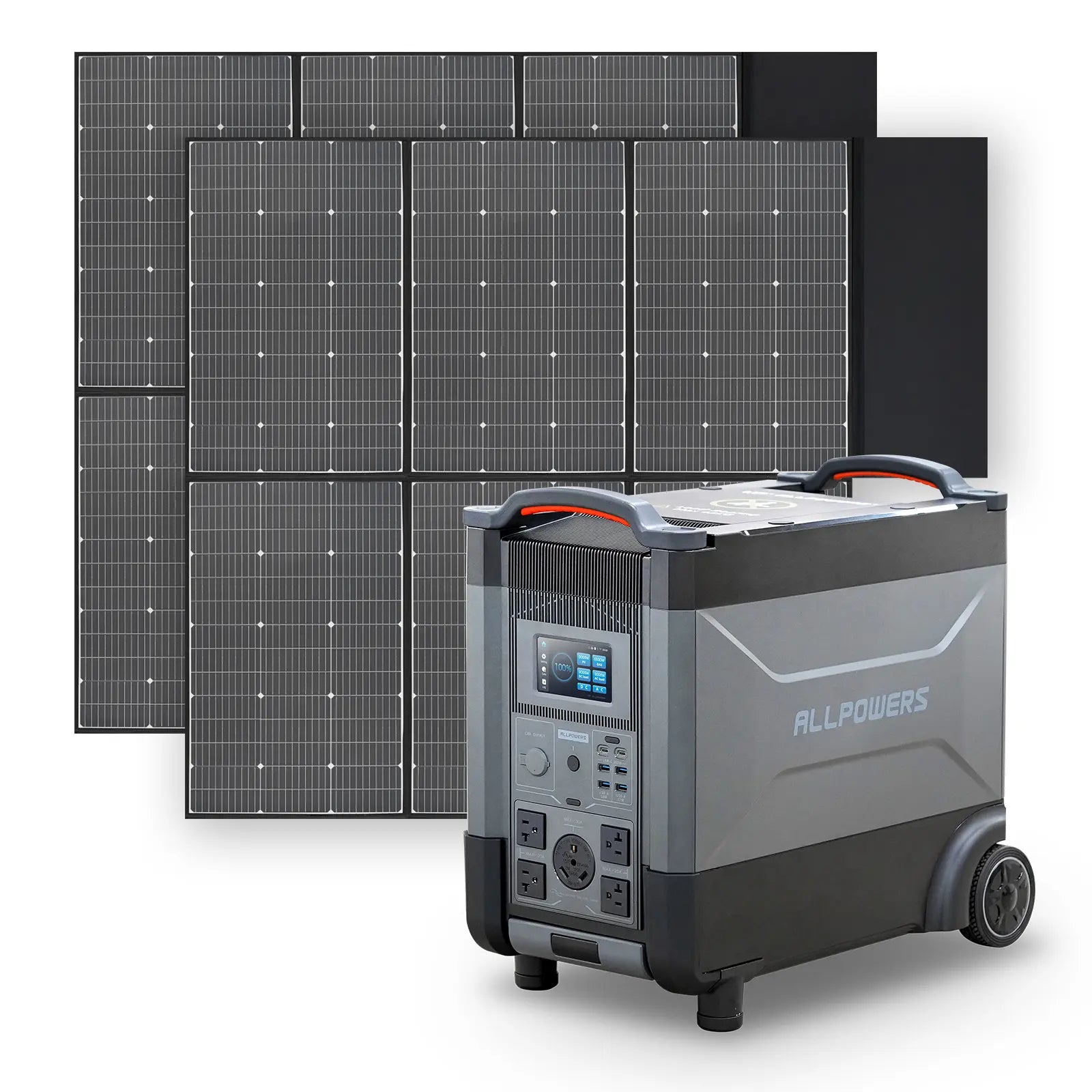
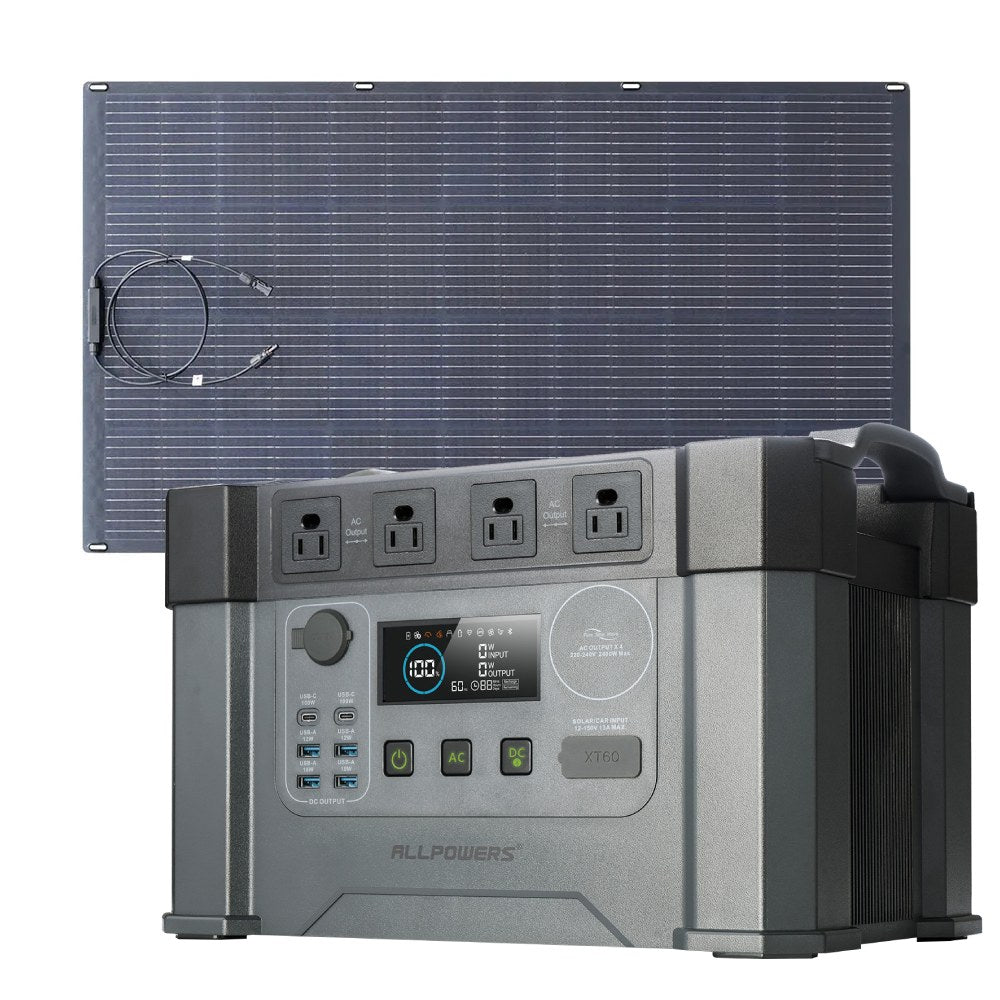
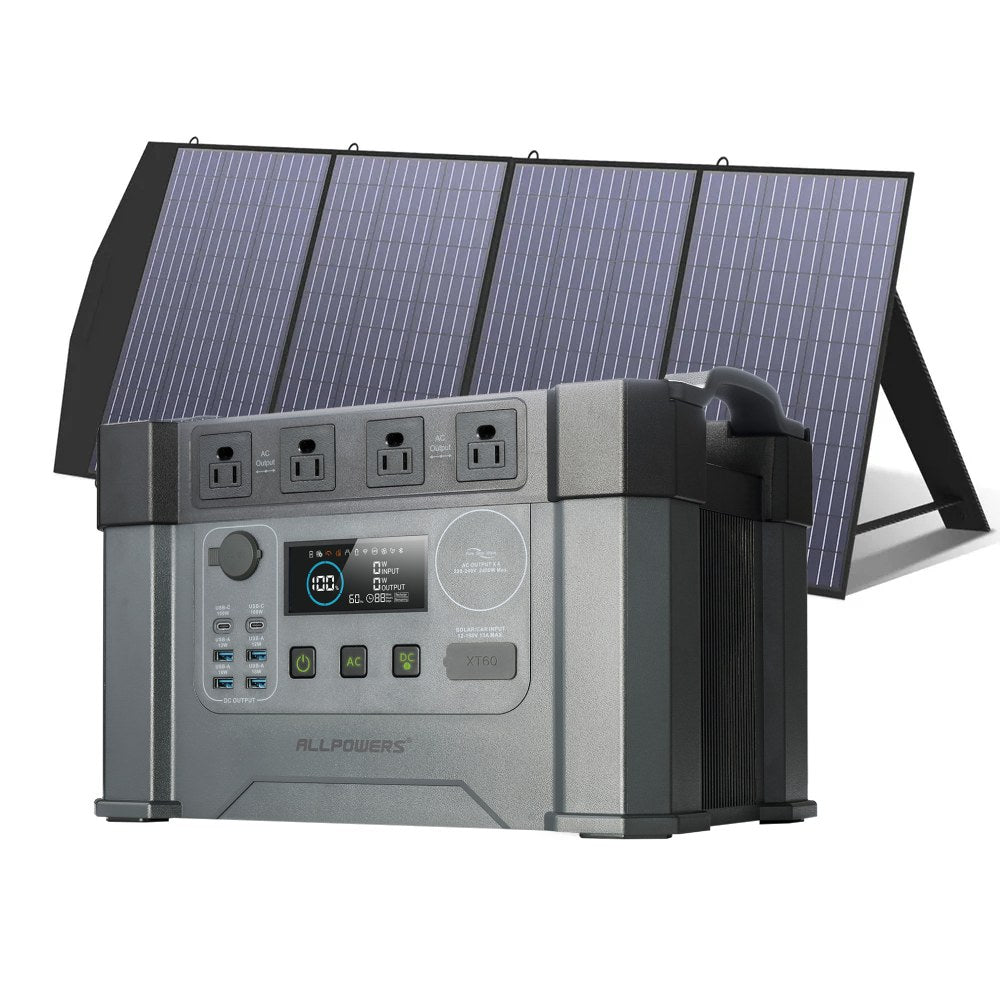
ALLPOWERS 2500W Solar Generator
$1,100.00 $1,799.00
- 2016Wh Capacity + 400W Soalr Input;;
- 2500W AC Output (4,000W Surge);
- Fast Charge 100% in 1 Hours;
- Start UPS in 15 ms;
- Expandable Up to 3x B1000 Expansion Battery;
When a 1000 watt generator is exactly the right choice
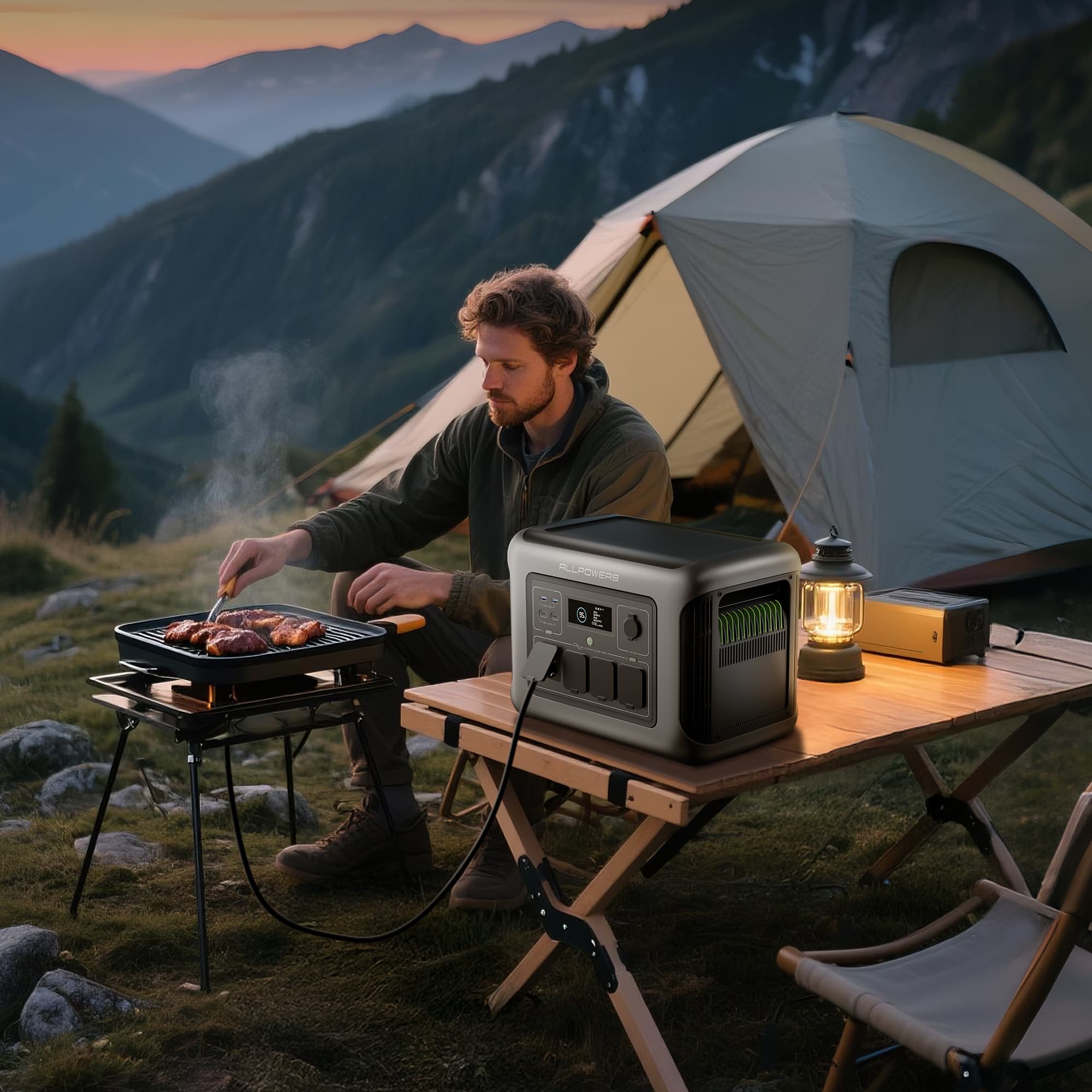
Weekend camping trips, fishing outings, short power outages—these are perfect scenarios.
You get enough power for essentials without the bulk, noise, and fuel consumption of larger units.
It’s also a great backup option for critical devices. Keeping phones charged, running a modem, powering a few lights—these small comforts go a long way during an outage.
And if you pair it with efficient appliances, the system feels surprisingly capable.
When it starts to fall short? Of course, there are limits.
If you’re trying to power an RV with full amenities, or run multiple large appliances at once, a 1000 watt generator won’t cut it.
The same goes for extended off-grid living where consistency matters. You’ll need more capacity, more flexibility.
Final thoughts
So, what can a 1000 watt generator run? Quite a lot, actually—if you’re thoughtful about it.
It can support your essentials, keep you connected, power small comforts, and even handle occasional higher-demand appliances if you manage the timing.
But it won’t replace a full household system, and it won’t run heavy-duty equipment without compromise.