






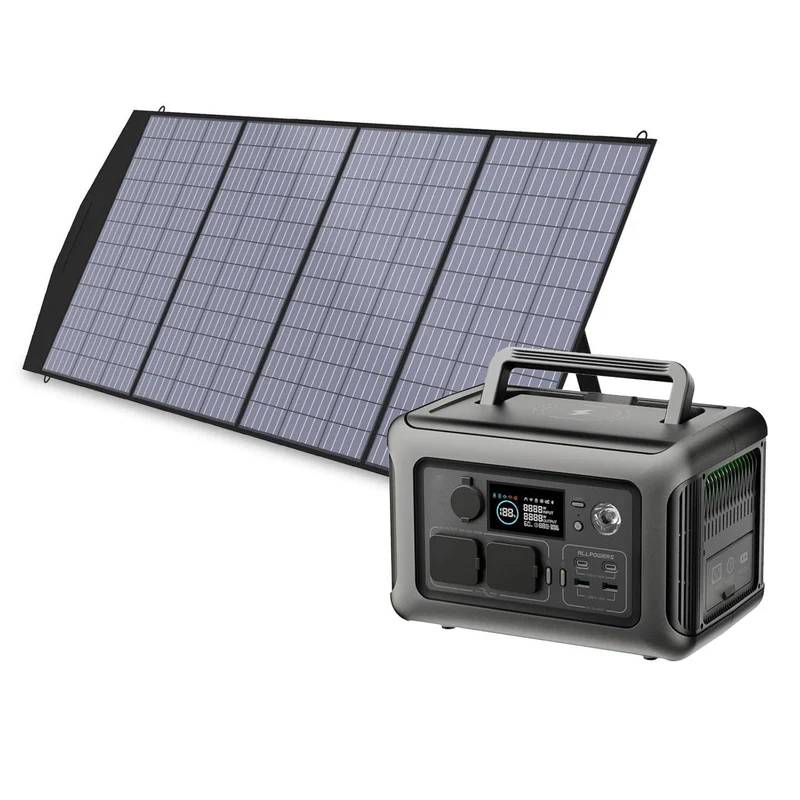
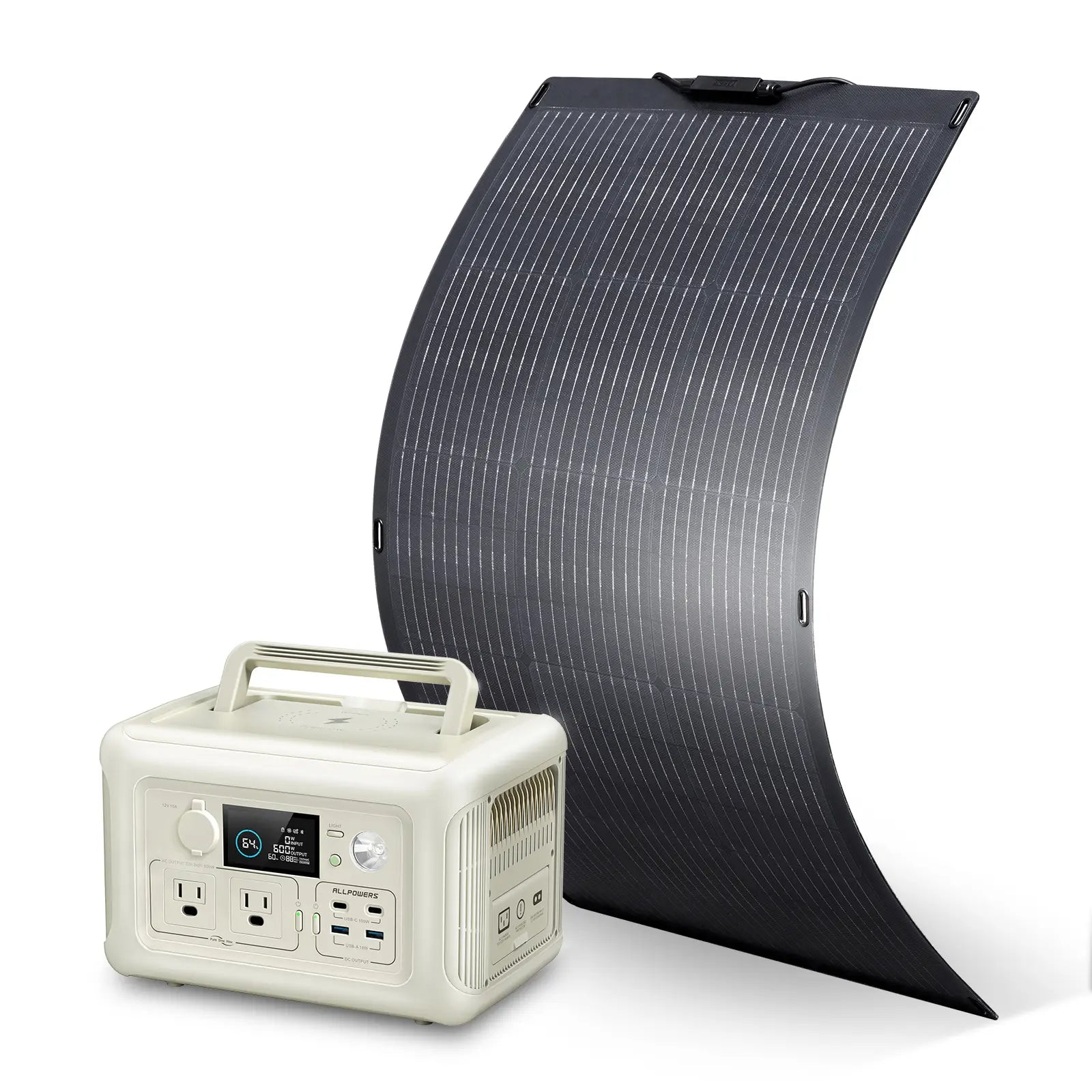
When people talk about “middle-weight” portable power, the 600-watt class usually pops up first.
It delivers just enough muscle for the essentials without feeling oversized or intimidating
But what can a 600 watt power station actually run?
TL;DR:
A 600 watt power station can handle most small to mid-size electronics—laptops, phones, routers, LED lights, portable fridges, CPAPs, small TVs, mini projectors, and some cooking gadgets—though you need to watch out for appliances with heating elements or high startup surges.
Why a 600 Watt Power Station Has Become a Popular
A 300-watt unit is lighter but misses too many appliances.
You could carry a 2000-watt station, sure. But it weighs more, costs more, and often provides more power than casual users need.
A 600-watt model lands in that comfortable middle ground: light enough to grab with one hand, yet strong enough to downsize your power anxiety.
Most days, you don't need the giant setup. You need something practical, manageable, and ready at a moment’s notice.
Small Electronics Operate Easily on a 600 Watt Power Station
Let’s start with something most people use constantly: personal electronics.
Phones barely sip power. Laptops draw more—usually somewhere between 40 and 120 watts—but they fit comfortably inside the 600-watt envelope.
A tablet? Even easier. That means you can run several of these at once without any stress.
A DSLR battery charger pulls maybe 10 watts. A WiFi router, around 6 to 10 watts.
A little Bluetooth speaker might sip only a couple of watts. You can run these for hours and still have enough juice left for something bigger.
Outdoor Gear That a 600 Watt Station Can Handle
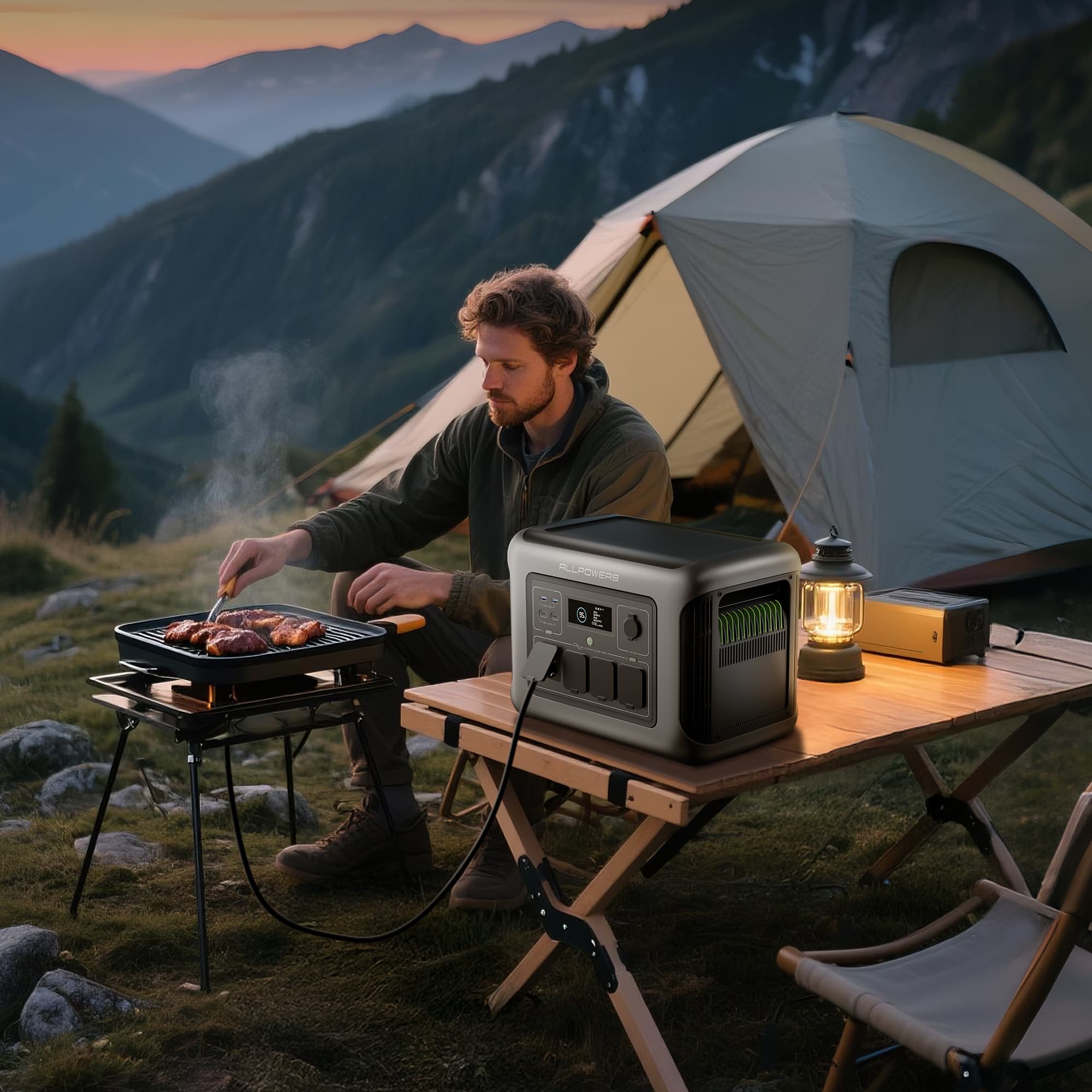
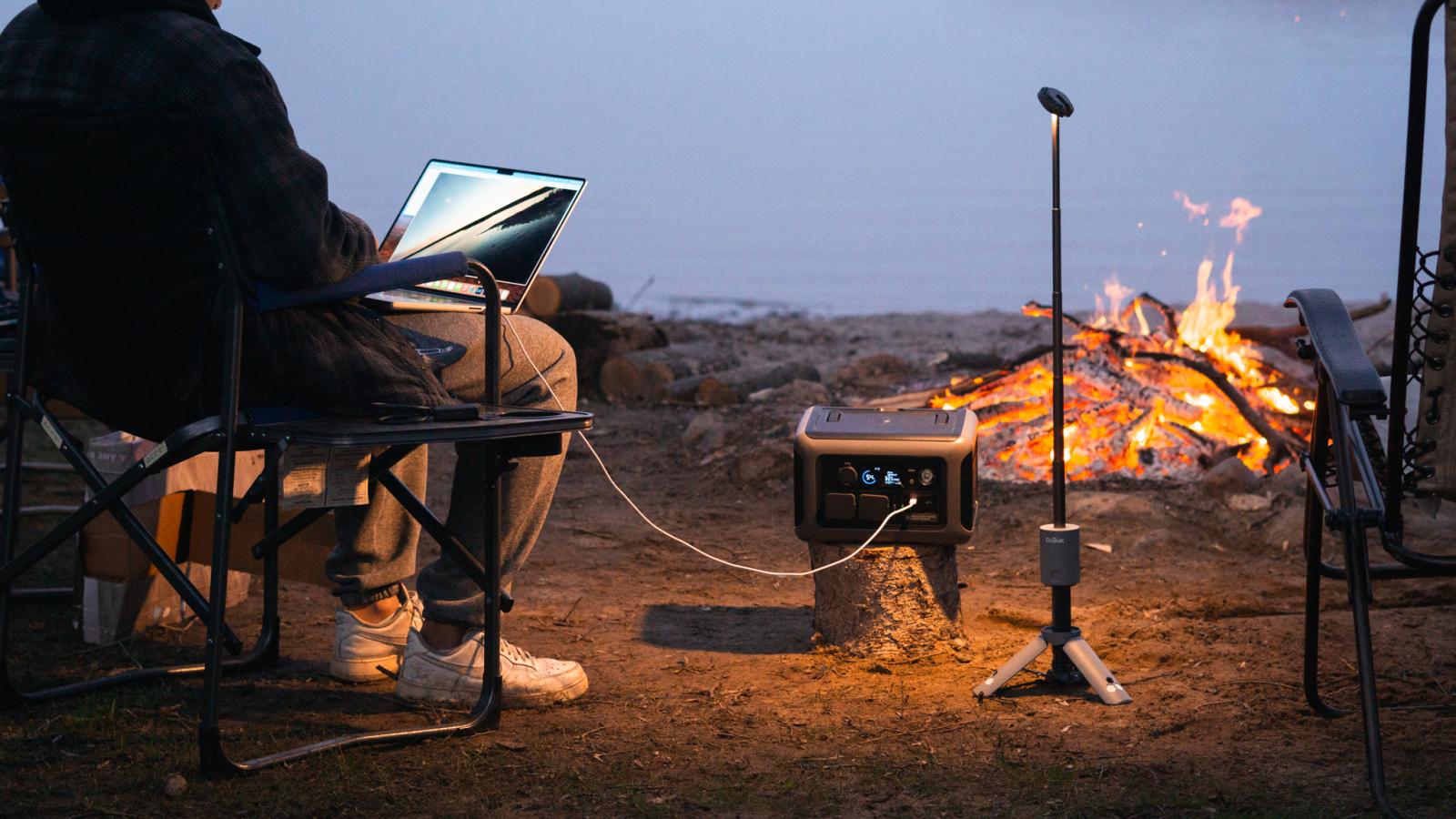
Camping is where this size feels perfect.
LED string lights, lanterns, or even a small desk lamp draw very little power, so you can run multiple lights for hours.
A small air pump for inflating mattresses or SUP boards may draw 50 to 120 watts.
A small electric blanket often uses 35–65 watts. Even a compact water pump for emergency use can sit under 100 watts.
A typical mini fridge uses around 50–100 watts while running, but it may spike to 300–600 watts for a split second when starting. A well-designed 600-watt station usually handles it.
Portable car fridges are even easier. These run around 45–70 watts and rarely spike above 100 watts.
For anyone who relies on a CPAP at night, this detail matters. Most CPAP units draw 30 to 60 watts without the heated humidifier.
If the humidifier is on, it might jump closer to 100 watts—but you’re still well below the 600 watt ceiling.
And with careful load management, a 600 watt station handles them without complaint.
Household Gear That a 600 Watt Power Station Can Run
Back at home, the 600-watt range covers a surprising spread of gadgets you wouldn’t even think about until.
LED bulbs barely pull any wattage at all. A Wi-Fi router runs around 10 to 15 watts. A cable modem uses a similar amount.
Fans—like box fans or small tower fans—are much easier. Many sit under 50 watts and provide surprisingly strong airflow.
Routers, again, use little energy—a router ranging between 10 and 20 watts barely makes a mark on a 600-watt system.
Now look at heated blankets. Many of them run at just 50 to 100 watts on lower settings. A 600-watt unit can run one for hours.
Then there’s kitchen gear. Technically, many kitchen appliances exceed 600 watts.
Kettles, toasters, and microwaves usually sit between 800 and 1500 watts. But smaller culinary gear?
Low-watt coffee makers, immersion blenders, slow cookers, portable induction tops—some models fall into the 300–600 watt range.
Even small electric kettles exist in the 300 to 500 watt range. They’re not common, but they’re out there.
But slow cookers? Many of those use only 150 to 250 watts on low heat. Yes, you can cook off-grid with a slow cooker.
Entertainment Gear That Fits Within a 600 Watt Limit
People often underestimate how efficient modern entertainment devices are.
You can run a projector (typically around 50–100 watts), a streaming stick, and your laptop simultaneously and still stay far under 600 watts.
A 32-inch LED TV generally uses 40–70 watts. That means movie night during a blackout isn’t just possible; it’s almost too easy.
Gamers sometimes ask whether a 600 watt power station handles consoles. The answer? Usually yes.
A PlayStation 5 draws around 200 watts while gaming; an Xbox Series X runs around 170–200; the Nintendo Switch barely registers at 10 watts in docked mode. Pair that with a TV, and you’re comfortably within limits.
Devices That Will Not Run on a 600 Watt Power Station
Large refrigerators exceed the wattage. Microwaves? Even small ones pull 700–1200 watts.
Hair dryers? Many explode past 1500 watts. Induction cooktops? Same story.
Space heaters? They almost always require 1000–1500 watts, and even the low-temperature modes tend to draw more than 600.
Air conditioners—portable or window units—breeze right past the power limit.
Even the smallest 5,000 BTU models often spike beyond what a 600 watt station can handle.
And honestly, that’s fine. Smaller portable stations aren’t meant to shoulder those heavy household loads.
The whole point of a 600 watt unit is mobility, flexibility, and running essentials without lugging around something the size of a car battery.
How Long a 600 Watt Station Can Run Devices
The 600 watt limit tells you what you can run. The watt-hour capacity tells you how long you can run it.
A 600-watt power station might pair with various capacities depending on the model—some at 300Wh, others 500Wh, and others more.
For most users, 300Wh is just right, big enough for essentials, but small enough to stay portable.
You can estimate runtime with a simple equation: Runtime ≈ Battery capacity (Wh) ÷ Device power draw (W) × 0.85. The 0.85 accounts for inverter losses.
A 300Wh power station, running a 60-watt laptop, might last roughly five hours.
Running a 100-watt projector could last around three hours. Powering a 10-watt router? Easily over a day.
Using a 50-watt electric blanket on low could last six to eight hours—maybe more depending on conditions.
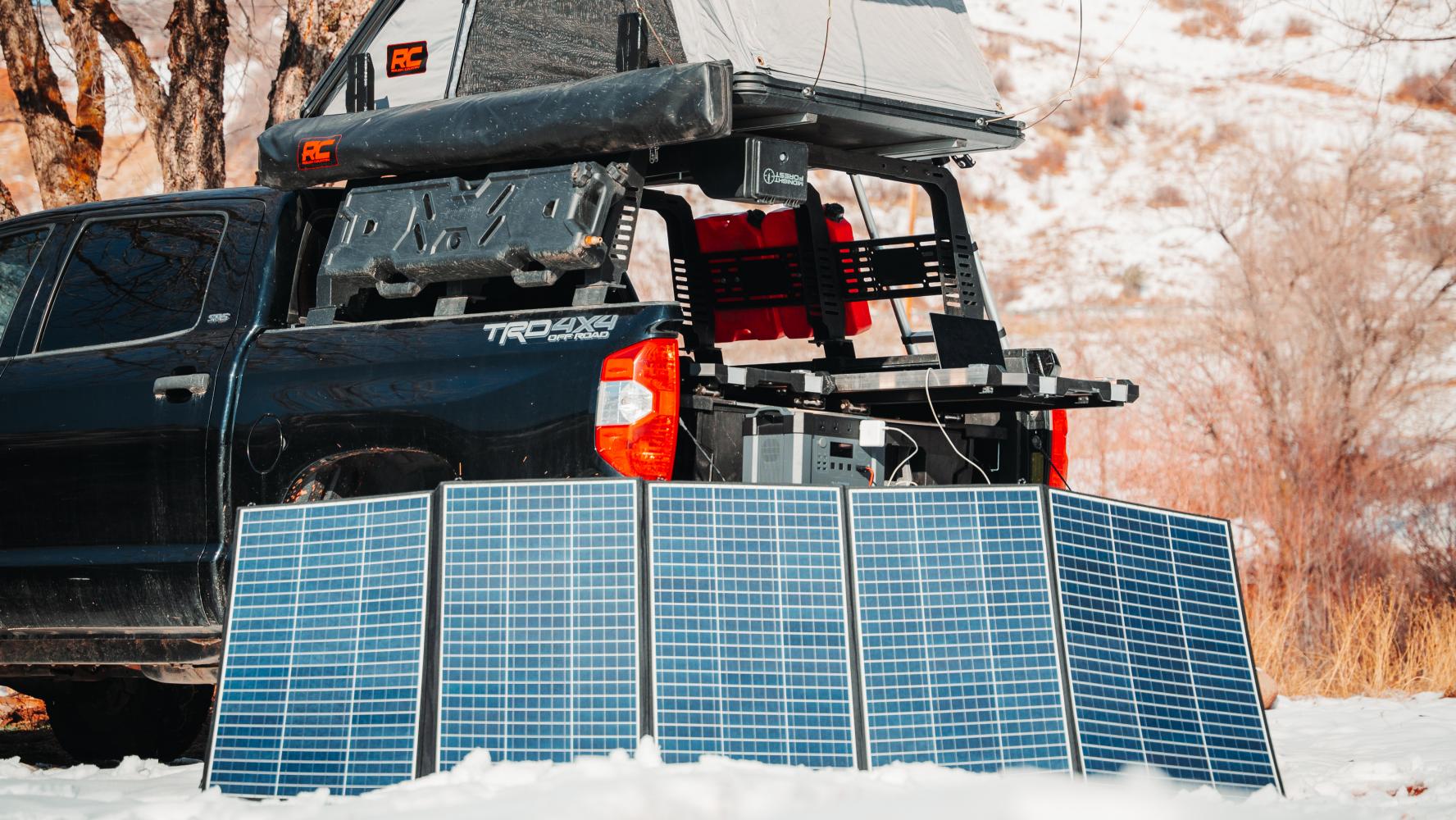
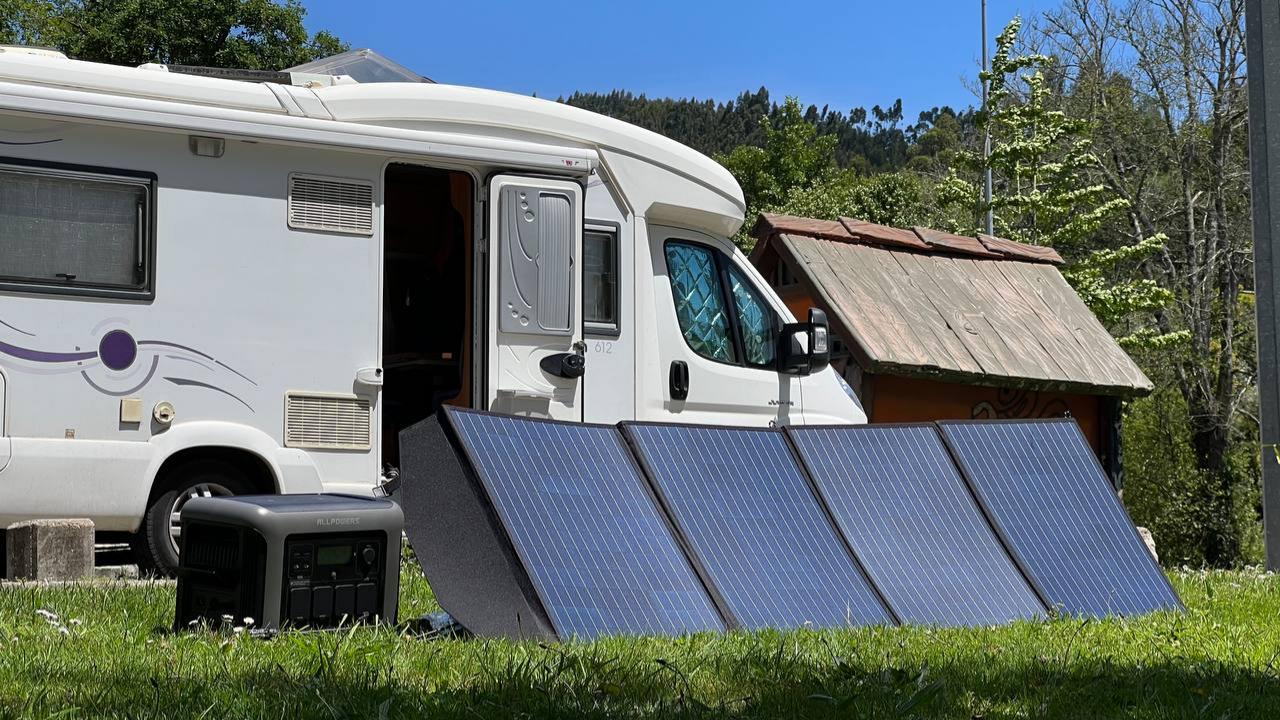
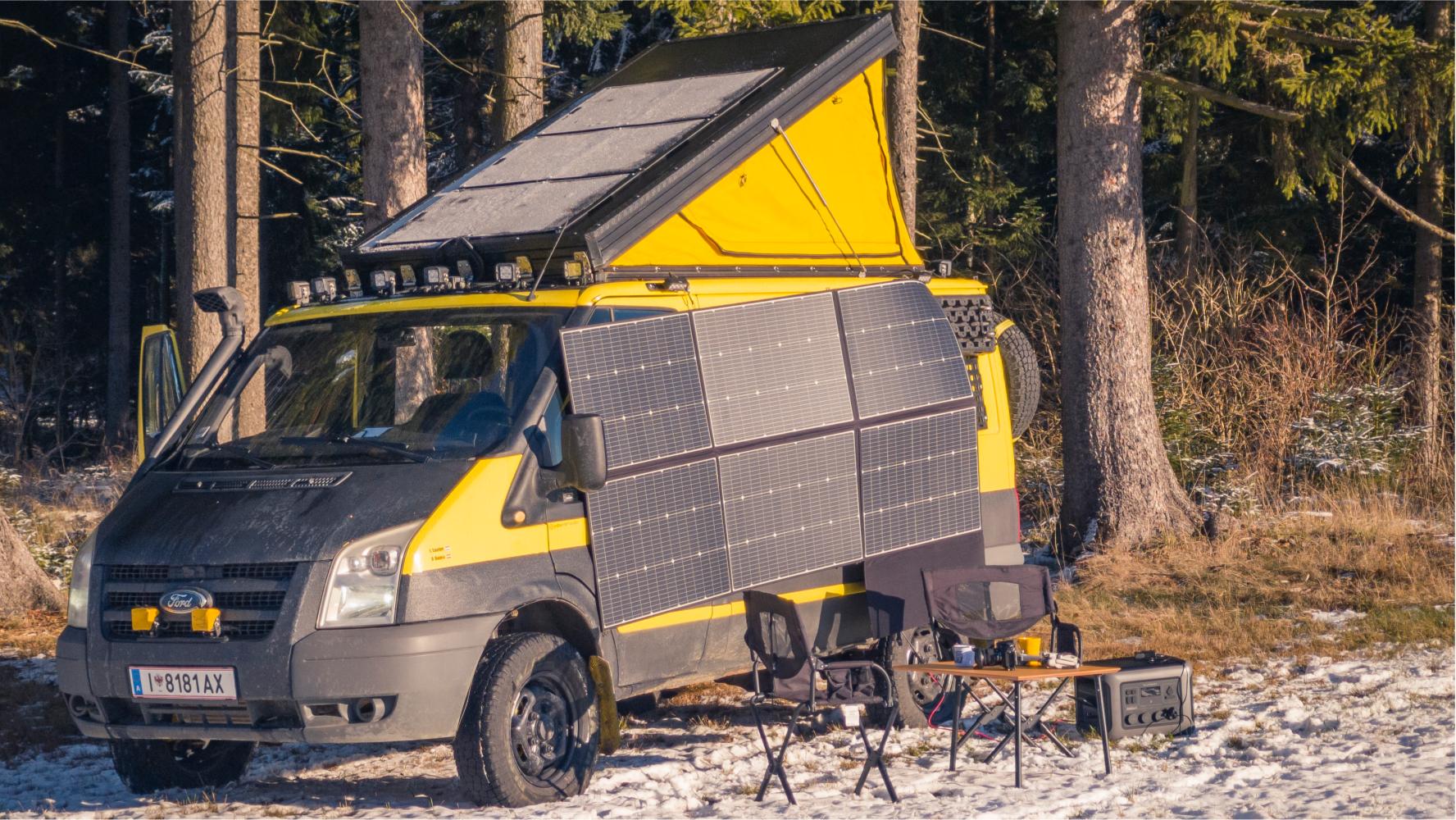
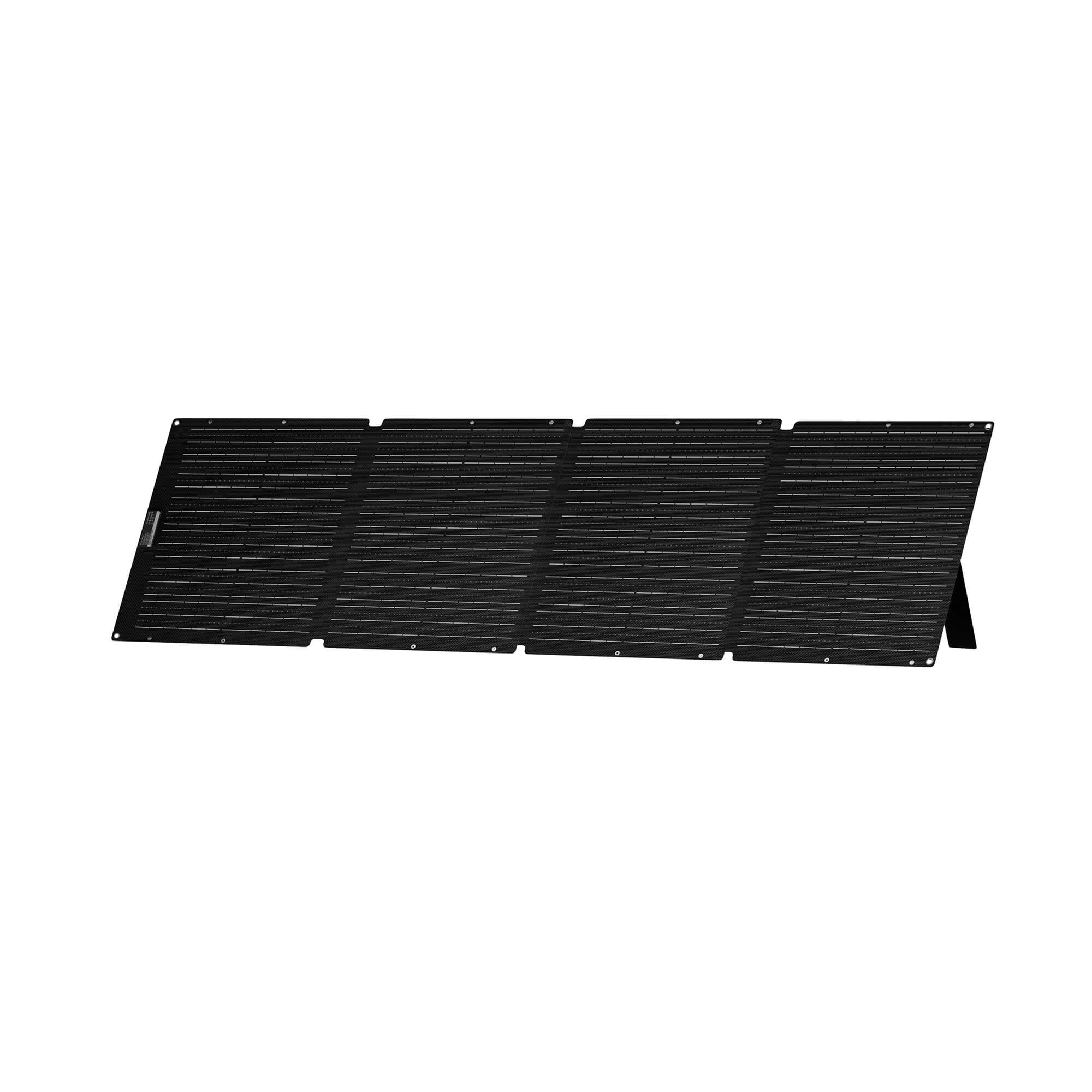
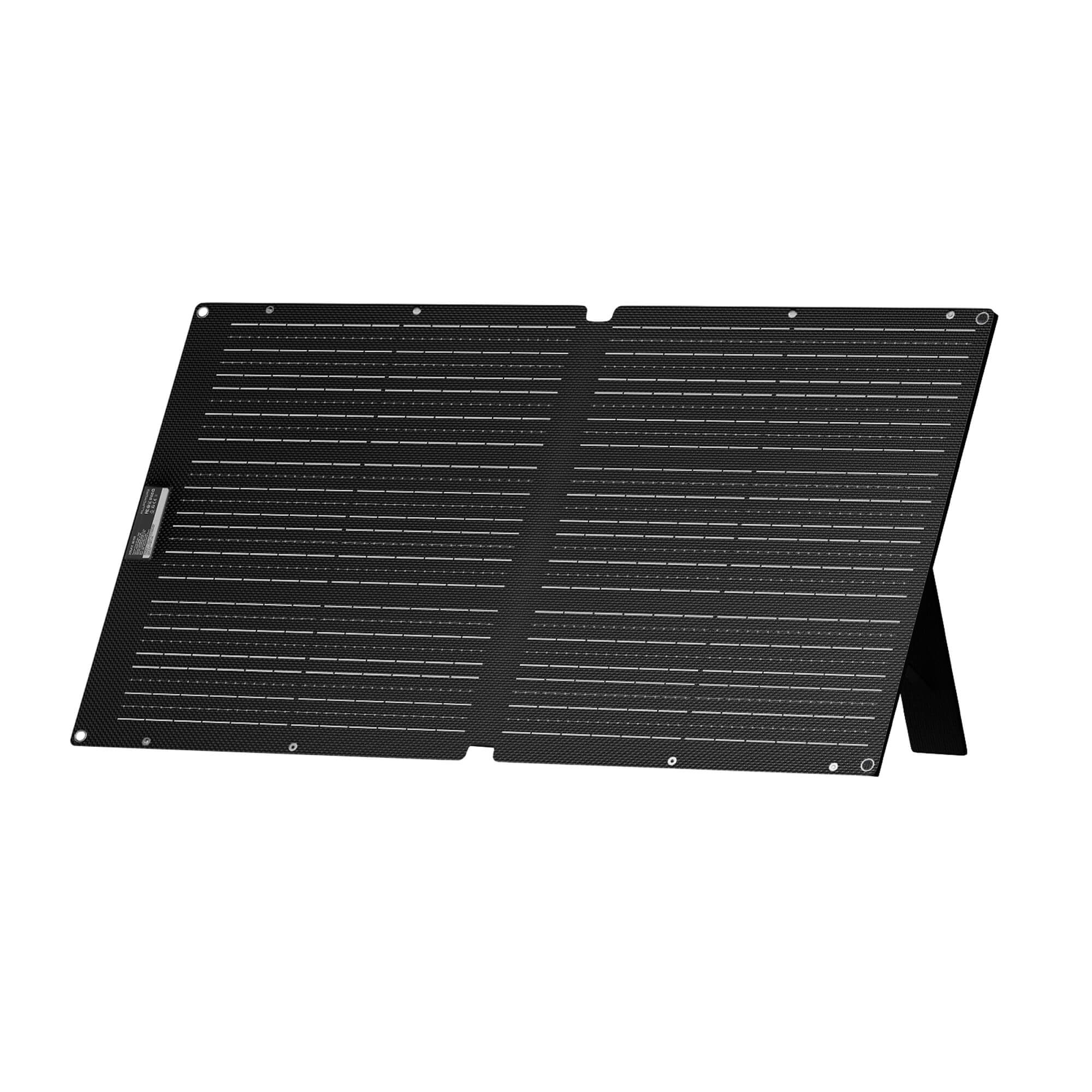
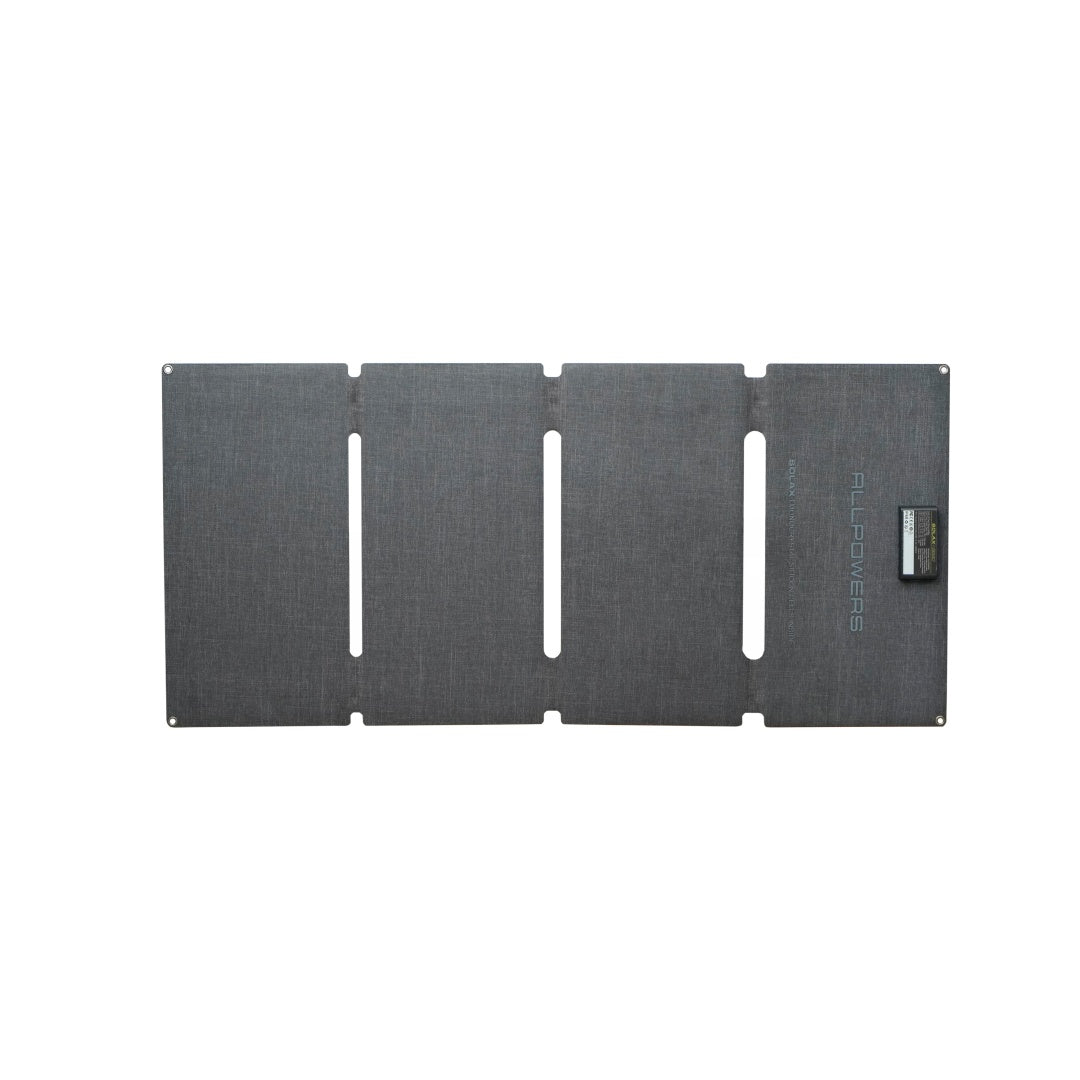
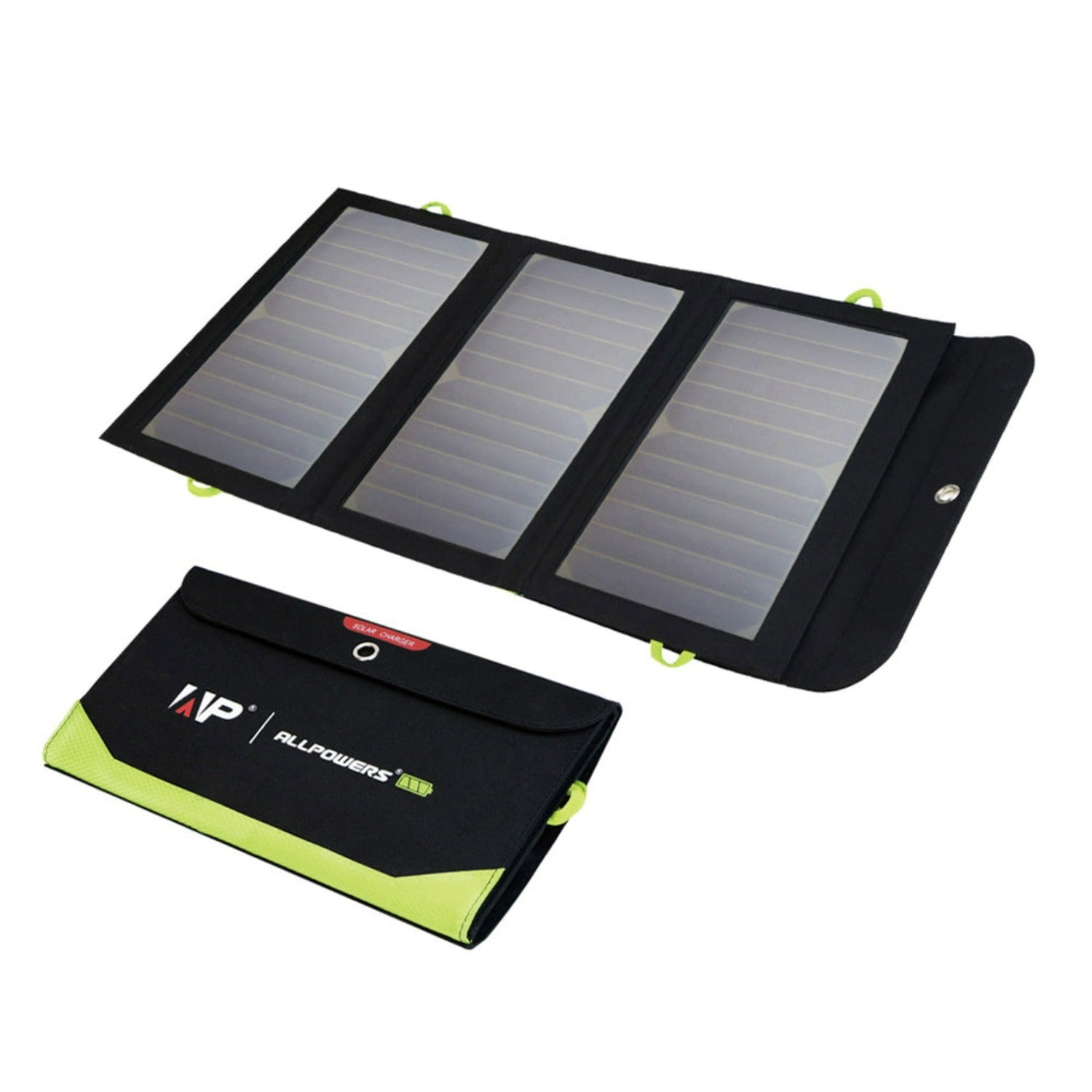
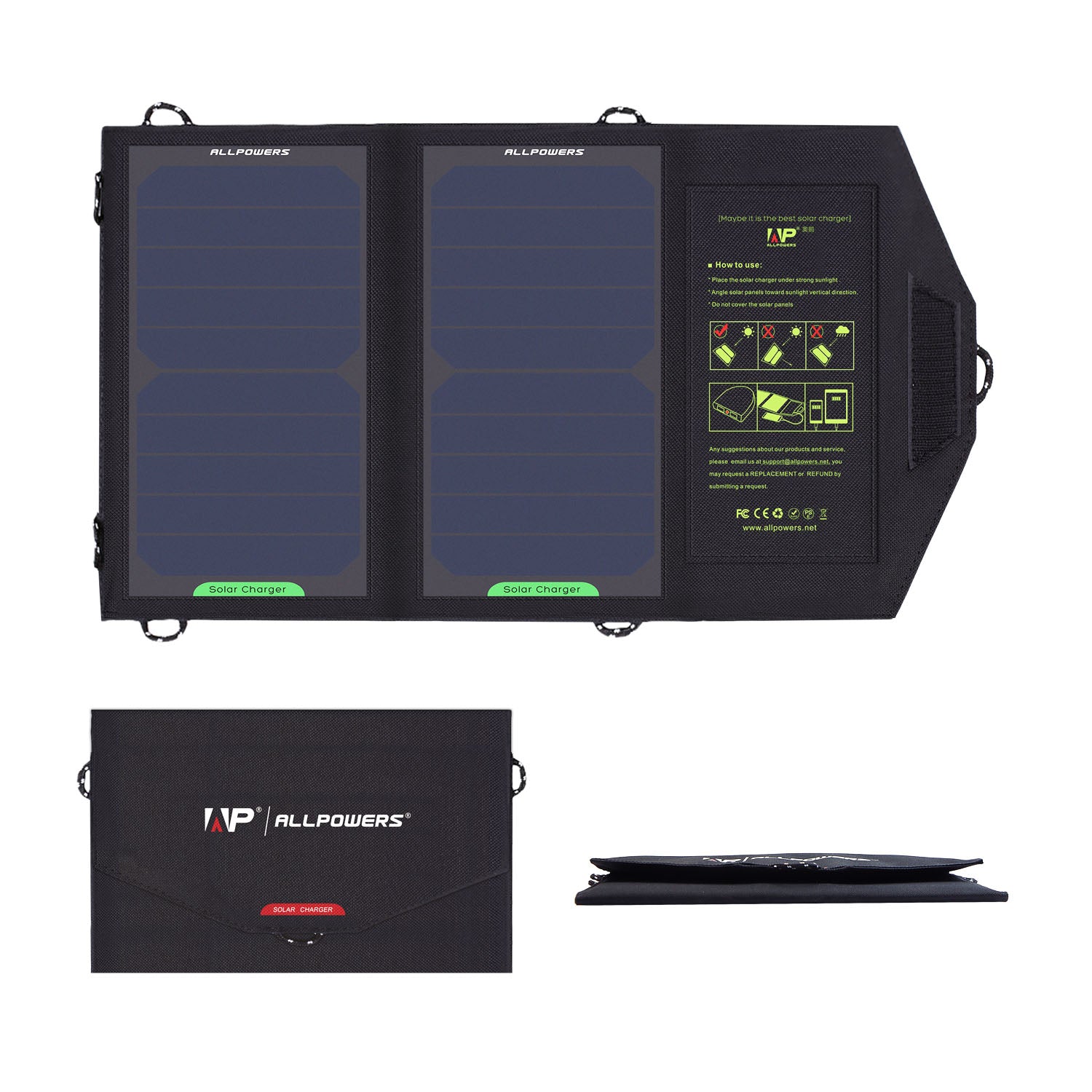
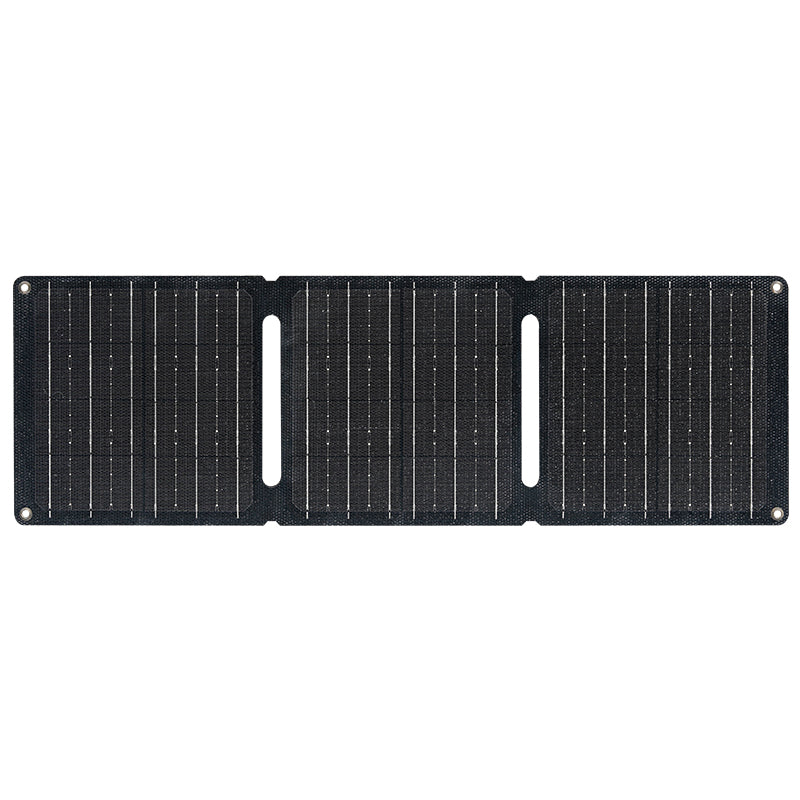
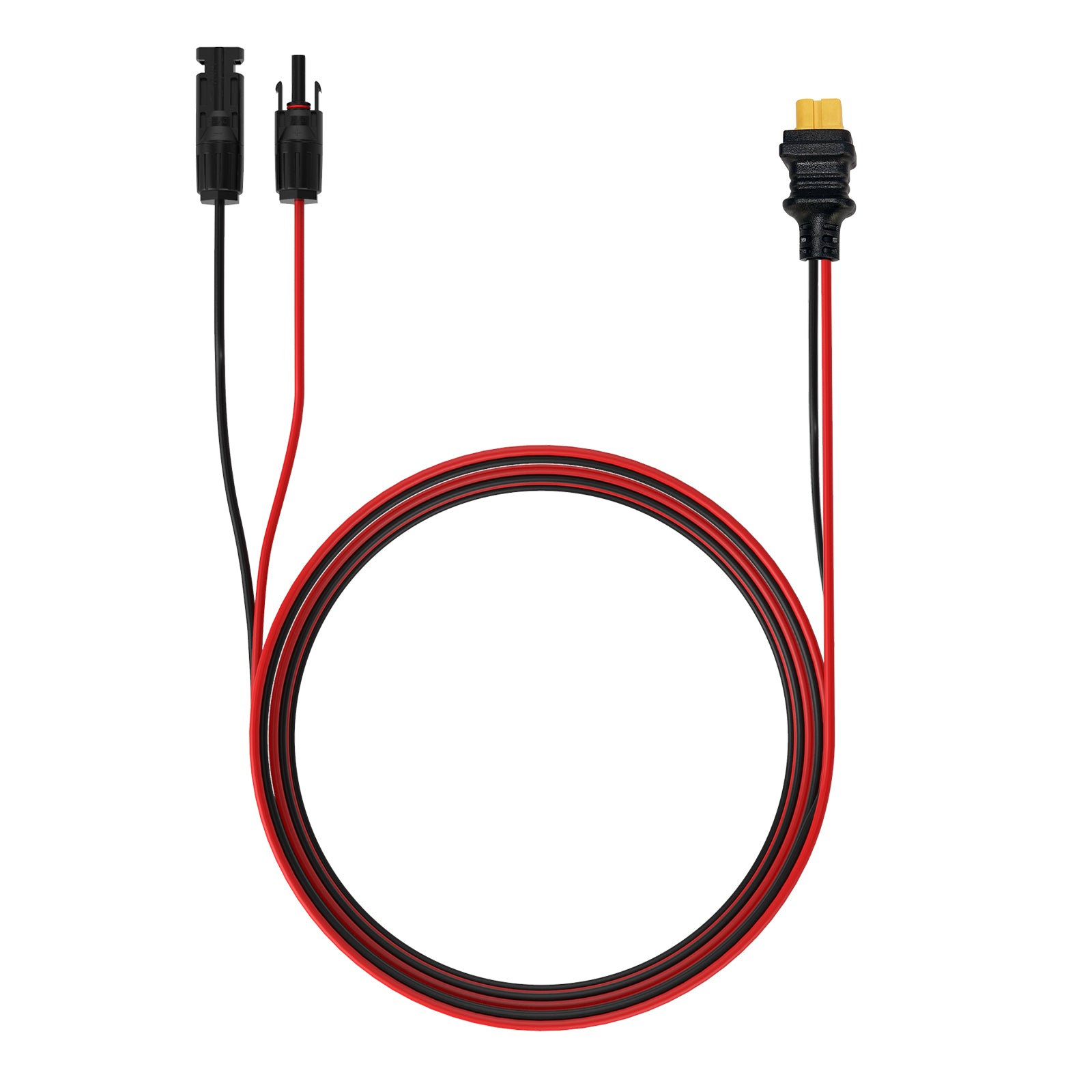
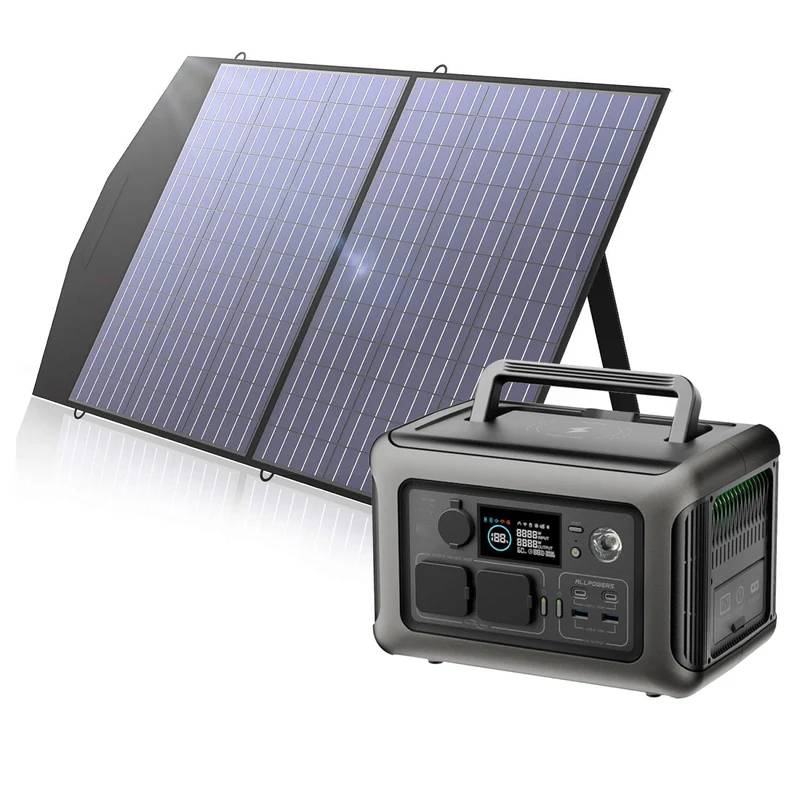
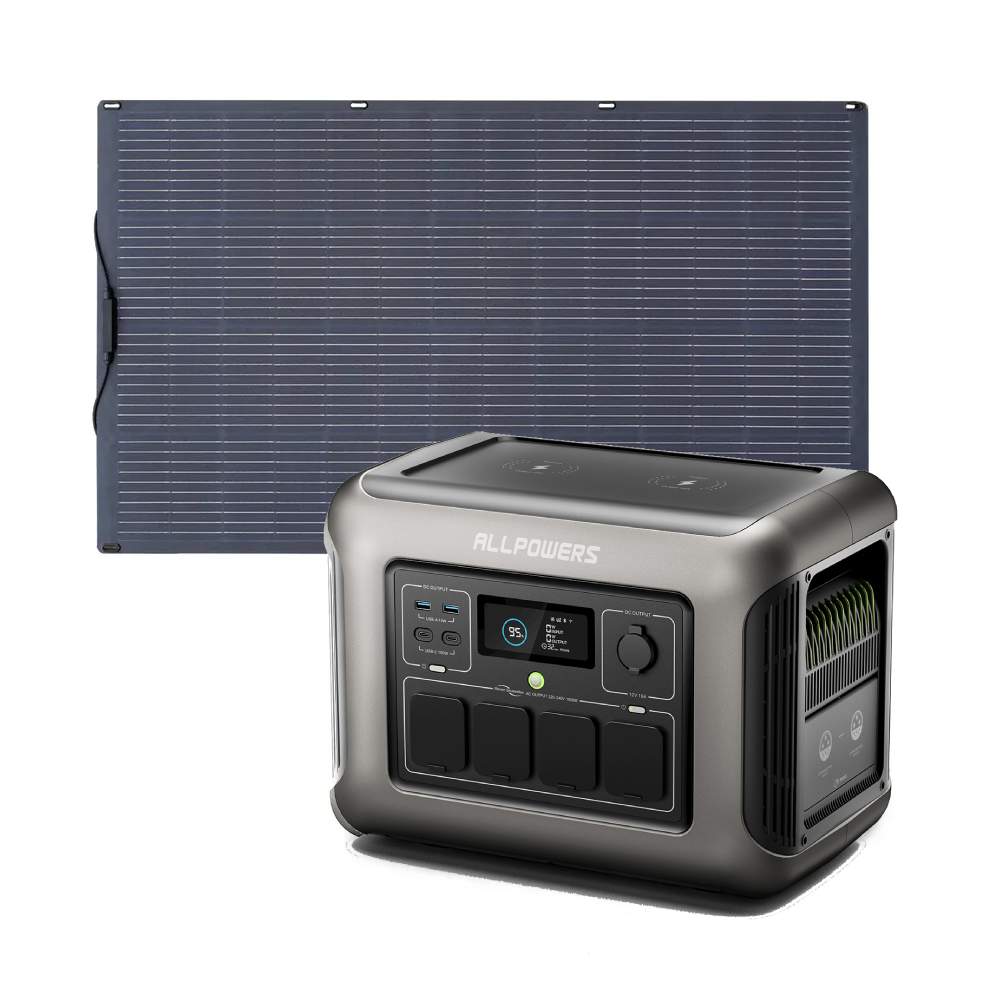
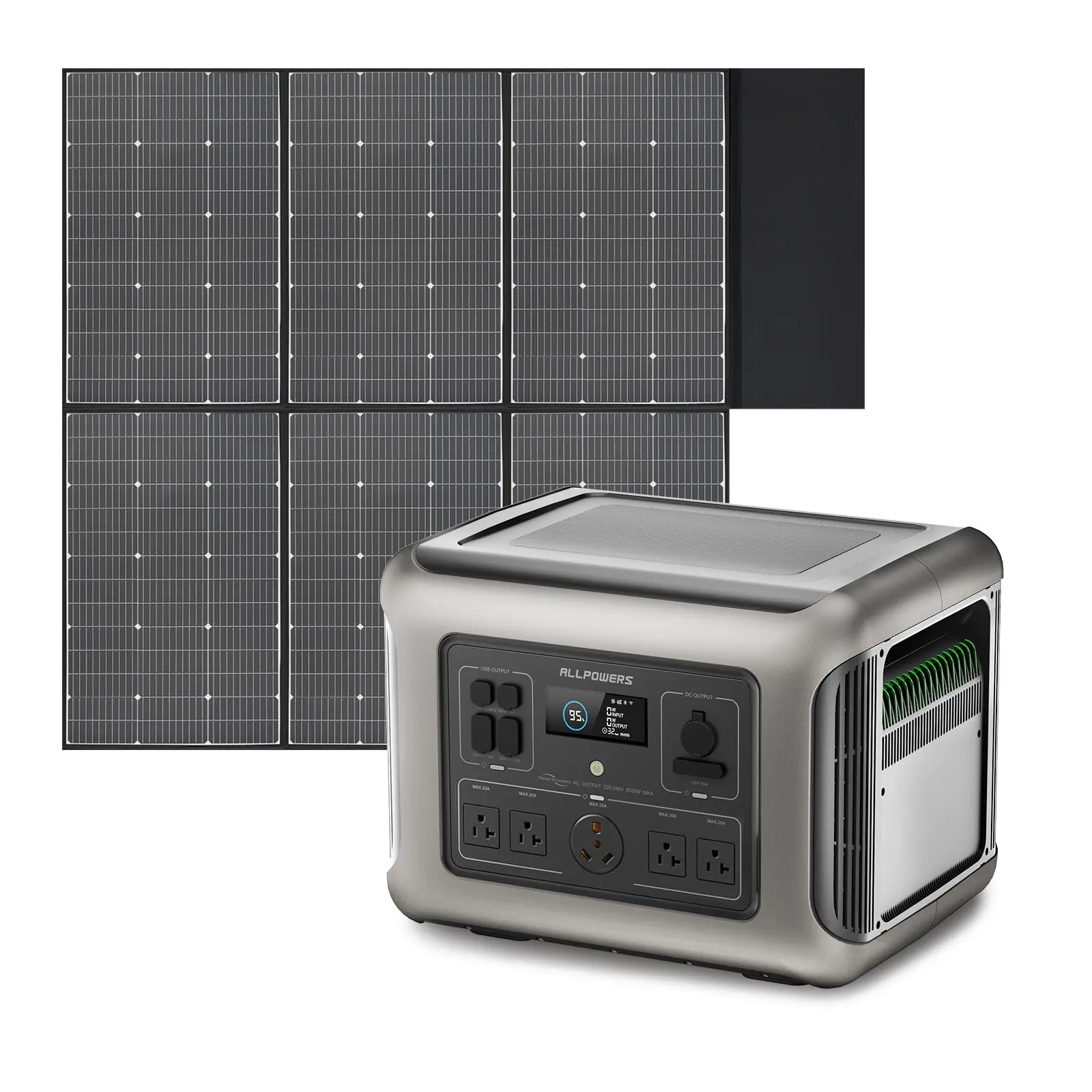
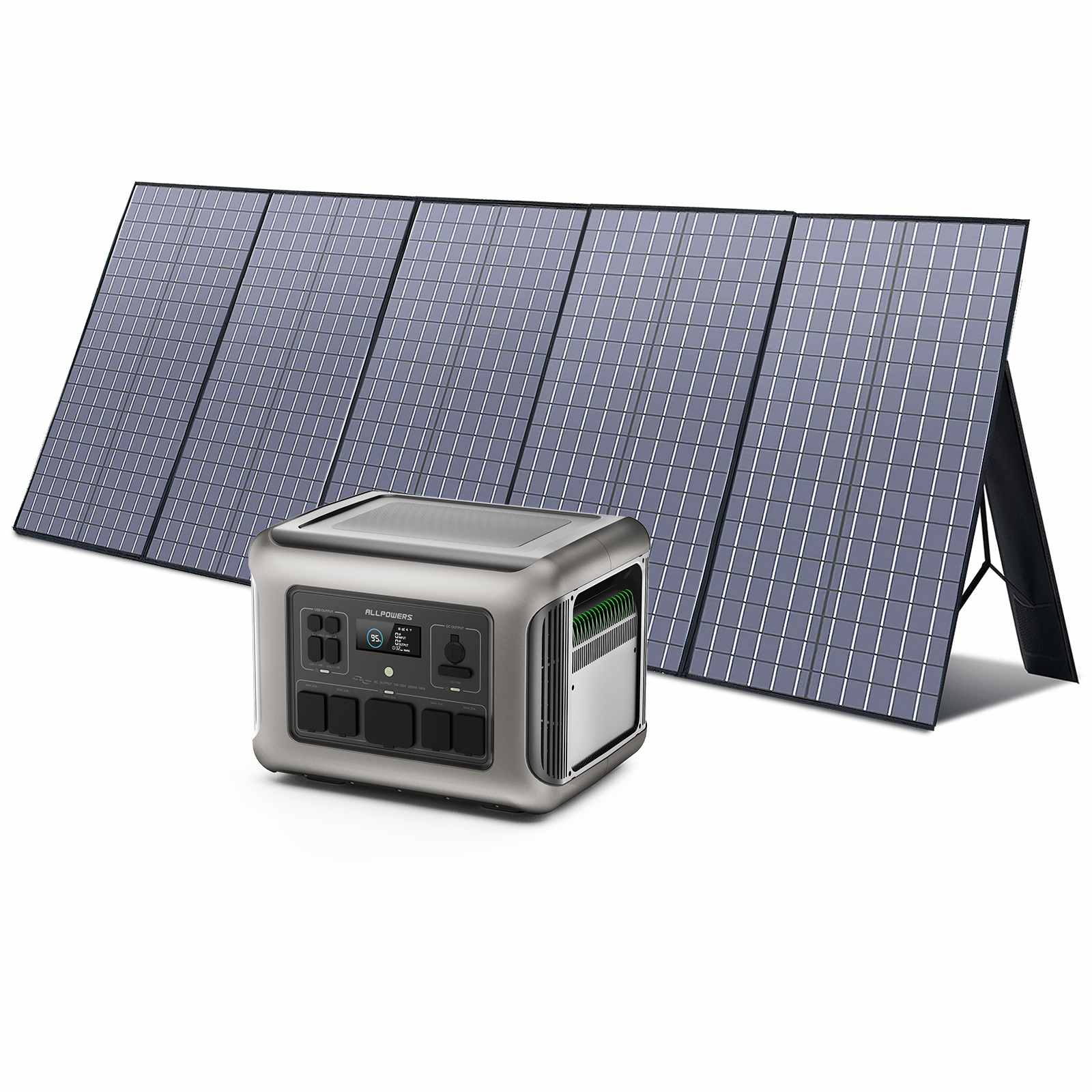
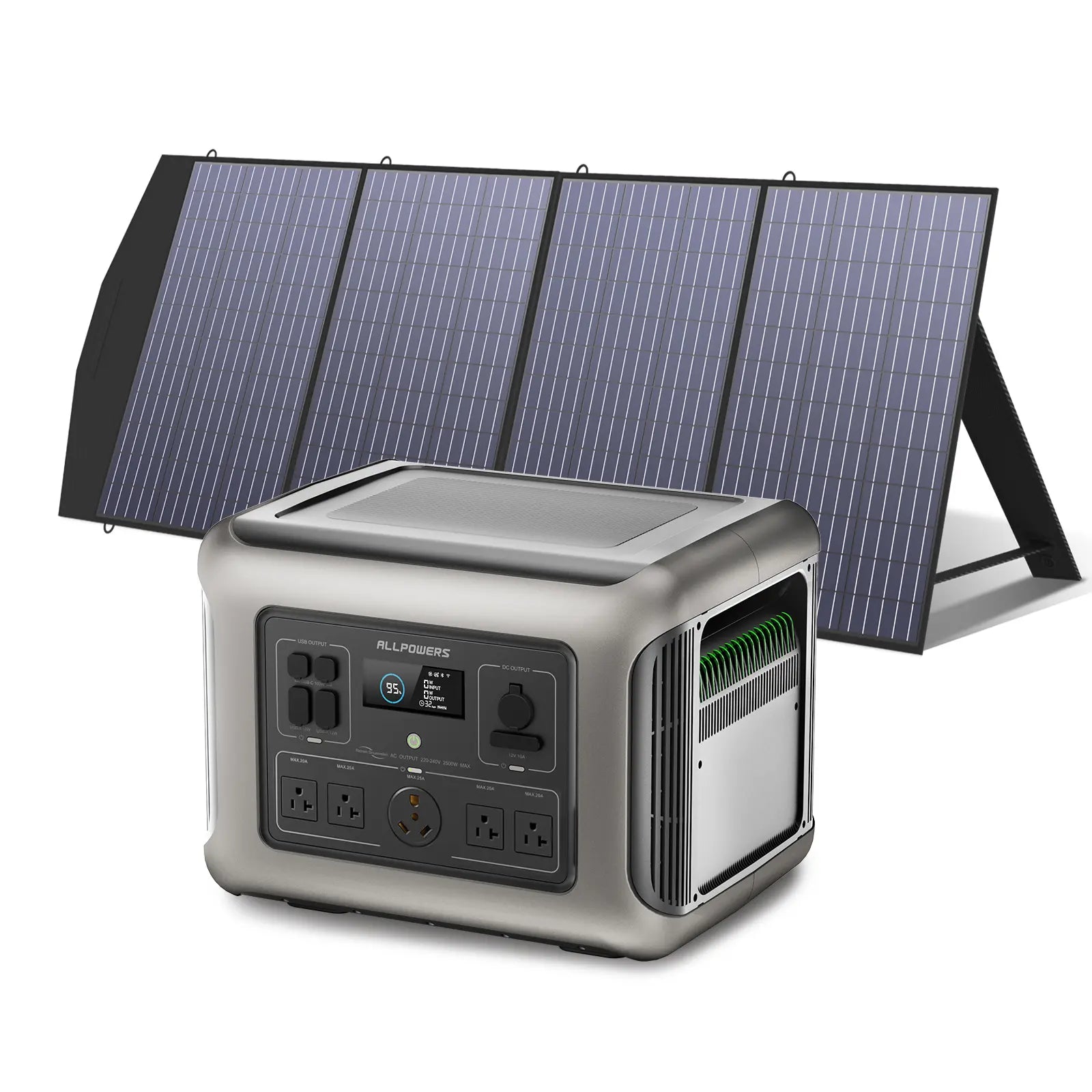
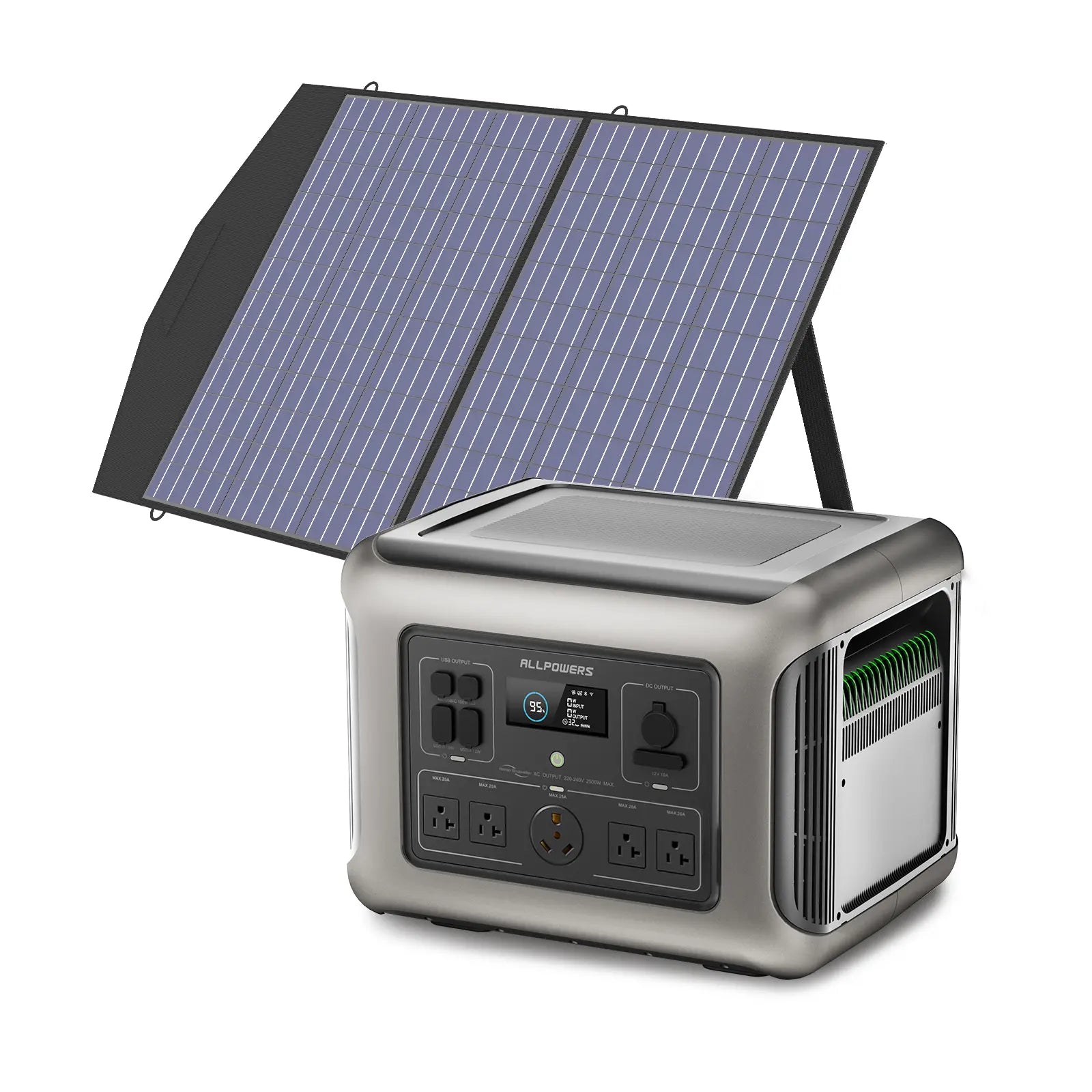
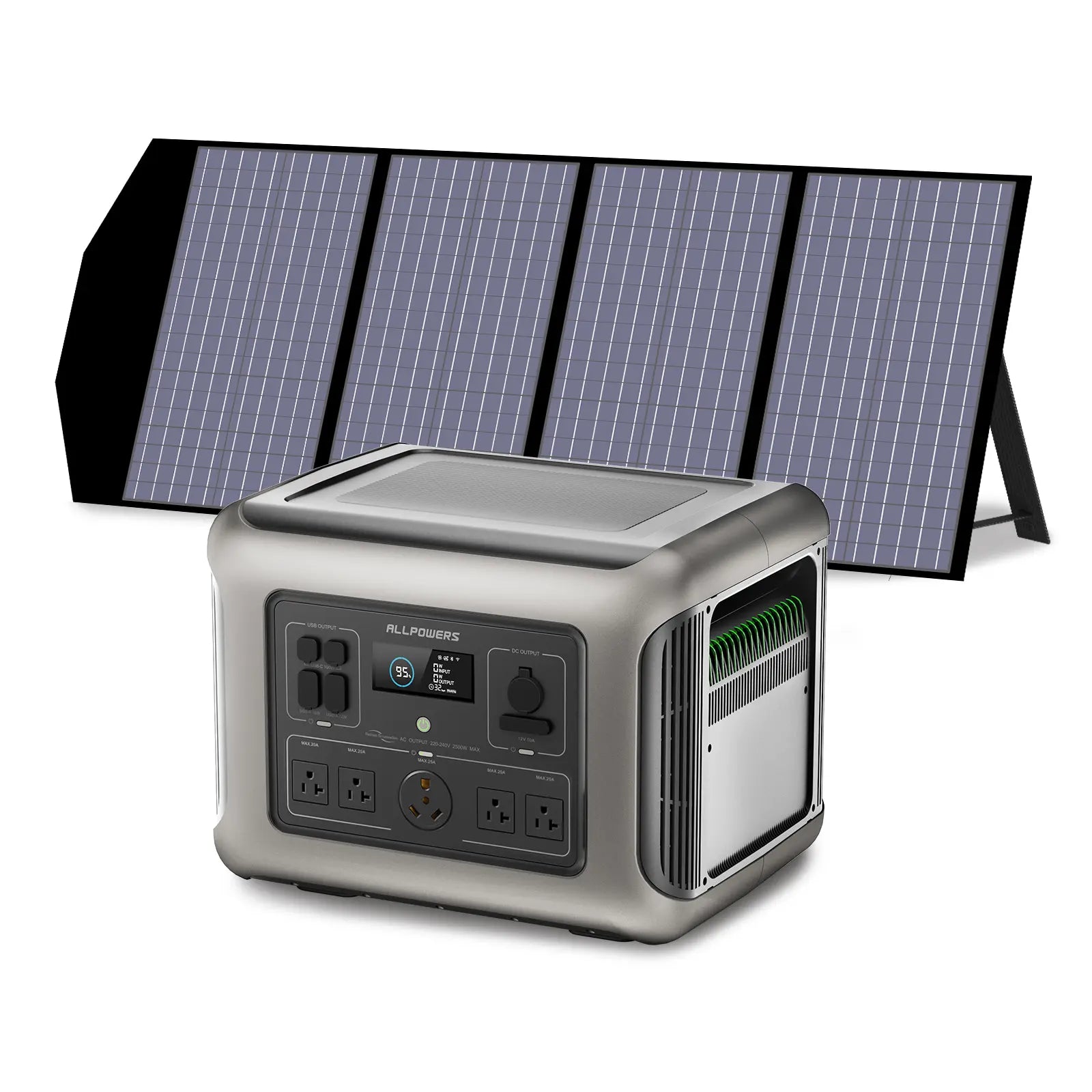
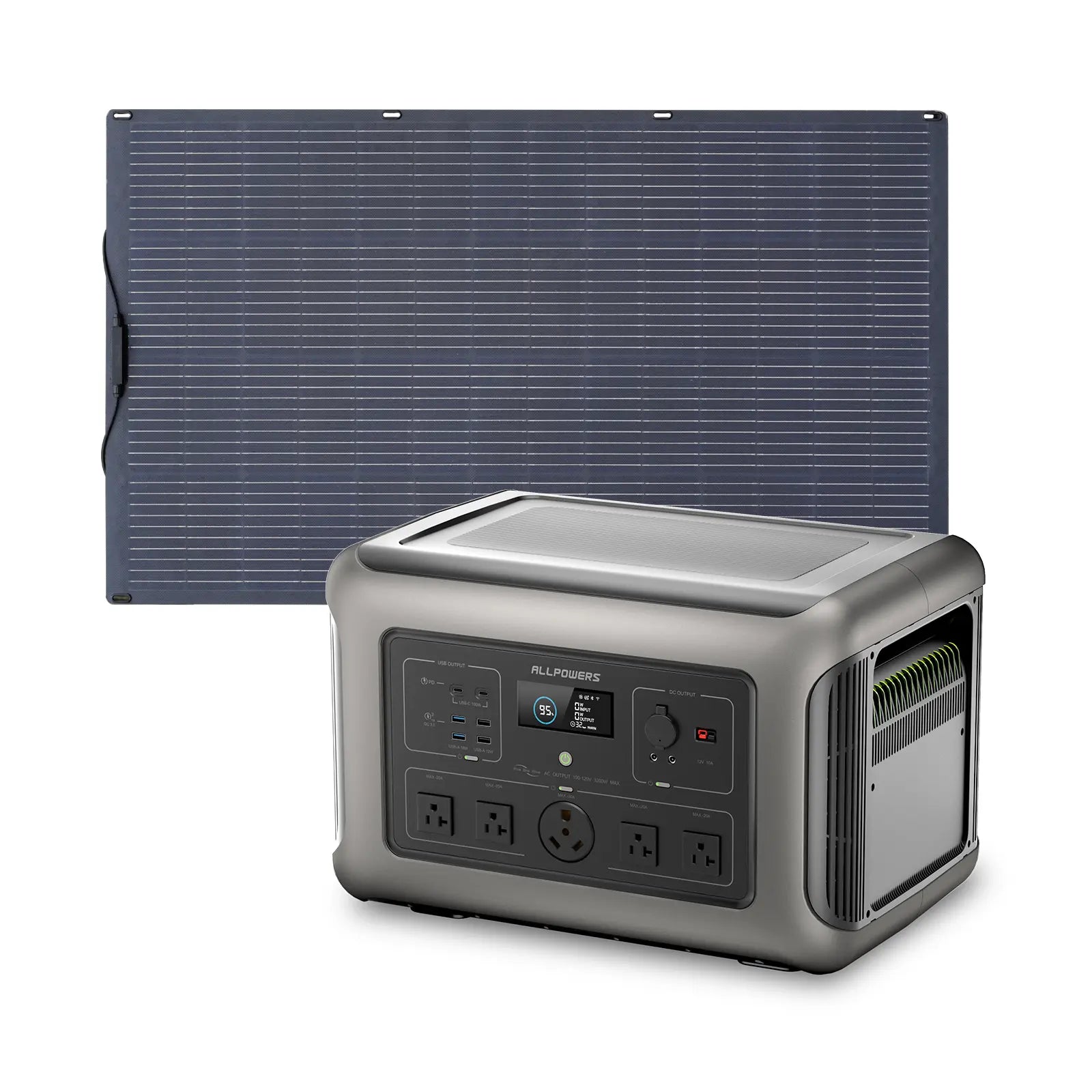
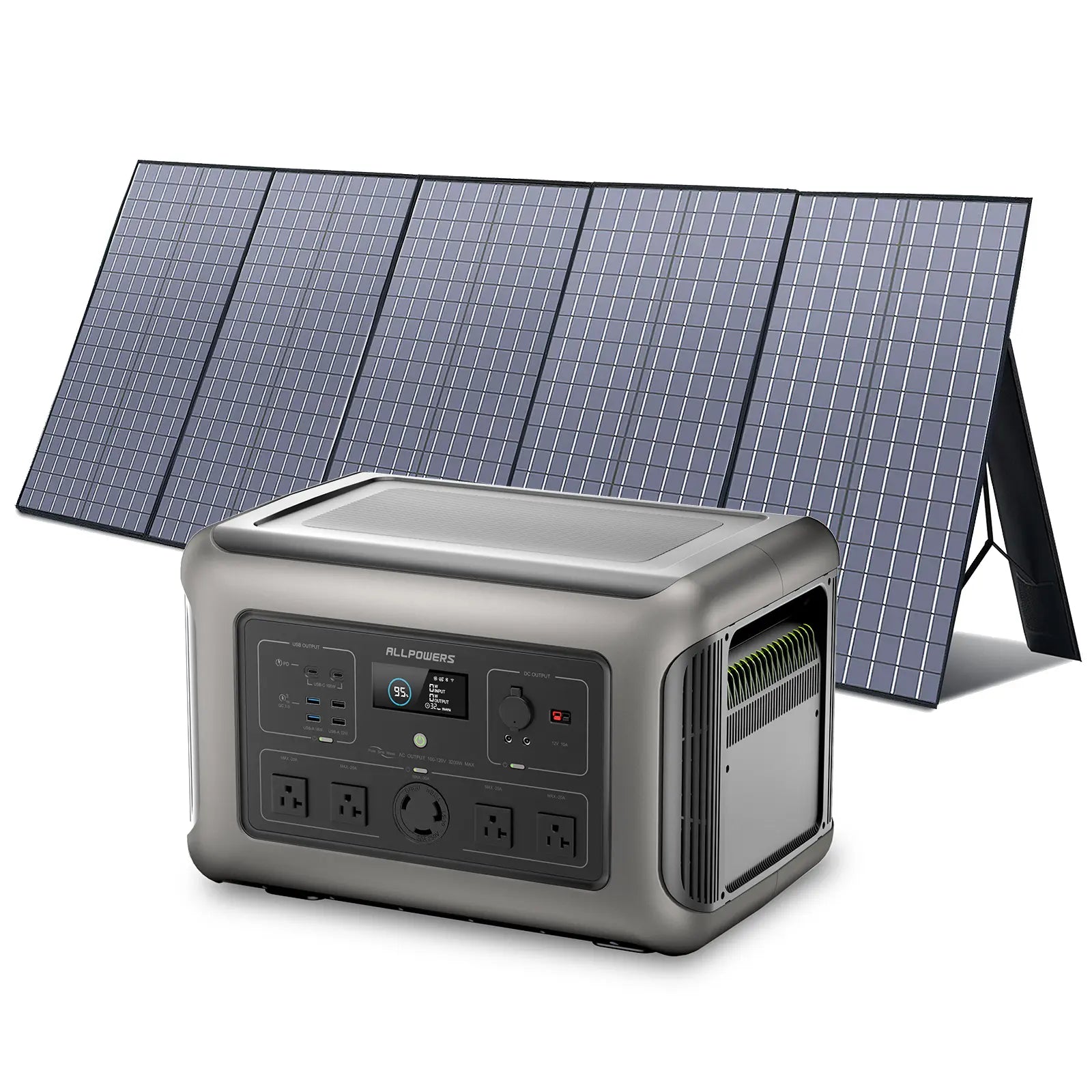
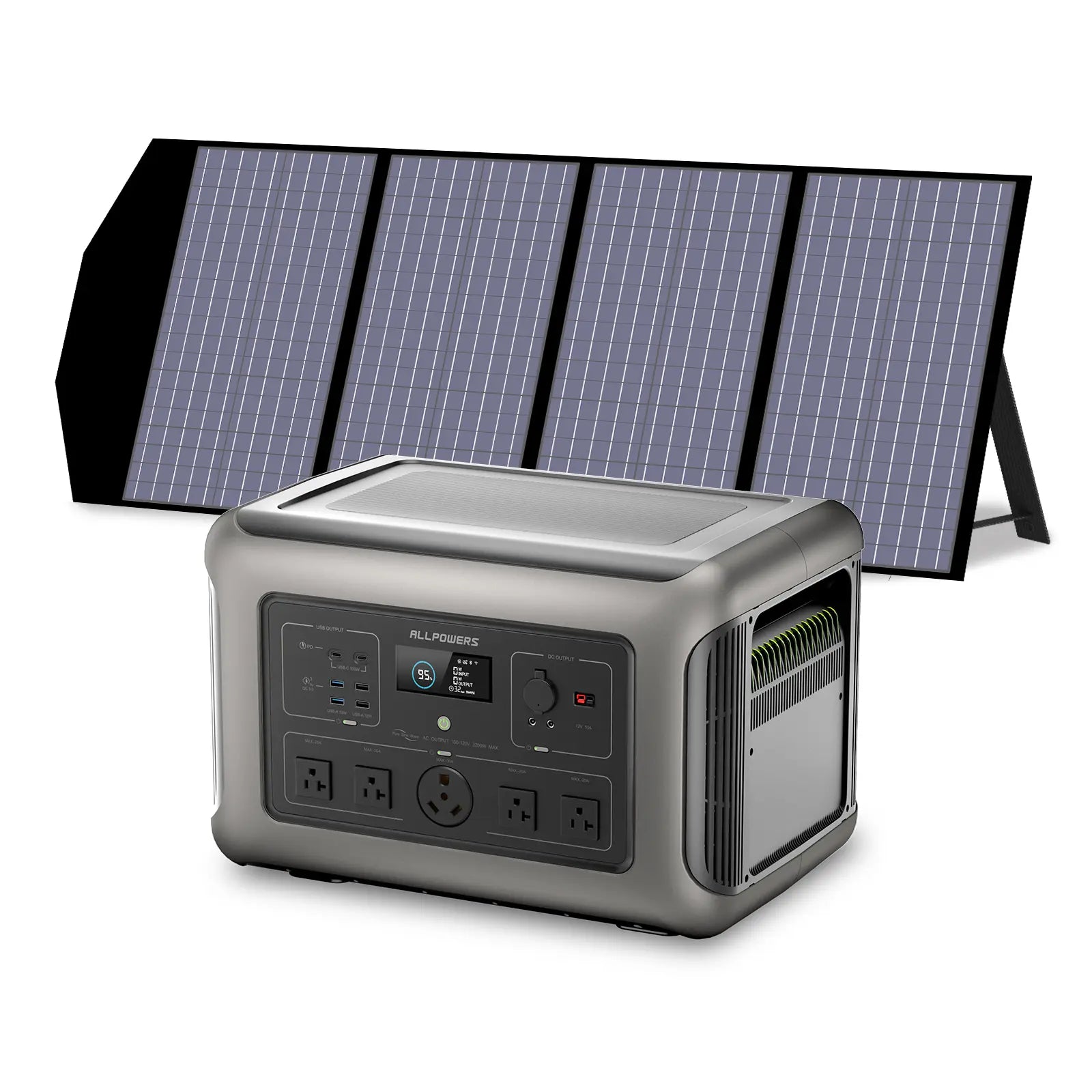
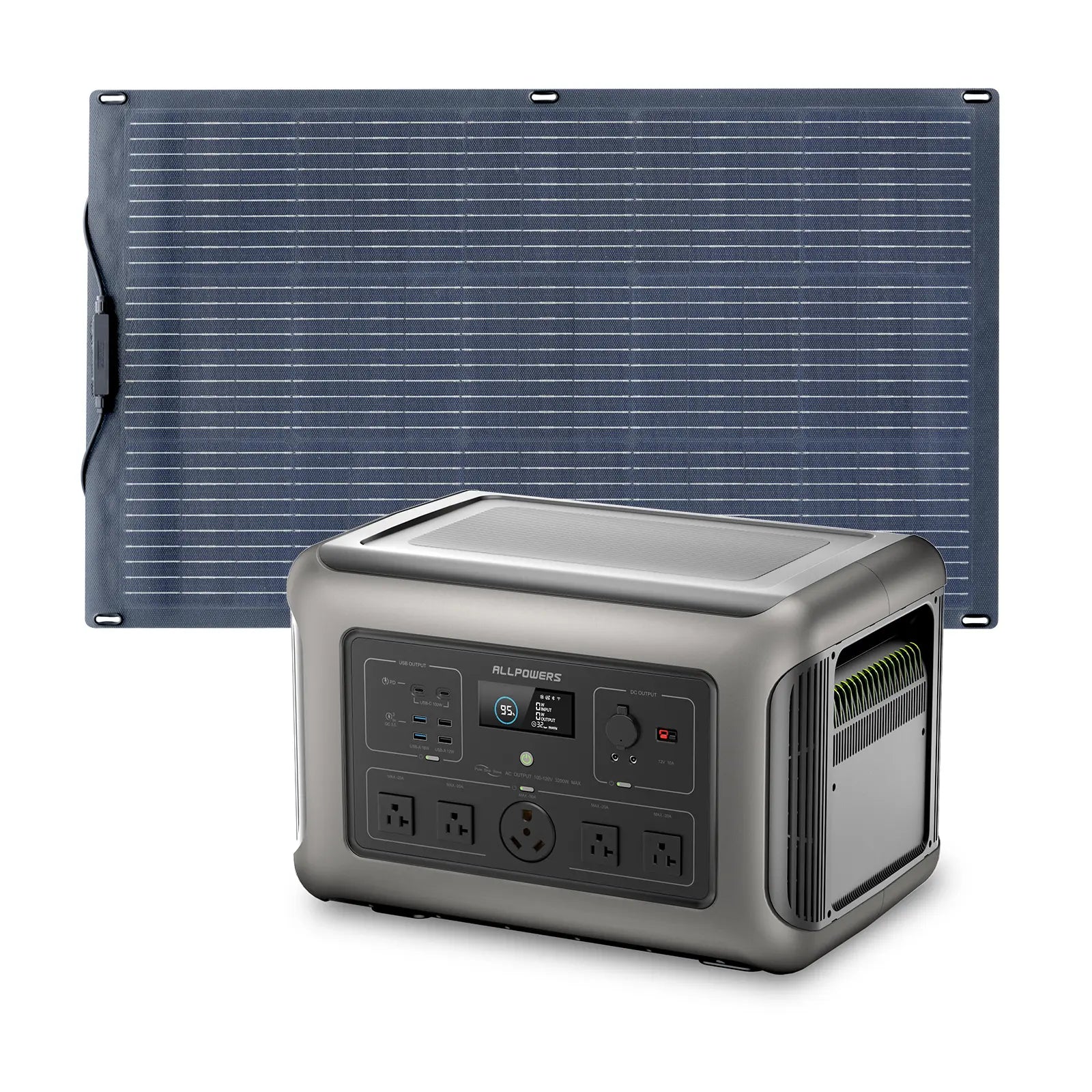
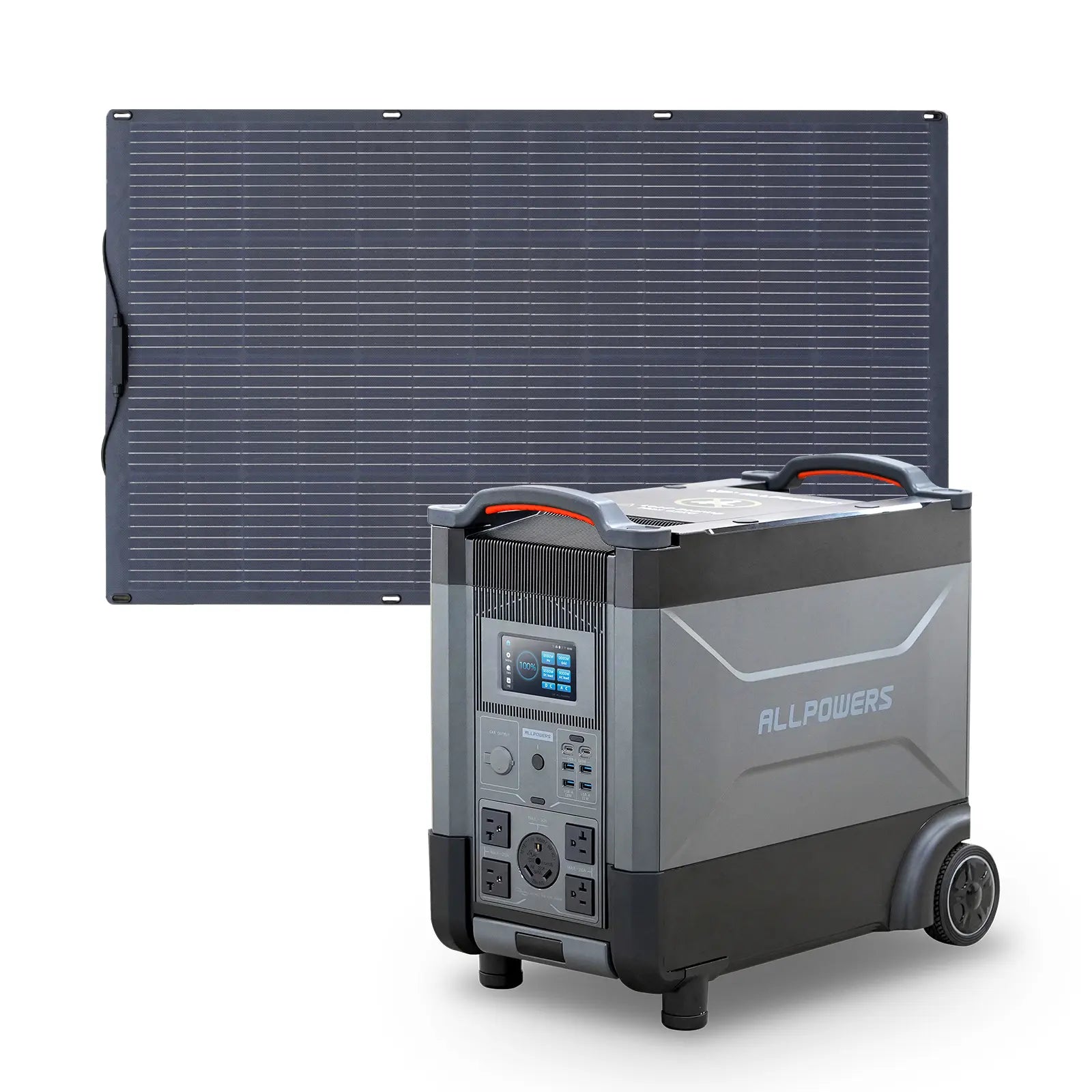
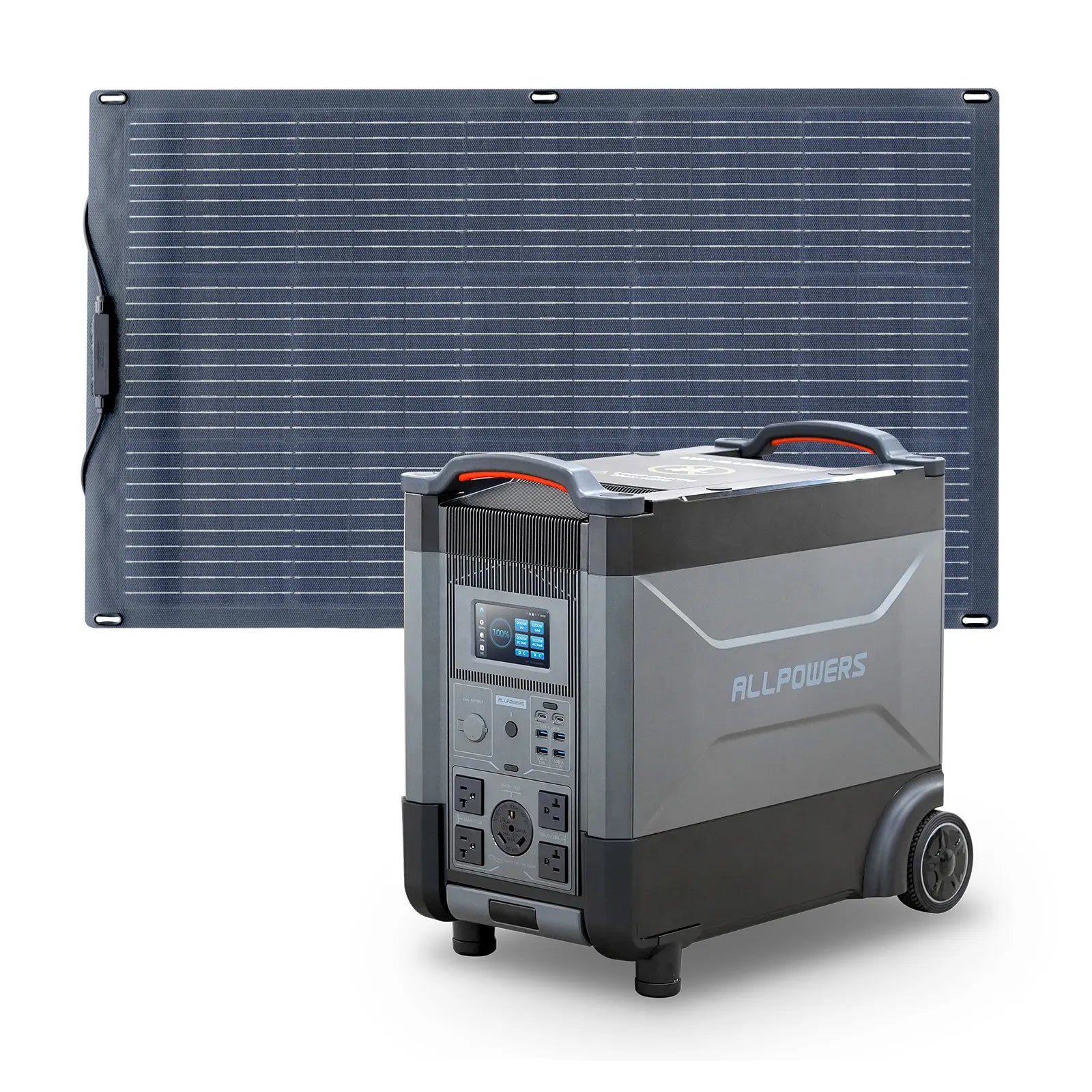
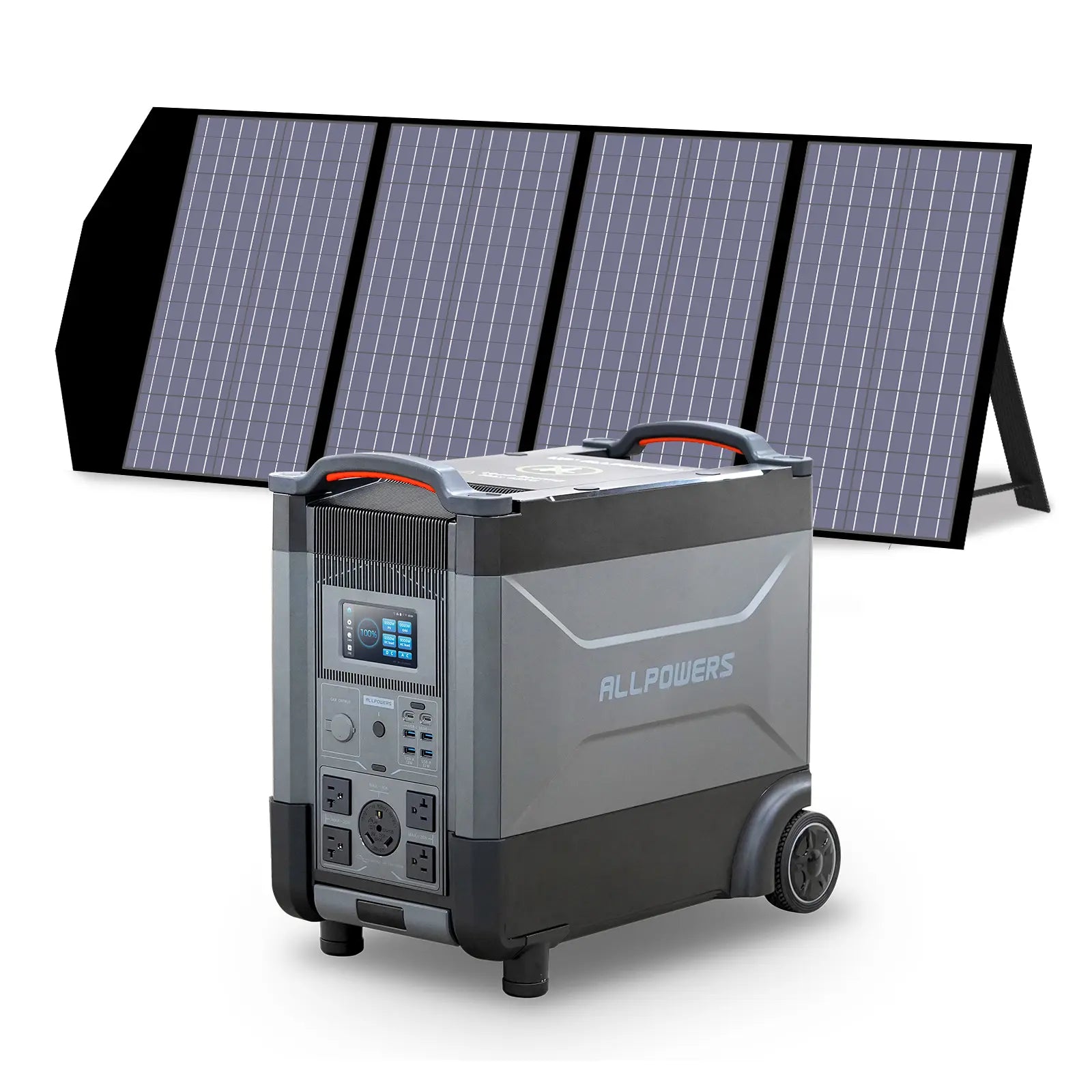
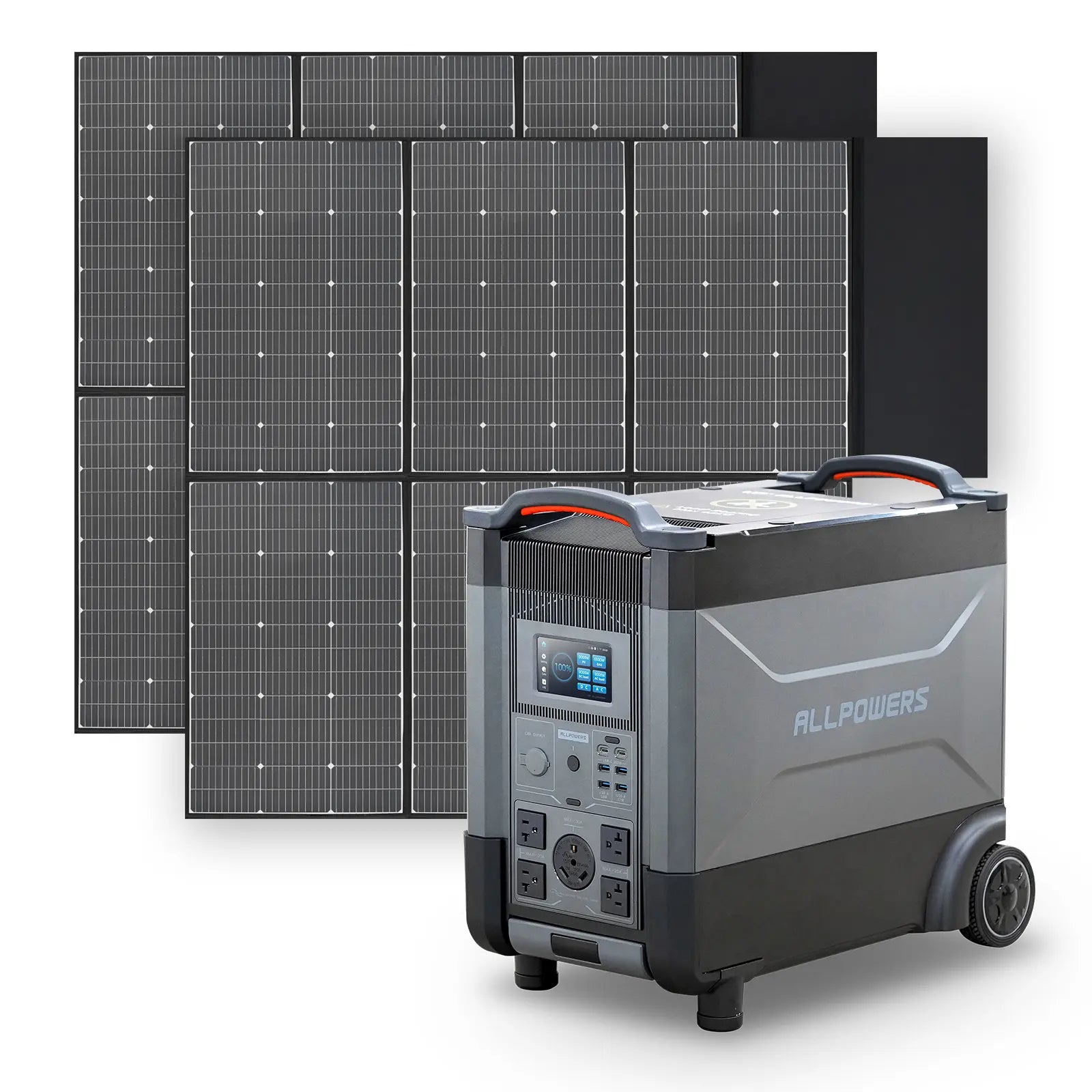
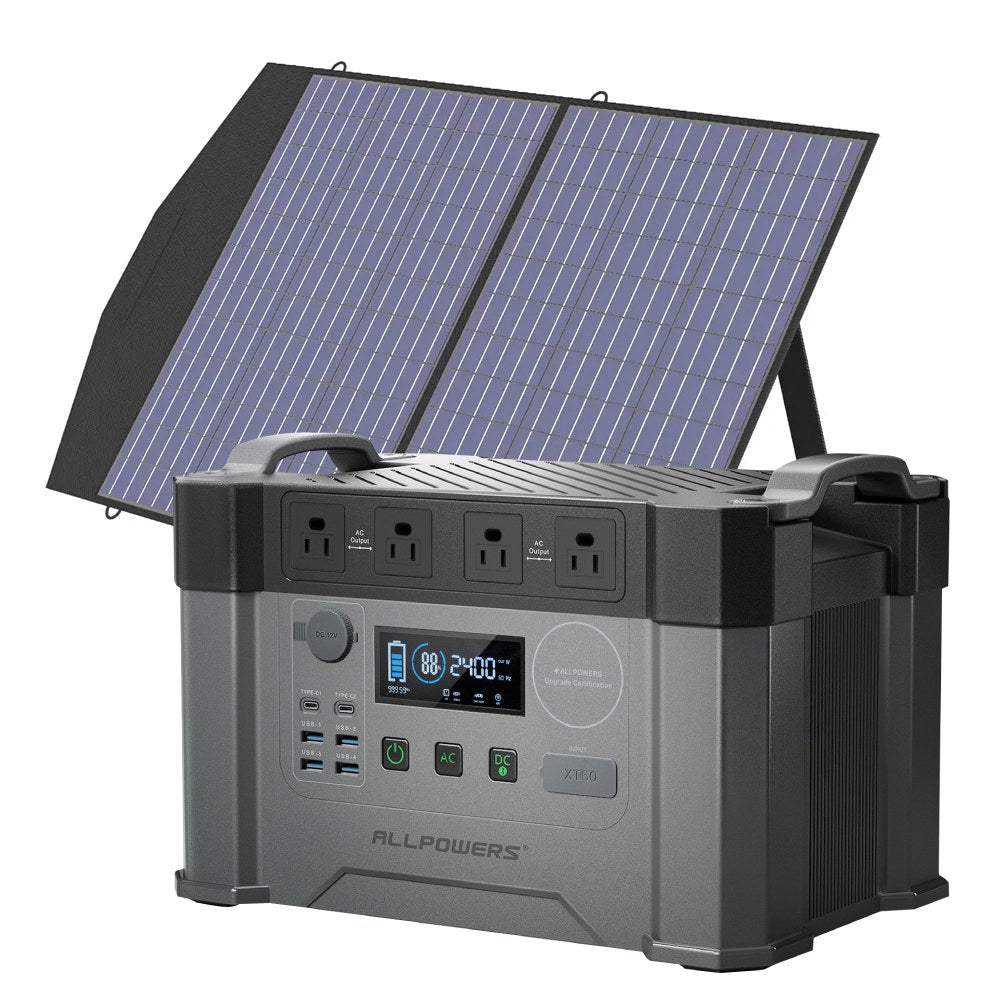
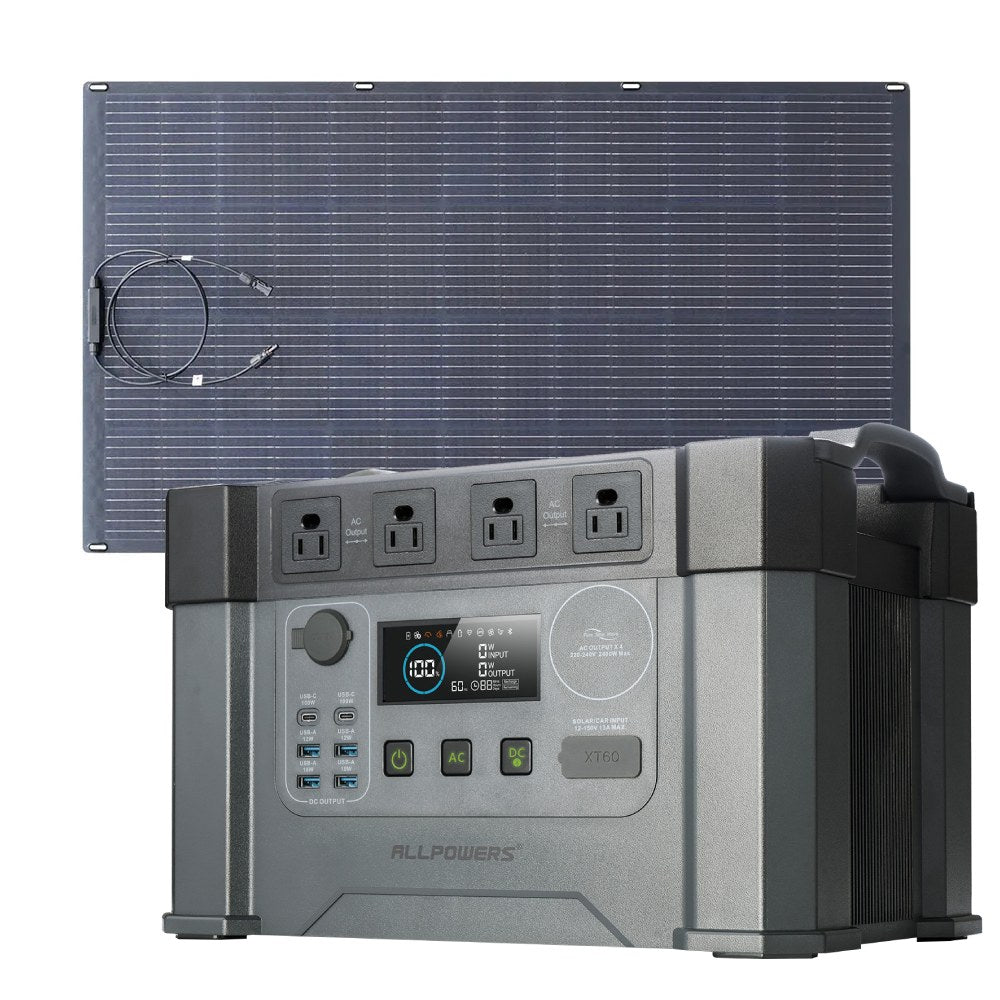
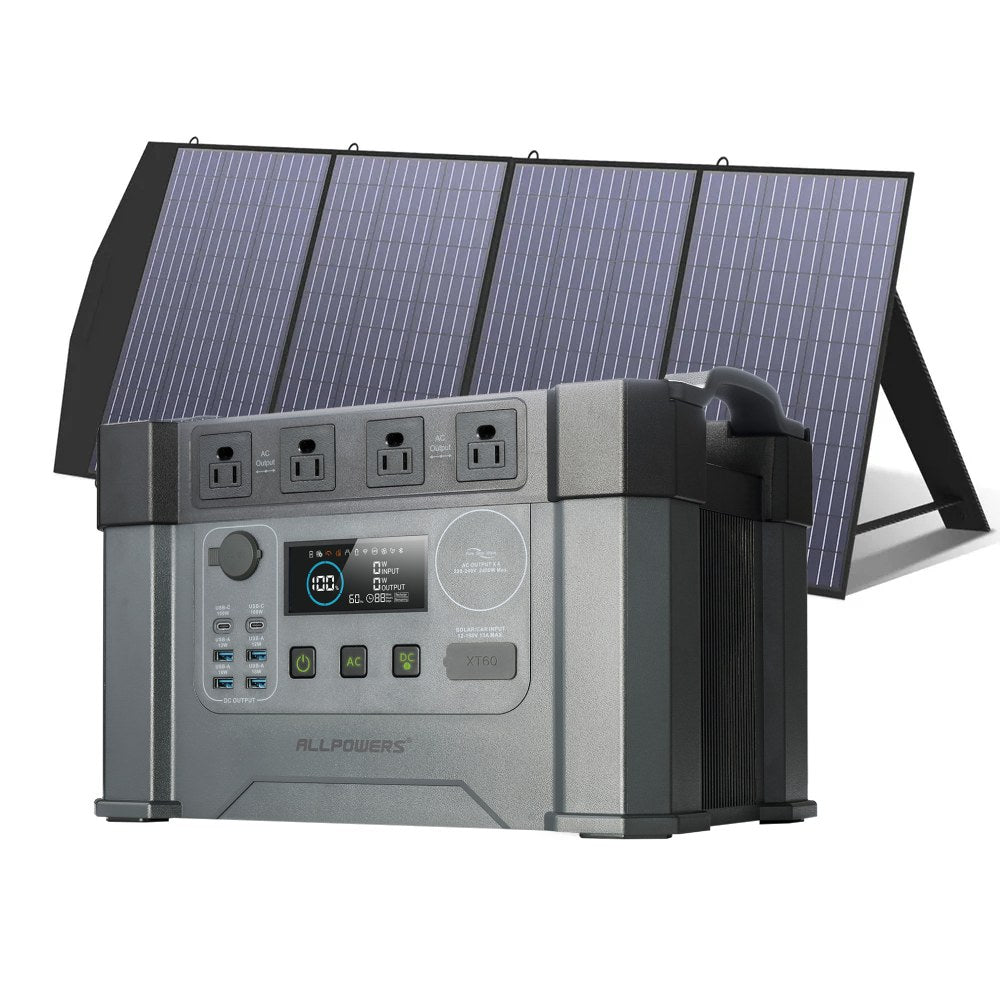
What’s neat is that many people pair their 600 watt station with a foldable solar panel.
While you won’t recharge at lightning speed, steady sunlight can keep your battery topped up through the day, extending your runtime.
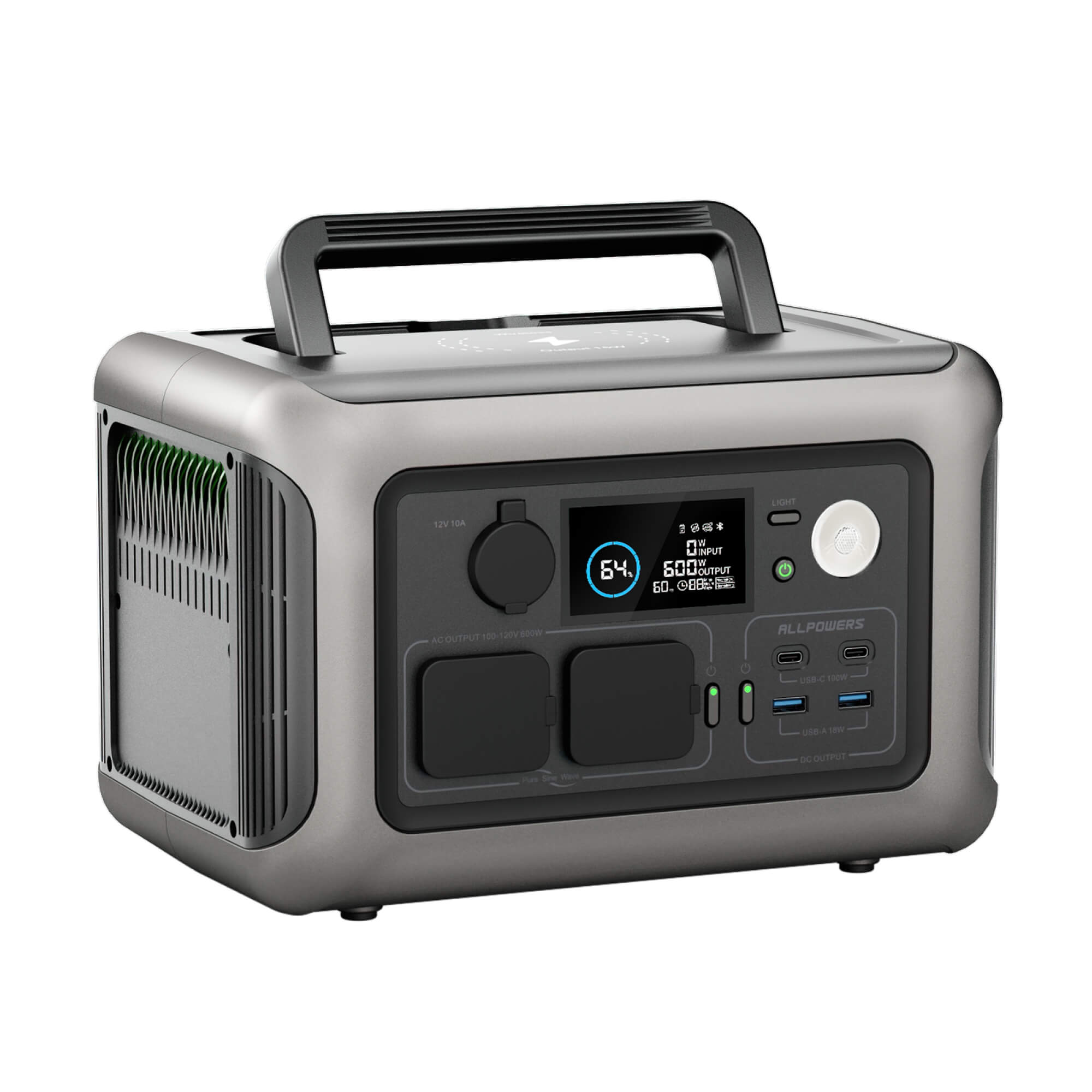
ALLPOWERS R600 + SP027
$246.00 $439.00
- 299Wh Capacity + 100W Soalr Input;
- 600W AC Output (1,200W Surge);
- Fast Charge 100% in 1 Hours;
- Start UPS in 10 ms;
- Long-Lasting And Safe Lifepo4 Battery;
Conclusion
So, what can a 600 watt power station run? Quite a lot.
From tech gadgets to medical devices to small home equipment to camping comforts.
It won’t cover everything, but it covers more than most expect.