







Winter power outages have a strange way of reminding us how dependent modern homes are on electricity.
The lights go out, the Wi-Fi disappears, and suddenly the furnace stops humming.
Many homeowners assume a gas furnace should keep working during an outage because, well, it runs on gas.
But here’s the twist: even gas furnaces rely on electricity for several key components.
So if the gas is still flowing but the grid isn’t, could a portable power station keep your furnace running long enough to stay warm?
TL;DR
Yes—many portable power stations can run a gas furnace, because only certain parts of the furnace need electricity. If a power station provides enough output and battery capacity, it can keep the furnace operating for several hours.
Why most furnaces still need electricity
People sometimes assume a gas furnace works without electricity. After all, it burns fuel—natural gas or propane—so why would power matter?
Even if the heat itself comes from gas, the system still relies on several electric parts quietly working behind the scenes.
The blower motor pushes warm air through the ducts. The control board manages safety checks. Igniters light the burner. Sensors monitor flame and airflow.
Take the fan alone. It’s basically the lungs of the system.
Without that fan pushing air through the heat exchanger and ductwork, the furnace can't distribute warmth safely. Some models won’t even start if the fan can’t run.
So when the grid goes down, the furnace often stops—not because the fuel disappears, but because the supporting electronics lose power.
How much power does a gas furnace take?
Most residential gas furnaces don’t actually consume huge amounts of electricity compared to appliances like space heaters or electric ovens. In fact, their electrical load is relatively modest.
A typical furnace might use somewhere between 400 and 700 watts while running. That power mainly feeds the blower motor and electronics.
But here’s the catch—startup power. When the blower motor first kicks on, it may briefly require two or three times its normal running wattage. That surge can reach 1200 watts or sometimes more.
Because of that momentary surge, backup power sources need enough output headroom to handle the startup spike.
Still, compared with electric heaters that consume 1500 watts continuously, a gas furnace is surprisingly modest in its electrical appetite.
That difference often makes battery power more practical than many homeowners first assume.
How to run a furnace when power is out?
For decades, the go-to solution during winter outages was a gasoline generator.
They still work well, of course. But they come with noise, fumes, and the constant need for fuel.
Running one overnight isn’t always practical—especially in residential neighborhoods where quiet matters.
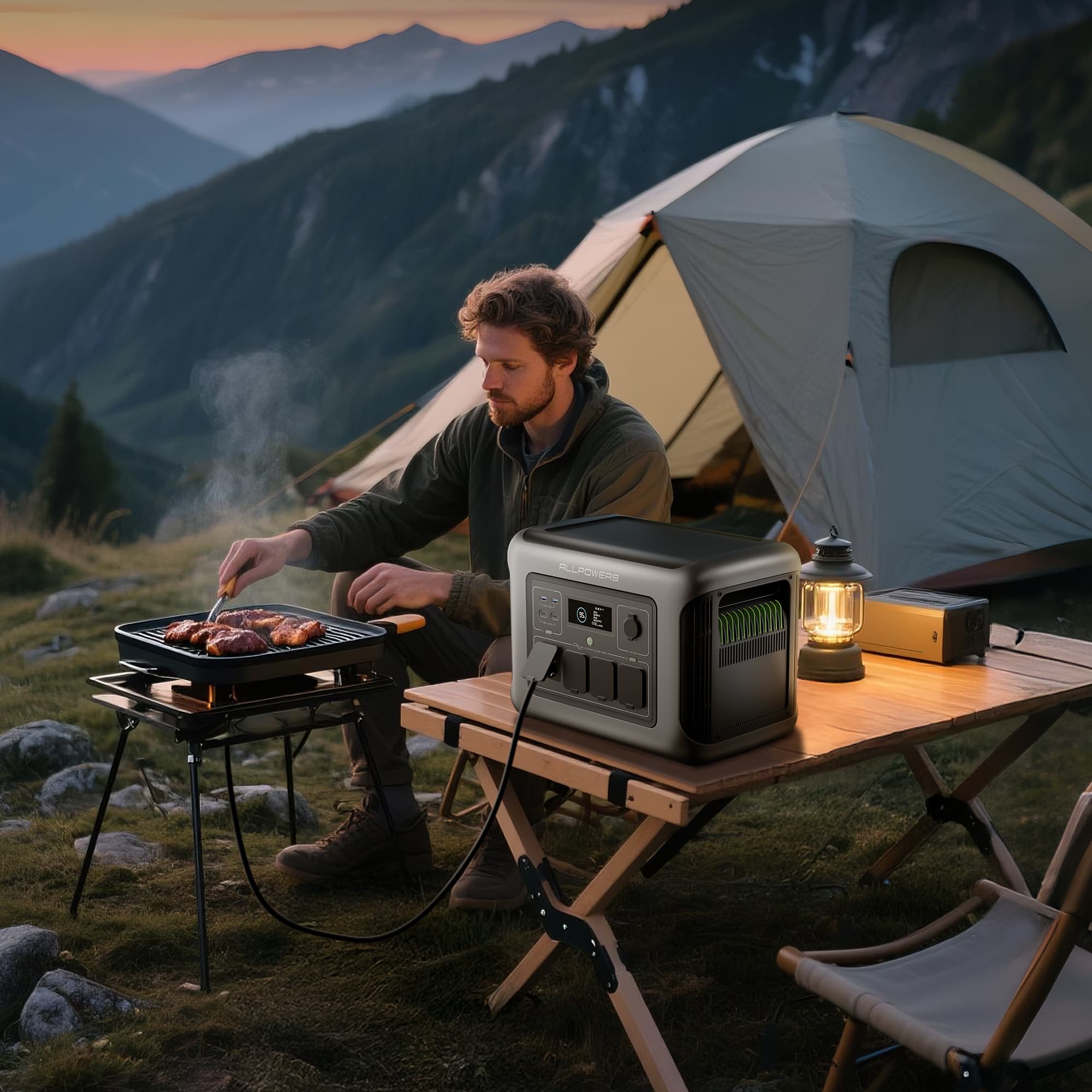
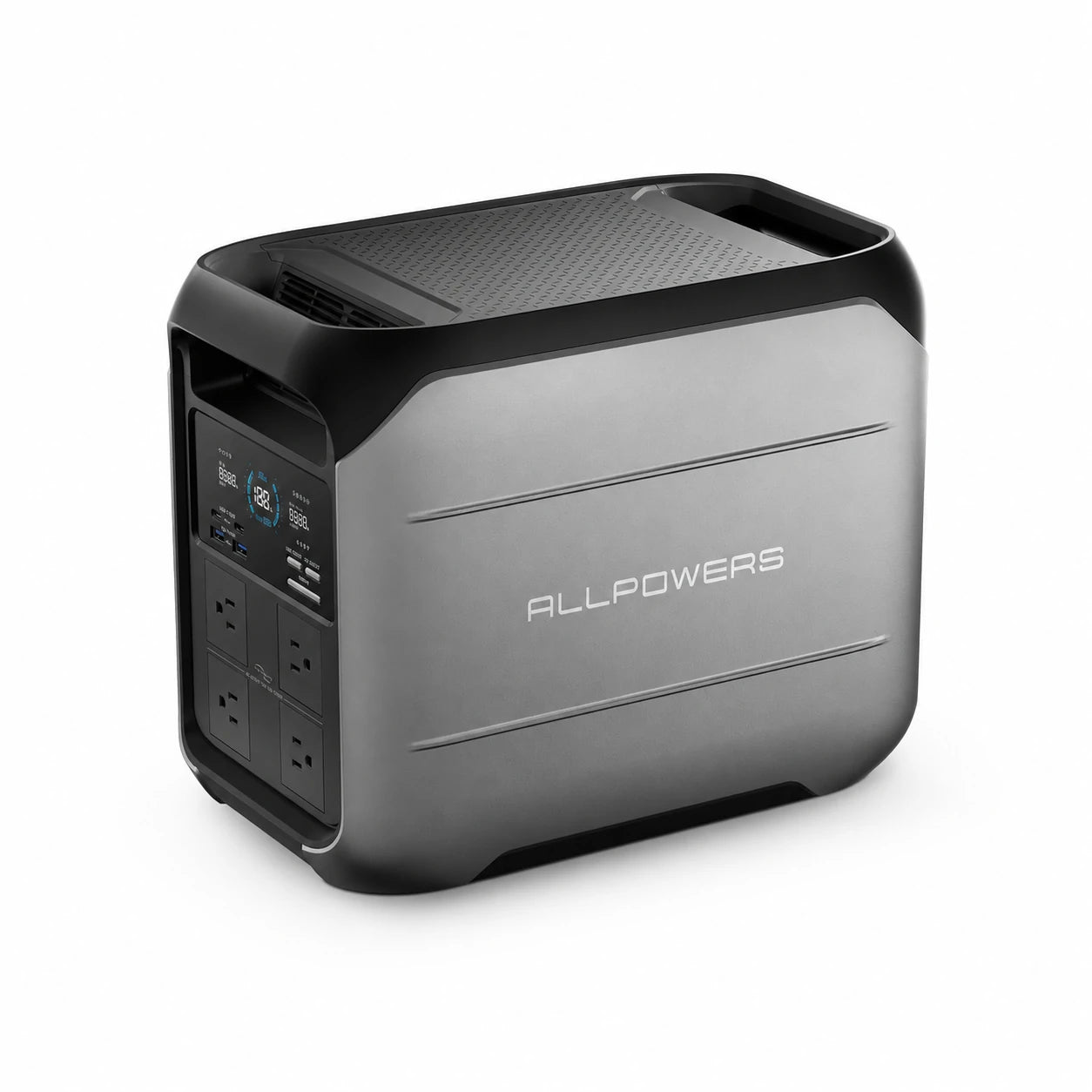
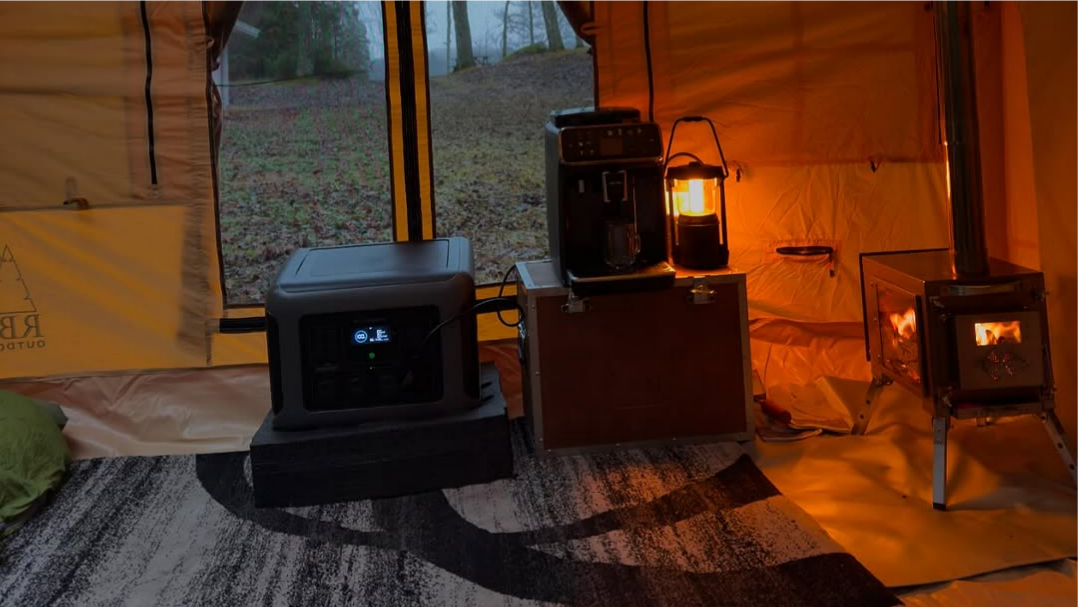
Portable power stations offer a quieter alternative.
They store energy in lithium batteries and deliver electricity through built-in inverters. No combustion engine. No exhaust.
That simplicity makes them appealing during short outages, camping trips, or emergency situations where hauling fuel isn’t ideal.
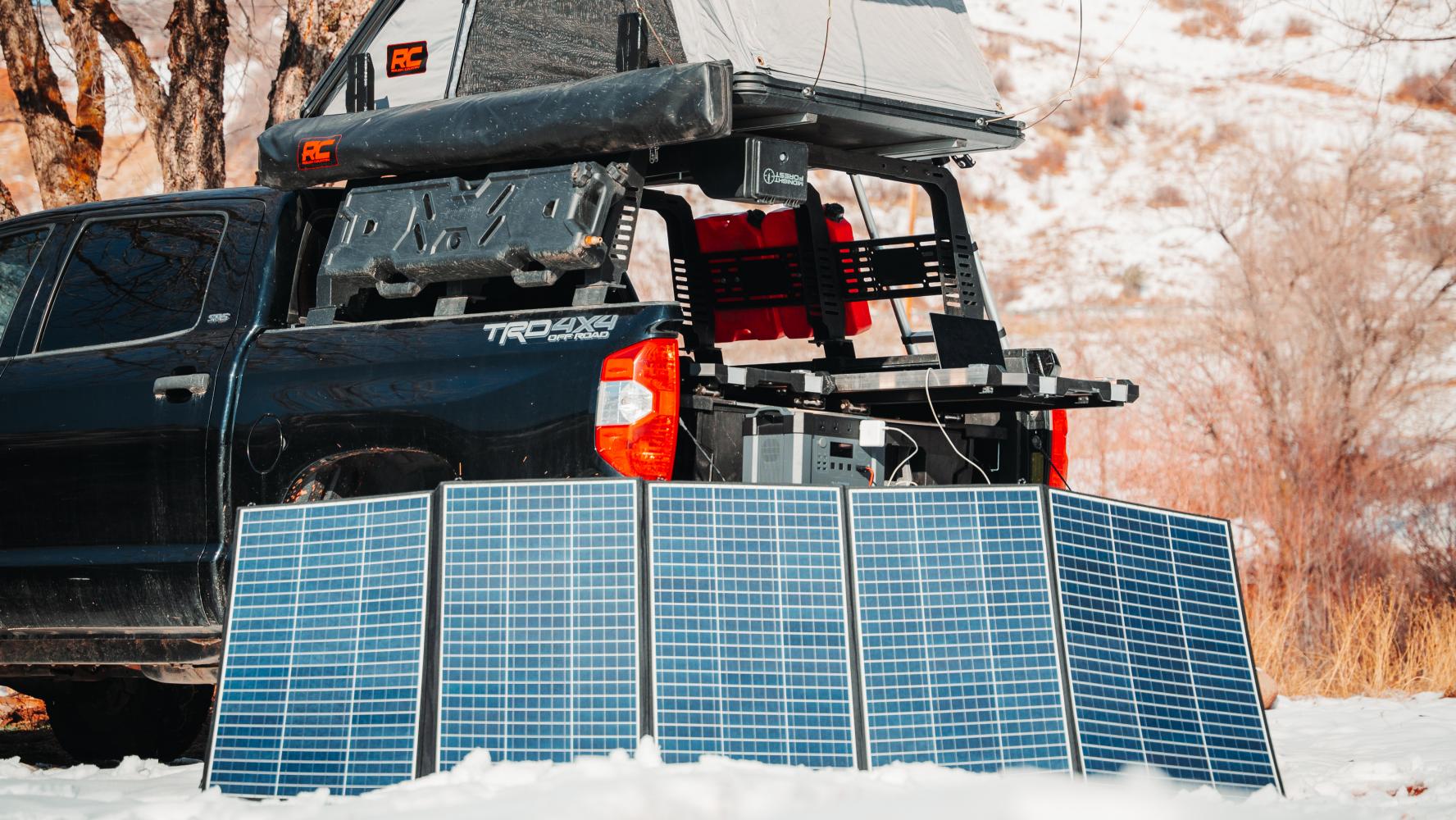
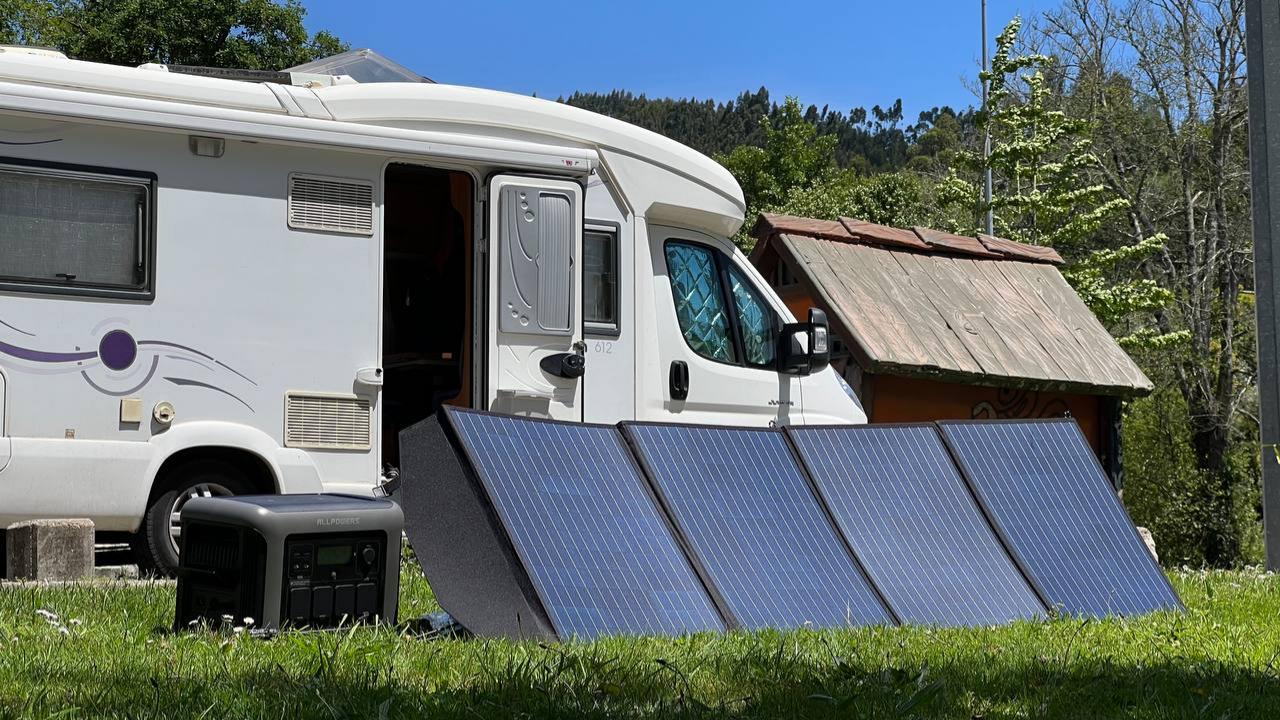
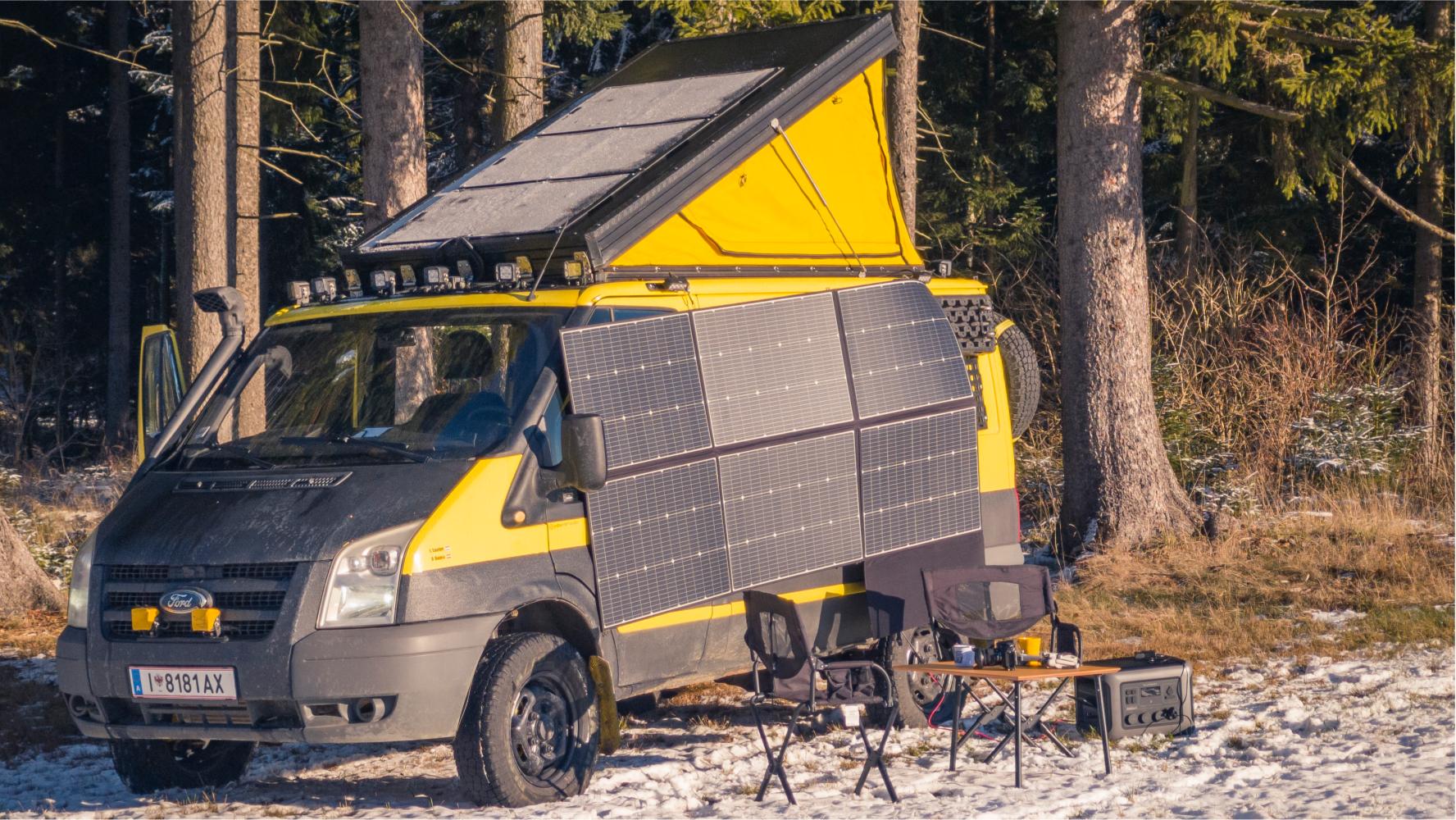
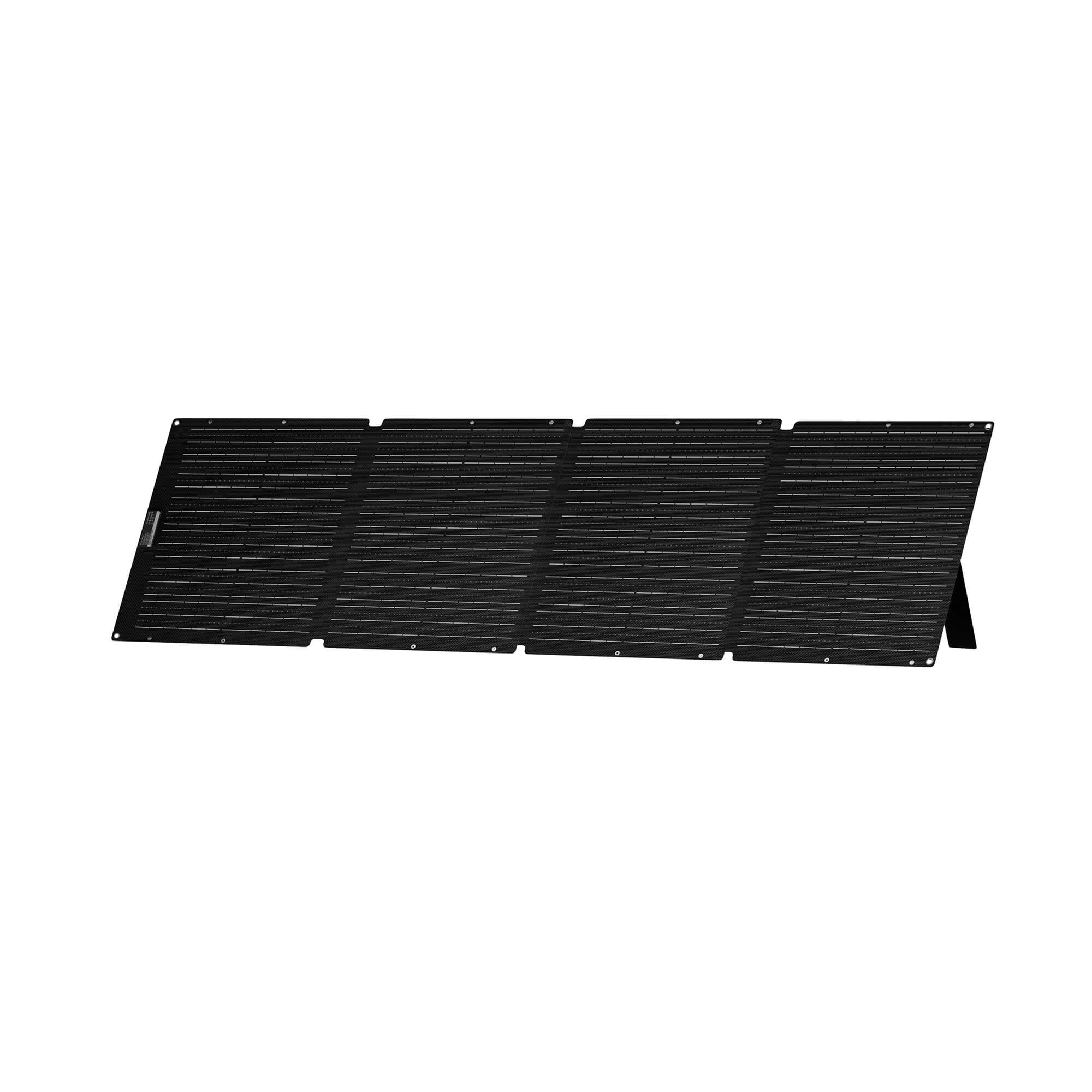
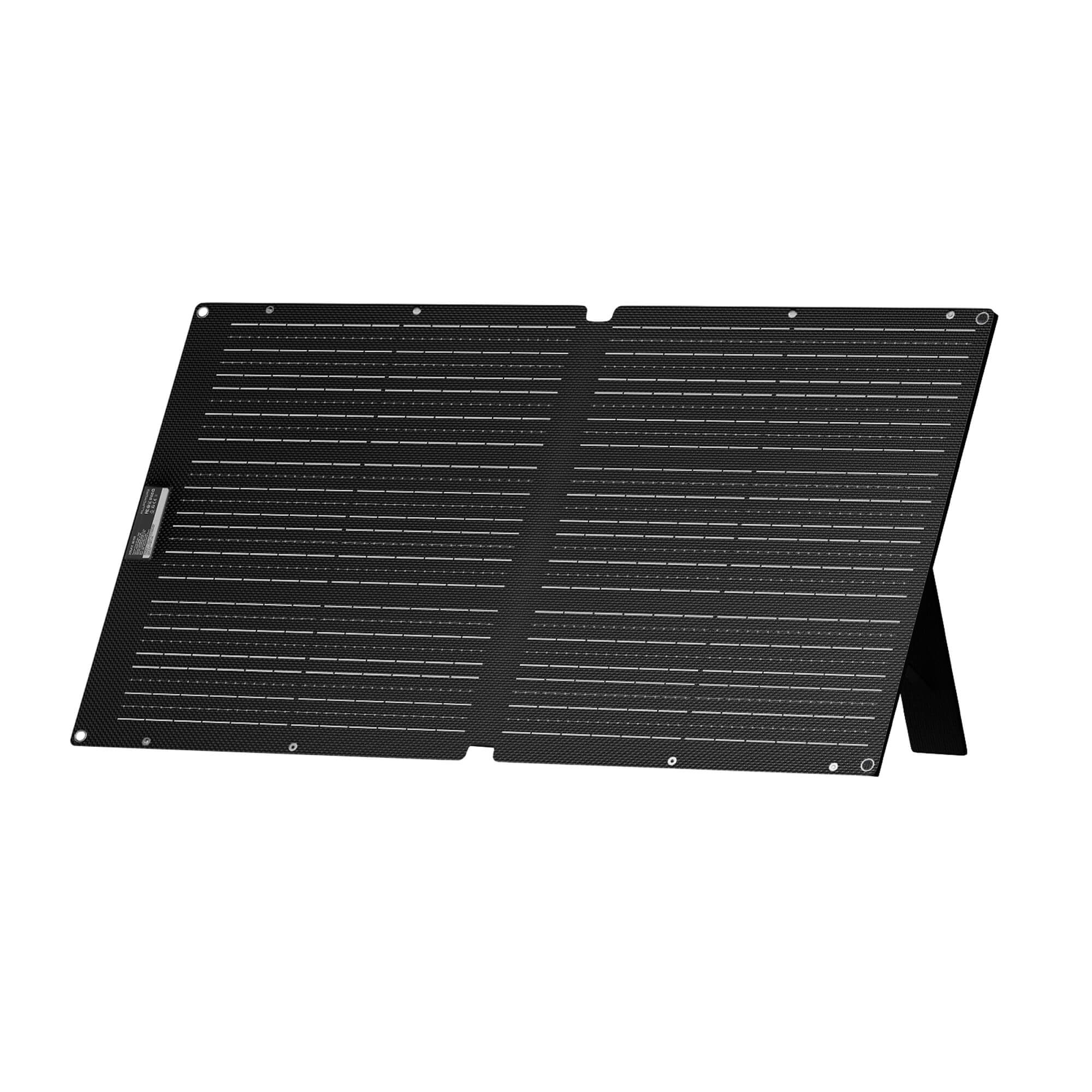
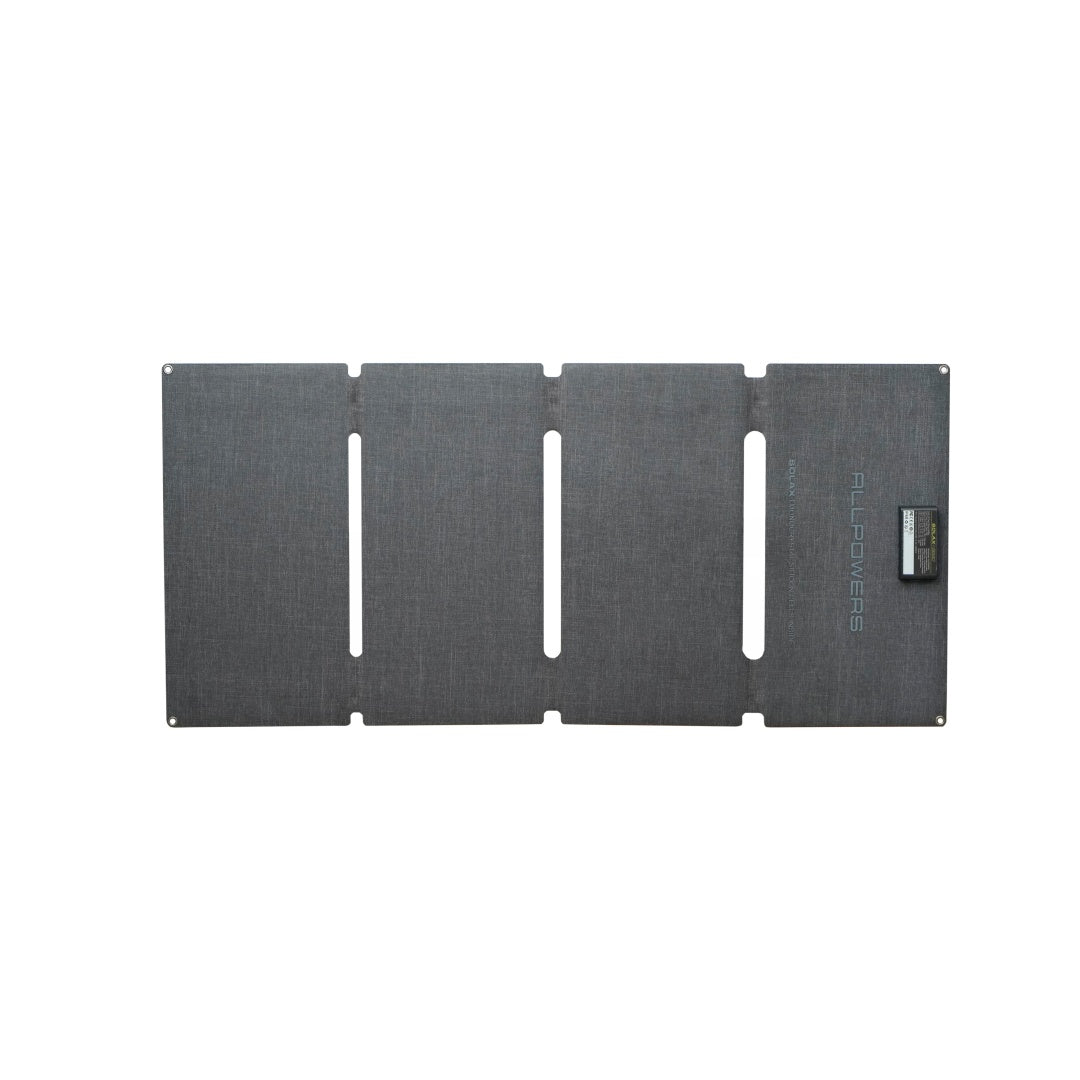
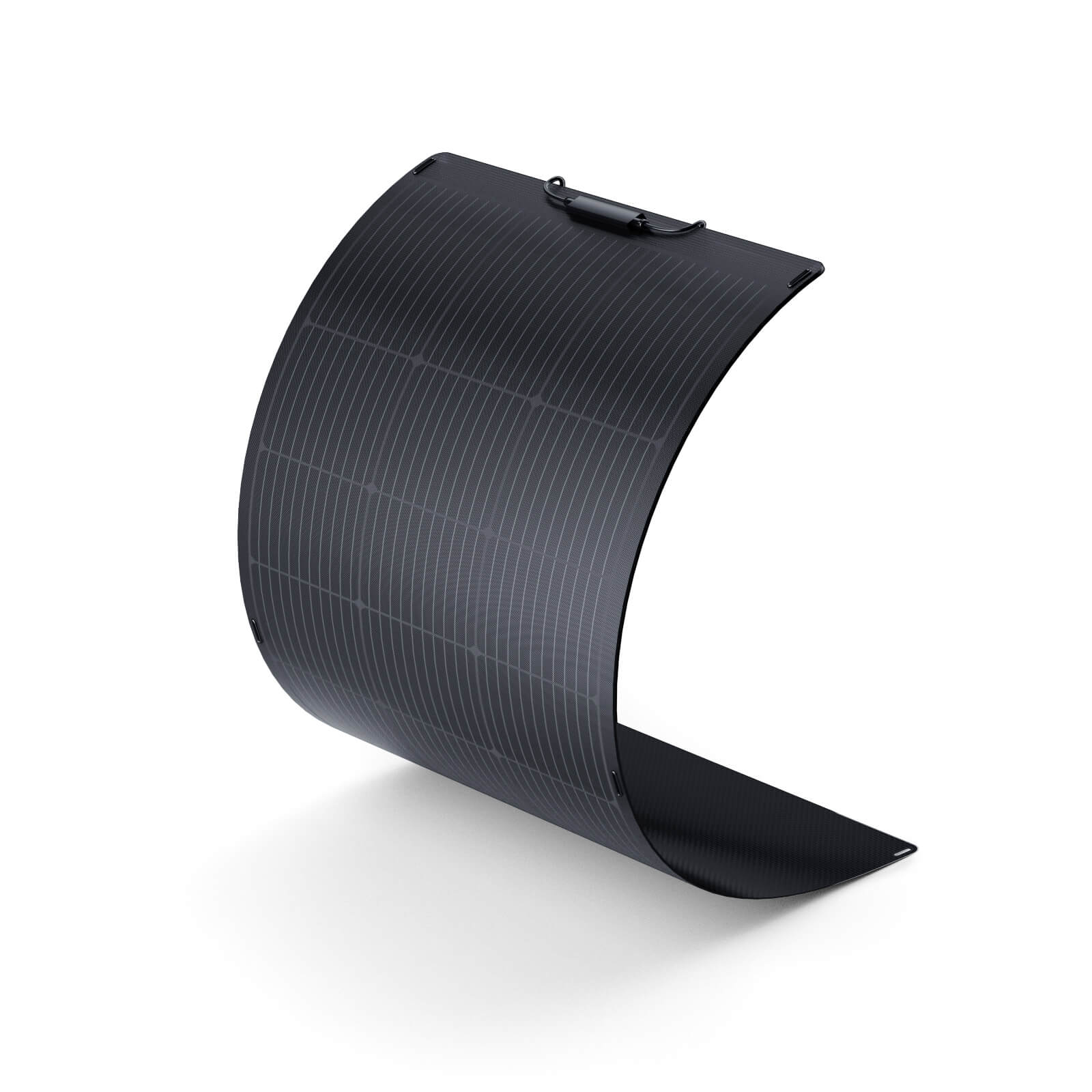
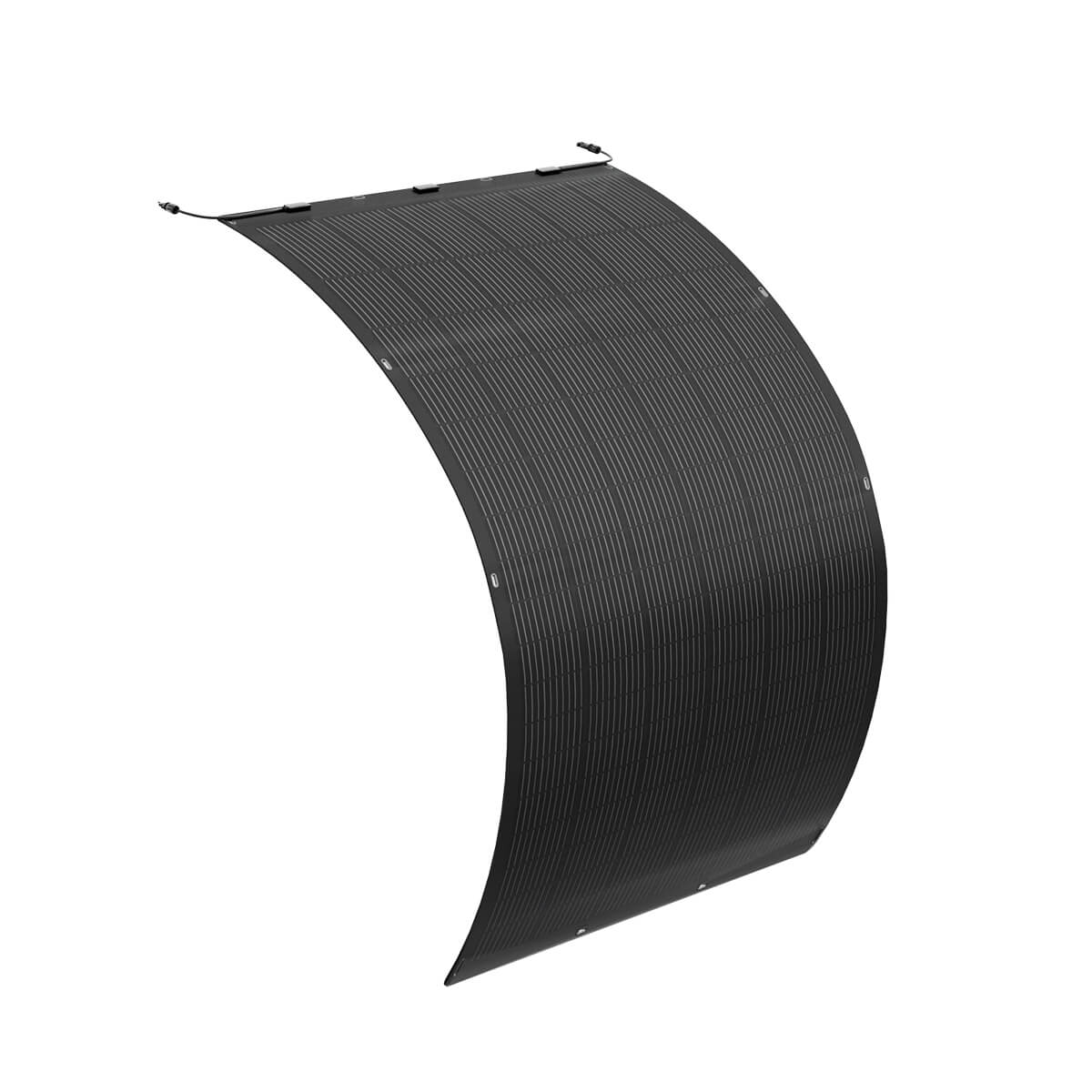
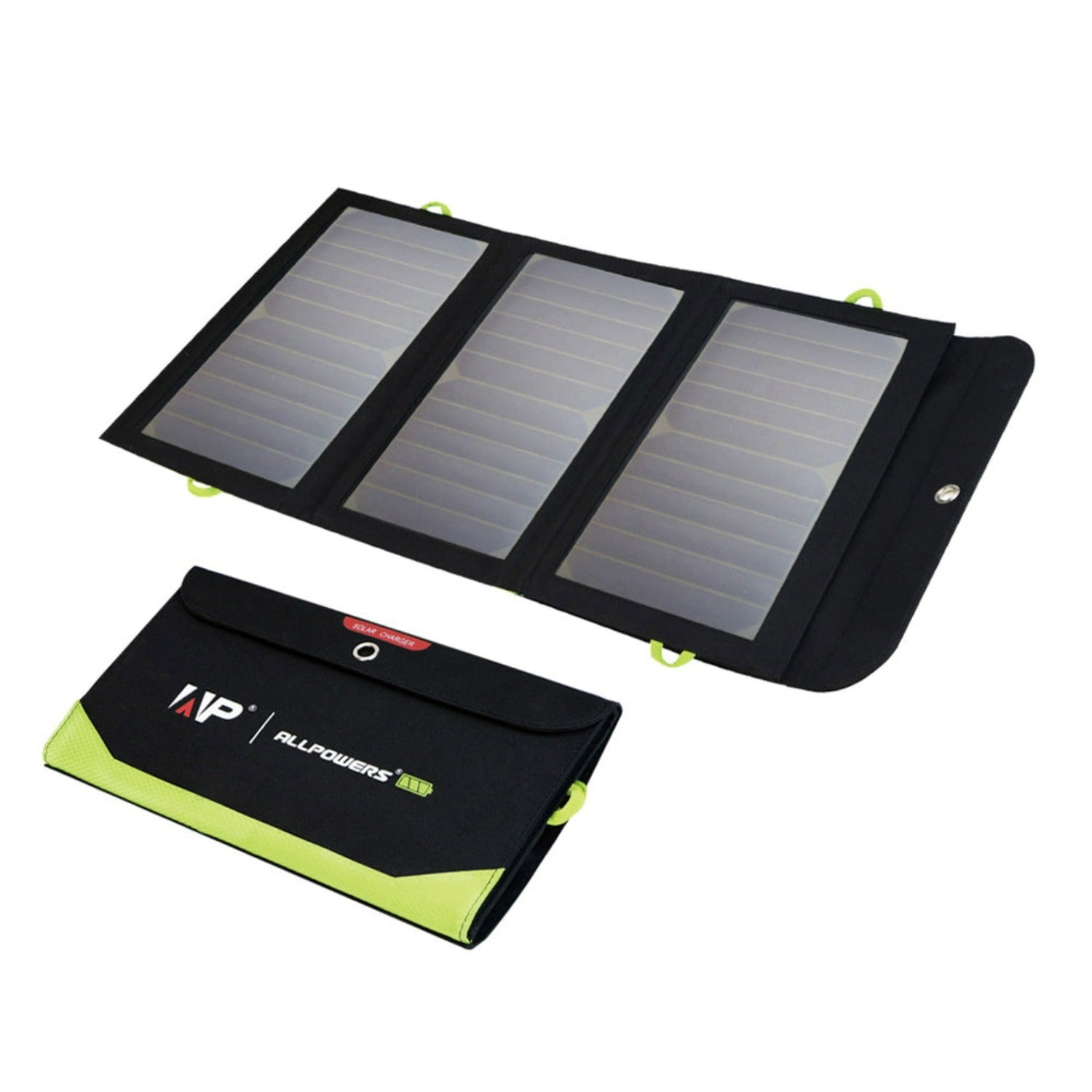
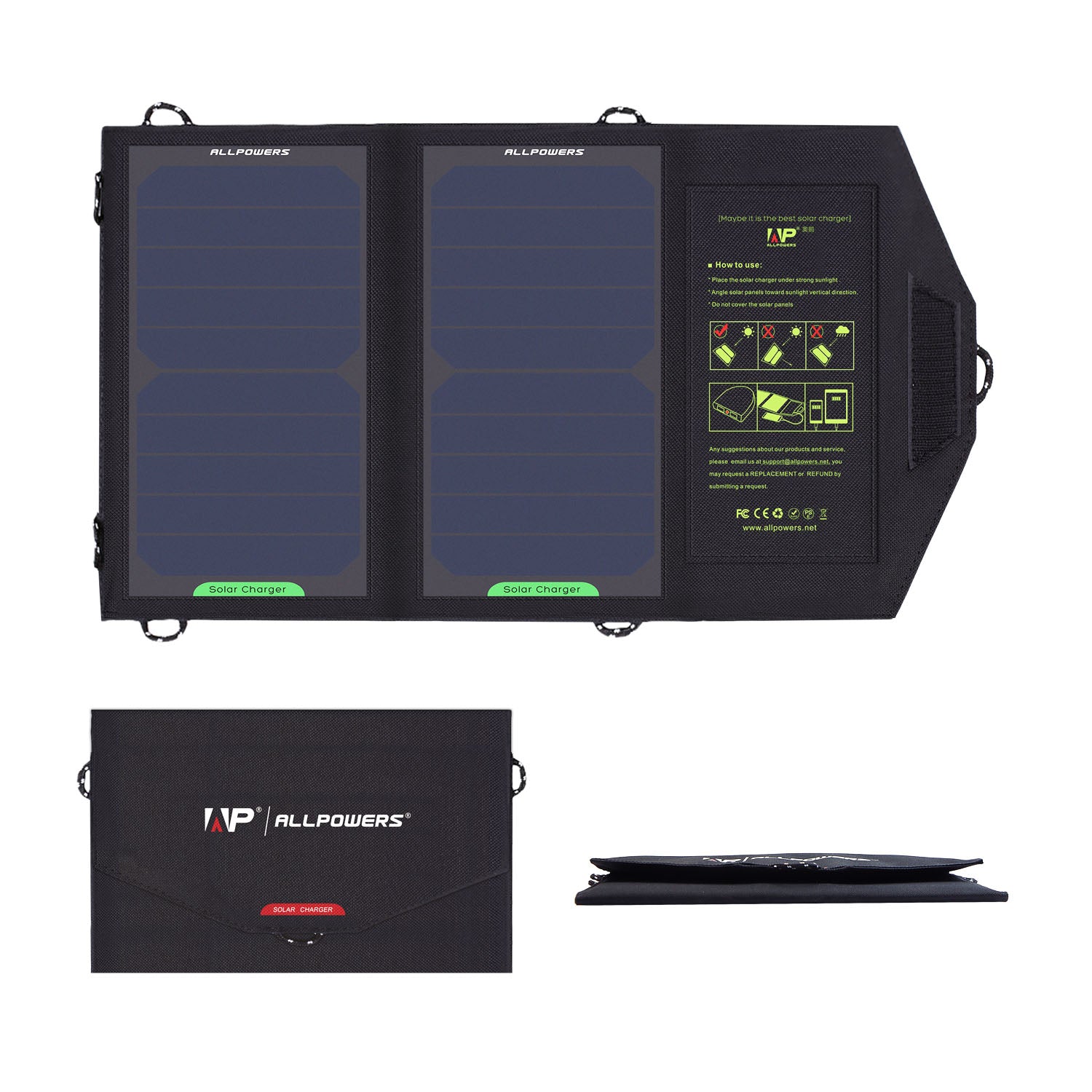
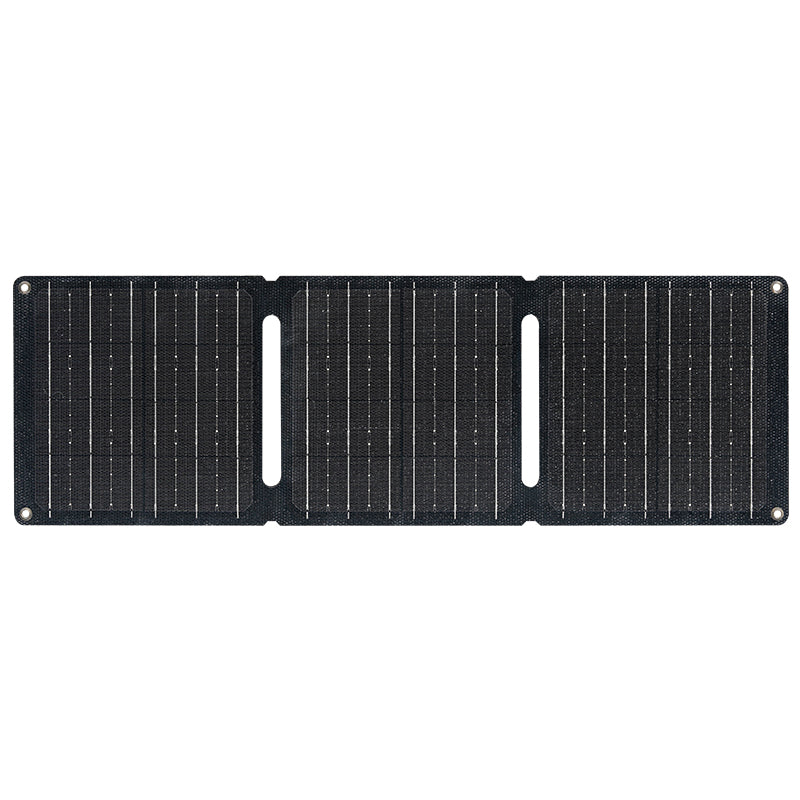
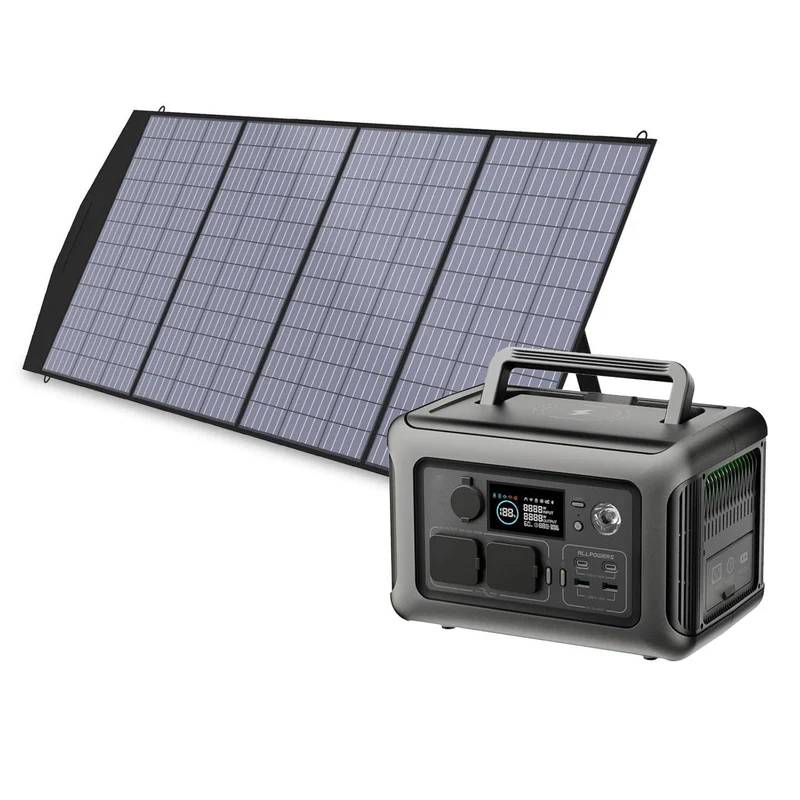
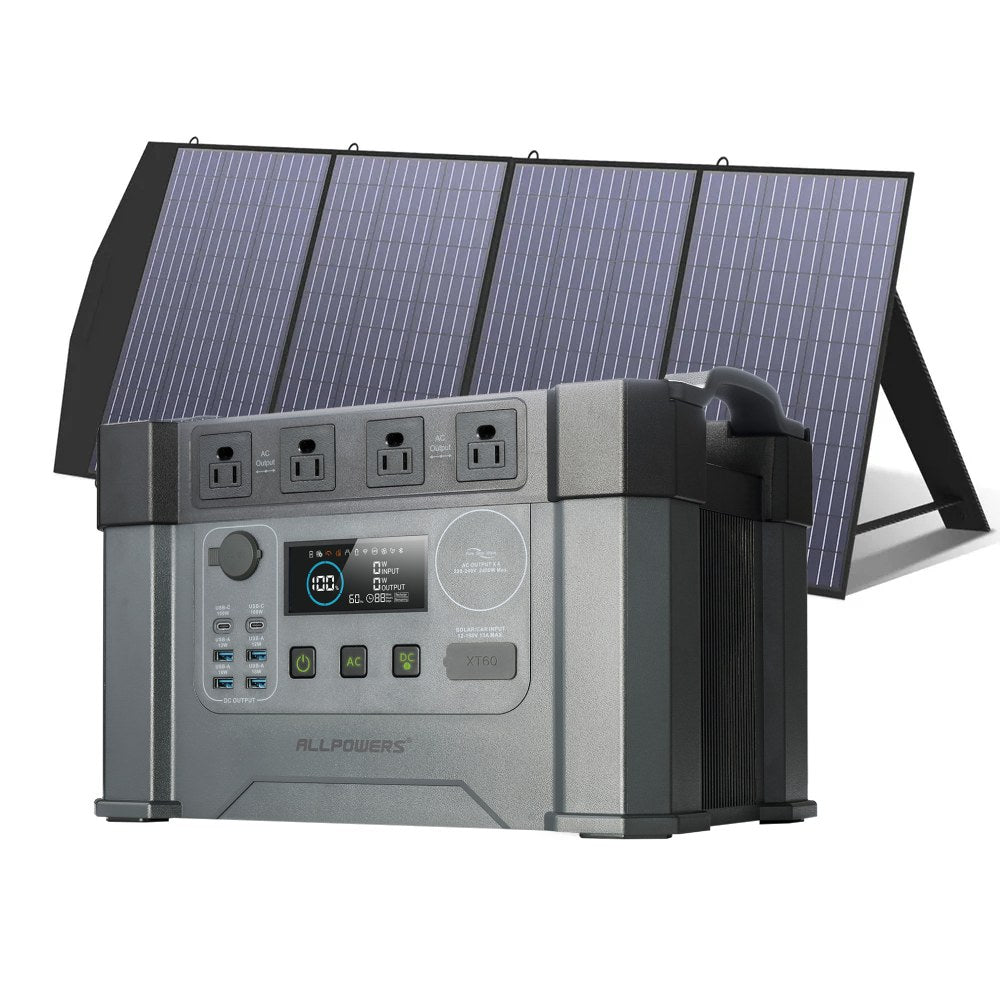
And many modern power stations accept solar panel input, which means sunlight can recharge the battery during the day.
Of course, winter sunlight isn’t always generous. Cloud cover, short days, and snow can reduce solar output. Still, even partial charging helps stretch available power.
Running a furnace overnight drains part of the battery, but daylight solar charging replenishes some of that energy before evening arrives.
The cycle continues—imperfectly, yes—but often enough to keep essential systems running longer than expected.

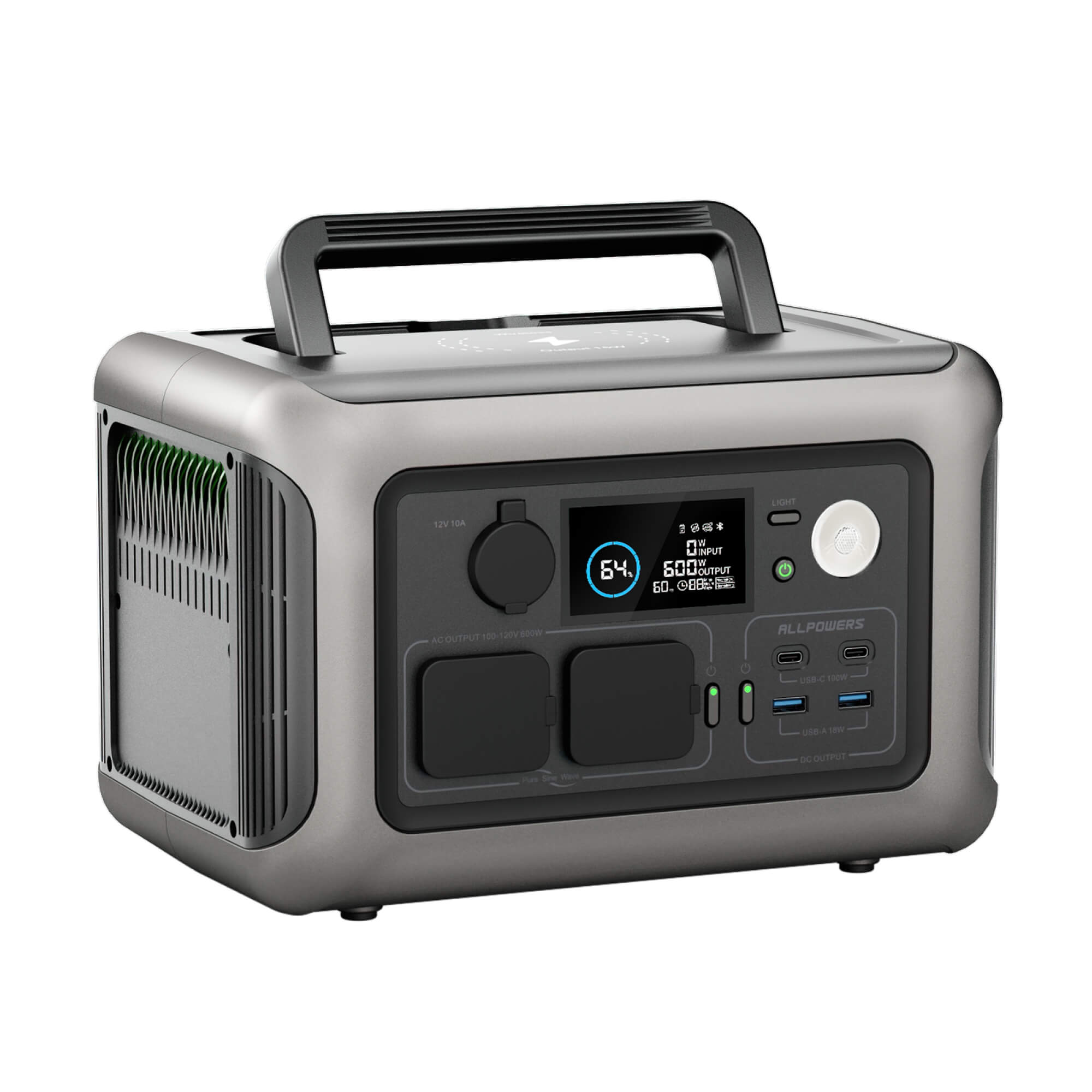
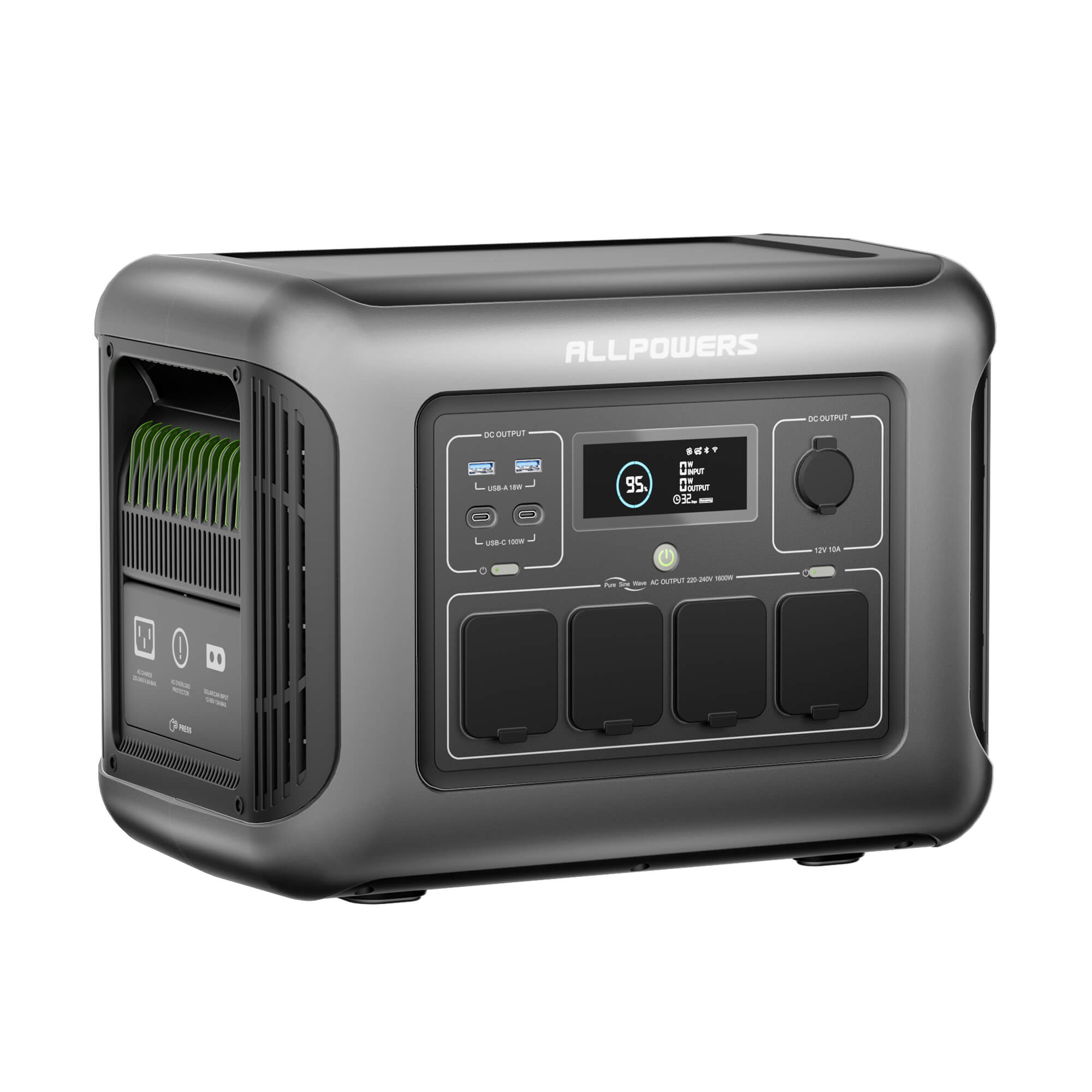
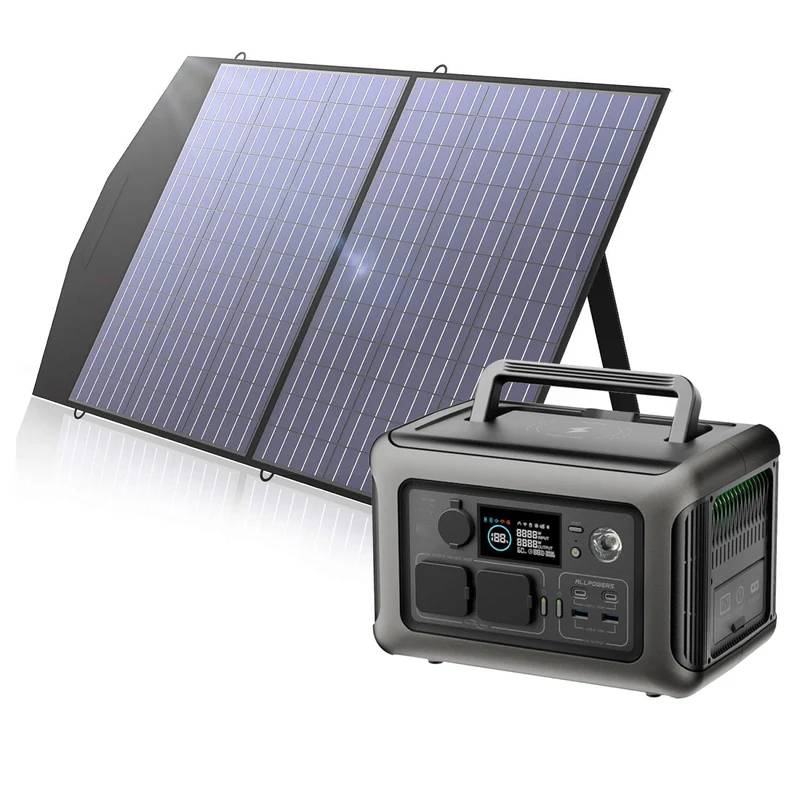
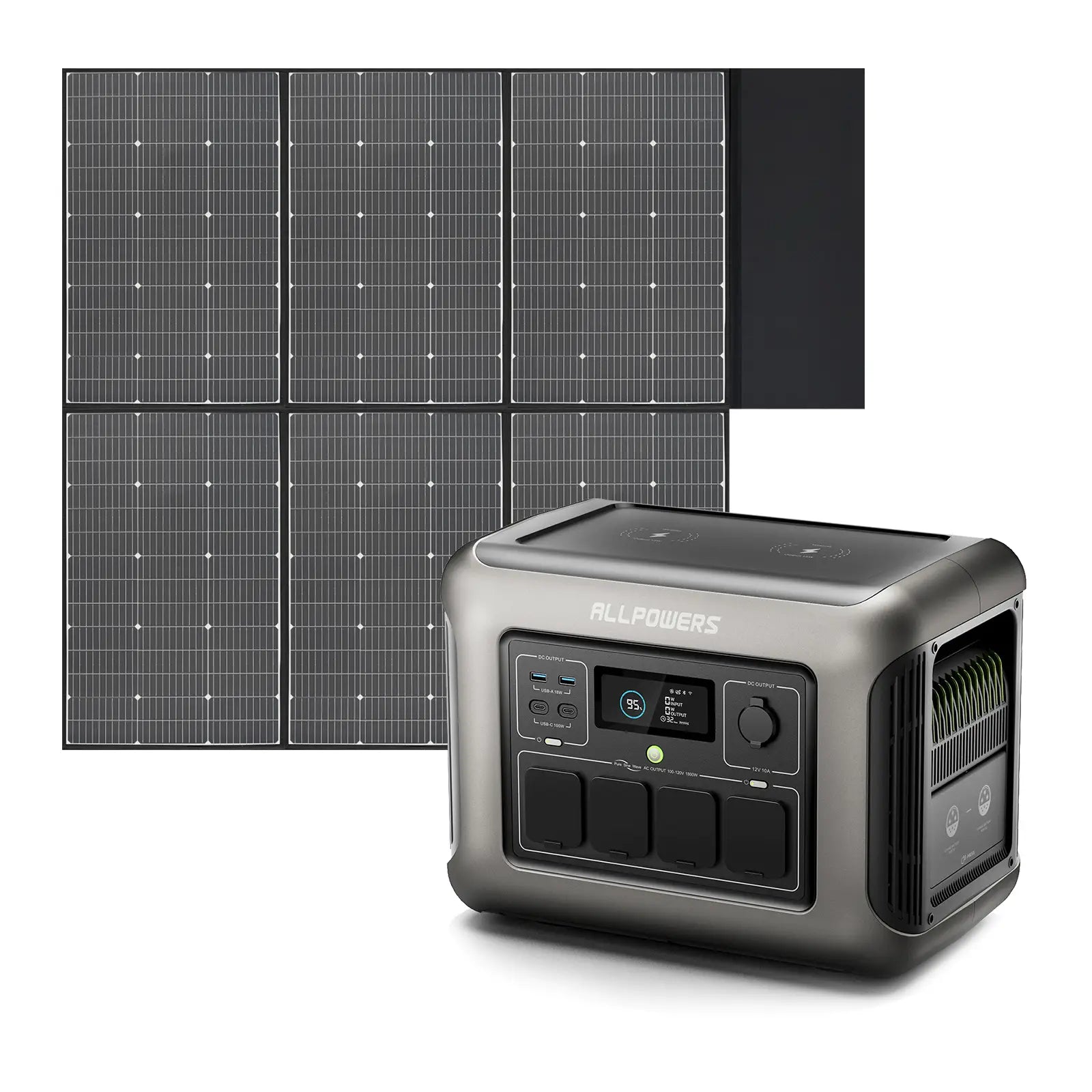
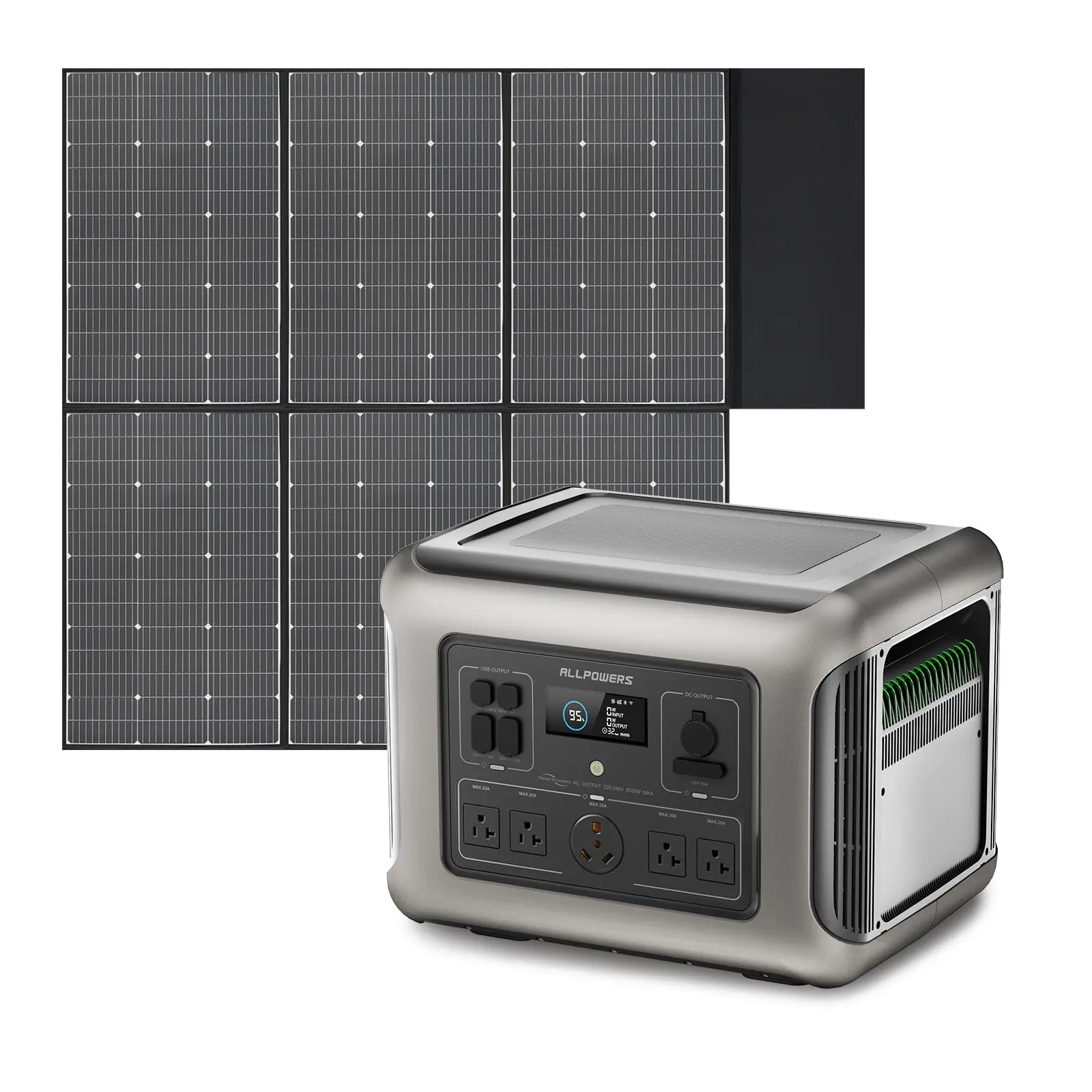
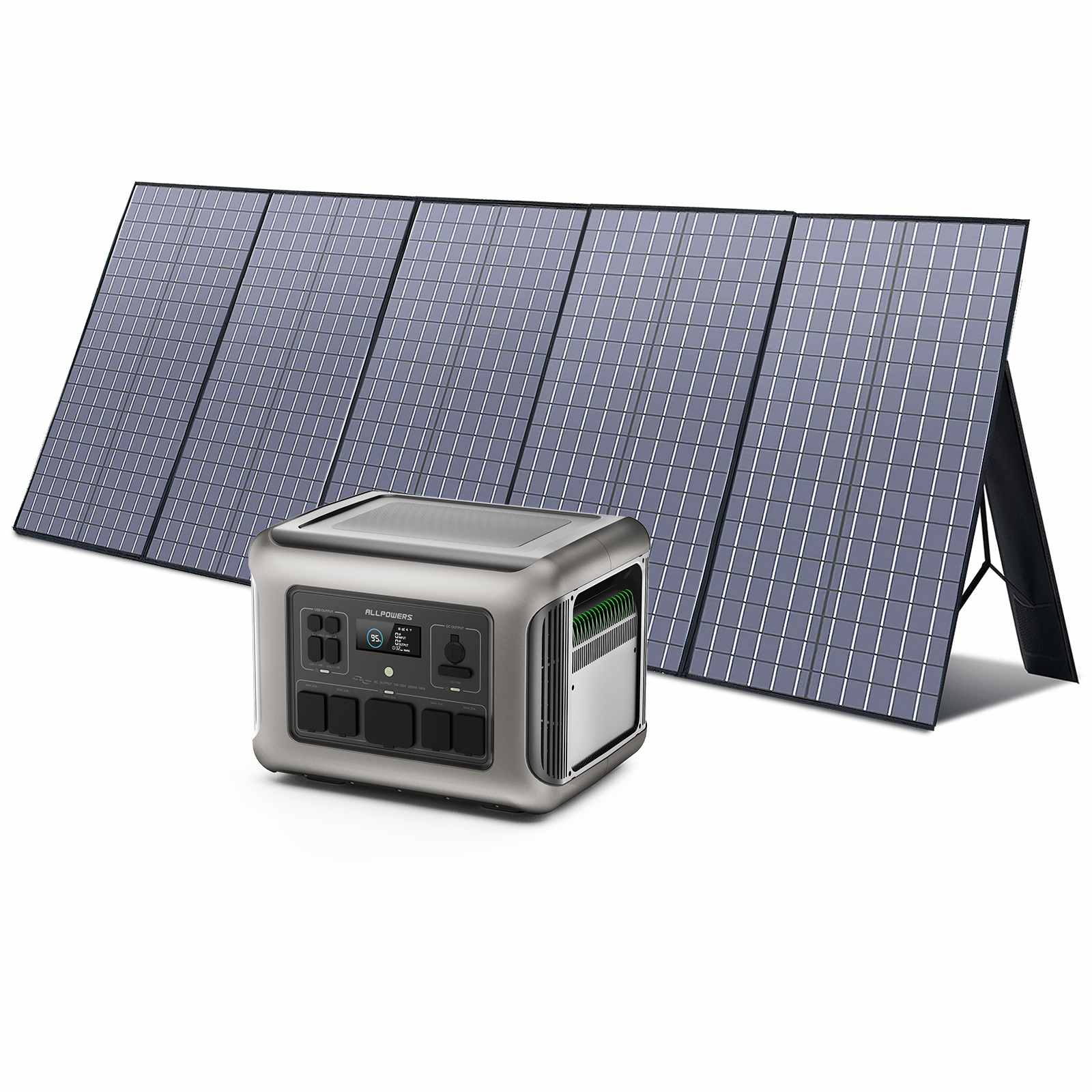
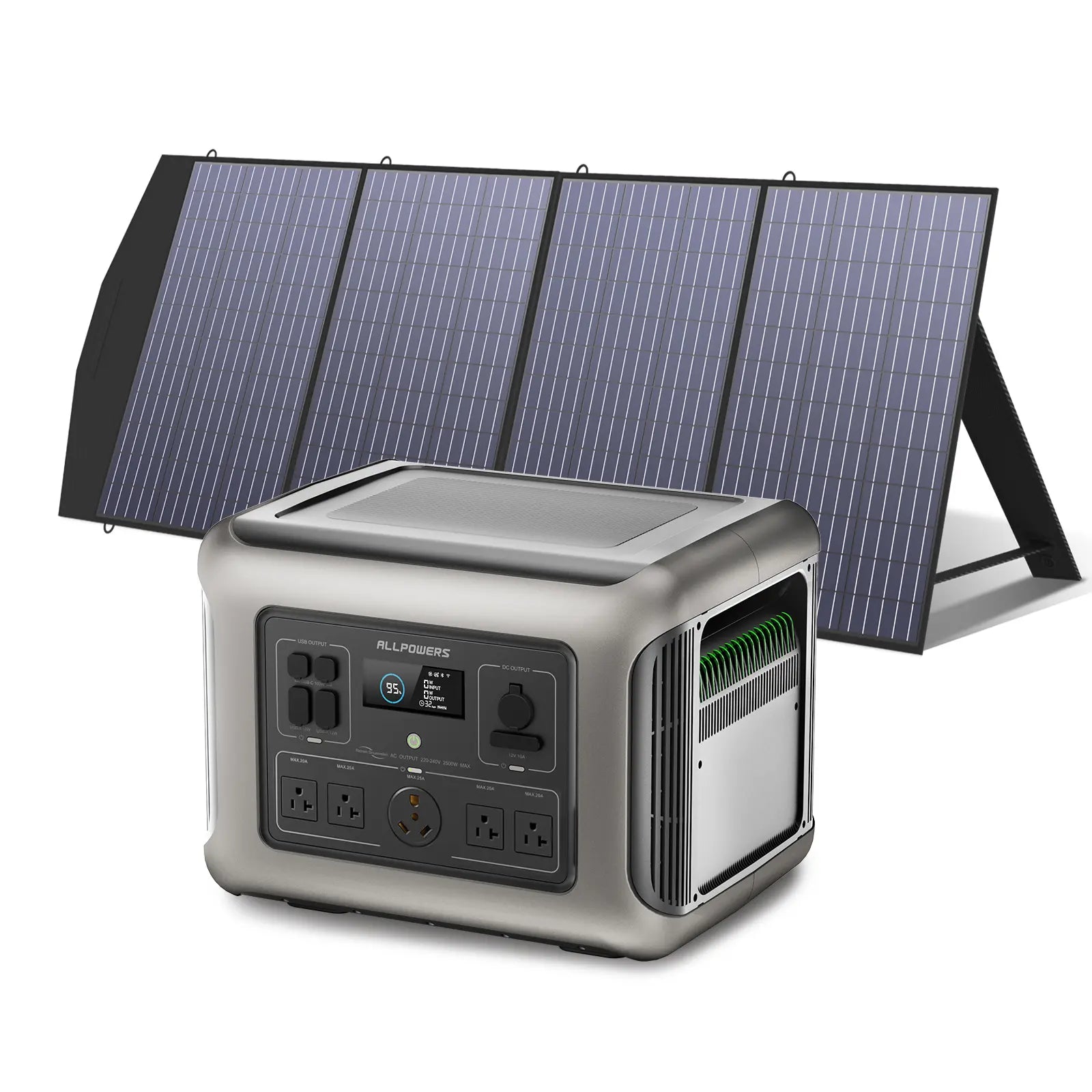
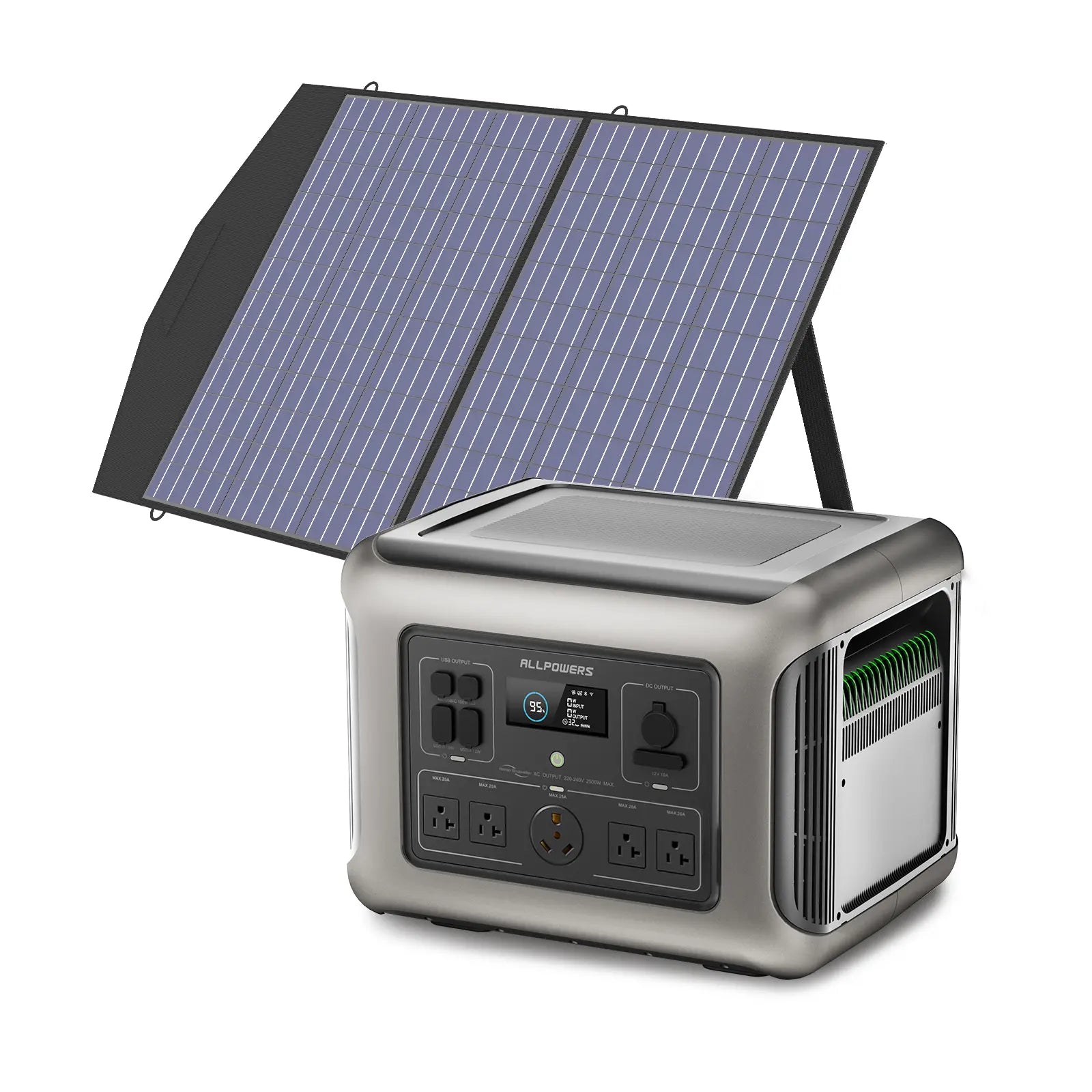
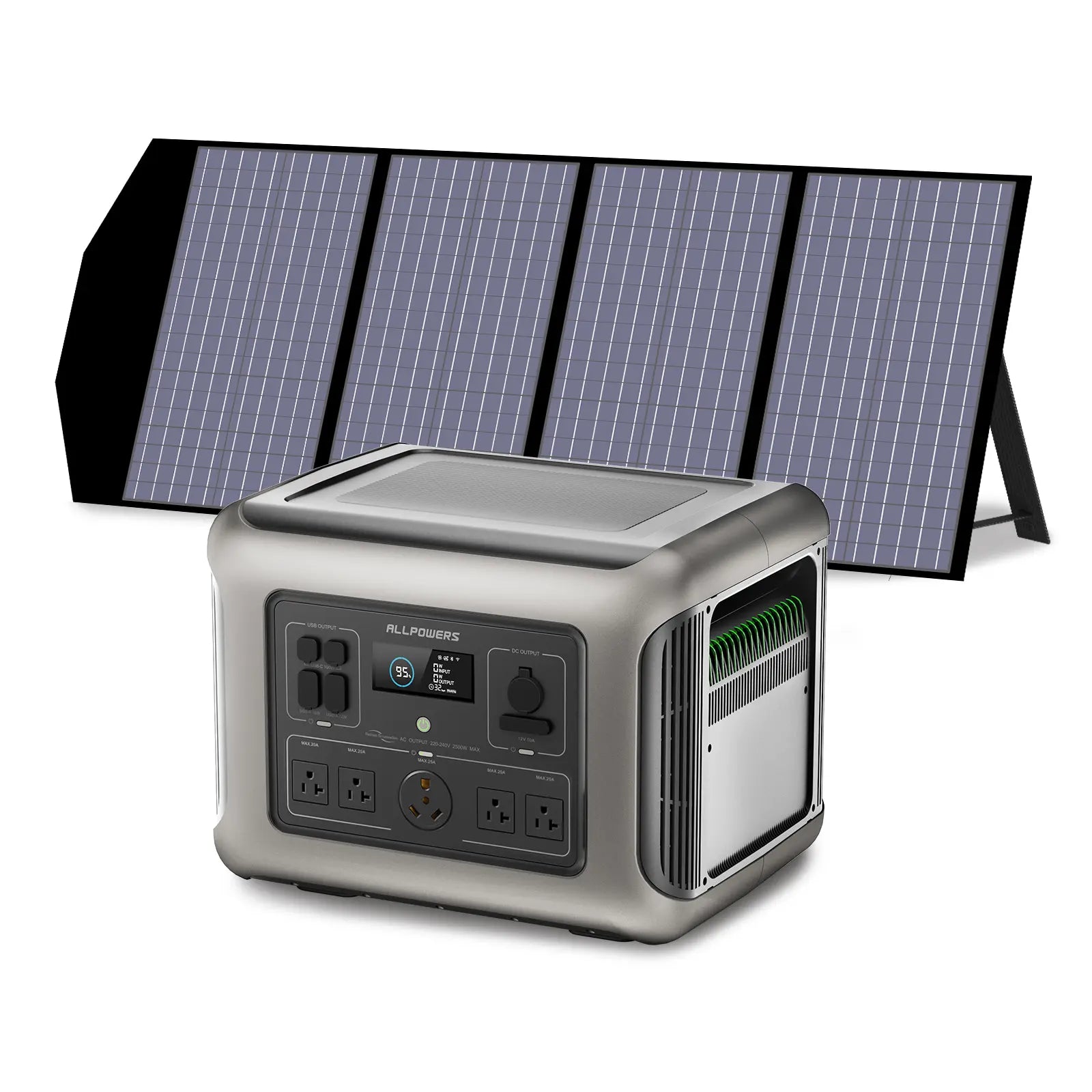
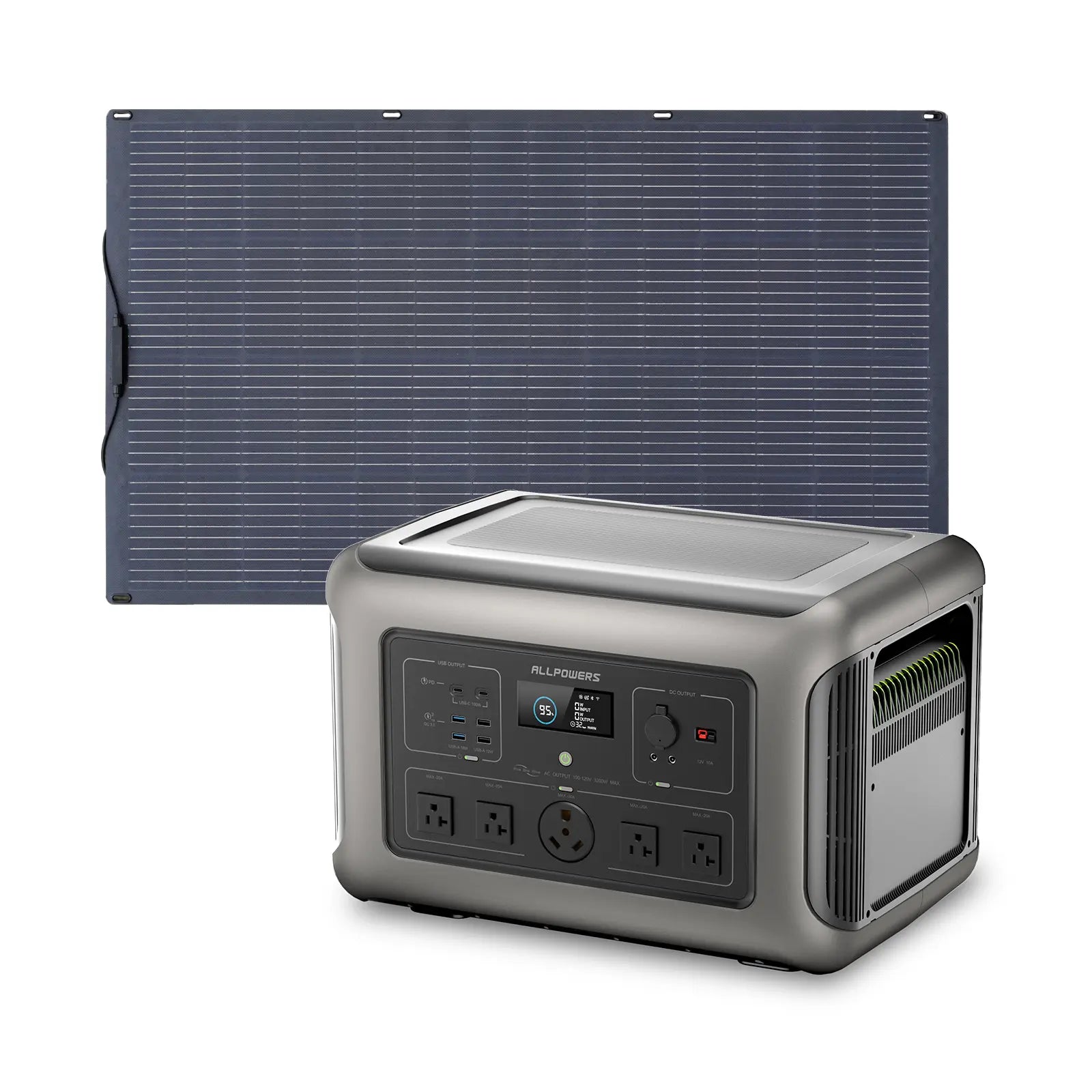
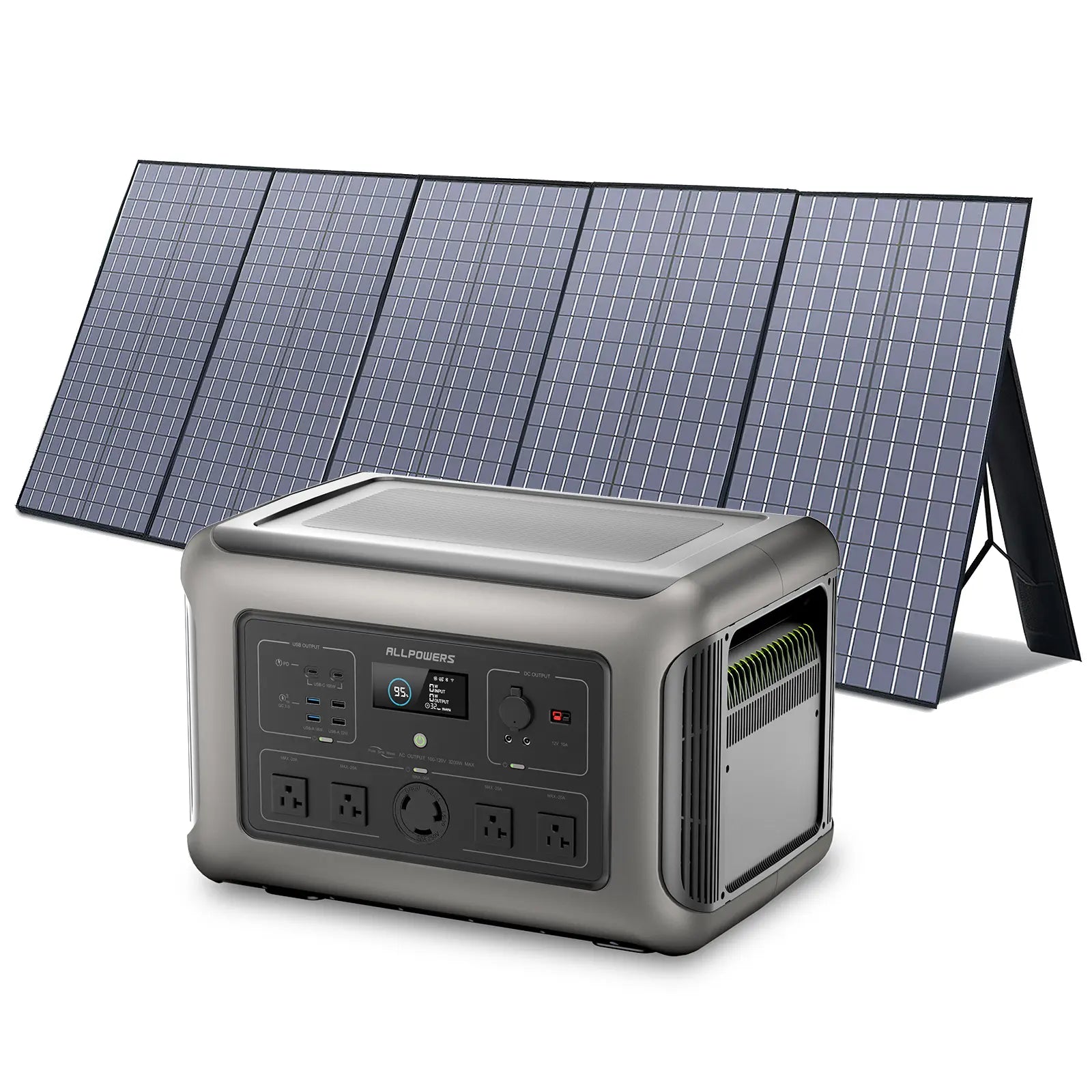
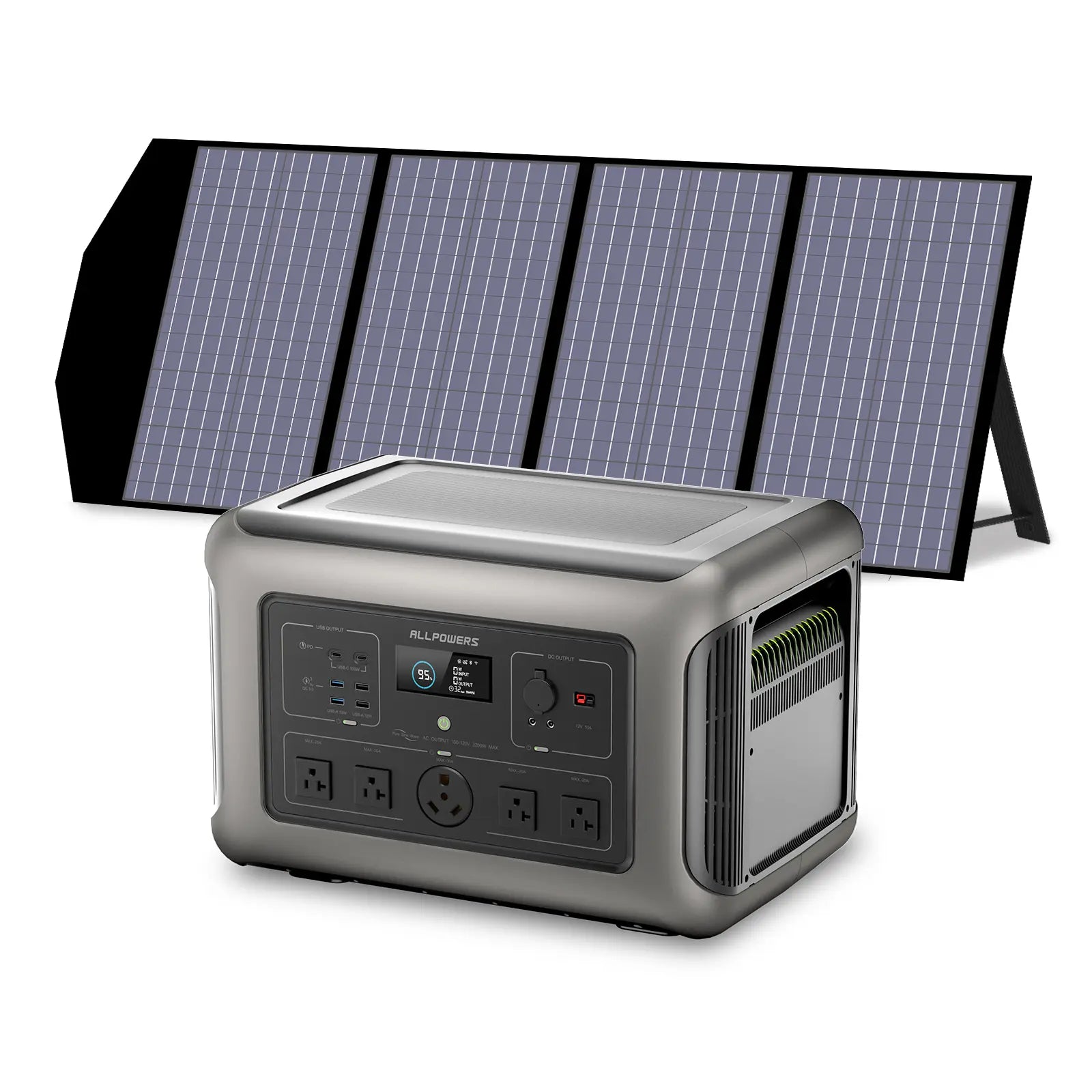
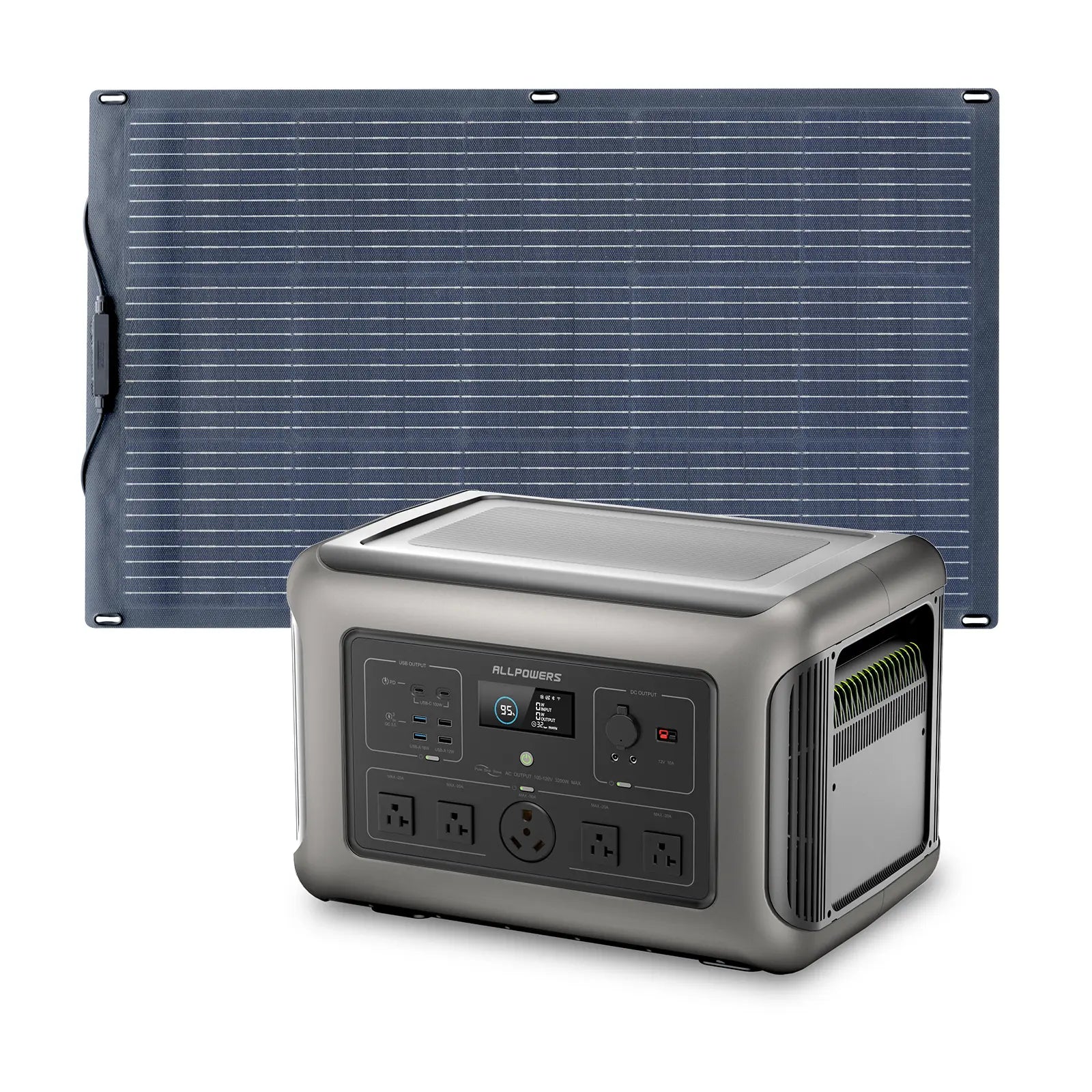
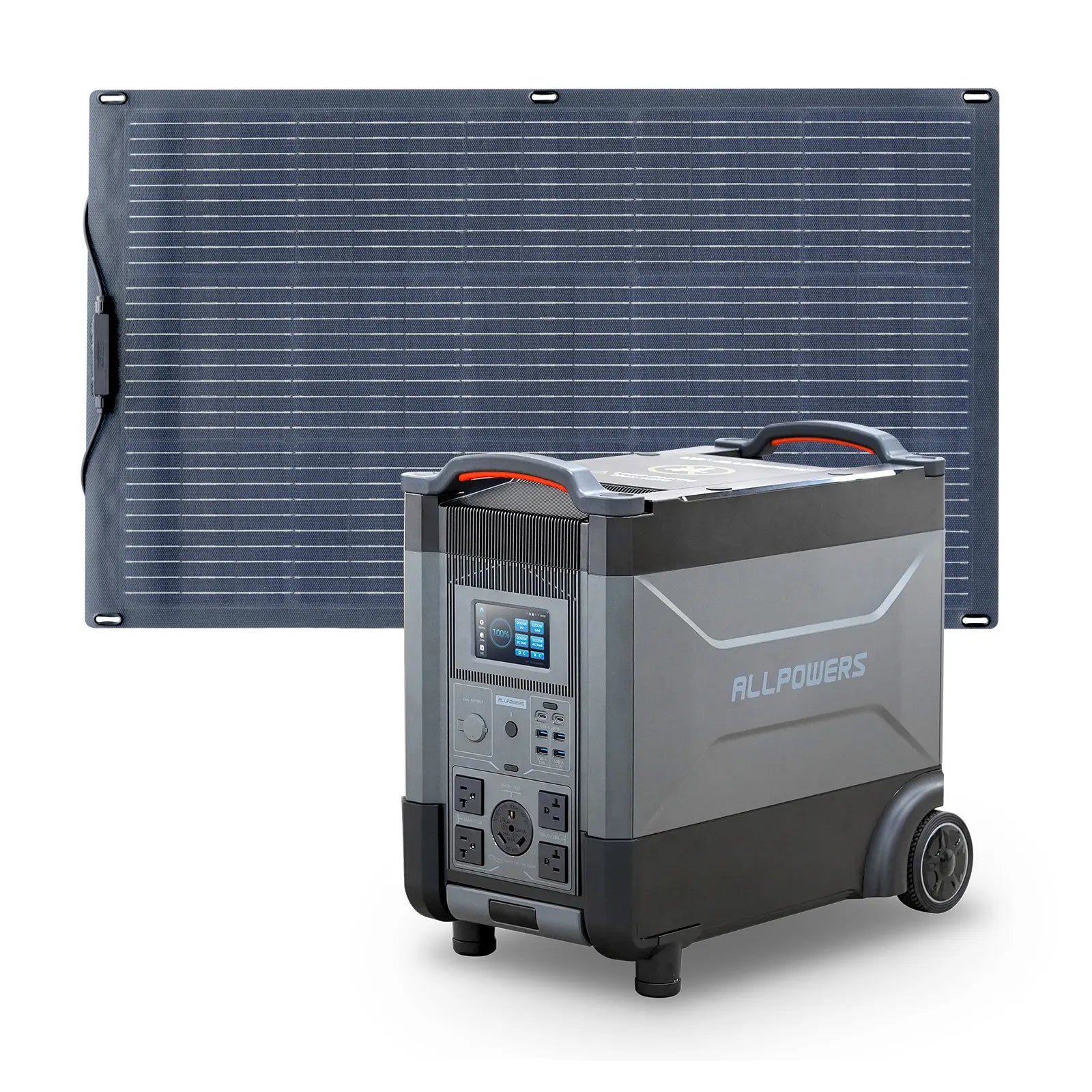
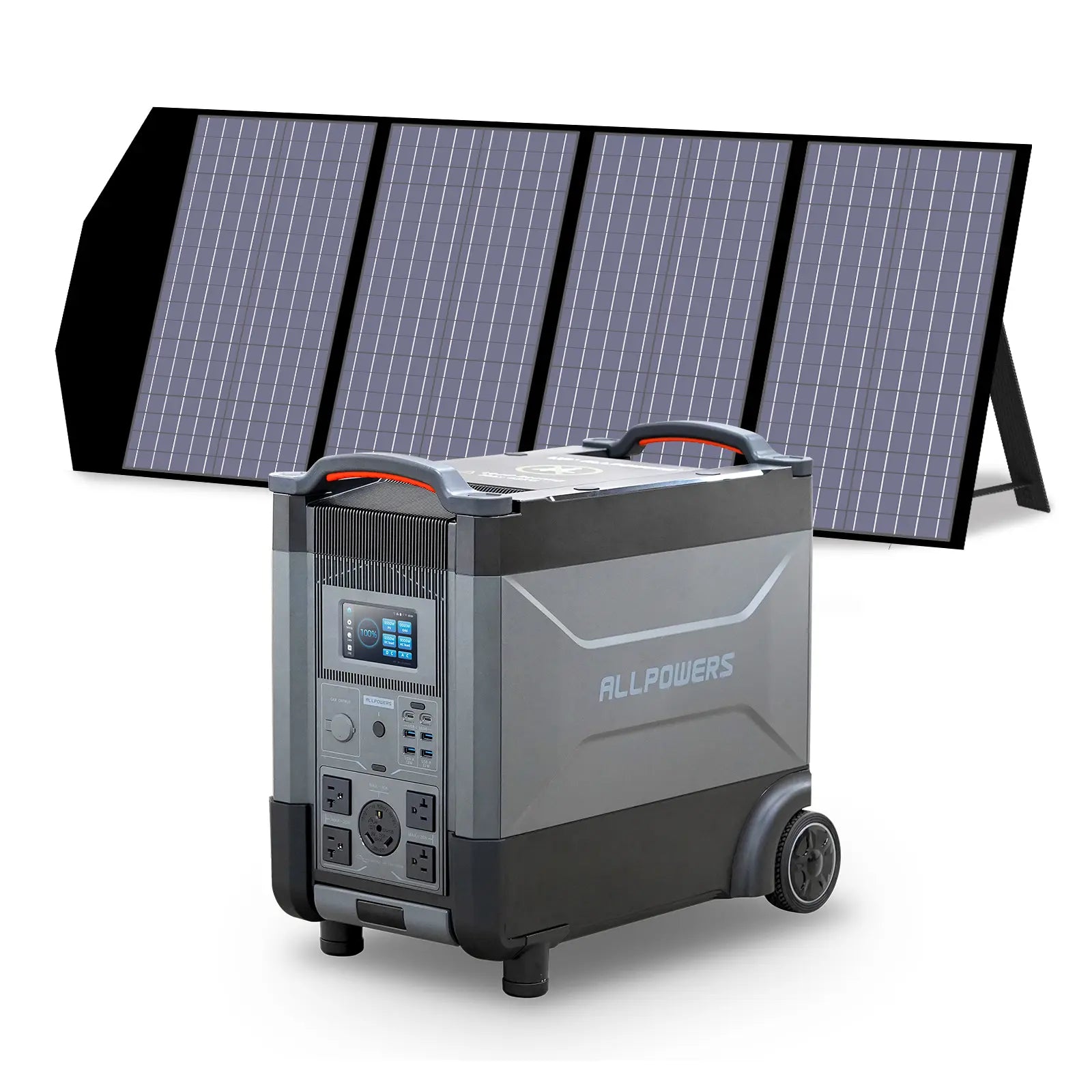
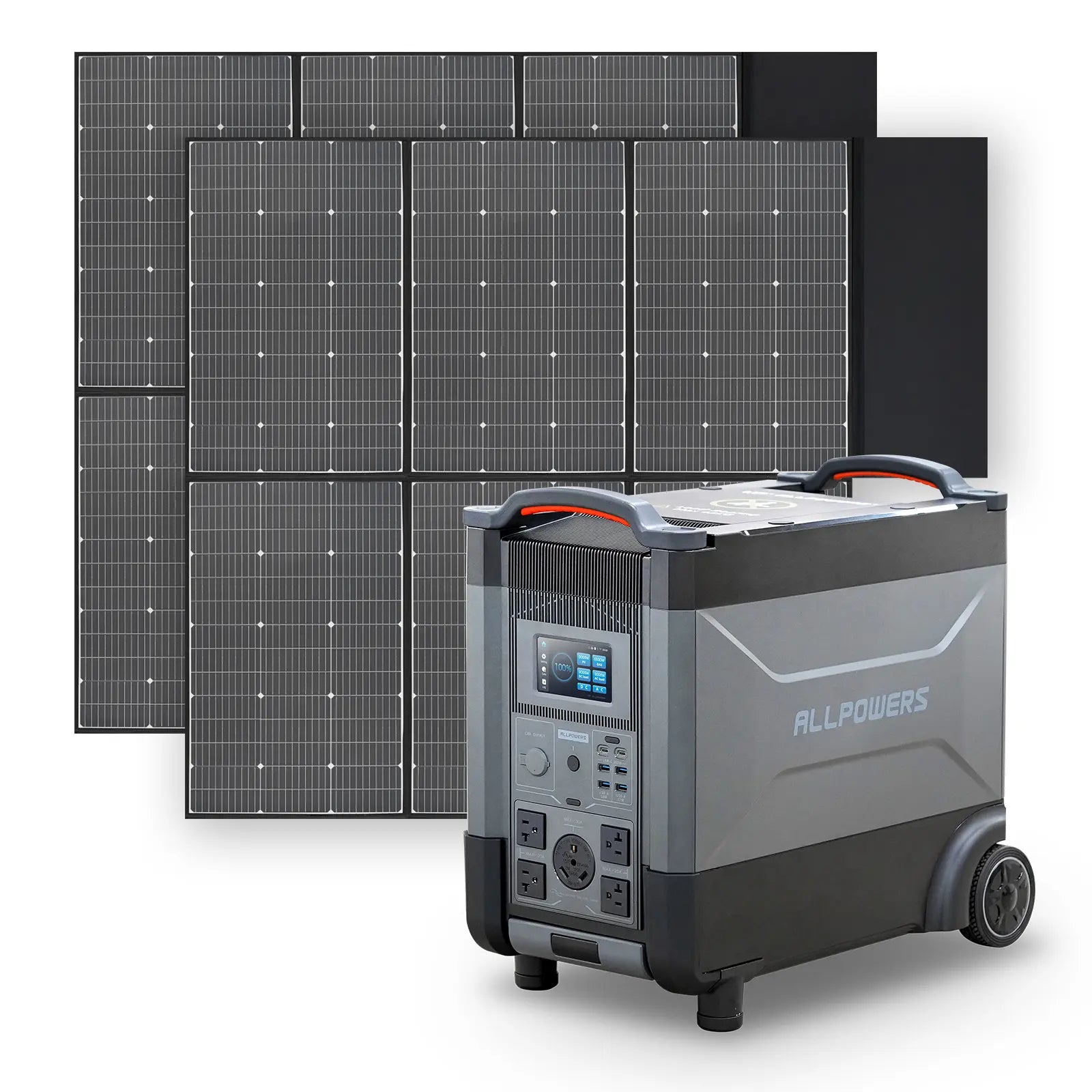
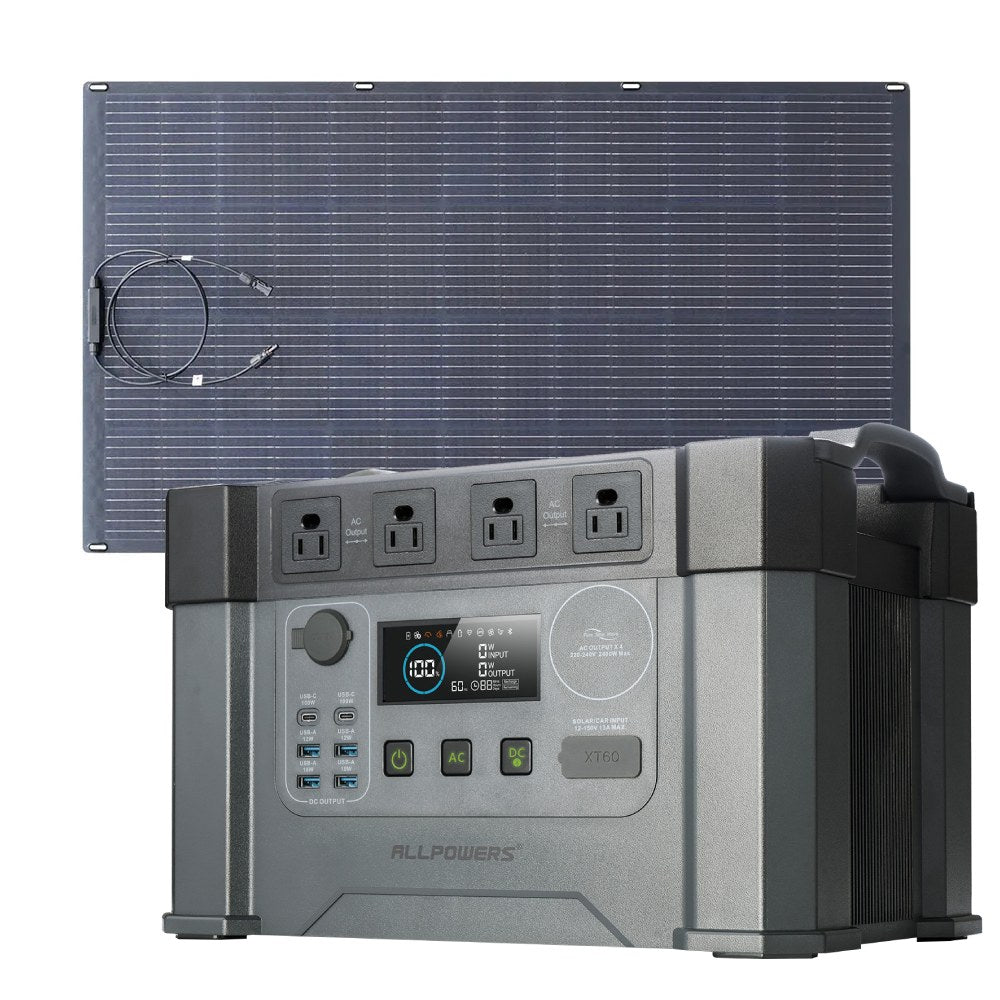
ALLPOWERS R1500 Lite Portable Power Station
$378.00 $799.00
- 1056Wh Capacity;
- 1600W AC Output (3000W Surge);
- 650W Solar Fast Charging;
- 10 Ports Charge All Needs Simultaneously;
- 15ms Uninterruptible Home Backup UPS;
How long will a portable power station run a heater?
Running a furnace for a few minutes is easy. Keeping it going through a long winter outage—that’s a different calculation.
Battery capacity is measured in watt-hours. Think of it as the size of the fuel tank for stored electricity.
If a furnace consumes 600 watts and the power station holds 1,200 watt-hours, the math suggests about two hours of runtime. In reality, it might be slightly less because of energy loss and inverter efficiency.
But here’s where things get a little more encouraging.
Furnaces rarely run continuously. The thermostat cycles them on and off throughout the day. During moderate winter conditions, a furnace might operate only 15 to 20 minutes each hour.
That cycling stretches battery runtime much further than the simple math suggests.
In practical terms, a mid-sized battery station could keep a gas furnace operating for several hours—or longer if used carefully.
Connecting a portable power station to a furnace safely
Here’s the part where caution becomes important.
You can’t usually plug a furnace directly into a power station the way you would a phone charger.
Furnaces are typically hardwired into a home’s electrical system.
Electricians often install a transfer switch or power inlet box to connect backup power safely.
Some homeowners use a simpler approach—a dedicated furnace plug installed by an electrician that allows the system to run from extension power during outages.
Both methods work when done properly.
What matters most is preventing electricity from flowing backward into the home’s wiring or the utility grid. That situation, called backfeeding, is dangerous for utility workers and for equipment.
If you’re unsure, it’s worth asking a licensed electrician. A short conversation can prevent expensive mistakes.
Conclusion
So can a portable power station run a gas furnace?
Yes, a portable power station can run a gas furnace in many situations. The furnace still burns gas for heat, but electricity powers the fan, electronics, and ignition system.
Provide enough wattage and clean AC output, and the furnace will operate much like it does during normal grid power.