

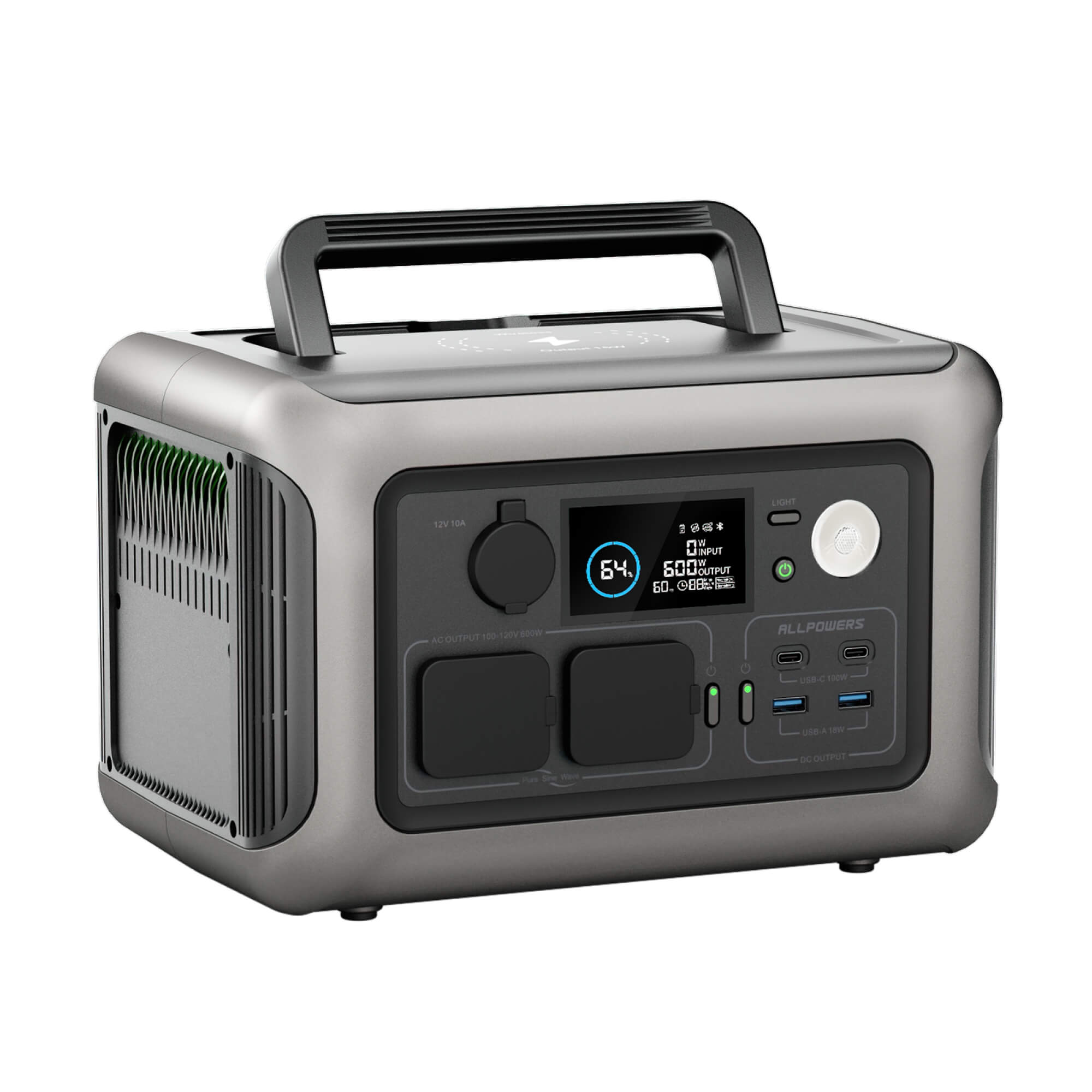
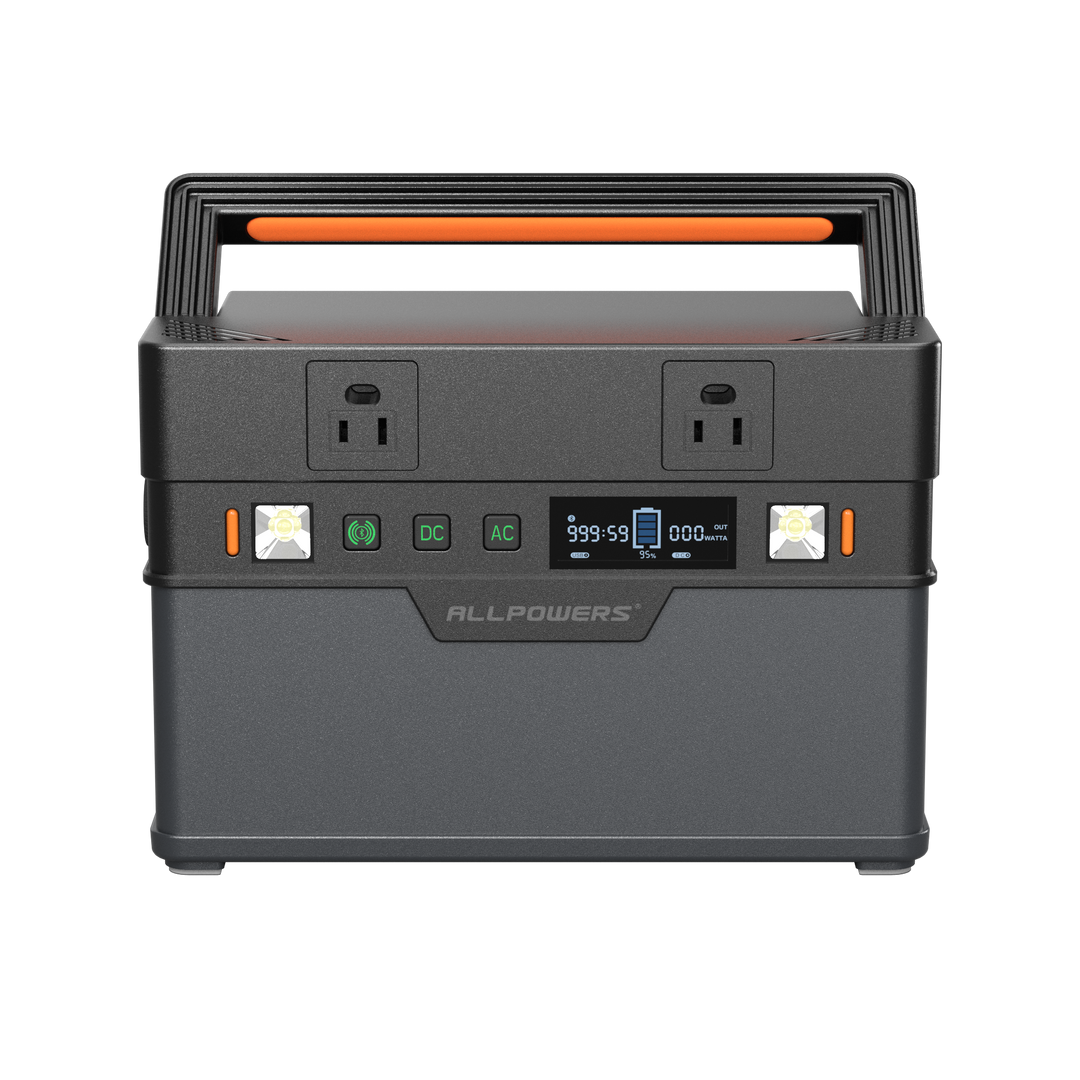

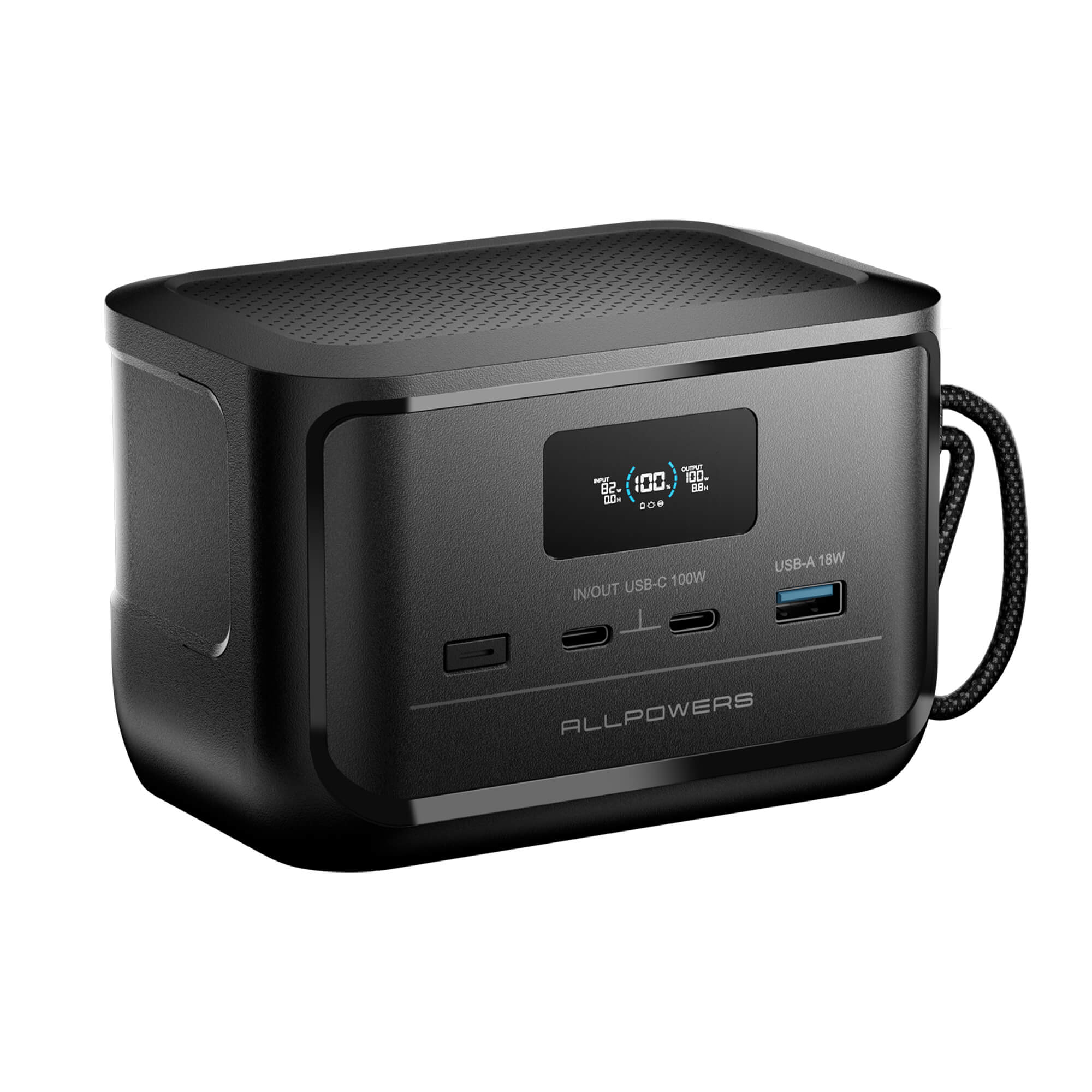

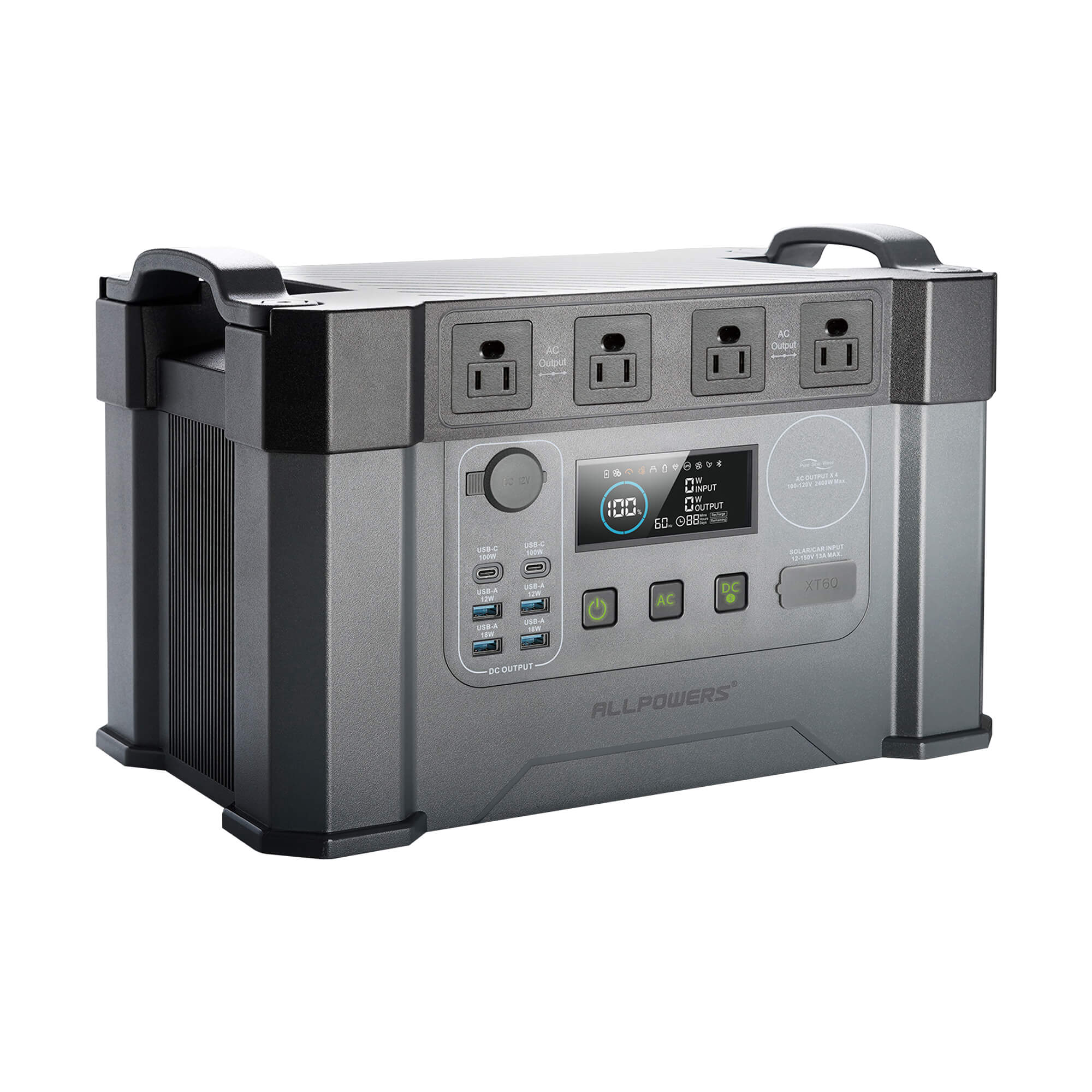





A sandwich maker, simple as it sounds, can feel like a luxury out there.
Plug it in, wait a minute, and suddenly you’ve got toasted bread, melted cheese, maybe a bit of ham crisping at the edges.
But when you’re away from wall outlets and extension cords, can a portable power station run a sandwich maker?
TL;DR
Yes, a portable power station can run a sandwich maker—if the station’s wattage output matches or exceeds the appliance’s power draw. Most sandwich makers fall between 600 and 1200 watts, so you’ll need a unit with enough continuous output and battery capacity.
How much power does a sandwich maker use
A sandwich maker doesn’t look like much. It’s compact, usually non-stick, and kind of humble compared to, say, a microwave.
But don’t let that fool you—it’s essentially a small heating appliance, and heating things takes energy. Quite a bit, actually.
Most standard sandwich makers sit somewhere between 700 watts and 1000 watts.
Some compact models lean closer to 600 watts, while larger, grill-style versions can push past 1200 watts.
A sandwich maker, interestingly, doesn’t usually have a massive startup surge like a fridge or power tool.
It’s fairly steady. That’s good news. But it still needs enough headroom.
If your sandwich maker is rated at 800W, you’ll want a power station that can comfortably deliver at least that amount—preferably with a buffer.
Running appliances right at the limit feels a bit like driving a car at redline; it works, but you don’t want to do it constantly.
How long will the sandwich maker keep coming
Let’s say your setup works. The sandwich maker turns on, the plates heat up, and you’re in business. But how long can you keep that going?
Portable power stations store energy in watt-hours (Wh), essentially how much juice they carry.
Let’s say your sandwich maker draws 800 watts and you have a 1,000 Wh battery.
Divide the storage by the appliance draw—1,000 ÷ 800 gives roughly 1.25 hours.
A sandwich maker doesn’t run continuously for long periods, though.
You usually heat it up for a few minutes, toast your sandwich, then unplug or let it cool. That works in your favor.
In real use, a 500Wh unit might make several sandwiches before needing a recharge.
A 1000Wh unit? You’re probably set for a weekend of casual cooking.
There’s a small catch—energy loss during conversion. AC outlets on power stations aren’t perfectly efficient.
You might lose 10–15% along the way. Not huge, but worth keeping in mind.
Choosing the right power station size for cooking tasks
If your goal includes running a sandwich maker regularly, you’ll want to think beyond the smallest entry-level units.
A compact 300Wh power station might technically handle a low-wattage sandwich maker, but it’ll feel tight—like trying to stretch a single cup of coffee across an entire morning.
A mid-range unit, somewhere between 500Wh and 1,000Wh, feels more comfortable. It gives you breathing room.
You can cook, charge a phone, maybe run a light or two without constantly checking the battery percentage.
And if you’re building a more robust setup—say, for extended camping or van life—you might even consider going higher.
Not because you need it for the sandwich maker alone, but because cooking tends to anchor your energy use.

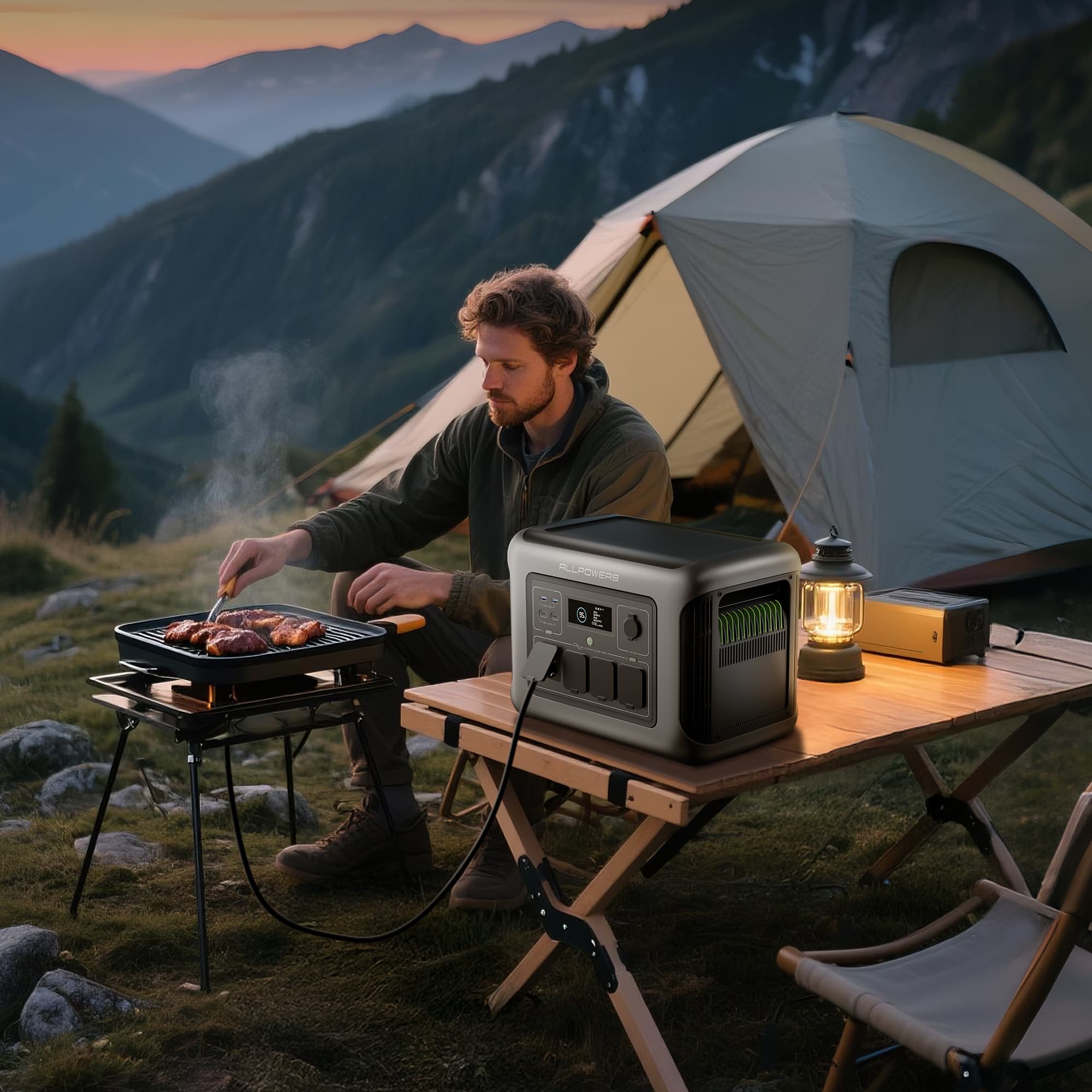
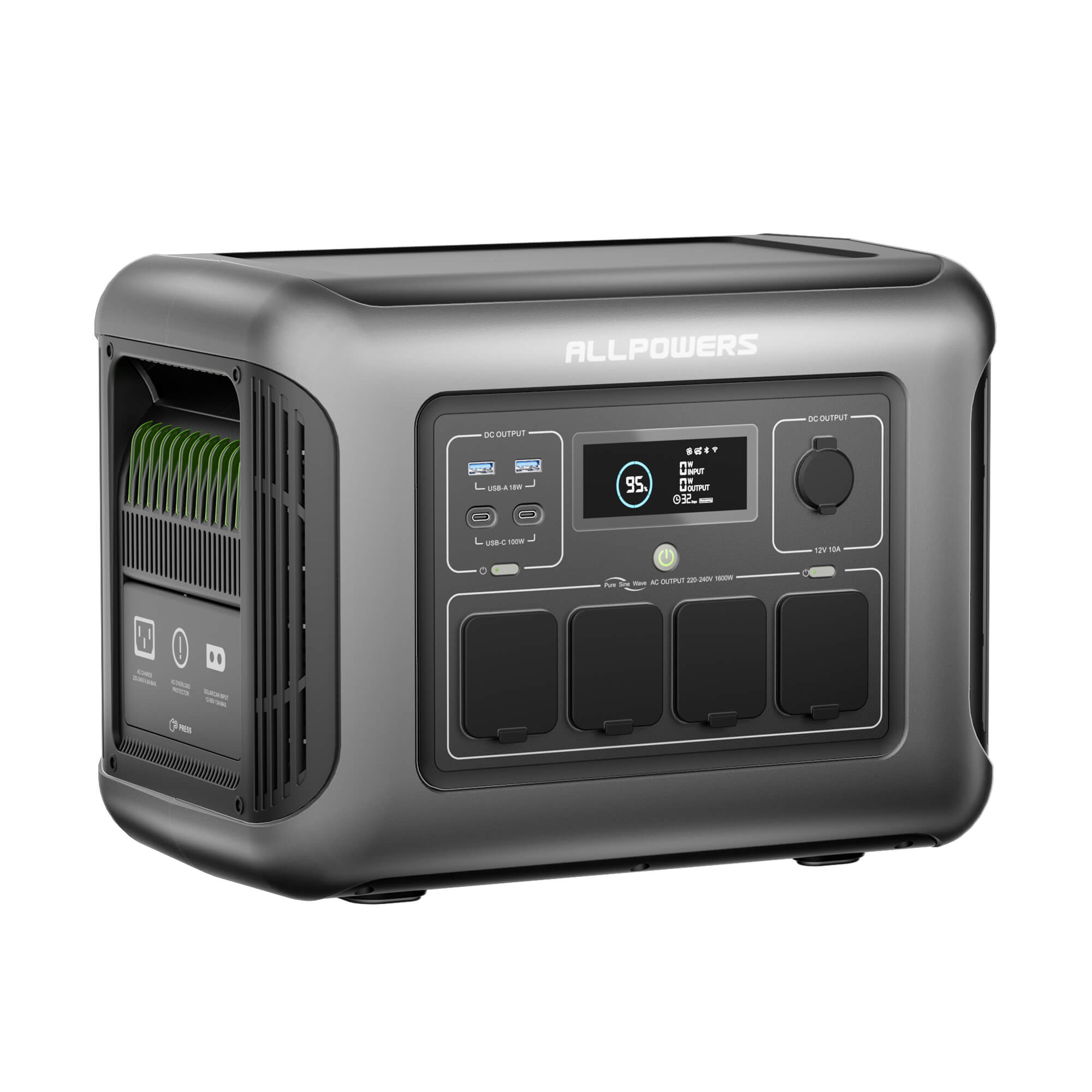
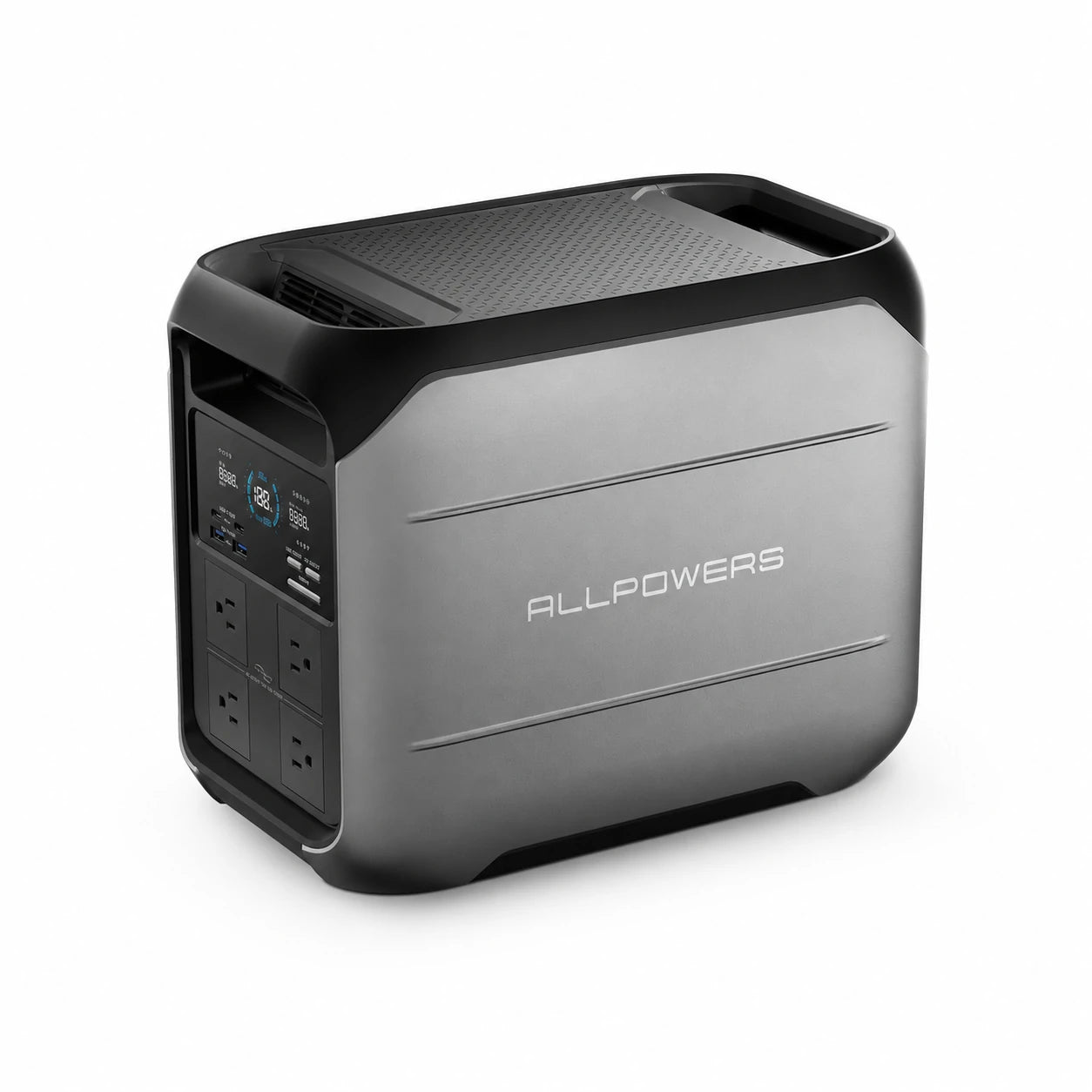
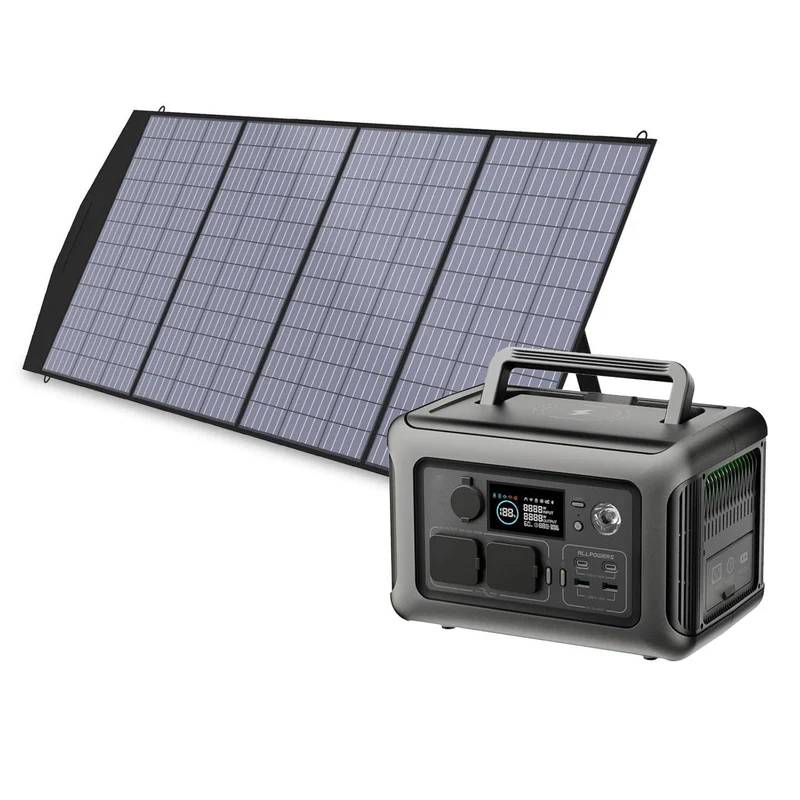
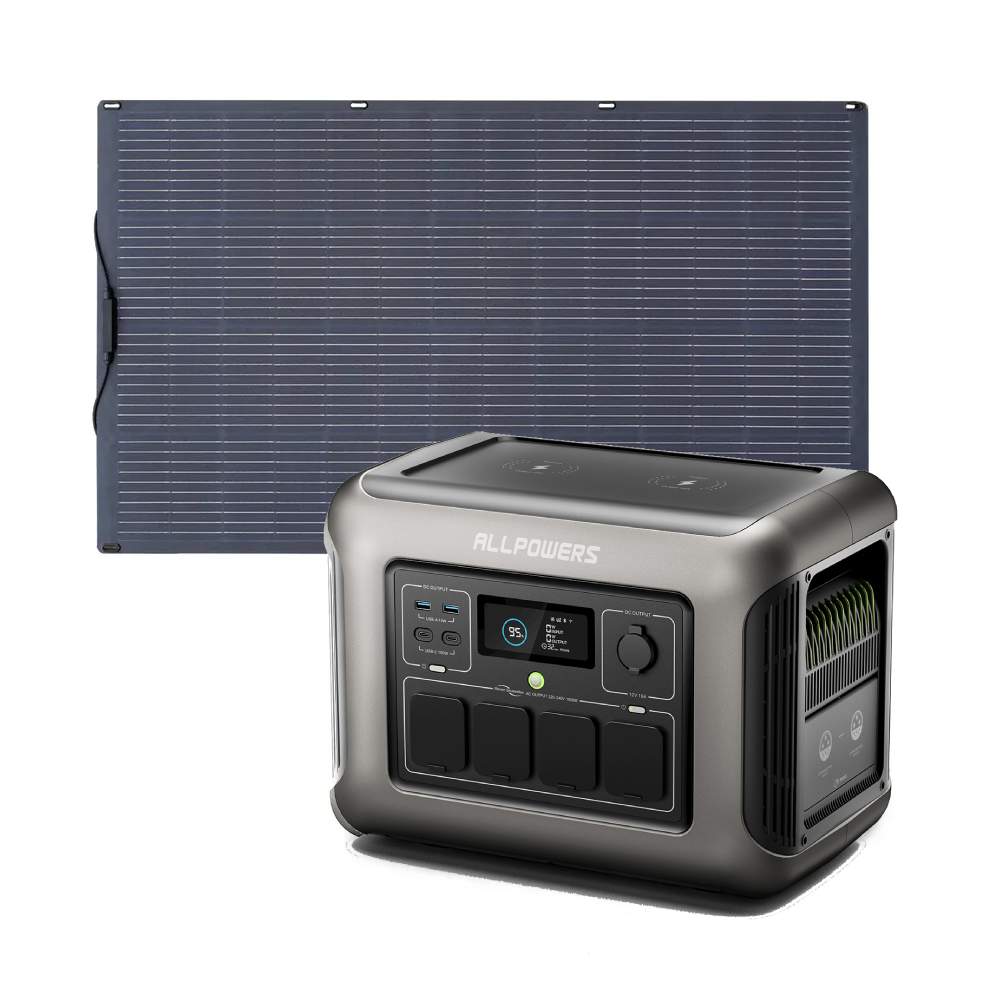
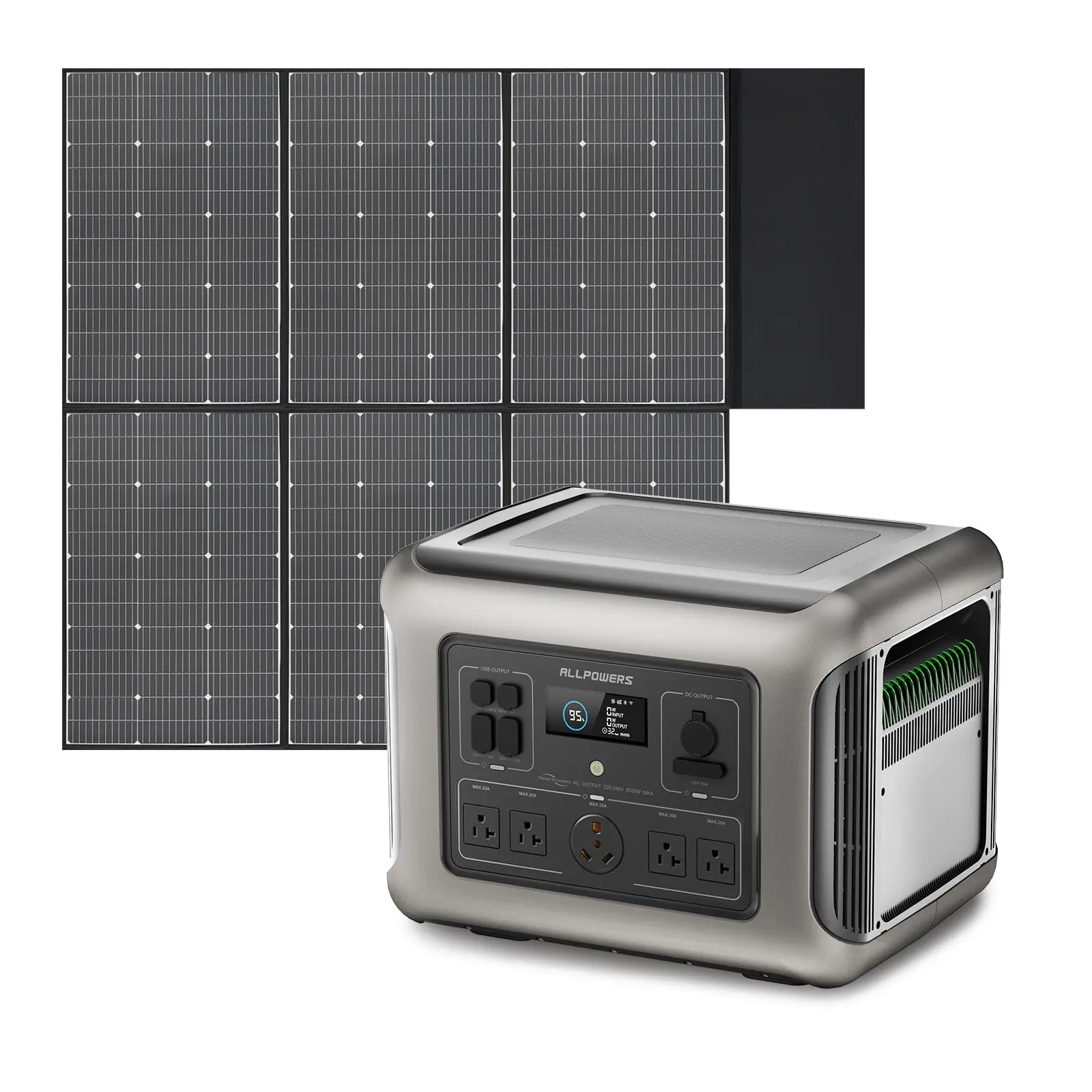
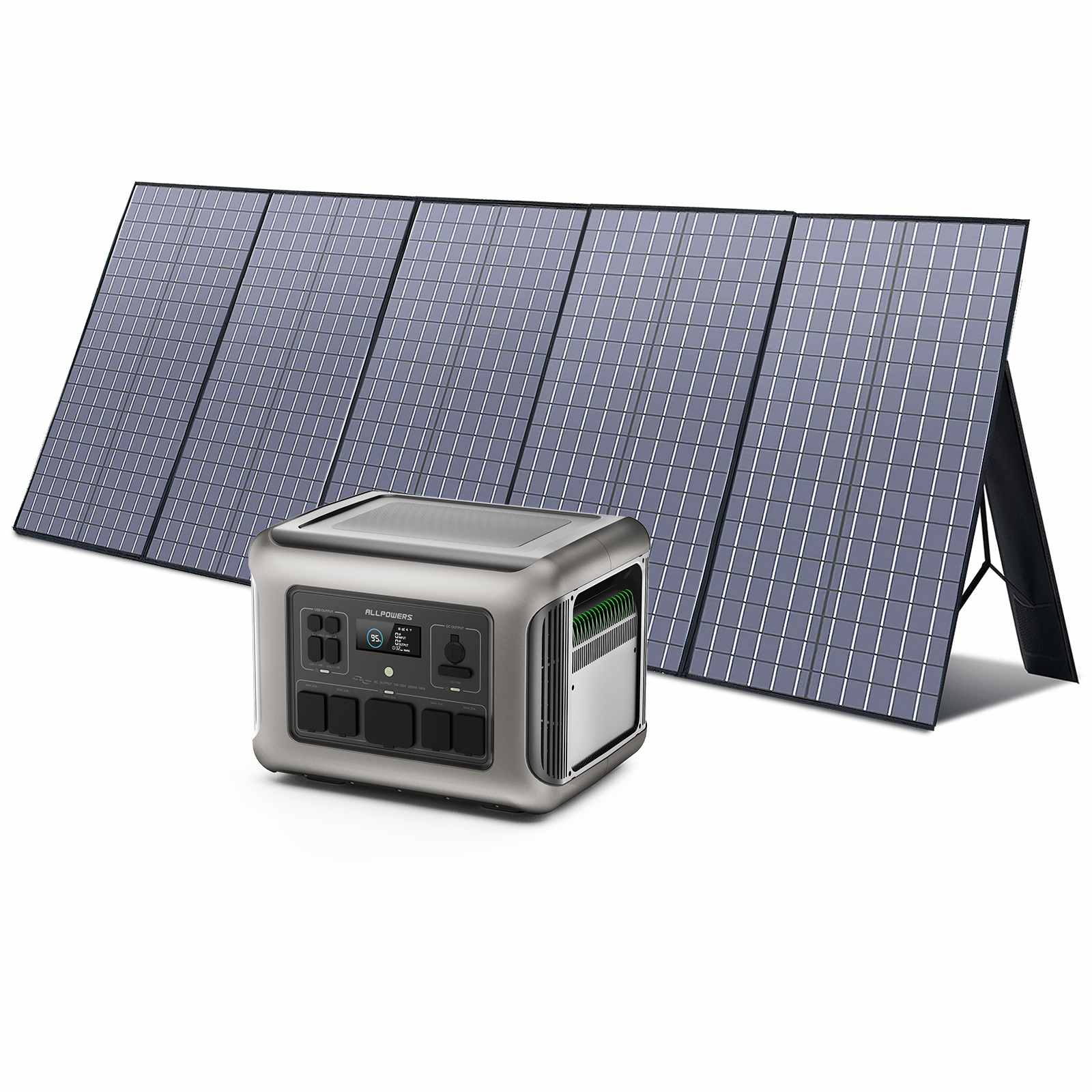
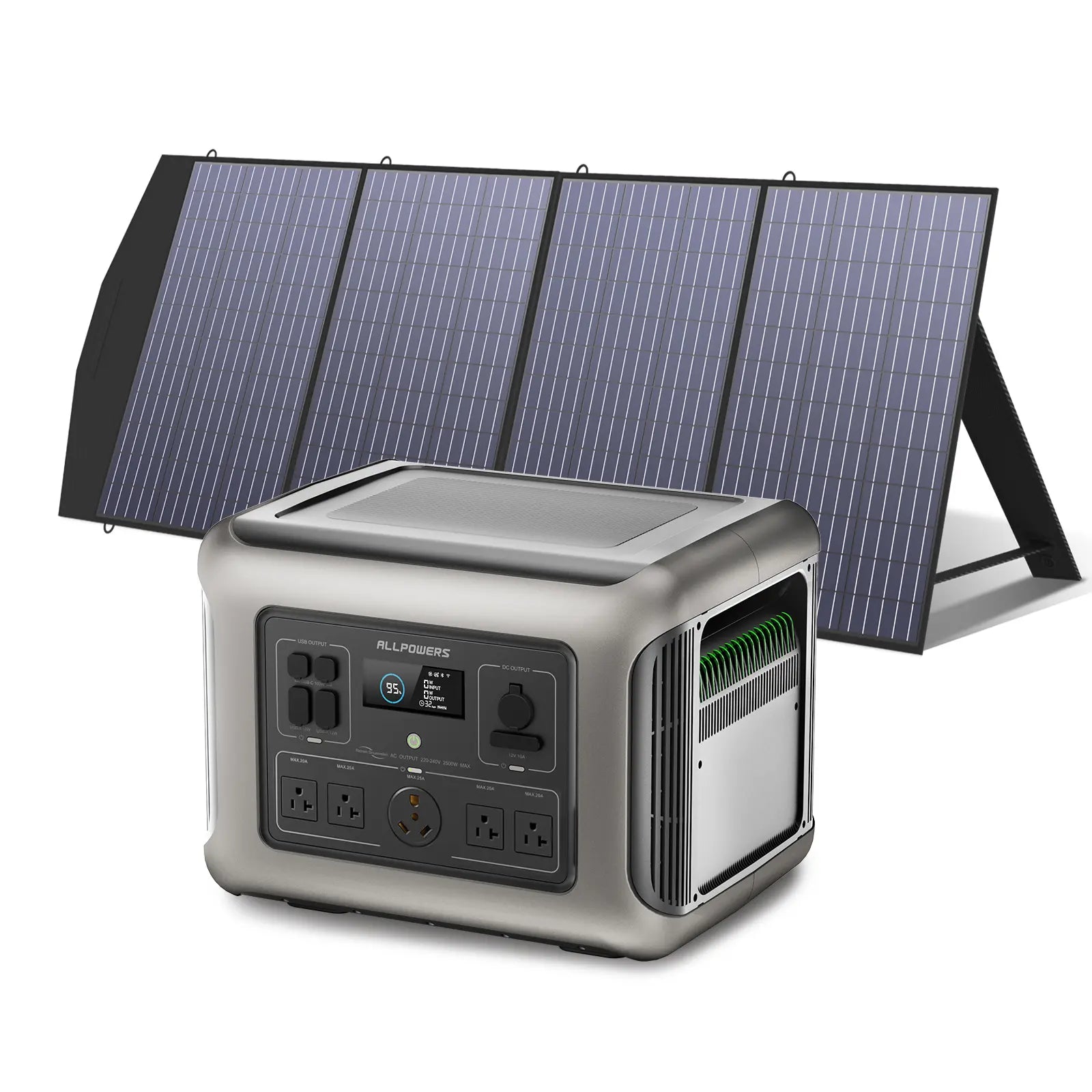
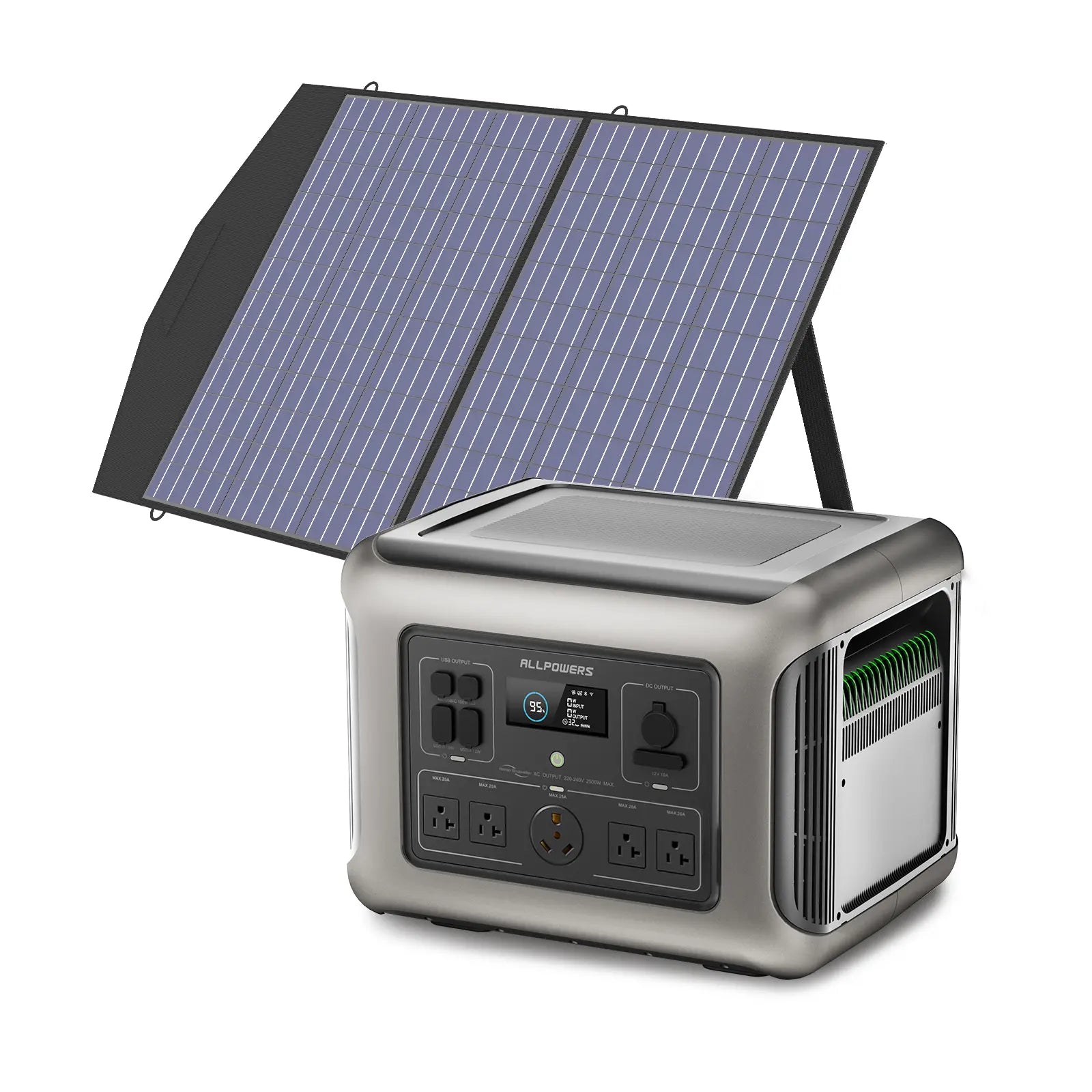
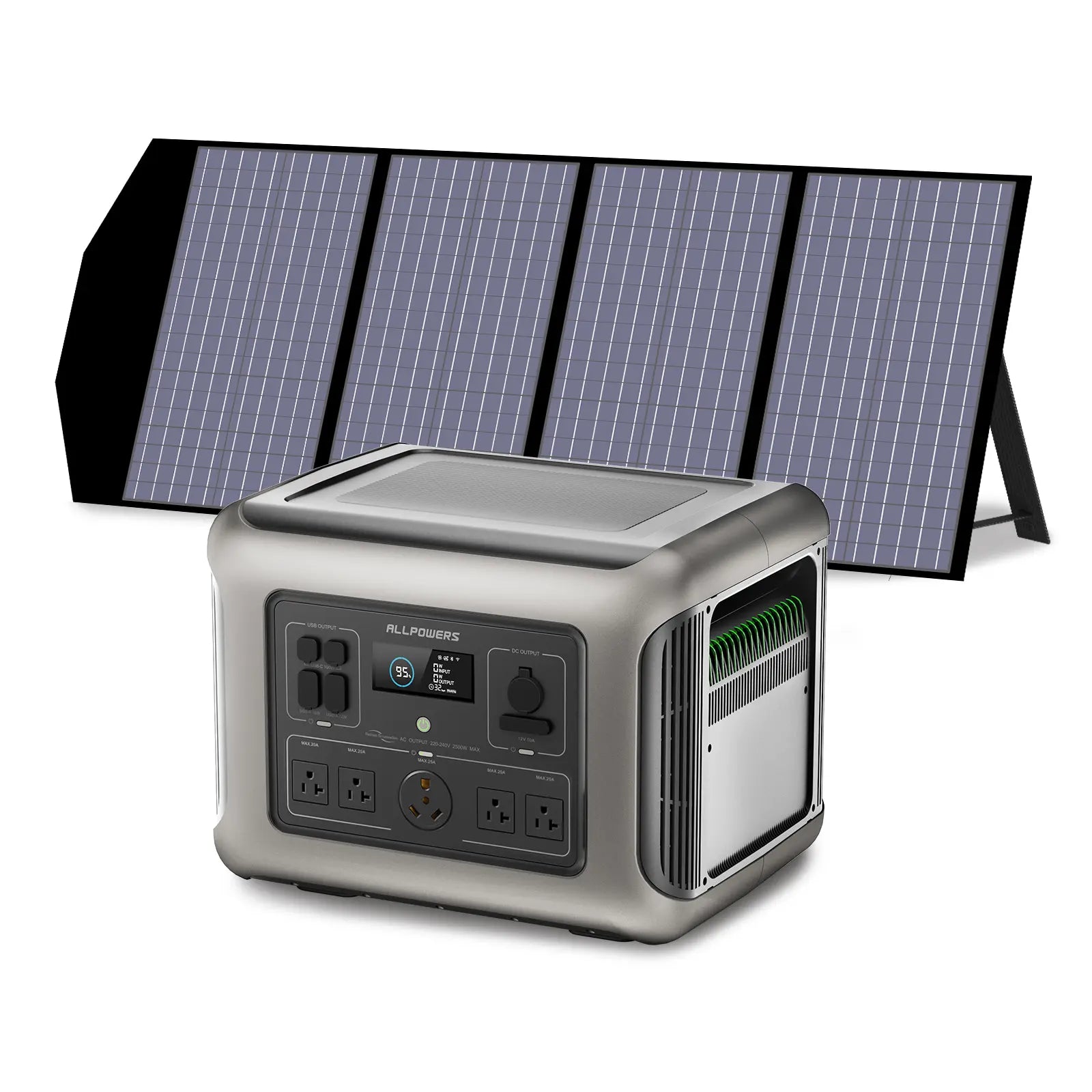
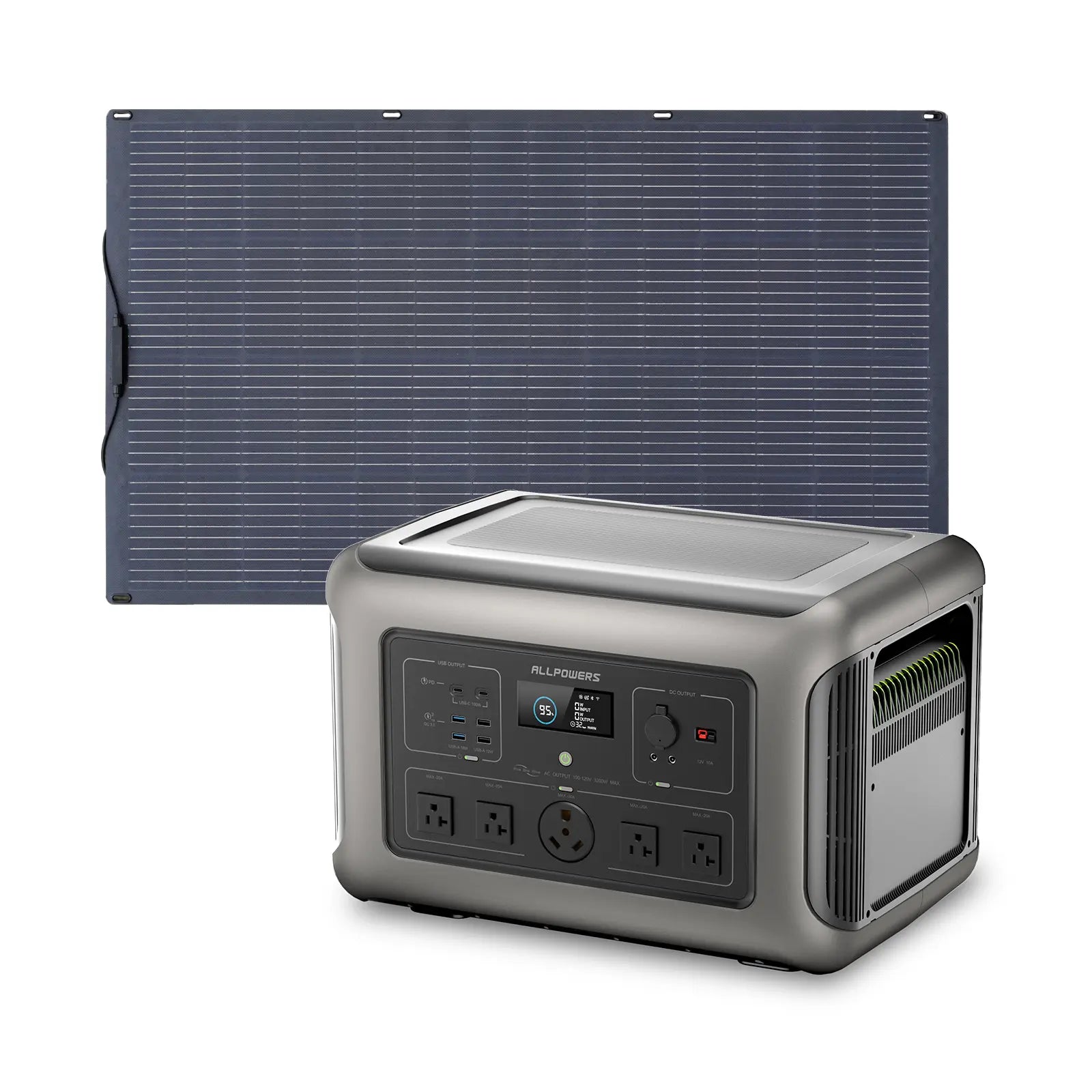
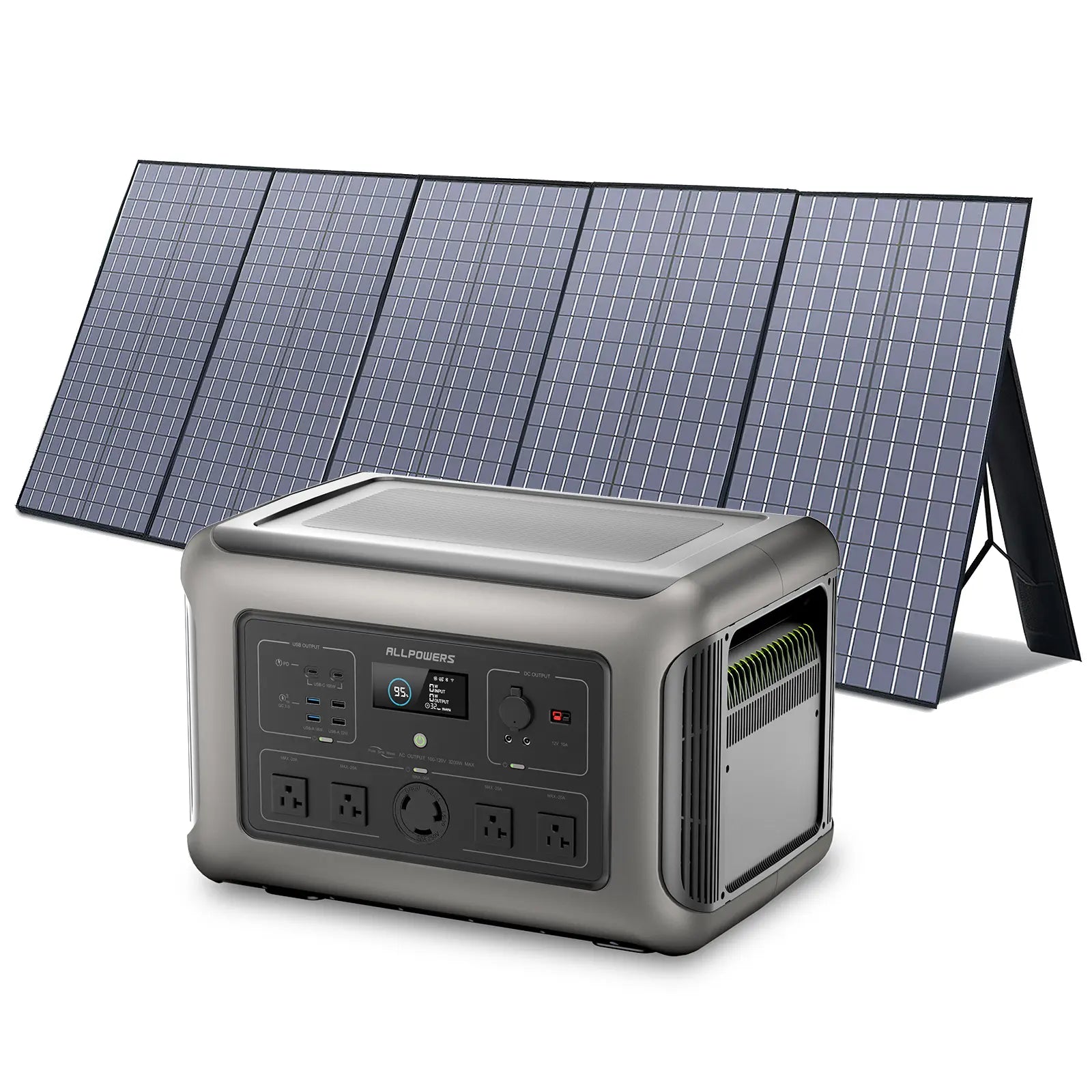
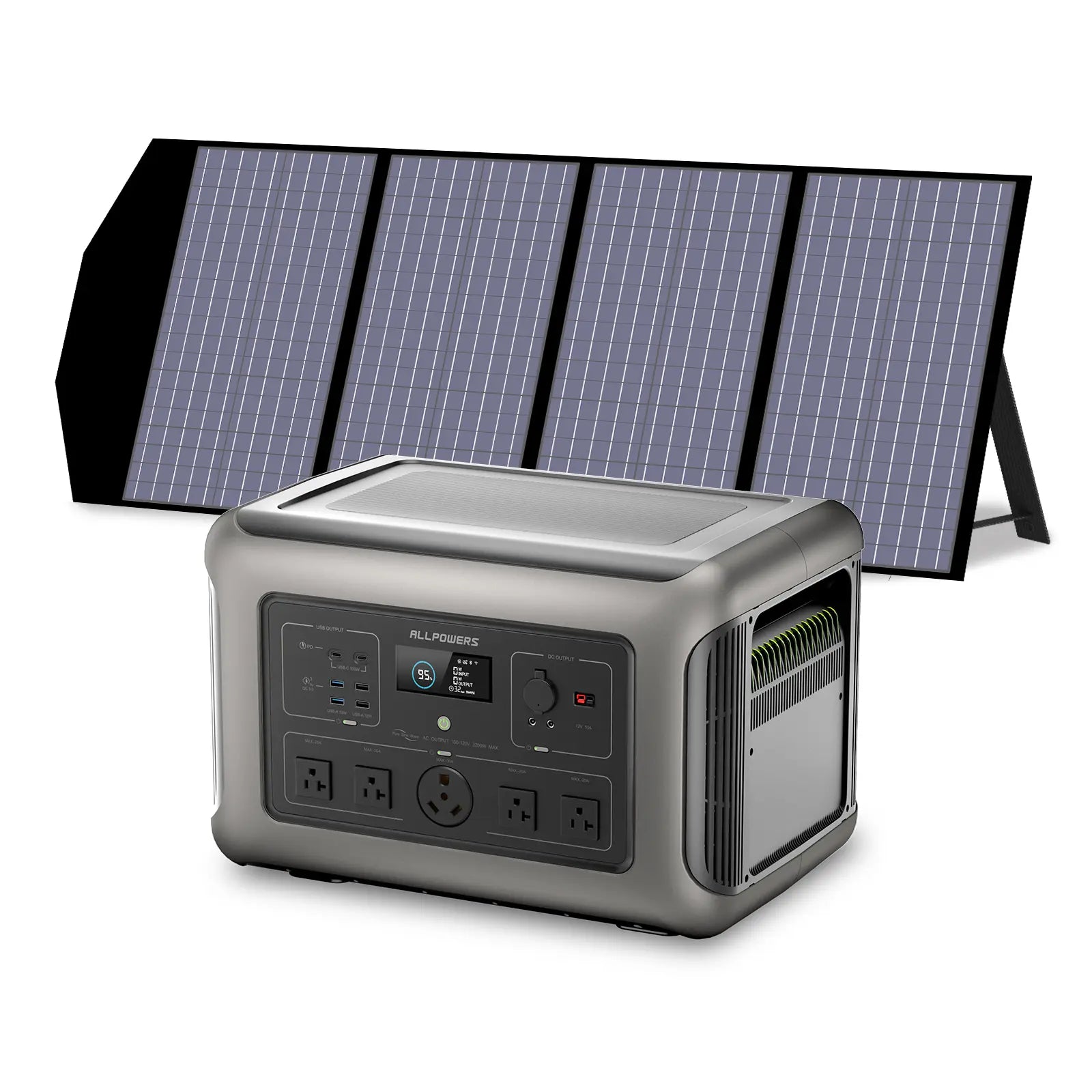
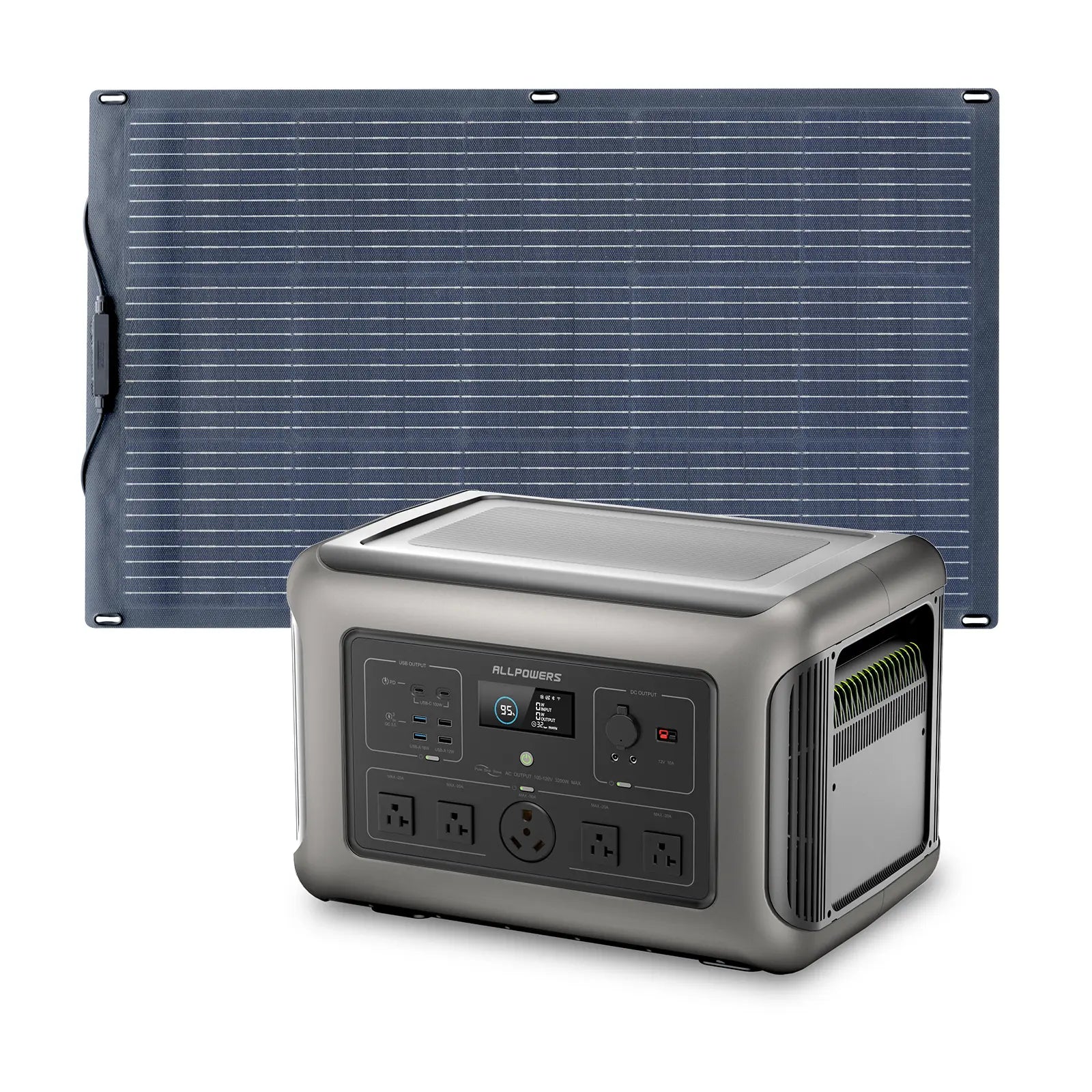
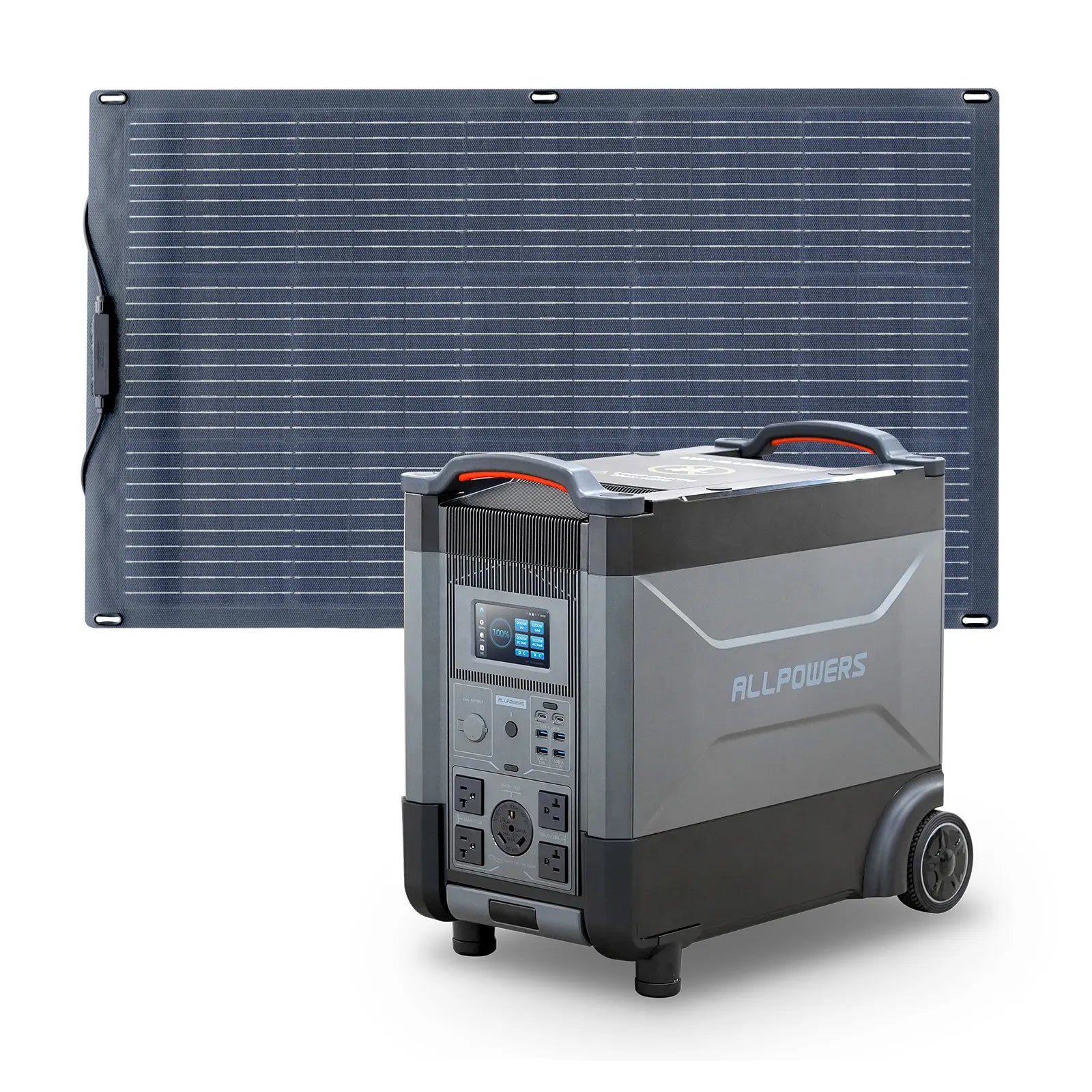
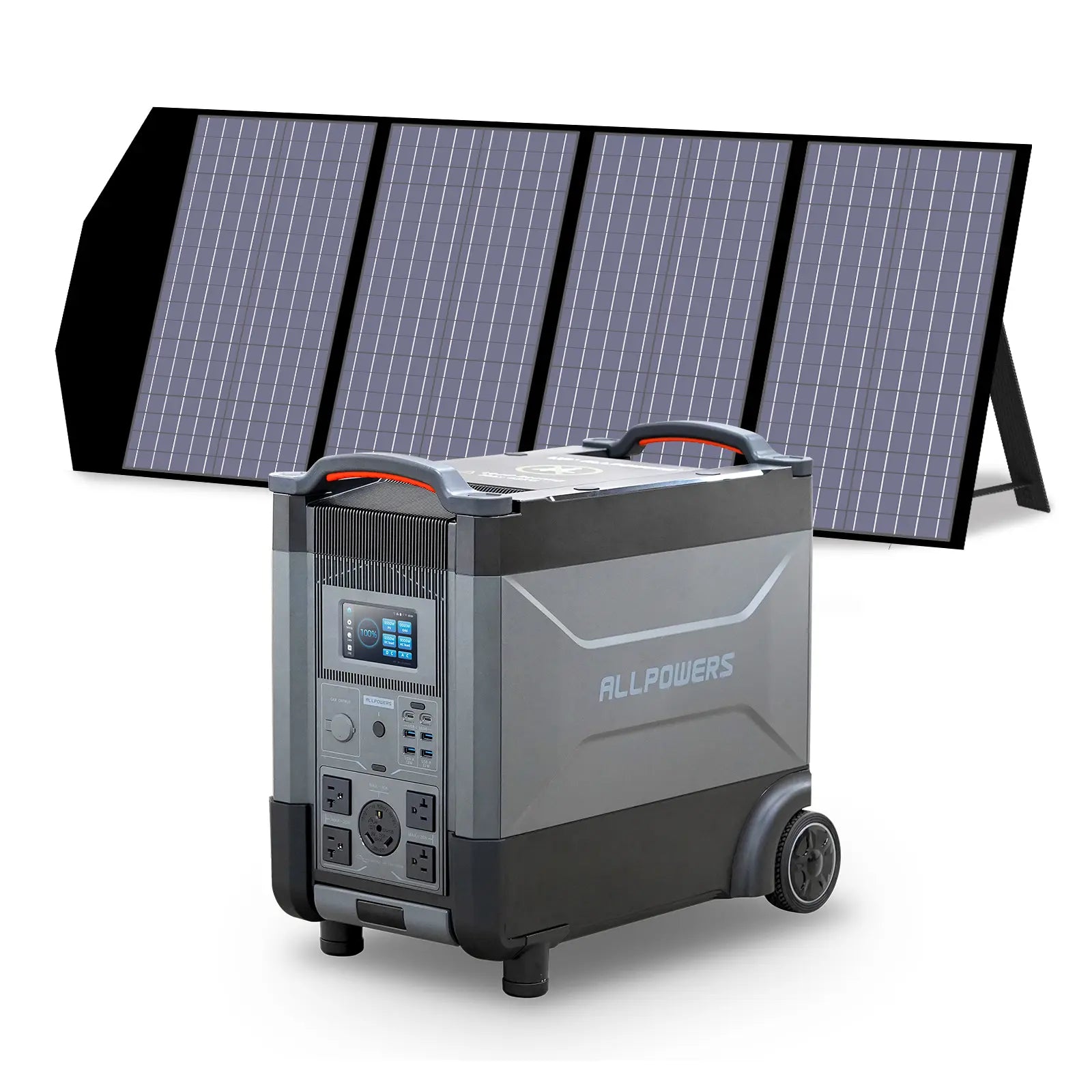
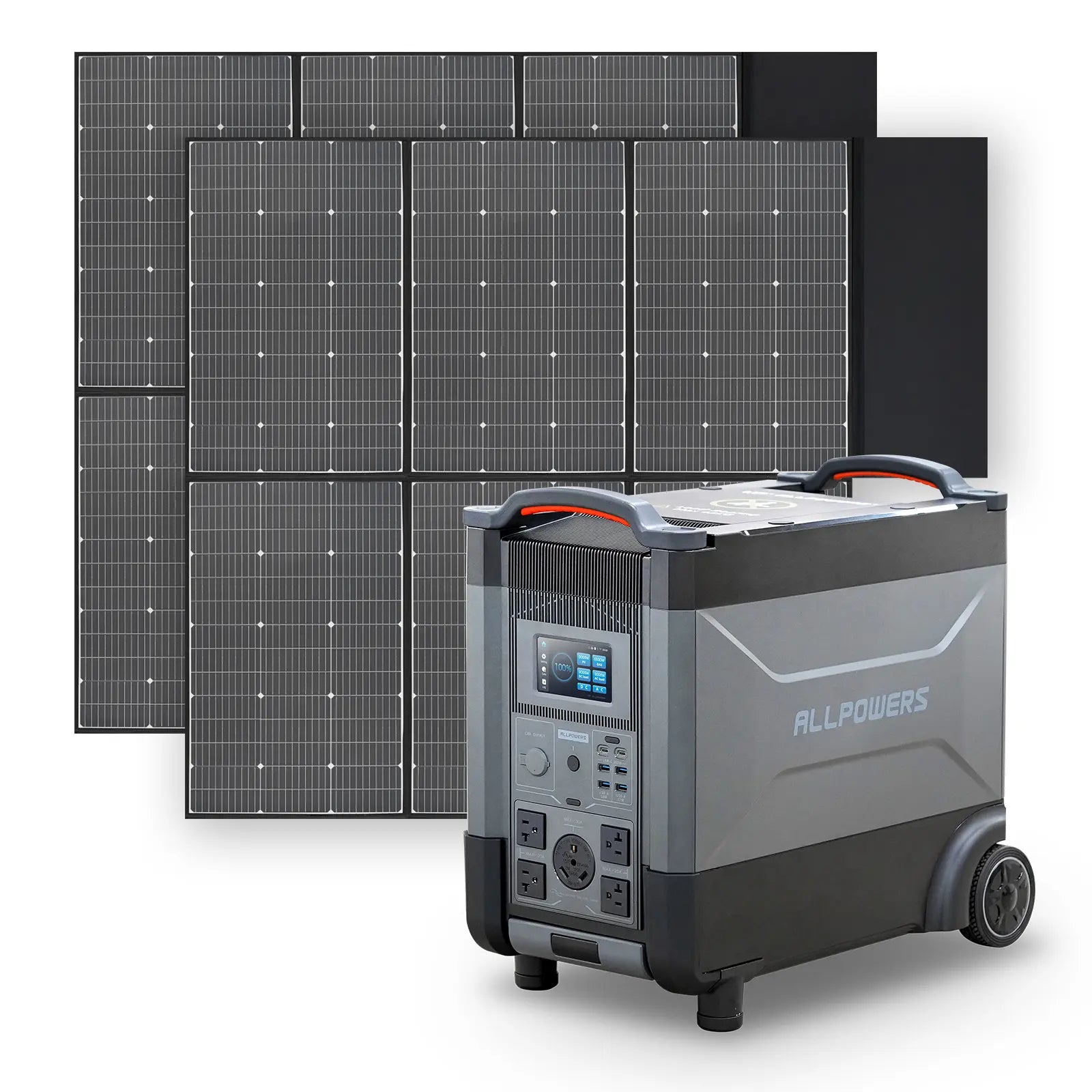
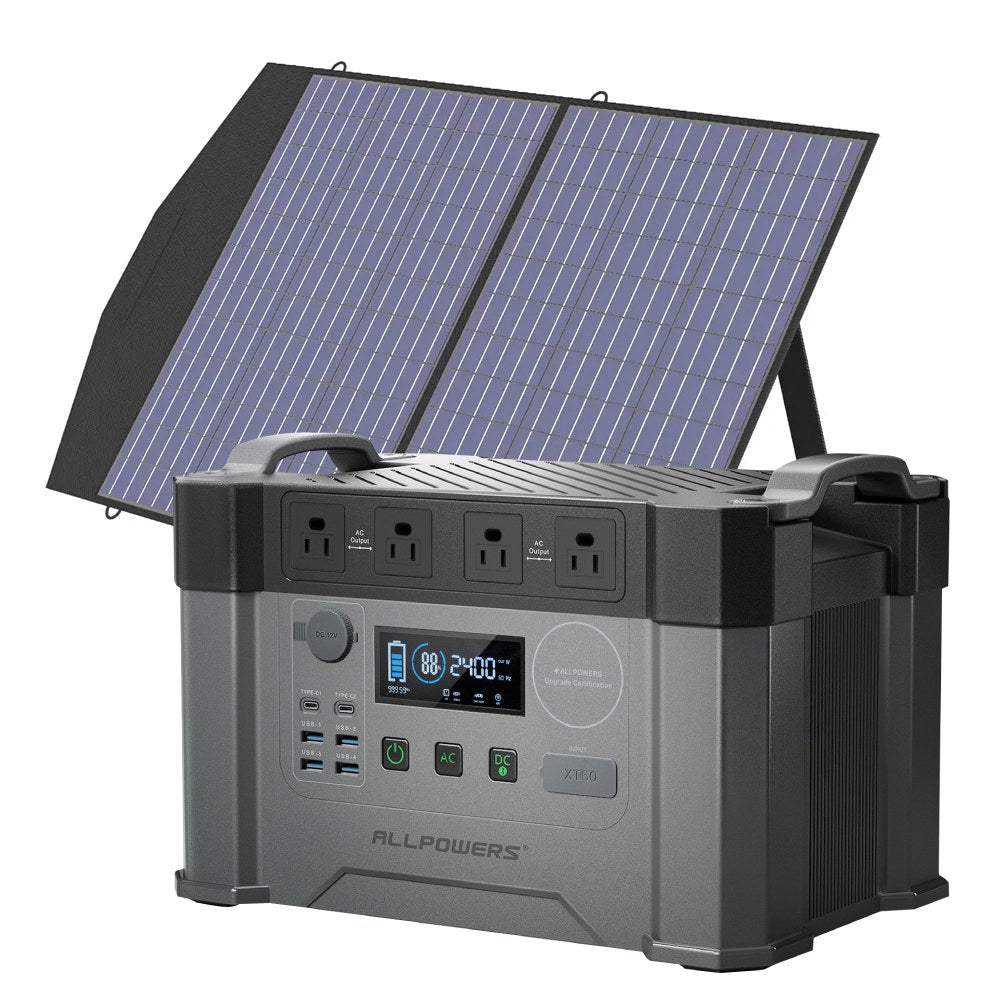
ALLPOWERS R1500 Lite Portable Power Station
$378.00 $799.00
- 1056Wh Capacity;
- 1600W AC Output (3000W Surge);
- 650W Solar Fast Charging;
- 10 Ports Charge All Needs Simultaneously;
- 15ms Uninterruptible Home Backup UPS;
Weather and environment quietly influence performance
Outdoors, conditions matter. A lot more than they do in your kitchen.
Cold weather, for instance, reduces battery efficiency. If you’re camping in early spring or late fall, your power station might deliver less energy than expected.
Wind can cool your sandwich maker faster, making it work harder to maintain temperature. And if you’re cooking at higher elevations—think mountain campsites—the air pressure and temperature shifts can subtly affect cooking times.
Individually, these factors seem minor. Together, they add up.
So if you’re planning to rely on a portable power station for cooking, it’s worth factoring in a little buffer. Not a huge one—just enough to stay on the safe side.
Practical tips for smoother operation
Start with a fully charged power station. It sounds basic, but partial charges can lead to inconsistent performance.
Preheat the sandwich maker efficiently—don’t leave it on longer than needed. Once it’s hot, it does its job quickly.
Use fresh bread and simple fillings. The faster the cooking process, the less energy you use.
And maybe—just maybe—plan your meals around your energy budget. It sounds a bit technical, but it becomes second nature.
Conclusion
So, can a portable power station run a sandwich maker? Yes. In many cases, quite easily.
If your power station has enough inverter capacity—and sufficient battery capacity for your cooking needs, then you’re in good shape.
It sounds simple when you say it like that, but the details matter. Wattage, surge, efficiency, temperature—they all play a role.