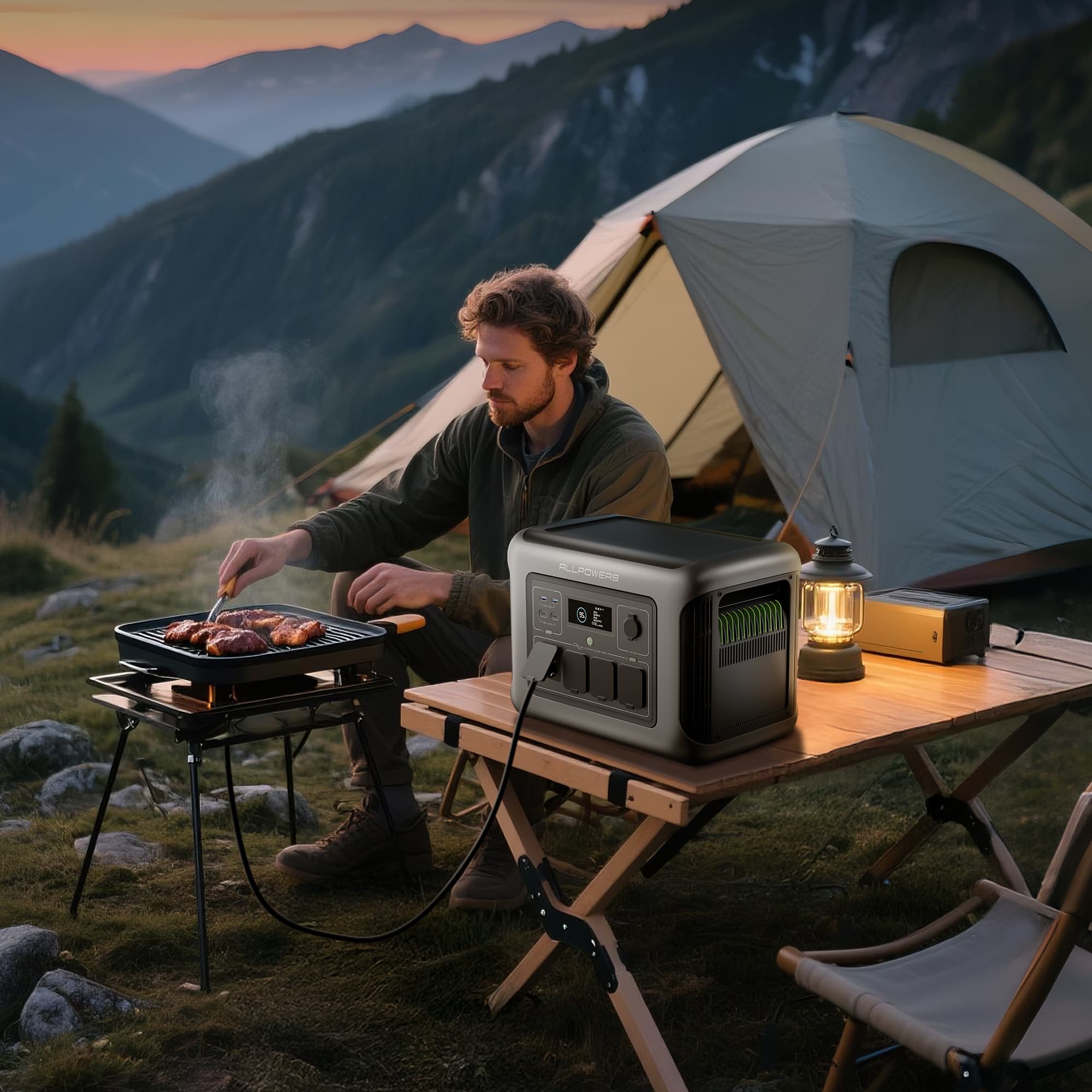










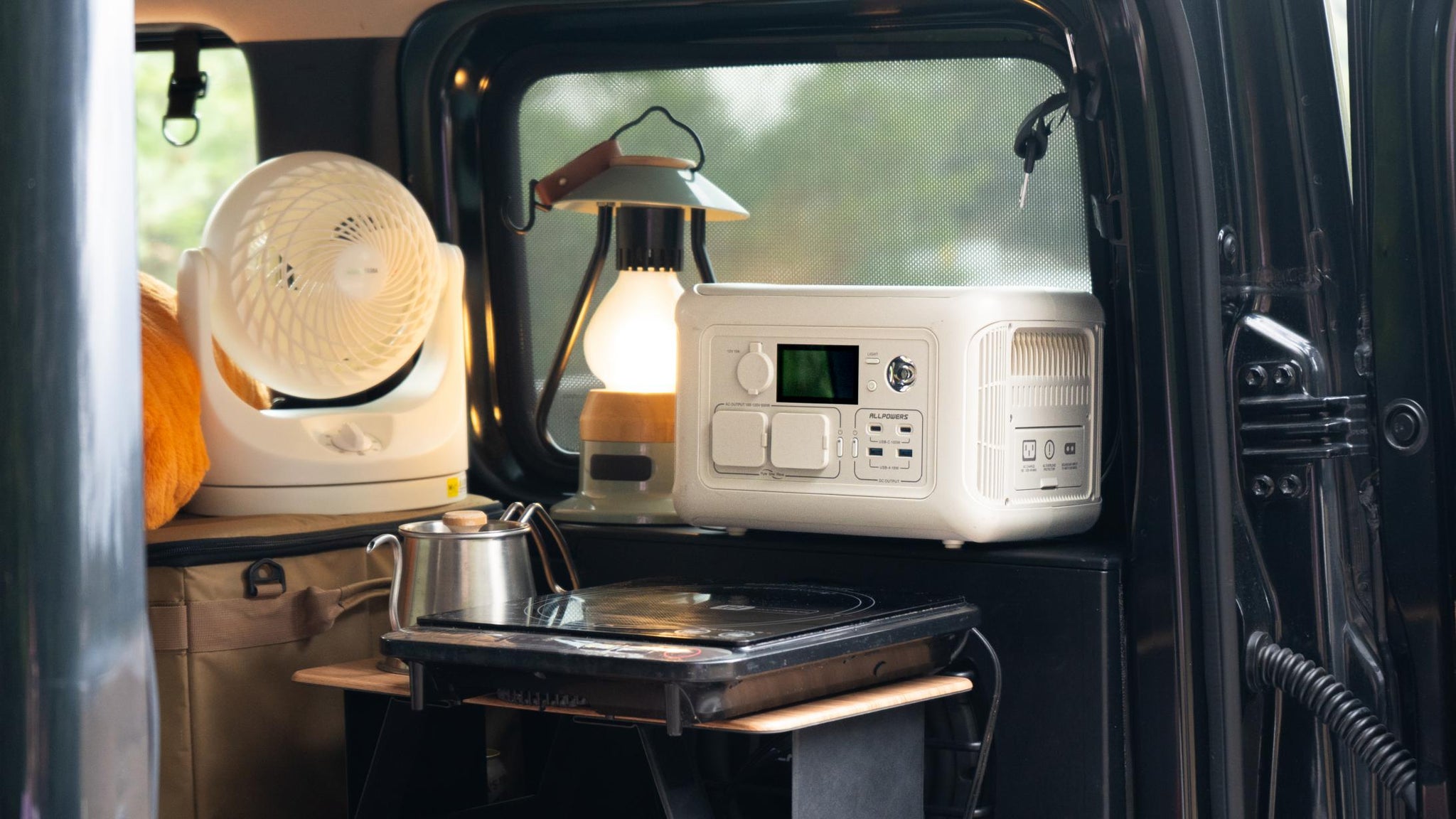
When it comes to cooking on the road or in a cabin, nothing screams convenience quite like an induction cooktop.
The appeal is obvious. They heat fast, waste less energy, and don’t pump out flames or fumes.
But here’s the catch: induction cooktops are notoriously power-hungry.
While portable power stations promise to cut the cord, can they actually handle that kind of appliance?
TL;DR
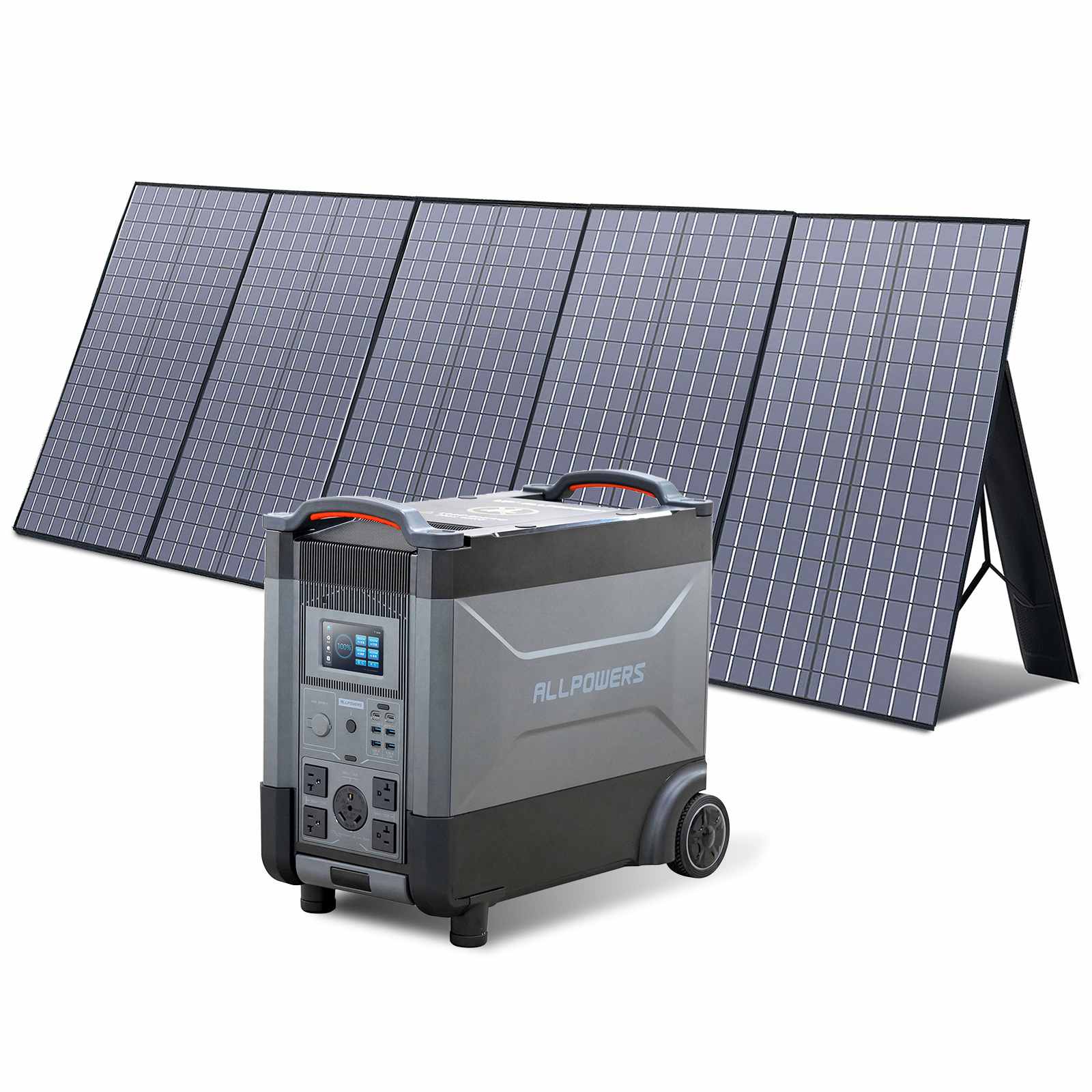
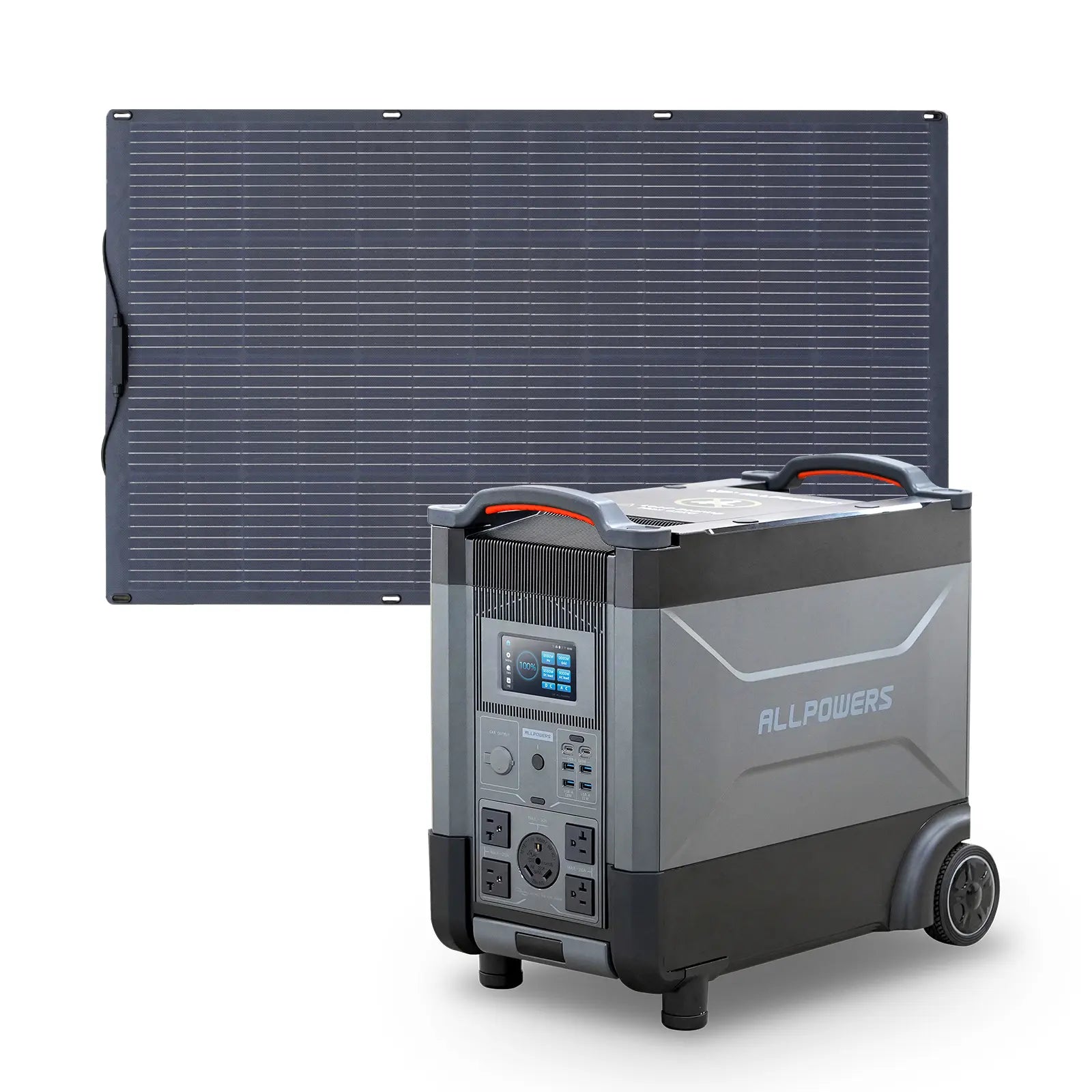
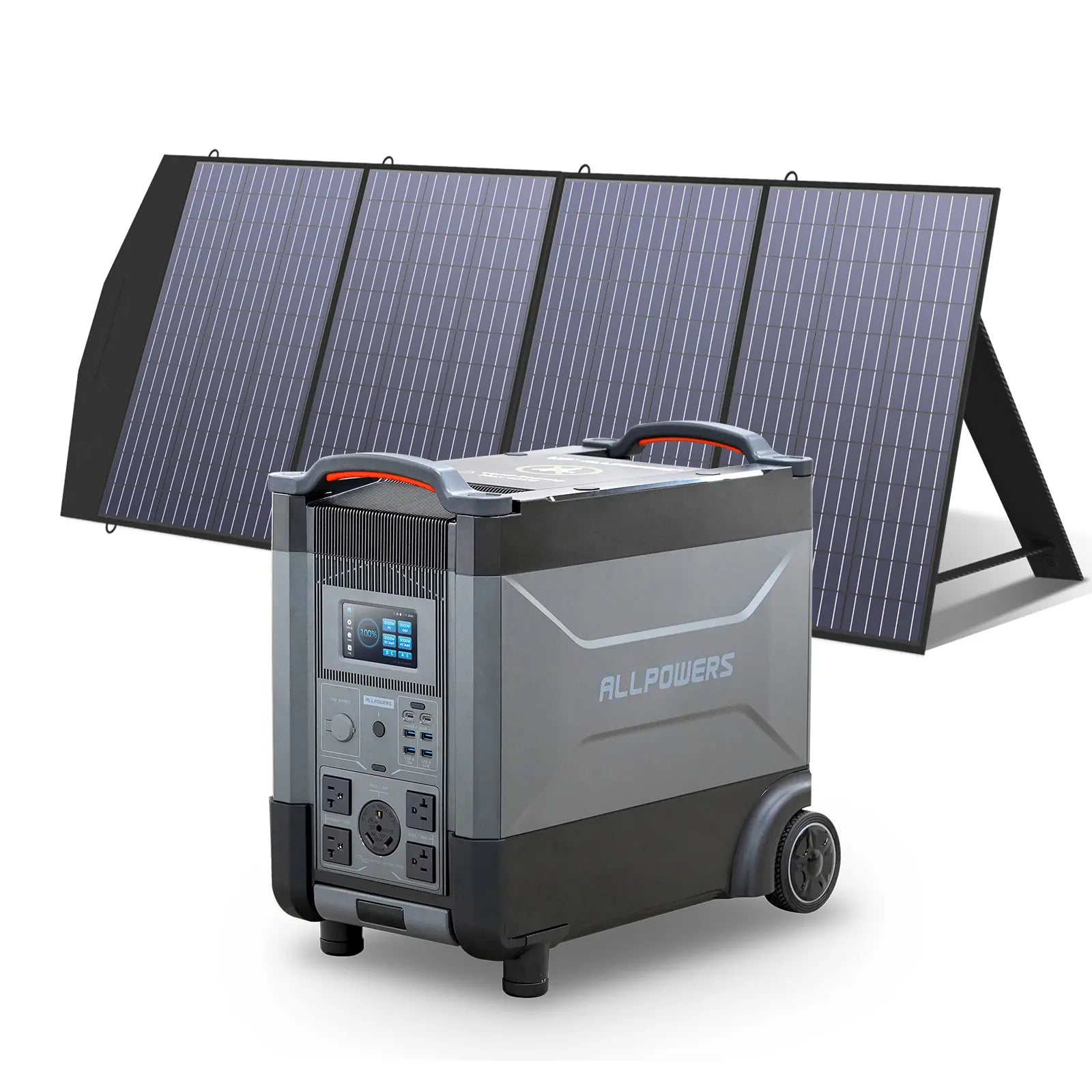
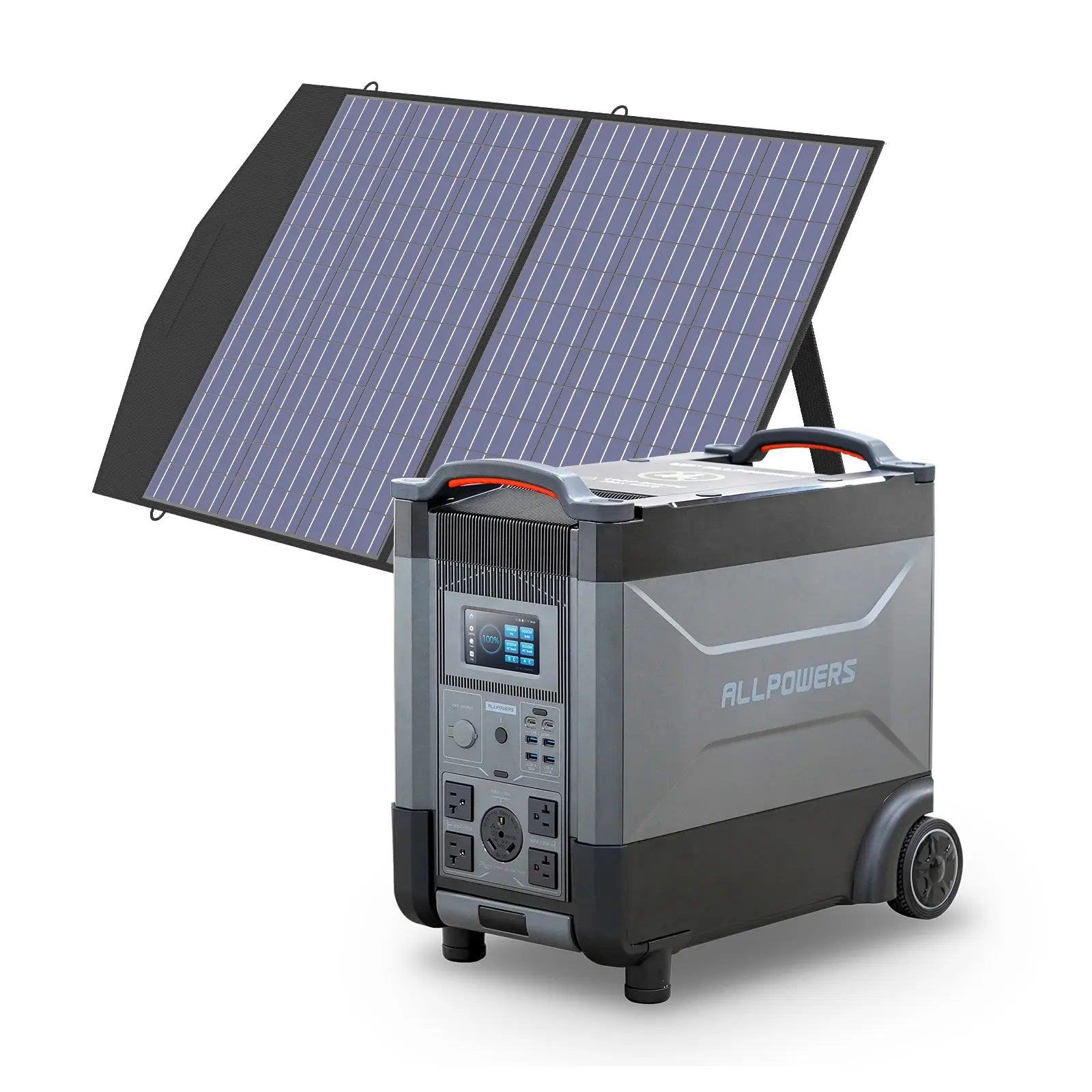
Yes, a portable power station can run an induction cooktop, but only if the power station has enough output capacity and sufficient battery energy to handle how induction cooking really works.
How Many Watts to Run an Electric Griddle?
Induction cooktops don’t behave like old-school electric hot plates. There’s no glowing coil, no slow ramp-up.
They heat pots directly via magnetic induction rather than heating the element first, which makes them faster, safer, and more energy-efficient.
That efficiency is real. It’s also why people assume induction must be “low power.”
But here’s the thing: Efficiency doesn’t mean modest demand.
Even a small single-burner unit can sip 1,200 to 1,800 watts, while full-sized double burners often push past 3,000 watts during peak use.
What people don’t always realize is that induction cooktops tend to pull close to their maximum rating when heating at full blast.
There’s no gentle ramp-up like with some resistive appliances. When you crank it up, it asks for power right now.
| Meal/Task | Heat Setting | Avg. Power Draw (Watts) | Time (Minutes) | Battery Used (Wh) |
| Boiling 1L Water | High/Boost | 1,800W | 4-5 min | ~150Wh |
| Frying 4 Eggs | Medium | 800W | 6 min | ~80Wh |
| Searing a Ribeye | High | 1,500W | 8-10 min | ~250Wh |
| Simmering Chili | Low | 400W | 30 min | ~200Wh |
| Making Pancakes | Med-Low | 600W | 15 min | ~150Wh |
What Makes a Portable Power Station Suitable for This Task?
For a portable power station to run an induction cooktop, its continuous AC output must meet or exceed the cooktop’s maximum working draw.
If the cooktop wants 1,500 watts and the power station can only supply 1,000 watts continuously, it doesn’t matter how big the battery is.
The system will shut down, beep angrily, or refuse to start. This is why entry-level power stations often struggle here.
They’re fantastic for phones, lights, cameras, and even laptops. Cooking appliances live in a different league.
Once you cross the 1,200 to 2,000-watt continuous output range, the conversation changes. Suddenly, induction cooking becomes realistic.
There’s a mild contradiction worth mentioning. Some people report running a 1,500-watt induction cooktop on a 1,200-watt power station.
They aren’t lying. They’re just cooking gently, never pushing the cooktop to full power. It works until it doesn’t.
Of course, surge ratings help, but only to a point. Induction cooktops don’t have massive startup surges like refrigerators or power tools, yet they do spike briefly when changing power levels.
A power station with a healthy surge buffer handles those moments without complaint.
One without it shuts down at the worst possible time—usually right when the pasta water is about to boil.

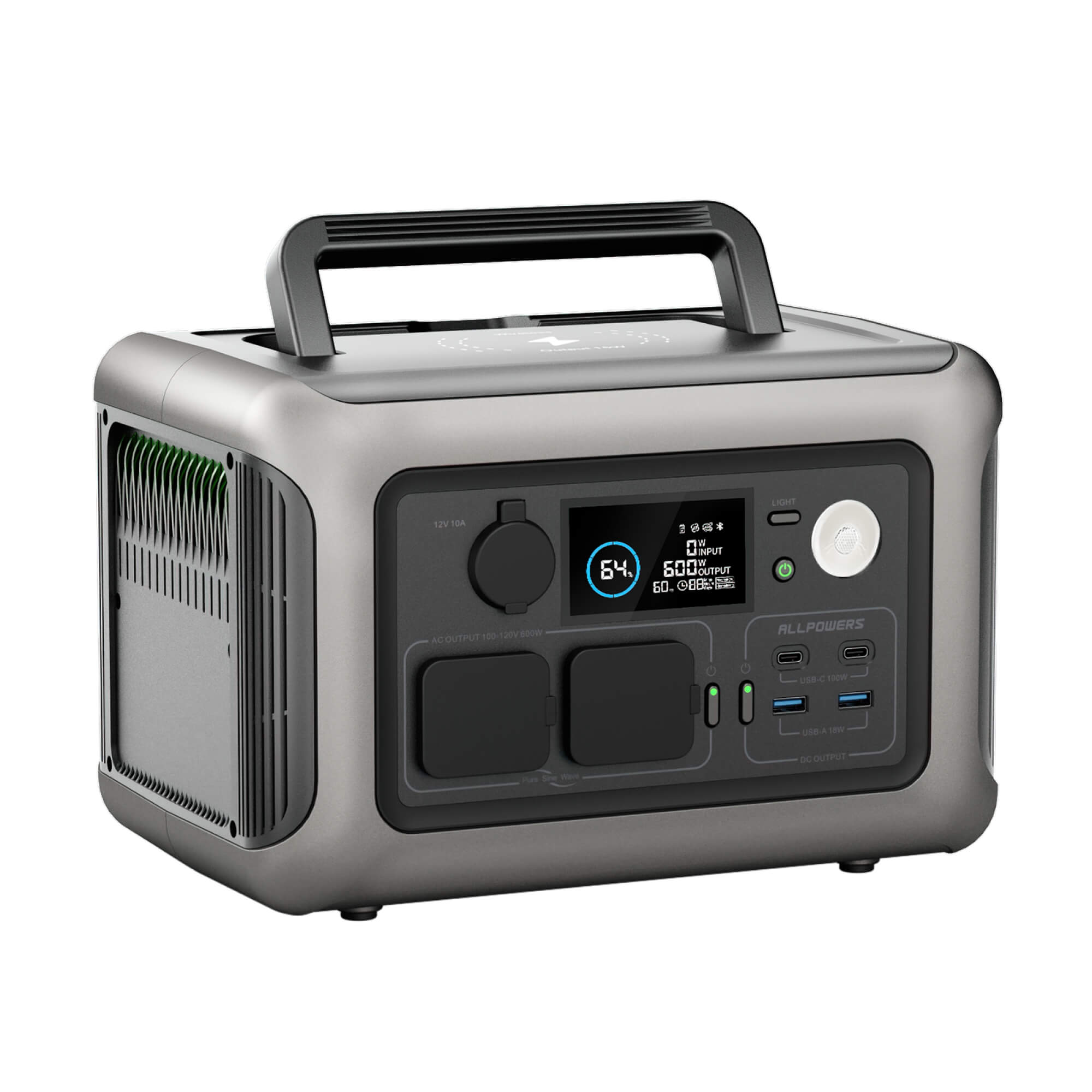
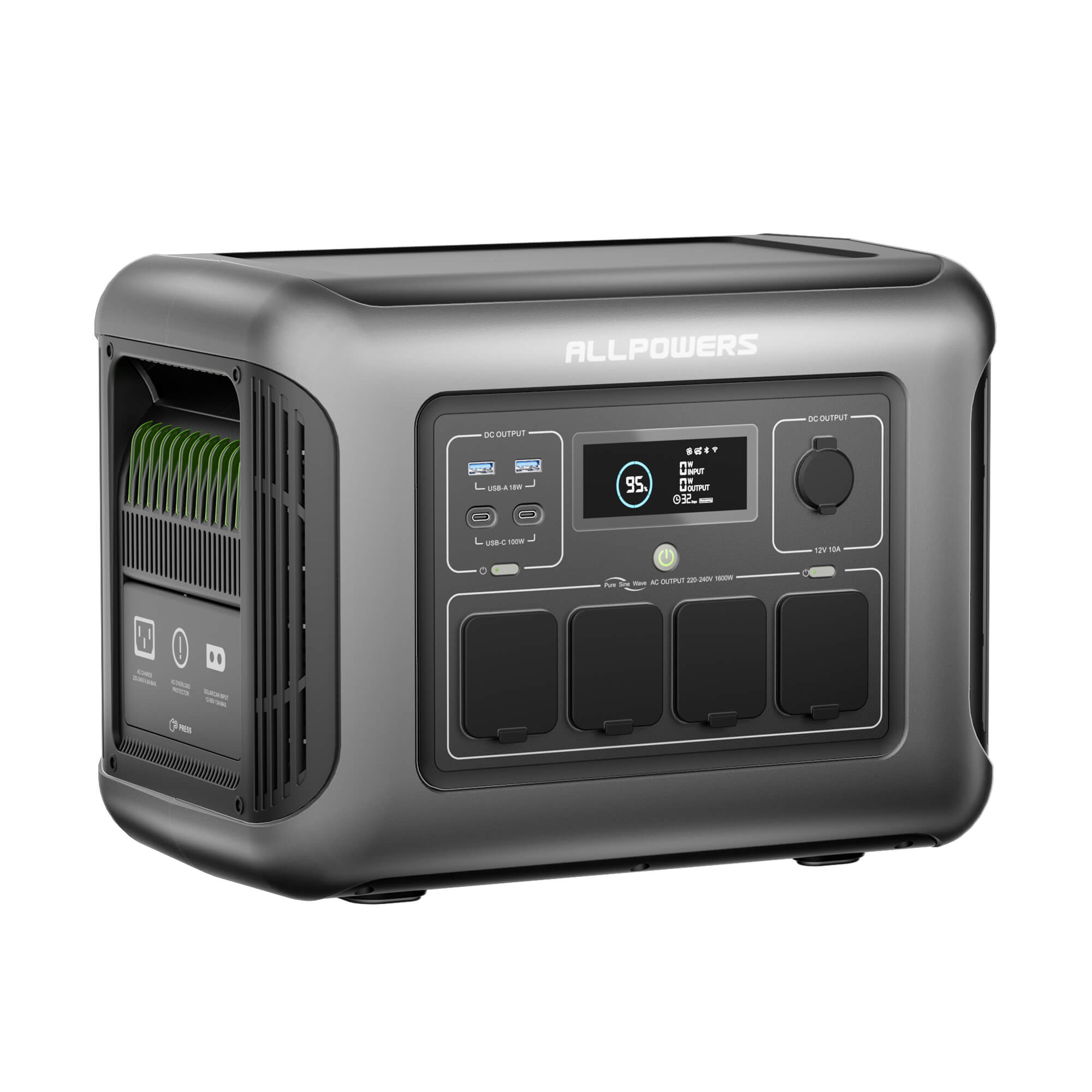
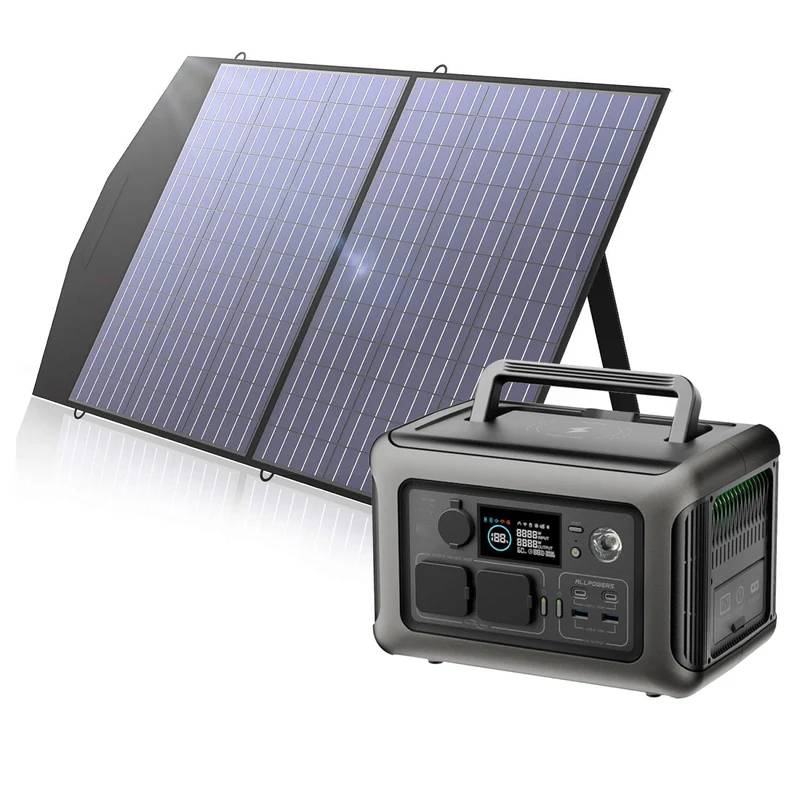
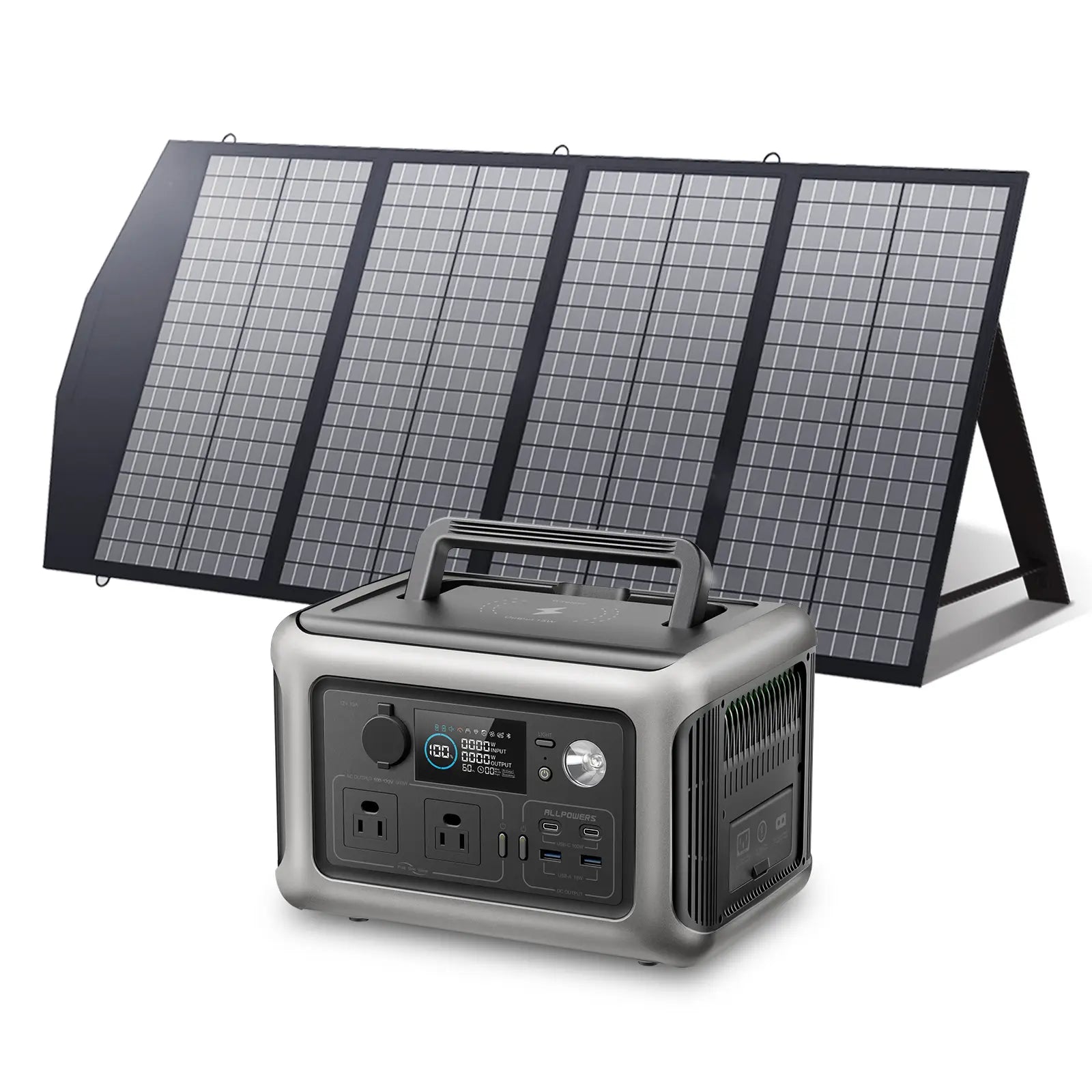
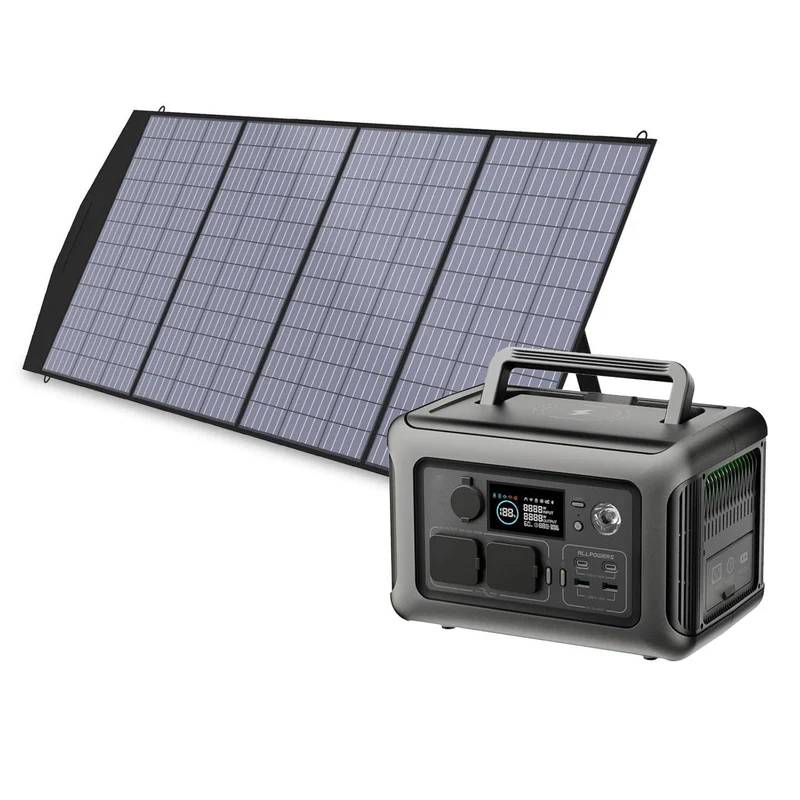
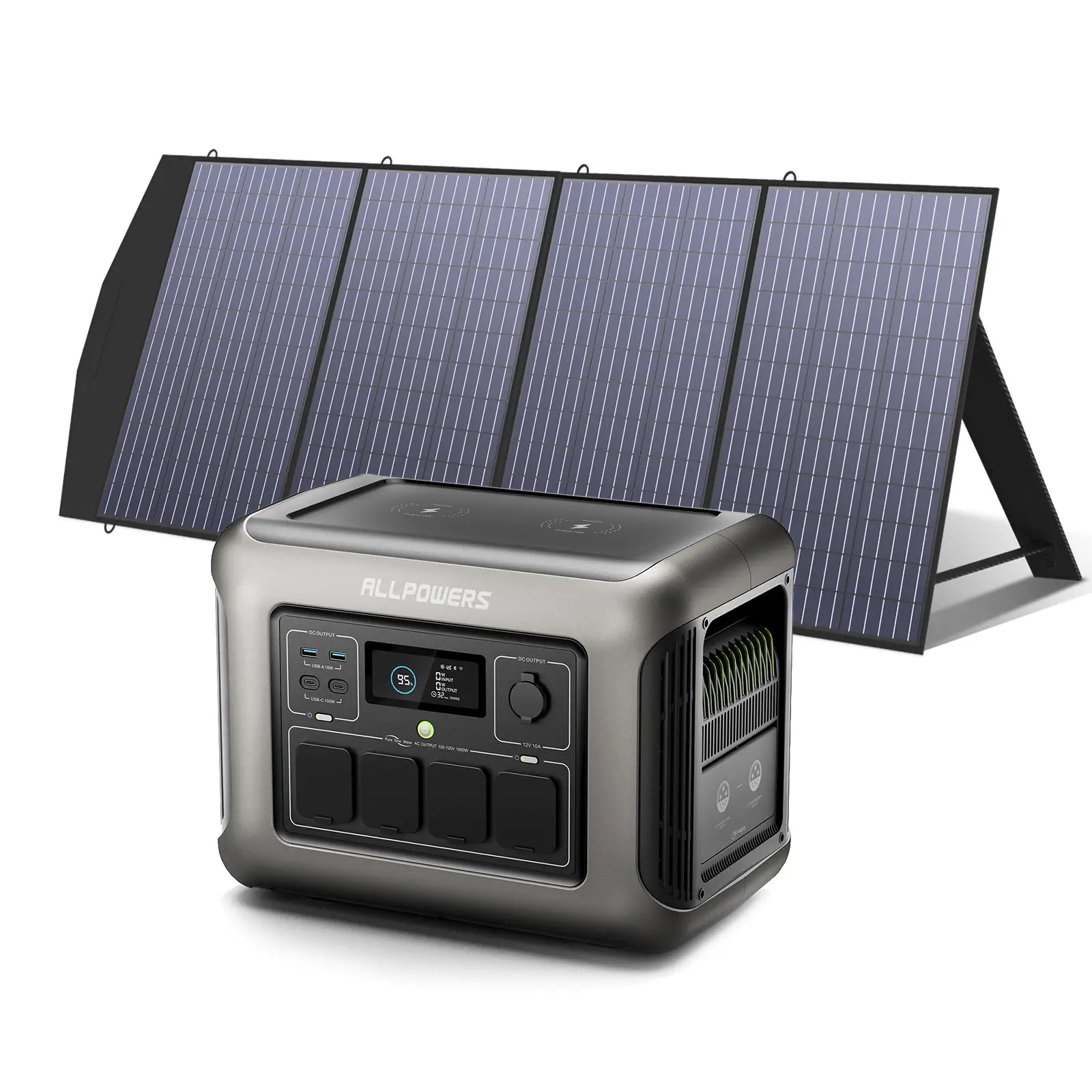
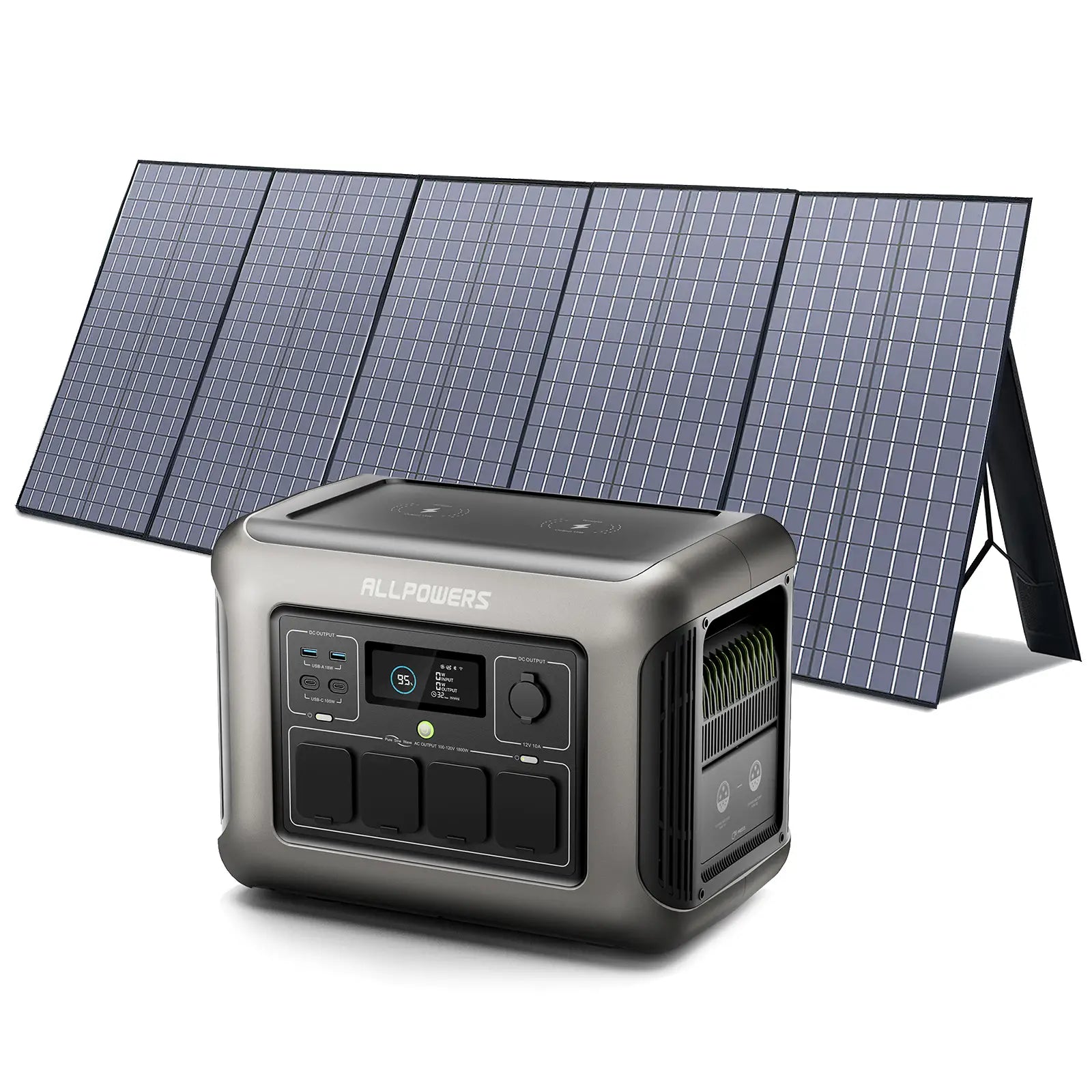
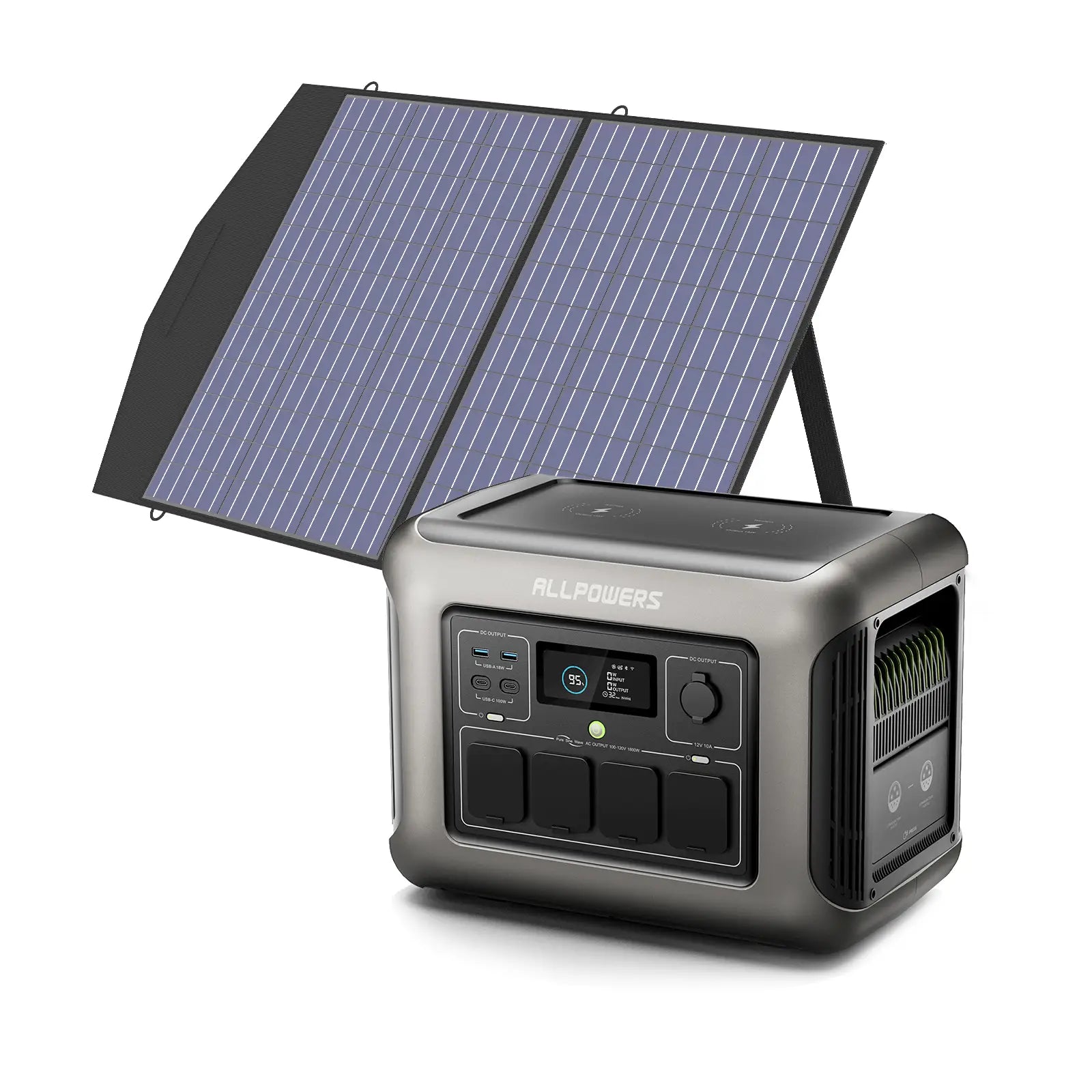
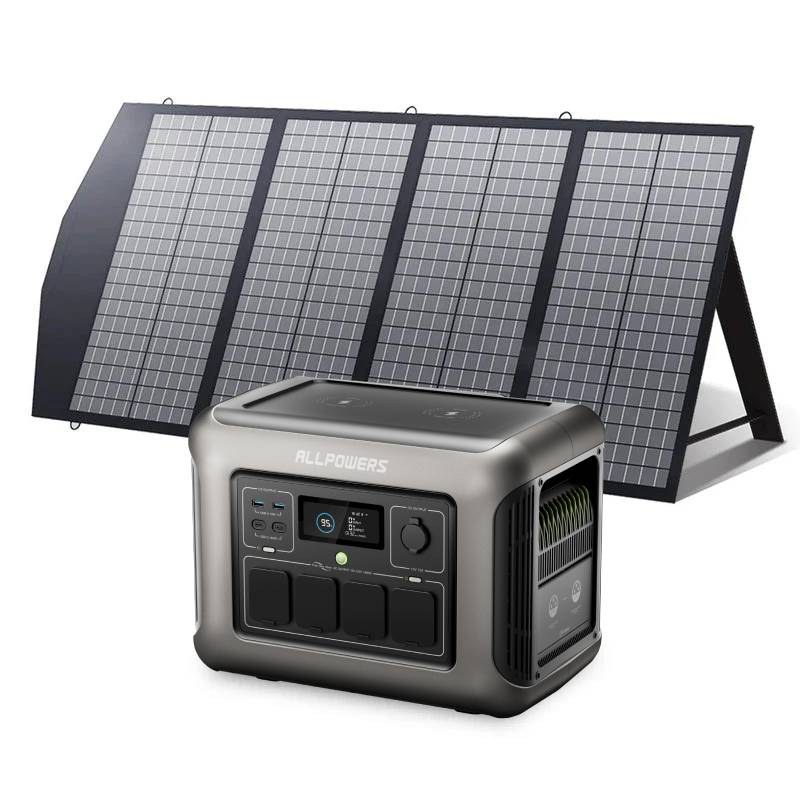
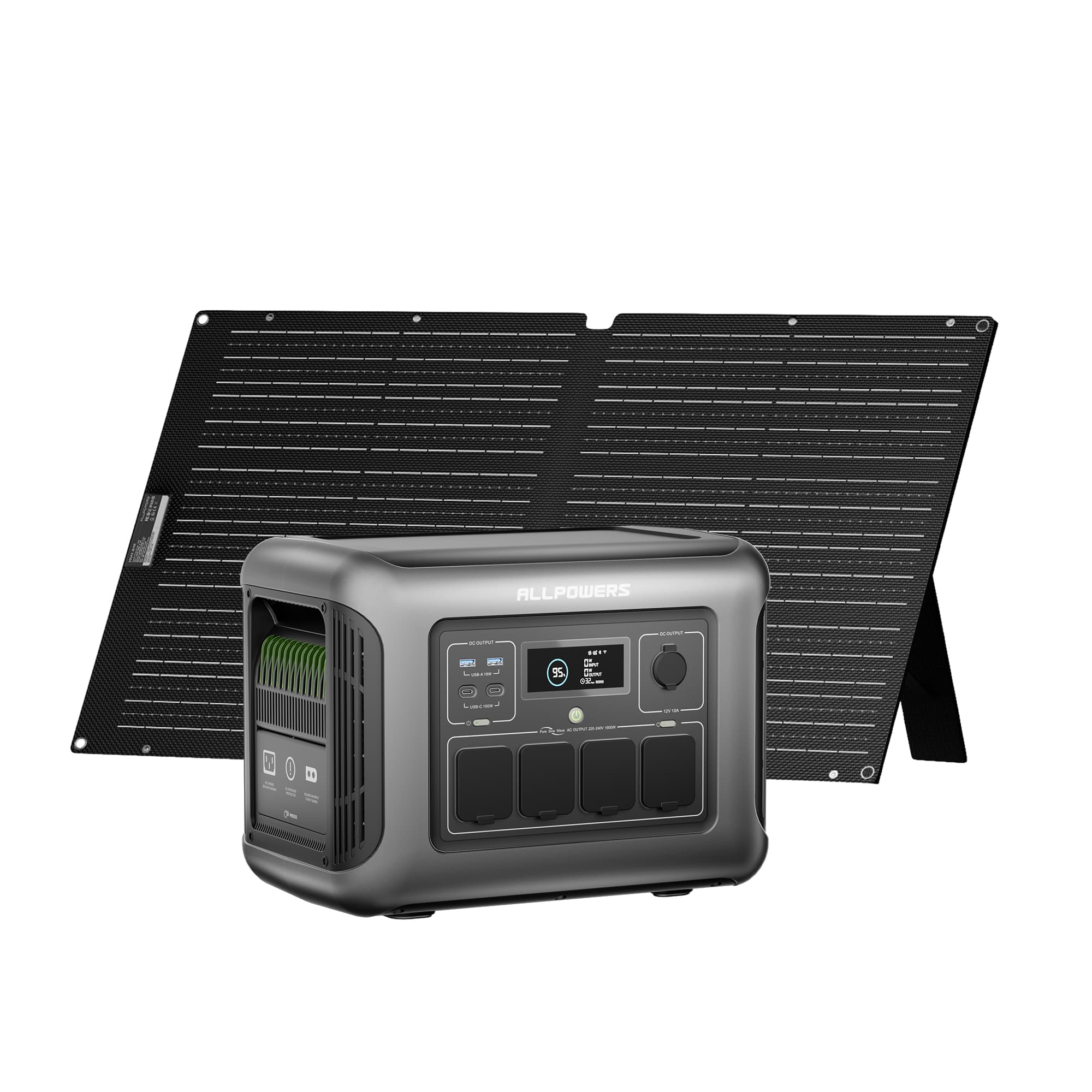
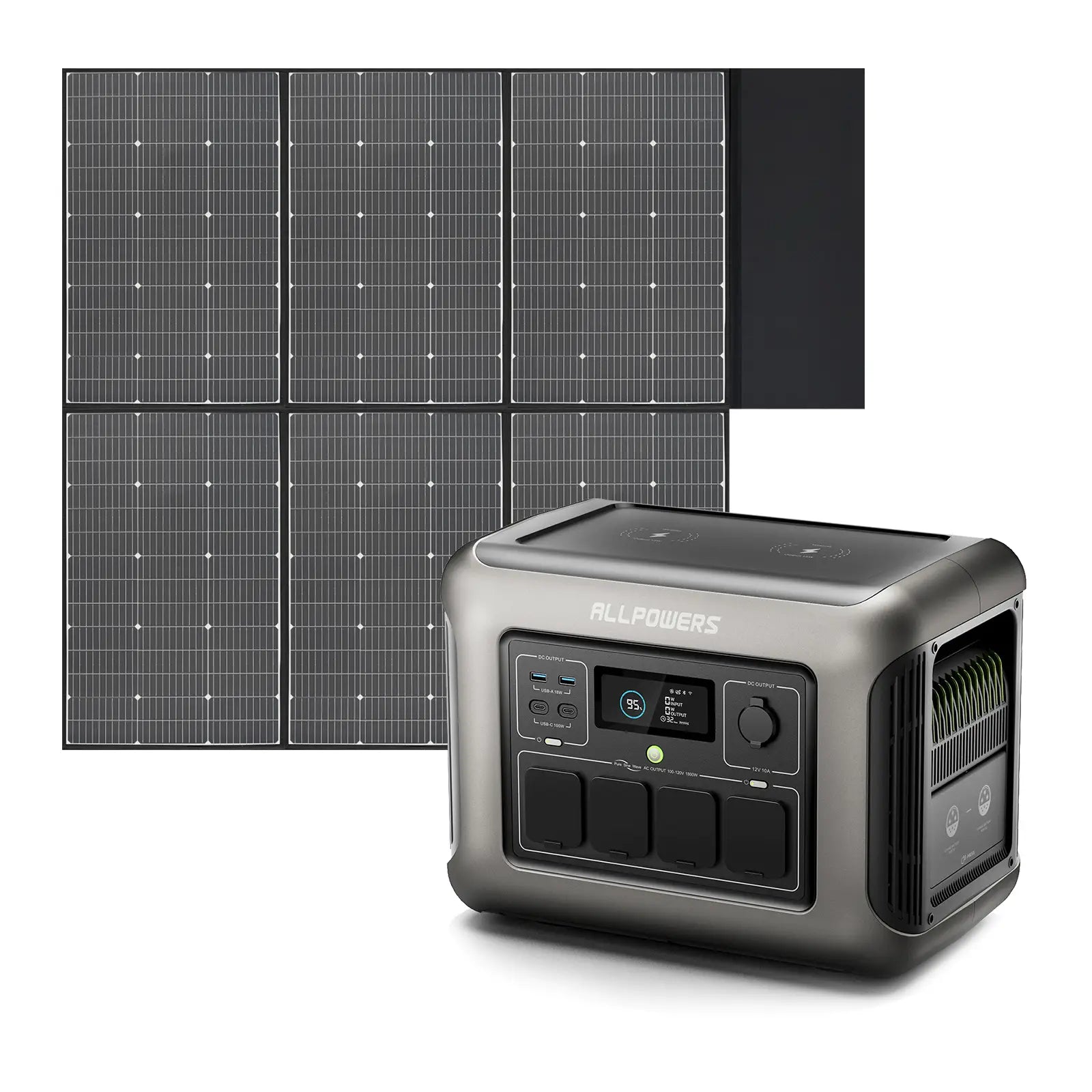
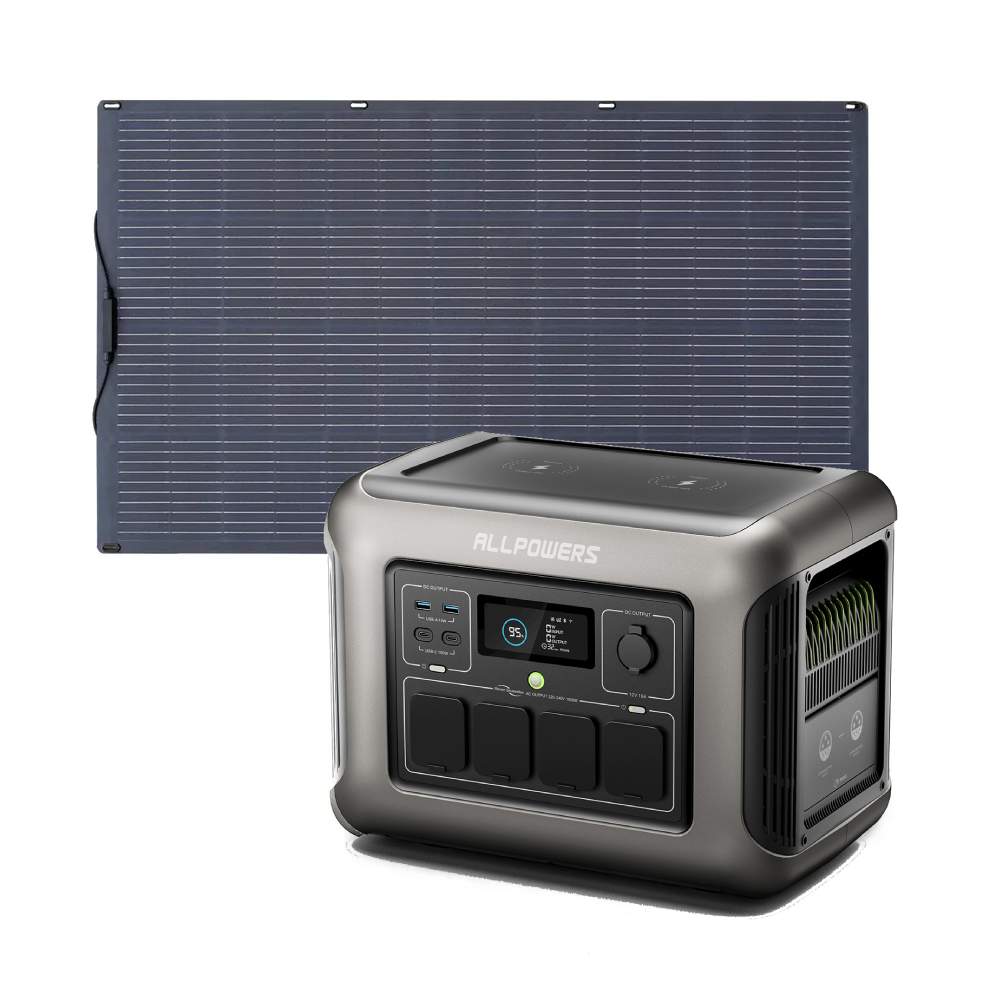
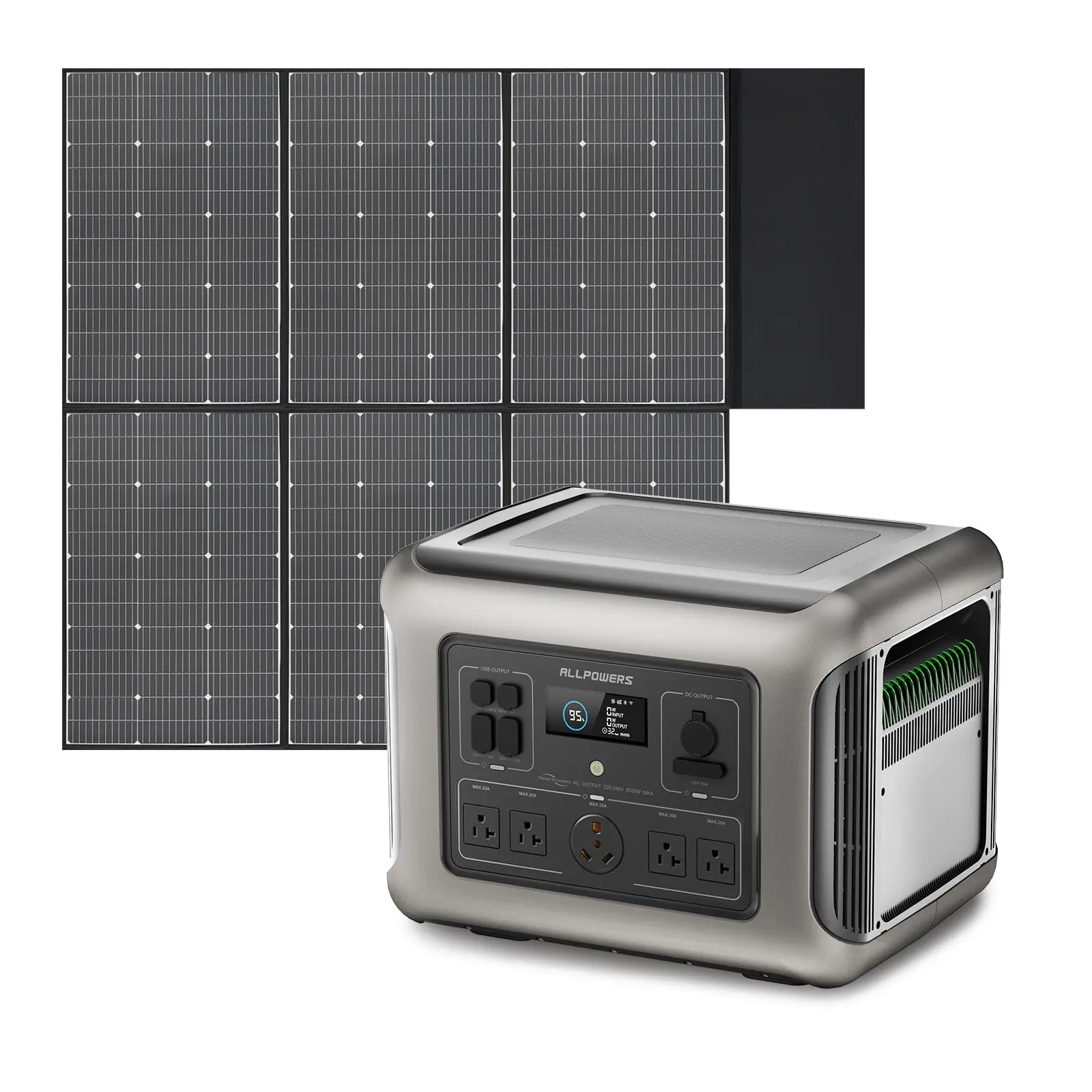
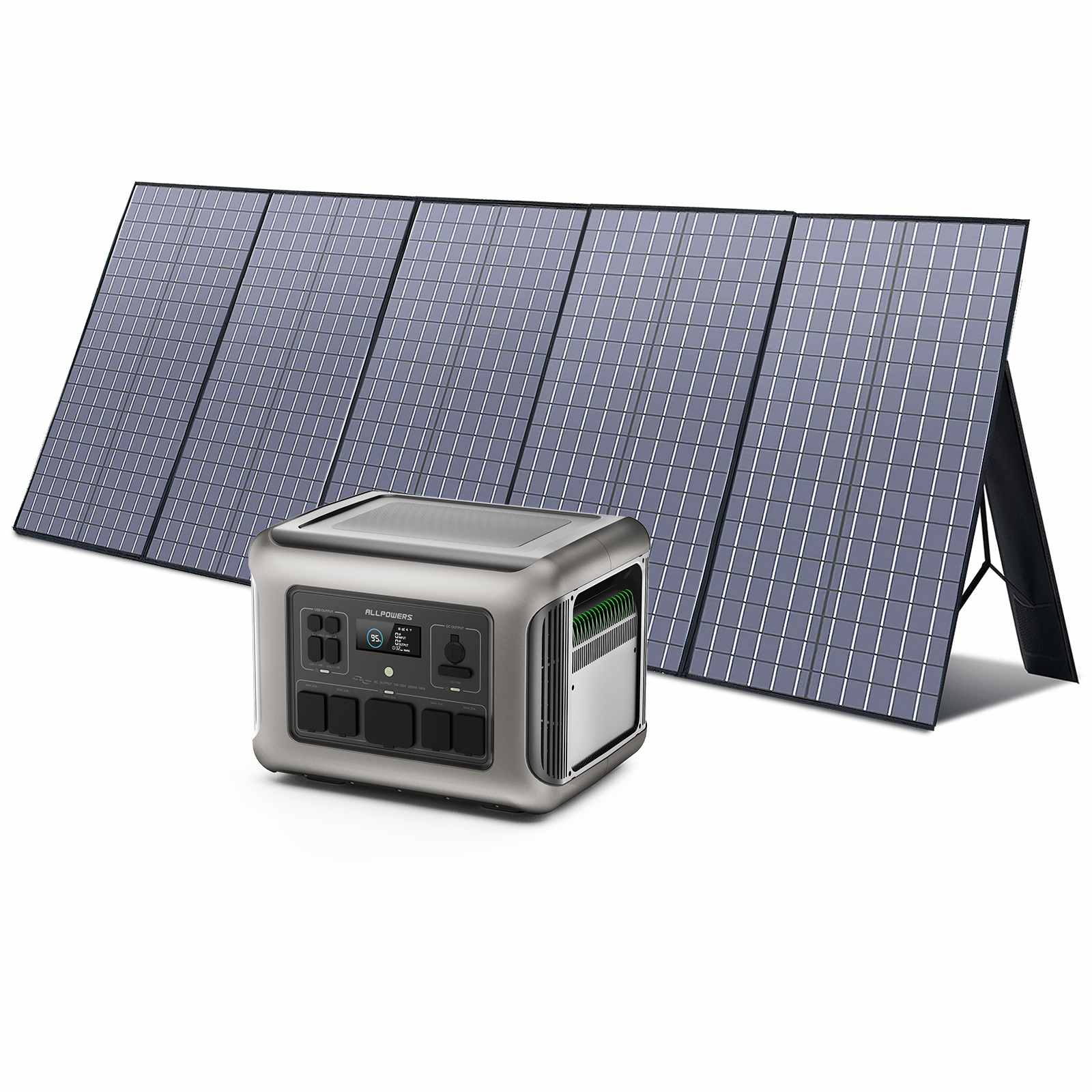
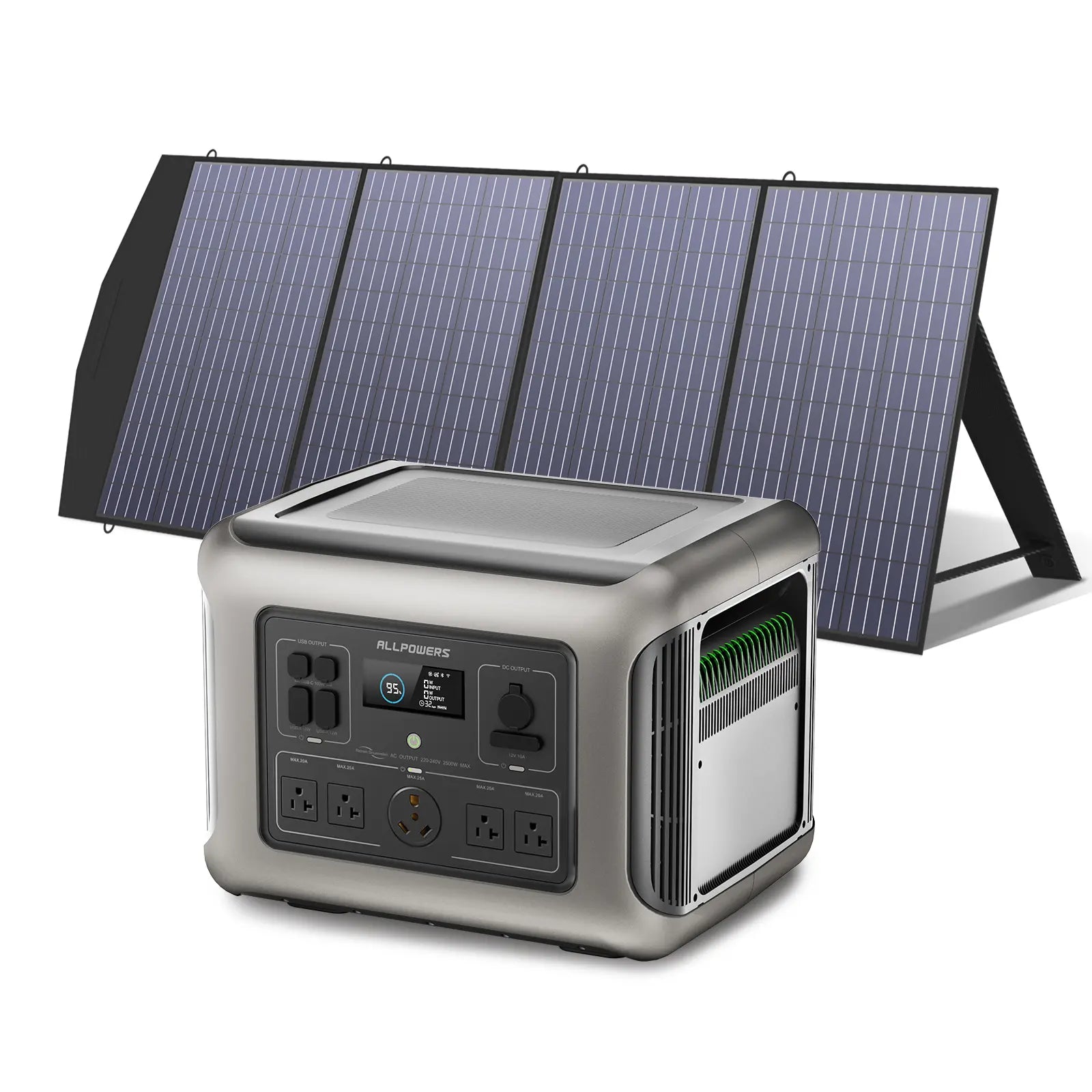
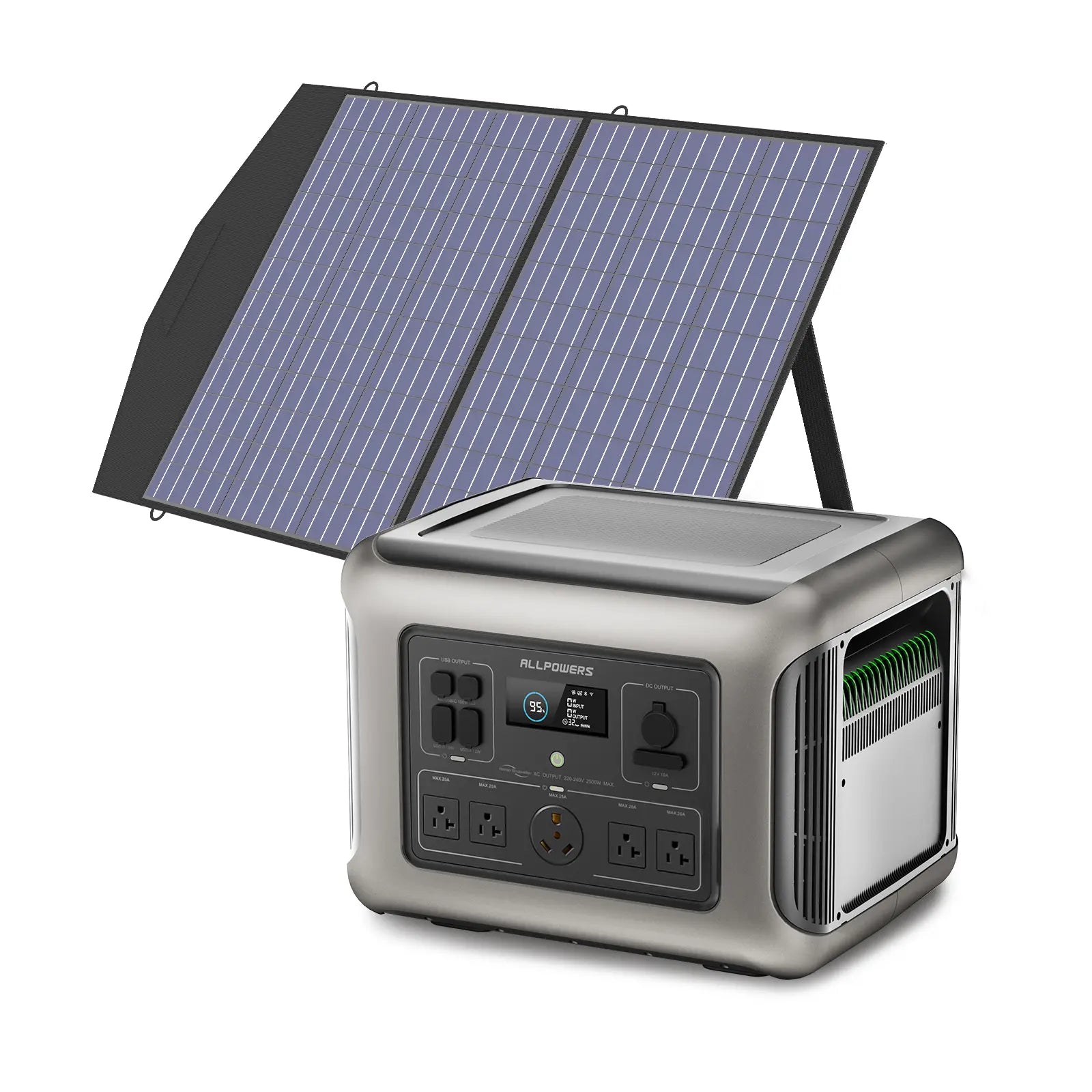
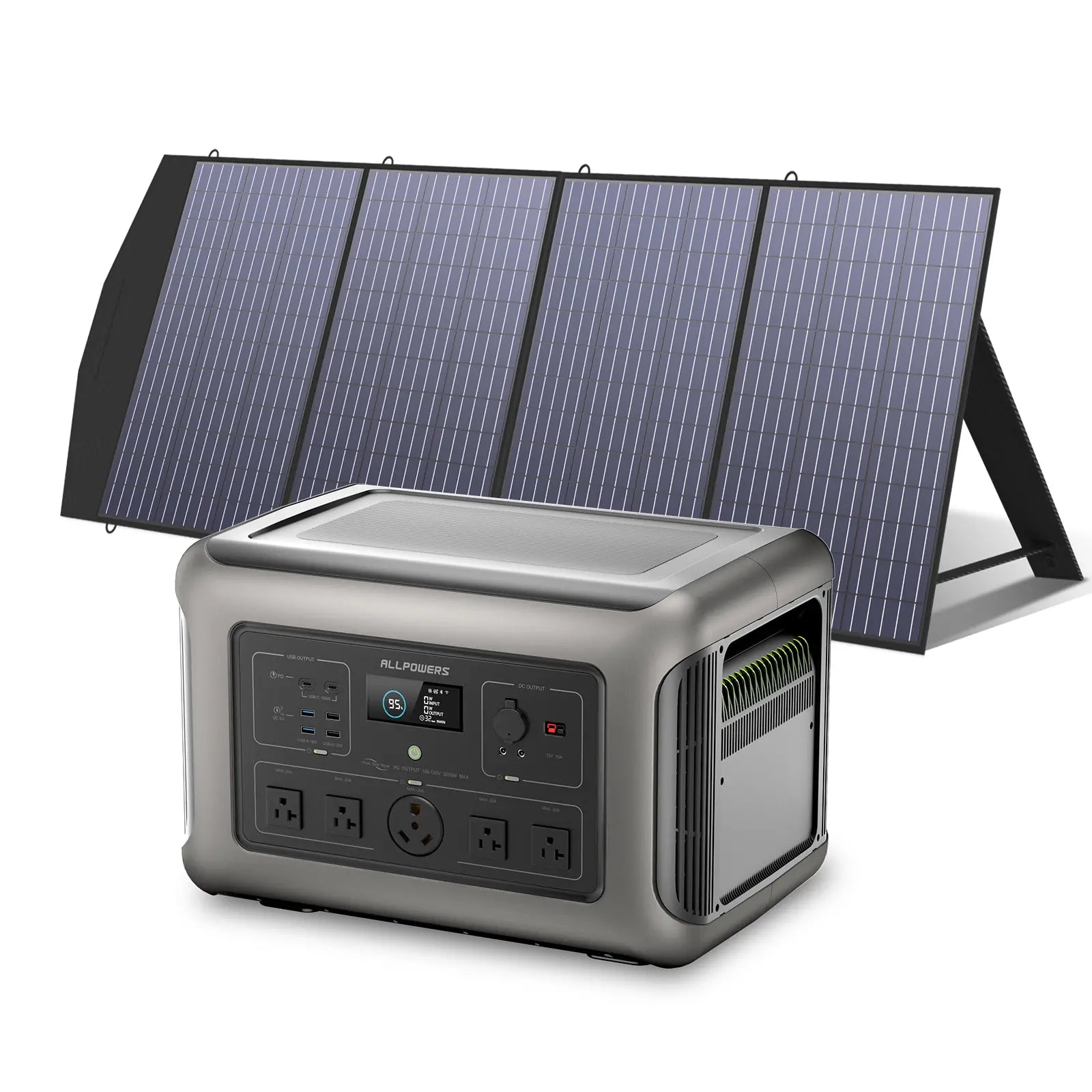
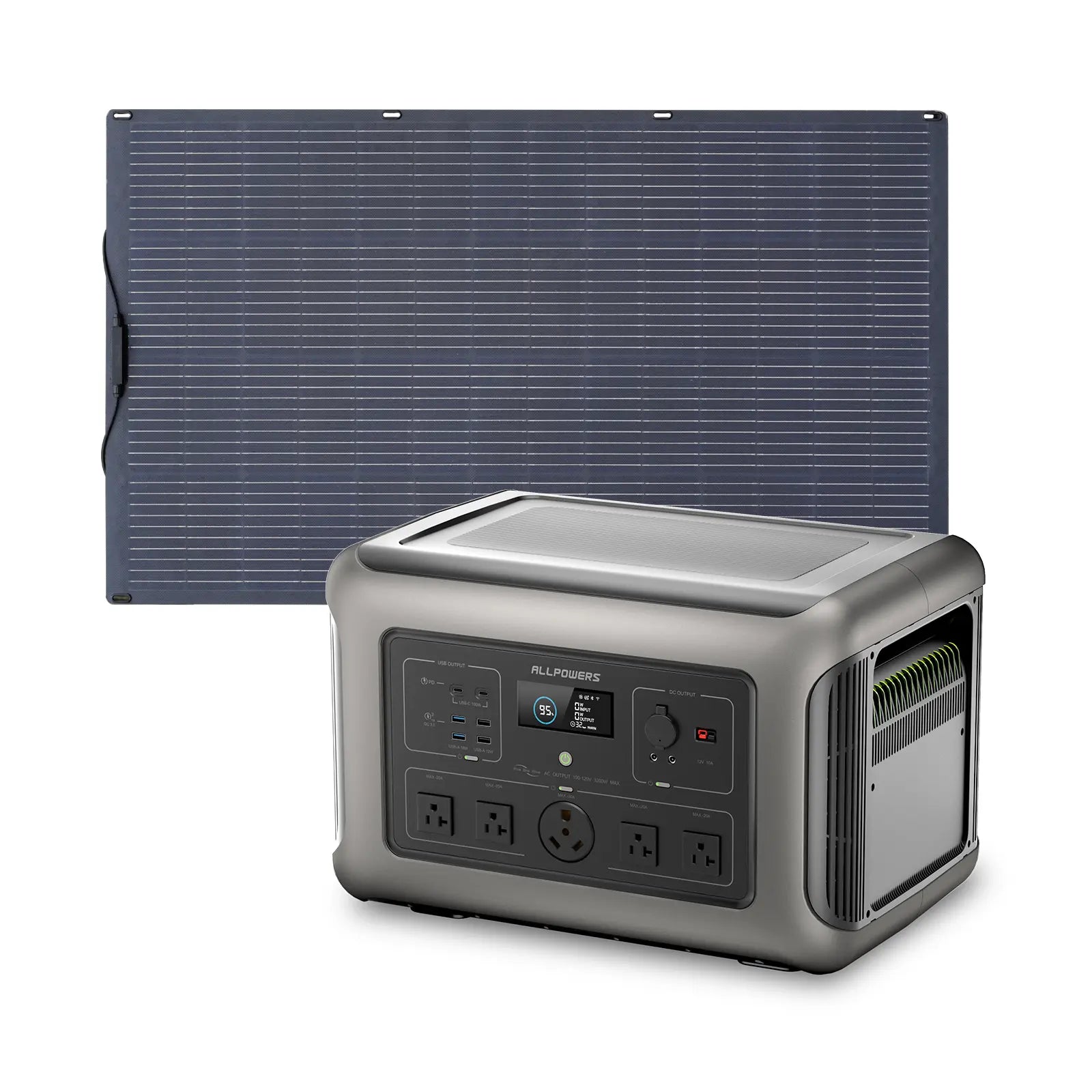
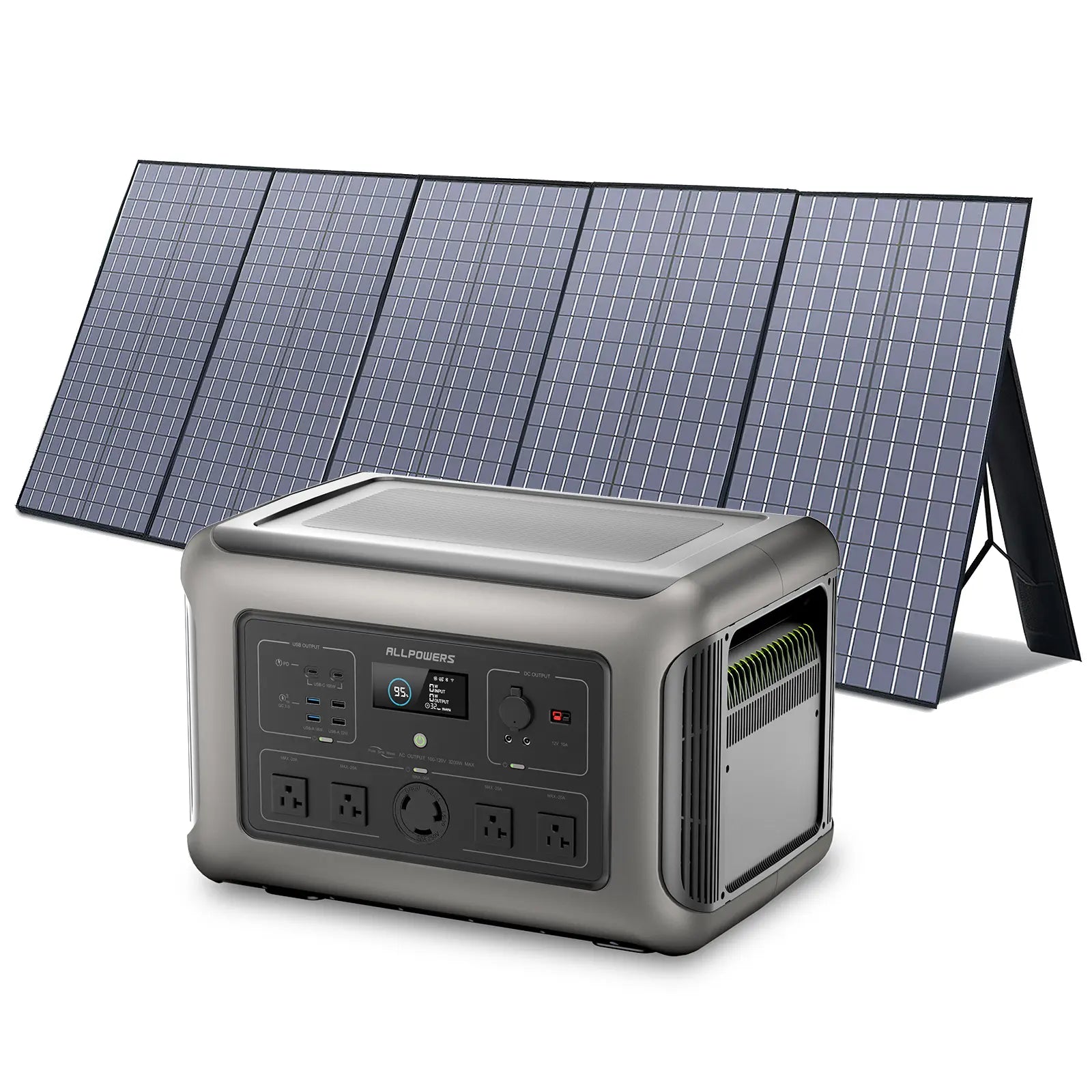
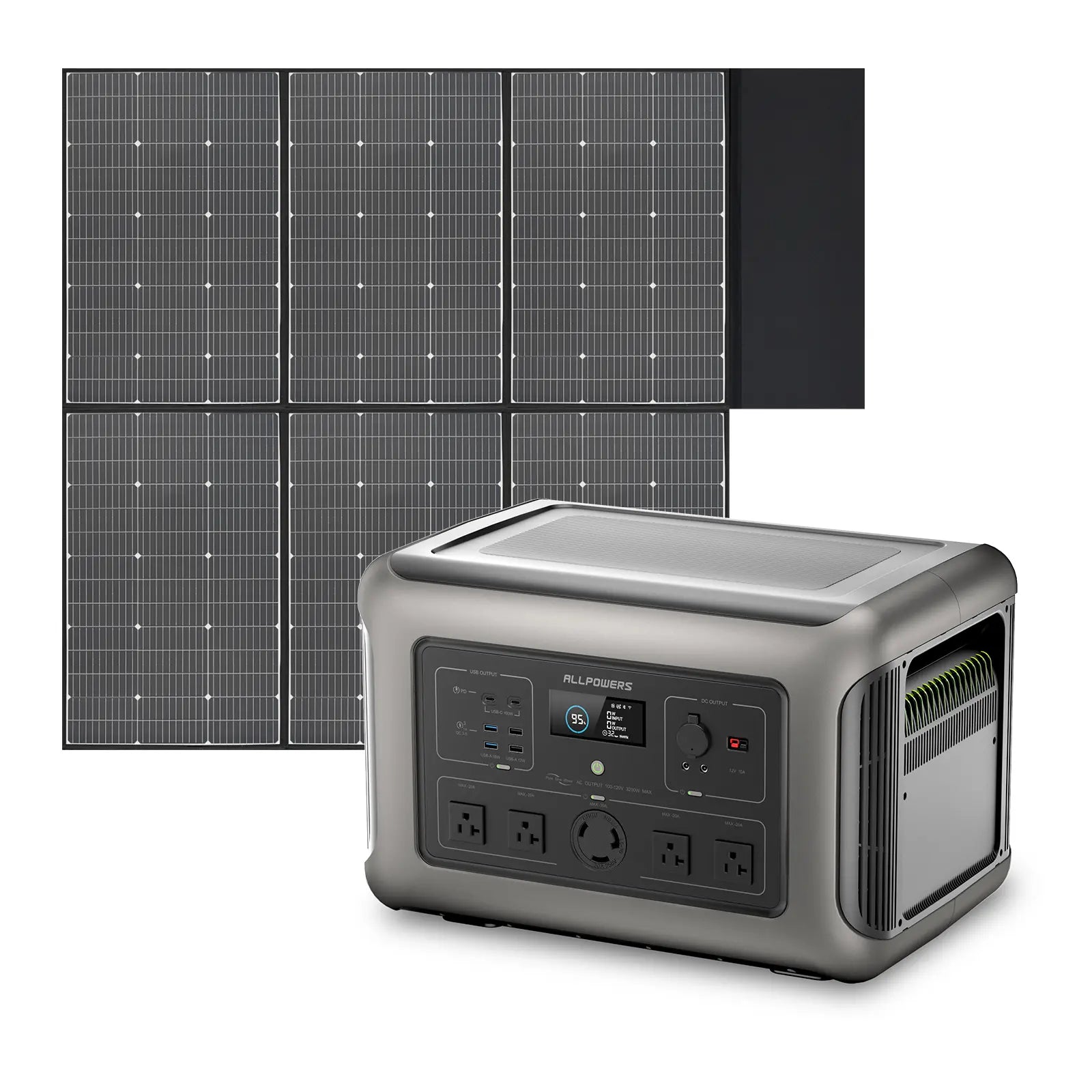
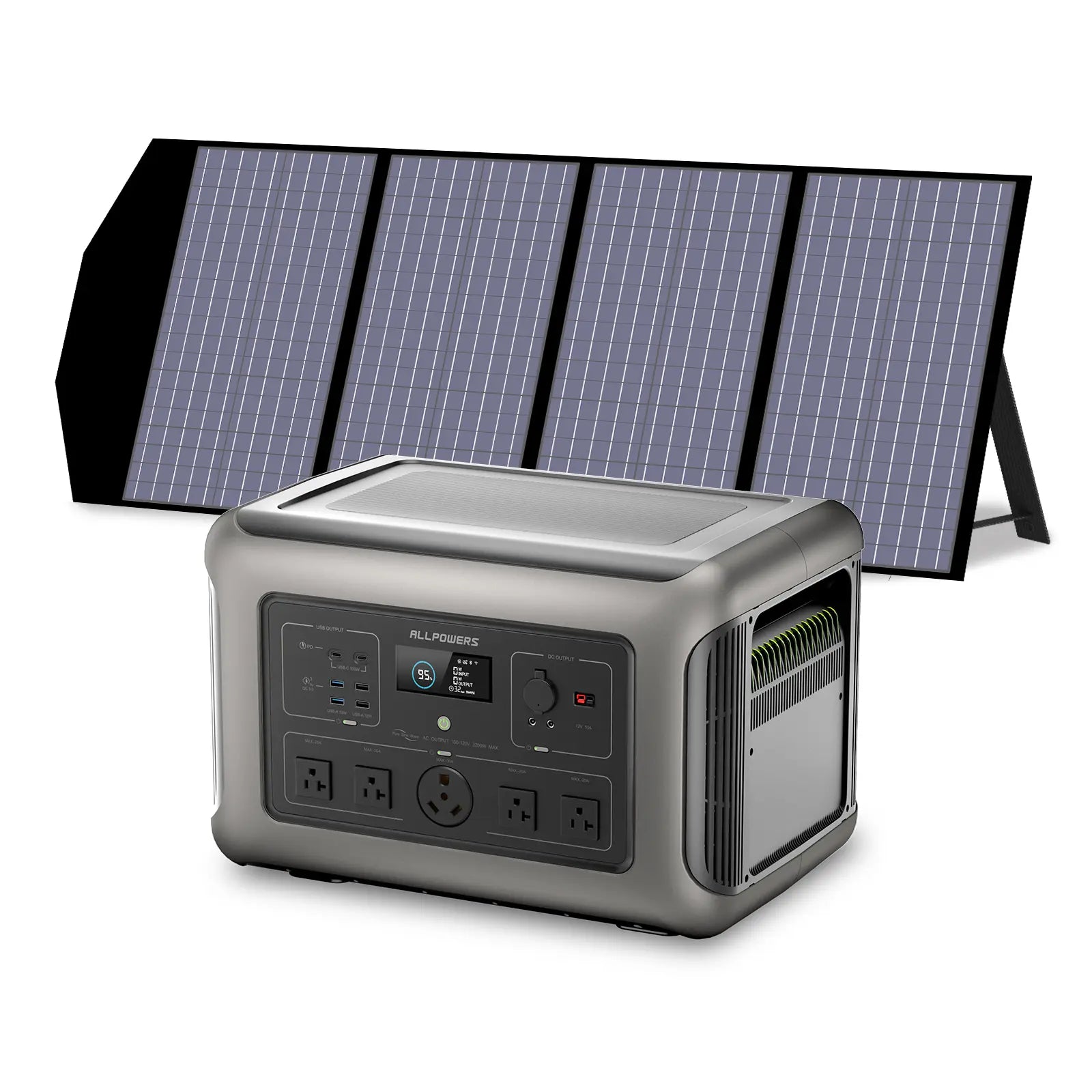
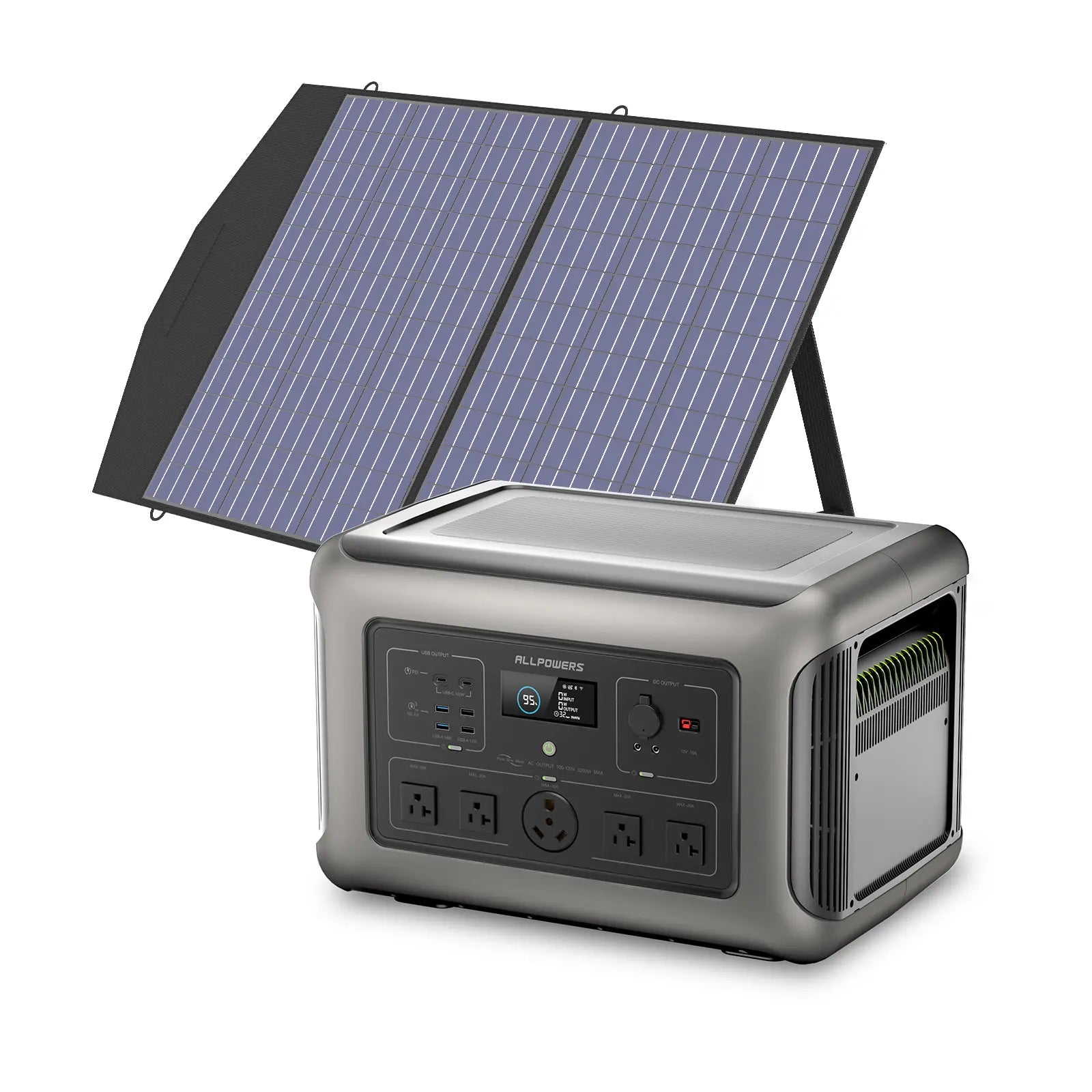
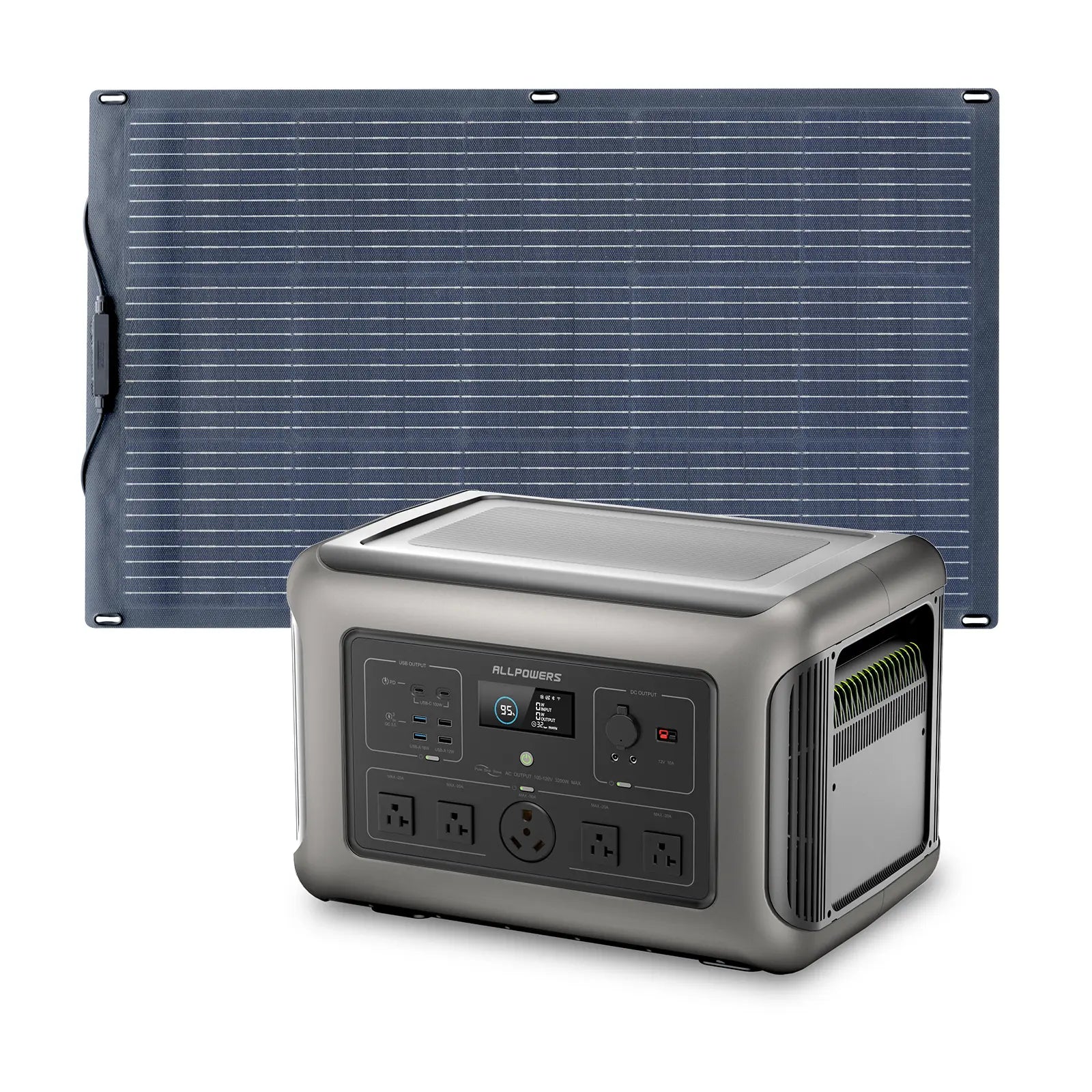
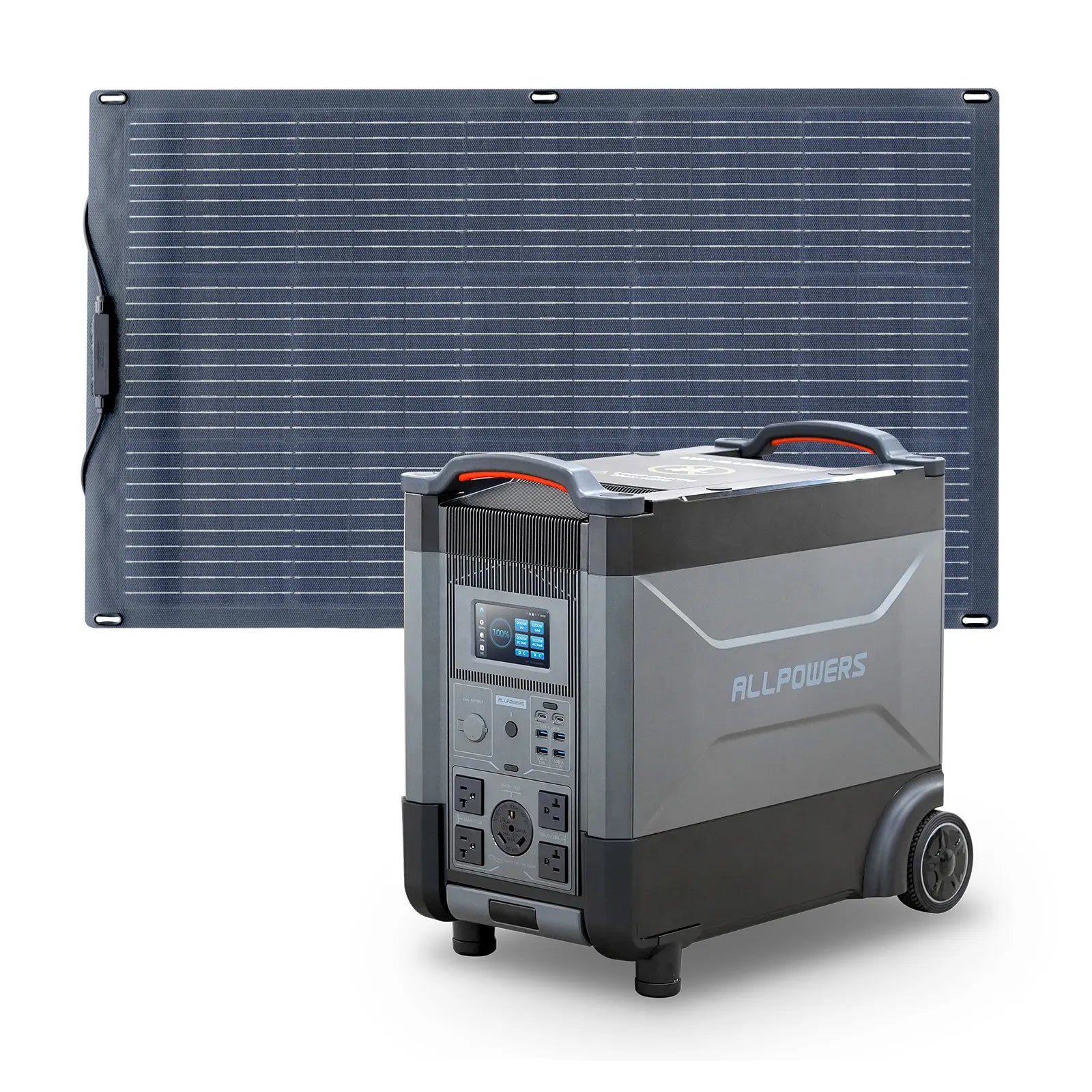
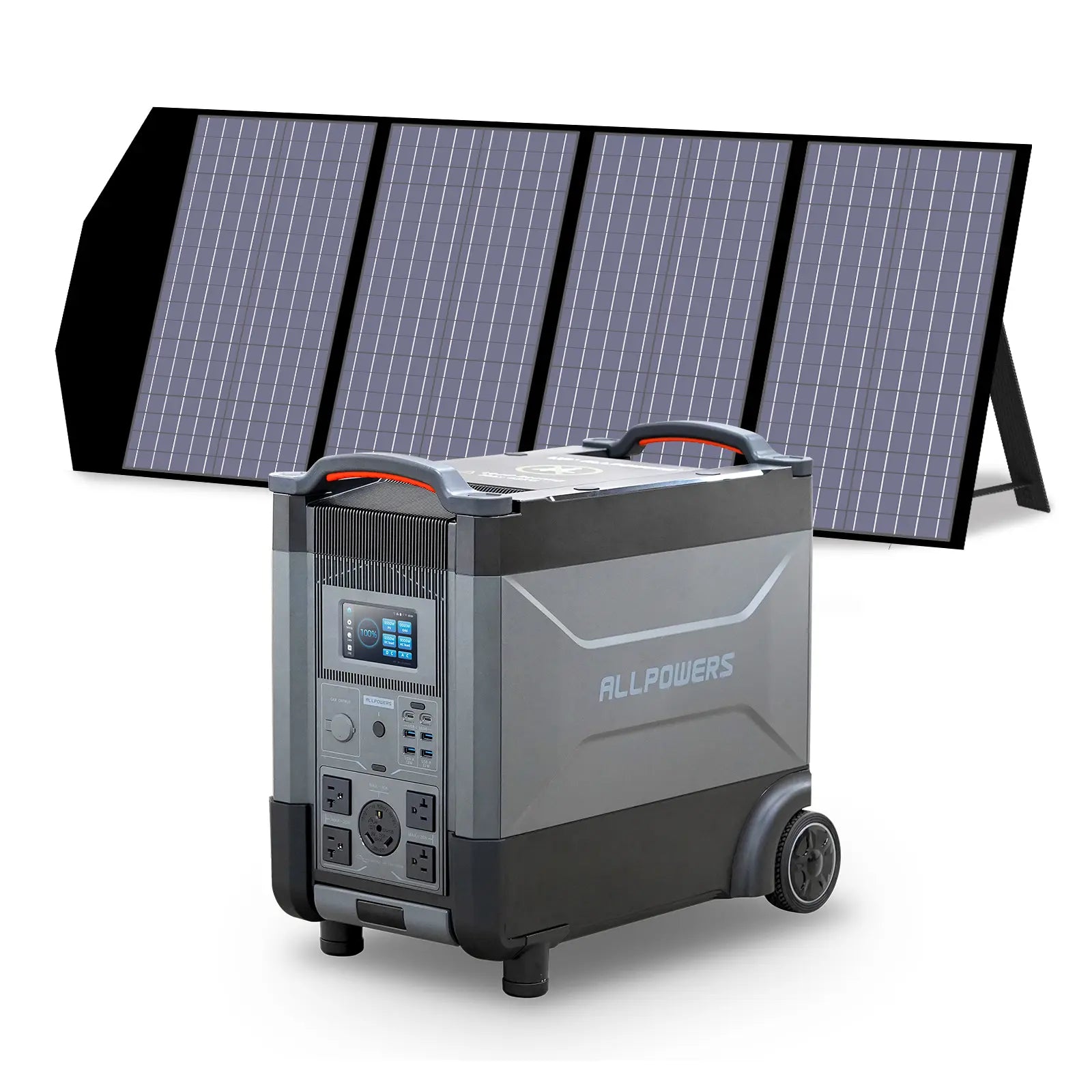
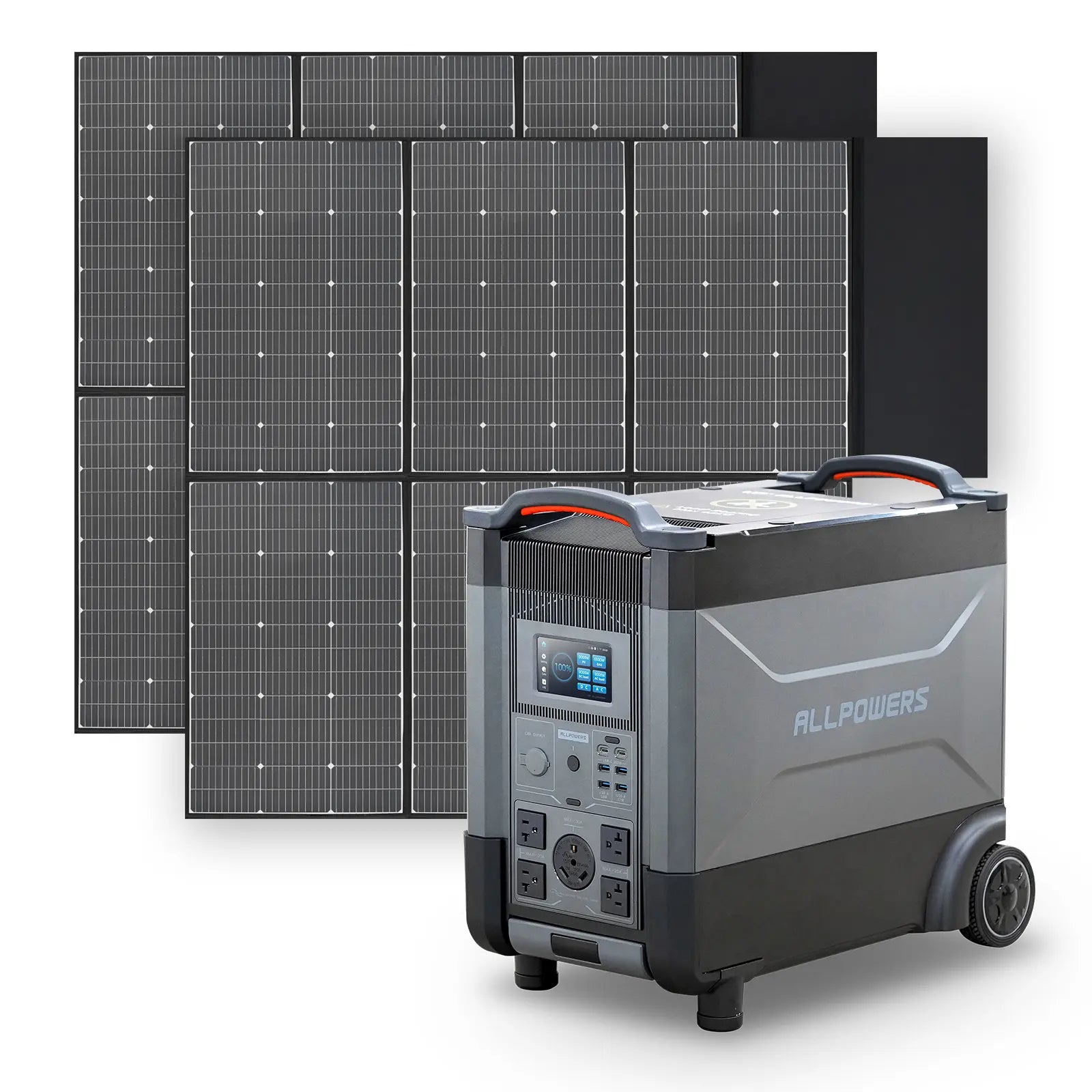
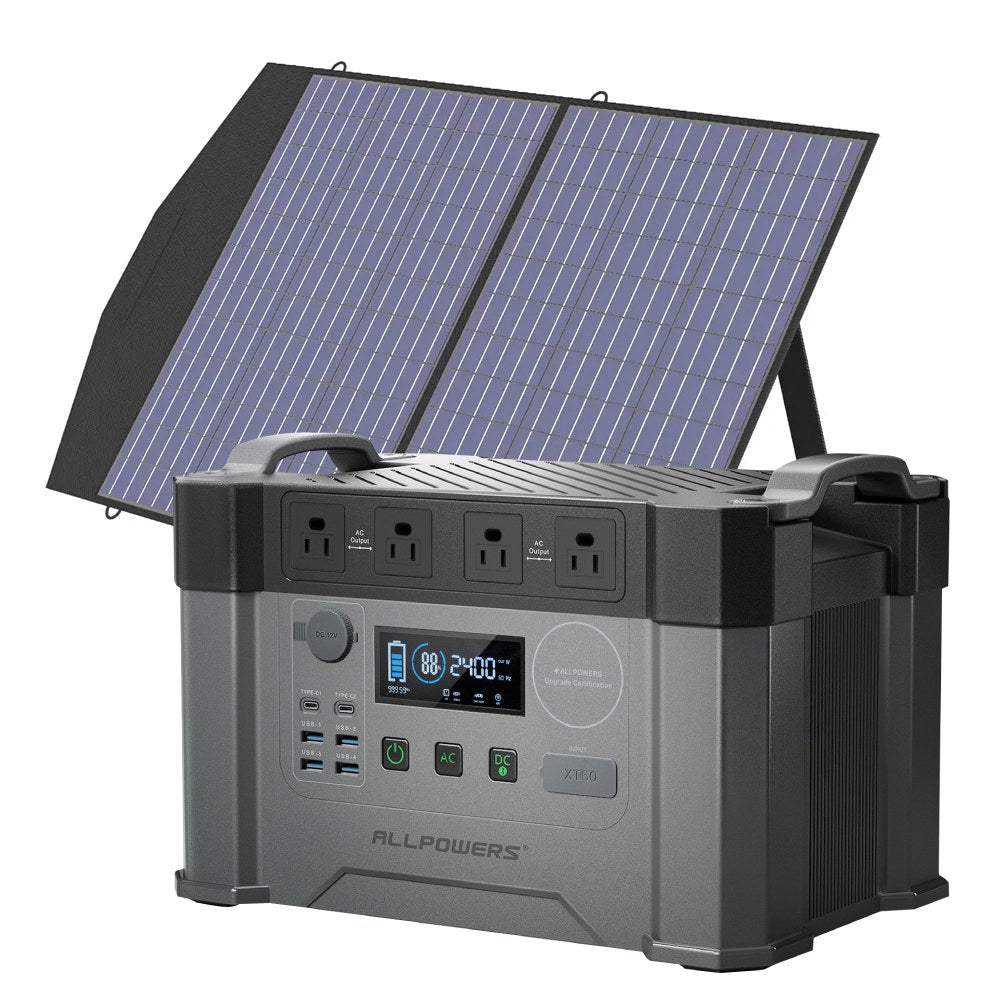
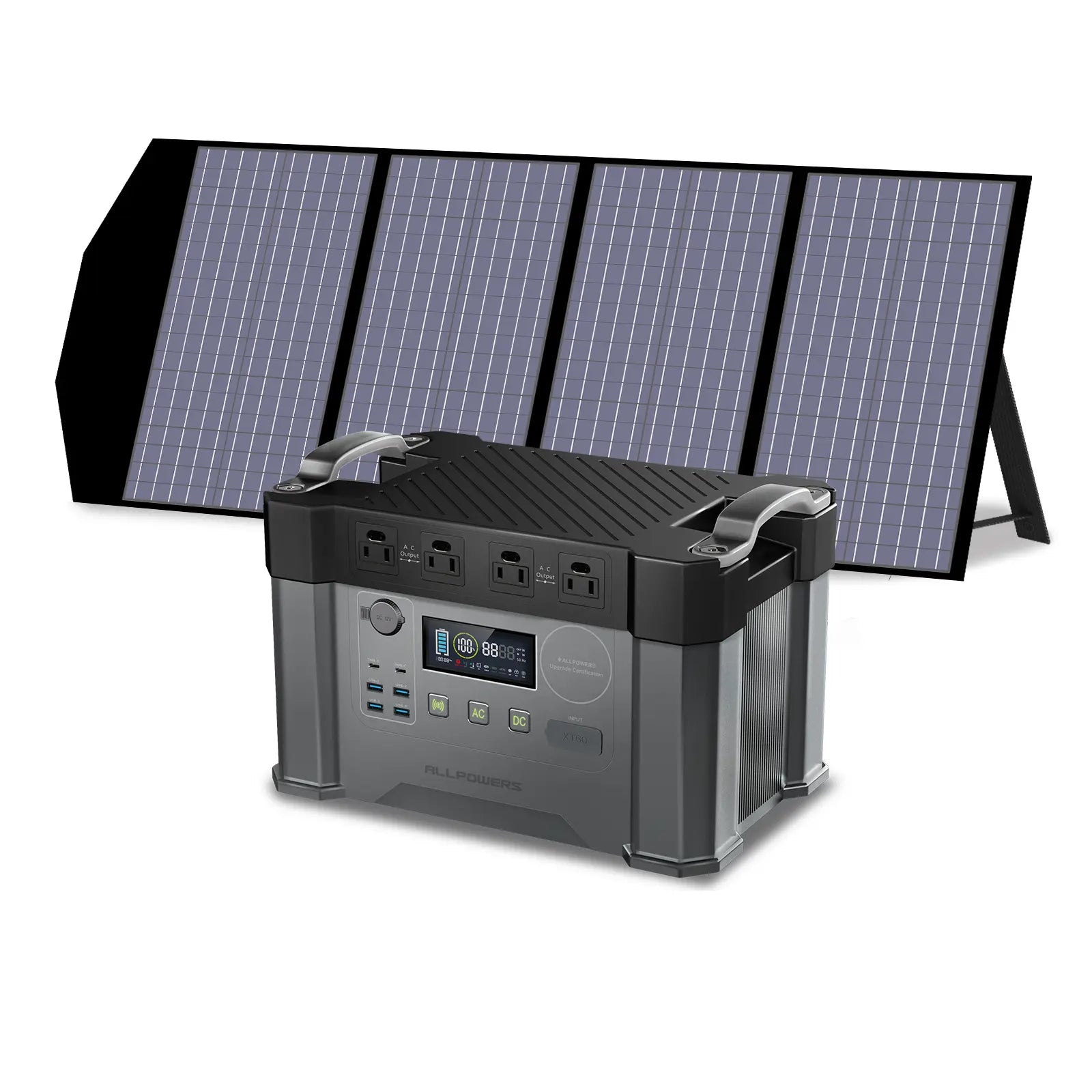
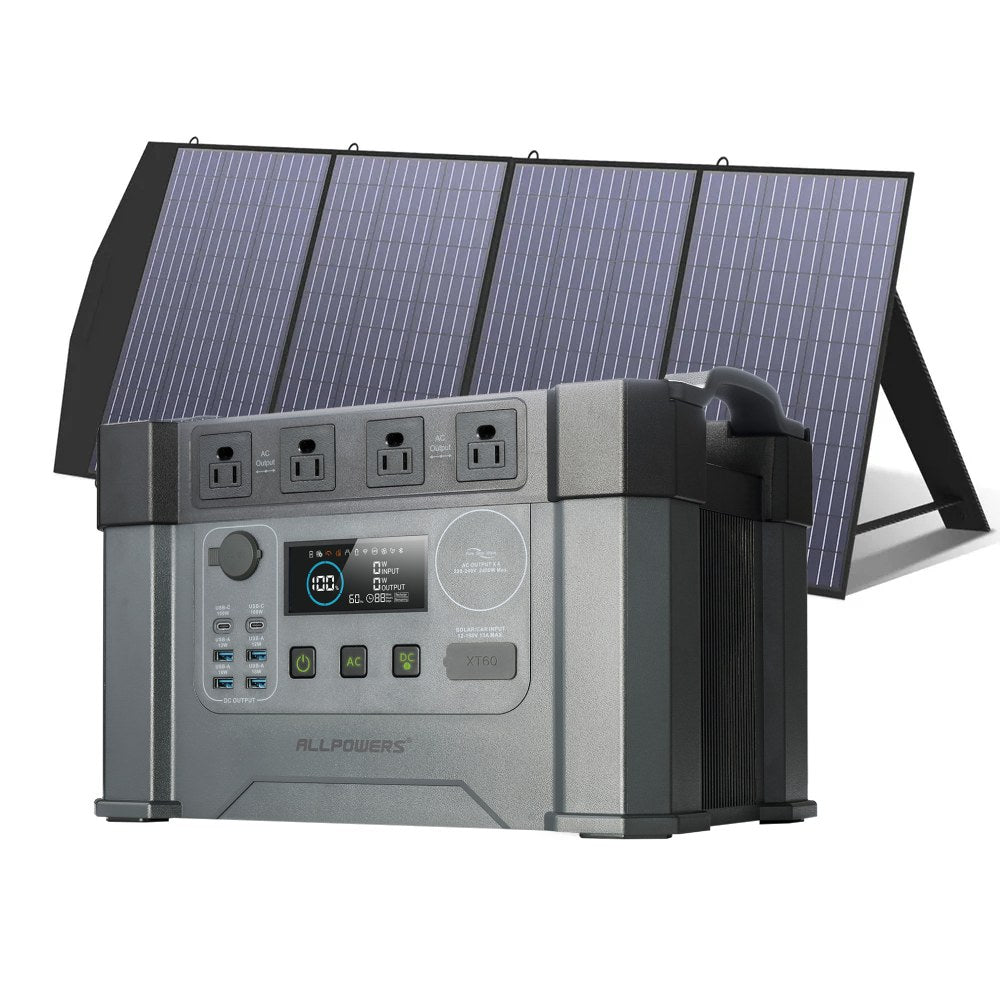
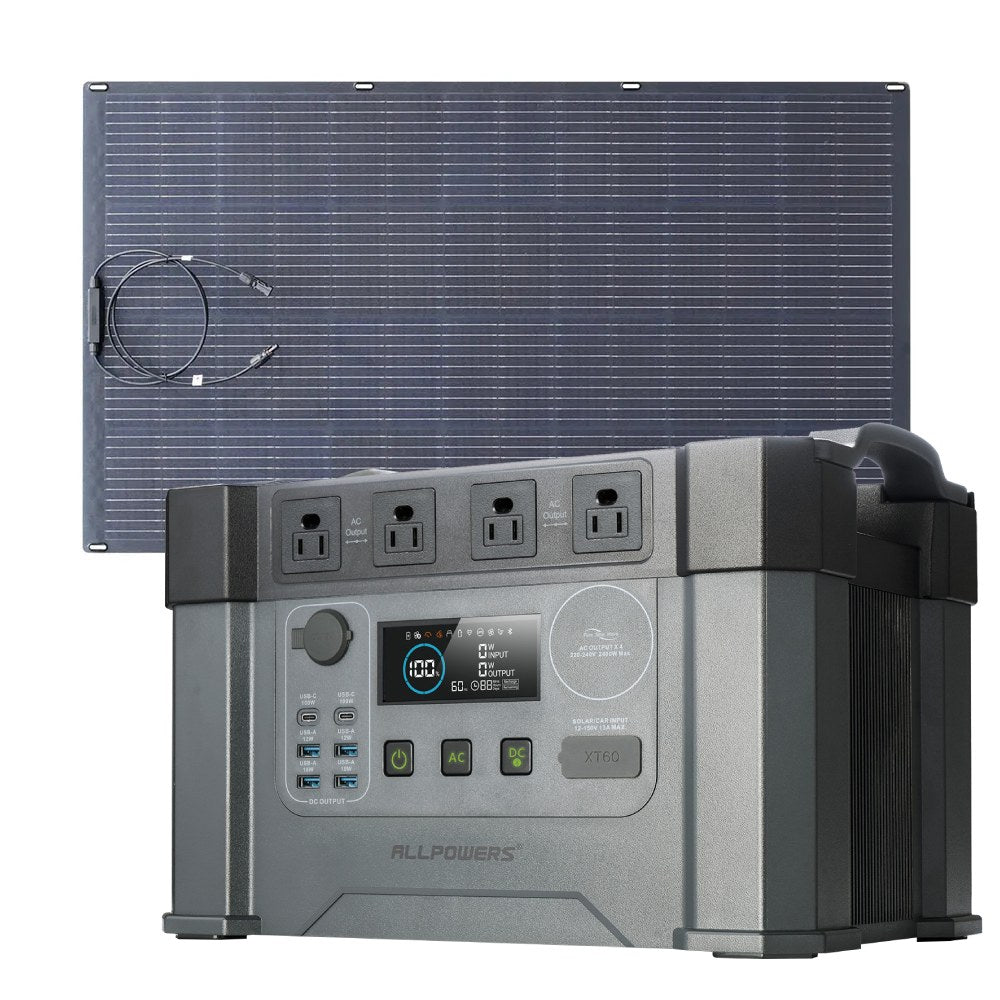
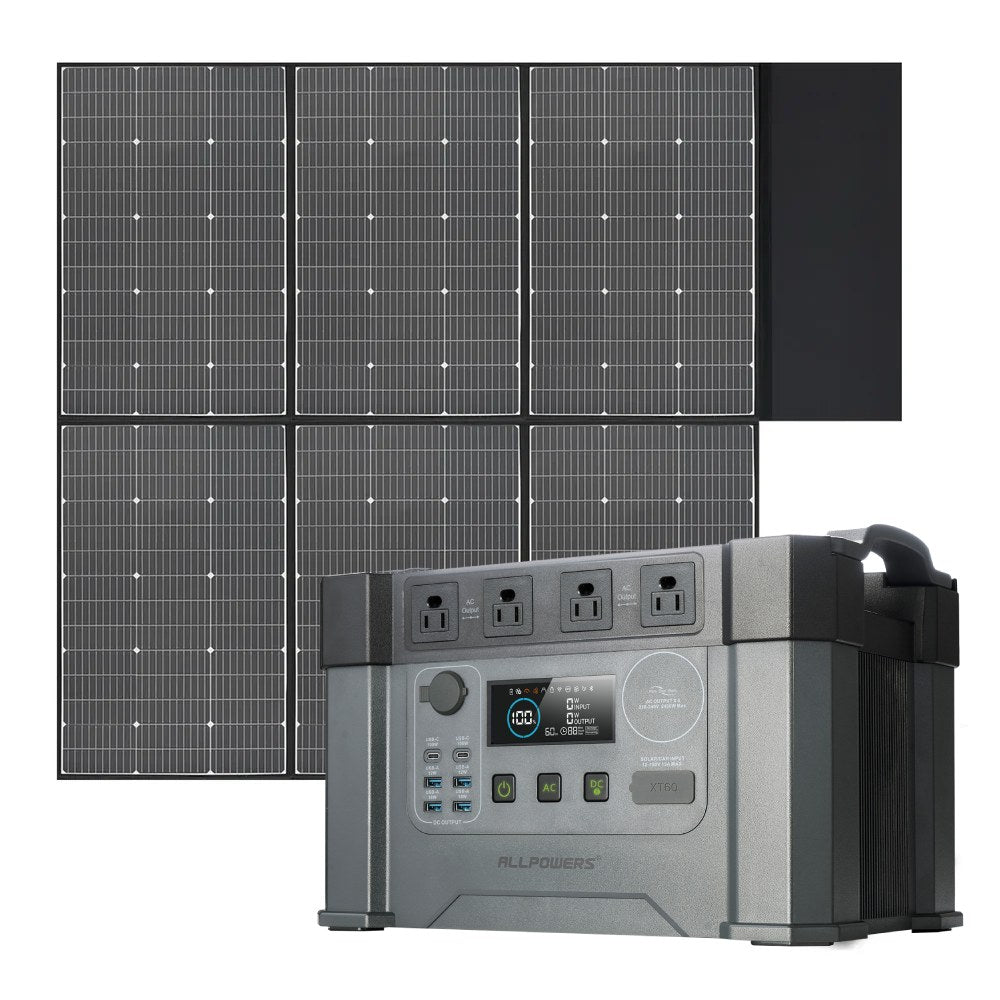
ALLPOWERS R1500 Lite Portable Power Station
$427.00 $799.00
- 1056Wh Capacity;
- 1600W AC Output (3000W Surge);
- 650W Solar Fast Charging;
- 10 Ports Charge All Needs Simultaneously;
- 15ms Uninterruptible Home Backup UPS;
How Long Can You Cook with a Portable Power Station?
Now, wattage is only half the story. The other half is the battery capacity, usually measured in watt-hours (Wh).
Let’s say you’ve got a cooktop rated at 1800 watts and a portable station with 1000 Wh.
Quick math: 1000 Wh ÷ 1800 W = roughly 0.55 hours, or about 33 minutes of continuous cooking. Sounds simple, right?
Except in reality, efficiency losses (from the inverter, heat, and other factors) reduce that time by 10–15%, so you’re looking at closer to 28–30 minutes.
That’s enough to boil a couple of liters of water or sauté a small stir-fry, but not enough for a full Thanksgiving dinner.
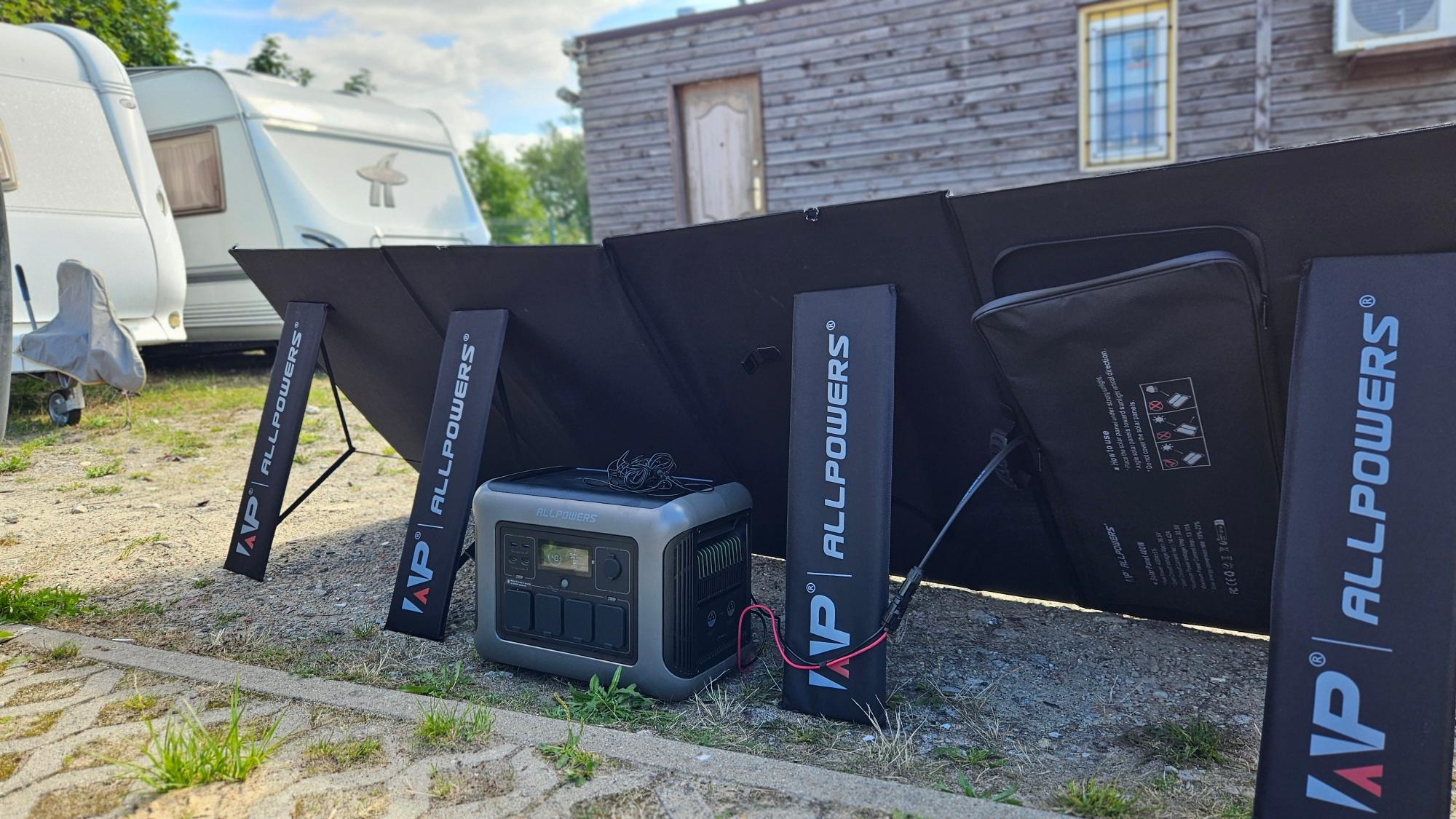
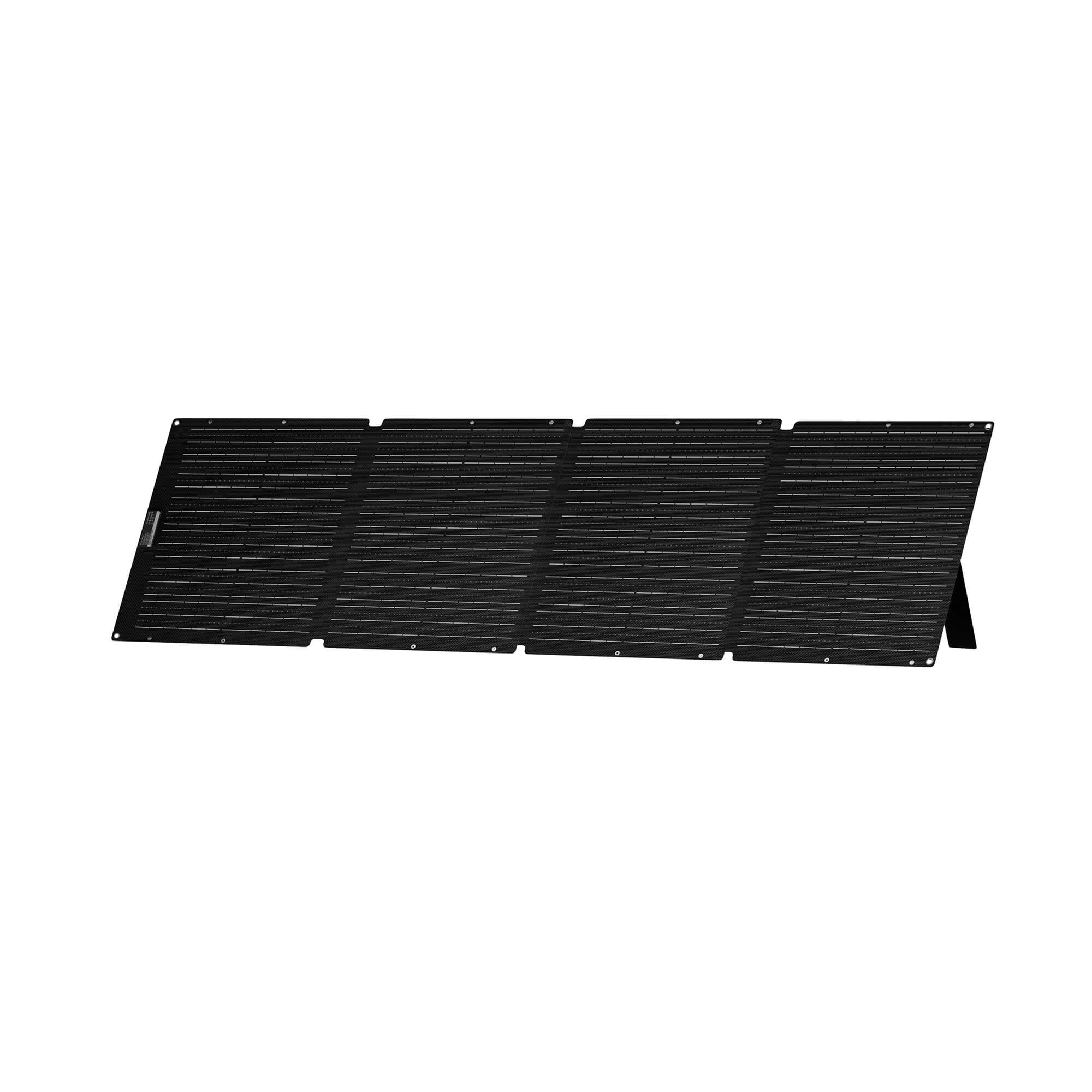
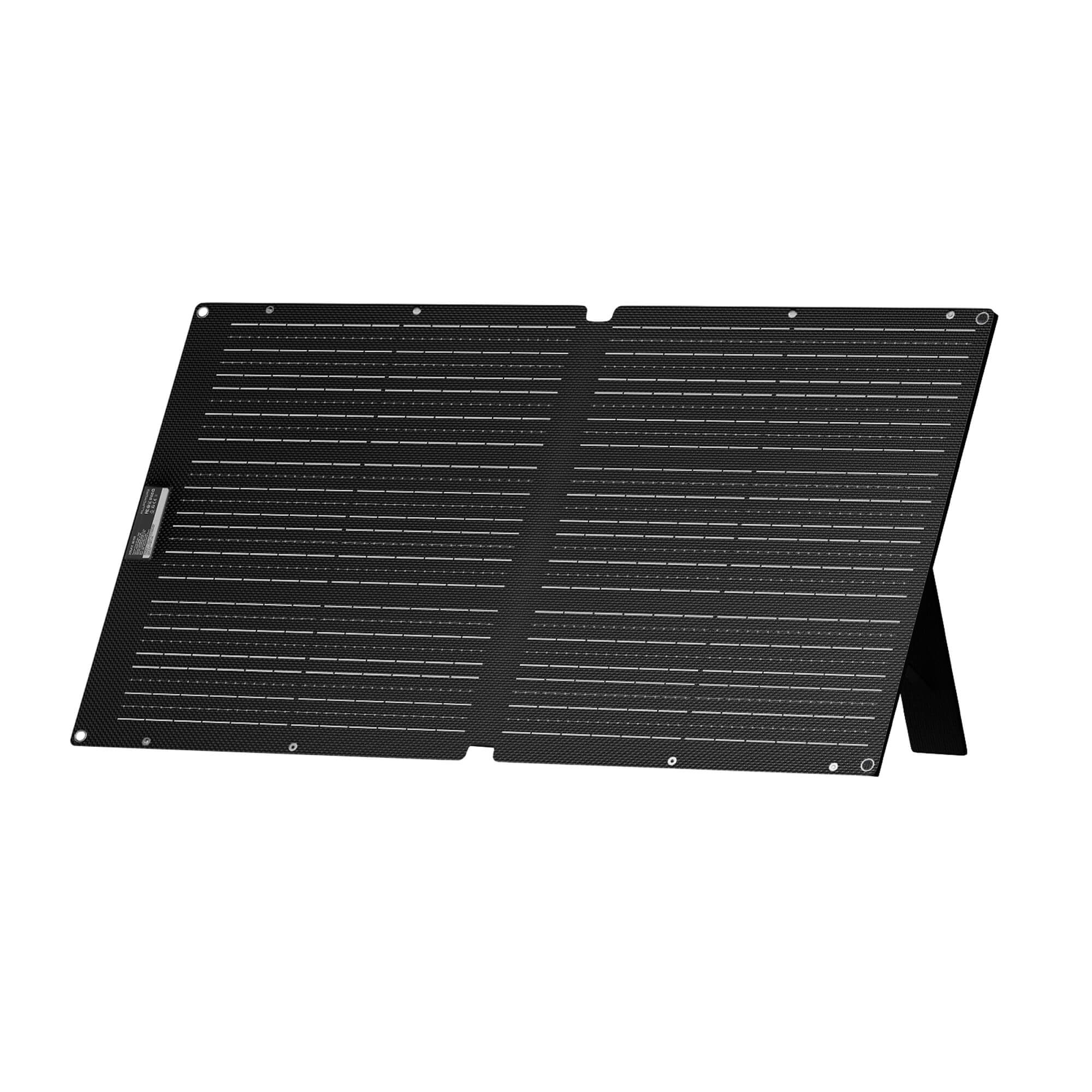
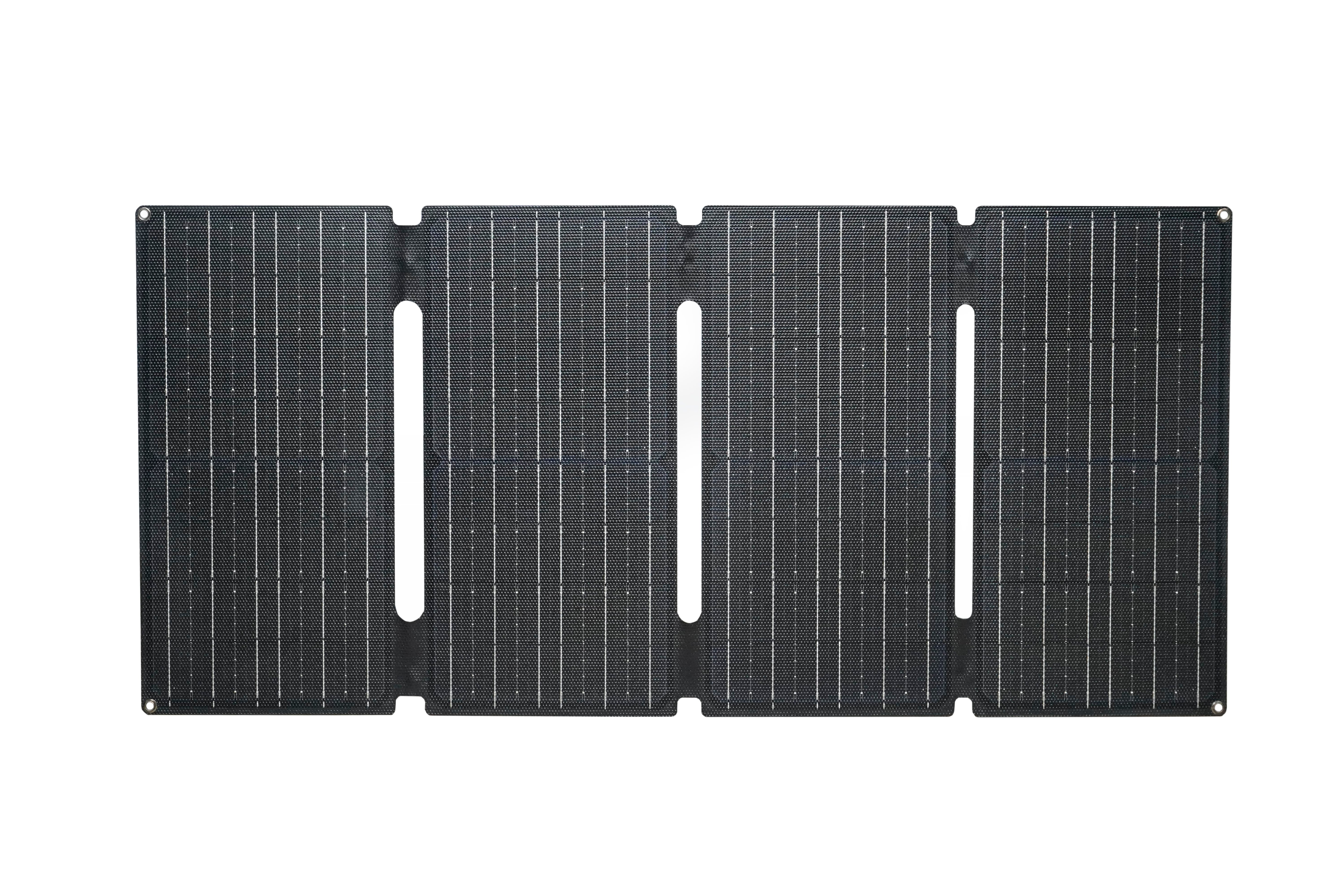
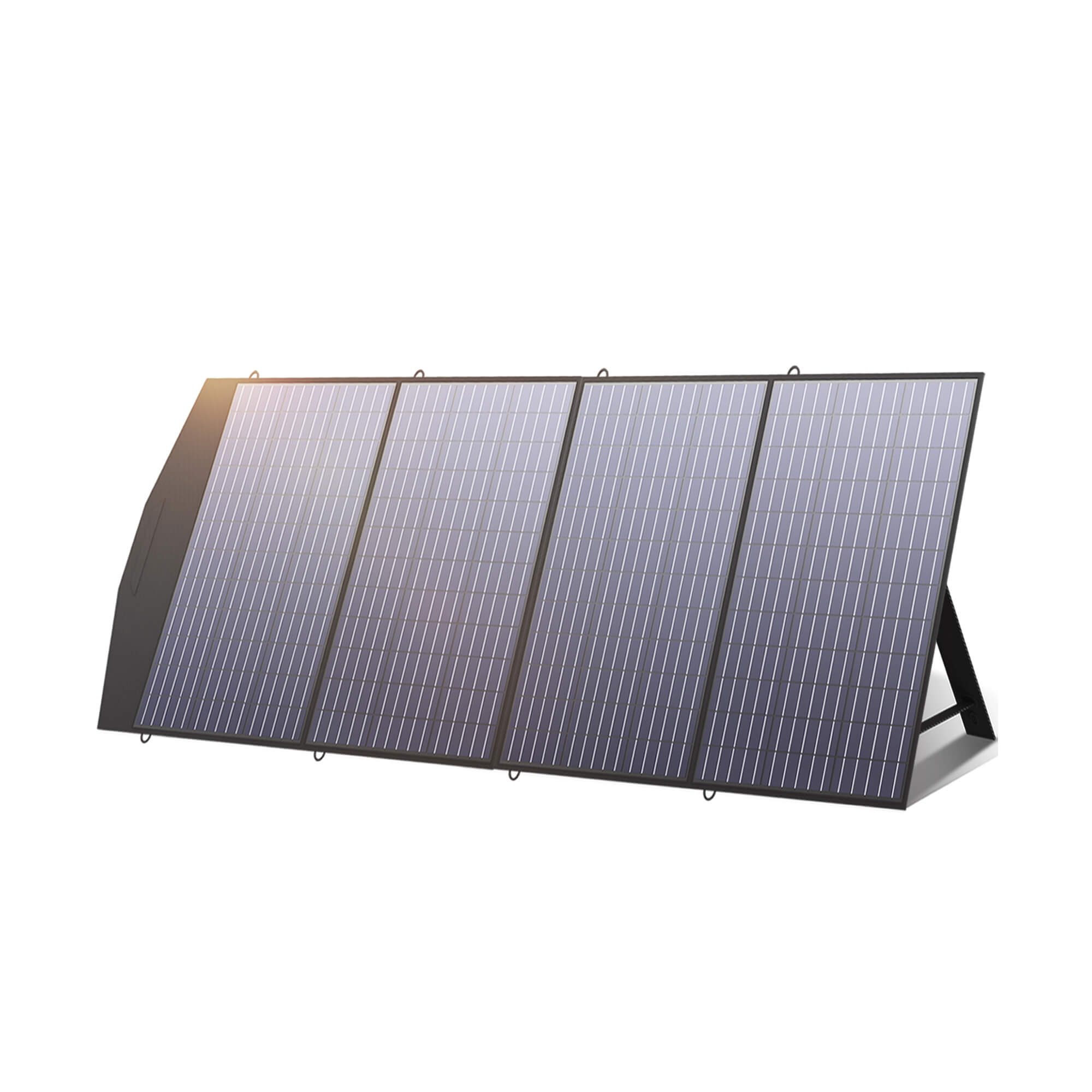
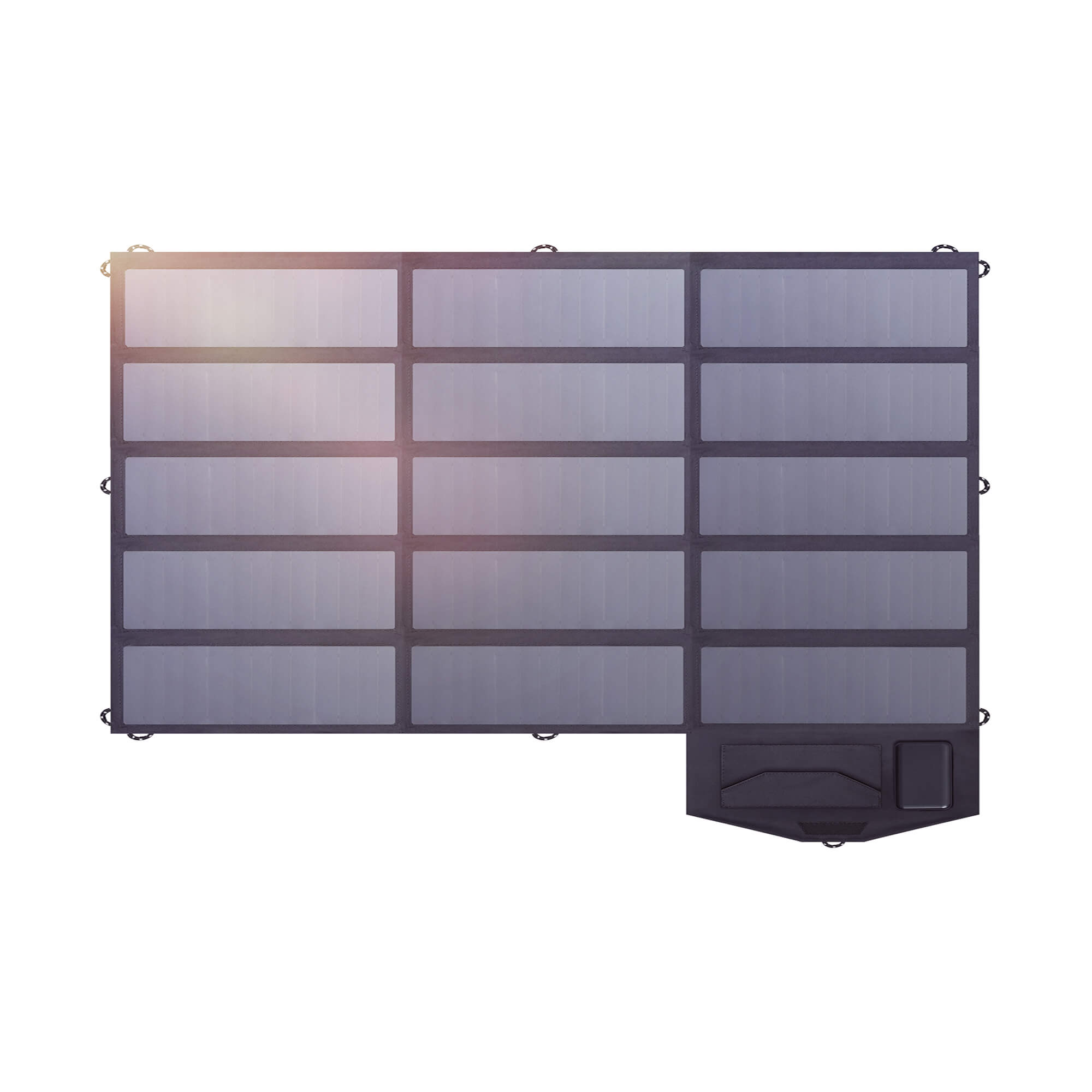
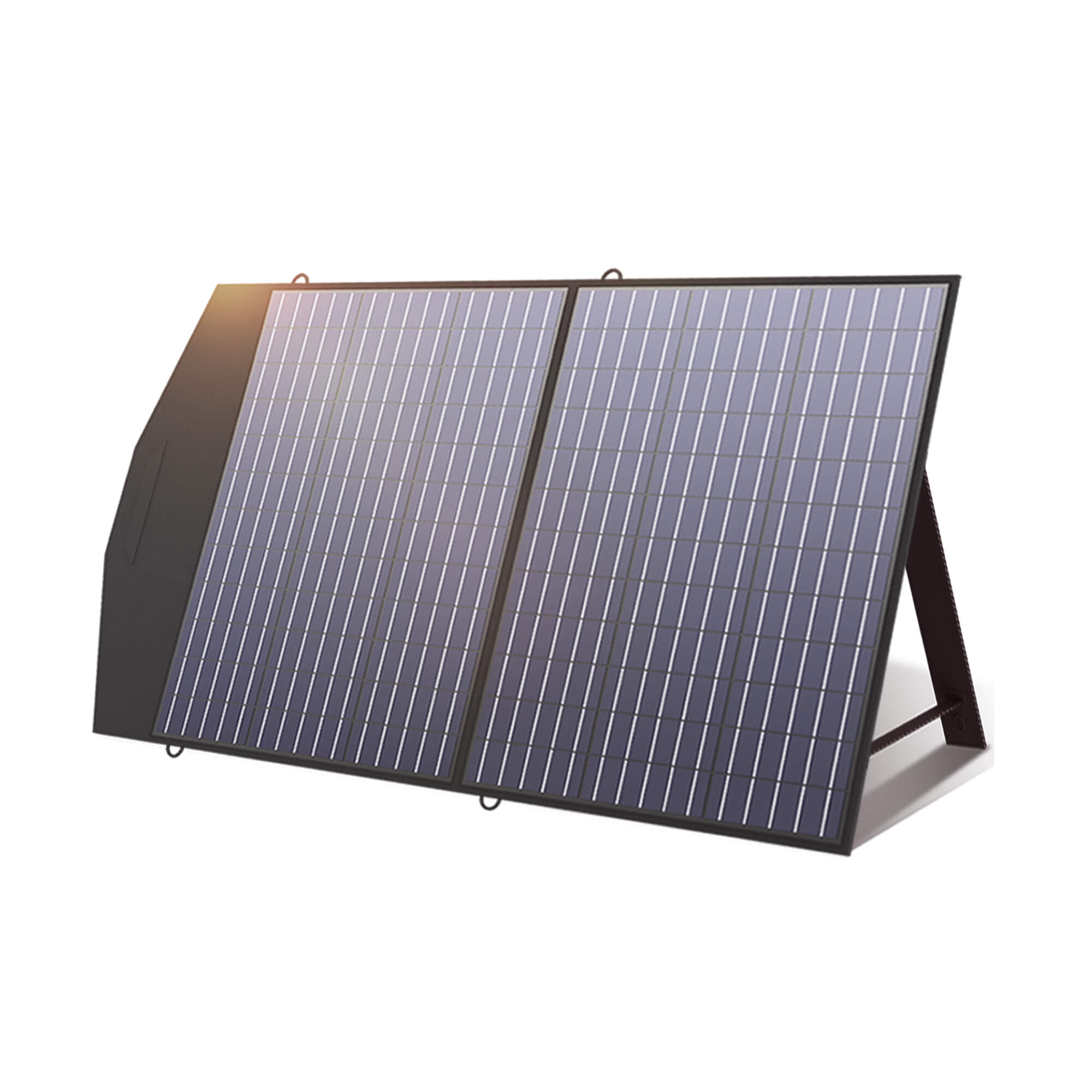
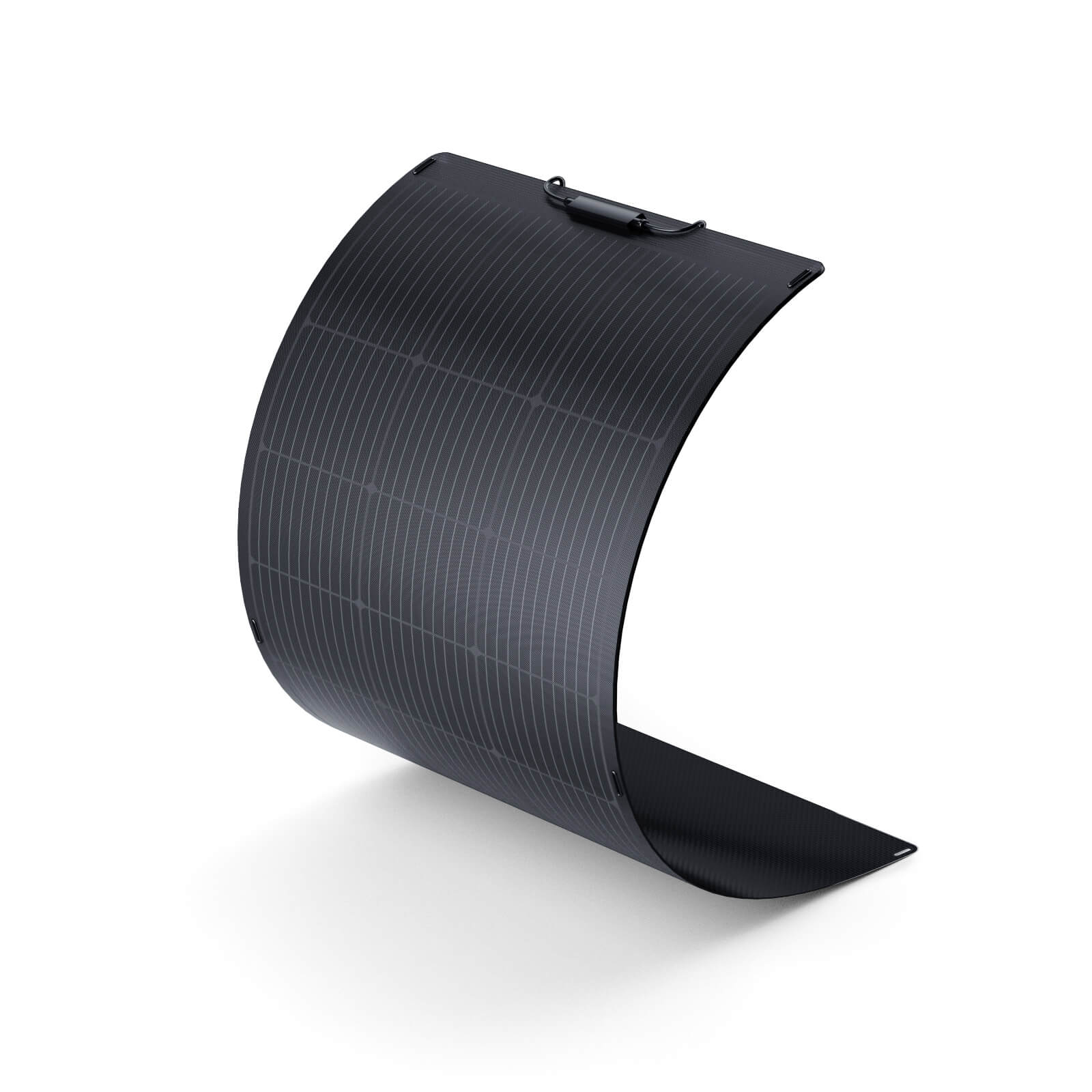
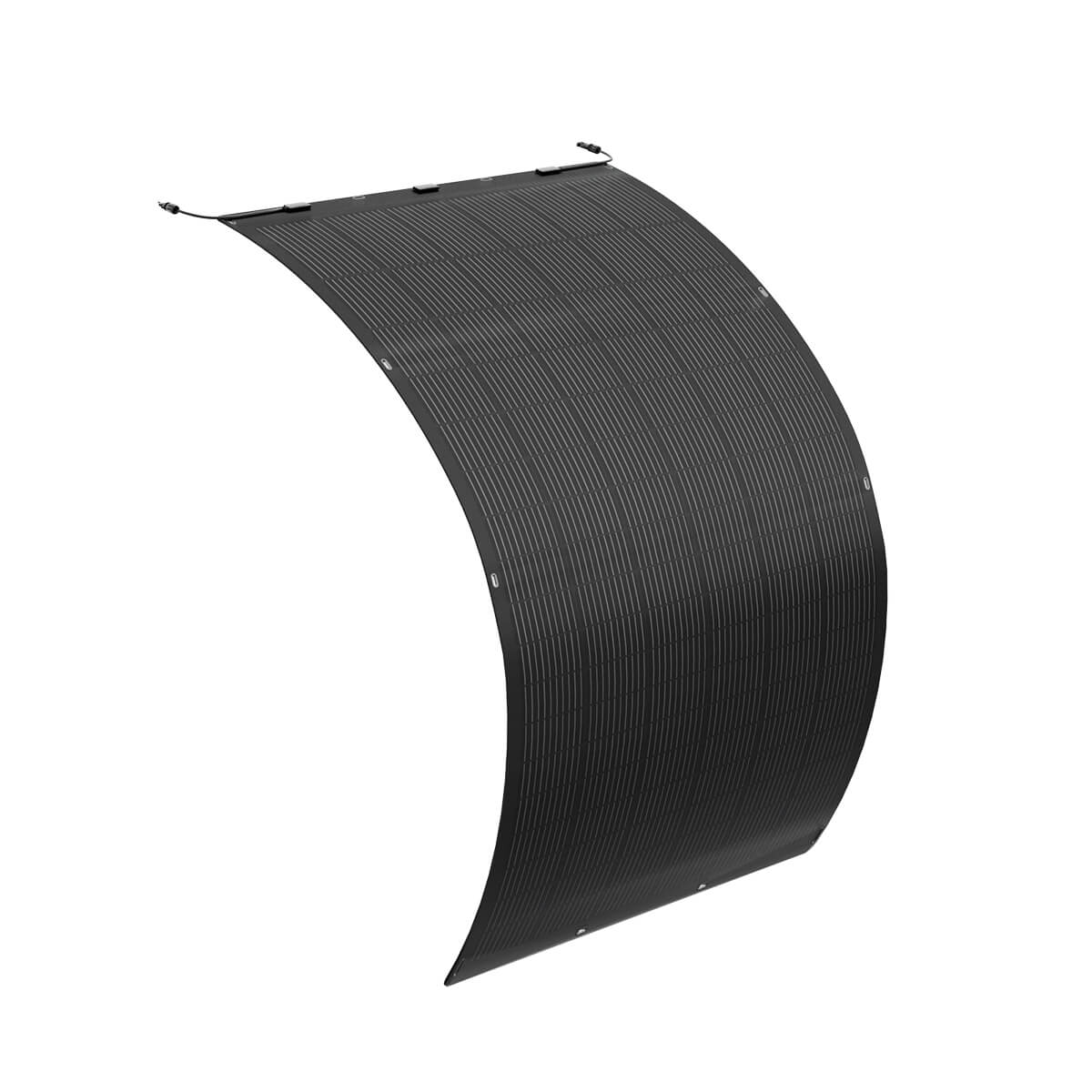
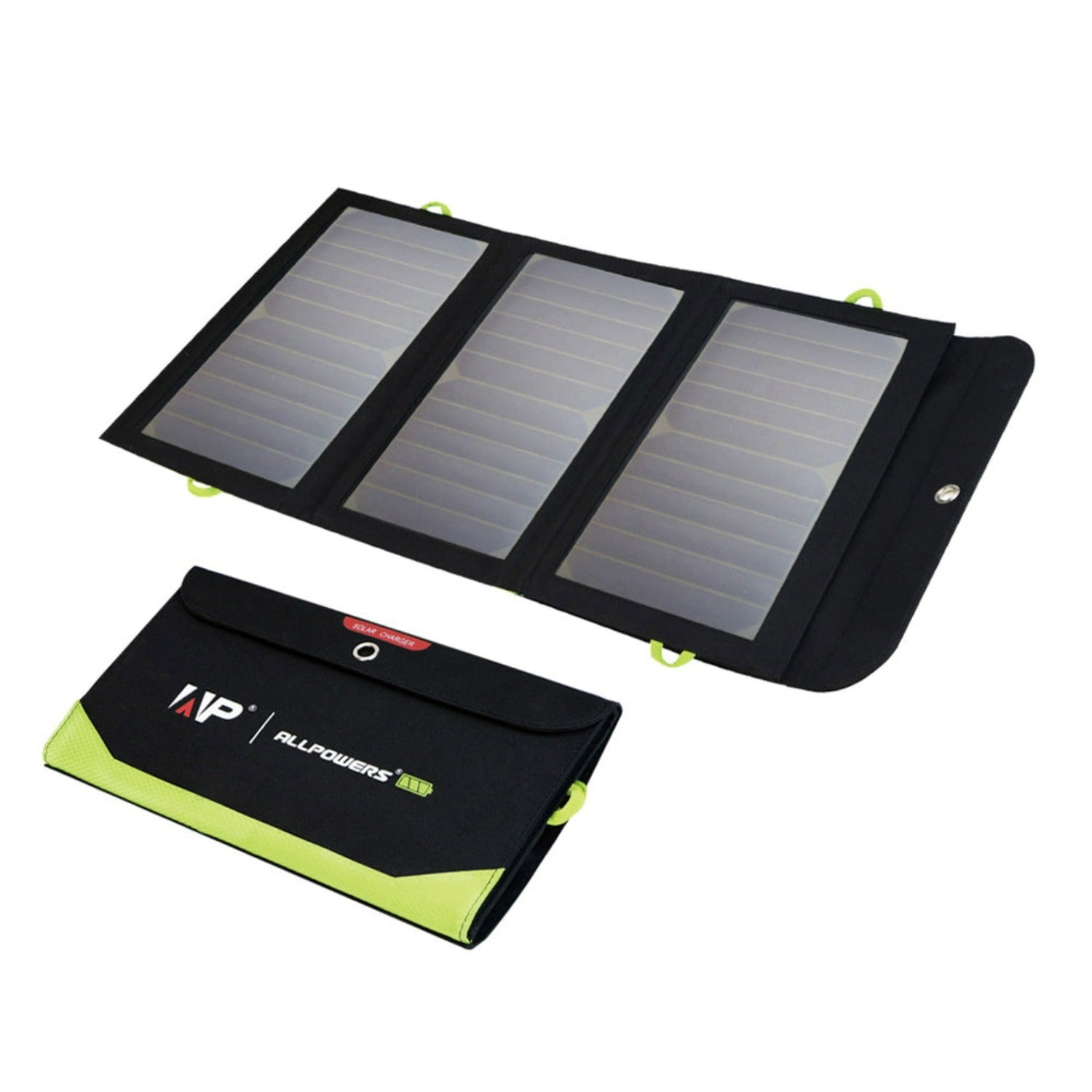
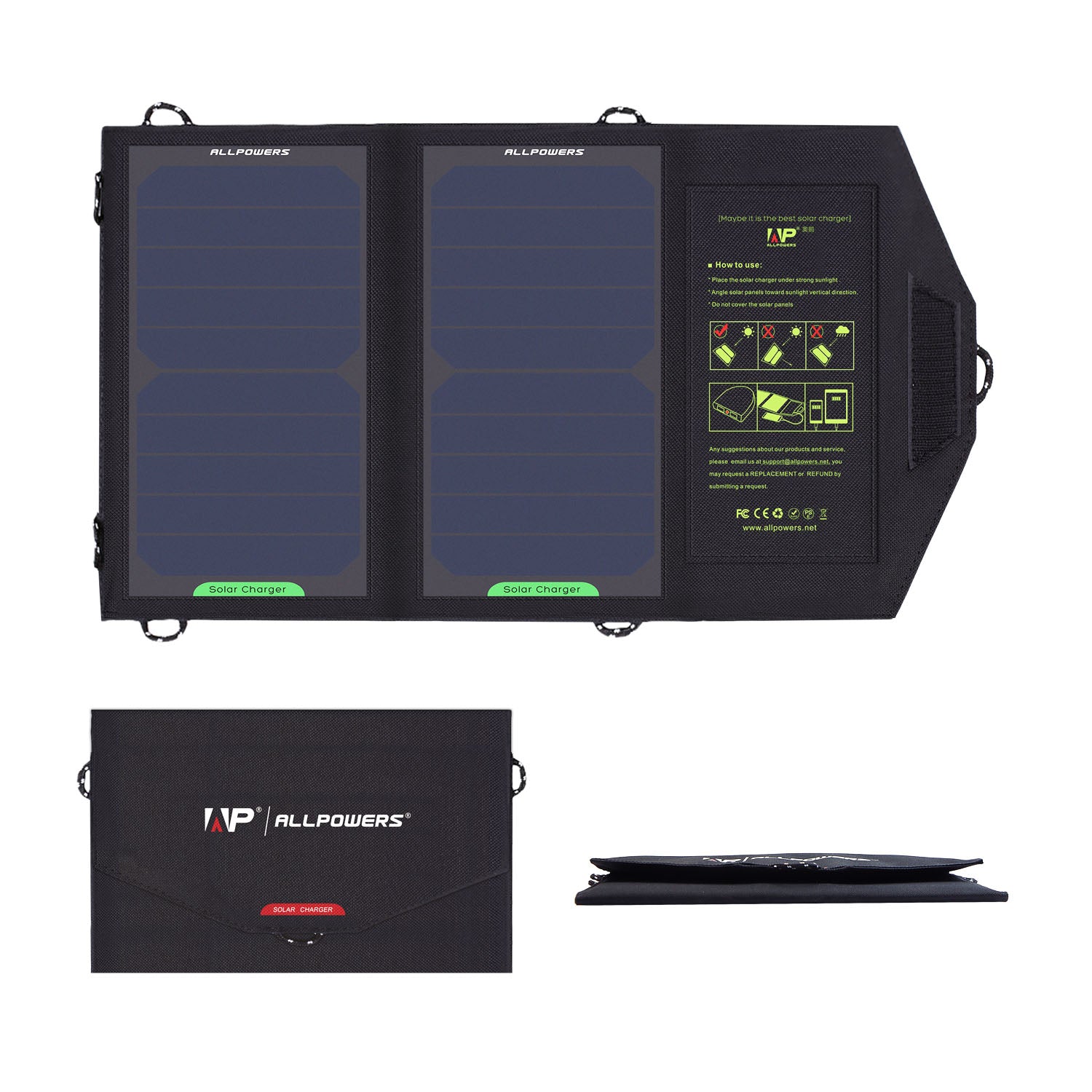
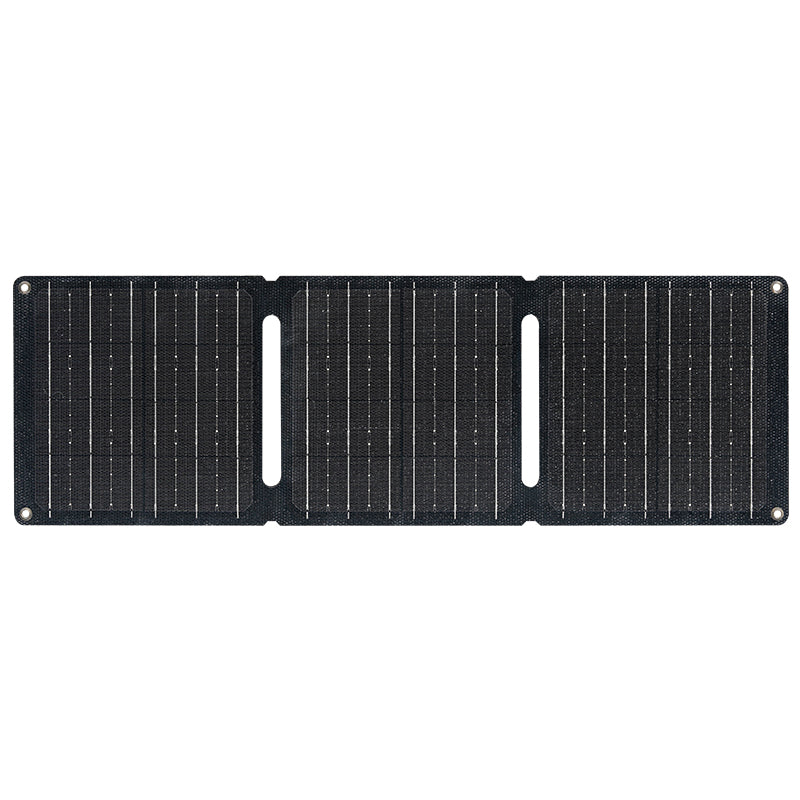
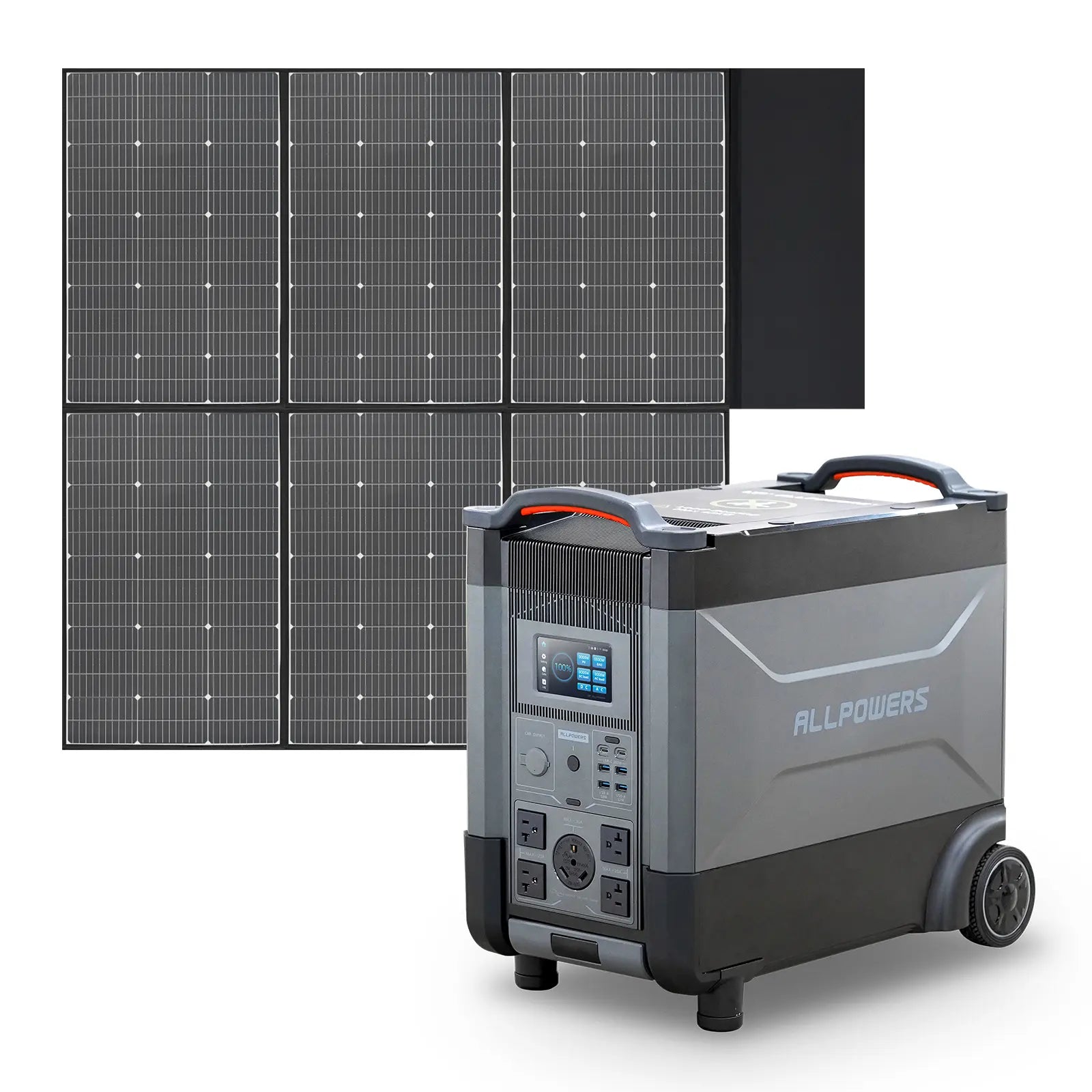
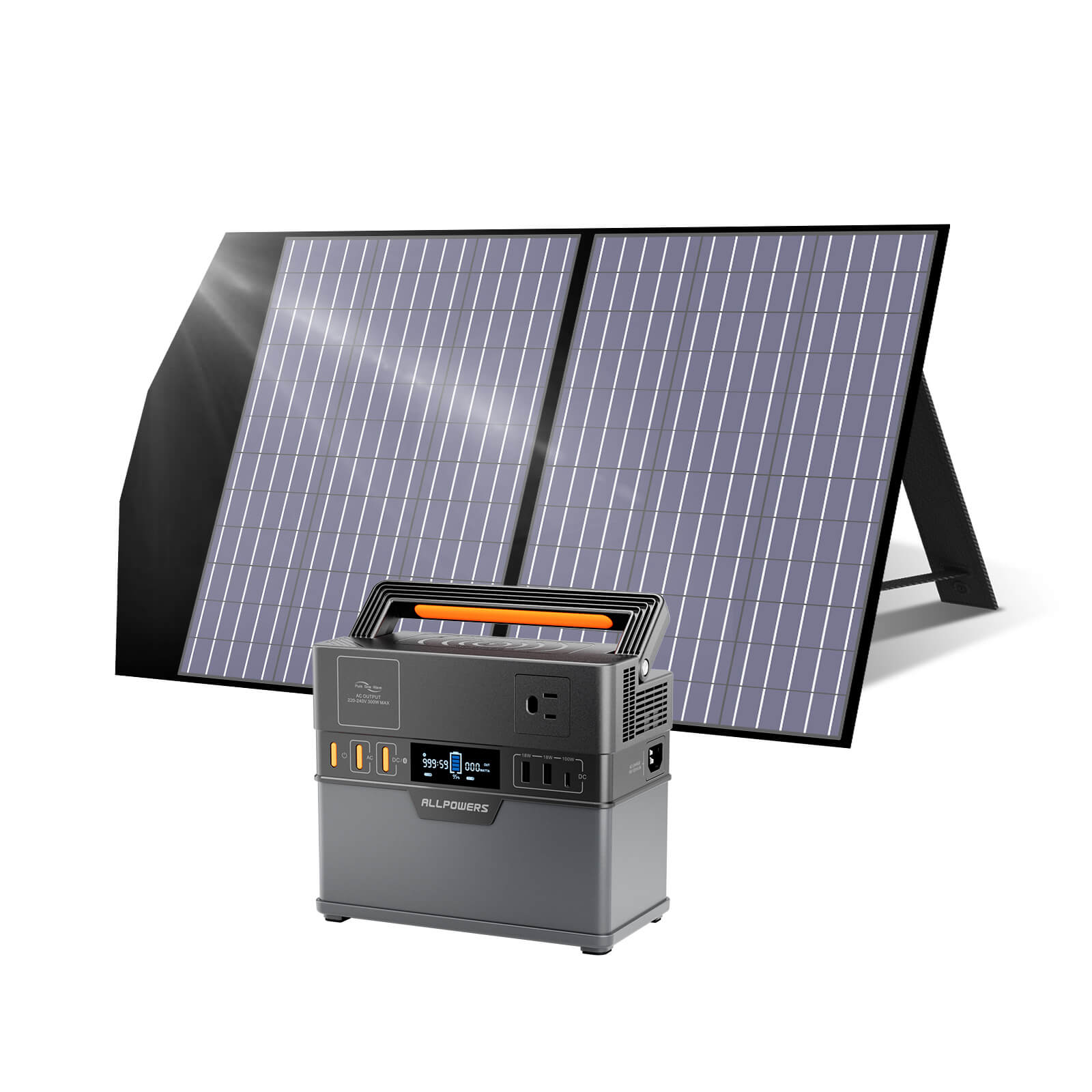
But if you add solar panels, the story shifts again.
Not magically—induction still draws more power than most portable panels can supply in real time—but enough to matter.
Solar can slow the drain, especially during daytime cooking. It can also refill the battery between meals, which changes how you plan your day.
The Impact of Pan Material and Size
Here’s a little nuance that often surprises people: the type of pan you use can affect energy demand.
Induction relies on ferrous materials—basically, metal that’s magnetic. Stainless steel, cast iron, certain enameled steel pans work beautifully.
Copper or aluminum, not so much—they won’t heat properly without a magnetic layer.
Bigger pans with more mass require more energy to heat evenly, increasing the load on your power station.
So even if your cooktop is rated at 1,800 watts, using a hefty cast iron skillet could push instantaneous demand higher.
Induction Cooktops vs. Other Appliances
Induction cooktops are among the most efficient cooking methods out there—more so than gas or traditional electric coils—because they transfer energy directly to the pan.
But efficiency doesn’t equal low demand. A 2,000-watt induction cooktop running at full blast is still pulling almost double what a typical blender or toaster does.
In practice, small tasks like reheating a cup of soup are doable with modest stations, but full-on meal prep is where the rubber meets the road.
It’s interesting, too, that some modern cooktops have “eco” or low-power modes, which can draw considerably less than the nominal rating.
Those are the sweet spots for portable power stations use—like finding the hidden quiet trails in a busy national park.
You might not be able to flambé a crème brûlée off-grid, but a stir-fry or sauté is perfectly feasible with the right setup.
Conclusion
So, can a portable power station reliably run an induction cooktop? Yes, with the right specifications, it absolutely can.
It’s not a simple plug-and-play scenario, but it’s also not rocket science.
With a bit of planning, portable power stations can indeed bring induction cooking into previously impossible settings.