





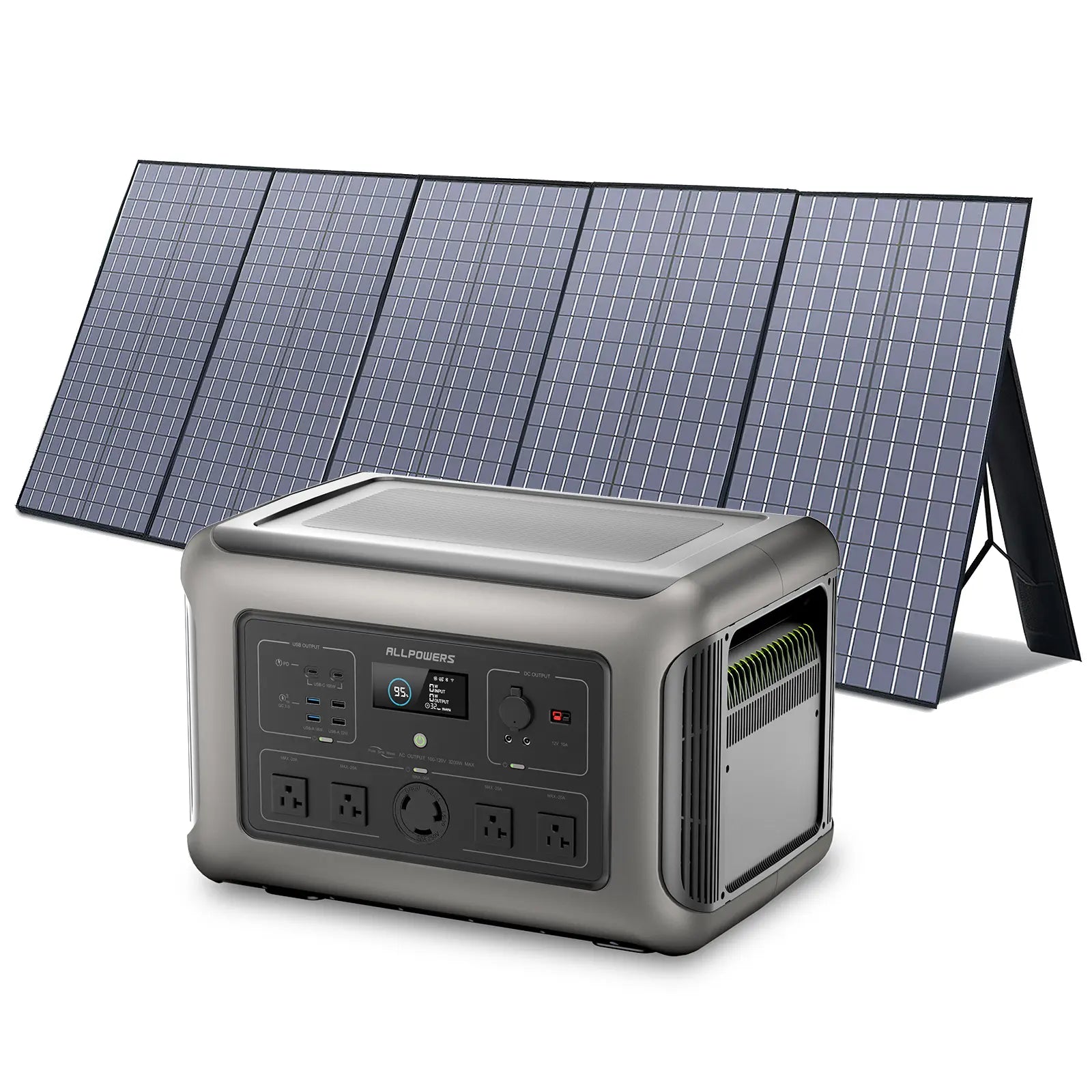
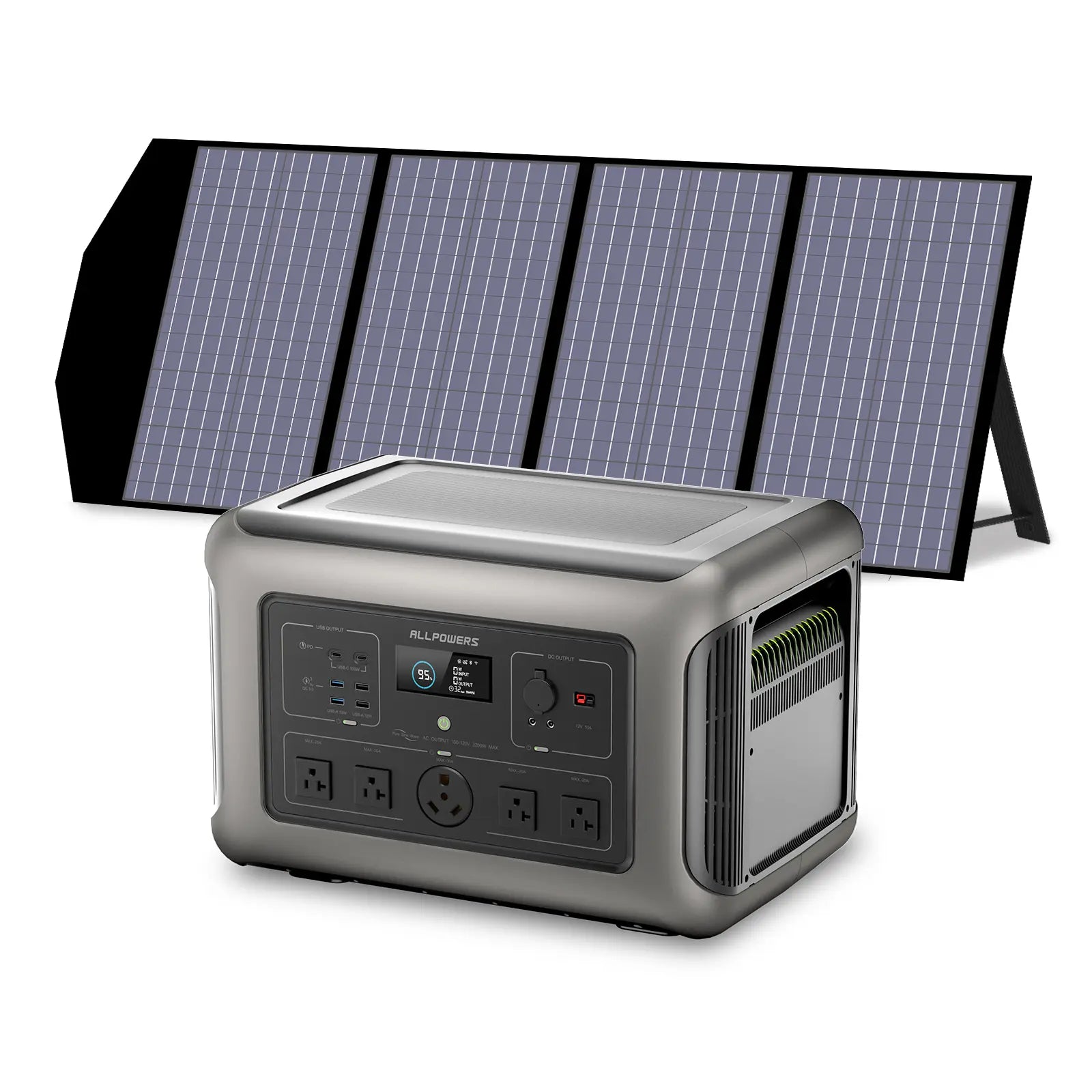
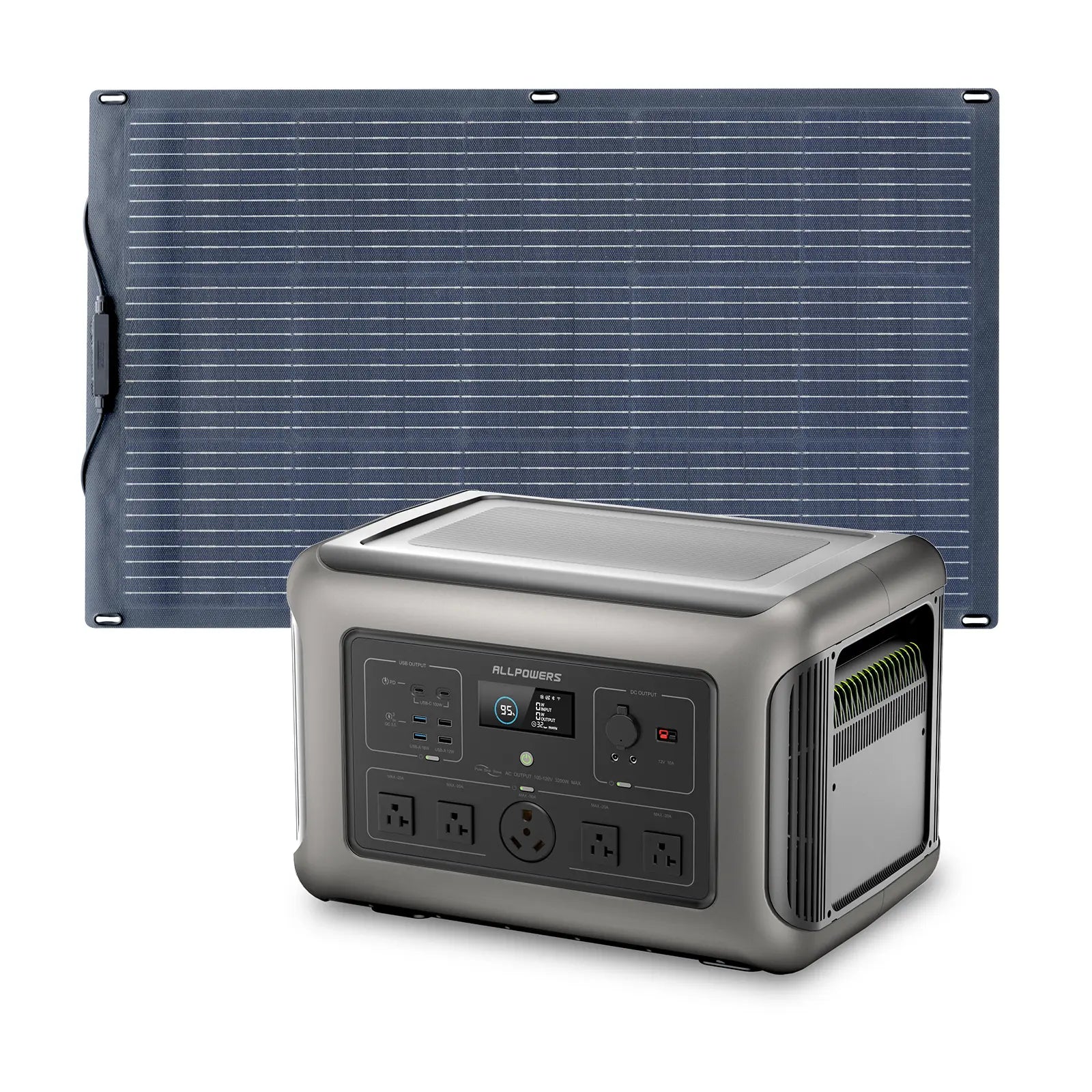
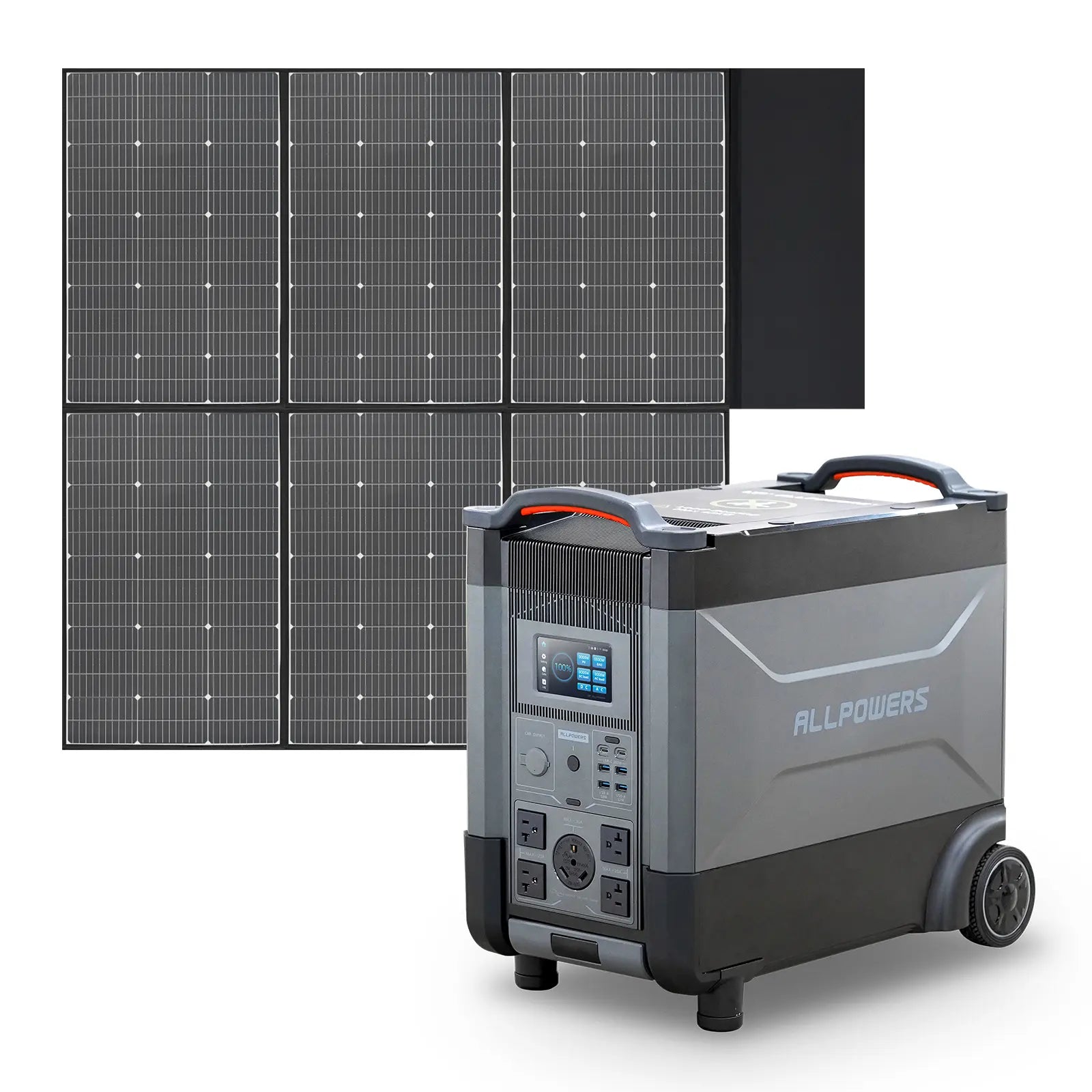
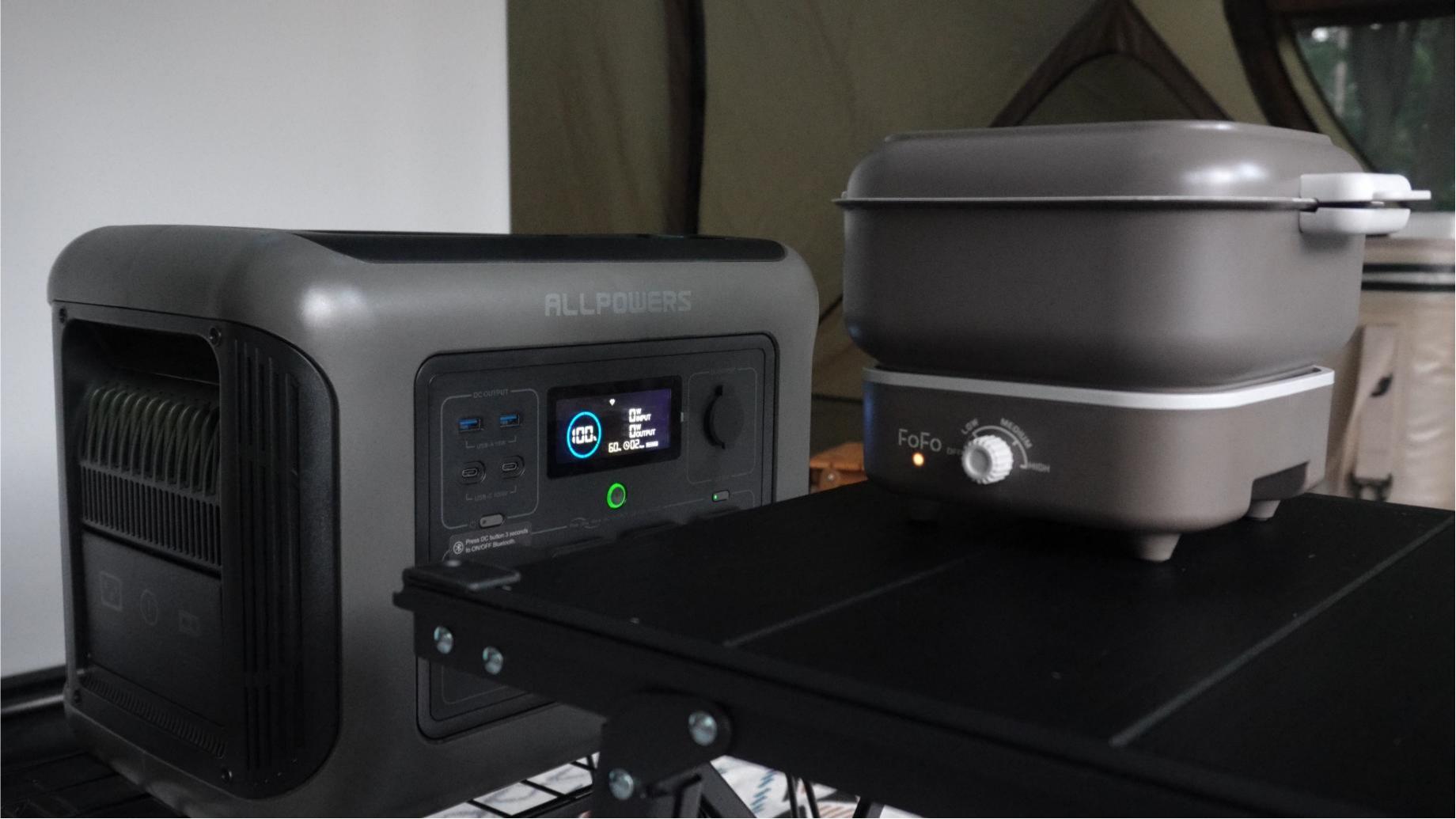
Crockpots—the humble crockpot many of us lean on when life gets a little chaotic—seem simple enough.
You plug one in, toss in your ingredients, and the crockpot quietly turns simple ingredients into a warm meal.
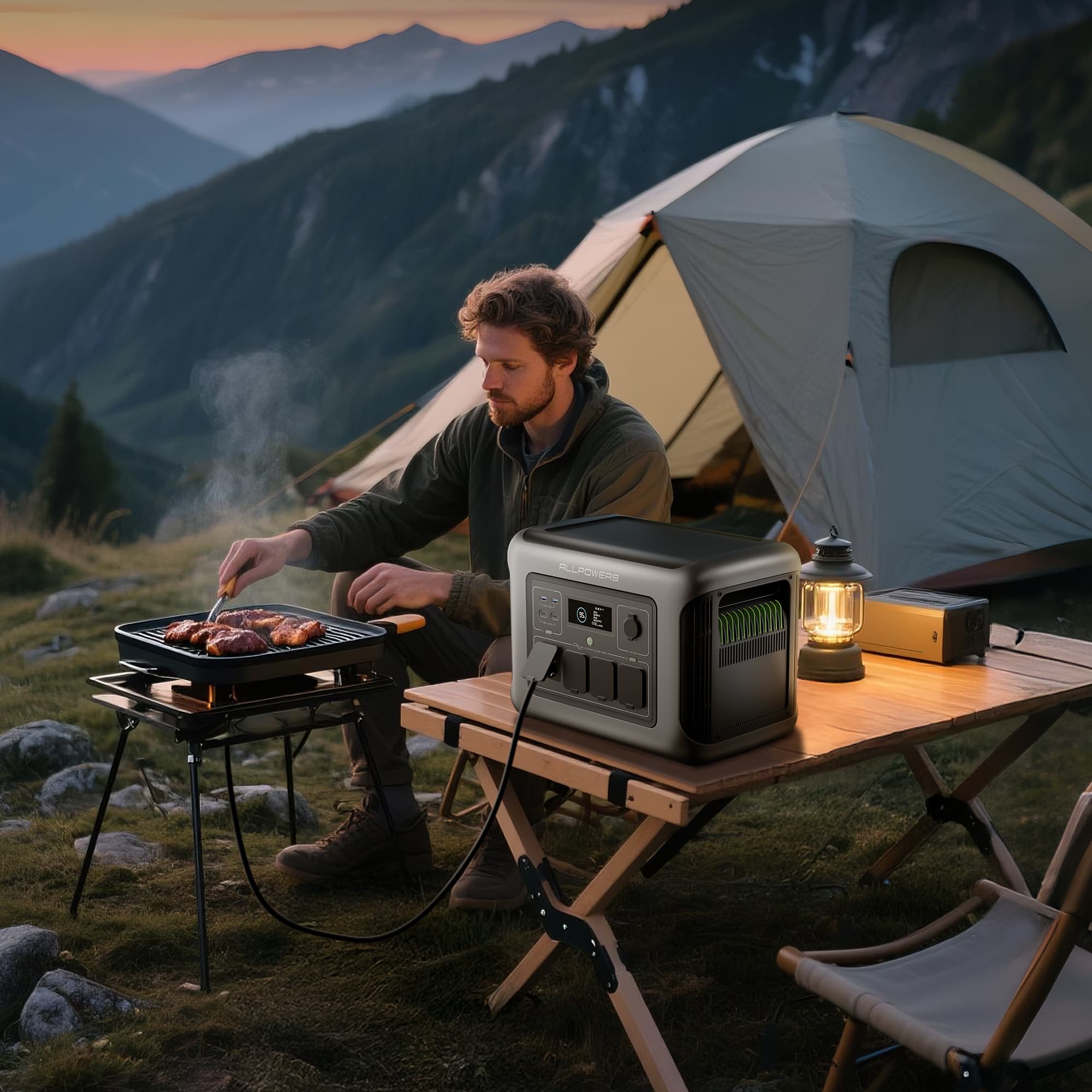
But what if you’re off-grid? Can you just plug your trusty crockpot into a portable power station and keep that magic simmering?
TL;DR
Yes, most crockpots can run on a portable power station as long as the station supplies more wattage than the slow cooker requires, and the battery capacity is high enough to keep it running for the full cooking duration.
How Many Watts Does It Take to Run a Crockpot?
Crockpots are fairly gentle devices, they behave a little differently from the appliances people usually worry about, like kettles or toasters.
Crockpots use a heating element wrapped around a ceramic pot. That ceramic acts like a thermal reservoir—it warms up slowly and releases heat gradually.
Most standard crockpots fall somewhere between 70 watts on their lowest setting and around 250 watts on high.
Newer models with digital timers or special features might creep up to 300 watts, but that’s still considered lightweight compared to air fryers or hot plates.
And because the heating cycles on and off once the temperature stabilizes, the average power draw over time is often lower than the rated wattage.
This cycling behavior means you aren’t dealing with constant maximum wattage, which can stretch a battery much longer than people expect.
Determining Whether a Power Station Can Handle a Crockpot
A crockpot's wattage needs to be lower than the power station’s AC output. That’s the absolute baseline.
If your slow cooker pulls 240 watts on low, then the AC inverter in the power station must exceed that, preferably with a comfortable margin.
The next piece is an Inverter. You’ll want to look for a pure sine wave inverter because crockpot heating elements prefer smooth voltage curves.
Older “modified sine wave” systems could run some appliances, but not comfortably or safely.
Learn More: Pure Sine Wave Inverter Vs Modified Sine Wave Inverter
Slow cookers prefer smooth power—otherwise the thermostat inside behaves strangely, or the heating element doesn’t maintain even warmth.
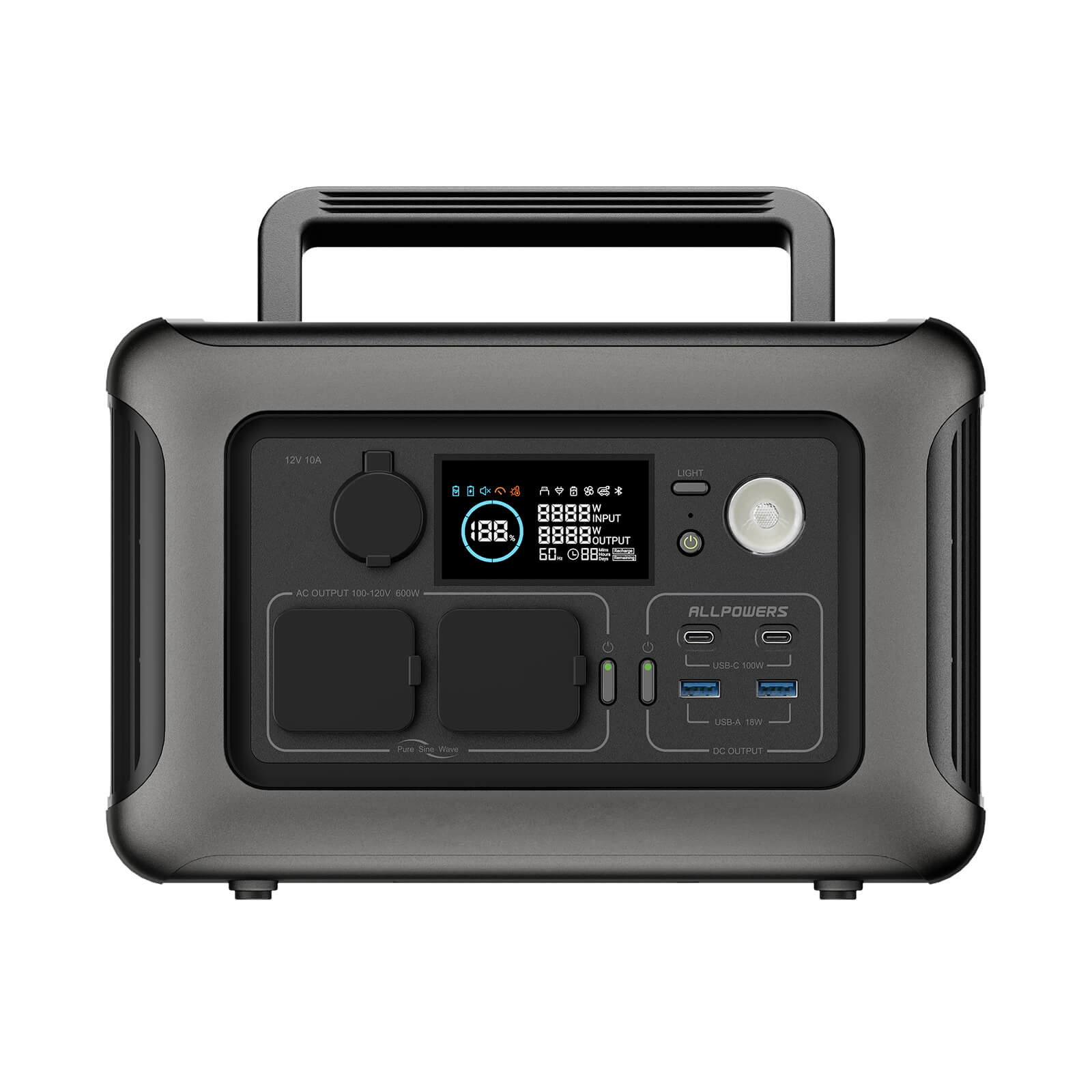
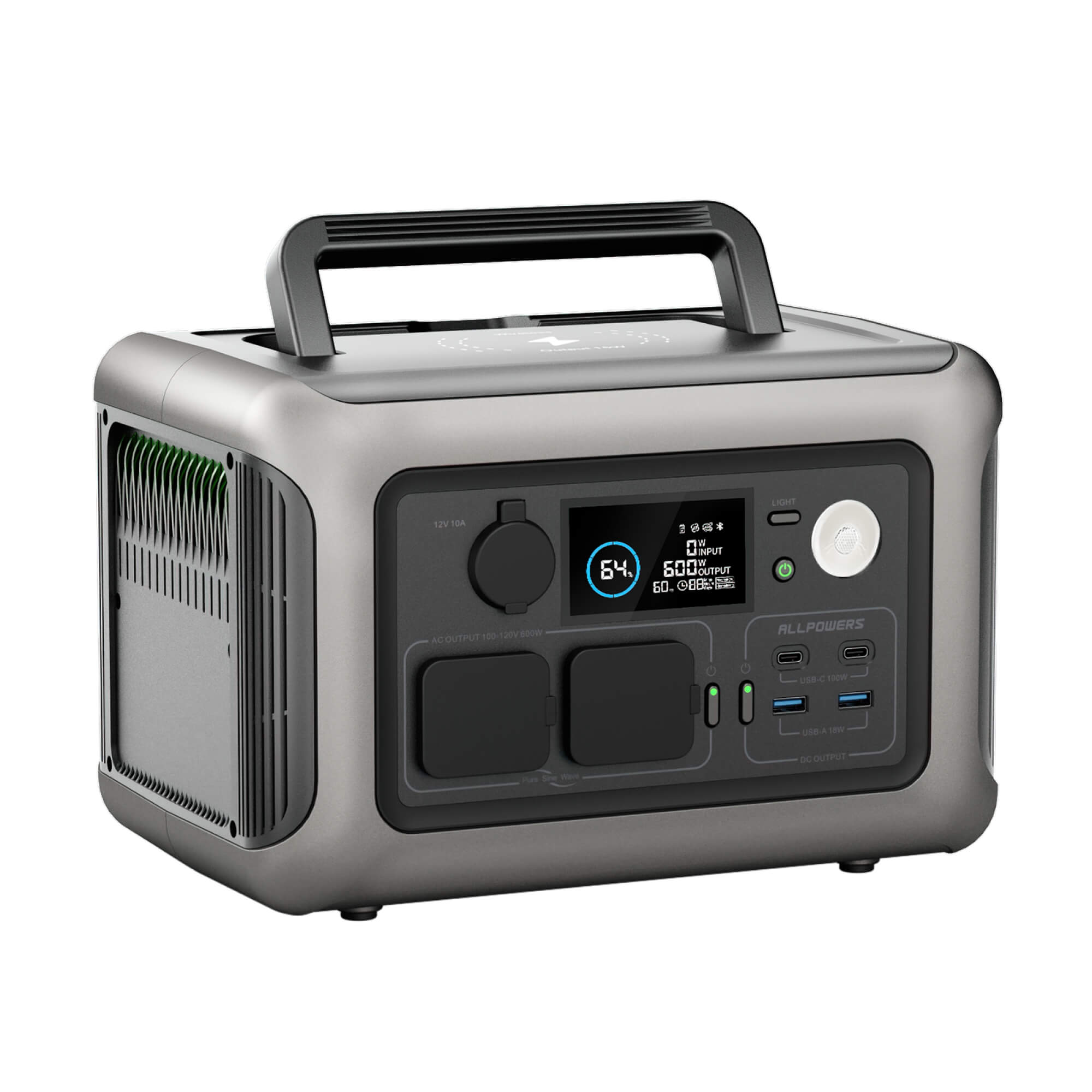
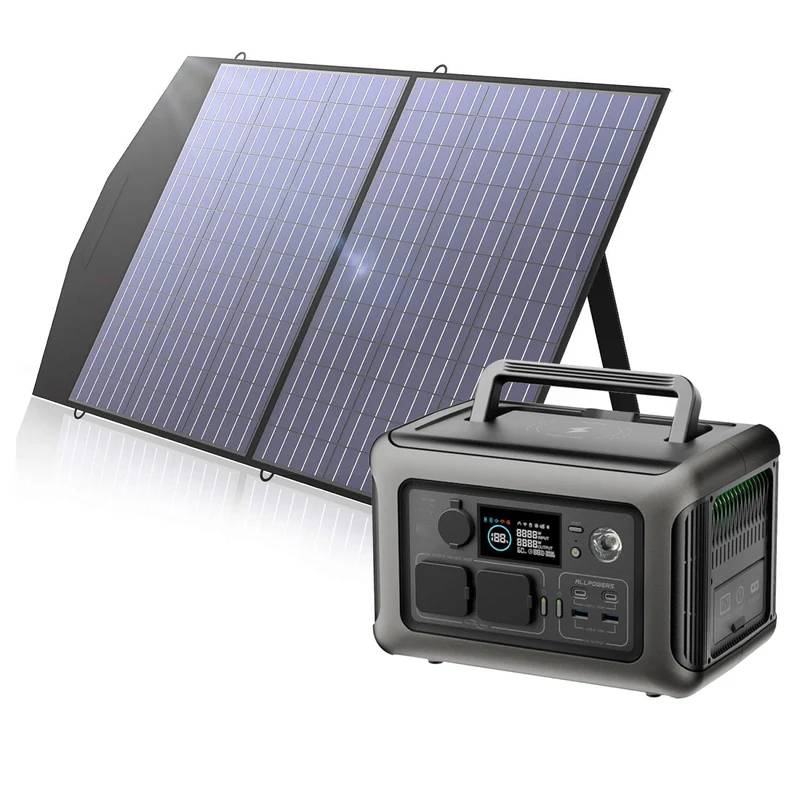
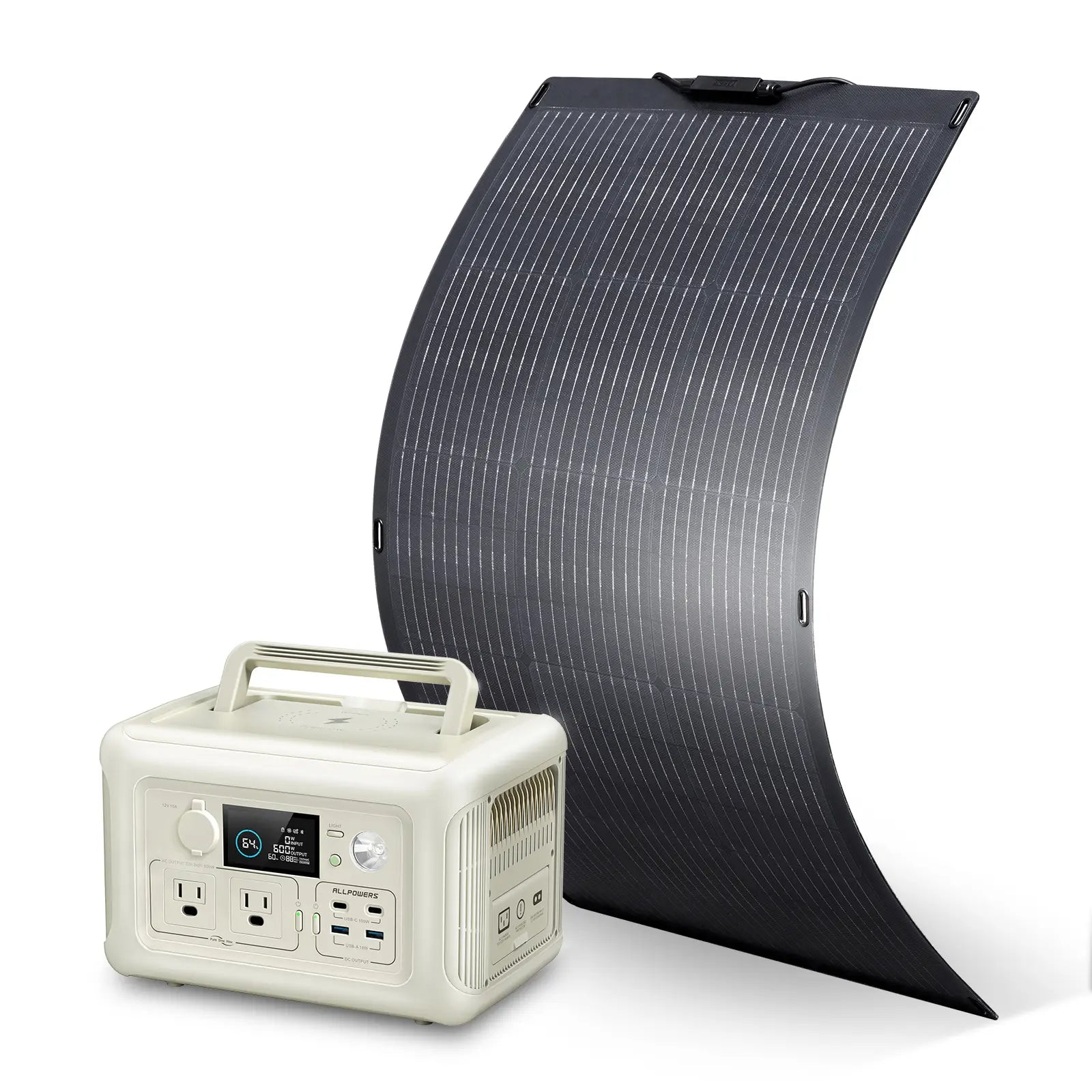
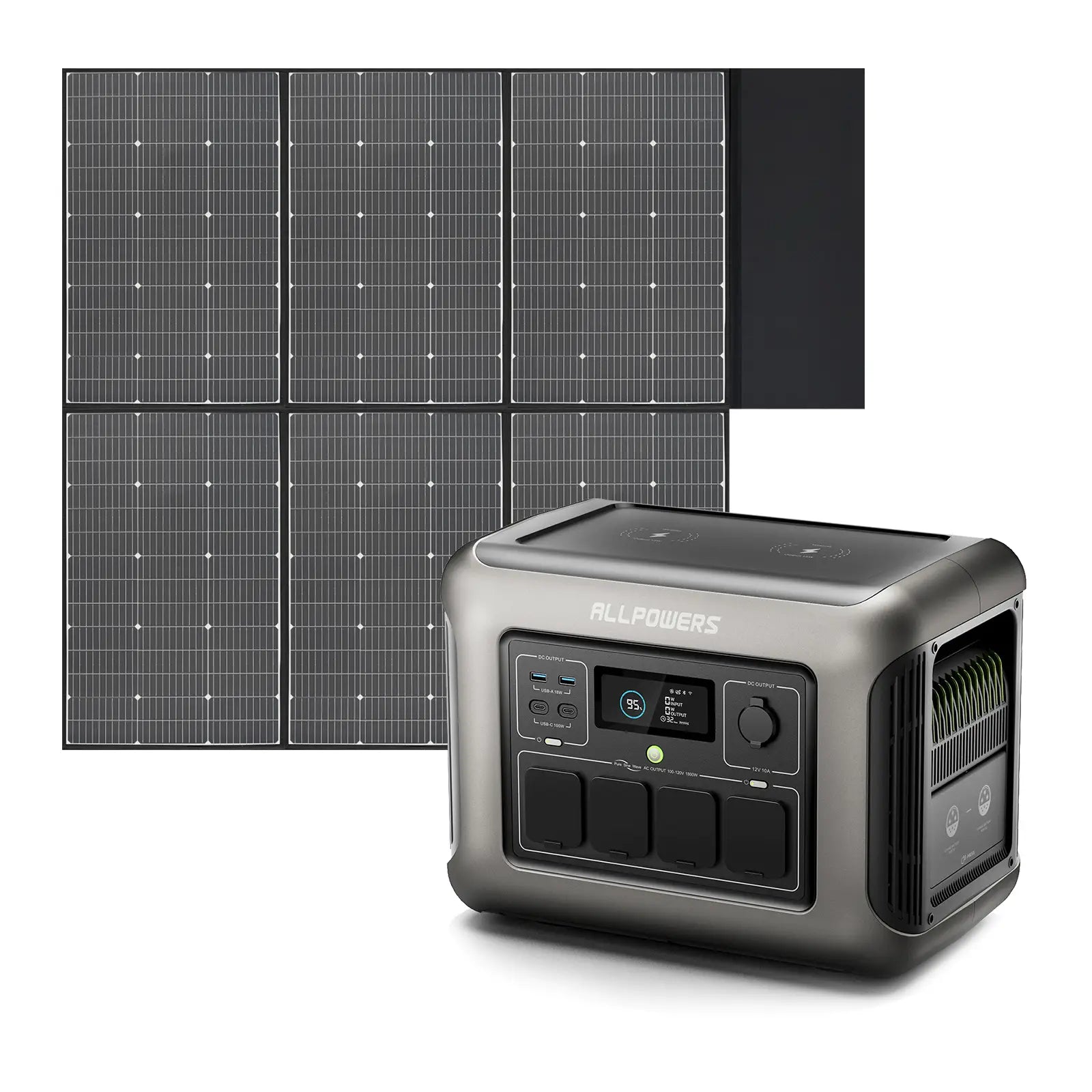
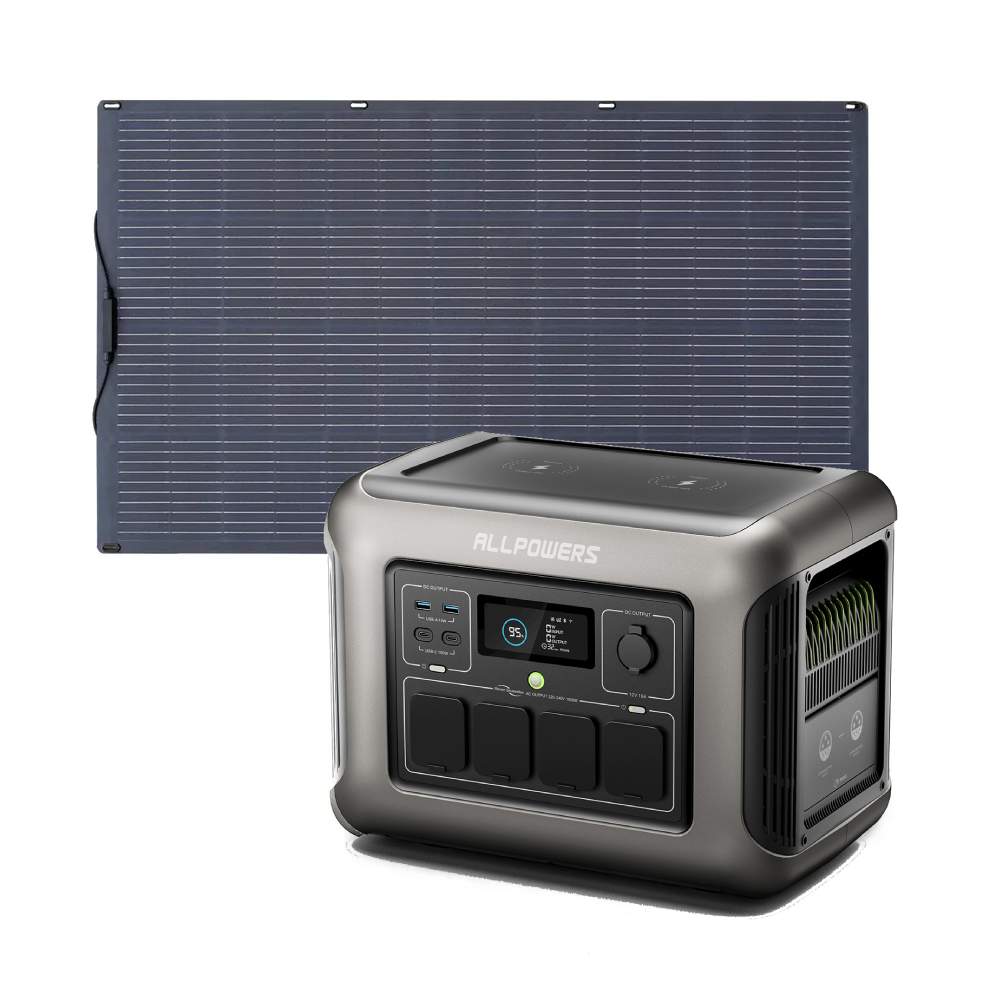
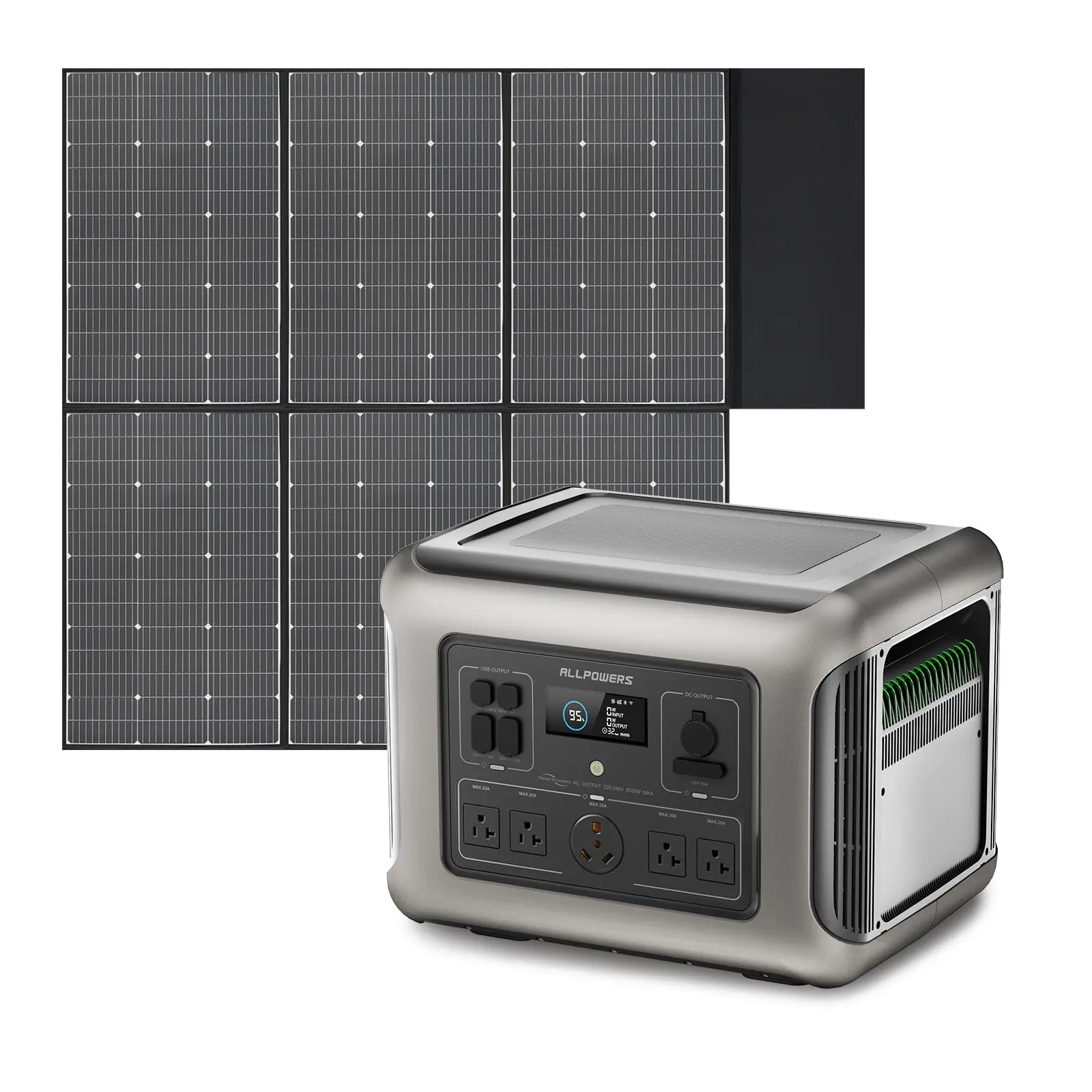
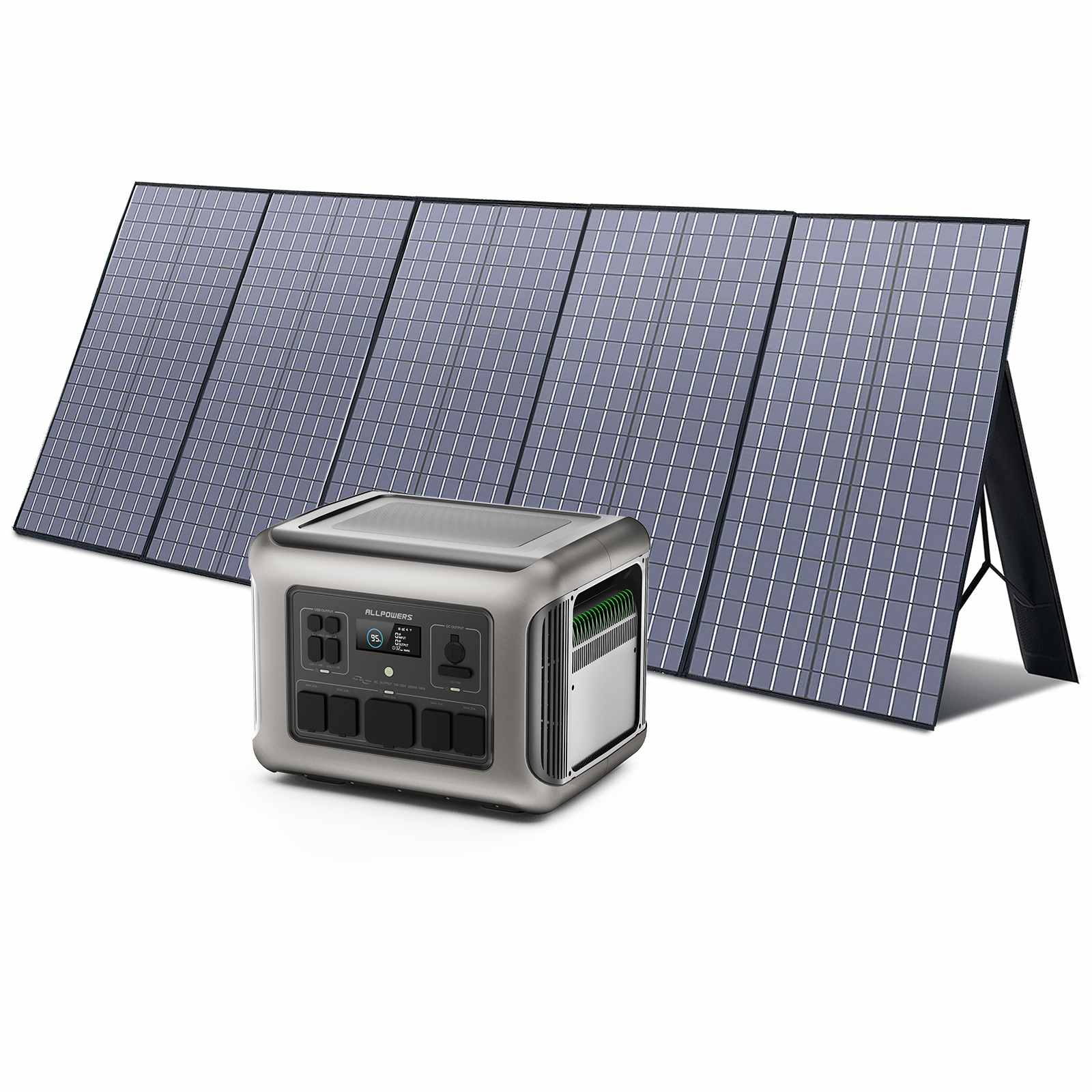
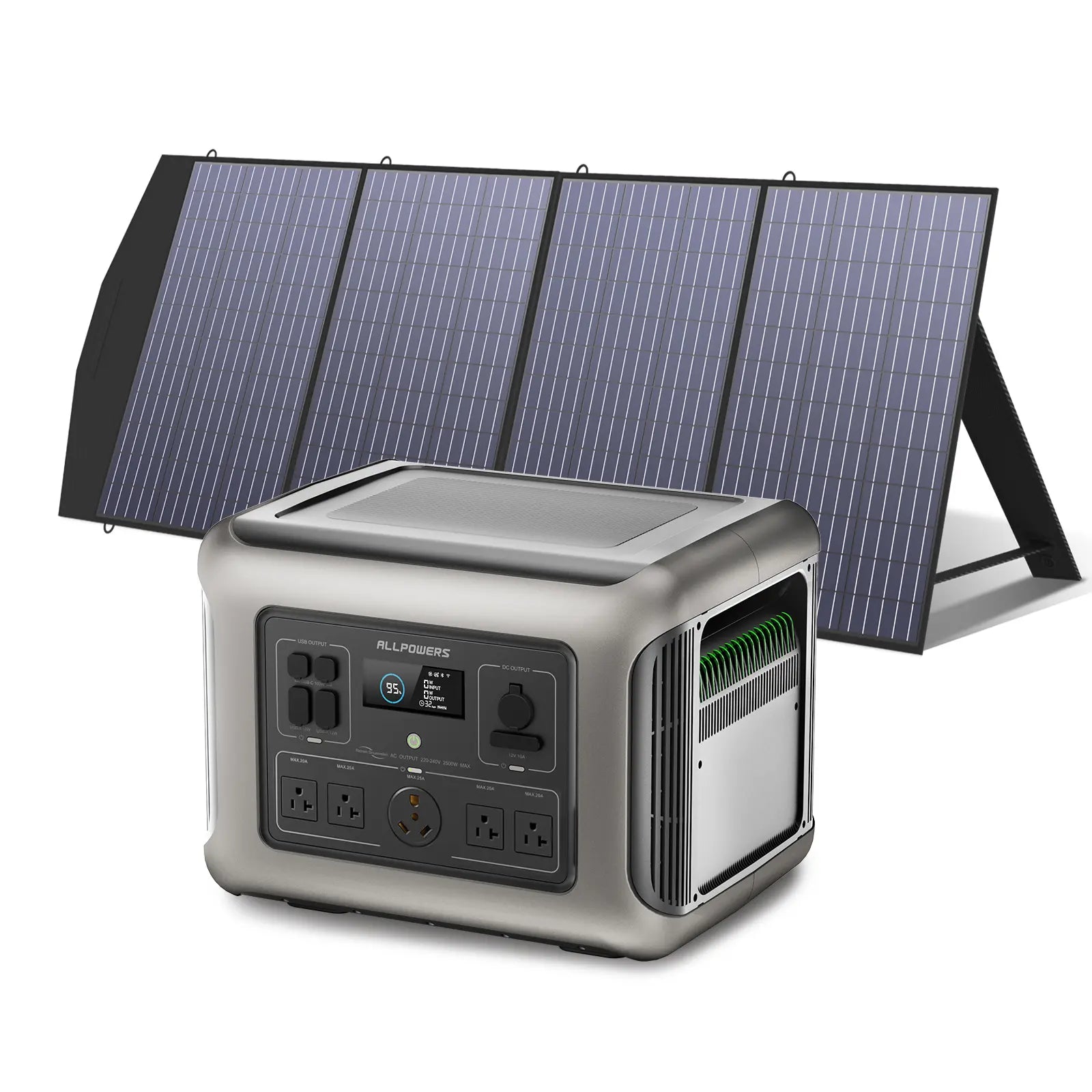
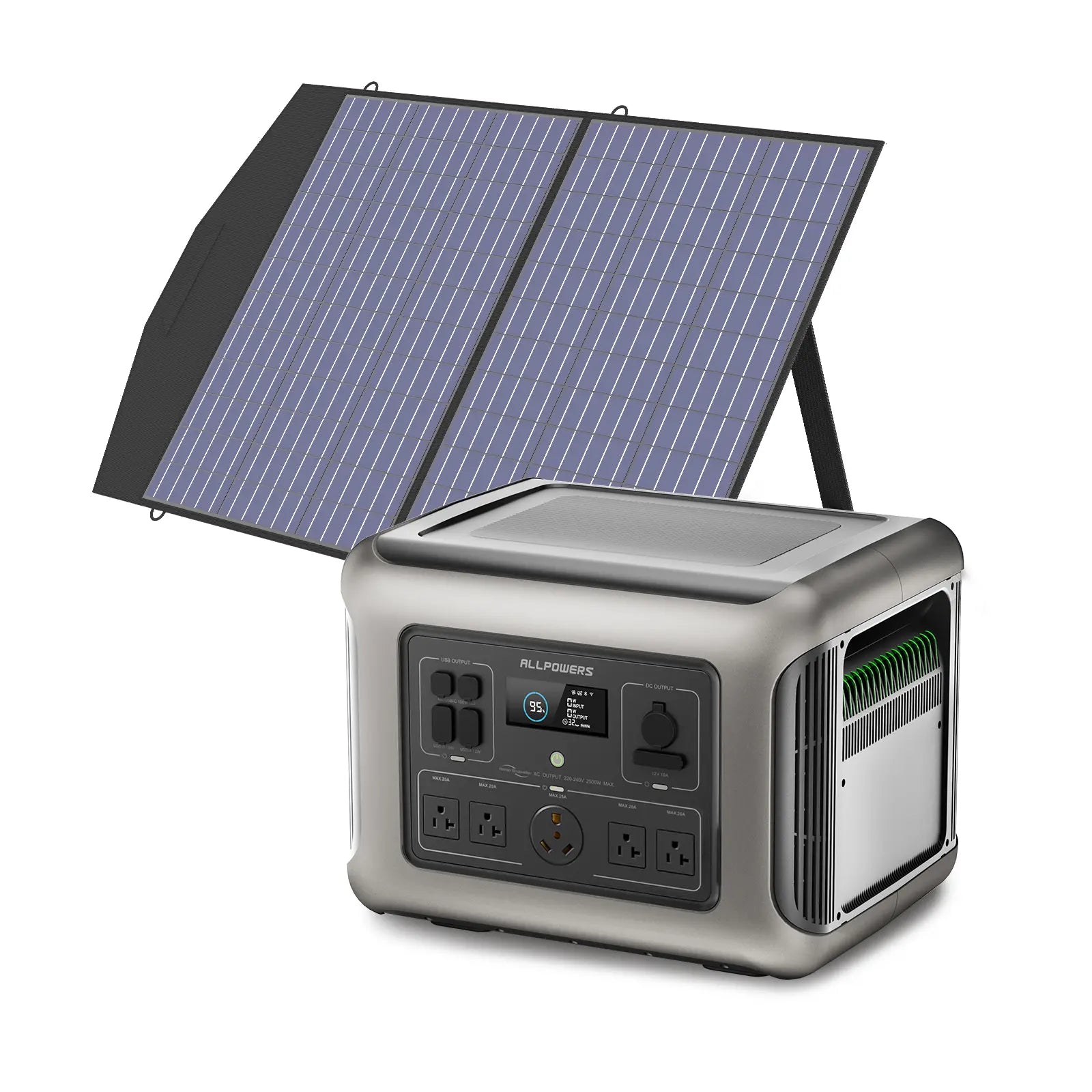
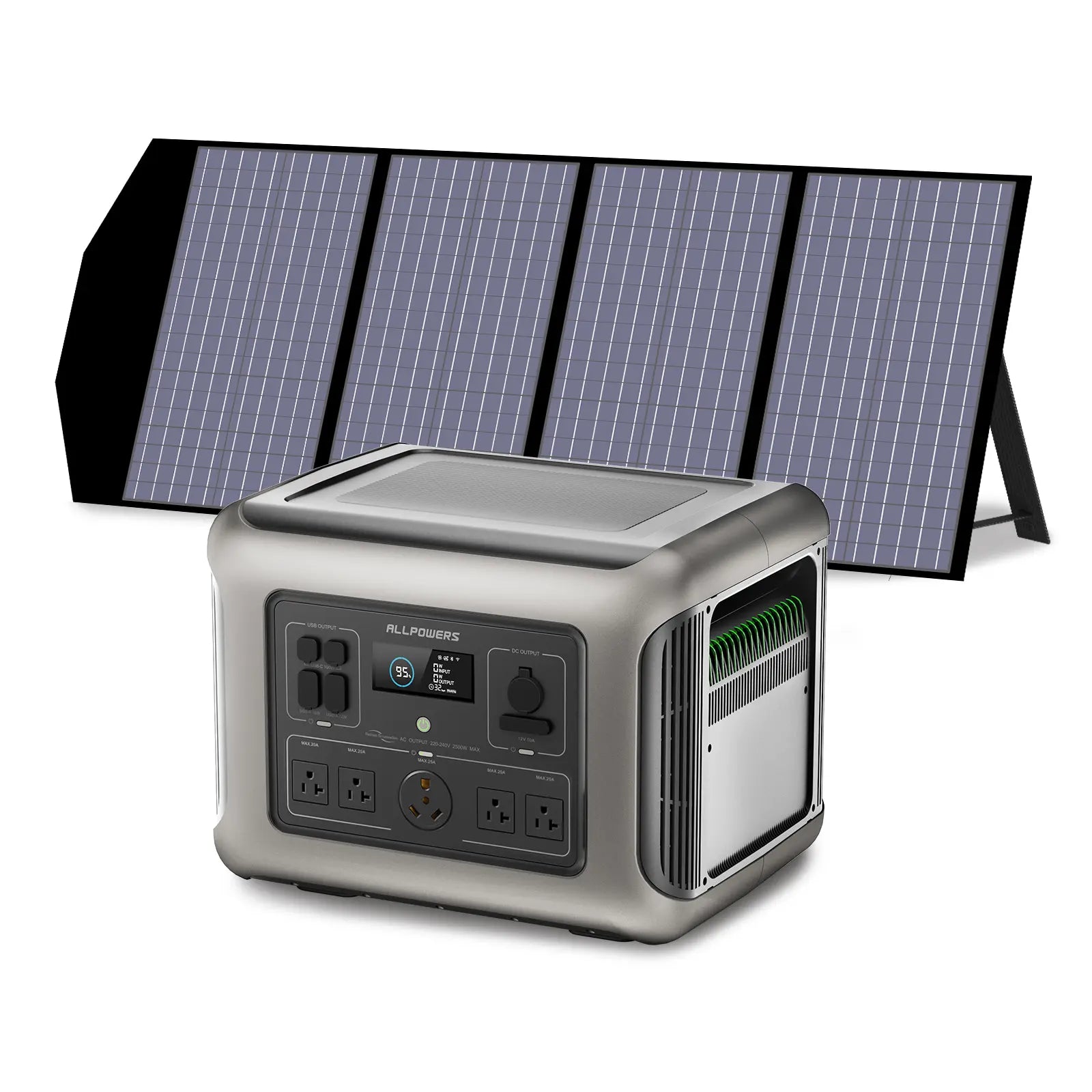
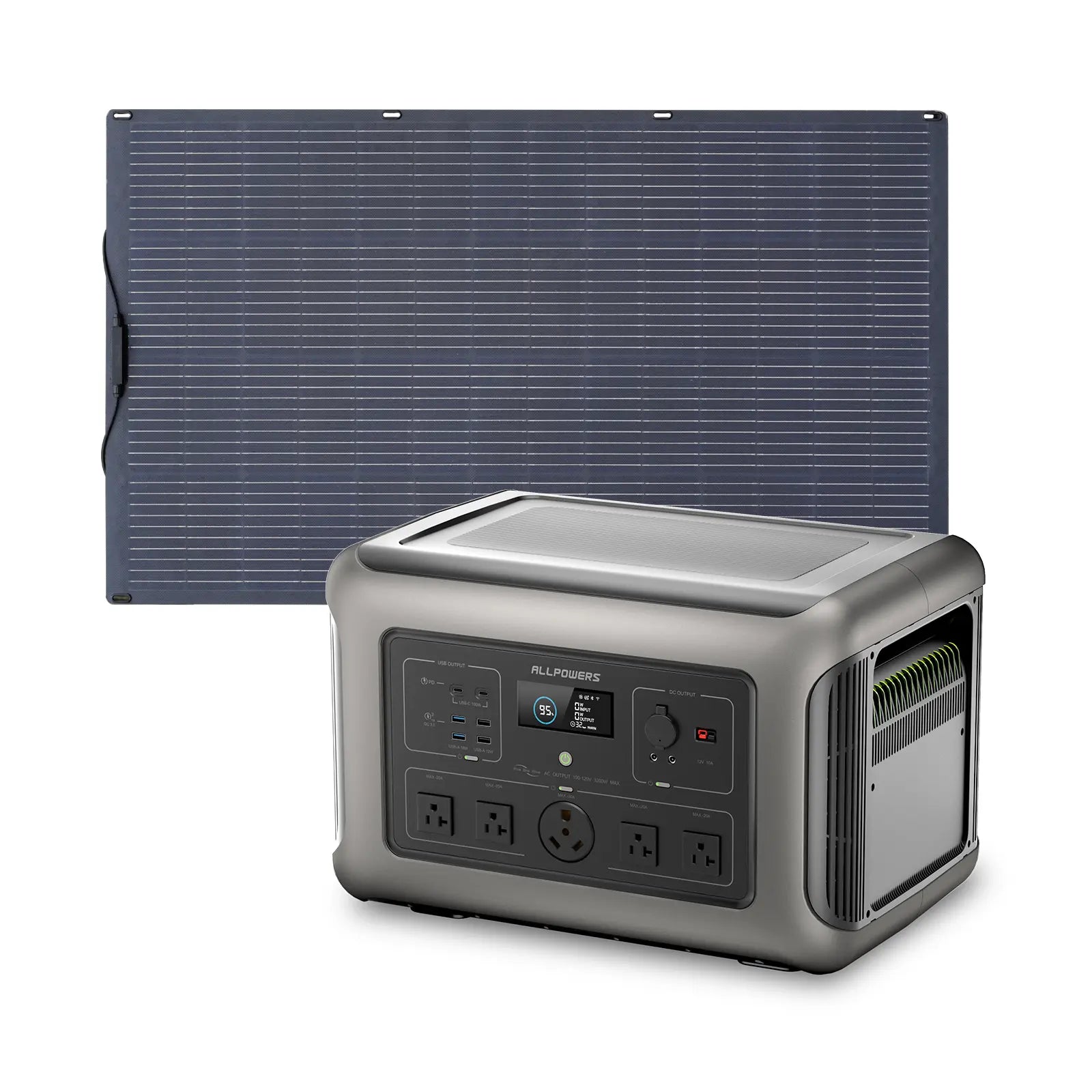
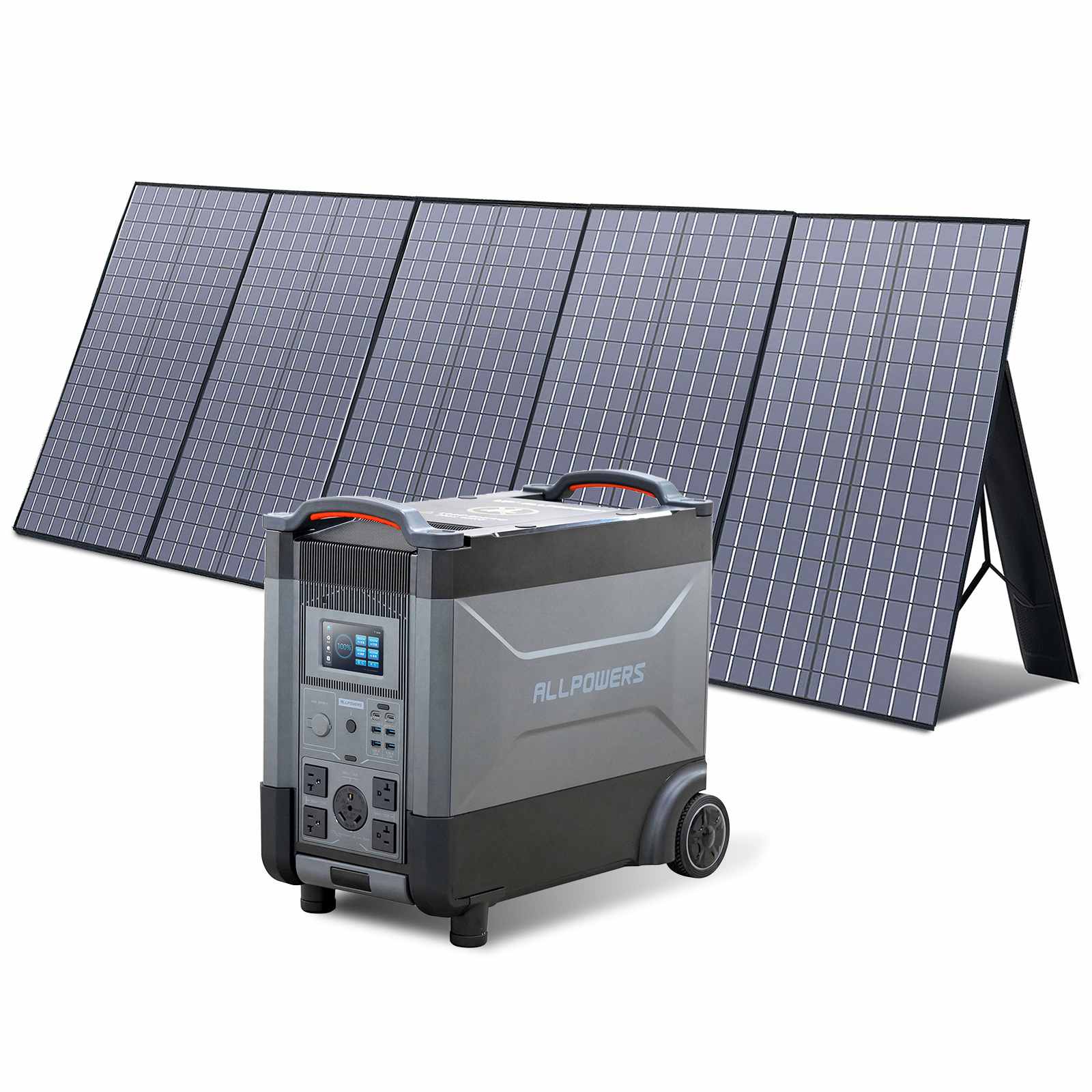
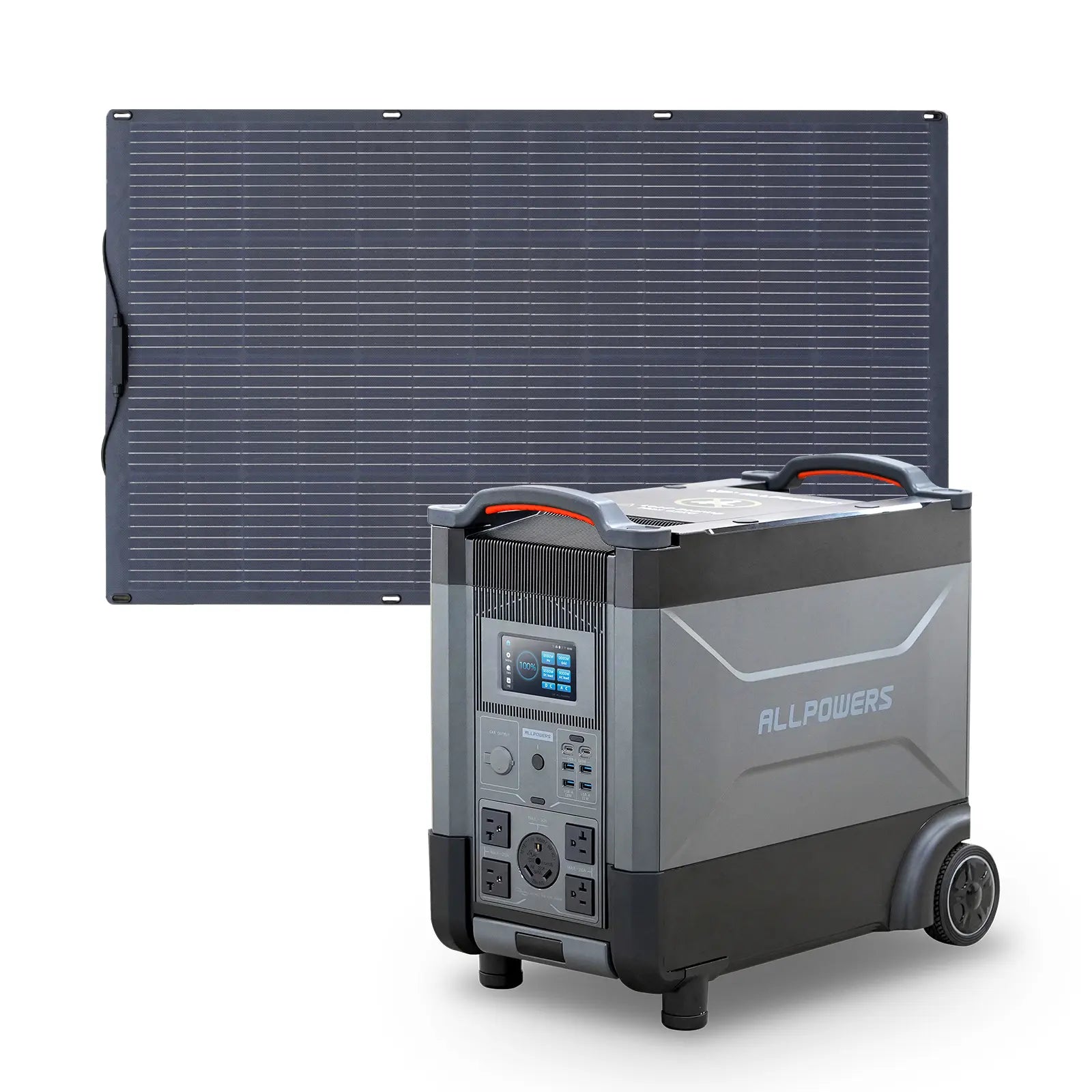
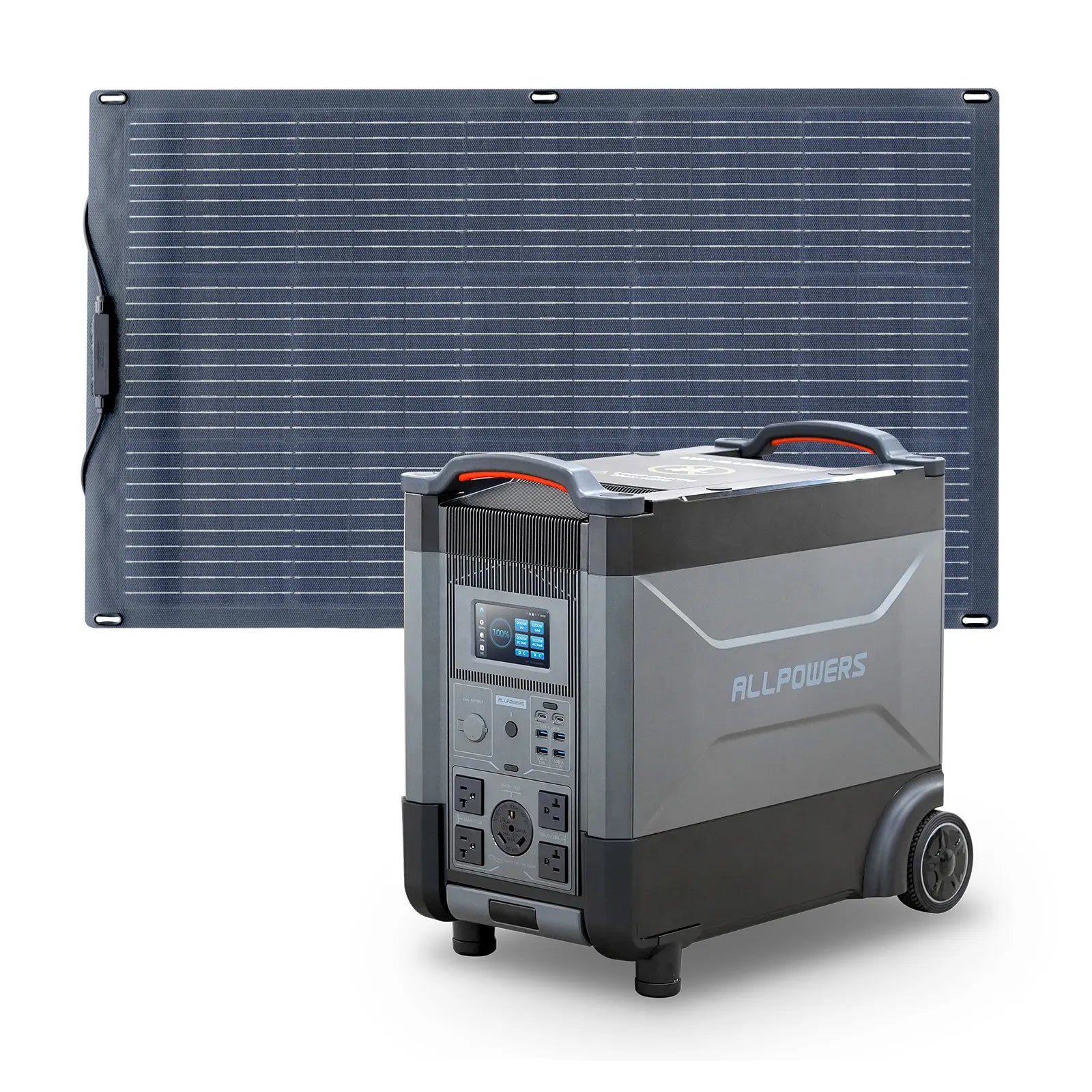
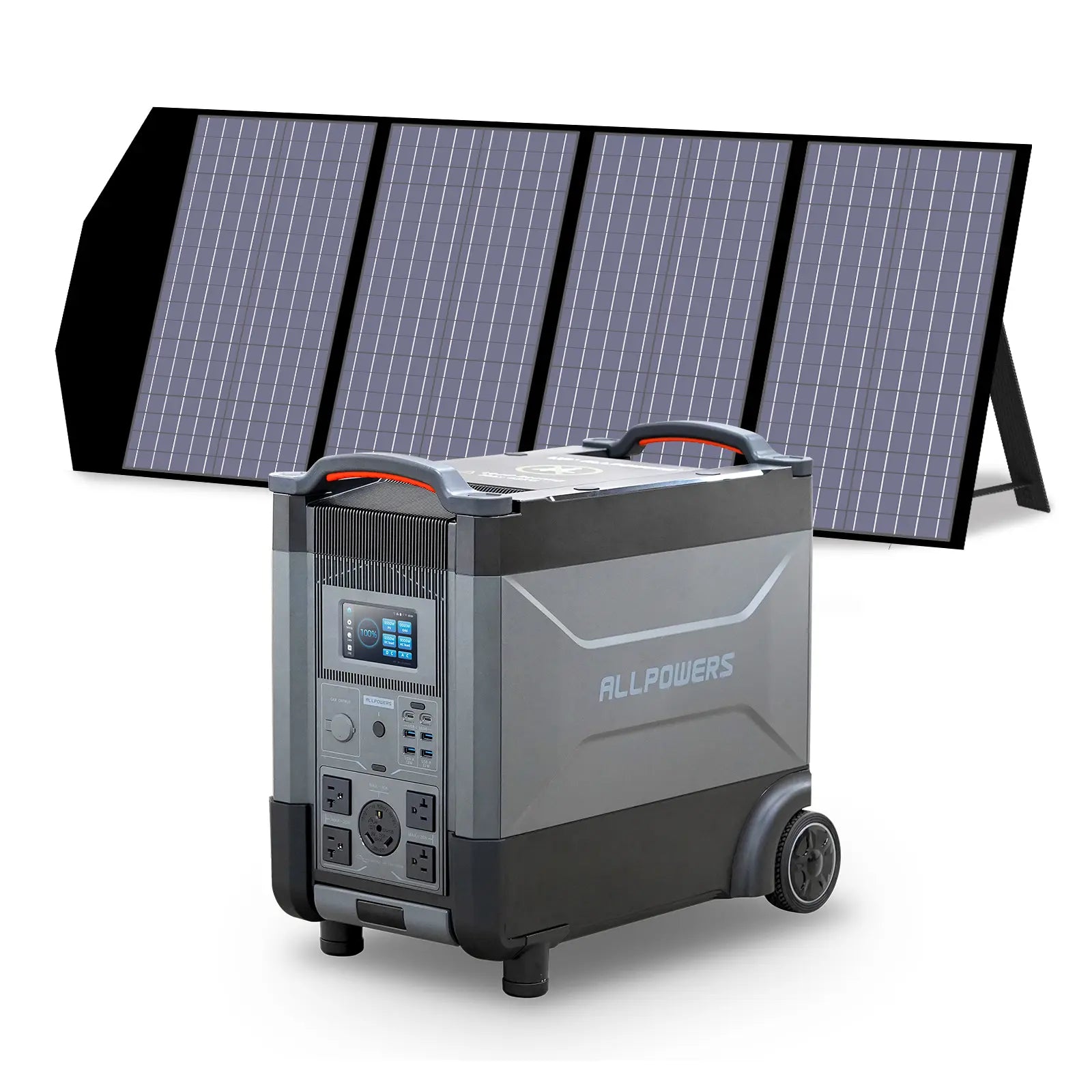
ALLPOWERS R600 Portable Power Station
$199.00 $269.00
- 299Wh Capacity;
- 600W AC Output (1,200W Surge);
- Fast Charge 100% in 1 Hours;
- Start UPS in 10 ms;
- Long-Lasting And Safe Lifepo4 Battery;
How Long Can a Portable Power Station Run a Crockpot?
A crockpot running on a portable power station doesn’t behave as it does at home, where you can let it simmer for eight straight hours without a second thought.
Instead, you measure the power station’s watt-hours (Wh) against the crockpot’s watt draw.
For example, say your power station has a 1000Wh battery.
A crockpot pulling 120W on LOW won’t run at 120W nonstop. It will cycle, so the actual consumption is often closer to 60–80W on average.
If we use an average of 80W:
1000Wh ÷ 80W ≈ 12.5 hours of cooking.
That’s more than enough for most recipes.
If the cooker averages closer to 150W on HIGH:
1000Wh ÷ 150W ≈ 6–7 hours.
That’s long enough for chili, pulled pork, beans, curry, oatmeal—basically the full slow-cook universe.
And if you have a higher-capacity station, that time extends easily into the 10–14-hour range.
Some people think slow cookers are demanding because they run for long periods.
However, compared to appliances that spike or cycle aggressively—such as blenders, induction cooktops, or electric skillets—a crockpot is actually incredibly power-friendly.
| Crockpot Size / Power Draw | Typical Wattage Range | Minimum Portable Power Station Output Needed | Estimated Runtime on 1000Wh Station |
|---|---|---|---|
| Small (1.5–2 qt) | 70–120W | 150W inverter or higher | 9–14 hours |
| Medium (3–4 qt) | 150–200W | 300W inverter or higher | 5–8 hours |
| Standard (5–6 qt) | 200–250W | 300–500W inverter | 5–7 hours |
| Large Family Size (7–8 qt) | 300–350W | 500W+ inverter | 3–5 hours |
| “Keep Warm” mode (any size) | 40–70W | 100W inverter | 14–20 hours |
When a Crockpot isn’t Ideal for Battery Power
Even though slow cookers pair well with portable batteries, there are moments when they’re not the smartest choice.
If your station has a small capacity—say something designed just for phones and laptops—the crockpot will drain it quickly.
High-altitude camping can also slow cooking times. Water boils at a lower temperature, so food takes longer to reach a safe internal temperature.
That extra cooking time means extra energy, which can surprise people.
And if you’re cooking for a large group, a bigger crockpot might pull more wattage than your battery likes.
It’s not a safety issue, just a power mismatch.
Practical Tips for Off-Grid Crockpot Cooking
You know what? Running a crockpot outdoors isn’t just about plugging in—it’s about planning.
Keep the lid on (obviously), but also place your crockpot on a heat-resistant, stable surface.
Outdoors, you can’t assume perfectly level tables. A wobble in the middle of a simmer could be catastrophic.
Another tip: use the low setting whenever possible. High draws more power, and for most stews or soups, low cooks just fine.
This not only stretches your battery life but actually improves flavor. Slow and steady really does win the race.
Conclusion
So, can you plug a crockpot into a portable power station? Absolutely—yes.
As long as the crockpot’s wattage fits comfortably within the power station’s AC output, and the battery capacity is sufficient for the number of cook hours you want.
Some people overthink the question, worried the heating element will overwhelm the inverter or drain the battery instantly.
But slow cookers are one of the most battery-friendly cooking appliances available.