





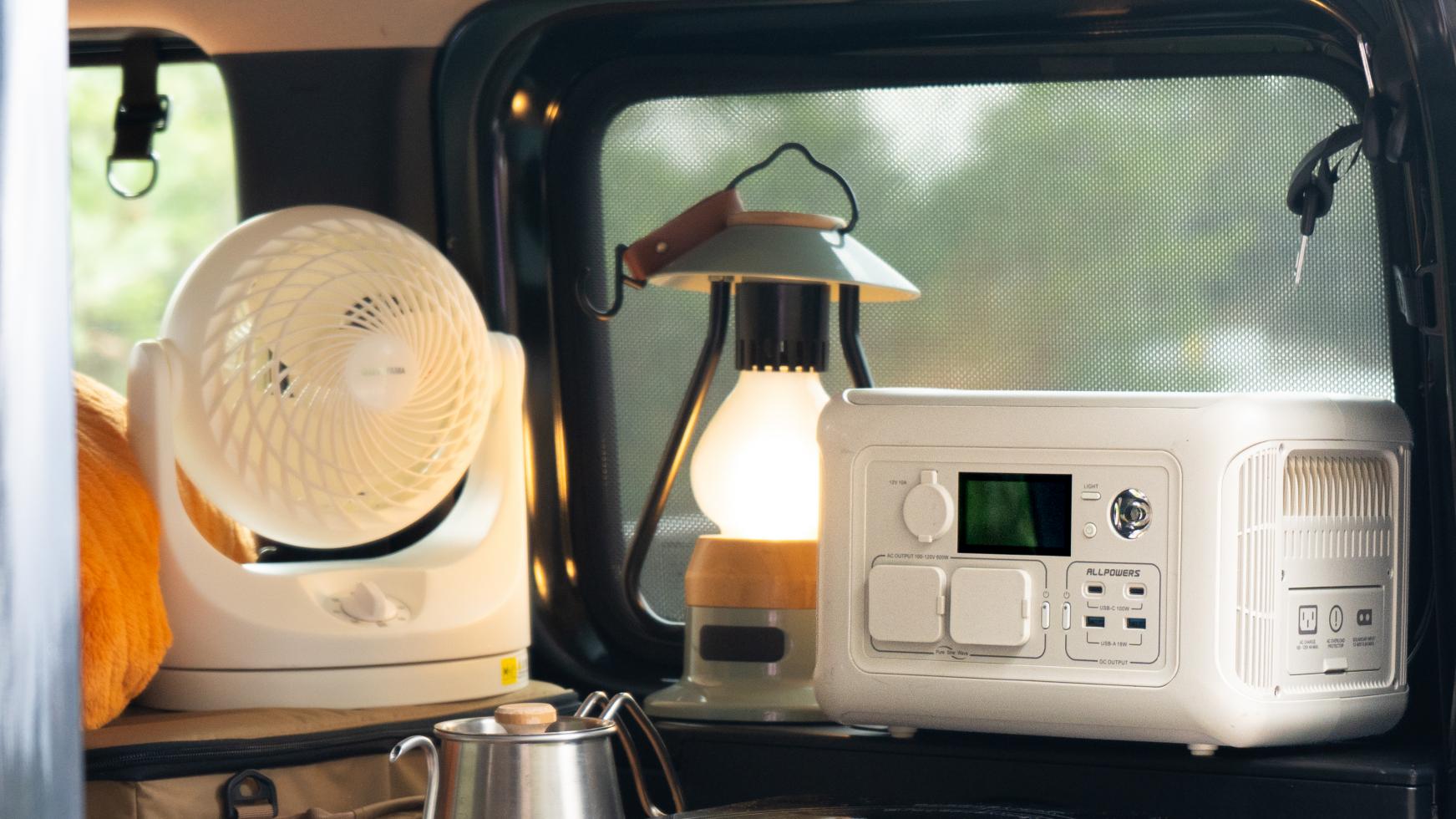
Power outages during hot weather can quickly become uncomfortable and, in some cases, dangerous.
When air conditioning systems stop working, indoor temperatures may rise rapidly, especially during summer heat waves or severe storms.
So, how can you stay cool during a power outage?
TL;DR: Staying cool during a power outage involves reducing indoor heat, improving airflow, staying hydrated, limiting physical activity, blocking sunlight, and using alternative cooling strategies. Battery-powered devices, shaded outdoor areas, cooling fabrics, and proper ventilation can all help maintain safer indoor temperatures when air conditioning is unavailable.
Why Heat During Power Outages Can Be Dangerous
High temperatures become far more dangerous when homes lose access to air conditioning and electric ventilation systems.
During severe heat waves, indoor temperatures may continue rising long after the power goes out.
Homes with poor ventilation, large windows, or heavy sun exposure often trap heat quickly, especially during afternoon hours.
Apartments and upper floors may become particularly uncomfortable because hot air naturally rises.
Young children, elderly individuals, and people with medical conditions are often more vulnerable to heat-related illnesses during prolonged blackouts.
How to Block Heat From Entering Your Home
Reducing incoming heat is one of the most effective ways to keep indoor temperatures lower during a blackout.
Close Curtains and Blinds
Sunlight through windows can dramatically increase indoor temperatures throughout the day. Closing blackout curtains, blinds, or reflective shades can help reduce solar heat gain.
Keep Doors Closed
Limiting how often exterior doors are opened helps keep cooler indoor air from escaping unnecessarily.
Avoid Using Heat-Producing Appliances
Ovens, dryers, dishwashers, and stovetops generate significant indoor heat. During outages, minimizing appliance usage can help prevent temperatures from rising further.
Improving Natural Airflow Indoors
Even without powered air conditioning, improving airflow can make indoor environments feel much more comfortable.
Open Windows Strategically
Cross ventilation works best when windows are opened on opposite sides of the home, allowing air to move naturally through interior spaces.
However, windows should remain closed during the hottest parts of the day if outdoor air temperatures exceed indoor temperatures.
Use Cooler Night Air
Temperatures often drop significantly after sunset. Opening windows overnight can help cool walls, floors, and indoor air naturally.
Create Air Movement
Battery-powered fans or manually adjustable vents can help circulate stagnant indoor air more effectively.
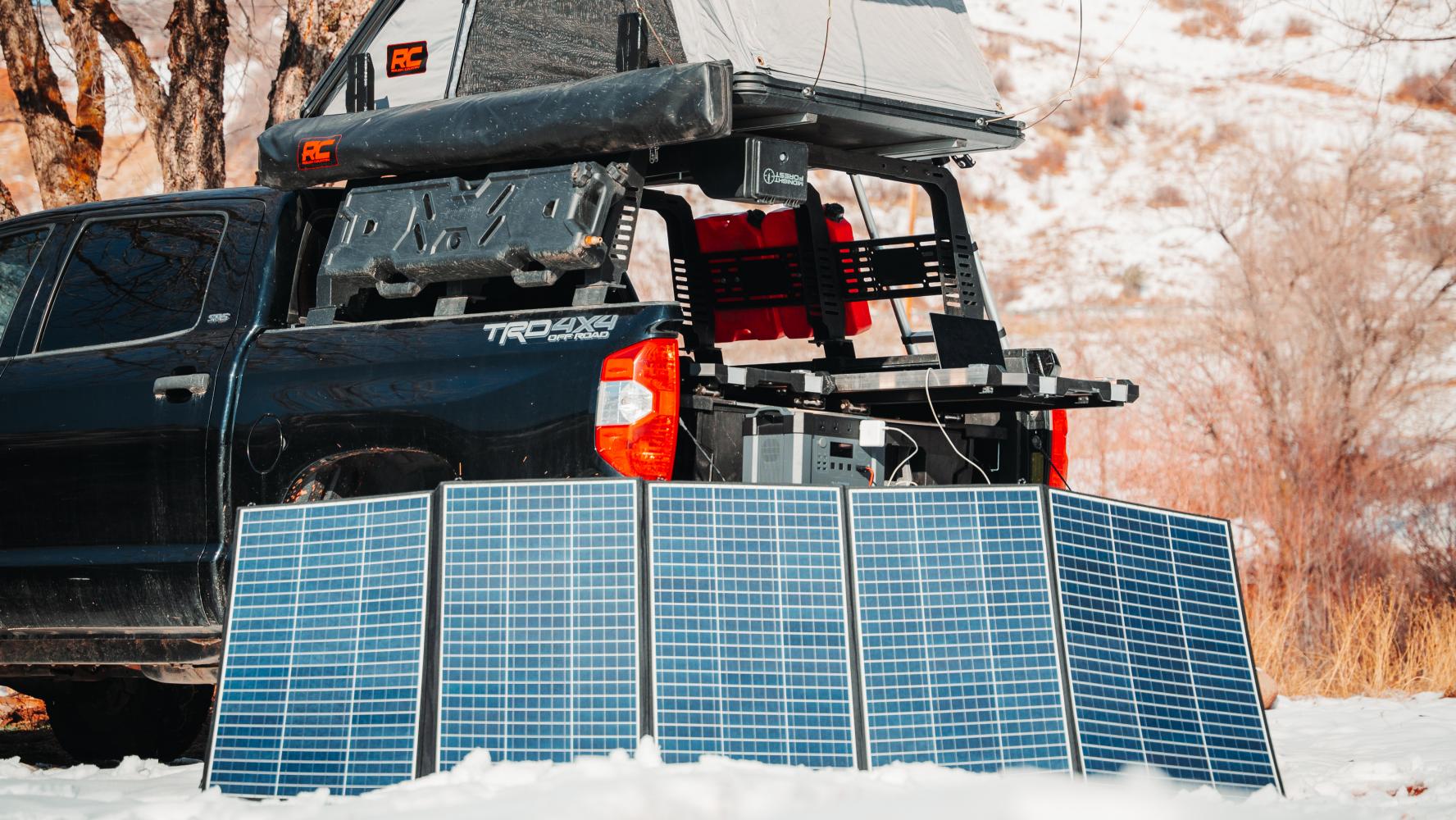
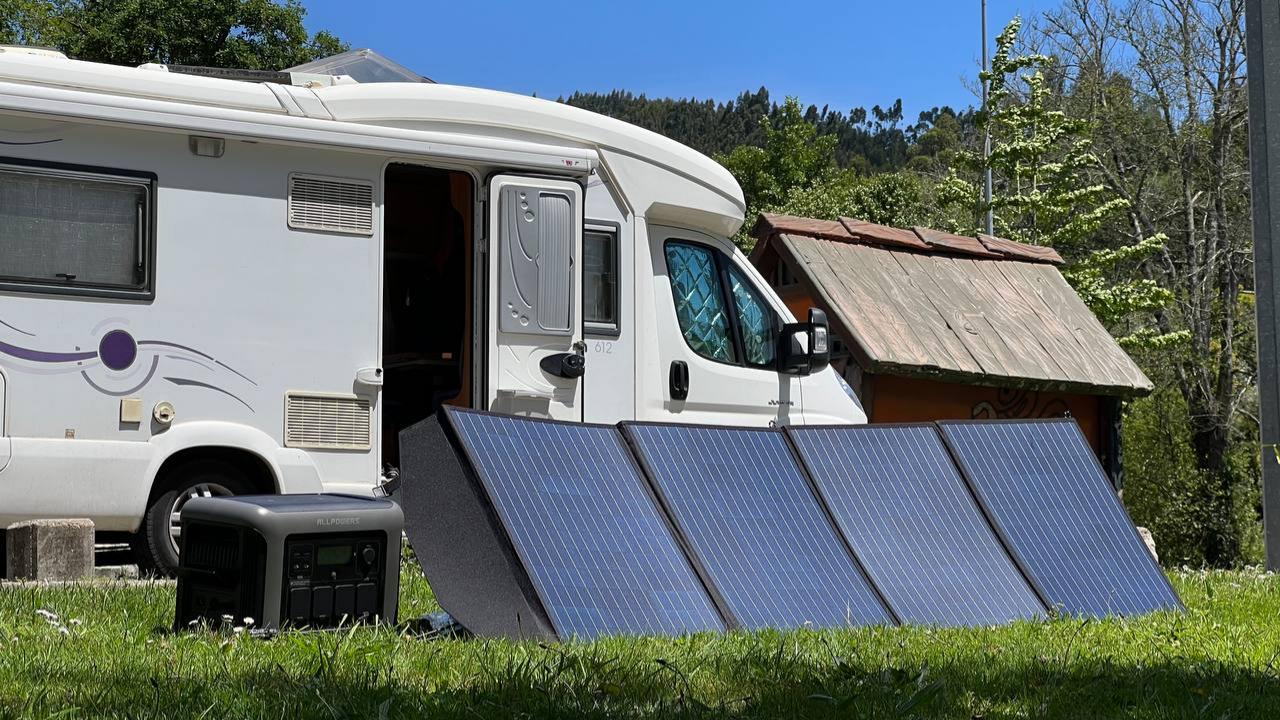
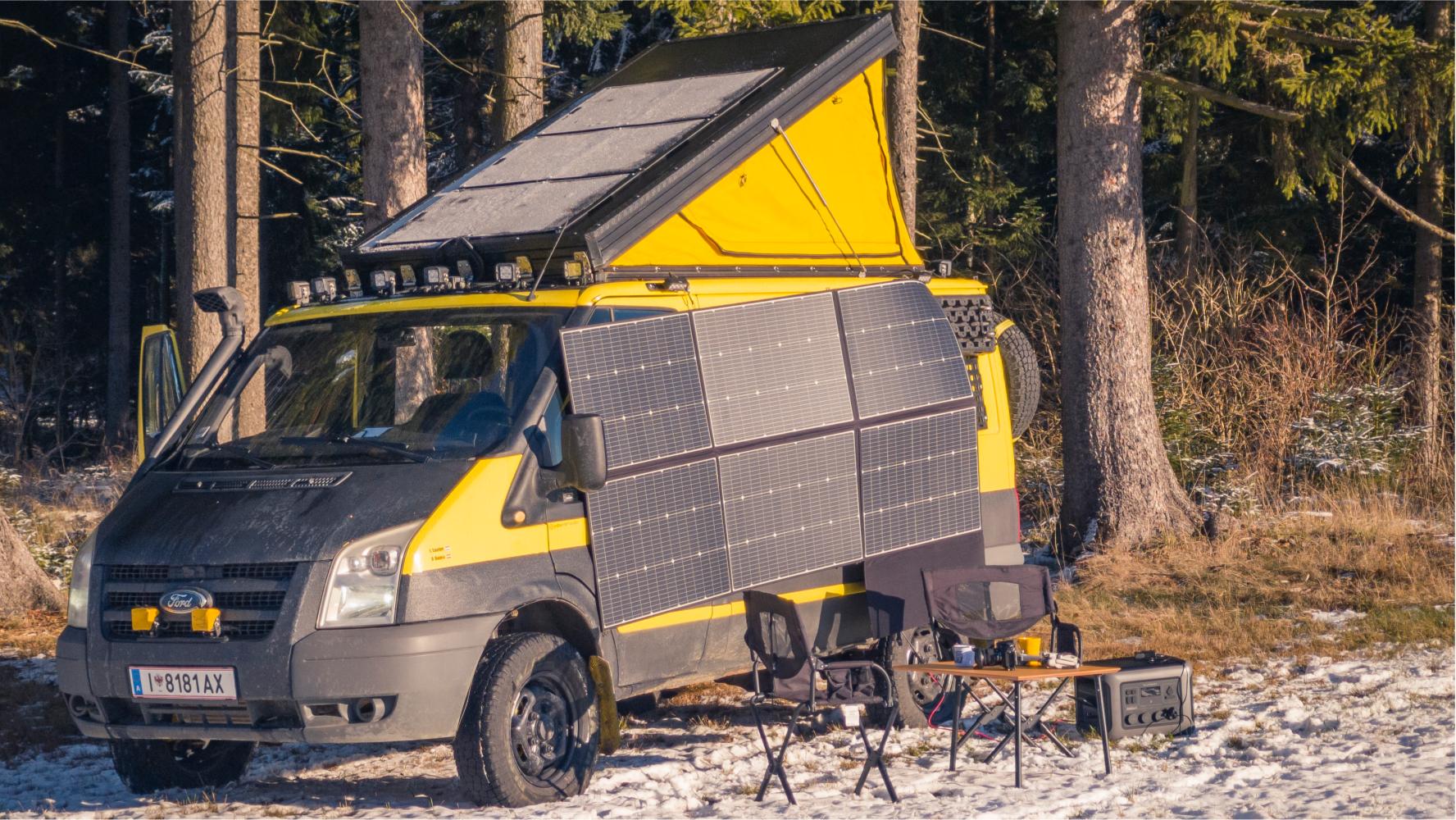
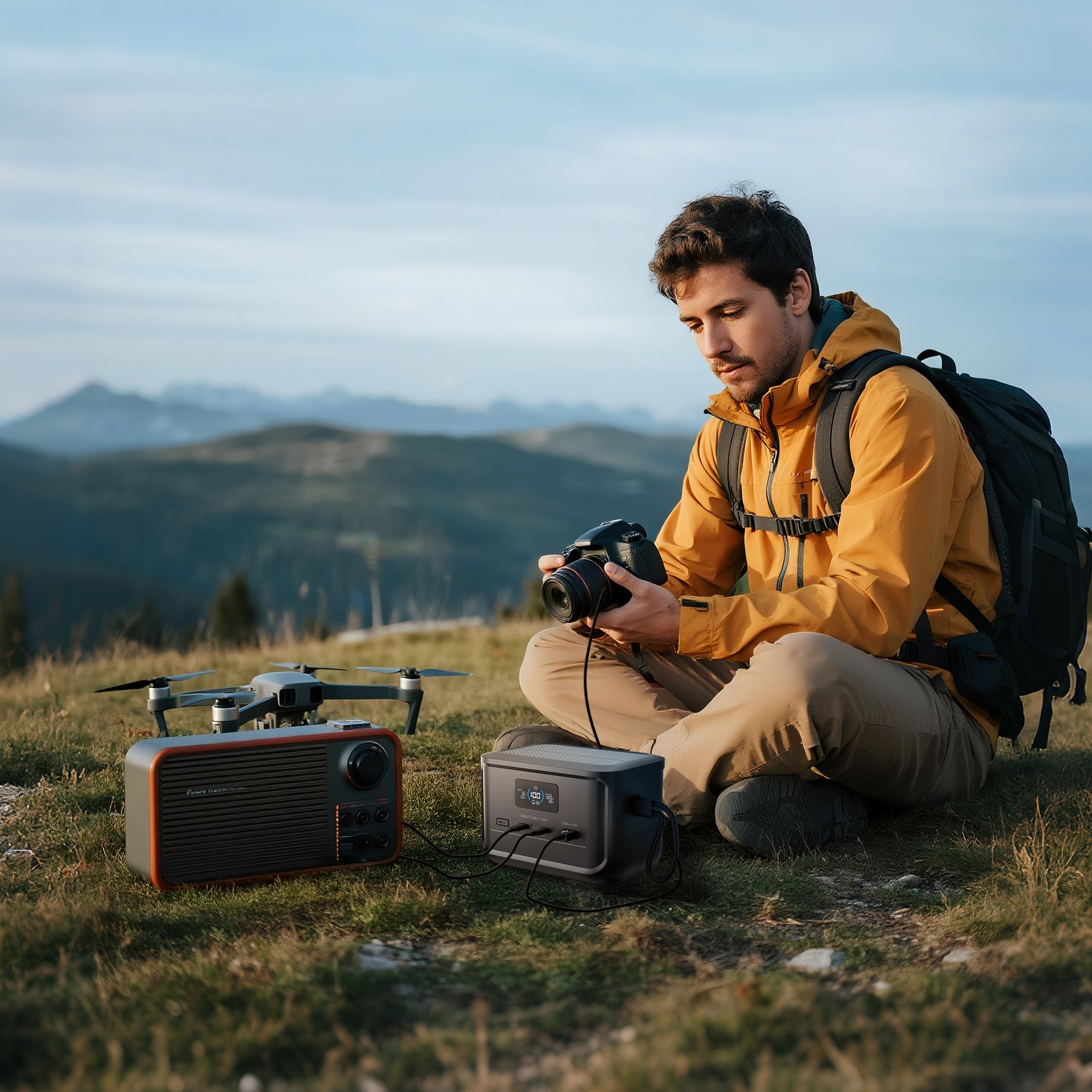
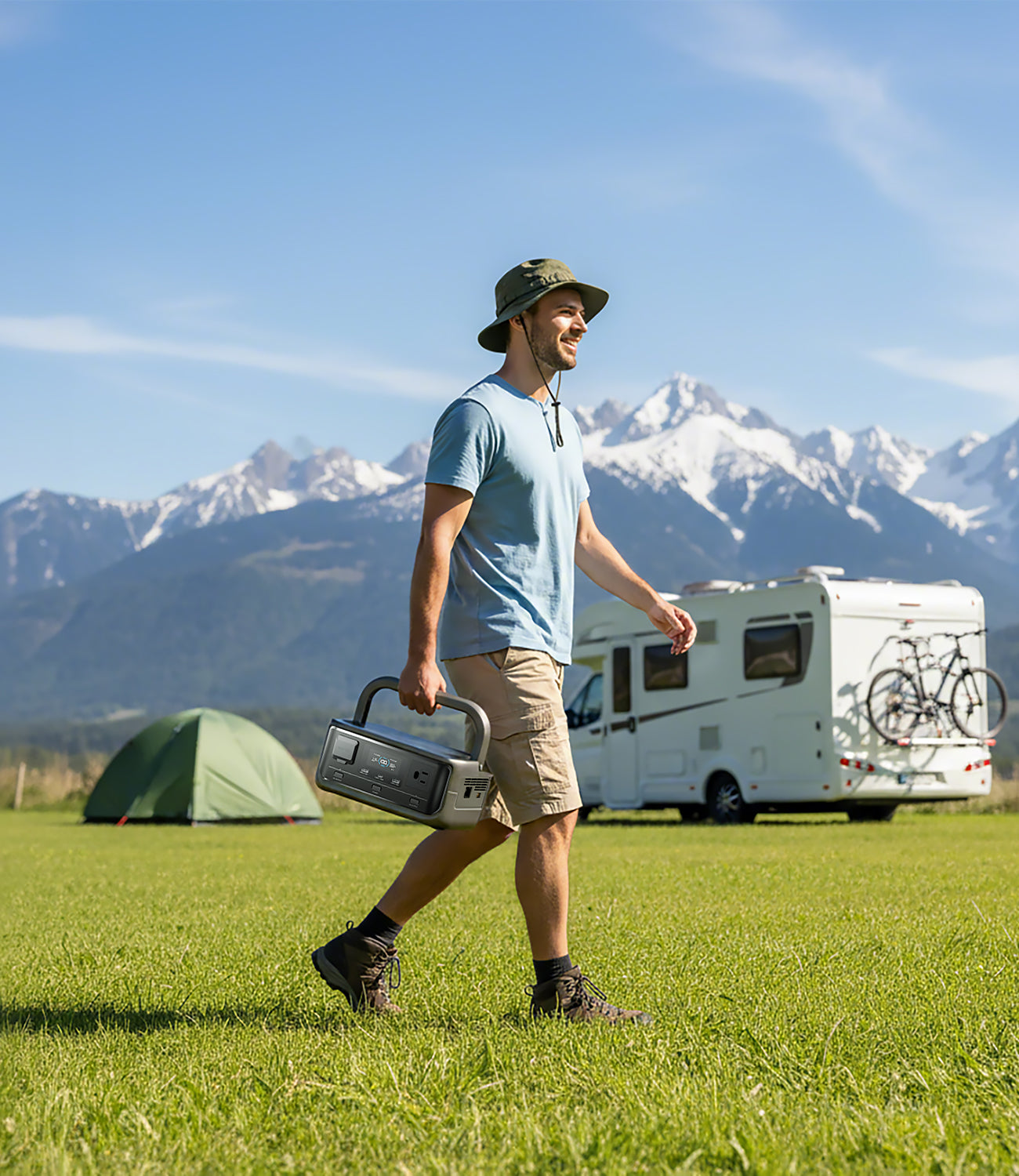
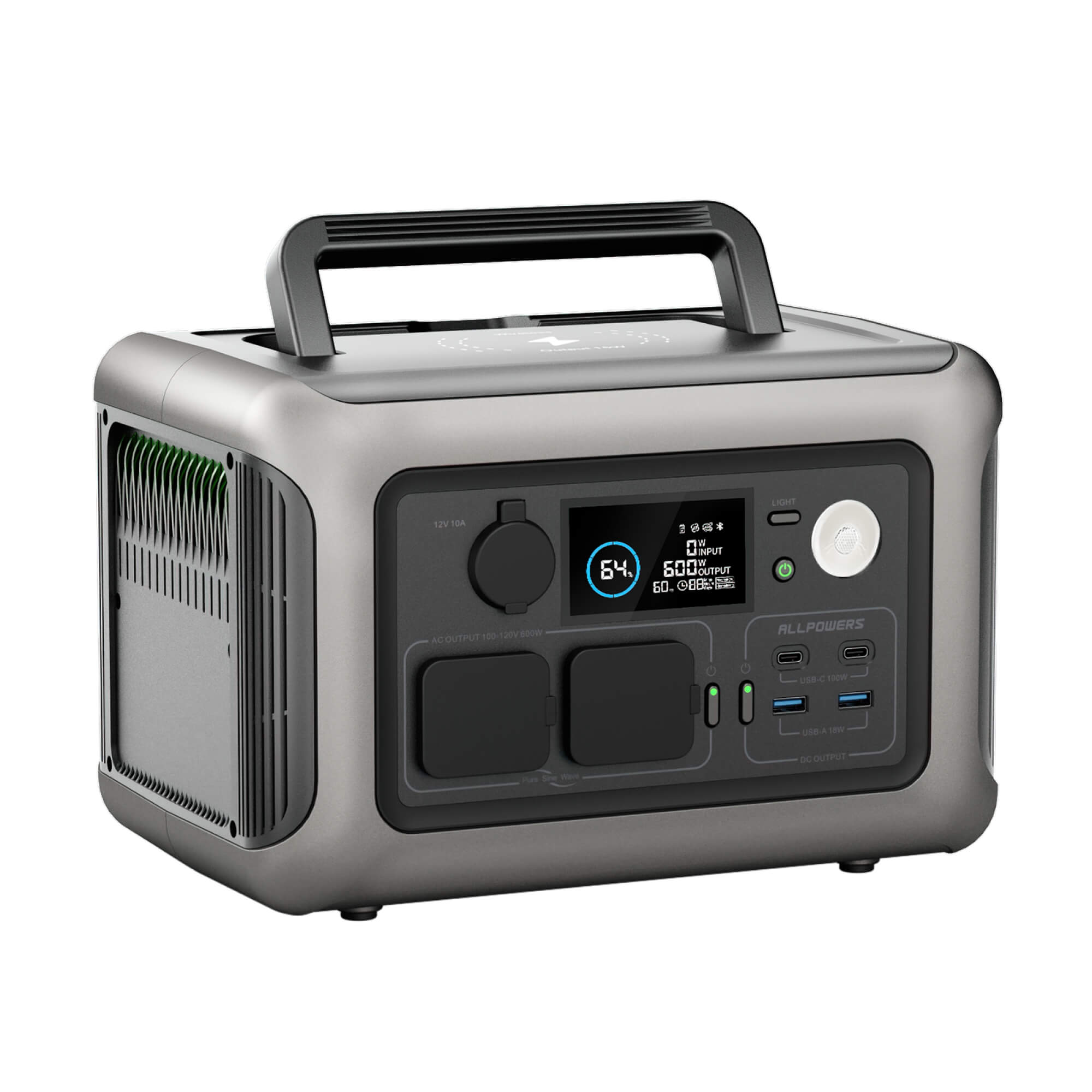
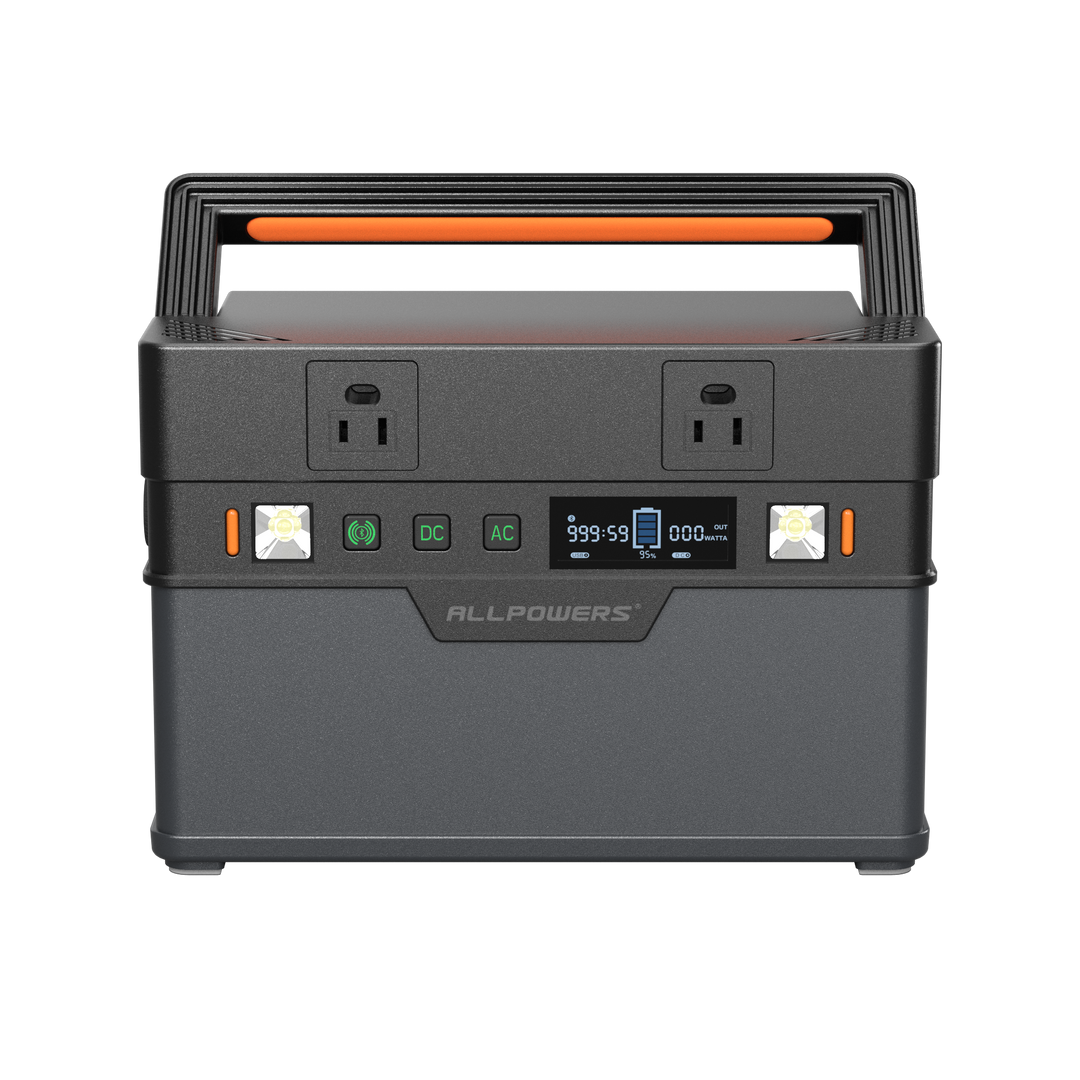
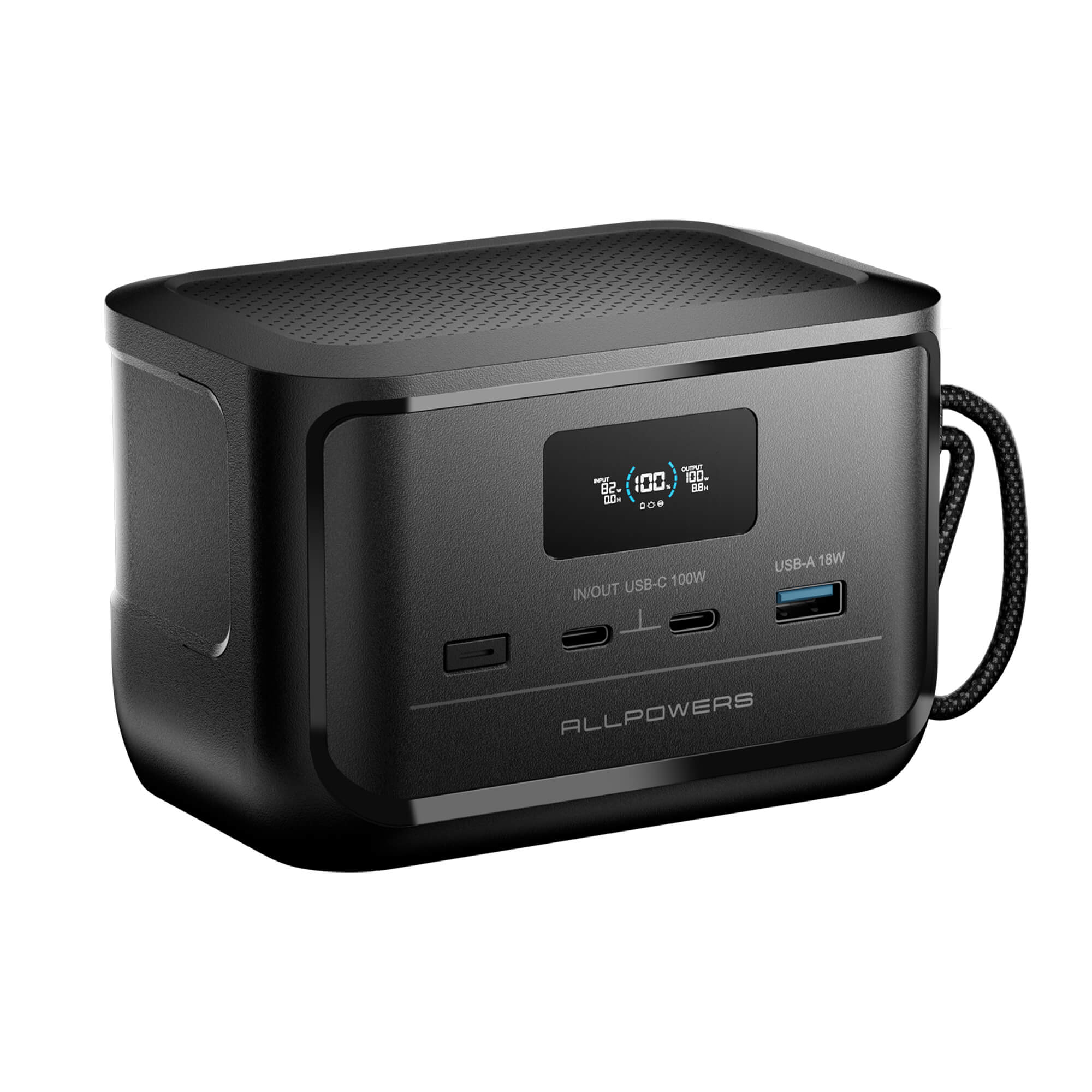
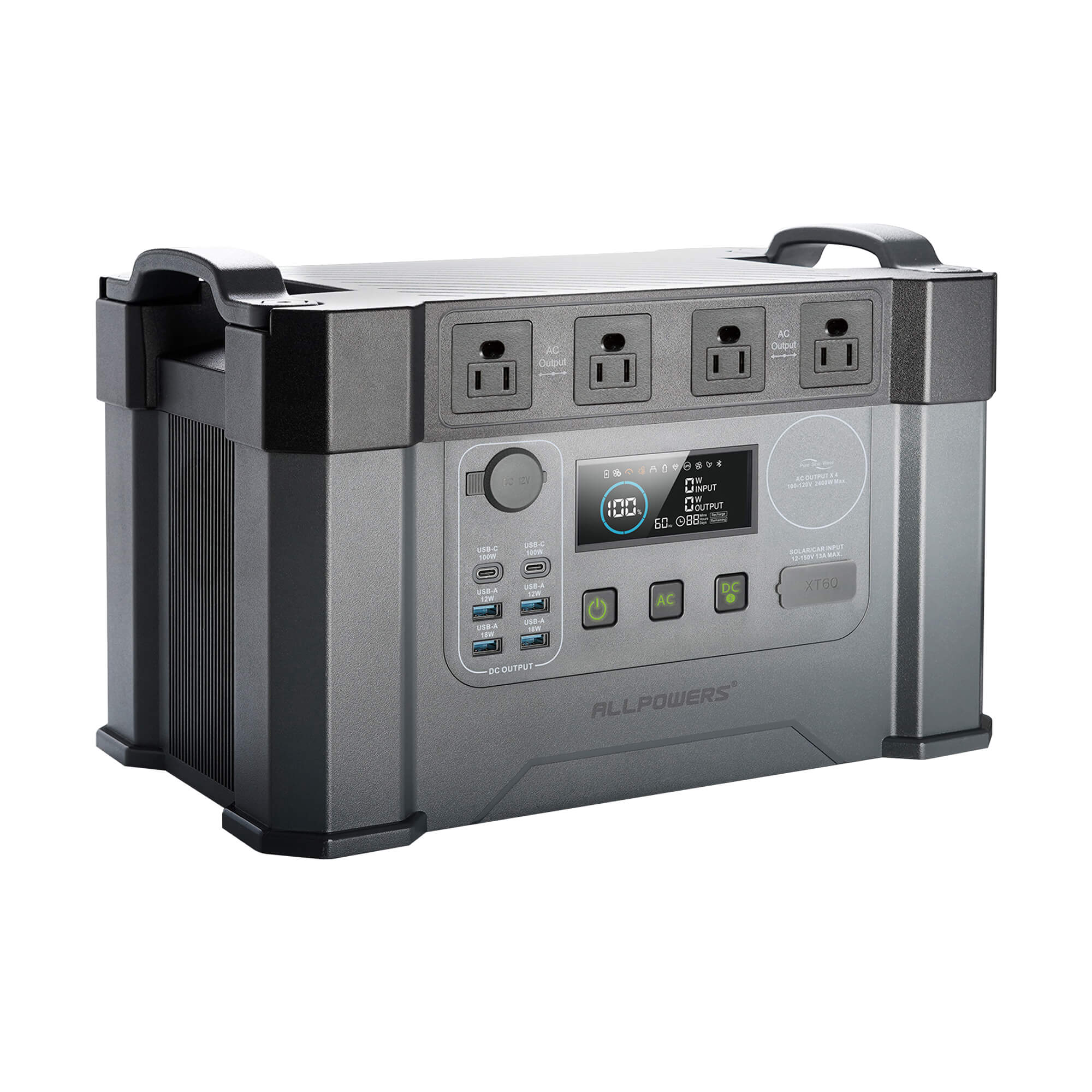
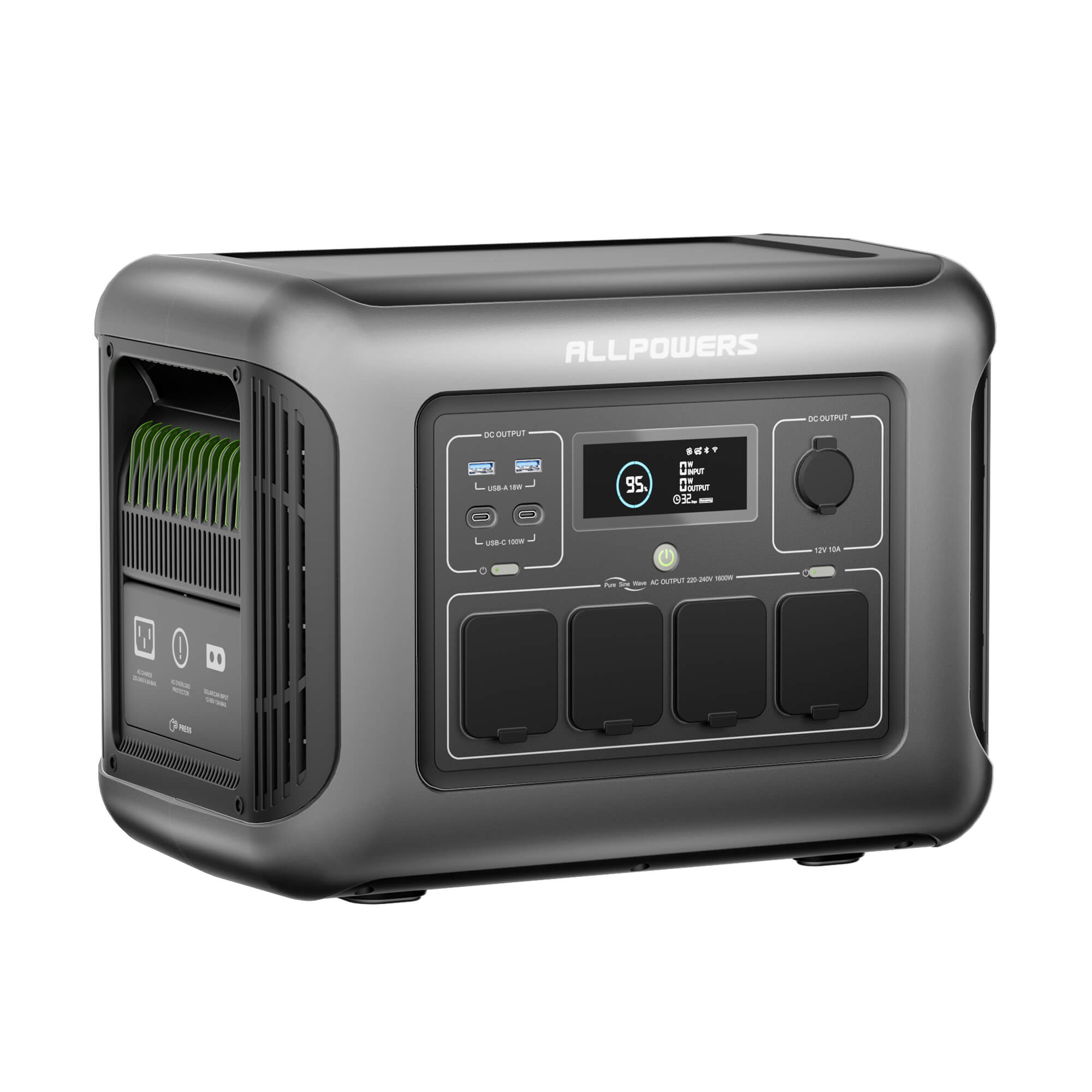
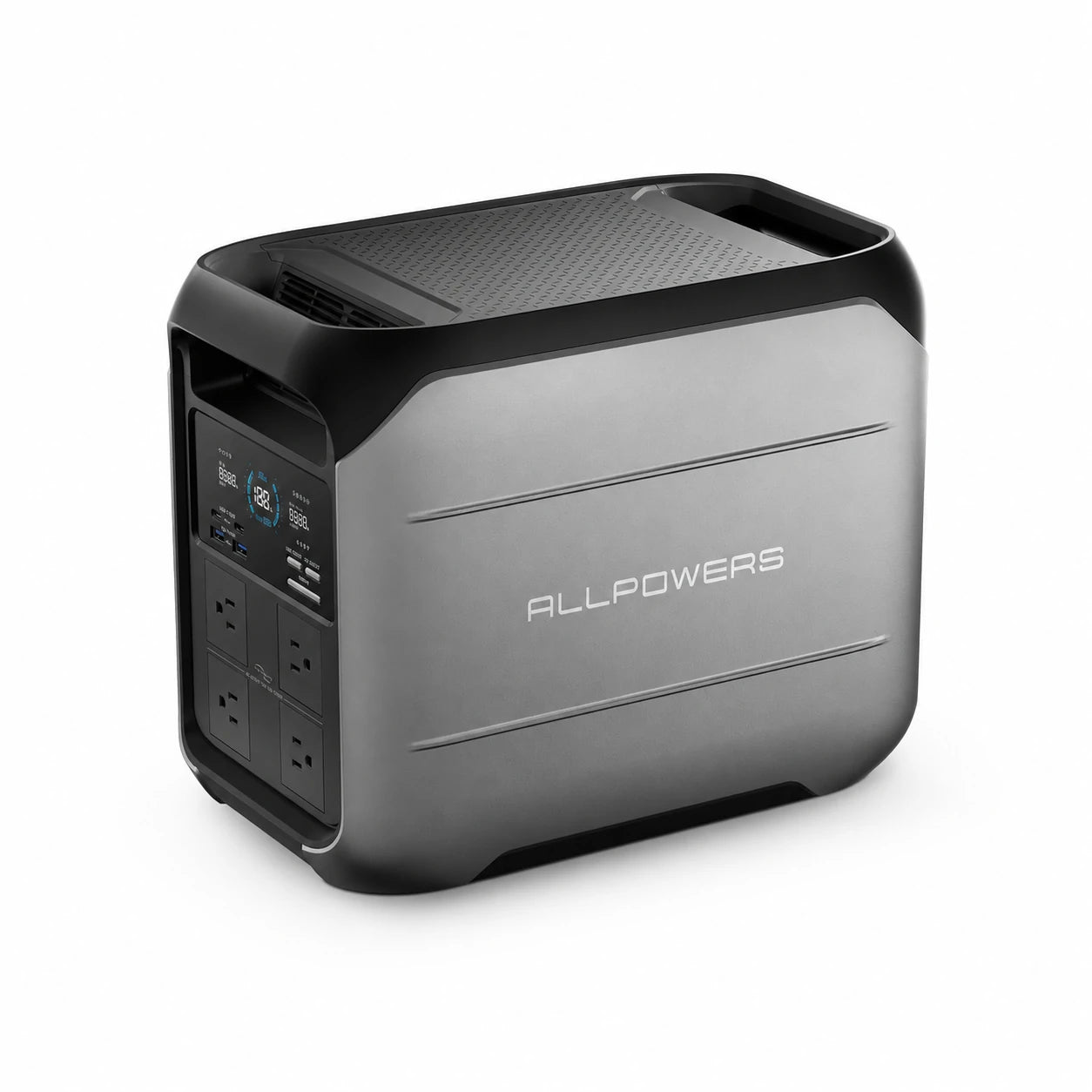
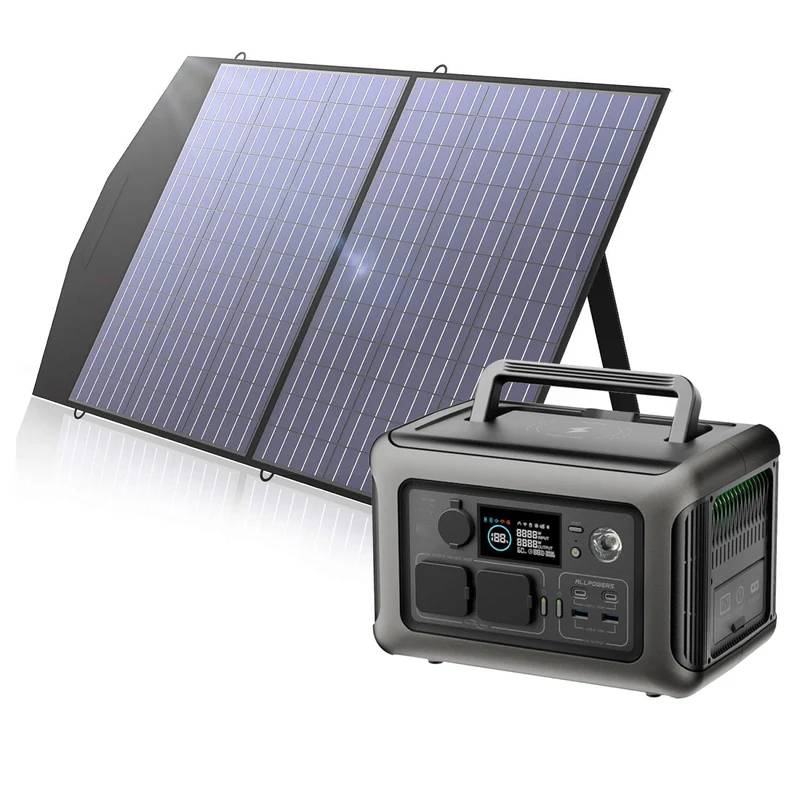
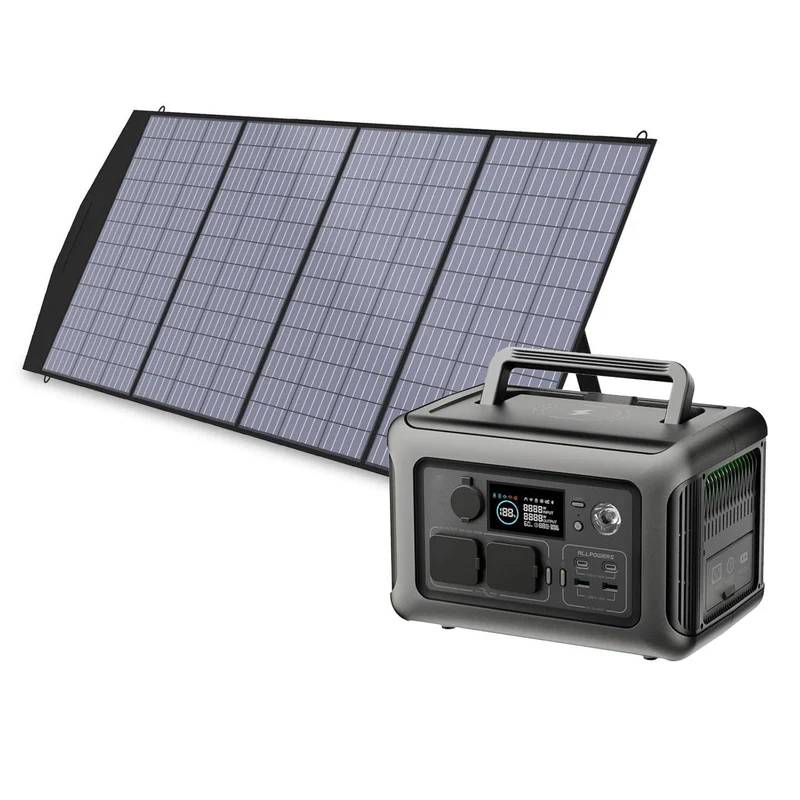
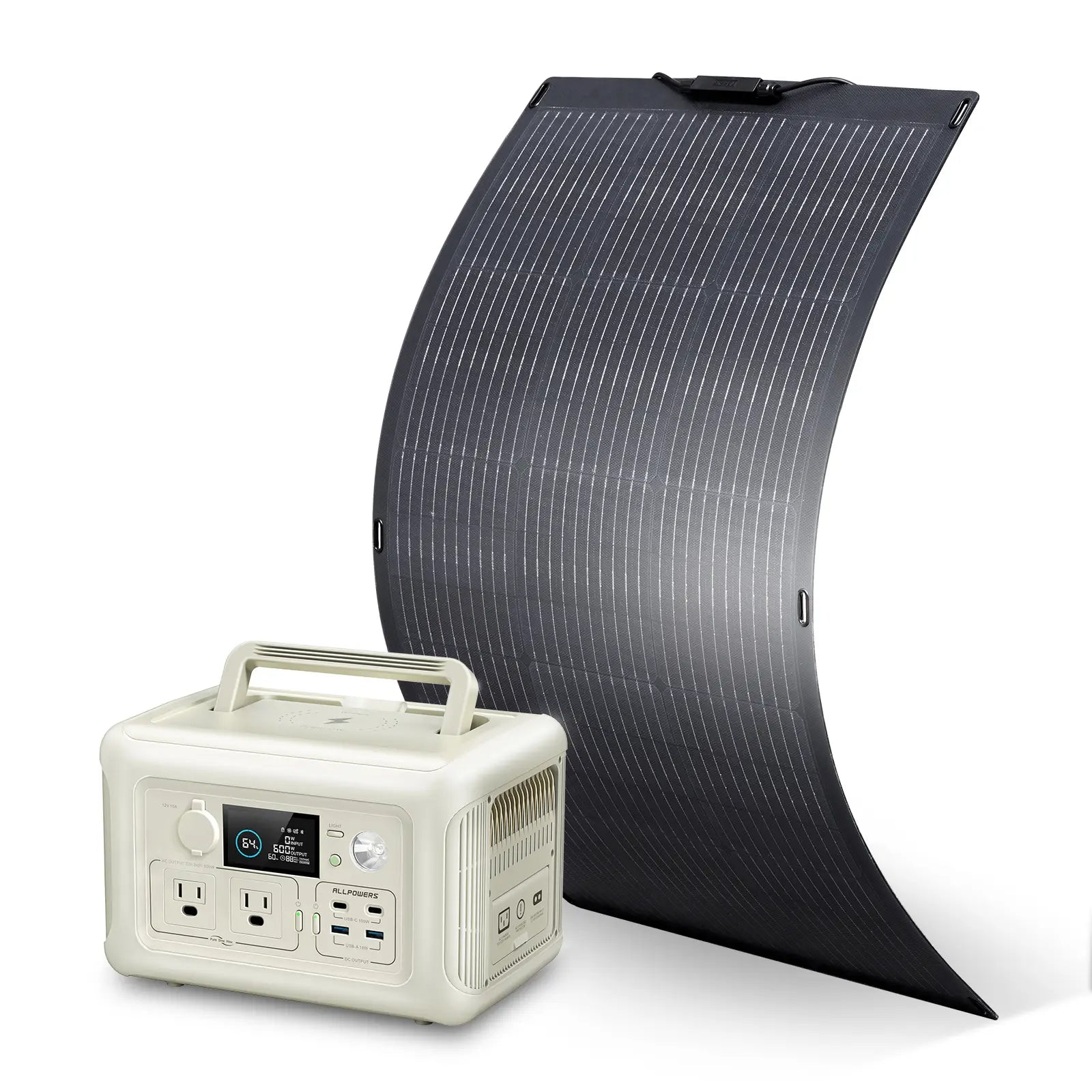
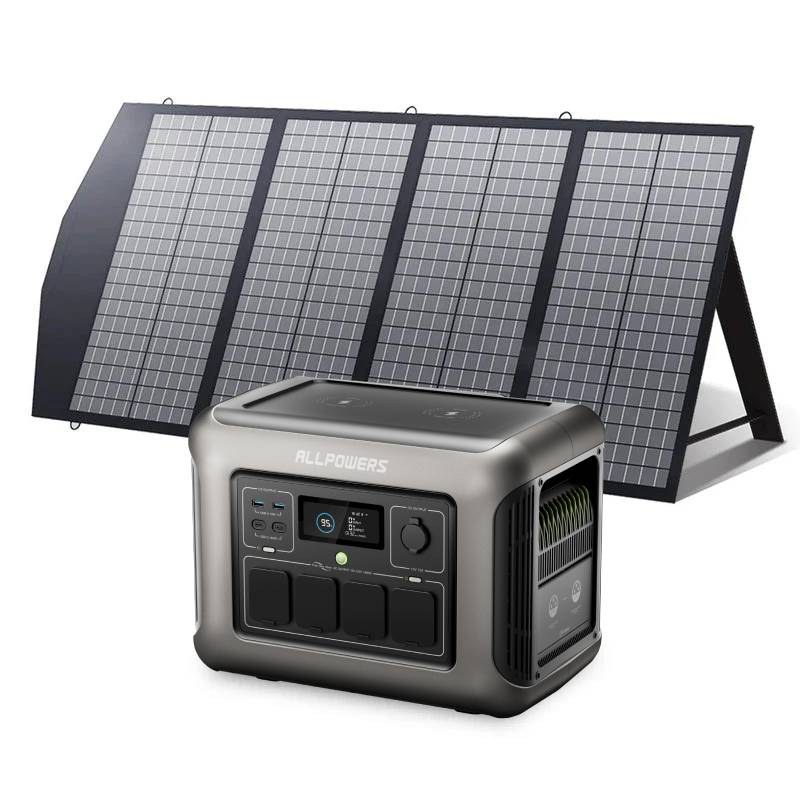
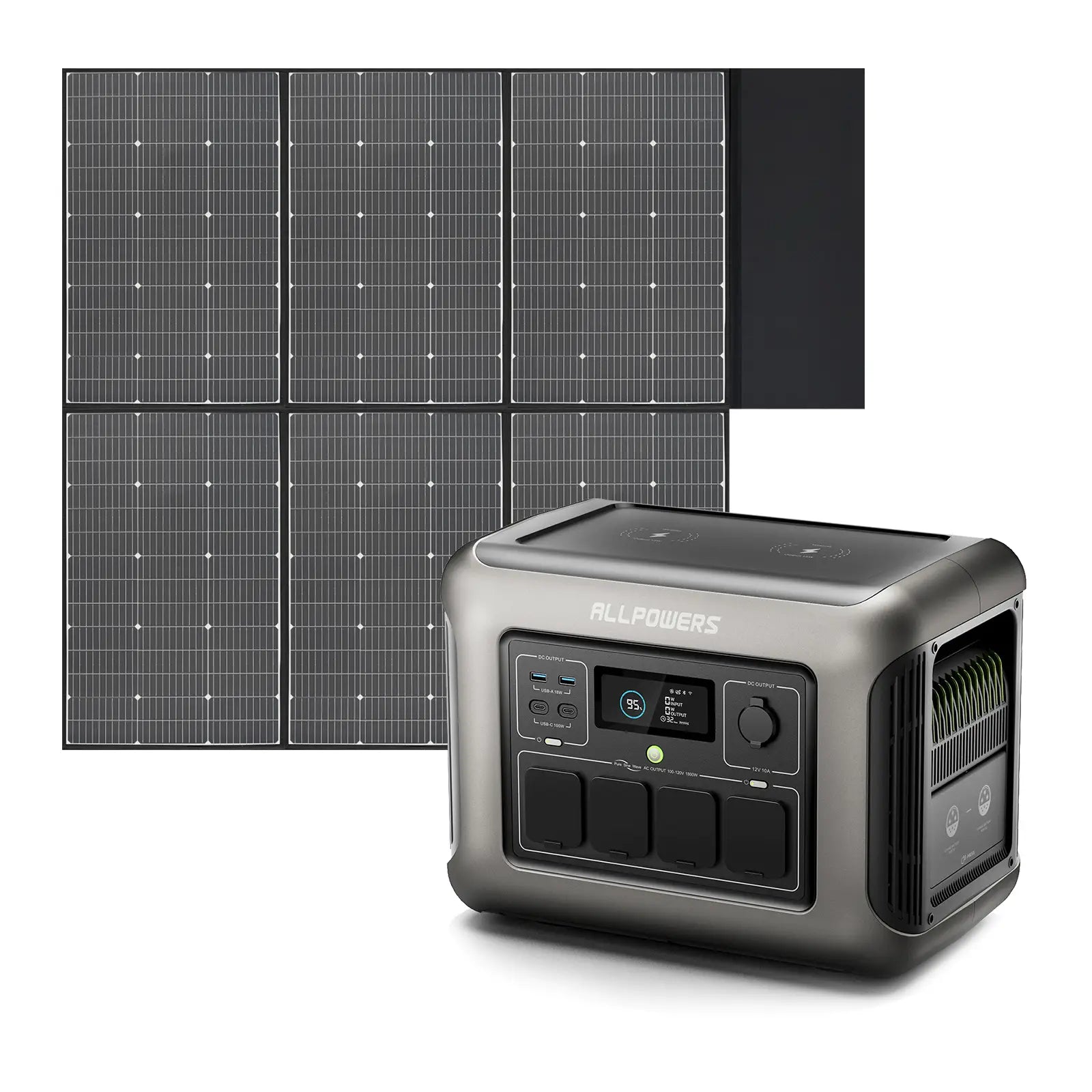
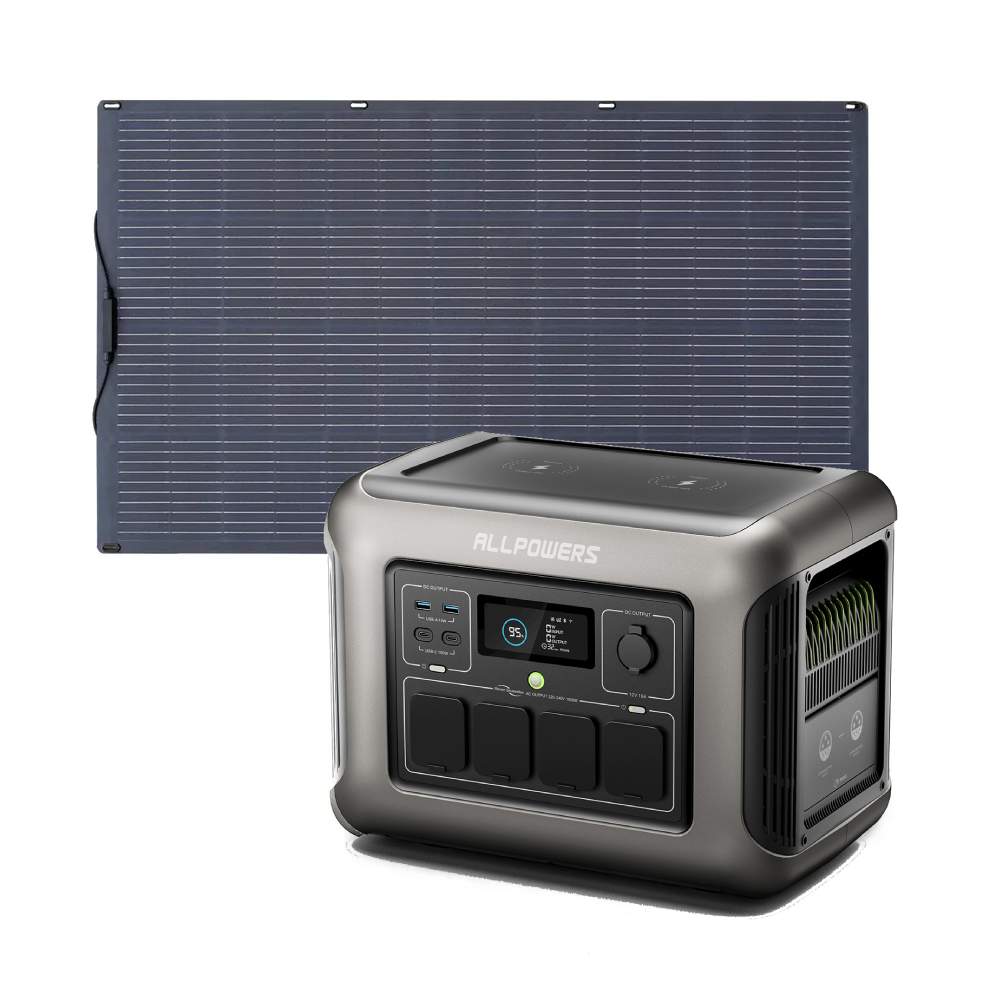
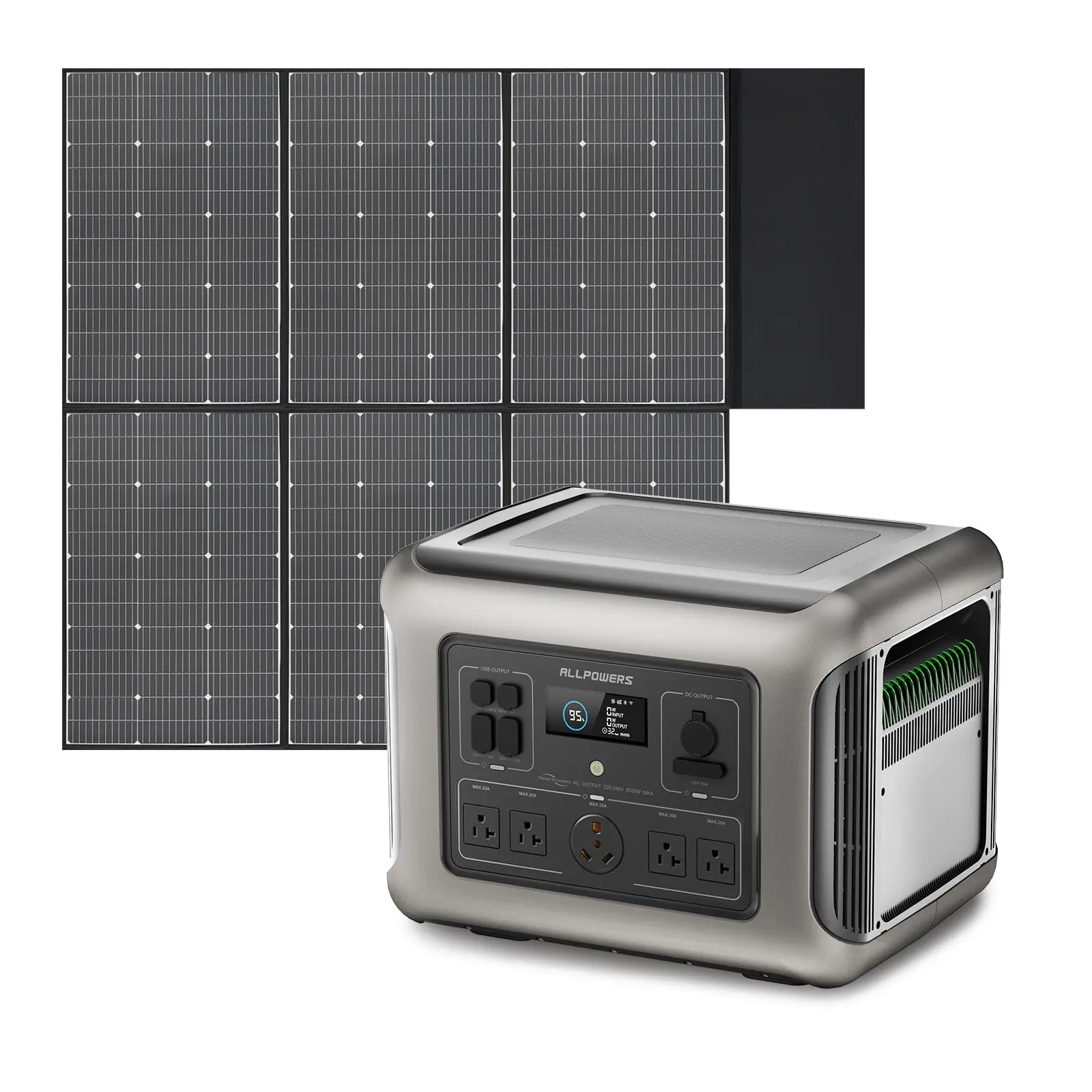
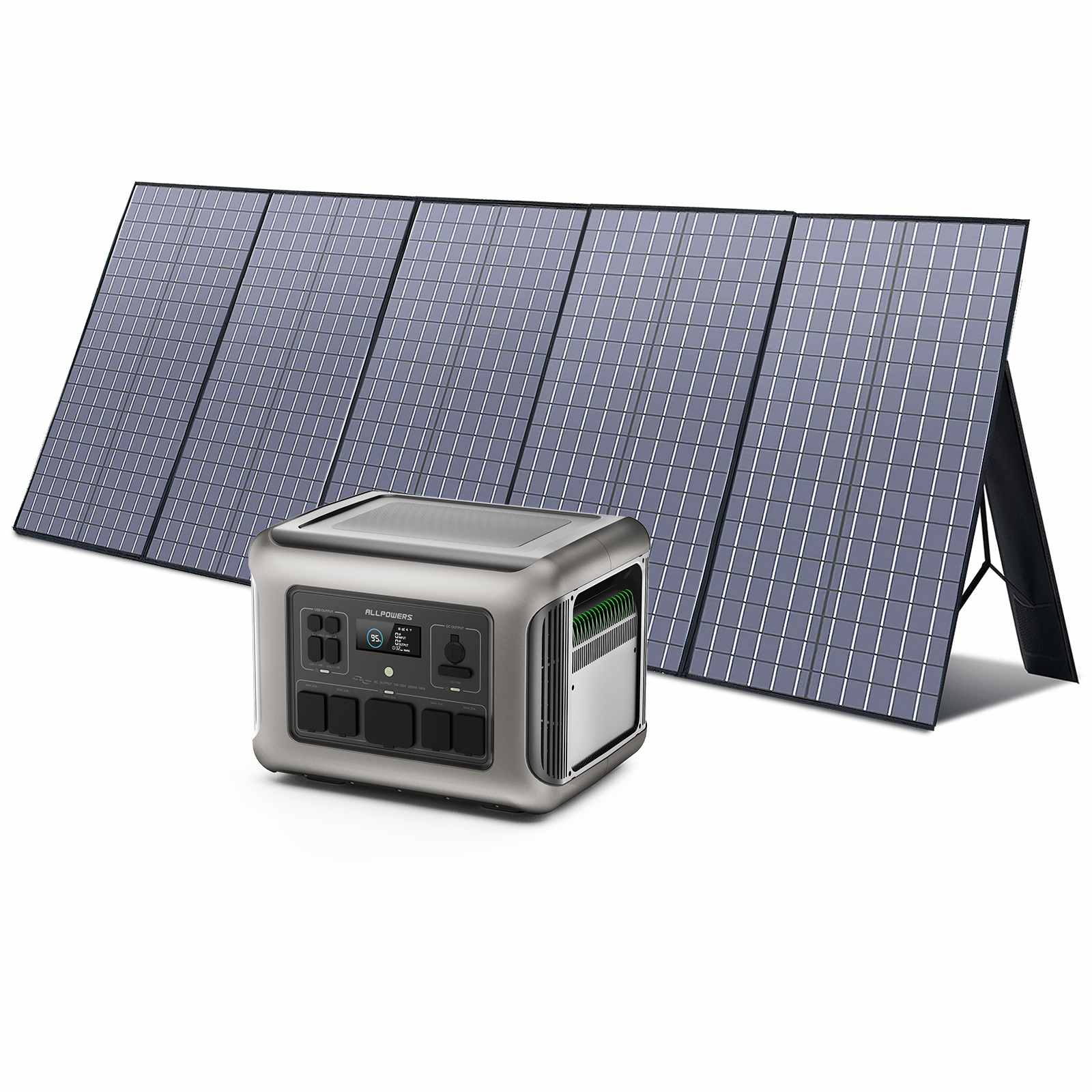
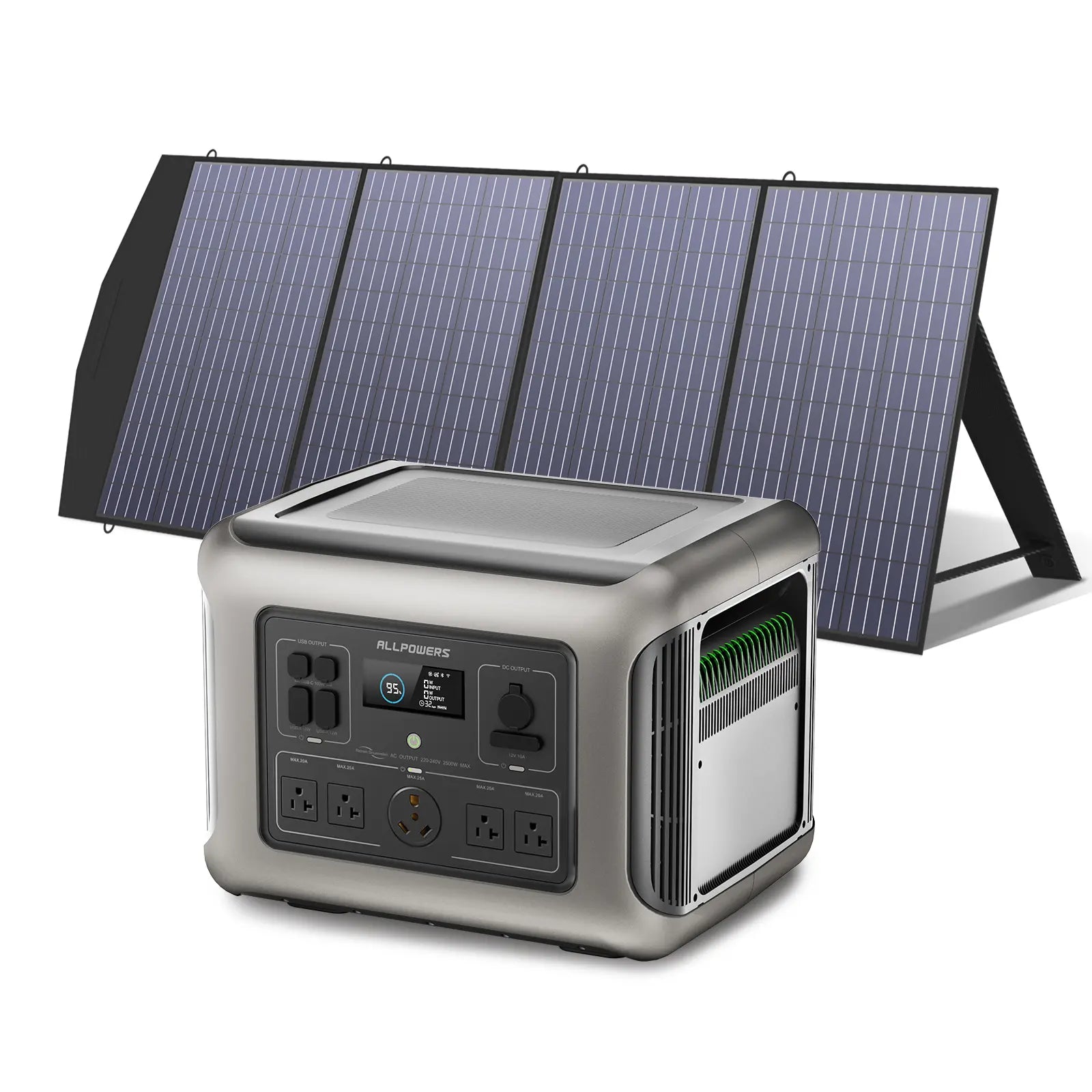
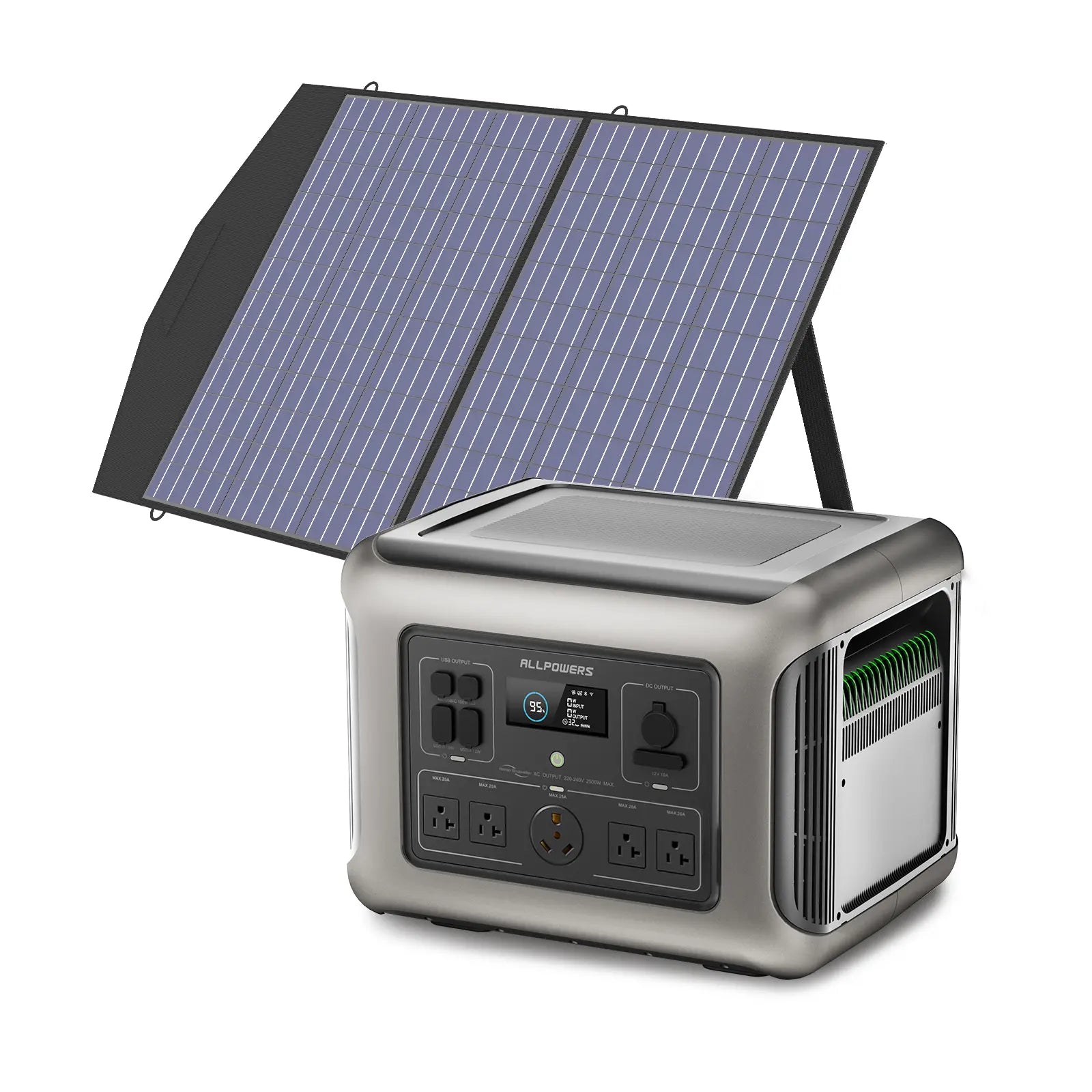
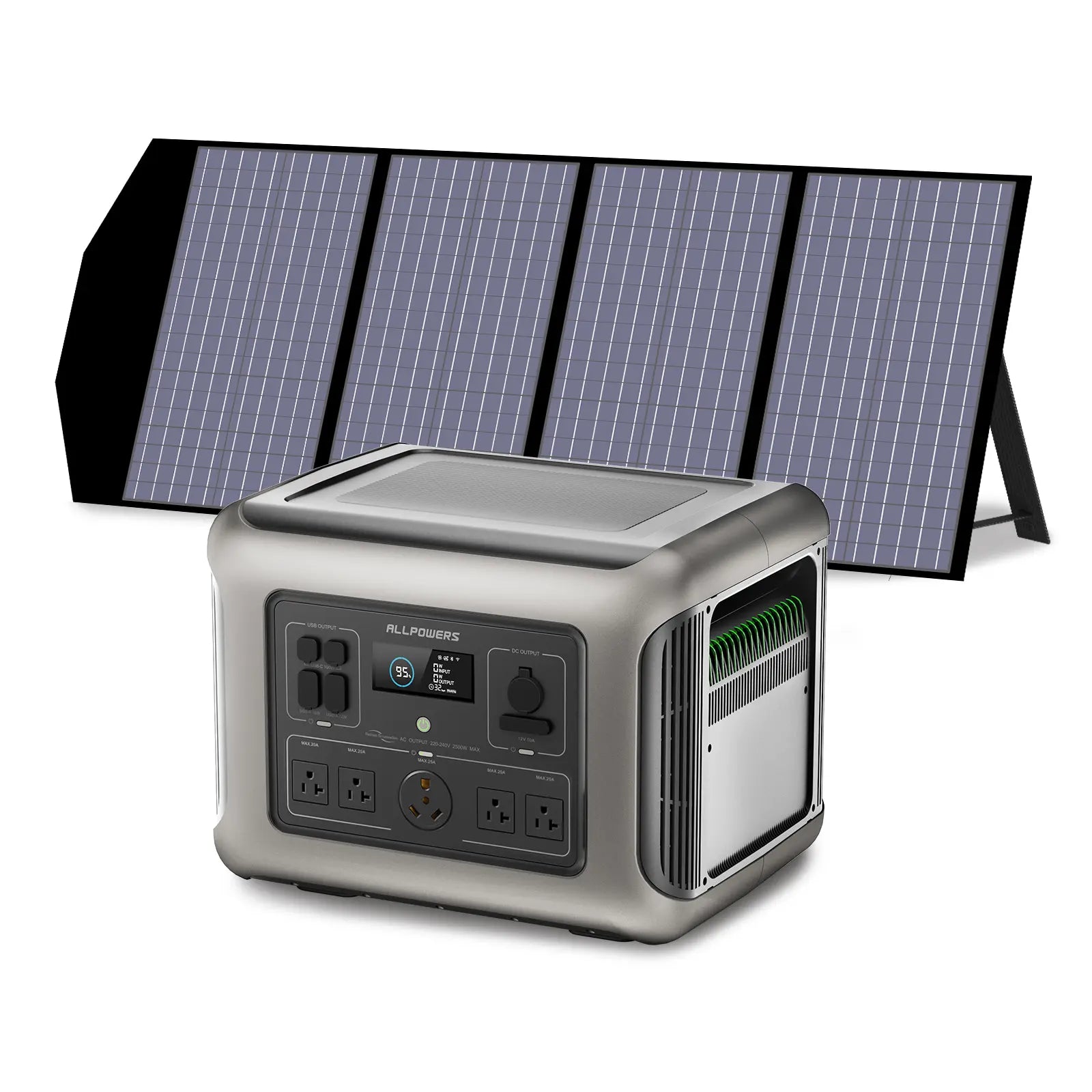
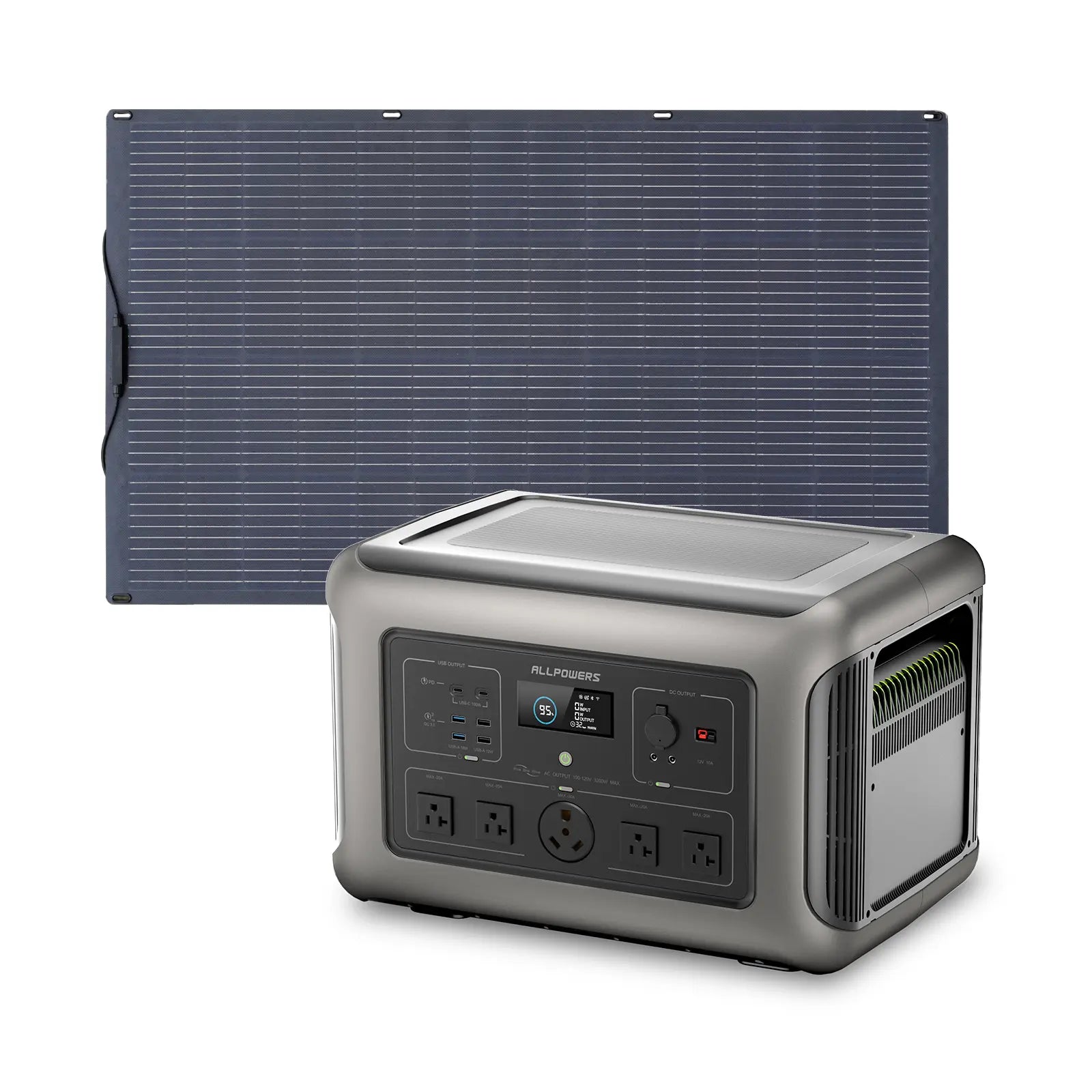
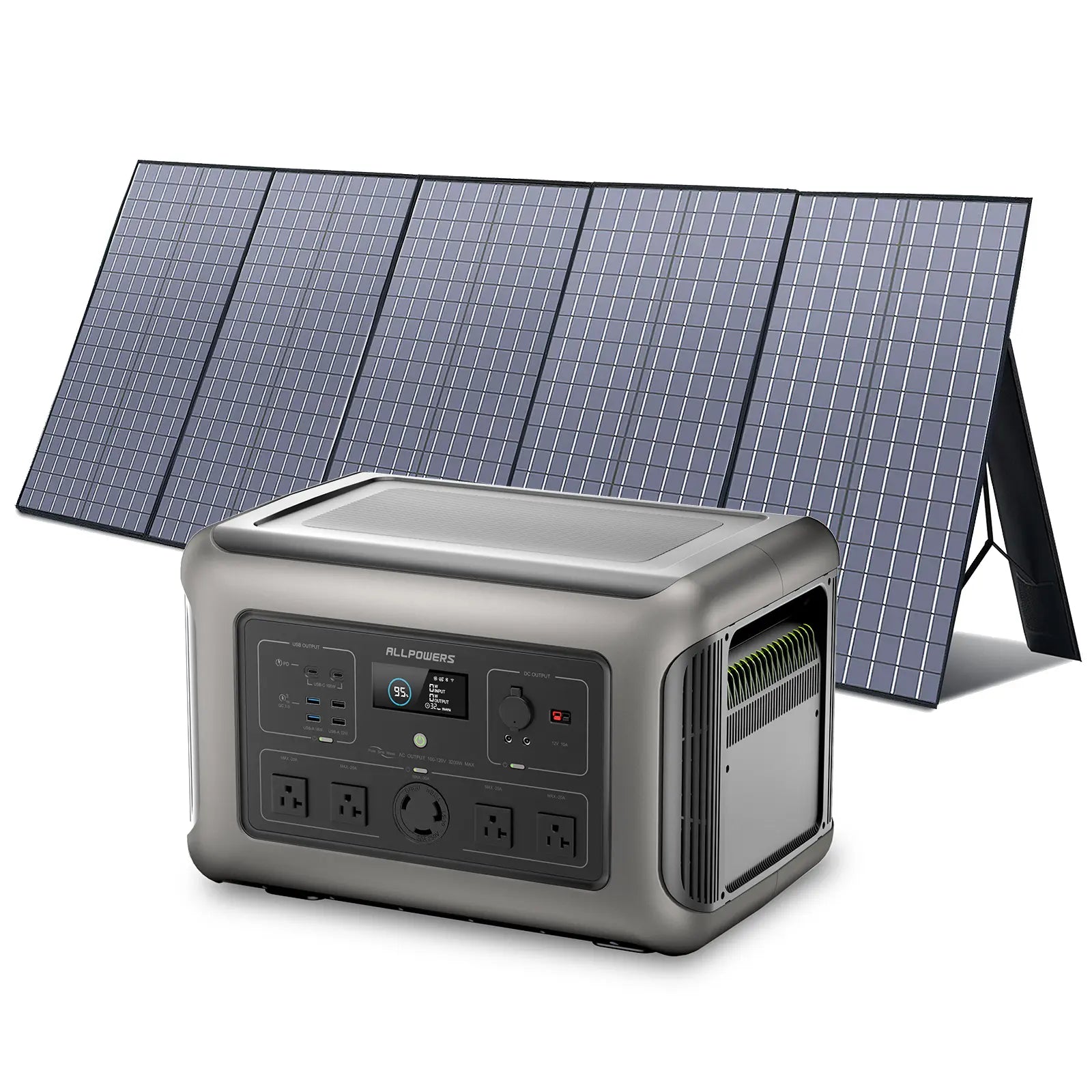
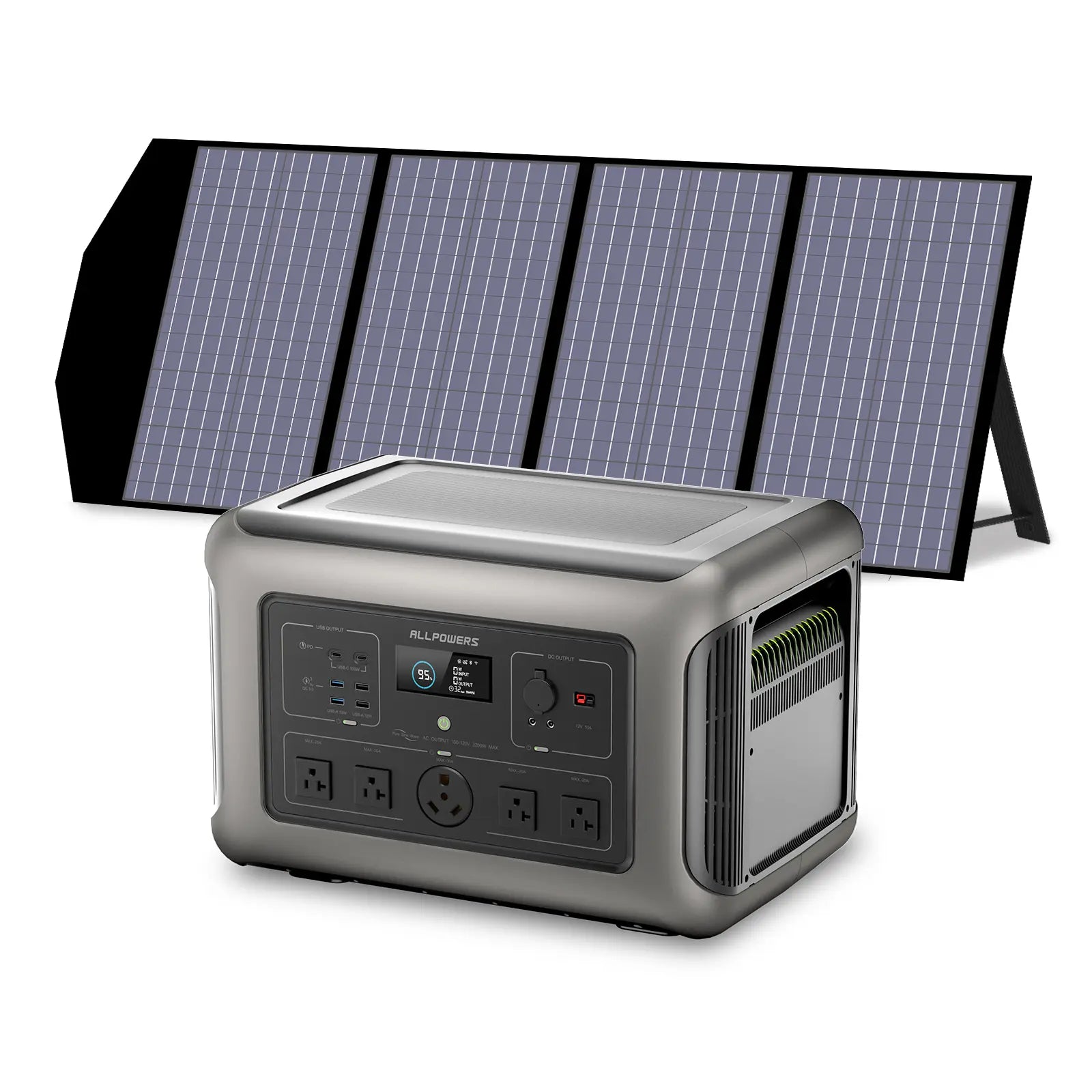
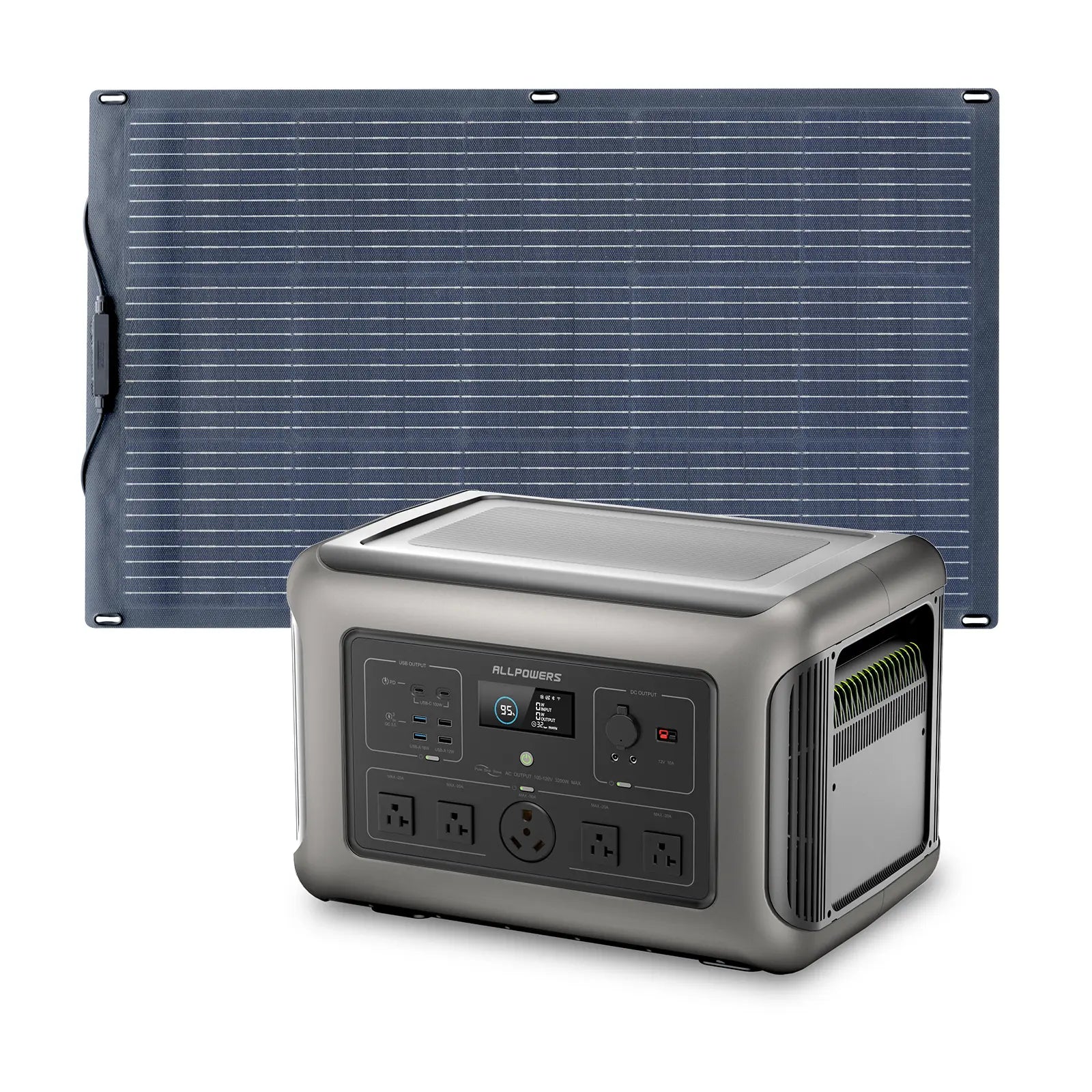
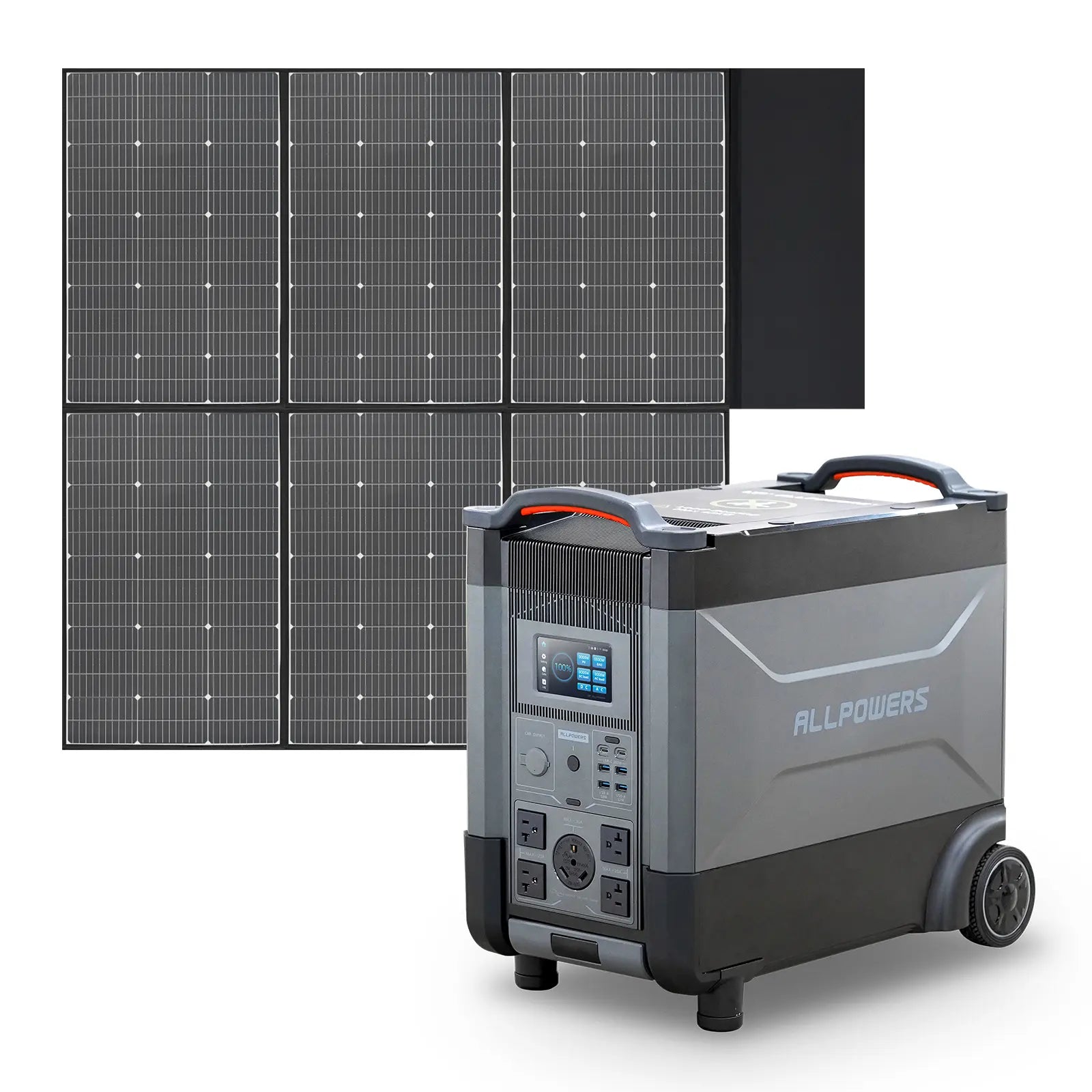
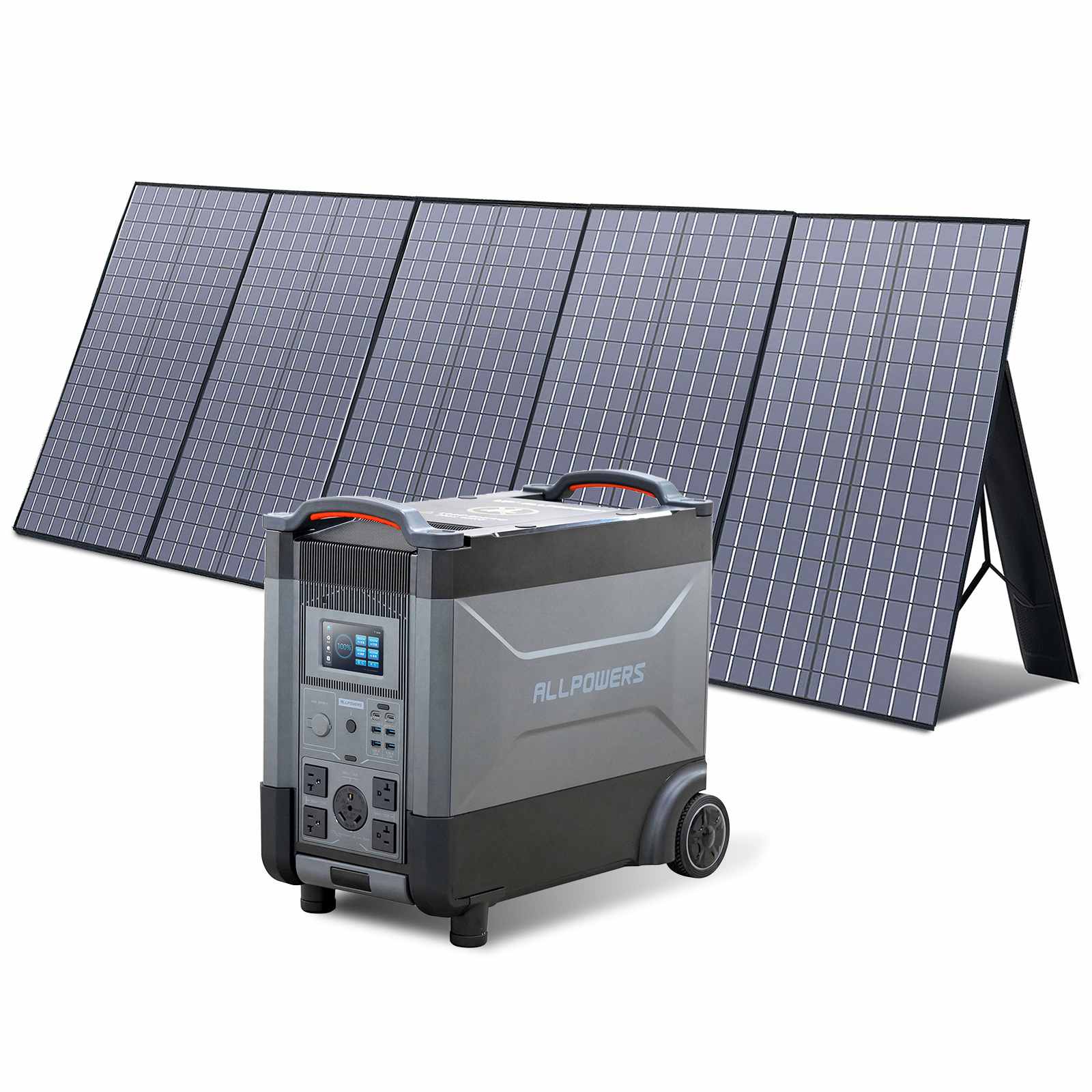
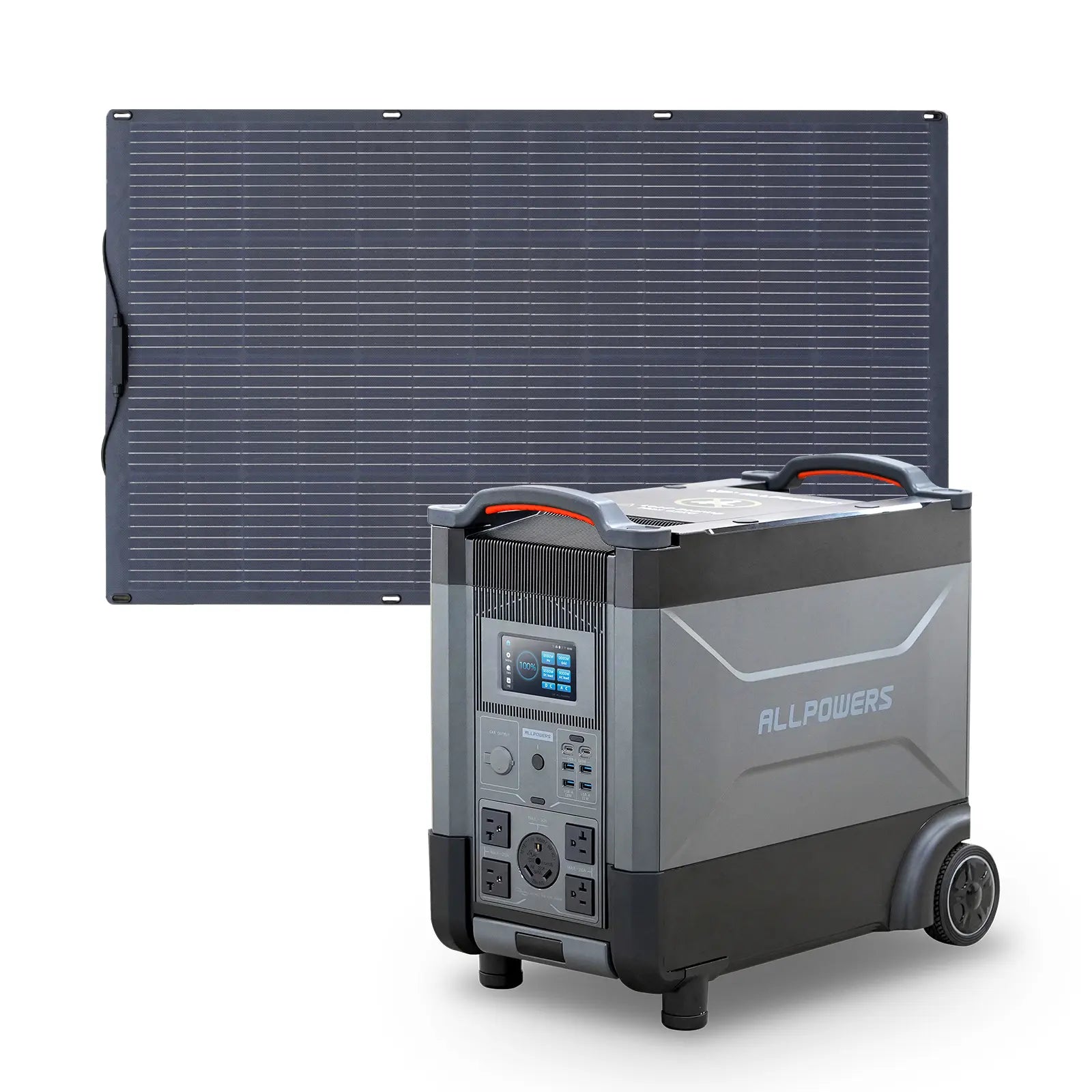
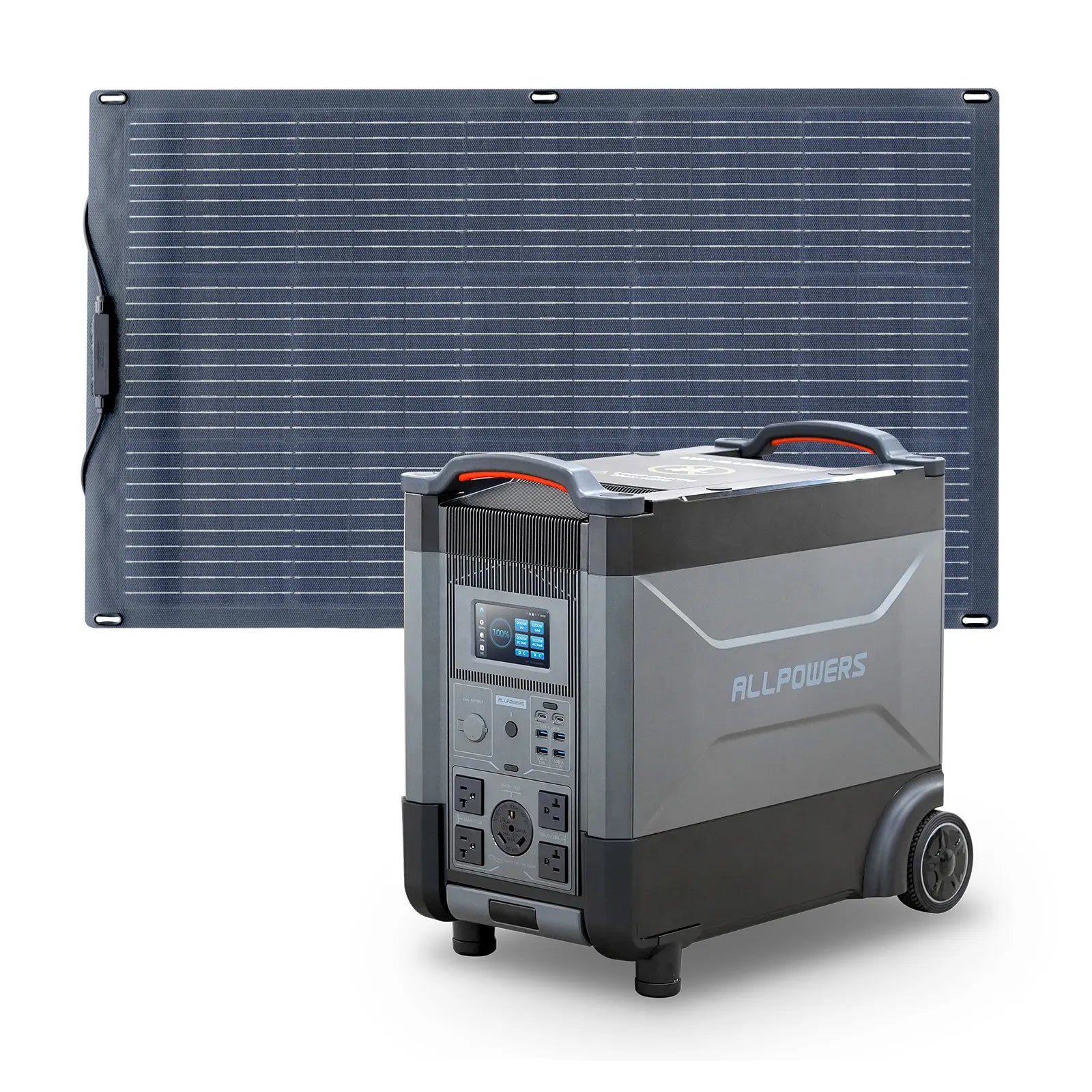
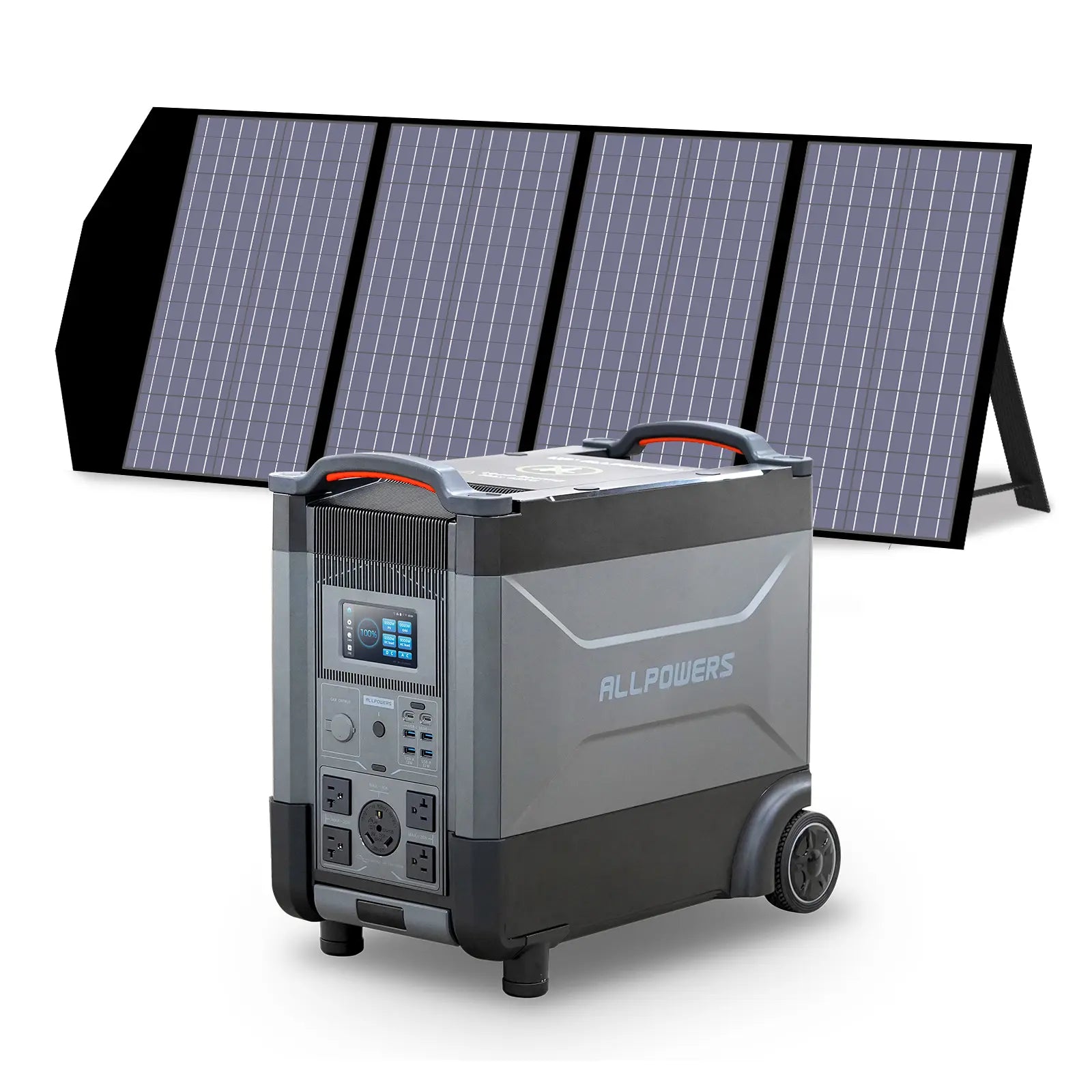
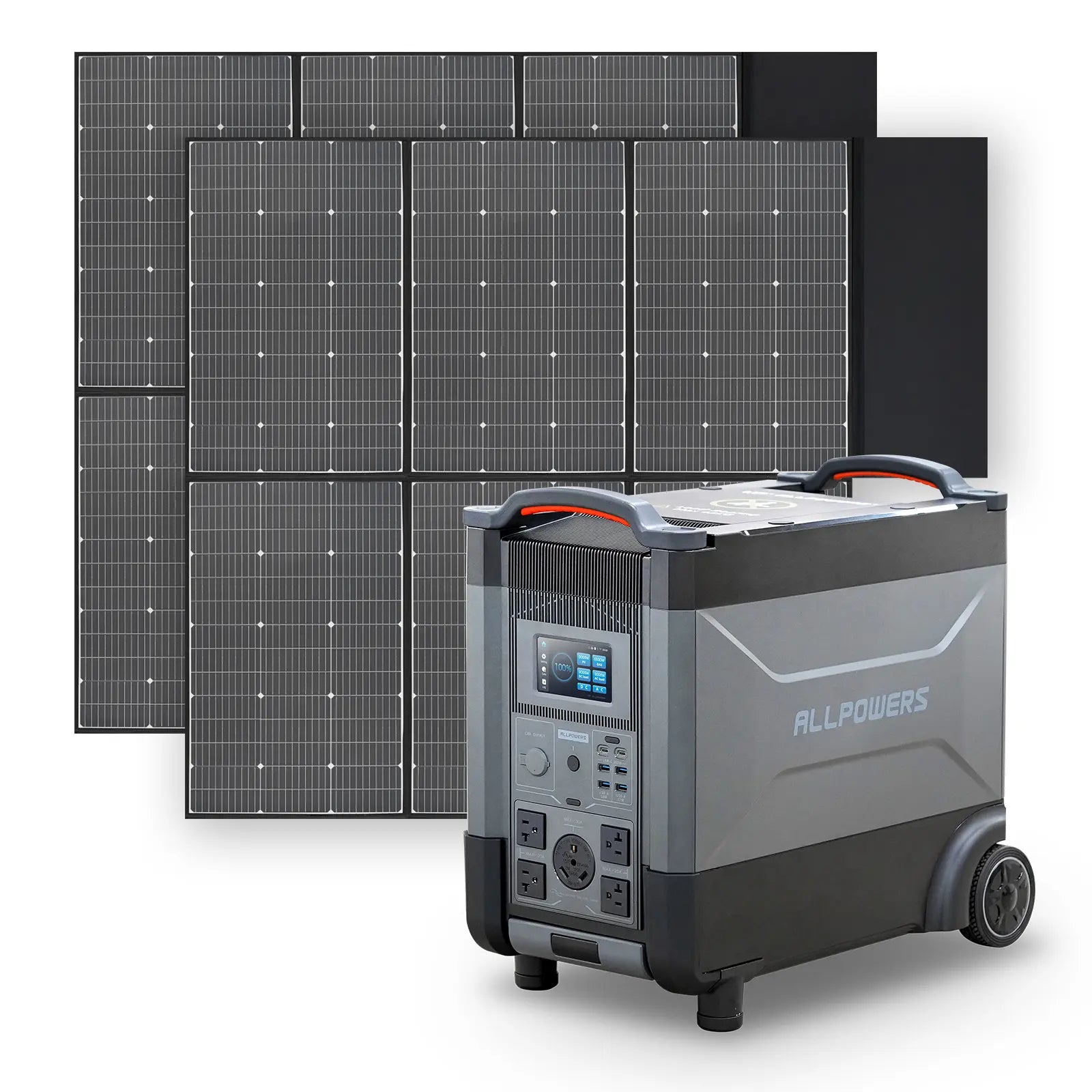
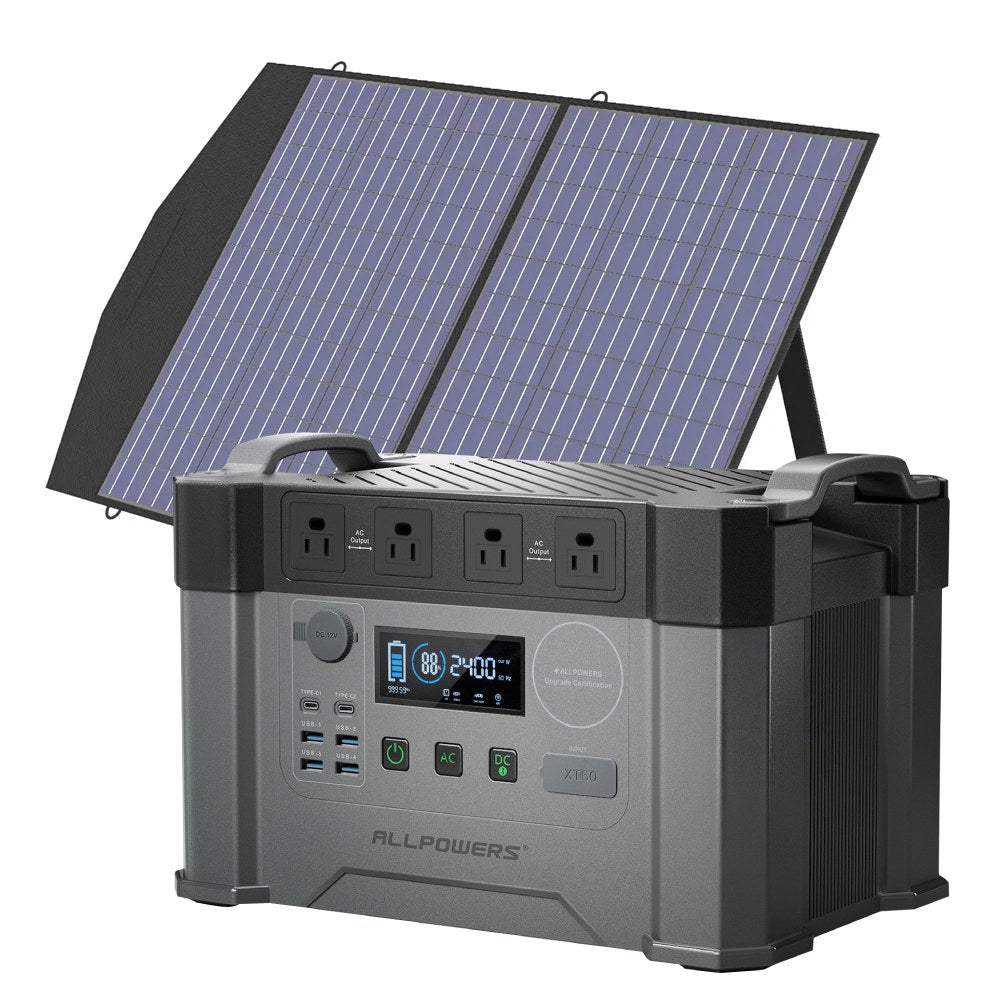
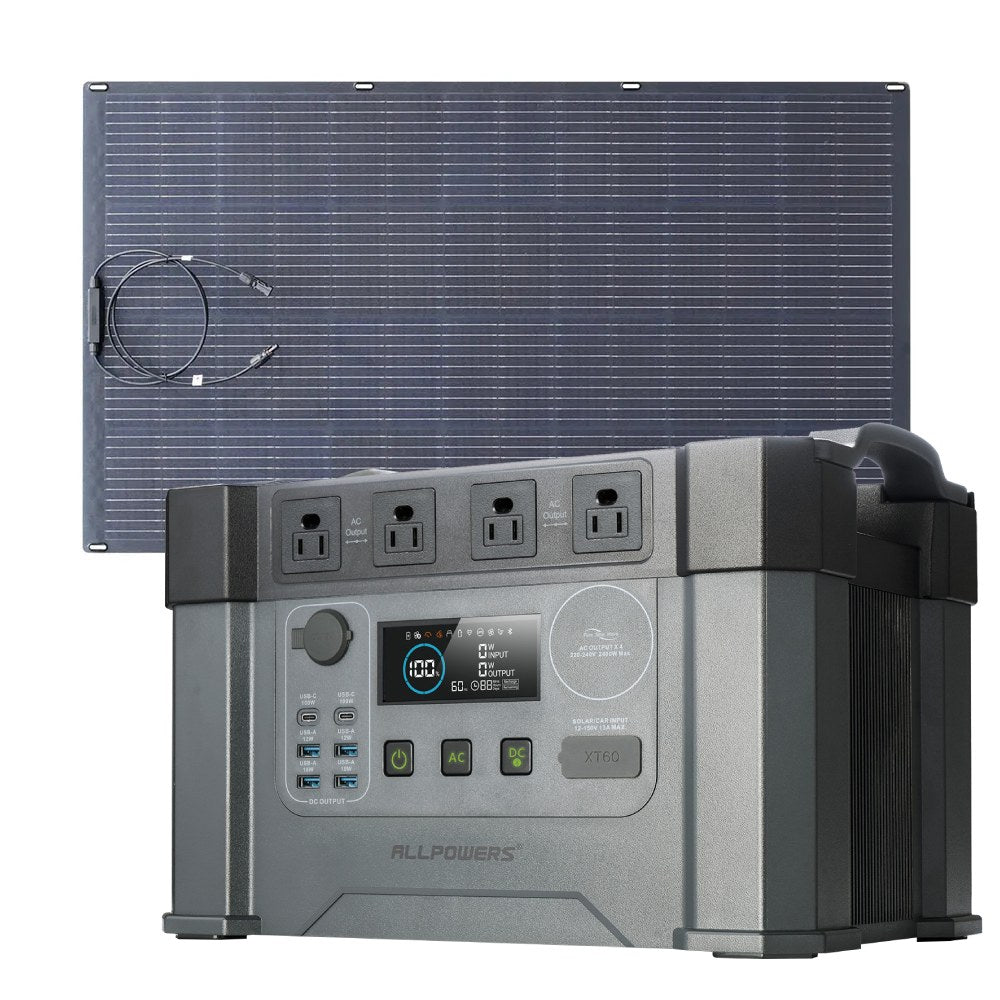
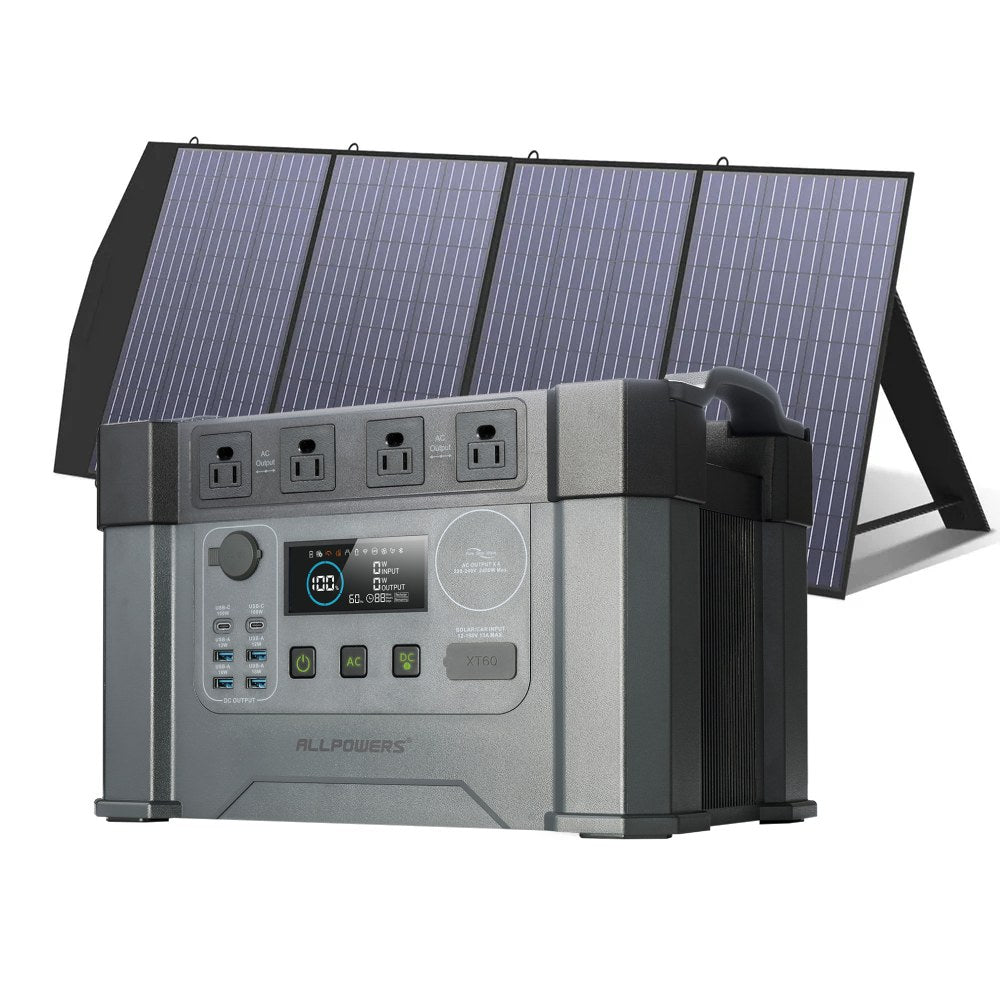
Some households also use compact energy setups to keep small fans or essential cooling devices running overnight during extended outages, especially when indoor airflow is limited.
Why Hydration Matters During Heat Waves
Staying hydrated is one of the most important ways to reduce the risk of heat-related illness during a power outage.
High temperatures increase sweating and fluid loss, especially when indoor ventilation is poor.
Drink Water Consistently
Waiting until you feel thirsty may not be enough during extreme heat conditions.
Avoid Excessive Alcohol and Caffeine
Some beverages may contribute to dehydration when consumed excessively during hot weather.
How to Reduce Indoor Heat Buildup
Reducing unnecessary indoor heat sources becomes especially important during extended blackouts.
Cook Outdoors When Possible
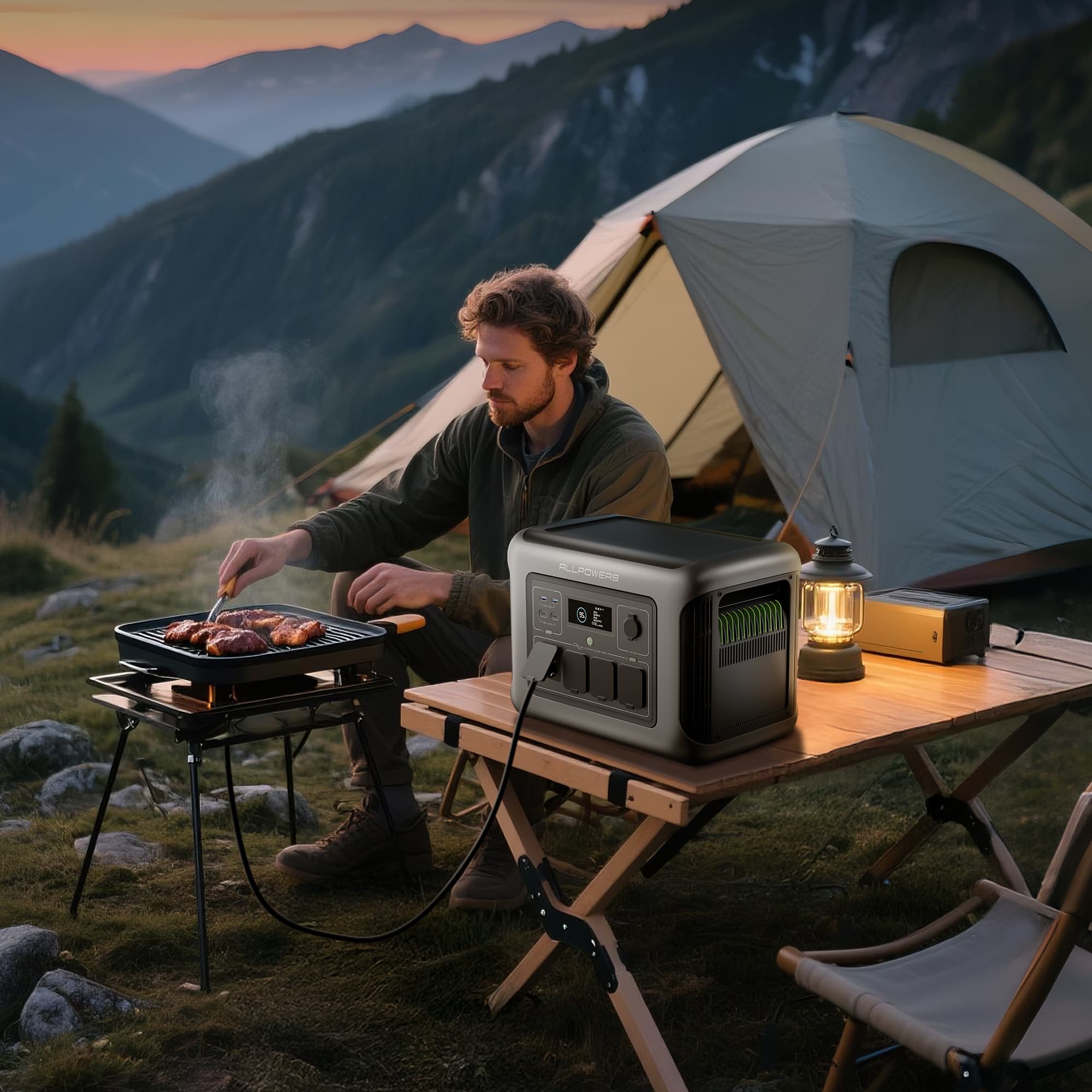
Grilling outdoors or preparing cold meals can help prevent kitchens from becoming dangerously hot.
Turn Off Unnecessary Electronics
Electronics and lighting systems may continue generating heat even during limited backup power usage.
Use Lightweight Bedding and Clothing
Breathable fabrics and lightweight materials can help improve comfort and reduce overheating during sleep.
Loose-fitting clothing also improves airflow around the body and allows sweat to evaporate more effectively.
Emergency Cooling Method Comparison
| Cooling Method | Effectiveness | Power Required | Best Use Case |
|---|---|---|---|
| Closed Curtains and Blinds | High | None | Daytime Heat Reduction |
| Cross-Ventilation | Moderate | None | Evening Cooling |
| Battery-Powered Fans | High | Low | Personal Cooling |
| Cold Showers or Towels | Moderate | None | Body Temperature Reduction |
| Outdoor Shade Areas | Moderate | None | Temporary Relief |
Heat Safety During Extended Outages
Long-duration outages during extreme heat require careful attention to heat safety, especially for vulnerable individuals.
Watch for Signs of Heat Exhaustion
Dizziness, nausea, rapid heartbeat, excessive sweating, headaches, and weakness may indicate heat exhaustion.
Check on Vulnerable Family Members
Older adults, young children, and pets are often more sensitive to high indoor temperatures.
Prepare Cooling Supplies in Advance
Many homeowners now keep emergency supplies such as rechargeable lighting, battery-powered fans, backup charging devices, and insulated coolers ready before summer storm seasons begin.
Having reliable access to basic airflow, lighting, communication devices, and cold drinking water can make prolonged outages significantly more manageable.
Preparing Your Home Before the Next Outage
Many people only begin thinking about emergency cooling after the power has already failed. However, preparation often makes the biggest difference during extended outages.
Improving home insulation, sealing air leaks, installing blackout curtains, and preparing emergency cooling supplies ahead of time can help reduce indoor heat buildup considerably.
Households in hotter climates increasingly look for flexible backup solutions that can support small cooling devices, lighting, communication equipment, and essential electronics during emergencies without relying entirely on the electrical grid.
Frequently Asked Questions
How can I stay cool during a power outage without AC?
Closing curtains, improving airflow, staying hydrated, and avoiding heat-producing activities can help reduce indoor heat.
Do battery-powered fans help during outages?
Yes. Battery-powered fans can improve airflow and make sleeping conditions more comfortable during hot nights.
Should windows stay open during a power outage?
Opening windows may help during cooler evening hours, especially when cross ventilation is possible.
What should you avoid during a summer outage?
Using ovens, dryers, and other heat-generating appliances can increase indoor temperatures significantly.
How dangerous can indoor heat become during an outage?
Extended exposure to high indoor temperatures may increase the risk of heat exhaustion and heat-related illness, especially for vulnerable individuals.