






A 30 amp RV air conditioner sounds straightforward, but the power behind that comfort isn’t always so simple.
Too small, and your generator chokes; too big, and you’re hauling around unnecessary weight and fuel costs.
So what size generator actually makes sense for a 30 amp RV air conditioner?
TL;DR
For most 30 amp RV air conditioners, you’ll need a generator with at least 3,000 starting watts and 2,000–2,800 running watts; however, to avoid strain, many RVers choose a 3,500–4,000 watt generator or equivalent power setup, especially if other appliances are running.
How many watts do you need for a 30 amp RV air conditioner
When we talk about RV air conditioners, we usually categorize them by BTUs, or British Thermal Units, which essentially measures how much heat the unit can strip out of the air in an hour.
Most 30-amp trailers come standard with either a 13,500 BTU or a 15,000 BTU unit.
A 13,500 BTU unit typically runs at about 1,300–1,600 watts, with a startup surge that can climb to 2,800–3,000 watts.
A 15,000 BTU unit pushes a bit harder, often running at 1,500–1,800 watts and surging up to 3,200–3,500 watts.
But numbers on paper don’t always match real life. Age, maintenance, and even the outside temperature can shift these values.
A dusty filter or a scorching afternoon in Arizona—or honestly, even a humid summer day in Tokyo—can push your AC to work harder than expected.
Matching generator size to real camping scenarios
If you’re parked at a campground with hookups, your generator size doesn’t matter much.
But if you’re off-grid, boondocking in the desert, or even just stopping overnight somewhere quiet, your generator becomes your lifeline.
A 2,000-watt generator? It might run lights, charge devices, maybe even power a fan. But your AC? Probably not—unless you’ve installed a soft starter.
A 3,000-watt unit sits in that gray zone. It might run a smaller AC unit under ideal conditions, but it’s not always reliable. Hot weather increases demand.
High altitude reduces generator efficiency. Suddenly, that “just enough” power isn’t enough anymore.
That’s why seasoned RV owners often recommend stepping up to at least 4,000 watts. It gives you breathing room. And in camping, breathing room is everything.
Considering everything else running in your RV
Here’s where things get a little messy—in a realistic way.
Your air conditioner doesn’t run in isolation. At any given time, you might also be using:
The microwave for a quick meal. A coffee maker in the morning (non-negotiable for many). Battery chargers, lights, maybe even a TV or laptop.
Each of these draws power. And while you can manage usage—turning things off while the AC runs—it’s not always convenient.
Choosing between newer generators and traditional models
Not all generators behave the same, even if their wattage ratings match.
Traditional open-frame generators tend to deliver strong raw power but come with noise—sometimes a lot of it.
Inverter generators, on the other hand, produce cleaner electricity and adjust engine speed based on demand.
This matters for sensitive electronics and overall efficiency.
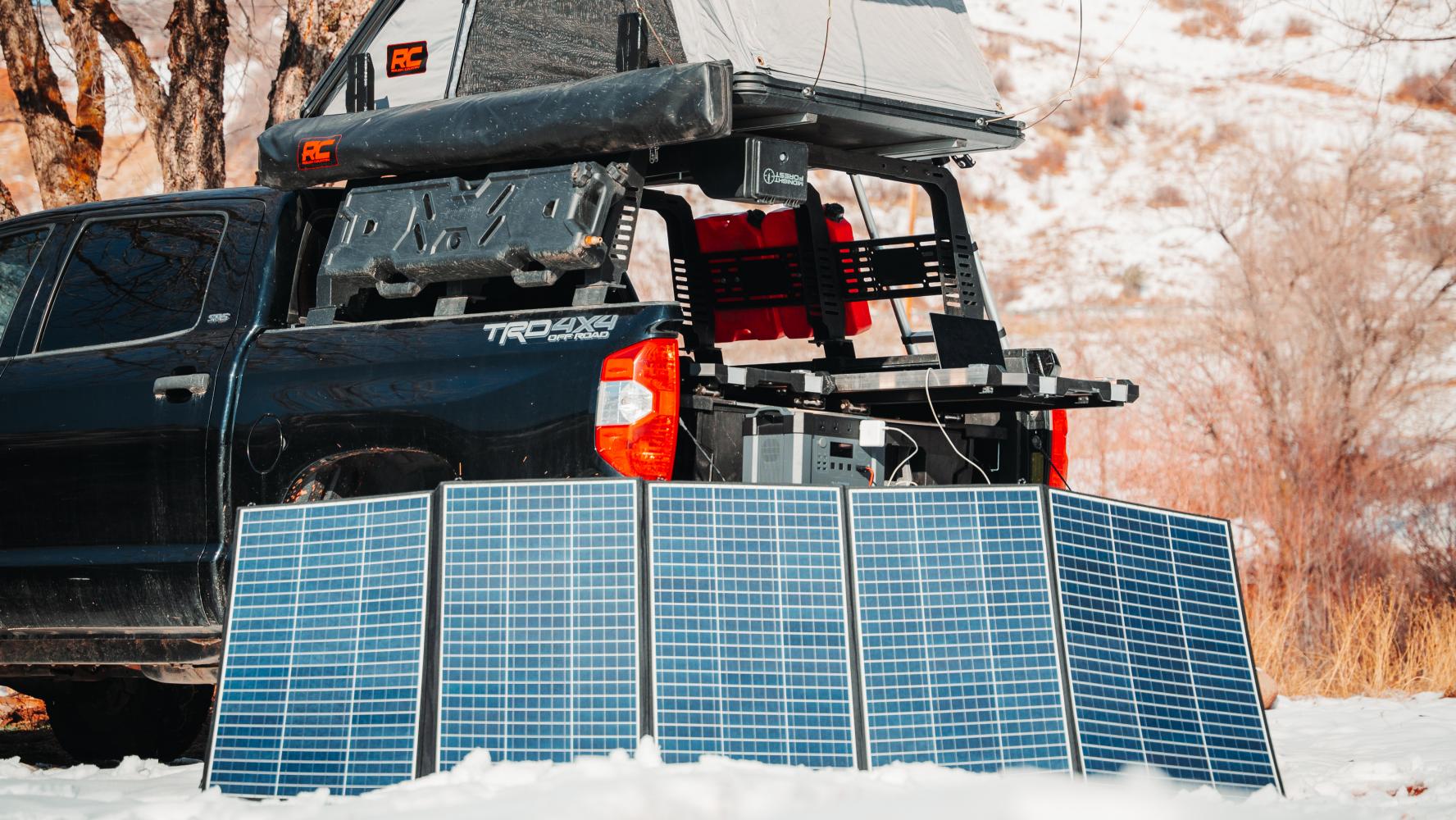
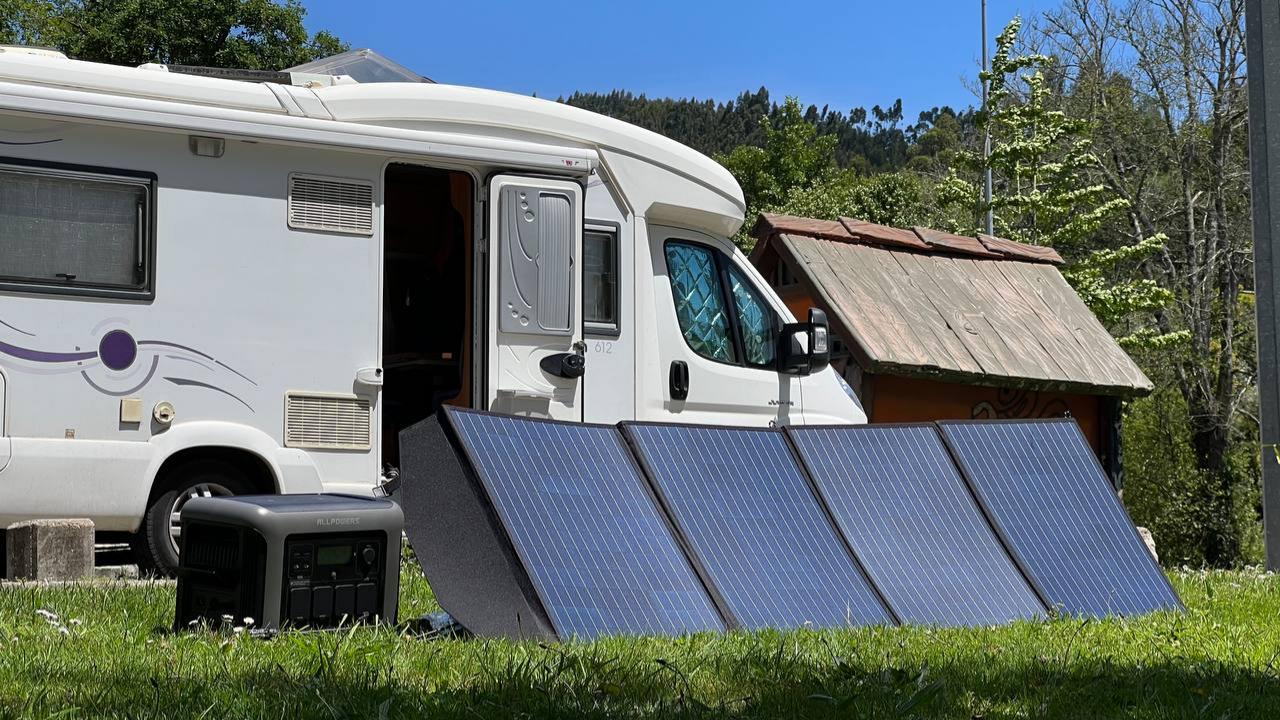
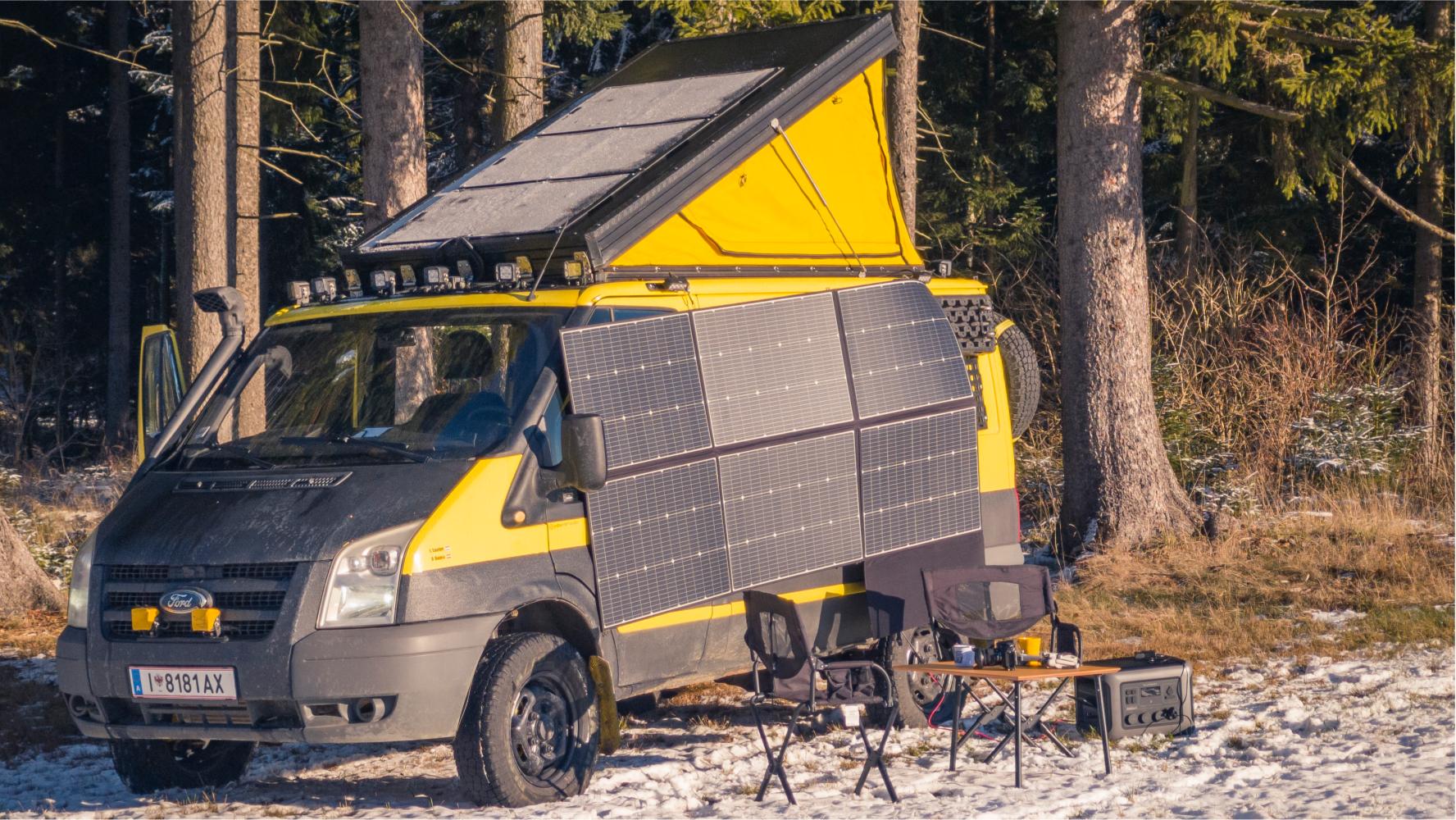
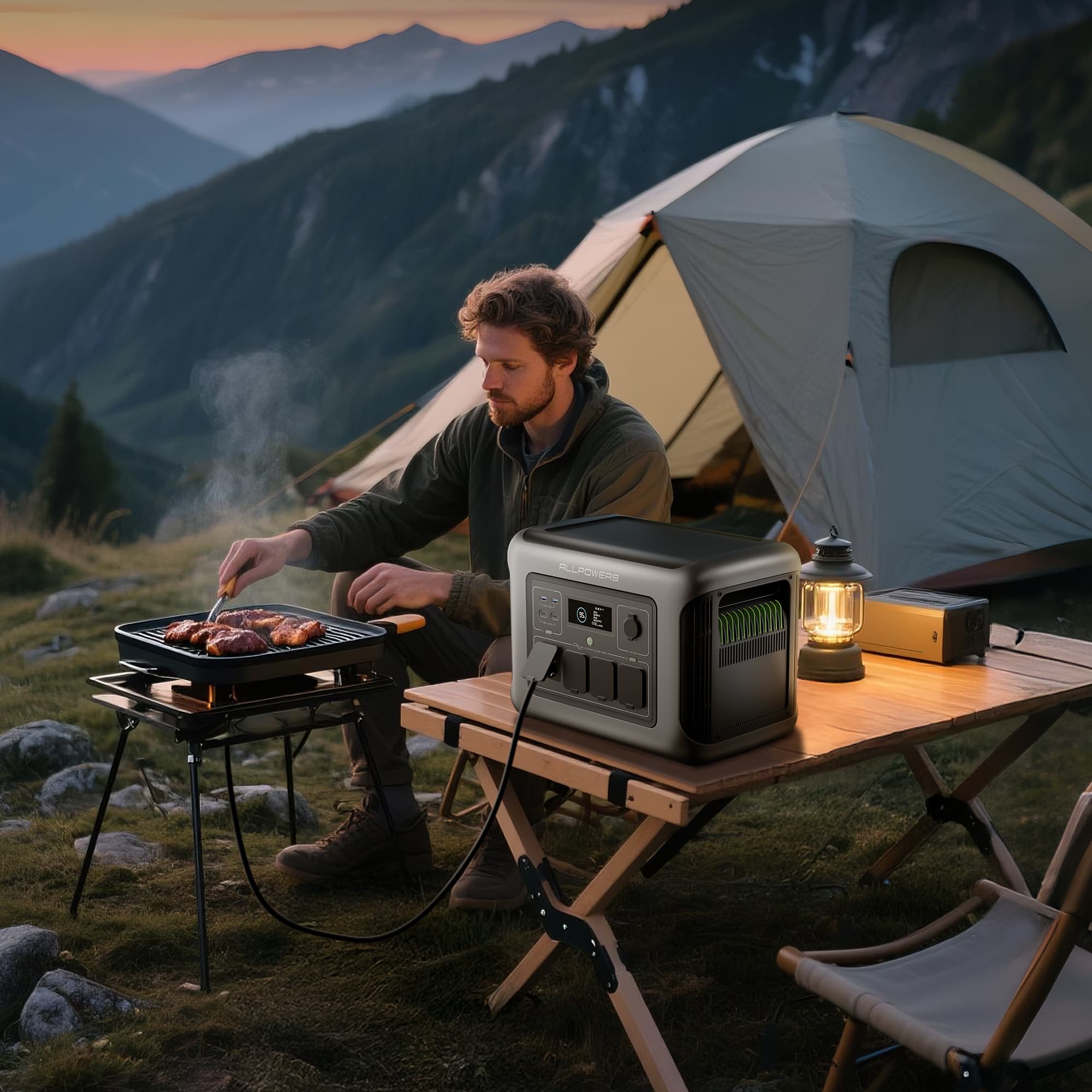
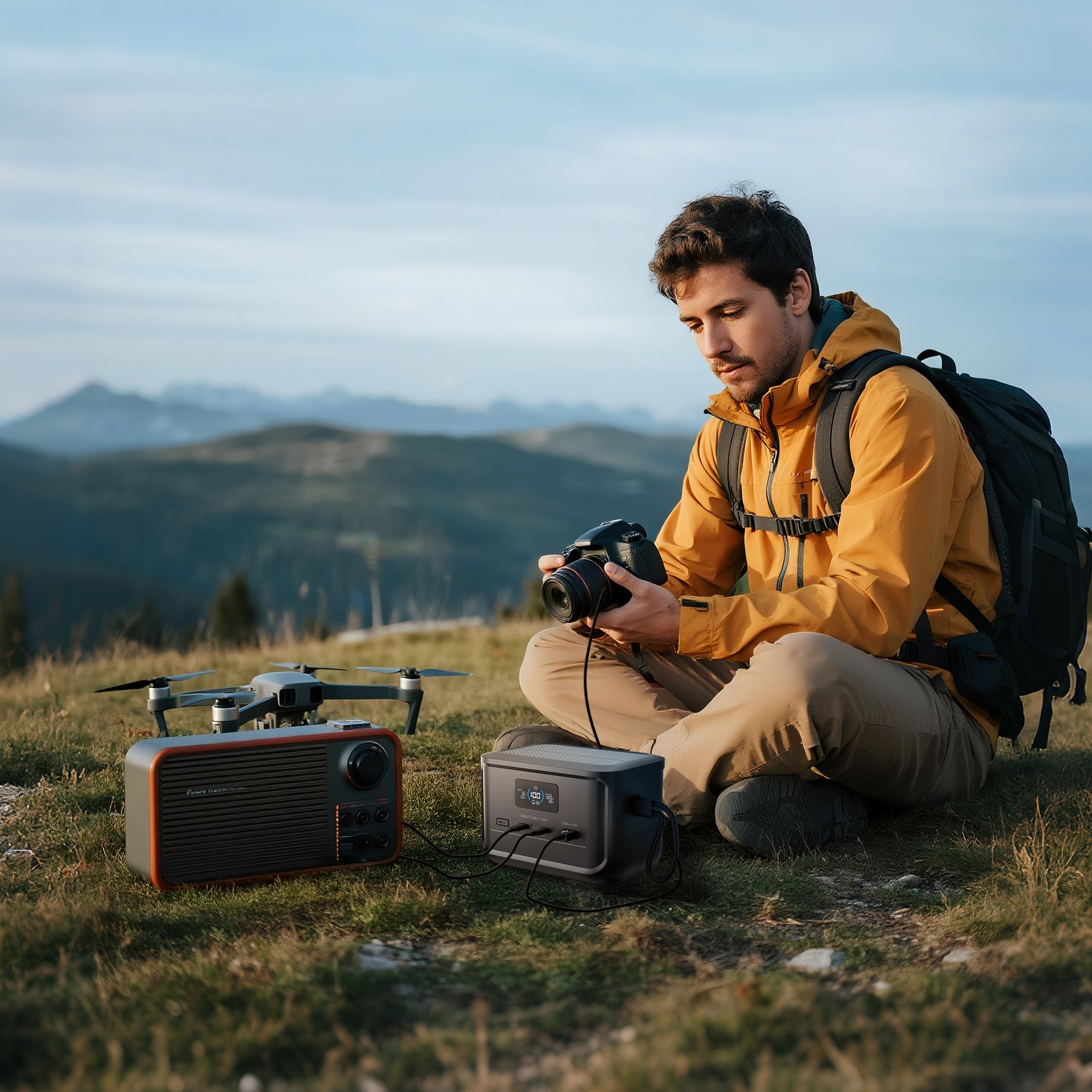
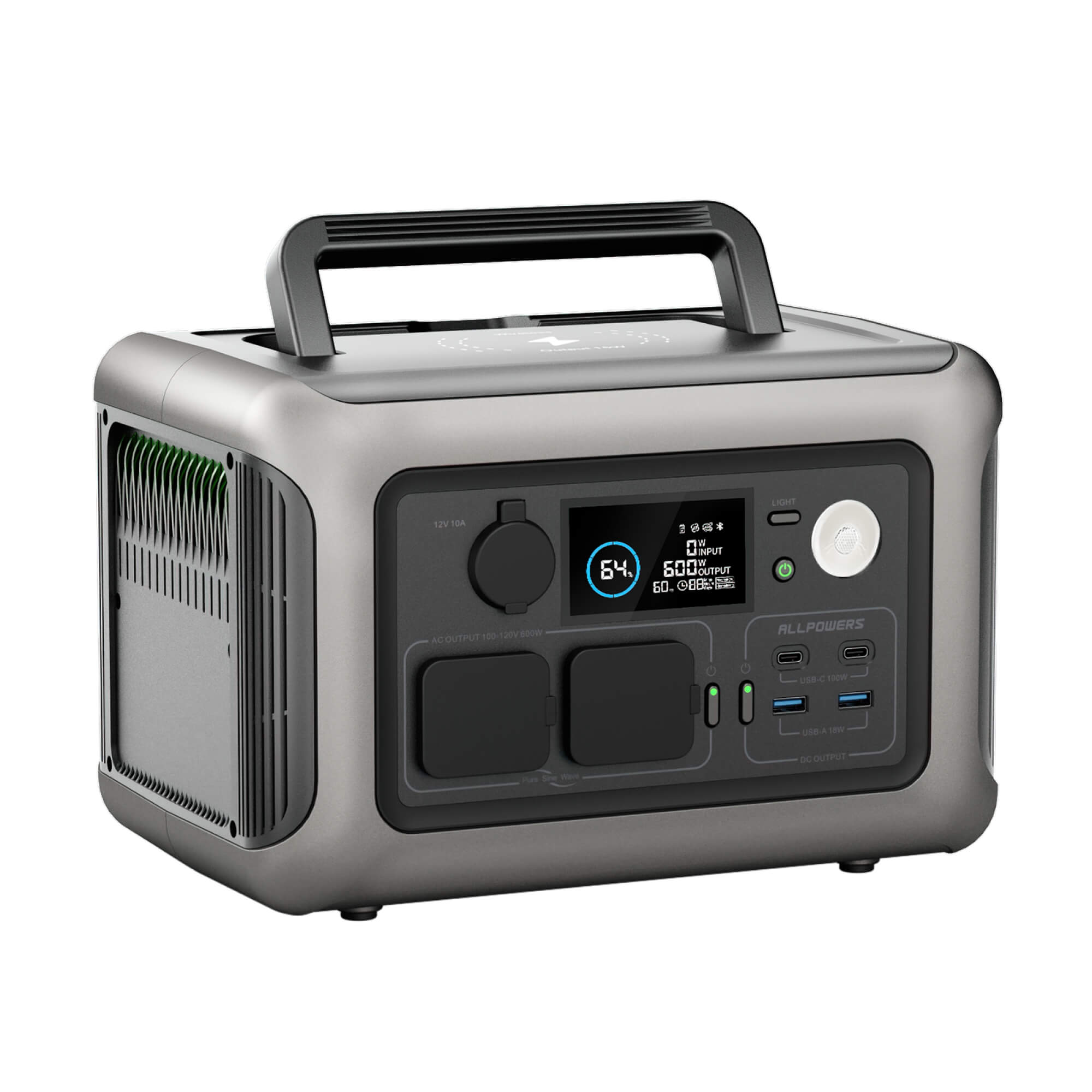
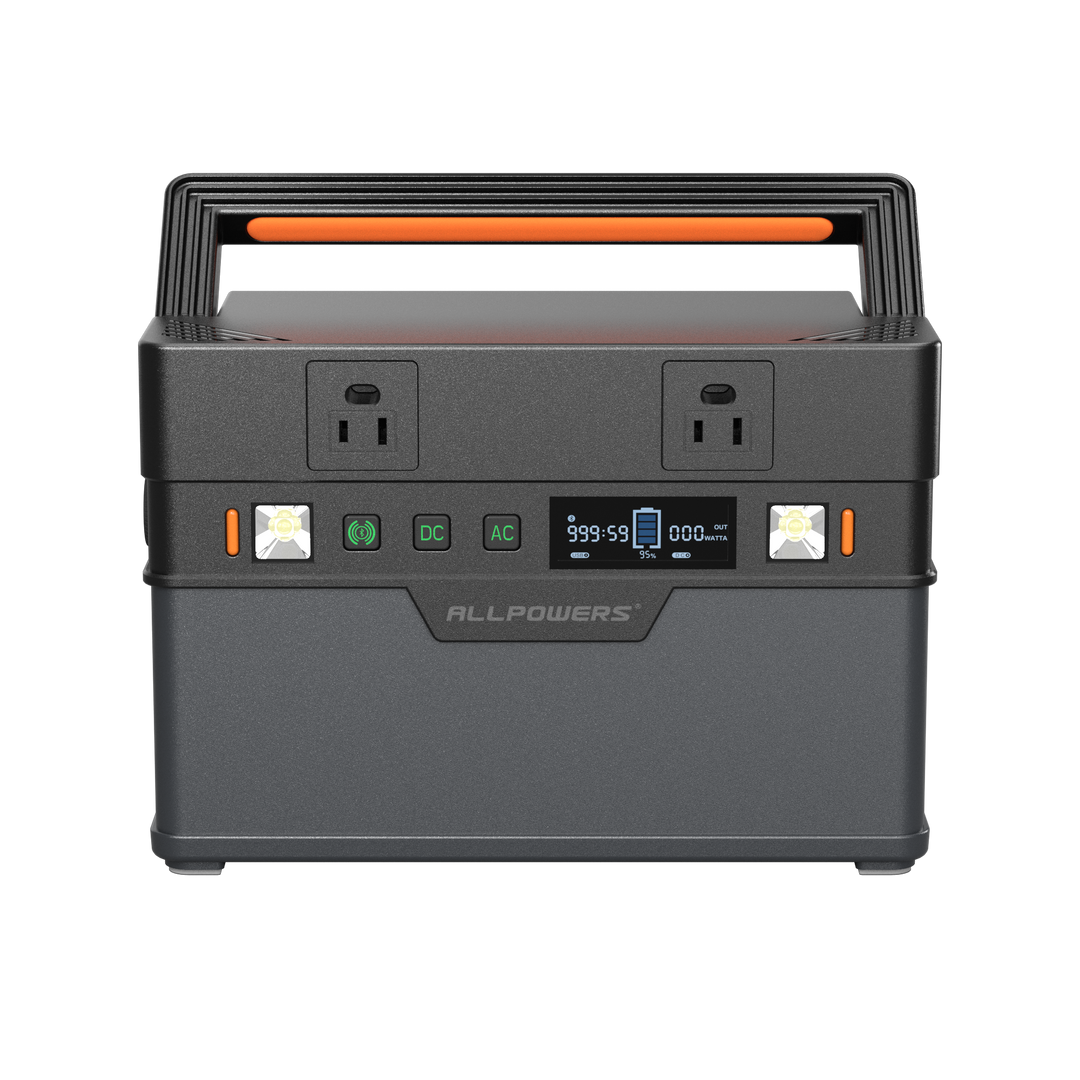
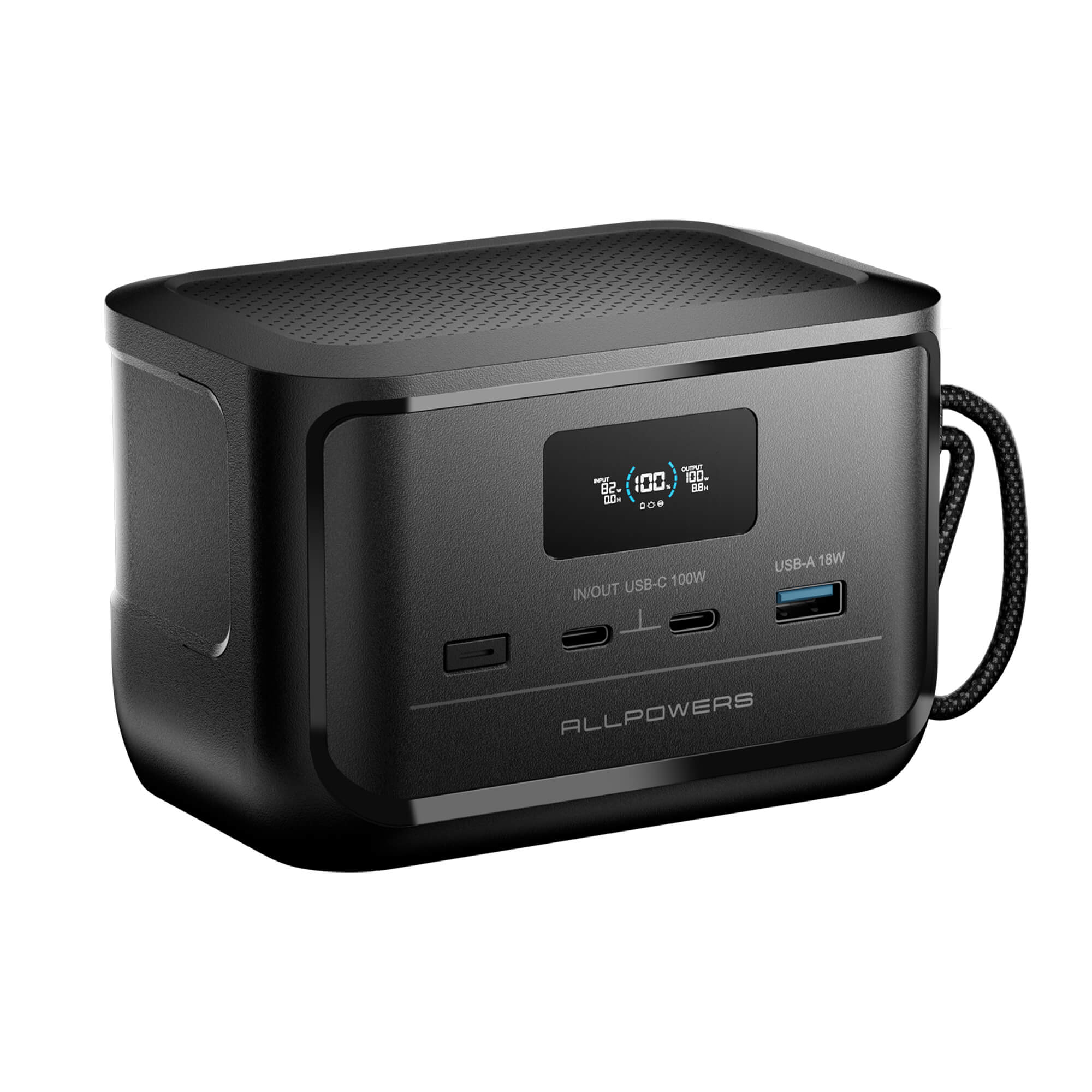
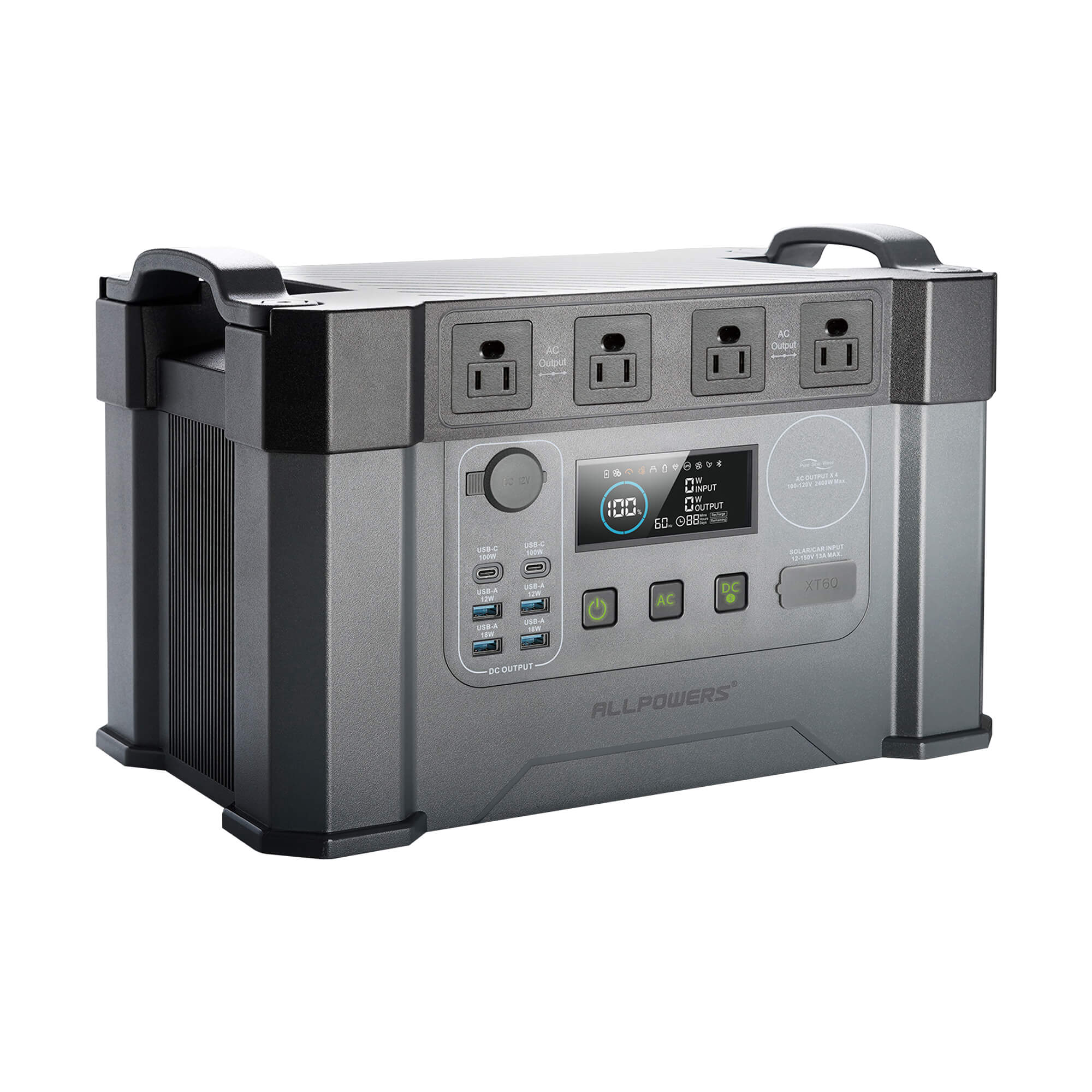
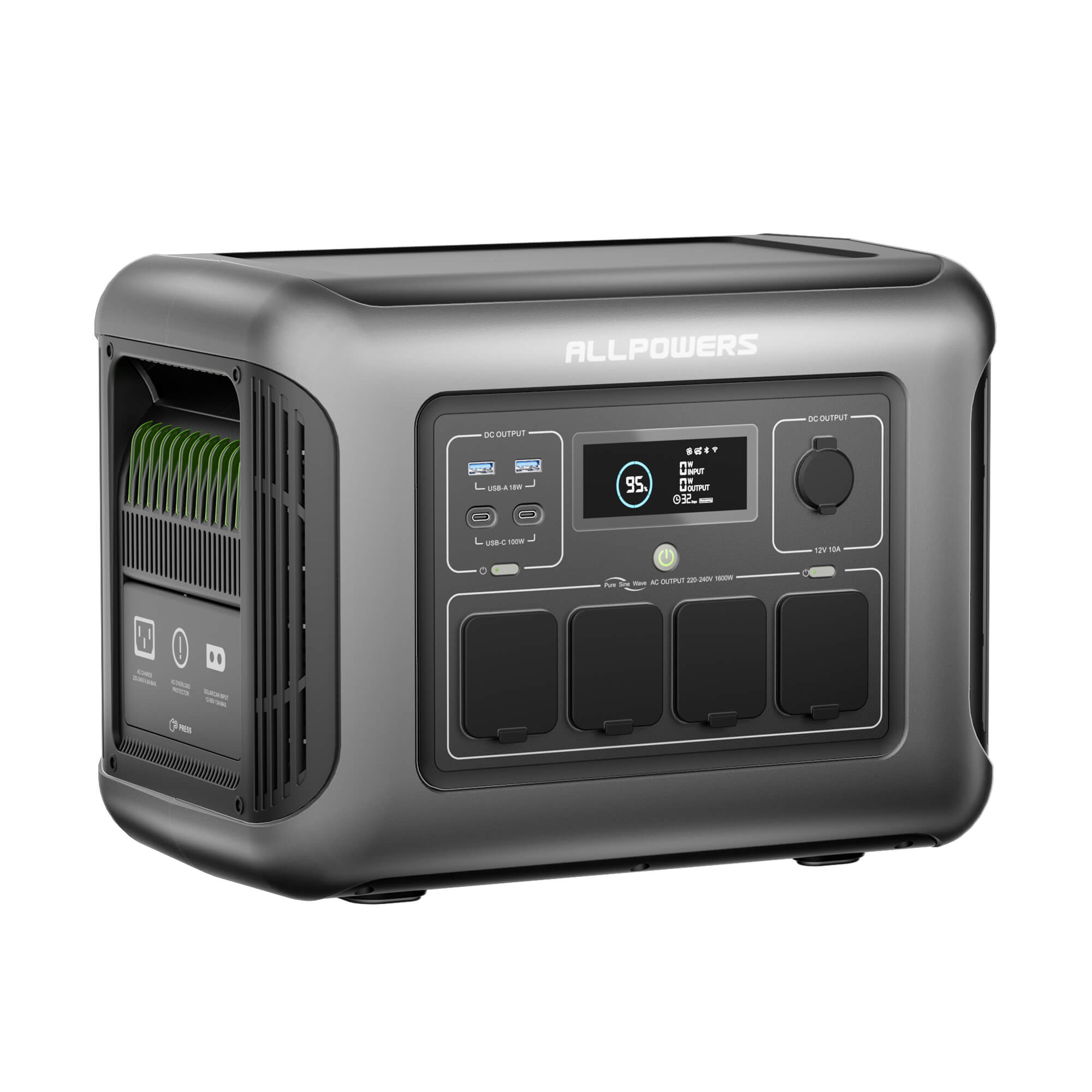
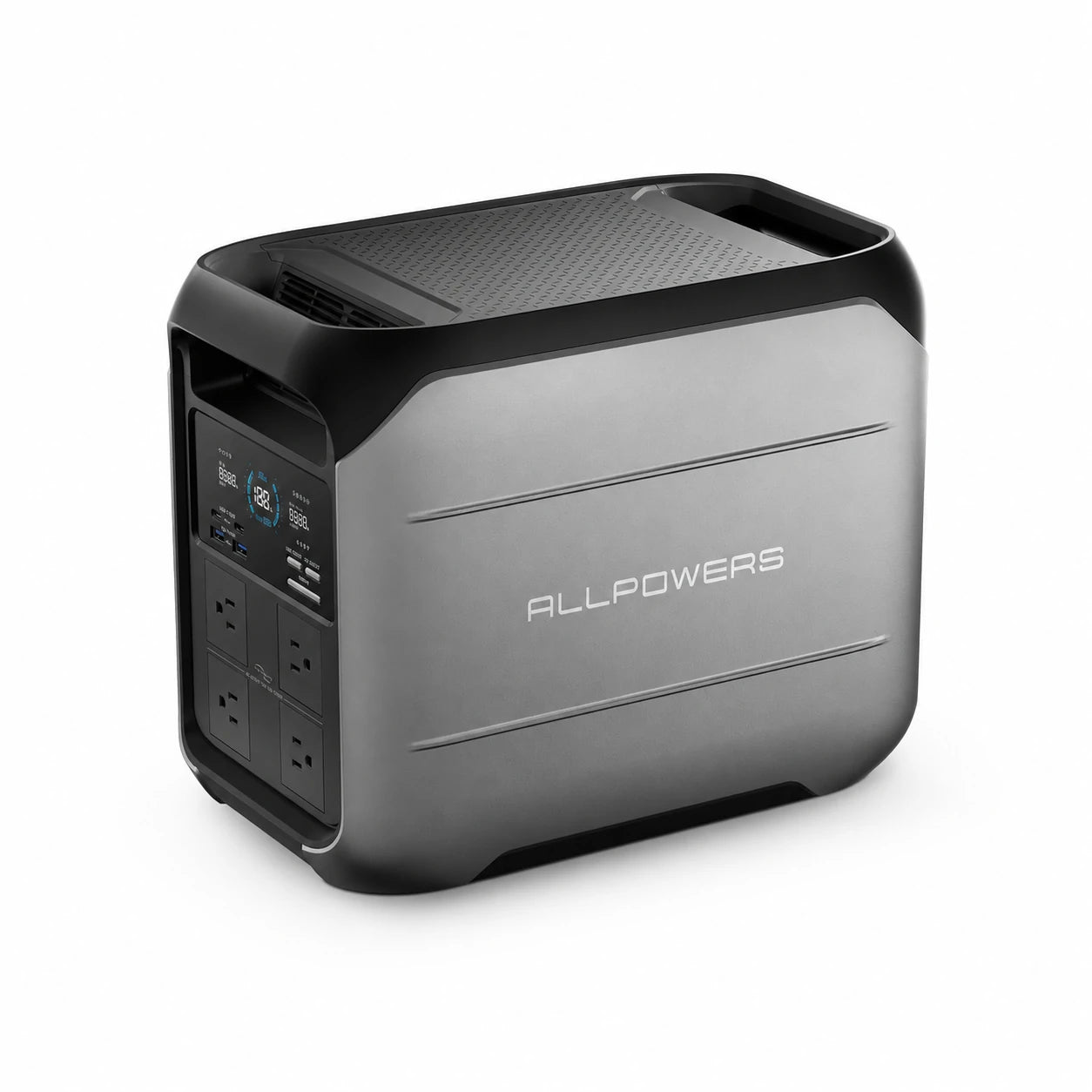
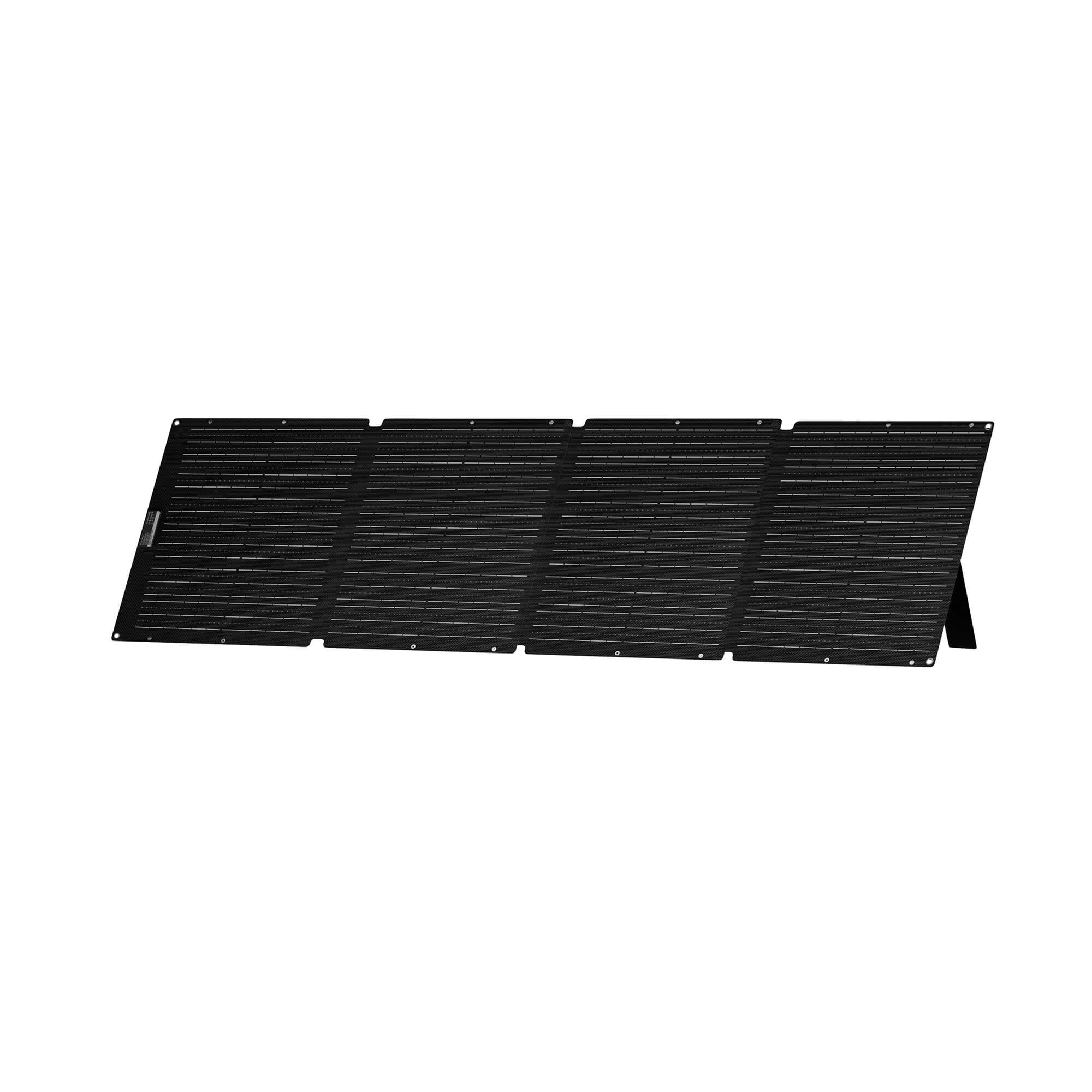
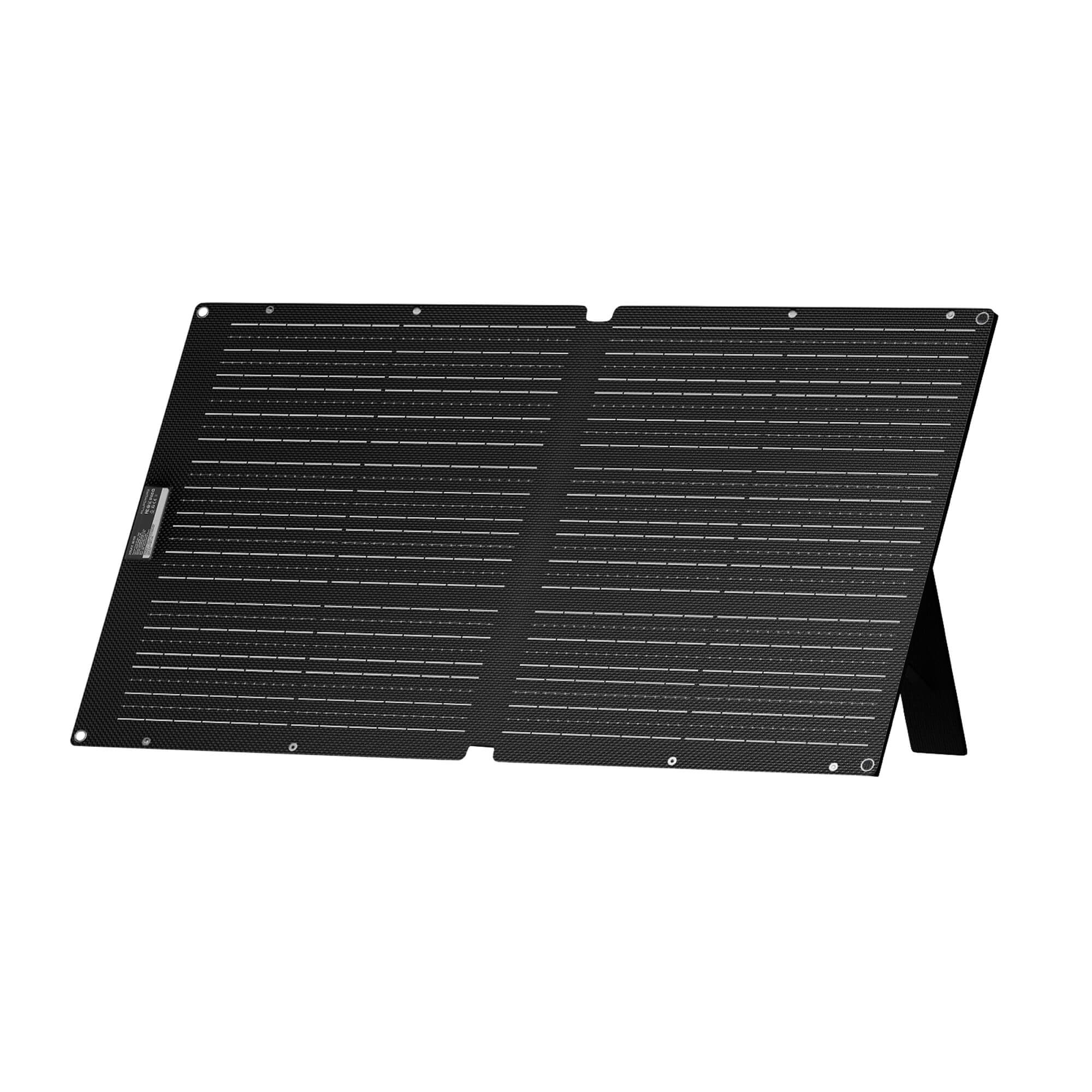
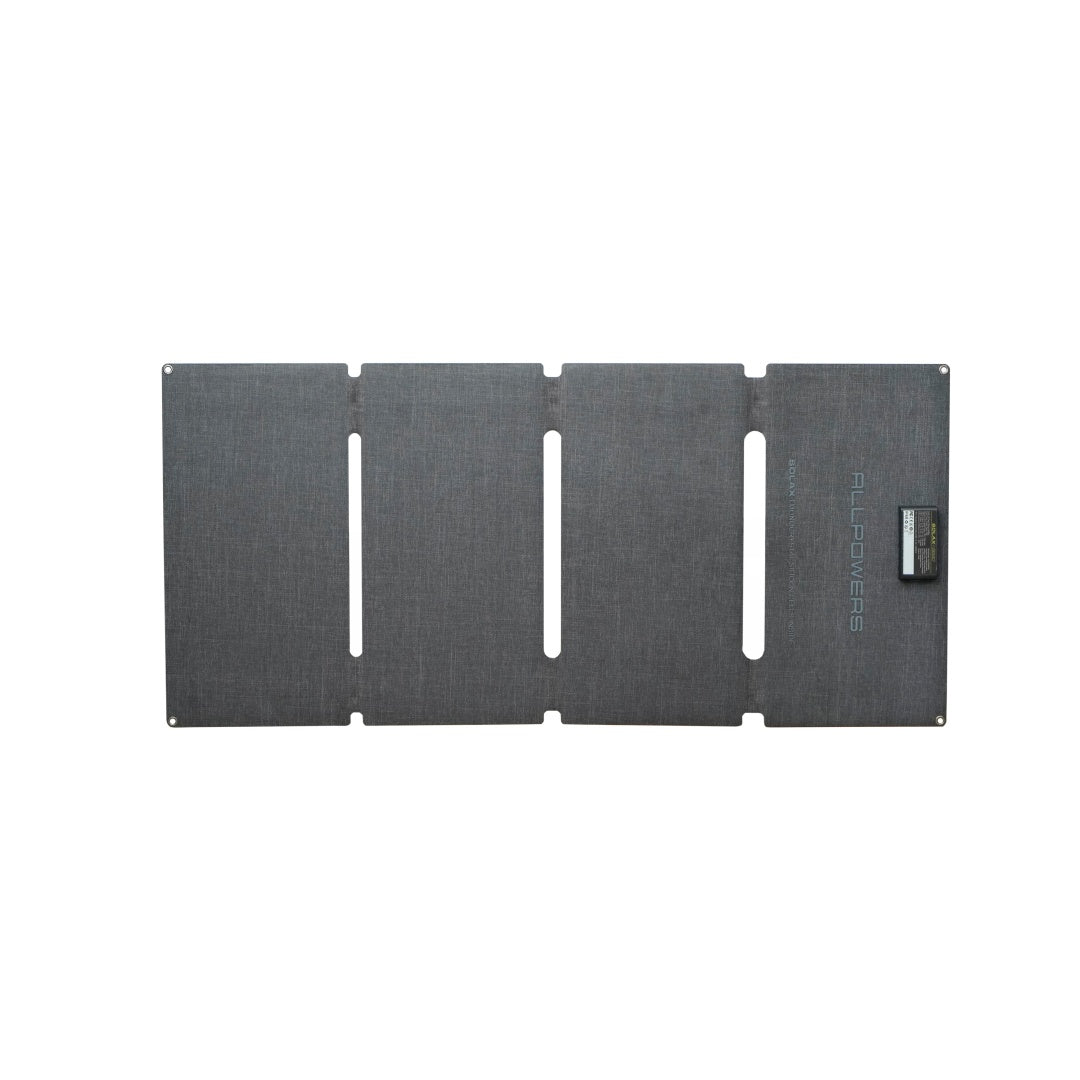
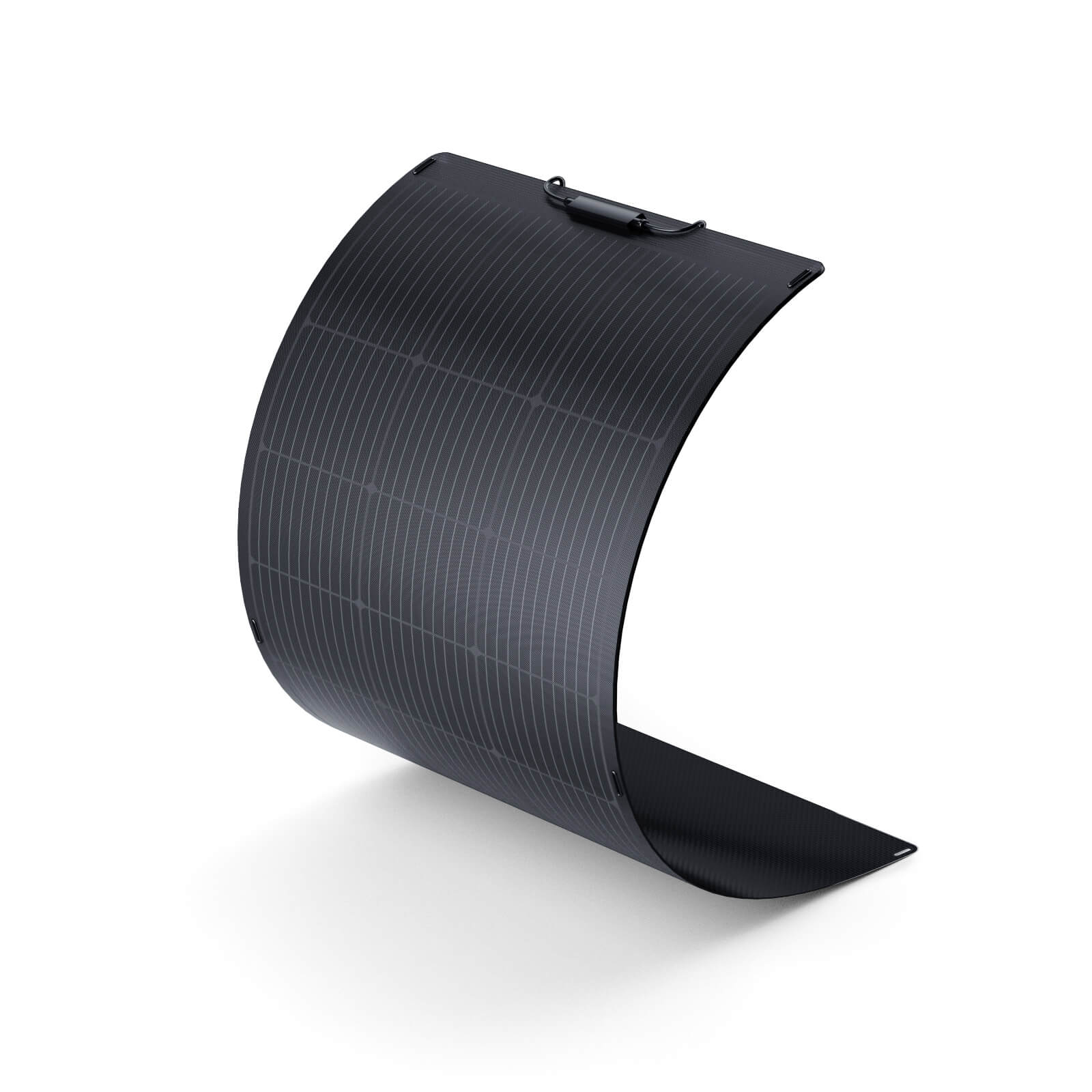
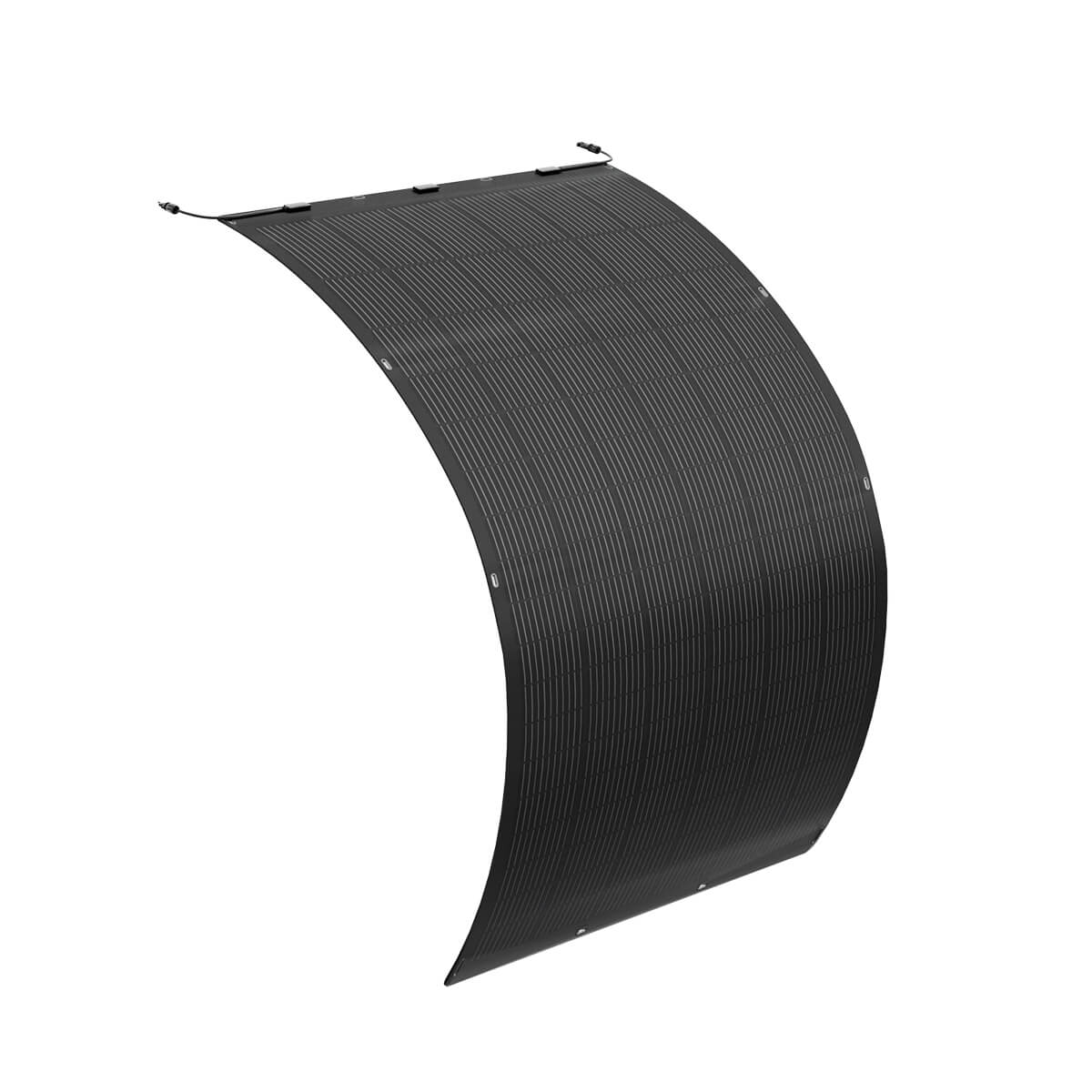
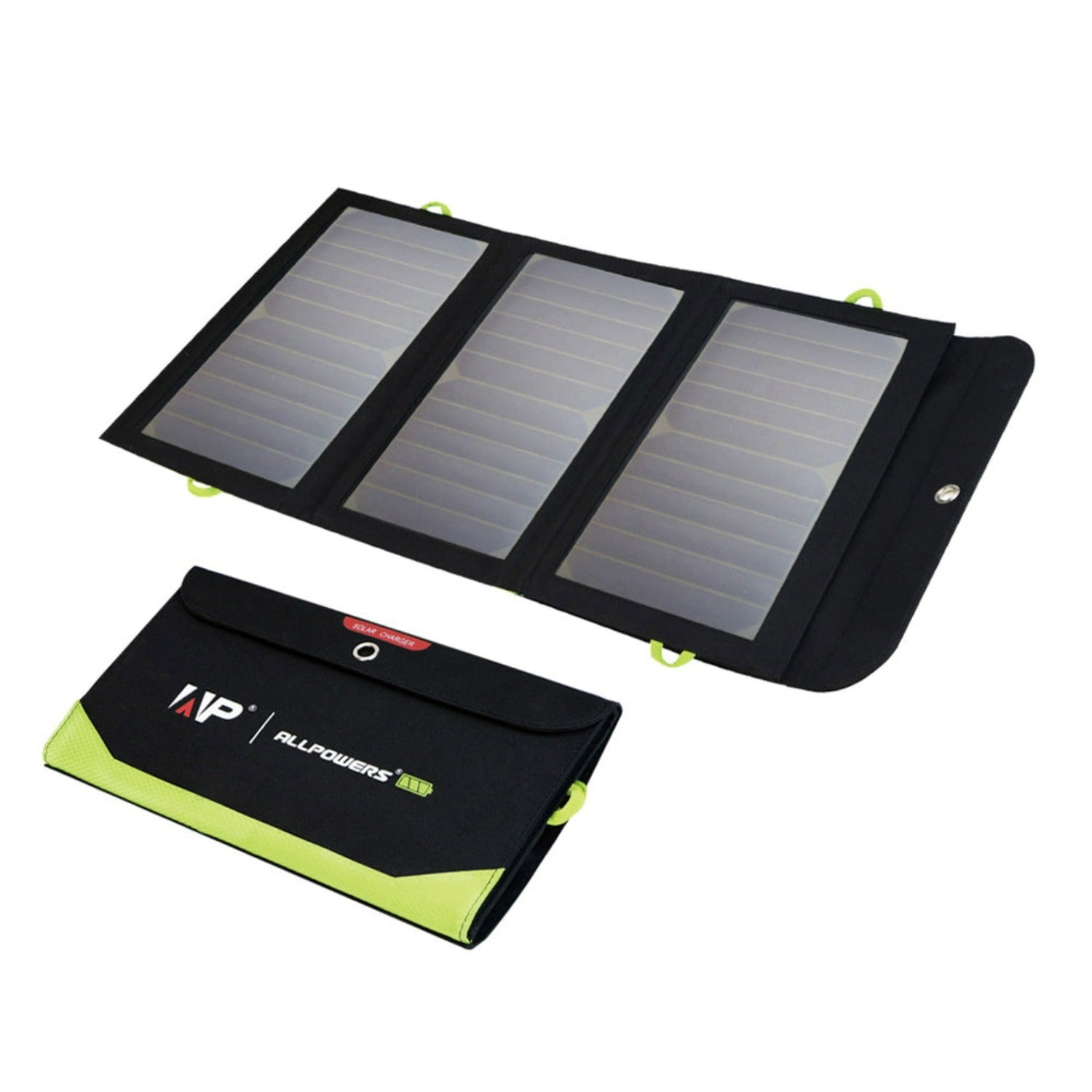
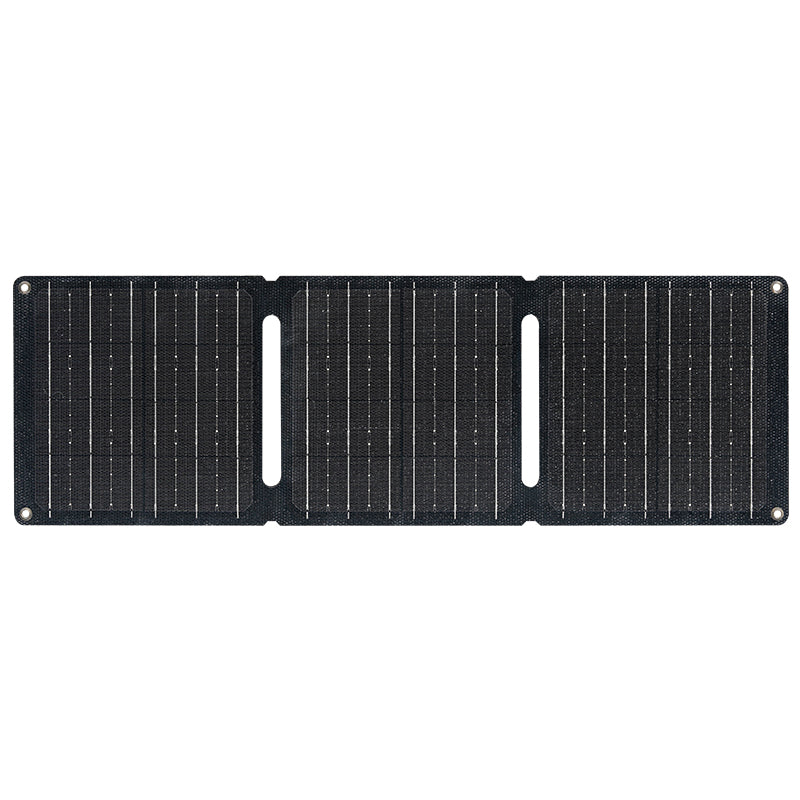
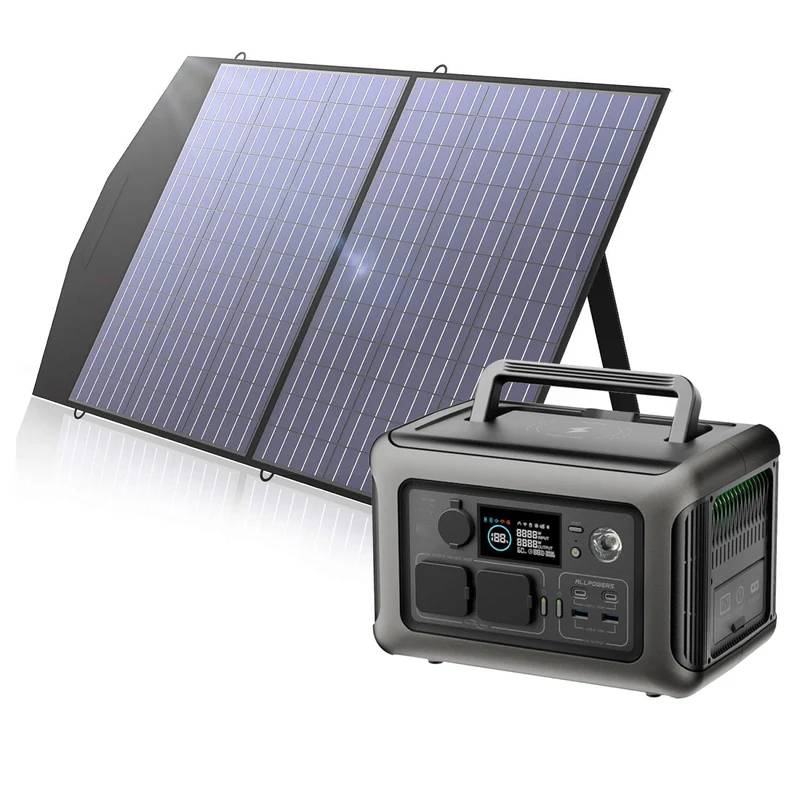
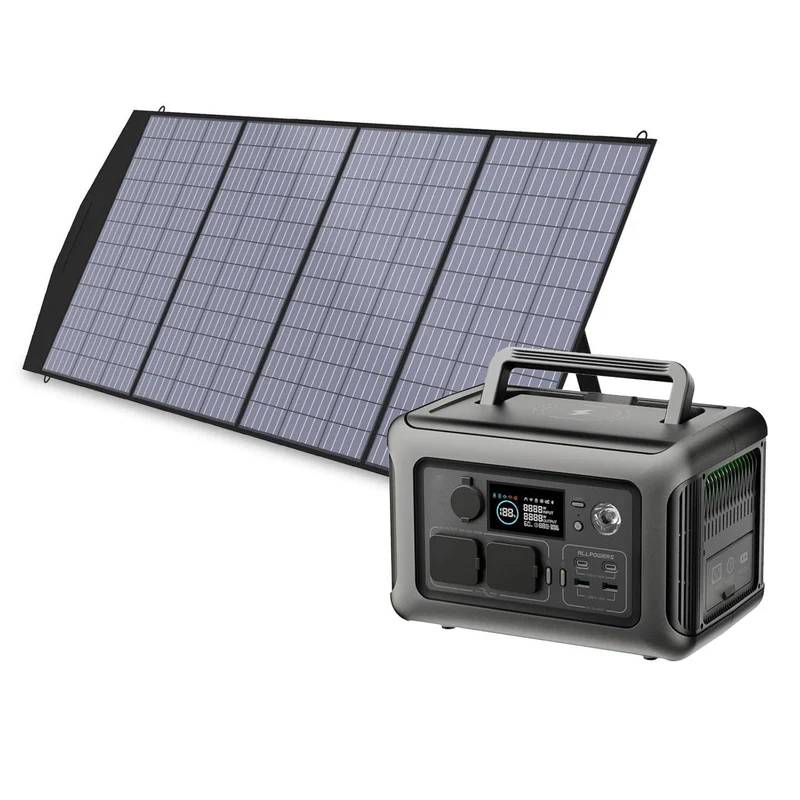
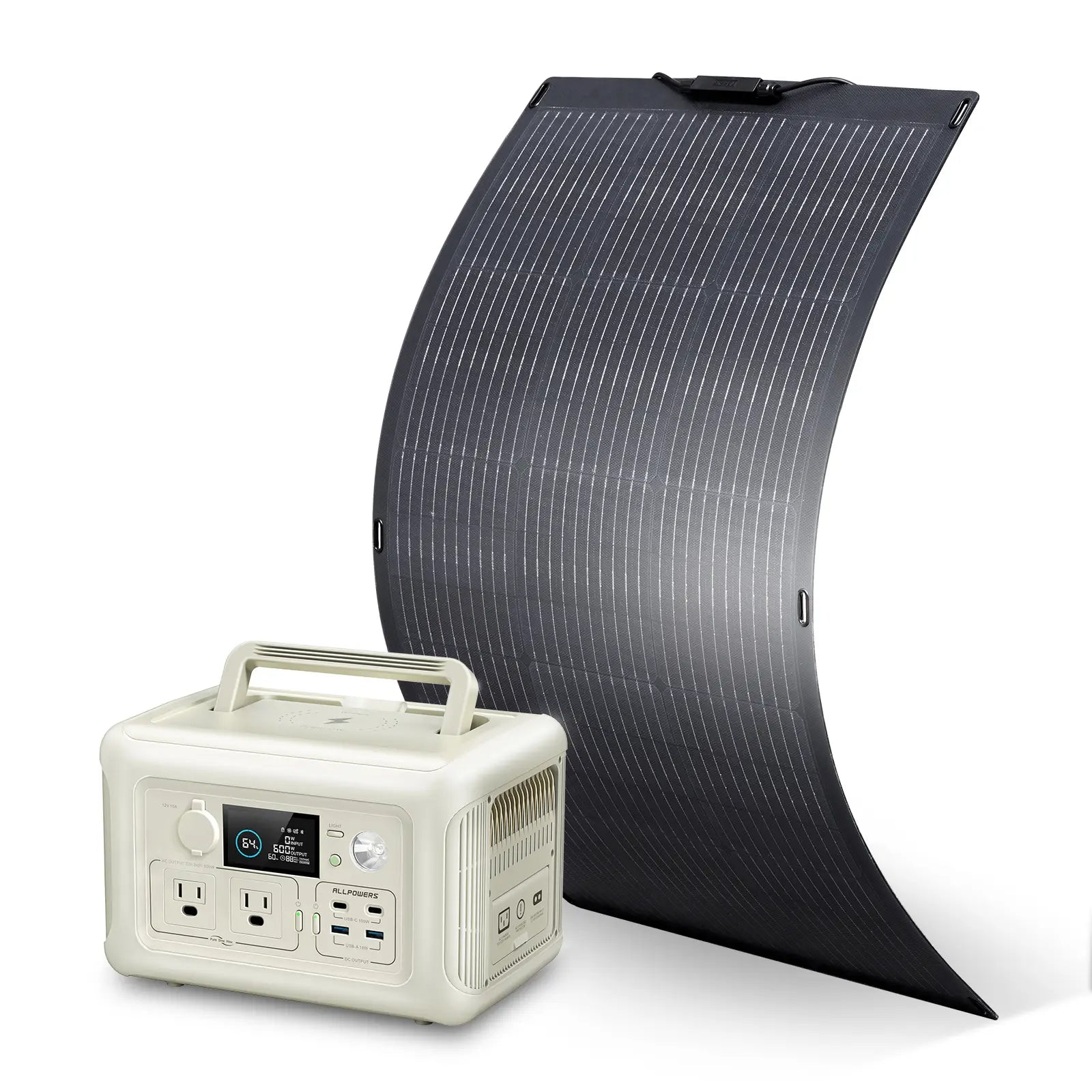
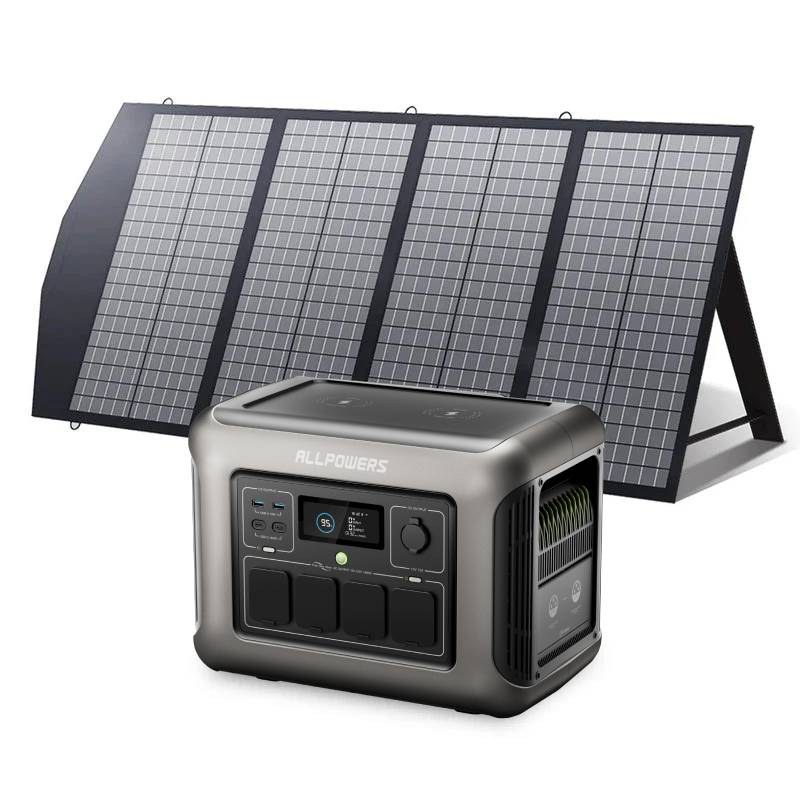
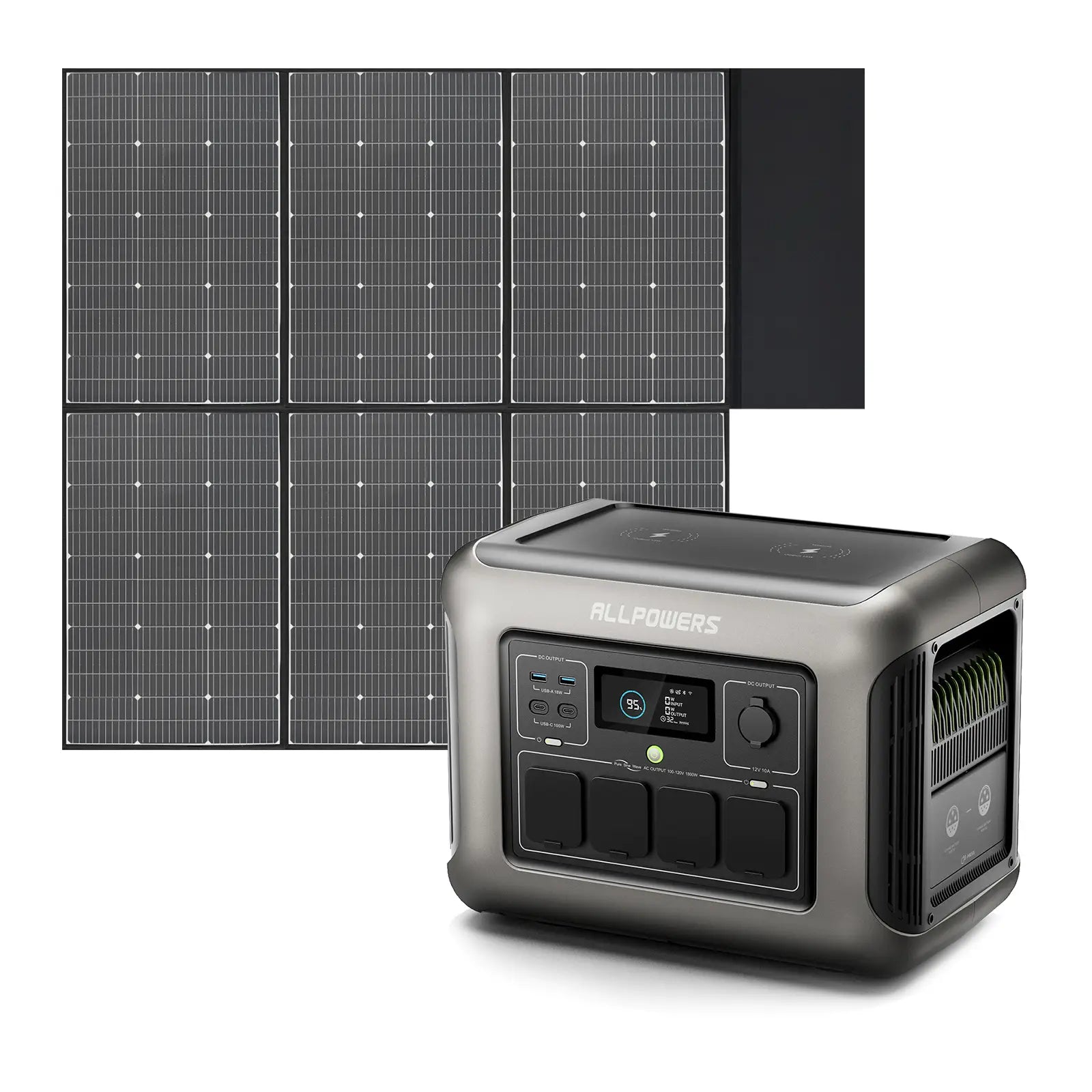
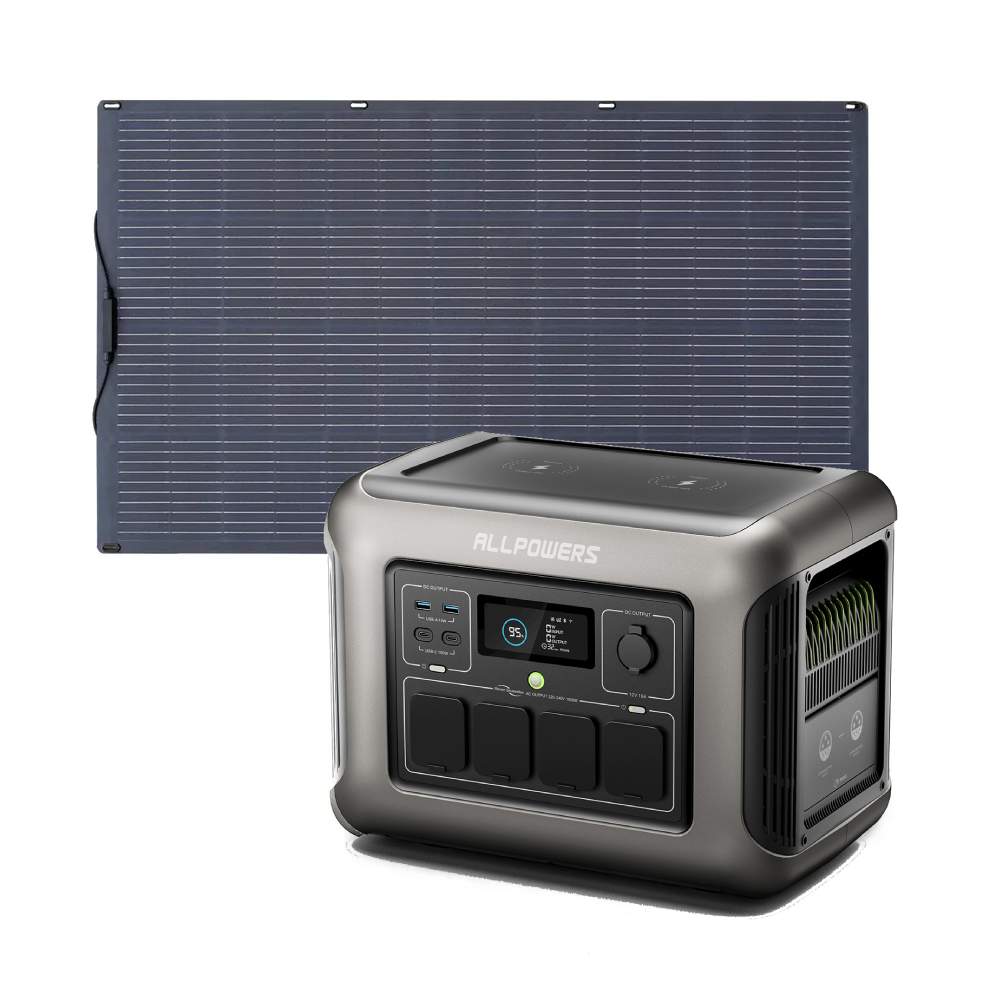
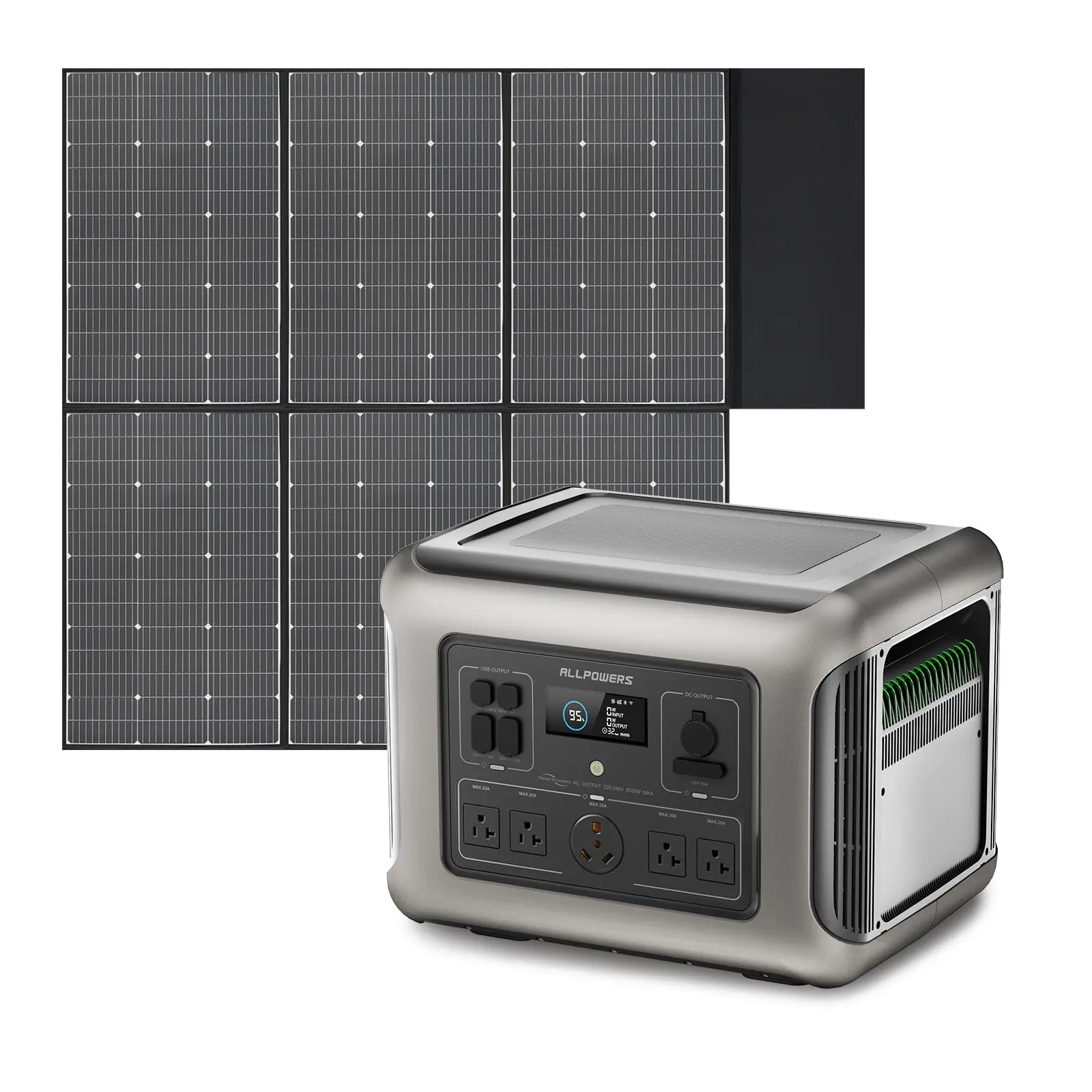
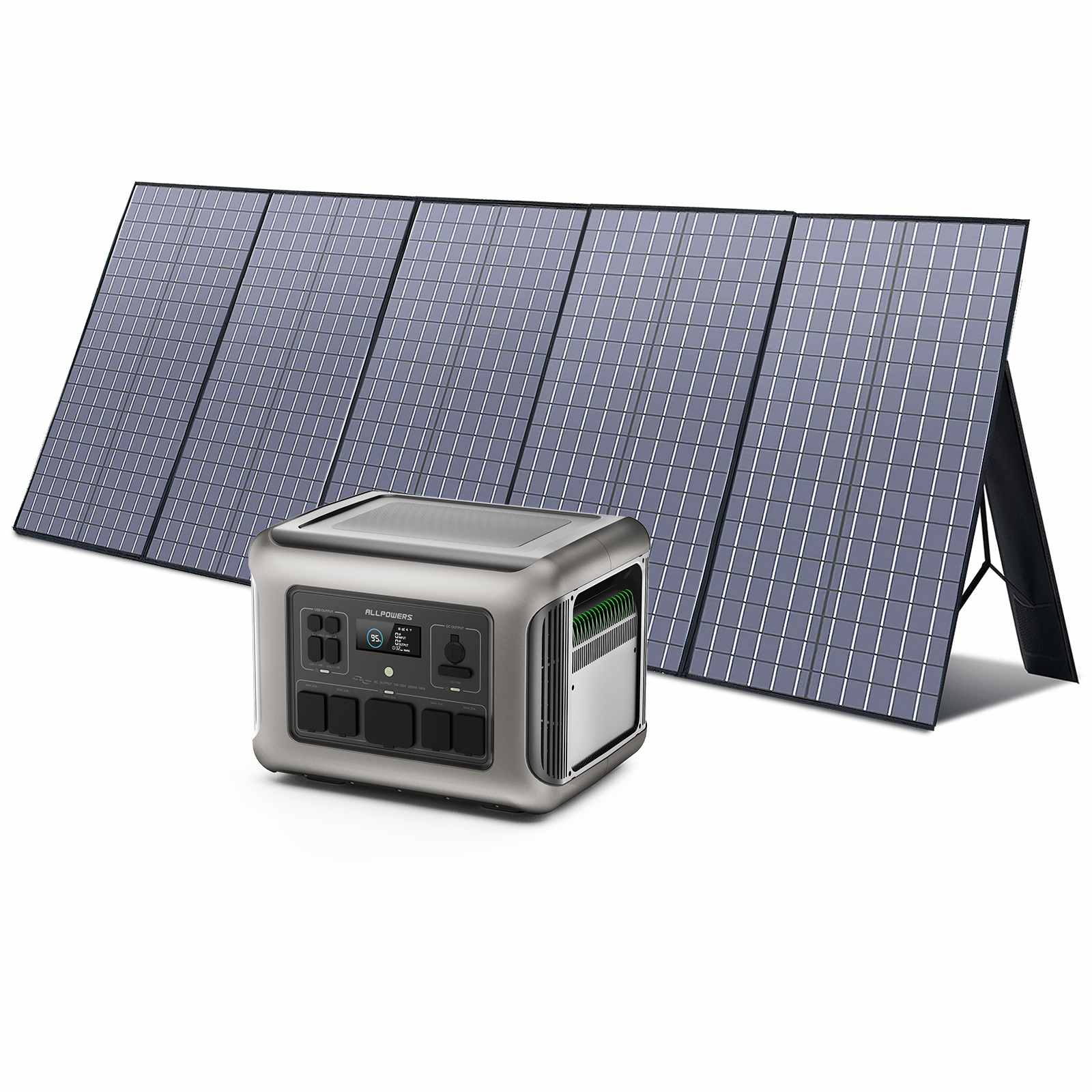
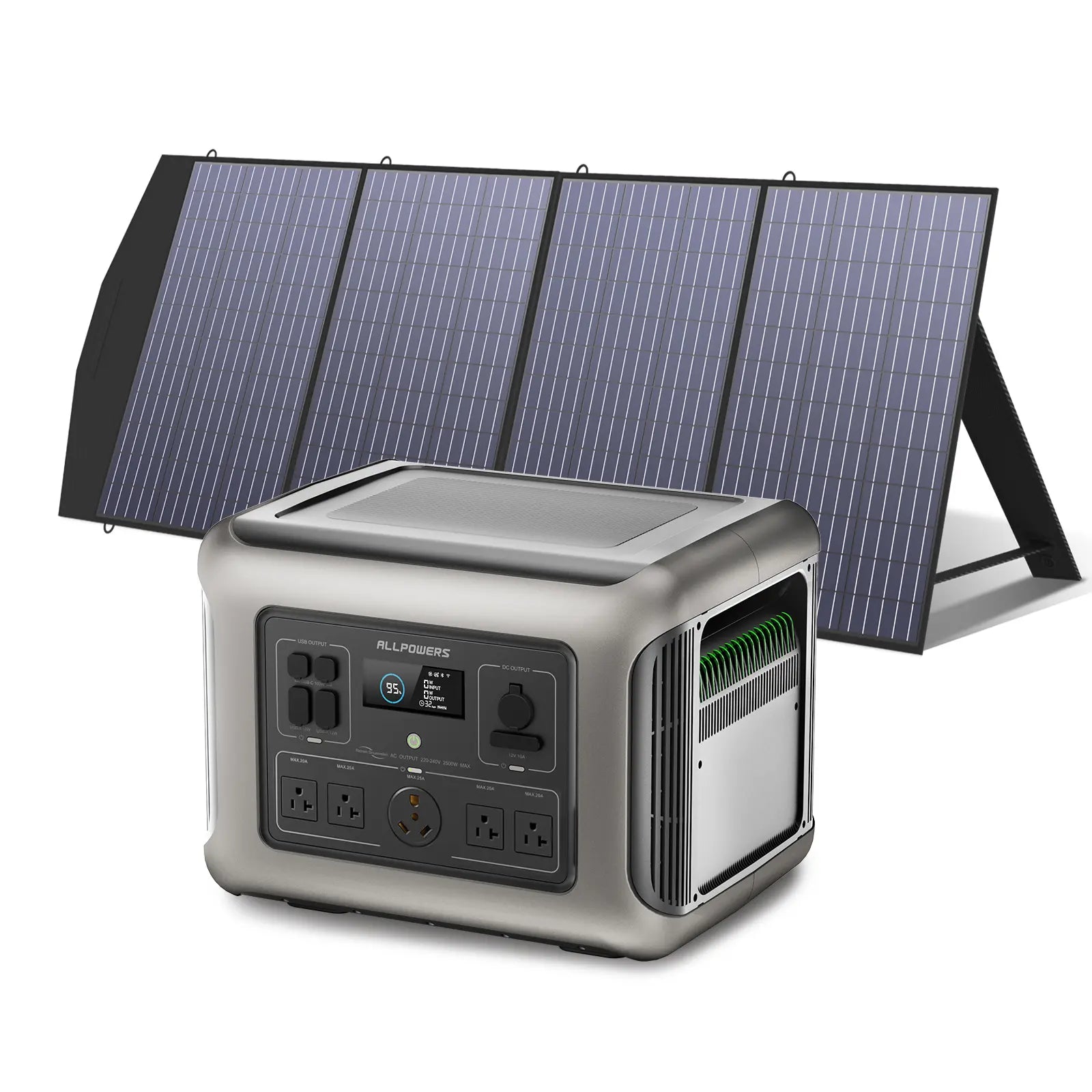
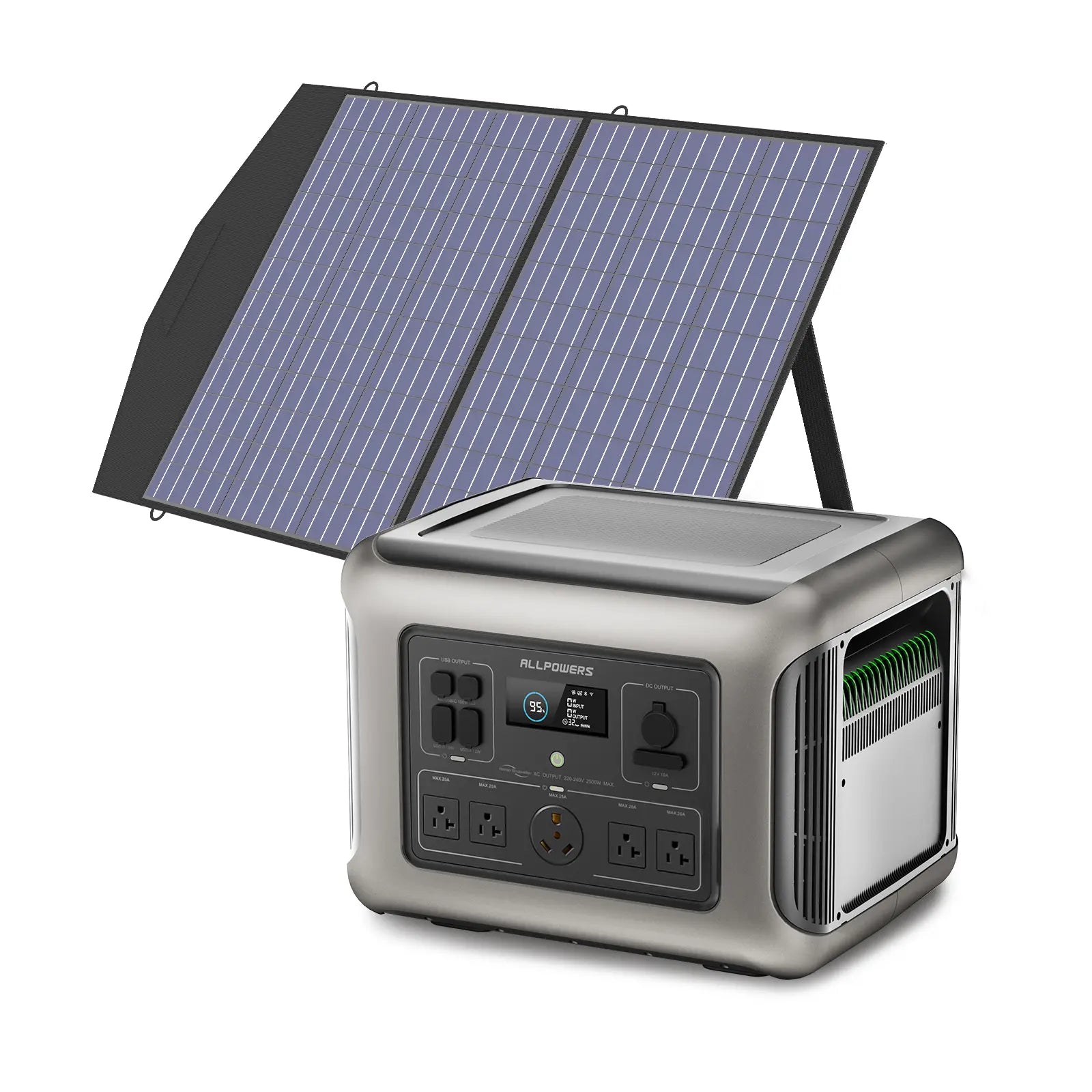
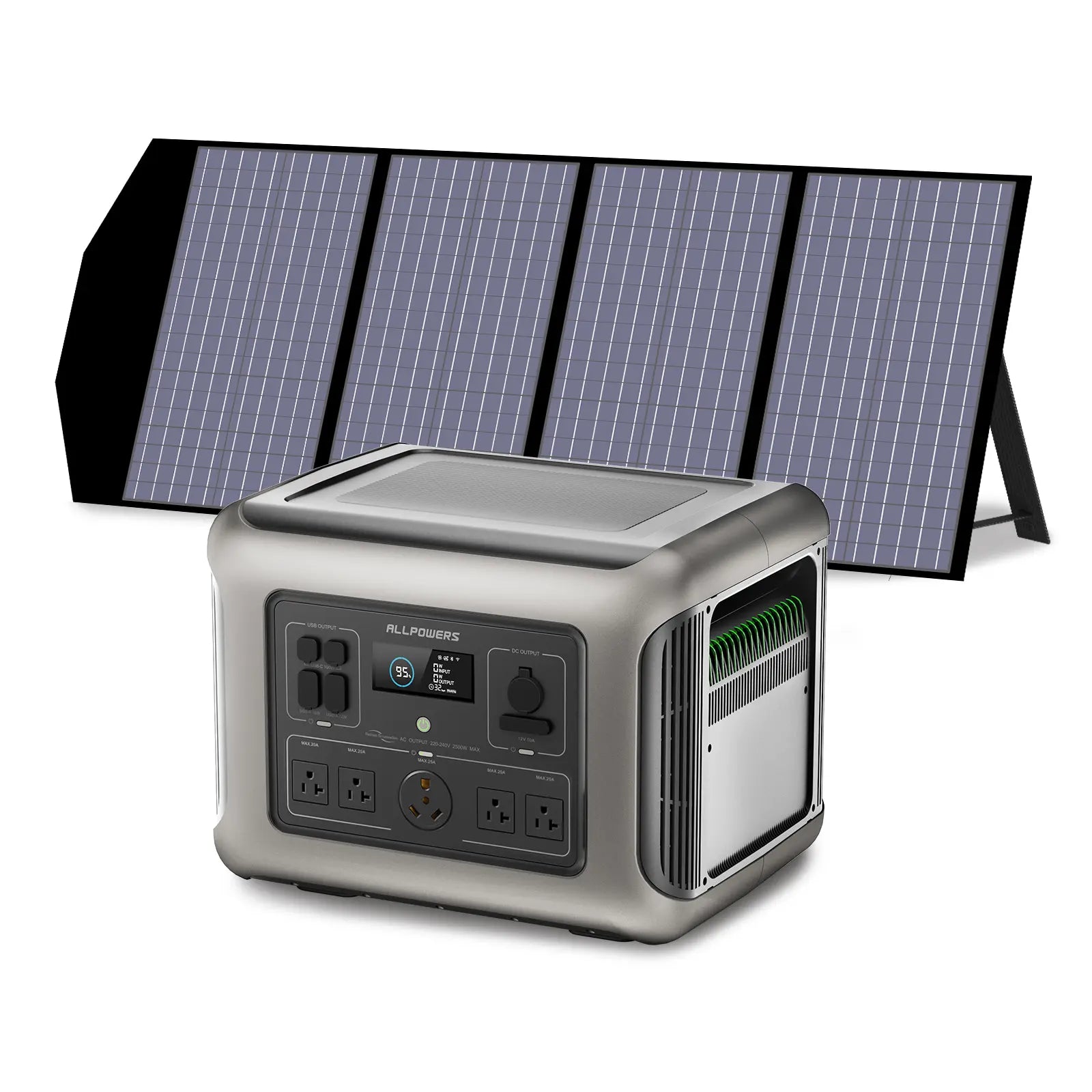
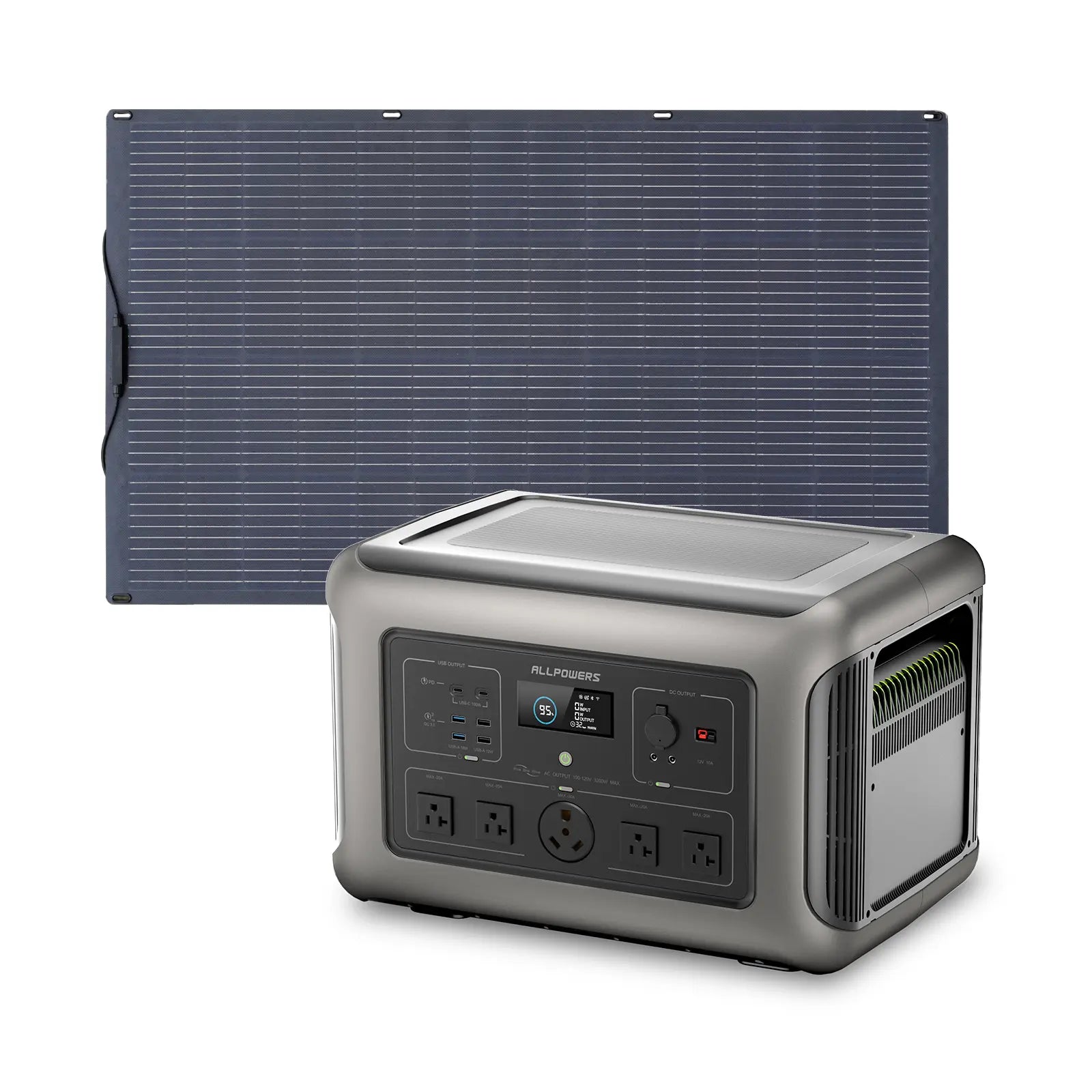
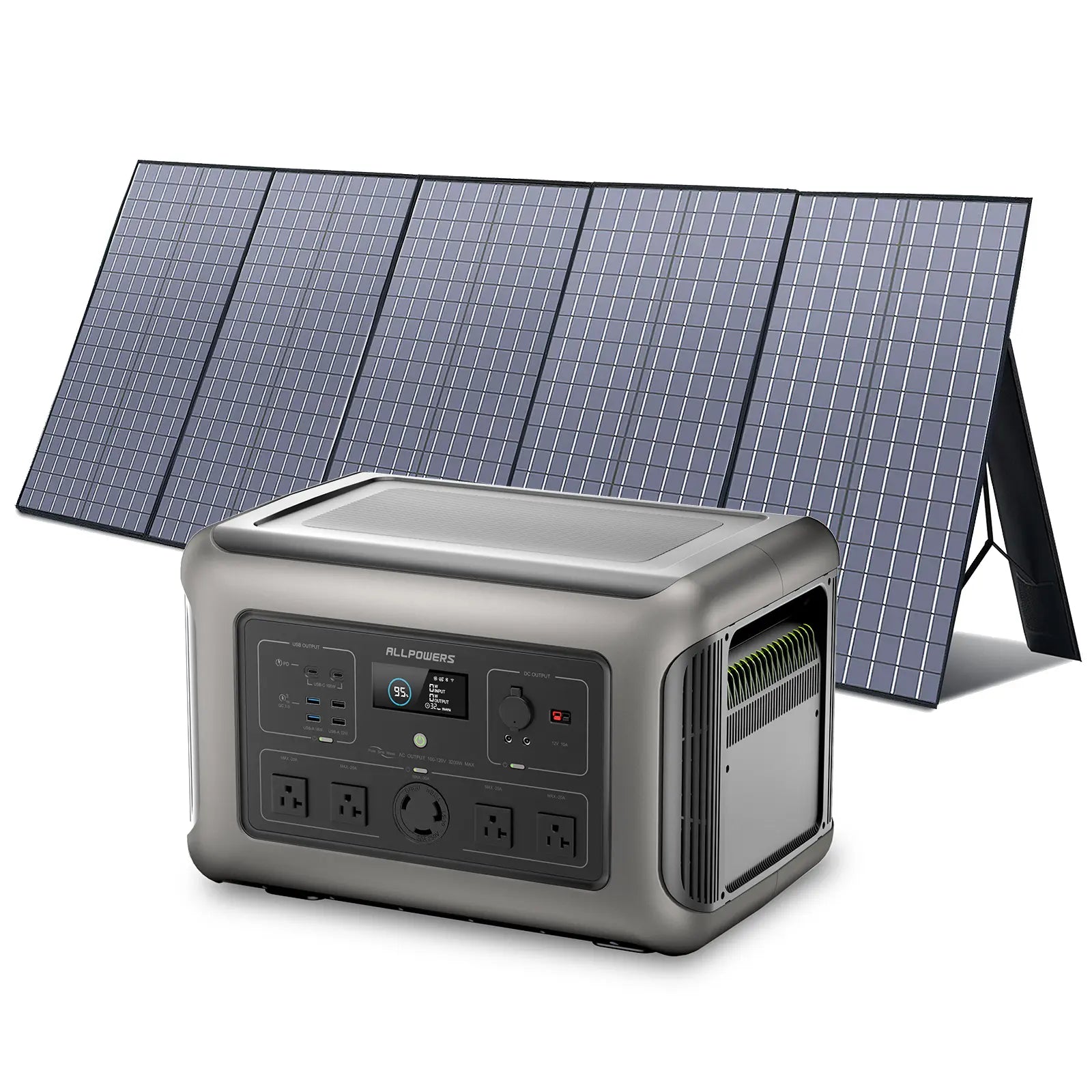
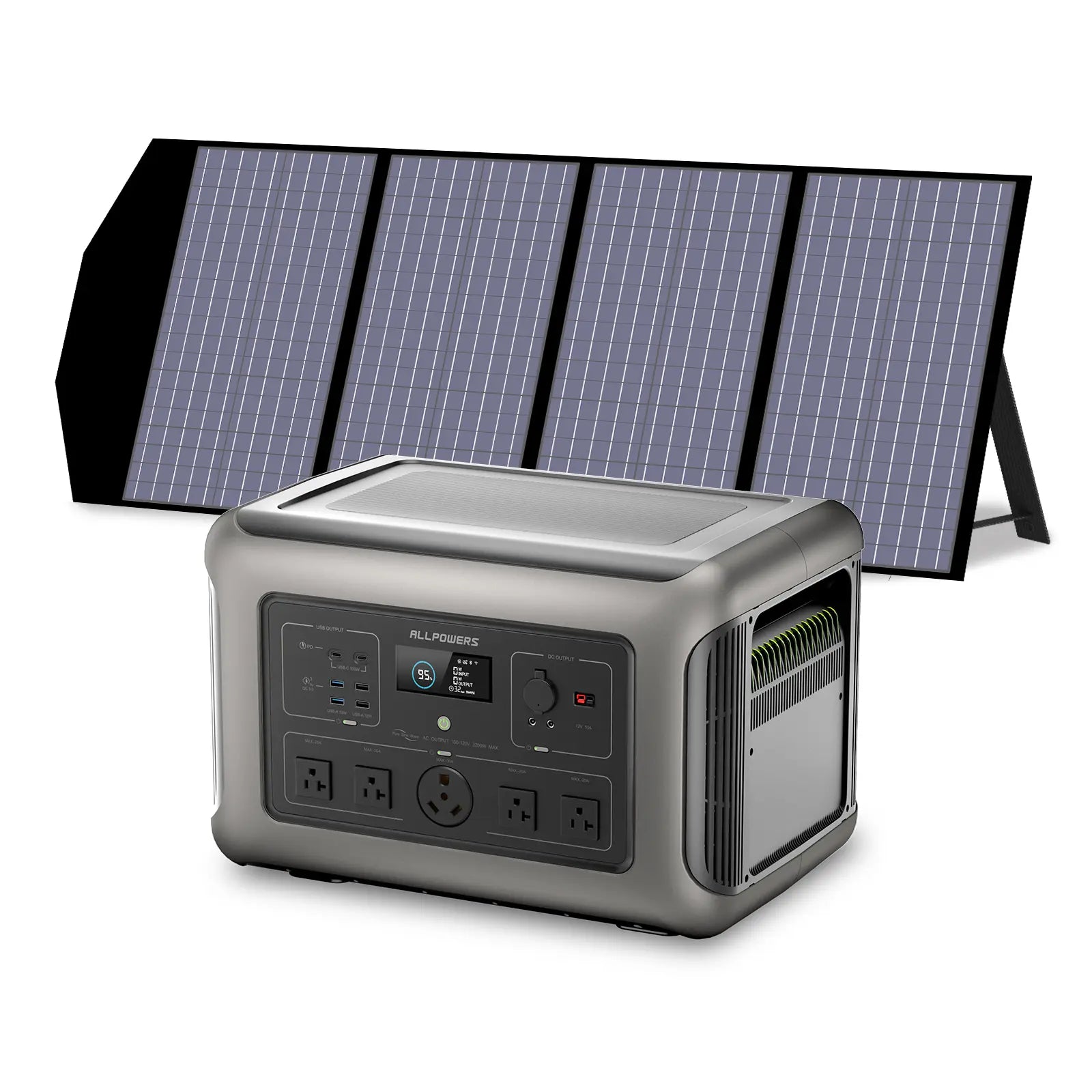
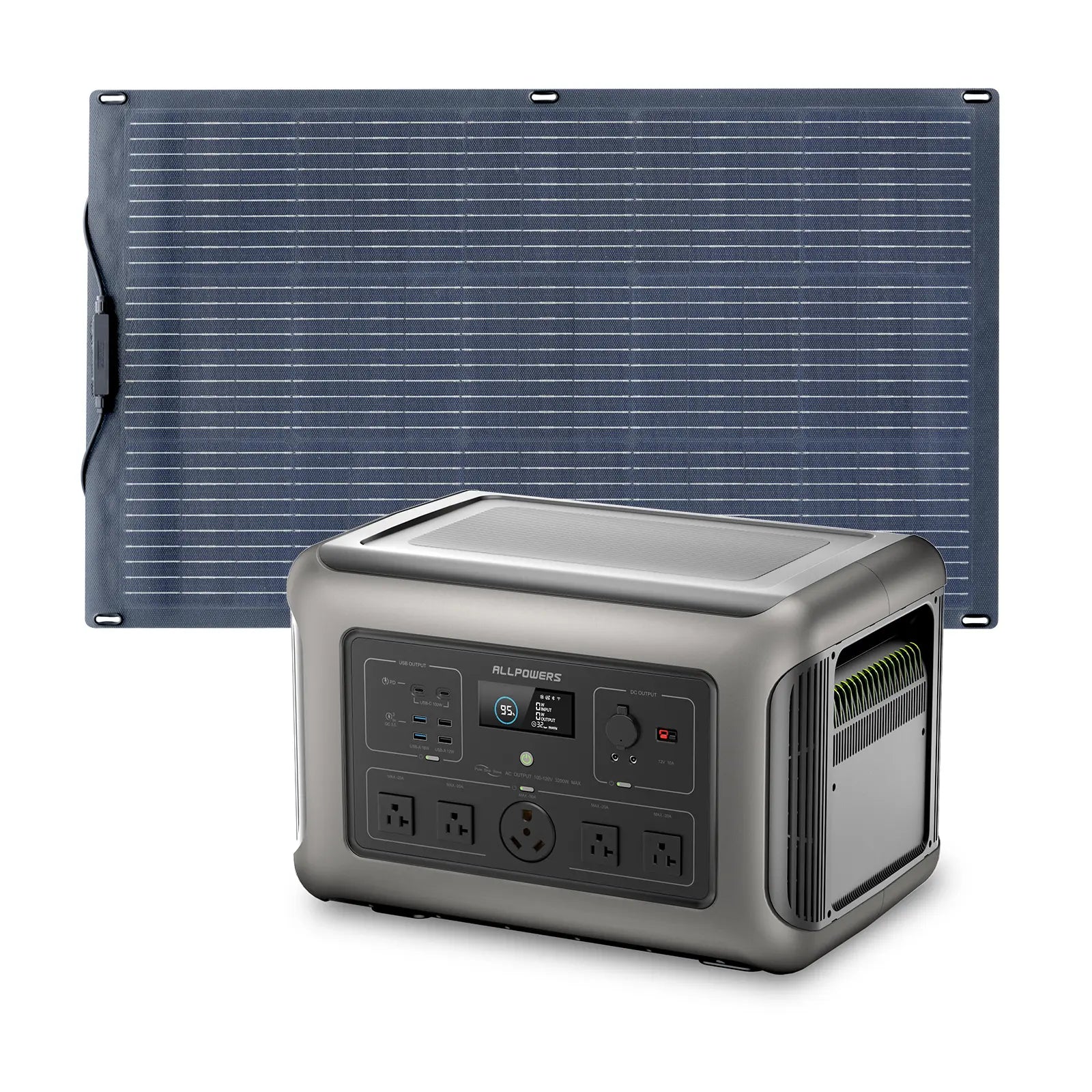
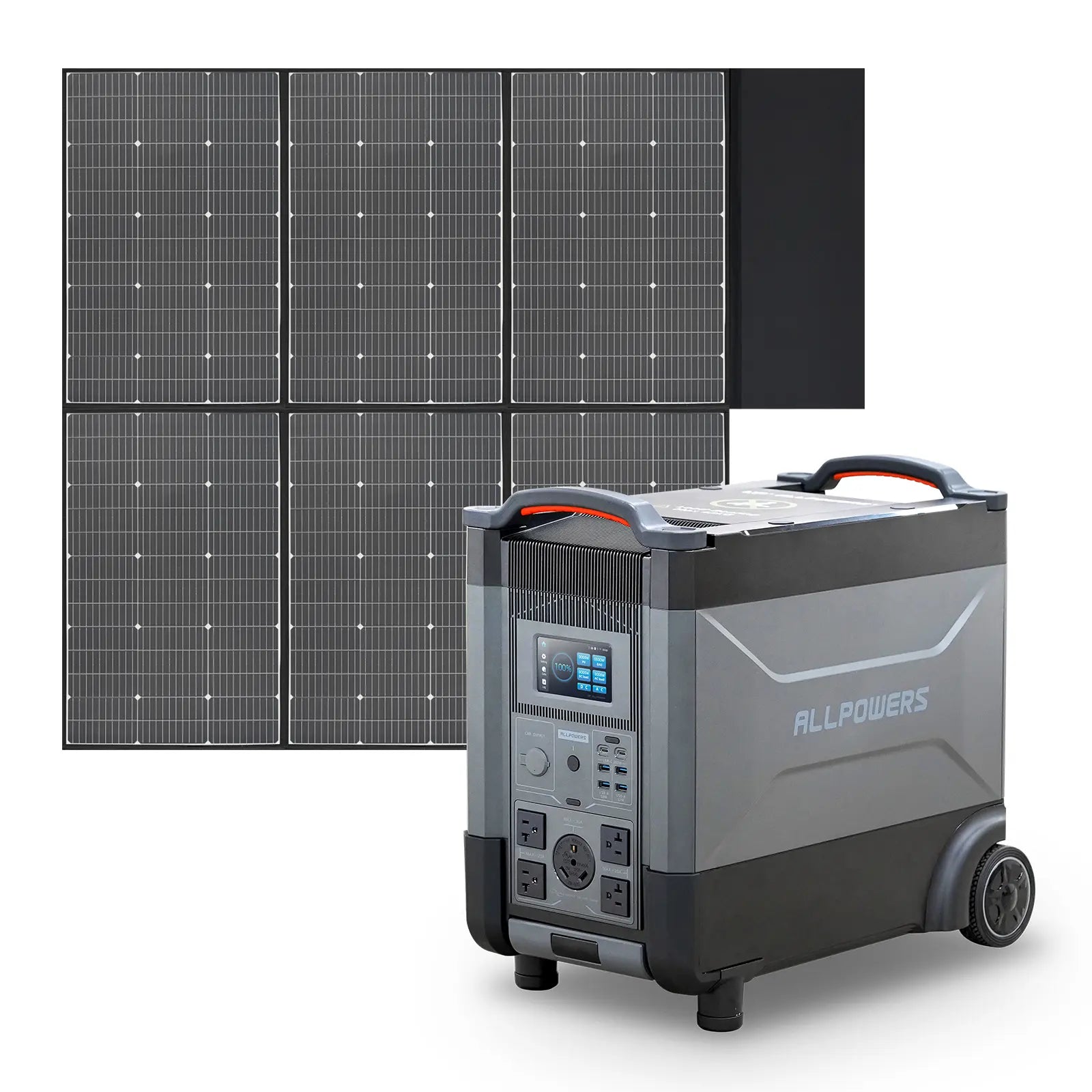
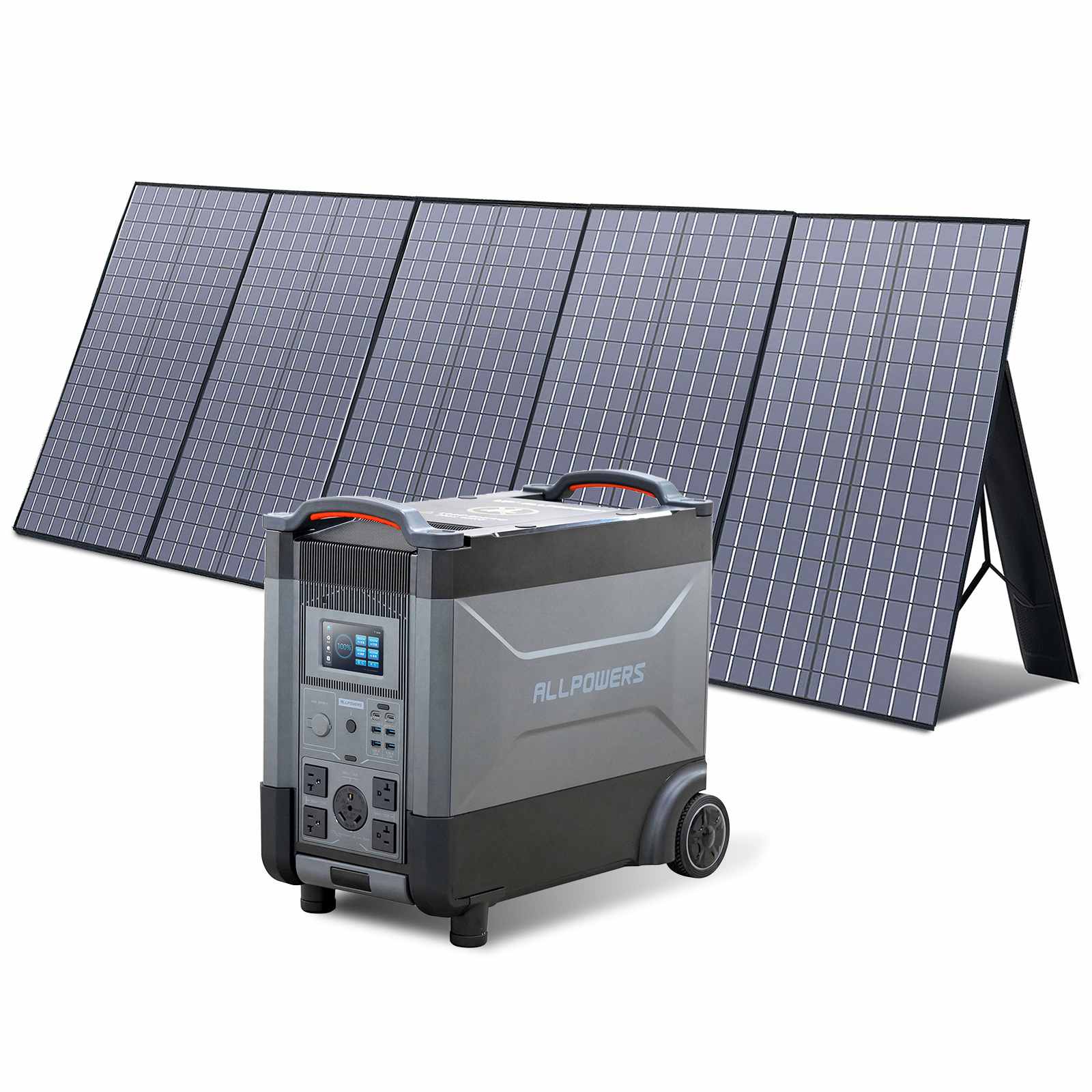
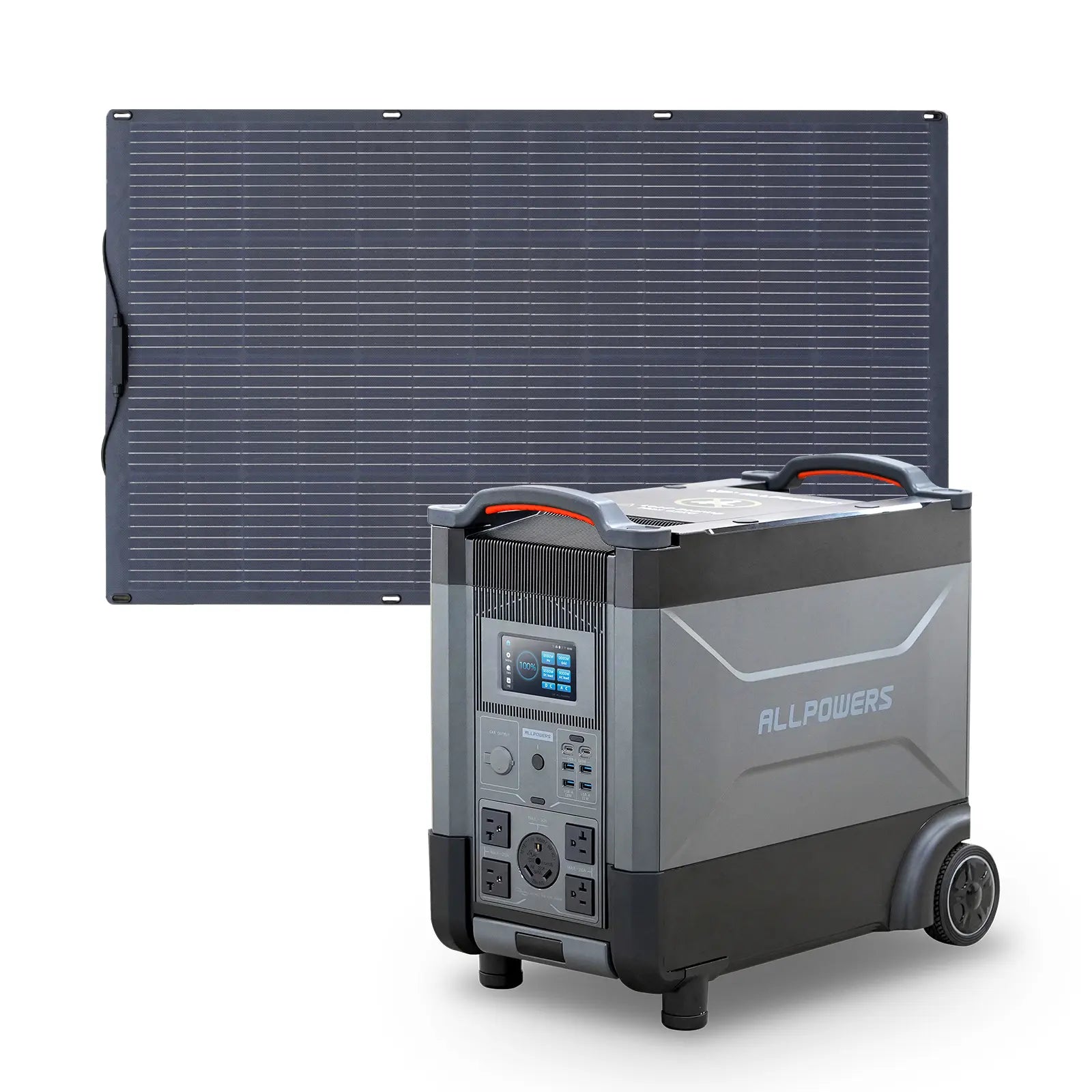
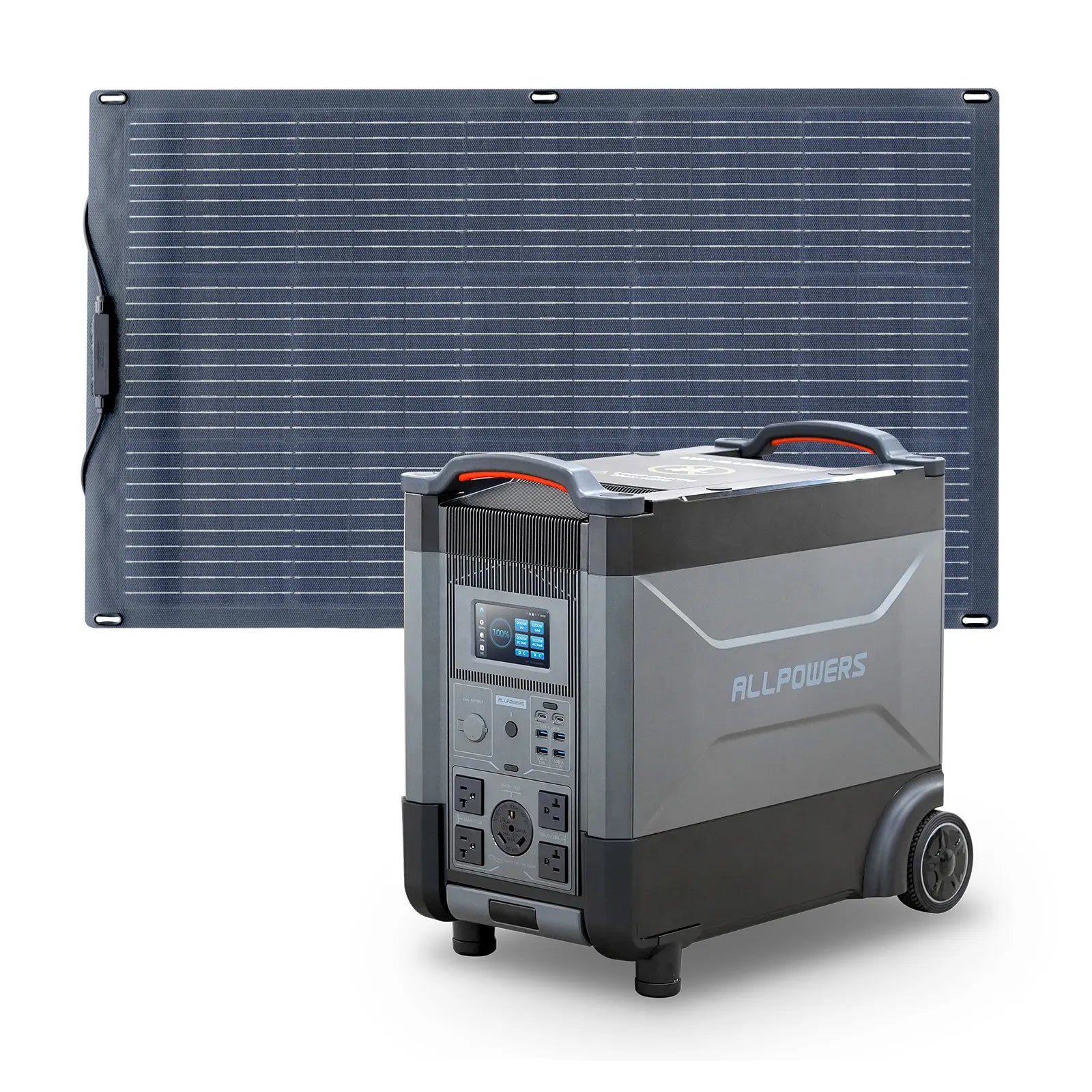
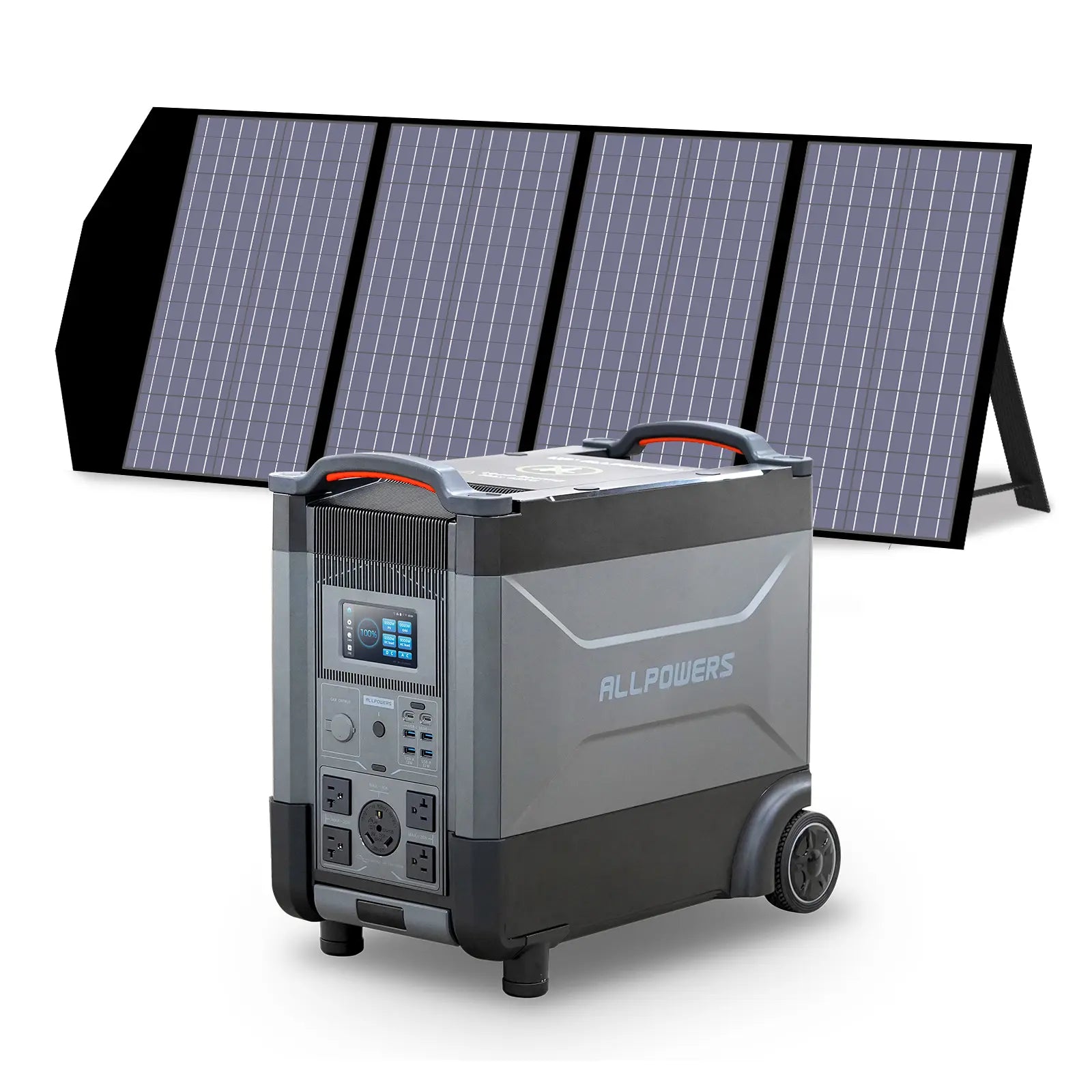
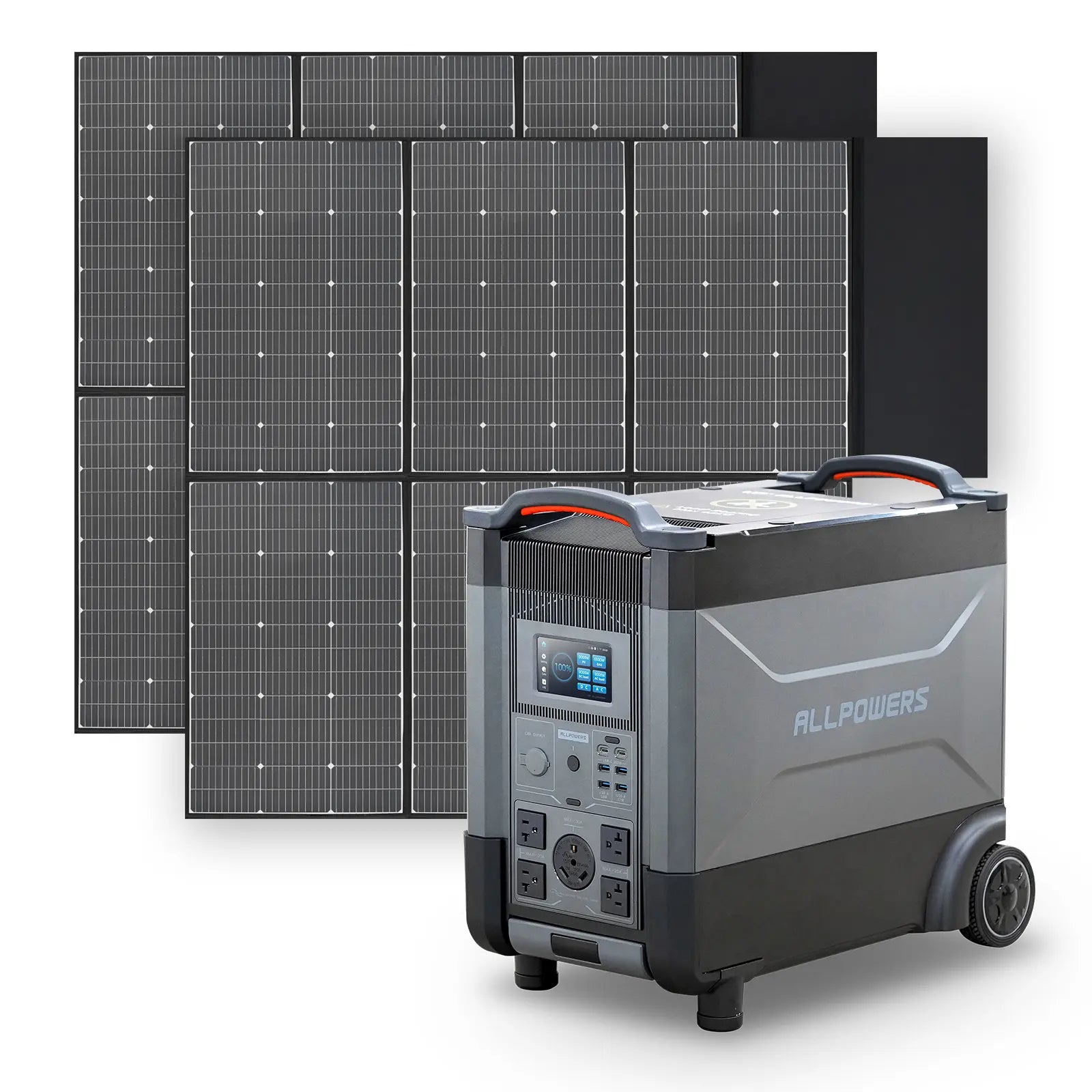
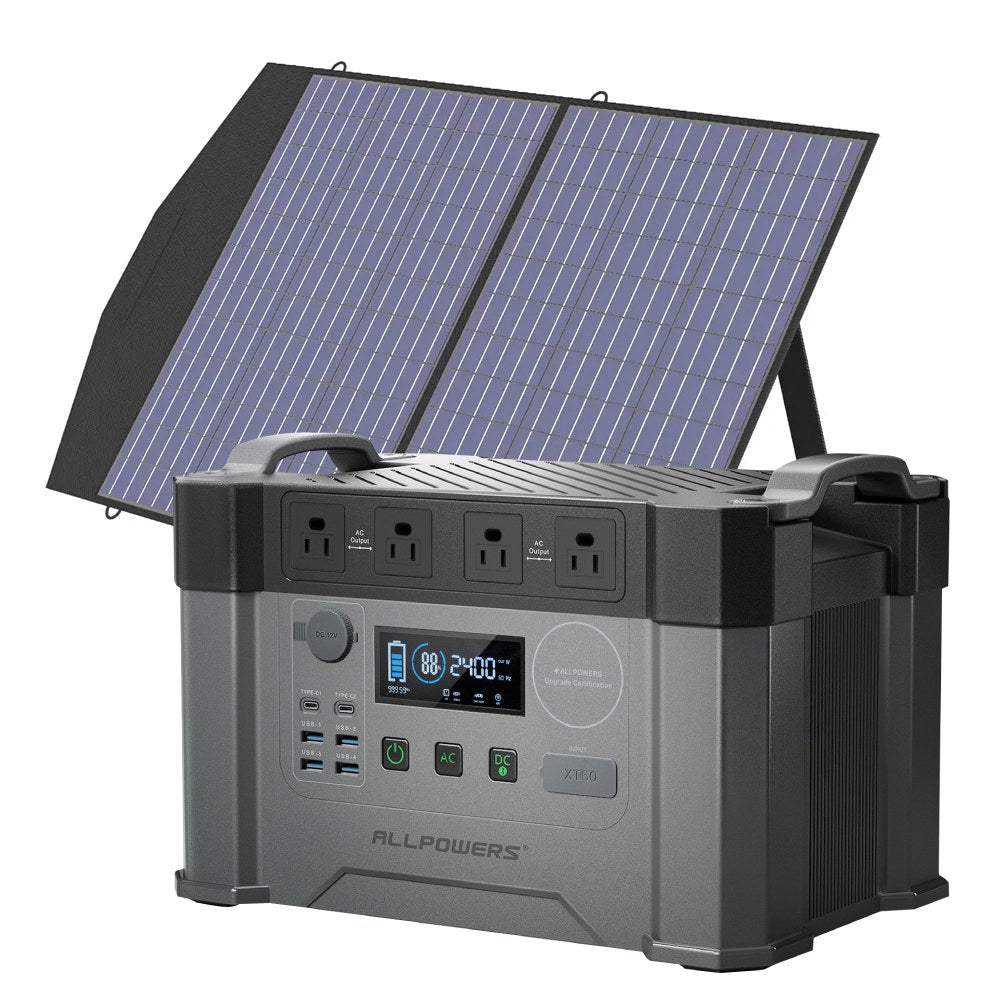
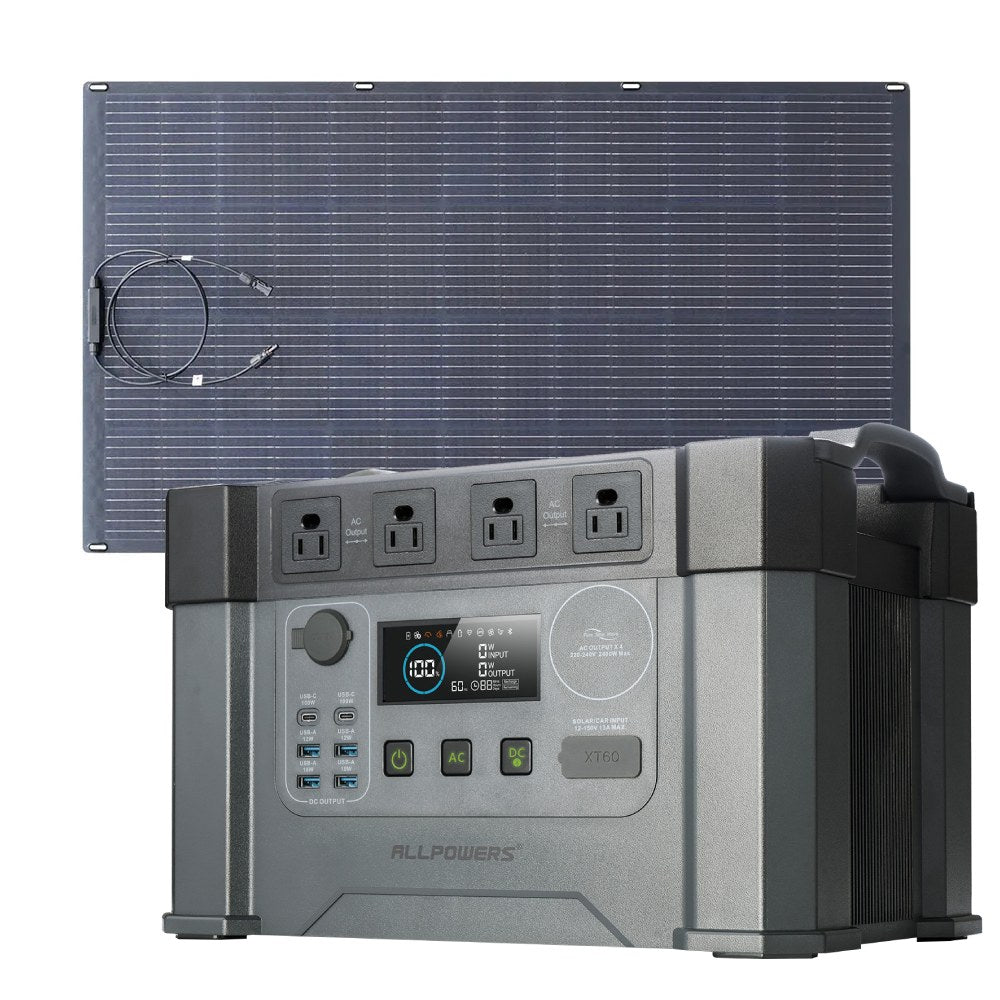
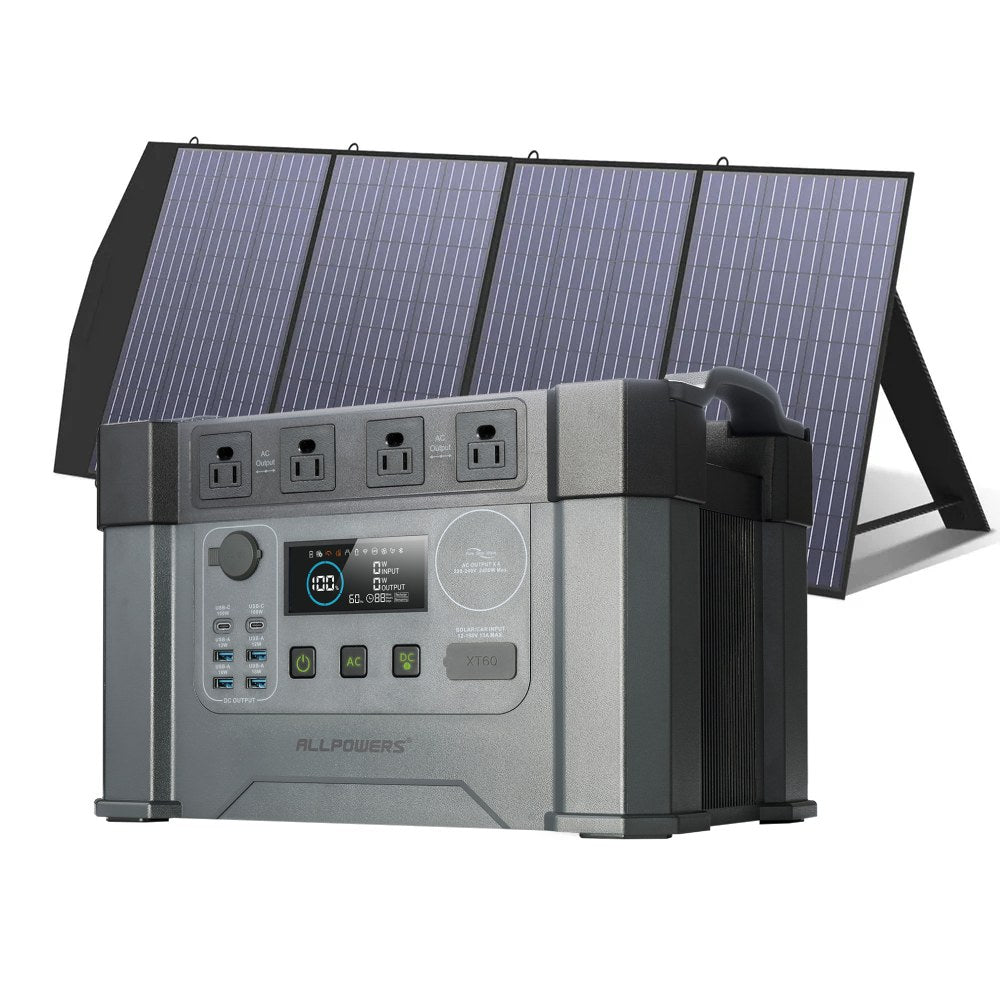
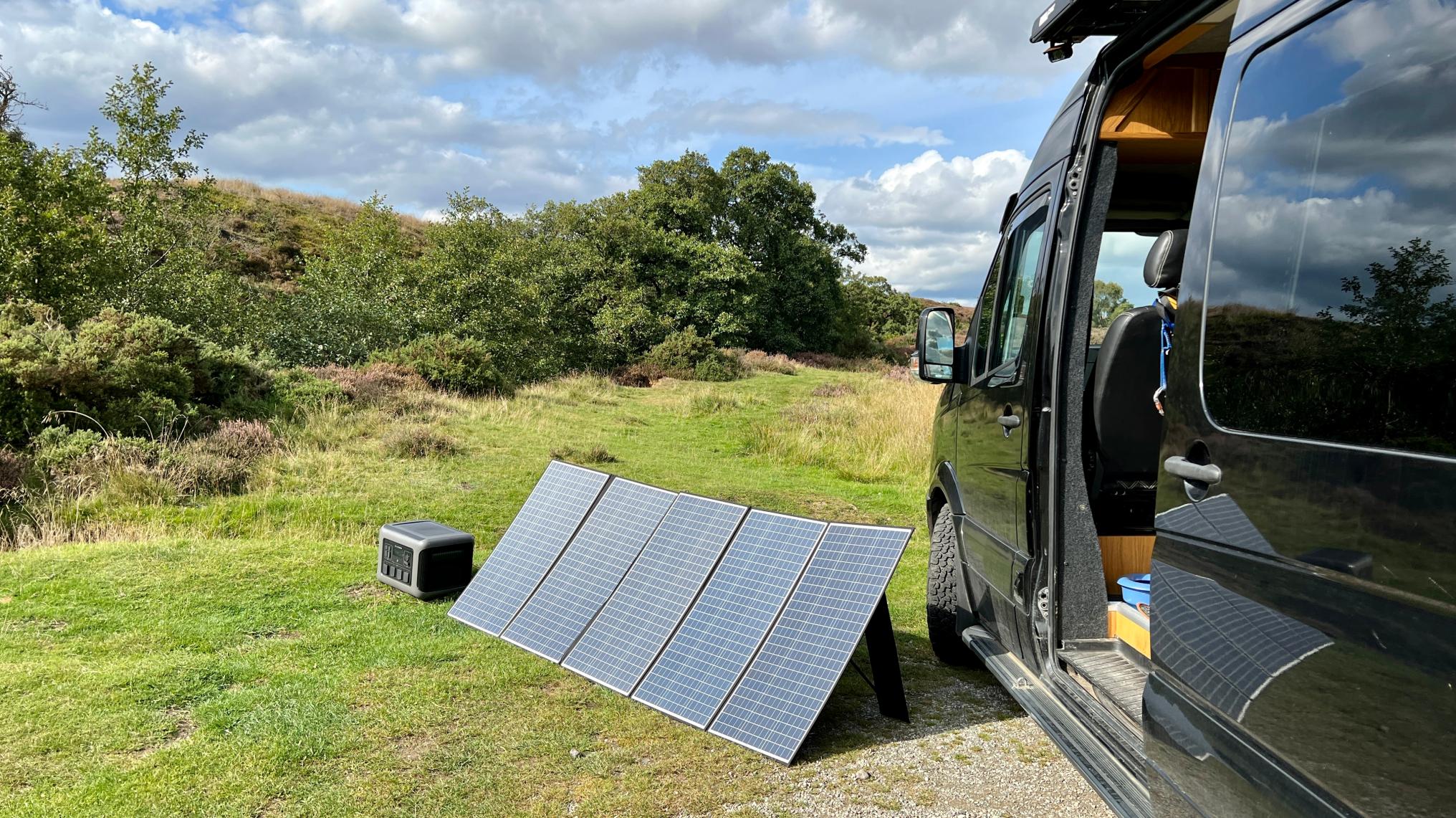
Then there’s the emerging category—Solar generators—portable power stations paired with solar panels.
They’re silent. No fumes. Minimal maintenance.
Of course, they come with trade-offs—battery capacity limits runtime, and upfront costs can be higher.
But for many campers, the benefits outweigh the downsides.
Why “bigger isn’t always better”
There’s this common instinct to go big. Get the largest generator you can afford, and you’ll never have to worry, right?
Well… not exactly. Larger generators tend to be heavier, louder, and less fuel-efficient.
If you’ve ever lugged a 100-pound generator across uneven ground, you know it’s not a small inconvenience—it’s a workout.
But going too small creates a different kind of stress. You start managing every watt.
You hesitate to turn things on. You listen for that engine strain every time the AC cycles.
So what size generator should you actually choose?
If you’re running a standard 13,500 or 15,000 BTU RV air conditioner and want reliable performance without overthinking every watt, a generator in the 3,500 to 4,000-watt range is a safe, comfortable choice.
If you’re willing to install a soft starter and manage power use carefully, you might get by with something smaller—around 2,500 to 3,000 watts.
And if you’re someone who values quiet operation, lighter gear, or a more flexible setup, you may find yourself blending different power sources rather than relying on a single generator.