







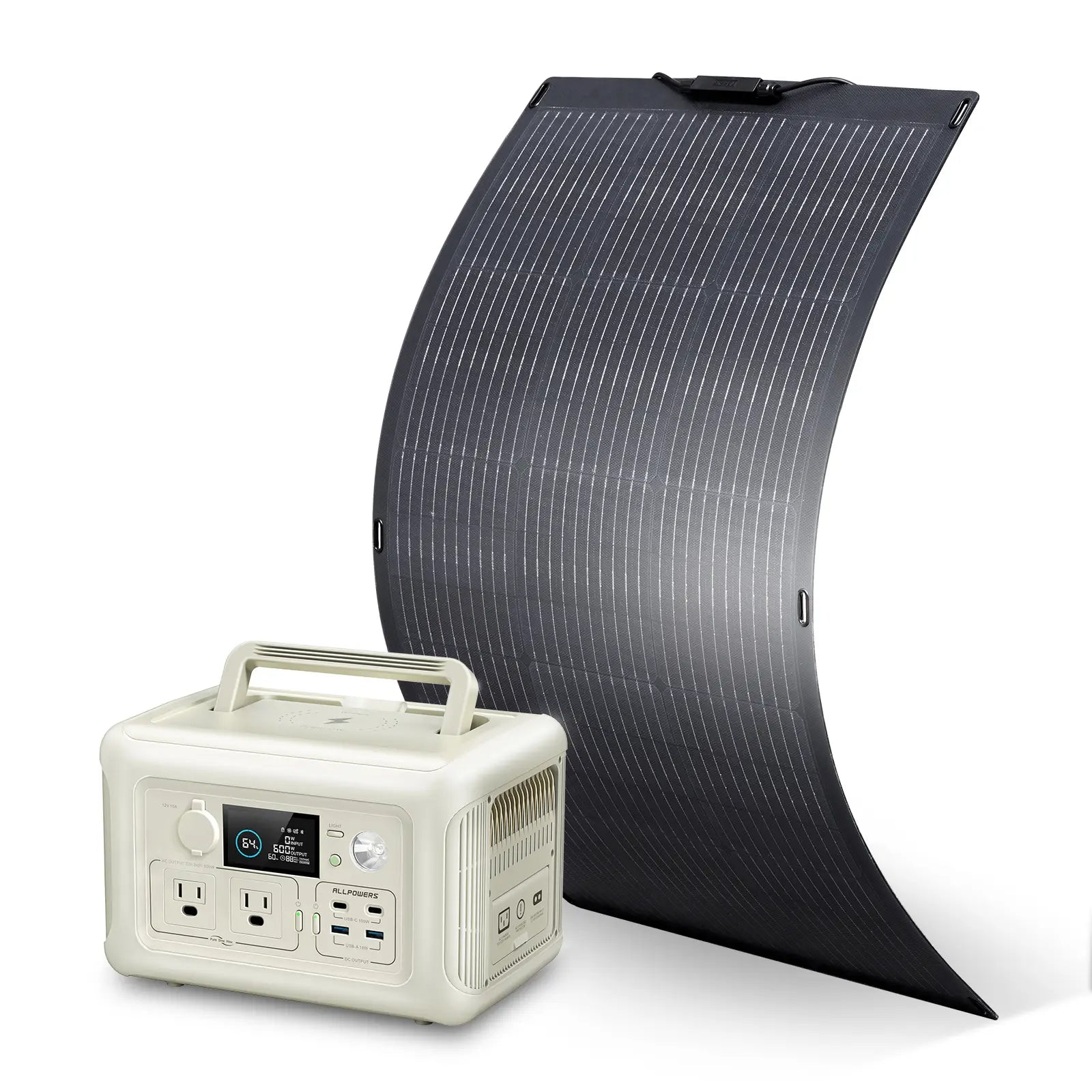
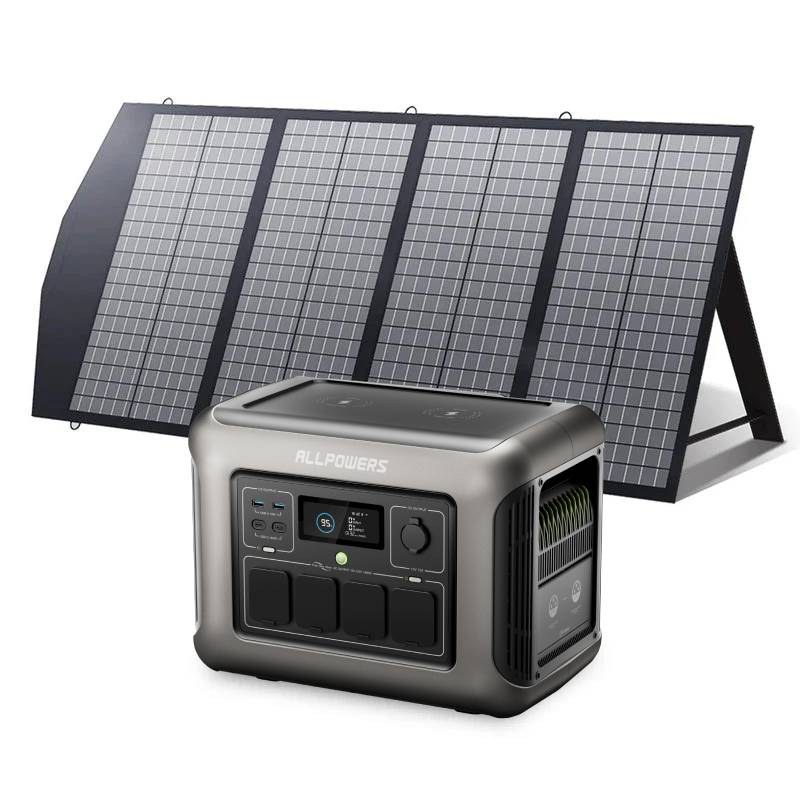
Honestly, picking a portable power station isn’t rocket science, but you can’t just grab the first one you see.
A power station with great specs but lousy ports won't help you much.
So what should you really look for when buying a portable power station?
TL;DR:
Choose a portable power station with a capacity that fits your devices, output ports that match what you use daily, enough wattage to handle your biggest appliance, fast and flexible charging options, a strong battery chemistry, good solar compatibility, and a design that feels practical for your lifestyle.
Battery Capacity
Let’s start with the heartbeat of any portable power station—the battery capacity.
This one number, usually shown in watt-hours (Wh), tells you how long the station can power your gear. It’s not the whole story, but it’s the biggest part of it.
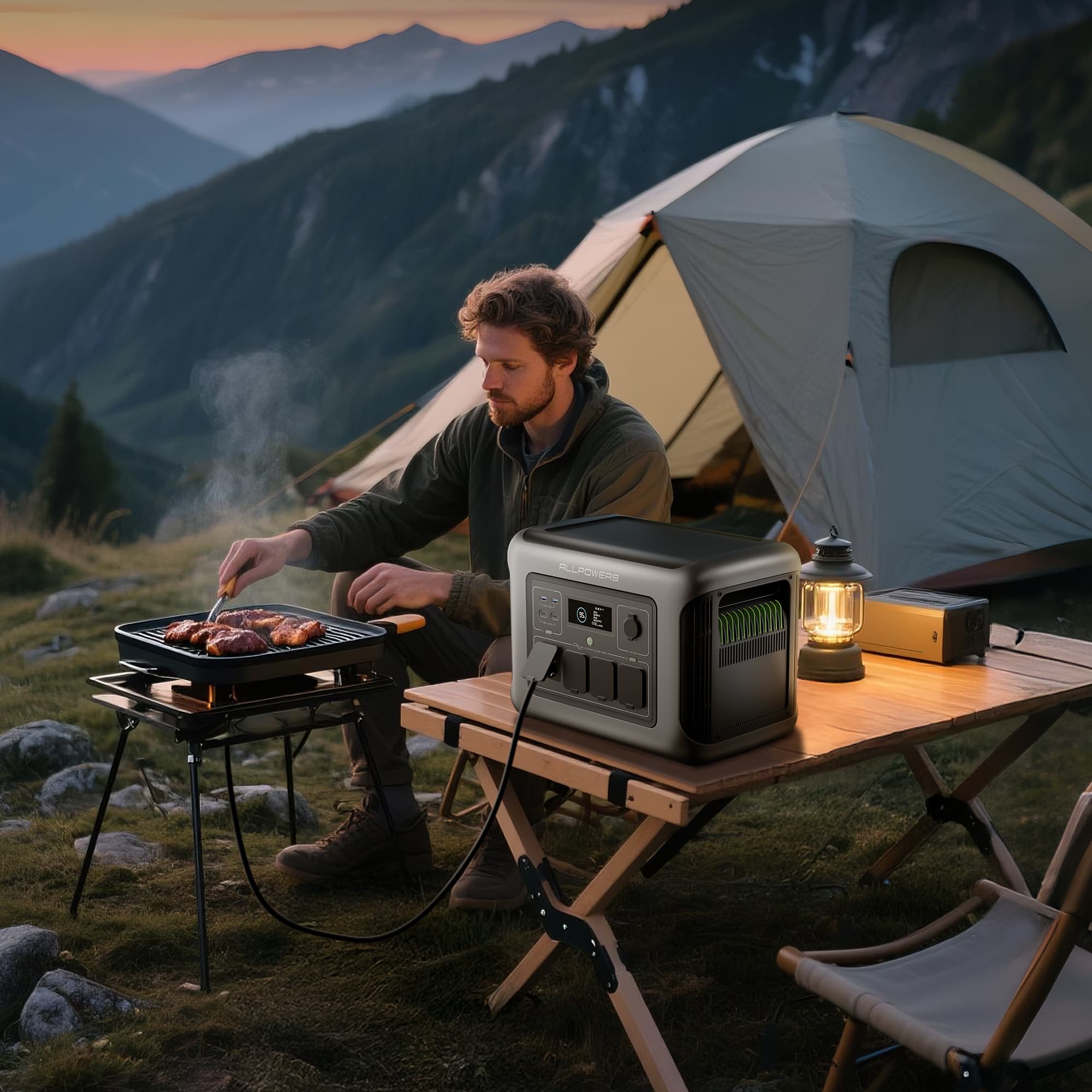
A capacity around 250–500Wh feels comfortable for short weekend camping trips where you’re topping off phones, lanterns, or a small fan.
But if you’re running something hungrier—say, a portable fridge, CPAP machine, or camera gear for long shooting days—then you’re stepping into the 700–1500Wh range.
And for those prepping for outages or running power tools far from an outlet, you’ll want something bigger still.
Still, more capacity means more weight. There’s always a trade-off.
So your lifestyle shapes your decision—do you need portability for quick outings or stamina for long stays?
Output Power
Once you’ve got capacity down, the next focus is output power.
Output power, measured in watts (W), tells you which devices your power station can run at the same time.
A 500W power station handles laptops, cameras, fans, and small appliances just fine.
A 2,000W or 3,000W unit can run refrigerators, microwaves, coffeemakers, and even some AC units depending on their surge requirements.
And speaking of surge—yes, you must check that number too.
Many appliances draw a sharp burst of power right when they start. Portable air conditioners and blenders are notorious for this.
If your power station can’t handle the surge, the device won’t start, even if its running wattage is within range.
And there’s also the matter of inverter type.
Pure sine wave inverters are the gold standard because they mimic home electricity more closely, protecting sensitive electronics like medical devices and drone batteries.
Modified sine wave inverters are cheaper, but some gear buzzes or overheats under them. It’s just not worth the risk.
Battery Type
Battery Chemistry Influences Safety, Lifespan, and Temperature Resistance
Battery chemistry used to be a footnote, something only engineers cared about. Not anymore.
Today, buyers are getting smarter, and you’ll hear terms like NCM and LiFePO4 float around casually in camping groups.
LiFePO4 (lithium iron phosphate) batteries have surged in popularity because they last longer—often 3,000+ cycles—and stay stable at higher temperatures.
For people living in hot regions or storing power stations in garages or vans, that stability matters more than they think.
NCM batteries, on the other hand, are lighter and support compact designs.
They’re great when portability is the priority, like for backpacking photographers or minimalist travelers.
And yes, chemistry affects price. A LiFePO4 unit typically costs more upfront but lasts years longer.
Learn More: Pure Sine Wave Inverter Vs Modified Sine Wave Inverter
Charging Methods
People focus so much on what a power station runs that they forget to ask how it recharges.
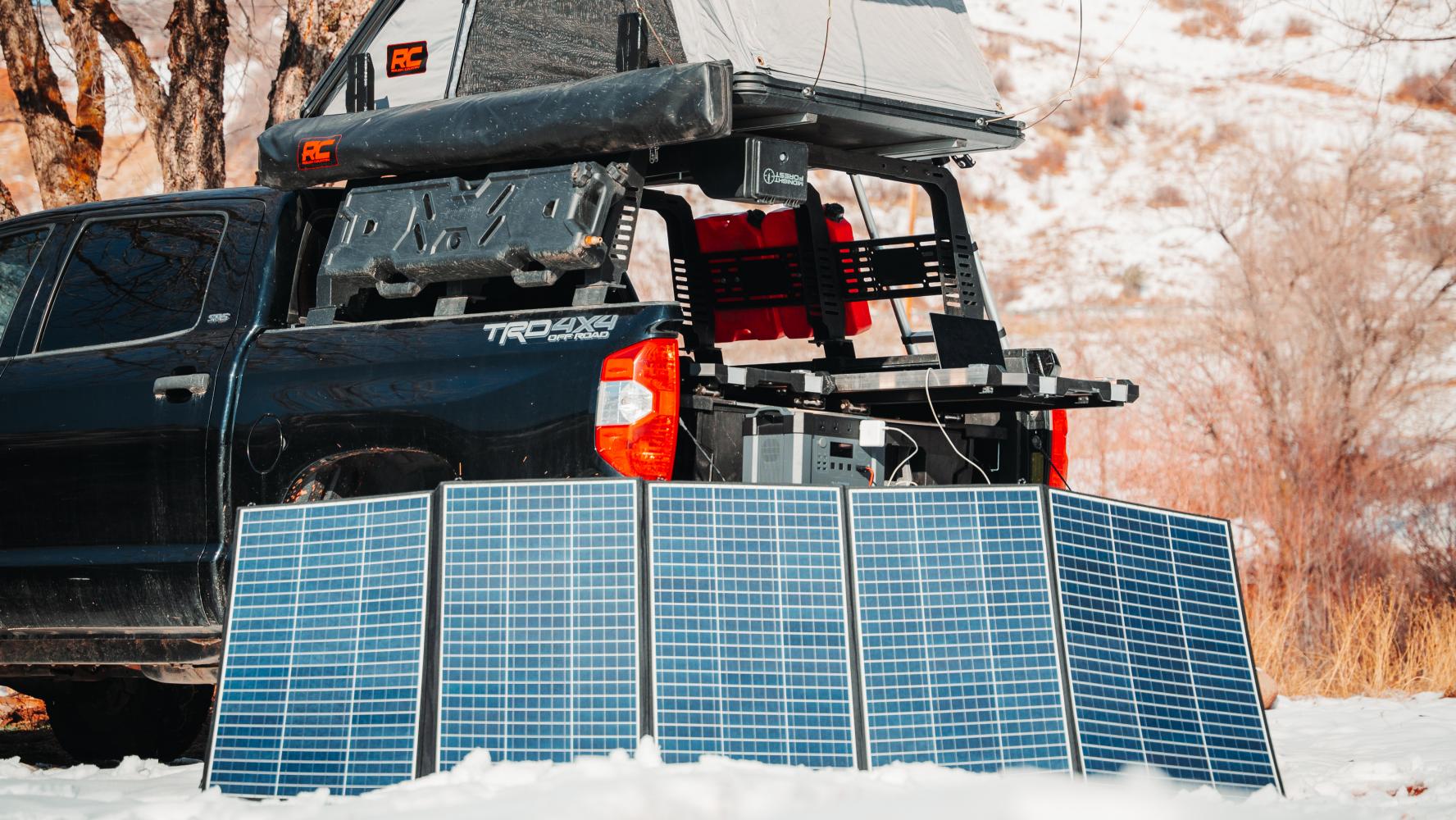
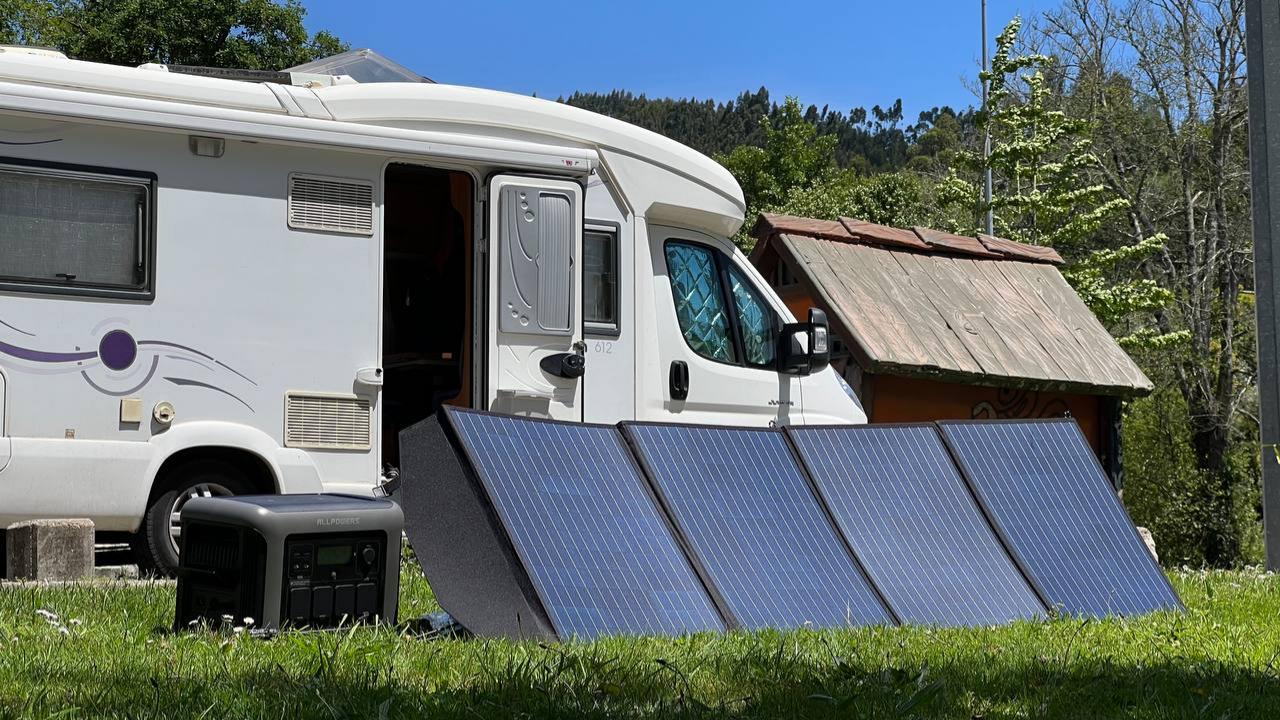
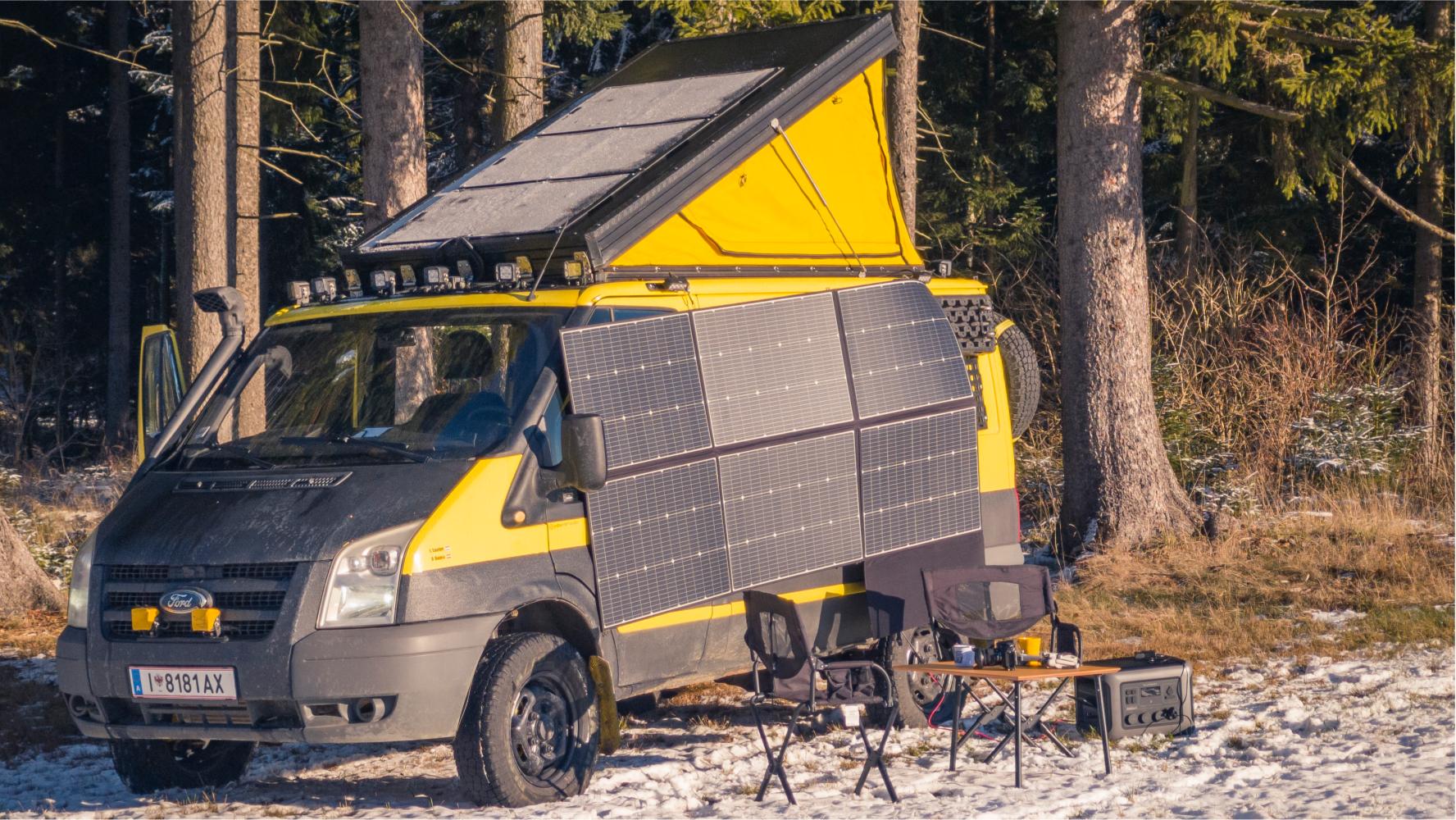
Most stations support three main charging methods: wall charging, car charging, and solar.
AC wall charging is the most common. Faster rates mean less waiting—simple as that.
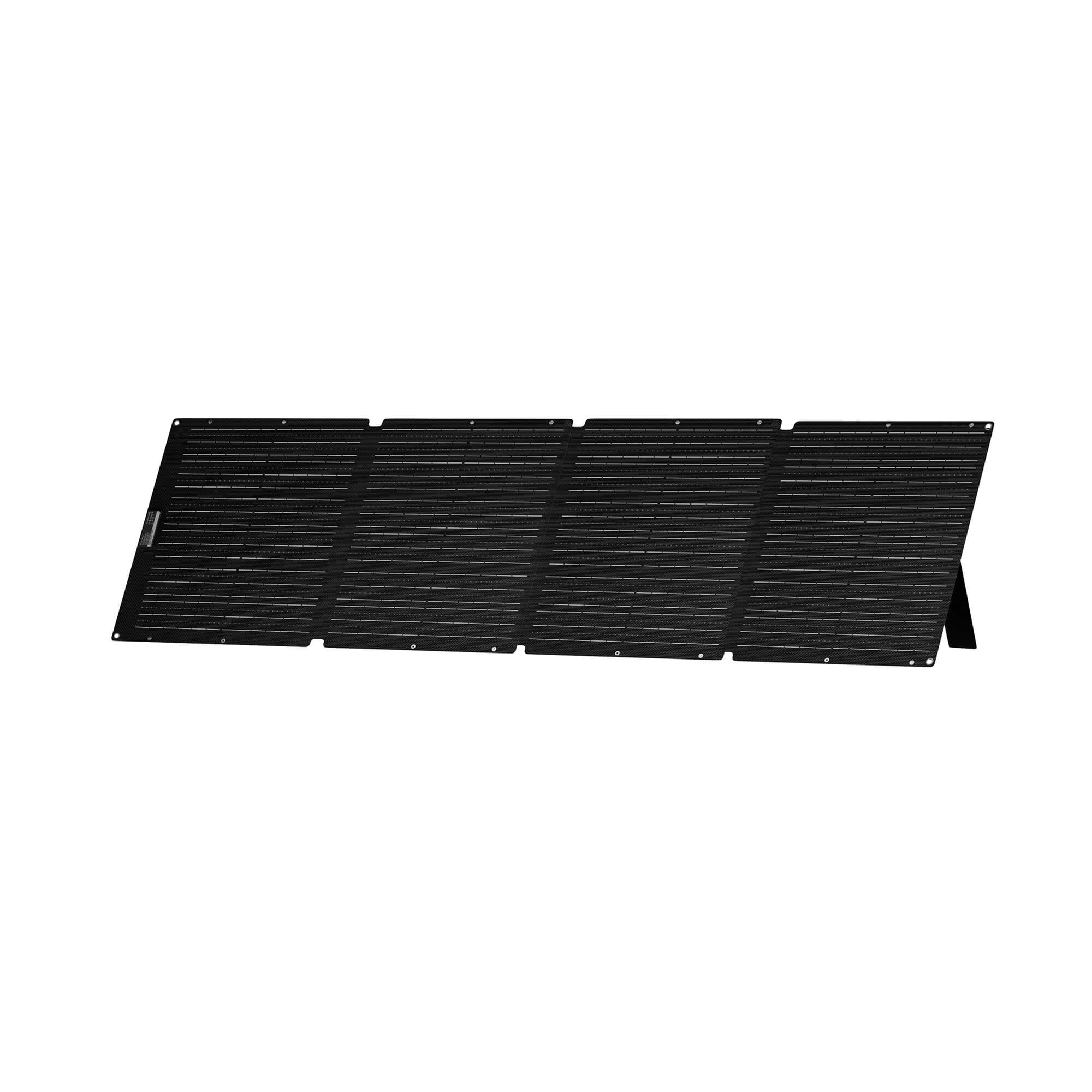
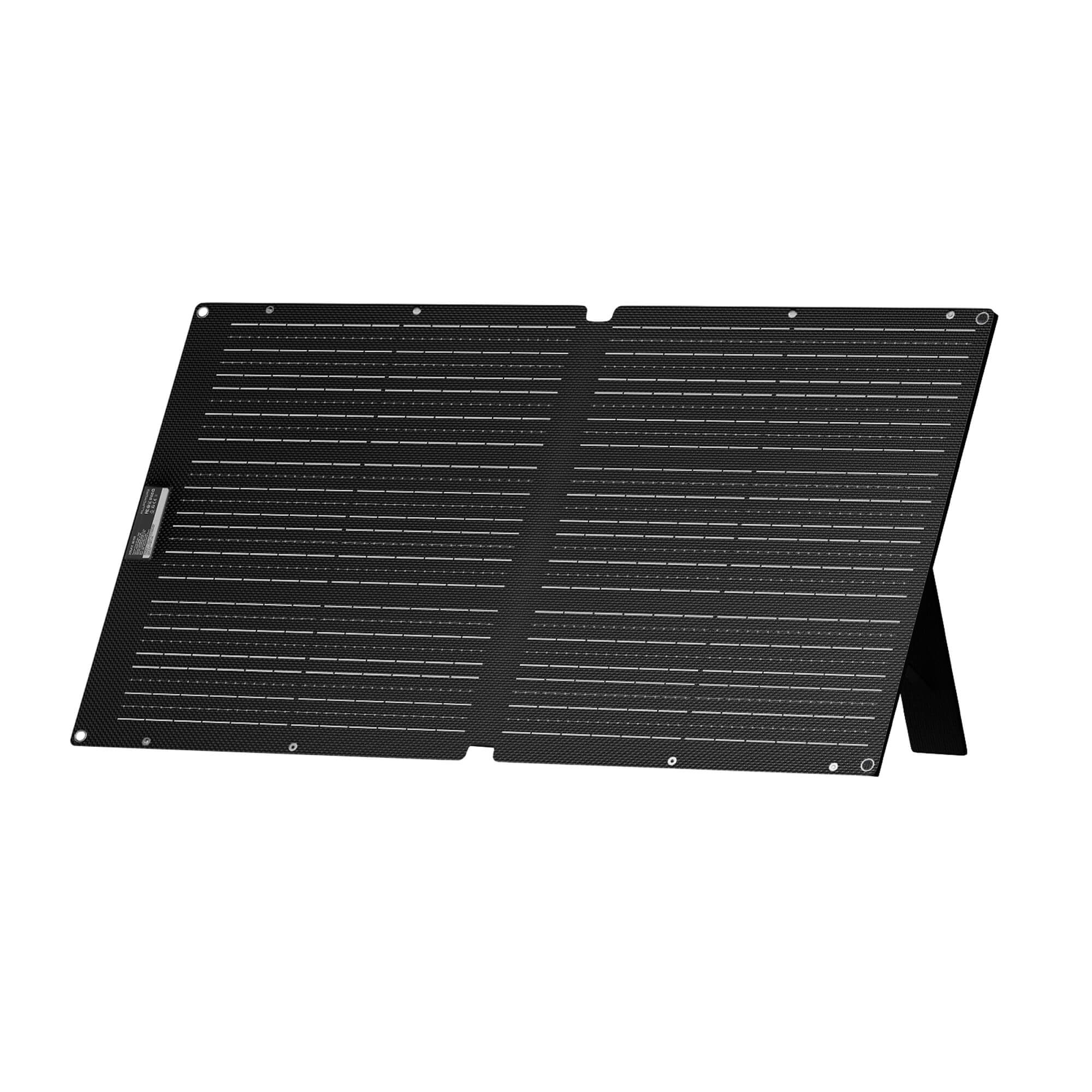
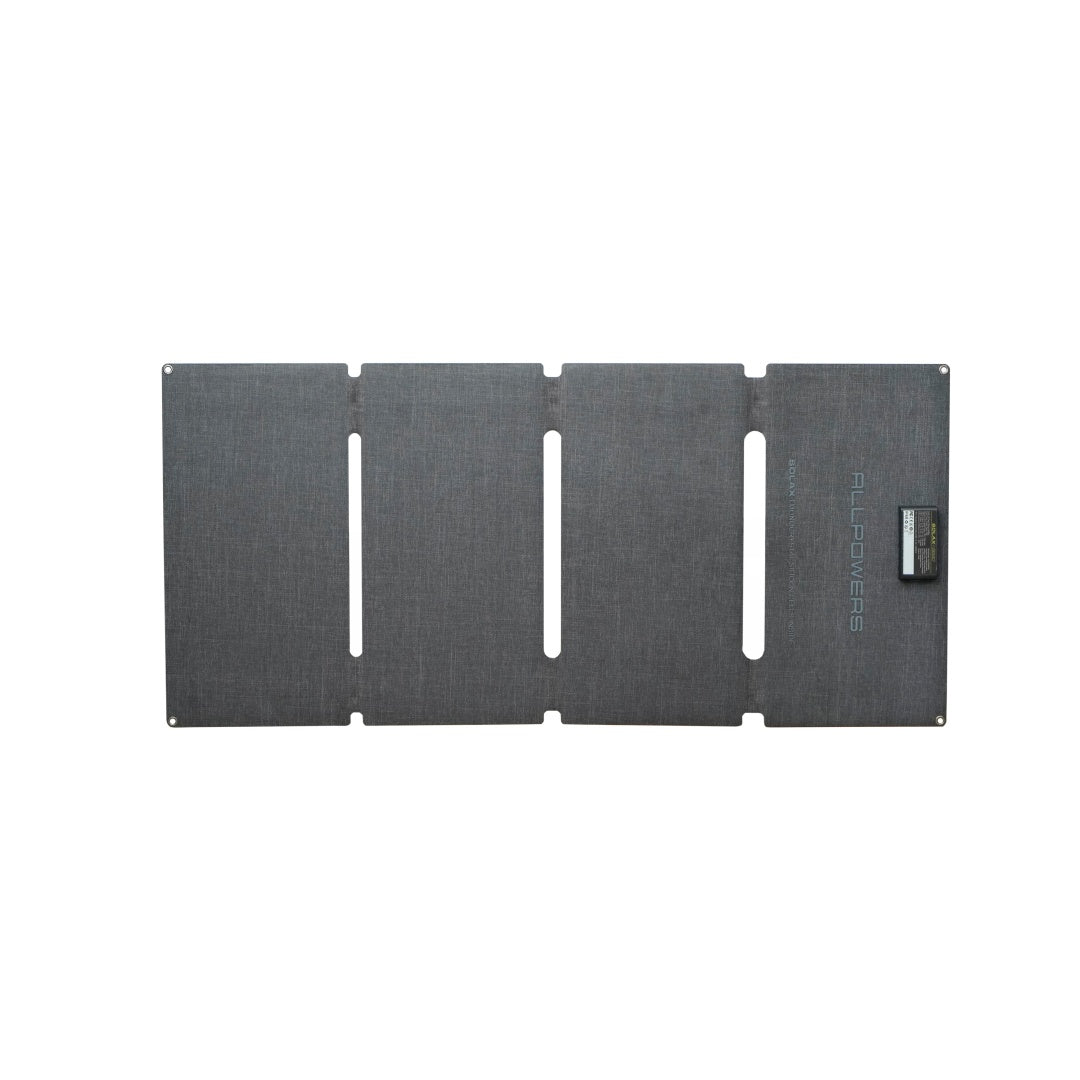
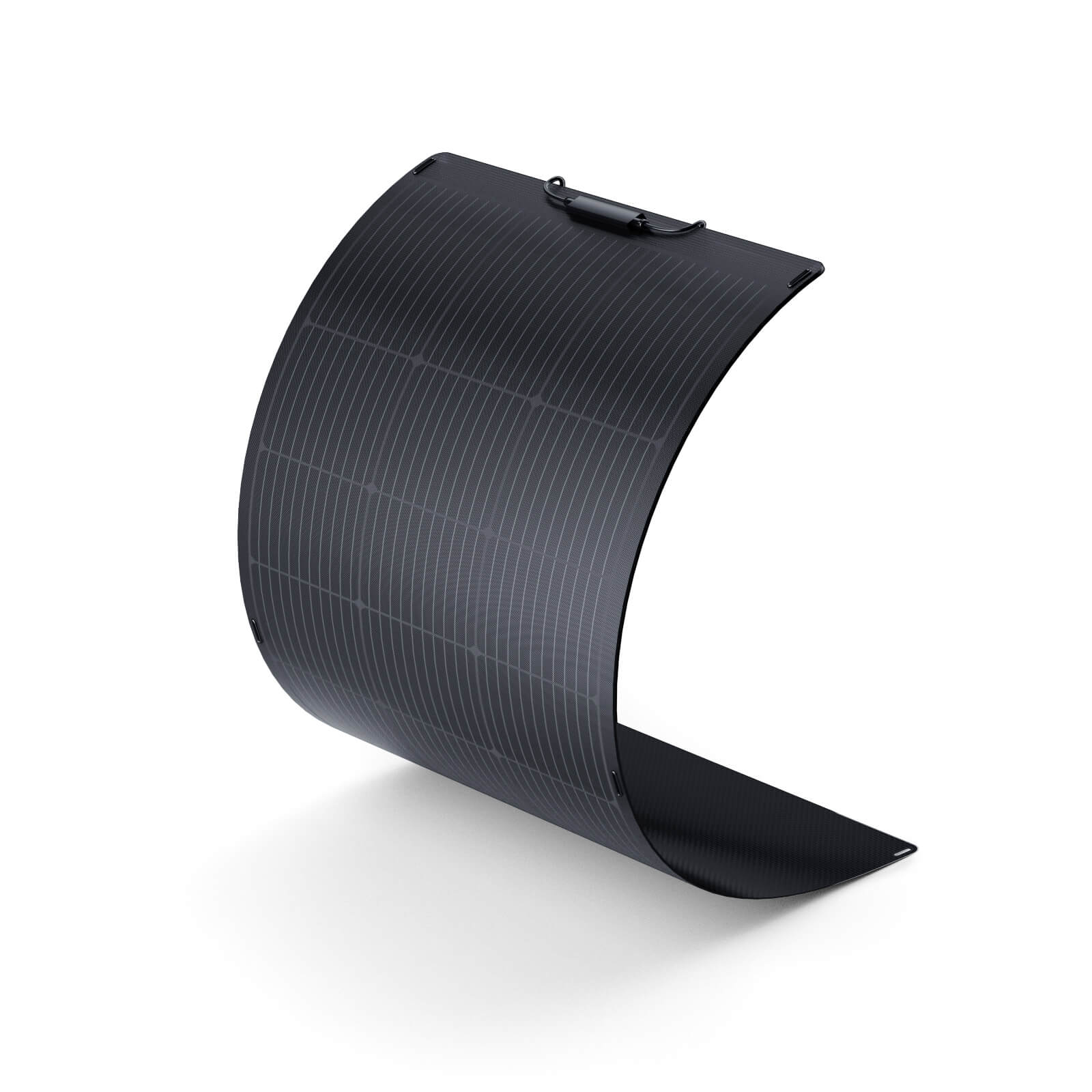
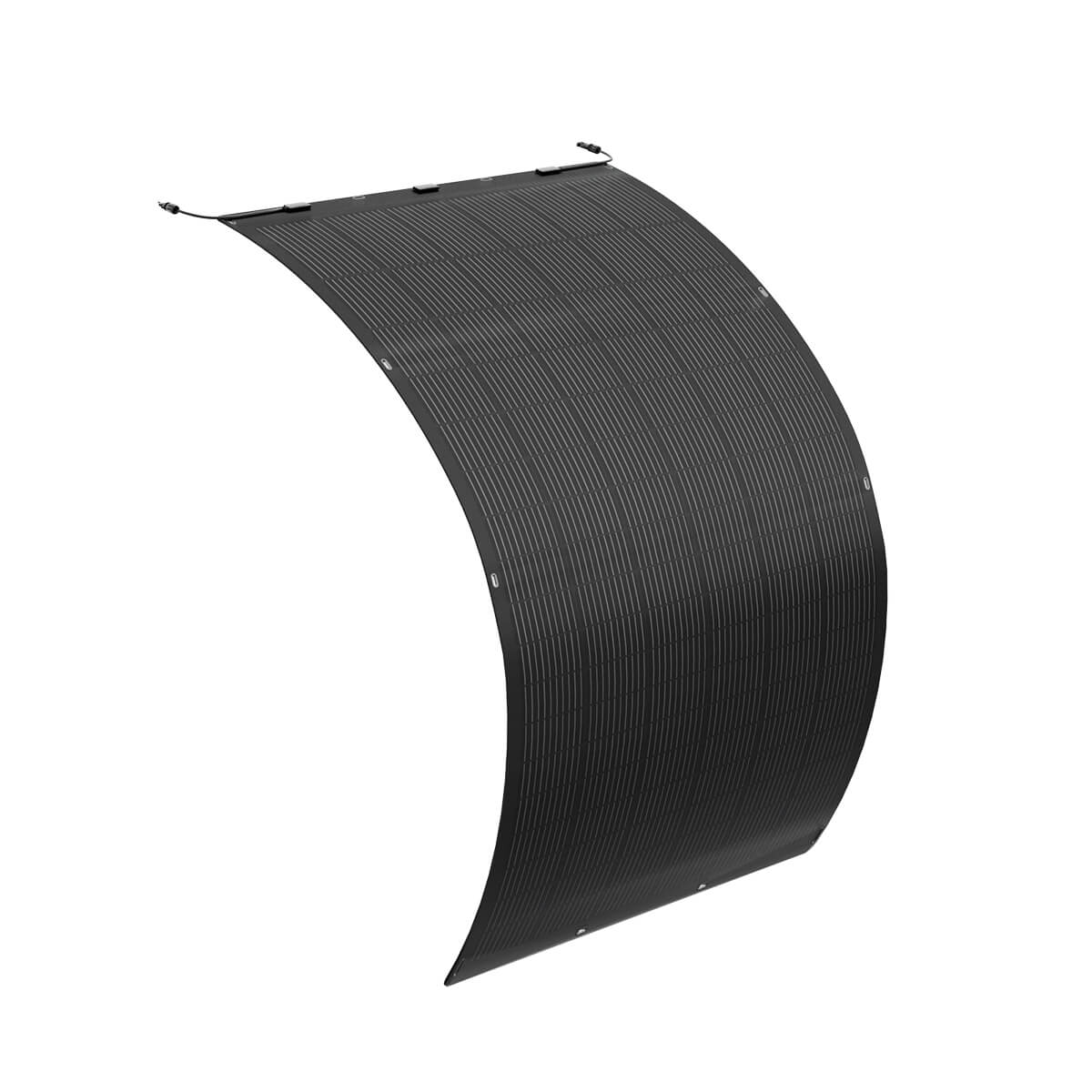
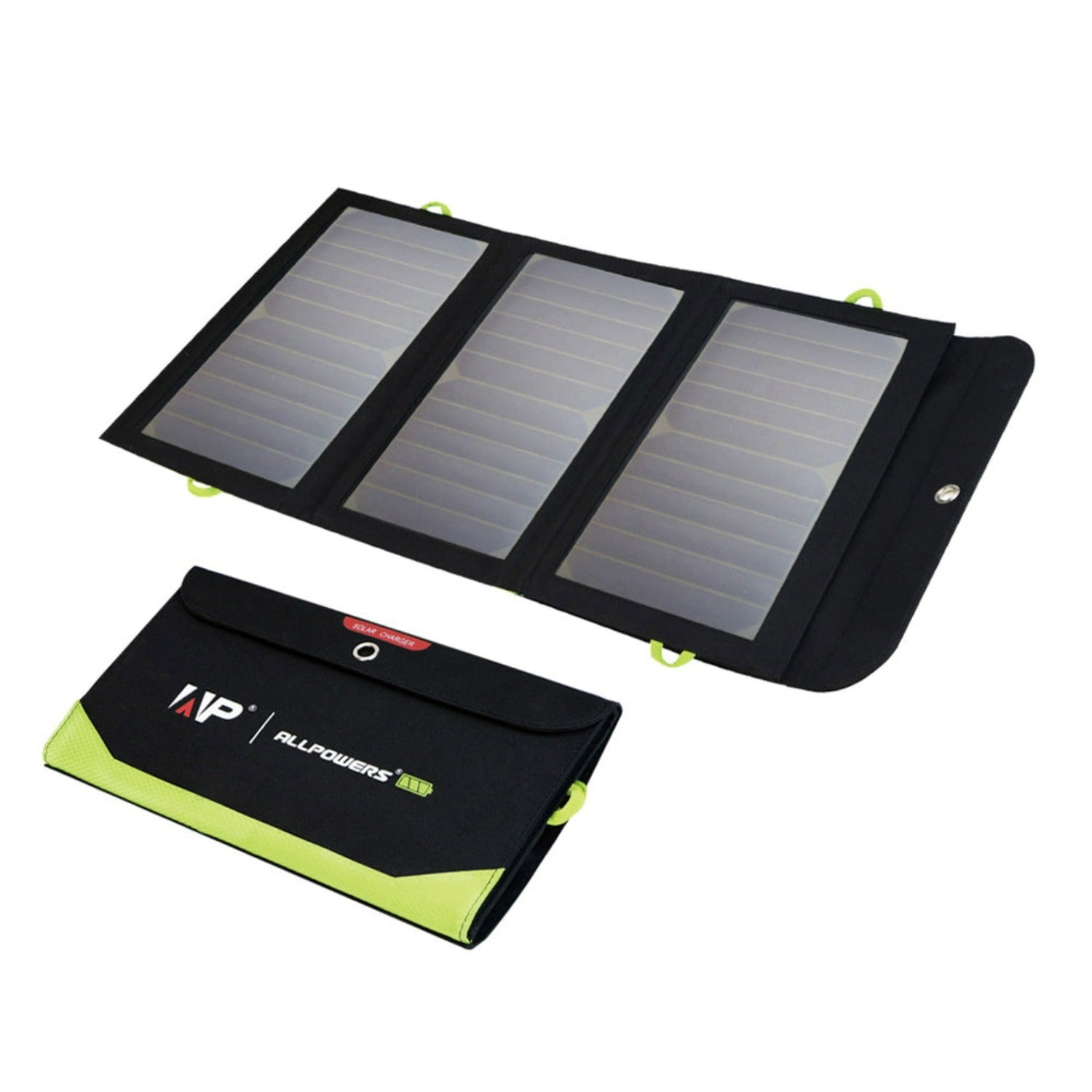
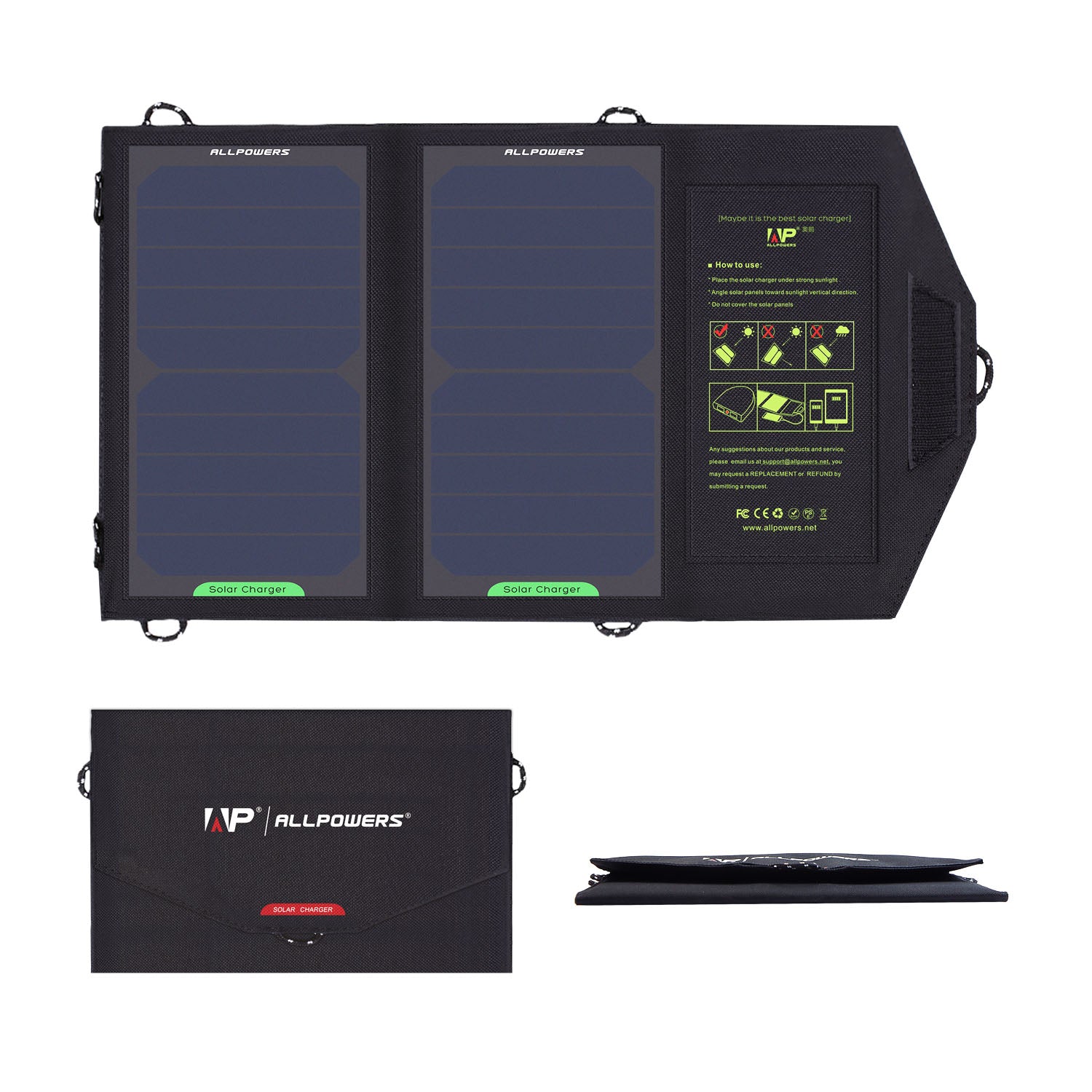
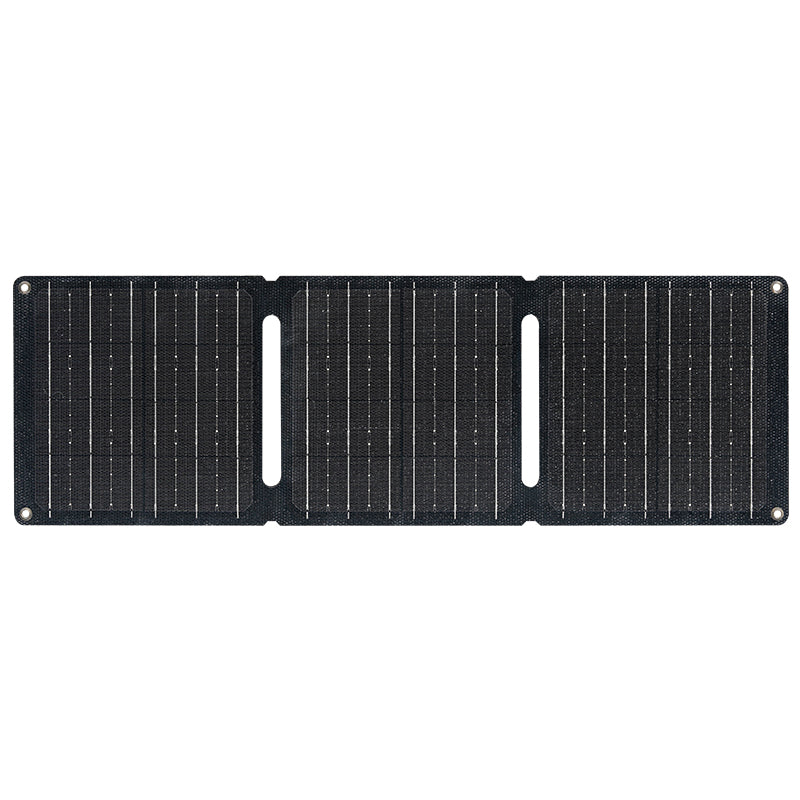
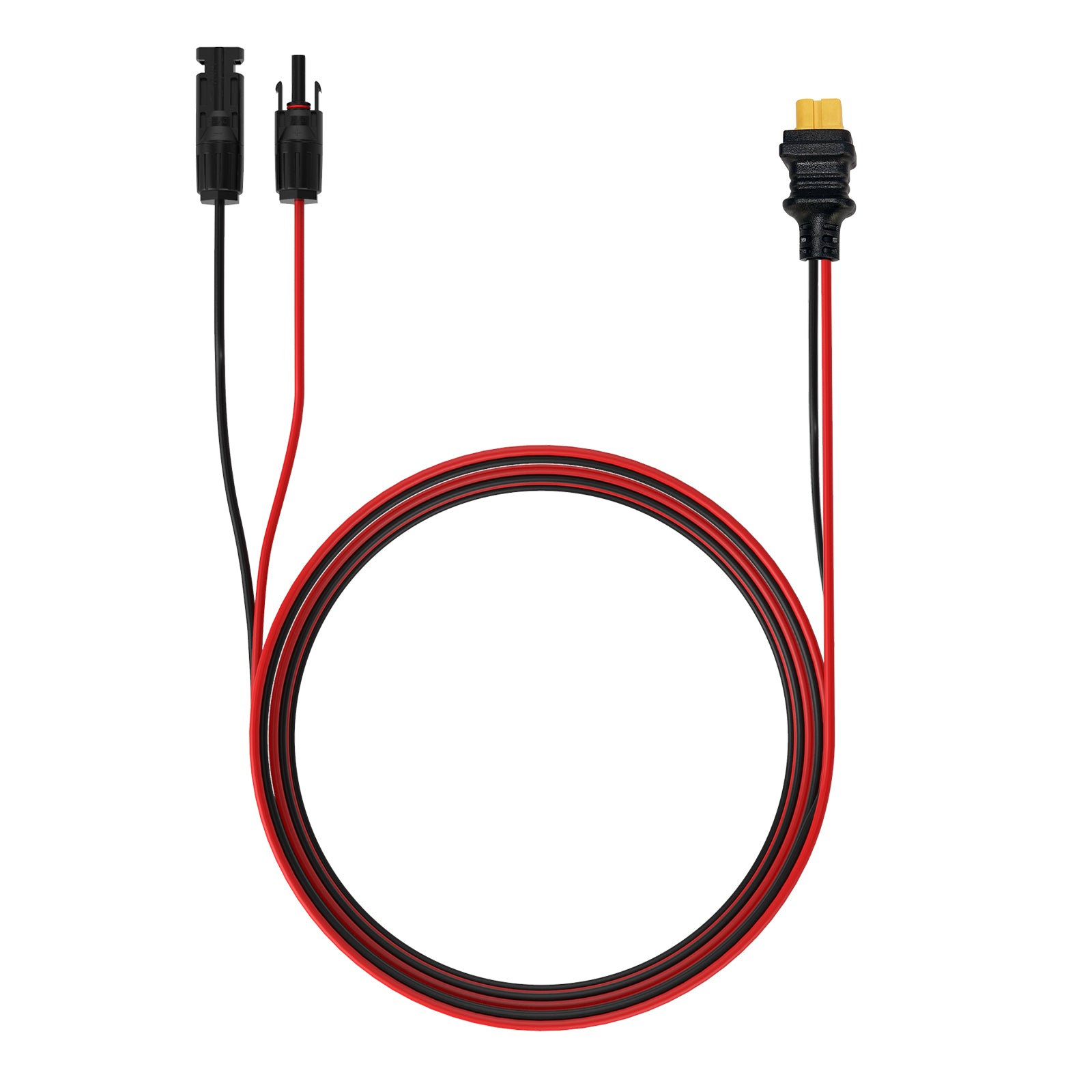
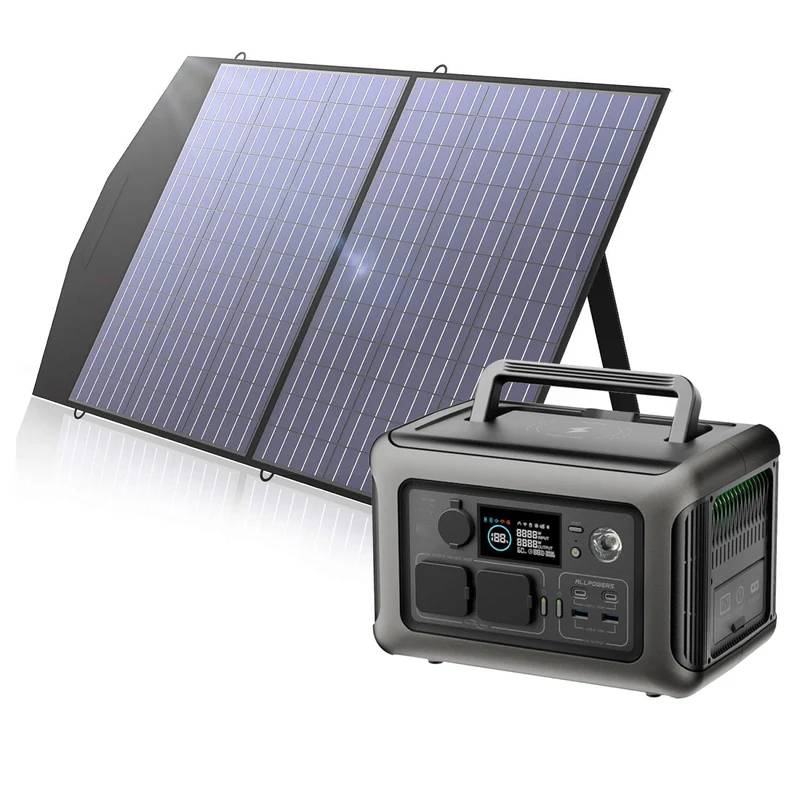
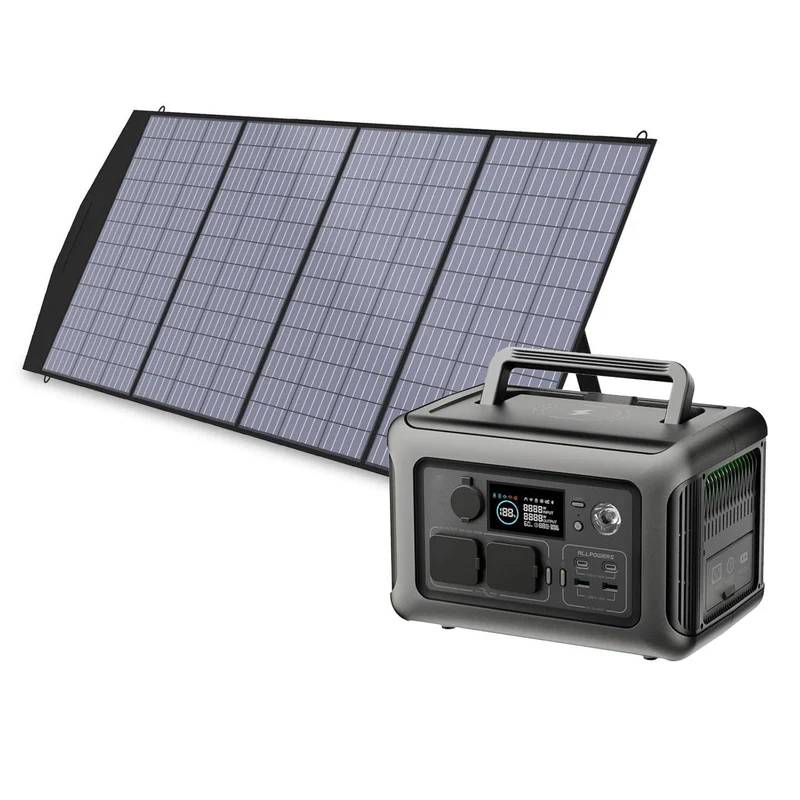
Wall outlets are the most obvious, but solar panels are becoming increasingly popular.
The more efficient the solar charge controller (MPPT controllers are king here), the faster your station charges under sunlight, even on cloudy days.
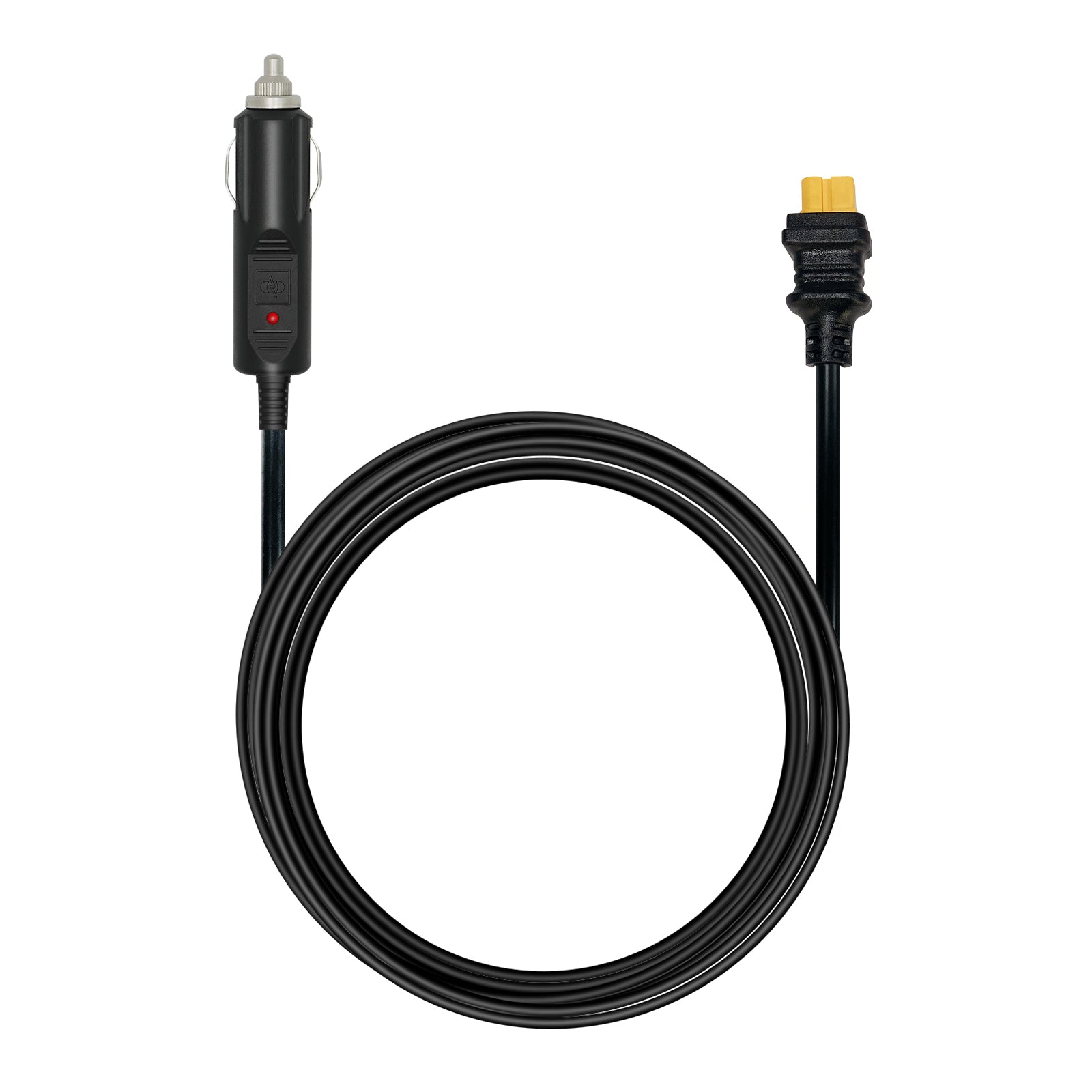
Car charging? Useful, but slow.
You know what else? Pass-through charging—running devices while the station recharges—can be a lifesaver.
Not all units support it safely or efficiently, so it’s worth checking.
Output Ports
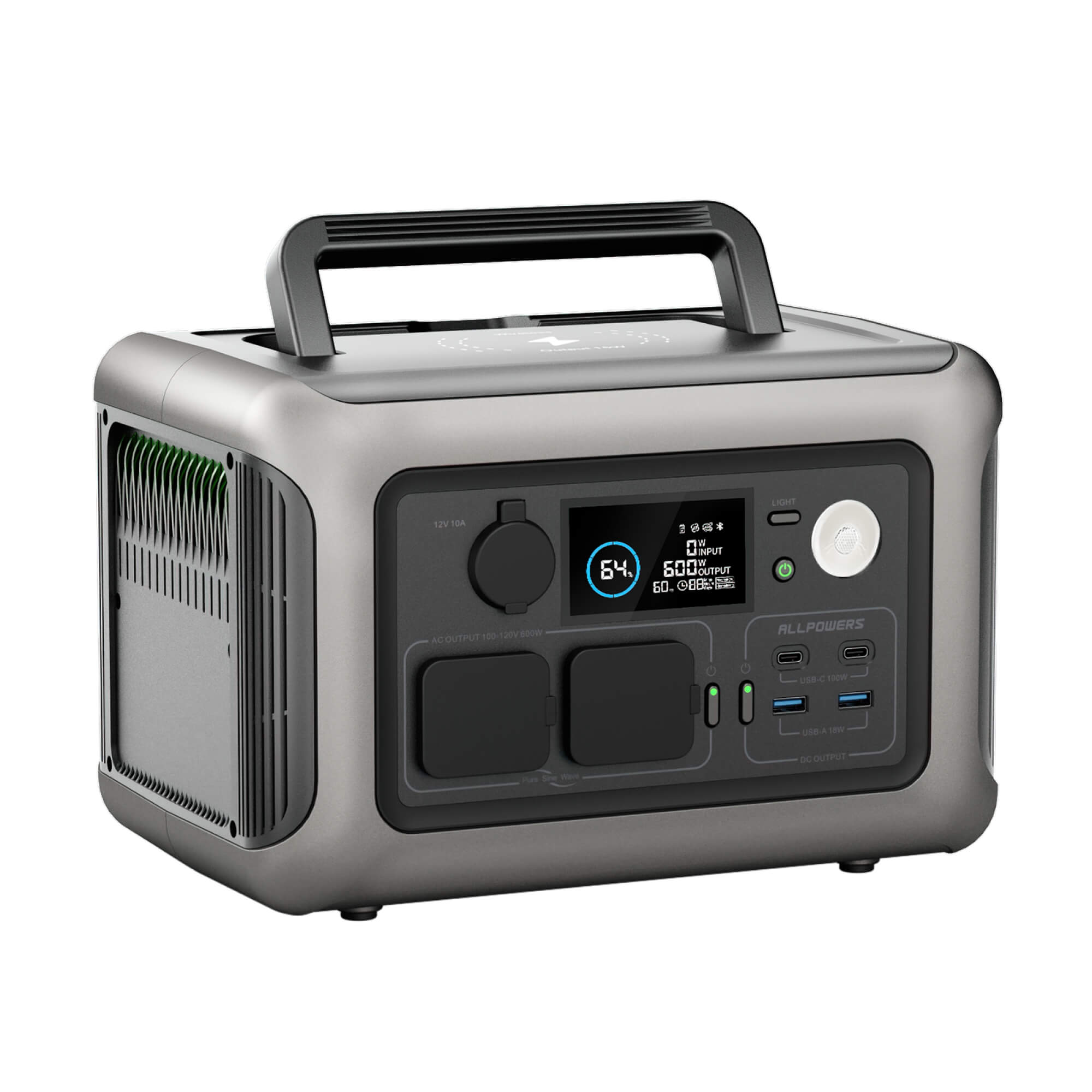
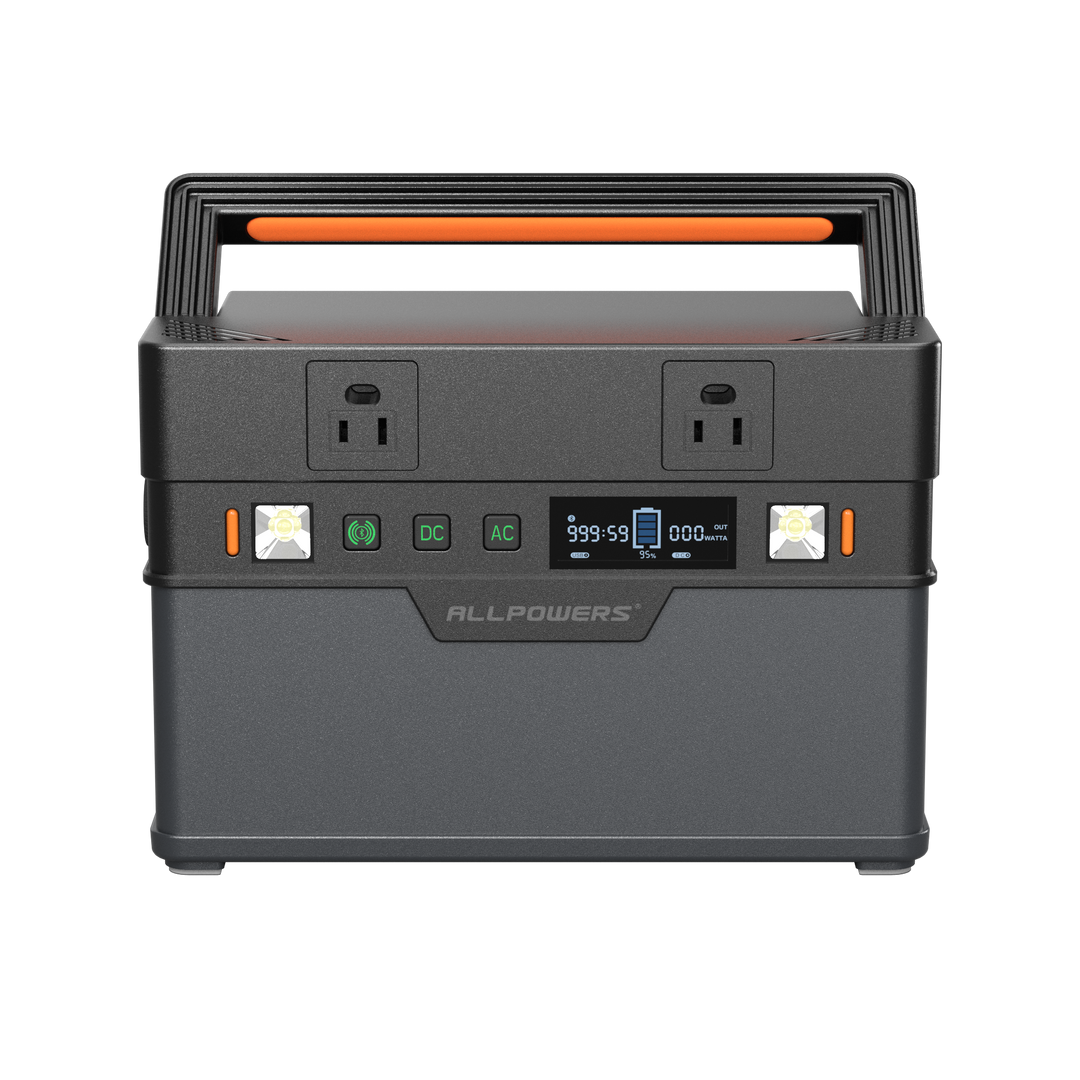
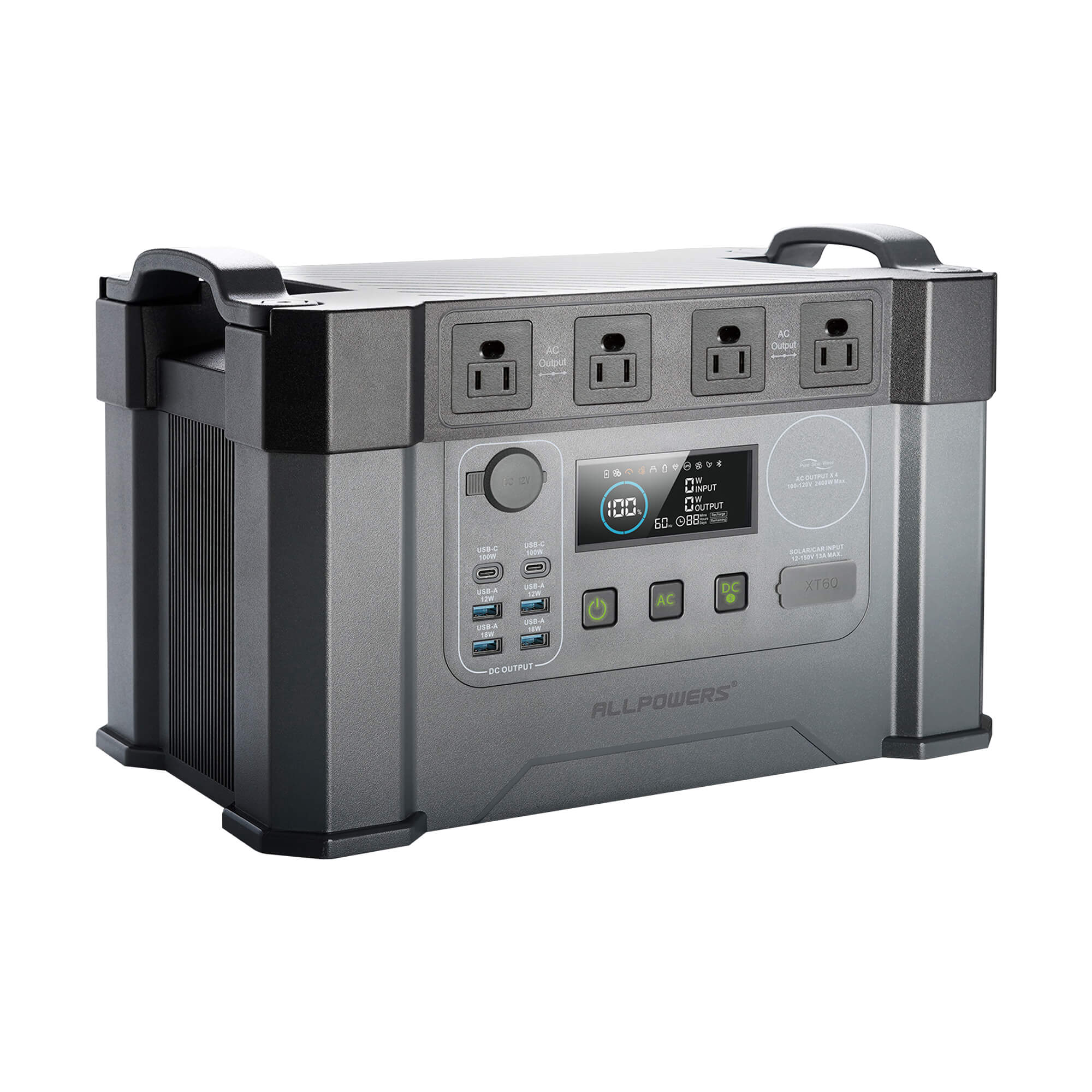
Phones, laptops, portable fridges, drones, cameras, projectors, Bluetooth speakers—each one demands a different type of port.
A thoughtfully designed power station gives you enough connections to run everything without playing musical chairs with your plugs.
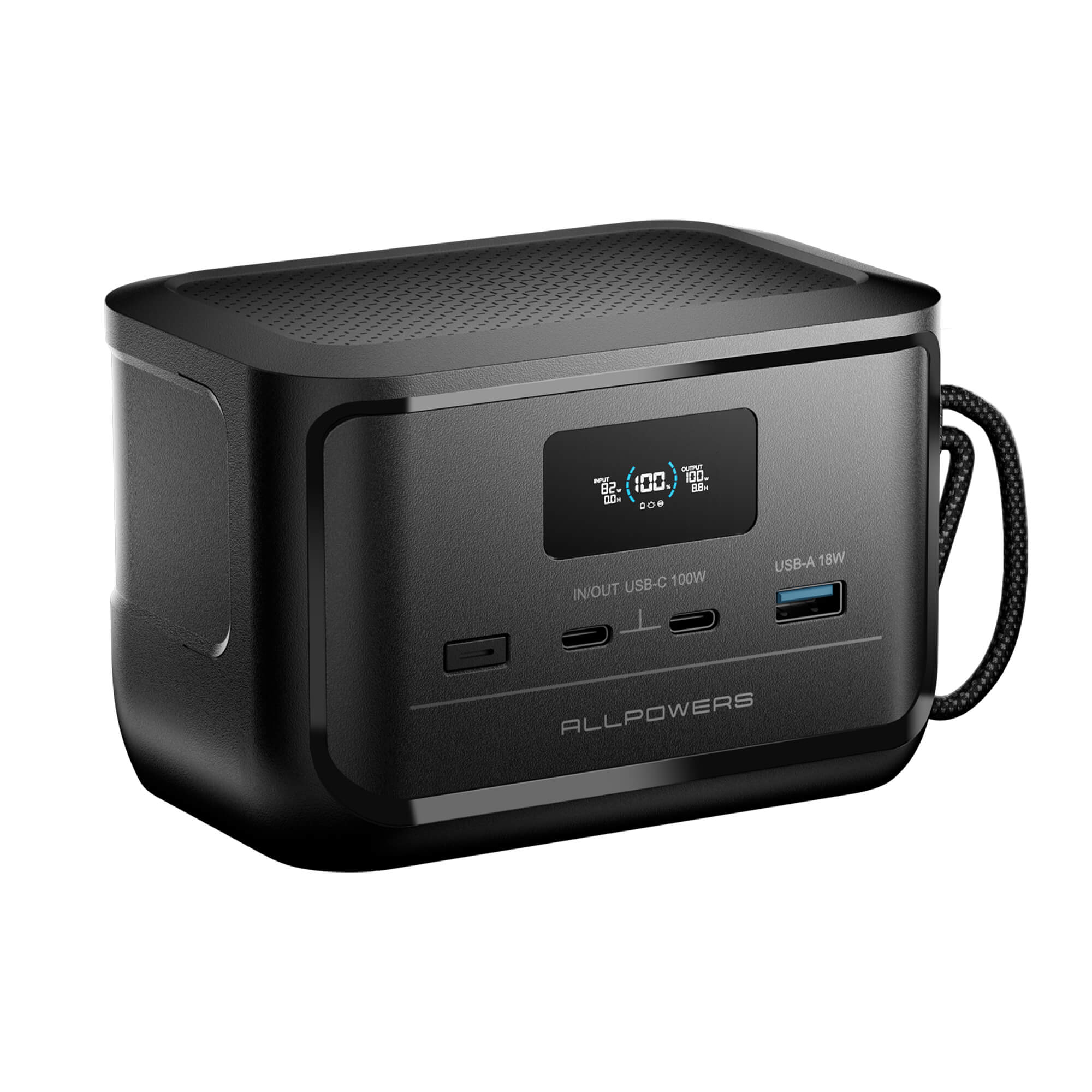
High-powered USB-C ports are especially important today. They can fast-charge laptops, tablets, and phones with ease.
Having two or more of them feels more future-proof, considering how many gadgets have shifted to USB-C.
DC car sockets power air pumps, tire inflators, and camping fridges—things outdoor folks use constantly.
Meanwhile, traditional AC outlets power appliances and anything that still relies on wall-style plugs.
What’s surprisingly convenient is the layout. Ports that are spaced too tightly force you to rearrange bulky plugs.

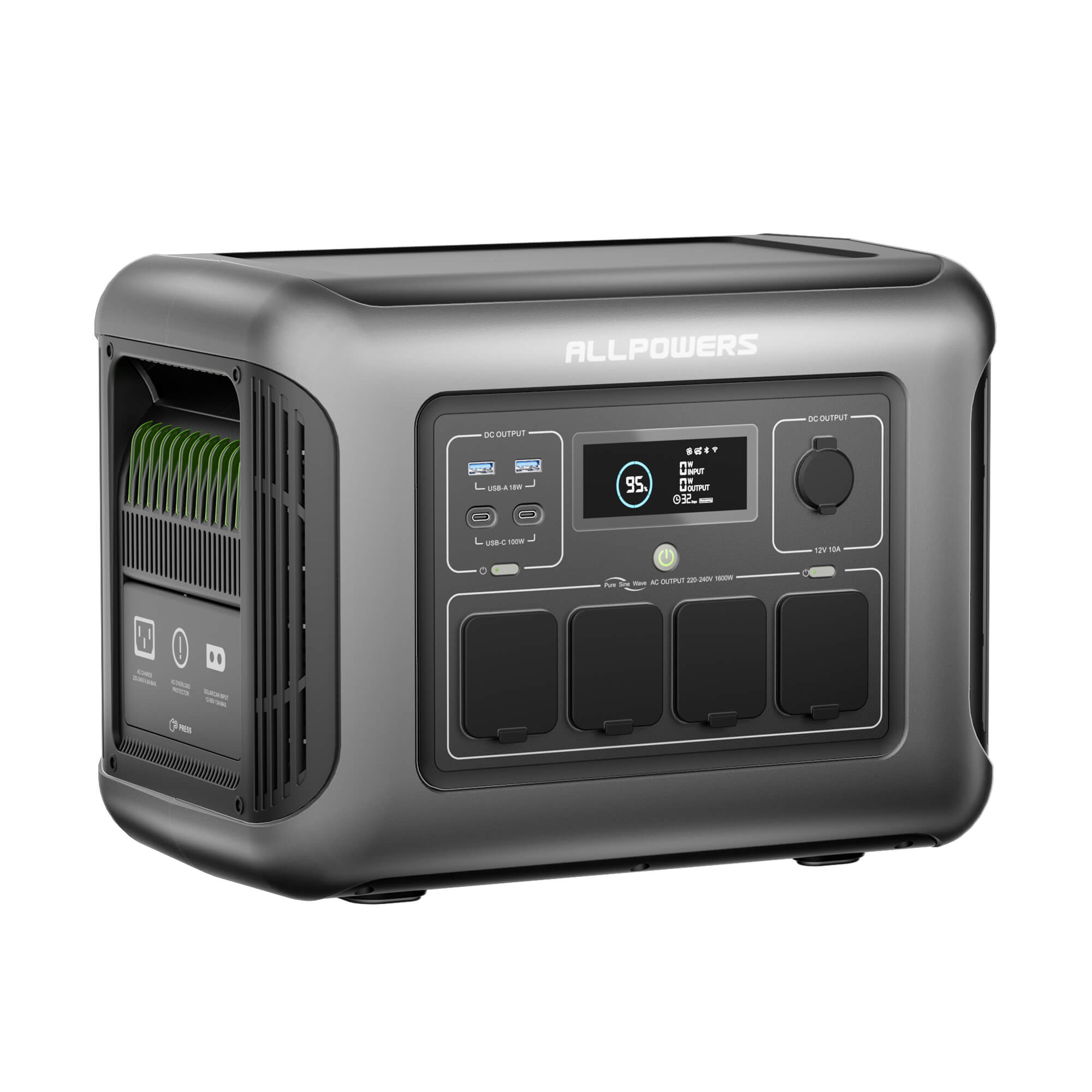
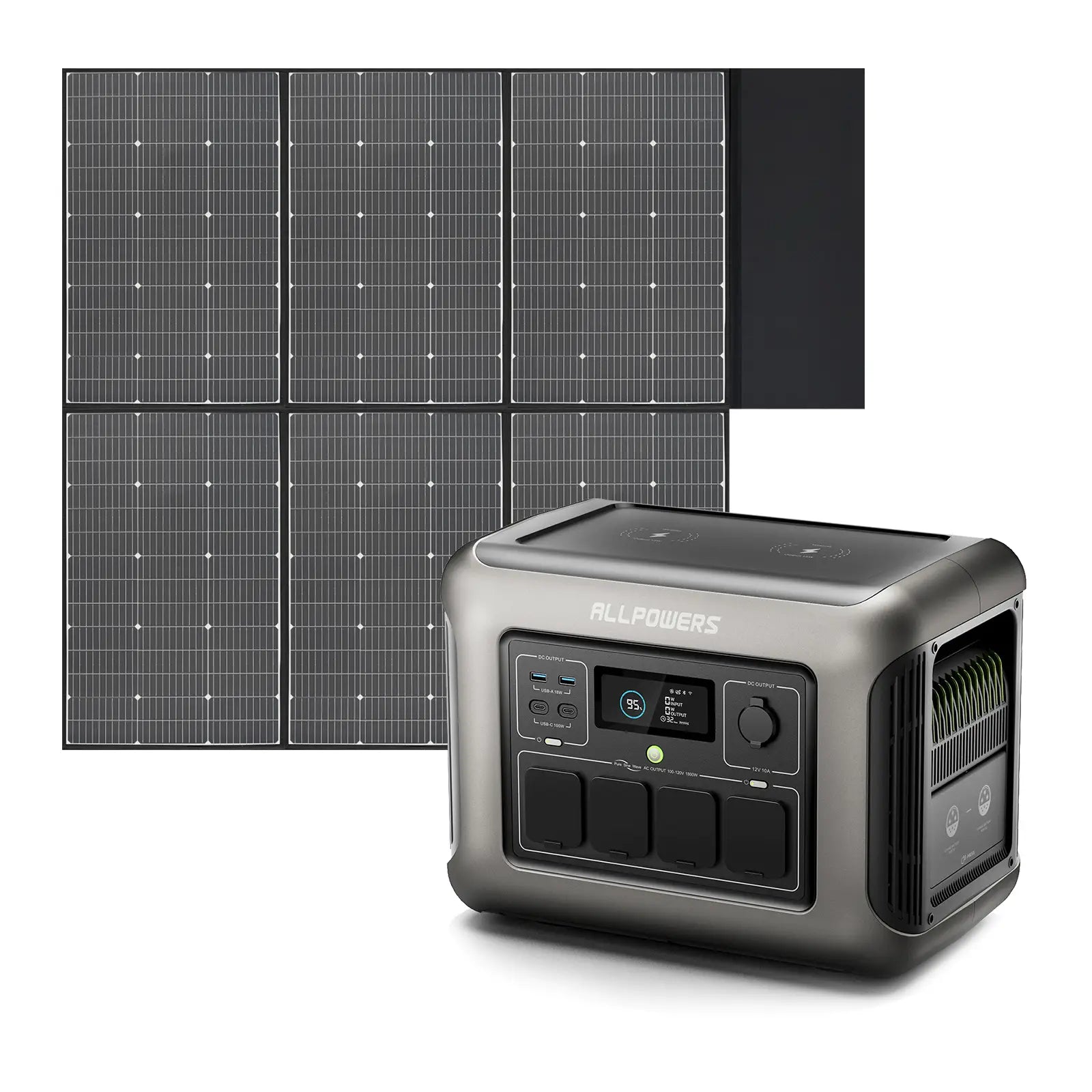
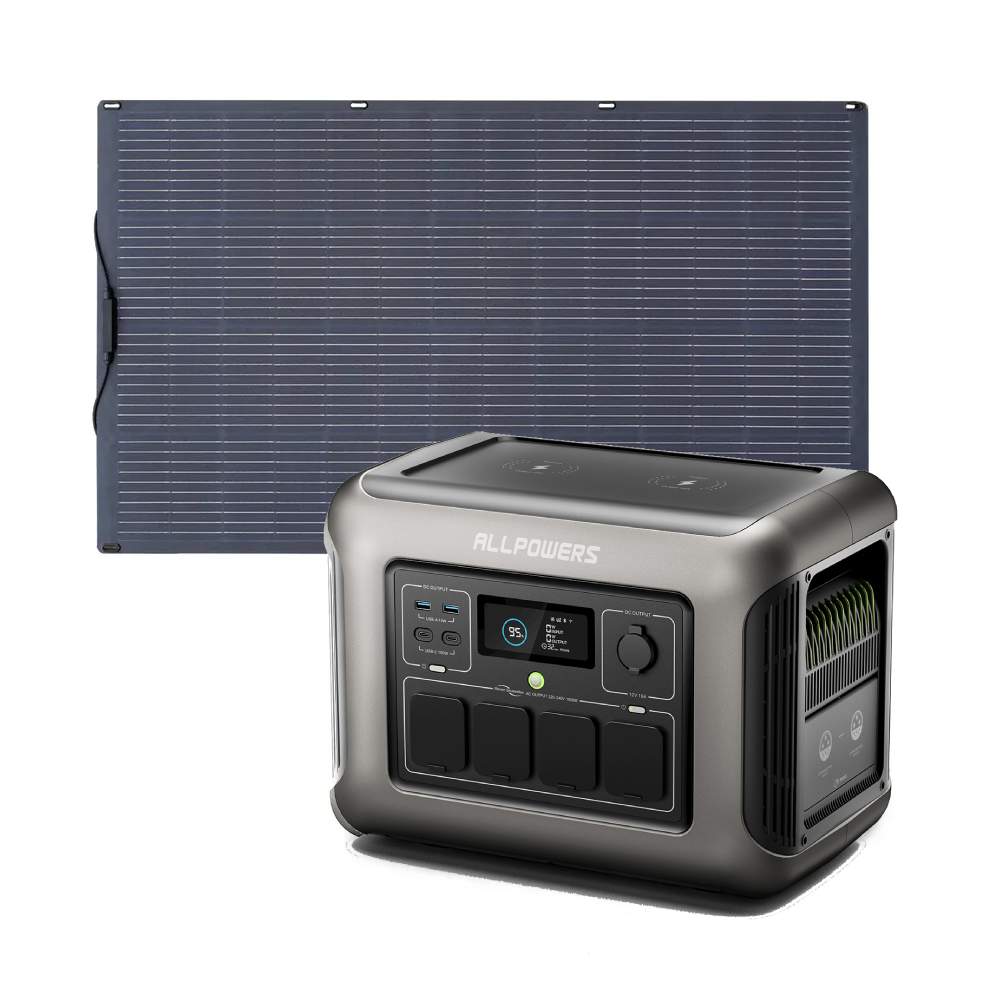
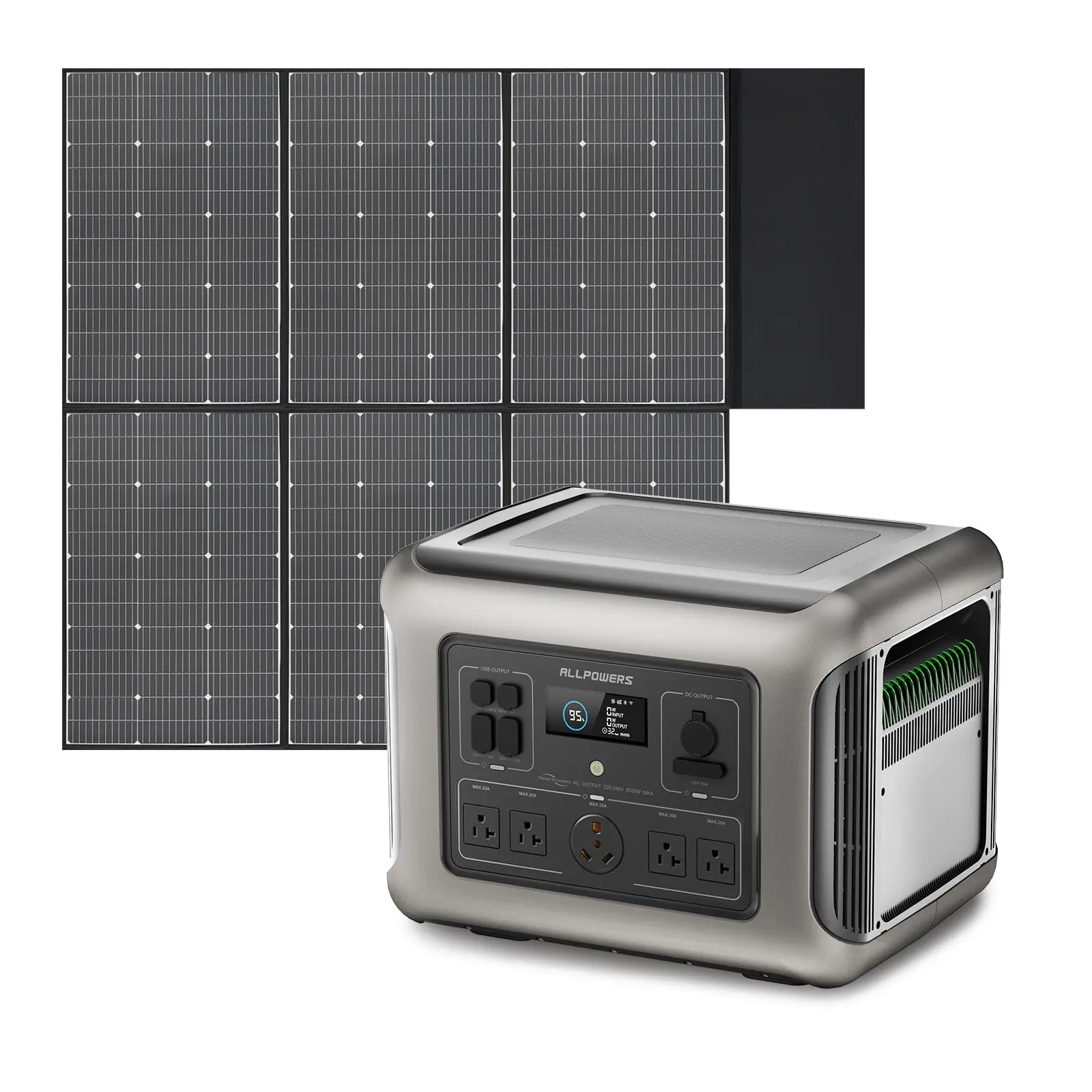
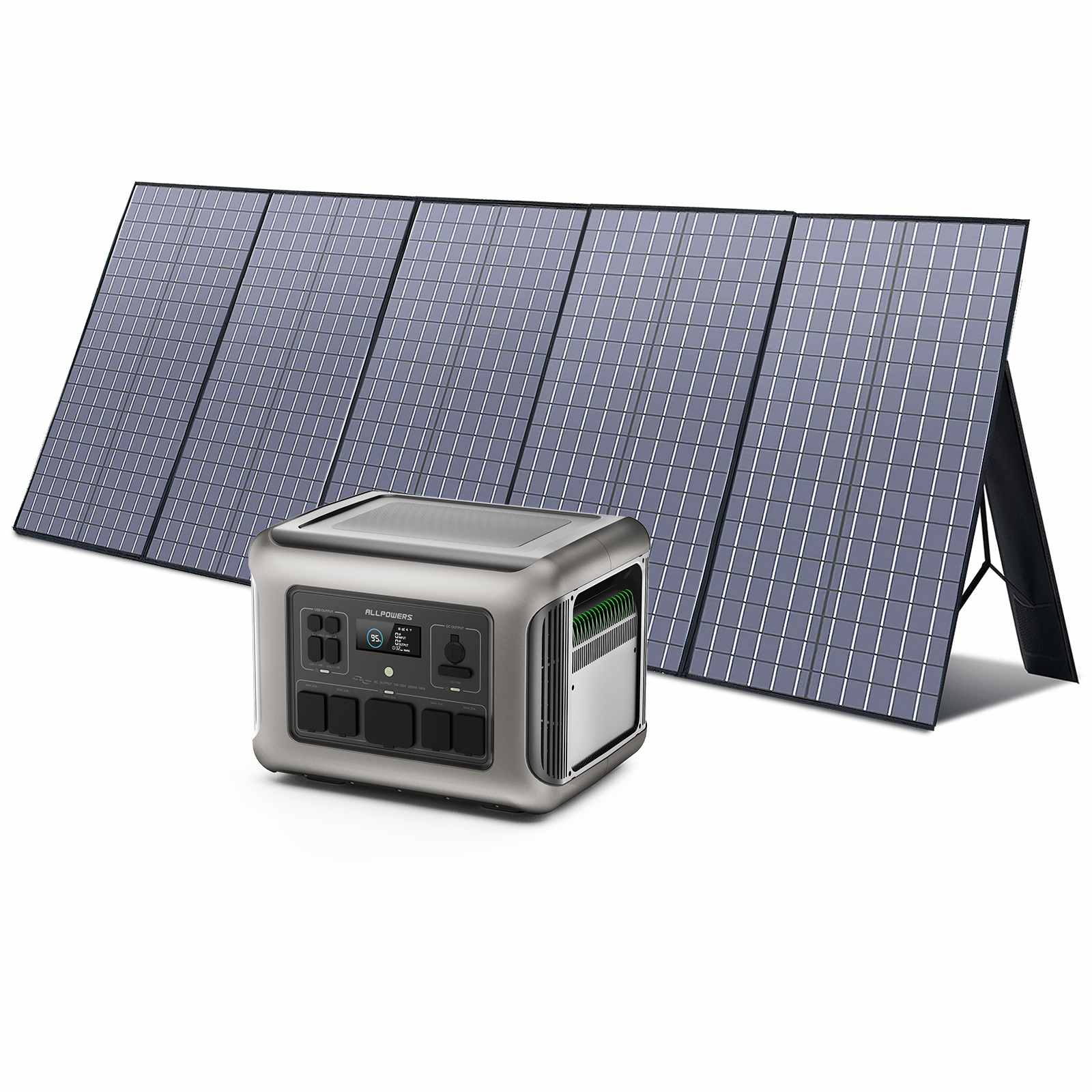
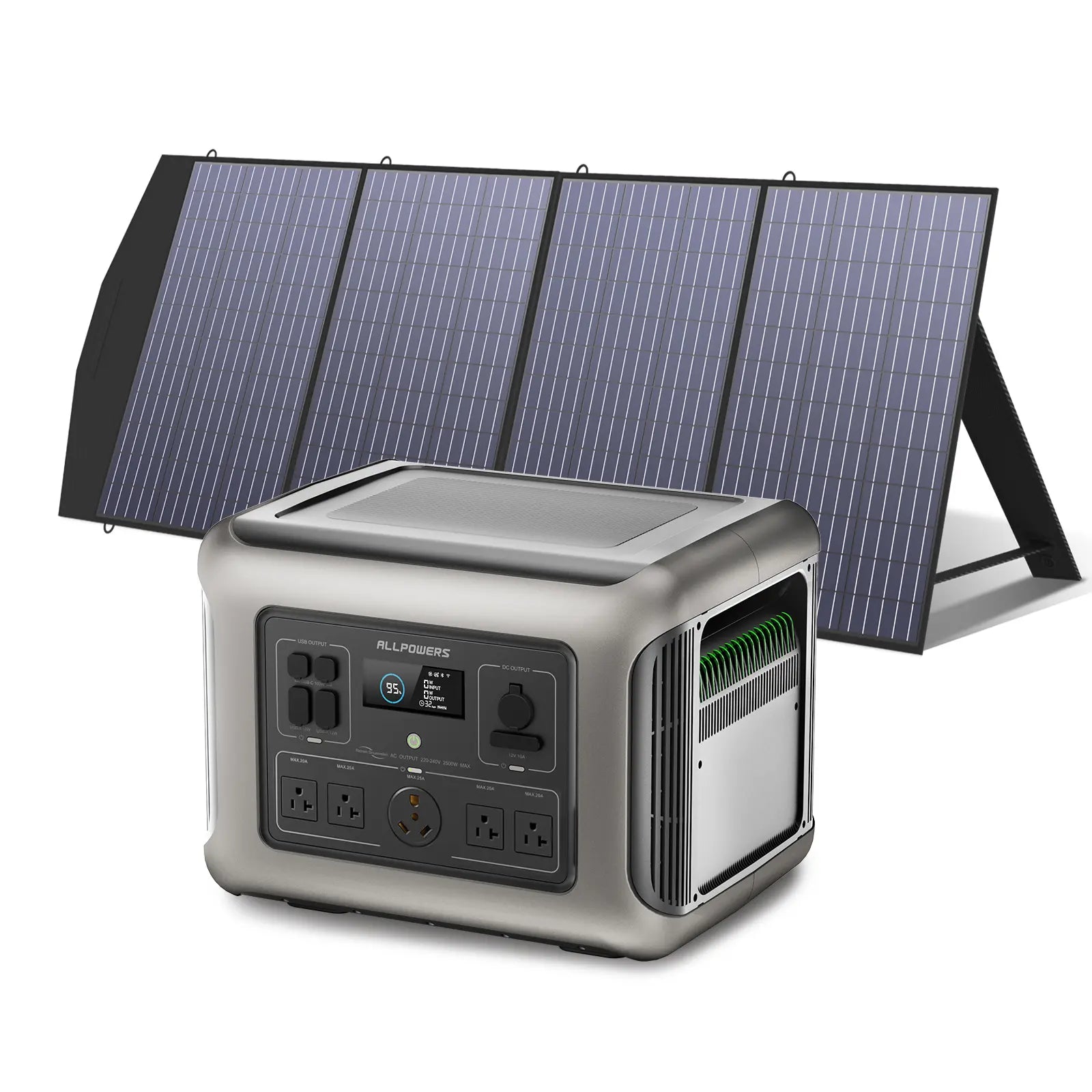
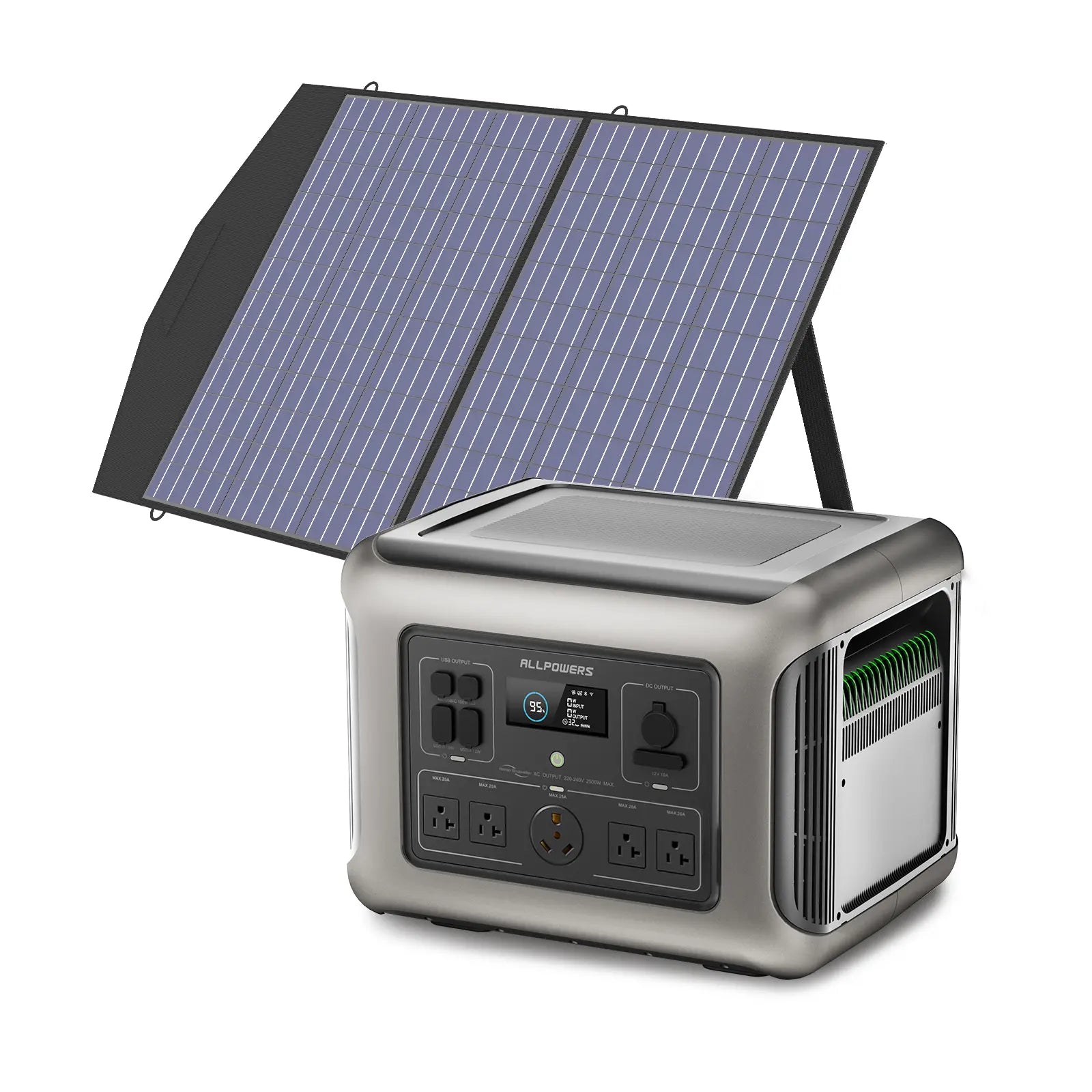
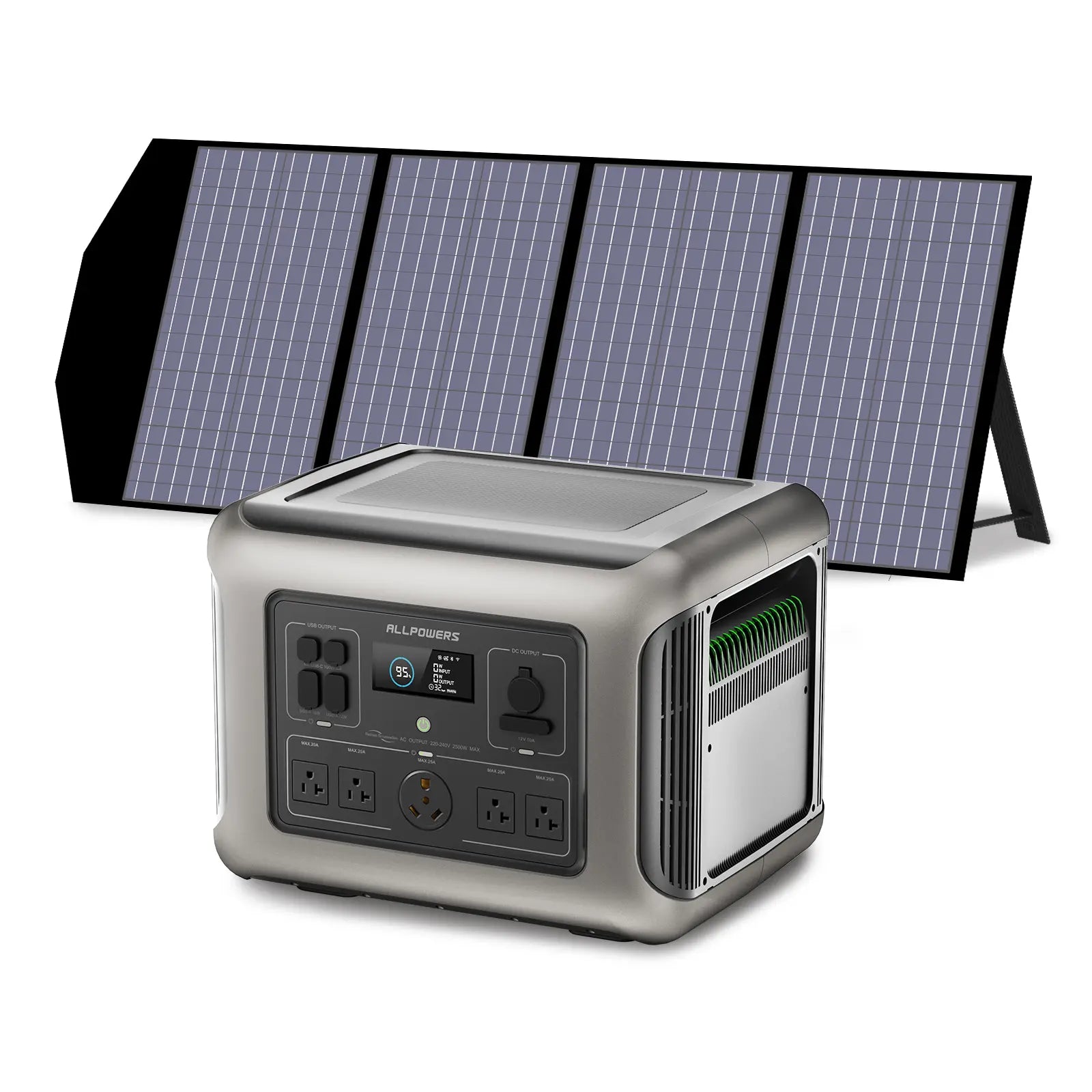
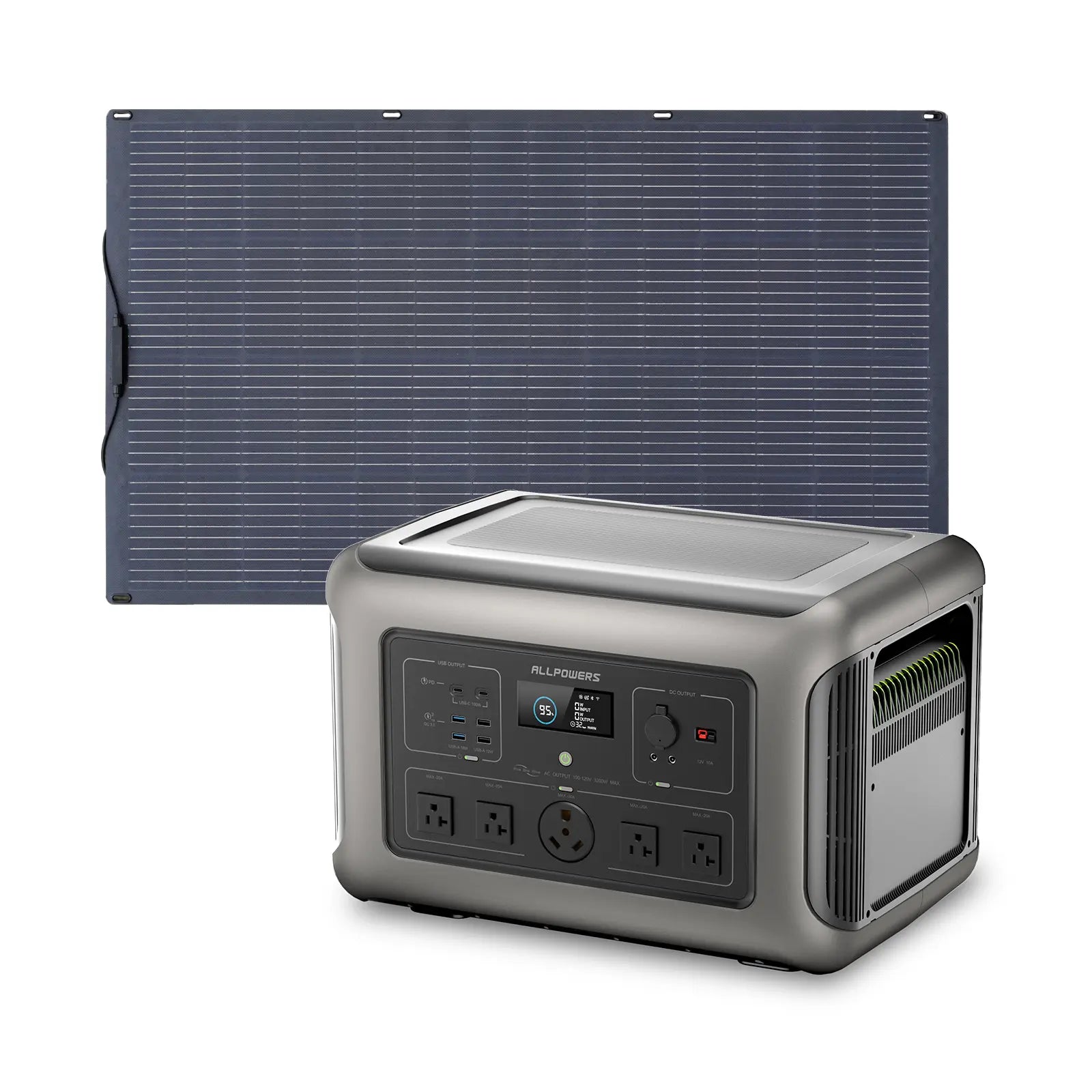
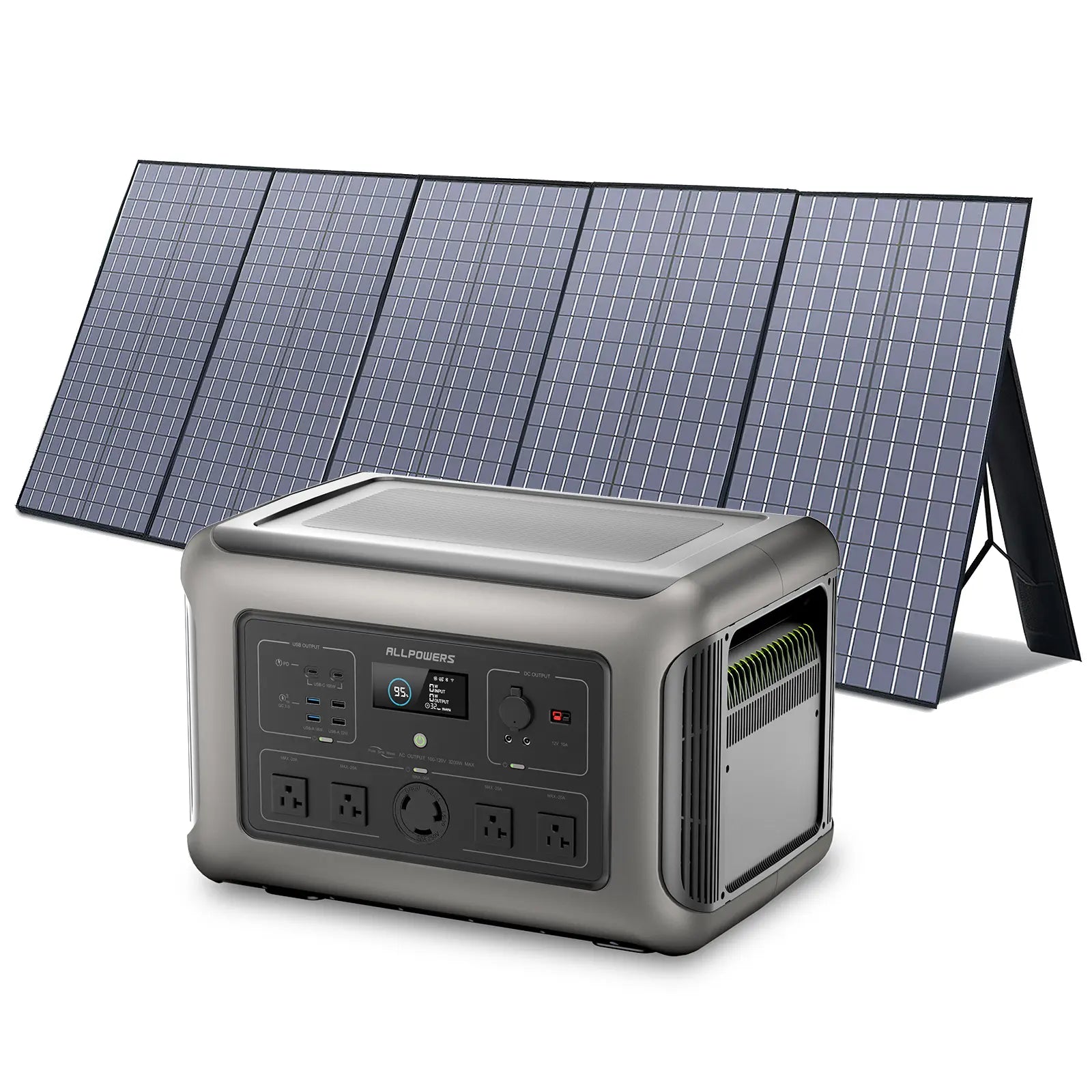
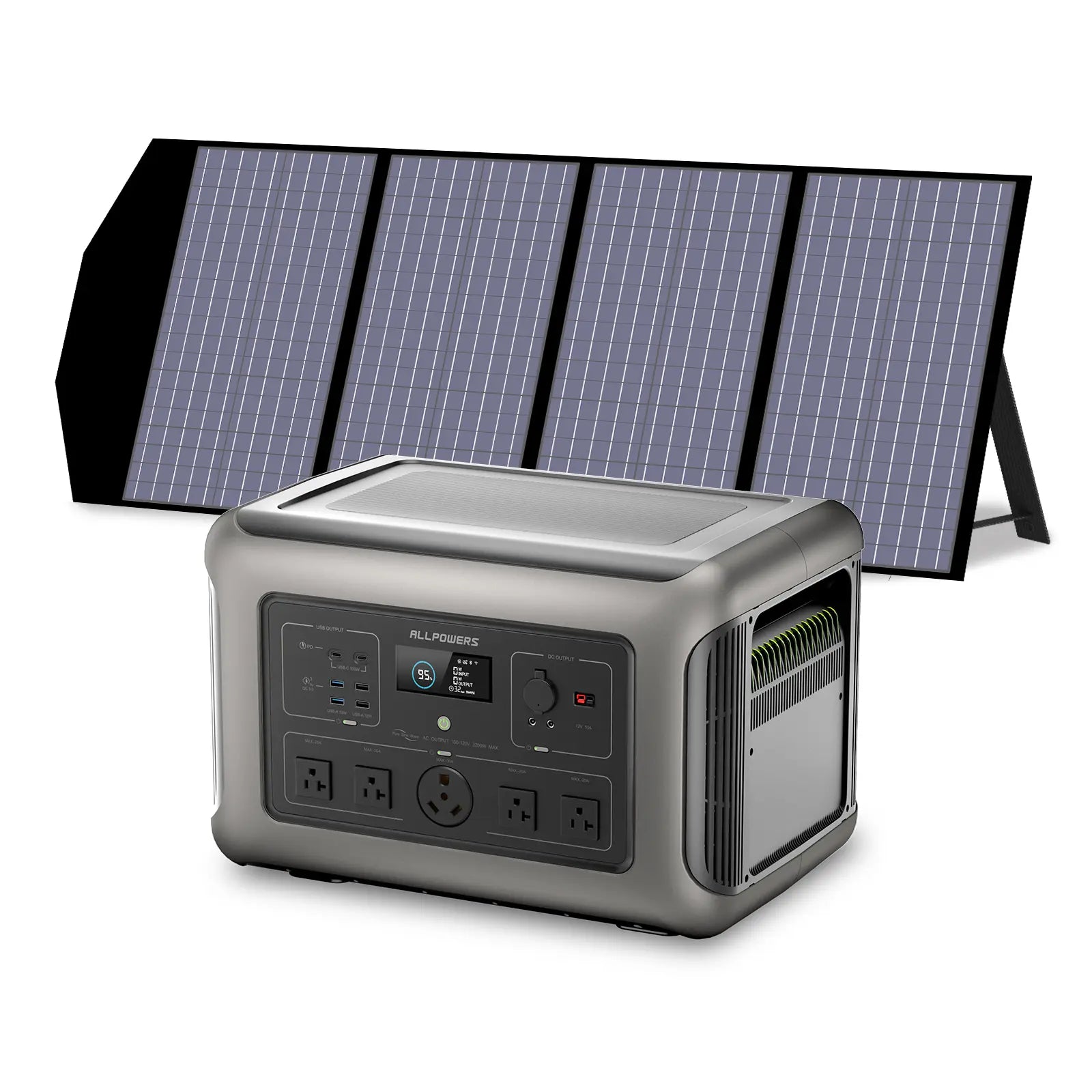
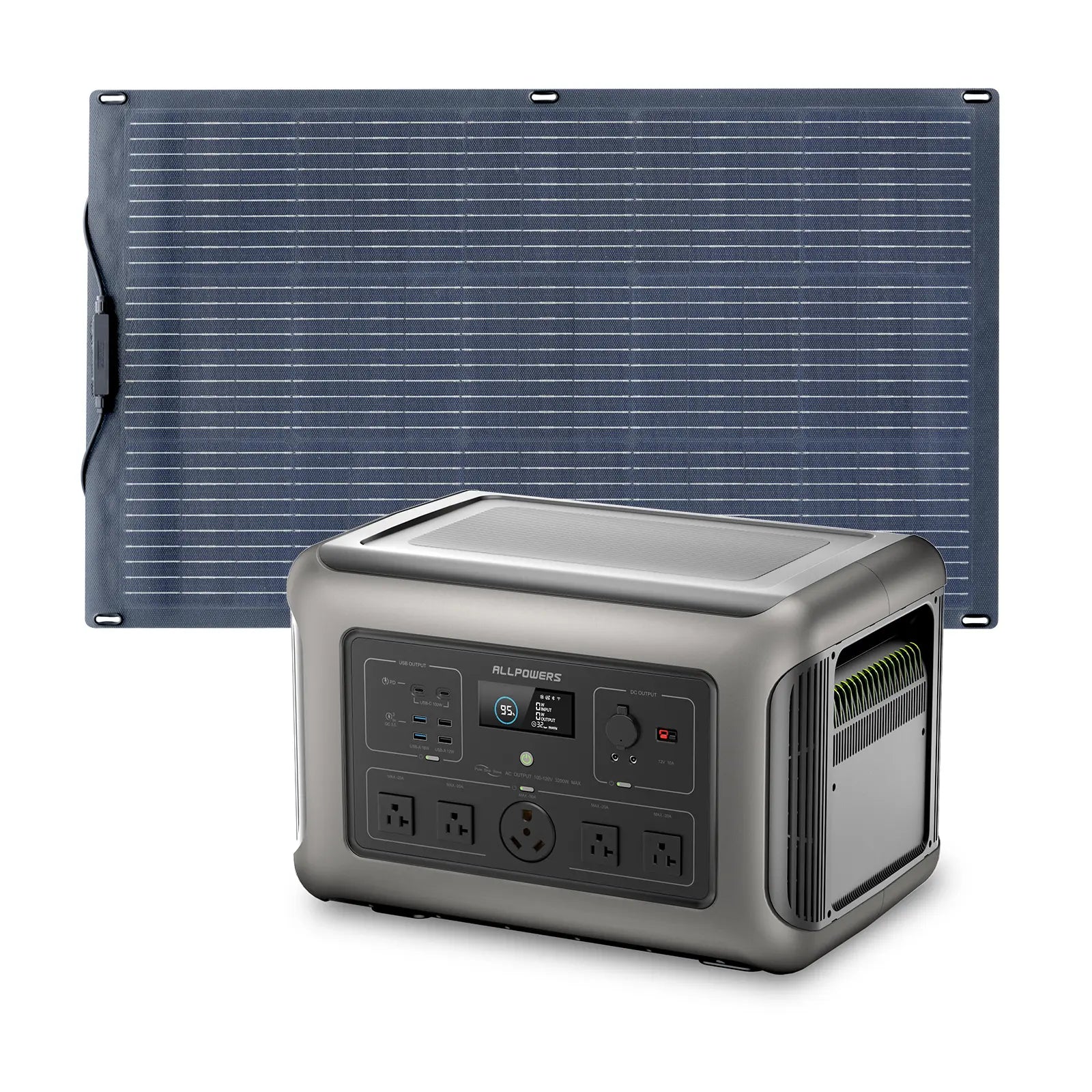
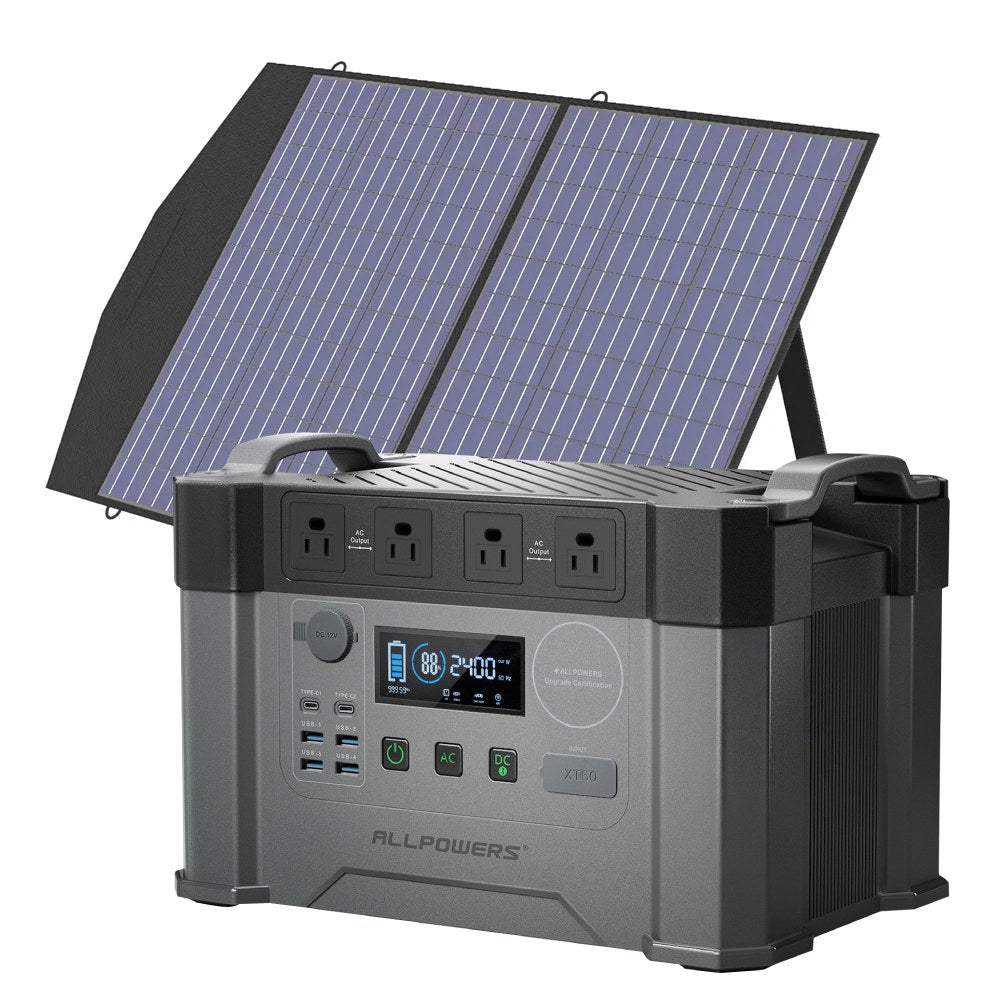
ALLPOWERS R1500 Lite Portable Power Station
$378.00 $799.00
- 1056Wh Capacity;
- 1600W AC Output (3000W Surge);
- 650W Solar Fast Charging;
- 10 Ports Charge All Needs Simultaneously;
- 15ms Uninterruptible Home Backup UPS;
User Experience
Specs are useful, but the way you interact with the station—day after day—becomes more important over time.
Clear displays make a huge difference: real-time watt input, watt output, estimated runtime, charging status.
Some stations hide this behind tiny screens or oversimplified indicators.
You want something clear enough that you can glance at it in the dark and know exactly what's happening.
Smart app control has also moved from luxury to convenience.
Remote monitoring makes sense whether you’re managing a power setup in the backyard or inside a camper van while it’s raining outside.
Expandability
Some brands allow battery expansion, chaining multiple units together, or integrating home backup systems.
This matters if you see yourself scaling up your setup later.
A simple camping power station today could become part of your home’s emergency power ecosystem tomorrow.
Even if you don’t need expansion right now, having the option future-proofs your investment.
Conclusion
uying a portable power station is less about chasing the highest numbers on a spec sheet and more about matching the unit to your life.
It’s about understanding what devices you truly need to power, how long you need them to run, and under what circumstances.
Every decision—from battery capacity to port type, from surge rating to charging options—affects your experience.