





Winter camping can feel like stepping into another world—snow muffles the noise, the air tastes sharper.
But as magical as it is, winter camping demands much more preparation than pitching a tent in June.
So what exactly do you need to stay warm, safe, and comfortable when the temperature takes a nosedive?
TL;DR:
Winter camping demands more planning than warm-weather trips. You’ll need Reliable shelter, insulated sleeping systems, warm layers, proper food, safe water, dependable lighting, navigation, and a dependable power supply for essential devices.
Proper Clothing
So the first layer of winter camping prep? Clothing.
You know what? People often underestimate how much their comfort depends on what touches their skin.
A good winter kit starts with a moisture-wicking base layer that’s soft, breathable, and stubbornly non-cotton. Cotton ruins winter trips.
On top of that base layer, you’ll want insulating layers—fleece, wool, or synthetic puff jackets that trap warm air without feeling heavy.
And then, of course, an outer shell that blocks wind and repels snow. Not just “water-resistant,” but genuinely built to shed winter weather.
A warm hat. Neck gaiters. Wool socks. These tiny pieces make a big difference because winter isn’t just cold—it’s relentless.
Reliable Shelter
When it comes to shelter, winter camping is a different beast. A tent that works in summer might collapse under snow.
Look for four-season tents with stronger poles, beefier fabrics, and tighter shapes designed to shed snow instead of collapsing under it.
And here’s something people forget: the location of your tent matters just as much as the tent itself.
Set up beneath a snow-loaded tree and you risk a midnight avalanche of branches and powder crashing onto your shelter.
Pitch in a low spot and the cold air pools around you like a freezer drawer.
Choose a place with slight elevation; tuck your tent where wind is broken but airflow isn’t suffocated.
It’s almost like setting up a tiny winter home—one that needs to breathe but not freeze.
Warm Sleep System
But even the best tent can’t make up for a poor sleeping system.
There’s nothing like trying to sleep on a subzero night with a thin mat and a lightweight sleeping bag.
A winter-rated sleeping bag, ideally down or high-end synthetic, keeps heat in instead of letting it leak into icy air.
Pairing your bag with the right sleeping pad may be the most underrated part of a winter setup.
Many beginners forget the ground steals heat faster than the air.
A pad with a high R-value essentially becomes an invisible heater by keeping the cold earth from leeching warmth.
You can even pair two pads—foam plus inflatable—for extra warmth and insurance if one fails.
Food and Water
Eating isn’t just eating in winter—it’s fuel intake.
Your metabolism works overtime trying to regulate your body temperature, which means you burn calories faster than you think.
So you need calorie-dense foods that warm you up without a huge cooking ordeal.
Warm, hearty meals—instant ramen fortified with protein, oatmeal with nuts, freeze-dried stews, mashed potatoes with cheese—fit winter perfectly.
And don’t forget snacks you can eat while wearing gloves—jerky, energy bars, dried fruit.
Hydration matters as much in winter as in summer—maybe more. It sounds backwards, but people dehydrate quickly in winter.
Snow can be melted, but it’s time-consuming and fuel-hungry—plus fresh snow melts into surprisingly little water.
Always start with some liquid water so you’re not relying entirely on the snowpack.
Lighting Tools
Short winter days mean limited daylight, so illumination is paramount.
A headlamp is indispensable—it leaves your hands free for navigating or setting up camp in the dark. Backup lights aren’t just nice; they’re necessary.
And don’t underestimate reflective markers or LED trail lights if you’re moving around a campsite or venturing into nearby trails after dark.
Navigation tools
Snow covers trails, signs, and landmarks. Suddenly, everything looks like a white landscape.
A GPS device with offline maps, a paper map sealed in a waterproof pouch, and a compass all work together.
Depending only on one tool is risky, especially during storms.
Good navigation prevents that sense of sudden disorientation that winter sometimes brings.
Snow Gear
Snow travel gear becomes essential if you’re navigating icy trails or deep drifts.
Snowshoes or crampons might seem like specialty tools until the moment you need them.
Then they feel like the smartest purchase you ever made.
Snowshoes spread your weight, helping you glide across snow that would otherwise swallow your boots with each step.
Crampons bite into icy surfaces, giving you stability when the trail turns slick.
A good pair of trekking poles with winter baskets helps too; they steady your stride and make uphill climbs surprisingly manageable.
Even a simple shovel—lightweight, compact—proves its worth. Clearing a tent platform, building a windbreak, or digging out a sunken stove area becomes far easier with one.
Dependable Power Source
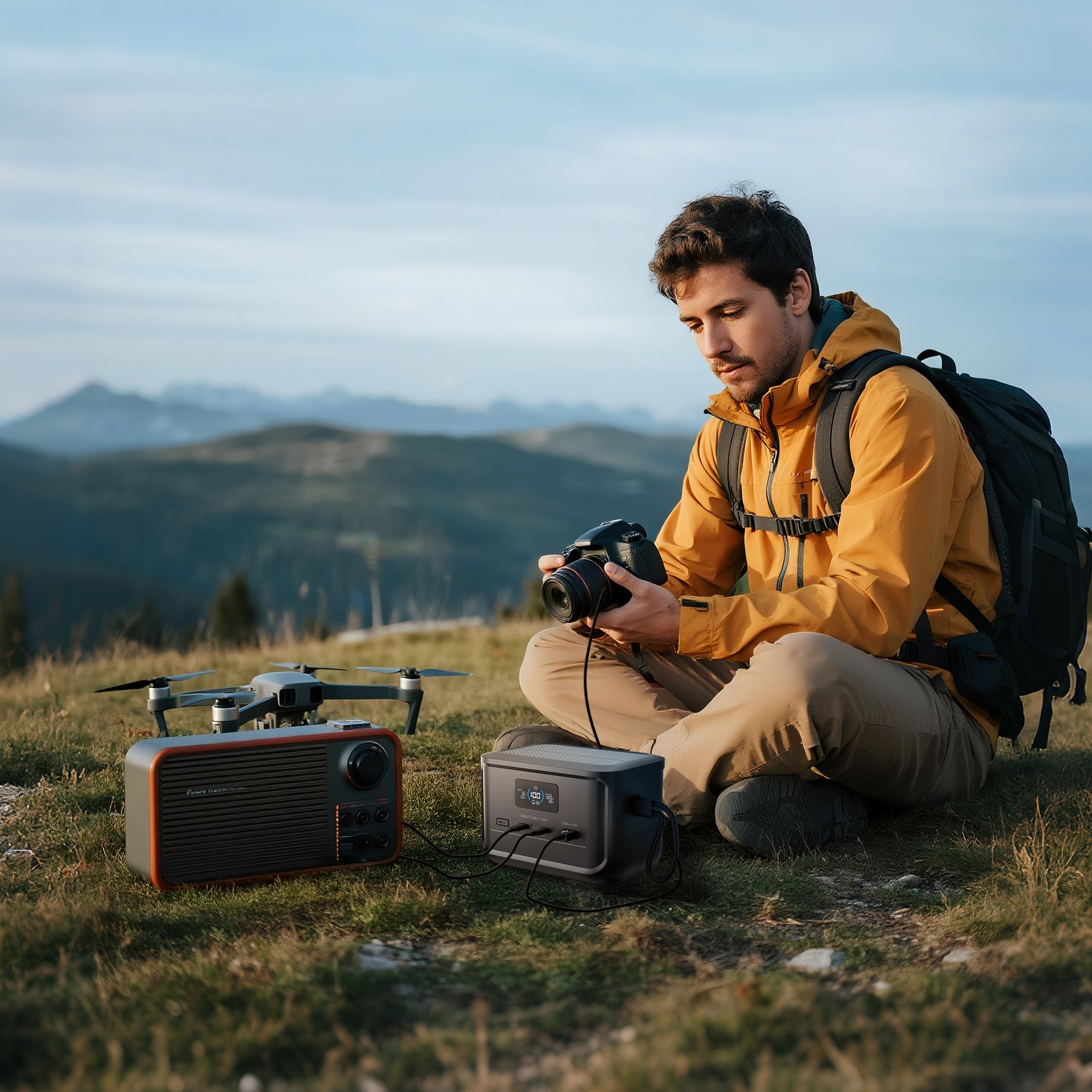
Electronics drain faster in the cold—that’s just a fact.
Phones struggle, GPS devices suffer, cameras flash warning symbols earlier than expected, and heated gear (like vests or gloves) chews through power quickly.
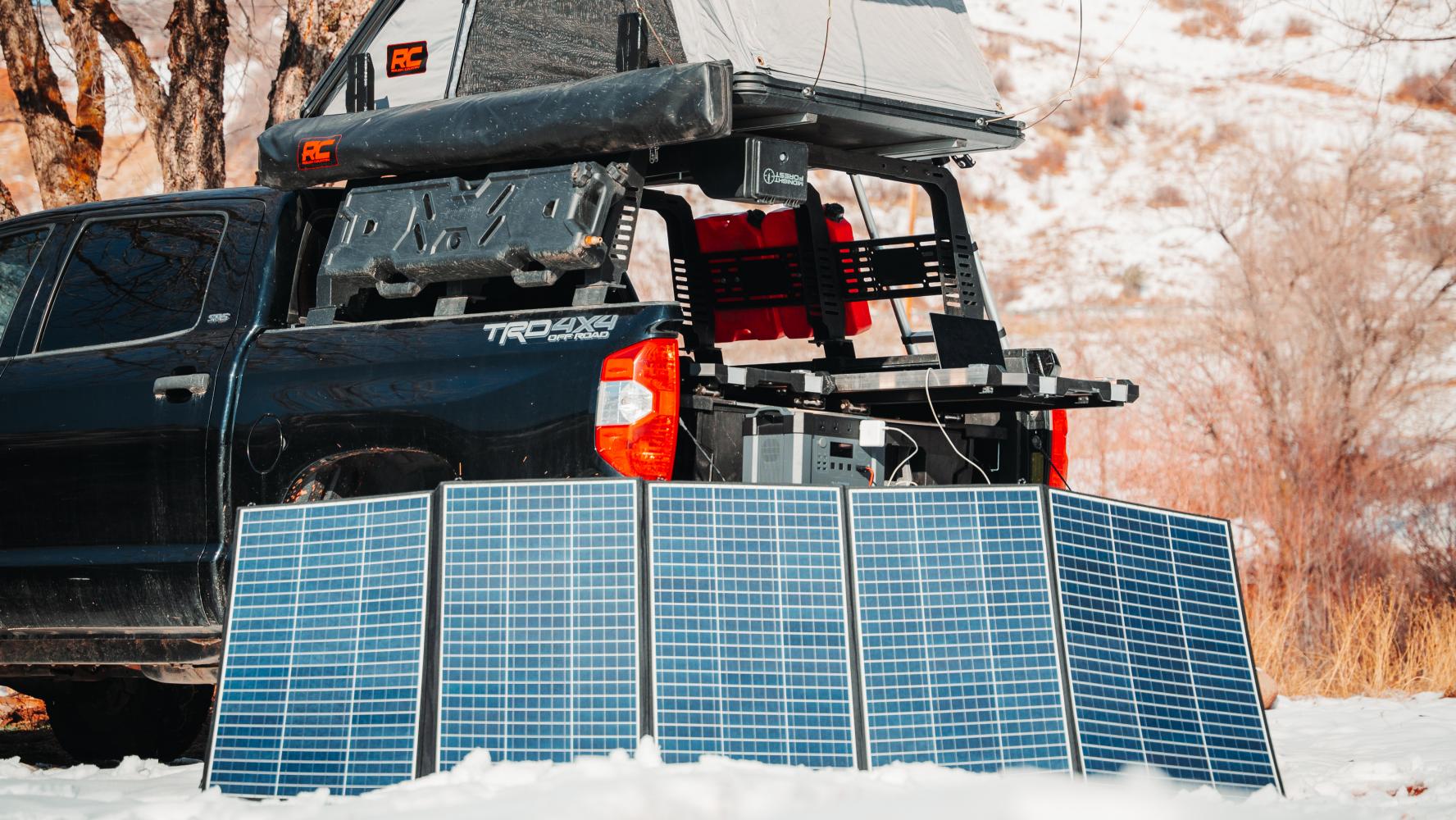
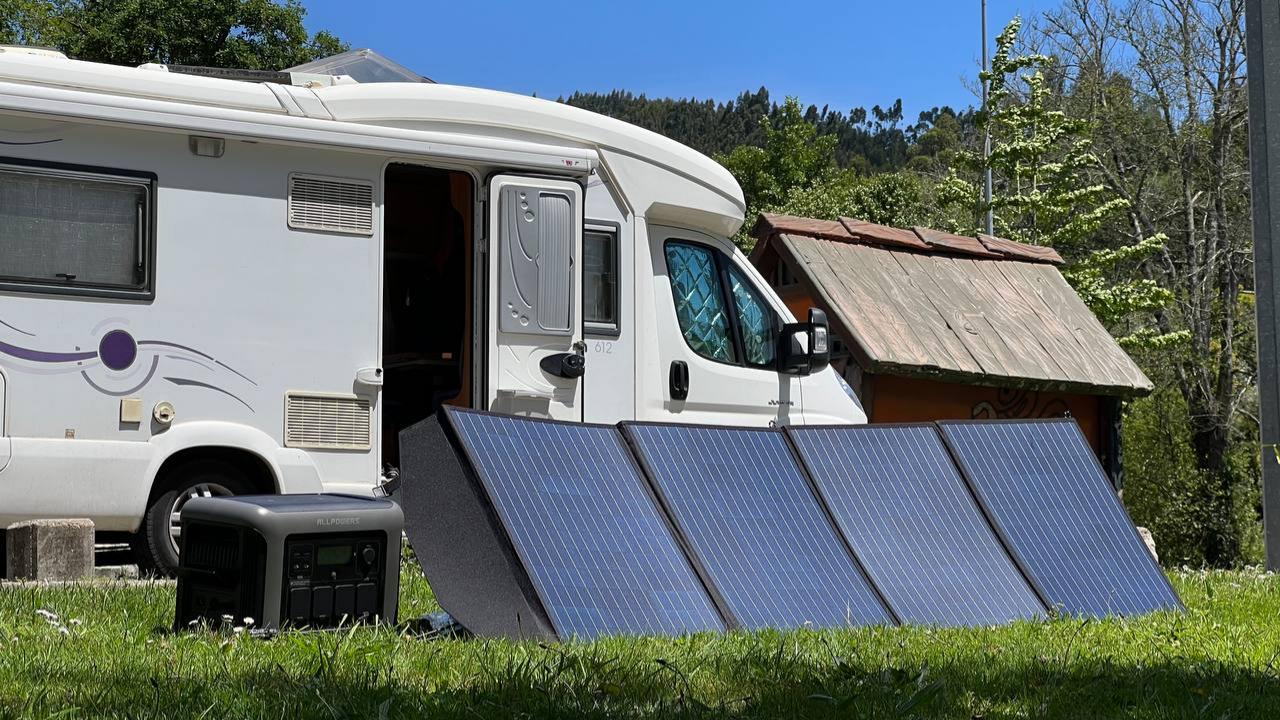
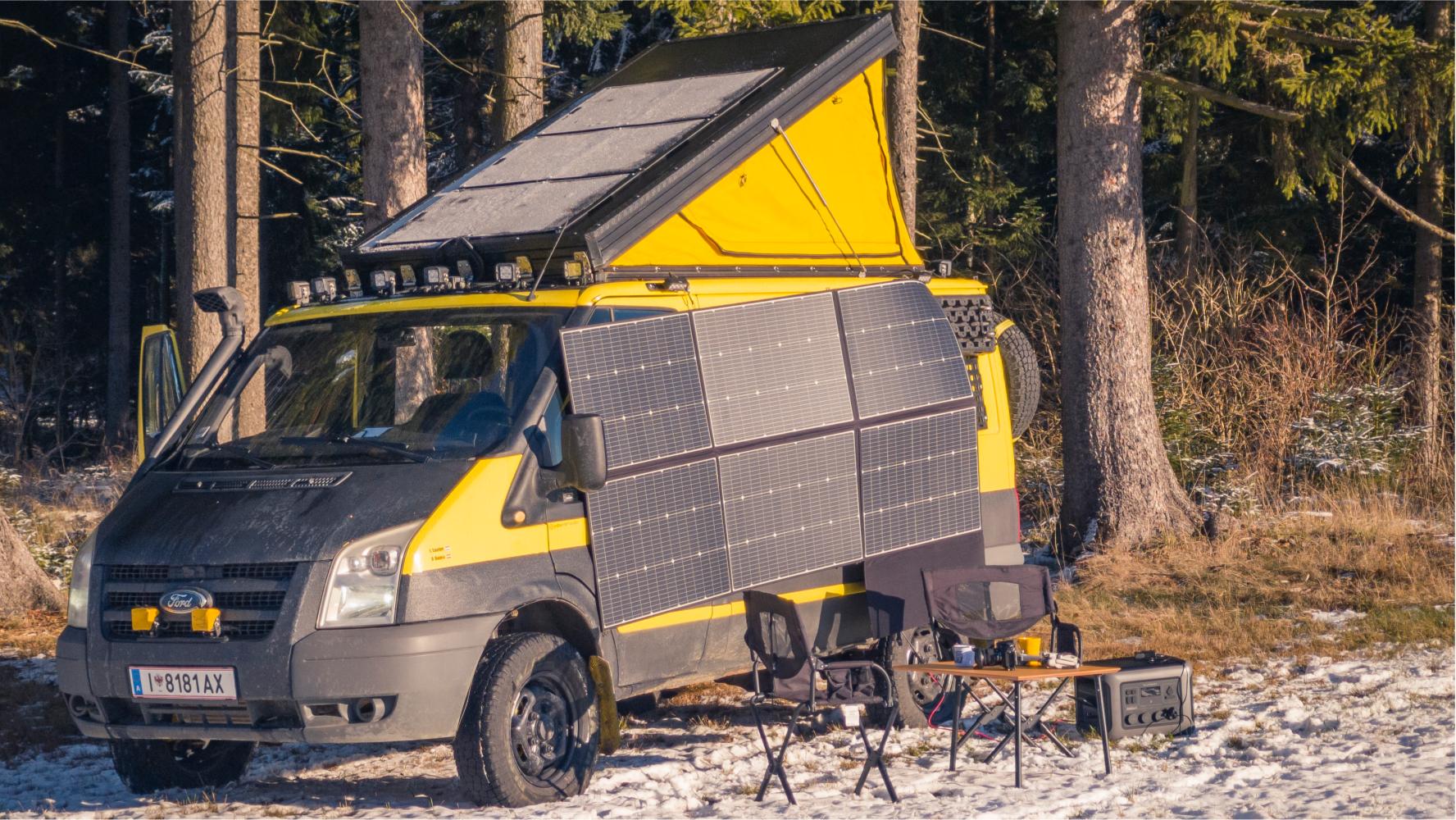
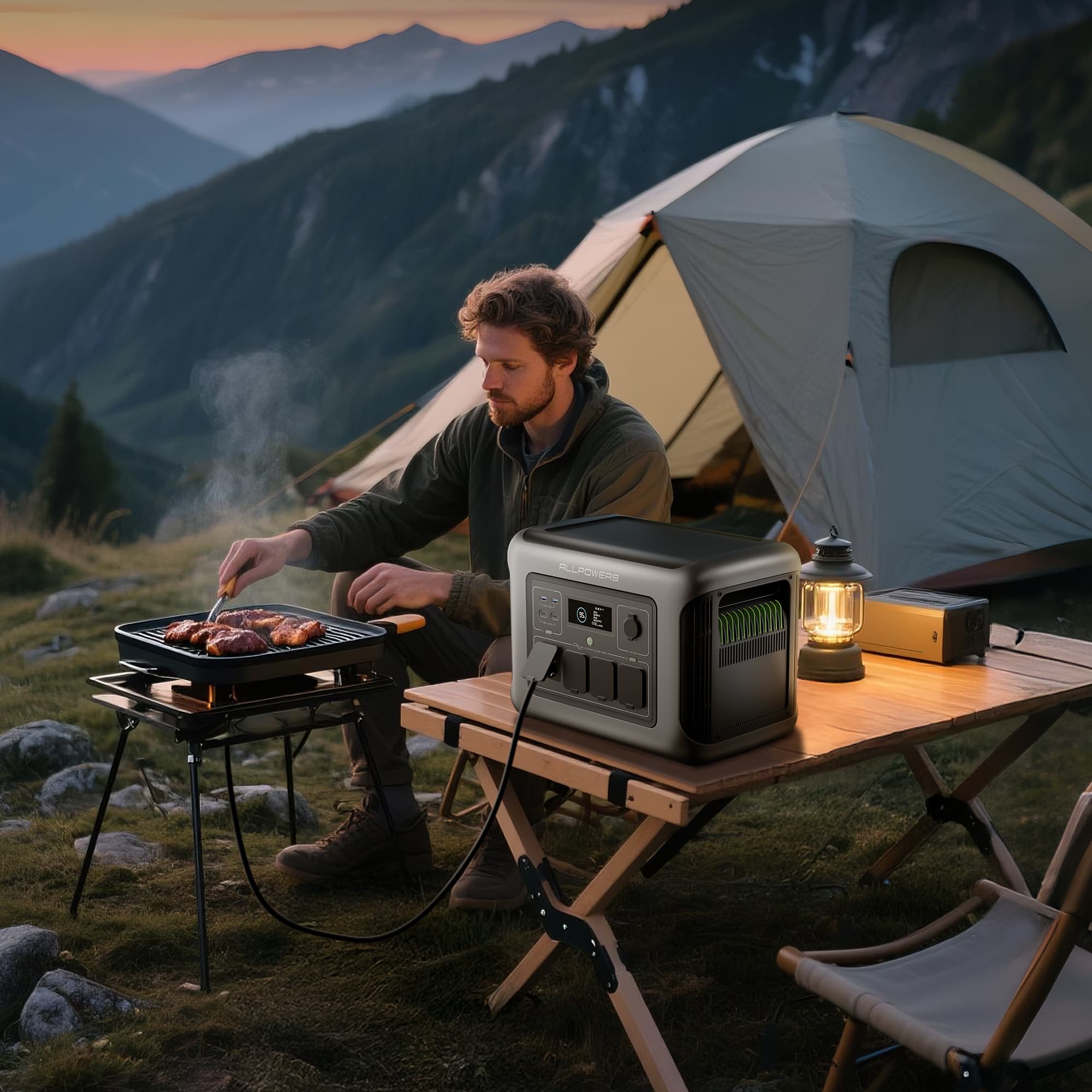
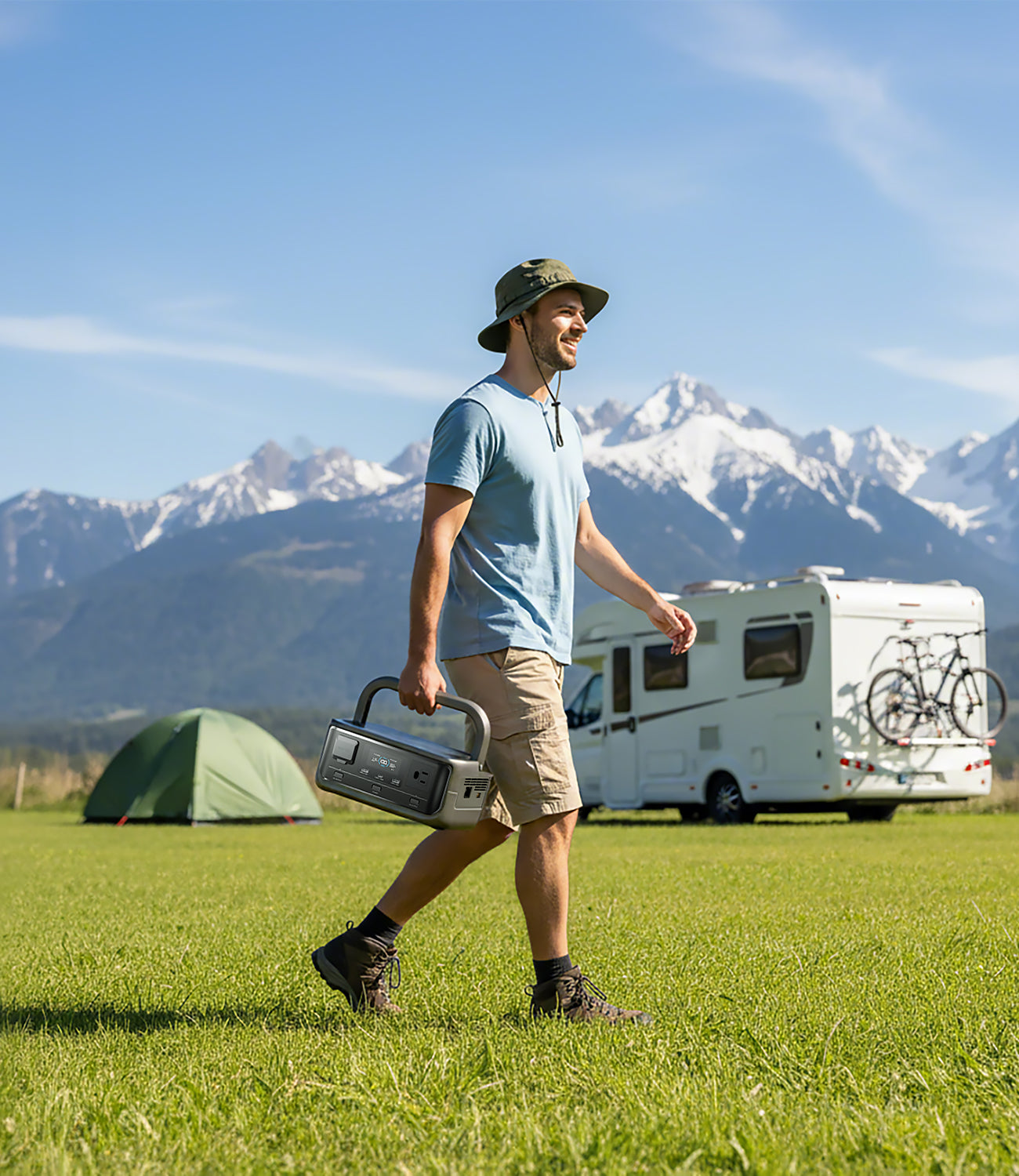
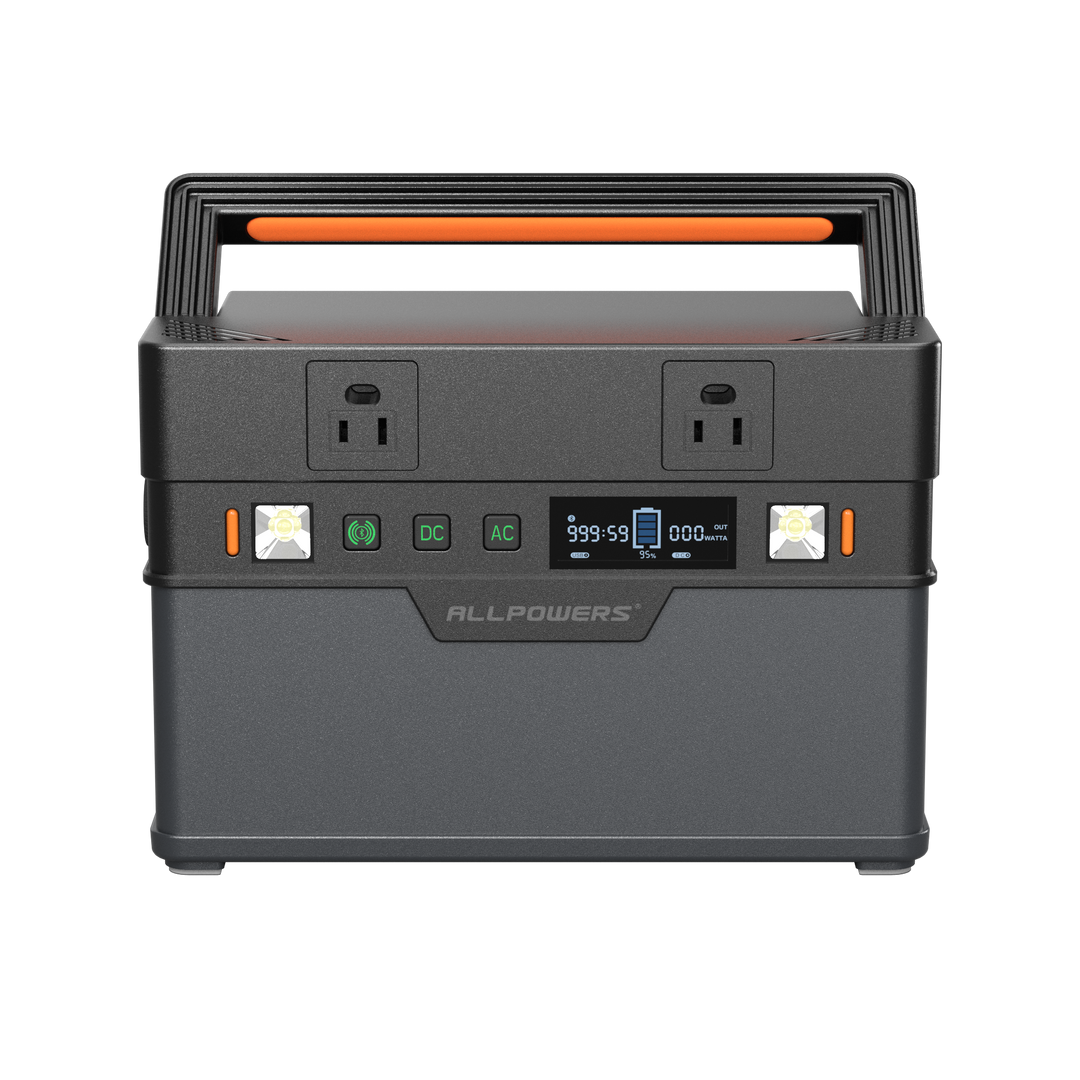
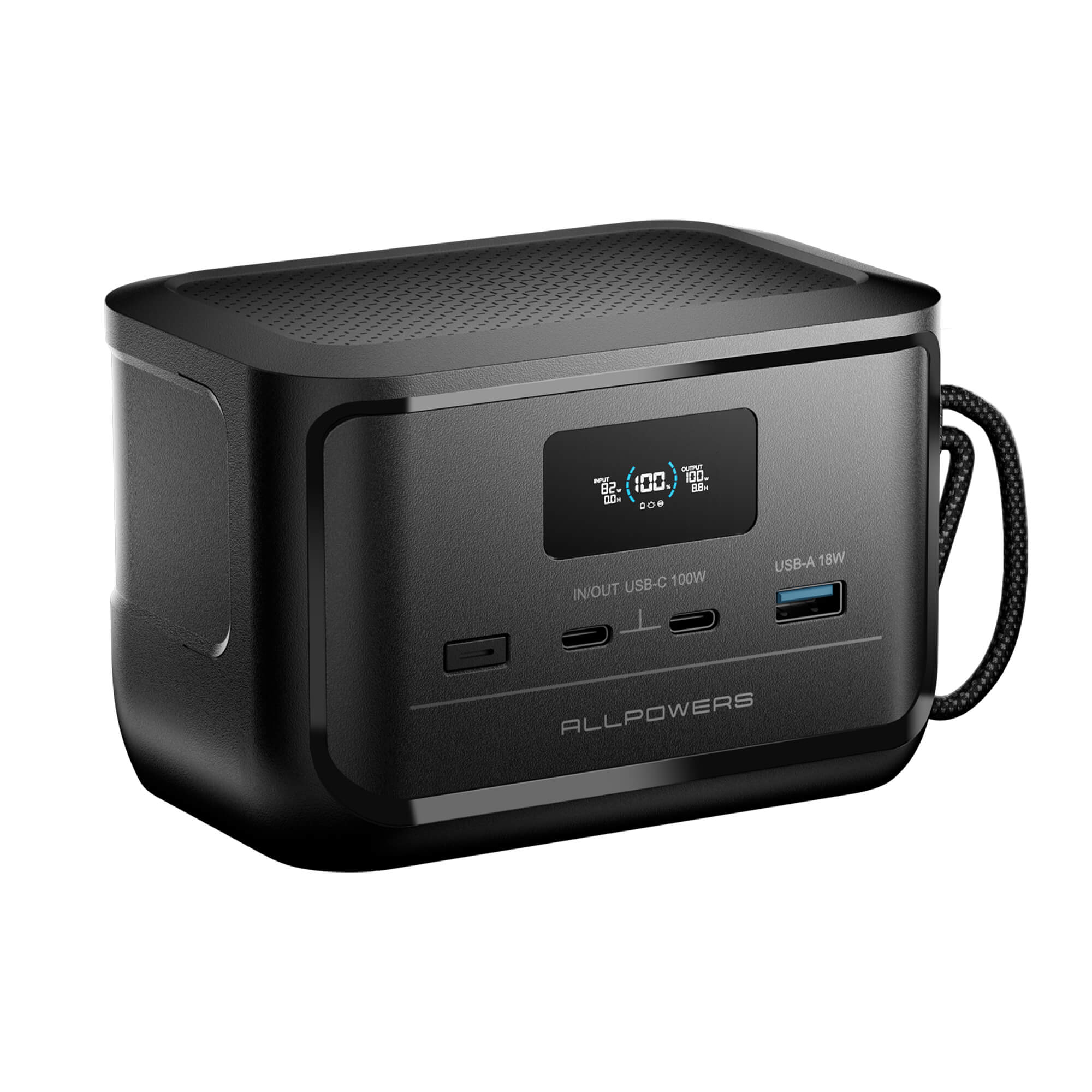
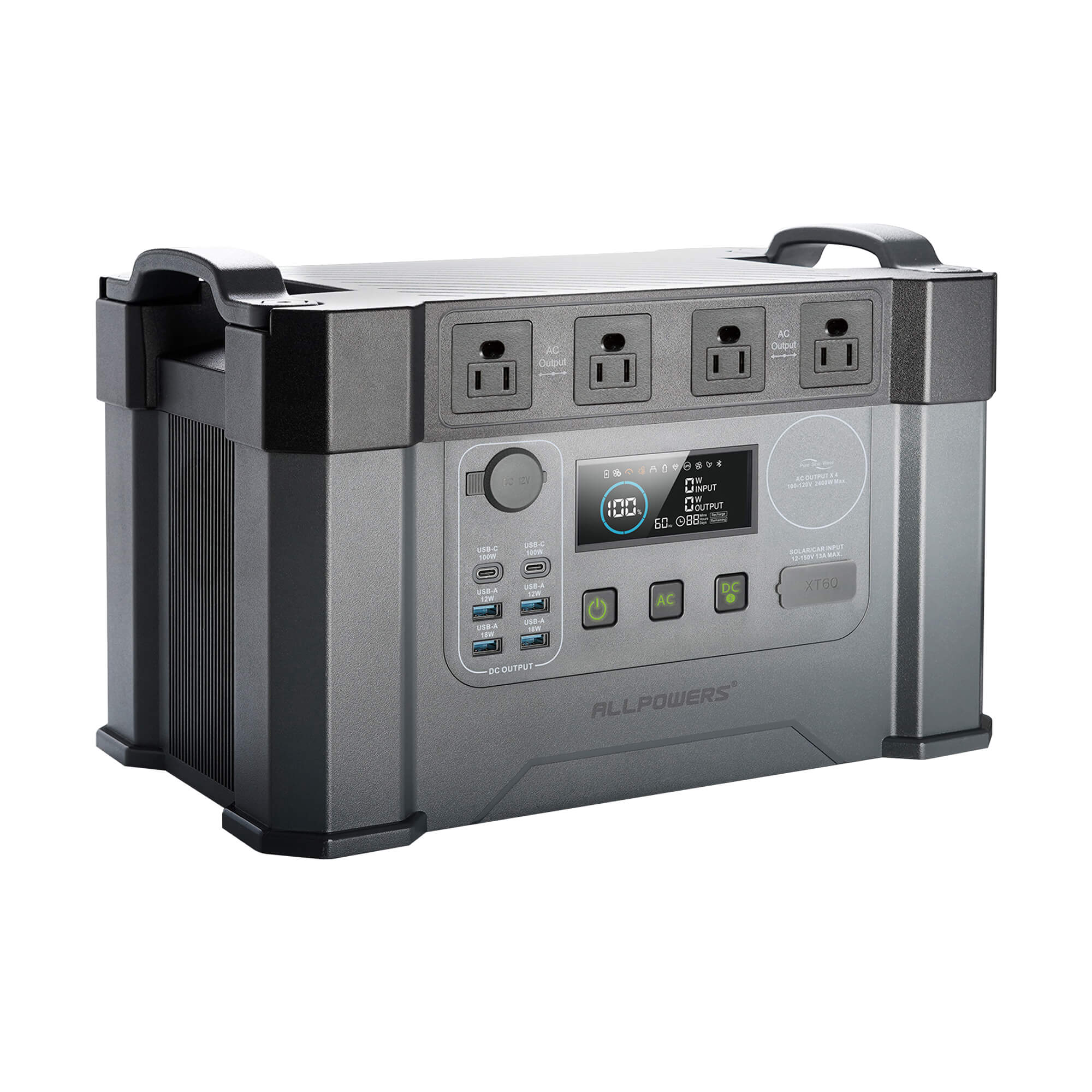
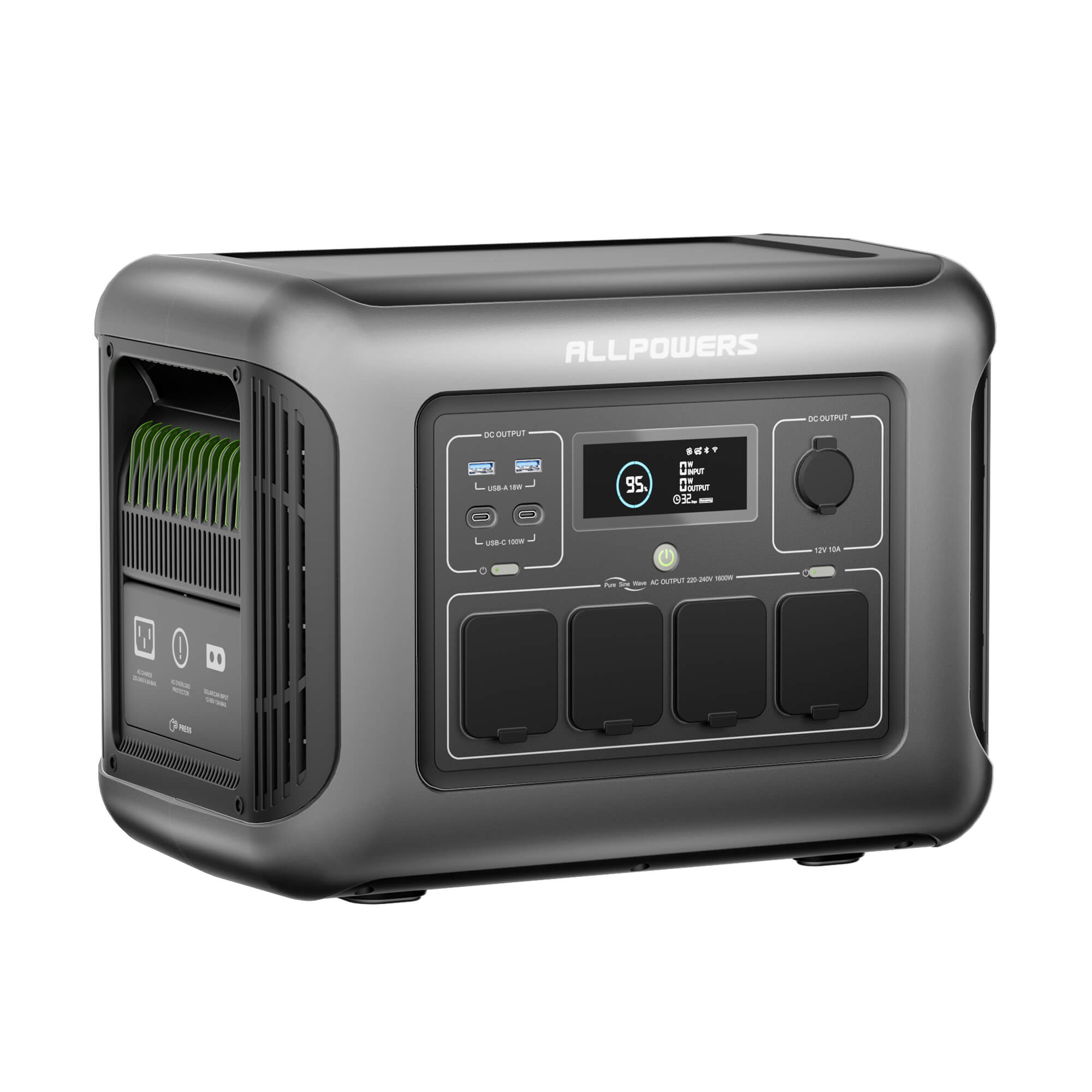
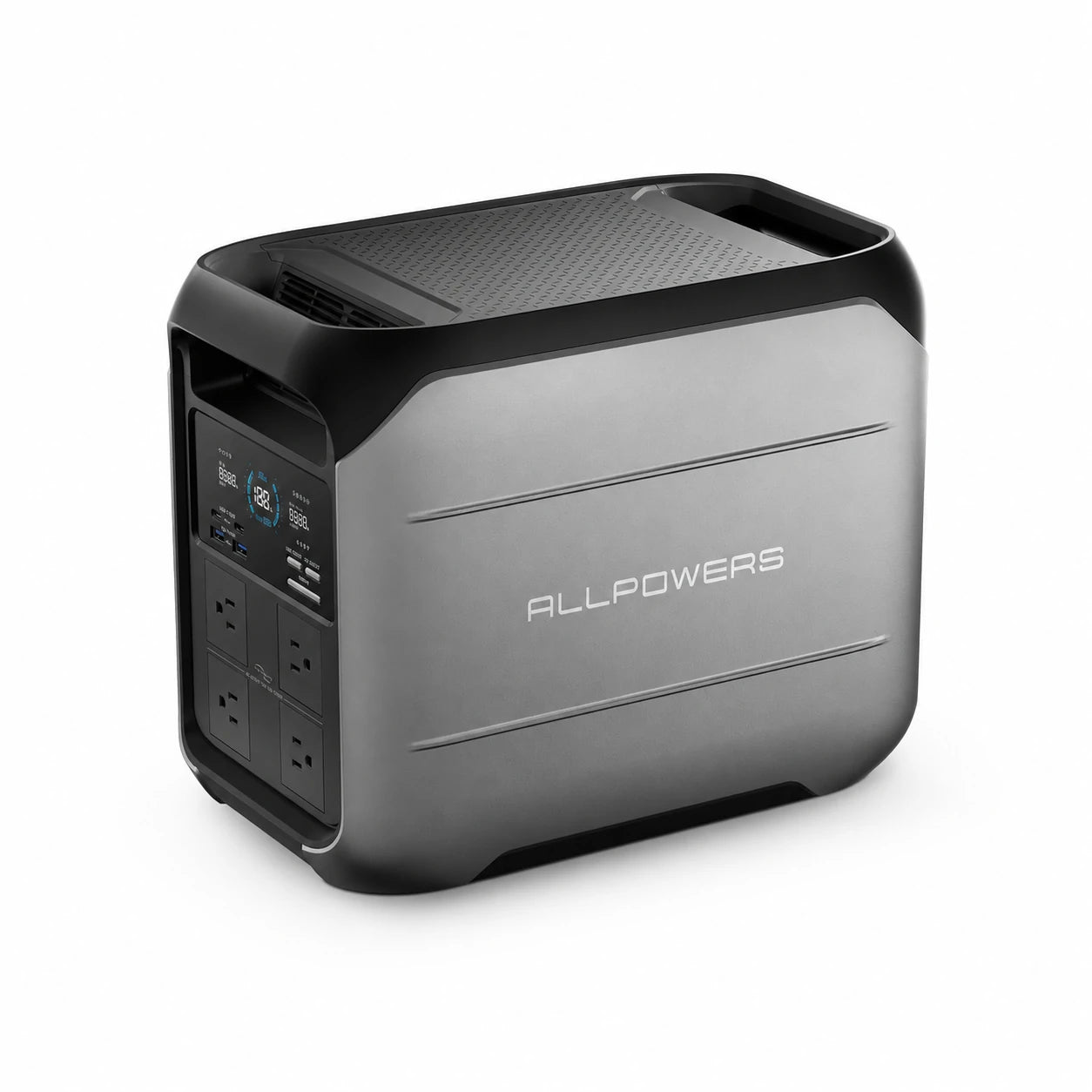
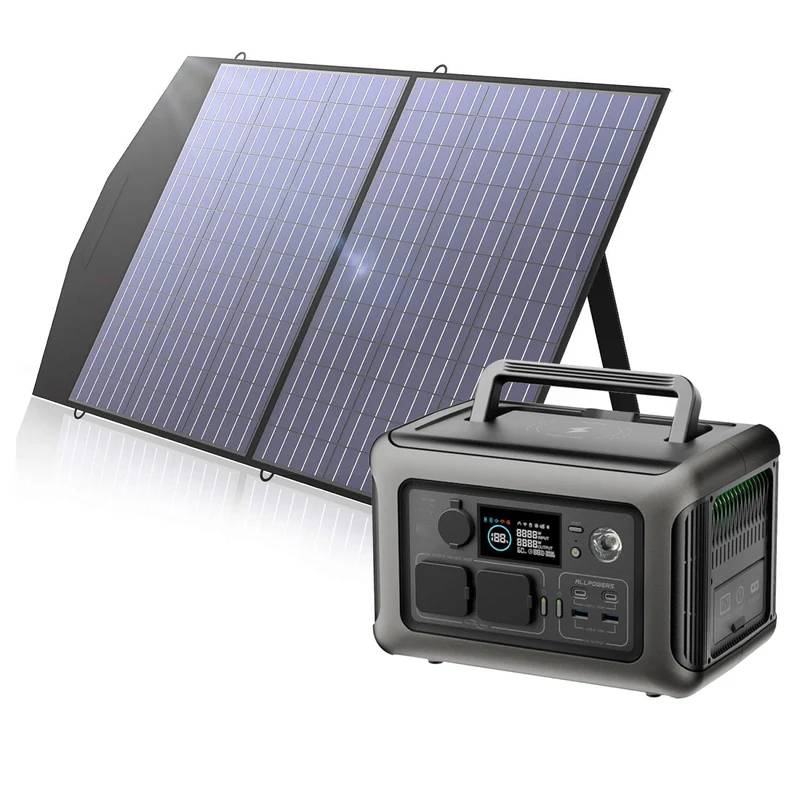
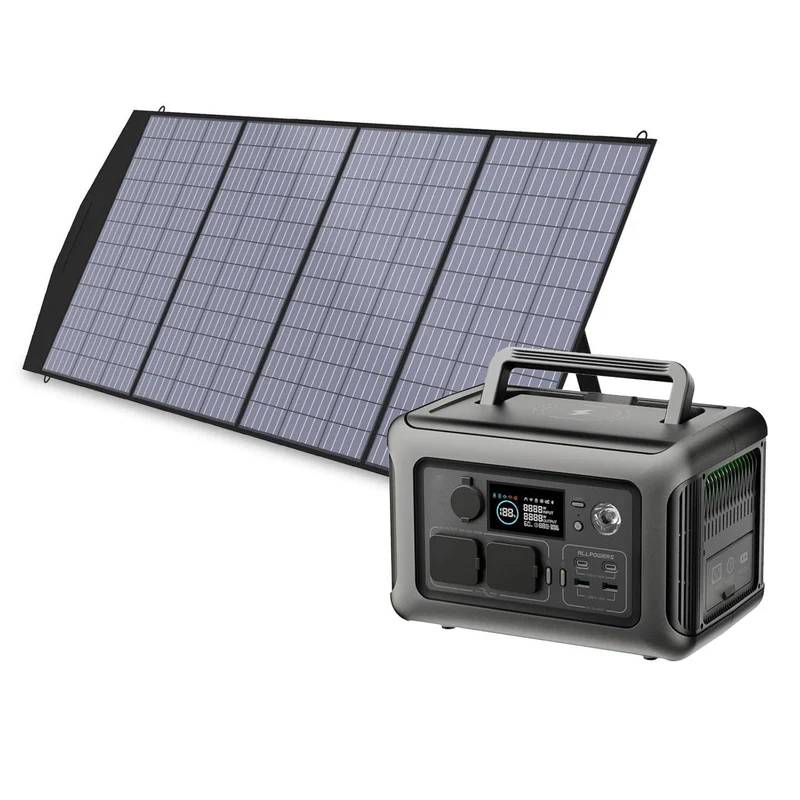
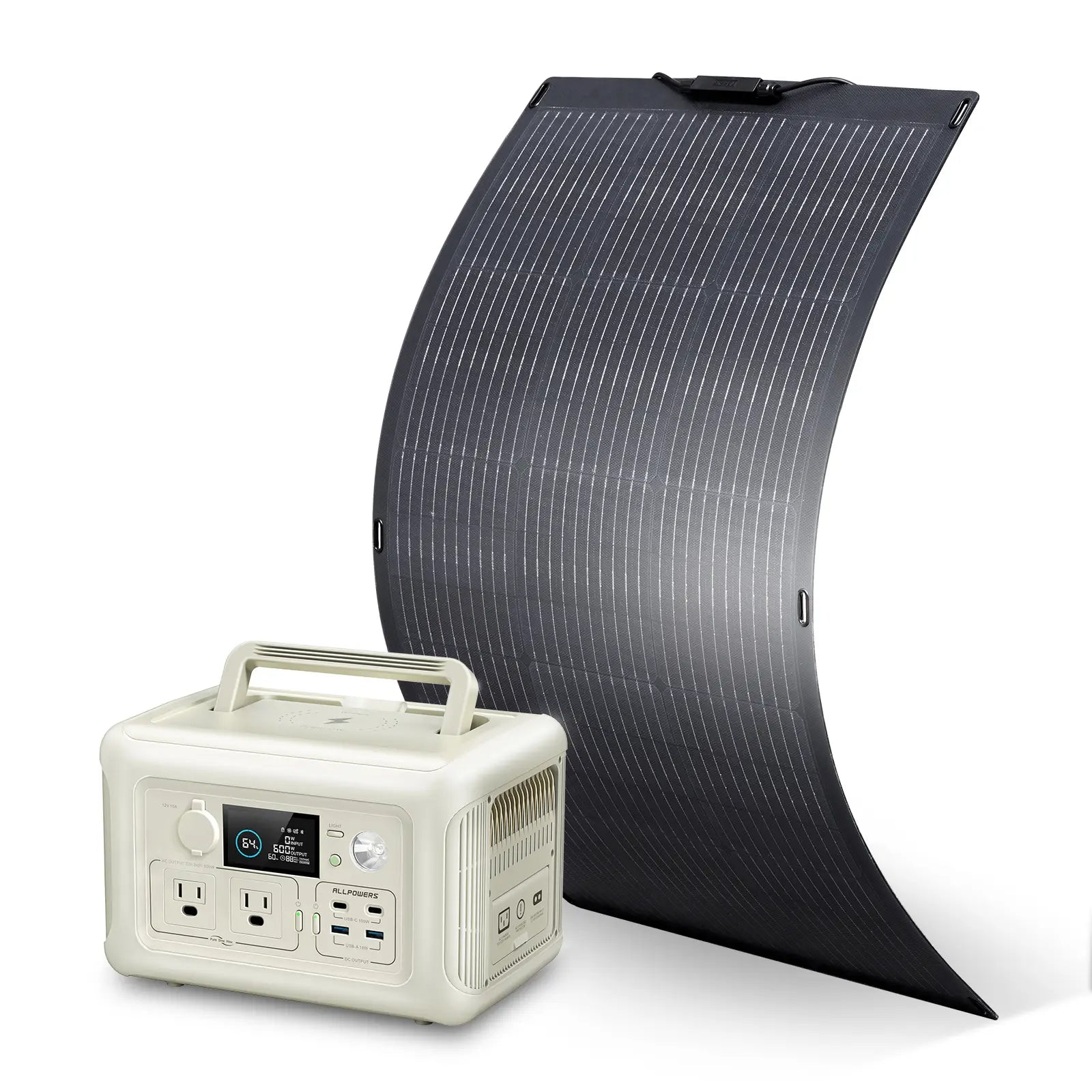
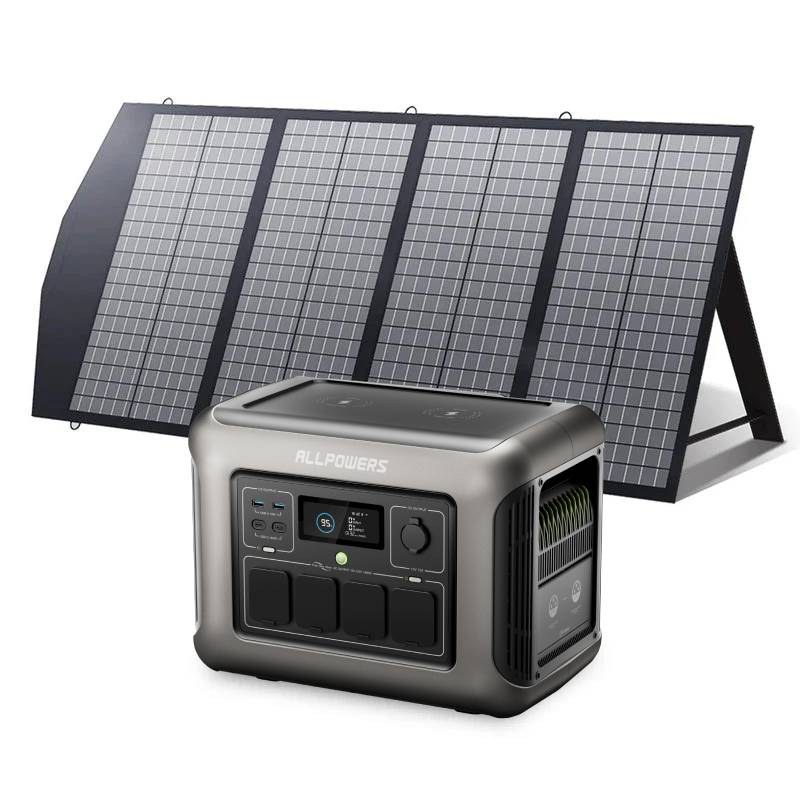
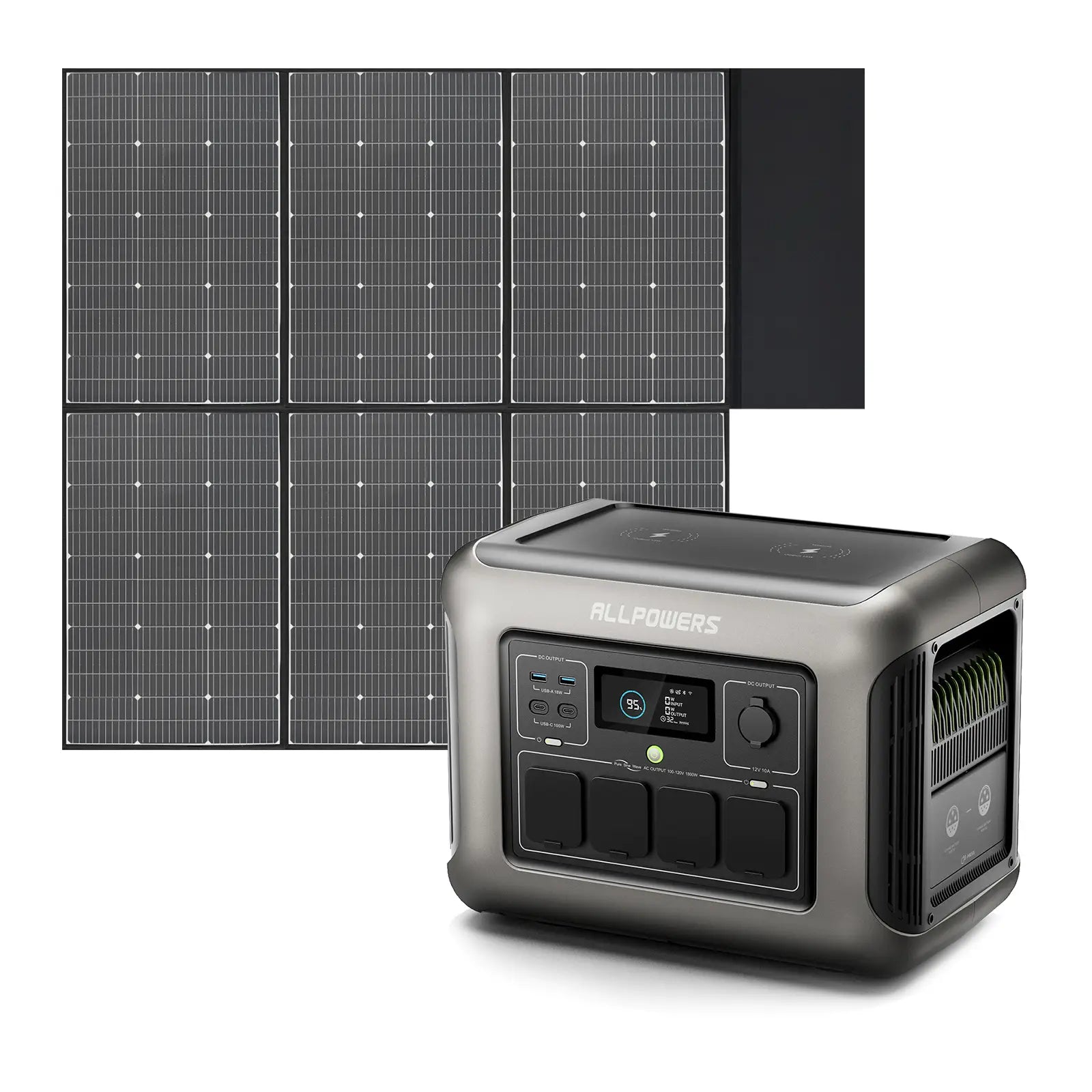
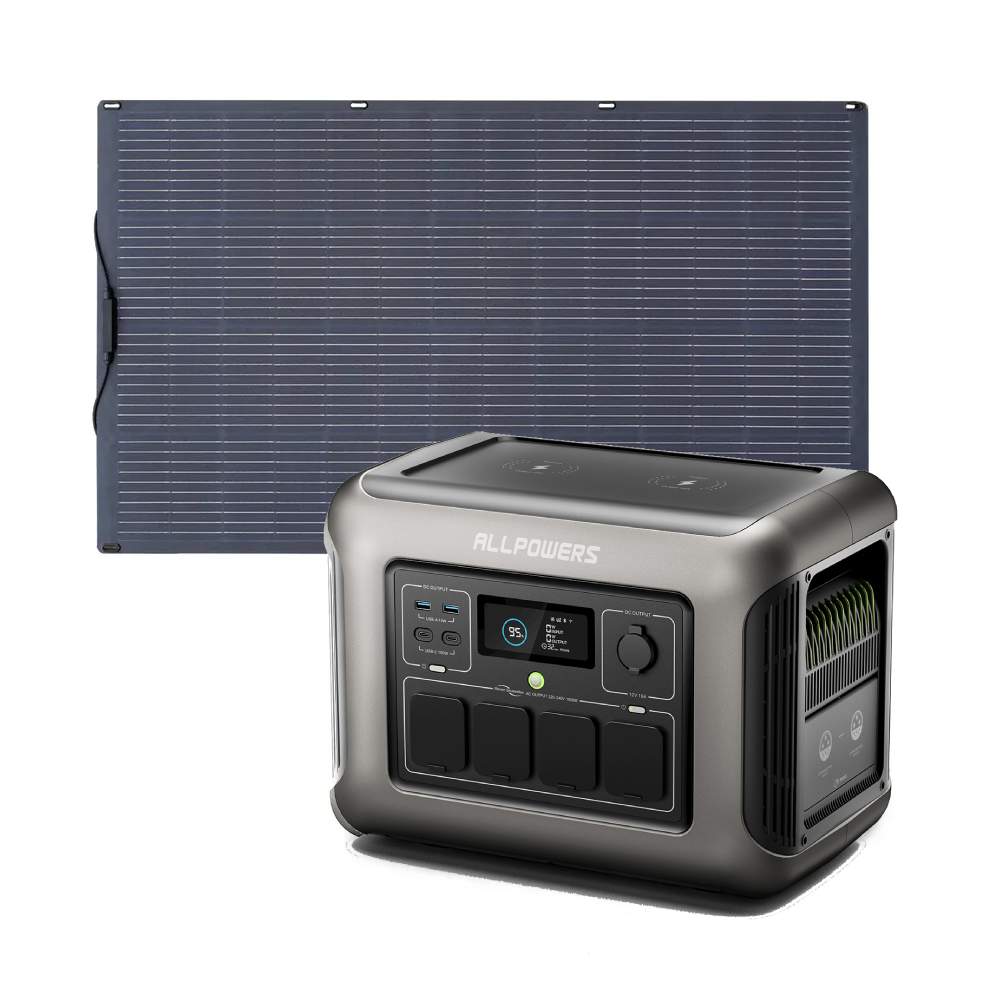
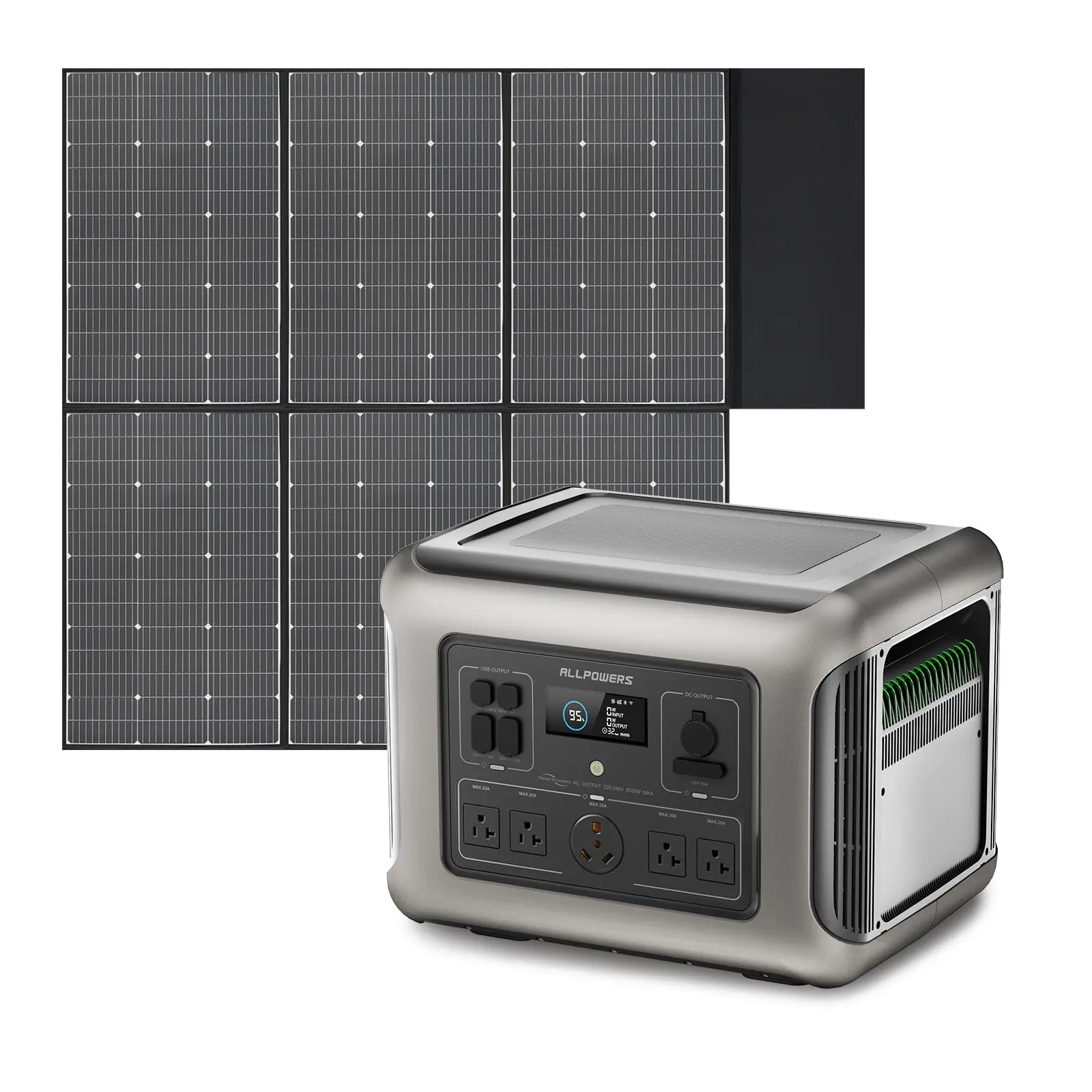
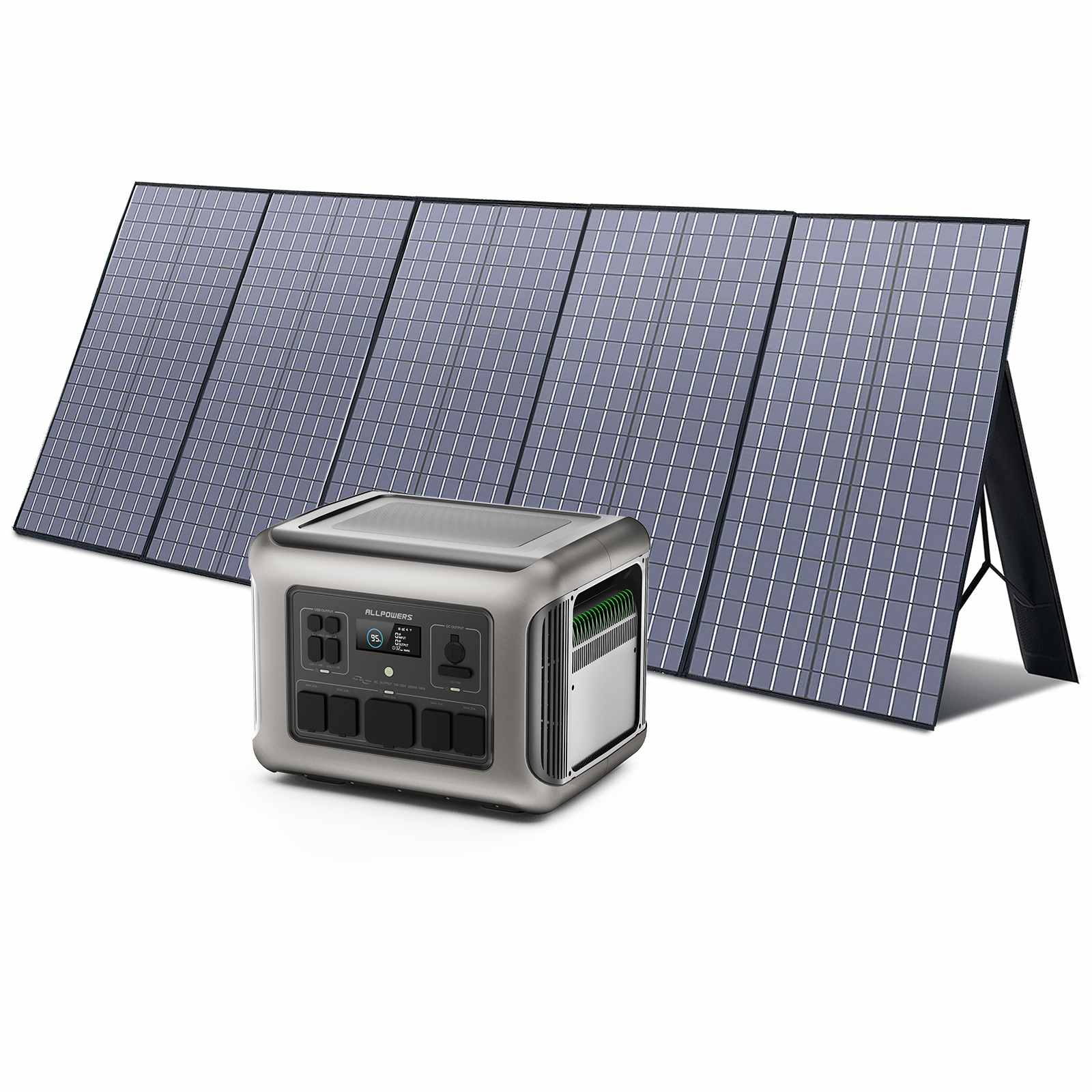
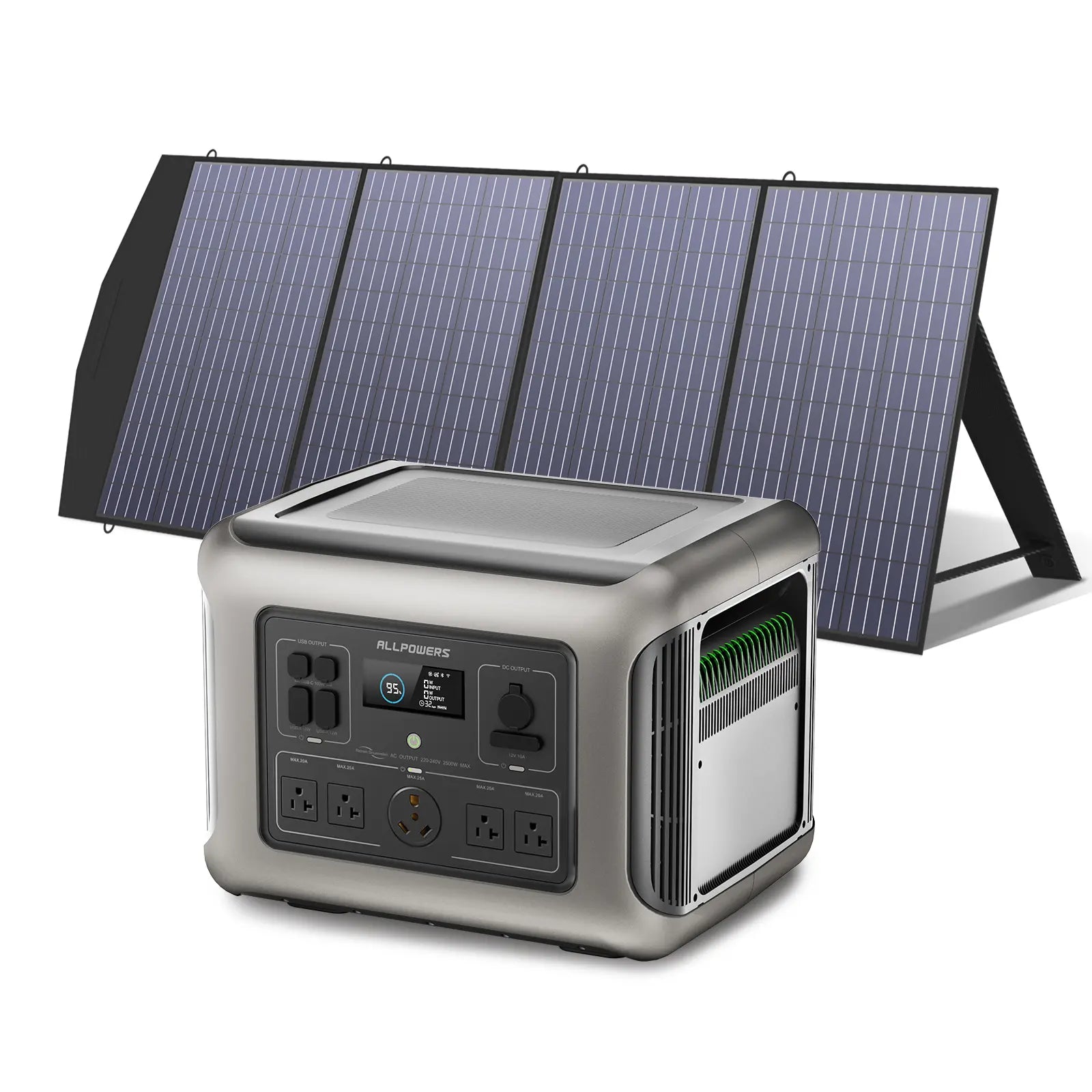
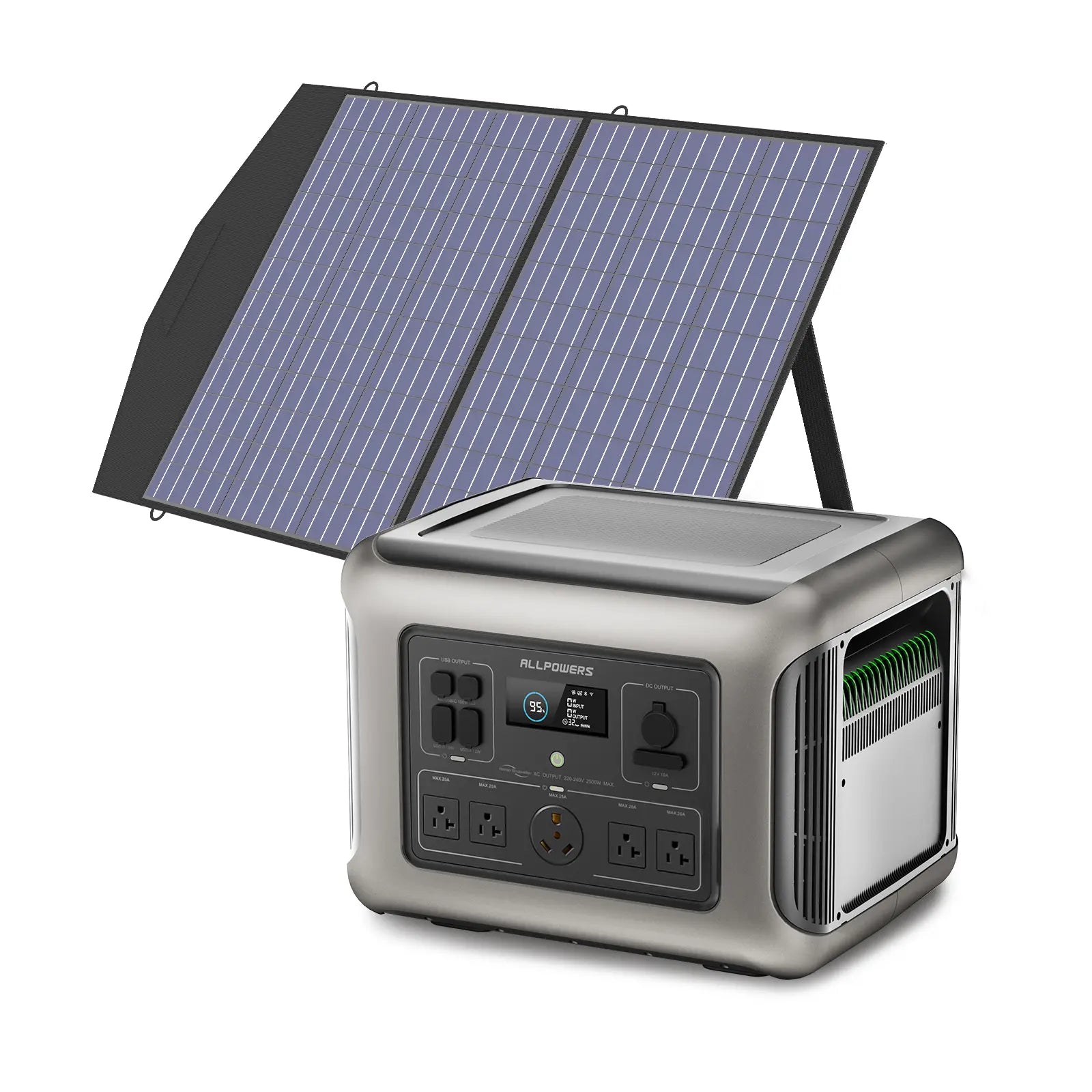
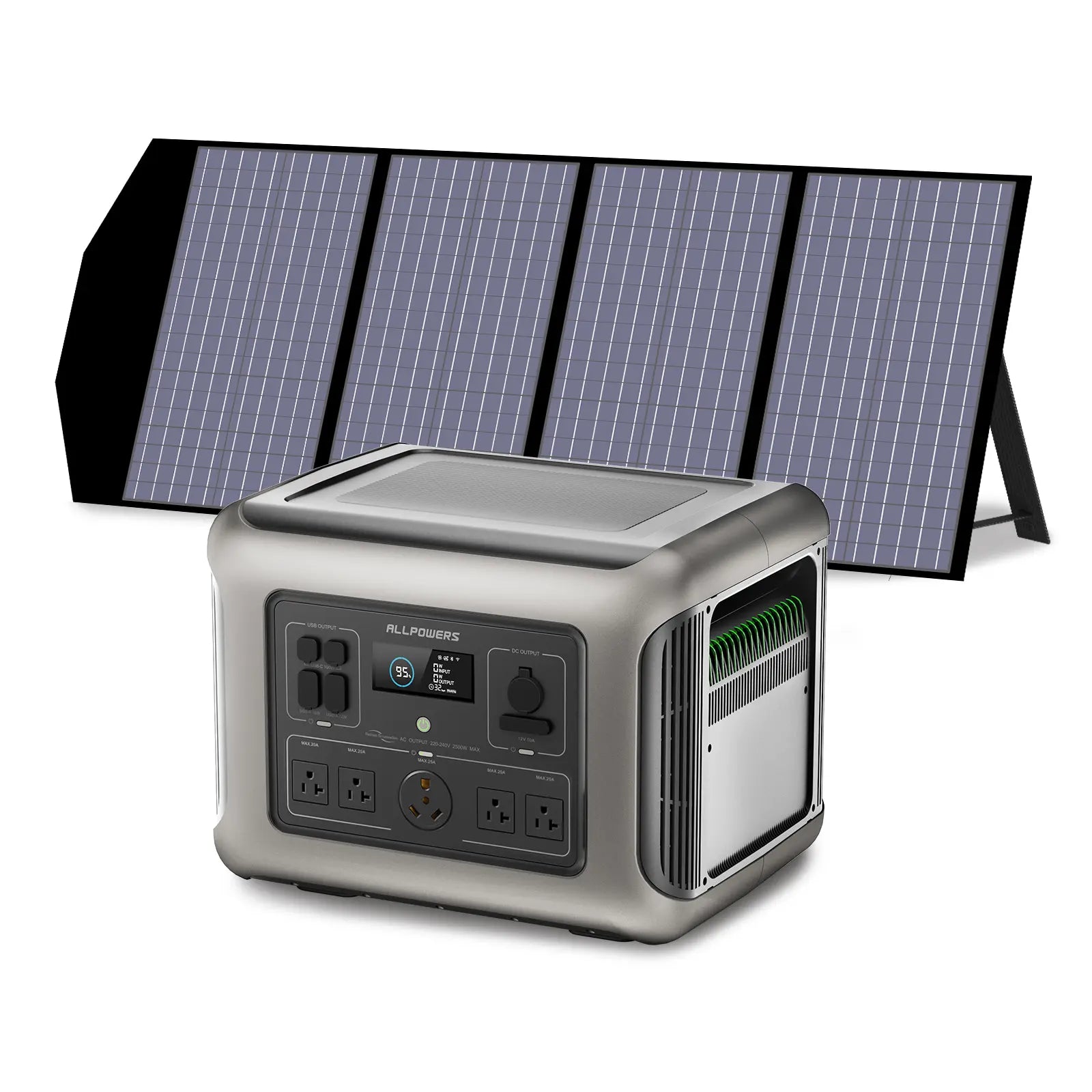
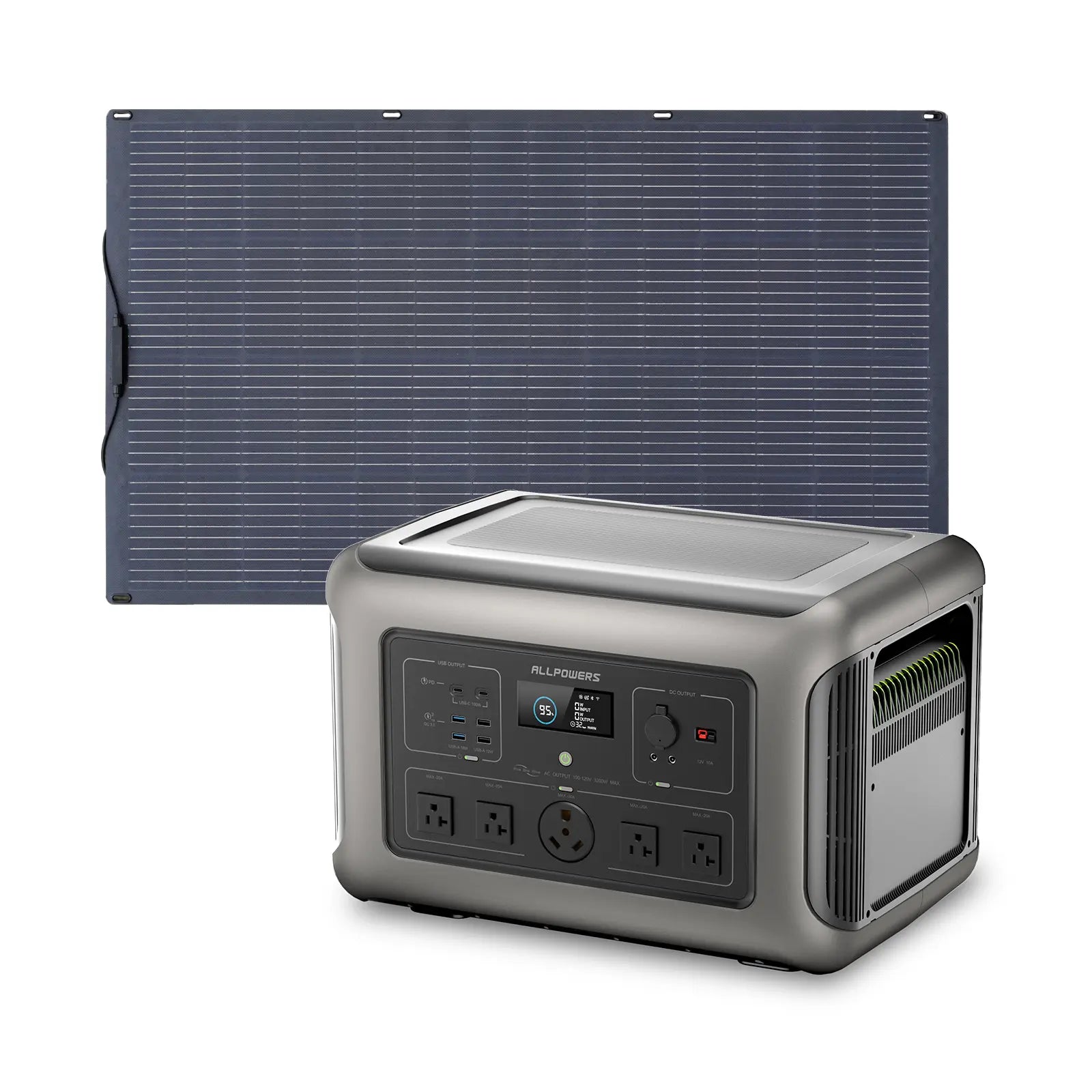
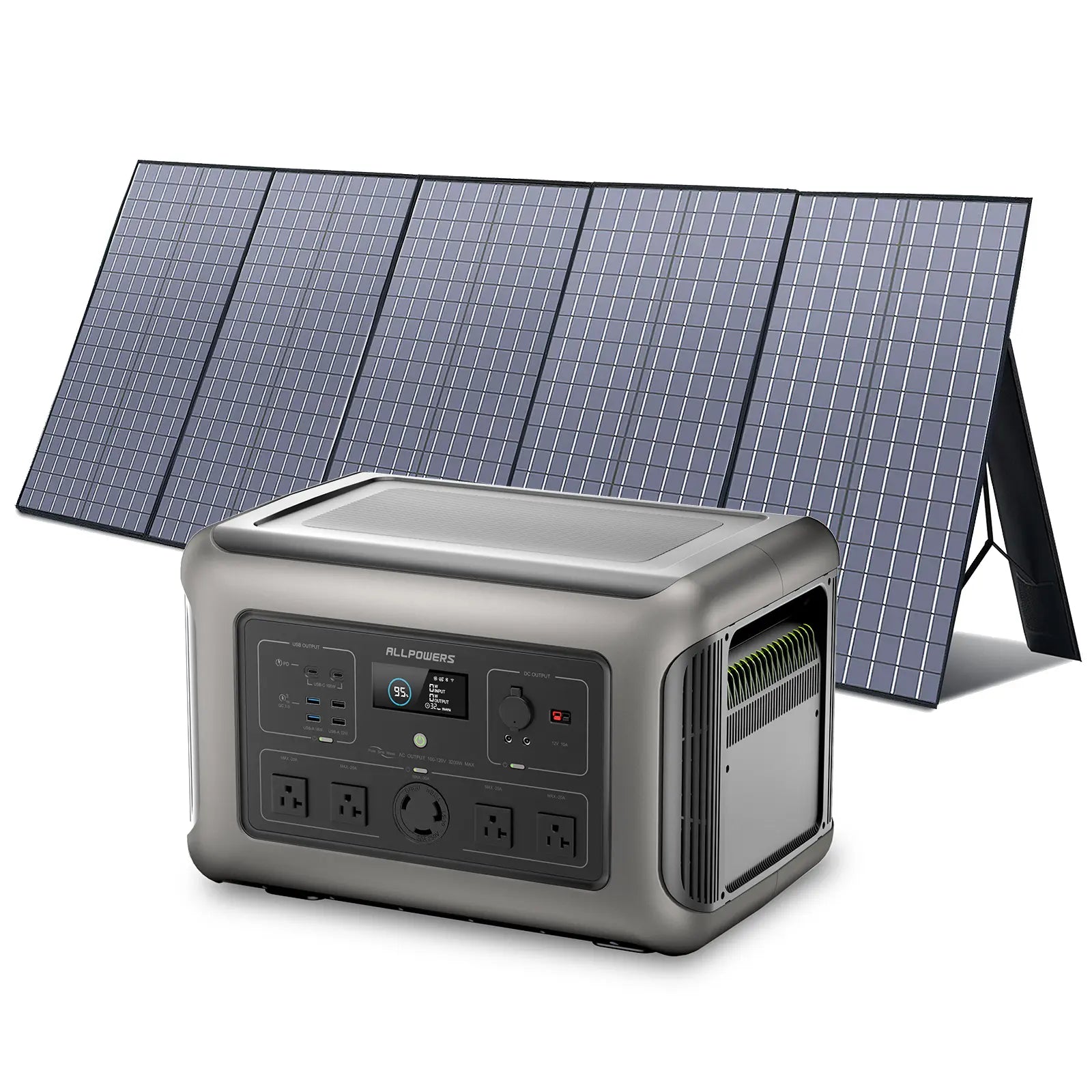
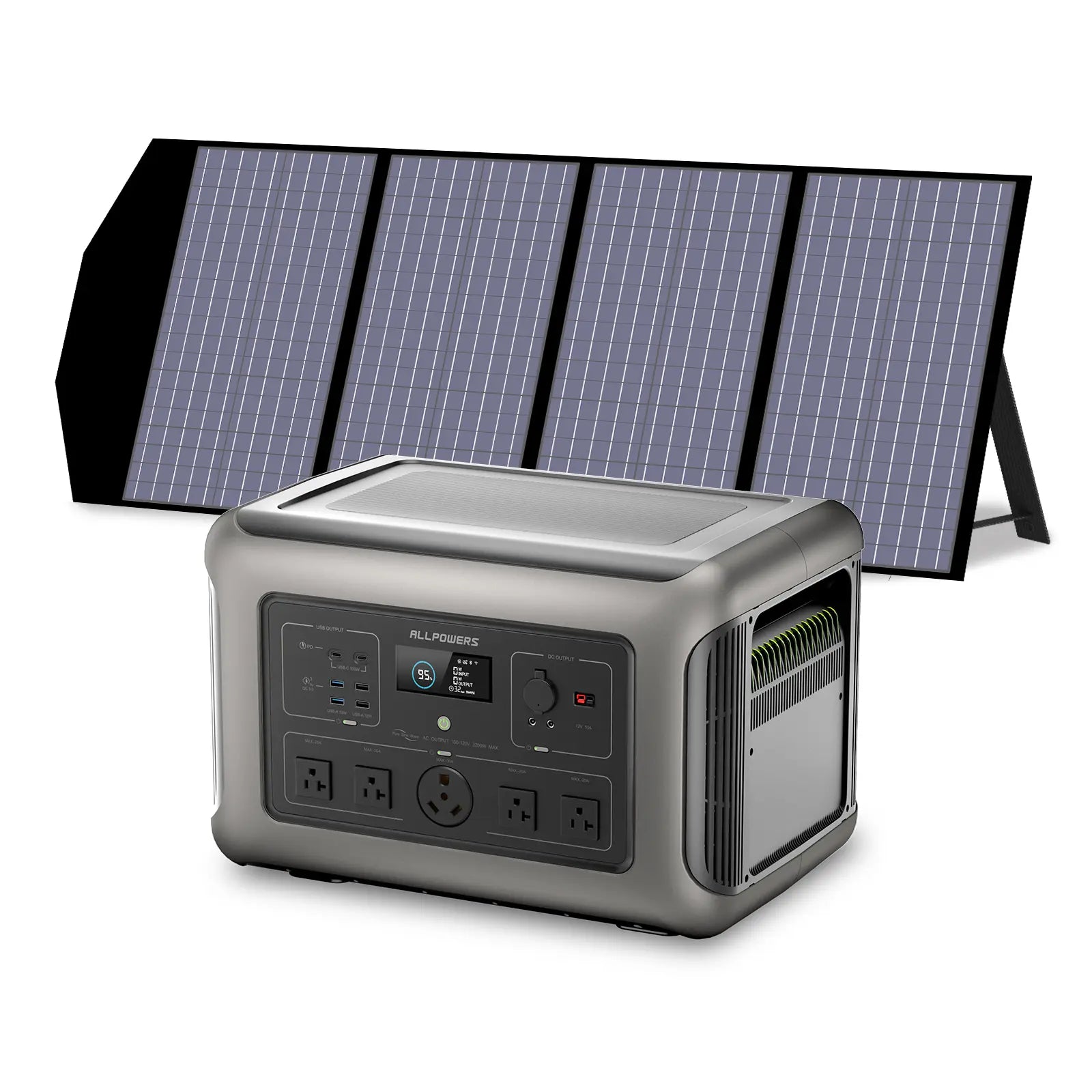
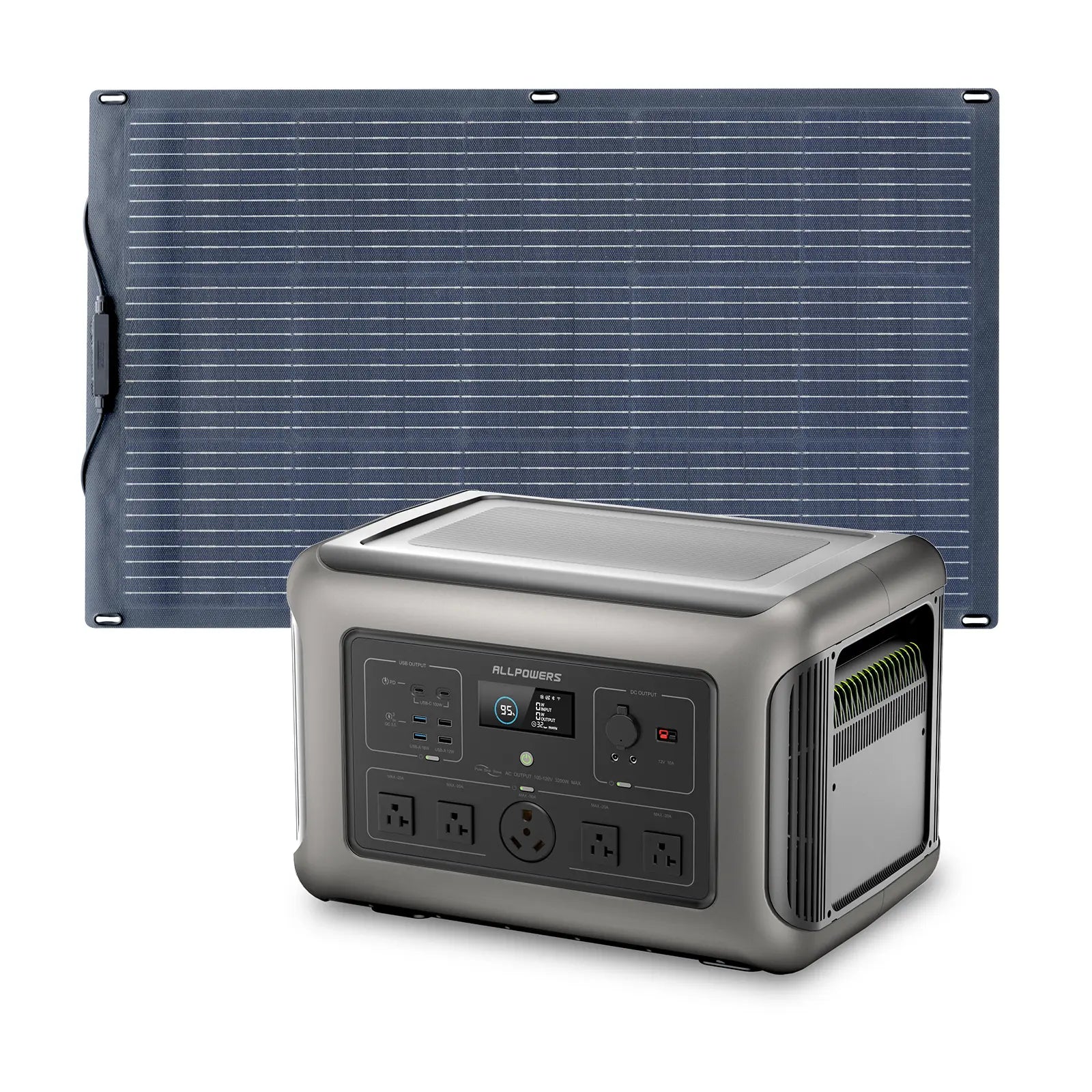
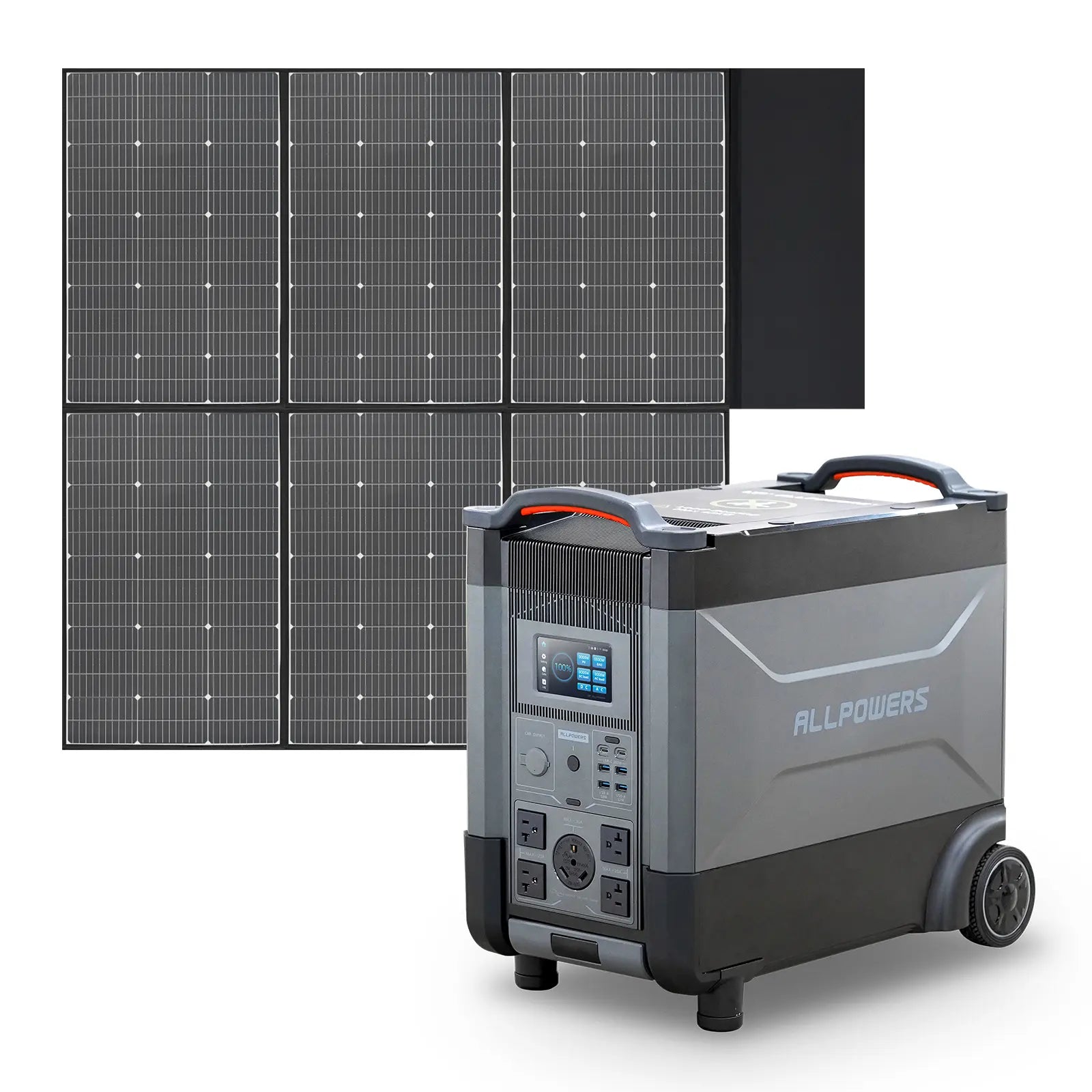
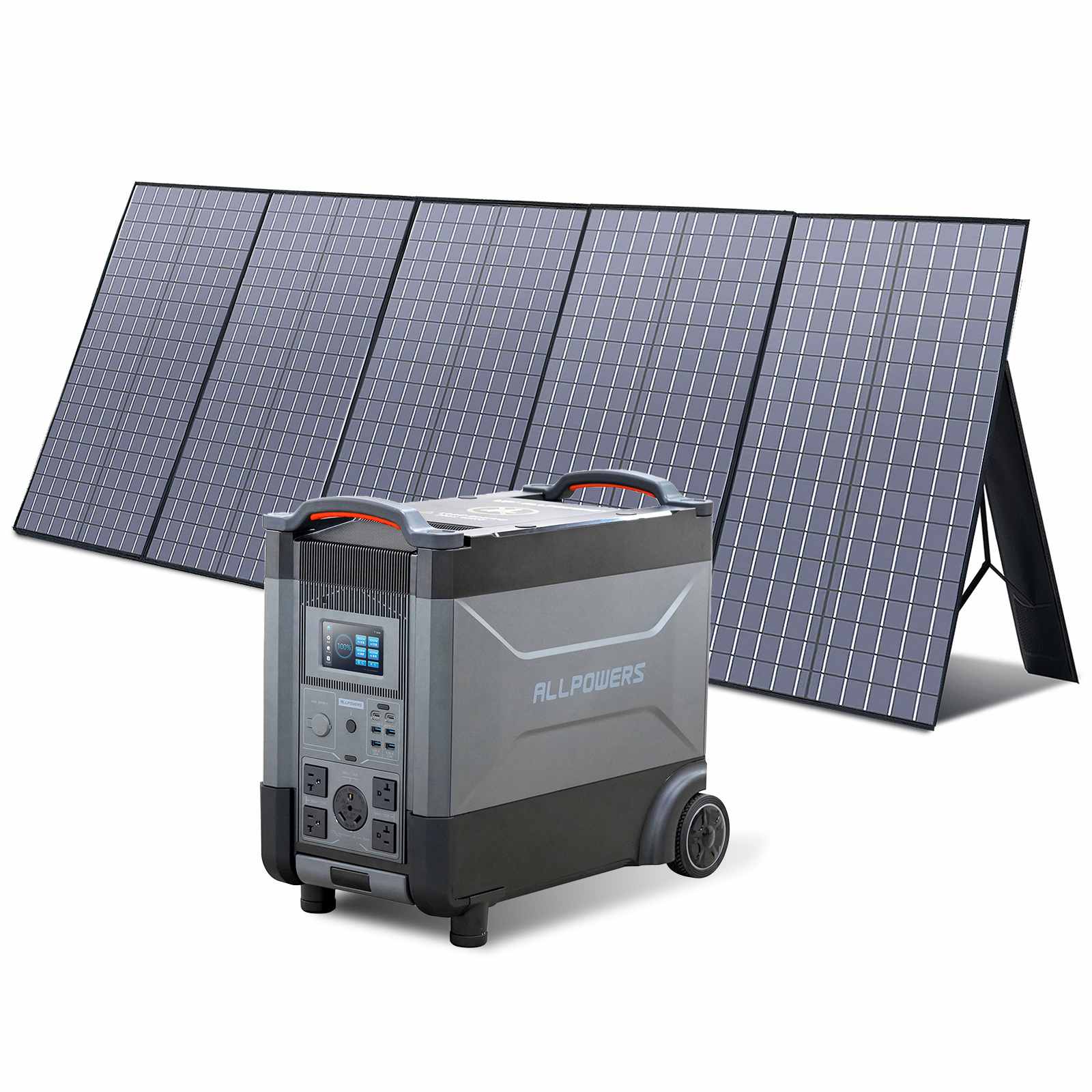
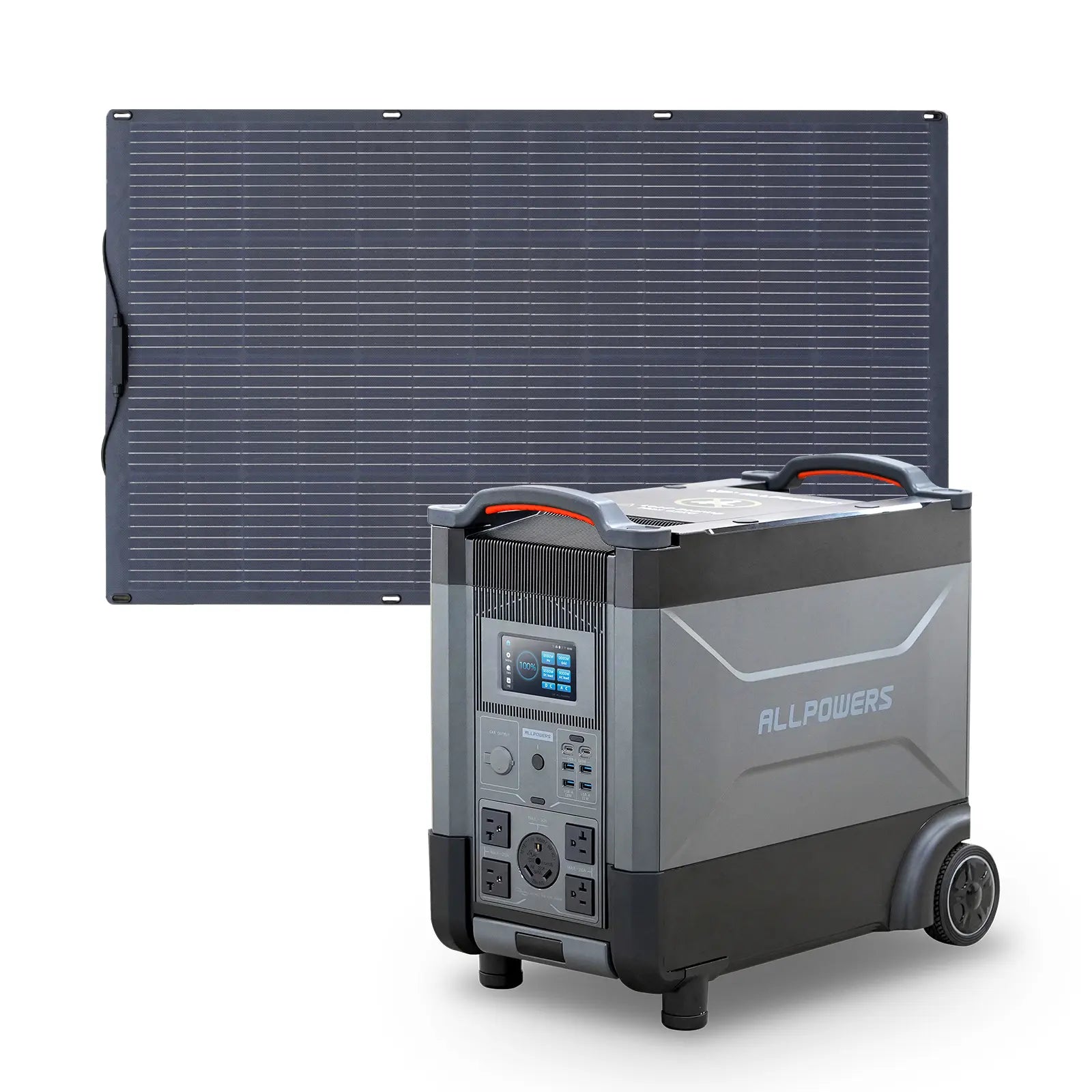
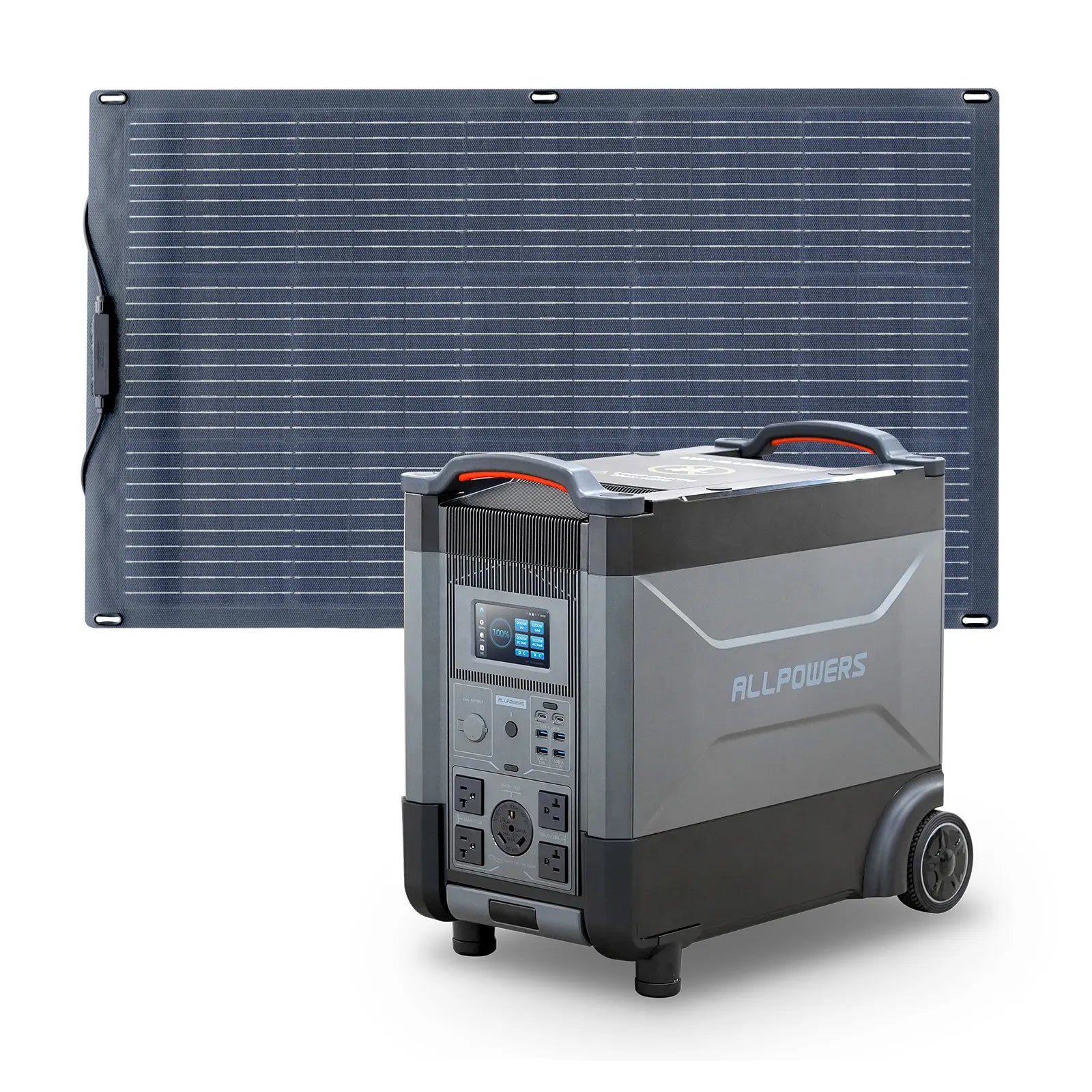
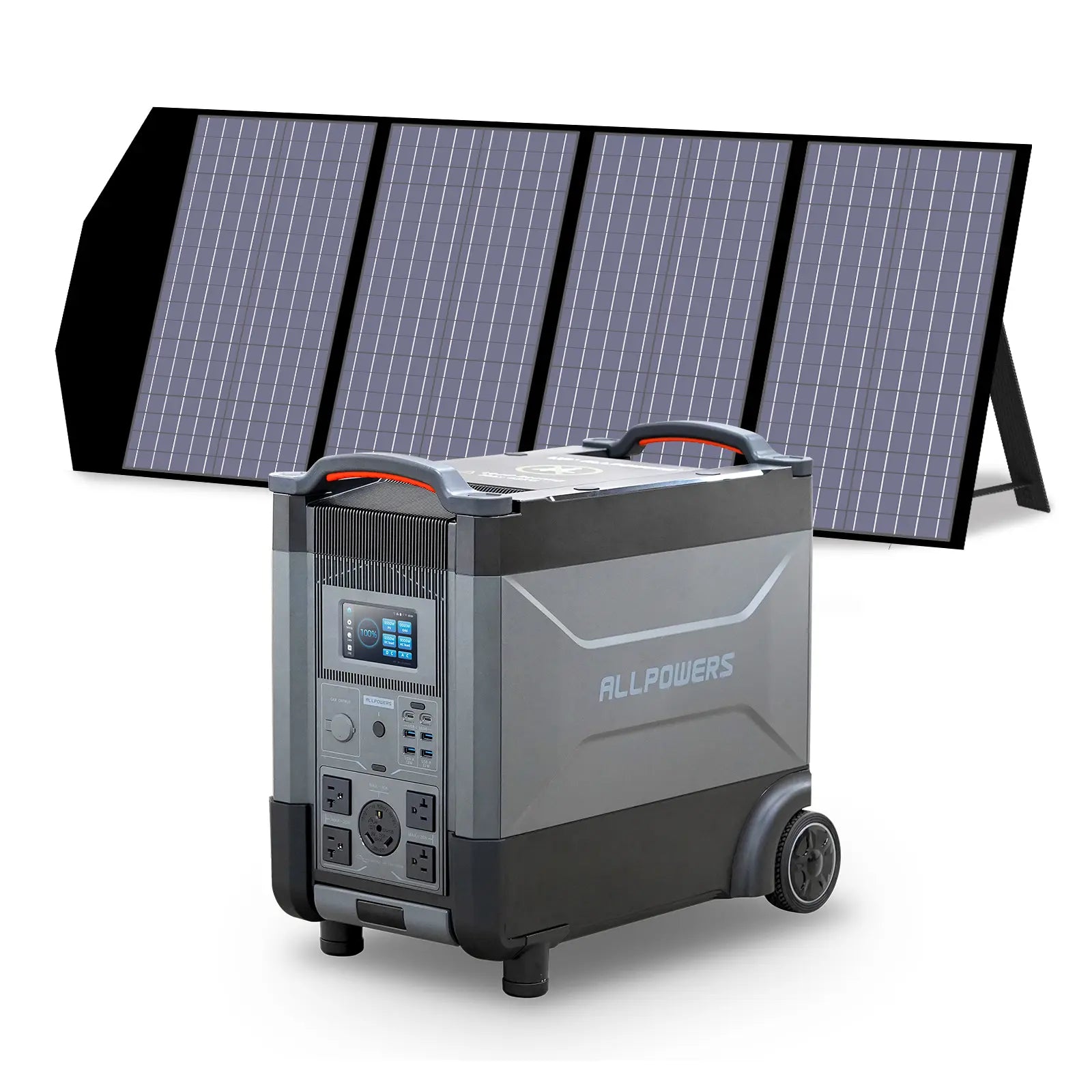
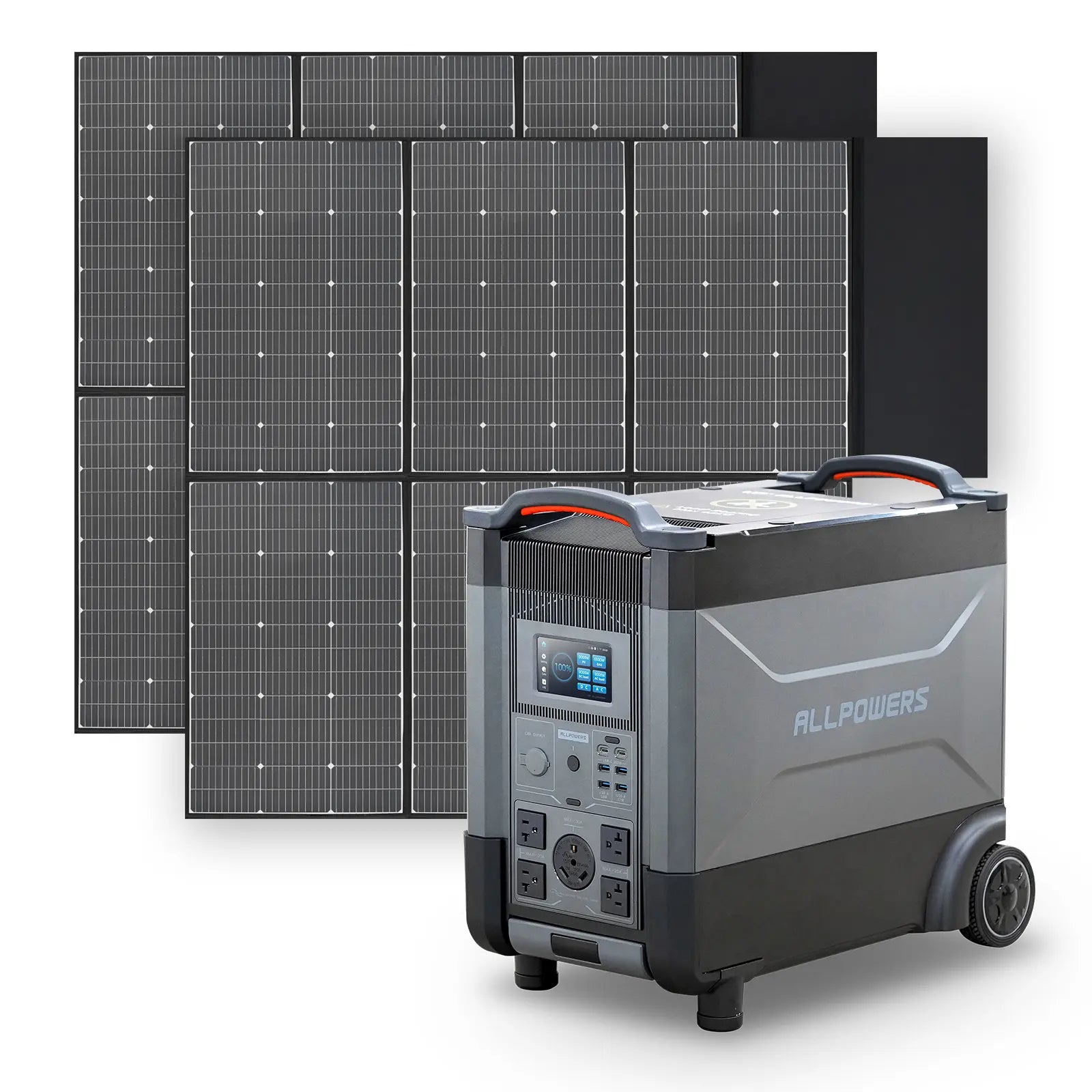
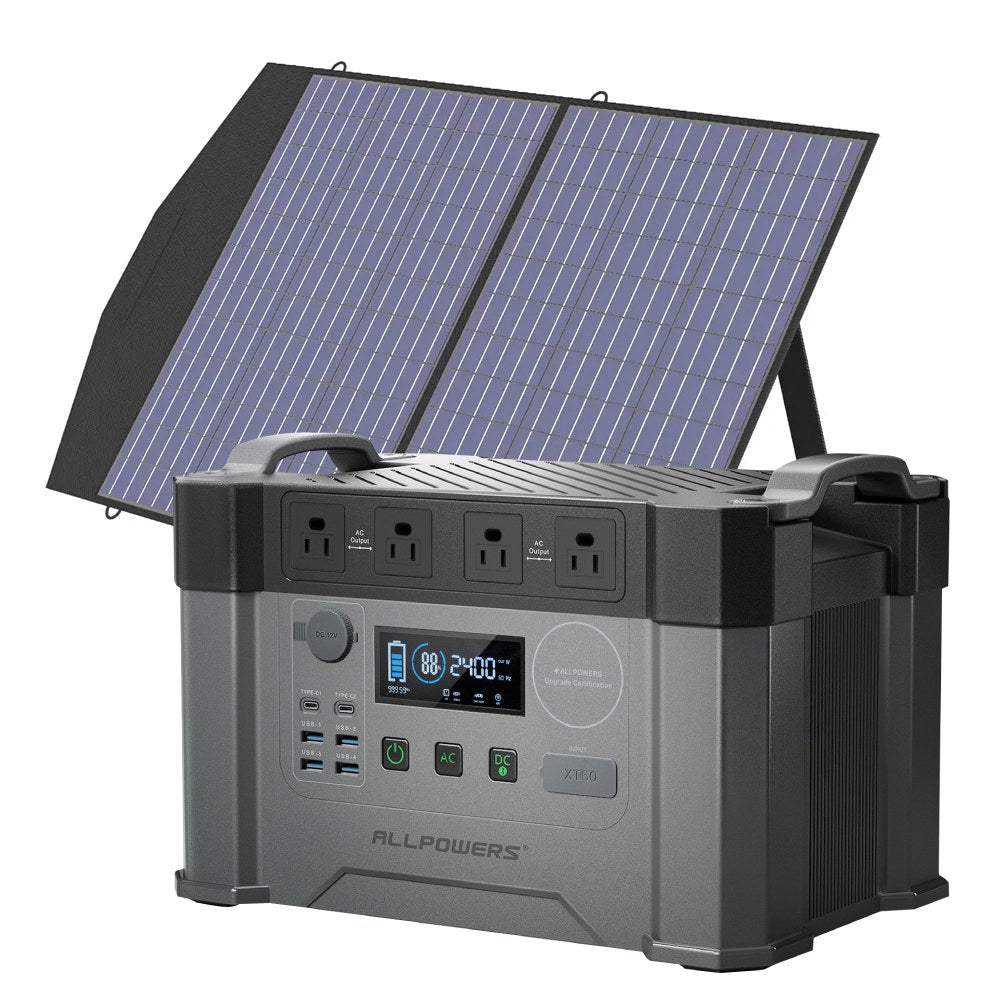
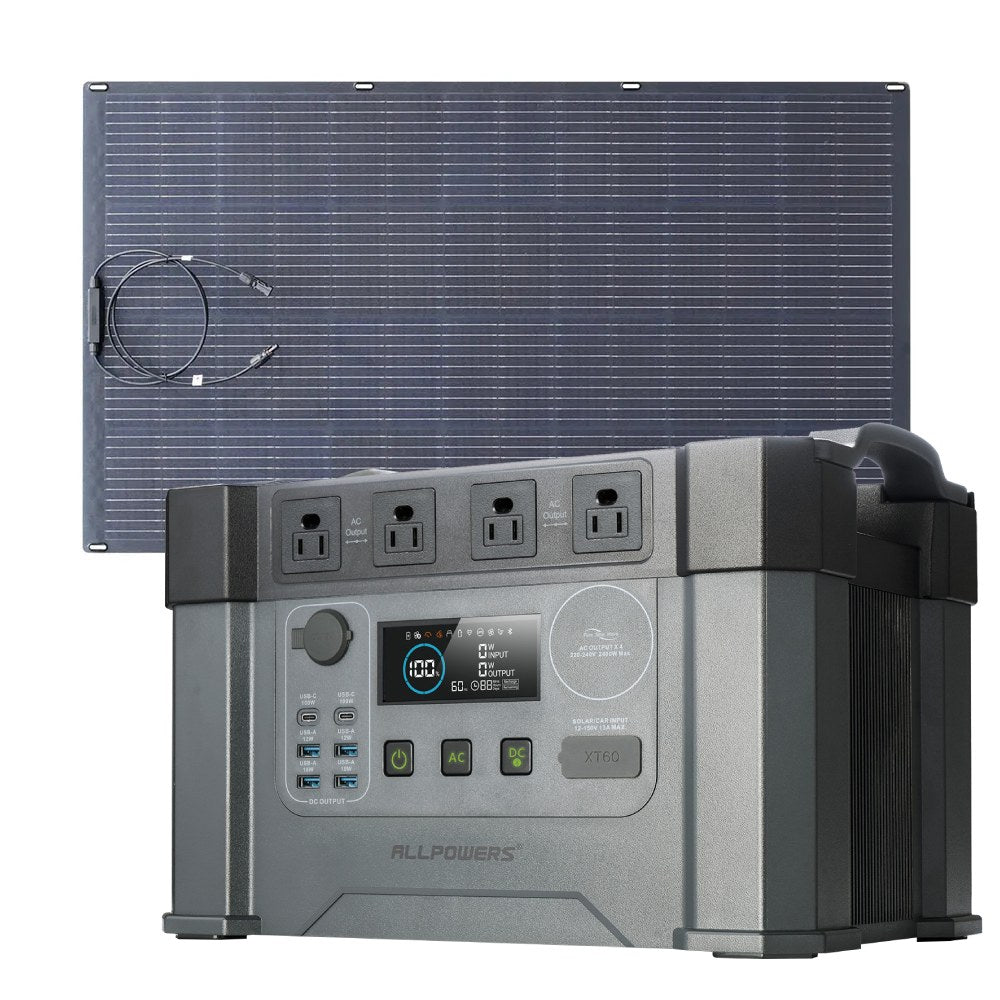
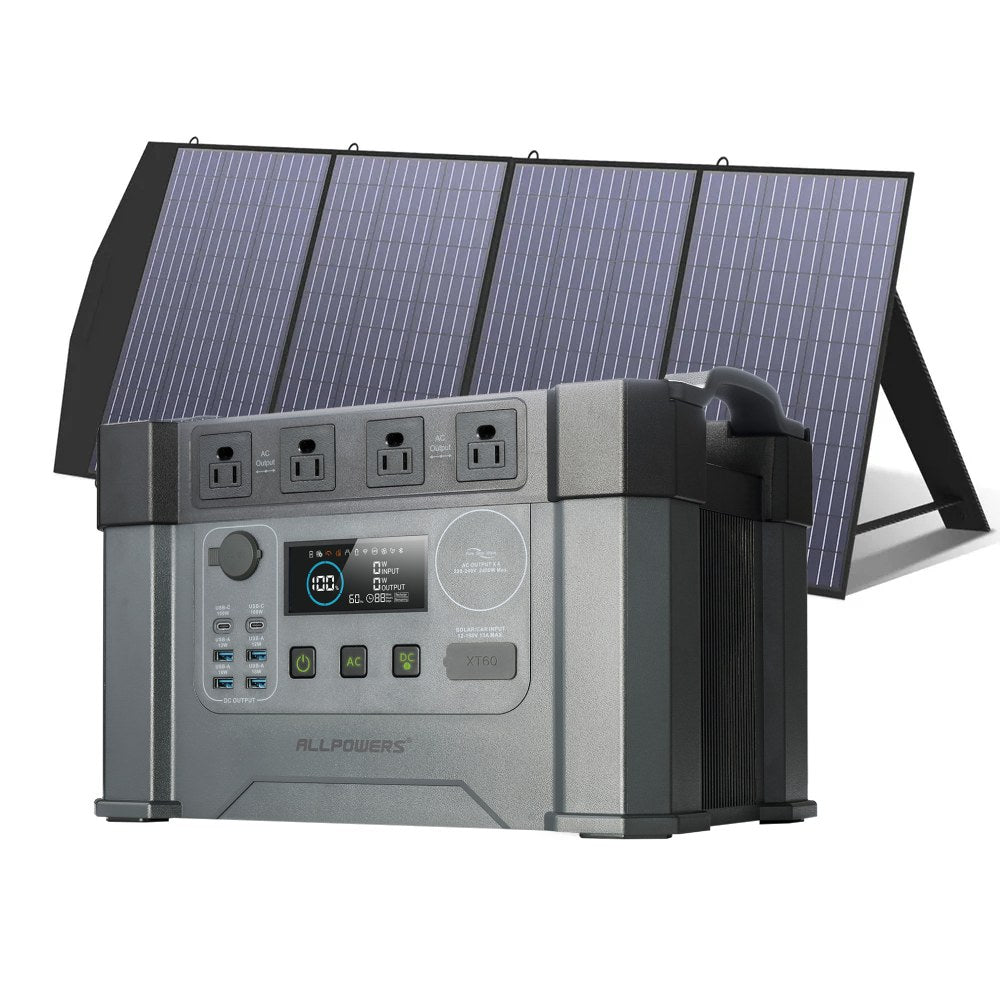
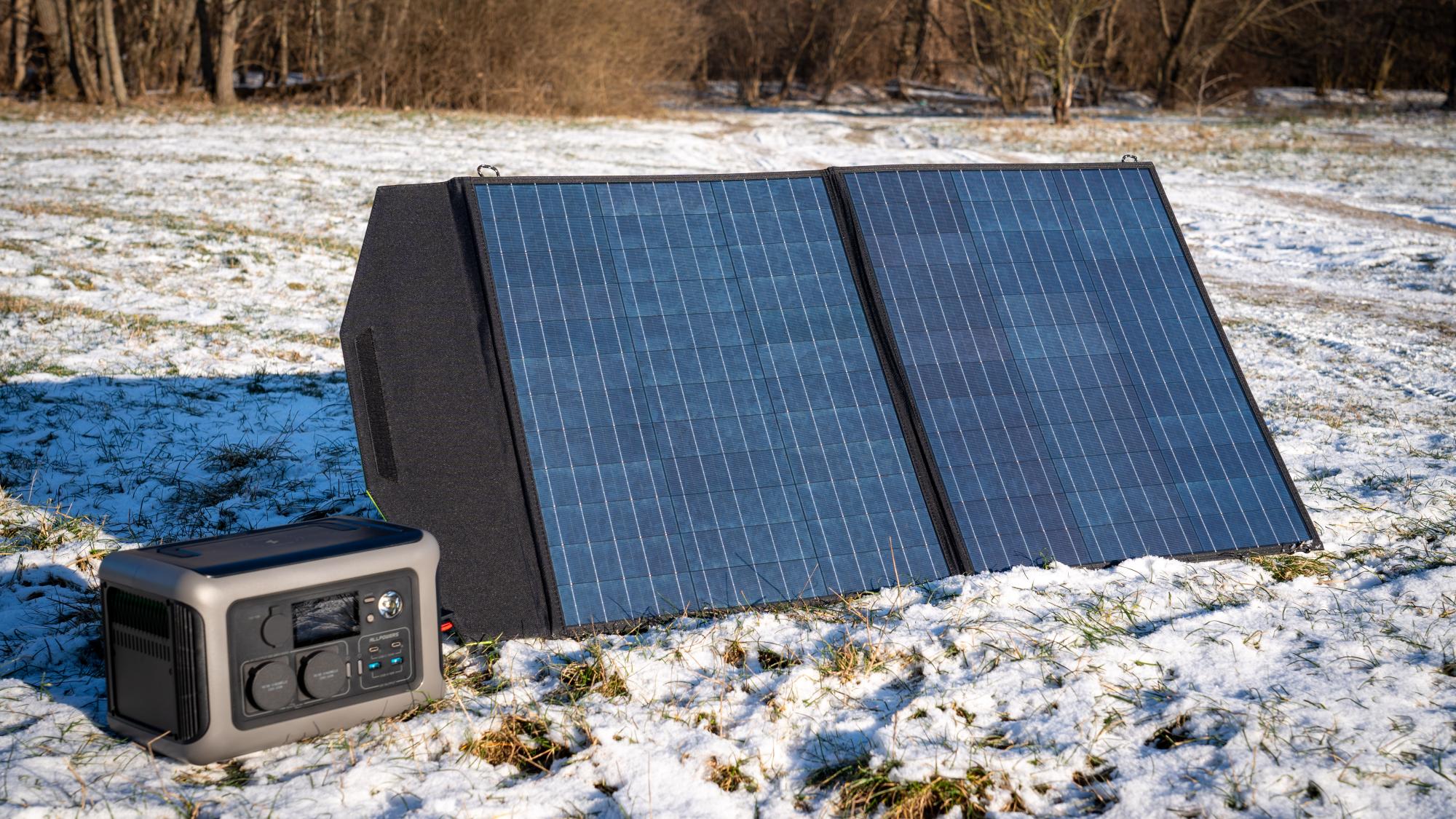
That’s why many people carry portable power stations today.
Small to mid-sized portable power stations can keep your essentials running safely while being tough enough for winter conditions.
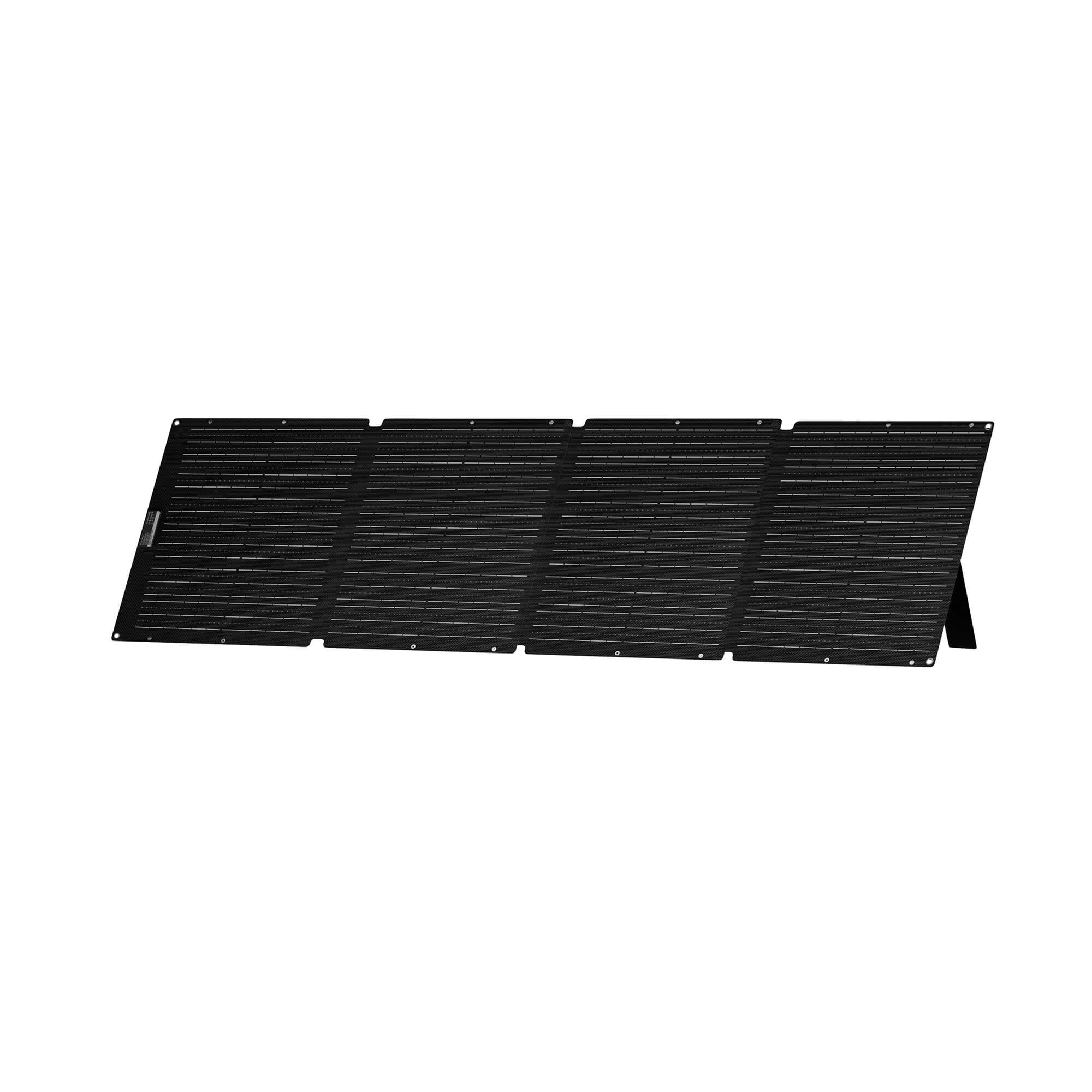
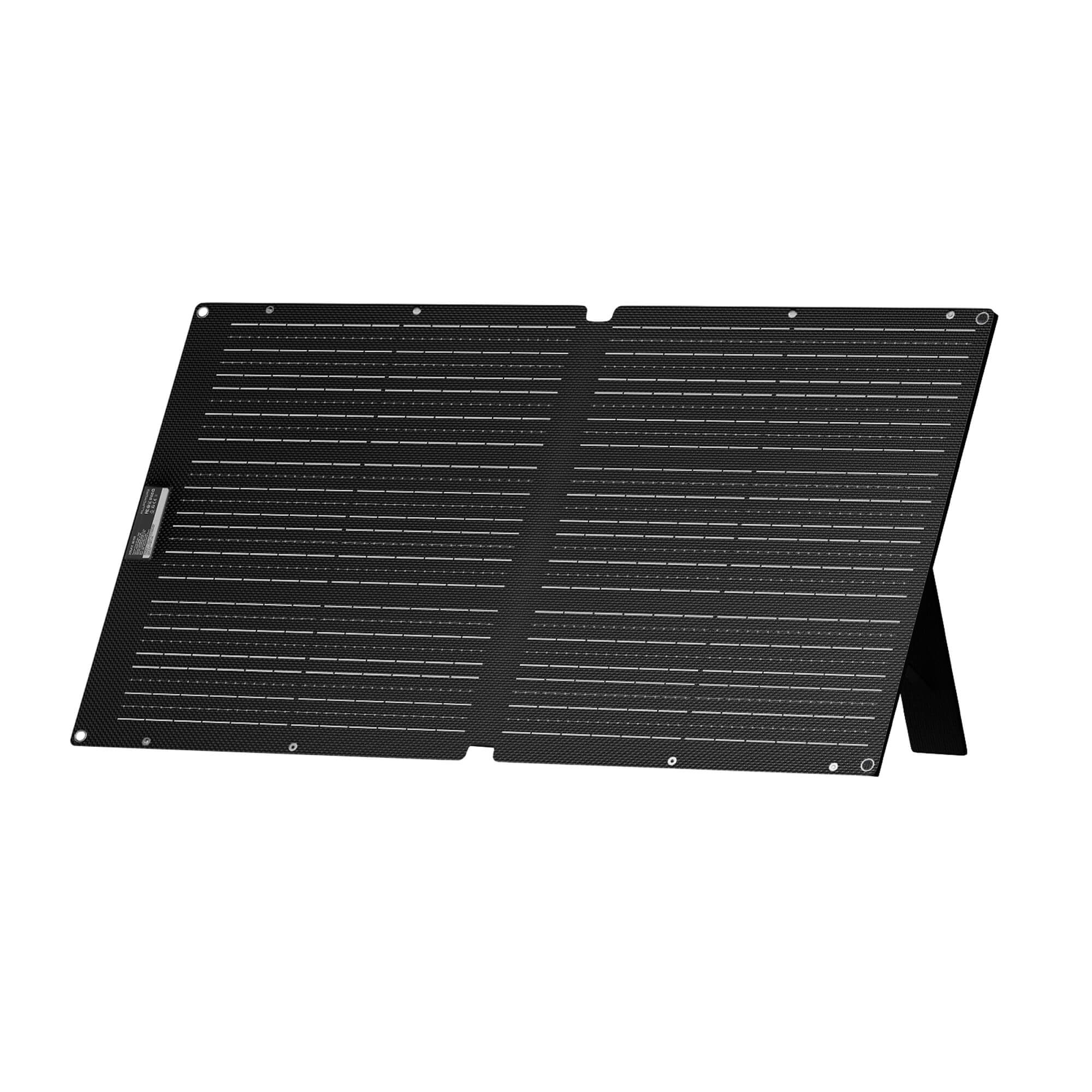
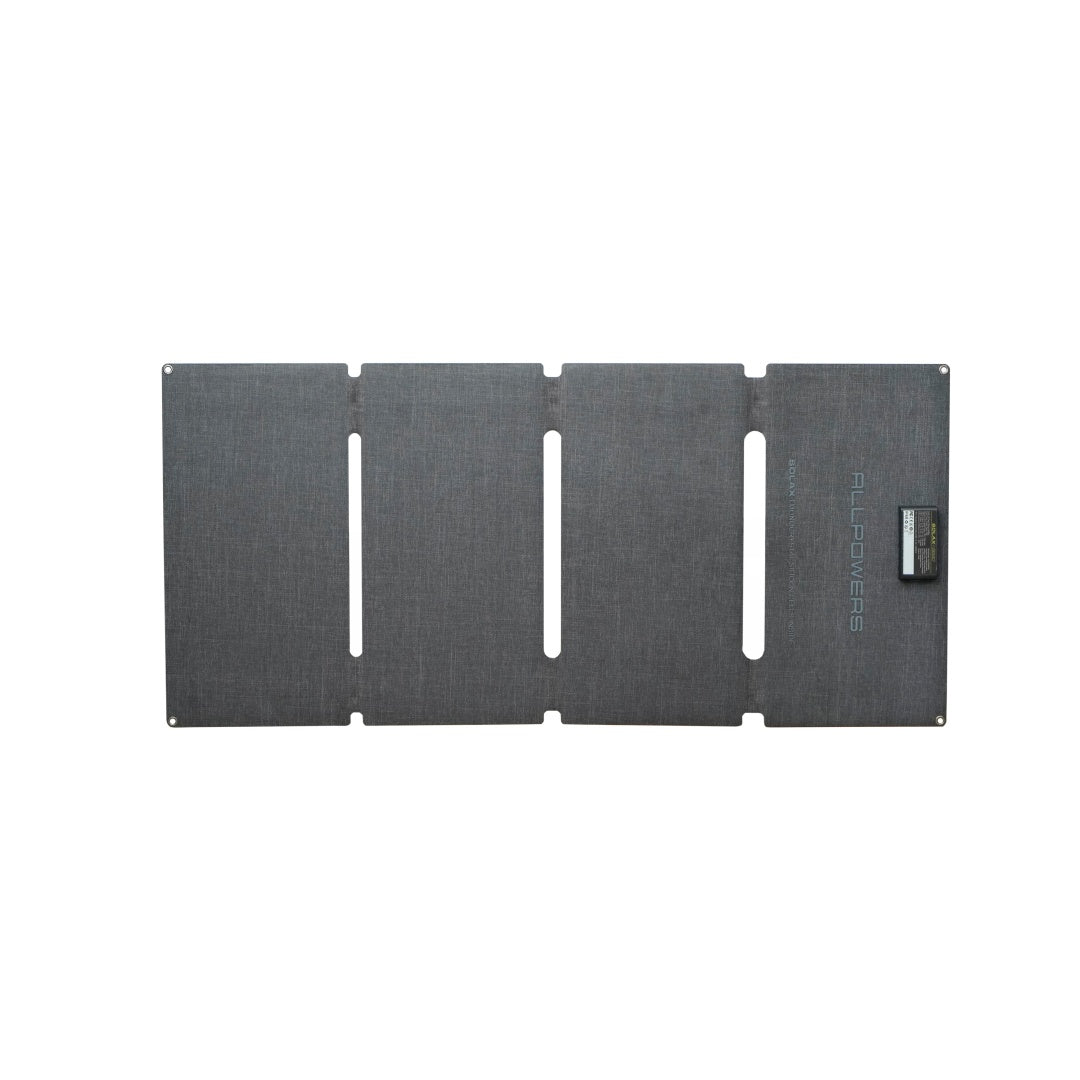
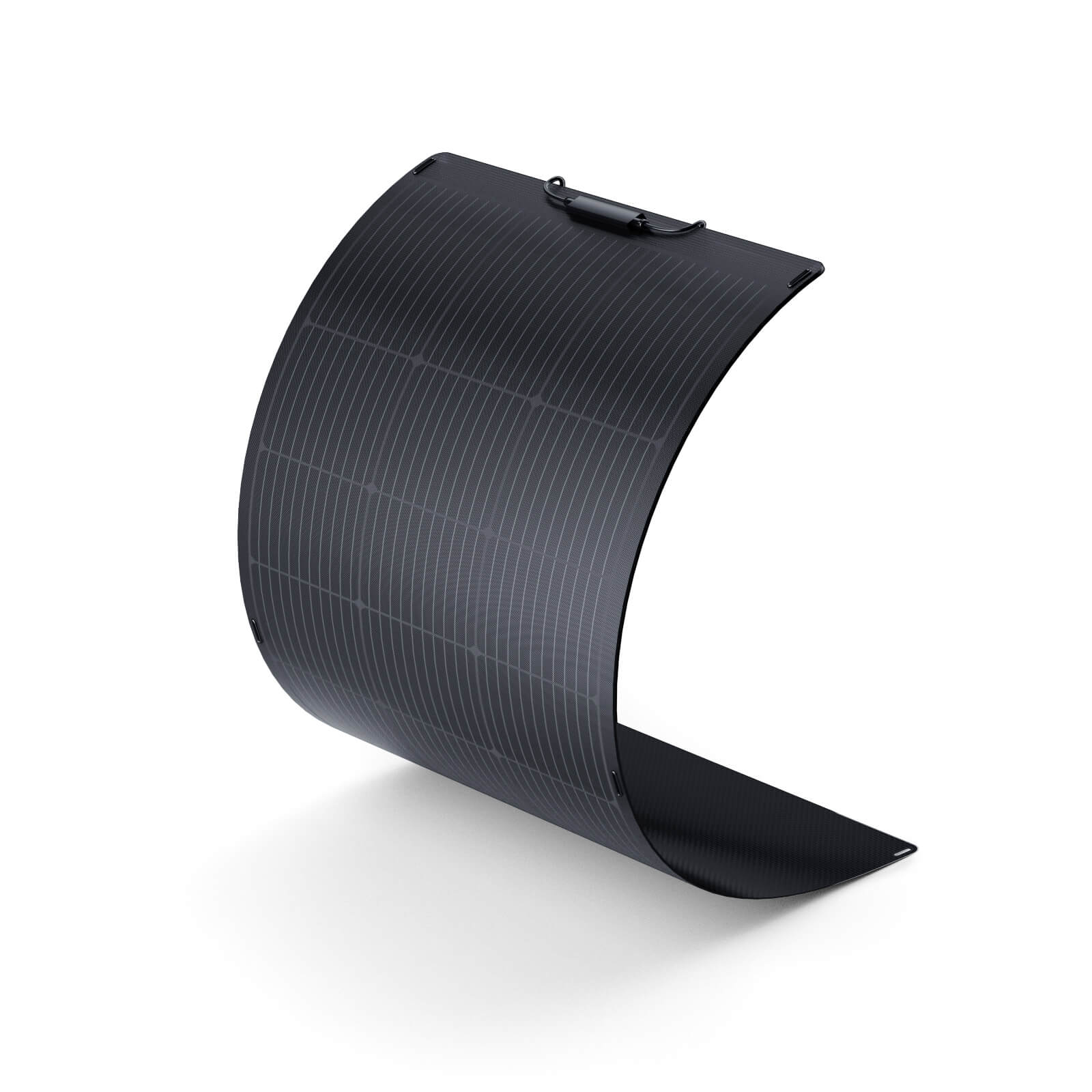
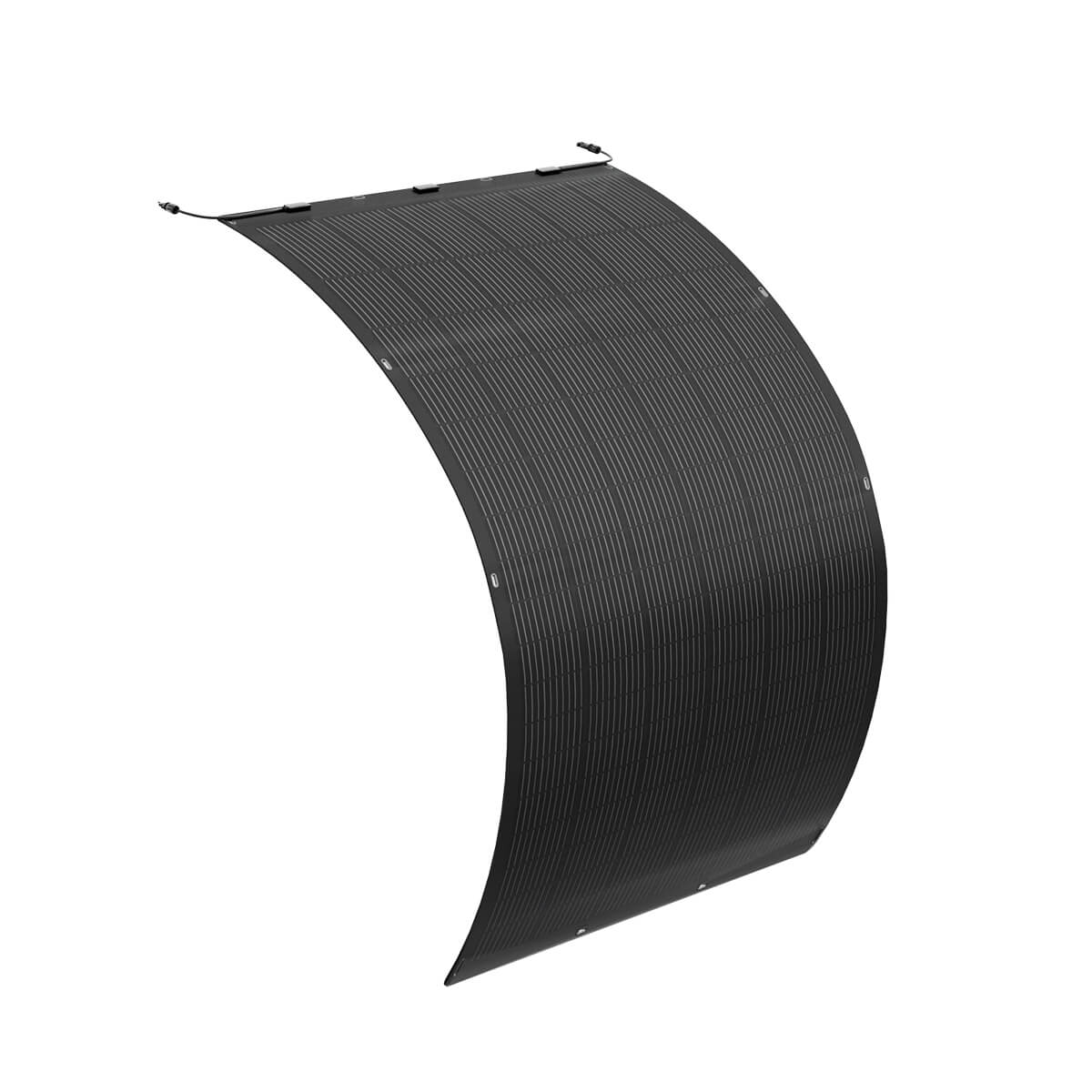
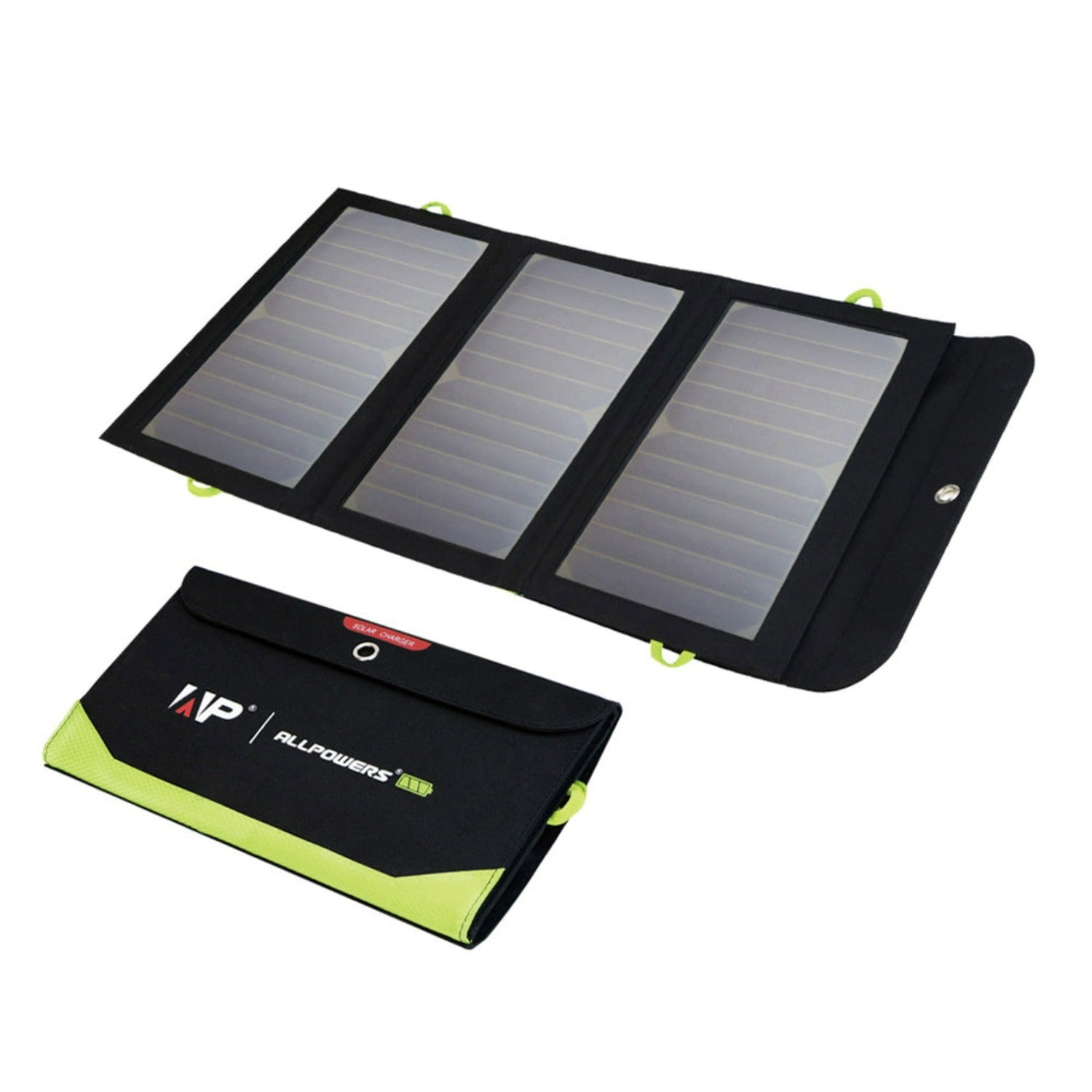
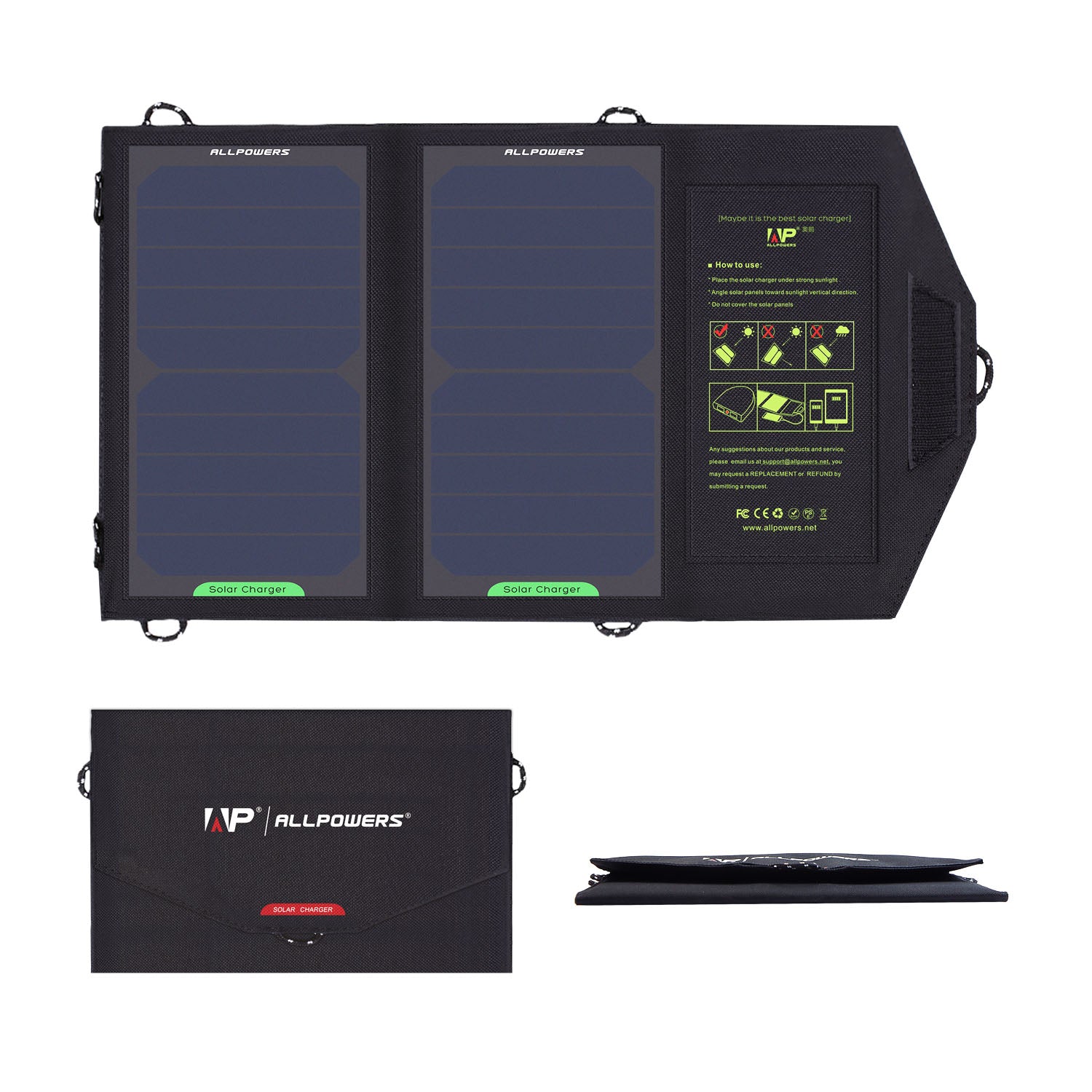
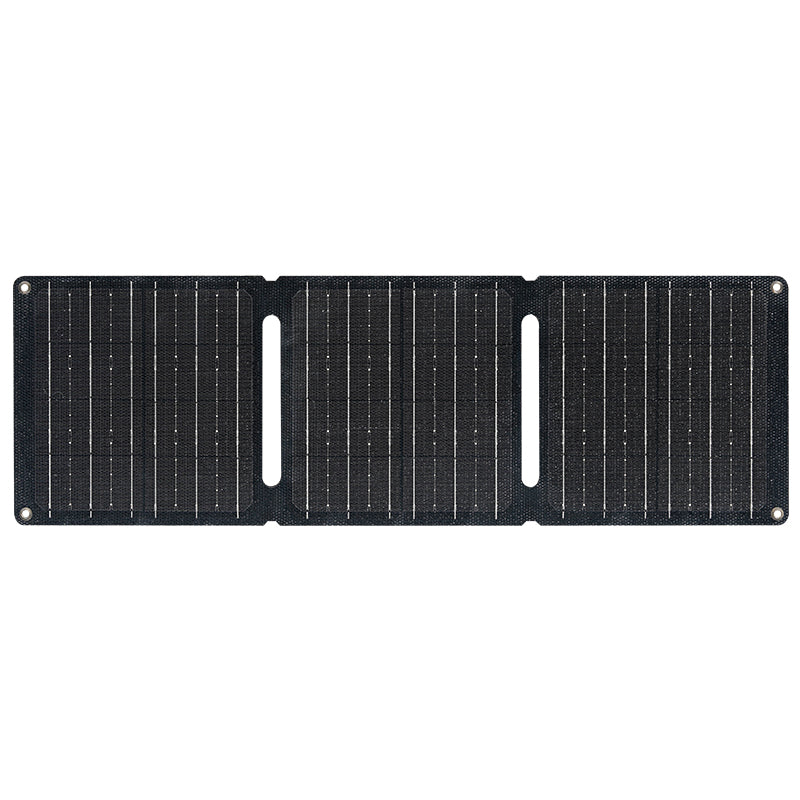
And because many campers pair them with solar panels, you can top them off during short winter daylight windows.
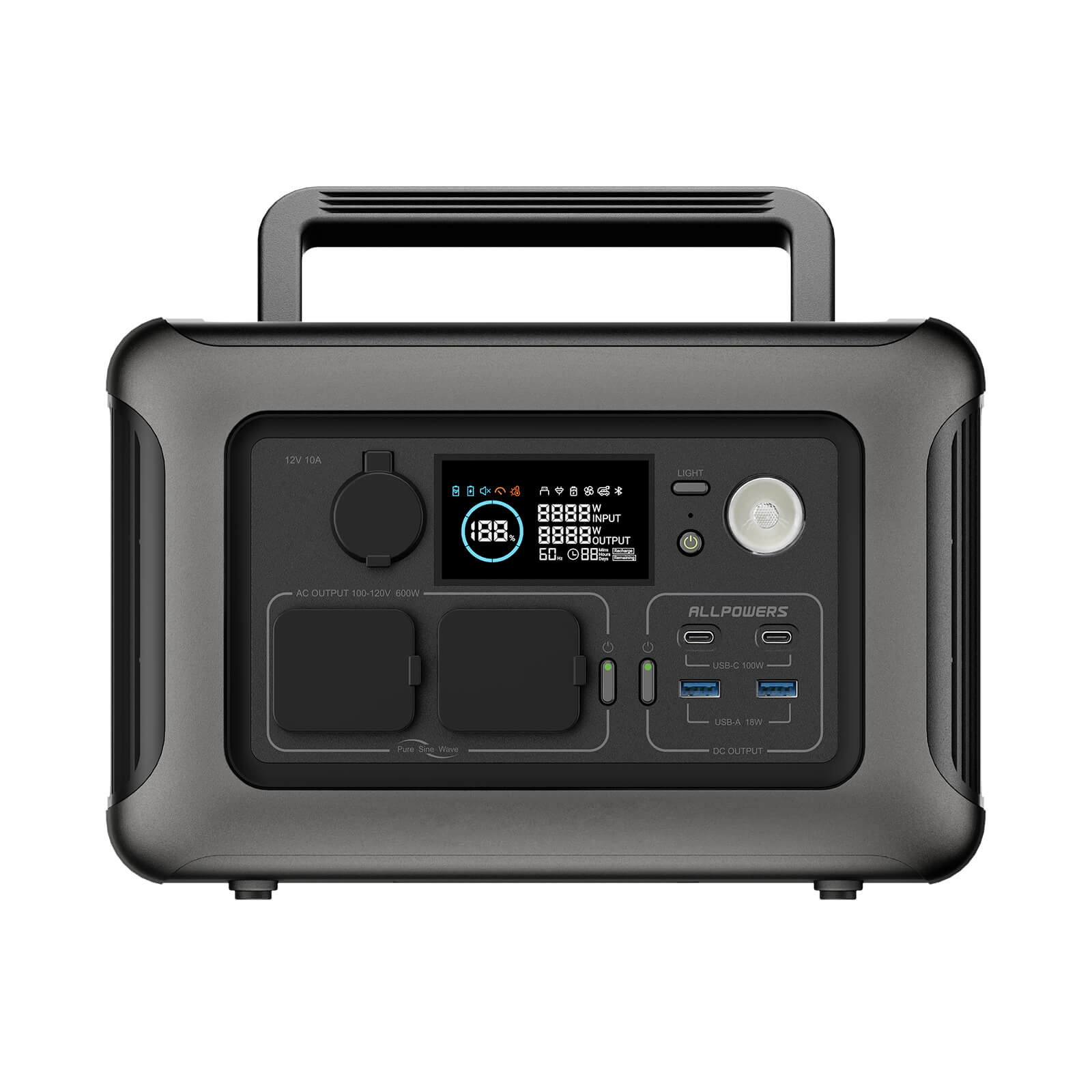
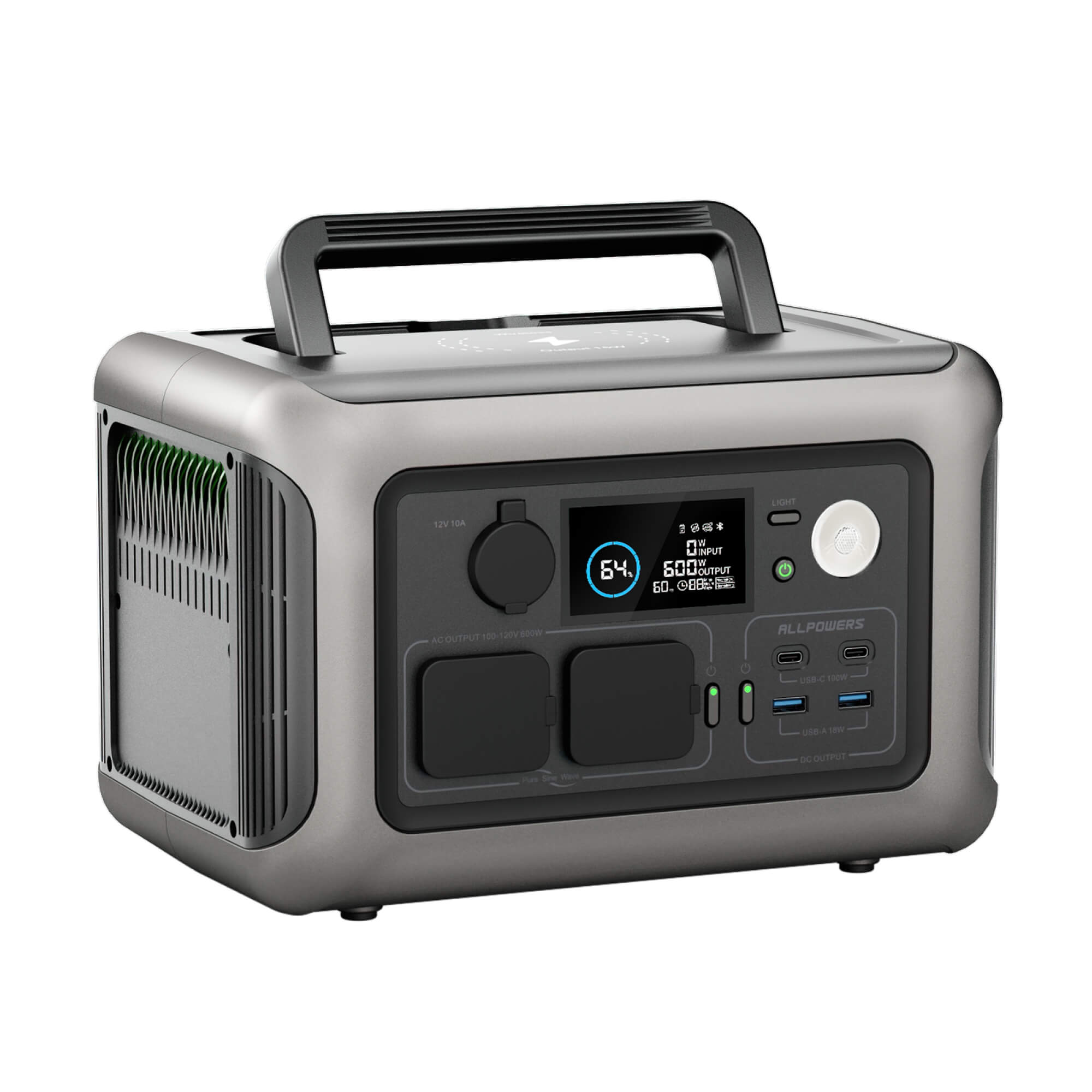
ALLPOWERS R600 Portable Power Station
$199.00 $269.00
- 299Wh Capacity;
- 600W AC Output (1,200W Surge);
- Fast Charge 100% in 1 Hours;
- Start UPS in 10 ms;
- Long-Lasting And Safe Lifepo4 Battery;
Emergency Gear
A small first-aid kit feels even more important when cold slows reaction times and stiffens movement.
Add in blister care, extra tape, and cold-specific supplies like hand warmers, and you’re better prepared for surprises.
Carrying an emergency bivy or thermal blanket gives you a fallback plan if your shelter tears or unexpected weather rolls in.
Avalanche beacons and probes matter in mountainous areas, but even in gentle terrain, a simple rule applies: prepare beyond what you think you’ll need.
Conclusion
Ultimately, winter camping success boils down to preparation.
Reliable shelter, insulated sleeping systems, warm layers, proper food, safe water, dependable lighting, navigation, and stable power form the backbone of a safe, rewarding cold-weather adventure.
Everything else? That’s personalization. Comfort. Preference.