






Indoor air quality has become a major concern for homeowners, especially as allergies, wildfire smoke, dust, pet dander, and pollution continue to affect everyday life.
Air purifiers are now common in bedrooms, offices, and living rooms, but many consumers still hesitate before buying one because they worry about rising energy bills.
After all, if a machine runs all day and night, doesn’t that automatically mean it consumes a lot of electricity?
TL;DR:
Most air purifiers use surprisingly little electricity compared to appliances like air conditioners, heaters, or refrigerators. Typical models consume between 20 and 100 watts depending on size and fan speed, meaning the monthly operating cost is often relatively low. However, factors such as room size, filtration technology, usage habits, and maintenance can significantly affect total energy consumption.
Understanding How Air Purifiers Consume Electricity
Air purifiers rely on internal fans and filtration systems to clean the air.
The fan draws polluted air into the machine, pushes it through one or more filters, and then releases cleaner air back into the room.
Because the device contains a motor that runs continuously, electricity is required for operation.
Electricity cost is usually measured in kilowatt-hours (kWh). A 50-watt air purifier running continuously for 24 hours uses approximately 1.2 kWh per day.
Over a year, this equals roughly 438 kWh. At average electricity rates in the United States, the yearly operating cost often falls below $75.
For many households, the actual cost is even lower because air purifiers rarely operate on maximum settings all day.
Auto mode, sleep mode, and smart sensors reduce power usage by adjusting fan speed based on air quality conditions.
Why Fan Speed Changes Energy Usage
One of the biggest factors affecting power consumption is fan speed. Higher settings require the motor to work harder to move more air through dense filters.
That increased airflow improves purification performance but also raises electricity use.
Many households only need maximum speed during specific situations, such as wildfire smoke events, cooking odors, heavy dust exposure, or allergy season.
During normal daily operation, medium or automatic modes often provide enough air circulation while using far less electricity.
Some newer purifiers include smart sensors that automatically detect airborne particles and adjust the fan speed accordingly.
This reduces unnecessary energy consumption because the device only ramps up when pollution levels increase. Smart modes are becoming increasingly common in energy-efficient models.
Do HEPA Filters Increase Electricity Consumption?
HEPA filtration is widely considered the gold standard for removing airborne particles.
True HEPA filters can capture extremely small particles, including dust, pollen, smoke, and some bacteria. However, these filters are dense, meaning the fan must push harder to move air through them.
As a result, HEPA-based systems may consume slightly more electricity compared to simpler filtration technologies.
Still, the increase is generally not dramatic. The real issue is often poor maintenance rather than the filter itself.
Dirty or clogged filters restrict airflow, forcing the motor to work harder and consume more power.
Replacing filters regularly can improve efficiency and reduce strain on the purifier. Several experts note that neglected filters can gradually increase operational costs over time.
Does Room Size Affect Power Consumption?
Yes, room size plays a major role in energy use. Large rooms require stronger airflow to circulate and clean the air effectively.
A purifier designed for a small bedroom will usually consume much less electricity than one built for an open-plan living room.
Oversized units may waste electricity in small spaces, while undersized units often run continuously at high speed trying to keep up with pollution levels.
Choosing the correct purifier size for the room is one of the simplest ways to balance air quality and efficiency.
Coverage ratings, usually listed in square feet, help consumers estimate the right size. Models with ENERGY STAR certification also tend to provide better efficiency while maintaining effective filtration.
Can Air Purifiers Help During Wildfire Season?
Wildfire smoke has become an increasing concern in many regions, especially during dry seasons.
Smoke particles are extremely fine and can enter homes through small gaps around windows and doors.
Air purifiers equipped with HEPA filters can significantly reduce these airborne particles indoors.
Health experts often recommend using air purifiers during wildfire events, especially for children, older adults, and people with asthma or respiratory conditions.
While running a purifier continuously during these periods does increase electricity usage slightly, the health benefits may outweigh the added energy cost.
This is also one reason some households pair emergency backup solutions with essential indoor appliances.
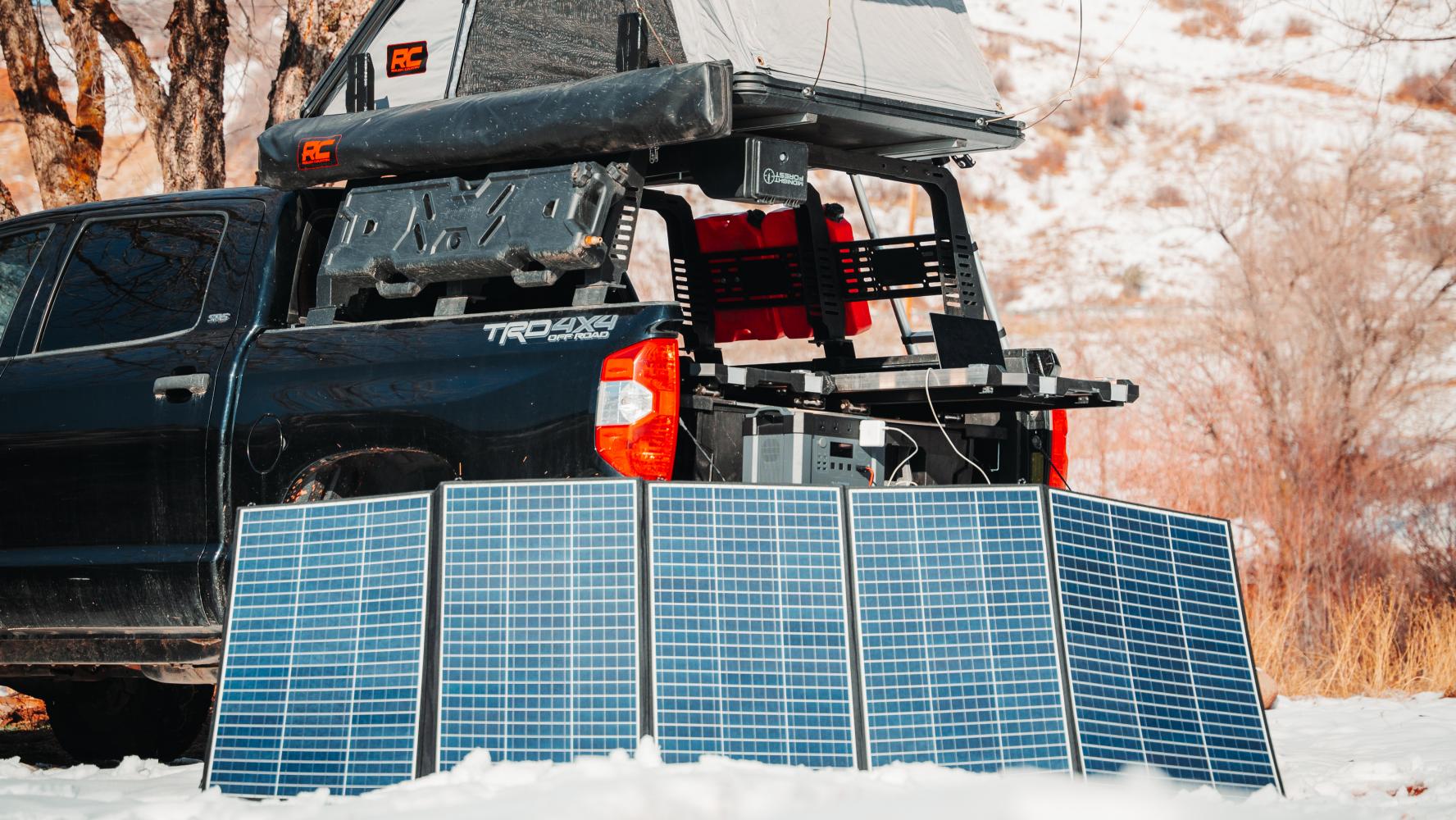
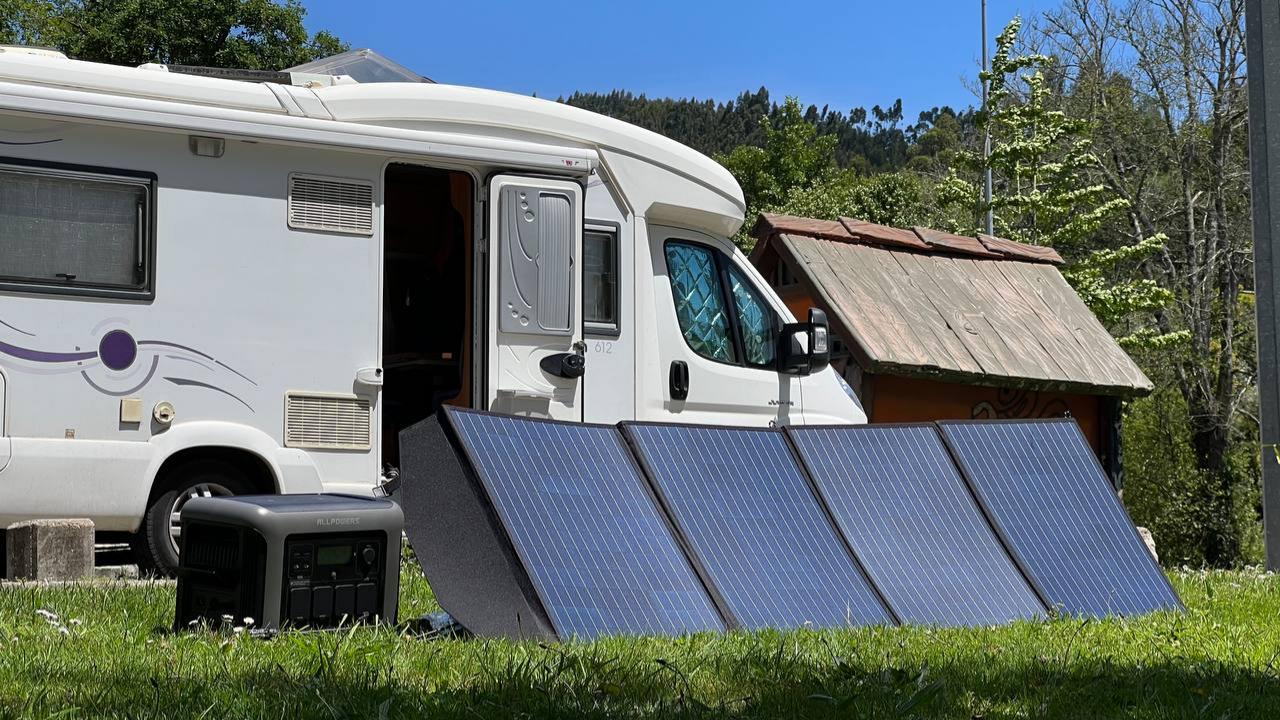
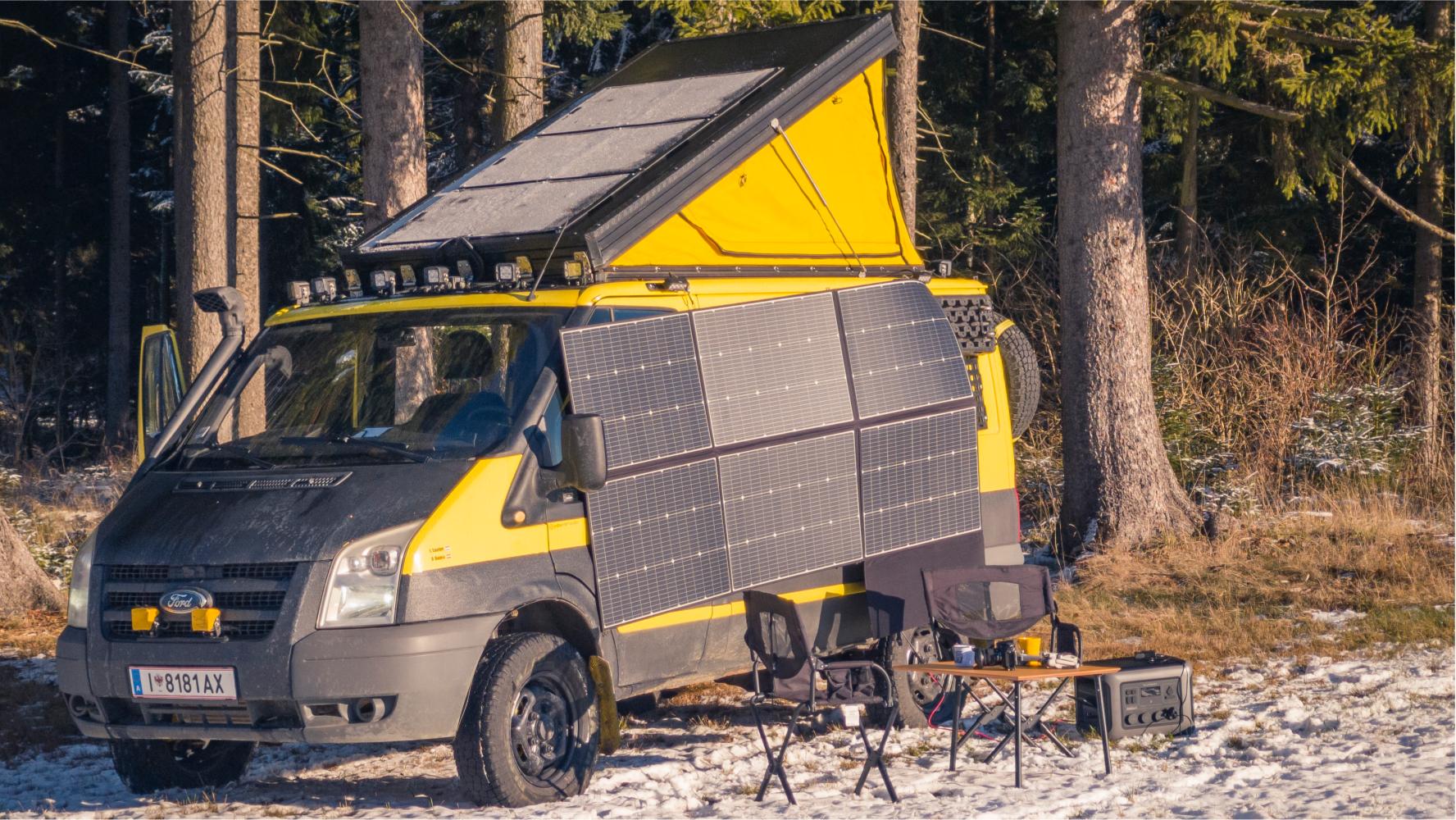
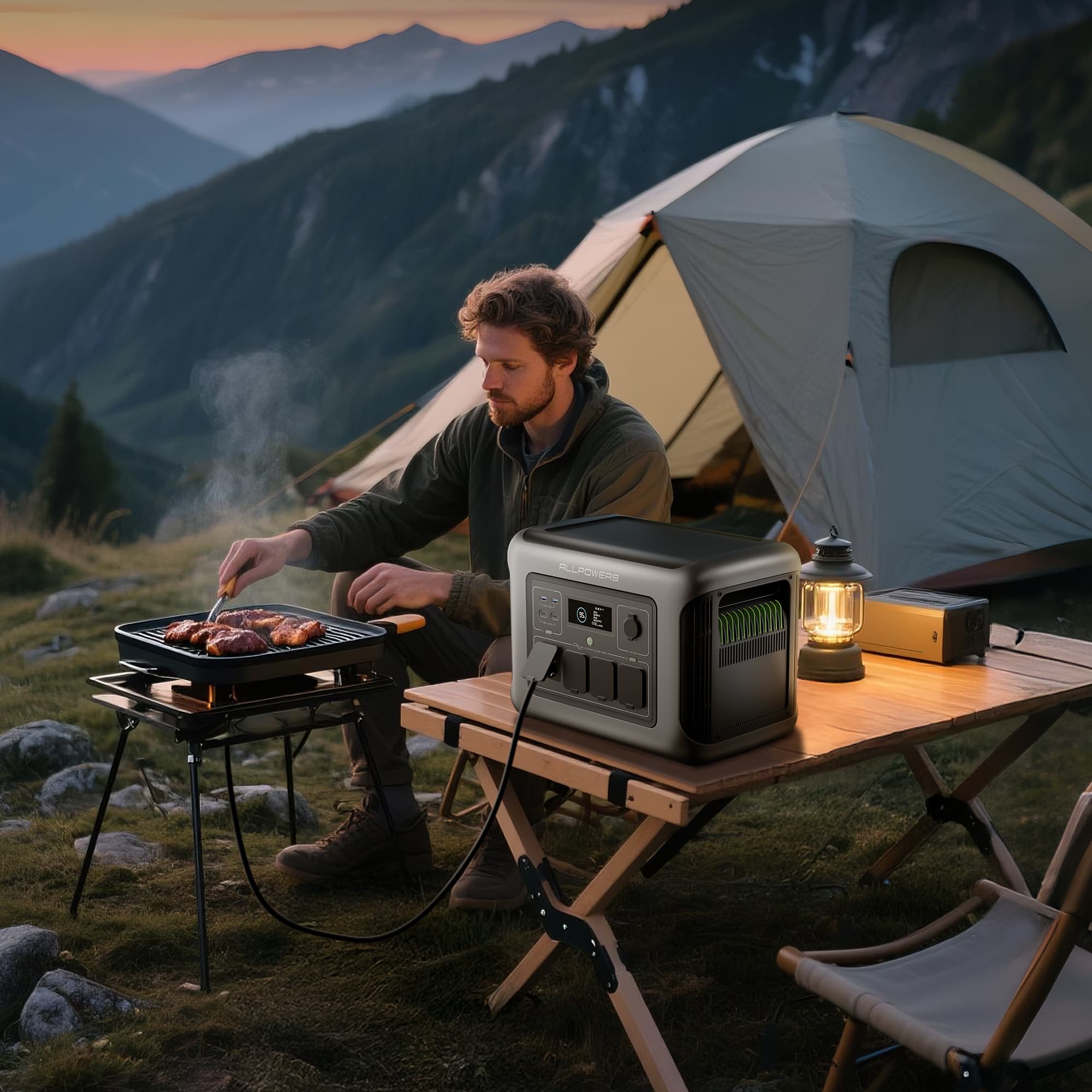
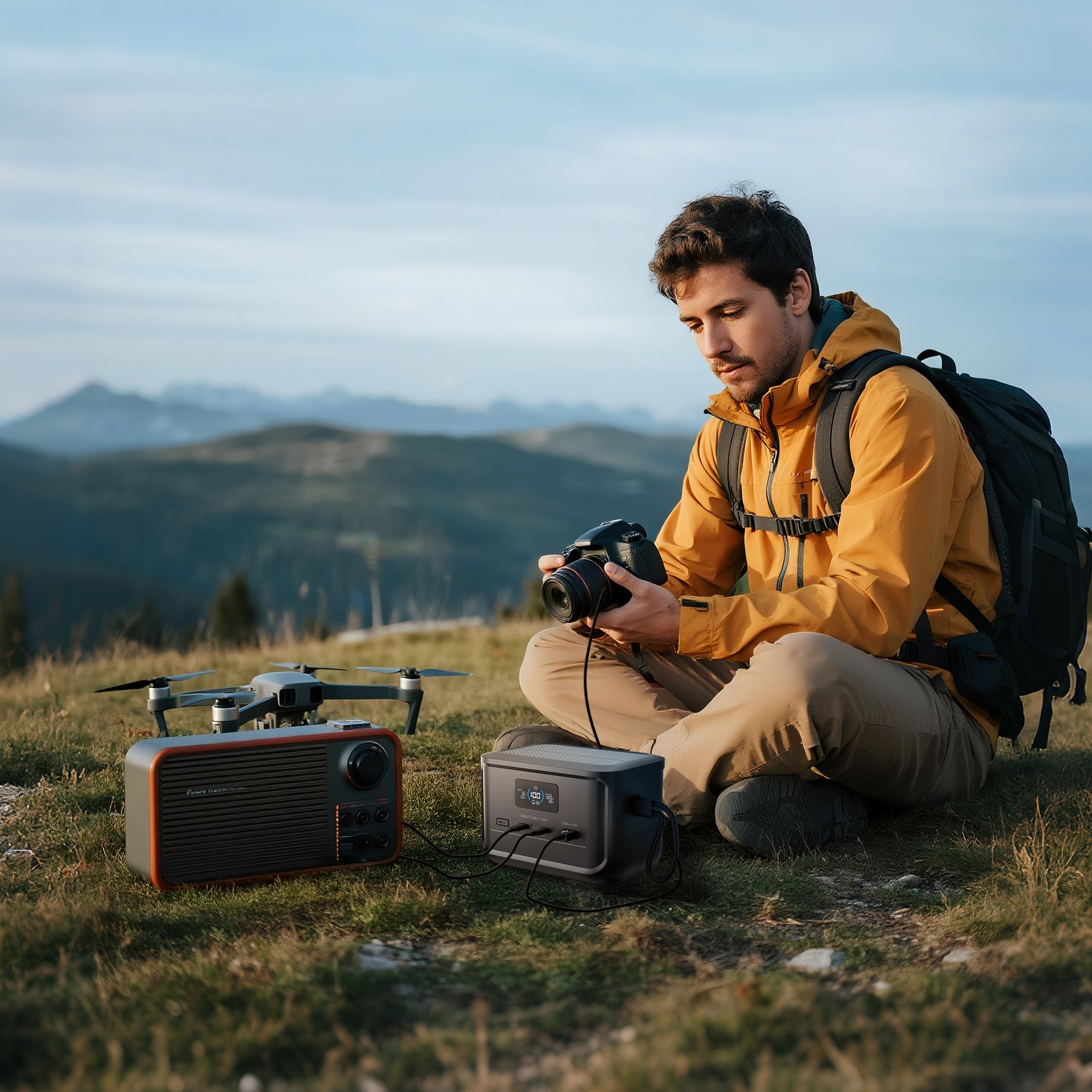
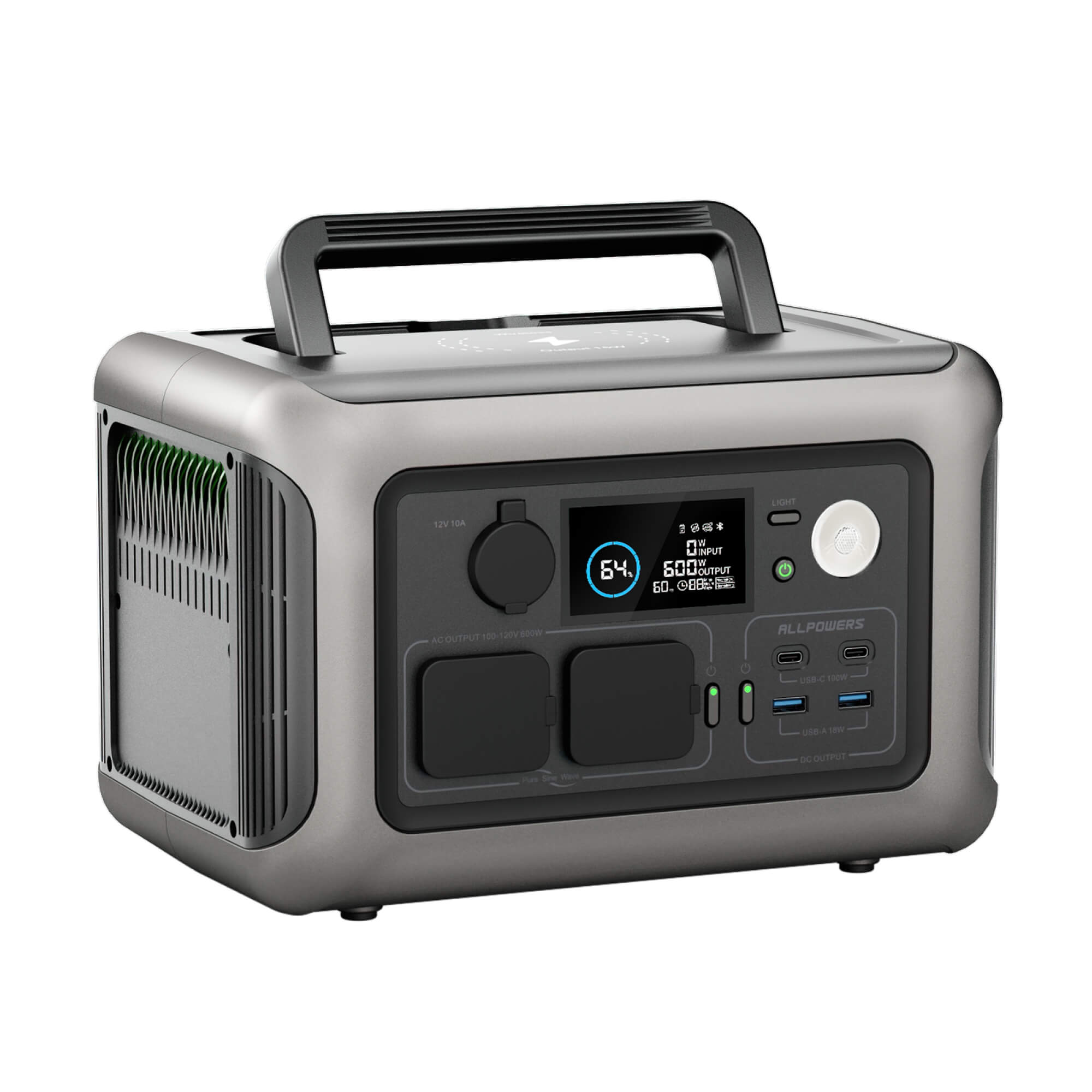
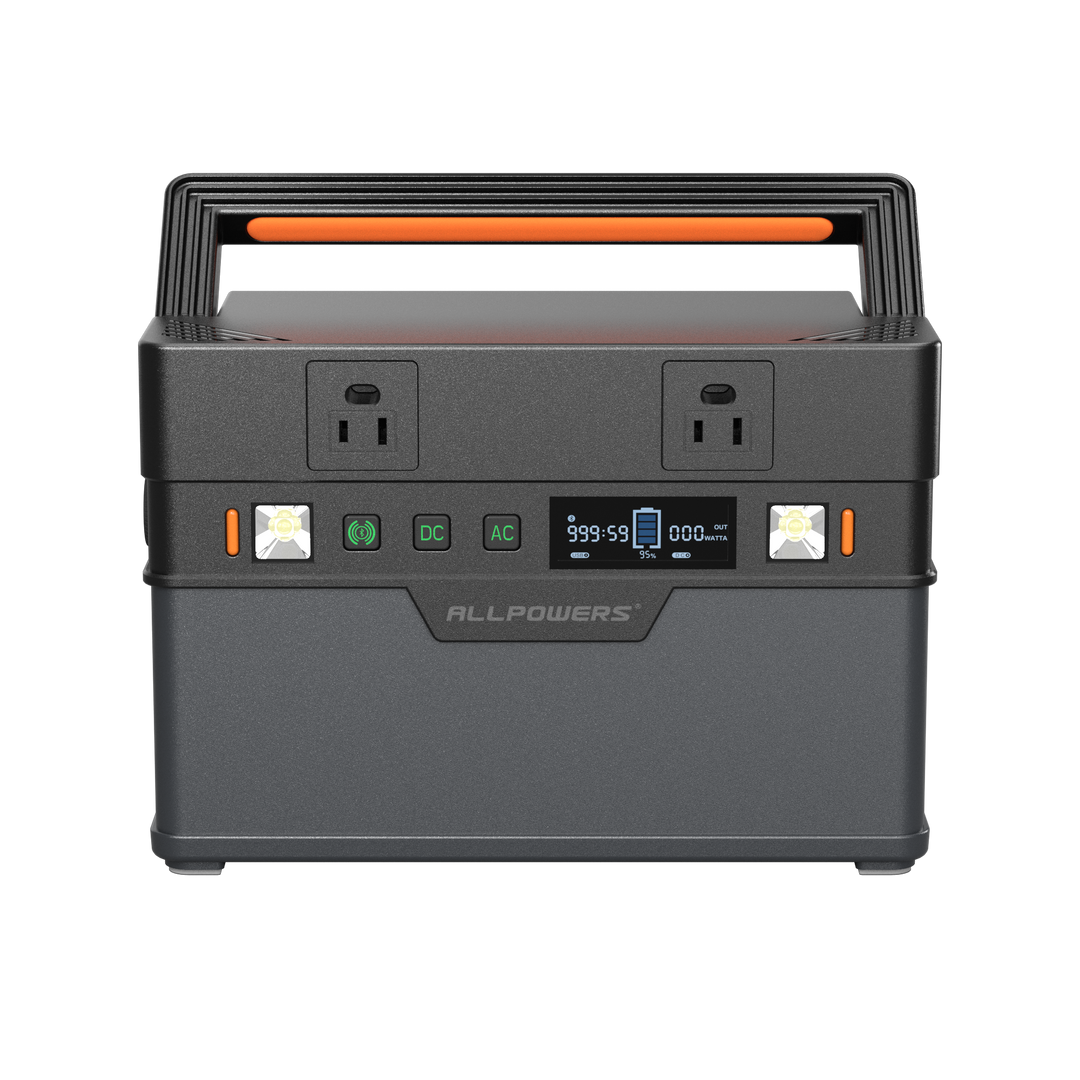
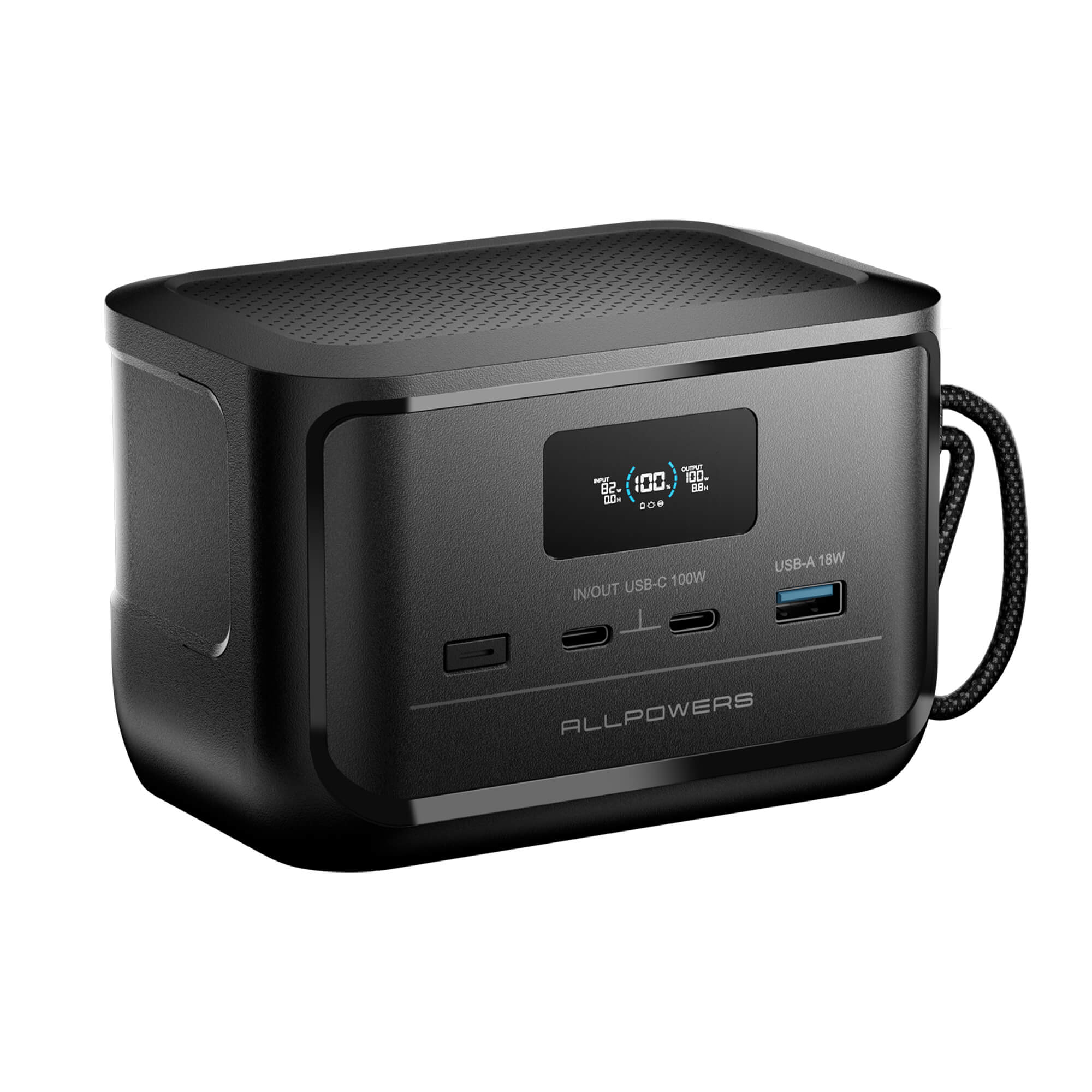
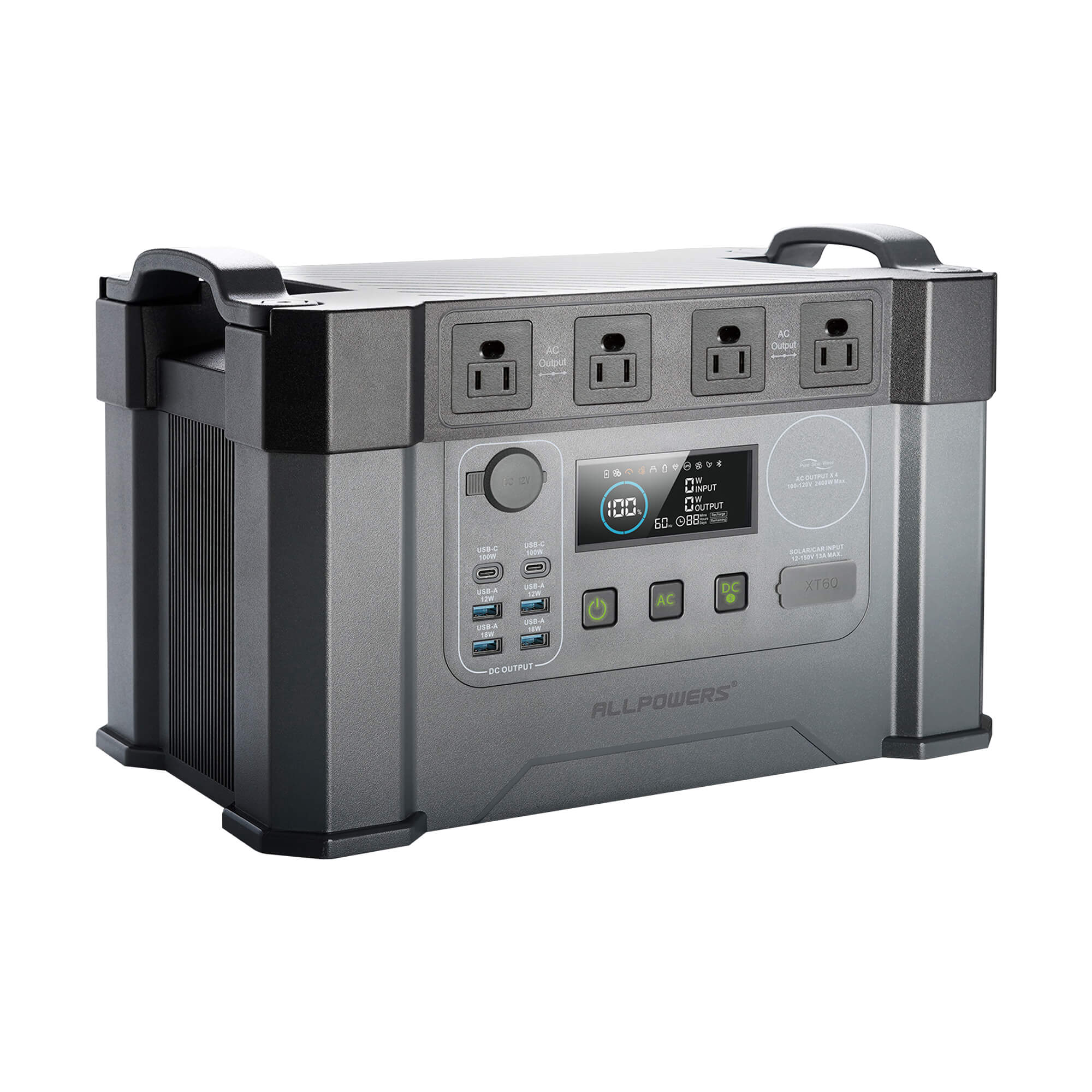
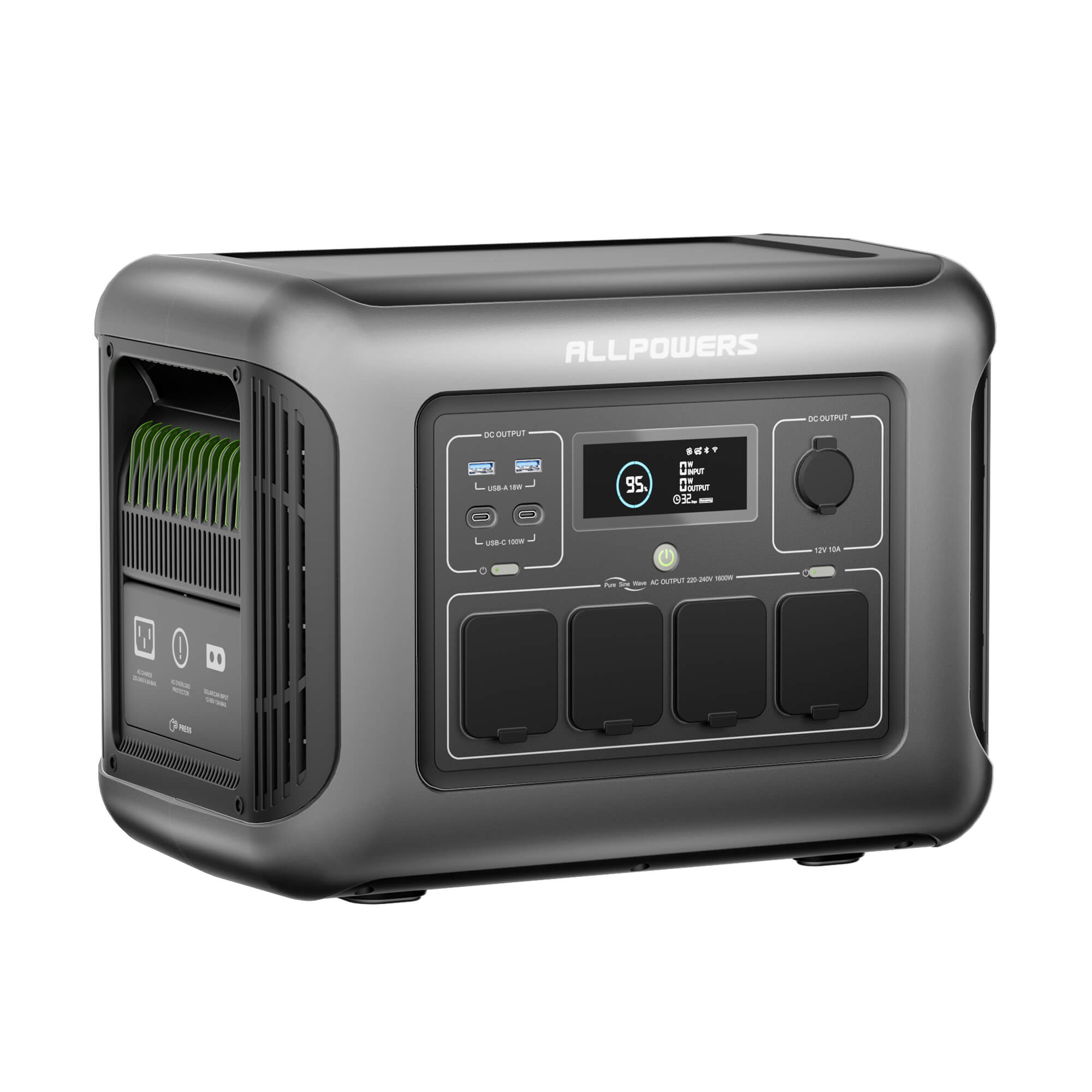
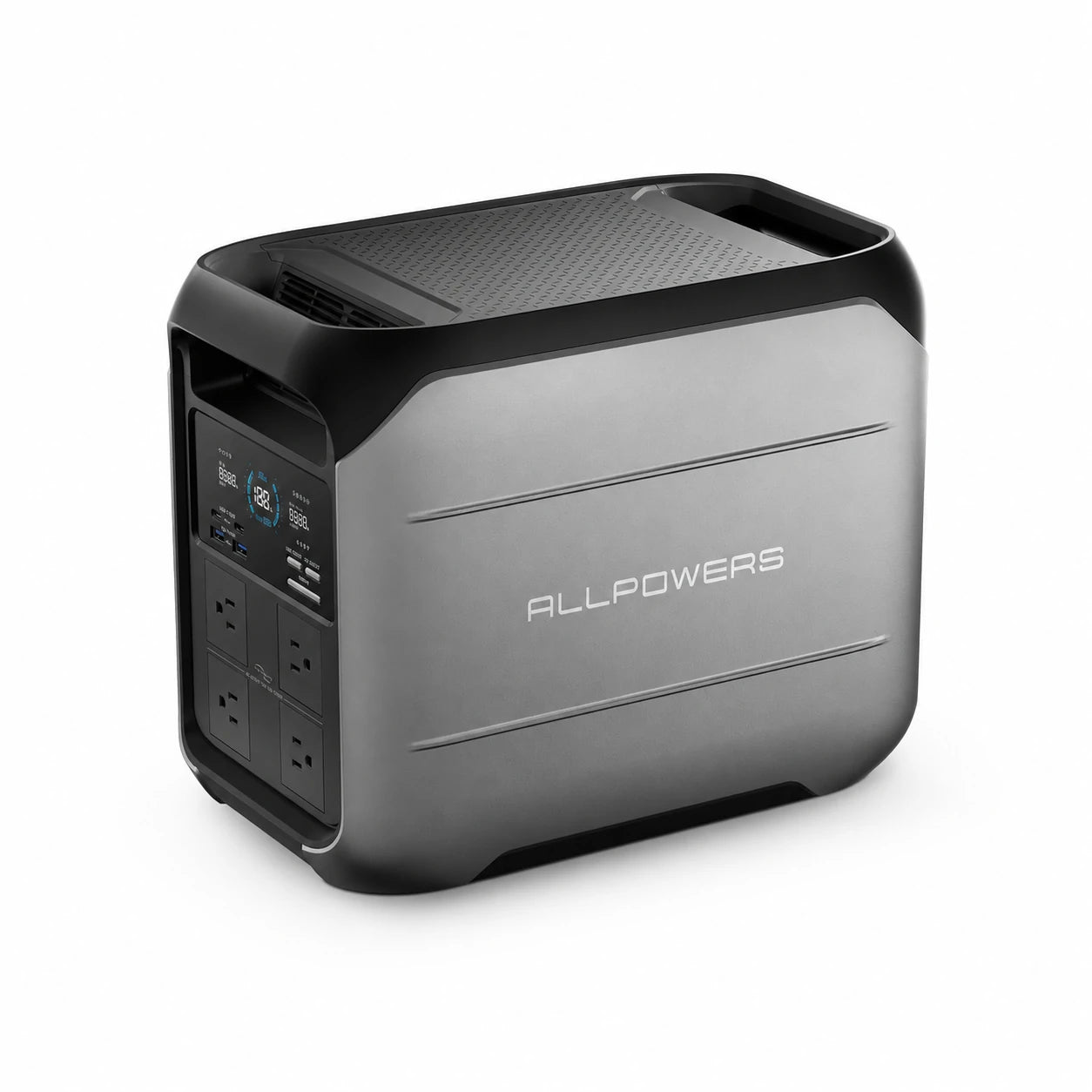
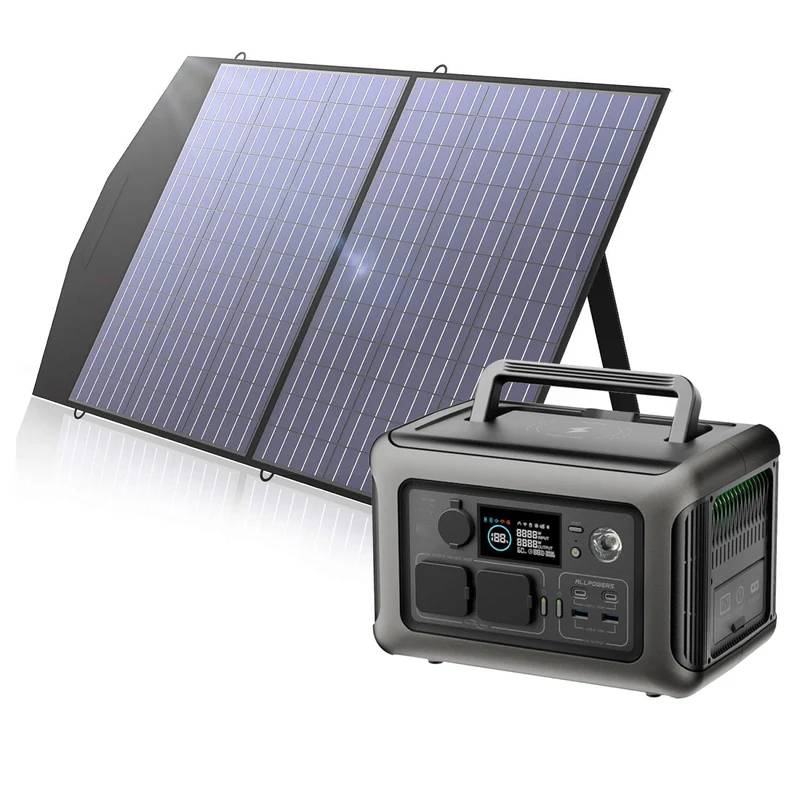
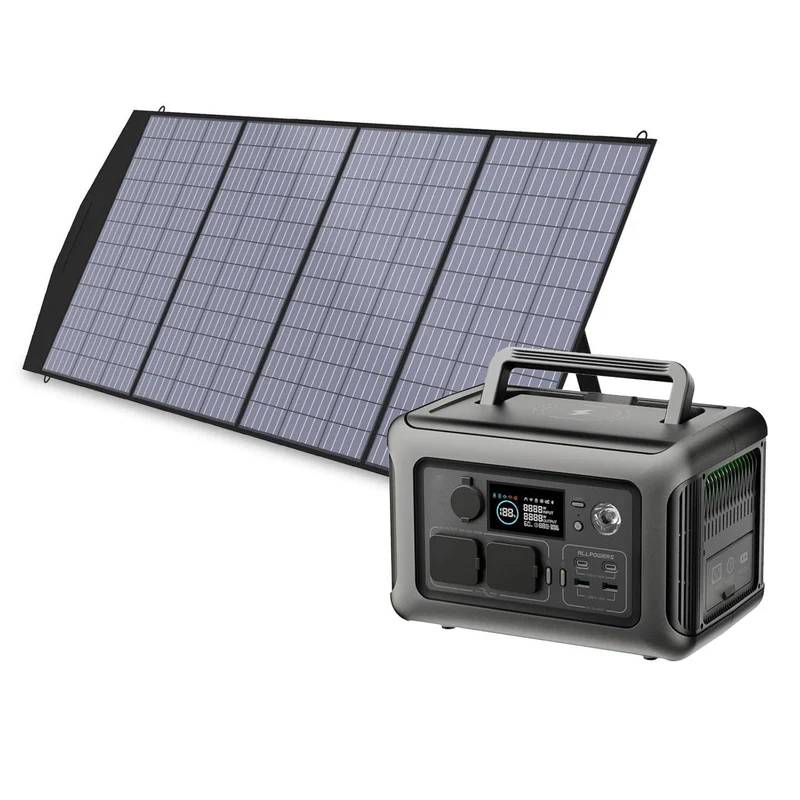
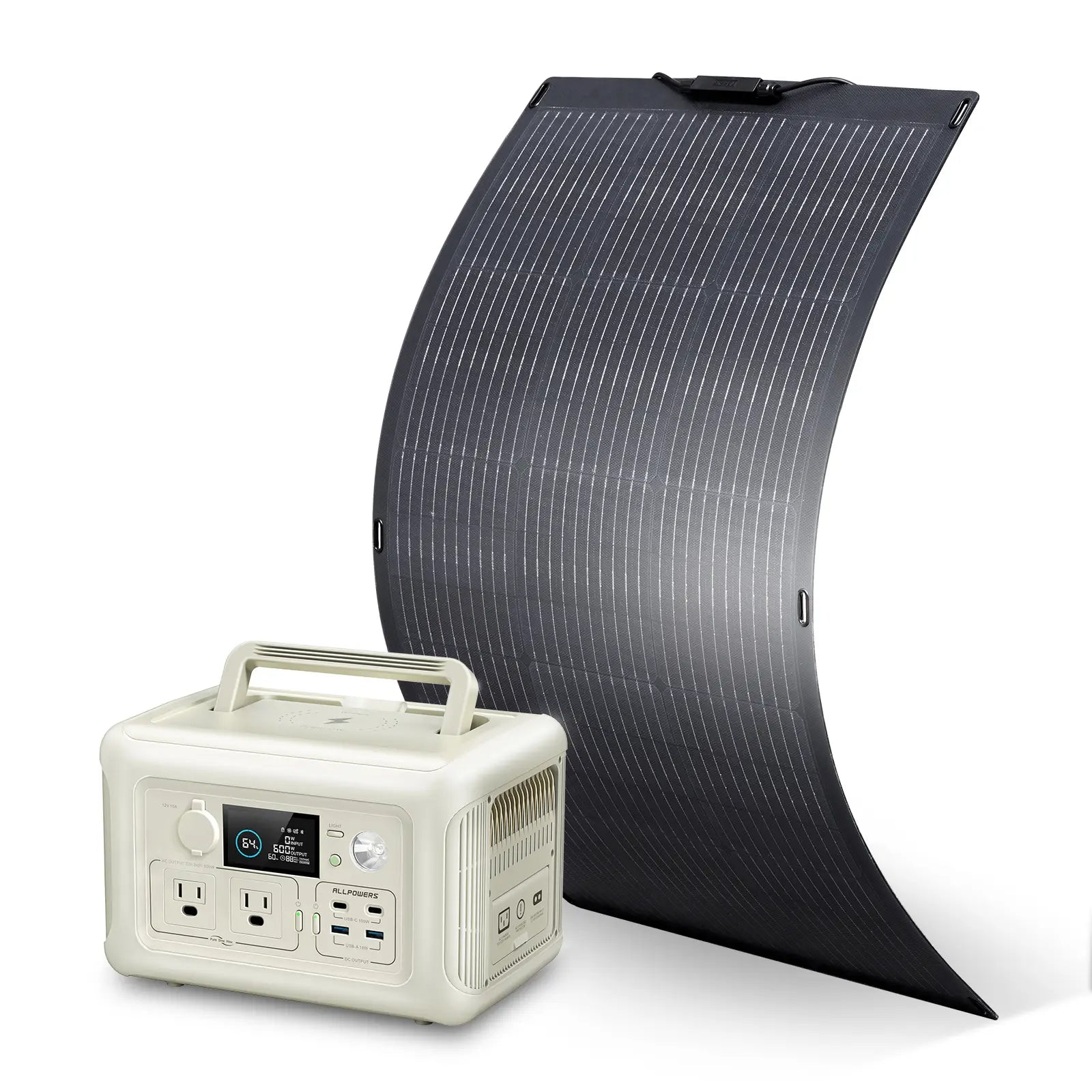
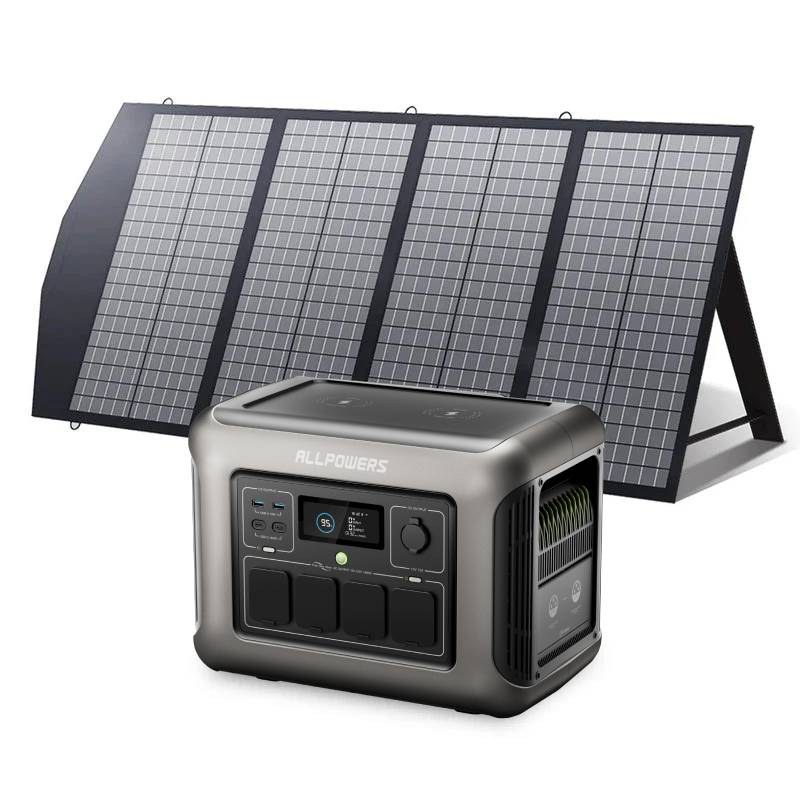
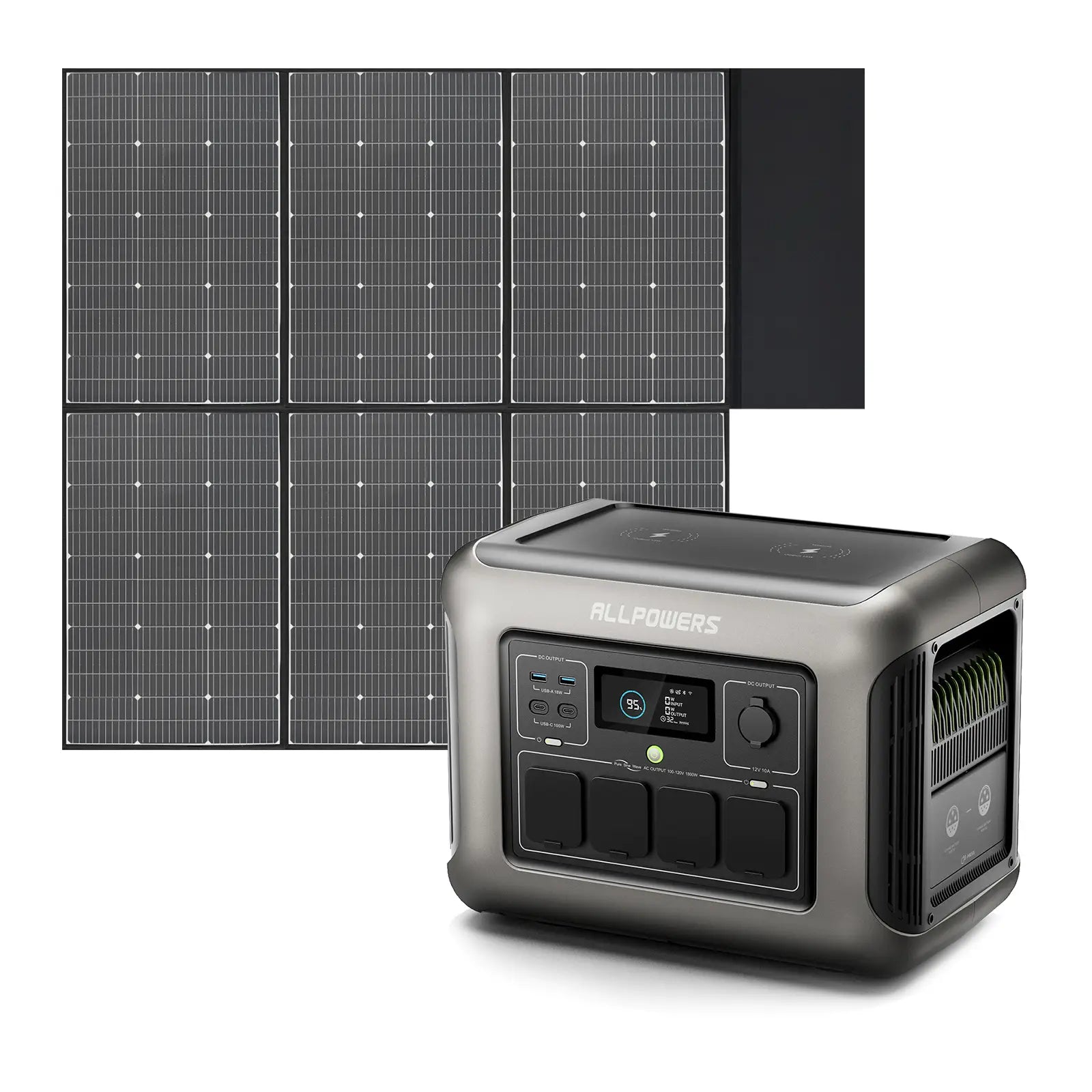
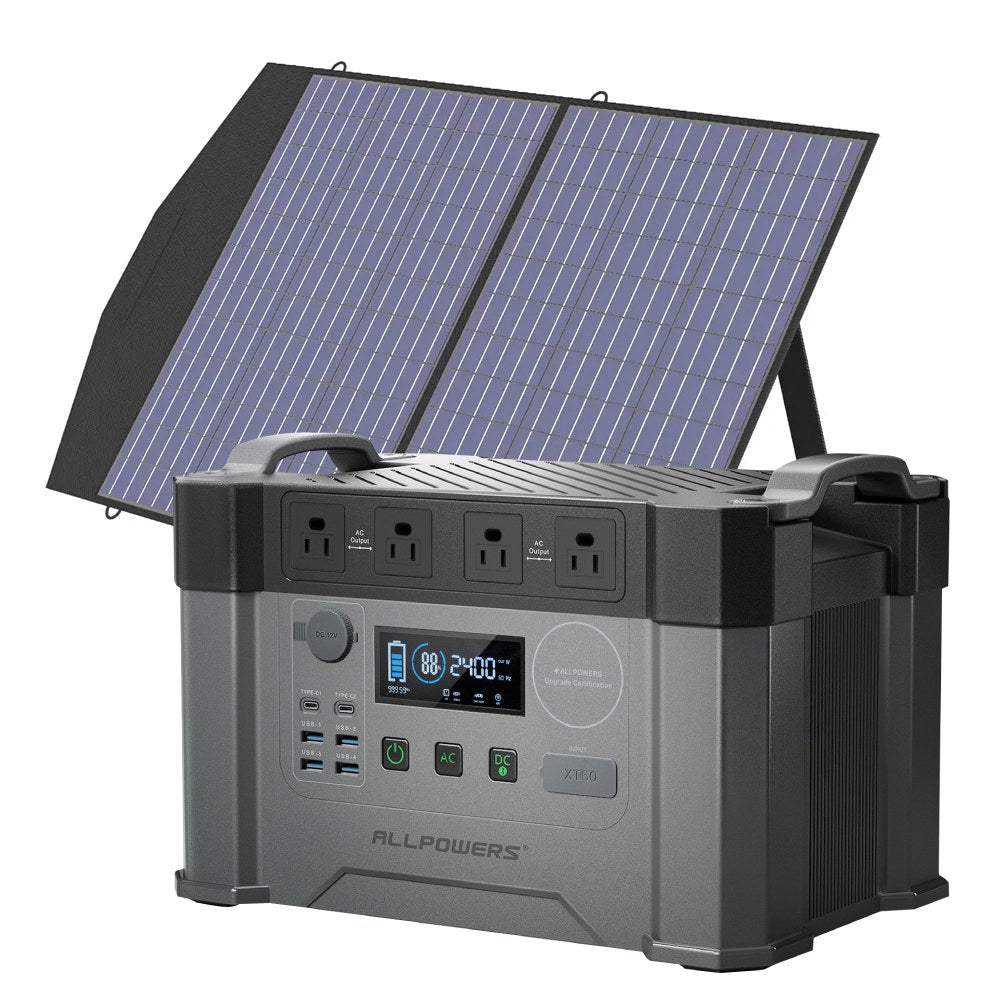
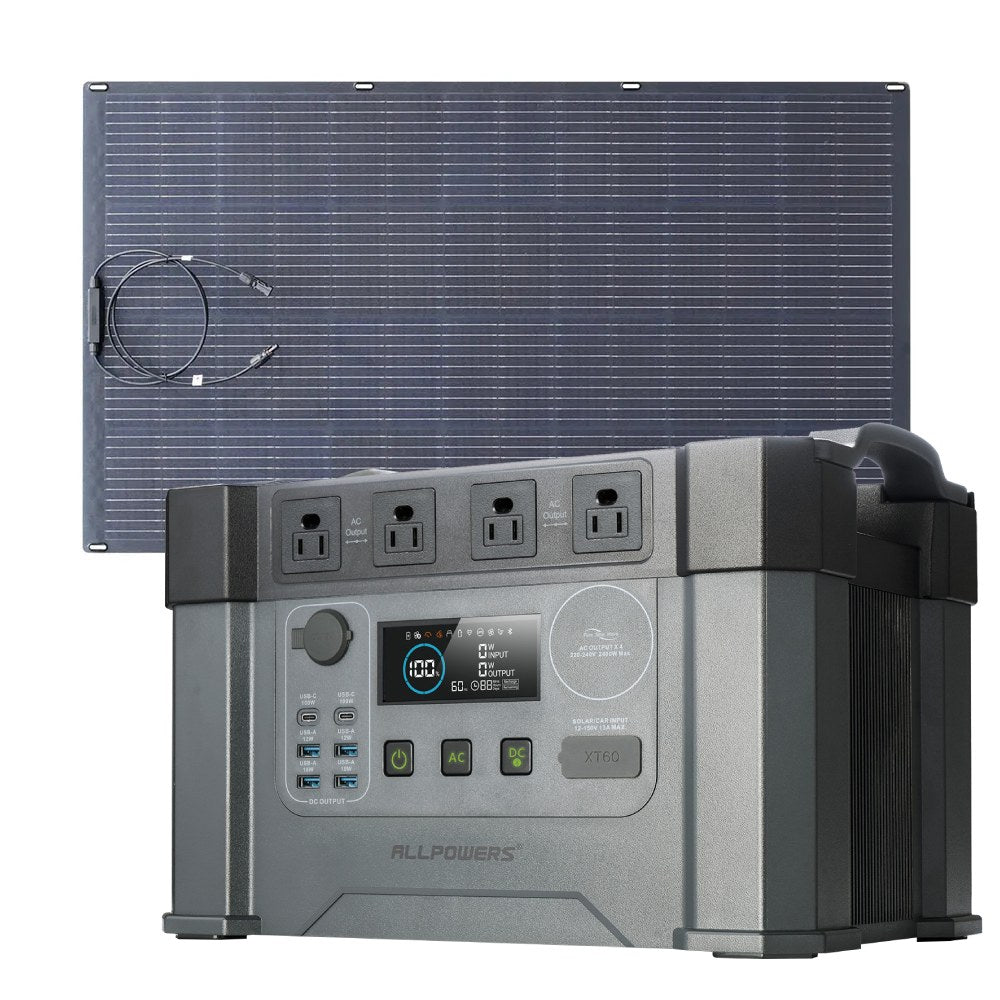
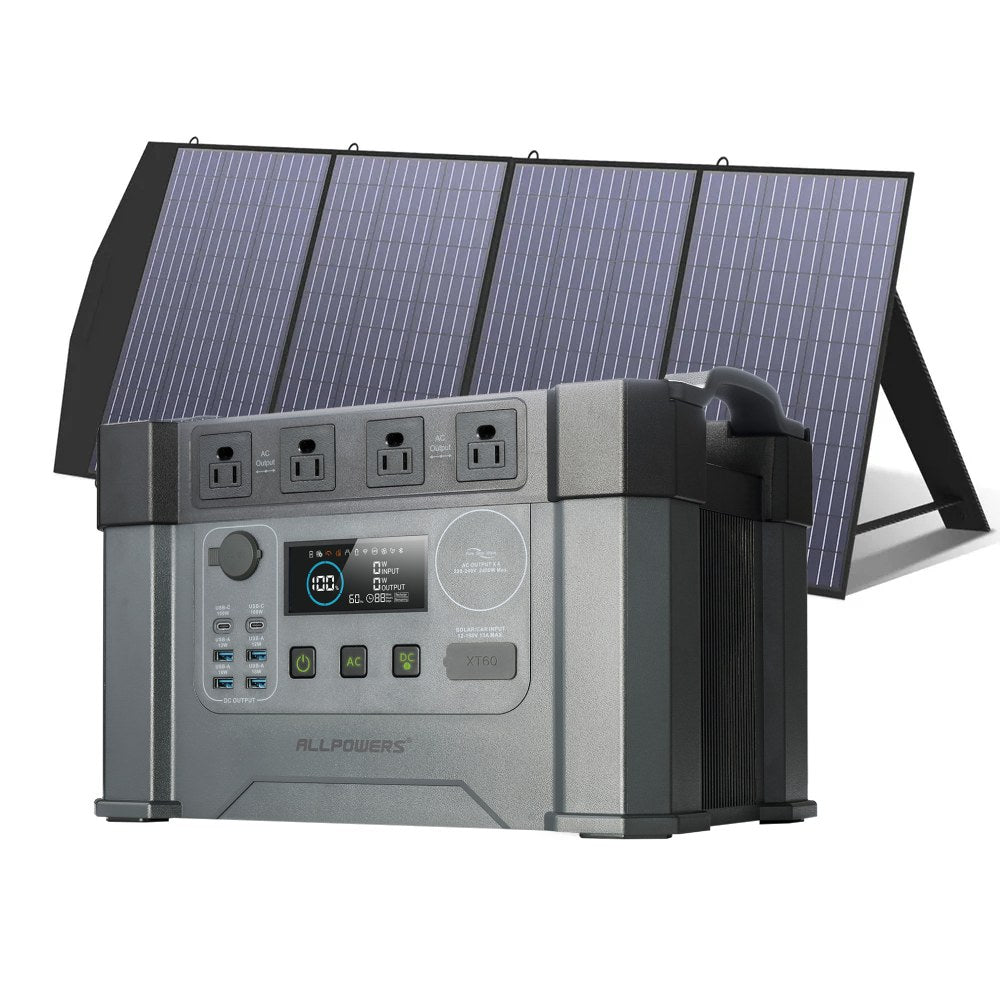
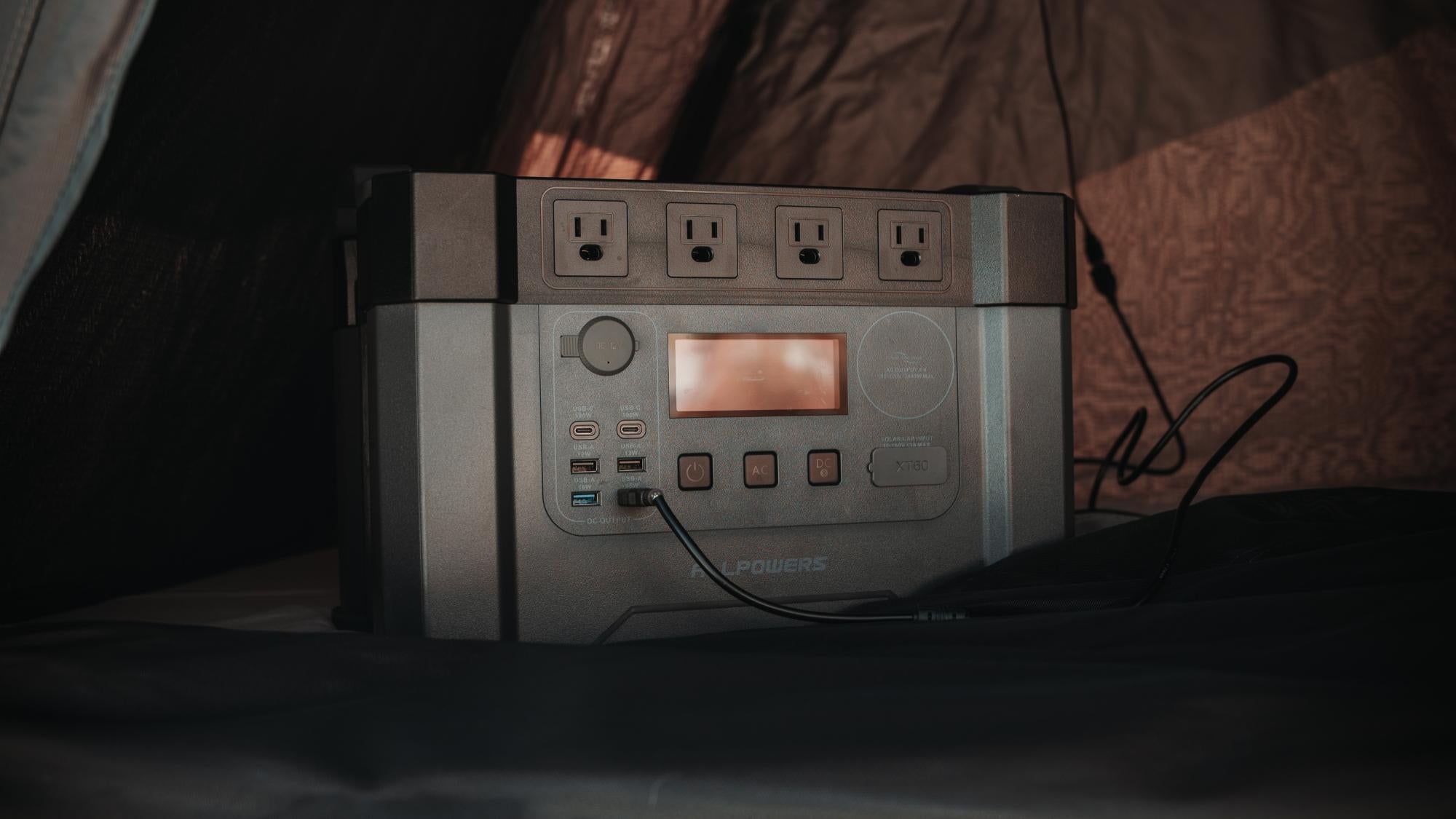
During outages caused by storms or wildfire-related grid instability, even small backup energy sources may help keep critical devices operating temporarily, including air filtration systems and portable power stations.
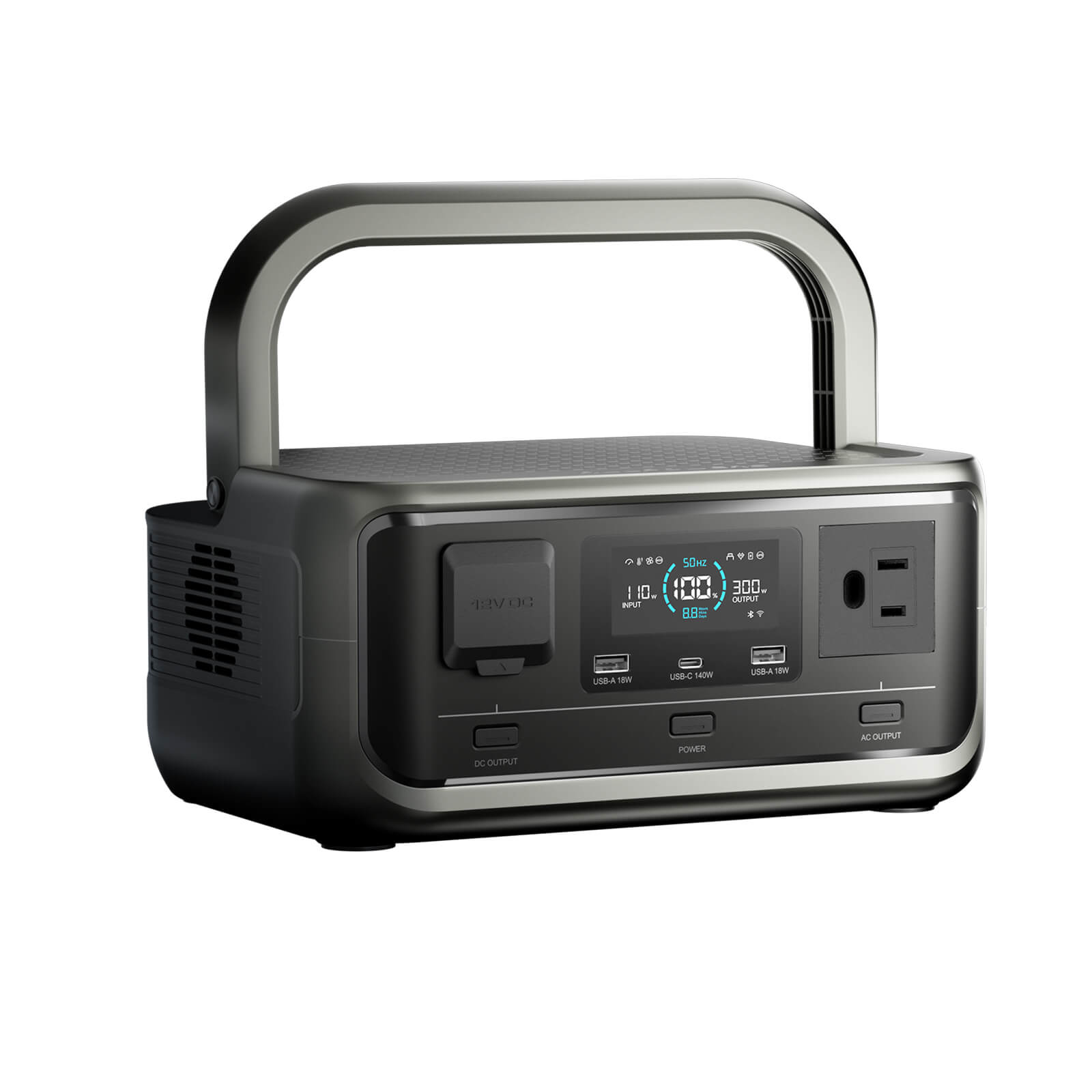
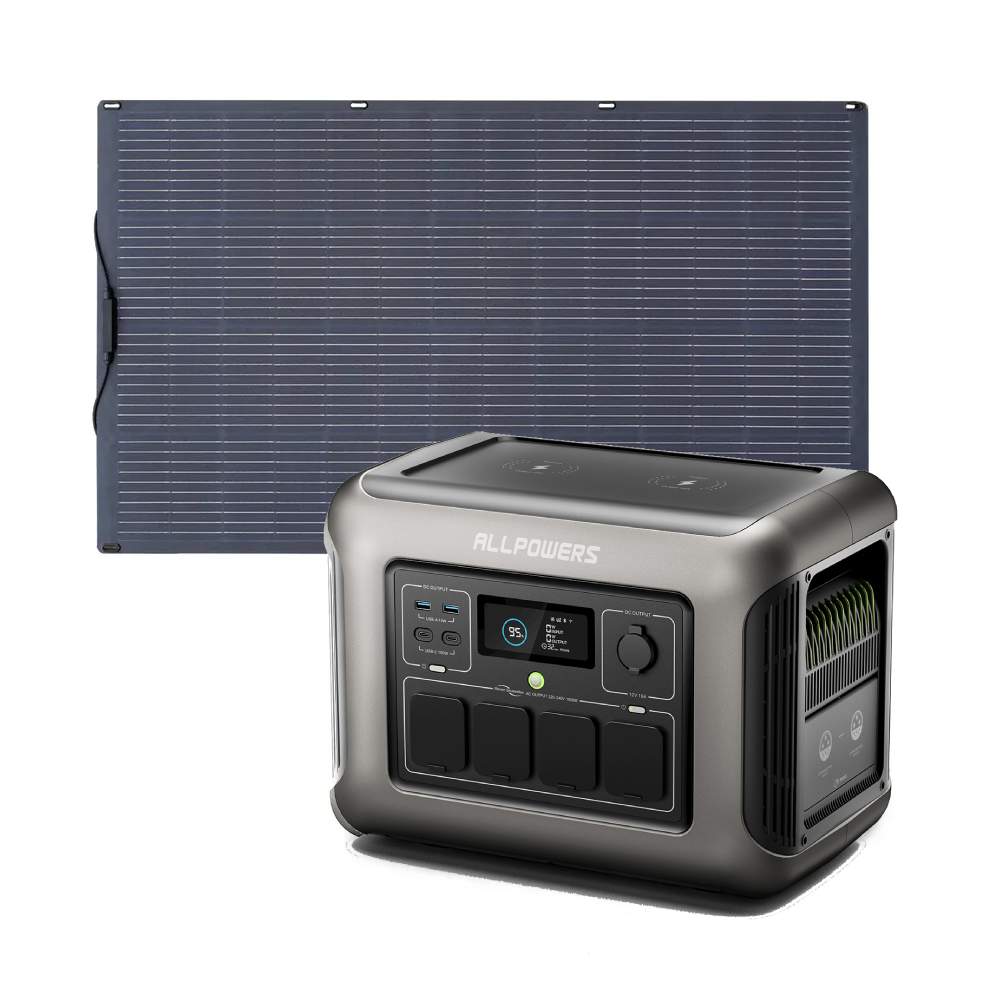
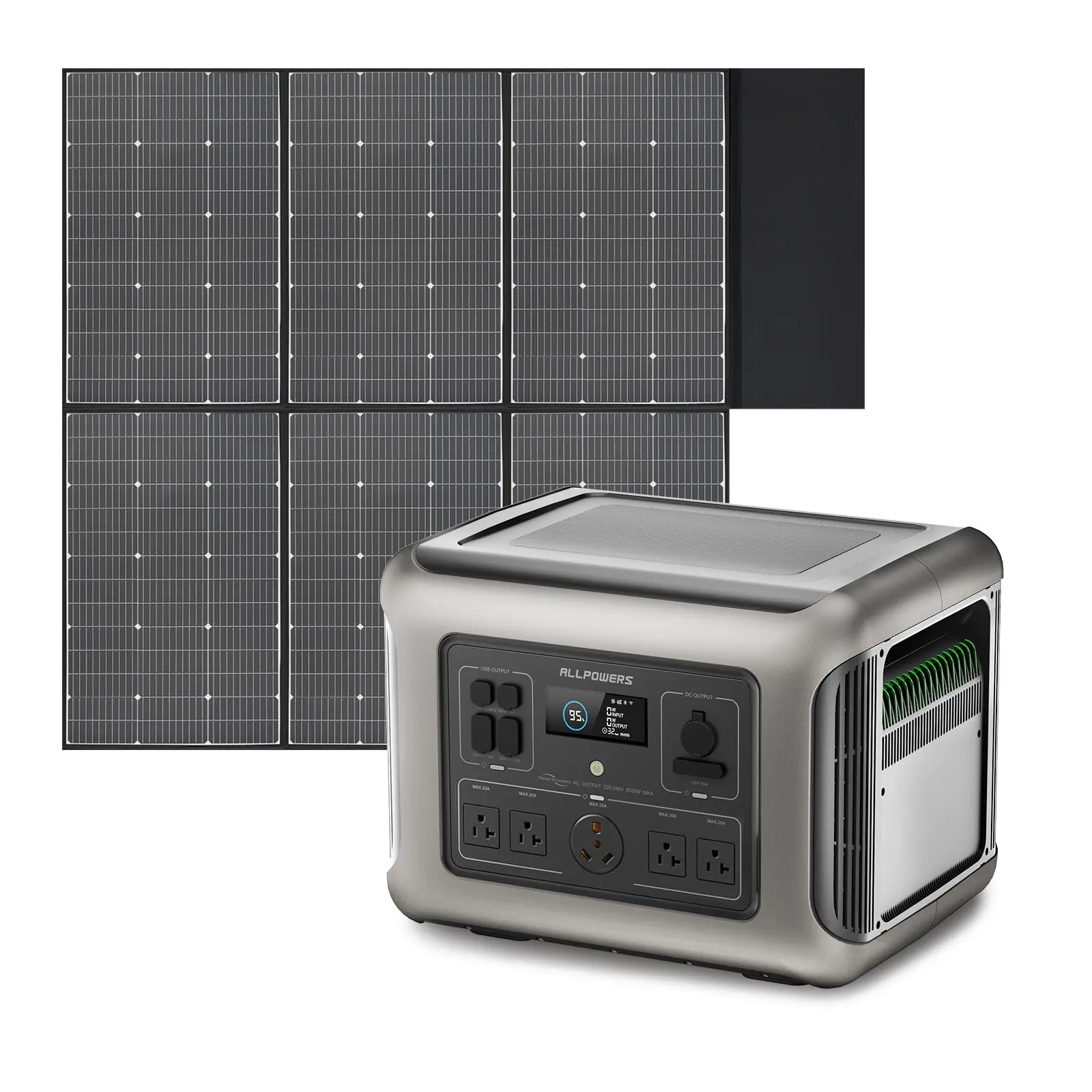
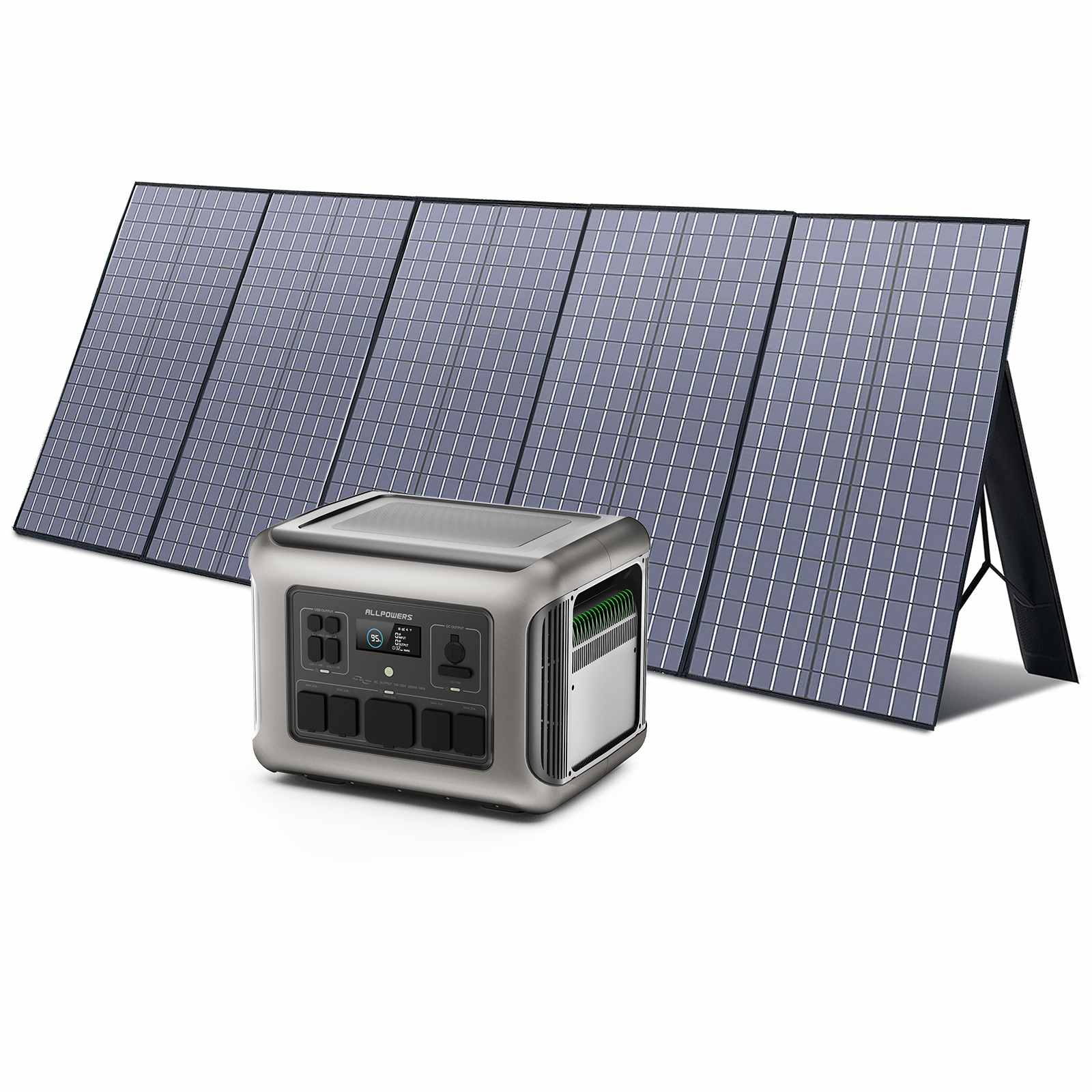
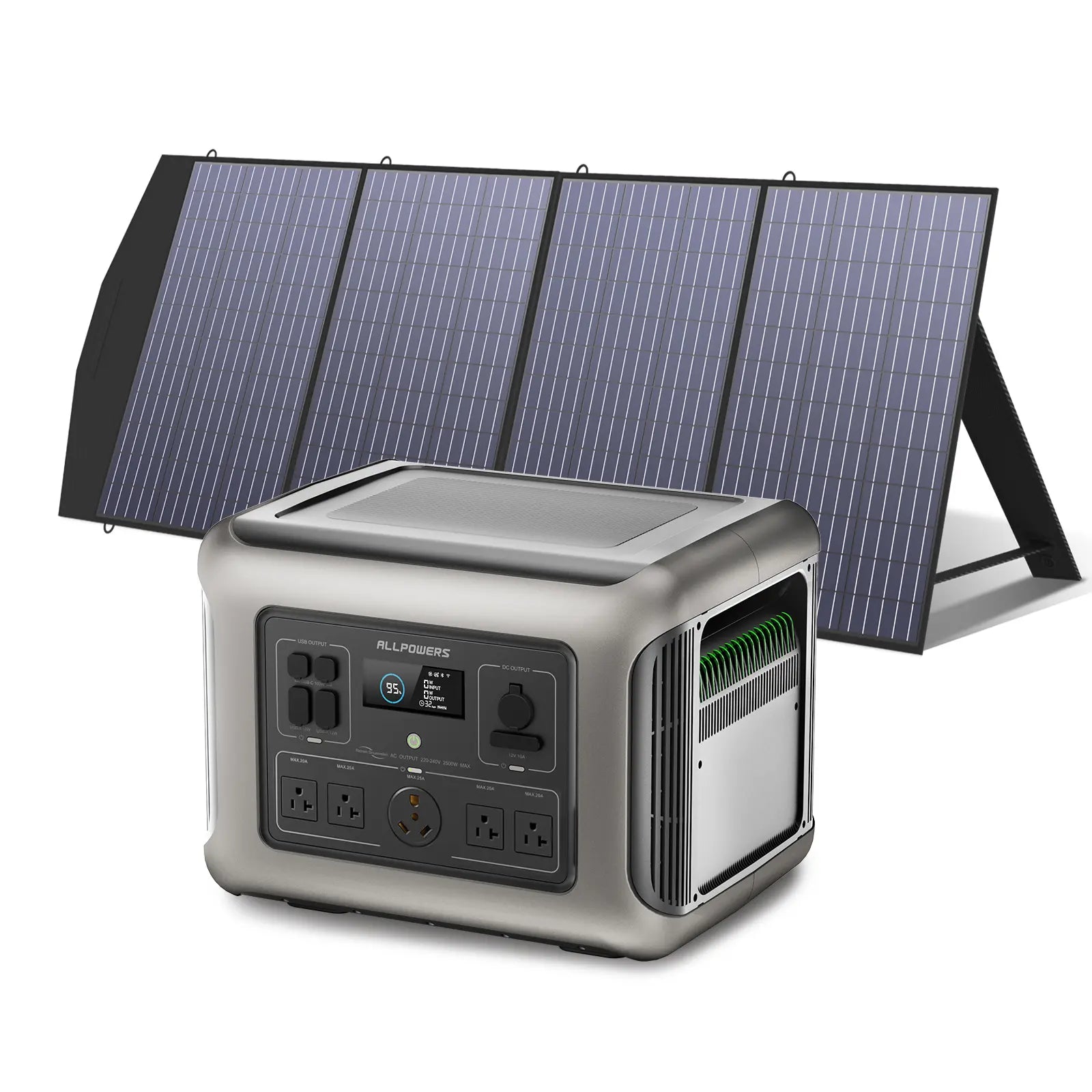
ALLPOWERS VOLIX P300 Portable Power Station
$149.00 $249.00
- 299Wh Capacity;
- 300W AC Output (600W Surge);
- Fast Charge 100% in 1 Hours;
- Ultra-quiet 30dB Under Load ;
- Long-Lasting And Safe Lifepo4 Battery;
How to Reduce Air Purifier Electricity Usage
Reducing energy consumption does not necessarily mean sacrificing clean air. Simple adjustments can significantly improve efficiency without lowering performance.
Keeping doors and windows closed while the purifier operates prevents outdoor pollutants from constantly entering the room.
Cleaning or replacing filters regularly helps maintain airflow efficiency. Using auto mode instead of maximum speed can also reduce unnecessary power usage.
Placement matters as well. A purifier positioned near obstructions such as walls or furniture may struggle to circulate air effectively, forcing the motor to work harder. Proper positioning allows better airflow and more efficient operation.
Some newer models also use DC motors rather than traditional AC motors, which can improve overall energy efficiency.
Discussions among users and technical sources suggest that brushless DC motor designs often consume less electricity while maintaining quieter performance.
Final Thoughts
So, do air purifiers use a lot of electricity? In most situations, the answer is no.
Compared with major household appliances, air purifiers are relatively low-power devices that typically consume electricity at levels similar to fans, routers, or small electronics.
While usage costs vary depending on room size, filtration technology, and runtime, most households will not see dramatic increases in their utility bills from operating an air purifier regularly.