







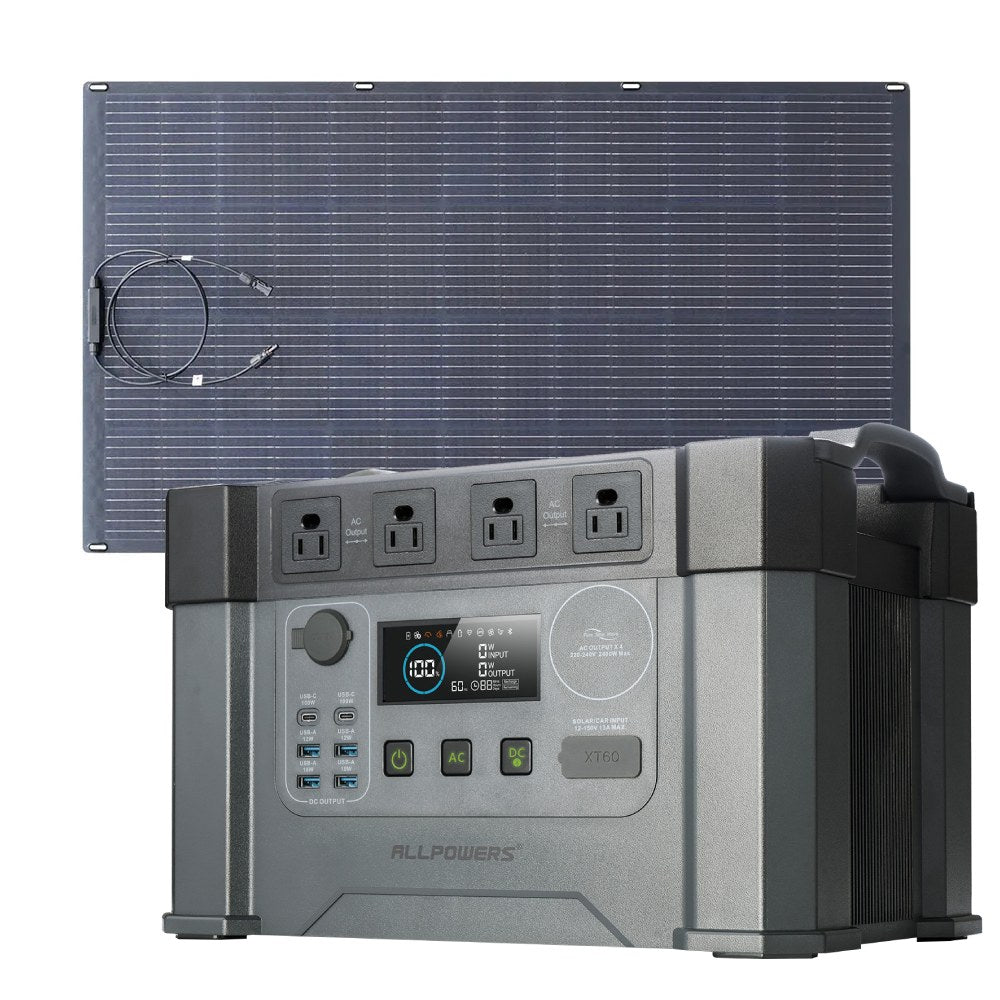
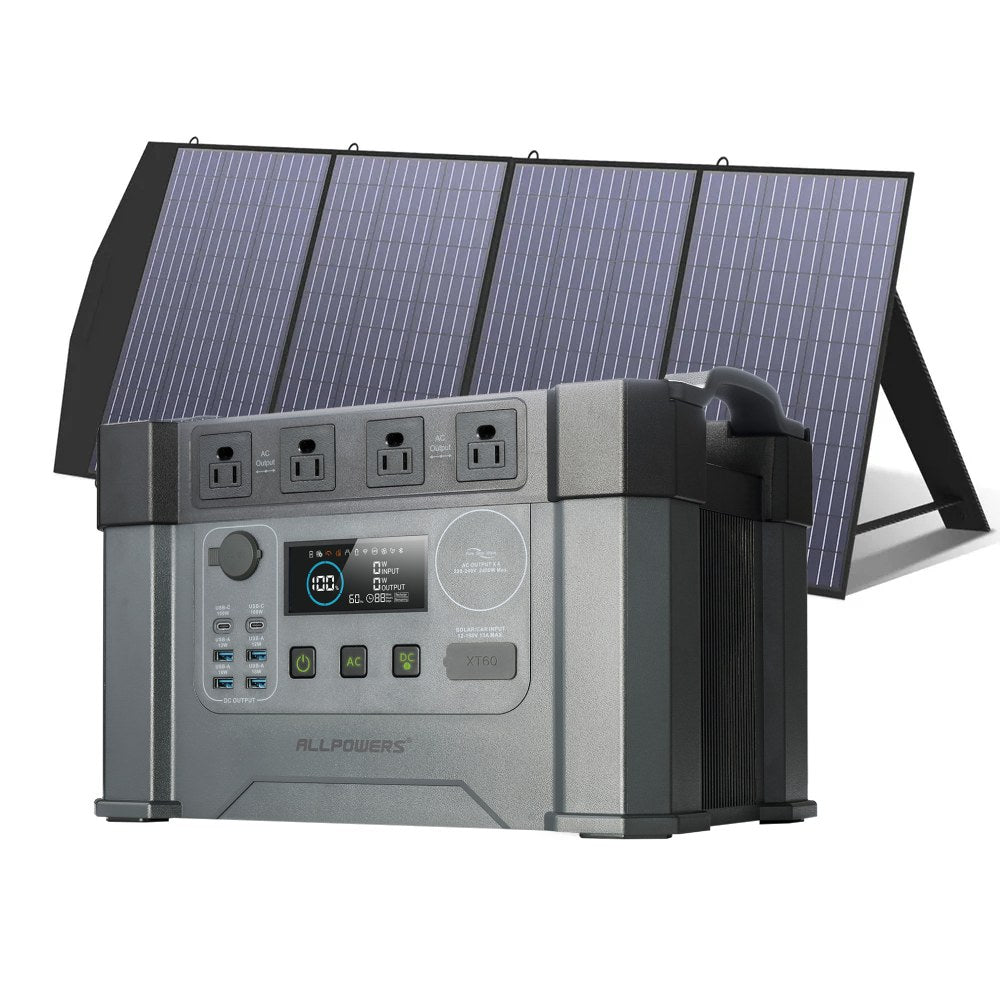
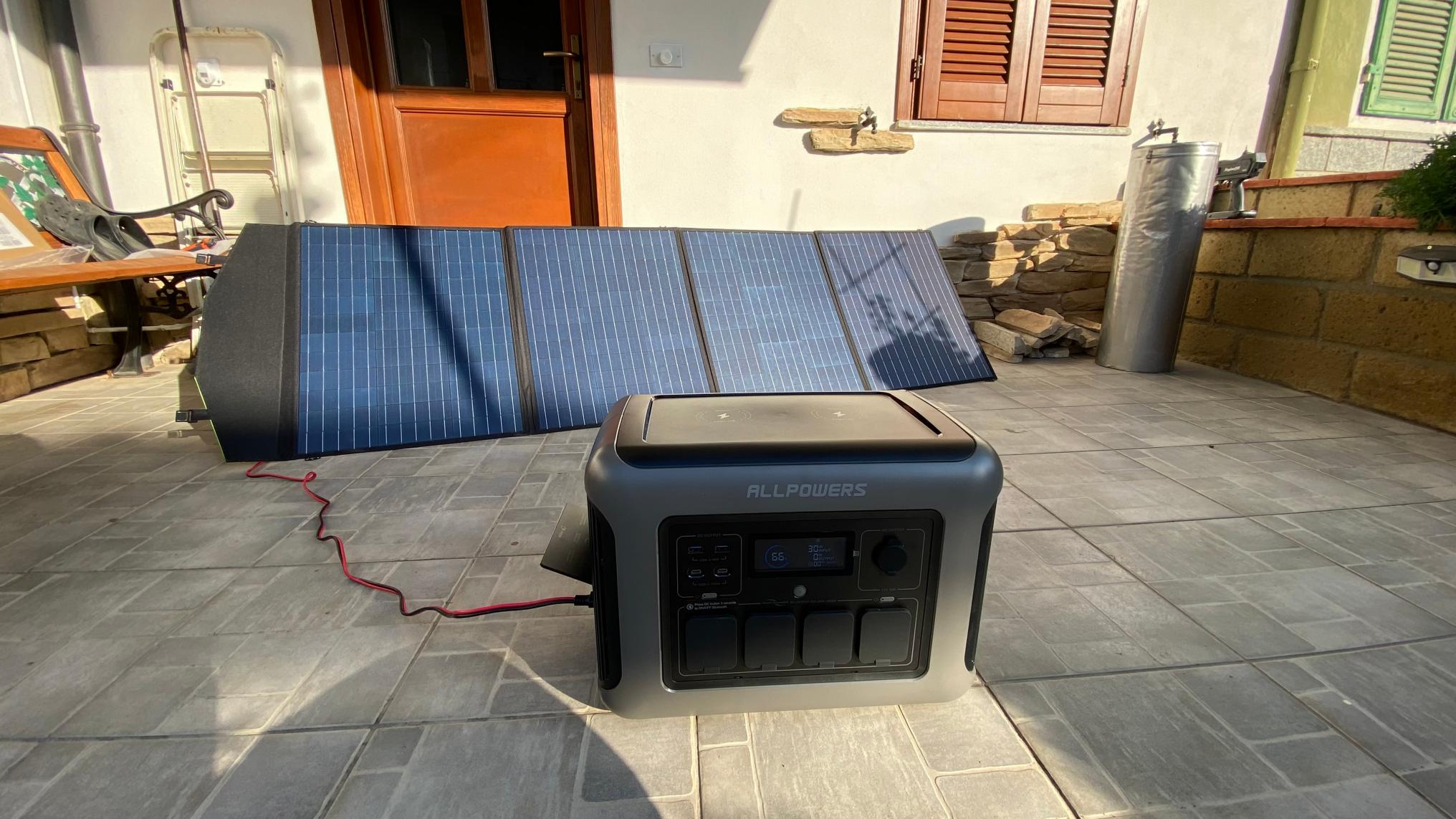
Summer power outages can happen suddenly and often arrive during periods of extreme heat when electricity is needed the most.
Severe storms, overloaded electrical grids, wildfires, and heat waves can all increase the risk of blackouts during warmer months.
Fortunately, proper preparation can make summer outages far easier to manage.
So, how should homeowners prepare for a summer power outage?
TL;DR:
Preparing for a summer power outage involves keeping emergency supplies ready, maintaining backup lighting and communication devices, protecting refrigerated food, improving indoor cooling strategies, and planning alternative power solutions for essential electronics. Heat safety, hydration, and proper energy preparation become especially important during extended outages in hot weather.
Why Summer Power Outages Are Becoming More Common
Power outages during summer are becoming increasingly common in many regions due to rising electricity demand and more frequent extreme weather events.
During heatwaves, millions of households use air conditioning systems simultaneously, placing enormous pressure on local electrical grids.
In some areas, utility providers may also implement planned power shutoffs to reduce wildfire risks or prevent grid overloads during periods of high demand.
Because summer outages can occur with little warning, emergency preparation is becoming increasingly important for many households.
The Biggest Risks During Summer Outages
Unlike winter outages, summer power failures often create dangerous indoor heat conditions, especially for vulnerable individuals.
Extreme Indoor Temperatures
Without air conditioning or fans, indoor temperatures can rise quickly during heatwaves. Homes with poor ventilation or limited insulation may become uncomfortable within only a few hours.
Food Spoilage
Refrigerators and freezers begin losing safe food-storage temperatures shortly after power is lost.
Communication Disruptions
Phones, internet equipment, and wireless routers may lose power, making it harder to receive weather alerts or emergency updates.
Medical Equipment Concerns
Some households rely on powered medical devices that require continuous electricity during emergencies.
Essential Emergency Supplies to Prepare
Building a basic emergency supply kit can help households remain safer and more comfortable during extended outages.
Flashlights and Backup Lighting
Battery-powered lighting is safer and more practical than relying on candles during emergencies.
Drinking Water
Hot weather increases dehydration risks, especially during prolonged outages without air conditioning.
Shelf-Stable Food
Keeping non-perishable food available can reduce dependence on refrigeration during outages.
Cooling Supplies
Portable fans, cooling towels, ice packs, and breathable bedding can help improve comfort during hot nights.
Emergency Batteries
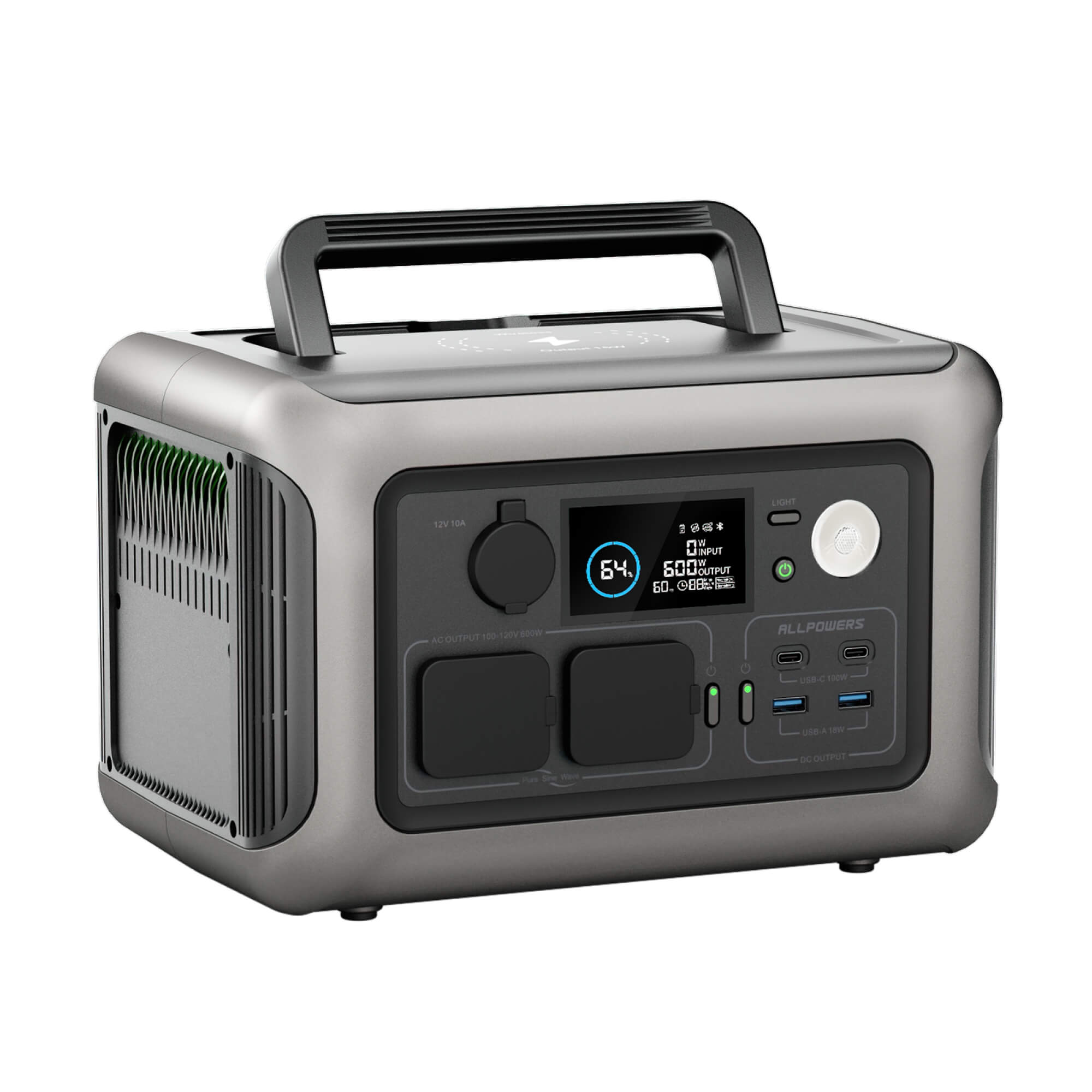
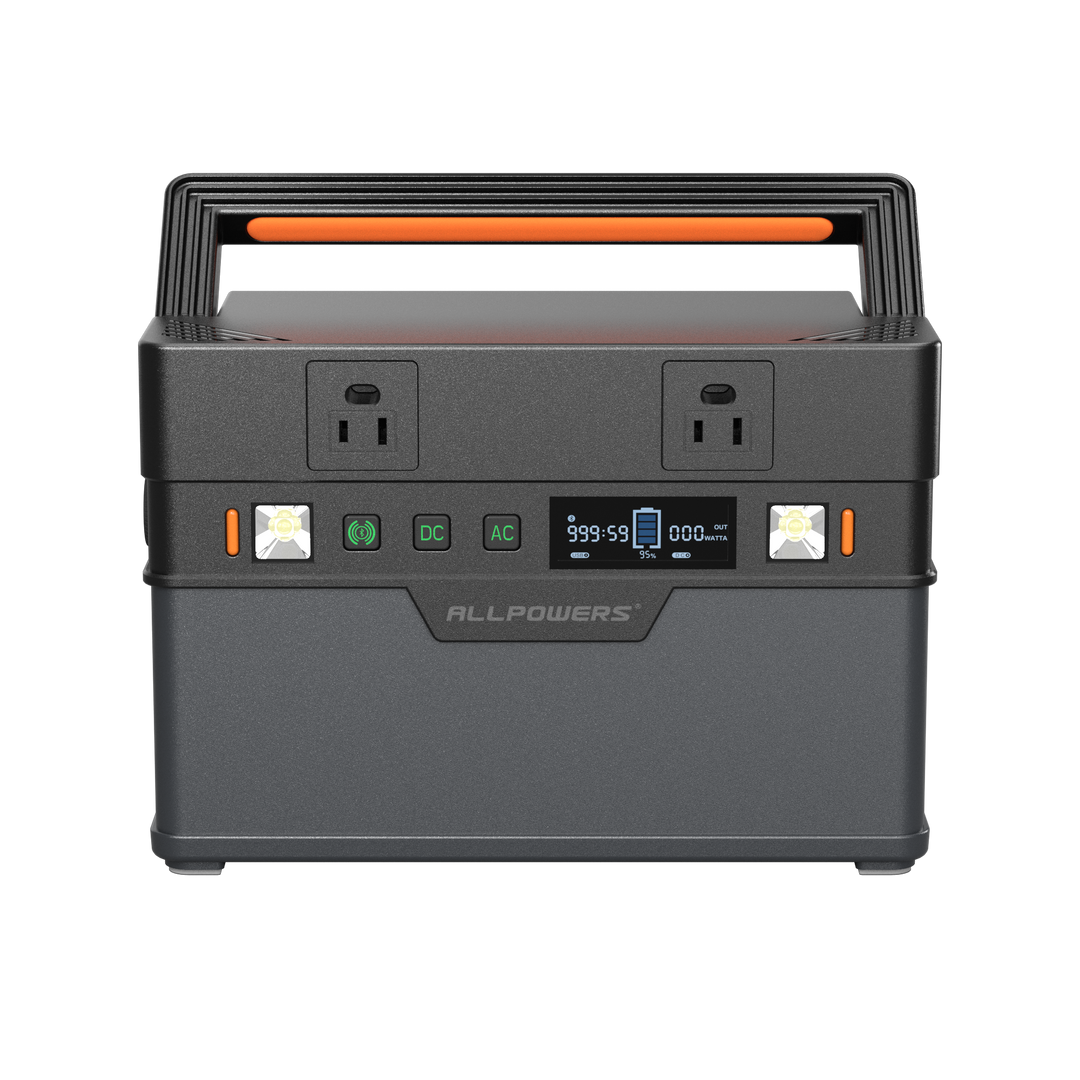
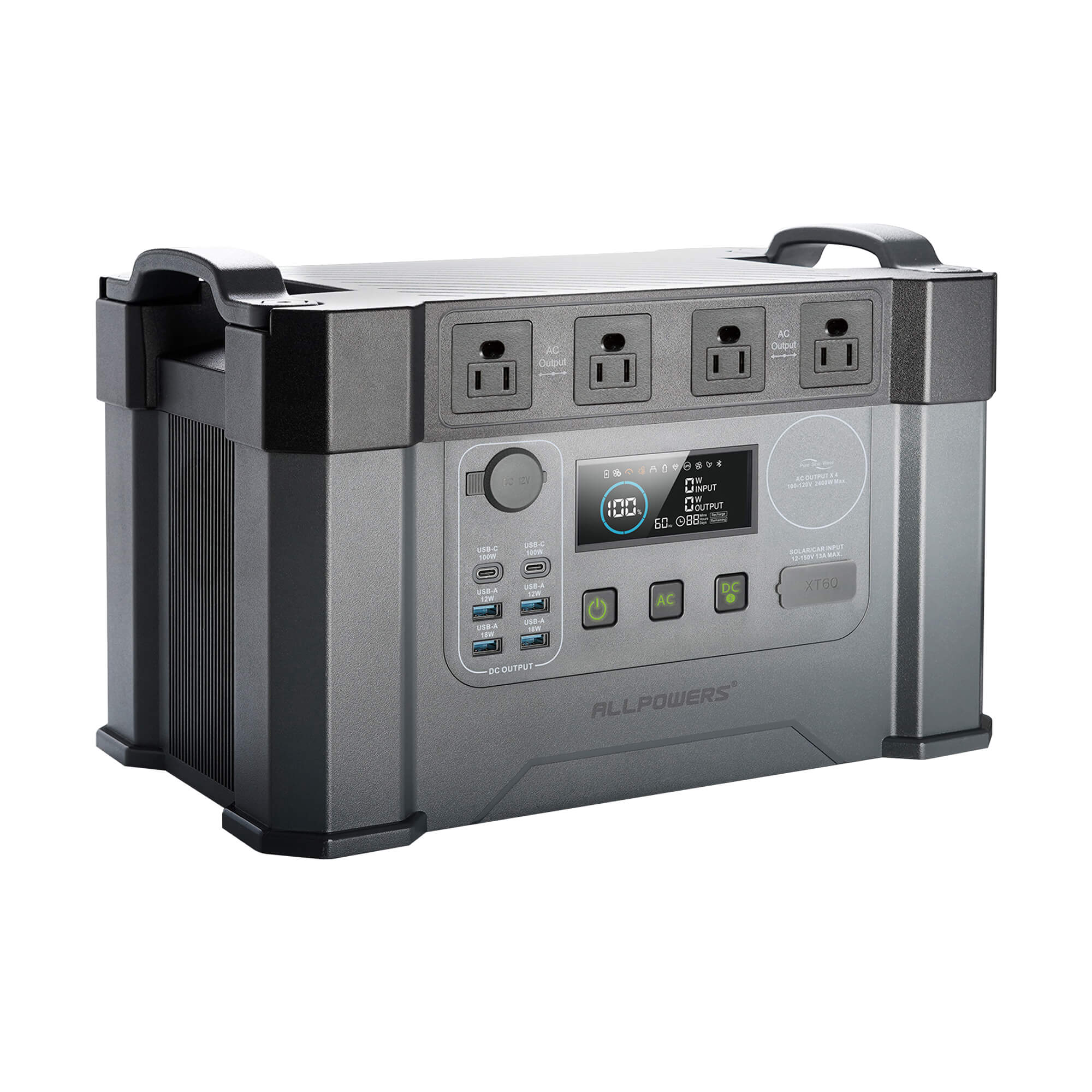
Backup battery systems for phones, radios, and small electronics help maintain communication during emergencies.
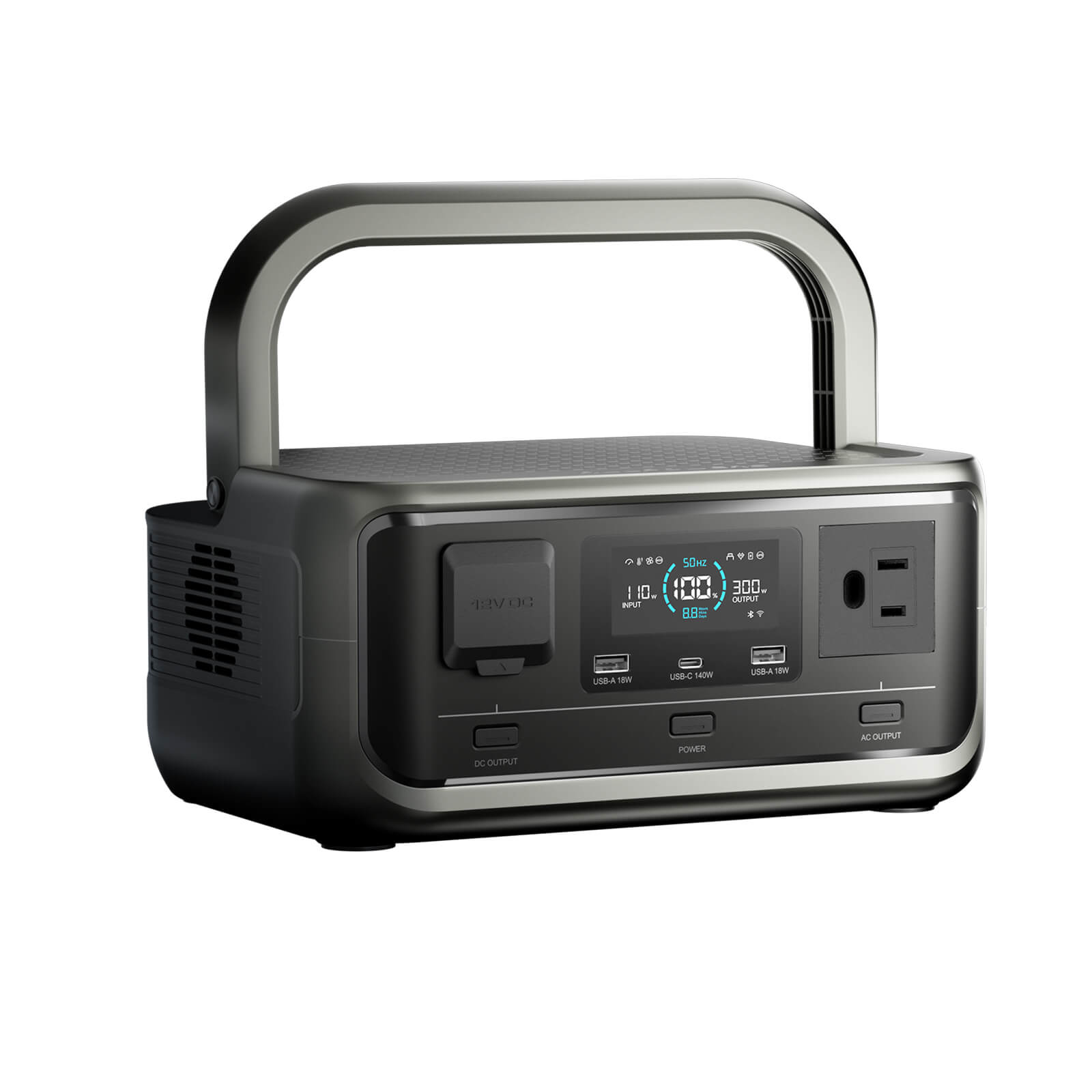
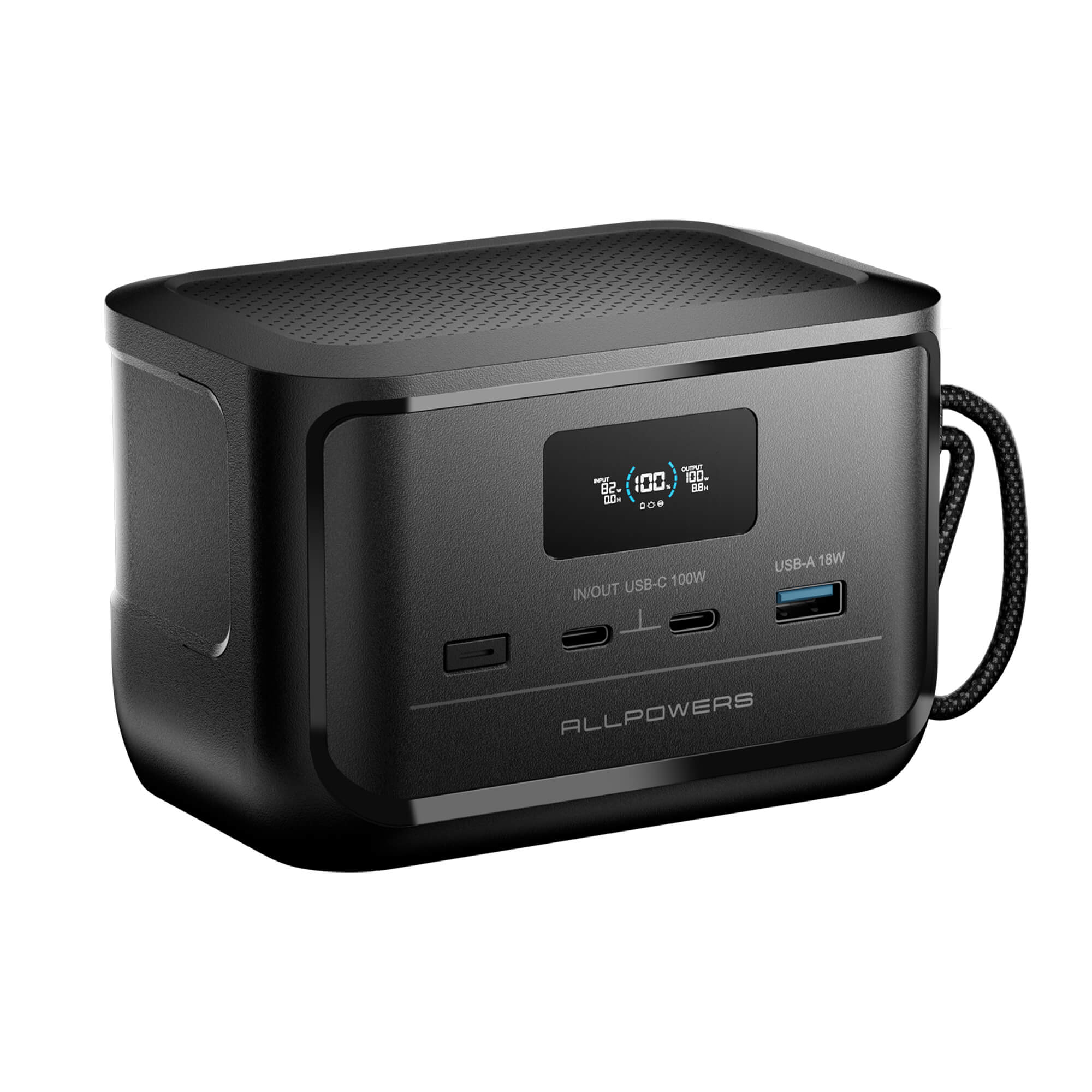
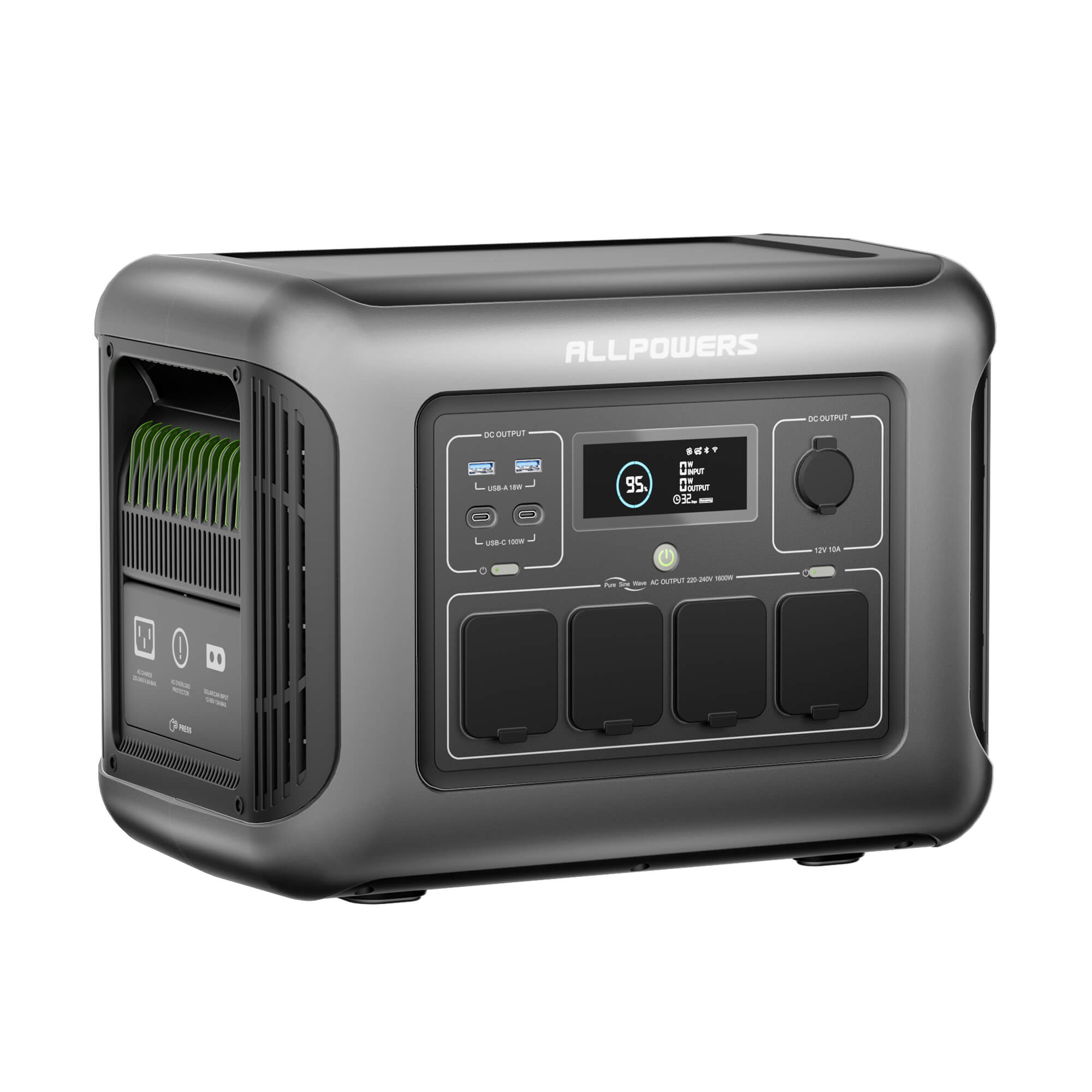
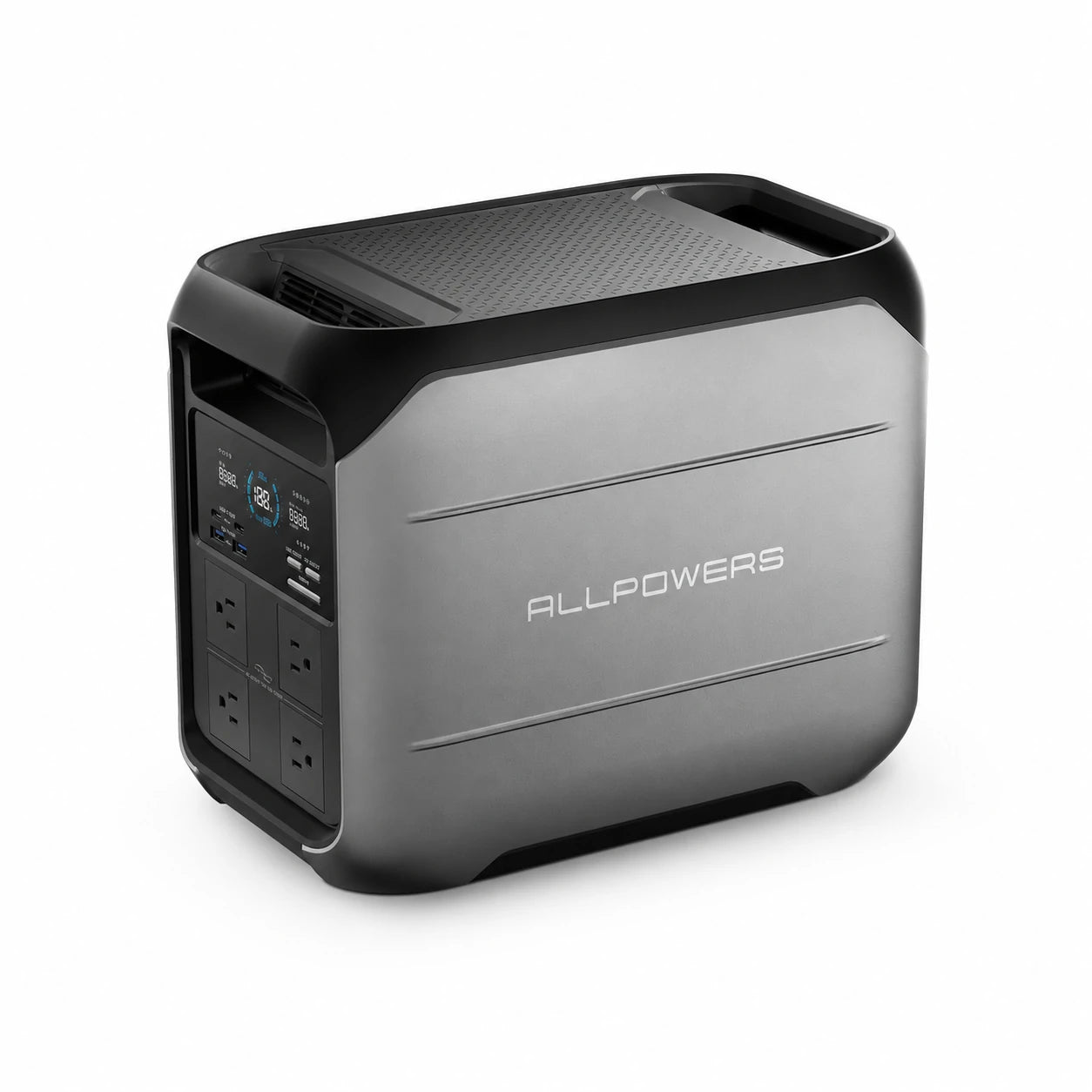
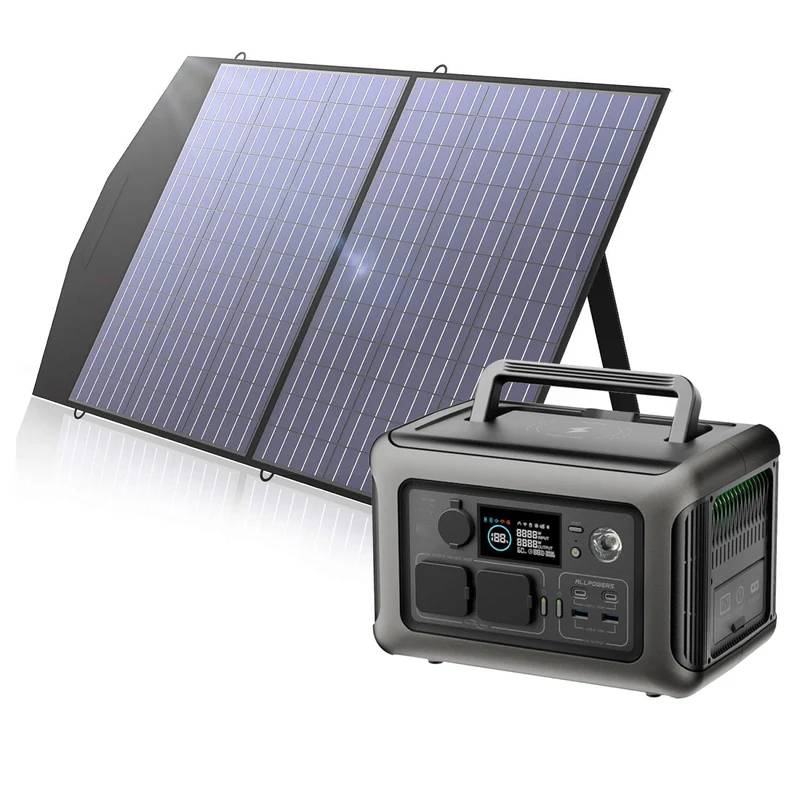
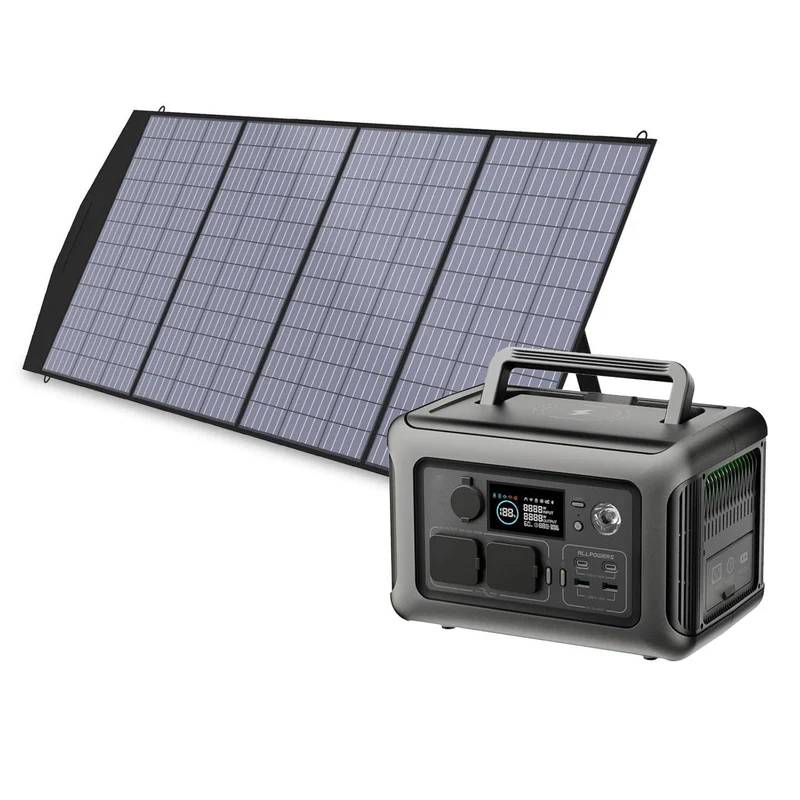
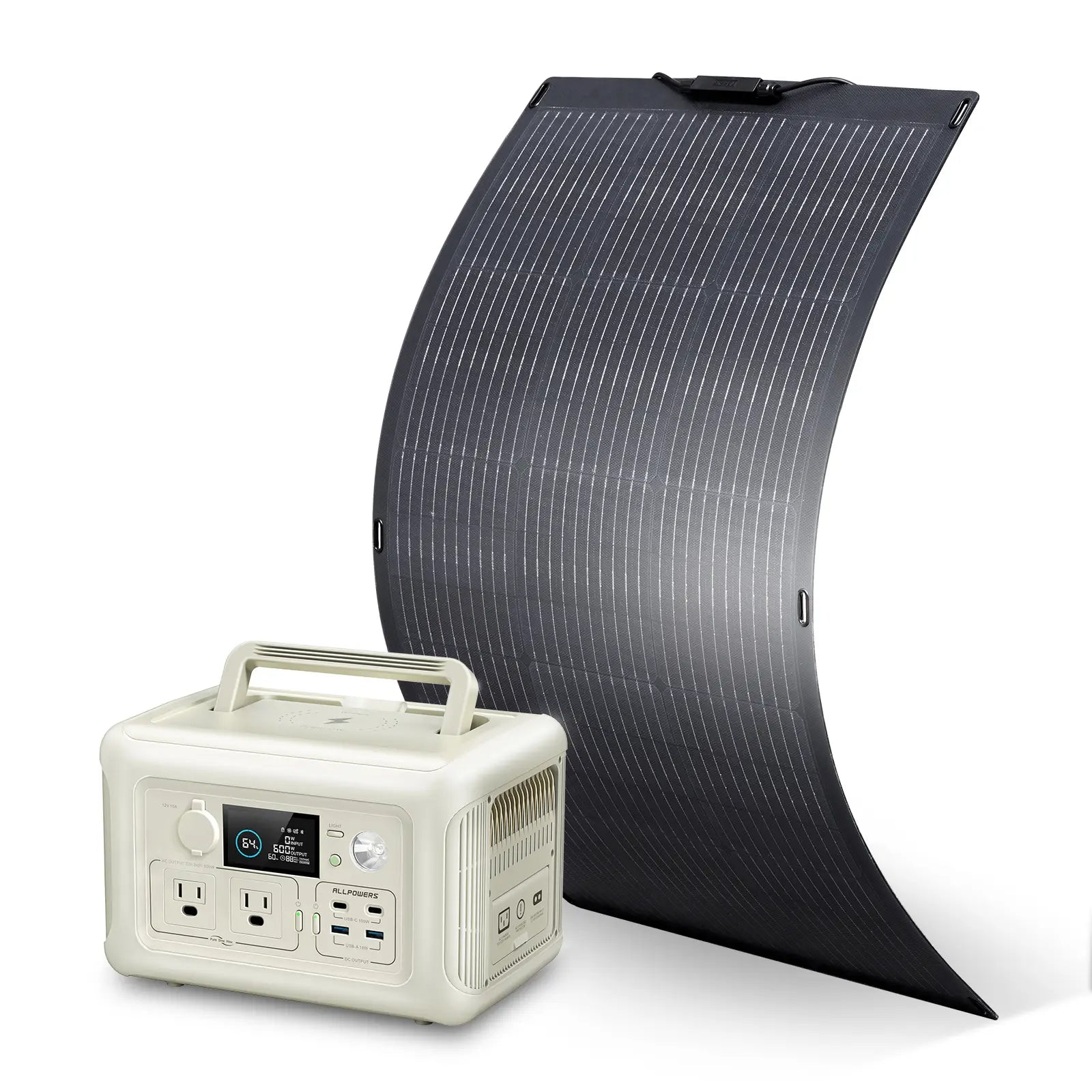
ALLPOWERS VOLIX P300 Portable Power Station
$149.00 $249.00
- 299Wh Capacity;
- 300W AC Output (600W Surge);
- Fast Charge 100% in 1 Hours;
- Ultra-quiet 30dB Under Load ;
- Long-Lasting And Safe Lifepo4 Battery;
How to Keep Your Home Cool Without Power
Staying cool becomes one of the highest priorities during a summer blackout.
Block Sunlight During Peak Heat
Closing blinds, curtains, and shades can help reduce indoor heat buildup significantly.
Use Natural Ventilation Carefully
Opening windows during cooler evening hours may improve airflow and indoor comfort.
Avoid Heat-Producing Appliances
Using ovens, dryers, or stovetops during outages can increase indoor temperatures even further.
Use Portable Fans Strategically
Rechargeable fans and small cooling devices are commonly used during outages to improve air circulation in sleeping areas or small rooms.
Some families also use compact backup energy setups to temporarily support essential cooling devices during periods of extreme heat.
Learn More: How to Stay Cool During a Power Outage?
Food Safety During a Power Outage
Food safety becomes increasingly important during longer outages, especially in hot weather.
Refrigerators typically keep food cold for only a limited period if power remains unavailable.
Learn More: How Long Will a Fridge Stay Cold in a Power Outage?
Keep Refrigerator Doors Closed
Opening refrigerators frequently allows cold air to escape and speeds up food spoilage.
Use Coolers and Ice
Ice chests and coolers may help preserve essential foods and medications during extended outages.
Keeping Phones and Devices Charged
Reliable communication becomes extremely important during emergencies.
Weather updates, evacuation notices, emergency alerts, and family communication often depend on maintaining charged devices throughout the outage.
Charge Devices Before Storms Arrive
Whenever severe weather is forecast, charging phones, tablets, laptops, and battery banks in advance can help maintain communication longer.
Reduce Battery Usage
Lowering screen brightness and limiting unnecessary app usage can extend phone battery life significantly.
Backup Internet Options
Some households rely on mobile hotspots or battery-supported networking equipment to maintain internet access during outages.
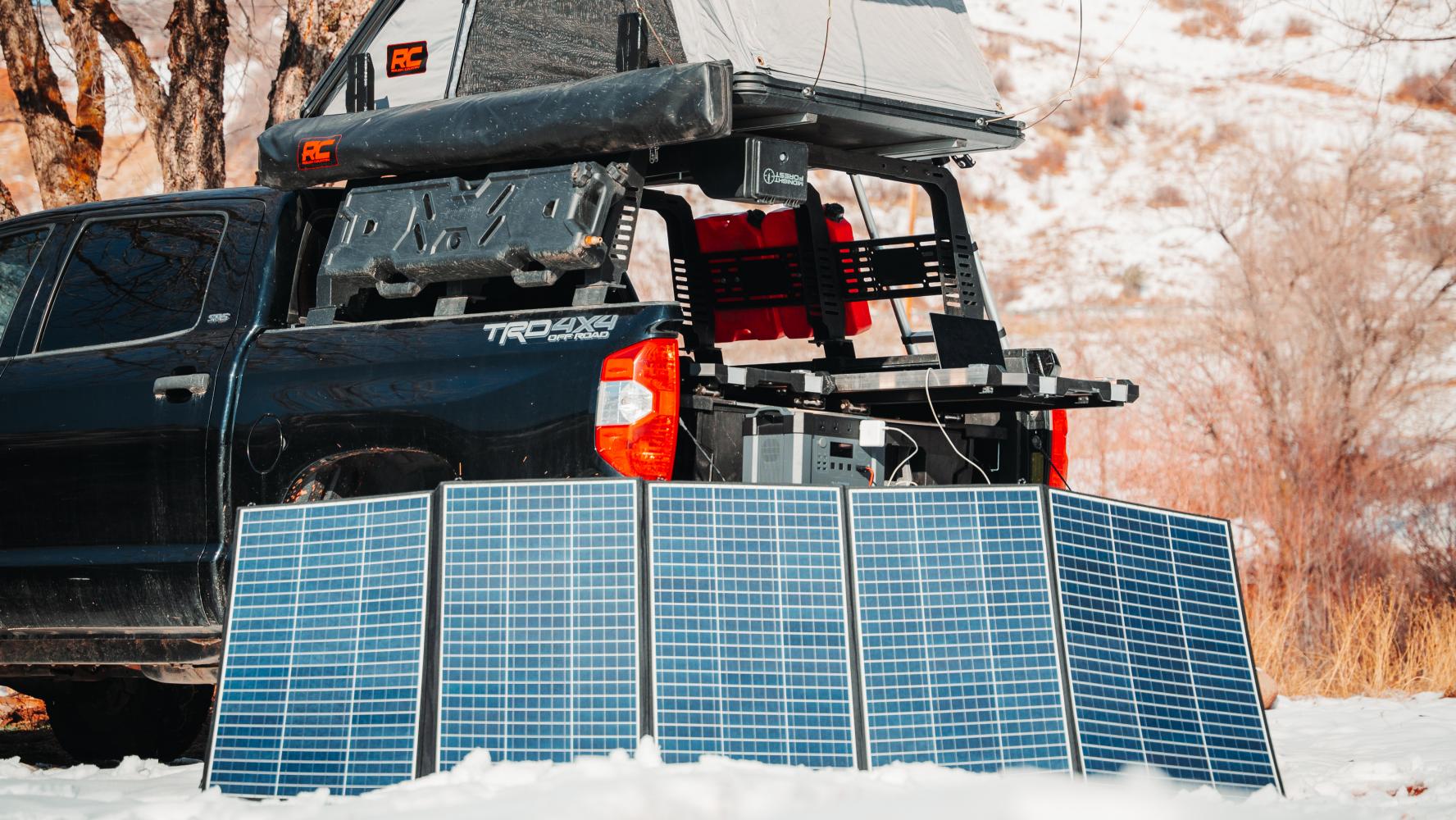
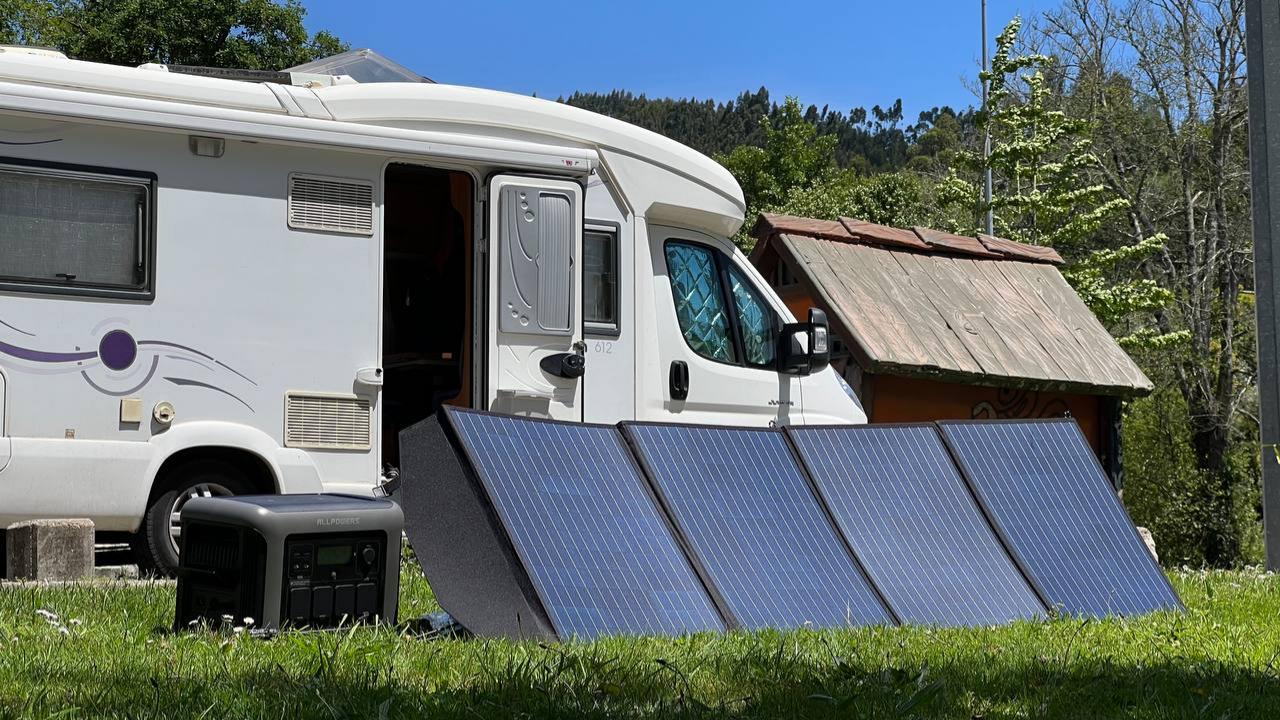
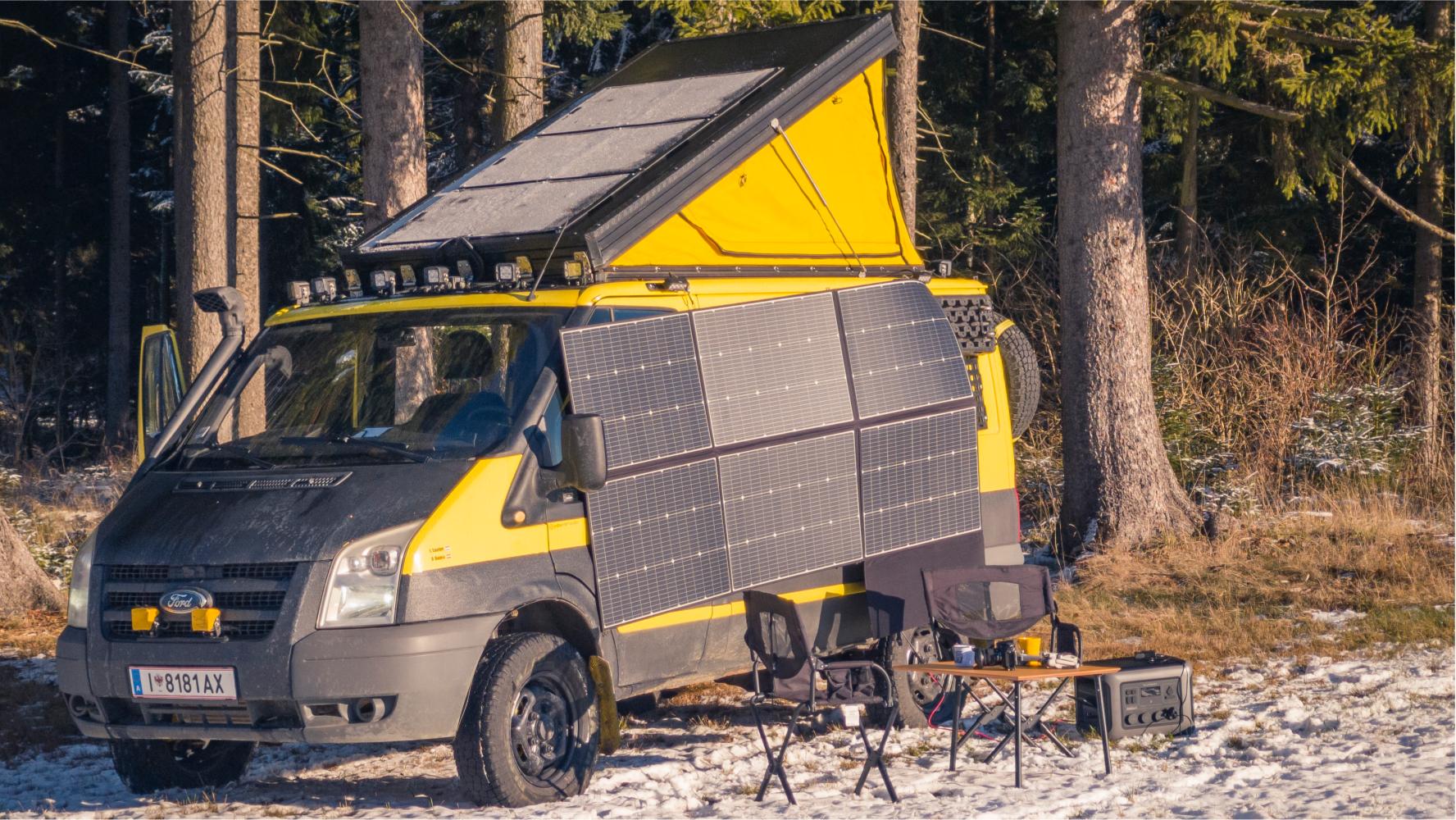
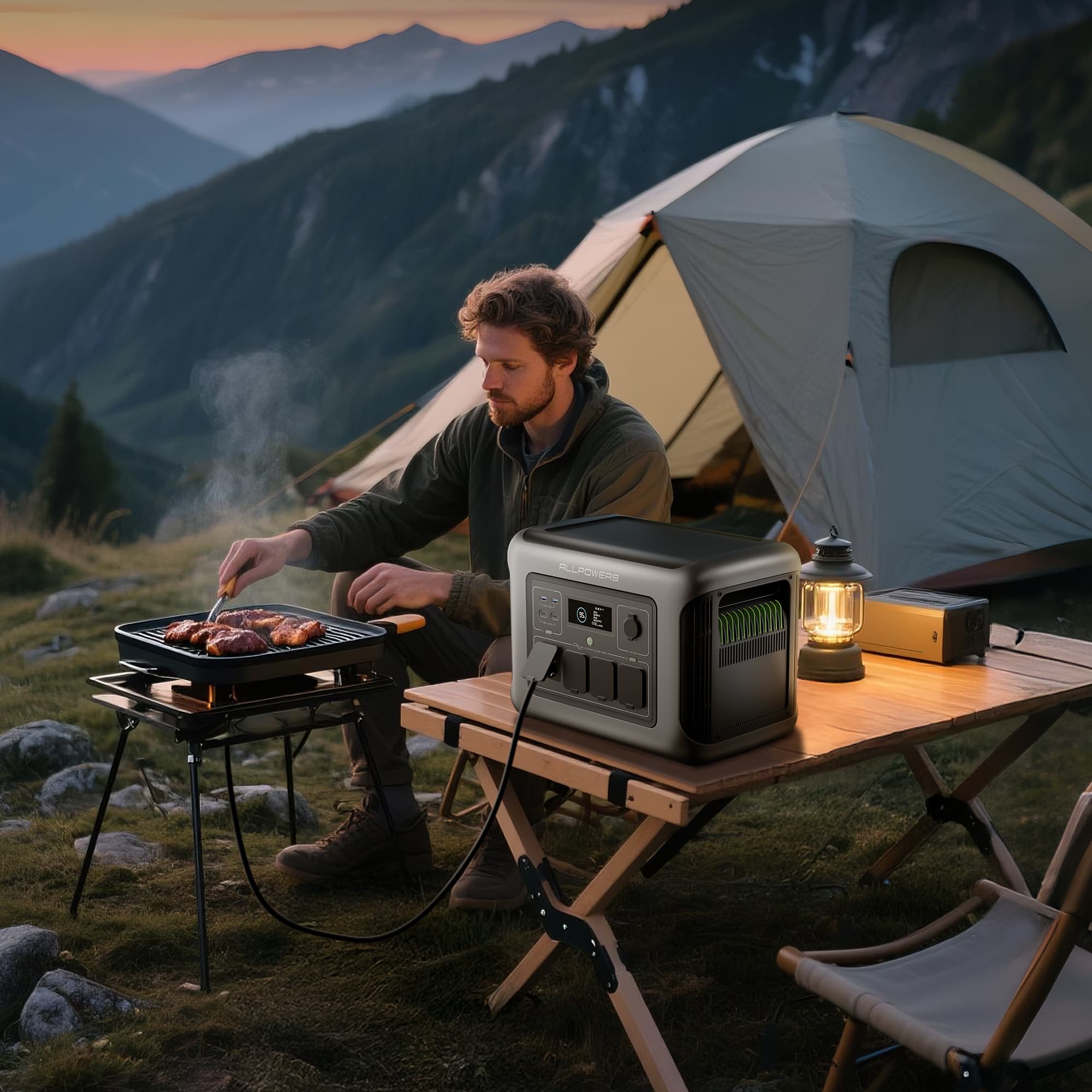
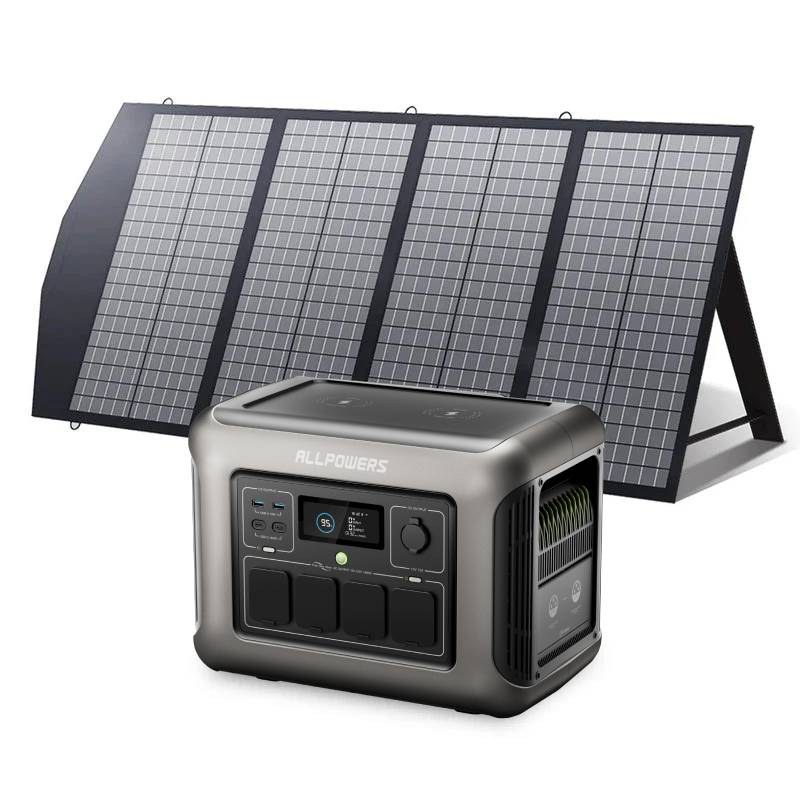
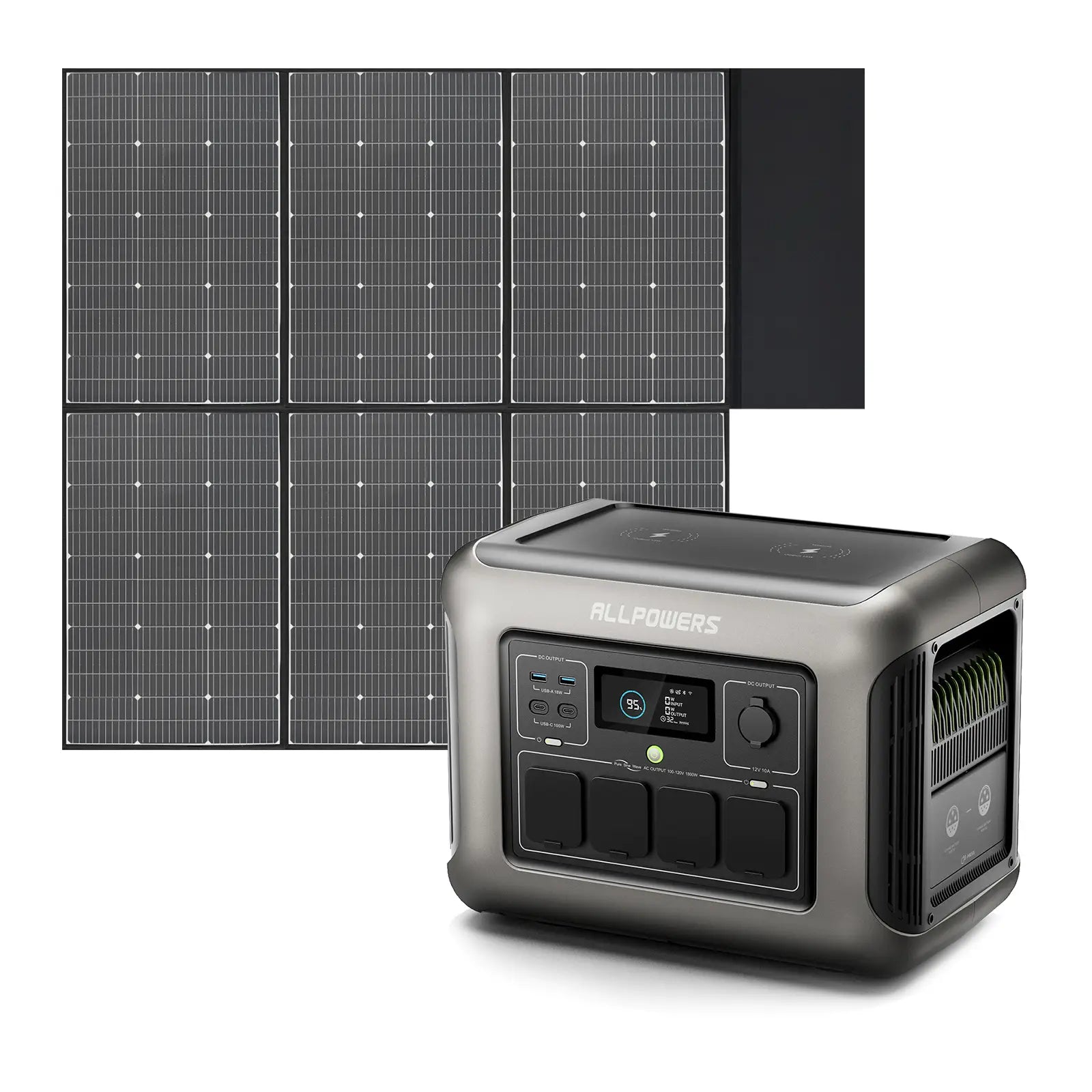
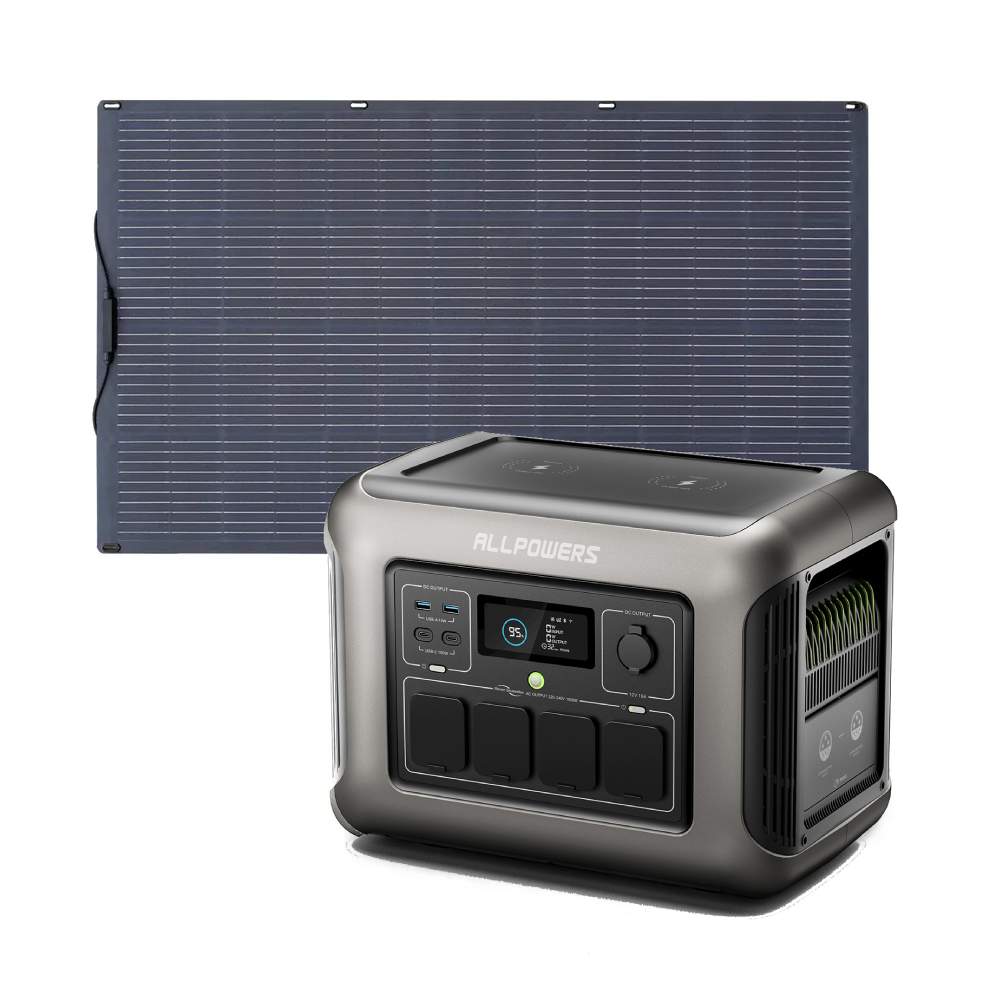
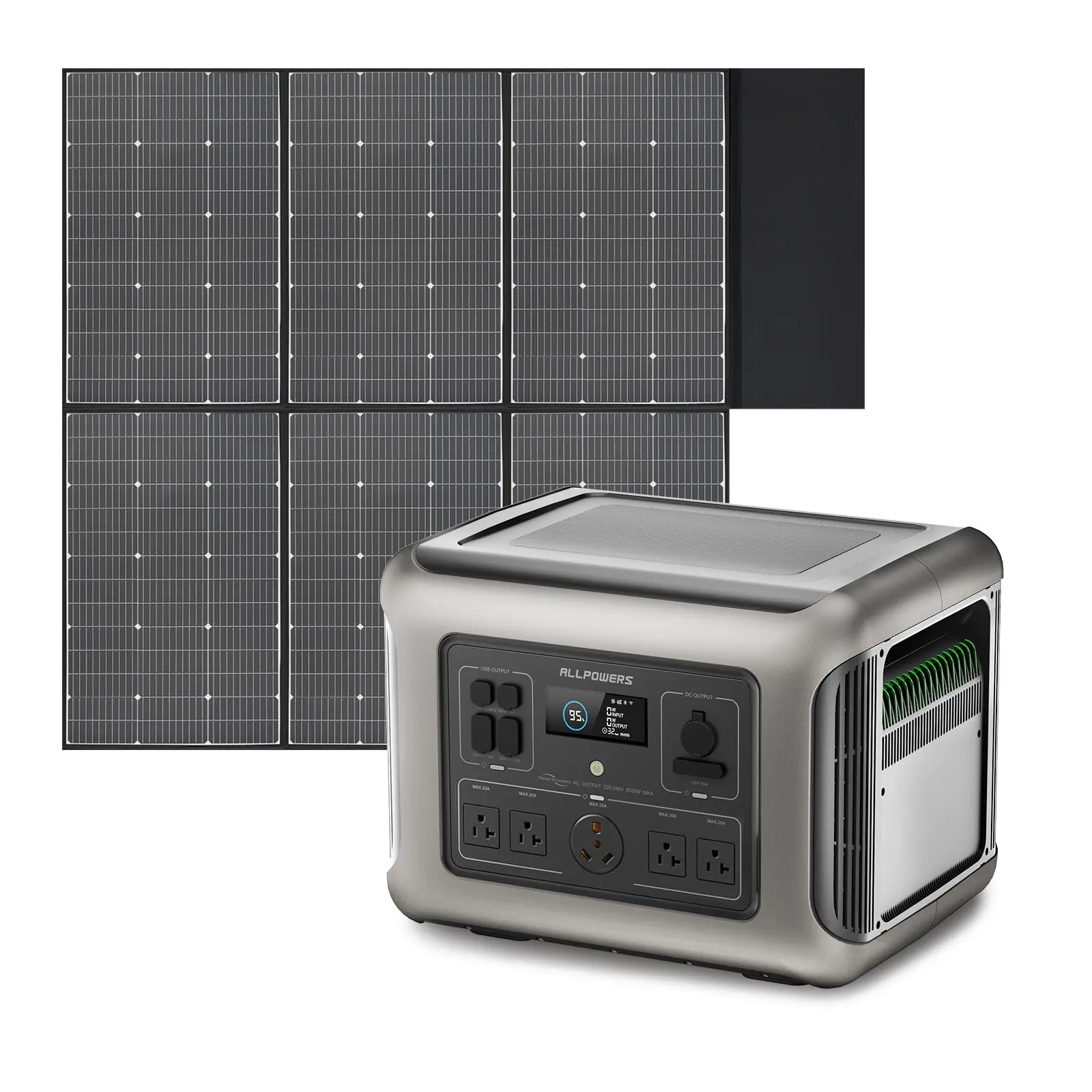
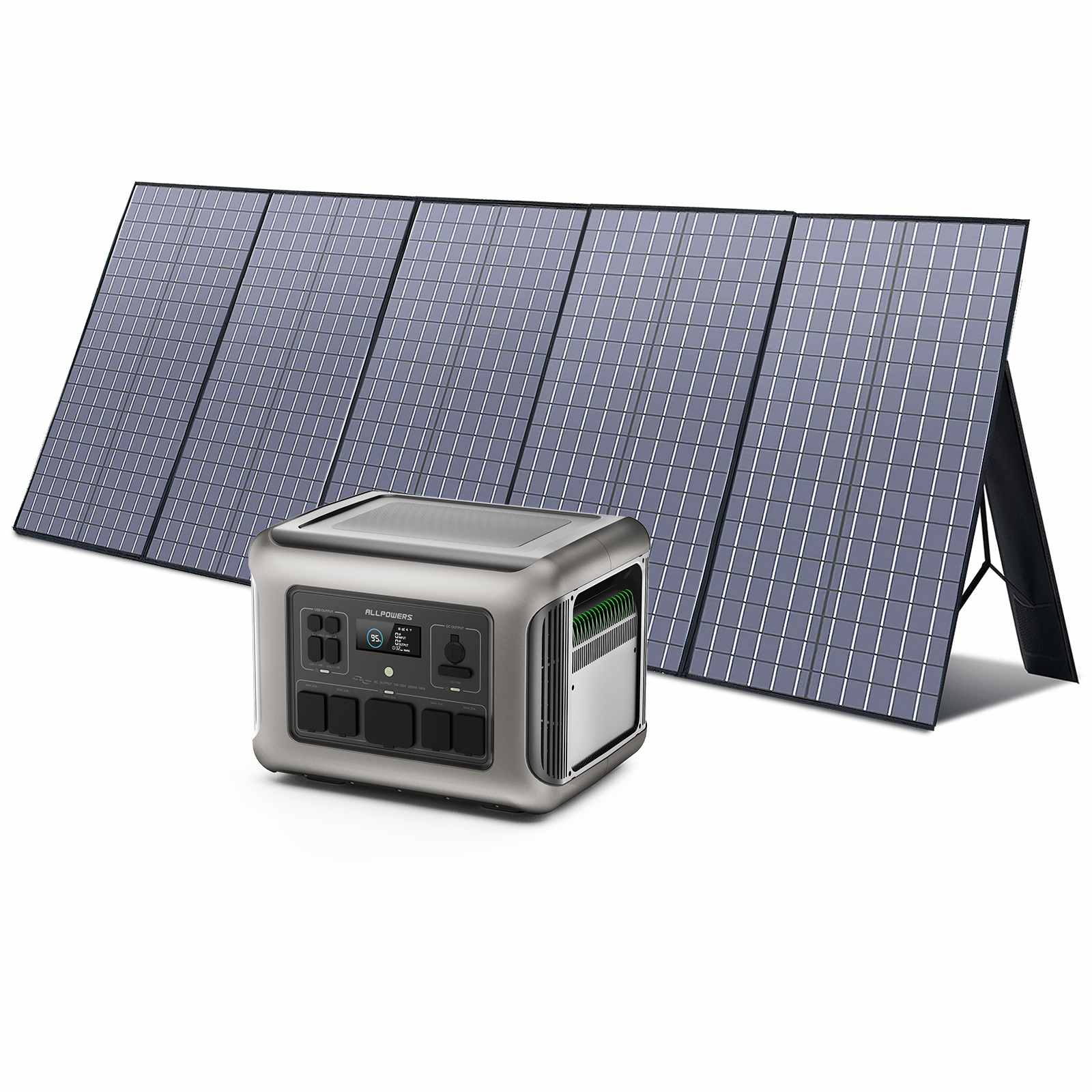
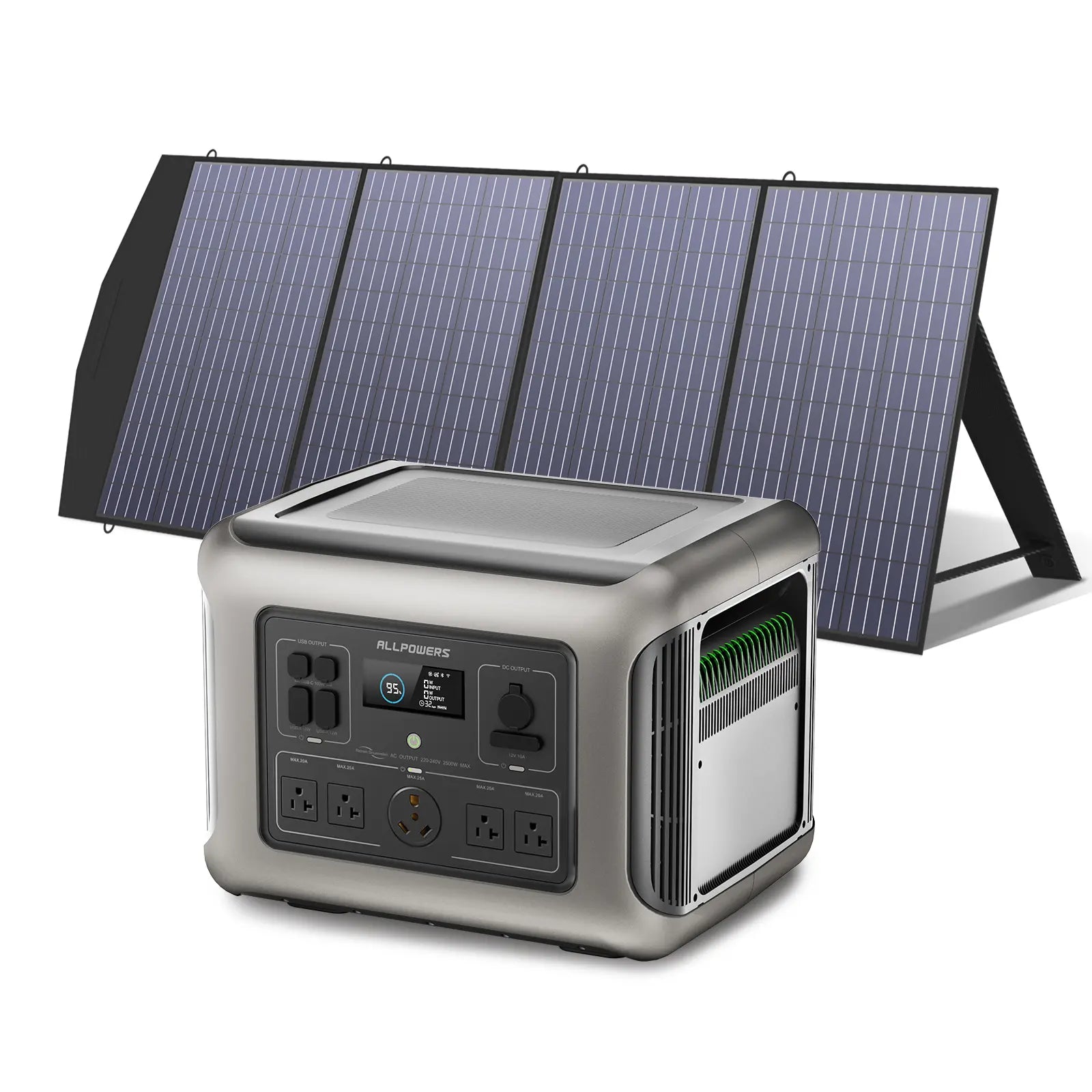
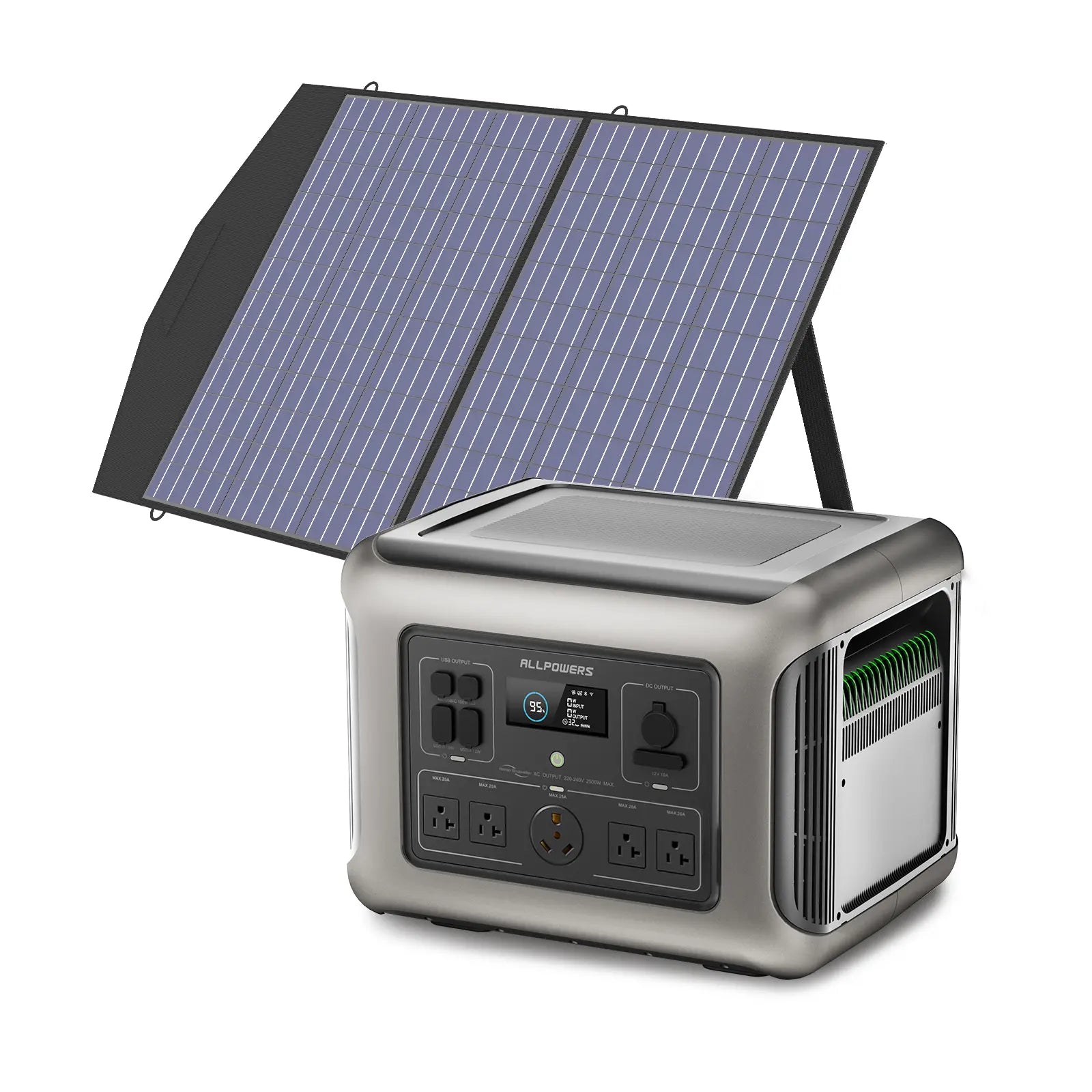
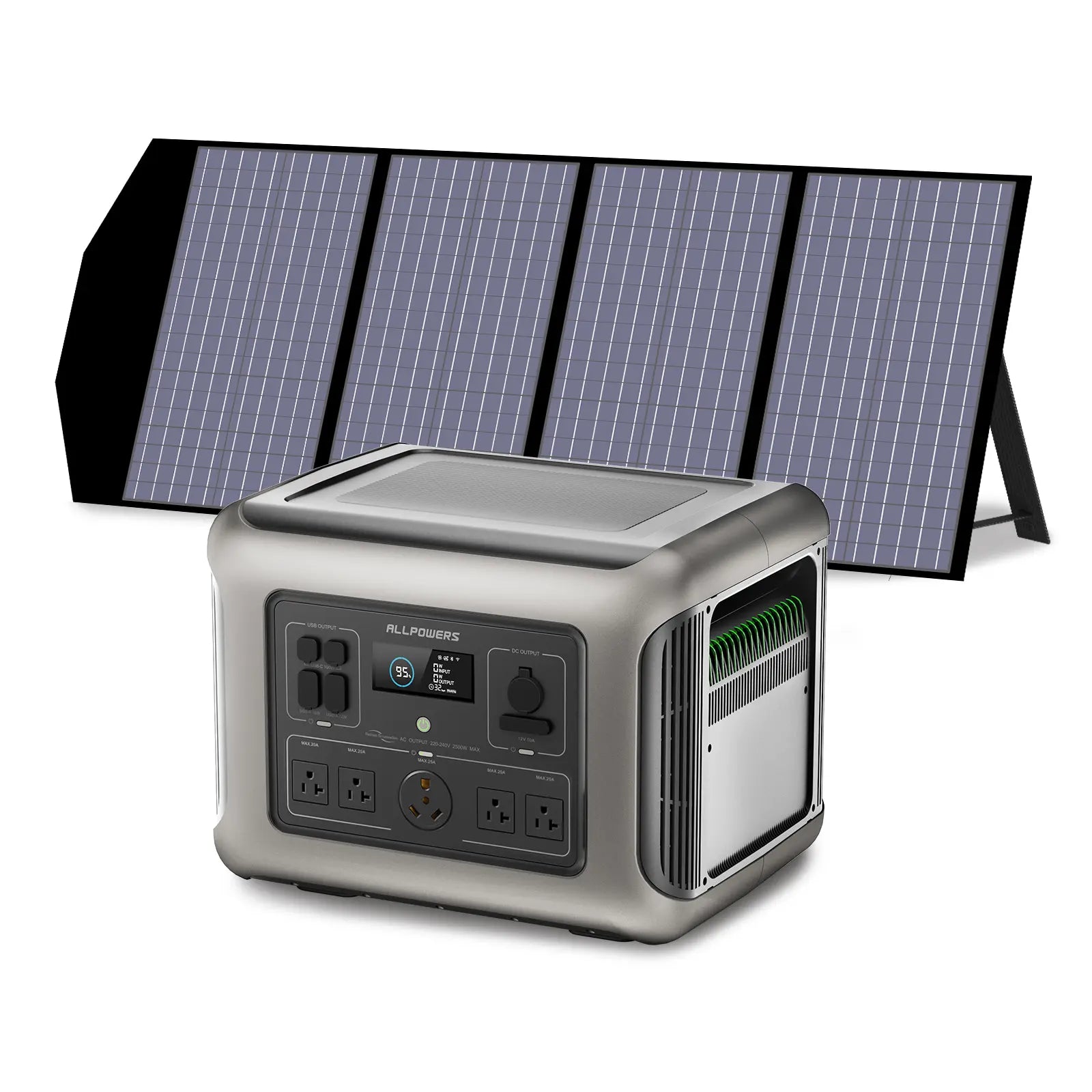
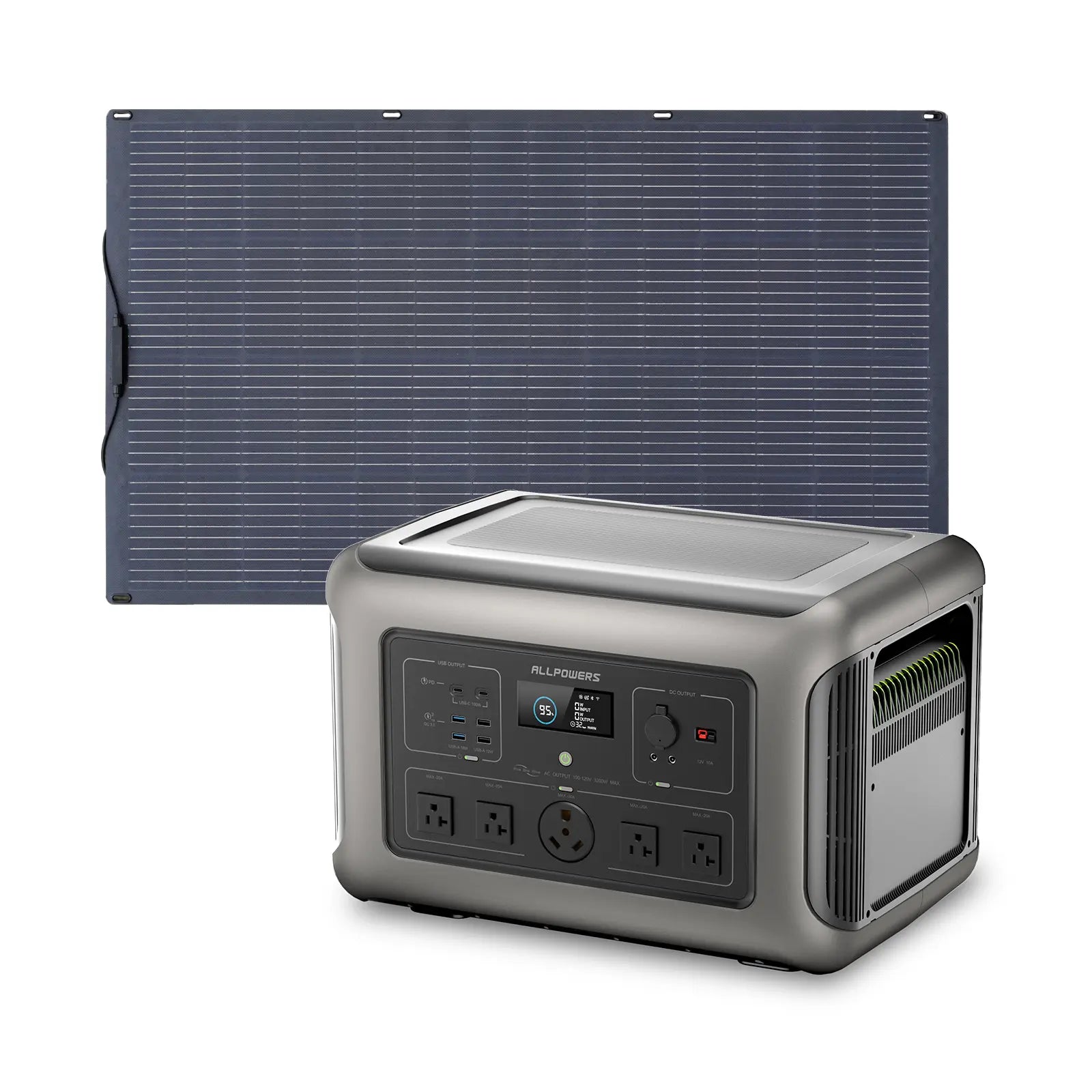
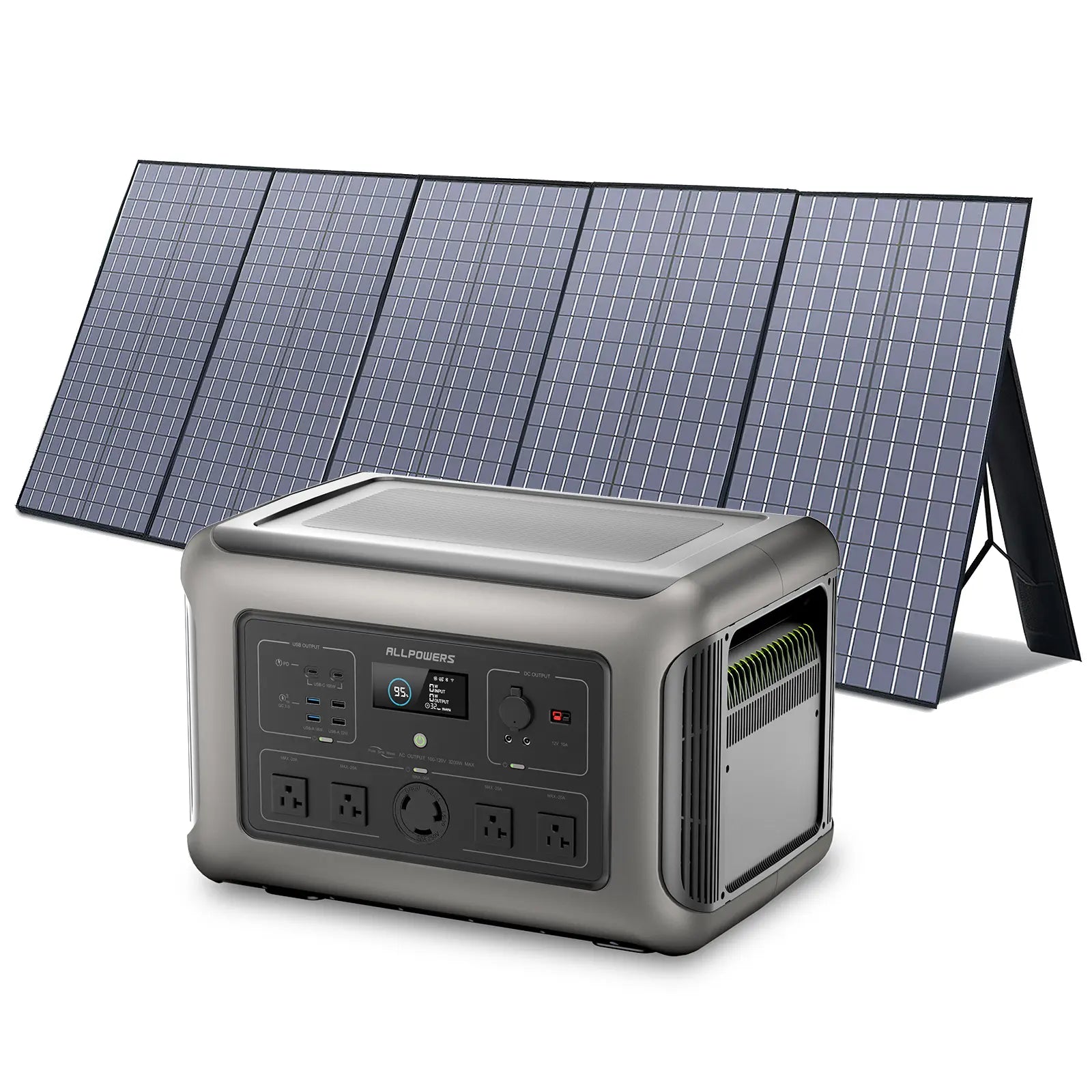
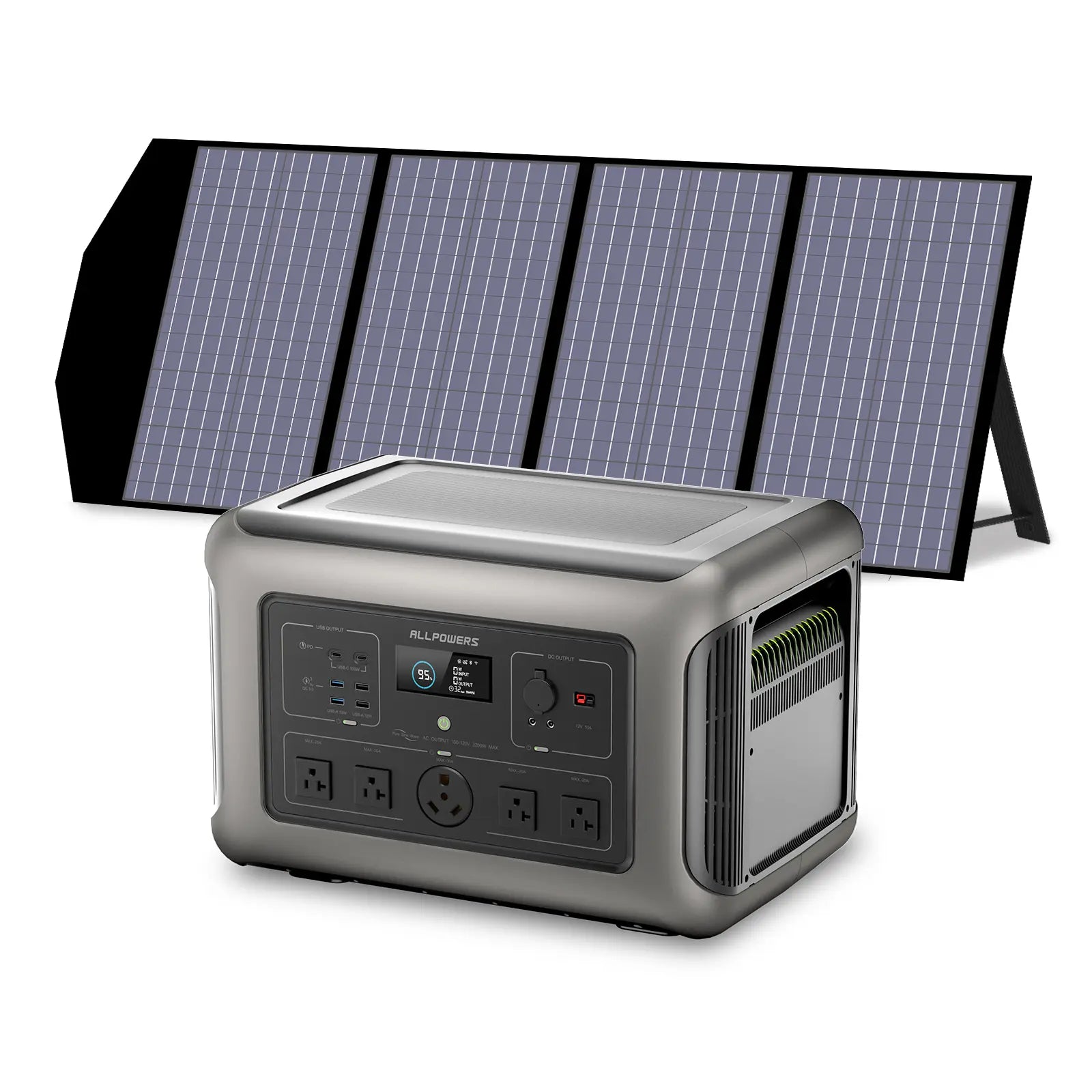
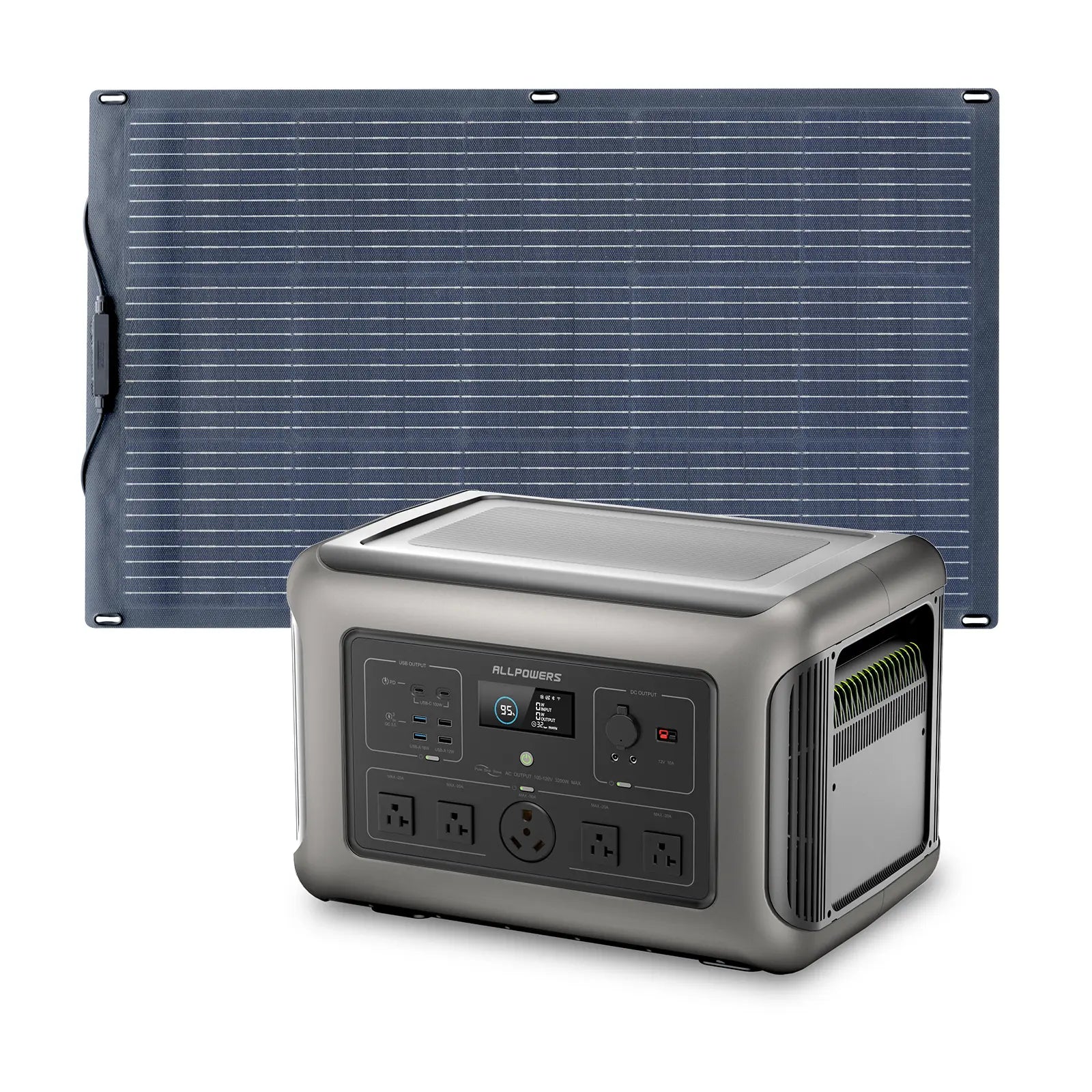
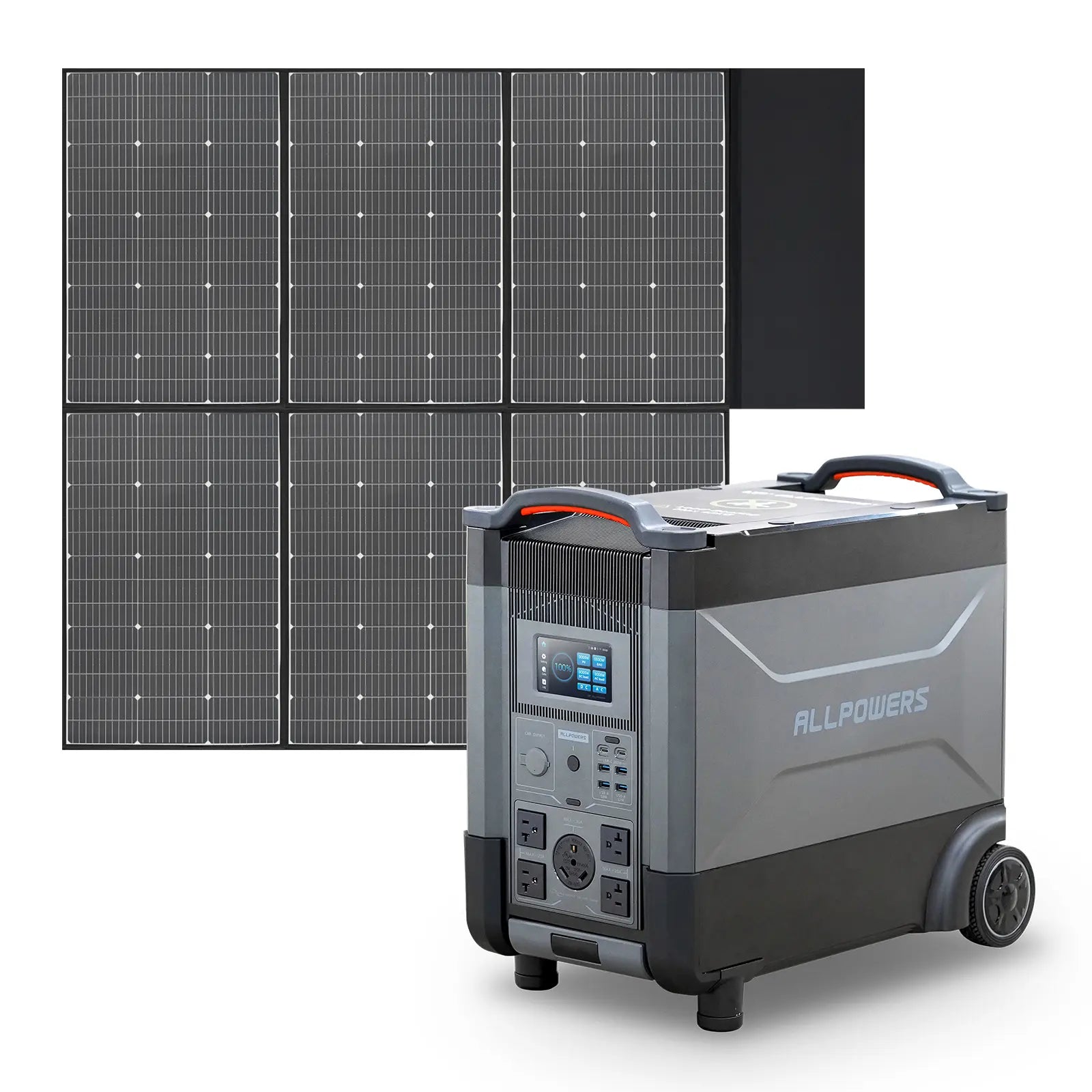
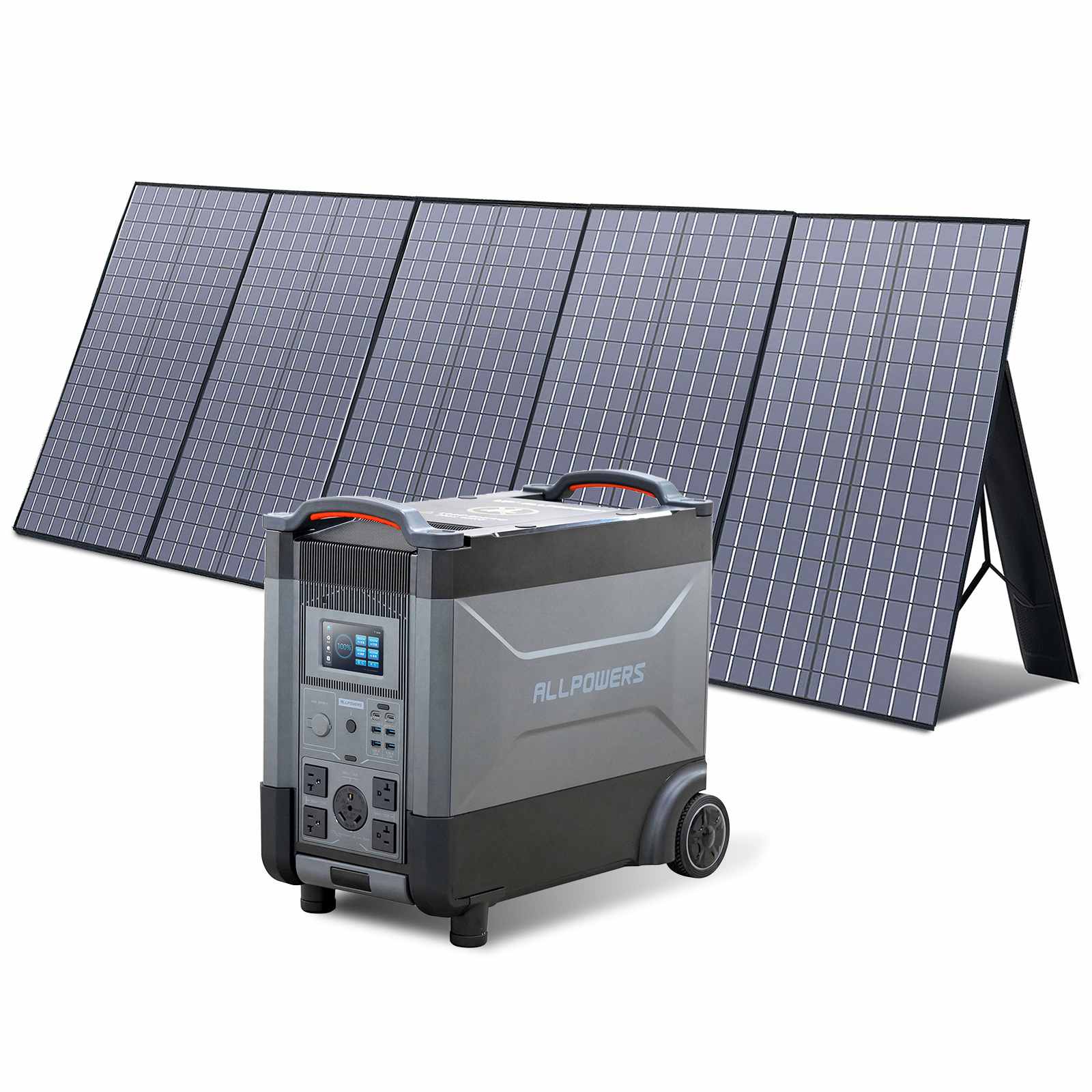
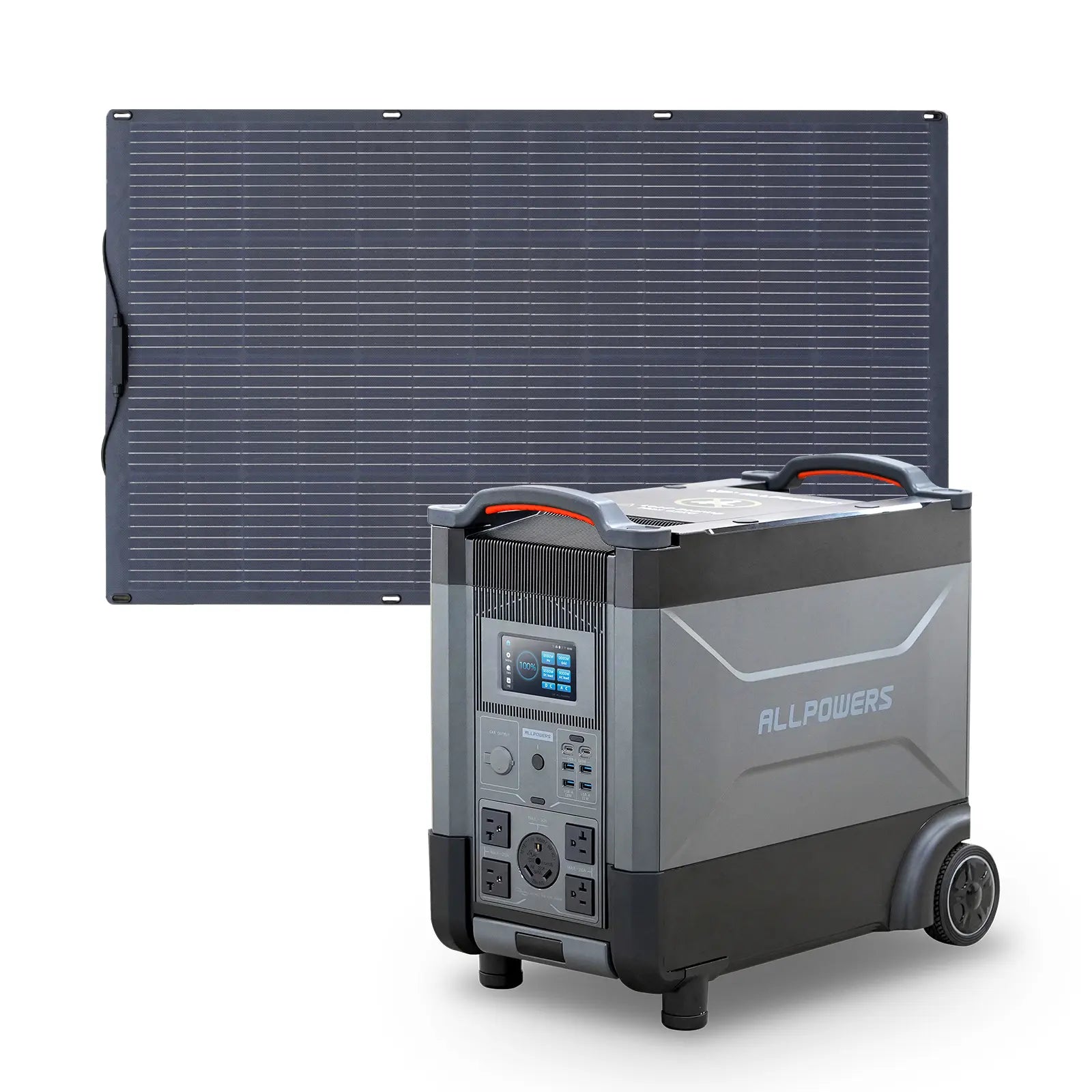
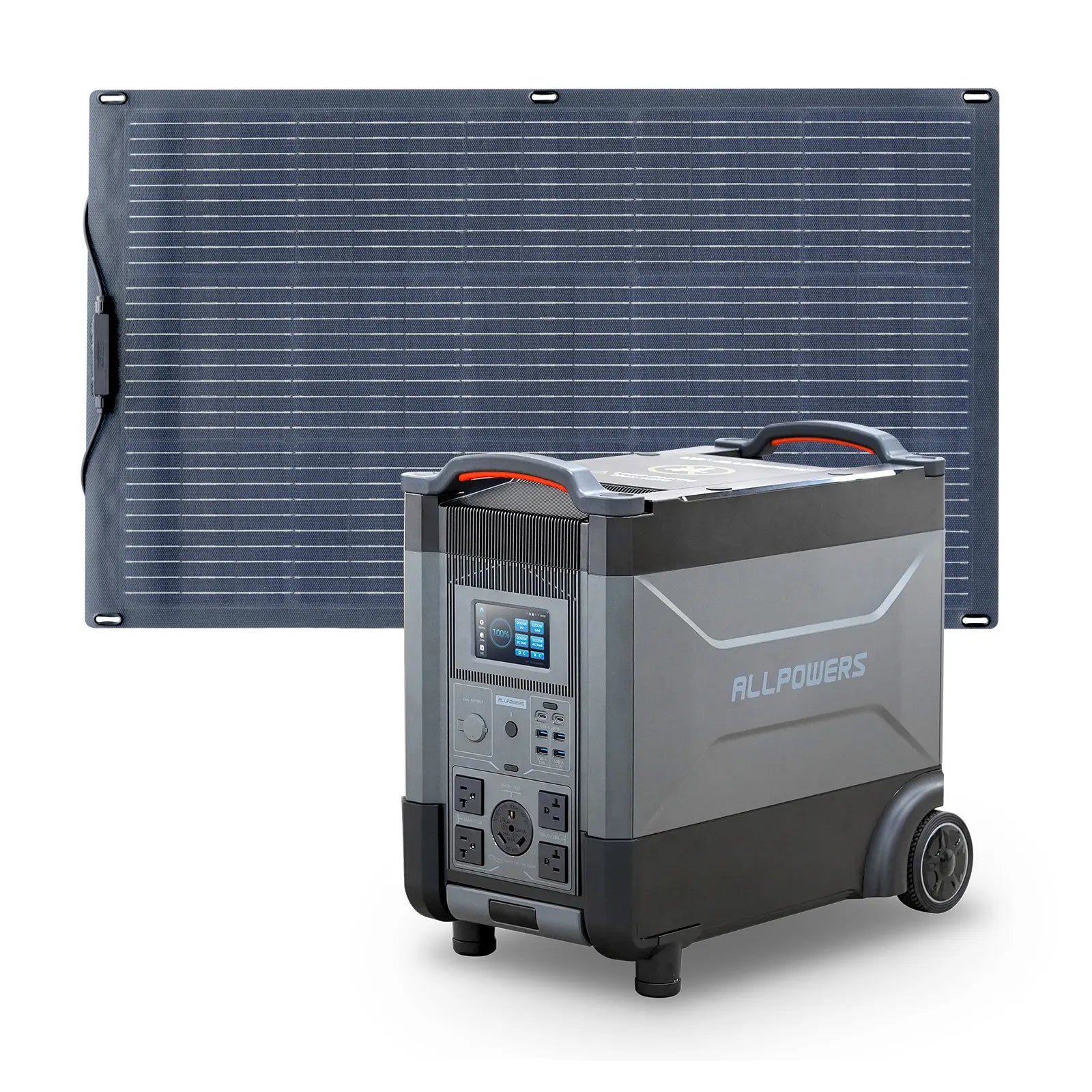
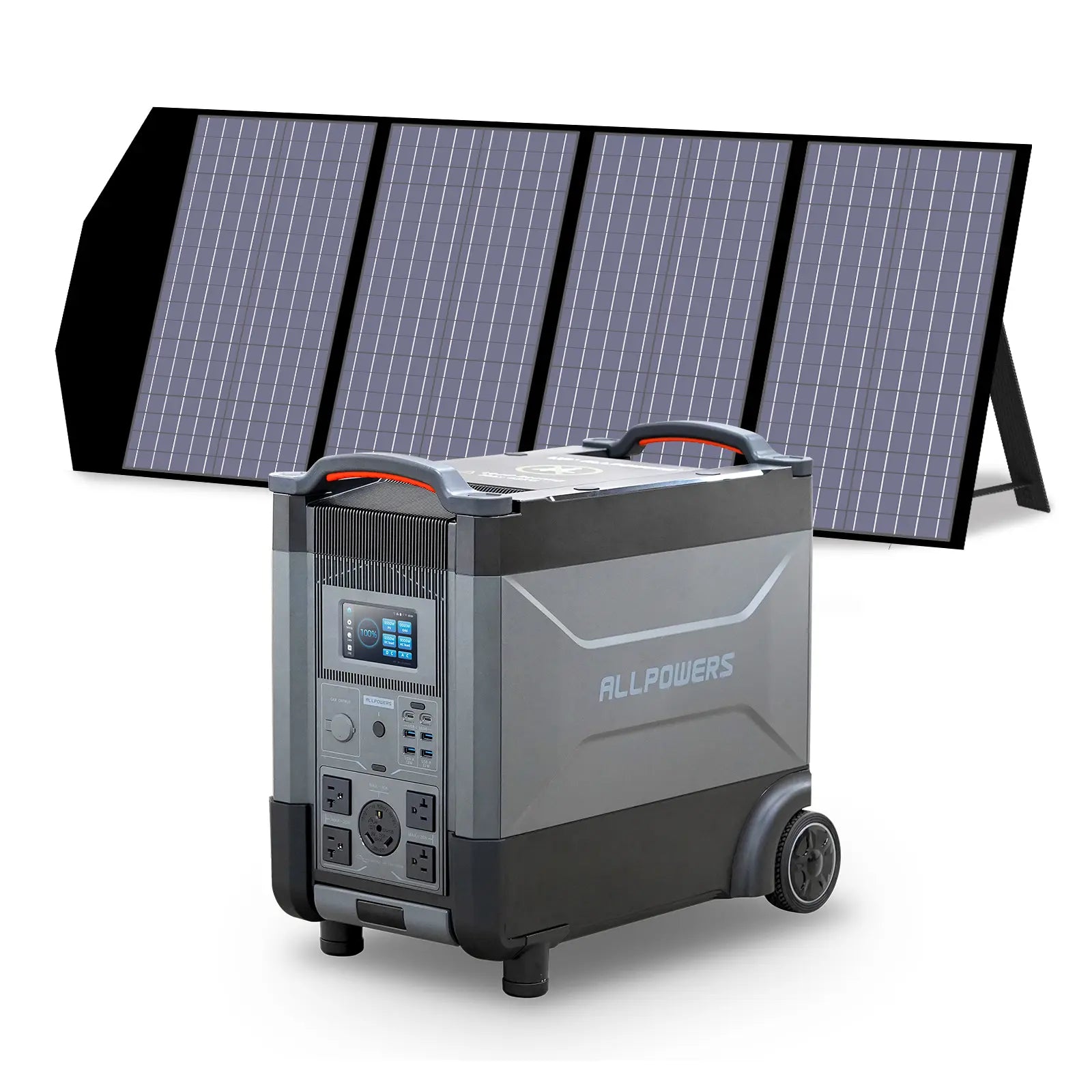
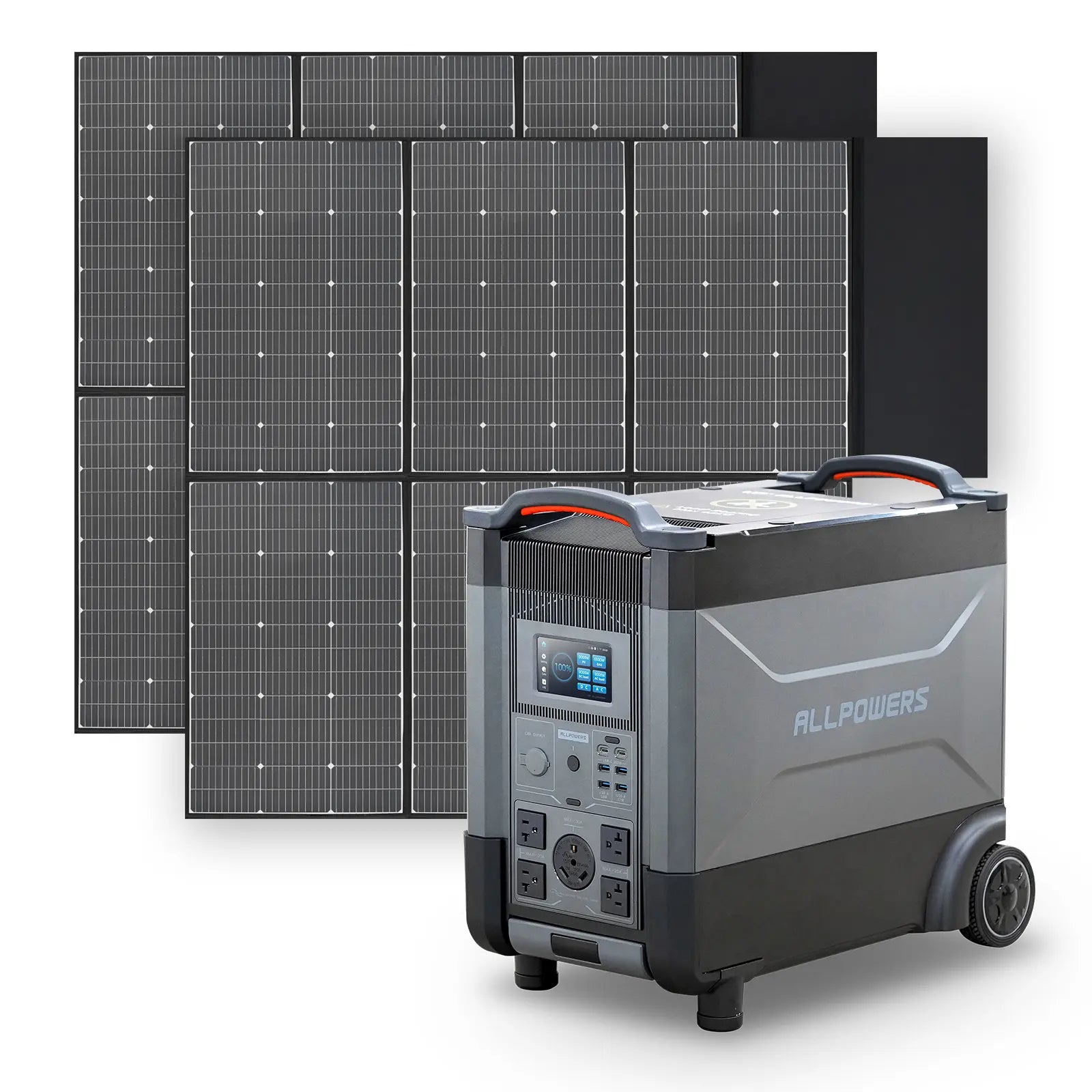
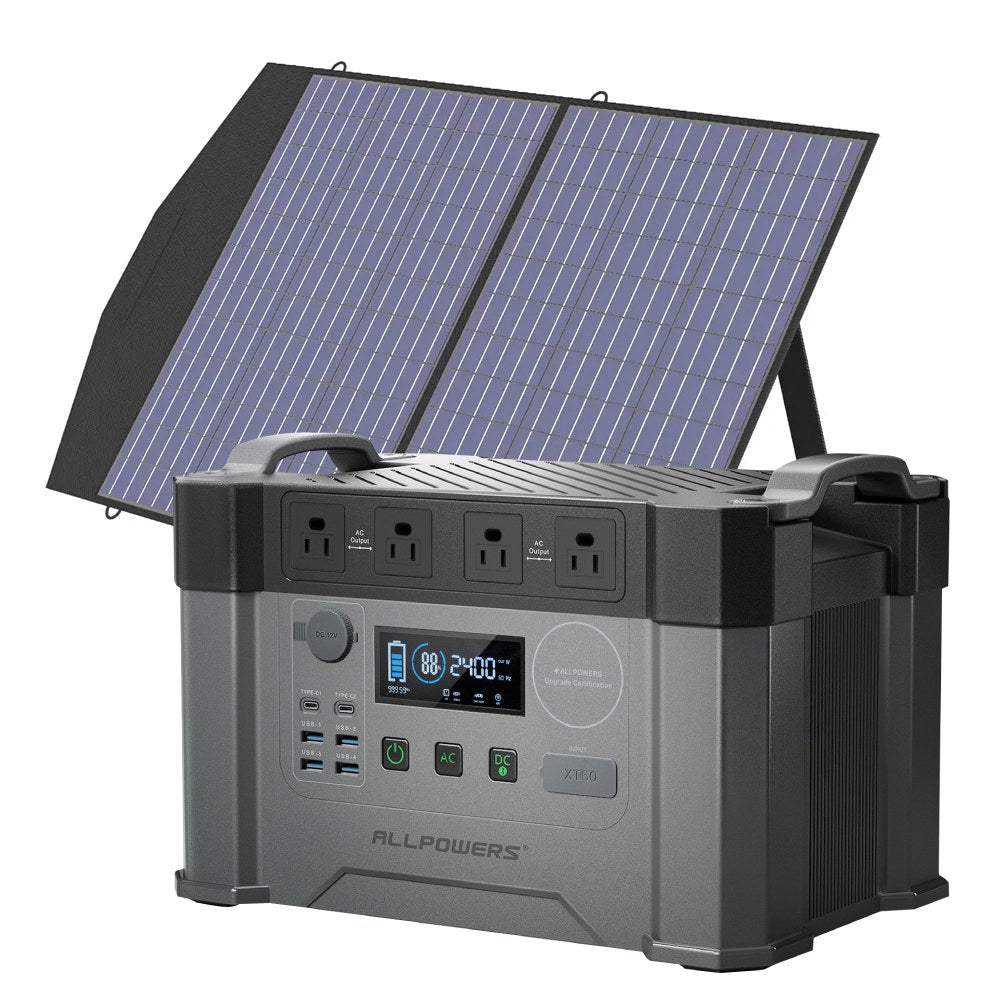
In some situations, households may also use portable power stations to recharge communication devices, operate small fans, or support basic emergency electronics without depending entirely on fuel-powered generators.
Summer Power Outage Preparedness Checklist
| Emergency Item | Purpose | Importance Level | Recommended Preparation |
|---|---|---|---|
| Flashlights | Emergency Lighting | High | Keep Extra Batteries |
| Bottled Water | Hydration | High | Store Multiple Days |
| Rechargeable Fans | Cooling Support | Medium to High | Fully Charge Before Storms |
| Backup Phone Charging | Communication | High | Maintain Battery Capacity |
| Coolers and Ice Packs | Food Preservation | Medium | Prepare Before Heat Waves |
| Emergency Radio | Weather Updates | Medium | Use Battery-Powered Models |
Preparing for Medical and Family Needs
Families with medical concerns, infants, or elderly relatives should prepare additional safety plans before summer outages occur.
Medical Devices
Medical equipment that depends on electricity may require backup power planning or emergency relocation strategies.
Medication Storage
Some medications require refrigeration and may need coolers or alternative storage methods during prolonged outages.
Pet Safety
Pets are also vulnerable to extreme heat during summer blackouts and may require additional cooling and hydration.
Building a More Reliable Emergency Plan
Summer outages are often unpredictable, but preparation can make them far easier to manage.
Households that maintain emergency supplies, monitor weather conditions, and develop practical backup plans are generally better equipped to handle extended power interruptions safely.
Even simple preparations such as charging essential devices early, improving home cooling strategies, and organizing emergency supplies can reduce stress considerably during extreme summer conditions.
As severe weather events and grid-related outages continue affecting many regions, having a thoughtful emergency preparedness plan is becoming an increasingly important part of everyday home safety.
Frequently Asked Questions
How do you stay cool during a summer power outage?
Closing blinds, using battery-powered fans, staying hydrated, and improving airflow during cooler nighttime hours can help reduce heat exposure.
What should you do before a summer blackout?
Charge essential devices, prepare emergency supplies, and keep extra water, lighting, and backup charging options available.
How long does food stay safe during a power outage?
Refrigerated food may remain safe for several hours if refrigerator doors stay closed, but spoilage risk increases during long outages.
Can portable batteries help during a power outage?
Rechargeable battery systems can support phones, fans, lighting, and small electronics during temporary outages.
Why are summer power outages becoming more common?
Extreme weather events, rising electricity demand, aging infrastructure, and heat waves all contribute to increased outage risks in many regions.