






A propane generator has a certain quiet confidence about it.
But propane isn’t magic. It’s fuel in a tank, measured in gallons and pounds, and it runs out.
So, how long will a generator actually run on propane?
TL;DR: A standard 20-pound tank usually powers a 3,000–4,000-watt generator for 8 to 12 hours at 50% load. Larger 100-pound tanks can stretch runtime to 2–3 days under moderate use. If you need extended power, battery-based systems with solar input offer a different approach—quiet, fuel-free, and steady.
Tank Size
Most folks default to 20-pound tanks because they’re common and easy to swap.
But stepping up to a 30-pound or 40-pound tank dramatically extends runtime without changing your generator.
A 30-pound tank holds roughly 7 gallons of propane. A 40-pound tank holds about 9.4 gallons.
That means, at moderate load, you could run a mid-size generator for 15 to 25 hours straight.
With two tanks and a manual changeover? You’ve got a solid 48-hour buffer.
And if you connect to a 100-pound tank—often used in RV setups—you’re talking multi-day runtime under careful load management.
Of course, larger tanks aren’t as portable. There’s always a trade-off.
Electrical Load
Most people assume runtime is all about tank capacity. Bigger tank, longer runtime. That’s not wrong—but it’s incomplete.
A generator burns fuel based on the electrical load placed on it. Here’s a real-world example.
A common 7,500-watt dual-fuel portable generator will typically burn about 0.6 to 0.8 gallons of propane per hour at 50% load.
A standard 20-pound propane tank holds roughly 4.7 gallons of usable fuel.
Do the math, and you’re looking at about 6 to 8 hours of runtime under moderate load.
But bump the load to 75%? Runtime shrinks. Drop it to 25%? You might stretch it closer to 10 hours.
So yes, tank size matters. But load is the quiet variable doing most of the work behind the scenes.
Generator Size
Bigger generators feel safer. More watts means more appliances powered, right?
Yes—but bigger engines burn more fuel even at partial load.
A compact inverter generator rated around 2000 watts sips fuel gently.
Under a modest load—charging devices, running a small fridge, maybe powering a coffee maker—they might consume around 0.2 to 0.3 gallons of propane per hour.
Step up to a larger portable generator in the 3500- to 5000-watt range and the appetite grows.
Suddenly you’re looking at closer to half a gallon per hour depending on the load.
A tank that lasted overnight with a small generator might now last only eight hours.
Weather Conditions
Propane behaves differently in cold weather.
As temperatures drop, vapor pressure decreases.
That means propane doesn’t vaporize as efficiently inside the tank.
Below 20°F, smaller tanks can struggle to supply enough vapor for high-demand generators.
The generator may sputter—or shut down—even if there’s fuel left.
That’s why contractors working in colder regions sometimes link multiple tanks together or use larger cylinders like 30-lb or 100-lb tanks.
Heat affects things too, though less dramatically.
In high temperatures, propane pressure rises, but consumption often increases because cooling appliances and fans run longer.
So if you’re planning winter backup power, tank size isn’t just about runtime—it’s about consistent vapor flow.
Estimating your own propane generator runtime
First, check your generator’s manual. Find fuel consumption at 25%, 50%, and 100% load.
Second, estimate your average load—not peak, average. Add up running watts of essential appliances. Don’t forget startup surges.
Third, divide tank gallons by gallons per hour at your expected load.
For example:
A generator burns 0.7 gallons per hour at 50% load. You plan to run closer to 40%, so maybe fuel use averages 0.55 gallons per hour. A 20-pound tank with 4.7 gallons gives roughly 8.5 hours.
If you’re preparing for rare short outages, a couple of 20-pound propane tanks might be perfectly adequate.
But if you’re planning for multi-day events—hurricanes, ice storms, wildfire shutoffs—you need a broader plan.
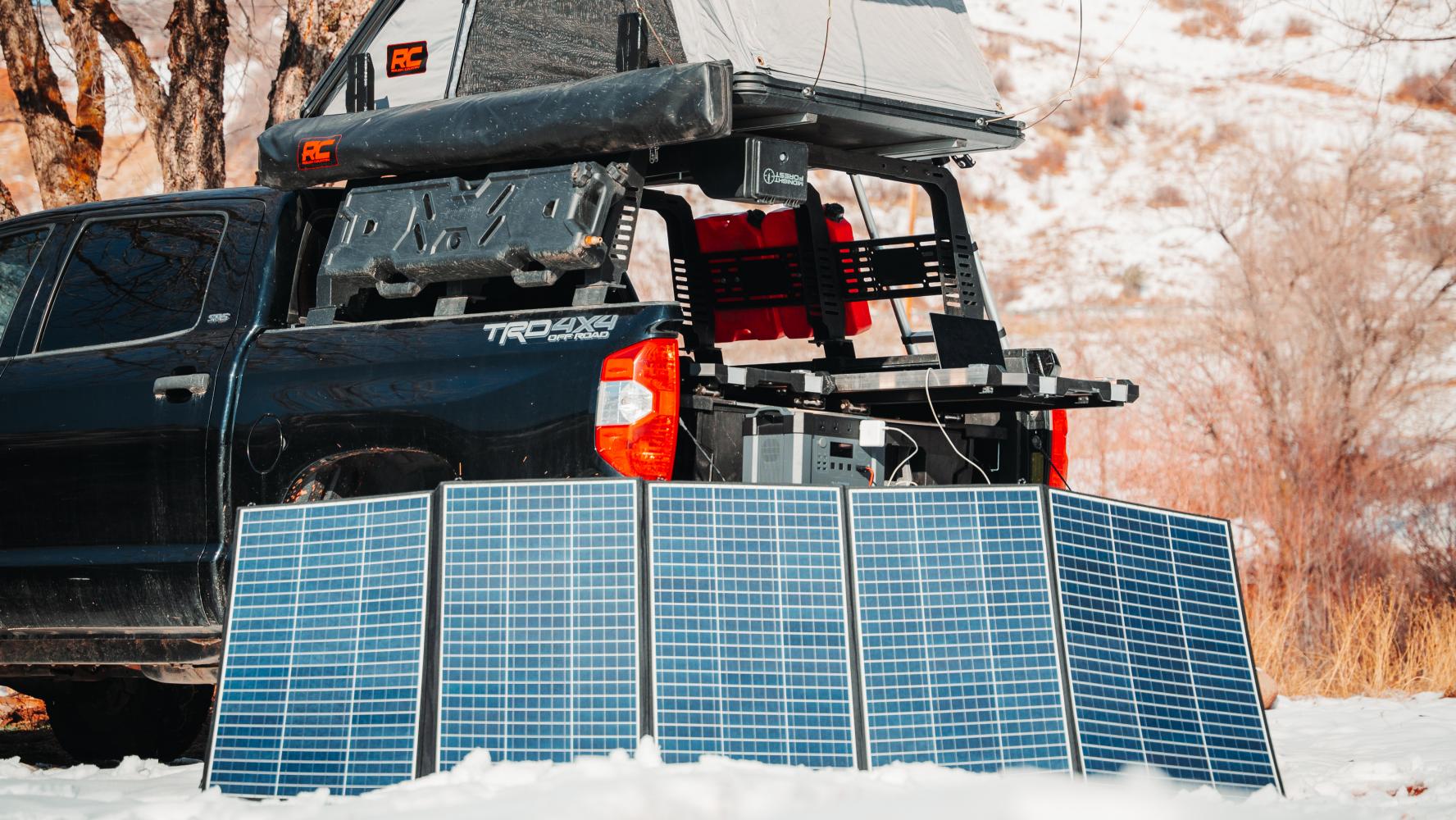
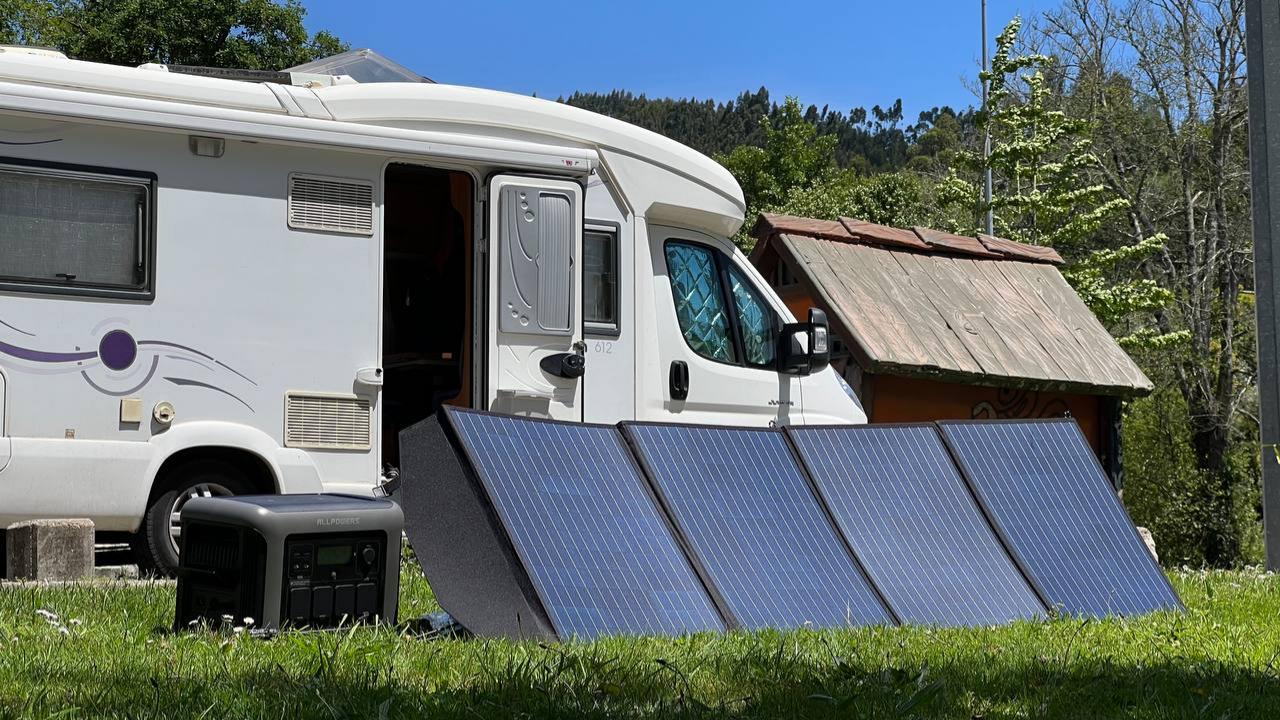
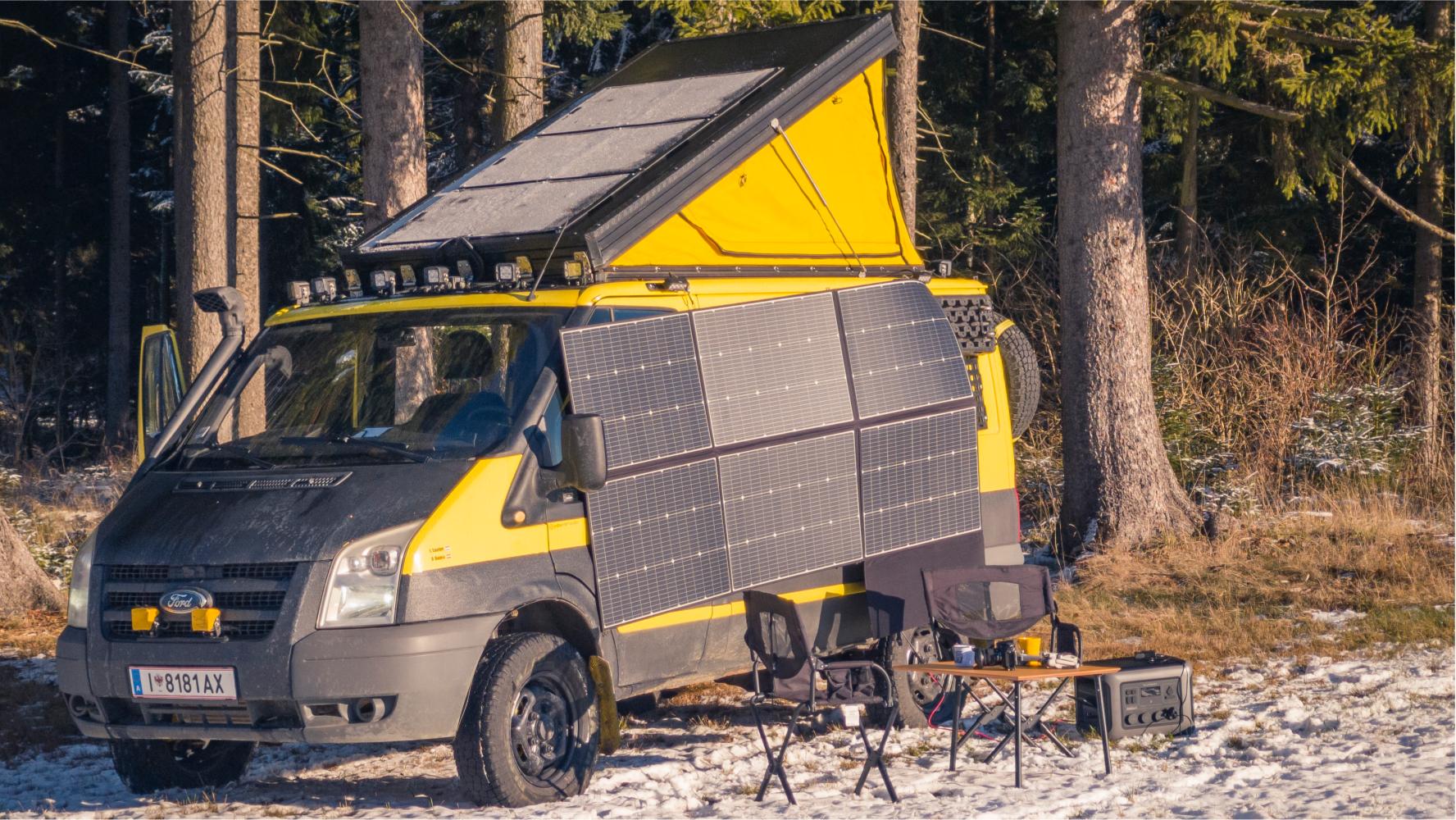
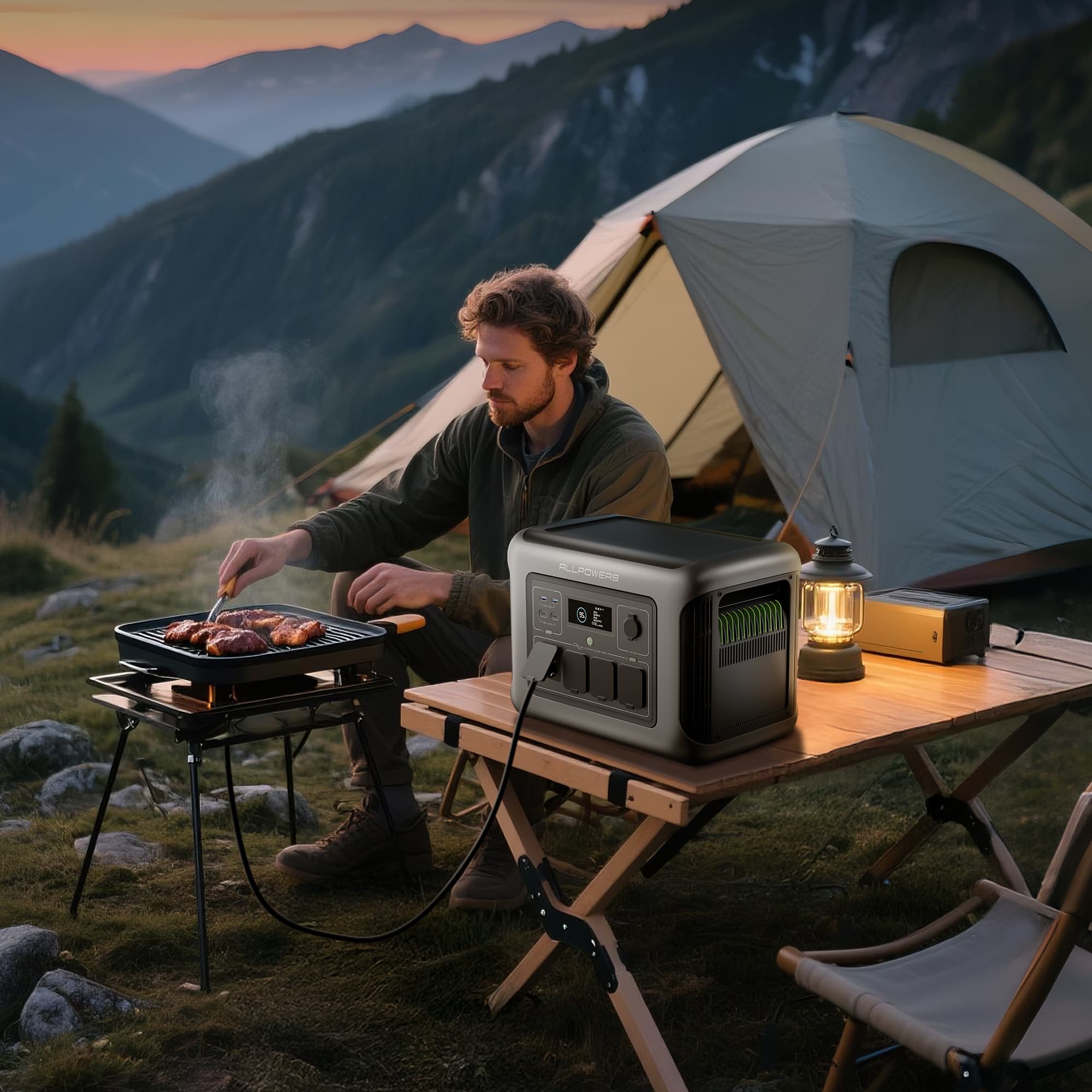
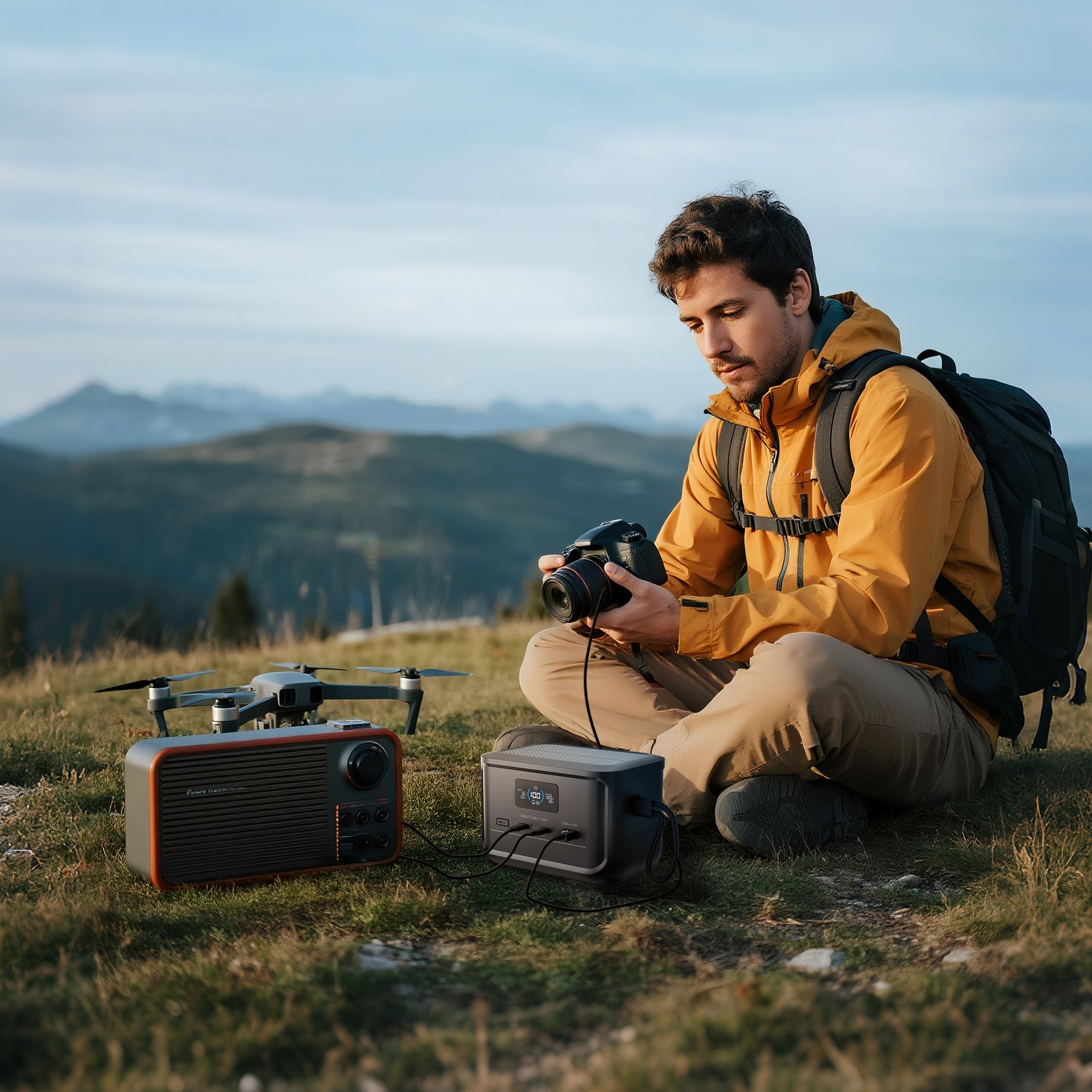
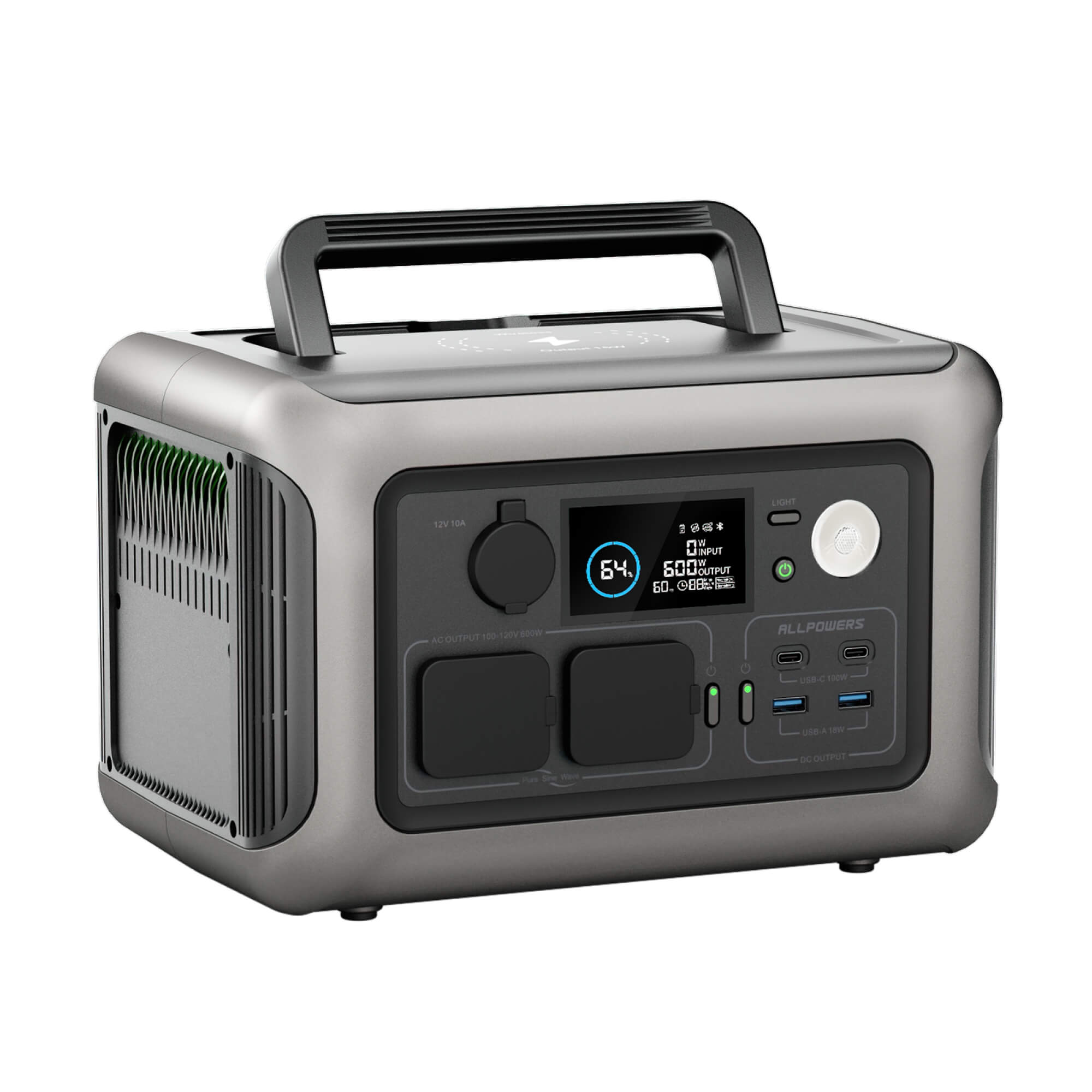
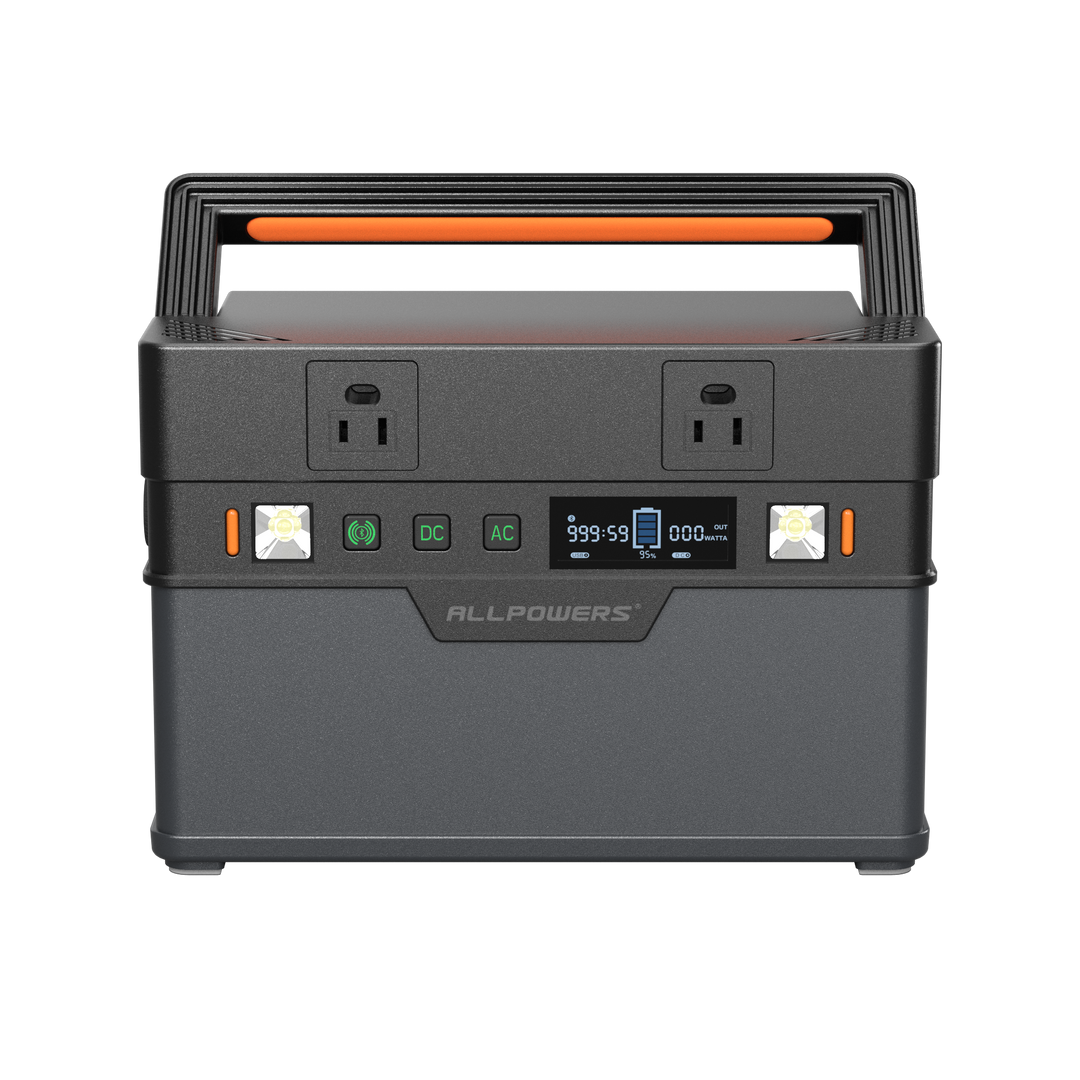
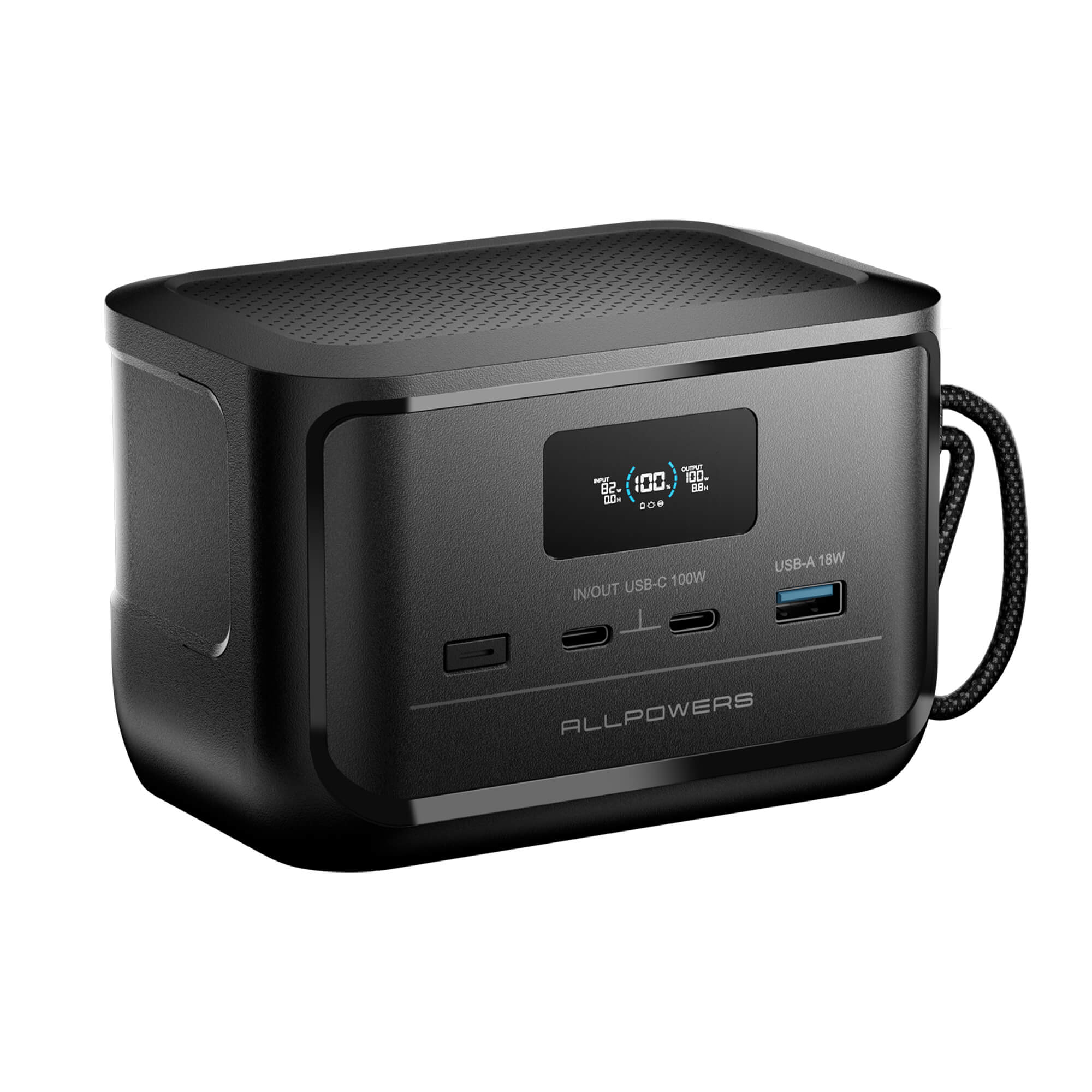
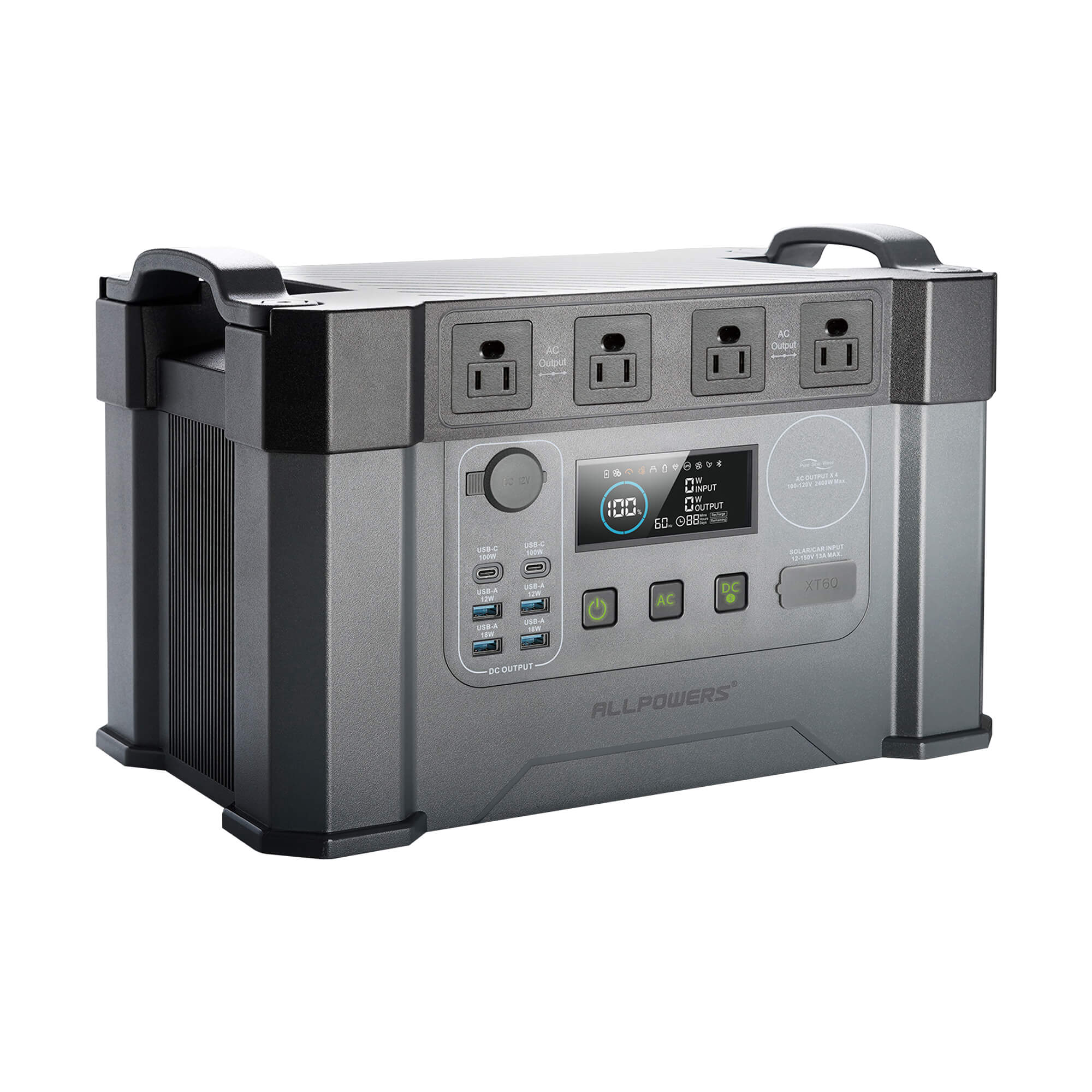
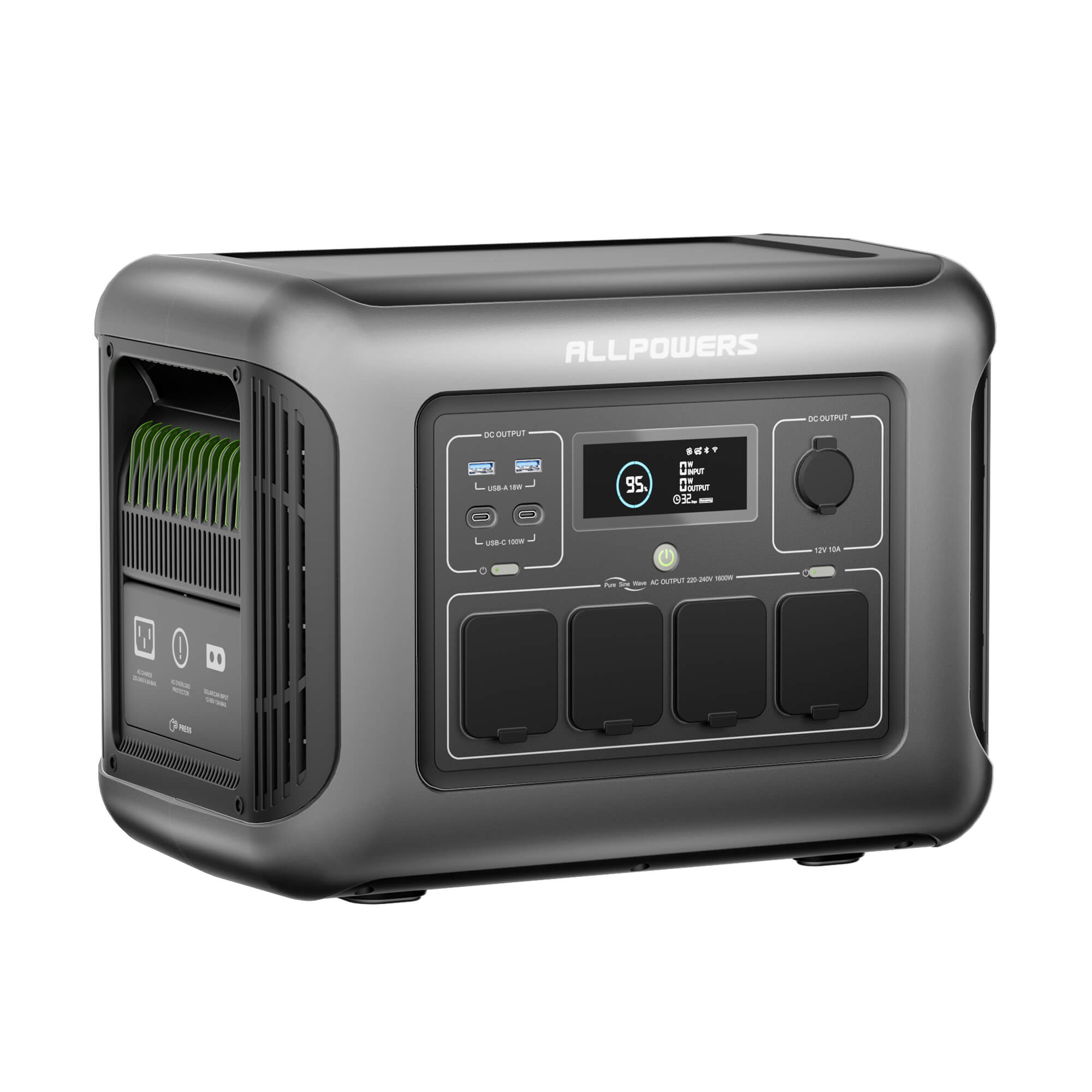
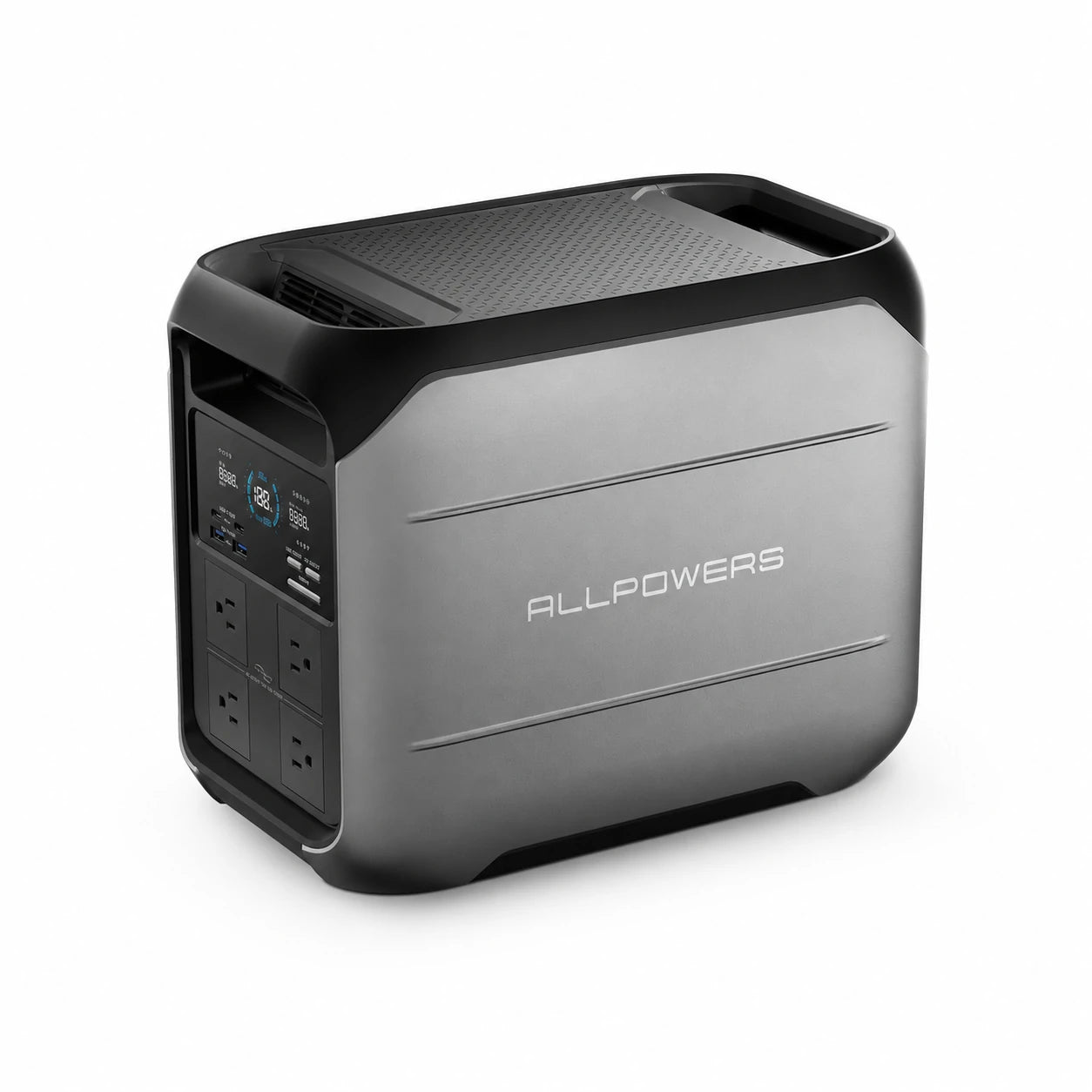
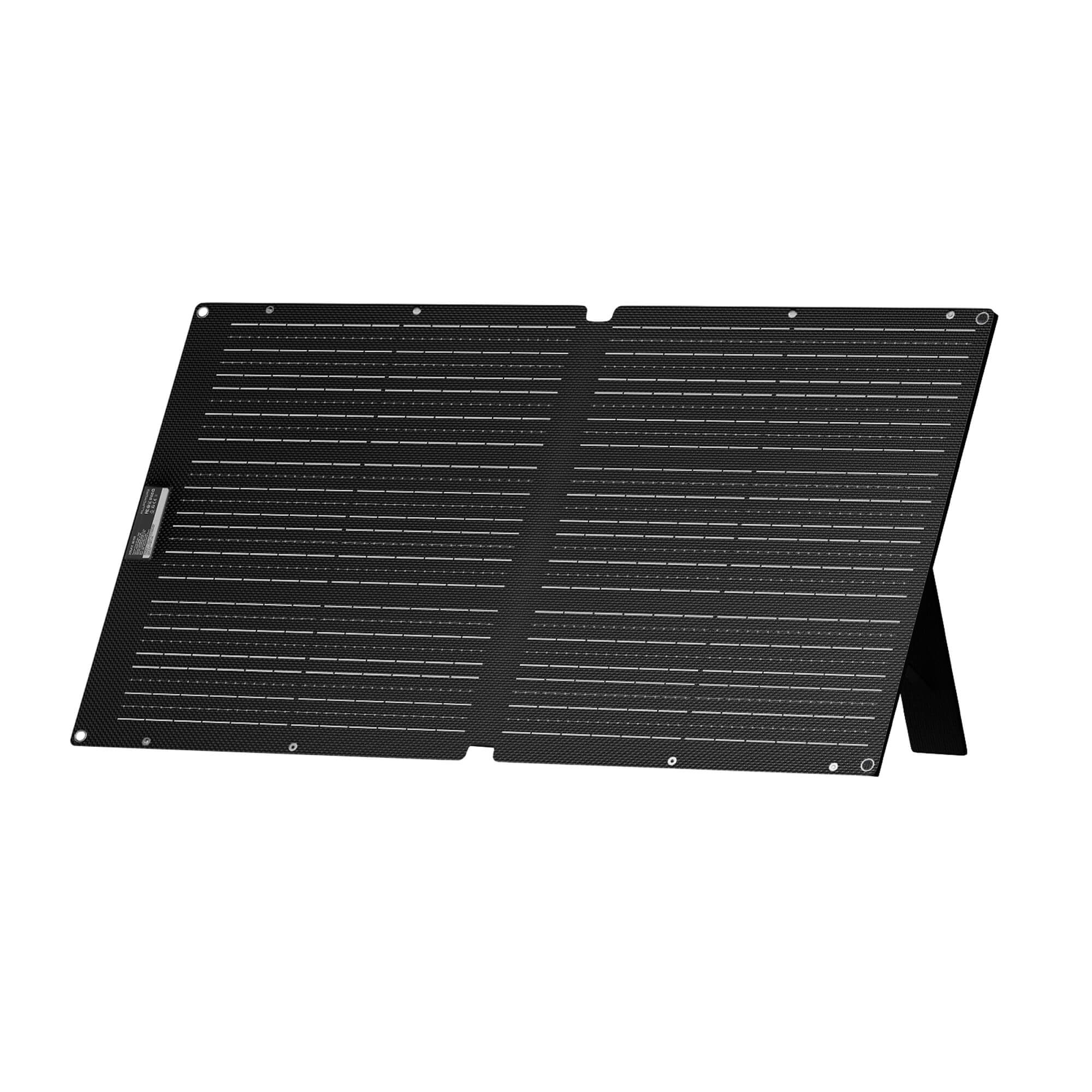
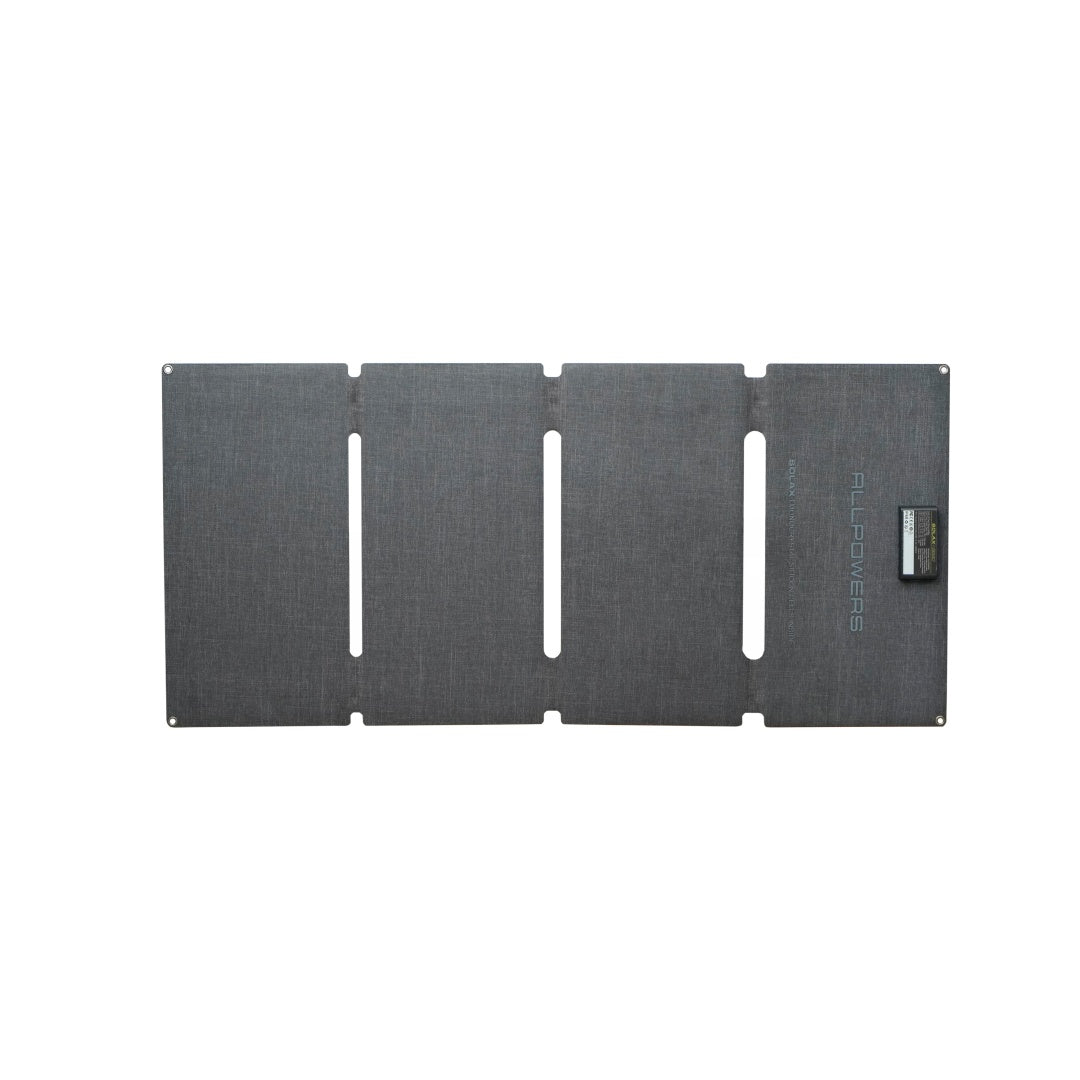
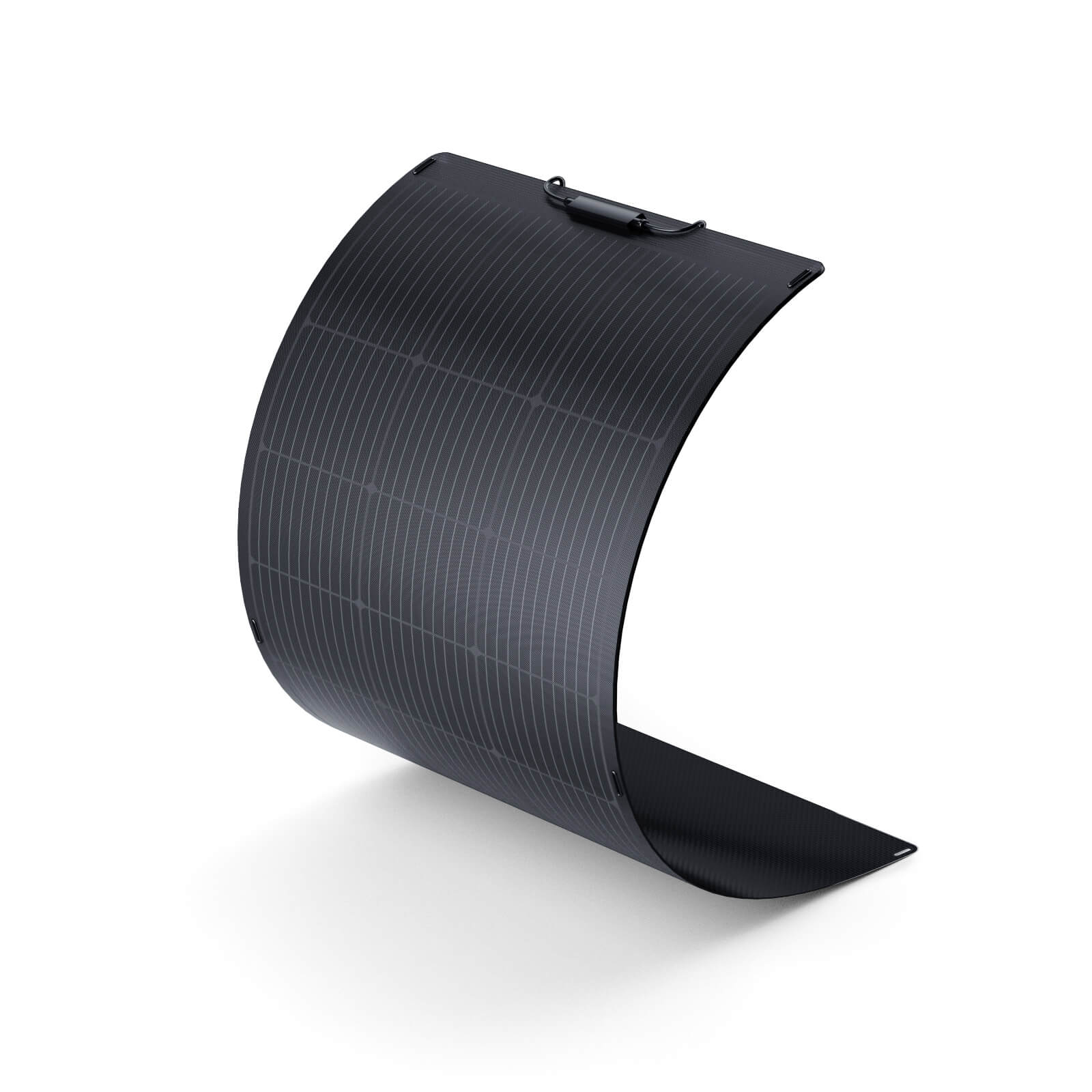
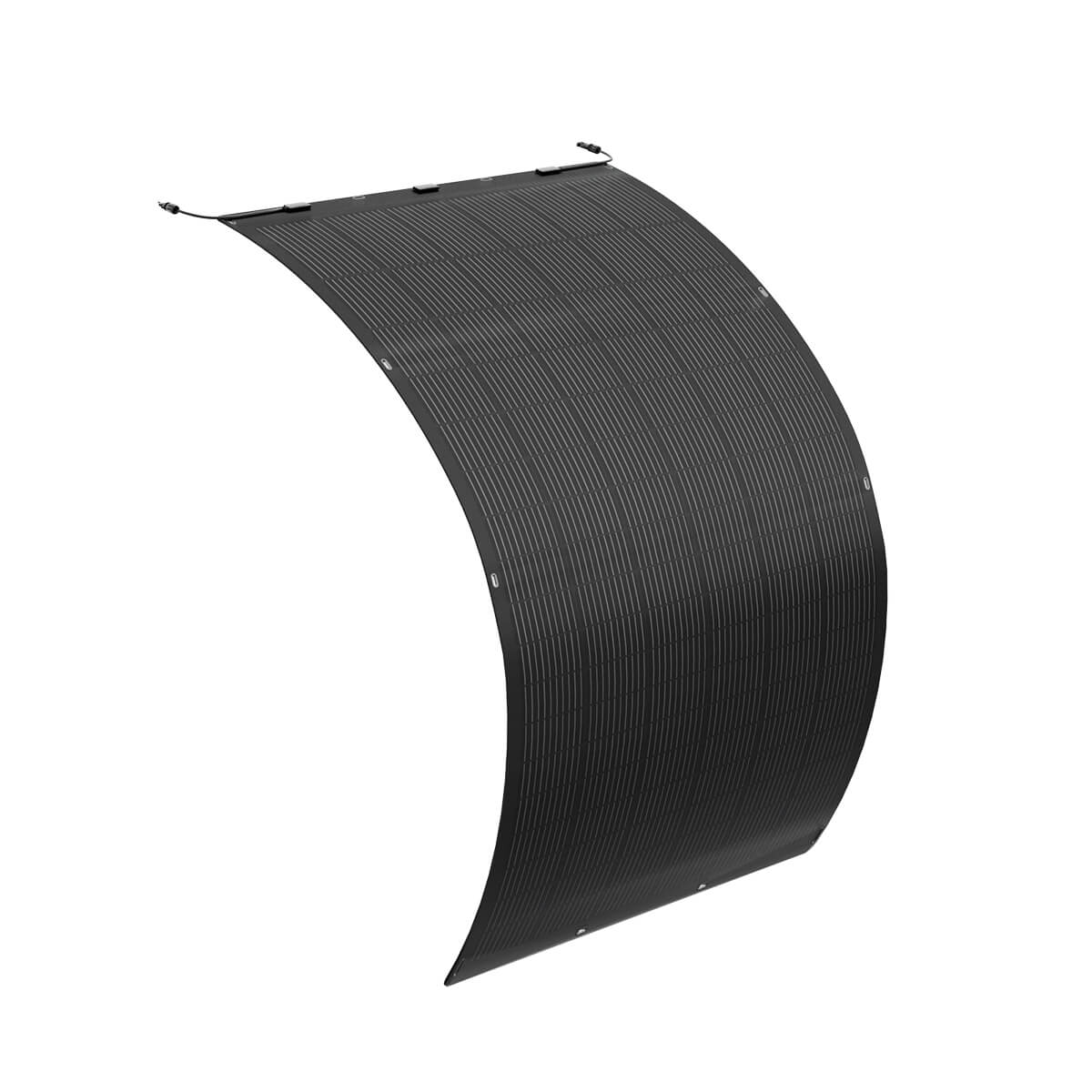
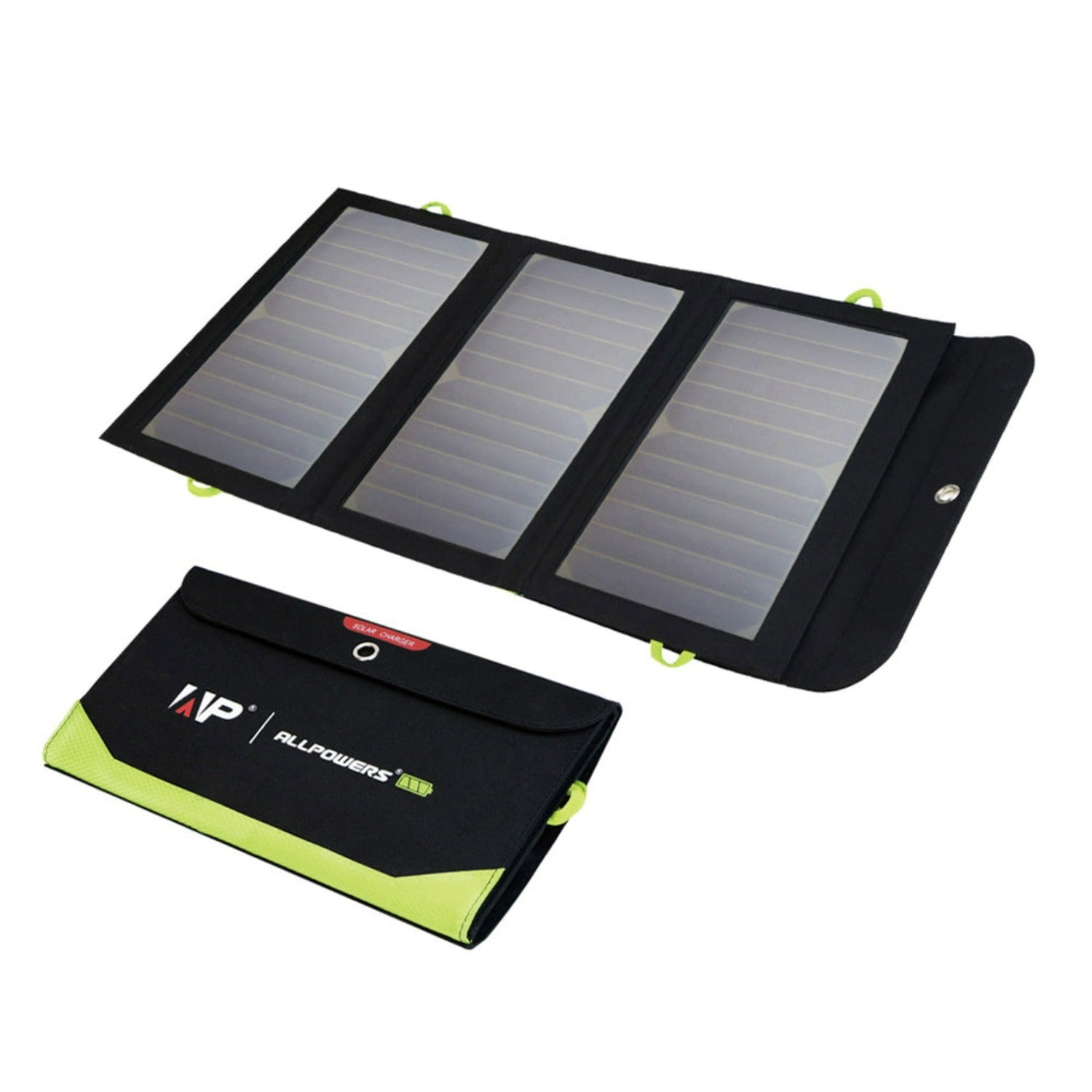
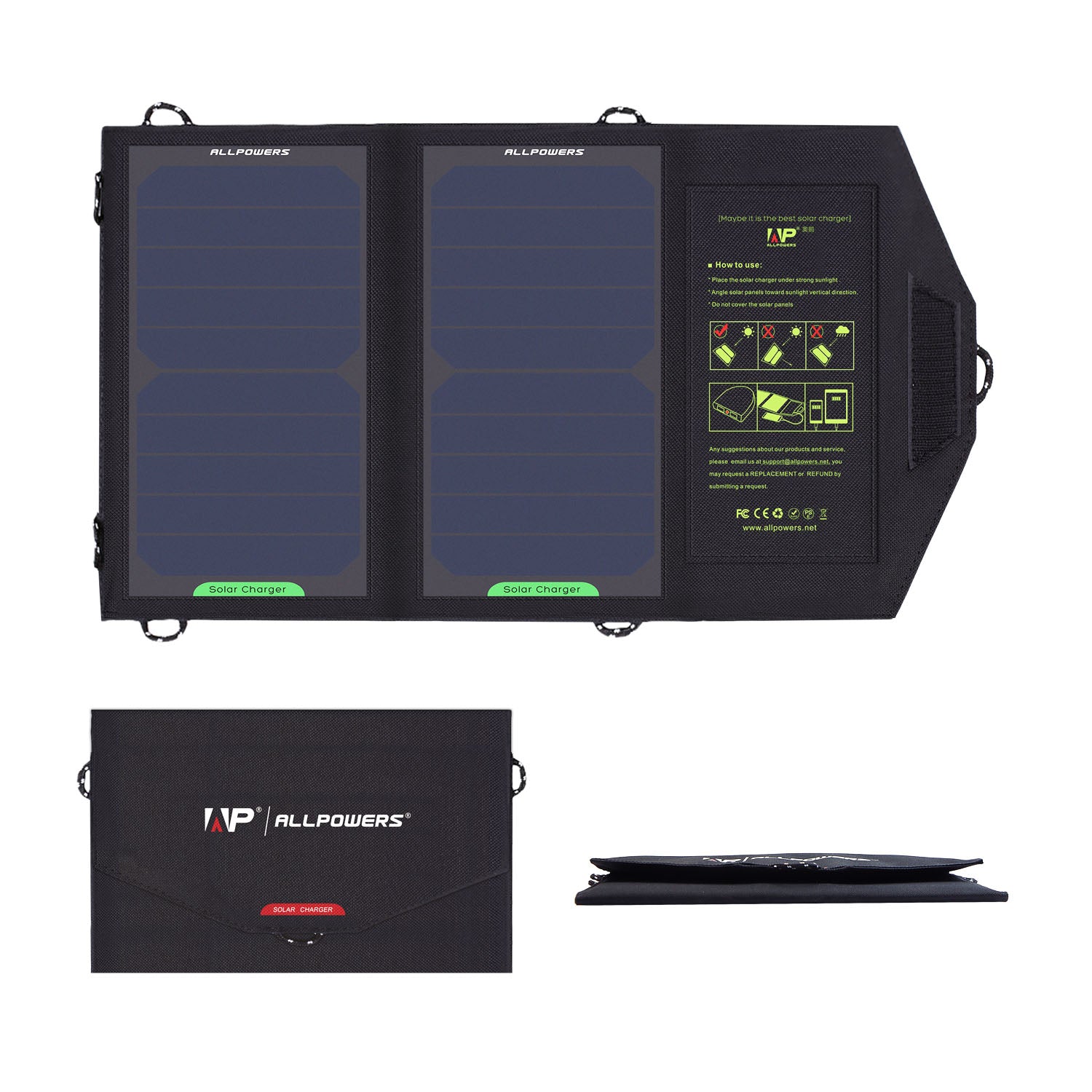
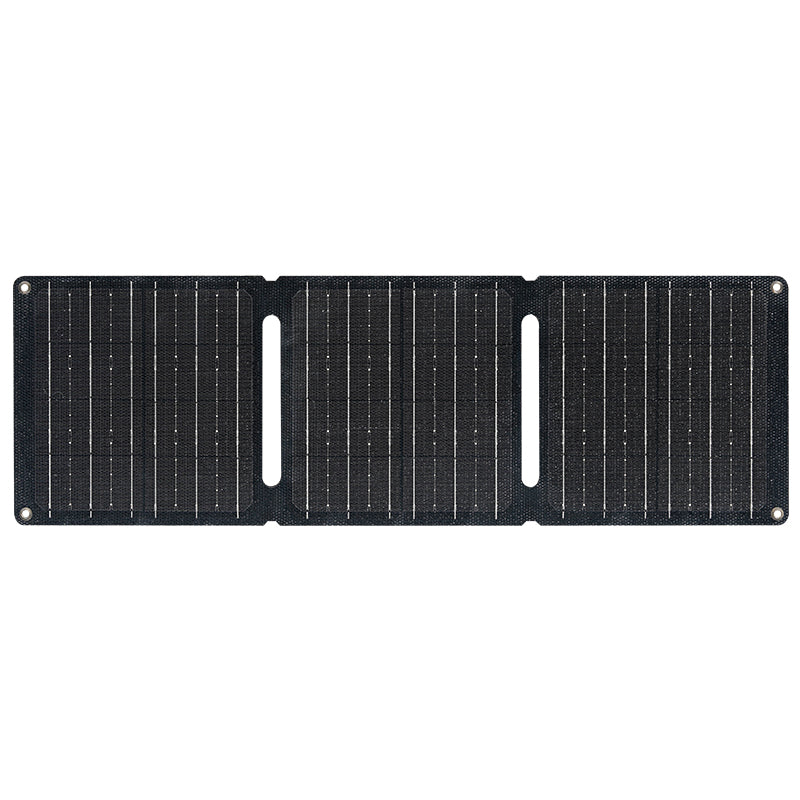
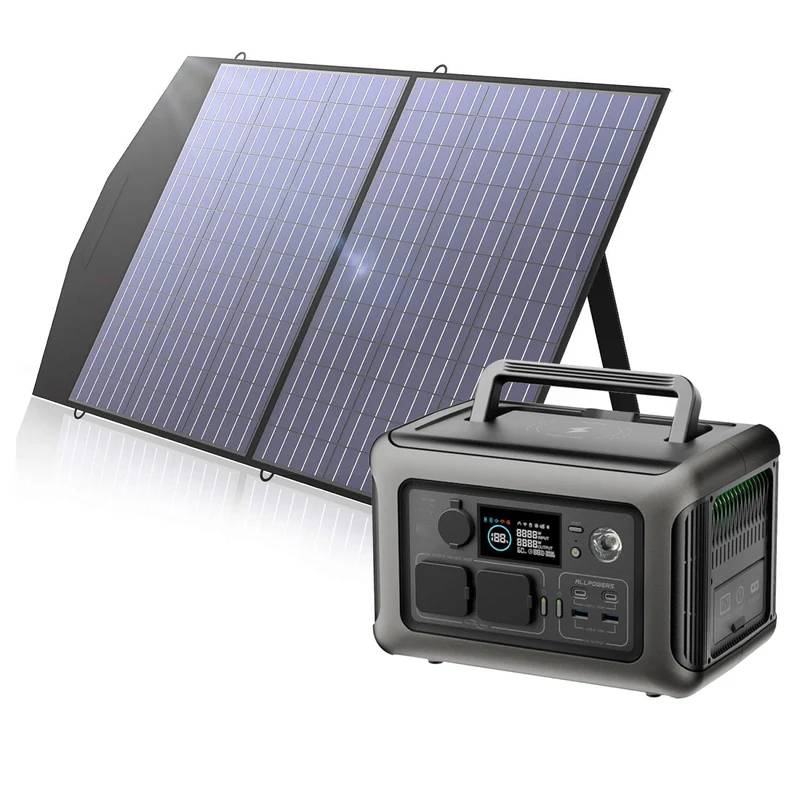
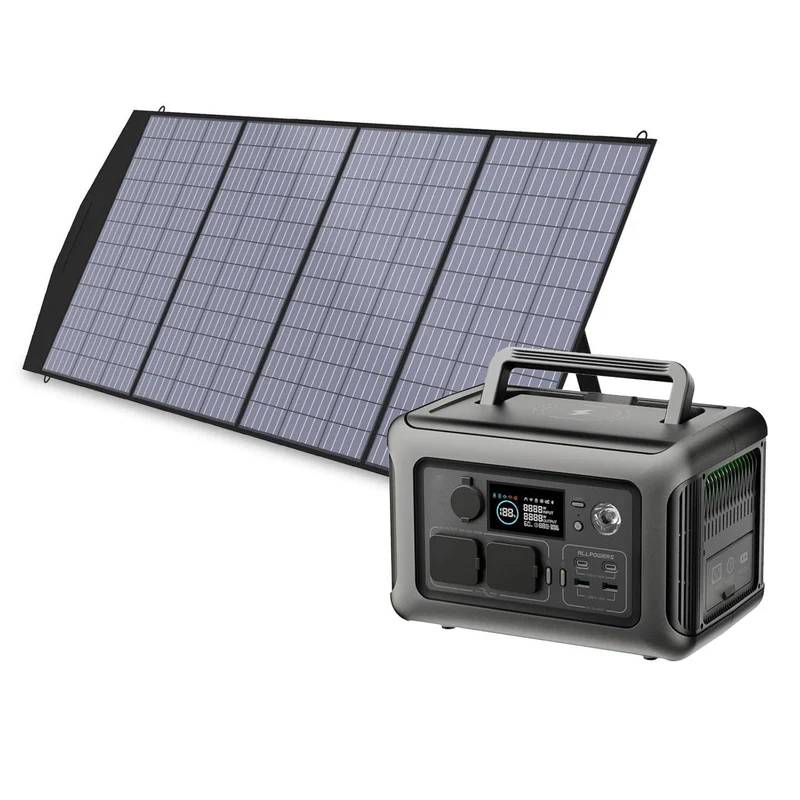
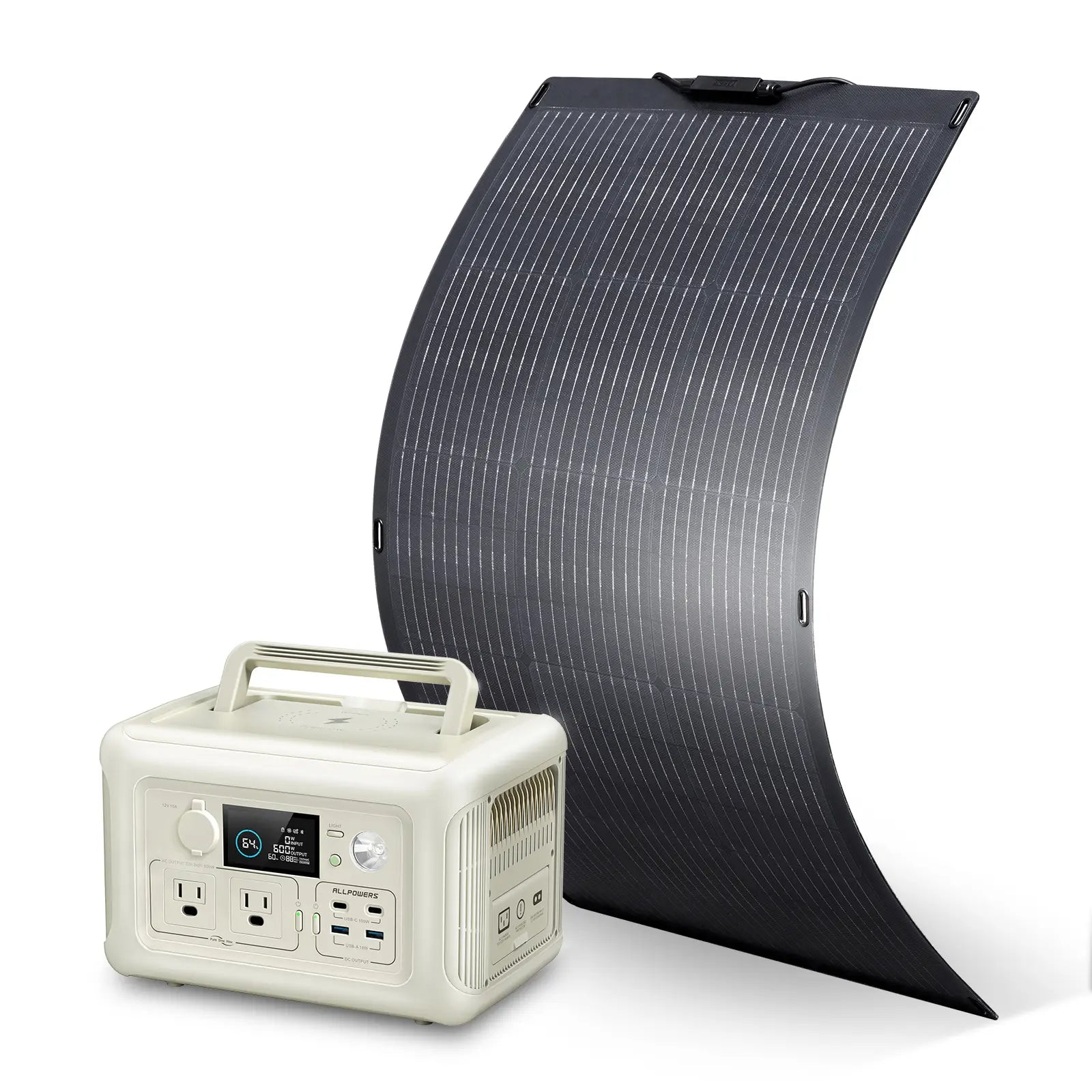
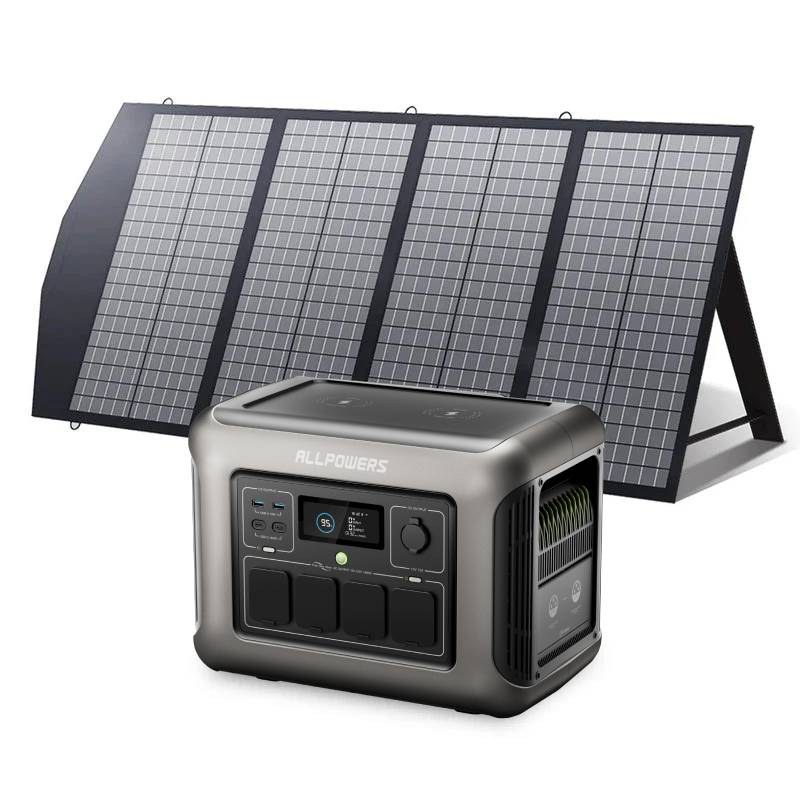
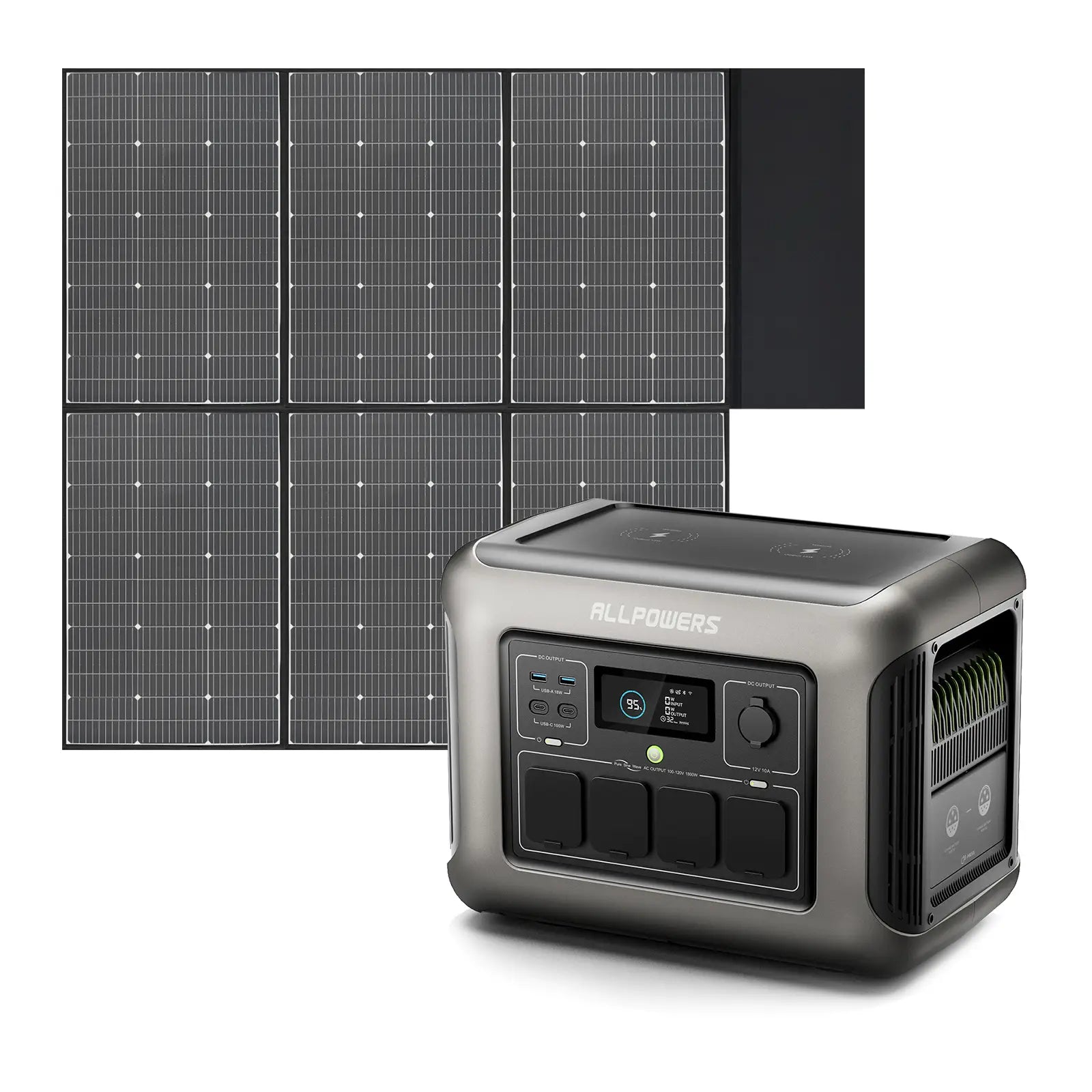
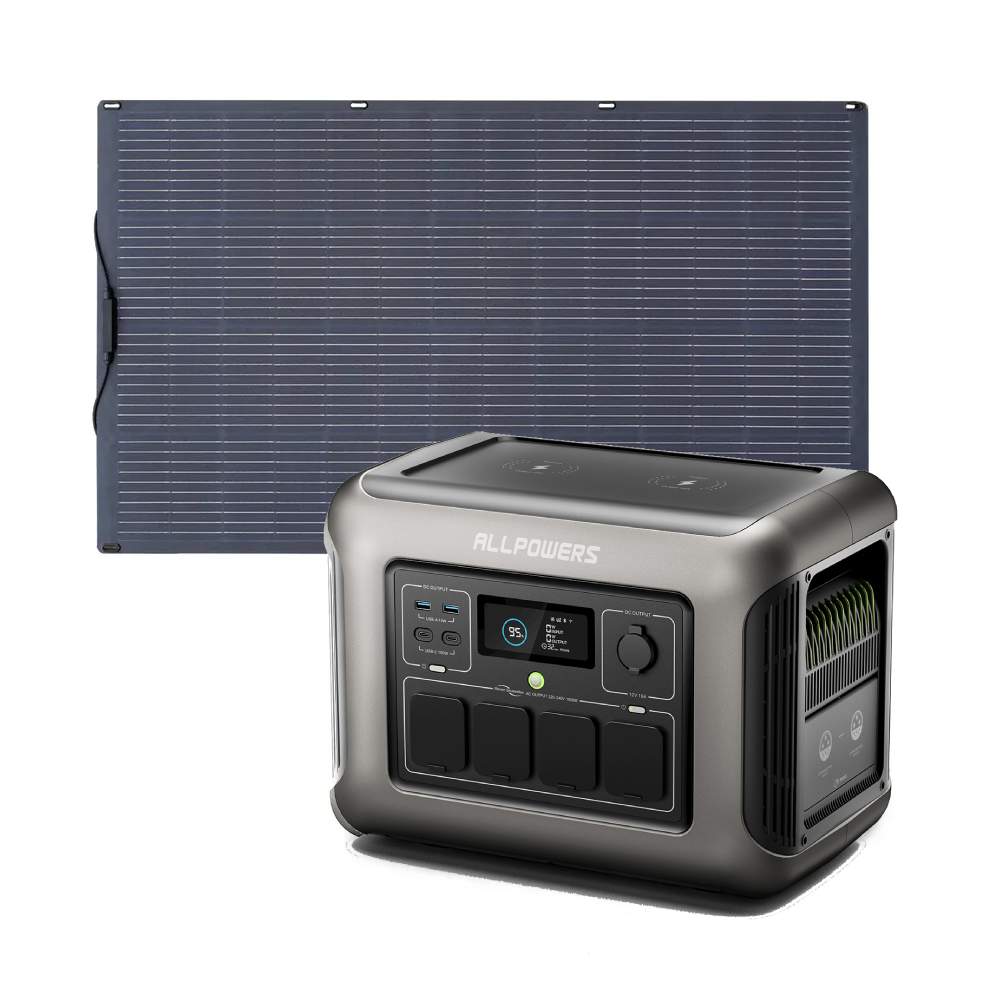
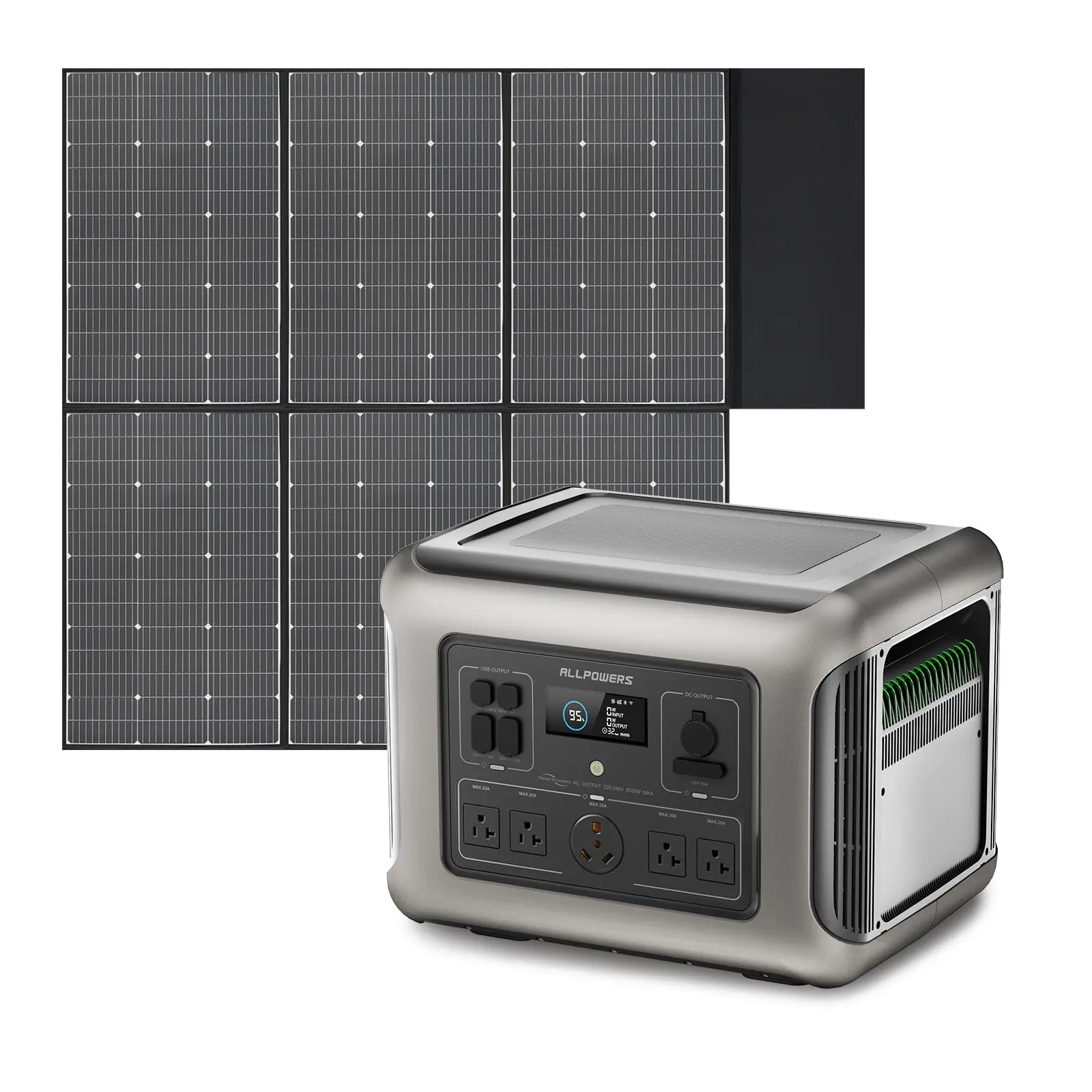
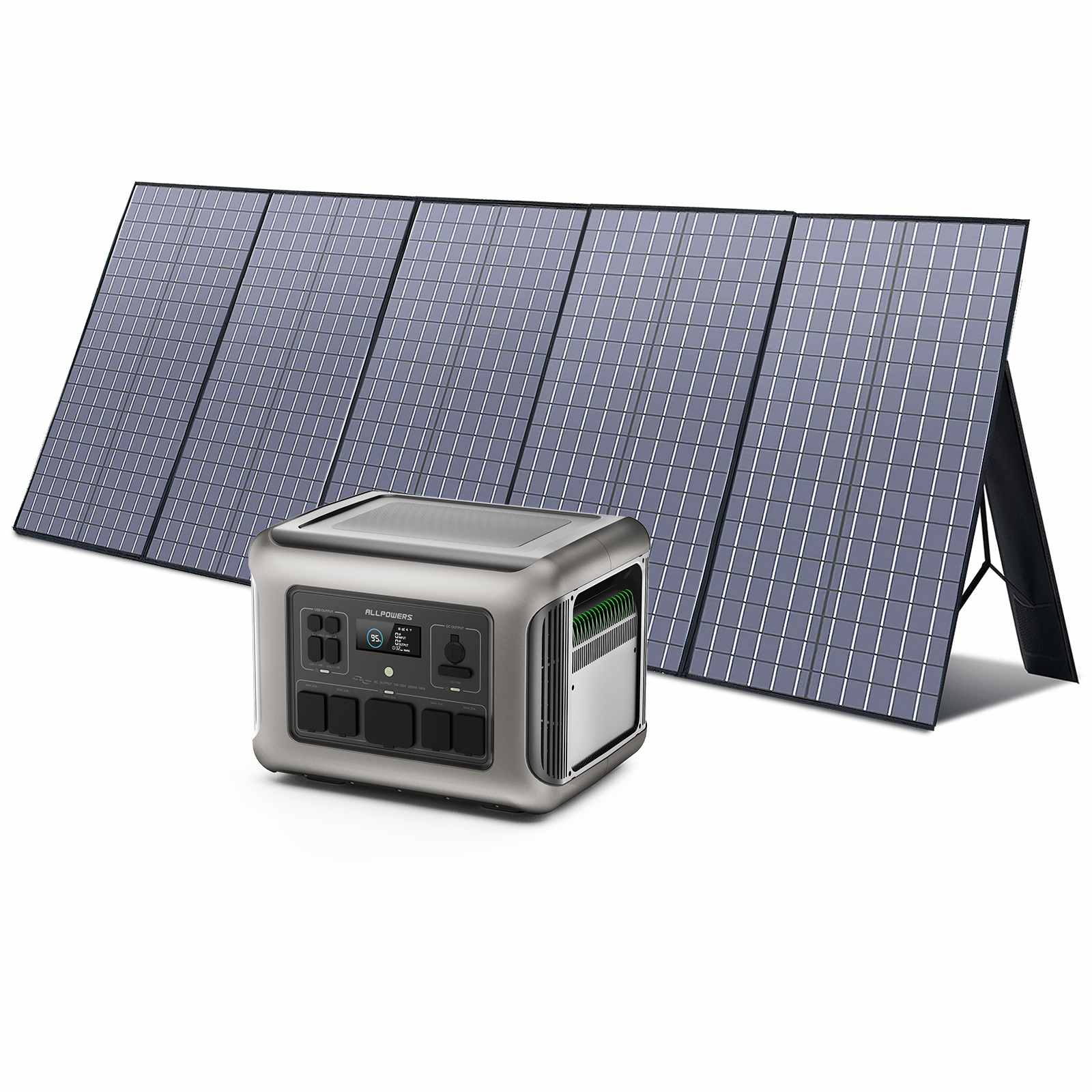
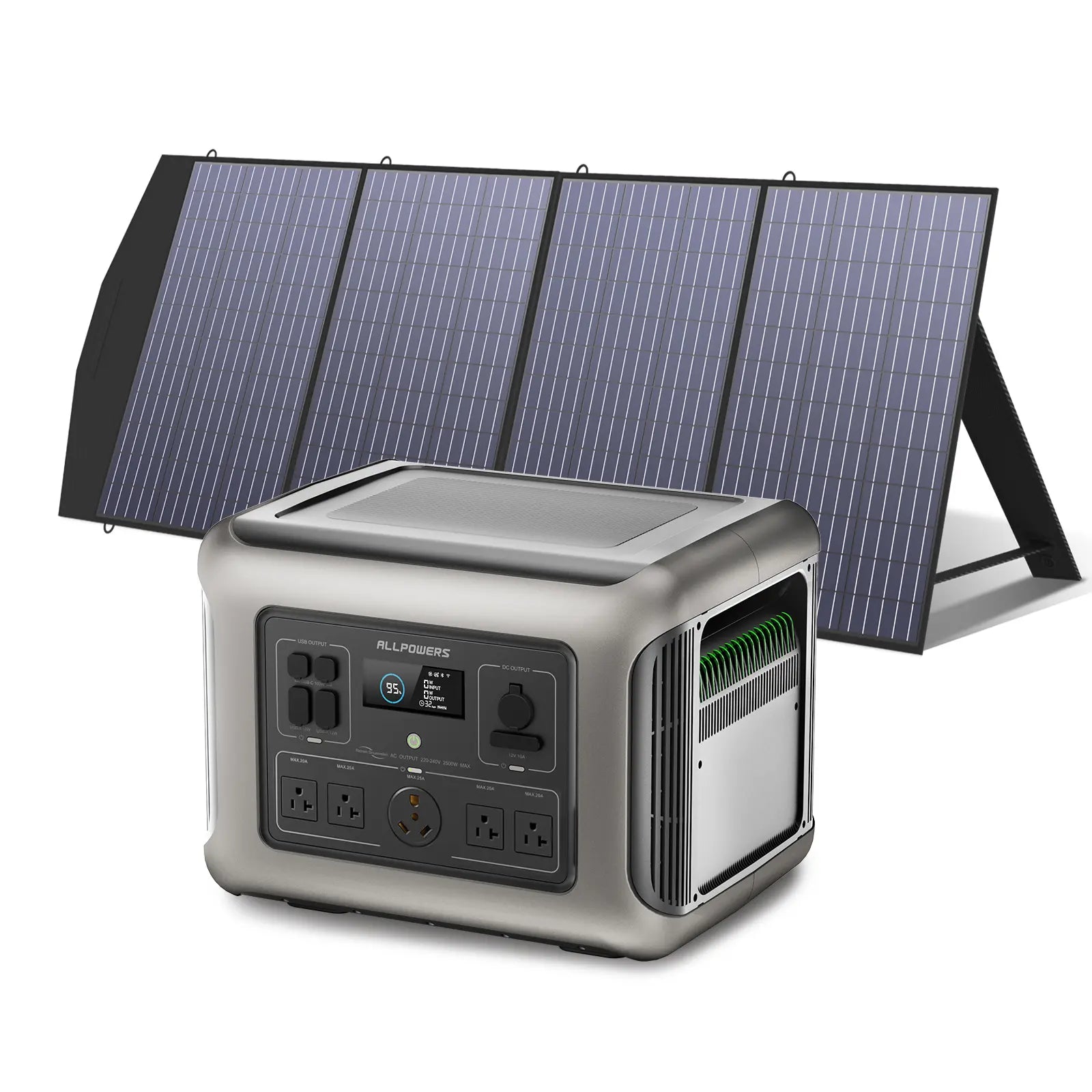
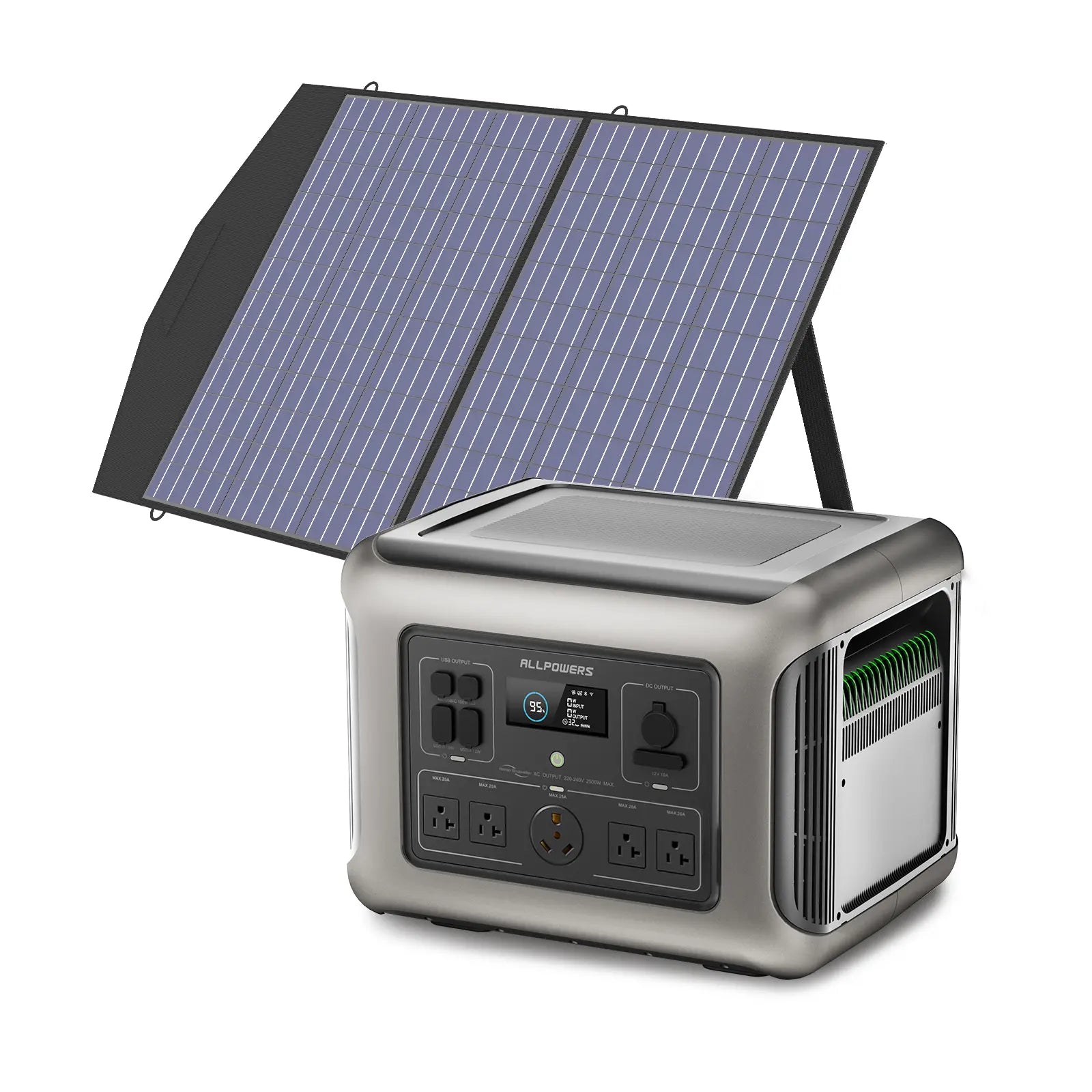
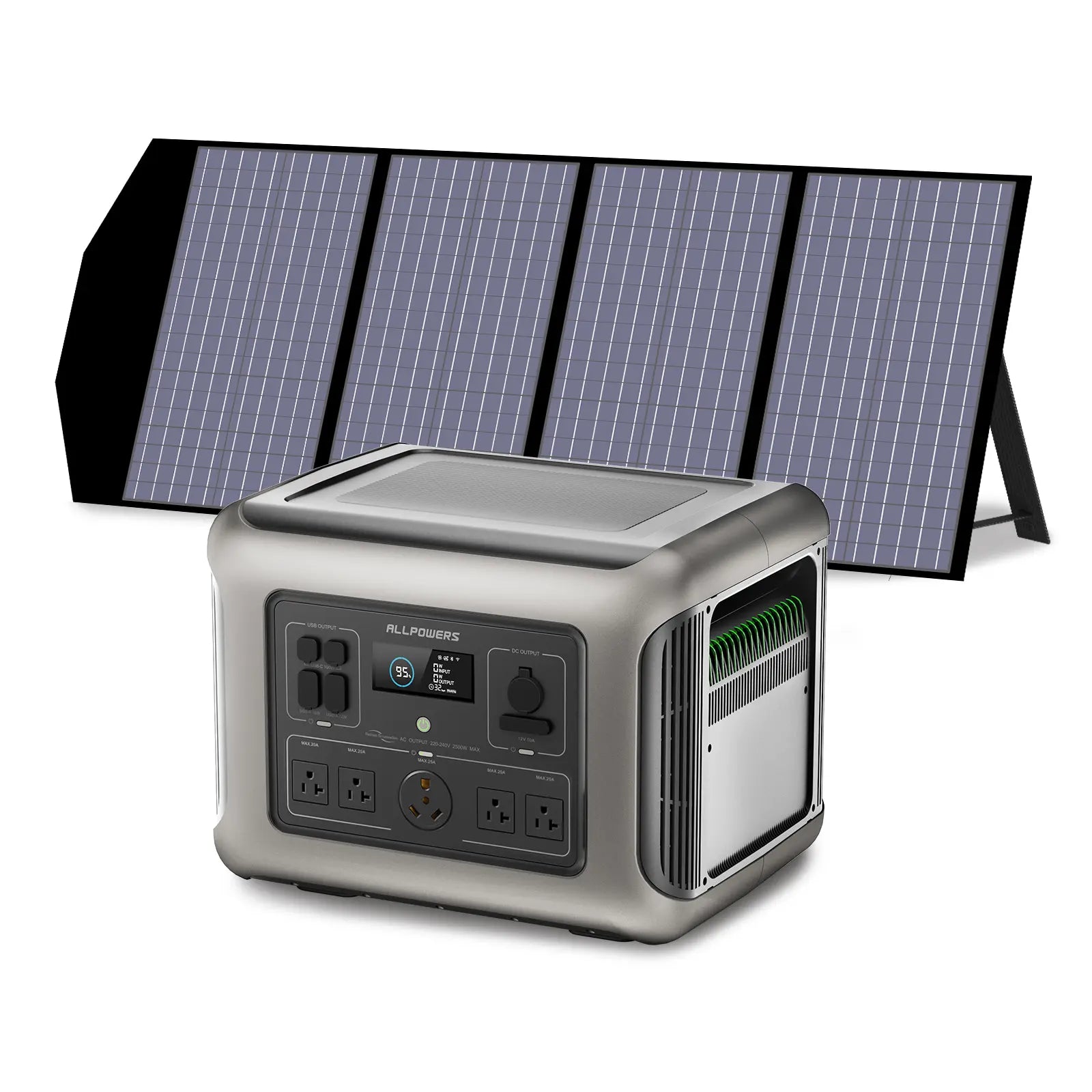
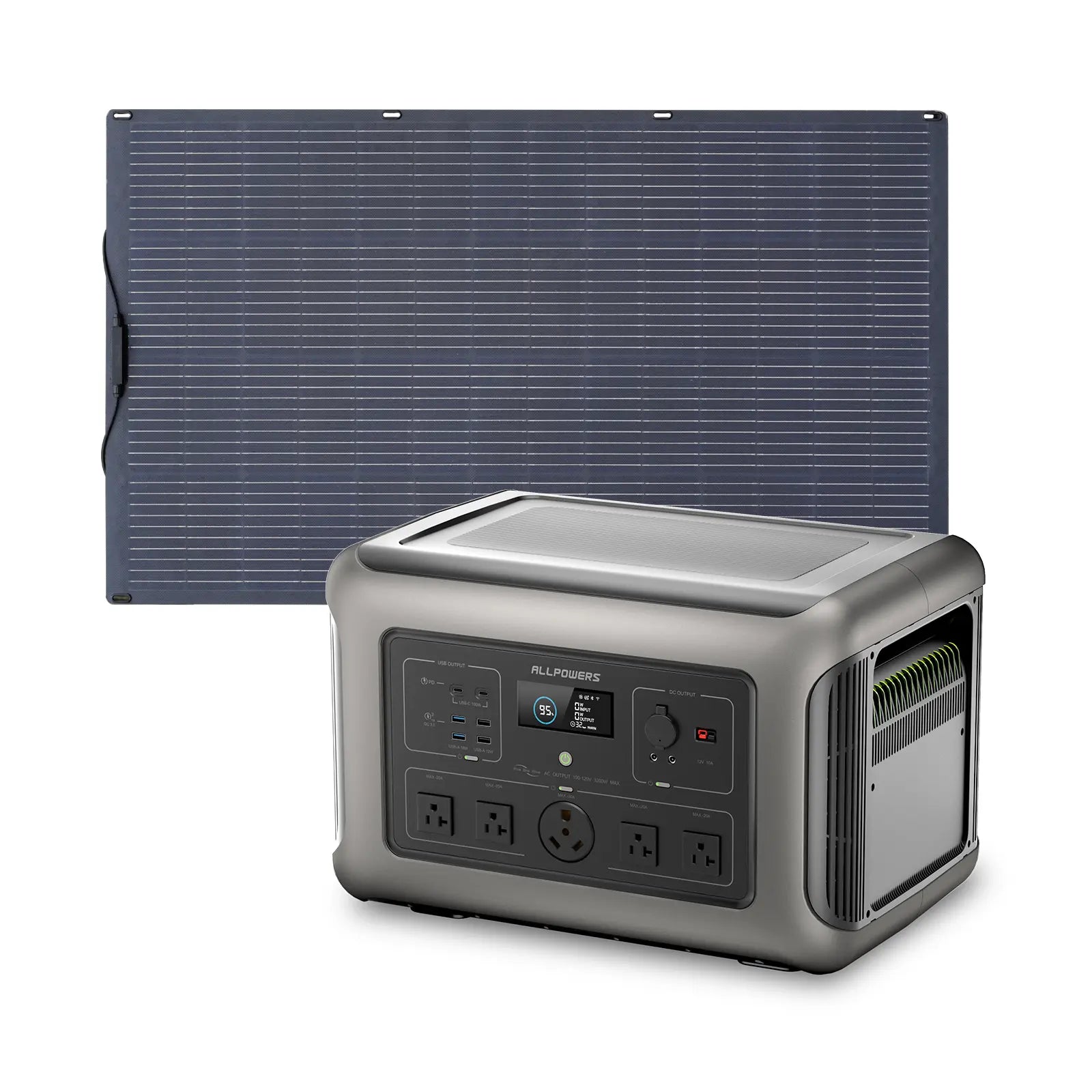
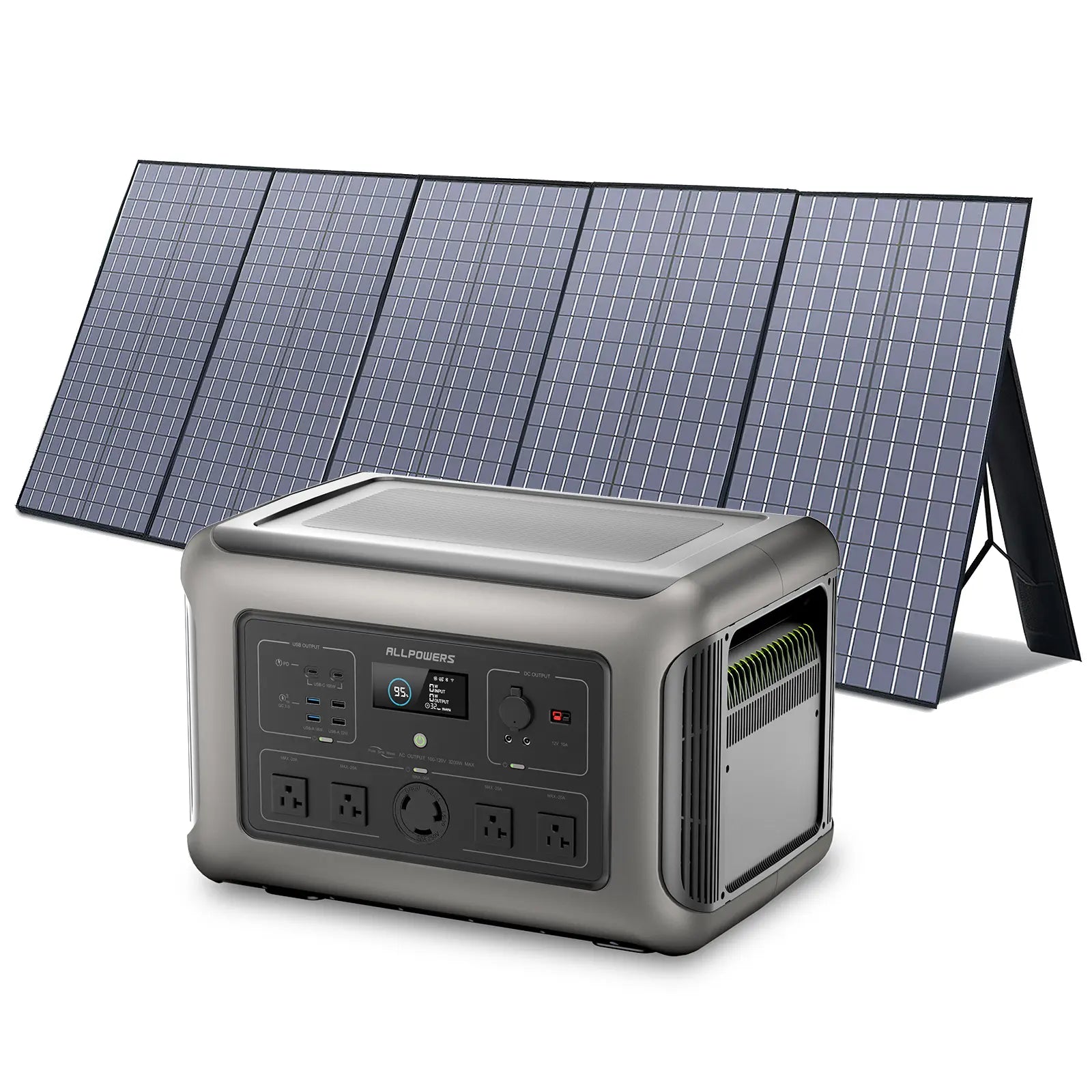
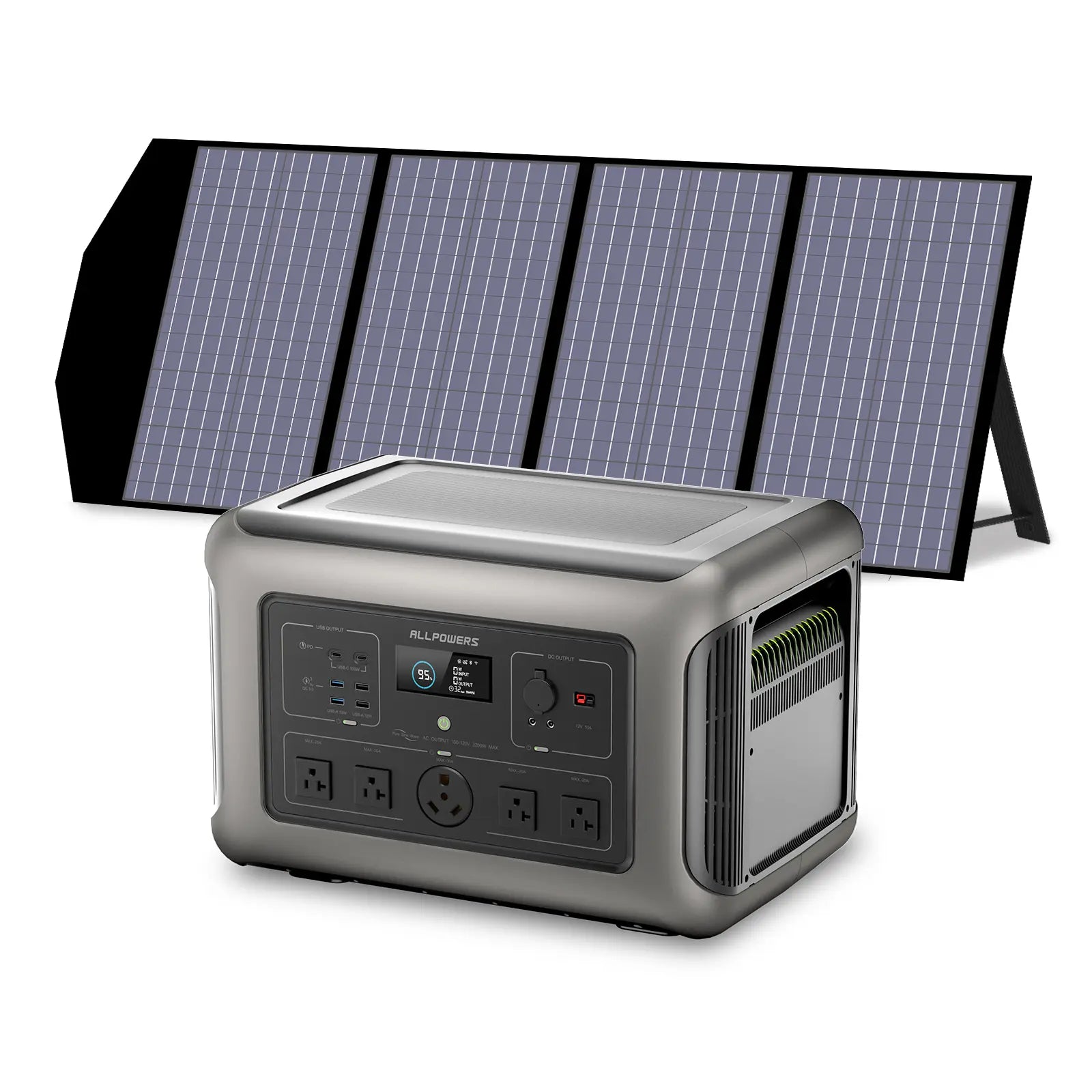
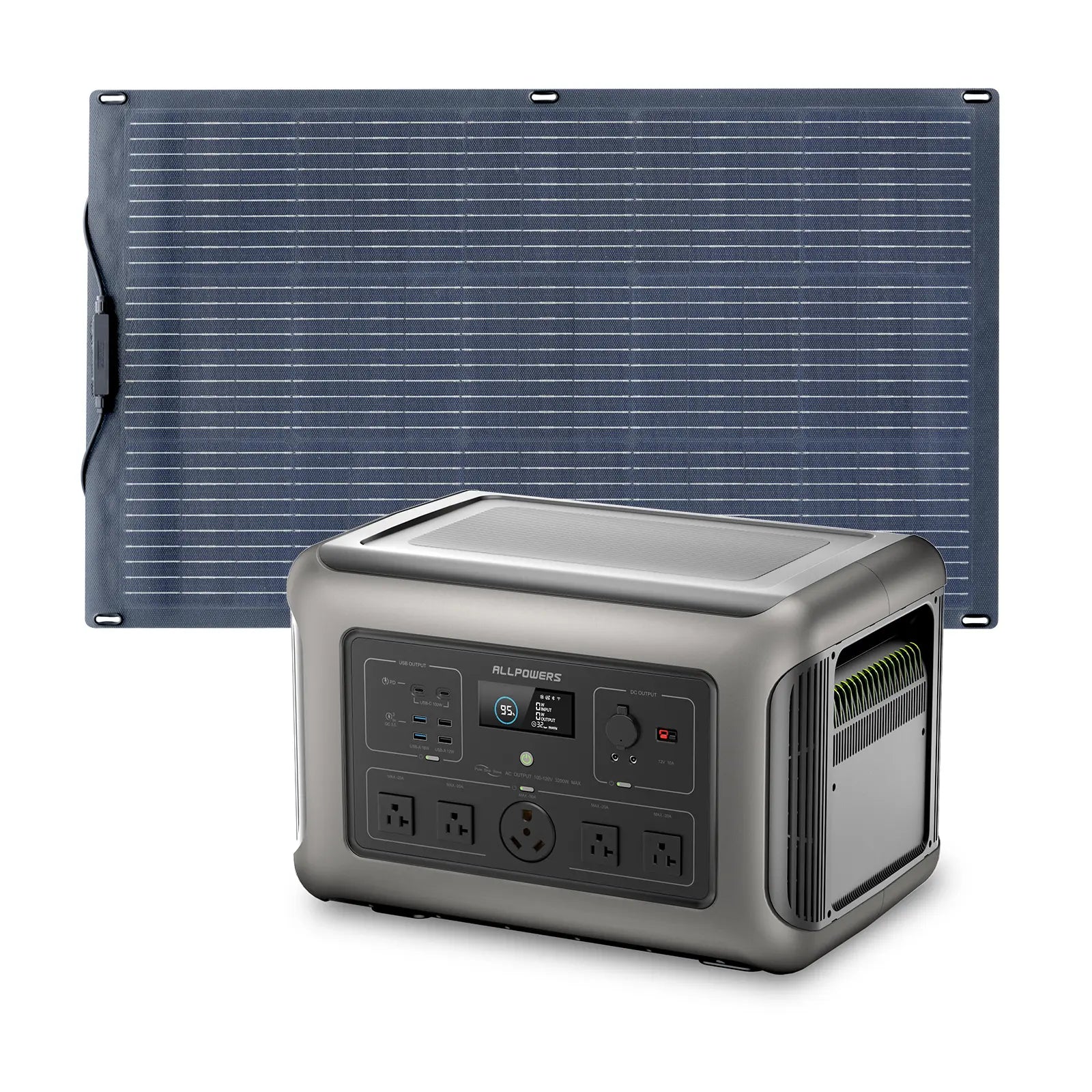
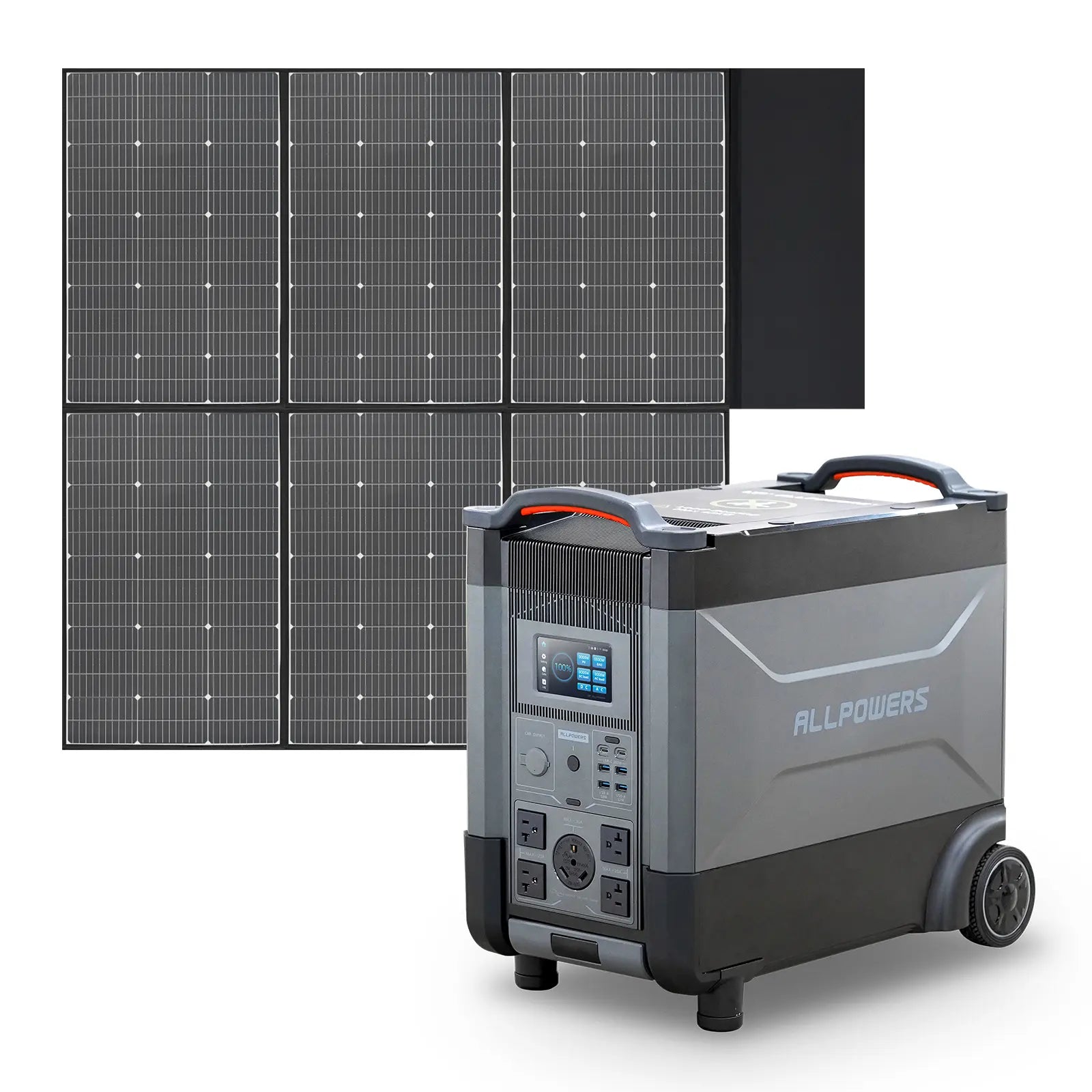
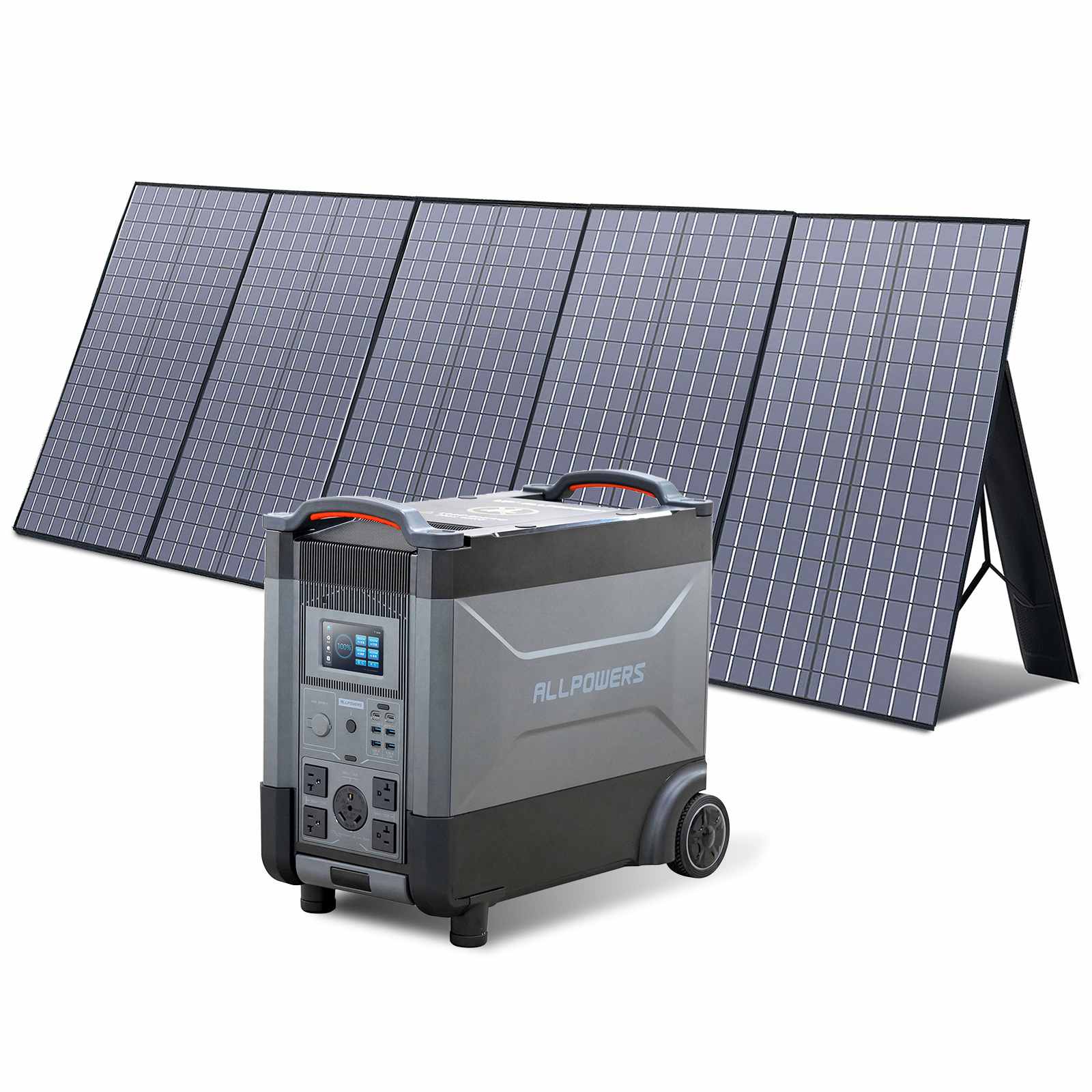
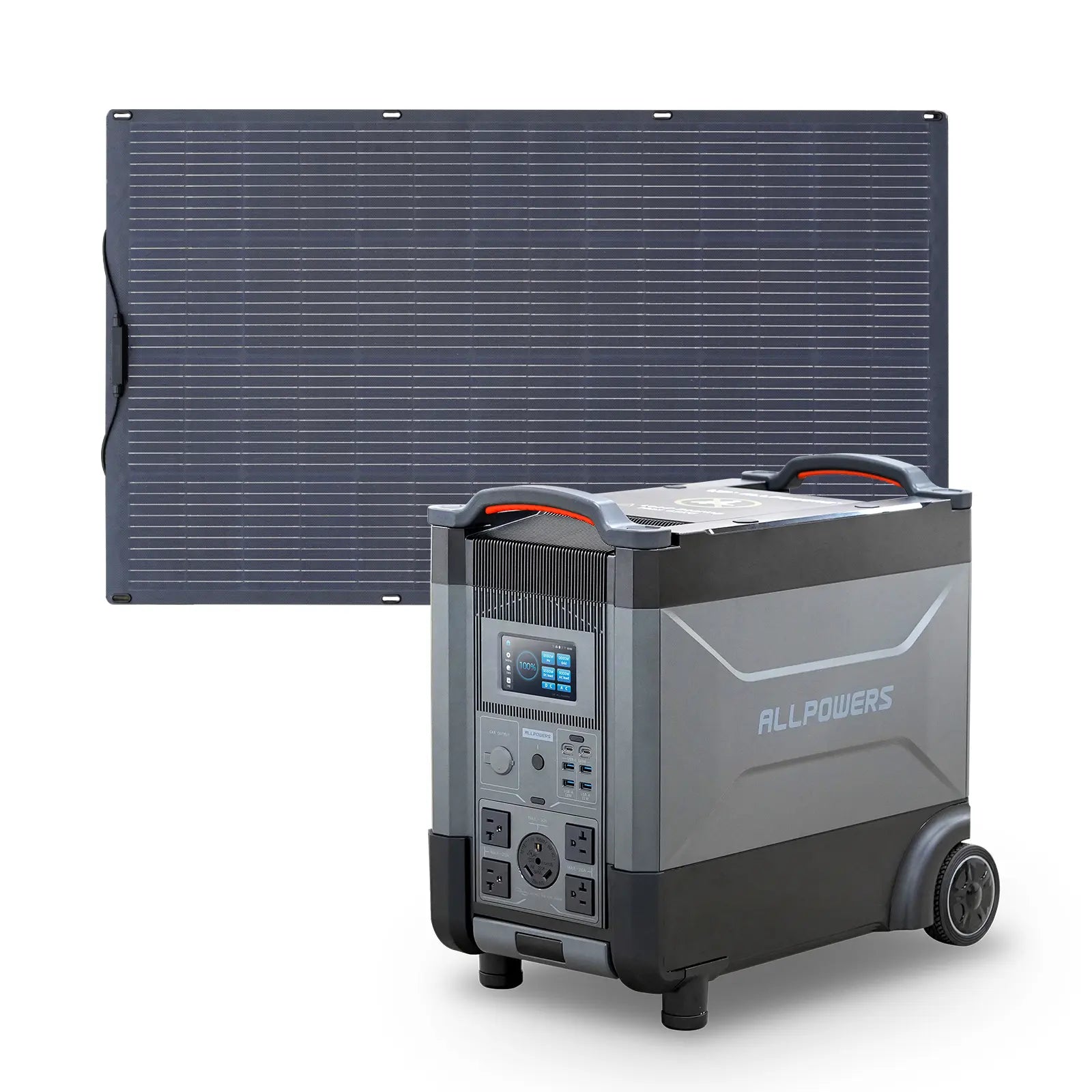
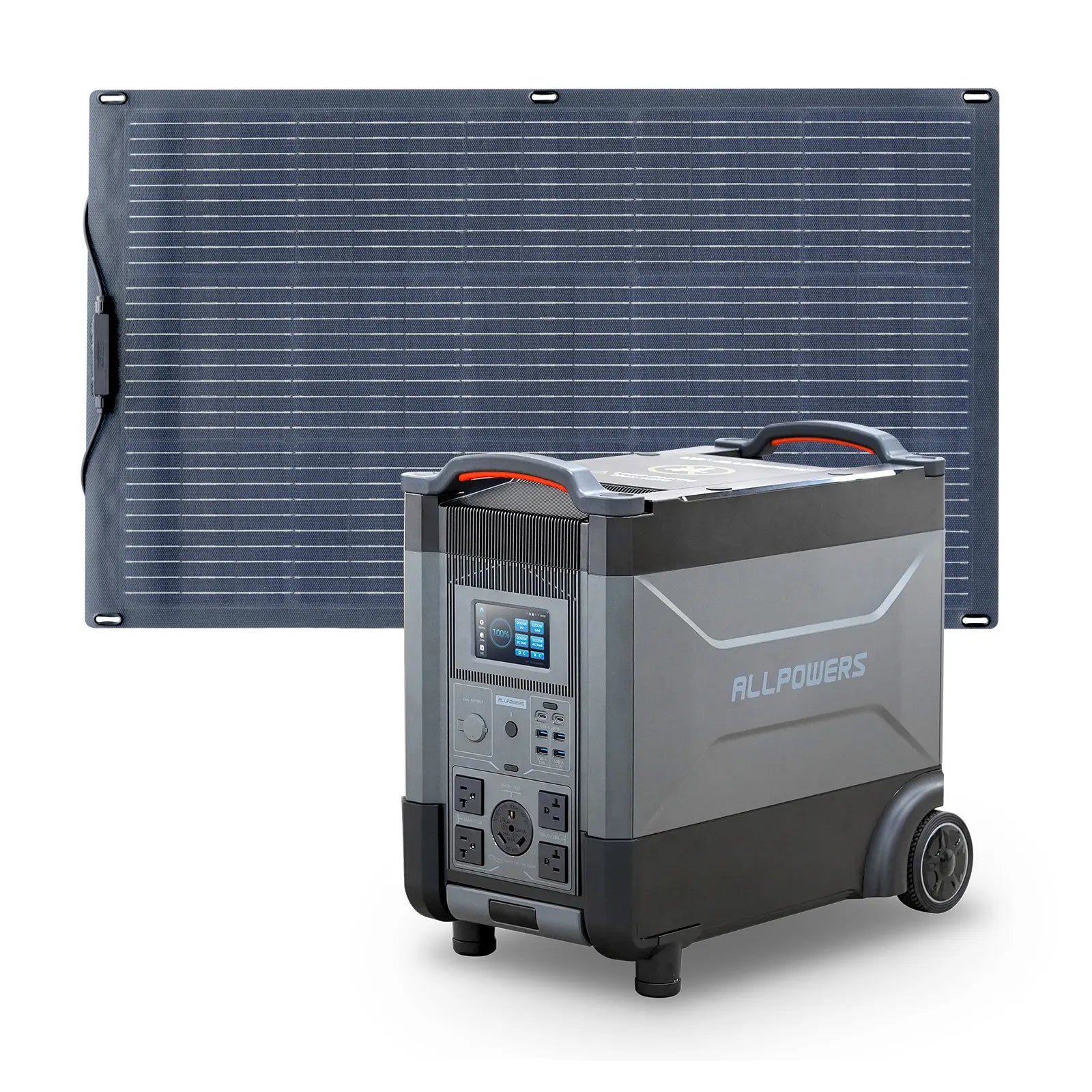
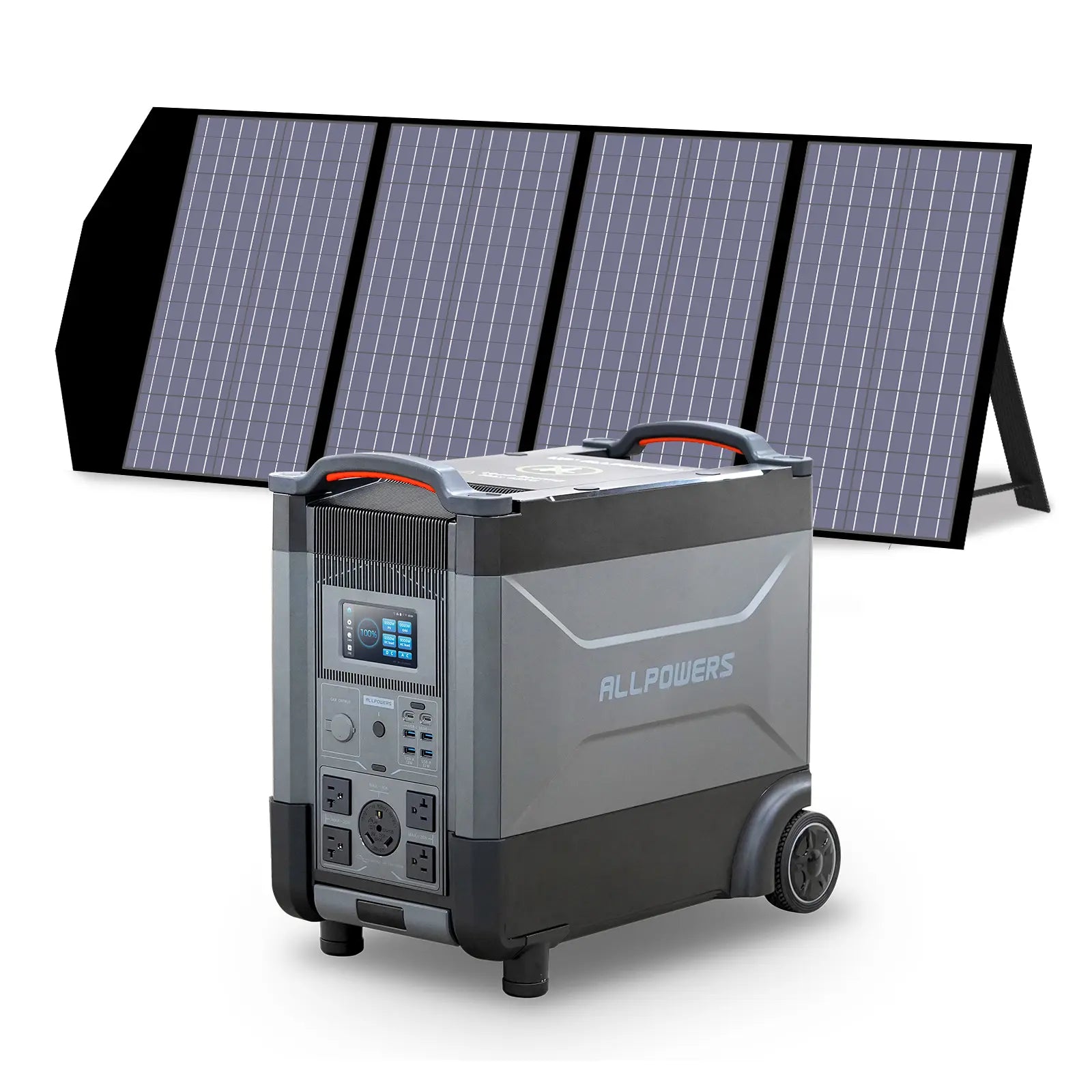
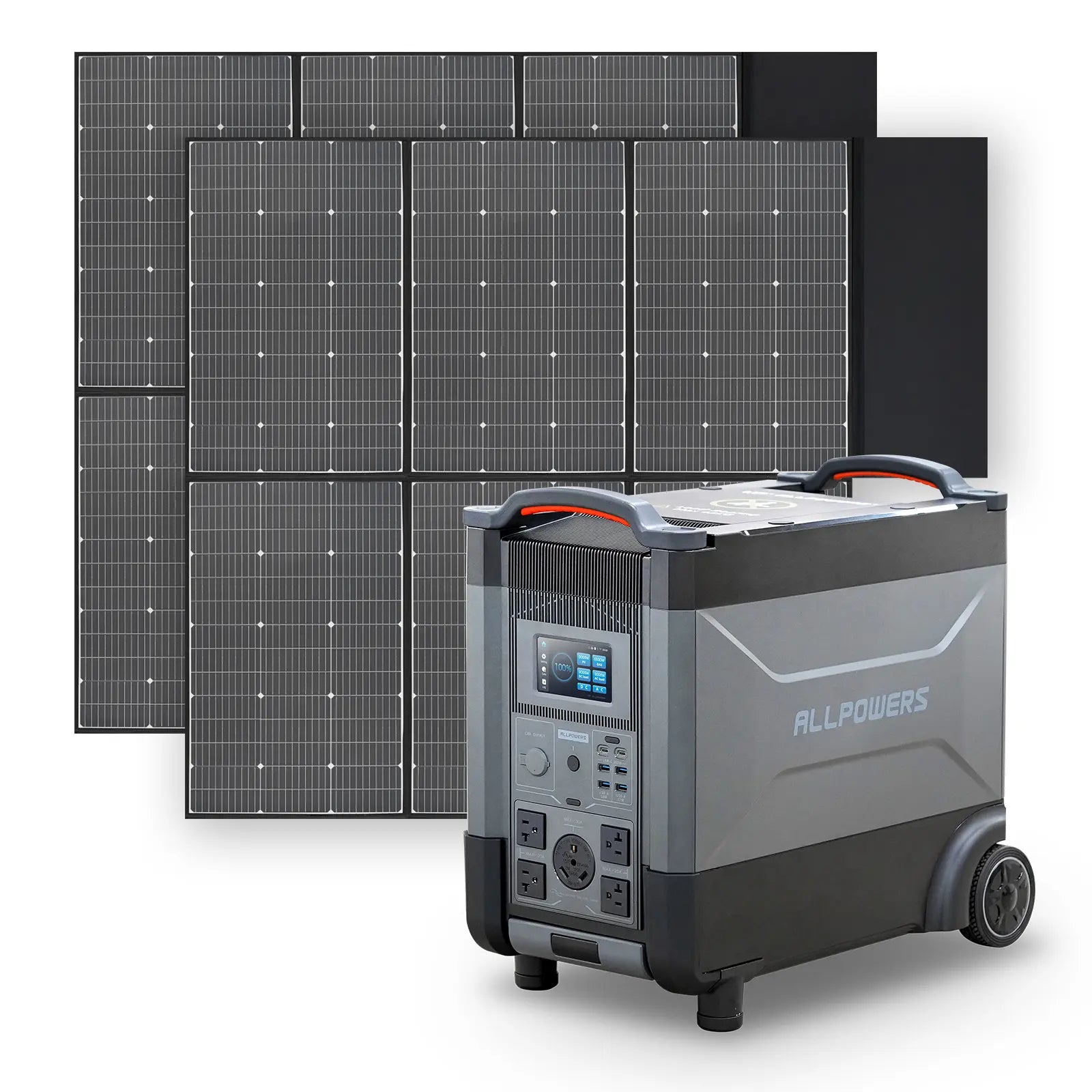
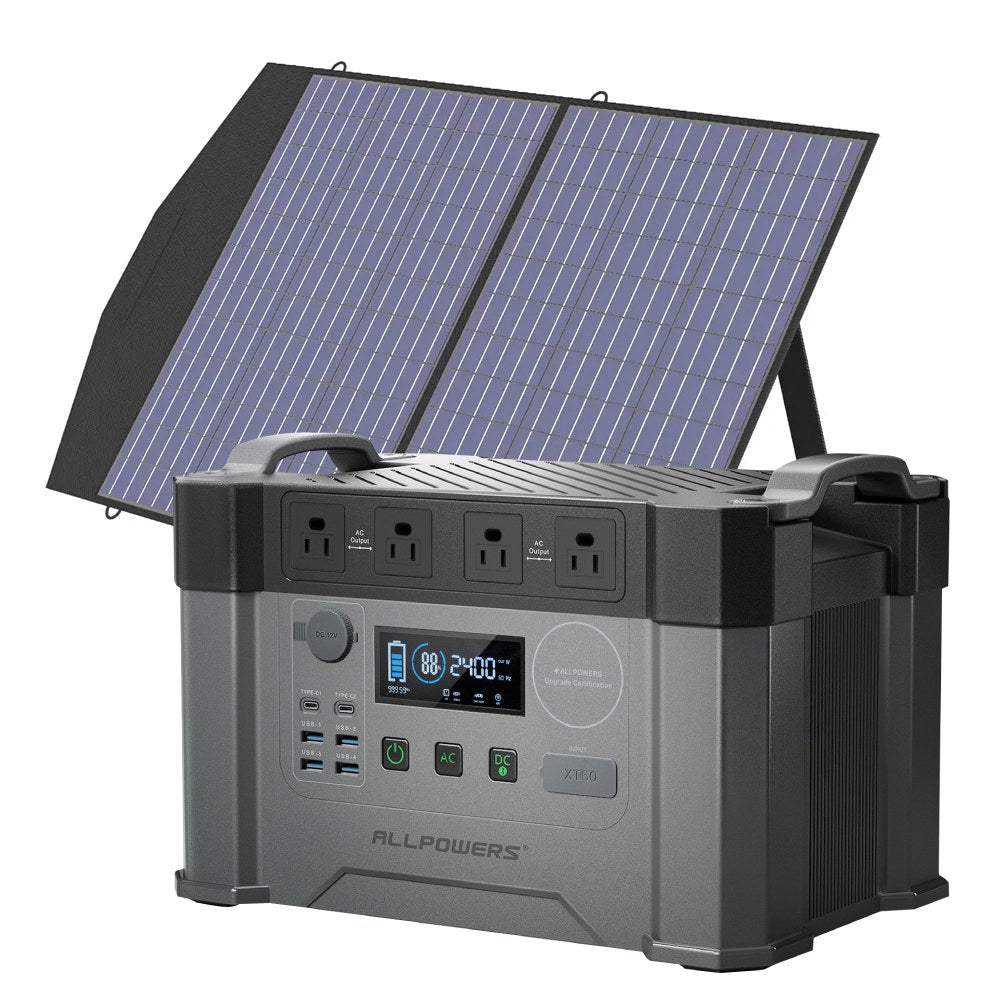
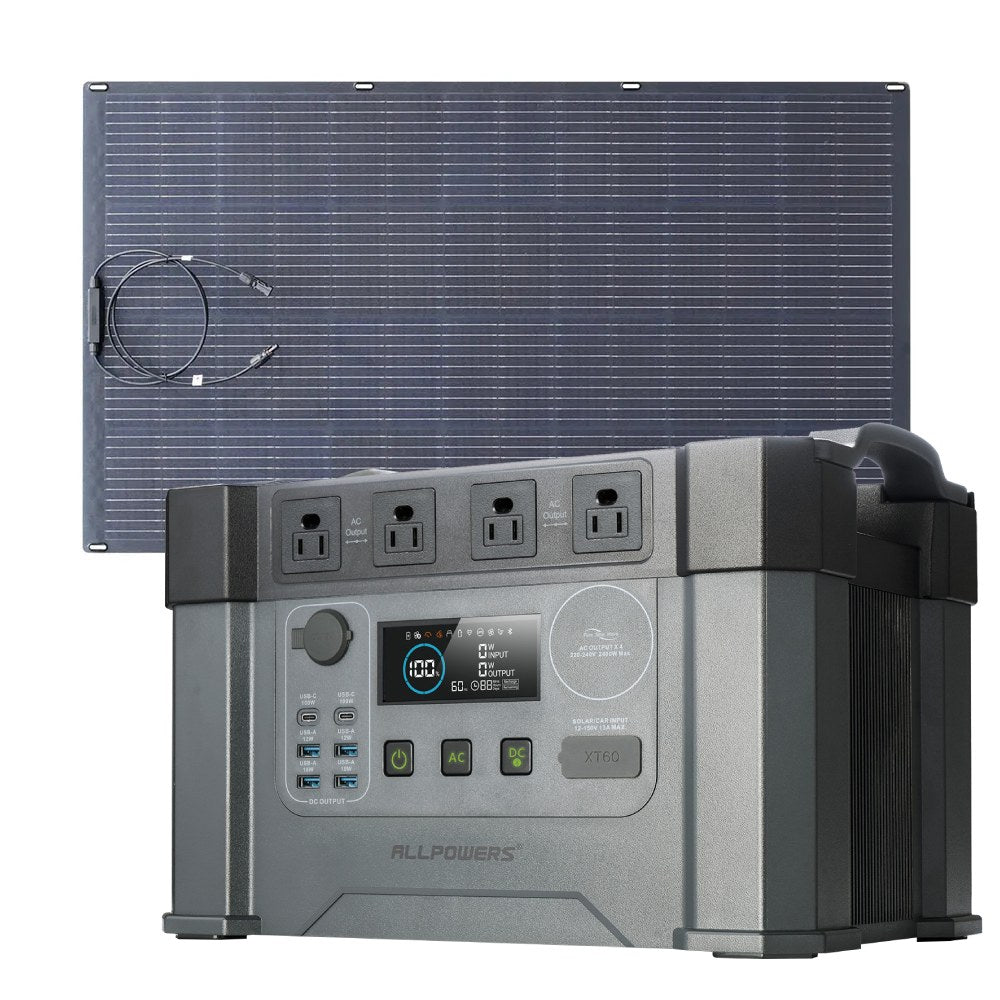
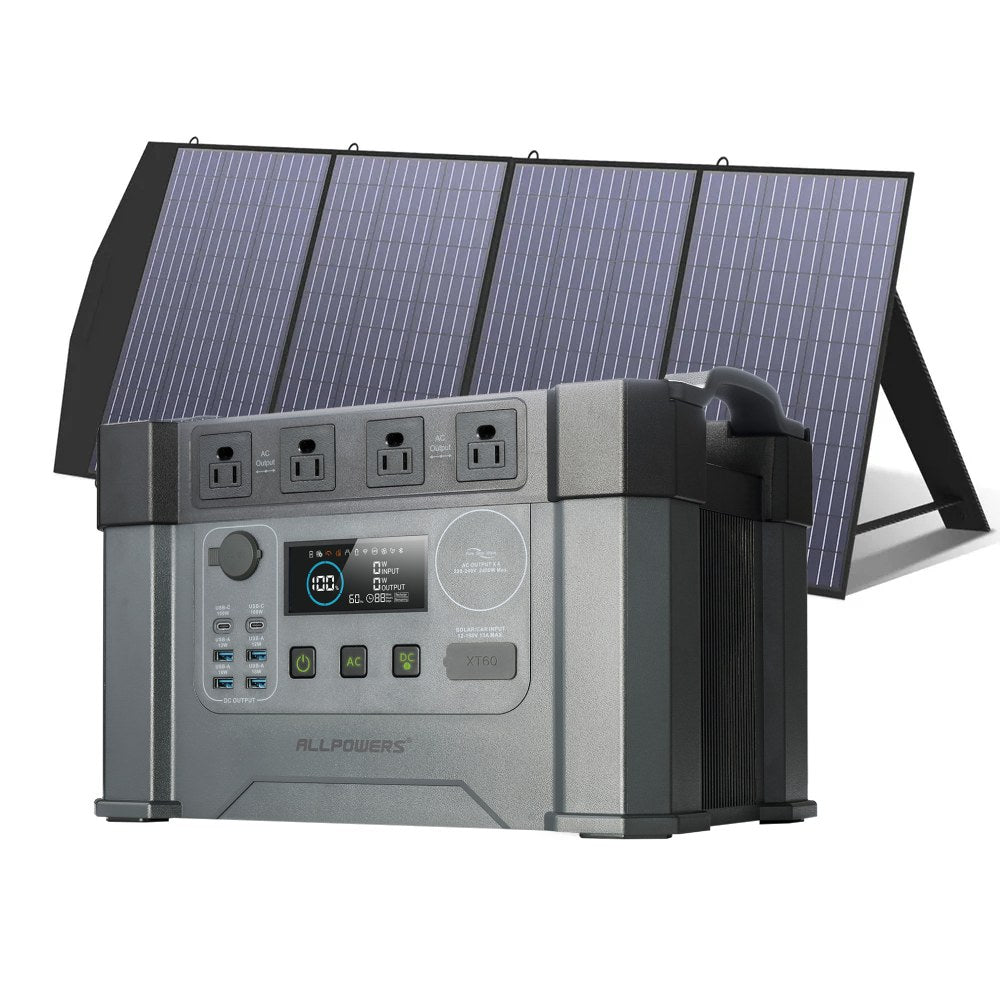
Solar-based battery systems, sometimes called solar generators, operate on a different principle than traditional propane generators.
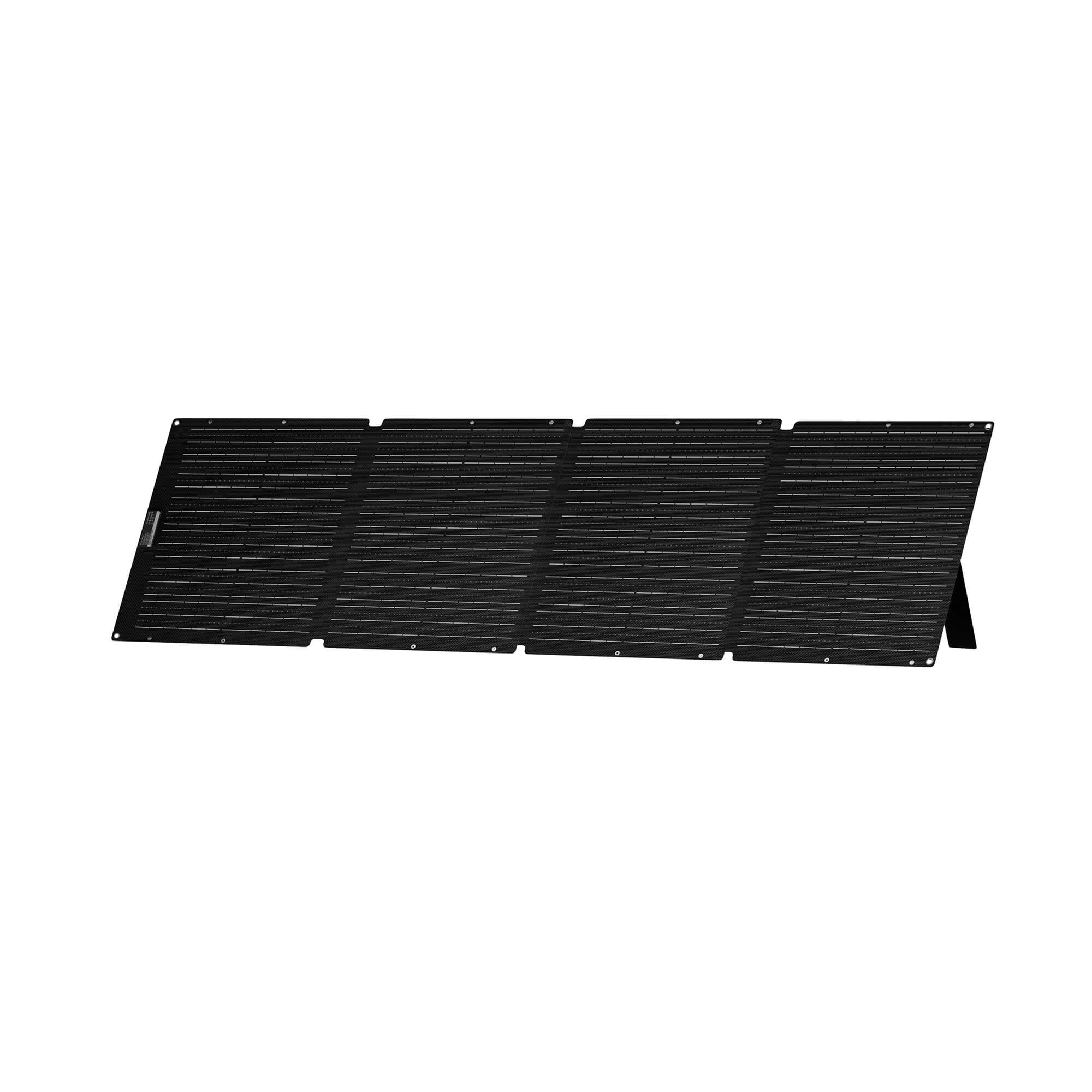
They store electricity in lithium battery packs and recharge via solar panels or grid power.
Of course, solar systems depend on battery capacity and panel input. Cloudy weeks challenge output. Heavy loads drain batteries quickly.
But, Sunlight replenishes energy daily, weather permitting.
Honestly, many households now blend systems—propane for heavy surge loads and battery storage for quiet overnight essentials.
Conclusion
So, how long will a generator run on propane?
A small to mid-sized unit can run roughly 8 to 12 hours on a 20-pound tank at moderate load. Larger generators may run 4 to 8 hours under heavier demand.
Increase tank size or reduce load, and runtime grows. Push appliances hard, and fuel disappears faster than expected.