









A power outage can disrupt far more than just lighting and household appliances.
For many people, a smartphone serves as a primary tool for communication, weather updates, emergency alerts, navigation, and access to important information.
When the power goes out unexpectedly, keeping your phone charged quickly becomes a priority.
So, how can you charge your phone during a power outage?
TL;DR: During a power outage, you can charge your phone using power banks, car chargers, solar chargers, laptops with remaining battery power, battery backup systems, or other portable energy solutions. Conserving battery life is just as important as finding a charging source, especially during extended outages.
Why Keeping Your Phone Charged Matters
During a power outage, a smartphone often becomes one of the most important devices in a household.
It provides access to emergency notifications, local news updates, weather forecasts, and communication with family members.
In severe situations such as storms, wildfires, hurricanes, or winter weather events, a fully charged phone can help people receive evacuation notices, locate emergency resources, and contact emergency services if needed.
Because outages can sometimes last much longer than expected, managing battery power wisely becomes essential.
What to Do First During a Power Outage
When the electricity goes out, many people immediately begin using their phones to check social media, browse news websites, or stream updates. However, doing so can drain battery life much faster than necessary.
The first priority should be preserving existing battery capacity. Turning on Low Power Mode or Battery Saver Mode can significantly reduce power consumption and extend usage time.
Reduce Screen Brightness
The display is one of the most power-hungry components of a smartphone. Lowering brightness can immediately reduce battery drain.
Disable Unnecessary Features
Bluetooth, background app refresh, location tracking, and unused wireless connections can all consume additional power during an outage.
Limit Video Streaming
Streaming video content uses substantial battery power and should generally be avoided during extended outages unless necessary.
Using Power Banks for Emergency Charging
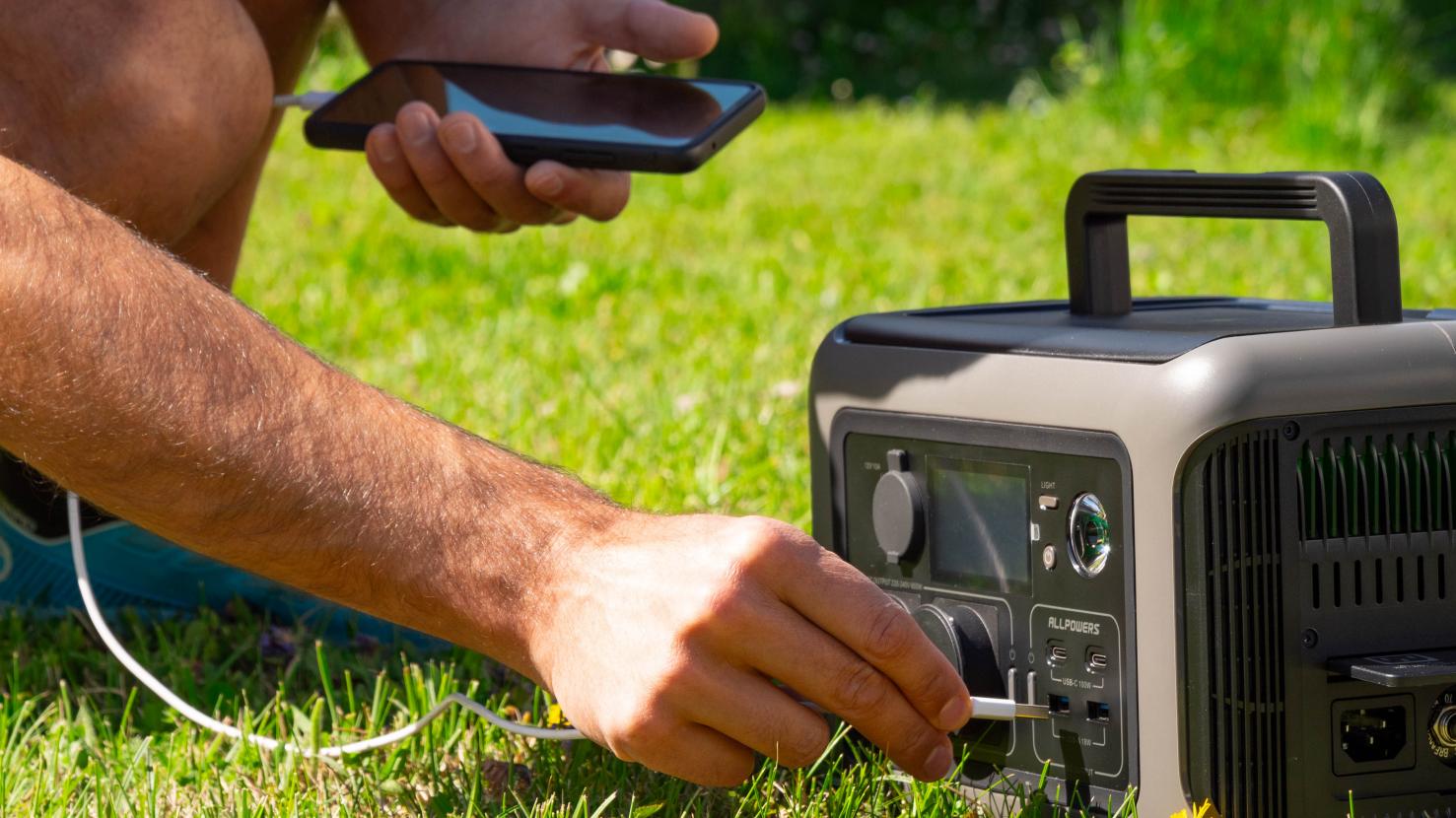
Power banks are one of the most popular emergency charging solutions because they are portable, affordable, and easy to use.
A fully charged power bank can often recharge a smartphone multiple times depending on battery capacity and device power requirements.
For households that experience occasional blackouts, keeping a charged power bank readily available can provide immediate peace of mind.
Charging Your Phone in a Vehicle
Many people overlook one of the most accessible emergency charging sources available during an outage: their vehicle.
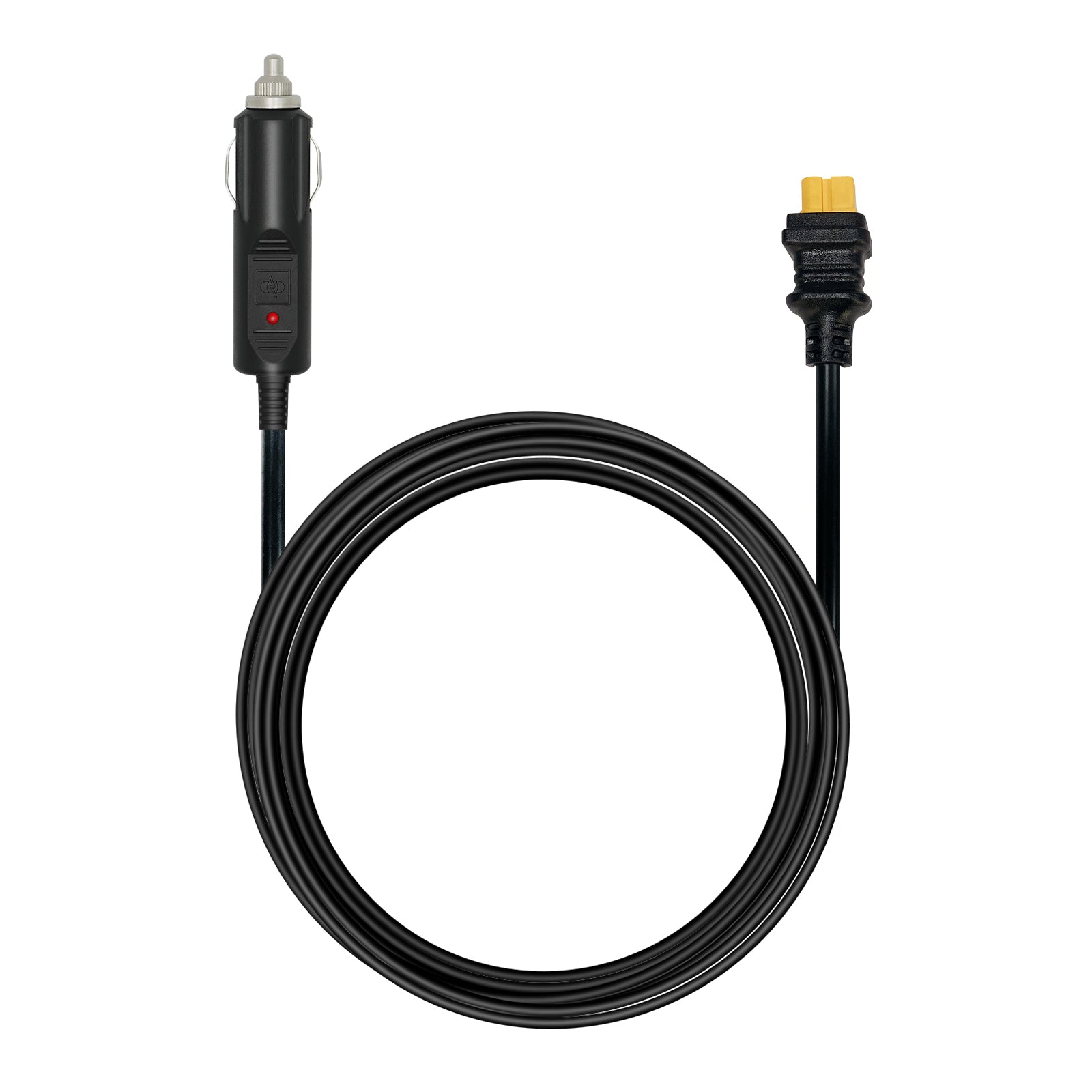
Most cars provide power through USB ports or 12V outlets, allowing smartphones to charge while the vehicle is running.
Use Fuel Carefully
While vehicle charging is convenient, running a vehicle solely for charging purposes consumes fuel and should be managed responsibly during long outages.
Avoid Draining the Car Battery
Charging devices without the engine running may gradually drain the vehicle's battery, potentially creating transportation problems later.
For this reason, many emergency preparedness plans recommend using charging sessions strategically rather than continuously.
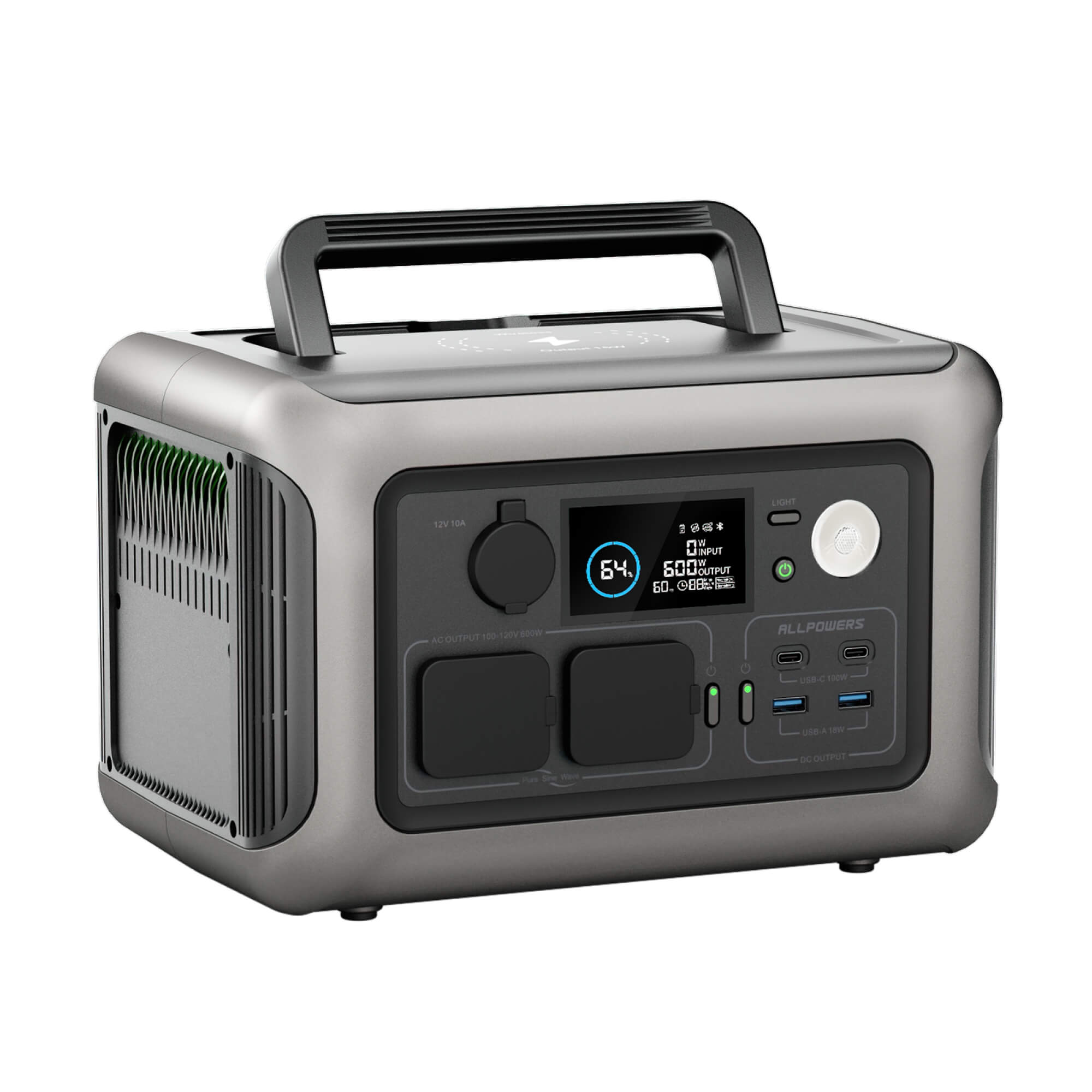
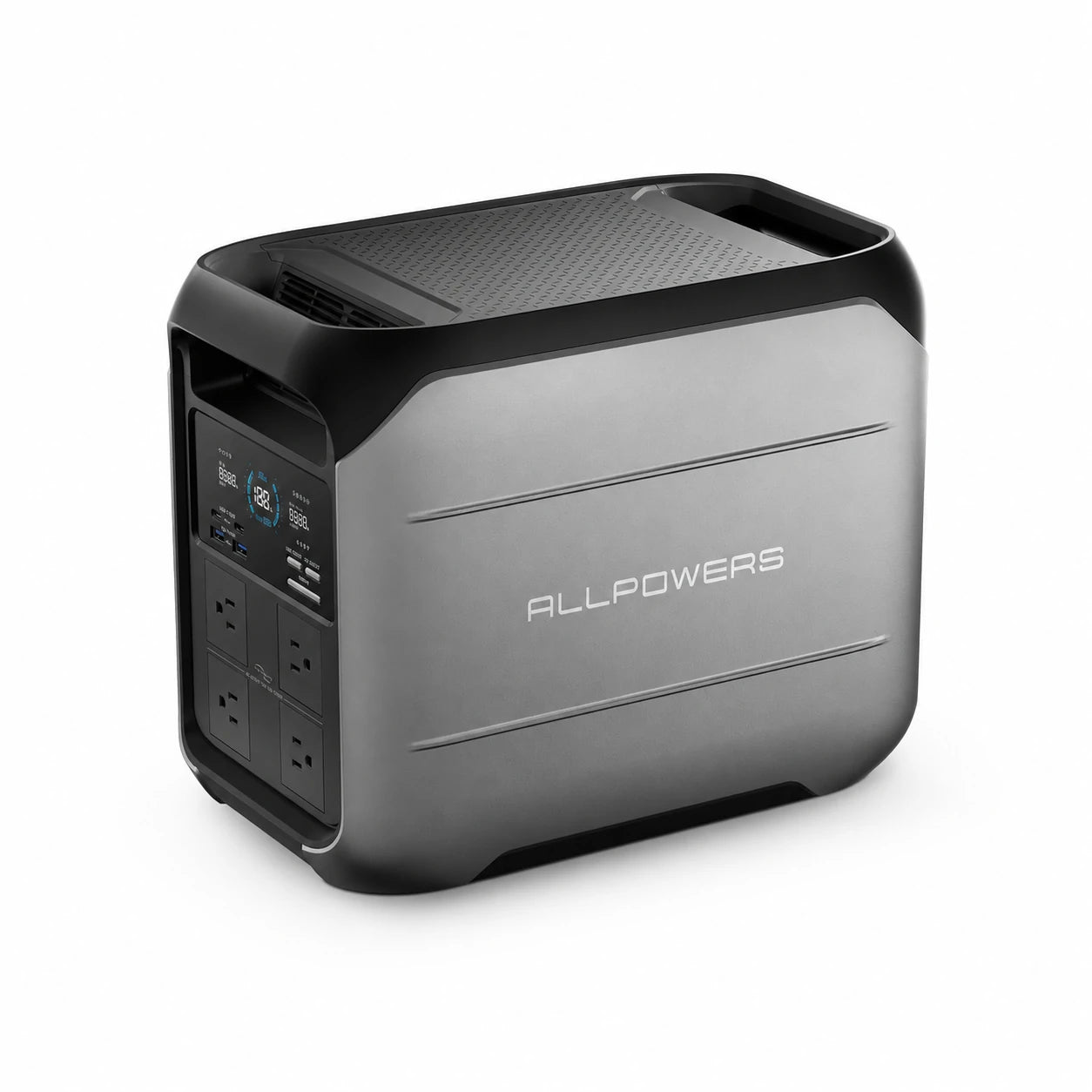
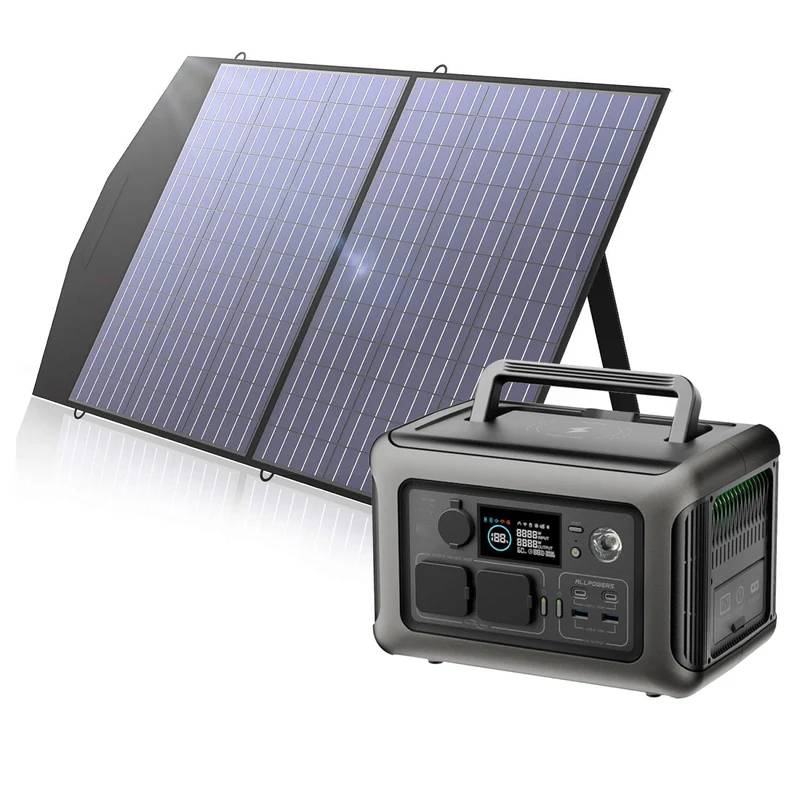
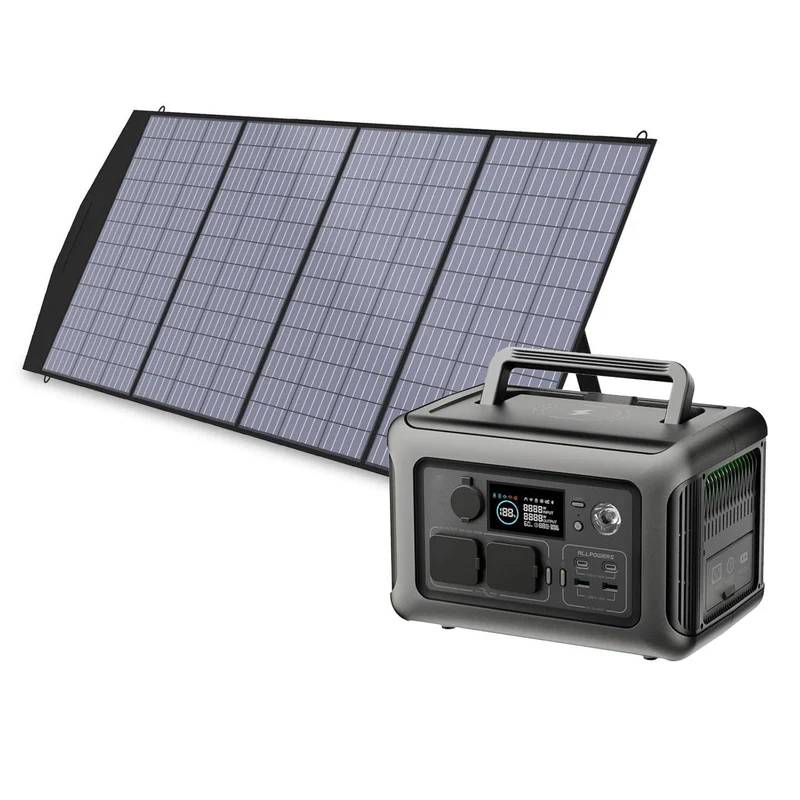
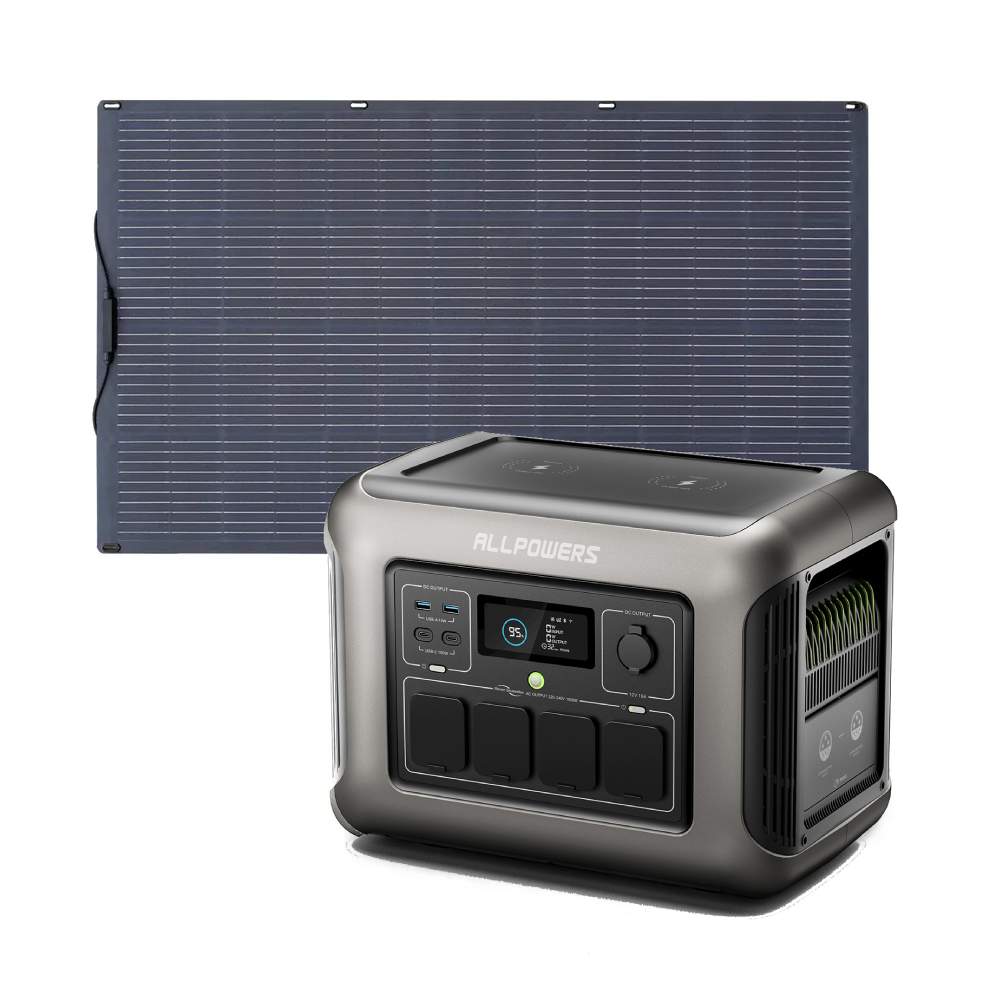
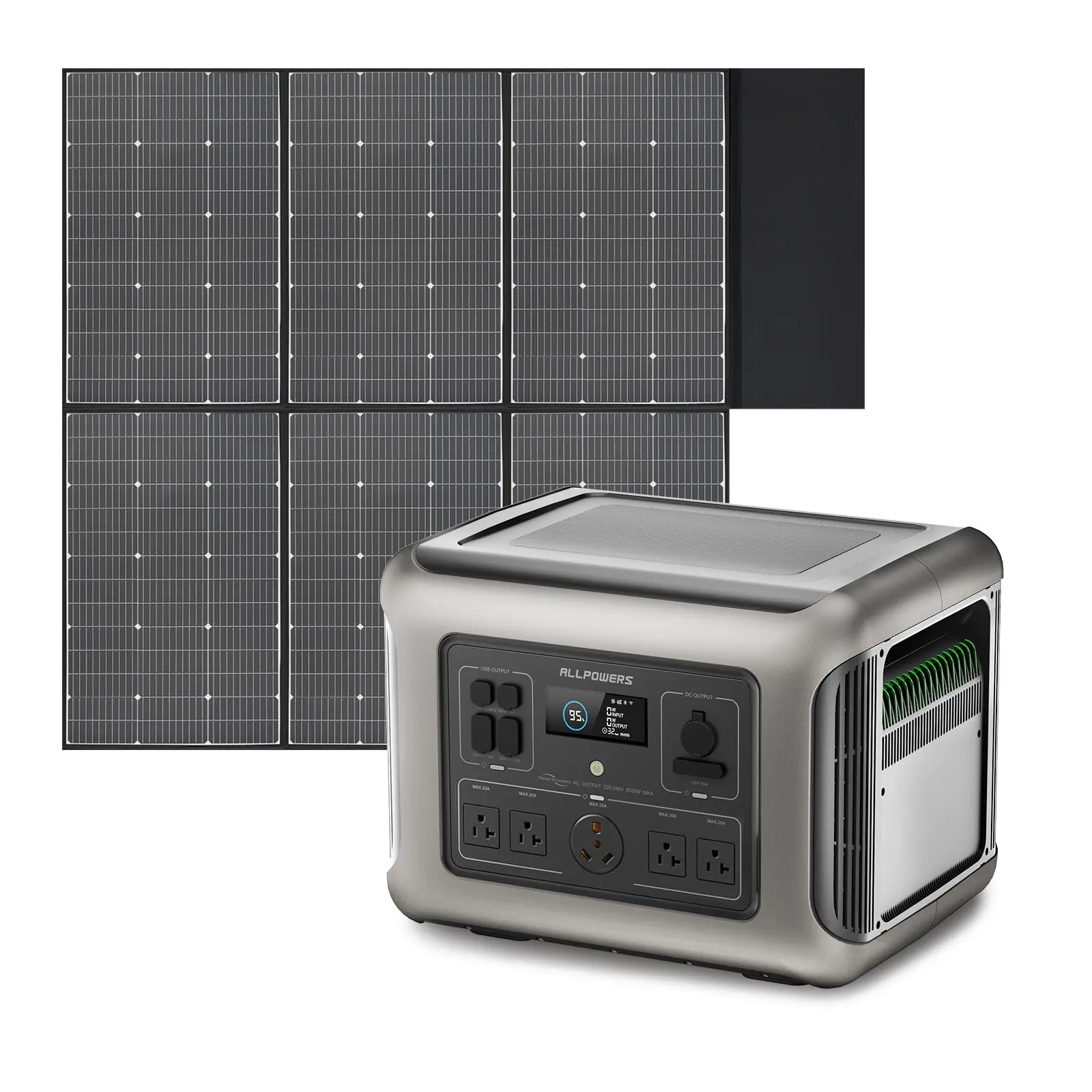
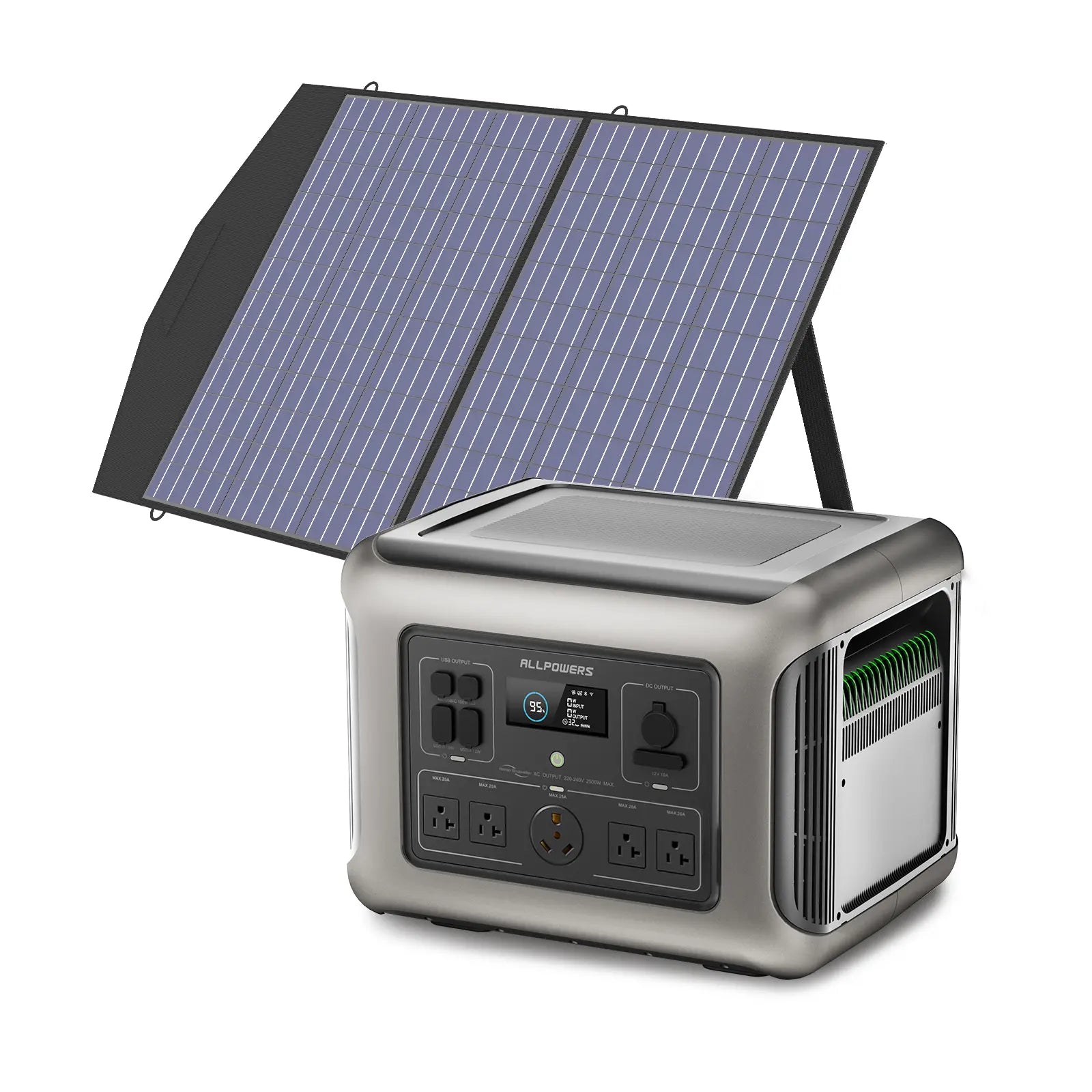
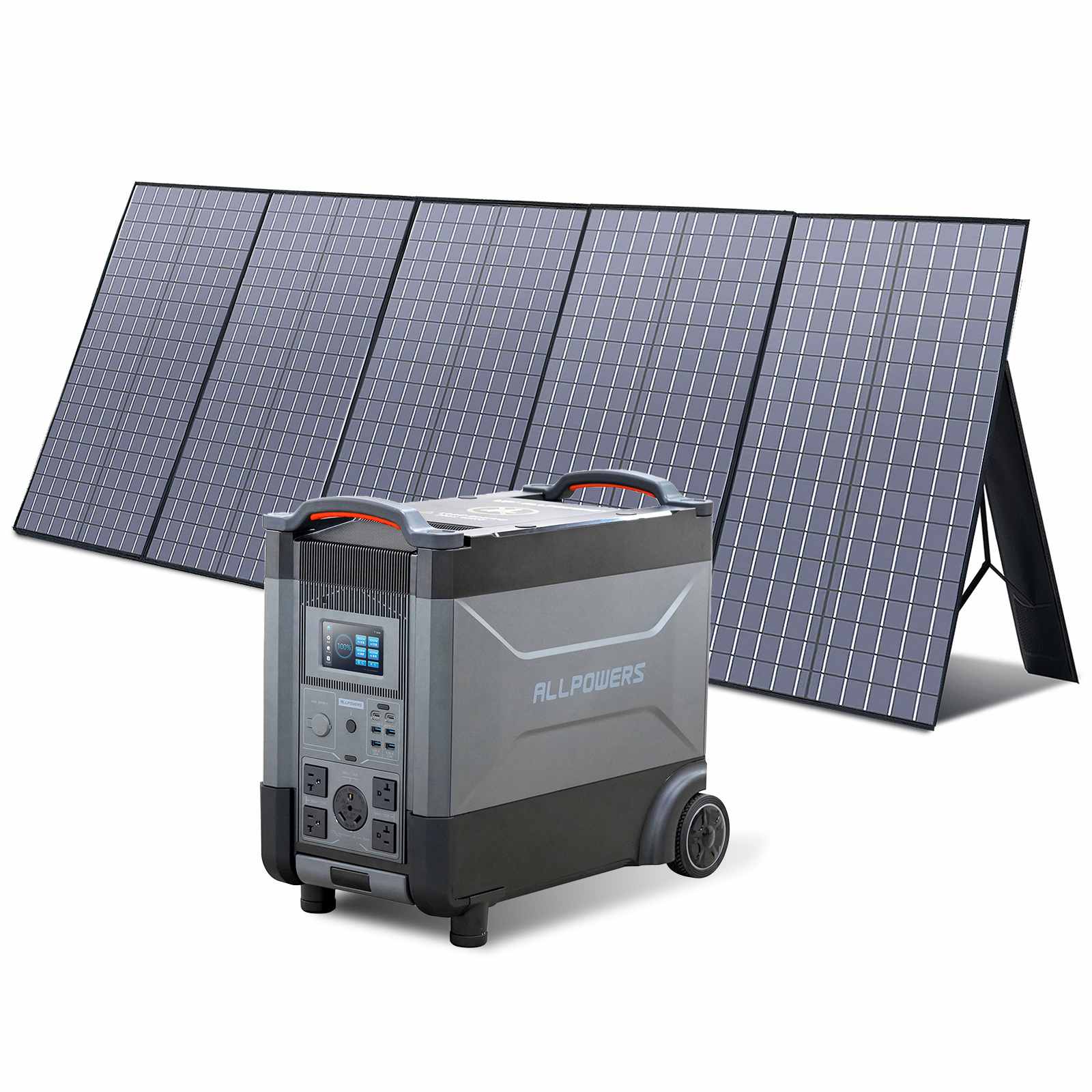
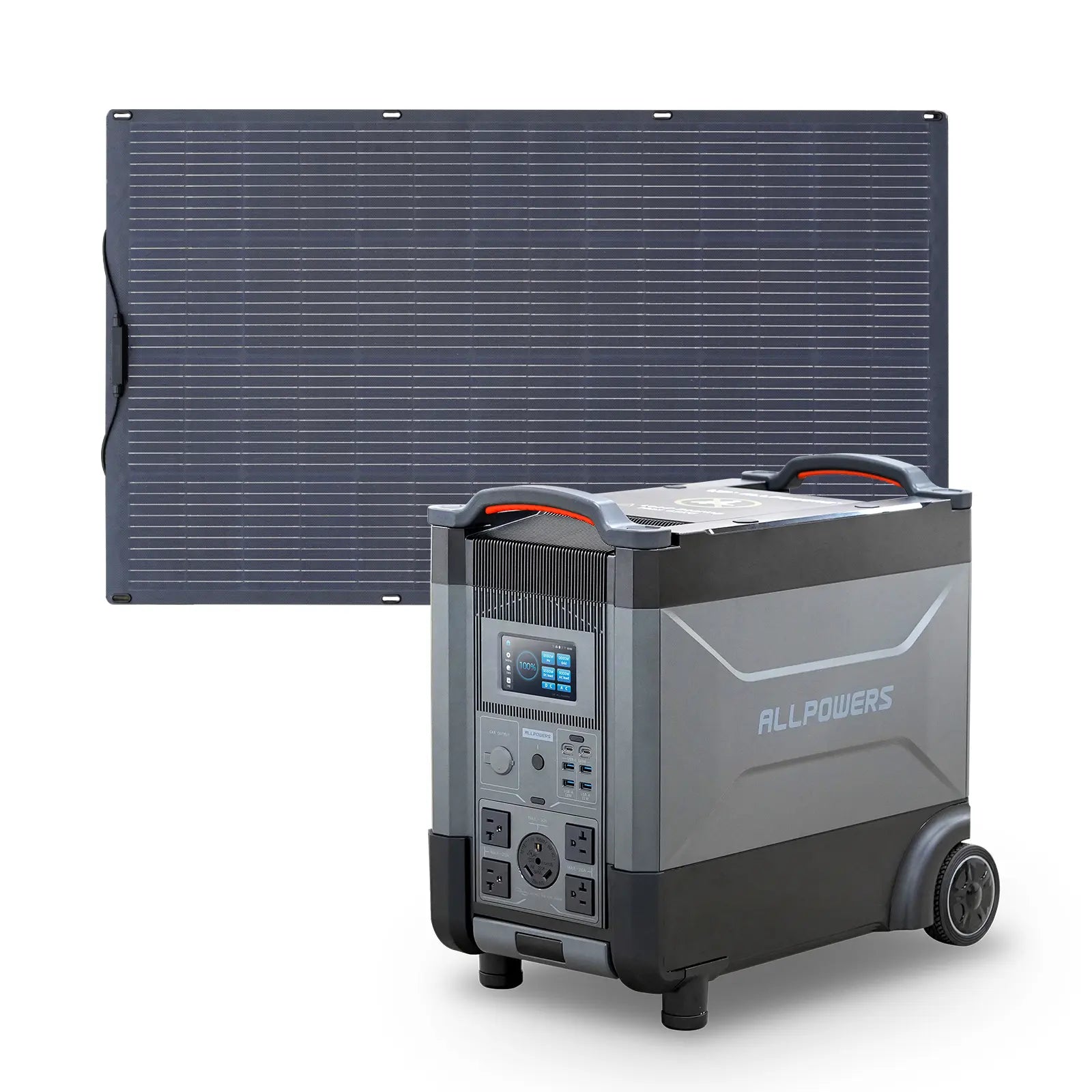
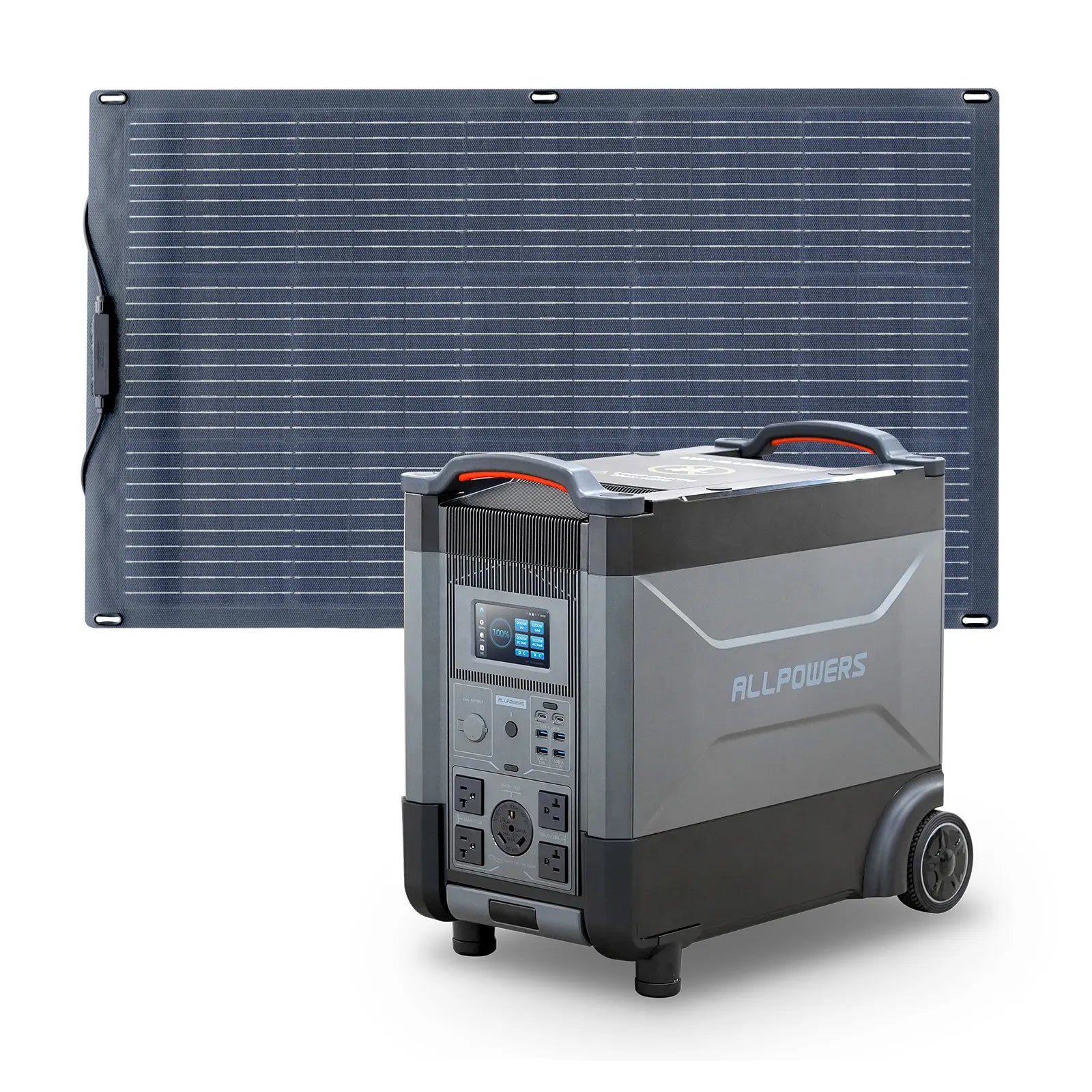
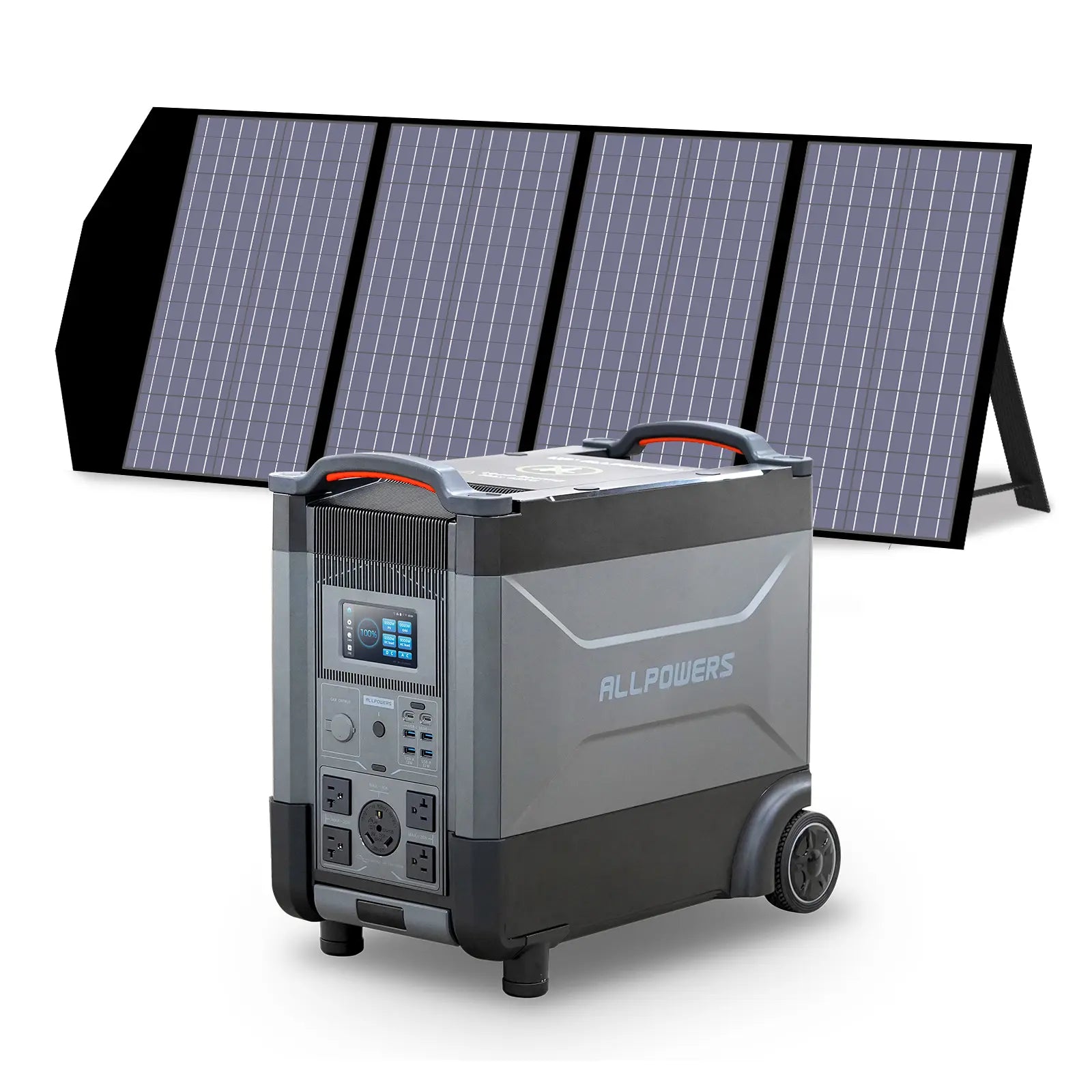
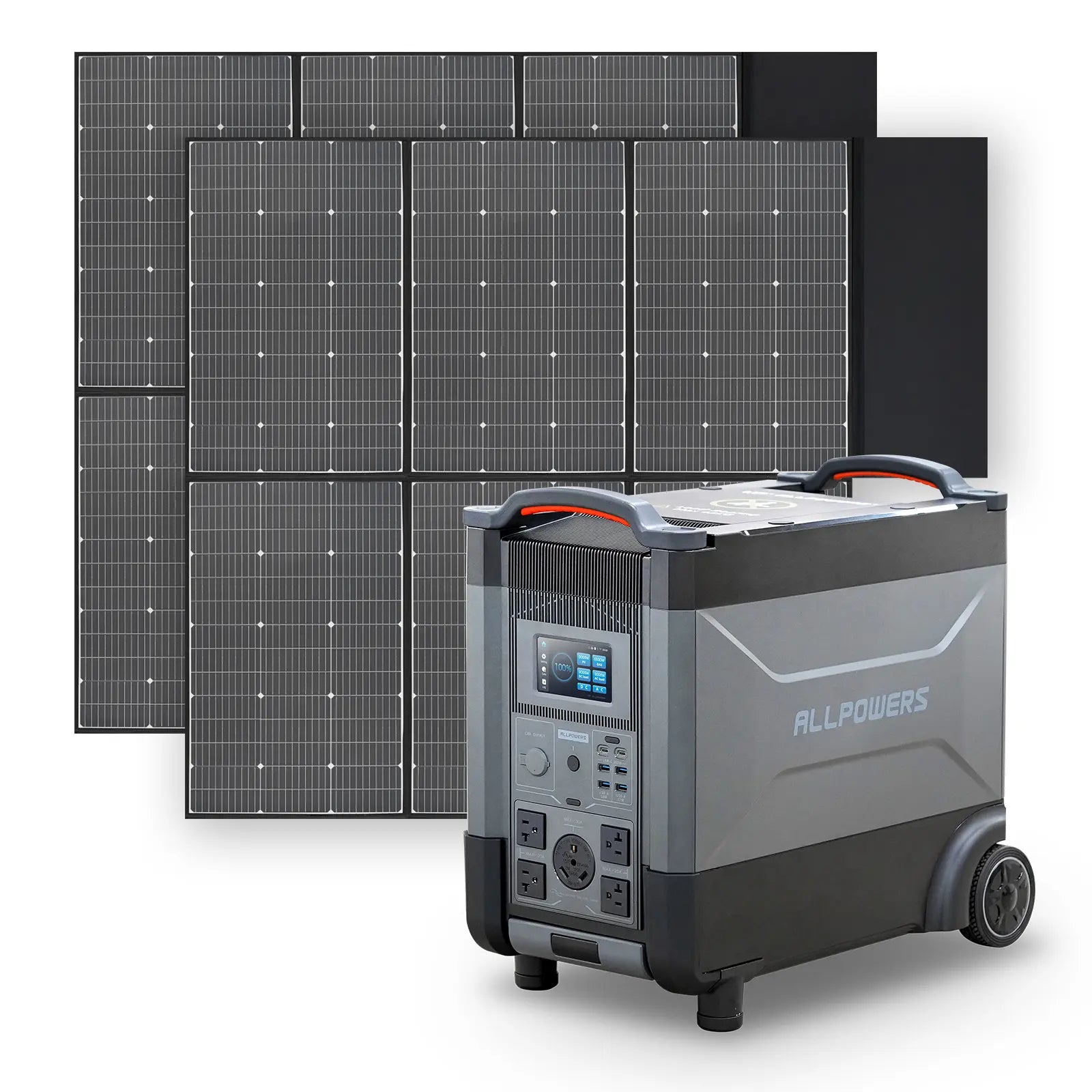
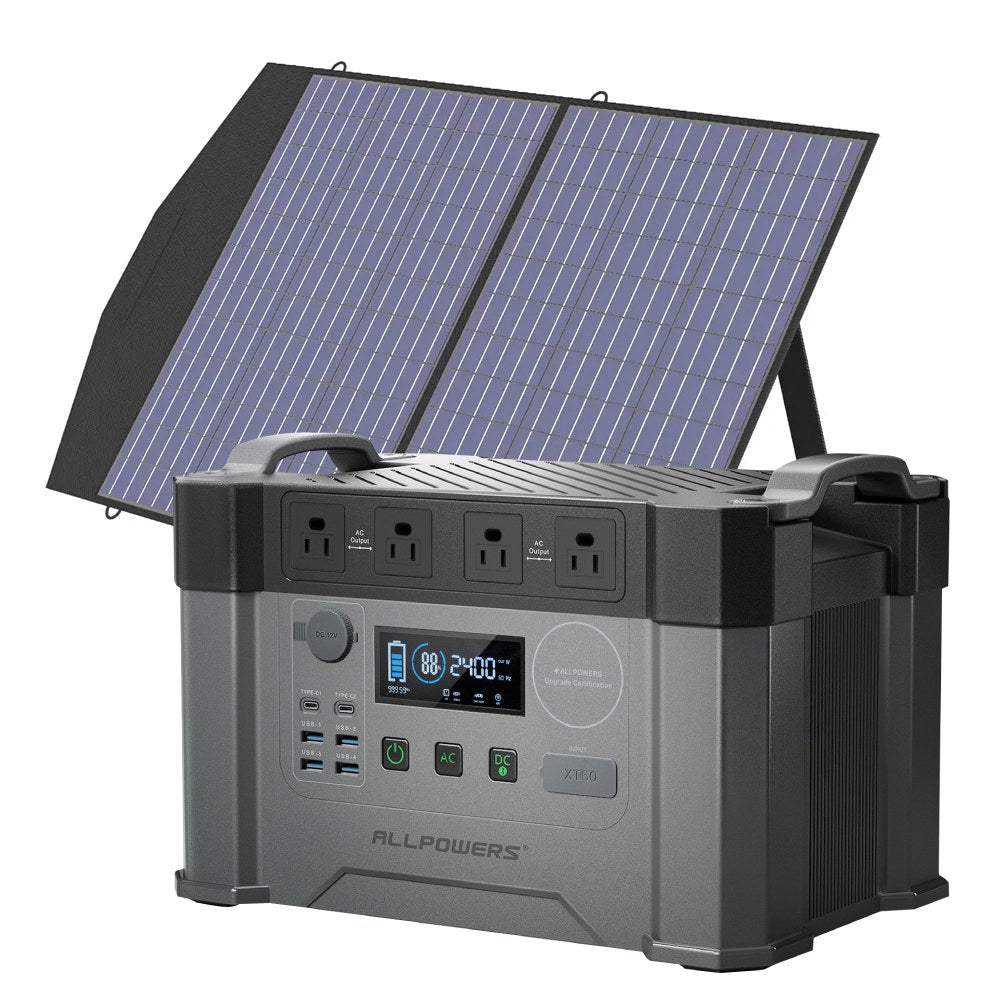
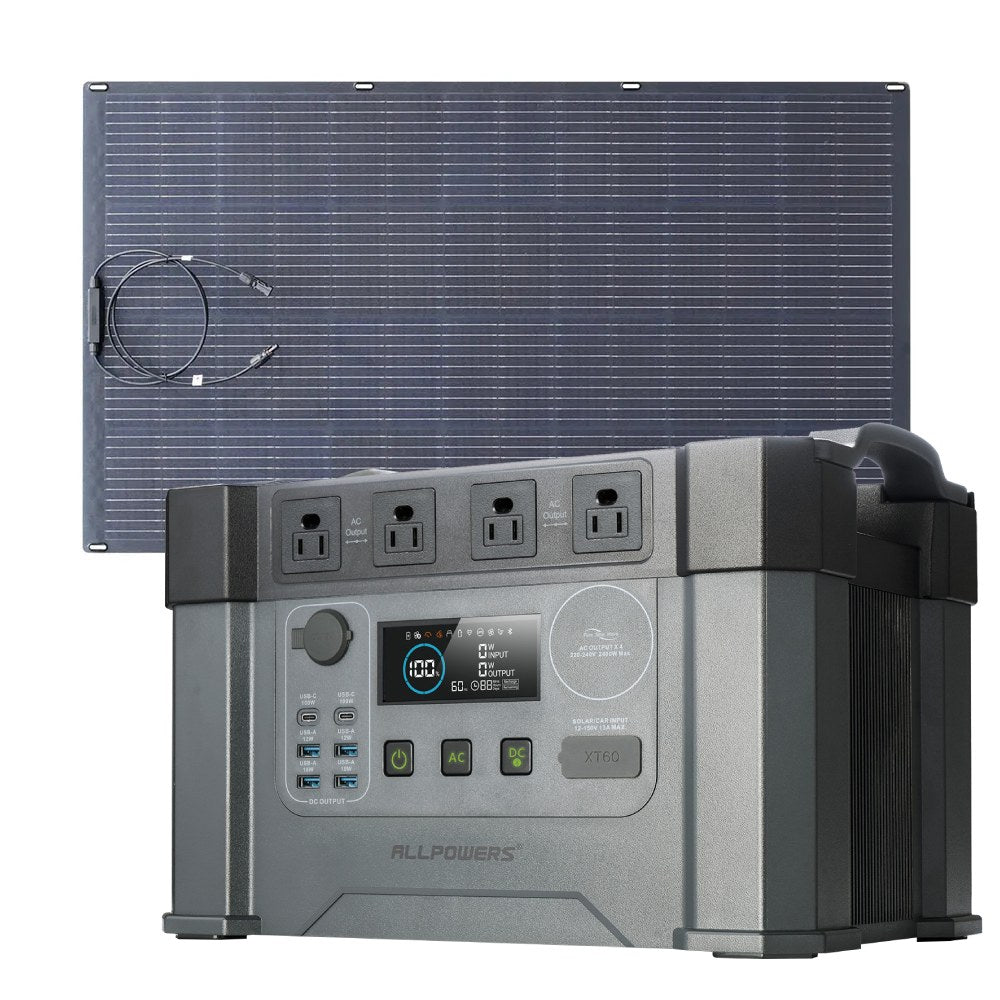
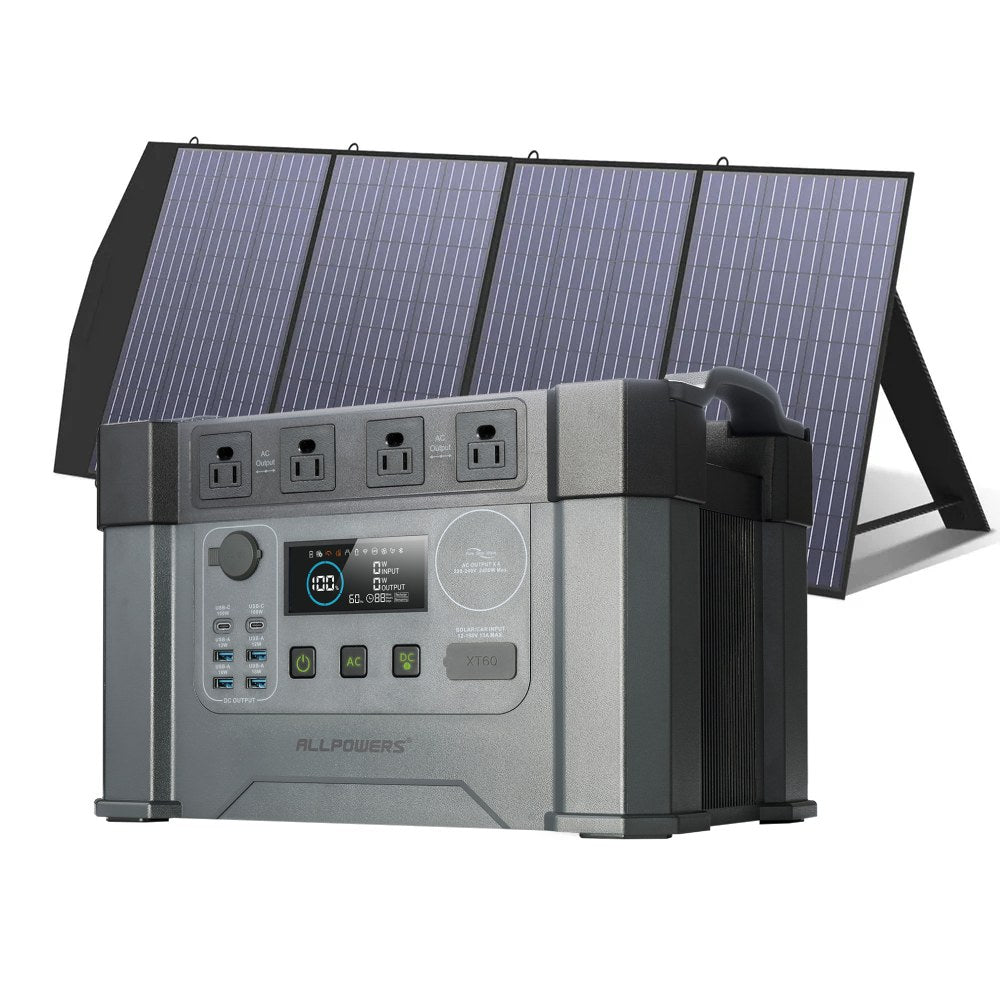
ALLPOWERS R600 + SP027
$246.00 $439.00
- 299Wh Capacity + 100W Soalr Input;
- 600W AC Output (1,200W Surge);
- Fast Charge 100% in 1 Hours;
- Start UPS in 10 ms;
- Long-Lasting And Safe Lifepo4 Battery;
Can Solar Chargers Work During an Outage?
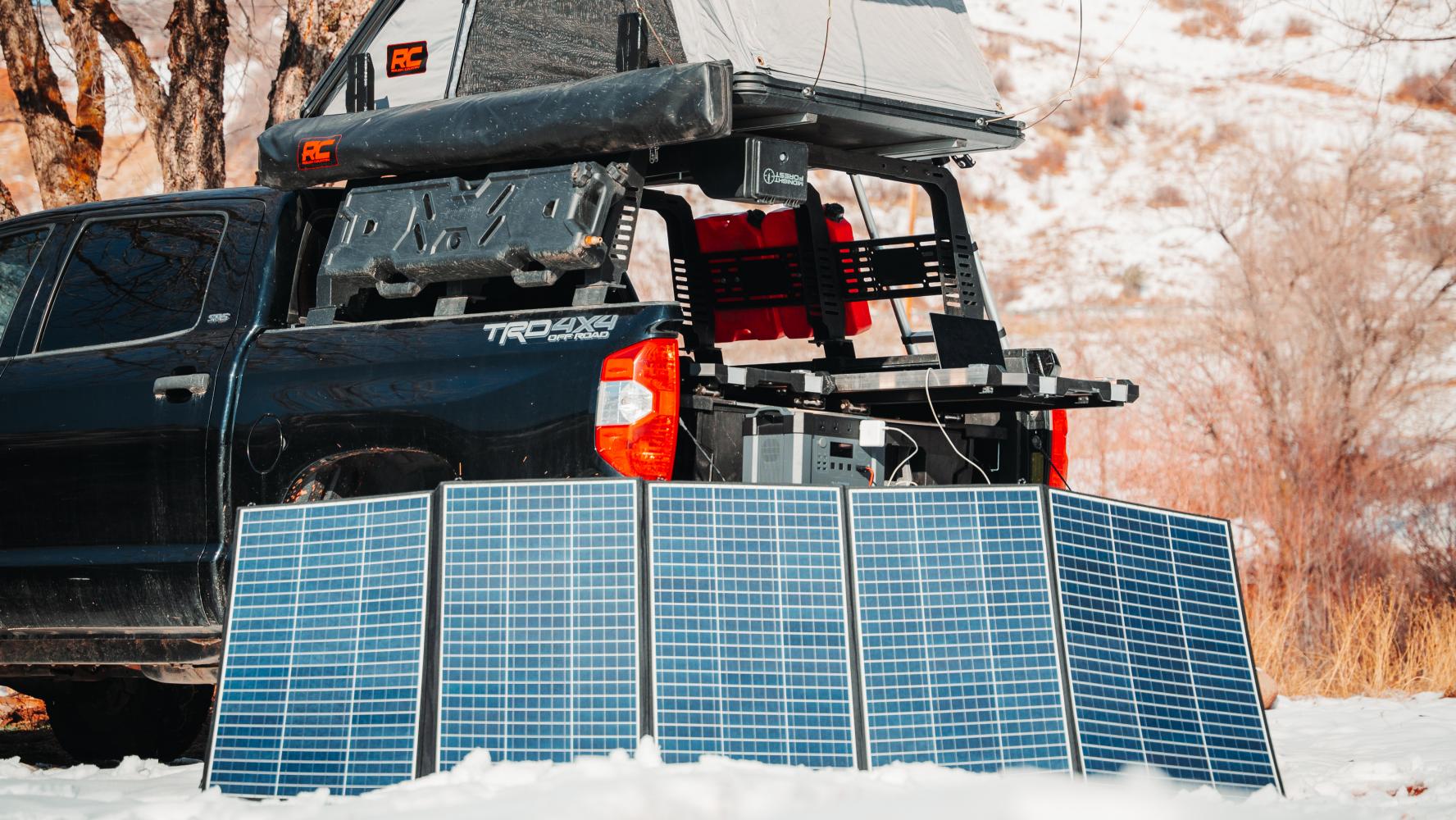
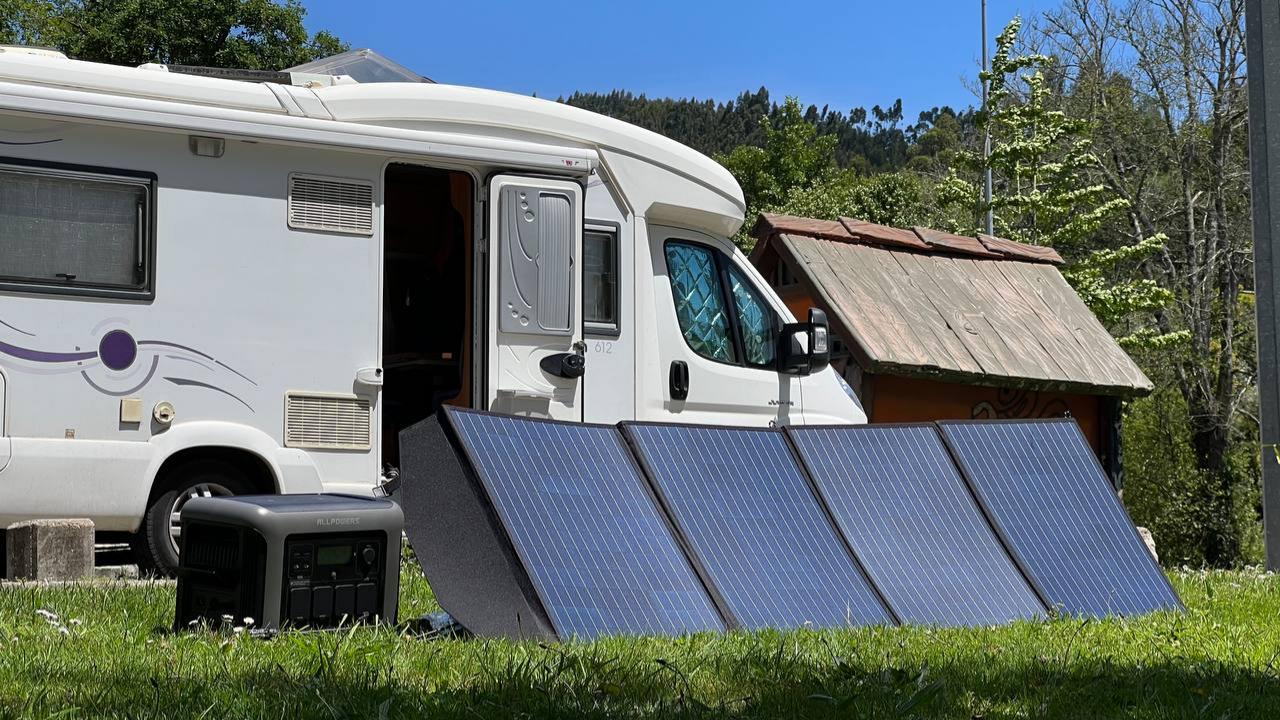
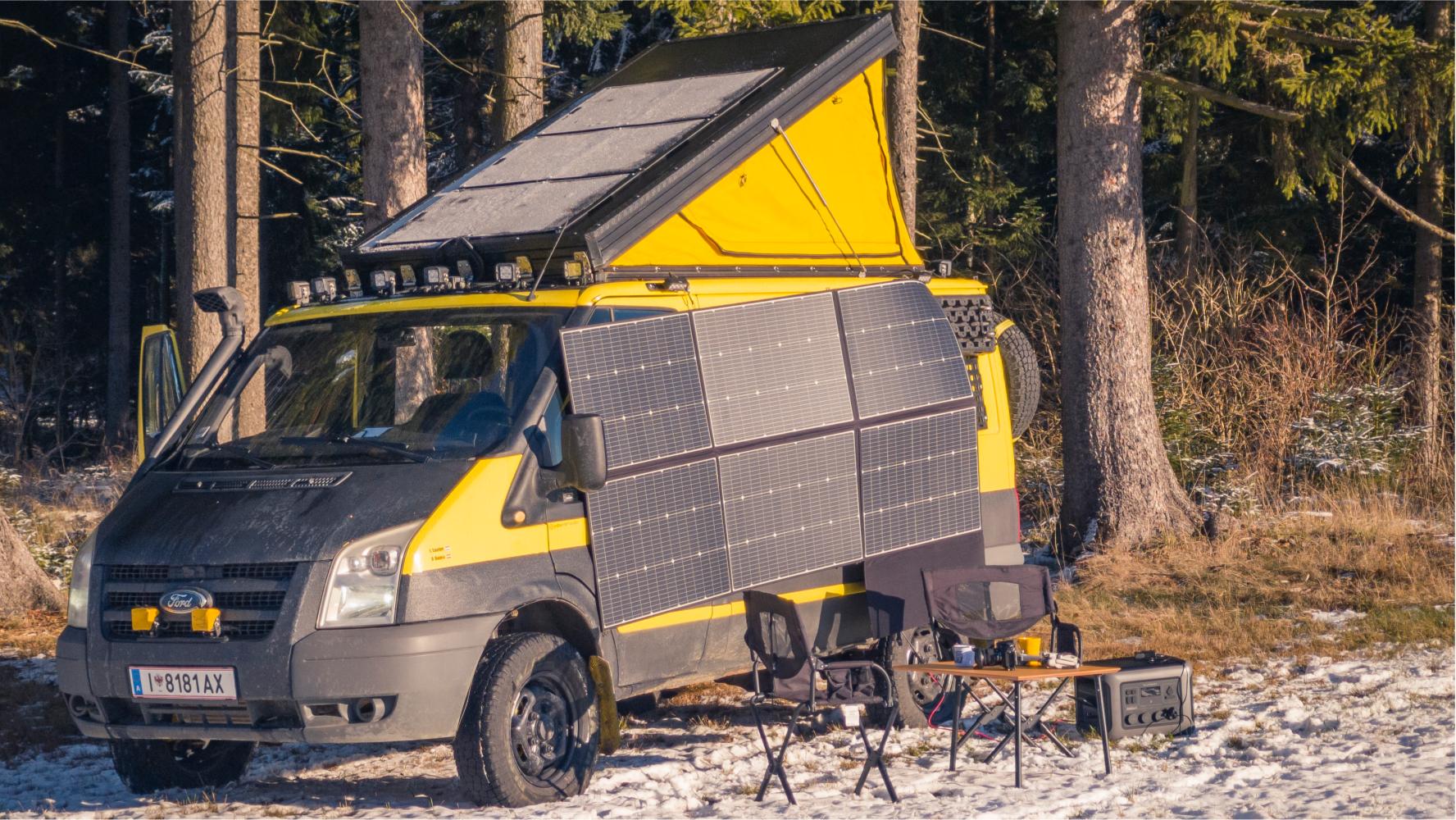
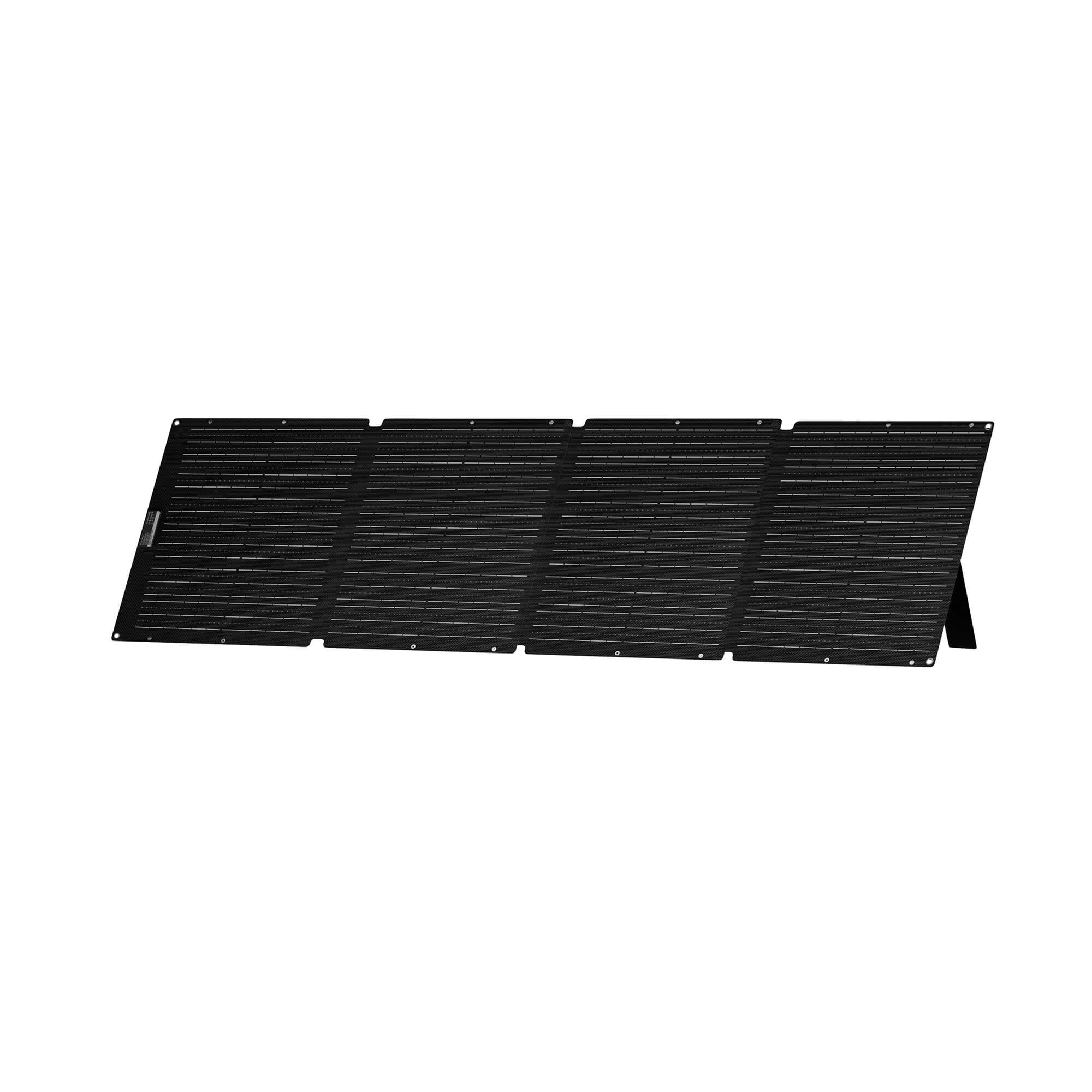
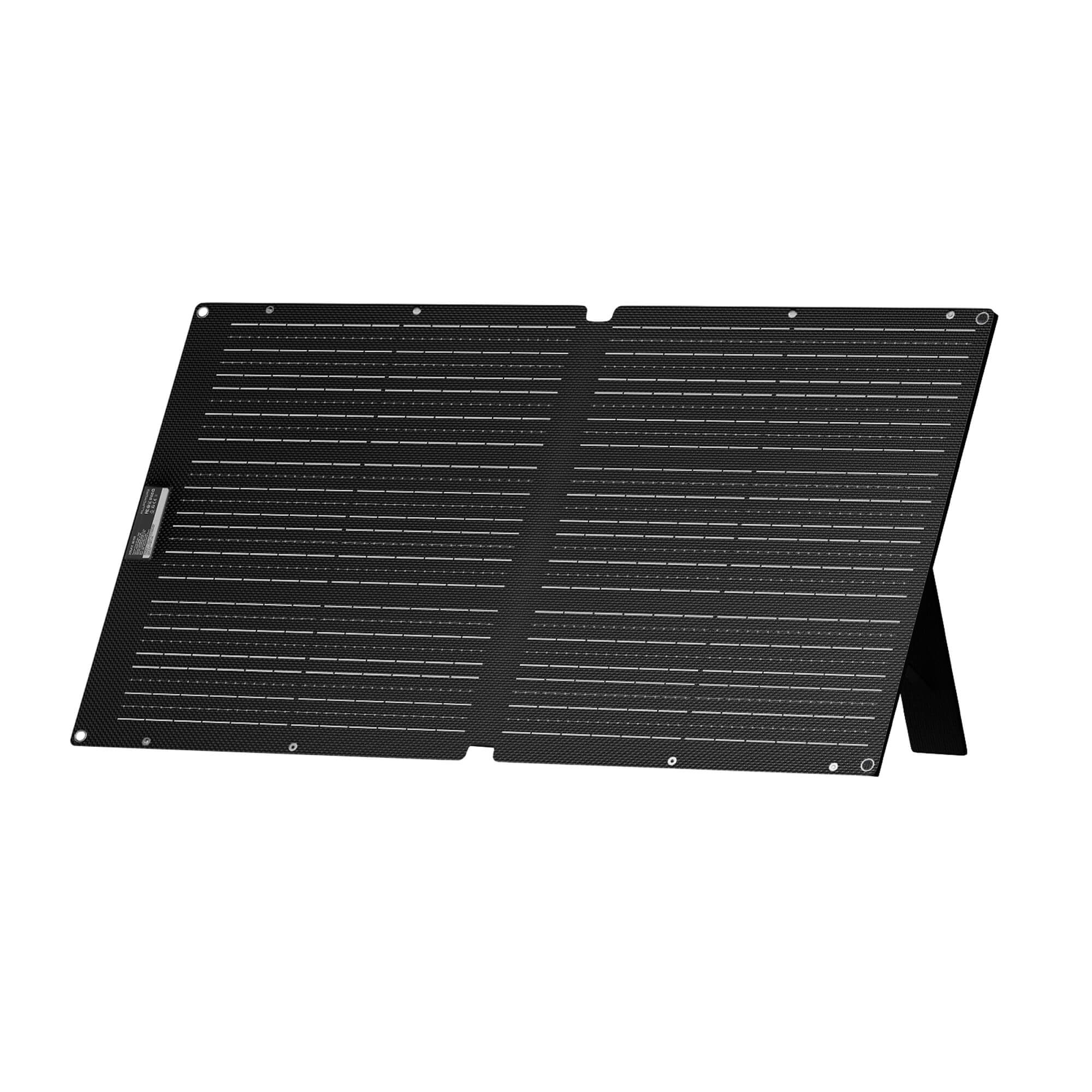
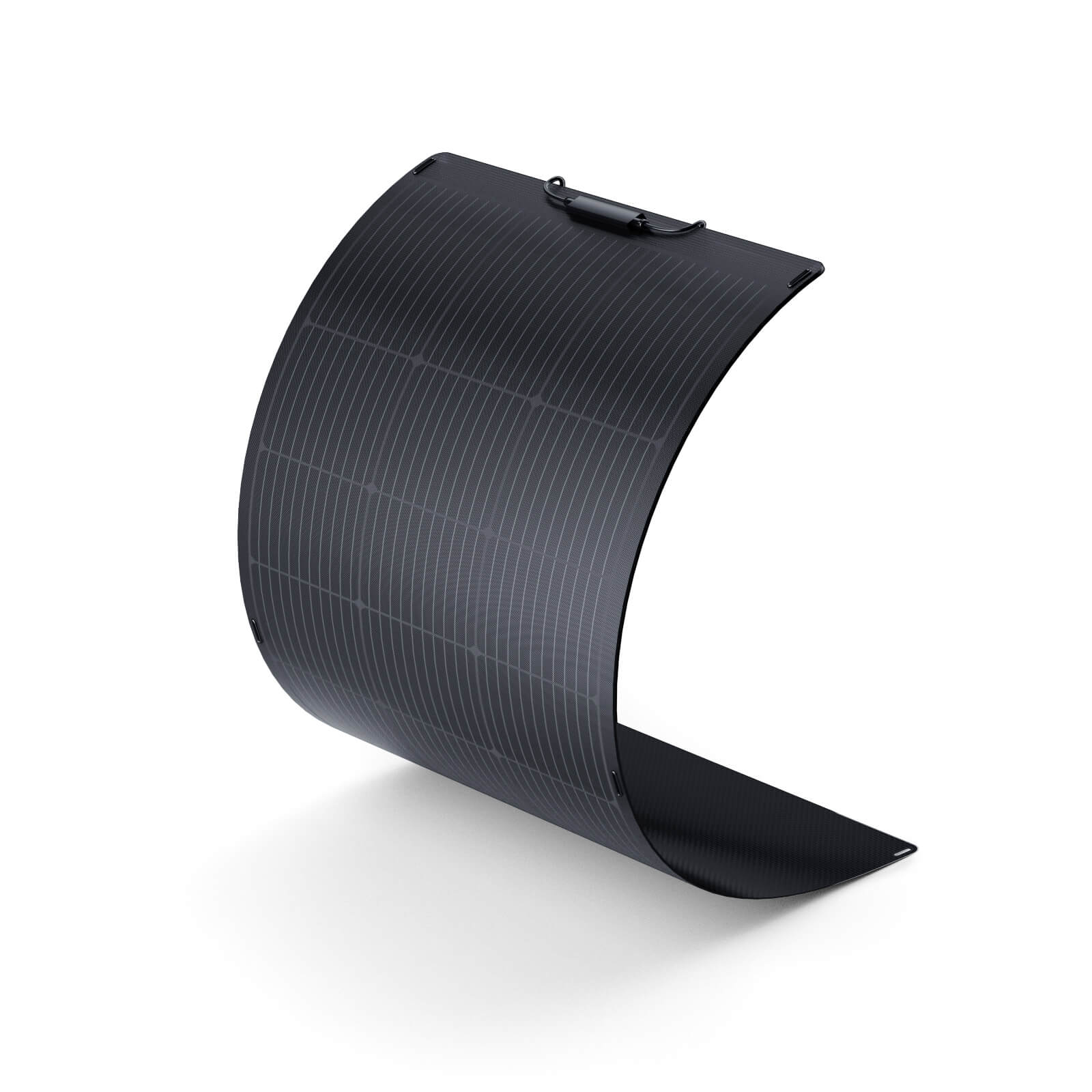
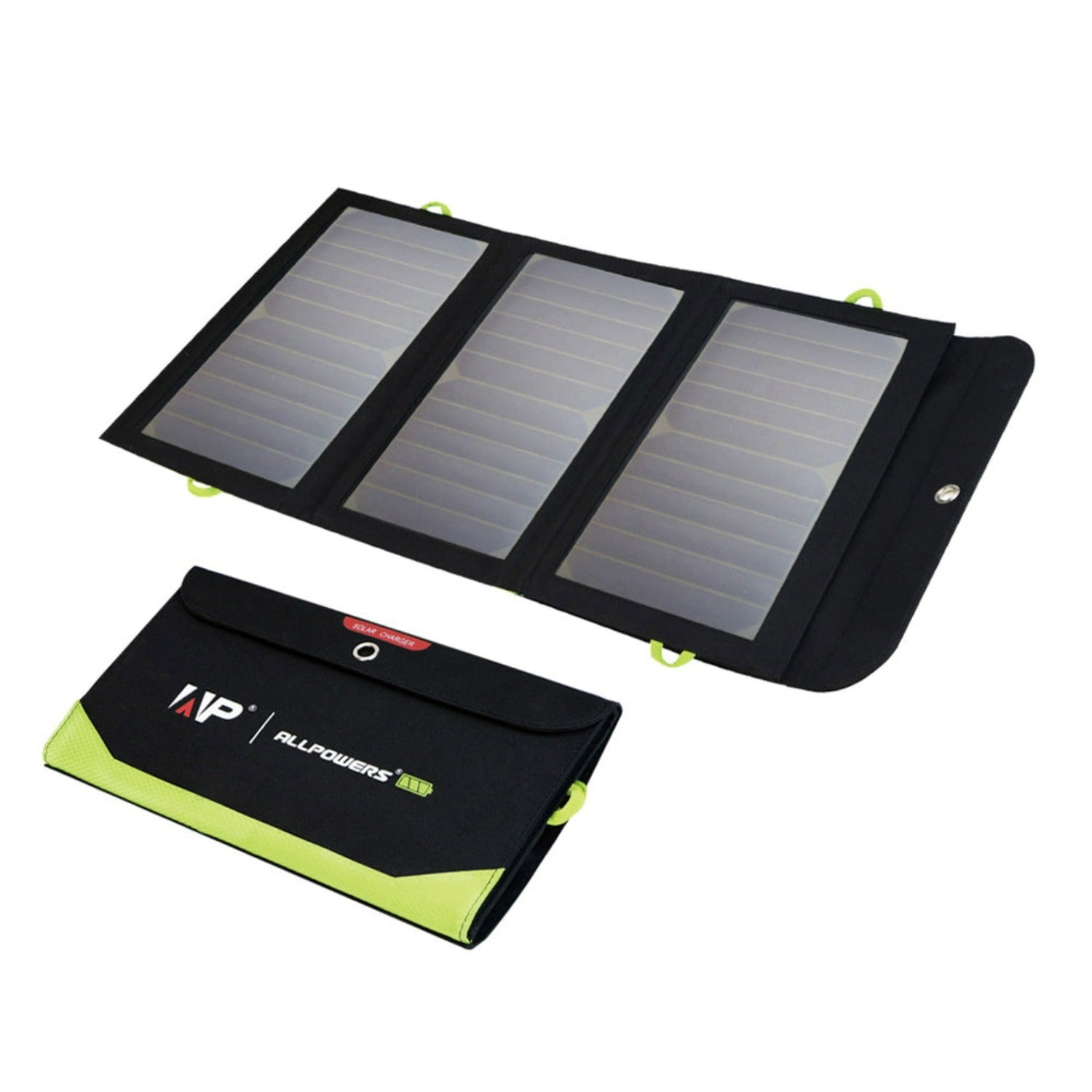
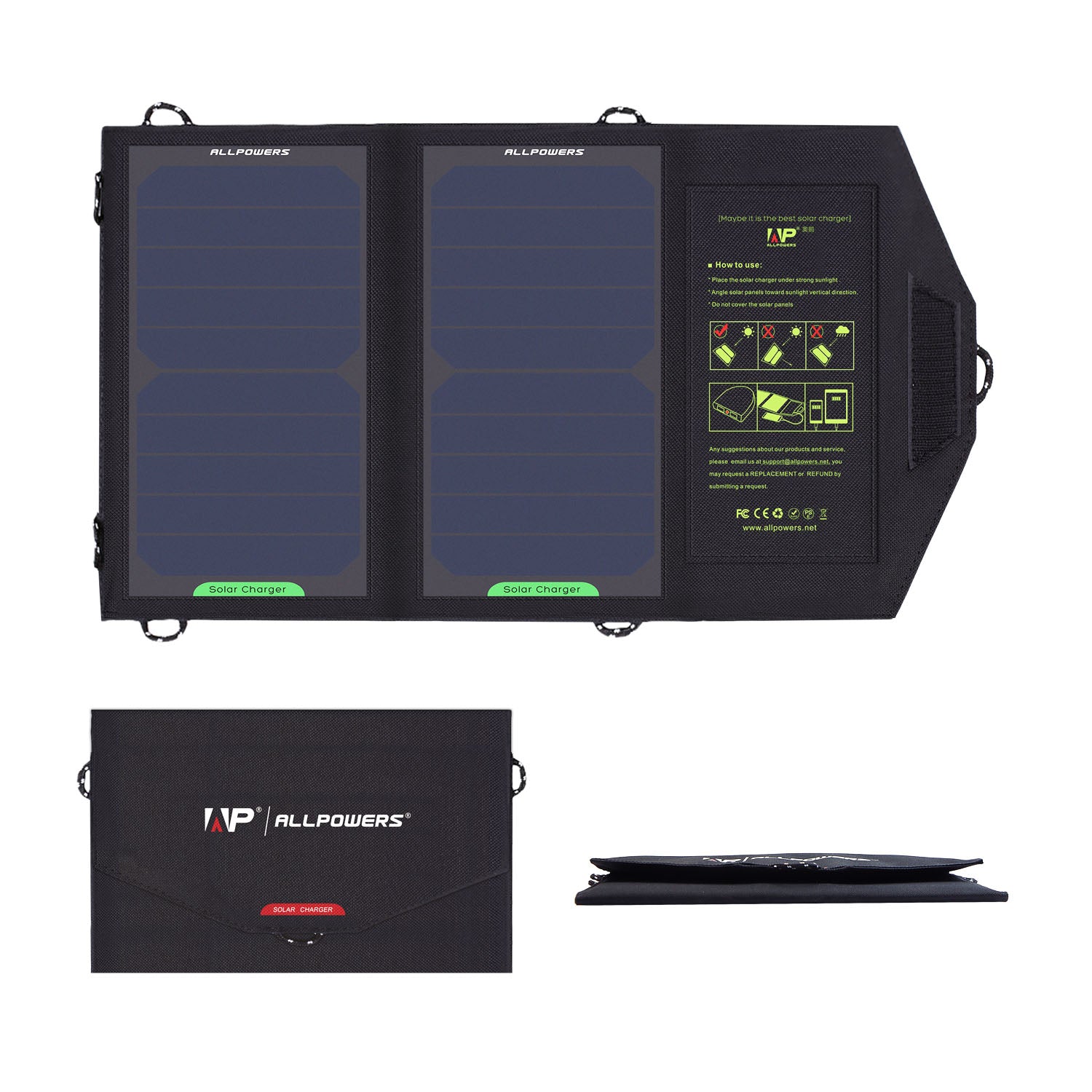
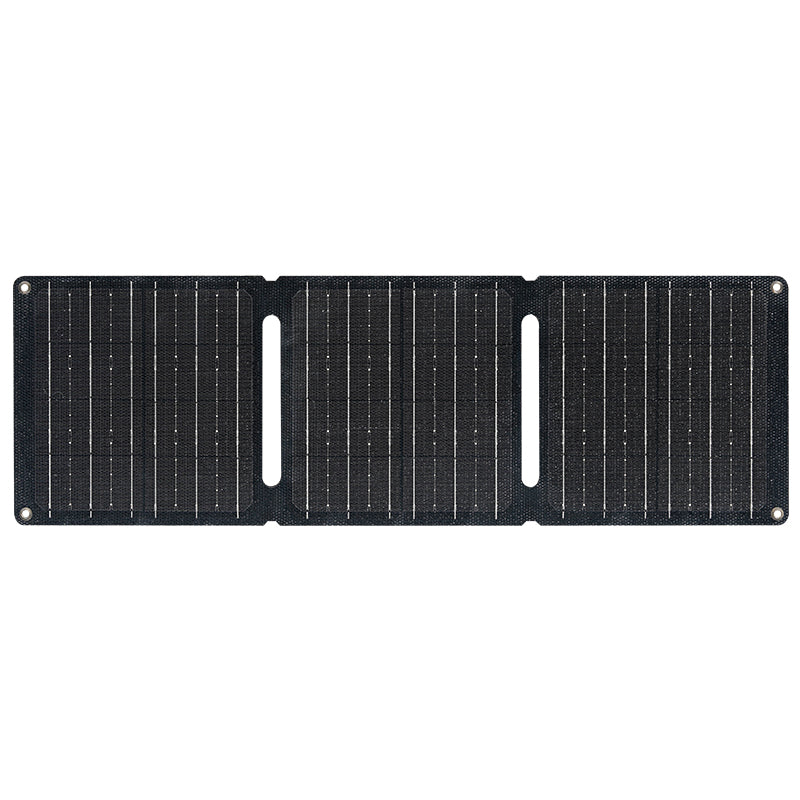
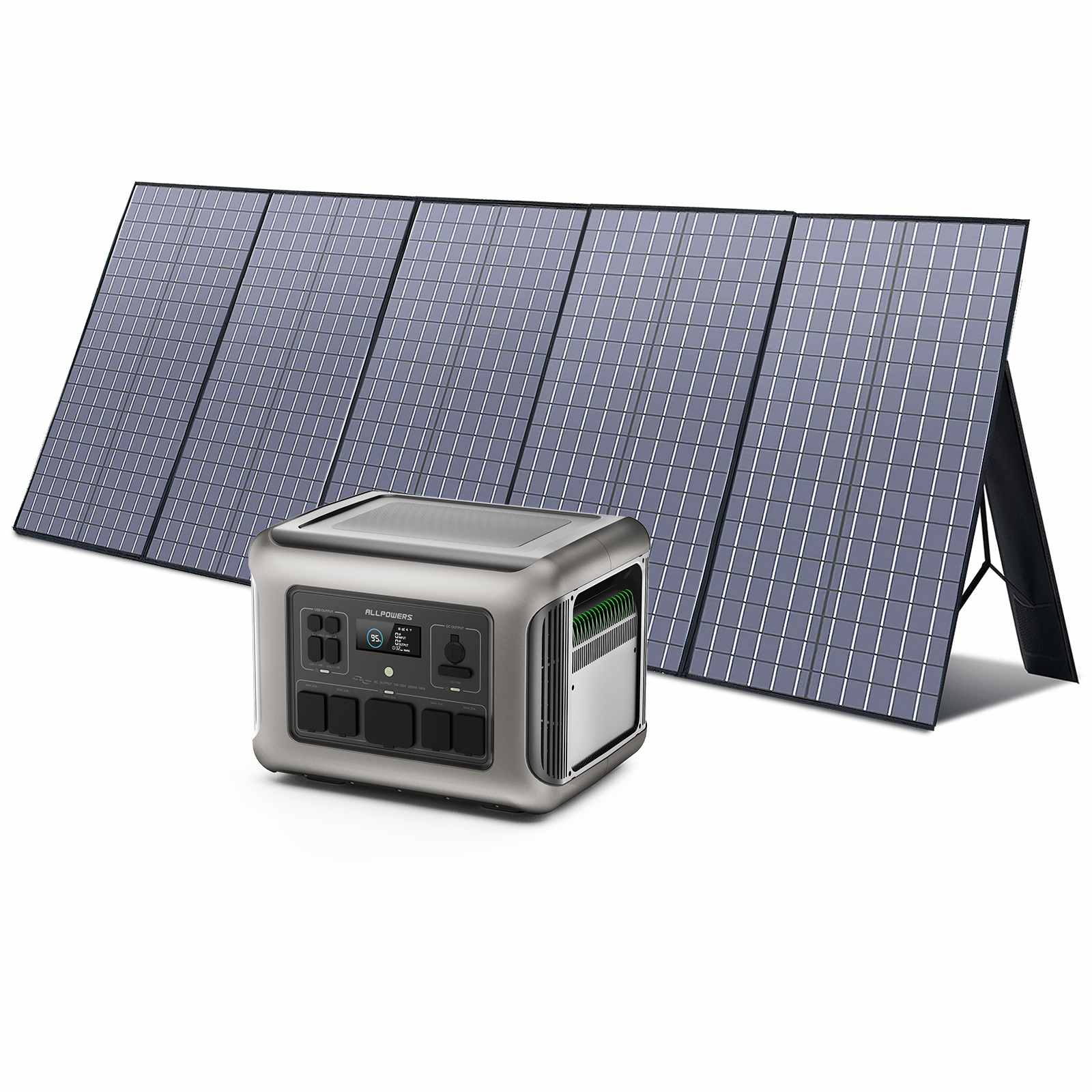
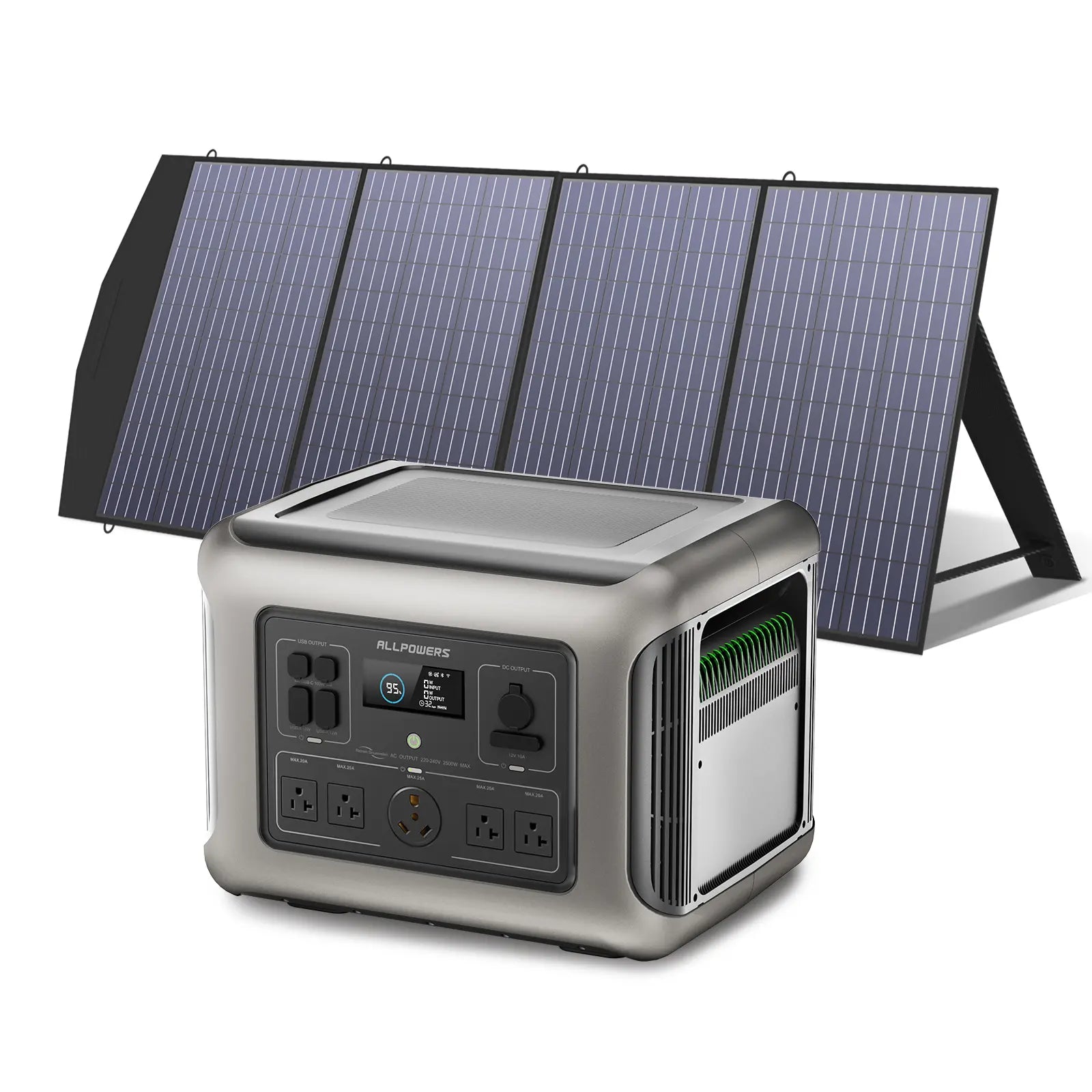
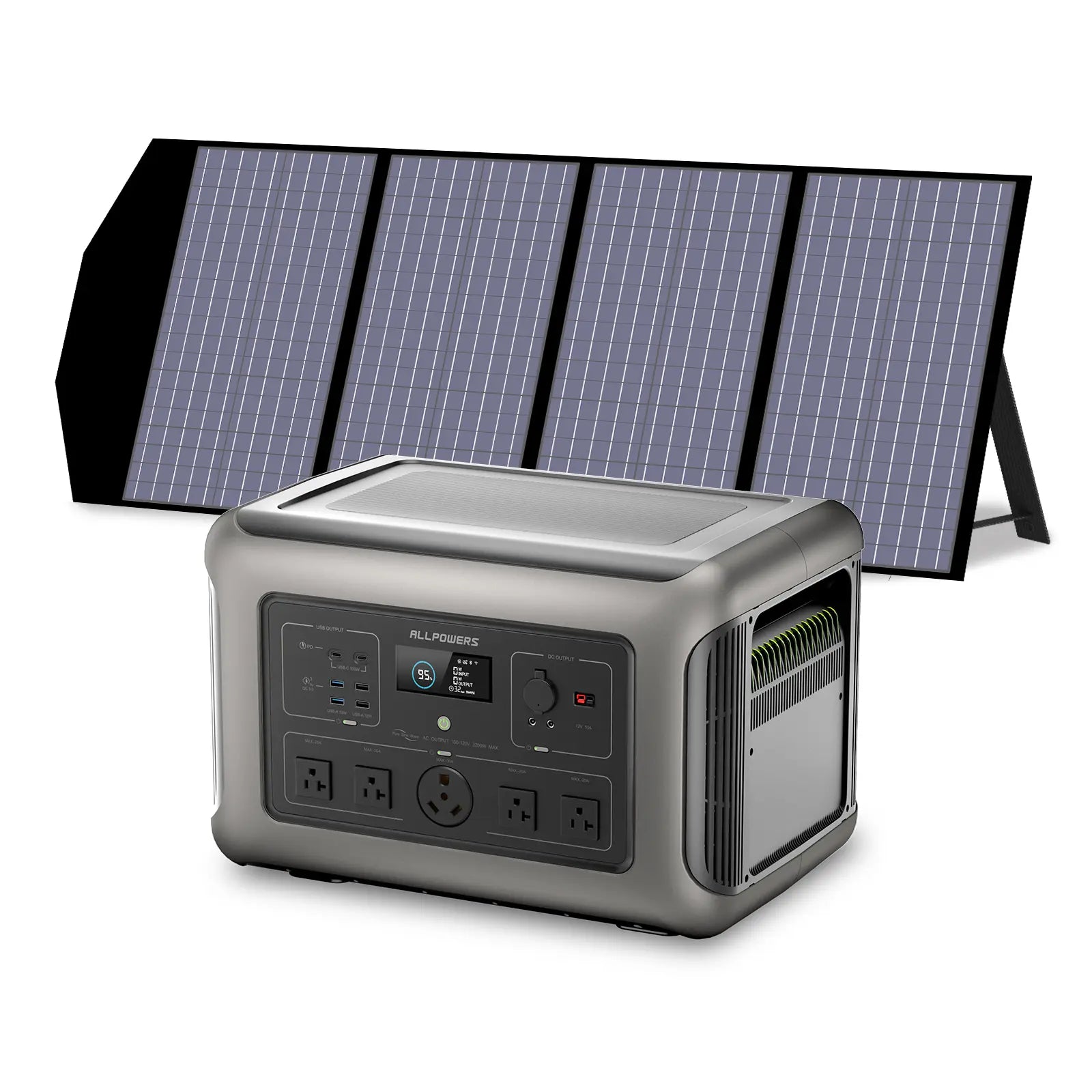
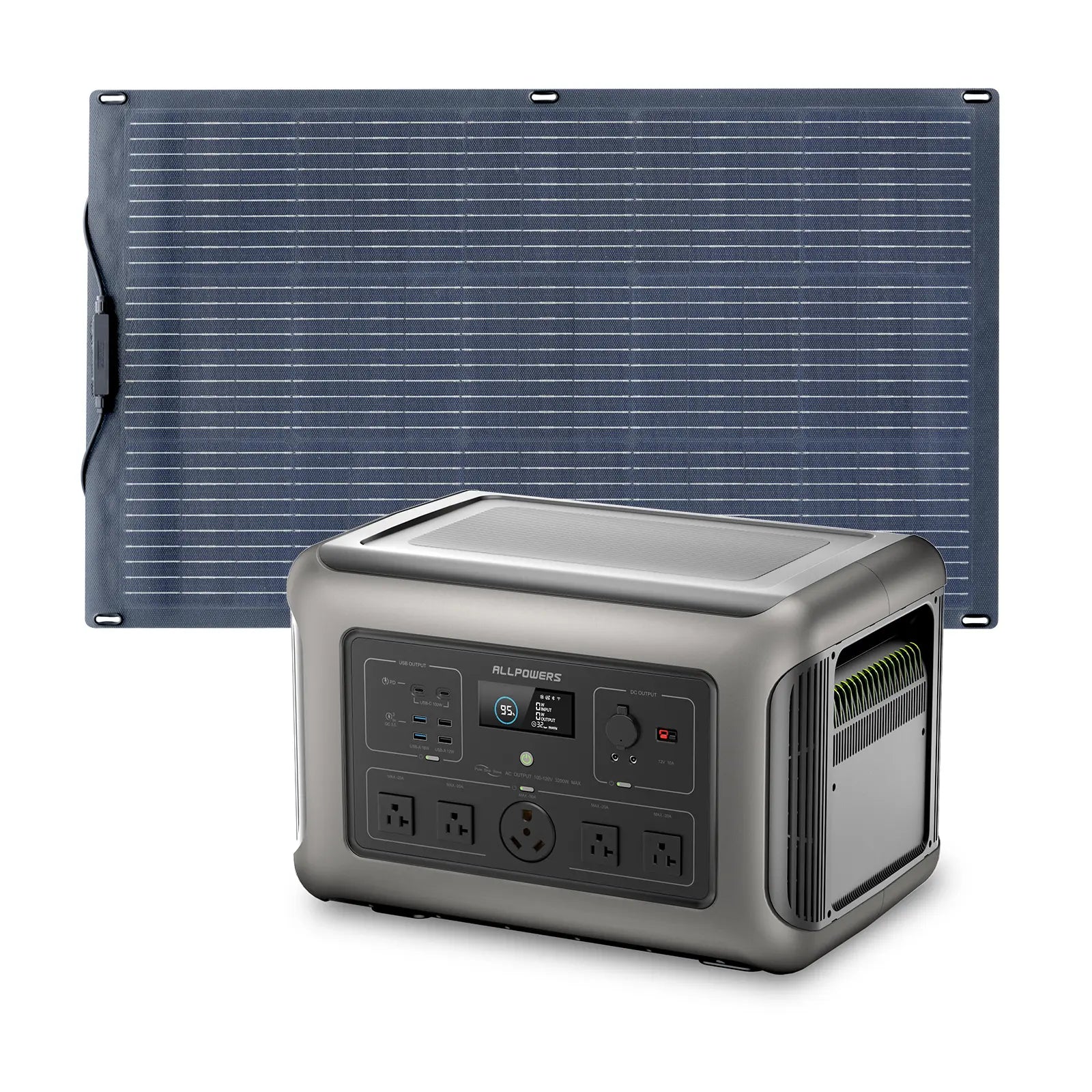
Solar phone chargers can provide useful backup charging during daytime outages, particularly when sunlight is readily available.
Modern portable solar panels can convert sunlight into electricity and help recharge phones, battery packs, and other small electronic devices.
Weather Conditions Matter
Solar charging performance depends heavily on sunlight intensity, weather conditions, panel size, and charging efficiency.
Battery Storage Improves Reliability
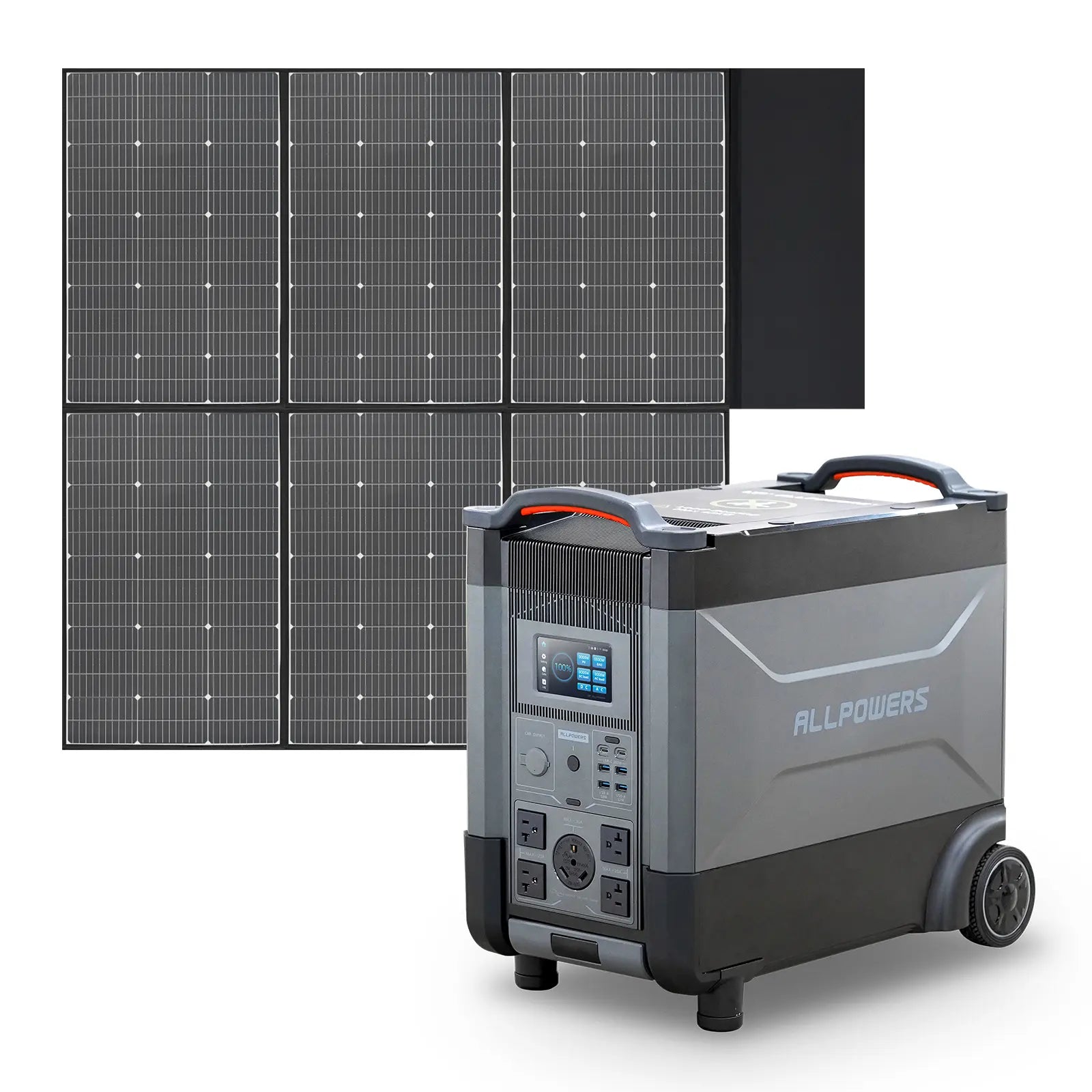
Many users find solar charging more practical when paired with battery storage devices, allowing energy collected during the day to be used later when needed.
How to Make Your Phone Battery Last Longer
Finding ways to recharge a phone is important, but conserving battery life can be equally valuable during a prolonged outage.
Use Airplane Mode When Appropriate
If communication is not immediately necessary, Airplane Mode can dramatically reduce battery consumption.
Close Background Applications
Many apps continue operating behind the scenes, consuming power even when not actively being used.
Download Information in Advance
Weather reports, emergency maps, and important documents can be downloaded ahead of time to reduce repeated network activity.
Limit Non-Essential Usage
Games, video streaming, and continuous social media browsing can rapidly deplete battery reserves during an outage.
Emergency Charging Method Comparison
| Charging Method | Reliability | Portability | Recharge Capability | Best Use Case |
|---|---|---|---|---|
| Power Bank | High | High | Limited | Short to Medium Outages |
| Vehicle Charger | High | Moderate | Fuel Dependent | Emergency Charging |
| Solar Charger | Variable | High | Renewable | Daytime Charging |
| Laptop Battery | Moderate | Moderate | Limited | Short-Term Backup |
| Battery Backup System | Very High | Moderate | Rechargeable | Extended Outages |
Common Charging Mistakes During Outages
Waiting Until the Battery Is Nearly Empty
Many people delay charging until their phone reaches critically low battery levels, which can limit available options during longer outages.
Ignoring Battery Conservation
Charging sources are important, but battery management is equally critical when power restoration timelines remain uncertain.
Relying on a Single Charging Method
Having multiple backup charging options increases flexibility and reduces the risk of losing communication capabilities.
Failing to Prepare Before Severe Weather
Many emergency charging challenges can be avoided by fully charging devices and backup batteries before storms arrive.
Building a Reliable Emergency Charging Plan
Power outages are often unpredictable, but maintaining communication does not have to be.
A reliable emergency charging strategy usually combines several approaches, including battery conservation, backup charging devices, and alternative power sources.
For example, a household might keep a power bank fully charged, use a vehicle for occasional charging when necessary, and maintain additional backup energy options for longer disruptions.
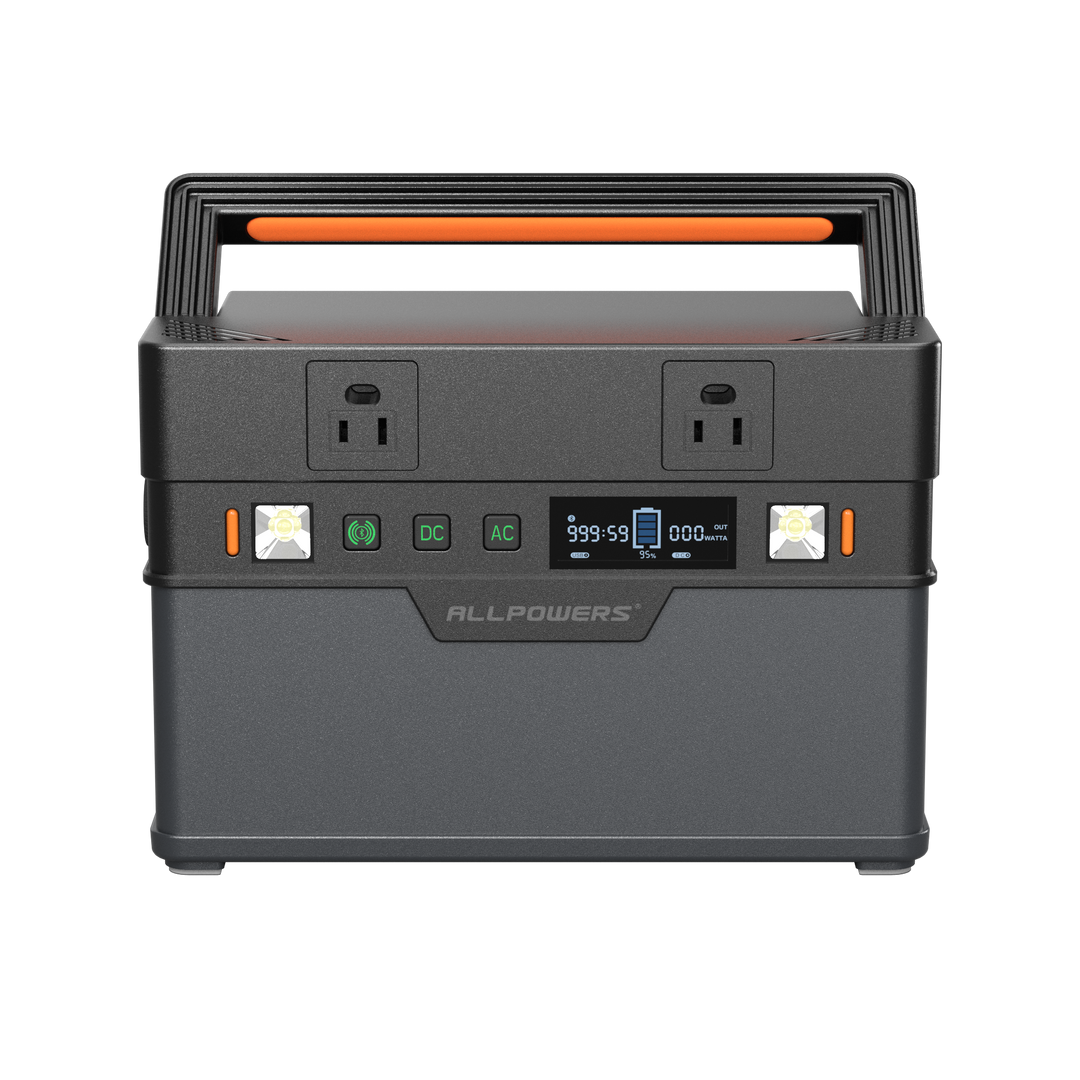
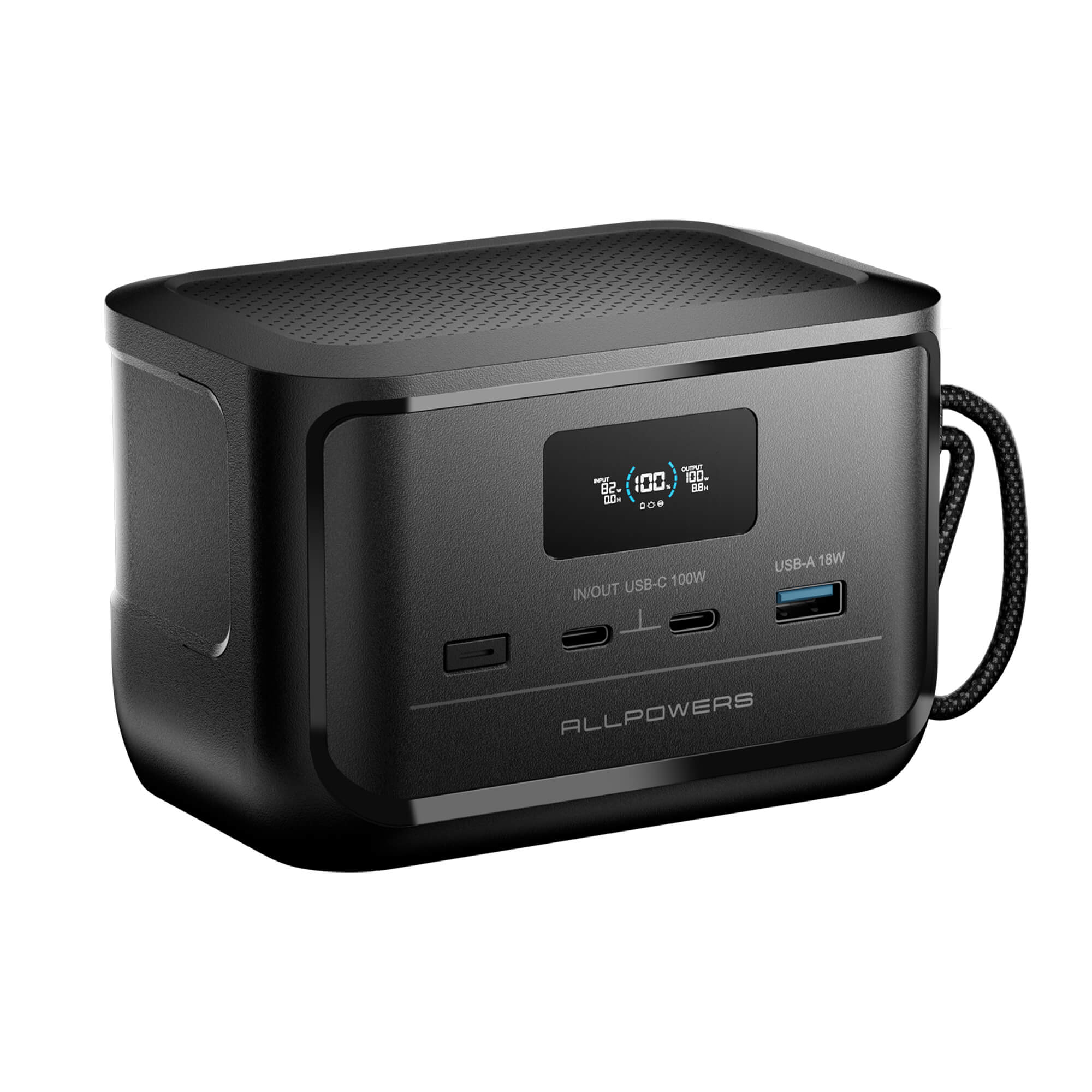
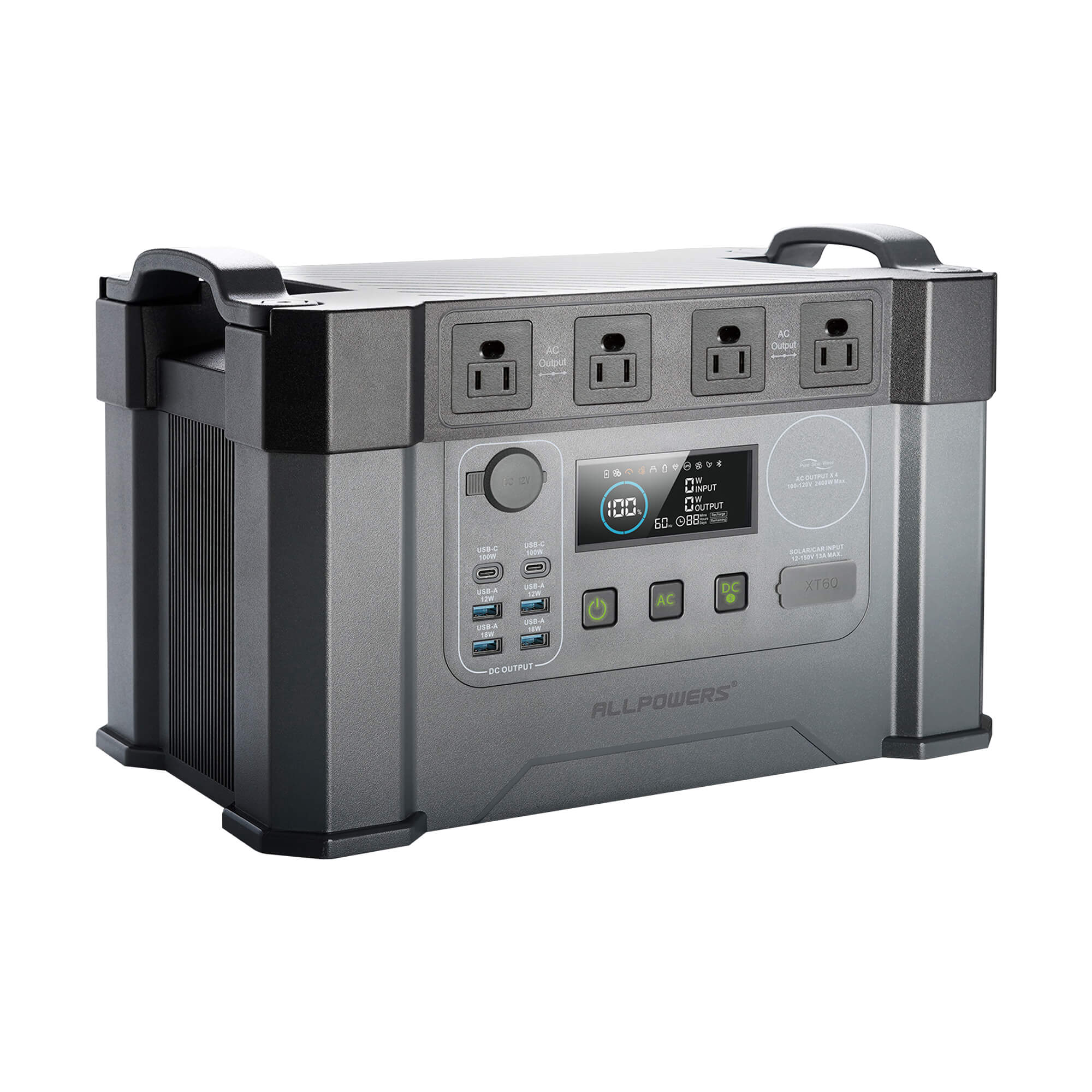
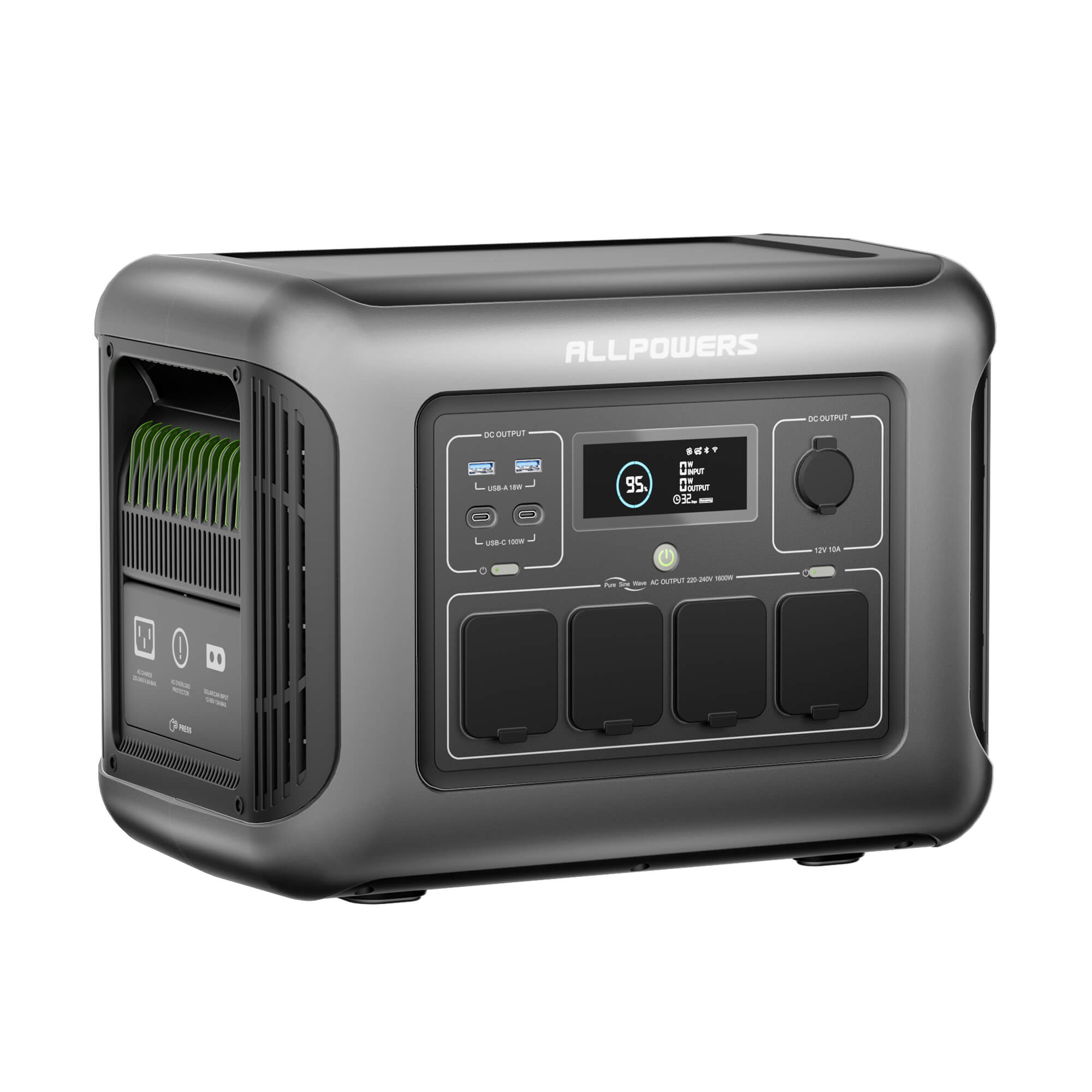
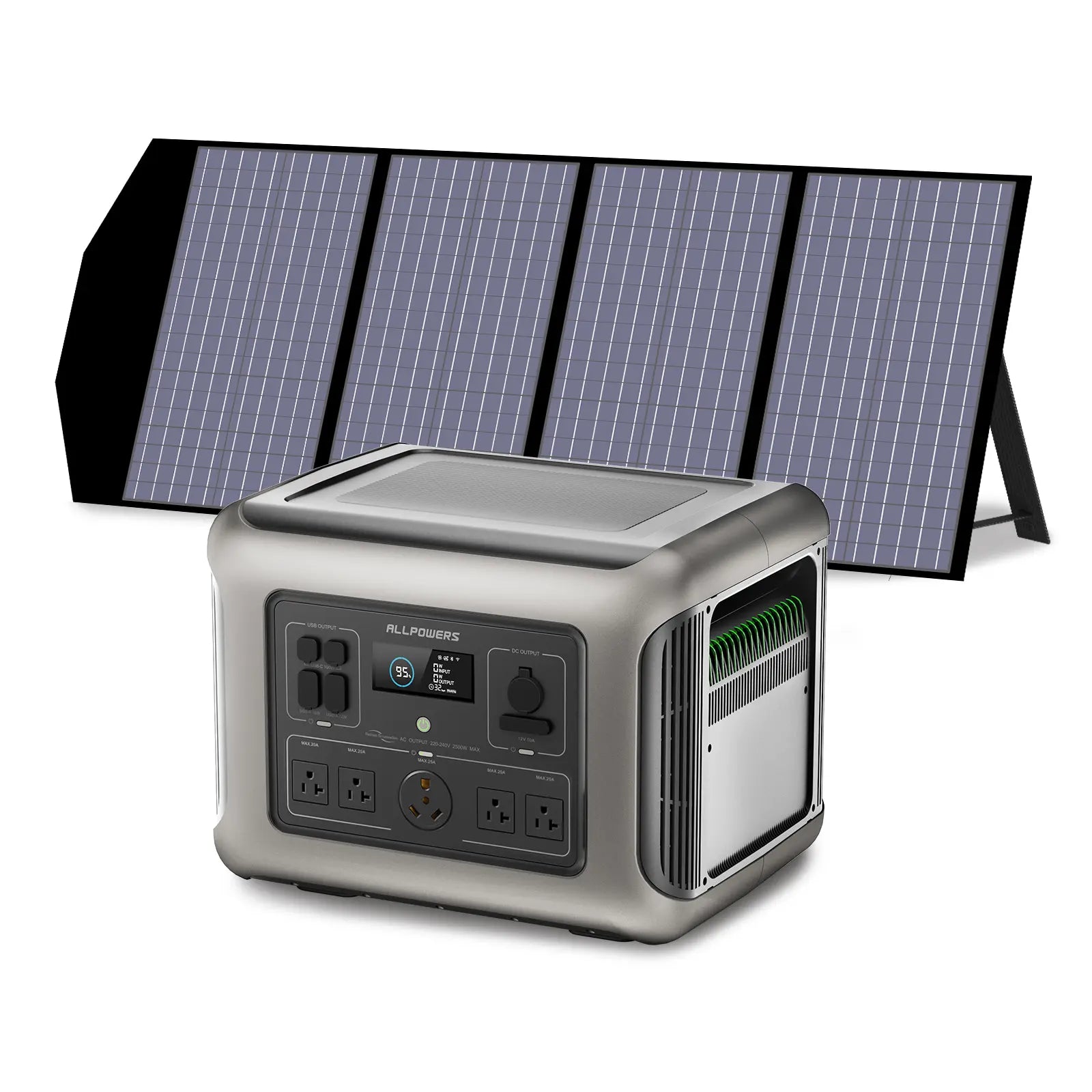
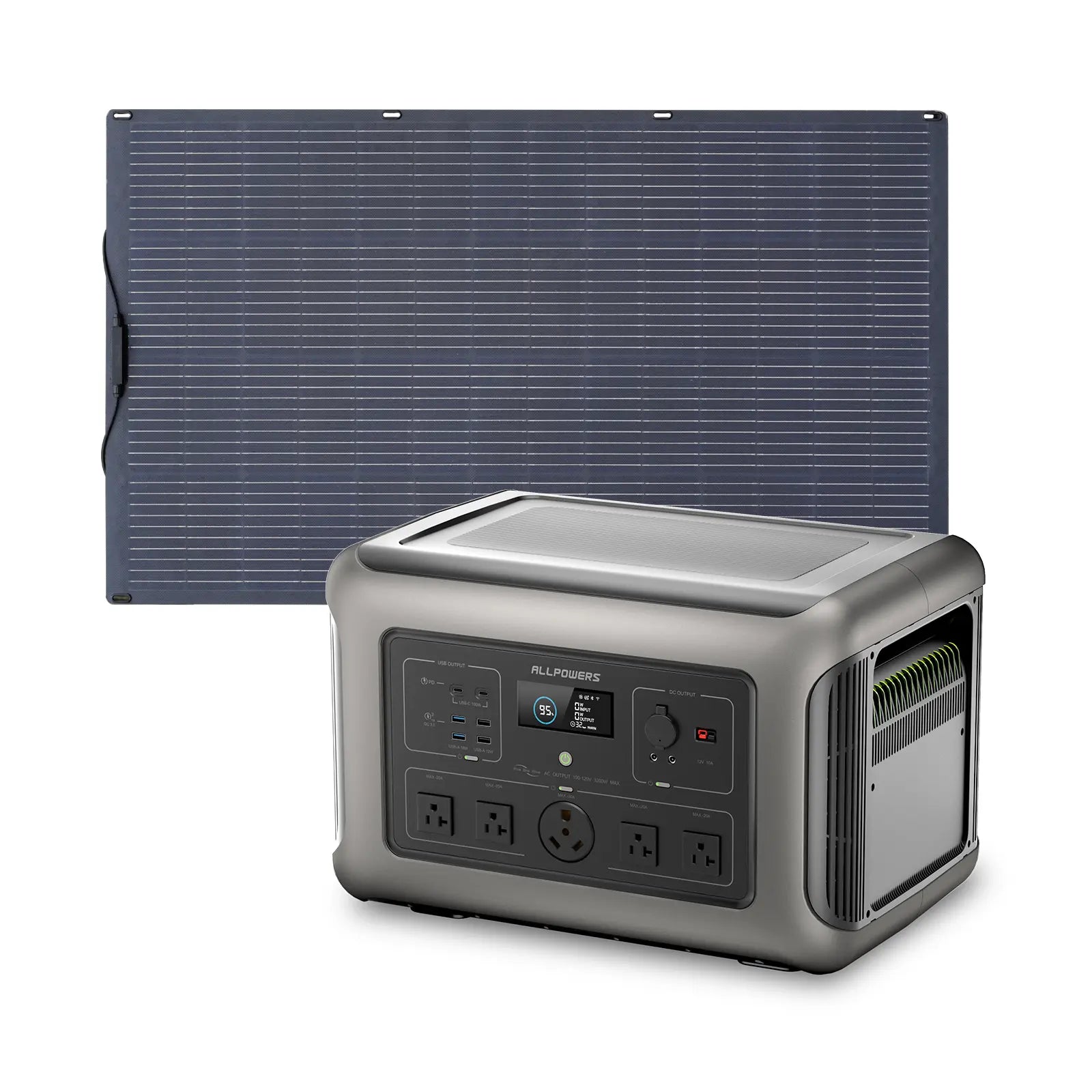
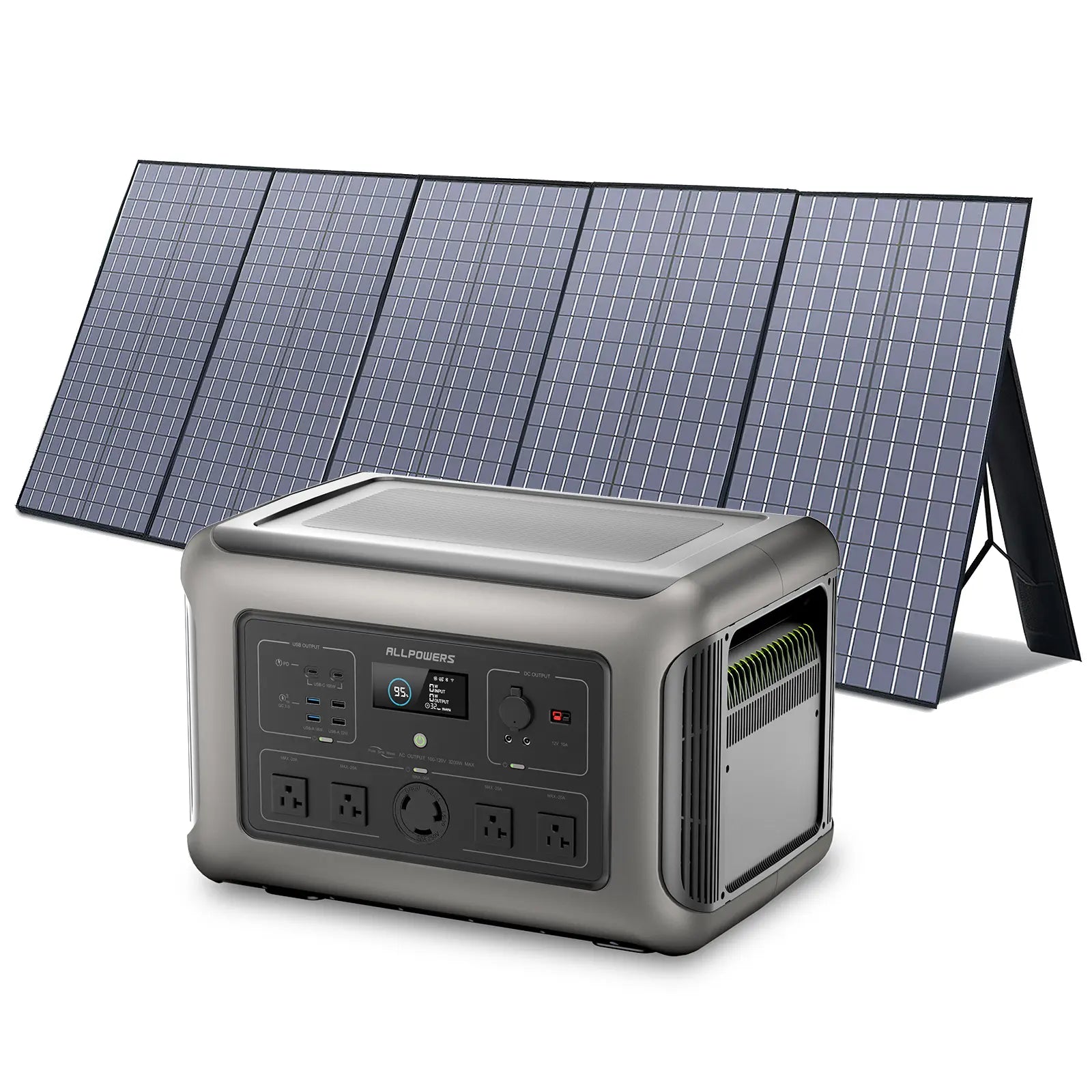
In situations where multiple devices need power, such as phones, flashlights, weather radios, and small electronics, having access to stored energy can make emergency planning significantly easier.
The most effective outage preparation is not necessarily having the largest backup system.
Instead, it involves understanding your energy needs, planning ahead, and ensuring critical communication devices remain powered when they are needed most.
Frequently Asked Questions
Can I charge my phone during a power outage?
Yes. Common options include power banks, vehicle chargers, solar chargers, laptops with remaining battery power, and backup battery systems.
What is the best way to charge a phone during an outage?
Power banks are often the simplest and most reliable solution for short-term outages.
Can a car charge a phone during a blackout?
Yes. Most vehicles can charge smartphones through USB ports or 12V charging adapters.
Do solar phone chargers work during emergencies?
Yes, although charging performance depends on sunlight conditions and the quality of the solar charging equipment.
How can I make my phone battery last longer during an outage?
Reducing screen brightness, enabling Battery Saver Mode, limiting background activity, and avoiding unnecessary app usage can help extend battery life significantly.