









Few things are more frustrating than starting a generator, watching it run normally, and then having it suddenly shut down.
In most cases, the problem can be traced to fuel delivery, overheating, maintenance issues, or protective safety features built into the unit.
So, why does a generator seem to run fine at first but consistently shut off after around 30 minutes?
TL;DR: A generator that shuts off after 30 minutes is often experiencing fuel system problems, overheating issues, clogged air filters, low oil shutdown activation, fuel tank vent restrictions, or excessive electrical loads. Identifying the root cause early can prevent further damage and help restore reliable operation.
Why Generators Shut Off Unexpectedly
Modern generators contain numerous components designed to protect both the engine and connected equipment.
While these safety features help prevent costly damage, they can also cause the generator to shut down automatically when a problem is detected.
If a generator consistently runs for approximately the same amount of time before stopping, this usually indicates a developing issue rather than a random malfunction.
Components may perform normally when cold but begin failing as temperatures rise or fuel demand increases.
Understanding how generators operate under load can make troubleshooting much easier and help prevent unnecessary repairs.
Fuel System Problems
One of the most common reasons a generator shuts off after 30 minutes involves the fuel delivery system.
Engines require a steady supply of clean fuel to operate correctly, and even minor restrictions can eventually interrupt performance.
Clogged Fuel Filters
A partially blocked fuel filter may allow enough fuel to start and run the engine initially. However, as fuel demand continues, the restriction can become severe enough to cause the engine to stall.
Fuel Tank Vent Problems
Generators rely on properly vented fuel tanks. If the vent becomes clogged, a vacuum can develop inside the tank, reducing fuel flow to the engine.
This problem often appears after several minutes of operation because fuel is gradually consumed until airflow restrictions begin affecting delivery.
Old or Contaminated Fuel
Stale gasoline can cause poor combustion, clogged carburetors, and inconsistent engine performance.
Fuel that has been stored for extended periods often creates operational issues that become more noticeable as the engine warms up.
Generator Overheating Issues
Another frequent cause of shutdowns is engine overheating. Many generators include automatic protection systems that stop operation when temperatures exceed safe limits.
While generators are designed to operate continuously for extended periods, inadequate airflow or excessive environmental heat can cause temperatures to rise unexpectedly.
Blocked Cooling Vents
Dust, debris, leaves, or dirt can restrict airflow around cooling components and reduce the generator's ability to dissipate heat effectively.
High Ambient Temperatures
Operating a generator during extremely hot weather can place additional stress on the cooling system.
Poor Placement
Generators positioned too close to walls, structures, or other equipment may experience reduced airflow and higher operating temperatures.
Low Oil Shutdown Protection
Most modern generators include a low oil shutdown system designed to protect the engine from severe damage.
Even when oil levels appear adequate, faulty sensors or oil movement inside the crankcase can sometimes trigger shutdown systems unexpectedly.
Check Oil Levels Carefully
Always verify oil levels on a level surface before starting the generator.
Inspect Oil Sensors
Faulty oil sensors occasionally create false shutdown conditions even when lubrication levels are sufficient.
If the generator shuts down consistently after warming up, inspecting the oil protection system may help identify the cause.
Dirty Air Filters and Restricted Airflow
Engines require the correct balance of fuel and air for efficient combustion. A clogged air filter can disrupt this balance and reduce overall engine performance.
As airflow becomes increasingly restricted, the engine may begin running rich, generating additional heat and reducing efficiency.
Signs of Airflow Problems
Black exhaust smoke, reduced power output, rough running, and unexpected shutdowns may all indicate restricted airflow.
Simple Maintenance Can Help
Cleaning or replacing an air filter is often one of the simplest and least expensive maintenance tasks generator owners can perform.
Overloading the Generator
A generator may also shut down if connected equipment exceeds its rated capacity. Every generator has a maximum continuous output that should not be exceeded.
Some appliances draw significantly more power during startup than during normal operation.
These temporary surges can sometimes overload a generator even when average power consumption appears acceptable.
Starting Watts vs Running Watts
Motor-driven appliances such as refrigerators, air conditioners, pumps, and power tools often require additional startup power.
Load Increases Over Time
In some situations, connected devices cycle on and off during operation. A generator may initially run normally but encounter overload conditions later as additional equipment activates.
Common Generator Shutdown Causes
| Potential Cause | Likelihood | Difficulty to Fix | Typical Symptoms |
|---|---|---|---|
| Fuel Delivery Restriction | High | Moderate | Runs briefly, then stalls |
| Overheating | High | Moderate | Stops after warming up |
| Low Oil Shutdown | Medium | Easy | Sudden automatic shutdown |
| Dirty Air Filter | Medium | Easy | Rough operation, reduced power |
| Electrical Overload | Medium | Easy | Breaker trips or shutdown |
| Faulty Sensor | Low | Moderate | Intermittent shutdowns |
Preventive Maintenance Tips
Many generator shutdown issues can be avoided through consistent maintenance and inspection practices.
Checking oil levels, replacing air filters, inspecting spark plugs, and using fresh fuel all help improve reliability and reduce the likelihood of unexpected interruptions.
Running generators periodically rather than leaving them unused for long periods can also help prevent fuel system issues and carburetor deposits from developing.
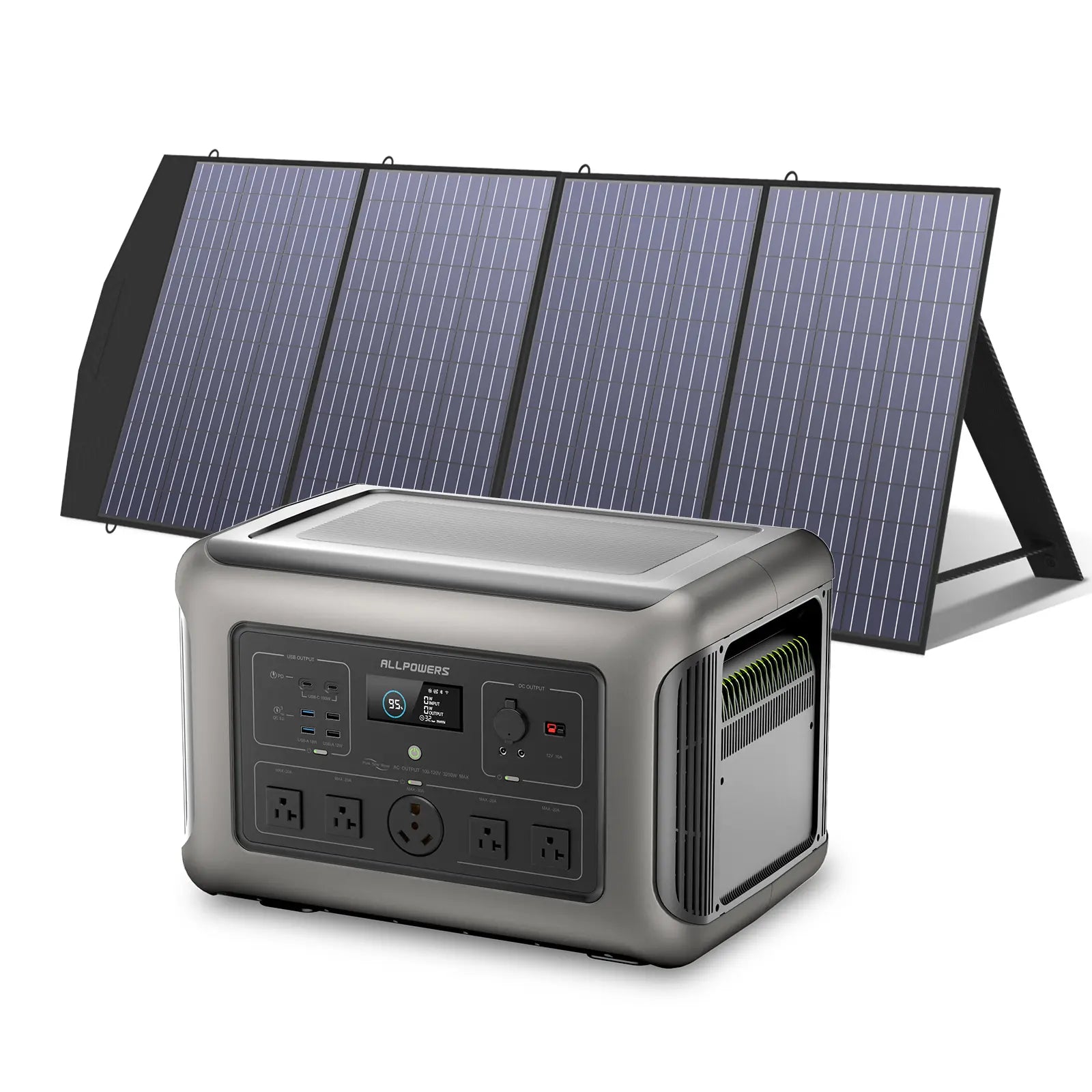
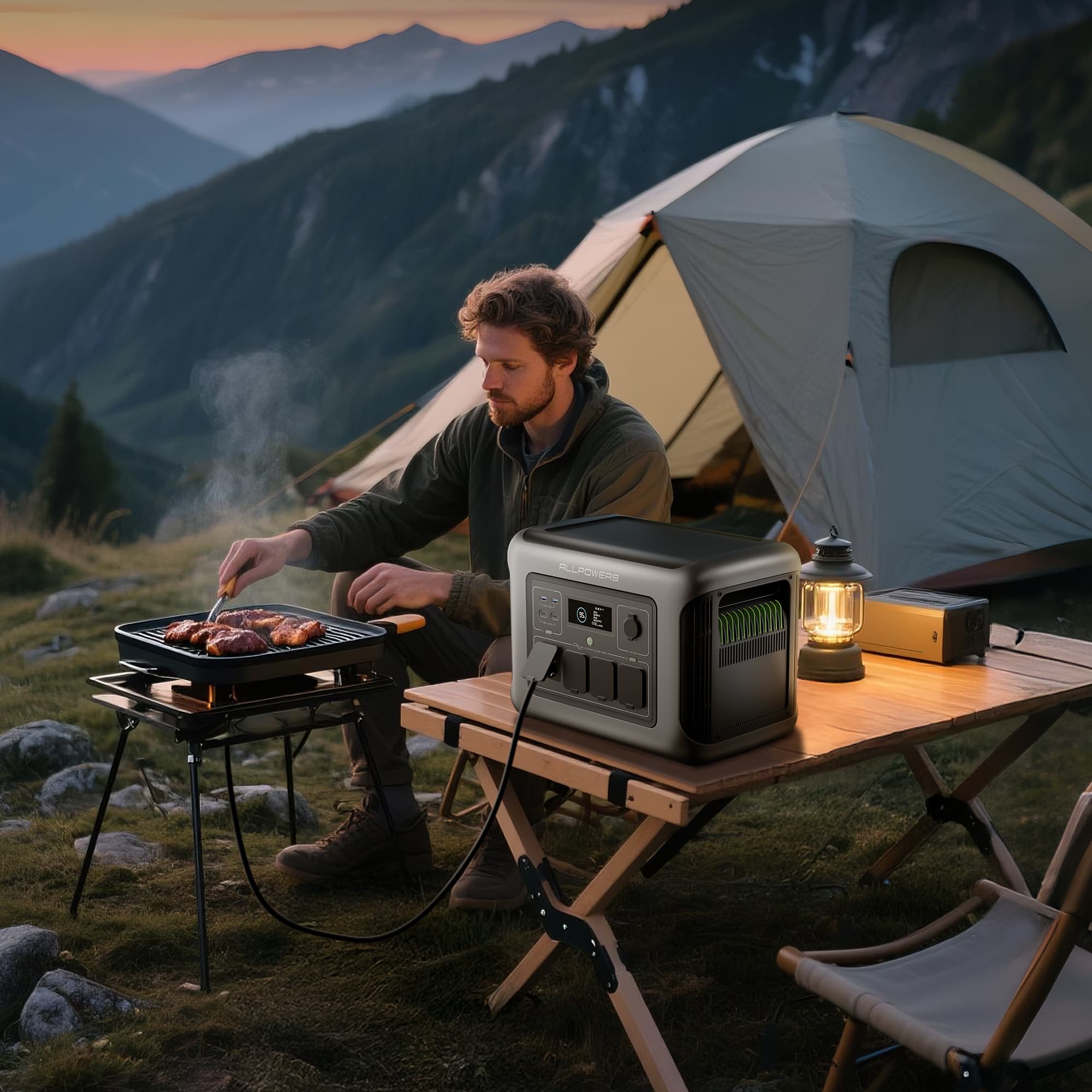
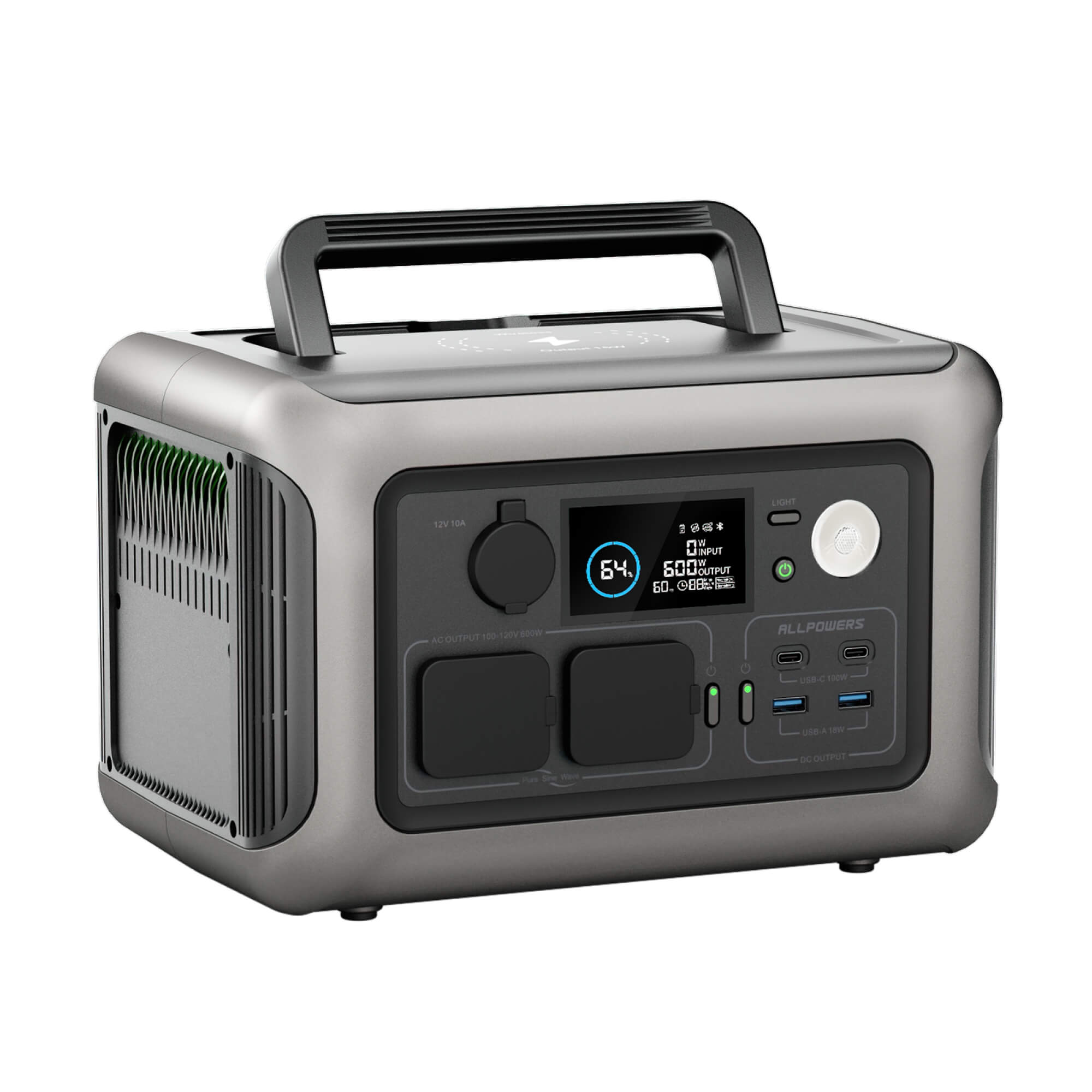
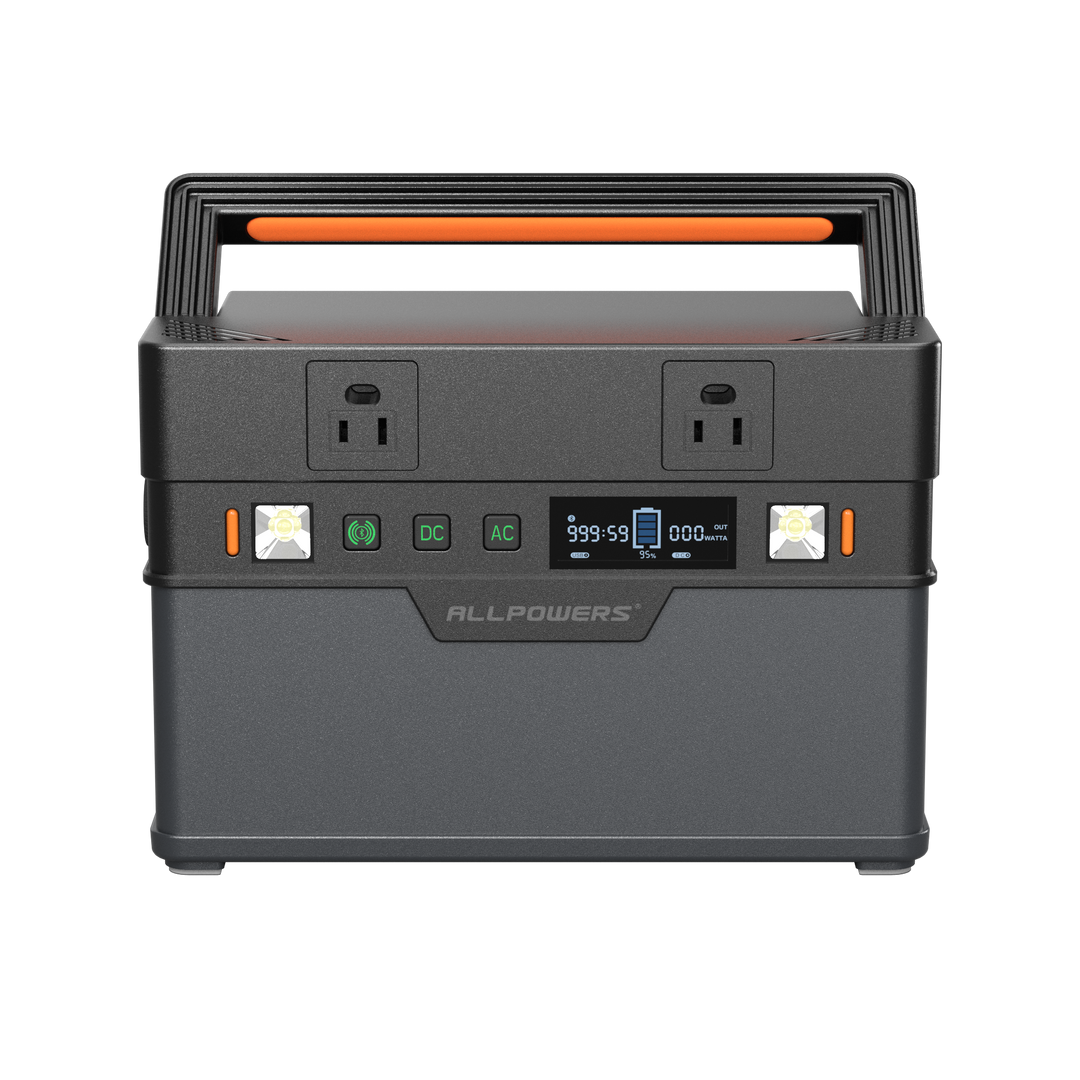
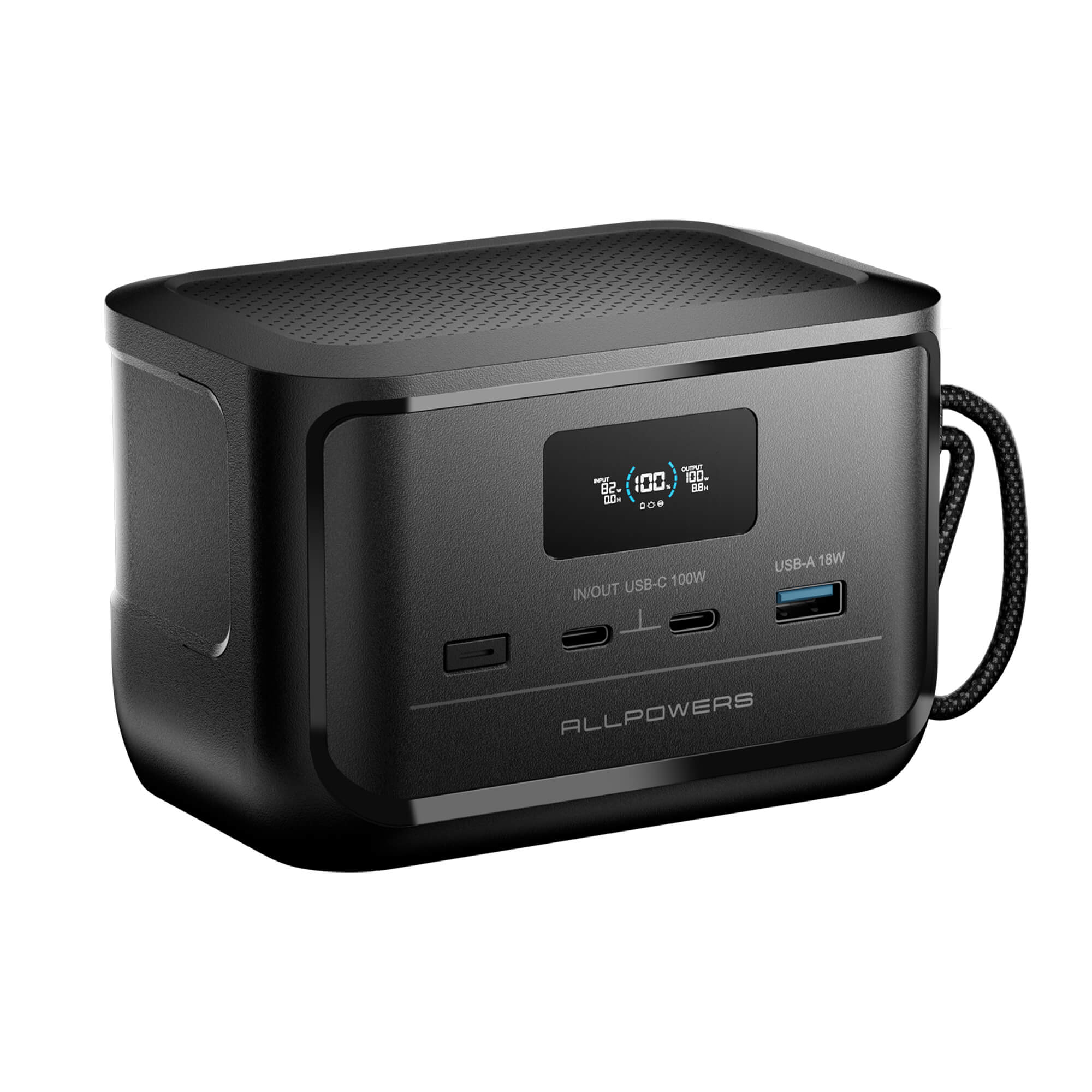
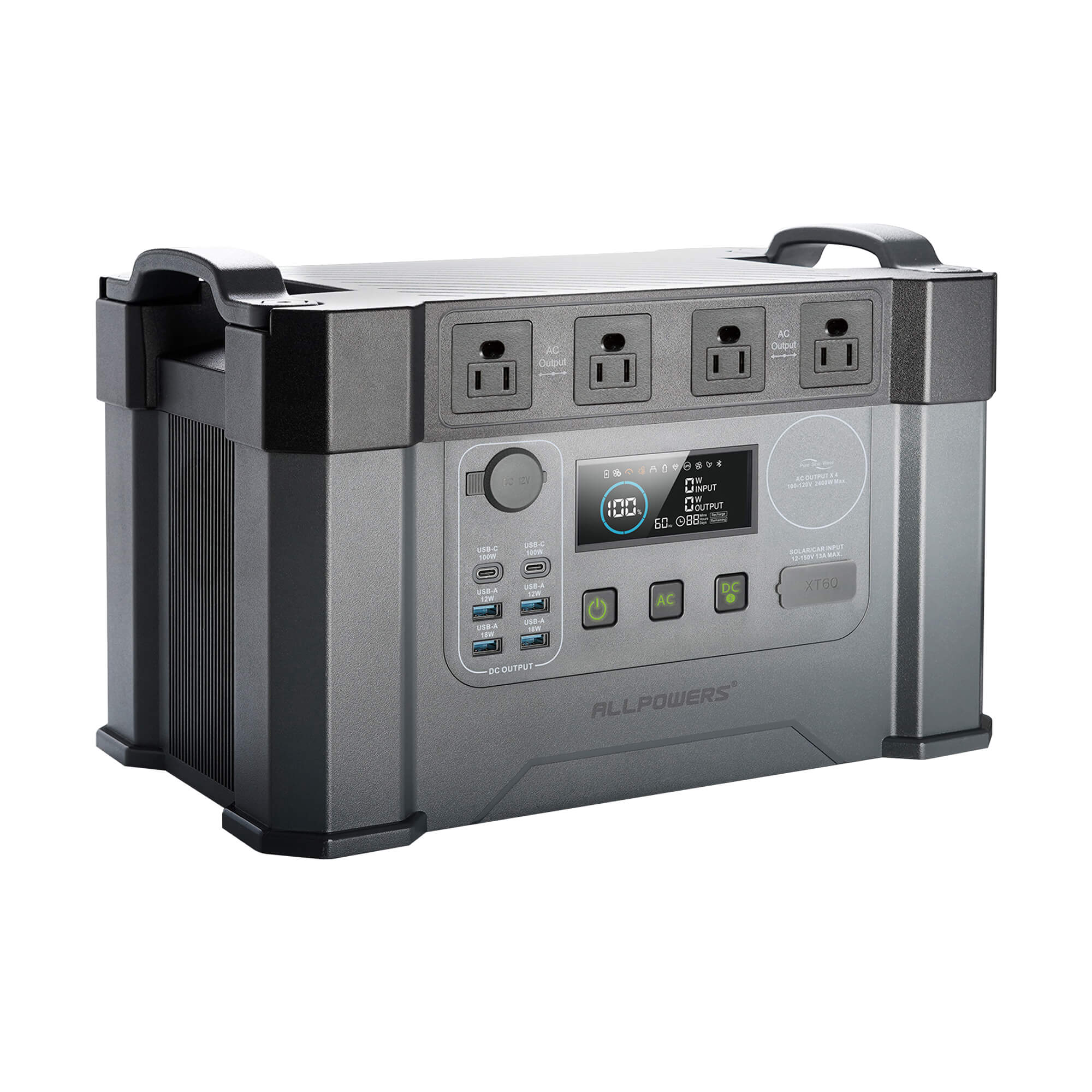
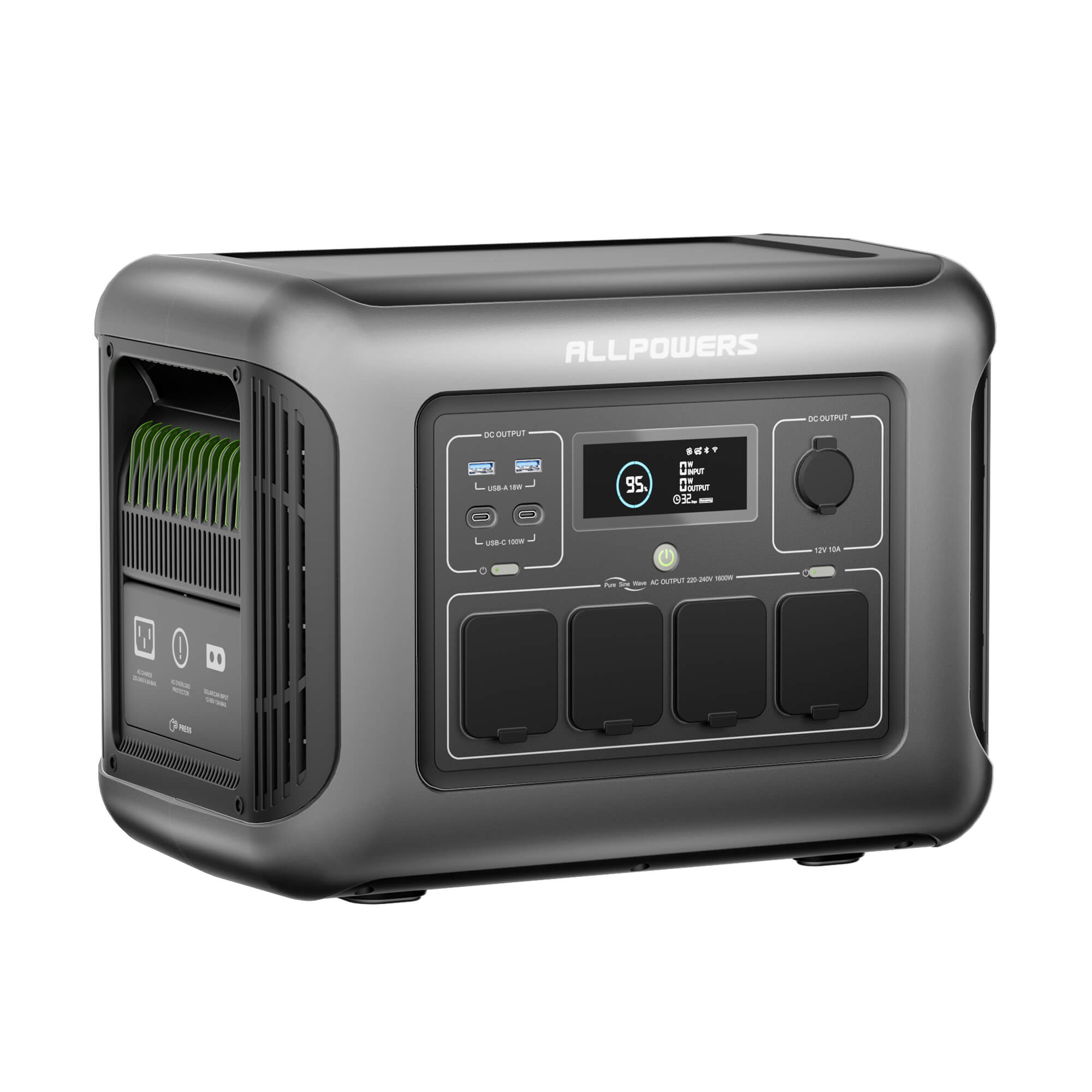
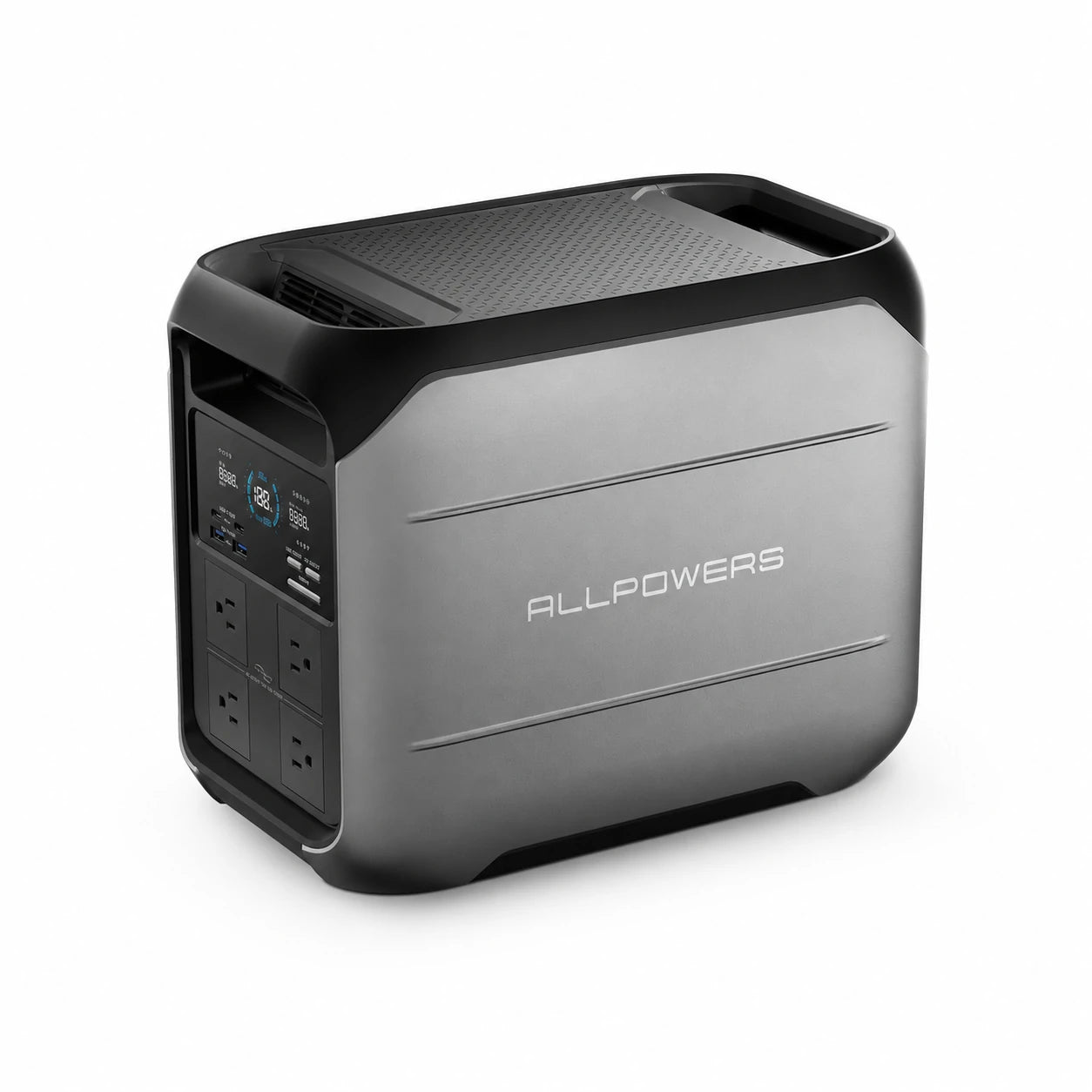
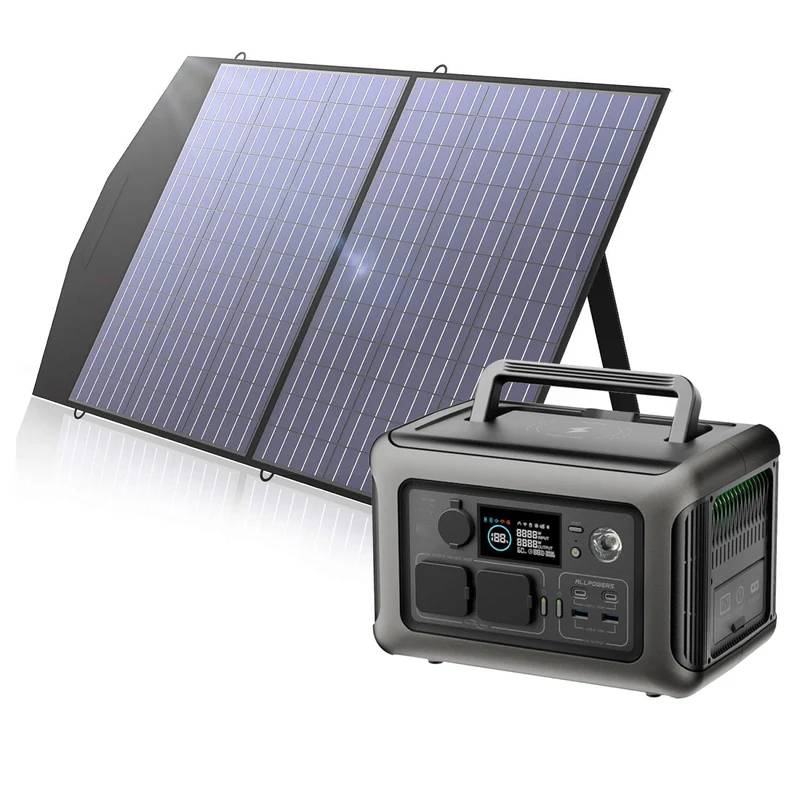
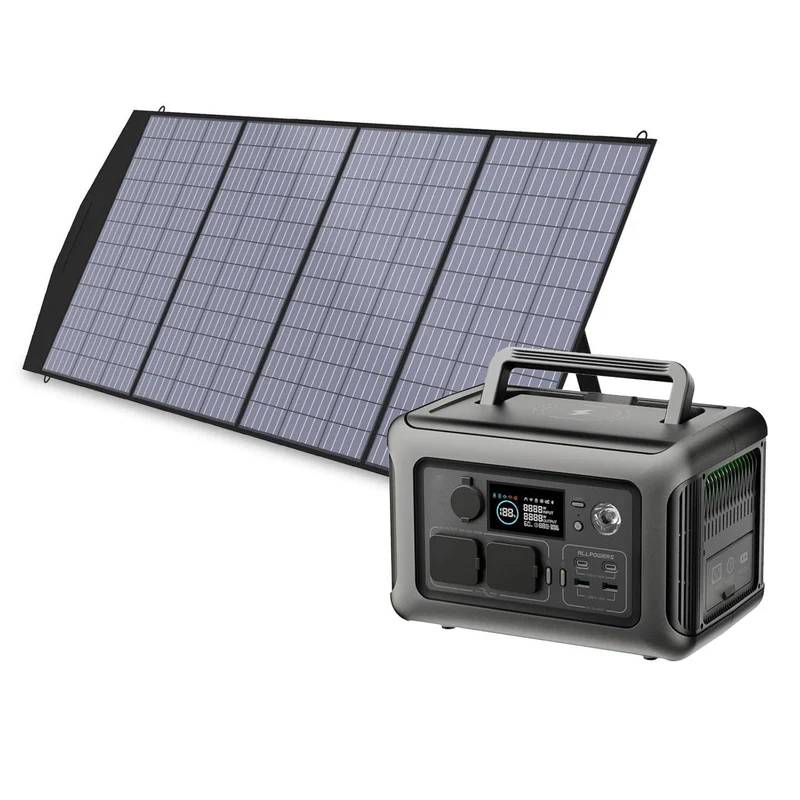
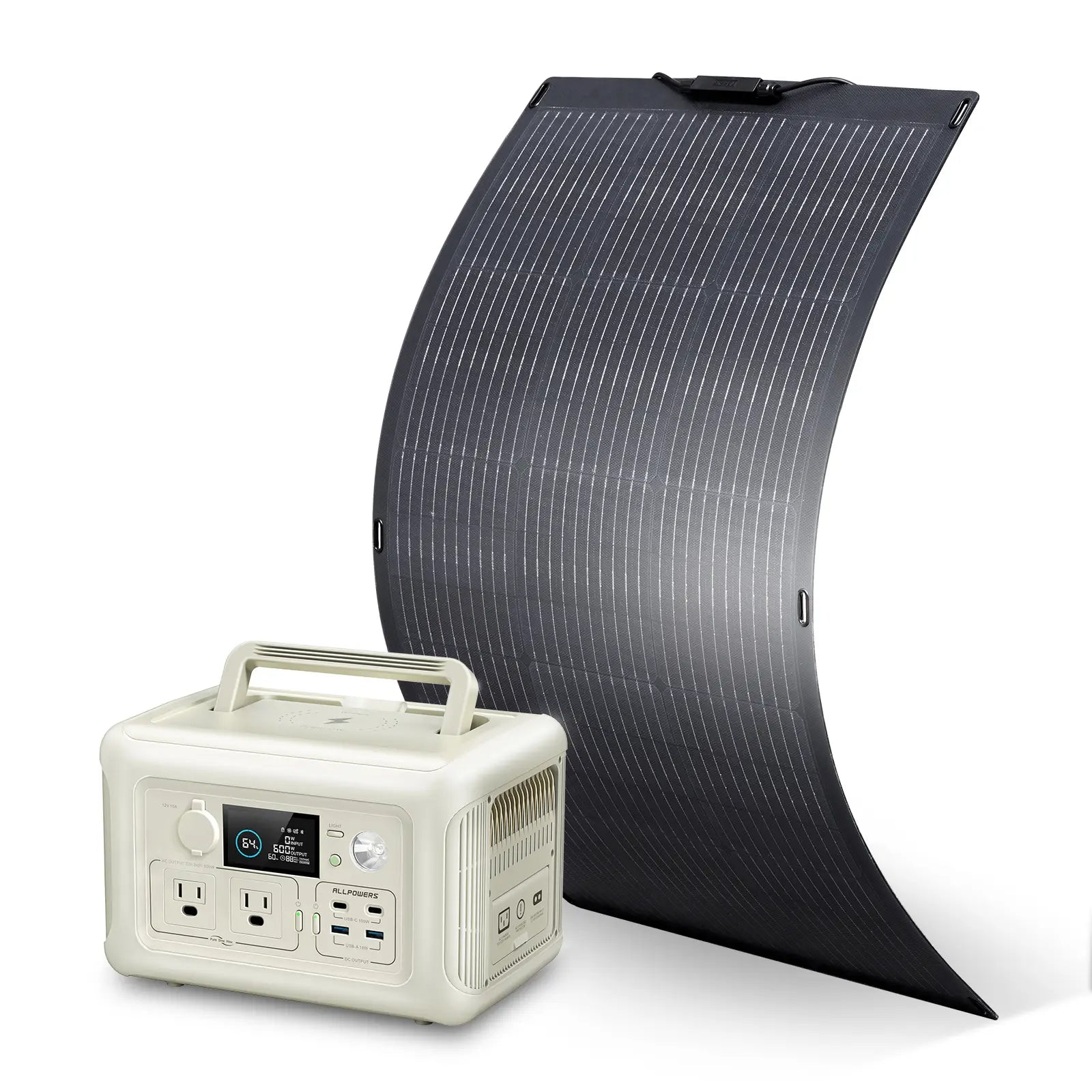
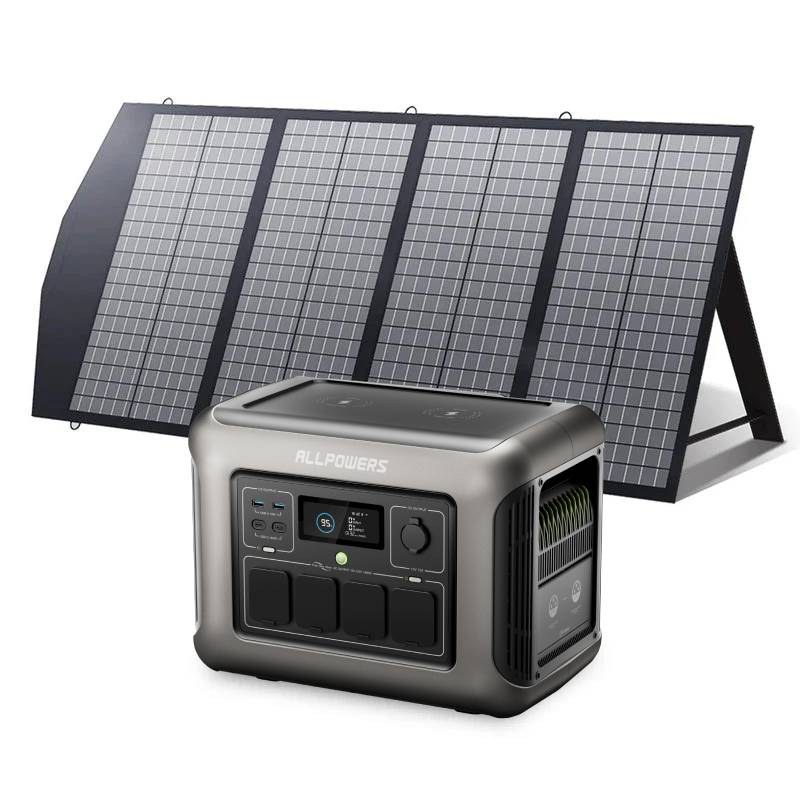
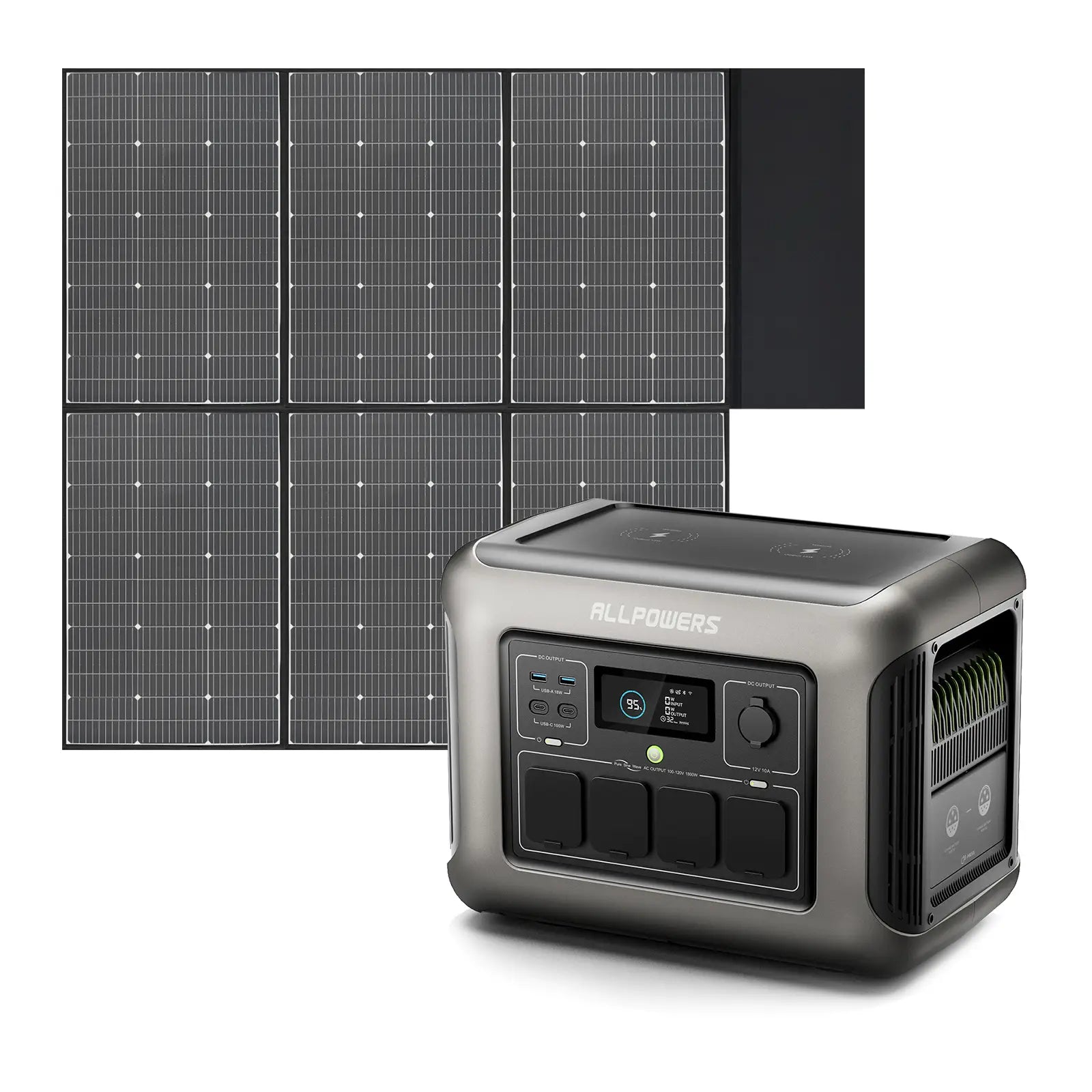
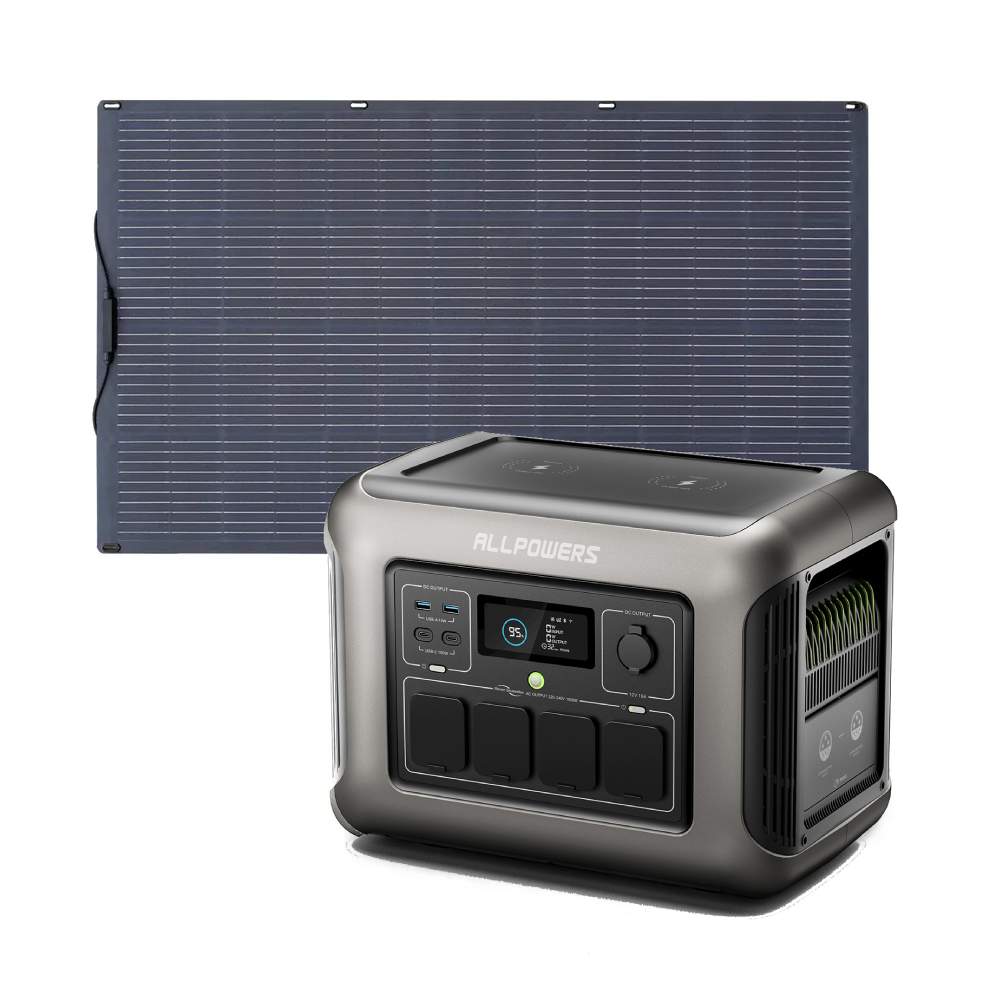
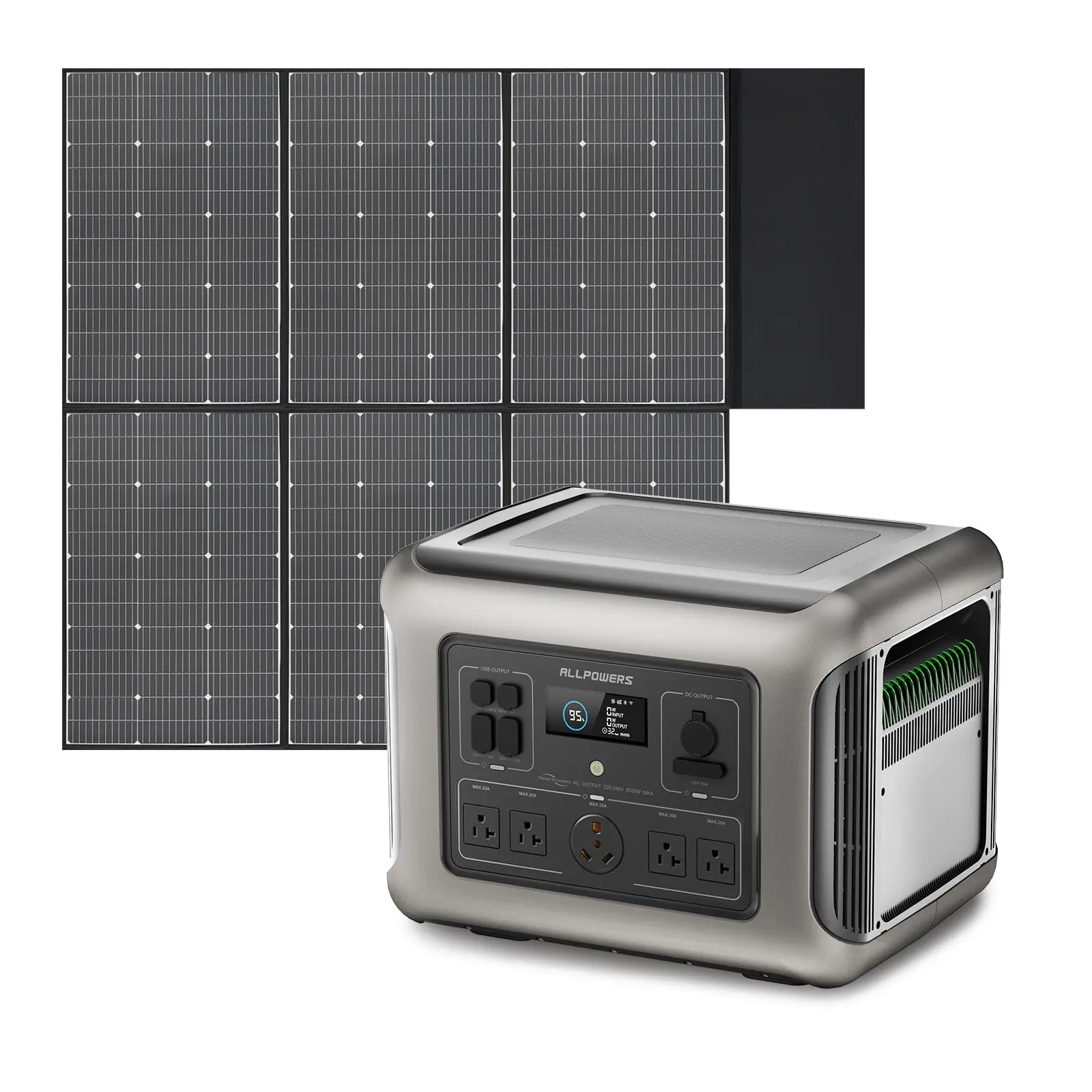
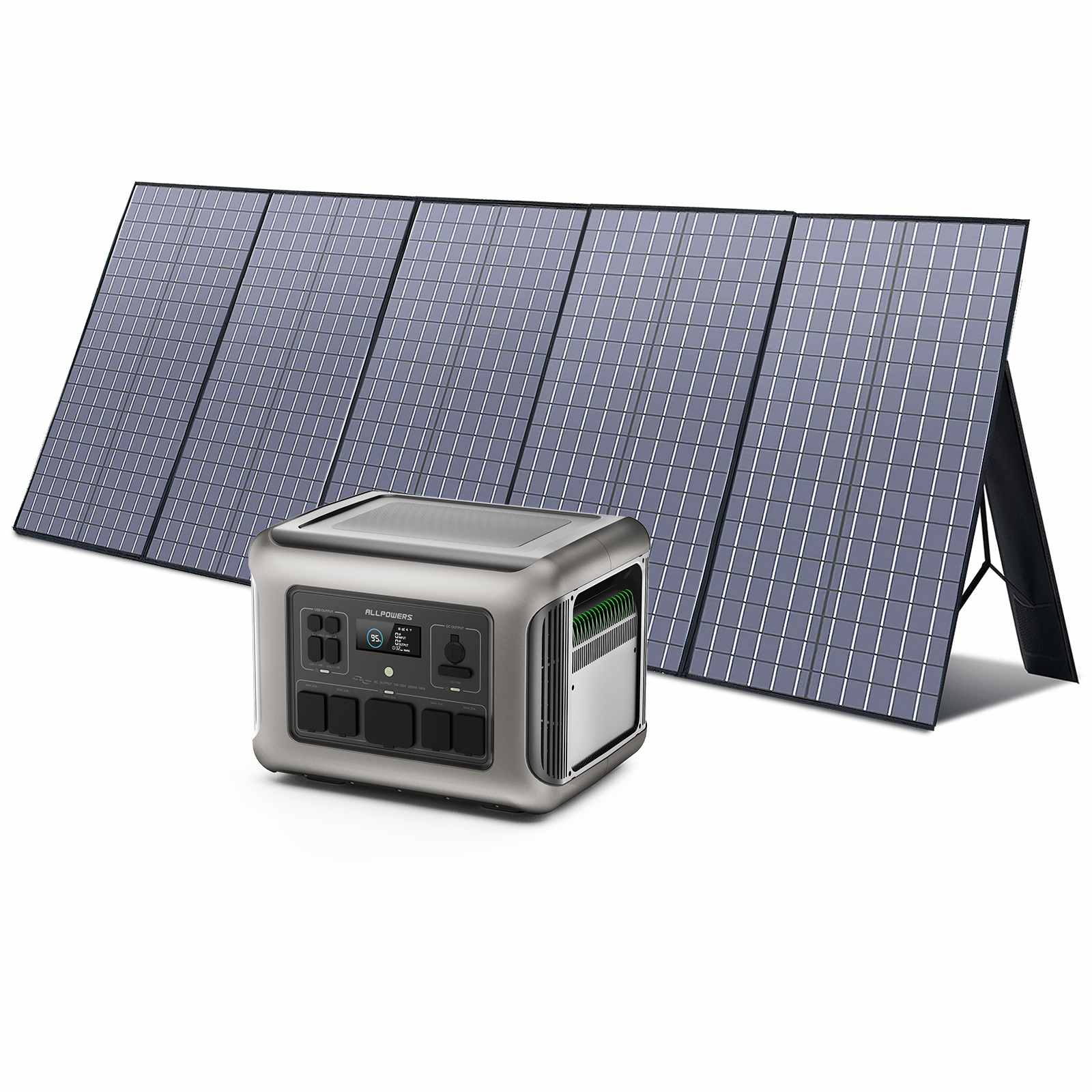
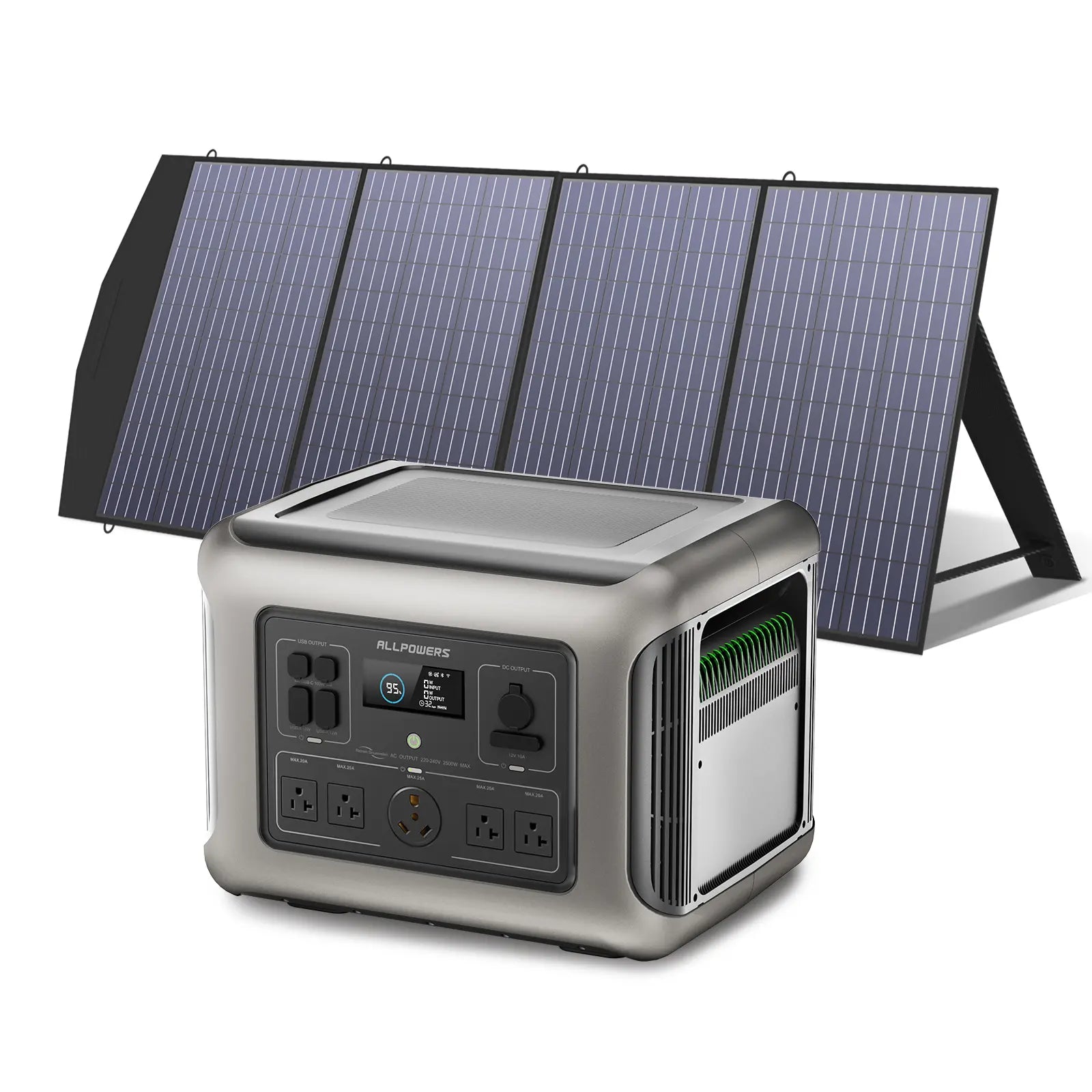
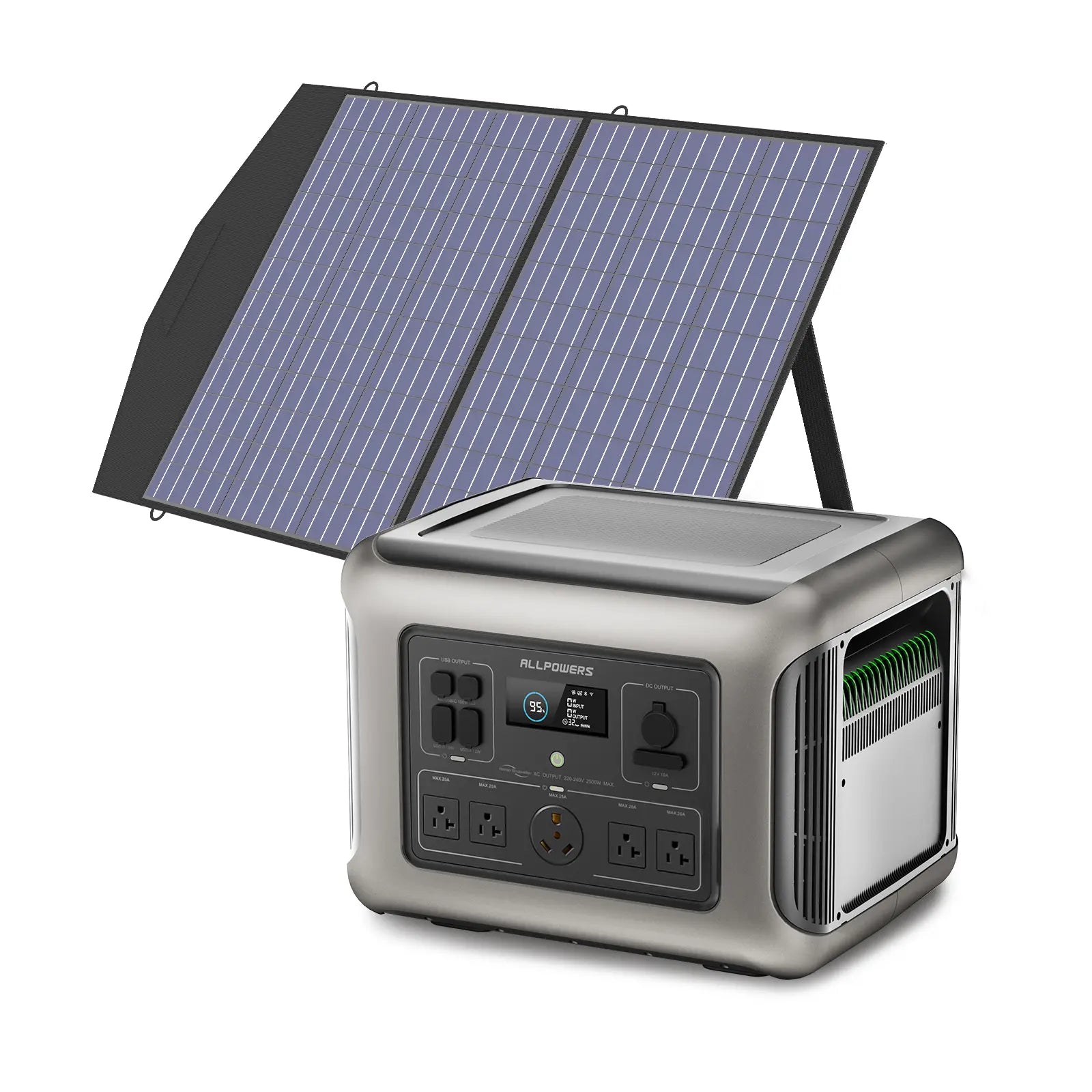
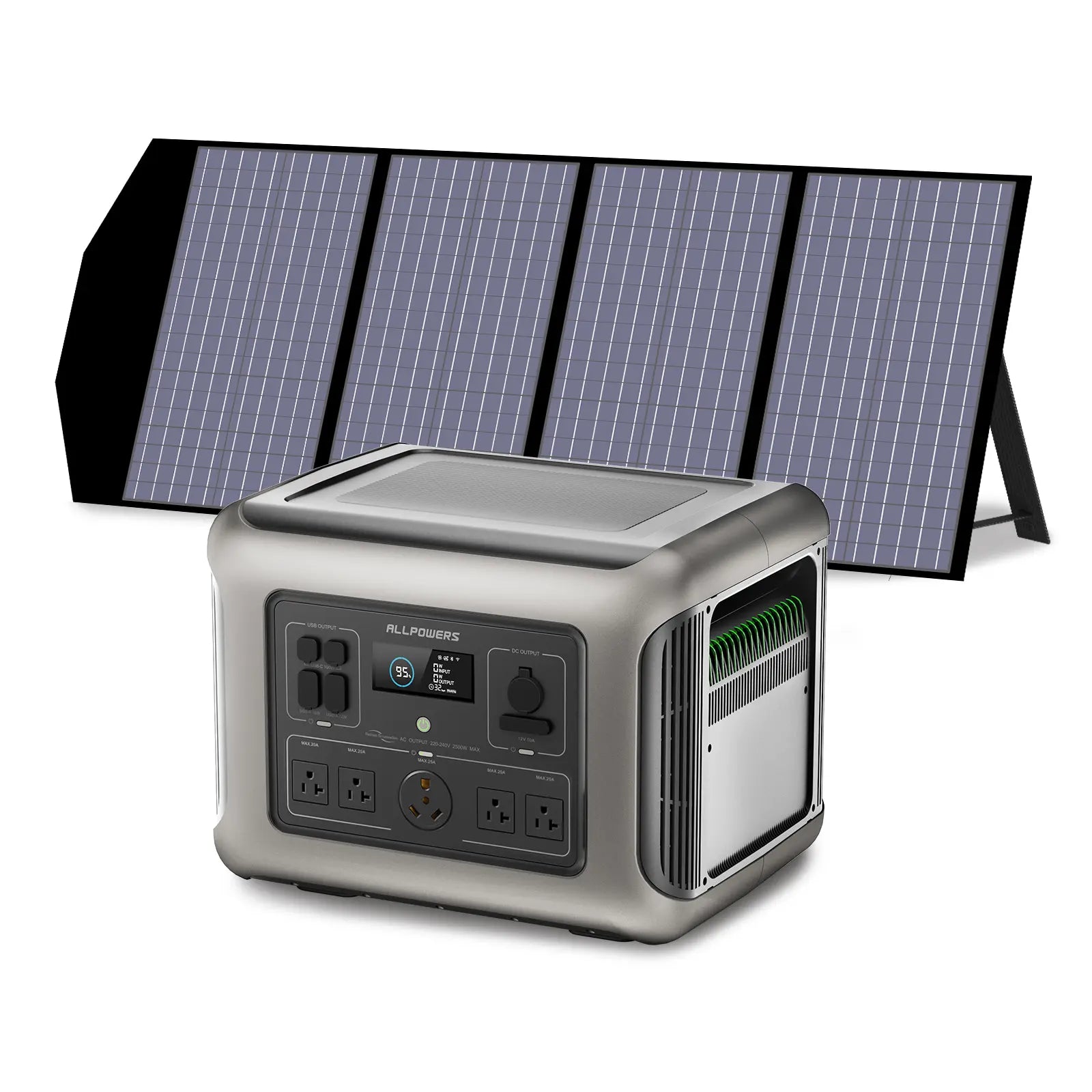
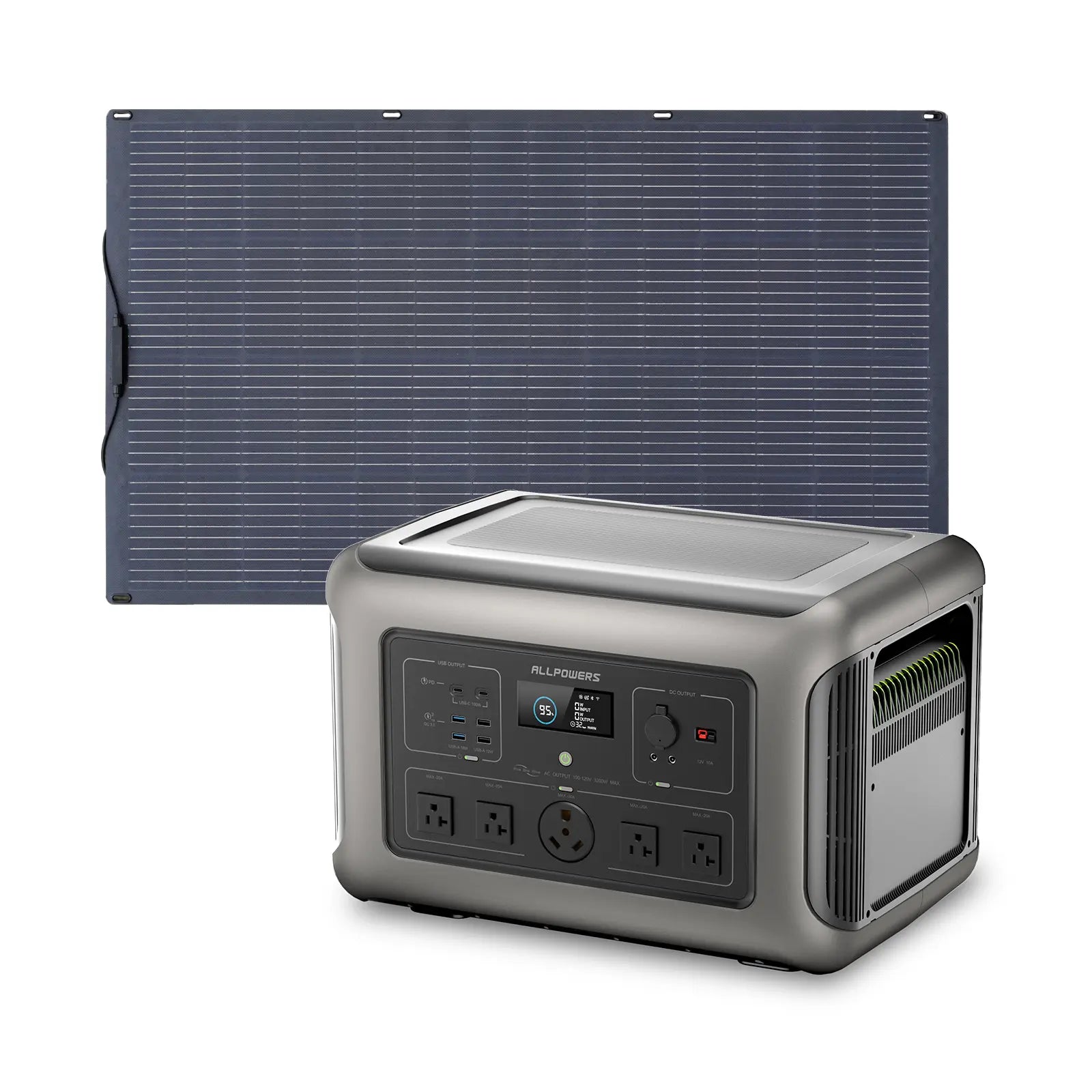
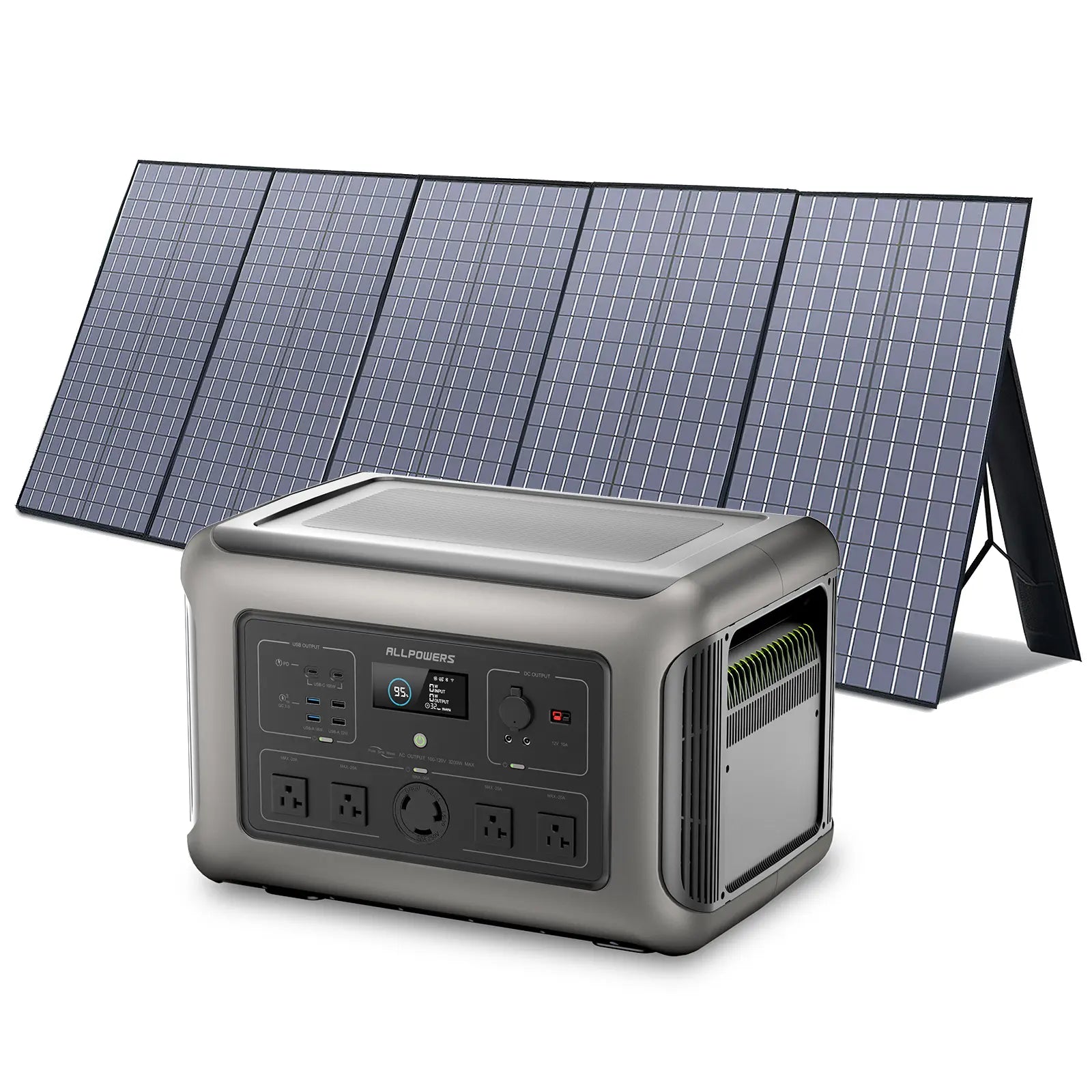
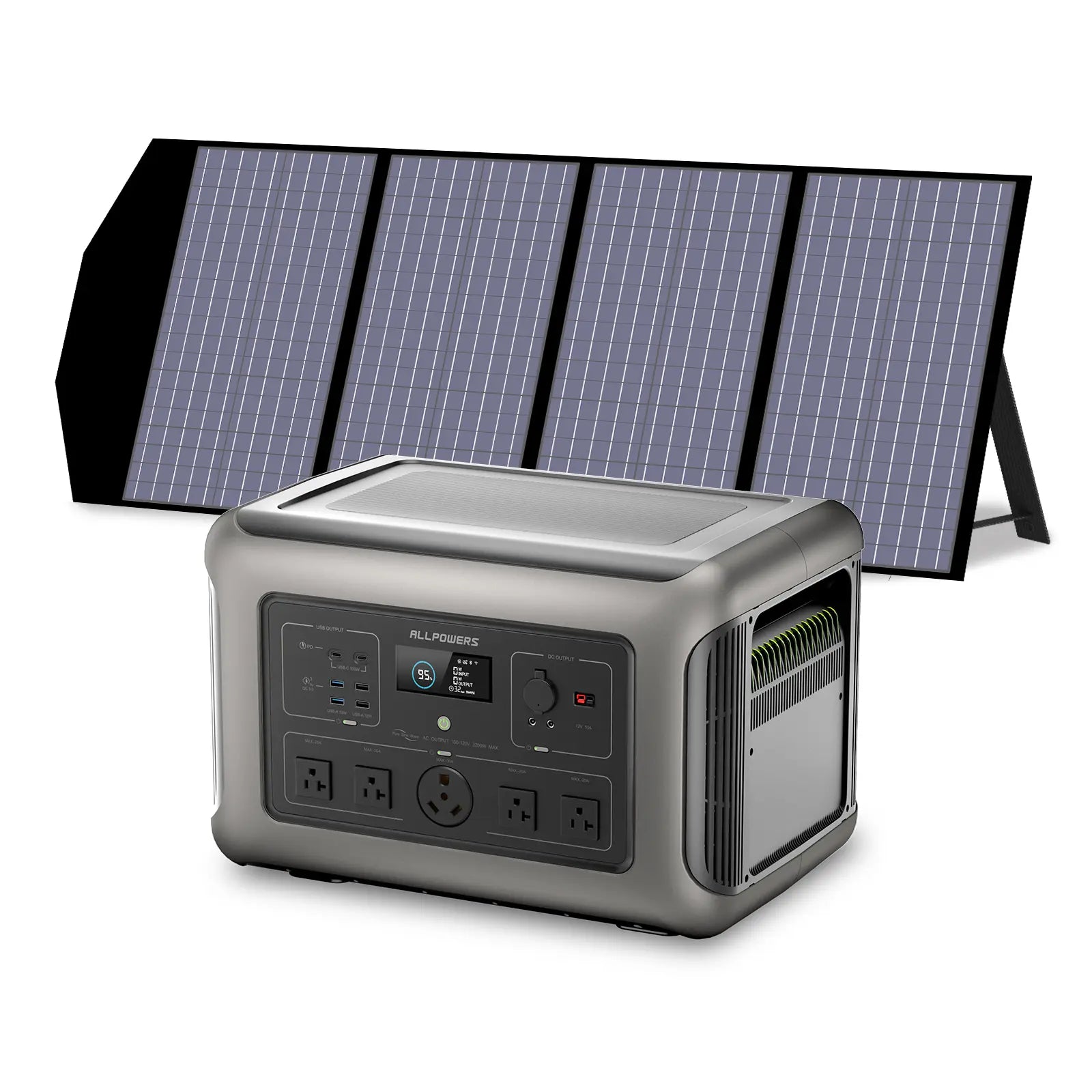
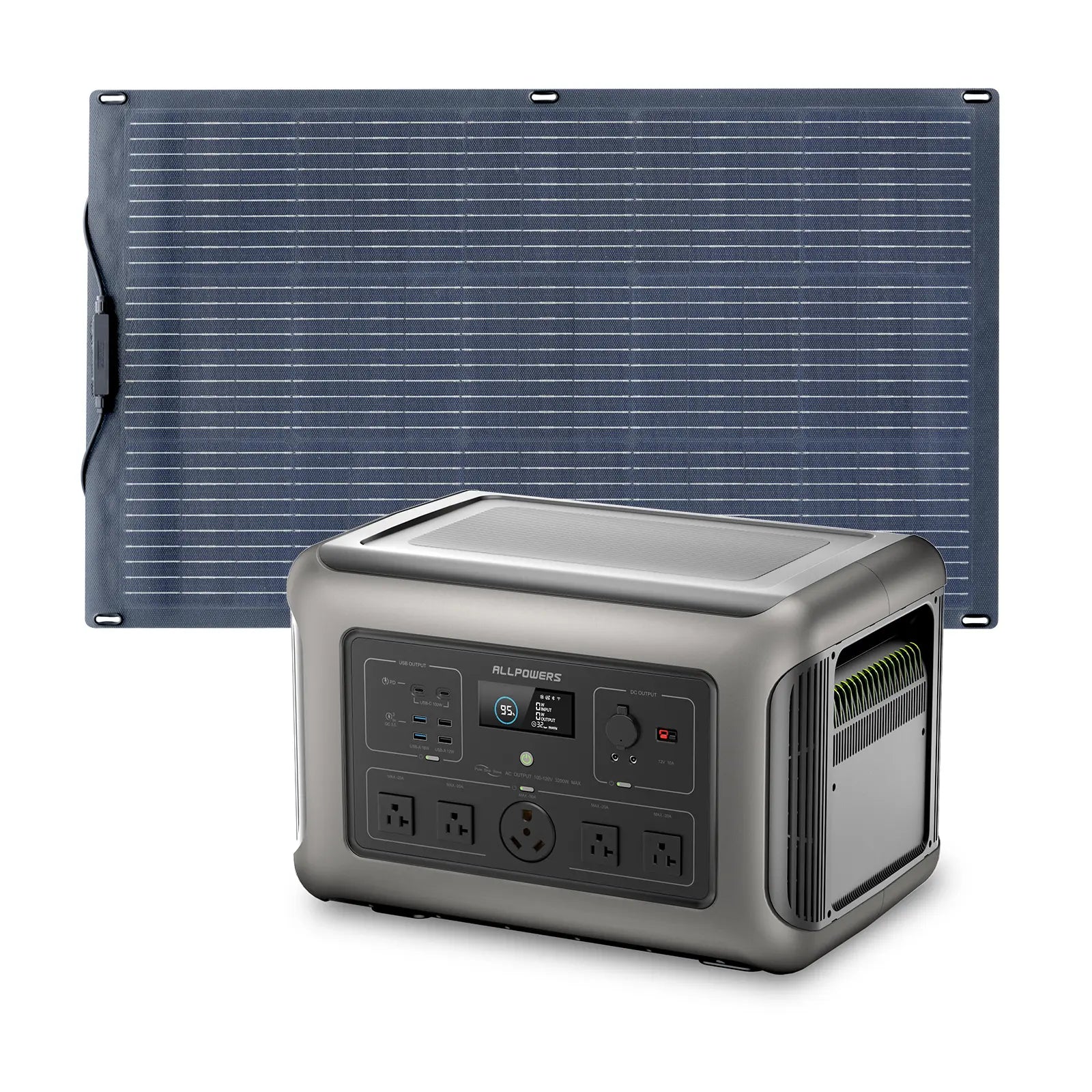
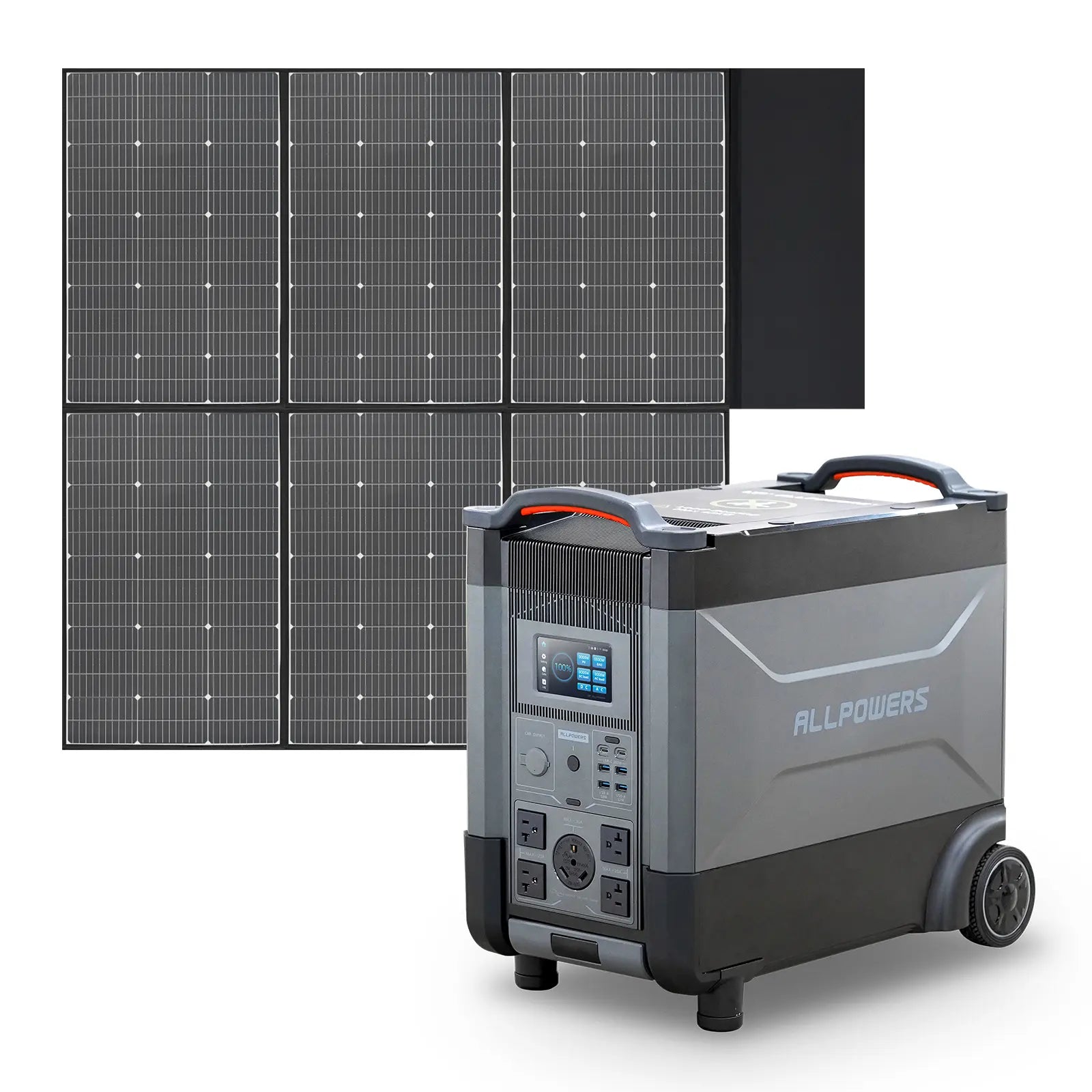
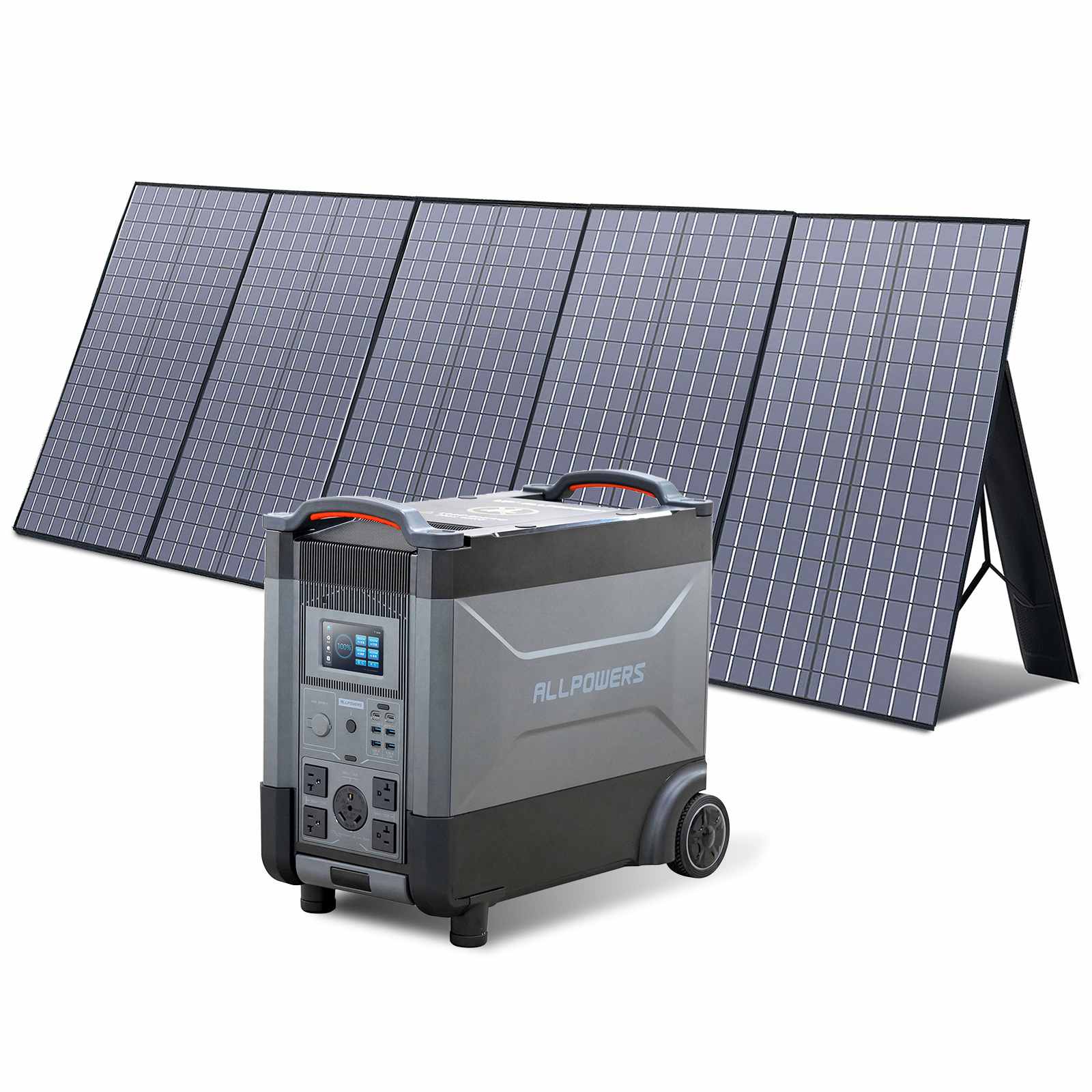
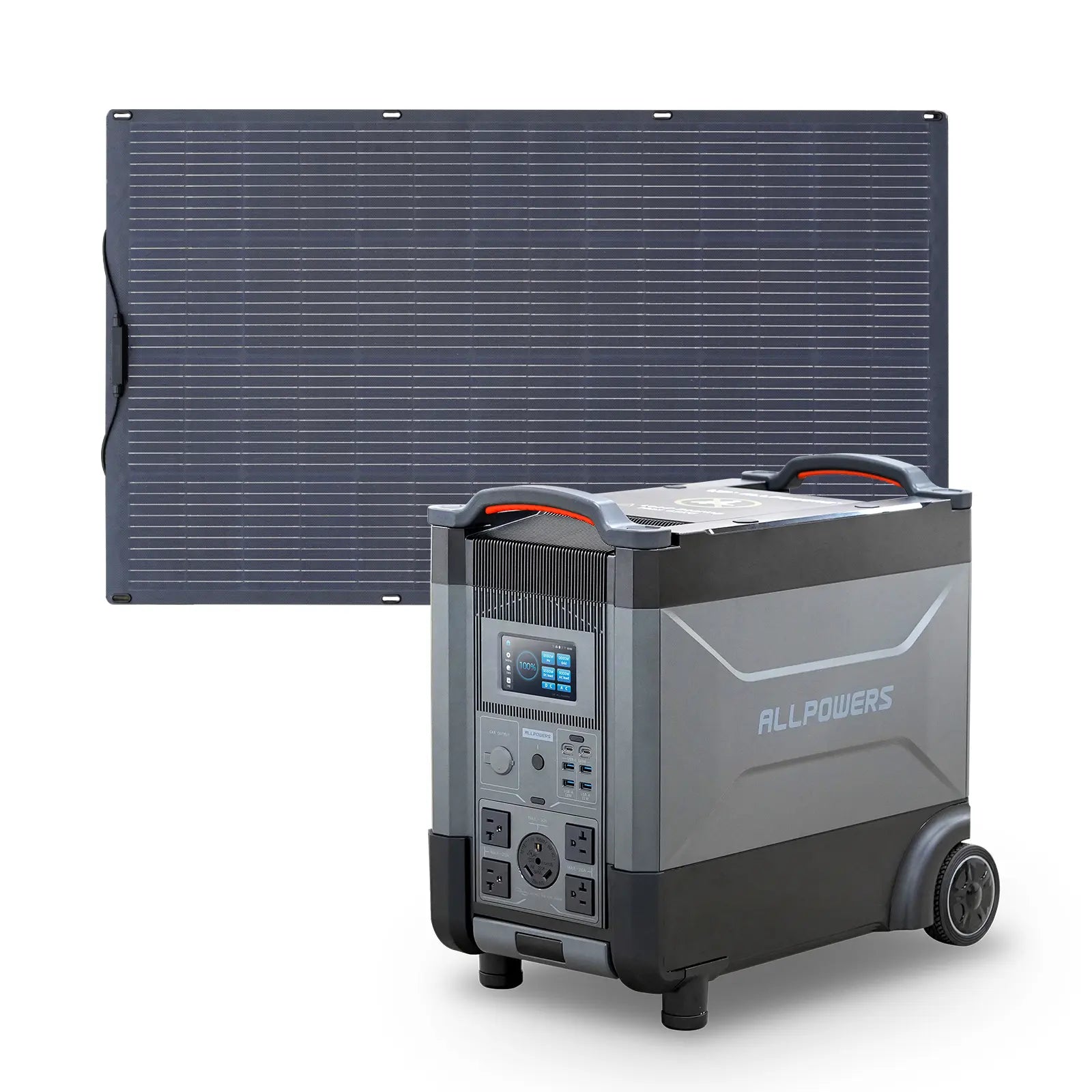
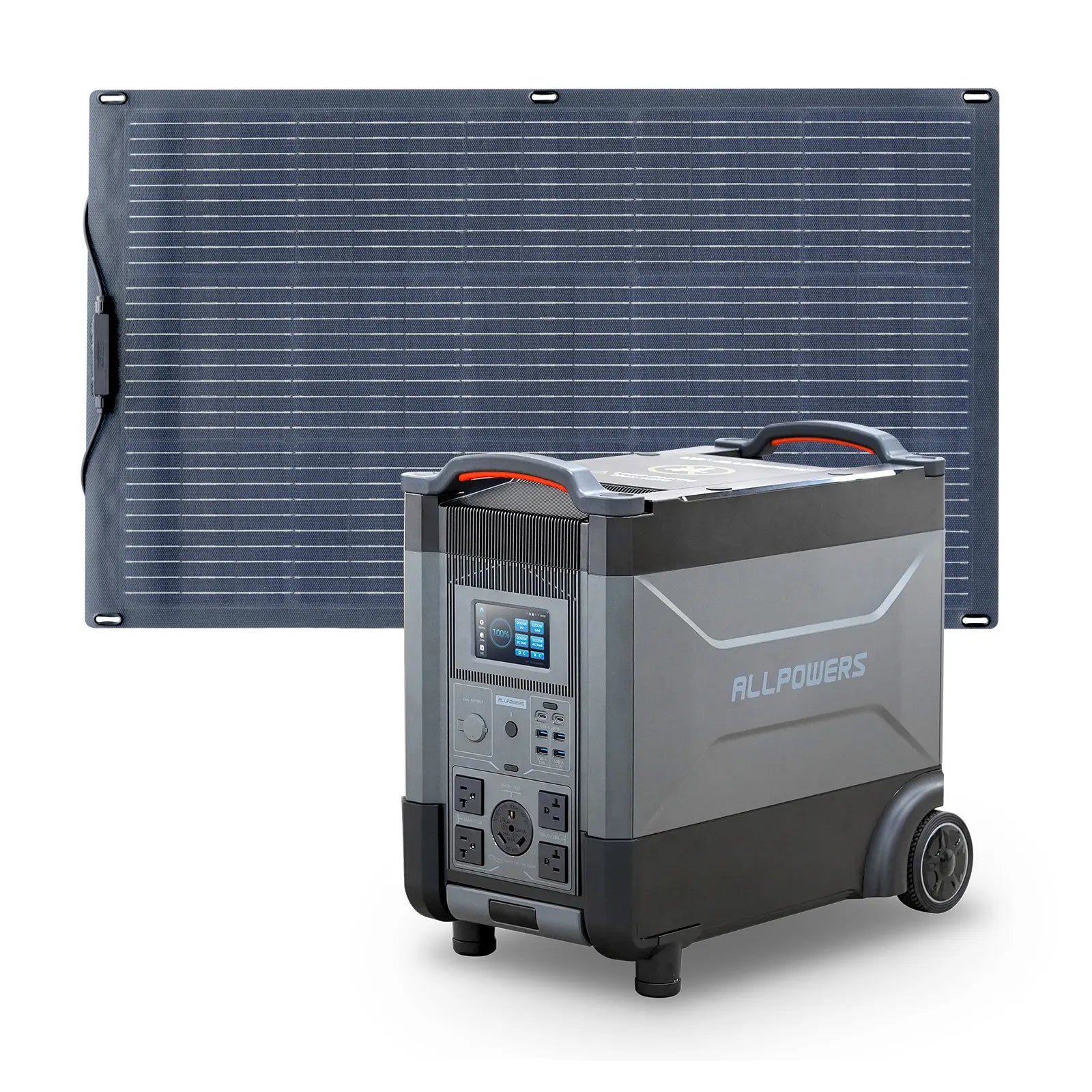
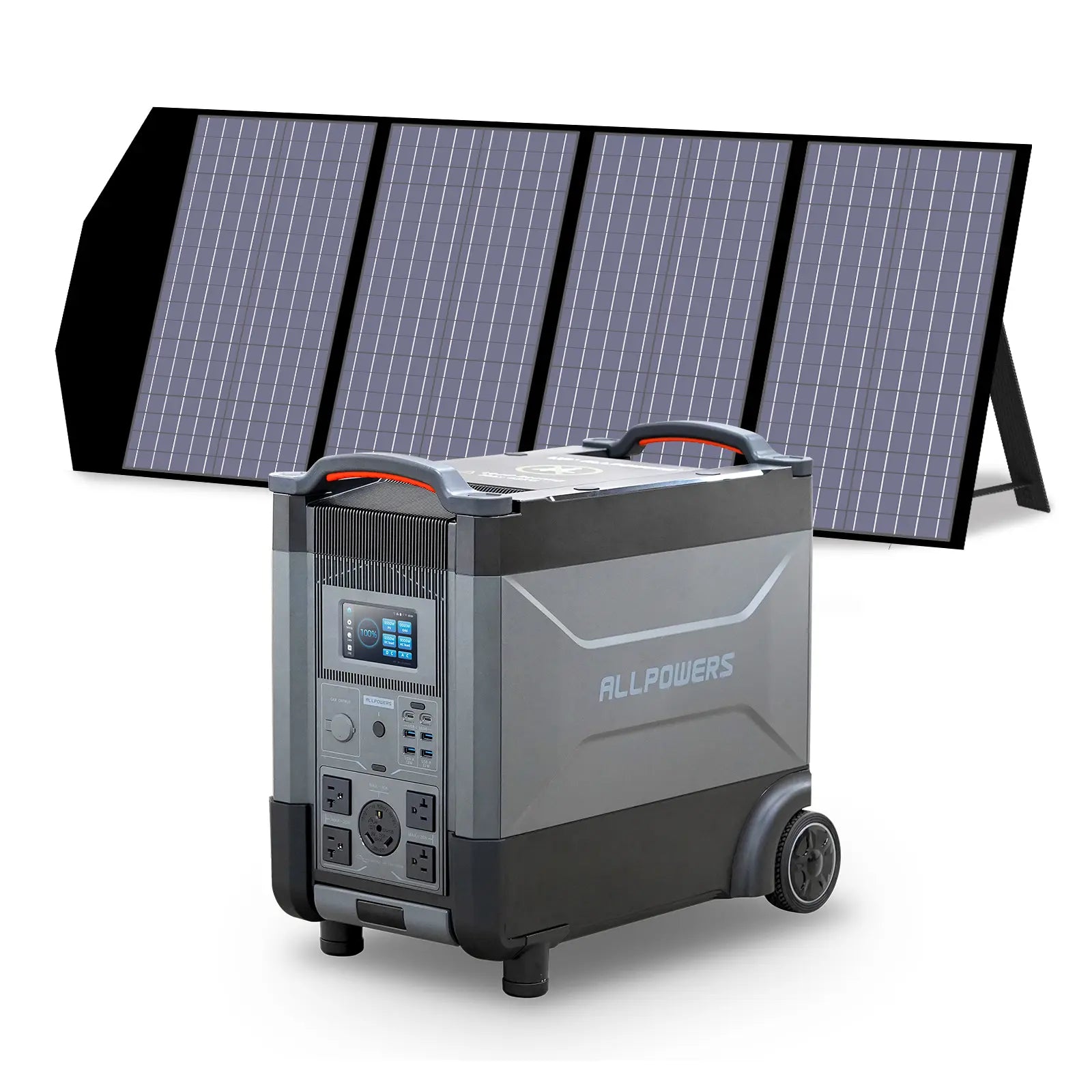
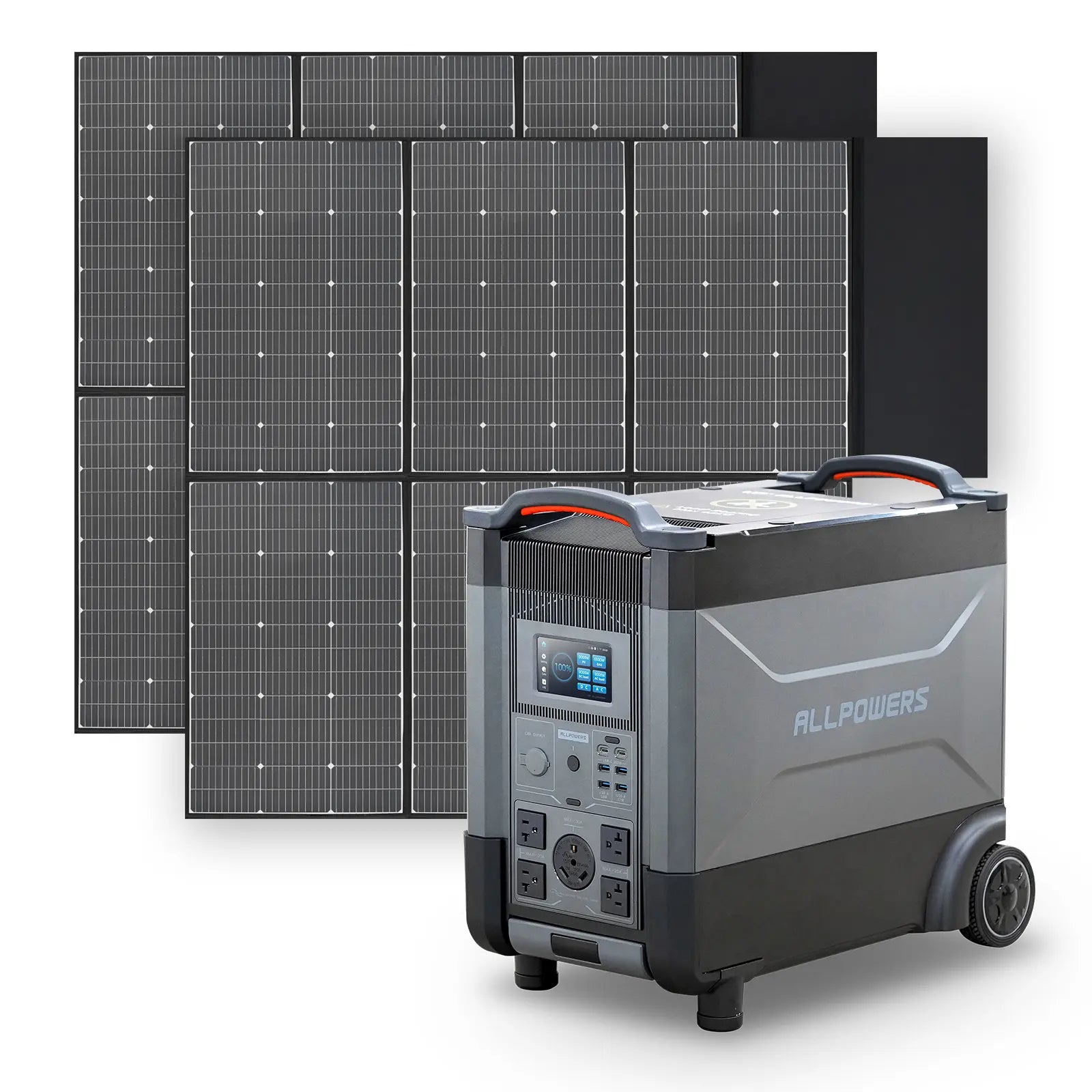
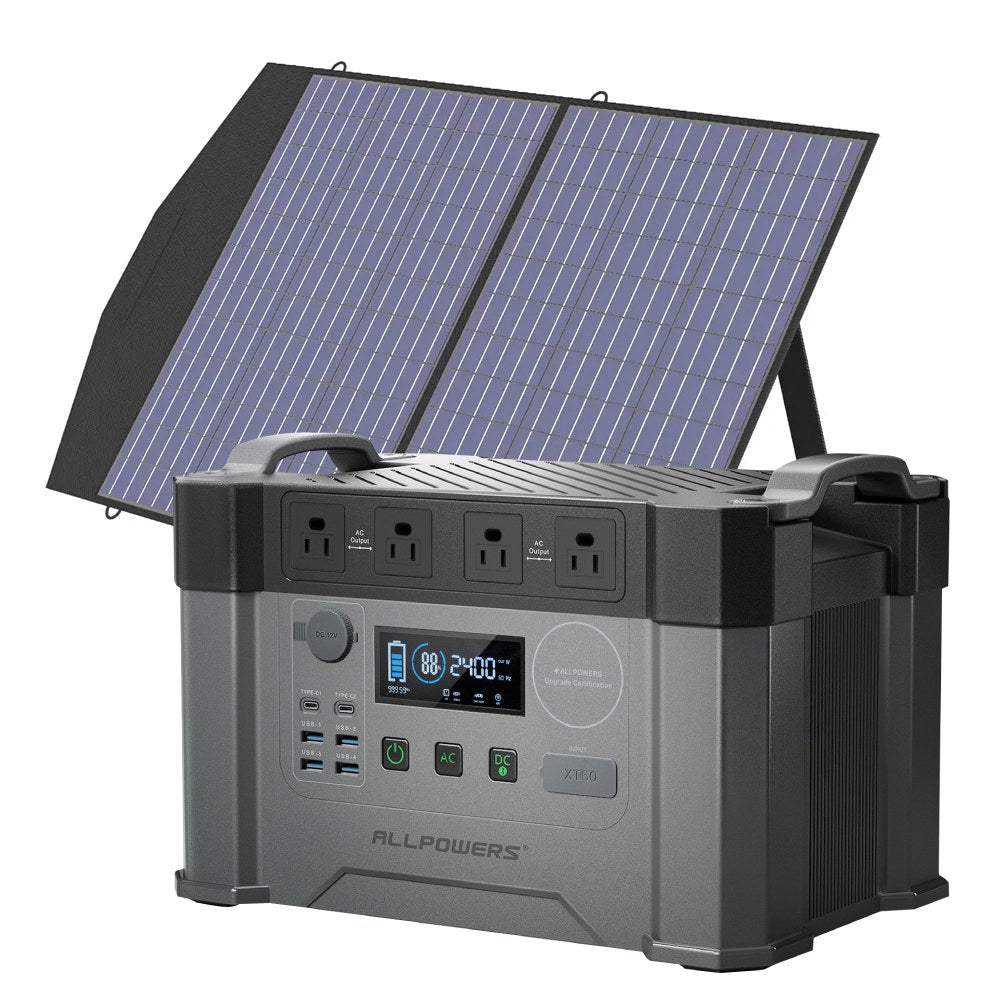
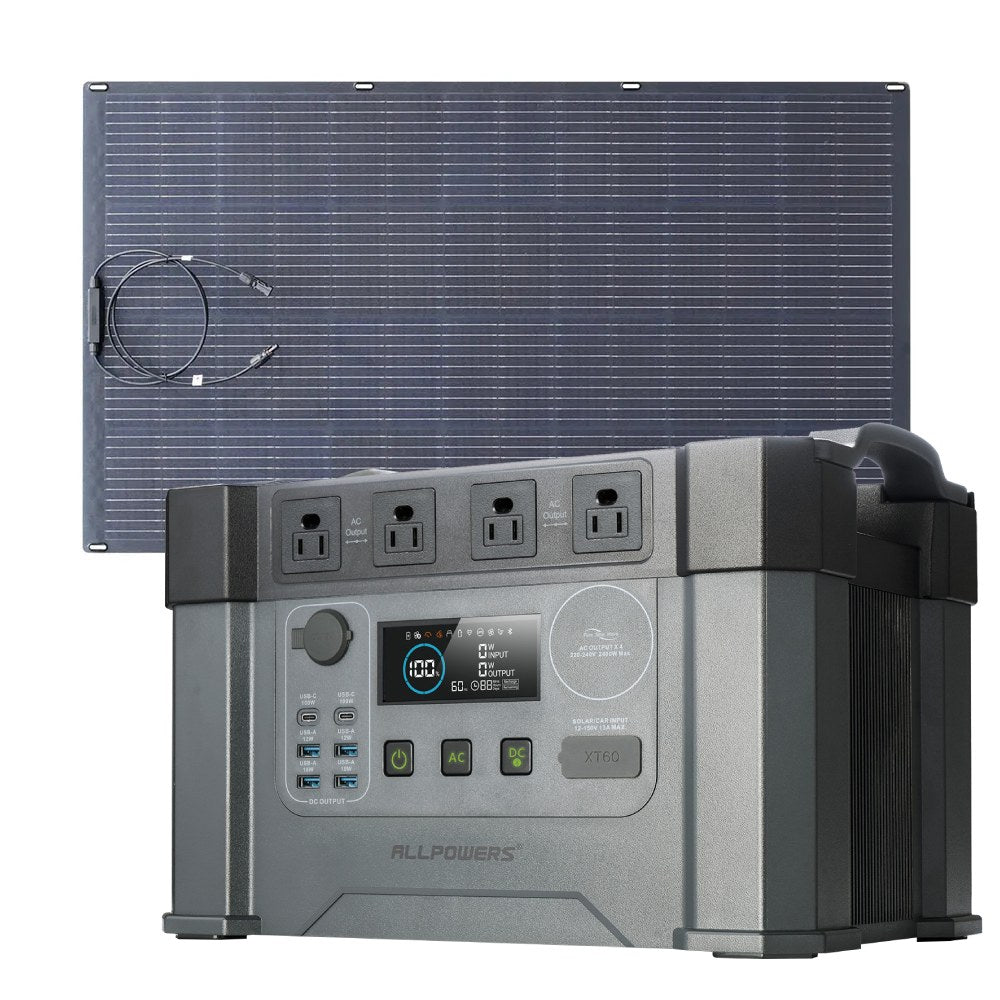
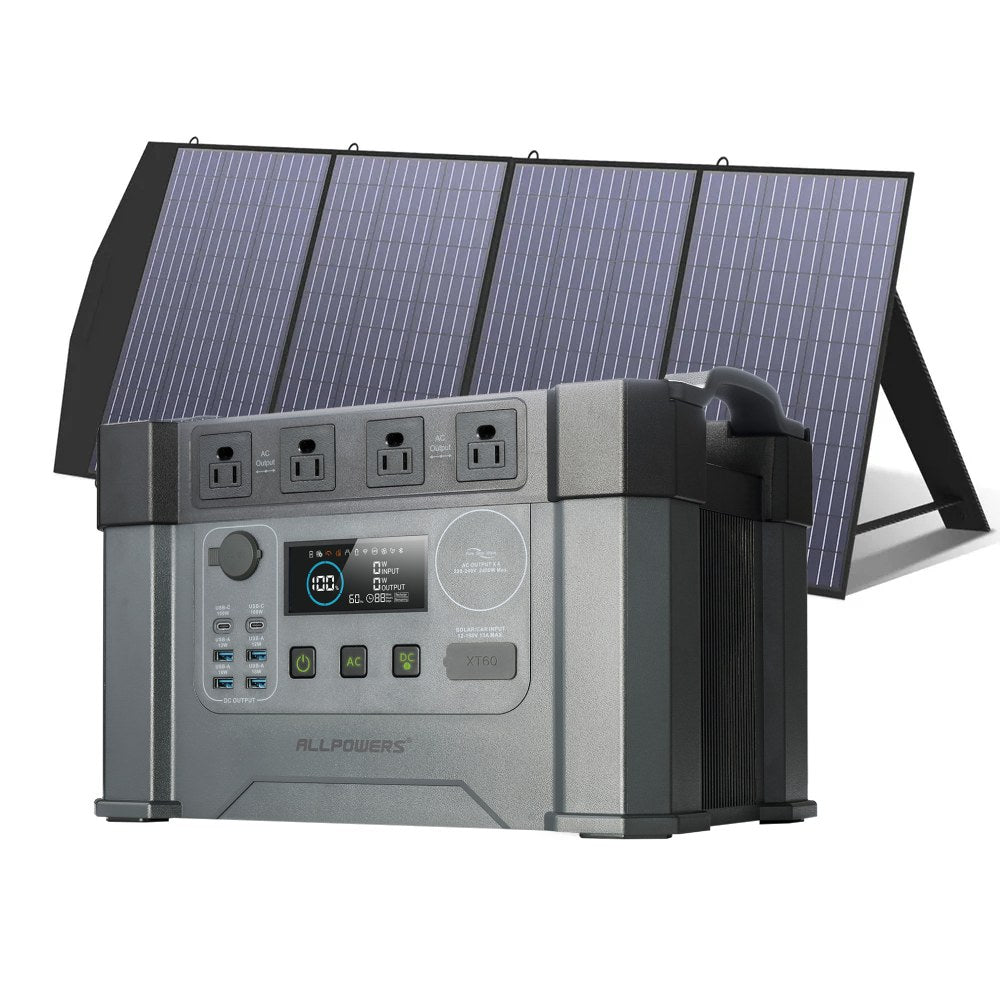
ALLPOWERS 3200W Solar Generator
$1,559.00 $2,399.00
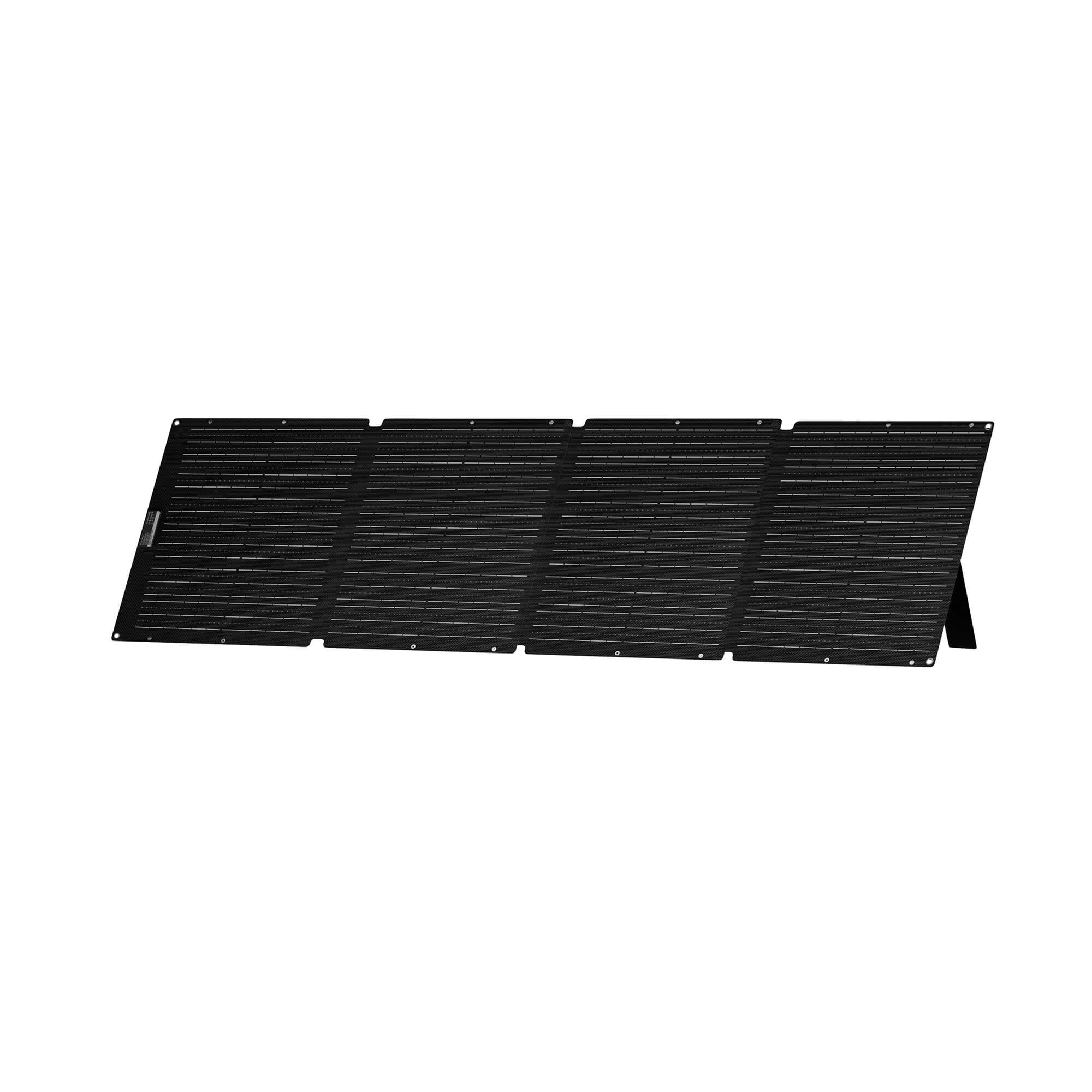
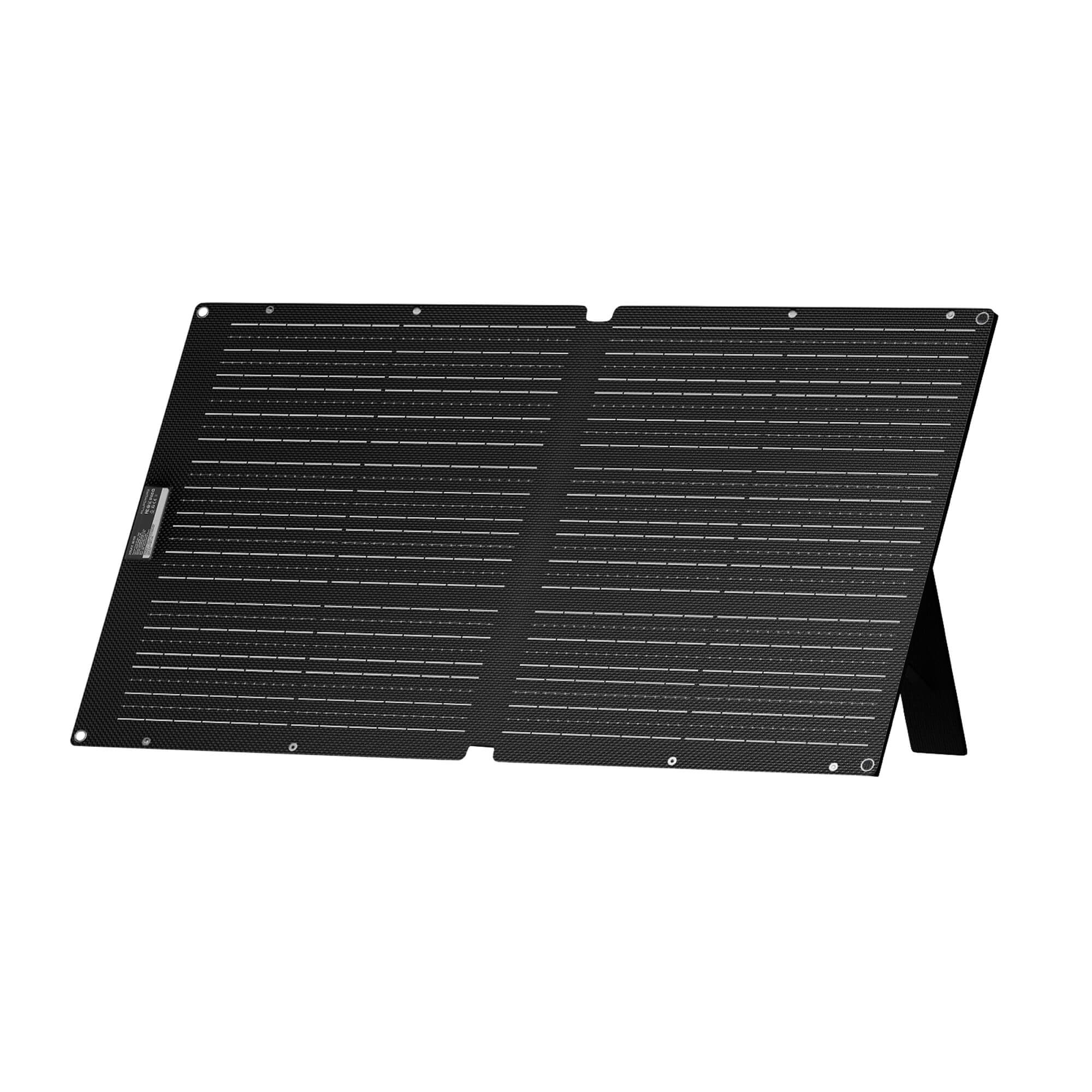
- 3168Wh Capacity + 200W Soalr Input;
- 3200W AC Output (6000W Surge);
- Fast Charge 100% in 1 Hours;
- 2000W Max MPPT. Solar Input;
- Power 99% of Electrical Appliances;
Considering Alternative Backup Power Solutions
Generator shutdowns highlight the importance of understanding the strengths and limitations of different backup power technologies.
Traditional fuel-powered generators require ongoing maintenance, fuel storage, ventilation management, and regular inspections to ensure reliable operation.
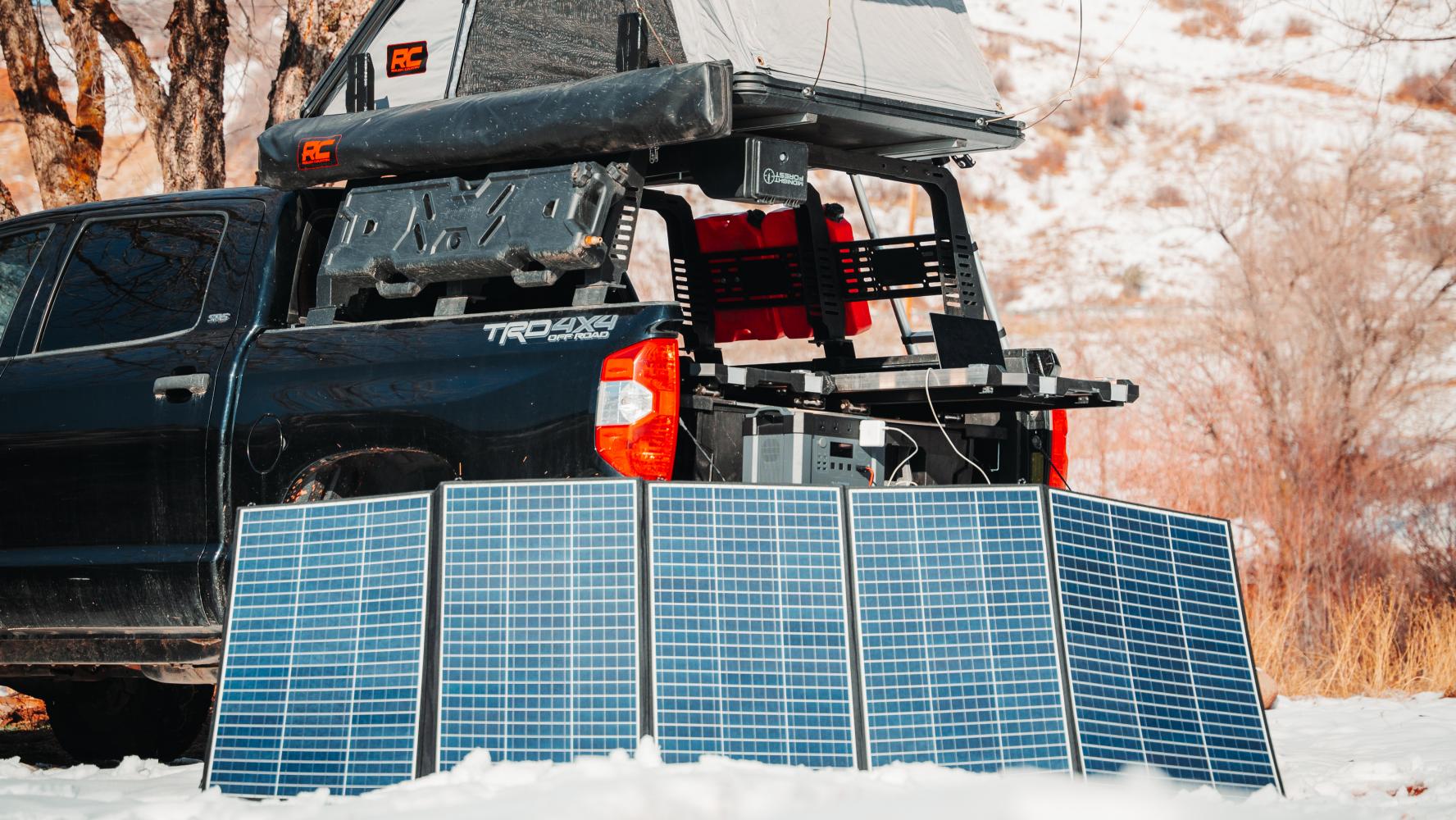
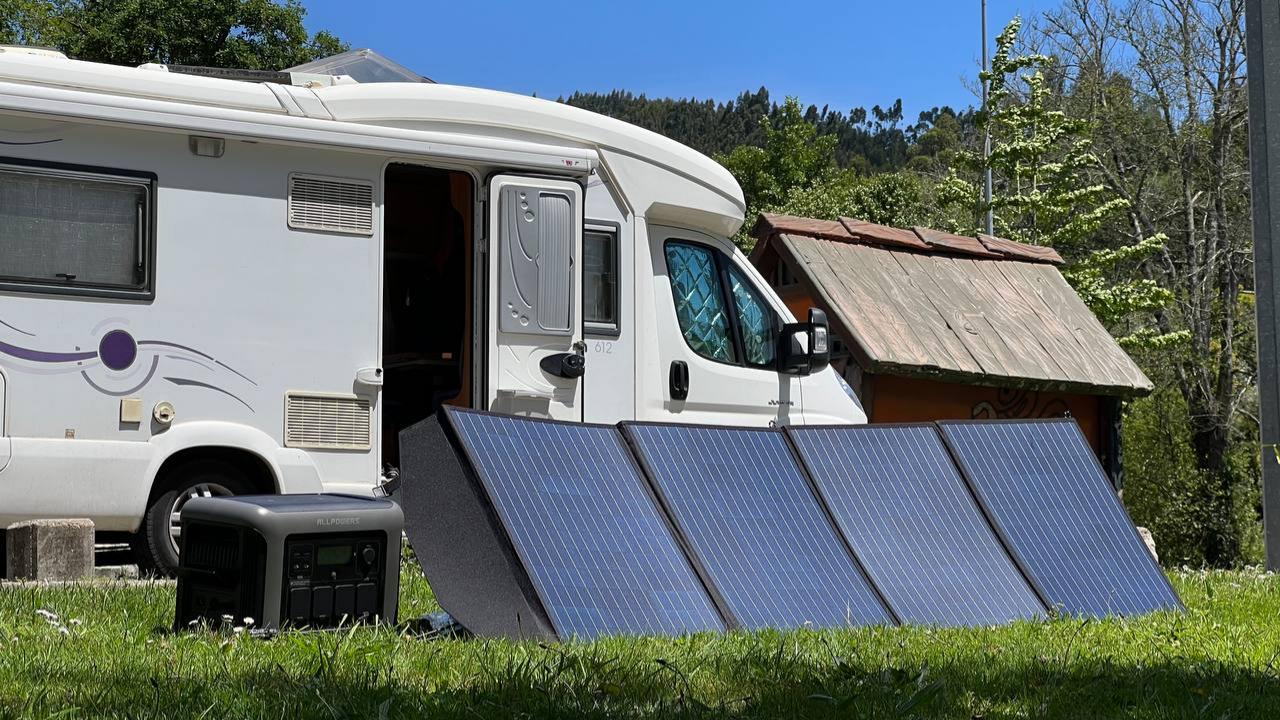
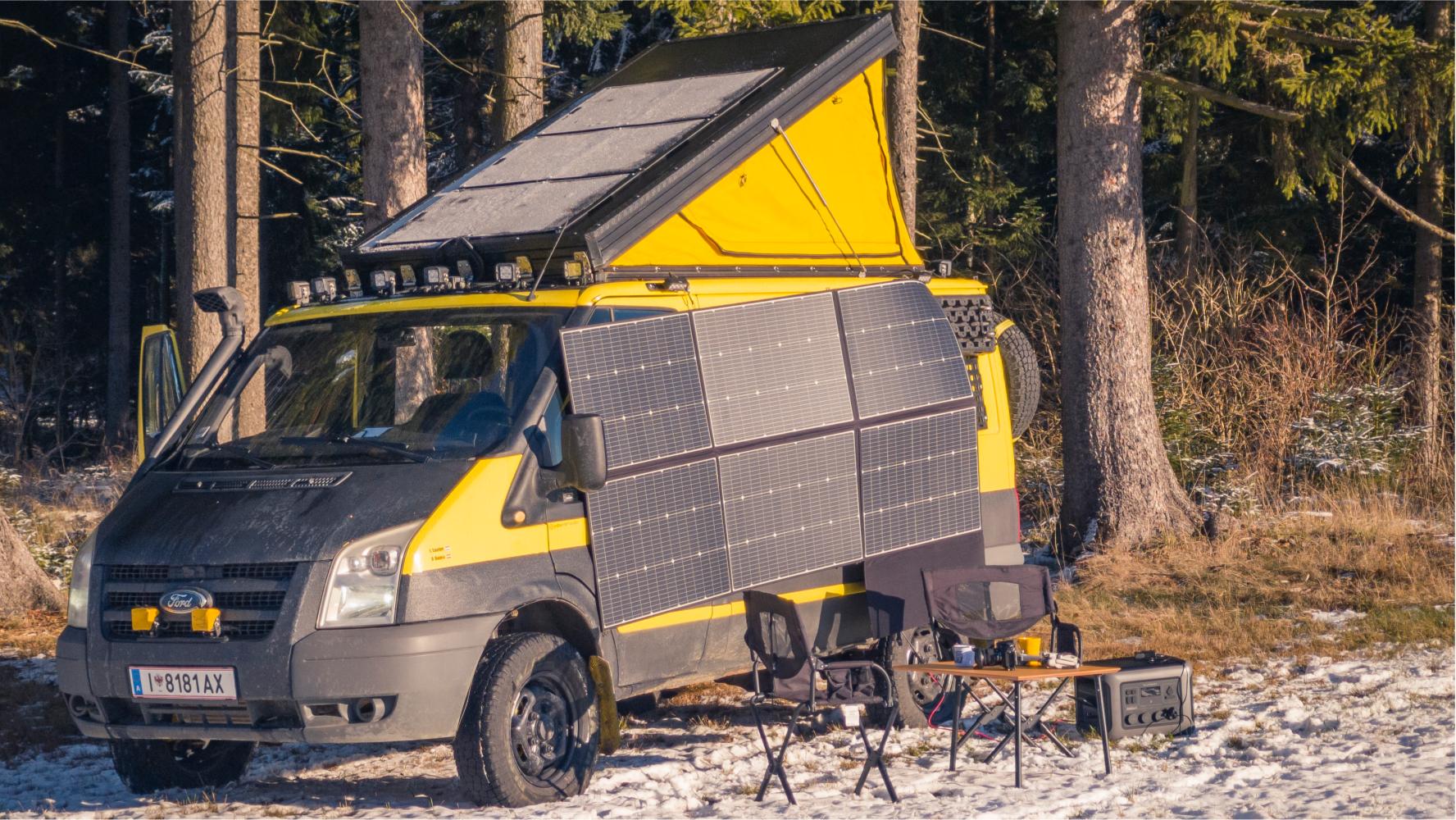
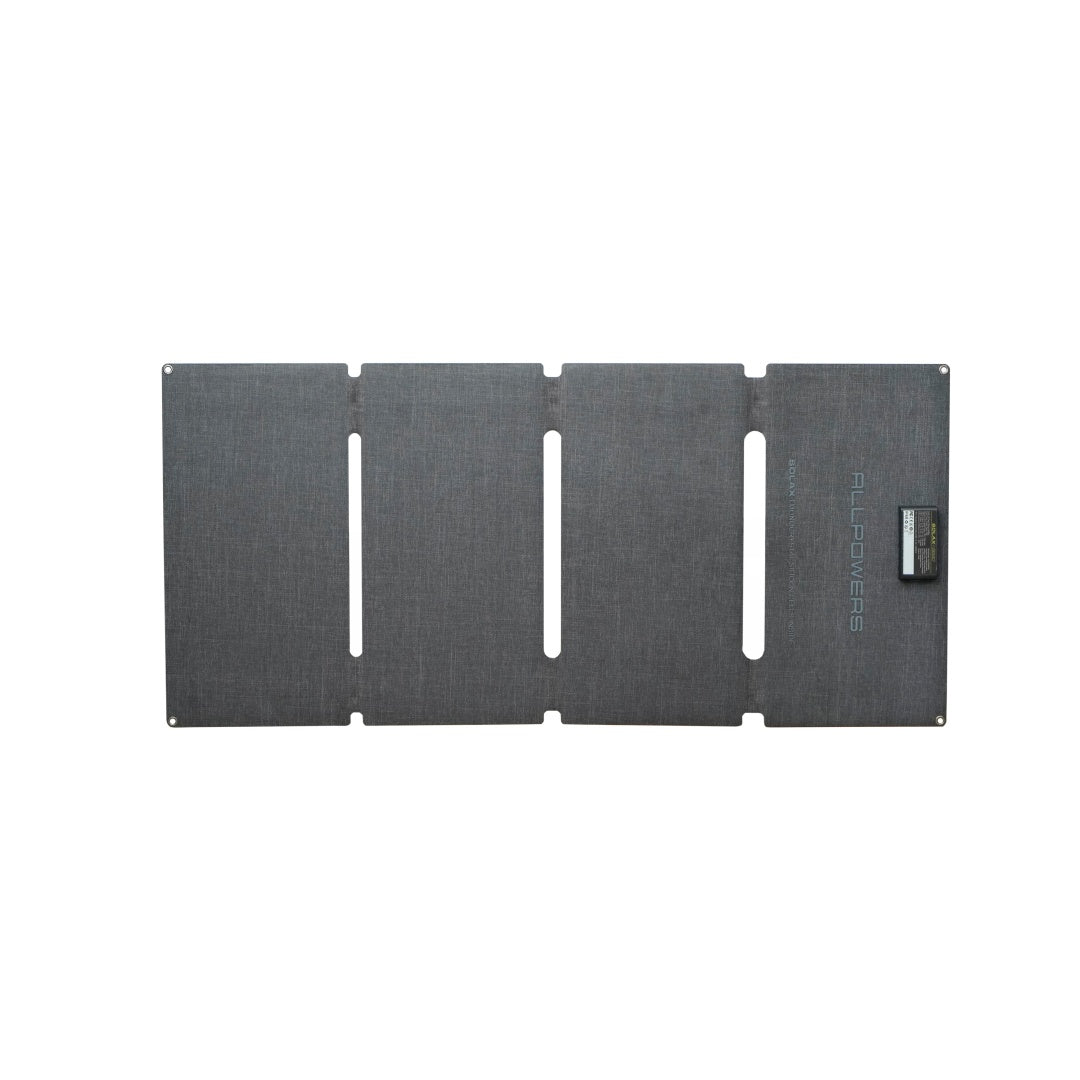
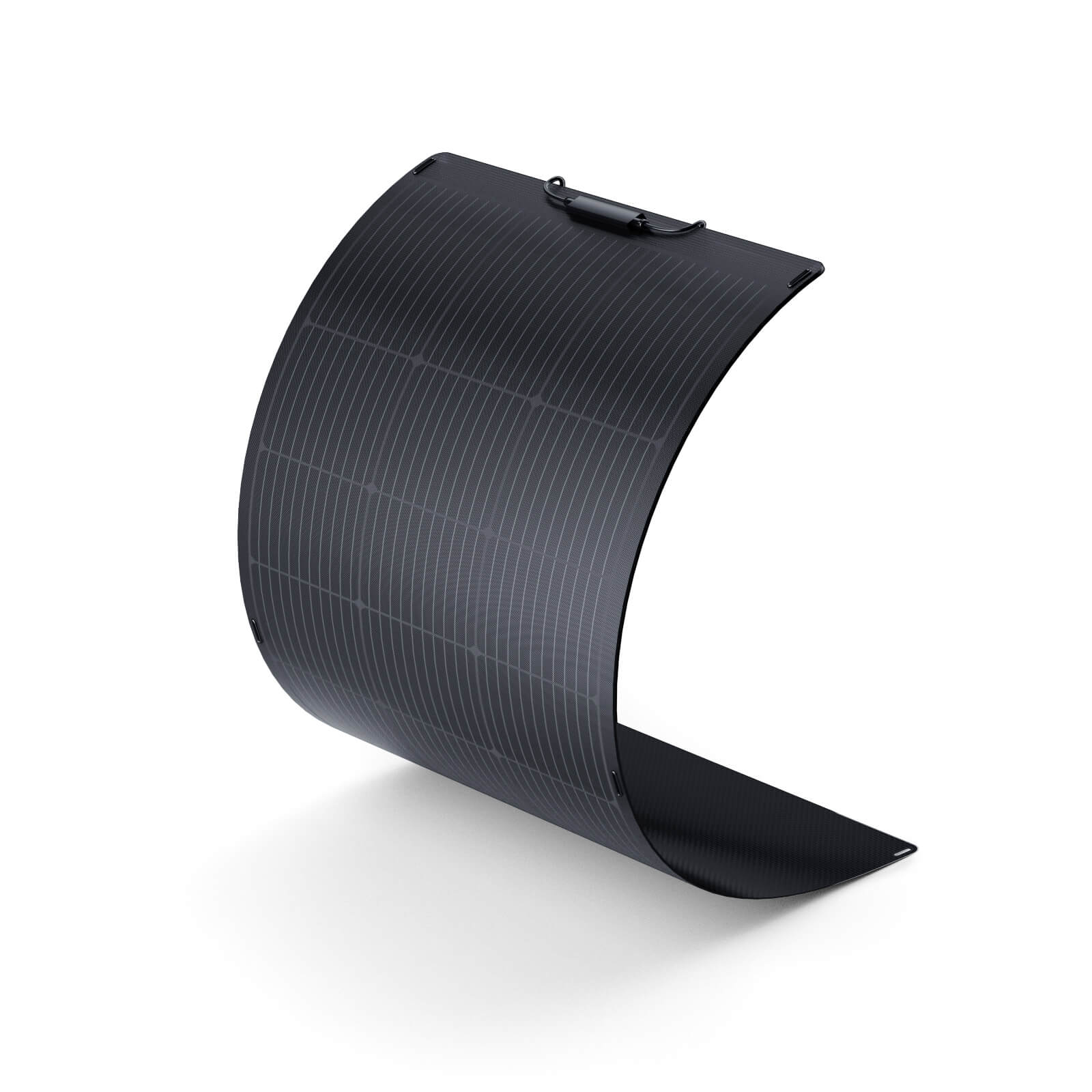
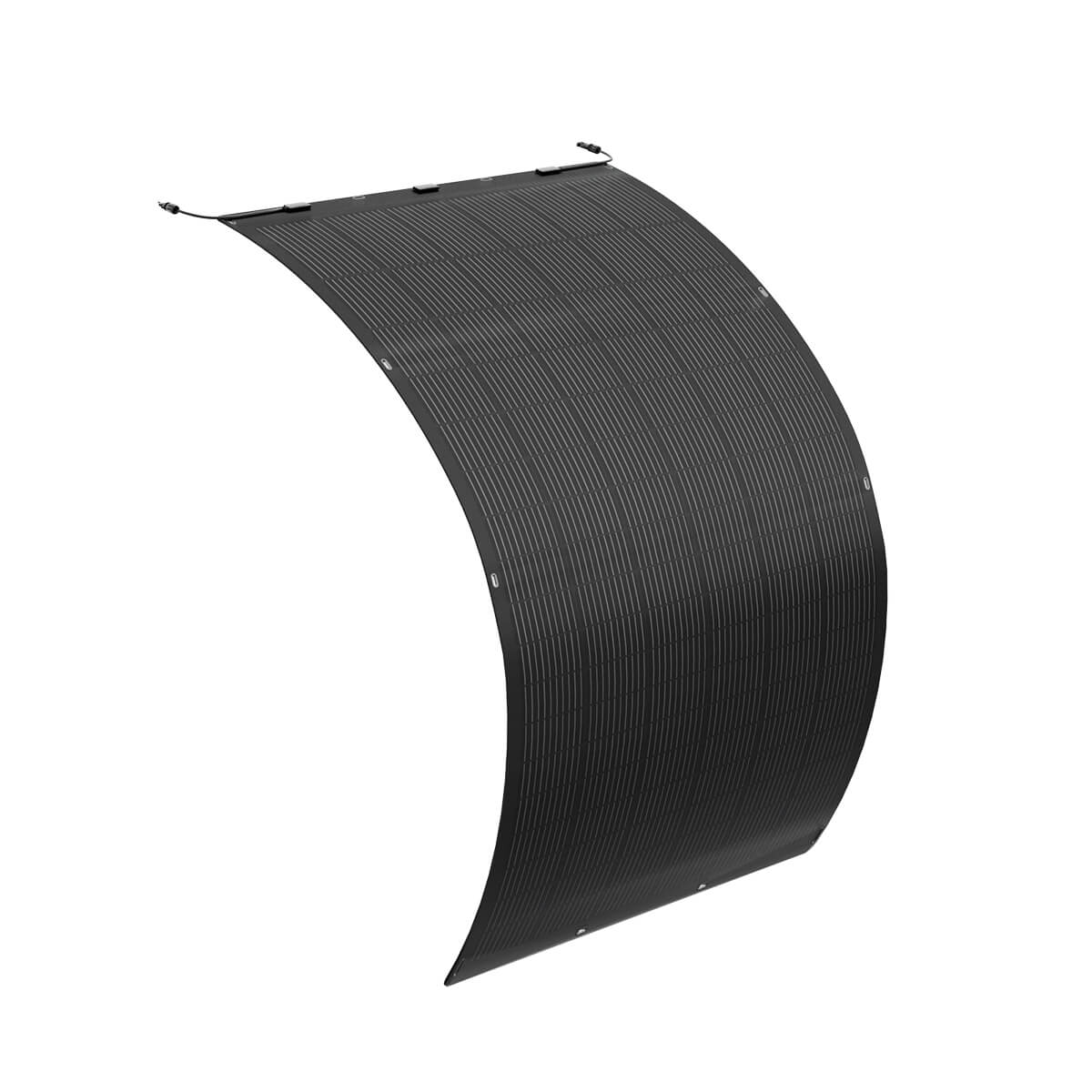
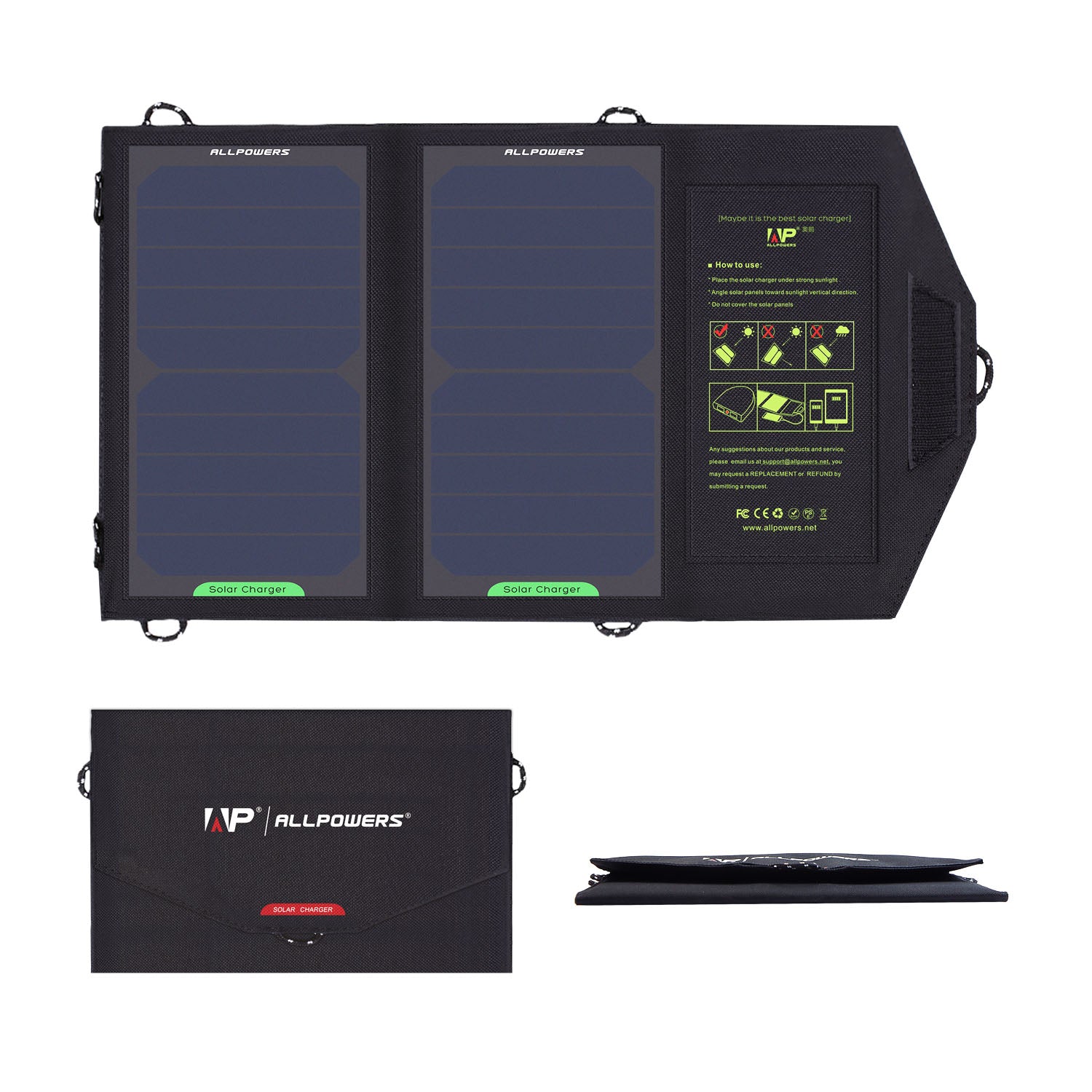
For some homeowners, campers, and RV users, this has led to increased interest in solar generators that eliminate fuel-related concerns such as carburetor issues, fuel degradation, and engine maintenance.
While every backup power solution has trade-offs, understanding these differences can help users choose the most appropriate option for their specific needs.
When Should You Seek Professional Repair?
If basic troubleshooting does not resolve the issue, or if the generator continues shutting down despite proper maintenance, professional diagnosis may be necessary.
Persistent shutdowns involving electrical components, ignition systems, internal engine damage, or control board failures often require specialized tools and expertise.
Addressing recurring shutdown problems early can help prevent more extensive repairs and improve overall generator reliability when dependable power is needed most.
Frequently Asked Questions
Why does my generator run for 30 minutes and then stop?
The most common causes include fuel delivery issues, overheating, low oil shutdown activation, clogged air filters, or excessive electrical loads.
Can bad gasoline cause a generator to shut off?
Yes. Old or contaminated fuel can affect combustion quality and create fuel system problems that eventually cause shutdowns.
Will a generator shut down if it overheats?
Many modern generators include automatic protection systems that stop operation when unsafe temperatures are detected.
How do I know if my generator is overloaded?
Signs may include breaker trips, voltage fluctuations, reduced performance, or automatic shutdown during operation.
Are solar generators affected by fuel-related shutdown issues?
Solar generators do not use gasoline engines, so they avoid common fuel-related problems such as clogged carburetors, stale fuel, and oil shutdown systems.