















If you open a remote control, smartphone, or flashlight, you are relying on a battery to keep it running—but what kind of electricity is actually coming out of it?
TL;DR:
The simplest and most accurate answer is that batteries produce direct current (DC). This means that electricity flows in a single, constant direction—from the negative terminal to the positive terminal. This one-way flow is not accidental; it is a direct result of the chemical reactions inside the battery. These reactions create a stable polarity, ensuring that electrons always move in the same direction.
What Is Direct Current (DC)?
Direct current, commonly known as DC, is a type of electrical flow where electrons move in a single, steady direction. This consistency is one of its defining characteristics.
In a DC system, voltage remains relatively stable, making it ideal for powering sensitive electronics.
Batteries naturally produce DC because of the chemical reactions occurring inside them.
These reactions push electrons from one terminal to another, creating a continuous, one-way flow of electricity.
What Is Alternating Current (AC)?
Alternating current, or AC, behaves very differently. Instead of flowing in one direction, AC continuously reverses direction, typically many times per second.
This oscillating pattern allows AC to travel efficiently over long distances, which is why it is used in power grids and household outlets.
Why Batteries Are Always DC
This is because the energy inside a battery comes from chemical reactions that push electrons in a single, consistent direction.
Inside a battery, one terminal is always positive and the other is always negative.
This fixed polarity ensures that electrical current flows steadily from one side to the other without reversing.
That steady flow is what defines DC power. Whether you are using a small AA battery or a large lithium-ion pack, the output remains the same: a constant, one-way stream of electricity.
Why Batteries Don’t Produce AC
The key reason batteries cannot produce AC lies in their chemistry.
The electrochemical reactions inside a battery are inherently one-directional.
They push electrons from the negative terminal to the positive terminal without reversing flow.
To generate AC, the current would need to switch directions repeatedly, which requires mechanical or electronic systems—not chemical reactions.
Another reason is stability. DC provides a smooth, predictable flow of energy, which is essential for modern electronics.
AC, while useful for transmission, fluctuates constantly and would damage or disrupt many electronic components if used directly.
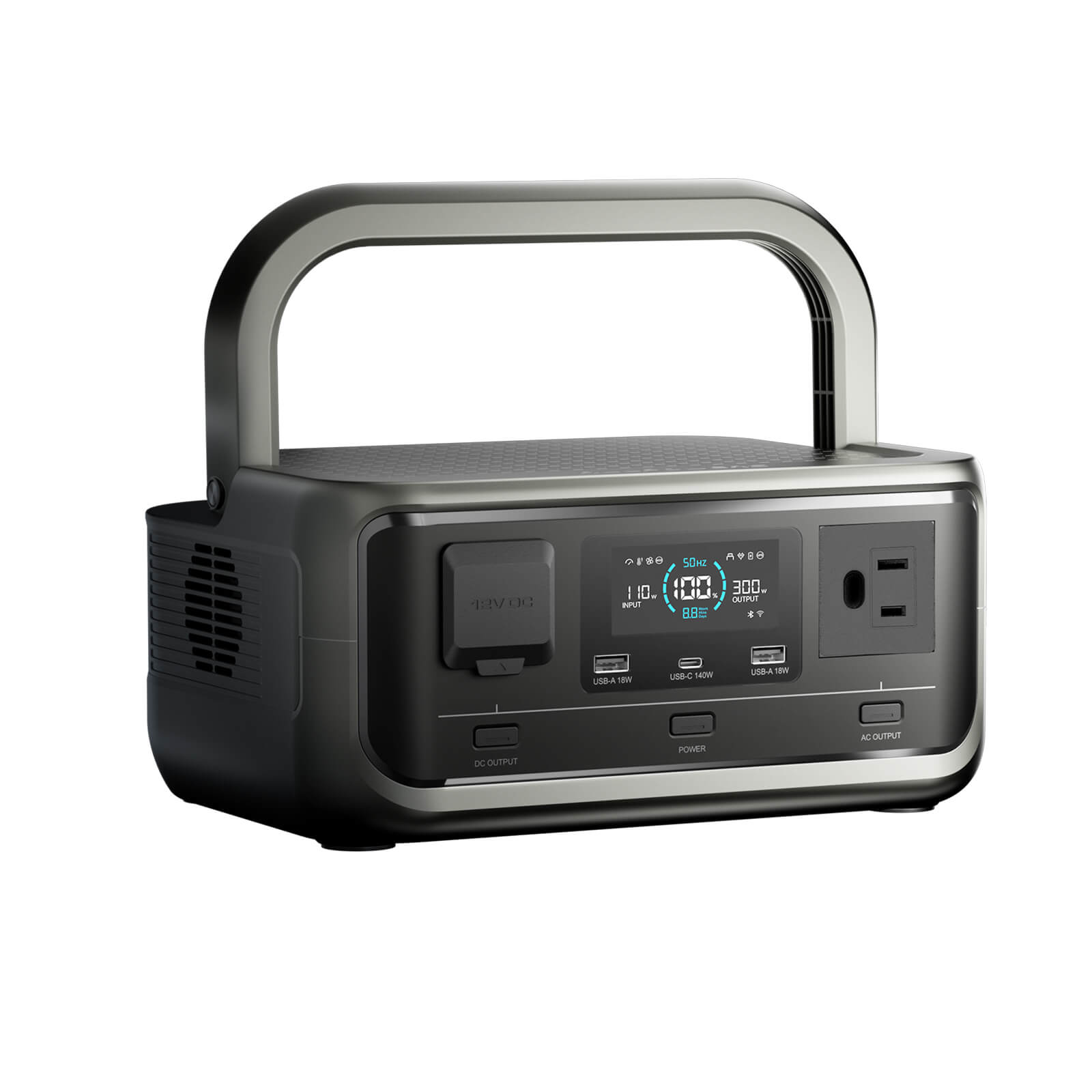
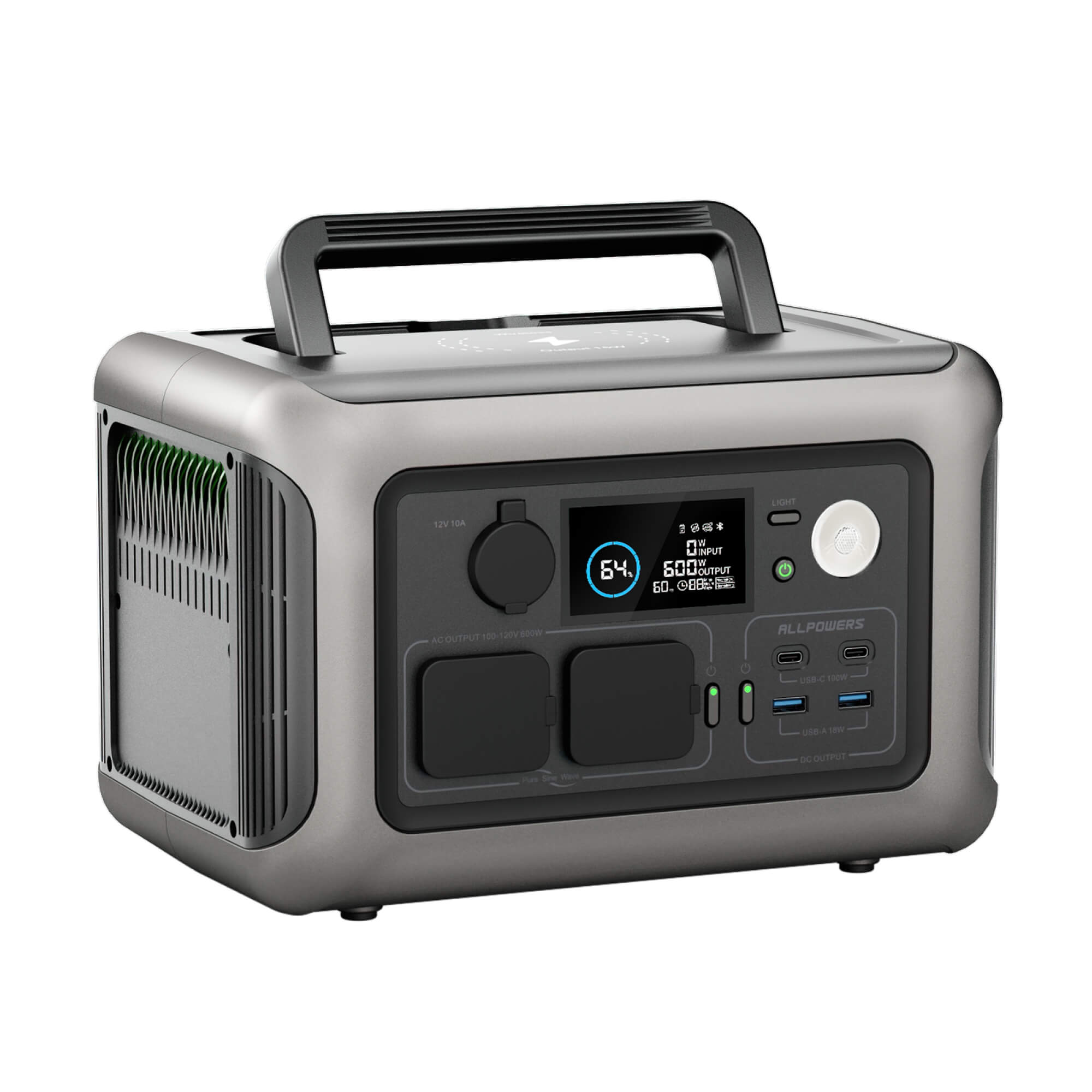
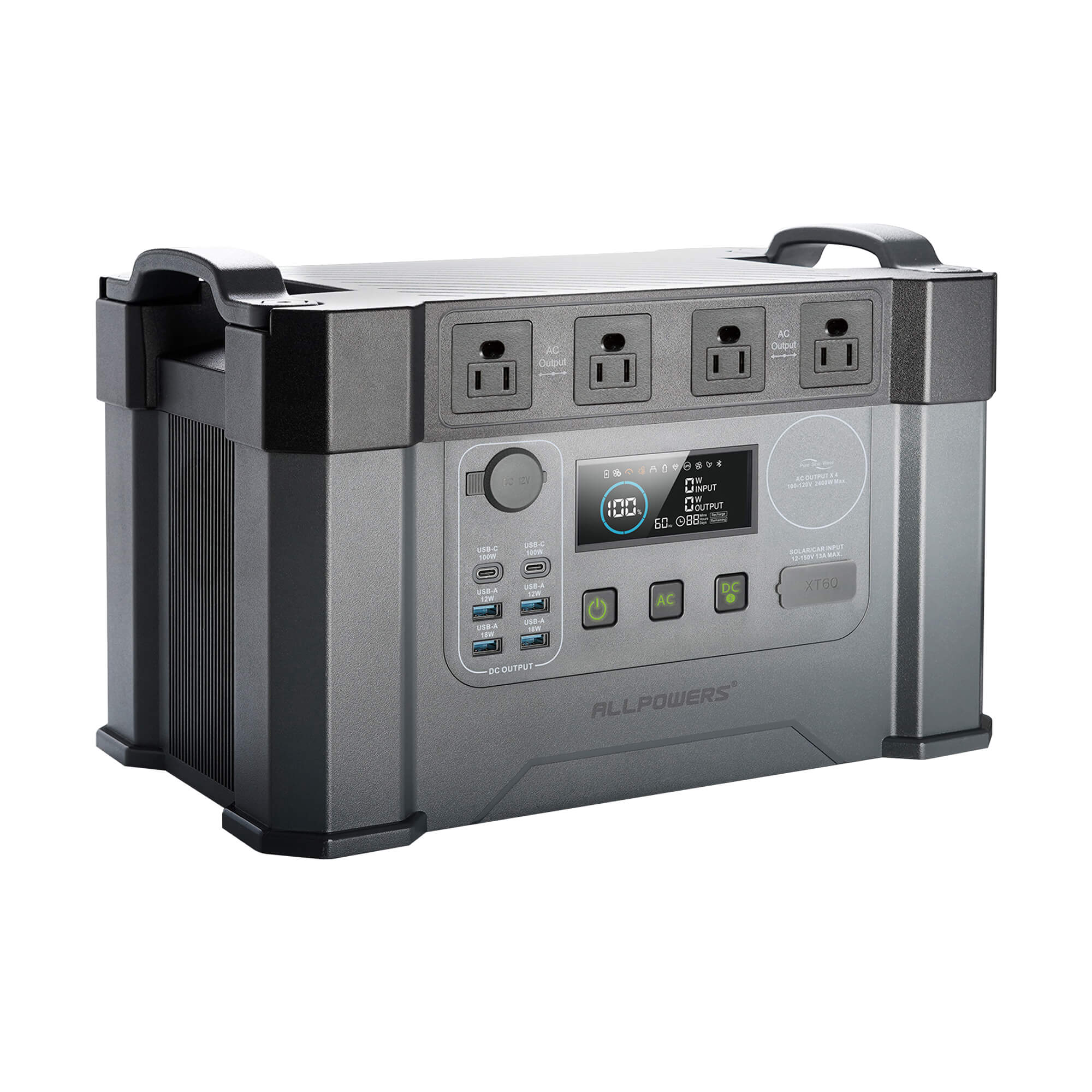
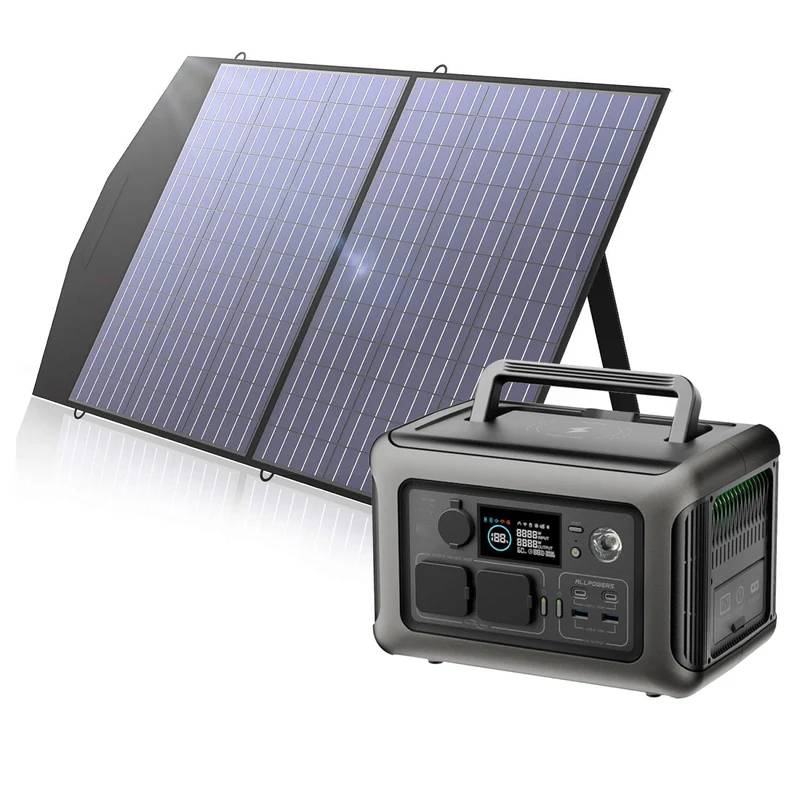
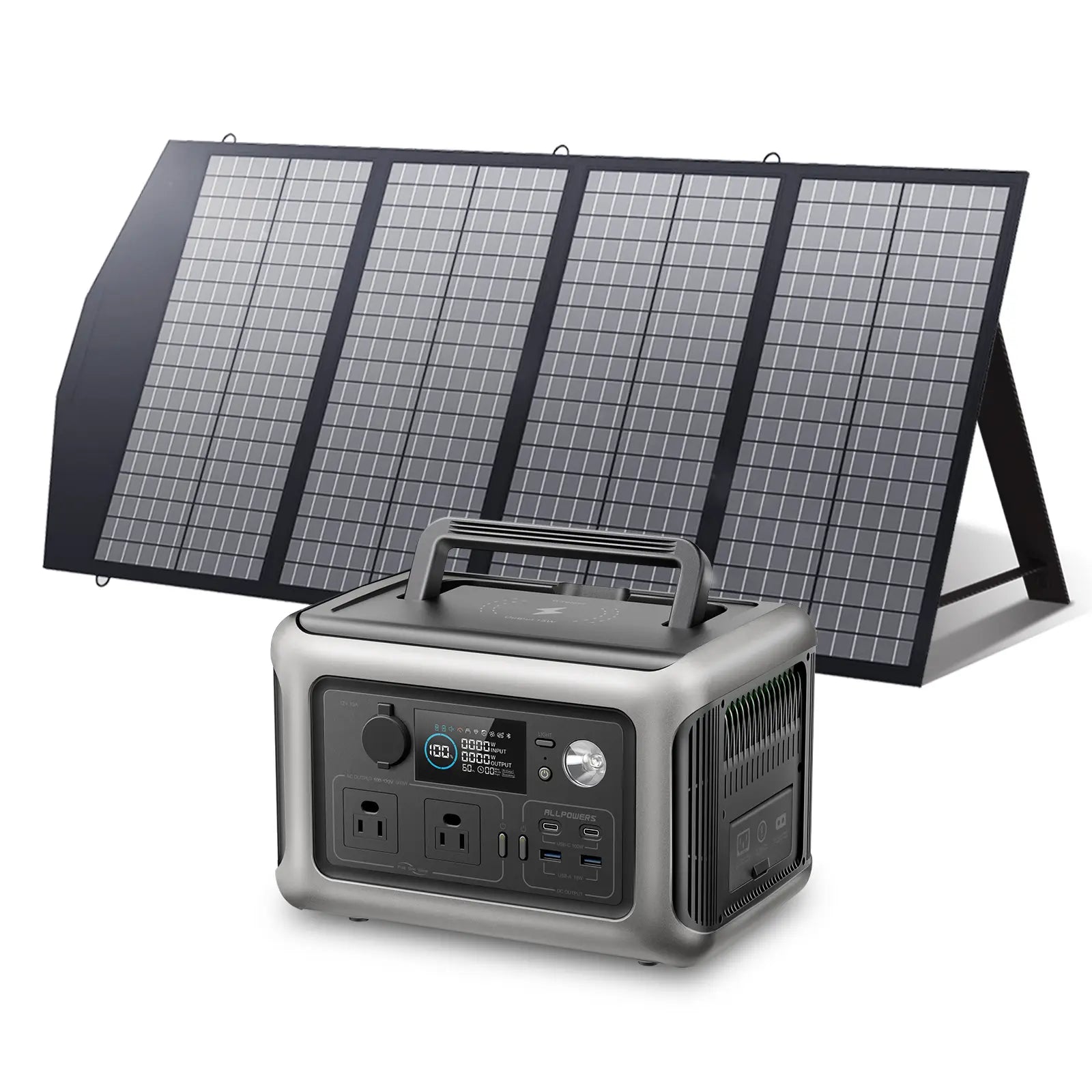
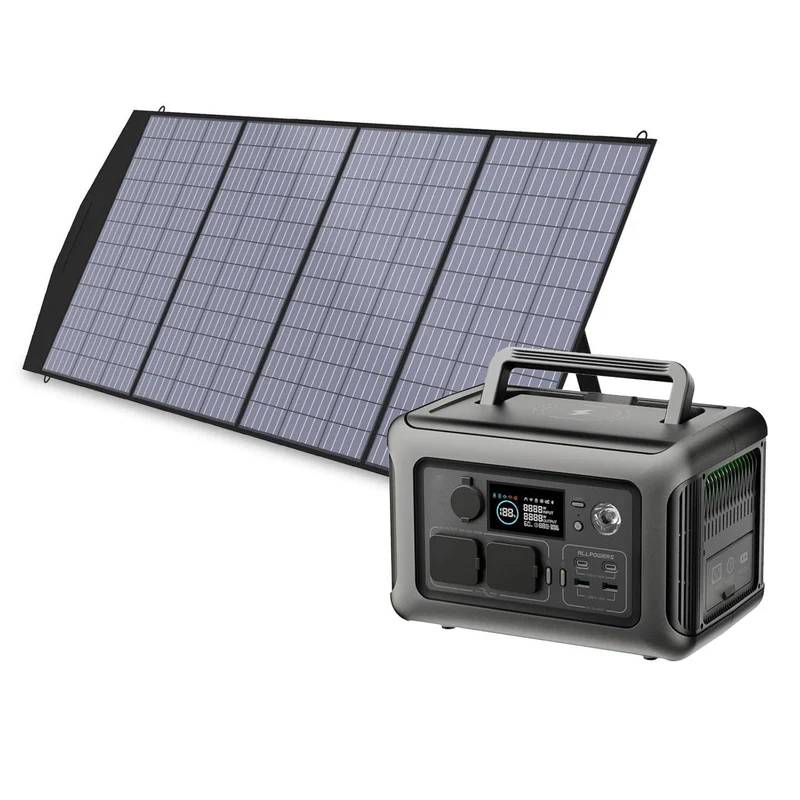
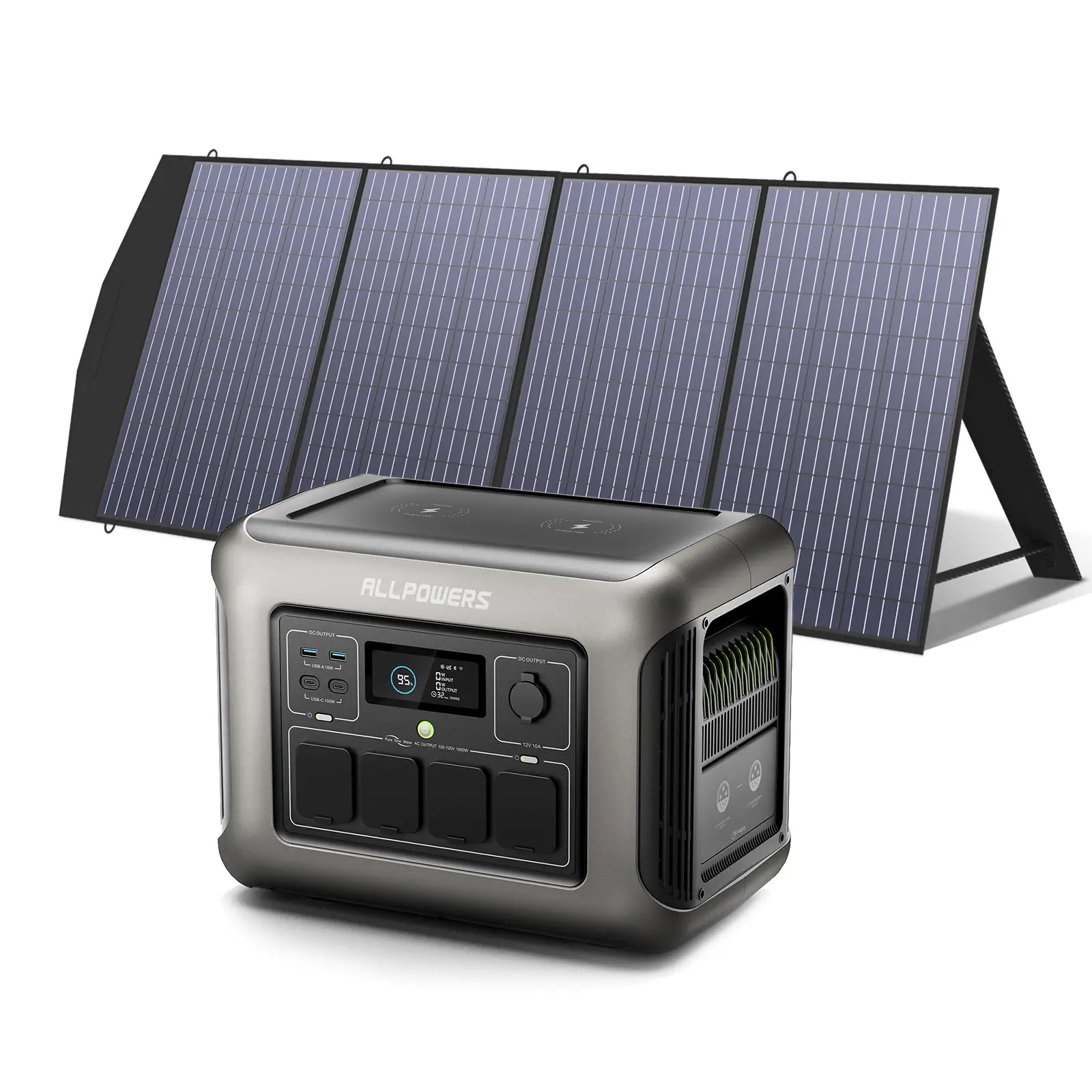
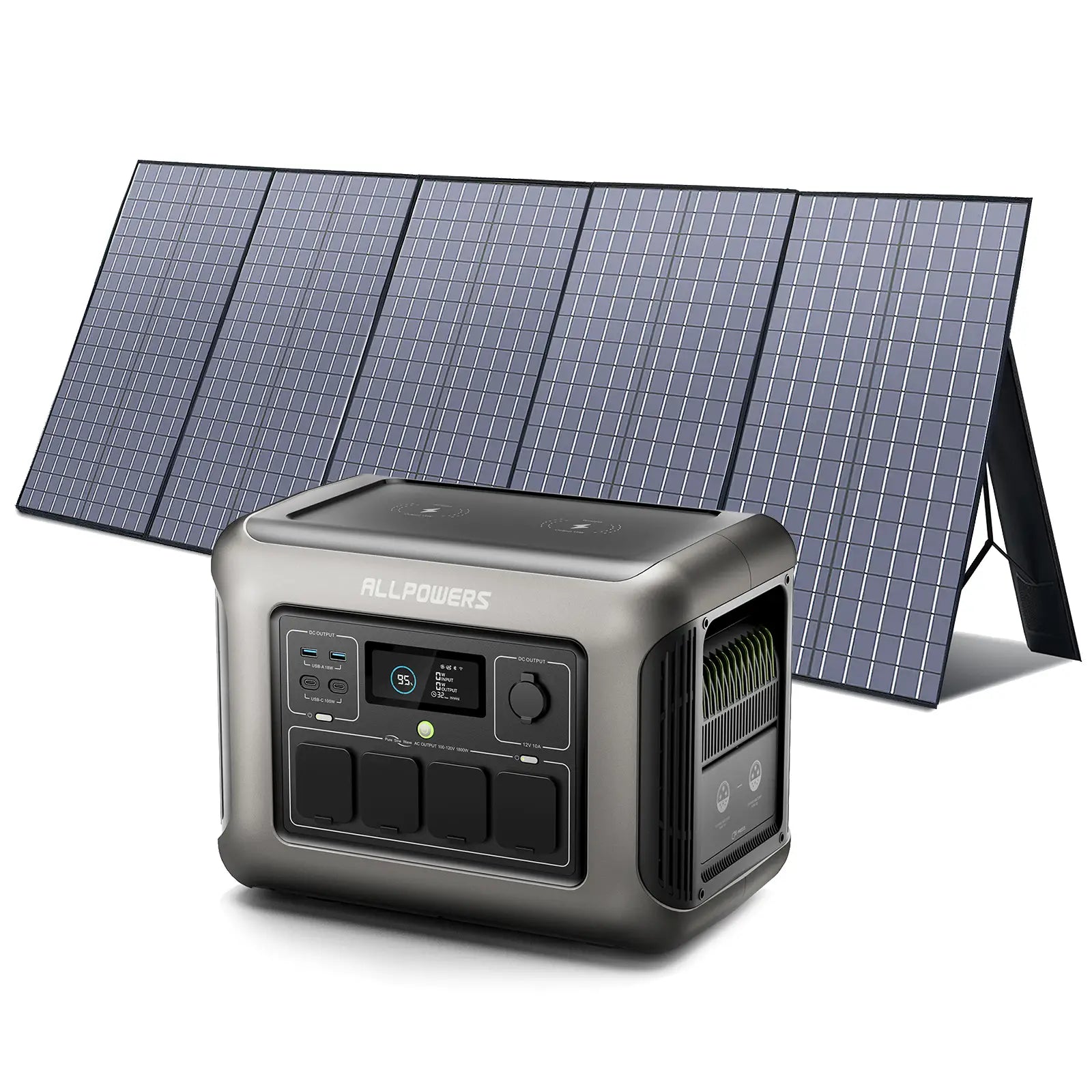
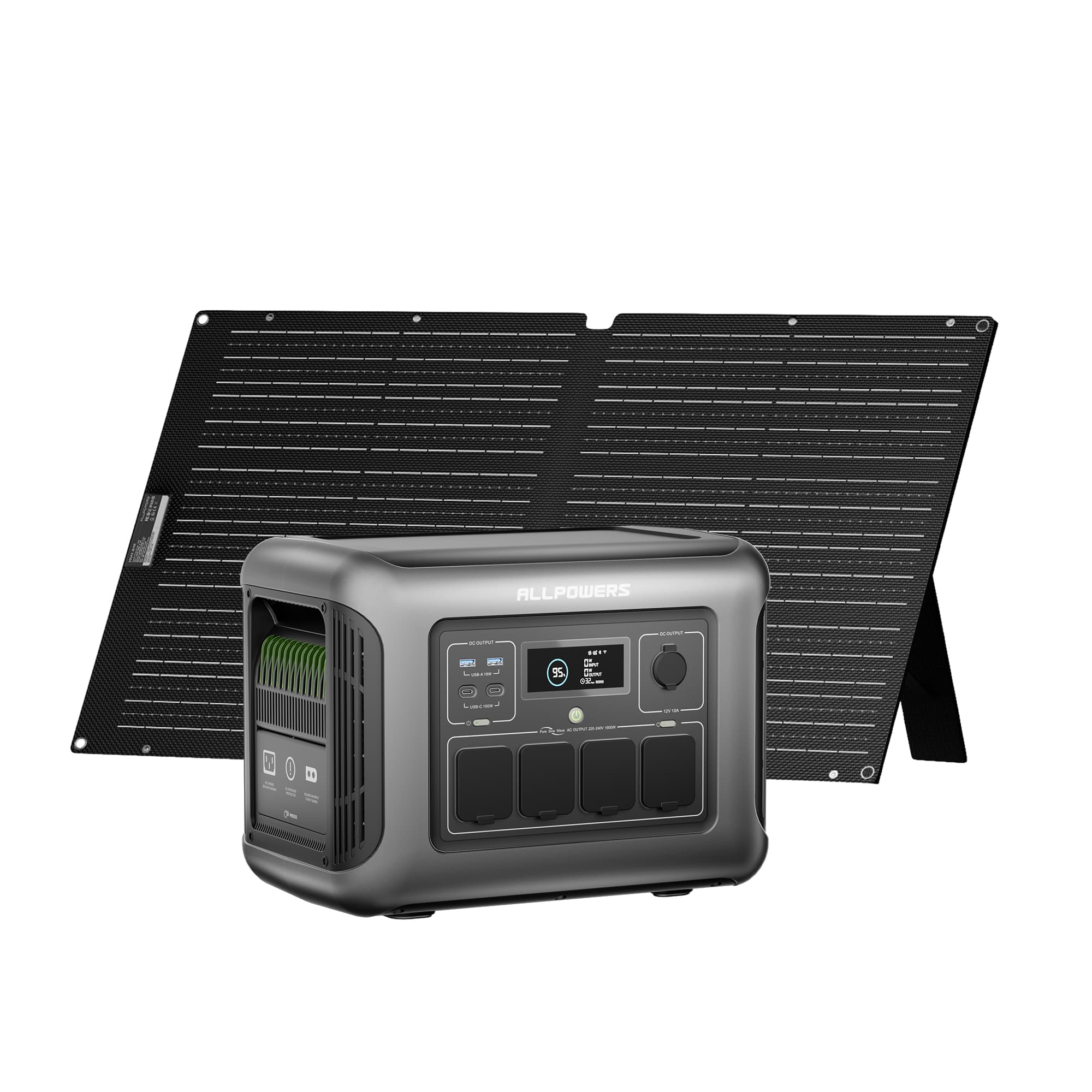
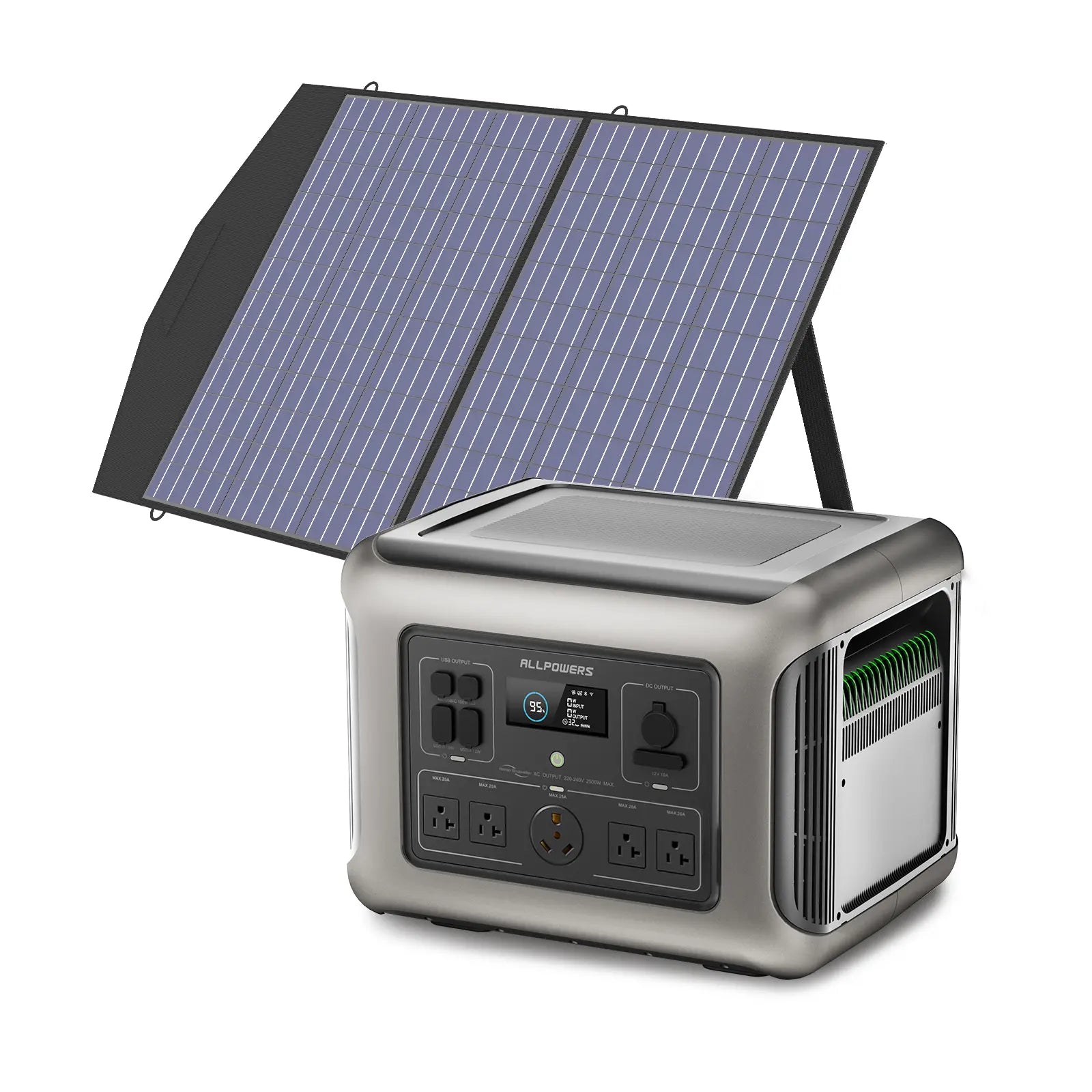
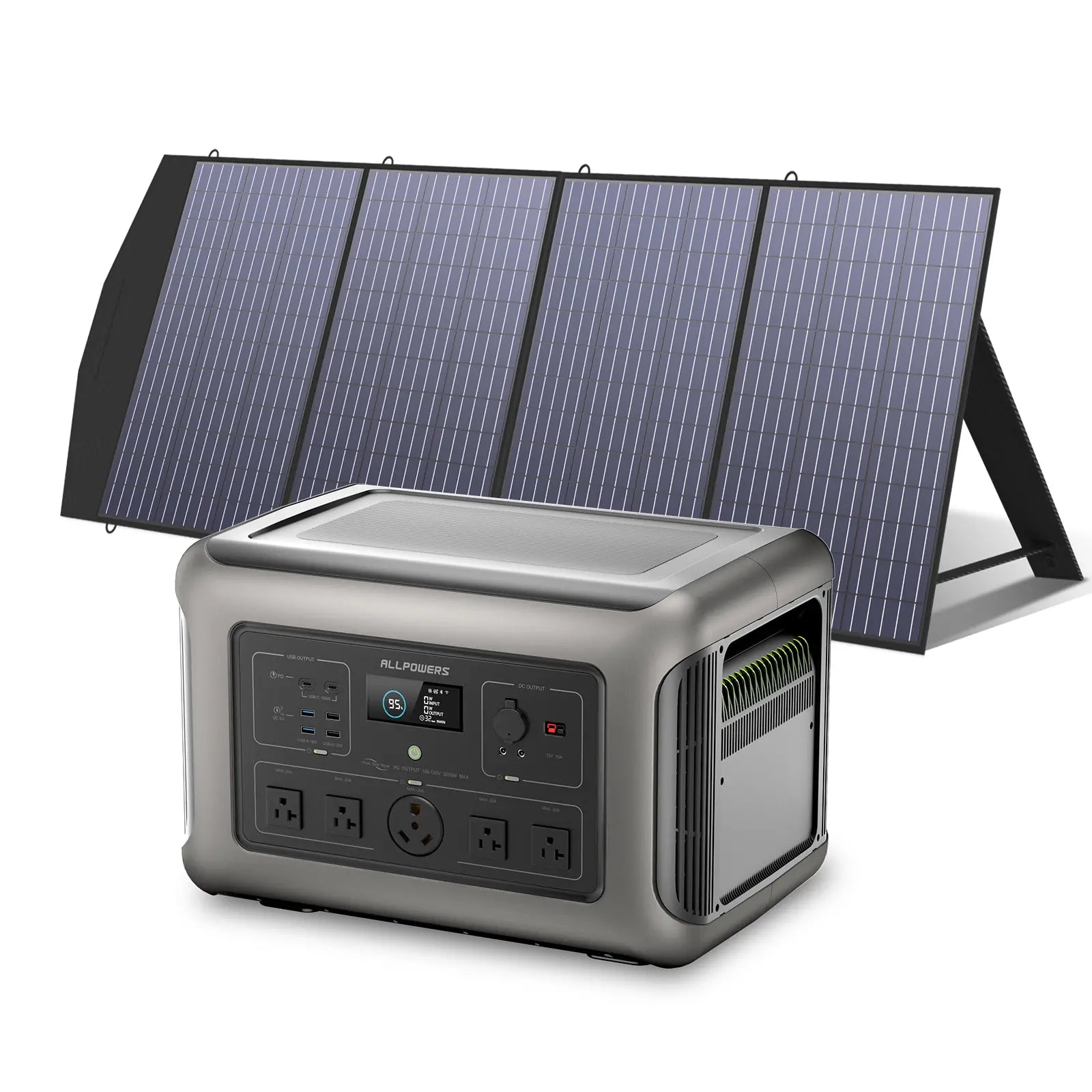
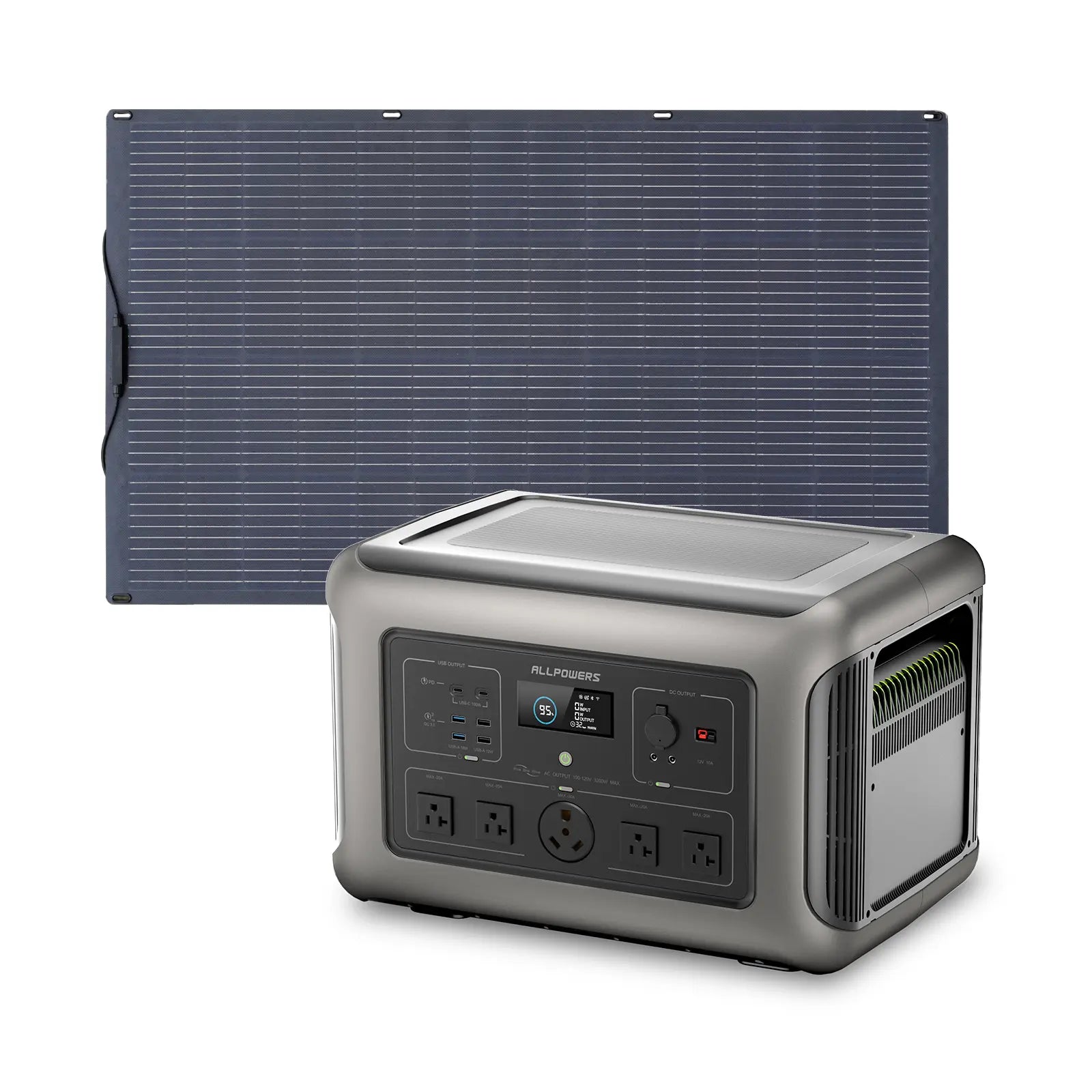
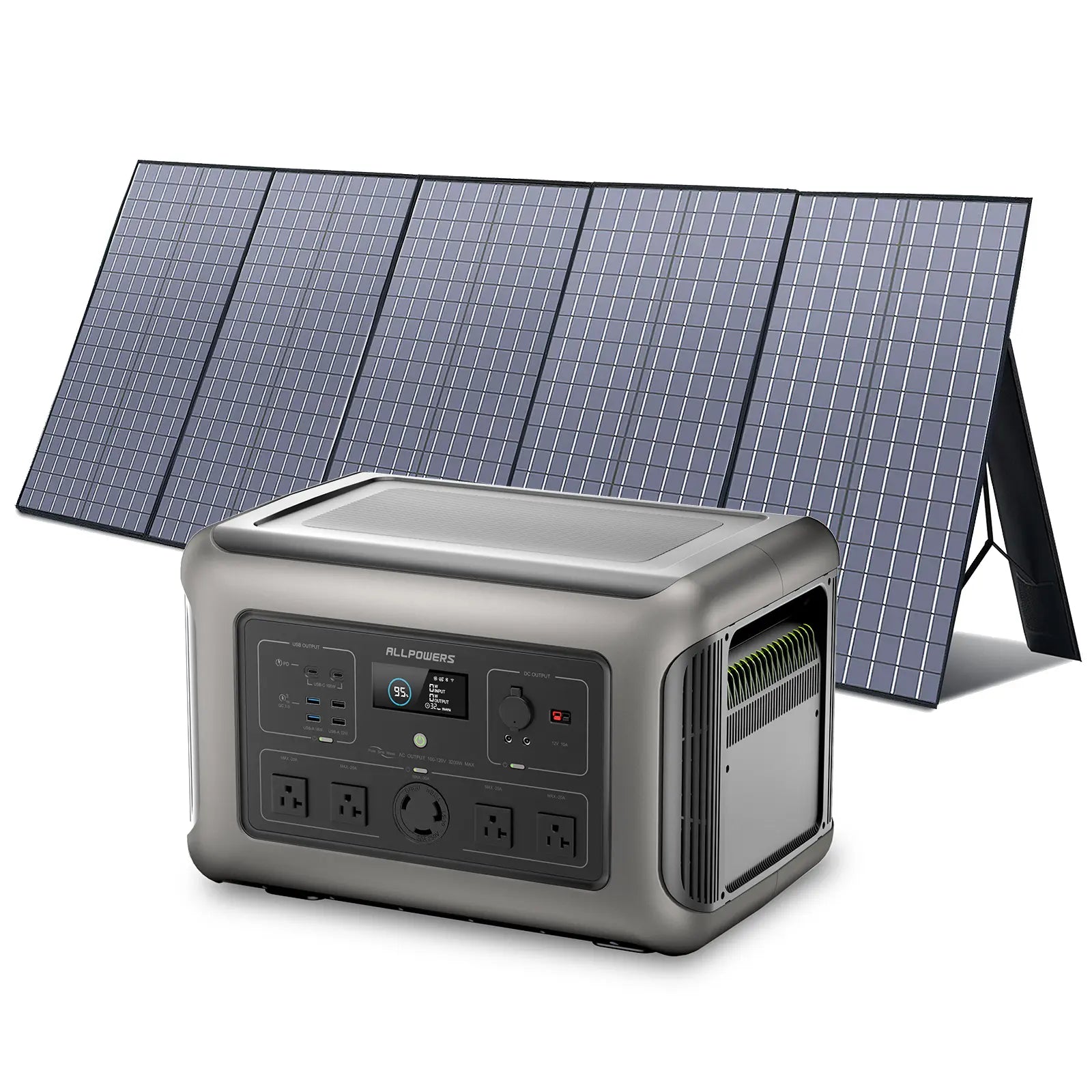
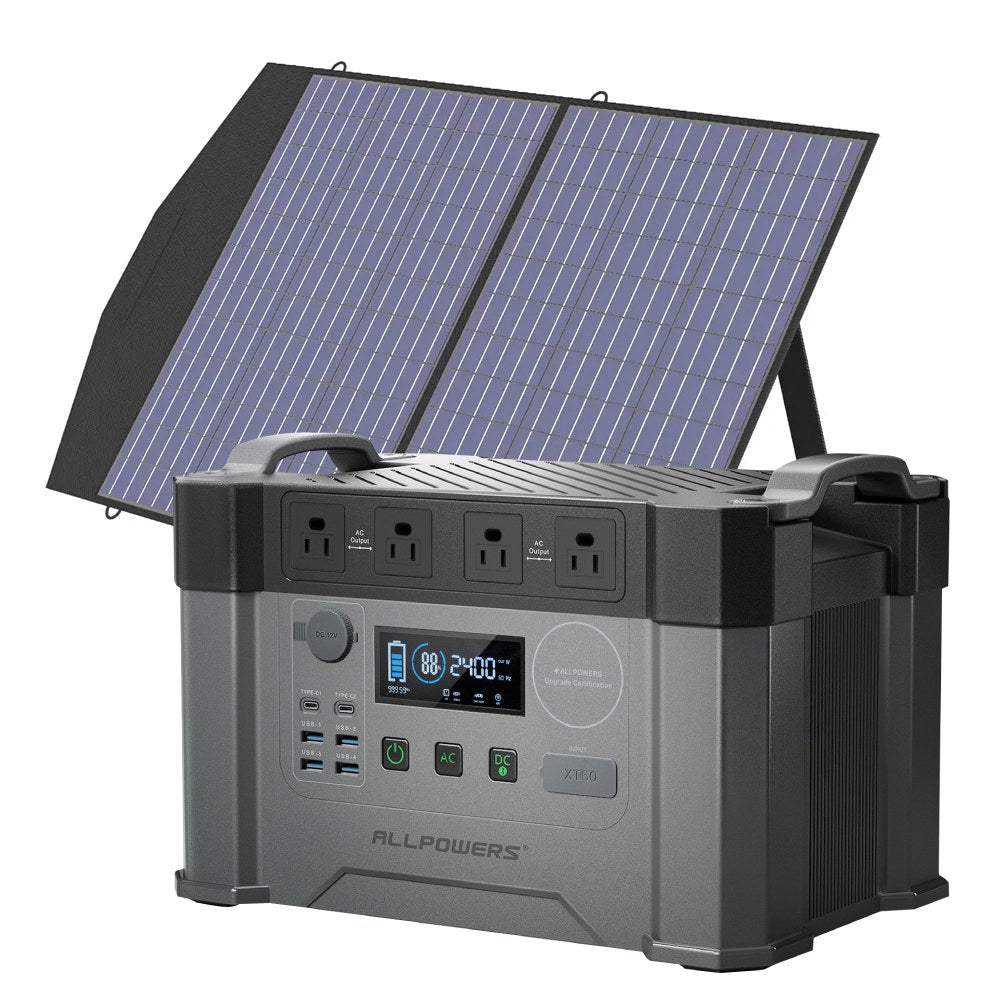
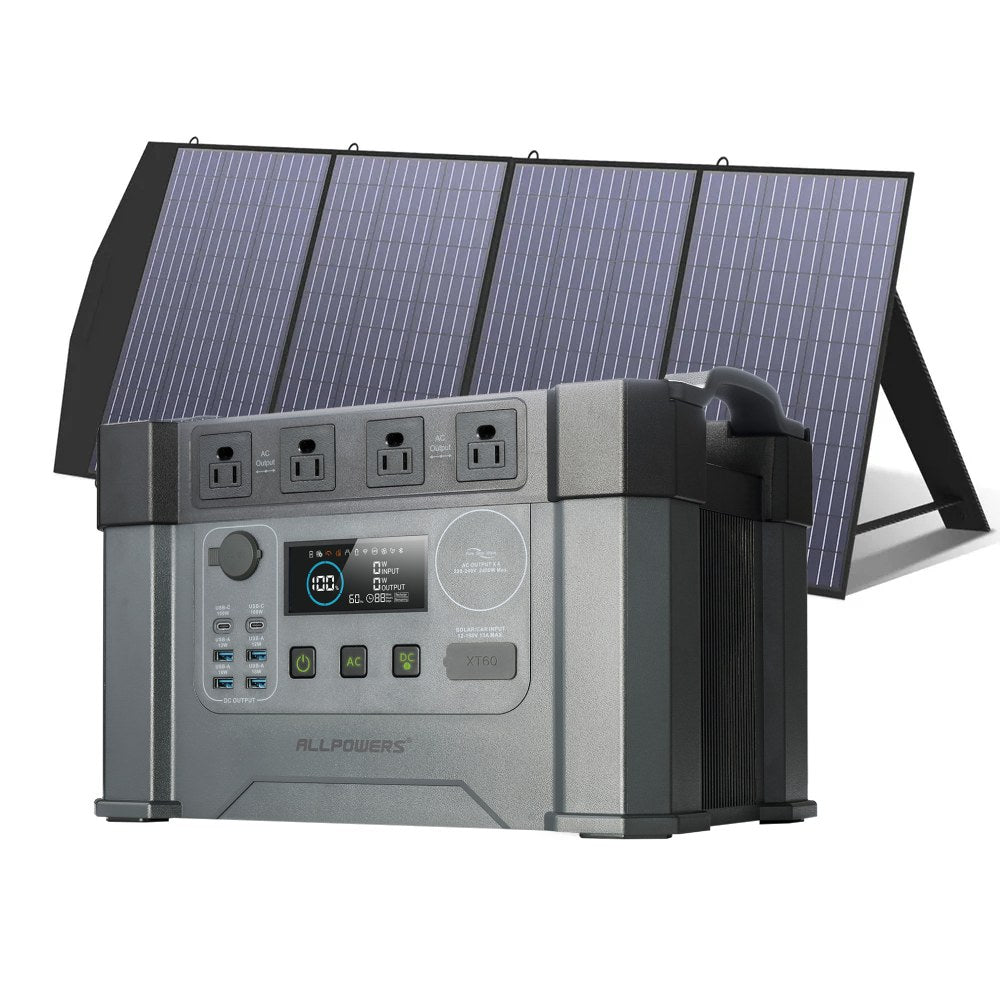
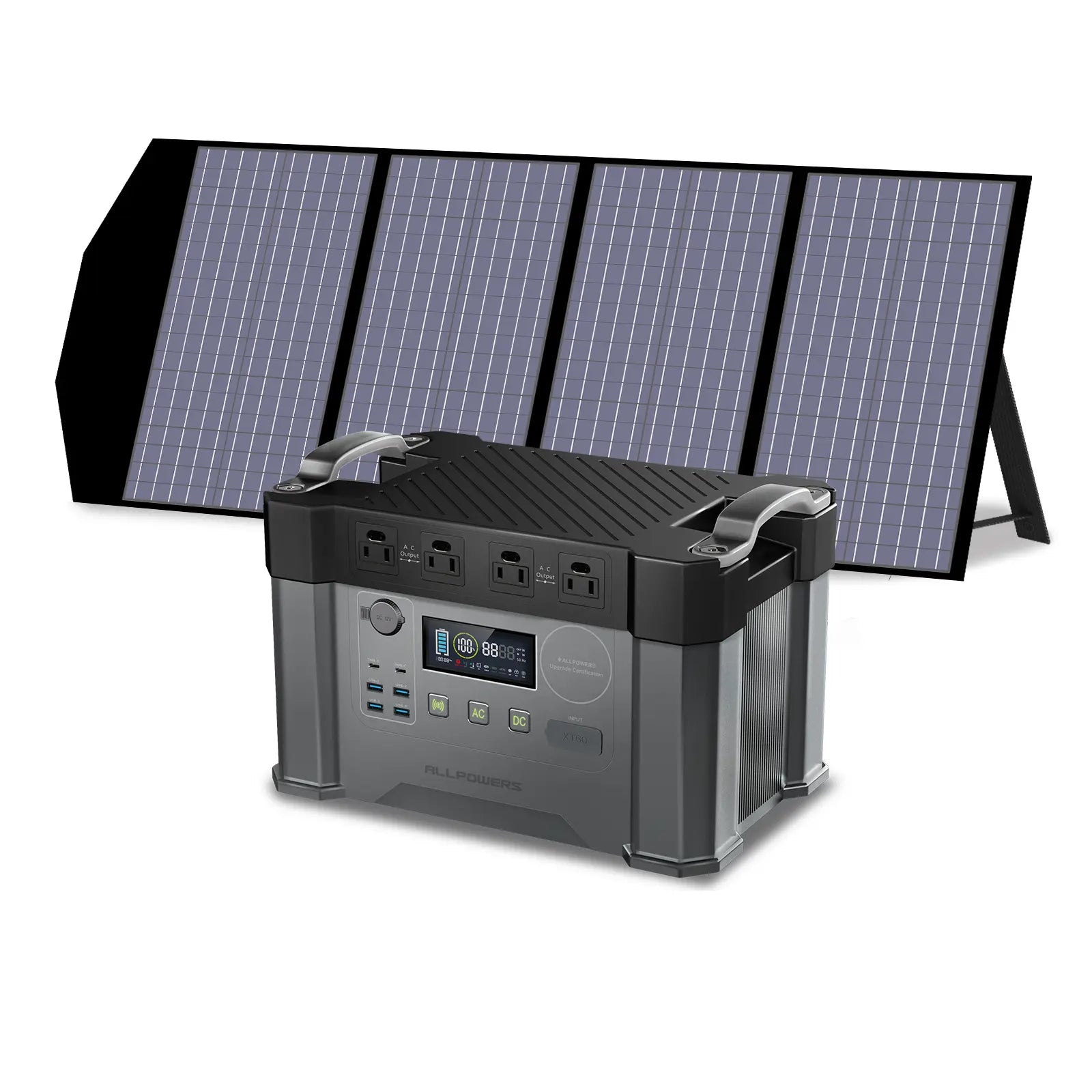
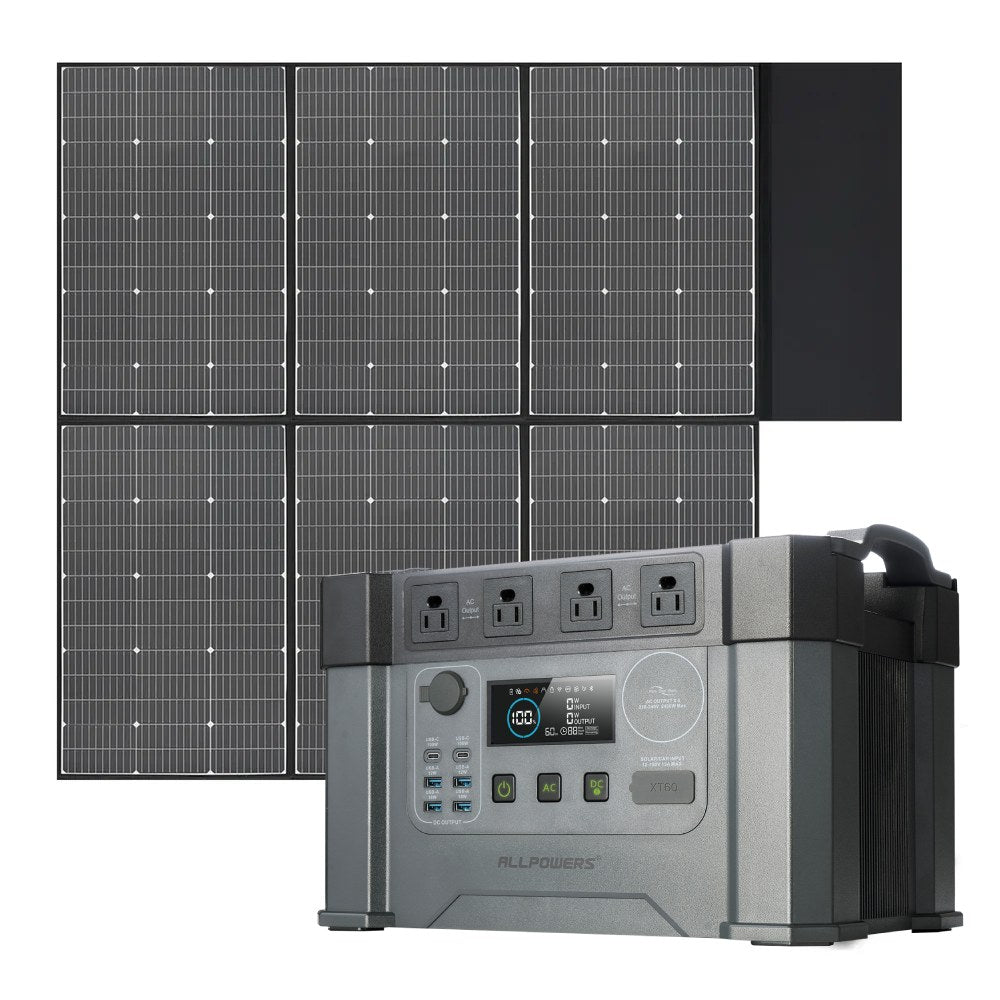
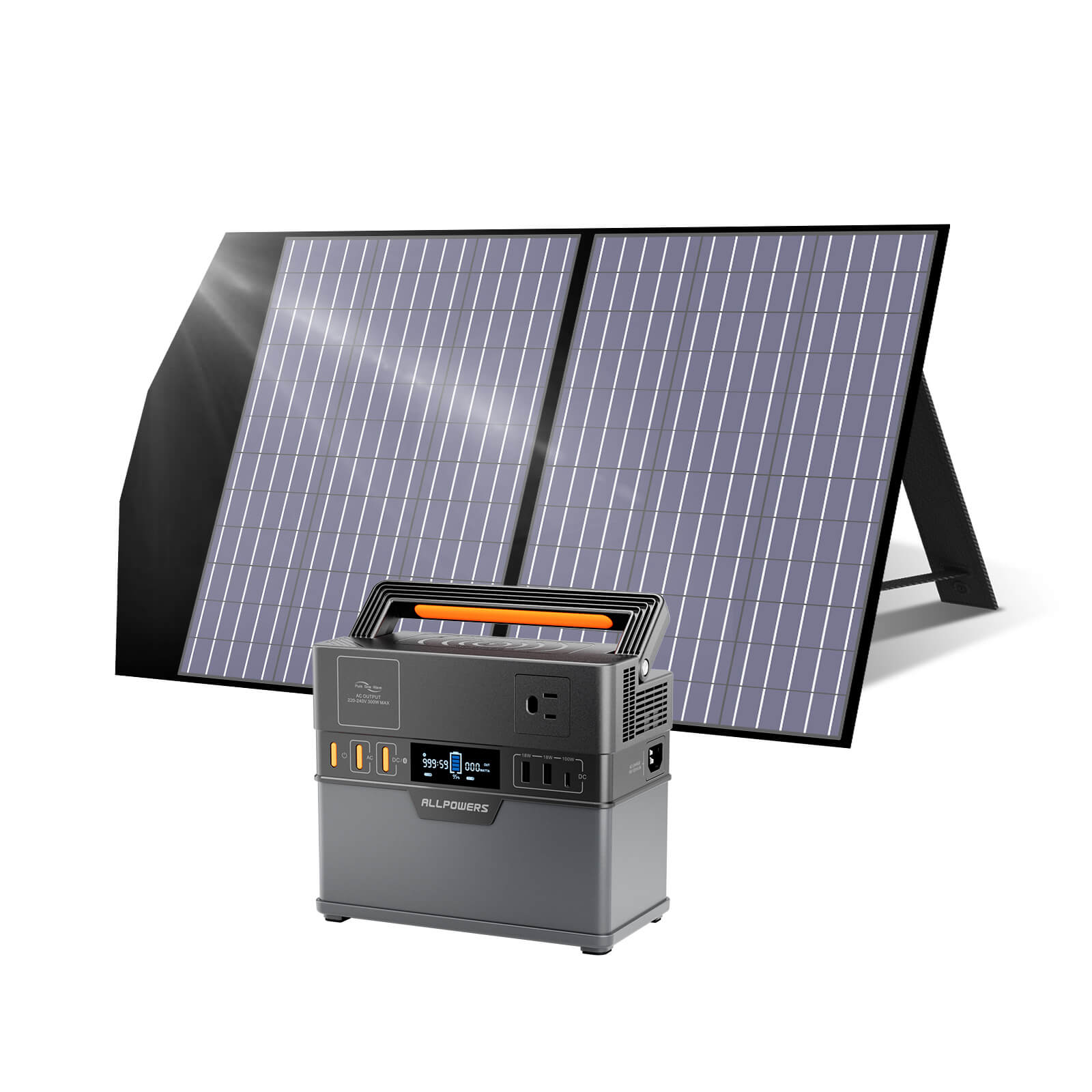
ALLPOWERS VOLIX P300 Portable Power Station
$149.00 $249.00
- 299Wh Capacity;
- 300W AC Output (600W Surge);
- Fast Charge 100% in 1 Hours;
- Ultra-quiet 30dB Under Load ;
- Long-Lasting And Safe Lifepo4 Battery;
How to Convert DC to AC Current
While batteries themselves are strictly DC, the devices we use to manage them often involve AC.
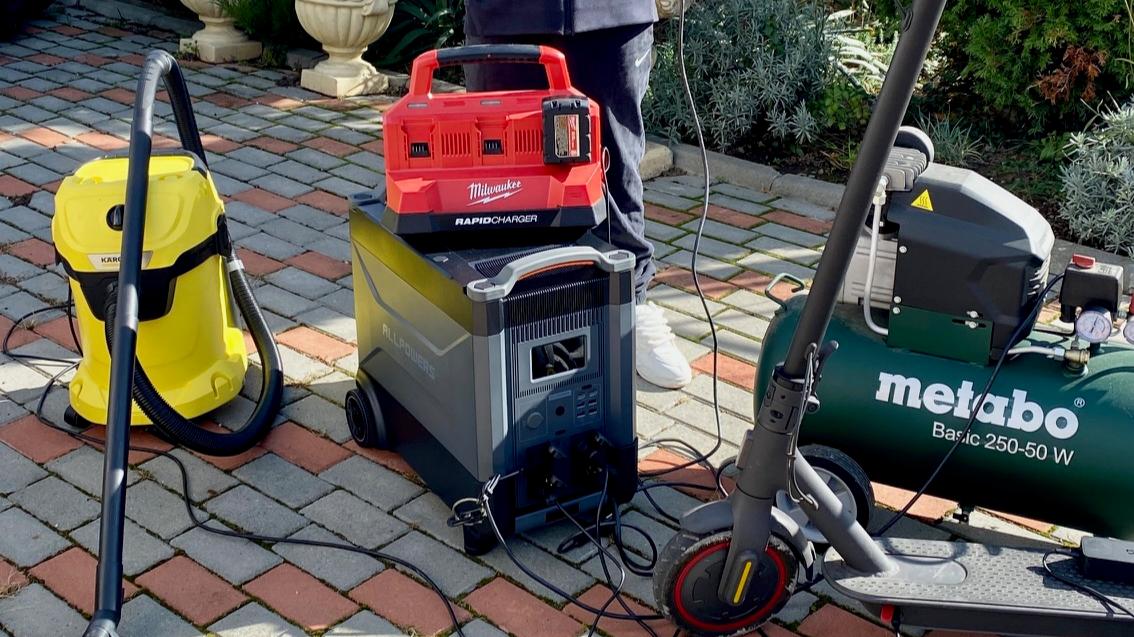
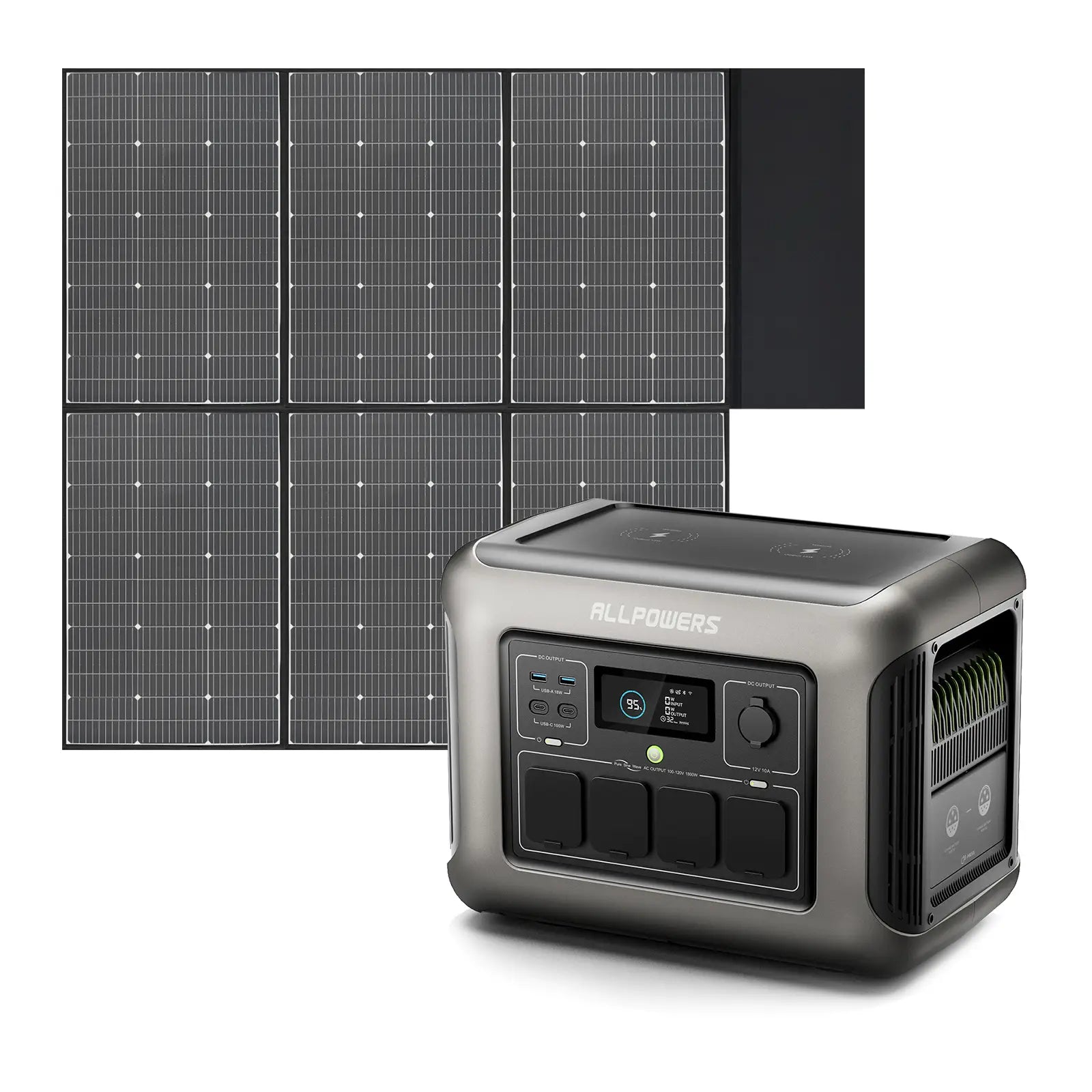
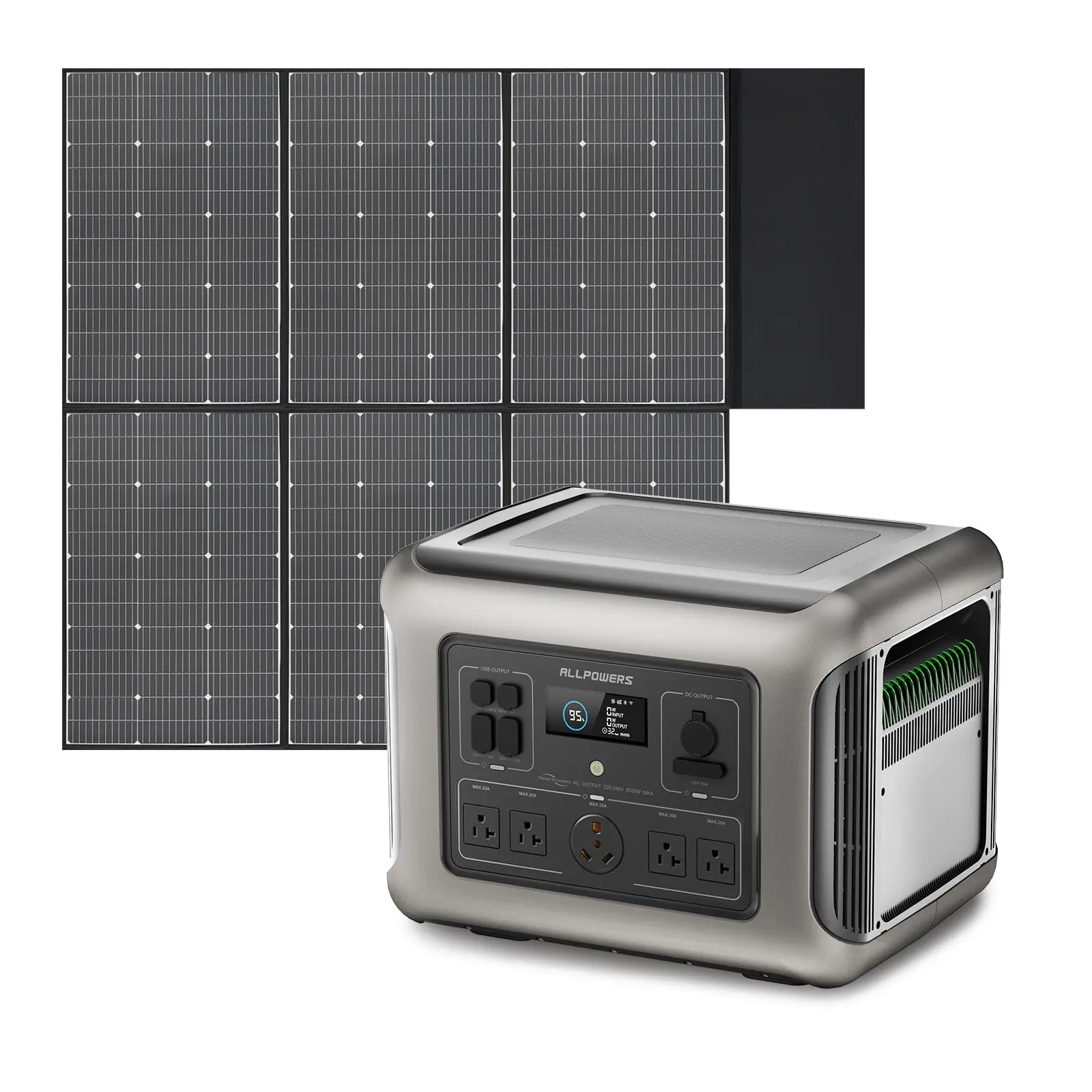
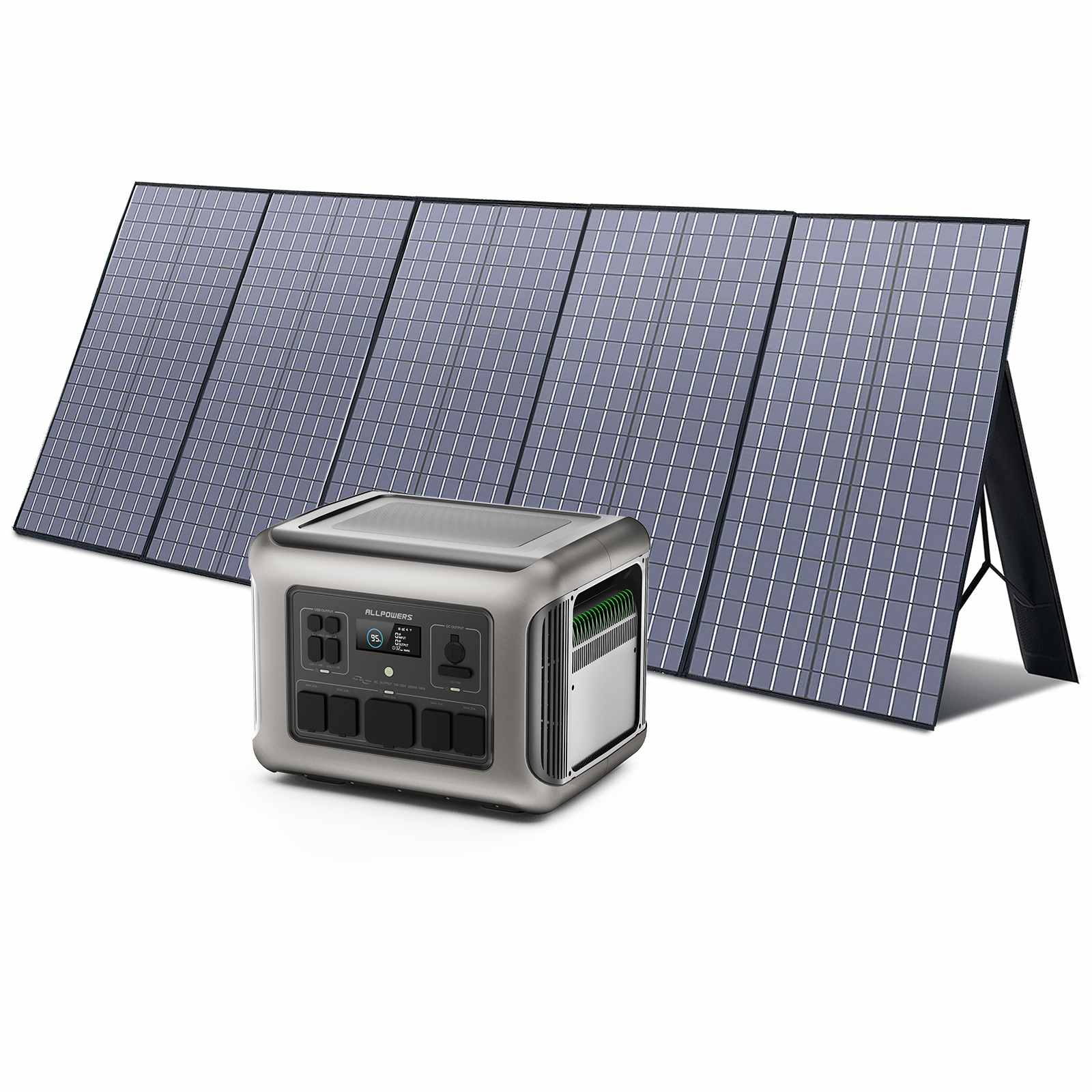
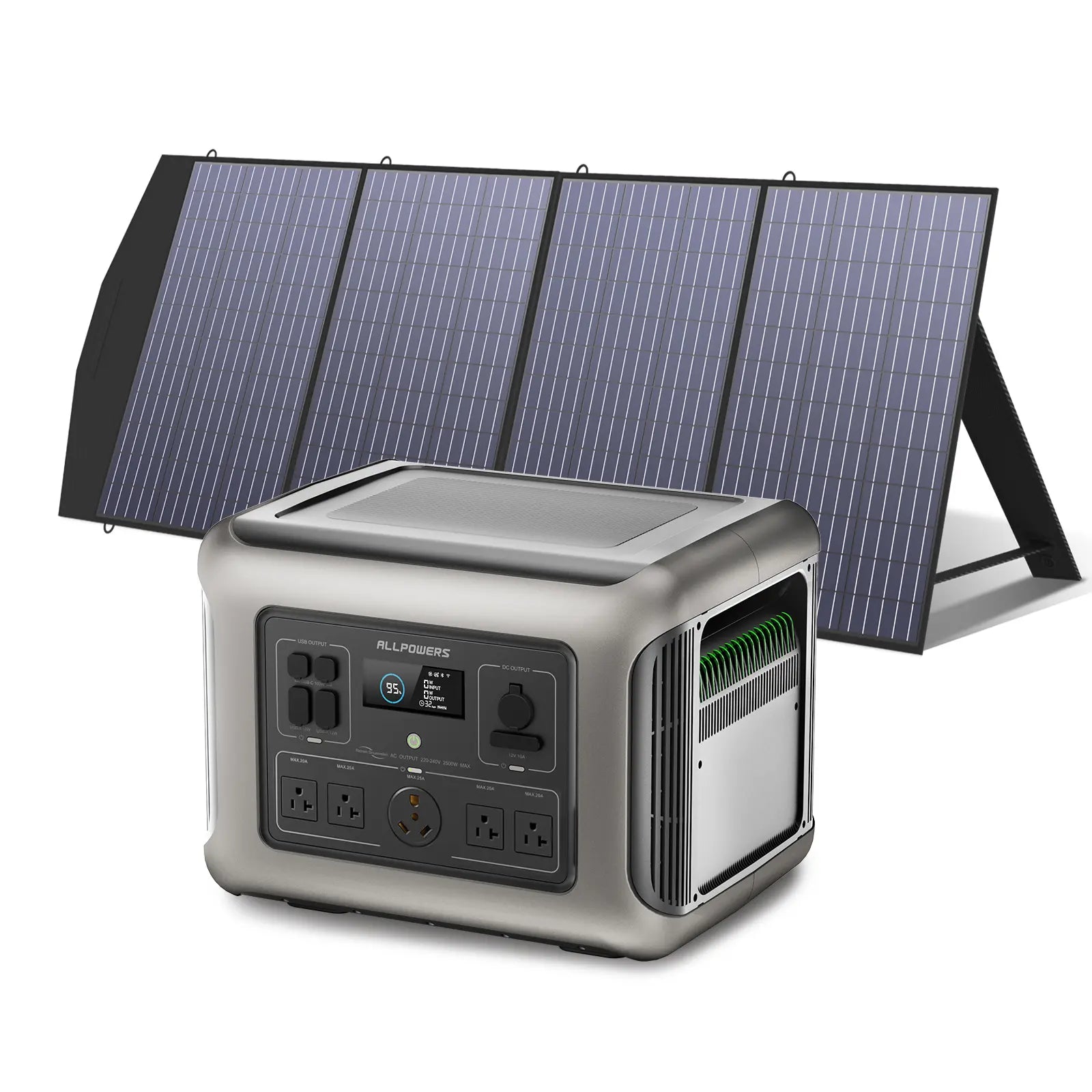
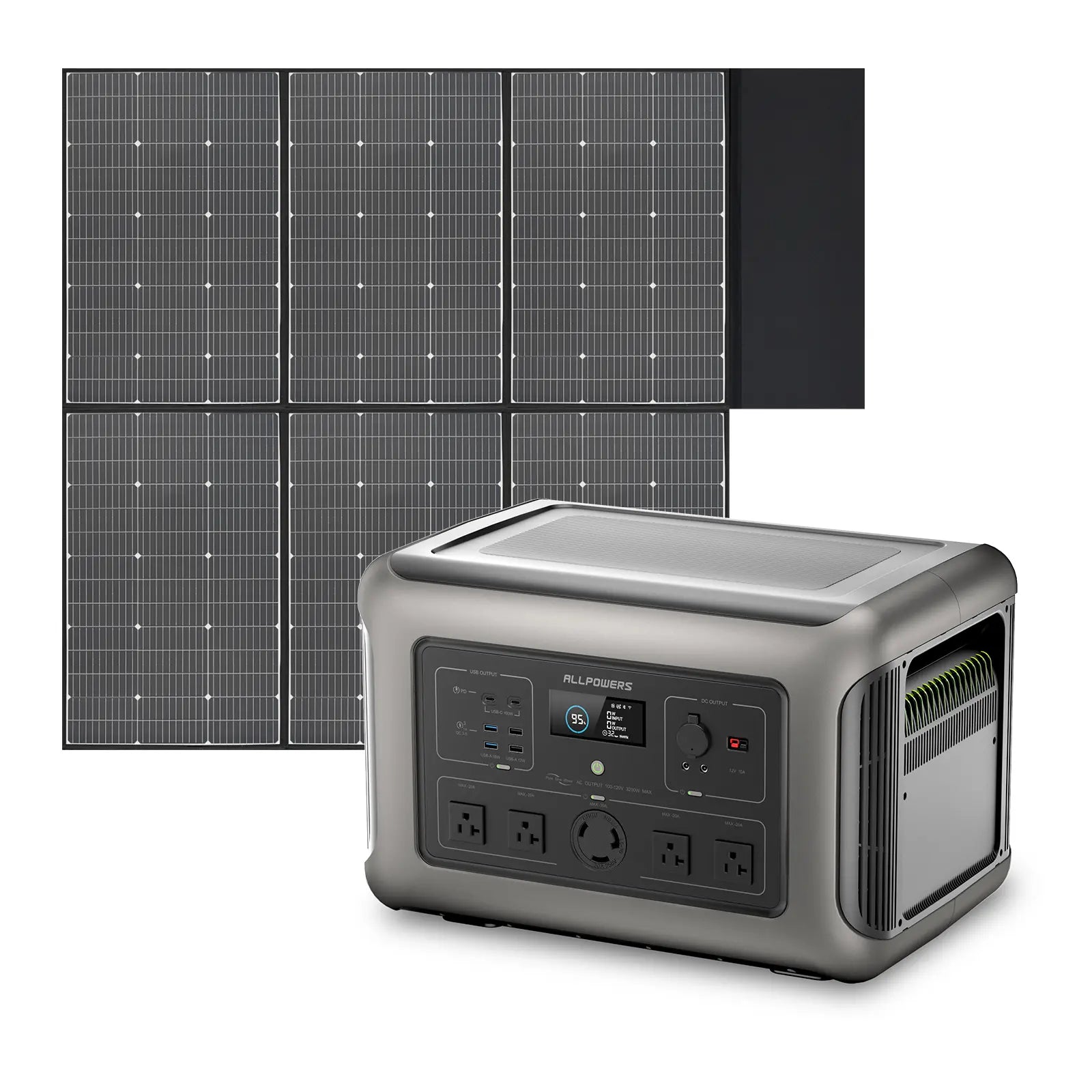
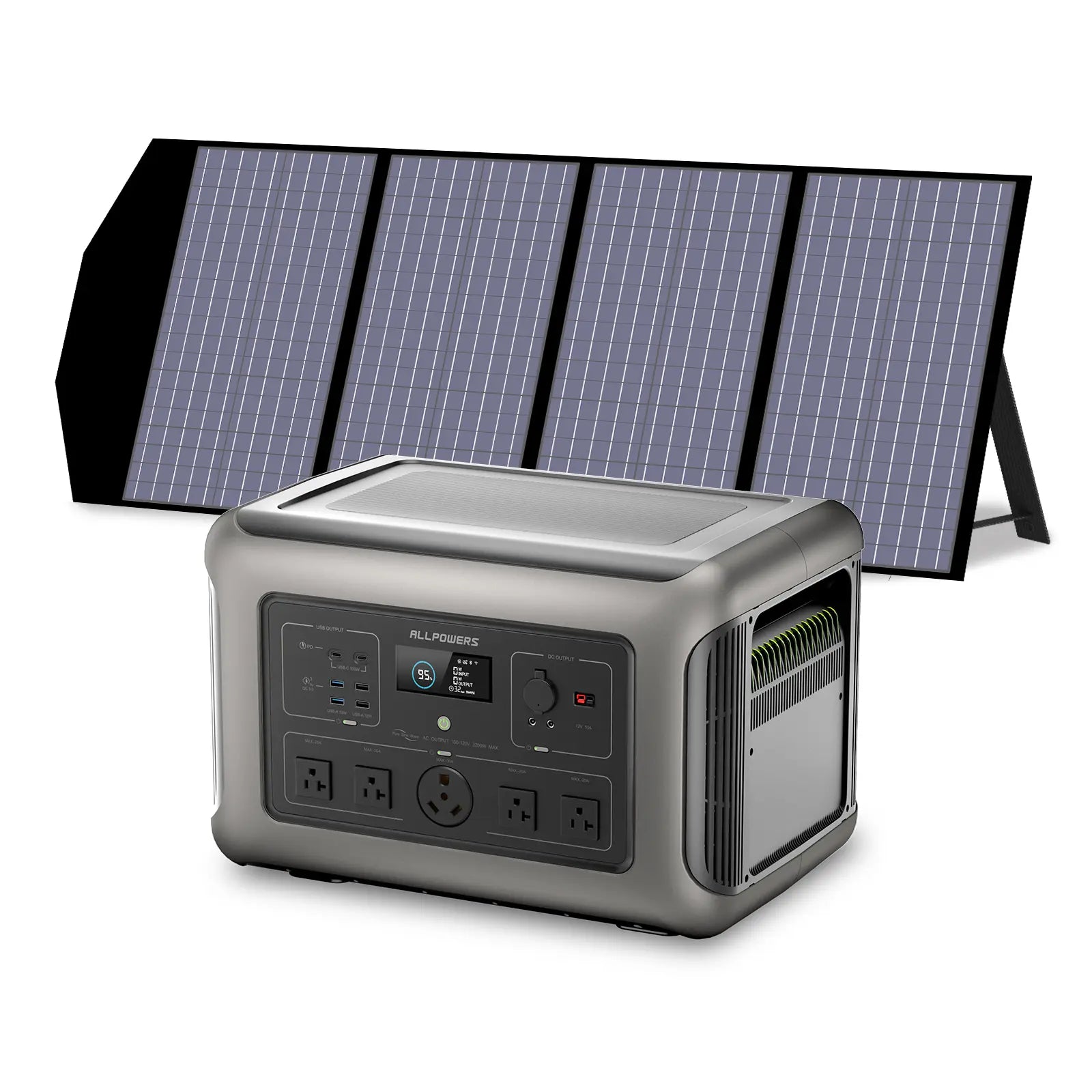
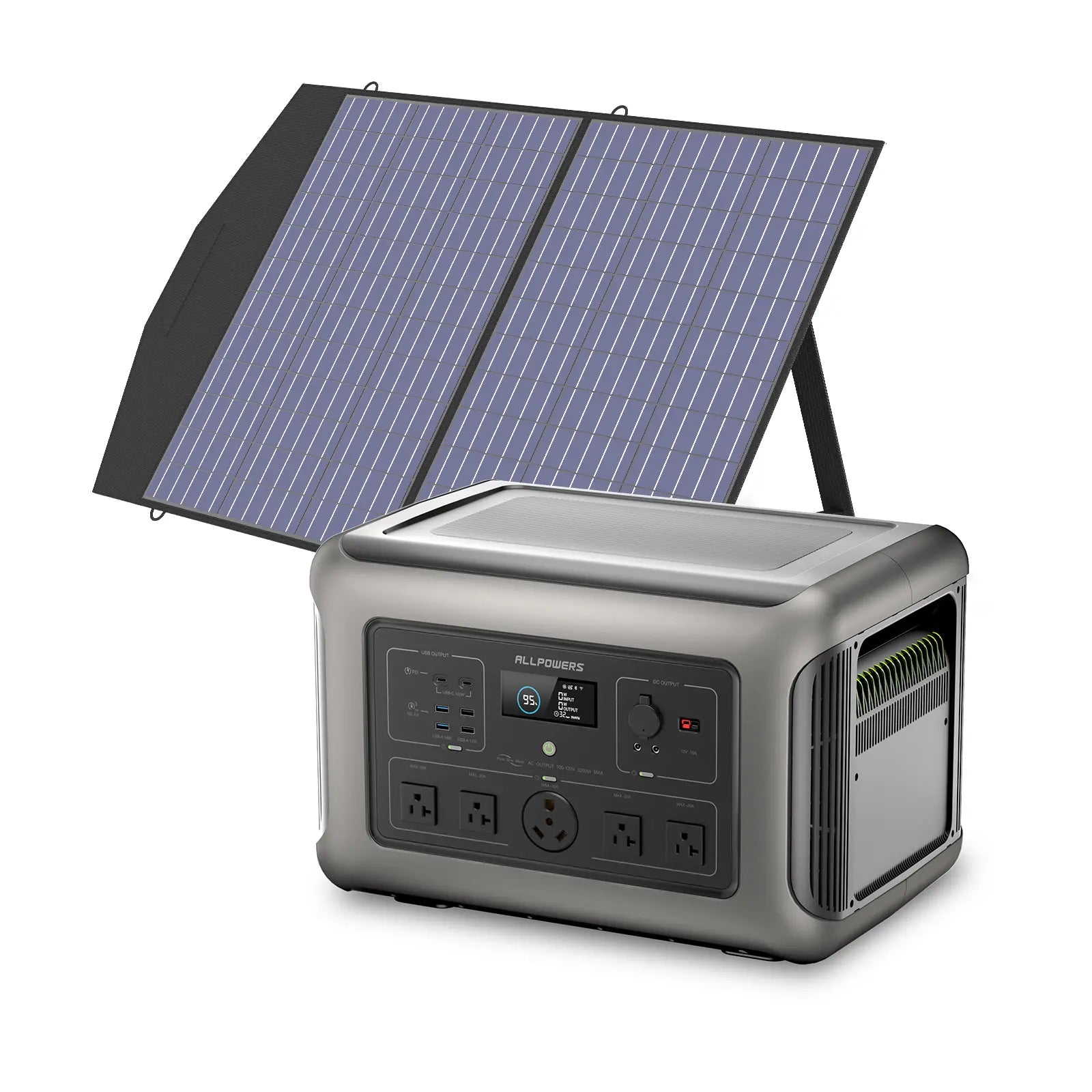
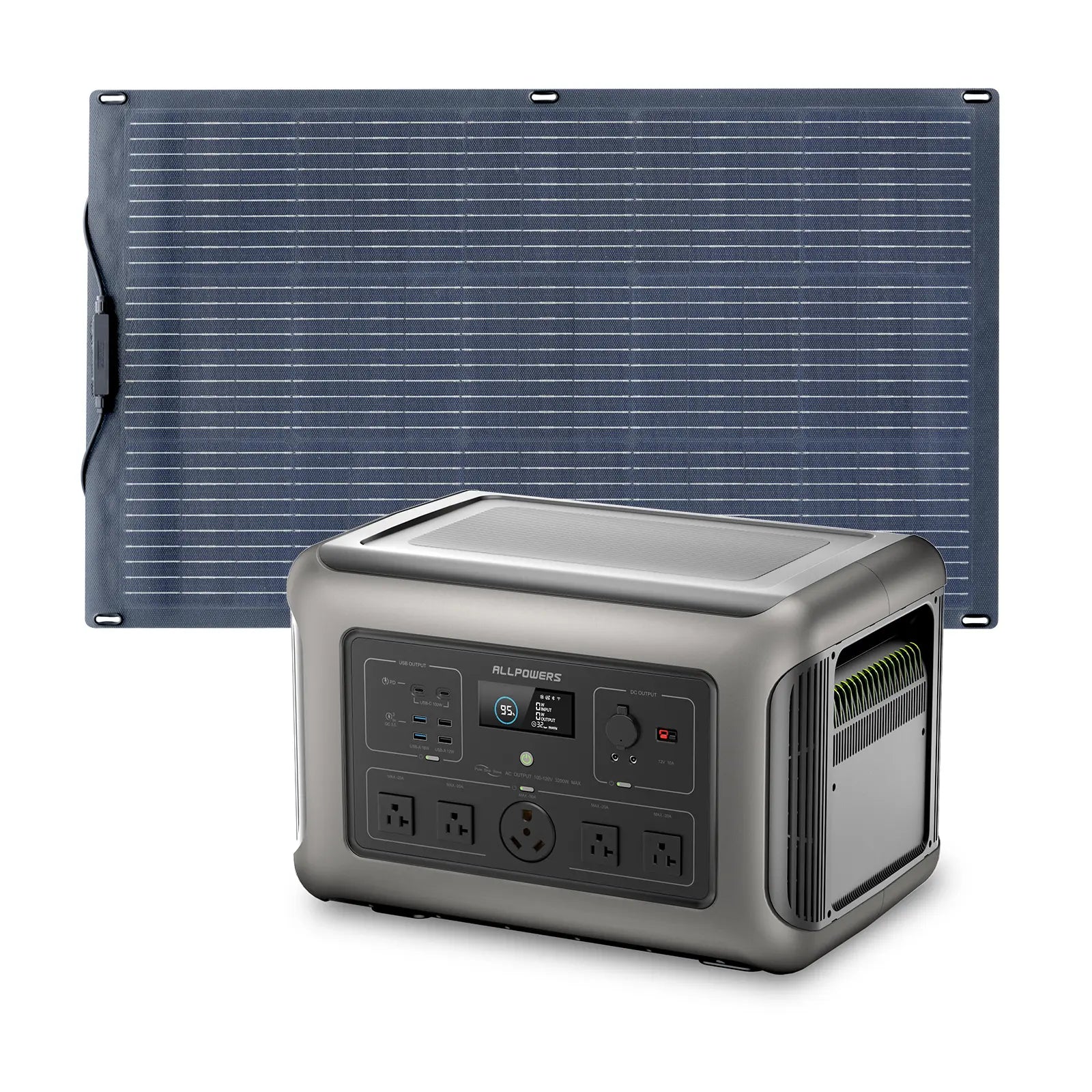
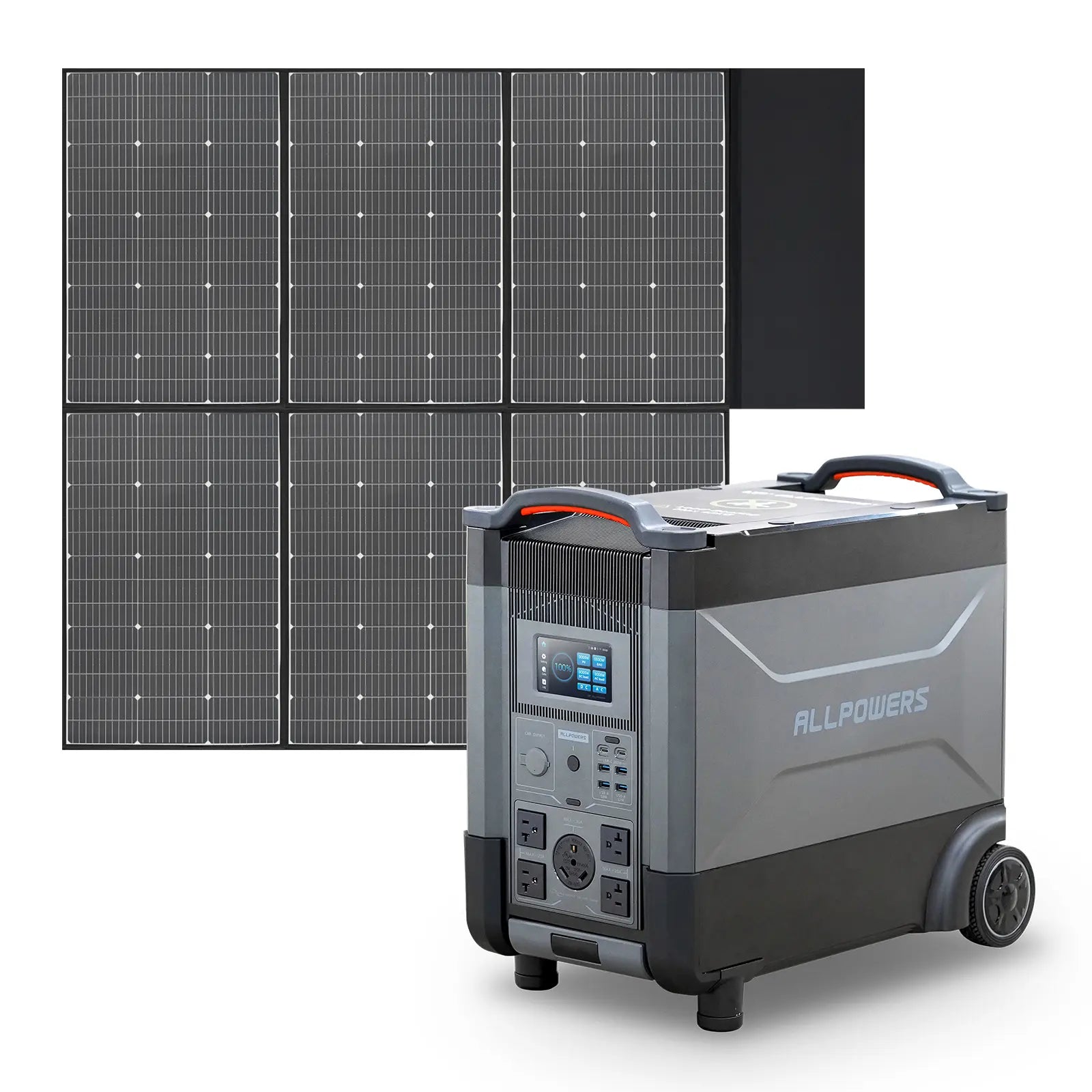
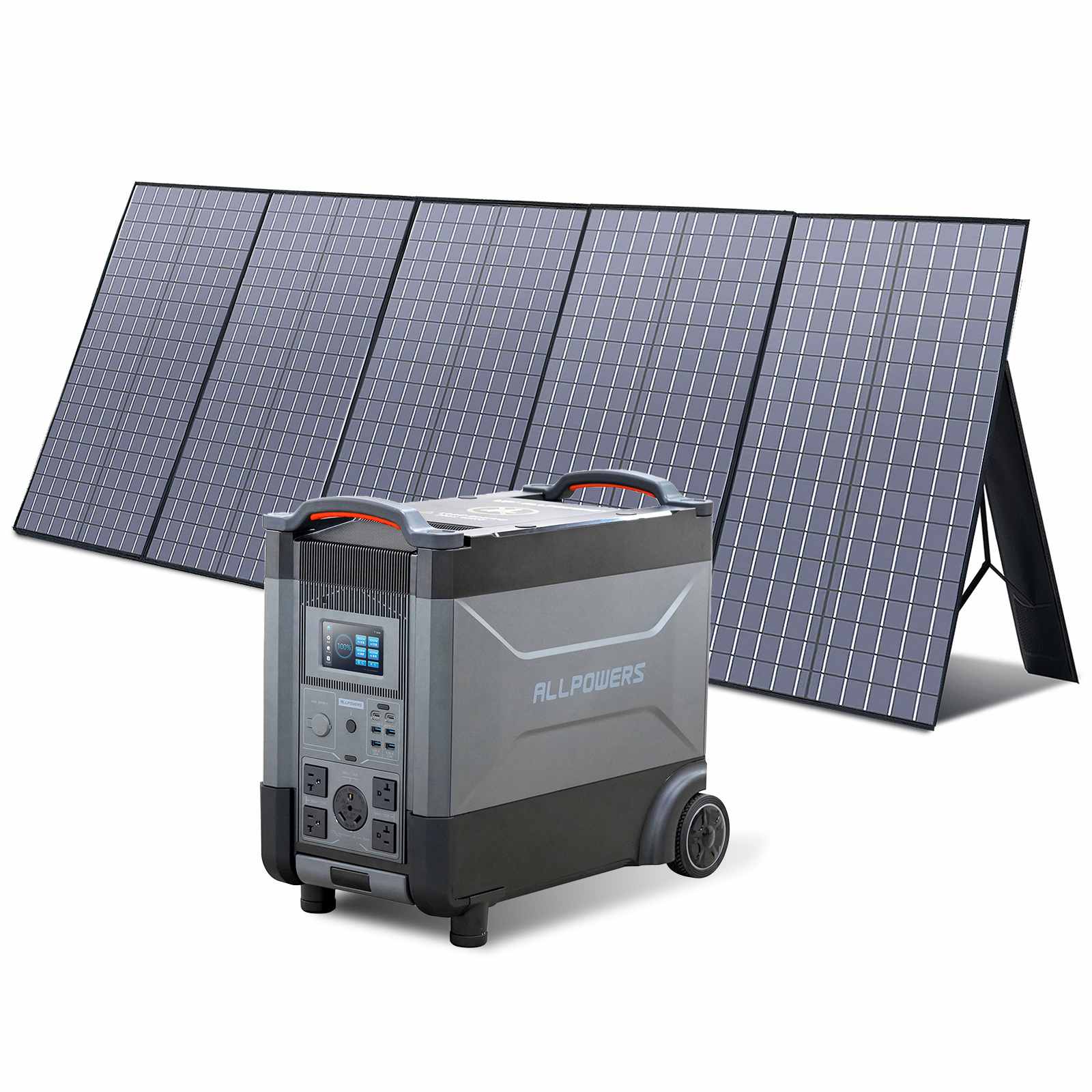
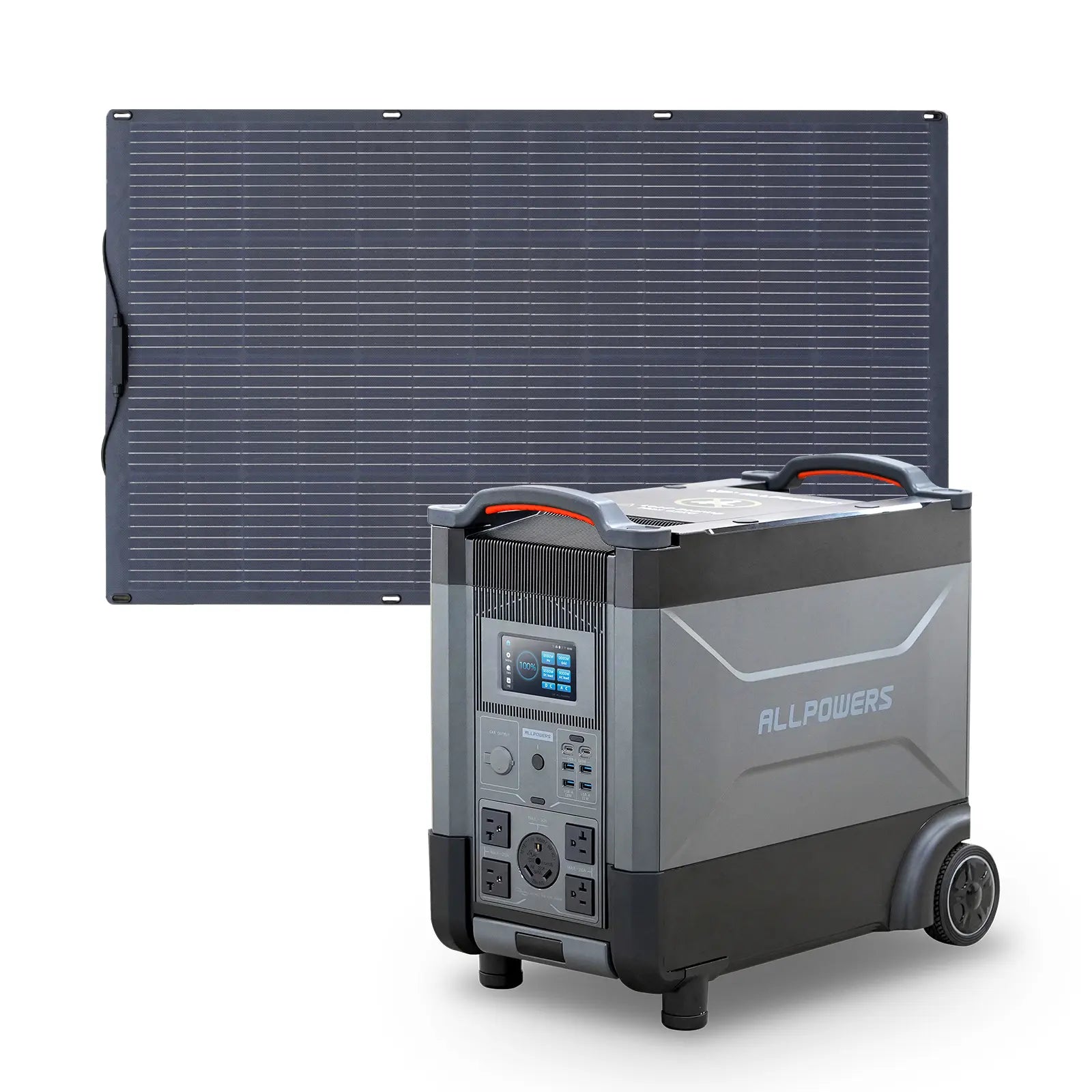
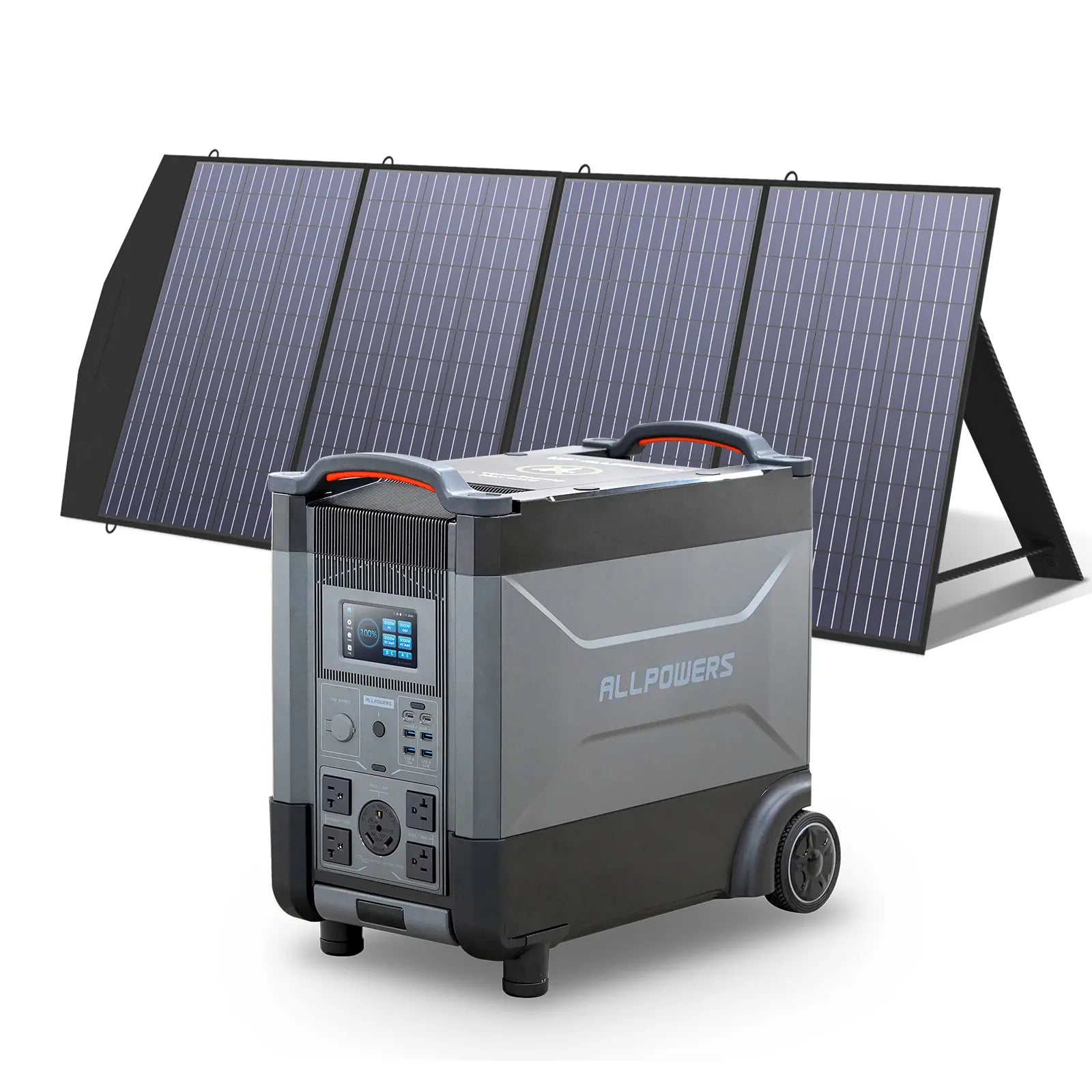
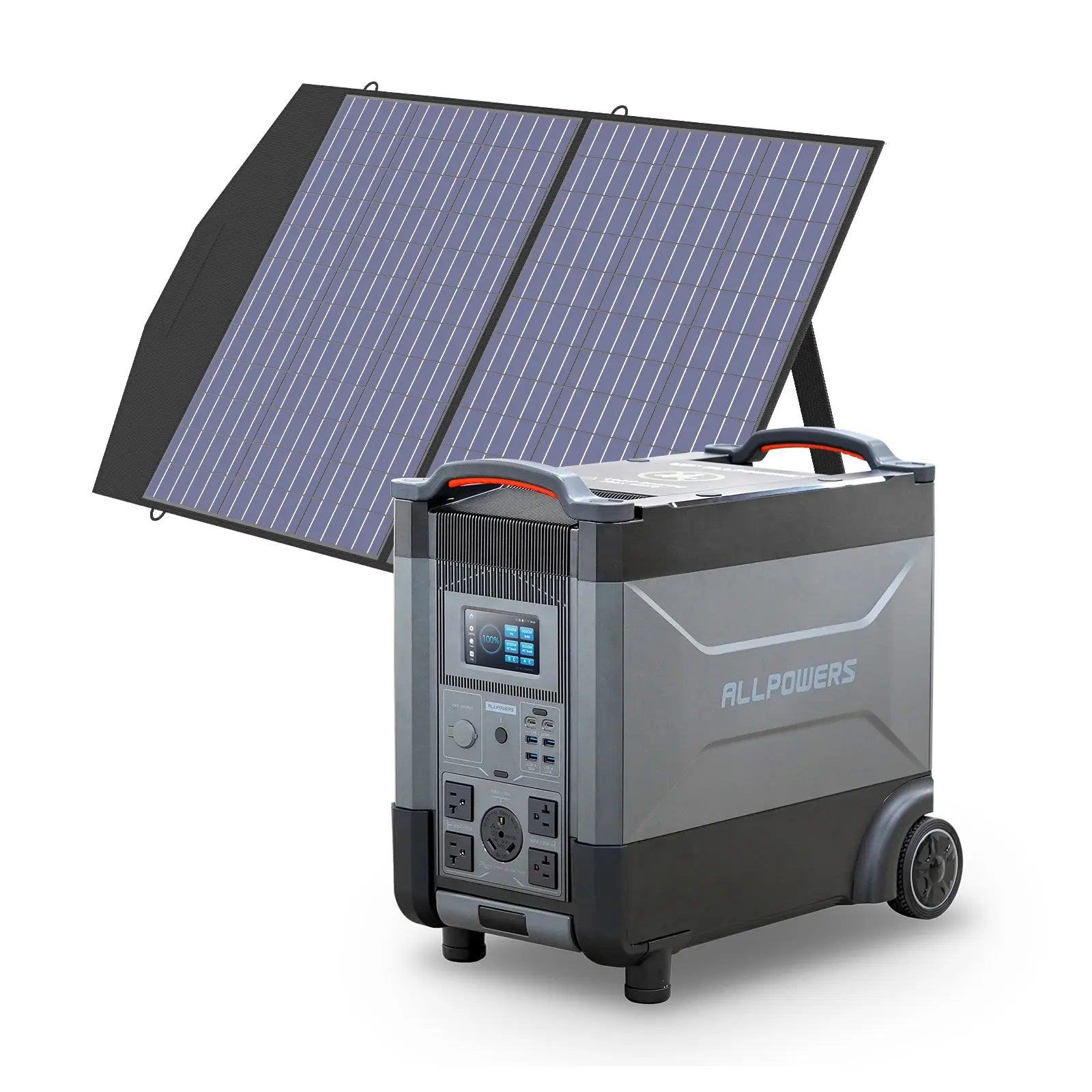
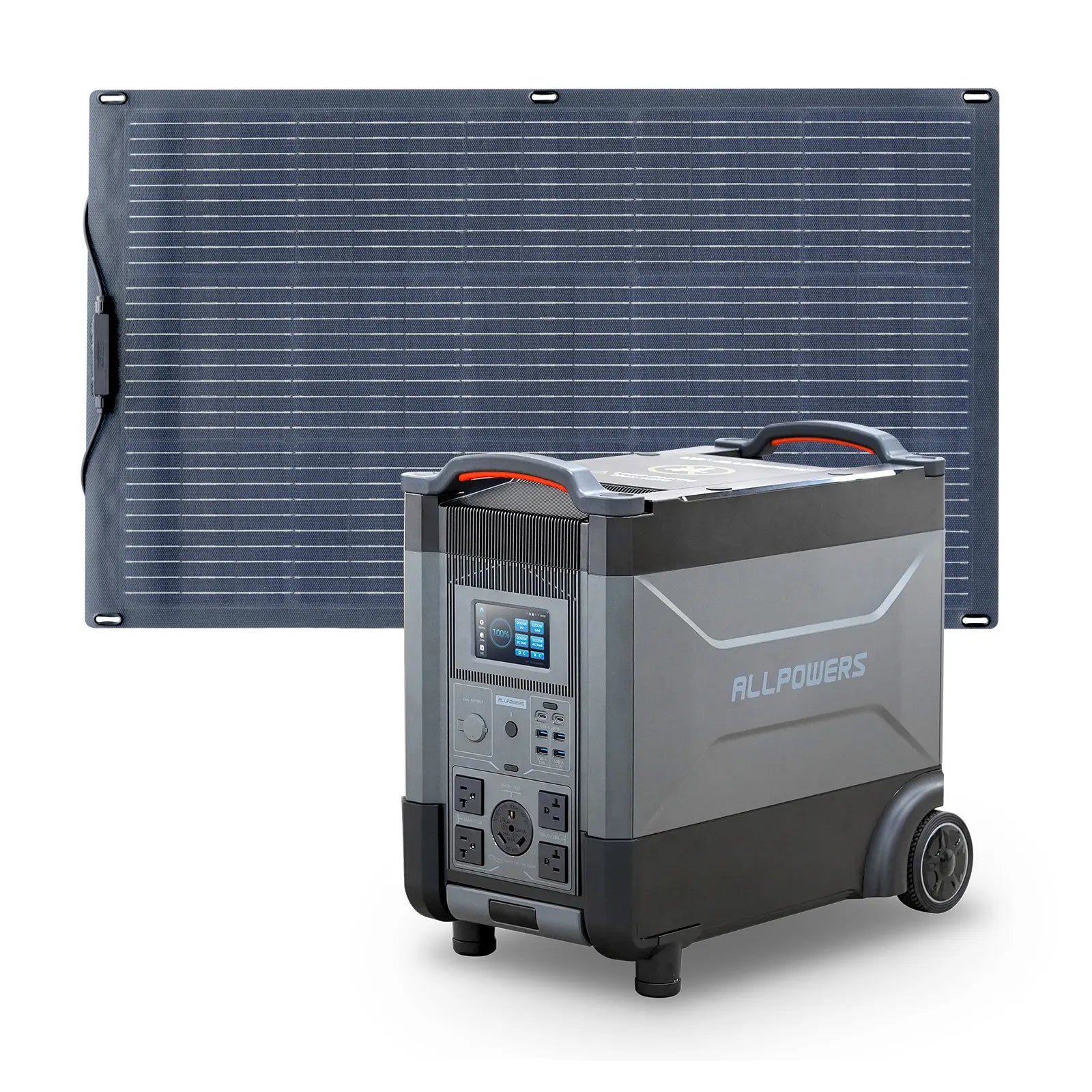
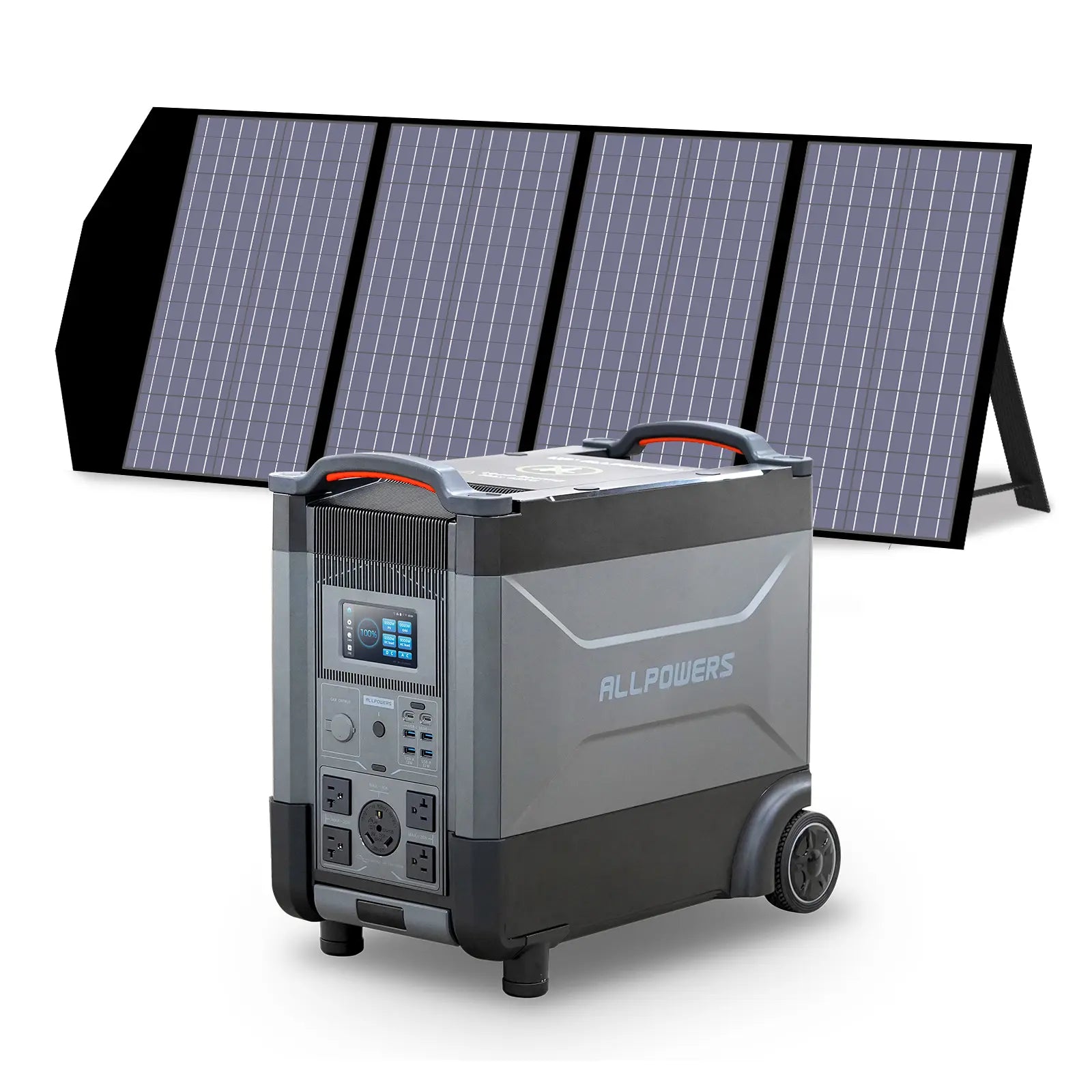
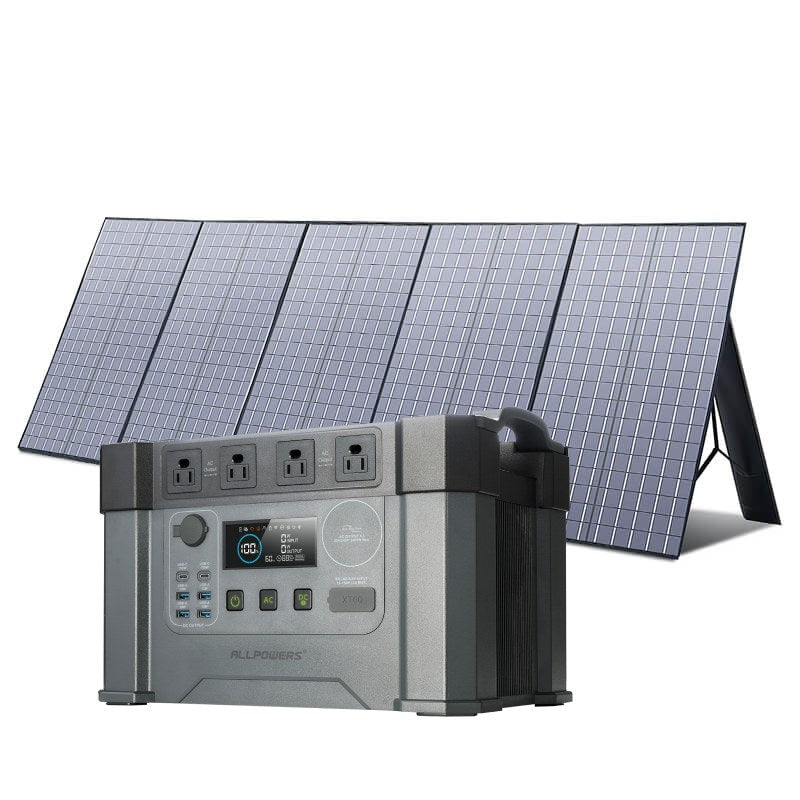
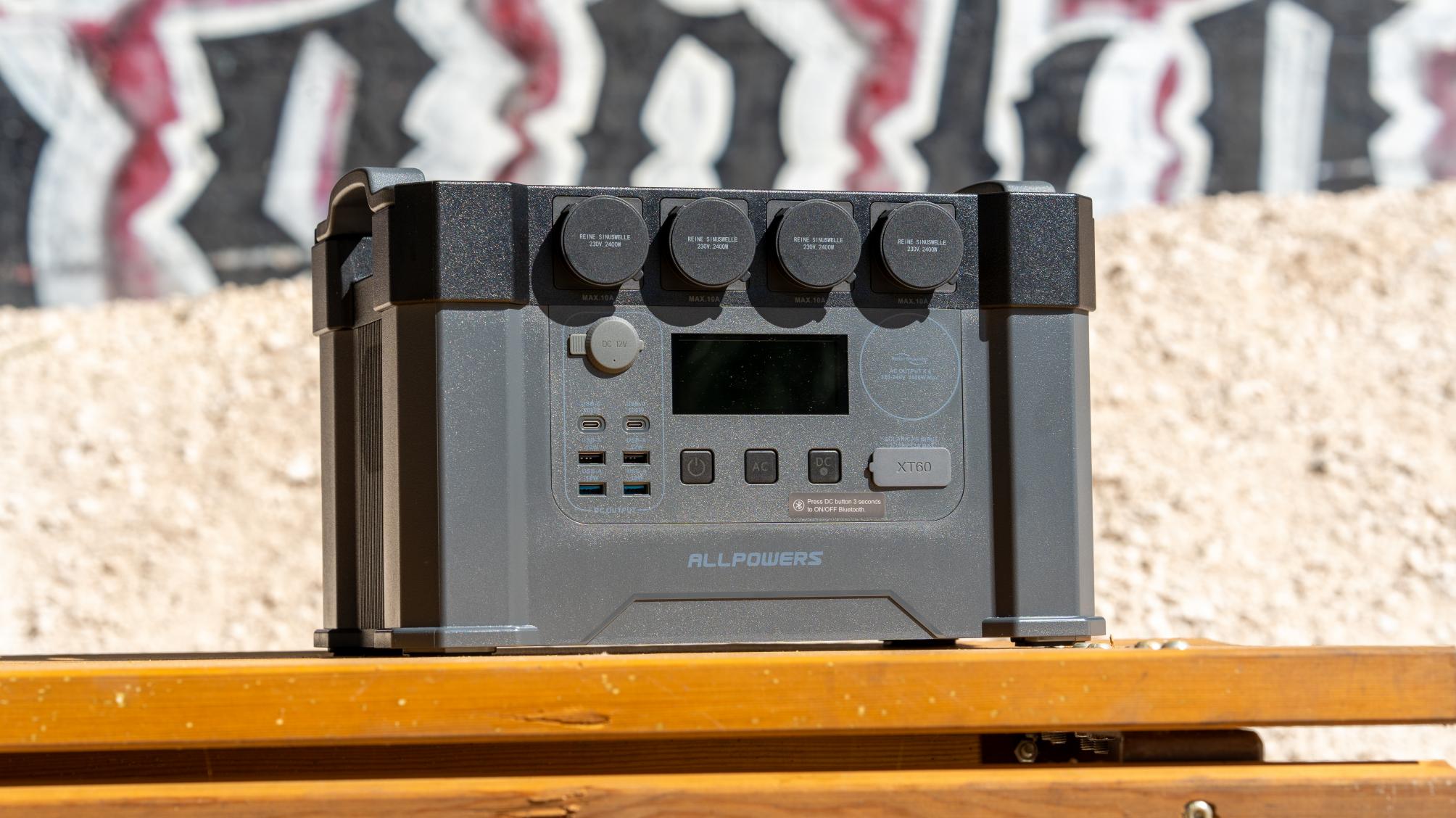
Take a portable power station, for example. These units are essentially giant batteries in a fancy box. Inside, the energy is stored as DC.
However, if you want to plug in a standard household lamp or a small blender while you're at a tailgate party, that DC needs to become AC.
This is where an inverter comes into play.
An inverter is a clever piece of tech that takes that steady one-way flow of electrons and forces it to switch directions back and forth, usually 60 times per second.
It’s essentially "faking" the power that comes out of your wall. It’s a bit of an energy tax, though.
You lose a little bit of efficiency every time you convert energy from DC to AC.
That’s why, if you can, it’s always more efficient to charge your phone via a USB port (which is DC to DC) rather than plugging a wall charger into an inverter.
Learn More: What Type of Energy Is Stored in a Battery?
Common Misconceptions About Batteries and Electricity
A frequent misunderstanding is that batteries might somehow store AC or switch between AC and DC internally.
In reality, this is not physically possible because the chemical structure of a battery enforces a fixed polarity.
Another misconception is that AC is “stronger” or more advanced than DC. In practice, neither is inherently better—they simply serve different purposes.
AC is optimized for transmission and infrastructure, while DC is optimized for storage and electronic use.
A third misconception is that devices “run on wall electricity” directly. In truth, nearly all modern devices perform internal conversion steps to ensure they receive stable DC power even when plugged into an AC source.
Conclusion
So, are batteries AC or DC? The answer is clear: batteries always produce DC power because of their chemical design.
While the world around us largely operates on AC power, the need for stable and reliable energy ensures that DC remains indispensable.