







Power outages can happen unexpectedly during storms, heat waves, grid failures, or extreme weather events.
When electricity suddenly disappears, many homeowners rely on generators to keep essential appliances running and maintain basic comfort inside the home.
However, using a generator improperly can create serious safety risks, including carbon monoxide poisoning, electrical hazards, and equipment damage.
So, how should you use a generator during a power outage?
TL;DR:
To safely use a generator during a power outage, homeowners should place the generator outdoors in a well-ventilated area, avoid backfeeding household wiring, use heavy-duty extension cords or transfer switches, monitor fuel usage carefully, and prioritize powering essential appliances first. Safe generator operation is critical for preventing injuries and protecting home electrical systems.
Why Generators Matter During Power Outages
Modern households depend heavily on electricity for refrigeration, communication, lighting, heating, cooling, and medical equipment. Even short power interruptions can quickly disrupt normal daily routines.
During severe outages, homeowners often prioritize keeping essential appliances running, including refrigerators, internet equipment, lights, fans, and phone chargers.
Generators provide temporary electricity by converting mechanical energy into electrical power, allowing households to continue operating critical devices during emergencies.
How Generators Work
Portable generators typically operate using gasoline, propane, diesel, or inverter-based power systems.
When running, the generator produces electricity that can power selected household devices either through extension cords or transfer switch systems.
Conventional Generators
Traditional portable generators are commonly used for emergency backup because they provide relatively high power output for large appliances and tools.
Inverter Generators
Inverter generators are often quieter, more fuel-efficient, and better suited for sensitive electronics like laptops and communication devices.
Many homeowners choose inverter systems because they provide cleaner and more stable electricity output.
Where to Place a Generator Safely
Proper generator placement is one of the most important safety considerations during a power outage.
Never Operate Indoors
Generators should never be operated indoors, including inside garages, basements, sheds, or enclosed patios.
Generators produce carbon monoxide, an odorless and potentially deadly gas that can accumulate quickly in enclosed spaces.
Maintain Safe Distance
Most safety experts recommend placing generators at least 20 feet away from windows, doors, and vents whenever possible.
Protect from Rain Carefully
Generators should remain dry during operation, but covering them improperly may restrict airflow and create overheating risks.
Learn More: How Far Should Generator Be From House?
How to Power Appliances During an Outage
During a power outage, homeowners should focus on powering only the most important devices rather than attempting to run the entire home simultaneously.
Prioritize Essential Appliances
Refrigerators and freezers are often high priorities because food spoilage can happen quickly during extended outages.
Many households also prioritize medical equipment, lighting, internet devices, and phone charging.
Understand Starting Wattage
Some appliances require significantly more electricity when first starting than during normal operation.
Air conditioners, refrigerators, sump pumps, and microwaves may briefly draw high startup wattage that can overload smaller generators.
Use Heavy-Duty Extension Cords
Outdoor-rated extension cords designed for generator use help reduce overheating risks and improve electrical safety.
Damaged or undersized extension cords may become dangerous during prolonged operation.
Fuel Storage and Runtime Planning
Fuel planning becomes extremely important during long-duration power outages.
Gasoline-powered generators may consume fuel faster than many homeowners expect, especially when operating continuously for several days.
Store Fuel Safely
Fuel containers should always be stored in approved containers away from living spaces and ignition sources.
Monitor Runtime Carefully
Generator runtime depends on fuel capacity, appliance load, and generator efficiency.
Running fewer appliances simultaneously often helps extend fuel supplies significantly during emergencies.
Common Household Appliance Power Requirements
| Appliance | Running Wattage | Starting Wattage | Priority Level |
|---|---|---|---|
| Refrigerator | 600–800W | 1200–2000W | High |
| Microwave | 800–1500W | 1000–2000W | Medium |
| Window Air Conditioner | 1000–1500W | 2000–3000W | Medium to High |
| LED Lighting | 10–100W | Minimal | High |
| Internet Router | 10–50W | Minimal | Medium |
| Coffee Maker | 600–1200W | 600–1200W | Low to Medium |
| Sump Pump | 800–1500W | 1500–3000W | High |
Common Generator Mistakes to Avoid
Improper generator use can create serious safety hazards during outages.
Running Generators Indoors
Carbon monoxide exposure remains one of the most dangerous generator-related risks during emergencies.
Backfeeding Household Wiring
Connecting generators directly into household outlets without proper transfer equipment can endanger utility workers and damage home electrical systems.
Overloading the Generator
Running too many high-power appliances simultaneously may overload the generator and interrupt operation.
Ignoring Fuel Safety
Improper fuel storage increases fire risks, especially during hot weather or extended outages.
Planning for Long Power Outages
Long-duration outages often require more careful energy planning than short interruptions.
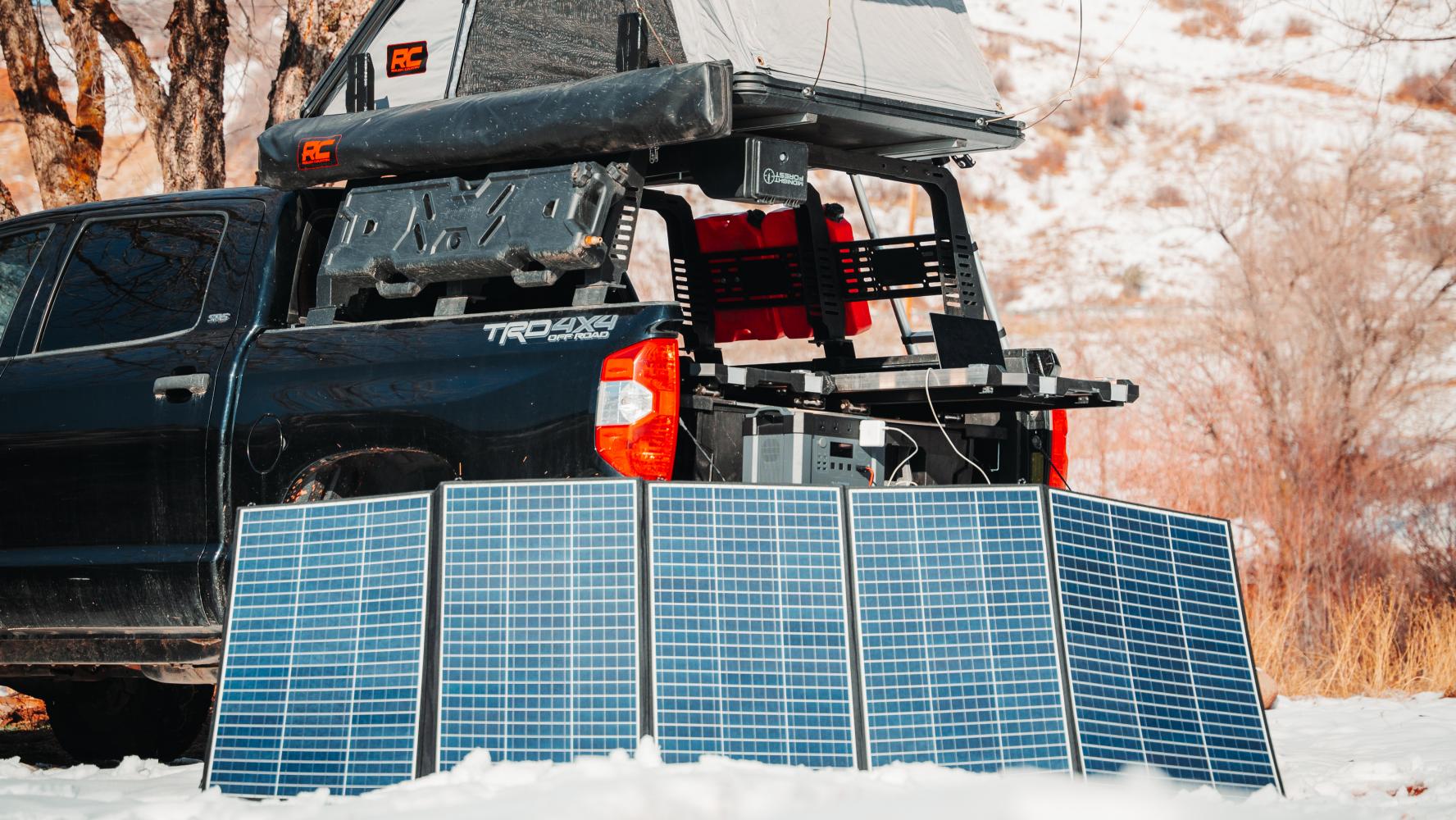
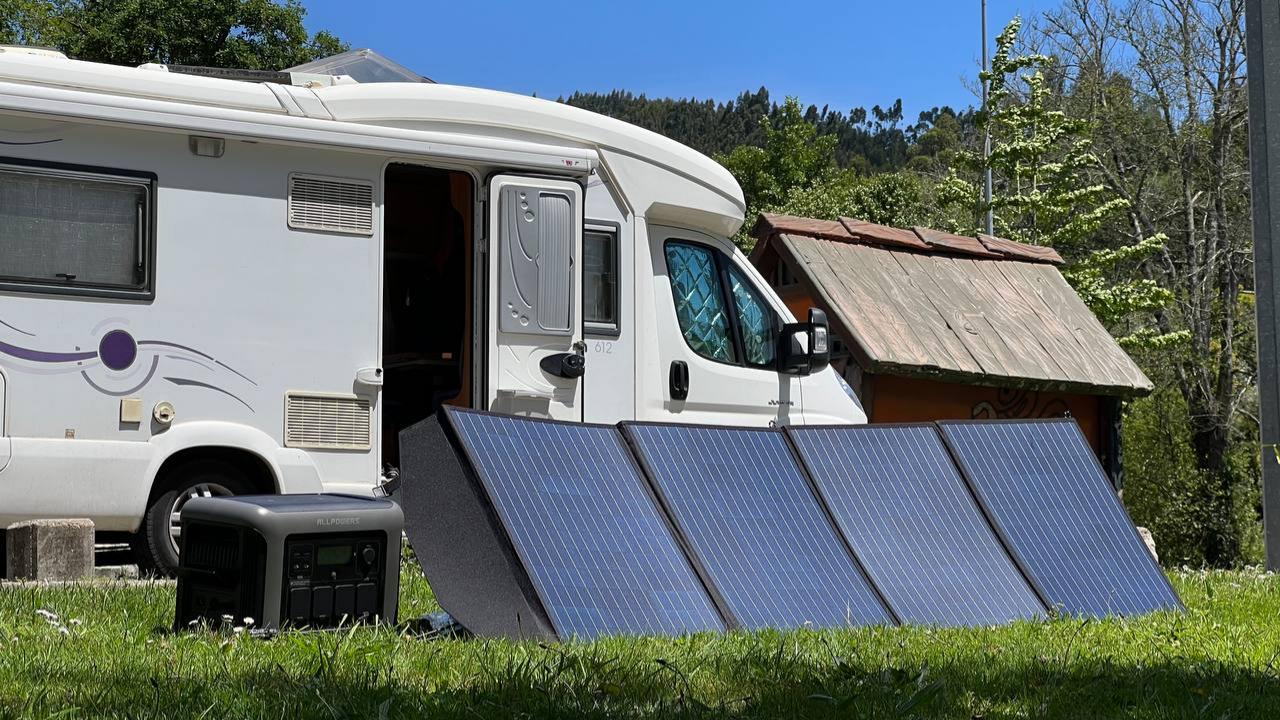
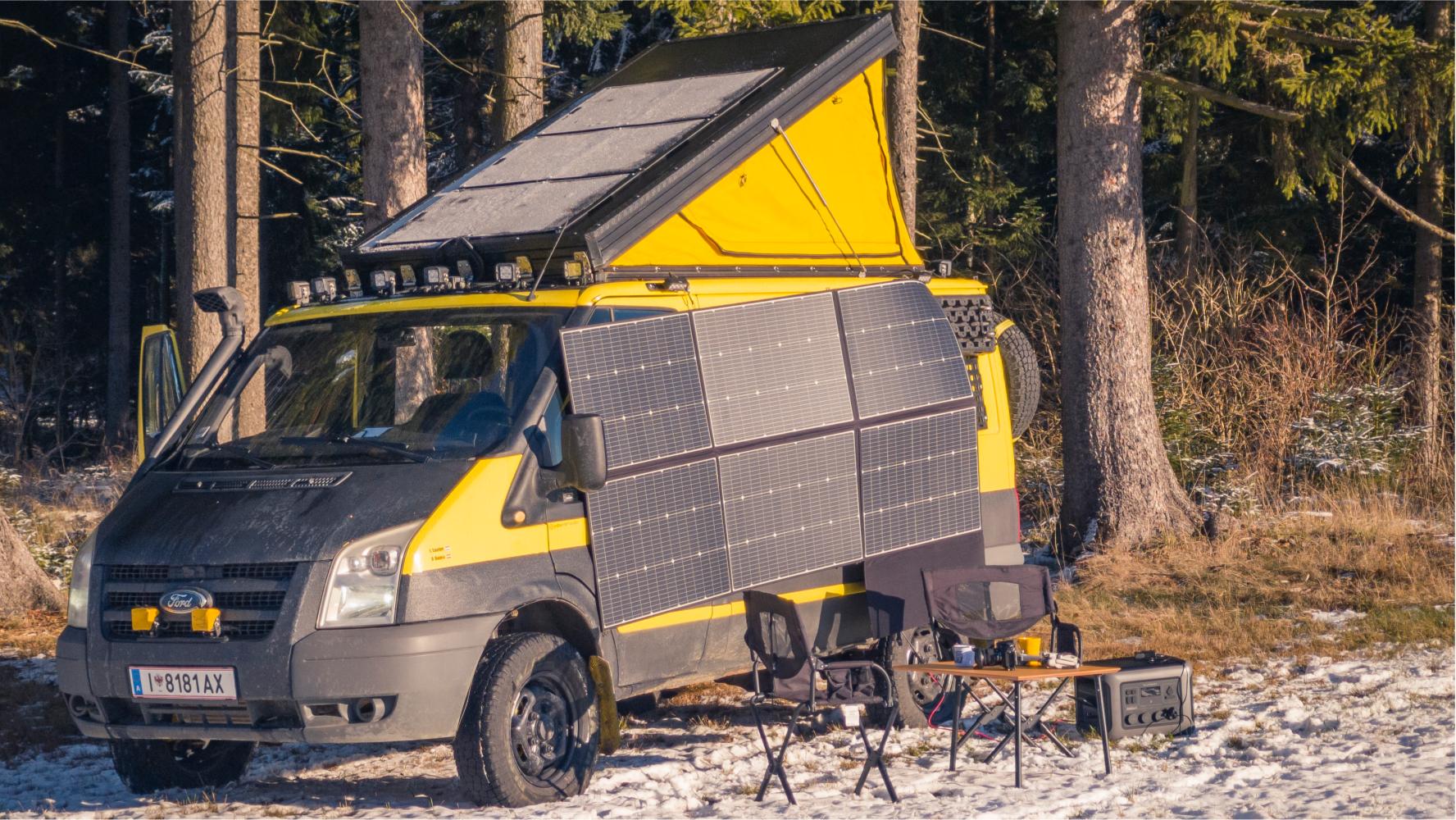
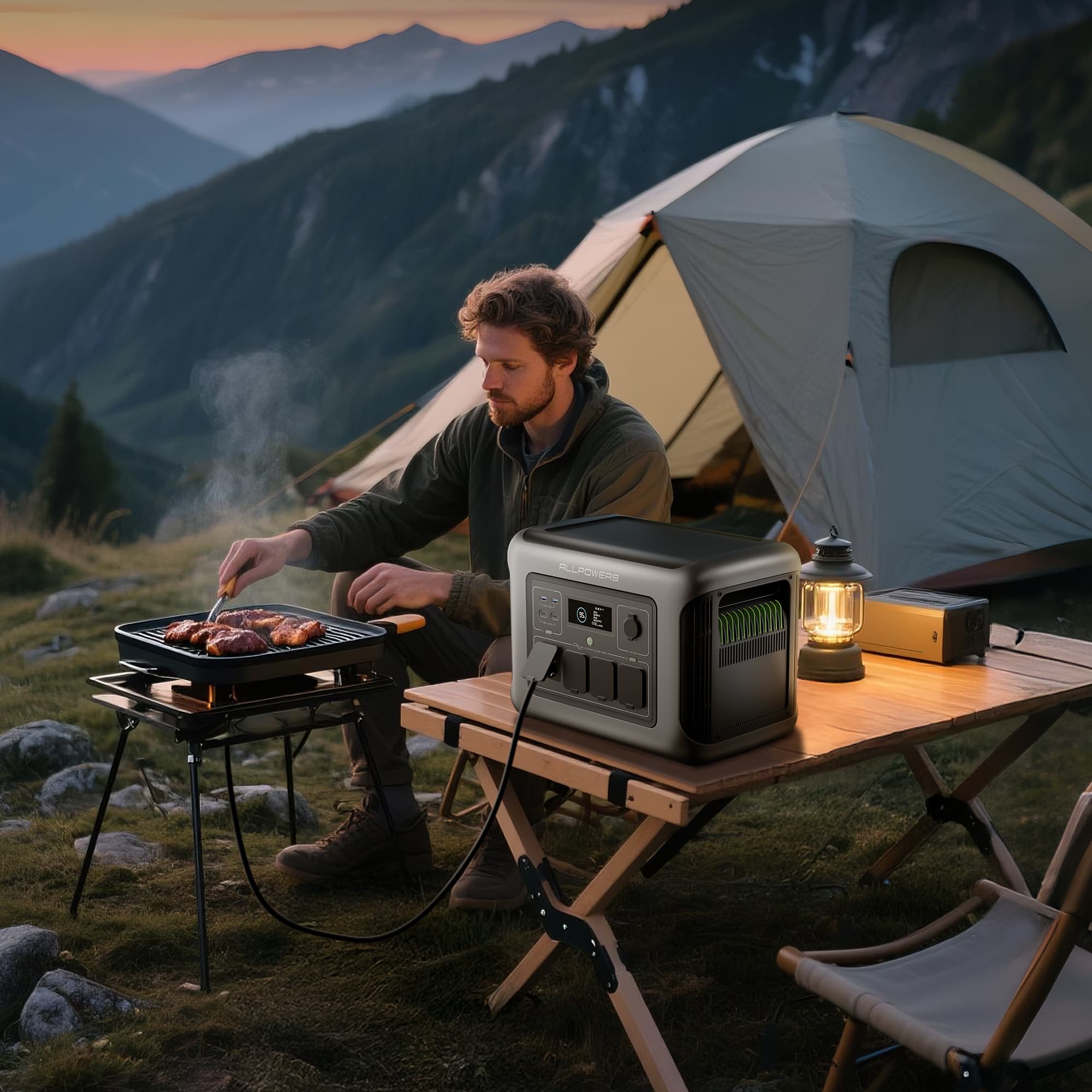
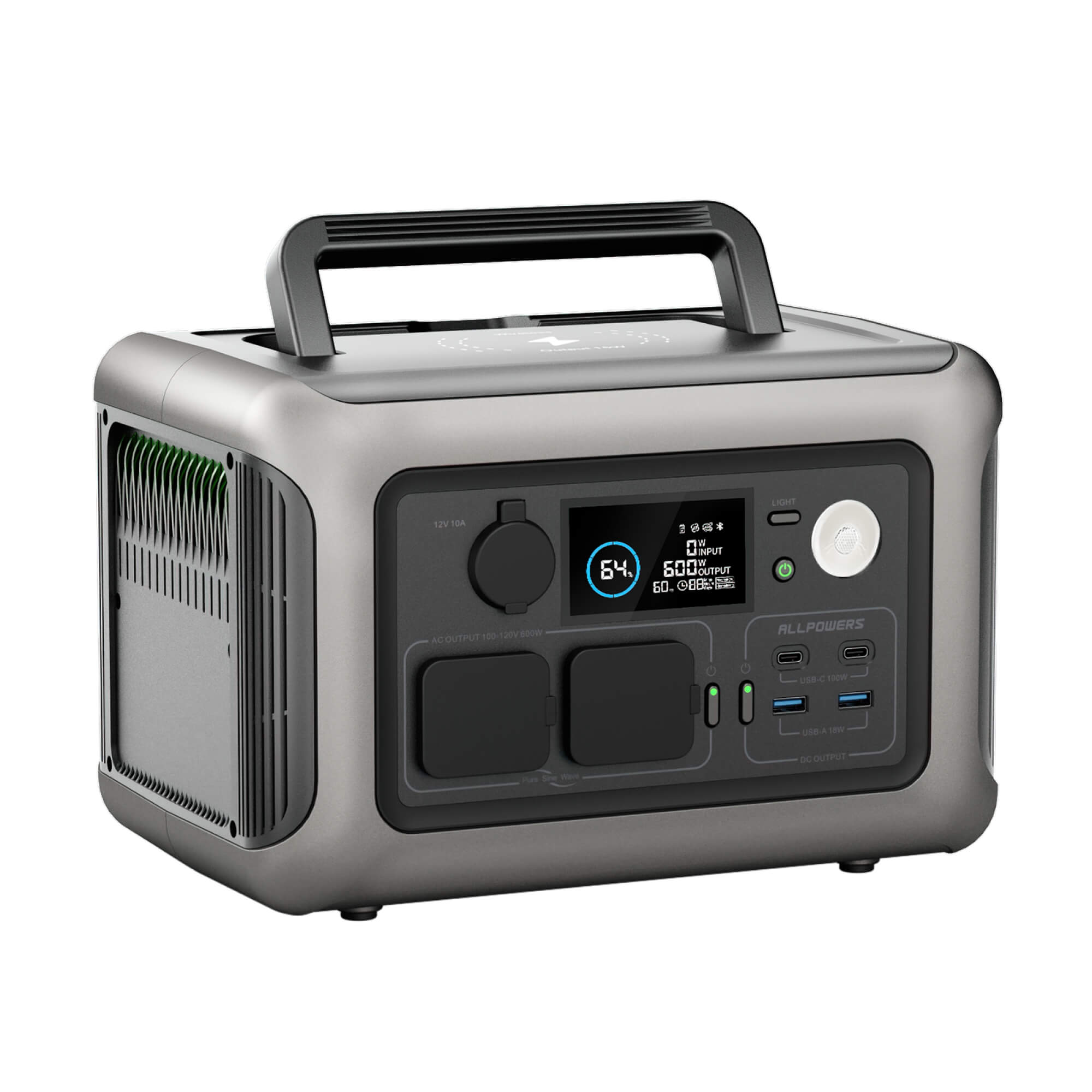
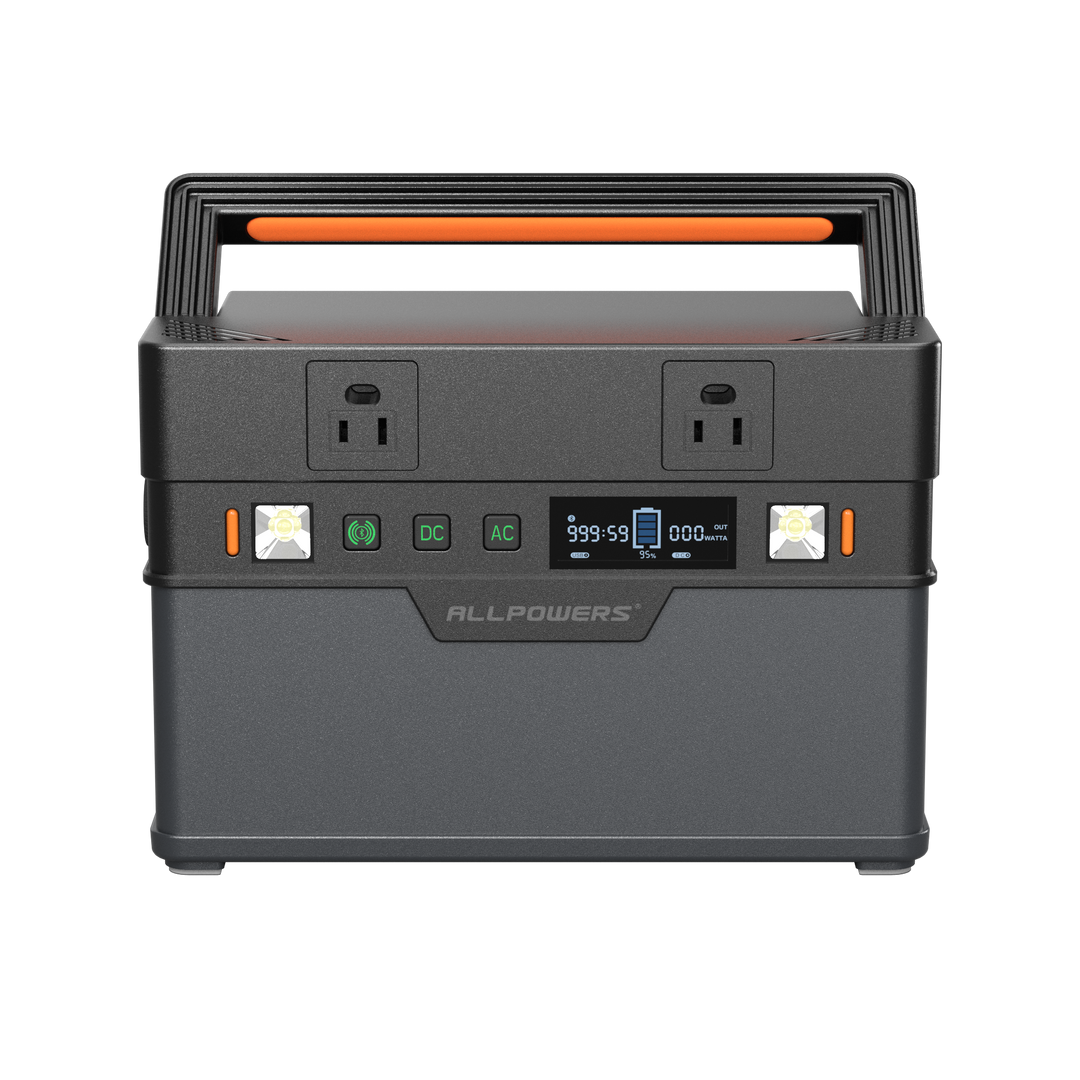
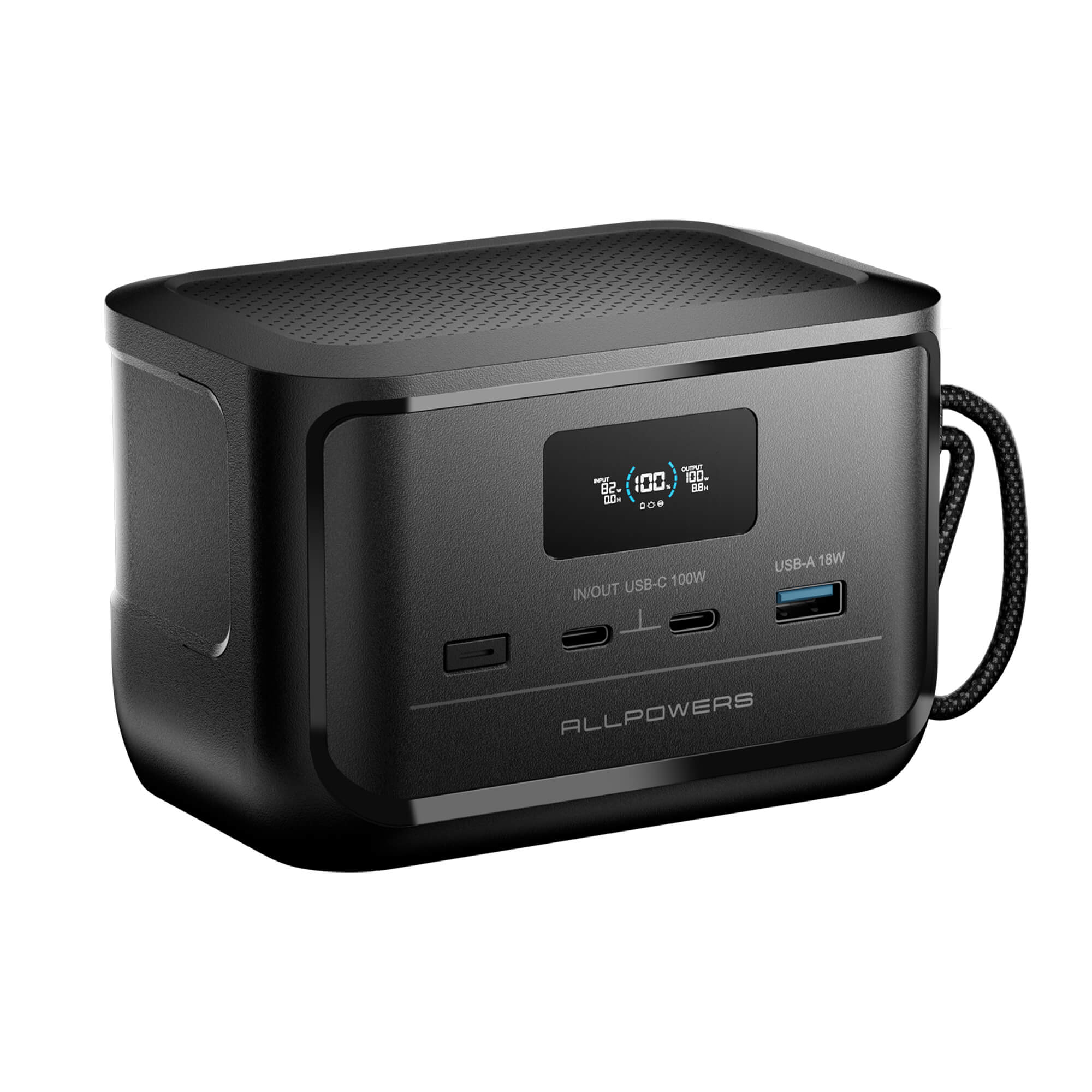
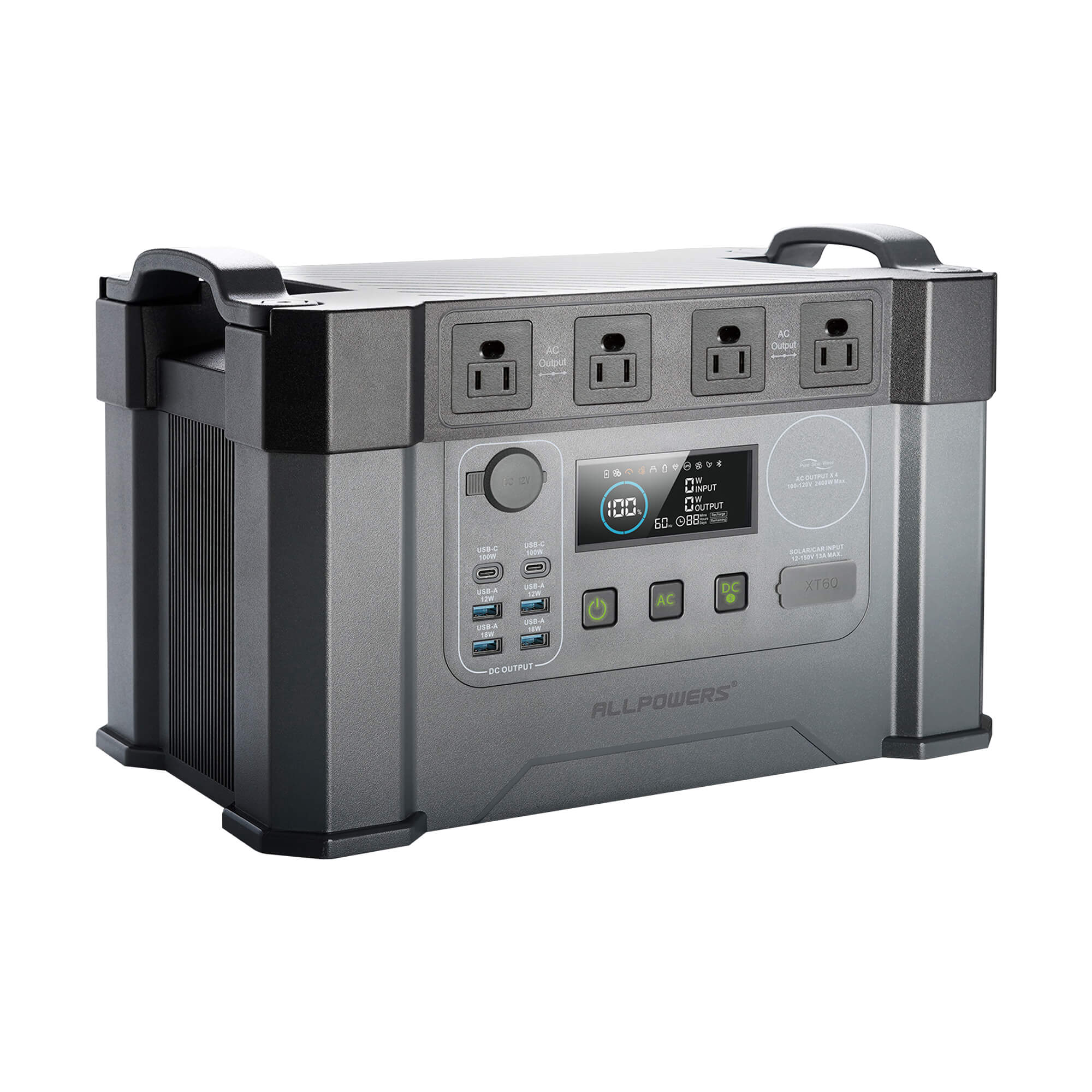
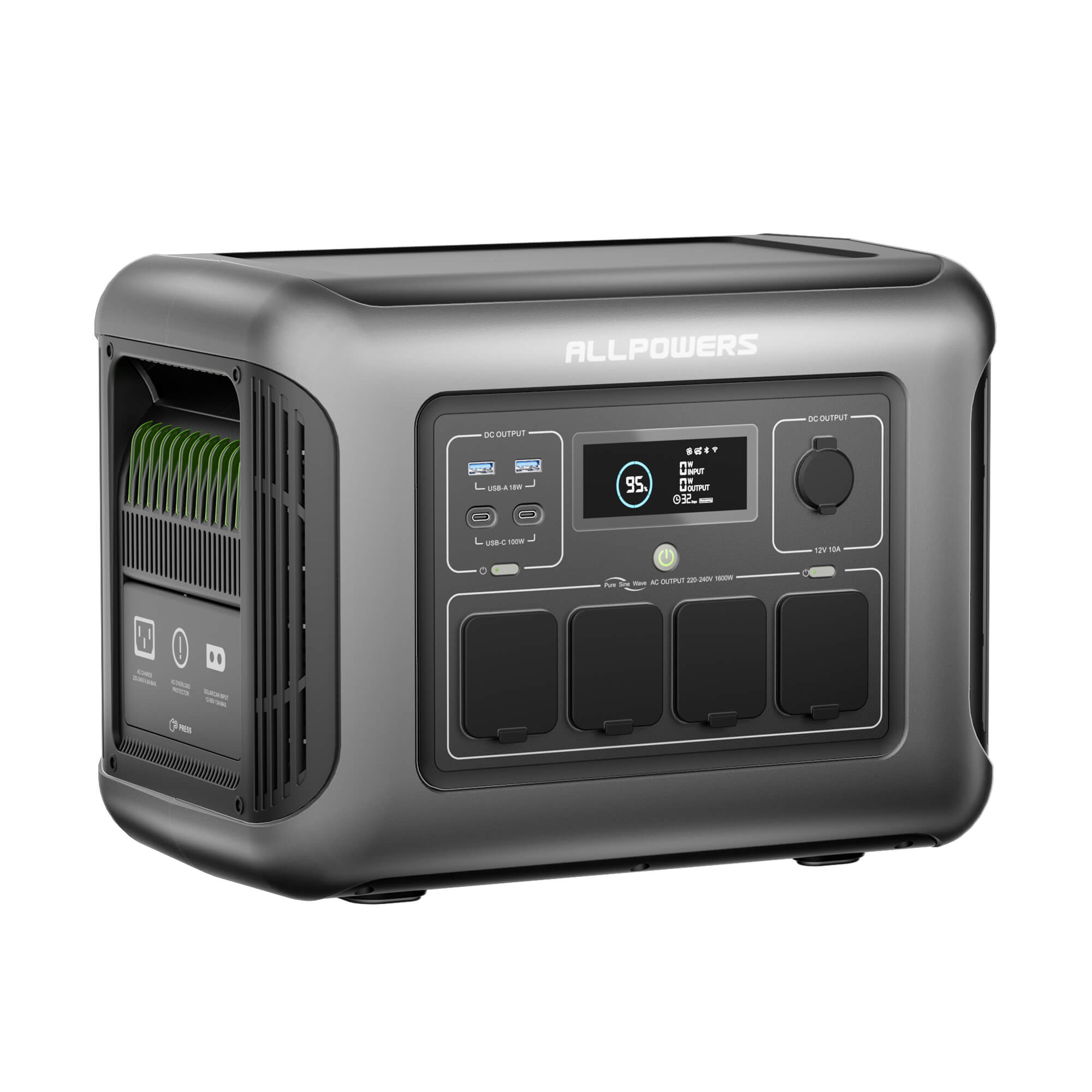
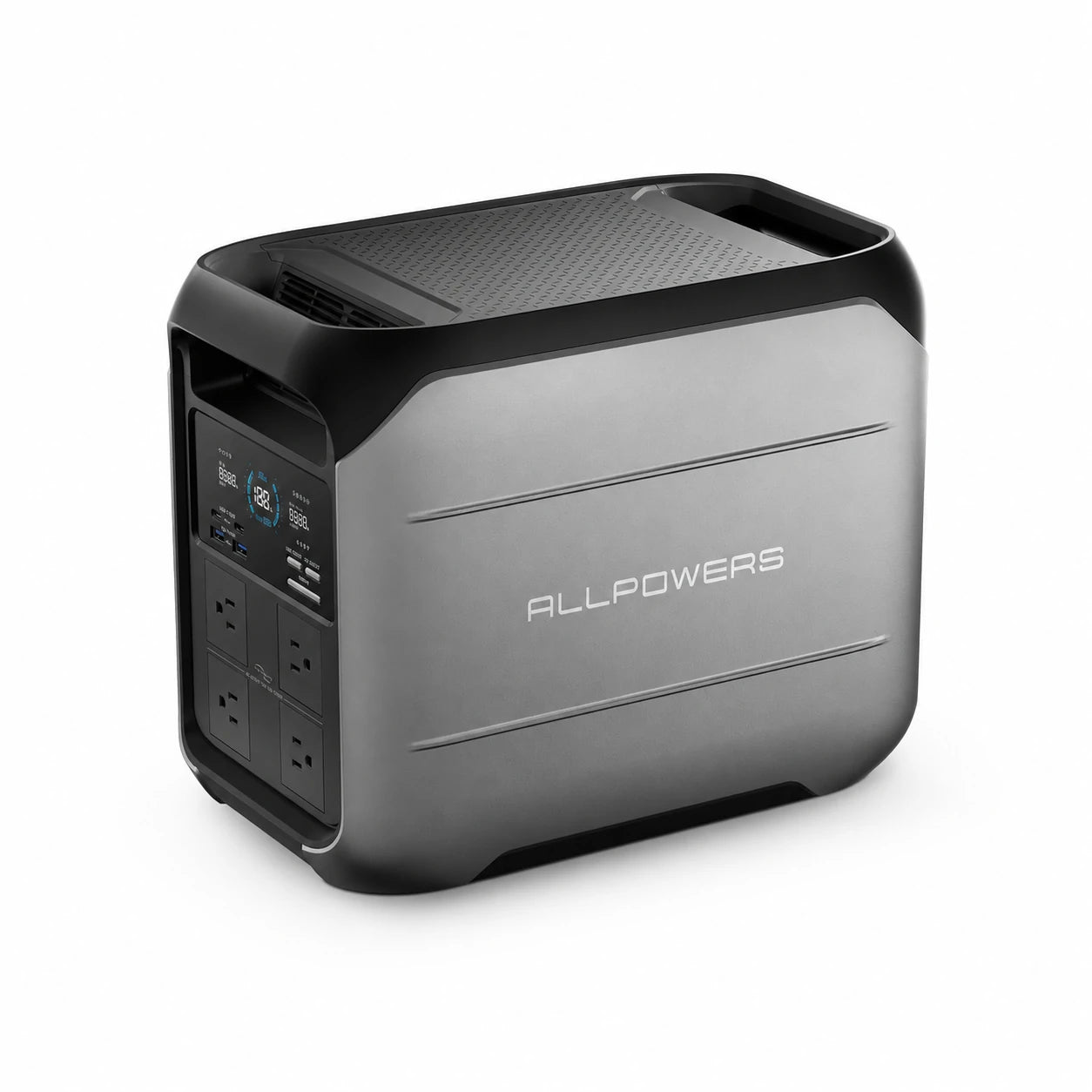
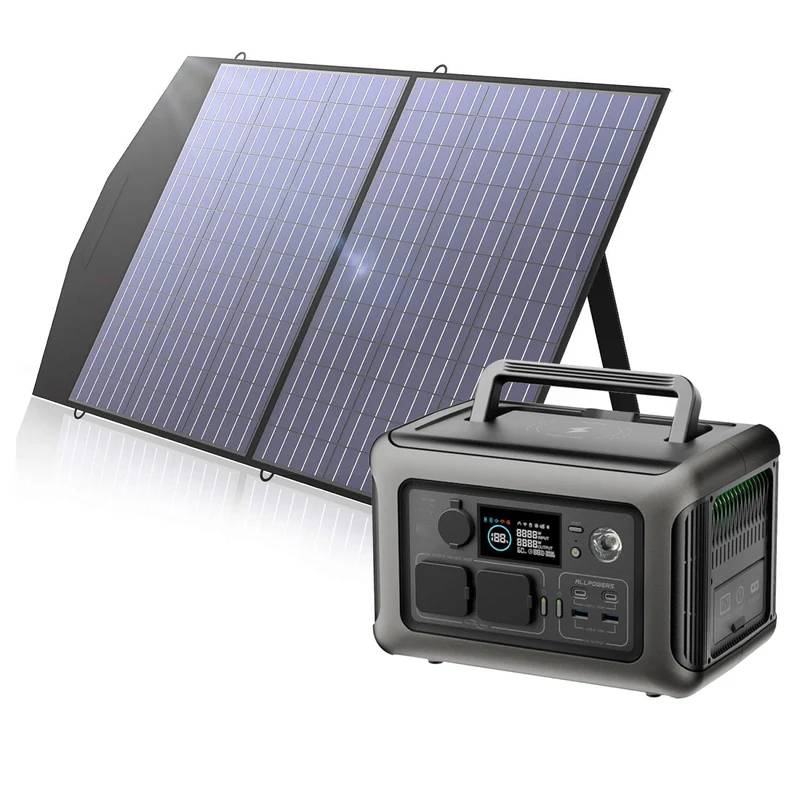
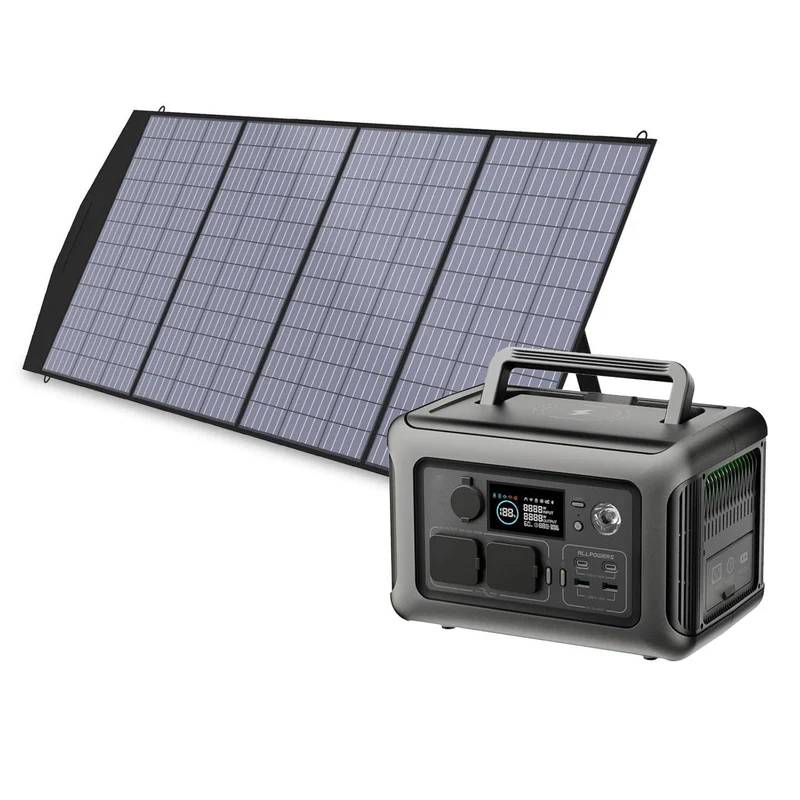
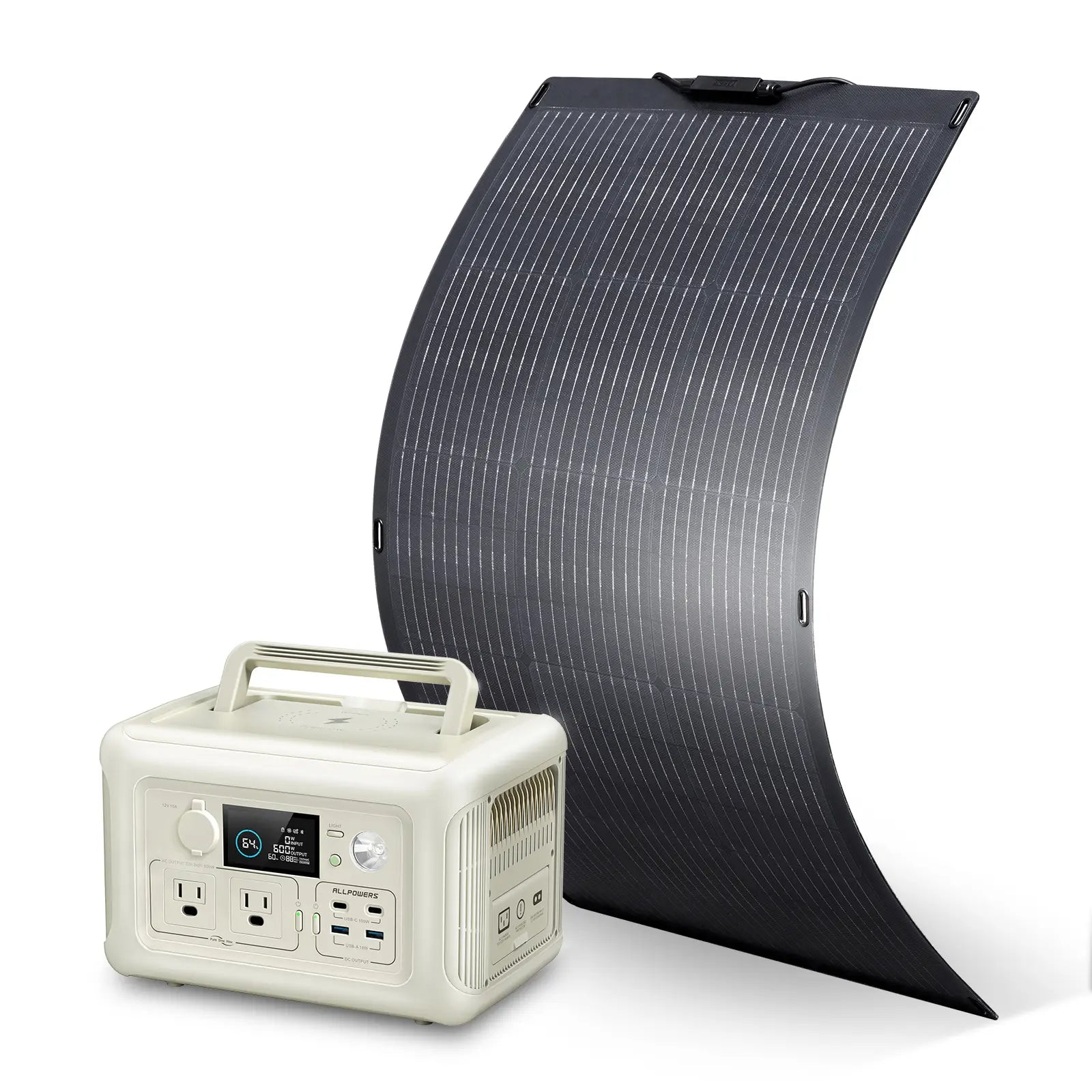
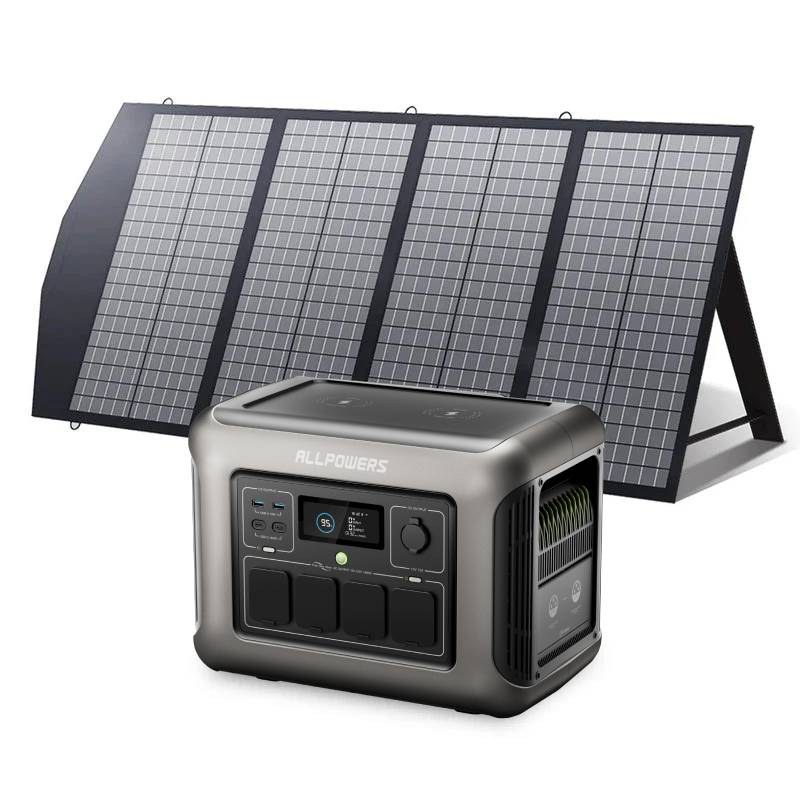
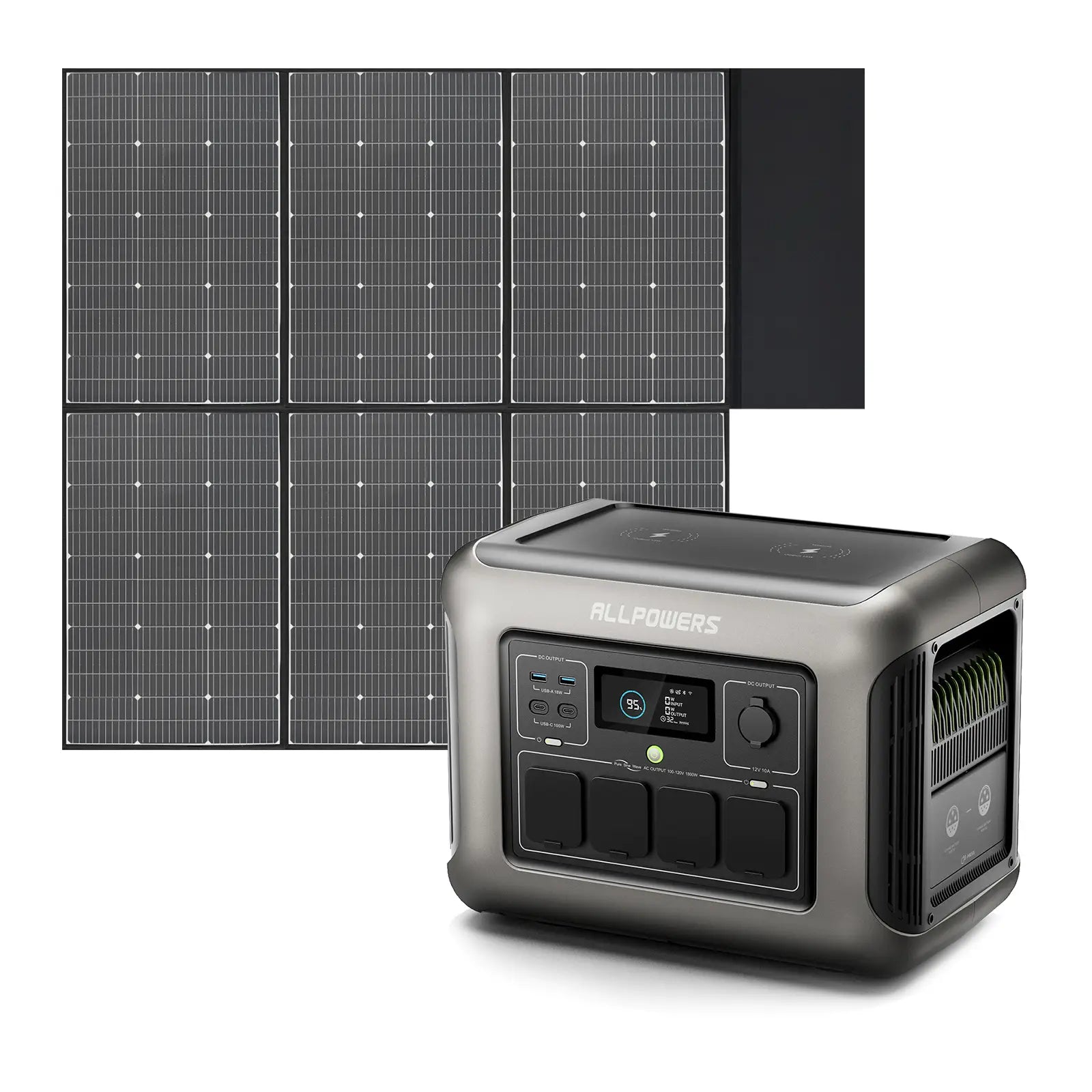
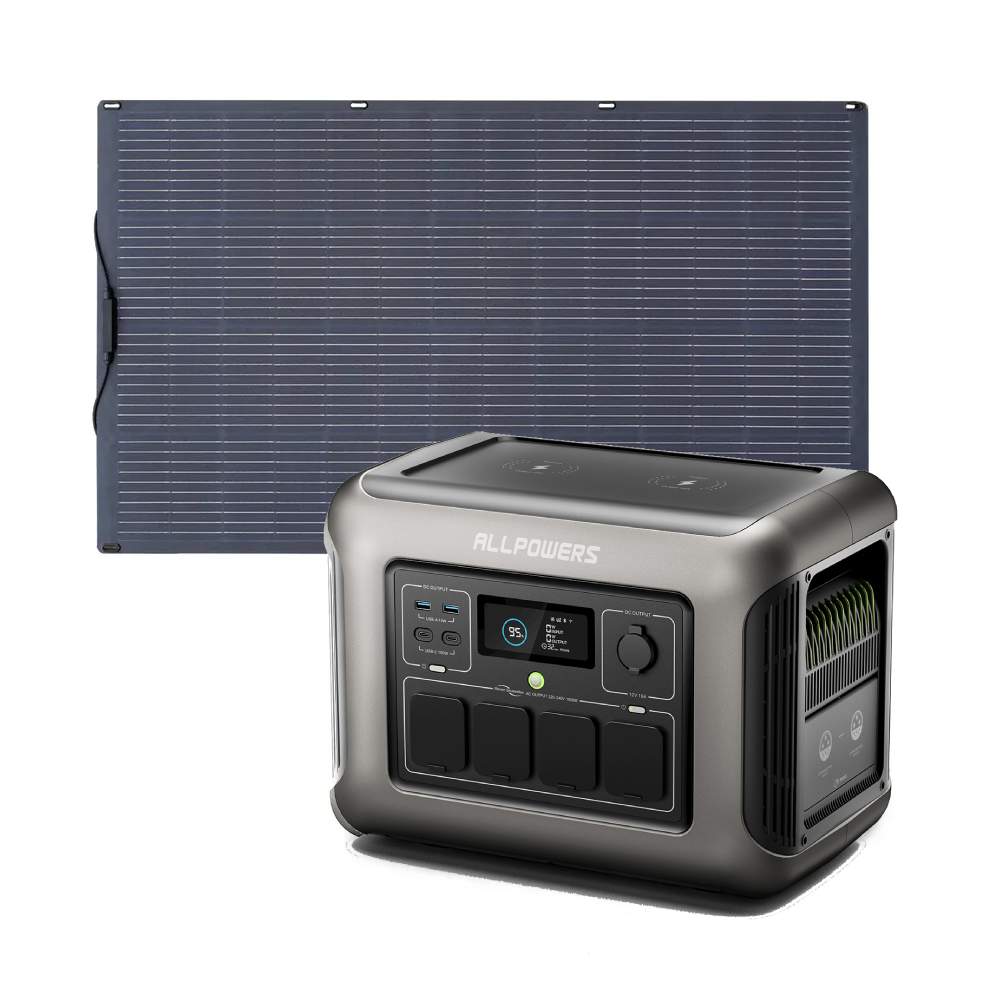
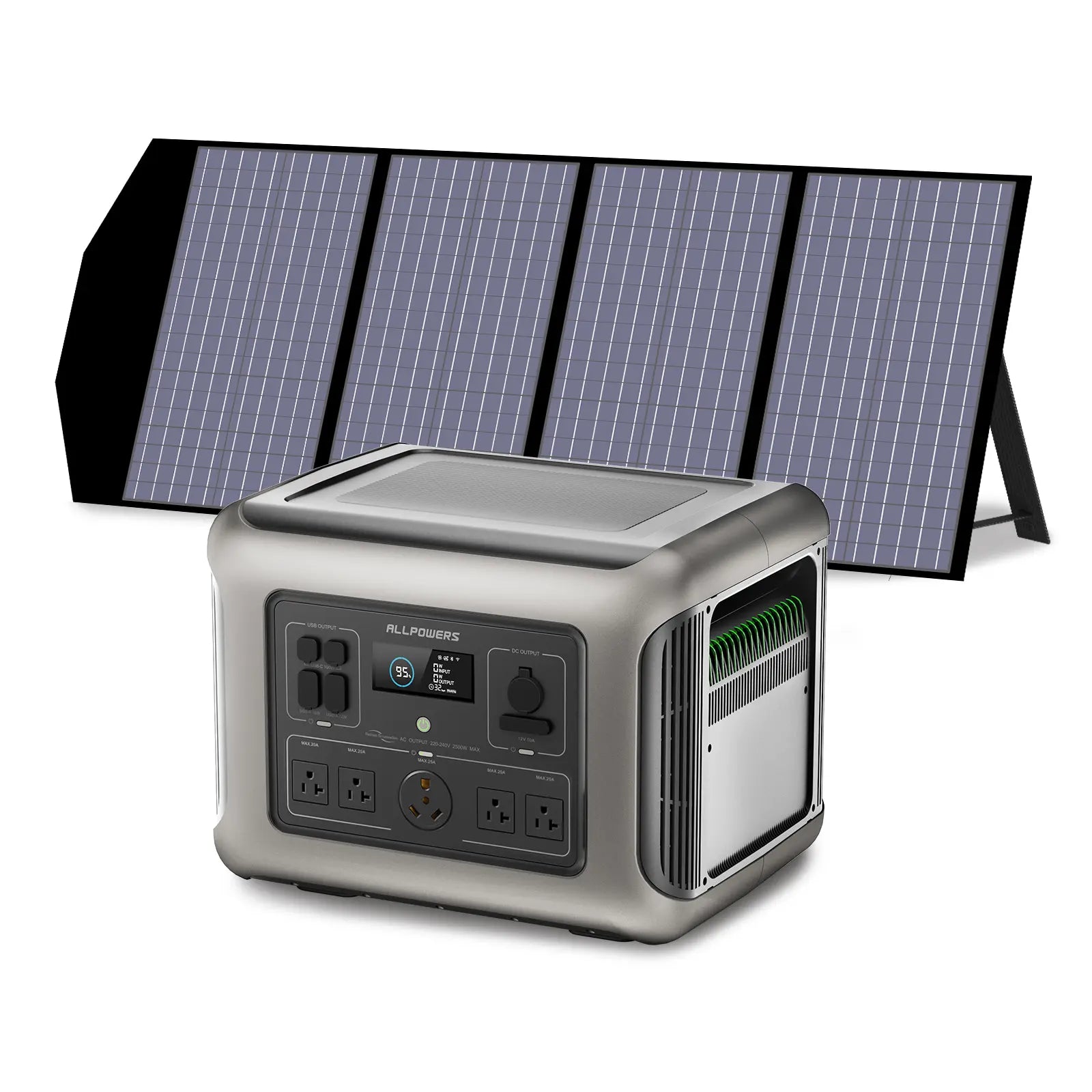
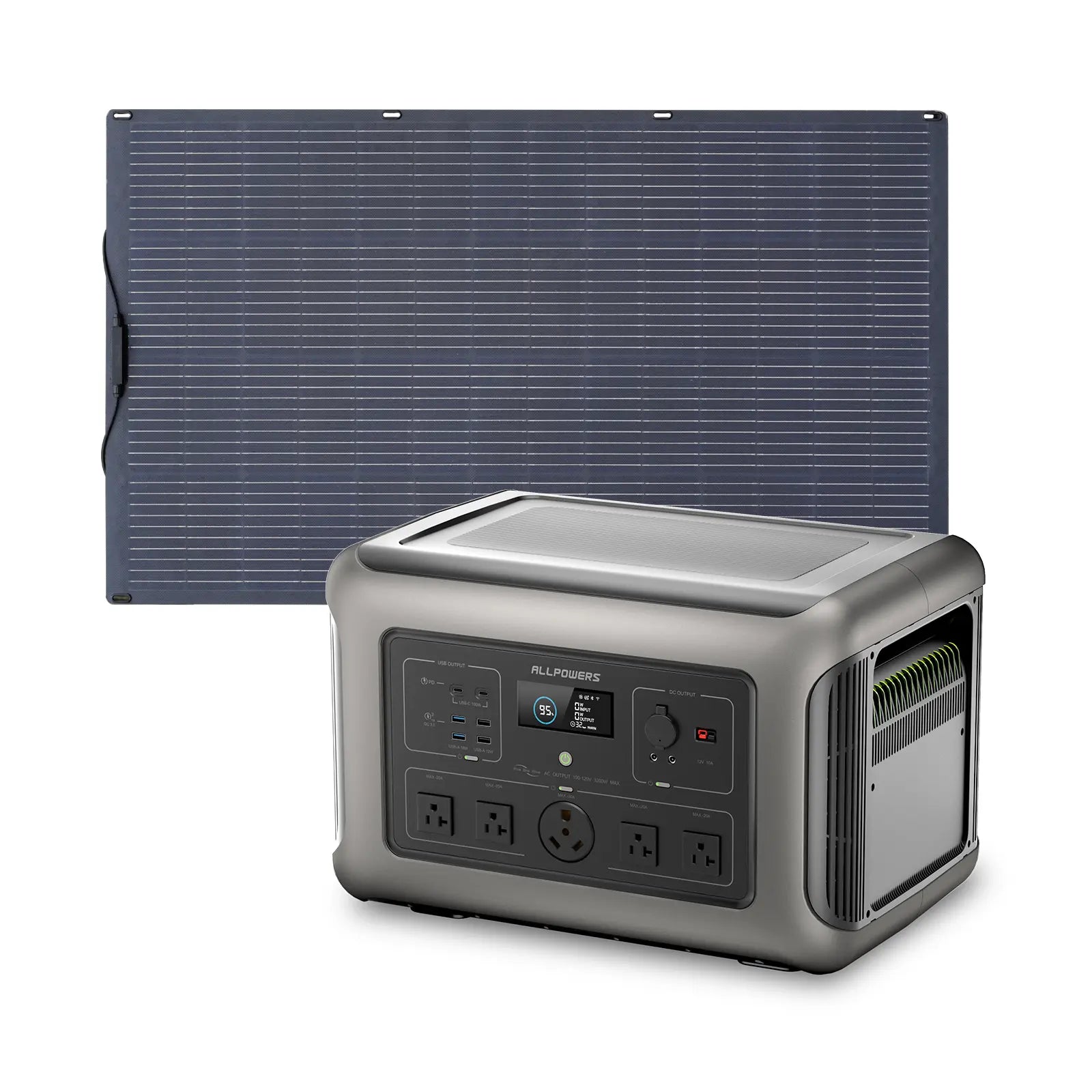
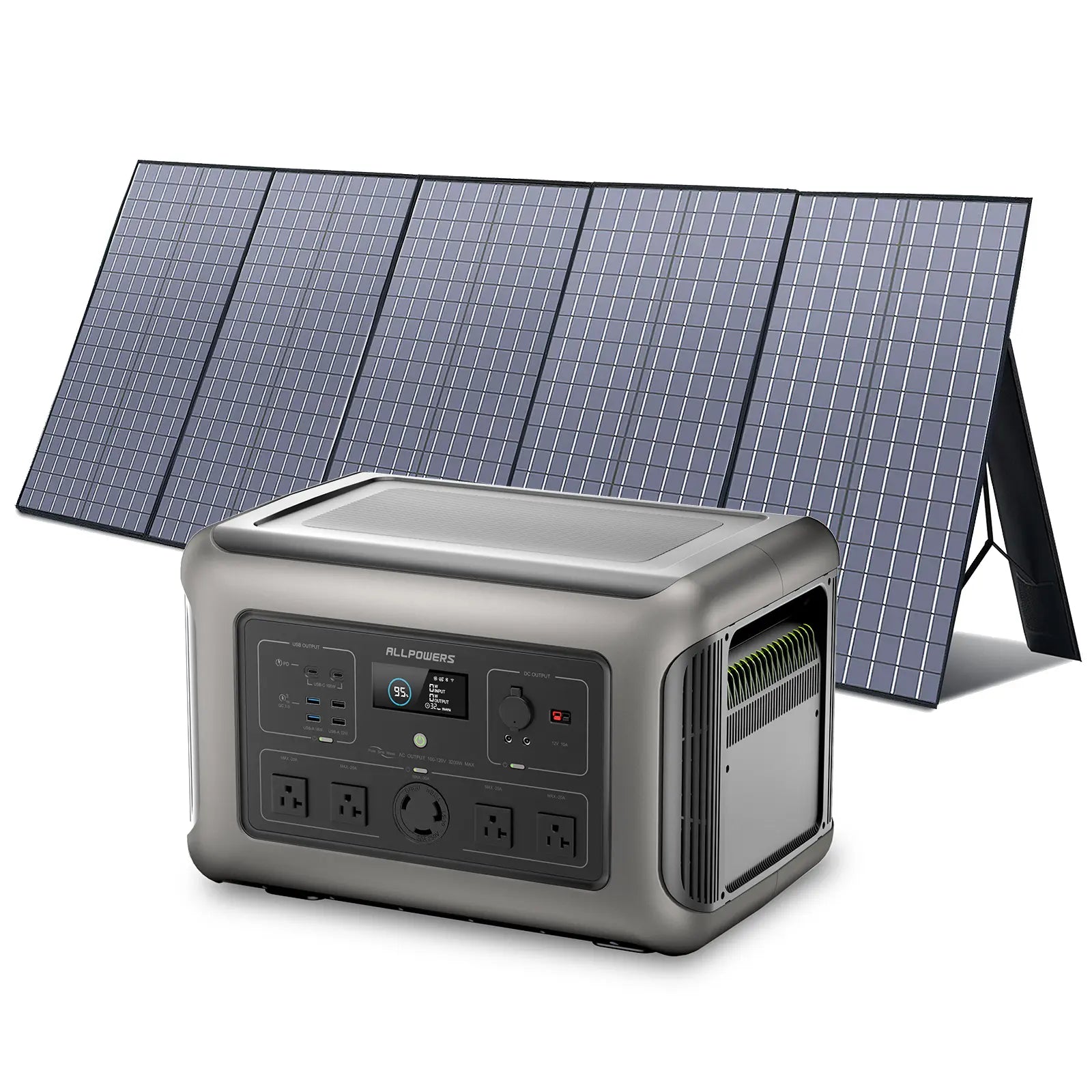
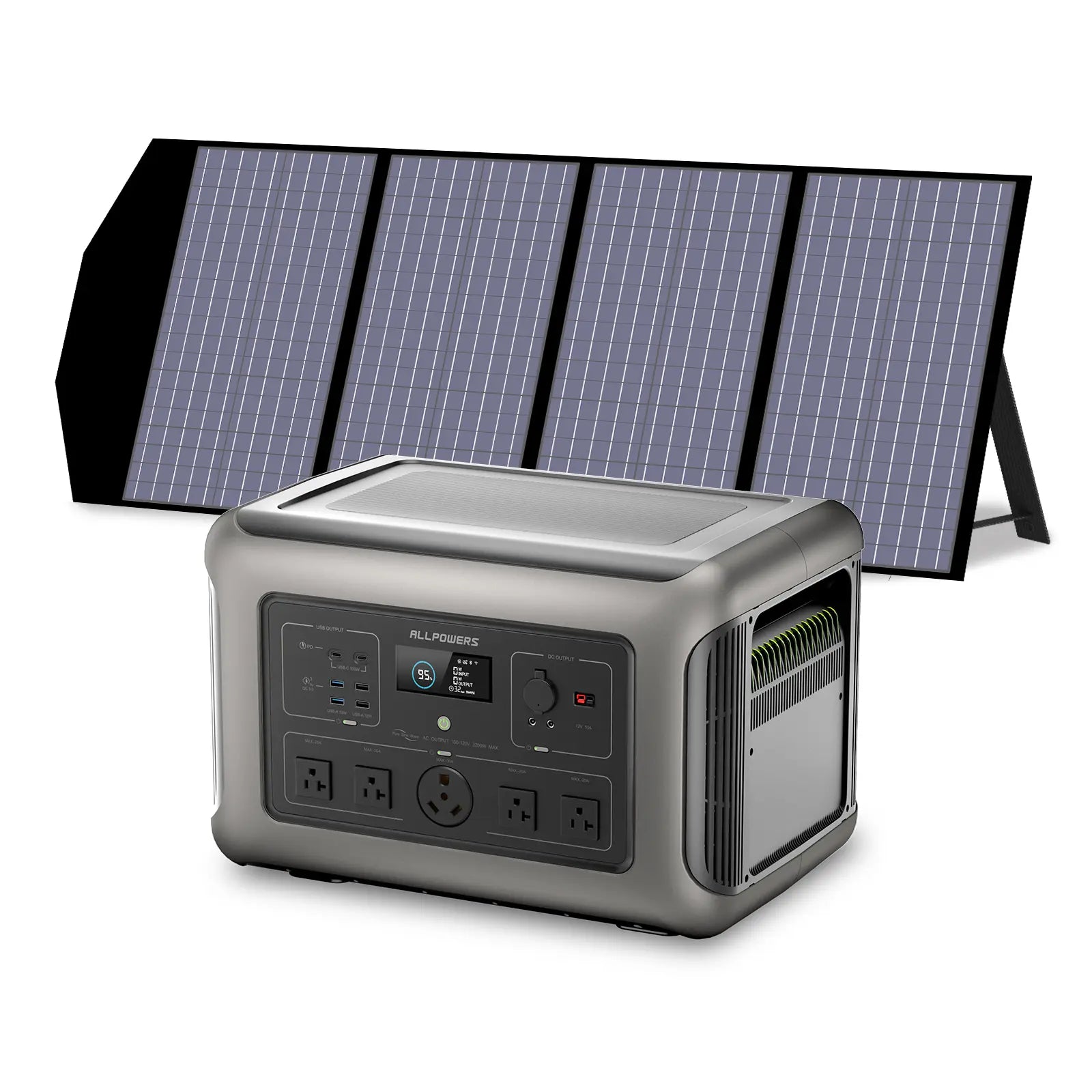
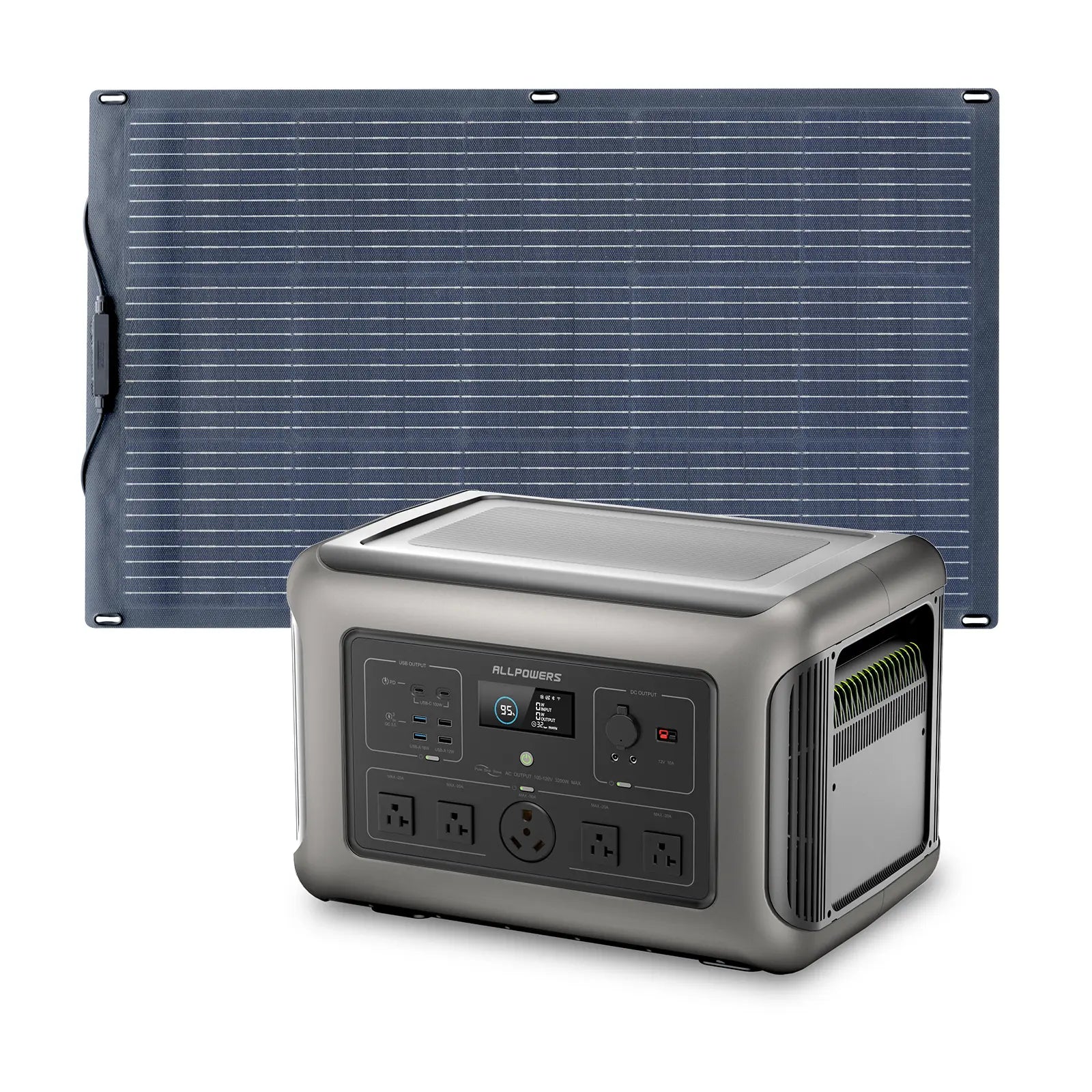
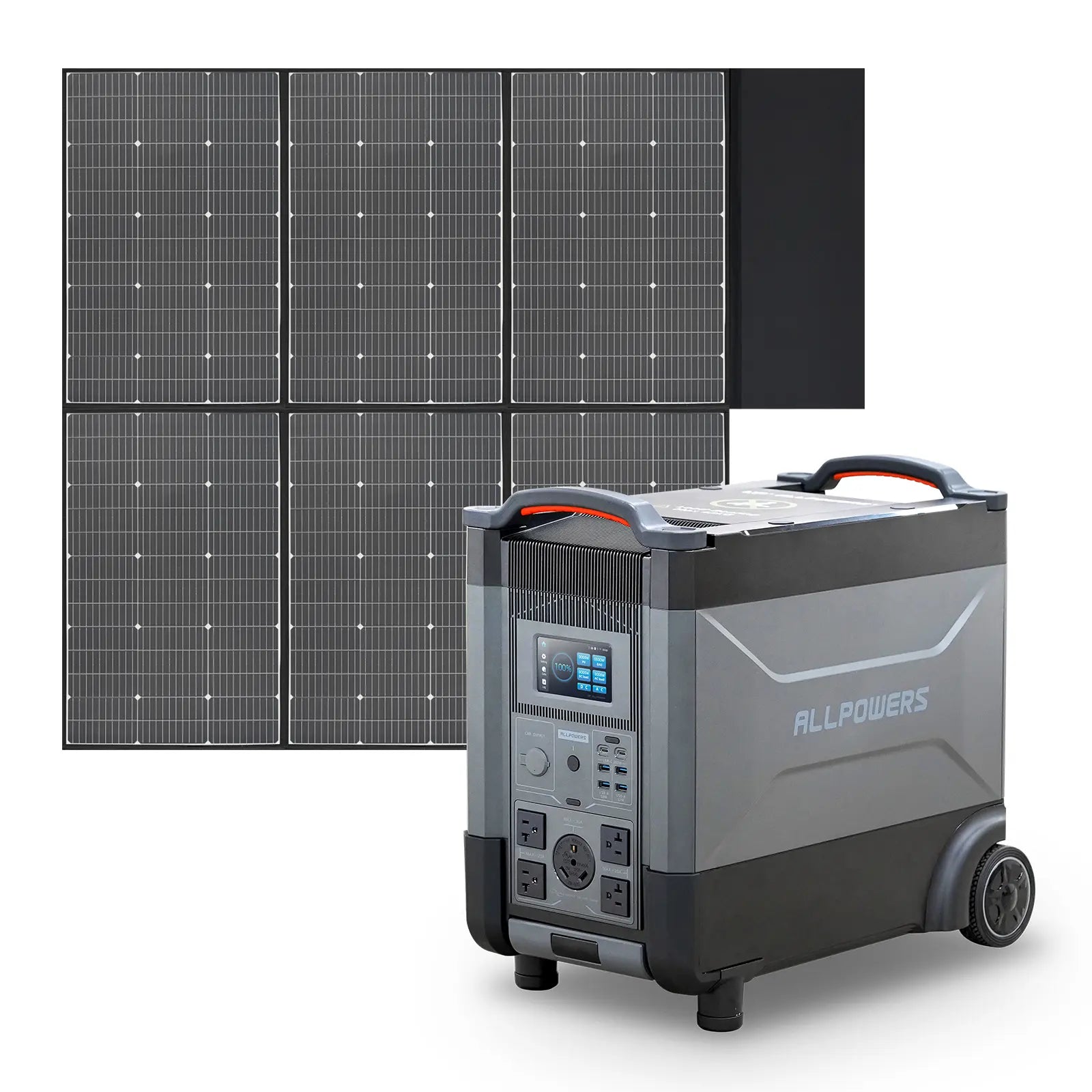
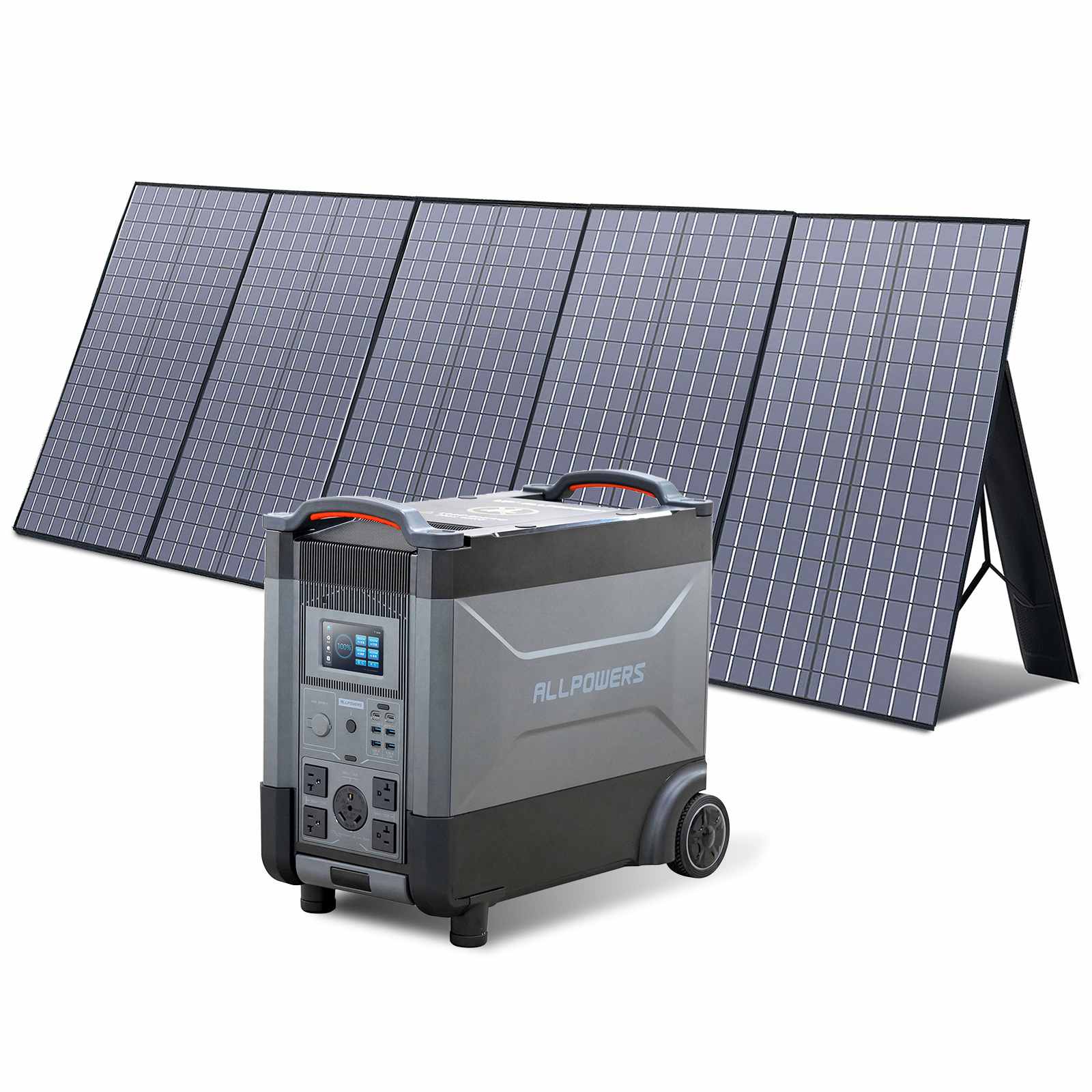
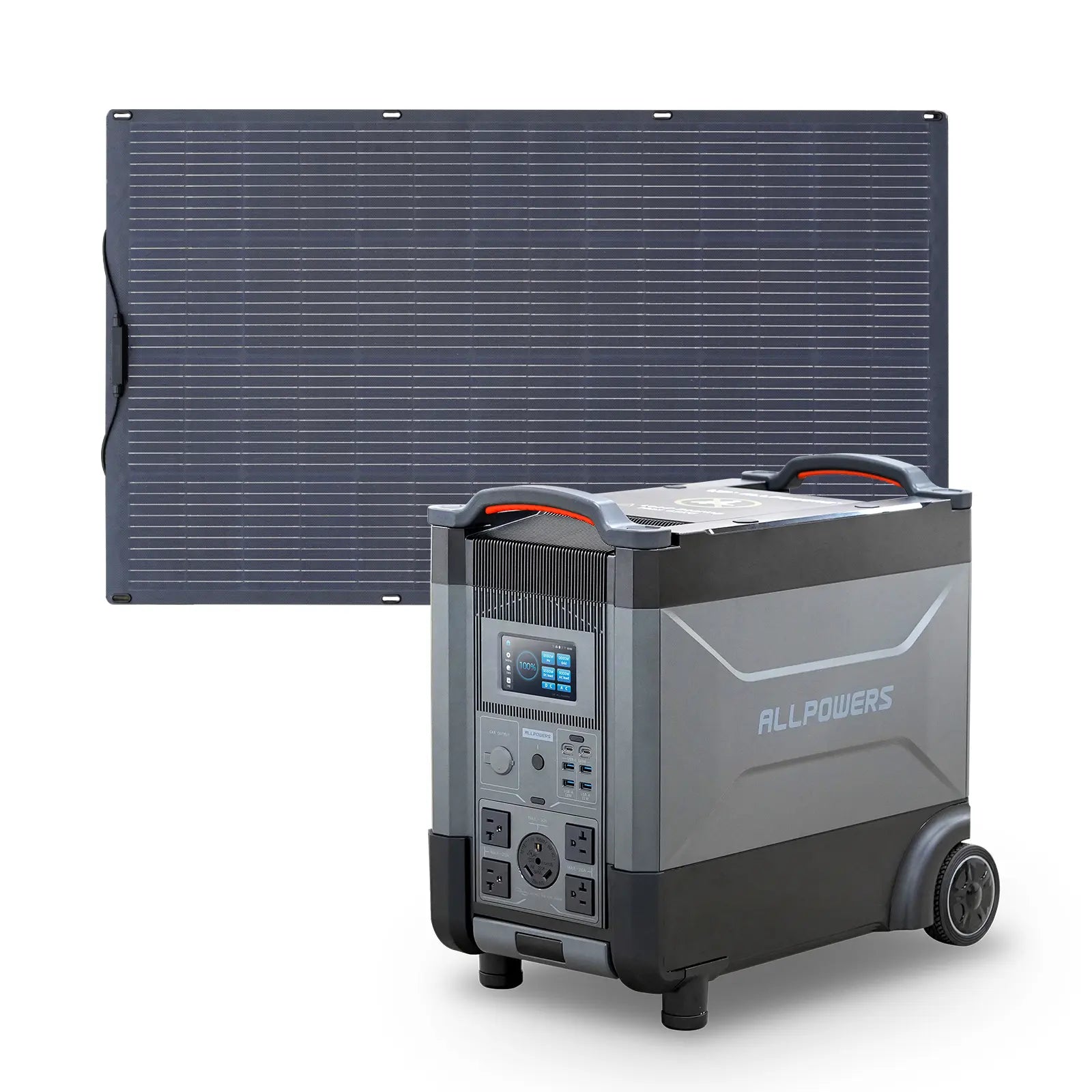
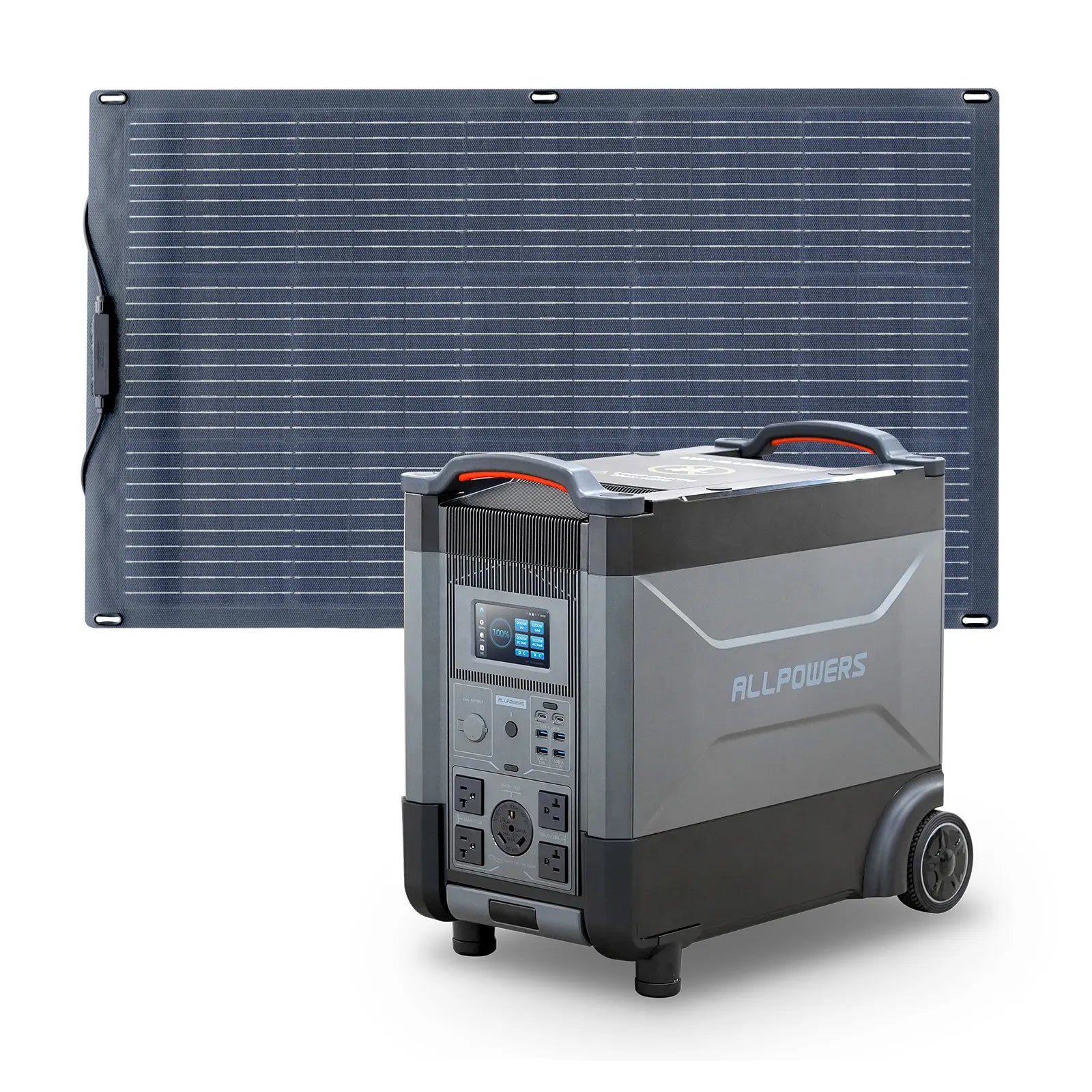
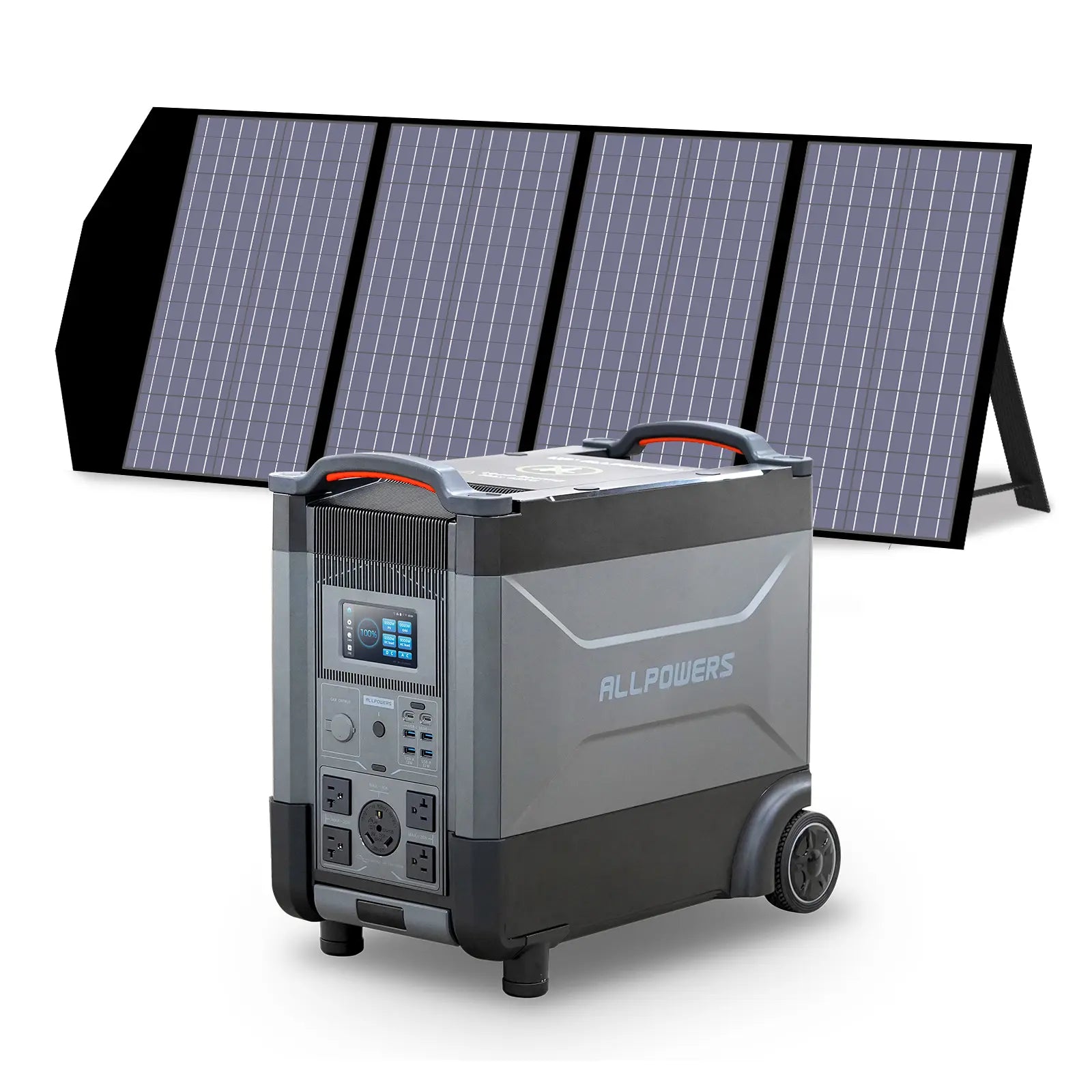
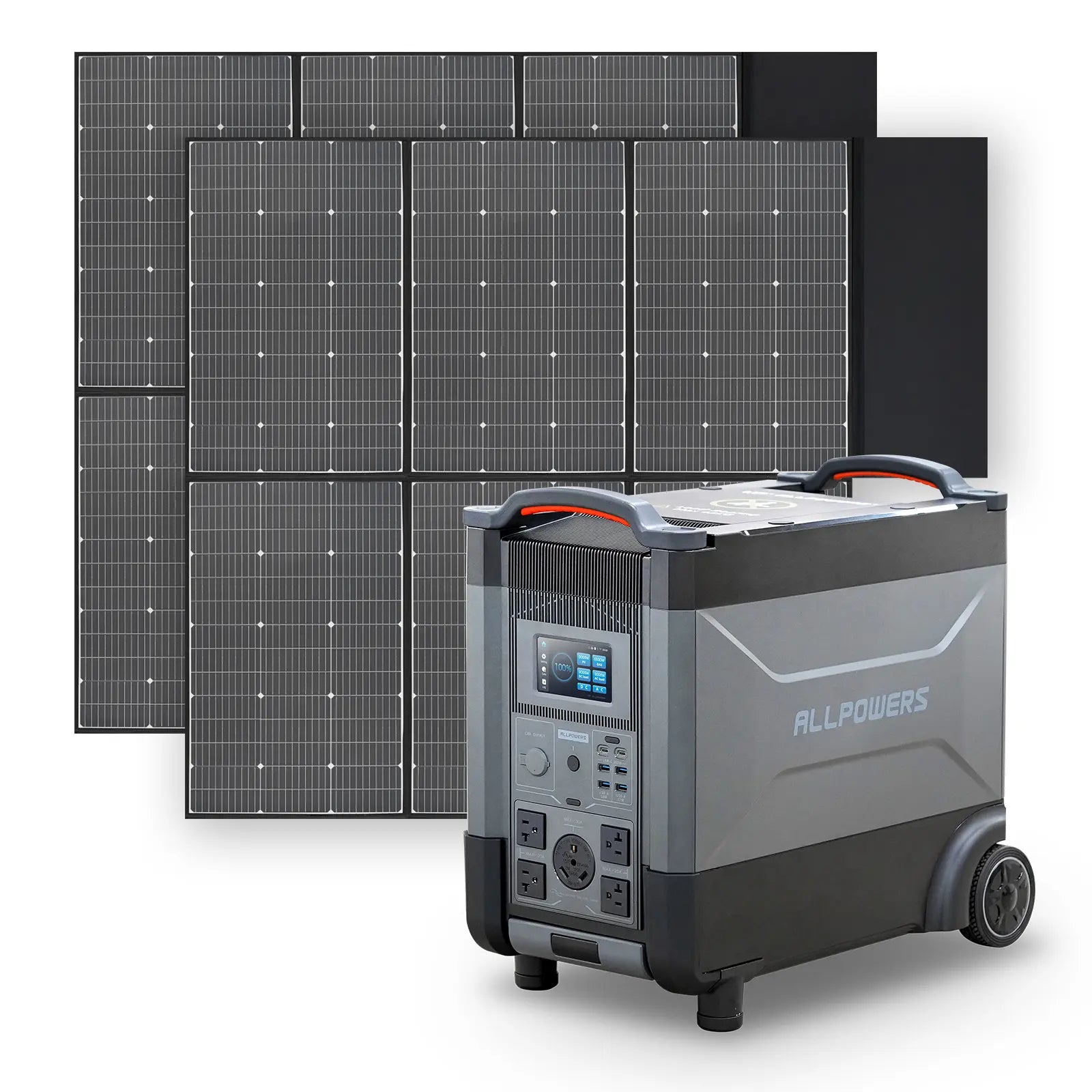
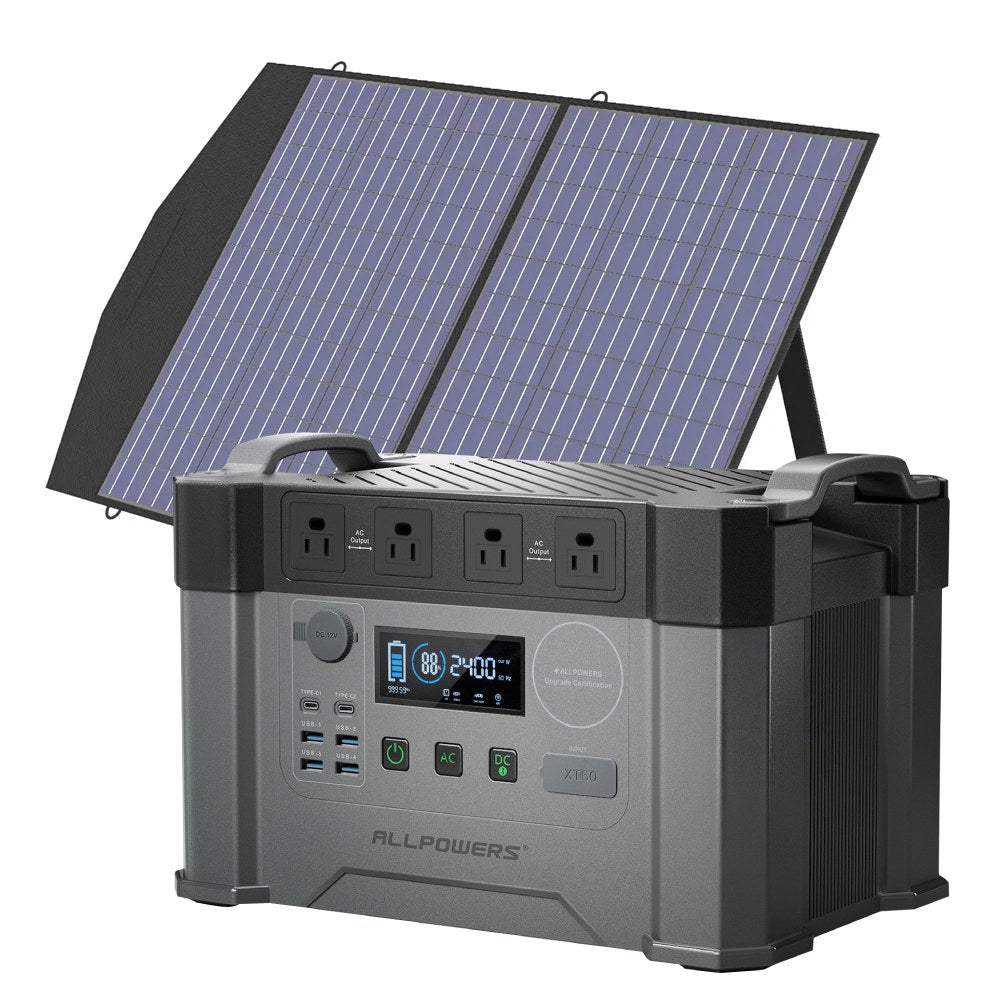
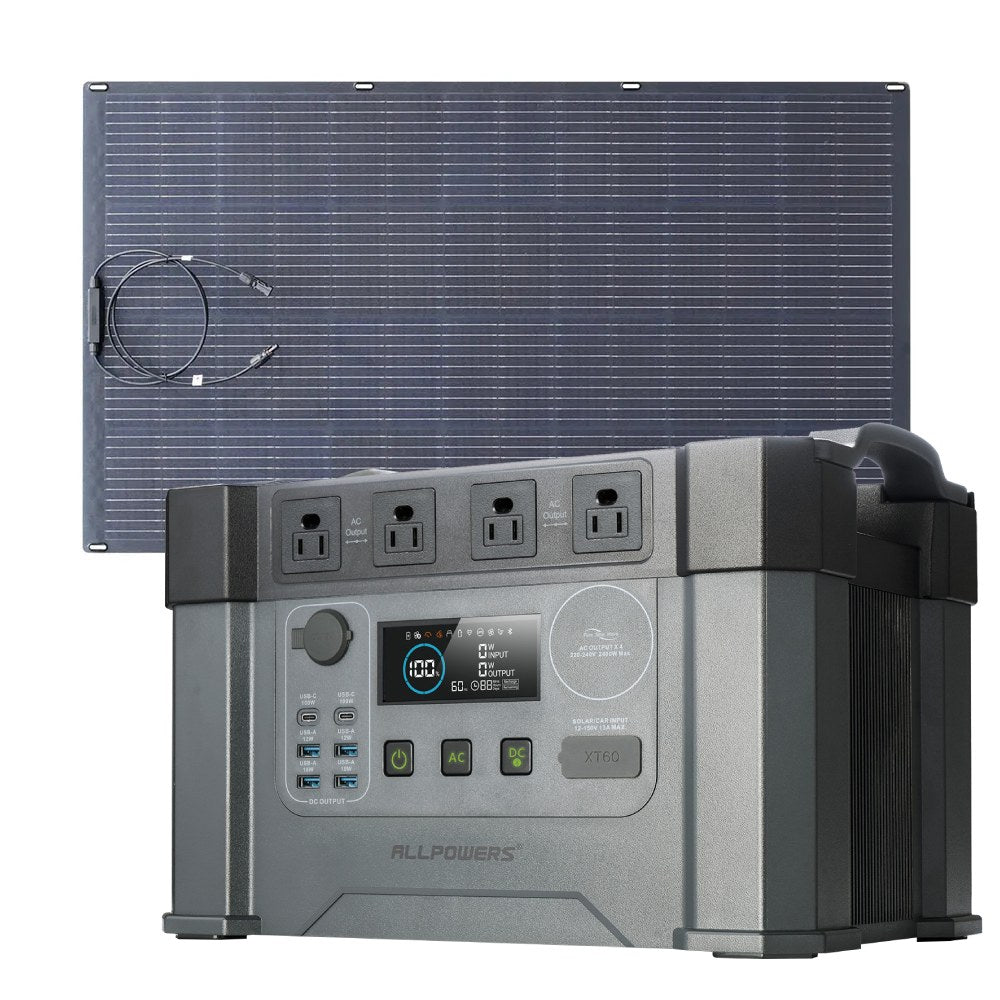
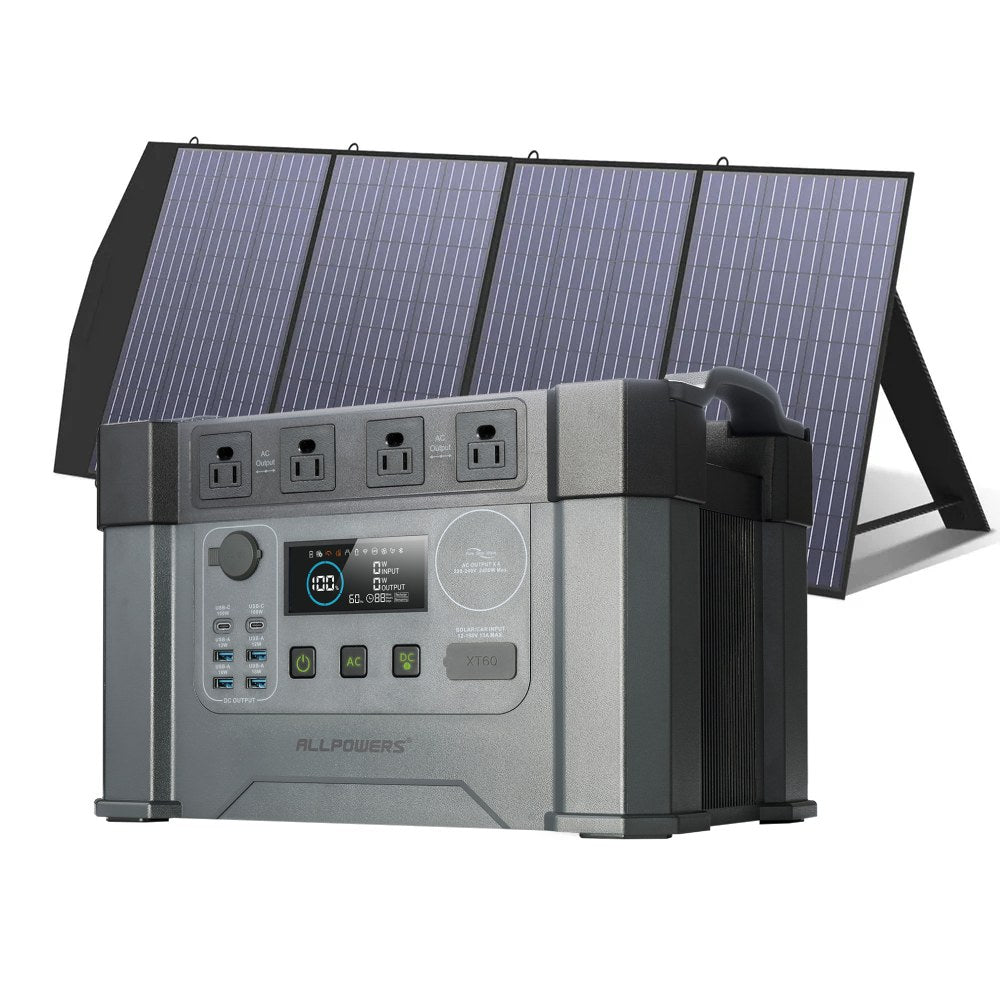
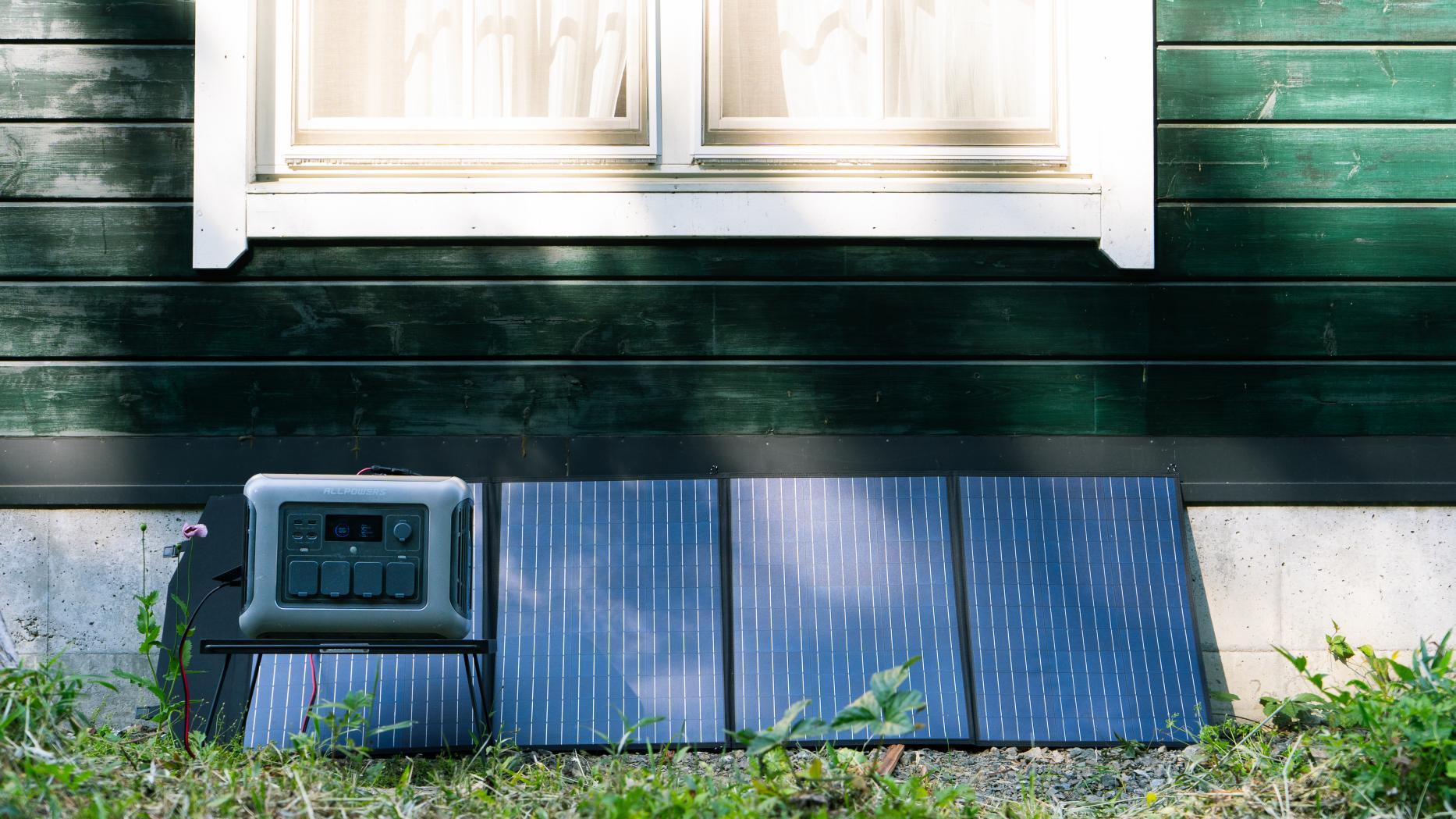
Many homeowners now combine generators with smaller backup energy solutions for powering low-wattage electronics, communication devices, lighting, and overnight essentials more efficiently.
For example, some households reserve fuel-powered generators primarily for refrigerators, sump pumps, or large appliances while using compact battery-powered systems for phones, laptops, or smaller electronics during quieter nighttime hours.
Why Emergency Power Planning Matters More Than Ever
As weather events become more unpredictable and electrical grids experience increasing pressure during extreme temperatures, homeowners are paying closer attention to emergency preparedness and backup power planning.
Understanding how to safely use a generator is no longer only about convenience. For many households, reliable backup electricity now plays an important role in protecting food storage, maintaining communication, supporting medical devices, and improving overall household resilience during unexpected outages.
Careful preparation, proper safety practices, and realistic power planning can make power outages far more manageable while helping households avoid unnecessary risks during emergencies.
Frequently Asked Questions
Can you run a generator in a garage?
No. Generators should never operate indoors or inside partially enclosed spaces because of carbon monoxide risks.
How far should a generator be from the house?
Most safety experts recommend placing generators at least 20 feet away from doors, windows, and vents whenever possible.
Can a portable generator power an entire house?
Some larger generators can support multiple household circuits, but many portable generators are designed only for essential appliances.
What appliances should be powered first during an outage?
Most homeowners prioritize refrigerators, medical equipment, lighting, communication devices, and sump pumps.
Can generators damage electronics?
Inverter generators are generally safer for sensitive electronics because they provide cleaner and more stable power output.
```