







Batteries quietly power nearly every part of modern life, from small household electronics to advanced renewable energy systems.
Among the many types available, nickel-metal hydride (NiMH) and lithium-ion (Li-ion) batteries stand out as two of the most widely used rechargeable technologies.
Both technologies have evolved significantly over the years, offering unique strengths and trade-offs depending on the application.
But if you had to choose one, which truly stands out as the better option?
TL;DR
Lithium-ion batteries generally offer higher energy density, lighter weight, longer lifespan, and better performance for modern portable devices, while NiMH batteries remain more affordable, safer in certain conditions, and suitable for standard replaceable formats like AA batteries. The “better” choice ultimately depends on how and where the battery is used.
What Is a NiMH Battery?
Nickel-metal hydride batteries store energy through a chemical reaction between nickel oxide hydroxide and a hydrogen-absorbing alloy.
They became popular as a replacement for older nickel-cadmium batteries, offering improved capacity and reduced environmental impact.
NiMH batteries are commonly found in AA and AAA rechargeable formats, making them familiar to most consumers.
What Is a Lithium-Ion Battery?
Lithium-ion batteries rely on the movement of lithium ions between electrodes during charge and discharge cycles.
This chemistry allows for significantly higher energy density compared to NiMH.
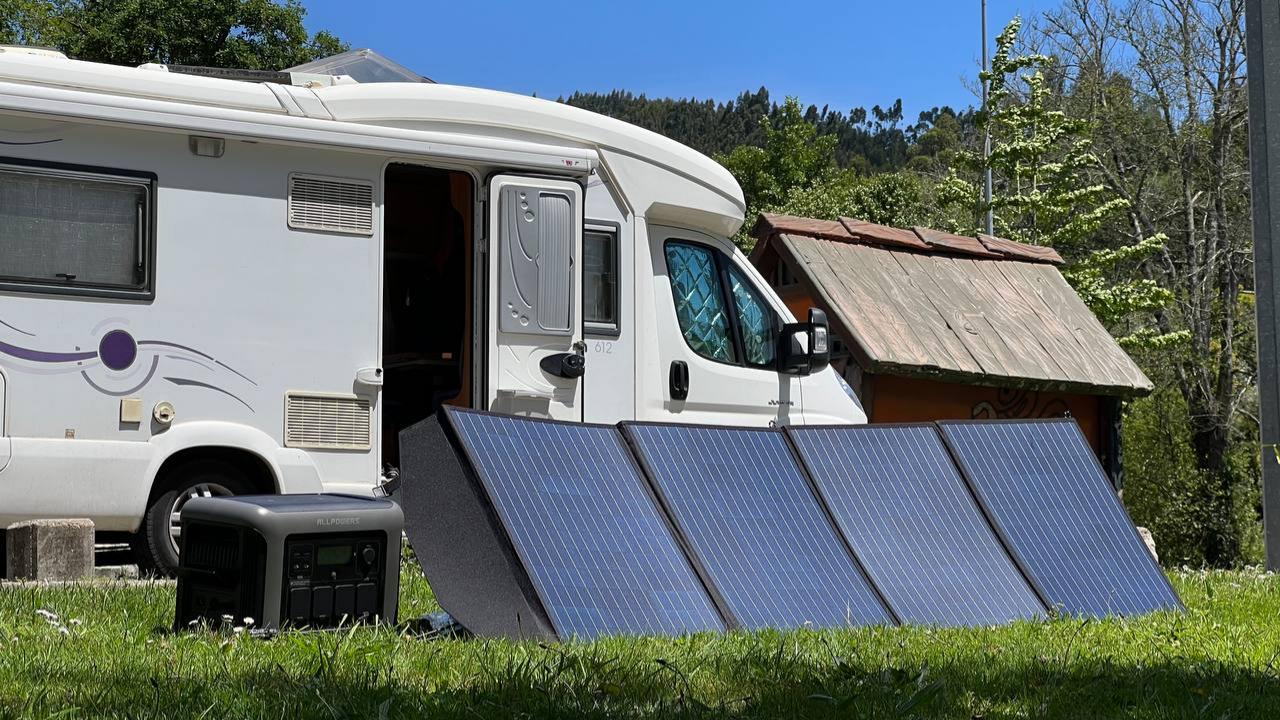
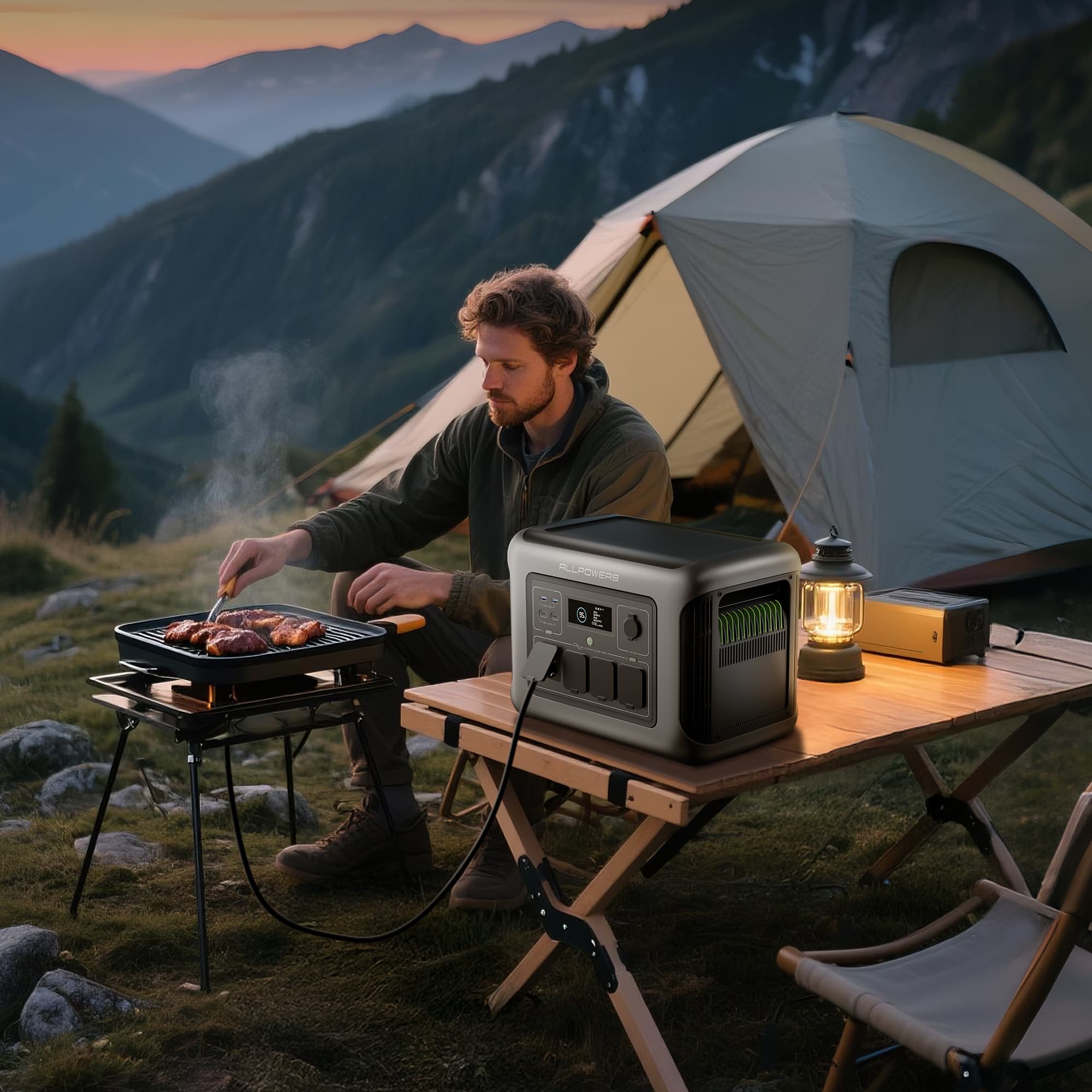
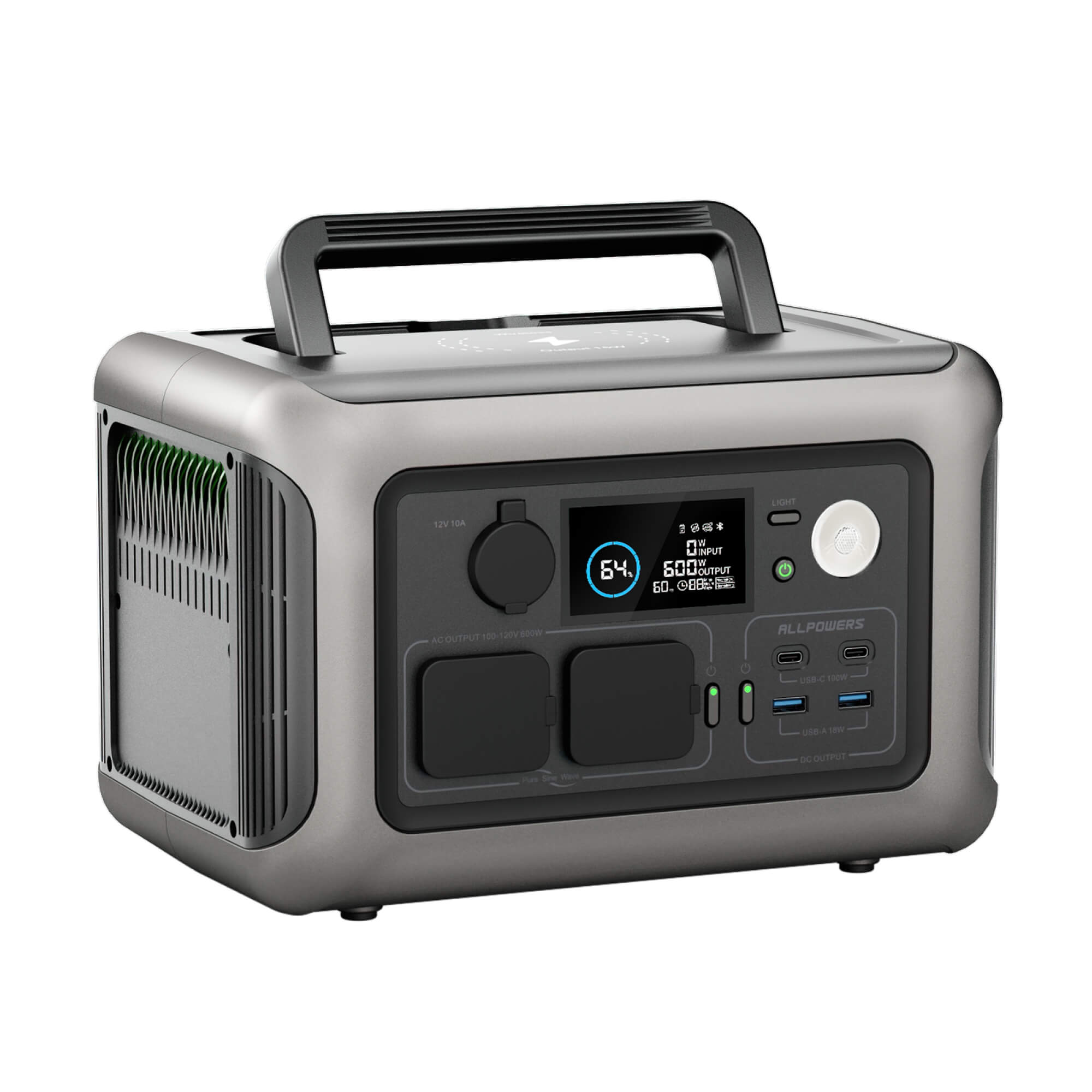
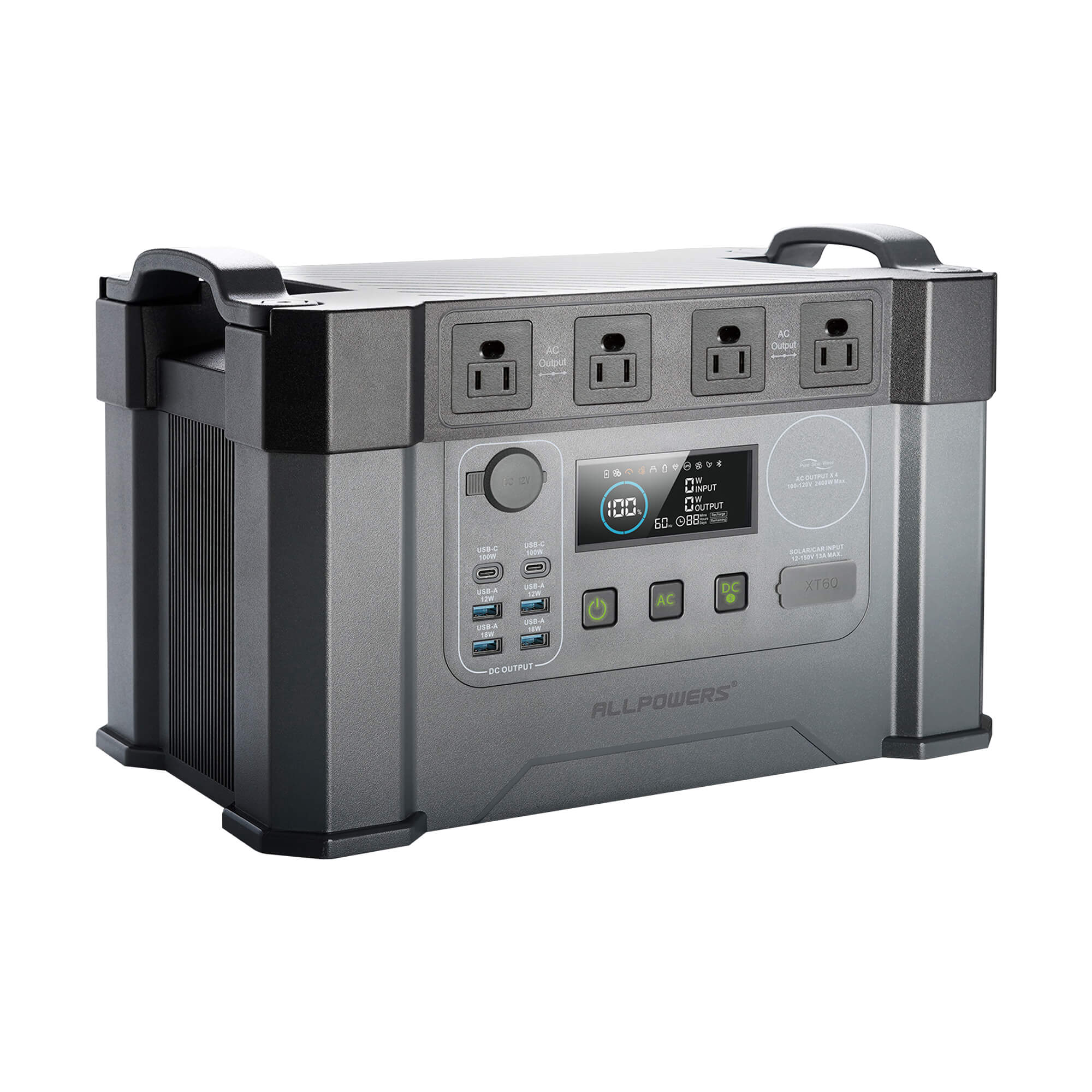
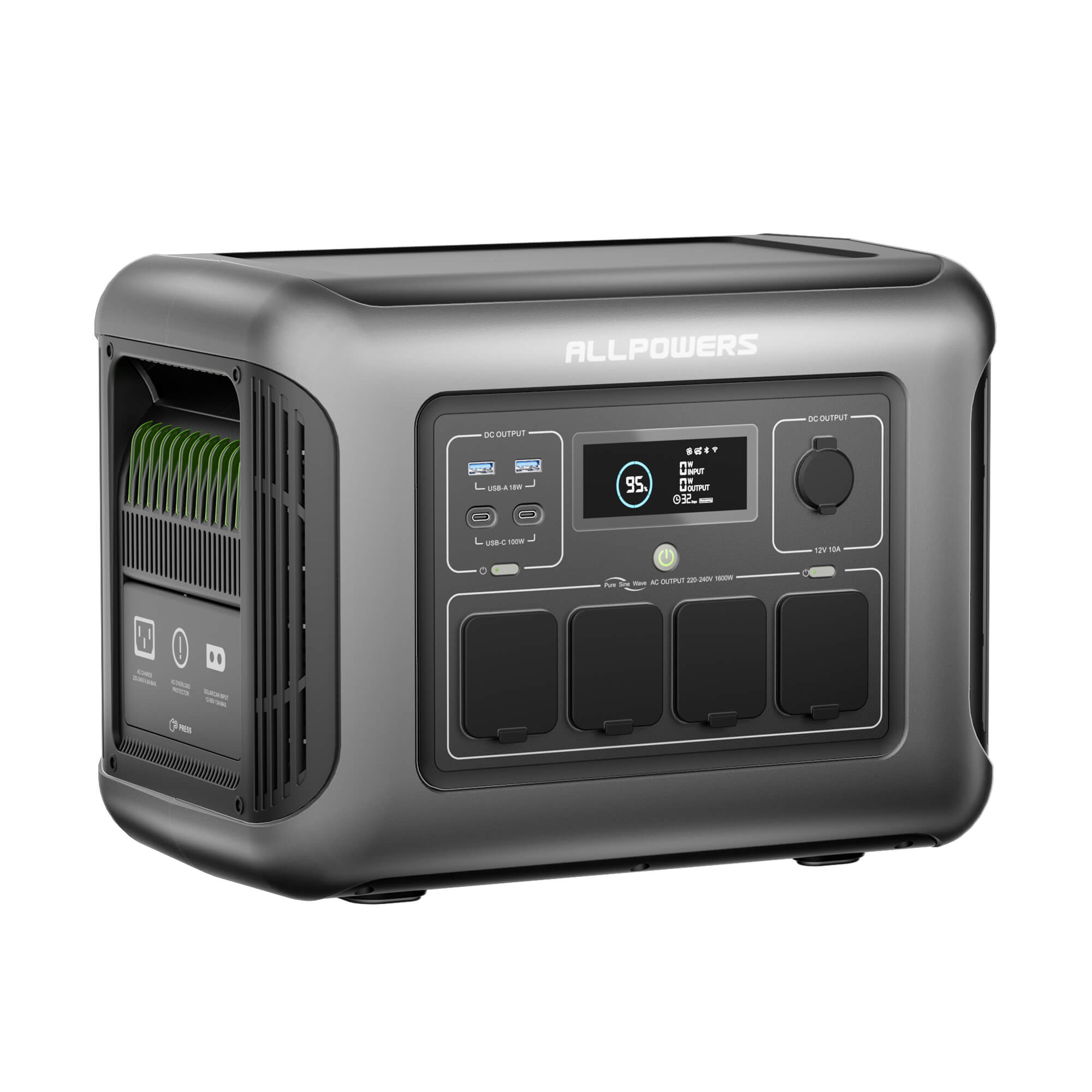
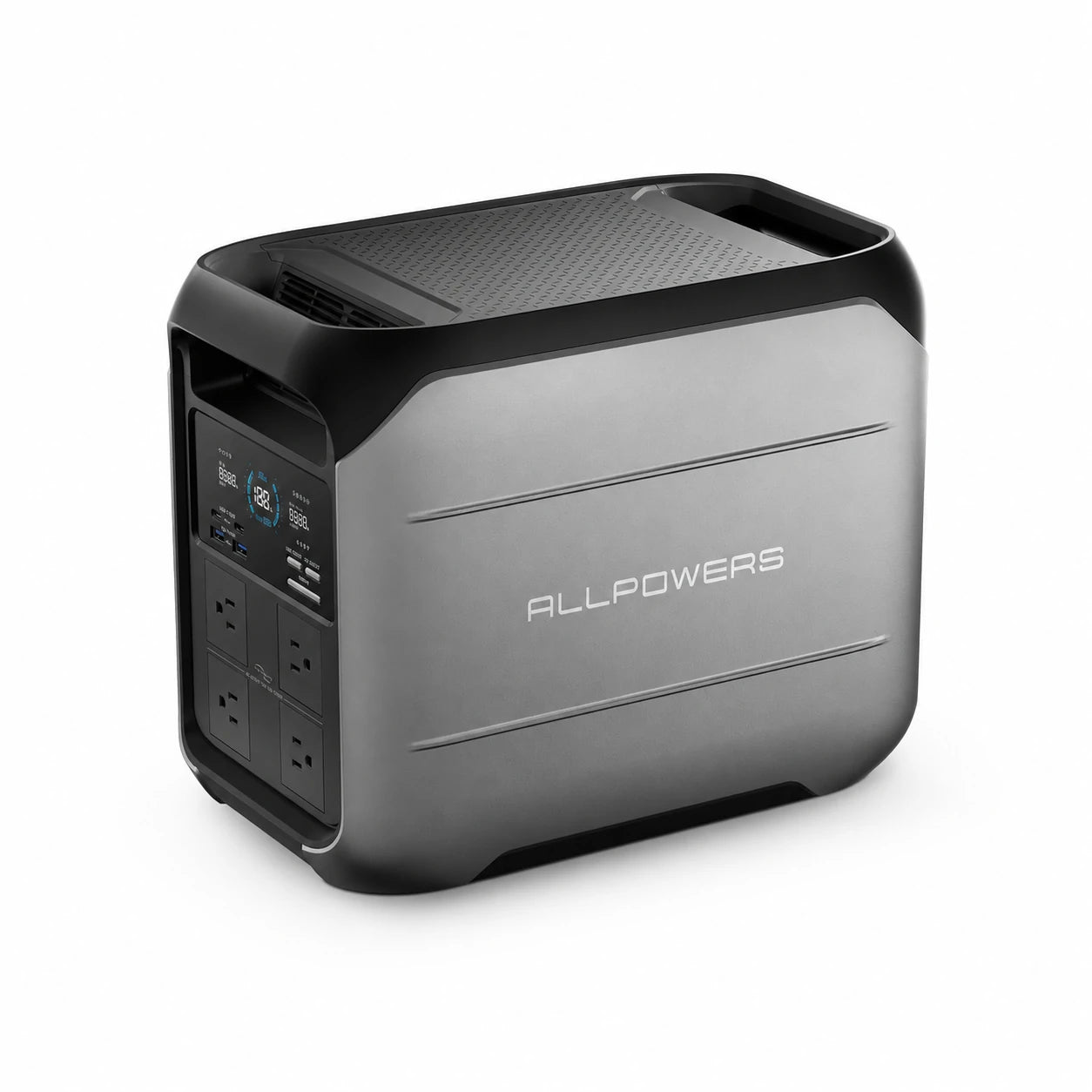
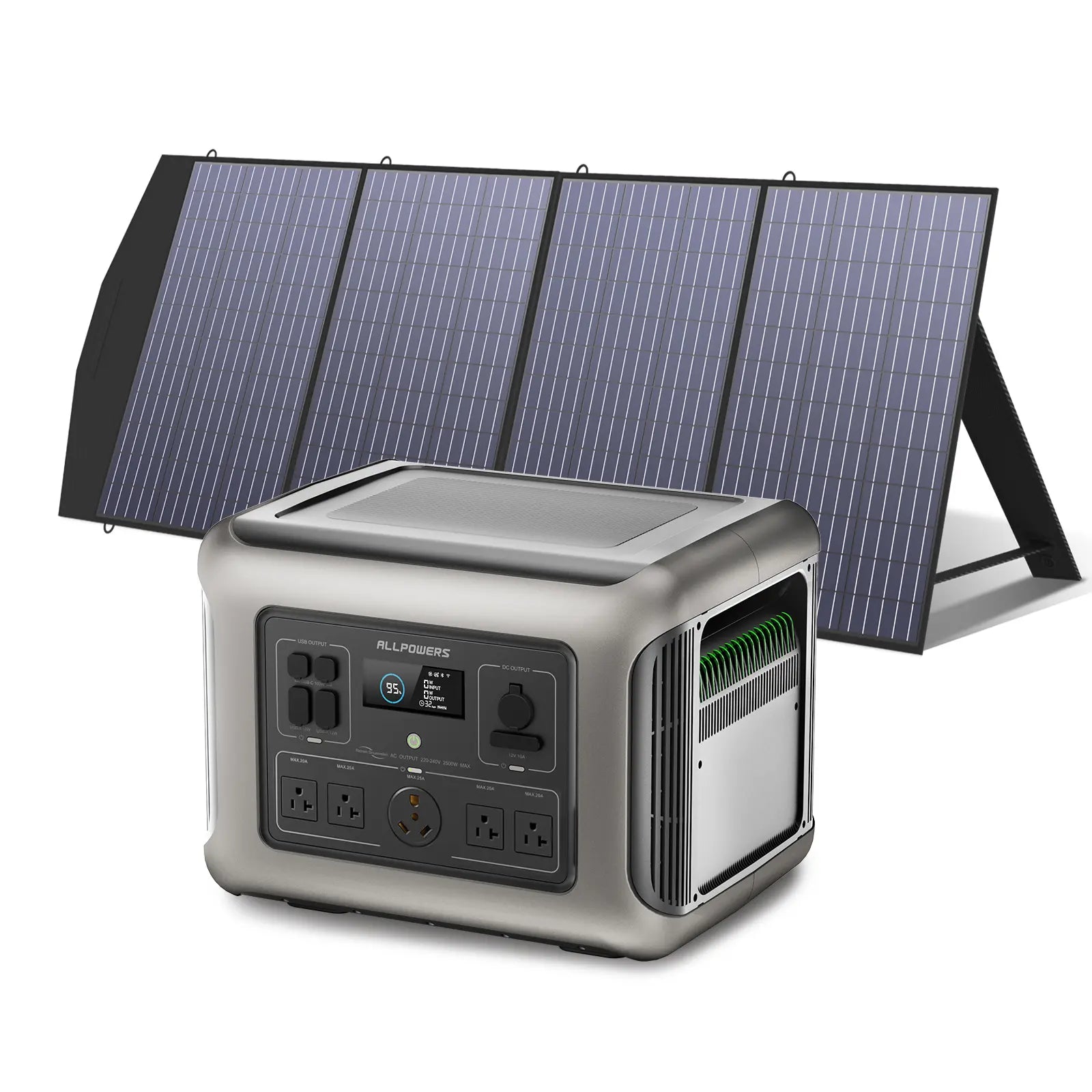
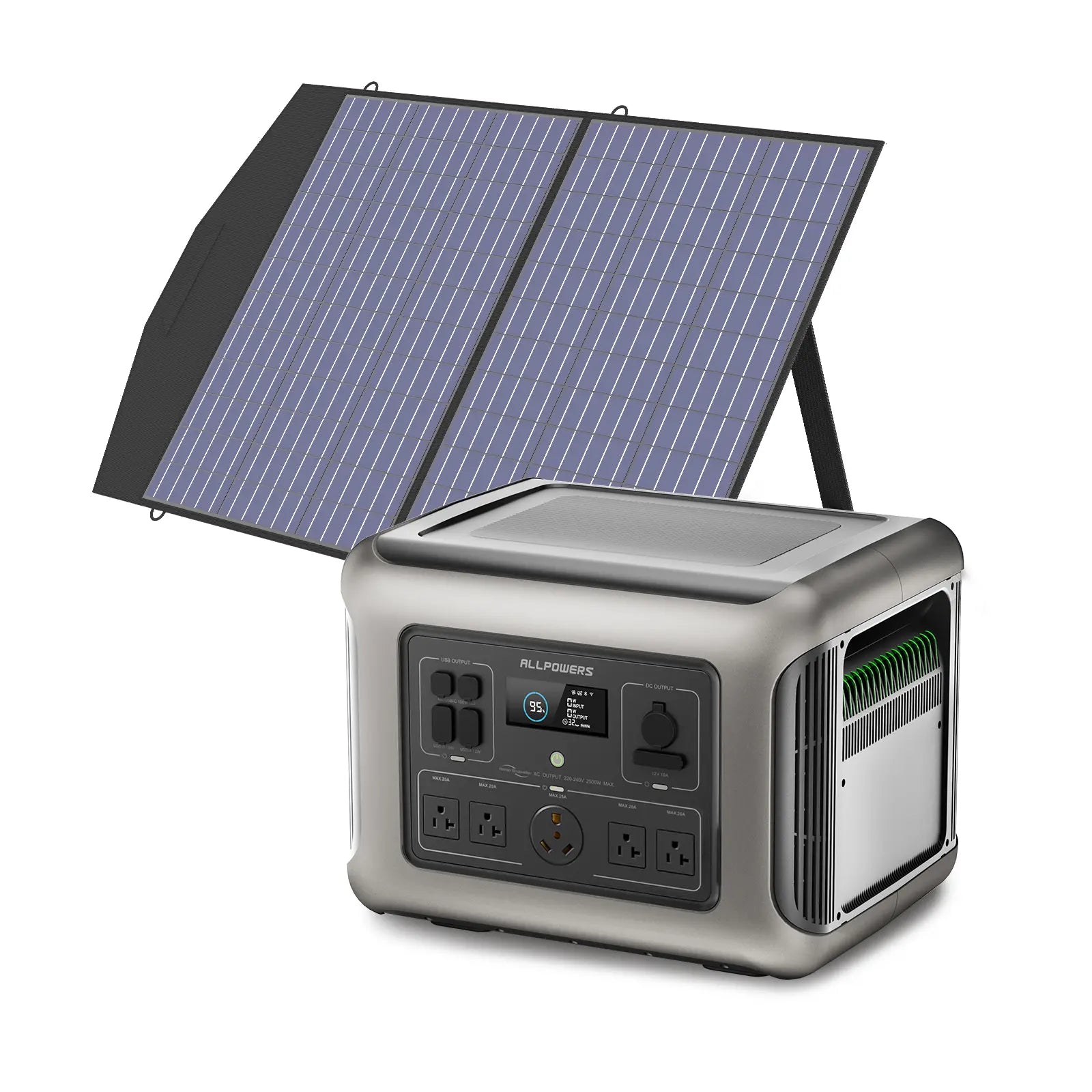
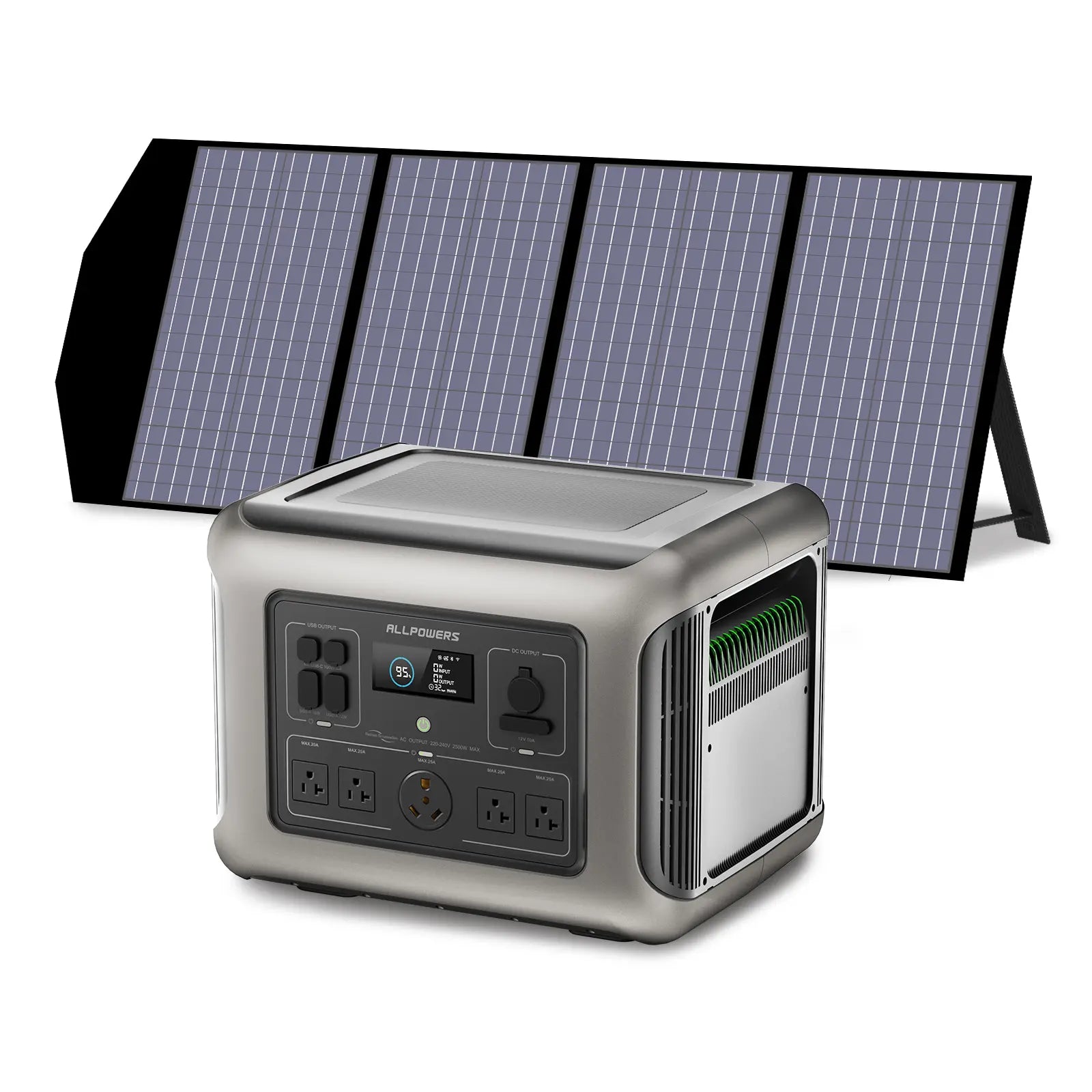
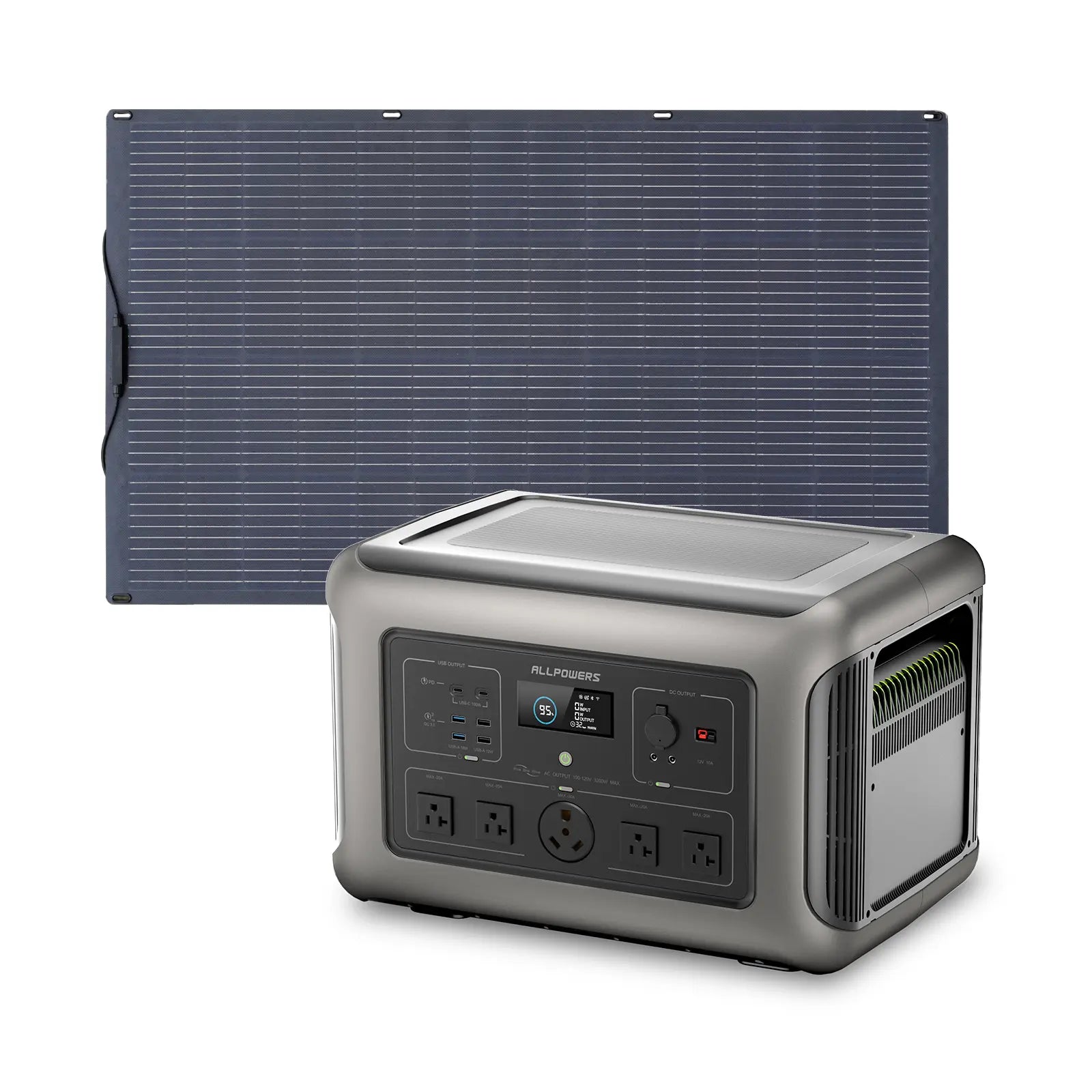
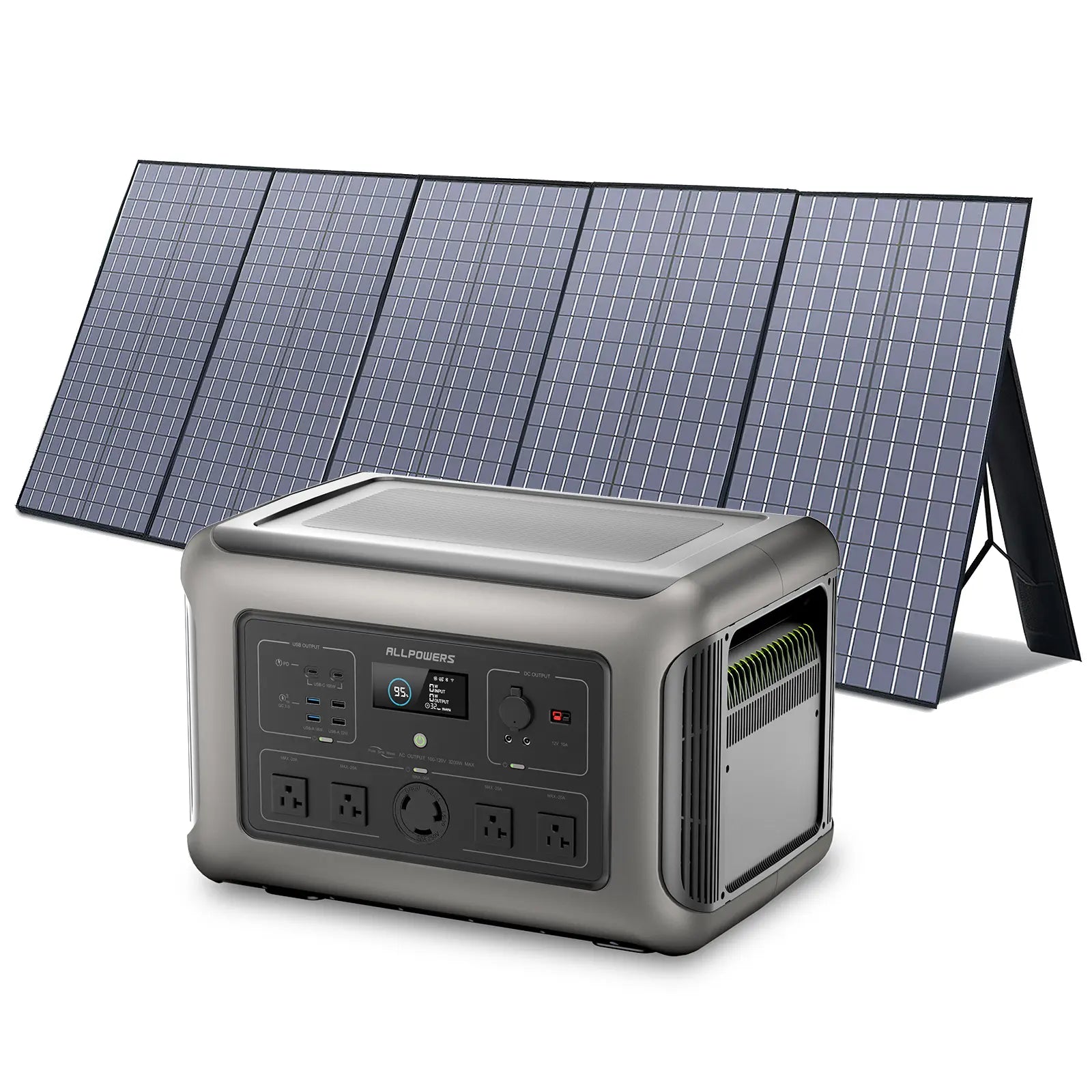
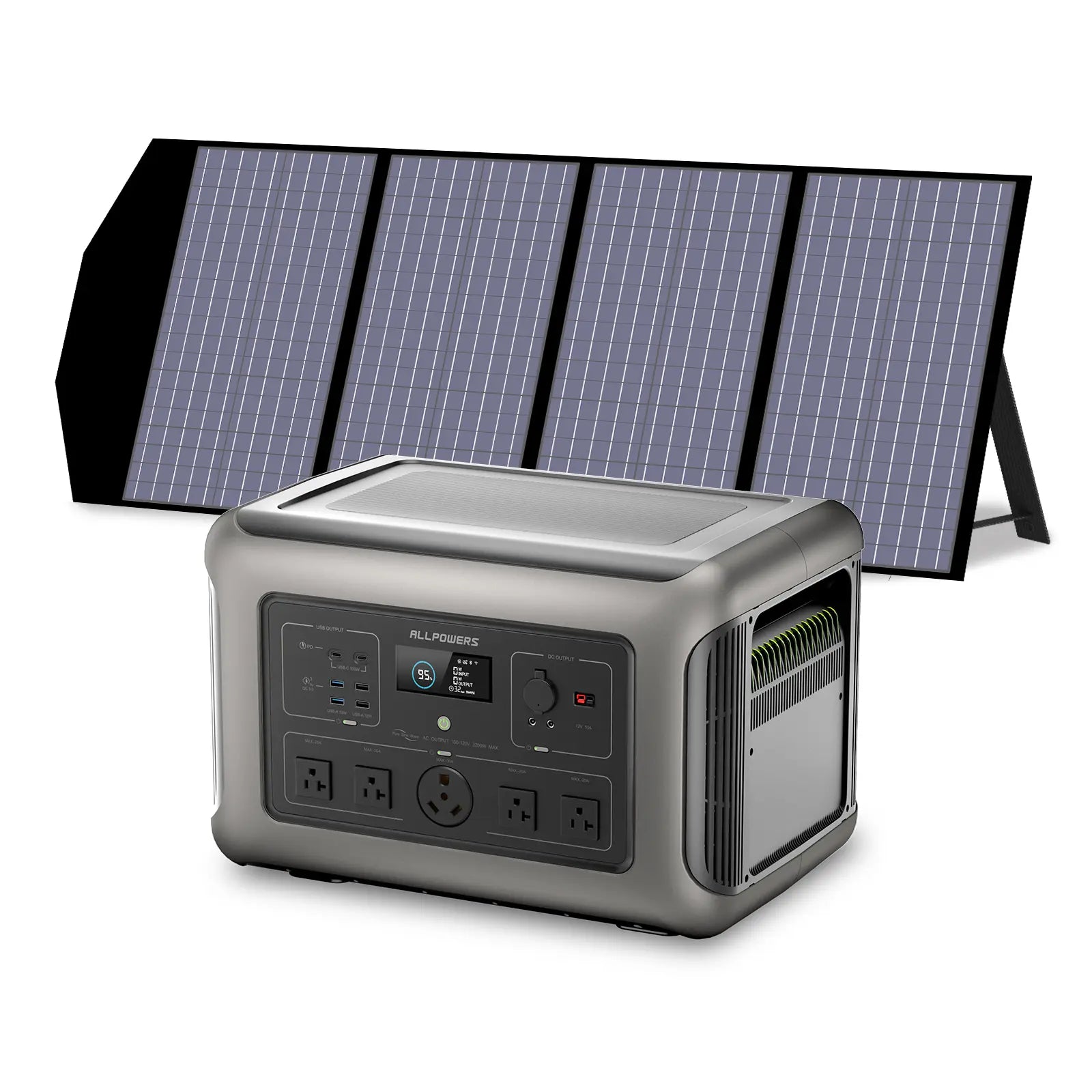
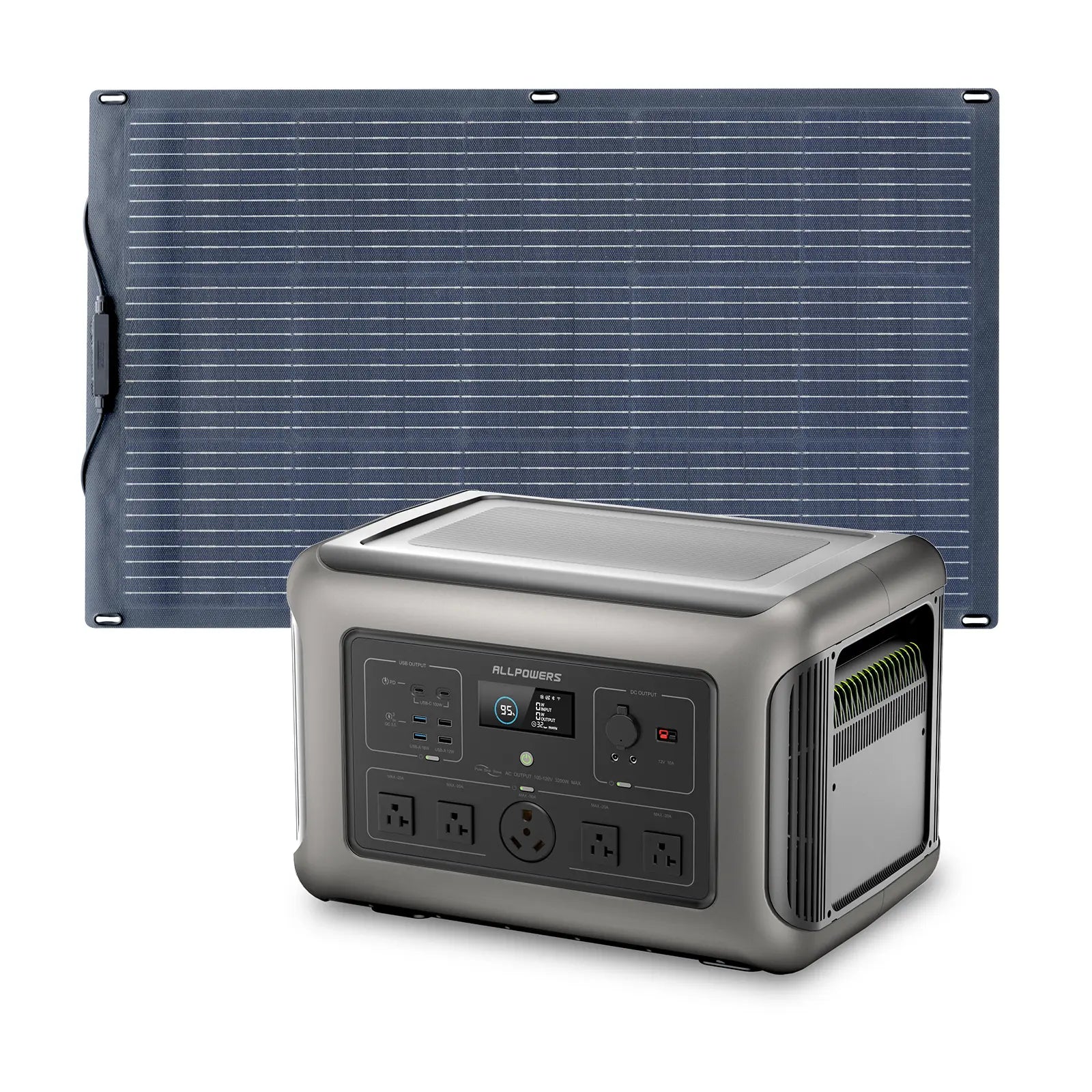
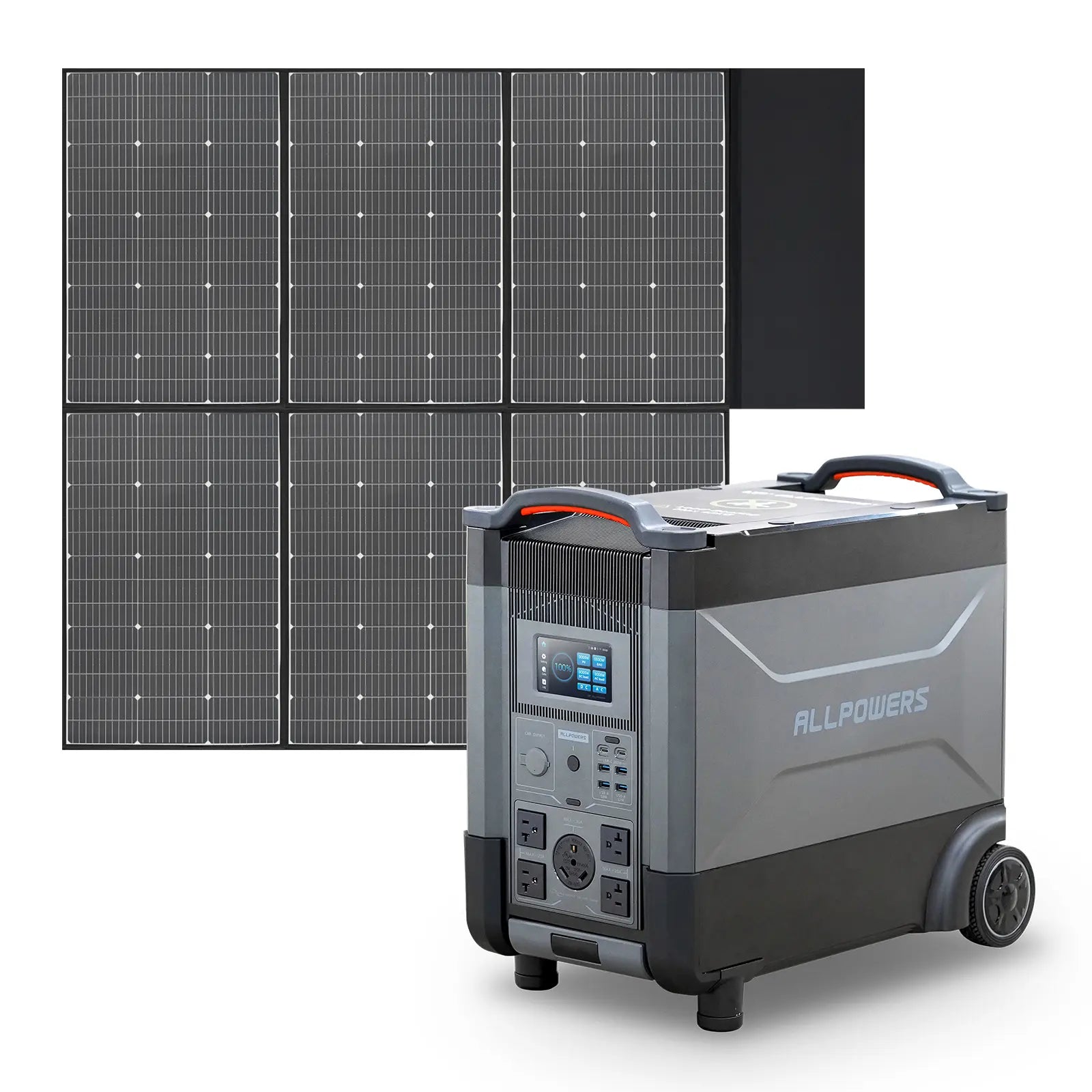
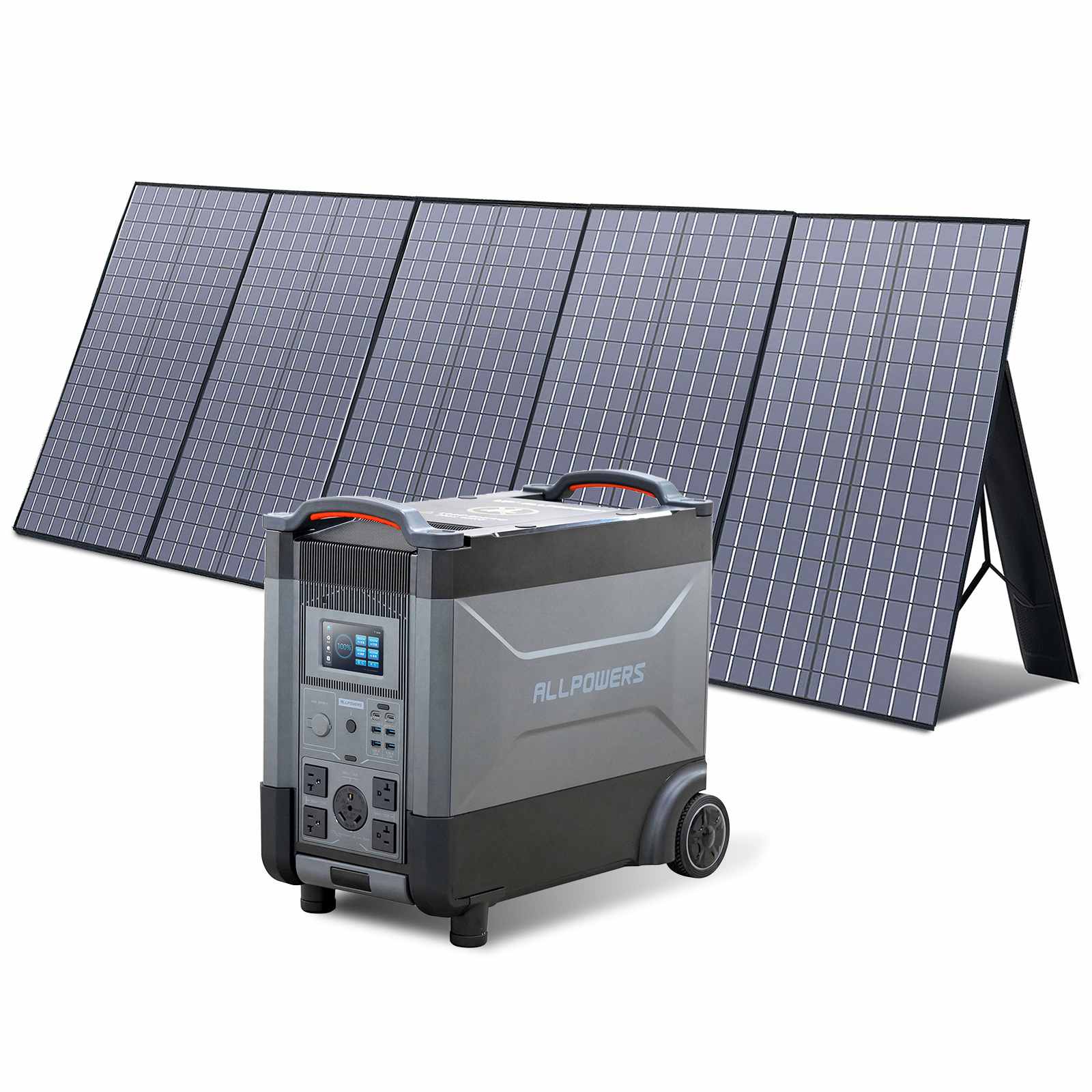
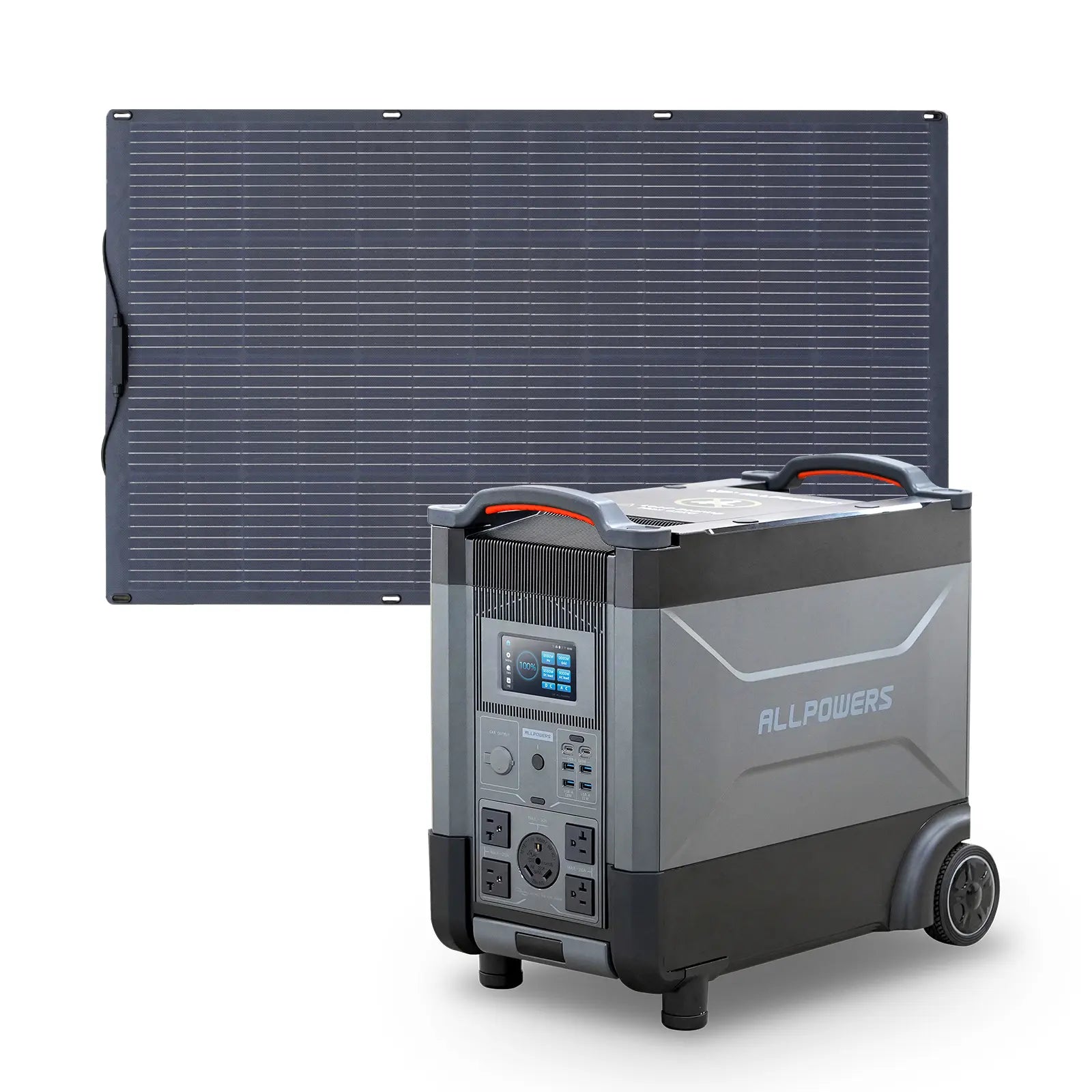
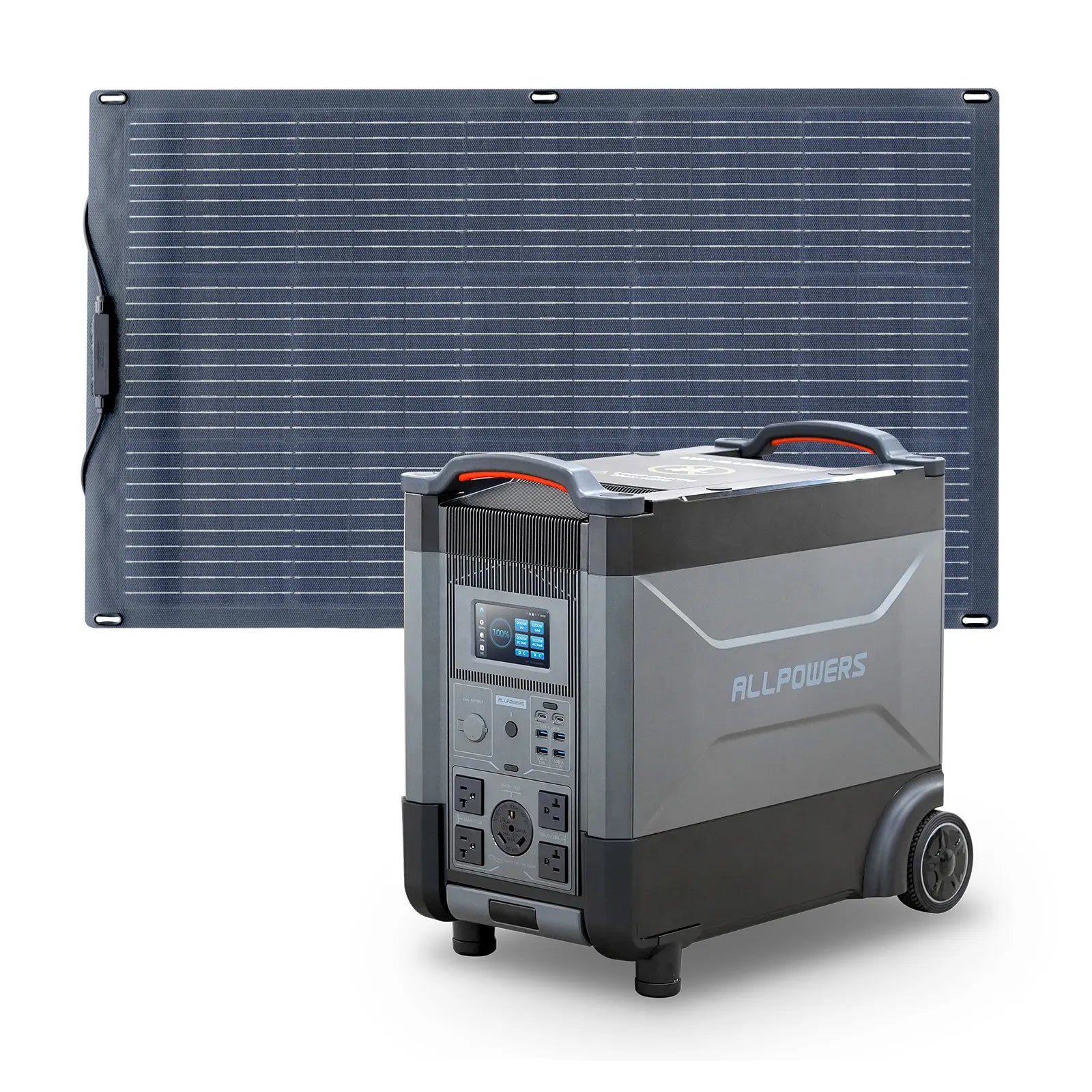
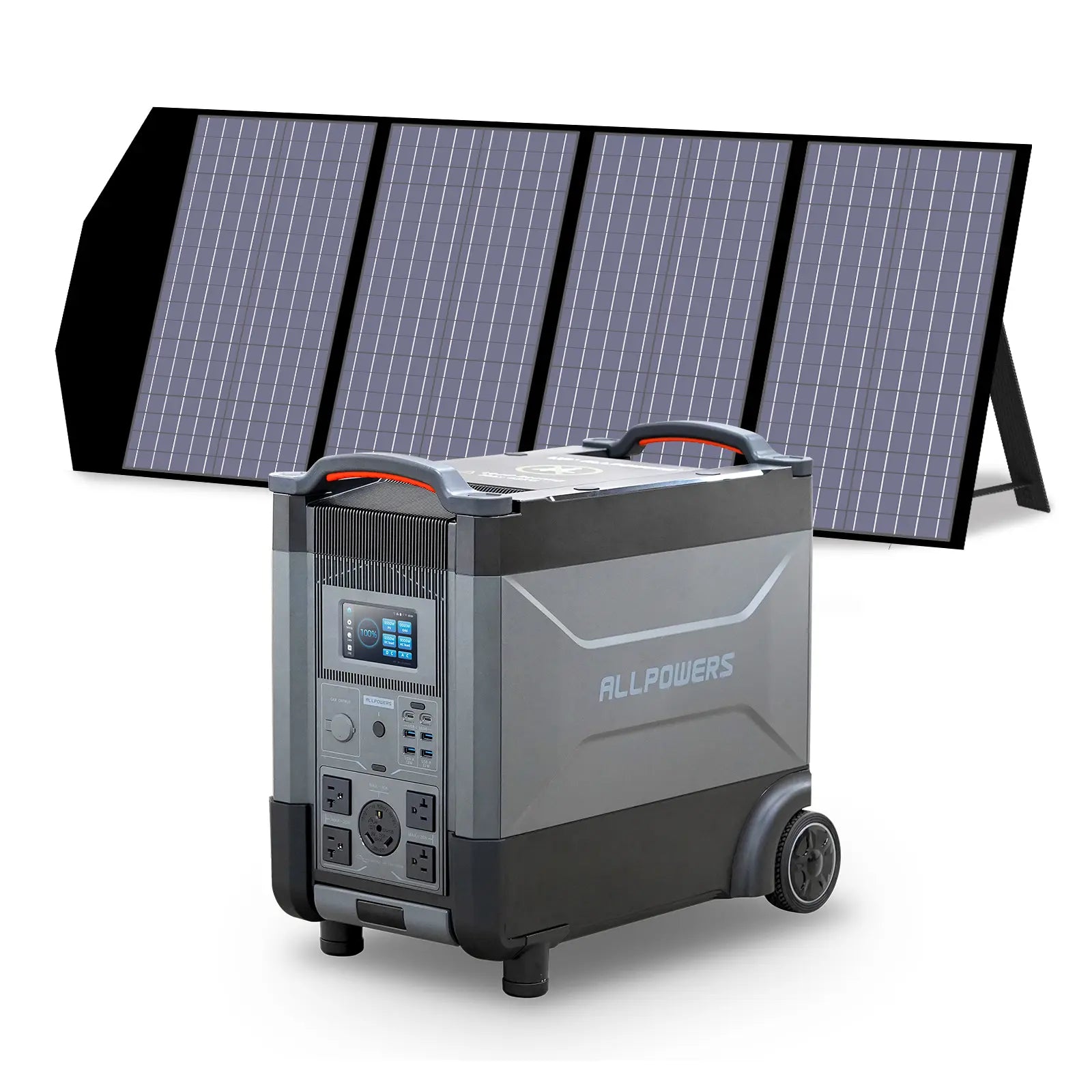
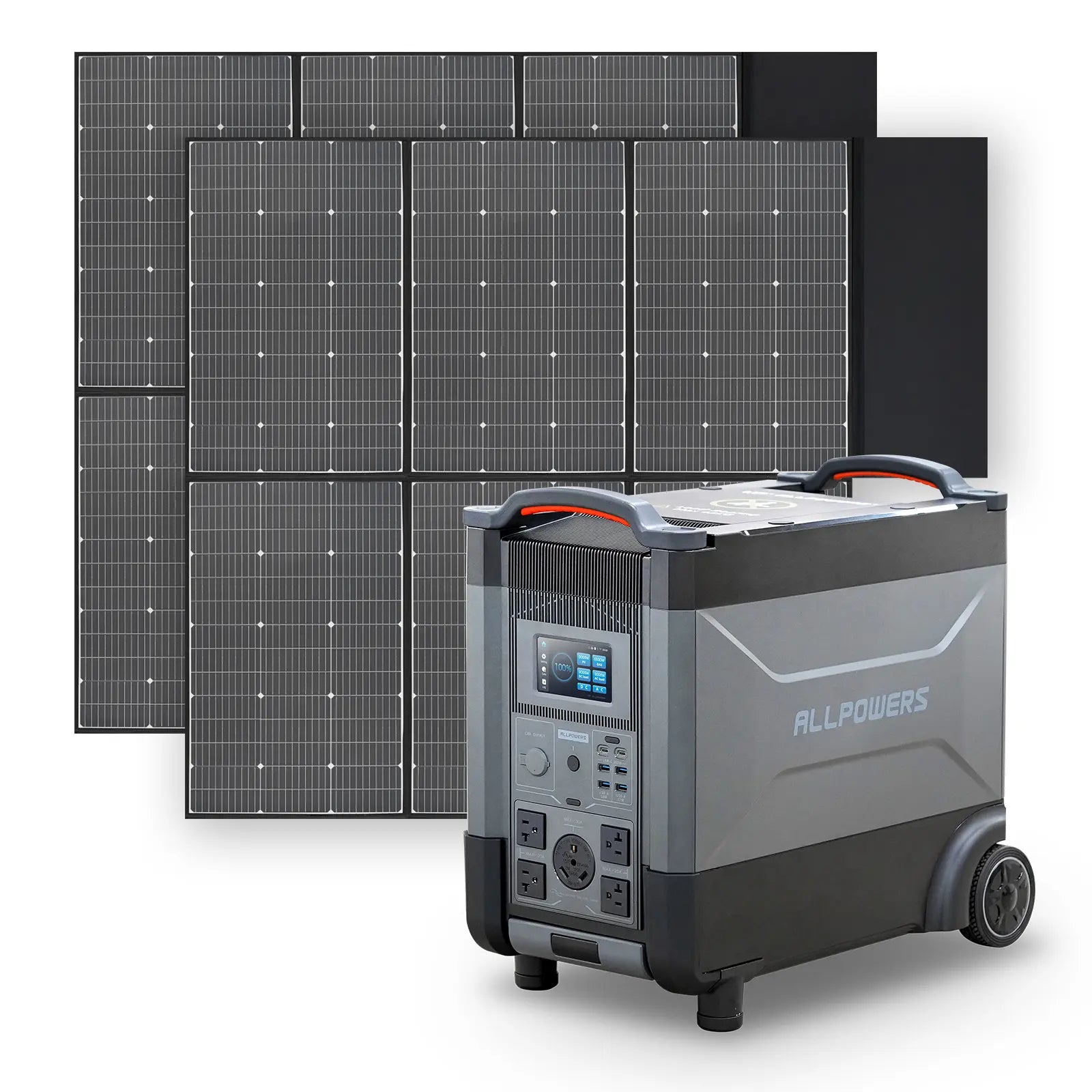
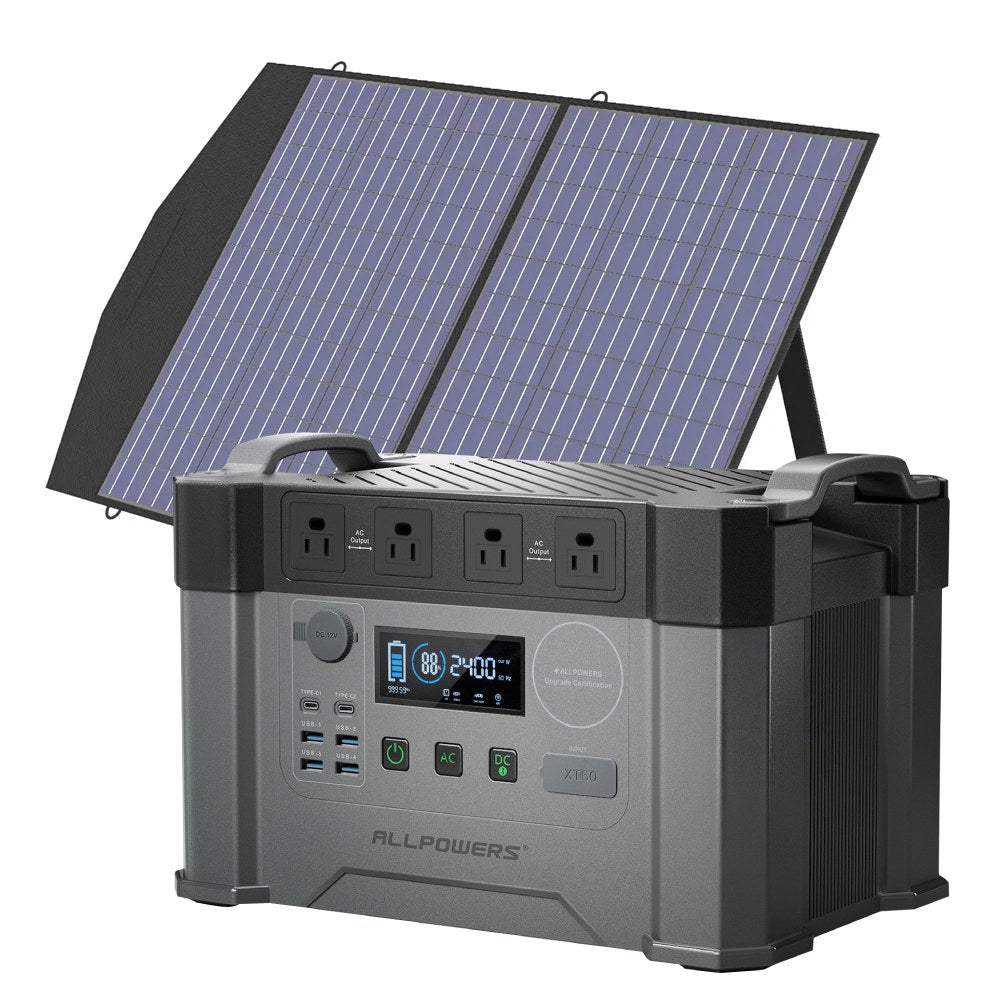
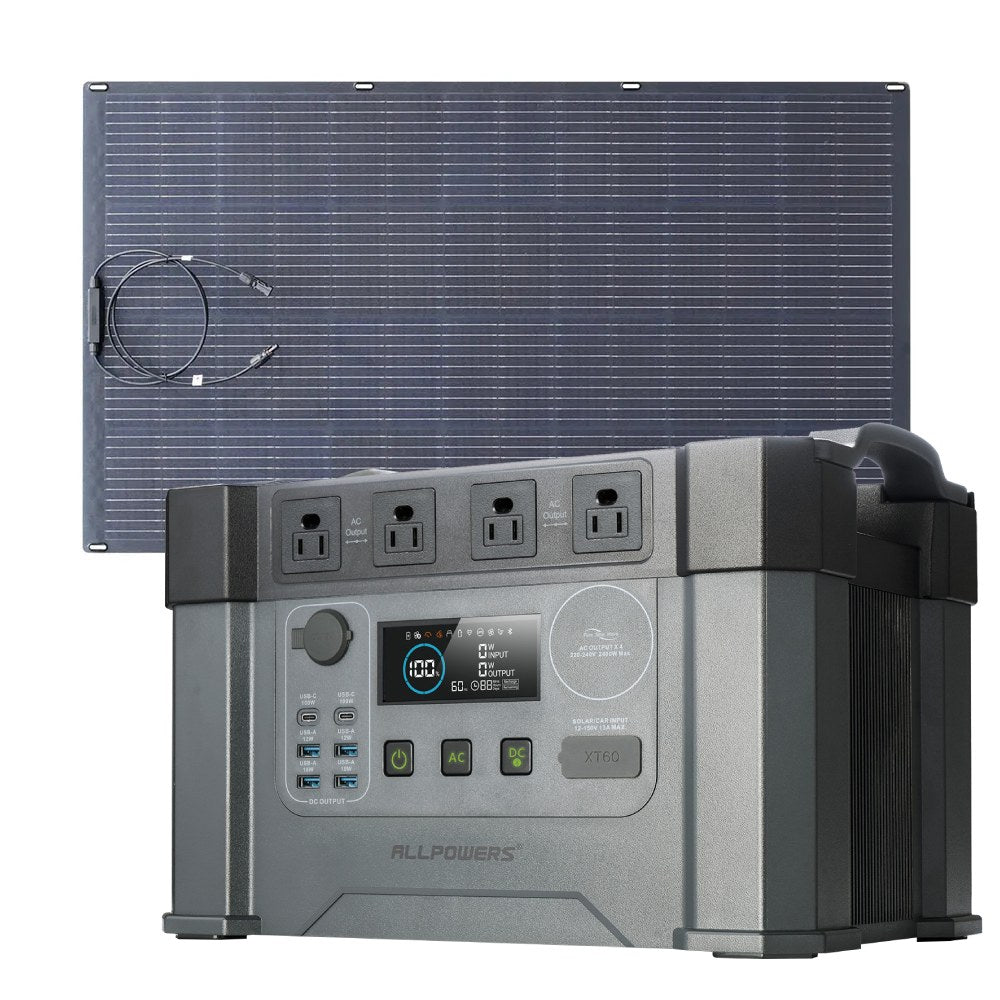
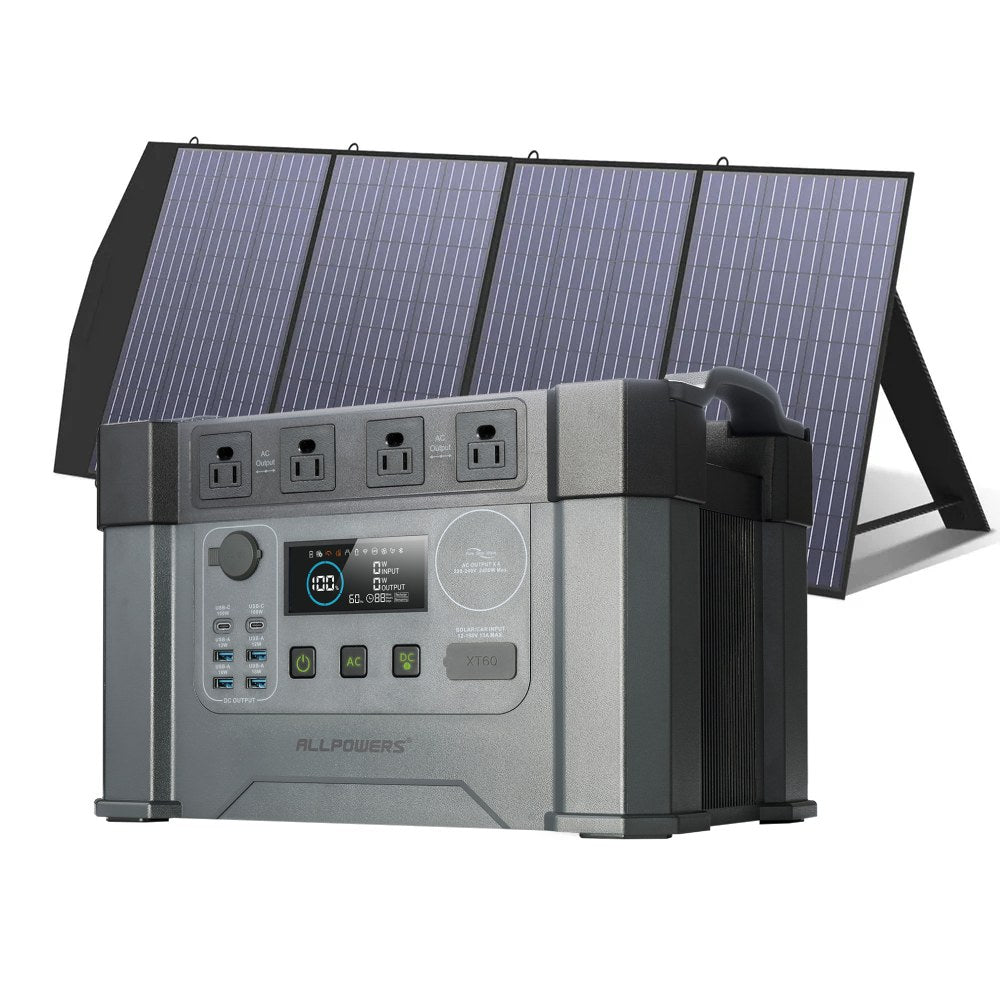
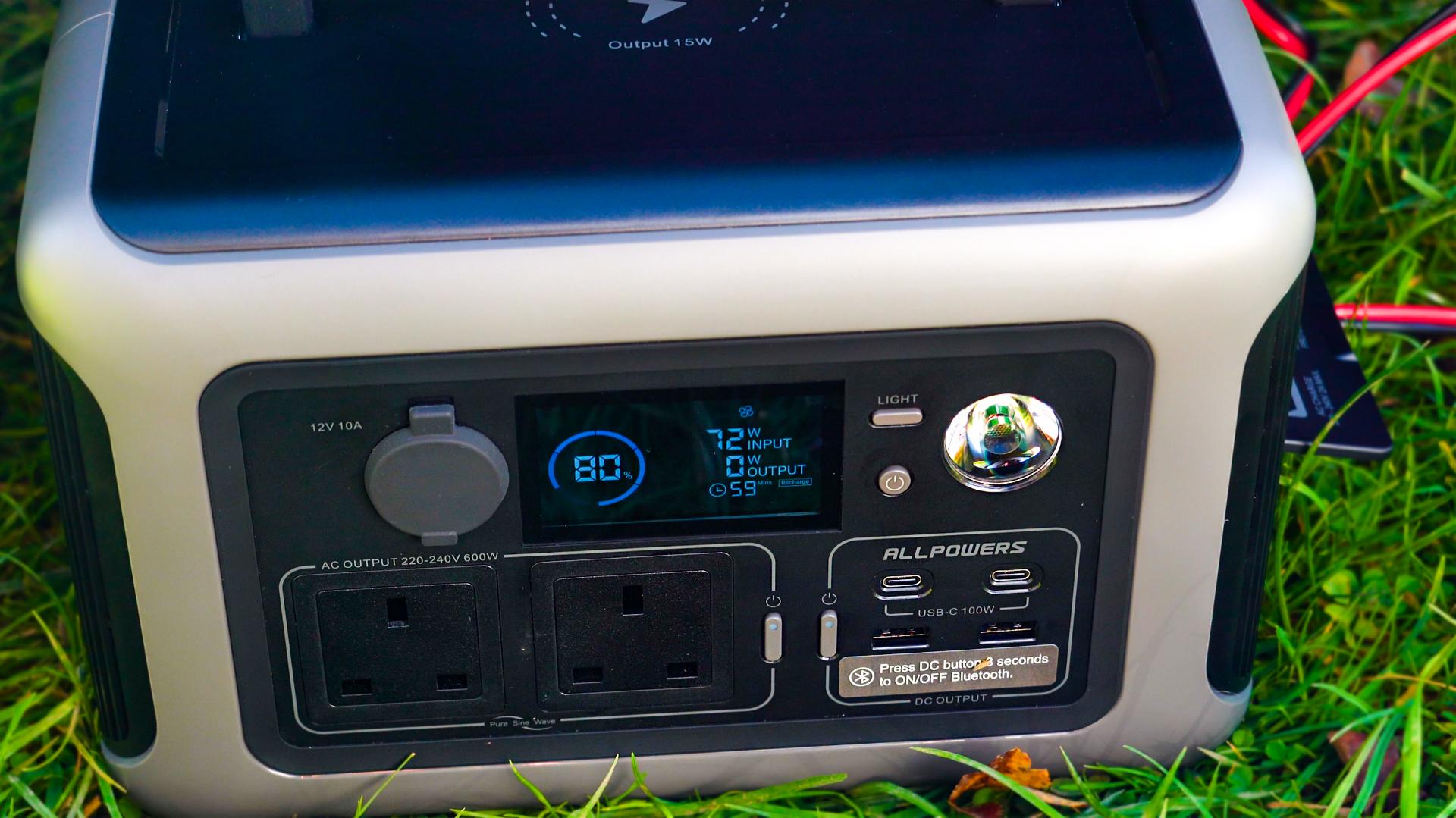
As a result, lithium-ion batteries are widely used in smartphones, laptops, electric vehicles, and increasingly in portable power stations designed for outdoor and emergency use.
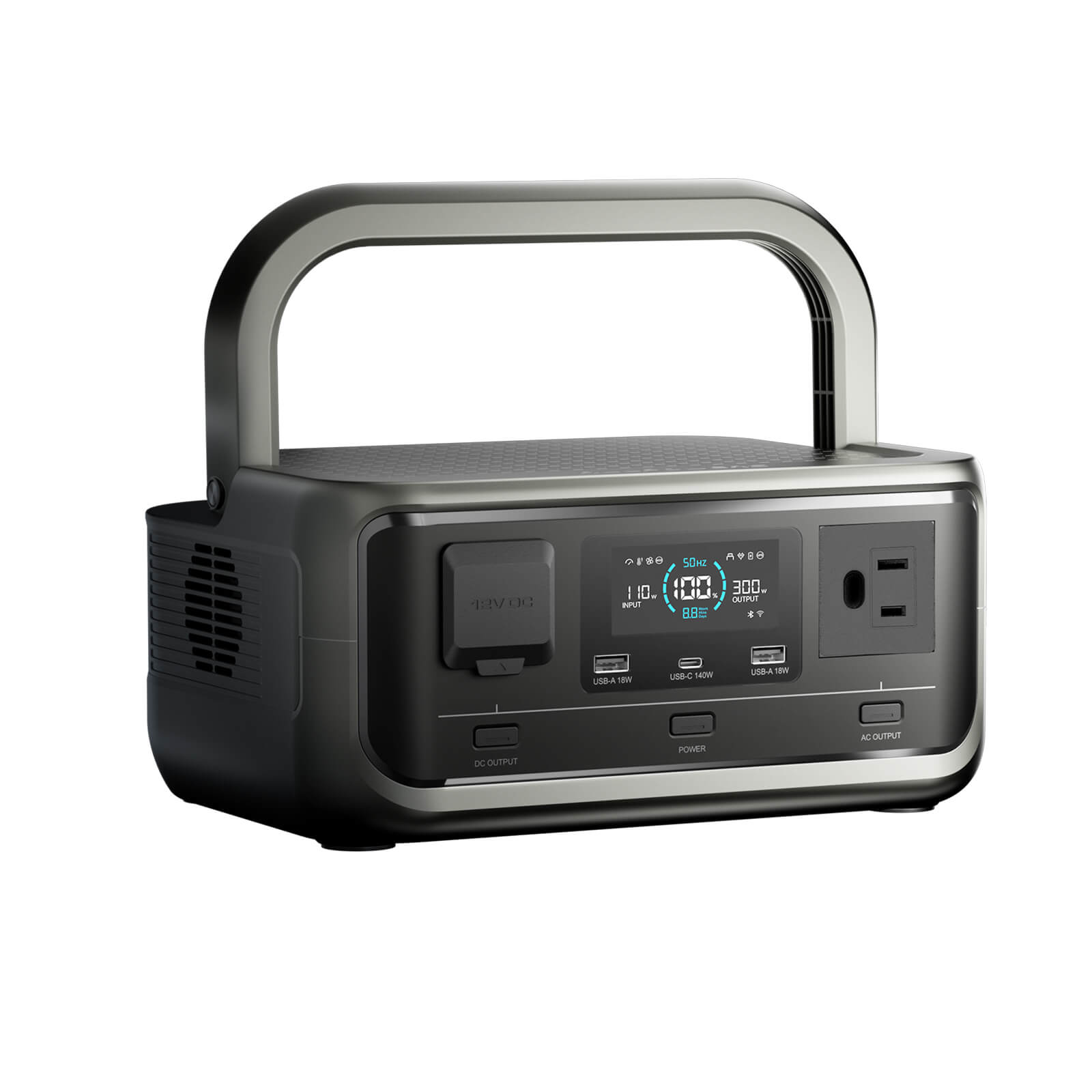
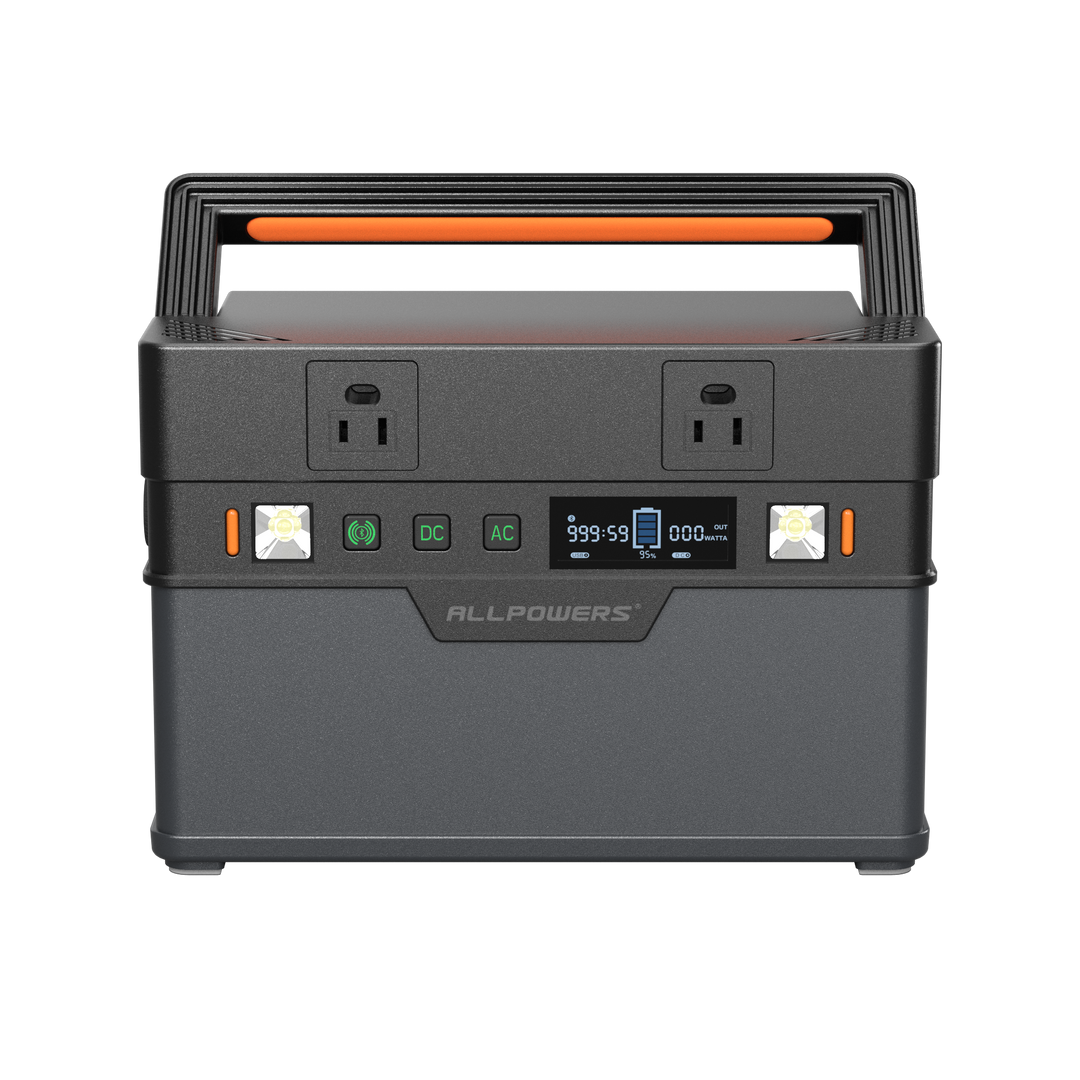
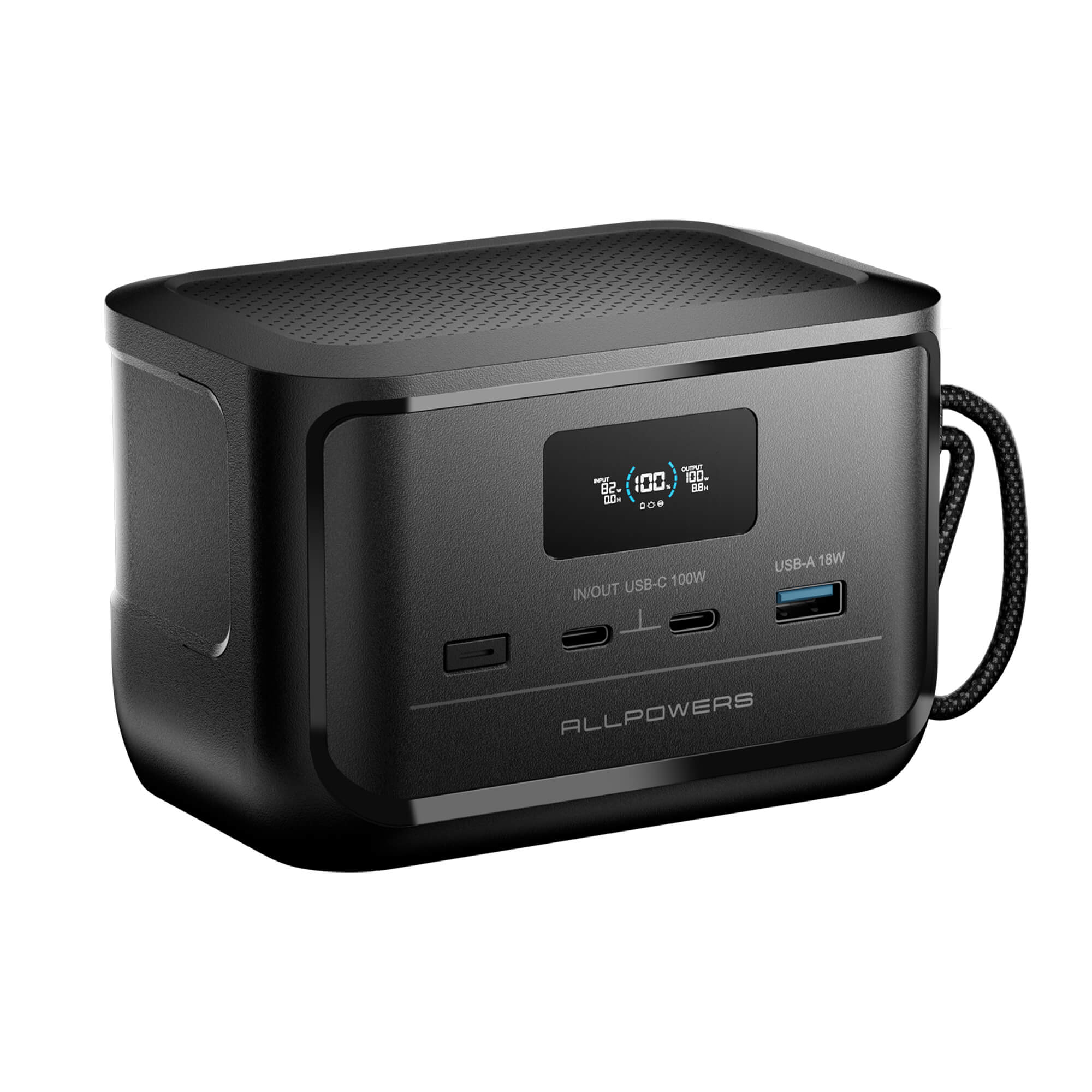
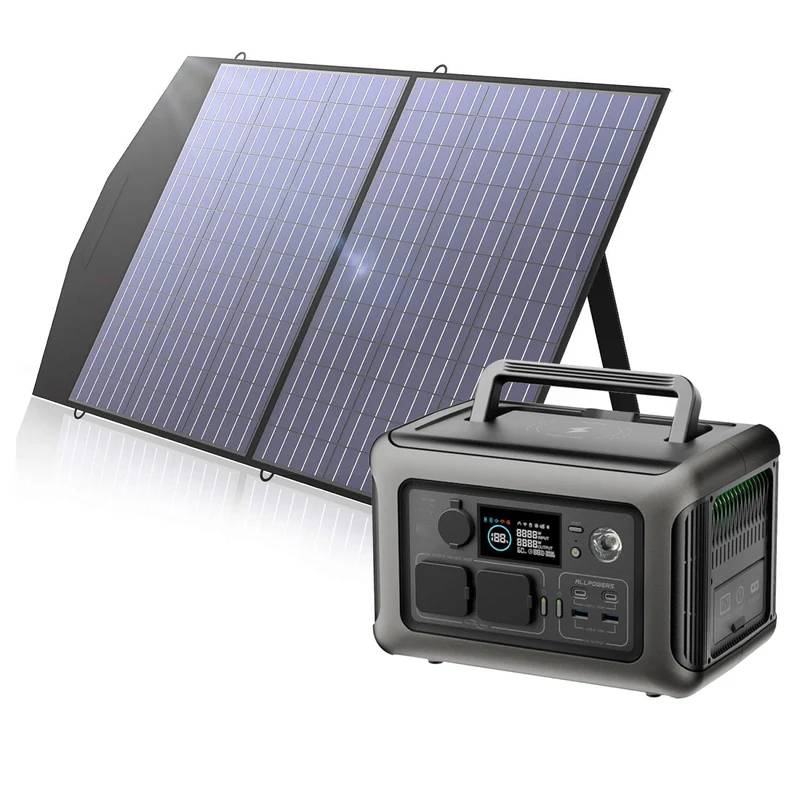
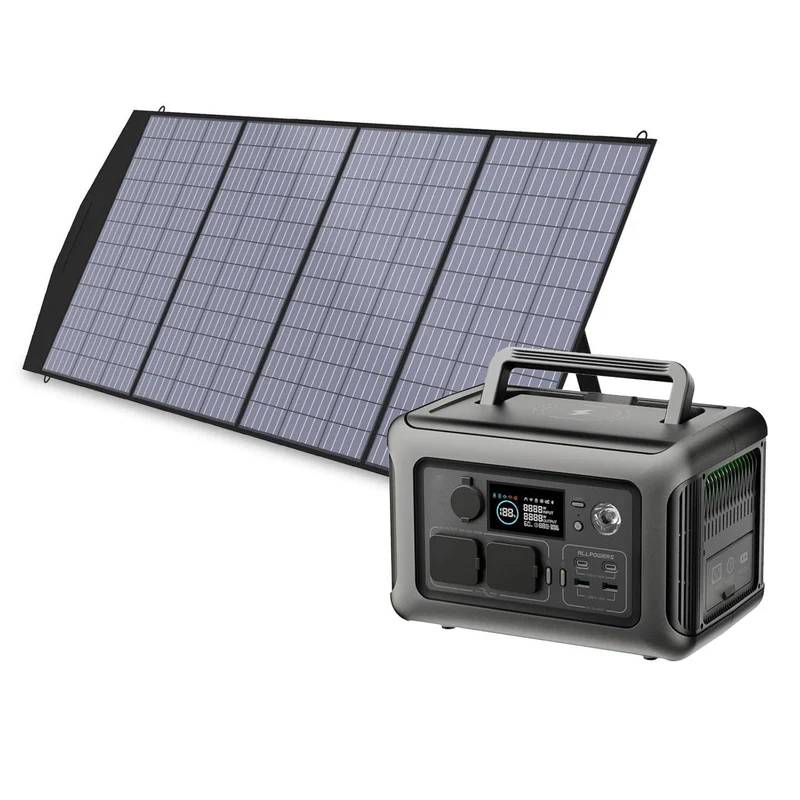
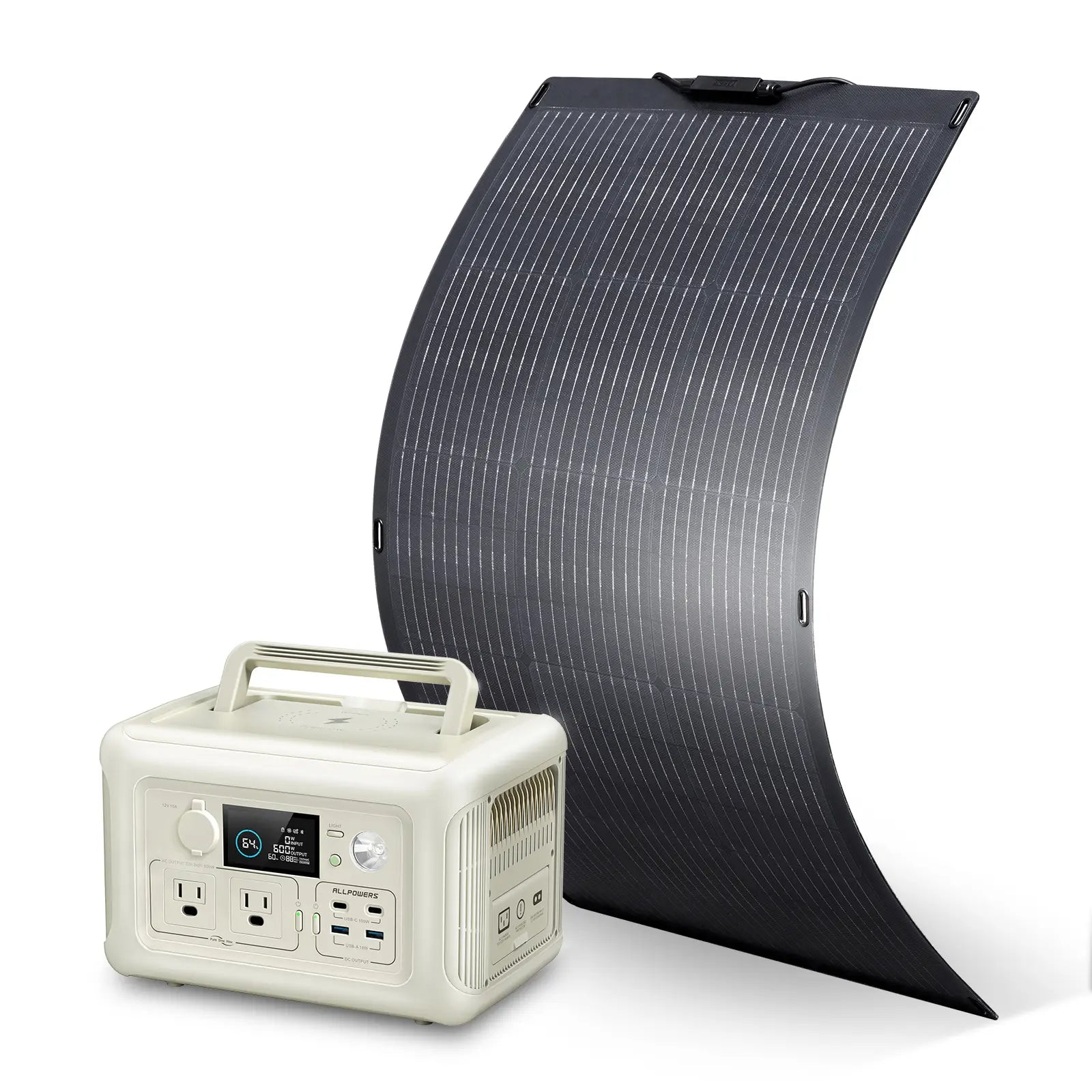
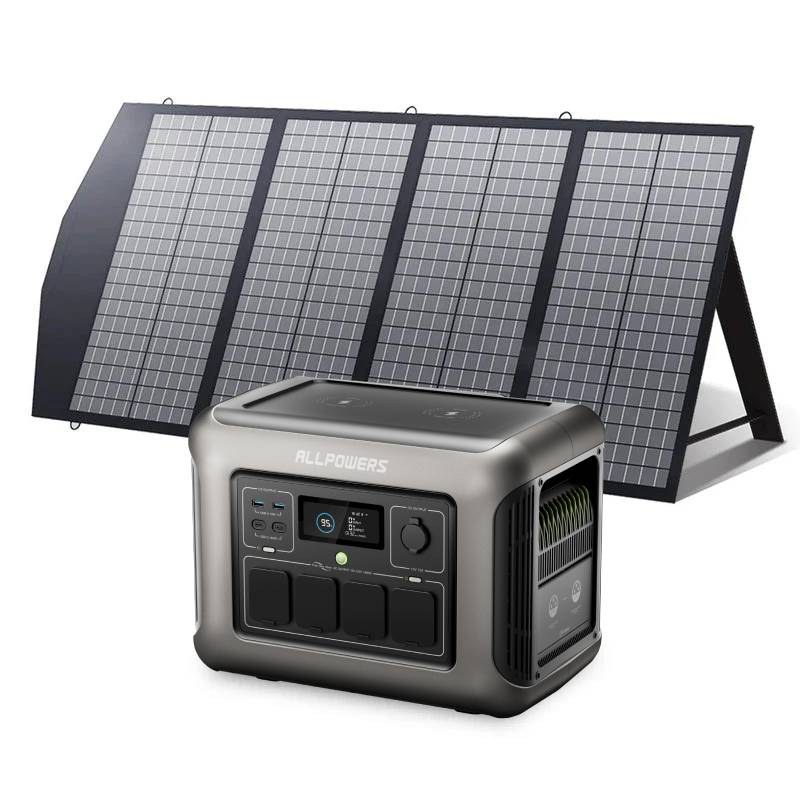
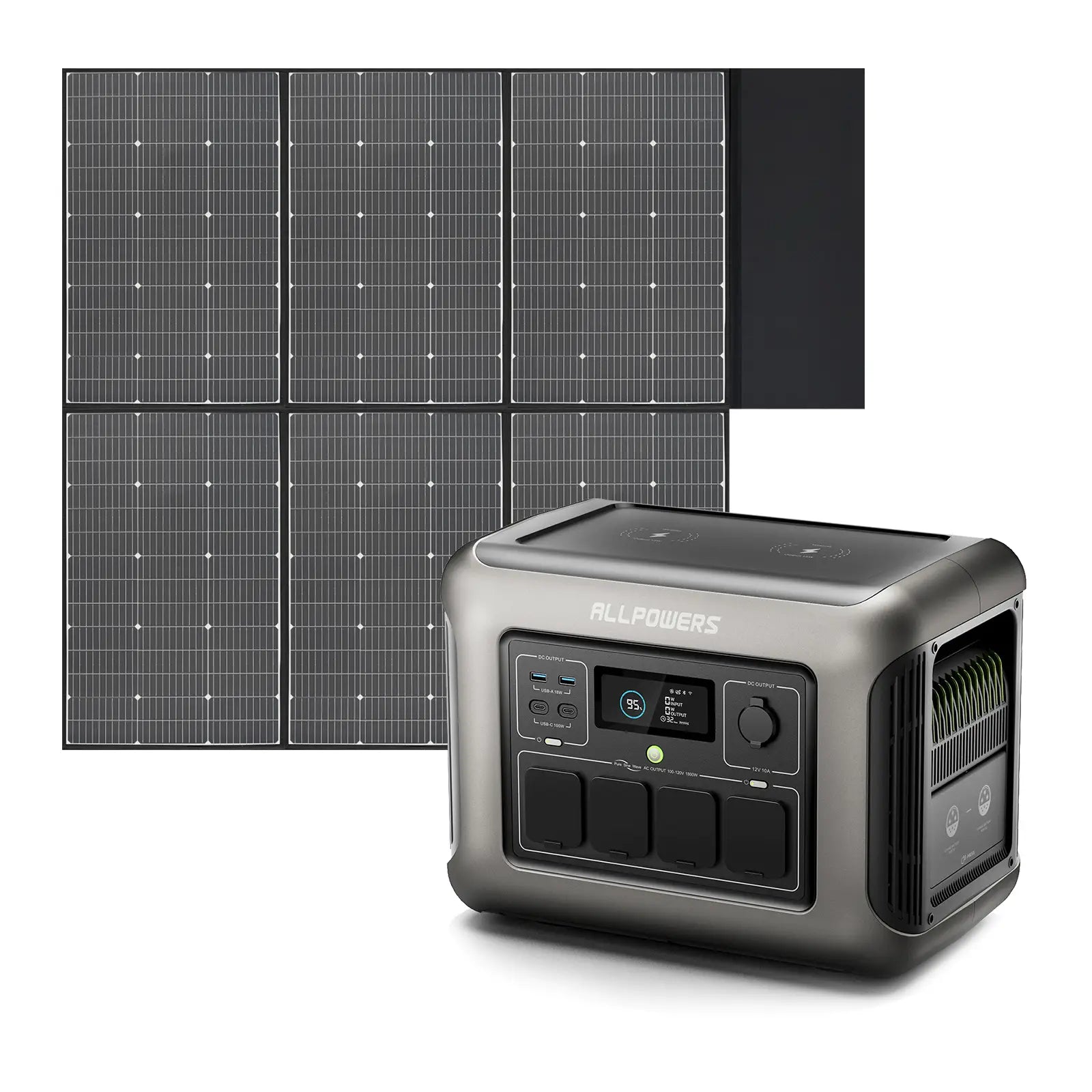
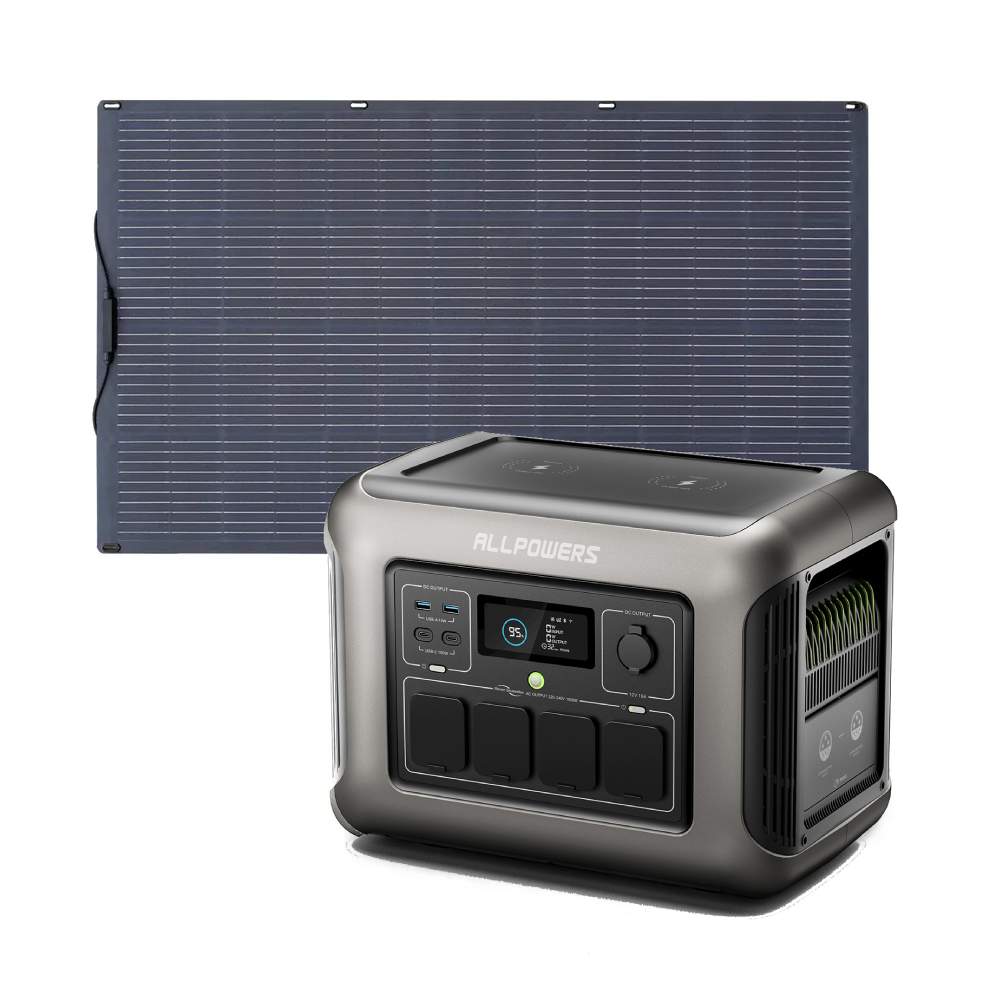
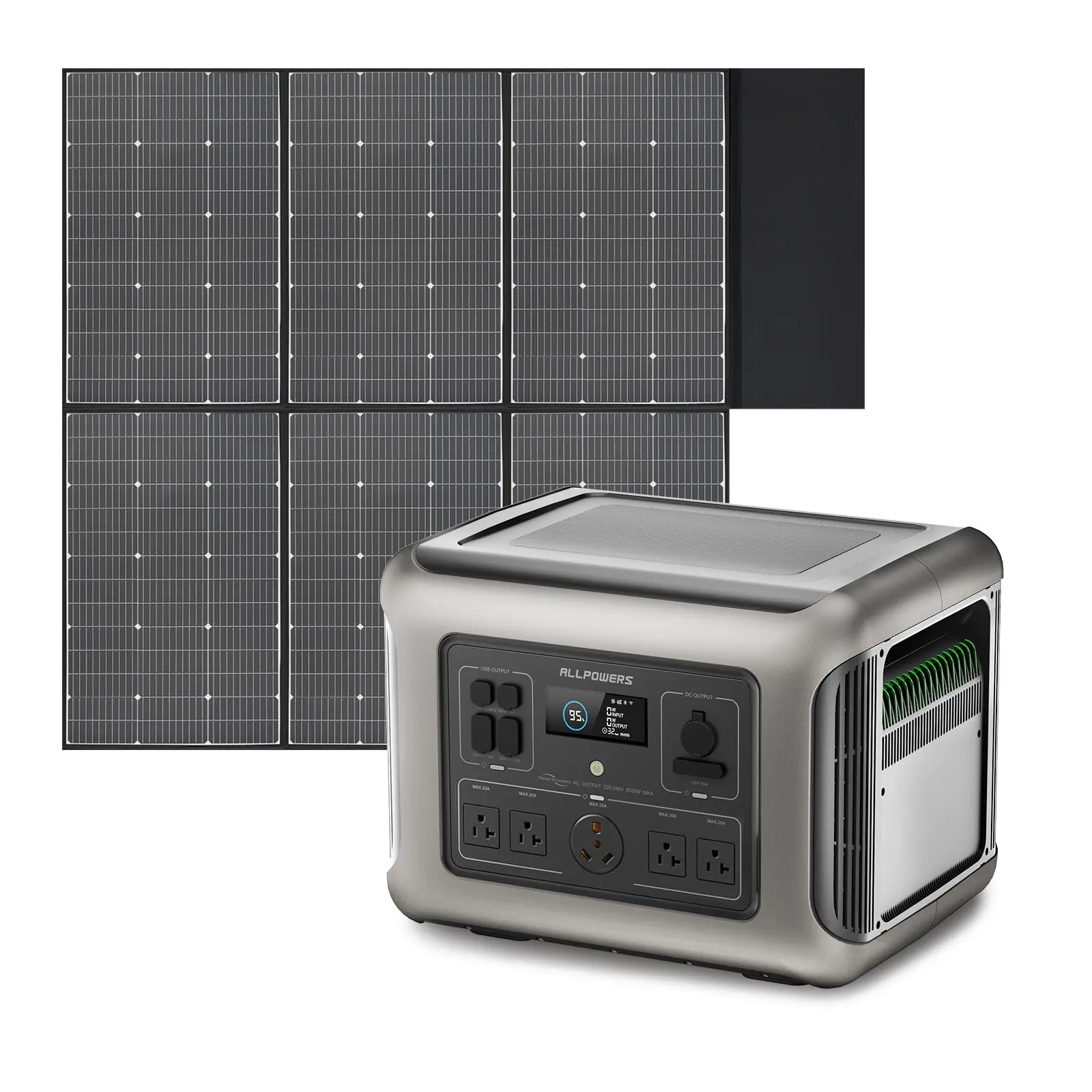
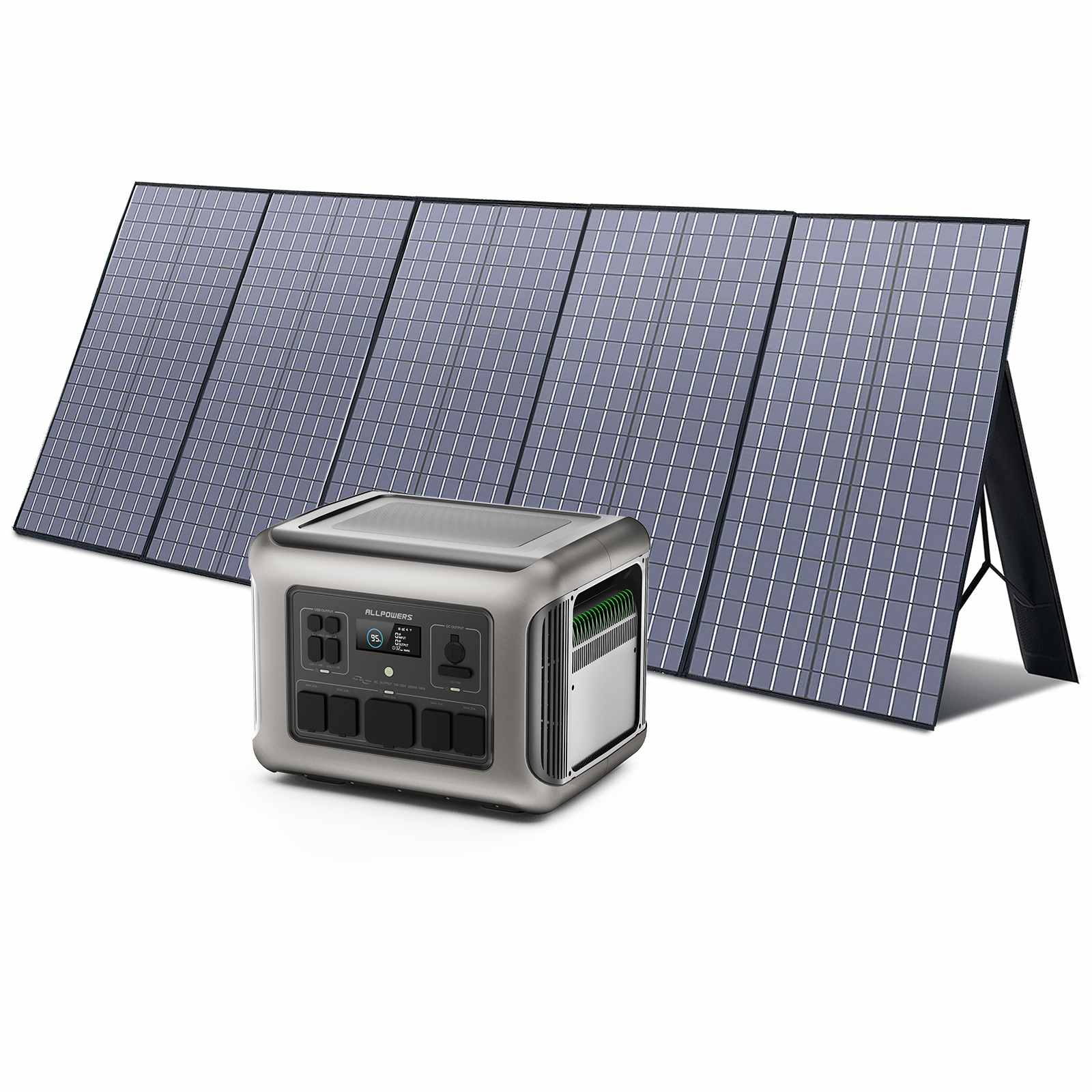
ALLPOWERS VOLIX P300 Portable Power Station
$149.00 $249.00
- 299Wh Capacity;
- 300W AC Output (600W Surge);
- Fast Charge 100% in 1 Hours;
- Ultra-quiet 30dB Under Load ;
- Long-Lasting And Safe Lifepo4 Battery;
Energy Density and Performance Differences
One of the most critical distinctions between NiMH and lithium-ion batteries lies in energy density.
Lithium-ion batteries can store significantly more energy in a smaller and lighter package.
This makes them ideal for applications where space and weight matter, such as portable electronics and mobile energy systems.
NiMH batteries, while reliable, tend to be bulkier for the same amount of stored energy. This limits their practicality in compact, high-performance devices.
However, they perform consistently in moderate conditions and can handle frequent charging without severe degradation.
Charging Speed and Efficiency
Charging behavior is another area where lithium-ion technology excels. Lithium-ion batteries typically charge faster and maintain higher efficiency during both charging and discharging cycles.
This is especially valuable for users who rely on quick turnaround times, such as during travel or outdoor activities.
NiMH batteries, in contrast, usually require longer charging periods and may lose more energy as heat during the process.
While newer NiMH designs have improved in this regard, they still lag behind lithium-ion in overall efficiency.
Lifespan and Cycle Durability
NiMH batteries can typically endure hundreds to over a thousand charge cycles, depending on usage and maintenance.
They are known for their durability in applications where frequent charging is required, such as household gadgets.
Lithium-ion batteries also offer long lifespans, often exceeding 500 to 1,500 cycles. However, their longevity depends heavily on proper charging habits and temperature control.
When managed correctly, lithium-ion batteries maintain capacity more effectively over time compared to NiMH.
Memory Effect and Self-Discharge
A commonly asked question is whether NiMH batteries suffer from memory effect.
While NiMH batteries are less prone to this issue than older nickel-cadmium batteries, they can still experience reduced capacity if repeatedly charged without full discharge.
Lithium-ion batteries do not suffer from memory effect, making them more convenient for everyday use.
Another key difference is self-discharge rate. NiMH batteries tend to lose charge more quickly when not in use, whereas lithium-ion batteries retain their charge for much longer periods.
Safety and Environmental Considerations
Safety is a major concern for any battery technology. NiMH batteries are generally considered safer and more stable, with lower risk of overheating or thermal runaway. This makes them suitable for basic consumer applications.
Lithium-ion batteries, while safe when properly designed, require built-in protection systems to prevent overcharging, overheating, or short circuits.
Despite these risks, modern battery management systems have made lithium-ion technology highly reliable.
From an environmental perspective, NiMH batteries are often viewed as more eco-friendly due to their less toxic materials.
However, lithium-ion batteries are increasingly being recycled and improved for sustainability, especially as demand grows.
Cost and Accessibility
NiMH batteries are typically more affordable upfront, which makes them appealing for budget-conscious users.
They are also widely available in standard sizes, making them easy to replace and reuse across multiple devices.
Lithium-ion batteries, on the other hand, tend to have a higher initial cost. However, their superior performance, longer lifespan, and lower maintenance requirements often make them more cost-effective in the long run, particularly in high-demand applications.
Applications
One useful way to understand the difference between NiMH and lithium‑ion is to look at where each technology is typically used.
NiMH batteries thrive in everyday, low‑to‑moderate power devices — think cordless phones, digital cameras, handheld torches, and toys. They’re safe, affordable, and easy to source.
Li‑ion batteries dominate high‑performance and high‑drain applications. From the smartphone in your pocket and the laptop on your desk to power tools, electric vehicles, and portable power solutions that can run refrigerators and medical equipment, lithium‑ion’s high energy density and efficiency make it the obvious choice.
Conclusion
So, in the age‑old debate of NiMH battery vs. Lithium‑Ion, what’s the verdict? The honest answer isn’t one‑size‑fits‑all. Both chemistries have distinct advantages and ideal use cases.
If you’re powering small, low‑to‑moderate drain devices on a budget, or if safety and simplicity are paramount, NiMH batteries remain a compelling choice.
For high‑performance, lightweight, high‑capacity power needs — from mobile devices to sophisticated portable power systems — Li‑ion technology clearly leads the pack.
Frequently Asked Questions About NiMH vs Lithium-Ion
Which battery is better for long-term storage?
Lithium-ion batteries are generally better for long-term storage due to their low self-discharge rate. NiMH batteries may lose a significant portion of their charge over time if left unused.
Are lithium-ion batteries always more powerful?
In most cases, yes. Lithium-ion batteries deliver higher voltage and energy density, which translates to greater power output in compact devices.
Can NiMH replace lithium-ion batteries?
Not directly. While NiMH batteries can substitute in some applications, they cannot match the size-to-power ratio required for many modern electronics.
Which battery type is safer?
NiMH batteries are inherently safer due to their stable chemistry, but lithium-ion batteries are also safe when equipped with proper protection systems.