









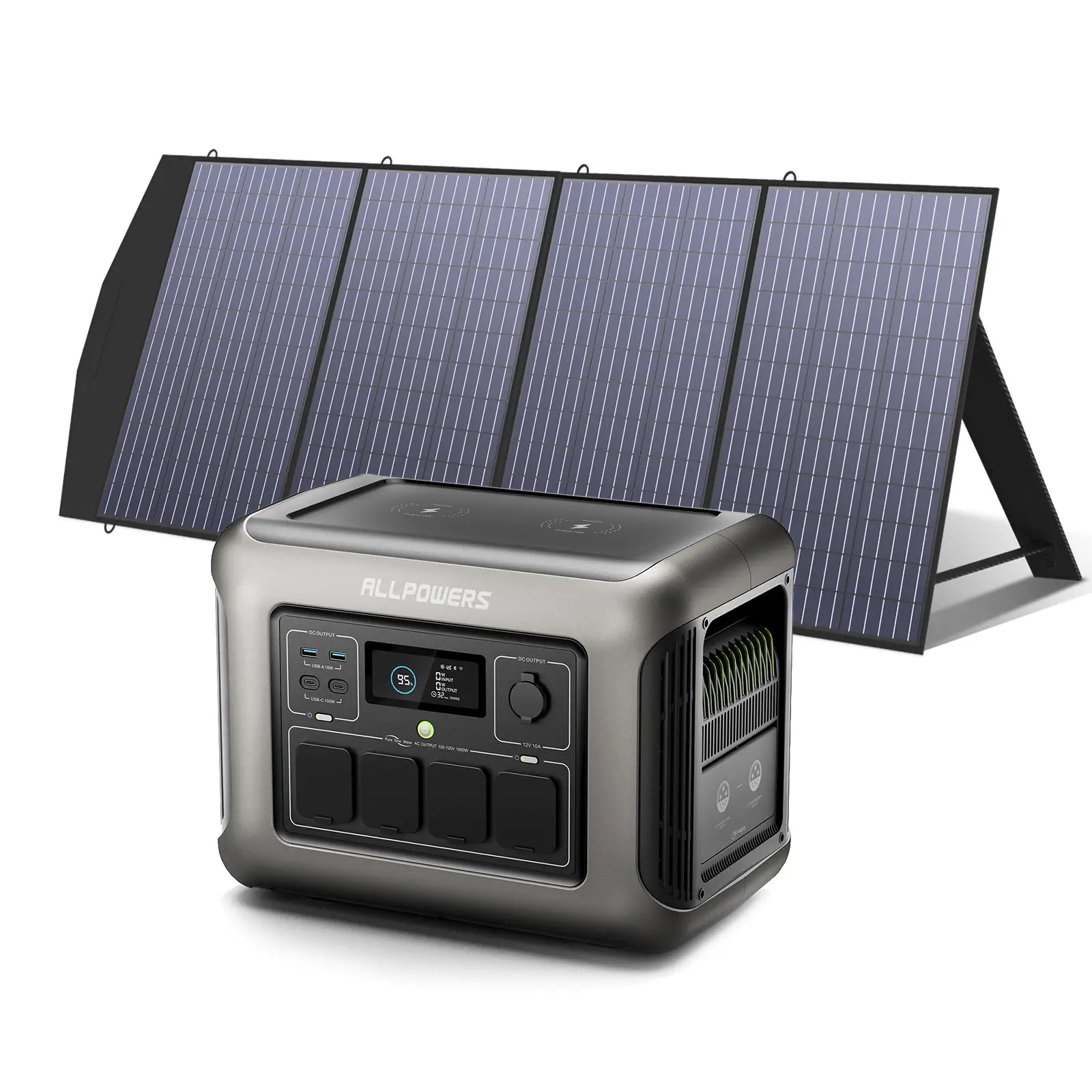
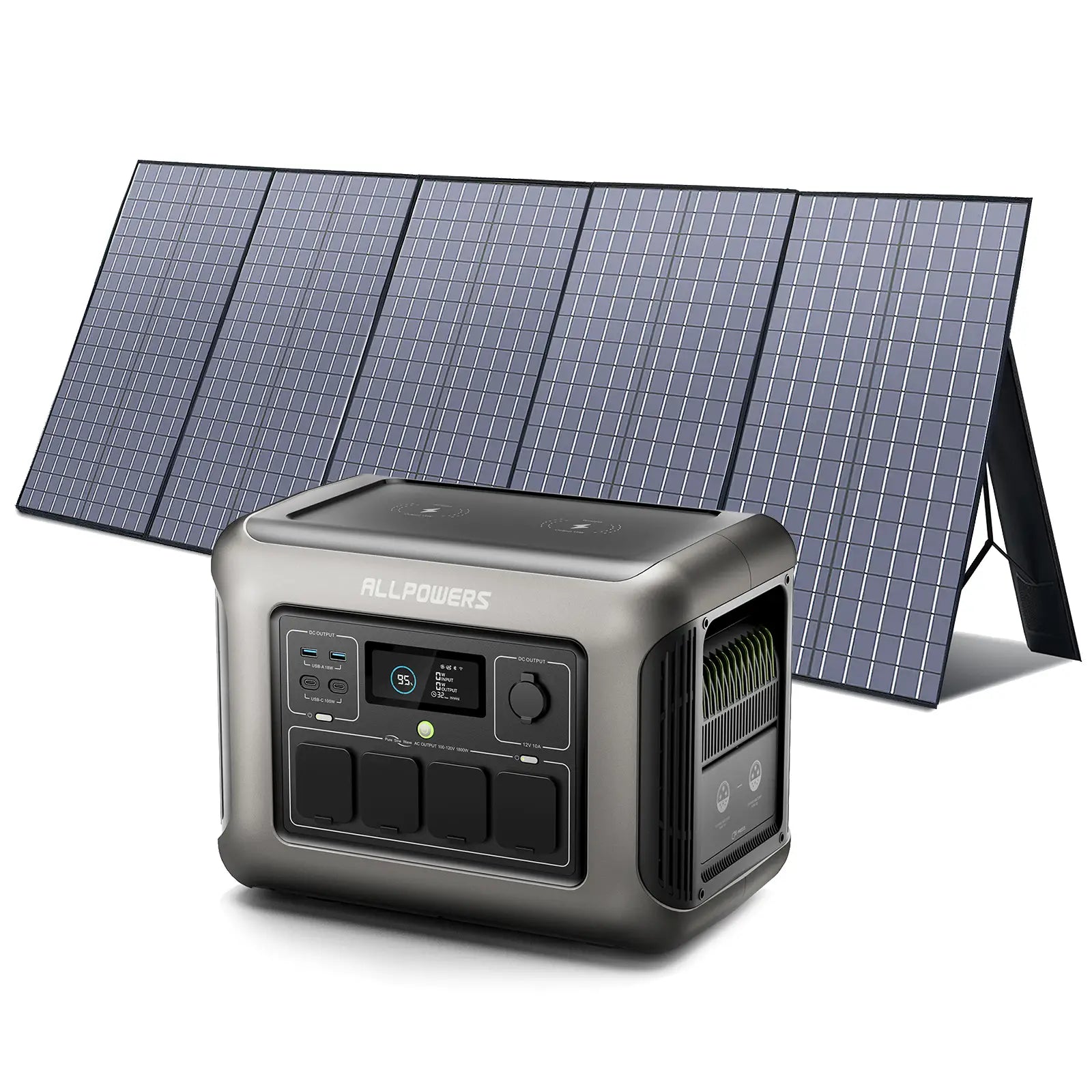
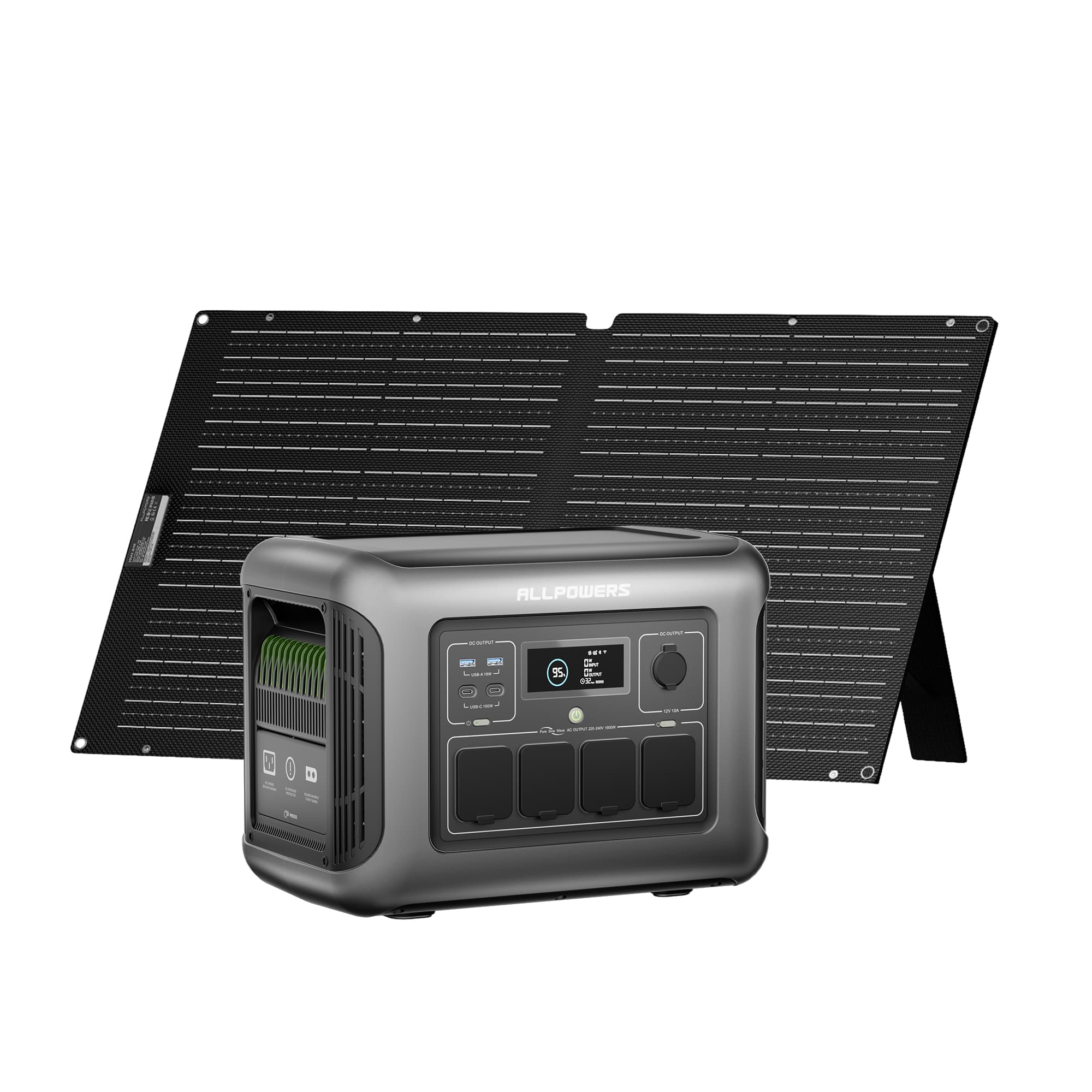
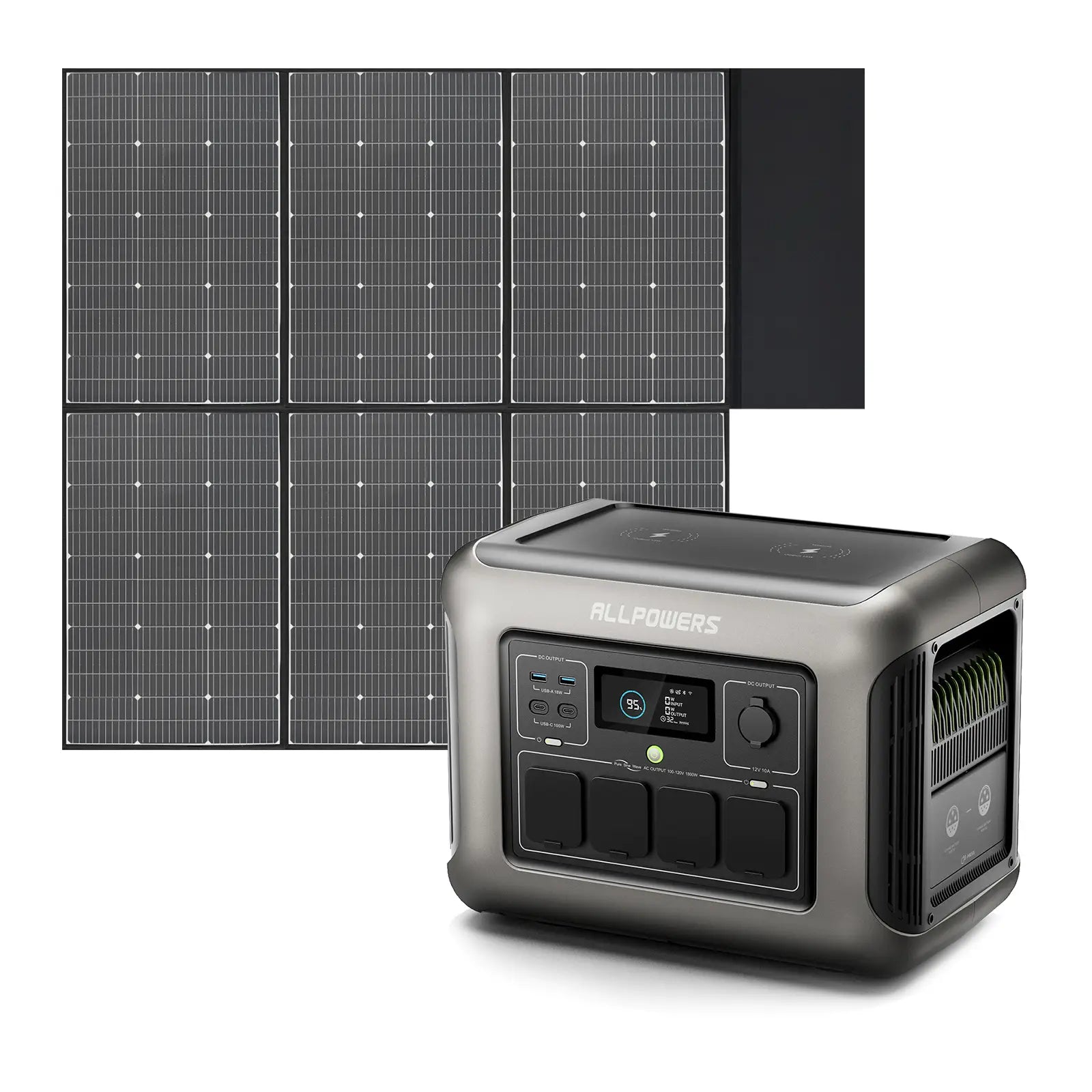
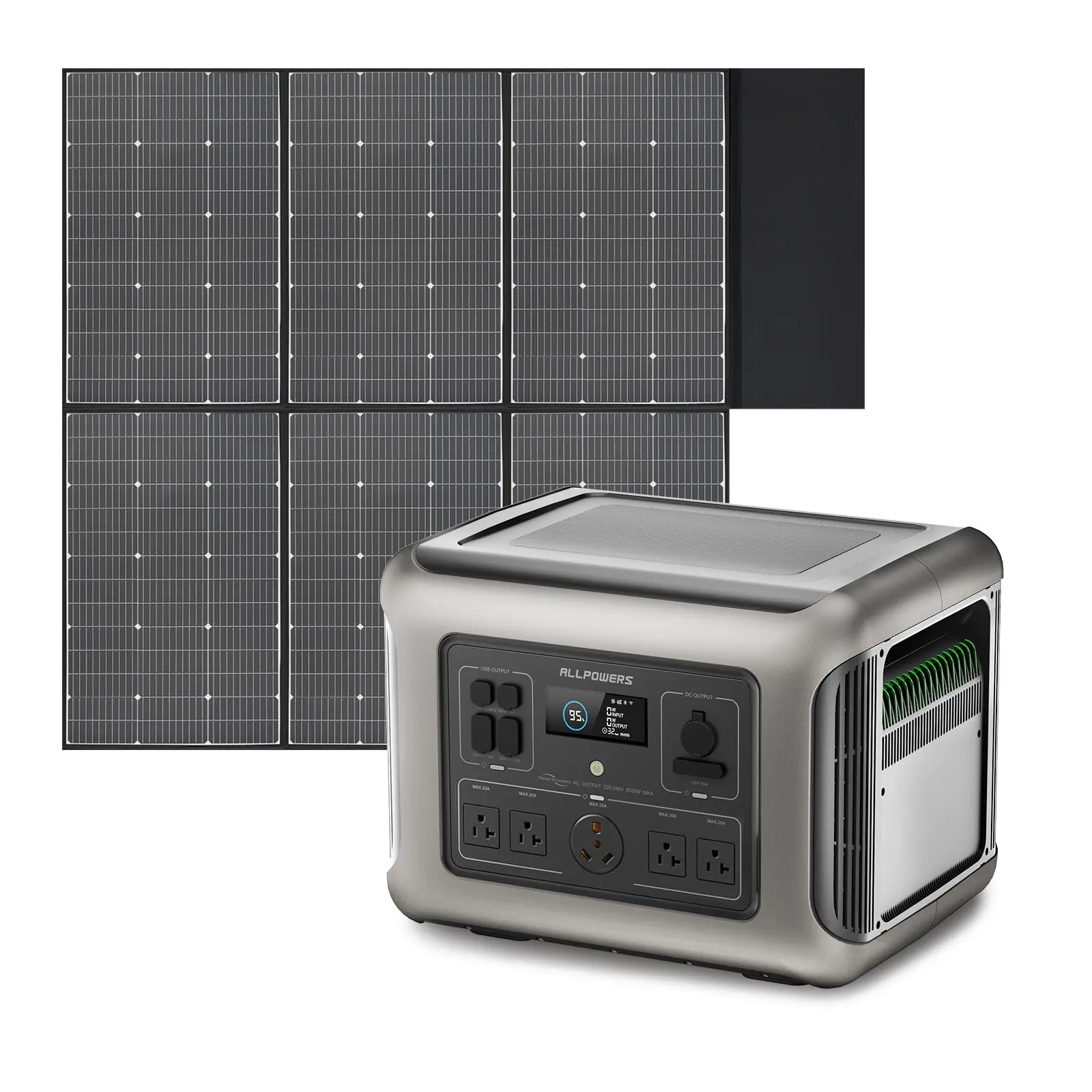
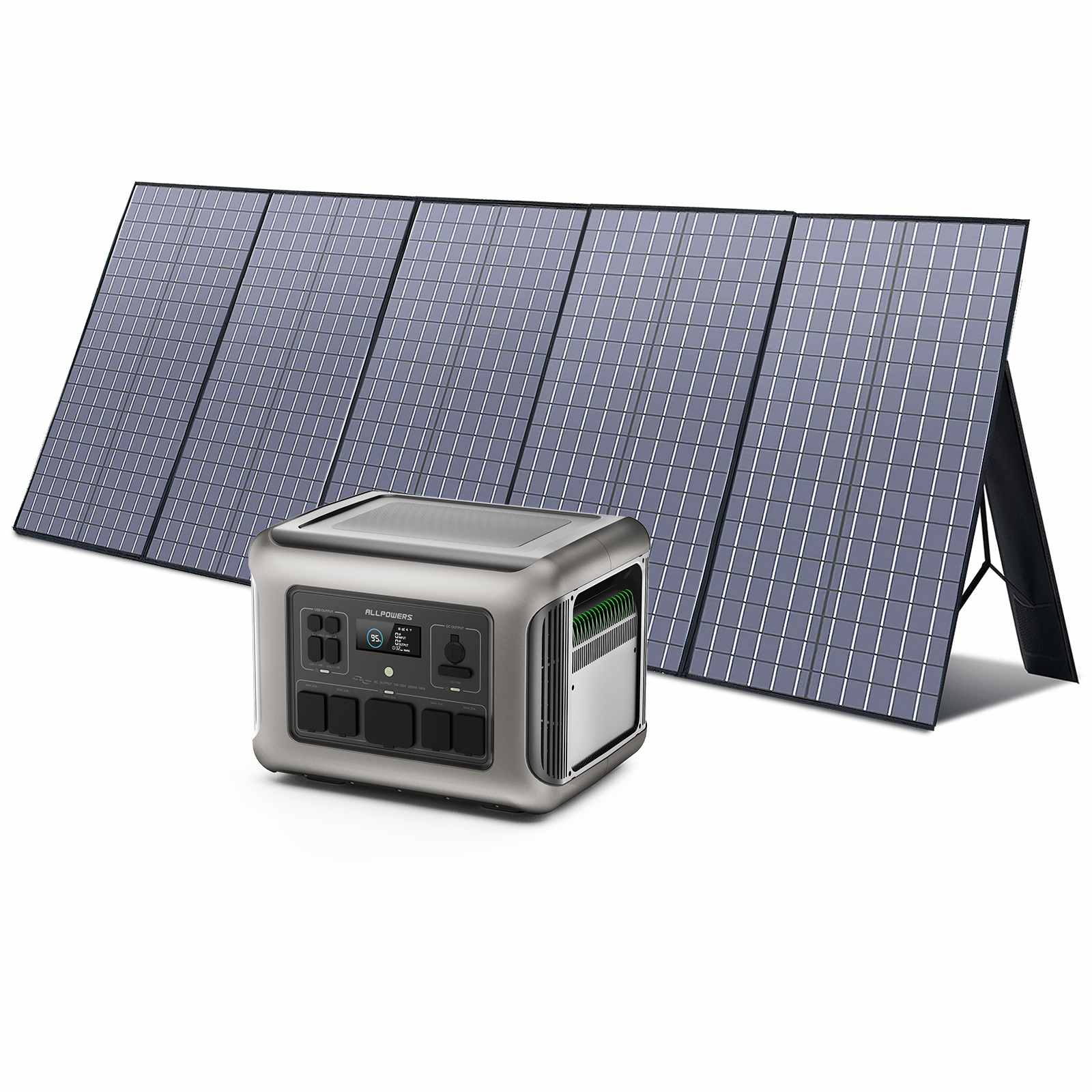
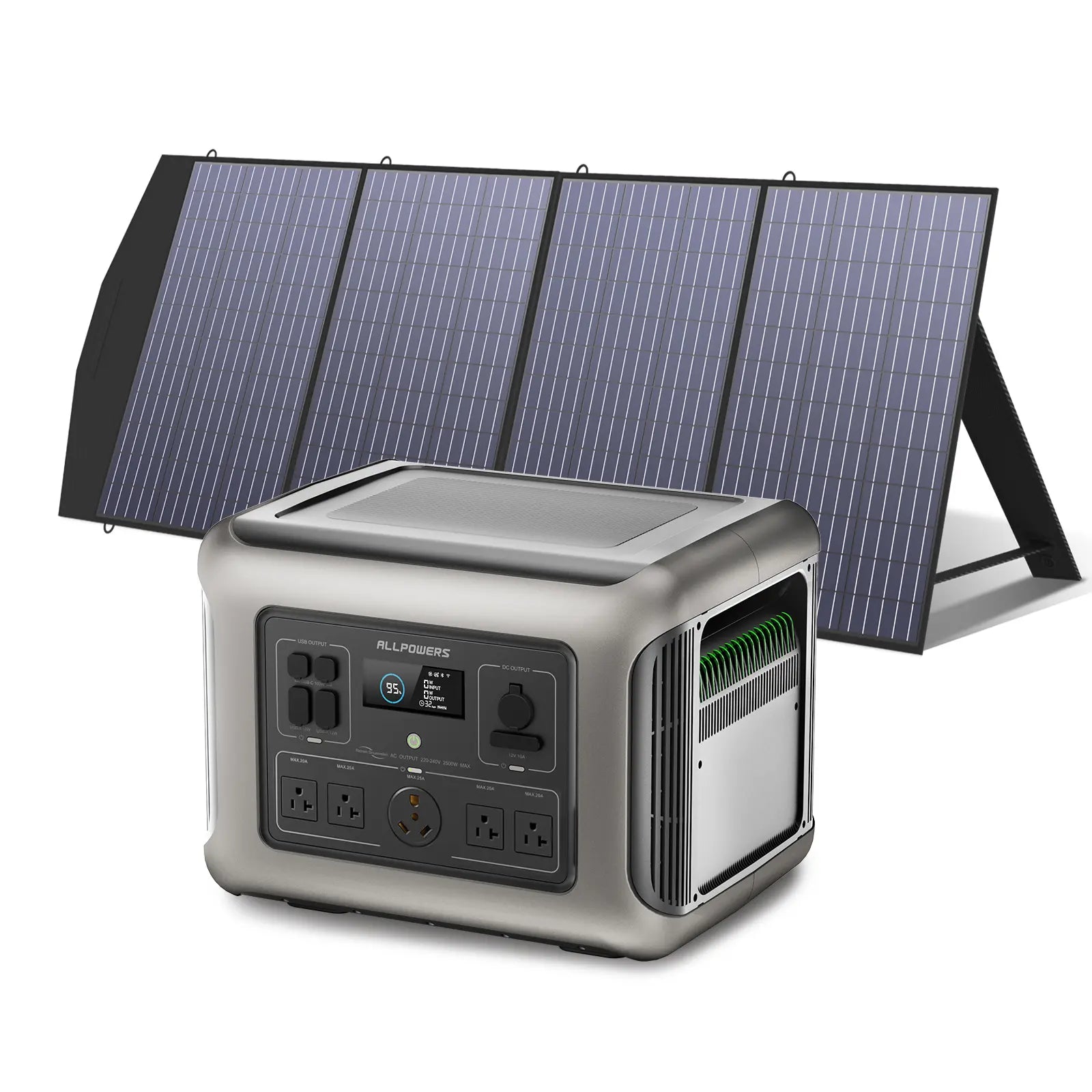
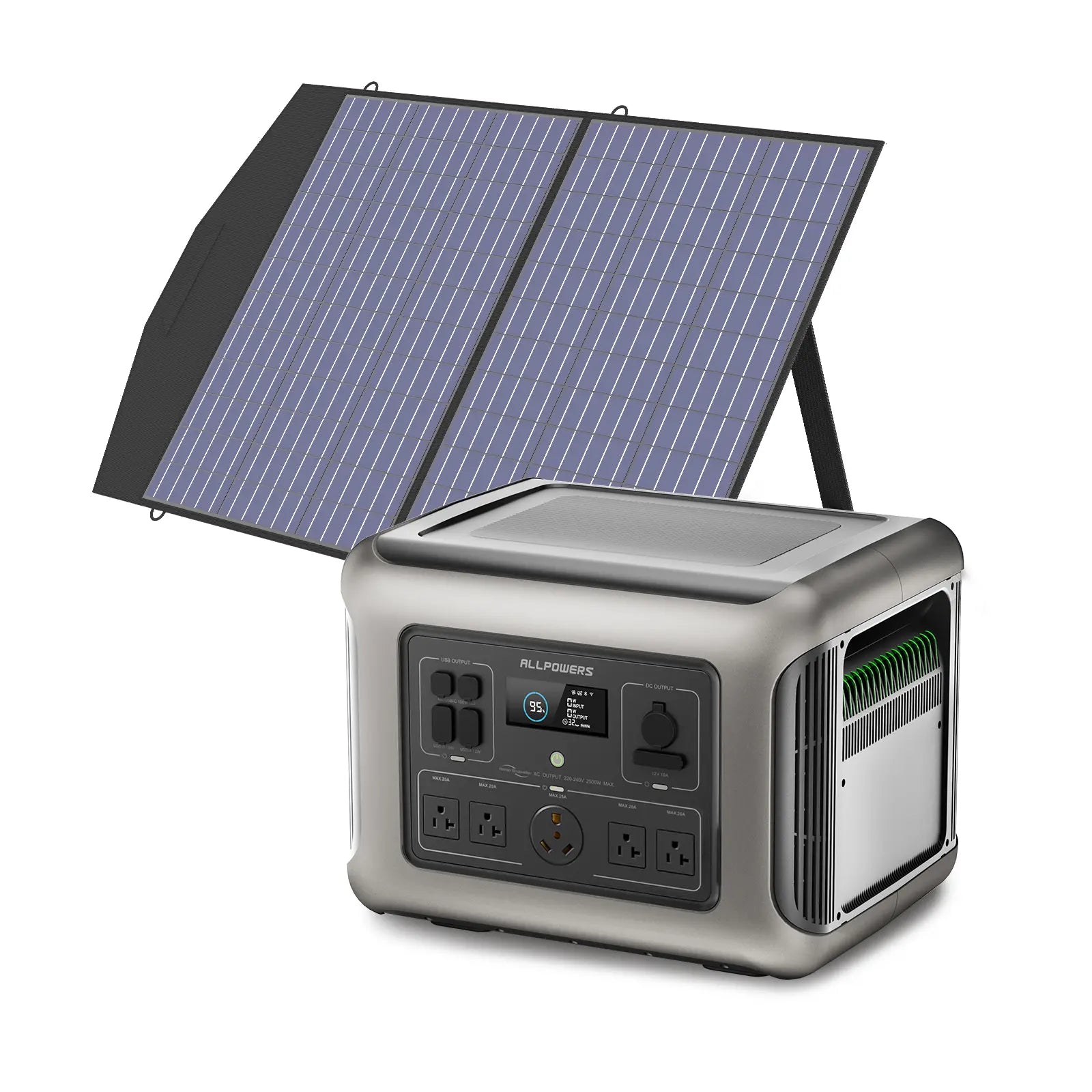
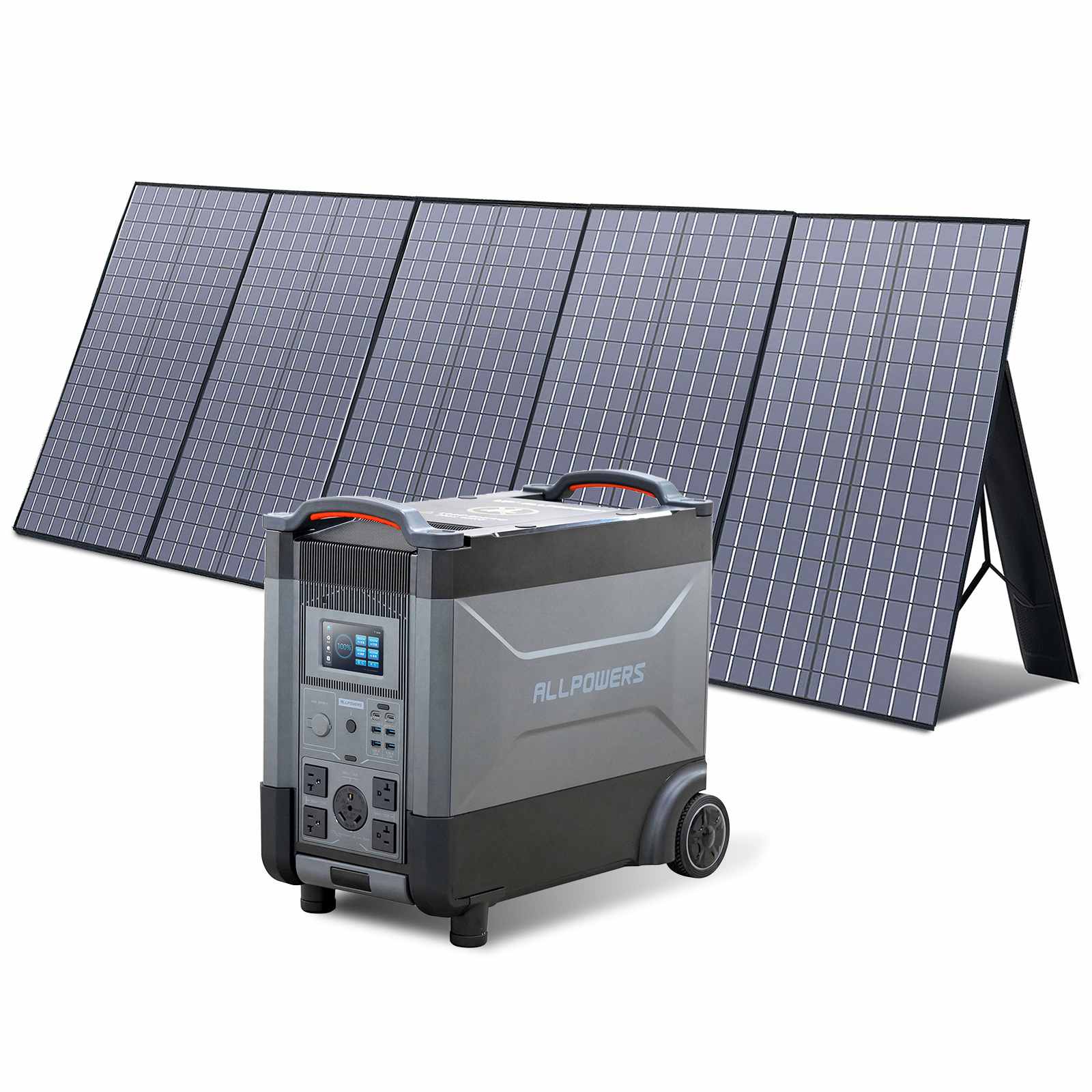
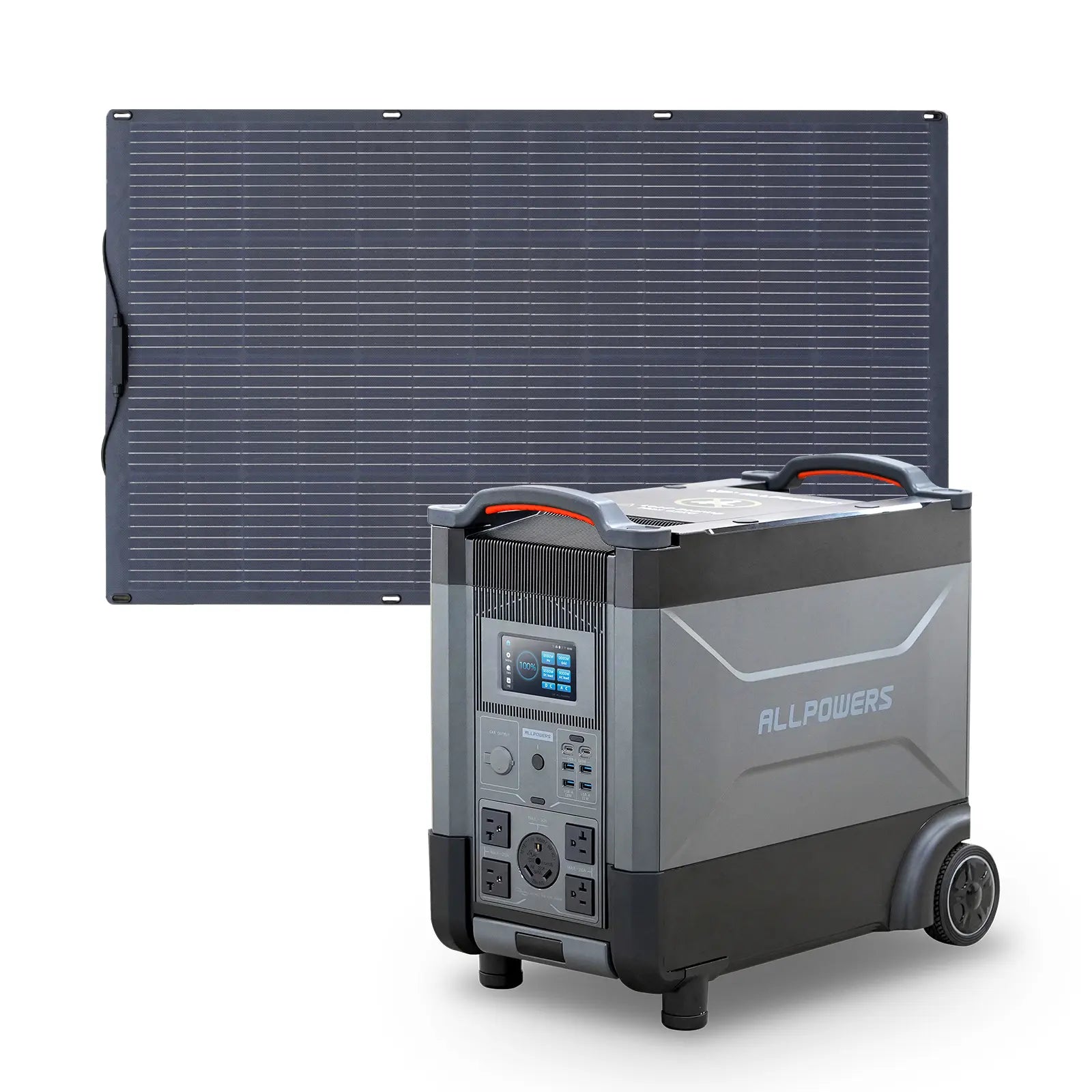
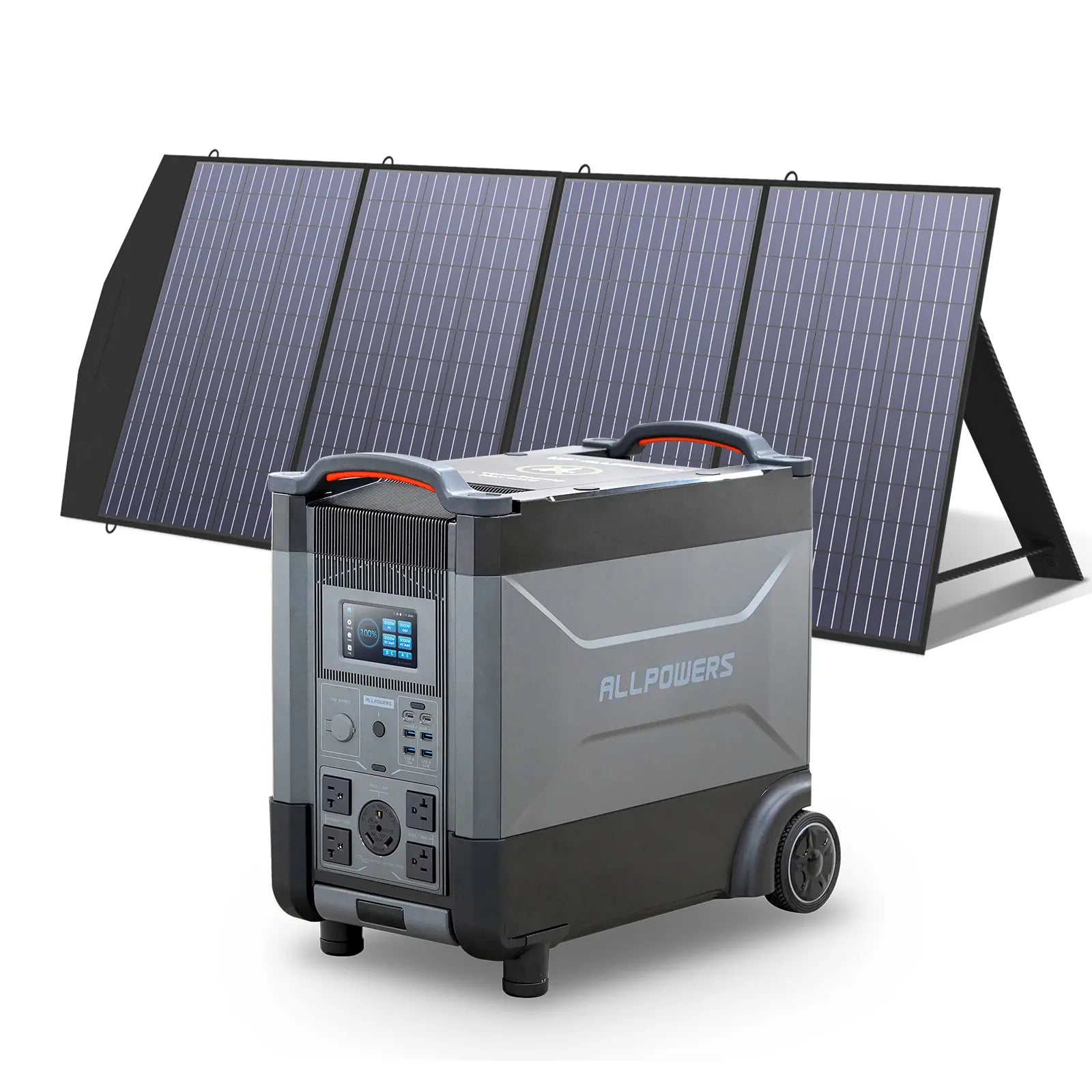
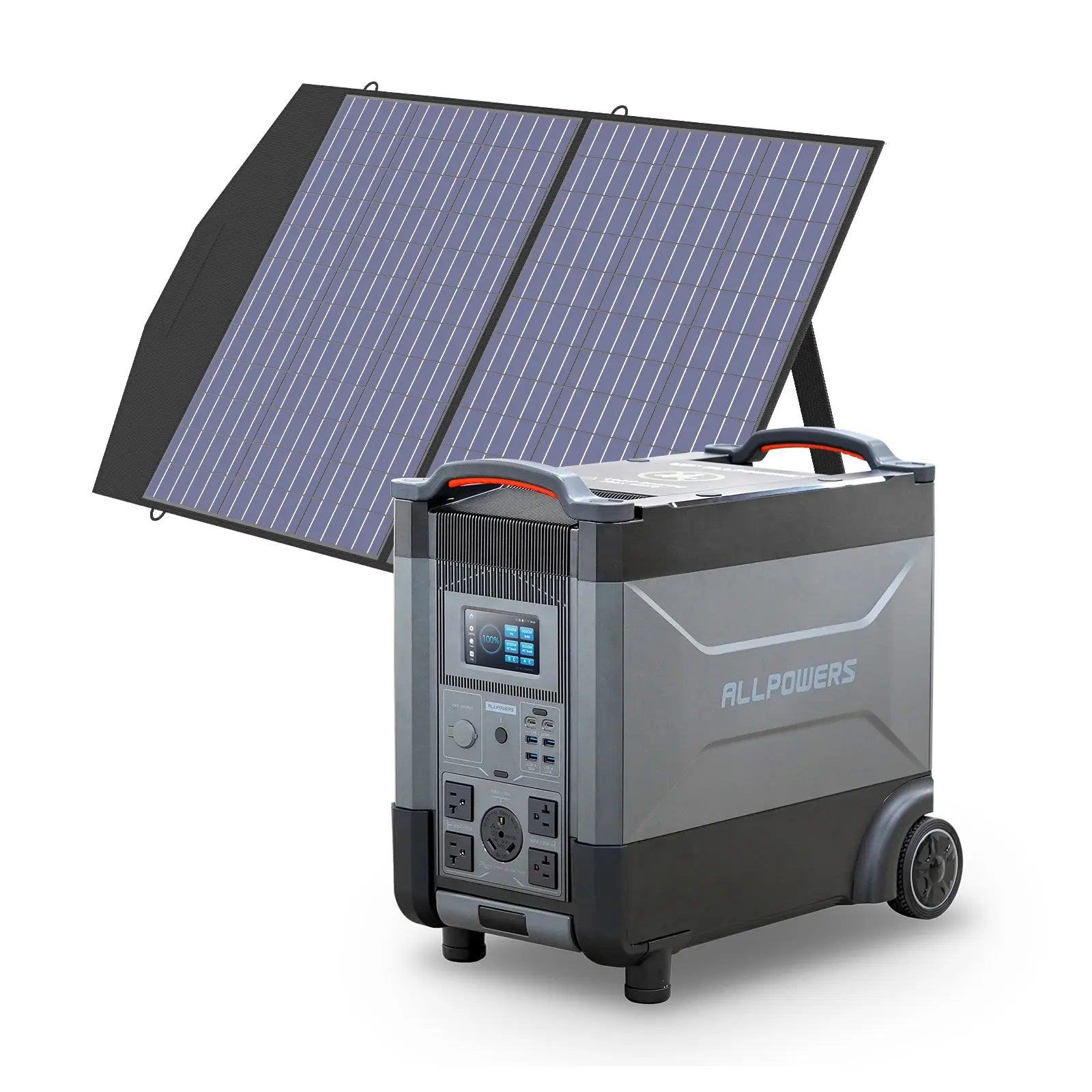
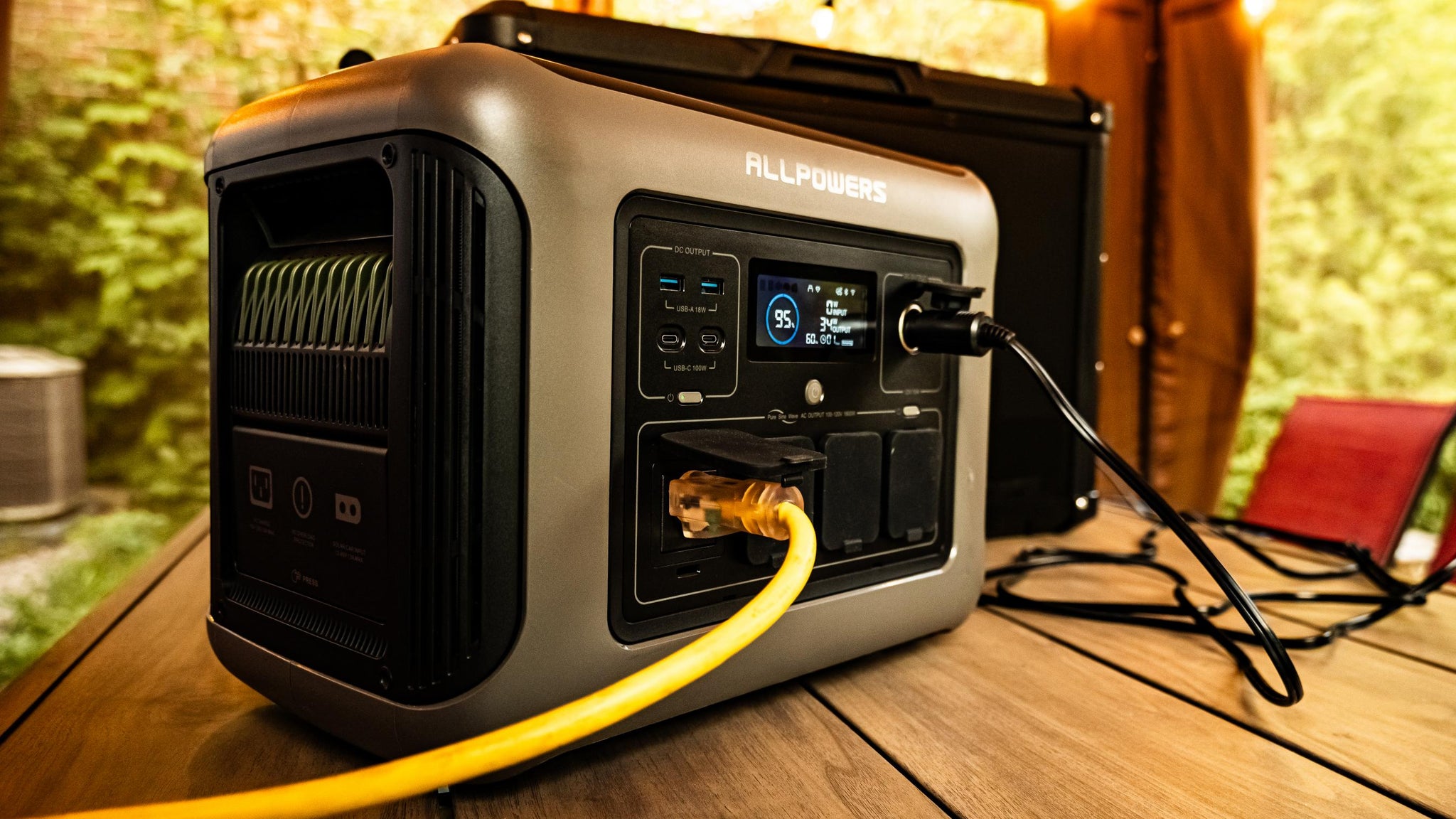
Electricity powers nearly everything in modern life, yet the way it flows is more complex than most people realize.
Terms like “inverter” and “converter” are often used interchangeably, creating confusion even among experienced users.
These components may sound similar, but they perform fundamentally different roles in electrical systems.
So, what exactly separates an inverter from a converter, and why should you care?
TL;DR:
An inverter changes DC power into AC power, while a converter changes electrical power from one form to another—most commonly AC to DC or DC to DC. In simple terms, an inverter helps batteries run household appliances, while a converter helps charge batteries or regulate voltage. Knowing which one you need depends entirely on what kind of power your device requires.
What Is an Inverter?
An inverter is a device that converts direct current (DC) into alternating current (AC). This transformation is essential when you want to use battery-powered energy to run household devices.
For example, when electricity is stored in a battery, it exists as DC power. However, most appliances require AC power. An inverter acts as the bridge, enabling these devices to operate normally.
Learn More: Are Batteries AC or DC?
Where Inverters Are Commonly Used
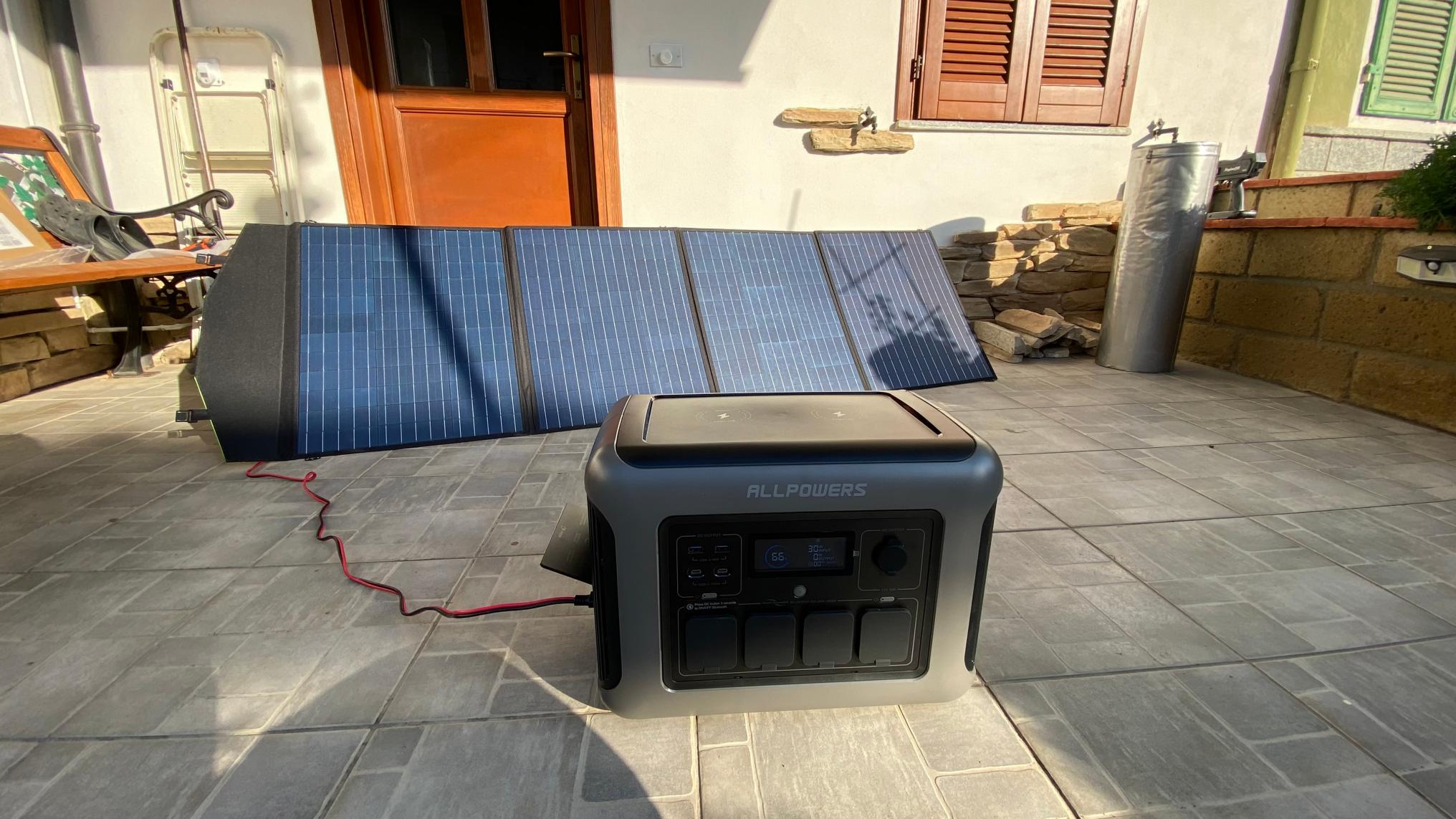
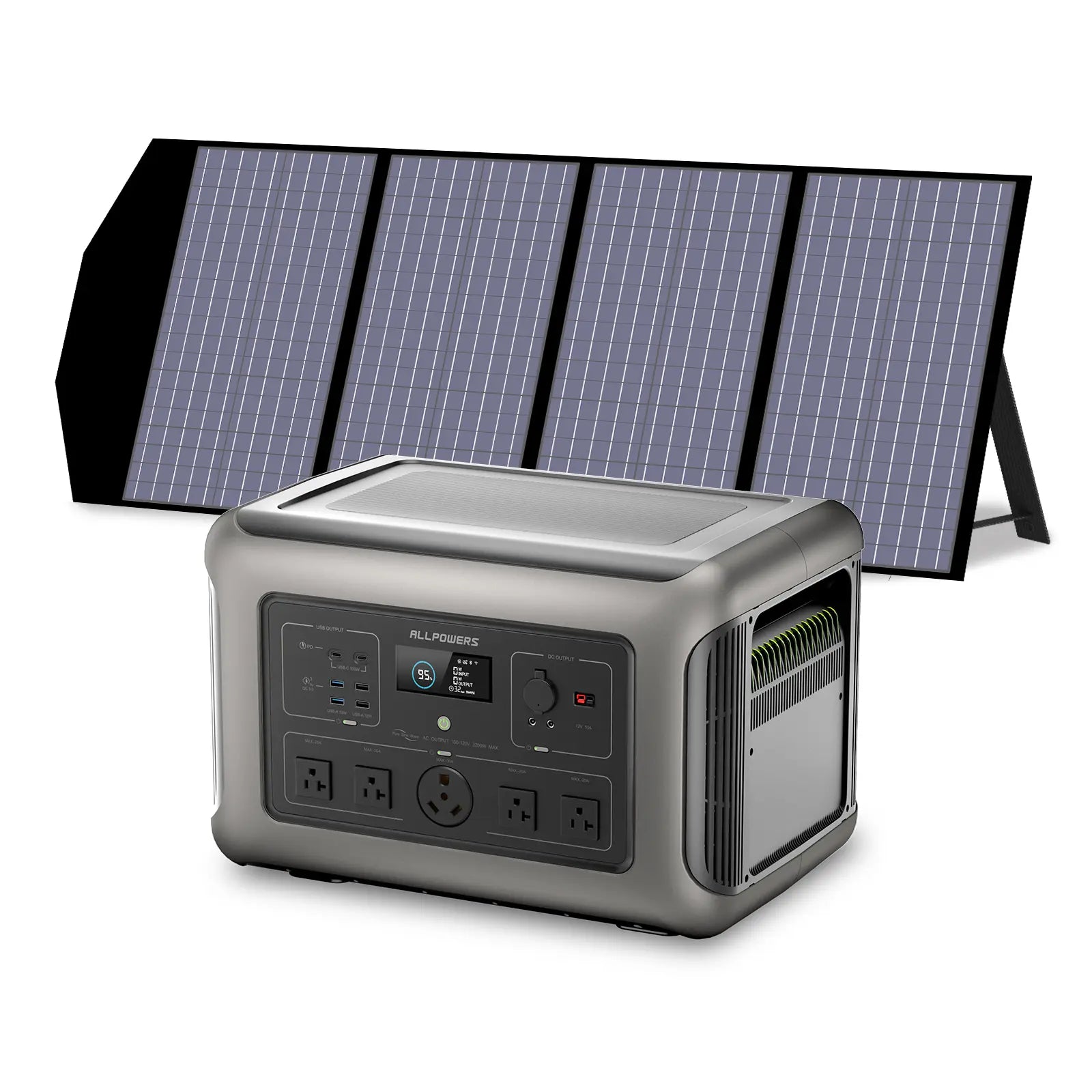
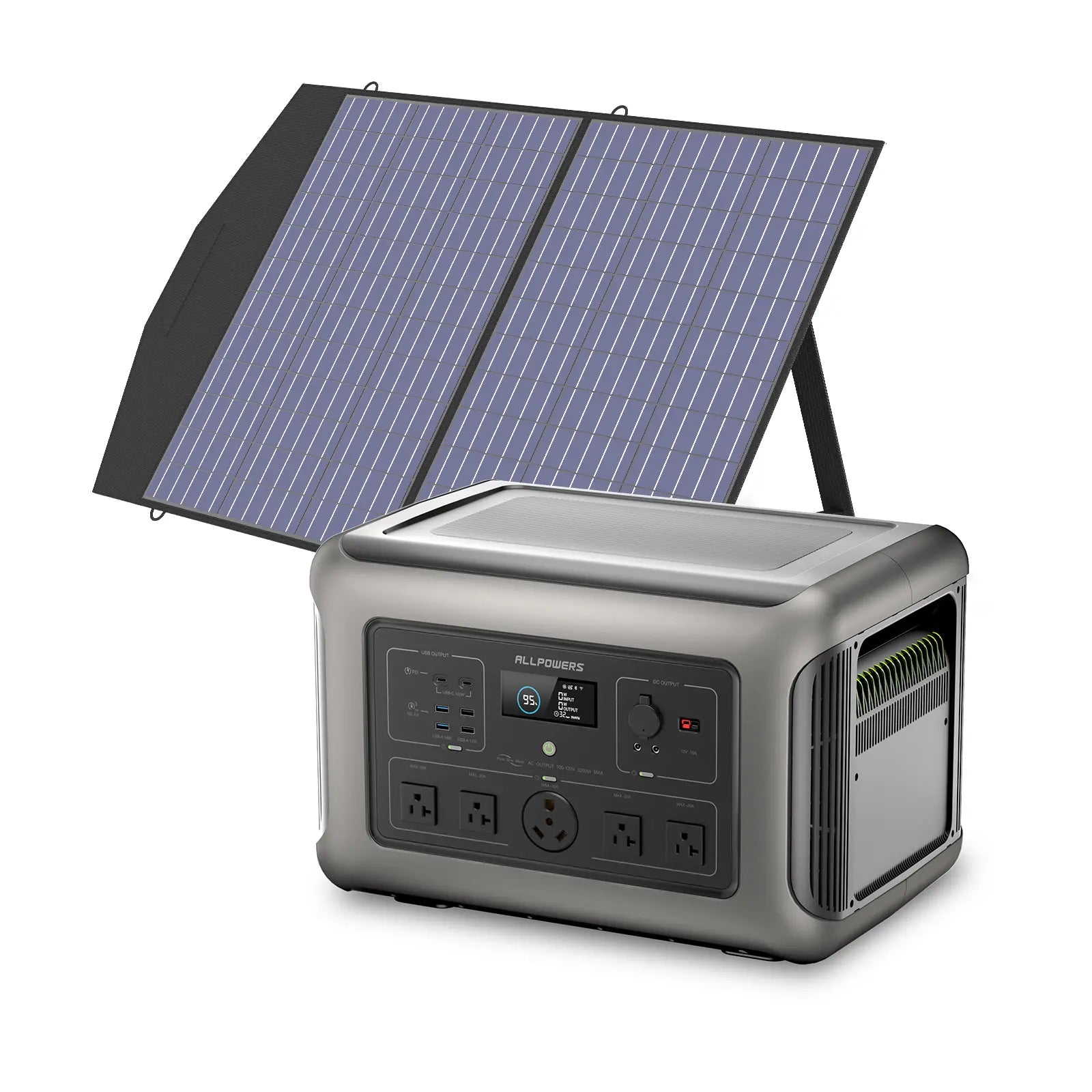
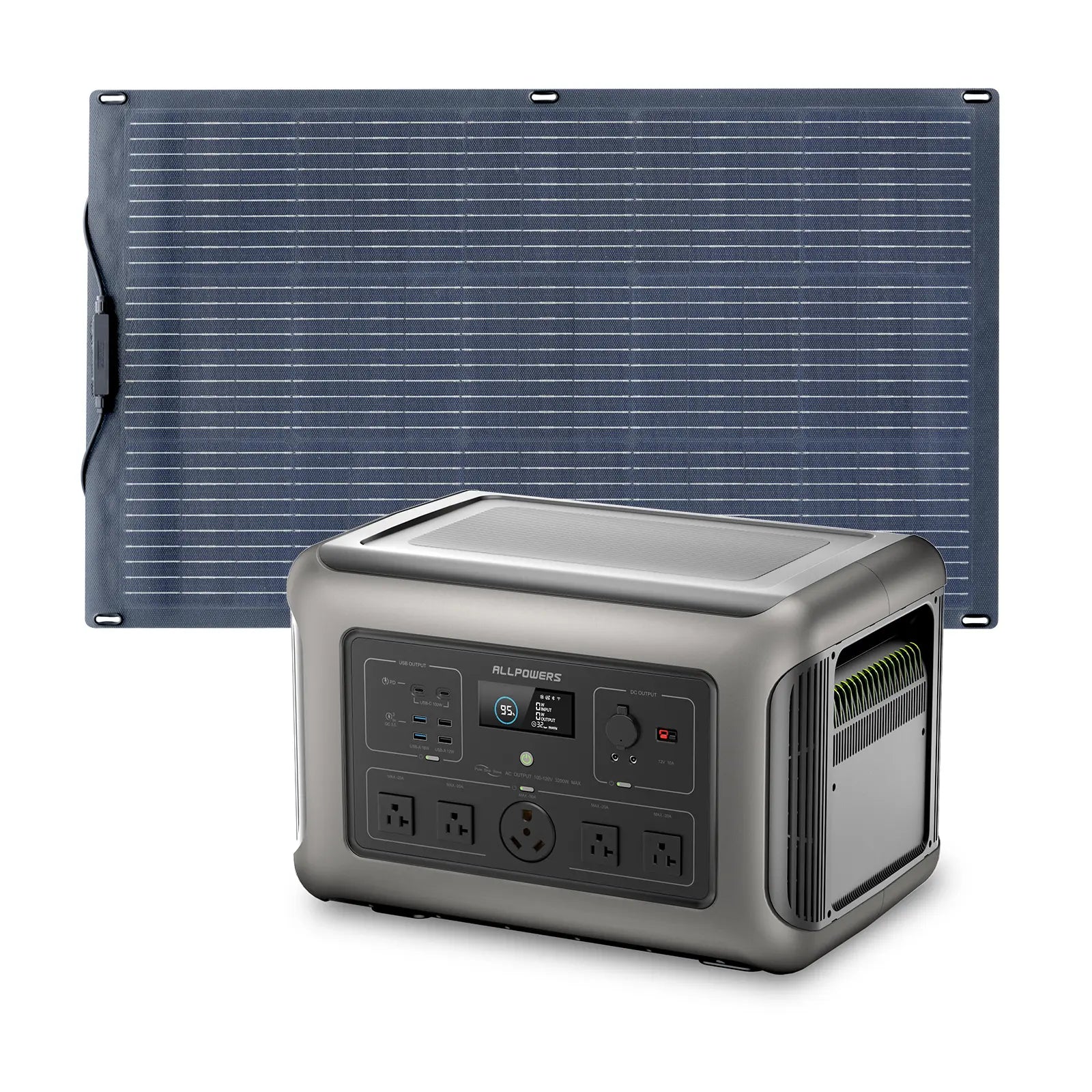
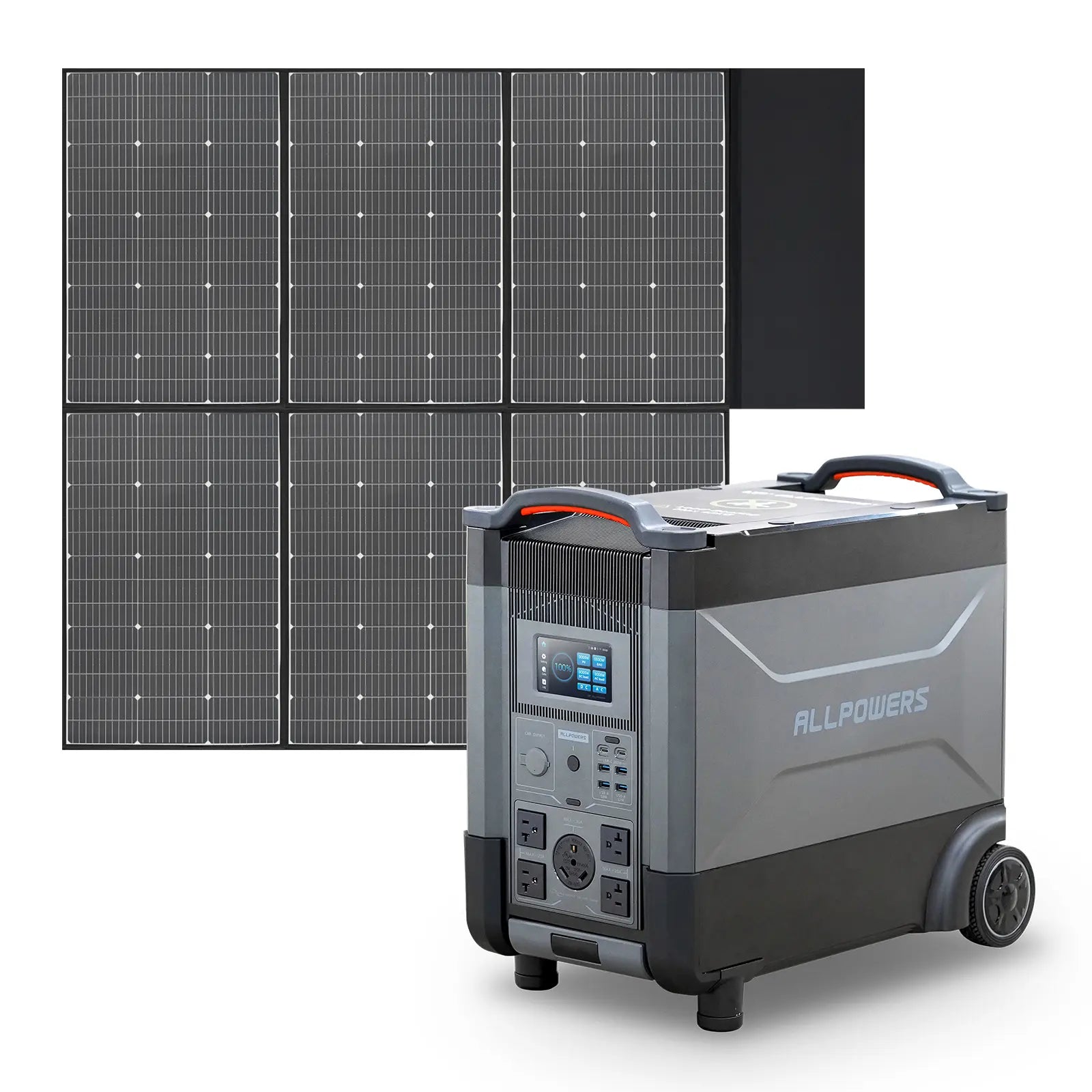
Inverters are widely used in solar energy systems, vehicles, and backup power setups. They allow users to power standard appliances even when they are off-grid.
Whether you’re camping, traveling, or dealing with a power outage, inverters make it possible to maintain a sense of normalcy.
How Inverters Affect Everyday Devices
The quality of an inverter determines how smoothly devices run. High-quality inverters produce stable sine-wave output, which is essential for sensitive electronics. Without proper conversion, devices may malfunction or experience reduced lifespan.
What Is a Converter?
A converter is a broader term that refers to devices that change electrical characteristics such as voltage, current type, or both.
In many cases, converters transform alternating current (AC) into direct current (DC), or adjust voltage levels within the same current type.
Unlike inverters, which have a specific purpose, converters serve multiple roles depending on their design.
Different Types of Converters
Converters can be categorized into several types, including AC-to-DC converters, DC-to-DC converters, and voltage converters.
Each type serves a unique purpose, from charging batteries to adapting devices for use in different countries.
For instance, when traveling internationally, a voltage converter ensures that your electronics receive the correct voltage, preventing overheating or failure.
Everyday Applications of Converters
Converters are embedded in countless devices, often without users realizing it. Laptop chargers, phone adapters, and many household electronics rely on internal converters to function properly.
Inverter vs Converter: The Key Differences
Direction of Power Conversion
The most important difference lies in how each device handles electricity. An inverter converts DC to AC, while a converter may convert AC to DC or adjust voltage levels without changing the current type.
This distinction determines when and where each device should be used.
Scope and Functionality
Inverters are specialized devices designed for a single purpose, whereas converters are more versatile.
A converter can handle multiple types of transformations, making it a broader category in electrical engineering.
Complexity and Application
Inverters often involve more complex circuitry because they must generate stable AC waveforms.
Converters, depending on their type, may be simpler or more complex but are generally designed for specific tasks like voltage regulation.
How to Choose the Right Solution
Choosing between an inverter and a converter depends entirely on your power source and the device you want to operate.
Understanding Your Power Source
If your power source is DC, such as a battery, and your device requires AC, you need an inverter. If your goal is to adjust voltage or convert AC to DC, a converter is the appropriate choice.
Matching Device Requirements
Always check the input requirements of your device. Supplying the wrong type of current can lead to malfunction or permanent damage.
Considering Future Needs
As energy systems become more advanced, especially with the rise of renewable energy, understanding these components will become increasingly important for both efficiency and sustainability.
Conclusion
Inverters and converters may seem similar, but their functions are distinct and equally important.
An inverter transforms DC into AC, making it possible to use standard appliances with alternative power sources, while a converter adapts voltage or changes AC to DC to suit specific devices.
If you need battery power to run standard appliances, you need an inverter. If you need to charge batteries or adjust voltage, you need a converter.