







Many homeowners are surprised when their monthly electricity bill suddenly increases, especially if their daily habits have not changed dramatically.
In reality, some household appliances consume far more electricity than people realize.
So, what actually consumes the most electricity inside a home?
TL;DR:
In most homes, HVAC systems, water heaters, clothes dryers, refrigerators, and large kitchen appliances consume the most electricity. Heating and cooling alone can account for nearly half of a household’s total energy usage. Reducing electricity consumption often starts with improving appliance efficiency, managing peak-hour usage, and adopting smarter home energy habits.
Why Understanding Energy Usage Matters
Many homeowners focus only on the total amount shown on their utility bill without fully understanding where the electricity is actually being used.
However, identifying the appliances that consume the most power can help households make smarter energy decisions and improve overall efficiency.
Modern homes now contain more connected devices, electronics, and high-powered appliances than ever before.
Between smart-home systems, streaming devices, gaming consoles, air conditioning units, and electric vehicle chargers, residential electricity consumption continues increasing across many regions.
Understanding how these systems contribute to overall energy use can help homeowners reduce waste and better manage monthly electricity costs.
The Biggest Electricity Users in a Home
Not all household appliances consume electricity equally. Some devices require significantly more power because they generate heat, cool large spaces, or operate for long periods throughout the day.
Heating and Cooling Systems
In many homes, HVAC systems consume the largest amount of electricity annually. Air conditioners and electric heating systems often operate for hours continuously during extreme weather conditions.
Older HVAC equipment tends to be even less efficient because aging systems require more energy to maintain stable indoor temperatures.
Water Heaters
Electric water heaters are another major source of electricity usage. Hot showers, laundry cycles, dishwashing, and general daily water consumption require large amounts of heated water throughout the day.
Homes with larger families often experience higher electricity usage because water heating demand increases significantly with more occupants.
Clothes Dryers
Electric dryers use substantial amounts of electricity because they generate intense heat during operation. Frequent laundry loads can noticeably increase monthly energy costs.
Refrigerators and Freezers
Unlike many appliances that operate occasionally, refrigerators run continuously 24 hours a day.
Although modern refrigerators are far more efficient than older models, they still contribute significantly to household electricity consumption.
Electric Ovens and Dishwashers
Kitchen appliances such as ovens and dishwashers consume large amounts of electricity because they rely on heating elements to function properly.
Why HVAC Systems Use So Much Electricity
Heating and cooling systems consume enormous amounts of electricity because they regulate indoor temperatures for the entire home.
During summer, air conditioners must remove heat from indoor spaces continuously, especially in hot climates.
During winter, electric heating systems require substantial energy to maintain comfortable indoor temperatures.
Several factors influence HVAC electricity consumption, including:
- Home insulation quality
- Outdoor climate conditions
- Thermostat settings
- System efficiency
- Air filter maintenance
Homes with poor insulation or leaking windows often force HVAC systems to work harder and consume more electricity.
How Water Heaters Affect Electricity Bills
Many homeowners overlook how much electricity is required to heat water every day. However, water heating systems often rank among the top household energy consumers.
Long showers, frequent laundry loads, and high dishwasher usage all increase demand on electric water heaters.
Tank Water Heaters
Traditional storage water heaters continuously maintain hot water temperatures, even when hot water is not actively being used.
Tankless Water Heaters
Tankless systems heat water only when needed, which may improve overall energy efficiency in some households.
Kitchen Appliances and Energy Consumption
The kitchen contains several appliances that consume large amounts of electricity throughout the day.
Refrigerators
Refrigerators operate continuously and must maintain stable internal temperatures regardless of outdoor weather conditions.
Dishwashers
Dishwashers consume electricity both for water heating and drying cycles.
Electric Ovens
Electric ovens require high-powered heating elements that consume significant electricity during cooking.
Although individual cooking sessions may seem short, daily appliance usage can accumulate into substantial long-term electricity consumption.
What Is Phantom Power?
Phantom power, also called standby power, refers to electricity consumed by electronics even when devices appear turned off.
Gaming systems, televisions, smart speakers, printers, coffee makers, and chargers often continue drawing electricity unless they are unplugged completely.
Although phantom power may seem minor individually, the combined effect across multiple devices can contribute noticeably to monthly utility bills.
Average Household Appliance Electricity Usage
| Appliance | Average Wattage | Estimated Daily Usage | Energy Impact |
|---|---|---|---|
| Central Air Conditioner | 3000–5000W | 4–9 Hours | Very High |
| Electric Water Heater | 3000–4500W | 3–5 Hours | High |
| Electric Dryer | 2000–5000W | 30–60 Minutes | High |
| Refrigerator | 150–400W | 24 Hours | Medium |
| Dishwasher | 1200–2400W | 1–2 Hours | Medium |
| Gaming Console | 90–250W | 2–6 Hours | Low to Medium |
| LED Lighting | 5–20W | 4–8 Hours | Low |
Smart Energy Management
Modern homeowners are increasingly adopting smart energy management systems to better monitor electricity usage and reduce unnecessary waste.
Smart thermostats, connected appliances, and home energy monitoring systems now allow households to track energy usage patterns in real time.
Some systems can automatically shift appliance operation to cheaper off-peak electricity periods, helping reduce monthly utility costs.
Learn More: How to Reduce Electricity Bill?
| Energy Strategy | Potential Savings | Difficulty Level |
|---|---|---|
| Upgrade HVAC Efficiency | High | Moderate |
| Improve Insulation | High | Moderate |
| Use Smart Thermostats | Medium | Easy |
| Reduce Standby Power | Low to Medium | Easy |
| Replace Old Appliances | Medium to High | Moderate |
Backup Power and Energy Flexibility
As energy consumption increases and extreme weather events place more pressure on electrical grids, many homeowners are becoming more interested in backup energy solutions and energy flexibility.
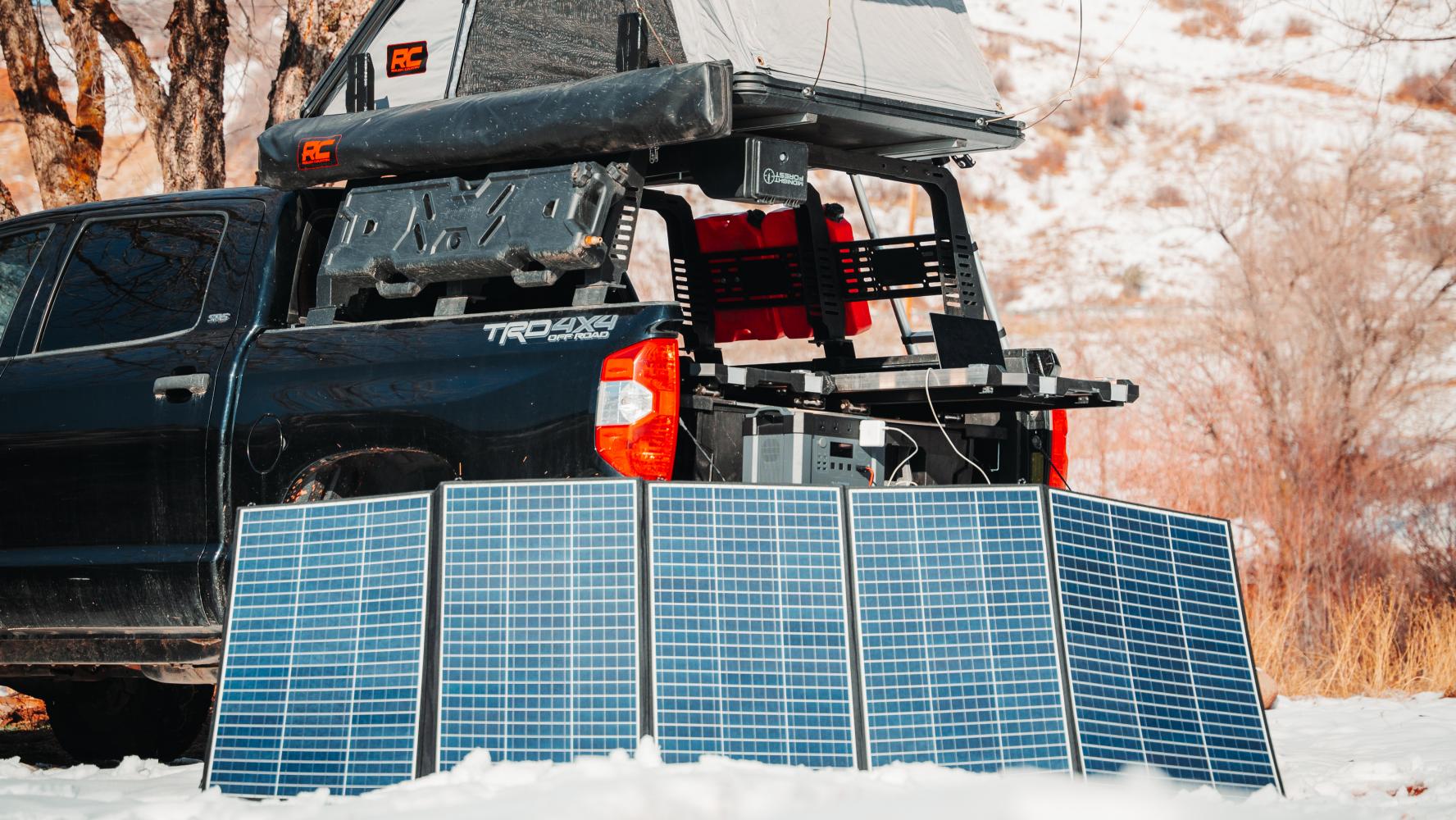
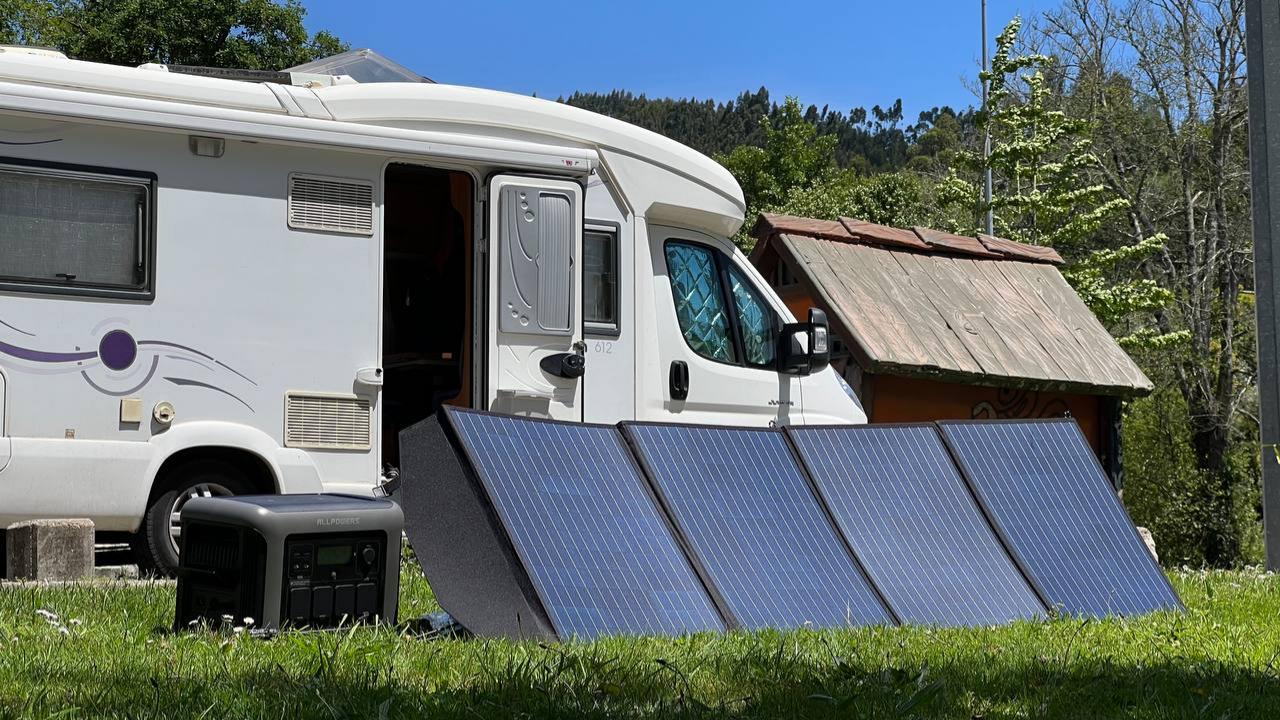
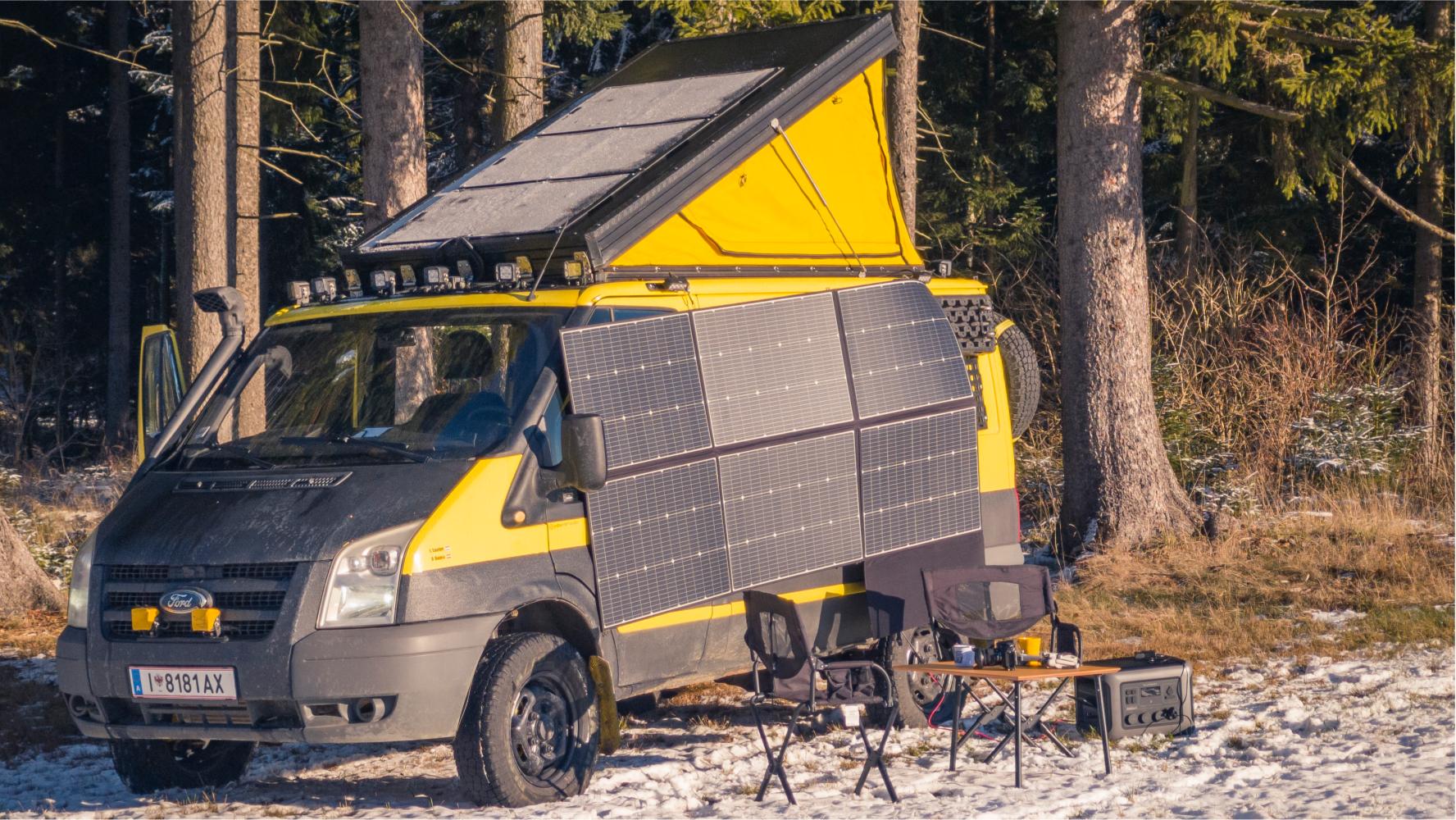
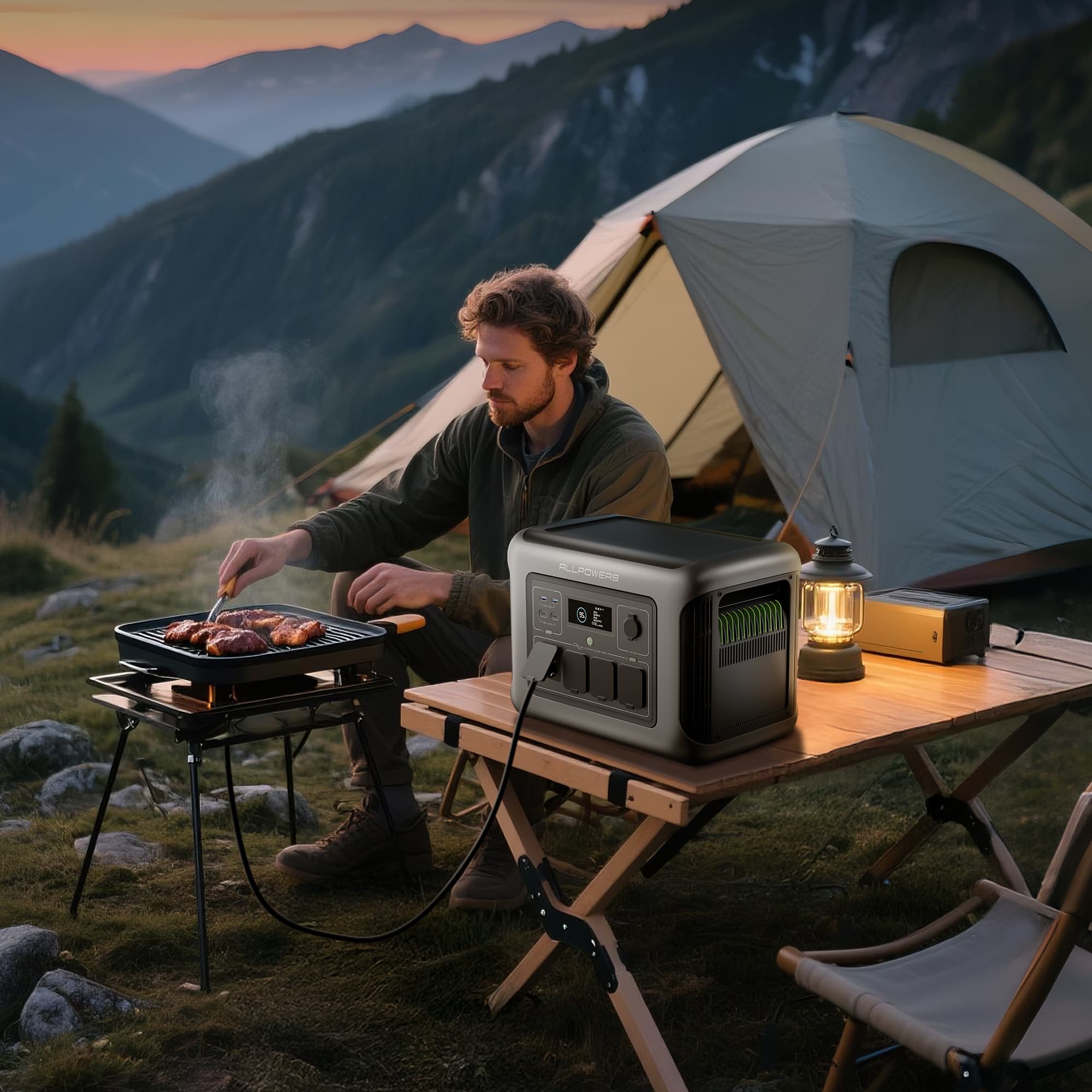
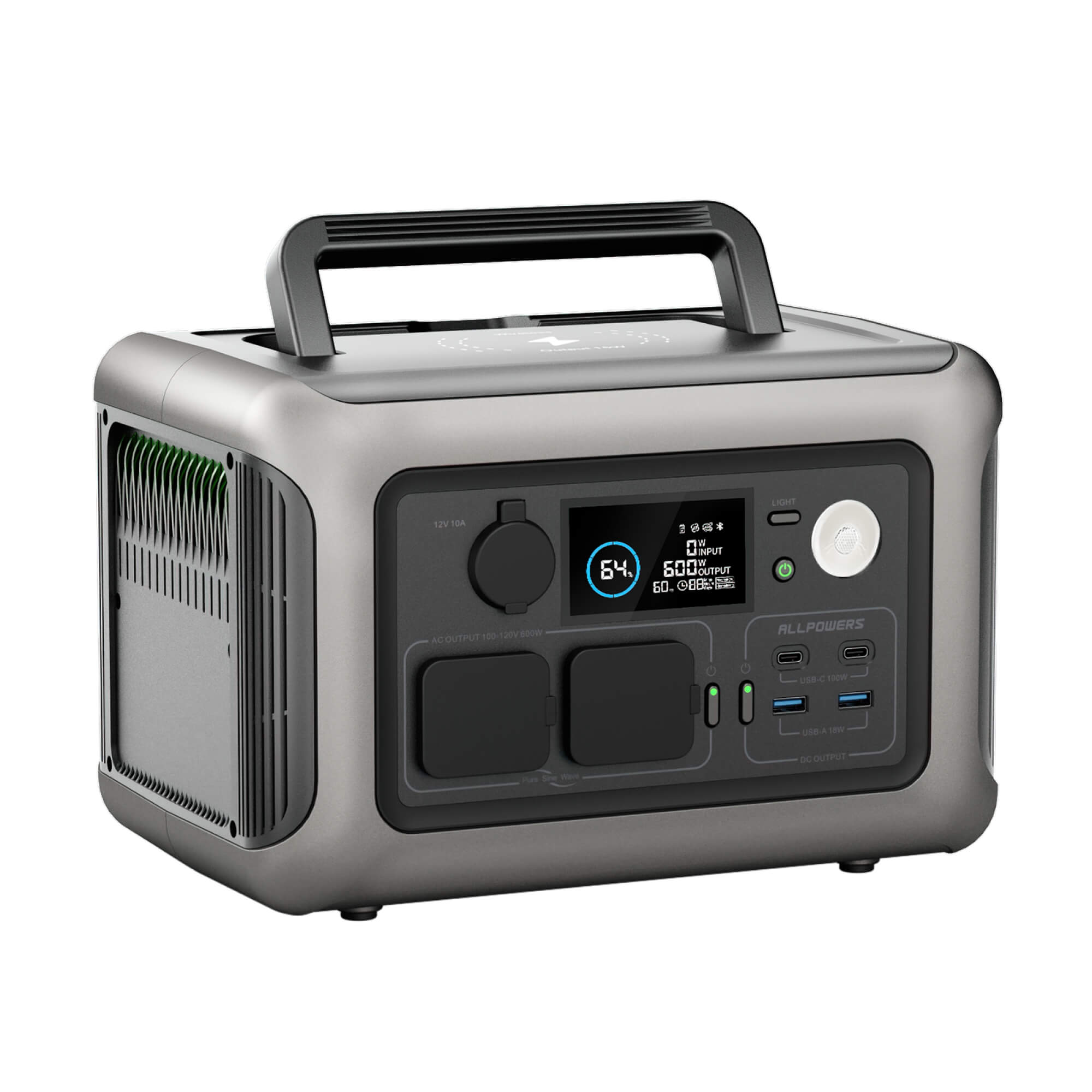
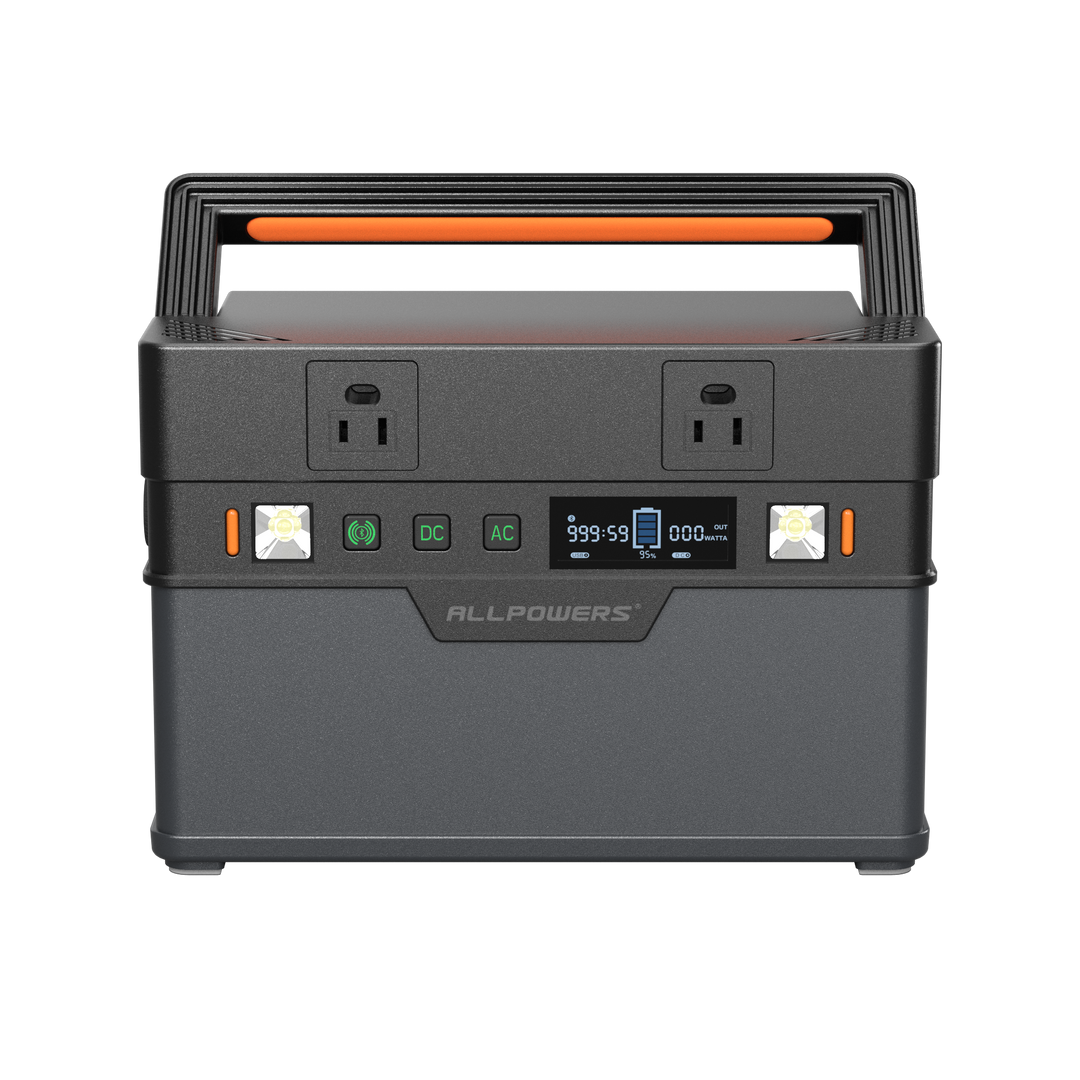
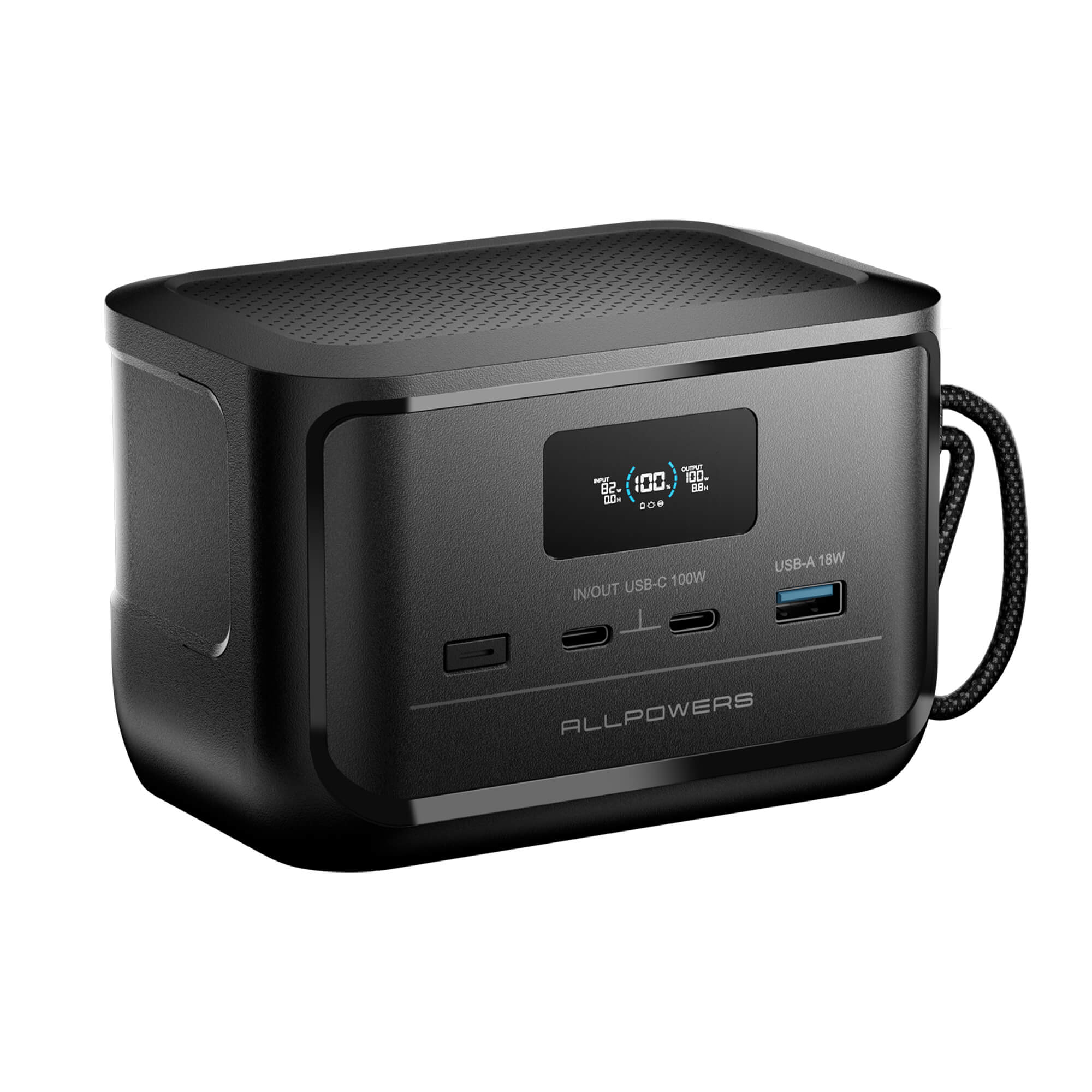
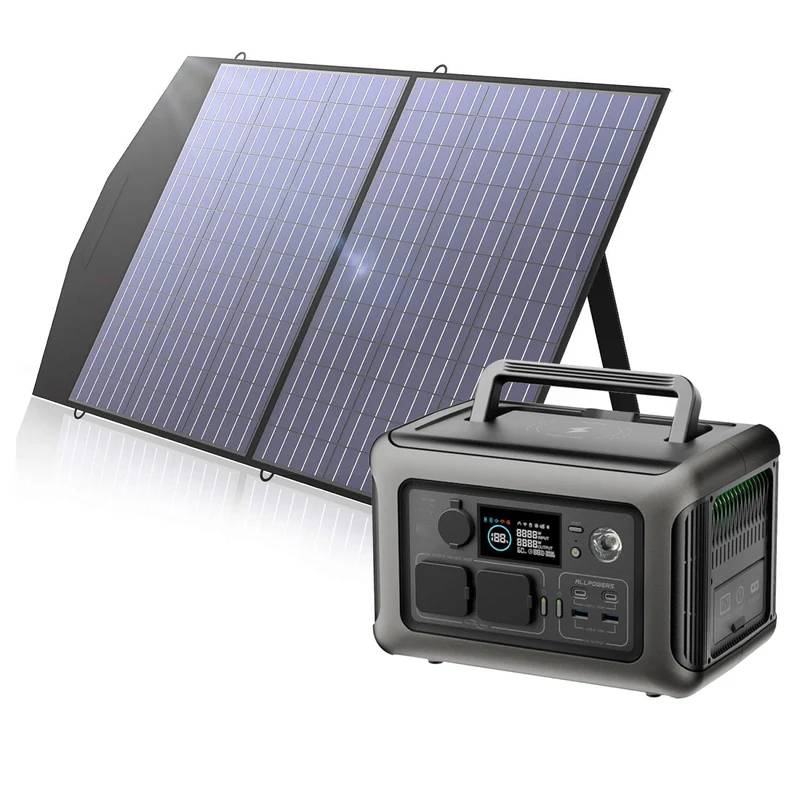
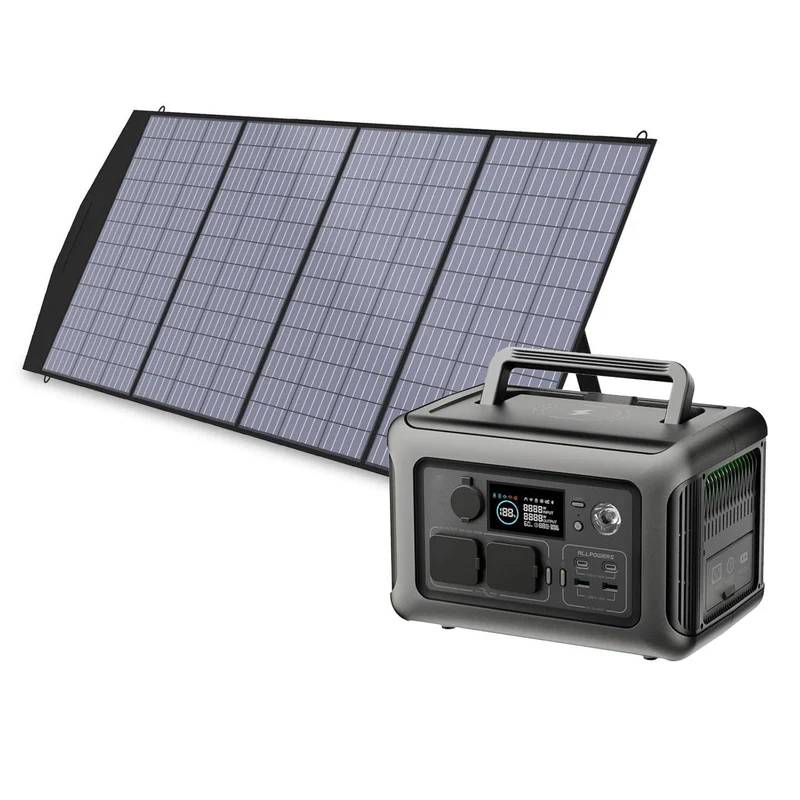
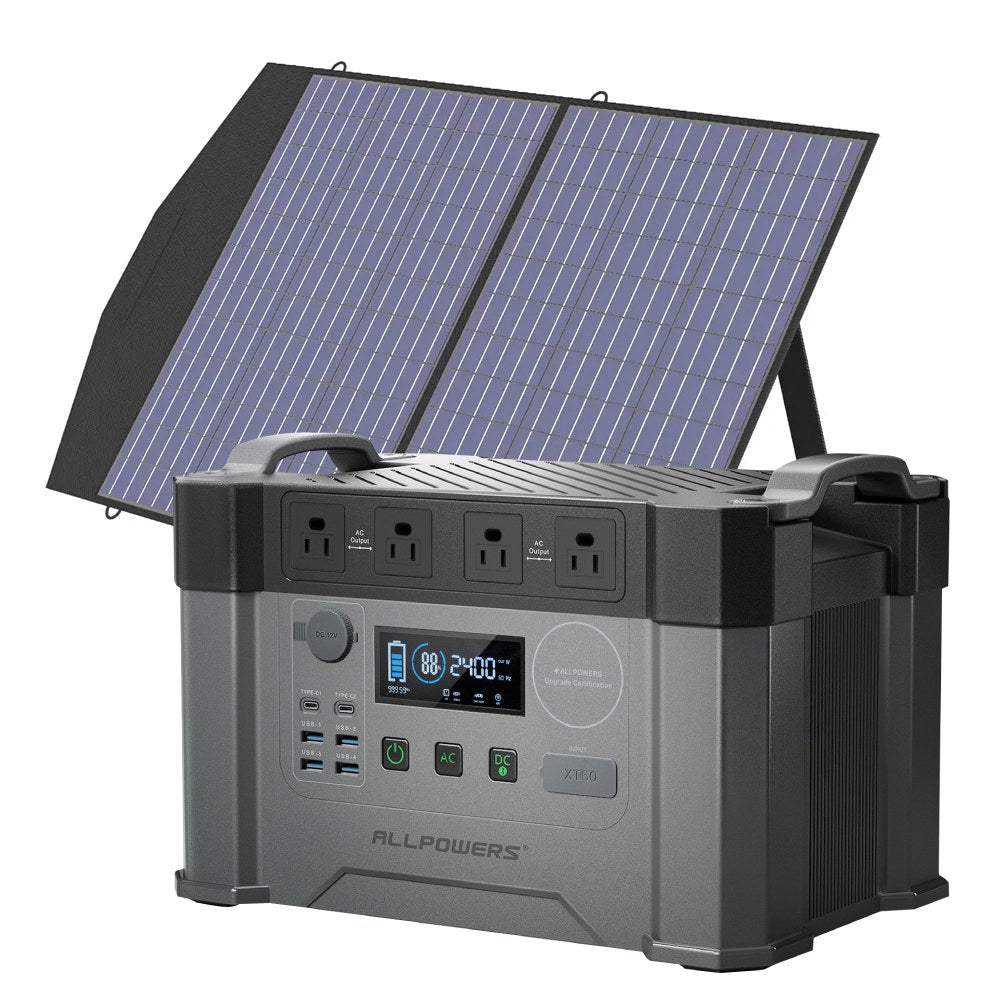
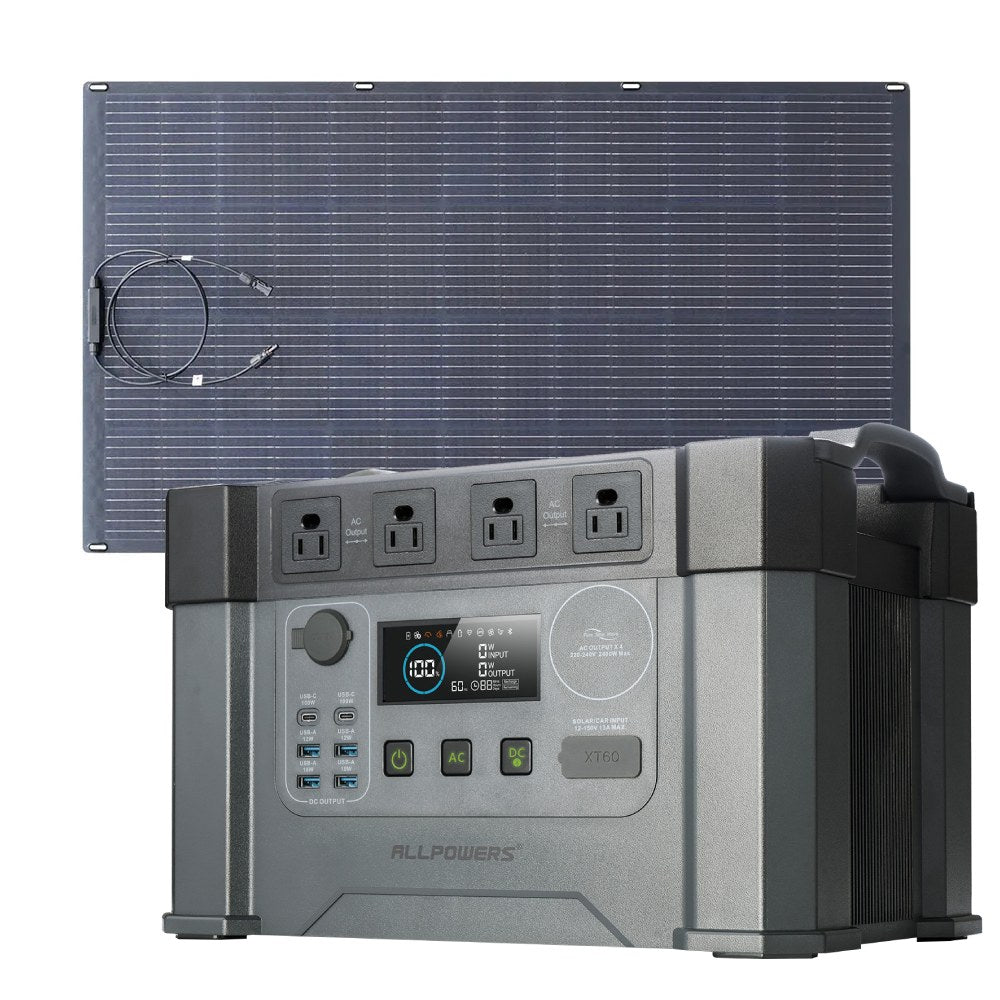
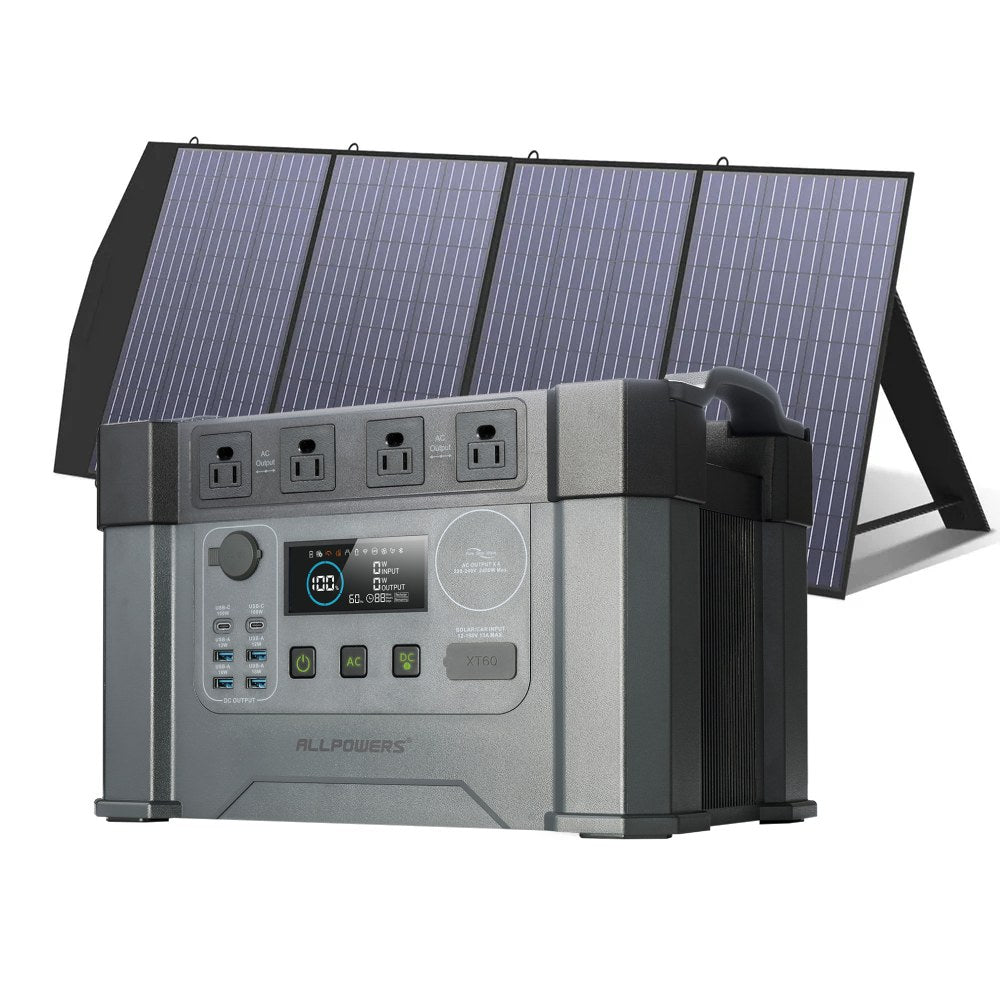
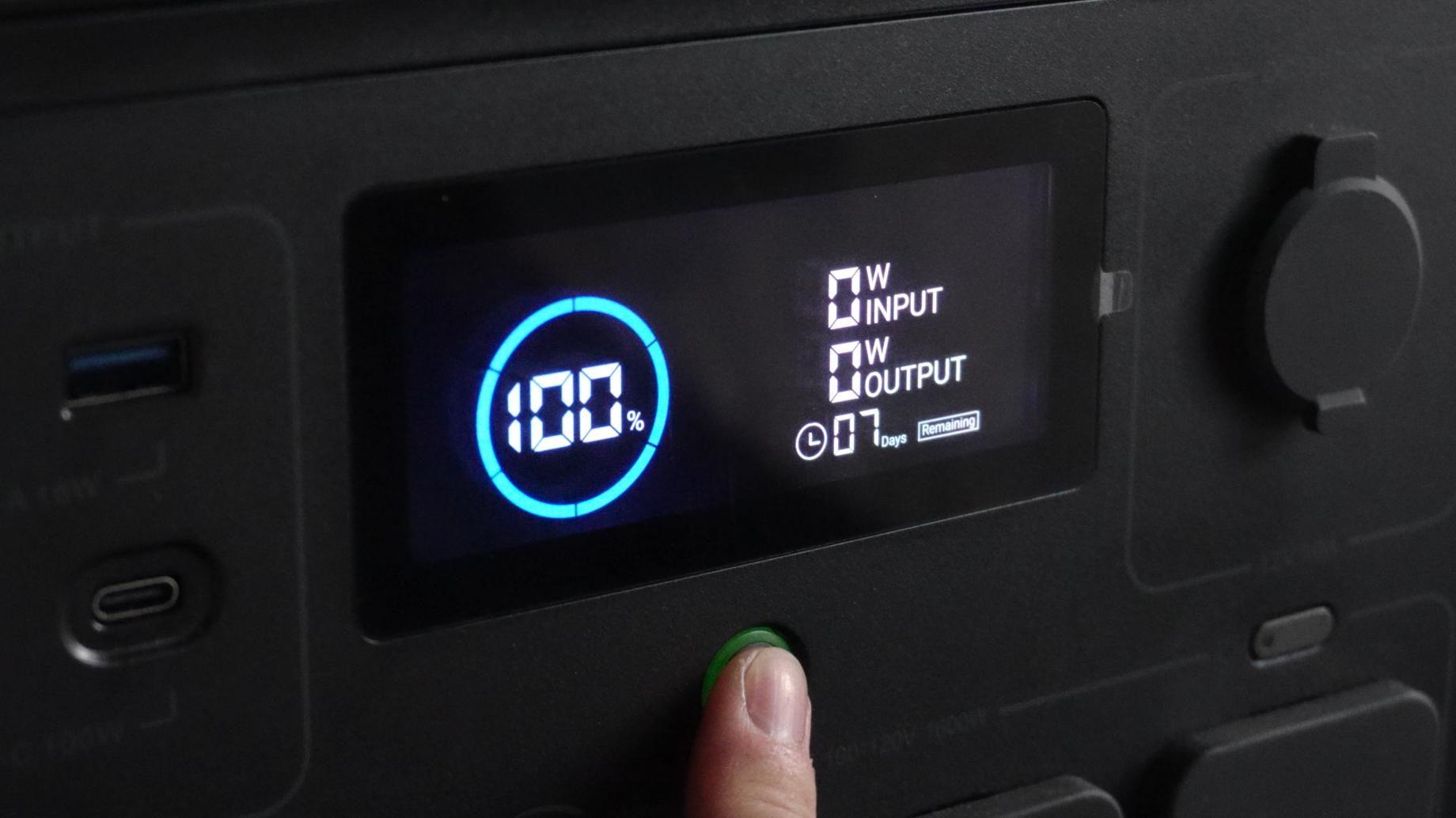
Some households now explore portable power stations and battery systems to support essential devices during outages or manage electricity usage more efficiently during peak pricing periods.
While these systems are commonly associated with emergency preparedness, they also reflect a growing interest in smarter long-term household energy management.
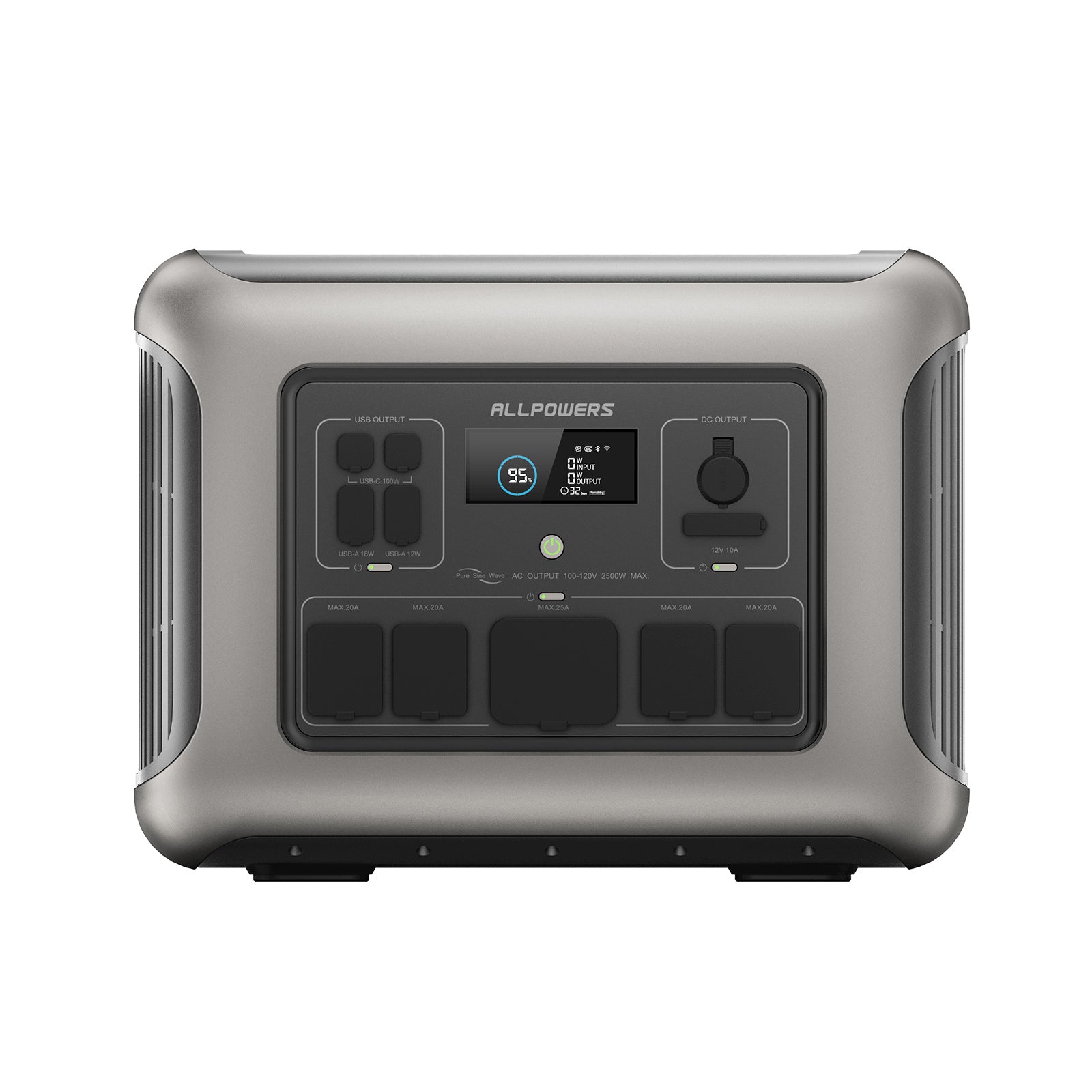
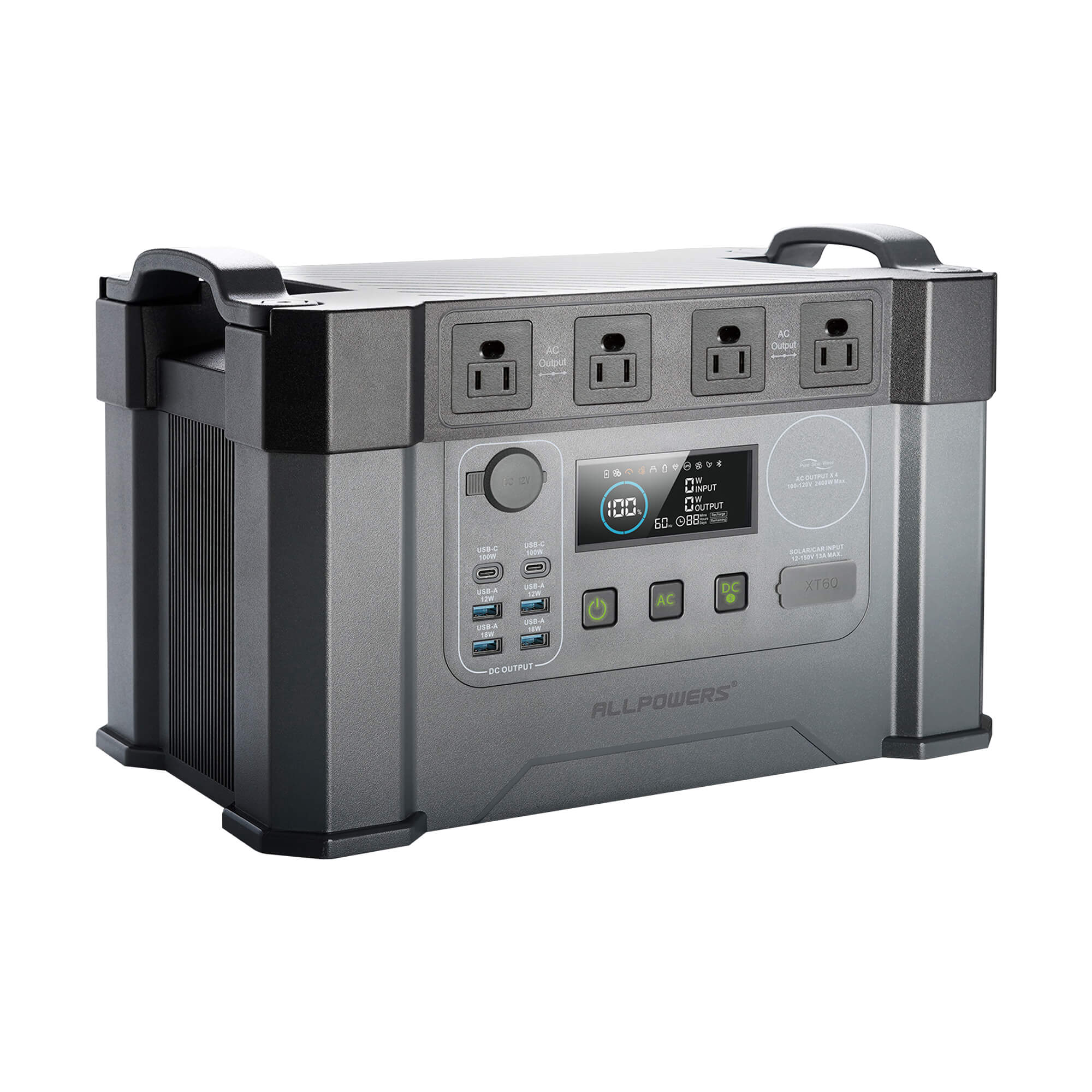
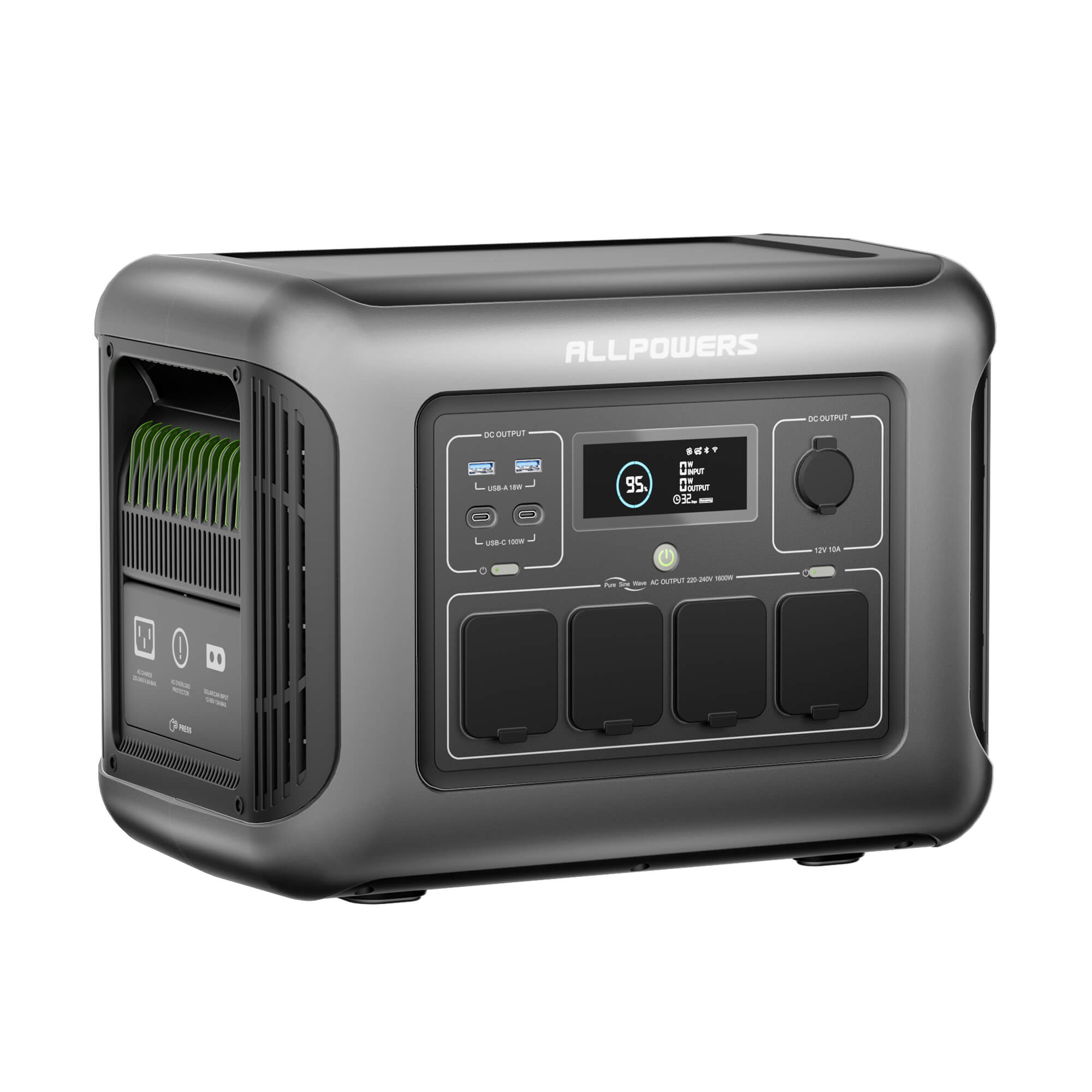
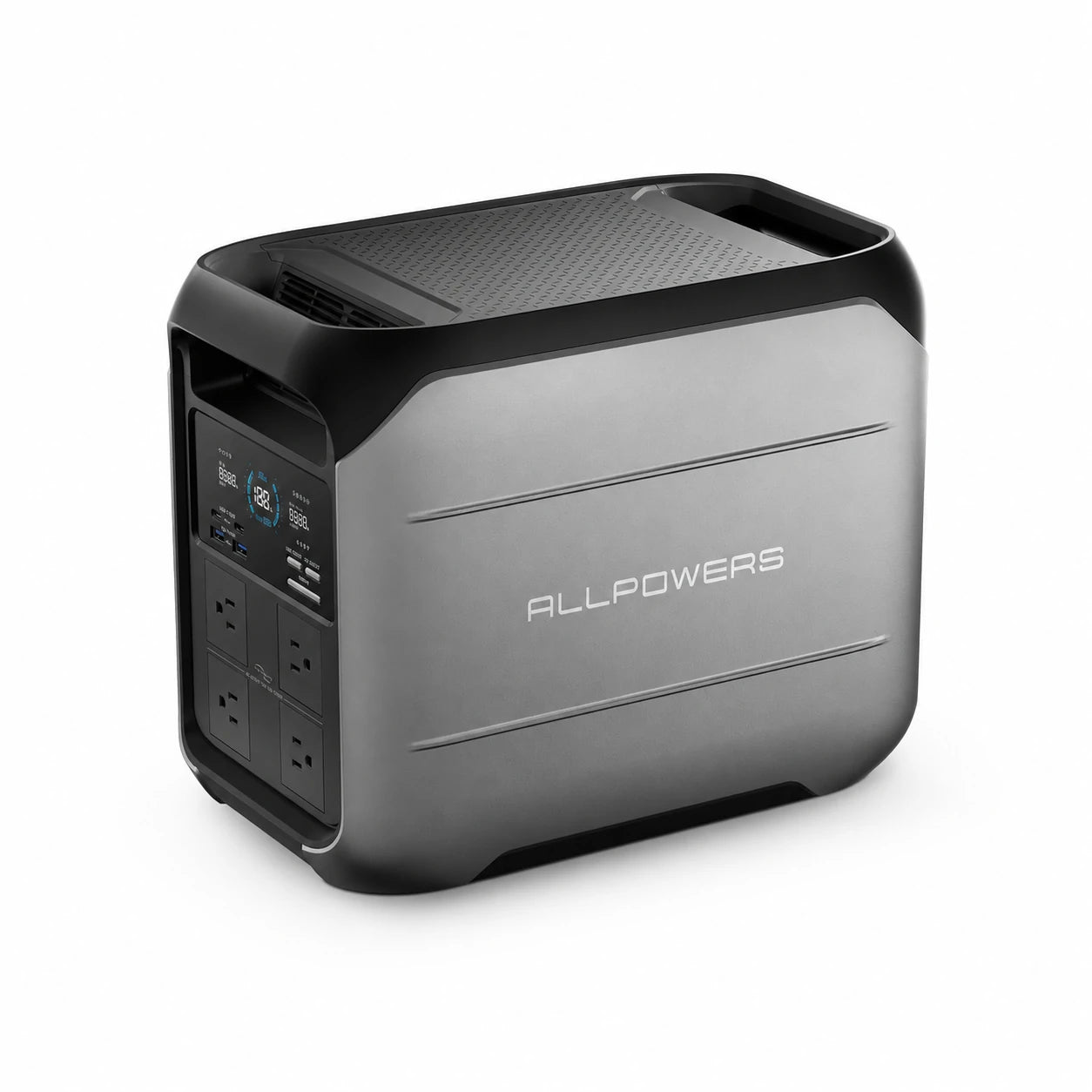
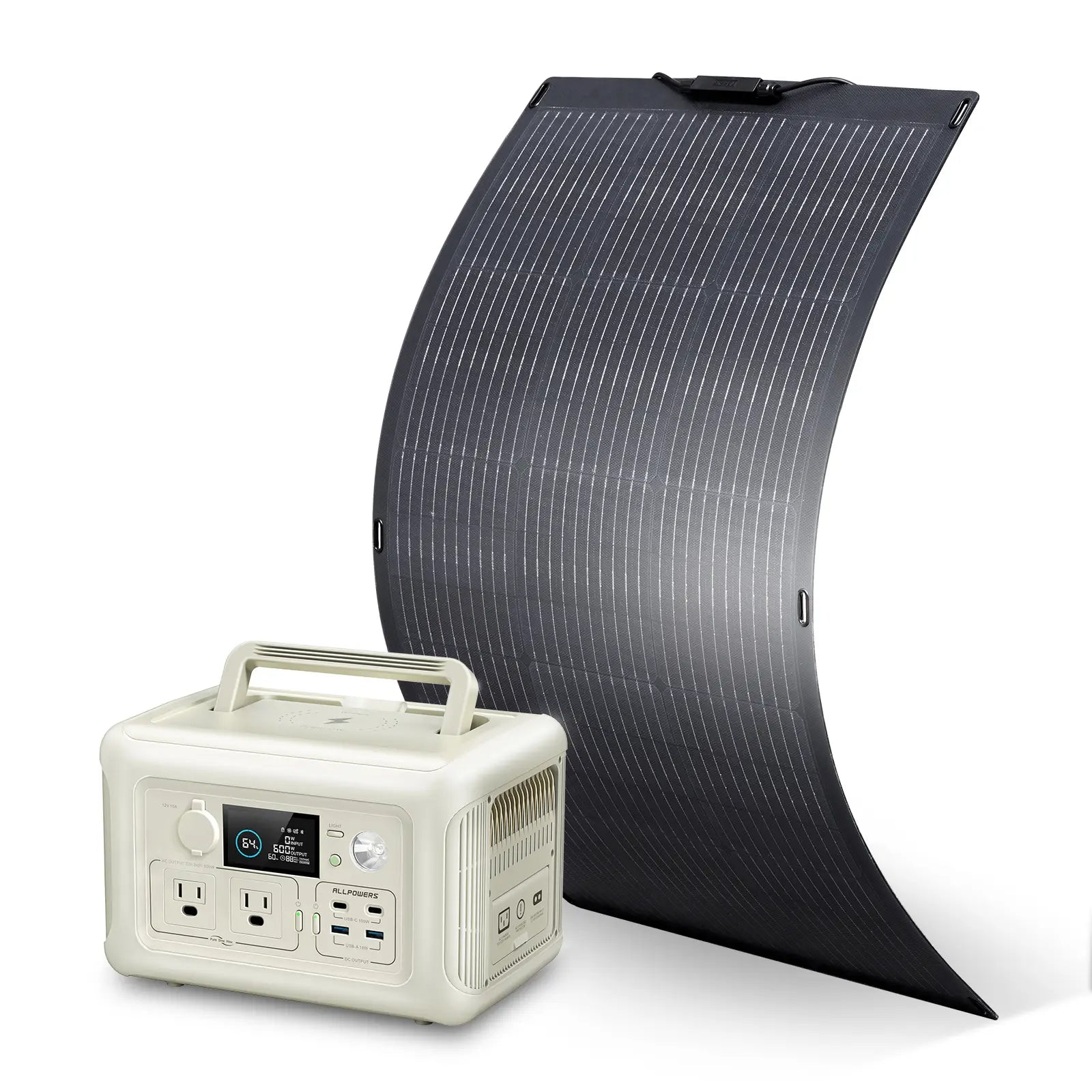
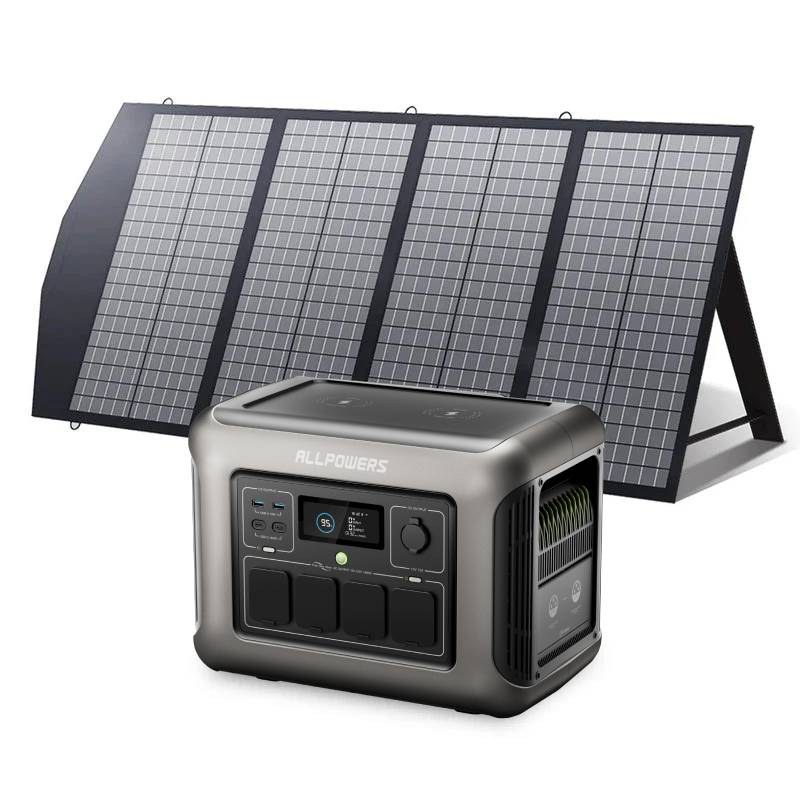
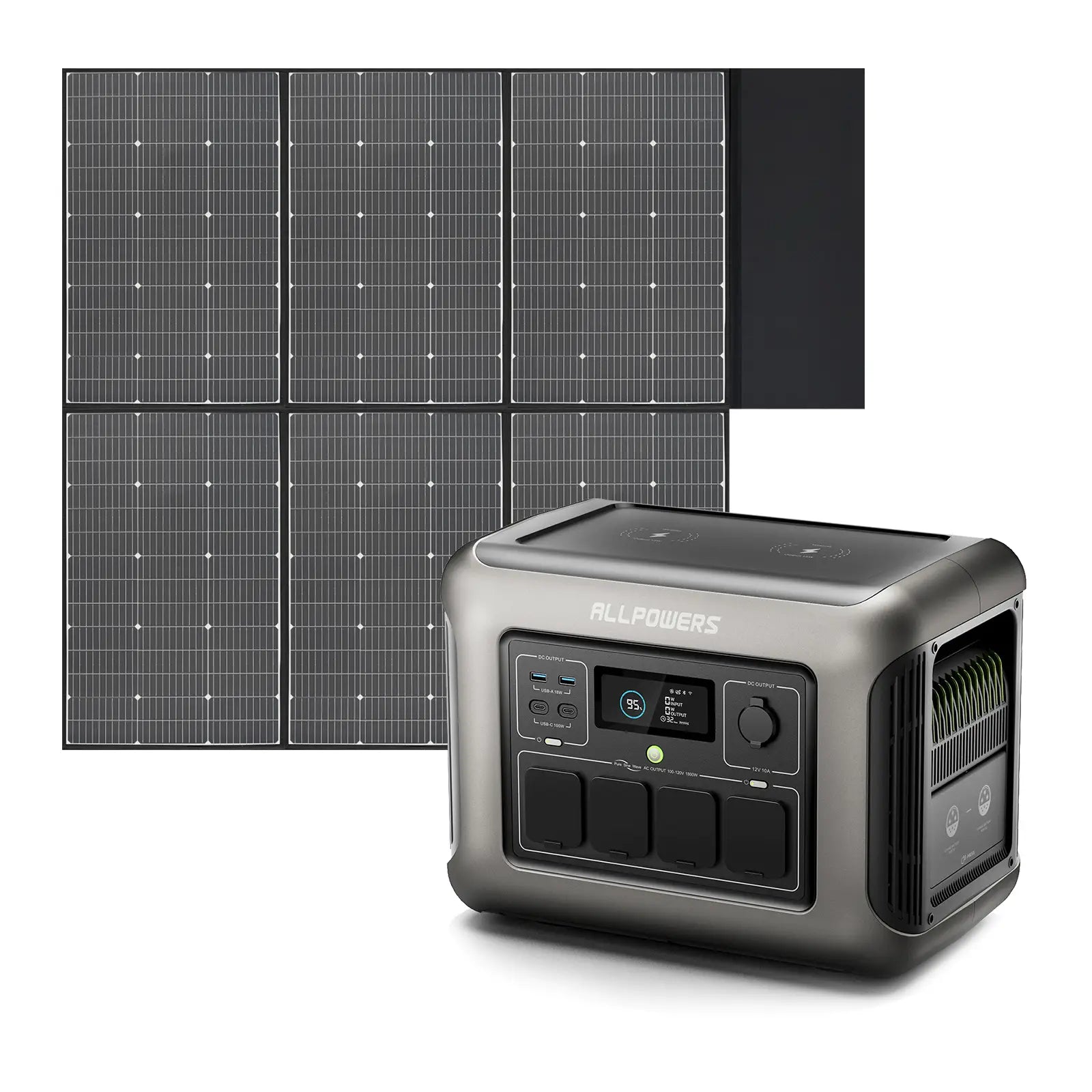
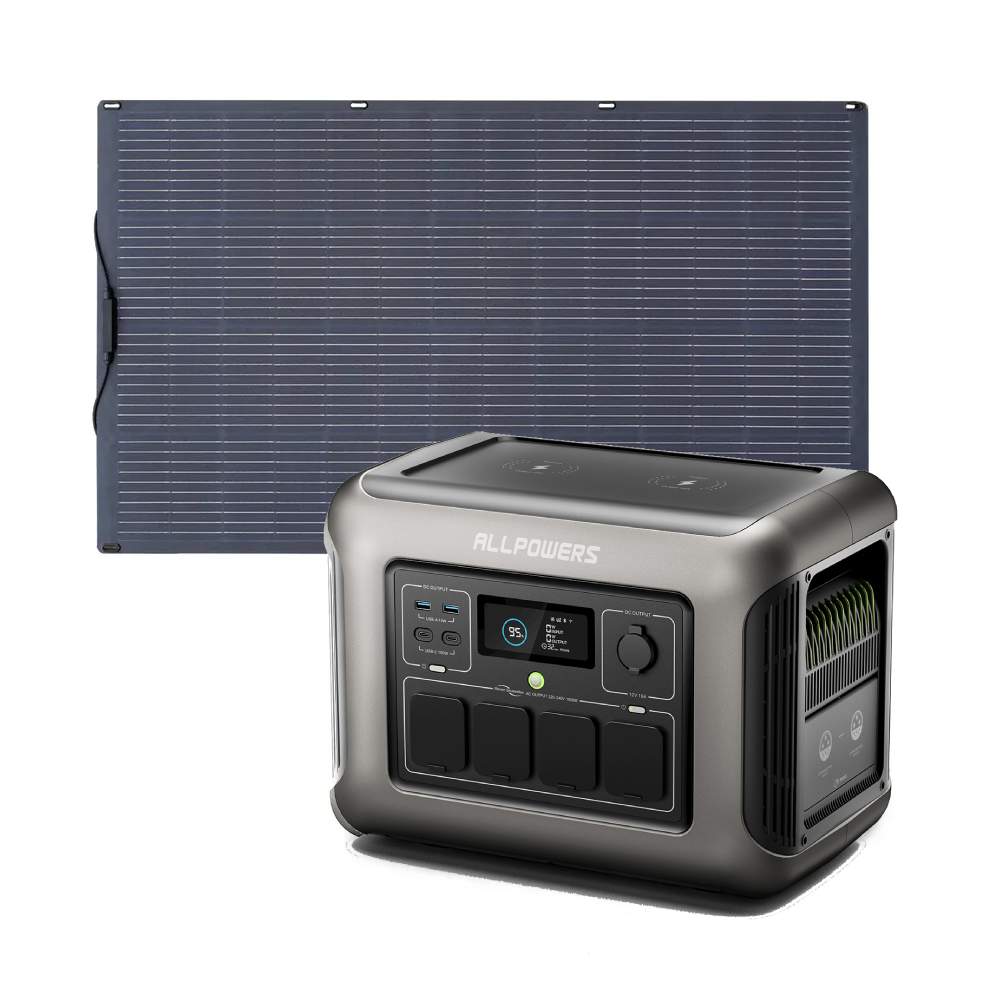
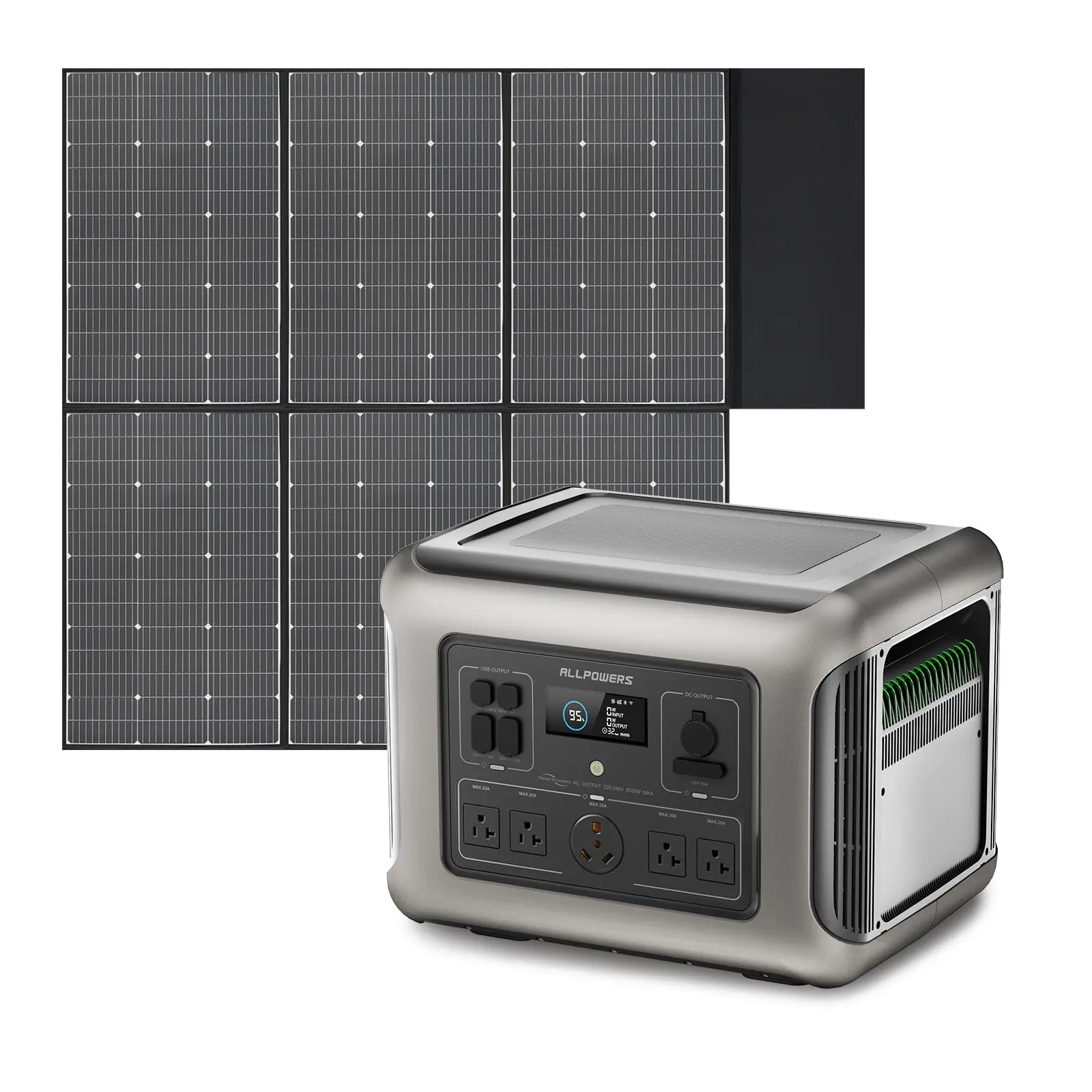
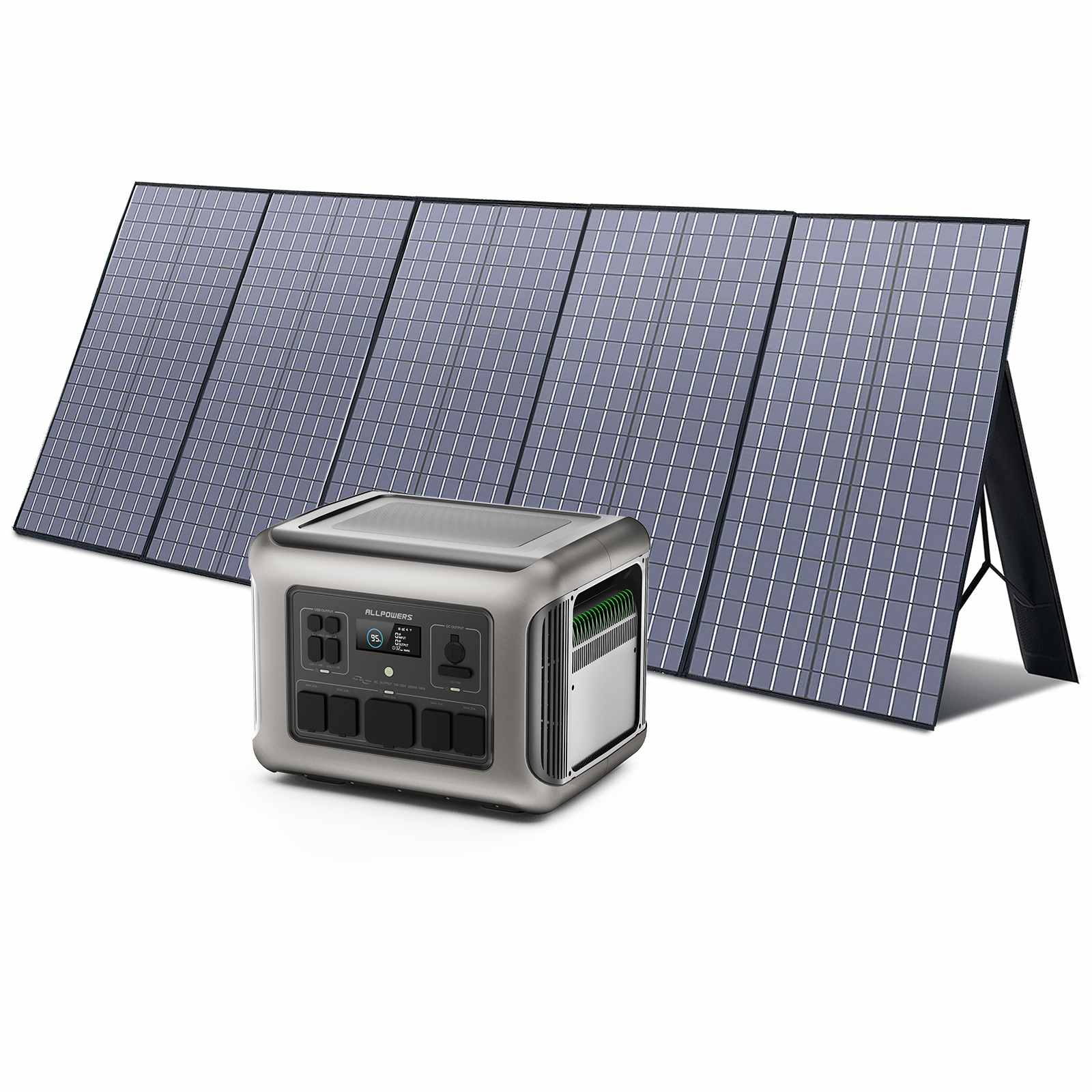
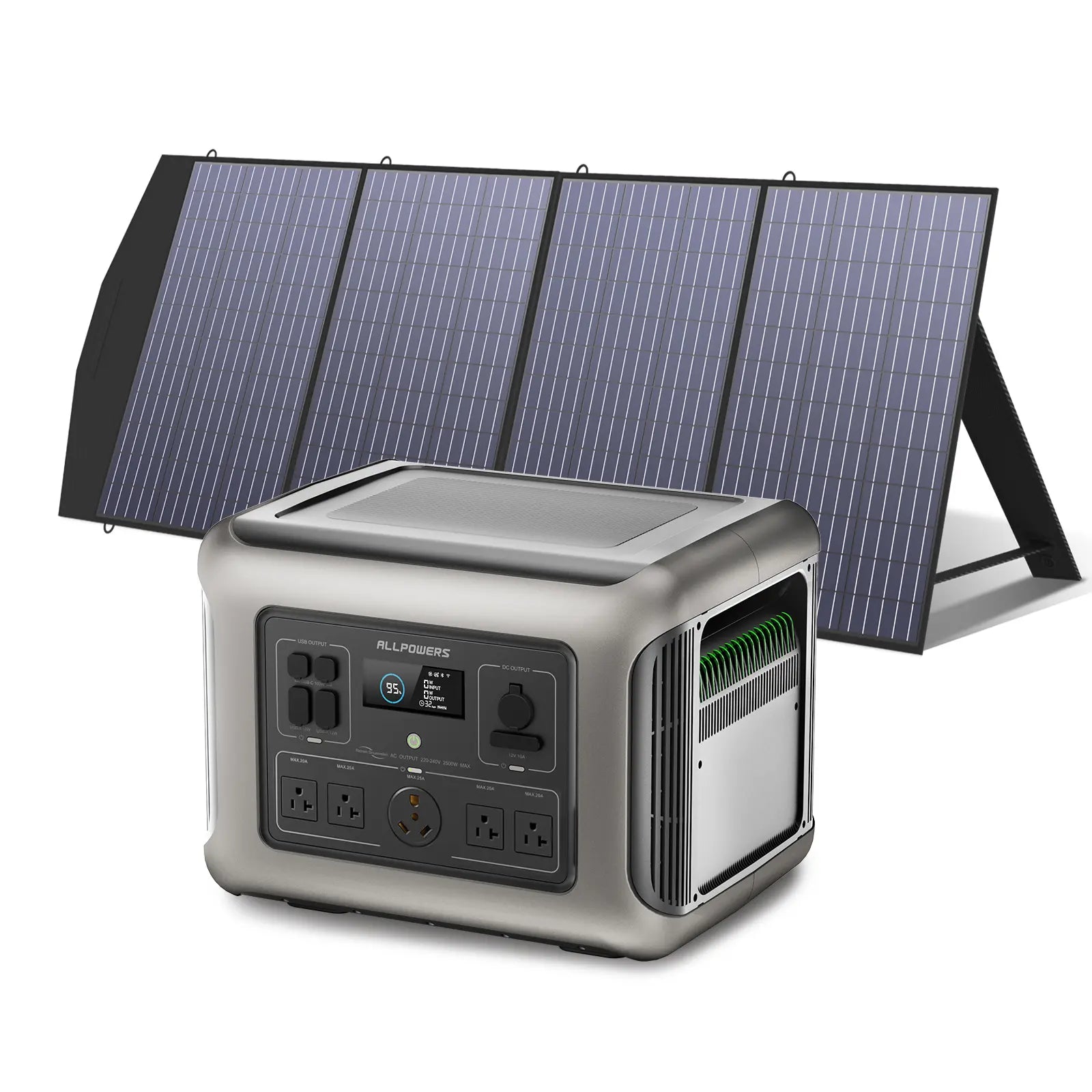
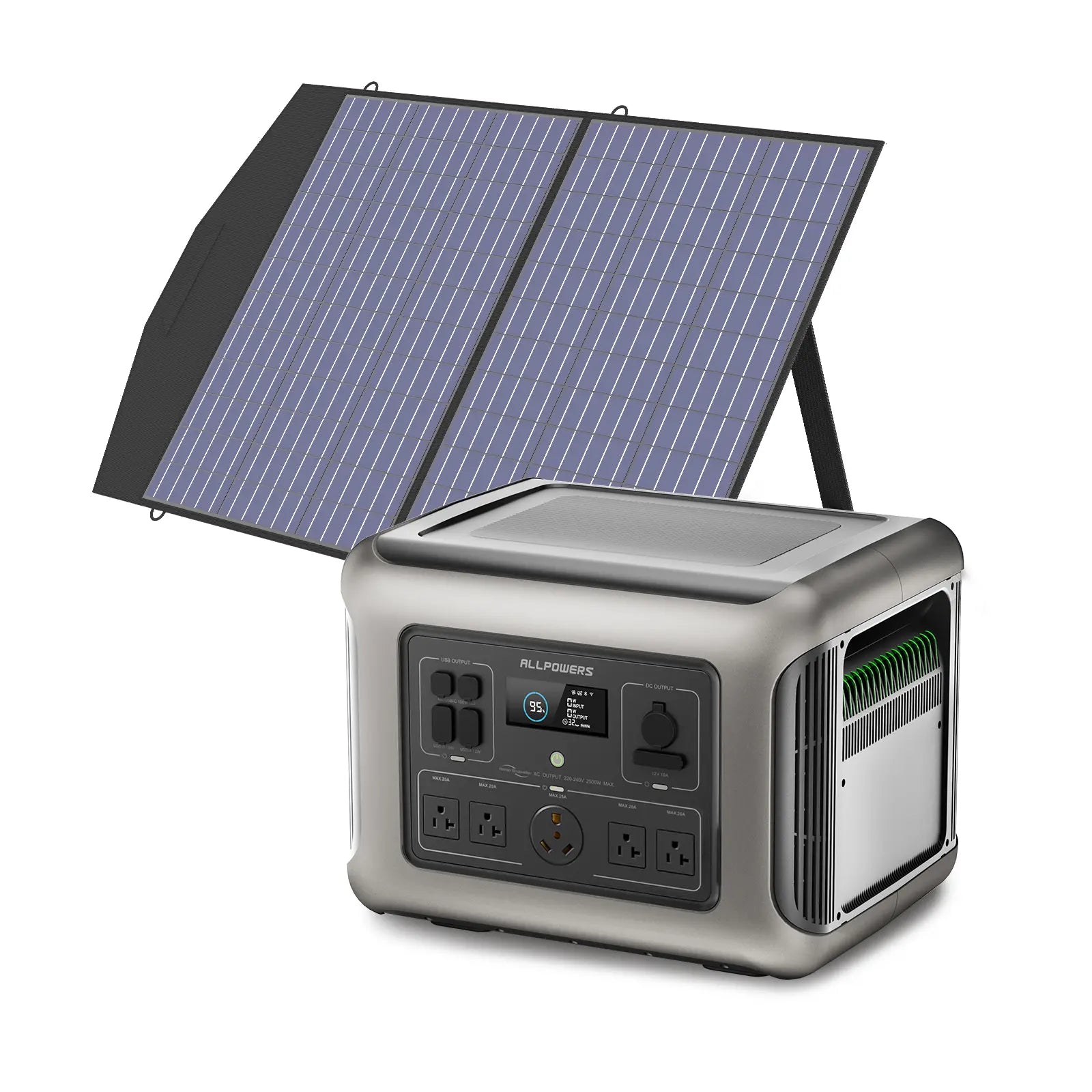
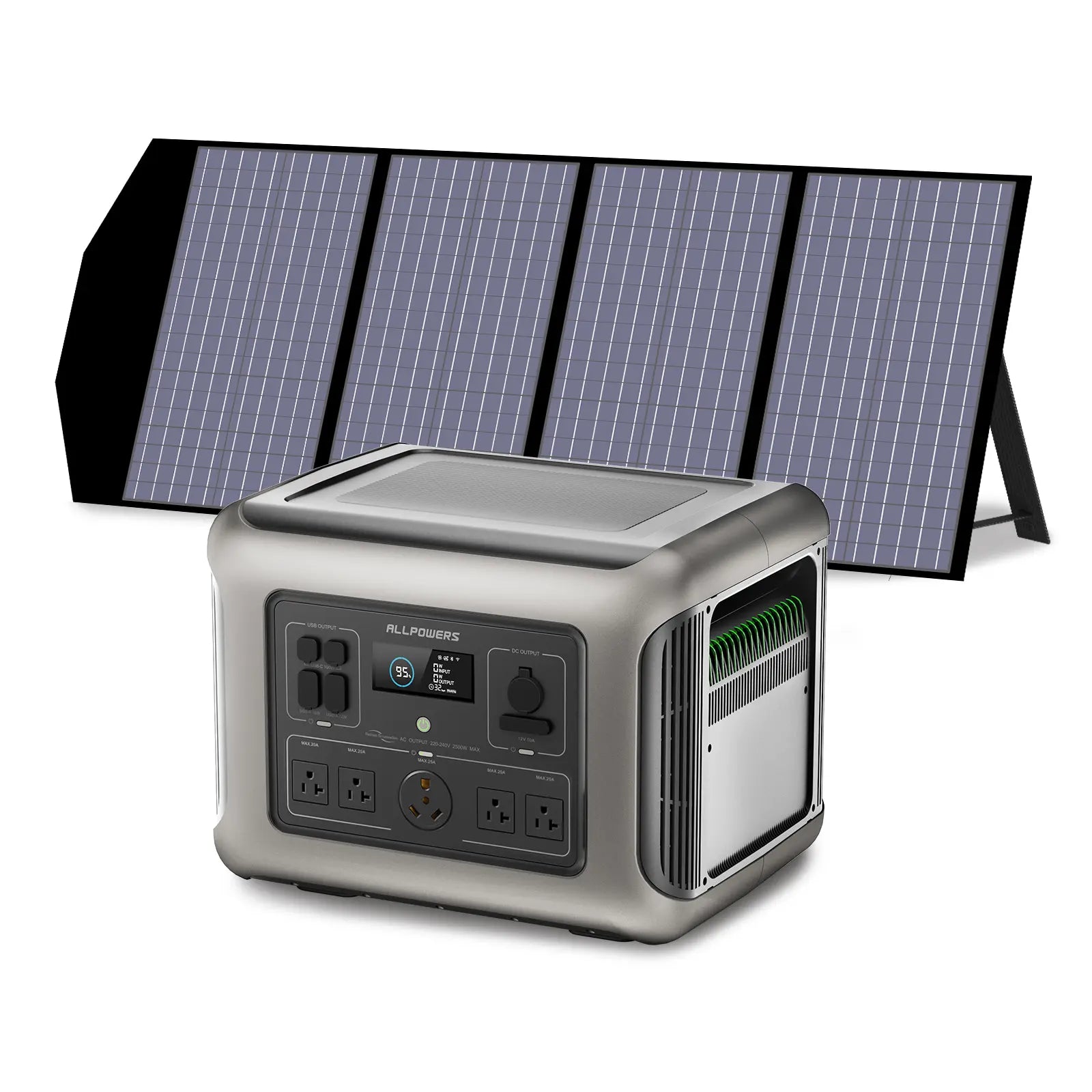
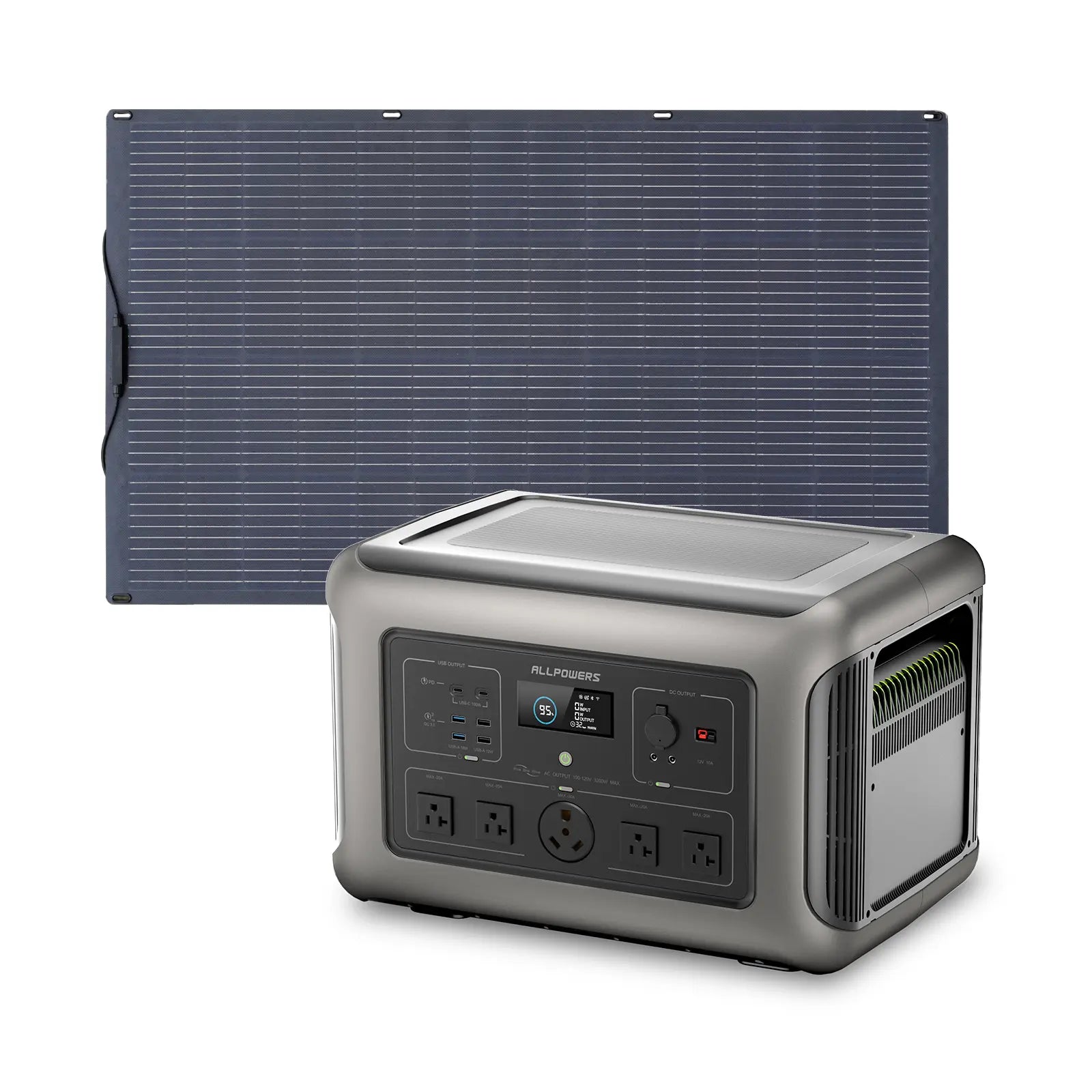
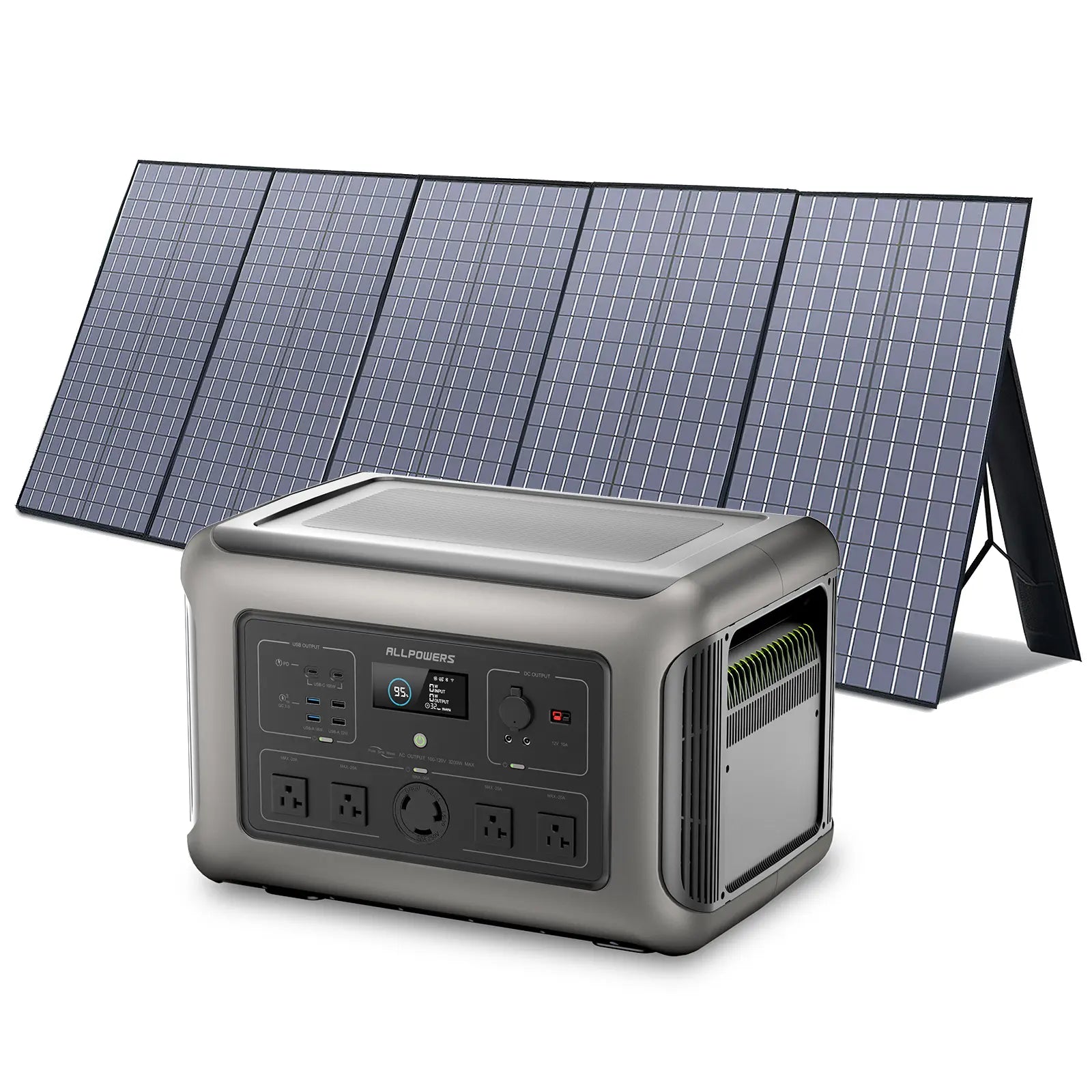
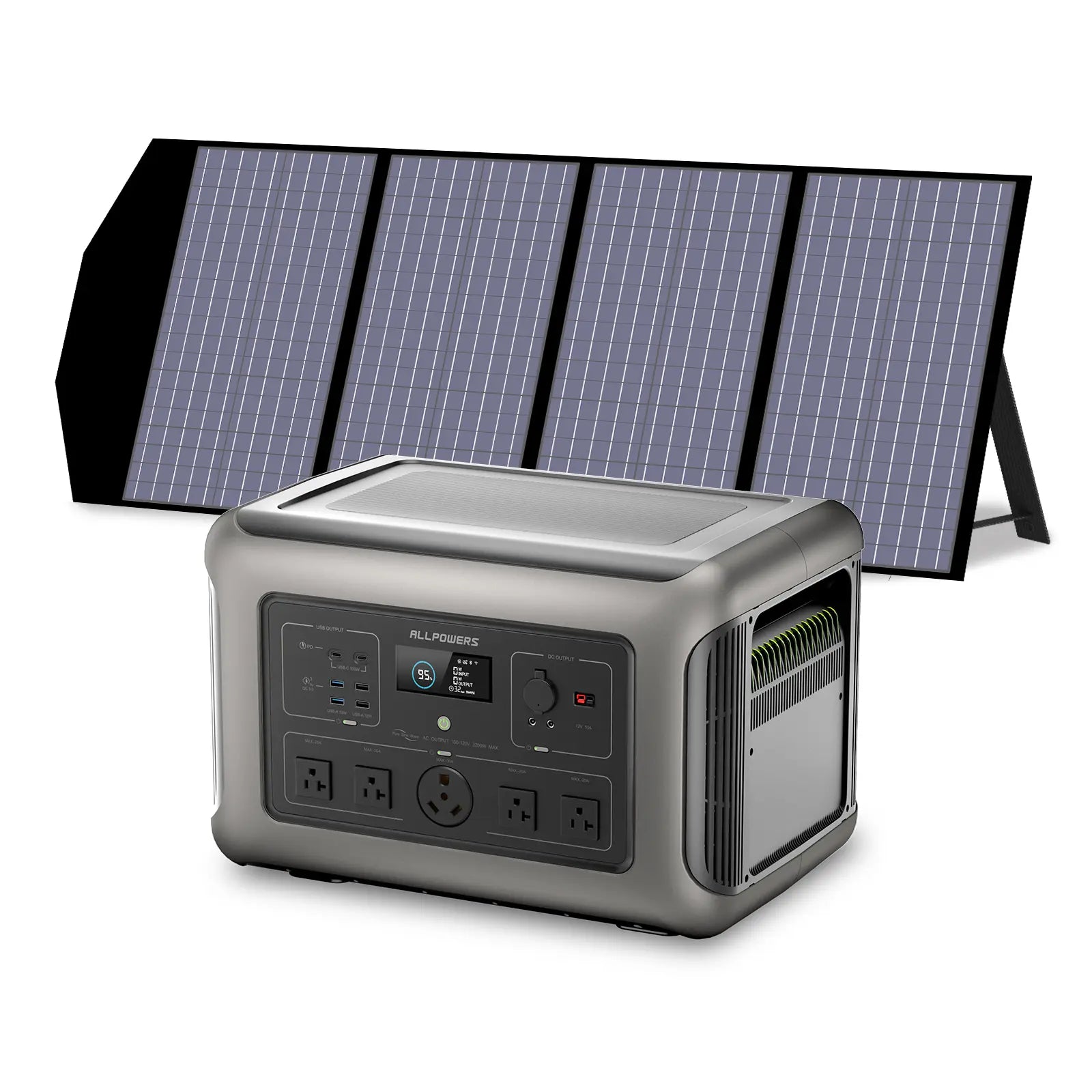
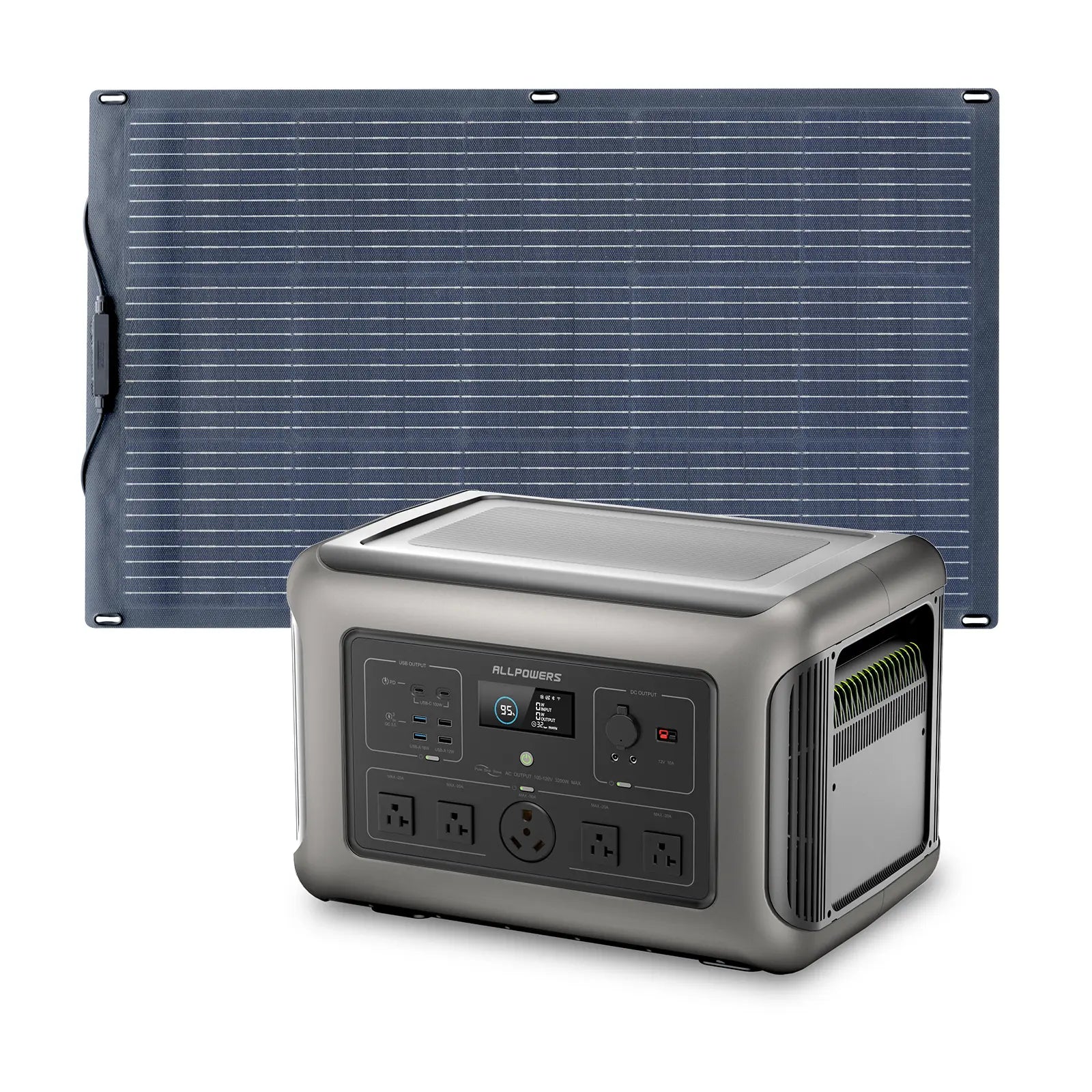
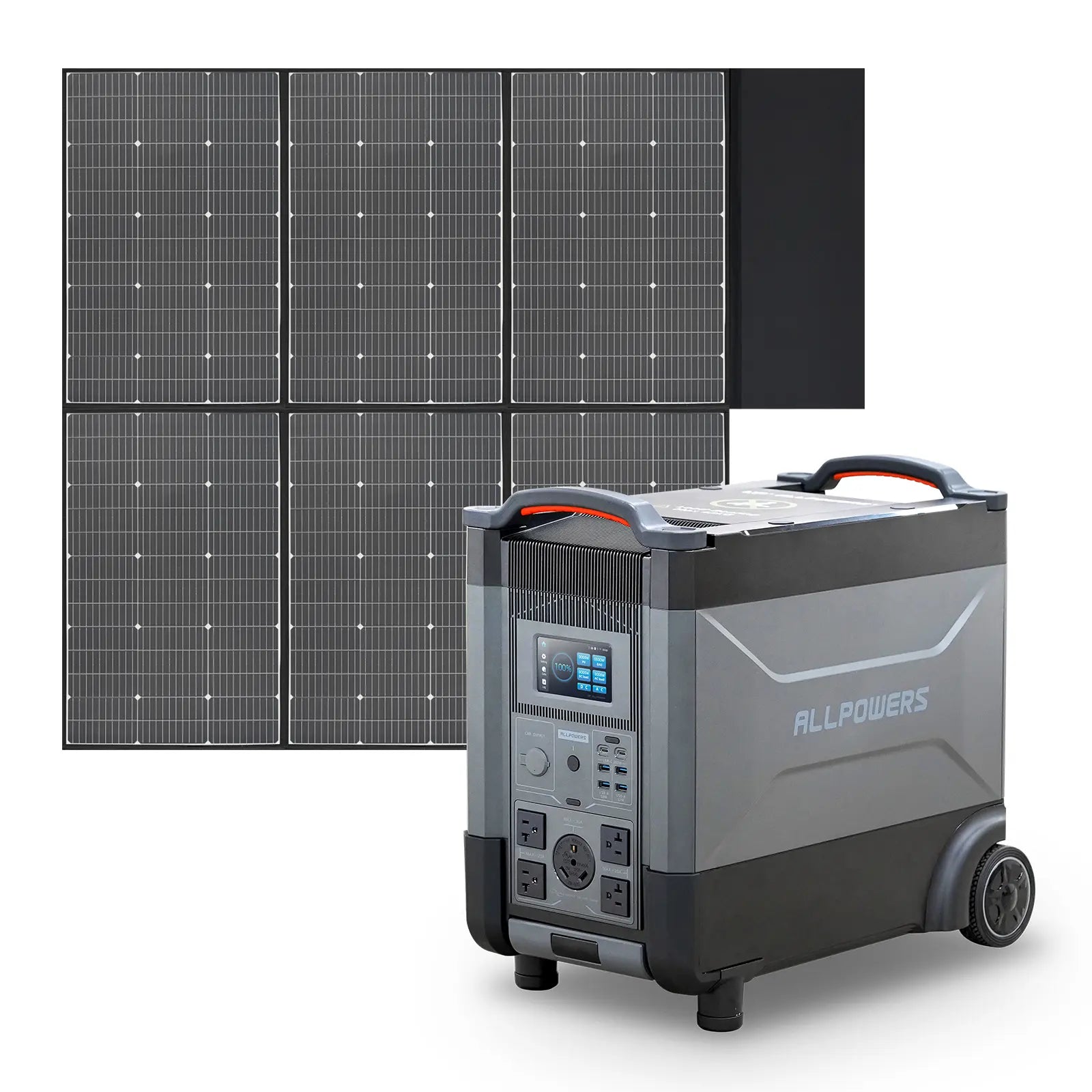
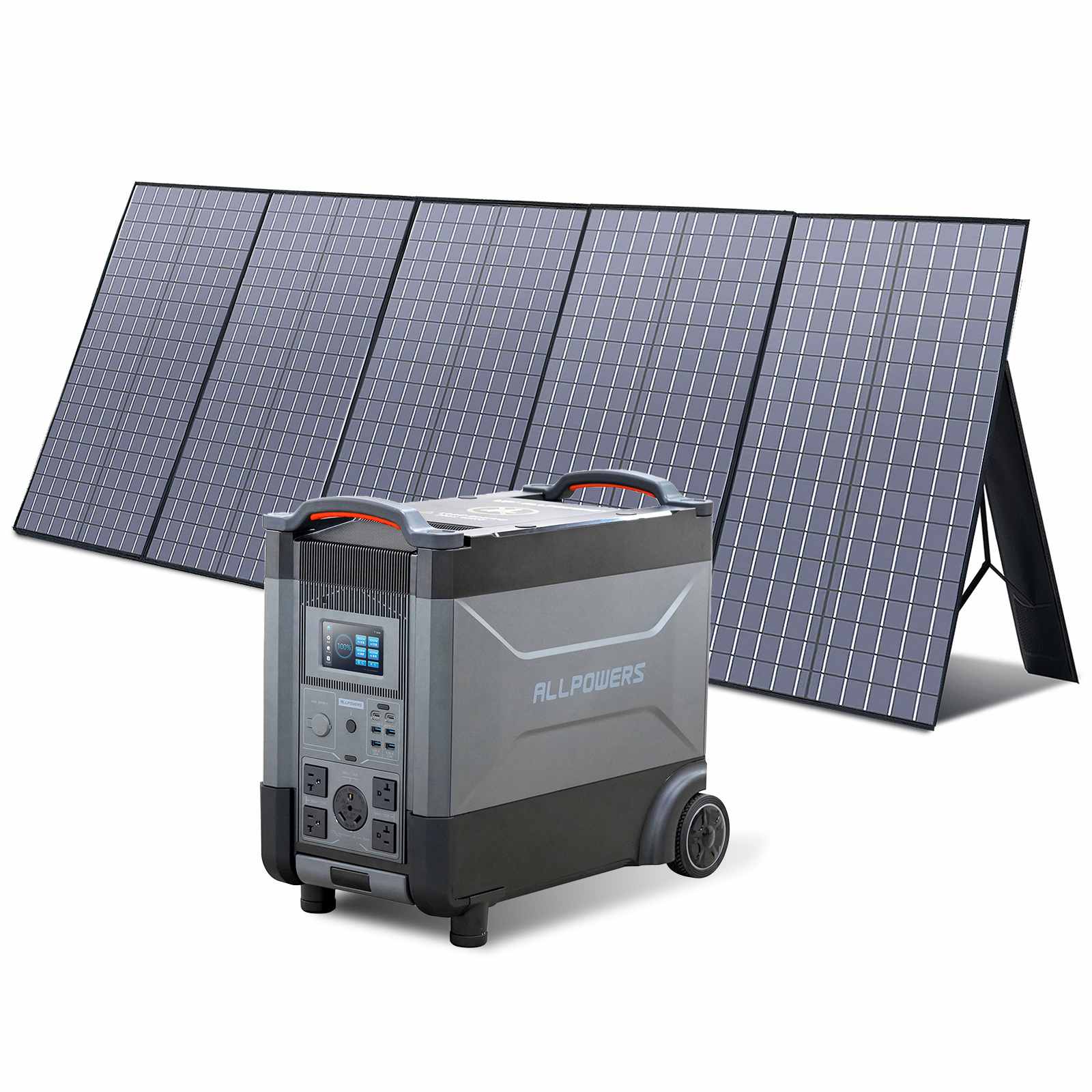
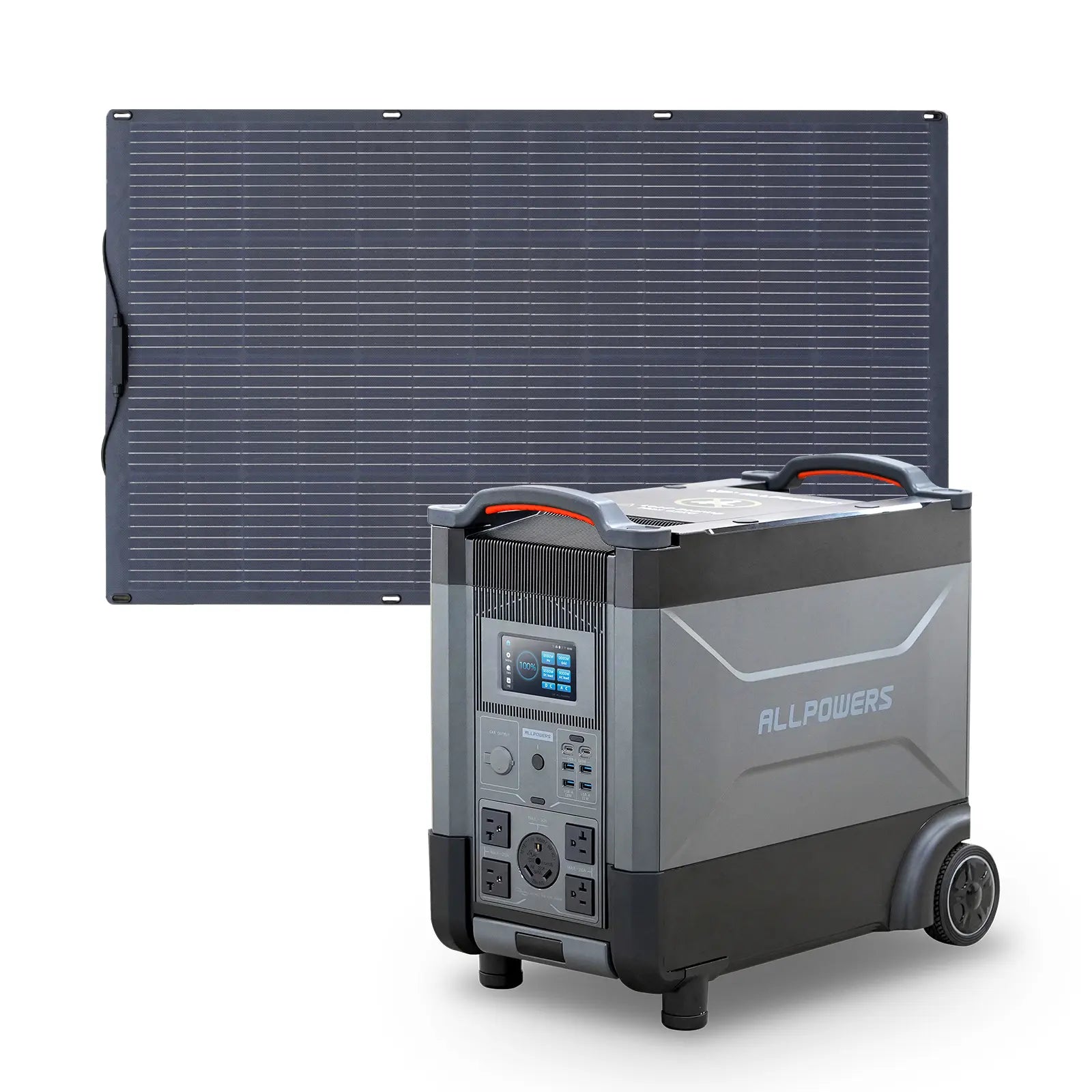
ALLPOWERS R2500 Portable Power Station
$719.00 $1,599.00
- 2016Wh Capacity;
- 2500W AC Output (4,000W Surge);
- Fast Charge 100% in 1 Hours;
- Start UPS in 15 ms;
- Expandable Up to 3x B1000 Expansion Battery;
The Future of Home Electricity Usage
Residential electricity consumption will likely continue evolving as homes adopt more connected devices, electric vehicles, renewable energy systems, and smart-home technologies.
At the same time, utilities are modernizing electrical grids with advanced metering systems and dynamic pricing structures designed to balance overall energy demand more efficiently.
Understanding which appliances use the most electricity is becoming increasingly important for homeowners who want to lower utility bills, improve efficiency, and better manage long-term energy costs.
Frequently Asked Questions
What appliance uses the most electricity in a home?
In many homes, HVAC systems consume the largest amount of electricity, especially during summer and winter seasons.
Does unplugging appliances save electricity?
Yes. Many electronics continue consuming standby power even when turned off.
Do older appliances use more electricity?
Older appliances are often significantly less energy-efficient than newer ENERGY STAR-certified models.
How can homeowners reduce electricity usage?
Improving insulation, maintaining HVAC systems, reducing standby power, and upgrading inefficient appliances can help lower electricity consumption.
Do smart thermostats lower electricity bills?
Smart thermostats can improve heating and cooling efficiency by automatically adjusting indoor temperatures based on schedules and occupancy.